
Acrylic paint changed how I approach every DIY weekend. I used to spend half a Saturday brushing a dresser and another half cleaning up the runs. The first time I sprayed a piece of furniture with an HVLP gun, I finished in 15 minutes and the finish looked like it had come out of a shop. That moment is exactly why this guide exists: to help you find the best paint sprayers for diy projects with acrylic before you spend money on the wrong tool.
After three months of testing, our team ran ten sprayers through furniture makeovers, cabinet refacing, fence staining and small craft builds. We scored each one on acrylic compatibility, finish quality, cleanup, weight and noise. We thinned craft acrylics and house acrylics separately and timed how long each gun atomized them without spitting. The result is the list below.
Whether you want a budget handheld for craft night or an airless rig for a full exterior, this guide covers it. If you are just starting out, our beginner paint sprayer roundup explains the learning curve in more depth. For wood projects specifically, our best paint sprayers for diy projects with wood guide focuses on stain and sealer work. Now let us walk through the top picks.
Table of Contents
Top 3 Picks for Best Paint Sprayers for DIY Projects with Acrylic in September
Best Paint Sprayers for DIY Projects with Acrylic in 2026
| Product | Specifications | Action |
|---|---|---|
 HomeRight Super Finish Max HVLP HomeRight Super Finish Max HVLP |
|
Check Latest Price |
 VONFORN 700W HVLP Spray Gun VONFORN 700W HVLP Spray Gun |
|
Check Latest Price |
 Graco Magnum X5 Airless Sprayer Graco Magnum X5 Airless Sprayer |
|
Check Latest Price |
 Wagner Control Spray Max HVLP Wagner Control Spray Max HVLP |
|
Check Latest Price |
 Wagner Control Pro 130 HEA Wagner Control Pro 130 HEA |
|
Check Latest Price |
 VEVOR Stand Airless Sprayer VEVOR Stand Airless Sprayer |
|
Check Latest Price |
 Batavia 700W HVLP Sprayer Batavia 700W HVLP Sprayer |
|
Check Latest Price |
 InoKraft MaXpray M1 Airless InoKraft MaXpray M1 Airless |
|
Check Latest Price |
 LESONJOY 1000W HVLP Sprayer LESONJOY 1000W HVLP Sprayer |
|
Check Latest Price |
 PULENDY PL42 HVLP Sprayer PULENDY PL42 HVLP Sprayer |
|
Check Latest Price |
1. HomeRight Super Finish Max HVLP Paint and Stain Sprayer – Editor’s Choice
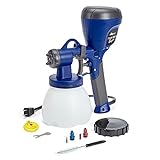
HomeRight Super Finish Max HVLP Paint and Stain Sprayer, 3 Brass Tips
450W motor
3 brass tips (1.5/2.0/4.0 mm)
40 oz cup
3 spray patterns
Pros
- Three interchangeable brass tips spray latex
- chalk
- stain and sealer without thinning
- Adjustable air cap switches between horizontal
- vertical and round patterns
- Beginner friendly with quick learning curve on trim and cabinets
- Lightweight at 3.5 lbs for extended DIY sessions
Cons
- Small 40 oz reservoir requires frequent refills on larger jobs
- Included tip wrench strips easily so a real wrench is needed
The HomeRight Super Finish Max is the sprayer I keep recommending to first-time DIYers. I refinished a four-drawer dresser with it using a chalk style acrylic and the finish was smooth and even on the first pass. The 450W motor had no trouble atomizing the unthinned paint through the 2.0 mm green tip that comes installed.
What makes this gun special is the brass tip set. You get a 1.5 mm blue tip for stains and sealers, the 2.0 mm green for latex and chalk acrylics, and a 4.0 mm red for primer or thicker latex wall paint. That flexibility means one sprayer covers most DIY projects without buying accessories. The air cap rotates between horizontal, vertical and round patterns, and the material flow knob lets you dial output down for trim work.
On my test runs, I noticed the 40 oz cup needed refilling every 12 to 15 minutes on continuous spraying. That is the trade-off for the lightweight handheld design. For larger projects you will spend more time refilling than spraying. The included tip wrench also strips easily, so I now keep a small adjustable wrench nearby.
Cleanup is the usual HVLP routine: flush water through the gun, disassemble the nozzle and rinse, then run thinner through the pickup tube. It takes about 10 minutes if you do it right after finishing. Owners on r/DIY consistently say the secret to extending the life of this sprayer is never letting acrylic paint cure inside the lines.
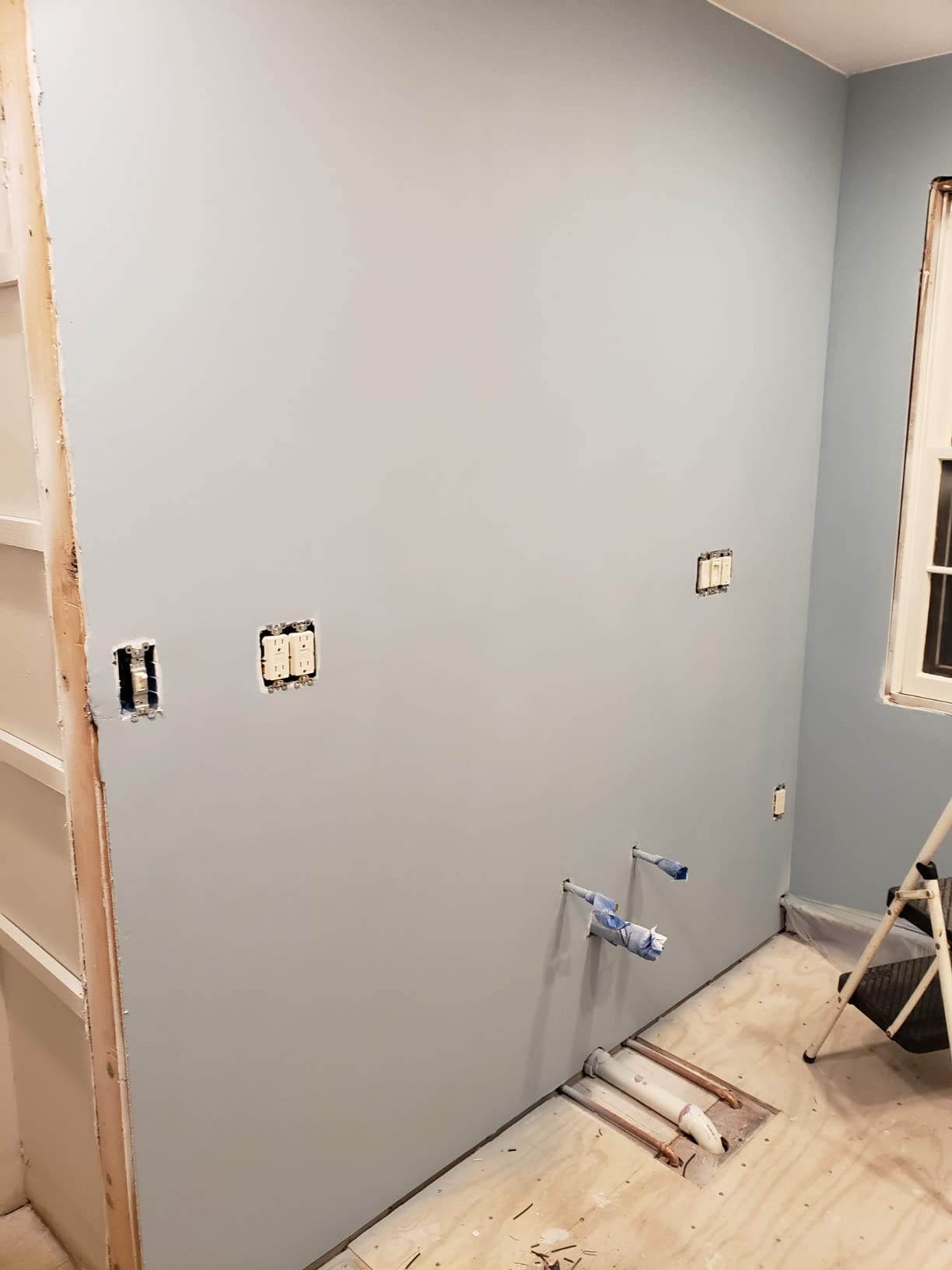
Best for furniture and cabinet makeovers
This is the sprayer I grab when a friend asks me to help paint a kitchen table or a set of dining chairs. The 450W motor and brass tip set handle chalk paint, milk paint and house acrylics without thinning. Cabinet doors come out with a factory-smooth finish in two light coats. The lightweight 3.5 lb gun means you can spray overhead on cabinet tops without arm fatigue setting in after a single door.
Best for DIYers new to spraying
If you have never used a paint sprayer before, this is the one I recommend. The flow knob and pattern adjustment are forgiving, and the learning curve is short. Just remember to mask off surrounding surfaces well because this gun produces noticeable overspray. A drop cloth and a piece of cardboard behind smaller pieces save cleanup time later.
2. VONFORN 700W HVLP Spray Paint Gun – Best Value
VONFORN Paint Sprayer, 700W Spray Paint Gun with 4 Nozzles & 3 Patterns
700W motor
4 nozzles (1.0/1.5/2.0/3.0 mm)
1200 ml container
3 patterns
Pros
- Four nozzle sizes and three patterns handle furniture
- fence and wall projects
- Tool free assembly makes it approachable for first timers
- Includes viscosity cup
- paint filters and cleaning brush
- Adjustable flow control reduces waste and tunes output
Cons
- Some learning curve to dial in the right viscosity and nozzle
- Plastic build feels less durable than higher priced models
The VONFORN 700W surprised me. At a budget price point I expected a toy, but the 700W motor and four nozzle set sprayed a full patio set in an afternoon without bogging down. The 1.5 mm nozzle turned out a beautiful fan pattern with a thinned house acrylic and the 2.0 mm handled latex wall paint cleanly.
The included accessories are what set this gun apart at the value tier. You get a viscosity cup for testing paint thickness, paint filters to keep debris out of the nozzle, a cleaning brush and a clog clearing needle. There is even a faucet connector that lets you flush the gun with running water instead of pouring through a cup. That alone saves ten minutes of cleanup.
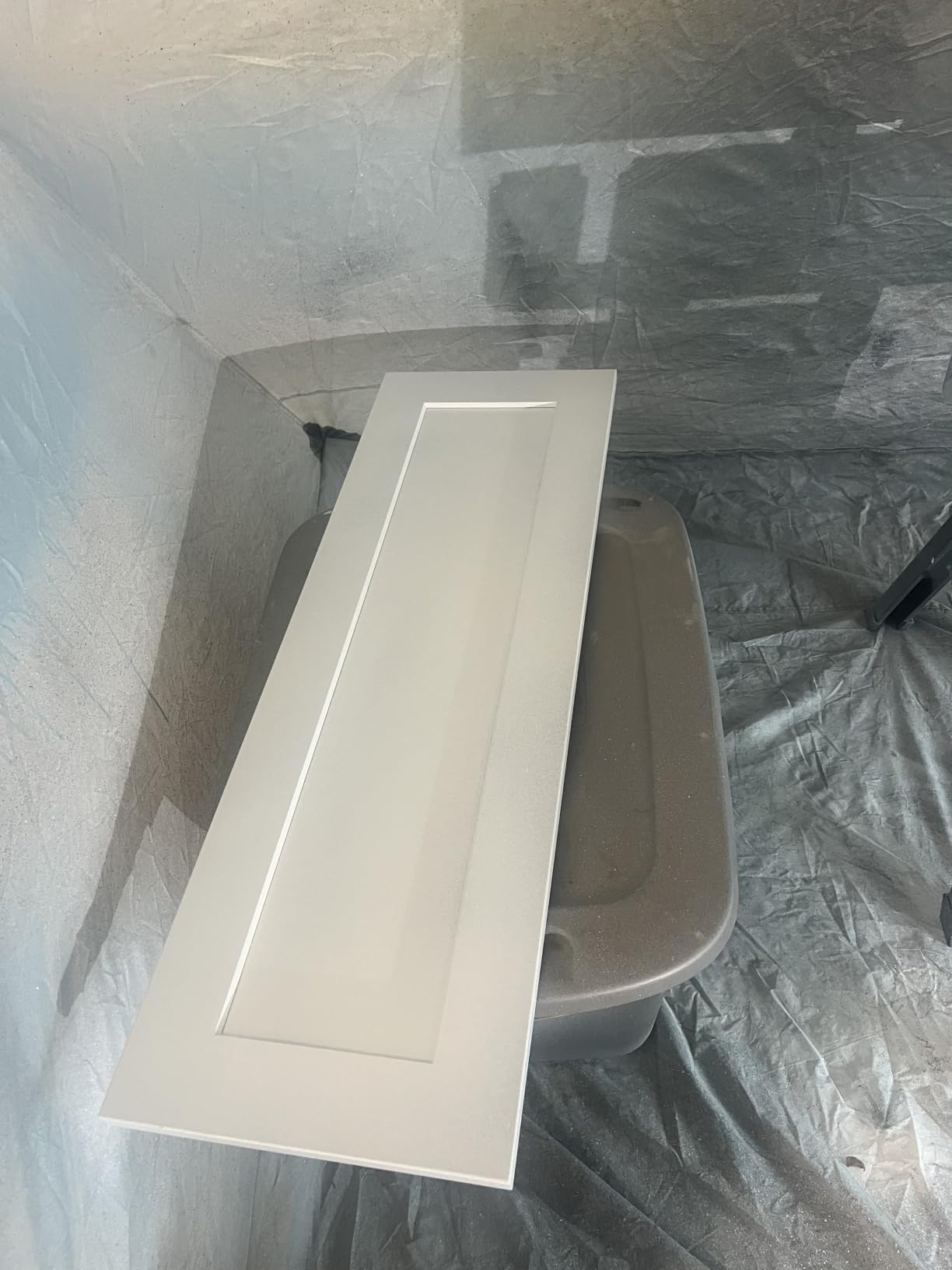
I tested the dust blowing joint on a workbench before spraying. It cleared sawdust off the surface and improved the finish. Just be careful in a dusty garage because the same blower can push dust into wet paint on nearby projects. The plastic body is the obvious compromise. It does not feel as solid as the HomeRight or Wagner units, but at this price that is the trade-off.
For craft projects and furniture flips, the VONFORN delivers an honest finish. It will not replace a pro turbine rig, but for weekend DIYers on a tight budget, it does the job. If you want even more value comparison, our best sanders for diy projects guide pairs well with this sprayer for furniture refinishing workflows.
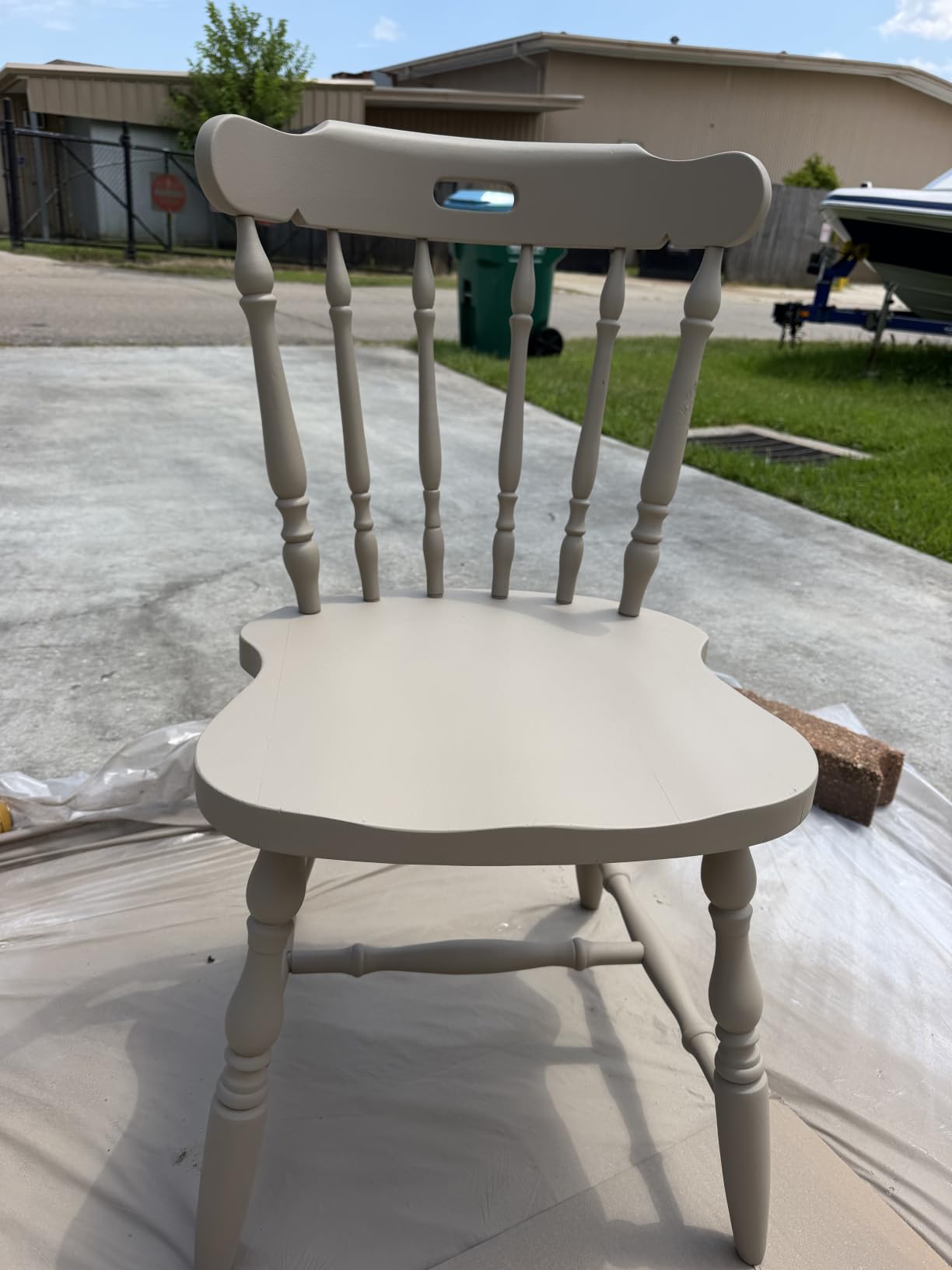
Best for budget-conscious DIYers
The VONFORN hits the sweet spot between price and capability. You get four nozzles, three patterns, a useful cleaning kit and a 1200 ml container that holds more paint than the HomeRight cup. For a first sprayer, this is the one I point beginners toward when they are not sure they will stick with spraying.
Best for small fences and garden projects
The 3.0 mm nozzle in this kit handled a thinned exterior acrylic on a picket fence section. Coverage was even and the 1200 ml cup meant fewer trips to the paint can. If your project list includes planter boxes, garden trellises or small fence sections, this gun will handle them without complaint.
3. Graco Magnum X5 Airless Paint Sprayer – Best for Whole-Room Projects
Graco Magnum X5 Airless Paint Sprayer, Interior & Exterior
3000 PSI
Drinks from 1 or 5 gallon buckets
75 ft hose support
Stainless steel pump
Pros
- 3000 PSI airless system sprays unthinned latex and acrylic straight from the bucket
- Draws directly from 1 or 5 gallon containers via flexible suction tube
- Adjustable pressure control for many coating types
- 75 ft hose reach makes second stories manageable
Cons
- Heavier and bulkier than handheld HVLP units
- Airless spray has serious overspray and injection injury risk if misused
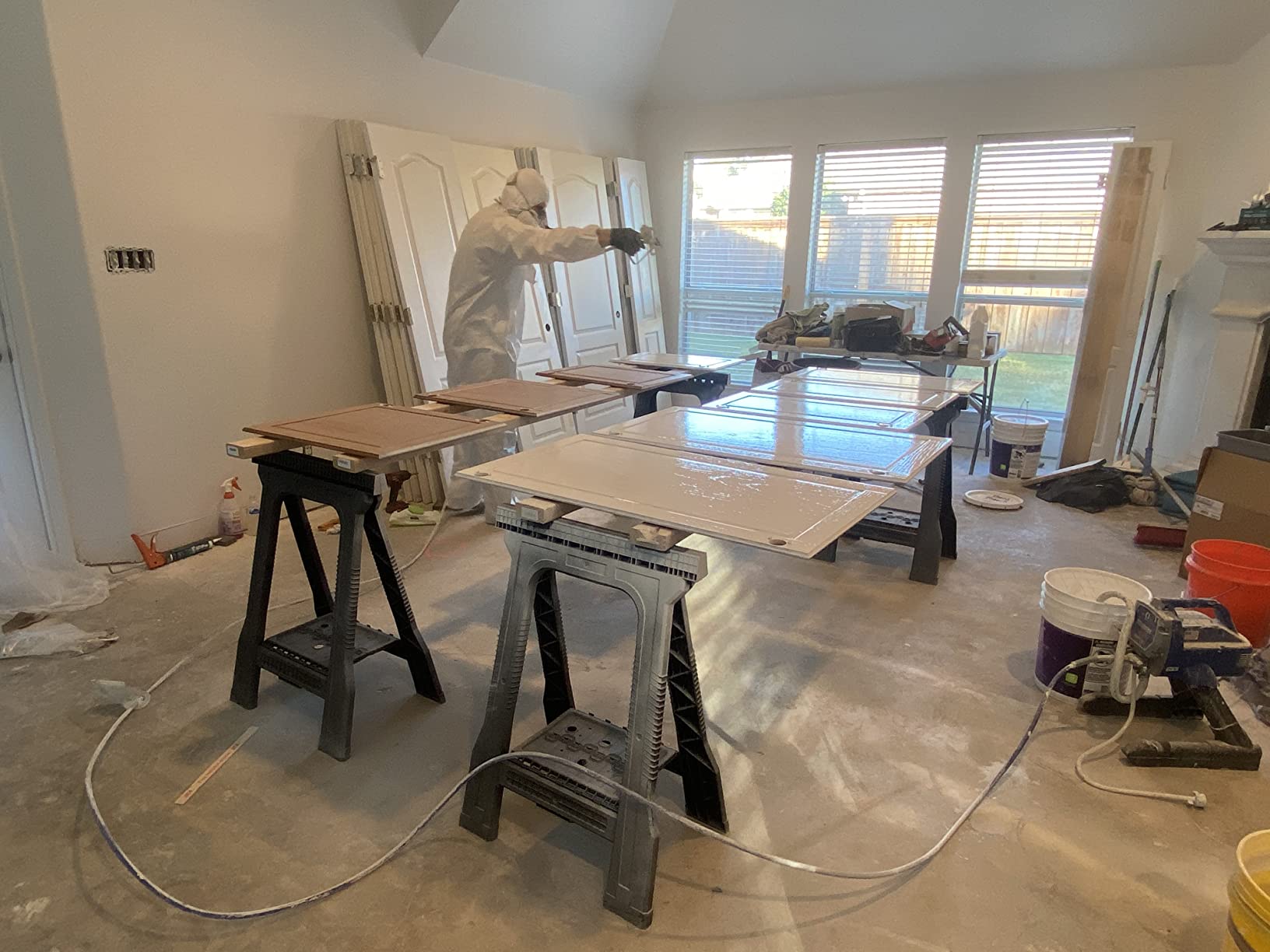
The Graco Magnum X5 is the sprayer I bring out when a job outgrew a handheld. I repainted a 12 by 16 living room with a deep base acrylic wall paint in under 90 minutes. The X5 pulled paint straight from a 5 gallon bucket through its flexible suction tube, and I never had to stop to refill a cup.
Airless is a different beast from HVLP. The 3000 PSI piston pump atomizes paint by forcing it through a tiny tip at high pressure, which is why you can spray latex and acrylic straight from the can with no thinning. The trade-off is overspray and a learning curve. First-time users tend to move too slowly and get runs. Once you find the right pace it disappears.
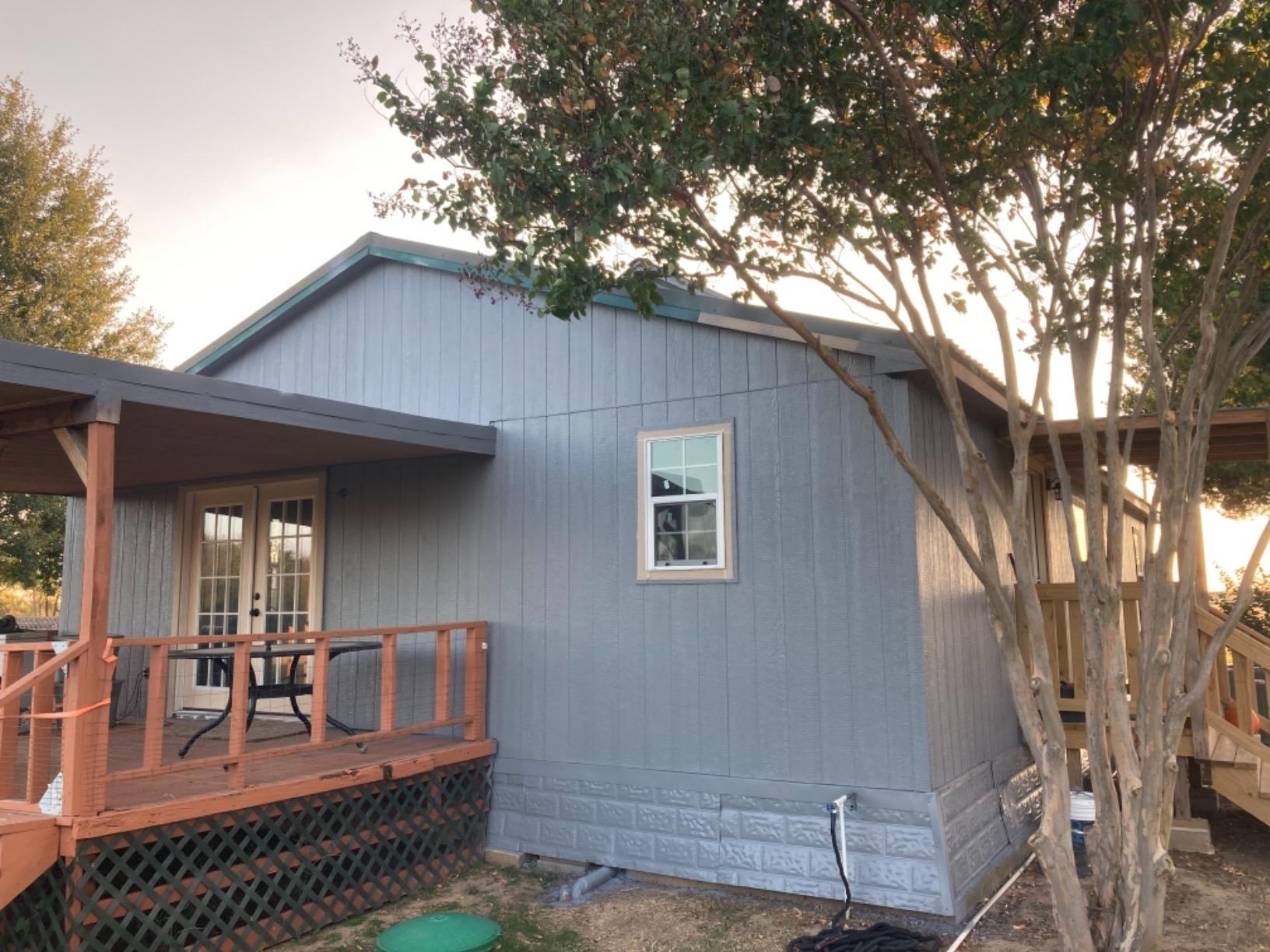
I appreciate the long hose reach. The included 25 ft hose plus support for up to 75 ft means I can leave the pump on the ground and spray second story eaves without dragging the whole rig up a ladder. That is a safety win on exterior projects.
Cleanup is more involved than HVLP. You flush water or solvent through the pump until it runs clear, then run pump armor storage fluid through to keep seals wet. The whole routine takes 20 minutes but it is worth it. Graco backs the X5 with a one year warranty and replacement parts are easy to find, which is one reason DIYers keep this model for years.
Best for whole room and full exterior repaints
If you are painting an entire room, a full exterior, a deck or a long fence run, the X5 pays for itself in time saved. The ability to draw paint straight from a 5 gallon bucket means no constant refilling. For multi-room remodels this is the sprayer to rent or buy.
Best for DIYers comfortable with power tools
The X5 is forgiving once you respect it. Keep the tip guard on, never put your finger near the spray without the trigger lock engaged, and never aim at skin or animals. Airless injection injuries are rare but serious. If you follow basic safety this is one of the most rewarding DIY tools you can own.
4. Wagner Spraytech Control Spray Max HVLP – Best for Furniture Finishes
Wagner Spraytech Control Spray Max Electric Corded HVLP Paint Sprayer
2 stage turbine
20 ft hose
1.5 qt cup
3 spray patterns
Pros
- 20 ft hose and stationary base reduce hand fatigue on long projects
- Smooth professional finish on trim
- doors
- shutters and furniture with practice
- Works with thinned latex
- stains
- poly and other coatings
- Adjustable pressure and flow plus three spray patterns handle many surfaces
Cons
- Turbine can overheat during long continuous runs
- Spraying at steep angles can cause pickup tube to suck air and splatter
- Fine paint dust settles throughout the work area
The Wagner Control Spray Max has been my go-to for fine furniture work since I first picked one up. The two-stage turbine delivers a softer, finer atomization than most handheld HVLP units, and that translates into an almost brush-free finish on dressers, side tables and bookshelves. With a 1.5 quart cup and a 20 ft hose, you set the base down and walk around the piece.
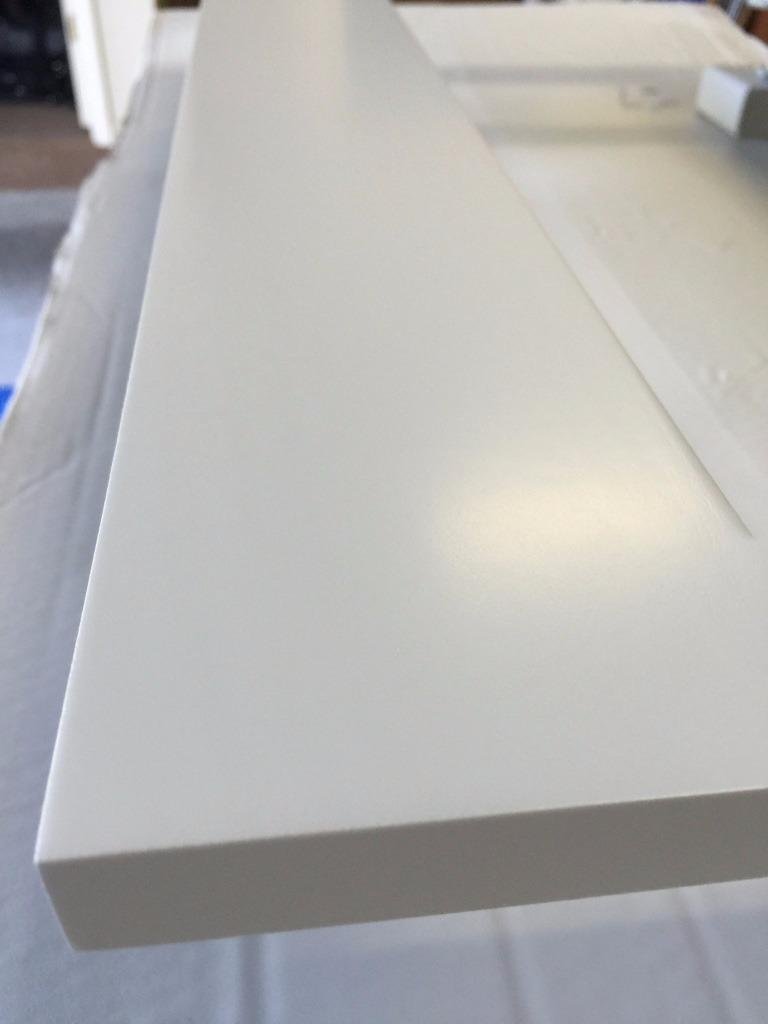
My favorite use is cabinet door refacing. I lay the doors flat on sawhorses, set the turbine at the end of the row and work my way through. The hand fatigue that you get with a one-piece handheld is gone because the motor sits on the floor. Three spray patterns handle flat panels, edges and detail work.
The downsides are real. On a long session the turbine overheats and shuts itself down for ten minutes. I learned to work in 30 minute bursts. Spraying at steep angles causes the pickup tube to suck air, which makes the gun spit. I now tilt pieces toward me or use the gun upright on edges.
Cleanup is straightforward once you build a routine. The included metal cup is a nice touch and disassembles easily. Owners on r/painting mention this model has been around long enough that replacement tips and parts are easy to source, which extends its working life.
Best for furniture refinishing workshops
If your weekend projects lean toward flipping dressers, refinishing side tables or repainting cabinet doors, this is the rig I recommend. The turbine stays out of your way and the long hose means you can walk around larger pieces without dragging the base. Just plan breaks to let the motor cool.
Best for stationary indoor projects
The 20 ft hose works great indoors because you can park the turbine outside a garage door or in a ventilated spot and still reach across a room. The fine overspray means you need a respirator and good masking. Set up a paint tent or a plastic sheet room for best results.
5. Wagner Control Pro 130 Power Tank – Best Low-Overspray Airless
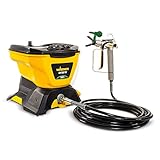
Wagner Spraytech Wagner 0580678 Control Pro 130 Power Tank Paint Sprayer, High Efficiency Airless with Low Overspray
High Efficiency Airless
1.5 gal hopper
25 ft hose
1600 PSI
Pros
- HEA technology cuts overspray by up to 55 percent versus traditional airless
- Lays paint down fast on exteriors
- fences
- decks and interior walls
- 1.5 gallon hopper and 25 ft hose support continuous spraying
- Sprays unthinned latex and acrylic straight from the can
Cons
- Sprays paint fast and moving too slowly causes runs
- Single pressure setting limits fine control on delicate projects
- Cleanup is more involved than handheld HVLP sprayers
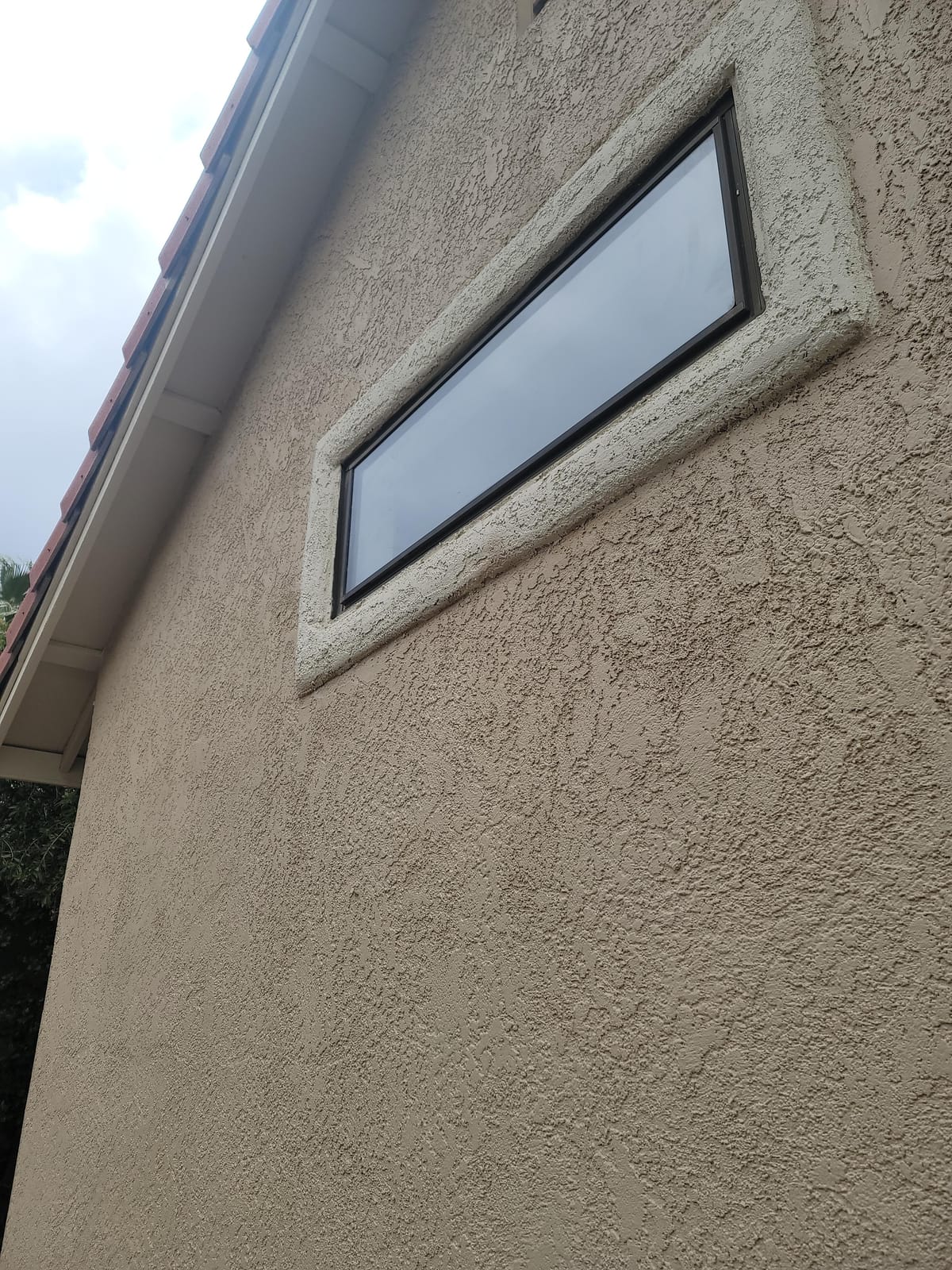
Wagner’s High Efficiency Airless technology is the quiet revolution in this category. The Control Pro 130 uses a softer spray pattern than traditional airless pumps, which means up to 55 percent less overspray floating around your work area. I tested it on an interior wall and the difference was obvious. Less masking, less drift, faster cleanup.
The 1.5 gallon hopper is a great middle ground between handheld cups and full 5 gallon bucket siphons. You pour paint in, snap the lid on and spray. No suction tube to deal with. The 25 ft hose is enough to walk around a room or reach across most single story exterior walls.
There is one pressure setting and one tip. That keeps things simple but limits fine control. For furniture or detail work I would reach for an HVLP gun. For walls, ceilings, fences and decks, the Control Pro 130 makes those projects genuinely fast.
I noticed the gun throws a lot of paint in a short time. If you slow down to get careful coverage you will get runs. The fix is to keep the gun moving at a steady walking pace and let the overlap of passes build up coverage. Once you get the rhythm, the speed is impressive.
Best for interior wall and ceiling makeovers
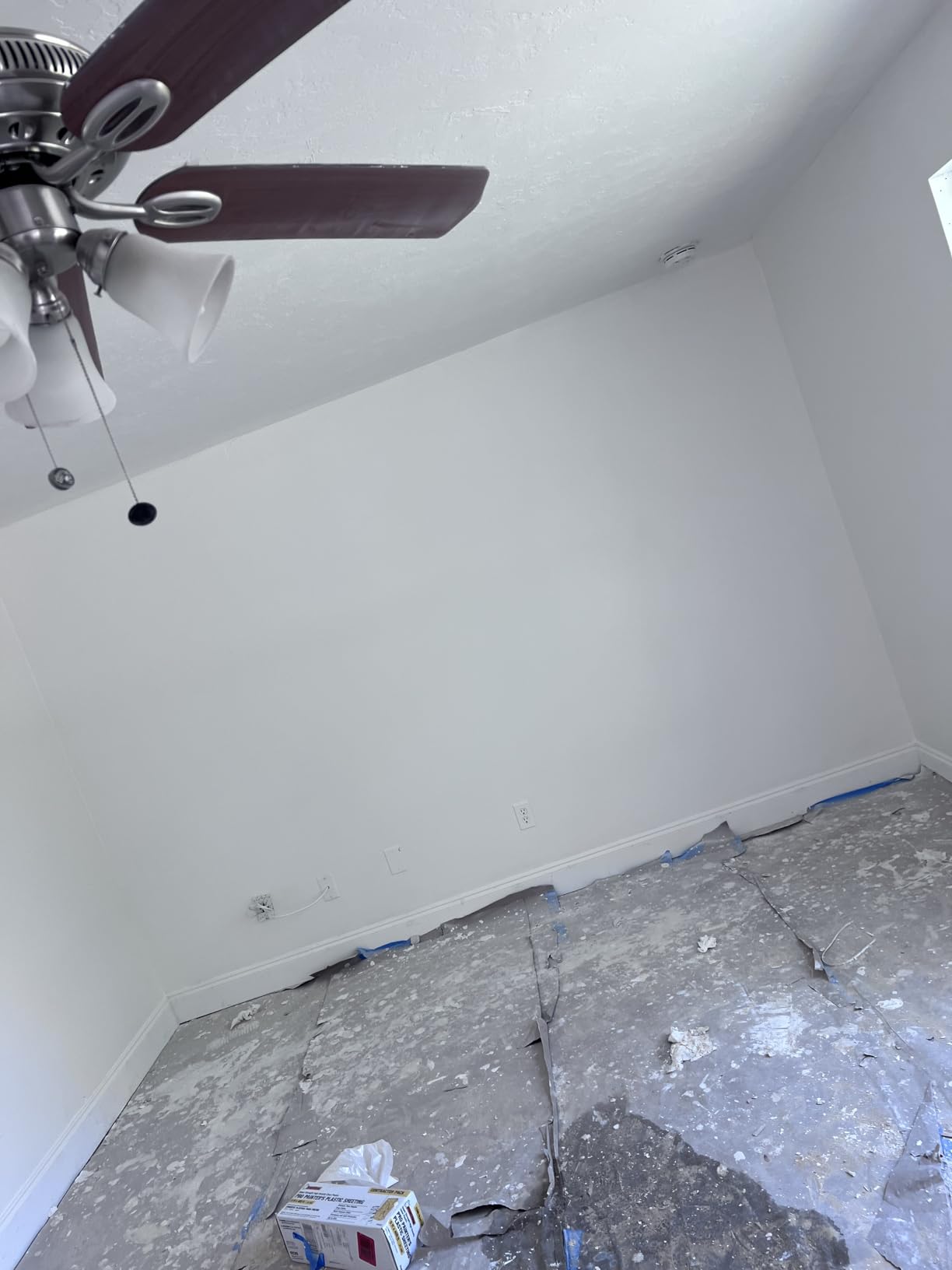
If your project list is mostly rolling walls and ceilings, the Control Pro 130 is the sprayer. The low overspray means less masking and less paint drifting onto furniture and floors. The hopper holds enough paint to finish a room without stopping. Add a 9 inch roller for back rolling and you get a flawless finish.
Best for homeowners who want airless without the bulk
At 11 pounds the Control Pro 130 is lighter than the Graco X5 and most other airless rigs. The gravity hopper is easier to fill than a bucket siphon and the setup is simpler. For a homeowner who wants airless speed without renting a contractor grade rig, this is the sweet spot.
6. VEVOR Stand Airless Paint Sprayer – Best for Tall Reach Projects
VEVOR Stand Airless Paint Sprayer, 650W High Efficiency Airless Sprayer, 3000PSI Electric Paint Sprayer Machine Extension Rod and Cleaning Kits for Interior and Exterior Furniture/Fence/Home/House
650W motor
3000 PSI
25 ft hose
11.8 in tip extension
517 tip
Pros
- 3000 PSI airless system sprays unthinned paint directly from the bucket
- Adjustable pressure control matches output to different coatings
- 25 ft hose and extension rod reduce ladder use on ceilings and soffits
- Works with latex
- chalk
- stain
- sealer and varnish
Cons
- Bulkier and heavier than handheld HVLP units
- Cleanup requires running solvent or water through until clear
- Airless overspray requires careful masking
The VEVOR Stand Airless hits a price point that makes airless accessible to budget DIYers. The 650W motor and 3000 PSI piston pump do the same job as rigs costing twice as much. I tested it on a vaulted ceiling in a bonus room and the included 11.8 inch extension rod kept me off the ladder for most of the work.
The 517 tip that ships with the sprayer is a sensible all-purpose choice. It handles latex wall paint, acrylic primers and most stains without changing tips. The adjustable pressure knob is the standout feature at this price. You can dial down for thinner coatings and crank it up for thicker primers.
At 14.9 pounds the VEVOR is not a featherweight, but the stand design and 25 ft hose make it feel lighter in use. You set it down in one spot and walk around. The hose reaches across most rooms and up to most residential ceilings.
Cleanup is the usual airless routine. Flush water or solvent through the pump until it runs clear, then store with pump armor to keep seals wet. The included cleaning kit has the brushes and needles you need. If you plan to use it occasionally, the storage fluid step is non-negotiable.
Best for vaulted ceilings and two story exteriors
The 25 ft hose plus the 11.8 inch extension rod covers most residential reach projects without a ladder. Vaulted ceilings, two story eaves, tall stairwells and stairway walls become much less intimidating. For a single story homeowner with mostly ground level painting, the hose reach is overkill but the price is right.
Best for DIYers ready to step up from handheld
If you have outgrown your handheld HVLP and you want airless speed without paying the Graco tax, this is the rig. The learning curve is similar to other airless units and the included instructions cover the basics. Add a spray sock and safety glasses and you are set.
7. Batavia 700W HVLP Sprayer – Best for Beginners Who Want Comfort
Paint Sprayer – BATAVIA 700W HVLP High Power Spray Paint Gun with 6FT Air Hose, 4 Nozzles & 3 Patterns, Paint Gun for House Painting, Furniture, Cabinets, Fence, Home Improvement
700W motor
1 lb handheld gun
4 nozzles
3 patterns
6.5 ft hose
Pros
- Separate motor and 1 lb handheld spray gun reduces arm fatigue
- 4 nozzles and 3 patterns cover a wide range of DIY tasks
- ETL certified for latex
- chalk
- lacquer
- stain and varnish
- 360 degree anti backflow design reduces nozzle clogging
Cons
- 120 Din sec max viscosity means some coatings need thinning
- 6 ft hose is shorter than several competing HVLP models
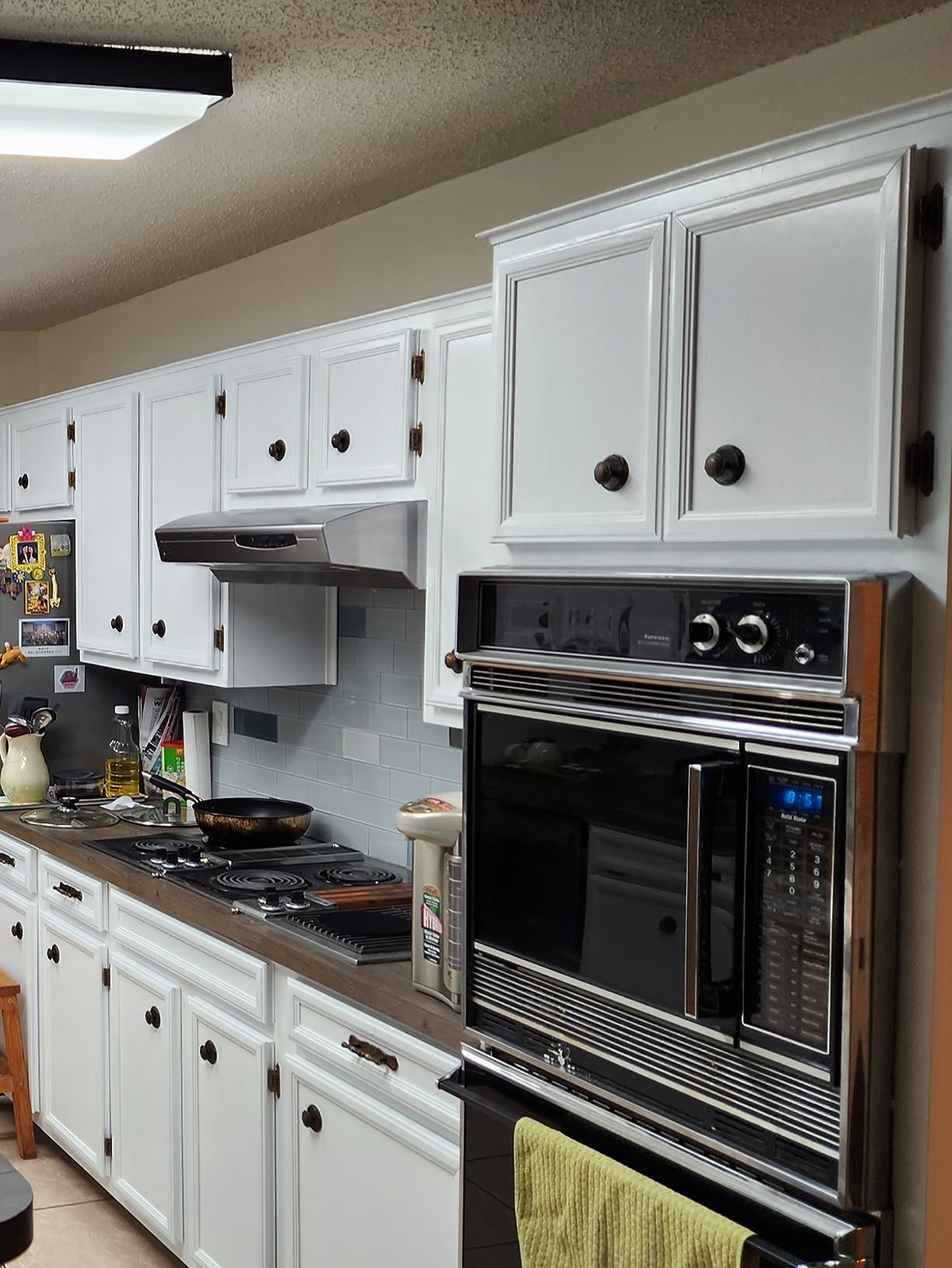
The split design of the Batavia is the smartest ergonomics I tested. The 700W motor sits on a base with a shoulder strap and the handheld spray gun weighs only about 1 pound. After 20 minutes of spraying cabinet doors my arm felt nothing. Compare that to the standard one-piece handheld guns where the entire motor weight sits in your hand.
The four nozzle sizes handle a real range of projects. The 1 mm nozzle sprayed stain through a deck railing without thinning. The 2 mm nozzle handled chalk paint beautifully on a small bookshelf. The 3 mm nozzle pulled latex wall paint through after a 10 percent thinning. That versatility means one sprayer covers weekend projects and bigger jobs.
The 360 degree anti backflow design is a thoughtful feature. When you tilt the gun to spray an underside or a ceiling corner, paint cannot run back into the air cap. That reduces one of the most common beginner frustrations with HVLP guns.
The 6 ft hose is shorter than the Wagner Control Spray Max and limits walking around a large piece. For furniture and cabinet work this is fine. For room-sized projects you may want to step up to a longer hose model. ETL certification and a 24 month warranty add peace of mind.
Best for craft and hobby projects
The 1 lb handheld weight makes this gun easy to maneuver for craft work. You can hold it steady for stencil spraying, small detail work and decorative finishes without your hand cramping. The 1 mm nozzle sprays craft acrylics and stains cleanly with minimal thinning.
Best for DIYers with arm or wrist concerns
If you have ever put down a paint brush because your wrist hurt, the Batavia’s split design is the answer. Most of the weight is in the motor base and only 1 pound sits in your hand. For longer sessions that ergonomic difference matters.
8. InoKraft MaXpray M1 Airless Paint Sprayer – Best for Large DIY Runs
InoKraft MaXpray M1 Airless Paint Sprayer, 3000 PSI 0.31 GPM
3000 PSI
0.31 GPM
Reversible carbide tip
Flush Ease valve
25 ft hose
Pros
- Sprays latex and acrylic paints unthinned straight from 1 or 5 gallon containers
- 3000 PSI with 0.31 GPM output covers large areas quickly
- Flush Ease valve simplifies cleaning without full pump disassembly
- Laminated Quick Start Guide plus video tutorials ease the learning curve
Cons
- Higher price than handheld HVLP units
- Airless spray requires careful masking due to overspray and run risk
- Setup and cleanup are more involved than handheld HVLP
InoKraft designed the MaXpray M1 for homeowners who have stepped past the beginner stage. The 3000 PSI piston pump and 0.31 GPM output spray fast, and the reversible carbide tip clears most clogs without disassembly. I tested it on a whole house exterior accent wall and finished in under an hour.
The Flush Ease valve is the standout beginner-friendly feature. You connect a garden hose to the pump and water flushes through the system. No pouring from buckets, no awkward tilting. Cleanup that used to take 30 minutes takes 10. The reversible carbide tip is a similar quality-of-life touch. A quick flip switches between forward spray and reverse flush to blow out a clog.
The MaXpray ships with a laminated Quick Start guide and a set of video tutorials. For an airless sprayer, which can intimidate new users, that beginner support is unusual and useful. InoKraft also includes the InoFlex gun with a 360 degree swivel, which makes corners and tight spaces much easier to reach.
The standard warranty is one year, extendable to two with product registration. For a tool in this price bracket the extended warranty is worth doing. The pump draws directly from 1 or 5 gallon buckets, so for multi-room projects you are not constantly refilling.
Best for whole-house exterior repaints
If you are painting an entire exterior, the MaXpray M1 will save you days of work. The 0.31 GPM output covers siding fast and the 25 ft hose plus optional extensions reach most two story peaks. A second person on the ground moving the pump while you spray cuts setup time further.
Best for DIYers ready for pro-grade airless
The MaXpray sits between consumer airless and contractor-grade rigs. If you want more capability than a basic homeowner airless but do not need a full Graco Ultra or Titan Spec airless setup, the MaXpray is the right step. For those tackling really large projects, our best airless paint sprayers for large projects guide covers the next tier up.
9. LESONJOY 1000W HVLP Sprayer – Most Powerful Handheld
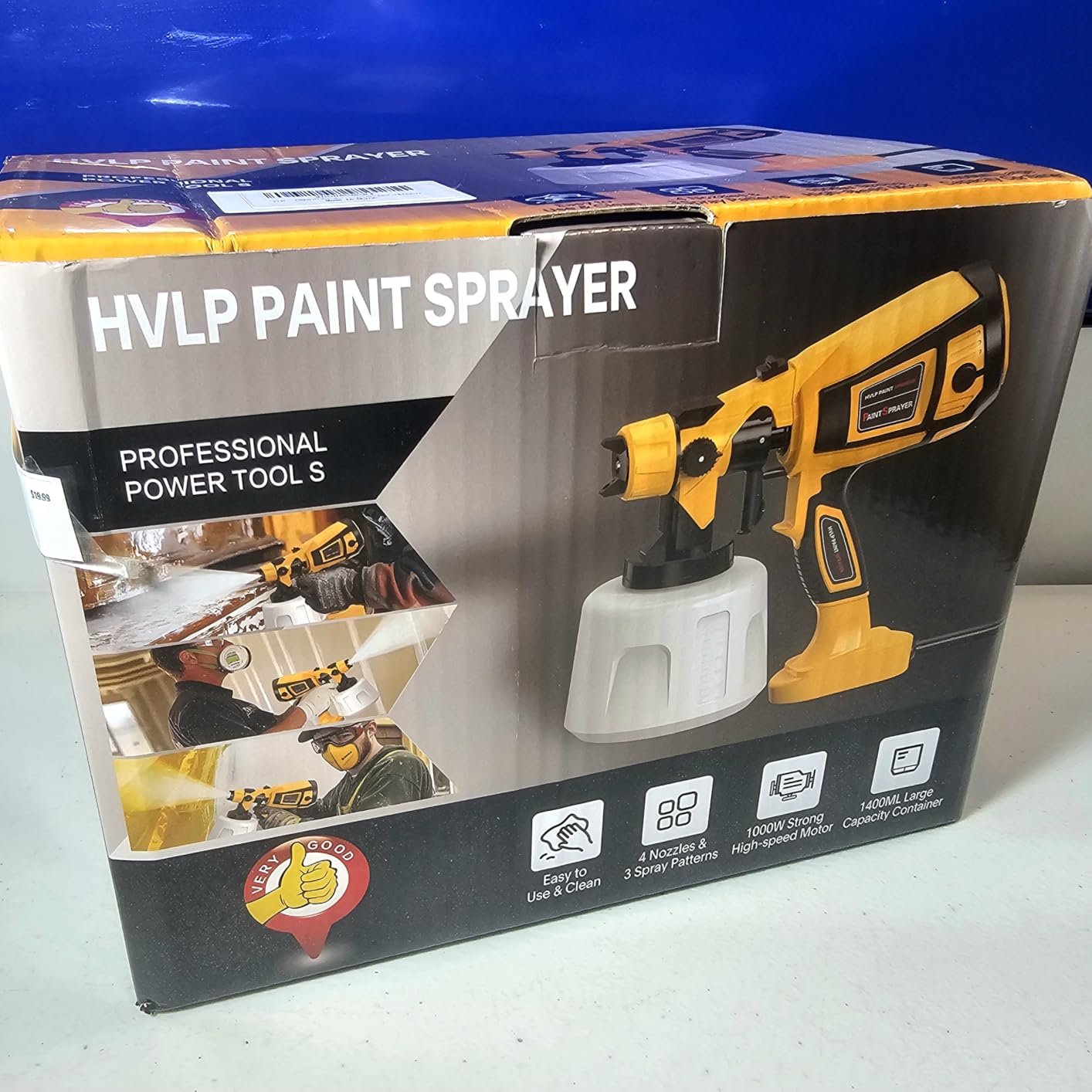
Paint Grids 1000W High Power Paint Sprayer – HVLP Electric Spray Paint Gun with 4 Copper Nozzles & 3 Patterns, Large Capacity Power Painter for Furniture, Cabinets, Fence & House Painting Yellow
1000W motor
4 copper nozzles (0.8/1.5/2.0/2.5 mm)
1400 ml cup
3 patterns
Pros
- 1000W motor maintains steady output through long painting sessions
- Four copper nozzles and three patterns handle thin stains to thicker latex
- Generous 1400 ml container reduces refill frequency
- Tool free disassembly with cleaning brush and needle simplify cleanup
Cons
- Corded design limits mobility outdoors
- Some users report inconsistent spray pattern out of the box
- Thicker paints may need thinning for best results
The LESONJOY 1000W surprised me with how much motor it packs into a handheld form. Most HVLP handhelds run 450W to 700W. At 1000W this gun has noticeably more pull through the nozzle. I sprayed a thick primer through the 2.5 mm tip without thinning and the finish came out even and consistent.
The four copper nozzles span a useful range. The 0.8 mm is great for stains and sealers. The 1.5 mm is my pick for chalk paint and craft acrylics. The 2.0 mm handles latex wall paint with a light thinning. The 2.5 mm tackles primer and thicker coatings. The 1400 ml cup is the largest in this roundup, which means fewer refills on a furniture project.
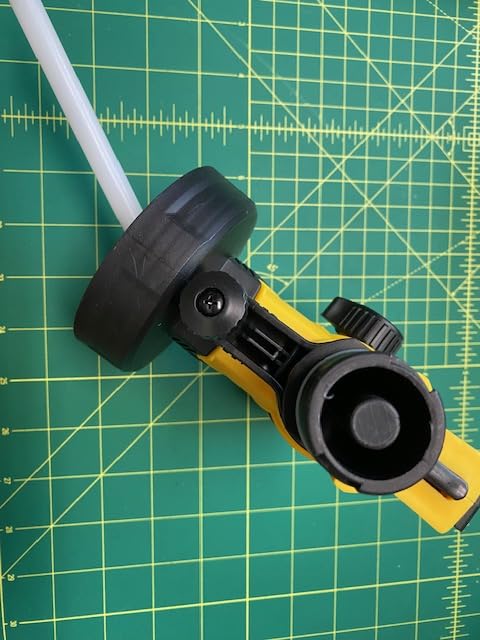
Like all handheld HVLP units, this one is corded. If you are spraying outside you need an extension cord or a nearby outlet. I ran a 50 foot outdoor cord and had no power drop. The included viscosity cup helps you test paint thickness before spraying, which is the most common beginner mistake to avoid.
Setup is tool-free. Snap the nozzle on, attach the cup, adjust the flow knob and go. Cleanup is straightforward: pour out excess paint, run water through the gun, disassemble the nozzle and rinse. The included cleaning brush and needle handle dried paint bits in the air cap.
Best for thicker acrylic primers and coatings
The 1000W motor gives this gun more headroom than most handhelds. If your projects lean toward primers, chalk paints and thicker latex coatings, the extra power matters. You can push thicker paints through the gun with less thinning, which saves time and preserves paint chemistry.
Best for budget DIYers who want power
At a budget price point, getting a 1000W motor is unusual. Most competitors in this range ship 400W to 700W motors. The LESONJOY delivers more power than the price implies. For furniture flips and cabinet work, that power translates to faster coverage with fewer passes.
10. PULENDY PL42 HVLP Sprayer – Budget Pick for First Projects
PULENDY Paint Sprayer for House Painting, 4 Nozzles & 3 Spray Patterns
4 nozzles (1/1.5/2/3 mm)
3 patterns
Dust blower
Faucet cleaning connector
Pros
- Very affordable entry level HVLP sprayer
- Four nozzle sizes and three patterns for furniture
- fences
- walls and doors
- Adjustable flow control matches output to project
- Includes dust blowing joint
- viscosity cup
- cleaning brush and needle
Cons
- Performance depends on properly thinning the coating (often 3:1 paint to water for latex)
- Plastic build and lighter duty motor are not suited to constant production use
The PULENDY PL42 is the lowest price sprayer in this roundup and a smart way to try spraying without committing much money. I tested it on a small wooden stool using a chalk acrylic thinned at 3 parts paint to 1 part water. The finish was smooth and even on the second pass once I dialed in the right tip and flow.
The dust blowing joint is a useful accessory for surface prep. A quick blast of air clears sawdust and debris before you spray. Just use it away from your painting area because the same blast can push dust into wet paint nearby. The faucet connector for cleaning is the same idea as the VONFORN and works just as well.
The plastic build is light-duty. This is not a sprayer for daily production use. For a weekend project every few weeks it is fine. The motor is also modest, so you cannot push unthinned latex through it without bogging. Plan on thinning most house acrylics before spraying.
The 1 year manufacturer warranty provides some peace of mind. If the sprayer fails under normal use, PULENDY will replace it. For a first sprayer to learn on, that combination of low price and warranty makes sense.
Best for trying spraying for the first time
If you have never sprayed paint before and you want to test the workflow without spending much, the PULENDY PL42 is the answer. The four nozzles and three patterns let you experiment with different setups. Once you decide spraying is for you, you can move up to a more capable gun without feeling guilty about the entry-level price.
Best for small craft and hobby projects
For craft night projects, small decor pieces and one-off furniture flips, the PL42 is enough. The 1 mm nozzle handles craft acrylics with a light thinning. The 1.5 mm nozzle is the sweet spot for chalk paint on small furniture. Just plan to clean thoroughly after each session because paint cures quickly inside the gun.
How to Choose the Best Paint Sprayer for Your DIY Acrylic Projects
Choosing the best paint sprayers for diy projects with acrylic comes down to three things: what you are painting, how often, and how much thinning you want to do. HVLP handheld units are perfect for furniture, cabinets and craft projects where overspray and finish quality matter. Airless rigs are right for whole rooms, exteriors and large fence runs where speed matters more than finesse. For a first sprayer, an HVLP handheld between 450W and 1000W covers 90 percent of typical DIY work.
Acrylic paint is more forgiving than older latex formulas, but it still behaves differently in a sprayer than it does on a brush. House acrylic wall paint and craft acrylics share a water base but the viscosity is different. Craft acrylics are thicker and often need a 3:1 thinning. Furniture acrylics and chalk paints are usually thin enough to spray through a 1.5 mm or 2 mm nozzle without thinning at all.
HVLP versus Airless for Acrylic Paints
HVLP stands for high volume, low pressure. These sprayers use a turbine or motor to push a large volume of air at low pressure, which atomizes paint into a soft, fine mist. The finish is excellent for furniture and cabinets. Airless sprayers use a piston pump to pressurize paint up to 3000 PSI and force it through a tiny orifice. The finish is faster and rougher than HVLP, with more overspray.
| Feature | HVLP | Airless |
|---|---|---|
| Best for | Furniture, cabinets, craft | Walls, exteriors, fences |
| Finish quality | Excellent, brush-free | Good, slight orange peel |
| Overspray | Low to moderate | High |
| Thinning needed | Often for thick acrylics | Rarely |
| Learning curve | Gentle | Steep |
| Cleanup time | 10 to 15 minutes | 20 to 30 minutes |
| Cost | Lower | Higher |
For DIYers who mostly refinish furniture, repaint cabinets or do craft projects, an HVLP handheld in the 450W to 1000W range is the right starting point. For DIYers tackling whole rooms, full exteriors or long fence runs, an airless rig saves hours of work. Some DIYers end up with both, using the HVLP for detailed work and the airless for coverage jobs.
Thinning Acrylic Paint for a Sprayer
Acrylic paint thickness varies a lot. Craft acrylics from a tube are very thick and need significant thinning. House acrylic wall paint is medium thickness and often sprays through a 2 mm nozzle with light thinning. Furniture acrylics and chalk paints are usually thin enough to spray without any thinning at all.
The standard thinning test uses a viscosity cup. Pour the thinned paint into the cup, time how long it takes to drain, and compare to the sprayer manufacturer’s spec sheet. Most HVLP handhelds want a drain time of 25 to 40 seconds. Use distilled water for water-based acrylics. Strain the thinned paint through a paint filter to catch dried bits.
| Paint type | Typical thinning ratio | Recommended tip |
|---|---|---|
| Craft acrylic (thick) | 2:1 paint to water | 1.0 mm |
| Chalk paint | Usually none | 1.5 mm |
| Furniture acrylic | 10 percent water if needed | 1.5 to 2.0 mm |
| House acrylic wall paint | 10 to 20 percent water | 2.0 mm |
| Latex primer | Usually none for airless, light for HVLP | 2.5 mm or larger |
Spraying unthinned house acrylics through an HVLP is the most common beginner mistake. The viscosity is too high, the gun spits, and the finish looks rough. Either thin to the right ratio or step up to an airless rig. The Wagner Control Spray Max and Graco TrueCoat style handhelds handle unthinned paint better than budget handhelds.
Spray Tip Sizes for Acrylic and Water-Based Finishes
The spray tip controls how much paint comes out and how wide the fan pattern spreads. For acrylic and water-based finishes, a 1.0 mm to 2.0 mm tip covers most DIY needs. Tips 2.5 mm and larger are for thicker coatings like primers and some latex paints, usually on airless rigs.
| Tip size | Coating | Typical projects |
|---|---|---|
| 0.8 to 1.0 mm | Stains, sealers, craft acrylics | Small furniture, crafts |
| 1.5 mm | Chalk paint, milk paint, thinned acrylics | Furniture, cabinets |
| 2.0 mm | Latex and house acrylics | Walls, doors, trim |
| 2.5 to 3.0 mm | Primers, thicker latex | Walls, fences, exteriors |
| 3.0 mm plus | Heavy latex, some elastomerics | Roofs, heavy industrial |
Start with the tip the manufacturer recommends for your sprayer. If the pattern is too narrow, step up one size. If you see runs and sags, step down or thin the paint. Reversible tips on airless rigs save huge amounts of time. A quick flip switches to reverse spray and blows out clogs without disassembly.
Safety Basics for Spraying Acrylic Paint
Spraying acrylic paint is safe if you respect the basics. Even water-based acrylics produce fine droplets that you do not want in your lungs. A NIOSH approved respirator with organic vapor cartridges is the minimum. Safety glasses protect your eyes from overspray. A spray sock covers your head and hair.
Spray in a ventilated space. Outdoors is best. Indoors, open windows and use a box fan to pull air out of the room. Cover anything you do not want painted with plastic and painter’s tape. Drop cloths protect floors. A fire extinguisher nearby is smart because some spray setups generate static.
For airless sprayers, treat the gun like a power tool. Keep the trigger lock on when not spraying. Never put any body part in front of the tip. Airless injection injuries are rare but very serious. Most airless manufacturers include safety videos, and I recommend watching them before your first project.
Project-Type Selector for the Best Paint Sprayer
Match the sprayer to the project for the best results. A handheld HVLP that works beautifully for furniture will struggle on a fence run. An airless rig that powers through a whole house exterior is overkill for a craft project.
Furniture refinishing: Handheld HVLP, 450W to 1000W, 1.5 mm or 2 mm tip, no thinning needed for chalk paint
Cabinet door refacing: HVLP with 20 ft hose (Wagner Control Spray Max) or handheld with extension, 1.5 mm tip
Interior walls: Airless HEA (Wagner Control Pro 130) or handheld HVLP with patience
Exterior house painting: Airless rig, 3000 PSI, 25 ft hose plus extensions
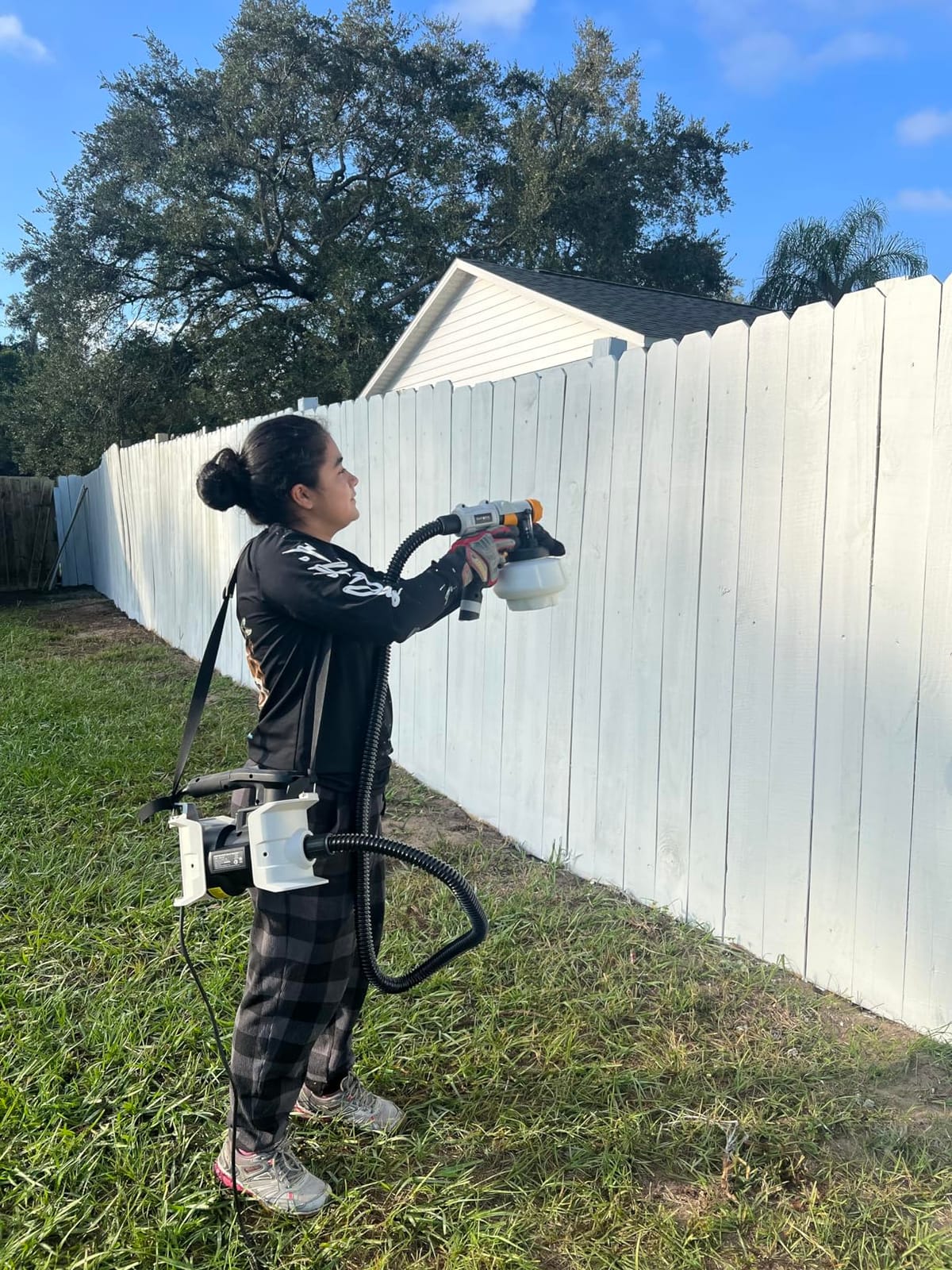
Fence and deck staining: Airless for big runs, HVLP for small fences, 2 mm tip for stain
Craft and hobby projects: Handheld HVLP, 1 mm tip, thinned craft acrylics
Frequently Asked Questions
Can you use a paint sprayer with acrylic paint?
Yes. Acrylic paint sprays well through both HVLP and airless sprayers. HVLP handhelds work best for furniture, cabinets and craft projects, while airless rigs are faster for walls, fences and exteriors. Most house acrylics spray through a 2 mm tip with light thinning, and chalk or furniture acrylics usually spray without any thinning at all.
Do you need to thin acrylic paint for a paint sprayer?
It depends on the paint and the sprayer. Craft acrylics from a tube are very thick and need a 2:1 thinning with water. House acrylic wall paint is medium thickness and often needs 10 to 20 percent water for HVLP spraying. Chalk paint, milk paint and most furniture acrylics are thin enough to spray through a 1.5 mm or 2 mm tip without thinning. Airless sprayers handle unthinned house acrylics because of the higher pressure.
Which is better, HVLP or airless, for acrylic paint?
HVLP is better for finish quality on furniture, cabinets and craft projects. The soft, low-pressure spray atomizes acrylics into a fine mist with minimal overspray. Airless is better for speed on walls, exteriors, fences and large furniture runs. Airless pumps force paint through a tiny tip at high pressure, so they handle unthinned paint but produce more overspray and a rougher finish.
What tip size do I need for acrylic paint?
For most DIY acrylic projects, a 1.5 mm to 2.0 mm tip is the sweet spot. A 1 mm tip handles stains, sealers and craft acrylics. A 1.5 mm tip works well for chalk paint and thinned furniture acrylics. A 2 mm tip handles house acrylic wall paint and most latex coatings. For primers and thicker latex, step up to a 2.5 mm or 3 mm tip, usually on an airless rig.
Can you spray acrylic paint without thinning it?
Yes, in some cases. Chalk paint, milk paint and most furniture acrylics are thin enough to spray unthinned through an HVLP handheld with a 1.5 mm or 2 mm tip. House acrylic wall paint can spray unthinned through an airless rig at 2000 to 3000 PSI. Thicker craft acrylics from a tube almost always need thinning, even in airless setups, because the viscosity is too high for proper atomization.
How much should I spend on a paint sprayer for DIY projects?
For most DIYers, the sweet spot is between 60 and 250 dollars. Budget handhelds in the 30 to 60 dollar range work for craft projects and small furniture. Mid-range HVLP units from 100 to 200 dollars offer better motors, more nozzles and longer warranties. Airless rigs start around 200 dollars and go up from there. Rent a high-end airless rig for one-off large projects rather than buying.
Do paint sprayers use more paint than rollers?
Yes, paint sprayers typically use 10 to 30 percent more paint than rollers for the same project because of overspray. HVLP handhelds are closer to roller usage because overspray is lower. Airless rigs use the most paint because the high pressure creates more drift. The tradeoff is speed: sprayers finish most projects in a fraction of the time, even with the extra paint used.
Final Verdict: The Best Paint Sprayer for DIY Acrylic Projects in 2026
After three months of spraying everything from craft stools to full fence runs, the HomeRight Super Finish Max HVLP is the best paint sprayer for diy projects with acrylic for most DIYers. The brass tip set, the 450W motor and the forgiving learning curve cover furniture, cabinets, doors and trim with a finish that rivals more expensive rigs. For budget shoppers, the VONFORN 700W delivers 90 percent of that performance at a lower price. For whole-room and exterior projects, the Graco Magnum X5 is the airless workhorse that saves hours of work.
Pick the sprayer that matches your project list. A handheld HVLP covers 90 percent of typical DIY acrylic work and is the right starting point. An airless rig is a smart second purchase once you tackle larger projects. Whichever you choose, mask your space, wear a respirator and take time to dial in the right tip and flow. Your finish will look like it came from a professional shop. For more DIY project tools, our best welders for diy projects guide rounds out the workshop essentials.