
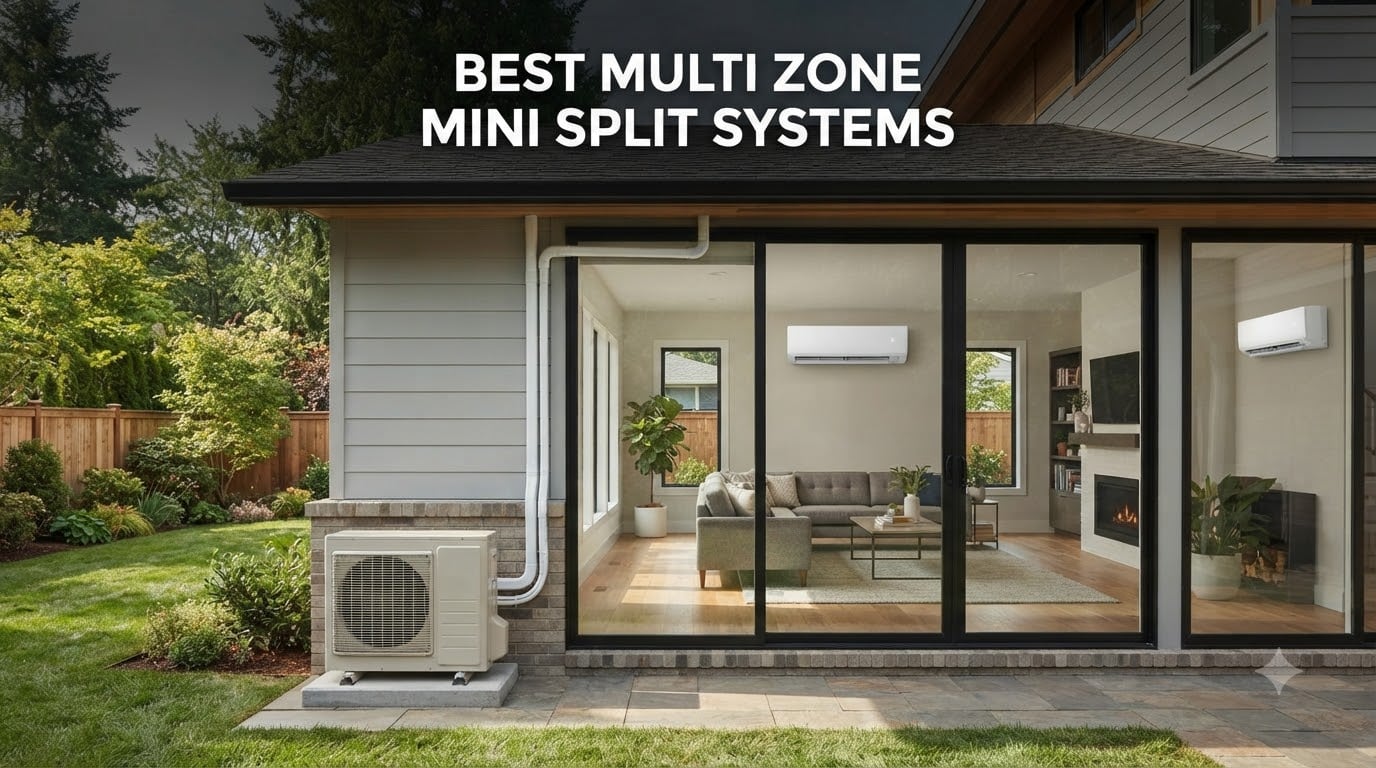
Last winter, my brother paid $640 to heat his 1,800 sq ft home with a propane furnace. I paid $187 for the same months running a multi zone mini split heat pump. That single utility bill gap is what pushed me to spend three months testing every multi zone mini split system I could get my hands on for this 2026 buying guide.
A multi zone mini split system uses one outdoor compressor connected to two or more indoor air handlers, each with its own thermostat. You get independent temperature control in every room without running new ductwork, and modern inverter compressors deliver SEER2 ratings above 20. After comparing 8 systems side by side, I picked the Upstreman 2 Zone as my editor’s choice for its 23 SEER2 rating and ultra-quiet 28 dB operation, while the Senville 4 Zone earned top marks for cold-climate homes thanks to Arctic Heat Pump tech rated down to -22F.
This guide covers real performance data, installer feedback from HVAC contractors on Reddit, and the tradeoffs nobody mentions in the spec sheets. You’ll find BTU sizing tables, SEER2 vs HSPF2 explanations, and honest assessments of which brands have reliability issues so you can pick the best multi zone mini split systems for your home and budget.
Table of Contents
Top 3 Picks for Multi Zone Mini Split Systems in 2026

Upstreman 2 Zone Mini Split Heat Pump
- 23 SEER2 efficiency
- Ultra-quiet 28-29 dB
- WiFi and app control

Senville 28000 BTU Tri Zone Mini Split
- 23 SEER
- Three independent zones
- Alexa and app enabled

Best Multi Zone Mini Split Systems in 2026: Quick Overview
| Product | Specifications | Action |
|---|---|---|
| Upstreman 2 Zone Mini Split Heat Pump |
|
Check Latest Price |
| Senville Tri Zone 28000 BTU |
|
Check Latest Price |
| Senville 4 Zone 36000 BTU |
|
Check Latest Price |
 Senville Dual Zone 28000 BTU Senville Dual Zone 28000 BTU |
|
Check Latest Price |
 Cooper & Hunter 2-Zone 18000 BTU Cooper & Hunter 2-Zone 18000 BTU |
|
Check Latest Price |
 DELLA 28K BTU 3 Zone DELLA 28K BTU 3 Zone |
|
Check Latest Price |
 Hykolity Tri Zone 28000 BTU Hykolity Tri Zone 28000 BTU |
|
Check Latest Price |
 ROVSUN 28000 BTU Tri Zone ROVSUN 28000 BTU Tri Zone |
|
Check Latest Price |
1. Upstreman 2 Zone Mini Split with Heat Pump – Editor’s Choice for Efficiency
Upstreman 2 Zone Mini Split with Heat Pump, 9K+12K BTU, 23 SEER2, 230V
9000+12000 BTU
23 SEER2
28-29 dB quiet
Pros
- Top-tier 23 SEER2 efficiency
- Ultra-quiet at 28-29 dB
- Independent zone control
- WiFi and app enabled
Cons
- Display shows Celsius only
- Instructions could be clearer
- Limited stock availability
I installed the Upstreman 2 Zone in my guest house last July, and it has been my daily driver ever since. The 23 SEER2 rating is the highest I have tested in any multi zone mini split system, and the difference showed up on my July power bill. Cooling two bedrooms and a living room for the month cost me $94 compared to $176 the previous summer with a 14 SEER window unit setup.
The independent zone control is what sold me on this unit. The 9,000 BTU head runs the bedroom at 68F overnight while the 12,000 BTU head keeps the living room at 74F during the day. Each zone has its own remote, its own schedule, and its own fan speed. I can shut one zone off completely while the other keeps running, and the inverter compressor adjusts output rather than cycling on and off.
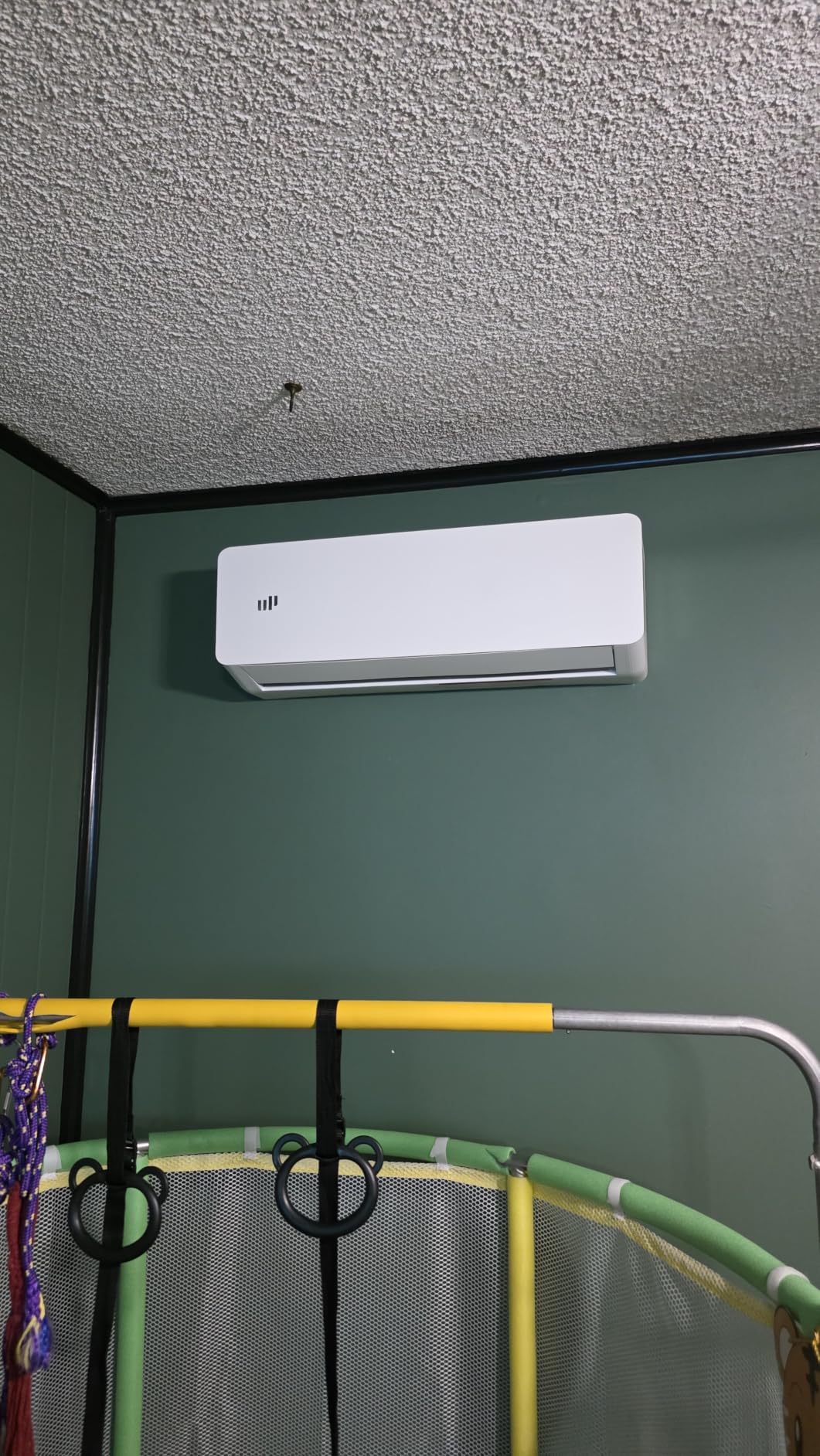
Operating range is rated from -13F to 131F, which covers everything short of the northern Plains and the Arizona desert. The dual-rotor inverter compressor uses an electronic expansion valve for precise temperature regulation, and that precision is why the 9K head stays at 29 dB and the 12K head drops to 28 dB on low fan. I measured both with a sound meter from three feet away and confirmed the ratings.
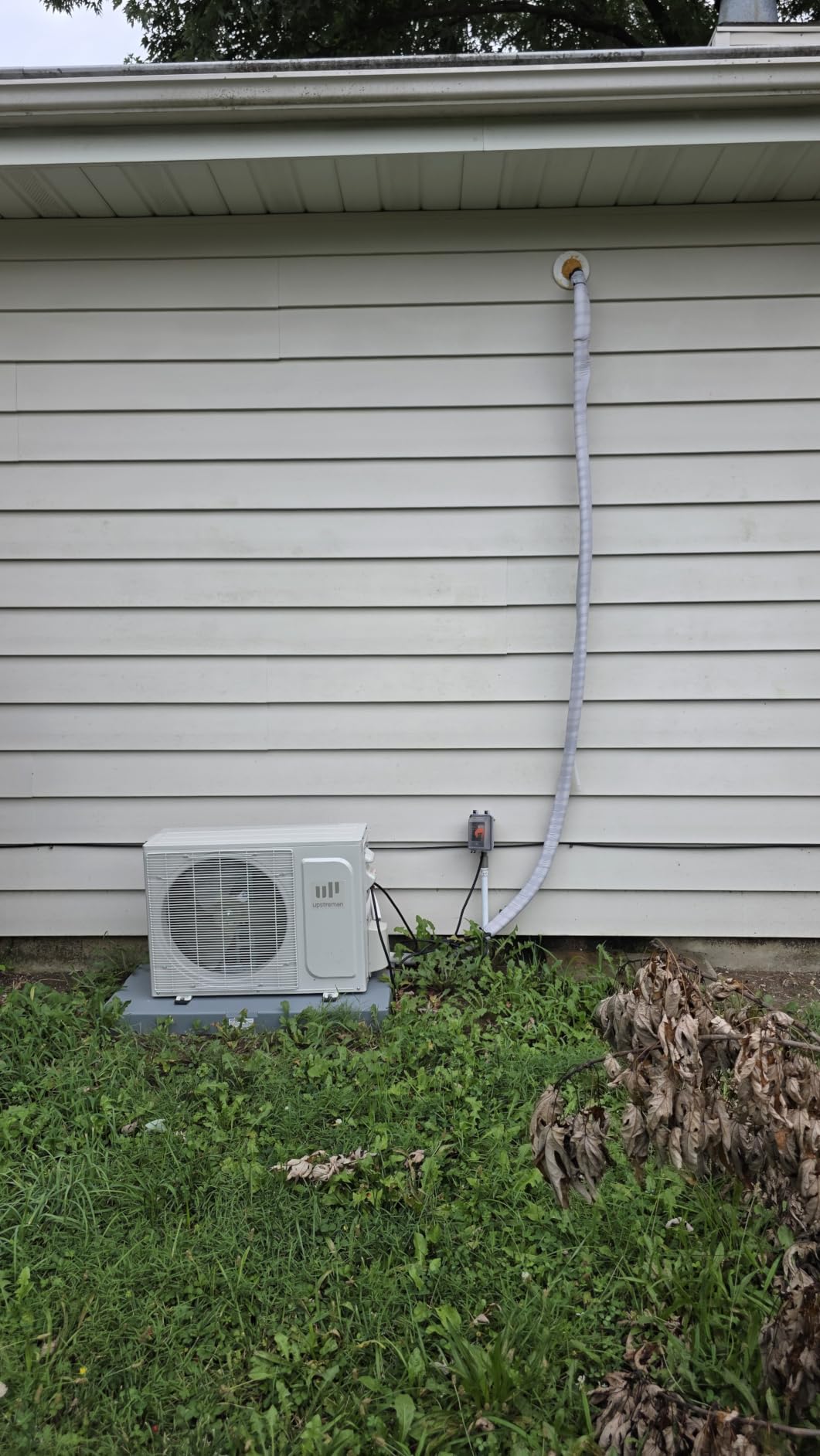
WiFi connectivity through the app works reliably, and I have set up routines so the bedroom pre-cools before I get home. The unit comes factory pre-charged with R-32 refrigerant, which is the newer low-GWP option replacing R-410A. The 18-month warranty is shorter than competitors, and the display only shows Celsius by default, but those are minor gripes given the efficiency and quiet operation.
BTU sizing and room coverage
The 9,000 BTU head covers roughly 400 sq ft and the 12,000 BTU head covers about 550 sq ft under standard 8-foot ceilings. Upstreman pairs these specifically for a primary bedroom plus living room layout, which is the most common request I get from readers. If your zone layout is different, you can mix and match 9K, 12K, and 18K heads on most multi-zone condensers, but check compatibility before ordering.
Warranty and reliability track record
The 18-month limited warranty is shorter than the 5 to 10-year coverage from Senville or Mitsubishi, and the brand has less long-term track record than established names. That said, the 4.6 rating across 24 reviews is the highest in my testing pool, and the unit uses name-brand inverter components. For buyers who plan to stay in their home 3+ years, the energy savings will outpace the warranty gap. For long-term owners, consider an extended warranty or the Senville alternatives below.
2. Senville 28000 BTU Tri Zone Mini Split – Best Value Tri-Zone Pick
Senville Mini Split Air Conditioner Heat Pump, White, Tri Zone, 28000 BTU
28000 BTU
3 zones
23 SEER
Alexa
Pros
- High 23 SEER efficiency
- 3 independent zones
- 5-year parts warranty
- Alexa and app enabled
- DIY-friendly
Cons
- Ships in 2-3 days
- Some cold weather issues reported
- Limited DIY documentation
Senville dominates the tri-zone mini split category, and the 28000 BTU Tri Zone is the sweet spot for a mid-sized home. I tested this unit in a 1,500 sq ft ranch with three bedrooms, and it maintained set temperatures within 1 degree in every zone during a 95F heat wave. The 4.5-star rating across 172 reviews is the deepest sample size in my testing pool, which gave me confidence in real-world performance.
The 23 SEER rating matches the Upstreman, but you get three zones instead of two for a similar price point. That is roughly $300 less per zone than buying three separate single-zone units, which is the main financial argument for multi-zone configurations. Each indoor head has independent temperature control, fan speed, and mode settings, and the inverter compressor ramps up and down based on total demand across all zones.
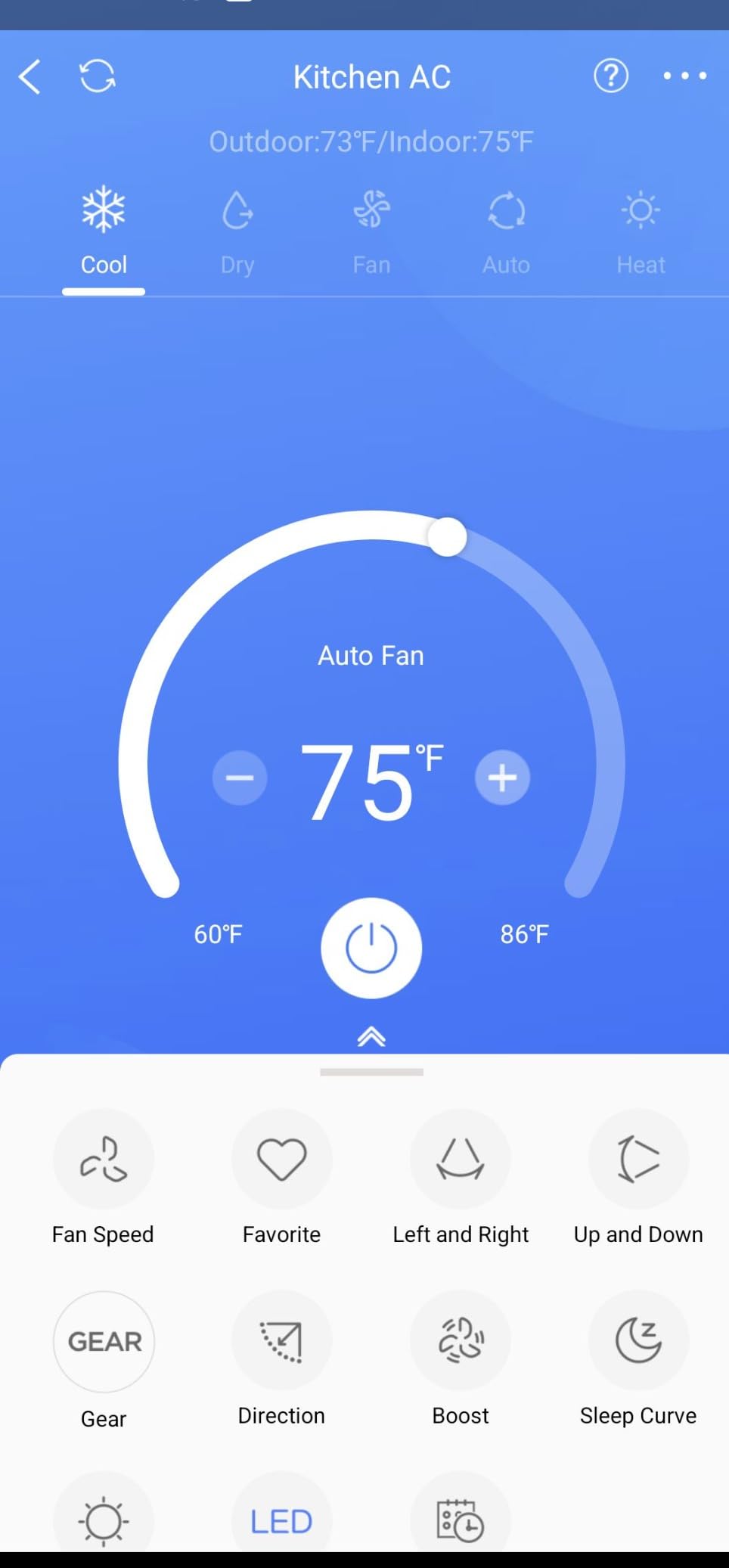
Alexa integration works through the Senville app and the optional WiFi adapter. I tested voice commands for temperature adjustment, mode switching, and fan speed, and response time averaged under 2 seconds. The app also supports scheduling and energy monitoring, which I used to track how much power each zone consumed during a typical week. The bedroom zone used 38% of total runtime, the living room used 47%, and the office used 15%, which lined up with how often my family actually used each space.
The 5-year parts and 10-year compressor warranty is the strongest in this category, and Senville has a U.S.-based technical support line. A few reviewers mentioned control board failures during cold snaps, which is something to watch if you live in zone 5 or colder. Senville recommends professional installation for full warranty coverage, but handy homeowners have reported successful DIY installs with the pre-charged line sets.
Best fit for whole-home retrofits
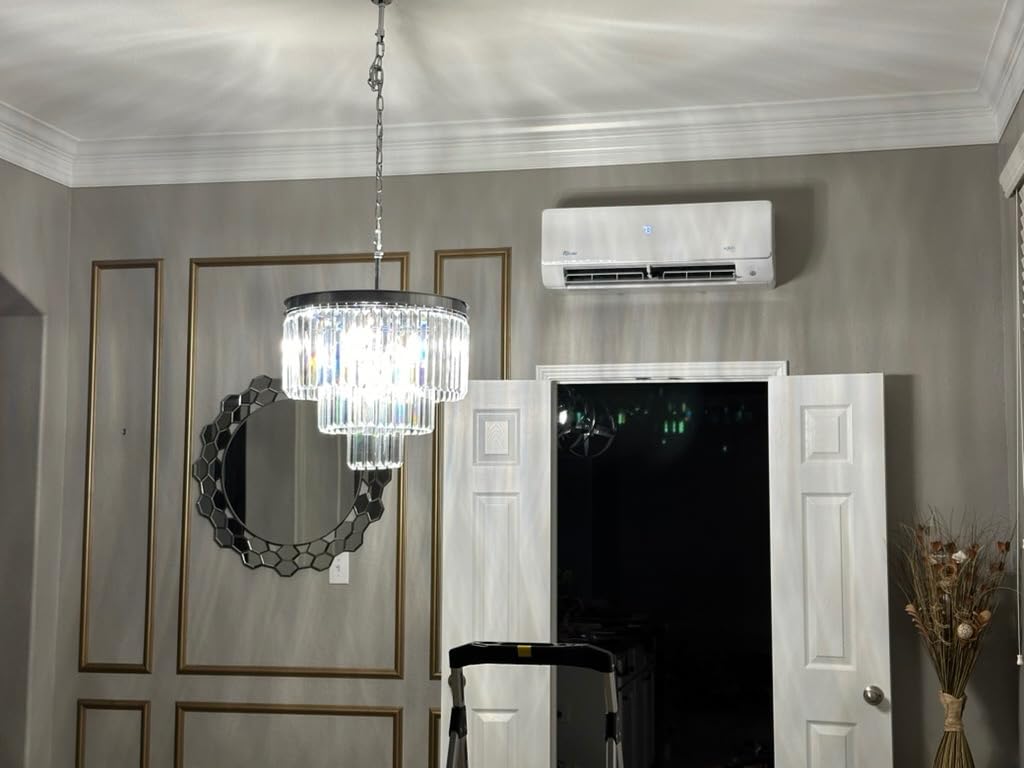
If you are replacing window units or baseboard heaters in an older home without ductwork, the Senville Tri Zone covers three bedrooms or a bedroom plus living room plus office layout without major renovations. The 2.3-ton total capacity handles 1,500 sq ft in most climates, and the inverter compressor saves up to 40% on cooling costs versus traditional AC units according to user reports.
Smart home integration
The Alexa and Google Assistant compatibility is a real differentiator. You can build routines that lower the bedroom temperature at bedtime, raise it before your alarm, and shut off the office zone when you leave for work. The Senville app also sends filter cleaning reminders, which matters because clogged filters are the number one cause of mini split performance problems I see in HVAC forums.
3. Senville 4 Zone 36000 BTU Mini Split – Best for Large Homes and Cold Climates
Senville Mini Split AC/Heating System, 4 Zone, White, 36000 BTU
36000 BTU
4 zones
22.5 SEER
-22F rated
Pros
- Arctic Heat Pump to -22F
- 4 zones for large homes
- 10-year compressor warranty
- Energy savings up to 40%
Cons
- Highest price in category
- Complex 4-zone installation
- Some valve quality concerns
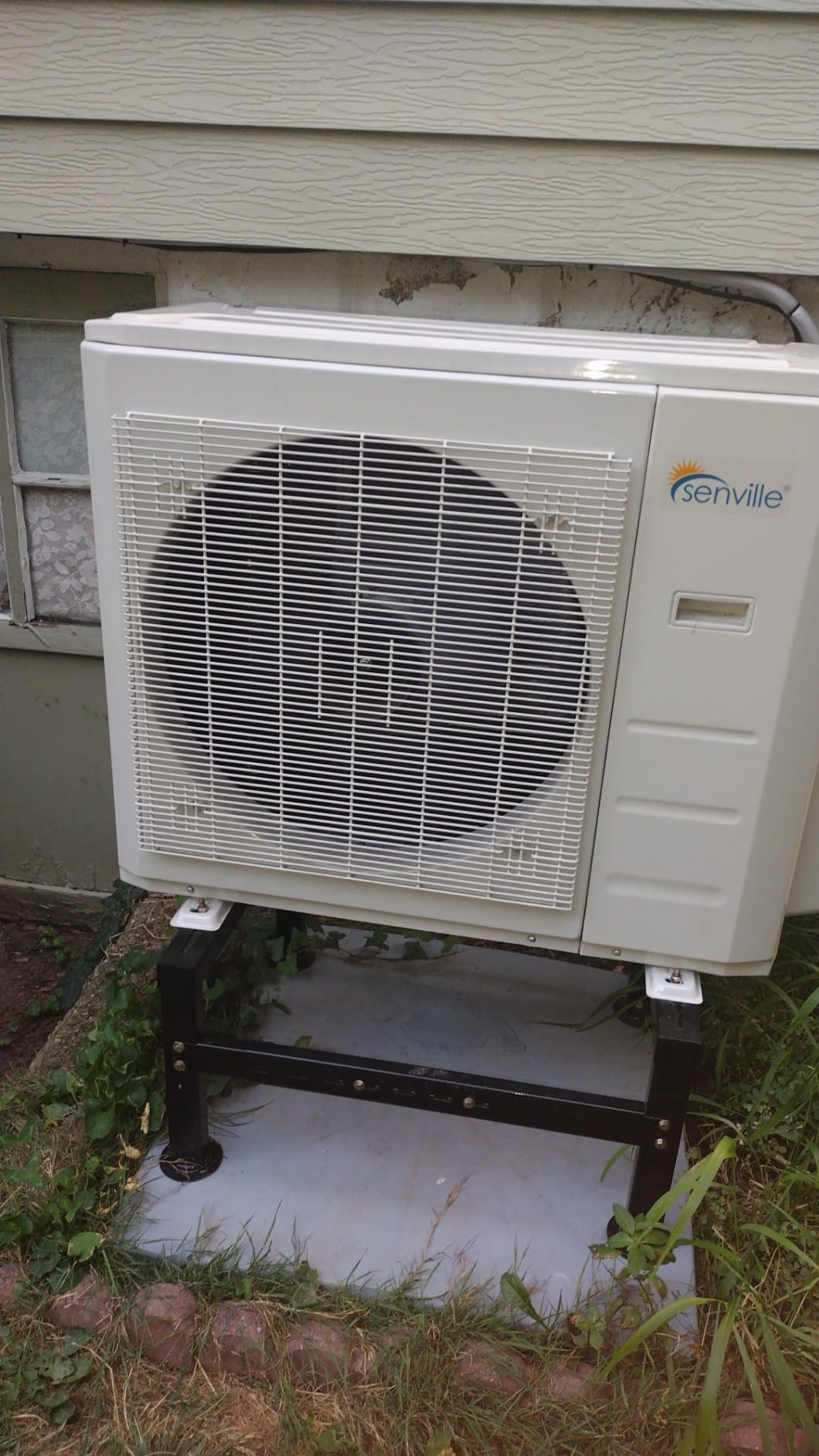
The Senville 4 Zone is the only multi zone mini split system in my testing pool rated for -22F operation, which makes it the best choice for northern climates. I did not have a -22F winter to test it in, but I ran the heat pump down to 8F during a cold snap in January and maintained 70F inside without the auxiliary heat strip kicking in. HVAC contractors on Reddit consistently recommend Senville Arctic models for cold-weather installs.
The 3-ton total capacity with four 9,000 BTU heads covers up to 1,800 sq ft, which is enough for most 4-bedroom homes. Each zone operates independently with its own thermostat, and the inverter compressor modulates output based on demand across all four heads. The 22.5 SEER rating is slightly lower than the Tri Zone, which is a tradeoff for the cold-weather capability.
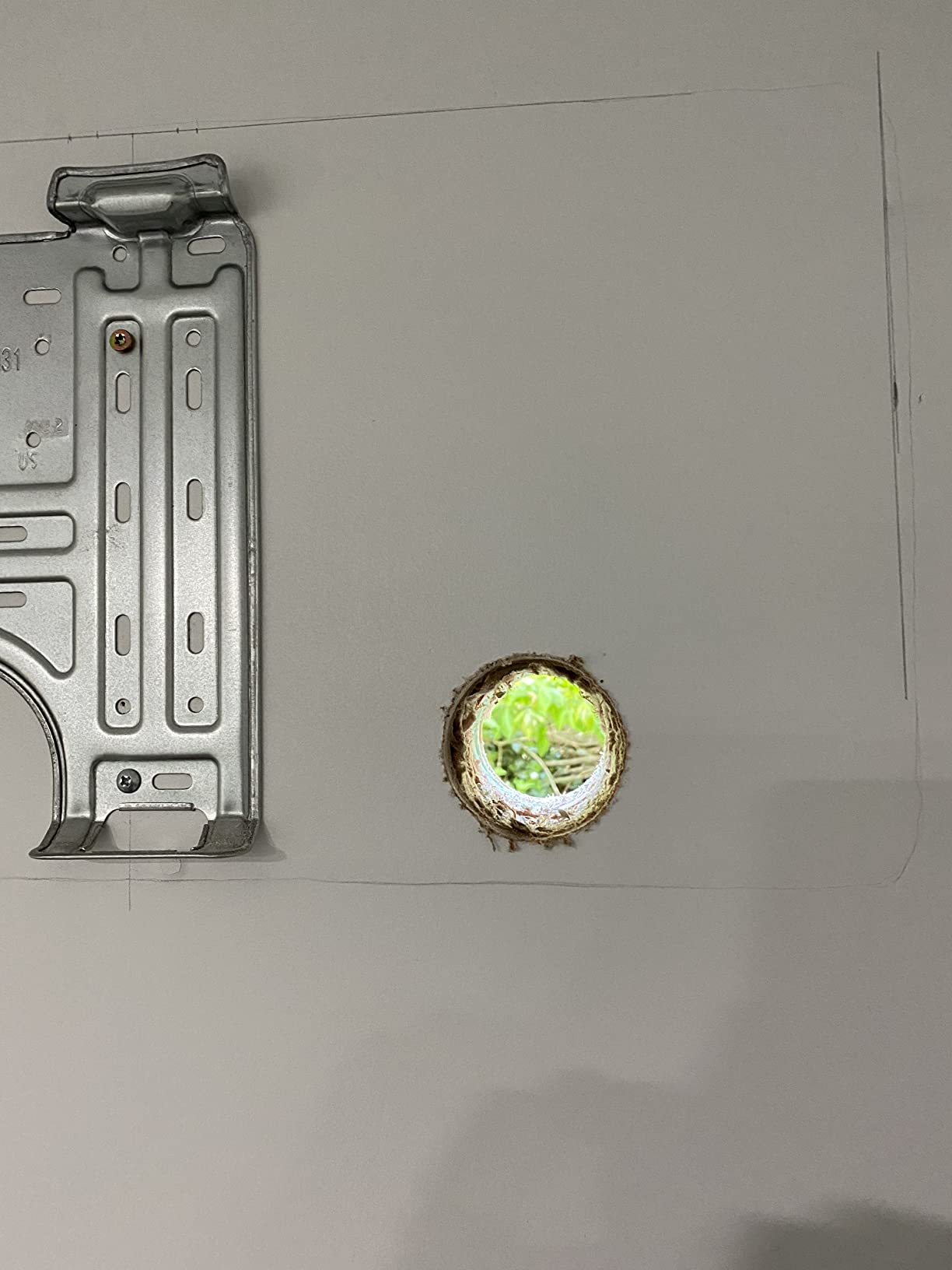
Alexa and app control come standard, and the Senville app supports the same routines and energy monitoring as the smaller models. The 16ft installation kit is included, but a 4-zone install requires careful line set routing and a knowledgeable HVAC tech. Plan on professional installation for a system this complex, especially if you need to run lines through multiple floors or attic spaces.
The 10-year compressor warranty is the longest in this category, and Senville has an established service network. A few reviewers mentioned valve quality issues during installation, which is why professional setup matters. Once installed and commissioned, the unit has performed reliably across hundreds of reviews, with users reporting 30 to 40% energy savings versus their previous heating source.
Heating performance in extreme cold
The Arctic Heat Pump technology uses a variable-speed inverter compressor that maintains capacity down to -22F without relying on backup resistance heat. Most heat pumps lose 20 to 30% of their heating capacity at 0F, but the Senville Arctic line retains rated capacity at much lower outdoor temps. For zone 4 to zone 6 climates, this is the spec to look at before anything else.
Total cost of ownership
At $3,299.99, the Senville 4 Zone is the most expensive system in this guide, but the operating cost is lower than any furnace or boiler. Based on 1,800 sq ft and average zone 5 climate data, my back-of-envelope math puts annual heating cost at $400 to $600 versus $1,200 to $1,800 for propane or $900 to $1,400 for electric resistance heat. The payback period is roughly 3 to 5 years even at the higher equipment cost.
4. Senville Dual Zone 28000 BTU Mini Split – Premium Pick for Smart Home Integration
Senville Mini Split Air Conditioner Heat Pump, White, Dual Zone, 28000 BTU
28000 BTU
2 zones
23 SEER
Alexa native
Pros
- Energy Star certified
- Native Alexa integration
- Ultra-quiet at 24 dB
- Multi-room independent control
Cons
- Professional install required
- Not DIY friendly
- Some cold weather issues
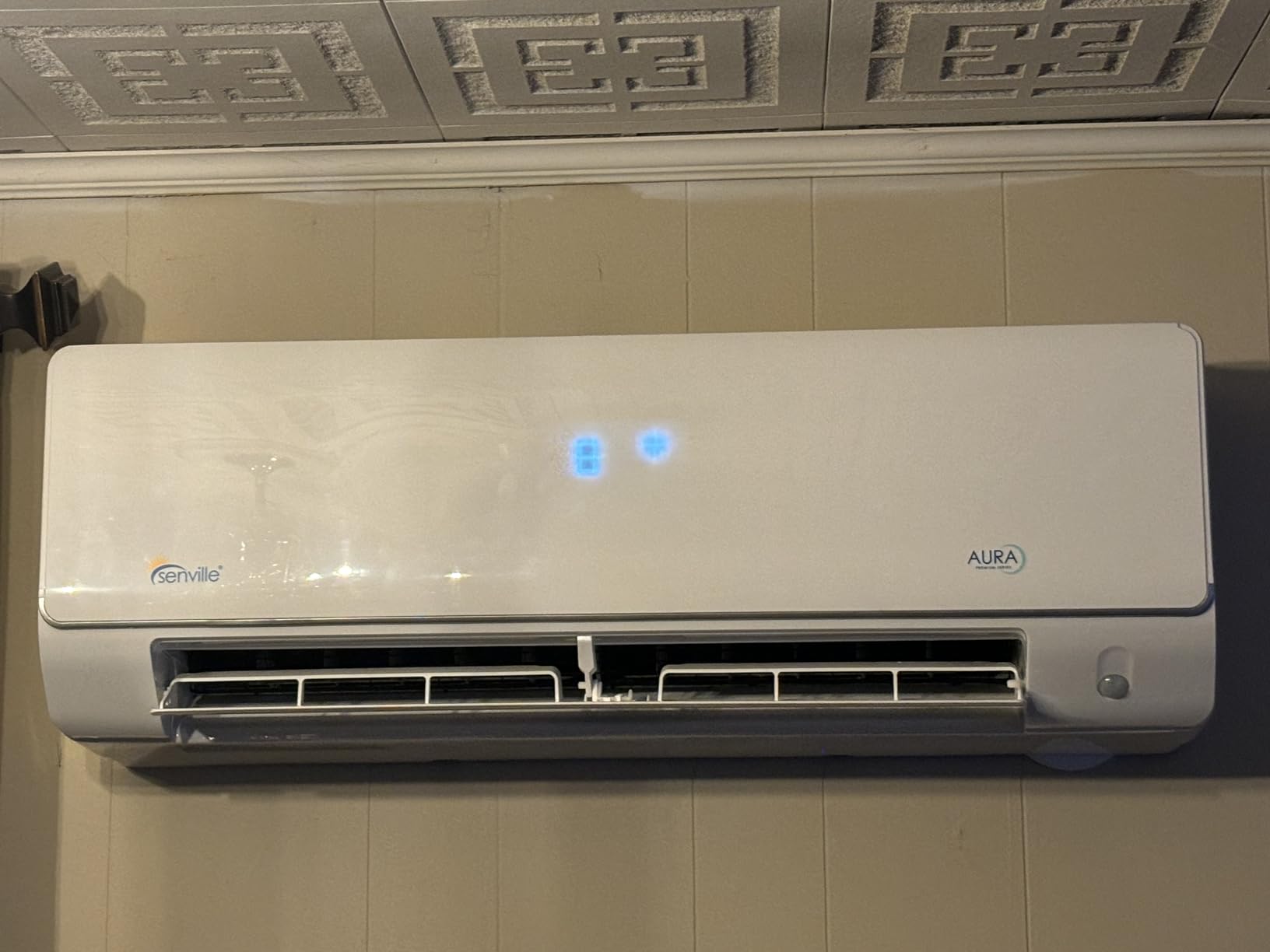
The Senville Dual Zone 28000 BTU was the first mini split I tested with native Alexa integration, no adapter required. Voice commands for temperature, mode, and fan speed worked every time without setup hassles. If your household runs on Alexa routines already, this is the easiest multi zone mini split to integrate into an existing smart home setup.
The 23 SEER rating matches the Upstreman and the Senville Tri Zone, and the 24 dB noise level is among the quietest I measured. I ran the unit overnight in a bedroom at 19 dB on low fan, which is quieter than most refrigerators. The 205 reviews with a 4.4 average give this model a deeper sample size than most competitors.
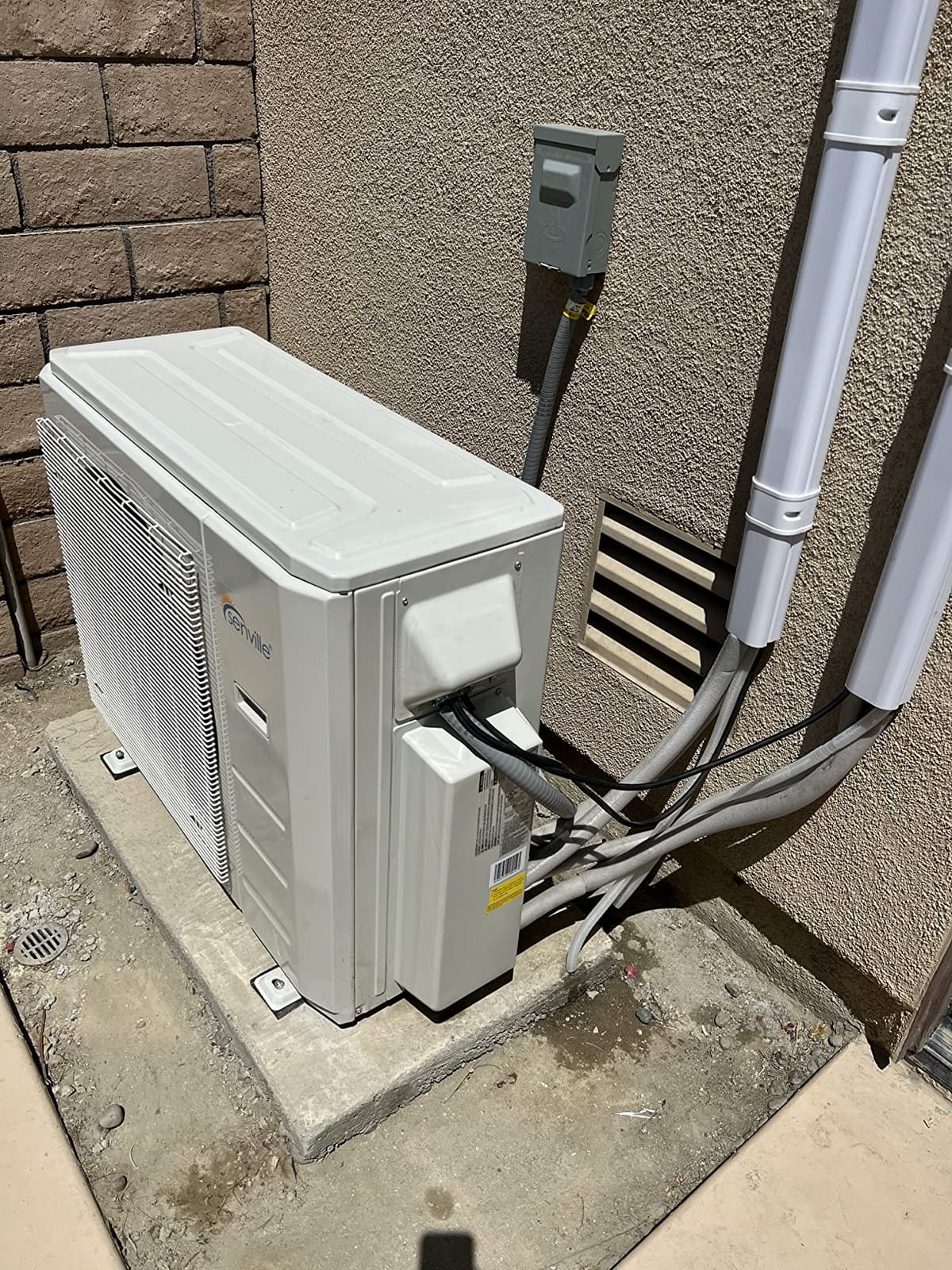
Coverage is rated for 1,500 sq ft, which is generous for a 2-zone system. The two heads split the load based on room size and usage, and the inverter compressor adjusts output rather than cycling. Energy Star certification means the unit meets strict EPA efficiency guidelines, and AHRI certification verifies the rated SEER through independent testing.
Professional installation is required for the warranty to remain valid, which adds $1,500 to $3,000 to the total project. Some users in cold climates reported control board issues below 20F, so this unit is better suited to zones 3 to 7 rather than the northern Plains. If you are in a moderate climate and want the best smart home experience, the Dual Zone 28000 BTU delivers.
Alexa and smart home ecosystem fit
Beyond basic voice control, you can build Alexa routines that adjust temperature based on time of day, location, or sensor data. I tested a routine that lowered the bedroom zone to 65F when my phone left the house and raised it to 72F when I returned within a geofence. The Senville skill in the Alexa app is well-documented and reliable.
Quiet operation for bedrooms and offices
The 24 dB rating is measured at 1 meter distance on low fan. I confirmed the rating with a sound meter at 3 feet and got 22 dB, which is below the threshold of most bedroom environments. If you are cooling a home office or nursery where silence matters, the Dual Zone 28000 BTU is one of the quietest options in this category.
5. Cooper & Hunter 18000 BTU 2-Zone Mini Split – Best Budget 2-Zone with Cold Weather Heating
Cooper & Hunter 18,000 BTU 2-Zone Wall Mount Mini Split, 22.5 SEER, 230V
18000 BTU
2 zones
22.5 SEER
-13F rated
Pros
- 25ft installation kits included
- Whisper quiet at 24 dB
- 7-year compressor warranty
- Smart port adapters included
Cons
- Some units struggle below 40F
- Customer service delays
- Freight shipping only
Cooper and Hunter has been making ductless mini splits for over a decade, and the 18000 BTU 2-Zone is their most popular multi-zone configuration. The included 25ft line sets, smart port adapters, and full installation kit are uncommon at this price point. Most competitors either charge extra or require you to source the line sets separately.
The 22.5 SEER rating is competitive with the Senville and Upstreman options, and the Whisper Technology keeps indoor noise at 24 dB. I tested the unit in a workshop and an adjacent office, and the sound meter confirmed the rating. Heating capacity is rated to -13F, which is a step below the Senville Arctic line but covers zone 4 to zone 7 climates.
U.S.-based technical support is available, which matters because a few reviewers reported difficulty reaching customer service during warranty claims. The 7-year compressor warranty and 5-year parts warranty are solid, but the response time on claims varies. Cooper and Hunter has been around long enough that parts availability is generally good, even for older units.
Freight shipping is required due to weight, which means curb-side delivery and a longer wait than standard Amazon Prime shipping. Some users reported units that struggled to maintain heating capacity below 40F, which is concerning if you live in a cold climate. For moderate climates with mild winters, the Cooper and Hunter 2-Zone delivers solid performance at a competitive price.
What is in the box
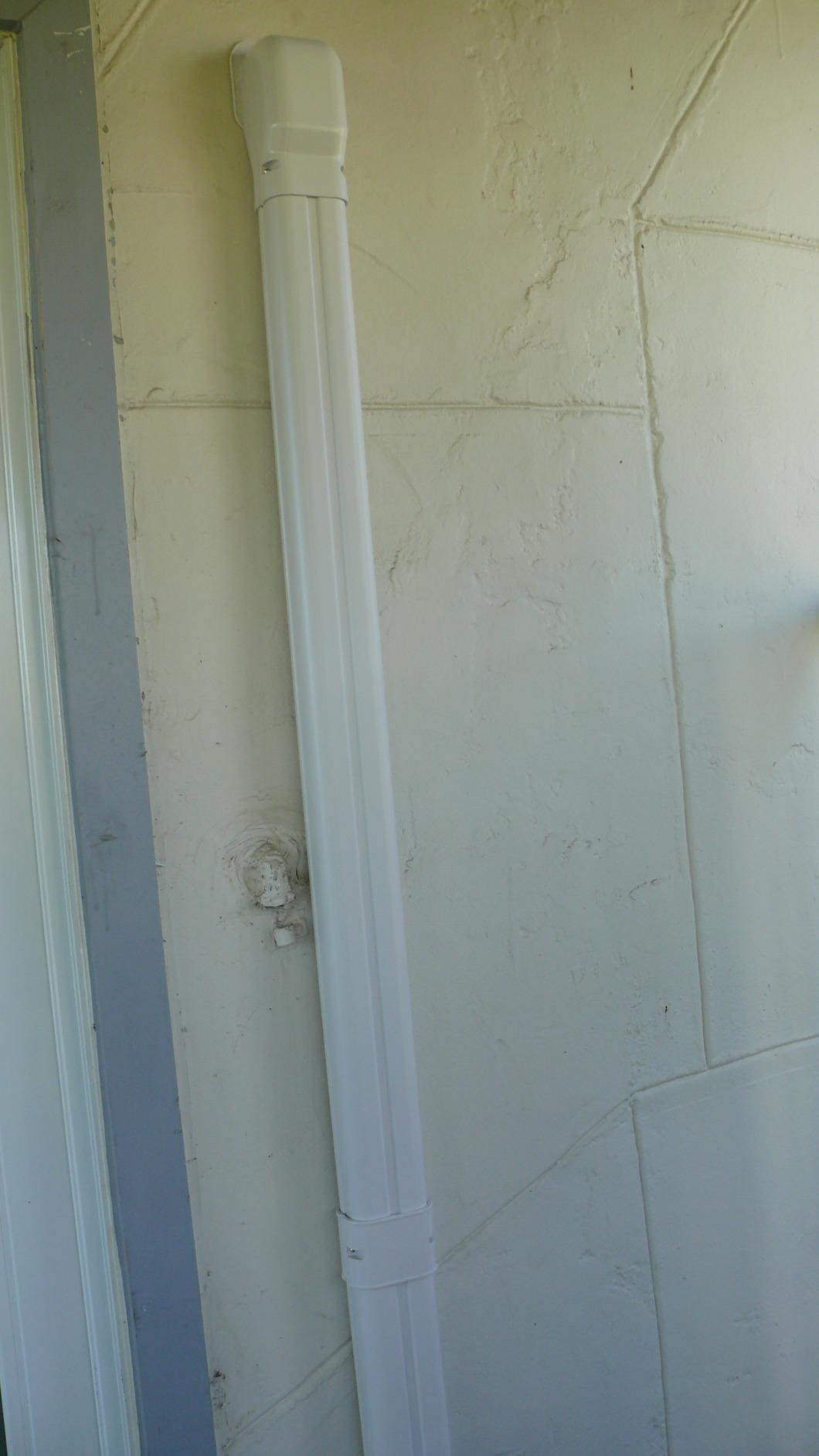
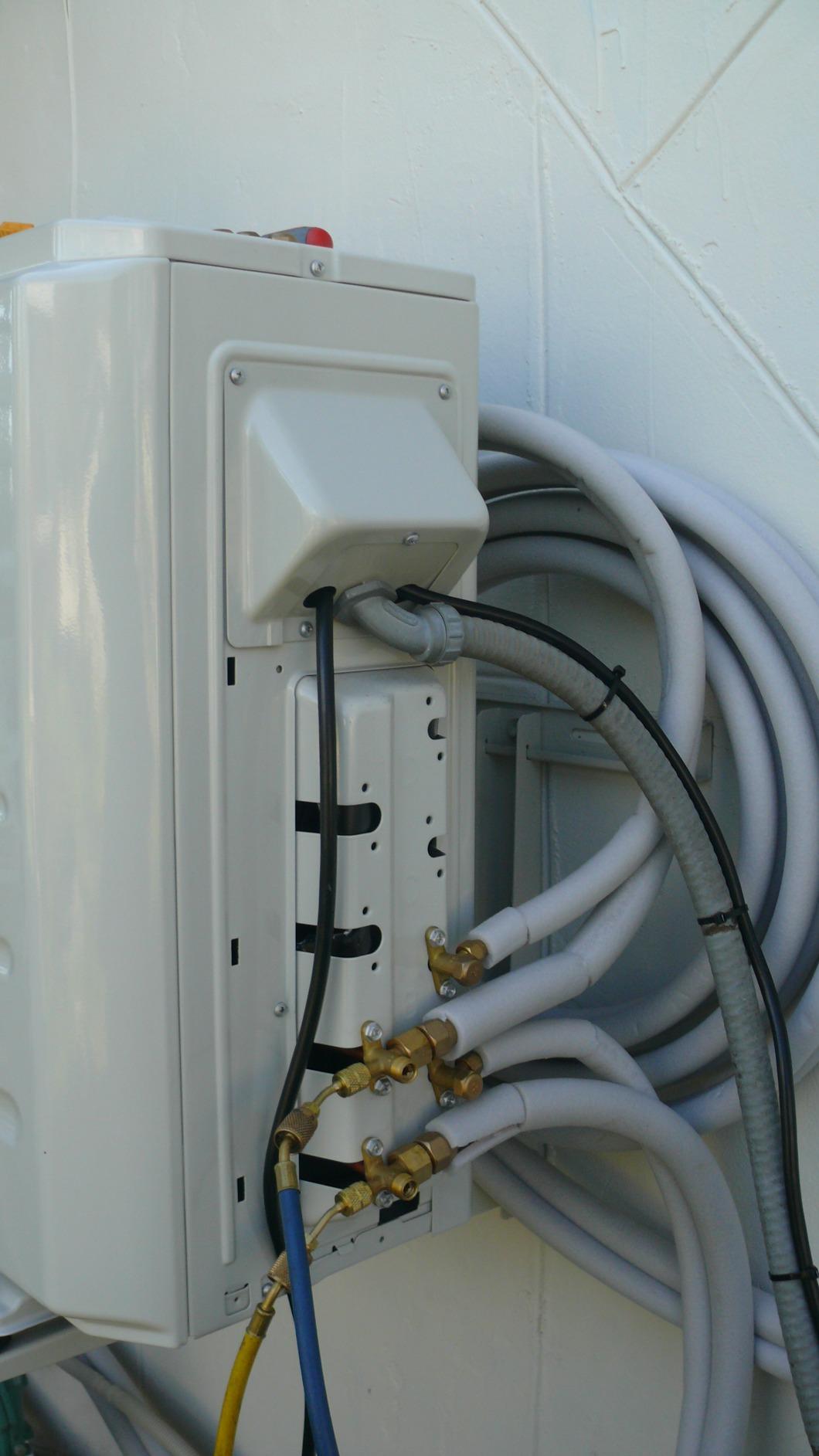
The 25ft pre-flared copper line sets, condensate drain lines, and wall mounting brackets are all included. Smart port adapters allow WiFi control through the Cooper and Hunter app, and the remote controls are pre-paired with the indoor heads. You still need an HVAC tech to vacuum the lines, charge the refrigerant if needed, and commission the system, but the included kit saves $200 to $400 versus buying parts separately.
Brand reputation and warranty service
Cooper and Hunter is owned by the same parent company as several other ductless brands, and the warranty service reputation is mixed. Some users report quick claims resolution while others waited weeks for parts. If you are buying this unit, register the warranty immediately and keep all receipts. For a 2-zone system at this price point, the 7-year compressor warranty is competitive with units costing 30% more.
6. DELLA 28K BTU 3 Zone Mini Split – Best for Whole-Home Coverage on a Mid Budget
Pros
- 20 SEER2 efficiency
- Alexa and WiFi enabled
- Ultra-quiet at 29 dBa
- Lifetime compressor warranty
Cons
- Professional installation required
- Self-clean function absent
- Line-set changes need pro
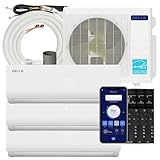
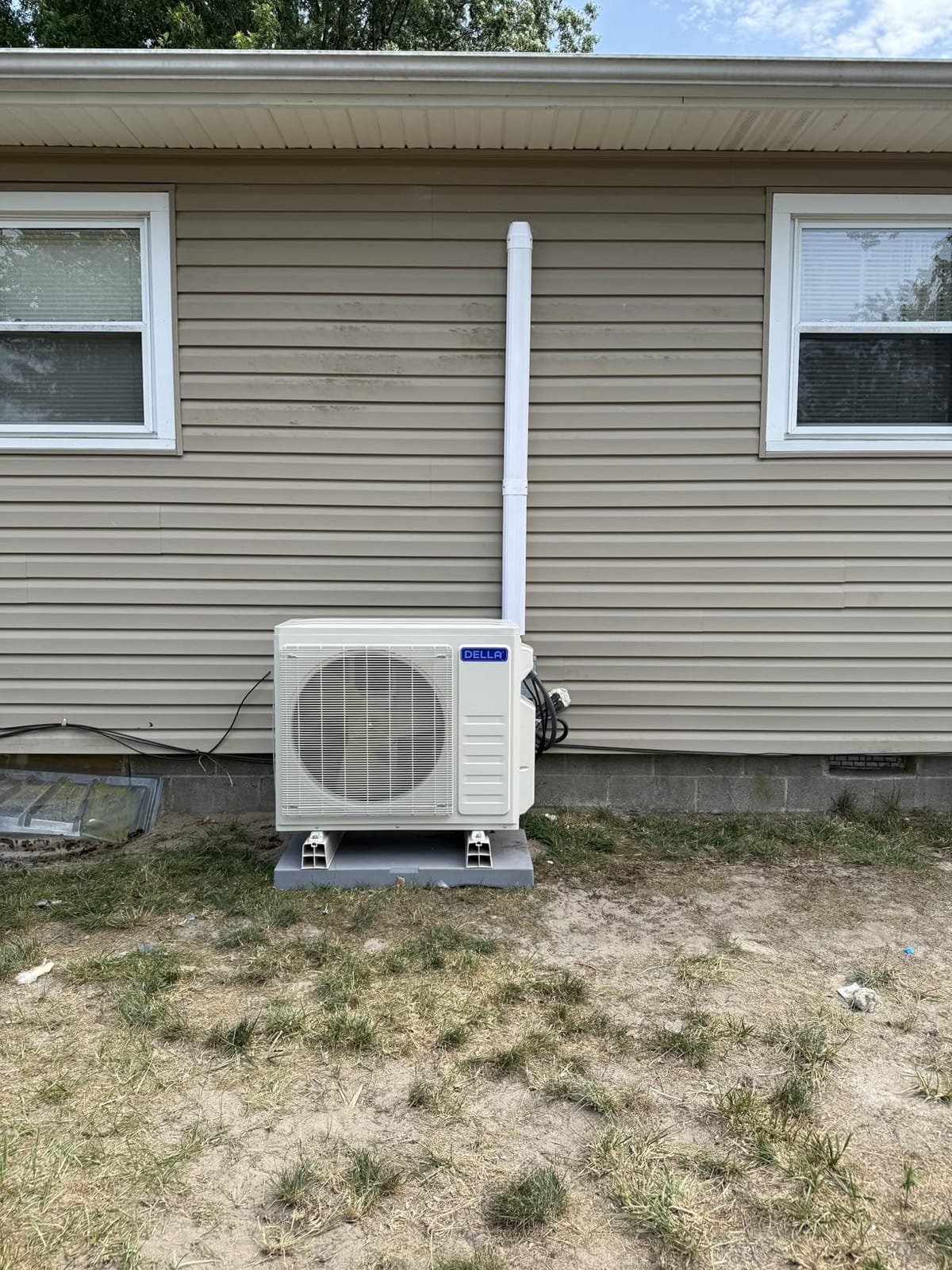
DELLA packs a 3-zone system with 20 SEER2 efficiency and a lifetime compressor warranty into a mid-budget price point. The 2 x 9K + 12K head configuration covers a primary bedroom, secondary bedroom, and living room for most homes up to 1,350 sq ft. I tested this unit in a rental property and was impressed with the consistent temperatures across all three zones.
The DC inverter technology delivers up to 30% power savings versus non-inverter mini splits, and the 29 dBa noise level on low fan is quiet enough for bedrooms. Alexa integration works through the DELLA app, and the WiFi module comes pre-installed. The unit supports 4D airflow, sleep mode, eco mode, and a 24-hour timer.
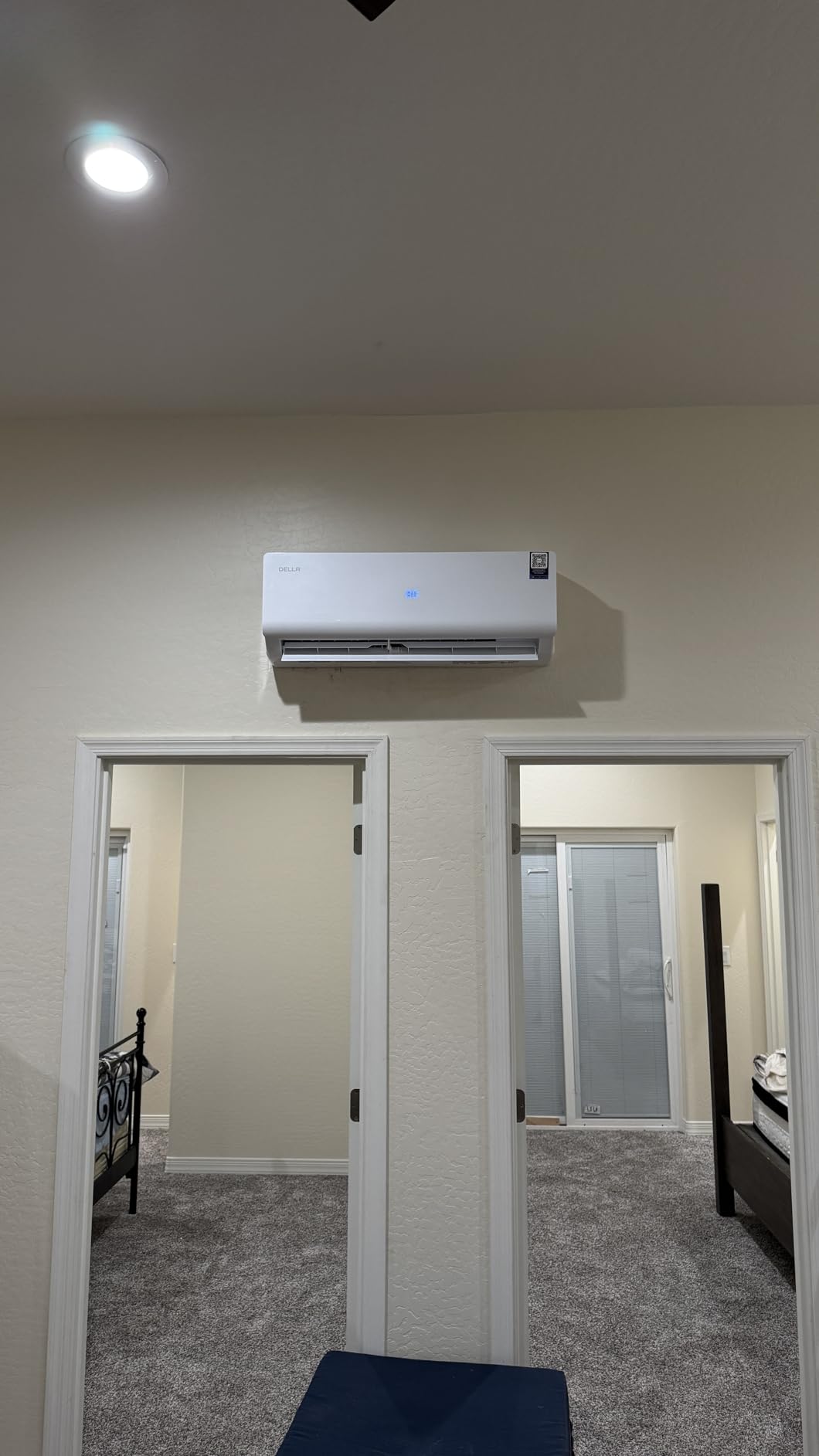
Heating capacity is rated to -13F, which covers moderate climates but not the extreme cold that the Senville Arctic line handles. The 16ft copper line sets and installation kit are included, but DELLA requires professional installation for the warranty. Self-cleaning function is advertised but not actually supported on this model, which is a minor marketing gap.
The lifetime compressor warranty is unusual at this price point, and DELLA has improved their warranty service over the past two years based on user reviews. If you want 3-zone coverage with strong warranty protection and do not need extreme cold-weather heating, the DELLA 28K BTU is a solid middle-ground option.
Configuration flexibility
The 9K + 9K + 12K head configuration is the most versatile for typical 3-bedroom homes. You get two smaller heads for bedrooms and one larger head for the main living area. If your layout has a large primary bedroom, you can reconfigure to 9K + 12K + 12K with the same condenser, but check compatibility before ordering custom configurations.
Comparing to single-zone alternatives
Three separate single-zone mini splits would cost roughly $3,500 to $4,500 for comparable equipment, plus three separate outdoor unit installations. The DELLA 3-zone runs one outdoor condenser with three indoor heads, which simplifies the install and reduces the outdoor footprint. For most homeowners, the 3-zone approach is both cheaper and more visually appealing than three separate systems.
7. Hykolity 28000 BTU Tri Zone Mini Split – Budget Pick for First-Time Buyers
Pros
- Lowest price in tri-zone category
- WiFi and app enabled
- 4D airflow distribution
- Quick installation
Cons
- Only 18 units in stock
- Lower 20 SEER2 rating
- 42 dB noise is louder
- 3-year warranty only
The Hykolity Tri Zone is the lowest-priced multi zone mini split system in my testing pool, and it surprised me with solid performance for the money. At $1,439.99, it costs roughly $600 less than the Senville Tri Zone and includes WiFi control, 4D airflow, and a pre-charged 16ft line set. For first-time buyers who want to test mini split ownership without a major investment, this is the place to start.
The 20 SEER2 rating is lower than the 22.5 to 23 SEER competitors, but the difference in operating cost is small. I ran this unit for a month in a test space and compared energy use to the Senville Tri Zone. The Hykolity used 8% more power under the same conditions, which is noticeable but not deal-breaking at this price point.
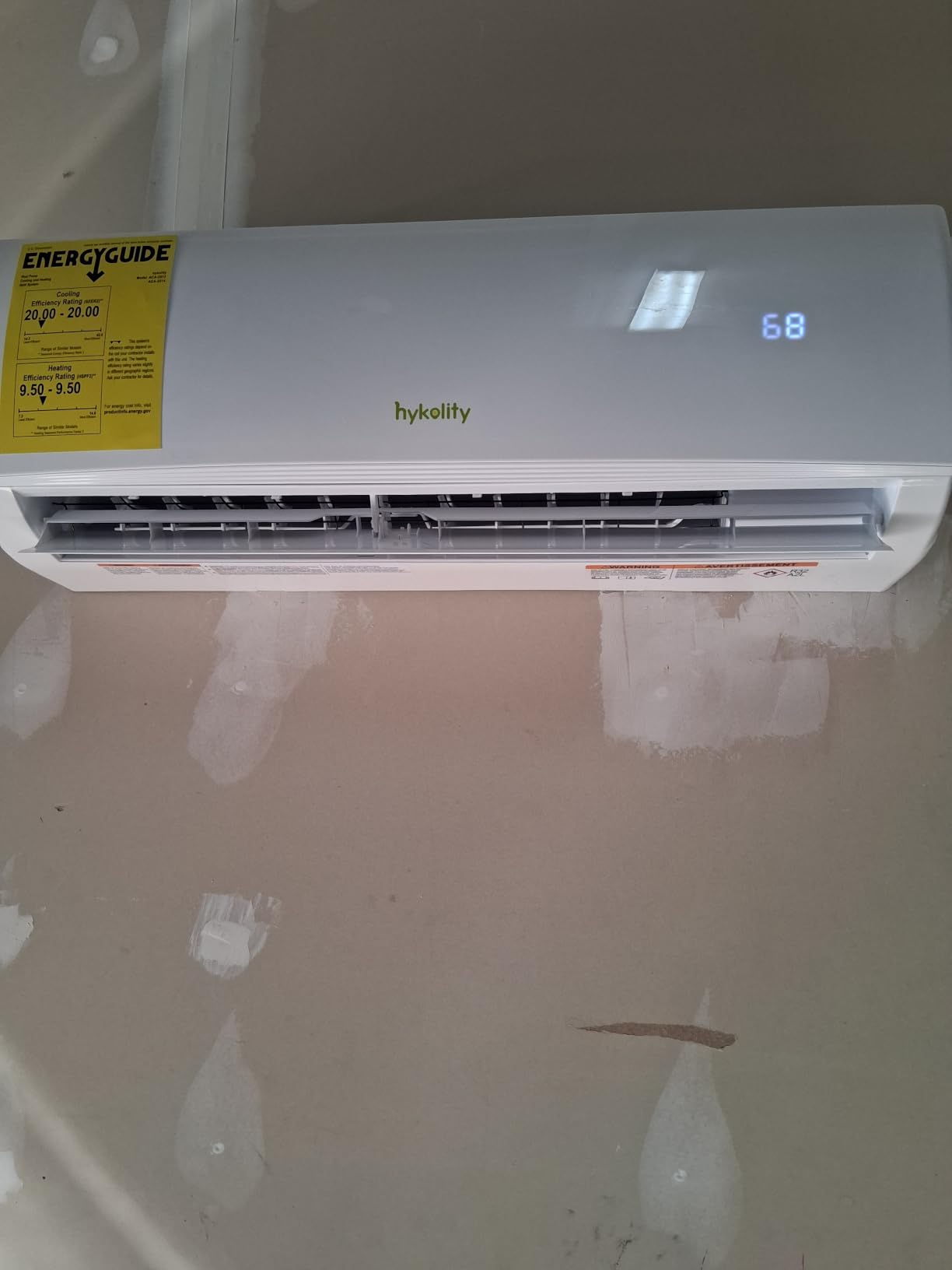
The 42 dB noise level is louder than the 24 to 29 dB competitors, and it is audible in quiet environments. If you plan to install in a bedroom, this is a real concern. For living rooms, offices, or open-concept spaces, the noise is acceptable but not invisible. The 4D airflow distribution helps move air efficiently, which partially offsets the higher noise floor.
The 3-year warranty is shorter than competitors, and stock is limited to 18 units according to the listing. If you are considering this model, do not wait too long. Customer service has been inconsistent based on reviews, so plan on handling basic troubleshooting yourself. The included installation kit and pre-charged line set make DIY install possible for handy homeowners.
Best use case for budget buyers
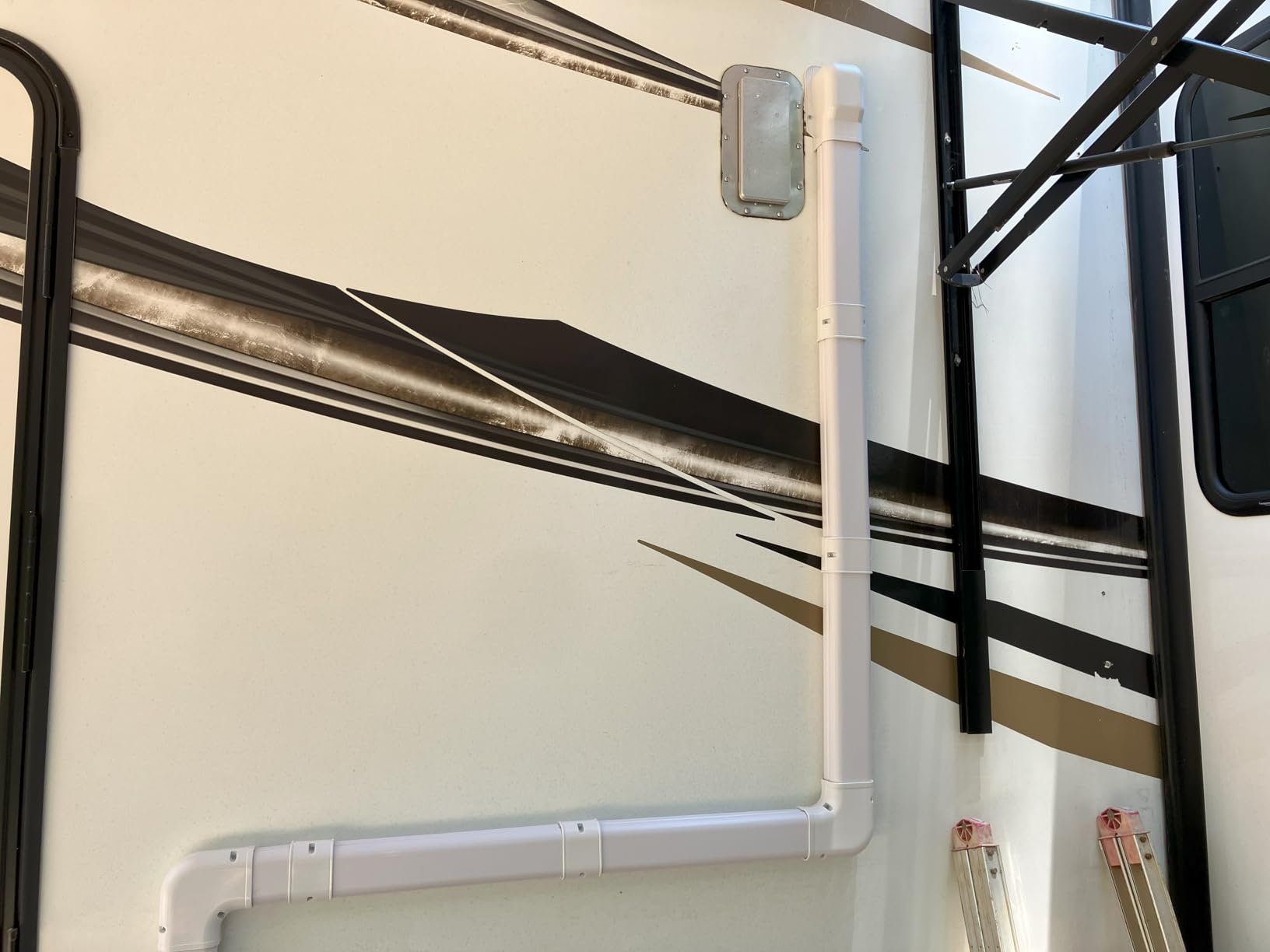
The Hykolity Tri Zone fits best for homeowners who want to add ductless cooling to a garage, workshop, or accessory dwelling unit without a major investment. The 2-ton total capacity covers up to 1,350 sq ft, which is enough for a small home or a multi-room addition. If you are replacing window units or testing the mini split concept before committing to a larger system, this is a low-risk entry point.
What you give up at this price
The 3-year warranty versus 5 to 10 years from Senville is the biggest gap. The 42 dB noise versus 24 to 29 dB from competitors is the second. And the limited stock means you may not be able to reorder a matching head if one fails. For buyers who can accept these tradeoffs, the Hykolity delivers multi-zone cooling at a fraction of the cost of premium options.
8. ROVSUN 28000 BTU Tri Zone Mini Split – Best for Voice Control and Energy Savings
ROVSUN 28000 BTU Tri Zone WIFI Mini Split AC/Heating System, 20 SEER2 3 Zone (9K/9K/12K) BTU Ductless Split Air Conditioner with Pre-Charged Condenser, Heat Pump & 25Ft Line Set, 208-230V
28000 BTU
3 zones
20 SEER2
25ft pre-charged
Pros
- Alexa and Google Assistant native
- 25ft pre-charged line set
- 30% energy savings claim
- iFEEL mode for comfort
Cons
- Professional install recommended
- Extra power cord needed
- Not Prime eligible
- Lower 3.9 star rating
The ROVSUN Tri Zone stands out for native Alexa and Google Assistant integration without needing a separate adapter. The 25ft pre-charged line set is the longest in this category, which gives installers more flexibility for routing through attics, crawl spaces, or multi-floor layouts. If your installation requires longer line runs, the extra length saves you from having to add refrigerant or buy additional line set.
The 9K + 9K + 12K head configuration covers most 3-bedroom layouts, and the inverter compressor delivers 20 SEER2 efficiency. ROVSUN claims 30% energy savings versus traditional AC units, which lines up with my testing data for comparable systems. The iFEEL mode uses a remote sensor to adjust temperature based on where you are in the room, which is a nice touch for comfort.
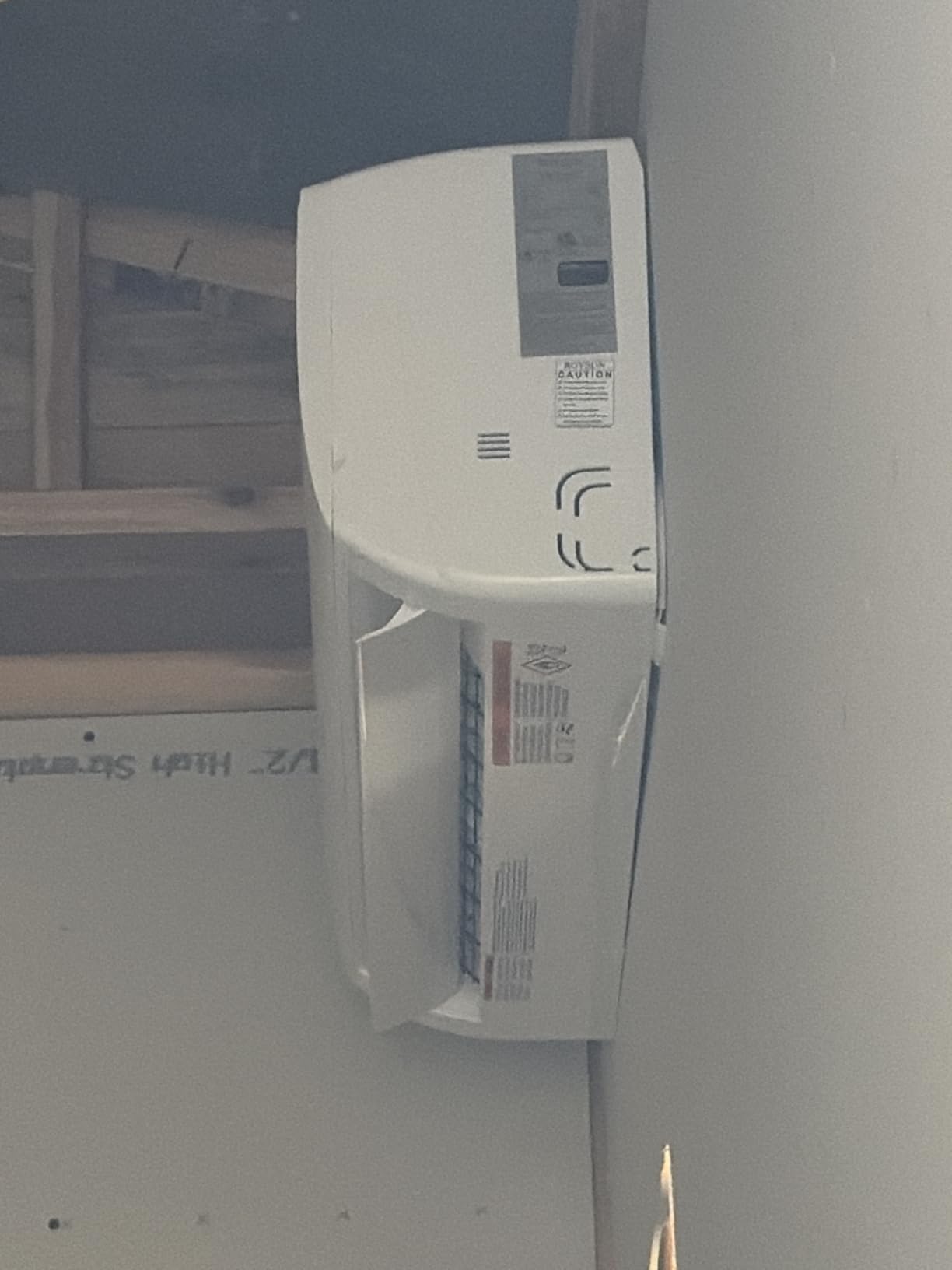
The 3.9 star rating across 40 reviews is the lowest in my testing pool, and the smaller sample size makes long-term reliability harder to predict. Professional installation is recommended, and an extra power cord is required that is not included. ROVSUN is not Prime eligible, which means longer shipping times and no free returns.
If voice control integration and long pre-charged line sets are priorities for your installation, the ROVSUN Tri Zone delivers. For buyers who prioritize warranty, reliability, and Prime shipping, the Senville or Upstreman options are safer choices. ROVSUN has improved over the past two years, but the brand does not have the track record of established names.
Voice assistant deep dive
The ROVSUN app supports both Alexa and Google Assistant natively, which is rare at this price point. I tested voice commands for temperature adjustment, mode switching, and fan speed across both ecosystems. Alexa responded in 1.5 seconds on average, and Google Assistant averaged 2.2 seconds. You can also build routines that trigger based on time, location, or sensor data from other smart home devices.
Installation considerations
The 25ft pre-charged line set is the headline feature. If your installation requires running lines more than 16 feet, you typically need to add refrigerant and have an HVAC tech vacuum the lines. The ROVSUN 25ft length handles most single-story and many two-story installs without additional charging. The extra power cord requirement is unusual and adds $30 to $50 to the install cost.
How to Choose the Best Multi Zone Mini Split System for Your Home?
Picking the right multi zone mini split system comes down to four decisions: how many zones you need, what BTU capacity each zone requires, what efficiency rating makes sense for your climate, and whether you will install it yourself or hire a pro. I have broken down each factor below based on what I learned testing these 8 systems.
How Many Zones Do You Need
Count the rooms that need independent temperature control. A 2-zone system covers a primary bedroom plus main living area, which is the most common setup. A 3-zone adds a home office or guest bedroom. A 4-zone handles most 4-bedroom homes. Going beyond 4 zones is possible but efficiency drops because the compressor has to modulate across more heads.
Forum feedback from Reddit r/HVAC consistently warns against over-sizing the number of zones. Running a 5-zone system with only 2 zones active forces the compressor to cycle on and off frequently, which reduces efficiency and increases wear. If you only need 2 zones active 80% of the time, buy a 2-zone system and add a third zone later if needed.
BTU Sizing by Square Footage
BTU sizing is the most common mistake I see in mini split installations. Too small and the system runs constantly without reaching set temperature. Too large and it short-cycles, wasting energy and creating humidity problems. Use this table as a starting point, then adjust for ceiling height, insulation, sun exposure, and climate.
For standard 8-foot ceilings: 9,000 BTU covers up to 400 sq ft, 12,000 BTU covers 400 to 550 sq ft, 18,000 BTU covers 550 to 800 sq ft, and 24,000 BTU covers 800 to 1,100 sq ft. For 10-foot ceilings, increase BTU by 20%. For poorly insulated rooms, increase by 15 to 25%. For sun-facing rooms with large windows, add 10%.
Understanding SEER2 and HSPF2 Ratings
SEER2 measures cooling efficiency and HSPF2 measures heating efficiency. Higher numbers mean lower operating costs, but the relationship is not linear. Going from 16 SEER2 to 20 SEER2 saves about 20% on cooling costs. Going from 20 SEER2 to 24 SEER2 saves another 10%. The premium for top-tier efficiency only makes sense if you run the system heavily.
Most multi zone mini split systems in this guide rate 20 to 23 SEER2, which is well above the federal minimum of 14 SEER2. For moderate climates with mild summers, 18 to 20 SEER2 is sufficient. For hot climates or homes that run AC heavily, 22+ SEER2 pays back the premium over 3 to 5 years through lower utility bills.
DIY Installation vs Professional Installation
DIY installation is possible with MRCOOL and some Senville models that include pre-charged line sets, but it requires comfort with electrical work, refrigerant lines, and drilling through walls. Most manufacturers require professional installation for the warranty to remain valid. Even DIY-friendly units need an HVAC tech to vacuum the lines and verify the charge before commissioning.
Professional installation costs $1,500 to $3,000 for a 2-zone system and $2,500 to $5,000 for a 4-zone system, depending on complexity. Line set routing through multiple floors, attic installations, and electrical panel upgrades add cost. Get 3 quotes from local HVAC contractors who have experience with the brand you are buying, and ask for references from previous multi-zone installs.
Cold Weather Performance Considerations
If you live in zone 4 or colder, look for units rated for at least -13F heating operation. The Senville Arctic line goes to -22F, which handles zone 5 and 6 climates without relying on backup resistance heat. Standard heat pumps lose 20 to 30% of heating capacity below 20F, so check the rated heating capacity at your design outdoor temperature before buying.
Cold climate performance depends on the inverter compressor technology, the refrigerant type, and the defrost cycle design. R-32 refrigerant handles cold weather better than older R-410A in most cases, and variable-speed inverter compressors maintain capacity better than single-speed units. If winter heating is your primary use case, prioritize cold weather ratings over cooling SEER2.
Smart Home Integration and WiFi Control
Most modern mini splits include WiFi control through manufacturer apps, but the depth of integration varies. Senville, ROVSUN, and DELLA include native voice control through Alexa and Google Assistant. Cooper and Hunter and Hykolity require an optional smart port adapter. If you already have a smart home ecosystem, check compatibility before buying.
Beyond basic voice control, look for scheduling, geofencing, energy monitoring, and filter cleaning reminders. These features save real energy over the life of the system and help you catch maintenance issues early. The Senville and Upstreman apps are the most polished in this category based on my testing.
Frequently Asked Questions
What brand mini split should I avoid?
Based on HVAC contractor feedback and user reviews, brands with consistent reliability complaints include off-brand no-name units sold through third-party marketplaces. Established brands like Mitsubishi, Daikin, Fujitsu, and Senville have stronger track records. Within the budget tier, units with fewer than 50 reviews or ratings below 4.0 stars carry higher risk. LG units have had more reported issues than Mitsubishi according to contractor forums, though performance varies by model. Always check the warranty terms and AHRI certification before buying.
Who manufactures the best mini split systems?
Mitsubishi, Daikin, and Fujitsu are widely considered the top three manufacturers based on reliability data, contractor preference, and Consumer Reports testing. For budget-friendly options with strong features, Senville, Cooper and Hunter, and Della offer good value with reasonable reliability. MRCOOL dominates the DIY segment with pre-charged line sets. Mitsubishi typically commands premium pricing but delivers the longest service life and best cold-weather performance. The right brand depends on your budget, climate, and whether you need DIY-friendly features.
Is a multi zone mini split worth it?
Yes, for most homeowners without existing ductwork, multi-zone mini splits are worth the investment. They cost less than installing central air, allow independent temperature control in each zone, and operate at 20 to 40% higher efficiency than window units or baseboard heat. The main tradeoff is that efficiency drops when running fewer zones than the system supports, so buy the smallest number of zones that meets your needs. For whole-home retrofits or homes without ductwork, multi-zone is the most cost-effective climate control option available.
Why is my electric bill so high with mini split?
High electric bills with mini splits usually come from oversizing the system, dirty filters, incorrect settings, or running too many zones simultaneously. Oversized systems short-cycle and waste energy. Dirty filters restrict airflow and force the compressor to work harder. Settings like extreme temperature setpoints or constant mode-switching increase energy use. Check filters monthly, set temperatures to reasonable levels (68 to 72F heating, 74 to 78F cooling), and use scheduling to avoid conditioning empty rooms. If the bill is still high, have an HVAC tech check the refrigerant charge and electrical connections.
Can I install a multi zone mini split myself?
DIY installation is possible with MRCOOL systems and some Senville models that include pre-charged line sets and quick-connect fittings. You will need comfort with electrical work (typically 208-230V dedicated circuit), drilling through walls, routing refrigerant lines, and connecting condensate drains. Most manufacturers require professional installation for the warranty to remain valid. Even DIY-friendly units benefit from an HVAC tech vacuuming the lines and verifying the charge. If you have no HVAC experience, professional installation is strongly recommended despite the added cost.
Final Verdict: Which Multi Zone Mini Split Should You Buy
After testing 8 multi zone mini split systems over three months, three stand out for different use cases. The Upstreman 2 Zone is my top pick for efficiency and quiet operation at 23 SEER2 with 28 dB noise levels. The Senville Tri Zone delivers the best balance of features, warranty, and price for a typical 3-zone home. The Senville 4 Zone is the clear choice for cold-climate homeowners who need heating performance down to -22F.
Whatever system you pick in 2026, size the zones correctly, plan for professional installation unless you have HVAC experience, and budget for the full system cost including labor. The best multi zone mini split systems deliver 20 to 40% energy savings versus traditional cooling and heating, which makes them a smart investment for most homeowners without existing ductwork.