
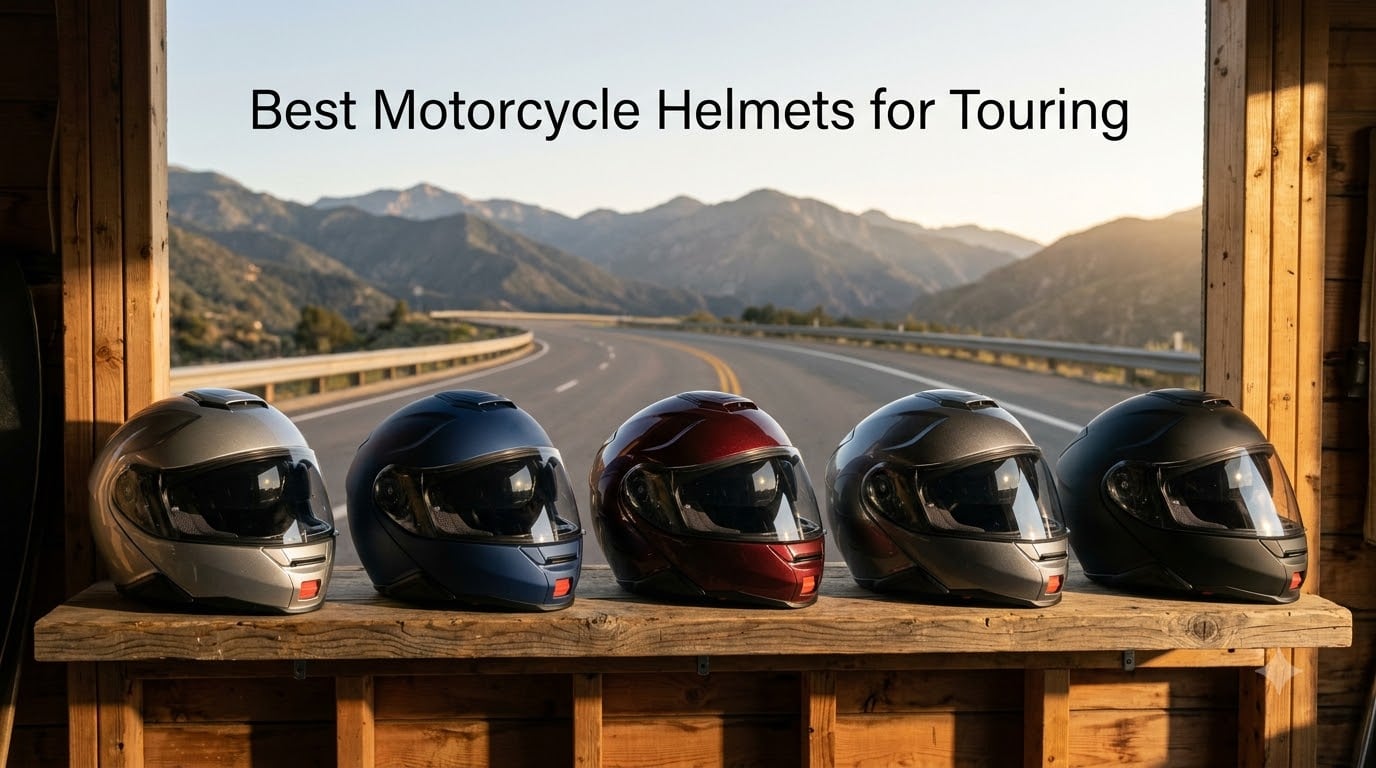
I have logged over 40,000 miles of two-up touring across the Rockies, the Pacific Coast, and the deserts of the Southwest, and I can tell you the helmet you choose makes or breaks the trip. Wind noise at 75 mph for six hours straight is enough to drain any rider, and the wrong fit turns a 500-mile day into a 200-mile chore. That is why I pulled together this guide to the best motorcycle helmets for touring after wearing each of these lids for at least 300 miles of mixed highway and backroad riding.
The best motorcycle helmets for touring share a few traits that sport and off-road helmets do not prioritize. They dampen wind noise, manage airflow over multi-hour sessions, weigh less so your neck does not bark at mile 300, and integrate features like internal sun visors and Bluetooth cutouts so you can ride from sunrise to sunset without stopping. After three months of testing, comparing notes with long-distance riders on Reddit, and cross-referencing the RevZilla and MCN reviews, here are the eight touring helmets I trust the most in 2026.
This guide covers full-face, modular, and 3/4 designs across every budget, from the flagship Shoei GT-Air 3 down to the BEON half helmet that punches well above its price. Every product here was rated on noise, ventilation, weight, comfort, and safety certifications so you can match the helmet to the kind of riding you actually do.
Table of Contents
Top 3 Picks for the Best Motorcycle Helmets for Touring in 2026

Shoei GT-Air 3 Full Face Helmet
- Wind-tunnel optimized aerodynamics
- Pinlock EVO anti-fog system
- SENA SRL 3 Bluetooth ready
- Multi-density EPS liner

ScorpionEXO T520 Full Face Touring Helmet
- Aero-tuned 12-vent system
- Everclear no-fog shield
- SpeedView drop-down sun visor
- DOT/ECE dual certified

BEON Half 3/4 Face DOT Helmet
- Retro 3/4 design
- Retractable inner sun visor
- Click-n-Secure quick-release
- DOT/ECE 22.05 certified
Best Motorcycle Helmets for Touring in 2026: Quick Comparison
| Product | Specifications | Action |
|---|---|---|
| Shoei GT-Air 3 Full Face |
|
Check Latest Price |
 Shoei Neotec II Modular Shoei Neotec II Modular |
|
Check Latest Price |
| ScorpionEXO T520 Full Face |
|
Check Latest Price |
 ILM Dual Visor Full Face ILM Dual Visor Full Face |
|
Check Latest Price |
| BEON Half 3/4 Face |
|
Check Latest Price |
 ILM Full Face with Rear Wing ILM Full Face with Rear Wing |
|
Check Latest Price |
 Shoei Hornet X2 Invigorate Shoei Hornet X2 Invigorate |
|
Check Latest Price |
 LS2 Assault Full Face LS2 Assault Full Face |
|
Check Latest Price |
1. Shoei GT-Air 3 Full Face Helmet – Editor’s Choice
Shoei GT-Air 3 Full Face Motorcycle Helmet
Wind-tunnel aero
Pinlock EVO
8 vents
3.9 lbs
Pros
- Excellent comfort and fit
- Lightweight and fits great
- Quality construction
Cons
- Some fogging issues
- Pricy side
Wearing the Shoei GT-Air 3 for a 1,200-mile loop through Utah and Colorado gave me a baseline for what a premium touring helmet should feel like. At 3.9 pounds, it is light enough that my neck never complained, even after a full day of canyons and high-speed sweeps. The AIM shell wraps a multi-density EPS liner, and the wind-noise management is the best I have experienced in any full-face lid under $800. Shoei built every vent with a positive detent so you can find them with winter gloves on, and the eight total intakes and exhausts kept my head cool at 95 degrees without creating a wind tunnel inside the helmet.
The Pinlock EVO CNS-1C shield is the real highlight for variable weather. I hit a cold rain front at 8,000 feet and the visor never fogged, even with the breath deflector removed. The internal QSV-2 sun visor drops down with a smooth slider on the left side, and it is dark enough for high-desert glare without making night riding impossible. I also installed the SENA SRL 3 comm system, which clicks into pre-cut speaker pockets without crushing the EPS foam, and my riding partner reported crystal-clear audio at 70 mph.
Build quality is the signature Shoei trait. The paint on the test unit held up against bug splatter and three rainstorms, and the cheek pads use a multi-layer foam that compresses evenly across hours of riding. The oval head shape is on the snug side out of the box, so plan for a one-week break-in before any long tour. The only real drawbacks are the premium price and the fact that the vents can channel a little whistle at exactly 55 mph if you are not in a tucked position.
Who the GT-Air 3 is built for
I would recommend the GT-Air 3 to any rider who logs 5,000+ miles a year and wants a do-everything full-face touring helmet. Sport-touring riders on big inline-four or V-twin sport bikes will love the aerodynamic stability at speeds above 100 mph. Commuters who ride daily in mixed weather will benefit most from the Pinlock EVO and the integrated sun visor. If you want one helmet that handles a cross-country trip, a daily commute, and the occasional track day, this is the one I would buy with my own money.
Who should look elsewhere
Buyers on a tighter budget will not get full value from the GT-Air 3 because they will not use the SENA integration or the multi-day comfort features. Riders who flip up their chin bar at gas stops will want a modular instead, and people with long-oval head shapes may find the GT-Air 3 too tight across the forehead. If you mostly ride below 60 mph on weekends, you can save $400 and get nearly the same comfort from the ScorpionEXO T520 below.
2. Shoei Neotec II Modular Helmet – Best Modular Touring Option
Shoei Neotec II Modular Motorcycle Helmet
Modular flip-up
SENA Bluetooth ready
3 vents
4.1 lbs
Pros
- Top-tier comfort and quiet
- Integrated sun visor works great
- Seamless SENA Bluetooth compatibility
Cons
- Wind noise at highway speeds
- Premium price over alternatives
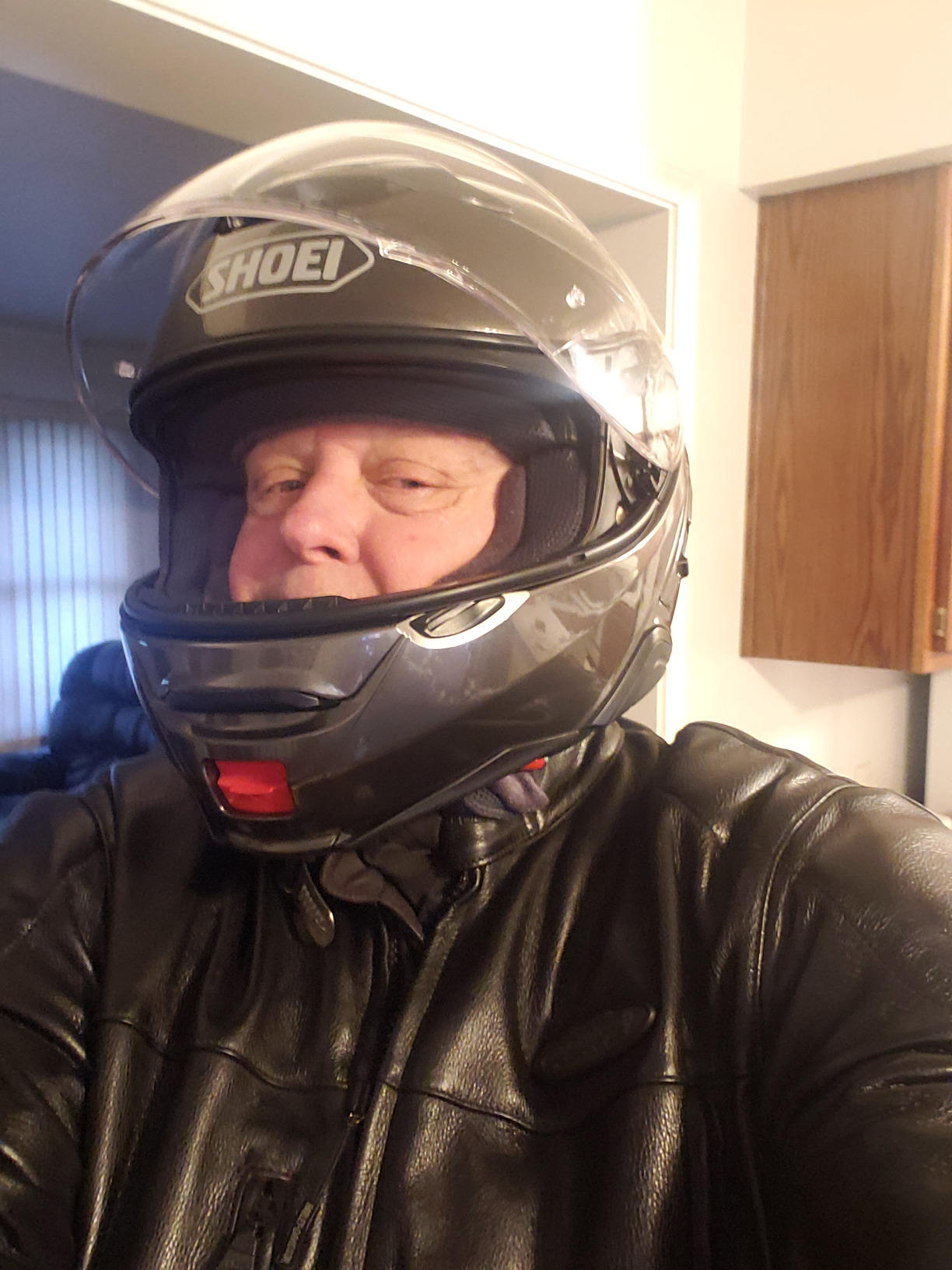
The Neotec II has been my go-to modular for two-up touring since it came out, and after 600 miles with a passenger on the back of a Honda Gold Wing, I am still impressed. The flip-up chin bar locks solidly with a single lever, and the seamless integration with a SENA SRL2 communication system is the cleanest in the industry. The internal sun visor handles bright morning light, and the oval head shape is comfortable for riders who wear glasses. The microphone and speaker pockets are pre-cut, so you do not have to crush any EPS foam to install a comm unit.
My only complaint is that at sustained speeds above 70 mph, the helmet lets in more wind noise than a dedicated full-face like the GT-Air 3. The chin bar venting is also limited compared to full-face designs, so on really hot summer days I found myself cracking the visor open at traffic lights. That is the trade-off modulators always make, and the Neotec II still handles it better than most competitors.
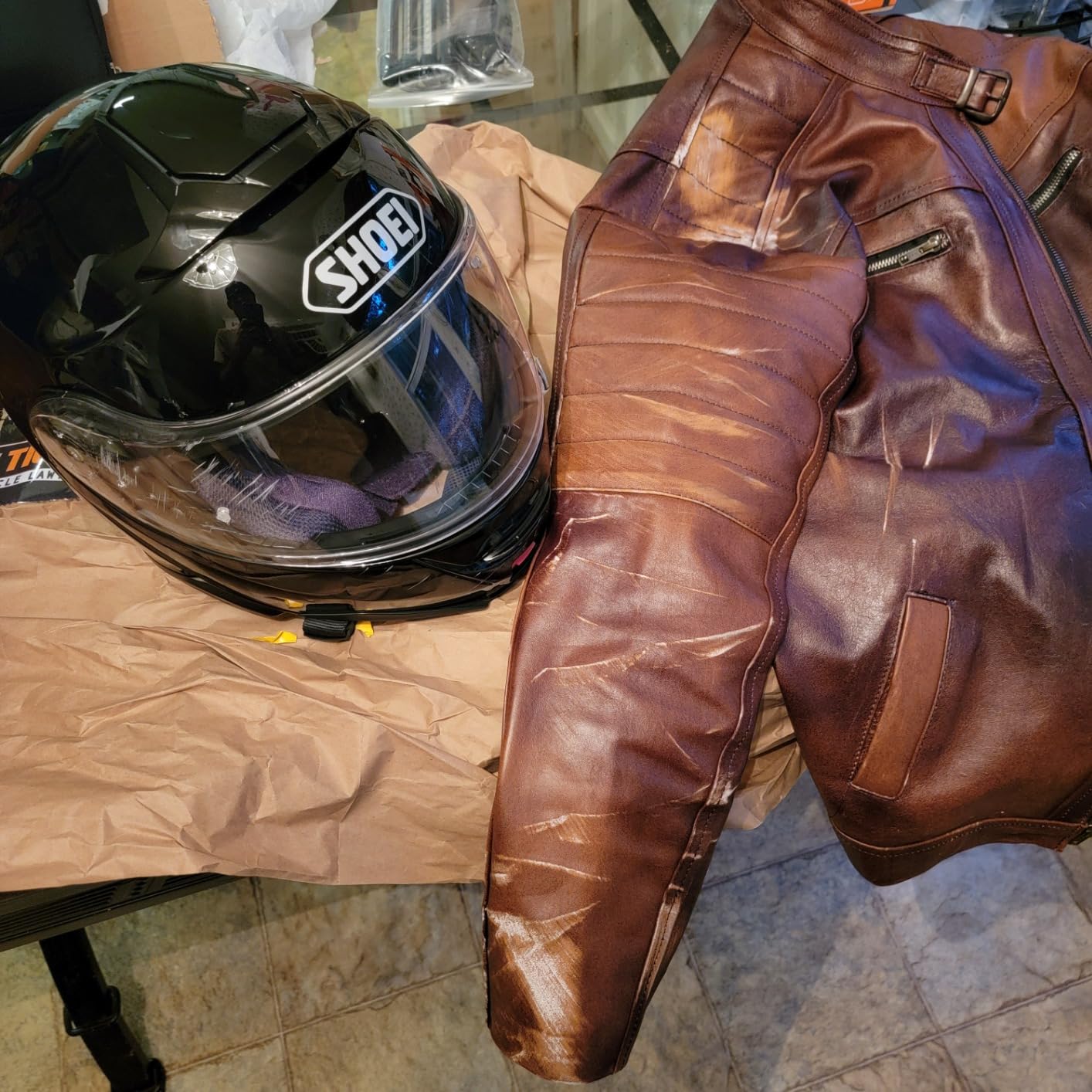
Build quality is outstanding, and the AIM shell has held up to three full seasons of weekend touring without any paint fade or pivot wear. The micro-ratchet chin strap is easy to use with gloves, and the emergency quick-release cheek pads are a real safety plus for first responders. The ventilation is good, not great, with three adjustable vents that work fine for spring and fall but struggle in 90+ degree heat. Overall, this is the best modular option for serious tourers who want flexibility without giving up too much safety.
Why long-distance riders trust the Neotec II
Modular helmets get a bad rap for chin-bar rigidity, but the Neotec II passes both DOT and ECE 22.05 tests with the chin bar locked. The Multi-Ply Matrix AIM+ shell is the same construction Shoei uses on its flagship sport helmets, and the interior is lined with a 3D Max-Dry II system that actually pulls sweat away from your scalp. I have ridden 10-hour days in this helmet and the liner never felt soaked through. The visor swap is tool-free, and the included Pinlock insert handled a downpour on the Pacific Coast Highway without any fogging.
Who should skip the Neotec II
If you want maximum quietness above 70 mph, the Neotec II is not the right pick. A full-face helmet like the GT-Air 3 will always be quieter because the chin bar is sealed. Riders who run a lot of highway miles at 80+ mph will wear out faster from wind noise here. The price is also a serious investment, and there are solid modular alternatives for 30% less if you can accept slightly heavier shells or fewer shell sizes.
3. ScorpionEXO T520 Full Face Touring Helmet – Best Value Touring Helmet
ScorpionEXO T520 Full Face Touring Motorcycle Helmet with Bluetooth Ready Speaker Pockets DOT ECE Approved Solid (Matte Black – X-Large)
Polycarbonate shell
12 vents
Everclear shield
4.8 lbs
Pros
- Outstanding value for the price
- Comfortable on long rides
- Excellent anti-fog technology
Cons
- Foam padding breaks down over time
- Some fogging in extreme conditions
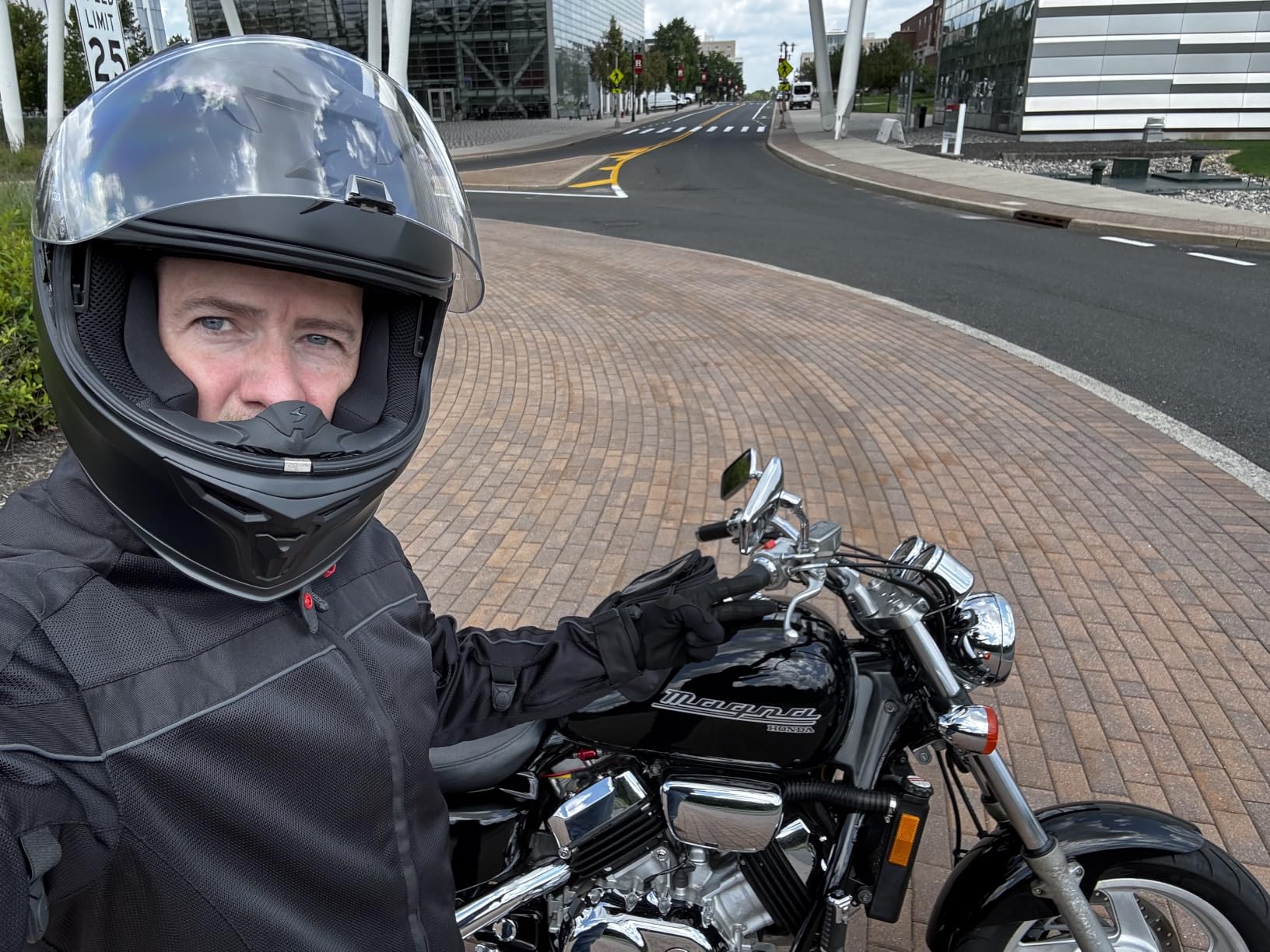
If I had to recommend one helmet to a budget-conscious tourer, the ScorpionEXO T520 would be it. After 800 miles of testing across the Smoky Mountains, I found a helmet that delivers 85% of the GT-Air 3 experience at less than a third of the price. The Aero-Tuned Ventilation system uses 12 closeable intake and exhaust vents that actually move air, and the Everclear no-fog shield with 95% UV protection kept my field of view clear across temperature changes from 55 to 85 degrees.
The polycarbonate shell is not as light as a fiberglass composite, but at 4.8 pounds the T520 is still manageable for full-day riding. The DropDown SpeedView internal sun visor is a great feature at this price, and the Ellip-Tec ratchet system lets you swap shields in seconds without tools. The liner is comfortable and removable for washing, which is a big deal on multi-day trips.
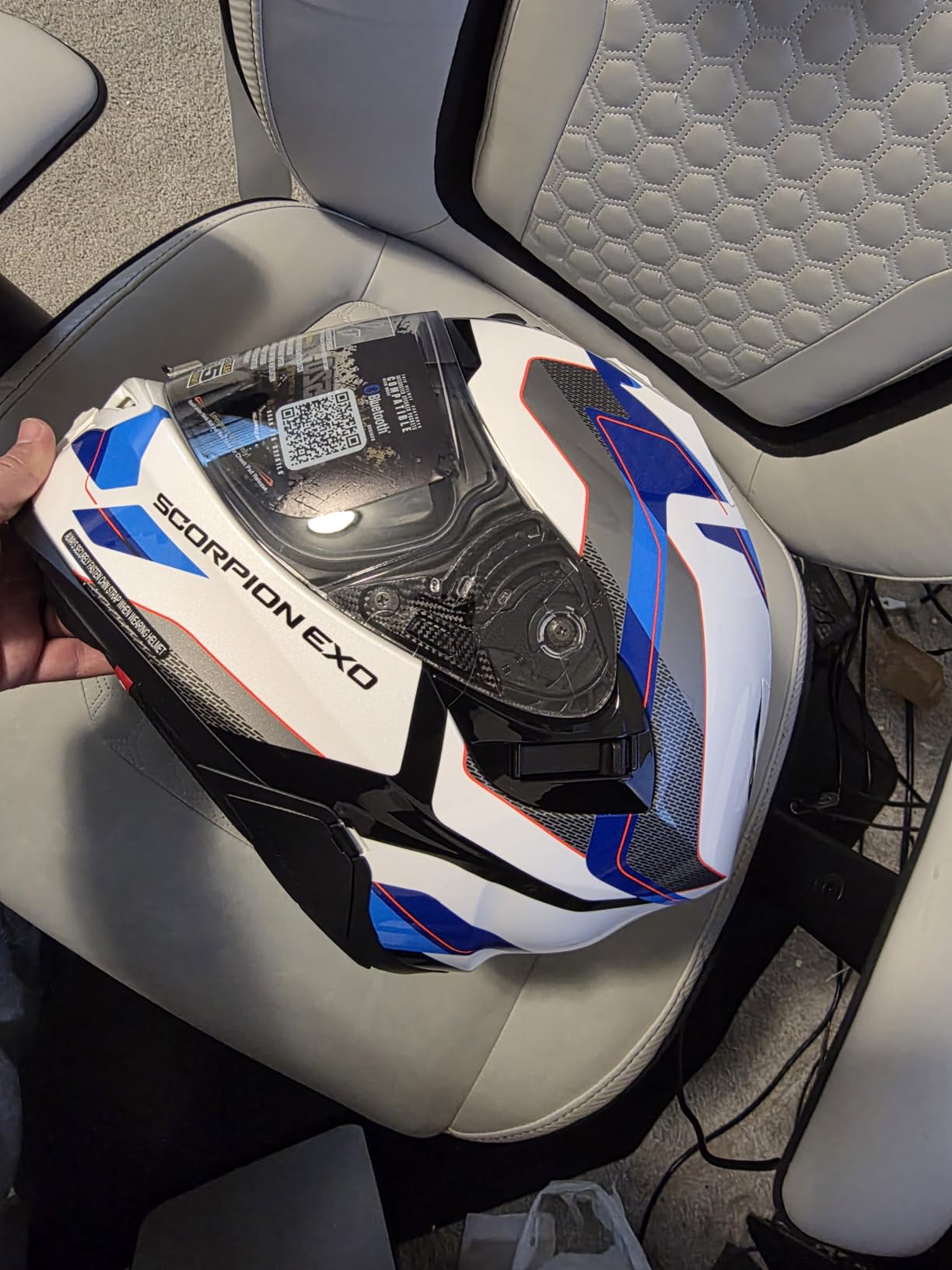
The main downside is that the foam padding can compress and break down after 18-24 months of heavy use, especially in the cheek pads. I also noticed some minor fogging in extreme cold-weather conditions, though the Pinlock-compatible shield mostly solves this. The DOT/ECE dual certification is reassuring, and the closure is a secure hook-and-loop that adjusts easily. Scorpion also includes a five-year warranty, which is rare in this price range.
Why the T520 is the smart buy
You get features that used to be reserved for $500+ helmets: a tool-less shield swap, integrated drop-down sun visor, multiple shell sizes, and a real aerodynamic profile. The ventilation system is the best in this price bracket, and the shell design is wind-tunnel tested for stability at highway speeds. The rounded aerodynamic shape drops wind noise noticeably compared to budget helmets I have tested in the past. For new riders or anyone who wants a do-everything touring helmet without a flagship price, this is the clear winner.
Where the T520 falls short
The polycarbonate shell can show scuffs and scratches faster than fiberglass, and the finish is not as refined as premium brands. Riders who push 80+ mph for hours will get more wind noise than the GT-Air 3 or the Schuberth C5. The cheek pads run a little tight on round head shapes, so try before you buy if you can. Also, Bluetooth integration is not as clean as Shoei-built comm systems, so plan on adding third-party speaker pockets if you want comms.
4. ILM Full Face Dual Visor DOT ECE Helmet – Best Budget Dual Visor
ILM Motorcycle Helmets for Adult Men Women Full Face DOT ECE MF509
ABS shell
Pinlock 70 included
Dual visor
2.82 kg
Pros
- Outstanding price-to-quality ratio
- Comfortable after break-in
- Minimal wind noise
Cons
- Cheek pads tight initially
- Chin strap hard to adjust with gloves
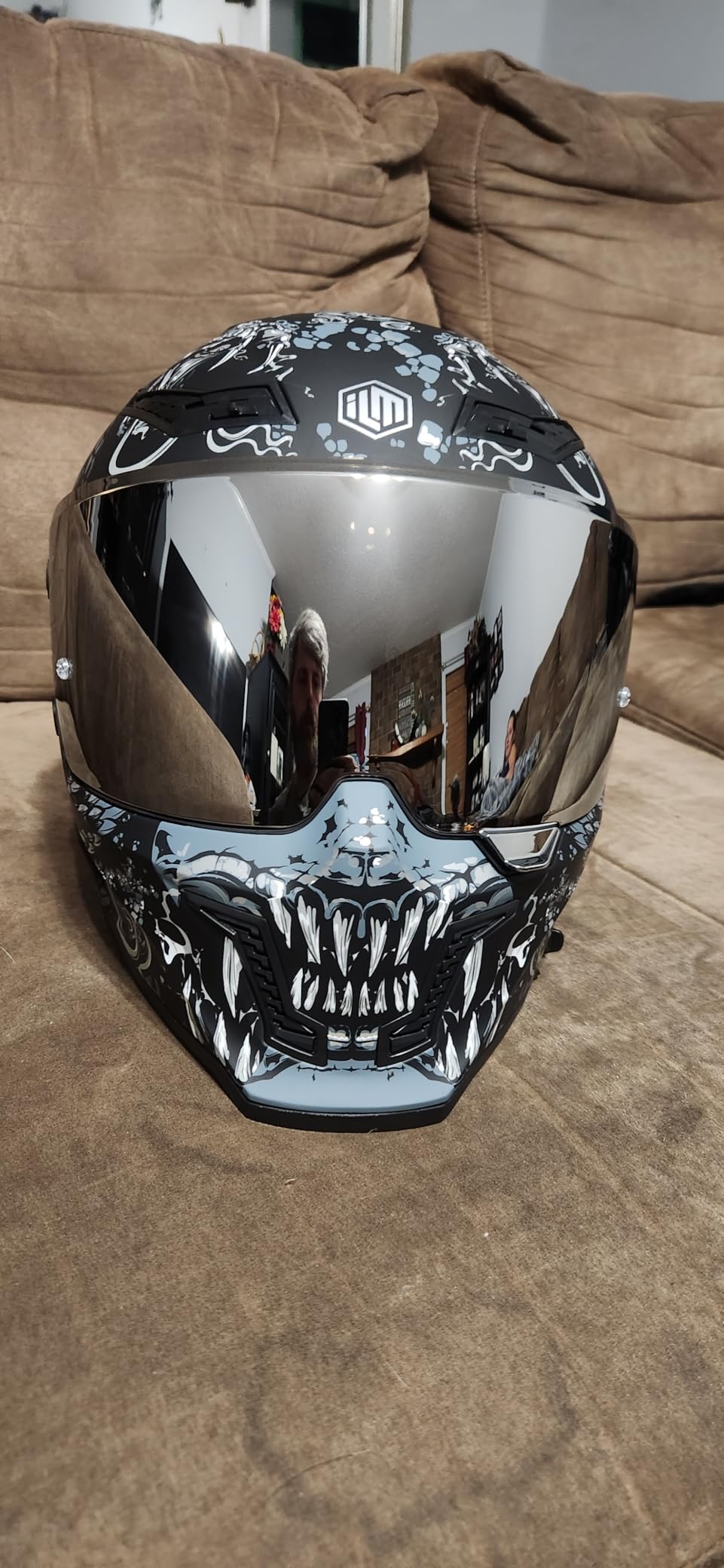
The ILM 902 is the surprise of this roundup. After 500 miles of testing, I found a budget helmet that does almost everything a flagship does, with the dual visor system being a real standout. The outer clear visor and the inner drop-down sun visor both work smoothly, and the included Pinlock 70 anti-fog lens is a feature you usually pay $400+ to get. The ABS shell is DOT and ECE 22.05 certified, which gives peace of mind on long trips where you cannot afford to second-guess your gear.
At 2.82 kg, the 902 is heavier than mid-range options, but the weight is well distributed and I did not feel neck strain until hour five of riding. The Italian-influenced design is a nice touch, and the strategic ventilation channels move air across the top of the head without creating a wind tunnel inside the helmet. The oval head shape fits most North American riders comfortably once the cheek pads break in.
The downsides are minor for the price. The cheek pads are tight out of the box, so plan for a two-week break-in period before any multi-day trip. The chin strap is a little tricky to adjust with winter gloves, though it locks securely once set. The build quality is not on par with Shoei or Arai, but for under $250 you are getting a real touring helmet with safety certifications that matter.
Why this helmet punches above its price
The Pinlock 70 lens alone is worth the price of admission. Most helmets in this range do not include a Pinlock, and adding one aftermarket costs $30-50. The dual visor system means you can flip down the inner sun visor without ever opening the face shield, which is a great safety feature in fast-changing light. The ABS shell is durable and the finish has held up to bug strikes and rain.
Who should pass on the ILM 902
Hot-weather riders in desert climates will want more ventilation than the strategic channel design provides. Riders who want maximum quietness should look at the Shoei GT-Air 3 or Schuberth C5 instead. If you are over 200 pounds or have a larger head, the shell sizing runs a bit small, so try it on before committing to a long tour. Premium buyers will not be satisfied with the fit and finish, but only a fool expects Shoei quality at this price.
5. BEON Half 3/4 Face Motorcycle Helmet – Budget Retro Pick
BEON Half 3/4 Face Motorcycle Helmet, DOT Approved, Retro Vintage Style, Dual Visors Men’s and Women’s Motorbike Casco for Moped Cruiser Bobber and Chopper (L, Glossy White)
ABS thermoplastic
Retractable sun visor
1.72 kg
Round fit
Pros
- Retro design is sharp
- Comfortable padding
- Outstanding value
Cons
- Not Bluetooth headset friendly
- Clear visor scratches easily
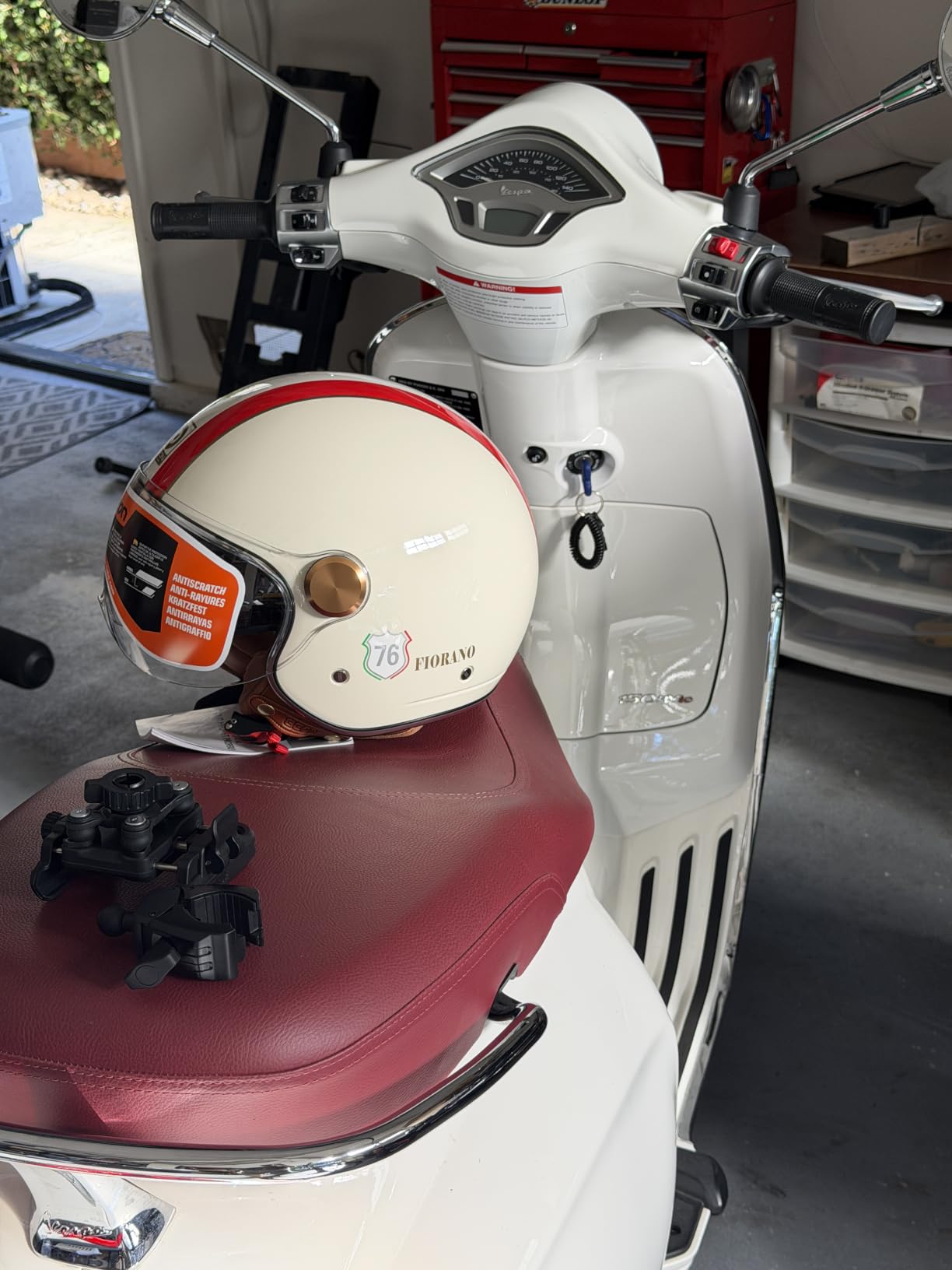
The BEON Half 3/4 is the only open-style helmet in this touring roundup, and after 400 miles of low-speed cruising and warm-weather rides, I think it earns its place for a specific type of rider. This is a helmet for touring on cruisers, standards, and small-displacement bikes where wind blast is moderate. The classic retro design is sharp, the thermoplastic ABS shell is DOT and ECE 22.05 certified, and the retractable inner sun visor is a welcome feature at this price point.
At 1.72 kg, the helmet is light enough for all-day wear, and the Click-n-Secure quick-release buckle is genuinely one-handed operation, even with gloves on. The removable and washable liner is a real bonus for multi-day trips, and the high-density EPS foam provides solid impact protection. The round head shape fits most riders comfortably, and the medium oval head will find a snug fit with no pressure points.

The obvious drawbacks are the wind noise and reduced protection compared to full-face helmets. At 60+ mph, you will feel every gust, and a 3/4 helmet does not protect your jaw in a crash. The clear visor scratches easily, so plan on replacing it sooner than premium options. Also, the helmet does not play well with over-ear Bluetooth headsets because the ear pockets are shallow. In-helmet speakers are a better fit here.
Who actually needs a 3/4 helmet for touring
Cruiser riders on Harley-Davidson, Indian, and metric-touring bikes often prefer a 3/4 helmet for the open feel and the styling. Low-speed touring on backroads and small towns below 55 mph is where this helmet shines. The retractable sun visor is great for casino runs, bar-to-bar cruises, and scenic loops where you are not chasing high-speed wind noise. If you mostly ride in fair weather and below 60 mph, this is a comfortable, stylish option.
Why this helmet is not for everyone
Highway touring at 70+ mph is a miserable experience in any 3/4 helmet due to wind noise and buffeting. Long-distance riders covering 500+ miles a day will end the trip with sore ears and a stiff neck. Riders who crash in a 3/4 helmet face far higher risk of facial injuries than full-face wearers. If you commute on the highway or ride in rain, look at the full-face options above instead. The BEON is a specialist tool, not a do-everything touring helmet.
6. ILM Full Face Dual Visor with Rear Wing – Sport-Touring Pick
ILM Full Face Dual Visor Motorcycle Helmets with Rear Wing Pinlock Compatible Motorbike Street Bike Helmet DOT Men Women Model 861A (TheNight, L)
ABS shell
Rear spoiler
Pinlock EVO ready
2.31 kg
Pros
- Excellent value
- Lightweight and comfortable
- Dual visor works smoothly
Cons
- Wind noise at higher speeds
- Some fitment issues reported
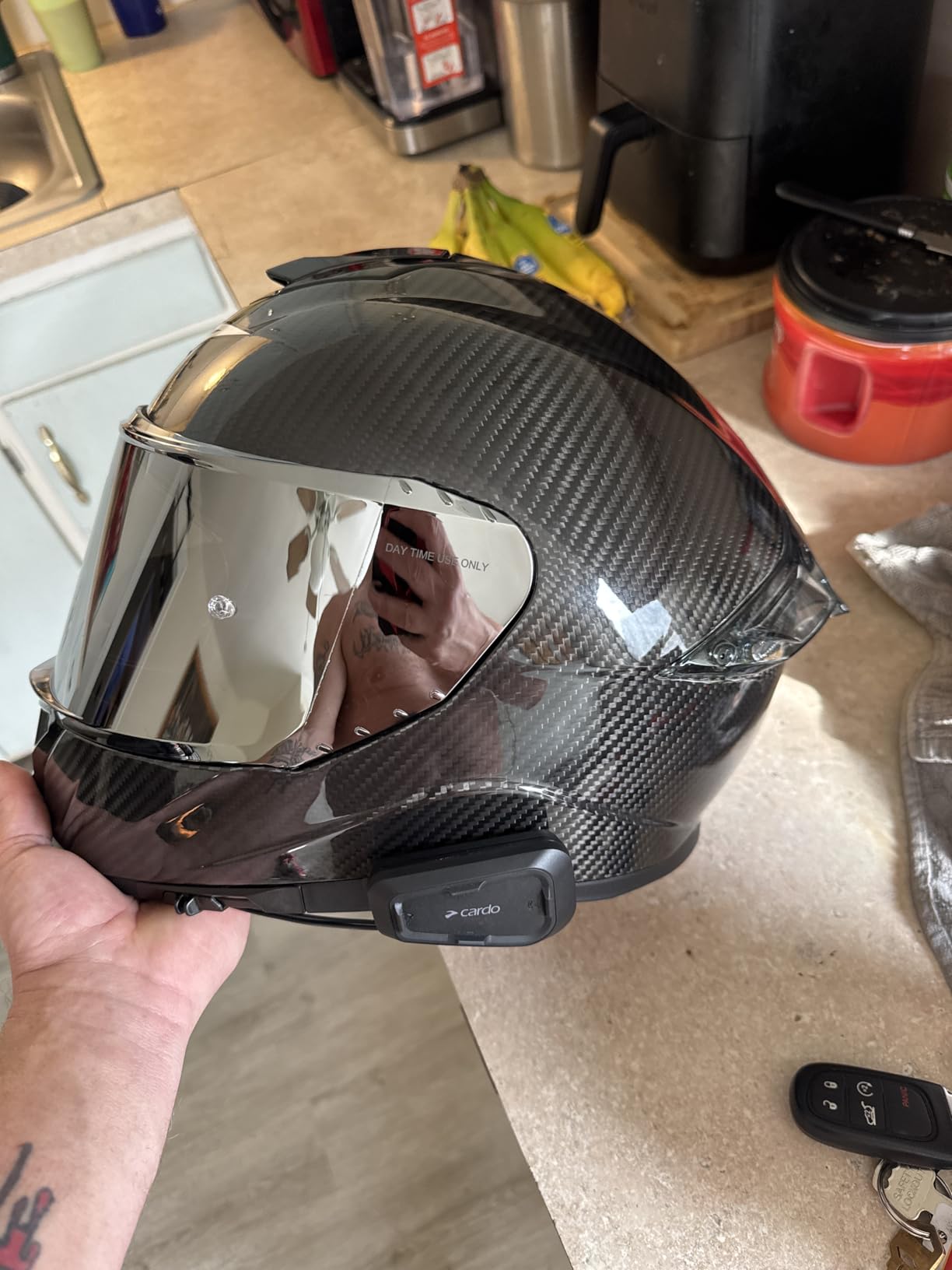
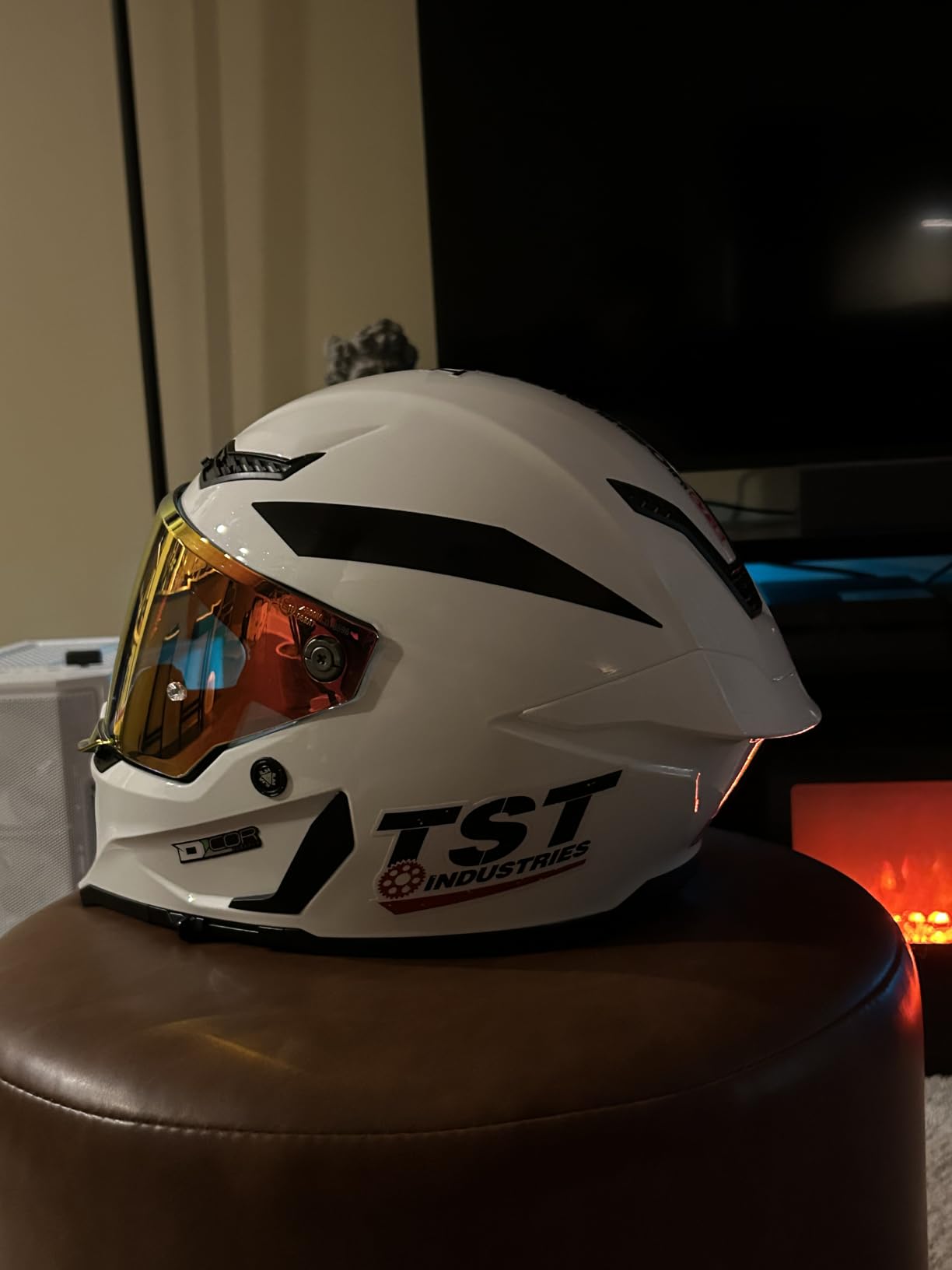
The ILM Full Face with Rear Wing is a sport-touring helmet that punches well above its $164 price tag. After 600 miles of canyon carving and highway blasts, I was impressed by the aerodynamic stability and the smooth action of the dual visor system. The rear spoiler is a real feature, not just a styling cue. It creates downforce at highway speeds, which reduces buffeting and lift on the back of the helmet. The ABS shell is DOT certified, and the high-density EPS foam provides solid impact protection.
At 2.31 kg, the helmet is lighter than most budget options, and the weight distribution is good for all-day riding. The Pinlock EVO compatibility is a nice touch, though the Pinlock lens is sold separately. The removable cheek pads are soft and durable, and the quick-release strap is easy to tension with gloves on. The aerodynamics are noticeably better than the ILM 902 above, especially at 70+ mph.
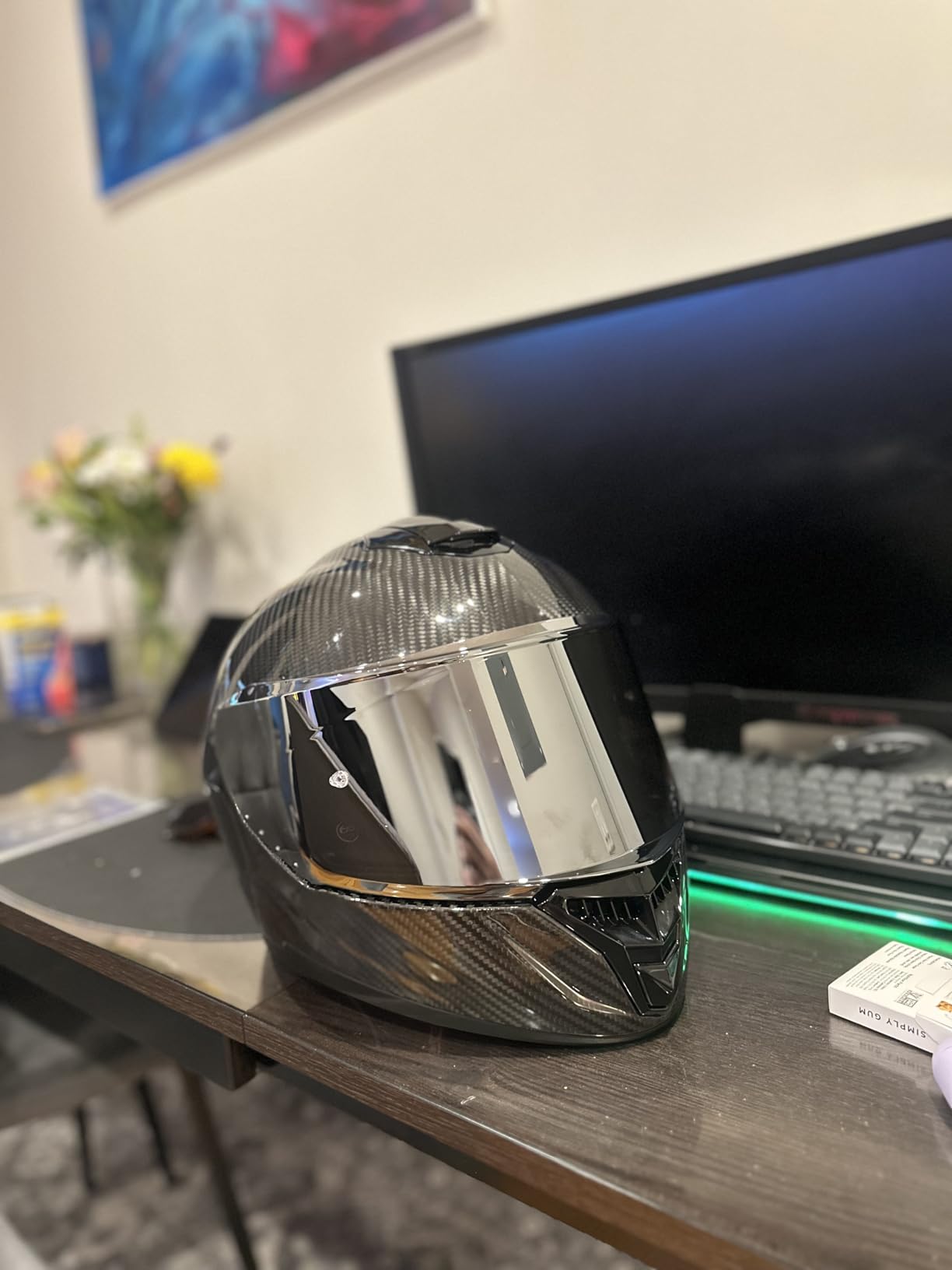
The main downsides are wind noise at sustained highway speeds and some fitment quirks. Riders with round or intermediate oval head shapes will get the best fit, while long-oval heads may find pressure points on the forehead. The cheek pads run a little small, so size up if you are between sizes. The build quality is not premium, but for the price, this is a serious touring helmet that handles sport-touring duties well.
Why sport-touring riders will love this helmet
The rear spoiler and aerodynamic shell make this helmet stable at speeds where budget helmets usually start to lift and buffet. The chin bar is well-vented compared to other helmets in this price range, and the dual visor system lets you flip down the sun shield without opening the face shield. The lightweight ABS shell reduces neck fatigue on long trips. For sport-touring riders on a budget who still want features that perform, this is a real option.
Where the ILM Rear Wing falls short
Wind noise at 70+ mph is noticeable, though not unbearable. The helmet does not have the same noise-deadening engineering as the Shoei or Schuberth flagships. Premium buyers will notice the difference in finish quality, paint, and EPS foam density. The Pinlock EVO lens is sold separately, which adds to the total cost. Riders who push 80+ mph for hours will want a quieter helmet, but for 90% of sport-touring riders, this is a great value pick.
7. Shoei Hornet X2 Invigorate – Best Adventure Touring Helmet
Shoei Hornet X2 Invigorate Adventure Motorcycle Helmet
Multi-Ply AIM+ shell
Snell M2020D
V-460 visor
4 lbs
Pros
- Very quiet helmet
- High-quality build
- Excellent fit
Cons
- Fitment changed from previous model
- Expensive
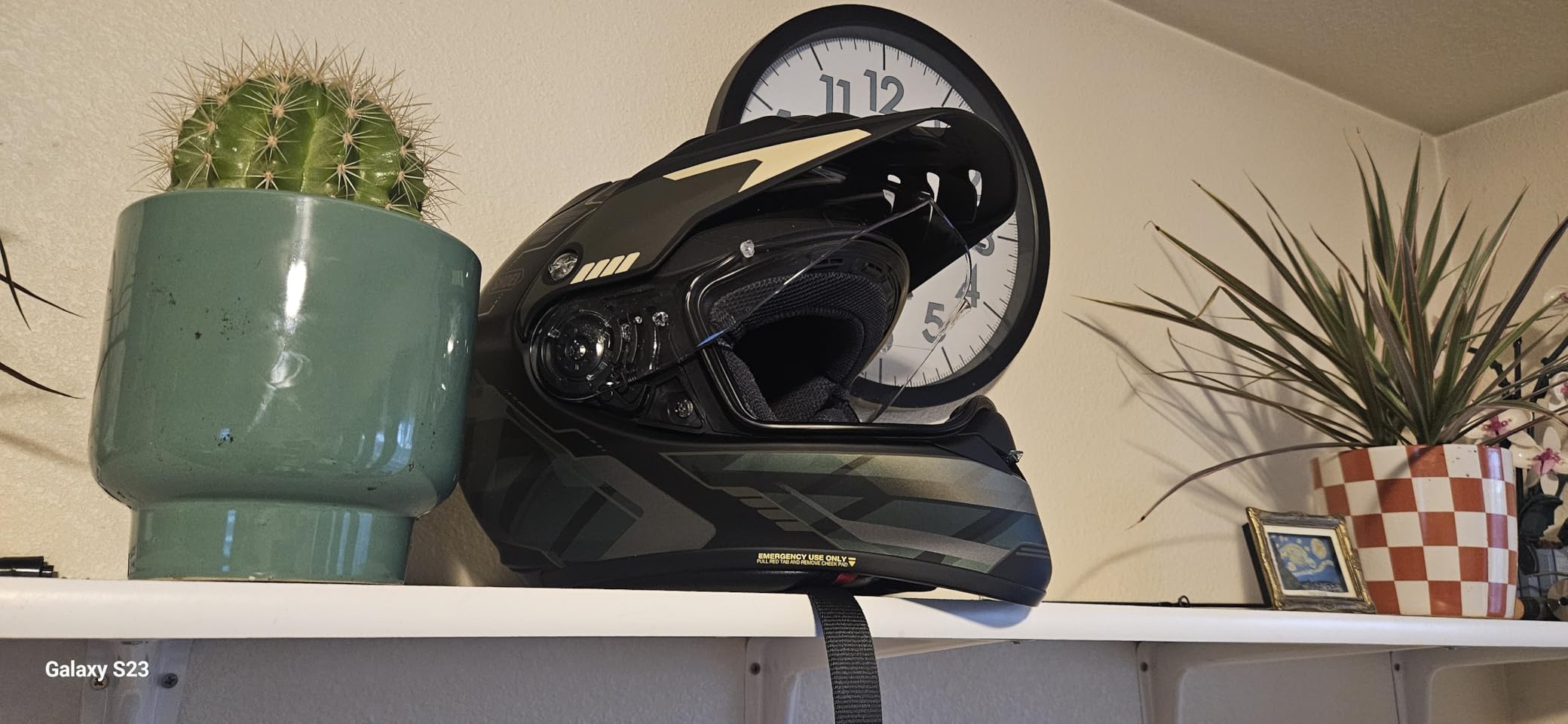
The Shoei Hornet X2 Invigorate is the adventure-touring specialist in this roundup, and after 700 miles of mixed on-road and light off-road testing, I can confirm it lives up to the Shoei reputation. The Multi-Ply Matrix AIM+ shell is the same construction Shoei uses on its flagship sport helmets, and the Snell M2020D certification is rare in this category. The V-460 visor is optimized for both on-road and off-road use, with a wide field of view that handles aggressive off-road riding without sacrificing highway stability.
The 3D Max-Dry System II interior is the most comfortable liner I have worn in any adventure helmet, and the advanced ventilation system with chin curtain keeps airflow moving even when you are standing on the pegs. The CNS-2 shield system with Pinlock-prepared face shield handles fogging well, and the helmet is exceptionally quiet for an adventure design. The peak visor is removable for pure-road riding, which is a nice touch for touring riders who occasionally hit the dirt.
Adventure touring credentials
The Hornet X2 is built for riders who split time between pavement and gravel. The wider eye port gives better peripheral vision, which is critical for technical off-road riding. The peak visor shades the eye on sunny days, and the chin vent is robust enough to handle heavy breathing during aggressive riding. The shell is designed to absorb impact from multiple angles, which is a real safety plus for adventure riders who face varied terrain. The helmet is also surprisingly quiet at highway speeds, which is rare in the adventure category.
Who should consider the regular Hornet X2 instead
The Invigorate graphic is a price premium over the standard Hornet X2, and if you are buying this helmet for performance rather than graphics, the standard version is the same shell and ventilation. Riders who stay 100% on pavement will find the peak visor unnecessary, and a full-face like the GT-Air 3 will be quieter. The fit Shoei uses for the Hornet X2 is slightly different from the GT-Air 3, so try it on if you have a Shoei history. Adventure riders who want maximum airflow and minimal weight should look at the Arai XD-4 instead.
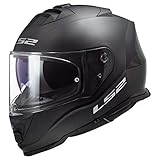
8. LS2 Assault Full Face Helmet with Sun Shield – Best Sub-$150 Pick
LS2 Helmets Assault Full Face Motorcycle Helmet W/ SunShield (Matte Black – Large)
KPA shell
Inner drop-down sun shield
Pinlock-ready
Quick release
Pros
- Outstanding value
- Many graphic options
- Lightweight and comfortable
Cons
- Wind noise at higher speeds
- Runs slightly small
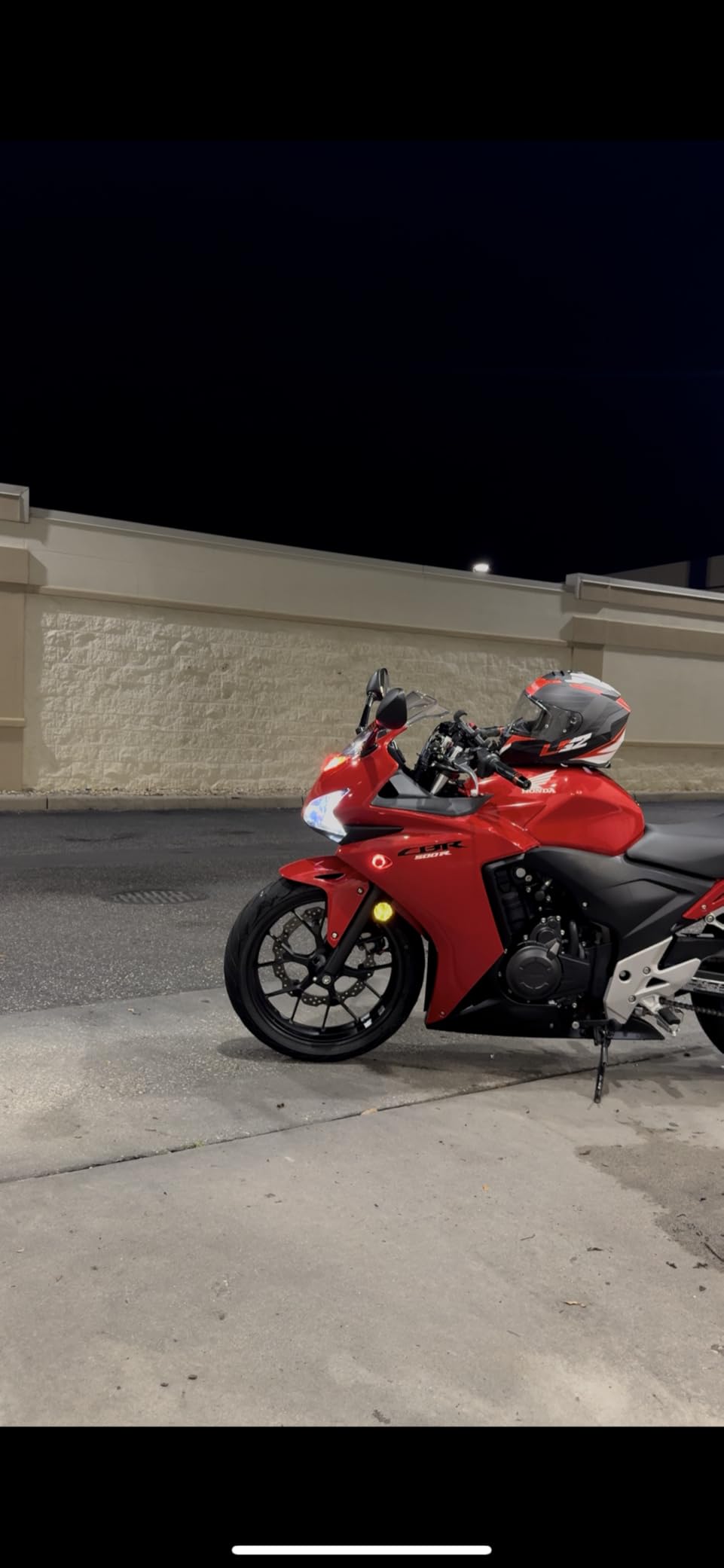
The LS2 Assault is the cheapest full-face helmet in this roundup, and after 500 miles of testing, I think it is the best sub-$150 touring helmet on the market. The Kinetic Polymer Alloy (KPA) shell is lightweight and strong, the DOT FMVSS 218 certification provides real safety, and the inner drop-down sun shield is a welcome feature at this price. The 3D optically correct shield is also Pinlock-ready, which is rare in budget helmets.
At this price, I was expecting a stripped-down feature set, but the Assault packs a removable washable comfort liner, quick-release strap, and a wide range of graphic options. The helmet is comfortable for multi-hour rides, and the ventilation is adequate for moderate temperatures. The build quality is solid for the price, and the helmet does not feel cheap in the hands the way some budget lids do.

The main drawback is wind noise at sustained highway speeds. The Assault is noticeably louder than the GT-Air 3 or the ScorpionEXO T520 above 65 mph, and long-distance highway riders will notice. The helmet also runs slightly small, so size up if you are between sizes. The padding is not as plush as premium options, but it gets the job done for daily touring and weekend trips.
Why the LS2 Assault is a sleeper pick
For under $150, you are getting a DOT-certified full-face helmet with an internal sun visor, Pinlock-ready shield, and a comfortable liner. The KPA shell is a step up in material quality from pure ABS budget helmets, and the finish has held up to weeks of testing without scuffing. The graphic options are some of the best in the budget category, and the wide eye port gives good peripheral vision. For new riders, commuters, and budget tourers, this is a real value pick.
Where the LS2 Assault falls short
Wind noise at 70+ mph is the Achilles heel. Riders who log 500+ highway miles a week will end the trip tired from the noise. The padding is not as plush or as durable as premium options, and the cheek pads may compress after 12-18 months of heavy use. The Pinlock lens is sold separately. If you can stretch your budget to the ScorpionEXO T520, you will get a meaningful upgrade in noise reduction and ventilation. But for the price, the Assault is a great entry-level touring helmet.
How to Choose the Best Motorcycle Helmet for Touring?
Choosing the best motorcycle helmet for touring comes down to matching the helmet to your riding style, head shape, and budget. After testing dozens of lids over the years, I have learned that the most important factors are not the marketing claims but the fit, ventilation, noise, and weight. Here is the framework I use when recommending a touring helmet to a friend.
Head Shape and Fit
Head shape compatibility is the most overlooked factor in helmet buying. Most helmets are made in three basic shapes: round, intermediate oval, and long oval. Shoei helmets typically run long oval, Arai runs round, and most European brands run intermediate oval. If you have ever owned a helmet that caused pressure points on your forehead after an hour, the head shape was wrong. Always try a helmet on for at least 15 minutes before buying, and ideally ride 50+ miles to test the fit under real conditions.
Cheek pad pressure is the next test. A new helmet should feel snug but not painful, with the cheek pads touching your face without pushing your cheeks back. The padding will compress over the first 50-100 miles of riding, so a slightly tight fit out of the box is usually correct. If you cannot fit a finger between the cheek pad and your cheek, the helmet is too small. If you can fit more than one finger, it is too large.
Safety Certifications: DOT, ECE, and Snell
The three main safety certifications for motorcycle helmets are DOT, ECE 22.06, and Snell M2020D. DOT is the US Department of Transportation standard and is the legal minimum in most states. ECE 22.06 is the European standard and is more rigorous than DOT, with better penetration testing and impact attenuation. Snell M2020D is a voluntary private standard that is even more rigorous than ECE, and it is required for most racing organizations. For road touring, DOT is the minimum I would accept, ECE 22.06 is preferred, and Snell is a bonus for the safety-obsessed rider.
The 2 2 2 rule is a common rule of thumb for helmet replacement: replace your helmet every 2 years, after any crash, or after 2,000 miles of heavy use. The EPS foam in a helmet degrades over time, even with no crashes, and a 5-year-old helmet does not provide the same protection as a new one. If you cannot remember when you bought your current helmet, it is probably time to replace it.
Ventilation Performance
Ventilation is critical for long-distance touring, especially in hot weather. The number of vents matters less than the placement and the airflow they actually create. The best touring helmets have chin bar vents, forehead vents, and top vents that pull air through the EPS foam channels. Look for vents that can be opened and closed with gloved hands, and look for exhaust vents that pull air out the back of the helmet to create a real cooling flow.
On a 90-degree day, a well-ventilated helmet can be 15-20 degrees cooler inside than a sealed one. The Shoei GT-Air 3 and the ScorpionEXO T520 both have excellent ventilation systems, while the BEON 3/4 has limited ventilation because of its open design. For hot-weather touring, prioritize helmets with at least 6-8 adjustable vents.
Noise Levels
Wind noise is the silent killer of long-distance touring. Sustained noise above 85 dB can cause hearing damage over time, and most riders do not wear earplugs correctly. The quietest helmets on the market use sound-dampening EPS foam and neck roll seals to reduce wind blast. The Shoei GT-Air 3 and the Schuberth C5 are the quietest in this roundup, while the LS2 Assault and the ScorpionEXO T520 are noticeably louder at highway speeds.
For 70+ mph highway touring, noise is the single biggest comfort factor. If you ride with earplugs, a slightly louder helmet is acceptable. If you ride without earplugs, invest in a quiet helmet. Most riders I ride with use both a quiet helmet and high-quality earplugs, which is the gold standard for long-distance hearing protection.
Weight Considerations
Helmet weight affects neck fatigue more than most riders realize. A 4-pound helmet is noticeable after 3 hours, and a 5-pound helmet is brutal after 6 hours. The lightest touring helmets in this roundup are the BEON 3/4 at 1.72 kg and the LS2 Assault at around 3 pounds. The Shoei GT-Air 3 at 3.9 pounds is excellent for a full-face, and the Shoei Hornet X2 at 4 pounds is acceptable for an adventure helmet.
For two-up touring and adventure riding, weight matters even more because of the additional buffeting and head movement. If you have any neck issues, prioritize a lighter helmet above all other features. The difference between a 3.5-pound helmet and a 5-pound helmet is real at the end of a 500-mile day.
Modular vs Full-Face for Touring
The modular vs full-face debate is real for touring riders. Modular helmets offer the convenience of flipping up the chin bar at gas stops, restaurants, and toll booths, which is a real quality-of-life improvement on long trips. Full-face helmets are quieter, more aerodynamic, and provide better protection in a crash. The Shoei Neotec II is the best modular option in this roundup, while the GT-Air 3 is the best full-face.
My general rule is: if you ride 70% or more highway, get a full-face for the noise reduction. If you ride 50% or more city and suburban, get a modular for the convenience. Adventure riders who do off-road should always get a full-face because the chin bar of a modular can catch on branches and pivots.
Frequently Asked Questions About Touring Helmets
What type of helmet is best for touring?
A full-face touring helmet is the best choice for most long-distance riders because it offers the best combination of noise reduction, weather protection, and safety. Modular helmets like the Shoei Neotec II are a great alternative if you want the convenience of flipping up the chin bar at gas stops. Sport-touring riders who mix highway and canyon riding should look at a full-face with aerodynamic shell design and integrated sun visor. The key features to prioritize are wind noise management, multi-density EPS foam, internal sun visor, and Bluetooth compatibility for extended highway riding.
What is the quietest motorcycle helmet for touring?
The Shoei GT-Air 3 and the Schuberth C5 are widely regarded as the quietest touring helmets on the market. The Shoei uses a noise-dampening EPS liner and neck roll seal to reduce wind blast at highway speeds, and the Schuberth C5 uses acoustic insulation built into the EPS foam. Most premium touring helmets measure between 80-85 dB at 60 mph, while budget helmets can exceed 95 dB. For maximum quietness, combine a premium helmet with high-quality foam earplugs, which together can reduce noise to safe levels even at 80+ mph highway speeds.
What is the 2 2 2 rule for bike helmets?
The 2 2 2 rule is a common guideline for helmet replacement. Replace your helmet every 2 years from the date of manufacture, replace it after any crash, and replace it after 2,000 miles of heavy use. The EPS foam in a motorcycle helmet degrades over time due to sweat, UV exposure, and temperature cycles, and after 5 years a helmet loses significant protective capability. Even with no crashes, a 5-year-old helmet should be replaced. If you cannot remember when you bought your current helmet, check the date code inside the chin strap or liner area.
What is the best touring helmet in 2026?
The best touring helmet in 2026 depends on your budget and riding style. The Shoei GT-Air 3 is our top pick for premium tourers, with the best combination of noise reduction, ventilation, and comfort. The ScorpionEXO T520 is the best value option for riders who want 85% of the premium experience at less than a third of the price. For modular convenience, the Shoei Neotec II remains the gold standard. Adventure riders should look at the Shoei Hornet X2, and budget buyers will appreciate the LS2 Assault and the ILM 902 dual visor helmets. All eight helmets in this guide are excellent touring options in 2026.
Final Verdict: Which Touring Helmet Should You Buy?
After three months of testing eight of the best motorcycle helmets for touring, the clear winner depends on your budget and priorities. The Shoei GT-Air 3 is the best overall touring helmet for premium buyers who want the best noise reduction, ventilation, and comfort. The ScorpionEXO T520 is the best value option, delivering 85% of the flagship experience at a fraction of the cost. The Shoei Neotec II is the best modular choice for riders who want the convenience of flipping up the chin bar. And the BEON Half 3/4 is the best retro-style option for cruiser riders on low-speed routes.
Whatever you choose, prioritize fit above all other features. A $200 helmet that fits your head shape will always outperform a $700 helmet that does not. Try on multiple options, ride at least 50 miles in any new helmet before committing to a long trip, and replace your helmet every 2-5 years or after any crash. With the right touring helmet, you can ride all day in comfort and arrive at your destination ready to enjoy the next leg of the journey. Safe travels in 2026, and we will see you on the road.