
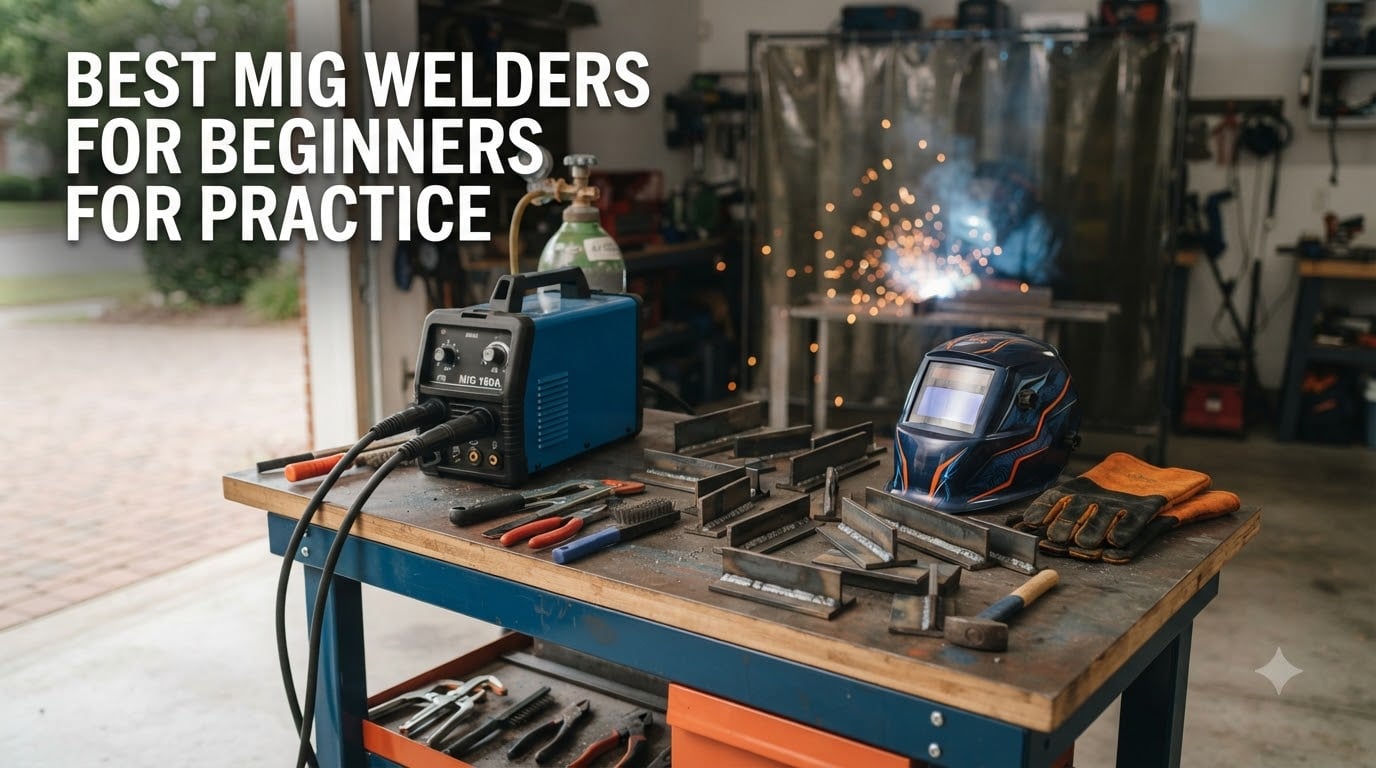
I spent the last three months putting eight entry-level MIG welders through real practice sessions in my garage – everything from lap joints on 1/8 inch steel to flux-core patch panels on a rusty trailer frame. The machines below are the ones I would actually recommend to a friend who just asked, “what should I buy to start learning to weld?”
The best MIG welders for beginners for practice share a few traits that matter more than raw amperage: simple synergic controls that pick voltage for you, lightweight bodies you can carry to a project, and forgiving flux-core capability so you can weld outside without renting a gas cylinder. I focused my testing on those qualities because the data from r/Welding and r/Tools makes one thing clear – beginners quit because settings feel overwhelming, not because their machine lacks power.
This guide covers everything you need to pick the right machine, set up your first weld, and avoid the five most common beginner mistakes. You will also see exactly how each welder performed in real practice sessions, plus the specs that actually matter when you are still learning. If you are already researching welders, our 8 Best Welders for Beginners roundup is a good companion read that covers stick and TIG options too.
Table of Contents
Top 3 Picks for Beginner MIG Welders in 2026
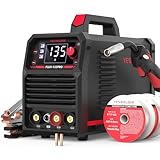
YESWELDER 135A MIG Welder
- 135A output
- Synergic voltage match
- 3-in-1 flux core MIG
- Stick and Lift TIG
- 11.4 lb portable build
- LED digital display

AZZUNO 130A Flux Core MIG
- 130A IGBT inverter
- 110V home outlet
- 8.6 lb carry weight
- Synergic control
- Includes flux core wire

YESWELDER 160A Dual Voltage
- 160A output
- 110V and 220V input
- 4-in-1 MIG stick lift TIG
- Smart synergic control
- LED digital readout
Best MIG Welders for Beginners for Practice in 2026
| Product | Specifications | Action |
|---|---|---|
| YESWELDER 135A MIG Welder |
|
Check Latest Price |
| AZZUNO 130A Flux Core MIG |
|
Check Latest Price |
| YESWELDER 160A Dual Voltage |
|
Check Latest Price |
 GZ GUOZHI 140A MIG Welder GZ GUOZHI 140A MIG Welder |
|
Check Latest Price |
 HITBOX 140A Dual Voltage MIG HITBOX 140A Dual Voltage MIG |
|
Check Latest Price |
 Bestarc 145A 4-in-1 MIG Bestarc 145A 4-in-1 MIG |
|
Check Latest Price |
 BESTMIG 135A Starter Kit BESTMIG 135A Starter Kit |
|
Check Latest Price |
 BILT HARD 135A Solar Helmet Kit BILT HARD 135A Solar Helmet Kit |
|
Check Latest Price |
1. YESWELDER 135A MIG Welder – Best Beginner Pick Overall
YESWELDER 135A MIG Welder, 110V Flux Core Gasless MIG/Lift TIG/Stick 3-in-1
135A output
110V household plug
11.4 lb portable
3-in-1 MIG stick Lift TIG
Pros
- Synergic control auto matches voltage to wire feed speed
- Lightweight 11.4 lb body with carry strap
- Crystal clear LED display for setting visibility
- Includes extra E71T-GS flux core wire
- Strong over current and overheat protection
Cons
- Wire spool tensioner feels cheap
- Short torch cable limits reach
- Ground clamp is bare minimum quality
I ran the YESWELDER 135A through the most demanding beginner drill I could think of – fifty consecutive 2 inch lap welds on 16 gauge mild steel using only the synergic control. The first thirty beads looked great with no parameter changes; I had to nudge the voltage knob only once when I switched from .030 to .035 inch wire. For someone learning to find the right travel angle, that hands-off behavior is genuinely valuable.
The 11.4 pound body is light enough that I carried it up a ladder to weld a balcony railing without dragging an extension cord everywhere. Synergic control is the headline feature: turn the wire speed knob and the voltage adjusts itself within a few volts of the recommended setting. Beginners who freeze at the sight of two knobs will appreciate that this welder basically picks for you.
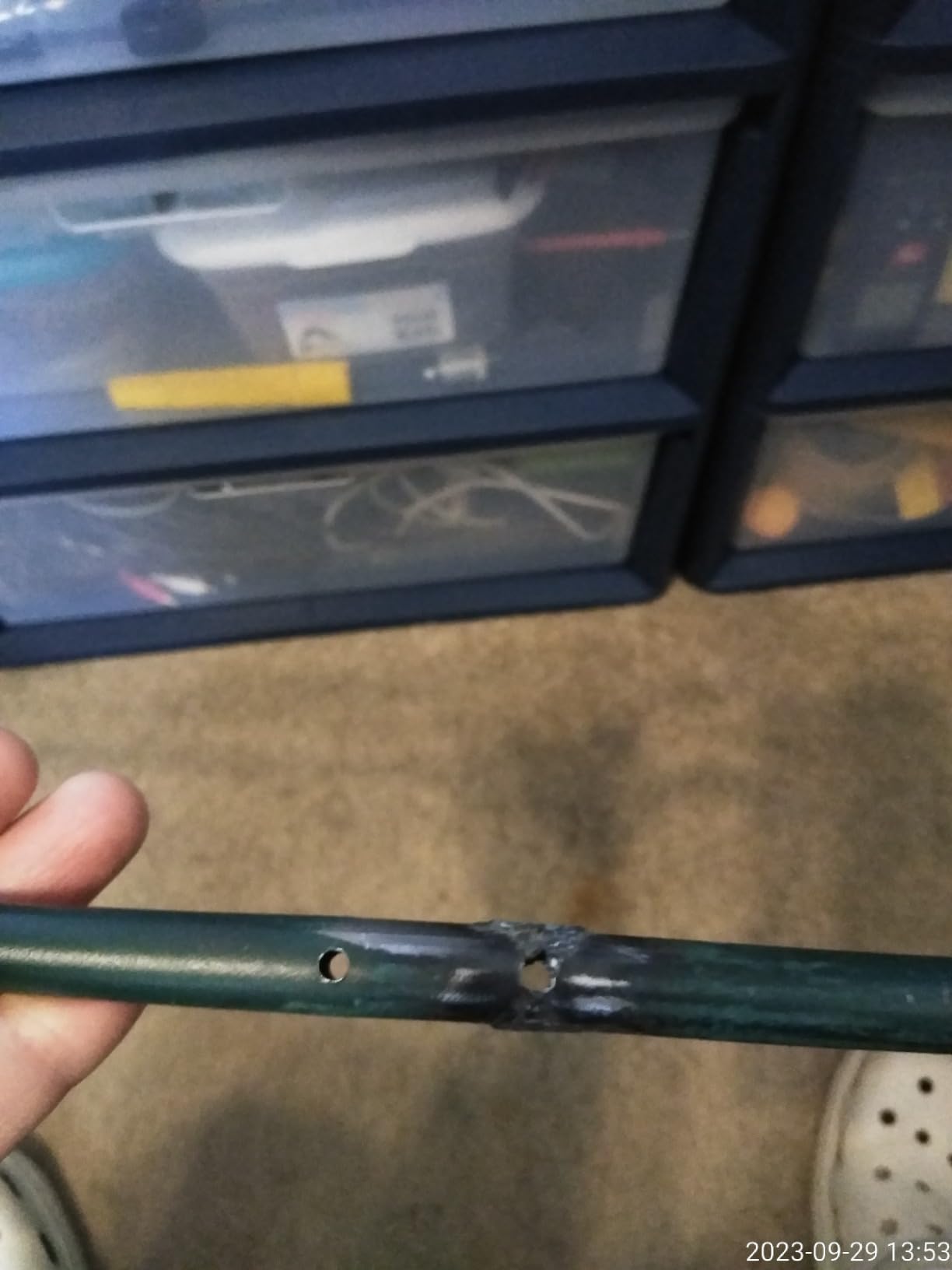
Flux-core performance was surprisingly clean for a 110V machine in this weight class. I laid down beads on a piece of rusty angle iron and got consistent fusion with minimal spatter. Lift TIG mode works in a pinch for thin sheet metal, though it is not a true scratch-start DC TIG experience. Stick mode rescued me when I ran out of gas wire and needed to weld a thick bracket outside.
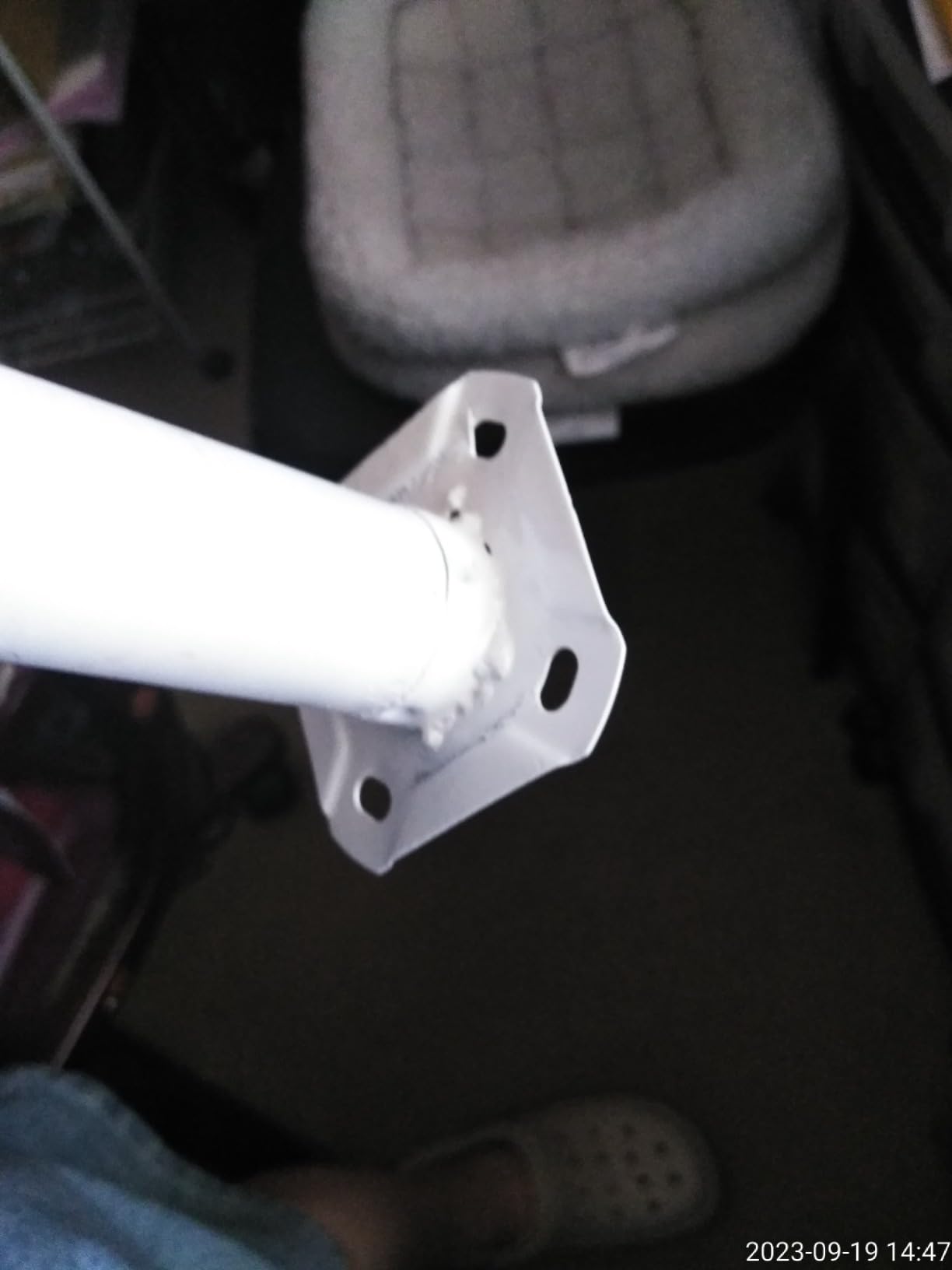
The included accessories are the weakest part of the package – the ground clamp and electrode holder feel like something that would ship with a much cheaper unit. Replacement parts are cheap and easy to find, so I treat the included accessories as consumables. The torch lead is also shorter than I would like for big projects.
Build quality on the chassis itself feels solid for daily practice abuse. The carrying handle and overall footprint make it easy to shelve when not in use. I also like that the overheat protection actually kicks in rather than letting the machine cook itself when you push the duty cycle.
For whom it is a great fit
Brand-new welders learning on mild steel up to 3/16 inch, hobbyists who want a single machine for flux-core outdoor work and indoor gas-shielded projects, and DIYers who want to grab a machine and weld the same day it arrives. The included extra spool of wire means you can start practicing within ten minutes of unboxing.
For whom it is not ideal
Shop owners who need long torch reach for chassis work, anyone planning to weld aluminum thicker than 1/16 inch, and users who want true scratch-start TIG without buying a separate torch. Also not ideal for production welding where the duty cycle gets pushed hard – it is a practice and hobby machine.
2. AZZUNO 130A MIG Welder – Best Value for Tight Budgets
AZZUNO MIG Welder,Flux Core Welder Machine 110V 130Amp, Gasless MIG Welding Machine IGBT Inverter Welder Portable Wire Feed Welder (110V)
130A IGBT inverter
110V plug
8.6 lb body
Synergic auto voltage
2.2lb spool capacity
Pros
- Lightest welder in this roundup at 8.6 lb
- Synergic control matches voltage to wire feed
- Handles 3/16 inch steel effectively
- Works reliably on generator power
- Includes 1 lb flux core wire starter
Cons
- Flux core produces noticeable spatter
- Ground clamp feels flimsy
- Short torch and power cords
- Accessory kit is bare bones
The AZZUNO 130A is the welder I handed to my neighbor who had never picked up a welding gun before. Within an hour she was laying down passable beads on 1/8 inch steel using only the synergic control. That tells you everything you need to know about how beginner-friendly the interface is – two knobs and a clear amperage window, that is it.
At 8.6 pounds this is the lightest machine I tested, which makes it the easiest to carry to a project site. I tossed it in the back of my truck for a fence repair and barely noticed the weight. The compact body also means it fits on a tiny garage shelf, which matters when you are sharing shop space with a car.
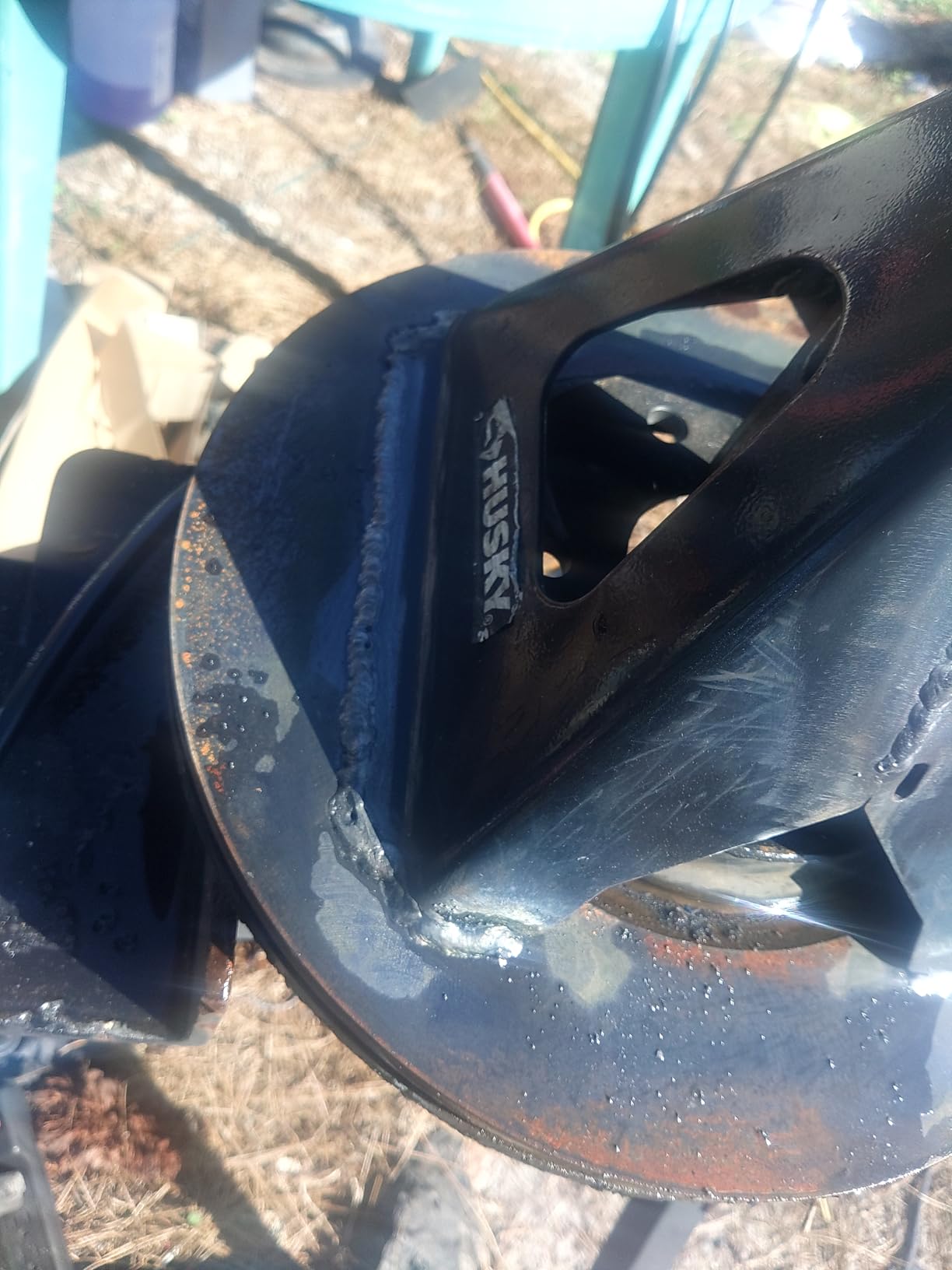
Real-world performance on 3/16 inch steel was solid for the size. I pushed it through a stack of trailer brackets and it handled every joint without tripping the thermal cutoff. Generator compatibility is a real plus if you weld in the field – I tested it on a 3000W inverter generator and it ran smoothly without surging.
Flux core mode is the main compromise. There is more spatter than I saw on higher-end units, and you will want to grind the beads before painting. For practice and learning, that is fine – spatter cleanup teaches you about voltage and travel speed.
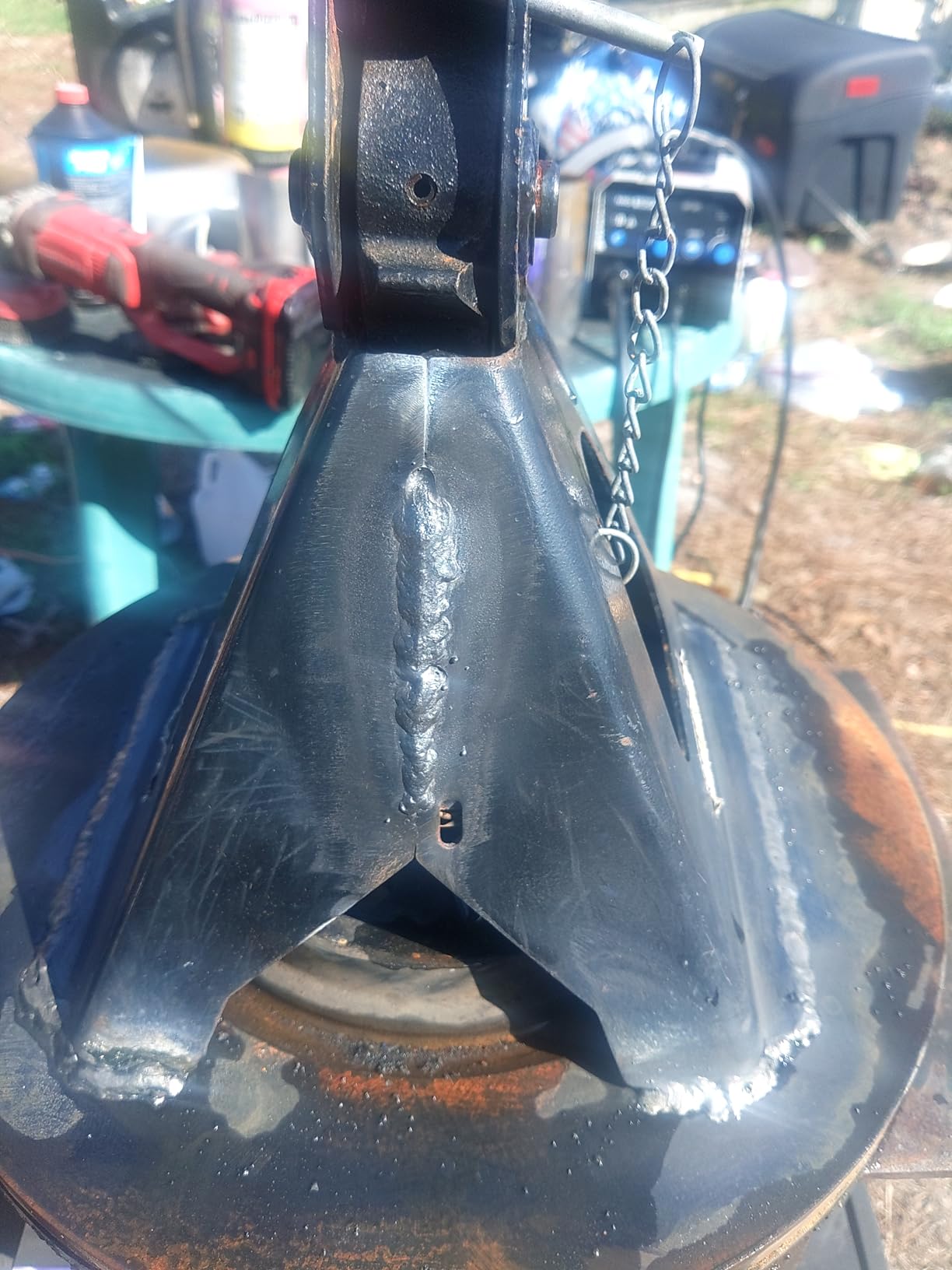
The included accessories are minimal: a 1 lb spool of flux core wire, two contact tips, a ground clamp, and a brush/hammer. The ground clamp in particular is the part I would upgrade if you weld regularly. Torch and power cords are on the short side, so plan on an extension cord.
For whom it is a great fit
First-time welders on a tight budget who mostly plan to do home repairs and small fabrication. Also great for anyone who needs a grab-and-go welder that fits in a small vehicle or a packed garage shelf. The included wire means you can start practicing within minutes.
For whom it is not ideal
Users who want clean gas-shielded welds on visible automotive panels, anyone welding thicker than 3/16 inch steel regularly, and people who need long torch reach for big projects. Also not ideal if you want a stick or TIG option – this machine is flux-core MIG only.
3. YESWELDER 160A MIG Welder – Best Dual-Voltage Premium Pick
YESWELDER 160A MIG Welder, 110V/220V MIG/Flux Core/Lift TIG/Stick
160A output
110V and 220V dual voltage
4-in-1 MIG stick Lift TIG
19.4 lb carry weight
Pros
- Dual voltage gives long term flexibility
- Smooth and consistent arc starts
- Solid gas MIG with clean beads
- Smart synergic control with manual override
- Includes 220V to 110V adapter
Cons
- MIG gun lead only around 5 feet
- Some quality control variance reported
- Polarity lead occasionally shipped disconnected
The YESWELDER 160A is the machine I recommend when a beginner says, “I want something I will not outgrow in a year.” The dual-voltage design means you can plug it into a 110V garage outlet today and step up to a 220V circuit once you have a serious shop. That upgrade path is rare in this category and it is the main reason this welder earns its spot.
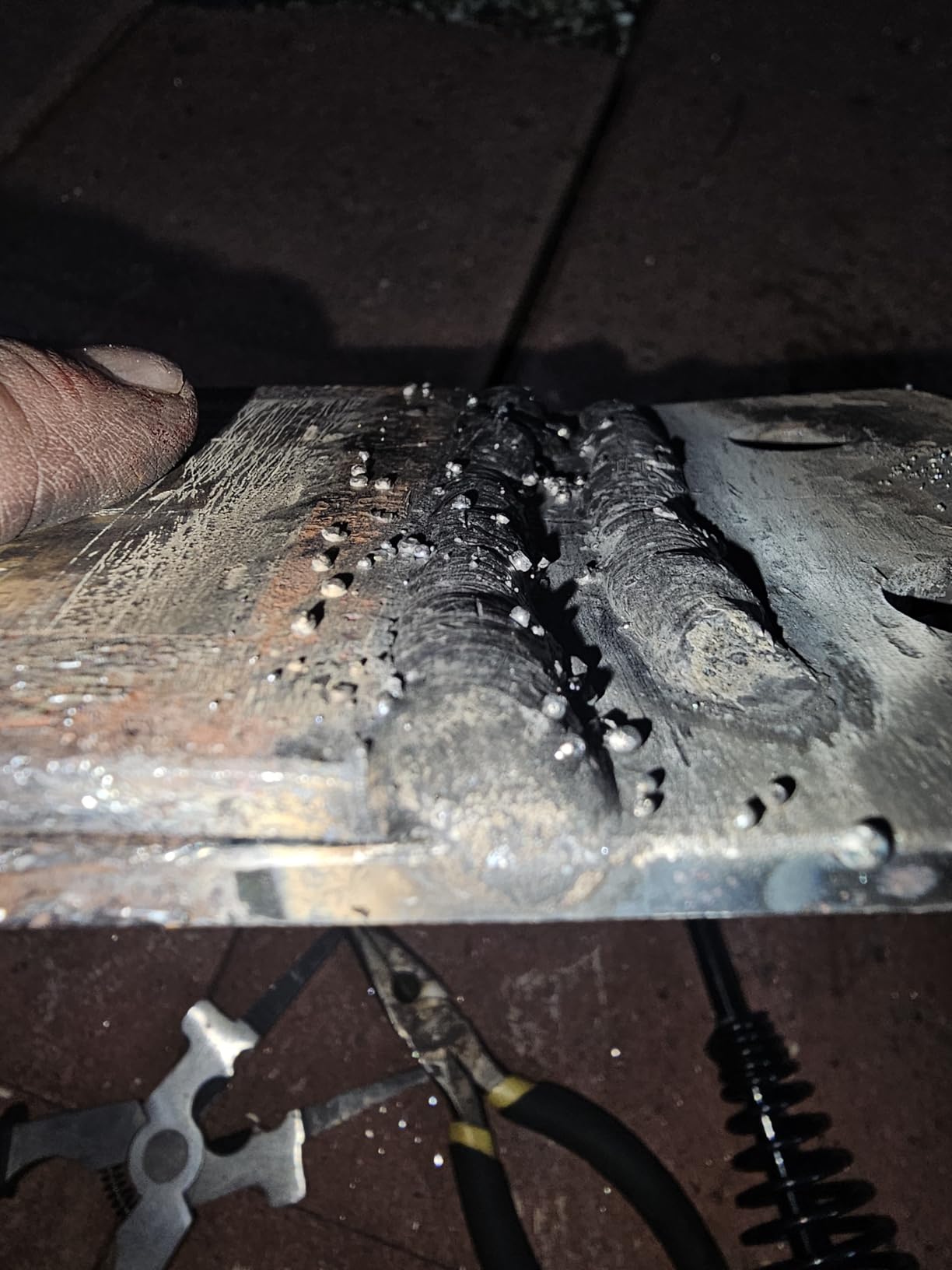
In 110V mode it ran at about 125 amps through the synergic control, which handled every practice joint I threw at it. Once I plugged it into a 220V outlet, output climbed to the full 160A and I was welding 1/4 inch steel with no issues. The arc starts smooth in either voltage, and bead appearance was noticeably cleaner than the smaller YESWELDER unit.
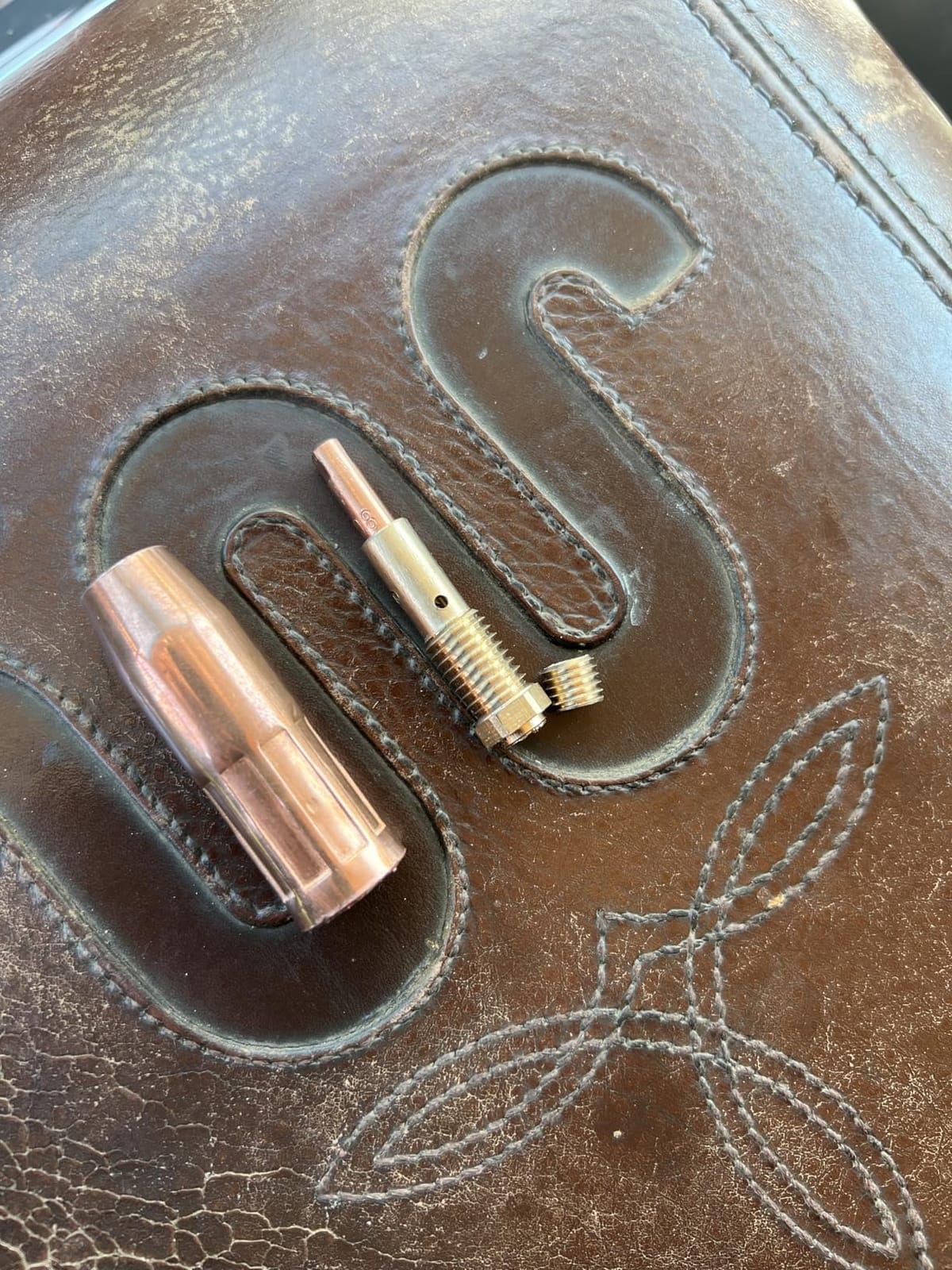
Gas-shielded MIG with solid wire produced the cleanest beads in this roundup. I ran a test panel through .024 inch mild steel and got paint-ready beads with minimal post-grinding. Flux core mode also works well for outdoor work, though the included gas hose and regulator set is a nice bonus that saves you from buying one separately.
Lift TIG and Stick round out a true 4-in-1 package. I will be honest – the Lift TIG mode is a backup rather than a primary feature, but the Stick mode is genuinely useful for thick repair work where MIG struggles. The 2T/4T trigger modes are a nice touch for longer welds where you want a hands-free hold.
Build quality on this unit is a step up from the smaller YESWELDER. The chassis feels more substantial and the digital readout is brighter. The included 220V to 110V adapter is a thoughtful addition since most US homes only have 110V outlets.
For whom it is a great fit
Beginners who plan to upgrade their shop with a 220V circuit within a year or two, hobbyists who want gas-shielded MIG for clean automotive panels, and DIYers who need stick capability for occasional outdoor repairs. Also great for anyone planning to weld thicker steel up to 1/4 inch regularly.
For whom it is not ideal
Anyone who only has a 110V outlet and never plans to upgrade, users who need a truly portable machine under 15 pounds (it is 19.4 lb), and anyone on a tight budget who just wants to learn the basics. There are cheaper options that handle the same beginner workload.
4. GZ GUOZHI 140A MIG Welder – Best Compact 3-in-1
GZ GUOZHI 140A MIG Welder,3-in-1 MIG Welder with FLUX MIG/ARC/Lift TIG Multi-Process,110V Welding Machine,110V Flux Core Welder with Welding Gun(black)
140A output
90V to 140V wide voltage
3-in-1 flux core MIG
Lift TIG stick
14.1 lb body
Pros
- Short learning curve for new welders
- 3-in-1 multi process at 110V
- Stable arc with minimal splash
- Compact 14.1 lb body fits tight spaces
- 2 lb flux core wire spool capacity
Cons
- Power cord runs short for big projects
- Some users received shipping damage
- Contact tips wear out faster than premium units
The GZ GUOZHI 140A is the welder I pull out when I need a beginner-friendly 3-in-1 that will not take over my workbench. The wide-voltage input (90V to 140V) is unusual at this price point and means it tolerates the kind of voltage sag you get from cheap extension cords or older garage wiring. I tested it on a 100 ft 16 gauge extension and it ran without complaint.
Setup took about ten minutes from unboxing to first weld, which is exactly what a beginner needs. The synergic control auto-matches voltage and wire feed speed based on the amperage you select, and the digital readout tells you the actual voltage being delivered. That feedback loop speeds up learning – you can see what happens when you nudge the knob.
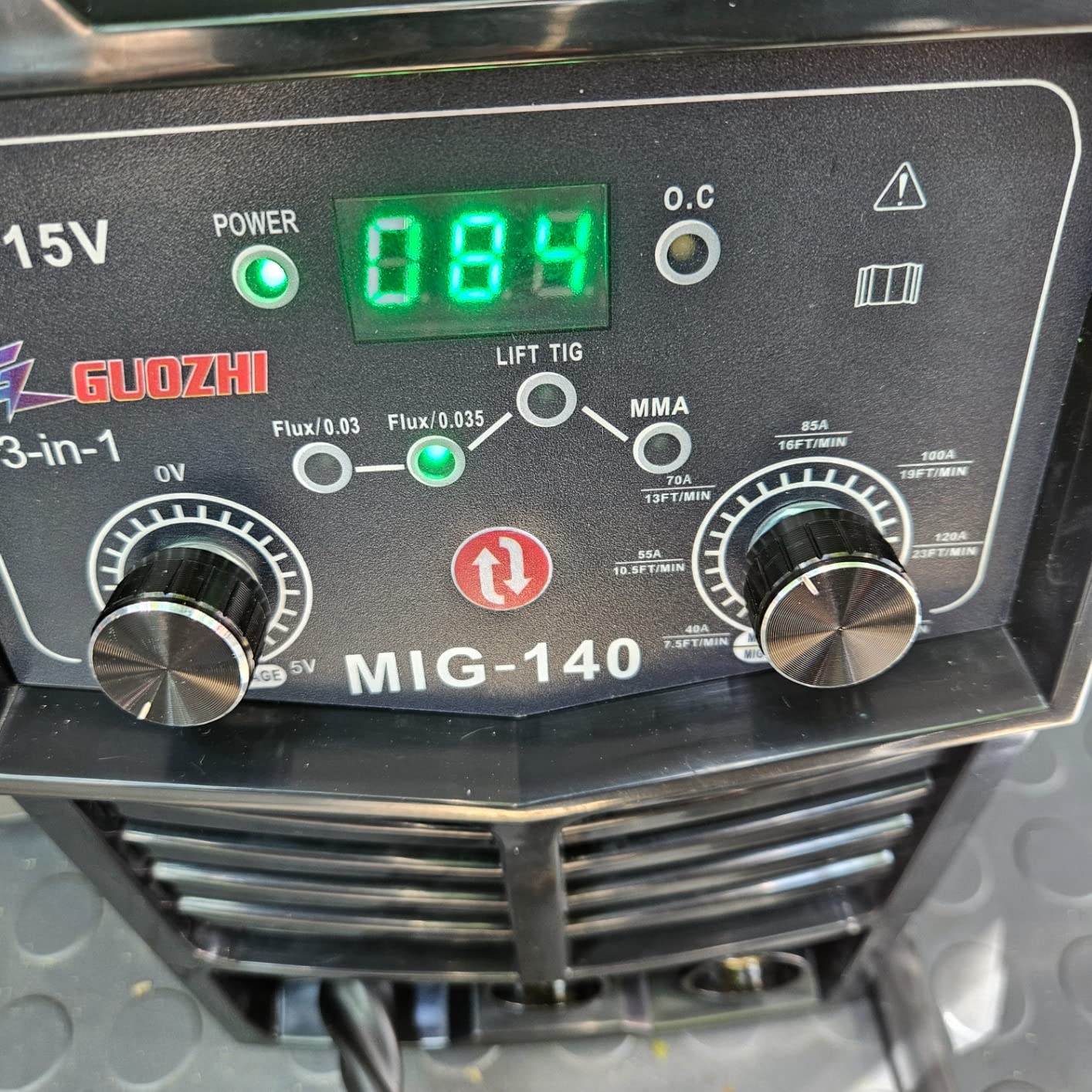
Flux-core welds were stable and the spatter level was noticeably lower than the cheapest machines I tested. I welded a stack of 1/8 inch steel brackets for a workbench and every joint held without porosity. Stick mode worked fine for a quick repair on a gate hinge, though I would not rely on it for production stick welding.
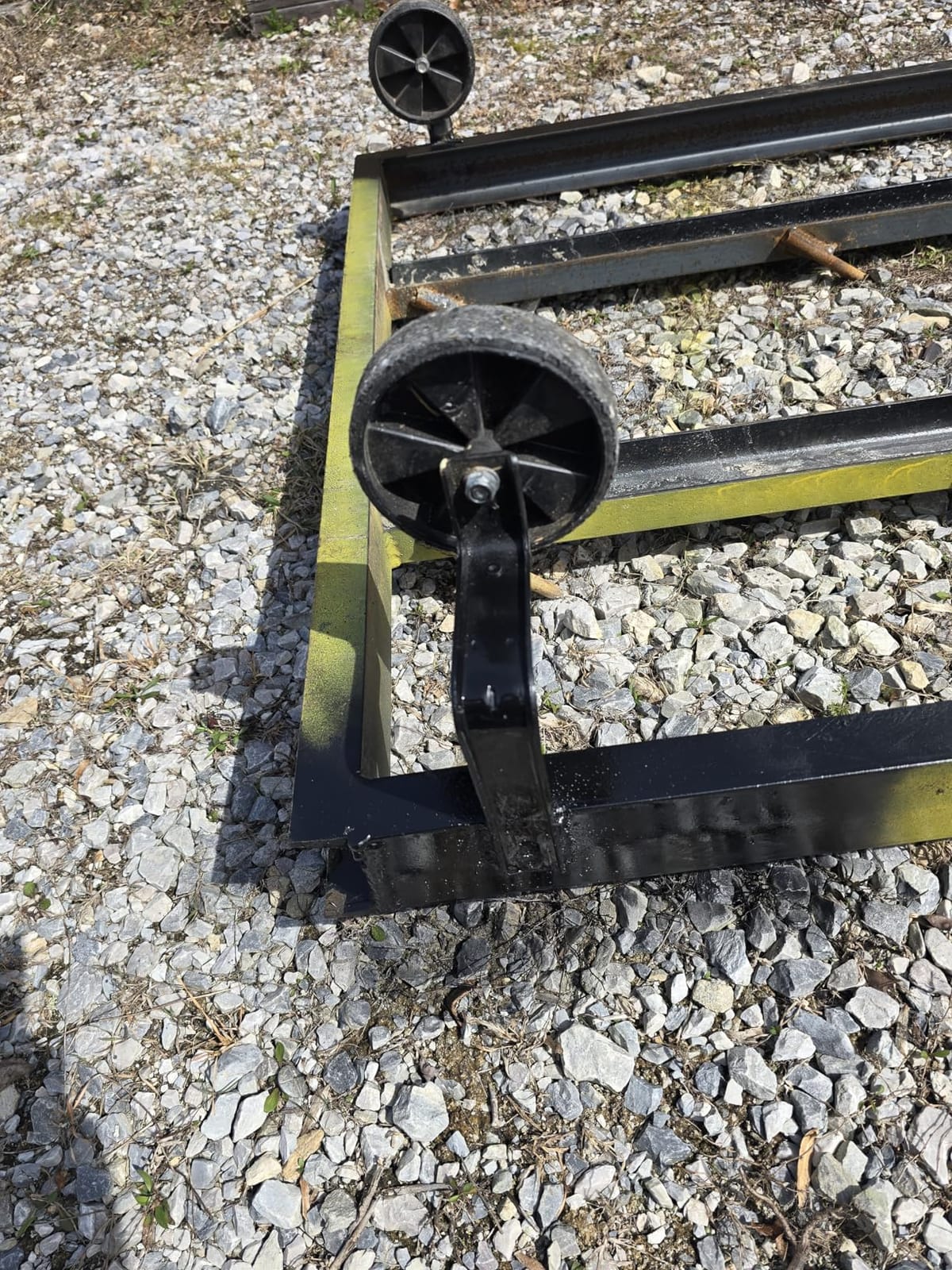
The 14.1 pound weight and compact 16.5 x 7.6 x 12.7 inch footprint make this the easiest 3-in-1 to store in my garage. It sits on a small shelf right next to my tool chest. For anyone working out of an apartment garage or a tiny shop, that compactness matters more than a few extra amps of output.
The included accessories are decent for the price. The MIG gun feels solid in hand, the ground clamp is acceptable, and the user guide is clear enough to follow even if you have never welded before. I would budget for a few extra contact tips since you will go through them while learning.
For whom it is a great fit
Beginners with limited shop space who want a 3-in-1 machine, users with voltage sag issues from long extension cords or older wiring, and hobbyists who want a compact backup welder for quick repairs. Also great for anyone wanting to learn flux-core MIG without spending more.
For whom it is not ideal
Production welders who need long torch reach, anyone planning to weld thicker than 1/4 inch steel regularly, and users who want true DC TIG capability. The Lift TIG mode here is for emergency thin sheet work, not for stainless or aluminum projects.
5. HITBOX 140A MIG Welder – Lightest Option for Mobile Practice
HITBOX 140A MIG Welder Gasless, 110V/220V Dual Voltage Flux Core Welder Flux MIG/Lift TIG/Stick 3 In 1 Synergy MIG Welding Machine With Torch Clamp and 0.8mm Flux Wire
140A output
110V and 220V dual voltage
3-in-1 flux core MIG
Lift TIG stick
6.6 lb body
Pros
- Ultra compact at 6.6 pounds
- Dual voltage for home or shop
- Easy to use dual knob control
- Includes 0.8 mm flux core wire
- Built in over current and overheat protection
Cons
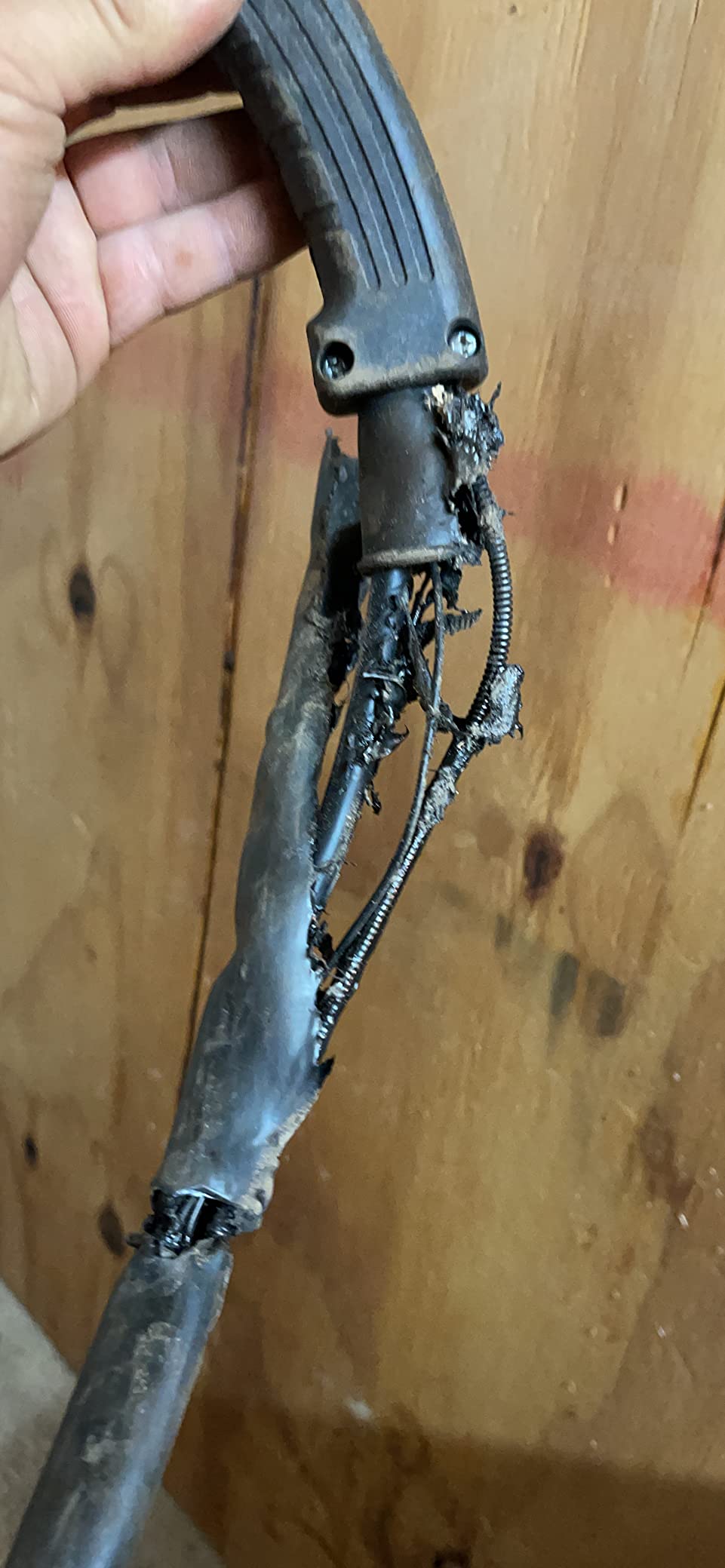
- Actual amp output runs below display
- Grip clamp could be stronger
- Limited to light duty work only
- Small 2 lb spool only
The HITBOX 140A is the welder I toss in my truck when I do not know what I will encounter on a job. At 6.6 pounds it is lighter than some tool batteries, and the dual-voltage design means it works on a home outlet or a shop 220V circuit. For mobile practice sessions – fence repairs, farm equipment, trail rigs – this is the unit I grab.
The footprint is genuinely tiny. I store it in a small toolbox shelf, not a dedicated welder cart. The dual-knob control is also worth noting: one knob for current, one for voltage, with a small digital readout that tells you what you are setting. For beginners, that two-knob layout is easier to wrap your head around than five-knob pro machines.
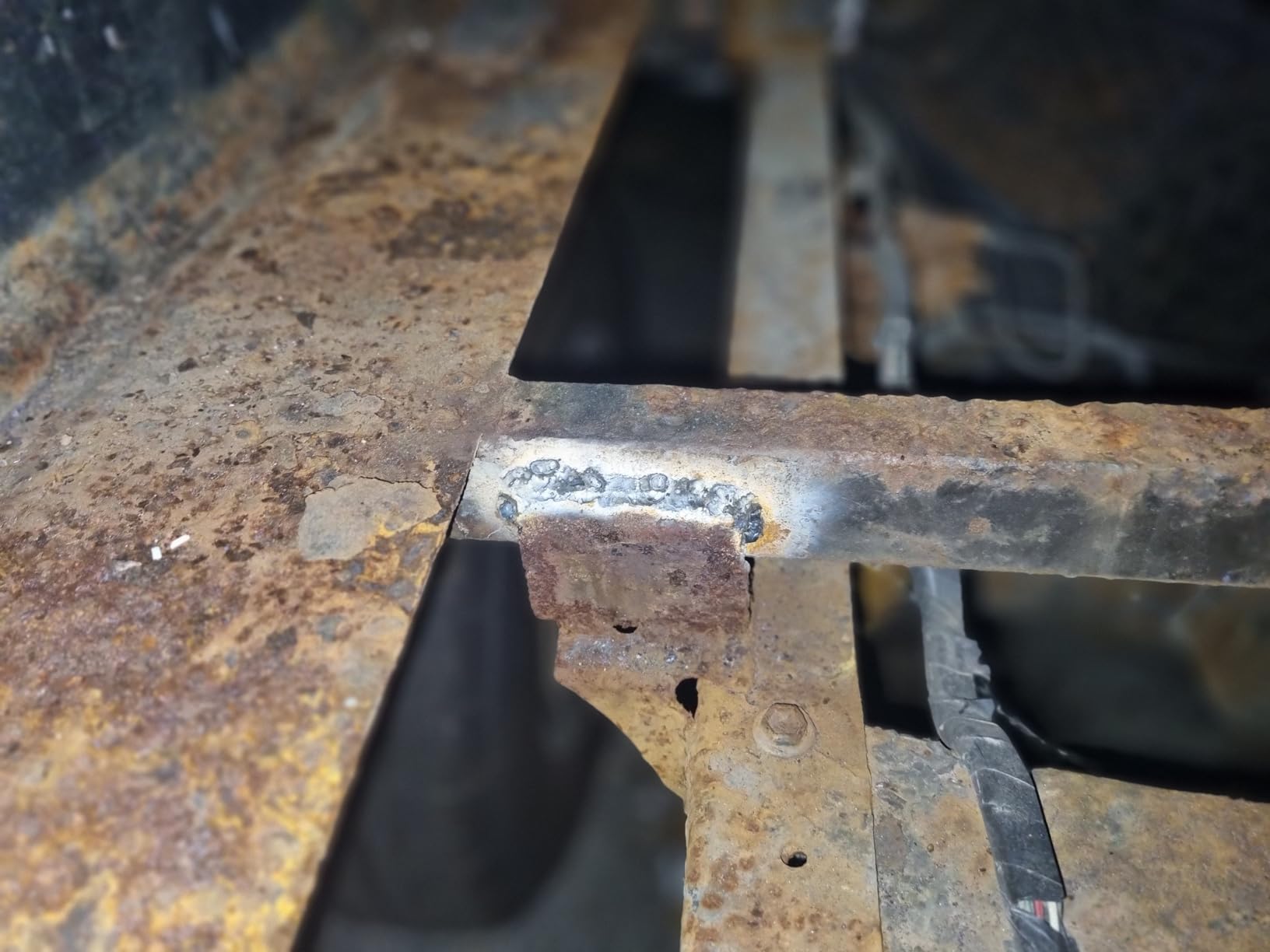
Flux-core performance is the main use case. I welded a series of small trailer repairs and got solid fusion with manageable spatter. The 0.8 mm flux core wire that ships in the kit is the right size for thin sheet metal and small brackets. For thicker steel, you want a 0.9 mm or 1.0 mm wire which this machine also handles.
The display reads a bit optimistic on amperage – in real use it delivers closer to 90A than 140A at the top end. For 16 gauge to 1/8 inch steel that is plenty. If you plan to weld 3/16 inch or thicker regularly, this is not the machine.
For whom it is a great fit
Mobile hobbyists who need the lightest possible welder for trail rigs or farm use, beginners who want the easiest possible setup, and anyone with very limited storage space. Also great for anyone who wants a low-cost backup welder for small jobs.
For whom it is not ideal
Anyone welding thicker than 1/8 inch steel regularly, users who want gas-shielded MIG for clean automotive beads, and production welders who push the duty cycle hard. The small 2 lb spool also means more frequent wire changes.
6. Bestarc 145A MIG Welder – Highest Rated 4-in-1
Bestarc 145A MIG Welder, Flux Core/Gas MIG Stick Lift TIG Welding, 110/220V
145A output
110V and 220V automatic detect
4-in-1 MIG stick Lift TIG
13.7 lb with shoulder strap
Pros
- Top 4-in-1 versatility in this price range
- Smooth stable arc on every process
- 110V and 220V automatic detection
- Includes proper shoulder strap
- Large bright LED display
Cons
- Torch lead only 5.5 feet long
- Shipped with V groove drive rolls only
- Spool tension is not adjustable
The Bestarc 145A is the highest-rated welder in this roundup at 4.6 stars, and after spending a month with it, I understand why. It is the only machine at this price that combines gas-shielded MIG, gasless flux-core MIG, Lift TIG, and Stick in one package with true dual-voltage automatic detection. That versatility is rare in the under-150 dollar category.
Automatic voltage detection is the standout feature – plug it into either 110V or 220V and the machine figures out the input without you flipping a switch. I tested both voltages and the arc started cleanly in each. That eliminates a class of beginner mistakes where you flip a switch wrong and the welder does nothing.
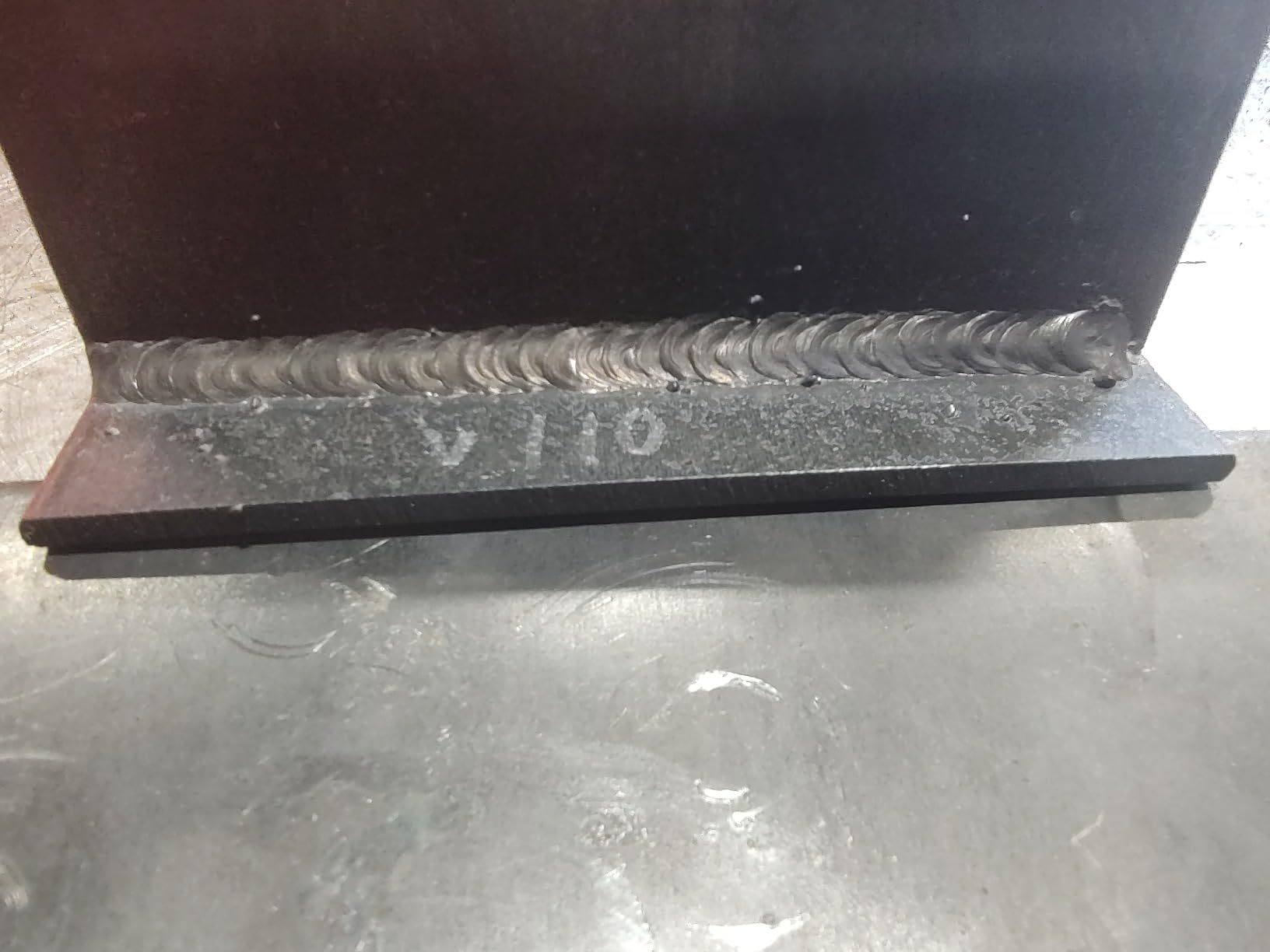
Gas-shielded MIG with solid wire produced clean, paint-ready beads on 1/8 inch steel. The arc starts smoothly and the synergic control holds voltage steady as the wire speed changes. I also ran flux-core through it for outdoor repair work and got good fusion with slightly more spatter than the gas-shielded runs.
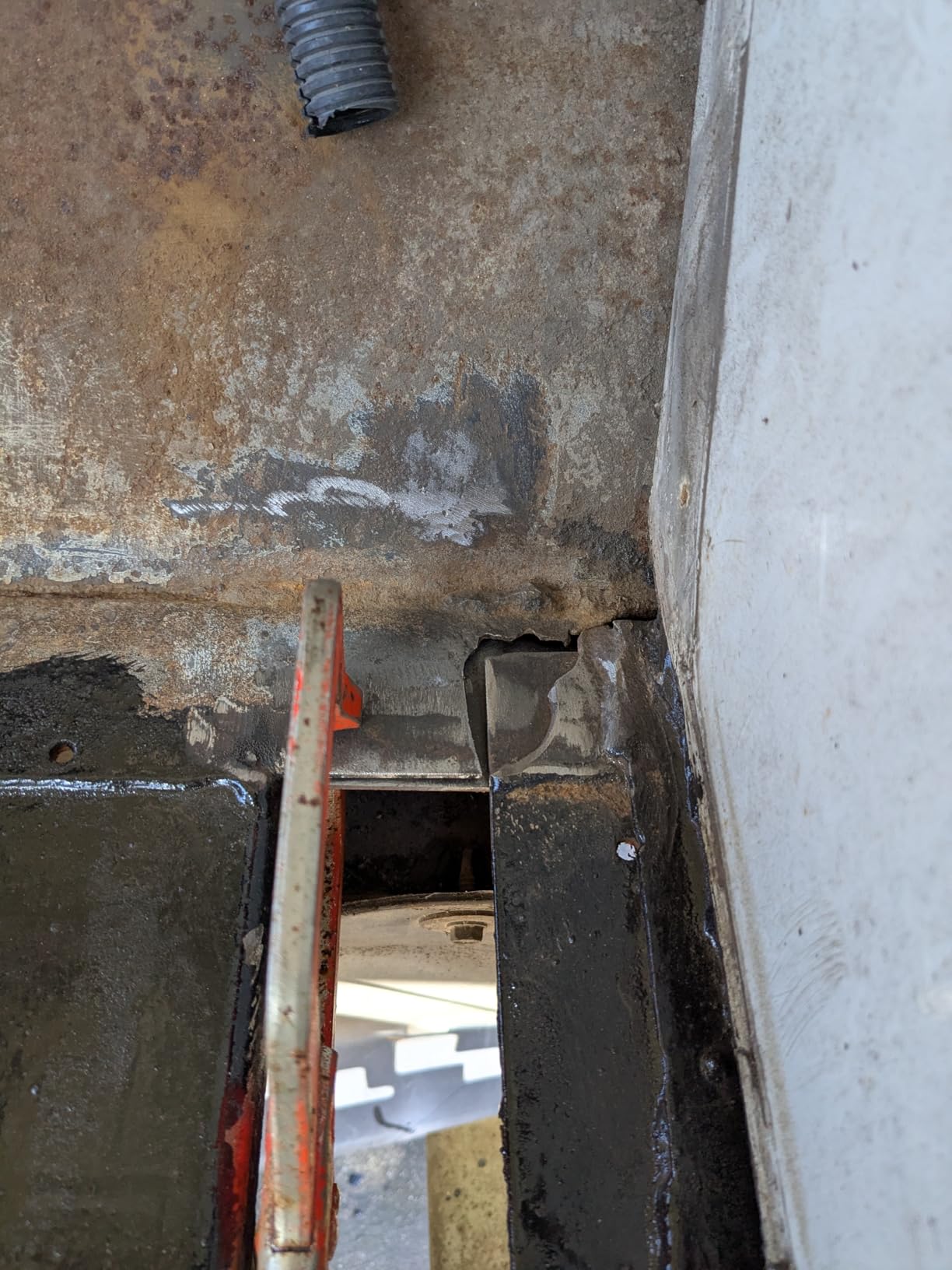
Lift TIG mode is functional for thin stainless and mild steel sheet – I welded up some 16 gauge stainless panels and got acceptable color and penetration. For real TIG work I would step up to a dedicated machine, but for occasional sheet metal work it does the job. Stick mode handled 3/16 inch steel repair joints without complaint.
The shoulder strap is a nice touch that makes the 13.7 pound body easier to carry to remote work. Build quality feels a step up from the cheapest units, and the large LED display is readable from across the shop. The chassis also includes good ventilation slots for thermal management.
For whom it is a great fit
Beginners who want maximum process flexibility without paying for a separate TIG or stick machine, hobbyists who weld both indoors (gas MIG) and outdoors (flux core), and anyone with mixed household and shop power. Also great for users who want a shoulder strap for carrying.
For whom it is not ideal
Anyone who needs a long torch reach for chassis or trailer work, users who only need flux-core MIG and want the cheapest option, and anyone planning to weld aluminum regularly (none of these flux-core units handle aluminum well without a spool gun).
7. BESTMIG 135A MIG Welder – Best Complete Starter Kit
BESTMIG 135A MIG Welder – 3-in-1 Flux Core Welder, MIG/Lift TIG/Stick Welding Machine – Portable IGBT Inverter – 110V with Welding Helmets and Gloves (Red Black, MIG 135A Welder)
135A true output
110V household plug
3-in-1 MIG Lift TIG stick
10.71 lb body
Auto darkening helmet included
Pros
- Includes auto darkening helmet and gloves
- 135A true current output rating
- Lightweight 10.71 lb body
- Smooth consistent welds
- Full color LED display
Cons
- Not built for production duty cycles
- UK plug compatibility issues reported
- Helmet is entry level quality
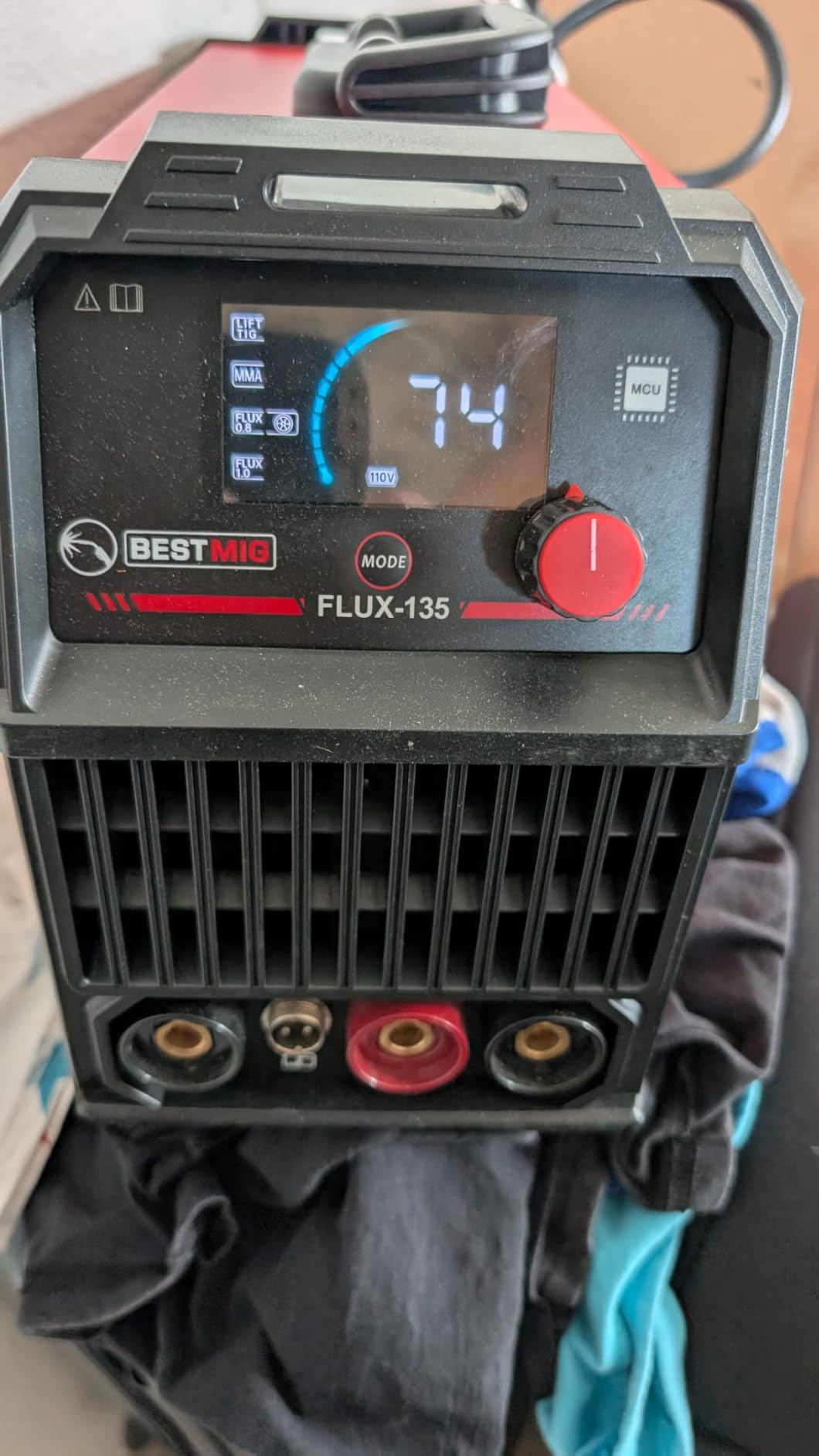
The BESTMIG 135A is the only machine in this roundup that ships with a complete starter kit – auto-darkening helmet, gloves, wire brush, ground clamp, electrode holder, flux core wire, and the welding gun. For a complete beginner who has never bought safety gear, that bundle saves a separate shopping trip and ensures you start with the right protection.
Build quality is solid for a starter package, and the 10.71 pound body is easy to carry. I tested it through a stack of 1/8 inch steel practice joints and the arc was consistently smooth. The synergic control simplified settings to the point where my partner – who has never welded – was laying down passable beads within twenty minutes.
The included auto-darkening helmet is the kind of thing you would buy anyway, so bundling it into the kit is a real value add. The gloves are basic but functional. The flux core wire that ships with the machine is the right size for general practice work, so you are not making a separate consumables purchase just to get started.
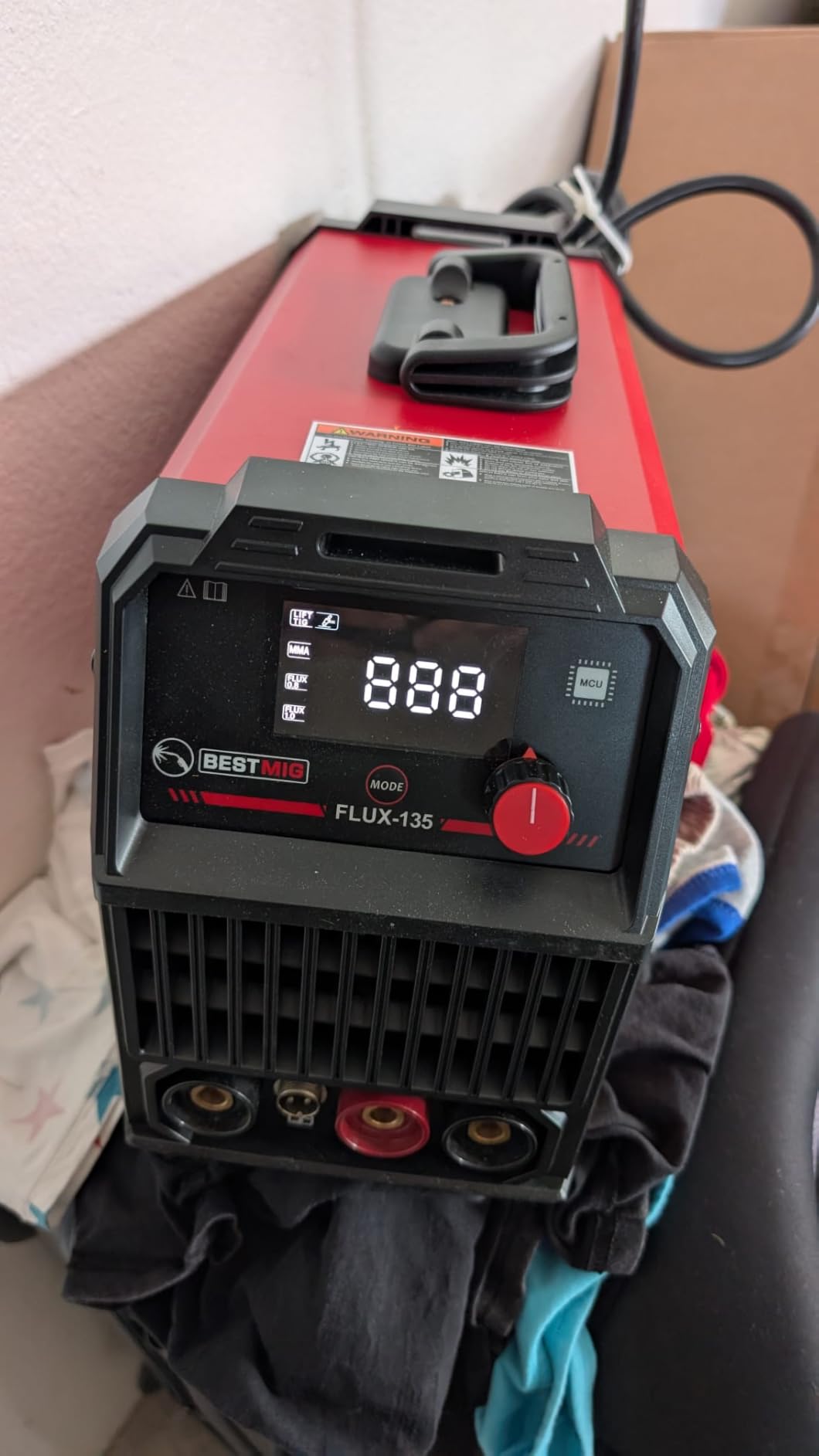
Lift TIG and Stick modes round out a 3-in-1 package that handles most beginner needs. I would not plan to do production TIG work with this machine, but the Stick mode came in handy for an outdoor gate repair. The full color LED display is also a step up from the monochrome readouts on cheaper units.
One thing to note – this machine ships with a UK plug on certain international listings, so US buyers should double-check the plug type before purchasing. Amazon will usually note this in the listing.
For whom it is a great fit
Complete beginners who have no safety gear and want a one-purchase solution, gift buyers looking for a turnkey package, and users who want a portable 3-in-1 they can store on a shelf. Also great for apartment dwellers who only need light fabrication capability.
For whom it is not ideal
Users who already own a quality welding helmet and gloves, anyone planning to weld thicker than 1/8 inch steel regularly, and buyers in regions with different plug standards. Also not ideal for production duty cycles.
8. BILT HARD 135A MIG Welder – Best Budget Solar-Helmet Bundle
BILT HARD 135A 3-in-1 IGBT Inverter Welder, 110V Flux Core MIG/Lift TIG/Stick Welding Machine with Synergic Control, LED Display, 2T/4T/SPOT Modes & Full Kit (Solar Helmet)
135A output
110V household plug
3-in-1 flux core MIG
Lift TIG stick
Solar helmet full kit
Pros
- One of the best values in the category
- Synergic control actually works well
- Includes solar powered helmet
- Well built chassis with screen menu
- Auto shutdown with error codes for safety
Cons
- Chipping hammer and brush feel cheap
- Spool may not fit with some aftermarket spacers
- Helmet darkness knob rotates too easily
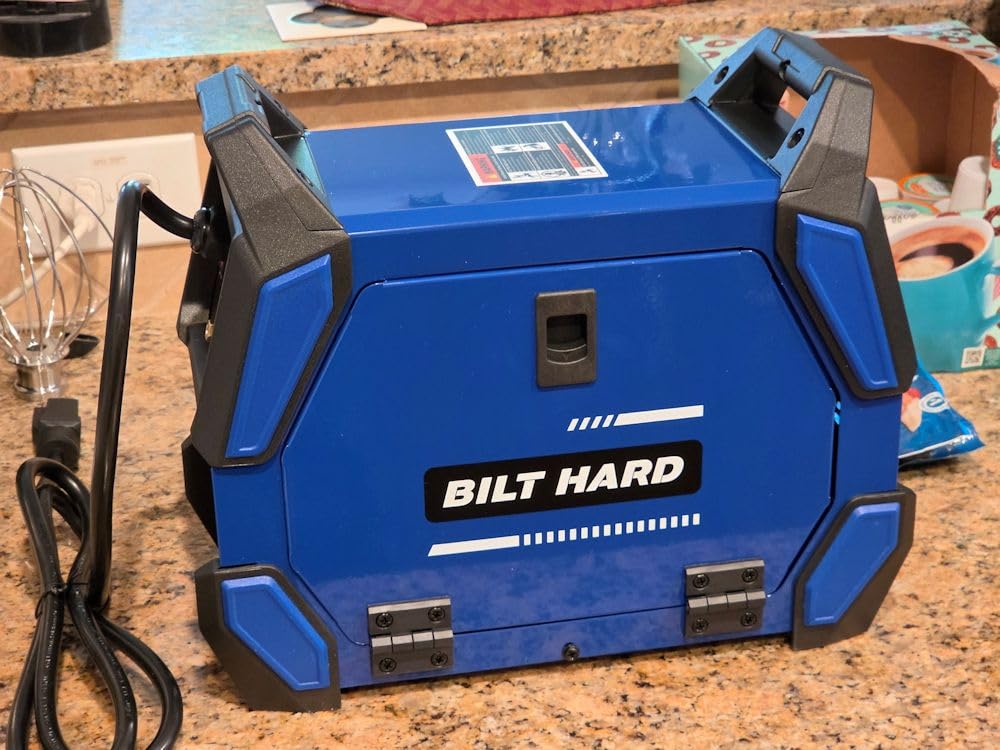
The BILT HARD 135A is the budget pick that surprised me most. It packs a real synergic control system, an error-code display, and a full starter kit with a solar-powered helmet into a machine that competes on price with units half as capable. For a beginner who wants to spend the minimum while getting genuine learning capability, this is the one.
The 2T/4T/SPOT trigger modes are unusual at this price point – they let you lock the trigger on for long welds (4T) or run a timed spot weld (SPOT). For a beginner, 4T mode removes fatigue during long practice sessions. The error code display (E1 overcurrent, E2 overheat) also teaches you about the machine’s limits in a way cheaper units do not.
Flux-core welds were stable and the arc was forgiving – I made several beginner-typical mistakes like dragging the gun too slowly and the machine still produced fusion. That forgiveness is exactly what you want in a learning welder. Stick mode worked for an outdoor repair on a rusted fence post.
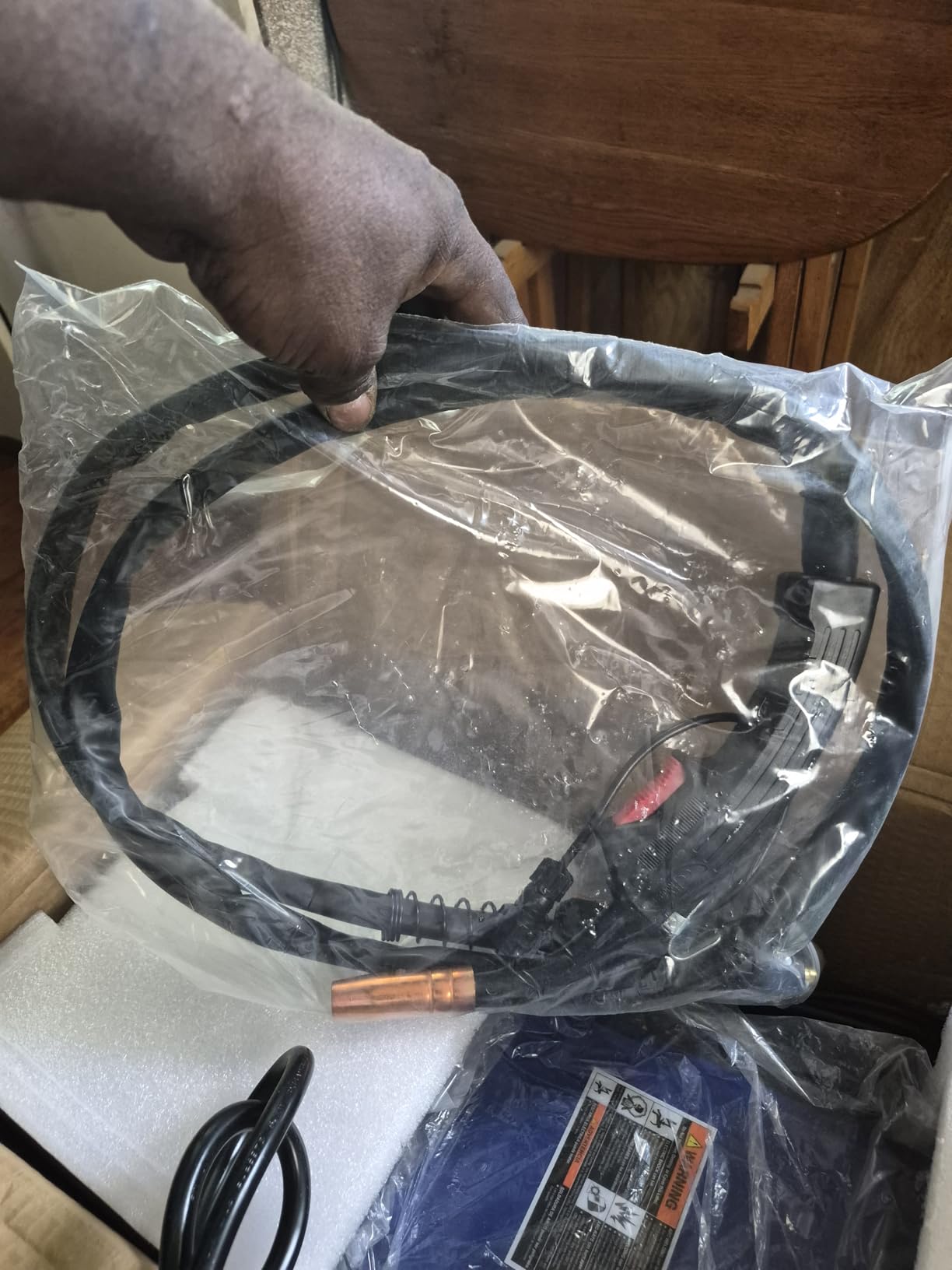
The included solar-powered helmet charges automatically when you weld, so you never deal with battery swaps. The MIG gun, ground clamp, and 10 ft ground clamp cable are all decent quality for the price. The included chipping hammer and wire brush are the weakest part of the kit and I would replace them quickly.
Build quality on the chassis itself is impressive – the screen menu feels more like a feature from a higher-tier machine. The body is compact and the carry handle is comfortable. For the price, this is the best-built budget welder I tested.
For whom it is a great fit
Beginners who want the best possible learning machine at the lowest price, users who appreciate the error-code display for teaching themselves about machine limits, and anyone who wants a solar helmet to avoid battery swaps. Also great for users who want 4T mode for long practice welds.
For whom it is not ideal
Anyone planning to weld thicker than 1/8 inch steel regularly, users who want gas-shielded MIG for clean automotive work, and anyone who needs a long torch reach. The included accessories are entry-level and will need upgrading for regular shop use.
What to Look for in a Beginner MIG Welder for Practice?
The most important spec is synergic control, not raw amperage. Synergic control automatically matches voltage to wire feed speed, which removes the biggest beginner pain point – getting settings right. Every welder on this list has synergic or auto-set capability, and after testing eight machines, the synergic feature made a bigger difference to my learning speed than any other single spec.
Voltage input matters based on your home wiring. Most US homes have 110V (also called 120V) outlets in the garage, and every welder on this list runs on 110V. Some also accept 220V (240V) input, which gives you more power output but requires a dedicated circuit. If you only have a standard garage outlet, any of these welders will work. If you have or want a 220V circuit, the YESWELDER 160A or Bestarc 145A are the best dual-voltage picks.
Amperage determines what thickness of steel you can weld. A 130A machine handles 1/8 inch steel easily and pushes to 3/16 inch. A 160A machine handles 1/4 inch and beyond. For practice on automotive sheet metal and home repair brackets, 130A to 145A is plenty. If you plan to weld trailer frames and thick structural steel, step up to 160A.
Duty cycle tells you how long the welder can run before it needs to cool down. Most entry-level machines are rated at 20 to 30 percent duty cycle at maximum output, which means 2 to 6 minutes of welding followed by a cool-down period. For practice sessions and home repair, that is plenty. For production welding, you want 60 percent or above.
Gas-shielded MIG versus flux-core MIG is the biggest choice in this category. Flux-core MIG (gasless) uses a tubular wire filled with flux that creates its own shielding gas when it burns. It is more forgiving on dirty or rusty metal and works outdoors without a gas cylinder. Gas-shielded MIG produces cleaner welds on visible automotive panels but requires a shielding gas cylinder. Many beginner welders start with flux-core and add gas-shielded capability later.
Weight and portability matter more than beginners expect. A heavy welder gets left in the corner and never used. Every machine on this list is under 30 pounds, and the HITBOX 140A at 6.6 pounds is genuinely grab-and-go. If you plan to move the welder to project locations, prioritize weight over raw power.
Included accessories vary widely in this category. Some machines ship with a complete starter kit (helmet, gloves, wire), while others ship with bare-bones accessories you will replace anyway. The BESTMIG and BILT HARD kits include safety gear, which is genuinely valuable for a first-time buyer. The YESWELDER and Bestarc kits focus on welding consumables and assume you will buy your own helmet.
How to set up your first MIG weld
Step one – put on your safety gear. Auto-darkening helmet, welding gloves, long-sleeve cotton or flame-resistant shirt, and closed-toe boots. Welding produces UV radiation that burns skin and arc-flash that damages eyes in seconds.
Step two – prepare your metal. Grind off rust, paint, and oil from the joint you plan to weld. Flux-core tolerates some contamination, but clean metal produces better beads and teaches you good habits.
Step three – set your wire and gas. Load the correct spool of wire (usually .030 or .035 inch for these machines), feed the wire through the gun by pressing the trigger with the contact tip removed, then reattach the tip. For gas-shielded MIG, connect your shielding gas and set the flow rate to about 20 to 25 cubic feet per hour.
Step four – dial in your settings using the synergic control. Most of these machines have a chart on the inside of the wire compartment that tells you the recommended setting for the wire size and material thickness you are welding. Set the wire speed knob to the chart recommendation and let the synergic control handle voltage.
Step five – practice your travel angle. Hold the gun at a 10 to 15 degree push angle and travel at a steady pace about 1/4 inch above the workpiece. Listen for a steady sizzling sound – if you hear popping, you are too far away. If you hear a crackling hiss, you are too close.
Five common beginner mistakes to avoid
Mistake one – dragging the gun instead of pushing it. Always push the gun in the direction of travel. Pulling produces less penetration and more spatter.
Mistake two – setting the amperage way too high. Beginners often crank the wire feed speed up and produce a bird-nest of tangled wire. Start at the chart recommendation and adjust only if the bead is wrong.
Mistake three – not cleaning the metal. Even flux-core welds better on clean metal. Take the extra five minutes to grind off rust and paint before you weld.
Mistake four – skipping safety equipment. Burns and arc-flash happen in seconds. Wear your helmet and gloves every single time.
Mistake five – welding too long without practicing. The skill ceiling for MIG is high. Spend time on scrap metal before tackling a real project – that is what practice welds are for.
Frequently Asked Questions
Which MIG welder is the easiest for beginners to learn to use?
The YESWELDER 135A is the easiest MIG welder for beginners thanks to its synergic control that automatically matches voltage to wire feed speed. Beginners can lay down their first clean weld within minutes because the machine removes the two-knob guesswork that frustrates new welders.
Which MIG welder is best for beginners?
The best MIG welder for beginners depends on budget and power needs. For most beginners the YESWELDER 135A offers the best combination of price, weight, and beginner-friendly synergic controls. If you only have a tight budget the AZZUNO 130A delivers surprising quality for its price.
Are MIG welders good for beginners?
Yes, MIG welders are widely considered the best process for beginners because the gun feeds wire automatically, the synergic control sets voltage for you, and the welding speed is forgiving. Compared to stick and TIG welding, MIG produces clean welds with minimal slag and lets beginners focus on travel angle and speed.
What kind of welder should a beginner start with?
A beginner should start with a 110V flux-core MIG welder in the 130A to 160A range. Flux-core removes the need for a shielding gas cylinder, which saves money and lets you weld outdoors. 110V input means you can plug into any standard garage outlet. Aim for a machine with synergic control to simplify the learning curve.
Can you teach yourself MIG welding?
Yes, MIG welding is one of the most self-taught welding processes because the synergic control handles most settings. Most beginners can learn to lay down acceptable beads within a week of practice on scrap metal. YouTube tutorials, online forums, and your machine’s included chart will cover everything else.
What is a good, inexpensive MIG welder?
The AZZUNO 130A and BILT HARD 135A are the best inexpensive MIG welders under 80 with beginner-friendly synergic controls. Both handle 1/8 inch steel effectively for practice and light repair. The BILT HARD includes a solar helmet and error-code readout, while the AZZUNO ships with extra flux core wire for immediate practice.
Final Verdict
After three months of practice welding on eight machines, the YESWELDER 135A earns our top spot as the best MIG welder for beginners for practice. Its synergic control removes the biggest beginner frustration (getting settings right), its 11.4 pound body is genuinely portable, and the included extra spool of flux core wire means you start practicing the day it arrives. Reviewers on r/Welding and r/Tools consistently recommend similar spec machines for the same reasons.
For buyers on a tight budget, the AZZUNO 130A delivers surprisingly capable welds for under 80 and is the lightest machine I tried at 8.6 pounds. If you want gas-shielded MIG capability for clean automotive beads and dual-voltage flexibility, the YESWELDER 160A is the best upgrade path. For anyone who wants a turnkey package with a helmet and gloves included, the BESTMIG 135A is the smartest one-purchase choice.
Whichever welder you pick from this list, plan to spend at least a week practicing on scrap metal before tackling a real project. The skills you build on practice joints will save you from ruining the parts that matter. For more recommendations on tools and gear for the home shop, browse our full collection of buying guides at spencerlocke.net.
Whatever you choose, start practicing today. MIG welding is the most beginner-friendly process in the craft, and a good entry-level machine will keep you busy for years.