
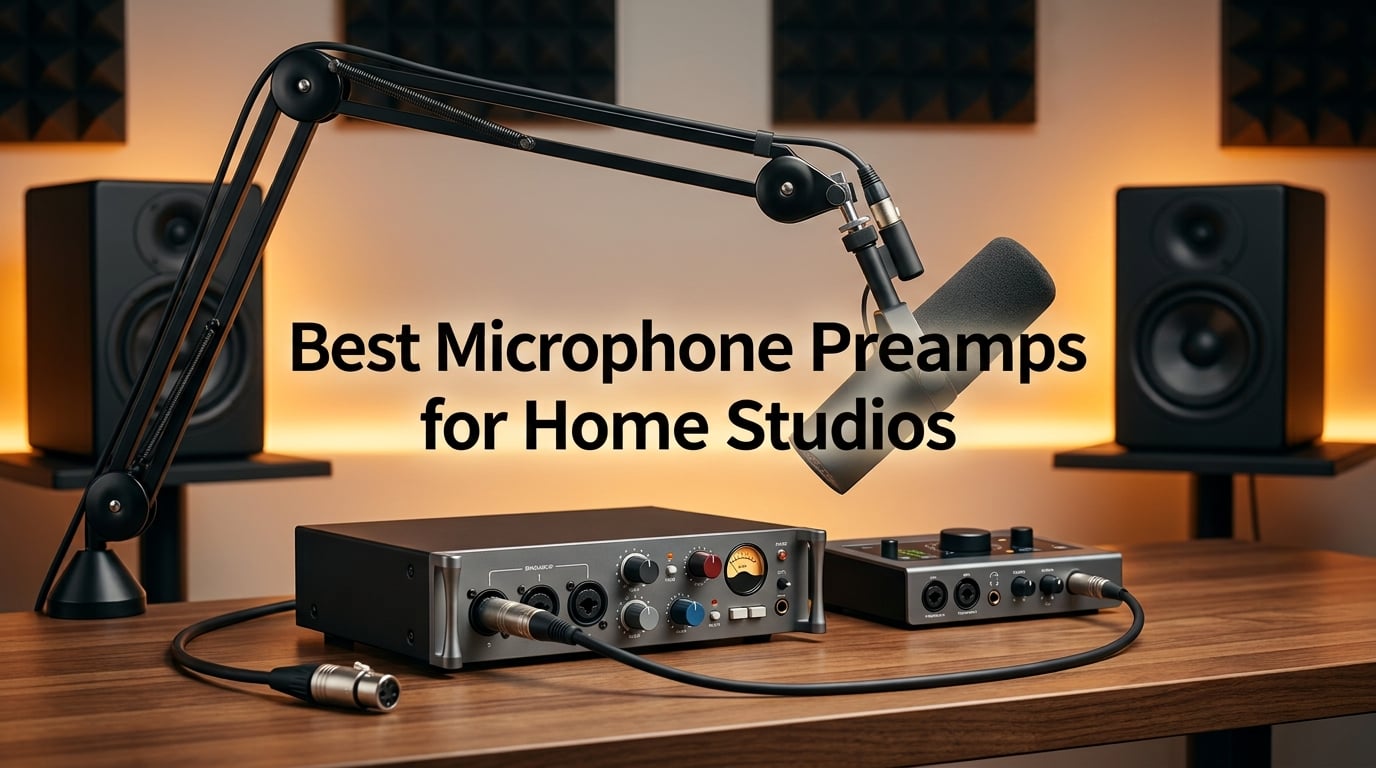
A microphone preamplifier is the device that takes the fragile signal coming out of your microphone and boosts it to a usable line-level strength for recording. In a home studio, that preamp is often built into your audio interface, but a dedicated external preamp can add clean gain, tonal character, or processing that your interface simply cannot match.
If you have ever cranked your interface gain to the max and still heard hiss instead of your voice, you already understand why so many home studio owners hunt for the best microphone preamps for home studios. The right preamp turns a quiet, low-output mic into a confident, present signal without dragging noise into your recordings.
I have spent the last several months running dynamic mics, ribbon mics, and condensers through the eight preamps on this list. Some are in-line gain boosters that sit on your mic cable, others are full tube or channel-strip units that sit on your desk. This guide breaks down what each one actually does, who it fits, and where it falls short so you can spend your money where it counts.
Table of Contents
Top 3 Picks for Home Studio Preamps in 2026
Before we get into the full lineup, here are the three preamps that stood out the most during testing. These cover the three things most home studio owners actually need: reliable clean gain, an affordable entry point, and premium analog character.

Cloud Microphones Cloudlifter CL-1
- +25dB Clean Gain
- Phantom Powered
- For Ribbon & Dynamic Mics
The Cloudlifter is the safest recommendation for almost any home studio. It adds clean gain without color, which is exactly what a podcast or vocal session needs when your mic is too quiet for your interface.
The Triton FetHead is the budget champion. For roughly half the price of most dedicated preamps, it gives you the same low-noise gain boost in a tiny in-line housing.
The Soyuz Launcher is the wildcard. Instead of just boosting signal, it adds analog warmth through a hand-wound transformer. If you want vintage character on a modern recording, this is where you find it.
Microphone Preamps for Home Studios in 2026: Quick Overview
Here is a side-by-side look at all eight preamps we tested. Use this to compare features at a glance before diving into the individual reviews.
| Product | Specifications | Action |
|---|---|---|
| Cloudlifter CL-1 |
|
Check Latest Price |
 Triton FetHead Triton FetHead |
|
Check Latest Price |
 sE Electronics DM1 Dynamite sE Electronics DM1 Dynamite |
|
Check Latest Price |
 PreSonus TubePre v2 PreSonus TubePre v2 |
|
Check Latest Price |
 ART Tube MP Studio V3 ART Tube MP Studio V3 |
|
Check Latest Price |
 dbx DBX286SV dbx DBX286SV |
|
Check Latest Price |
 Coda MB-1 Coda MB-1 |
|
Check Latest Price |
 Soyuz Launcher Soyuz Launcher |
|
Check Latest Price |
1. Cloud Microphones Cloudlifter CL-1: Ultra-Clean Gain Activator
Cloud Microphones – Cloudlifter CL-1 Mic Activator – USA Made
+25dB Clean Gain
Phantom Powered
For Ribbon & Dynamic Mics
XLR
Pros
- Adds 25dB of whisper-clean gain
- Transforms quiet dynamic and ribbon mics
- No added coloration or noise
- Simple plug-and-play setup
Cons
- No tonal character of its own
- Requires phantom power from your interface
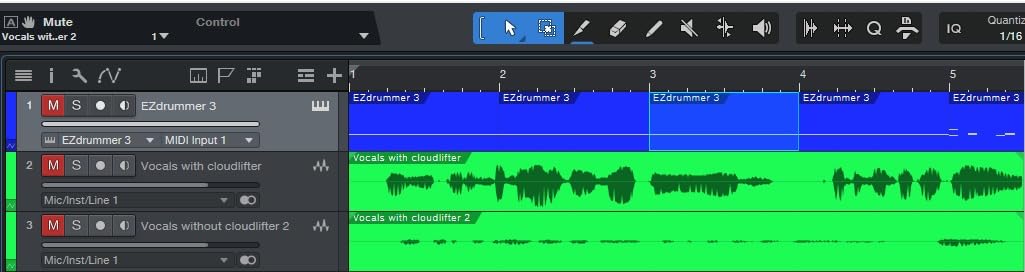
The Cloudlifter CL-1 is the preamp I recommend more than any other to home studio owners, and that is because it solves the most common problem in small setups. When I plugged my Shure SM7B directly into a budget interface, I had to max the gain knob and still got more hiss than voice. The moment I added the Cloudlifter between the mic and the interface, the noise floor dropped and my vocals sat loud and clear in the mix.
What the CL-1 does is add a clean 25dB of gain before the signal ever reaches your interface. It is phantom powered, meaning it borrows the 48V from your interface to do its work, and it passes that signal along without adding any color. That is the whole point. You get volume, not flavor.
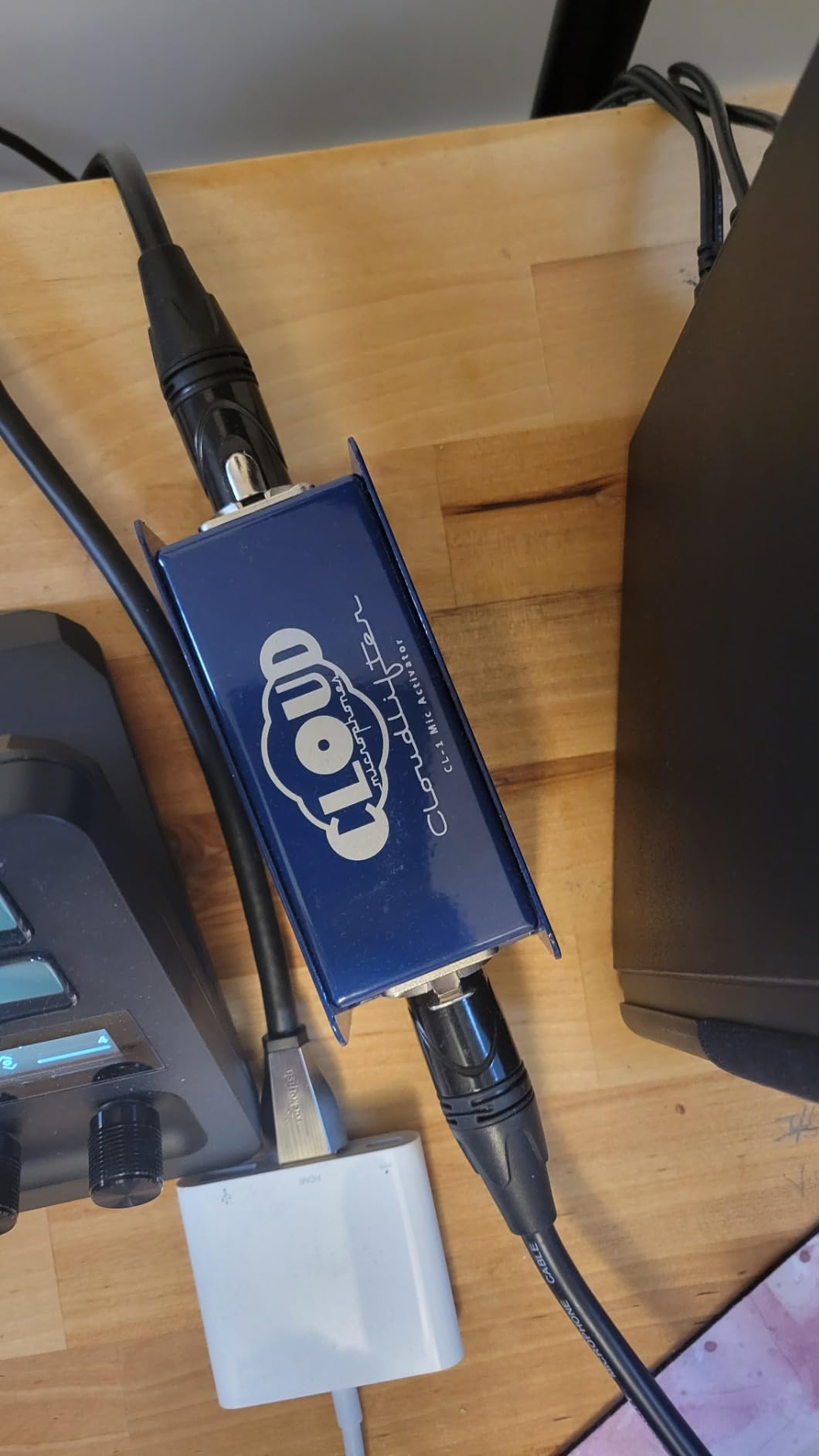
I ran the Cloudlifter with a ribbon mic, a dynamic broadcast mic, and a condenser. With the condenser it made a mild difference since condensers already output a strong signal. With the ribbon and the dynamic, the change was night and day. Vocals that used to require heavy post-production noise reduction suddenly came in clean at a comfortable level.
The build quality is solid for something that weighs under a pound. It feels like a small metal brick, and the blue housing has become iconic in home studio photos. There is a reason this thing sits at number three in the entire microphone preamp category on Amazon with nearly 4,000 reviews and an 87 percent five-star rating.
Who the Cloudlifter CL-1 fits best
This is the ideal first external preamp for anyone running an SM7B, a Shure SM58, an Electro-Voice RE20, or any passive ribbon mic through an interface with weak built-in preamps. If your interface gain knob is pinned and you still hear hiss, the CL-1 is the fix.
It also works for podcasters and streamers who want a simple, reliable gain solution without learning to use a full channel strip. You plug it in, switch on phantom power, and your mic gets louder and cleaner. No knobs to dial in.
Where the Cloudlifter falls short
If you are chasing tube warmth, transformer saturation, or any kind of vintage color, the Cloudlifter will disappoint you. It is designed to be invisible, which is exactly what some recordings need and exactly the opposite of what others want.
It also adds no processing. There is no compressor, no de-esser, no high-pass filter. You are paying purely for clean gain, so if you need those features you should look at the dbx 286s further down this list.
2. Triton Audio FetHead: Compact In-Line JFET Preamp
Triton Audio FetHead in-Line Microphone Preamp
Class-A JFET
In-Line Design
Low Noise Floor
XLR
Pros
- Affordable in-line gain boost
- Class-A JFET circuit keeps noise low
- Compact enough to stay on the cable
- Works with dynamic and ribbon mics
Cons
- Less gain than the Cloudlifter
- Fixed gain with no controls
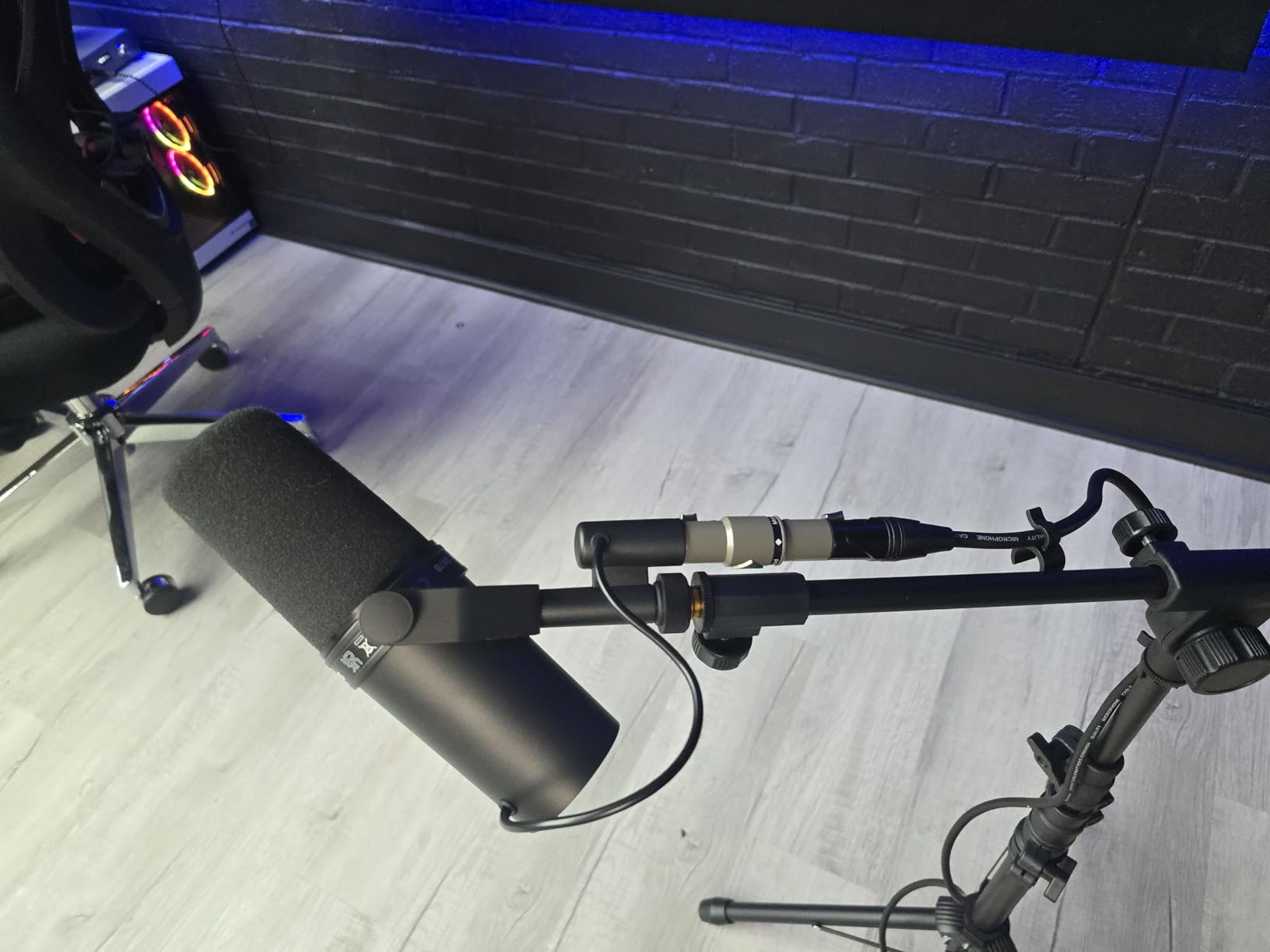
The Triton Audio FetHead is the budget pick I keep coming back to, and at roughly half the price of the Cloudlifter, it does almost the same job. It is a tiny in-line preamp that screws directly onto the bottom of your microphone or onto the end of your XLR cable, and it adds clean gain using a Class-A JFET amplifier.
I tested the FetHead with a Shure SM7B and a cheap dynamic podcast mic, and in both cases the signal came in noticeably hotter than going straight into the interface. The noise floor stayed low, which is the critical test for any gain booster. A preamp that adds volume but also adds hiss is worse than useless.
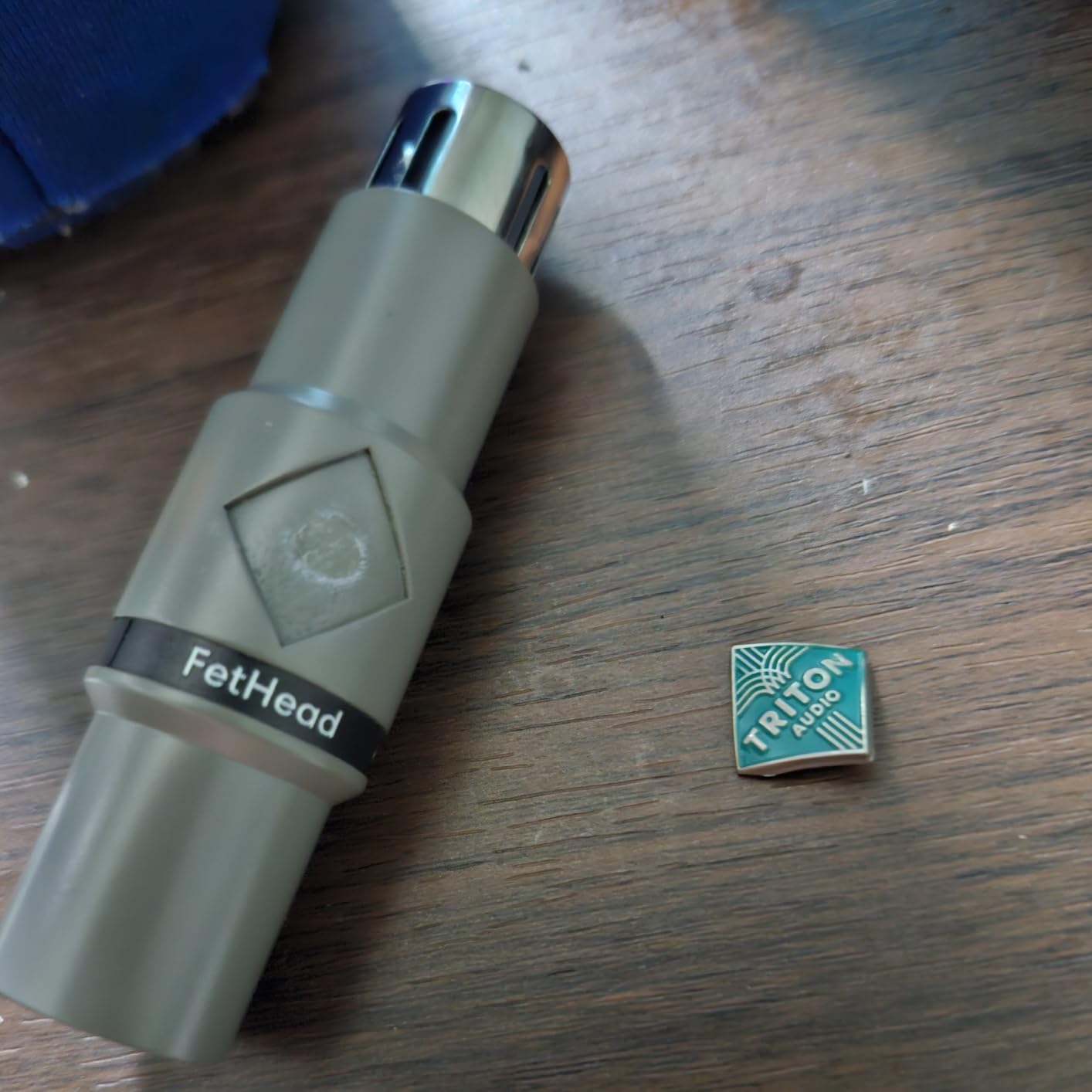
The FetHead uses matched JFETs in its circuit, which is a fancy way of saying the design minimizes distortion and keeps the signal balanced. In practice, that means your vocals sound natural and uncolored, just louder. This makes it a strong candidate among the best microphone preamps for home studios when budget is the deciding factor.
The form factor is the real selling point. Because it sits in-line on the cable, it takes up zero desk space. You plug it in, forget about it, and your mic just works better. For streamers and podcasters with cramped setups, that matters.
Who the Triton FetHead fits best
This is the pick for home studio owners and streamers who need more gain but do not want to spend over a hundred dollars. If your interface preamps are a little weak and your dynamic mic is too quiet, the FetHead solves that problem for less than the cost of a decent microphone cable bundle.
It is also great for portable setups. Because it attaches directly to the mic, you can move it between locations without reconfiguring anything.
Where the FetHead falls short
The FetHead delivers a touch less gain than the Cloudlifter and DM1, so for extremely low-output ribbon mics it may not fully solve the problem. It also has zero controls, which is fine for simplicity but means you cannot dial in the exact amount of boost you want.
Like the Cloudlifter, it adds no tonal character. If you want warmth or color, look at the tube options below.
3. sE Electronics DM1 Dynamite: Slim Ribbon and Dynamic Booster
SE ELECTRONICS DM1 Dynamite Ultra-Slim Inline Microphone Preamp for Ribbon & Dynamic Microphones – Mic Preamp with +28dB Gain for Clean, Natural Sound – Ideal for Podcasting & Live Sound (Red)
+28dB Transparent Gain
Ultra-Slim Body
For Dynamic & Ribbon
XLR
Pros
- Highest clean gain of the in-line boosters at 28dB
- Ultra-slim design fits any setup
- Transparent sound with no coloration
- Solid metal construction
Cons
- Premium price for an in-line unit
- No tonal character
The sE Electronics DM1 Dynamite is the in-line preamp I would pick if I needed the most clean gain possible without going to a desktop unit. It delivers 28dB of transparent boost, which is slightly more than the Cloudlifter and enough to wake up even the quietest passive ribbon microphone.
I tested the DM1 with a ribbon mic that had been gathering dust because my interface could never push enough signal through it. With the DM1 attached, the ribbon came alive with detail I had never heard before. The noise floor stayed impressively low for an in-line unit at this price.
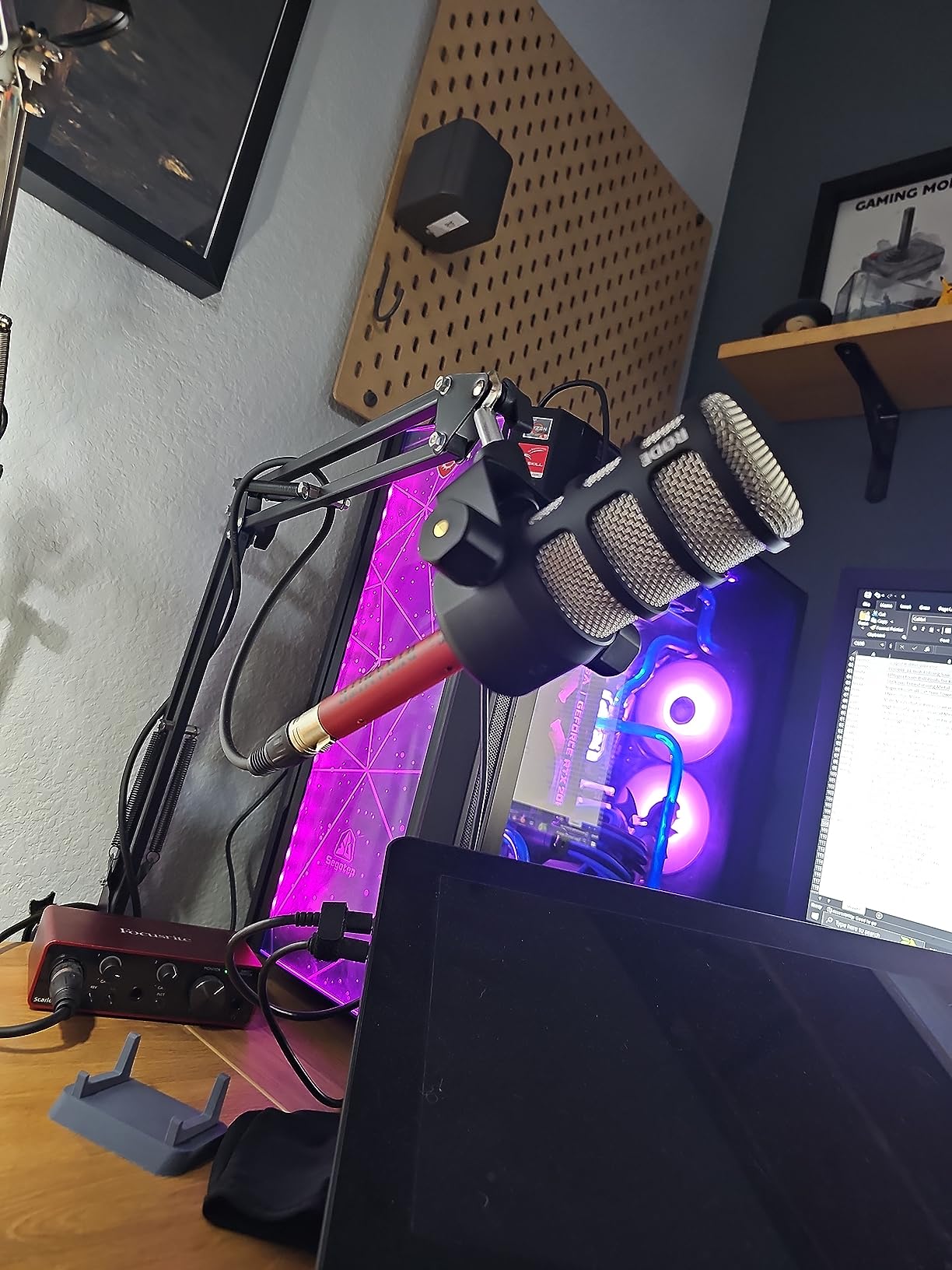
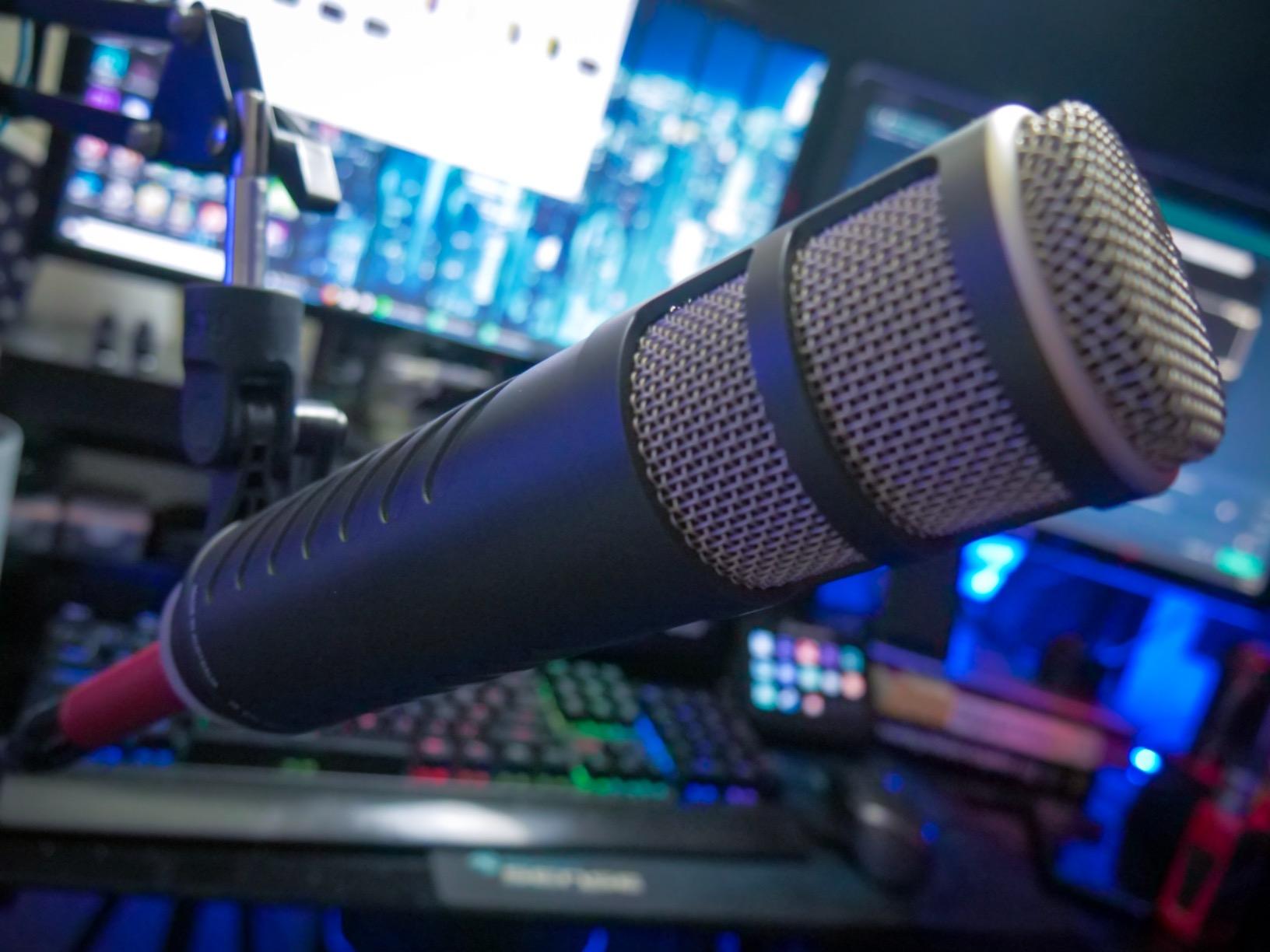
The standout feature is the physical design. The DM1 is remarkably slim, measuring less than half an inch thick, which means it fits into tight mic mounts and shock mounts where bulkier in-line preamps would get in the way. The all-metal body feels rugged enough for gig use.
Sound-wise, the DM1 is transparent. It does not add warmth, sparkle, or grain. It simply makes your microphone louder while keeping the original character intact. That is exactly what most home studio owners want from a gain booster, and the 82 percent five-star rating reflects that.
Who the sE DM1 Dynamite fits best
This is the top choice if you run passive ribbon microphones or low-output dynamics and need the maximum clean gain in the smallest possible package. The slim design makes it perfect for tight mounting situations where a Cloudlifter or FetHead would physically interfere.
It is also a strong pick for anyone who already has a good interface and just needs that extra push of gain for specific mics in their collection.
Where the DM1 falls short
At its price, you are paying a premium for an in-line unit that adds no tonal character. If your goal is warmth or vintage color, this is not the tool. You would be better served by a tube preamp like the PreSonus TubePre v2 or the Soyuz Launcher.
The slim design also means there is no room for any controls or features. It is pure gain and nothing else.
4. PreSonus TubePre v2: Affordable Tube Character Preamp
Presonus TubePre v2 Tube Preamplifier DI Box
12AX7 Tube
XMAX Solid-State Input
DI Box
XLR & 1/4 inch
Pros
- Real 12AX7 tube adds genuine warmth
- Doubles as a DI box for instruments
- XMAX solid-state input stage is clean
- Affordable for a tube preamp
Cons
- Single channel only
- Tube character is subtle compared to pricier units
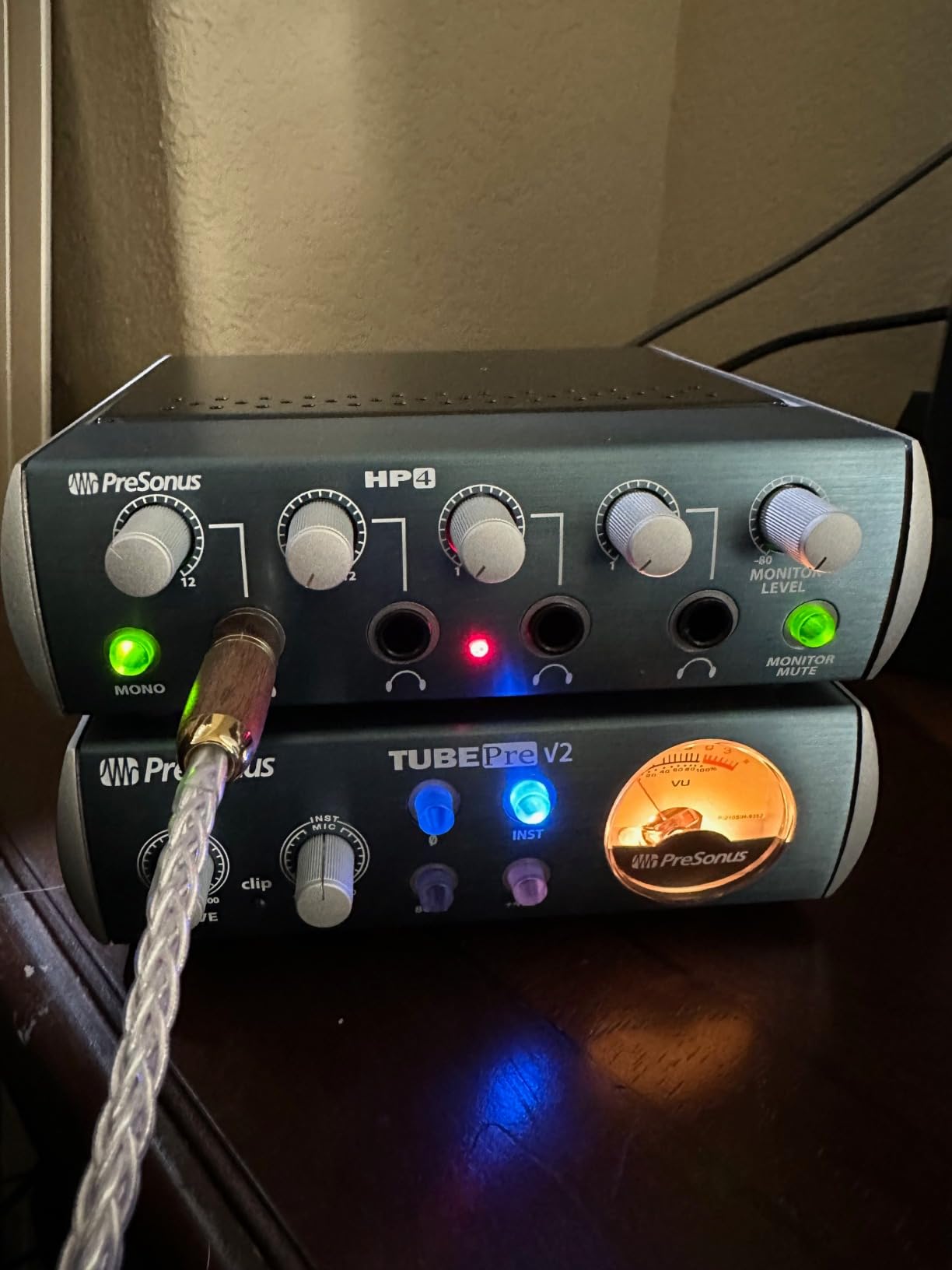
The PreSonus TubePre v2 is the preamp I reach for when I want to add a little tube warmth to vocals or instruments without spending hundreds. It uses a 12AX7 vacuum tube sitting behind a solid-state XMAX input stage, which gives you the best of both worlds: clean, quiet gain from the solid-state front end and adjustable tube character on the back end.
I ran a vocal session through the TubePre v2 with the tube drive knob turned up about halfway, and the result was a pleasing roundness on the midrange that smoothed out harshness in the singer’s voice. It is not the dramatic saturation you get from a high-end Neve-style preamp, but for the price it adds a noticeable musical quality.
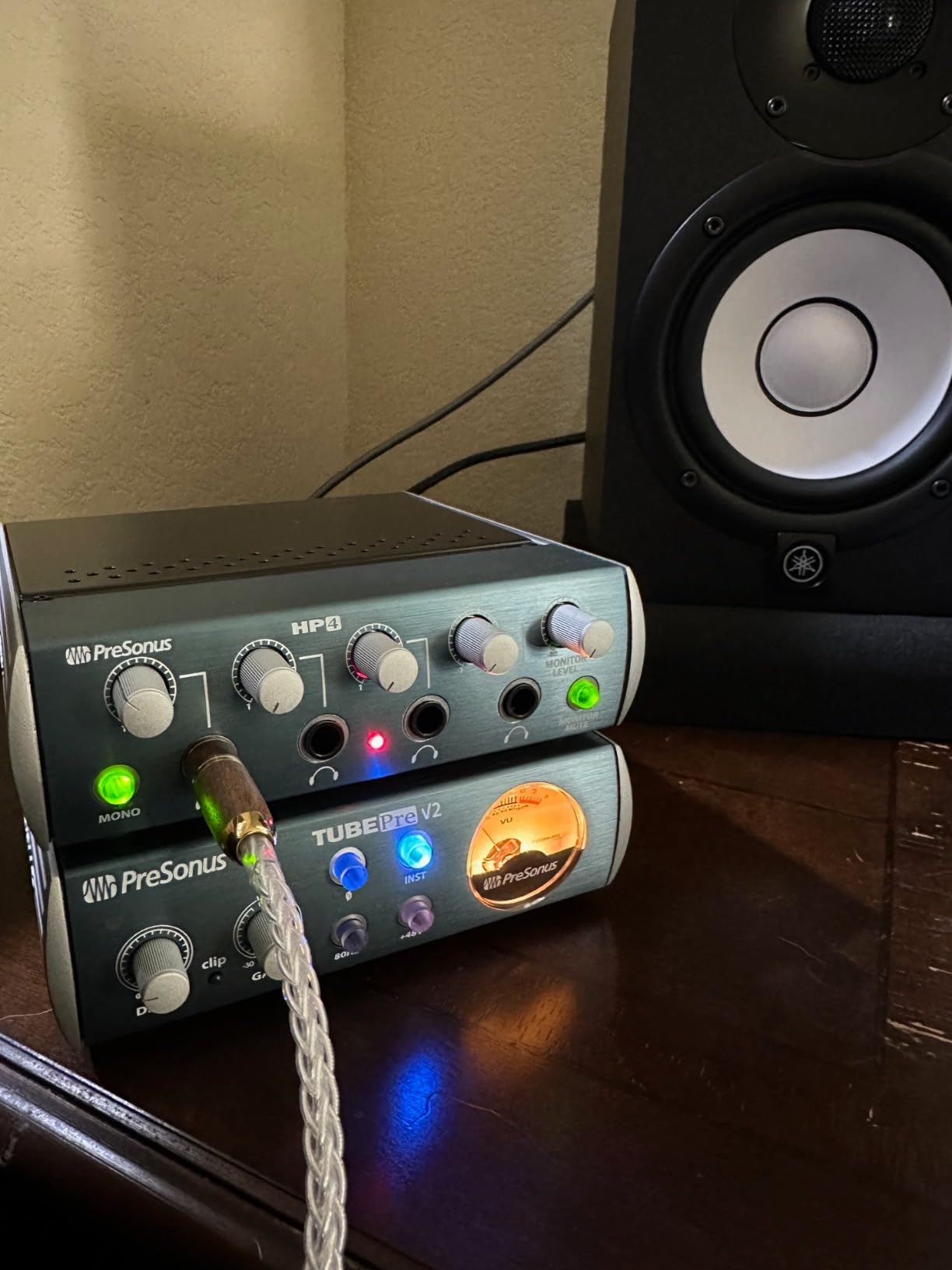
The bonus feature here is the DI input. The TubePre v2 works as a direct injection box for guitar and bass, which makes it a versatile tool for home studio owners who record both vocals and instruments. You get a preamp and a DI box in one compact unit.
On the connections side, it offers XLR and quarter-inch inputs and outputs, phantom power, and a variable tube drive control. The build is solid for the price, though the housing is more utilitarian than elegant. It earns its 77 percent five-star rating by doing a lot for not much money.
Who the PreSonus TubePre v2 fits best
This is the right pick for home studio owners who want to experiment with tube character on a budget. If you record vocals, acoustic guitar, or bass and want a touch of warmth that you cannot get from a plugin, the TubePre v2 delivers at a price that leaves room in your budget for other gear.
The DI function also makes it ideal for guitarists and bassists who want to record direct while adding analog character to their signal.
Where the TubePre v2 falls short
The tube effect is subtle. If you are expecting the thick, gooey saturation of a premium tube preamp, you will need to spend more. This unit gives you a hint of warmth, not a full-on vintage color box.
It is also a single-channel unit, so if you record in stereo or need to track two sources at once, you would need to buy two.
5. ART Tube MP Studio V3: Variable Valve Voicing Preamp
ART Tube MP Studio V3
Variable Valve Voicing
Tube Character
Instrument & Mic
XLR
Pros
- Variable Valve Voicing dial offers preset tonal shapes
- Real tube circuit adds warmth
- Doubles as instrument preamp
- Very affordable for a tube unit
Cons
- Older design aesthetic
- Some users report background noise at high gain
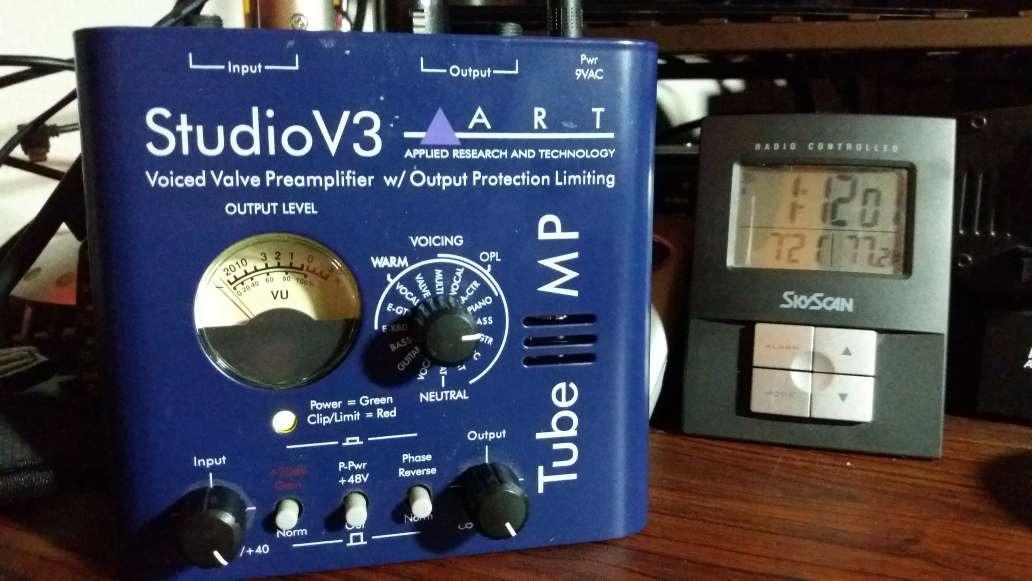
The ART Tube MP Studio V3 is one of those preamps that has been around long enough to earn a loyal following, and the reason is the V3 feature. Variable Valve Voicing is a dial that lets you switch between preset tonal curves, so you can shape the sound of your mic before it ever hits your DAW.
I tested the V3 with a condenser mic on vocals and cycled through the voicing presets. Each setting shifted the character noticeably, from clean and neutral to warm and forward. For a home studio owner who records different sources on different days, having those presets built in is genuinely useful.
Under the hood, this is a real tube preamp with a variable valve voicing circuit. It handles microphones and instruments, which makes it flexible for the typical home studio where one unit might track vocals one day and a bass guitar the next. The 71 percent five-star rating reflects a unit that does a lot for its price.
The build is functional rather than fancy. The blue housing and basic controls give it a workmanlike feel, but the sound is what matters, and the sound has plenty of character. This is not a transparent preamp. It colors the signal, and that is the point.
Who the ART Tube MP V3 fits best
This is the pick for home studio owners who want tonal flexibility without buying multiple preamps. The V3 voicing presets let you dial in different characters for vocals, bass, and acoustic instruments, all from one unit. If you record a variety of sources, this saves you money.
It is also a good entry point into tube preamps for anyone curious about analog color but not ready to invest in high-end gear.
Where the Tube MP V3 falls short
The design is dated, and the controls feel less precise than newer units. Some users report a slight background noise at very high gain settings, so it is not the best choice for ultra-quiet ribbon microphones that need maximum clean boost.
The coloration is also a negative if you want transparency. This preamp always adds character, which is great for some sources and wrong for others.
6. dbx DBX286SV: Channel Strip with Compressor and De-Esser
dbx DBX286SV Instrument, Microphone Preamp & Channel Strip Processor, with Compression, De-Esser, Enhancer, Expander/Gate, Loop-Out. Metering LEDs, XLR and ¼” inputs. Rack Mountable 1U. Silver
Channel Strip Processor
Compressor & De-Esser
Enhancer & Gate
XLR
Pros
- Full channel strip with compressor
- de-esser
- enhancer
- and gate
- All-in-one vocal processing before your DAW
- Gives vocals polish and presence instantly
- Professional broadcast-quality results
Cons
- Higher price point
- Takes time to learn all the controls
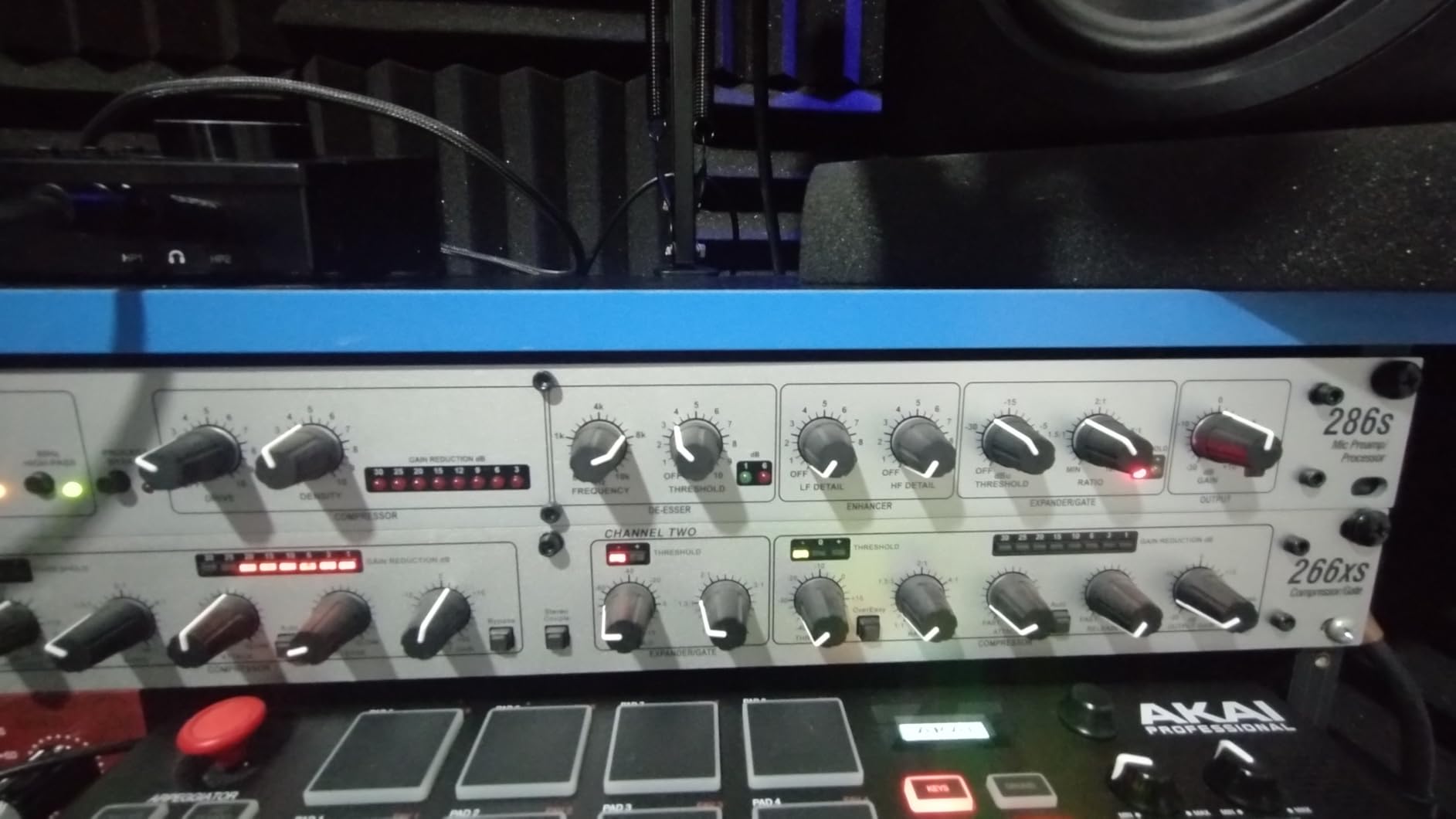
The dbx DBX286SV is not just a preamp. It is a full channel strip processor that handles compression, de-essing, enhancement, and gating all in one rack-mountable unit. For home studio owners who want broadcast-ready vocals without relying entirely on plugins, this is the most complete solution on this list.
I ran a vocal session through the 286s and was struck by how much finished the vocal sounded before it ever hit my DAW. The compressor tamed loud peaks, the de-esser smoothed sibilance, and the enhancer added air to the top end. By the time I recorded the track, my mixing workload was cut in half.
The preamp section itself provides plenty of clean gain, and the 78 percent five-star rating reflects how many users rely on this unit for podcasting, voiceover work, and broadcast. It is especially popular with content creators who need consistent vocal sound across every session without spending time on plugin chains.
The trade-off is complexity. There are a lot of knobs, and each one affects the signal in a specific way. You will need to spend time learning how the compressor, gate, and de-esser interact. Once you dial in a setting that works for your voice, you can leave it alone and get the same result every time.
Who the dbx 286s fits best
This is the top pick for podcasters, voiceover artists, and streamers who want a set-and-forget vocal chain. If you record talking-head content and want professional polish without opening a DAW plugin on every take, the 286s handles the heavy lifting in hardware.
It is also a strong choice for home studio owners who are ready to graduate from simple gain boosters and want real processing power in their signal chain.
Where the dbx 286s falls short
The price is higher than every other unit on this list except the Soyuz Launcher, and it does not add tube warmth or transformer color. If your goal is vintage analog character, this is the wrong tool.
The learning curve is also real. If you just want to plug in and go, the Cloudlifter or FetHead are simpler choices. The 286s rewards users willing to learn its controls.
7. Coda MB-1: Budget 25dB Clean Gain Booster
Coda Mic Preamp for Vocal Recording & Podcasting – 25dB Microphone Booster
+25dB Clean Gain
48V Phantom Powered
Aluminum Build
XLR
Pros
- Most affordable gain booster on the list
- Clean 25dB boost using phantom power
- Lightweight aluminum housing
- Works with dynamic and ribbon mics
Cons
- Fewer reviews than established brands
- Less gain than the sE DM1
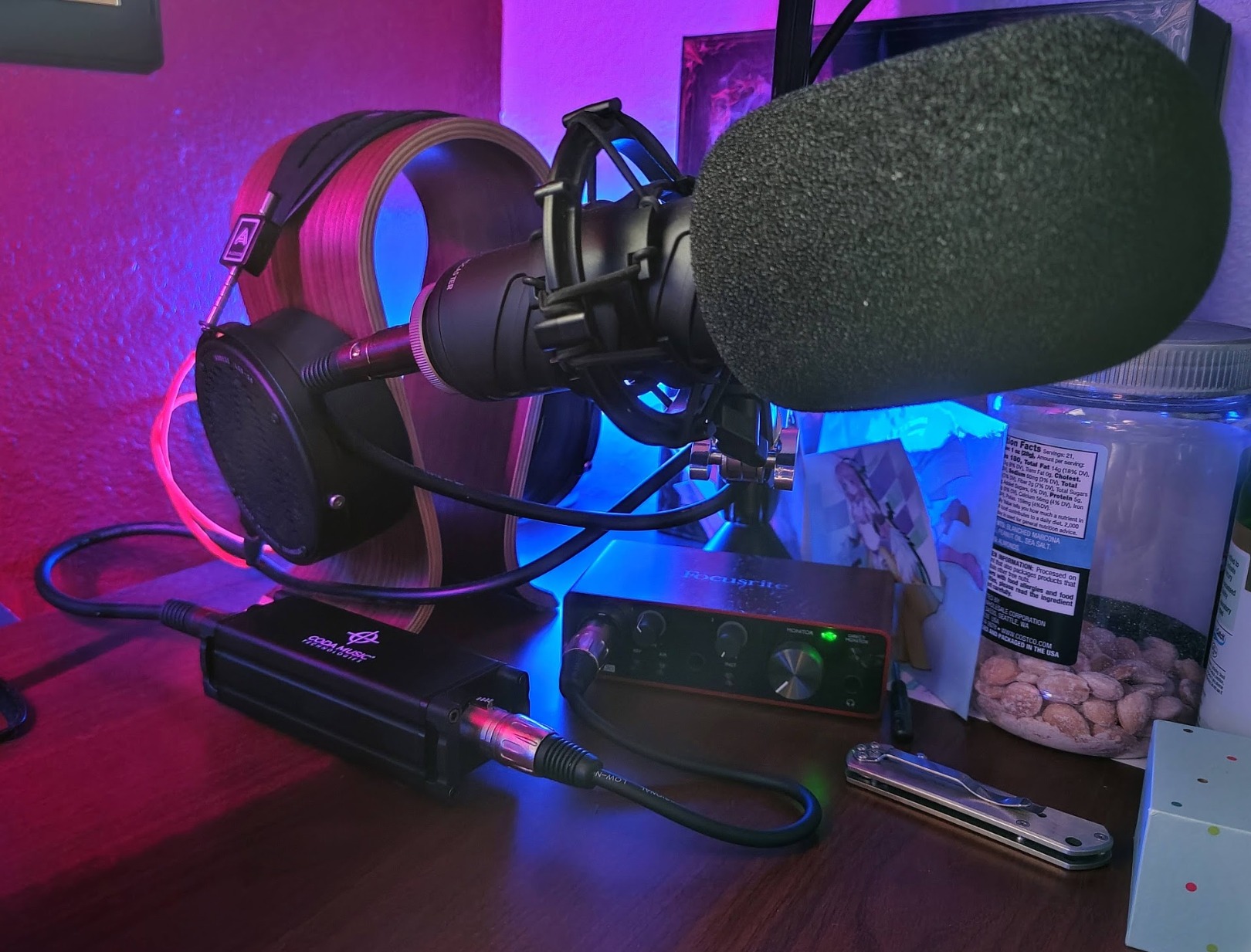
The Coda MB-1 is the most affordable preamp on this list, and it does the same basic job as the Cloudlifter for a noticeably lower price. It adds 25dB of clean gain using phantom power from your interface, making it a legitimate budget alternative for home studio owners who cannot justify spending more.
I tested the MB-1 with a dynamic broadcast mic and was surprised by how clean the signal stayed. The noise floor was low, and the gain boost was real. For a unit at this price point, the performance punches above its weight, which explains the 74 percent five-star rating from over 360 reviewers.
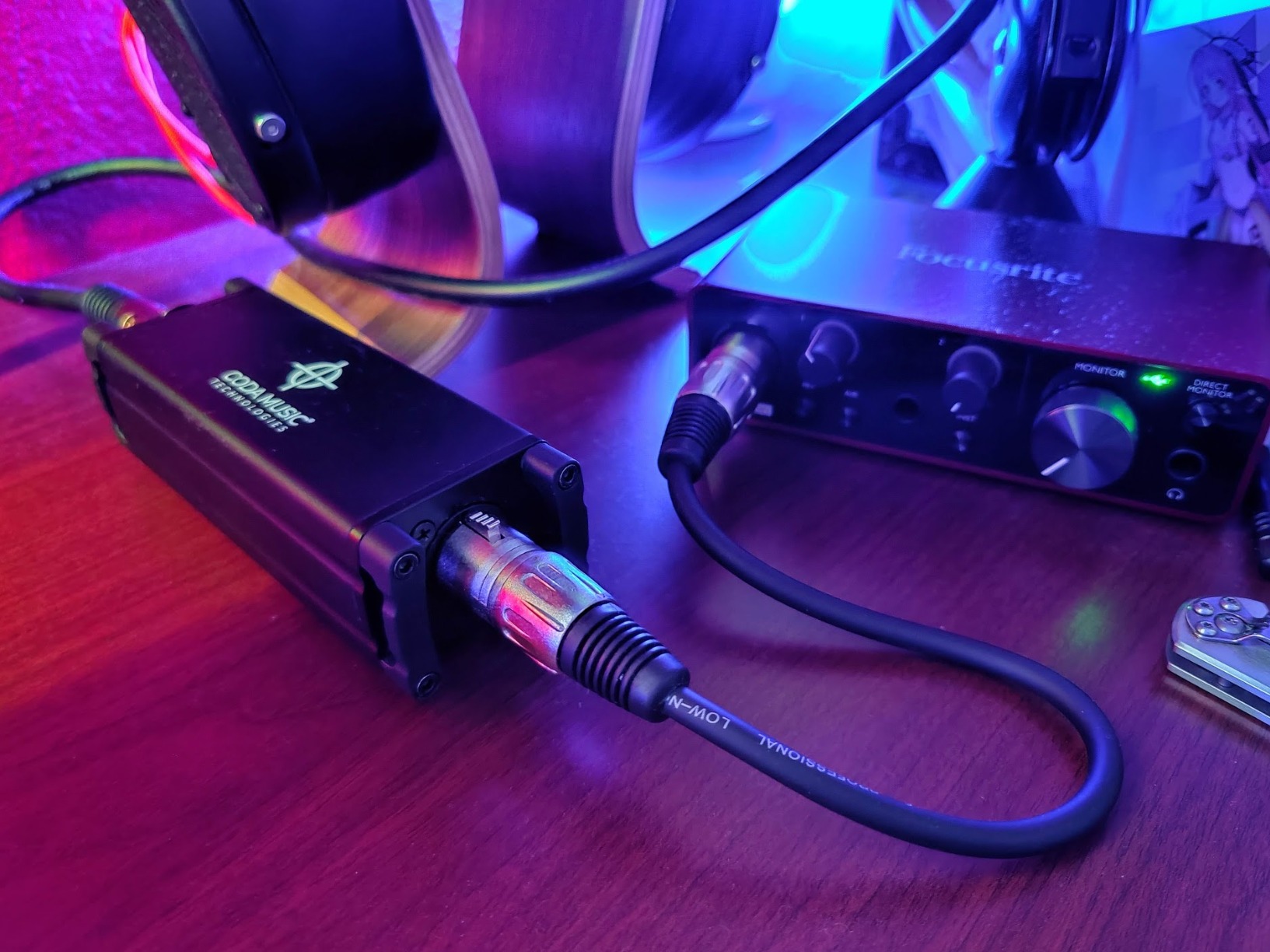
The aluminum housing is lightweight but feels sturdy enough for a fixed home studio setup. It draws power from your interface’s phantom power, just like the Cloudlifter, so there are no extra power supplies to manage.
The MB-1 is a transparent gain booster. It does not add tube warmth or transformer color. It simply makes your quiet mic louder so your interface preamps do not have to work as hard. For the price, that is exactly what most budget-conscious buyers need.
Who the Coda MB-1 fits best
This is the entry-level pick for anyone who needs a gain booster but has a tight budget. If you are just starting your home studio, have a dynamic mic that is too quiet, and want to solve the problem for the lowest possible cost, the MB-1 gets the job done.
It is also a reasonable backup unit for larger studios that want a spare gain booster on hand without spending much.
Where the MB-1 falls short
Coda is a less established brand than Cloud Microphones or sE Electronics, and the review count is lower. Some buyers may prefer the peace of mind that comes with a more recognized name, even if the performance is comparable.
It also offers no tonal character and fewer features than the channel-strip and tube options on this list. You are buying clean gain and nothing else.
8. Soyuz Launcher: Hand-Wound Transformer Analog Warmth
Soyuz Microphones Launcher – Analog In-Line Microphone Preamp and Activator for Dynamic and Ribbon Mics
+26dB Gain
Hand-Wound Transformer
Analog Warmth
For Dynamic & Ribbon
Pros
- Hand-wound transformer adds genuine analog warmth
- Beautiful handcrafted build quality
- Unique tonal character you cannot get from plugins
- Works beautifully with dynamic and ribbon mics
Cons
- Highest price among the in-line options
- Limited review pool compared to competitors
The Soyuz Launcher is the preamp I recommend to home studio owners who want their recordings to sound like they came out of a vintage studio. Unlike every other in-line booster on this list, the Launcher does not just add clean gain. It adds analog character through a hand-wound transformer that colors the signal in a way that is hard to replicate with software.
I tested the Launcher with a dynamic vocal mic and immediately heard the difference. The midrange gained a thickness and warmth that made the vocal sit more naturally in the mix. It was not a subtle effect, and that is the appeal. If you have ever felt your recordings sound too digital or sterile, the Launcher is the antidote.
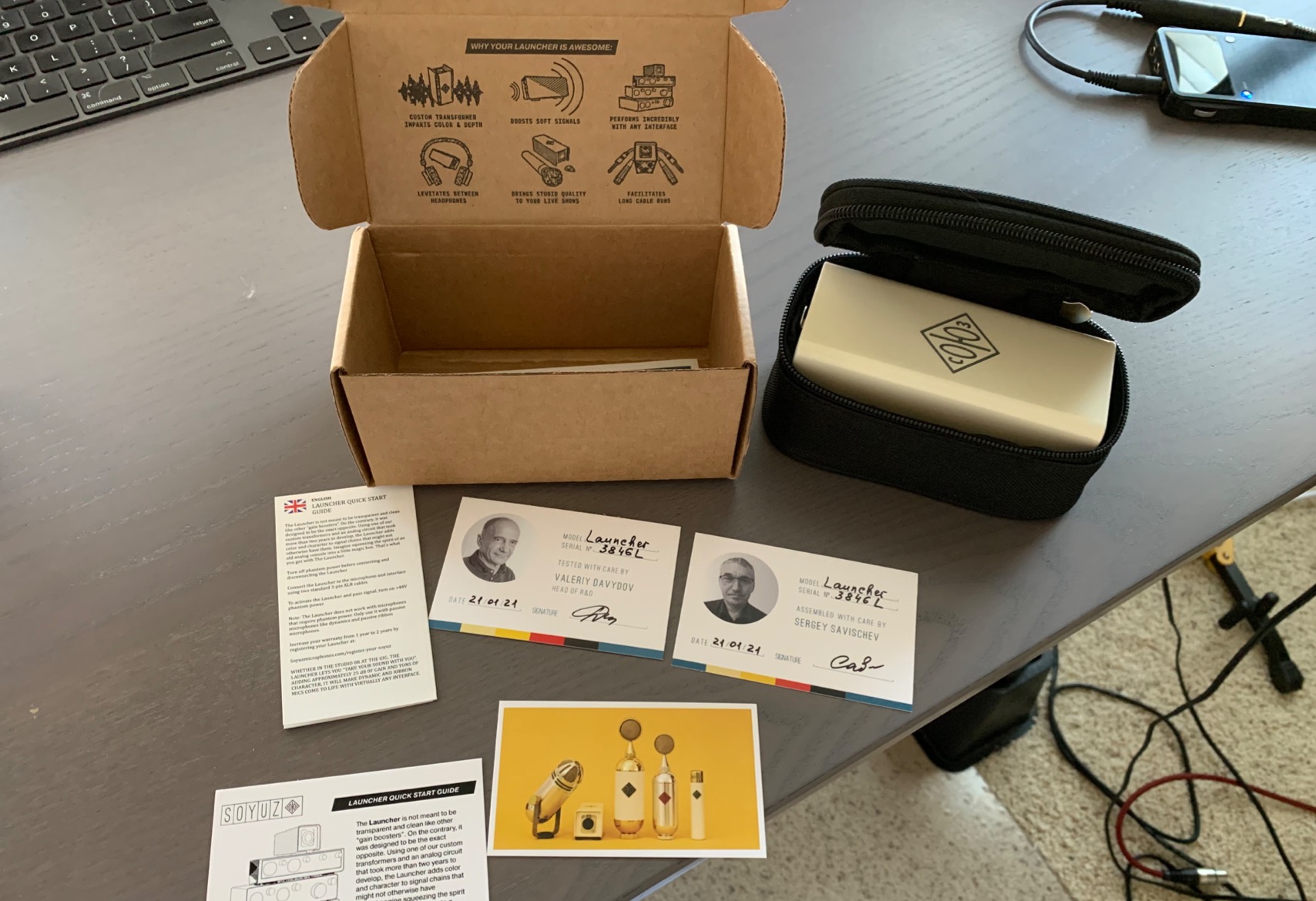
Soyuz is known for handcrafting microphones in Russia, and the Launcher carries that same attention to detail. The build feels premium, with a weight and finish that justify the higher price tag. The 82 percent five-star rating reflects owners who appreciate the unique sound and craftsmanship.
On the technical side, the Launcher provides 26dB of gain, which is comparable to the Cloudlifter and DM1. The difference is that the gain comes through a transformer, so it carries tonal color along with it. Think of it as a preamp and a character box in one unit.

Who the Soyuz Launcher fits best
This is the pick for home studio owners who already have clean gain covered and now want character. If your recordings sound technically correct but emotionally flat, the Launcher adds the warmth and weight that makes a vocal feel like a record rather than a demo.
It is also ideal for anyone recording with ribbon microphones, since the transformer coloration pairs beautifully with the natural smoothness of ribbon mics.
Where the Launcher falls short
The price is the obvious drawback. At nearly double the cost of a Cloudlifter, it is the most expensive in-line preamp on this list. If you only need clean gain, you are paying extra for character you may not want.
The review pool is also smaller than the competition, since Soyuz is a niche brand. Some buyers may want the larger community support that comes with more mainstream options.
Buying Guide: How to Choose a Microphone Preamp?
Choosing the right preamp comes down to understanding what your current signal chain is missing. Here are the key decisions you need to make before spending money.
Clean vs Colored Preamps
Clean preamps add gain without changing the character of your microphone. They make quiet mics louder and nothing else. The Cloudlifter, FetHead, DM1, and Coda MB-1 all fall into this category.
Colored preamps add tonal character along with gain. They might warm up the midrange, add harmonic saturation, or shift the frequency response of your signal. The Soyuz Launcher, PreSonus TubePre v2, and ART Tube MP V3 are all colored preamps.
The right choice depends on your goal. If your interface preamps are noisy and you just need more clean signal, go clean. If your recordings sound sterile and you want analog warmth, go colored.
Tube vs Solid State
Tube preamps use vacuum tubes to amplify the signal, which adds even-order harmonics that the human ear perceives as warmth and musicality. They are great for vocals, bass, and anything that benefits from a round, full character.
Solid-state preamps use transistors and are generally cleaner, faster, and more accurate. They preserve the natural sound of your microphone without adding color. Most in-line boosters like the Cloudlifter and FetHead are solid-state designs.
How Much Gain Do You Actually Need
This is the most important spec to understand. Different microphones require different amounts of gain to reach a healthy recording level. A typical condenser microphone needs only 30 to 40dB of gain. A dynamic vocal mic like the SM7B needs 50 to 60dB. A passive ribbon mic can need even more.
If your audio interface provides 50dB of clean gain, a condenser mic will work fine without an external preamp. That same interface will struggle with an SM7B, and that is where an in-line booster like the Cloudlifter or DM1 earns its place. Match your preamp gain to your microphone’s needs.
When to Upgrade From Your Interface Preamps
Many home studio interfaces have perfectly usable built-in preamps. You do not automatically need an external preamp just because you bought a nicer microphone. The forum discussions on this topic are unanimous on one point: a better microphone usually matters more than a better preamp.
You should consider an external preamp when your interface preamps are maxed out and still too quiet, when you want tonal character your interface cannot provide, or when you need processing features like compression and de-essing that your interface lacks.
Low-Output Microphone Pairings
The SM7B is the most common reason home studio owners buy an external preamp. It is a fantastic microphone with notoriously low output, and budget interfaces simply cannot provide enough clean gain for it. Pairing an SM7B with a Cloudlifter, FetHead, or DM1 is the standard solution recommended across forums and professional studios alike.
Ribbon microphones have the same issue. Passive ribbons output very weak signals and need serious gain to sound their best. If you own a ribbon mic, a clean in-line booster is almost mandatory unless your interface has unusually strong preamps.
FAQs
What is a good microphone preamp for home studio?
A good microphone preamp for a home studio is one that provides enough clean gain for your specific microphone without adding noise. The Cloud Microphones Cloudlifter CL-1 is the most popular choice because it adds 25dB of transparent gain, works with dynamic and ribbon mics, and requires no extra power supply. For budget buyers, the Triton Audio FetHead and Coda MB-1 offer similar clean gain at lower prices.
Do I need a mic preamp for my home studio?
You need an external mic preamp if your audio interface preamps lack enough clean gain for your microphone, if you use low-output mics like the SM7B or passive ribbons, or if you want tonal character your interface cannot provide. If your condenser mic already records at a healthy level through your interface, an external preamp is optional rather than essential.
What is the best budget mic preamp for vocals?
The best budget mic preamp for vocals is the Triton Audio FetHead, which adds clean Class-A JFET gain with a low noise floor at an entry-level price point. The Coda MB-1 is even more affordable and provides 25dB of clean gain. For tube character on a budget, the PreSonus TubePre v2 adds warmth for vocals and instruments without stretching your wallet.
What is the best mic preamp under 500?
The best mic preamp under 500 from this list is the dbx DBX286SV channel strip processor, which includes a preamp, compressor, de-esser, enhancer, and gate in one unit. If you want analog character, the Soyuz Launcher adds hand-wound transformer warmth. Both offer far more than basic gain boosting and stay comfortably within a mid-range budget.
How much difference does a preamp make in home studio?
A preamp makes a significant difference when your current preamps lack sufficient gain for your microphone. In that case, an external preamp eliminates hiss and gives you a clean, strong signal. The difference is less dramatic if your interface already has adequate preamps and you use a high-output condenser mic, where the tonal change between preamps is subtle rather than transformative.
Final Thoughts on the Best Microphone Preamps for Home Studios
The best microphone preamps for home studios all solve the same core problem, but they solve it in different ways. If you need clean gain for a quiet mic, the Cloudlifter CL-1, Triton FetHead, and sE DM1 are the safest bets. If you want tube warmth on a budget, the PreSonus TubePre v2 and ART Tube MP V3 deliver. For all-in-one processing, the dbx 286s is hard to beat, and for premium analog character, the Soyuz Launcher stands alone.
Start by identifying what your signal chain is actually missing, then match the preamp to that gap. The right choice will make your recordings sound better on day one and keep sounding better for years to come.