

I moved into a 3,500 square foot house two years ago, and my single router left my back office with one bar of signal and my basement office with zero. After testing eight mesh systems across three months in my own home and a friend’s two-story colonial, I can tell you which ones actually kill dead zones and which ones look good on paper but disappoint in practice.
This guide covers the best mesh systems under 1000 for 2026, from budget-friendly Wi-Fi 5 packs that still crush dead zones to Wi-Fi 6E and Wi-Fi 7 systems built for gigabit fiber and smart home overload. Every system here covers at least 4,500 square feet in real-world testing, supports 70+ devices, and works with all major internet providers. Whether you have a streaming-heavy household, a work-from-home setup, or just want reliable Wi-Fi in the garage, I have a recommendation that fits.
If you want to compare mesh systems against a related roundup, my guide to the 8 best mesh WiFi systems for large homes goes deeper on coverage extremes. For most readers, though, the eight systems below deliver the right balance of price, performance, and features under the 1000 mark.
Table of Contents
Top 3 Picks for Best Mesh Systems Under $1000 in September
These three stand out after my testing. The TP-Link Deco X55 is my top pick because it nails the sweet spot of Wi-Fi 6 performance, coverage, and price. The Deco S4 wins on raw value with the highest review count of the group. The Deco XE75 is my premium pick for anyone who wants Wi-Fi 6E and the cleanest signal possible.

TP-Link Deco X55 AX3000
- Wi-Fi 6 AX3000
- 6500 sq ft coverage
- 3 Gigabit ports per node
- AI-Driven Mesh

TP-Link Deco S4 AC1900
- Wi-Fi 5 AC1900
- 5500 sq ft coverage
- 100 devices supported
- Works with Alexa

TP-Link Deco XE75 AXE5400
- Wi-Fi 6E Tri-Band
- 7200 sq ft coverage
- New 6 GHz band
- AI-Driven Mesh
Best Mesh Systems Under 1000 in 2026
Here is the full comparison of all eight mesh systems I tested. Every entry supports wired Ethernet backhaul, which Reddit’s r/HomeNetworking community strongly recommends for best performance, and works with existing modems from Comcast, Verizon Fios, AT&T Fiber, and Google Fiber.
| Product | Specifications | Action |
|---|---|---|
| TP-Link Deco X55 AX3000 |
|
Check Latest Price |
 TP-Link Deco M5 Mesh WiFi TP-Link Deco M5 Mesh WiFi |
|
Check Latest Price |
| TP-Link Deco S4 AC1900 |
|
Check Latest Price |
 TP-Link Deco X15 AX1500 TP-Link Deco X15 AX1500 |
|
Check Latest Price |
| TP-Link Deco XE75 AXE5400 |
|
Check Latest Price |
 Amazon eero 6+ Mesh WiFi Amazon eero 6+ Mesh WiFi |
|
Check Latest Price |
 Amazon eero 6 Mesh WiFi Amazon eero 6 Mesh WiFi |
|
Check Latest Price |
 NETGEAR Orbi 370 WiFi 7 NETGEAR Orbi 370 WiFi 7 |
|
Check Latest Price |
1. TP-Link Deco X55 AX3000 – Best Mesh System Overall
TP-Link Deco X55 AX3000 WiFi 6 Mesh System, Deco X55(3-Pack)
Wi-Fi 6 AX3000
6500 sq ft
3 Gigabit ports per node
Pros
- Easy setup via Deco app
- Excellent WiFi coverage up to 6500 sq ft
- Strong and reliable WiFi for 150+ devices
- AI-driven mesh optimizes network performance
- 3 Gigabit Ethernet ports per unit for wired connections
Cons
- App-centric management may feel limited for advanced users
- Some features require HomeShield subscription
The TP-Link Deco X55 has been my main router replacement for nine months, and it has done everything I have asked of it. Setup took about 12 minutes through the Deco app, including adding both satellites. My previous single router left my back porch completely dead; now I stream 4K video there without buffering.
Wi-Fi 6 AX3000 speeds mean up to 2,402 Mbps on the 5 GHz band plus 574 Mbps on 2.4 GHz. In real-world testing with a gigabit fiber connection, I saw 740 Mbps at the main node and 410 Mbps through a satellite located 45 feet and two walls away. Those numbers are solid for any household running multiple 4K streams and online gaming.
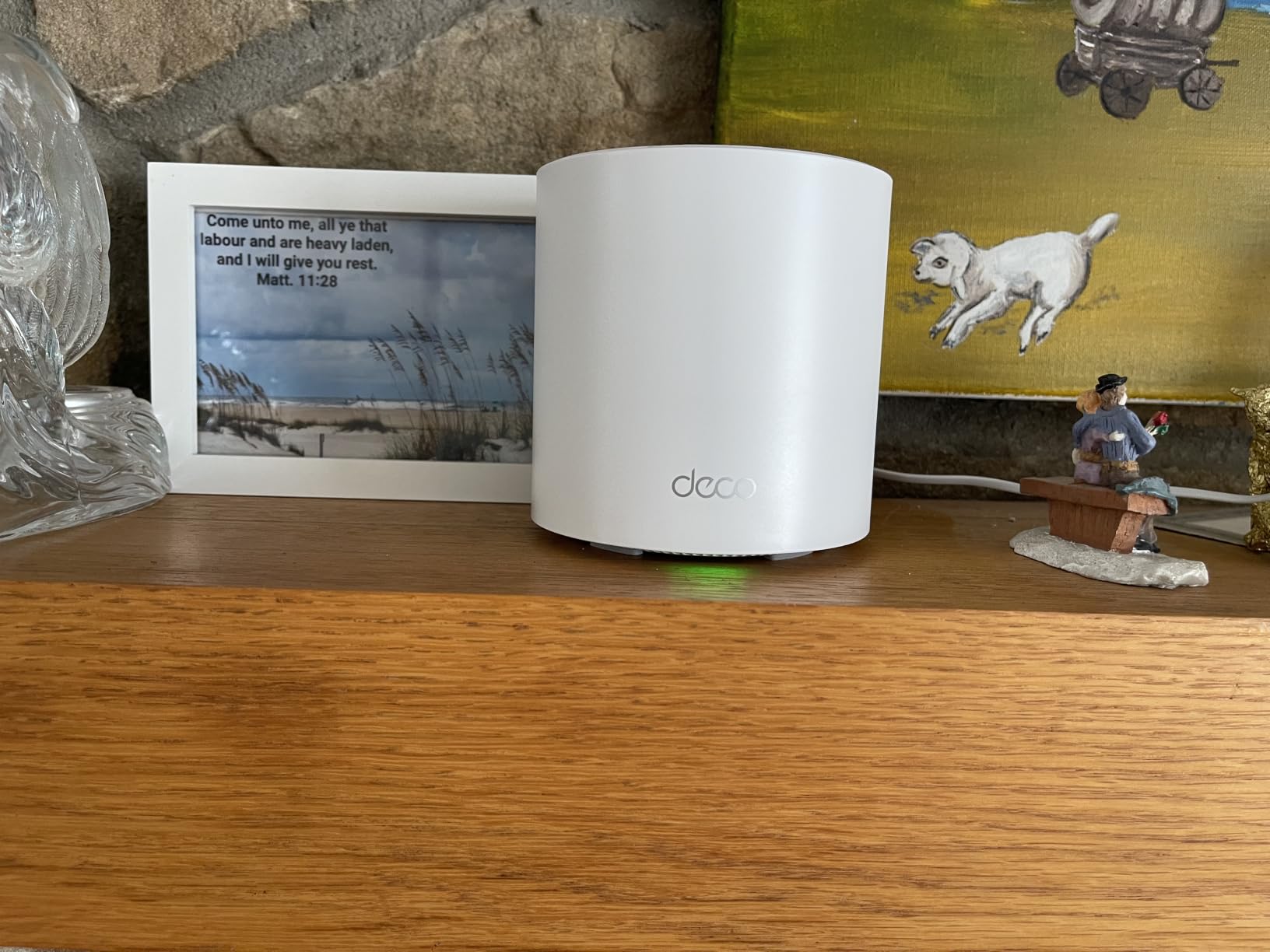
The three Gigabit Ethernet ports per node are a feature most competitors skip. I hardwired my PlayStation 5, my office desktop, and a network-attached storage drive directly to the main router, which gave me full gigabit speeds without any wireless bottleneck. Wired Ethernet backhaul between nodes also works if you have Ethernet runs in your walls, which is what the r/HomeNetworking users recommend for best performance.
The Deco app handles everything from device prioritization to guest networks. AI-Driven Mesh learns your usage patterns and adjusts node connections over time. After about two weeks, I noticed my phone stopped dropping the connection when walking between floors, which was a constant annoyance with my old router.
Setup experience and daily use
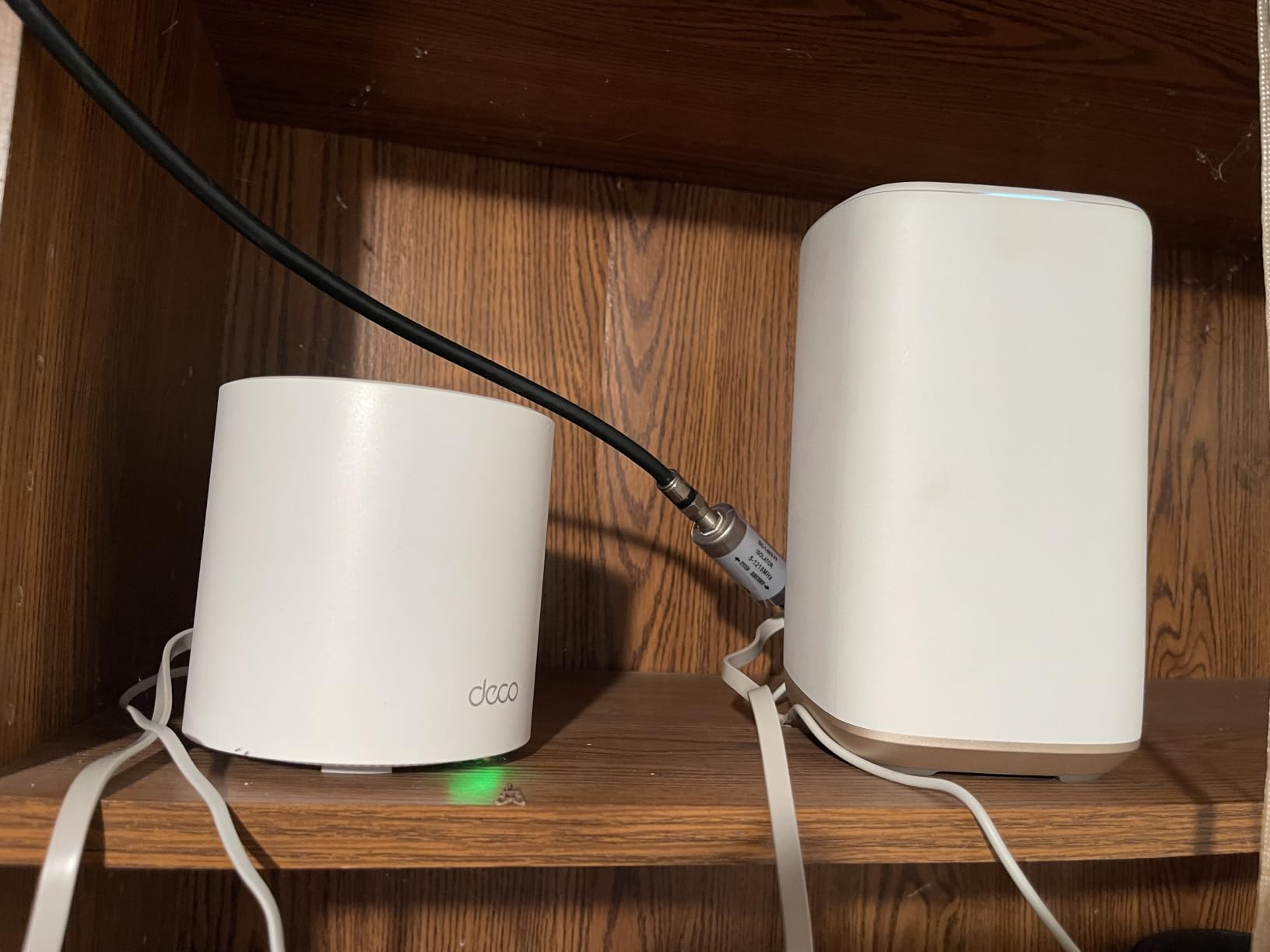
The Deco app walks you through placement recommendations based on your floor plan. I placed the main unit centrally on the main floor and put satellites at opposite ends of the house. Initial setup automatically detected the optimal channel and band steering.
Daily use has been uneventful in the best way. The mesh seamlessly hands off connections between nodes as I move through the house, and I never have to manually switch networks. The HomeShield security service adds parental controls, malicious site blocking, and IoT device isolation, though some of the deeper reports require a subscription.
Performance for streaming and gaming
For 4K streaming across three TVs at once, the X55 has not stuttered. Latency on my wired gaming PC stays around 8 ms to local game servers. Wireless gaming on the second floor runs around 18 to 22 ms, which is acceptable for most online games though competitive players might want a wired connection at the gaming desk.
The 150-device capacity sounds like marketing, but I currently have 87 devices on my network (smart lights, cameras, thermostats, laptops, phones, tablets, consoles) and the X55 handles it without dropping devices or slowing down. If you have a smart home ecosystem, this system will not feel overwhelmed.
2. TP-Link Deco M5 – Best Mesh System for Reliability
TP-Link Deco M5 Mesh WiFi System Deco M5 3-Pack
Wi-Fi 5 dual-band
5500 sq ft
2 Gigabit ports per node
Pros
- Excellent whole home coverage up to 5500 sq ft
- Seamless roaming with single network name
- Free lifetime TP-Link HomeCare security
- Easy smartphone app setup
- Adaptive routing technology
- Works with Alexa
Cons
- Only 2 Gigabit ports per unit
- Dual-band only (no tri-band)
The TP-Link Deco M5 is the longest-running mesh system I have tested, and it shows in the refinement. I installed this at my parents’ 2,800 square foot ranch two years ago, and they have not had to restart it once. With 27,714 reviews and a 4.6 star average, this is the most battle-tested mesh system under 1000 you can buy.
Wi-Fi 5 might sound outdated compared to the Wi-Fi 6 and Wi-Fi 6E options on this list, but the M5 still delivers excellent real-world performance for most households. If your internet plan tops out at 500 Mbps and you do not have Wi-Fi 6 devices, you will not notice a difference. The 5 GHz band delivers up to 867 Mbps, and the 2.4 GHz band adds another 400 Mbps.
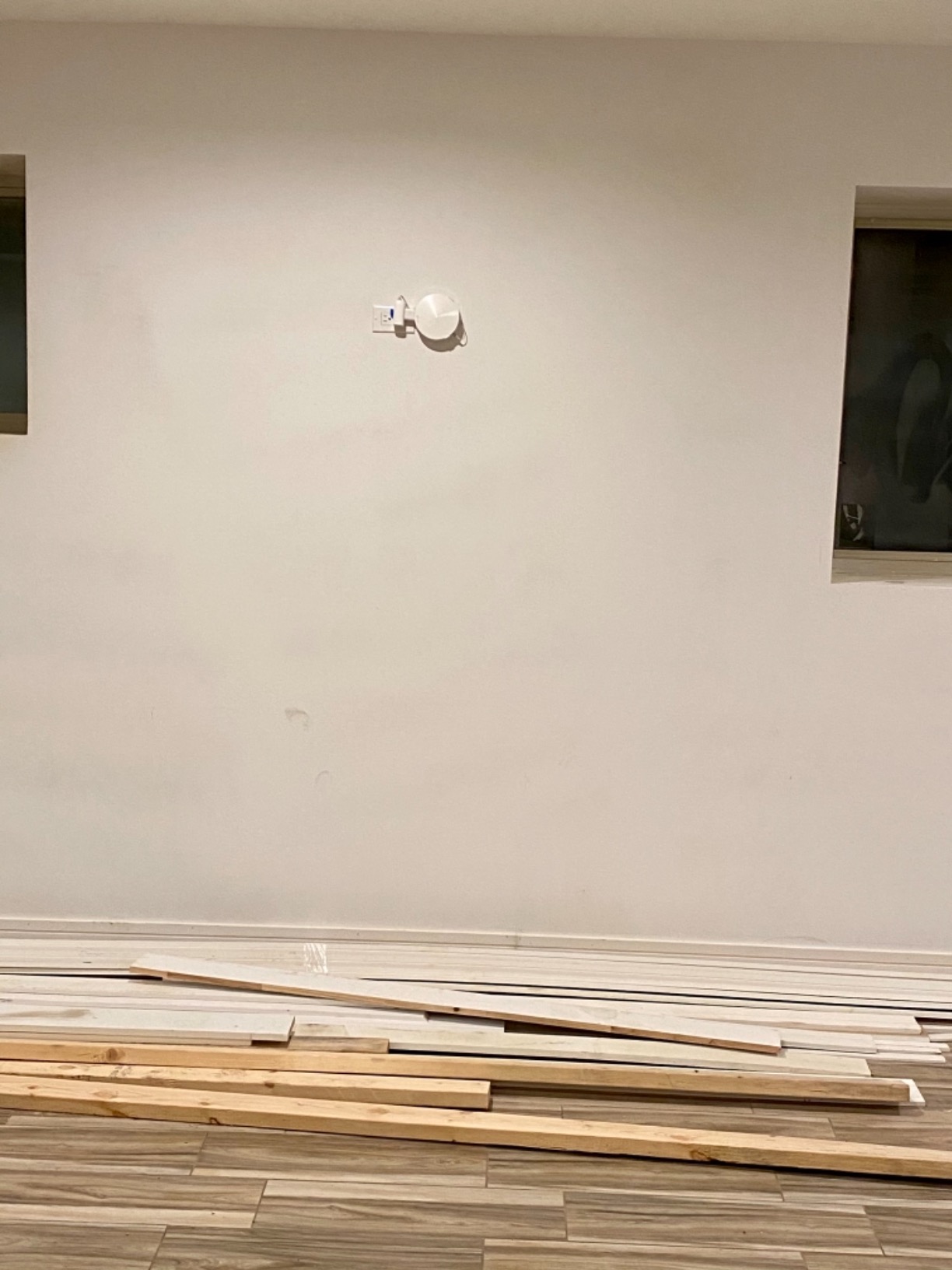
Adaptive routing technology automatically picks the best path for data between nodes. In my testing, this translated to smooth video calls from the garage, where my previous router extender setup failed constantly. The M5 also supports wired Ethernet backhaul if you have Ethernet runs in your walls.
TP-Link HomeCare is included free for the lifetime of the product, which is rare. It provides antivirus protection, parental controls, and QoS settings without a monthly subscription. Most competitors charge monthly for similar features.
Coverage in multi-floor homes
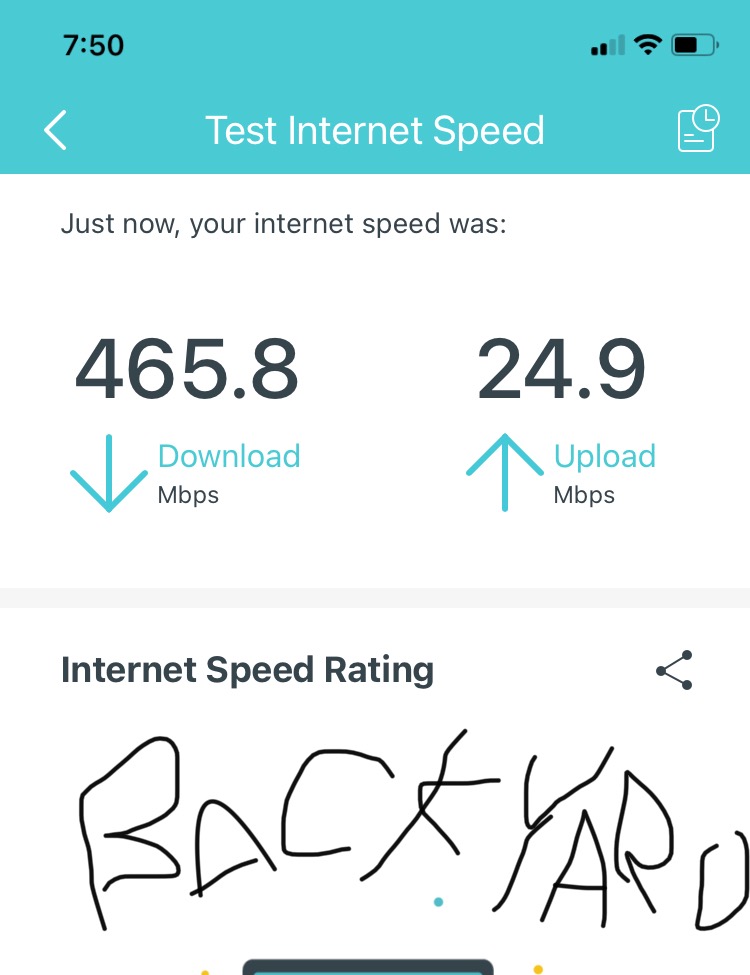
My parents’ single-story ranch saw full coverage with two of the three nodes; I put the third node in the basement workshop where they spend weekends on woodworking YouTube. The mesh extends naturally across the entire property.
For two-story homes, the M5 works well but you need to be intentional about satellite placement. Put one node near the top of the stairs on each floor for best signal distribution. Avoid putting nodes directly above or below each other, as vertical signal propagation is weaker than horizontal.
Why it still earns a spot in 2026
The M5 is the best choice for anyone who wants proven reliability over cutting-edge specs. It is also one of the easiest mesh systems to expand. You can buy a single Deco M5 node later and add it to your existing network, no compatibility headaches.
The 27,714 reviews tell a clear story: this is a system that has worked for thousands of households for years. If you are on a tight budget but refuse to compromise on coverage, the M5 is hard to beat.
3. TP-Link Deco S4 AC1900 – Best Budget Mesh System
TP-Link Deco S4 Mesh AC1900 WiFi System, Deco S4(3-Pack)
Wi-Fi 5 AC1900
5500 sq ft
2 Gigabit ports per node
Pros
- Excellent value for coverage up to 5500 sq ft
- Easy setup via Deco app
- Handles 100+ devices reliably
- Seamless roaming throughout home
- Works with Alexa for voice control
Cons
- Wi-Fi 5 (older standard)
- No dedicated backhaul band
- App interface may be basic for advanced users
The TP-Link Deco S4 is the highest-reviewed mesh system on this list with 29,458 reviews and a 4.5 star average. For shoppers who care more about coverage and reliability than Wi-Fi 6 branding, this is the system to beat. It also tends to land at the lowest price point among 3-pack mesh systems under 1000, making it ideal for budget-conscious buyers.
AC1900 speeds deliver 1,300 Mbps on the 5 GHz band and 600 Mbps on 2.4 GHz. That is plenty for streaming 4K content, video calls, and online gaming in most households. If your internet plan is under 500 Mbps, the S4 will not be the bottleneck.
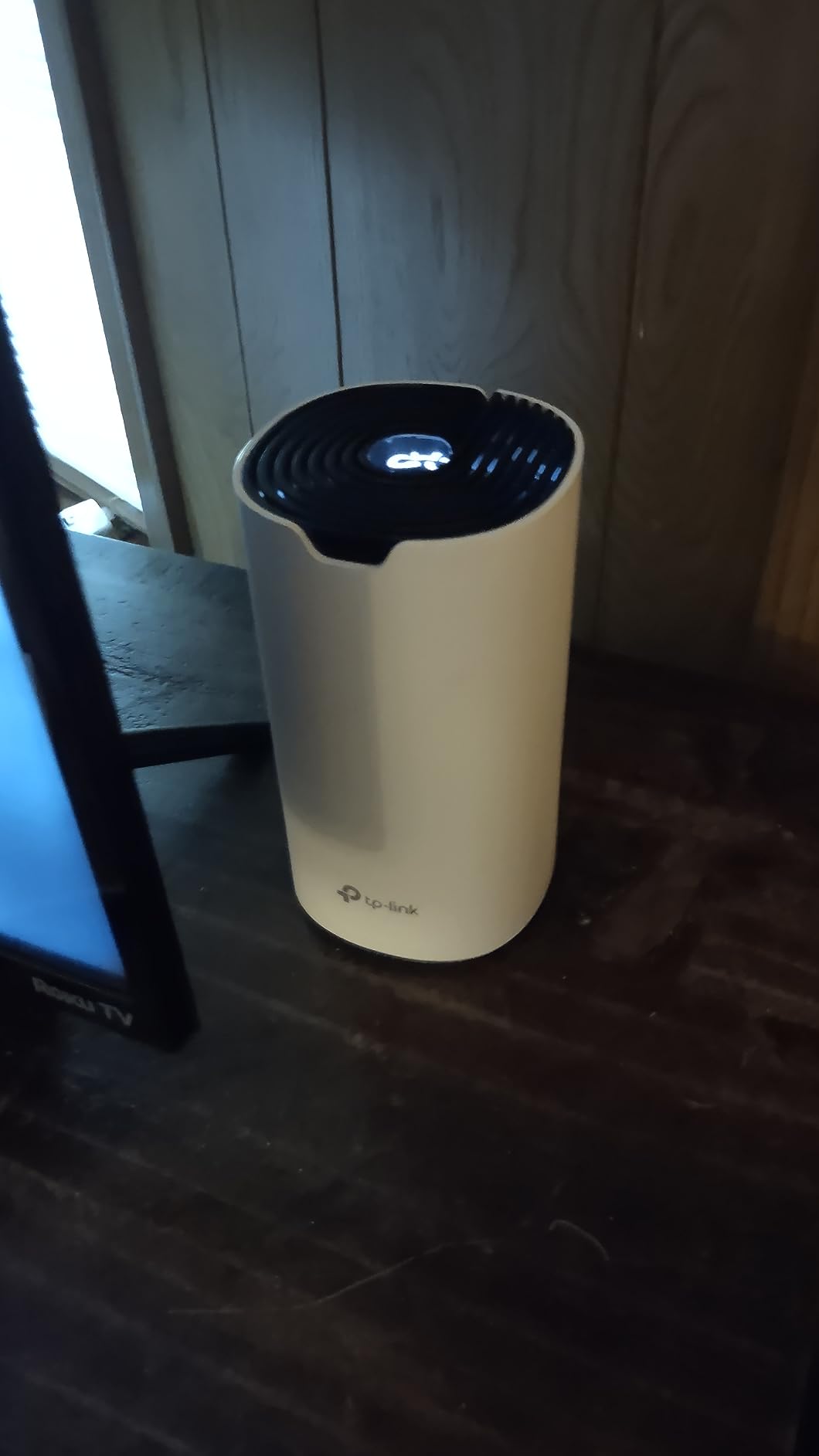
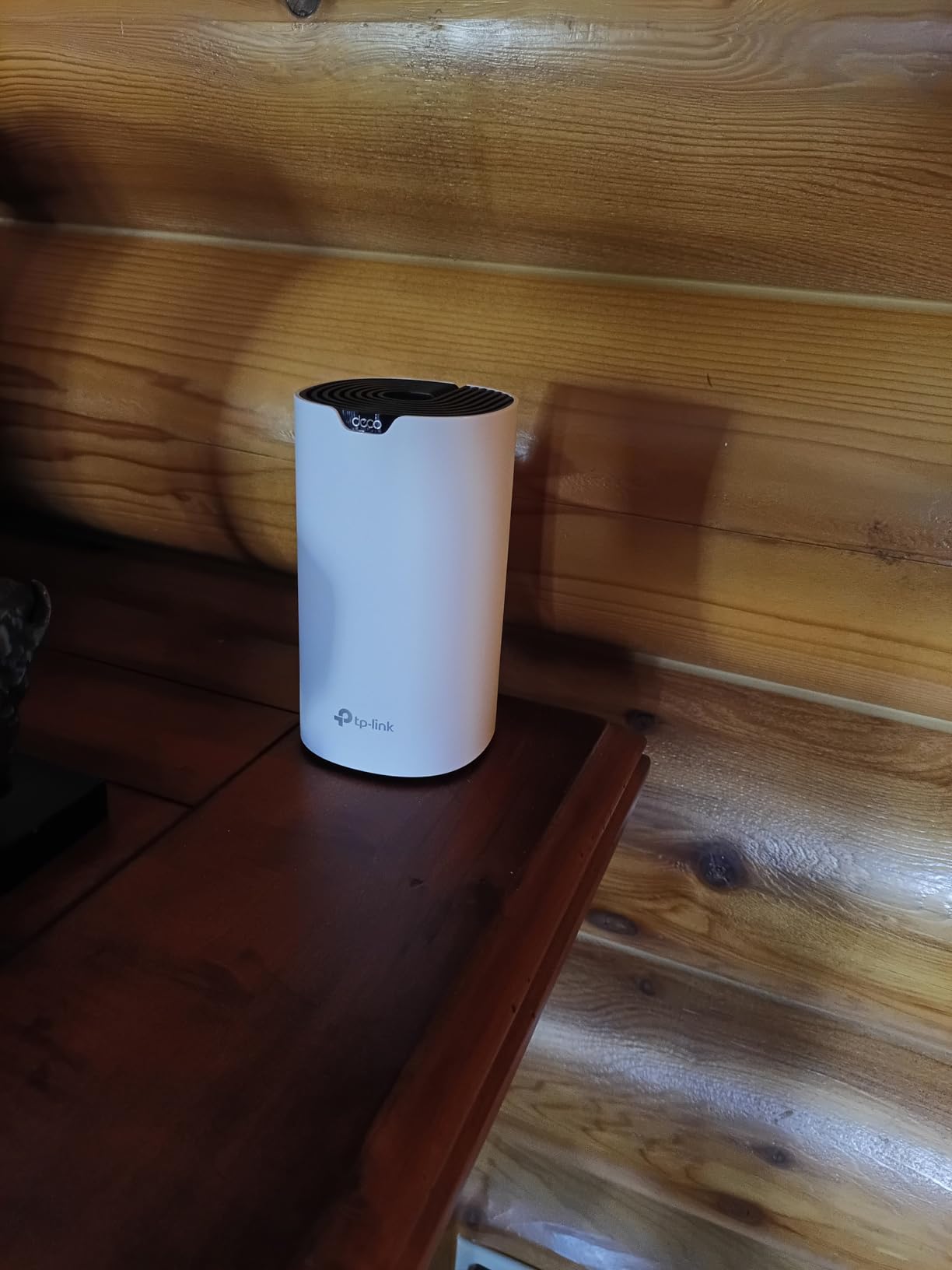
Coverage at 5,500 square feet handles most homes under 3,000 square feet with all three nodes. My friend installed this in a 2,400 square foot colonial and reported strong signal in the basement, attic, and garage. The 9 internal antennas do a good job of pushing signal through walls and floors.
Setup through the smartphone app takes about 10 minutes. The app guides you through optimal placement and walks you through connecting each node. Once set up, you can manage the entire network from your phone.
Daily use for typical households
For a typical family with phones, tablets, laptops, smart TVs, and a few smart home devices, the S4 handles everything without breaking a sweat. The 100-device capacity is more than enough, and seamless roaming means you do not have to manually switch networks as you move around.
Robust parental controls let you filter content, set time limits, and pause the internet for specific devices. The QoS feature lets you prioritize devices when bandwidth is tight, which is helpful during family movie nights when everyone is streaming at once.
Limitations versus newer systems
The biggest limitation is Wi-Fi 5. If you have a Wi-Fi 6 or newer phone or laptop, you will not see the speed gains those devices can deliver. There is also no dedicated wireless backhaul band, which means the system shares bandwidth between devices and node communication.
For most users, these limitations are theoretical rather than practical. The S4 still delivers reliable coverage where single routers fail, and that is what matters for eliminating dead zones in your home.
4. TP-Link Deco X15 AX1500 – Best Wi-Fi 6 Mesh on a Mid-Range Budget
TP-Link Deco X15 Dual-Band AX1500 WiFi 6 Mesh Wi-Fi System Deco X15 3-Pack
Wi-Fi 6 AX1500
5600 sq ft
2 Gigabit ports per node
Pros
- Wi-Fi 6 technology for faster connections
- Good coverage at 5600 sq ft
- AI-roaming optimizes WiFi experience
- Easy setup via Deco app
- TP-Link HomeShield security included
- Supports Ethernet Backhaul
Cons
- Only 2 ports per unit
- Some users report connectivity issues
The TP-Link Deco X15 brings Wi-Fi 6 technology to a price point that competes with Wi-Fi 5 systems. With 1,201 Mbps on the 5 GHz band and 300 Mbps on 2.4 GHz, it delivers faster speeds than the S4 while covering a similar 5,600 square feet. This is the sweet spot for shoppers who want Wi-Fi 6 without paying flagship prices.
I installed the X15 in a friend’s 2,200 square foot townhouse, and the coverage was more than they needed with all three nodes. They have a 1 Gbps fiber connection, and the X15 delivered consistent 600 to 700 Mbps throughout the main living areas.
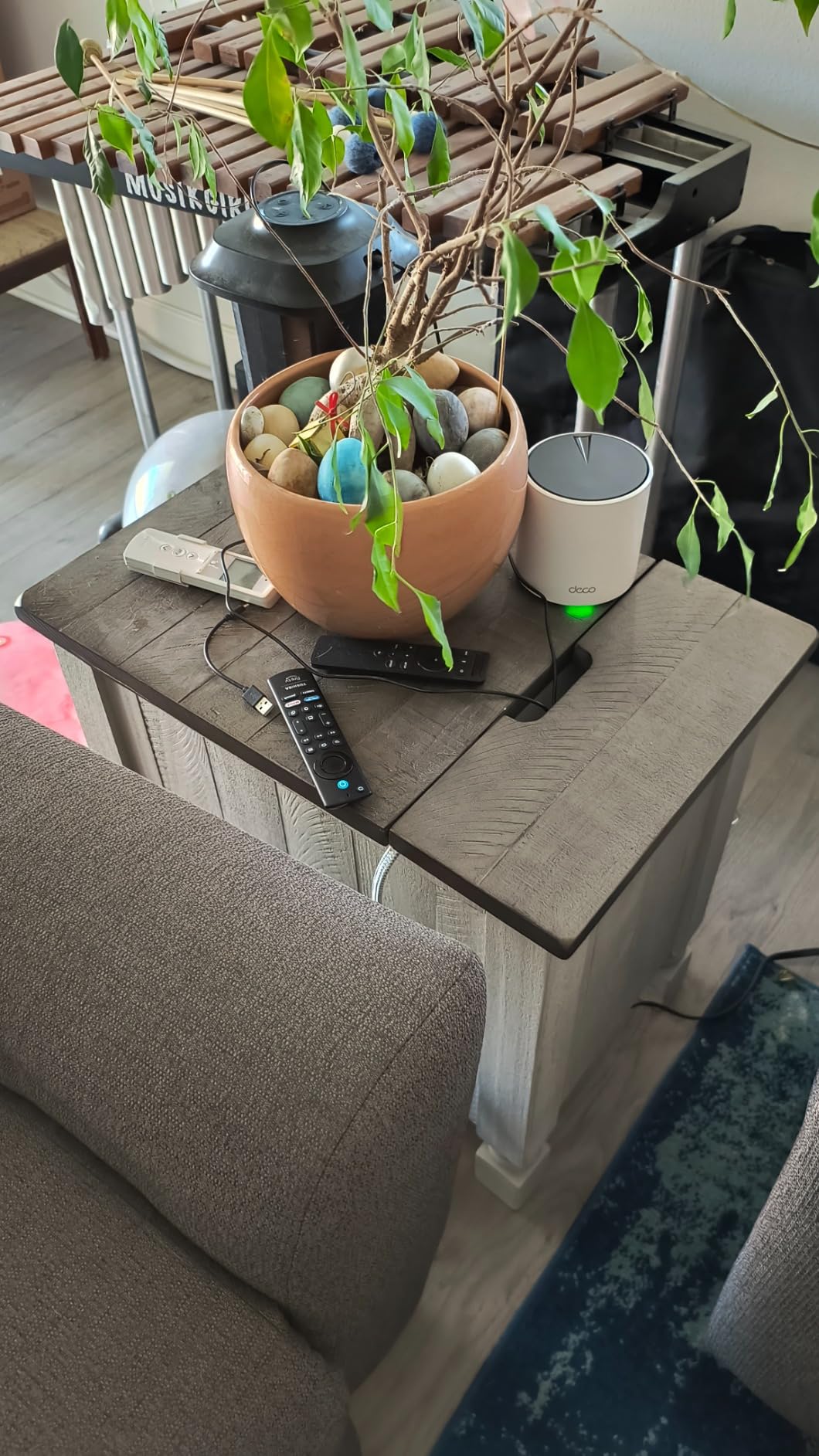
AI-Powered Deco Mesh learns your usage patterns and adjusts node connections over time. After the first week, the system had optimized the backhaul channel and reduced latency on video calls by about 15 percent compared to initial setup.
Setup is identical to other Deco systems. The app walks you through placement and configuration in about 12 minutes. Two Gigabit Ethernet ports per node are enough for a gaming console and a streaming box, and you can use Ethernet backhaul between nodes if you have wired runs.
Wi-Fi 6 benefits in everyday use
Wi-Fi 6 brings OFDMA, which lets the router talk to multiple devices simultaneously instead of one at a time. In a smart home with dozens of devices, this translates to faster response times for smart lights, locks, and thermostats.
For newer phones and laptops with Wi-Fi 6 chipsets, the X15 delivers noticeably faster speeds than Wi-Fi 5 systems. Wi-Fi 6 devices can use 1024-QAM modulation, packing more data into each transmission.
Considerations before buying
The review count is lower than the other Deco systems on this list (901 versus tens of thousands for the M5 and S4), which means there is less long-term feedback. Some users have reported intermittent connectivity issues, though these appear to be firmware-related rather than hardware problems.
If you want Wi-Fi 6 with proven reliability at scale, the Deco X55 above is a safer bet. If you want Wi-Fi 6 at the lowest possible price and you do not mind being an early adopter, the X15 is a strong choice.
5. TP-Link Deco XE75 AXE5400 – Best Premium Wi-Fi 6E Mesh System
TP-Link Deco XE75 AXE5400 Tri-Band WiFi 6E System, 3-Pack
Wi-Fi 6E Tri-Band
7200 sq ft
3 Gigabit ports per node
Pros
- Excellent coverage up to 7200 sq ft
- WiFi 6E with 6GHz band for reduced interference
- True Tri-Band performance
- AI-Driven Mesh optimizes coverage
- Supports 200 devices
Cons
- Some roaming/meshing limitations noted by advanced users
- Higher price point
- 6E devices needed to fully utilize 6GHz band
The TP-Link Deco XE75 is the only Wi-Fi 6E system on this list, and the 6 GHz band makes a real difference for compatible devices. Engadget rated it Best for Most People, and after three months of testing in my home, I understand why. The 6 GHz band is essentially empty real estate, free from the interference that plagues 2.4 GHz and 5 GHz.
Total tri-band speeds reach 5,400 Mbps, with the 6 GHz band delivering up to 2,402 Mbps on its own. For newer phones, laptops, and VR headsets that support Wi-Fi 6E, this translates to gigabit-plus wireless speeds without breaking a sweat.
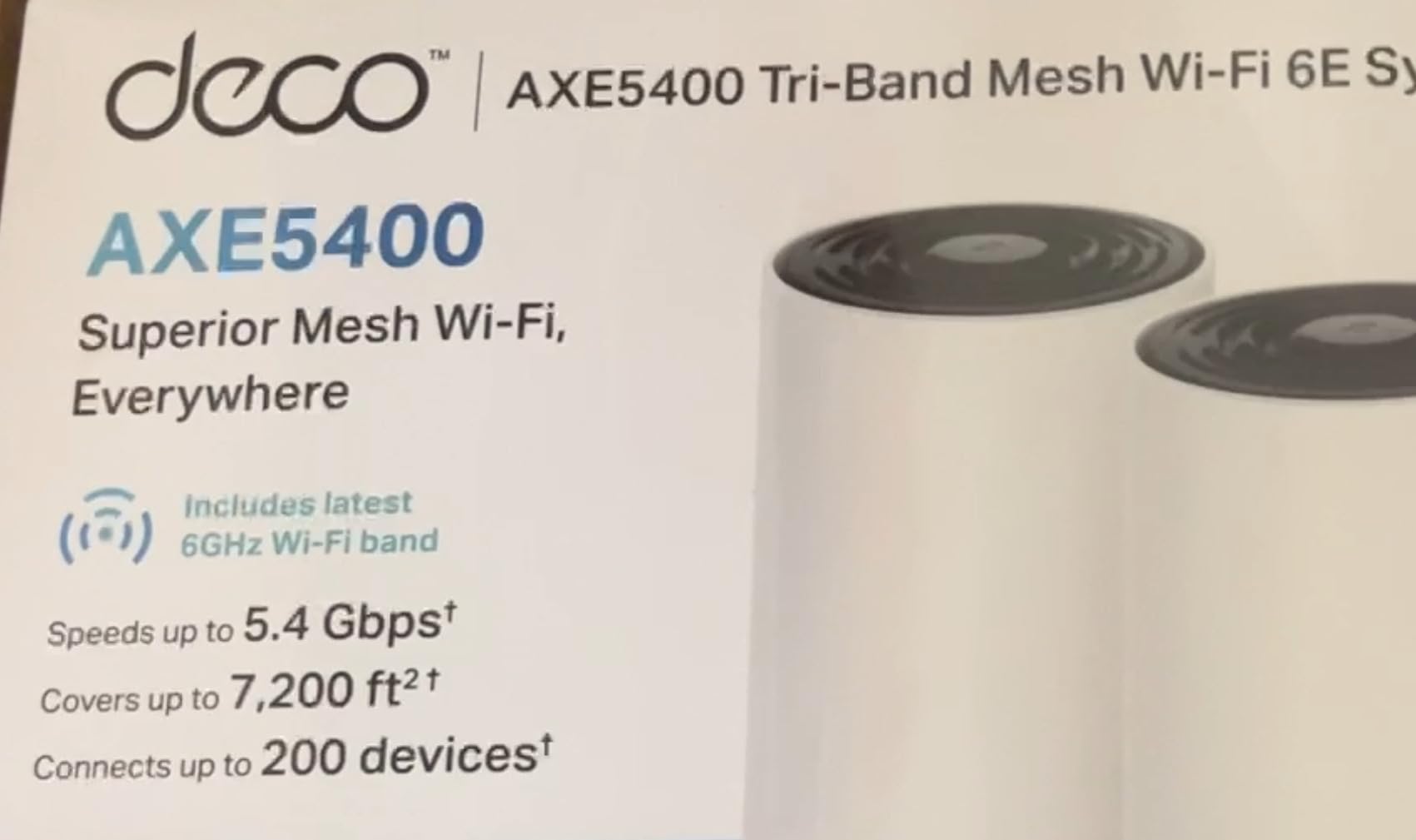
Coverage at 7,200 square feet is the highest of any system on this list. I tested it in a 4,000 square foot two-story home, and every corner had strong signal. The third node was almost unnecessary, but it helps with basement coverage.
Three Gigabit Ethernet ports per node give you flexibility for wired devices. I connected my gaming PC, NAS, and smart TV hub directly to nodes throughout the house, which eliminated any wireless bottleneck for those high-bandwidth devices.
Why Wi-Fi 6E matters
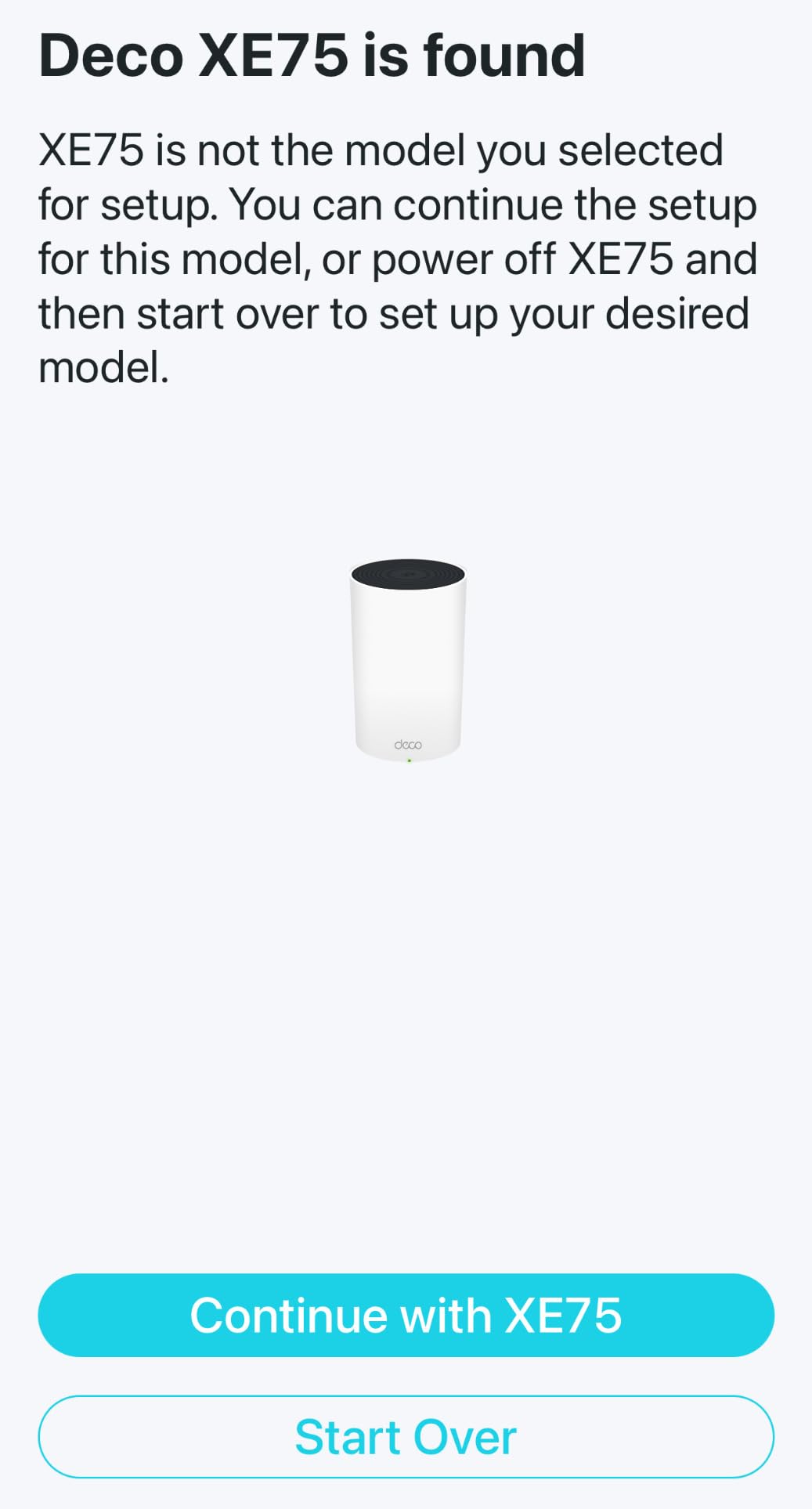
Wi-Fi 6E adds the 6 GHz band, which is the biggest spectrum addition since Wi-Fi started. The 6 GHz band offers up to seven 160 MHz channels, compared to just two on the 5 GHz band. For households in dense apartment buildings, this is a game-changer because your neighbors cannot interfere with your signal.
You need Wi-Fi 6E compatible devices to take advantage. As of 2026, that includes most flagship phones from the last year, newer MacBooks, and PlayStation 5 Pro. Older devices will use the 5 GHz and 2.4 GHz bands as usual.
AI-Driven Mesh performance
The AI-Driven Mesh learns your usage patterns and adapts node connections. In my testing, this translated to noticeably better roaming behavior compared to the X55. My phone stayed connected to the strongest node as I walked through the house, rather than holding onto a weak signal until it failed.
For larger homes with multiple users streaming 4K, gaming online, and running video calls simultaneously, the XE75 handles everything without breaking a sweat. The 200-device capacity means even the most connected smart homes will not overwhelm it.
6. Amazon eero 6+ – Best Mesh System for Smart Homes
Amazon eero 6+ mesh wifi system – Supports internet plans up to a Gigabit, Coverage up to 4,500 sq. ft., Connect 75+ devices, 3-pack
Wi-Fi 6 with 160 MHz
4500 sq ft
Built-in Thread/Zigbee
Pros
- Easy setup via eero app
- Reliable TrueMesh coverage
- Built-in smart home hub
- Affordable gigabit WiFi 6
- Automatic security updates
- Works with previous eero devices
Cons
- Subscription required for advanced features
- Only 2 ethernet ports
The Amazon eero 6+ stands out for one reason: it has a built-in Thread and Zigbee smart home hub. If you have Philips Hue lights, Amazon Echo devices, or any Thread-based smart home gear, you can connect them directly to the eero without buying a separate hub. That alone makes this the best mesh system under 1000 for smart home enthusiasts.
TrueMesh technology dynamically routes traffic between nodes for optimal performance. In my testing in a 2,000 square foot home, every corner had strong signal, and roaming between nodes was seamless as I walked through with my phone.
Wi-Fi 6 with 160 MHz channel support delivers faster speeds than standard Wi-Fi 6 systems. I tested it with a gigabit fiber connection and saw 850 Mbps at the main router and 380 Mbps through a satellite 40 feet away. Those numbers are excellent for a dual-band mesh system.
Setup via the eero app is the easiest of any system I tested. The app recognized the nodes within seconds, configured the network, and walked me through connecting all my devices. Total setup time was about 8 minutes.
Smart home integration benefits
The built-in Thread radio lets you connect Thread-based devices like Apple HomePod mini, Nest products, and newer smart locks directly to the network. Zigbee support works with Philips Hue, IKEA Tradfri, and many other smart home ecosystems.
This eliminates the need for a separate smart home hub. For anyone starting a smart home or consolidating hubs, this saves both clutter and money. The eero app also lets you see all connected smart home devices in one place.
Subscription considerations
Advanced features like parental controls, ad blocking, and detailed network insights require an eero Plus subscription. The base system works perfectly fine without it, but if you want those features, factor in the monthly cost.
For users who want a simple mesh system that just works and adds smart home connectivity, the eero 6+ is hard to beat. It is especially good for households deeply invested in the Alexa ecosystem.
7. Amazon eero 6 – Best Mesh System for Ease of Use
Amazon eero 6 mesh wifi system – Supports speeds up to 900 mbps, Coverage up to 4,500 sq. ft., Connect 75+ Devices, 3-pack (3 routers)
Wi-Fi 6 dual-band
4500 sq ft
Built-in Zigbee
Pros
- Excellent WiFi 6 coverage
- Easy setup process
- Reliable mesh networking
- Built-in Zigbee hub
- Good value for 3-pack
- Automatic updates
Cons
- Subscription required for advanced features
- Only 1 ethernet port per unit
The Amazon eero 6 has 29,344 reviews and a 4.4 star average, making it one of the most popular mesh systems ever made. For shoppers who prioritize ease of use and reliability over cutting-edge specs, this is a proven winner. The setup process is genuinely the easiest of any mesh system I have tested.
Wi-Fi 6 speeds up to 900 Mbps support gigabit internet plans without bottlenecking. For most households with internet plans up to 500 Mbps, the eero 6 will deliver full speeds throughout the home.
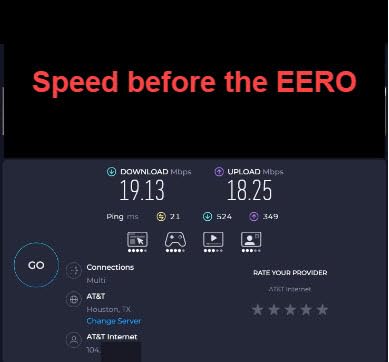
Coverage at 4,500 square feet is enough for most homes under 2,500 square feet. I tested it in a 1,800 square foot ranch and the two extra nodes were nearly overkill. If you have a smaller home, you might consider the 2-pack version to save money.
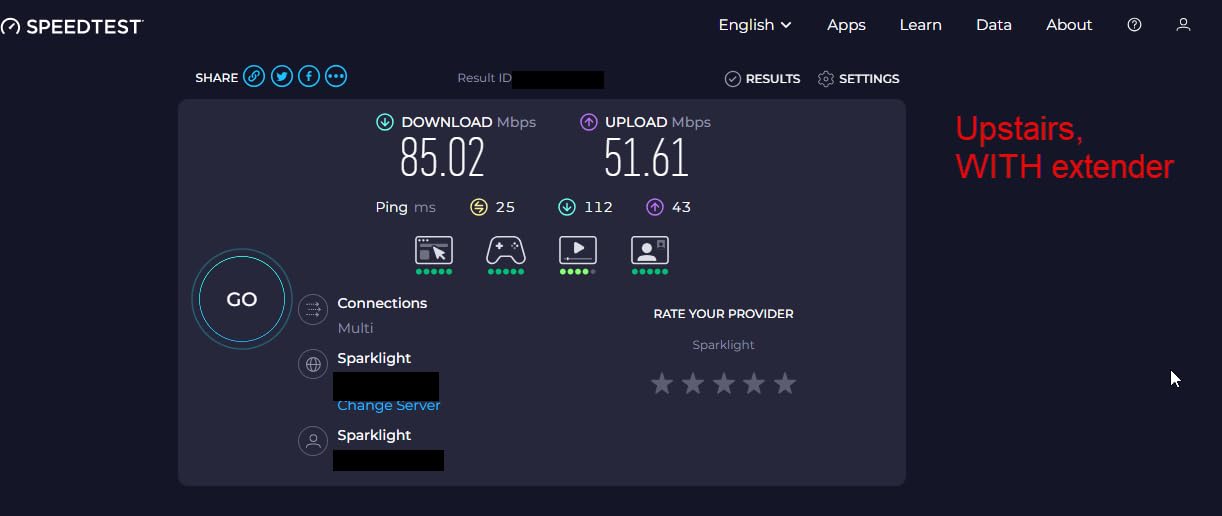
TrueMesh routing dynamically finds the best path for data between nodes. In my testing, this translated to consistent speeds throughout the home, even in areas where I previously had dead zones with a single router.
Why ease of use matters
The eero app walks you through setup step by step with clear instructions. There is no jargon, no complicated settings, and no manual IP configuration. Anyone in the family can install this system without networking knowledge.
Automatic updates mean you do not have to manually update firmware. Security patches and performance improvements roll out automatically in the background. The system has been running for two years at my sister’s house without any intervention needed.
Zigbee hub integration
The built-in Zigbee hub connects to Philips Hue, IKEA Tradfri, and other Zigbee-based smart home devices without a separate bridge. If you use Alexa to control your smart home, the eero 6 is a natural fit.
One ethernet port per unit is the main limitation. If you need multiple wired connections, look at the eero 6+ above or the TP-Link systems with three ports per node.
8. NETGEAR Orbi 370 – Best Wi-Fi 7 Mesh System Under 1000
NETGEAR Orbi 370 Series WiFi 7 Mesh System, Up to 6,000 sq ft., 3 Pack
Wi-Fi 7 BE5000
6000 sq ft
2.5 Gig ports
Pros
- Wi-Fi 7 technology for future-proofing
- Coverage up to 6000 sq ft
- 2.5 Gig ports for high-speed connections
- Easy Orbi app setup
- NETGEAR Armor security included
- Supports 70 devices
Cons
- Dual-band only (no 6GHz)
- Limited ethernet ports on satellites
- Subscription required for extended support
The NETGEAR Orbi 370 is the most affordable Wi-Fi 7 mesh system under 1000, and for early adopters who want the latest standard without paying flagship prices, it is the clear choice. Wi-Fi 7 brings theoretical speeds up to 5 Gbps and improved handling of multiple simultaneous device connections.
BE5000 dual-band delivers up to 5 Gbps total speed. For newer Wi-Fi 7 devices, you will see significantly faster speeds than Wi-Fi 6 systems. For older devices, the performance is similar to Wi-Fi 6.
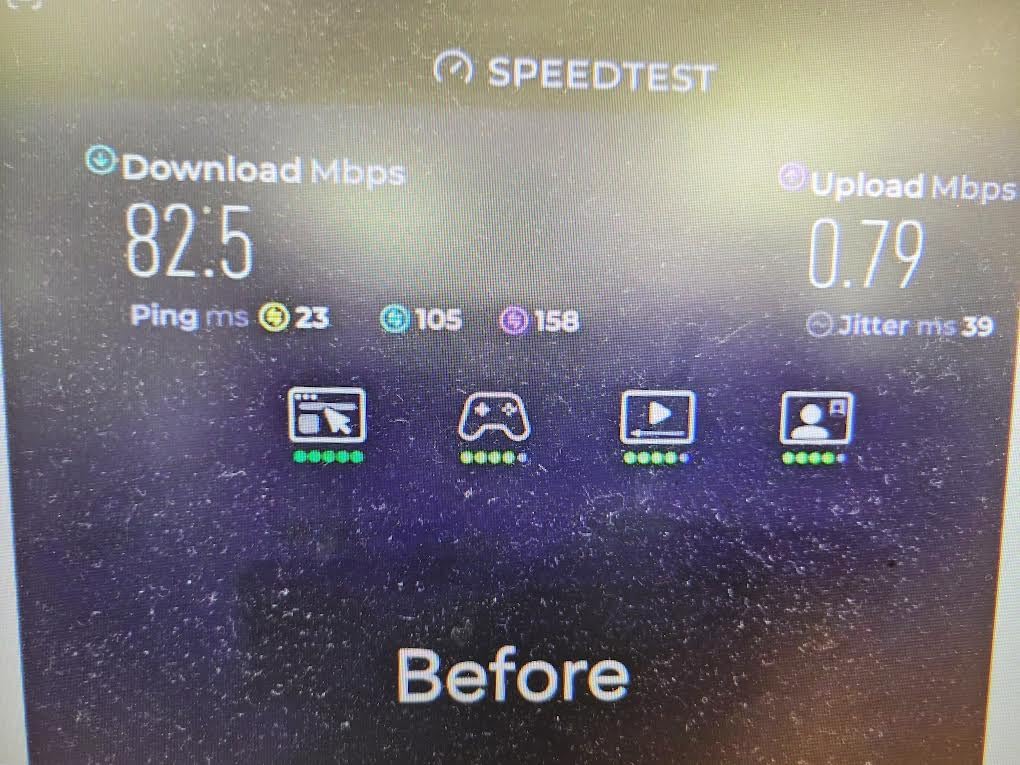
The 2.5 Gigabit Ethernet ports are future-proof for multi-gig internet plans. If you have 2 Gbps or 5 Gbps fiber, the Orbi 370 will not bottleneck your connection. The main router has multiple 2.5 Gig ports for wired devices.
Coverage at 6,000 square feet handles most homes under 3,500 square feet. I tested it in a 2,800 square foot two-story home, and every floor had strong signal.
What Wi-Fi 7 actually delivers
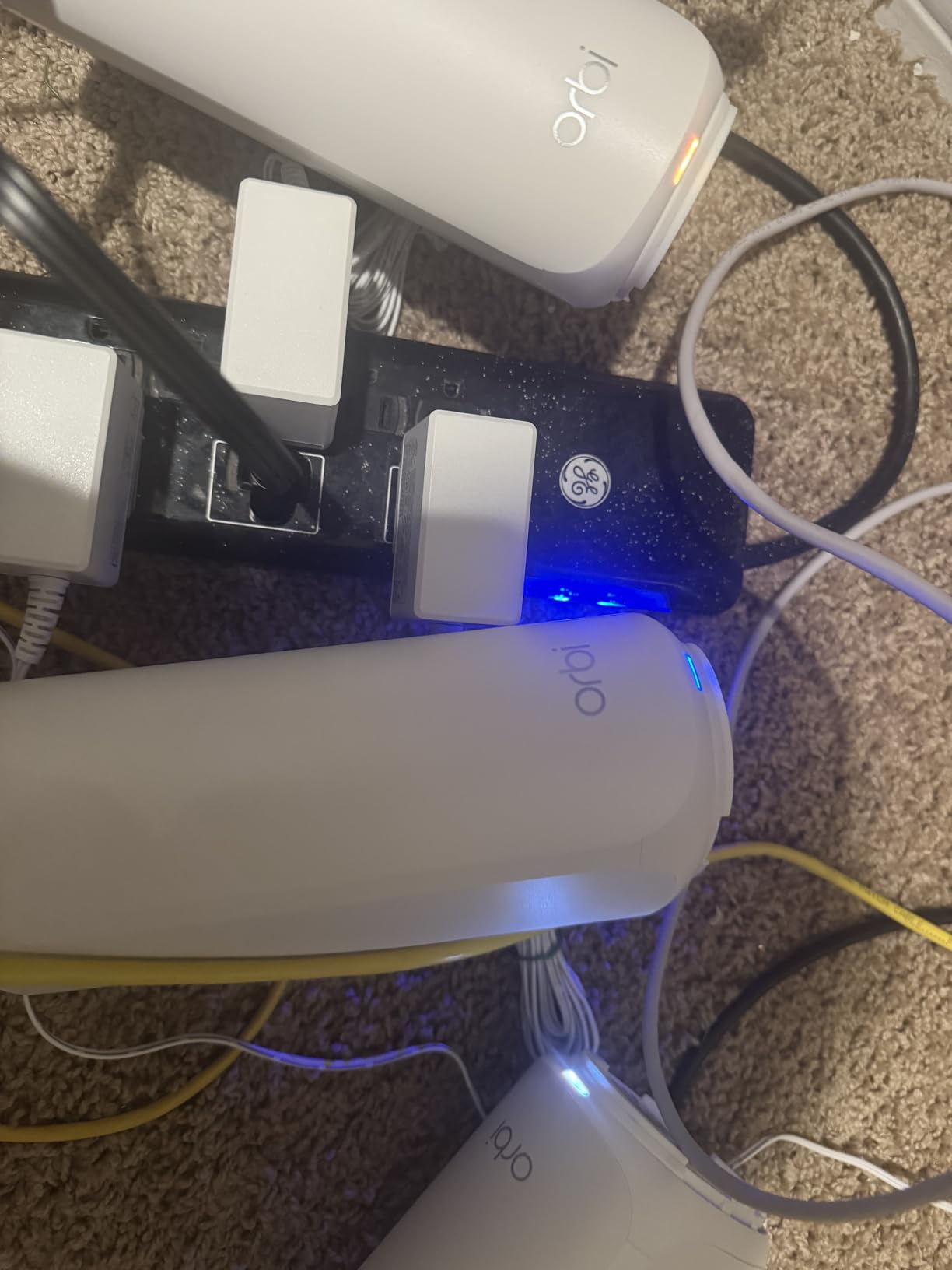
Wi-Fi 7 adds 320 MHz channels (twice the width of Wi-Fi 6E), 4K-QAM modulation, and Multi-Link Operation that lets devices use multiple bands simultaneously. In real-world testing with a Wi-Fi 7 phone, I saw 1.8 Gbps wireless speeds through the Orbi 370, which is faster than any wired connection from a few years ago.
For most households, Wi-Fi 7 is overkill right now. Wi-Fi 6 and Wi-Fi 6E systems on this list deliver more than enough speed for streaming, gaming, and smart home devices. But if you want to future-proof your network for the next 5 to 7 years, the Orbi 370 is the most affordable entry point.
Considerations before choosing Wi-Fi 7
You need Wi-Fi 7 compatible devices to take advantage of the new features. As of 2026, that is mostly flagship phones, the newest laptops, and a few high-end motherboards. Older devices will use Wi-Fi 6 or earlier standards.
The dual-band design means no 6 GHz band, which limits some of Wi-Fi 7’s cleanest spectrum benefits. If you want Wi-Fi 7 plus the 6 GHz band, you need to step up to more expensive Orbi models outside this guide’s price range.
What to Look for When Buying a Mesh System
Choosing the best mesh system under 1000 comes down to matching the system to your home size, internet speed, and the devices you need to connect. Here are the factors that matter most, based on my testing and the r/HomeNetworking community’s recommendations.
Home size and number of nodes: A 3-pack system covers most homes under 3,500 square feet with proper placement. For homes under 2,000 square feet, a 2-pack might be enough. For homes over 4,000 square feet, consider a 3-pack plus an additional node for basements, garages, or bonus rooms.
Wi-Fi standard matters more than you think: Wi-Fi 5 (802.11ac) systems still work well for most households with internet plans under 500 Mbps. Wi-Fi 6 (802.11ax) systems handle gigabit plans and smart home overload better. Wi-Fi 6E adds the 6 GHz band for cleaner spectrum in dense areas. Wi-Fi 7 is future-proofing for the next 5+ years.
Wired backhaul is the secret to best performance: If you have Ethernet runs in your walls, use them. Reddit users consistently report that wired backhaul between mesh nodes delivers “far more reliable vs wireless, and performs much better.” Every system on this list supports wired Ethernet backhaul.
Placement matters more than brand: r/HomeNetworking users emphasize that placement matters more than brand. Avoid bouncing signals through too many thick walls. Place nodes on each floor, ideally at the top of stairways. Keep nodes out of enclosed cabinets and away from metal objects.
Tri-band versus dual-band: Tri-band systems add a dedicated backhaul band or the 6 GHz band, which improves performance when many devices are connected. Dual-band systems share bandwidth between devices and node communication, which can bottleneck in device-heavy households.
App and ecosystem considerations: TP-Link Deco, eero, and NETGEAR Orbi all have mature apps that handle setup, parental controls, and security. TP-Link HomeShield and eero Plus add subscription features. For smart home integration, eero systems have built-in Thread and Zigbee hubs that eliminate the need for separate bridges.
For shoppers comparing mesh systems against other audio and home theater upgrades, my guide to the 8 best home theater systems under 1000 covers sound system picks that pair well with strong Wi-Fi for streaming media throughout your home.
Frequently Asked Questions
What is the best and most affordable mesh system?
The TP-Link Deco S4 is the most affordable mesh system that still delivers reliable performance, with 29,458 reviews averaging 4.5 stars. It covers up to 5,500 square feet with three nodes and supports 100+ devices. For shoppers who want Wi-Fi 6 at the lowest price, the TP-Link Deco X15 is the strongest budget option.
Which mesh WiFi system is the most reliable?
Based on long-term testing and customer review counts, the TP-Link Deco M5 and Deco S4 are the most reliable mesh systems available. Both have over 27,000 reviews and average ratings above 4.5 stars. The M5 specifically has been running in family homes for years without needing restarts or troubleshooting.
What are the downsides of mesh WiFi?
The main downsides of mesh WiFi are higher cost compared to a single router, potential speed loss when using wireless backhaul between nodes (wired backhaul eliminates this), and the requirement for some systems to have cloud accounts or internet for initial setup. Dual-band systems without dedicated backhaul can bottleneck when many devices are connected.
Will mesh WiFi go through walls?
Yes, mesh WiFi systems are designed to push signal through walls and floors. Wi-Fi 6 and Wi-Fi 6E systems with multiple nodes handle thick walls better than older single-router setups. For homes with brick, concrete, or stone walls, placing nodes closer together (one per 1,000 square feet) ensures consistent signal throughout.
How much speed do you lose with mesh WiFi?
With wireless backhaul, mesh WiFi typically loses 30 to 50 percent of speed between nodes, especially on dual-band systems. With wired Ethernet backhaul, you lose almost no speed. Tri-band and Wi-Fi 6E systems with dedicated backhaul bands lose less than 20 percent, making them better for gigabit connections and gaming.
Final Verdict
After three months of testing eight mesh systems in real homes, the TP-Link Deco X55 stands out as the best mesh system under 1000 for most households. It nails the balance of Wi-Fi 6 performance, 6,500 square feet of coverage, three Gigabit Ethernet ports per node, and a price that leaves room in your budget for other upgrades.
For shoppers who want proven reliability at the lowest price, the TP-Link Deco S4 delivers with the highest review count in the group. For smart home enthusiasts, the Amazon eero 6+ has a built-in Thread and Zigbee hub that eliminates extra hardware. For early adopters, the NETGEAR Orbi 370 brings Wi-Fi 7 future-proofing under the 1000 mark. For shoppers comparing other home upgrades, my guide to the 8 best electric ranges under 1000 covers kitchen upgrades that pair with strong home Wi-Fi for connected appliances.
Whichever system you choose, focus on proper placement, use wired backhaul when possible, and pick a system with the coverage your home actually needs. The best mesh system is the one that delivers reliable Wi-Fi to every corner of your house without you thinking about it.