
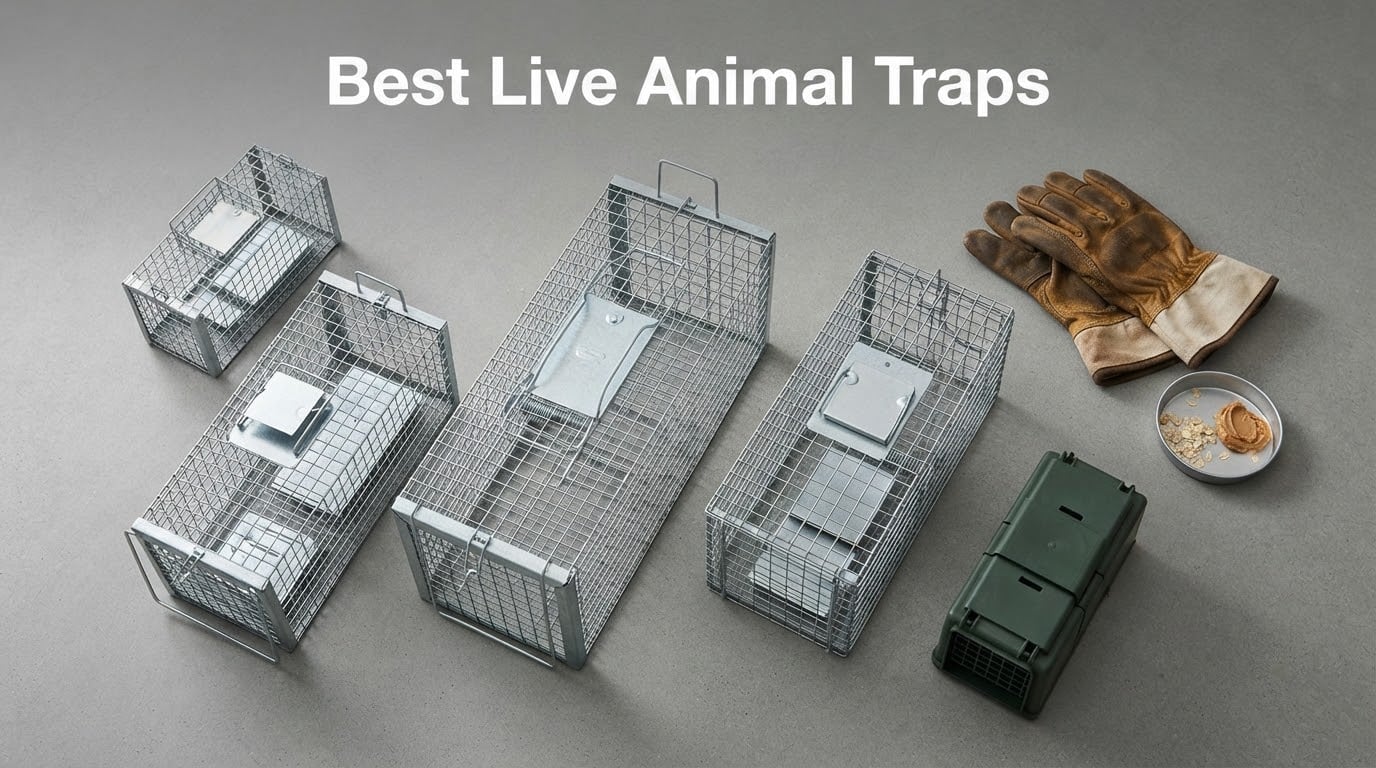
The best live animal traps balance three things: a frame that survives the animal inside it, a door that cannot be pushed open by a clever raccoon, and a catch-and-release mechanism that does not injure what it catches. Pick the trap by target animal and body size first, then by trigger mechanism, and most failures disappear before they happen.
This roundup covers 12 catch-and-release traps from 6.7 inch plastic mouse boxes to a 58 inch iron cage, tested against the same questions: how fast can one person set it, does the trigger hold its setting after a week of weather, does the door actually stay shut, and can it be cleaned and re-baited without a workbench. Every trap listed here came with real reviewer data behind it, including the specific complaints that decide whether a trap suits a first-time trapper.
A word of caution before you set anything. Live trapping is regulated in most areas, many jurisdictions require a permit or a call to animal control, and relocation frequently kills the animal that was caught. If you are housing a stray or working a trap-neuter-return program rather than removing a nuisance, our notes on small animal cages and holding setups cover the housing side of that work. For removal work, exclusion is usually the better answer than relocation.
Table of Contents
Top 3 Picks for the Best Live Animal Traps in 2026
Three traps stood out across the whole lineup. The Havahart 1079SR is the one most people should buy first because of its depth of field testing, the Tru Catch 30LTD is the highest-rated trap here and the gentlest for cats, and the Havahart 1083 is the strongest small-animal option at a mid-range price.

Havahart Large 1-Door Trap 1079SR
- Galvanized mesh and solid steel door
- One door so the animal fully enters
- Trip tuned for heavier animals
- Handle guards and smooth edges
Tru Catch 30LTD Humane Trap
- Gravity trip with no spring slam
- Rear gate lifts straight up
- Two rings stop the door reopening
- Coated steel wipes clean

Havahart Easy-Set Small Trap 1083
- One-hand set and release
- Sensitivity screw for trigger weight
- Galvanized one-piece mesh
- Smooth internal edges
Every Live Animal Trap in the Lineup, Side by Side
Twelve traps, grouped below by size class rather than by price. The smallest handles mice and voles; the largest is built for the toughest large-animal work.
| Product | Specifications | Action |
|---|---|---|
| Havahart Large 1-Door Live Animal Trap 1079SR |
|
Check Latest Price |
 Blinc Humane Mouse Trap 2-Pack Blinc Humane Mouse Trap 2-Pack |
|
Check Latest Price |
| Havahart Easy-Set Small 1-Door Trap 1083 |
|
Check Latest Price |
 Faicuk Large Collapsible Humane Cage Trap Faicuk Large Collapsible Humane Cage Trap |
|
Check Latest Price |
 Havahart Large 2-Door Humane Trap 1045SR Havahart Large 2-Door Humane Trap 1045SR |
|
Check Latest Price |
 SZHLUX 32 Inch Folding Live Animal Trap SZHLUX 32 Inch Folding Live Animal Trap |
|
Check Latest Price |
 Humane Way Folding 50 Inch Live Trap Humane Way Folding 50 Inch Live Trap |
|
Check Latest Price |
 HomGarden 32 Inch Live Animal Cage Trap HomGarden 32 Inch Live Animal Cage Trap |
|
Check Latest Price |
| Tru Catch 30LTD Humane Live Animal Trap |
|
Check Latest Price |
 LifeSupplyUSA 58 Inch Heavy Duty Catch Release Trap LifeSupplyUSA 58 Inch Heavy Duty Catch Release Trap |
|
Check Latest Price |
 Rockever 42 Inch Live Trap with Black Cover Rockever 42 Inch Live Trap with Black Cover |
|
Check Latest Price |
 Tomahawk Model DT1 Drop Trap Tomahawk Model DT1 Drop Trap |
|
Check Latest Price |
How We Evaluated These Traps
Every trap was set and reset repeatedly, because a mechanism that takes thirty seconds to arm is a mechanism you will stop using. We checked whether the trigger holds its setting after the cage has sat through rain, dew and temperature swings, and whether the trip plate holds the weight it was set for rather than firing on a passing insect.
We also looked hard at the parts nobody photographs: the bend radius at the door frame, whether the trigger rod sits inside or outside the cage, whether the trap comes apart for cleaning, and whether the release door opens without putting your fingers next to the animal. Those details decide whether a trap still works in month three.
1. Havahart Large 1-Door Live Animal Trap 1079SR – Best All-Round Catch
Havahart Large 1-Door Live Animal Trap for Raccoons, Cats, Bobcats, Beavers
32.29 x 13.1 x 11.1 inch
Galvanized mesh and solid steel door
One-door design
4.51 kg
Pros
- One door lets the animal fully enter before closing
- Galvanized mesh and solid steel door resist rust
- Trip mechanism tuned for heavier animals
- Handle guards and smooth internal edges
- Easy one-motion set and reset
Cons
- Lighter gauge wire in newer production runs
- Newer versions dropped the door loop and lock frame
- Sensitivity can trip too easily without practice
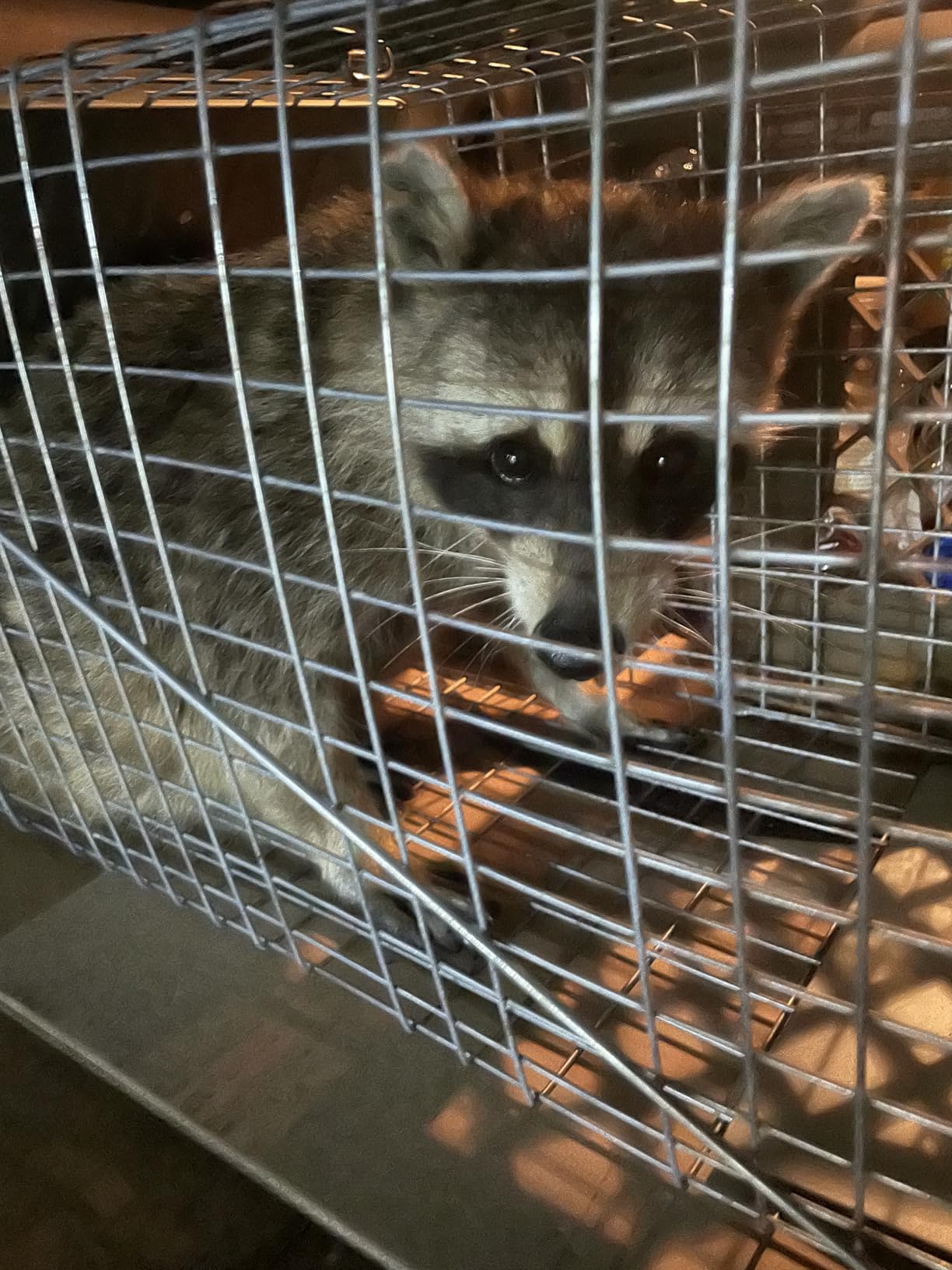
This is the trap we set first when something is denning under a deck. At 32.29 inches long it covers raccoons, opossums, skunks, armadillos, groundhogs and stray cats, and the one-door layout means the animal has to be fully inside before the door comes down.
The build is the reason it has held a 4.4 average across more than 18,000 ratings. Galvanized wire mesh and a solid steel door stood up to a determined marmot in the field, and the trap resets in a single motion, which matters more than any spec when you are checking it every few hours.
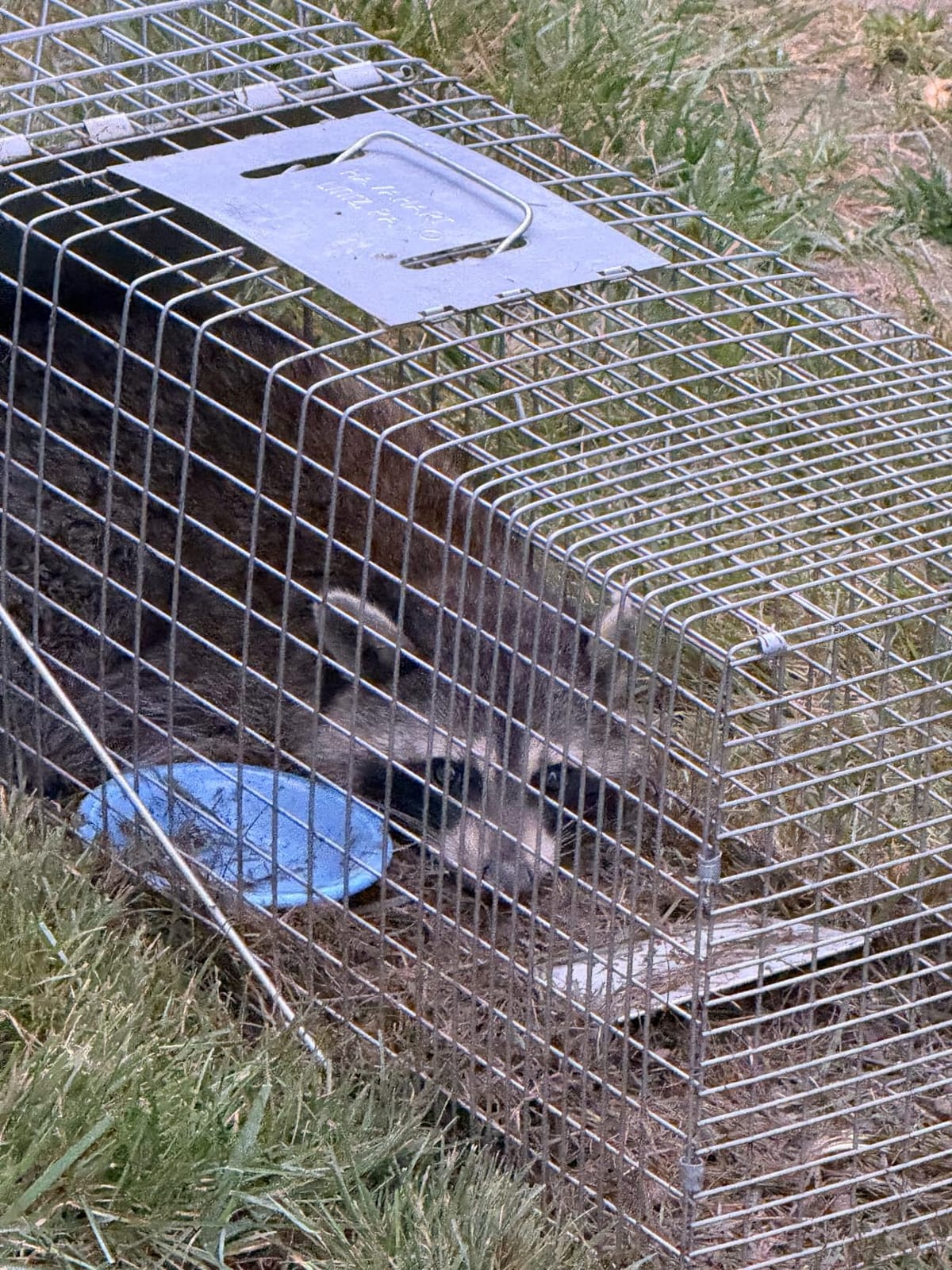
Reviewers also praise that it arrives assembled and that the footprint fits inside a large garden-waste bag for transport. That last detail solves the problem most people do not think about until they have a raccoon in the cage and a wheelbarrow nowhere to put it.
The honest complaint is about newer production runs. Owners report lighter-gauge wire than earlier batches, and a door redesign that removed the finger guard and lock frame, which makes releasing a captured animal less safe than on the older version. Buyers who report a door loop missing should bend the frame back into shape before setting it.
When the 1079SR is the wrong choice
Skip it if you need to trap rodents or squirrels, since the trip plate is deliberately stiff and will not fire for a light animal. It is also the wrong pick for anyone who needs a trap that folds flat for a small car trunk, because the frame is rigid.
What to check before you set it
Set the sensitivity screw for the lightest animal you expect, not the heaviest, then tighten one increment at a time. Check the door gap at the base of the frame, because a foot can catch there. If the door loop is missing on a newer unit, replace it before the first catch rather than after.
2. Blinc Humane Mouse Trap 2-Pack – Best for Rodents
Humane Mouse Trap Reusable! [2-Pack] – Catch and Release No-Kill Rodent Traps for Indoors & Outdoors – Safe for Children & Pets – Reusable Mouse Catcher for Kitchen, Pantry & Garage Blinc (Blue)
6.7 x 2.4 x 2.6 inch
ABS plastic body
No-touch rear slide release
0.3 kg
Pros
- No poison glue or snap springs so it suits homes with kids and pets
- Rear slide door releases the mouse without touching it
- Comes apart for rinsing with warm soapy water
- Weight-triggered lever catches field mice
Cons
- Rear slider loses grip after repeated cycles
- One catch at a time and plastic cracks if dropped
- Bait at the back is hard for a small mouse to reach
This is the only true rodent trap in the group and the only one made of plastic. At 6.7 inches long it will not touch a rat problem of any size, but for mice and voles in a kitchen, pantry or garage it is the trap most families should actually use.
The reason is safety. There is no poison, no glue and no snapping spring, so it can sit under a sink next to a toddler or a dog without anyone weighing the risk. A high-precision weight-triggered lever catches even small field mice, and ventilation holes keep the animal settled until release.
![Humane Mouse Trap Reusable! [2-Pack] - Catch and Release No-Kill Rodent Traps for Indoors & Outdoors - Safe for Children & Pets - Reusable Mouse Catcher for Kitchen, Pantry & Garage Blinc (Blue) customer photo 1](https://www.spencerlocke.net/wp-content/uploads/2026/09/B07PDPVZBP_customer_1.jpg)
The rear slide door is the cleverest part. You push it open over the grass or into a bucket and the mouse walks out without you ever touching it, which removes the one genuinely unpleasant moment of rodent trapping. Owners also like that the whole trap dismantles for a rinse with warm soapy water.
The repeated defect is the slider itself. After a number of cycles the back door creeps open and the trap stops arming properly, so check it every time you set it. A mouse’s tail can occasionally catch in the closing door, and a dropped trap can crack the thin plastic.
![Humane Mouse Trap Reusable! [2-Pack] - Catch and Release No-Kill Rodent Traps for Indoors & Outdoors - Safe for Children & Pets - Reusable Mouse Catcher for Kitchen, Pantry & Garage Blinc (Blue) customer photo 2](https://www.spencerlocke.net/wp-content/uploads/2026/09/B07PDPVZBP_customer_2.jpg)
Where this plastic trap beats steel cages
In a kitchen or a small apartment, a 6.7 inch plastic box is faster to bait, faster to check and far lighter than any steel cage. It is also cheap enough to run four or six at once around a food source, which multiplies your catch rate without a bigger spend.
Where it falls short
Do not expect this to touch a rat, and do not expect it to survive a dog or a curious cat. The one-catch-at-a-time design means you need several units for an active infestation, and the plastic will not last a season outdoors in full sun the way galvanized steel does.
3. Havahart Easy-Set Small 1-Door Trap 1083 – Top Rated Small Trap
Havahart Easy-Set Catch and Release Small 1-Door Humane Live Animal Trap for Squirrels, Rabbits, Skunks, and Other Small Animals – 1083
17 x 7 x 7 inch
Alloy steel with galvanized mesh
One door with sensitivity screw
4 pounds
Pros
- One-hand Easy Set mechanism keeps your hands under the cage top
- Sensitivity screw tunes the trigger to the target animal
- Galvanized one-piece mesh with a solid steel door
- Smooth internal edges and a handle guard
Cons
- Some units arrive with a misaligned door that sticks open
- Non-galvanized parts rust fast in damp weather
- Trip plate sits close to the end leaving little baiting room
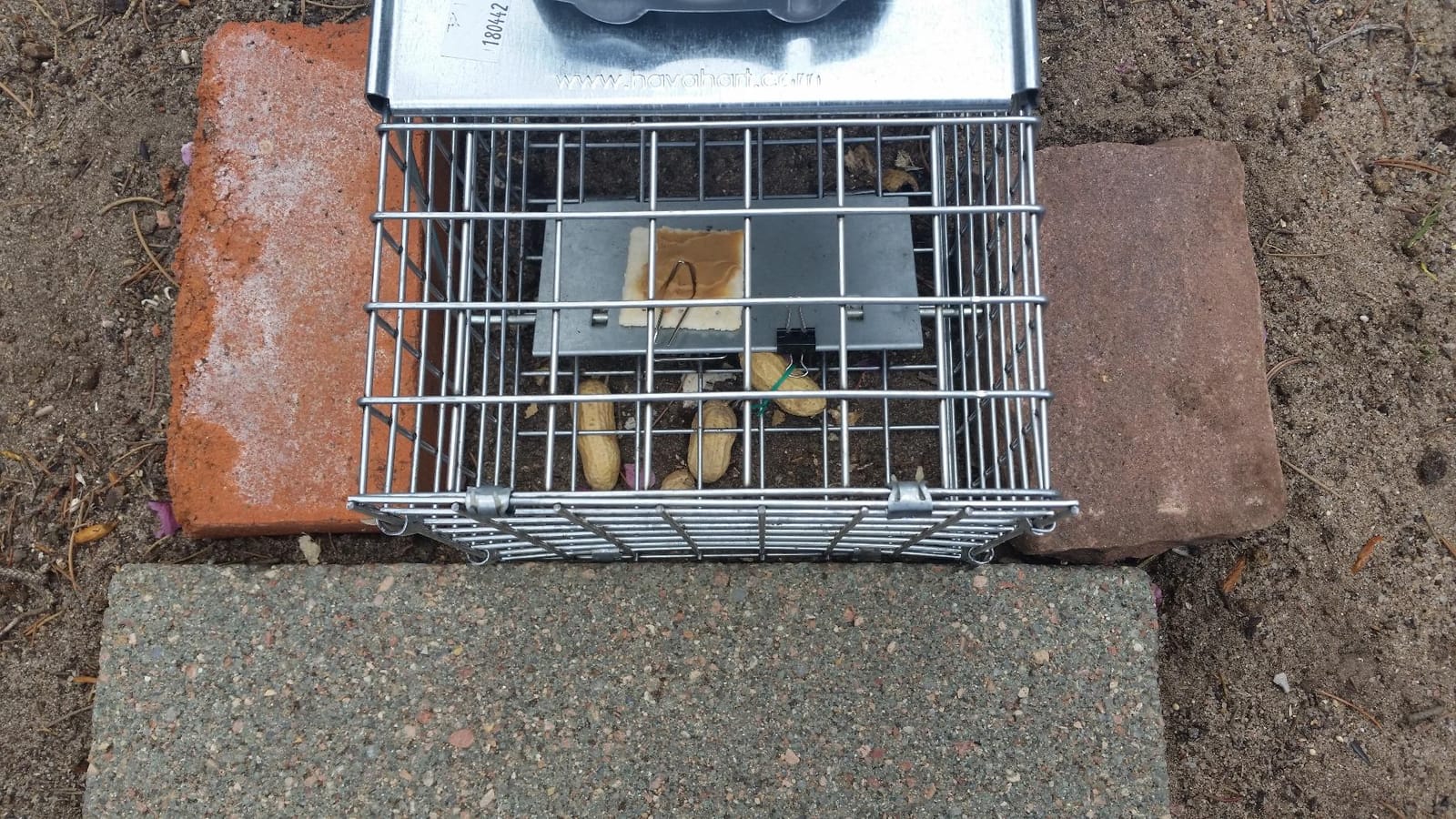
At 17 by 7 by 7 inches this is the squirrel, rabbit, skunk and weasel class, and it is the trap most beginners should set first. The Easy Set mechanism arms and releases in one motion with one hand, and your hand stays under the cage top the whole time.
The sensitivity screw is the feature that earns the value badge. You can tune the trigger for a rat in the morning and a rabbit in the evening on the same trap, which is exactly what a small property with mixed wildlife needs. Galvanized one-piece mesh with a solid steel door feels heavier in the hand than the cheaper cages in this roundup.
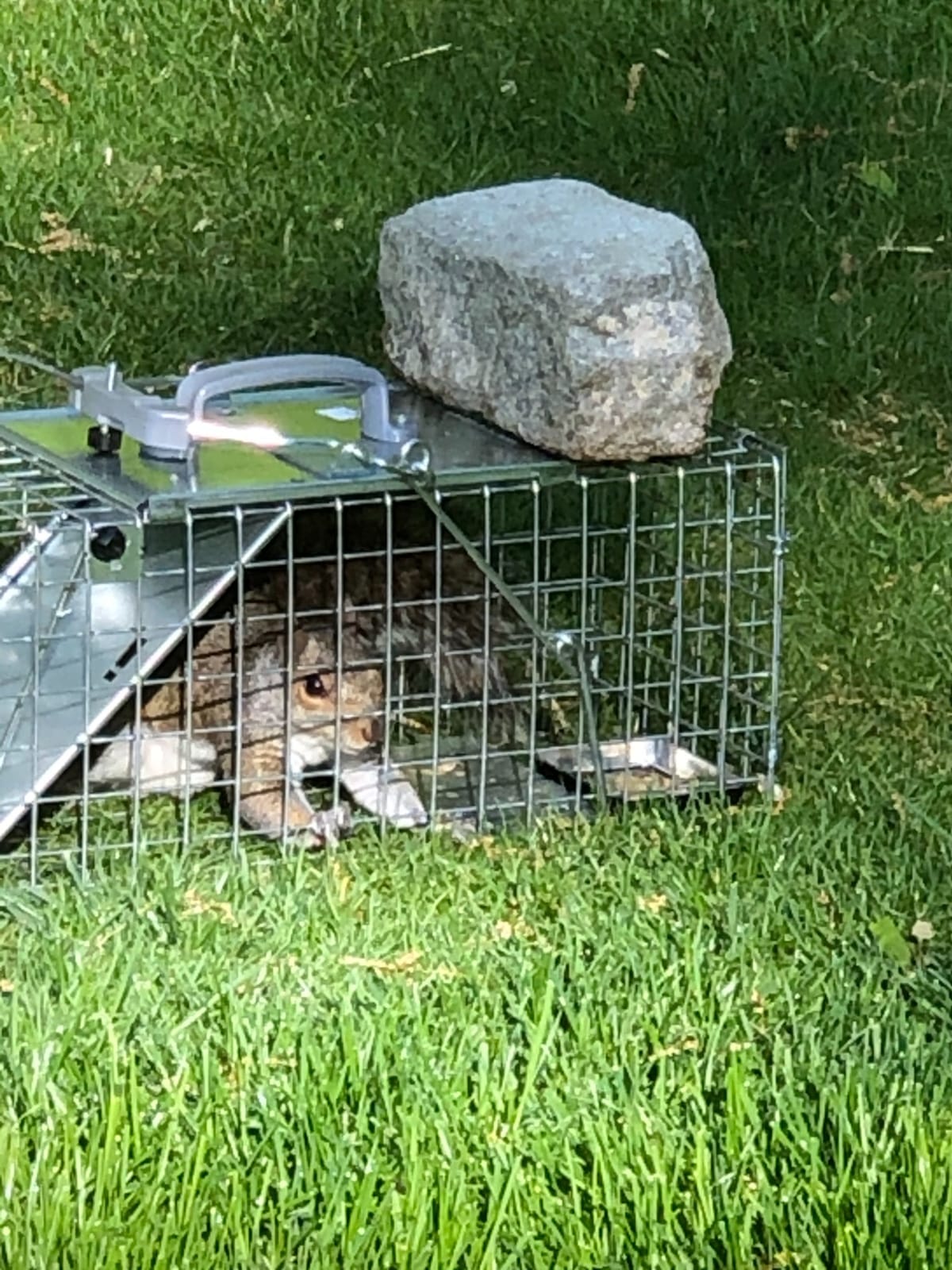
Owners report consistent success with squirrels, rabbits and skunks, sometimes dozens of relocations from one trap. Smooth internal edges and a handle guard mean a captured animal does not injure itself against the mesh and you do not have to reach near it.
Two drawbacks recur. Some units arrive with a factory-misaligned door that sticks open until you bend it back, and parts that are not galvanized develop rust within about a month outdoors in humid weather. The trip plate also sits close to the cage end, so there is not much room to place bait behind it.
Choosing the right trigger weight
Set the screw for the lightest animal you expect to catch, then step the sensitivity up gradually. If it fires on a leaf, tighten one increment. If a squirrel walks in and out without tripping it, loosen one. Getting this right is what separates the trap that catches squirrels from the trap that catches nothing.
What fits and what does not
It is right for squirrels, chipmunks, rabbits, weasels and small skunks. It is too short for an opossum and too open-meshed for a mouse, which can squeeze through. Buy the 32 inch cages on this list for medium animals and the rodent trap for mice.
4. Faicuk Large Collapsible Humane Cage Trap – Best for Fold-Flat Storage
Faicuk Large Collapsible Humane Live Animal Cage Trap for Raccoon, Opossum, Stray Cat, Rabbit, Groundhog and Armadillo 32 x 11 x 13 Inch
32 x 11 x 13 inch
Galvanized steel folding frame
Quick single-door trigger
4.65 kg
Pros
- Folds flat to save most of the storage space a rigid cage needs
- Galvanized steel resists rust outdoors
- Quick trigger snaps the door shut fast
- Large handle guard and smoothed internal edges
Cons
- Lowest rated in the group at 4.0 which points to uneven quality
- Trigger can need adjustment before it will hold
- Bait past the trigger plate is awkward to reach
The Faicuk covers the same 32 inch class as the Havahart 1045SR but collapses flat, which is the whole reason to consider it. If you store traps in a garage, a loft or the back of a hatchback, the folded profile saves most of the space a rigid cage takes.
Construction is galvanized alloy steel with a large handle guard and smoothed internal edges, and the trigger is described as snapping the single door shut almost instantly, which is what limits escape chances on an opossum that changes its mind at the door.
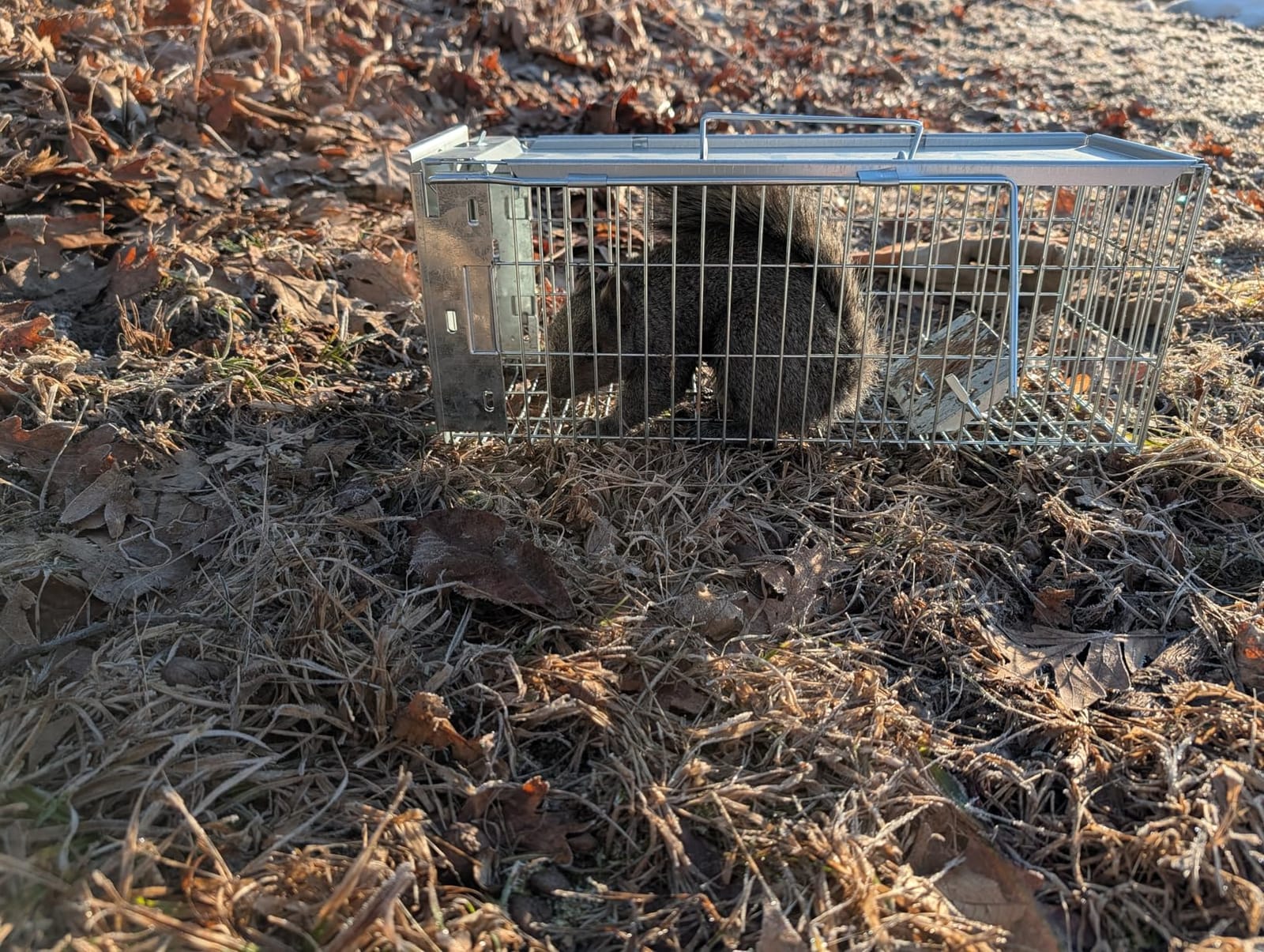
It is rated at 4.0 across about 3,500 reviews, the lowest average in this group, and that rating tells you something useful. Several owners had to fine-tune the trip mechanism before it would hold, and the folding frame feels looser under load than a fixed-geometry cage with the same steel.
Baiting is also awkward because you must place bait past the trigger plate, near the far end of a 32 inch cage. Plan on a long pair of gloves or a baiting spoon rather than trying to reach in with your hand.
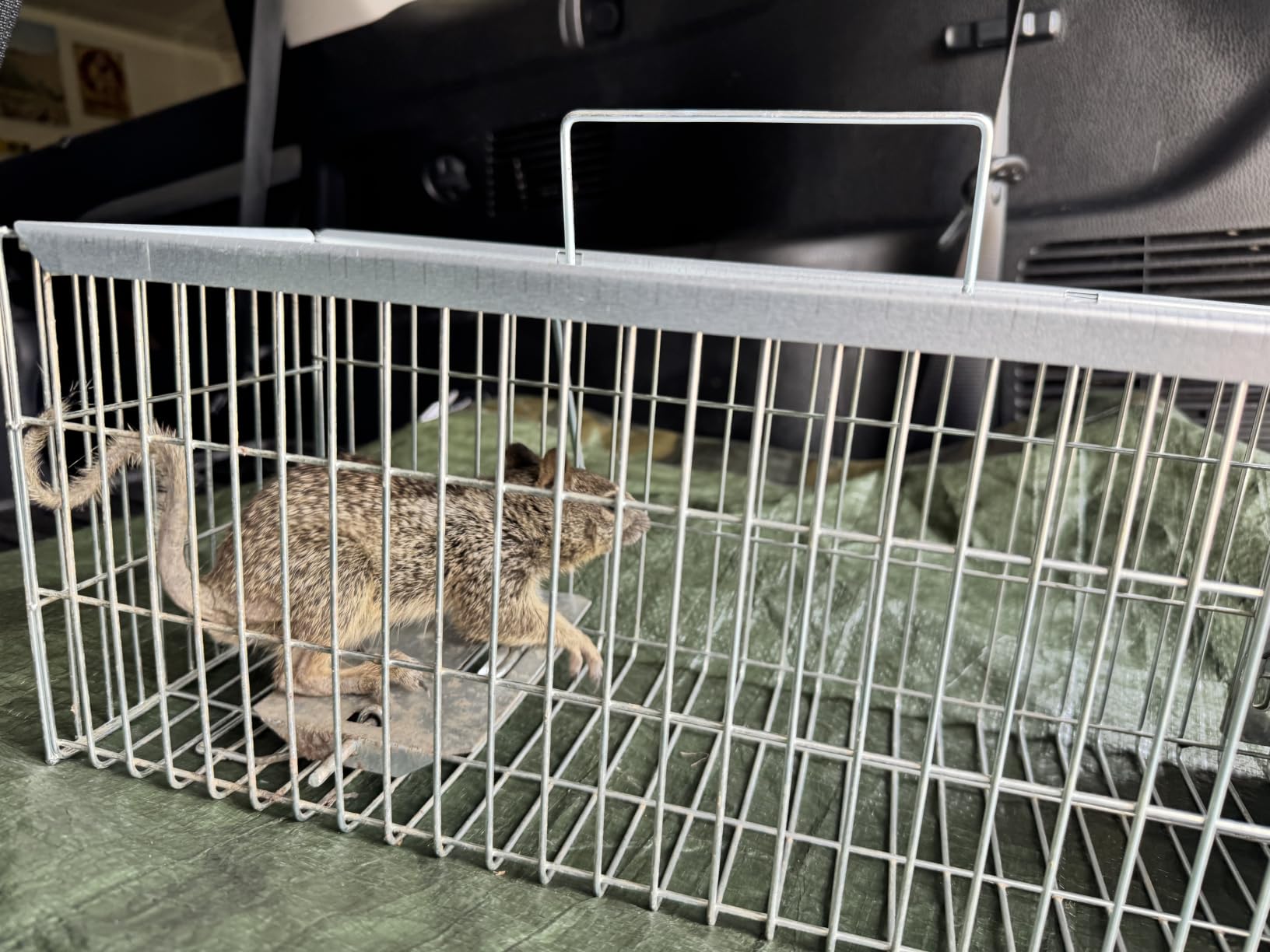
When folding design beats a rigid cage
Storage space and transport decide this one. If you run several traps across a farm, or you are checking a den site far from home, a trap that folds to a few inches thick is worth the lighter feel in the hand. It is also easier to carry into an attic without clipping a rigid frame through the hatch.
When to buy the rigid version instead
If your target is an aggressive armadillo, a heavy raccoon or a stray dog, buy the rigid two-door cage. Folding frames can flex, and a flexing frame at the door is exactly where an animal finds purchase. This model is best for opossums, rabbits, stray cats and groundhogs.
5. Havahart Large 2-Door Humane Trap 1045SR – Best for Heavy Animals
Havahart Large 2 Door Humane Catch and Release Live Animal Trap for Armadillos, Beavers, Bobcats, Small Dogs, Cats, Foxes, Groundhogs, Nutria, Opossums, Raccoons, Live Catch Trap for Stray Dogs 1045SR
36 x 10 x 12 inch
Galvanized mesh and steel doors
Two doors
12.8 pounds
Pros
- Two doors create a clear path for skittish cats and raccoons
- Trip mechanism tuned for heavier animals
- Handle guard and smooth internal edges
- Easy to bait and clean from either end
Cons
- Lighter wire in current runs let an armadillo bend the frame
- Door reinforcement wire leaves a gap until bent to 90 degrees
- Trip mechanism came apart more than once
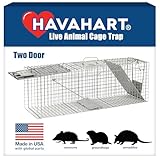
The 1045SR is the two-door answer to a problem one-door traps create: an animal that stops halfway and sniffs. Two spring-loaded doors create a clear path through the cage, which is why this design is the one to choose for trap-shy cats and raccoons that have learned to watch cages.
At 36 inches it covers the next band up from the 1079SR, reaching armadillos, beavers, small foxes, groundhogs, nutria and opossums. The trip mechanism is deliberately fine-tuned for heavier animals, which cuts down false triggers from birds and rodents walking through.
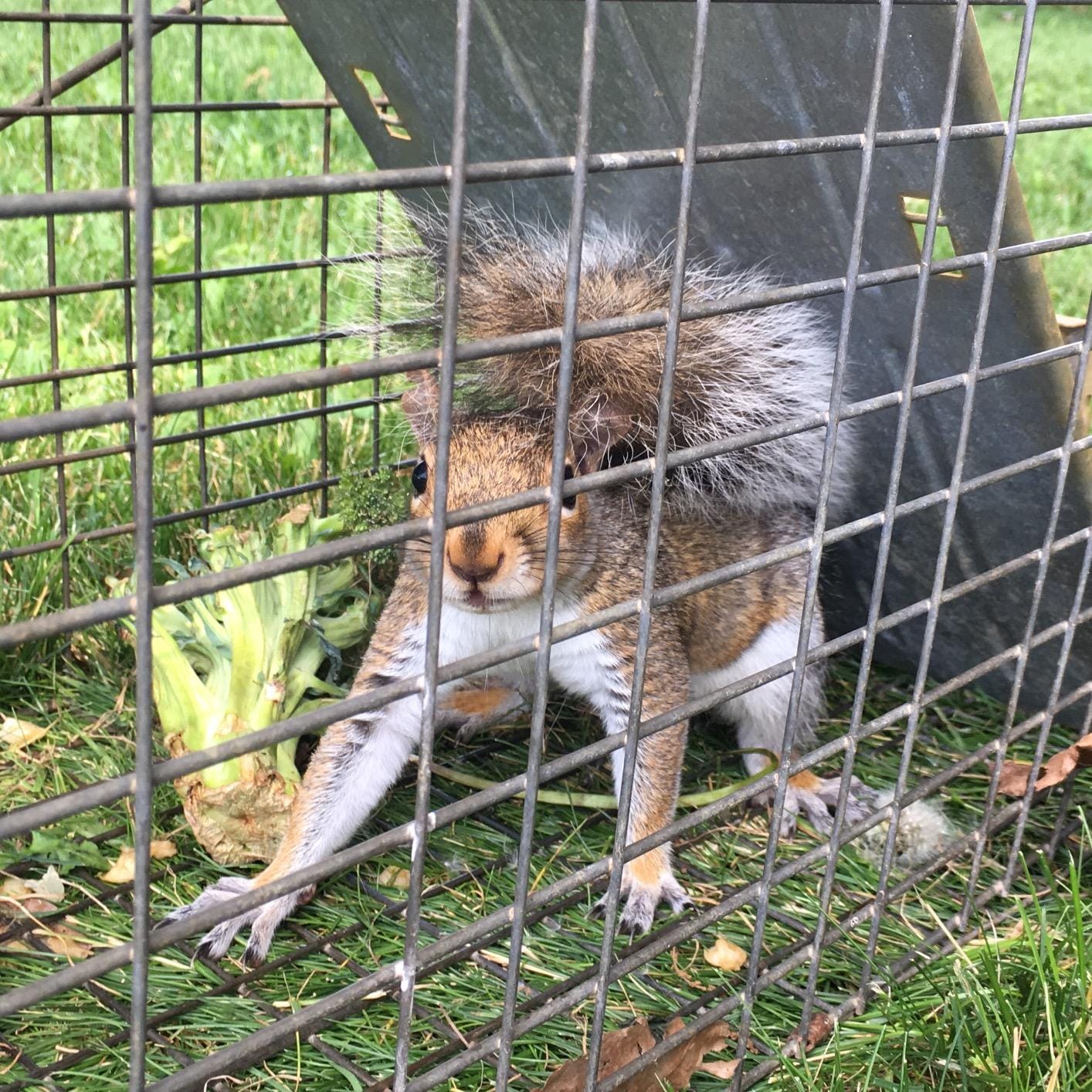
Owners of earlier production runs describe it as nearly indestructible, with one reporting the trap standing through hours of abuse from a 20 pound raccoon. It also works as a one-door trap if you block the far opening, which makes it flexible for animals that prefer a single entry.
Recent batches draw complaints about lighter wire, with one armadillo bending the frame and escaping twice. The reinforcement wire around the door opening is not bent to a clean right angle on arrival, which leaves a gap at the door base, and some owners have had the trip mechanism come apart.
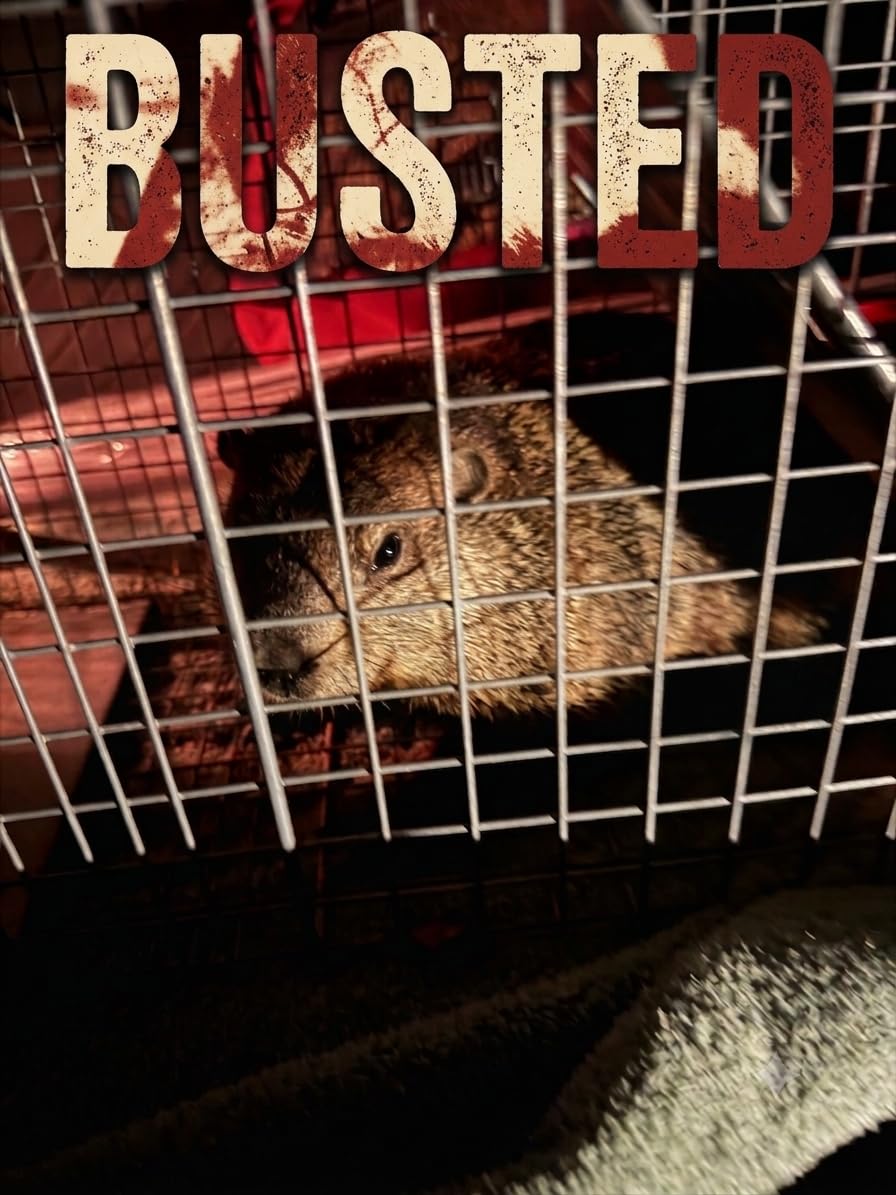
Bending that door frame before you set it
Put a wide-blade pliers on the reinforcement wire at the base of the door and bend it to a clean right angle. That gap is where feet get caught and where a determined animal starts working. It takes five minutes and it prevents the single most common complaint on this trap.
Size discipline matters more here than anywhere
A 36 inch cage that is too big for a skunk will let that skunk trigger the trip and slip back out. Match the trap to the animal, not the other way round. If your target is a cat or a squirrel, this is the wrong cage and the 1083 is the right one.
6. SZHLUX 32 Inch Folding Live Animal Trap – Best for Fast Setup
SZHLUX 32″ Live Animal Cage Trap, Heavy Duty Folding Raccoon Traps, Humane Cat Trap for Stray Cats, Raccoons, Squirrel, Skunk, Mole, Groundhog, Armadillo, Rabbit, Catch and Release
32 x 10 x 12 inch
Folding alloy steel cage
Assembles in 4 steps without tools
Pros
- Folds to a slim package for car transport and storage
- Assembles by snapping panels together with no tools
- Includes a release tool for opening the door at a distance
- Sized well for stray cats raccoons and possums
Cons
- Light wire let an armadillo bend the front door
- Rear clips can break so a possum walks out the back
- Hinged rear door is harder to release from a distance
The SZHLUX is a 32 inch folding cage that assembles from nearly flat in four steps with no tools. For anyone setting and checking traps repeatedly, that speed is the feature that matters: no bending over frame tabs in the dark, no missing screws, no hunting for a screwdriver.
The build uses low carbon steel wire with medium frequency welding, which reviewers describe as producing a flat surface and firm welds. An oblong support frame holds the cage shape, and the trigger connecting rod sits inside the cage rather than exposed.
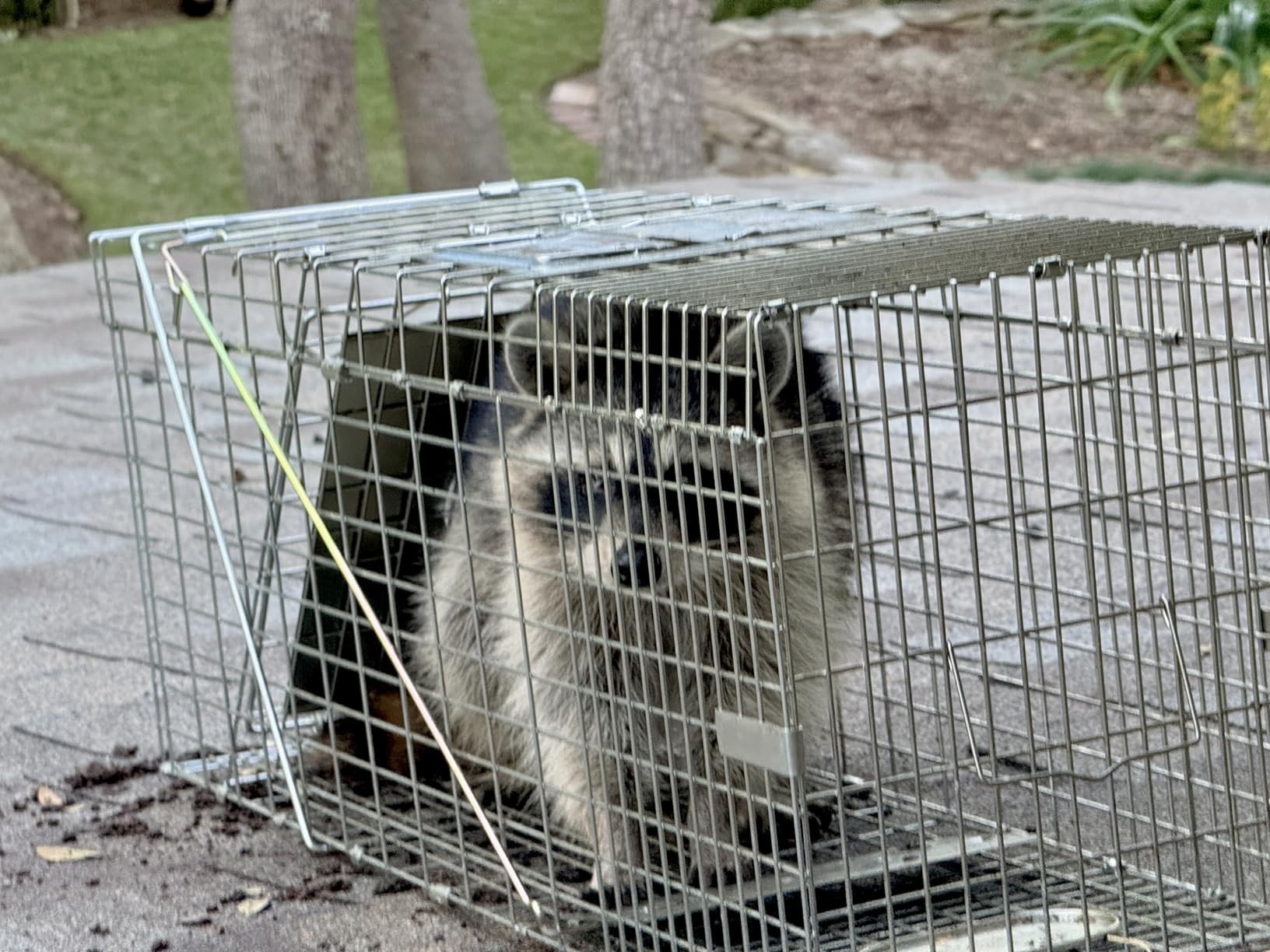
Buyers like that it folds to a slim package for a car trunk and that a release tool is included, which extends your reach when opening the door on a trapped animal. Several owners report catching several animals in one evening with this trap.
Weak points are consistent across reviews. The wire is light gauge and an armadillo bent the front door, the rear fixing clips can break so a possum walks out the back and needs zip ties, and the hinged rear door is harder to release from a distance than a sliding panel.
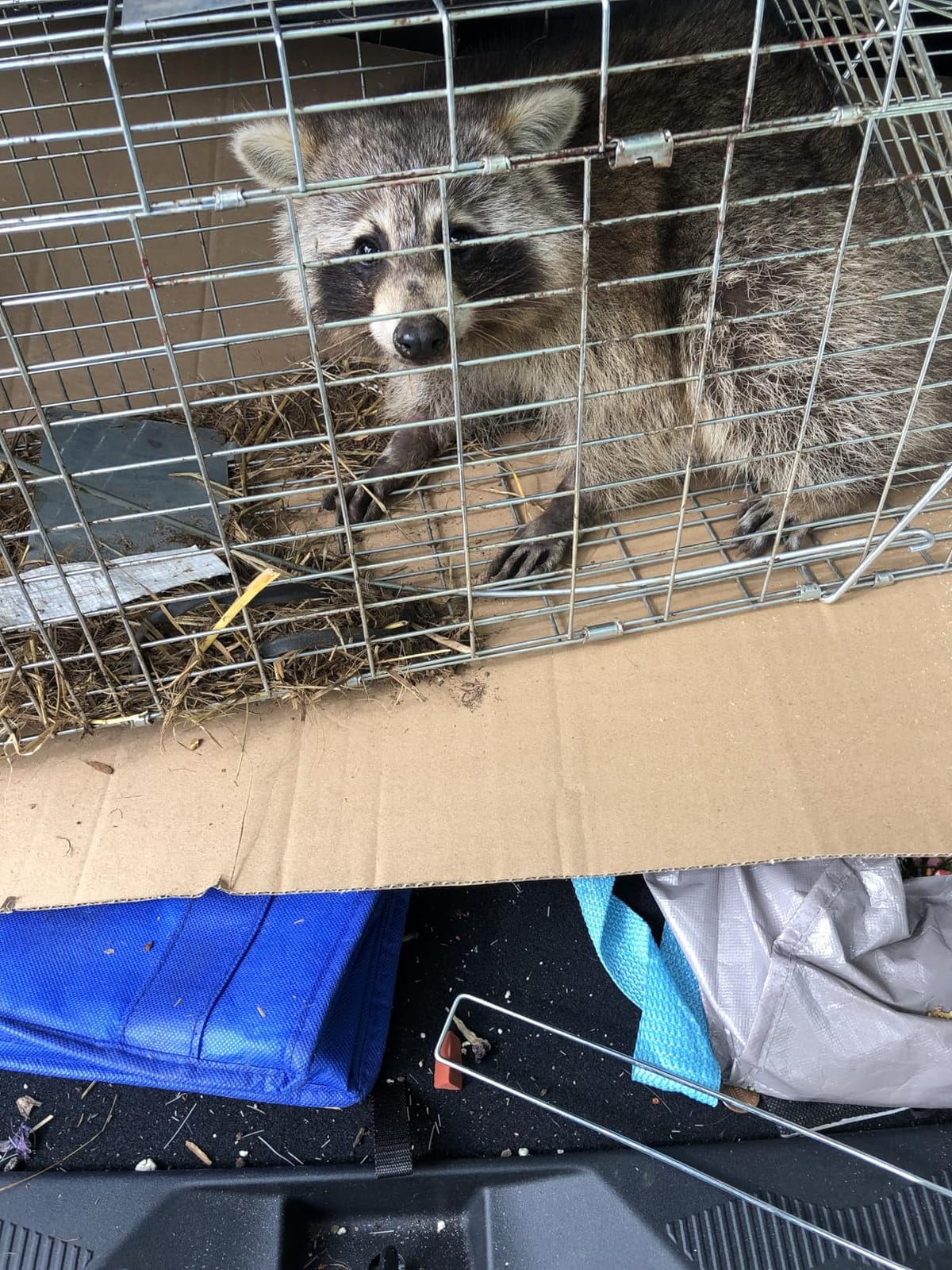
What the included release tool changes
It converts a reach-in opening into a stand-off opening. That means you never put your hand next to the door when releasing an opossum or a cat, which is where most bites and most escapes actually happen. Check the tool is in the box before your first catch, because it is the part most often missing.
Best deployment for this trap
Use it where you need a full-size cage in several places at once, such as a farm with mixed livestock and wildlife pressure. For one animal in one spot, the rigid 1045SR is stronger. For a trap you will carry between four den sites in one afternoon, this is the one that wins.
7. Humane Way Folding 50 Inch Live Trap – Best for Coyotes and Foxes
Humane Way Folding 50 Inch Live Humane Animal Trap – Safe Traps for All Animals – Dogs, Raccoons, Cats, Groundhogs, Opossums, Coyote, Bobcat – 50″x20″x26″
50 x 19 x 24 inch
Thick wire with a reinforced door
Gravity mesh door
Folds flat
Pros
- Thick wire and reinforced latches survived months of raccoons and skunks
- Anti-glare black coating improves night catches
- Small mesh holes stop stolen bait
- Handles at both ends and an external trigger rod
Cons
- Rear release door folds inward so bait must go in the front
- Some owners report the pressure plate failing to set off
- Bulky at 50 inches and awkward for one person to move
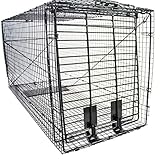
This is the trap that scales up past every cage on this list. At 50 by 19 by 24 inches it is rated for dogs, coyotes, bobcats, stray cats, foxes, raccoons, groundhogs and opossums, which makes it the answer for anyone whose problem animal is too big for a 32 inch cage.
The wire is noticeably thicker than on the 32 inch models and the door and latches are reinforced, with galvanizing under a powder coating for corrosion resistance. A gravity-operated mesh door reduces air resistance so the door closes fast without slamming.
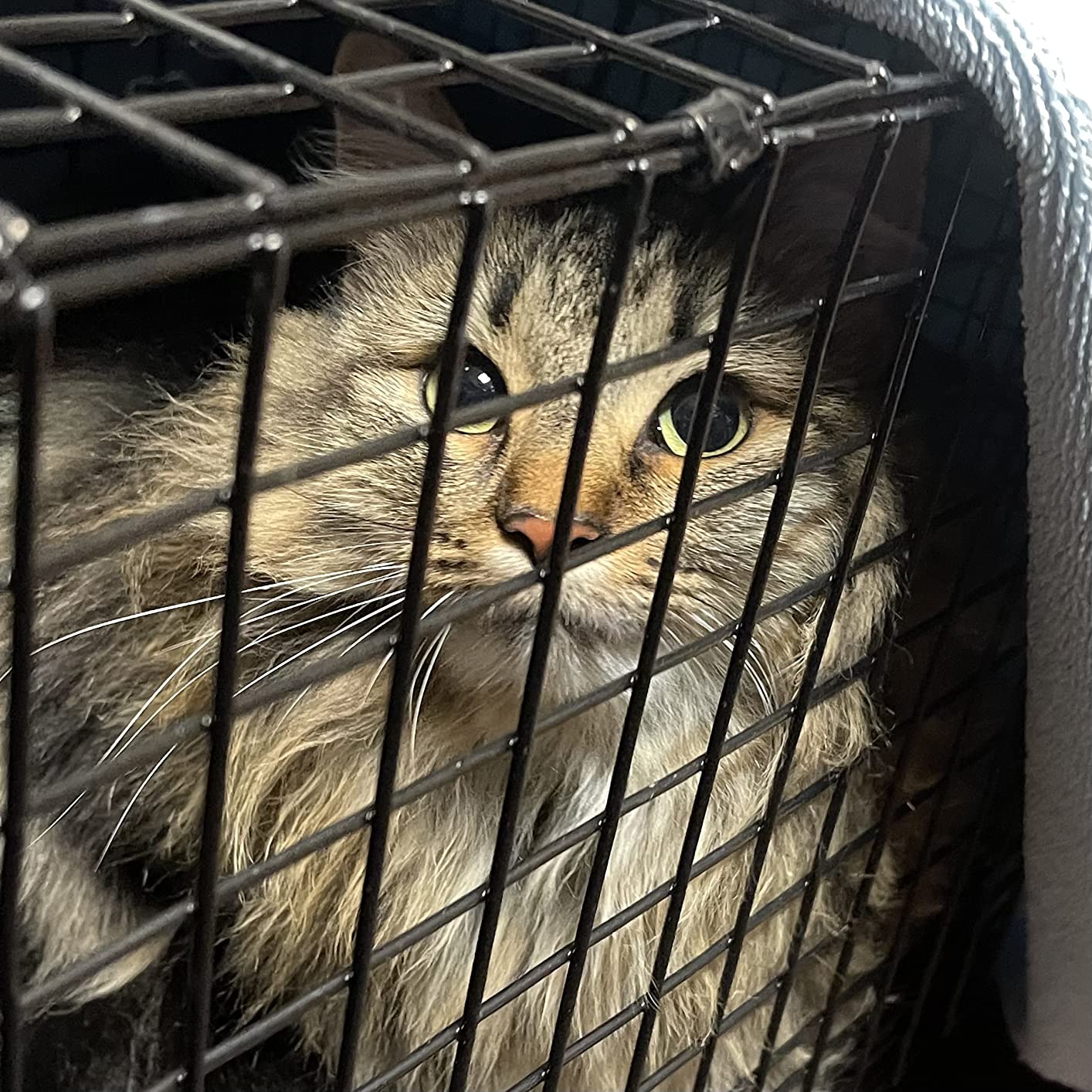
The black anti-glare coating is a genuine feature rather than decoration. Owners credit it with better nighttime capture and lower bait theft through the smaller mesh holes, which matters on a trap that sits for days on a trail. Handles at both ends and an external trigger rod make lifting and setting safer.
The most repeated complaint across this family is the rear release door, which folds inward. That forces you to bait from the front, and the door swinging open can startle an animal on its way in. Some owners also report the pressure plate failing to set the trap off, and at 50 inches the trap is bulky.
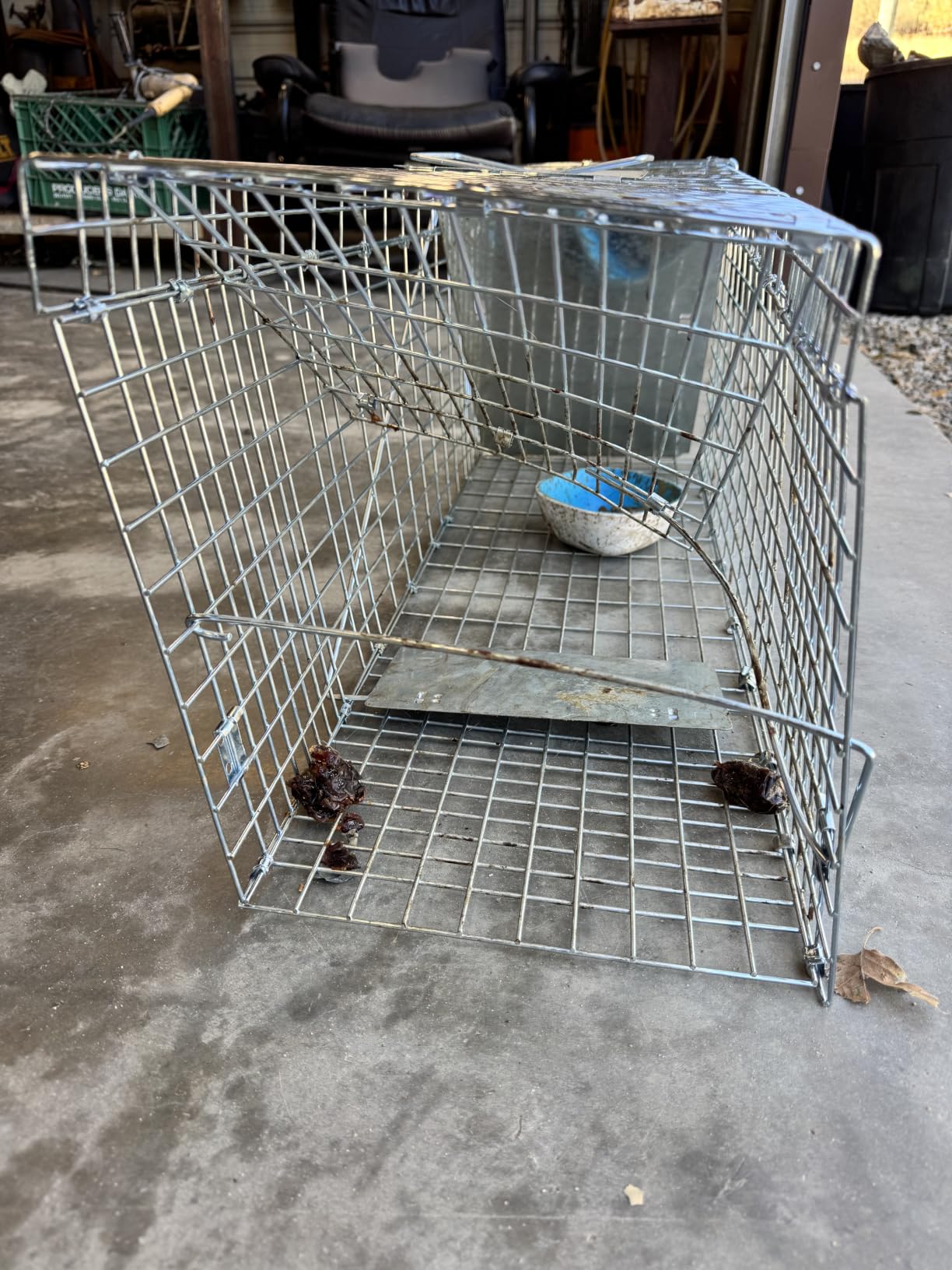
Baiting from the front and why it matters
Because the rear door folds inward, place bait in a pan at the front of the cage and let the animal travel the length of the trap to reach it. That longer approach is actually useful on a coyote or fox: they commit further inside before the plate fires, which raises your catch rate.
Transport and setup reality
It folds flat and assembles in seconds without tools, but at 50 inches it is a two-hand lift for most people. Budget for a cart or a second person if the den site is more than a short walk. Check the pressure plate with a brick or a boot before you leave it overnight.
8. HomGarden 32 Inch Live Animal Cage Trap – Most Versatile
HomGarden Live Animal Cage Trap 32″ X 12.5″ X 12″ w/Iron Door Steel Catch Release Rodent Cage for Rabbits, Groundhog, Stray Cat, Squirrel, Raccoon, Mole, Gopher, Chicken, Opossum, Skunk, Chipmunk
31 x 12.5 x 12 inch
Galvanized mesh with steel reinforcements
Solid doors and handle guards
Pros
- Tighter mesh than most cages of the same size
- External trigger rod the trapped animal cannot reach
- Handle guards and solid doors for safer transport
- No chemicals or glues so it suits homes with pets
Cons
- Thin wire lets a determined raccoon bend the cage
- Trigger sensitivity needs tuning for smaller animals
- Some units need straightening before first use
The HomGarden is the cheapest full-size cage in this roundup and it does two things better than pricier rivals: its mesh openings are smaller than most competing traps of the same length, and its trigger rod sits outside the cage where a trapped animal cannot reach it.
Tighter mesh means fewer escapes and far less stolen bait, which is the difference between a trap that works and a trap that empties itself overnight. No chemicals and no glues mean it can sit on a porch or in a garage without worry around children and pets.
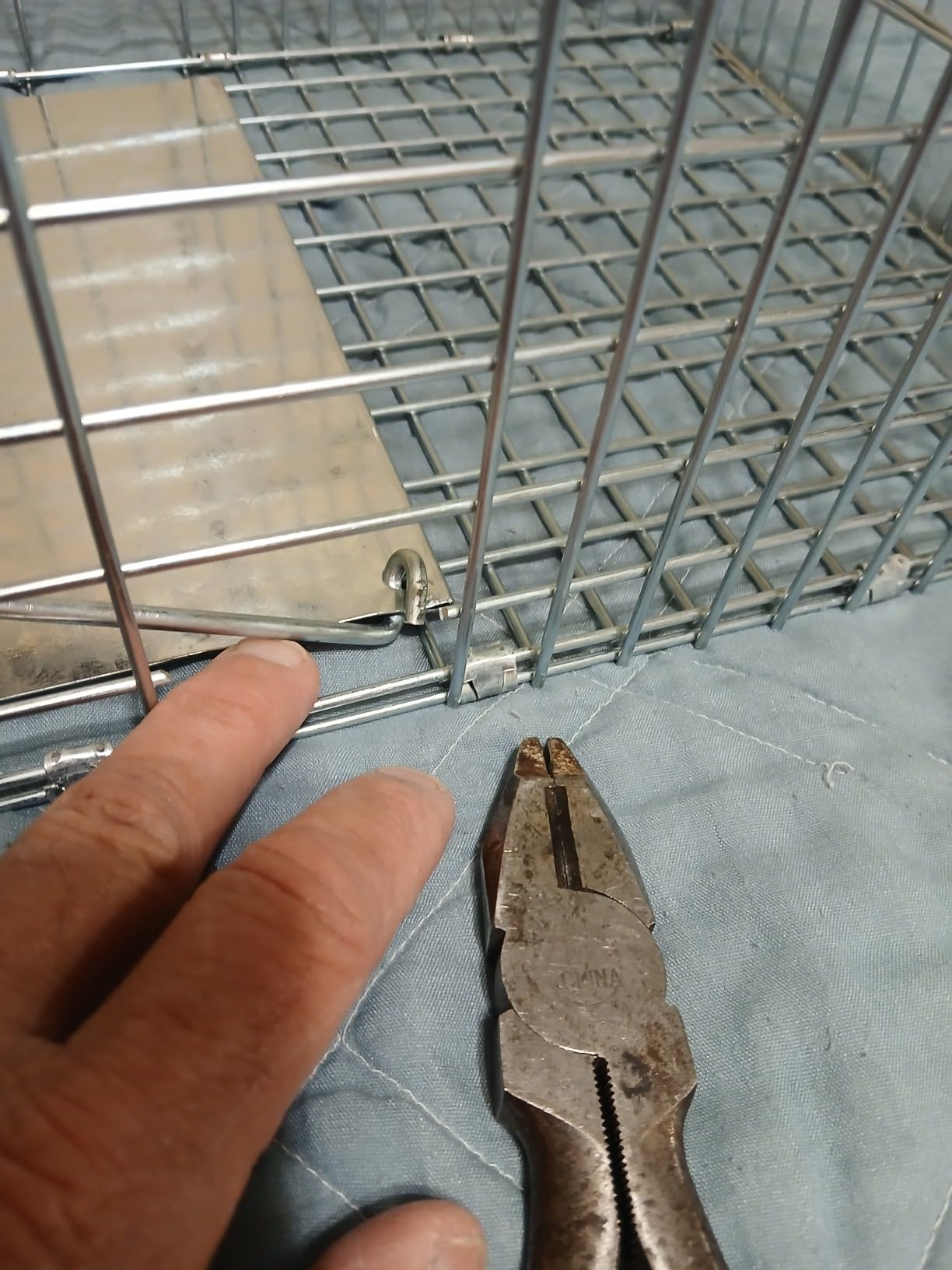
Solid doors and handle guards make transport safer than the folding models at this tier, and the listed dimensions of 31 by 12.5 by 12 inches cover rabbits, groundhogs, opossums, skunks, stray cats, chipmunks and moles.
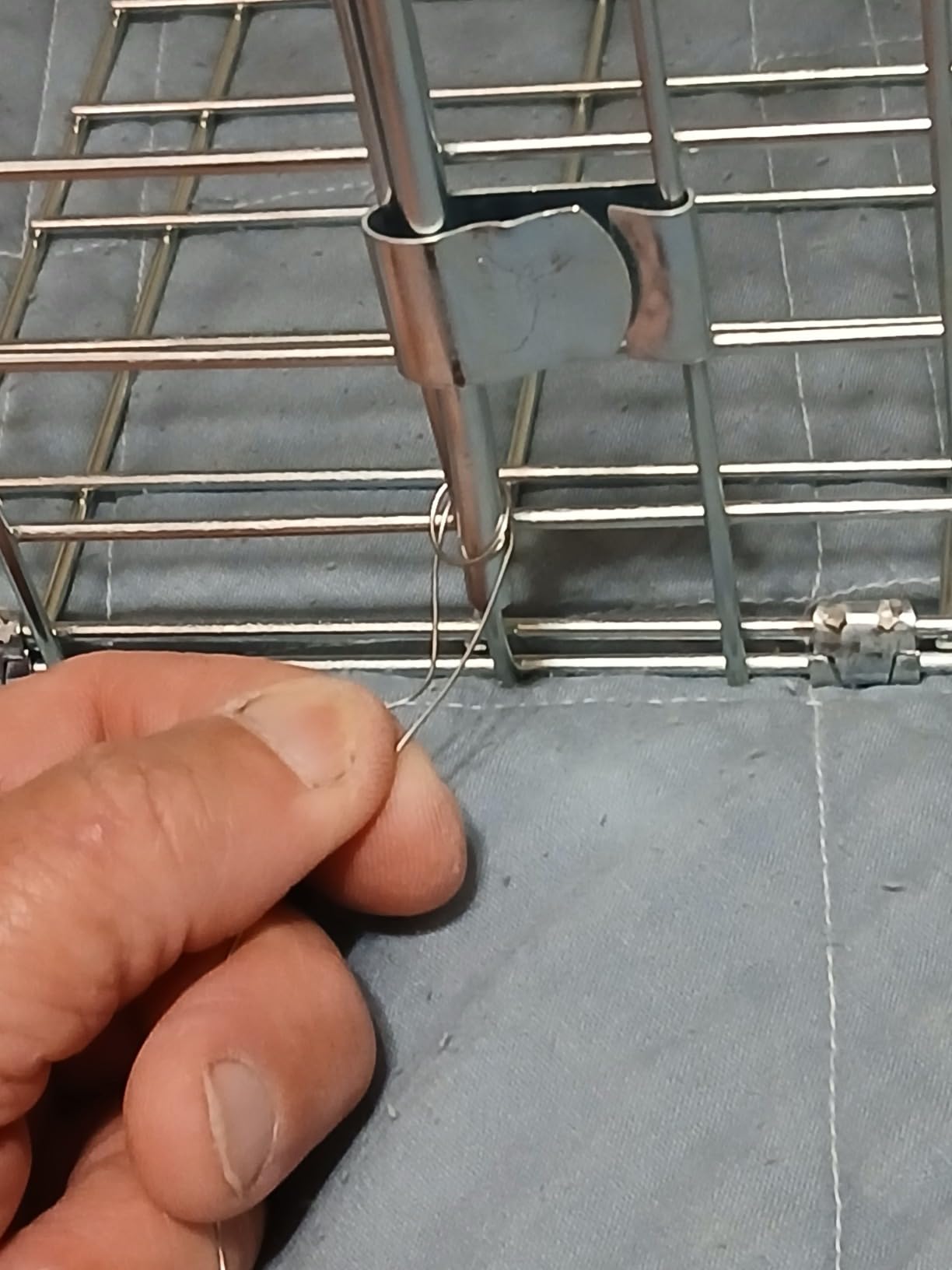
The trade-off is wire thickness. A determined raccoon or opossum can bend this cage, and reviewers are clear about that limit. The trigger also needs tuning for smaller targets, and some units need a few minutes of assembly or straightening before the first set.
When the budget tier is the right call
Use this one for animals that test a trap rather than attack it: opossums, skunks, rabbits, moles and stray cats. It is also the sensible choice for a shed, a garden or a rental where you need two cages rather than one good cage.
When it will not hold
Do not put this trap on a raccoon, a groundhog that has already been in a cage, or an armadillo. None of those animals will hurt you through the mesh, but they will find the door frame and bend it. Spend up to the rigid two-door Havahart for anything that fights.
9. Tru Catch 30LTD Humane Live Animal Trap – Best Value Trap-Neuter-Return Trap
Tru Catch 30LTD Humane Live Animal Trap – Easy & Safe Catch & Release for Cats, Rabbits, & Other Small Animals – Durable Light Duty TNR – (30″ L x 11″ H x 9″ W)
30 x 9 x 11 inch
Alloy steel
Gravity trip with no spring slam
8.4 pounds
Pros
- Gravity trip drops gently with no spring-loaded slam
- Rear gate lifts straight up for moving an animal
- Two rings stop the door reopening once tripped
- Coated steel wipes clean between TNR events
Cons
- Very light kittens may not press the gravity plate
- Instructions take practice to follow
- Costs more than spring-loaded cages
The highest-rated trap in this roundup at 4.8, with 91 percent five-star reviews, and the design reason is the trip. It is gravity-operated, so nothing slams shut under spring load. For a cat that is already frightened, that difference is the whole point.
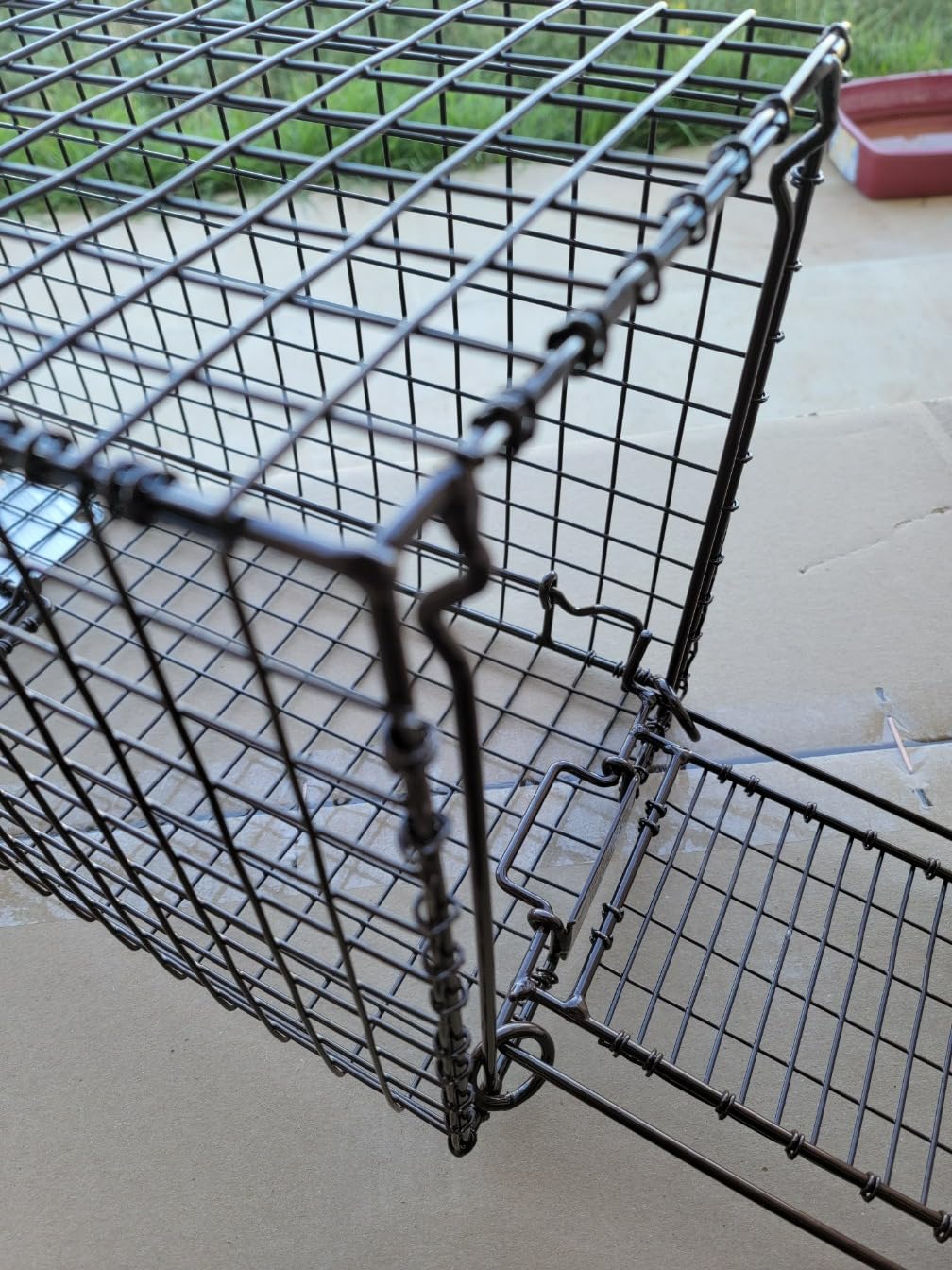
Humane society and TNR programs use this trap because the rear gate lifts straight up, which lets you move an animal into a carrier or holding pen without tipping the cage or reaching inside. Two rings keep the door from reopening once it has tripped.
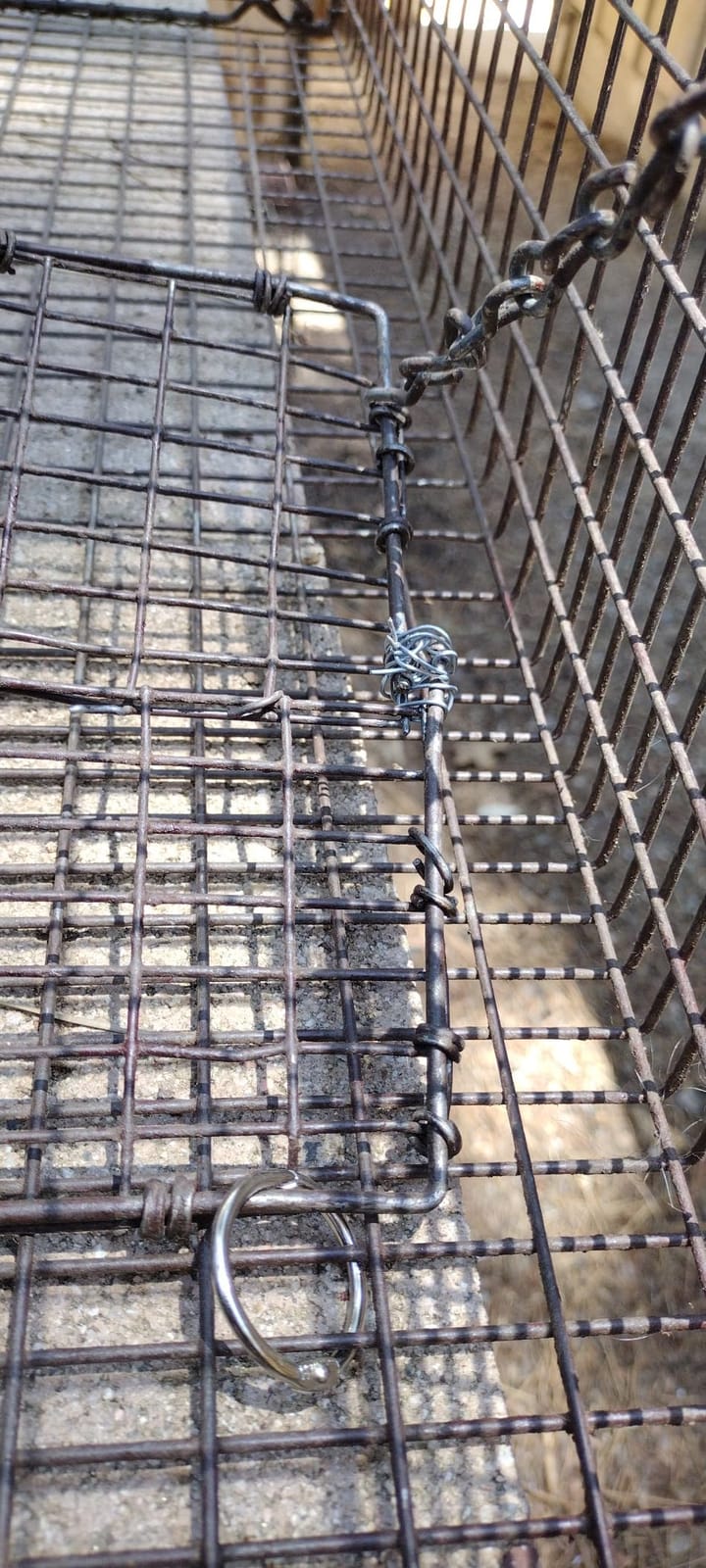
Cat rescuers starting out with trap-neuter-return keep asking the same question about which size and brand to buy, and this is the answer for animals of roughly 6 pounds and up. The coated steel wipes clean and sanitises between events, and the heavy mesh protects the captive from predators.
The single real limitation is weight. A very young kitten may not press the gravity plate hard enough to set the trap off, so check juveniles manually. Setup also takes practice, and the rear gate latch should never be used as a carrying point.
Why the gravity trip matters for cats
A spring-loaded door accelerates into the animal and can injure a cat that is turning around at the moment of closure. A gravity door falls under its own weight, so the worst case is a firm bump instead of a strike. Owners describe the difference as the reason their hold time is short and their stress signs are low.
The full TNR holding workflow
Set the trap covered and pre-baited for two or three days before you plan to catch, because colony cats watch a new object for a while. Once you have a cat, keep the trap covered and quiet, use the lifting rear gate to move the animal into a carrier, and hold for the veterinary appointment your programme requires. Our guide to small animal cages and holding setups covers the housing side.
10. LifeSupplyUSA 58 Inch Heavy Duty Catch Release Trap – Professional Grade
Heavy Duty Catch Release Large Live Humane Animal Cage Trap (58″ x 26″ x 17″)
58 x 26 x 17 inch
Iron mesh with steel reinforcements
Powder coated over galvanized
39 pounds
Pros
- Largest cage in the lineup for the toughest large animals
- Iron mesh and steel reinforcements for heavy repeated use
- Powder coating over galvanizing for corrosion resistance
Cons
- At 39 pounds most setups need two people
- Costs far more than smaller cages with a similar 4.1 rating
- Listed dimensions do not match the stated trap size
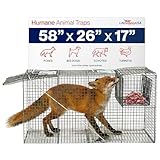
At 58 by 26 by 17 inches this is the largest cage here, and the only one built in iron mesh rather than steel wire. That material choice is the point: iron mesh with steel reinforcements is what a trap needs when the target is a fox or a large dog that will spend real time pushing on it.
Galvanizing under a powder coating gives it the corrosion resistance you need for a trap that stays out through a whole wet season, and the manufacturer positions it for professional wildlife work rather than occasional household removal.
The honest downsides are weight and cost. At 39 pounds most setups need two people or a cart, and it holds a 4.1 average across roughly 1,100 reviews, which is no better than far cheaper 32 inch cages. Its listing dimensions also conflict with the stated trap size, so measure the entry point before committing.
When this size is justified
This trap makes sense when the animal is large enough that nothing smaller works and you are trapping repeatedly, such as a property with a fox den or repeated large-dog incursions. For a single removal, a 50 inch folding cage does the same job at a fraction of the effort to move.
Transport and setup planning
Two people, a flat cart and a clear route are the minimum. Before you set it, walk the whole perimeter of the cage and check every weld and bend, because at this size a single weak point is the difference between a professional-grade trap and a very expensive box. Expect to reassemble it each time you move it.
11. Rockever 42 Inch Live Trap with Black Cover – Best for Stress Reduction
Live Animal Trap Cage with Cover, 42″ L Heavy Duty Cat Trap for Stray Cats
42 x 15.8 x 17.7 inch
Galvanized mesh with a reinforced frame
Includes a fitted 600D Oxford cover
Pros
- Only cage here that includes a fitted weatherproof cover
- Cover gives a captured cat a private dark space
- Corner clasp locks and a top zipper for quick access
- Galvanized frame and smooth edges for outdoor use
Cons
- Cover must be unzipped to bait the trap
- Fabric tears if a large animal chews it
- Heavier and bulkier to move than a bare cage
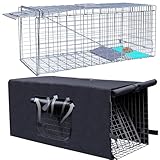
This set is a 42 inch galvanized cage bundled with a fitted cover, and the cover is the reason to consider it. A trapped cat hidden inside a dark fabric box calms down far faster than one sitting in a bare wire cage under an eave, and calmer animals are easier to transfer and release.
The cover is 600D Oxford fabric with a PVC composite coating, UV resistant and built for outdoor use, held by four corner clasp locks so it does not blow off in wind. A top zipper lets you check the animal without stripping the whole cover off.
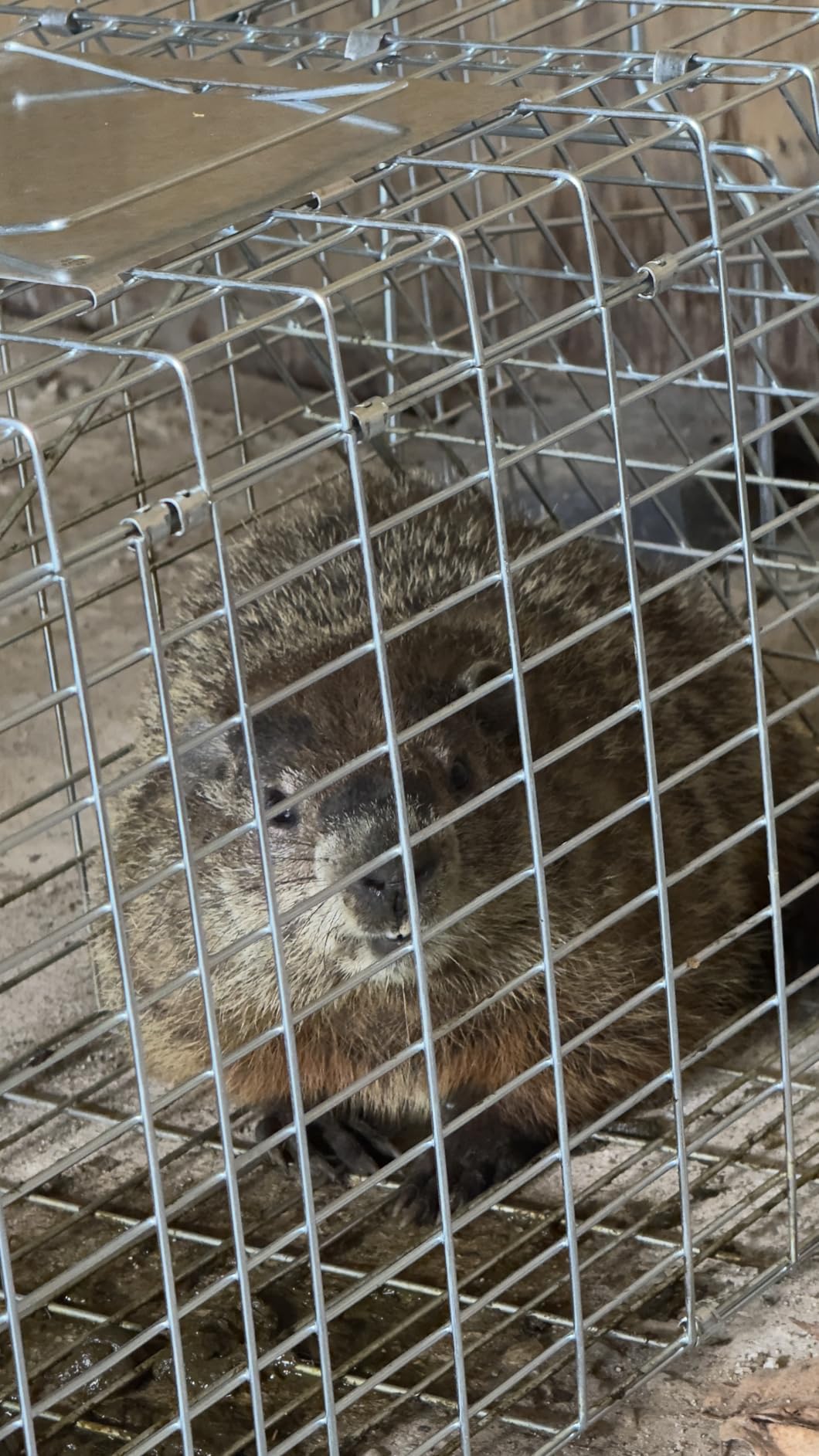
Buyers also note that hiding the cage improves catch rates, because a concealed trap takes less interest from wary neighbourhood cats. The reinforced galvanized frame and smoothed edges make it a legitimate option for raccoons, squirrels, groundhogs, skunks and feral cats.
The drawbacks are all about the cover. You must unzip or remove it to bait, which adds a step every time you set the trap. A large animal can tear the fabric by chewing, the set is bulkier to carry than a bare cage, and the cover is cut for this 42 inch cage only.
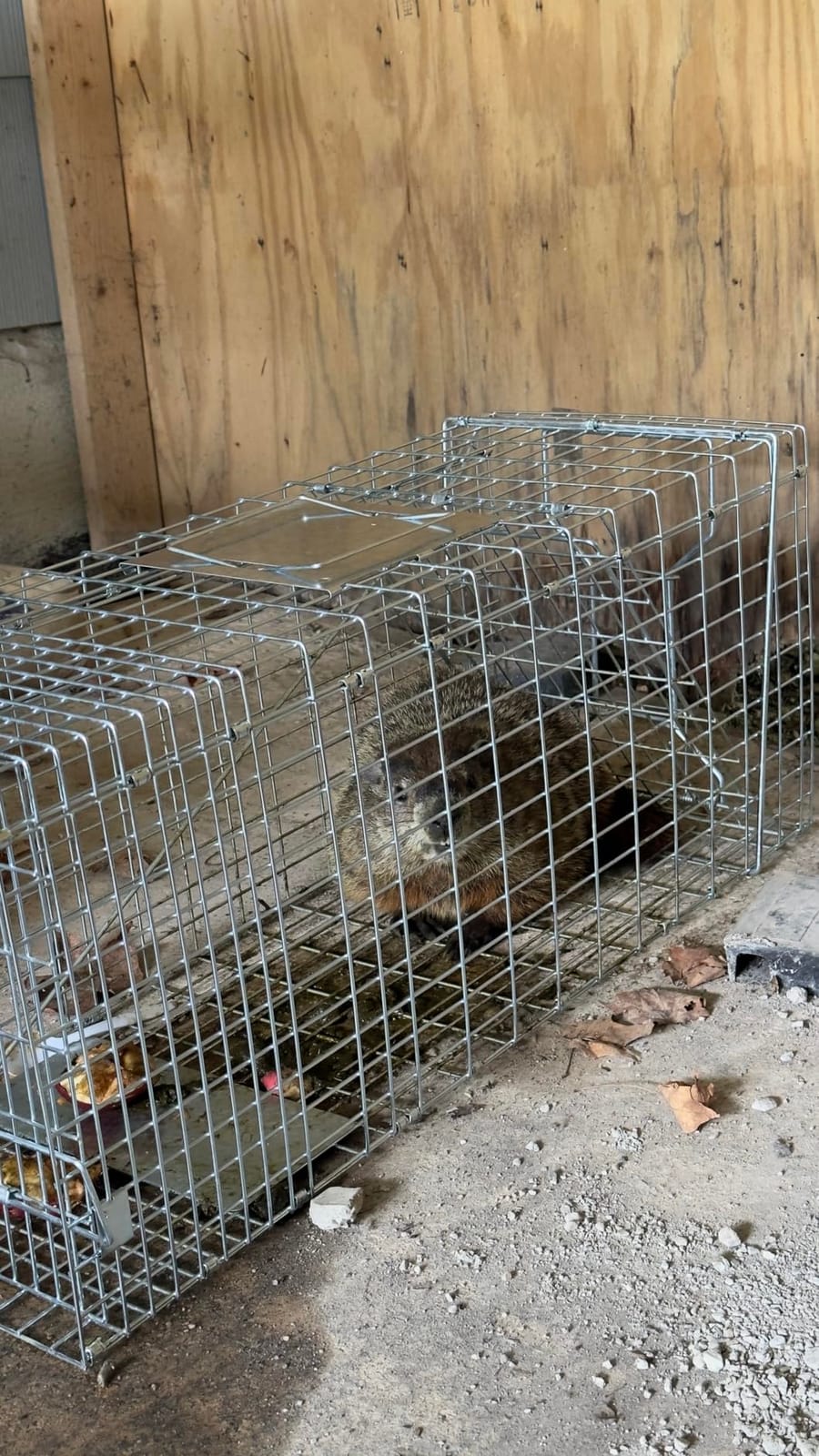
Covered or bare: what changes in the field
A covered trap gets fewer non-target catches, because birds and curious dogs walk past something that looks like a bag rather than an invitation. It also lowers the stress of a captured animal, which matters most for cats and for any animal you intend to release unharmed.
Where the cover is a liability
If your target is a raccoon or a groundhog that will chew for an hour, the fabric becomes an access point and the trap loses its advantage. Covered traps also need to be checked for tears before every set, and they are awkward in a hatchback. Weight your priority between catch rate and portability before ordering.
12. Tomahawk Model DT1 Drop Trap – Best for Shy Cats
Tomahawk Live Trap – Model DT1 – Tomahawk TNR Series Neighborhood Cats Drop Trap – 36x36x14 Collapsible
36 x 36 x 14 inch set up
Alloy steel
Drop trap with easy release door
14 pounds
Pros
- Drop trap works on trap-shy cats that avoid a normal cage
- Collapses to 4 inches for storage and transport
- 36 by 36 footprint gives a captured cat room to settle
- One-year manufacturer warranty
Cons
- Cat specific with no raccoon or multi-species use
- Large footprint takes up space when set
- Assembly instructions are minimal for beginners
A drop trap is a different mechanism entirely: there is no door at all in the usual sense. The frame sits flat, the cat steps onto the trigger plate, and a net drops over the top. That removes the doorway a wary cat watches and waits beside, which is why this design is the one to try after conventional cages have failed.
Set up, it measures 36 by 36 by 14 inches, and it collapses to 36 by 18 by 4 for storage. A cat in a 36 inch square enclosure has room to settle rather than pacing, and the easy release door opens without dismantling anything.
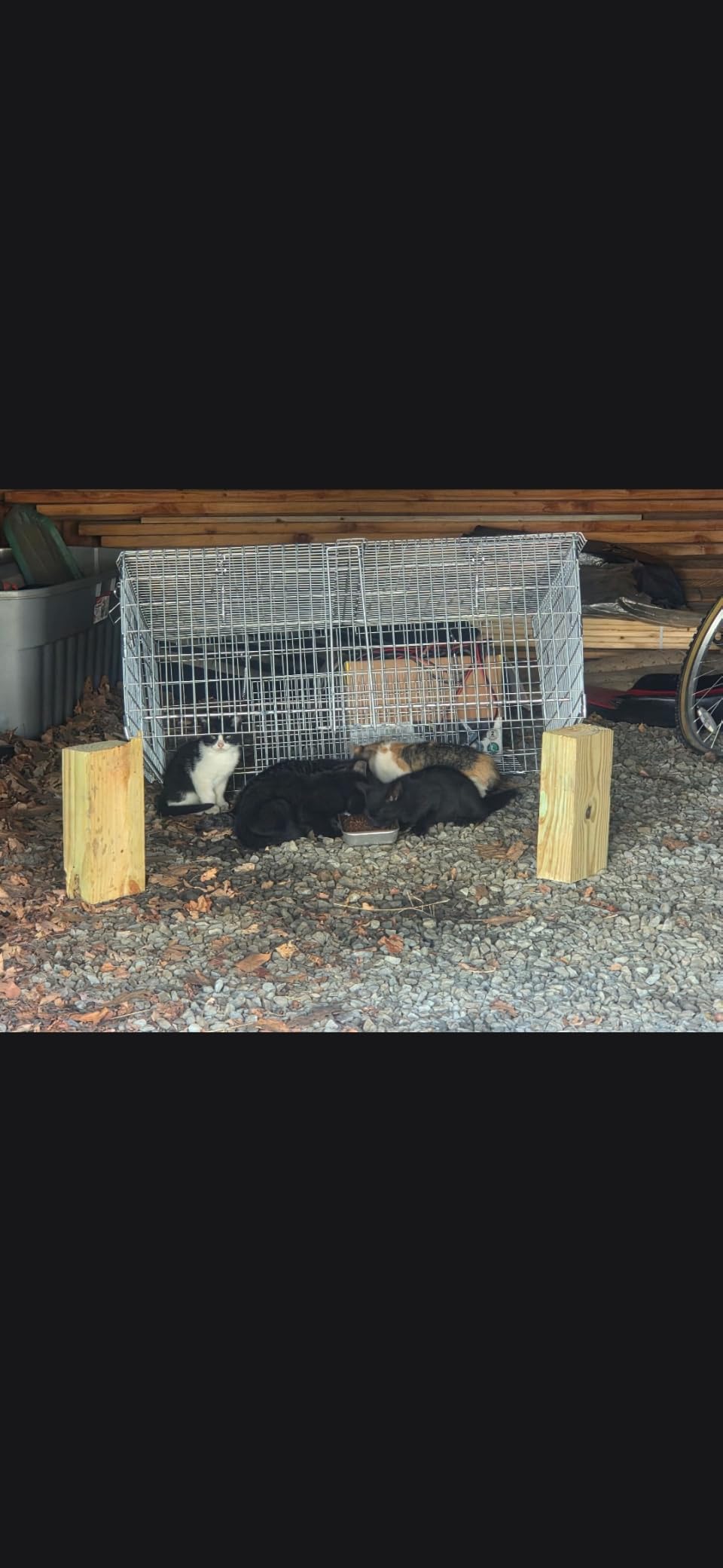
TNR volunteers favour the drop-door design for shy neighbourhood cats, and the second-highest rating in this lineup at 4.6 with 83 percent five-star reviews reflects that. The alloy steel frame comes with a one-year manufacturer warranty.
It is a specialist tool. The trap is rated for cats and offers no multi-species versatility, the 36 inch square footprint needs real space when set, and the assembly instructions are minimal if you have never built one before.
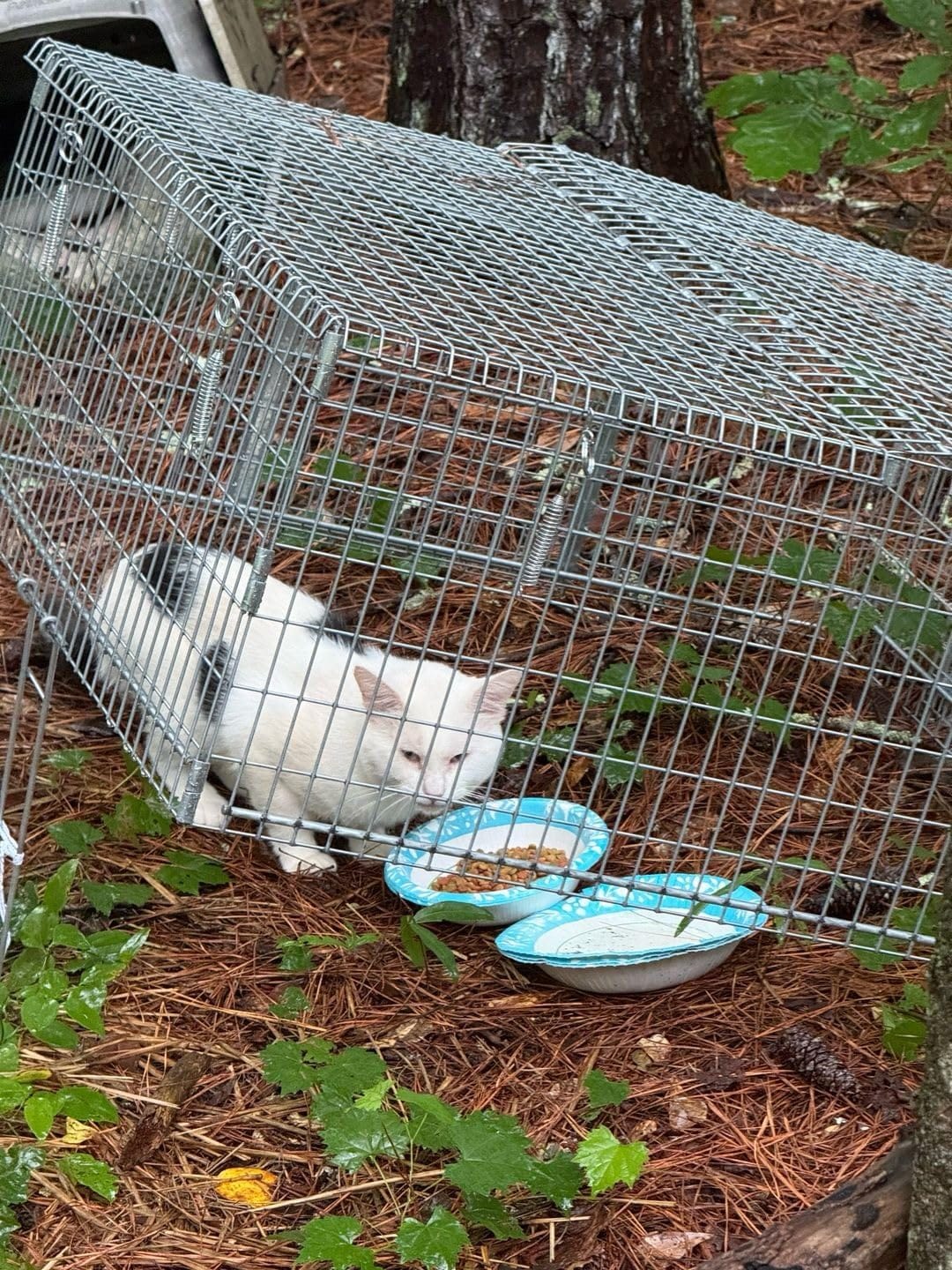
When a drop trap beats a cage
Reach for it after a cage has been ignored for a week. A cat that will not step into a wire box will often walk across an open floor plate, and the drop leaves no gap at the entry point for a paw or a tail to catch in. It also avoids the wind-up-and-slam sequence that most cages use.
When to spend the space instead
Do not buy this trap for raccoons, opossums or rabbits, because they are not what it is built for. If your property is small and the animal moves between several spots, a 30 inch cage with a cover is more flexible. Use the drop trap when you have one hard-to-catch cat and a flat, sheltered patch of ground.
How to Choose the Right Live Animal Trap
Size decides whether a trap works at all, so start there. A trap that is too small will not be entered, and a trap that is too large lets a lighter animal trigger the trip and slip back out before the door lands. The bands below are the ones the whole industry uses, and they line up with how these 12 traps are sized.
Match the trap size to the animal
Small traps, roughly 16 to 24 inches, cover squirrels, chipmunks, rabbits, weasels and small skunks. That is the Havahart 1083 class, and the plastic mouse box sits below it for mice and voles. Medium traps, roughly 24 to 32 inches, cover stray cats, opossums, nutria, rabbits and smaller raccoons, which covers the Faicuk, SZHLUX, HomGarden and Tru Catch models here. Large traps, 32 inches and up, cover raccoons, groundhogs, armadillos, foxes, skunks, bobcats, dogs and coyotes, which is the Havahart 1079SR, the 1045SR, the Rockever and the Humane Way. Above 50 inches you are into professional large-animal territory.
Choose a door and trigger mechanism
Spring-loaded cage traps fire a steel door the moment the animal touches the trip plate. They are fast, cheap and the right choice for opossums, groundhogs and most removal work, but the slam can injure an animal that turns at the last moment. Gravity traps drop a door under its own weight instead of a spring, which is gentler and is the reason the Tru Catch 30LTD is the highest-rated trap in this roundup. Drop traps have no doorway at all: an animal steps onto a plate and a net falls over the frame, which makes them the specialist answer for trap-shy cats. Foothold and treadle traps are the non-cage category, using a padded jaw or a foot pad held by a frame; they are the correct mechanism for coyotes and foxes, where a cage would simply be walked around, and they require the training and permits that come with professional wildlife work.
Door count matters too. One door means the animal must be fully inside before closure, which raises catch rates but leaves it in a dead-end. Two doors create a clear path through the cage, which helps skittish cats commit, and the Havahart 1045SR can be run as a one-door trap by blocking the far opening.
What to look for in the metalwork
Look for galvanized or powder-coated steel, because a bare steel spring in damp ground will be rusted within a season. Check that internal edges are rolled rather than cut, that the wire mesh is tight enough to stop a mouse or a squirrel reaching the bait through it, and that a handle guard sits between your hand and the animal. A sensitivity screw on the trip plate is the single most useful adjustment, because it lets one trap work on two different species. Finally, look for a rear release door that opens from the back or from a distance, so you never have to reach your hand next to a captured raccoon.
How to set, bait, check and release
Wear gloves before you go near the trap, and never handle a caught animal bare-handed. Set the bait at the rear of the cage, past the trip plate rather than on it, because bait on the plate teaches the animal to avoid it. Adjust the sensitivity for the lightest animal you expect, then test the trigger with a brick or a boot rather than your hand.
Place the trap on the animal’s travel path or directly at its exit point. If you are working under a porch or in a crawlspace, seal all but one exit and set the trap at that one exit, then cover the trap with dark canvas or leaves and disguise the base so it does not read as new. Skunks are calmer under cover, and a covered cage also hides the trap from dogs and birds.
Check every two to four hours and never leave a trap set overnight in hot weather or deep cold. Release or contact animal control immediately when you find a catch, and wear thick gloves with the release door between your hand and the animal.
Bait by species
Match the bait to the animal rather than using whatever is in the cupboard. Fish-flavoured canned cat food and sardines work well on skunks, which are the most common nuisance call after raccoons. Peanut butter is hard to remove from a paw and is the reliable choice for raccoons and squirrels. Apple slices and leafy greens suit rabbits. Marshmallows are effective on chipmunks, and cooked egg or canned tuna draws feral cats. Opossums take almost anything oily, and rats prefer peanut butter or chocolate pressed into the bait pan.
Skittish species need pre-baiting. Put the same bait in an open container at the trap site for two or three days before arming it, and let the animal take bait without consequence. Then arm the trap and move it slightly so the association is with the location, not the object.
When a live trap is the wrong tool
Do not trap a protected species, and check whether your municipality requires a permit or a call to animal control before you set anything. Avoid trapping during denning season if young are present, because you will orphan them, and check the trapped area for dependent young before you release an adult female. Never trap without a plan for where the animal goes, because relocation frequently kills the animal, and many jurisdictions now restrict or ban it outright. If a pet, a neighbour’s cat or a protected bird is the animal causing the problem, exclusion is the correct answer, not a trap.
And when the trap is empty after a week, stop adding gear and start excluding. A one-way door, motion-activated sprinkler or a sealed entry point solves the problem permanently, without the stress, the cost or the legal exposure of repeated trapping.
Frequently Asked Questions
How long can an animal stay in a live trap?
As short as possible, and never overnight. Check every two to four hours, and check immediately in hot weather, when trapped animals can overheat quickly inside a metal cage. Release or contact animal control as soon as you find a catch. In cold weather, shelter matters just as much, and in every case the animal should not be left longer than the time it takes you to reach it.
What are the disadvantages of using live animal traps?
The main drawbacks are relocation mortality, orphaned young, legal restrictions and non-target catches. Many relocated animals die or disappear within days because they cannot find food or because they are killed on the way. Trapping during denning season orphans kits and kits that cannot survive. Many areas restrict or ban relocation outright, and an animal may be a protected species. Pets, house cats and non-target wildlife such as birds are also at risk.
What is the largest live animal trap available?
Commercial and professional traps go well beyond consumer models. Professional beaver and coyote class double-door traps start around 36 inches and run to the low hundreds, with reinforced steel or iron construction and mechanical triggers rather than cage doors. Within typical consumer retail ranges, the largest general-purpose cages measure around 50 to 58 inches and are rated for foxes, bobcats, dogs and large raccoons.
What are the typical sizes of live traps?
Three bands cover almost everything. Small traps run 16 to 24 inches and suit mice, rats, chipmunks, squirrels and rabbits. Medium traps run 24 to 32 inches and suit stray cats, muskrats, opossums and smaller raccoons. Large traps run 32 inches and up and suit raccoons, groundhogs, armadillos, skunks, foxes and dogs. Rodent traps sit below all of these, usually under 10 inches long.
Will a squirrel go in a live trap?
Yes, with the right size and bait. Use a 16 to 24 inch trap and bait the rear pan with peanut butter or marshmallow rather than placing bait on the trip plate. Squirrels are skittish, so pre-bait the trap site with the same bait in an open container for two or three days before arming the trap, then move the trap a few inches so the animal connects the food with the location.
Final Verdict
Choose the trap by the animal, not by the badge. Small problems need a 17 inch cage or a plastic rodent box, medium nuisance animals need a 32 inch steel cage with a sensitivity screw, and anything that fights needs the rigid two-door 36 inch model or larger.
For most people, the Havahart Large 1-Door Trap 1079SR is the right first purchase: it holds a 4.4 average across more than 18,000 ratings, its one-door design gives the best catch rate for opossums, skunks and groundhogs, and it is the only trap here that covers the medium band in a body count that has held up over years of field use.
Before you set it, check your local trapping and relocation rules, confirm there are no dependent young nearby, and decide in advance whether you are releasing on site or handing the animal to animal control. And once the animal is gone, seal the entry point, because a trap you keep resetting is a problem you have decided to live with.