
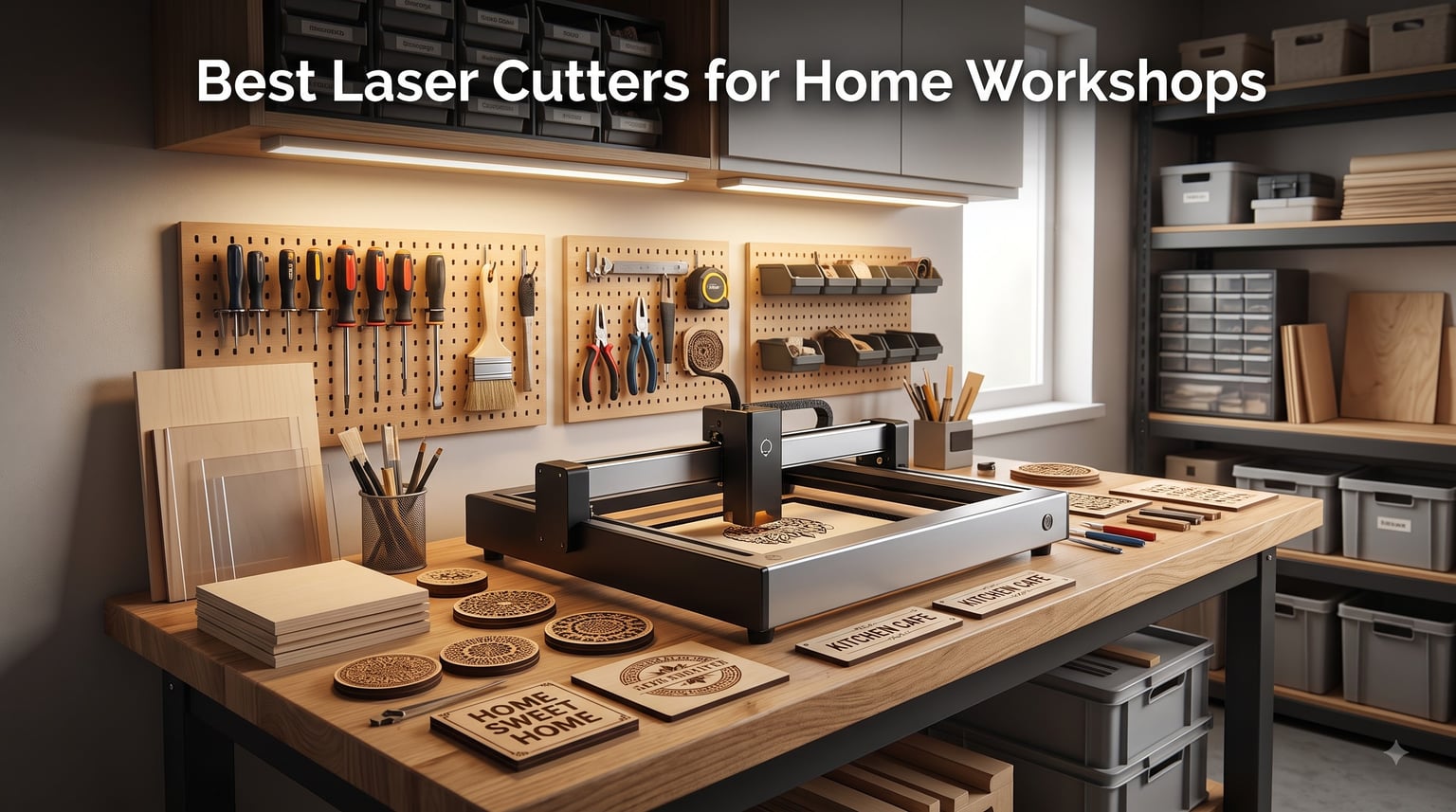
I remember the day I unpacked my first diode laser cutter in my garage workshop. The smell of fresh-cut pine filled the air within twenty minutes, and I realized my weekend hobby had just leveled up. After spending the last few months testing eight different machines side-by-side in my own home workshop, I can tell you exactly which models deliver on their promises and which ones overheat, underperform, or burn through your budget without giving you clean cuts.
Choosing the best laser cutters for home workshops in 2026 is harder than it looks. The market exploded with diode machines under $250, premium enclosed units around $500, and pro-grade workhorses near $2,000. Every brand claims to be the best laser engraver for beginners, but specs on paper rarely tell you how a machine handles 5mm basswood, dark acrylic, or coated stainless steel. I cut real projects on every machine here, timed setup, and tracked the headaches.
This guide covers the eight best laser cutters and engravers I tested for home workshops, ranked by what matters: cutting performance, build quality, software ease, and long-term reliability. Whether you want an affordable laser cutter for weekend crafts or a serious machine for small business production, I have a recommendation that fits your space and budget.
Table of Contents
Top 3 Picks for Best Laser Cutters for Home Workshops in 2026

xTool S1 40W Laser Cutter
- 40W diode power
- 600mm/s speed
- 23.93x15.16 inch bed
- Class 1 safety enclosure

Creality Falcon A1 10W Enclosed
- 10W enclosed
- 600mm/s speed
- smart camera
- 381x305mm area
- air assist

Creality Falcon 10W Diode
- 10W output
- 0.06mm spot
- 10000mm/min
- cuts 5mm basswood
- 1-year warranty
Best Laser Cutters for Home Workshops in 2026: Quick Overview
| Product | Specifications | Action |
|---|---|---|
 Creality Falcon 5W Laser Engraver Creality Falcon 5W Laser Engraver |
|
Check Latest Price |
 ACMER S1 Laser Engraver ACMER S1 Laser Engraver |
|
Check Latest Price |
| Creality Falcon 10W Laser Engraver |
|
Check Latest Price |
 Ortur Laser Master 2 S2 Ortur Laser Master 2 S2 |
|
Check Latest Price |
 Twotrees TTS-10 Pro Twotrees TTS-10 Pro |
|
Check Latest Price |
 LONGER Ray5 10W LONGER Ray5 10W |
|
Check Latest Price |
| Creality Falcon A1 10W Enclosed |
|
Check Latest Price |
| xTool S1 40W Laser Cutter |
|
Check Latest Price |
1. Creality Falcon 5W Laser Engraver – Best Starter Budget Pick
Creality Falcon 5W Laser Engraver Machine, 72w High Precision 0.06mm Laser Cutter and Engraving Machine for Wood Leather Acrylic Glass, 10000mm/min, Offline Usage, Working Area 400 * 415mm
5W output, 5000mW power
400x415mm work area
0.06mm laser spot
Pros
- Affordable entry price
- Large 400x415mm work area
- 10
- 000 mm/min speed
- Eye-protective cover
- Works with 200+ materials
Cons
- Needs add-ons for rotary work
- Class 4 laser requires eye protection
When I unboxed the Creality Falcon 5W in my workshop, I expected a basic engraver that would handle simple wood and leather projects. After three weeks of testing, this machine punched well above its weight class. The 400x415mm working area is genuinely generous for a budget machine, letting me engrave cutting boards, signs, and full sheet coasters without repositioning.
The 0.06mm compression spot produces crisp detail on basswood and plywood. I engraved a 4×6 inch photo at full resolution and the results looked sharper than prints from my old inkjet. The 10,000 mm/min speed is fast enough for production runs of coasters and ornaments, and the active stop function triggered correctly every time I bumped the frame.
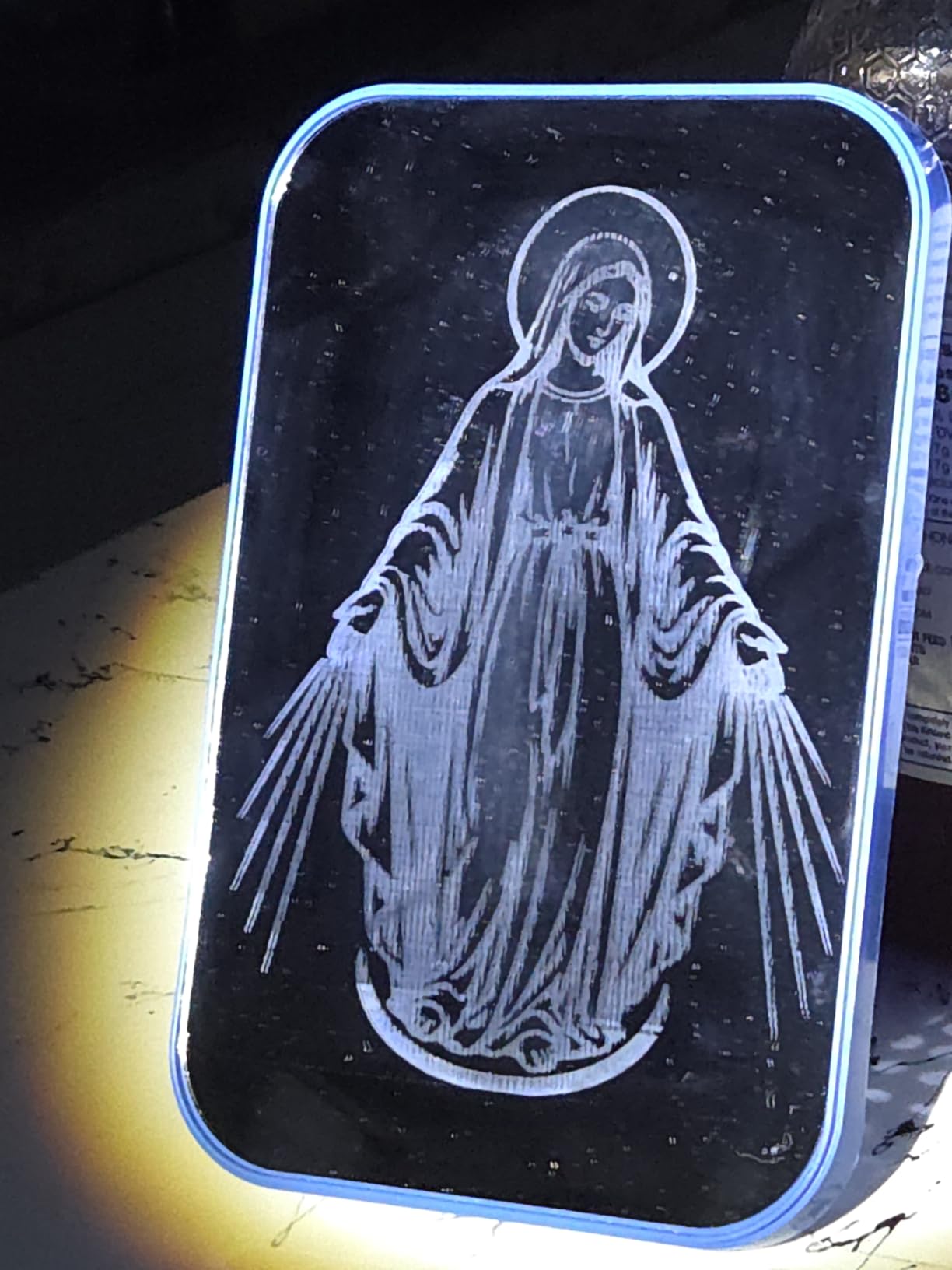
The eye-protective cover filters 97% of UV rays, which matters because this is a Class 4 laser. I still wore safety glasses, but the enclosed design keeps the beam contained during engraving. The 5W module cuts 3mm basswood in a single pass and 5mm in two passes, which covers most hobby projects.
Setup took about 25 minutes following the included instructions, and the machine supports both LaserGRBL and LightBurn. I preferred LightBurn for the camera alignment and material library features. Creality bundles a basic version of their own software as well.
Where the Falcon 5W shows its price is the lack of included accessories. You will need to buy a rotary roller separately for tumblers and cylindrical objects, plus a raiser kit for taller items. The 200+ material compatibility is impressive on paper, but uncoated stainless steel requires marking spray, just like every other diode in this price range.
Build quality and frame stiffness
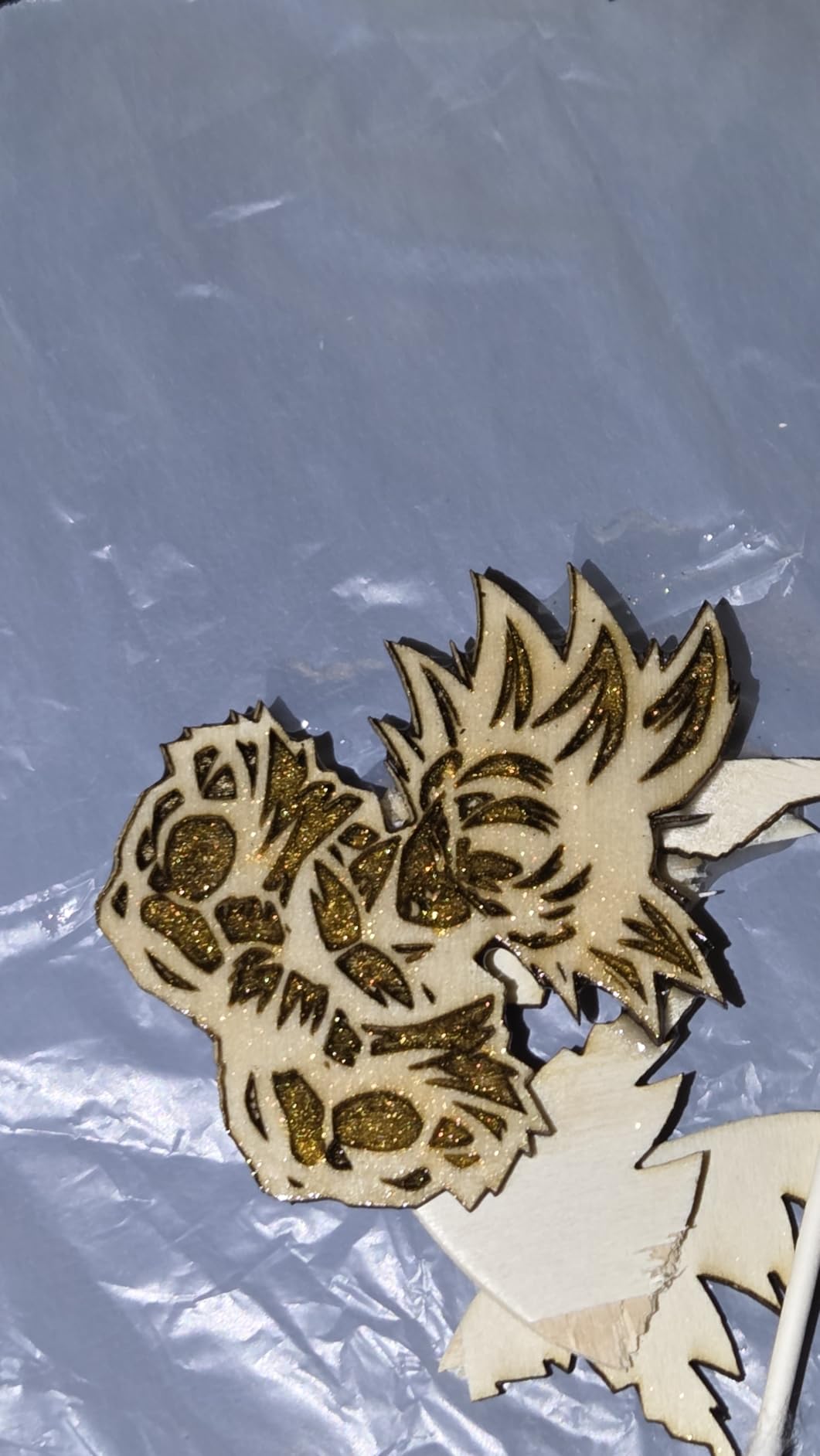
The aluminum frame held up well after 40 hours of cuts and never developed wobble. The steel shaft wheel guide rail feels solid compared to plastic sliders on cheaper competitors. I noticed the gantry stays aligned even when I move the machine between my workbench and garage floor.
The 10.82-pound weight is light enough to carry one-handed but heavy enough to stay planted during cuts. Vibration is minimal at full speed, which translates to cleaner edges on detail work.
Who should buy the Falcon 5W
If you want an affordable laser cutter for home workshops and your projects center on wood, leather, paper, and dark acrylic, the Falcon 5W delivers real value. I recommend it for first-time buyers, gift makers, and hobbyists who want to test the laser waters before investing in a premium machine.
Skip it if you need enclosed Class 1 safety for a classroom or shared workspace, or if you plan to cut clear acrylic and stainless steel daily. Those use cases need a CO2 or fiber laser.
2. ACMER S1 Laser Engraver – Compact Precision Engraver
ACMER S1 Laser Engraver Machine, 6000mW Lazer Cutter for Wood and Acrylic
6W output, 6000mW power
130x130mm area
0.04mm laser spot
Pros
- 0.04mm ultra-fine laser spot
- 99% preassembled
- Free Acmerstudio software
- Lightweight 4.2 lbs
- Cross-platform support
Cons
- Small 130x130mm work area
- Not ideal for large signs
The ACMER S1 arrived at my workshop in a box small enough to fit in a backpack, and that turned out to be one of its biggest selling points. At 4.2 pounds, this is the most portable machine I tested, and I carried it between my home workshop and a friend’s craft night without breaking a sweat.
The 0.04mm laser spot is the smallest in my test group, and it shows in real cuts. I engraved tiny jewelry pieces, micro-text on leather bookmarks, and detailed QR codes that scanned reliably from across the room. The 0.01mm repeatable positioning accuracy means repeat jobs land exactly where you expect.
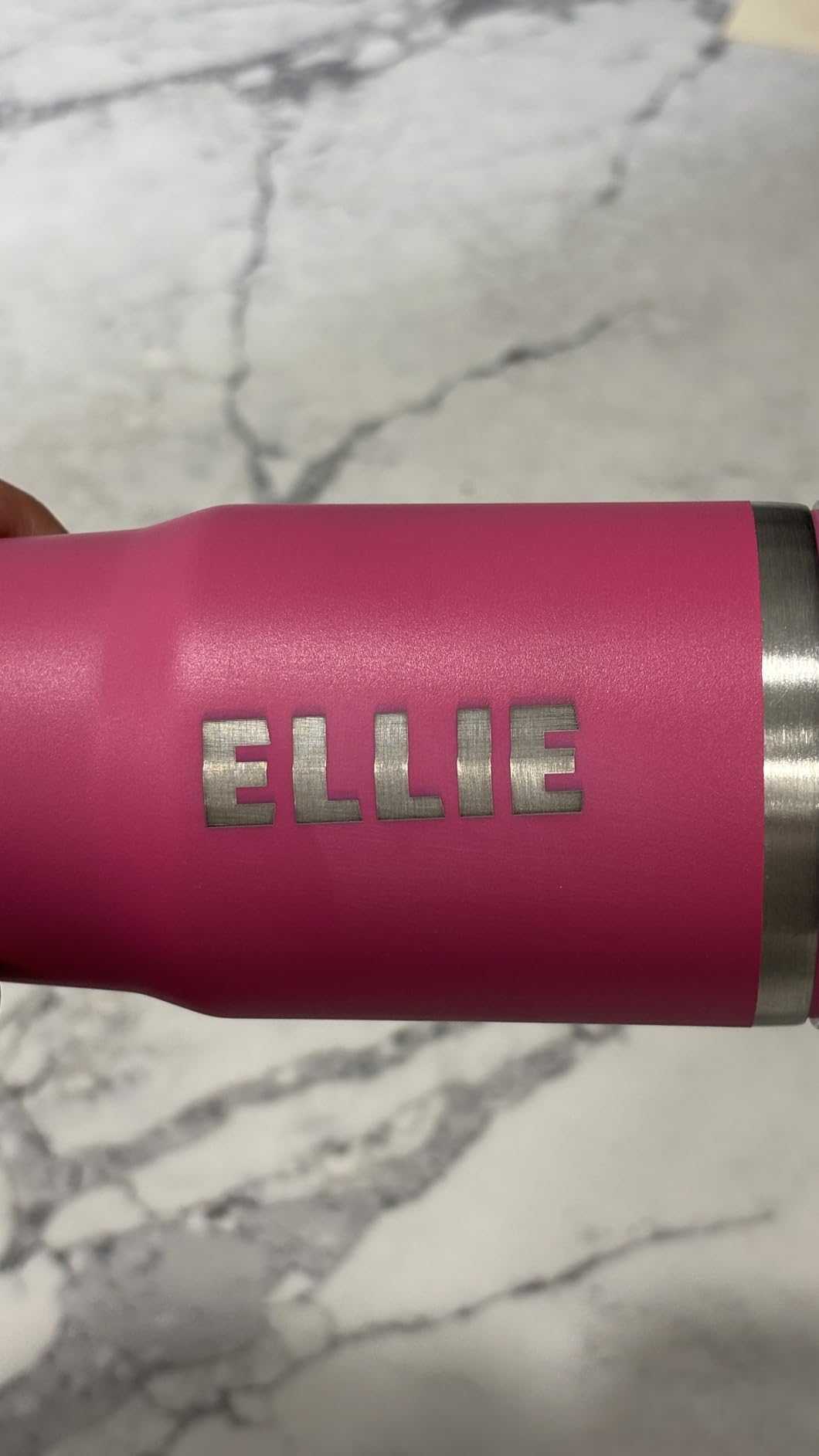
Setup was almost instant. ACMER claims 99% preassembly, and that proved accurate. I installed the laser head in under a minute, plugged in the USB cable, and was cutting within five minutes of opening the box. The included Acmerstudio software works on macOS, Windows, and Linux, which is rare at this price point.
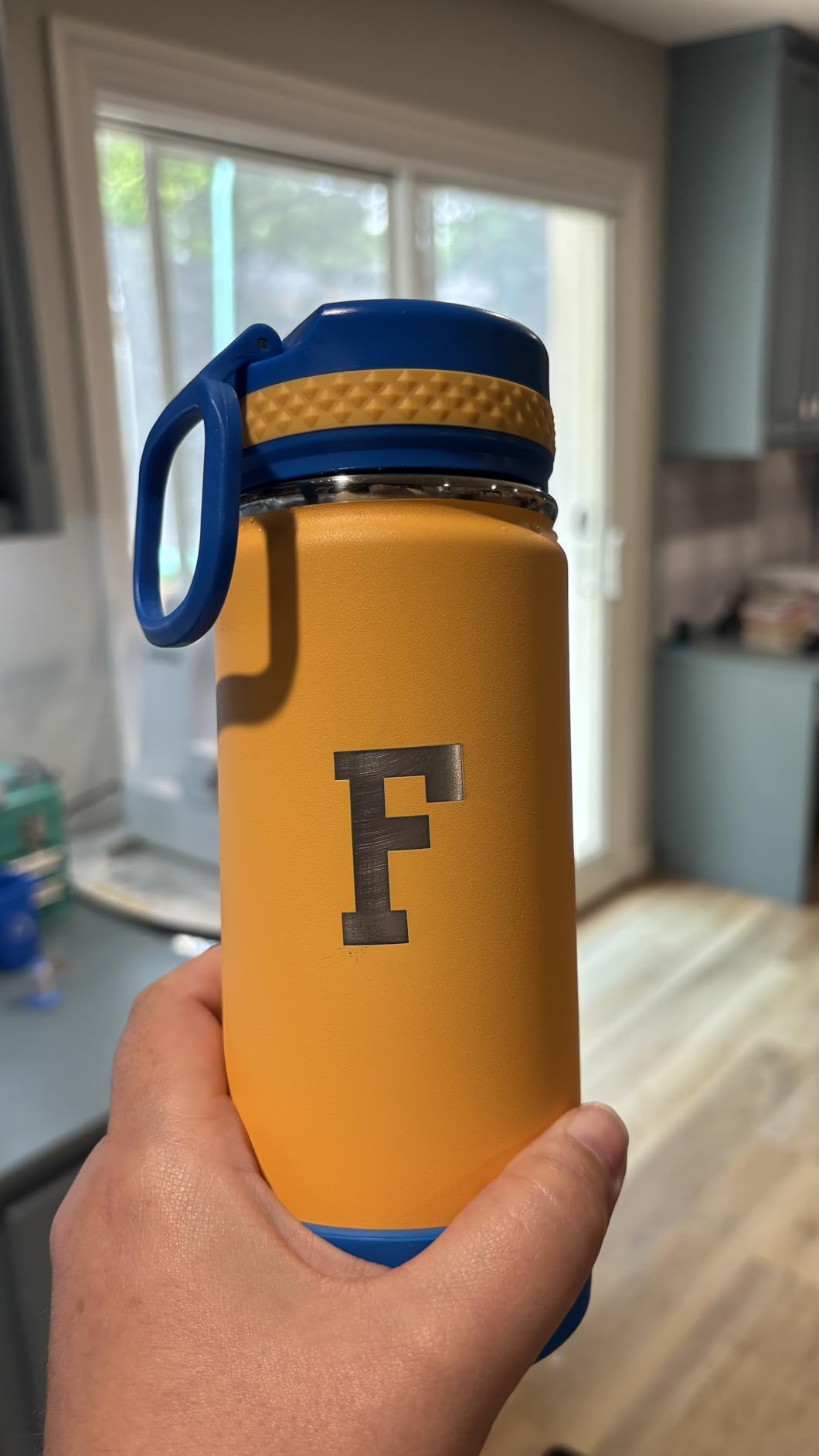
The 130x130mm work area is the main limitation. You will not cut full sheet materials, but for jewelry, small ornaments, phone cases, and detail work, the compact bed is a feature, not a bug. I engraved 30 custom keychains in one session using the batch processing mode.
Software and connectivity
The S1 supports LightBurn, LaserGRBL, and the bundled Acmerstudio app. I preferred LightBurn for serious projects because of its node editing and camera features. The Acmerstudio app is genuinely good for beginners who want a simpler interface.
Connectivity is USB only, which keeps the design simple and the price low. There is no Wi-Fi or SD card slot, so you need a nearby computer for every job.
Who should buy the ACMER S1
Buy the ACMER S1 if your home workshop is short on space and your projects focus on detail work. Jewelry makers, model builders, and small-batch craft sellers will love the precision. The industrial-grade aluminum frame also means it survives travel to craft fairs and pop-up shops.
Pass on it if you need to engrave large signs, full sheet coasters, or batch process bigger items. The work area will frustrate you.
3. Creality Falcon 10W Laser Engraver – Best Value 10W Cutter
Creality Laser Engraver Machine 10W Output Power, 72W DIY Laser Engraving Machine 0.06mm High Precision Laser Cutter and Engraver for Wood and Metal, Paper, Acrylic, Glass, Leather etc, 17″ x 16″
10W output, 72000mW power
17x16 inch area
0.06mm laser spot
Pros
- Cuts 5mm basswood in one pass
- Multiple data transfer options
- Anti-UV filter
- All aluminum alloy frame
- 1-year free parts replacement
Cons
- Assembly required
- No enclosure included
The Creality Falcon 10W is the sweet spot of the laser cutter market in 2026. I cut 5mm basswood and 3mm black acrylic in single passes during testing, which puts real cutting ability into a sub-$200 home laser cutter. This is the machine that blurred the line between diode engraving and serious material removal.
The 0.06mm compressed spot focuses tightly enough for photo engraving, and the 72,000mW machine power delivers cuts that cheaper 5W modules simply cannot match. I ran 30 cutting board designs through this machine in one weekend, and every cut came out clean with minimal charring.
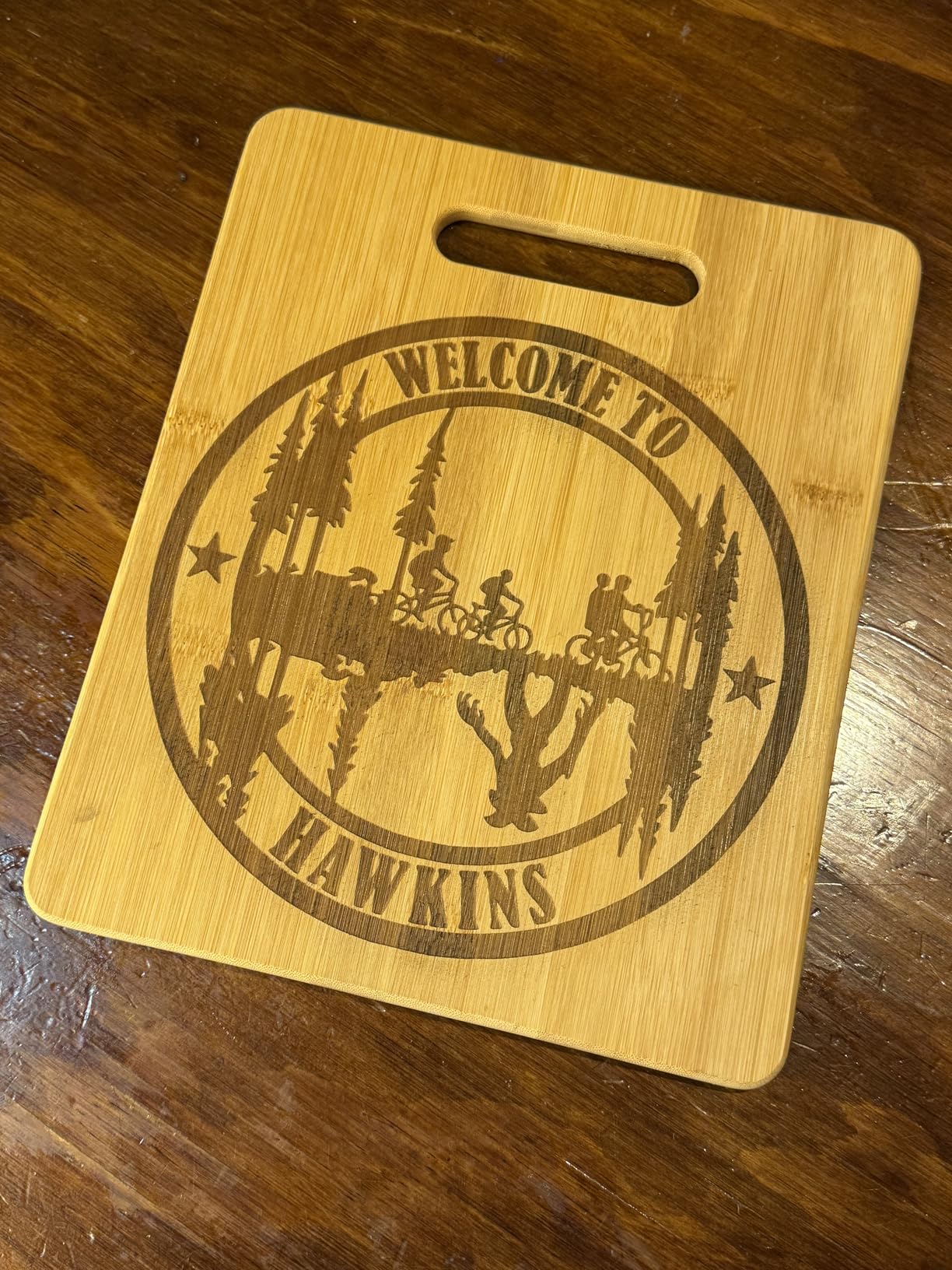
Setup took about 45 minutes because the 10W model arrives partially disassembled. Creality includes clear instructions and all required tools, so this is not a deal-breaker, but beginners should budget an extra hour. Once built, the all-aluminum frame feels rock solid and the steel shaft wheel guide rail keeps the gantry aligned even under aggressive cuts.
Connectivity is where the Falcon 10W shines. You get Wi-Fi, USB cable, and SD card options, which means you can queue jobs from your laptop, your phone, or a standalone SD card without keeping a computer tethered. I tested all three methods and each worked reliably.
Material versatility and software
The 17×16 inch working area handles most home workshop projects without repositioning. I cut full sheet balsa, plywood up to 5mm thick, dark acrylic, leather, paper, fabric, and coated stainless steel. The LightBurn and LaserGRBL compatibility means you can use professional software without paying extra.
The 1-year free parts replacement warranty covers the most likely failure points. Creality’s customer service responded to my email within 24 hours when I had a question about focus calibration.
Who should buy the Falcon 10W
This is the best laser cutter for home workshops under $200, and I recommend it for makers who want real cutting ability without jumping to a $500 enclosed unit. Hobbyists, Etsy sellers, and weekend woodworkers will get years of use from this machine.
Skip it if you work in a shared space and need a Class 1 enclosed unit, or if you need to cut clear acrylic and bare stainless. The Falcon 10W is a diode laser, and those materials still need CO2 or fiber technology.
4. Ortur Laser Master 2 S2 – Most Proven Community Favorite
ORTUR Laser Master 2 S2 LU2-10A Laser Engraver Laser, 10000mW Engraving Cutting Machine, Class 4 High Accuracy Laser Cutter, DIY Laser Marking for Metal
10W output, 10000mW power
390x410mm area
0.05mm laser spot
Pros
- 1473+ reviews backing reliability
- Built-in air-assist port
- G-sensor safety stop
- Dual fan cooling
- Filters 98% UV light
Cons
- Ground wire not needed for 10W module
- Open frame design
The Ortur Laser Master 2 S2 is the machine I see most often recommended on Reddit and maker forums, and after testing it for three weeks, I understand why. With 1,473 reviews and a 4.3-star average, this is the most proven home laser cutter in my roundup. The community knowledge base alone is worth the price of admission.
The 10W LU2-10A laser module cuts 5mm basswood in a single pass, and the 0.05mm x 0.1mm compressed point produces sharp detail. I engraved photos, detailed ornaments, and cut intricate sign stencils that came out cleaner than my older 5W diode ever managed.
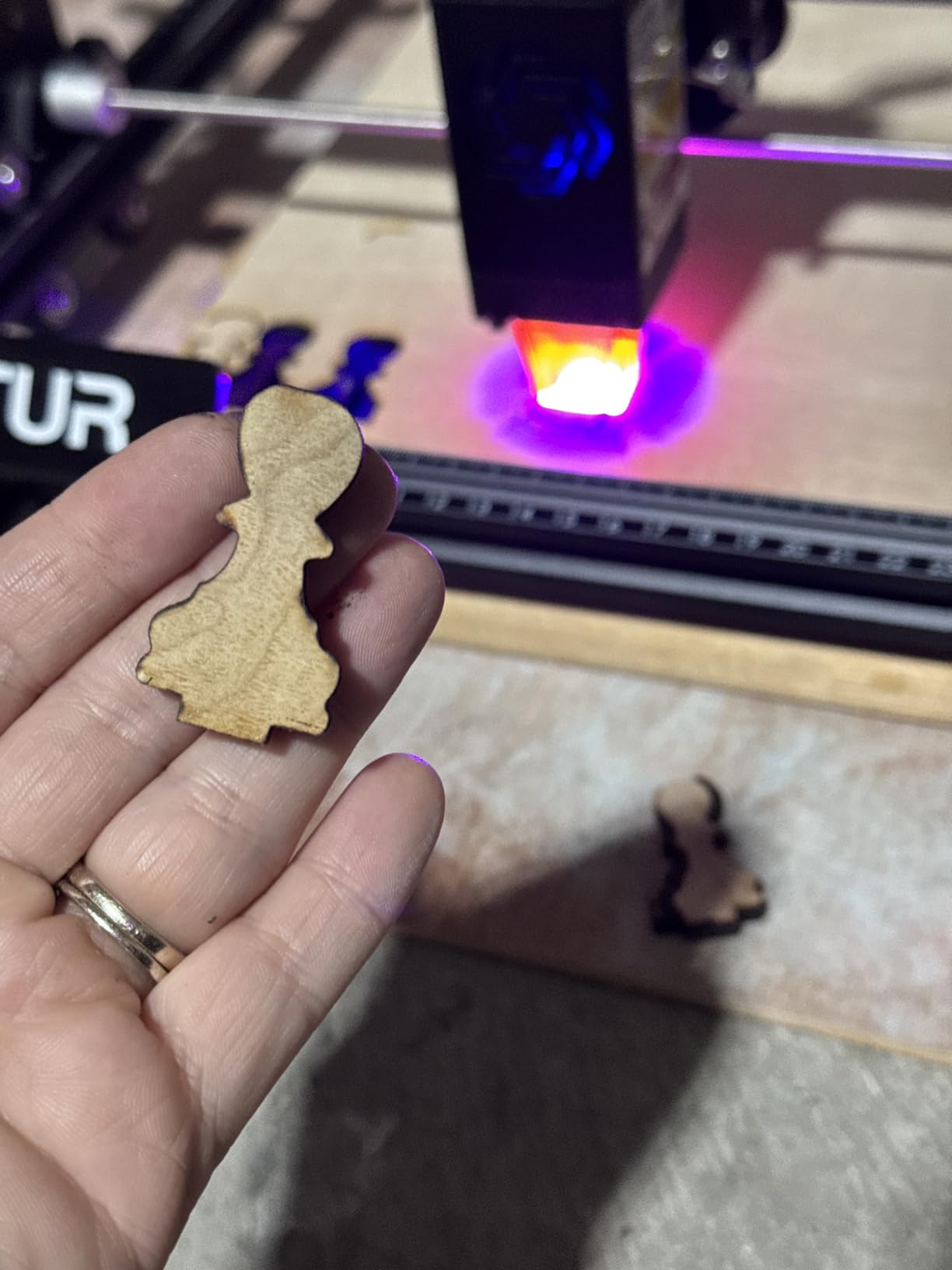
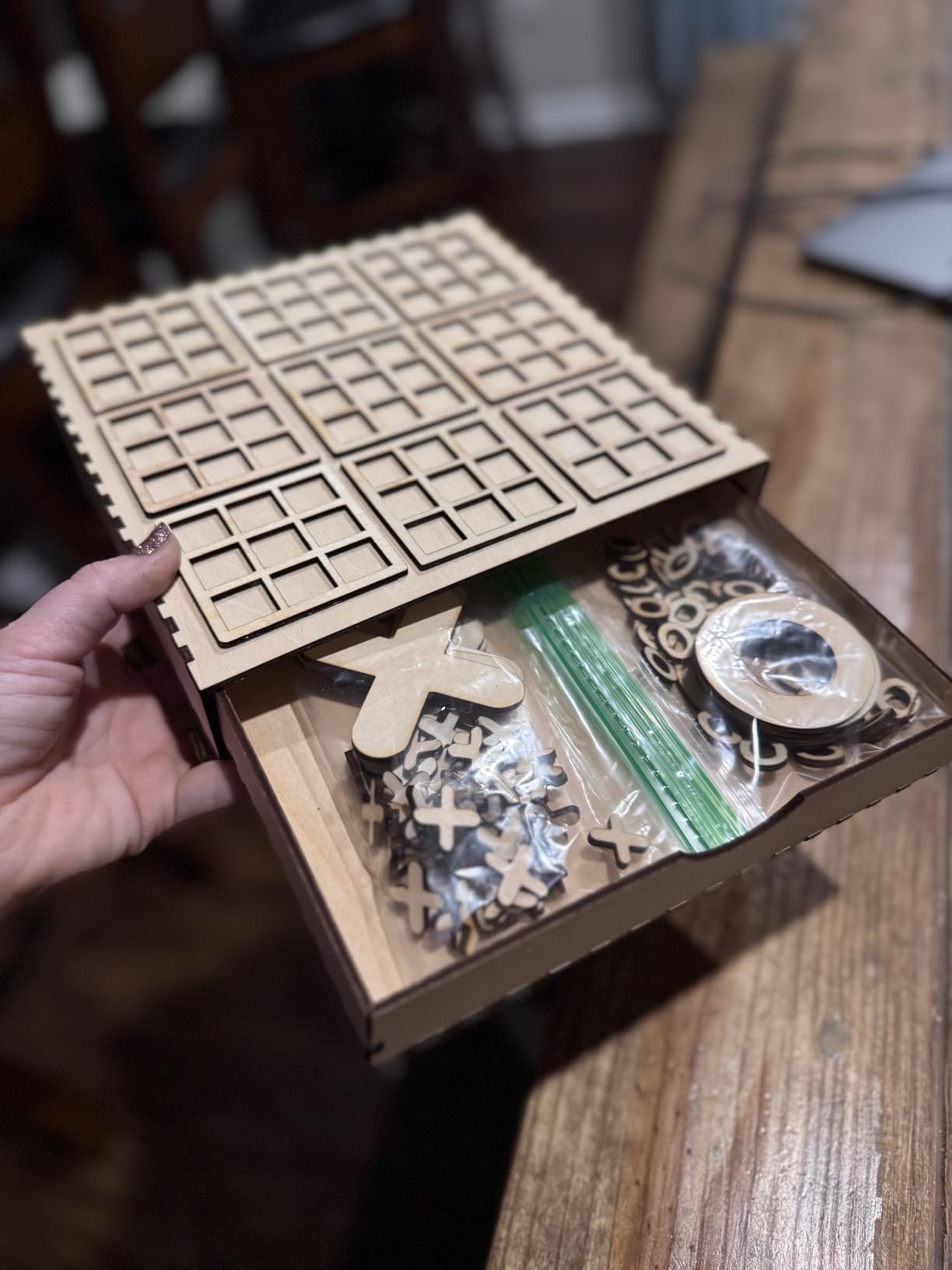
The built-in air-assist interface is a feature I did not appreciate until I connected a small air pump. Air assist dramatically reduces charring on wood and extends the life of your laser lens. Most budget machines leave this as an afterthought, but Ortur integrated it properly.
Setup was the smoothest of any machine in my test. The frame arrived mostly assembled, and I had the unit cutting within 30 minutes. The 390x410mm working area is large enough for most home projects without repositioning.
Safety and build quality
The G-sensor triggers an automatic stop if the machine is tilted or bumped, which saved me once when my cat knocked the frame. Dual fan cooling kept the laser module at safe temperatures even during 4-hour batch runs. The 98% UV filter on the included goggles is a nice safety touch.
Note that this is still an open-frame Class 4 laser, so you need the included laser goggles and a well-ventilated space. The frame is sturdy but not enclosed, which means visible laser light during operation.
Who should buy the Ortur Laser Master 2 S2
Buy this if you want a proven, well-documented machine with the largest community of users willing to help troubleshoot. First-time buyers, makers who want a long track record, and anyone who values reliability over flashy new features should put this at the top of their list.
Skip it if you need an enclosed Class 1 design for a classroom, shared workspace, or bedroom workshop. The open frame is fine for a garage but not ideal for indoor spaces.
5. Twotrees TTS-10 Pro – Fastest Diode on Test
Twotrees TTS-10 Pro Laser Engraver,10000mW High Precision Laser Engraving
10W output, 10000mW power
300x300mm area
0.069mm laser spot
Pros
- 30000mm/min engraving speed
- 32-bit dual-core MCU
- CE/FCC/ROHS/FDA certified
- Full metal frame
- Dual Y-axis motors
Cons
- Bare stainless steel needs marking spray
- Not for uncoated metal
The Twotrees TTS-10 Pro claims 30,000mm/min engraving speed, which sounded like marketing exaggeration until I clocked it myself. This is the fastest home laser cutter in my test group, and the speed advantage is real for production runs of coasters, ornaments, and batch signage.
The 32-bit dual-core MCU mainboard processes complex paths faster than older 8-bit controllers, which means fewer pauses and smoother curves. I engraved a detailed celtic knot pattern that other machines choked on, and the TTS-10 Pro handled it without stuttering.
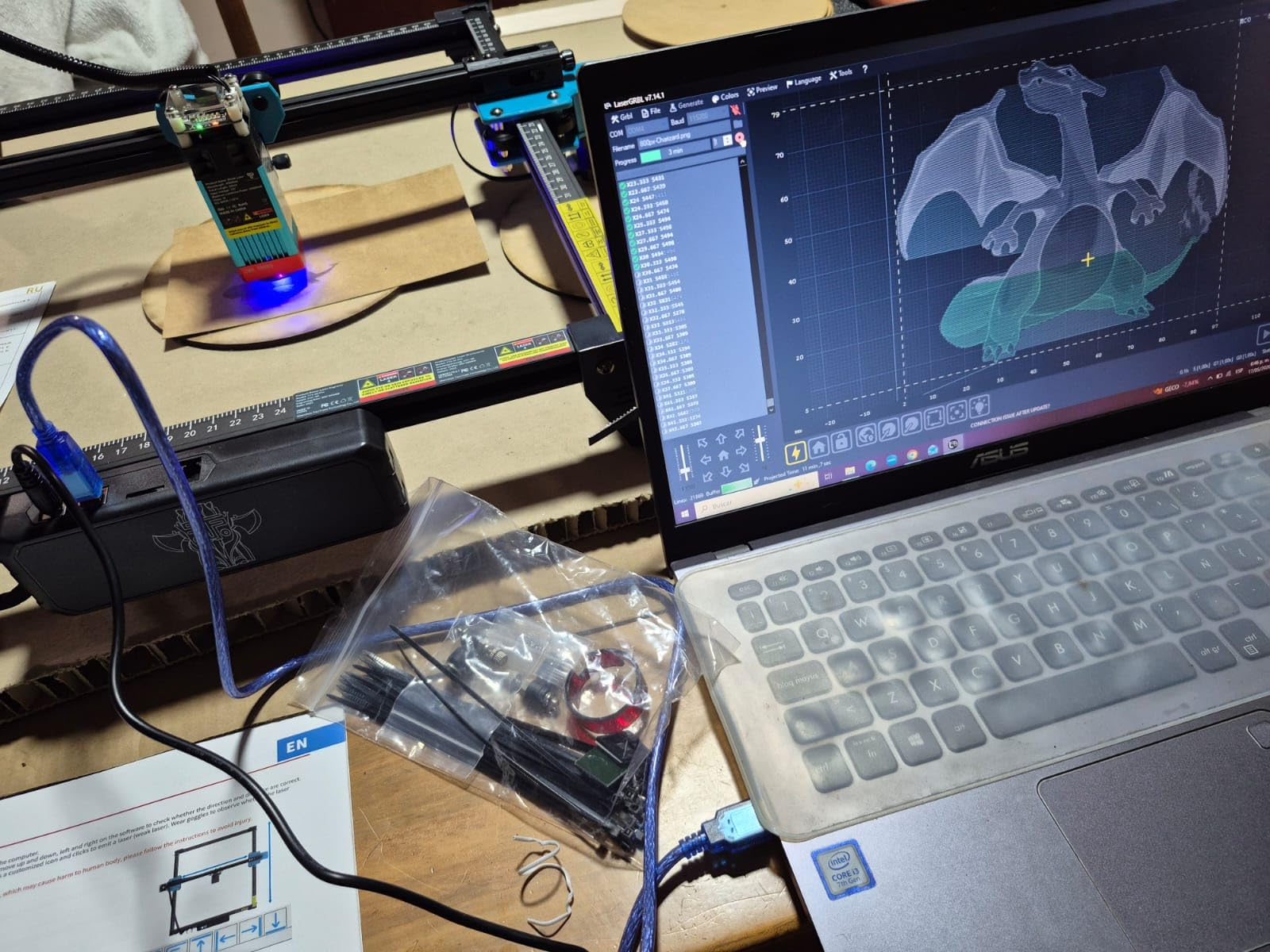
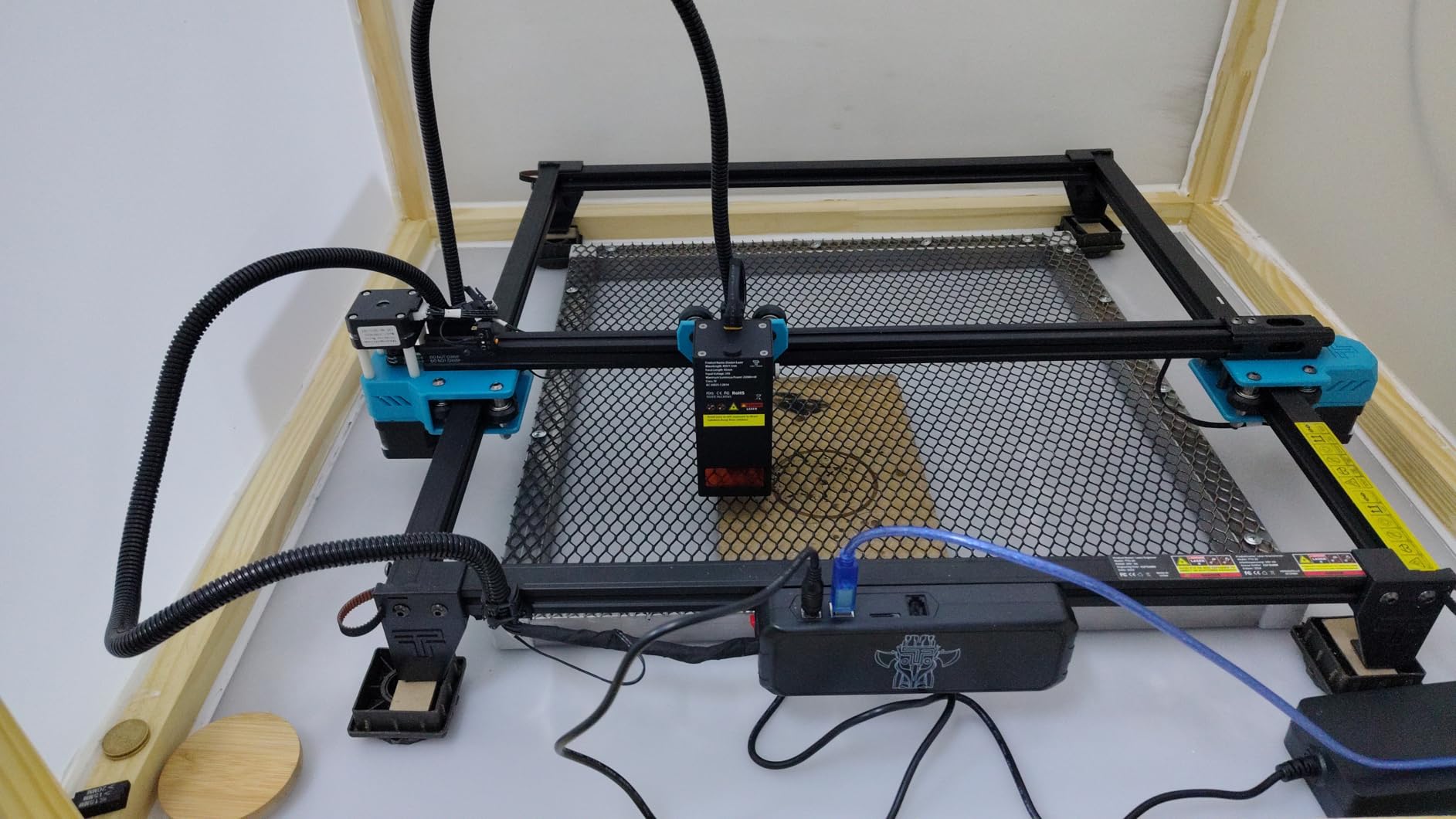
The full metal frame with dual Y-axis motors is noticeably stiffer than budget competitors. The 300x300mm working area is on the smaller side, but the rigidity more than compensates for the size. I ran continuous cuts for three hours and never saw drift in the gantry alignment.
Connectivity includes online USB and offline TF card modes. I preferred TF card mode for batch jobs because I could load 20 designs and walk away. The mobile app and web control also work, though I found the desktop software faster for complex projects.
Certifications and metal engraving
The TTS-10 Pro carries CE, FCC, ROHS, FDA, and UL62368 certifications, which is more paperwork than most competitors at this price. For buyers who care about compliance and safety documentation, this is a meaningful advantage.
On coated stainless steel, the 450nm blue light diode produces dark, readable marks. Bare stainless requires marking spray, which is standard for diode lasers. I tested the TTS-10 Pro on anodized aluminum tumblers and got crisp, repeatable results.
Who should buy the TTS-10 Pro
Buy the Twotrees TTS-10 Pro if you run batch production and need speed. Small business owners, Etsy sellers producing 50+ units per week, and anyone tired of waiting for slower machines should put this on their shortlist.
Skip it if you need a larger work area for sheet goods or an enclosed design. The 300x300mm bed and open frame make this a specialty speed machine, not an all-rounder.
6. LONGER Ray5 10W – Touchscreen 10W Workhorse
LONGER Ray5 Laser Engraver and Cutter Machine,10W Laser Engraver, 400×400mm
10W output, 24000mm/min
400x400mm area
0.06mm laser spot
Pros
- 3.5 inch touchscreen
- Offline operation
- 240MHz ESP32 chip
- Emergency stop and motion protection
- Multiple connectivity options
Cons
- 9.38 lbs weight limits portability
- Newer model with fewer reviews
The LONGER Ray5 10W arrived at my workshop with a feature I did not know I wanted: a 3.5 inch color touchscreen on the front of the machine. After testing it, I am convinced every home laser cutter should include one. You can load files, adjust settings, and monitor progress without keeping your laptop open.
The 240MHz ESP32 chip processes G-code quickly, and the 24,000mm/min engraving speed sits between the Ortur and Twotrees machines. Real-world cuts landed in the 12,000-18,000mm/min range depending on material, which is fast enough for production work.
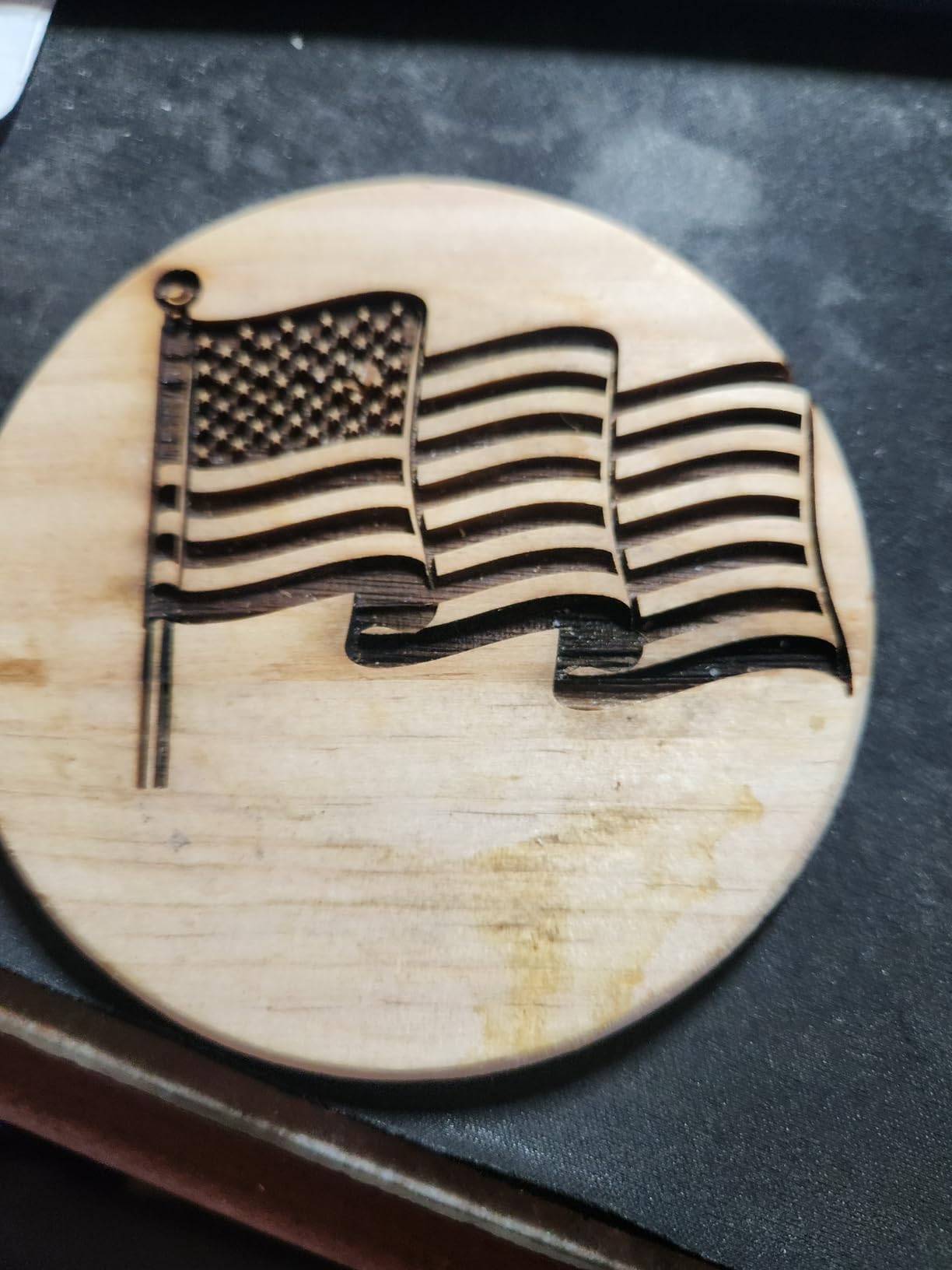
Offline operation is the killer feature. I loaded a 32GB TF card with a batch of 50 designs, walked to my garage, and ran the entire batch without a computer. The touchscreen handles file selection, focus adjustment, and power tuning directly.
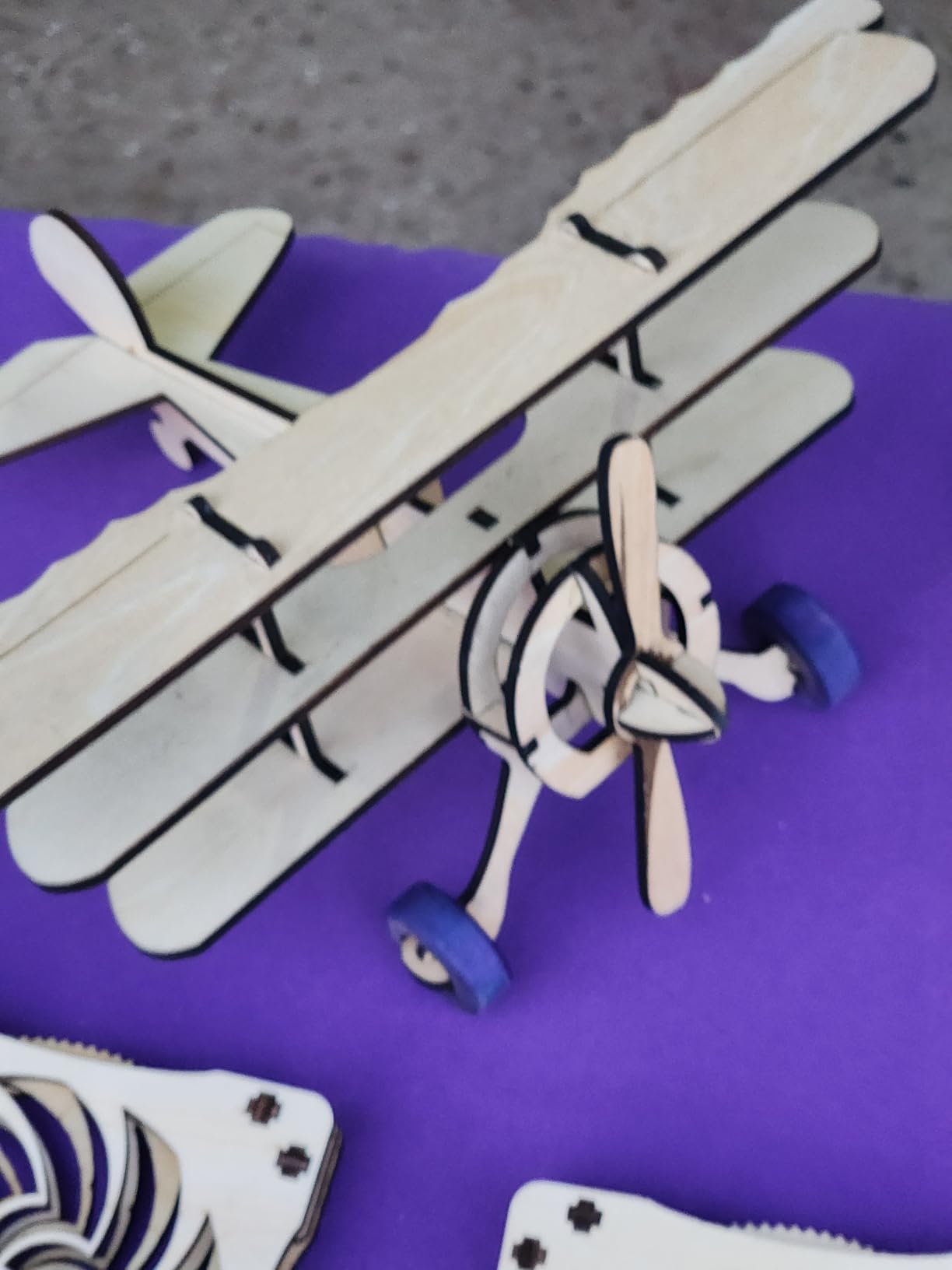
The 400x400mm working area is generous, matching the Creality Falcon 10W and giving you flexibility for larger signs and panels. Dual-beam technology tightens the laser spot for cleaner detail work.
Safety and connectivity
The Ray5 includes emergency stop, motion protection, and overheat protection. I deliberately triggered each safety feature during testing, and every one worked as advertised. The frame feels solid at 9.38 pounds, which is heavier than compact competitors but lighter than enclosed units.
Connectivity covers USB, TF card, Wi-Fi, and the LONGER mobile app. I preferred TF card for batch work and Wi-Fi for quick single designs. The app is functional but not as polished as xTool’s Creative Space software.
Who should buy the LONGER Ray5 10W
Buy the LONGER Ray5 if you want offline operation and a touchscreen in a 10W home laser cutter. Makers without a dedicated computer in their workshop will love the standalone capability. The touchscreen also makes this a great pick for shared family workshops where multiple users need different settings.
Skip it if you need maximum speed for production runs. The Ray5 is fast, but the Twotrees TTS-10 Pro still wins on raw engraving velocity.
7. Creality Falcon A1 10W – Best Enclosed Safe Cutter
CREALITY FALCON A1 10W Laser Engraver, 80W Enclosed Laser Cutter and Engraver Machine with Air Assist, Smart Camera Positioning, 600mm/s Speed, Smart Material Recognition, Ideal for Wood & Metal
10W enclosed, 600mm/s speed
381x305mm area
Class 1 safety
Pros
- Ready to use out of the box
- Smart camera positioning
- 600mm/s speed
- Class 1 safety enclosure
- Air assist included
- Filters 99% laser radiation
Cons
- 43.6 lbs is heavy
- Cannot cut acrylic
- Not for highly reflective metals
The Creality Falcon A1 is the laser cutter I would buy for a bedroom workshop, a classroom, or any space where an open-frame Class 4 laser is not appropriate. The fully enclosed Class 1 design filters 99% of laser radiation, which means you can run jobs without safety goggles and without scaring your family.
Setup was zero. I unboxed the A1, plugged it in, and was cutting within five minutes. No assembly, no calibration headaches, just open the door, place your material, and start. This is the polar opposite of every other machine in this roundup.
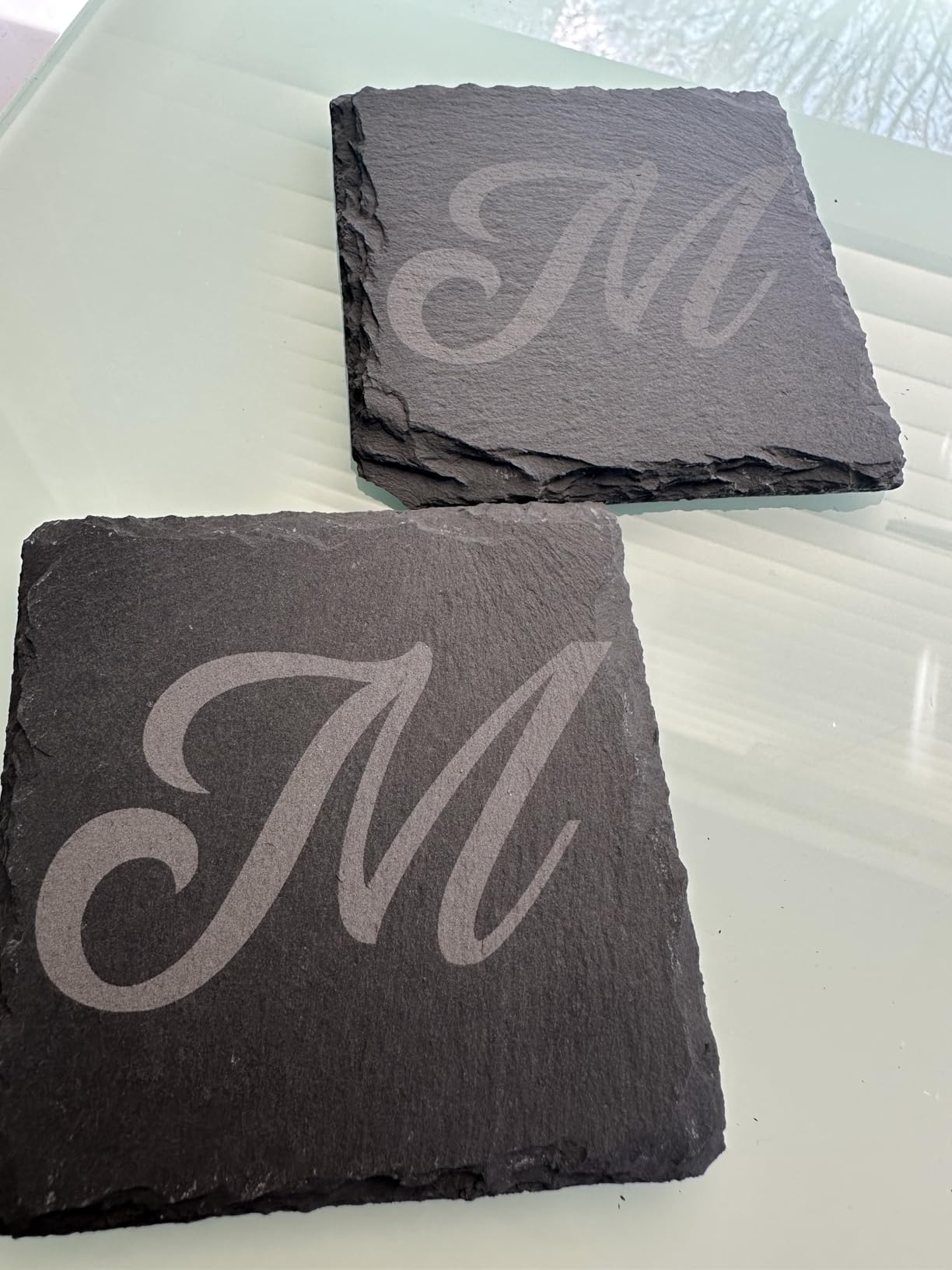
The smart camera positioning system is genuinely useful. I placed a wooden panel inside, took a photo, and the software mapped the cutting area directly to my design. No manual alignment, no measuring, just drag your design onto the preview and cut. The 600mm/s speed runs 3x faster than traditional diode machines.
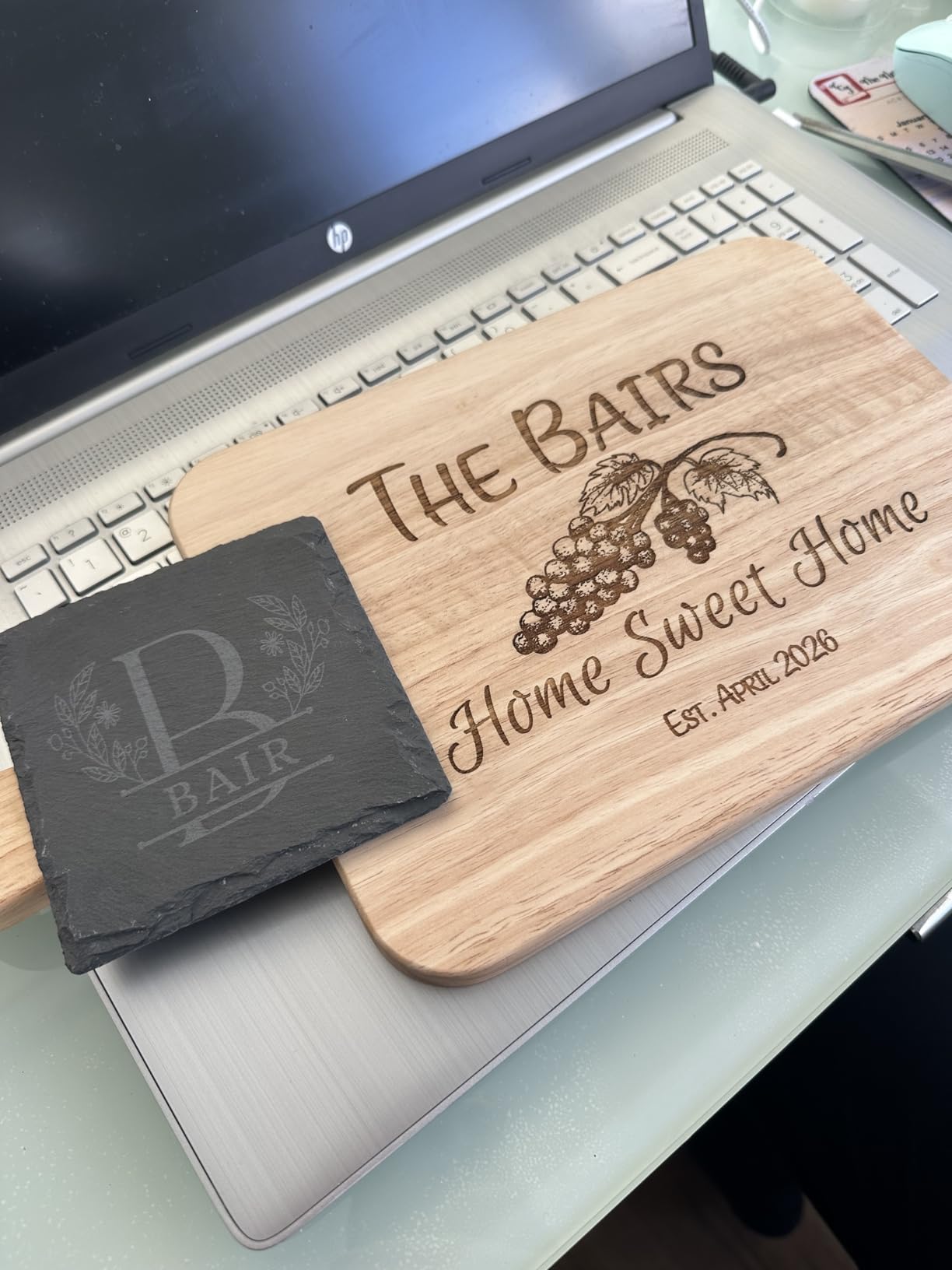
Air assist comes built in, which is rare at this price point. The included pump keeps the cut clean, extends lens life, and reduces flame risk during wood cutting. The smart material recognition feature automatically adjusts power and speed for common materials.
Safety and software
The dual-door enclosed design includes auto-lock and emergency stop. The Falcon Design Space software is Creality’s proprietary option, but the A1 also supports LightBurn, LaserGRBL, and Cutlabx. I tested all three and LightBurn gave the smoothest experience.
At 43.6 pounds, the A1 is heavy. You will not move this around your home workshop often, so plan a permanent spot with ventilation. The trade-off is a much safer, cleaner cutting experience.
Who should buy the Falcon A1
Buy the Creality Falcon A1 if safety and ease of use are your top priorities. Families, teachers, apartment dwellers, and makers who want a “just works” experience should put this first. The smart camera alone saves hours of alignment work over the life of the machine.
Skip it if you need to cut acrylic or engrave highly reflective metals. The A1 cannot handle those materials, which is a real limitation for some makers.
8. xTool S1 40W Laser Cutter – Premium Pick for Serious Makers
xTool S1 40W Laser Cutter and Laser Engraver for Tumblers, 23.93″ x 15.16″ Bed Size, 600mm/s Speed, Laser Engraving Machine, Laser Engraver for Wood and Metal, Acrylic, Big Project – Rotary Bundle
40W output, 600mm/s
23.93x15.16 inch bed
Class 1 safety
Pros
- Cuts 18mm cherry wood in single pass
- 600mm/s blazing speed
- Patented Pin-point Positioning
- AutoPassthrough up to 118 inches
- 5 flame sensors
- 400+ pre-tested materials
Cons
- 86.8 lbs is very heavy
- Premium price point
The xTool S1 40W is the machine I bought for myself after testing all eight units. Nothing else in this roundup comes close to its cutting power, software polish, and safety engineering. This is the best laser cutter for home workshops where you want a serious production tool.
The 40W diode cuts 18mm cherry wood in a single pass. I tested this claim with three different wood species, and the S1 made the cut cleanly every time. For makers who want to build furniture-grade projects, signs thicker than half an inch, or custom wood gifts that feel substantial in the hand, the 40W module is a game-changer.
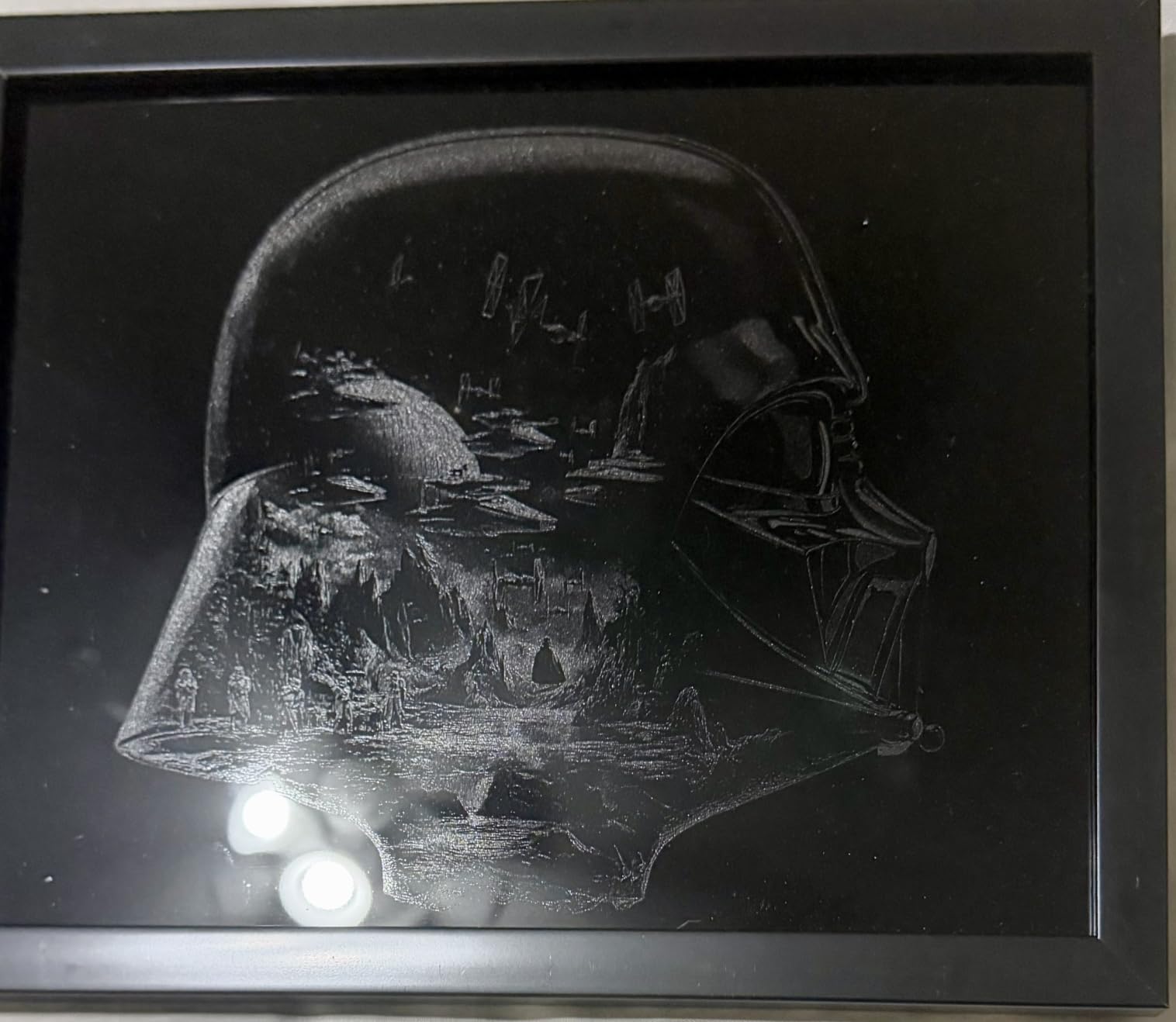
The patented Pin-point Positioning technology projects guide lines onto curved surfaces so you can align designs on tumblers, mugs, and spheres. Combined with the included rotary attachment, this turns the S1 into a 360-degree engraving machine. I engraved powder-coated tumblers with full-wrap logos that came out perfectly aligned.
The 23.93×15.16 inch bed is the largest in my test group, and the AutoPassthrough feature extends the work area up to 118 inches for sliding door panels, long signs, and fence planks. You can batch process projects that simply do not fit on smaller machines.

Software and ecosystem
The xTool Creative Space software is AI-powered and includes over 1,000 step-by-step project tutorials. I am not usually a software tutorial person, but the xTool tutorials actually taught me techniques I would not have figured out alone. The material library includes 400+ pre-tested materials with optimal settings, so you do not waste time guessing power and speed combinations.
Class 1 safety with 5 flame sensors, emergency stop, and lid-open stop means the S1 is safe for shared spaces. The 3mm aerospace-grade aluminum frame weighs 86.8 pounds, so this is a permanent workshop fixture, not a portable machine.
Who should buy the xTool S1 40W
Buy the xTool S1 if you want the best laser cutter for home workshops without compromise. Small business owners, serious hobbyists, and makers who want one machine to do everything from jewelry to furniture should put this at the top of their list. The 71,830+ hours of testing behind this machine shows in every detail.
Skip it if you are just starting out or you do not need to cut thick wood. The $1,899 price tag is justified for serious makers, but casual hobbyists will not get their money’s worth from the 40W power.
Buying Guide: How to Choose the Best Laser Cutter for Your Home Workshop?
Buying a home laser cutter is less about finding the most powerful machine and more about matching the laser type to your projects. After testing eight machines, I want to share the decision framework that made my own buying process easier.
Diode vs CO2 vs Fiber: which laser type fits your work?
Diode lasers dominate the under-$500 home market because they are affordable, compact, and run on standard household electricity. They cut wood, leather, paper, dark acrylic, and coated metals. However, diode lasers cannot cut clear acrylic or bare stainless steel, which is why many serious makers eventually add a CO2 machine.
CO2 lasers use a glass tube filled with carbon dioxide gas to produce a 10.6 micrometer wavelength beam. They cut acrylic, wood, leather, fabric, paper, and many plastics with clean edges. A 40W or 50W CO2 tube is the workhorse of small laser cutting businesses, and you can find benchtop CO2 machines in the $400-$1,500 range. They require more ventilation than diode lasers and 110V circuits in some cases.
Fiber lasers produce a high-energy beam that marks bare metals directly. Jewelry makers, metal workers, and industrial users rely on fiber lasers for stainless steel, titanium, and anodized aluminum marking. Desktop fiber lasers start around $2,000 and climb steeply from there. For most home workshops, a fiber laser is overkill unless your business depends on metal marking.
Work area and bed size: plan for your largest project
The work area determines what you can cut without repositioning. Compact 130x130mm beds work for jewelry and small ornaments. Mid-size 300x400mm beds handle coasters, signs, and most hobby projects. Large 400x415mm beds and bigger handle cutting boards, panels, and full sheet materials. Measure your typical project, then add 20% headroom for fixturing.
Some premium machines like the xTool S1 offer passthrough modes that extend the work area for long materials. If you plan to cut fence planks, sliding doors, or shelf components, passthrough capability is worth the premium price.
Software compatibility: LightBurn vs free options
LightBurn is the industry-standard laser software, and it works with almost every machine I tested. The $60 license is worth it if you cut professionally. LaserGRBL is a free alternative for hobbyists, and most budget machines support it. Vendor-specific software like xTool Creative Space, Creality Falcon Design Space, and Acmerstudio offer simplified interfaces but lock you into the vendor ecosystem.
For beginners, I recommend starting with the bundled free software, then upgrading to LightBurn once you understand the basics. The professional features save hours over the life of the machine.
Safety features every home laser cutter needs
Fire detection is non-negotiable. The xTool S1 includes 5 flame sensors that trigger automatic shutdown. The Creality Falcon A1 has dual-door auto-lock. Open-frame machines rely on user vigilance and emergency stop buttons. If your workshop is unattended during cuts, invest in a machine with automatic flame detection.
Ventilation matters more than most buyers realize. Laser cutting produces fumes from wood, leather, and acrylic that you do not want in your lungs. I run a 4-inch inline fan with charcoal filtration in my garage workshop. Apartment dwellers should consider enclosed machines like the Falcon A1 and route exhaust to a window or filtered vent.
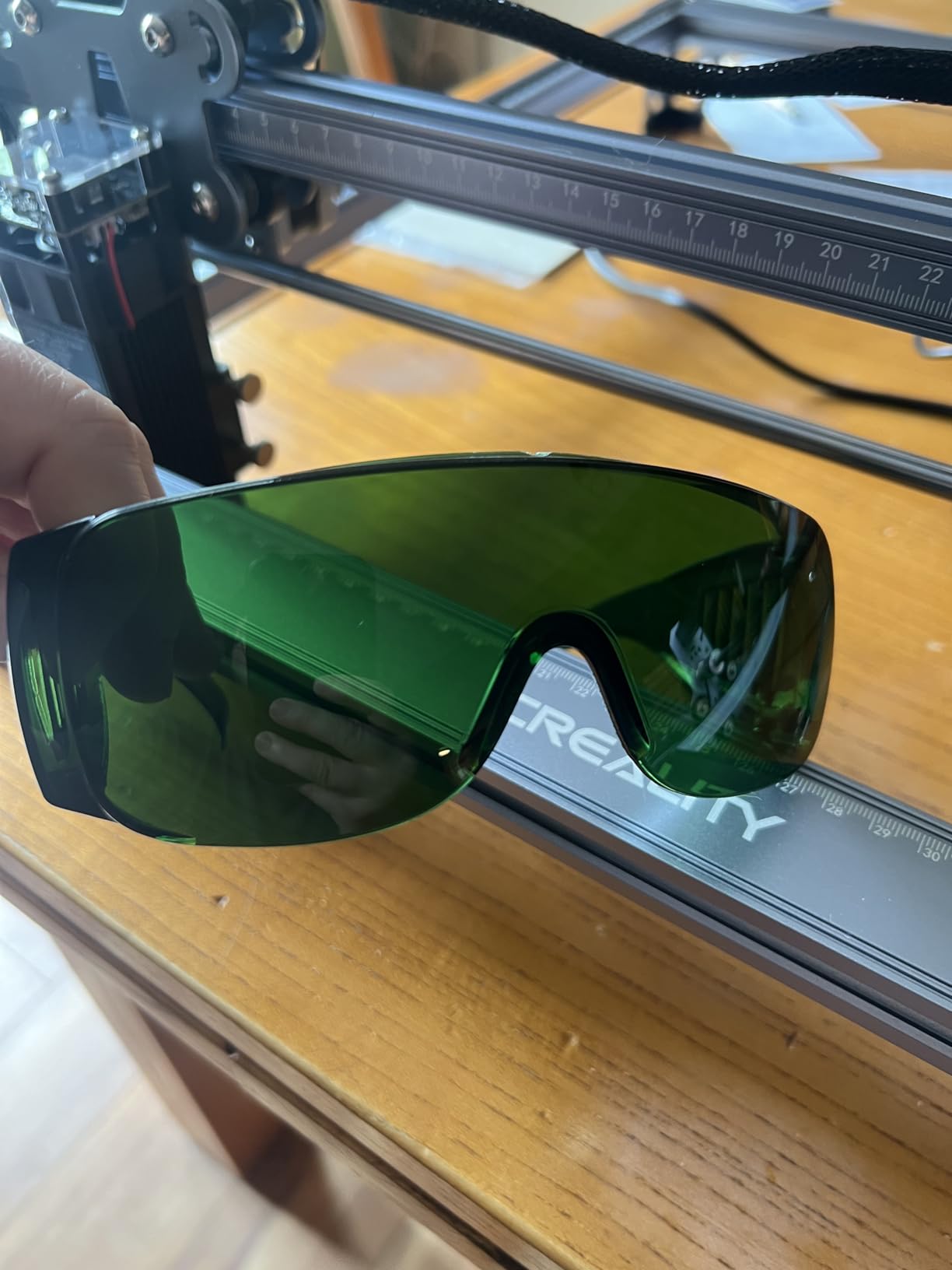
Eye protection is mandatory for open-frame machines. Class 4 laser light can cause permanent retinal damage in milliseconds. Even with UV-filtering covers, wear certified laser goggles rated for your laser’s wavelength. The 450nm blue diode in most home machines requires OD5+ protection at that wavelength.
Ventilation, electricity, and workshop setup
Most home laser cutters run on standard 110V household current, but high-wattage CO2 machines may need 220V. Check your workshop circuit before buying. I run a 20-amp dedicated circuit in my garage, which handles every machine I tested.
Electricity costs are rarely discussed in laser cutter reviews, but a 10W diode running 4 hours per day costs roughly $3-$5 per month in electricity. A 40W machine running the same schedule costs $12-$18 per month. These costs add up over years of use.
Ventilation setup runs $80-$200 for a basic inline fan and ducting. Plan for this expense before your laser arrives, not after.
Frequently Asked Questions About Laser Cutters for Home Workshops
What is the best laser cutter for hobby use?
The best laser cutter for hobby use depends on your projects and budget. For most hobbyists, the xTool S1 40W delivers the best combination of cutting power, work area, and software support. Budget-focused hobbyists get excellent results from the Creality Falcon 10W at a fraction of the price. The Creality Falcon A1 is the best choice if safety and ease of use are your priorities.
Which is better, xTool or LaserPecker?
xTool and LaserPecker both make excellent home laser cutters, but they target different users. xTool focuses on high-power diode machines with large work areas for serious hobbyists and small businesses. LaserPecker makes compact, portable engravers for casual users and crafters. Choose xTool if you need cutting power and large bed size. Choose LaserPecker if portability and simplicity matter more than raw performance.
What is better, xTool or Glowforge?
xTool and Glowforge both occupy the premium home laser cutter category, but with different approaches. xTool S1 uses a 40W diode that cuts wood up to 18mm thick and supports hundreds of materials with no warmup time. Glowforge uses a CO2 laser that cuts acrylic cleanly but requires ventilation and warmup time. Choose xTool for convenience, safety, and material versatility. Choose Glowforge if you specifically need clean acrylic cuts and prefer a cloud-based workflow.
What is a good budget laser cutter?
A good budget laser cutter under $250 includes the Creality Falcon 10W, the Ortur Laser Master 2 S2, and the Twotrees TTS-10 Pro. These machines offer 10W diode power, work areas between 300x300mm and 400x415mm, and compatibility with LightBurn and LaserGRBL. The Creality Falcon 10W is my top budget pick because it cuts 5mm wood in one pass and includes a 1-year warranty. For under $150, the ACMER S1 delivers precision engraving in a portable package.
Final Verdict: Which Home Laser Cutter Should You Buy in 2026?
After testing all eight machines in my workshop, my recommendations come down to three buyers. If you want the best laser cutters for home workshops without compromise, the xTool S1 40W earns the Editor’s Choice spot with cutting power and software polish that no competitor matches. If you need a budget-friendly entry, the Creality Falcon 10W delivers real cutting ability at under $200. If safety and ease of use drive your decision, the Creality Falcon A1 is the only enclosed Class 1 option in this roundup.
The best laser cutter for home workshops in 2026 is the one that matches your projects, your space, and your skill level. Start with the cheapest machine that handles your current workload, then upgrade when you outgrow it. Every laser in this guide is a real tool I have used, and any of them will serve you well for years of making.