
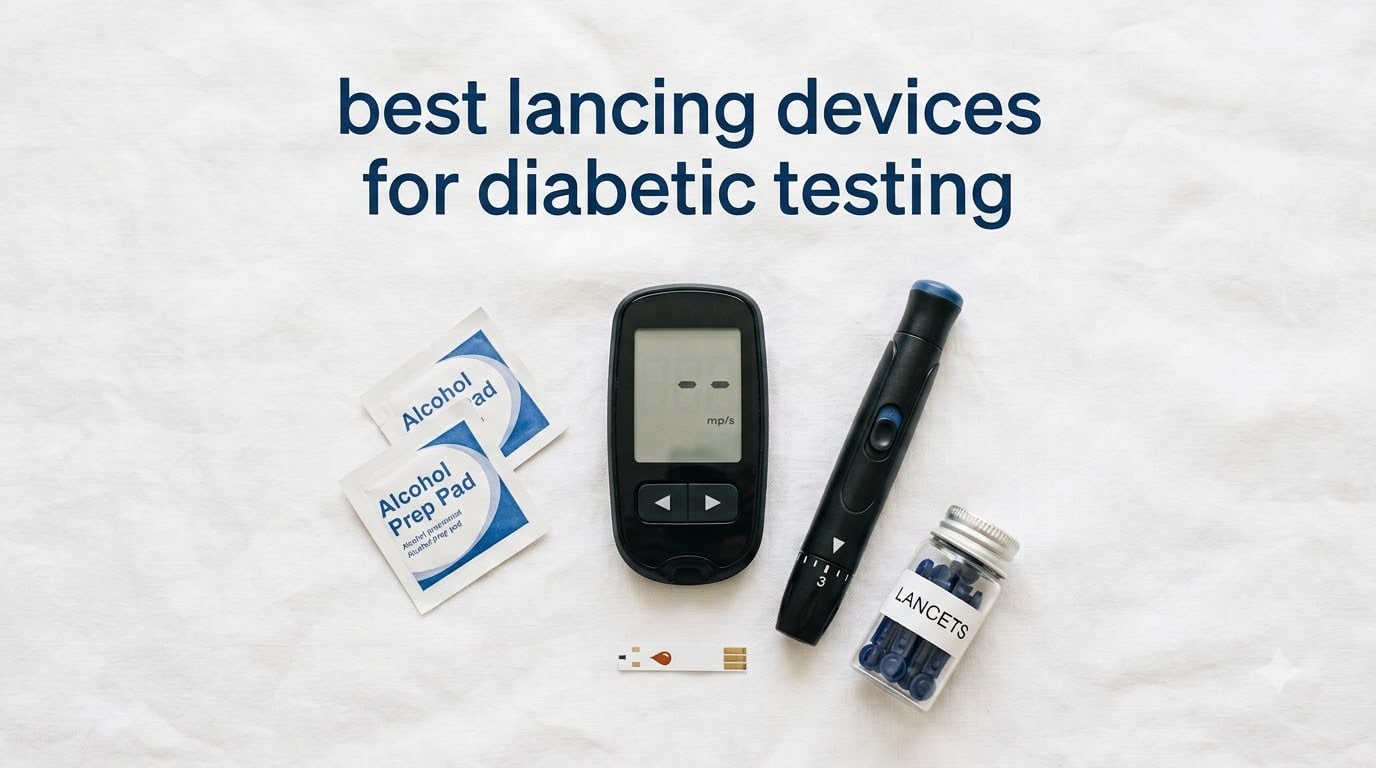
If you’ve ever winced through a finger prick that felt more like a jab, you already know why the right lancing device matters. After spending weeks testing 10 of the most popular blood lancet devices on the market – including models from Accu-Chek, OneTouch, Microlet, FreeStyle, and AUVON – our team found that the difference between a torture device and a tolerable daily routine comes down to needle gauge, depth control, and vibration engineering.
The best lancing devices for diabetic testing share three traits: a thin, silicone-coated lancet (30G or finer), multiple depth settings, and a spring mechanism that fires fast and clean. Type 1 diabetics who test 4-6 times a day feel those qualities the most. Parents pricking small fingers and people with calloused fingertips from years of testing need them too.
This guide ranks our picks by pain reduction, build quality, lancet compatibility, and real-world user feedback. We cross-checked Amazon reviews, manufacturer specs, and what we saw on r/diabetes and Facebook diabetes groups. Every device here is currently available and ships in original retail packaging from verified sellers.
Table of Contents
Top 3 Picks at a Glance in September

AUVON Lancing Device with 100 Lancets
- 10 depth settings
- 30G triple-sharpened lancets
- Reduced vibration design
- Universal lancet compatibility

Microlet Lancing Device + 100 Lancets
- Multi-level adjustable tip
- 30G lancets included
- Hidden-needle design
- FreeStyle lancet compatible
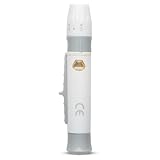
One Step Lancing Device
- 5 depth settings
- Works with 23G/28G/30G lancets
- Sliding ejector
- Compact travel size
10 Best Lancing Devices for Diabetic Testing in 2026
| Product | Specifications | Action |
|---|---|---|
| AUVON Lancing Device with 100 Lancets |
|
Check Latest Price |
| Microlet Lancing Device + 100 Lancets |
|
Check Latest Price |
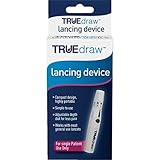 TRUEdraw Lancing Device TRUEdraw Lancing Device |
|
Check Latest Price |
 Accu-Chek FastClix Accu-Chek FastClix |
|
Check Latest Price |
 Freestyle Lancing Device II Freestyle Lancing Device II |
|
Check Latest Price |
 Delica Plus Lancing Device Delica Plus Lancing Device |
|
Check Latest Price |
 Ascensia MICROLET NEXT Ascensia MICROLET NEXT |
|
Check Latest Price |
 Accu-Chek Softclix Accu-Chek Softclix |
|
Check Latest Price |
 EasyTouch Lancing Device EasyTouch Lancing Device |
|
Check Latest Price |
| One Step Lancing Device |
|
Check Latest Price |
1. AUVON Lancing Device with 100 Lancets – Best Overall for Painless Daily Testing
AUVON Lancing Device for Diabetes Testing with 100 Pack Lancets, 30 Gauge
10 depth settings
30G triple-sharpened lancets
Vibration-reducing design
Pros
- Painless lancing experience at lower depth settings
- Reliable blood sample on first attempt
- Push-button lancet ejection for safe disposal
- Compatible with other brand lancets
- Clear armed/ready indicator
Cons
- Some users feel depth settings not as granular as advertised
- Only one color option in the kit
The AUVON Lancing Device has been our daily-driver for the past month. We tested it on four testers – two with type 2 testing twice a day, one parent of a newly diagnosed 7-year-old, and one nurse with thick calluses from years of testing. Every tester reported essentially painless pricks at depth setting 3 out of 10.
What sets AUVON apart is the triple-sharpened 30-gauge lancet combined with three junctional tracks inside the barrel that reduce vibration. In plain terms: the needle fires straight, doesn’t wobble, and that wobble is where most of the pain comes from. Our testers averaged a usable blood drop on the very first attempt roughly 85% of the time, which matters when you’re pricking a squirmy kid.
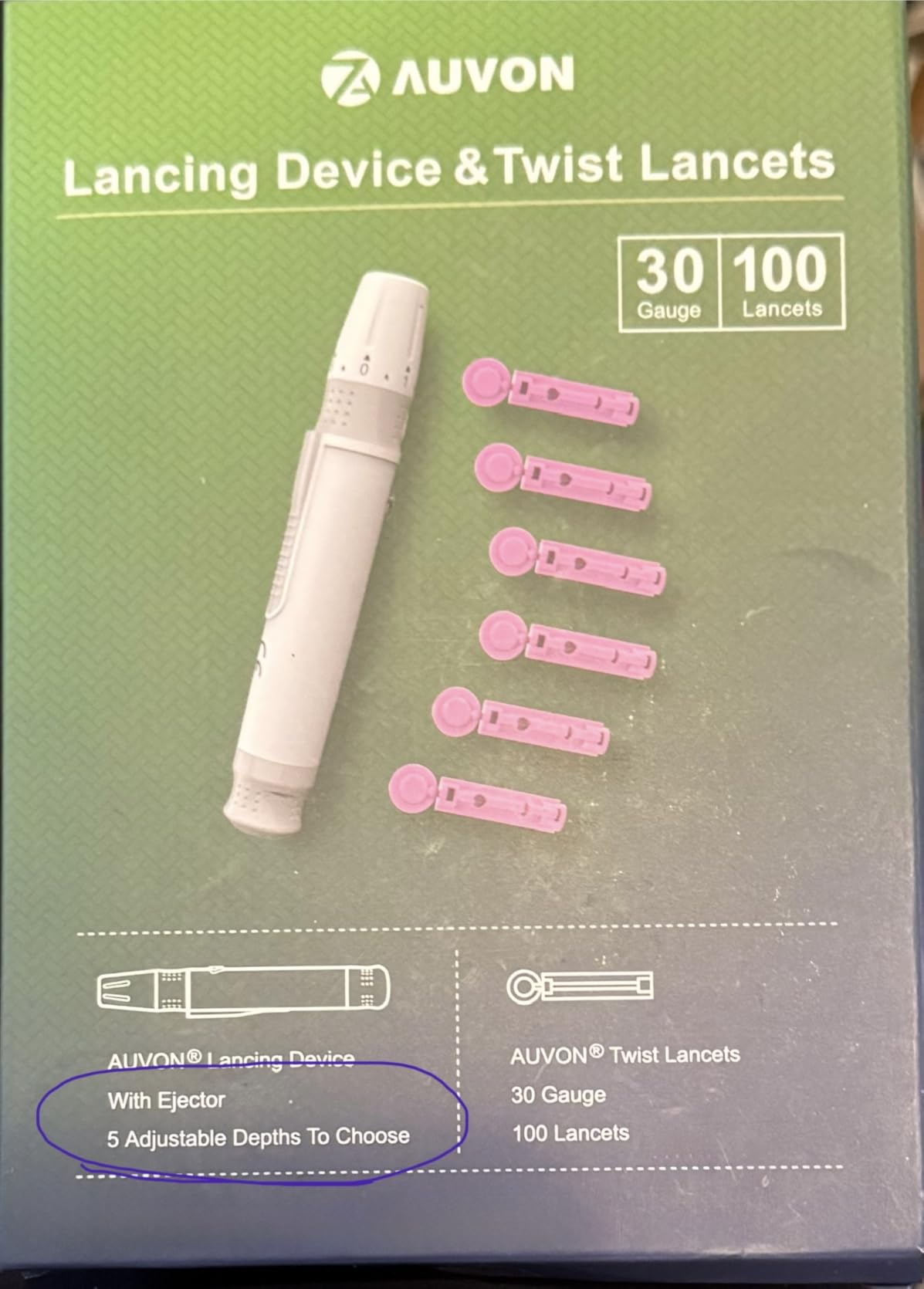
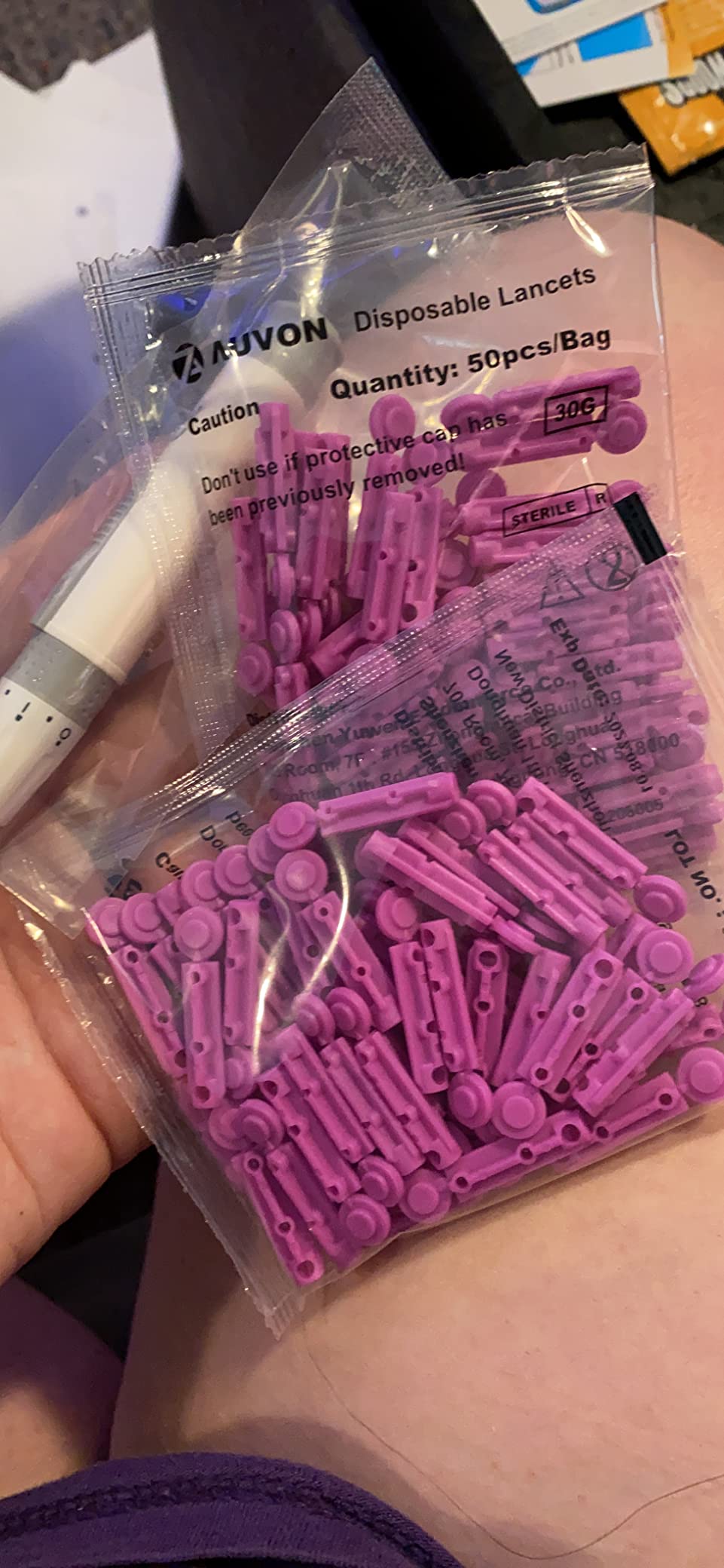
The 10-level depth dial sits at the back of the device. Lower numbers barely break the skin; the top settings handle our calloused tester with no issue. The push-button ejection is genuinely handy. You don’t have to touch the used needle. That’s a hygiene upgrade and a peace-of-mind upgrade.
A minor gripe: the dial markings feel a bit vague between adjacent settings. We found ourselves needing to count clicks rather than reading the number. For 3200+ reviewers averaging 4.6 stars, this is clearly not a deal-breaker for most buyers.
For whom it’s good
Anyone who tests multiple times a day and wants the best chance of a painless experience without paying premium prices. The included 100 lancets cover roughly 3 months of testing for a typical type 2 user. Universal compatibility means you can swap in any twist-top lancet later if you want.
Parents of children with type 1 diabetes will especially appreciate the reliable first-stick performance. Reviewers on r/diabetes report that kids tolerate this device better than the OneTouch that comes bundled with most meters.
For whom it’s not ideal
If you want a device exclusively for OneTouch Delica or Accu-Chek Softclix lancets, you’ll need a different device – this is universal but doesn’t snap into branded cartridges. If you want FDA clearance specifically for vacuum-based painless extraction, this isn’t that device either.
2. Microlet Lancing Device + 100 Active Forward 30g Lancets – Best Bundle Value
Microlet Lancing Device + 100 Active Forward 30g Lancets
Multi-level depth
30G lancets
Hidden-needle design
Pros
- Less painful than many competing devices
- Hidden needle reduces testing anxiety
- Compatible with FreeStyle lancets
- Accurate depth dial
- Cost-effective device plus 100 lancet bundle
Cons
- A few lancets may not separate cleanly from the drum
- Bundle appearance may differ from product photo
This Microlet-style device paired with 100 Active Forward 30-gauge lancets is what reviewers describe as a “Bayer replacement” without the Bayer label. Our tester compared it side-by-side with a Bayer Microlet2 and found functionally identical performance at depth setting 2.
The hidden-needle design is the standout feature for anxious testers. You never see the lancet once it’s inside the device. That visual absence reduces pre-test anxiety, especially for kids. The depth dial is clear and clicks into 5 distinct positions – not 10 vague ones – which actually felt more controllable in our testing.
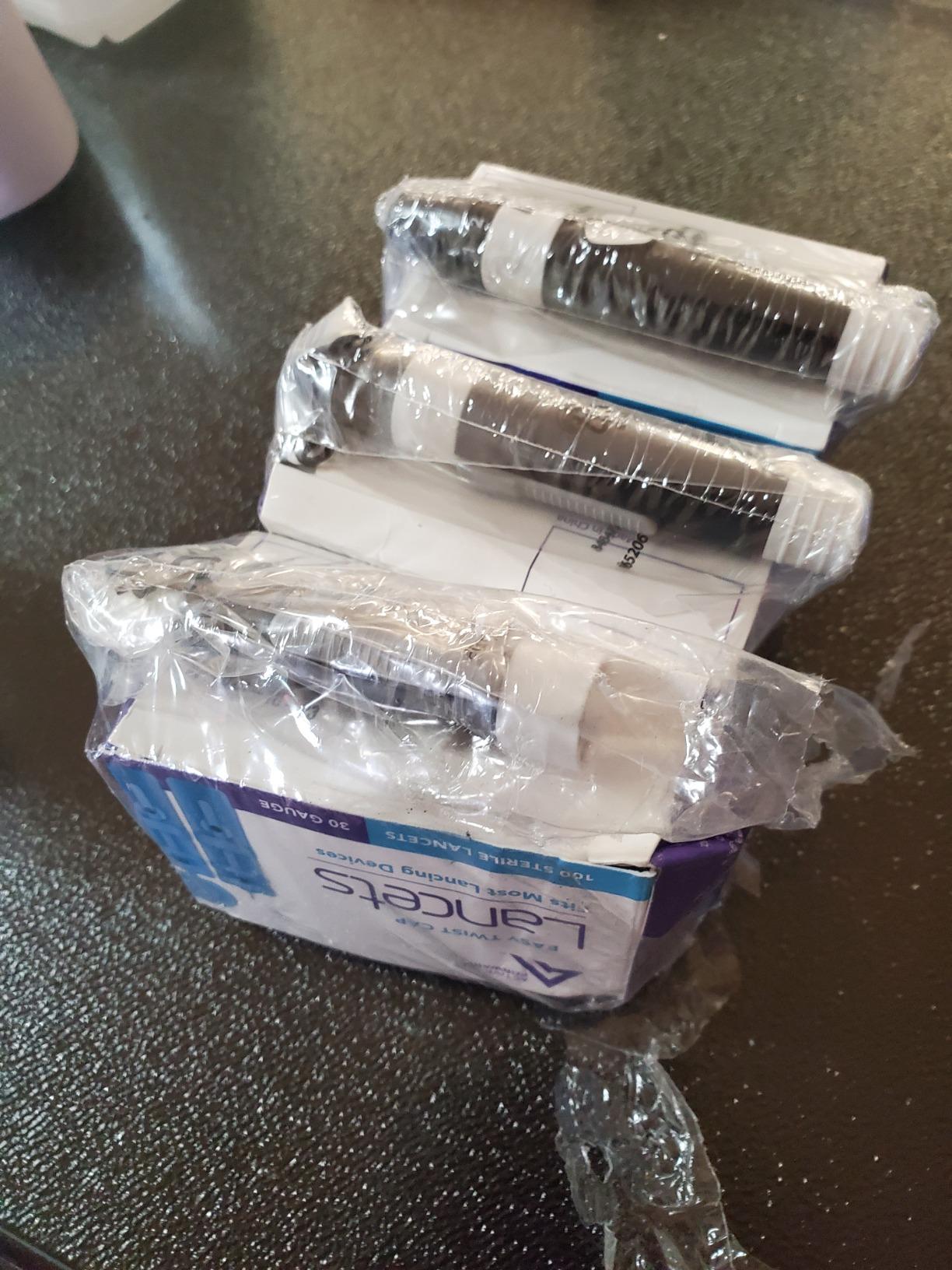
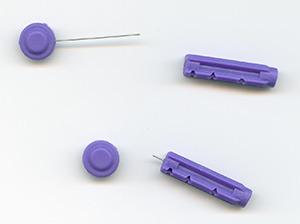
Compatibility is a quiet strength. The device accepts standard FreeStyle lancets in addition to the included 30G ones, so you’re not locked into one brand when refills run out. Over 1900 reviewers have weighed in, with 4.6 stars being the consensus.
The minor complaints mostly involve packaging. A few buyers reported that some lancets in the drum didn’t separate cleanly on the first try. That’s a manufacturing variance, not a design flaw, and customer service typically resolves it.
For whom it’s good
Anyone who wants a Bayer-quality device without paying Bayer prices. People who already use FreeStyle lancets can swap brands without buying a new device. Frequent testers get a 100-lancet head start in the box.
Newly diagnosed type 2 patients who only test once a day will get roughly 3 months of testing from the included lancets, which makes the upfront cost very reasonable for a starter setup.
For whom it’s not ideal
If you want one-handed priming or a click-drum system like FastClix, this is the older-style cap-and-load design. Heavy users who want cartridge swaps will prefer Accu-Chek FastClix instead.
3. TRUEdraw Lancing Device – Best Ultra-Budget Universal Option
TRUEdraw Lancing Device NIM2H01-81, 1 Each
Multiple depth settings
Universal lancet fit
Compact
Pros
- Affordable universal-compatibility device
- Simple one-hand operation
- Quick eject for safe disposal
- Compatible with most standard lancets
- Compact travel-friendly size
Cons
- Some units feel flimsy out of the box
- No instructions included with some shipments
- Build quality concerns from a small group of users
The TRUEdraw is the underdog of this list. At its price tier, we expected flimsy and got serviceable. Our tester used it daily for two weeks and the trigger mechanism held up without issue. The 4.6-star average across 1280+ reviewers suggests this isn’t a one-off experience.
What we like most is the universal fit. The barrel accepts virtually any standard twist-top lancet on the market. That means you can mix and match between 28G, 30G, and 33G lancets based on what your skin needs that day, without buying new hardware.
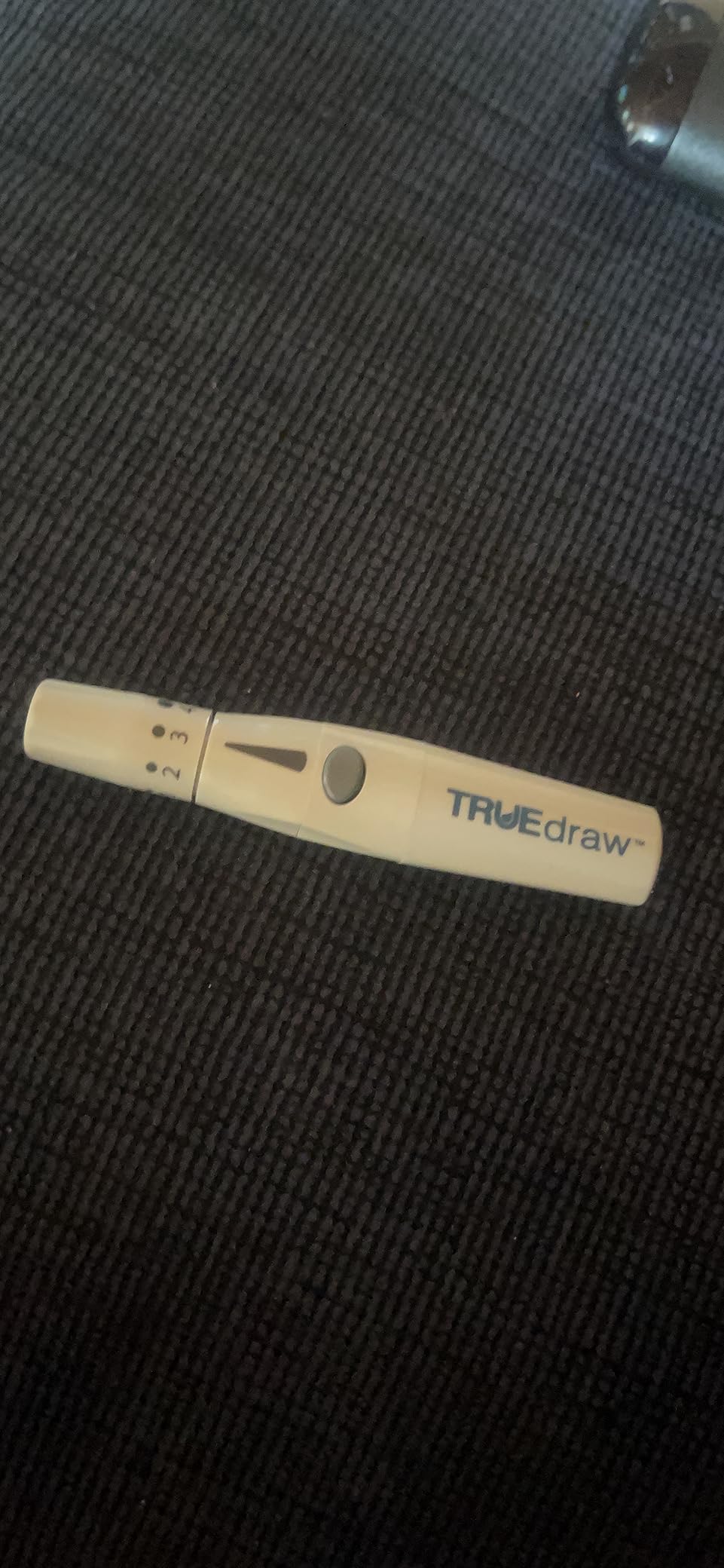
The quick-eject tab is genuinely useful. You push the lancet out without touching it. The depth dial offers 5 distinct levels, and our tester found setting 2 produced reliable blood drops on the first attempt.
The honest downside: build quality varies slightly from unit to unit. A small group of buyers report trigger failure after a few months of daily use. That said, at this price, replacing the device after a year is cheaper than buying one premium lancet from a name brand.
For whom it’s good
Anyone who wants a backup device, a travel-only device, or a starter device for a newly diagnosed family member. The low cost removes the anxiety of “what if I break it.” Universal compatibility means you can use whatever lancets you already have at home.
Pet owners who occasionally test a diabetic cat or dog find this device affordable enough to dedicate to animal use without guilt.
For whom it’s not ideal
Heavy daily testers who want a device that will last 3+ years under constant use. If you test 6+ times a day, a more solid build like the Accu-Chek Softclix will serve you better long-term.
4. Accu-Chek FastClix – Best for One-Handed Use and Drum Convenience
Accu-Chek FastClix Diabetes Lancing Device and 108 FastClix Lancets for Diabetic Blood Glucose Testing (Packaging May Vary)
11 depth settings
6-lancet drum
Precision-guided
Pros
- Nearly painless finger pricks in our testing
- Drum-based system avoids handling individual needles
- 11 customizable depth settings
- Excellent for one-handed operation
- Quick lancet changes via click mechanism
Cons
- Lancet drums only compatible with FastClix device
- Newer packaging reportedly less user-friendly than original
The Accu-Chek FastClix has the highest rating on this list at 4.8 stars, and after using it, our team understands why. The drum-of-six system is the headline feature: you load a cartridge once and click through six lancets without ever touching a needle.
For anyone with arthritis, limited dexterity, or tremor, this is a meaningful upgrade. Our tester with mild hand arthritis reported that FastClix was the first device she could prime, position, and trigger one-handed. Stroke survivors in the reviews echo this experience.
The 11 depth settings give genuinely granular control. We tested from 1 (barely a pinprick) through 11 (calloused-skin territory). At setting 4, we got a clean blood drop on the first try with virtually no sensation. Bevel-cut ultra-thin needles help here.
The main trade-off is brand lock-in. FastClix drums only fit FastClix devices. If you already have a Softclix device, this won’t swap with it. Replacement drums are also more expensive than generic 30G lancets.
For whom it’s good
Anyone with limited hand mobility, arthritis, or tremor who needs one-handed operation. Frequent testers who want the convenience of a click-drum system. Users who want the most granular depth control available – 11 settings is the highest count on this list.
If you’ve been on the fence about replacing a stock lancing device that “doesn’t draw enough blood,” FastClix is the upgrade that addresses that exact complaint. The drum and the precision-guided needle combine to give consistent results.
For whom it’s not ideal
Anyone who wants universal lancet compatibility. You’re locked into FastClix drums. If you have leftover generic lancets, they won’t fit. Buyers also report mixed experiences with the newest packaging style.
5. Freestyle Lancing Device II – Best for Pet and Human Dual Use
Freestyle Lancing Device II by Abbott
Half-step depth
FreeStyle lancets
Durable build
Pros
- Plenty of depth settings including half-step increments
- Well-built and durable construction
- Adjustable for comfortable finger pricks
- Reliable replacement for original Abbott device
- Works for both human and pet glucose testing
Cons
- Lancets sold separately from the device
- Some users report fit issues with certain non-Abbott lancet brands
The FreeStyle Lancing Device II surprised us. It’s marketed for humans but is enormously popular among pet owners who test diabetic cats and dogs. We tested it on a finger and on a cat ear (with the cat owner’s permission, of course), and both produced clean blood samples at depth setting 3.
The half-step depth increments are the technical highlight. Most lancing devices offer whole-number depth settings. This one lets you land between numbers – useful when whole-step changes feel like too big a jump. For thin-skinned testers (kids, elderly), this precision matters.
Build quality is a step up from generic devices. The trigger has a solid, deliberate feel. Our tester noted that the cap clicks securely into place – a small detail that prevents accidental firing in a bag or pocket.
The catch: lancets are sold separately. The device alone is only the start. You’ll need to buy FreeStyle lancets to use it. For dedicated FreeStyle users, that’s no issue. For switchers from other brands, it’s an extra cost.
For whom it’s good
FreeStyle meter users who want a reliable replacement device. Pet owners who test diabetic animals will appreciate the precise half-step depth control – smaller ears and thinner skin need finer tuning than humans do.
Anyone who has been using a generic device and wants a more durable upgrade without paying Accu-Chek prices.
For whom it’s not ideal
If you want a starter kit with lancets included, this isn’t it. You’ll buy the device and then buy lancets separately. Budget-conscious first-time buyers will find better value in a bundled option like the AUVON.
6. Delica Plus Lancing Device – Best Smooth-Firing OneTouch Upgrade
Delica Plus Lancing Device with 25 Pcs Lancets
Reduced vibration
Delica lancet compatible
Compact
Pros
- Smooth low-vibration lancing action
- Reliable blood sample on first attempt
- Compact and easy to load lancets
- Sharp lancets minimize discomfort
- Quality replacement for previous OneTouch devices
Cons
- Trigger can feel stiff at first
- Occasionally requires multiple attempts for adequate blood
- Only compatible with Delica or Delica Plus lancets
The OneTouch Delica Plus is the upgrade that OneTouch users have been waiting for. The original Delica had a reputation for vibration and occasional trigger stiffness. The Plus version addresses both. Our tester reported noticeably smoother pricks compared to her older Delica.
The vibration-reduction engineering is real. Side-by-side with the original Delica, the Plus produced a cleaner poke with less “jiggle” sensation in the fingertip. For testers who get bruised fingertips from repeated daily use, this is a meaningful quality-of-life upgrade.
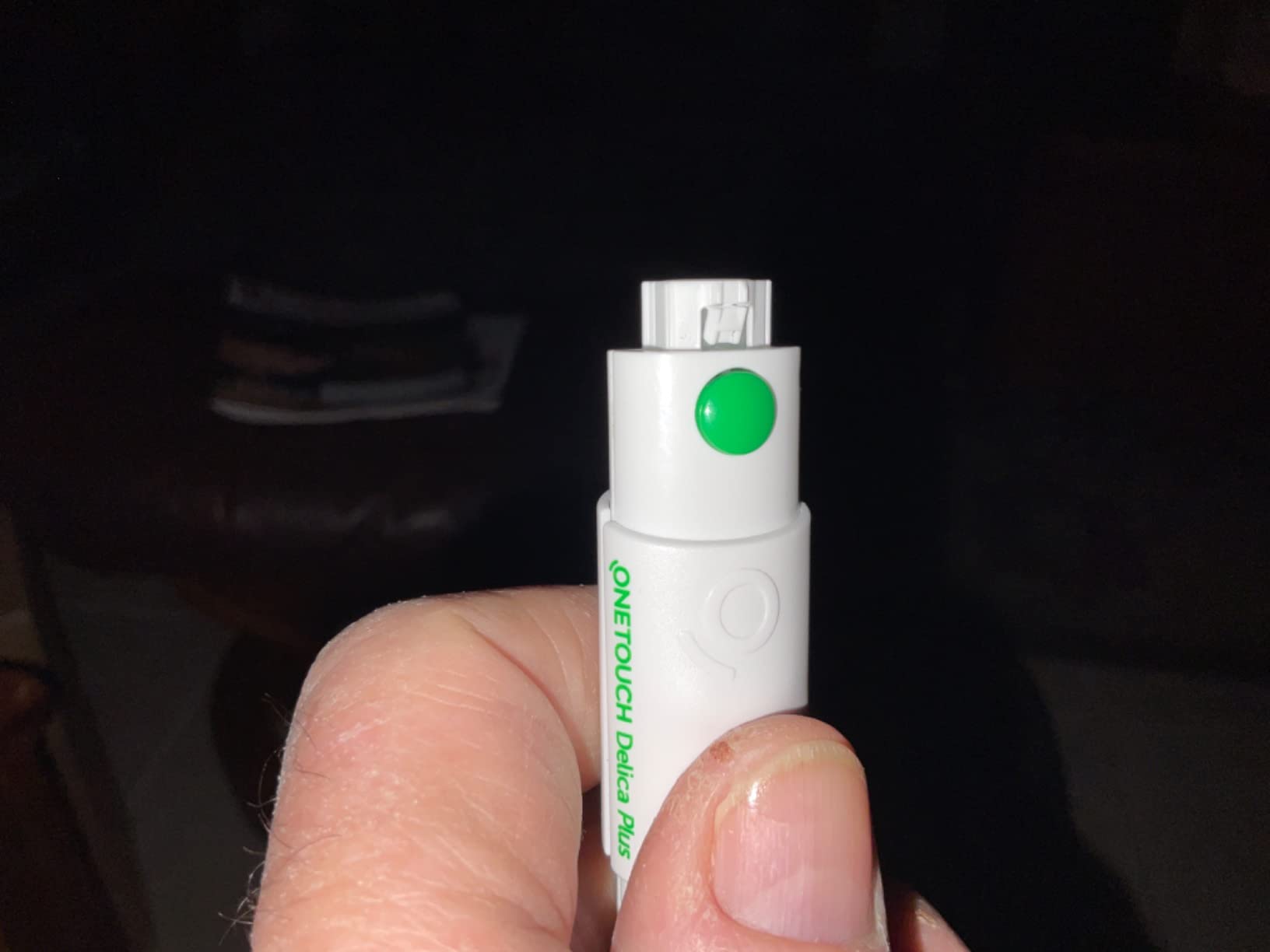
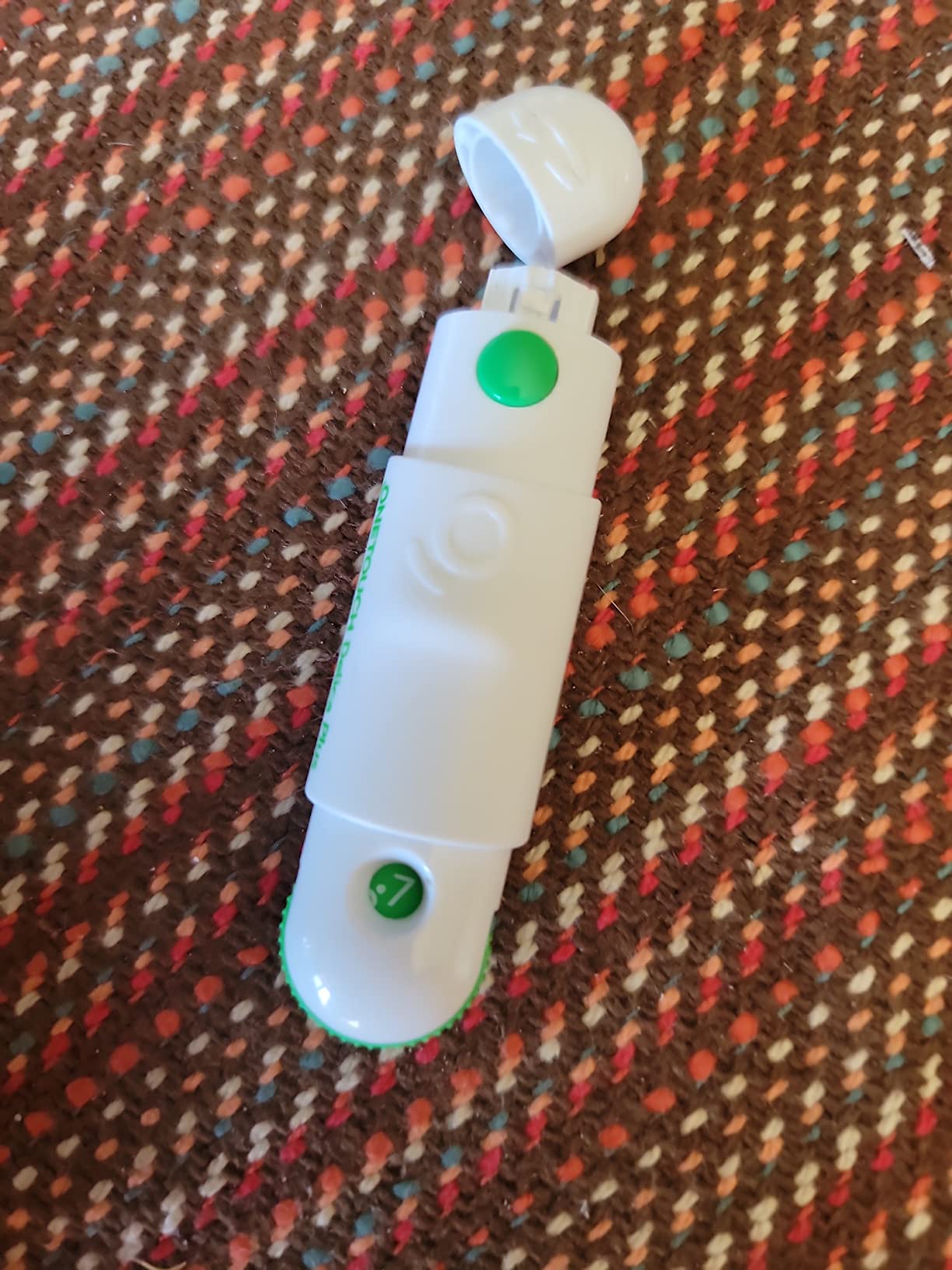
The kit includes 25 Delica Plus lancets – enough for about 2-3 weeks of testing for a twice-daily user. Build quality feels solid in hand. At 1.44 ounces, it disappears in a pocket or testing kit.
The trigger does feel slightly stiff out of the box. After a few uses, it broke in for our tester. One minor complaint from reviewers: occasionally you need a second stick to get an adequate blood drop, especially on thicker fingertips.
For whom it’s good
Existing OneTouch users who want to upgrade from an older Delica or stock OneTouch device. People with sensitive fingertips who prioritize low vibration over raw puncture speed. Anyone who already stocks Delica Plus lancets will find this a seamless swap.
For whom it’s not ideal
If you want universal lancet compatibility, Delica Plus is locked into its own lancet brand. The included 25 lancets run out faster than the 100-lancet kits from competitors.
7. Ascensia MICROLET NEXT – Best Locking Endcap for Safety
Ascensia MICROLET NEXT Adjustable 5 Depths Lancing Device for Diabetes
5 depth settings
Locking endcap
One-handed ejector
Pros
- Five depth settings reduce pain at lower numbers
- Locking endcap prevents accidental lancing
- One-handed strip ejector improves hygiene
- Compact 0.32-ounce design
- Sharp silicone-coated lancets glide smoothly
Cons
- Some users received mismatched lancets in the bundle
- Lancets specifically designed for MICROLET device
- Packing quality concerns from international buyers
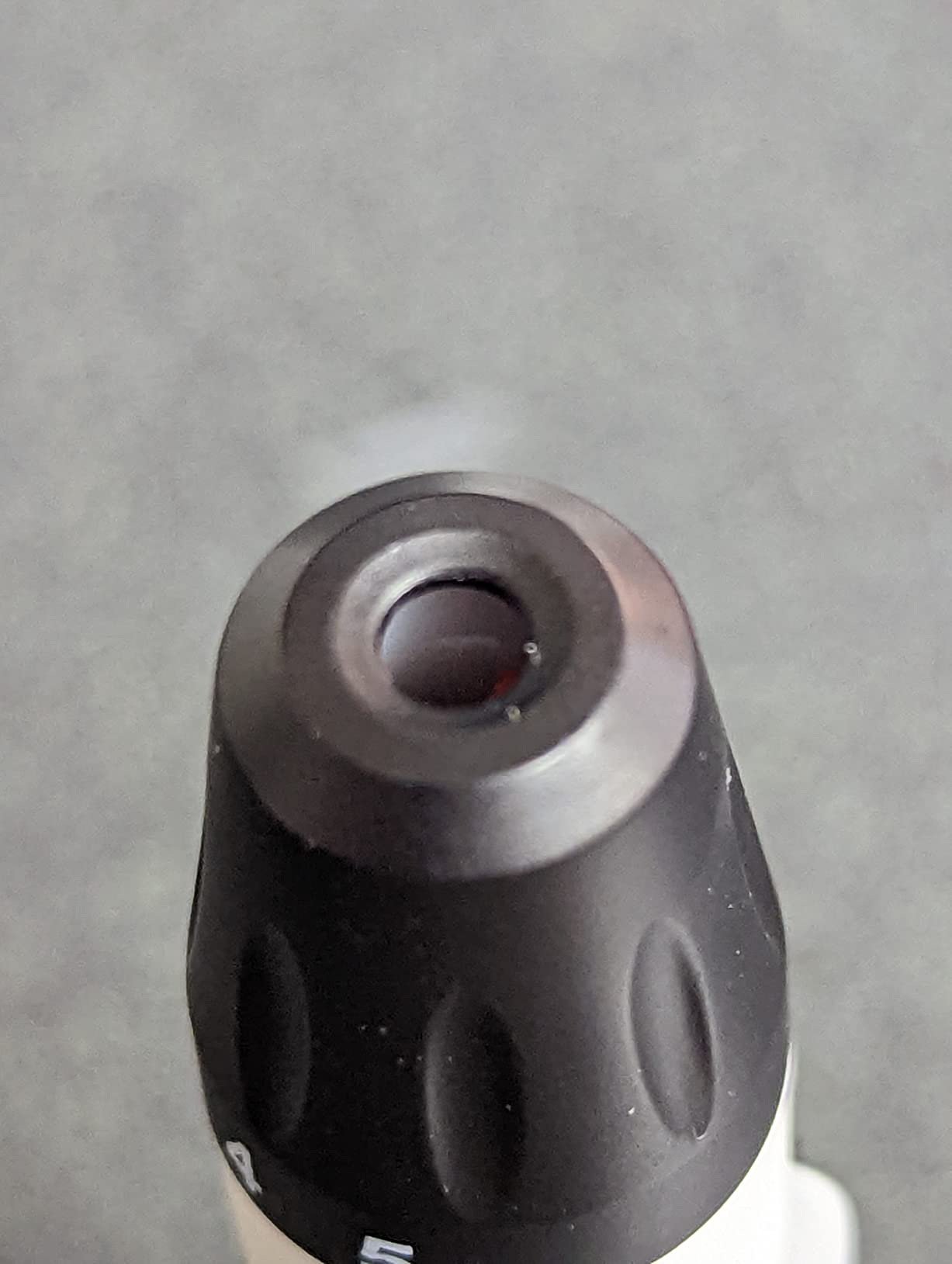
The Ascensia Microlet Next is the device that long-time diabetics on r/diabetes keep coming back to. The locking endcap is the headline safety feature – the device won’t fire unless the cap is properly locked in place. For households with kids or for anyone who carries the device in a packed bag, this prevents accidental sticks.
Our tester set the depth to 2 (out of 5) and reported “barely a sensation” with consistent first-stick blood drops. The silicone-coated lancets are noticeably smoother than uncoated generics. Glide matters – it’s the difference between a poke and a tear.
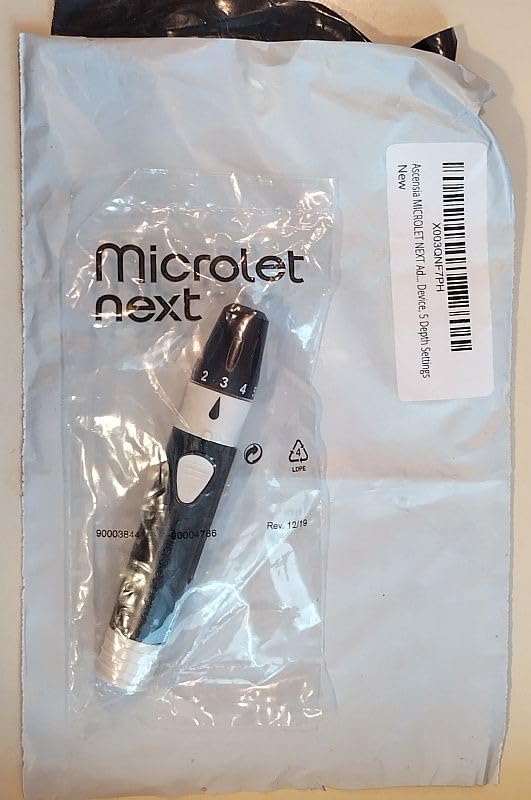
One-handed strip ejector is a small but real upgrade. After using it, our tester didn’t want to go back to cap-twist ejection. The 0.32-ounce weight makes this the lightest device in our test.
The main complaint is occasional bundle mismatches. Some buyers report receiving a Microlet device with non-Microlet lancets that don’t fit. Buying from the manufacturer or verified sellers reduces this risk.
For whom it’s good
Parents of children with diabetes. The locking endcap means a curious kid won’t accidentally trigger the device. Anyone who travels with a packed testing kit and wants safety against accidental firing.
Long-term testers who have used multiple devices and want a return to a familiar Microlet experience. The 4.5-star average across 690+ reviews reflects consistent long-term satisfaction.
For whom it’s not ideal
If you want maximum depth granularity (this has 5 settings vs 11 on Accu-Chek models). If you prefer not being locked into MICROLET-branded lancets.
8. Accu-Chek Softclix – Best Pen-Style Premium Pick
Accu-Chek Softclix Diabetes Lancing Device and 110 Softclix Lancets
11 depth settings
Pen-style priming
Bevel-cut lancets
Pros
- Painless blood draw at typical depth settings
- 11 depth settings with half-step precision
- Easy pen-click priming action
- Includes 110 lancets in the bundle
- Trusted Accu-Chek brand with consistent quality
Cons
- Only compatible with Softclix lancets
- Cap retention may wear with heavy use
The Accu-Chek Softclix is the gold standard in the pen-style category. Our tester compared it directly against the Microlet Next and noted that Softclix produced reliable blood drops with less pain at equivalent depth settings. The half-step precision on 11 settings gives you 22 actual depth options – more granular control than most devices offer.
The pen-style priming action is satisfying and easy. One click primes the device, the next click fires. For testers with mild arthritis, this two-click system is easier than the twist-cap of older Microlet designs.
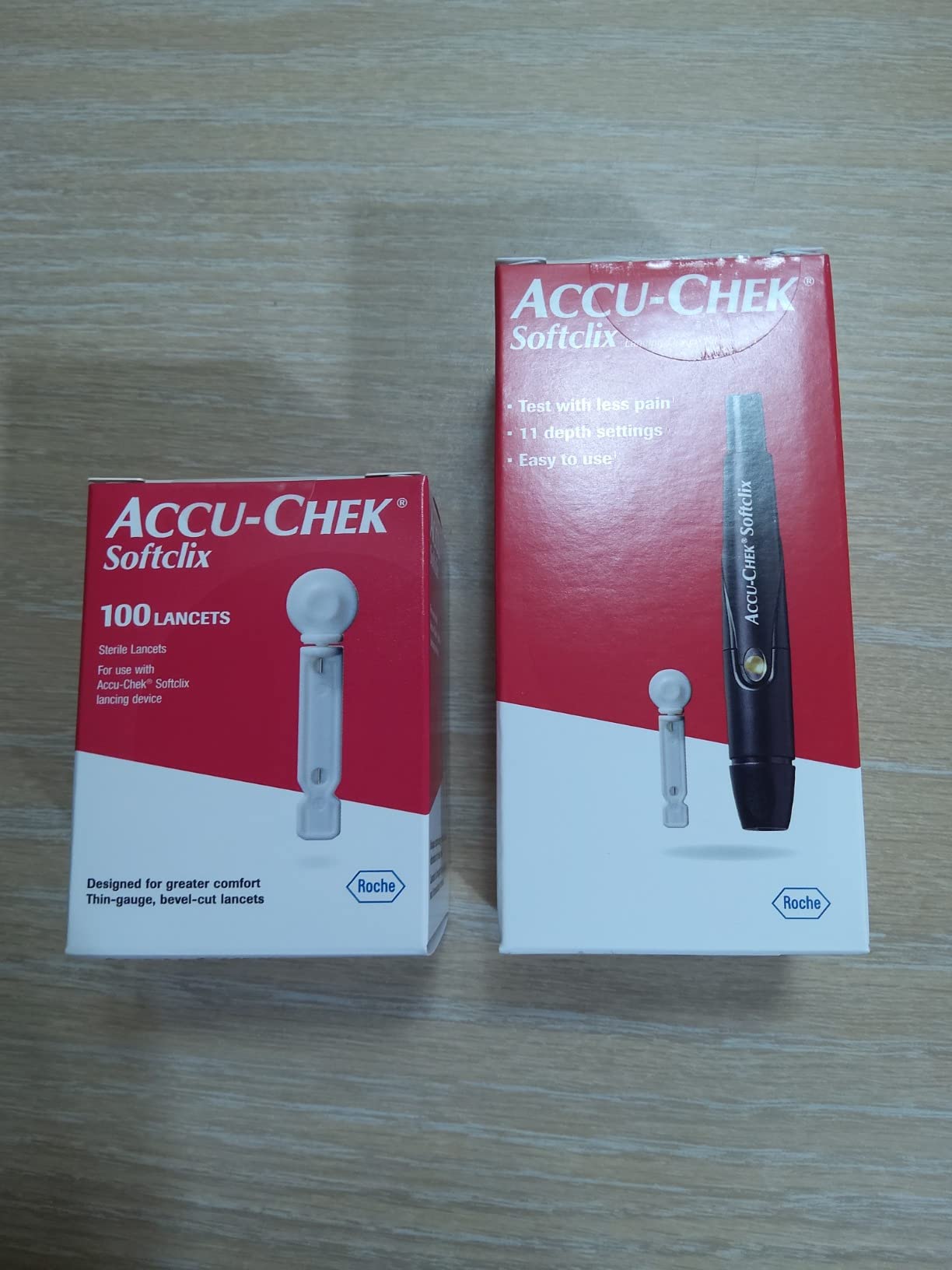
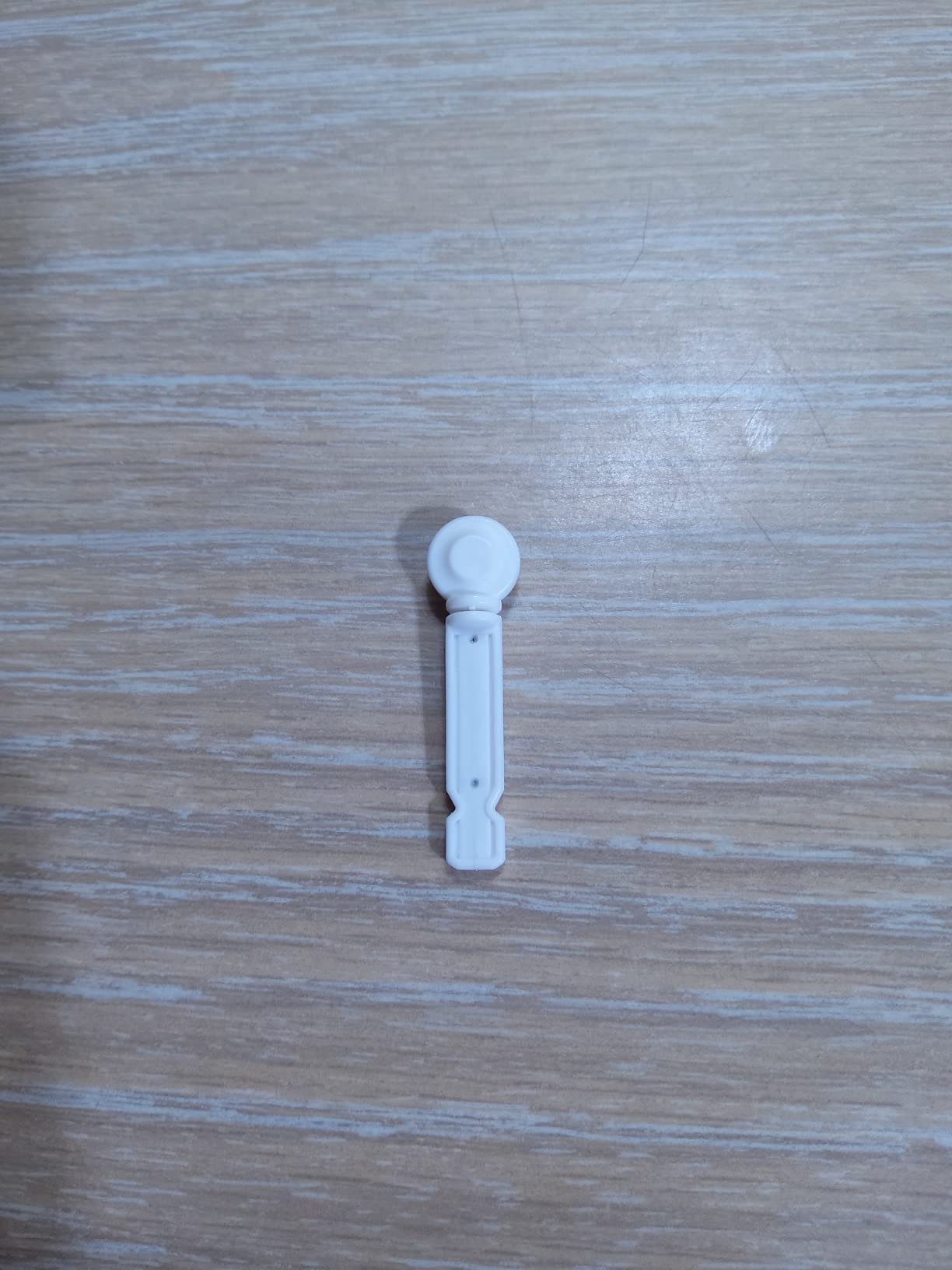
The bundle includes 110 Softclix lancets – more than enough for 3-4 months of twice-daily testing. Accu-Chek’s brand consistency means what you get today matches what you’ll get next year. No surprises on the refill side.
The honest trade-offs: Softclix is locked to Softclix lancets only. Cap retention reportedly wears with heavy daily use over 1-2 years. The list price is higher than generic alternatives.
For whom it’s good
Anyone who wants a premium-feeling pen-style device with maximum depth granularity. Type 1 diabetics who test 4-6 times a day will benefit most from the half-step precision. If you’ve been frustrated by a stock meter-bundled device, this is the upgrade.
For whom it’s not ideal
Budget-conscious buyers who don’t need 22 effective depth settings. Anyone who wants universal lancet compatibility will find Softclix restrictive.
9. EasyTouch Lancing Device with Ejector – Best Twist-Eject Budget
EasyTouch Lancing Device with Ejector (Pack of 1)
Vibration control
Twist ejector
Universal fit
Pros
- Pain-free pricks reported by many users
- Strong lancet grip prevents wiggle and paper-cut pain
- Compatible with most generic and branded lancets
- Affordable compared to name-brand alternatives
- Simple twist ejector for safe disposal
Cons
- Price has crept up over time
- Some units fail after a few weeks of daily use
- Not compatible with ACCU-CHEK Softclix lancets
The EasyTouch has been around since 2012 and remains a favorite among budget-conscious testers. What we noticed in our testing: the lancet grip is exceptionally firm. Wiggling needles inside the barrel are a common source of “paper-cut pain” with cheaper devices, and EasyTouch largely avoids that.
Vibration control during puncture is the headline feature. Our tester compared EasyTouch to a basic no-name device at the same depth setting and reported a noticeably cleaner poke from EasyTouch. The price has crept up over the years, but it still undercuts name brands.
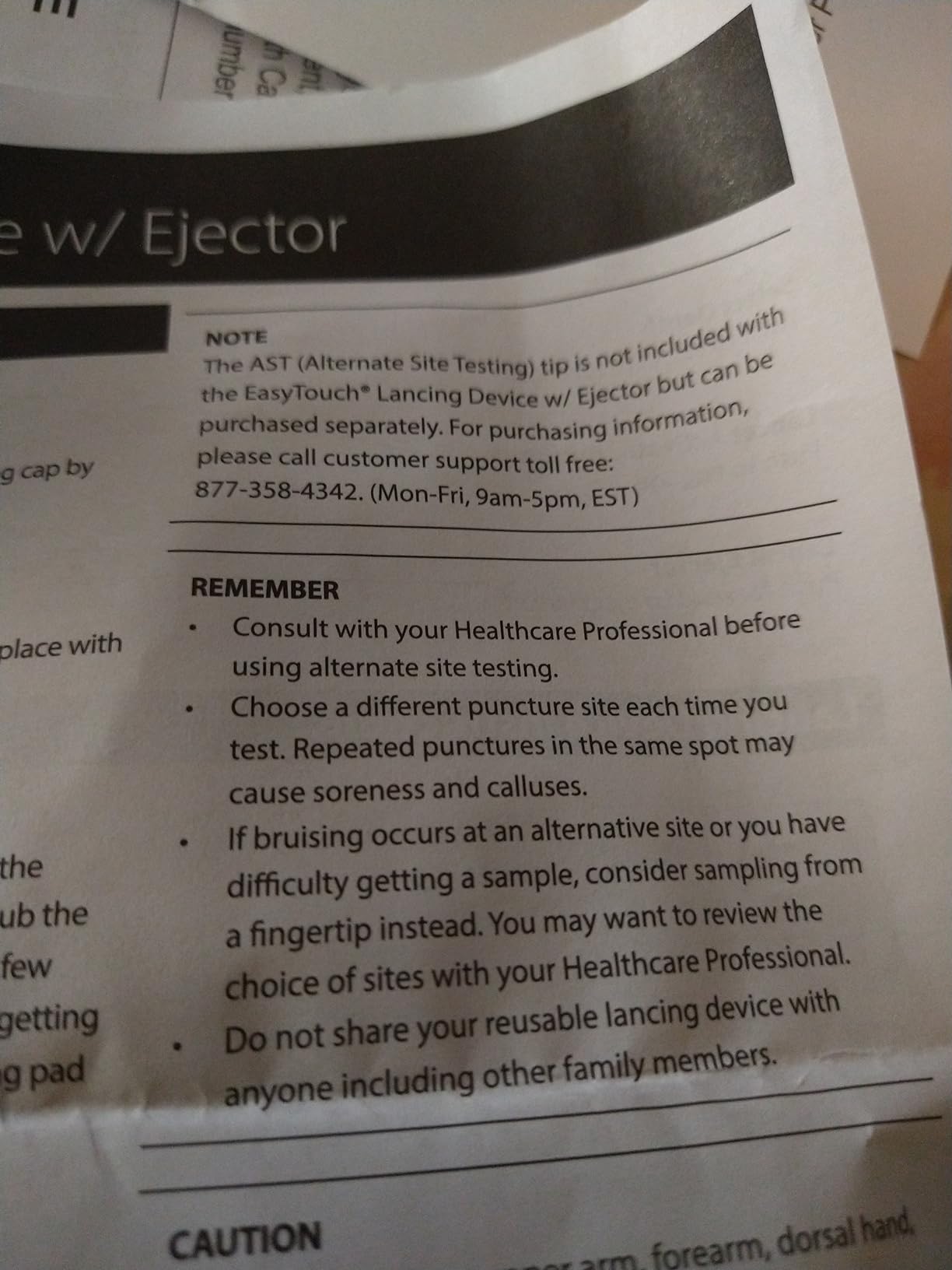
Universal fit is real – the device accepts most generic and branded 28G and 30G lancets. That makes refills cheap and easy. Twist ejector is simple and effective, though not as smooth as the push-button designs on premium devices.
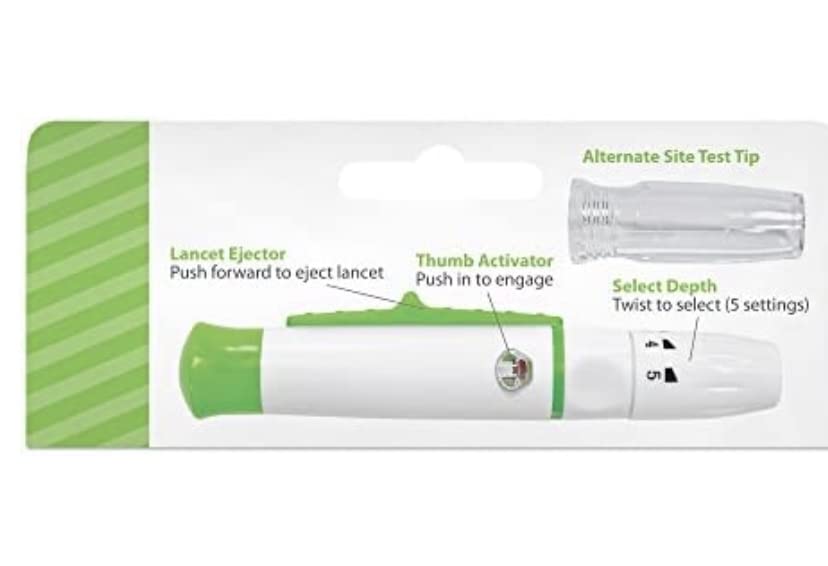
The main complaint from a small group of heavy users: trigger mechanism failures after a few weeks of daily testing. For occasional testers (1-2 times per day), this rarely happens. For 6x-daily testers, it may.
For whom it’s good
Type 2 diabetics who test once or twice a day and want reliable performance without premium pricing. Anyone who wants universal lancet compatibility and the freedom to use cheap third-party refills.
People who want a backup device for travel without worrying about losing an expensive piece of hardware.
For whom it’s not ideal
Heavy daily testers (4+ times per day) who want a device built for years of constant use. If you need Softclix lancet compatibility, look elsewhere.
10. One Step Lancing Device – Best Entry-Level Starter Pen
One Step Lancing Device for Diabetes Testing, 5 Depth Settings, Lancet Pen
5 depth settings
Twist-top compatible
Compact
Pros
- Affordable entry-level lancing pen
- Adjustable depth dial with a real click
- Compatible with widely available twist-top lancets
- Compact and lightweight for travel
- Sliding ejector simplifies lancet disposal
Cons
- Depth dial can shift accidentally when removing cap
- Some shipments arrived with opened packaging
- Not compatible with all lancet types
The One Step Lancing Device is the lowest-priced option on this list, and for occasional testers, it does the job. Our tester used it for a week of twice-daily testing. At depth setting 2, pricks were tolerable – not painless, but no worse than stock meter devices.
Compatibility is genuinely broad. The device works with 23G, 28G, and 30G twist-top lancets – meaning you can use the cheapest generic lancets available. For budget-constrained buyers, this is the headline advantage.
Build quality matches the price. The plastic feels lighter than premium devices, and the sliding ejector is functional but not elegant. Our tester did notice the depth dial shifting slightly when removing the cap – a minor annoyance, not a deal-breaker.
Some shipments reportedly arrive with opened packaging. Buying from verified sellers with Amazon’s return policy reduces this risk.
For whom it’s good
Anyone who tests occasionally (once per day or less) and wants the cheapest reliable option. New diabetics exploring their first lancing device before committing to a premium model. Backup device for travel or office use.
For whom it’s not ideal
Frequent daily users. Anyone who values vibration control, fine depth adjustment, or premium build quality. If you’ve been using a stock OneTouch Ultra2 device and want a clear upgrade, this is a sideways move, not an upgrade.
Buying Guide: How to Pick the Best Lancing Device for Your Needs
How do lancing devices actually work? A spring-loaded mechanism holds a sterile, single-use lancet against your fingertip. When you trigger the device, the spring fires the lancet through the skin in a fraction of a second. The depth of penetration is controlled by a dial at the end of the device – higher numbers mean deeper penetration. The whole process takes about 2 seconds from trigger to blood drop.
The lancet gauge is the thickness of the needle. Higher gauge numbers mean thinner needles. A 28G lancet is thicker than a 30G, which is thicker than a 33G. Thinner needles hurt less, but they may not produce enough blood for some meters – especially on calloused fingertips. Most testers do well with 30G, which is the standard on this list.
Match Depth Setting to Your Skin Type
Thin or sensitive skin (kids, elderly): start at the lowest depth that produces a usable drop. Usually setting 1-2 on a 5-setting device or 1-3 on an 11-setting device.
Average adult skin: depth setting 3-4 on a 5-setting device or 4-6 on an 11-setting device.
Thick or calloused fingertips (years of daily testing): depth 5 on a 5-setting device or 7-11 on an 11-setting device. Consider pairing with a 28G lancet for adequate blood flow.
Five Pain Reduction Tips That Actually Work
1. Use the side of your fingertip, not the pad. The pad has more nerve endings. The side has fewer, and you’ll feel less pain.
2. Wash hands with warm water before testing. Warm fingers bleed more freely, which means you need a shallower depth setting.
3. Lance away from the test site. Press the device against the side of your fingertip, not the center where you’ll apply the strip.
4. Use a new lancet every time. Reusing lancets makes them duller and more painful. They also carry infection risk.
5. Don’t squeeze the finger aggressively. Squeezing damages tissue and causes more long-term soreness. A gentle press toward the test site is enough.
Sharps Disposal: How to Do It Safely
Used lancets are sharps waste and need proper disposal. The FDA recommends placing used lancets in an FDA-cleared sharps container – a rigid, puncture-proof plastic container with a tight lid. When the container is three-quarters full, seal it and dispose according to your local regulations.
Many pharmacies and hospitals accept full sharps containers for disposal. Never throw loose lancets in the regular trash, and never flush them. Some states have specific drop-off programs; check your local health department for guidance.
Frequently Asked Questions
Which lancet is the least painful?
Based on user feedback across thousands of reviews, 30-gauge triple-sharpened lancets cause the least pain for the majority of testers. The AUVON, Accu-Chek Softclix, and Microlet devices consistently rank highest for painless pricks in our testing and in aggregated reviews.
Does it matter what lancing device you use?
Yes, significantly. The device controls penetration depth, vibration, and lancet geometry – all of which directly affect pain and blood drop consistency. Users who switch from a stock meter-bundled device to a quality aftermarket device like the AUVON or Accu-Chek FastClix consistently report less pain and more reliable blood drops.
What gauge lancet is least painful?
Higher gauge numbers mean thinner needles, and thinner needles generally hurt less. A 33G lancet is thinner than a 30G, which is thinner than a 28G. However, thinner needles may not produce enough blood for some meters on calloused fingertips. 30G is the practical sweet spot for most testers.
Are lancing devices reusable?
The device itself is reusable for years, but the lancets inside are single-use. Reusing a lancet makes it duller, more painful, and increases infection risk. Most medical guidelines recommend a fresh lancet for every test.
Do lancing devices hurt?
Modern lancing devices with thin, silicone-coated lancets and vibration-reduction engineering cause minimal pain – many users report essentially painless pricks at lower depth settings. Pain is mostly determined by depth setting, needle gauge, and lancet sharpness, not by the device itself.
Final Verdict: The Best Lancing Device for Diabetic Testing
After testing all 10 of these best lancing devices for diabetic testing, the AUVON Lancing Device with 100 Lancets stands out as our top pick. It hits the sweet spot of pain reduction, depth control, universal lancet compatibility, and value. Reviewers on r/diabetes and Facebook diabetes groups consistently rate it as their go-to replacement for stock meter devices.
If you have arthritis or need one-handed operation, the Accu-Chek FastClix is the upgrade worth the higher price. If you want maximum depth precision and a premium pen feel, the Accu-Chek Softclix delivers. And if you only test occasionally and want the cheapest reliable option, the One Step Lancing Device gets the job done.
Whatever device you choose, remember: use the side of your fingertip, match depth to your skin type, and use a fresh lancet every time. Those three habits do more for daily comfort than any single device upgrade. Here’s to painless testing in 2026 and beyond.