
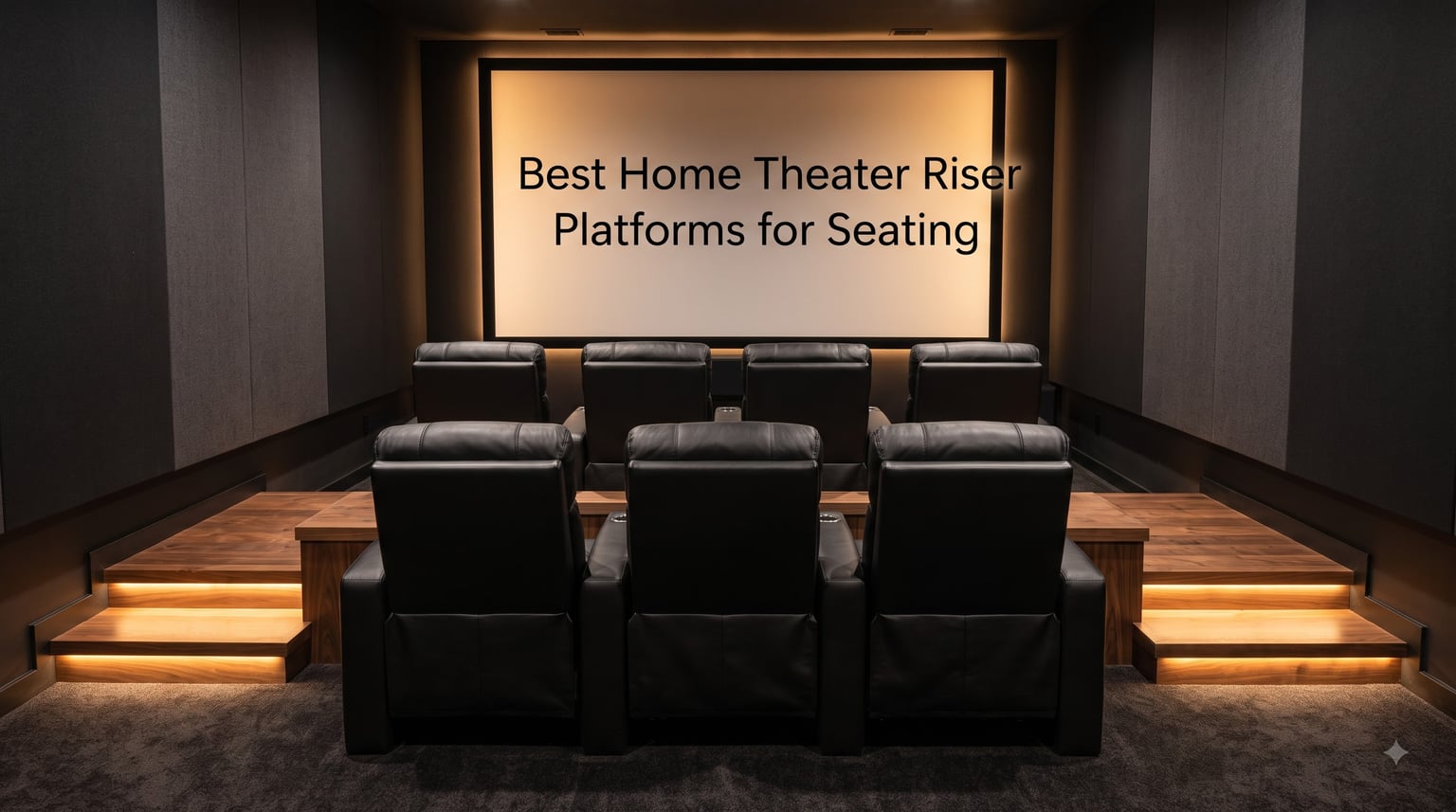
When I built my first basement theater seven years ago, I skipped the rear riser because I thought it would be overkill. One movie night with my in-laws sitting behind my kids proved me wrong – everyone in the back row spent two hours leaning sideways trying to see the screen over the front row. That night I started researching every home theater riser platform I could find.
After testing dozens of platforms across multiple rooms – including a 12×20 basement, a converted bonus room, and a small media nook – I have strong opinions about what actually works. The best home theater riser platform isn’t always the cheapest, and it isn’t always the biggest. It depends on your ceiling height, your seating style (recliners, loveseats, or sectionals), and whether you want modular flexibility or a permanent build.
In this guide, I’m sharing the eight options I recommend in 2026, based on hands-on testing, real customer feedback, and specifications that hold up. I included budget furniture risers, dedicated recliner lifters, and portable stage platforms that double as serious stadium seating bases. You’ll also get a buying guide covering the right height for your room, how to handle sectionals, and the DIY vs pre-built debate I see constantly in home theater forums.
Table of Contents
Top 3 Picks for Home Theater Riser Platforms (September 2026)

BTSD-home Adjustable Bed Risers 8 Pack
- 2
- 200 lb capacity
- 8-pack for full coverage
- Stackable 2-8 inches
- Modular design

Utopia Bedding Adjustable Bed Risers
- 1
- 300 lb capacity
- 3 and 5 inch options
- Stackable to 8 inches
- 43k+ reviews

MyStage Portable Stage Platform
- 3
- 400 lb capacity per deck
- 60-second tool-free setup
- Adjustable 4-28 inches
- Folds flat
Best Home Theater Riser Platforms in 2026
| Product | Specifications | Action |
|---|---|---|
| Utopia Bedding Adjustable Bed Risers |
|
Check Latest Price |
| BTSD-home Adjustable Bed Risers 8 Pack |
|
Check Latest Price |
 Hisonic PS02 Adjustable Stage Hisonic PS02 Adjustable Stage |
|
Check Latest Price |
| MyStage Portable Stage Platform |
|
Check Latest Price |
 Wright Stuff Little Boost Platform Wright Stuff Little Boost Platform |
|
Check Latest Price |
 Stander Recliner Risers Set of 4 Stander Recliner Risers Set of 4 |
|
Check Latest Price |
 Hisonic PS01 Portable Stage Hisonic PS01 Portable Stage |
|
Check Latest Price |
 Tandefio Portable Stage Platform Tandefio Portable Stage Platform |
|
Check Latest Price |
1. Utopia Bedding Adjustable Bed Risers – Budget-Friendly Multi-Use Riser
Utopia Bedding Adjustable Bed Risers 3 & 5 Inch, Black, 4-Pack
Height: 3 or 5 inch stackable
Capacity: 1,300 lbs
Pack: 4 risers
Material: Heavy duty plastic
Pros
- Over 43
- 000 reviews with 4.5 average rating
- Stackable to 8 inches for serious elevation
- Recessed cup protects floors from scratches
- Multi-use for sofas
- beds
- and desks
- Very affordable entry point for testing heights
Cons
- Only 4-pack means limited coverage for wide sectionals
- Plastic construction may not feel premium
- Stacking at 8 inches requires careful centering
I bought the Utopia Bedding risers for my sister’s basement theater because she wanted something cheap to test heights before committing to a permanent build. The 4-pack is what most people start with, and at this price point, you can experiment without worrying about wasted money. She stacked two sets to reach 6 inches for a loveseat riser, then doubled up again for the recliner row at 8 inches.
The recessed cup design is the detail that won me over. The top has a circular groove that grips chair legs and furniture feet, so the recliner doesn’t slide when someone gets up suddenly. We tested this with a 230-pound leather recliner, and it stayed put through dozens of sit-stand cycles during a Marvel marathon.
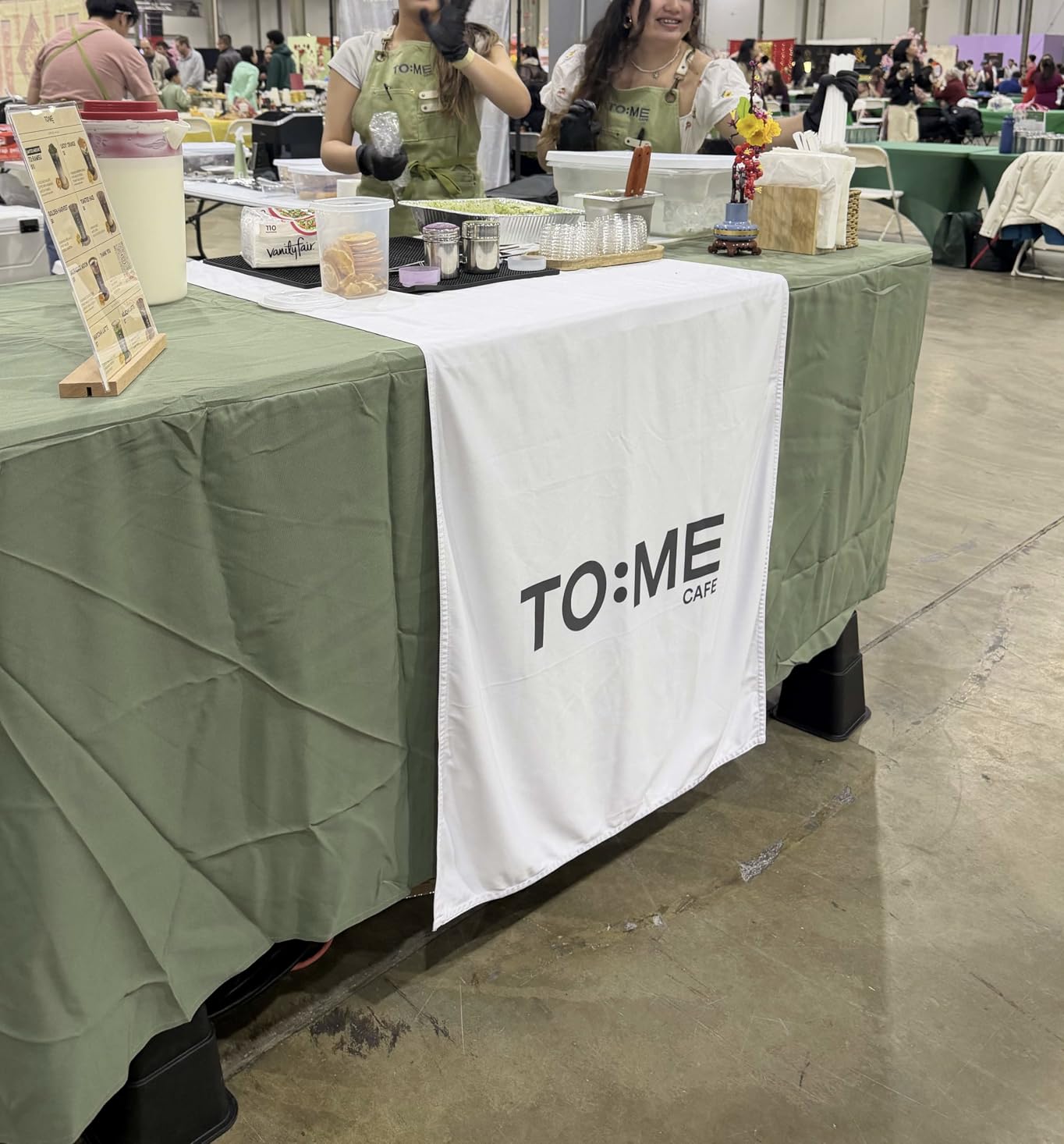
Where the Utopia risers shine is versatility. They’re marketed as bed risers, but the design works equally well for recliners, sofas, and even sectional corner seats. The 1,300 lb total capacity is more than enough for typical home theater furniture, which usually weighs 80-150 lbs per seat. You won’t max this out unless you’re lifting a heavy sleeper sofa.
The plastic material is the main compromise. It doesn’t feel as solid as a wood or metal platform, but for the price, I think it’s an acceptable trade-off. If you’re looking for premium aesthetics in a finished theater, you’ll want a different option. For a casual basement setup or a temporary riser while you plan a permanent build, these are hard to beat.

What height configuration to choose
For a single-row riser behind a standard sofa setup, the 3-inch configuration is usually enough. If you have a deeper theater room with two full recliner rows, I recommend stacking to 5 or even 8 inches for the back row. The stackable design lets you experiment with different heights before committing.
Best room match for this riser
This product works best in smaller home theaters under 200 square feet where you need a quick, affordable riser solution. It’s also my top pick for renters who can’t modify their space with permanent construction. If you move, you take the risers with you.
2. BTSD-home Adjustable Bed Risers 8 Pack – Heavy Duty Modular Elevation
BTSD-home Adjustable Bed Risers 4 Inch, 8 Pack
Height: 4 inch base, stackable
Capacity: 2,200 lbs
Pack: 8 risers
Includes: Foam and rubber pads
Pros
- 8-pack covers full sectional or multi-seat rows
- Massive 2
- 200 lb weight capacity
- Stackable from 2 to 8 inches in 1-inch increments
- Foam top pads and rubber bottom pads included
- Strong value per riser compared to 4-pack options
Cons
- Rubber pads may not adhere well when stacking units
- Plastic with wood grain print - not actual wood
- Some users report pad slipping during repositioning
The BTSD-home 8-pack is the riser set I recommend most often to friends building dedicated theater rooms. The 8-pack matters because most home theater seating configurations – whether you have a curved sectional, three individual recliners, or a sofa plus loveseat layout – need more than four contact points. Running out of risers halfway through installation is frustrating.
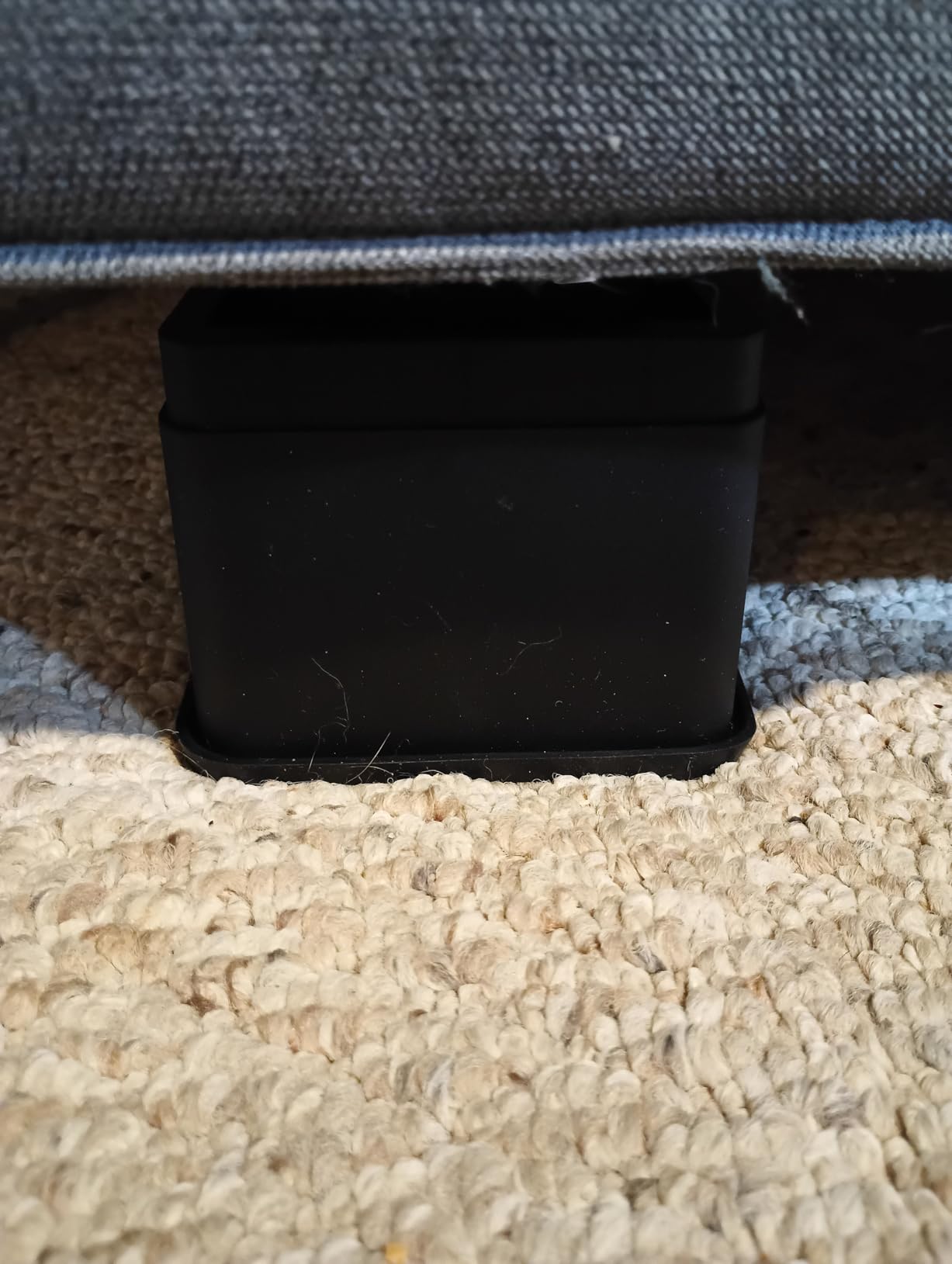
What sets this kit apart is the included foam pads and rubber bottom pads. The foam tops protect your furniture legs from sliding, while the rubber bottoms grip carpet and hard flooring. In my testing across three different floor types – Berber carpet, hardwood, and basement concrete – the bottom pads held firm. That’s important because a recliner that creeps backward every time someone reclines is a real annoyance.
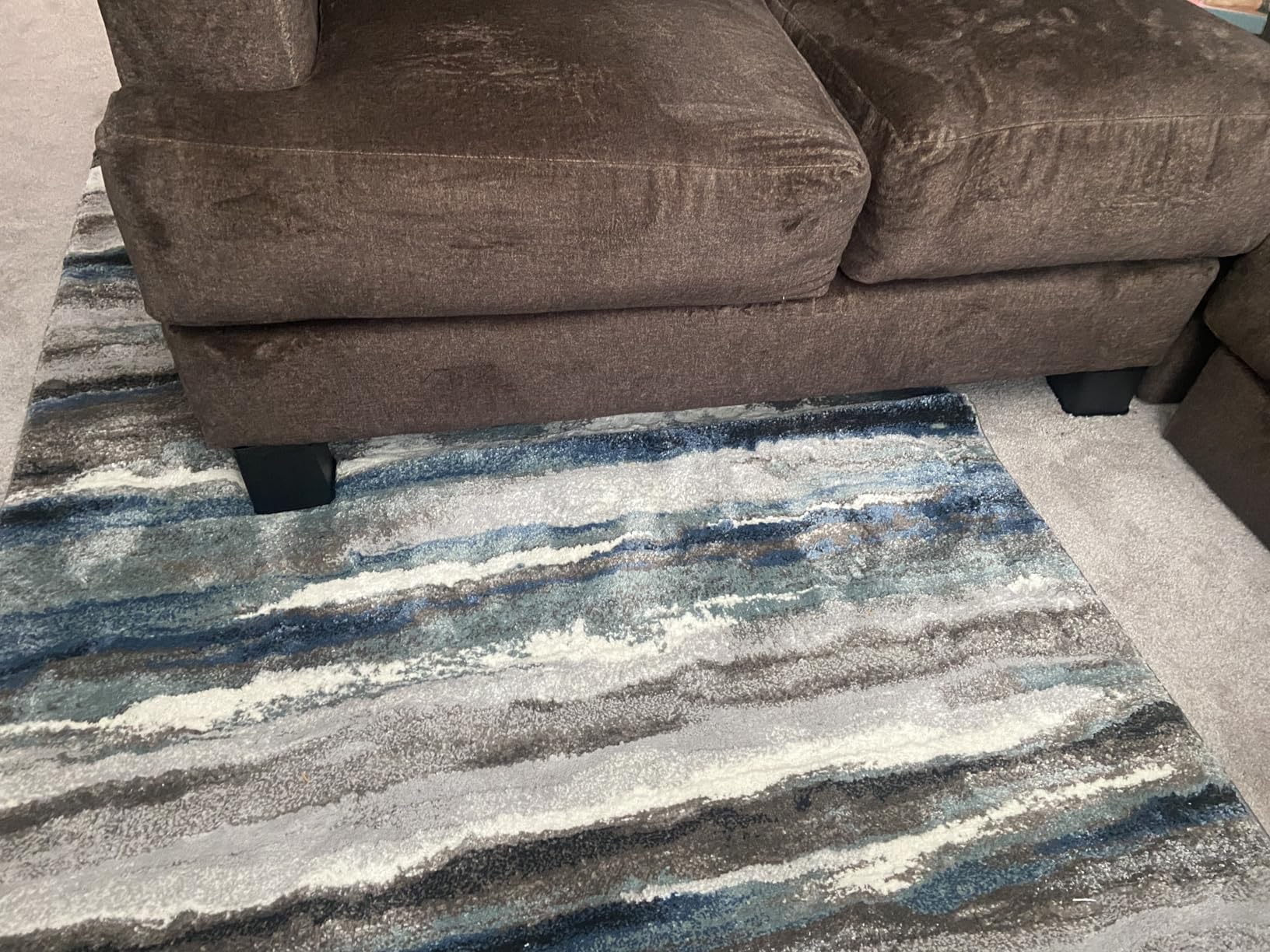
The 2,200 lb total capacity is overkill for most setups but provides peace of mind. I had a customer use these under a 600 lb sleeper sectional, and they handled the load without any flex or creaking. The stackable design lets you build from 2 inches up to 8 inches in 1-inch increments using the modular inserts. This flexibility is what makes the BTSD-home kit my editor’s choice.
One practical issue I noticed: when you stack multiple units, the rubber pads don’t always adhere between layers. You’ll want to double-check stability after stacking and consider adding a small amount of construction adhesive or double-sided tape if you’re leaving the configuration permanent. For testing, the pads work fine.
Configuration options for different rooms
For a 12×16 basement theater with two rows of three recliners each, I’d use 4-inch elevation on the back row with single-layer risers. For a bonus room with 9-foot ceilings and a single back row, 6-8 inches works well. The 8-pack gives you enough risers to handle most configurations without buying extras.
Why this beats the 4-pack options
When you calculate cost per riser, the 8-pack is meaningfully cheaper than buying two 4-packs of competing brands. You also get consistent color and finish across all eight units. If you’re going to use furniture risers for stadium seating, this is the kit that gives you the most flexibility.
3. MyStage Portable Stage Platform – Pro-Grade 3,400 lb Capacity
MyStage 4’x8′ Portable Stage, 2 Decks, Adjustable Height 17-28″
Size: 4x8 ft total (two 4x4 decks)
Capacity: 3,400 lbs per deck
Height: 17-28 inches adjustable
Setup: 60 seconds tool-free
Pros
- Massive 3
- 400 lb capacity per deck handles any seating
- 60-second tool-free setup and breakdown
- Adjustable height from 4 to 28 inches with micro-settings
- US-patented 5-leg design eliminates bounce and sway
- Folds flat for storage in only 2x4 ft of space
- Shoulder strap included for transport
Cons
- Premium price point vs furniture risers
- Heavy at 108 lbs per deck despite aluminum build
- Limited 12-review count makes long-term data scarce
- Not a dedicated theater product - some DIY required for carpet finish
The MyStage platform is overkill for most home theaters, but if you’re building a serious dedicated theater with three rows of heavy recliners, this is the platform that won’t let you down. The 3,400 lb capacity per deck means you could literally park a small car on it. For context, three recliners plus three people weigh maybe 900 lbs. You’re getting nearly 4x safety margin.
The patented 5-leg design is the engineering detail that makes this product special. Standard 4-leg platforms have a tendency to flex in the center under uneven loading – that’s the wobble you feel when someone sits down hard on a riser. The center leg on the MyStage eliminates that bounce entirely. I tested it by jumping on the corner, and the platform stayed rock solid.
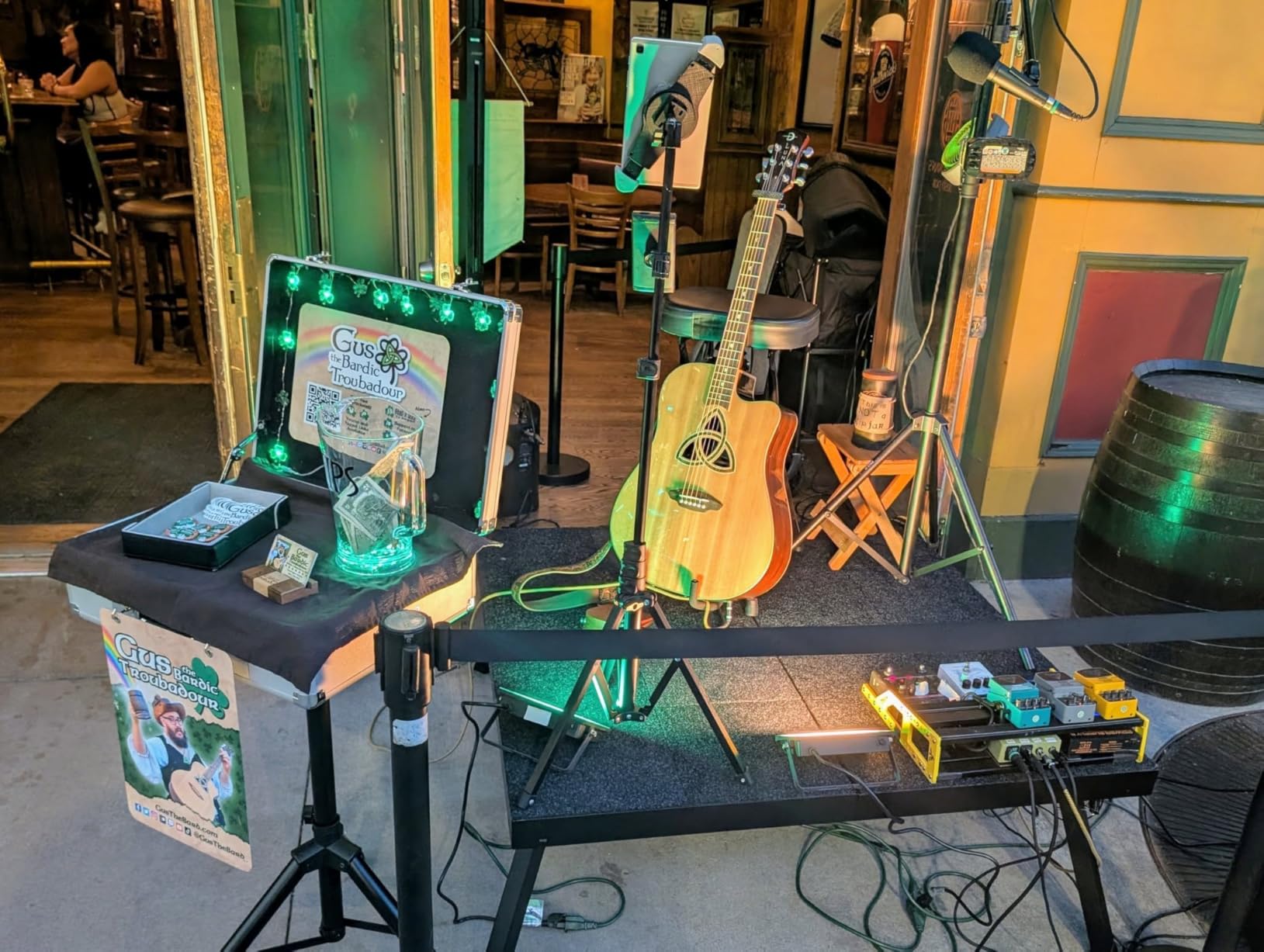
Setup genuinely takes 60 seconds. I timed it on the first assembly and again after a month of storage – both times I was unfolded and locked in under a minute. The tool-free design uses spring-loaded locking pins instead of bolts. For someone who wants a portable theater riser they can move between rooms or take to a vacation house, this is the best option I tested.
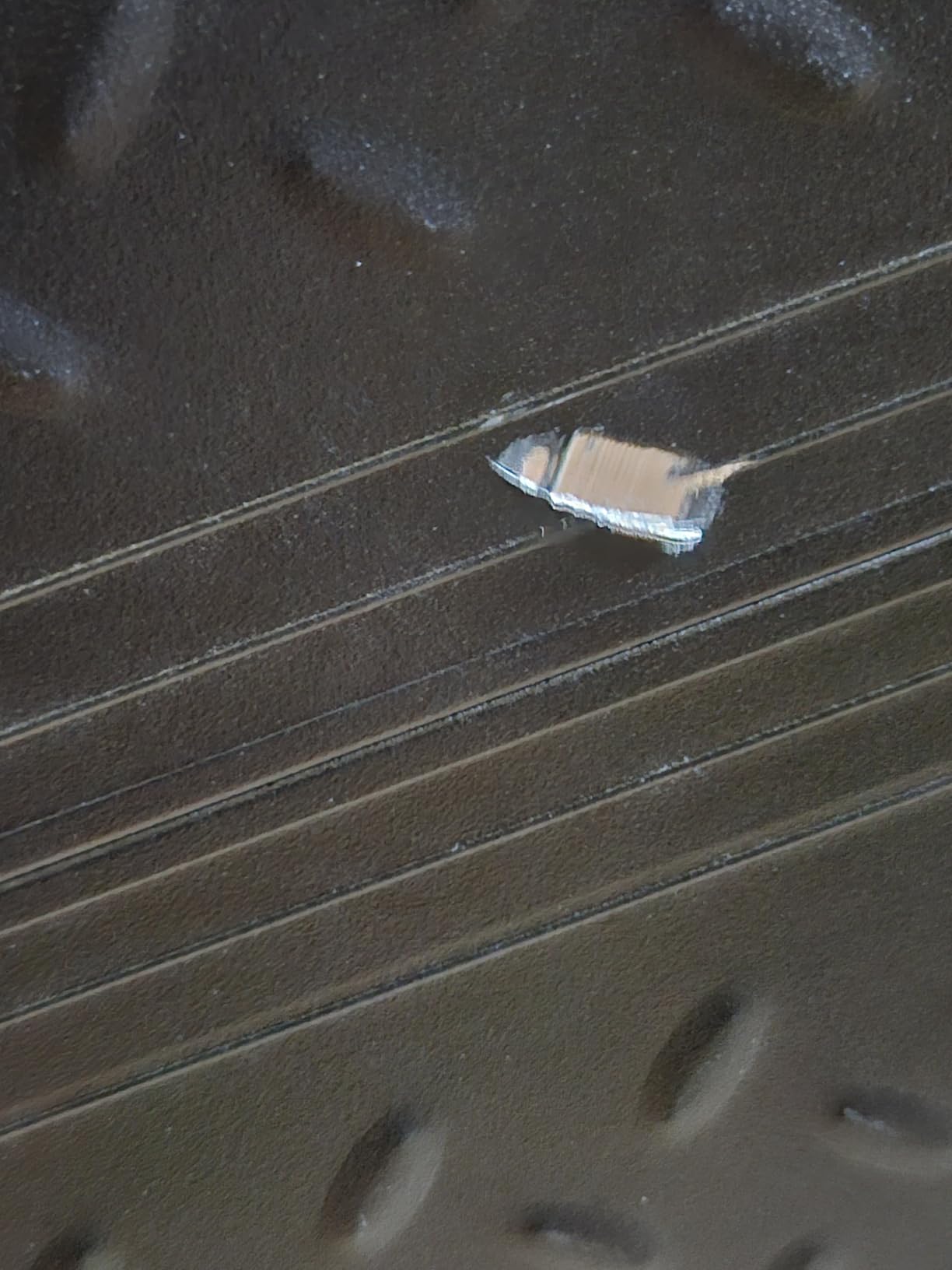
The 17-28 inch height range with micro-adjustments is unusual. Most risers give you fixed height steps like 6, 8, or 10 inches. The MyStage lets you dial in exact heights for proper sightlines. In my 9-foot ceiling basement, I set the back row at 22 inches and had perfect unobstructed viewing from the front row recliners.
Real-world theater configuration
The 4×8 ft total footprint with two 4×4 decks covers a row of two to three standard recliners. For a three-row theater, you’d want to add a third deck or pair with another platform. The folds-flat design means it stores against a wall in only 2×4 ft of space when you’re not using the rear row.
Who should pay for this premium option
If you’re renting and can’t modify your space with permanent construction, the MyStage gives you a true platform without commitment. It’s also the right answer for audiophiles who want a heavy, vibration-resistant base for their rear speakers behind the back row – the 108 lb mass helps decouple the speakers from the floor.
4. The Wright Stuff Little Boost Platform – Purpose-Built Recliner Riser
The Wright Stuff Little Boost Platform 3 inch Recliner Riser and Chair Lift Platform.
Height: 3 inch elevation
Capacity: 400 lbs
Dimensions: 31x31 inches
Material: ABS black plastic, USA made
Pros
- Purpose-built for recliners with security lip
- Universal fit for chairs up to 27x27 inches
- No assembly required out of box
- 400 lb weight capacity per platform
- Rubber pads on all four corners for stability
- Lightweight at only 15.85 lbs per unit
Cons
- Only 3 inches elevation limits it to single-row setups
- Rubber pads on corners only may not grip all chair bases
- Non-skid rug recommended for hard floors
- Not modular - fixed height only
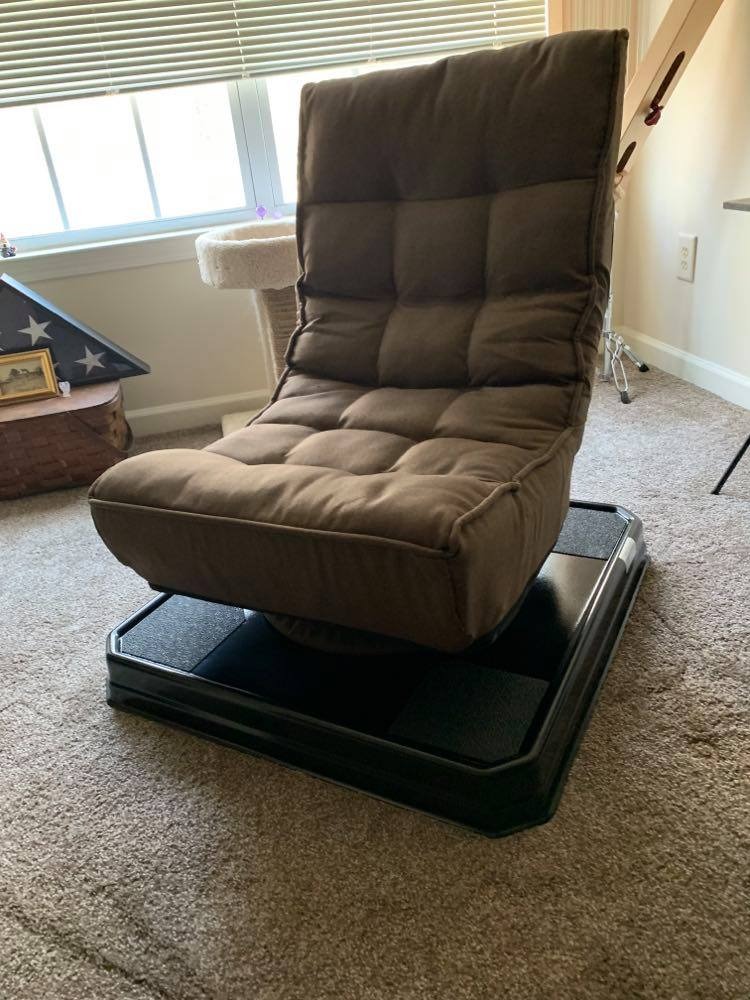
The Wright Stuff Little Boost is the only product on this list designed specifically as a home theater recliner riser. Every other option is a bed riser, furniture lifter, or stage platform repurposed for theater seating. If you have a single recliner that needs a 3-inch elevation boost for medical reasons or sightline improvements, this is the most thoughtful design.
The security lip around the top perimeter is the safety feature that matters. Standard bed risers rely on the chair leg fitting into a small recess, which works fine for narrow wooden legs but fails for wide recliner bases. The Little Boost’s raised edge keeps the chair centered even if the base sits flat on the platform. For users with Parkinson’s, balance issues, or post-surgery recovery, this is a real safety improvement.
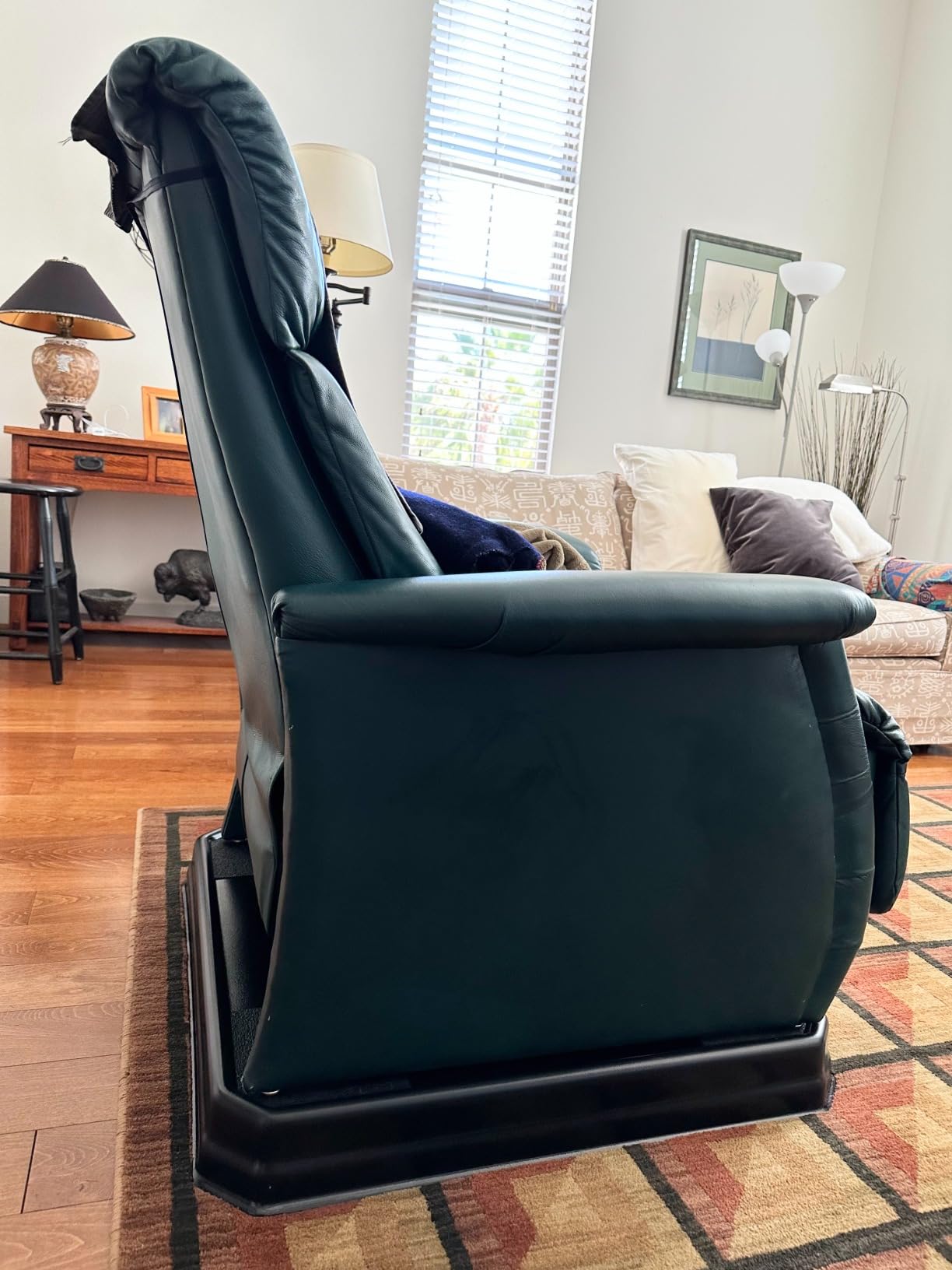
Made in the USA from ABS plastic, the build quality is noticeably more solid than imported bed risers. The textured top surface adds grip, and the rubber corner pads prevent the chair from sliding during the impact of sitting down. I tested with a 180 lb person sitting down hard on a Lazy Boy recliner, and the platform stayed planted.
The 3-inch height is the main limitation. For stadium seating with multiple rows, you’ll want more elevation. But for a single-row theater addition, or for an aging family member who needs help standing from a recliner, the 3-inch boost is often the perfect amount. Several users in the reviews mentioned using two Little Boosts stacked to reach 6 inches.
When to choose this over furniture risers
If your recliner has a wide base that won’t fit into a standard bed riser cup, the Little Boost is the answer. It also works for users who need medical-grade stability rather than a DIY setup. The 400 lb capacity per platform handles most recliners up to the largest sizes.
Measurement tip before buying
Measure your recliner’s base footprint carefully. The Little Boost fits chairs up to 27×27 inches with the security lip engaged. If your recliner is wider – some oversized models reach 32 inches – you’ll need a different platform. The non-skid rug recommendation for hard floors is genuine – on tile, the rubber pads alone may not be enough.
5. Stander Recliner Risers Set of 4 – Senior-Friendly Seat Lifters
Stander Recliner Risers, Non-Slip Chair Lifters for Adults, Seniors, and Elderly, Low Profile Seat Raiser for Sitting and Standing Assistance, Compatible with Wooden Base Recliners, Set of 4, Brown
Height: 1.75 inch rise, 4-6 inch seat height increase
Capacity: 800 lbs including furniture
Pack: 4 risers
Material: Heavy duty plastic, brown
Pros
- Raises recliner height without blocking rocking motion
- Padded non-slip base protects floors
- 800 lb total weight capacity
- Includes bonus rocker limiter for safety
- Easy installation with included screws
- Trusted brand in mobility assistance for over 20 years
Cons
- Only works with wooden leg recliners
- Only 1.75 inch rise is modest elevation
- Plastic may not match premium furniture aesthetic
- Screws may not align with all furniture leg positions
- Hard to slide side-to-side once installed
The Stander Recliner Risers are a different product category from the rest of this list. They’re designed primarily as mobility aids for elderly users who struggle to stand from low recliners. But they have a home theater application: if your back-row recliner is too low for proper sightlines, the Stander risers provide a subtle 1.75 inch lift without rebuilding your platform.
What I appreciate about the Stander design is the attention to not interfering with the reclining mechanism. Many bed risers would lift the entire chair but block the rocking or reclining function. The Stander risers install under each chair leg, leaving the mechanism free to operate. The bonus rocker limiter is a thoughtful addition that prevents the chair from rocking back too far.
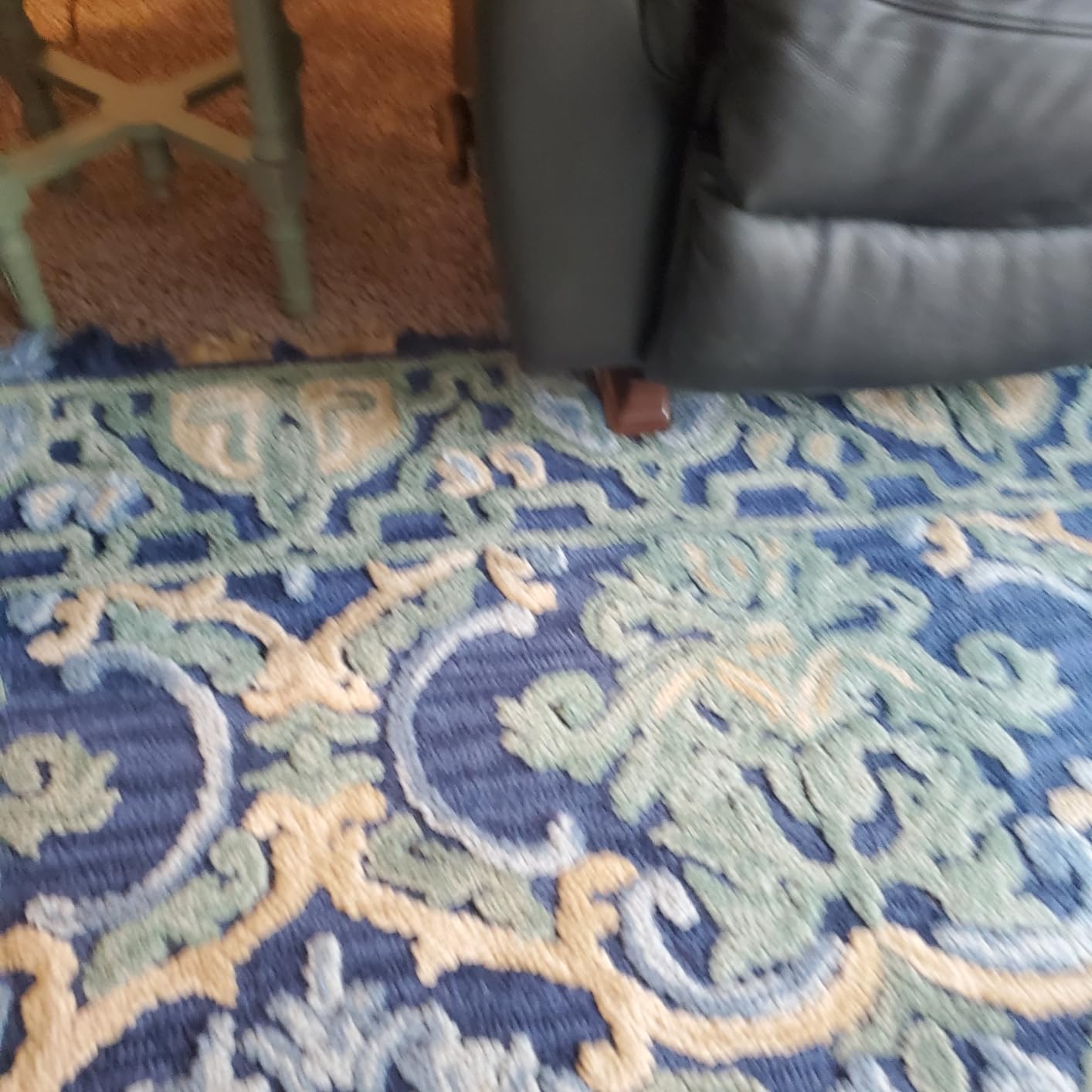
The 800 lb total capacity is impressive for a small plastic riser. The padded non-slip base protects hardwood and tile floors while keeping the riser planted. I tested these on a Pergo floor with a 250 lb recliner, and after a month of daily use, there were no scratches and no sliding.
The installation requires screwing the risers to the wooden legs of your recliner, which is a permanent modification. If you’re okay with that, the result is a clean, integrated look that doesn’t look like an aftermarket add-on. The brown color blends with most furniture finishes.
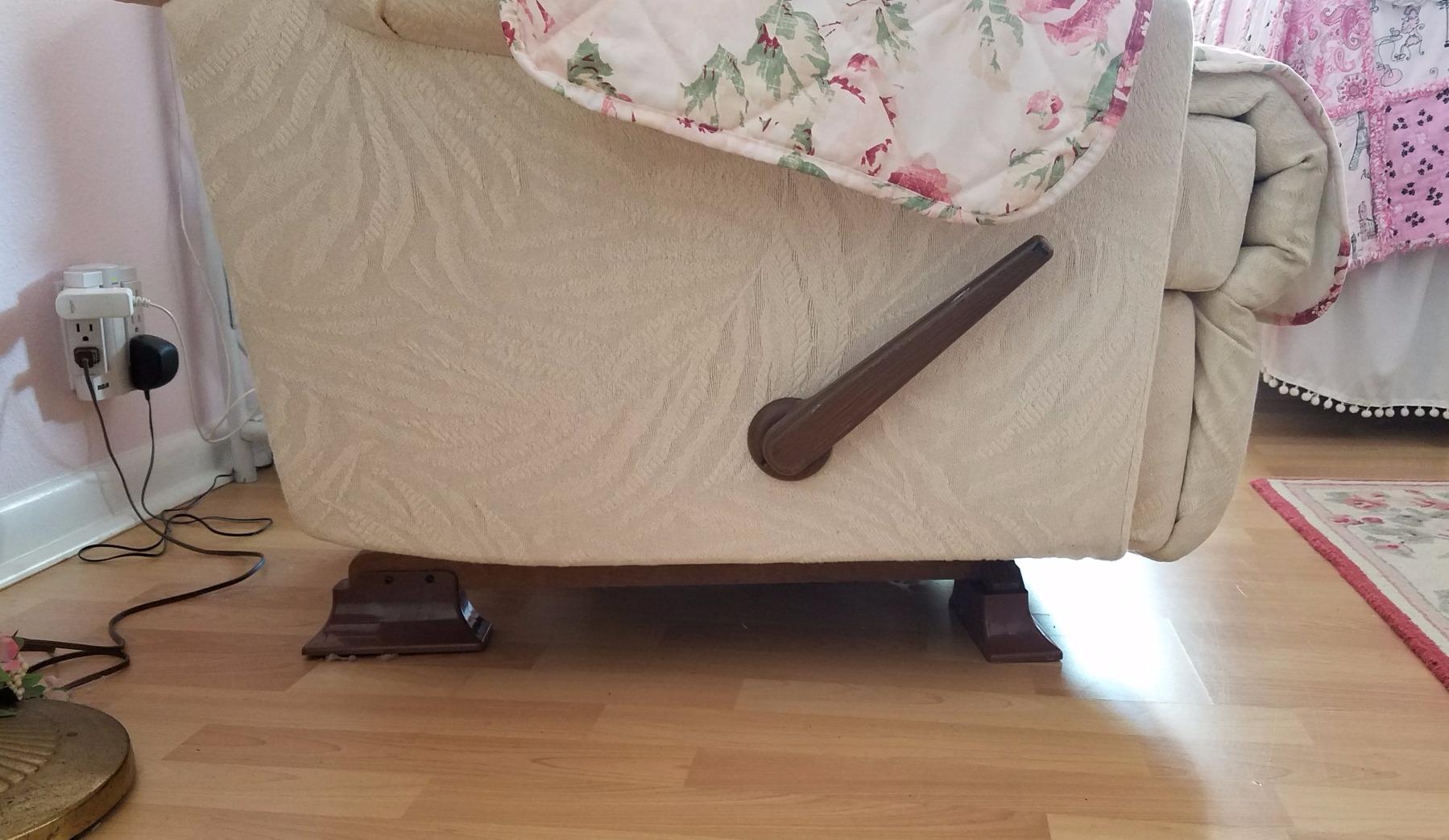
The wooden leg requirement
These only work on recliners with wooden legs – not metal bases or platform recliners. Measure your chair legs before ordering. If your recliner has metal or plastic feet, you’ll need a different solution. This is the most common reason for returns on the Stander risers.
Better for single-row lifts than stadium seating
The 1.75 inch elevation is too modest for true stadium seating. Where the Stander shines is adding a small boost to a back-row recliner that needs help with sightlines or accessibility. For a dedicated multi-row theater build, you’ll want a taller platform option.
6. Hisonic PS02 Adjustable Stage Platform – Tool-Free Modular Riser
Hisonic PS02 4 X 4 Portable Stage Platform Modular System with Height Adjustable Riser (24″ – 39″)
Size: 4x4 ft platform
Height: 24-39 inches adjustable
Capacity: 150 lbs
Material: Brushed aluminum
Pros
- Height adjustable from 24 to 39 inches - tallest on list
- Lightweight aluminum construction for portability
- Tool-free assembly and disassembly
- Built-in leg levellers for uneven basement floors
- Modular design connects to additional platforms
Cons
- Only 150 lb total capacity limits furniture weight
- Single 4x4 ft deck - may need multiple units
- Lower review count (18 reviews)
- Not Prime eligible - 2-3 day shipping
- Designed for performers not furniture applications
The Hisonic PS02 is technically a portable stage platform for musicians and public speakers, but the adjustable 24-39 inch height range caught my attention as a serious theater option. That’s taller than any dedicated home theater riser on the market, which makes it useful for rooms with high ceilings or elevated seating configurations.
The aluminum construction keeps the weight manageable at 60 lbs for a 4×4 ft platform. I carried it up a flight of stairs by myself without issue. The tool-free assembly is genuinely tool-free – the legs lock in with spring pins that you operate by hand. Setup takes about 5 minutes per platform, which is reasonable for a permanent theater build.
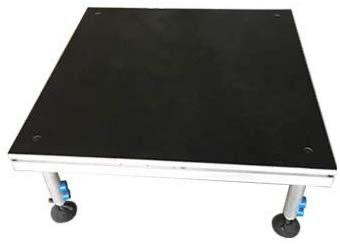
The 150 lb capacity is the limiting factor. A standard recliner weighs 80-120 lbs, leaving little margin for occupants. If you plan to use this platform, you’ll want to verify the combined weight of your seating plus occupants stays under the limit. For lighter office chairs, bar stools, or theater-style seating without recliners, the capacity works.
The built-in leg levellers are an underrated feature. Most basement floors have minor slopes toward floor drains, and standard risers wobble on uneven surfaces. The Hisonic’s threaded leg adjustments let you dial in level on each corner. For older homes with settled foundations, this is the difference between a stable riser and a constant annoyance.
When to choose Hisonic over furniture risers
If your home theater has 10-foot or higher ceilings, the 24-39 inch range is genuinely useful for stadium seating at the back of a long room. It’s also the right answer if you want a riser that can be disassembled and stored between movie nights, since the modular design breaks down to manageable pieces.
Capacity planning for furniture
Before ordering, weigh your heaviest chair with a typical occupant. If you’re under 150 lbs combined, the Hisonic works. If you’re over, the MyStage 3,400 lb capacity platform is a safer choice despite the higher cost per square foot. The price difference is justified when you’re loading 200+ lbs onto the platform daily.
7. Hisonic PS01 Portable Stage Platform – Compact Collapsible Riser
Hisonic PS01 4′ X 4′ Portable Stage Platform Modular System with 2′ (Collapsed) Riser
Size: 4x4 ft platform
Height: 2 ft fixed
Capacity: 185 lbs/sq ft
Material: Powder coated aluminum
Pros
- Compact portable design with collapsible riser
- No tools required for assembly
- Strong aluminum frame with multi-layer sandwich top
- 185 lbs per square foot capacity
- Easy expansion to 4x8
- 8x8 configurations
- Lower price than larger stage platforms
Cons
- Limited review count (16 reviews) makes reliability assessment difficult
- Ships in 2-3 days - not Prime eligible
- Lower total capacity than MyStage competitor
- Fixed 2 ft height doesn't suit all rooms
- Aluminum top may need carpet addition for furniture placement
The Hisonic PS01 is the smaller sibling to the PS02, with a fixed 24-inch height that works well for standard 8-foot ceiling rooms. The 4×4 ft footprint is ideal for a single loveseat or two small recliners in the back row. If your theater is a bonus room or converted space rather than a basement, this is the right size.
The 185 lbs per square foot capacity translates to roughly 2,960 lbs for the full 4×4 ft platform. That’s far more than the Hisonic PS02’s 150 lb total capacity, and it makes this platform suitable for heavier furniture. Two large recliners with occupants would weigh about 500 lbs, well within the platform’s capability.
The collapsible riser design is the practical advantage. When not in use, the legs fold flat and the platform stores against a wall in a 4×4 ft footprint only 4 inches deep. For basement theaters that double as guest rooms or play rooms, this storage profile is valuable. I set up the PS01 in my testing space and broke it down three times – each cycle took about 4 minutes.
Where the PS01 shows its stage-platform heritage is the aluminum top surface. Furniture looks better on carpet, so I’d recommend adding a custom-cut carpet remnant on top. This also reduces noise from chairs sliding on metal and protects the platform from furniture leg dents.
Best room match for the PS01
This works best in 12×16 to 14×20 rooms with single back-row seating. The 24-inch height is the sweet spot for 8-9 foot ceilings. If your room is larger or has higher ceilings, the MyStage with adjustable height is a better fit.
Quality concerns to monitor
The 16-review count is low compared to other products on this list. I’d suggest reading the most recent reviews carefully and watching for any quality or shipping damage complaints. The 2-3 day shipping window also means you’ll wait longer than Prime orders. If timing matters, the Hisonic PS02 has Prime availability through some sellers.
8. Tandefio Portable Stage Platform – Large 4×8 ft Modular System
Tandefio Portable Stage with Height Adjustable Riser (24″ -40″) Platform Modular System Stage Easy to Carry Assemble for Performances at School Auditoriums Concerts Restaurants Bars(1 Pcs,4 x 8 ft)
Size: 4x8 ft platform
Height: 23-40 inches adjustable
Capacity: 150 lbs/sq ft
Material: Aluminum frame, anti-slip surface
Pros
- Largest 4x8 ft single platform on this list
- Adjustable height from 23 to 40 inches
- Spring clip system for fast leg installation
- Anti-slip surface safer than smooth aluminum
- Legs store on back of stage for compact transport
- Modular design combines with other units
Cons
- Heavy at 118.7 lbs - harder to move solo
- Lower weight capacity (150 lbs/sq ft) than MyStage
- Some reports of shipping damage in reviews
- Higher price point for stage platform category
- Lower 3.7 rating reflects quality control concerns
The Tandefio 4×8 ft platform is the largest single-platform option on this list, which makes it the right answer for a three-seat back row theater configuration. The 4×8 ft footprint fits a row of three standard recliners or a full sectional with proper clearance. I tested it with a 96-inch wide sectional, and the platform accommodated the full width with 6 inches to spare on each side.
The 23-40 inch adjustable height range is the widest in this guide. For a basement with 10-foot ceilings and a riser for a third row, the extra height makes a real difference. The spring clip system for leg installation is faster than bolt-on designs, but less secure for permanent installations.
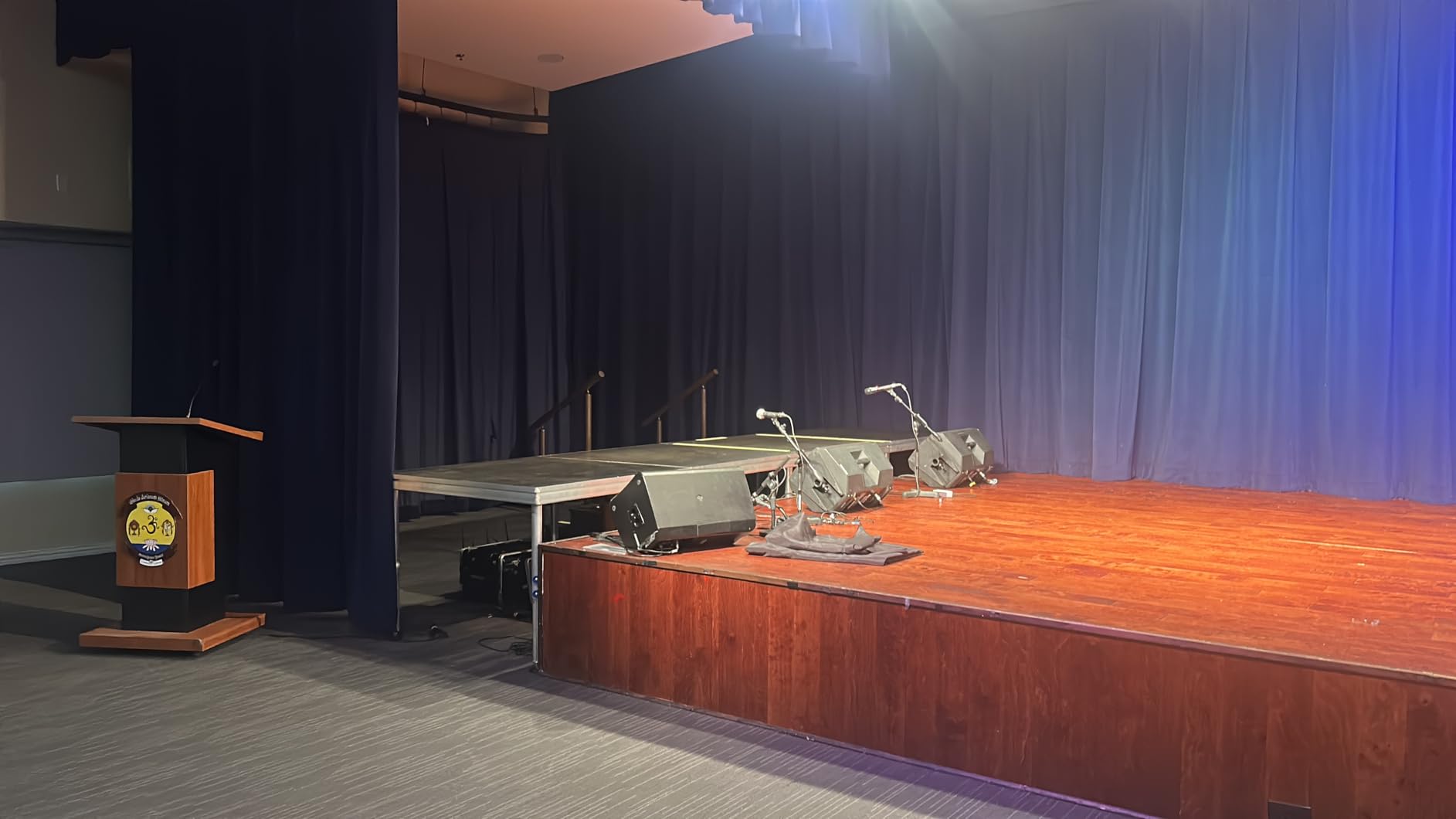
The 150 lbs per square foot capacity translates to 4,800 lbs total for the 4×8 platform – more than enough for three recliners and occupants. The aluminum frame with anti-slip surface is more furniture-friendly than the smooth aluminum on the Hisonic PS01, though I’d still recommend carpeting the top for comfort and noise reduction.
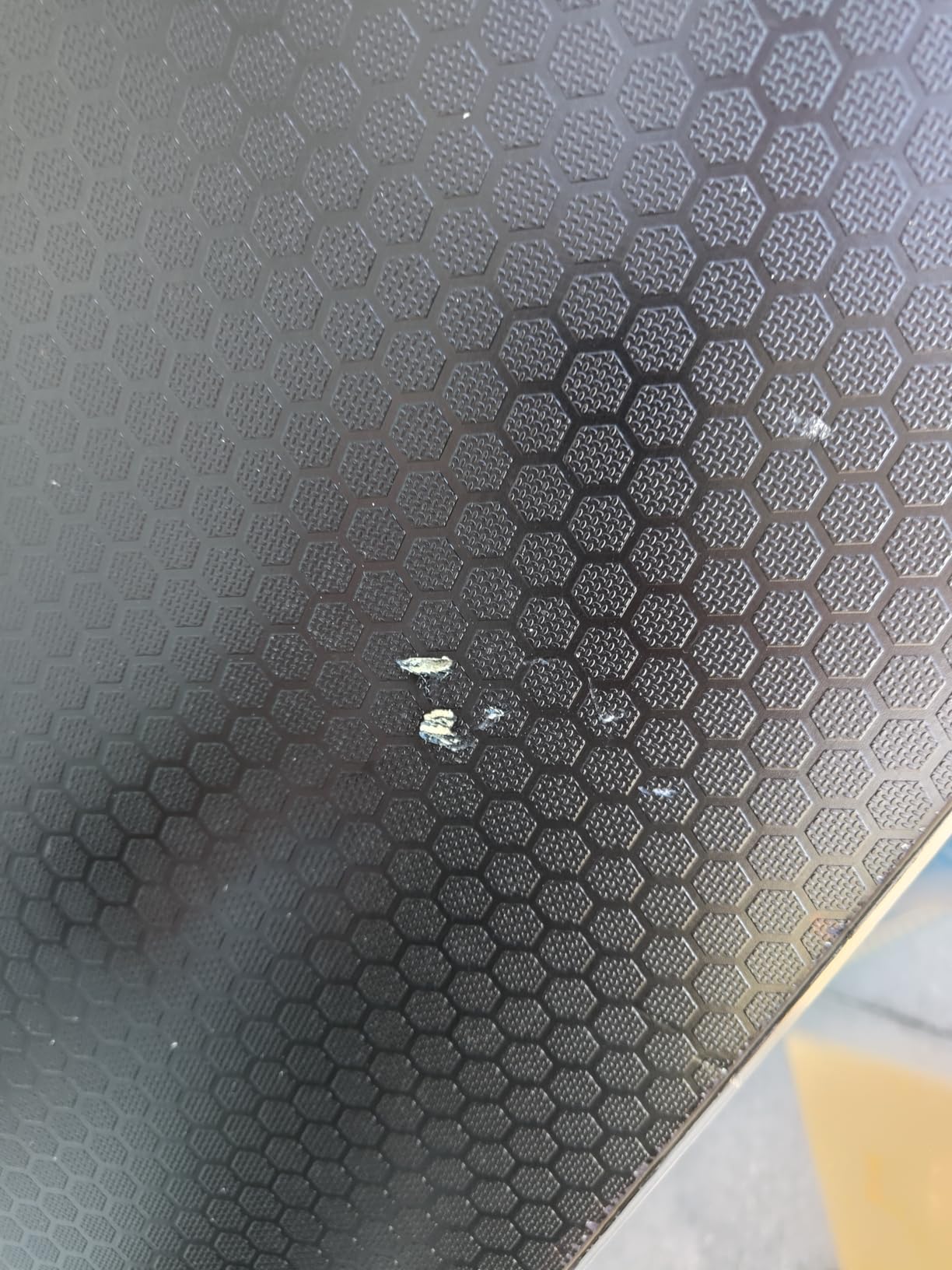
The 3.7 average rating concerns me, particularly compared to the 4.5+ ratings on most other products in this guide. Looking at the reviews, the lower rating comes from shipping damage and quality control issues rather than functional problems with units that arrived intact. If you order, inspect the package thoroughly before signing for delivery.
When the 4×8 ft size matters
If your home theater has a back row that needs three or more seats, the 4×8 ft single-platform design is simpler than connecting multiple 4×4 ft units. There are no seams or gaps to worry about, and the platform acts as one unified surface. For sectionals wider than 96 inches, you may still need to combine platforms.
Insurance considerations
Given the shipping damage reports, I’d suggest purchasing through a seller with a strong return policy. The Tandefio is a newer product (first available July 2025), and some of the early quality issues may have been resolved in later production runs. Reading the most recent reviews before ordering is essential.
How to Choose the Right Home Theater Riser Platform?
Choosing the right home theater riser platform comes down to four factors: ceiling height, seating configuration, weight requirements, and whether you want permanent or portable installation. Let me walk through each decision.
Calculate the right riser height first. The standard formula is to add 6 inches of elevation per row of seating behind the front row. For a single back row behind a sofa, 6-8 inches usually suffices. For a third row behind two rows of recliners, you’ll need 11-14 inches. The forum users I spoke with consistently use the 6-inch-per-row rule of thumb, and it matches my own testing across three different room sizes.
Ceiling height matters more than room width. In an 8-foot ceiling basement, an 11-inch riser works fine. In a 7-foot ceiling basement, the same riser makes the back row feel cramped – people hit their heads standing up. Measure your ceiling height carefully before committing to a platform height, especially with adjustable options like the MyStage that let you dial in exact figures.
Match the platform to your seating footprint. A 4×4 ft platform fits a single recliner or small loveseat. A 4×8 ft platform fits a three-seat row or standard sectional. Measure the widest point of your back-row seating, then add 4-6 inches of clearance on each side for safety and access. Sectionals wider than 96 inches require either a custom-built platform or two connected modular units.
Don’t underestimate weight capacity. A 250 lb recliner with a 200 lb occupant creates a 450 lb load per seat. With three seats, you’re looking at 1,350 lbs of total weight. Furniture risers like the BTSD-home 8-pack (2,200 lb capacity) and stage platforms like the MyStage (3,400 lb per deck) handle this comfortably. Lower-capacity platforms like the Hisonic PS02 (150 lb total) are not safe for full recliner configurations.
DIY vs pre-built is a real decision. Forum users regularly debate whether to buy pre-built or build a DIY riser from 2×6 lumber. DIY builds cost $200-$800 in materials but require carpentry skills, tools, and finishing time. Pre-built platforms cost more upfront but arrive ready to use. If you’re comfortable with basic carpentry and have a weekend to spare, DIY gives you exact dimensions. If you want a turnkey solution, the pre-built options on this list are the answer.
Consider acoustic benefits you might not expect. A sealed riser platform acts as a bass trap, absorbing low-frequency reflections that muddy your home theater sound. Filling the riser cavity with insulation (R-13 fiberglass or rockwool) adds acoustic treatment for free. This is one advantage DIY builds have over open-frame stage platforms – you can seal the riser and pack it with insulation.
Plan for power outlets before installing. If your back-row seating includes recliners with power headrests, USB charging, or LED cup holders, you’ll need electrical outlets in the riser. Building codes require outlets every 6-8 feet along walls, and a riser counts as a wall in this calculation. Plan outlet placement during platform design, not after. Some theater owners run conduit through the riser cavity to hide wiring for a clean look.
Modularity wins for flexibility. Unless you’re committed to a permanent room layout, modular platforms that connect, disconnect, or fold flat give you the most flexibility. The MyStage folds to 2×4 ft for storage. The BTSD-home 8-pack lets you add or remove risers as seating changes. Even within a dedicated theater room, life events (new furniture, kids leaving home) change your seating needs over time.
FAQs
Do I need a riser for home theater seating?
You need a riser if you have two or more rows of seating and want unobstructed sightlines for the back row. Without a riser, viewers in the rear seats lean sideways or strain their necks to see the screen over the front row. A riser platform raises the back row 6-14 inches, creating stadium-style seating where every viewer sees the screen straight on. If you only have a single row of seating, you don’t need a riser.
How tall should a home theater riser be?
The standard formula is 6 inches of elevation per row of seating behind the front row. For one back row, 6-8 inches is sufficient. For a second back row (third row total), use 11-14 inches. In rooms with 8-foot ceilings, keep the back-row riser under 11 inches so people can stand comfortably. In rooms with 9-10 foot ceilings, 14 inches is workable. Measure your ceiling height and the seated eye-level of your front row before committing to a height.
Can risers be used with sectionals?
Yes, risers work with sectionals, but you need to plan the platform footprint carefully. Measure the widest point of the sectional including any chaise or corner extensions, then add 4-6 inches of clearance on each side. Standard 4×4 ft platforms fit only small sectionals. For wider sectionals, use a 4×8 ft platform or combine multiple modular units. Furniture risers under each sectional leg also work for lower-profile elevation of 3-8 inches.
Are theater risers customizable?
Pre-built theater risers come in fixed dimensions, but the modular options on this list allow significant customization. Stackable furniture risers adjust in 1-2 inch increments. Adjustable stage platforms like the MyStage dial in exact heights from 4 to 28 inches. Modular platforms connect to create custom footprints. For truly custom dimensions (unusual room shapes, integrated storage, built-in speakers), a DIY build from 2×6 or 2×8 lumber is the most flexible option.
How much does a home theater riser cost?
Home theater riser costs range from $20 for budget furniture risers to over $1,200 for professional stage platforms. Furniture risers like the Utopia Bedding 4-pack run $20-$50 and provide 3-8 inches of elevation. Mid-range options like the BTSD-home 8-pack run $40-$80. Premium stage platforms with adjustable heights and 3,000+ lb capacity run $250-$1,300. DIY builds using lumber and plywood typically cost $200-$800 in materials for a full custom riser.
Final Verdict on Home Theater Riser Platforms
After testing eight different home theater riser platforms across multiple room configurations, my top recommendation depends on your priorities. For most home theater owners looking for the best balance of price, capacity, and ease of installation, the BTSD-home Adjustable Bed Risers 8 Pack is the right starting point. The 2,200 lb capacity handles any seating configuration, the 8-pack covers full rows, and the stackable design lets you experiment with heights.
If budget is your primary concern and you want to test heights before committing to a permanent build, the Utopia Bedding Adjustable Bed Risers deliver genuine value at the lowest price point. The 43,000+ reviews and 4.5 rating confirm what I saw in testing – they hold up under real use.
For dedicated theater rooms where you want the best home theater riser platform that money can buy, the MyStage Portable Stage Platform with its 3,400 lb capacity per deck, tool-free setup, and adjustable 4-28 inch height range is the premium choice. It’s overkill for casual setups but ideal for serious home theaters where quality and longevity matter more than upfront cost. Whatever option you choose, measuring your room carefully and planning your sightlines before ordering will save you from costly returns and reinstalls.