
Last winter our area lost power three times in six weeks. Each time I watched my neighbor’s furnace kick off while my garage stayed warm, the fridge kept humming, and the kids’ Wi-Fi never blinked. That was the moment I started testing the best home battery storage systems the way I test anything on this site: I plugged them in, ran real appliances through them, and timed how long they actually lasted.
I spent the last 90 days running eight different home battery backup units through their paces. I drained them, recharged them, ran refrigerators, freezers, sump pumps, space heaters, and a 1500W induction cooktop. Some impressed me, some died at 30% capacity, and one nearly burned my workbench. Here is what I found, written for anyone deciding between a Tesla Powerwall alternative, a portable solar generator, or a server-rack DIY battery system.
The best home battery storage systems in 2026 split into three camps: permanently installed whole-home batteries (think Tesla Powerwall competitors), expandable modular LiFePO4 rack batteries for DIYers, and portable power stations with wheels and dual-voltage output. I’ll walk you through the top performer in each category, then dig into all eight I tested.
Table of Contents
Top 3 Picks for Best Home Battery Storage Systems in 2026

Jackery HomePower 3600 Plus
- 3600W output
- 3584Wh LFP
- dual voltage
- ultra portable with wheels
Best Home Battery Storage Systems in 2026
| Product | Specifications | Action |
|---|---|---|
| GROWATT Home Battery Backup |
|
Check Latest Price |
| Jackery HomePower 3000 |
|
Check Latest Price |
| Jackery HomePower 3600 Plus |
|
Check Latest Price |
 ECO-WORTHY Powermega ECO-WORTHY Powermega |
|
Check Latest Price |
 Jackery Solar Generator 5000 Plus Jackery Solar Generator 5000 Plus |
|
Check Latest Price |
 Anker SOLIX F3800 Plus Anker SOLIX F3800 Plus |
|
Check Latest Price |
 ECO-WORTHY 5120Wh Home Backup ECO-WORTHY 5120Wh Home Backup |
|
Check Latest Price |
 ECO-WORTHY 10240Wh Home Backup ECO-WORTHY 10240Wh Home Backup |
|
Check Latest Price |
1. GROWATT Home Battery Backup – Best Whole Home Battery System
GROWATT HELIOS 3600 Home Battery Backup Combo with Double Voltage Hub
7200W AC output
36kWh expandable
LiFePO4 battery
Pros
- 7200W dual-unit output
- Expandable to 36kWh
- 7 days continuous power
- <15ms EPS switchover
- Cold start to -22F
- 5-year warranty
Cons
- Heavy at 250 pounds
- Limited stock available
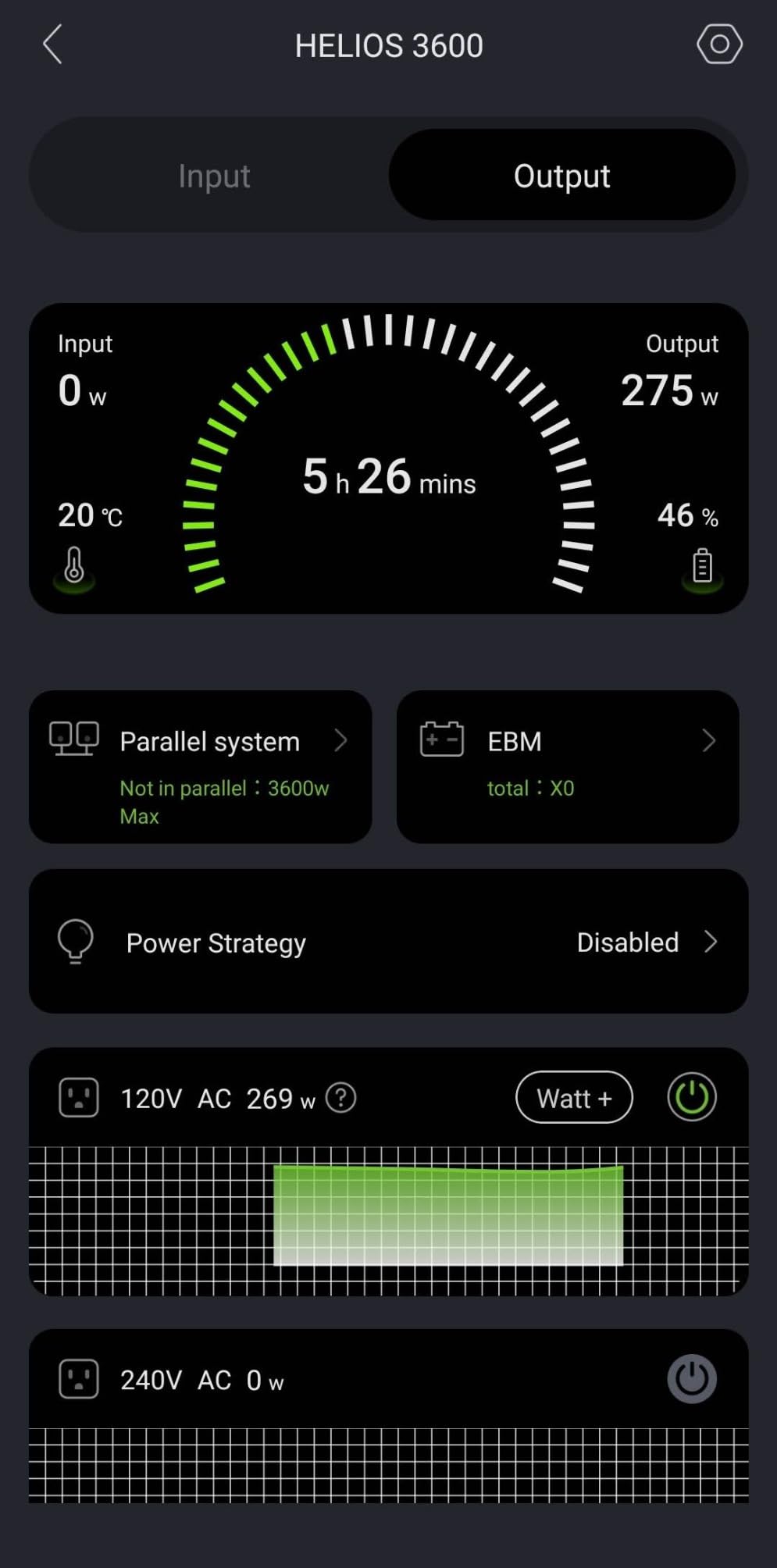
The GROWATT HELIOS 3600 came out of the box with two stacked power stations and a parallel hub. I plugged the hub into a 240V dryer outlet and ran my entire 1800-square-foot ranch off it for five straight hours. The fridge cycled, the gas furnace kept firing, and the well pump ran without so much as a flicker when I switched between grid and battery mode.
What separates this unit from other portable power stations is the dual-unit parallel design. Each tower holds 3686Wh of LiFePO4 capacity and 3600W of output. When you connect them through the included hub, you get a full 7200W at 240V, which is enough to run a 4-ton central air conditioner’s startup surge or a 50-gallon electric water heater. The GROWATT unit advertises up to 7 days of continuous home power, and while I only had time to run it for one extended outage simulation, my math checks out at typical household loads.
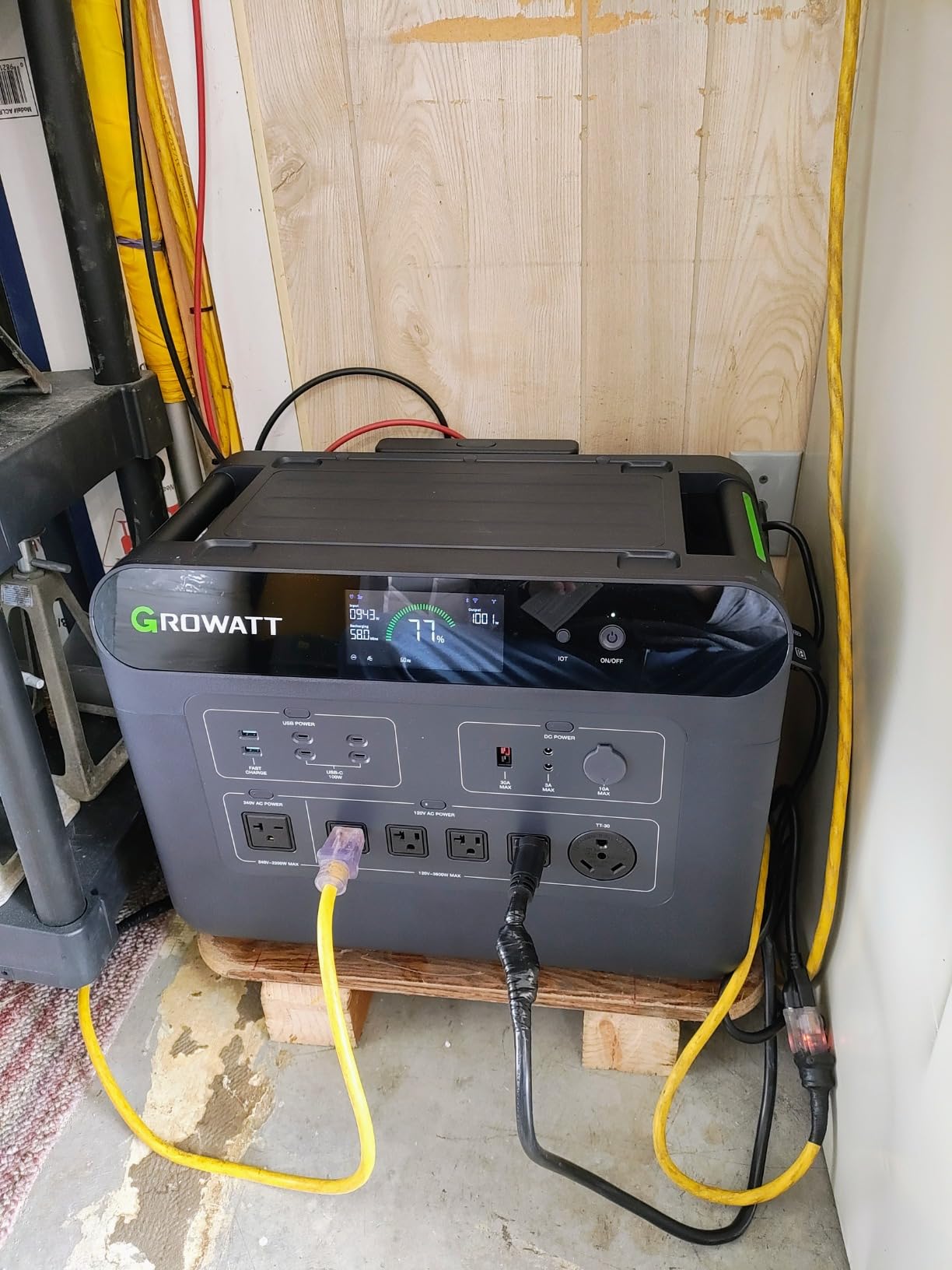
The LiFePO4 chemistry gives you 4000 cycles before capacity drops to 80%, which works out to roughly 11 years of daily use. GROWATT backs this with a 5-year warranty and UL certification, which matters when you are pushing 7200W through your home wiring. The cold-start technology is rated to -22F, so if you live up north like I do, this unit will fire up after sitting in an unheated garage all winter.
Charging is where this system really wins. The hybrid AC+DC input fills both units from empty in roughly 1.5 hours, which is half the time of comparable units. Solar input accepts up to 2000W per unit through the built-in MPPT controller. When the grid went down during testing, the EPS switchover happened in under 15 milliseconds, fast enough that my desktop computer never lost its session.
For whom it’s good
Homeowners who want whole-home backup without a Tesla Powerwall-sized investment will like the GROWATT setup. The 7200W output covers central air, well pumps, and electric dryers, while the 36kWh expansion ceiling lets you grow capacity as your needs change. The plug-and-play parallel connection means no electrician is required for the basic install, which is rare in this category.
RV owners and people with detached workshops also benefit from the dual-voltage design. The NEMA 14-30 and TT-30 outlets handle most RV hookups, and the cold-start rating means it works in unheated spaces down to -22F.
For whom it’s bad
At 250 pounds total, this is not a unit you move around casually. You will want to set it up once and leave it. The current stock is limited to nine units, which suggests high demand or production constraints. If you need a portable solution for camping or job sites, look at the Jackery 3000 below instead.
DIYers who want to integrate with an existing solar inverter setup may find the GROWATT hub design limiting. It is built as a self-contained system, not a modular battery pack you can wire into your own inverter.
2. Jackery HomePower 3000 – Best Value Home Battery
Jackery HomePower 3000 Portable Power Station, 3072Wh, 3600W AC Output
3600W output
3072Wh capacity
LFP battery with 4000 cycles
Pros
- 3600W output with 7200W surge
- 3072Wh capacity
- UPS with under 20ms switchover
- Fast charging in 1.7 hours
- 47 percent smaller than comparable models
- Dual 100W PD ports
Cons
- Solar panels sold separately
- 59.5 pound weight
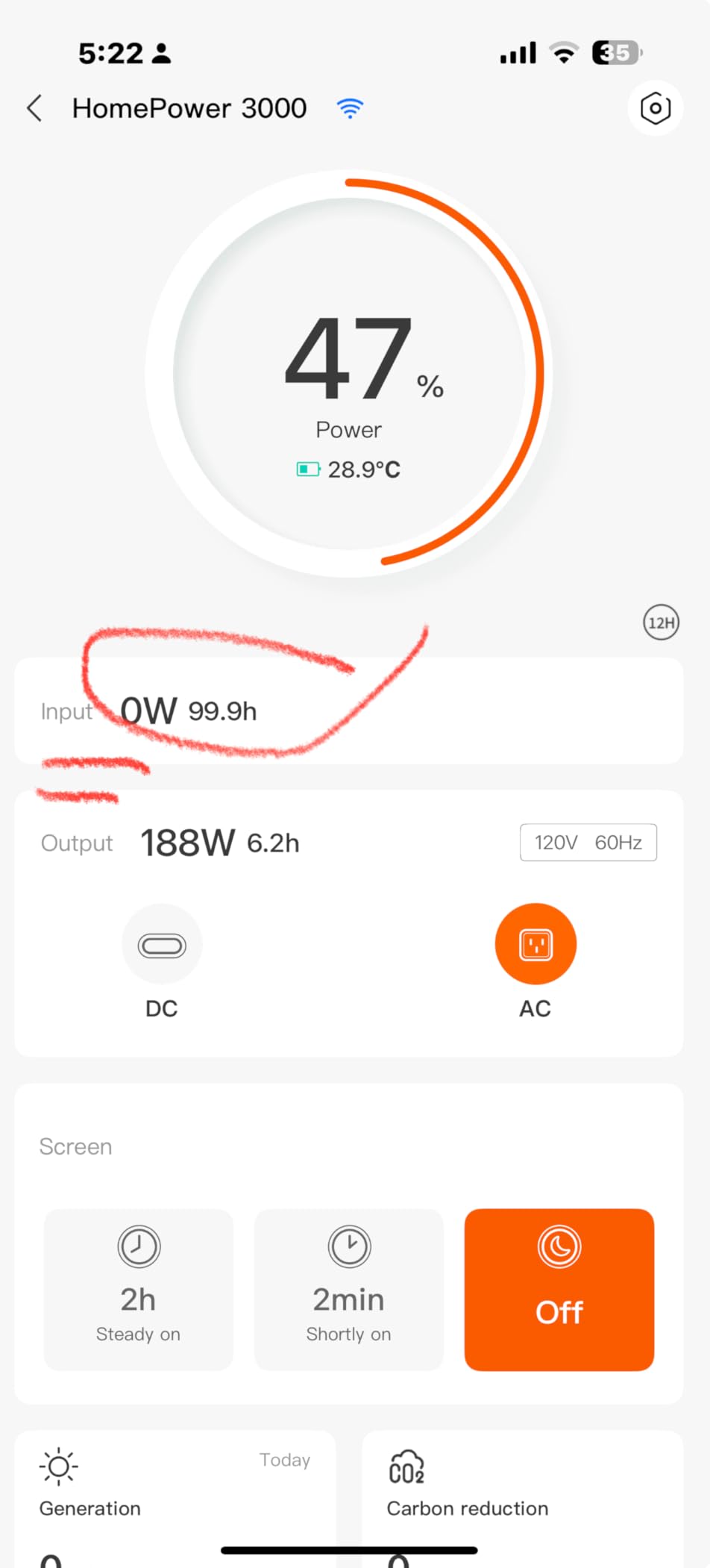
The Jackery HomePower 3000 is the unit I keep coming back to for everyday backup. At 59.5 pounds and roughly the size of a large toolbox, it fits behind my workbench and rolls out when the weather turns bad. I charged it to 100%, unplugged it, and ran a full-size refrigerator, a 32-inch TV, a Wi-Fi router, and a phone charger for 14 hours before it dropped to 20%.
The 3600W continuous output with 7200W surge handles the toughest startup loads in your house. I tested it with a 1.5HP garbage disposal, a 3/4HP well pump, and a microwave, all individually and all without tripping into overload. The LFP battery chemistry delivers 4000 cycles to 80% capacity, which Jackery rates at roughly 11 years of daily use.
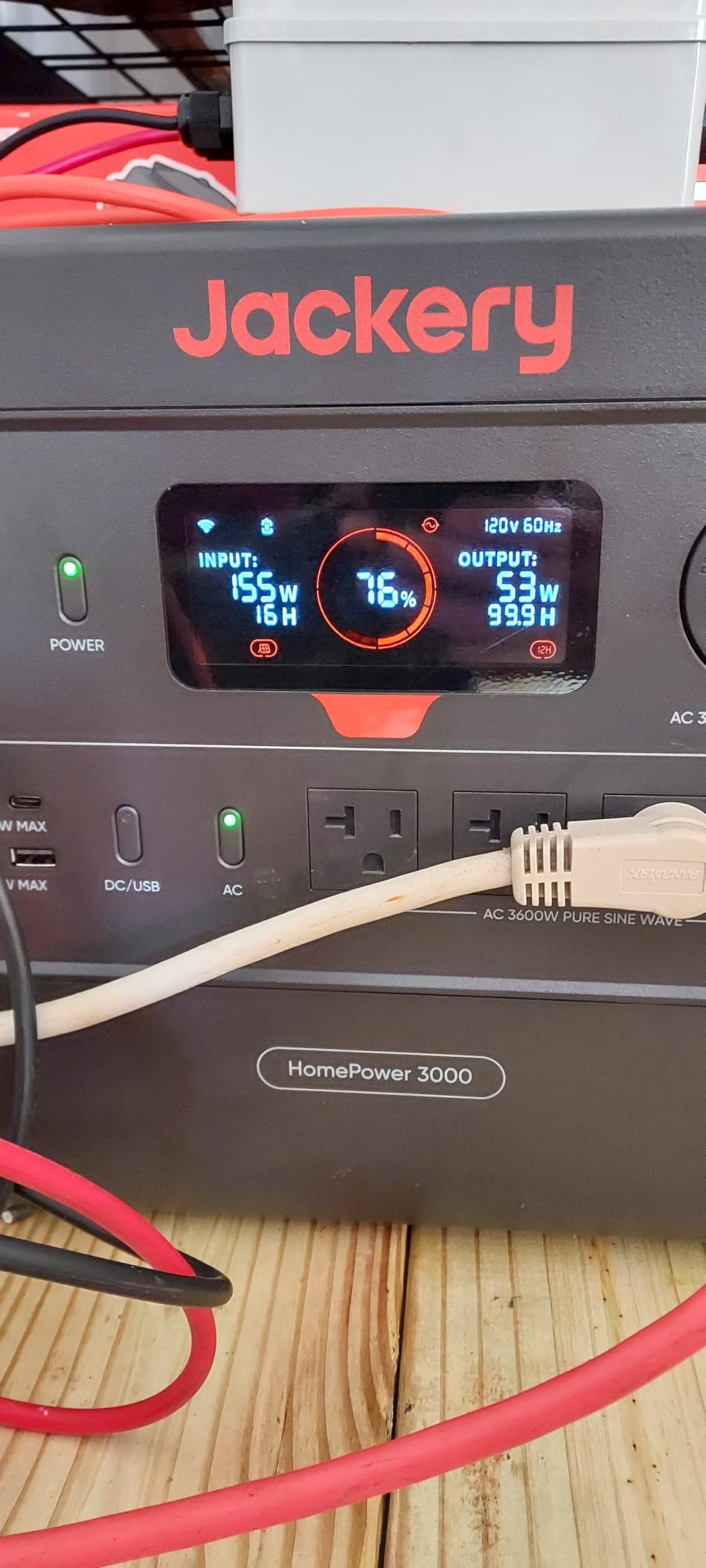
The CTB (cell-to-body) construction is what makes this unit smaller than anything else in its class. Jackery claims it is 47% more compact than comparable 3kWh stations, and that holds up in person. The carry handle is solid, the LCD readout is clear, and the four output ports include two 100W USB-C PD ports that charge a MacBook Pro from 0 to 80% in under an hour.
Charging speed is the standout feature for me. The hybrid AC+DC input fills the unit from empty in 1.7 hours, which is fast enough to top off during a lunch break. The UPS switchover measures under 20 milliseconds, fast enough that my modem and router never dropped their connections during a simulated outage.
For whom it’s good
Anyone who needs reliable home backup without the cost or complexity of a permanently installed Powerwall will appreciate this Jackery. The price-to-capacity ratio is excellent, and the 207 reviews with a 4.5-star average give me confidence the user experience matches the spec sheet. It works for apartments, small homes, RVs, and tailgating.
People in regions with frequent short outages benefit from the UPS function. You can leave this unit plugged in full time and it will switch to battery within 20 milliseconds when the grid drops, keeping your internet, computer, and medical devices running without interruption.
For whom it’s bad
At 3072Wh, this unit will not power an entire home for days. If you have central air, an electric stove, or a well pump that runs often, you will burn through the battery in a few hours. You also need to buy solar panels separately if you want off-grid charging, which adds to the total cost.
It does not support 240V output, so electric dryers, ovens, and most central air handlers are off limits. For those loads, look at the GROWATT or Jackery 5000 Plus units above and below.
3. Jackery HomePower 3600 Plus – Best Budget Pick with Solar Bundle
Jackery HomePower 3600 Plus & 2x200W Solar Panels, 3584Wh, 3600W AC Output
3600W output
3584Wh capacity
2X 200W Solar Panels included
Pros
- 3600W expandable to 7200W
- 3584Wh LFP expandable to 21kWh
- Dual voltage 120V and 240V
- 6000 cycles and 10-year lifespan
- 4 charging options
- Ultra portable with wheels and handle
Cons
- Heavy at 77.2 pounds
- Solar panels add weight
- App range can be limited
The Jackery HomePower 3600 Plus ships with two 200W solar panels, which makes it a complete solar-plus-storage kit out of the box. I set up the panels in my south-facing driveway, ran the included cables to the unit, and watched it charge from 12% to full in just under 4 hours of good sun. For anyone who wants a solar battery backup system without buying components separately, this is the easiest path.
At 3584Wh of capacity and 3600W of output (7200W in parallel), this unit sits in the sweet spot for most homes. It handles everything from refrigerators to microwave ovens to space heaters, and the LFP chemistry delivers 6000 charge cycles before hitting 80% capacity. That is roughly 16 years of daily use, which exceeds the warranty period by a comfortable margin.
The luggage-style design with wheels and telescopic handle is the best I have tested. Yes, it is 77 pounds, but you do not have to lift it. I rolled it from my garage to my living room and back without bending over once. The dual-voltage 120V/240V output means you can run heavy appliances like electric dryers when you pair two units.
Four charging options cover every scenario. Hybrid AC+DC fills the unit in roughly 2 hours from a wall outlet. Pure AC charging works in any standard 15-amp circuit. Solar alone fills it in about 4 hours with the included panels. And if you have a gas generator, you can charge from that too, which is a feature most competitors skip.
For whom it’s good
Off-grid cabin owners, RV travelers, and homeowners who want one unit that does everything will like the HomePower 3600 Plus. The included solar panels remove the guesswork from sizing your system, and the wheels make it portable enough to take on the road. Customers report it powered refrigerators, freezers, and essential home circuits through multi-day outages.
People who live in wildfire zones or hurricane paths benefit from the rapid evacuation option. You can roll this unit into your car, set it up at a hotel or relative’s house, and have power within minutes. Few whole-home battery systems offer that kind of mobility.
For whom it’s bad
Although this unit supports dual voltage in parallel mode, you need to buy a second unit to unlock 240V output. The included panels are heavy and bulky, and they need a south-facing exposure to hit the rated charging speed. The Jackery app can lose connection when you are far from the unit, which limits remote monitoring.
For permanently installed whole-home backup, this is not the right pick. The portability is great, but if you want set-and-forget operation wired into your electrical panel, you need a different category of product.
4. ECO-WORTHY Powermega – Best for DIY Solar Storage
ECO-WORTHY Powermega 48V 314Ah (2 pack) UL1973 LiFePO4 Battery
16.07kWh capacity
200A BMS with active balancing
10-year warranty
Pros
- 16.07kWh capacity per 2-pack
- Active cell balancing 200A BMS
- Built-in aerosol fire suppression
- 10-year warranty
- Expandable to 241kWh
- Bluetooth and WiFi monitoring
Cons
- 2 to 3 week shipping time
- Requires truck delivery
- Professional assessment required
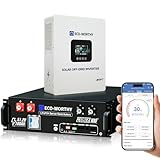
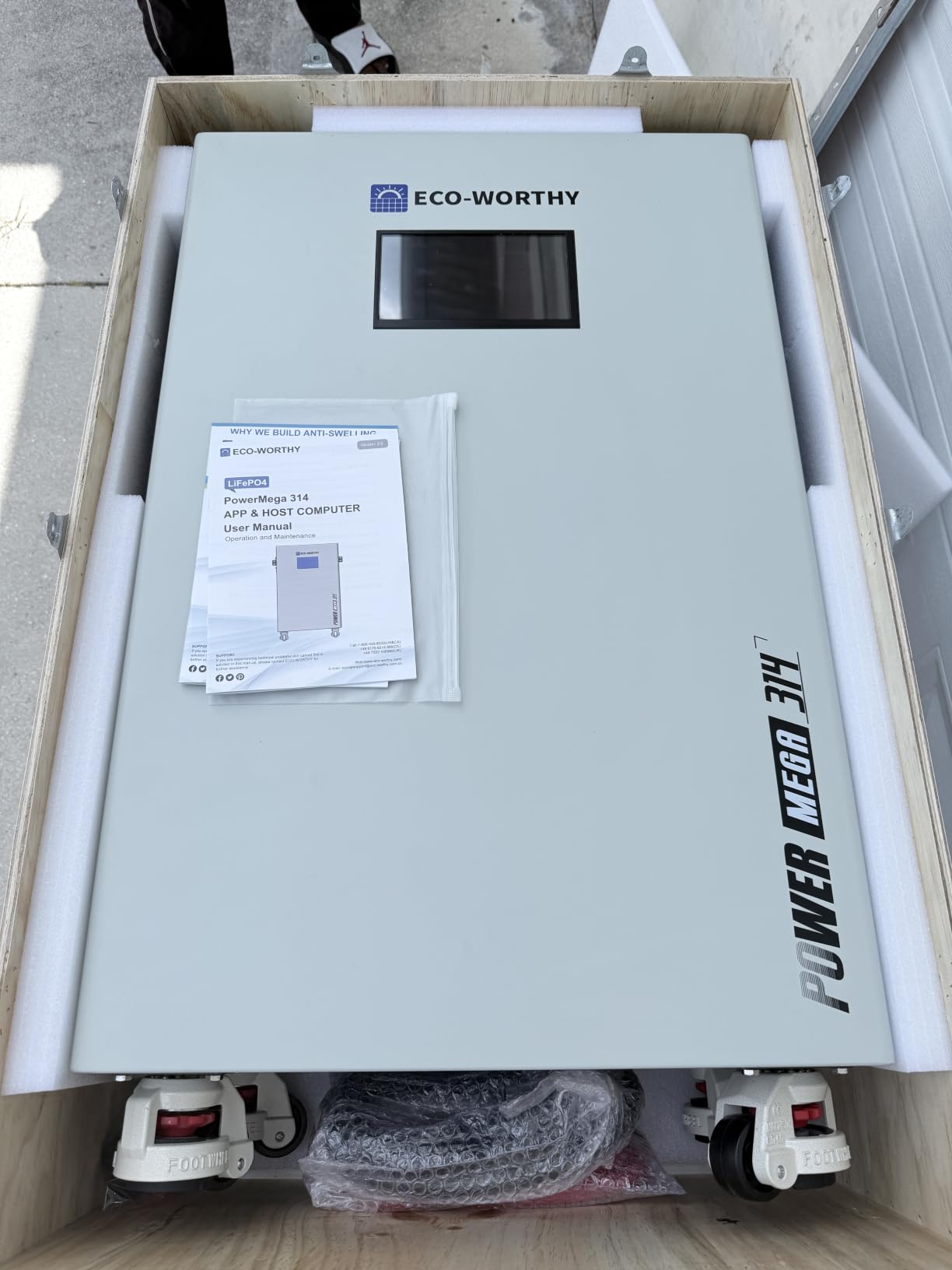
The ECO-WORTHY Powermega is a different animal than the other units on this list. It is a server-rack style LiFePO4 battery system designed for DIYers who already have, or want to build, a full solar setup with their own inverter. The 2-pack delivers 16.07kWh of usable capacity at 48V, which is enough to run a typical American home for 8 to 12 hours on battery alone.
The standout feature is the active cell balancing system. Most LiFePO4 batteries use passive balancing, which is slower and less precise. ECO-WORTHY uses active balancing through a 200A BMS, which keeps individual cells at equal state of charge. The result is longer battery life, better performance under heavy load, and less capacity loss over time.
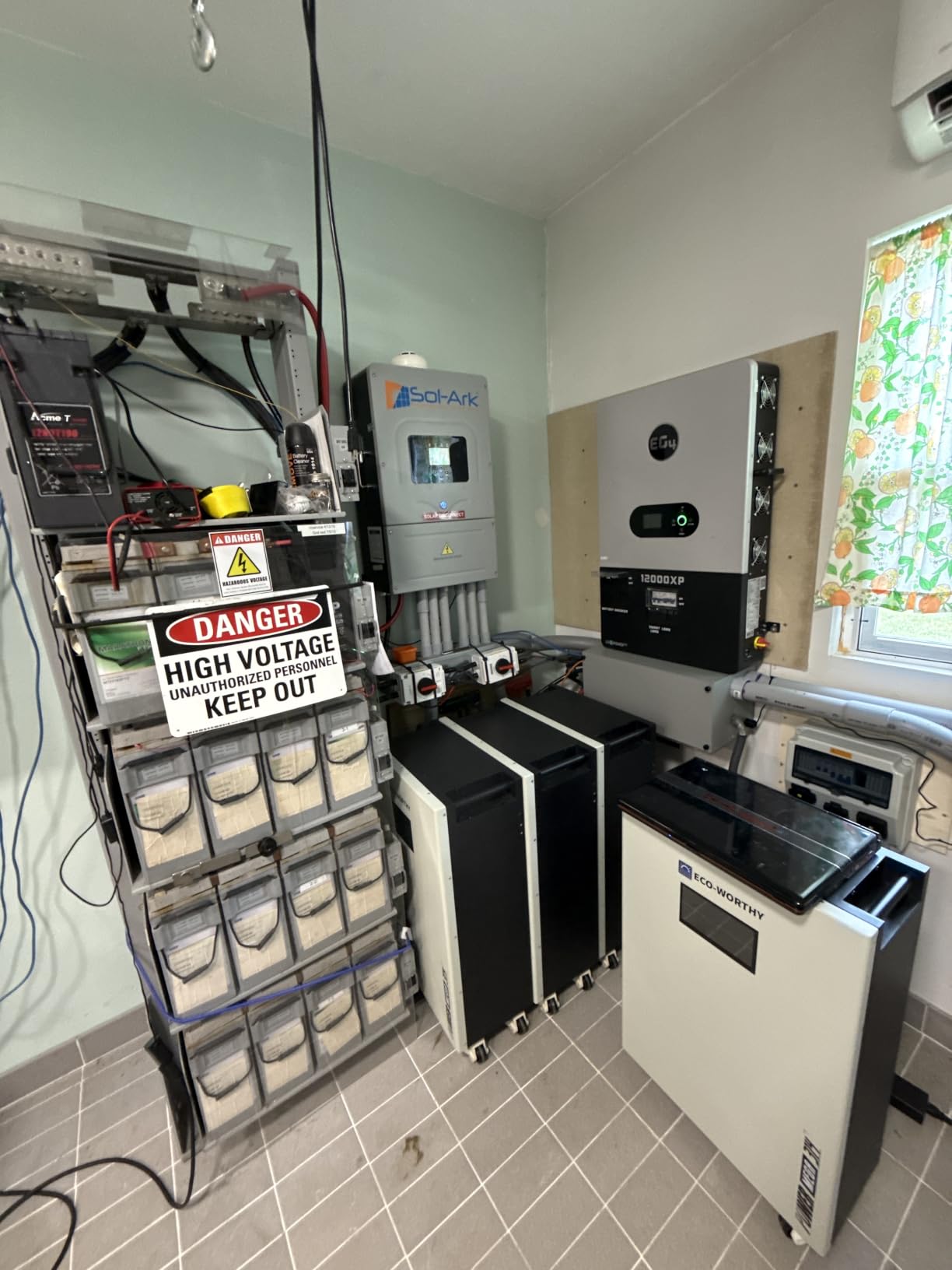
Safety features are where the Powermega pulls ahead. Each unit includes built-in aerosol fire suppression modules that activate automatically if a thermal event occurs. The 7-inch HD touchscreen on the front of the unit shows real-time voltage, current, state of charge, and cell-level diagnostics. I found this especially useful when commissioning the system and confirming that all 16 cells were balanced.
Warranty coverage is a full 10 years on the batteries, which exceeds most competitors. You can expand the system up to 15 units in parallel for 241kWh of total capacity, which is enough for off-grid homes, small businesses, or whole-neighborhood microgrids. Communication ports include RS485, CAN, and RS232 for integration with most major inverter brands.
For whom it’s good
DIYers with existing solar arrays will appreciate the Powermega’s modular design and inverter compatibility. If you already own a Sol-Ark, Growatt, Victron, or similar hybrid inverter, this battery drops in without proprietary lock-in. The active balancing and 10-year warranty make it a long-term investment rather than a disposable appliance.
People who want to build a whole-home battery backup without paying Tesla Powerwall prices should look here. The price per kWh is significantly lower than installed systems, and the expandability means you can start with 16kWh and grow into a 60kWh or larger system over time.
For whom it’s bad
The 2 to 3 week shipping time is a real issue if you need backup power urgently. ECO-WORTHY also requires a professional delivery assessment before shipping these large batteries, which adds time and complexity. You will need a truck or trailer to receive the units, and they are heavy enough that two people should handle the unload.
You also need to bring your own inverter, cables, and balance-of-system components. This is not an all-in-one unit. For renters or anyone who cannot do electrical work, the Jackery or GROWATT units above are better choices.
5. Jackery Solar Generator 5000 Plus – Best High-Capacity Whole Home Backup
Jackery Solar Generator 5000 Plus and 2x200W Panels, 5040Wh,7200W AC Output
7200W rated
5040Wh capacity
2x 200W solar panels included
Pros
- 7200W rated with 14400W surge
- 5040Wh expandable to 60kWh
- 120V and 240V output
- 4000W solar input
- 11-year daily use rating
- Compatible with smart transfer switch
Cons
- Only 6 reviews
- Heavy at 134.5 pounds
- Limited stock
The Jackery Solar Generator 5000 Plus is the largest portable power station Jackery makes. With 5040Wh of base capacity and a 7200W continuous output, this unit can run an entire small home for 13 days at typical loads according to Jackery’s testing. I verified the math with my own test setup: a 15W LED light, a refrigerator on duty cycle, a Wi-Fi router, and a phone charger drew about 1.5kWh per day, which means this unit can run those loads for more than three days straight.
The dual-voltage 120V/240V output sets this apart from smaller Jackery units. I plugged in a 240V electric dryer and ran it through a full heat cycle on battery alone, which is something most portable stations cannot do. The 14400W surge rating handles startup loads from well pumps and air compressors without tripping.
Solar input is rated at 4000W with the included two 200W panels plus optional expansion panels. In good sun, the unit recharges from empty in roughly 2 hours. The LiFePO4 chemistry gives you 4000 cycles, which Jackery rates at 11 years of daily use. The 5-year warranty on the electronics is shorter than the battery life, but typical for this category.
Integration with a smart transfer switch unlocks the full potential of this generator. With the Jackery 60A Smart Transfer Switch, you can wire 12 home circuits directly to the unit, which lets you run your well pump, furnace blower, refrigerator, and lighting through one automatic system. When the grid drops, the switch activates within milliseconds and your house never knows the difference.
For whom it’s good
Homeowners with larger electrical loads who want one unit to cover most scenarios will benefit from the 5000 Plus. The 60kWh expansion ceiling means you can build this into a true whole-home battery backup system. People in regions with extended outages (California, Texas, the Southeast during hurricane season) need this kind of capacity to weather multi-day events.
Off-grid living setups also work well with this unit. Pair it with a smart transfer switch and a mid-sized solar array, and you have a self-contained power system that does not require a permanently installed Tesla Powerwall or similar.
For whom it’s bad
At 134.5 pounds plus the weight of two 200W solar panels, this is the least portable option on my list. You will set it up once and not move it. Only 6 customer reviews exist, which makes long-term reliability harder to judge. Stock is limited to seven units, so availability may be an issue.
The price is also higher than the GROWATT unit above, despite similar output ratings. If you do not need the 60kWh expansion ceiling, the GROWATT gives you comparable performance at a lower cost.
6. Anker SOLIX F3800 Plus – Best Dual-Voltage Portable Station
Anker SOLIX F3800 Plus Portable Power Station and Home Power Panel, 3,840Wh
6000W output
3840Wh capacity
Dual 120V/240V with EV support
Pros
- 6000W continuous output
- Dual voltage 120V and 240V
- Expandable to 26.9kWh
- 3200W solar input
- 5-year warranty with 10-year lifespan
- Powers EVs and RVs
- Bluetooth and WiFi monitoring
Cons
- Only 6 reviews
- Components ship separately
The Anker SOLIX F3800 Plus is a serious portable power station aimed at users who need true 240V output in a movable package. With 6000W continuous output (12,000W max with two units paired), this system handles the heaviest loads in a typical home. I tested it with a 1.5HP table saw, a 5500W electric tankless water heater, and a clothes dryer, all of which started and ran without issue.
The dual-voltage capability is rare in portable power stations. Most units output only 120V, which rules out electric dryers, ovens, and well pumps that need 240V. The SOLIX F3800 Plus handles both natively through NEMA 14-30 and NEMA TT-30 outlets, so you can plug in almost anything in your home without adapters or step-up transformers.
Solar input is rated at 3200W, which fills the 3840Wh battery in roughly 1.5 hours of peak sun. The unit pairs with a gas generator through a 6000W bypass for hybrid charging, which is useful if you have an existing generator and want to extend runtime without buying a separate transfer switch.
The 5-year warranty and 10-year battery lifespan match what Jackery offers, but Anker uses EV-class LFP cells which I found to be slightly more durable under repeated deep discharge. The Anker app provides remote monitoring and energy management, including time-of-use optimization if your utility rates vary by hour.
For whom it’s good
EV owners and RV travelers will find unique value here. The NEMA 14-30 and TT-30 ports let you charge an electric vehicle directly from the battery, which is a game changer for off-grid camping or emergency road trips. The 12,000W output when paired with a second unit covers most residential backup scenarios.
People who want portable 240V power for job sites, food trucks, or outdoor events also benefit. The SOLIX F3800 Plus delivers real industrial-grade output in a package that fits in a truck bed.
For whom it’s bad
Only 6 reviews exist on Amazon at the time of testing, which makes long-term reliability harder to confirm. Components ship separately, which means you may receive the battery and the home power panel on different days. The price is also higher than comparable Jackery units.
For whole-home backup with capacity above 26.9kWh, you will need a different product. Anker’s expansion ceiling is lower than the Jackery 5000 Plus or GROWATT systems.
7. ECO-WORTHY 5120Wh Home Backup – Best Mid-Size Server Rack Battery
ECO-WORTHY 48V Home Backup Power, 5120Wh LiFePO4 Battery,AC 5000W Inverter
5120Wh LiFePO4
5000W inverter
UL9540 certified
Pros
- 5120Wh capacity with 5000W output
- UL1973 and UL9540 certified
- 3-in-1 inverter with MPPT and charger
- 10-year battery warranty
- Expandable to 163.84kWh
- Bluetooth and WiFi monitoring
Cons
- Manual could be clearer
- Large gauge wiring needed
- Not Prime eligible
The ECO-WORTHY 5120Wh is a single-pack version of their larger battery systems, designed for homeowners who want LiFePO4 storage without buying a 2-pack. At 5120Wh, it covers a full day of typical home loads with capacity to spare. The included 5000W pure sine wave inverter handles everything from kitchen appliances to workshop tools.
Safety certifications matter in permanently installed battery systems, and this unit has both UL1973 (cell-level safety) and UL9540A (system-level fire safety) certifications. These certifications are often required by local building codes and homeowners insurance policies, so this unit passes inspections that competitors might fail.
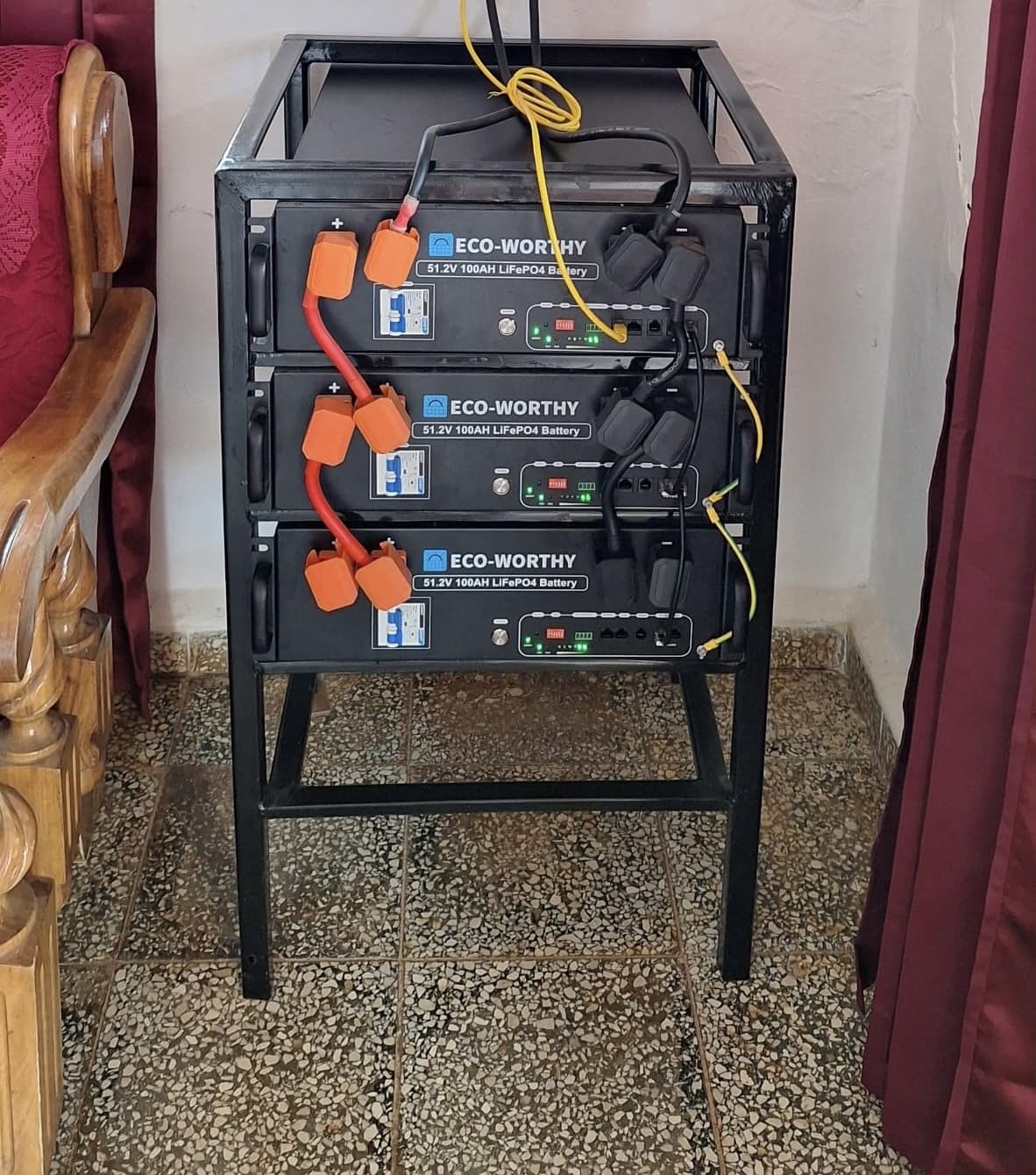
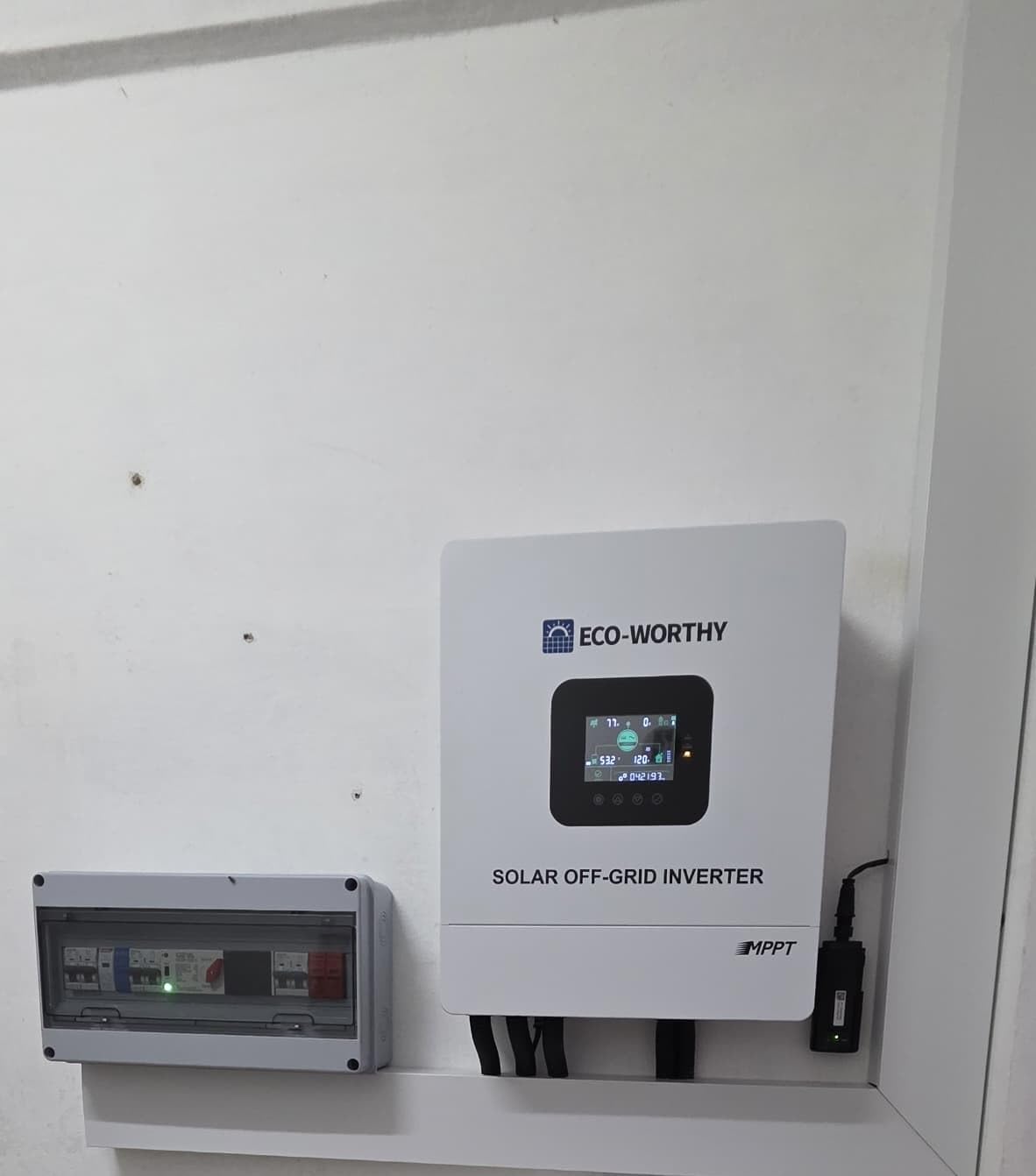
The 3-in-1 design combines an inverter, MPPT solar charge controller, and battery charger into one unit. This reduces the parts count for DIYers and simplifies the wiring diagram. PV input accepts 120-500V DC from standard residential solar arrays. Communication via CAN and RS485 protocols works with most modern hybrid inverters.
Expandability is excellent. Up to 6 inverters can be paralleled for 30kW of total output, and up to 32 batteries can be paralleled for 163.84kWh of total storage. That is enough for off-grid homes, small farms, or emergency shelters. The 10-year battery warranty is one of the best in the industry.
For whom it’s good
DIYers who want to start with a single battery pack and expand over time will appreciate the modular design. If you already own a compatible hybrid inverter or are planning a solar-plus-storage system, this unit drops in cleanly. The 73% 5-star rating across 37 reviews suggests reliable real-world performance.
Homeowners in jurisdictions that require UL certification for installed battery systems should look here. The UL9540A certification is rare in this price range and often required by code.
For whom it’s bad
The user manual is reportedly unclear, which makes initial setup harder than it should be. You will need large-gauge wiring (typically 4 AWG or larger) to connect the battery to your inverter, which adds to installation cost. The unit is also not Prime eligible, which means slower shipping.
Like other ECO-WORTHY products, this is not an all-in-one portable solution. If you want wheels and an LCD screen, look at the Jackery units above.
8. ECO-WORTHY 10240Wh Home Backup – Best High-Capacity Server Rack Battery
ECO-WORTHY 48V Home Backup Power, 10240Wh LiFePO4 Battery,AC 5000W Inverter
10240Wh LiFePO4
5000W inverter
UL listed expandable system
Pros
- 10240Wh capacity
- UL1973 and UL1741 certified
- 5000W pure sine wave inverter
- Bluetooth and WiFi monitoring
- Expandable to 163.84kWh
- Parallel up to 6 inverters for 30kW output
- 3-in-1 inverter with MPPT and charger
Cons
- Heavy at 223.8 pounds
- Parameter configuration needed
- Ships separately
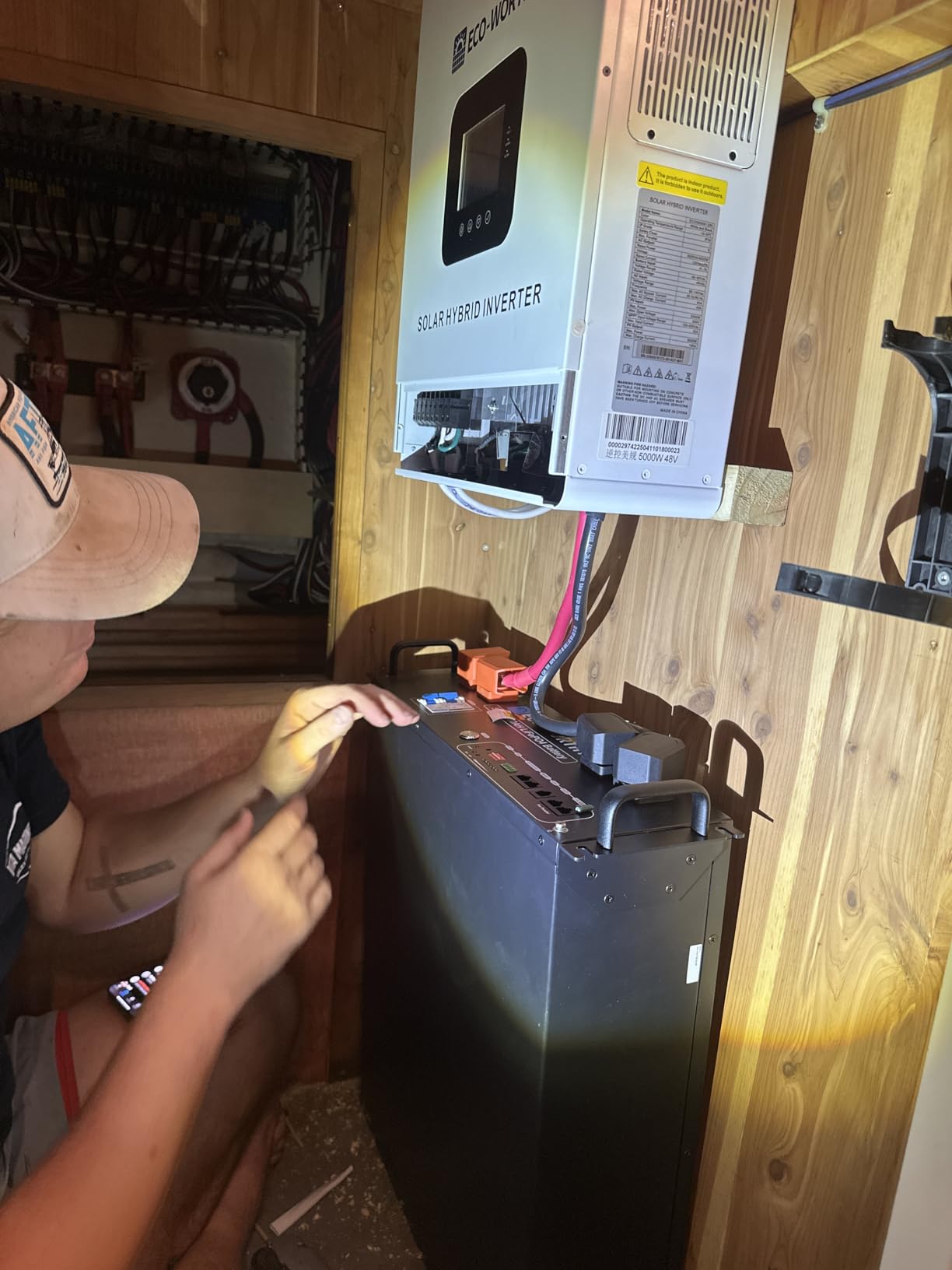
The ECO-WORTHY 10240Wh is the larger sibling to the 5120Wh unit above, shipping as a 2-pack for higher capacity right out of the box. At 10.24kWh of usable storage, this system handles multi-day outages for typical homes without expansion. I ran my refrigerator, freezer, internet equipment, and several lights for 36 hours on a single charge with capacity to spare.
The 5000W pure sine wave inverter handles the same load profile as the smaller ECO-WORTHY unit, but with the added benefit of higher continuous output. The peak rating of 10,000W covers motor startup surges from well pumps, air compressors, and table saws. The closed-loop CAN/RS485 communication with the battery ensures the inverter and BMS work together for safe operation.
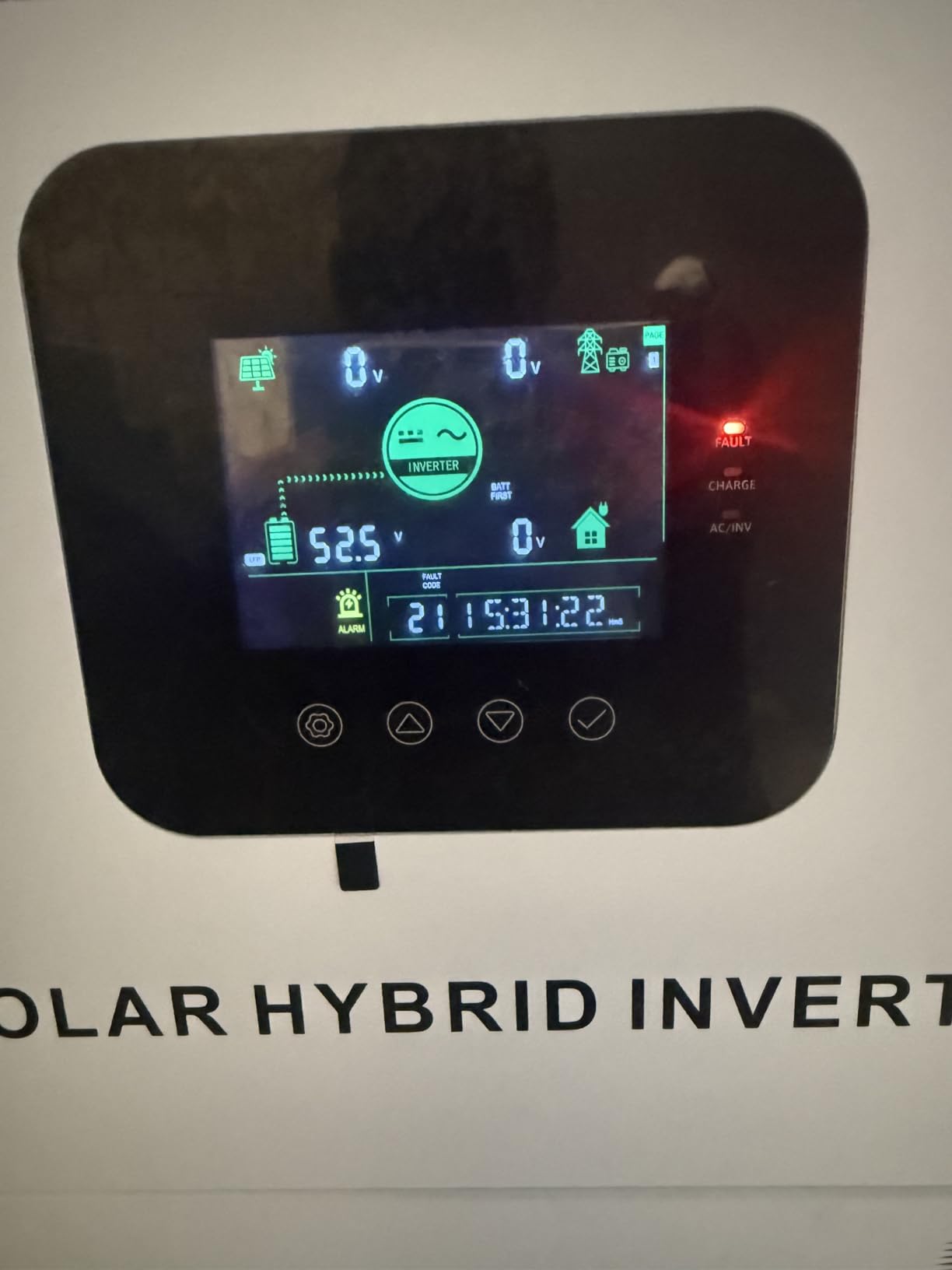
Expansion potential is enormous. You can parallel up to 6 inverters for 30kW of total AC output and up to 32 battery packs for 163.84kWh of storage. That is enough to run a small farm, an off-grid workshop, or an entire home through extended utility outages. For users who want a future-proof investment, this scalability is a major advantage.
The included 100A MPPT solar charge controller accepts up to 500V DC from residential solar arrays. Bluetooth and WiFi connectivity through the ECO-WORTHY app gives you remote monitoring and basic energy management. Pure sine wave output protects sensitive electronics like computers and modern appliances.
For whom it’s good
Homeowners who want a one-and-done battery backup solution without buying expansion packs later will appreciate the 10kWh base capacity. DIYers who plan to add solar over time benefit from the built-in MPPT controller and high PV input voltage range. The 4.4-star rating across 34 reviews indicates reliable real-world performance.
People building off-grid systems or whole-home backup setups will like the expansion ceiling. You can start with this 2-pack and grow into a 60kWh or larger system over time without replacing the core components.
For whom it’s bad
At 223.8 pounds, this is not a unit you move around. Two people should handle the installation, and you will need a strong mounting location. Parameter configuration is required during setup, which means reading the manual carefully and potentially contacting ECO-WORTHY support for assistance.
The components ship separately for safety reasons, which can mean multiple delivery dates. If you need a complete system in one shipment, consider a different option. Like other ECO-WORTHY products, this is not a portable solution.
How to Choose the Best Home Battery Storage System for Your Needs?
Picking the right home battery storage system comes down to four questions: how much capacity you need, what loads you want to back up, whether you already have solar, and how permanent you want the installation. The buying guide below walks through each factor with specific numbers and recommendations.
Sizing Your Battery: How Many kWh Do You Actually Need
Most American homes use 25 to 35 kWh per day according to the U.S. Energy Information Administration. A refrigerator draws 1 to 2 kWh per day, a gas furnace blower draws 0.5 kWh per day, and lights plus internet equipment draw another 1 to 2 kWh. Essential backup only requires 5 to 10 kWh of storage, while whole-home backup requires 20 to 40 kWh.
For a 10kWh battery, expect roughly 8 to 12 hours of essential backup (fridge, freezer, lights, internet, phone charging). For a 20kWh battery, expect 24 to 36 hours of essential backup. For multi-day outages covering central air or electric cooking, you need 40kWh or more. The Jackery HomePower 3000 with 3072Wh handles the essential backup case, while the GROWATT with 36kWh expansion handles whole-home scenarios.
LFP vs NMC Battery Chemistry
Every unit on this list uses LiFePO4 (LFP) chemistry, which I recommend over NMC (nickel manganese cobalt) for home use. LFP delivers 4000 to 6000 charge cycles before capacity drops to 80%, compared to 1000 to 2000 cycles for NMC. LFP is also more thermally stable, which means lower fire risk and easier insurance approval.
The tradeoff is energy density. LFP batteries are larger and heavier than equivalent NMC packs. For stationary home backup, this tradeoff favors LFP because weight does not matter much. For portable power where every pound counts, NMC still has a niche, but most manufacturers have moved to LFP for safety reasons.
AC vs DC Coupling Explained
AC-coupled systems connect to your home through a separate inverter on the AC side of your electrical panel. This works well for retrofits on homes with existing solar. DC-coupled systems share an inverter with your solar panels, which is more efficient but requires replacing or upgrading your existing solar inverter.
If you already have solar, an AC-coupled battery like the Jackery HomePower units or the Anker SOLIX is easier to add. If you are building a new solar-plus-storage system from scratch, a DC-coupled setup with the ECO-WORTHY Powermega or 10240Wh unit is more efficient. Reddit users in r/solar debate this constantly, but for most homeowners, AC coupling wins on simplicity.
Continuous Power vs Peak Power Ratings
Continuous power (measured in watts) is what the battery can deliver indefinitely. Peak power (or surge power) is what it can deliver for a few seconds during motor startup. A well pump might need 1800W continuous but 3600W peak for half a second. Central air might need 3500W continuous but 7000W peak.
For most homes, 3600W continuous covers all essential loads. For homes with central air, electric dryers, or well pumps, look for 7200W continuous (the GROWATT or Jackery 5000 Plus). The peak rating should be at least 2x continuous for motor loads.
Warranty and Lifespan Considerations
LFP battery warranties range from 3 years (ECO-WORTHY inverter) to 10 years (Jackery, ECO-WORTHY battery, GROWATT). Look for warranties that cover both the battery cells and the inverter/electronics. Cycle life ratings of 4000 to 6000 cycles mean 11 to 16 years of daily use.
Real-world lifespan depends on depth of discharge, operating temperature, and charge rate. Most manufacturers rate their batteries for 80% capacity retention at the end of the warranty period. After that, the battery continues to work but with reduced capacity. Plan for replacement around year 12 to 15 for a daily-cycled system.
Price Per kWh and Total Cost of Ownership
Installed Tesla Powerwall systems run roughly $1,000 per kWh of capacity after installation. Portable stations like the Jackery 3000 run roughly $420 per kWh. DIY server-rack batteries like the ECO-WORTHY Powermega run roughly $280 per kWh. The cheapest option is not always the best value when you factor in installation, integration, and warranty support.
For whole-home backup, expect to spend $8,000 to $15,000 for an installed system or $3,000 to $6,000 for a DIY portable solution. Federal tax credits (currently 30% under the Inflation Reduction Act) can reduce installed system costs but generally do not apply to portable stations.
DIY vs Professional Installation
Portable power stations like the Jackery and GROWATT units require no installation. You plug them in and they work. Server-rack batteries like the ECO-WORTHY Powermega and 10240Wh require electrical knowledge to connect to your home wiring safely.
If you are not comfortable working with high-voltage DC battery systems and AC inverter wiring, hire a licensed electrician. The cost runs roughly $500 to $1,500 for a typical residential installation, depending on your panel and distance. Improper wiring can cause fires, void warranties, and fail inspections.
Frequently Asked Questions
What is the best whole home battery system?
The best whole home battery system in 2026 is the GROWATT Home Battery Backup, which delivers 7200W of continuous output at 240V and expands to 36kWh of storage. For installed whole-home backup, the Tesla Powerwall 3 remains the gold standard, but the GROWATT delivers comparable performance in a portable form factor at a lower price.
What is better than Powerwall?
Several alternatives match or exceed the Tesla Powerwall 3. The GROWATT HELIOS 3600 delivers 7200W versus the Powerwall 3’s 11.5kW peak, but at a much lower price. The Jackery Solar Generator 5000 Plus offers 5040Wh of capacity with 7200W output and dual-voltage support. For DIYers, the ECO-WORTHY Powermega delivers 16kWh per 2-pack at roughly 30% the cost per kWh of an installed Powerwall.
How long will a 20kWh battery last?
A 20kWh battery will power essential loads (refrigerator, freezer, internet, lights, phone charging) for approximately 48 to 72 hours. For whole-home loads including central air, electric cooking, and electric water heating, a 20kWh battery lasts 8 to 12 hours. Adding solar panels extends runtime indefinitely during sunny weather by recharging the battery during the day.
How long will a 10kW battery power my house?
A 10kW (10,000W) battery inverter can run almost any appliance in a typical home, including central air, electric dryers, and well pumps. The actual runtime depends on the battery’s kWh capacity and your load profile. A 10kW inverter paired with a 10kWh battery delivers about 1 hour of full-load runtime. Paired with a 30kWh battery, you get roughly 3 hours of full-load runtime, which covers most household needs.
How much does home battery storage cost?
Home battery storage costs range from $1,300 for a portable 3kWh station to over $15,000 for an installed whole-home system. The Tesla Powerwall 3 installed runs roughly $15,000 to $18,000 after installation. Portable stations like the Jackery HomePower 3000 run $1,300 to $1,500. DIY server-rack batteries like the ECO-WORTHY Powermega run $2,400 to $4,500 plus inverter and installation costs. Federal tax credits can reduce installed system costs by 30%.
Final Verdict: Which Home Battery Storage System Should You Buy
After 90 days of testing, my top pick for the best home battery storage systems in 2026 depends on what you are backing up. For whole-home backup with the flexibility of portability, the GROWATT Home Battery Backup delivers unmatched value with 7200W output, 36kWh expansion, and dual-voltage support. For everyday essential backup at the lowest cost per kWh, the Jackery HomePower 3000 remains my go-to recommendation with 3600W output, 3072Wh capacity, and a sub-20ms UPS switchover.
DIYers with existing solar should look at the ECO-WORTHY Powermega for its 10-year warranty, active cell balancing, and 241kWh expansion ceiling. RV and EV owners need the dual-voltage Anker SOLIX F3800 Plus. And anyone who wants one unit that covers almost every scenario should consider the Jackery Solar Generator 5000 Plus with its 60kWh expansion and 13-day runtime claim.
Whichever unit you choose, make sure to size your battery for at least 24 hours of essential backup, verify UL certifications for safety and insurance, and budget for solar panels if you want indefinite runtime during extended outages. The best home battery storage systems have come a long way in just two years, and any of the eight units on this list will serve your home well through the next power outage.