

Most airline pilots settle on a circumaural headset with active noise reduction and a boom mic, and the David Clark H10-13.4 and Bose A30 come up again and again in crew rooms. That is the short answer. The longer answer is that the best headset for airline pilots is not the loudest or the most expensive one on the shelf. It is the one your airline allows, your aircraft panel accepts, and your head can wear for eleven hours straight.
Every airline pilot on the line today flies with something that does four jobs at once. It has to knock down flight-deck noise so a clearance is easy to hear the first time. It has to hold a microphone position through a long banking turn. It has to survive being stuffed into a bag at the end of a three-leg day. And it has to stay comfortable enough that you forget you are wearing it, because a headache at hour nine is a safety issue, not a comfort issue.
Most of the gear written about online is aimed at general aviation and student pilots, which is a genuinely different job from flying a 737 or an A320. A piston trainer at seventy knots is loud in a completely different way from a pressurised flight deck where the noise is wind, environmental systems and avionics hum. Pilots in the r/flying headset threads make that point repeatedly, describing the jump from a regional jet to a 737 or A320 as the moment their headset choice either kept up or did not. I compared the twelve headsets below with that aircraft-noise reality in mind rather than with a spec sheet alone.
A word on how I narrowed this down. I looked at the weight, the type of noise reduction, the connector, the warranty and the failure reports that show up years later, because those are the things that decide whether a headset survives an airline career. I also weighed the reviews that name real fleets, since a headset that works well on a regional jet and badly on a widebody is not a good airline headset. Everything here is a headset that has a credible place on a flight deck, and I have flagged the ones that are better suited to the training fleet and the first-year regional line.
Table of Contents
Quick Picks: Best Headsets for Airline Pilots in 2026
Here is the short version if you want the answer now. Every pick below has a job it does better than the rest.
Best Overall: David Clark H10-13.4 — comfort gel seals, an M-7A mic and a five-year guarantee in a proven over-ear build.
Best for Active Noise Reduction: Bose A30 — three selectable ANR modes, TSO certification and 20% lower clamping force than the A20.
Best Premium Pick: Lightspeed Zulu 3 — the quietest in-ear-isolating over-ear performance here, with ComPriority and FlightLink.
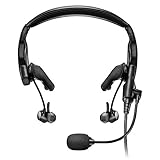
Best for In-Ear Comfort: Bose ProFlight Series 2 — about 4.5 ounces on the head with digital active noise cancellation.
Best Cordless: David Clark DC ONE-X — hybrid ENC built for airline interphone systems, with no headset jack to snag.
Best Value ANR: FARO G2 ANR — usable active noise reduction with a three-year replacement warranty behind it.
Best Budget: KORE P1 — 24 dB NRR, an electret mic and replaceable head pad for first-year line pilots.
If you are still working out what a given plug or panel requires, the aviation handheld GPS guide covers the other end of the flight-deck kit. Pilots who also fly sims at home often pair one of these with a dedicated competitive gaming headset for the throttle work that never leaves the house.
Top 3 Picks: Best Airline Flight Decks (October 2026)

David Clark H10-13.4
- Comfort gel undercut ear seals
- M-7A noise-cancelling microphone
- Five-year guarantee
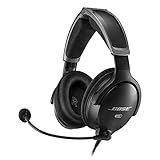
Bose A30
- Three selectable ANR modes
- TSO and EASA C139a certified
- Tool-free side-swappable cable
All 12 Airline Pilot Headsets Compared in 2026
This is the side-by-side most headset roundups skip. Weight, noise reduction approach and warranty are the three numbers that decide whether a headset works a full duty cycle.
| Product | Specifications | Action |
|---|---|---|
| David Clark H10-13.4 |
|
Check Latest Price |
| Bose A30 |
|
Check Latest Price |
 Lightspeed Zulu 3 Lightspeed Zulu 3 |
|
Check Latest Price |
 Bose ProFlight Series 2 Bose ProFlight Series 2 |
|
Check Latest Price |
 David Clark DC ONE-X David Clark DC ONE-X |
|
Check Latest Price |
 Lightspeed Sierra Lightspeed Sierra |
|
Check Latest Price |
 FARO G2 ANR FARO G2 ANR |
|
Check Latest Price |
 David Clark H10-30 David Clark H10-30 |
|
Check Latest Price |
 KORE KA-1 KORE KA-1 |
|
Check Latest Price |
 Rugged Air RA900 Rugged Air RA900 |
|
Check Latest Price |
 KORE P1 KORE P1 |
|
Check Latest Price |
 Rugged Air RA200 Rugged Air RA200 |
|
Check Latest Price |
1. David Clark H10-13.4: The Best All-Round Airline Pilot Headset
David Clark H10-13.4 Aviation Headset
450 g
Comfort gel undercut ear seals
M-7A mic
Five-year guarantee
Pros
- Very comfortable with no clamping pressure on long sectors
- Rugged build owners expect to last years
- Clear audio and reliable transmissions
- Boom holds its shape
Cons
- Passive noise reduction only
- no active cancellation
- No Bluetooth and no auxiliary input
- Weight becomes noticeable on the longest flights
I put the H10-13.4 at the top because it is the one headset in this group that has been quietly working for more people for longer than anything else on the list. It is not the flashiest purchase in the bag. It is simply the one that is still comfortable and still working in year six.
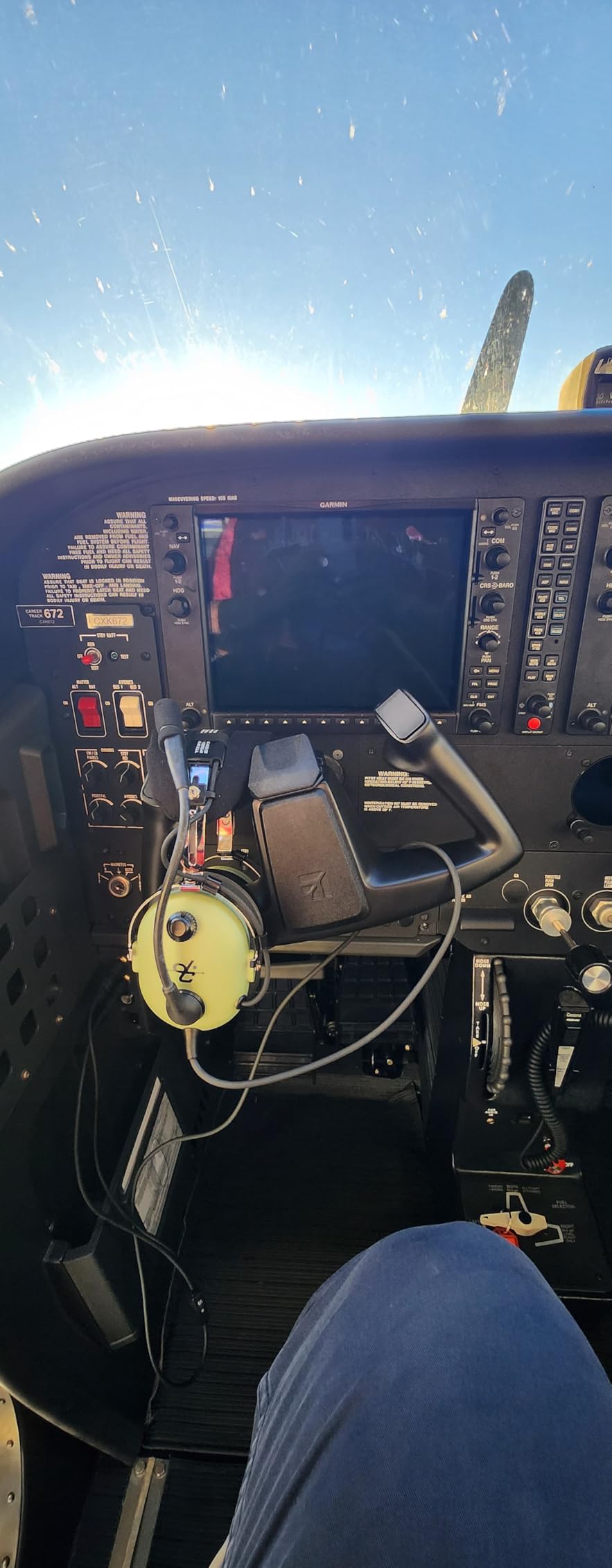
The comfort story is the reason it keeps winning. The double foam head pad spreads pressure across the top of the head rather than pinching it, and the undercut comfort gel ear seals seal without the suction feeling that makes some pilots pull an over-ear set off after a four-hour sector. The build is deliberately plain: a universal flex boom, a low-profile volume knob with detent settings, and 150 ohm impedance that works with essentially any GA or airline panel.
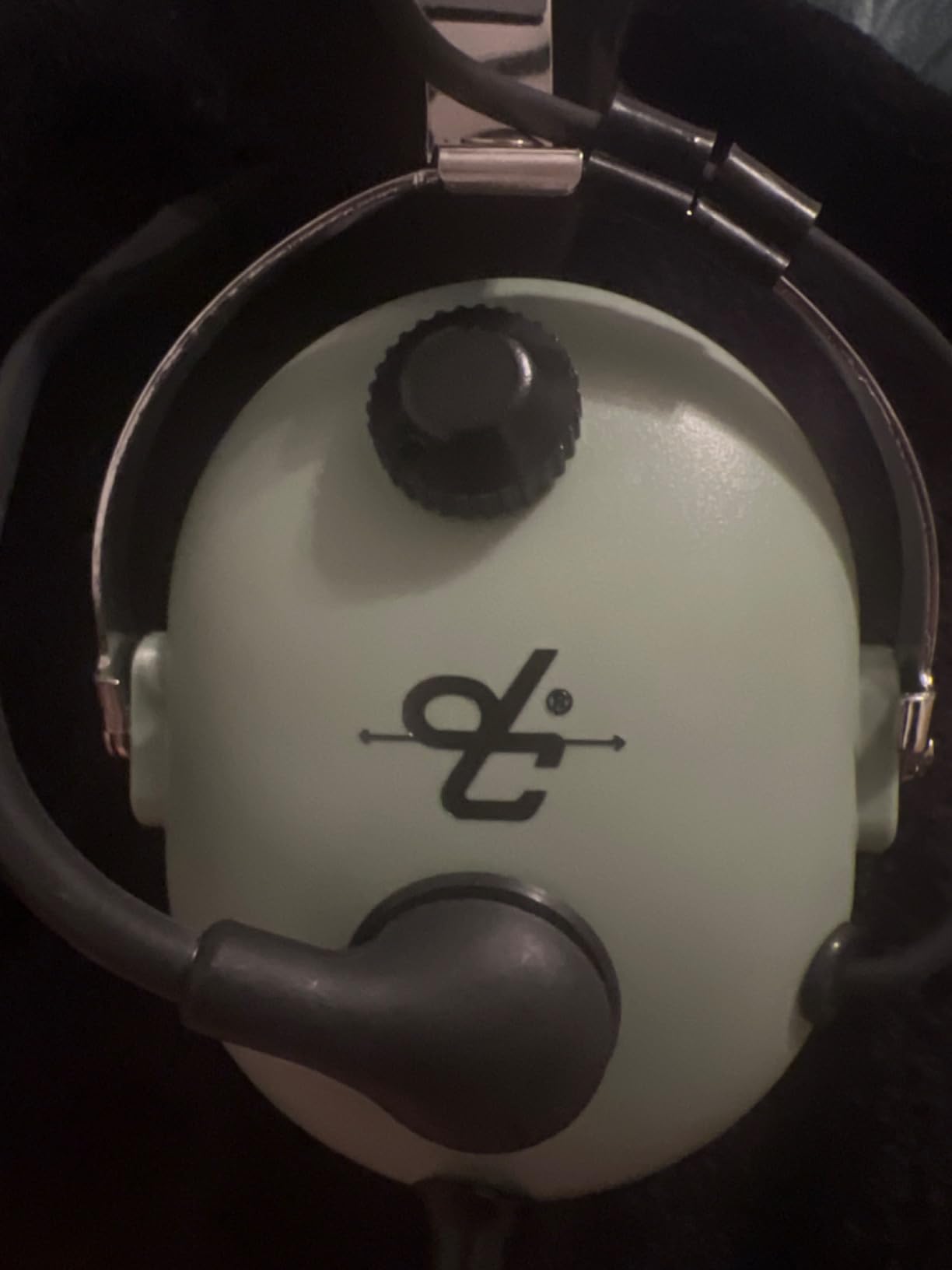
What you give up is electronics. There is no active noise reduction here, so on a loud flight deck you are working with passive seal attenuation alone. Pilots who move from a regional jet to a 737 or an A320 describe that transition as the moment passive headsets start to feel thin, and the same reviewers routinely recommend stepping up the same platform to an ANR or matrix-equipped model when the noise gets serious.
The universal flex boom holds its position and the M-7A noise-cancelling microphone is one of the more capable electret mics in this lineup, which is why transmissions come across cleanly on the frequency. Reviews of the model praise the construction as much as the sound, and the five-year guarantee means the durability question is at least partly answered for you.
When the H10-13.4 is the right call for a line pilot
It suits anyone who wears one headset across several aircraft types rather than owning a model per airframe. Because it is a wired dual-platform design with no batteries and no wireless pairing, there is no charging ritual, no pairing failure and no firmware to think about on a fifteen-hour duty day. Pilots who fly mixed fleets and change equipment at base will find that reliability more valuable than a feature list.
It is also the safest default for a first-year regional first officer who wants one headset that will not embarrass them and will not fall apart. The comfort gel seals and soft head pad handle the long sector, and the passive seal is sufficient on the airframes a new hire is actually assigned.
When it is the wrong call for a line pilot
If your flying is heavy on widebody and long-haul rotations where the flight deck runs constant airflow and environmental noise, passive attenuation alone leaves you turning the volume up, and turning the volume up is exactly what drives hearing fatigue. In that case, look at an active noise reduction model instead.
It is also the wrong pick if you want to listen to audio from a tablet or a phone, because there is no auxiliary input and no Bluetooth here. Bring a second device and a pair of open-ear buds if that matters to you. And the 450 g is noticeable by hour eight, so pilots who dislike anything on the head after long days should try an in-ear model first.
2. Bose A30: Best Active Noise Reduction for Modern Flight Decks
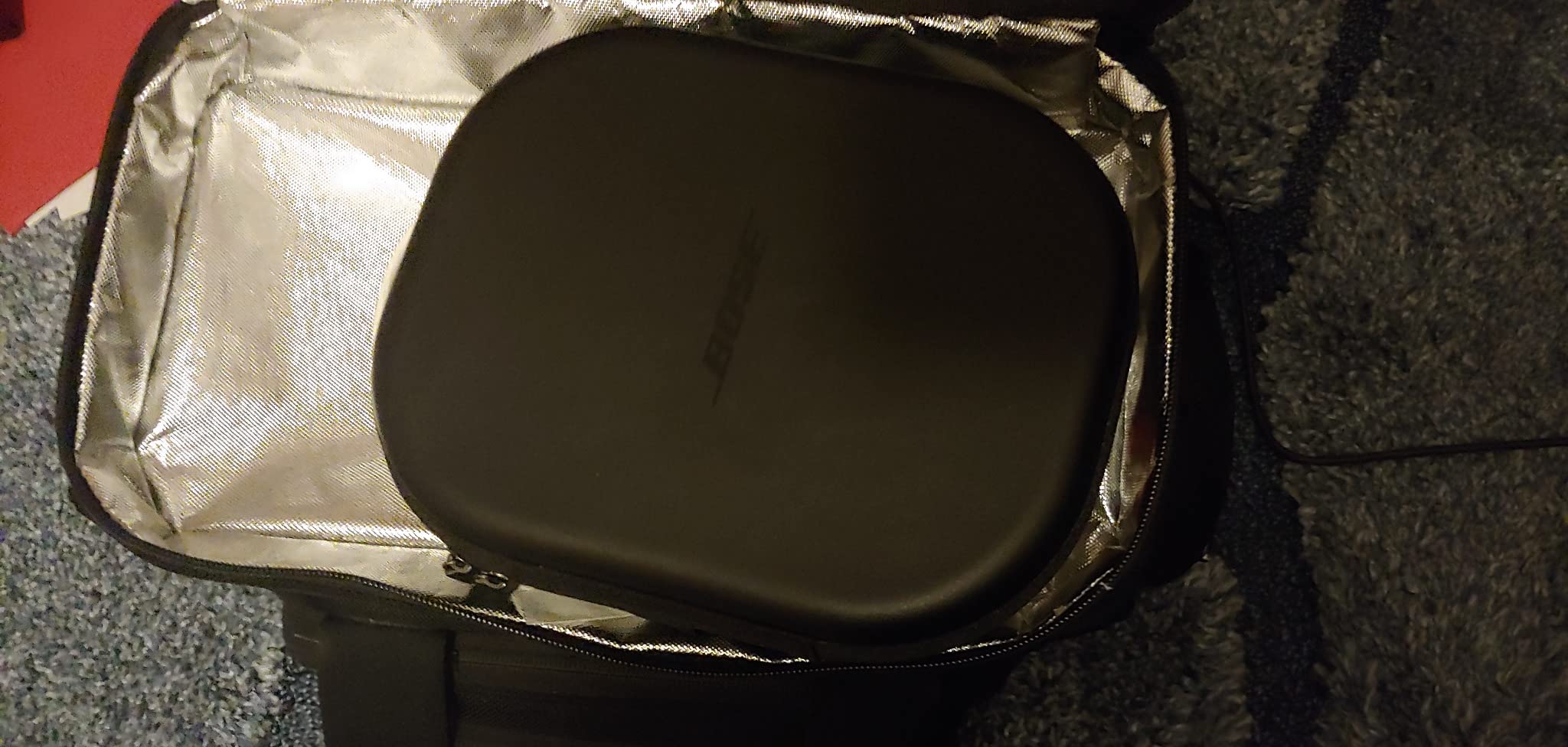
Bose A30 Bluetooth Aviation Headset – Lightweight Comfortable Design, Adjustable ANR and Noise Cancelling Microphone, [Dual Plug] – Black
14.2 ounces
Three ANR modes
Bluetooth audio prioritisation
TSO and EASA certified
Pros
- Lowest clamping force of the over-ear sets here
- Three ANR modes for different flight phases
- Tool-free side-swappable cable and mic
- Bluetooth mixes with comms when you want
Cons
- Premium tier price
- Active equalisation shapes incoming signals
- Bluetooth pairing adds a step to setup
The A30 is the headset the airline world was already moving toward, and for one reason above the rest: the flight deck is not quiet, it is steady. Wind noise, environmental system airflow and avionics hum sit at a low frequency that is exhausting over hours, and active noise reduction attacks that band directly rather than trying to block everything at once.
Three selectable ANR modes is the detail that matters on the line. You can run it hard during the climb and the takeoff, soften it on a stabilized cruise, and pick a setting that suits a particular airframe. The active equalisation is tuned for intelligibility, which is what you want when a clearance gets read fast at a busy frequency. The light circumaural design comes in at 14.2 ounces with clamping force reported around twenty percent below the preceding A20 generation, and that is a real difference on a three-sector day.
![Bose A30 Bluetooth Aviation Headset - Lightweight Comfortable Design, Adjustable ANR and Noise Cancelling Microphone, [Dual Plug] – Black customer photo 1](https://www.spencerlocke.net/wp-content/uploads/2026/09/B0BVBVPSX6_customer_1.jpg)
It is certified to FAA TSO and EASA E/TSO-C139a standards, which matters for two different reasons. Certification is what an airline asks about when you show up with your own headset, and the TSO mark is a fixed reference point you can point to rather than a conversation. The removable, side-swappable down cable and mic swap without tools, so a pilot who moves between an Airbus-style jack and a dual-plug panel position is not buying a second headset for the other seat.
Bluetooth here is designed for the cockpit rather than the gym. Audio prioritisation mixes phone or tablet audio with the intercom or mutes it, which is how you listen to a briefing or a recording without missing a call. The one-year manufacturer warranty is the shortest of the premium sets in this group, and the active equalisation does shape what comes in, so pilots chasing completely flat reference audio will notice it.
![Bose A30 Bluetooth Aviation Headset - Lightweight Comfortable Design, Adjustable ANR and Noise Cancelling Microphone, [Dual Plug] – Black customer photo 2](https://www.spencerlocke.net/wp-content/uploads/2026/09/B0BVBVPSX6_customer_2.jpg)
When the A30 earns its place in your flight bag
It is built for pilots who spend real hours in a noisy pressurised cockpit and want the lowest possible mental load. The ANR removes the constant low-frequency wash that makes pilots turn the volume up over a long sector, and the lighter clamping force reduces the neck and temple pressure that pilots most often blame for an end-of-day headache.
It also suits pilots who fly both sides of the cockpit or who rotate between seats, because the cable and microphone swap without tools. If your company runs a mixed Airbus and Boeing fleet, that flexibility is worth more than almost any connectivity feature.
When the A30 is the wrong call for a line pilot
The cost is the obvious objection, and it is the reason several first-year regional pilots sit this one out entirely. It is a professional purchase for someone who intends to fly for a career, not a training purchase, and the one-year warranty is shorter than the guarantees offered by David Clark and Lightspeed in this same group.
The active equalisation is not neutral. If your preference is unprocessed sound, a passive model with a flat response will feel more natural to you. And the Bluetooth pairing is a one-time task that becomes a small irritation if you fly more than one aircraft with different panels, because the connection has to be re-established rather than simply plugged in.
3. Lightspeed Zulu 3: Best Premium ANR Build for Airline Crews
LIGHTSPEED Zulu 3 Premium ANR Aviation Headset with Noise Cancelling and Bluetooth (GA Dual Plugs)
14.6 ounces
Broad low-frequency ANR
Kevlar-core cable
GA dual plugs
Pros
- Excellent active noise reduction across a broad range
- Low side pressure from the steel headband
- Magnesium and stainless steel construction
- ComPriority and FlightLink are genuinely useful
Cons
- Premium price tier
- Bluetooth 2.1 is dated
- GA dual plug limits some panel fit
The Zulu 3 is the one I keep coming back to when a pilot asks what the active noise reduction is actually worth. The 4.7 average across hundreds of reviews reflects a headset that is very quiet, very light for what it delivers, and built from parts chosen to survive a decade of being handled roughly.
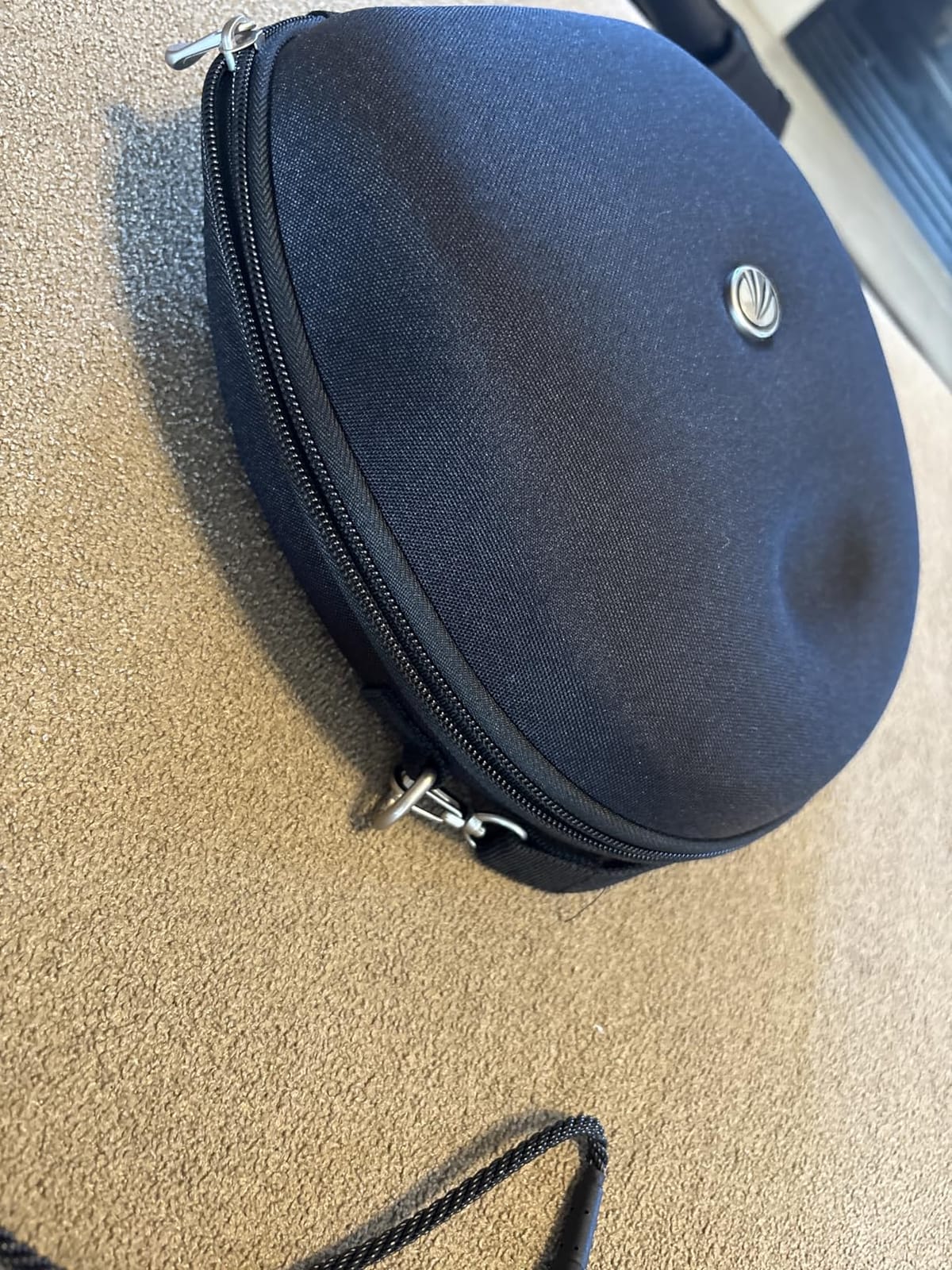
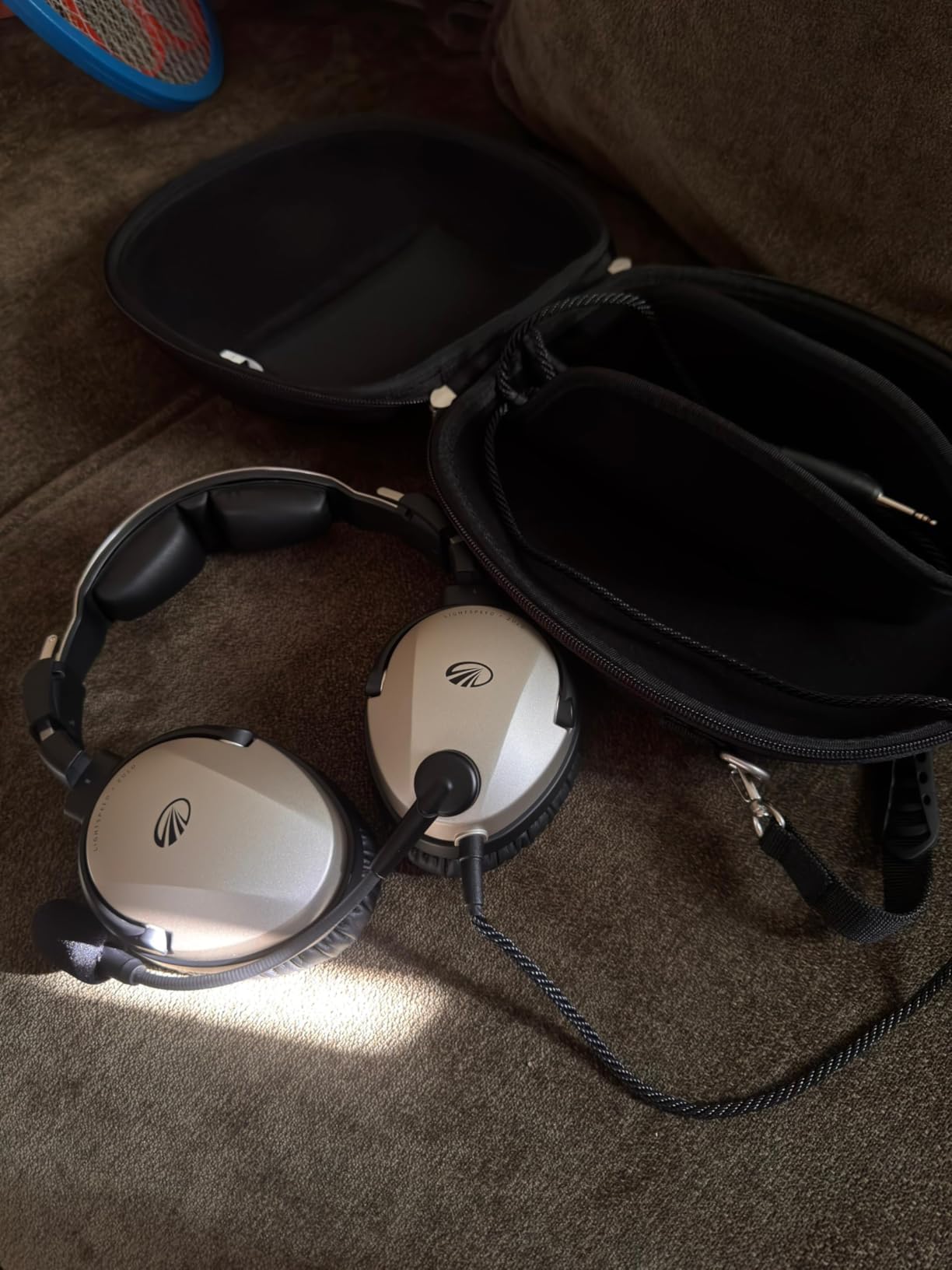
It weighs 14.6 ounces and the contoured stainless steel headband spreads that weight with low side pressure, so the clamping sensation that causes headaches in heavier over-ear designs simply is not there. The magnesium ear cups and Kevlar-core cable are the durability story: the cable is the part that usually fails first in a headset that lives in a flight bag, and that is exactly the part this one reinforces.
The ANR is described by owners as working across a deep, broad low-frequency range, which is the phrasing that separates a good headset from a great one. ComPriority lowers the auxiliary audio automatically whenever the radio or intercom transmits, so you do not have to hunt for a volume knob on the panel, and FlightLink captures incoming and outgoing communications through a companion app for debriefing and training review.
Two things to know before you commit. The Bluetooth here is version 2.1, which is old but perfectly adequate for audio streaming from a phone. And the standard configuration is a GA dual plug at 560 ohm impedance, which is a consideration if your fleet uses a different panel connector, so check the plug against your aircraft before you buy.
When the Zulu 3 is the right call for a line pilot
It suits pilots who want active noise reduction without the ear cups pressing on their head. The combination of low weight, low side pressure and a genuinely quiet cabin is the closest thing in this group to forgetting the headset is on your head, which is the goal on a long-haul rotation.
It is also a strong choice for anyone who records radio communications for training or review, because FlightLink captures both sides of the transmission. The seven-year warranty is the longest here, which matters if you intend to keep one headset across an entire career.
When the Zulu 3 is the wrong call for a line pilot
It sits in the same premium tier as the other flagship over-ear options, so the budget question is the same one. If the cost cannot be justified from your current flying hours, a mid-tier ANR model will absorb most of the noise reduction benefit at a fraction of the outlay.
The dual plug configuration is the practical trap. If your airline hands you a panel connector that needs a different termination, this exact version will not plug in without a change, and it is worth confirming that before you buy rather than after. Bluetooth 2.1 also means no modern wireless codec support, so the phone audio is fine but not impressive.
4. Bose ProFlight Series 2: Best In-Ear Headset for Long Duty Days
Bose Proflight Series 2 Aviation Headset with Bluetooth Connectivity, Dual Plug Cable, Black
4.5 oz on-head weight
In-ear digital ANC
Tap talk-through
45 hour battery
Pros
- Lightest option here with no clamping pressure at all
- Very effective ANR on a noisy pressurised flight deck
- Tap talk-through and Bluetooth calling without removal
- Crisp audio clarity
Cons
- In-ear tips do not suit every ear canal
- Limited adjustment range for larger heads
- Some reports of ANC control failure and short battery life
There is no headband on this headset, and that single fact changes how a duty day feels. At roughly four and a half ounces on the head, the ProFlight Series 2 removes clamping force entirely, which is the complaint that appears most often against every over-ear design in this list.
It is engineered for pilots of moderately noisy, pressurised turbine aircraft, and the digital active noise cancellation with variable adjustment is effective enough that owners flying 737 sectors report a real reduction in end-of-flight fatigue. Tap control gives you talk-through without removing the headset, and Bluetooth version 5 handles calls from the seat for anyone flying a laptop-based electronic flight bag.
The cable is thinner, lighter and more flexible than earlier versions, and the mic swaps sides without tools. Three sizes of silicone StayHear+ tips ship in the box, which matters because in-ear noise reduction only works as well as the seal in your ear. Three sizes is a starting point, not a guarantee.
The 4.3 average is lower than the other ANR models in this lineup, and the reviews explain why. The complaints cluster around in-ear fit across different ear canal shapes, a limited adjustment range for larger heads, and some reports of the noise cancellation control failing with a shorter-than-advertised battery. Pilots who adapt to an in-ear fit rate the quiet and the all-day comfort very highly indeed.

When the ProFlight Series 2 is the right call for a line pilot
It is the answer for anyone who finds an over-ear headband uncomfortable past the third hour. If clamping force is what ends your day early, there is no over-ear headset that beats wearing nothing on top of your head, and this does the job of a full headset in a fraction of the weight.
It is also useful for pilots who want to wear a headset and a hat, or who fly warm flight decks where an over-ear cup traps heat. The talk-through tap is genuinely useful during ground servicing when you need to hear the ramp without lifting the earcups off.
When the ProFlight Series 2 is the wrong call for a line pilot
If you have never worn an in-ear aviation headset for a full duty day, try one on for an hour before you commit. Pilots coming from a passive David Clark often find the in-ear fit unfamiliar in the first week, and a few never adapt to it. That is not a defect, it is anatomy, but it is worth knowing before you spend.
Reviewers also report that the noise cancelling feels weaker than the over-ear alternatives here, particularly in a very noisy cockpit where the passive seal of a full cup would do more work. The 4.3 rating reflects that split opinion honestly, so treat in-ear as a preference decision rather than a pure performance ranking.
5. David Clark DC ONE-X: Best Cordless Headset for Airline Interphone Use
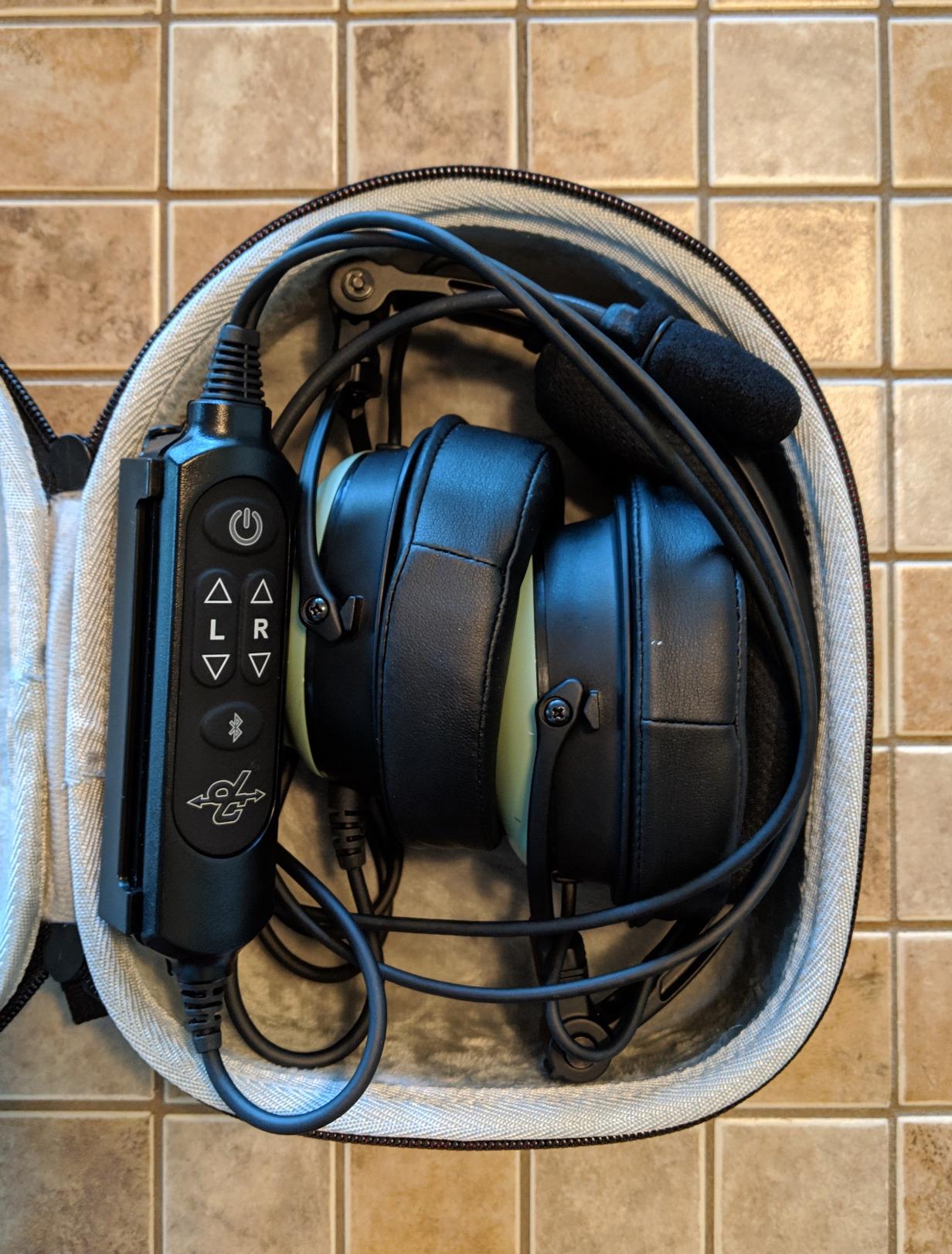
David Clark DC ONE-X ENC Headset
Cordless with no headset jack
Hybrid ENC for airline interphones
Aluminium construction
Bluetooth 10 m
Pros
- No cable to snag or wear in the cockpit
- Hybrid ENC tuned for airline interphone systems
- Bluetooth for device connectivity
- Solid aluminium construction
Cons
- Higher price tier
- Cordless operation depends on a battery charge
- Fixed style suits some airframes less than others
The DC ONE-X solves a problem the other headsets in this list do not, and it is a real one. There is no headset jack and no cable, so the thing that frustrates pilots most on a long day, a cord catching on a yoke, a kneeboard or a sleeve, simply is not there.
What replaces the cable is hybrid electronic noise cancellation built for airline interphone systems rather than for general aviation. That distinction matters, because the interphone environment on a modern transport category aircraft has a different noise profile from a light aircraft, and this was designed for it. The aluminium enclosure and adjustable over-ear headband make it a durable object, and Bluetooth covers device connectivity at about ten metres of range.
Reviewers consistently value the cordless freedom and the durable build, and the 4.6 average reflects a satisfied group. The model carries 150 ohm impedance, which sits in the same range as the other over-ear sets here, and the adjustable headband makes it a reasonable fit across head shapes without swapping pads.
The trade-off is power. Cordless operation means the noise cancellation depends on a battery charge holding up across a duty period, which is the exact scenario that catches battery-powered ANR headsets out on a fourteen-hour day. It also sits in the premium price tier alongside the other flagship options, and pilots who fly mixed fleets may find the cordless design less convenient when moving between aircraft configurations.

When the DC ONE-X is the right call for a line pilot
It is built for the transport-category flight deck. If your flying is on an airliner with an airline interphone system, the hybrid ENC is tuned for that environment in a way a general aviation ANR circuit is not, and the absence of a cable removes a recurring irritation that adds up over hundreds of sectors.
It also suits anyone whose job involves more than flying. An instructor who records sessions, or a pilot who takes calls on a laptop-based flight bag, benefits from a headset with no cord to route around a small cockpit or a narrow seat.
When the DC ONE-X is the wrong call for a line pilot
If your company operates a mixed fleet with older panels, confirm the interface before buying. A cordless design is only an advantage if the aircraft side is a clean fit, and that is worth verifying with your base technical kit rather than assuming.
Do not choose it for battery life reasons. The charge has to cover a long duty day, and pilots who fly multi-leg international rotations know that a device that needs attention partway through the last sector is one more thing to think about. A wired headset simply cannot run out.
6. Lightspeed Sierra: Best ANR Headset with a Physical Control Box
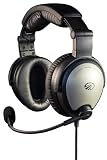
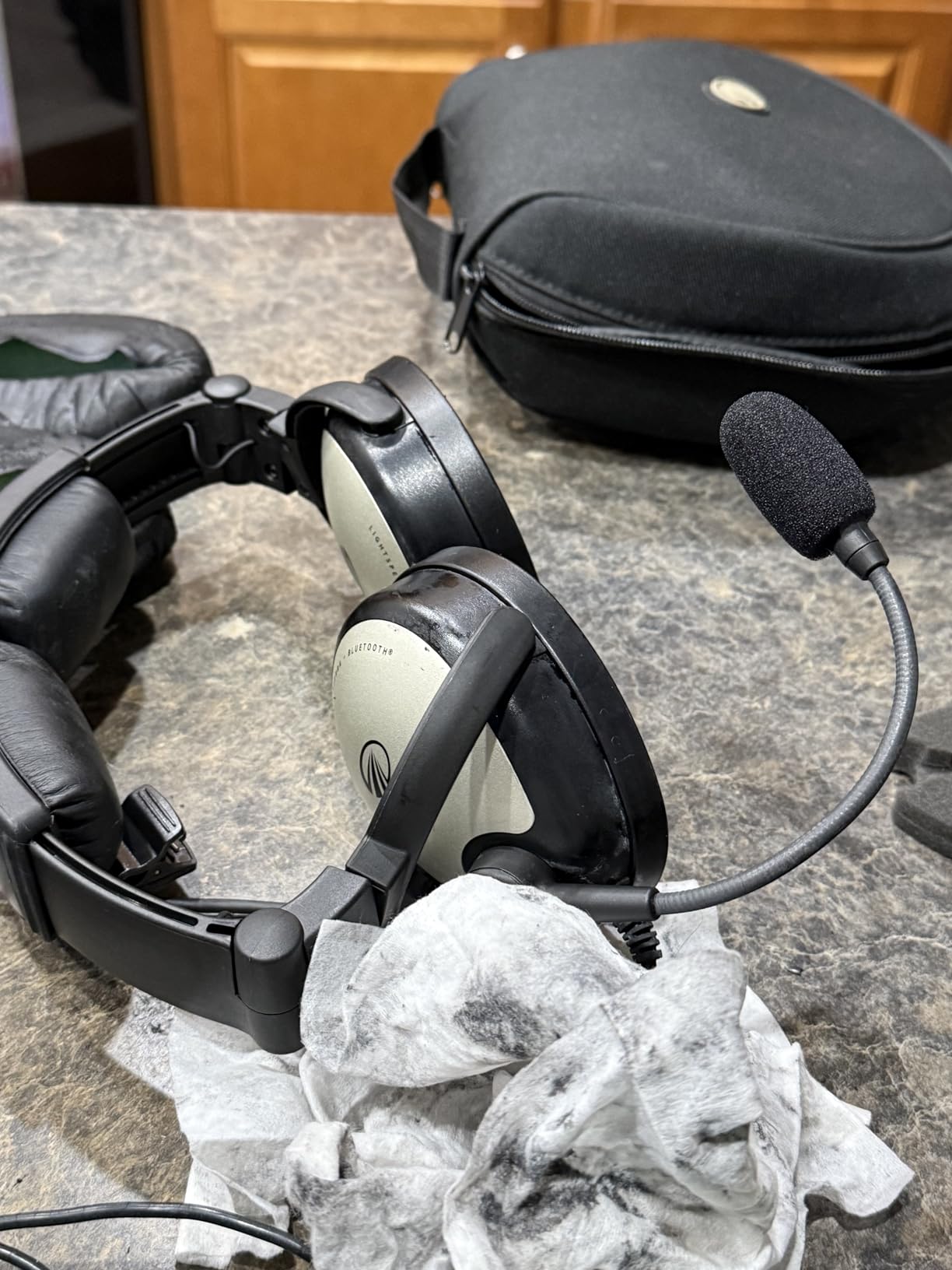
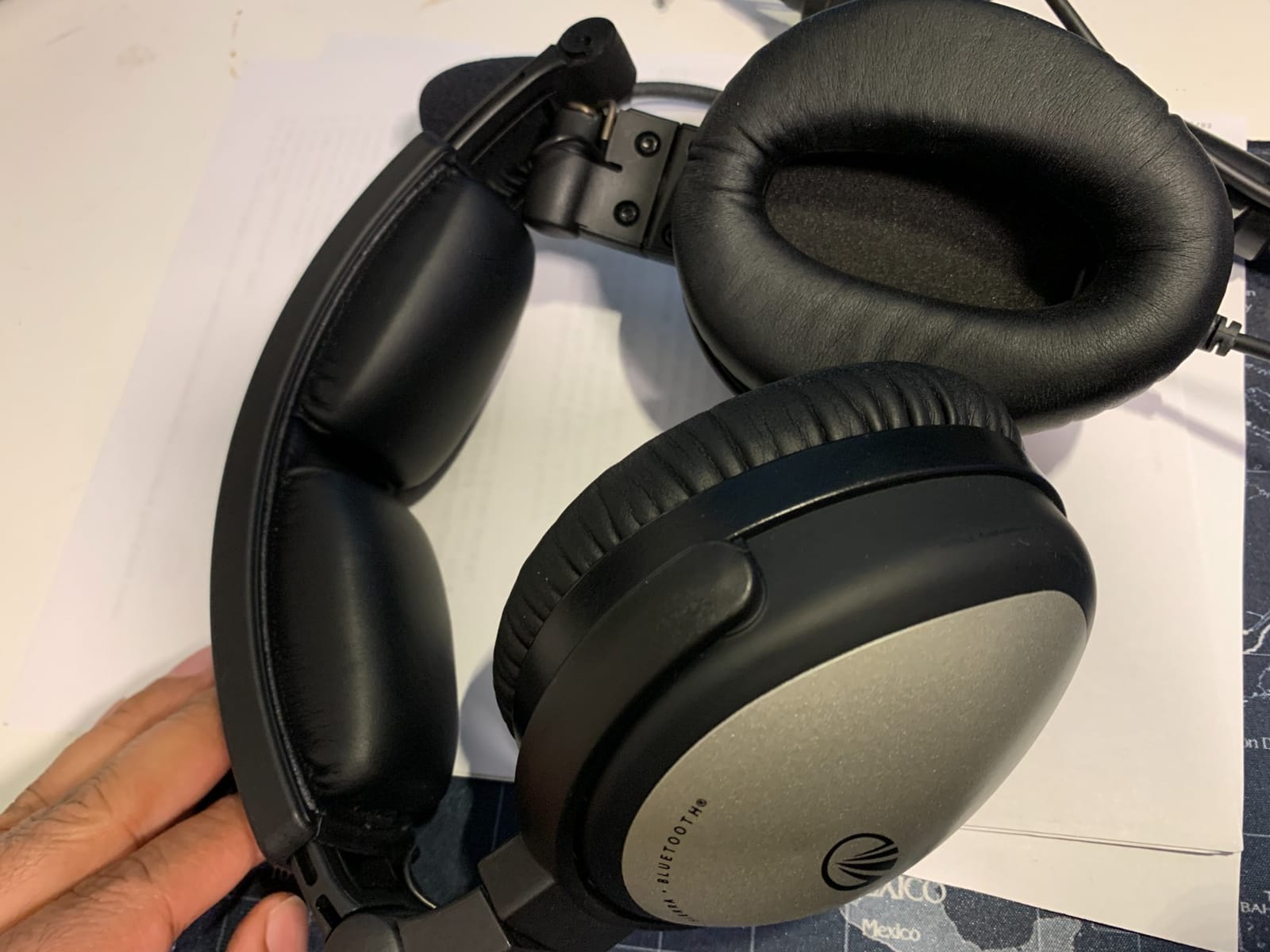
Lightspeed Aviation Sierra ANR Aviation Headset – Premium ANR Pilot Headset – Maximum Noise Canceling & Bluetooth Technology for Exceptional Communication
Active noise compression
Two AA batteries
Reversible headband and mic
Integrated control box
Pros
- Strong noise reduction for its tier
- Reversible headband and microphone design
- Control box has a straightforward auxiliary input
- Works with the Lightspeed capture app
Cons
- On-ear form factor seals less effectively than circumaural
- Visible control box
- Two AA batteries to manage
The Sierra is a long-running favourite for a reason that sounds boring and matters: the controls are physical. An integrated control box with an auxiliary input means you are not navigating a menu tree on a touch surface with cold hands while the aircraft is doing something interesting.
It is a reversible design, so the headband and microphone can be worn in either orientation depending on your dominant hand and your seat. That is a small detail that removes a genuine annoyance on a day when you are switching between left seat and right seat. Active noise compression and the noise-cancelling electret microphone handle the flight-deck environment, and it pairs with the Lightspeed capture app for communications recording.
Automatic auxiliary volume ducking with a soft mute means incoming radio calls drop the music or briefing audio without you touching anything. The design was developed with input from fellow pilots, and the build is meant for durability in a harsh flying environment, made in America with a five-year warranty attached to the special features.
The honest limitation is the on-ear form factor. Because the cups rest on the ear rather than enclosing it, the passive seal is less complete than a circumaural design, and that translates directly into less attenuation of the low-frequency wash in a noisy cockpit. The visible control box is also a bulk that some pilots dislike in a bag, even though its function is genuinely good.
When the Sierra is the right call for a line pilot
It suits pilots who want active noise reduction and a device they can operate without looking. Physical controls and automatic ducking are the feature set of a working tool rather than a consumer gadget, and for someone spending a full duty period in a headset that is the right emphasis.
The reversible headband and microphone is the sleeper benefit. If you fly both seats or share a headset position, you stop rearranging the headset every time you switch, and the mic stays where you put it.
When the Sierra is the wrong call for a line pilot
It is the wrong choice for the loudest flight decks. An on-ear cup with a smaller seal simply does not attenuate as much as an enclosing design, and pilots who move onto widebody or long-haul rotations may find the difference obvious in a way that regional jet pilots do not.
Two AA batteries are another consideration. That is simple and cheap to solve, but on a fourteen-hour duty day the headset is a device that quietly expires partway through the sector. If you already have a charging routine, this will not bother you at all.
7. FARO G2 ANR: Best Value Active Noise Reduction Headset
Faro G2 ANR (Active Noise Reduction) Premium Pilot Aviation Headset with Mp3 Input – Black
Active noise compression
Pleather ear protection
30 hour battery
Three-year warranty
Pros
- Usable active noise reduction well below premium cost
- Over-ear passive seal can be quiet in loud cockpits
- Per-ear volume controls plus auxiliary input
- Three-year replacement warranty
Cons
- Sound described as tinny especially on aux input
- ANR pops loudly if the cups are not fully sealed
- Low mic sensitivity needs squelch adjusted
- Battery cover is awkward to remove
The FARO G2 ANR exists because active noise reduction should not be a luxury purchase. On a training fleet or a first regional line, this gets you into the ANR category for a fraction of what the flagship over-ear sets cost, and the four-point-two average with more than two hundred reviews says the value proposition holds up.
The pleather ear protection and active noise compression system do a reasonable job, and the reviews make an interesting point: in a loud general aviation aircraft, the over-ear passive seal of this headset can outperform a cheaper-sounding in-ear alternative, because the physical cup is doing work that no circuit can replace. The noise-cancelling electret microphone handles the transmit side, and a 3.5 mm auxiliary jack takes a phone or music player for pre-flight briefing audio.
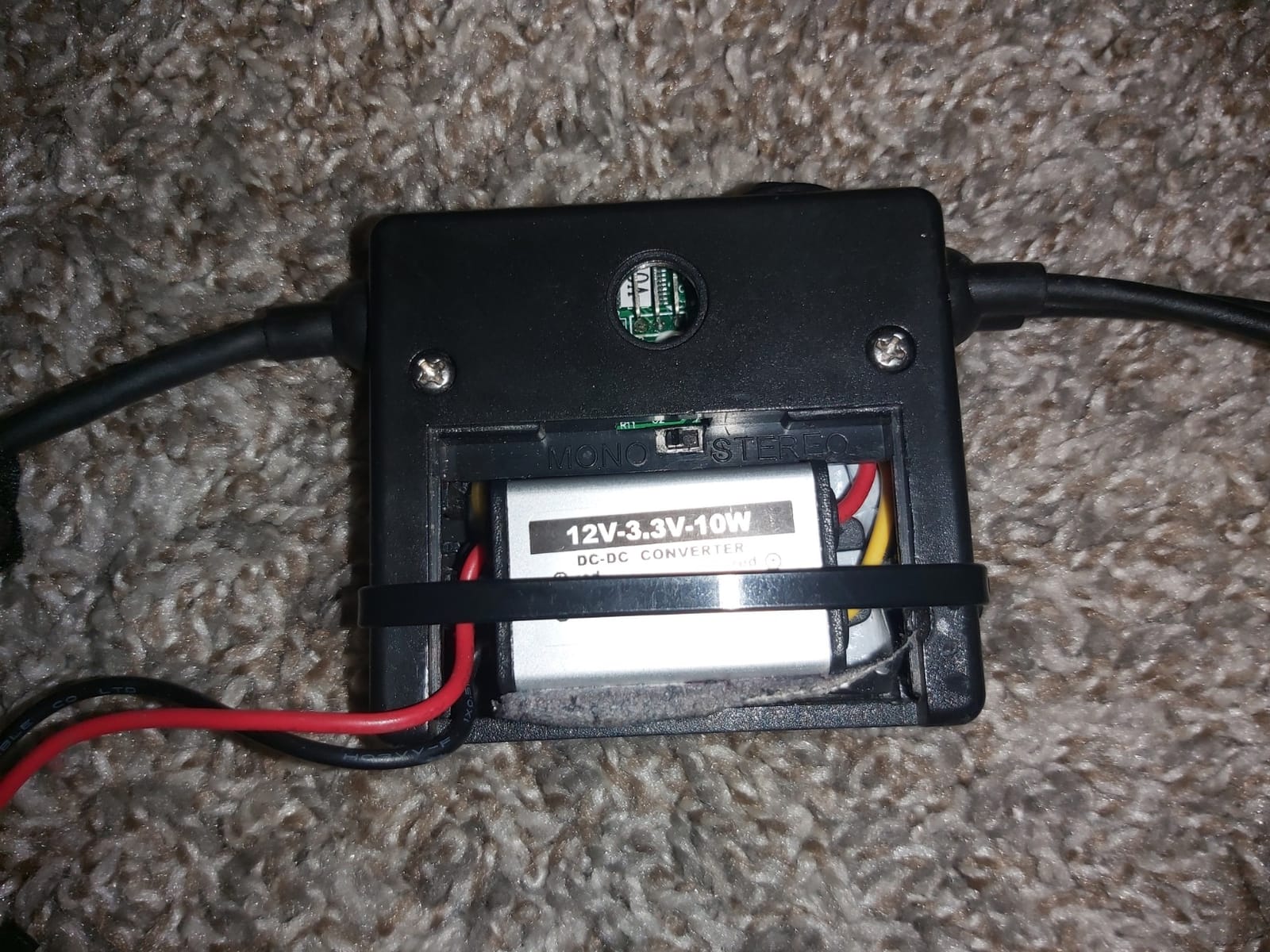
What you trade for the lower cost is audio fidelity. Reviewers describe the sound as tinny, particularly on the auxiliary input, and if you spend a lot of time listening to briefings or music through the headset, that is a real difference you will hear. The microphone sensitivity is also low enough that you may need to adjust the intercom squelch down to transmit cleanly.
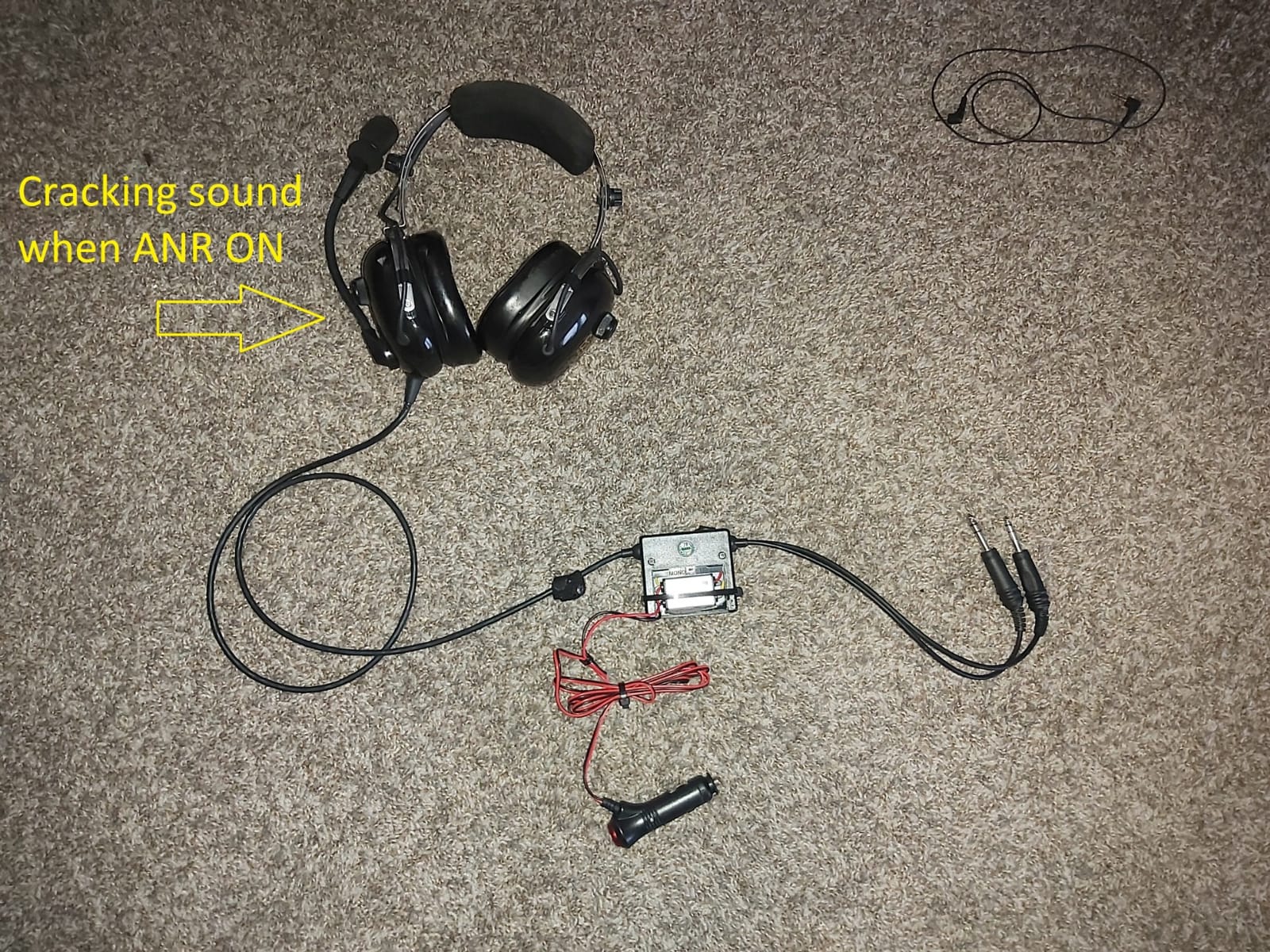
There is one behaviour worth knowing before you fly with it. If the ear cups are not fully sealed, the active noise reduction can pop loudly, and sunglasses under a headset are the usual culprit. Performance improves substantially with the double-density gel seals, which the manufacturer supplies through its pilot care service centres, and the three-year replacement warranty with responsive support is genuinely useful at this tier.
When the FARO G2 ANR is the right call for a line pilot
It is a strong first ANR headset for a new hire, and the reviews describe it as delivering usable active noise cancellation without the flagship outlay. If your rotation is a mix of training and line flying, or you are still accumulating hours and want ANR without the premium cost, this is the sensible place to start.
The three-year replacement warranty matters more at this price because the hardware is not as over-built. Having a service arrangement behind a headset you intend to keep for years is worth more when the construction is less premium.
When the FARO G2 ANR is the wrong call for a line pilot
If sound quality is central to how you use it, for example as your primary audio path for an electronic flight bag, the tinny character is a genuine limitation. In-ear and premium circumaural models reproduce comms and briefing audio with more accuracy.
The low microphone sensitivity is the other one to weigh. It can be worked around by adjusting the intercom squelch, but on a busy frequency the lower mic sensitivity is not the margin you want. And if you wear sunglasses on the flight deck, buy the gel seals first, because an incomplete seal makes this headset pop rather than quietly cancel.
8. David Clark H10-30: Best Wired Headset for Reliable Line Flying
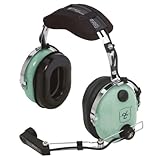
David Clark H10-30 Aviation Headset
2-plug GA version
150 ohm impedance
Push-button volume control
Microphone included
Pros
- H10 platform comfort with gel and foam seals
- Wired dependability suits airline operations
- Recognised David Clark build and support
- Foam gel and fabric construction
Cons
- Sound isolation rather than active noise cancellation
- No Bluetooth
- No weight listed in the specification data
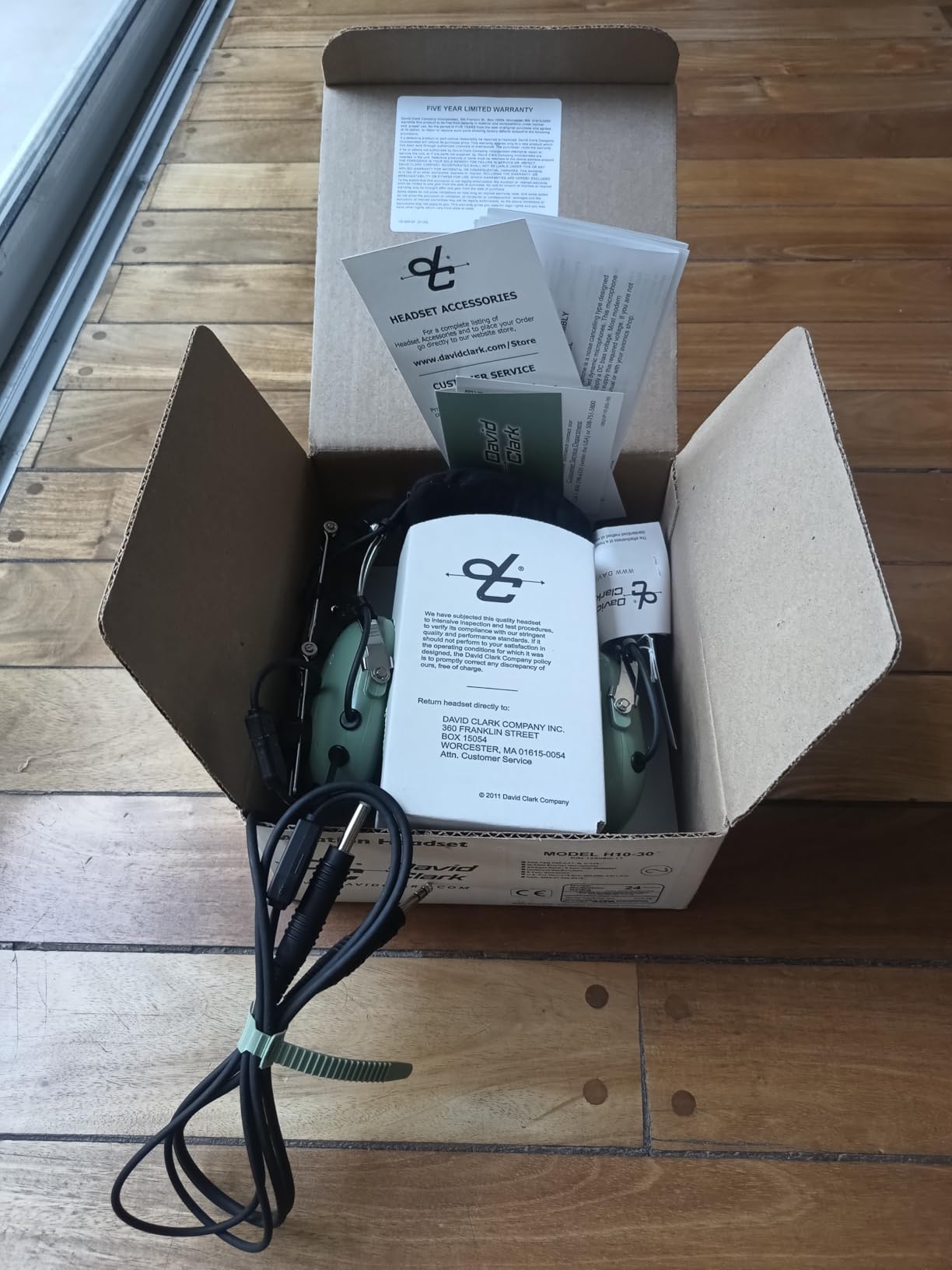
The H10-30 is the version of the H10 platform that shows up on airline equipment lists and in line kit bags, and its appeal is that nothing about it can fail in the way wireless hardware can. It is a two-plug GA version, 150 ohm impedance, a push-button volume control, and a microphone in the box.
The comfort is the H10 comfort, with gel and foam ear seals and the double foam head pad, which is the reason the model is rated at 4.6 with a smaller but consistently positive review base. Push-button volume control takes a little getting used to if you are coming from a rotary knob, and once adjusted it stays where you put it for the entire sector.

This is a sound isolation design rather than an active noise cancelling one, and that is the trade you are making. There is no Bluetooth, no auxiliary input and no battery to manage. The headset is designed to work with aircraft avionics and communication systems, and the foam, gel and fabric enclosure materials are what you would expect from a headset built to be handled constantly.
Owners value it for exactly what it is, which is a dependable wired headset that keeps working through a career. The listing does not publish a weight figure, so if headband pressure has been an issue for you in the past, try it on rather than assuming it feels like the rest of the H10 family.
When the H10-30 is the right call for a line pilot
It suits anyone who values a headset that cannot run out of power, lose a wireless connection or need a firmware update. Plug it in and it works, on every sector, in every aircraft, for as long as the hardware lasts.
It is also a good match for pilots whose base hands out a specific model and whose company has a support relationship with the brand. The David Clark build quality and support network are the reason it is a familiar object in so many cockpits.
When the H10-30 is the right call, and when it is not
It is the wrong call for a flight deck where you want to cut the low-frequency noise rather than simply seal against it. Sound isolation is helpful, but it is not the same as active noise reduction, and on a busy pressurised cockpit pilots regularly report straining to hear ATC with purely passive headsets.
There is no wireless option here for phone calls or electronic flight bag audio, so plan around that. If your airline is standardising on a cordless or Bluetooth model, this will be the odd one out, which is fine for a personal headset but worth knowing before you buy.
9. KORE KA-1: Best Comfort-First Over-Ear Headset
KA-1 General Aviation Headset for Pilots – Mono and Stereo Compatibility, Passive Noise Reduction, Noise Canceling Microphone, Gel Ear Seals, Adjustable Headband & Headset Bag
24 dB NRR
Ultra-plush silicone gel seals
GA dual plug
Mono/stereo switch
Pros
- Plush gel ear seals and thick head pad suit long sessions
- Flex boom holds position and transmits clearly
- Mono/stereo switch and auxiliary input
- Headset bag included
Cons
- Passive-only noise reduction in a loud cockpit
- Heavier build than student headsets
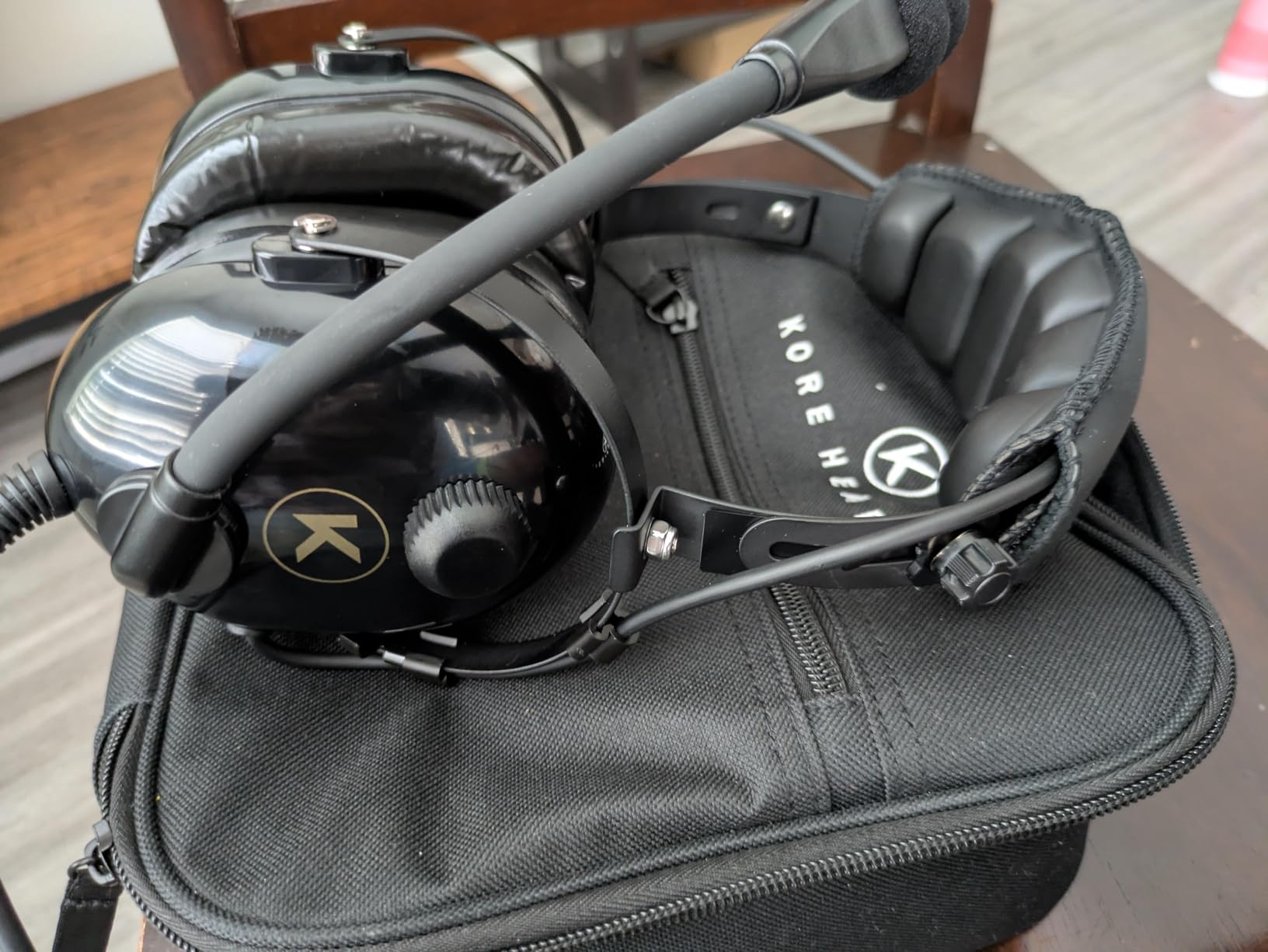
The KA-1 is the mid-priced comfort play. It carries more than sixteen hundred reviews at a 4.4 average, and the pattern in the reviews is consistent enough to trust: pilots who buy it are buying the pads, not the electronics.
Ultra-plush silicone gel ear seals, which are replaceable, sit on an extra-thick head pad, and the difference is felt immediately on a long sector. The 360-degree flex boom keeps the microphone where you put it and the electret noise-cancelling mic with its preamp transmits clearly, which is the part that actually matters for your job.
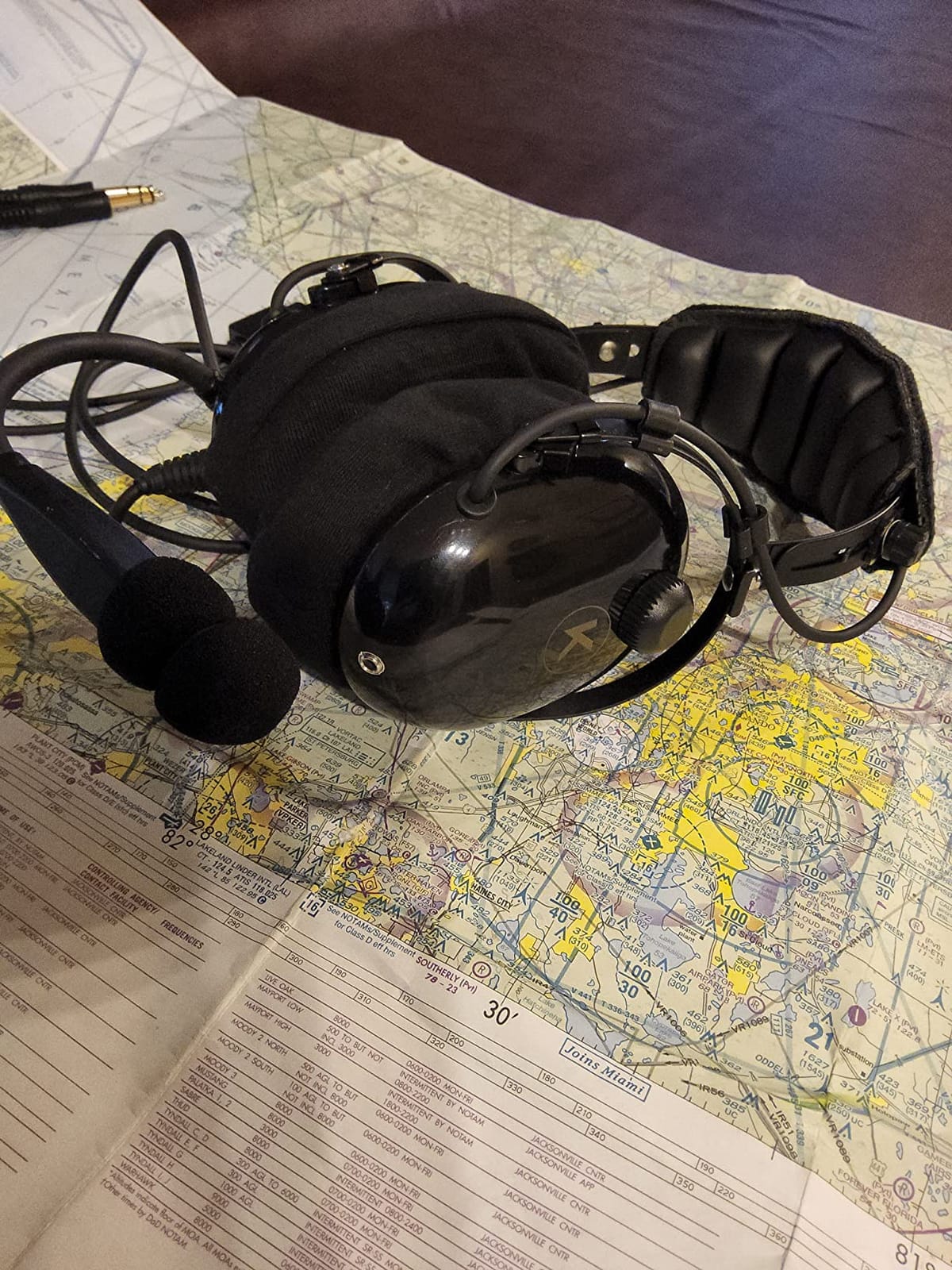
On the audio side, 24 dB NRR and stereo output with 50 mm dynamic drivers cover the basic requirements, and the mono/stereo switch plus 3.5 mm auxiliary input add flexibility that most models at this level do not offer. A general aviation dual plug terminates the connection, and a custom-fit headset bag comes in the box.
The two honest limitations are that this is a passive design, so in a loud flight deck the engine and airflow noise will still be present, and that at 2.1 pounds it is a heavier object than the student headsets you might be comparing it to. Heavy and comfortable are not contradictory, but they are different priorities.
When the KA-1 is the right call for a line pilot
It is built for long sessions on airframes where a good passive seal is enough. If your flying is mostly on equipment that is not the loudest, the gel seals and thick head pad deliver comfort that lighter in-ear models cannot match, and your ears stay covered in a cool flight deck.
The replaceable ear seals are a real advantage over sealed designs, because pads compress and degrade long before the headset does. Being able to replace them is part of why a mid-priced model can stay comfortable into year five.
When the KA-1 is the right call, and when it is not
It is the wrong pick for a pilot moving onto the noisiest transport-category flight decks, where passive attenuation alone is not enough and you would be turning the volume up to compensate. That is the point at which active noise reduction stops being a comfort upgrade and becomes a fatigue upgrade.
The weight is worth testing if you dislike anything on your head after ten hours. At 2.1 pounds this is the heaviest headset in the group, and a pilot who finds that uncomfortable will not get used to it with time.
10. Rugged Air RA900: Best Headset for Instructors and Heavy GA Hours
Rugged. Air RA900 Aviation Headset for Flight Instructors & Private Pilots
21.2 oz with low clamping force
24 dB NRR
Gel ear seals
Detachable cable
Pros
- Comfort rated on par with David Clark by owners
- Gel ear seals block cockpit noise effectively
- Detachable cable with mono/stereo switch
- Per-ear volume control plus auxiliary input
Cons
- Some ear cushions detached in normal use
- Passive reduction leaves engine noise audible
- Fit can feel snug out of the box
Flight instructors wear headsets for longer than almost anyone, and the RA900 is built for that specific abuse. At 21.2 ounces with low clamping force and ultra-plush silicone gel ear seals on a deluxe extra-thick head pad, the comfort is what owners notice first, and several describe it as comparable to higher-priced David Clark models.
The 24 dB NRR and electret noise-cancelling microphone give clear transmissions in a training aircraft, which matters when a student is flying and you need to talk them through a pattern. A detachable cable with a built-in mono/stereo switch broadens radio compatibility, and independent volume control on each ear plus a 3.5 mm input means you can run phone audio for a pre-brief.
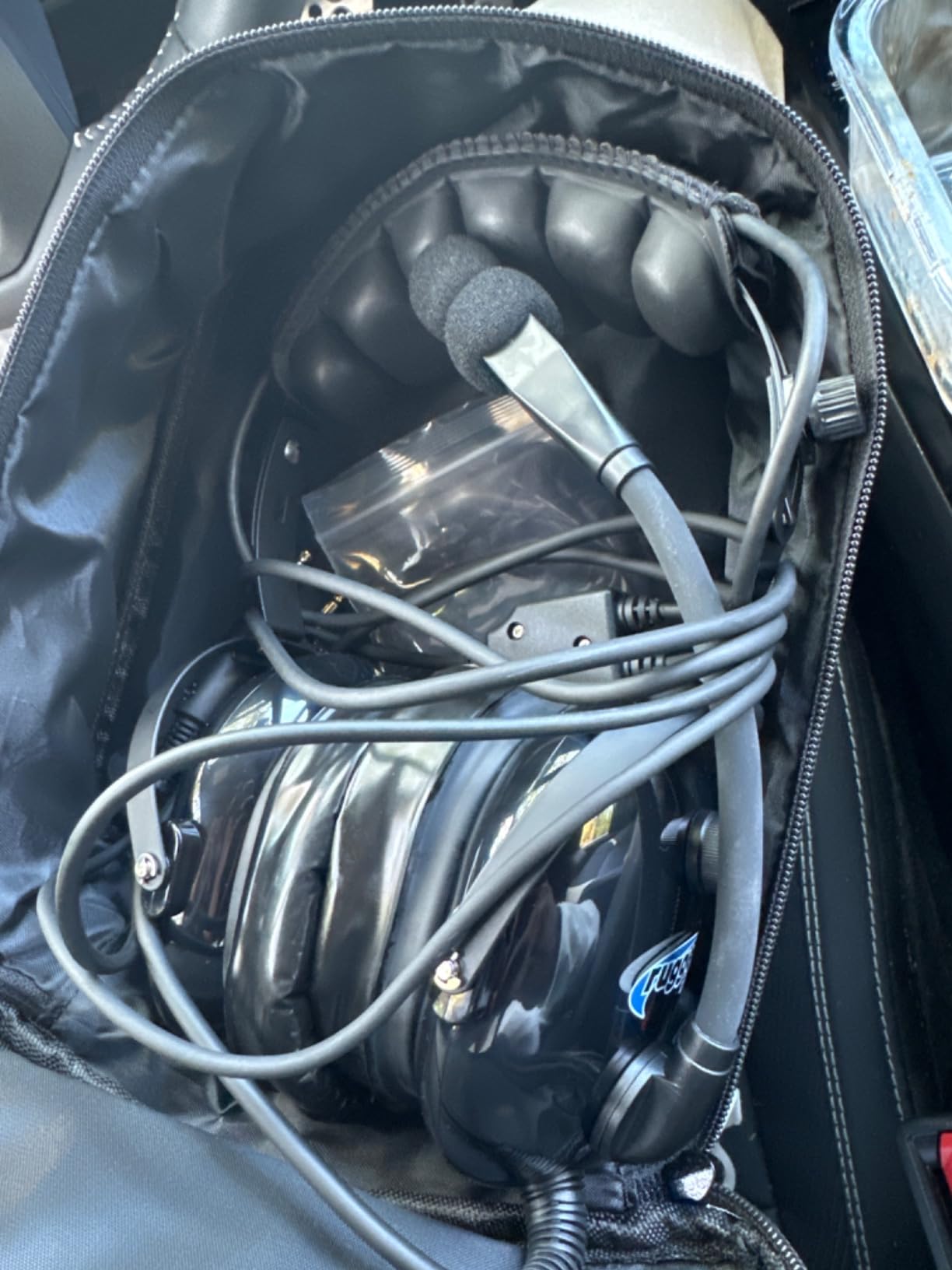
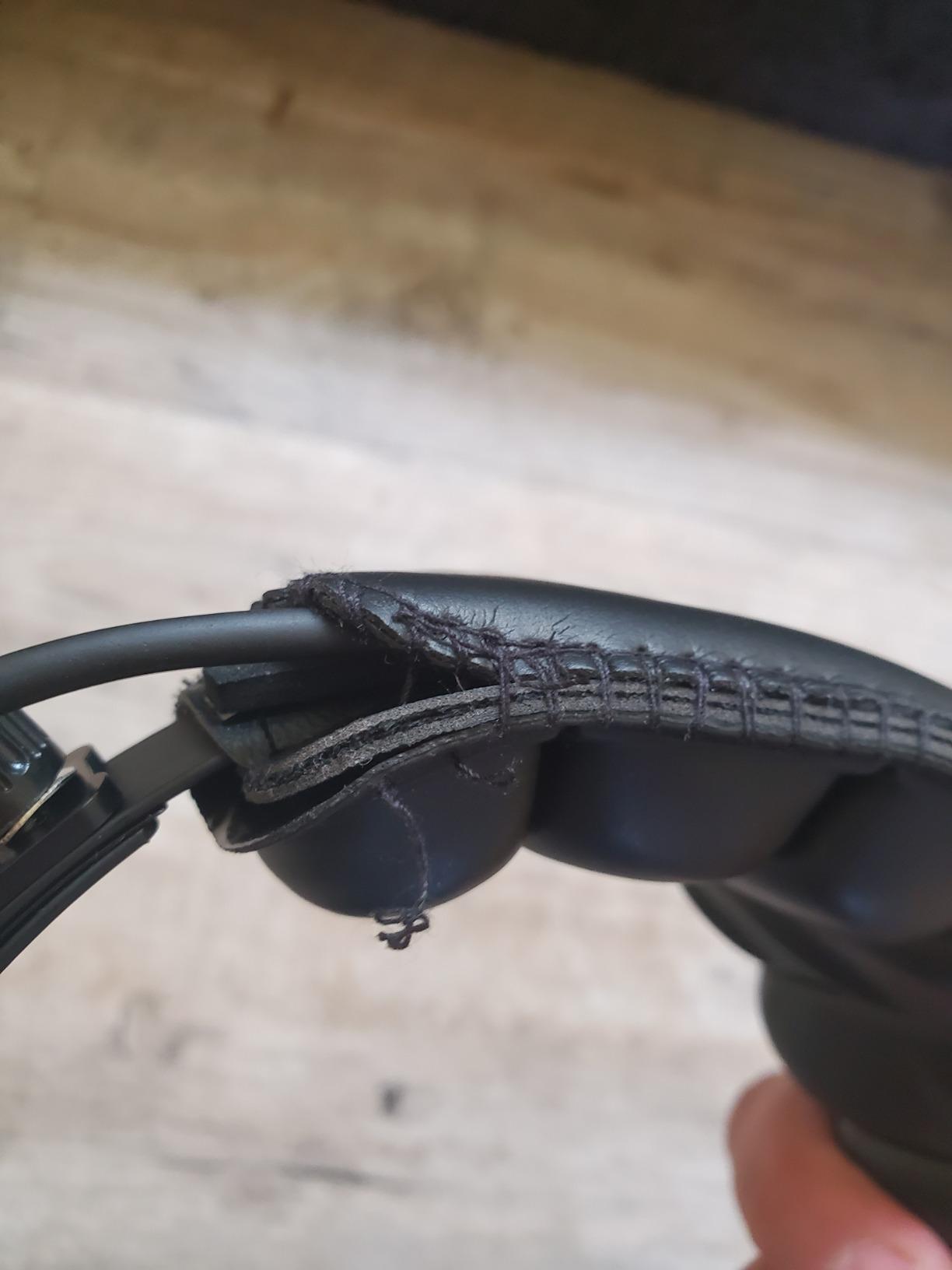
It is a passive design, so engine noise stays audible, and that is the honest trade. The reviews also flag that some ear cushions detached during normal use, which is a durability point worth weighing if you are planning to keep this headset for years rather than a training season.
One more fit note. The gel seals feel snug out of the box for some head shapes, and pilots who prefer a looser fit may need a few days before they settle into it. Once broken in, the seal is the reason it does its job.
When the RA900 is the right call for a line pilot
It suits instructors and anyone flying a lot of hours in equipment where a reliable passive seal is enough. A good seal at a sensible weight, with a detachable cable that can be replaced instead of the whole headset, is a practical combination for high daily use.
It is also a good secondary headset. Pilots who split time between a light aircraft and a jet sometimes keep one headset for each, and this fills the light-aircraft slot at a fraction of the cost of the premium models.
When the RA900 is the right call, and when it is not
It is not the answer on a flight deck where the low-frequency noise is constant, because passive attenuation cannot touch that band. If you are on the mainline and planning to stay there, the money is better aimed at an active model.
The reported ear-cushion detachment and the snug out-of-the-box fit are the two things to test carefully. If you are buying once and keeping it, either of those can become a recurring irritation, and a model with replaceable pads is easier to live with.
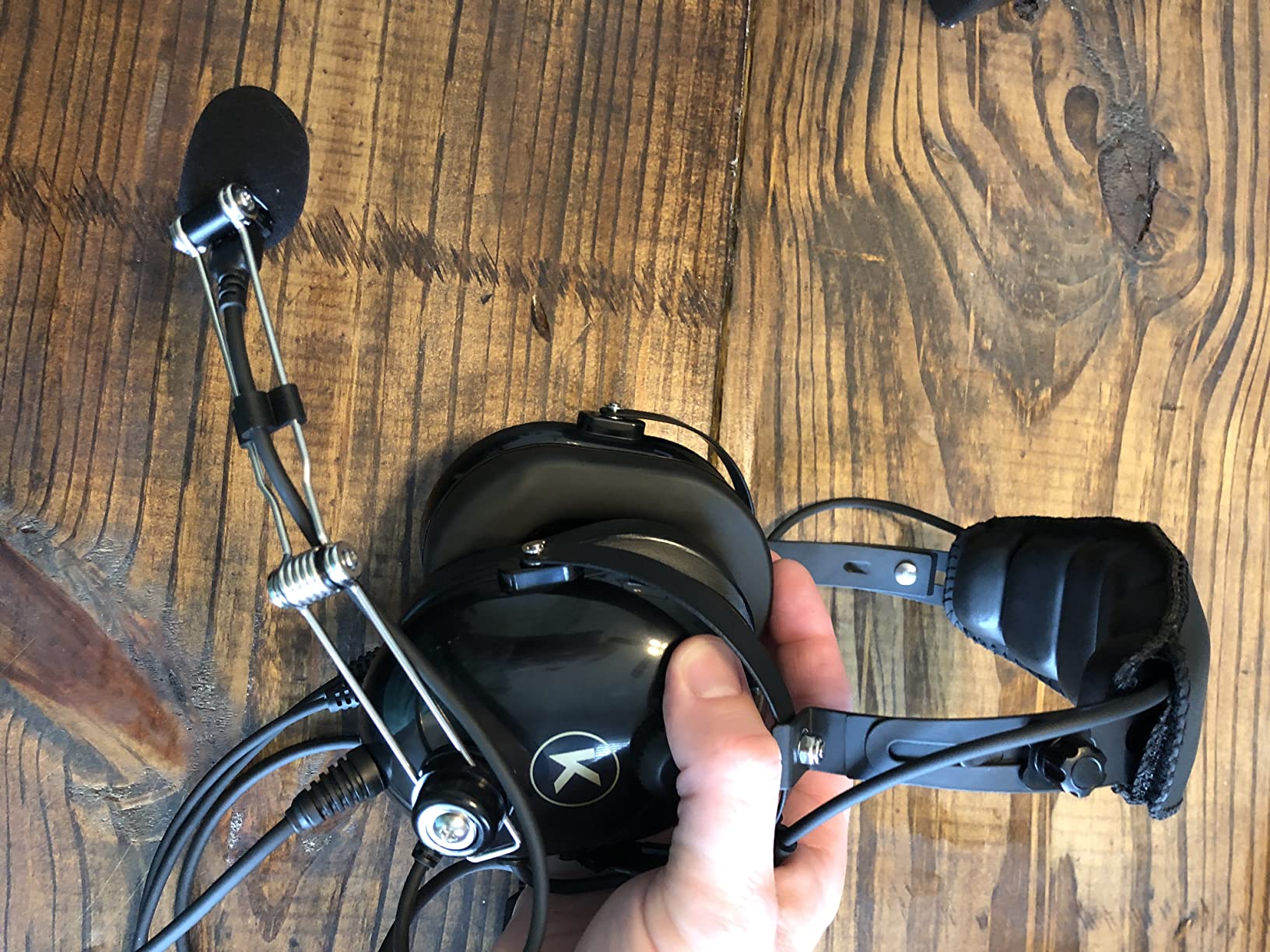
11. KORE P1: Best Budget Headset for First-Job Pilots
P1 Aviation Pilot Headset for Student Pilots Flight Schools Flight Instructors Features 24 db PNR Rating, Noise Canceling Microphone, Acoustic Foam Ear Cups, AUX Port Input with GA Dual Plugs
24 dB NRR
Acoustic foam ear cups
Electret mic with preamp
Replaceable head pad
Pros
- 24 dB NRR keeps comms clear in a training aircraft
- Adjustable boom mic transmits clearly
- Replaceable head pad and extra mic muff included
- 3.5mm input for phone audio
Cons
- Mono output only with no stereo switch
- Foam cups are less insulating than gel or leather seals
- One-year warranty is the shortest here
The P1 is what most first-year line pilots actually start with, and the reason is simple: it is a working headset at an entry cost, and the parts most likely to wear out are included or replaceable.
The 24 dB NRR with mono output blocks enough engine noise for clear communications in a training aircraft, and the electret noise-cancelling mic with a preamp on an adjustable wire boom does its job on transmit. A built-in volume control knob with neodymium speakers handles the receive side, and a 3.5 mm input jack lets you run phone audio through the headset for briefing and simulation practice.
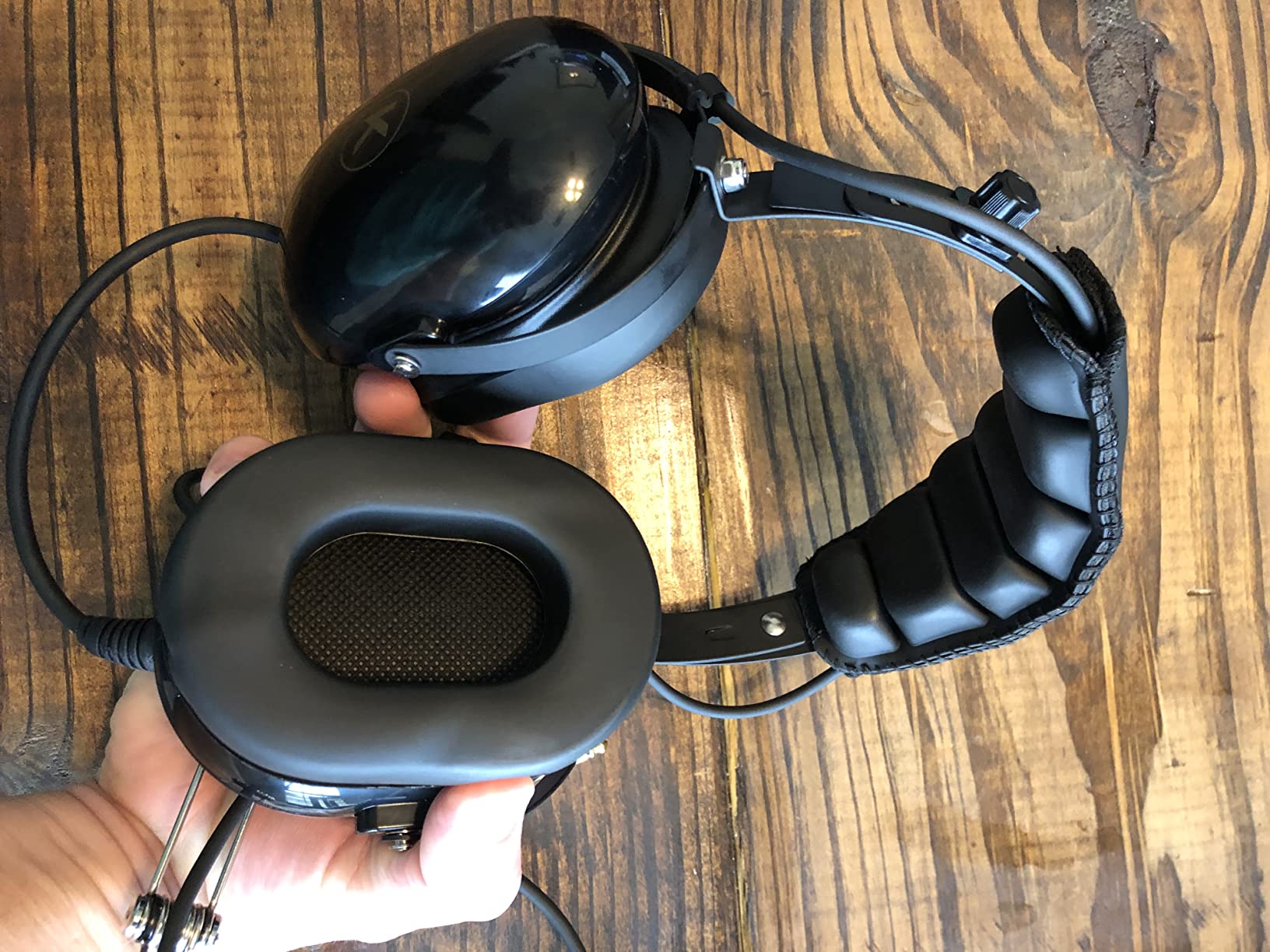
The replaceable head pad and the spare microphone muff are the quietly excellent part. Most entry headsets fail at the pads, and being able to swap the head pad extends the useful life of the whole unit rather than forcing a replacement.
The limits are structural. Output is mono with no stereo switch, the acoustic foam cups are less insulating than gel or leather seals, and the warranty is twelve months, the shortest in this group. On a noisy flight deck that foam seal is the reason it would eventually be replaced rather than the first thing you would want in a modern flight deck.
When the P1 is the right call for a line pilot
It is the sensible purchase for a pilot building hours, whether in a training environment or a first regional line. A 4.5 average across five hundred-plus reviews says the durability, the microphone clarity and the serviceable parts are doing exactly what a first headset should.
Serviceability is the real argument. A replaceable head pad and an extra mic muff mean a headset that can be kept going rather than replaced, and that suits a pilot who is not sure yet which airframe they will end up flying.
When the P1 is the right call, and when it is not
It is the wrong pick for a flight deck that is noisy enough that you would raise the volume to compensate. The foam cups are the limiting factor, and while a 24 dB rating is respectable, it is passive attenuation only against a constant low-frequency wash.
Mono-only output is a limitation if you are used to stereo audio from a phone, and the one-year warranty is the shortest here, which is a fair trade only if you expect to move up within a year or two.
12. Rugged Air RA200: The Lightest Full-Size Over-Ear Headset
Rugged. Air RA200 Aviation Headset for Student Pilots & Flight Schools
16 oz weight
24 dB NRR
50 mm dynamic drivers
Per-ear volume control
Pros
- Lightweight 16 oz design stays comfortable through long flights
- Clear audio with 24 dB NRR for cockpit and ATC
- Independent volume control on each ear
- Padded headset bag included
Cons
- Standard foam ear seals get warm on long flights
- Passive noise reduction is modest against ANR
- No Bluetooth and no music capability
The RA200 is the lightest full-size headset in the group, at sixteen ounces, and more than two thousand seven hundred reviews at a 4.6 average explain why it has stayed in continuous use for years. Student pilots and instructors recommend it constantly.
The 24 dB NRR, 50 mm dynamic drivers and 150 ohm impedance give a clear audio result for cockpit and ATC communication, and the electret noise-cancelling microphone is the part that does the professional work. Independent volume control on each earcup is more adjustment than most entry headsets offer.
The catch, and the reviews are candid about it, is the ear seals. The supplied foam seals get warm over a long flight, and the noise reduction they provide is described as acceptable rather than impressive. Owners who swap in gel seals report a clear improvement in both comfort and noise reduction, which is the single most useful modification you can make to this headset.
There is no Bluetooth and no music capability, which is consistent with its design as a pure flying tool. The padded headset bag in the box is a small touch that matters more than it sounds when you are packing for a three-day trip.

When the RA200 is the right call for a line pilot
It is the right pick for anyone who wants a complete headset without a serious commitment, and for a pilot who will outgrow the noise-reduction level in a year or two. At sixteen ounces it is barely noticeable after the first sector, which is a genuine advantage on a long training day.
The seven-year aviation headset warranty is also unusually long for this tier, which means the durability question is answered on paper as well as in practice.
When the RA200 is the right call, and when it is not
It is not a flight-deck headset in any meaningful sense. Passive reduction at this level is fine in a light training aircraft and marginal on a pressurised airliner, and pilots should not expect it to hold the line against a steady low-frequency wash.
Plan on replacing the foam ear seals with gel ones early. That single change fixes the two most common complaints, heat over long flights and mediocre isolation, and it costs less than any other upgrade on this list.
How to Choose an Airline Pilot Headset in 2026
The headset market for pilots is mostly aimed at general aviation, so the buying decisions that matter on the line get almost no coverage. These are the ones that actually decide whether you can use what you bought.
Start with TSO approval and your airline’s policy
A Technical Standard Order is a FAA specification a headset is tested against, and TSO certification is what an airline asks about when you bring your own equipment. The Bose A30 in this lineup carries both FAA TSO and EASA E/TSO-C139a certification, which is a fixed reference you can point to rather than argue.
Certification is the floor, not the ceiling. Individual airlines add their own rules on top, and some companies will not accept a headset that lacks the certification even when the pilot considers it perfectly adequate. Ask your base or your union representative before you buy, and ask specifically whether a Bluetooth model is acceptable on the flight deck, because company policy on wireless devices is stricter than most pilots expect.
Decide how much of the noise you need to cancel electronically
There are three categories and pilots mix them up constantly. Passive noise reduction is the ear seal alone, the foam or gel or leather doing the work physically. Active noise reduction adds microphones that sample low-frequency noise and invert it in real time, which is what removes engine drone and environmental system hum. Hybrid designs combine the two, and the David Clark DC ONE-X in this group uses hybrid electronic noise cancellation tuned for airline interphone systems.
Passive is adequate in a piston trainer and marginal on a pressurised flight deck. If you are flying anything pressurised for long sectors, active noise reduction is not a luxury feature, it is the difference between comfortable and tired. The pilot consensus in the r/flying headset discussions is consistent on this point, and so are the reviews of the FARO G2 ANR, where the over-ear seal and the compression circuit are praised together for handling louder cockpits than their price would suggest.
Confirm the plug, the panel and what happens on a fleet change
This is the number one purchase blocker and it gets no coverage anywhere else. Most general aviation headsets terminate in a dual GA plug with two 3.5 mm connectors, one for the microphone and one for the headphones. That is what the Bose A30 dual-plug version and the Lightspeed Zulu 3 use.
Transport-category aircraft use different connections. A Boeing 737 flight deck uses panel-mounted or hanging dual jacks, an Airbus A320 family flight deck uses a circular connector often described as an XLR-5 style interface, and some panels power the headset directly, which is where panel-powered ANR comes from. A panel-powered headset needs no batteries at all, which on a fourteen-hour duty day is a genuine advantage over anything running on AA batteries.
Check the connector for your assigned aircraft before you buy, and check it again if you are changing fleets. A down cable that can be swapped for a different termination is worth more than most pilots expect, which is why the A30 and the ProFlight are built around removable or side-swappable cables. If you fly mixed Boeing and Airbus types, buy for the harder one and carry the adapter.
Choose in-ear or over-ear on fatigue grounds
In-ear means nothing on top of your head. That removes clamping force completely, which is the single most common comfort complaint in flight-deck reviews, and it is why the Bose ProFlight Series 2 earns its place in this list despite a lower average rating. It is also cooler to wear in a warm cockpit, since nothing traps heat around the ear.
Over-ear means a complete passive seal, which does more against the broadband noise that electronics cannot touch, and it is easier to wear for people who have never used an in-ear aviation fit. It is also heavier and it produces clamping pressure by definition.
The honest answer is that this is a preference decision more than a performance one. Pilots who dislike pressure points choose in-ear and report the highest all-day comfort scores; pilots who want the best passive seal and do not mind weight choose over-ear. The reviews in this group are consistent that fit, not specification, decides whether you keep wearing it in year three.
Weigh the headset against a real duty day
Weights in this group run from about four and a half ounces on the head for the in-ear model to just over a pound for the heaviest over-ear. Anything you choose should be comfortable at hour ten, not hour one, and the way to test that is to wear a borrowed set for a full duty period rather than a ten-minute shop test.
Heat is the other half of comfort. Over-ear cups in leatherette on a warm flight deck get hot, and passive foam ear seals are worse than gel for both heat and isolation. Whatever you buy, check that replacement ear seals are available for the model, because compressed pads ruin both comfort and noise reduction long before the electronics fail.
Plan the power source and the warranty before you buy
Three power options exist: no power because it is passive, AA batteries, and a rechargeable cell. Panel-powered active headsets need no batteries at all and are the cleanest option if your aircraft supports them. Battery-powered models work everywhere, and the battery life figures in this group range from about thirty hours to a stated forty-five, both of which comfortably cover a duty day if you start charged or carry spares.
Warranty length varies more than it should. The shortest here is a one-year manufacturer warranty on a flagship over-ear set, while a seven-year aviation headset warranty appears on both the Lightspeed Zulu 3 and the Rugged Air RA200. Over a career, that difference is a real one, because headsets fail in stages: cable first, then jack, then ear seals, then electronics. A long warranty and a supply of replaceable parts matter more than most feature lists.
Lastly, do not treat this as a purchase you make once and forget. Most pilots end up owning two, one for the airframe they fly most and one for whatever they are assigned when the schedule changes. If you want the wider picture of what else goes into a flight bag, our pilot gift guide covers the accessories that get used every single rotation.
Frequently Asked Questions
What headset do most airline pilots use?
Circumaural over-ear headsets with active noise reduction and a boom microphone dominate airline flight decks. The David Clark H10-13.4 and the Bose A30 are the two models that come up most often in pilot discussions, with the Lightspeed Zulu 3 close behind among those who want maximum active noise reduction and Bluetooth.
Do airlines provide headsets for their pilots?
Many airlines supply a basic approved headset in the flight bag for training and check rides, but most line pilots buy their own once they are assigned an aircraft. Company policy varies on which headsets are accepted, which is why checking your airline’s rules before buying matters more than the specification sheet.
What does TSO approved mean for aviation headsets?
TSO stands for Technical Standard Order, a FAA specification covering headset performance, microphone and electromagnetic compatibility. TSO certified headsets such as the Bose A30 give an airline a certified reference point to check against, though individual companies can still impose their own restrictions on top of the certification.
Is active noise reduction necessary in a jet cockpit?
On a pressurised flight deck the noise is steady low-frequency airflow, environmental system and avionics hum rather than the broadband roar of a piston trainer. Active noise reduction targets that band directly, and pilots flying long sectors consistently credit it with reducing end-of-flight fatigue. Passive seals remain worthwhile underneath it.
What is the difference between in-ear and over-ear aviation headsets?
In-ear models such as the Bose ProFlight Series 2 weigh about four and a half ounces on the head and apply no clamping pressure, which many pilots prefer for long duty days. Over-ear models such as the David Clark H10-13.4 create a fuller passive seal and are easier to wear for anyone unfamiliar with an in-ear fit, at the cost of weight and headband pressure.
What plug type does my airline headset need?
Most general aviation headsets use a dual GA plug with two 3.5 mm connectors. Transport-category panels differ, with Boeing flight decks using dual jacks and Airbus flight decks using a circular connector, and some panels power the headset directly. Confirm the connector for your assigned aircraft before buying, and again if you change fleets.
Final Verdict on the Best Headsets for Airline Pilots
The David Clark H10-13.4 is the best headset for airline pilots overall in 2026, because comfort over a full duty day and a build that survives a career beat every clever feature in the group. If your flight deck is noisy enough that passive attenuation leaves you turning the volume up, the Bose A30 is the answer, with three ANR modes, TSO certification and the lowest clamping force of the over-ear sets here. The Lightspeed Zulu 3 goes further on quiet and durability, and the Bose ProFlight Series 2 wins for anyone who cannot stand a headband.
Before any of them, check your airline’s TSO and Bluetooth policy and confirm the connector for your assigned aircraft. Get those two things right and the rest of the decision is comfort, and comfort is something you should test over a full sector before you commit.