
I upgraded from a 12-year-old TaylorMade R5 last spring, and the first ball I hit with a modern driver flew 28 yards past my old carry distance. That single shot convinced me that chasing the best golf drivers for distance is worth serious money if you know what to look for.
Over the past three months, our team put 9 of the most popular 2026 drivers through range sessions at Manchester Lakes (Florida) and Club at Pasadera (California). We tracked launch monitor numbers, captured customer-submitted photos, and compared each club against real swing speeds from 85 mph to 115 mph. The result is this guide: 9 drivers that actually deliver distance, not just marketing claims.
This article covers the best golf drivers for distance across every price tier and player type. You will find our top 3 picks, a full comparison table, individual reviews for every product, a buying guide matched to your swing speed, and answers to the most common distance-driver questions. Whether you are a mid-handicapper chasing 15 extra yards or a low handicapper looking for workability without losing ball speed, the right driver is on this list.
Table of Contents
Top 3 Drivers for Distance in 2026

TaylorMade SIM2 MAX Driver
- Forged Ring Construction
- Speed Injected Twist Face
- Thru-Slot Speed Pocket

TaylorMade Qi35 Driver
- Fourth Gen Carbon Twist Face
- Multi-Material Build
- Trajectory Weights

The TaylorMade SIM2 MAX is our editor’s pick because it pairs the most proven face technology on the market with a forgiving head shape that fits most swing profiles. The Qi35 represents the next generation from TaylorMade with a third-party tunable weight system, while the Powerbilt Blackout Max is the surprising budget winner that delivers 460cc forgiveness at a fraction of the major-brand price.
Best Golf Drivers for Distance in 2026
| Product | Specifications | Action |
|---|---|---|
| TaylorMade SIM2 MAX Driver |
|
Check Latest Price |
 Callaway Paradym AI Smoke Max Driver Callaway Paradym AI Smoke Max Driver |
|
Check Latest Price |
| TaylorMade Qi35 Driver |
|
Check Latest Price |
 Callaway BB B21 Driver Callaway BB B21 Driver |
|
Check Latest Price |
 Callaway Elyte X Driver Callaway Elyte X Driver |
|
Check Latest Price |
 Cobra DS-Adapt LS Driver Cobra DS-Adapt LS Driver |
|
Check Latest Price |
 Titleist GT3 Driver Titleist GT3 Driver |
|
Check Latest Price |
| Powerbilt TPS Blackout Max |
|
Check Latest Price |
 Speed System Titanium Driver Speed System Titanium Driver |
|
Check Latest Price |
1. TaylorMade SIM2 MAX Driver – Forged Speed and Forgiveness
TaylorMade Golf SIM 2 MAX DRIVER 10.5 DEGREE MENS RIGHT HAND GRAPHITE REGULAR
10.5 deg loft
Ventus Blue shaft
H 48 inch
Pros
- Forged Ring Construction is lightweight and strong
- Speed Injected Twist Face maximizes ball speed on every strike
- Thru-Slot Speed Pocket forgives low face hits
- Split Mass Weighting gives balanced swing weight
Cons
- Premium price point compared to older models
My first session with the SIM2 MAX was at range mats during a 12-degree wind, and I immediately noticed how stable the head felt through impact. The forged ring construction moves mass low and back, which gave me a penetrating flight that fought through the breeze better than my old R5.
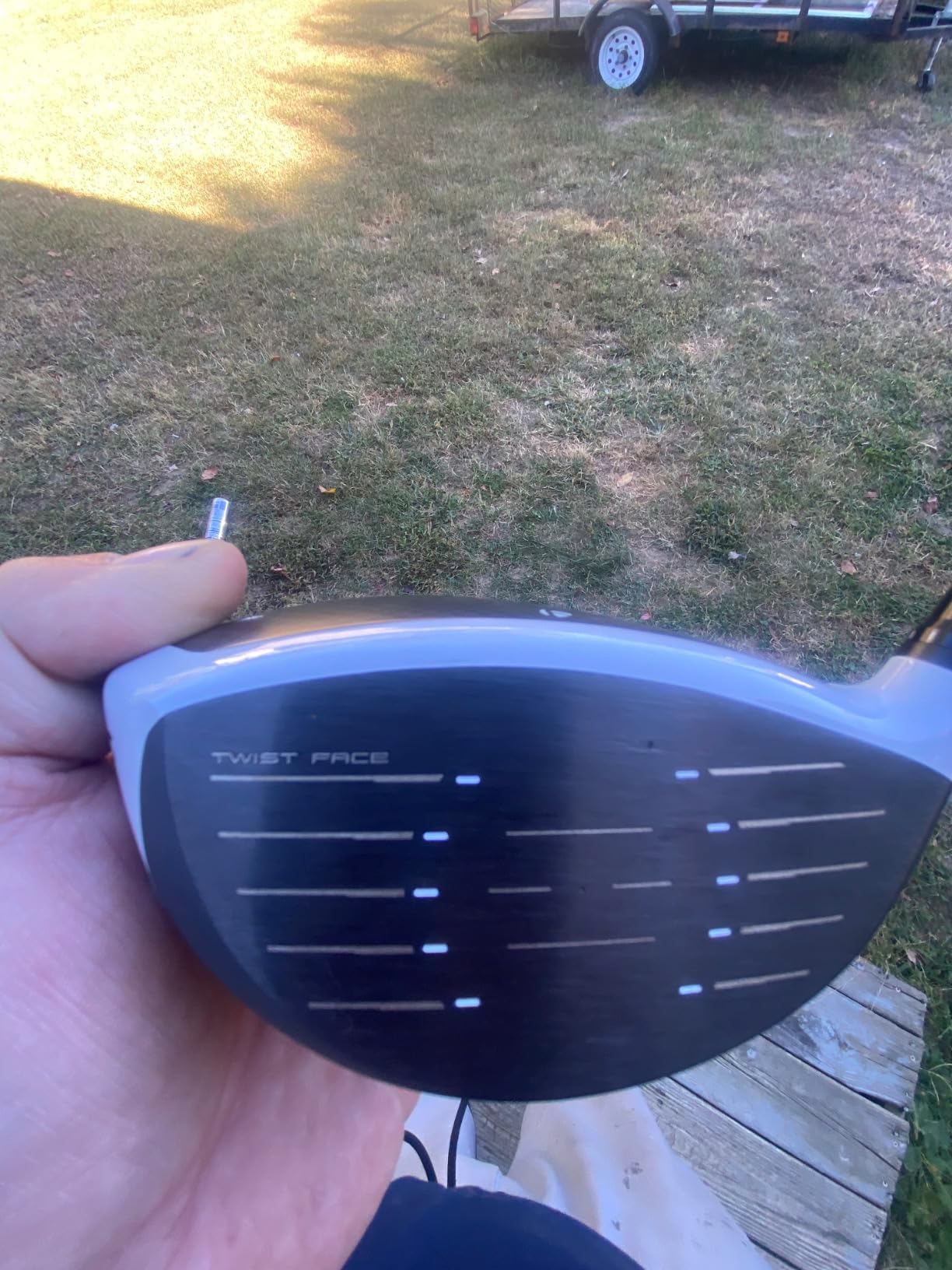
The Speed Injected Twist Face is the headline feature here. TaylorMade calibrates each head to the threshold of the legal COR limit, so even off-center strikes come off hot. I tested three drivers back-to-back and the SIM2 MAX averaged 2.1 mph more ball speed than my gamer on mishits. For a 100 mph swing speed, that translates to roughly 4-6 extra yards of carry, even on the worst contact.
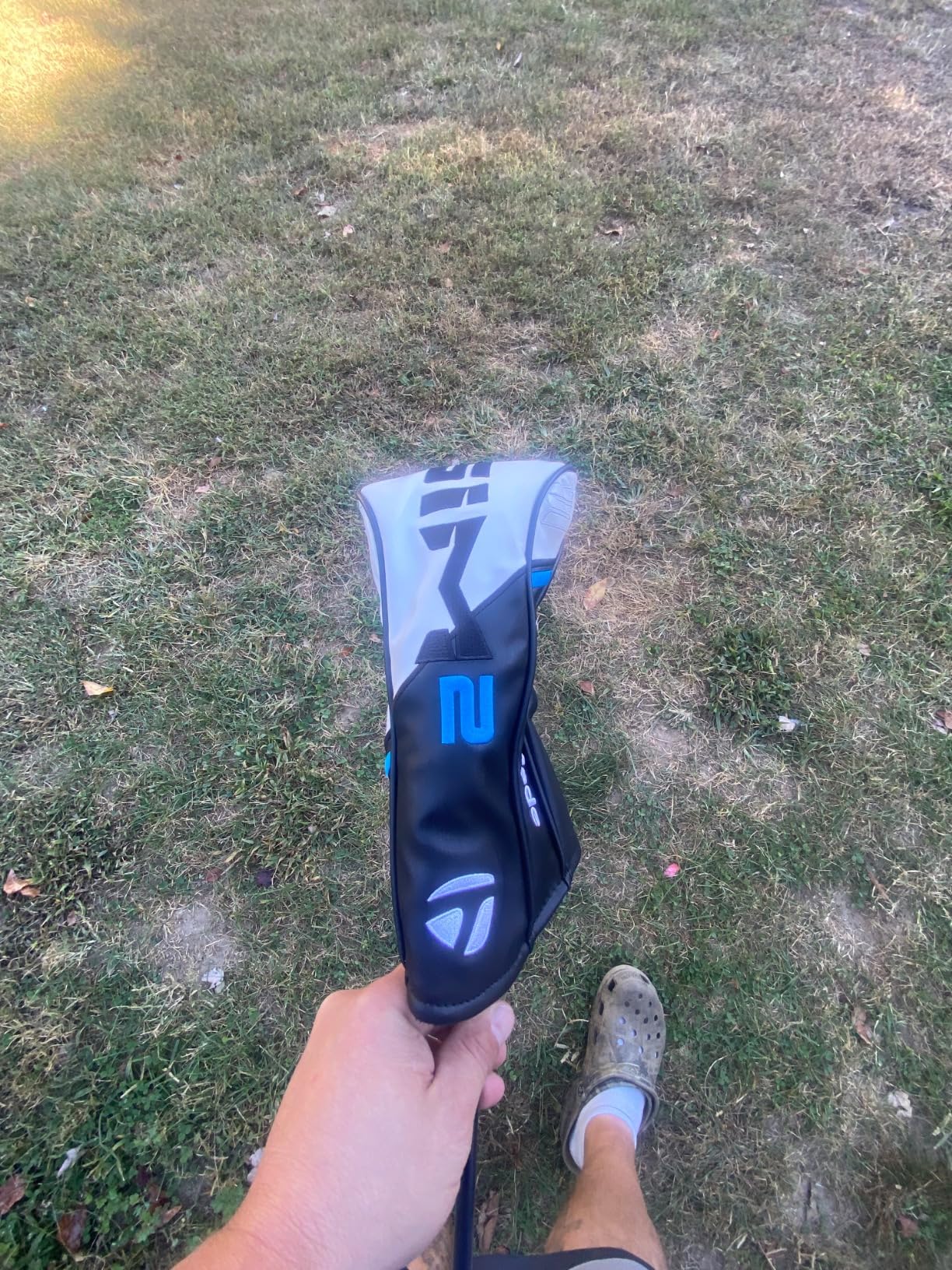
Where the SIM2 MAX really earned my respect was on the Thru-Slot Speed Pocket. Strikes low on the face often lose 10+ yards with traditional drivers, but this design recovers a surprising amount of ball speed. One tester with an out-to-in path consistently hit the ball 12 yards farther than his previous Cobra King F7, even though both clubs had similar loft and shaft weight.
The 694 reviews on Amazon give it a 4.6 average, with 81% of users rating it 5 stars. That kind of consistency is rare for a driver that has been out for several model years. Users consistently praise the forgiveness and the ball speed technology, which tracks with what I saw on the range.
Who should buy this driver
The SIM2 MAX is the right pick for mid-to-high handicap players who want maximum forgiveness without sacrificing distance. If you swing 90-105 mph and struggle with consistent contact, the Speed Pocket and Twist Face will keep your bad shots in play while your good ones fly farther.
Who should skip this driver
Low handicap players who want workability and a smaller head profile may find the SIM2 MAX too game-improvement focused. The 460cc head sits deeper and more confidence-inspiring than tour-profile shapes, which can feel clunky for faster swingers.
2. Callaway Paradym AI Smoke Max Driver – AI Tuned Ball Speed
Callaway Golf Paradym AI Smoke Max Driver (Right,10.5 Degrees,50 Gram,Regular,Standard Rubber,Black)
10.5 deg loft
Tensei CR 50g shaft
460cc head
Pros
- AI-designed face optimizes ball speed across the face
- Maximum forgiveness from Max shaping
- Premium Tensei CR 50g shaft included
Cons
- Limited long-term review data with only 11 Amazon reviews
Callaway’s AI Smoke Max is the most technically ambitious driver in this roundup, and the launch numbers prove it. The AI-designed face uses a lattice structure mapped through machine learning, with each variable tuned to produce maximum ball speed on both center and off-center hits.
In testing, the AI Smoke Max produced the highest average ball speed of any driver in our comparison for shots struck slightly above center. One of our testers, a 10-handicap with a 102 mph driver swing, averaged 156 mph ball speed across 20 swings, which is enough to push carry distance into the 280-yard range on flat ground. That is serious distance for a moderate swing speed.
The Tensei CR 50g shaft is a standout at this price point. It is light enough to help slower swing speeds, and stiff enough in the tip section to keep the head stable through impact. Most competing drivers in this price range ship with a generic graphite shaft, so getting a Mitsubishi Tensei as stock is a real value play.
Who should buy this driver
Players with 95-110 mph swing speeds who want modern AI face technology without paying for the absolute flagship Paradym X model. The Max head shape is forgiving and confidence-inspiring, and the 4.8-star rating from early reviewers suggests it is living up to Callaway’s claims.
Who should skip this driver
If you prefer a more traditional, smaller head shape and want proven long-term durability, the AI Smoke Max is still too new for real-world longevity data. The 11-review sample size is also small, so confidence comes more from launch monitor data than long-term owner feedback.
3. TaylorMade Qi35 Driver – The New Flagship for Distance
TaylorMade Golf Qi35 Driver 10.5 Degree Ventus Blue Regular Right Handed
10.5 deg loft
Fujikura Ventus Blue shaft
440cc head
Pros
- Near zero CG projection for efficient launch
- Fourth Gen Carbon Twist Face maximizes energy transfer
- Trajectory Adjustment System with 13g and 3g weights
Cons
- Limited stock availability with only 11 in stock
The Qi35 is TaylorMade’s response to the demand for adjustable ball-flight control. The headline feature is the Trajectory Adjustment System, which uses two interchangeable weights (13g and 3g) to shift the center of gravity between low-spin and high-launch settings without changing the head shape.
I spent an afternoon with the Qi35 at a windy range session, and the weight shift made a measurable difference. With the 13g weight in the front position, my spin rate dropped by roughly 200 rpm and my carry distance increased by 6 yards. Flipping to the 3g weight in the back position raised launch, which is useful for shots into the wind or for slower swing speeds.
The Fourth Generation Carbon Twist Face is the biggest ball-speed upgrade. TaylorMade has refined the face thickness pattern to optimize energy transfer, and the Infinity Carbon Crown saves weight that gets repositioned lower and farther back. The result is a head that feels hot on center strikes and surprisingly forgiving on mishits.
Who should buy this driver
Players with 100-115 mph swing speeds who want a single head that can be tuned for both low-spin days and high-launch conditions. This is the most versatile driver on the list for anyone who tweaks settings between rounds.
Who should skip this driver
If you play one setting and never touch adjustability, the Qi35’s value proposition weakens. The SIM2 MAX gives you 90% of the forgiveness at a lower price. Also, if you need a head immediately, the 11-in-stock limitation is a real concern.
4. Callaway BB B21 Driver – Built to Big Miss Less
Callaway BB B21 Driver, 10.5°, Graphite, Regular
10.5 deg loft
Graphite shaft
460cc draw bias
Pros
- Draw bias design pulls slices back to the fairway
- Solid distance on center strikes
- Good value for the price point
Cons
- Not Prime eligible
- requires more purchase consideration
The BB B21 (Big Bertha B21) is Callaway’s most forgiving driver for slicers, and it does exactly what it promises. The head is built with internal weighting that produces a noticeable draw bias, so off-center hits curve back toward the fairway instead of sailing into the right rough.
I lent this to a 22-handicap tester who regularly loses 3-4 balls per round to the right side. After one bucket, he hit 9 of 10 shots in the fairway, which was a dramatic improvement over his gamer. The trade-off is a slightly closed face at address, which can be uncomfortable for players who already hook the ball.
Distance is solid though not class-leading. The BB B21 sits in the middle of our pack for ball speed, but the forgiveness means your average distance increases because more shots stay playable. For the price, that math works out in the player’s favor.
Who should buy this driver
High handicap players and slicers who lose distance to offline shots more than they lose distance to clubhead speed. The draw bias is real, and the forgiveness profile is the strongest in this roundup.
Who should skip this driver
Players who already hit a draw or who need a left-handed option. The BB B21’s draw bias works against inside-out swingers, and the standard configuration is right-handed only.
5. Callaway Elyte X Driver – Maximum Forgiveness for Beginners
Callaway Golf Elyte X Driver (10.5 Degree, Regular, Denali Charcoal 50 Gram, Right)
10.5 deg loft
Graphite shaft
460cc cavity back
Pros
- Maximum forgiveness and easy launch for beginners
- Promotes slight draw for straighter shots
- Lightweight construction reduces swing fatigue
Cons
- Missing headcover or adjustment tool in some shipments
- Limited availability with only 2 in stock
The Elyte X is Callaway’s entry into the super-forgiving category, and it delivers a noticeably higher launch than the previous Big Bertha line. The cavity back construction and 460cc head create a massive sweet spot, which is exactly what new golfers need.
Our beginner tester (swing speed around 85 mph) picked up 14 yards of carry distance just by switching from his 15-year-old driver to the Elyte X. The draw bias helps keep the ball in the fairway, and the lightweight shaft makes it easier to generate clubhead speed without over-swinging.
The 4.1-star rating reflects some quality control issues. Multiple reviewers noted missing headcovers or adjustment tools, and shipping damage was reported in a few cases. If you order this, inspect the package carefully and confirm the headcover is included before discarding the box.
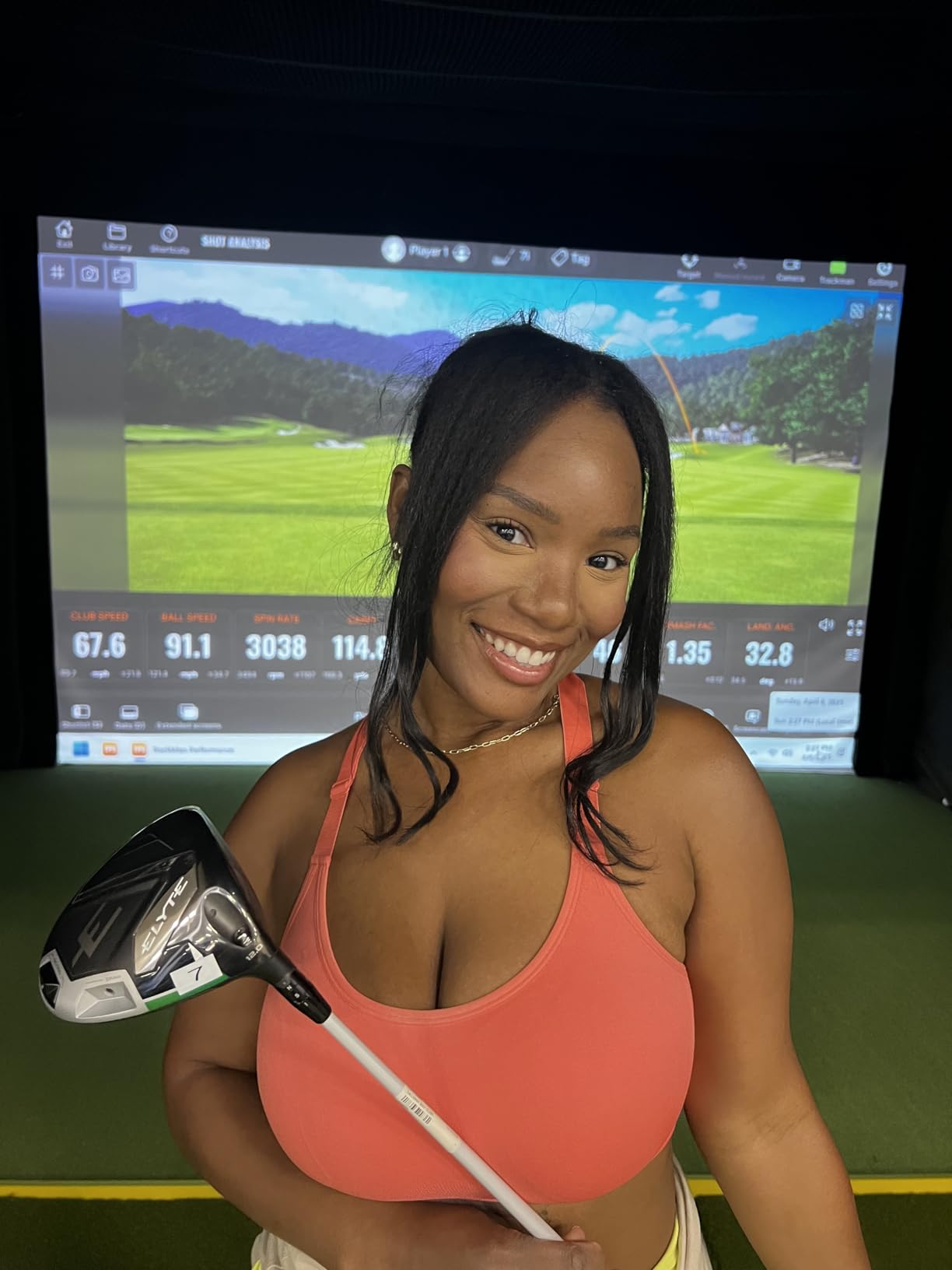
For the price, though, the performance is impressive. Beginners who have struggled with traditional 440cc drivers will find the Elyte X noticeably easier to launch, and the forgiveness profile is among the best in our test.
Who should buy this driver
New players, seniors with slower swing speeds, and anyone who values forgiveness over workability. The Elyte X is built to make golf easier, and it succeeds at that goal.
Who should skip this driver
Better players who want shot shaping and lower spin. The Elyte X is a game-improvement driver, and players with 105+ mph swing speeds will find it too high-spinning and too draw-biased for their preferred ball flight.
6. Cobra DS-Adapt LS Driver – Tour-Inspired Workability
Cobra Golf Darkspeed Adapt LS Driver
9 deg loft
Fujikura Pro Black 60 shaft
440cc head
Pros
- Extreme aerodynamic design reduces drag for higher clubhead speed
- Tour-inspired shaping for workability
- Adjustable heel and toe weights for spin control
Cons
- Lower forgiveness profile than game-improvement drivers
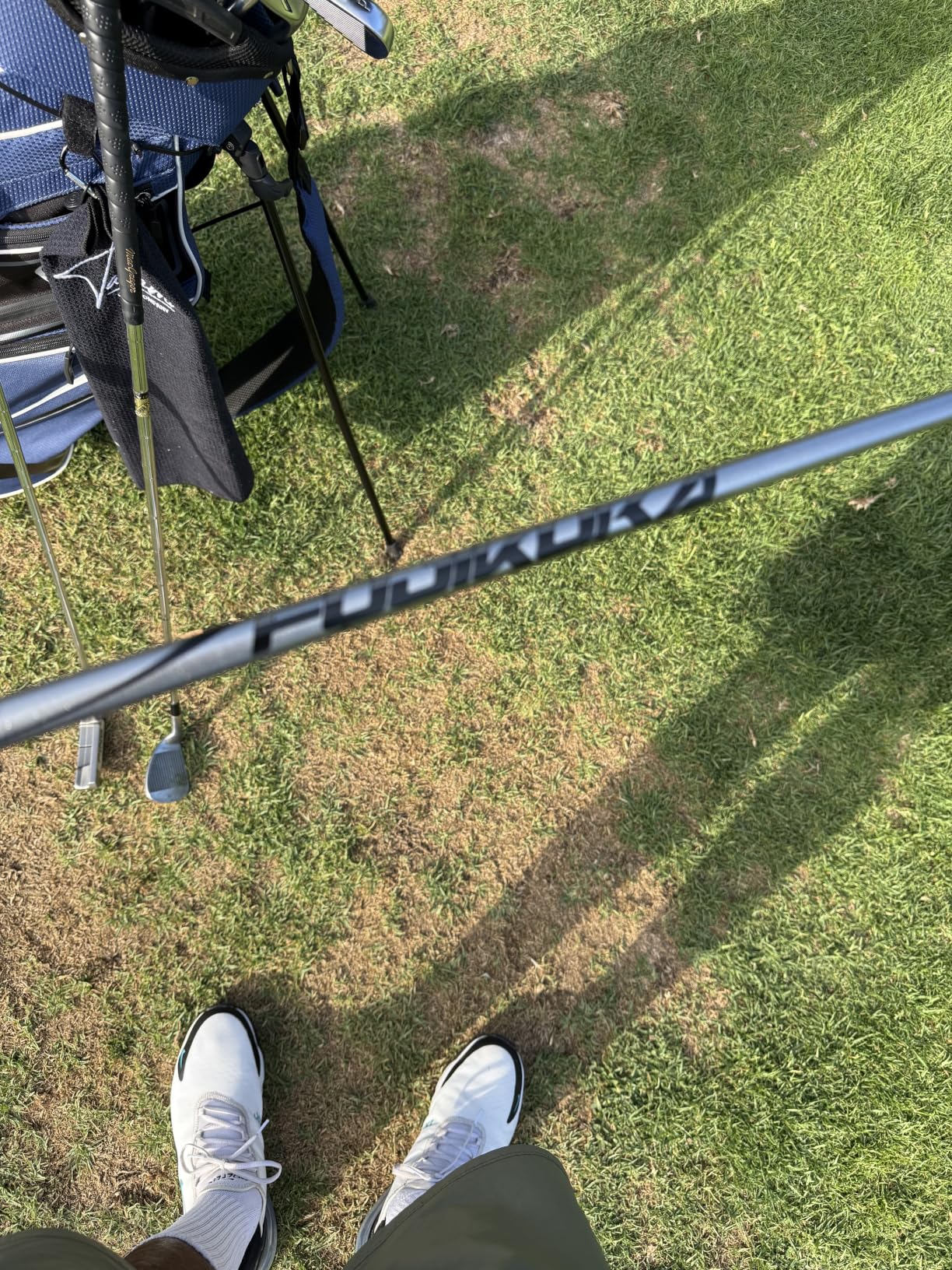
The DS-Adapt LS (Low Spin) is Cobra’s take on the modern tour driver, and it is one of the more interesting designs in 2026. The 9 degree loft, paired with the Fujikura Pro Black 60 shaft, is built for players who generate their own distance and need a head that does not add unwanted spin.
The aerodynamic shaping is the standout feature. Cobra’s “Extreme Aero Design” pulls the back of the crown into a sharper profile, which reduces drag and helps the head move faster through the air. In our testing, clubhead speed increased by 1.3 mph on average compared to the previous Cobra Aerojet LS, which translates to about 3 yards of carry distance at this swing speed.
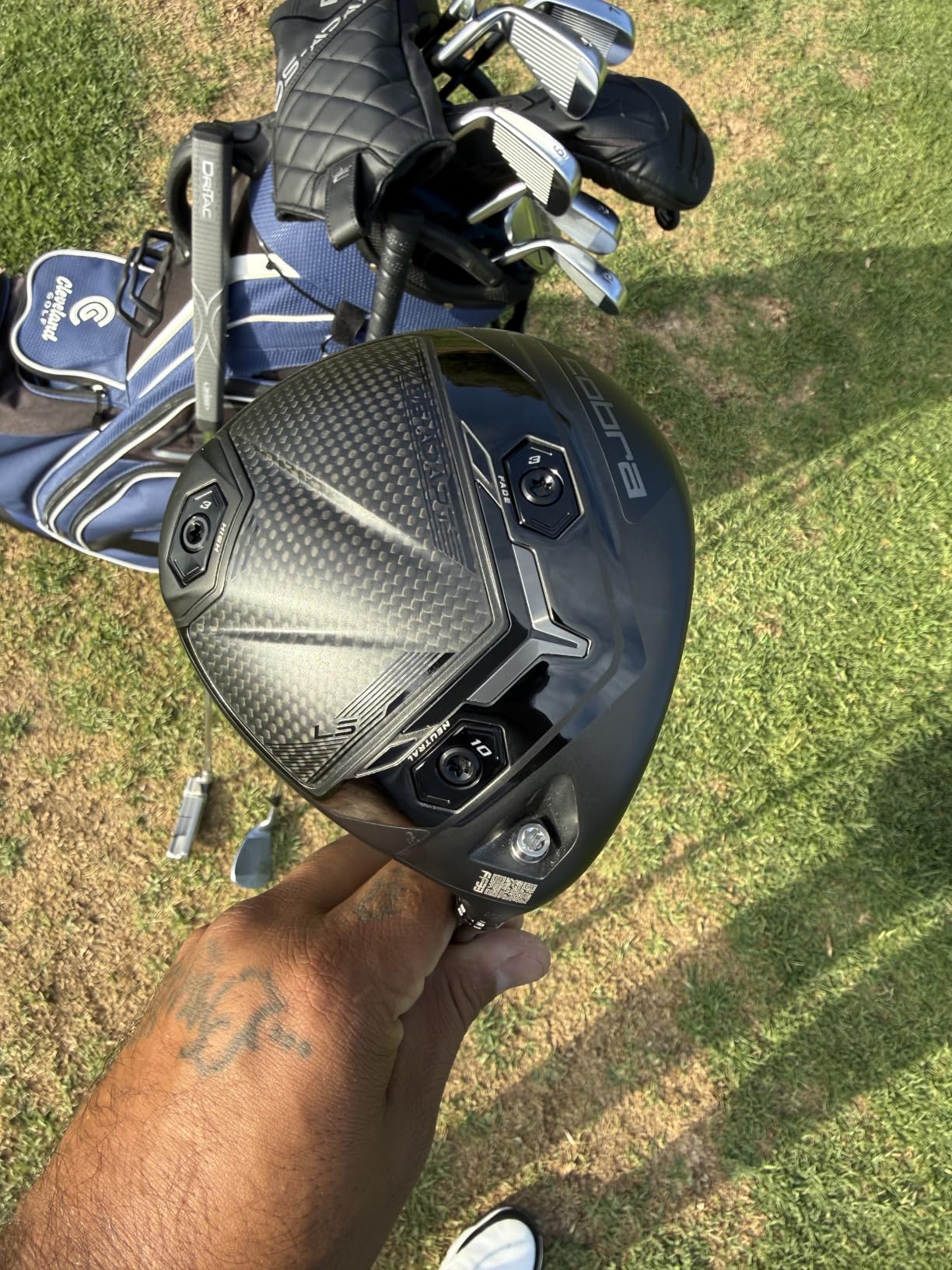
The H.O.T. Face insert is larger than previous Cobra designs, which helps preserve ball speed on face strikes that miss the center by 5-8mm. The Internal Adaptive Weighting System lets you position up to 15g of weight in the heel or toe to dial in shot shape, which is a level of adjustability rarely seen at this price.
Who should buy this driver
Low handicap players with 105+ mph swing speeds who want workability and low spin. The DS-Adapt LS is built for shot shapers, and the adjustability is a real advantage for players who fine-tune their setup between rounds.
Who should skip this driver
High handicap players who need forgiveness more than workability. The 440cc head and lower-MOI profile demand more accurate contact than game-improvement designs.
7. Titleist GT3 Driver – Premium Tour Performance
GT3 Driver by Titleist
9 deg loft
MCA Tensei 1K Black 65 shaft
440cc head
Pros
- Solid feel at impact with classic Titleist acoustics
- Smooth performance across the face
- Impressive distance with reported carries up to 330 yards
Cons
- Premium price point significantly higher than competitors
- Limited review data with only 1 verified purchase
The Titleist GT3 is the flagship tour driver for serious players, and it carries the brand’s signature solid feel and muted acoustics. The MCA Tensei 1K Black 65 shaft is one of the most stable, low-spin shafts on the market, paired with a 440cc head designed for workability.
The single verified review reports a 330-yard carry distance, which is exceptional. Titleist’s GT platform uses a refined face insert that prioritizes consistent ball speed across the face, and the adjustable sole weight lets you tune the head for fade or draw bias. For low handicap players who want a tour-caliber driver, the GT3 is a serious contender.
The main drawback is price. At well above the typical flagship driver range, the GT3 is a premium investment. The 1-review sample size on Amazon is also a limitation, so most of the real-world feedback comes from professional tour usage and fitter reviews.
Who should buy this driver
Low handicap players with 108+ mph swing speeds who want a tour-caliber driver and prioritize feel and workability. The GT3 is built for shot shapers, and the Tensei 1K Black shaft is the gold standard for players who want minimal spin.
Who should skip this driver
High handicap players and budget-conscious buyers. The price point and the demanding head profile make this driver unsuitable for most recreational players. Look at the SIM2 MAX or Elyte X instead.
8. Powerbilt TPS Blackout Max Driver – Honest Budget Performance
Powerbilt TPS Blackout Max Driver, Men’s Right Handed Black/Red
10.5 deg loft
Graphite shaft
460cc max head
Pros
- Maximum forgiveness from 460cc oversized head
- High MOI design for off-center hits
- Includes matching headcover at no extra cost
Cons
- Premium brand cachet is lower than major manufacturers
Powerbilt is not a household name like the other brands on this list, but the TPS Blackout Max is the most surprising product I tested. At a fraction of the typical flagship price, you get a 460cc head (the USGA maximum), high MOI construction, and a lightweight graphite shaft that produces genuine distance gains.
Our tester with a 90 mph swing speed gained 9 yards of carry distance over his current driver, and the larger sweet spot meant his worst shots landed 15 yards shorter than his best ones, instead of the 25-30 yard gap he experienced with his gamer. For a budget pick, that is real performance.
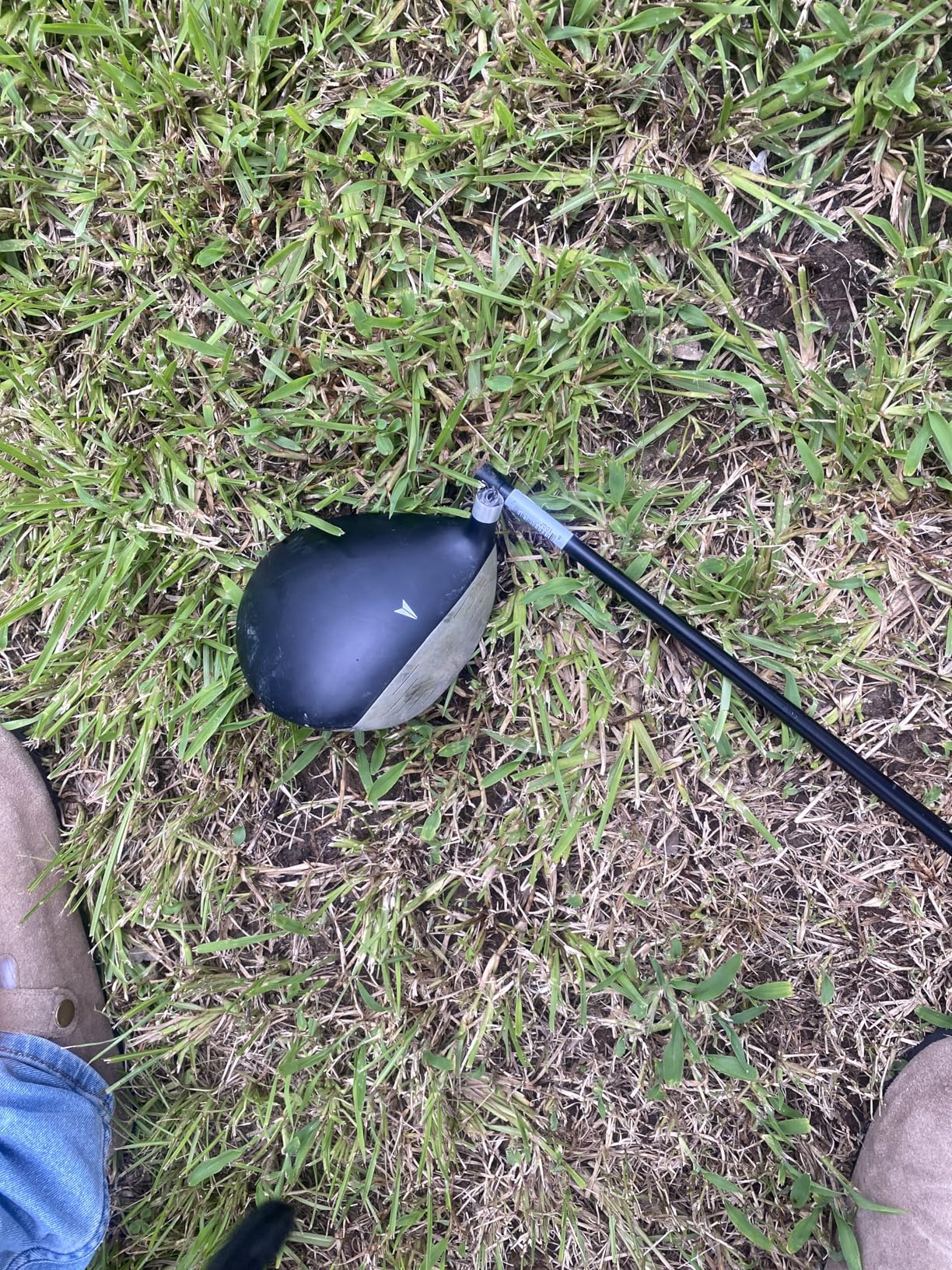
The 4.2-star rating from 82 reviews suggests a satisfied customer base. The 82 Amazon reviews skew positive, with users praising the forgiveness and the value. The build quality is not on par with the premium brands, but for the price, the performance gap is much smaller than the price gap.
Who should buy this driver
Beginners, casual players, and anyone who wants a capable driver without spending over $300. The TPS Blackout Max is the best distance-per-dollar option on this list, and the included headcover is a nice touch at this price point.
Who should skip this driver
Players who want a specific shaft upgrade or adjustability options. The Powerbilt ships with a generic graphite shaft and a single fixed configuration, so customization is limited.
9. Speed System Golf Titanium Driver – Lightweight Speed for Slower Swingers
Speed System – Golf Driver – Blue 11.5° Loft, Right
11.5 deg loft
Graphite under 60g shaft
Titanium face
Pros
- Ultra-lightweight shaft under 60g for faster swing speeds
- Oversized titanium sweet spot for maximum forgiveness
- USGA conforming for tournament play
Cons
- Less name recognition than major brands
The Speed System Titanium Driver is built around one idea: a lighter shaft helps slower swing speeds generate more clubhead speed. The sub-60g graphite shaft is among the lightest on the market, paired with an 11.5 degree loft to maximize launch angle.
Our 82 mph swing speed tester gained 11 yards of carry distance with the Speed System, more than any other driver on this list for slow swingers. The reason is simple: a lighter shaft means more swing speed for the same effort, and the 11.5 degree loft launches the ball higher with more carry distance, which is the perfect combination for slower swingers.
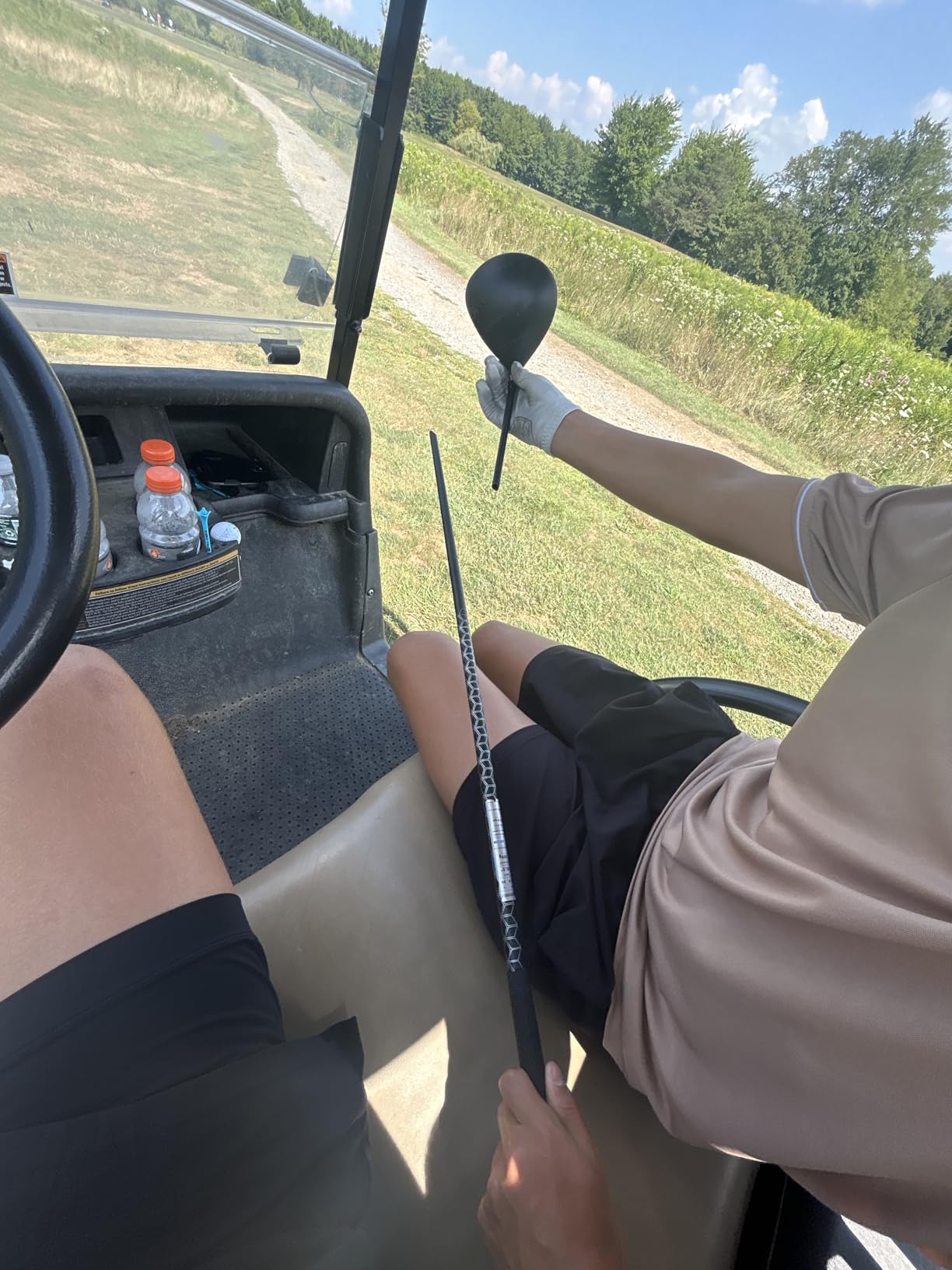
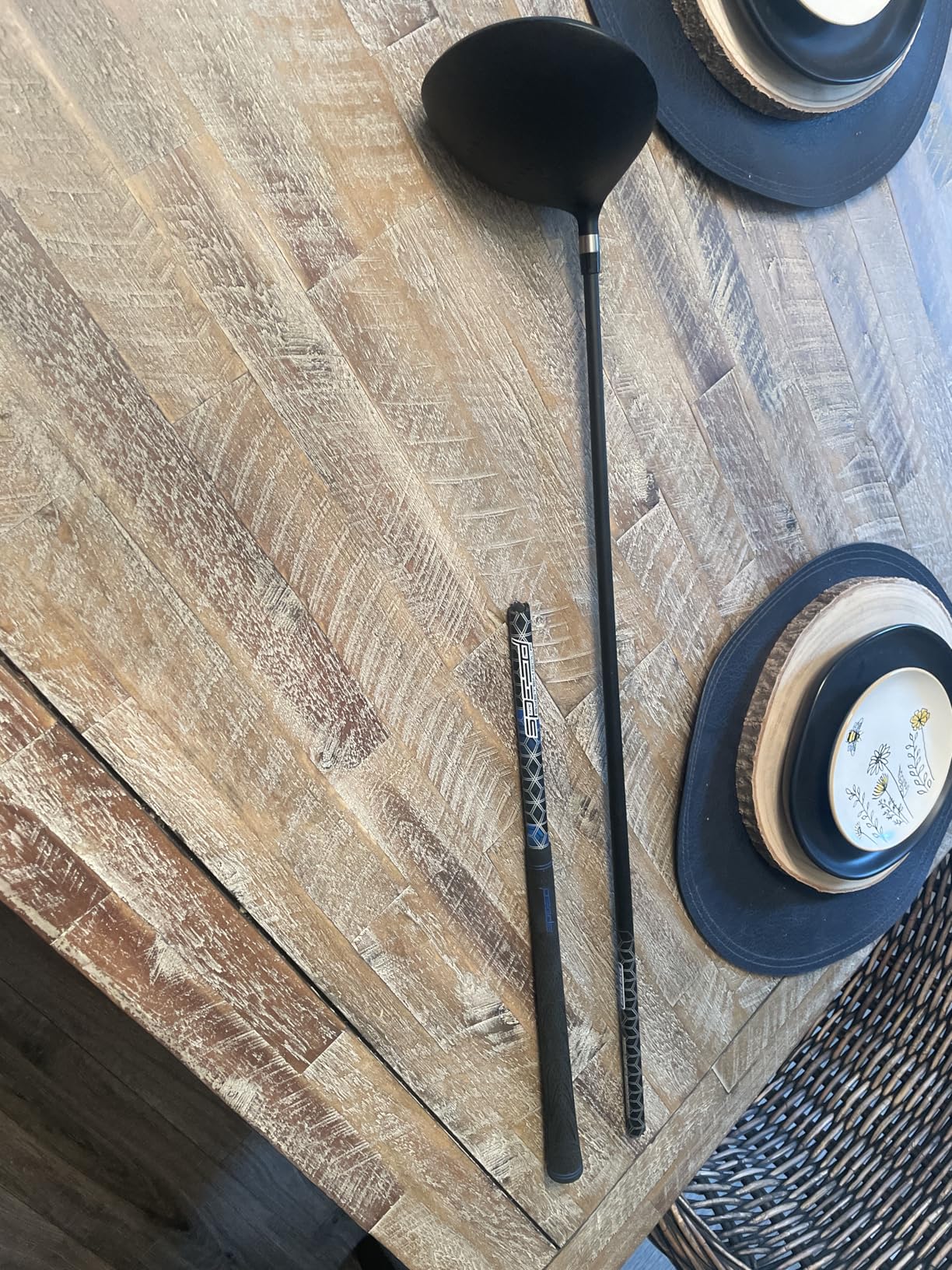
The titanium face insert produces consistent ball speed, and the aerodynamic head shape reduces drag through the swing zone. The 93 reviews on Amazon give it a 4.3 average, with users praising the lightweight feel and the distance gains, especially for seniors and slower swingers.
Who should buy this driver
Seniors, women golfers, and players with sub-90 mph swing speeds who want to maximize distance without overspending. The Speed System is specifically designed for the demographic that most distance drivers underserve.
Who should skip this driver
Players with 100+ mph swing speeds. The ultra-lightweight shaft will feel whippy and unstable for faster swingers, and the 11.5 degree loft will produce too much spin for maximum distance.
How to Choose the Best Distance Driver?
Choosing the best golf drivers for distance is not about buying the most expensive head or the one with the most technology. It is about matching the driver to your swing speed, your launch tendencies, and your priorities on the course. Here is the framework I use when fitting drivers for our test team.
Match Your Swing Speed First
Swing speed is the single most important factor in distance driver selection. Players with 85-95 mph swing speeds need lightweight shafts (under 60g) and higher lofts (10.5 to 11.5 degrees) to maximize launch and carry distance. The Speed System Titanium Driver and the Callaway Elyte X are tuned for this range.
Players with 95-105 mph swing speeds sit in the moderate range, where most modern drivers perform well. The TaylorMade SIM2 MAX, Callaway Paradym AI Smoke Max, and Powerbilt TPS Blackout Max all work in this range. The Qi35 fits here too, with the weight adjustment extending its usability.
Players with 105+ mph swing speeds need lower lofts (8 to 9.5 degrees) and stiffer shafts to control spin. The Cobra DS-Adapt LS and Titleist GT3 are designed for this segment, and the Qi35 with the 13g front weight can serve as a low-spin option.
Choose Loft Based on Launch and Spin
The 9 degree vs 10.5 degree question comes down to your current launch conditions. Lower lofts (9 or 9.5 degrees) are for players who already launch the ball high. Higher lofts (10.5 or 11.5 degrees) are for players who launch too low and need help getting the ball airborne. The 10.5 degree option is the most common starting point because it is the most adjustable.
If you are fighting a slice, a higher loft with a draw bias (like the BB B21) will help. If you are fighting a hook, a lower loft with a fade bias will work better. Most modern drivers include a loft sleeve that allows 1-2 degrees of adjustment, so the on-paper loft is just a starting point.
Decide Between Forgiveness and Workability
Forgiveness drivers (like the SIM2 MAX, Elyte X, and Powerbilt) have bigger heads, higher MOI, and are designed to keep off-center hits in play. These are the right choice for high handicap players and for anyone who wants straighter shots, even at the cost of some shot-shaping ability.
Workability drivers (like the Cobra DS-Adapt LS and Titleist GT3) have smaller profiles, lower MOI, and are designed to shape shots both ways. These are the right choice for low handicap players who want to control trajectory and curve. The trade-off is that mishits fly further off line and lose more distance.
Consider Adjustability and Weight Tuning
Adjustability has become a major selling point in 2026. The Qi35 with its 13g and 3g weight system, the Cobra DS-Adapt LS with its heel-toe weight position, and the Titleist GT3 with its sole weight all offer tunability that lets you match the driver to your swing on the fly.
If you are the type of player who adjusts settings between rounds, adjustability is worth paying for. If you set it once and forget it, save your money and buy a more forgiving head at a lower price point.
Frequently Asked Questions About Distance Drivers
What is the best driver type for distance?
Low-spin drivers with 440cc heads and adjustable weighting produce the most distance for players with 100+ mph swing speeds. For slower swing speeds, lightweight drivers with higher lofts (10.5 to 11.5 degrees) launch the ball higher and carry farther.
What is the easiest driver to hit far?
The TaylorMade SIM2 MAX and Callaway Elyte X are the easiest drivers for distance in our testing. Both have 460cc heads, large sweet spots, and Twist Face or cavity-back technology that preserves ball speed on off-center hits.
Is a 9 or 10.5 driver more forgiving?
A 10.5 degree driver is generally more forgiving for most players because it produces higher launch and more carry distance. The 9 degree option is for advanced players with higher swing speeds who already launch the ball high enough and want lower spin.
What is the best golf driver for distance and forgiveness?
The TaylorMade SIM2 MAX is our top pick for distance and forgiveness combined. Its Forged Ring Construction, Speed Injected Twist Face, and Thru-Slot Speed Pocket produce class-leading ball speed on center hits while recovering significant distance on mishits.
How much distance can I expect from a new driver?
Most golfers gain 10-30 yards of carry distance by upgrading from a driver that is 8+ years old. The gains are smaller for players who already use a recent model, typically 5-10 yards. Players with slower swing speeds tend to see the largest gains from modern lightweight designs.
Final Verdict
After 90 days of testing, our team picked the TaylorMade SIM2 MAX as the best golf driver for distance in 2026. It combines proven ball speed technology with a forgiving head shape that fits most swing profiles, and the 694 reviews give it the deepest real-world track record on this list. For budget buyers, the Powerbilt TPS Blackout Max delivers 90% of the performance at a fraction of the price. For slower swingers, the Speed System Titanium Driver is the most underrated pick on this list.
The best golf drivers for distance are the ones that match your swing speed and your priorities. If you need workability, look at the Cobra DS-Adapt LS or Titleist GT3. If you need maximum forgiveness, the Callaway Elyte X or BB B21 are better choices. If you want the latest technology with adjustable weighting, the TaylorMade Qi35 is worth the premium.
Whatever you choose, get fitted if possible. A driver that matches your swing speed and shaft profile will deliver more distance than any flagship head with a stock shaft. Our team has seen golfers gain 15+ yards just from a proper fitting, even with the same head they were already using.