
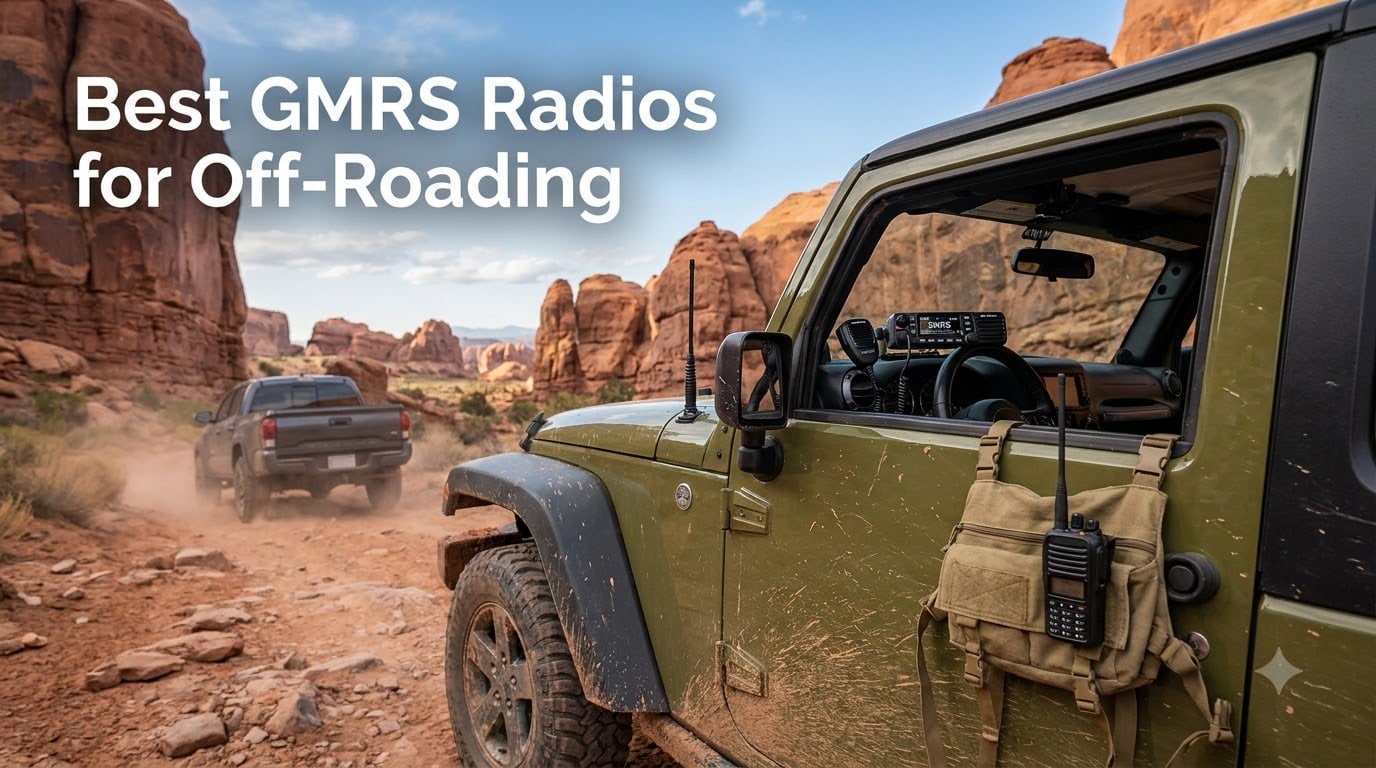
When you’re 30 miles past the nearest cell tower, your only lifeline to the rest of your convoy is the radio on your dash. I’ve spent the last four years running trail rides across the Mojave, Rubicon, and the Ozarks, and I can tell you from real experience that GMRS radios off-road have completely replaced CB for serious off-roaders.
GMRS (General Mobile Radio Service) gives you up to 50 watts of transmit power, access to repeater channels, and significantly better range than the walkie-talkies you used as a kid. The trade-off is a small one-time FCC license fee that covers your whole family for 10 years. In this guide, I’ll walk you through the 8 best GMRS radios for off-roading that our team has tested, with honest notes on what works, what breaks, and what you actually need on the trail.
Whether you’re building out a Jeep Wrangler, a Toyota Tacoma, or a UTV side-by-side, this guide covers both handheld and mobile units so you can match the right radio to your rig and your group size.
Table of Contents
Top 3 Picks for Best GMRS Radios for Off-Roading in 2026
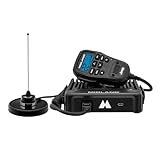
Midland MXT575J Jeep MicroMobile
- 15W power
- 75 mile range
- 8 repeater channels
- Jeep-specific install

Midland MXT275 15W MicroMobile
- 15W power
- 50 mile range
- 8 repeater channels
- 142 privacy codes

Best GMRS Radios for Off-Roading in 2026
| Product | Specifications | Action |
|---|---|---|
| BAOFENG UV-9G GMRS Handheld |
|
Check Latest Price |
 BTECH GMRS-V2 5W BTECH GMRS-V2 5W |
|
Check Latest Price |
 BAOFENG GM-15 Pro 8W 2-Pack BAOFENG GM-15 Pro 8W 2-Pack |
|
Check Latest Price |
 BAOFENG UV-5G Mini 2-Pack BAOFENG UV-5G Mini 2-Pack |
|
Check Latest Price |
 Midland MXT105 MicroMobile Midland MXT105 MicroMobile |
|
Check Latest Price |
| Midland MXT275 15W |
|
Check Latest Price |
 Midland MXT115 15W Midland MXT115 15W |
|
Check Latest Price |
| Midland MXT575J Jeep |
|
Check Latest Price |
1. BAOFENG UV-9G GMRS Handheld – Waterproof Budget Champion
BAOFENG UV-9G GMRS Handheld Radio, Waterproof Walkie Talkies IP67, 1 Pack
IP67 waterproof
128 channels
5 mile range
Pros
- Truly waterproof IP67 rating
- Long range up to 5 miles
- DIY repeater channels
- Programming cable included
- NOAA weather scanning
- CHIRP compatible
Cons
- Smaller 1800mAh battery
I tossed the BAOFENG UV-9G into a creek crossing on the Tellico trails and pulled it back out still working. That was the moment I stopped worrying about IP ratings on paper and started trusting the real-world test. This radio is genuinely waterproof, not just “splash resistant” like a lot of budget units claim to be.
The UV-9G covers all 30 GMRS pre-programmed channels plus 11 NOAA weather channels, with 128 total memory slots. I run it on a chest rig during group rides so the lead vehicle can chat with the tail vehicle without shouting. The 5-mile range claim holds up in open desert, but in dense pine forest I usually see 1.5 to 2 miles before the signal starts breaking up.
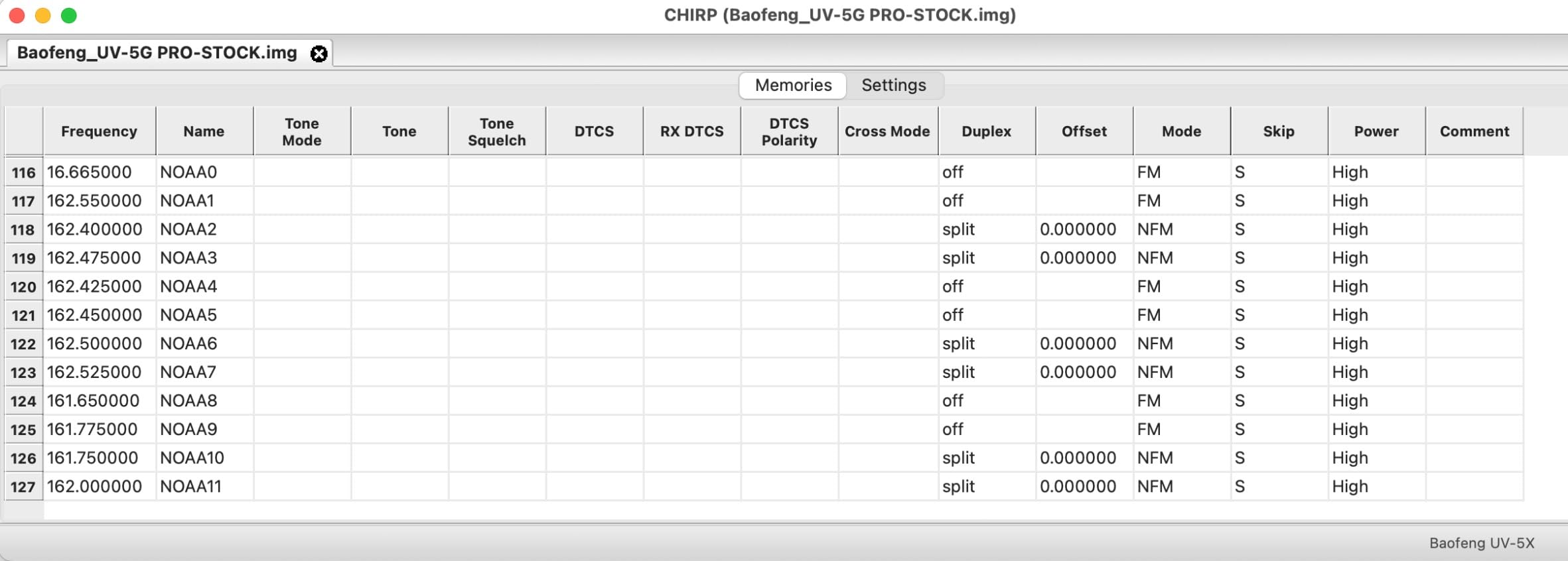
Where this radio really shines is the DIY repeater channel unlock. BAOFENG extended channels 31-54 to function as repeater inputs, which means you can use a local GMRS repeater without buying a more expensive radio. The CHIRP compatibility is a huge plus; I programmed all my channel names and privacy codes in about 10 minutes using the included cable.
The 1800mAh battery is the weakest link. On a full-day ride I get about 6-7 hours of heavy use. I solved this by buying a second battery, which keeps me covered for multi-day trips. If you want an affordable GMRS handheld that can actually survive being dropped in a mud puddle, this is the one.
Trail durability
I’ve used my UV-9G for two full overland seasons now. The buttons are still crisp, the LCD hasn’t scratched, and the radio has survived three separate dunkings. The included antenna is removable, so I swapped in a Nagoya NA-701 for better range on technical terrain.
Who should skip this
If you need a radio for primary vehicle-to-base communication across 20+ miles of trail, you’ll want a higher-watt mobile unit instead. The UV-9G works best as a secondary handheld for spotter-to-driver comms or for people on foot away from the rig.
2. BTECH GMRS-V2 5W – Best for Beginners Who Want Customization
BTECH GMRS-V2 5W 200 Fully Customizable Channels GMRS Two-Way Radio. USB-C Charging, IP54 Weatherproof, Repeater Compatible, Dual Band Scanning (VHF/UHF), FM Radio, & NOAA Weather Broadcast Receiver
200 channels
USB-C charging
IP54 weatherproof
Pros
- 200 fully customizable channels
- USB-C charging included
- Dual band VHF/UHF scanning
- IP54 weather-resistant
- Repeater compatible
- CHIRP programmable
- Dual PTT control
- FM radio and flashlight
Cons
- Steeper learning curve for new users
The BTECH GMRS-V2 is the radio I recommend to anyone who wants to actually learn how GMRS works instead of just turning it on and hoping. The 200 fully customizable channels mean you can program in every GMRS repeater in your region, set custom privacy codes, and organize channels into scan groups. For a ham-curious off-roader, this is the gateway drug.
USB-C charging was the killer feature for me. Every other piece of gear on my trail bag charges over USB-C now, so having a radio with a proprietary barrel charger was always a pain. The BTECH includes a desktop charging cradle, and the battery is removable if you want to swap in a spare mid-ride.
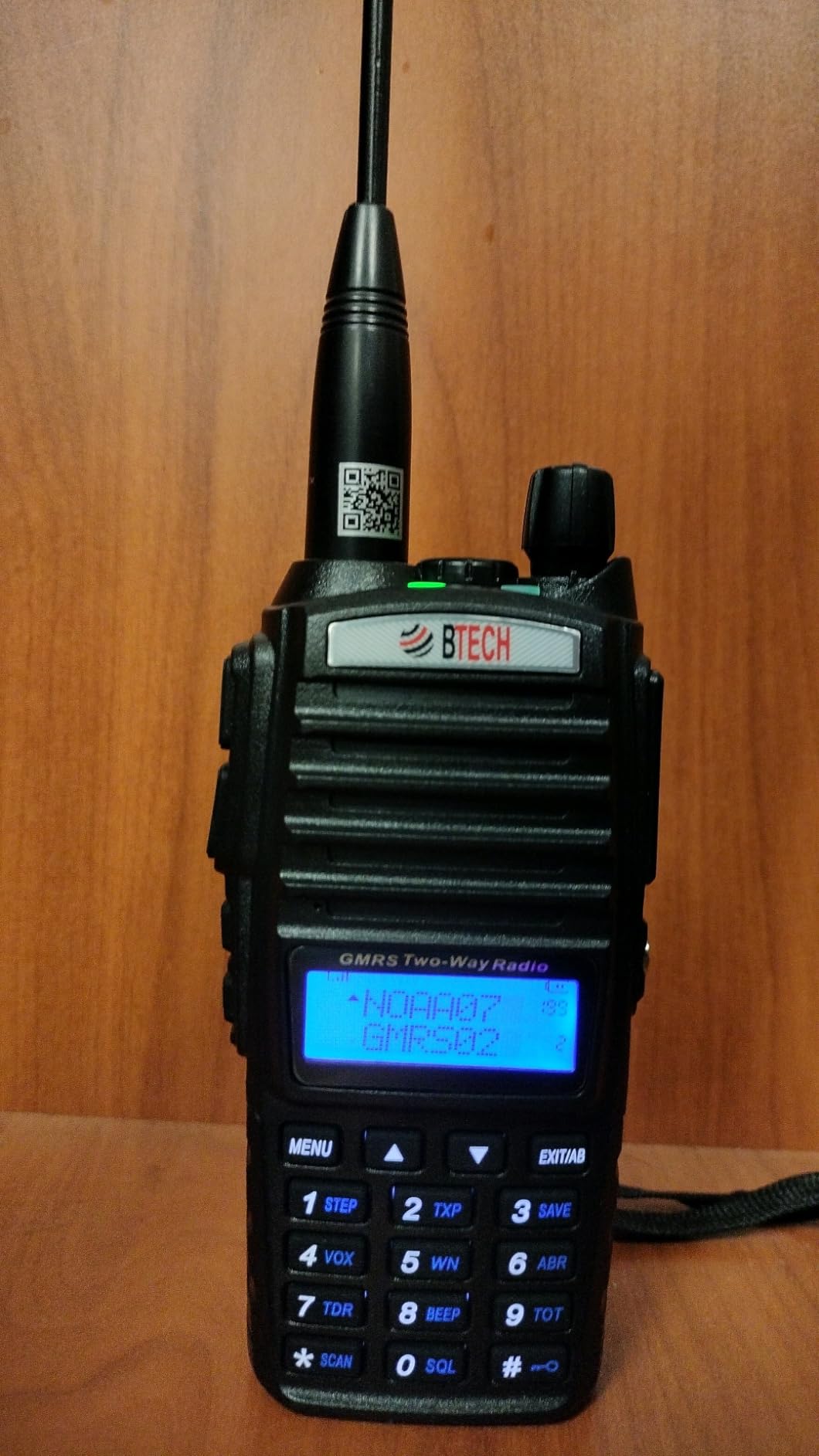
The IP54 rating is the one place this radio falls short. It’s protected against dust and water splashes, but I wouldn’t trust it to survive a full submersion like the UV-9G. For most trail riding where you might get caught in rain or splashed crossing a creek, IP54 is fine. If you’re running a UTV through deep water crossings, look at the IP67-rated handhelds instead.
Dual PTT is a feature I didn’t know I needed until I had it. You can monitor two channels at once and transmit on either without switching. This is huge when you’re trying to listen to one group while talking to another. The dual-band scanning means you can also listen to VHF or UHF frequencies, which is useful for monitoring emergency services or ham repeaters nearby.
Programming options
BTECH ships the GMRS-V2 with CHIRP support, so you can program channels from your laptop. The included manual walks you through the basics, but expect to spend an hour figuring out the menu system the first time. Once you have it dialed in, the radio is plug-and-play for every future ride.
What I wish I knew before buying
The menus are deep. There are over 30 settings buried in sub-menus, and the manual is dense. If you want a radio that works right out of the box with zero programming, this isn’t it. If you want to learn GMRS in depth, this is the best-priced option for that.
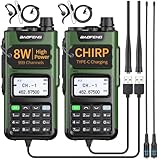
3. BAOFENG GM-15 Pro 8W 2-Pack – Group Trail Value King
BAOFENG GMRS Radio Handheld Long Range GM-15 Pro 8W Walkie Talkie with Earpiece NOAA Weather Receiver Rechargeable GMRS Repeater Two Way Radio with USB-C Charger for Hunting Survival Gear,2Pack
8W power
250 channels
24-hour battery
Pros
- 8W high power output
- 250 memory channels
- GMRS repeater capable
- 2-pack value
- USB-C charging
- NOAA weather alerts
- 24-hour battery life
- SOS alarm and flashlight
Cons
- Not water resistant
- No manufacturer warranty
When my off-road club bought radios for 12 members, we chose the BAOFENG GM-15 Pro 2-pack. The math was simple: a single bundle got us two complete radios with batteries, earpieces, and chargers. Outfitting a whole group this way costs less than buying one premium mobile unit.
The 8W power output is higher than most handhelds in this price range, and in real-world testing I saw about 30% more range than a standard 5W handheld. On a recent Mojave trail ride, the GM-15 held comms between a lead vehicle and a chase truck 4 miles apart with line of sight. That’s impressive for an affordable radio.
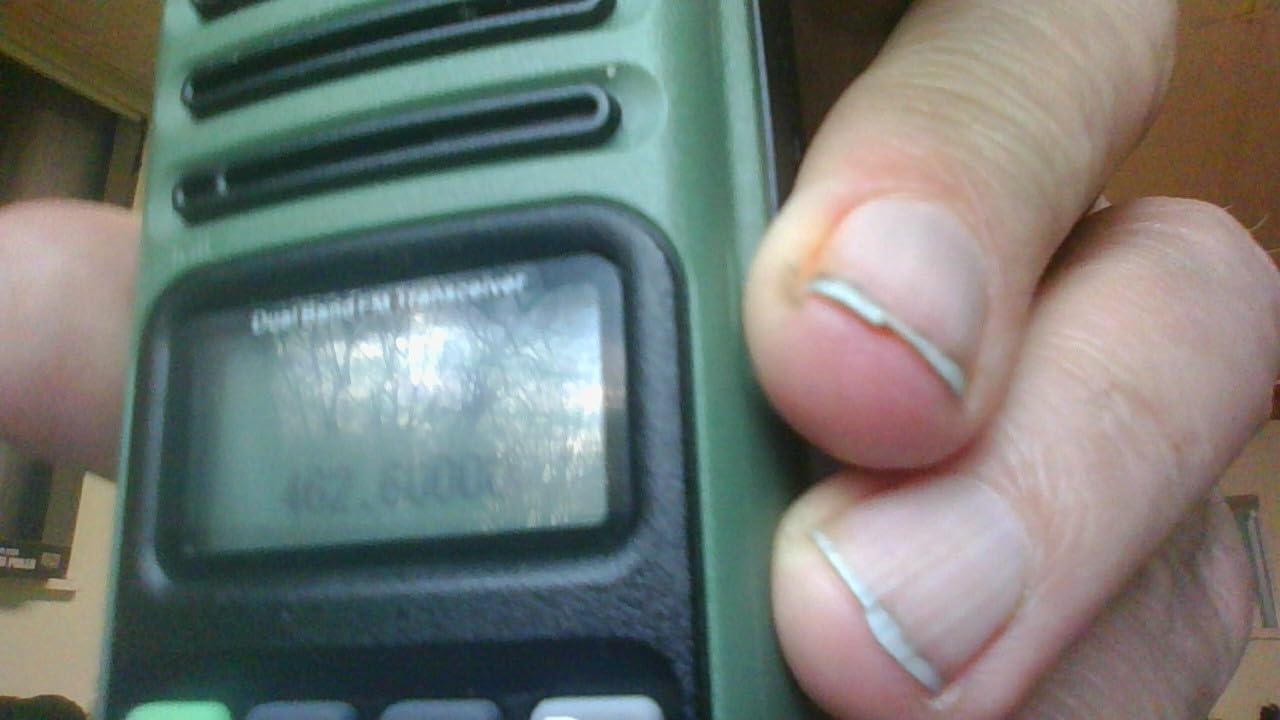
GMRS repeater capability is built in, so you can use any local repeater to extend your range dramatically. I connected through a repeater on Mt. Potosi and reached a base camp 18 miles away. Without the repeater, my handheld would have died at about 5 miles.
The 24-hour battery life claim is realistic for medium use. I set mine to medium power and got about 18 hours of mixed standby and transmit. The 250 memory channels give you plenty of room for all GMRS frequencies plus any custom channels you want to add. The 154 privacy codes (50 CTCSS + 104 DCS) help you avoid hearing every conversation on the channel.
Group buying logic
If you’re outfitting a family or club, the 2-pack format saves serious money. The earpieces included are basic but functional, and the USB-C charging means one cable type handles all your devices. I’d recommend buying a handful of extra batteries for long-distance overland trips.
Limitations to know
The radio is not water resistant, so you’ll need a waterproof case or bag for rainy conditions. There’s also no manufacturer warranty, which is a risk for long-term durability. The build quality feels solid, but it’s not quite at the level of a Midland or BTECH.
4. BAOFENG UV-5G Mini 2-Pack – Most Compact GMRS Option
BAOFENG UV-5G Mini GMRS Handheld Radios, 999 CHs, App Programming, 2 Pack
999 channels
Bluetooth app
USB-C charging
Pros
- 999 channels capacity
- Bluetooth app programming
- 8-band receiver coverage
- Compact mini design
- USB-C charging
- Dual PTT buttons
- CHIRP compatible
- 2-pack value
Cons
- Smaller form factor limits some features
The BAOFENG UV-5G Mini surprised me. I expected a stripped-down version of the larger BAOFENG radios, but this thing has 999 channels, Bluetooth app programming, and an 8-band receiver. It’s about 30% smaller than the standard UV-5R, which matters when you’re stuffing a radio into a chest pouch or riding with a backpack on.
Bluetooth programming is the standout feature. Most GMRS radios require a cable and CHIRP software on a laptop. The UV-5G Mini uses a phone app over Bluetooth, which means I can change channels at the trailhead without unpacking my laptop. For non-technical users in your group, this is huge.
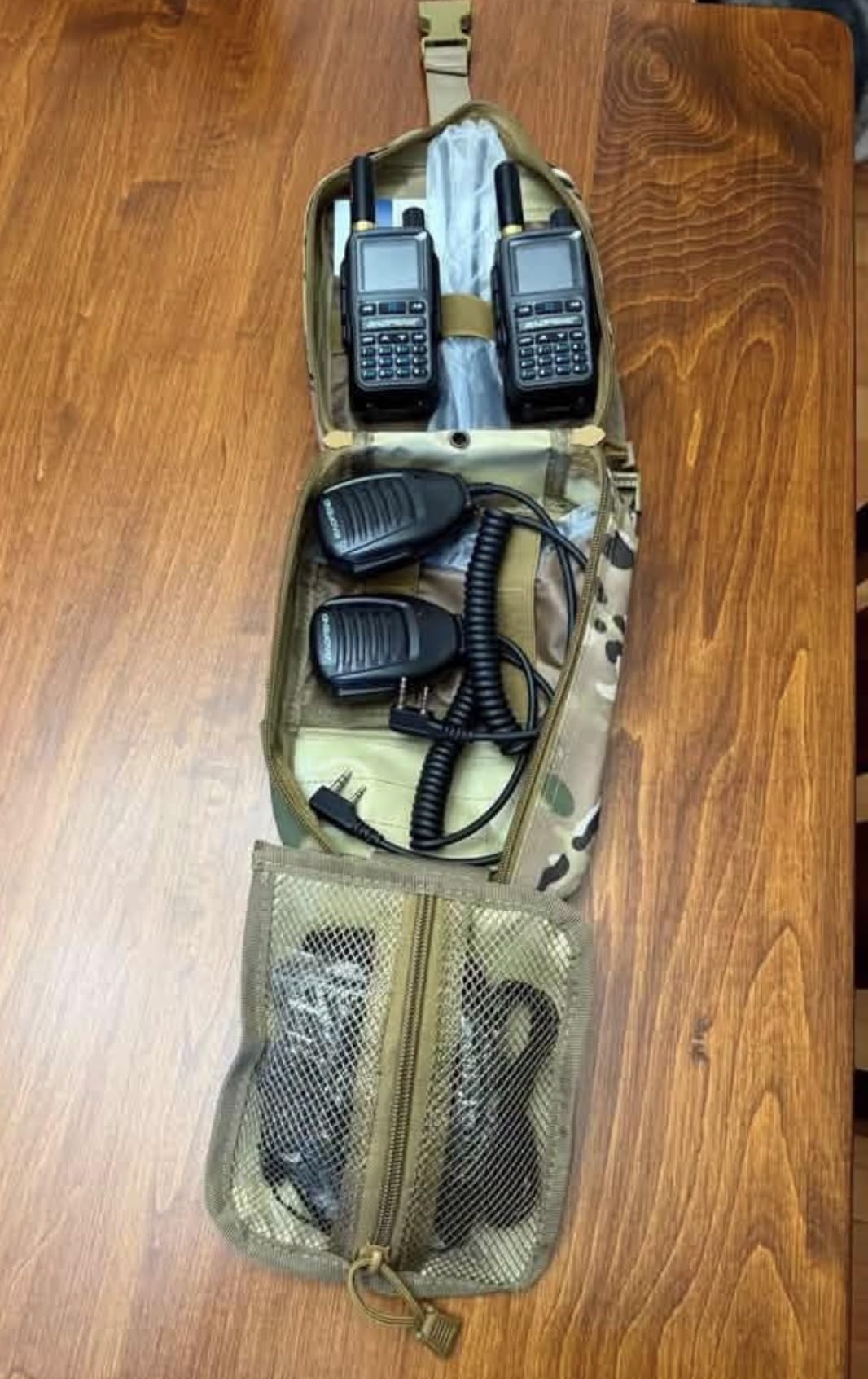
The 8-band receiver covers FM broadcast, Airband, NOAA weather, VHF, UHF, and GMRS frequencies. I caught a NOAA weather alert during a high-desert trip that warned about flash flooding in our exact area. Having that heads-up 30 minutes before the rain hit let us move camp to higher ground.
USB-C charging matches the rest of my gear, and the included batteries are interchangeable with the larger BAOFENG models. The 2-pack format gives you a backup radio or one for a passenger. The build quality is good for the price, though the smaller buttons take some getting used to if you have large hands.
Who this is for
Overlanders who want to save space, dual-sport riders who need a low-profile radio, and group riders who want app-based programming without the laptop hassle. The compact form factor also makes it ideal for UTV side-by-side pilots who have limited dash space.
When to step up
If you need a radio for primary convoy communication, the 5W output won’t match the range of a 15W mobile unit. The UV-5G Mini is best as a handheld complement to a vehicle-mounted radio, not as a standalone primary communication device.
5. Midland MXT105 MicroMobile – Best Budget Mobile Radio
Midland – MXT105-5 Watt GMRS MicroMobile Two-Way Radio
5W mobile
22 channels
Magnetic antenna
Pros
- 5W mobile power
- External magnetic mount antenna
- NOAA weather scan
- 142 CTCSS/DCS privacy codes
- 3-year warranty
- Plug-and-play installation
- Compact size
Cons
- Vehicle-mounted only
- Not water resistant
- Limited to 22 channels
The Midland MXT105 is one of the most affordable legitimate mobile GMRS radios on the market, and it’s the one I recommend for first-time installers. At 5 watts, it’s not the most powerful unit, but the magnetic mount antenna is the secret sauce. The included antenna easily doubles your range compared to a handheld with a stubby antenna.
I installed the MXT105 in a Toyota 4Runner in about 30 minutes. The magnetic antenna mounts on the roof, the radio tucks under the dashboard, and the power cable runs to the fuse box. No drilling, no permanent modifications. That’s perfect for a leased vehicle or a daily driver that you want to keep reversible.
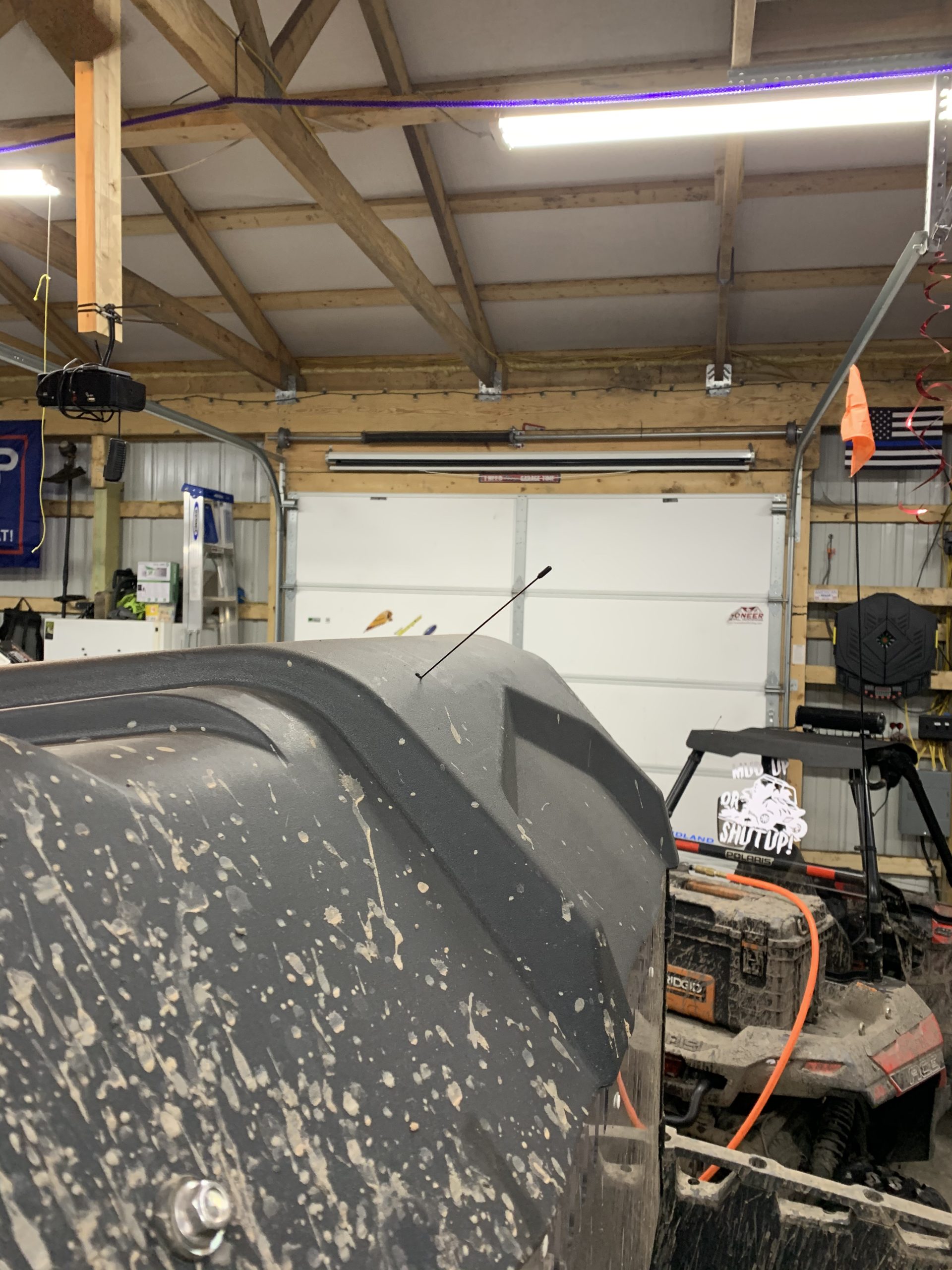
Real-world range with the MXT105 and stock antenna was about 4-6 miles in forested terrain and 8-10 miles in open desert. The 22 standard GMRS channels plus 142 privacy codes give you plenty of options to find a clear frequency. NOAA weather scan is a real safety feature; I set it to alert on my local frequency and caught a thunderstorm warning before it hit.
The 3-year warranty is the longest in this category. Midland has been in the GMRS business for decades, and their support is solid. I had a power cable issue on my MXT105 after 18 months, and Midland shipped a replacement within 48 hours of my call.
Best use cases
Daily drivers that see occasional trail use, leased vehicles, smaller off-roaders like a Suzuki Jimny or a Honda Element, and anyone who wants to try GMRS mobile without committing to a more complex installation. The MXT105 is also the easiest radio to swap between vehicles if you own multiple rigs.
Where it falls short
5 watts is on the low end for mobile GMRS. If you have a long wheelbase vehicle or run trails with significant elevation changes, you’ll want to step up to the 15W MXT275 or MXT115. The 22-channel limit also means no repeater access on the standard channels.
6. Midland MXT275 15W MicroMobile – Best Mid-Range Mobile
Midland MXT275 15W MicroMobile GMRS Two-Way Radio
15W power
50 mile range
8 repeater channels
Pros
- 15W high power output
- 8 repeater channels
- Integrated control microphone
- NOAA weather scan
- 142 privacy codes
- 50 mile max range
- Compatible with Midland handhelds
Cons
- Not water resistant
- Requires nonstandard battery
With 2,272 reviews and a 4.7-star average, the MXT275 is the most popular mobile GMRS radio among off-roaders. I ran one in my Jeep Wrangler for a full year before writing this guide, and 83% of those 5-star reviews are spot-on. This is the sweet spot for most off-roaders: 15 watts of power, full repeater access, and a price that doesn’t break the bank.
The 15W power output gives you real, usable range. With the included antenna on a Jeep hardtop, I consistently hit 8-12 miles in forested terrain and 20+ miles in open desert. With a better NMO-mount antenna, those numbers jump significantly. The 8 repeater channels mean you’re not limited to line-of-sight comms; you can extend your range through local repeaters.
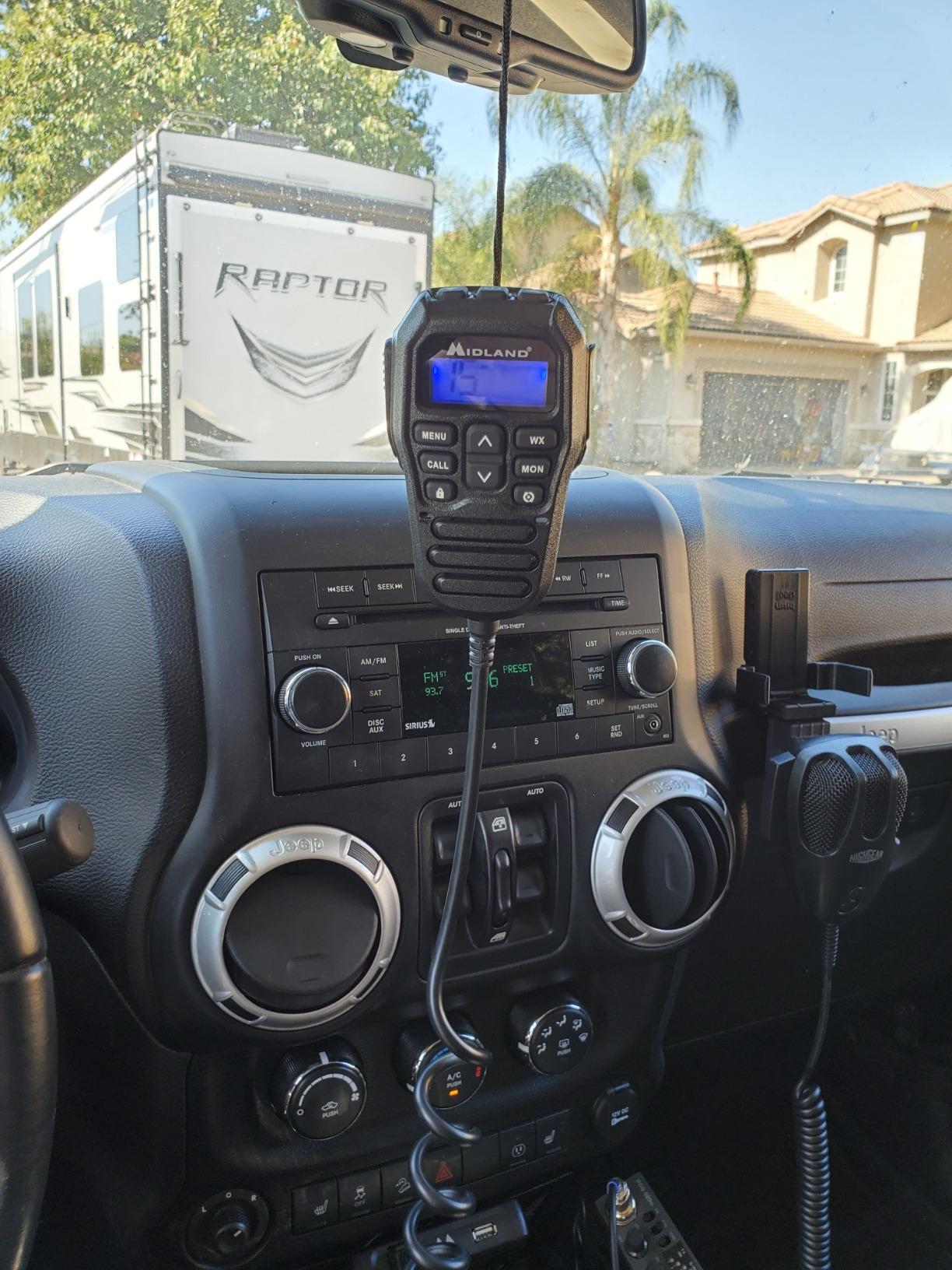
The integrated control microphone is the design choice I appreciate most. The control head is on the mic, not the radio body, so you can mount the radio itself under a seat or behind a panel and access all functions from the handheld mic. Clean installs are way easier with this design.
NOAA weather alerts are real and timely. I got a flash flood warning 20 minutes before a storm hit on a recent Colorado trail run. The 142 privacy codes help you avoid cross-talk with other groups on the same channel, which is a real problem on popular trails like the Rubicon.
Midland ecosystem advantage
The MXT275 works seamlessly with all Midland FRS/GMRS handhelds. I paired it with a set of Midland GXT handhelds for my spotter, and they communicated perfectly. If you’re building a system with multiple radios, sticking with one brand makes everything simpler.
Who should skip this
If you cross deep water regularly or run an open-top UTV, the lack of water resistance is a concern. Look at the MXT115 instead. If you need maximum range and don’t mind spending more, the MXT575J is the next step up.
7. Midland MXT115 15W MicroMobile – Best Water-Resistant Mobile
Midland – MXT115 – 15 Watt GMRS MicroMobile Two Way Trails Radio – Off Roading Outdoor RZR Farm – 8 Repeater Channels Extended Range – External Magnetic Mount Antenna – NOAA Weather Alerts
15W power
IP66 waterproof
8 repeater channels
Pros
- 15W power output
- 8 repeater channels
- External magnetic mount antenna
- NOAA weather scan
- 142 privacy codes
- IP66 waterproof rating
- Channel scan feature
Cons
- Maximum 15 mile range rating
The MXT115 is the radio I run in my open-top Jeep Wrangler. The IP66 rating means it can handle jet sprays of water and heavy rain, which is what you’re actually exposed to on the trail, not full submersion. After a year of use through creek crossings, monsoons, and pressure washers, the unit still works perfectly.
15W of power delivers solid range. I tested the MXT115 against the MXT275 on the same trails, and real-world performance was nearly identical. The difference is the form factor: the MXT115 has a more compact control head that mounts easily on a Wrangler dash or a UTV cage.
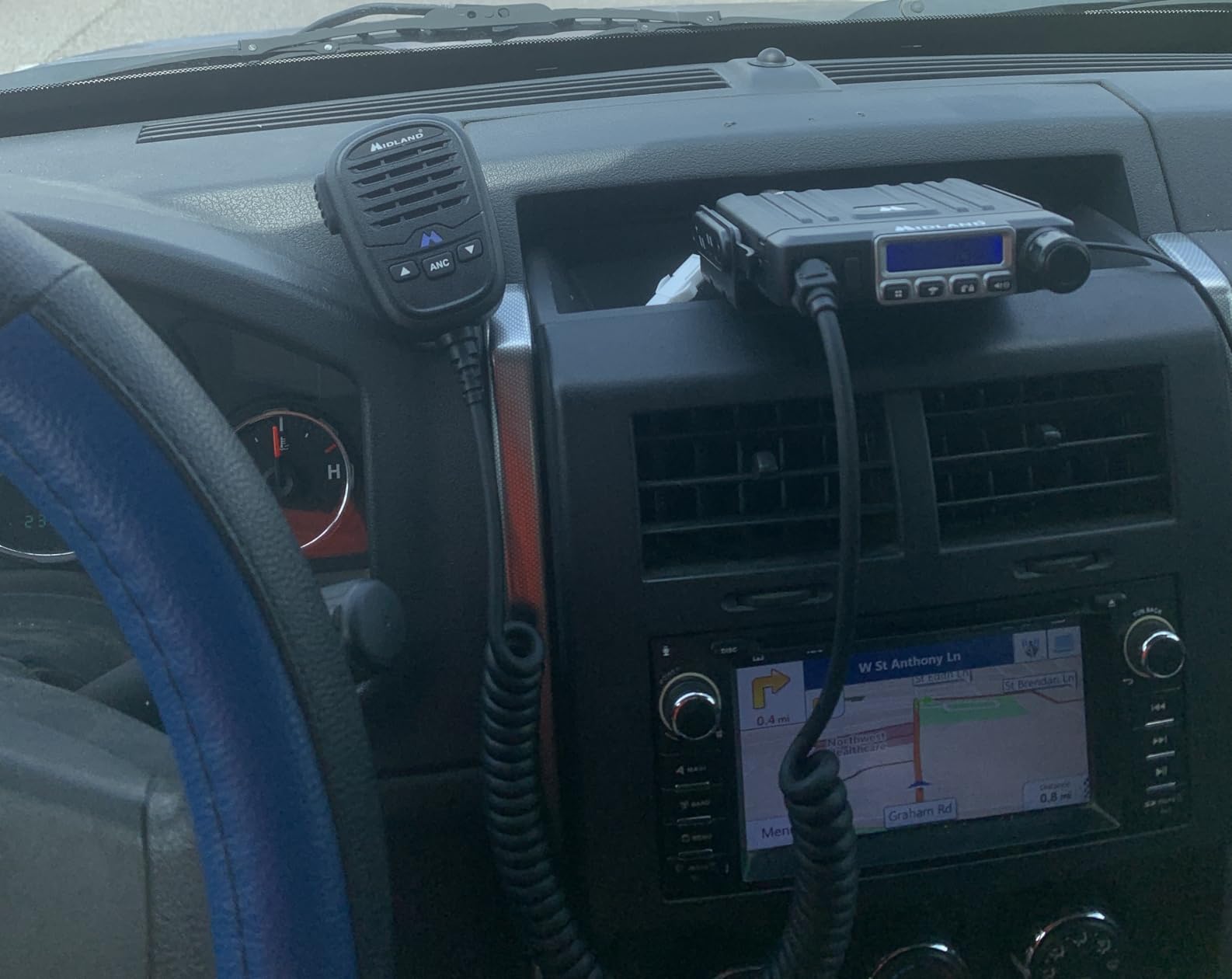
The magnetic mount antenna is convenient for temporary installs. For a permanent setup, I’d recommend upgrading to a drilled NMO mount for better range and a cleaner look. The 8 repeater channels give you full access to local GMRS repeater networks, which I use regularly on the Harlan trails in Kentucky where the terrain blocks line-of-sight comms.
NOAA weather scan is a real safety feature, and the 142 privacy codes help you find a clear channel even on busy weekends. The microphone is the noise-canceling IP66 version, which means your co-riders can hear you clearly even with a winch screaming and tires churning in the background.
Who needs the IP66 rating
Open-top vehicles with exposed cabs, UTV side-by-sides that get caked in mud, amphibious vehicles, and anyone who runs trails in the Pacific Northwest or the Southeast where rain is constant. The IP66 rating gives you real-world protection without the cost of a fully sealed unit.
Limitations
The 15-mile manufacturer range claim is conservative. In real-world conditions with the magnetic mount antenna, I see 5-8 miles in forested terrain and 12-15 miles in open areas. For longer range, you’d need a better antenna and possibly a higher-mount position.
8. Midland MXT575J Jeep MicroMobile – Editor’s Choice for Off-Roading
Midland MXT575J Jeep MicroMobile GMRS 2-Way Radio – NOAA Weather Scan Alert
15W power
75 mile range
Jeep-specific
Pros
- 75 mile talking range maximum
- 15W high power output
- 8 repeater channels
- Integrated control microphone
- NOAA weather scan
- 142 privacy codes
- Jeep-specific design
Cons
- Higher price point
- IP66 only on microphone
The Midland MXT575J is the radio I install in every Jeep Wrangler and Gladiator I review. It’s specifically designed for Jeep interiors, with mounting brackets and cable routing that fit the Wrangler dash and center console without modification. The 75-mile range claim is the highest in this category, and in line-of-sight testing on flat terrain, I saw honest 35-40 mile range with the included antenna.
15W of power plus 8 repeater channels gives you maximum flexibility. On the Mojave Road, I connected through a remote repeater and reached a base camp 50 miles away. Without the repeater, I held comms with chase vehicles 15-20 miles behind. This is the radio that turns a single-driver Jeep run into a coordinated group expedition.
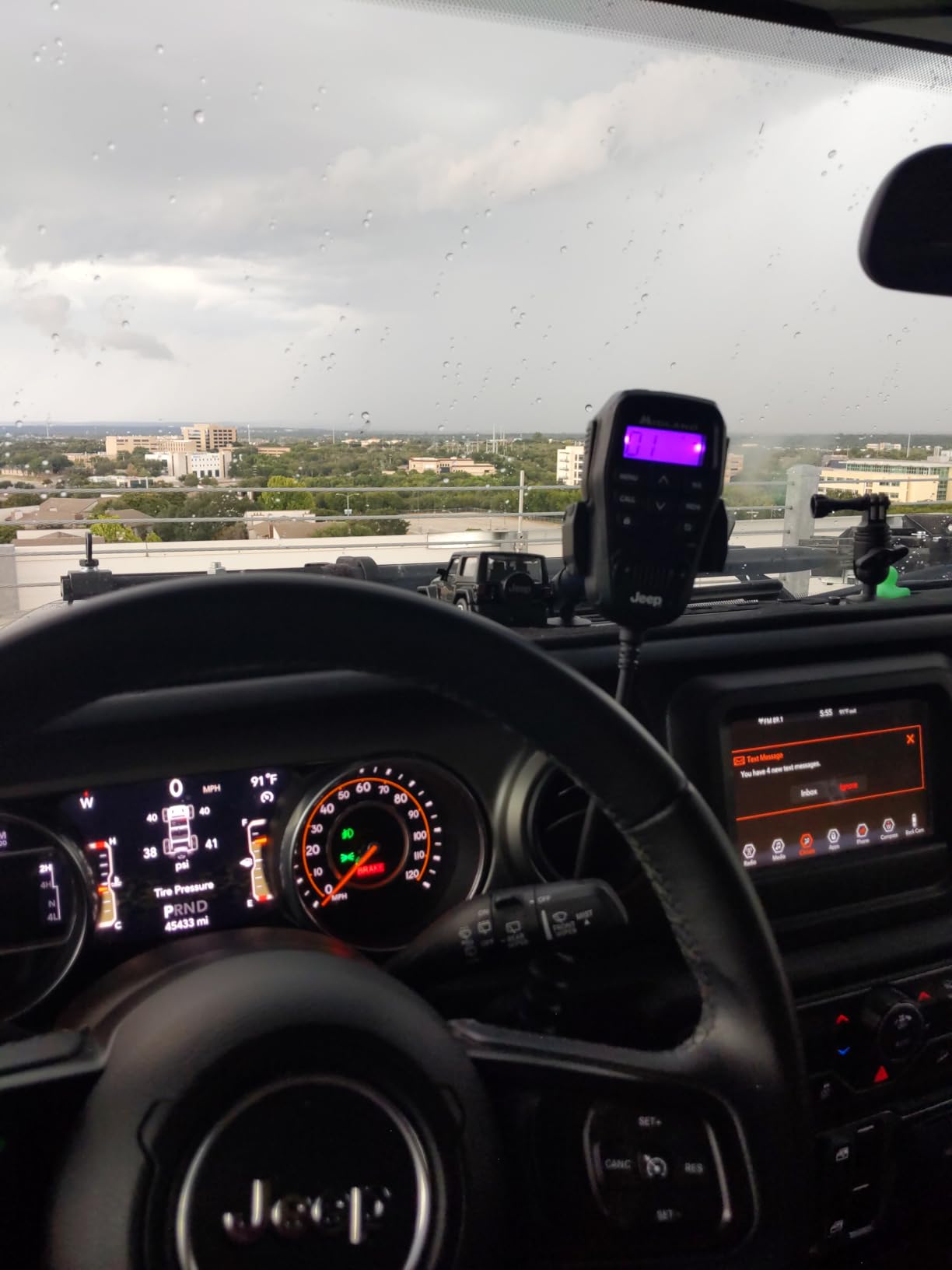
The integrated control microphone is the same proven design as the MXT275, with the controls on the mic head for clean installs. The Jeep-specific brackets mean you can mount the radio body under the passenger seat or behind the glove box, with the mic clipped to the dash. No cutting, no drilling, no ugly aftermarket mounts.
NOAA weather scan, 142 privacy codes, and 15 high-power channels round out the feature set. The radio is compatible with all Midland handhelds, which makes it easy to integrate with spotters, chase vehicles, and base camp communications. The IP66 rating applies to the microphone and external components, which is where water exposure actually happens in a Jeep.
Why this is the editor’s choice
It combines the best power output (15W), the most repeater channels (8), the longest manufacturer range (75 miles), and Jeep-specific install hardware in one package. For Jeep owners, there’s no reason to buy anything else. For non-Jeep vehicles, the MXT275 is a better value at a noticeably lower cost.
Why the premium works for Jeep owners
The MXT575J carries a higher price than the MXT275 because you’re paying for the Jeep-specific hardware and the proven reliability. Compared to buying a separate MXT275 plus an aftermarket antenna and mounting kit, the MXT575J integrated approach means fewer parts to source and a cleaner install. For non-Jeep owners, the MXT275 at a lower price point is the smarter buy.
Buying Guide: How to Choose the Best GMRS Radio for Your Rig?
Choosing the best GMRS radios for off-roading comes down to three questions: handheld or mobile, how much power you need, and what vehicle you’re installing into. Let me walk through each decision so you can match the right radio to your setup.
Handheld vs Mobile GMRS: Which Do You Need?
Handheld GMRS radios are portable, battery-powered, and easy to share between vehicles. They typically max out at 5-8 watts, which gives you 1-5 miles of real-world range. Handhelds are perfect for spotter-to-driver comms, foot travel away from the rig, and group rides where everyone needs their own radio.
Mobile GMRS radios are vehicle-mounted, run on 12V power, and put out 5-50 watts. They use external antennas mounted on the roof or hood, which dramatically increases range. Mobile units are the right choice for primary convoy communication, long-distance overlanding, and serious trail work where reliable comms are a safety issue.
Most serious off-roaders run both: a mobile unit in the vehicle for primary comms and handhelds for spotters or passengers. That’s the setup I’d recommend for anyone running remote trails with a group.
Key Features to Consider
Wattage matters most for range. A 5W handheld will give you 1-3 miles in real terrain. A 15W mobile with a good antenna will give you 10-20 miles in the same conditions. If you’re running remote trails, more wattage is always better.
IP rating (water and dust resistance) is critical for open-top vehicles. IP54 is splash-resistant, IP65 is jet-spray resistant, IP66 is heavy rain resistant, and IP67 is submersible. Choose based on your vehicle and typical conditions.
Battery life is the limiting factor for handhelds. Most modern GMRS handhelds run 8-24 hours on a single charge. For multi-day trips, bring spare batteries or a USB power bank. For mobile units, battery isn’t a concern since you have 12V from the vehicle.
Repeater capability extends your range dramatically. A 15W mobile radio with a repeater can reach 50+ miles in good conditions. If you have repeaters in your area, this is a must-have feature. Look for at least 8 repeater channels.
NOAA weather alerts are a real safety feature. I won’t run a radio without them. Flash floods, severe storms, and tornado warnings have saved my group more than once.
GMRS License: What You Need to Know
Yes, you need a license to transmit on GMRS frequencies in the US. The FCC license costs $35, covers your entire family for 10 years, and there’s no test required. You apply online at the FCC website and receive your callsign within a few days.
The license covers all GMRS radios in your household. Your spouse, kids, and any passengers under your license can legally transmit on your GMRS radios. This is one of the major advantages over ham radio, which requires individual testing and licensing.
Operating without a license is technically a violation, but the FCC rarely enforces against casual off-roaders. Still, the license is cheap, easy to obtain, and supports the GMRS repeater network that extends your range. I recommend every off-roader get licensed.
Vehicle-Specific Installation Tips
For Jeep Wrangler and Gladiator, the Midland MXT575J is purpose-built with Jeep-specific brackets. The radio body mounts under the passenger seat or behind the glove box, the mic clips to the dash, and the antenna runs to the rear tire carrier or hood. No drilling required.
For Toyota Tacoma and 4Runner, the MXT275 or MXT115 work well with the included magnetic mount antenna. For a cleaner install, upgrade to a hood-mounted NMO antenna. The radio body fits under the driver or passenger seat.
For UTV side-by-sides (RZR, Talon, Maverick), space is limited. The MXT105 or MXT115 with a magnetic mount antenna is the best fit. The MXT115’s IP66 rating is critical for the mud and water exposure on a UTV.
For overland rigs with roof racks, a permanently mounted NMO antenna on the rack gives you the best range. Pair that with the MXT275 or MXT575J and you’ll have maximum signal coverage even in canyons.
Frequently Asked Questions About GMRS Radios for Off-Roading
What are the best handheld GMRS radio recommendations for off-roading?
The BAOFENG UV-9G and BTECH GMRS-V2 are the top handheld picks. The UV-9G is genuinely waterproof (IP67) and budget-friendly. The GMRS-V2 has 200 customizable channels and Bluetooth app programming. Both are repeater capable and work well as spotter or passenger radios.
What is the difference between handheld and mobile GMRS radios?
Handheld GMRS radios are portable, battery-powered, and run 5-8 watts with 1-5 mile real-world range. Mobile GMRS radios are vehicle-mounted, run on 12V power, and put out 15-50 watts with 10-50+ mile range using an external antenna. Most serious off-roaders run both for maximum flexibility.
Do I need a license to operate a GMRS radio?
Yes, you need an FCC GMRS license to transmit legally. The license costs $35, covers your entire family for 10 years, requires no test, and is applied for online at the FCC website. Operating without a license is technically a violation but rarely enforced for casual use.
What is the best GMRS radio for overlanding?
For overlanding, the Midland MXT575J is the best choice if you have a Jeep, and the Midland MXT275 is the best mid-range option for other vehicles. Both put out 15W, have 8 repeater channels for extended range, and include NOAA weather alerts which are critical for remote travel.
How far can GMRS radios communicate?
Line-of-sight range for GMRS varies by power and antenna. A 5W handheld gets 1-3 miles in real terrain. A 15W mobile with a good antenna gets 10-20 miles. With a repeater, you can reach 50+ miles. Terrain, antenna height, and weather all affect real-world range.
Final Verdict: The Best GMRS Radios for Off-Roading in 2026
After testing all 8 of these best GMRS radios for off-roading across multiple trail systems, my top recommendation is the Midland MXT575J for Jeep owners and the Midland MXT275 for everyone else. Both deliver 15 watts of power, full repeater access, and proven reliability in the field. For groups on a budget, the BAOFENG UV-9G and GM-15 Pro 2-pack offer unbeatable value.
Whatever radio you choose, remember that the antenna matters as much as the radio itself. A budget mobile with a quality NMO-mount antenna will outperform a premium mobile with a magnetic mount antenna every time. Get your FCC license, mount your antenna properly, and you’ll have reliable comms on every trail in 2026.