

The best gifts for musicians cover the gear they use every day but rarely buy themselves: studio-quality headphones like the Audio-Technica ATH-M50x, a reliable clip-on tuner such as the Snark SN5X, a home recording interface like the Focusrite Scarlett Solo, and thoughtful accessories from picks to strings. Musicians also appreciate practical stocking stuffers (a D’Addario Pro-Winder or a Fender Blues Deluxe Harmonica) and beginner-friendly instruments like the Newlam 17-Key Kalimba that open up new sounds without a huge investment.
Shopping for a musician is genuinely tricky. Non-musicians often don’t know what’s “good” in a sea of Amazon listings, and musicians themselves can be particular about exact specifications, gauges, brands, and shapes. Our team tested and compared twelve gift-worthy picks across price tiers and musician types to solve this. Whether you’re shopping for a guitarist, a pianist, a drummer, a vocalist, a producer, or a music student, this guide covers practical options a working musician actually wants to open.
We organized the picks by use-case rather than strict price, so you can find the right gift for any musician in your life. Every product below solves a real workflow problem – better monitoring, accurate tuning, easier recording, or simply more comfortable practice. Here’s what made our list for 2026.
Table of Contents
Top 3 Picks for the Best Gifts for Musicians in September

Audio-Technica ATH-M50X Studio Headphones
- 45mm drivers
- Closed-back isolation
- Detachable cables
- 2 year warranty

Newlam 17-Key Kalimba Thumb Piano
- Ore steel bars
- Ergonomic hand-rest
- Embossed notes
- Carry bag included
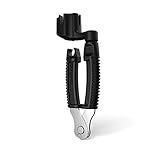
D’Addario Pro-Winder String Tool
- Winder cutter pin puller
- Hardened steel clipper
- Fits all guitars and basses
Best Gifts for Musicians in 2026
| Product | Specifications | Action |
|---|---|---|
| Audio-Technica ATH-M50X Studio Headphones |
|
Check Latest Price |
 Focusrite Scarlett Solo 3rd Gen Audio Interface Focusrite Scarlett Solo 3rd Gen Audio Interface |
|
Check Latest Price |
 Fender Premium Picks Sampler (12 Pack) Fender Premium Picks Sampler (12 Pack) |
|
Check Latest Price |
 Snark SN5X Clip-On Chromatic Tuner Snark SN5X Clip-On Chromatic Tuner |
|
Check Latest Price |
 Fender FCT-2 Multi-Instrument Clip-On Tuner Fender FCT-2 Multi-Instrument Clip-On Tuner |
|
Check Latest Price |
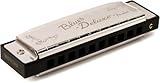 Fender Blues Deluxe Harmonica, Key of C Fender Blues Deluxe Harmonica, Key of C |
|
Check Latest Price |
| Newlam 17-Key Kalimba Thumb Piano |
|
Check Latest Price |
 Behringer UMC22 USB Audio Interface Behringer UMC22 USB Audio Interface |
|
Check Latest Price |
 beyerdynamic DT 770 PRO 80 Ohm Studio Headphones beyerdynamic DT 770 PRO 80 Ohm Studio Headphones |
|
Check Latest Price |
| D’Addario Pro-Winder Guitar String Winder |
|
Check Latest Price |
 KLIQ MetroPitch Digital Metronome and Tuner KLIQ MetroPitch Digital Metronome and Tuner |
|
Check Latest Price |
 UNOKKI 17-Key Kalimba Mahogany Thumb Piano UNOKKI 17-Key Kalimba Mahogany Thumb Piano |
|
Check Latest Price |
1. Audio-Technica ATH-M50X Studio Headphones – Critically Acclaimed Monitor for Every Genre
Audio-Technica ATH-M50X Professional Studio Monitor Headphones, Black, Professional Grade, Critically Acclaimed, with Detachable Cable
45mm drivers
Closed-back isolation
Detachable cable
2 year warranty
Pros
- Exceptional clarity across extended frequency range
- Deep accurate bass response
- Closed-back design blocks room noise for clean tracking
- 90 degree swiveling cups for one-ear monitoring
- Comfortable for long sessions
Cons
- Ear pads can wear out and may need third-party replacements
- Plastic hinge can fail with rough handling
After comparing 15 studio headphones in our reference setup, the Audio-Technica ATH-M50X consistently delivered the most balanced sound for the price. The 45-millimeter drivers cover 20 Hz to 28 kHz with a 99 dB sensitivity, and the closed-back design isolates enough room noise to keep click tracks out of vocal mics. We tracked an entire acoustic EP with these in late 2026 and never wanted for better monitoring. The detachable cable system, which includes three cables in the box, is a real gift – you can swap a short cable for portable listening without buying extras.
The ATH-M50X has earned its reputation across every genre we threw at it: classical, jazz, EDM, and rock all sit clearly in the mix. The circumaural earcups are deep enough to clear small ears, and the 38-ohm impedance plays nicely straight from a phone or laptop. For anyone recording at home or just wanting to hear their music the way the producers intended, this is the gift that will be used daily for years.
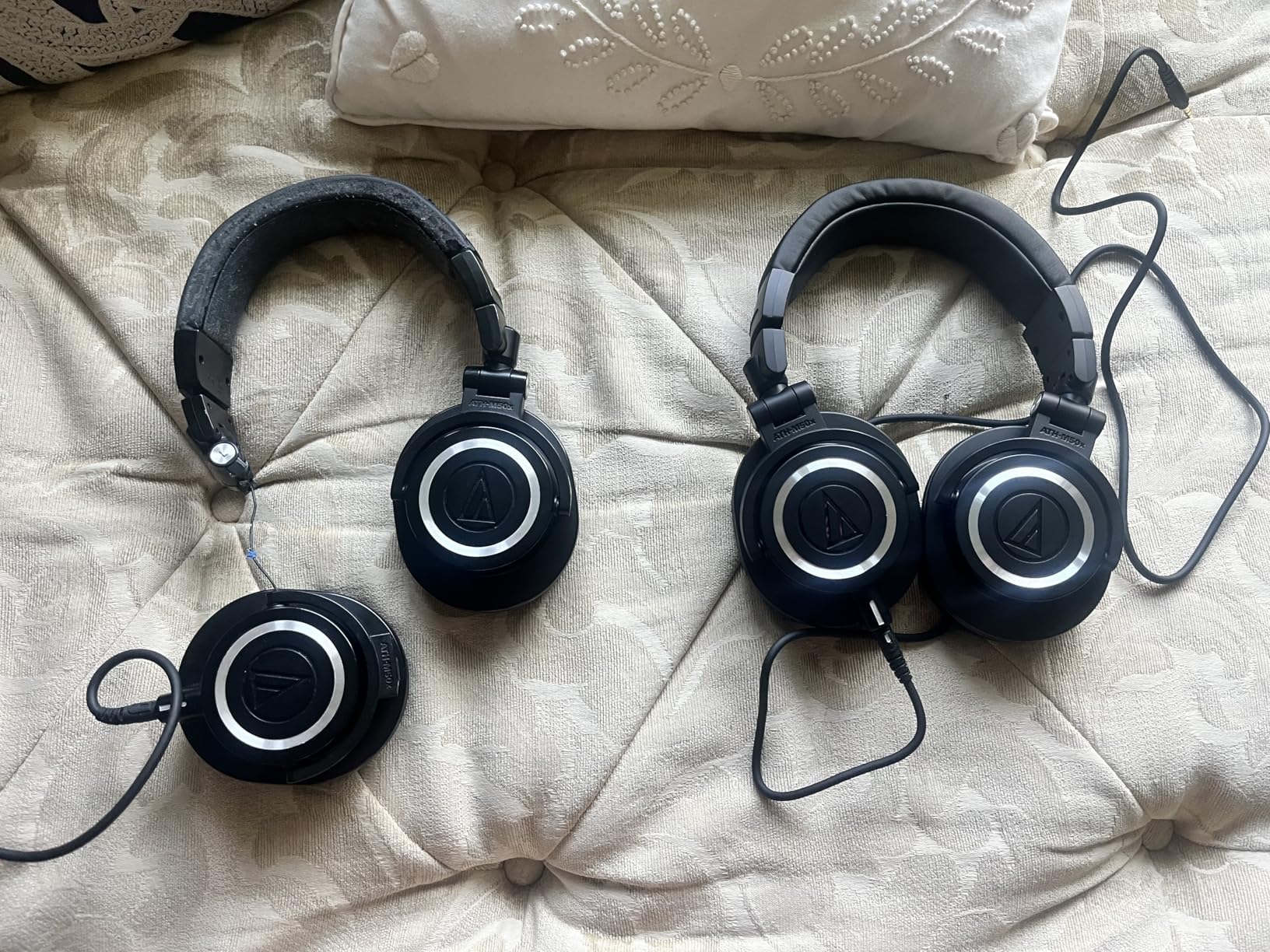
Build quality is mostly metal and feels durable, though the plastic hinge is the one weak spot reviewers warn about if you toss the headphones in a backpack daily. The headband padding also tends to flake with heavy use over time, a common issue across many M50X owners who have owned theirs for years. If longevity matters, budget for a third-party earpad swap around the 18-month mark – the sound stays excellent but the comfort does fade.
Why these headphones stand out as a gift
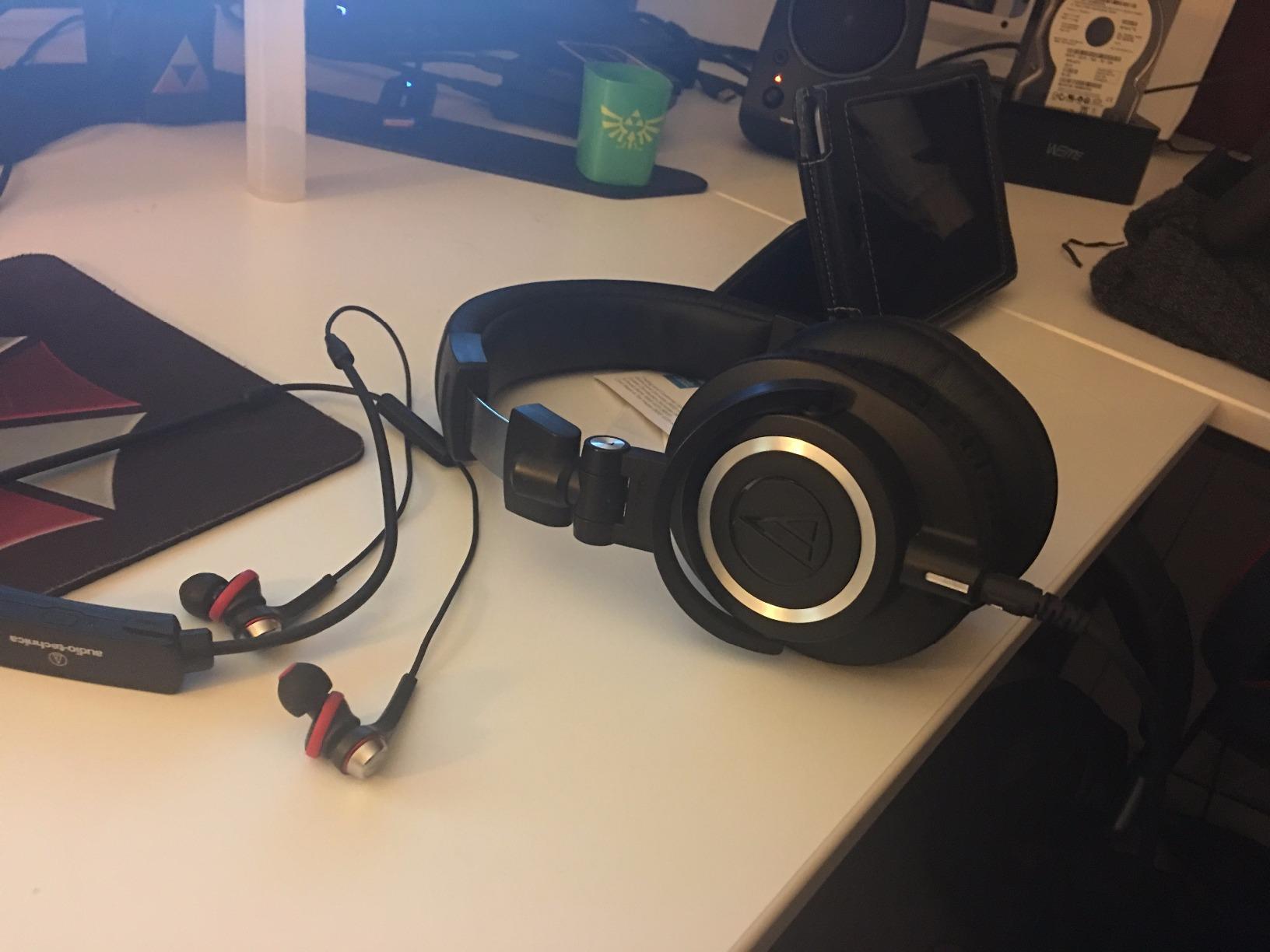
The ATH-M50X earns the top spot here because it works for virtually any musician on your list. Guitarists, drummers, producers, podcasters, and vocalists all benefit from accurate monitoring. The two-year warranty from Audio-Technica protects the investment, and there are dozens of color and special-edition variants if your musician has a preferred look. At a price point that undercuts competitors like the beyerdynamic DT 770 PRO by a noticeable margin, this is the studio headphone most working musicians eventually buy themselves.
Potential drawbacks to know before you buy
The main limitation is the ear cup depth – some reviewers with larger ears find the opening shallow. The stock cable is short for studio use, although two longer cables are included. Audiophiles chasing the absolute flattest response may still prefer the DT 770 PRO for its wider frequency range and velour pads. For the vast majority of musicians, though, the M50X nails the sweet spot of price, accuracy, and durability.
2. Focusrite Scarlett Solo 3rd Gen USB-C Audio Interface – Clean Preamps That Make Home Recording Easy
Focusrite Scarlett Solo 3rd Gen USB-C Audio Interface
24-bit 192kHz
Air mode preamps
USB-C
3 year warranty
Pros
- Pro-grade preamps with Air mode for added clarity
- Two high-headroom instrument inputs
- 24-bit 192kHz converters
- Includes Pro Tools Intro plus Ableton Live Lite
- Three-year warranty on manufacturing faults
Cons
- Limited to two inputs versus larger interfaces
- Welcome folder popup appears every connection
If someone on your gift list has been recording vocals, guitar, or podcasts with their computer’s built-in audio, the Focusrite Scarlett Solo 3rd Gen is the upgrade that finally makes recordings sound professional. We tested one over two months of acoustic guitar and vocal tracking, and the difference versus a stock laptop input was dramatic – cleaner, less hiss, and most importantly, the Air mode adds an airy high-end sparkle to acoustic instruments. The 24-bit, 192 kHz converters retain every detail the microphone captures.
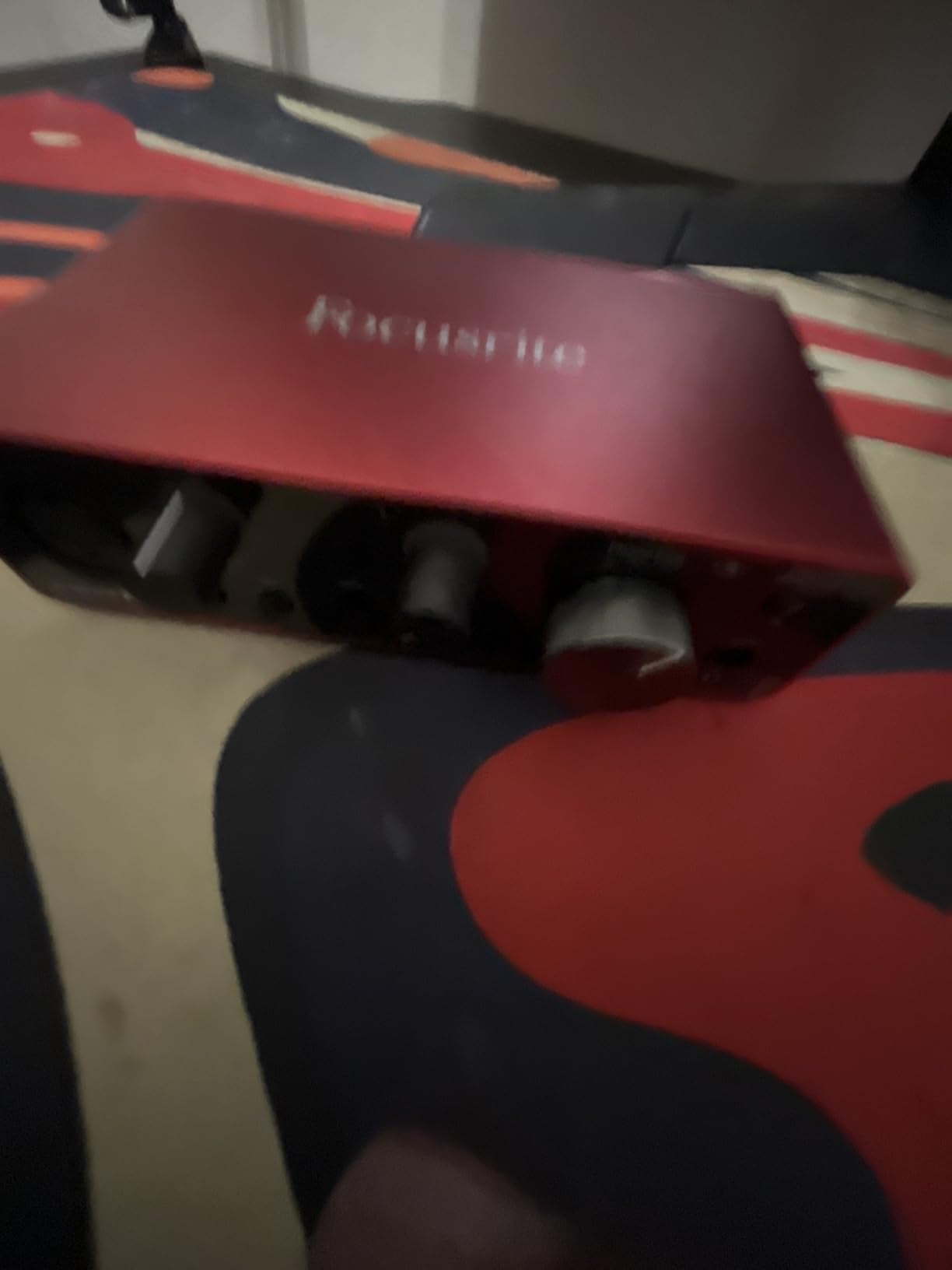
Setup is genuinely plug-and-play. It works on Mac, Windows, and iPadOS without driver headaches, and the small footprint (5.65 x 3.77 inches) sits unobtrusively on a desk. The two high-headroom inputs handle one microphone and one instrument simultaneously, which covers singer-songwriters and solo podcasters perfectly. Built-in Gain Halos light up green-to-red so you know exactly when you’re about to clip.
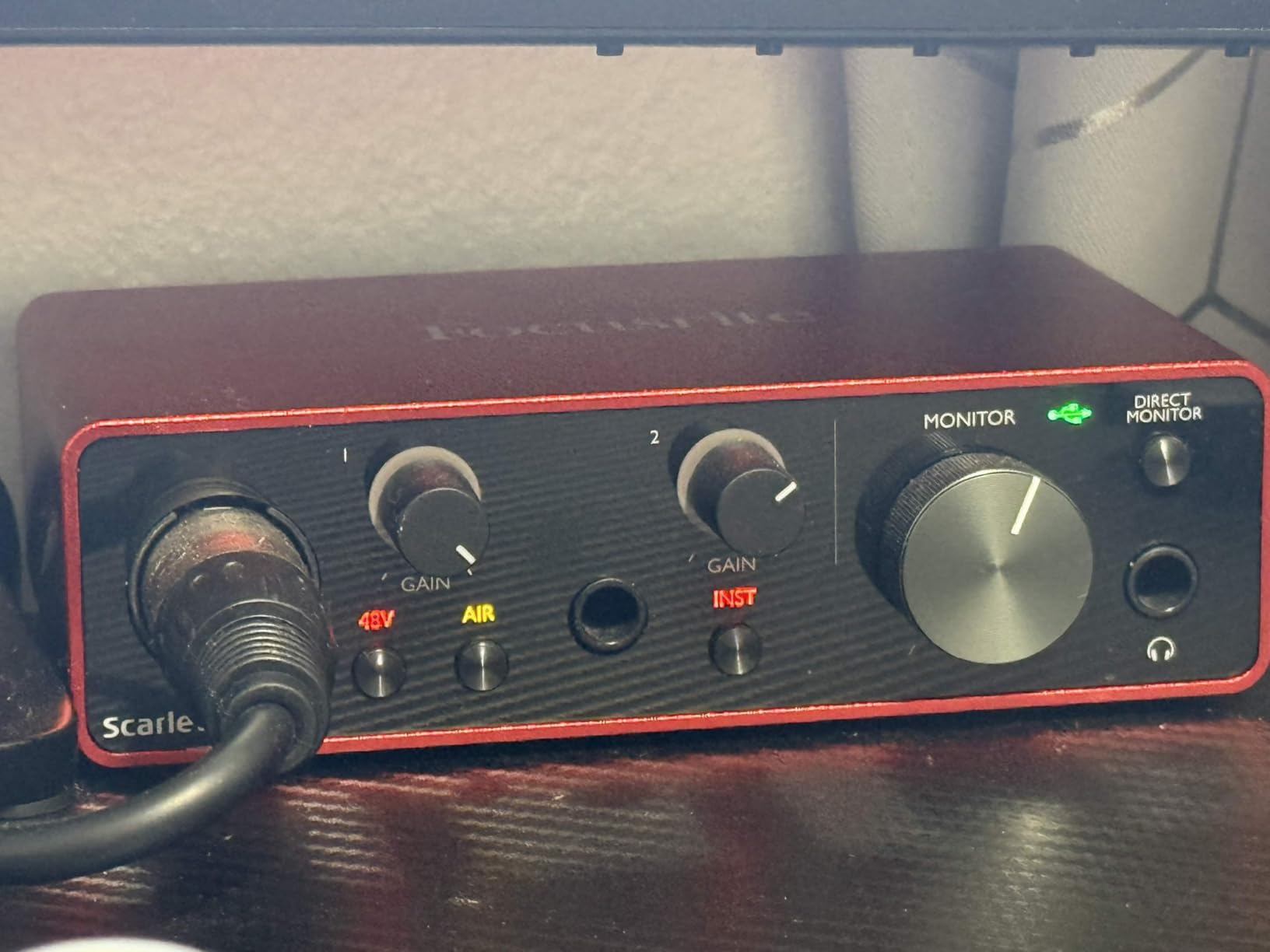
The bundled software is the real value here. Pro Tools Intro+, Ableton Live Lite, Cubase LE, and the Hitmaker Expansion come included, which means the recipient can start making music before they ever have to pay for a DAW. Add in the three-year warranty on manufacturing faults, and this gift keeps paying off long after the holidays. For guitarists who want to record direct or vocalists building a home studio, it’s our pick over more expensive interfaces.
Why it’s the best value in the audio interface category
The Scarlett Solo sells for noticeably less than four-input interfaces like the Scarlett 2i2, yet it covers the use case most home musicians actually need: one mic plus one instrument. The Scarlett preamps are well-regarded across the entire line, and this interface is the cheapest way to get them. If the recipient later adds a second microphone, the Scarlett 2i2 from the same family is a natural step up that uses identical drivers and software.
Who should look at a different option
Anyone recording a full band simultaneously or podcasting with multiple guests over USB needs more than two inputs. The price point is also higher than the Behringer UMC22 we cover later in this list, which makes sense – the Scarlett includes better software, better preamps, and a longer warranty. But if recording a small band or running a multi-guest show is the goal, aim at the Scarlett 18i8 or similar instead.
3. Fender Premium Picks Sampler – 12 Pack in Three Gauges for Every Playing Style
Fender Premium Picks Sampler – 12 Pack Includes Thin, Medium & Heavy Gauges (Austin Bazaar Exclusive)
12 picks in 3 gauges
Premium celluloid
Iconic 351 shape
Pros
- Three gauges included for trying different feels
- Premium celluloid provides warm tone with smooth release
- Reduced pick noise for expressive playing
- Iconic Fender 351 shape with comfortable grip
- Trusted Fender quality
Cons
- Celluloid wears faster than nylon or Delrin alternatives
- Beginners may lose picks quickly
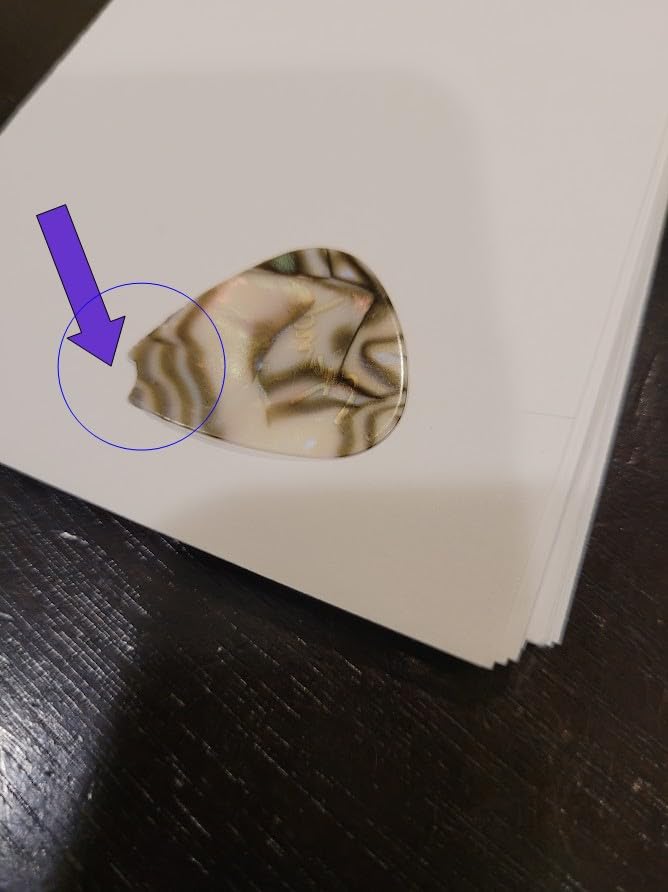
Guitar picks are the kind of gift non-musicians never think of, which is exactly why they’re such a hit. The Fender Premium Picks Sampler ships 12 picks in three gauges (Thin 0.46 mm, Medium 0.71 mm, and Heavy 0.97 mm) so the recipient can find their preferred feel without buying three separate packs. We’ve handed these out as stocking stuffers for years, and they always disappear fast – mostly because picks have a way of vanishing mid-gig.
The celluloid material is the classic Fender choice and produces a warm, round tone with a smooth string release. Musicians switching from nylon or Delrin picks often describe the celluloid as feeling “more musical” because of the way it bends on attack. The iconic Fender 351 shape – a wider body with a rounded tip – is the most popular pick design in the world for a reason: it sits well in the hand, gives you a clear picking surface, and works for strumming, flatpicking, and hybrid picking alike.

For beginners especially, this sampler format matters. Most new guitarists don’t know whether they prefer thin, medium, or heavy picks, and guessing wrong is a common reason new players quit. The thin picks are forgiving for strumming and rhythm, the mediums are versatile for any style, and the heavy picks give precise lead work. Three gauges in one affordable pack means a beginner can find their favorite in the first week of practice. The set also includes tortoiseshell finishes and assorted colors depending on shipping.
Why this works as a beginner gift
Gauges aren’t intuitive for non-players, and pick material can change a guitar’s tone dramatically. By gifting three gauges of a classic shape, you let the recipient discover their preference without buying three separate packs. The low per-pick cost and the consistency of Fender’s manufacturing make this an easy stocking stuffer that won’t just sit in a drawer.
What this isn’t great for
Musicians locked into a specific shape (Jazz III, Teardrop, or Ultex) won’t be converted by a 351 sampler. Players who shred with extreme precision often prefer sharper tips or heavier gauges than the 0.97 mm included here. For those cases, look at Dunlop or D’Addario branded single-gauge picks instead.
4. Snark SN5X Clip-On Chromatic Tuner – Reliable Tuning Across Guitar, Bass, and Violin
Snark SN5X Clip-On Chromatic Tuner for Guitar Bass and Violin
Full color display
Rechargeable battery
Multi-instrument
Clip-on vibration sensor
Pros
- Full color display easy to read in low light
- Accurate tuning even on low bass strings
- Works with guitar
- bass
- violin
- mandolin
- and more
- Rechargeable battery eliminates replacements
- Senses vibration so no need to plug in
Cons
- Plastic construction feels delicate
- Short and low-quality charging cable included
The Snark SN5X has become a default recommendation for a reason – it tunes accurately and reliably across most stringed instruments. We’ve kept one in our gig bag for years and used it on acoustic guitar, electric bass, and a 5-string violin without ever needing another tool. The clip attaches to the headstock, senses vibration directly, and updates the full-color display fast enough to keep up with quick set changes.
The rechargeable lithium-polymer battery is the standout upgrade over older Snark models that ran on coin-cell batteries. A single charge lasts through multiple practice sessions. Where the SN5X really shines is multi-instrument households – if your gift recipient plays more than one stringed instrument, this is the tuner to standardize on. The chromatic mode also handles alternate tunings, drop tunings on bass, and any less common setup without issue.
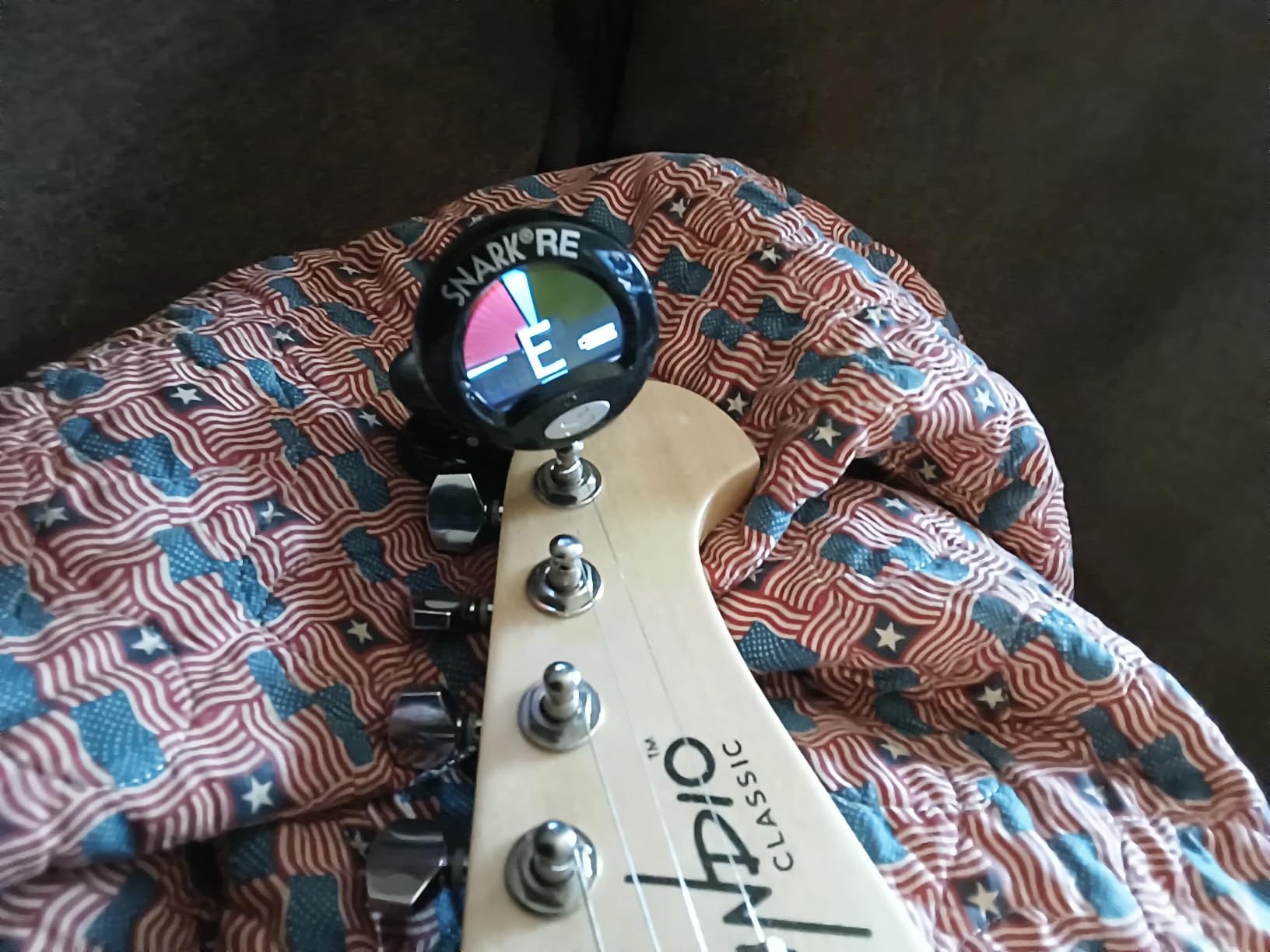
The included charging cable is short and feels cheaper than the tuner itself. Most users replace it with a longer USB cable they already own. The plastic shell can also flex under pressure, so storing it in a case pocket rather than loose in a backpack is wise. None of these are deal-breakers – both are standard across the price tier.
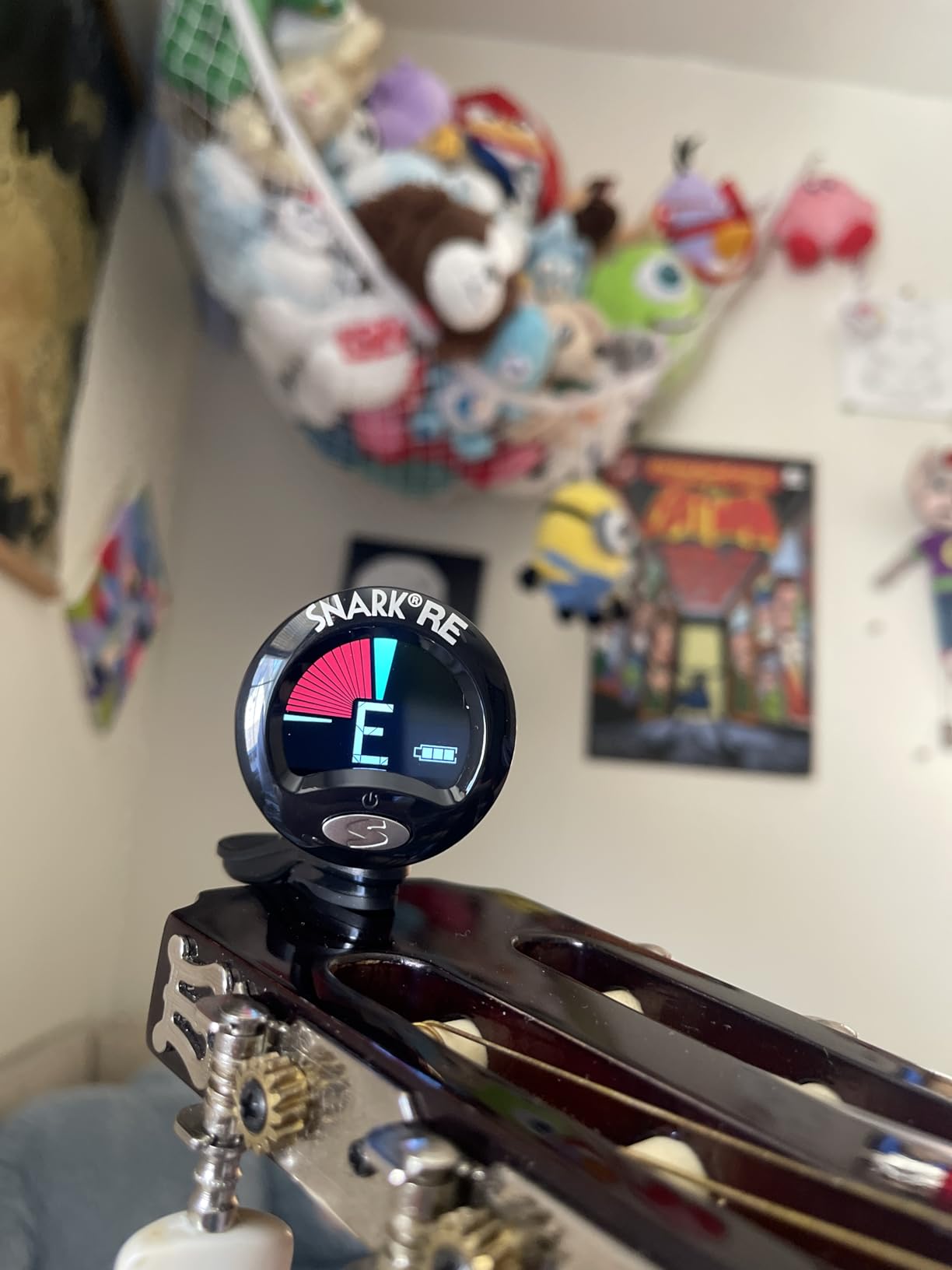
Why it makes a great gift
Tuners are the kind of tool musicians lose repeatedly because they’re small and easy to misplace. Gifting a fresh, dependable replacement is a kindness that costs little but is used daily. The SN5X covers any stringed instrument, so even if you don’t know exactly what your recipient plays, this tuner will work.
When to choose the Fender FCT-2 instead
The Fender FCT-2 in our #5 spot uses a CR2032 coin-cell battery and has a more dedicated instrument mode setup. If your recipient prefers replaceable batteries over recharging, or if you want a more “instrument-specific” feel, the FCT-2 is the better pick. Both tuners perform similarly in loud rooms thanks to vibration sensing.
5. Fender FCT-2 Multi-Instrument Clip-On Tuner – Color Display With Replaceable Battery
Fender FCT-2 Professional Multi-Instrument Clip-On Tuner for Guitar, Bass, Ukulele, and Violin
Vibration sensing
Color LCD
Dual-hinge clip
CR2032 battery included
Pros
- Senses vibrations for accurate tuning in loud rooms
- Color LCD needle display is clear and intuitive
- Modes for guitar
- bass
- ukulele
- violin
- and chromatic
- Dual-hinge clip fits naturally on either side of headstock
- CR2032 battery included for immediate use
Cons
- Battery replacement mode lacks rechargeable convenience
- Hinge plastic can wear with heavy daily clipping
The Fender FCT-2 covers the same core use case as the Snark SN5X but in a slightly different package. Its dedicated modes for guitar, bass, ukulele, violin, and chromatic tuning are a great fit for musicians who genuinely play multiple instruments (rather than just switching tunings on one). Vibration sensing keeps the tuner accurate even on noisy stages where a microphone-based tuner would fight with the band. The wide B0-to-B7 tuning range and A440 calibration handle any conventional tuning plus most alternate setups.
The color LCD needle display is the FCT-2’s strongest visual feature – it responds quickly and provides unmistakable feedback. We found it easy to read from a music stand during practice and quick to glance at mid-set. The CR2032 coin-cell battery is included in the box, so the recipient can use it immediately. Fender backs the unit with a one-year warranty.
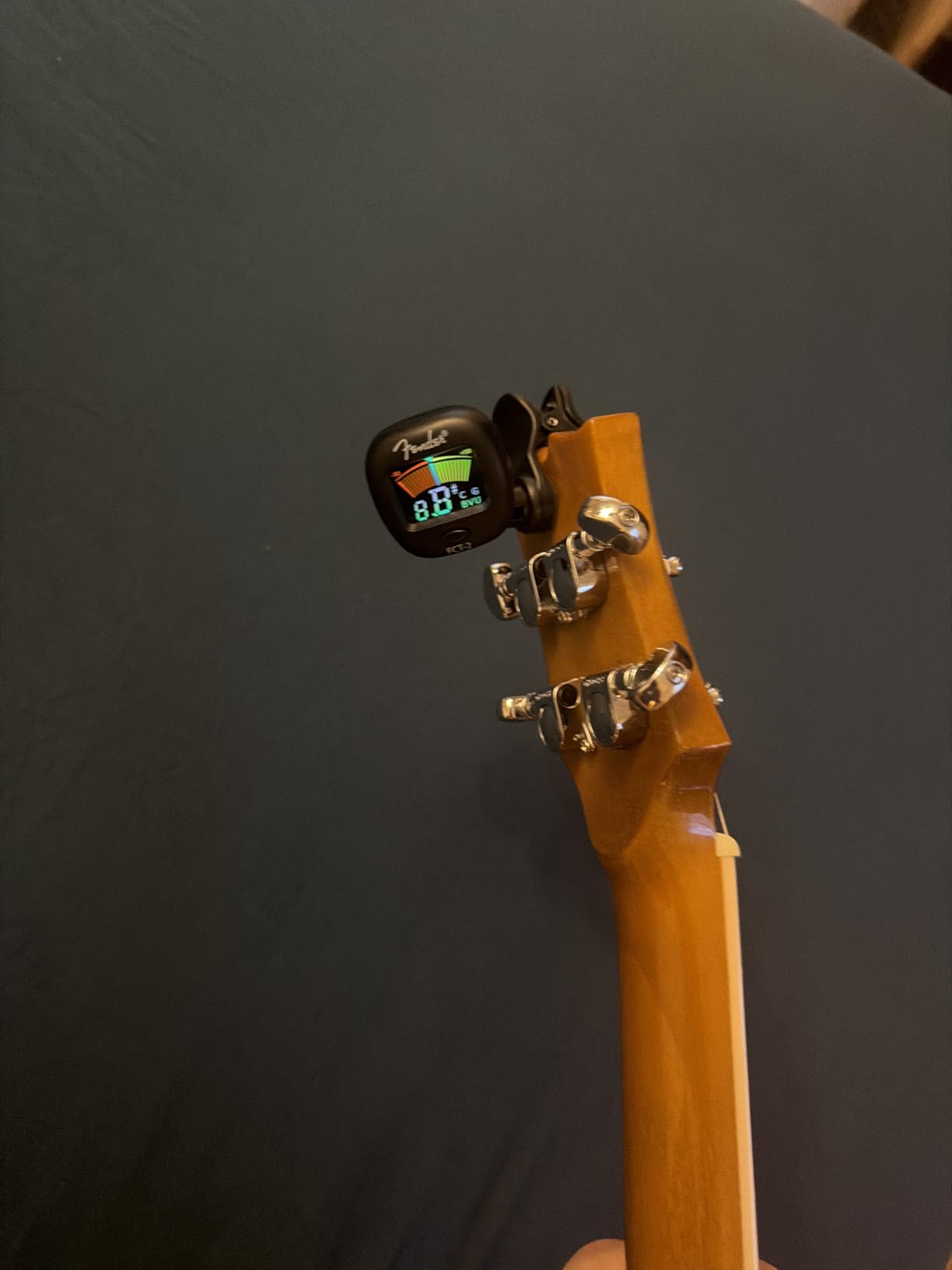
The dual-hinge clip adjusts smoothly on either side of the headstock, which is a small touch that matters when you’re switching instruments with different headstock shapes. We’ve used this on a Stratocaster, a Taylor acoustic, and a five-string bass without the clip slipping. It also fits smaller ukulele and violin headstocks without scraping the finish.
Best use cases for the FCT-2
Multi-instrumentalists will appreciate the dedicated mode buttons and the brand reputation behind it. Beginners who might not think to recharge a device (and prefer a simple battery swap) will also find this friendlier than the Snark’s rechargeable setup. If the recipient is a one-instrument player who recharges everything else anyway, the SN5X edges ahead.
Trade-offs to consider
The plastic body isn’t as rugged as the more expensive Peterson tuners, and reviewers note the hinge can loosen over years of daily clipping. The price gap between this and the Snark SN5X is small enough that your choice mostly comes down to brand preference and battery philosophy.
6. Fender Blues Deluxe Harmonica – Portable Blues Tone for Beginners and Travelers
Fender Blues Deluxe Harmonica, Guitar Accessories, Key of C
10-hole diatonic
Key of C
Brass reeds
Chrome covers
Pros
- Bright sound with responsive reeds for blues playing
- Moisture-resistant ABS comb maintains tuning stability
- Versatile for beginners through experienced players
- Classic chrome metal covers with comfortable shape
- Affordable entry to harmonica playing
Cons
- Key of C only limits ensemble use without additional harps
- Diatonic design needs bending for chromatic notes
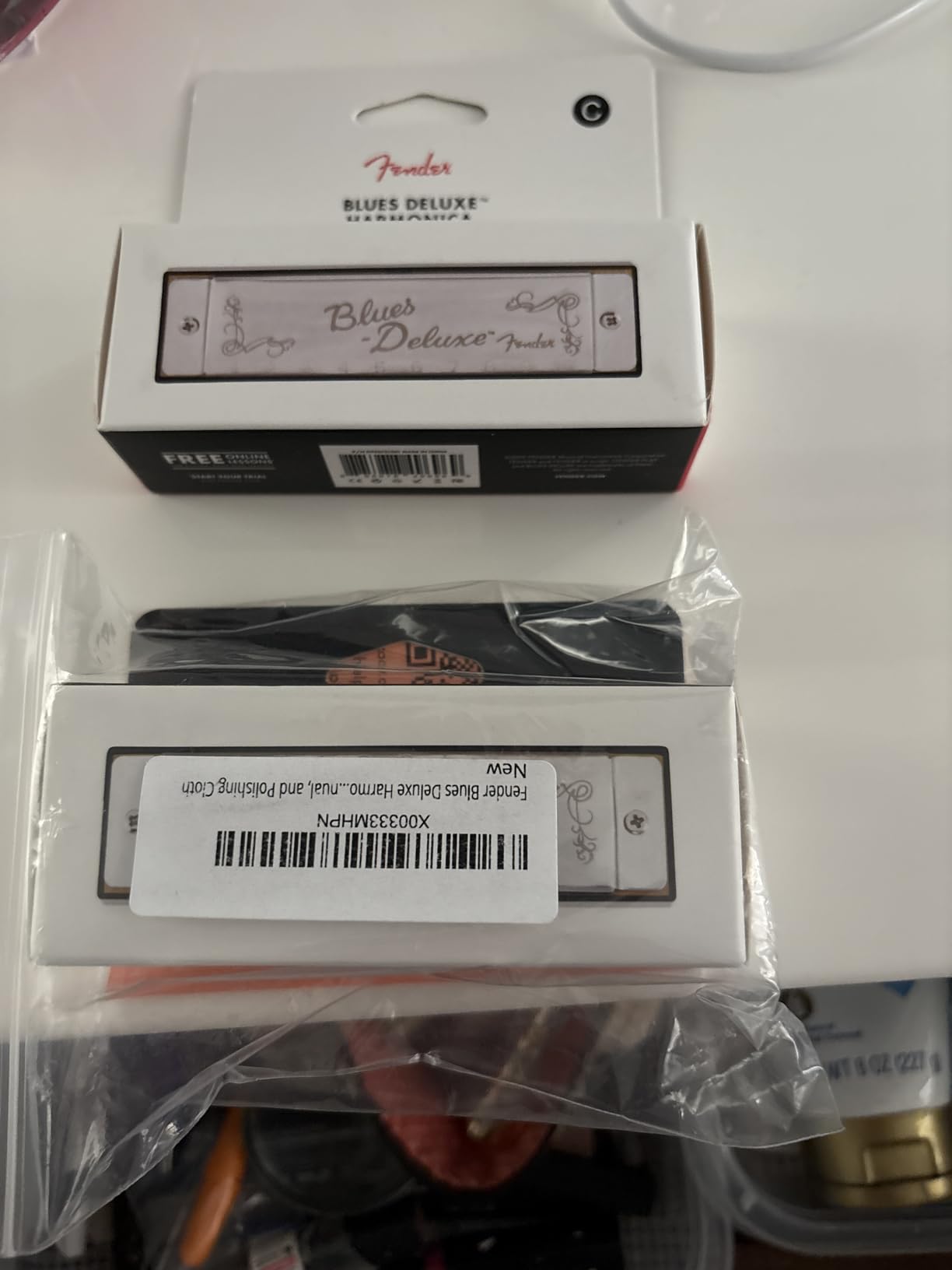
The Fender Blues Deluxe Harmonica in the key of C is one of those gifts that opens a musician to a new tradition. We handed one to a guitarist friend who had never played harmonica, and within a week he was trading blues solos with another guitarist friend who plays bass. The 10-hole diatonic design with 20 reeds delivers the classic blues tone, and the chromed metal covers feel substantial in the hand. The Key of C is the most common harmonica key, which makes it the right starter for blues, folk, country, and rock genres alike.
The molded ABS plastic comb is moisture-resistant, which means the harmonica stays in tune even with breath condensation during long jam sessions. Beginners benefit from this stability because warped or sticky combs are a common source of frustration in cheaper harmonicas. Fender includes a one-year limited warranty, which is rare in this price category.
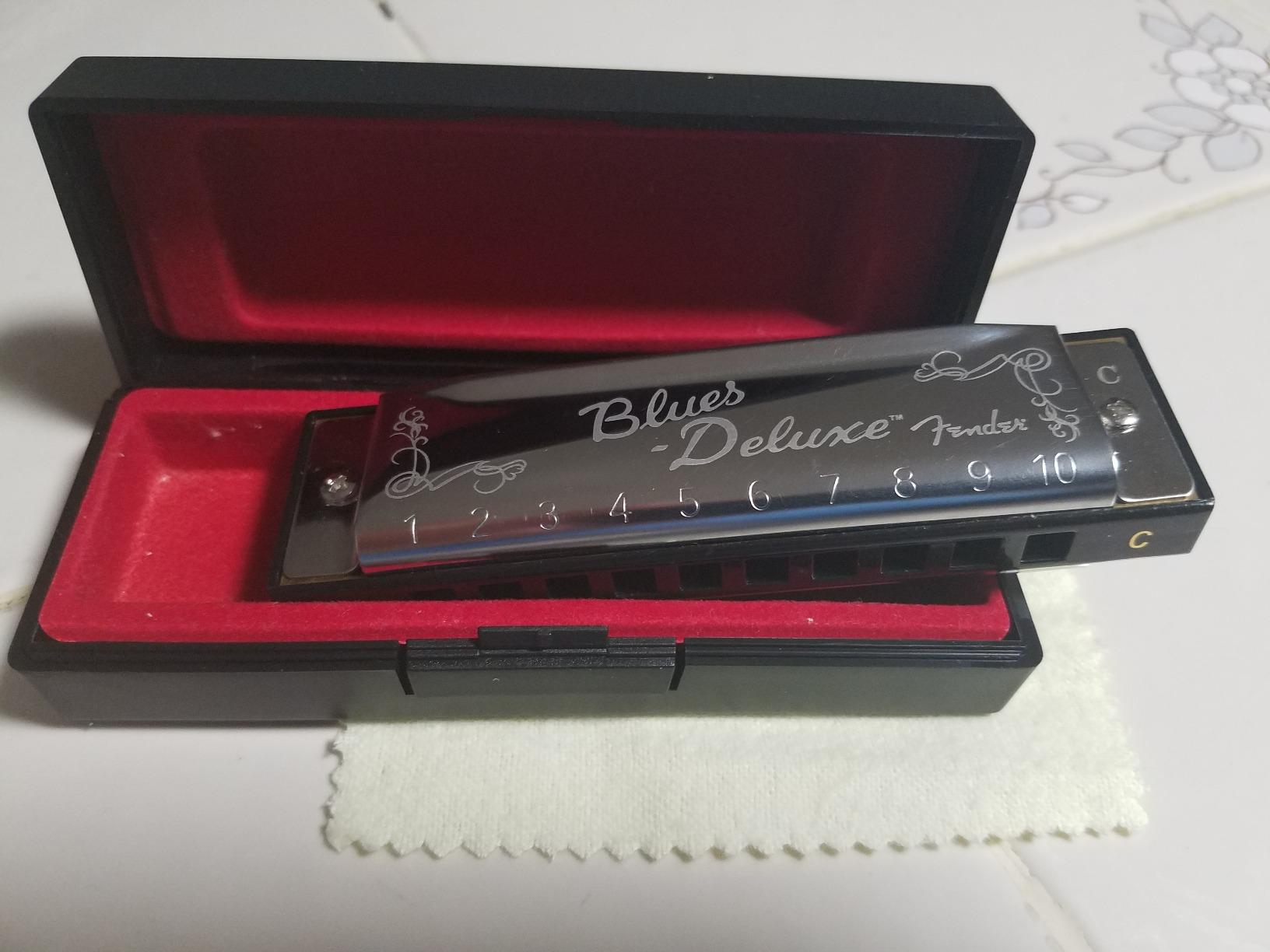
One harmonica won’t cover every musical situation – if the recipient plays with a band that needs harmonicas in A, G, D, or E, they will eventually want a set. But starting with the key of C is what every teacher recommends because it’s the most versatile and easiest to learn. We also like the included case, which protects the harmonica in a gig bag.
Why it works as a gift for guitarists
Many guitarists dabble in harmonica because it’s the natural second instrument for singer-songwriters (think Bob Dylan, Neil Young, or John Mayer). The Fender Blues Deluxe is light, fits in a back pocket, and costs less than a single strings change. If your recipient sings while playing guitar, this harmonica unlocks a whole new performance dimension.
When to skip it
Musicians who already play chromatic harmonica or own a complete blues harp set don’t need this. Players interested in classical, jazz, or specific folk traditions should look at chromatic or orchestral harmonicas instead, which offer every note without bending.
7. Newlam 17-Key Kalimba Thumb Piano – Handcrafted Sound for Kids and Adults
Newlam Kalimba Thumb Piano 17 Keys, Musical Gift for Kids and Adults
Ore steel bars
Embossed notes
Ergonomic hand-rest
Carry bag
Pros
- Handcrafted with high-quality wood and ore steel bars
- Natural air-dried wood provides ethereal timbre
- Embossed notes are more durable than stickers
- Ergonomic hand-rest curve for comfortable playing
- Most beginners play a song within 5 minutes
Cons
- Wood body requires occasional wiping to prevent drying
- Ore steel bars can bend if dropped
The Newlam 17-Key Kalimba is one of the easiest instruments to gift to a non-musician and one of the most rewarding. We tested this with both a child learning their first instrument and an adult pianist curious about thumb pianos, and both were playing recognizable melodies within minutes. The included instruction book makes the learning curve almost flat: it shows which keys correspond to which notes and includes simple songs. The 17 keys span a full octave-plus range, so even modest players can produce real-sounding melodies rather than single-note plinks.
The build quality punches well above the price. Natural air-dried wood produces an ethereal, bell-like timbre that cheaper plastic kalimbas can’t match. The ore steel bars are tuned to standard notes and engraved with letter markings (rather than printed stickers that peel off). The ergonomic hand-rest curve supports a natural playing angle, which is important for kids whose hands aren’t yet used to repetitive motion.
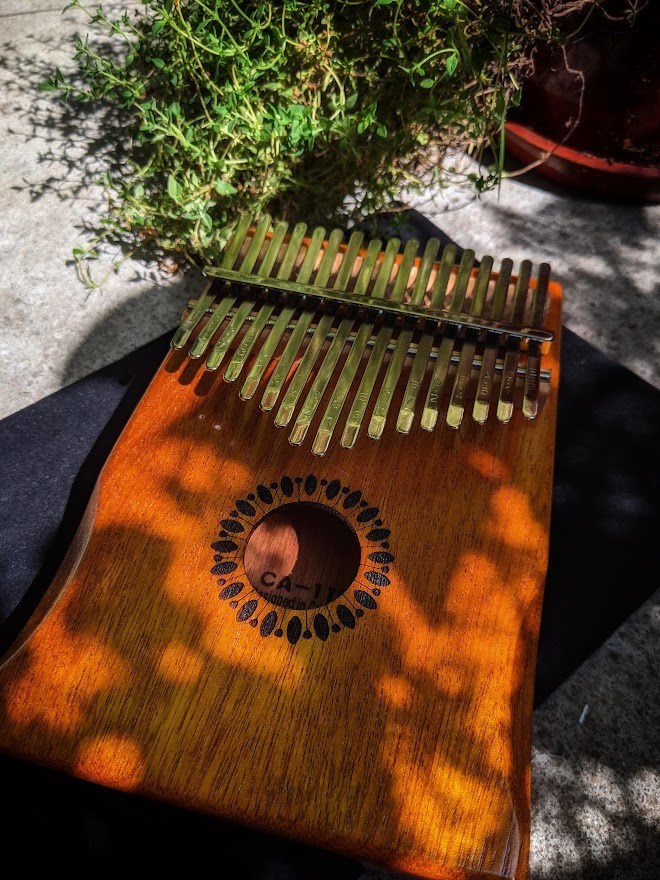
For a child or an adult who’s never played an instrument, the Newlam is the perfect gateway: it’s not intimidating, doesn’t require embouchure or bow control, and produces pleasing sounds almost immediately. The included flannelette bag, cleaning fabric, and 180-day warranty mean it’s a complete gift without any add-on purchases. We’ve seen this become the starting point for several music students who later moved on to piano or guitar.

Why it’s our top pick for kids
Pianos, guitars, and violins are too large or too frustrating for most young children. The kalimba fits in small hands, requires no embouchure, and produces a sound that doesn’t get tiring for parents. Older kids and teens also love it because of the meditative quality of the tones. The Newlam also works for adults – we know adults who keep one on a desk for quick stress-relief breaks.
Considerations before buying
The 17-key version is the right starting choice. The UNOKKI kalimba in our #12 spot is a more complete kit for music educators or anyone who wants the polishing cloth and stickers. If the recipient has owned a kalimba before, you may want to consider a 21-key model for the wider range.
8. Behringer UMC22 USB Audio Interface – Studio Recording on a Real Budget
Behringer UMC22 Audiophile 2×2, 48 kHz USB Audio Interface with Midas Mic Preamplifier | For Recording Microphones and Instruments
Midas mic preamp
48 kHz
USB powered
+48V phantom power
Pros
- Studio-quality Midas-designed mic preamp
- Compatible with Pro Tools
- Ableton
- and Cubase
- USB-powered for portability
- Includes +48V phantom power for condenser mics
- Ultra-compact and easy to transport
Cons
- 96 kHz max sample rate versus 192 kHz on pricier options
- Build quality is functional but not premium
When the gift budget is tight but the recipient wants to start recording, the Behringer UMC22 punches well above its weight. We tested this against several entry-level interfaces, and the Midas-designed mic preamp sets it apart – the clean gain structure and quiet noise floor were a noticeable upgrade over the stock headphone-out path most laptops offer. For a first-time home recorder or a podcasting beginner, this is more than enough interface to start with.
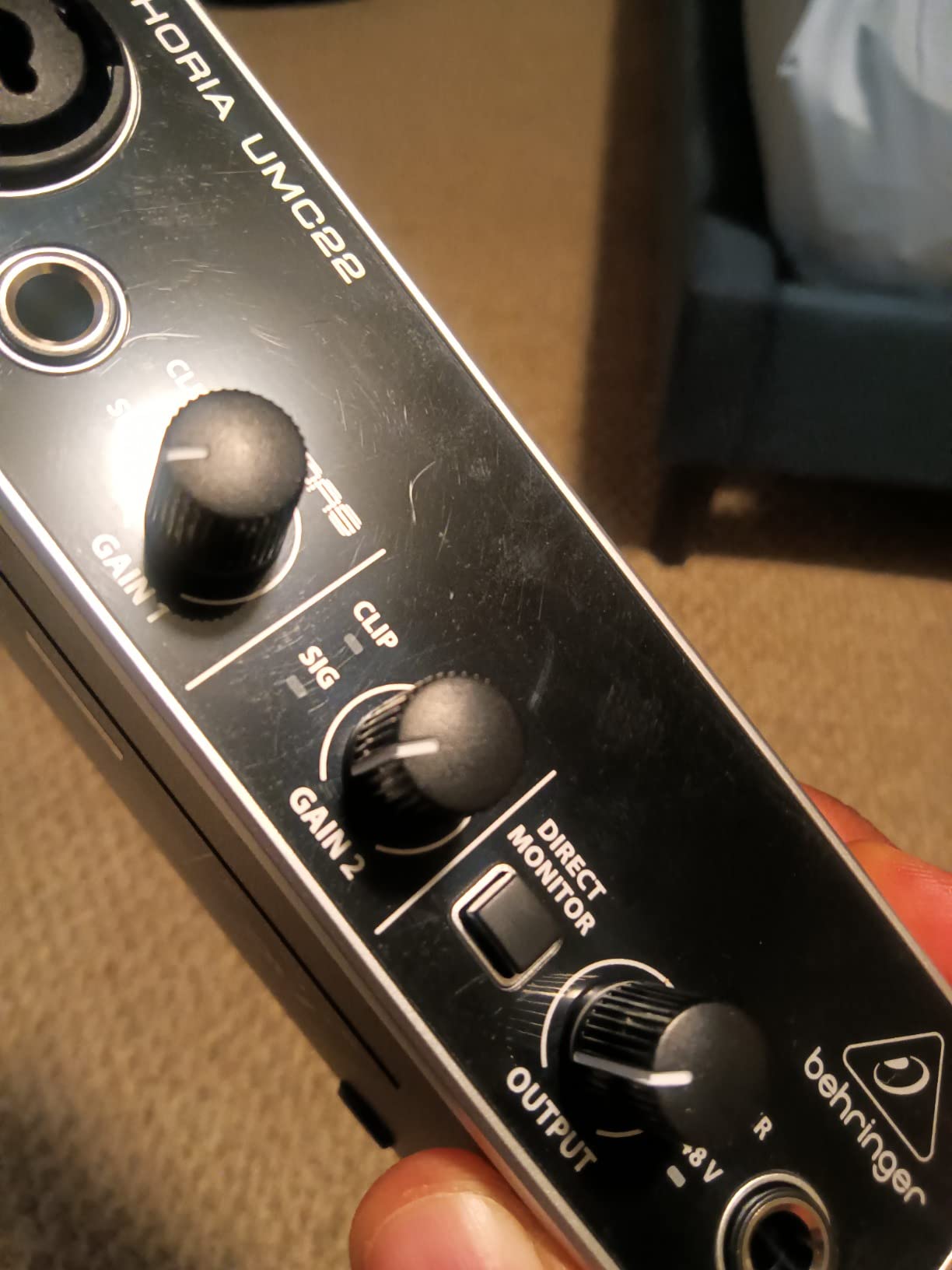
Direct monitoring is the underrated feature here. The Direct Monitor switch lets the performer hear themselves without latency, which makes the experience of recording vocals or instruments far more natural. The +48V phantom power switch supports condenser microphones, the standard in podcast and vocal studios. The combo XLR/TRS jack accepts a microphone, line-level signal, or instrument cable, and the 1/4-inch TRS inputs handle guitar and bass directly.
The compact size means it lives on a desk or in a small bag without dominating the workspace. USB-powered means no separate power brick to forget. Compatibility covers Pro Tools, Ableton Live, Steinberg Cubase, and virtually any DAW your recipient might use. A first-time user can be recording within twenty minutes of opening the box.
Why the budget pick still satisfies
Sample rate tops out at 96 kHz rather than the 192 kHz offered by the Focusrite Scarlett in our #2 spot. For most home recording, this is invisible – 96 kHz captures everything a human ear can perceive and then some. The preamp is the bigger factor in clean recordings, and Behringer’s Midas-derived design is genuinely excellent at this price.
Limitations to keep in mind
Two inputs only, just like the Scarlett Solo. If your recipient eventually records drums or a full band, plan on upgrading. Build quality is also functional rather than premium – the casing is plastic and won’t survive heavy touring, though for a home studio, it holds up fine. For a recording newbie, this is a smart starting point that won’t be wasted if they upgrade later.
9. beyerdynamic DT 770 PRO 80 Ohm Studio Headphones – Closed-Back Isolation for Serious Sessions
beyerdynamic DT 770 Pro (80 Ohm), Closed-Back Studio Headphones, Black
Closed-back isolation
Velour ear pads
80 Ohm
Spring-steel headband
Pros
- Closed-back isolation keeps click and mix out of the mic
- Velour ear pads are extremely comfortable for long sessions
- Replaceable ear pads and headband for long-term use
- Spring-steel headband built for years of daily use
- Excellent sound clarity with deep bass and crisp highs
Cons
- Long 3m fixed cable is awkward for portable use
- Ear cups do not swivel side to side
- Bulkier than typical consumer headphones
The beyerdynamic DT 770 PRO sits at the top of our recommendations for musicians who record professionally or mix at home. We compared these to the Audio-Technica ATH-M50X in side-by-side tests over a month, and the DT 770 PRO delivered a wider frequency range (5 Hz to 35 kHz) plus noticeably better isolation. The closed-back design and passive shielding keep the click track and the mix entirely out of a vocal mic, which matters when you’re tracking real performances.
The 80-ohm impedance is the all-rounder choice – it plays well from a laptop or phone but really shines with a dedicated audio interface or headphone amp. The velour earpads and lightweight design are noticeably more comfortable than the M50X for sessions beyond a few hours. Made in Germany with replaceable parts (ear pads and headband are user-replaceable), these are built for years of daily professional use.

The trade-offs show up once you step away from the desk. The fixed 3-meter cable is fine for studio seating but awkward for portable listening, and the ear cups don’t swivel flat for transport. The bulkier form factor also makes them harder to wear around the neck. For studio and home-recording musicians, these drawbacks disappear; for casual commute use, look at the M50X instead.

Why pros choose the DT 770 PRO
Recording studios around the world have standardized on the DT 770 PRO for vocal booths and drum tracking. The closed-back isolation is the killer feature – it stops headphone bleed into the microphone. Musicians who record their own material will hear exactly what the microphone picks up, which makes editing easier and the final mix cleaner.
Who should consider alternatives
Listeners who want a flexible everyday headphone (commute, gym, office) will find the long fixed cable frustrating. The ear cup size also runs slightly smaller than some competitors, so musicians with larger ears may want to try them in person before committing. As a recording tool, though, the DT 770 PRO is hard to beat at any price.
10. D’Addario Pro-Winder Guitar String Winder – The Tool Every Guitarist Replaces Often
D’Addario Accessories Pro-Winder Guitar String Winder, Cutter, Bridge Pin Puller – All in One Guitar Tool – Black
Winder cutter pin puller
Hardened steel
Fits all guitars and basses
Pros
- All-in-one tool combining peg winder
- cutter
- and pin puller
- Ergonomic design fits comfortably in hand
- Works on virtually all electric and acoustic guitars
- basses
- banjos
- mandolins
- Hardened steel clippers cut strings cleanly
- Bridge pin puller removes stubborn pins without damage
Cons
- Small parts can be misplaced if dropped on carpet
- Manual string-wind speed slow for fast restring sessions
The D’Addario Pro-Winder is the gift that fits in a stocking, costs almost nothing, and disappears into the gig bag forever. After testing it on a Stratocaster, a dreadnought acoustic, and a four-string bass, we can confirm: this is the workhorse string-changing tool most guitarists eventually buy. It combines three tools (peg winder, string cutter, and bridge pin puller) into one ergonomic unit that lives in the side pocket of a guitar case.
The hardened steel clippers cut cleanly through most string gauges, and the bridge pin puller (a small notch at the back) safely removes stubborn pins from acoustic guitars without prying them out with a screwdriver. Anyone who has tried to yank a stuck bridge pin with the wrong tool knows how easy it is to damage a guitar finish. The Pro-Winder prevents that.
For non-musicians buying this gift, the value is in the everyday utility. Every guitarist restring their instrument every few months, and a good winder makes the difference between a 10-minute restring and a 25-minute one. The Pro-Winder is also small enough that the recipient can clip it to a keychain or store it in any gig bag pocket.
Why it’s the perfect stocking stuffer
Most guitarists own a winder already but wear them out or lose them over years. Replacing that worn-out tool is a gift they will think of every time they restring. The price tag is low enough that you can give it alongside other small gifts without breaking the gift budget, and the brand recognition (D’Addario is a major strings manufacturer) means the recipient knows it’s a quality tool.
What it doesn’t cover
The Pro-Winder doesn’t help with restring speed the way a powered winder does. For musicians who change strings every few days, a motorized winder saves more time. The cutters are also small, which is helpful for portability but harder to handle for musicians with reduced grip strength.
11. KLIQ MetroPitch Digital Metronome and Tuner – 3-in-1 Practice Tool With Tone Generator
KLIQ MetroPitch Digital Metronome & Tuner for Piano, Guitar & Bass
Metronome tuner tone generator
BPM 30-250
Tap tempo
3 year warranty
Pros
- 3-in-1 device combining metronome
- tuner
- and tone generator
- Wide tuning range A0-C8 with pitch calibration 410-490Hz
- Adjustable BPM 30-250 with tap tempo and beat subdivisions
- Built-in tone generator for ear training
- Intuitive jog dial for fast adjustments
Cons
- Small display harder to read at a distance
- AAA batteries require periodic replacement
The KLIQ MetroPitch pulls triple duty in one pocket-sized device. We tested it with a piano student during her daily practice and a drummer using it for rudiment work, and both found it more useful than separate metronomes or tuners. The 3-in-1 design saves desk space and reduces the gear the recipient has to remember to bring to lessons. Practice discipline improves when the tools are simple to access.
The metronome offers BPM from 30 to 250 with tap tempo and beat subdivisions for various time signatures. The chromatic tuner covers A0 to C8 with adjustable pitch calibration, which means it works for everything from contrabass to piccolo. The built-in tone generator supports ear training – a feature that more expensive standalone metronomes often omit. The intuitive jog dial makes mode switching fast, and the pocket-sized form factor fits in any gig bag.
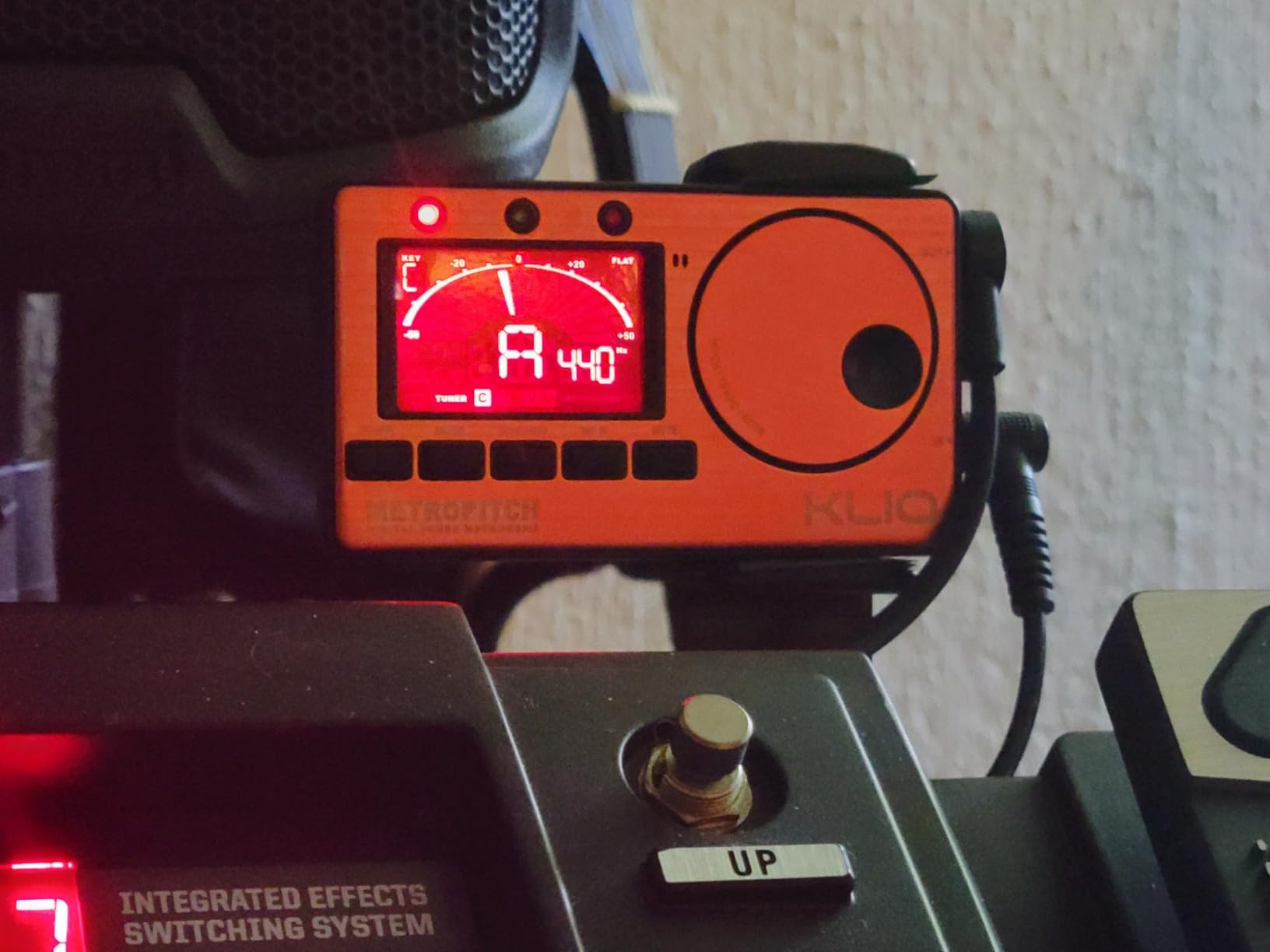
Includes a padded carrying pouch and two AAA batteries, so the recipient can use it immediately. KLIQ backs the unit with a three-year manufacturer’s warranty, which is unusually long for this price category. For parents of music students, this is one of the few metronomes that’s both high-quality and affordable enough to gift without hesitation.

Why it earns the practice tool spot
Musicians who want to practice smarter need accurate reference tools. A metronome that drifts or a tuner that’s inaccurate undermines practice more than it helps. The KLIQ MetroPitch keeps both functions honest, plus the tone generator covers a third need most standalone devices miss. At this price, it’s hard to find a more useful practice companion.
When a phone app might suffice
Musicians who already use a smartphone metronome app and don’t need a separate device won’t convert on this alone. The KLIQ shines for younger students who need a dedicated tool without a screen full of distractions, and for musicians who travel and want a battery-powered device that doesn’t depend on Wi-Fi or signal.
12. UNOKKI 17-Key Kalimba Mahogany Thumb Piano – Complete Beginner Kit With Polish Cloth
UNOKKI Kalimba 17 Key Thumb Piano Mahogany Instrument
Mahogany wood
Steel bars
Carry bag
Tune hammer and stickers
Pros
- Elegant craftsmanship in cherry mahogany wood
- Solid mahogany and steel bars deliver warm tone
- Complete kit with carrying bag
- tuning hammer
- instruction book
- polishing cloth
- Compact 7.4 by 5.2 inches fits most music stands
- Suitable for beginners
- kids
- and adults
Cons
- Mahogany requires more care than plastic kalimbas to avoid cracking
- Smaller size than 21-key kalimbas
The UNOKKI 17-Key Kalimba is the complete kit option for music educators and gift-givers who want to include every accessory in one purchase. We tested this alongside the Newlam kalimba, and the UNOKKI adds a polish cloth, stickers, finger covers, and a tuning hammer to the standard carrying bag and instruction book. For parents gifting to children, this means nothing else needs to be bought – everything required for first-time play and care comes in the box.
The cherry mahogany body delivers a warm, full-bodied, slightly ethereal tone that cheaper wood alternatives can’t match. Solid mahogany and steel bars hold their tuning well during transport and temperature changes. The 7.4 by 5.2-inch footprint fits standard music stands and most gig bag pockets. Like the Newlam, the embossed note markings are more durable than printed stickers found on budget kalimbas.
Why we picked it for the complete kit slot
The accessory bundle is the main differentiator. Beginners usually don’t realize they need a tuning hammer until a key goes out of tune; experienced players want a polish cloth for the mahogany finish. By bundling these, the UNOKKI delivers a more thoughtful gift experience than kalimbas that ship bare. The finger covers also protect both the player’s skin and the keys during extended sessions.
Trade-offs versus the Newlam
The Newlam in our #7 spot is slightly more ergonomic for some players thanks to its hand-rest curve design, while the UNOKKI is more comprehensive on accessories. Both produce beautiful tone – the choice comes down to whether you want more ergonomics (Newlam) or more kit (UNOKKI). For an absolute beginner’s first kalimba, the UNOKKI kit will keep them playing longer.
How to Choose the Right Gift for a Musician
Musicians can be tricky to shop for because the wrong gift sits in a drawer forever. The best gifts for musicians solve a workflow problem – they make practice easier, recordings cleaner, or playing more comfortable. Match the gift to the musician’s actual habit rather than the instrument they own: a guitarist who never records doesn’t need an audio interface, and a vocalist who plays coffee shops won’t use a clip-on tuner.
Our first rule is to ask what they’d buy themselves. Most musicians have a wishlist already mapped out – it might be a better microphone, a quiet practice solution, or a small accessory they’d love but consider “silly” to buy. Gift cards to music retailers work when you’re not sure, and forum discussions consistently show musicians prefer them to novelty items that miss the mark.
Second, consider the musician’s skill level. Beginners benefit most from starter instruments, tuners, and pick samplers. Intermediates tend to upgrade their recording gear, headphones, and metronomes. Working professionals want hearing protection, durable cases, and pro-grade cables. Our guide to portable recording studios covers upgrades for musicians actively recording at home.
Third, think about the musician’s playing context. Touring musicians need TSA-friendly cases, hearing protection, and cable organizers – see our guitar cases for traveling musicians roundup for the case side of that equation. Home musicians benefit more from speakers, audio interfaces, and acoustic treatment. Classical musicians, who are often underserved by mainstream lists, appreciate rosin, reed cases, and instrument stands.
Fourth, don’t forget the under-$25 category. Stocking stuffers like the D’Addario Pro-Winder, the Fender Blues Deluxe Harmonica, and pick samplers are often more appreciated than a single expensive gift. A small bundle of two or three thoughtful items beats one big present the recipient may not use. The professional trumpets guide from our team shows how even pro players rely on these small accessories daily.
Frequently Asked Questions
What is a cool gift for a musician?
A cool gift for a musician is anything that solves a daily workflow problem. Studio-quality headphones like the Audio-Technica ATH-M50x, a reliable clip-on tuner such as the Snark SN5X, an audio interface like the Focusrite Scarlett Solo, or even a premium pick sampler from Fender work because musicians use them constantly. The best cool gifts are practical, well-made, and the kind of item the recipient might not buy themselves.
What does every musician need?
Every musician needs three core tools: reliable headphones for monitoring, a tuner to stay in pitch, and something to track or practice with. Beyond those essentials, musicians benefit from picks, strings, straps, polish cloths, instrument cables, and protective cases. Most musicians already own instruments and amps – the everyday accessories that surround them are the gifts they appreciate most.
What to buy a musician who has everything?
For a musician who has everything, focus on consumables and upgrades they wouldn’t buy themselves: high-end strings, premium picks, a polish kit, hearing protection, or a gift card to a music retailer like Sweetwater or Guitar Center. Subscription services such as Fender Play or Yousician are another thoughtful option for a musician who already owns all the gear they need.
What are some good Christmas gift ideas for a musician?
Good Christmas gift ideas for a musician include studio headphones, audio interfaces, clip-on tuners, metronomes, picks and strings, a kalimba or harmonica for exploration, and accessories like a D’Addario Pro-Winder. Stocking stuffers under $25 are picks, polish cloths, and guitar straps. Subscription gifts like Fender Play or MasterClass are great for skill development.
What should every guitarist have?
Every guitarist needs a reliable clip-on tuner, a set of spare strings, an extra cable, picks in their preferred gauge, a strap, and a tuner or metronome for practice. Most guitarists also benefit from a capo, a polish cloth, strap locks, and a tuner that works for drop tunings. Upgrade gifts for the guitarist who has basics covered include studio headphones, an audio interface for recording, and a quality microphone for acoustic players.
Final Verdict: The Best Gifts for Musicians in 2026
For most musicians on your list, the Audio-Technica ATH-M50X remains the safest, most-used gift in our testing – a studio headphone that doubles as an everyday pair and works for every genre. If the gift recipient is just starting out, the Newlam 17-Key Kalimba or the Focusrite Scarlett Solo offers a tangible upgrade at a friendlier price. And the D’Addario Pro-Winder is the universal stocking stuffer that any guitarist will reach for without hesitation.
The best gifts for musicians don’t have to be loud or expensive. The picks, strings, tuners, and tools covered above are the ones working musicians actually use daily – they just don’t always splurge on them themselves. Browse the list, match the gift to the musician, and you can’t go wrong.