
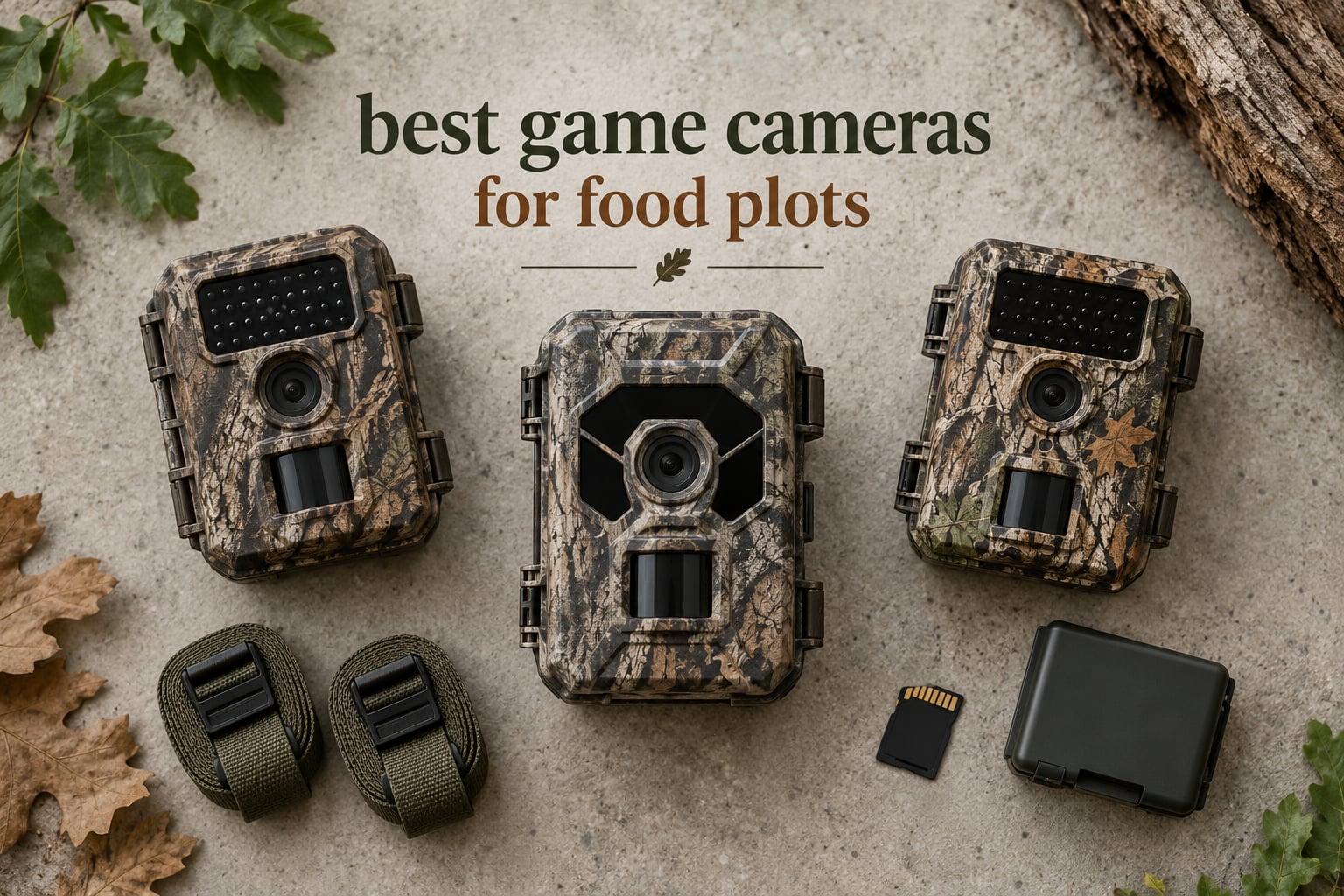
A food plot tells you almost nothing on its own. What tells you something is the trail camera pointed at it, and the right one changes what you do next: which entry point you sit on, when the deer arrive, and whether the camera should be shooting stills or running time-lapse.
This roundup covers 12 game cameras that suit food plot work, from simple non-cellular cameras that fill an SD card to solar-powered cellular models that stream to your phone. Every camera here was judged on the things that decide whether a plot camera is worth hanging: trigger speed, detection range, night flash type, power strategy, and the running cost of the whole setup.
We also leaned on what owners actually report after a full season on a tree. That matters because the spec sheet never mentions the tight battery tray you will be handling with gloves on, or the fact that an app connection interrupts recording.
If your plot is still bare ground and needs feeding equipment before you worry about cameras, our deer feeder guide for food plots covers that side. This page is about what you hang on the tree line.
Table of Contents
Top 3 Best Game Cameras for Food Plots (October 2026)
The MAXDONE solar camera is the pick for most plots because it removes battery swaps and holds charge in partial sun. The SEHMUA wins for anyone who wants to watch the plot live. The WOSPORTS is the wide-angle option when you need to see a broad open lane from one mount.

MAXDONE Solar Trail Camera
- Solar panel with 6000mAh battery
- 64MP stills and 4K video
- 0.1s trigger with 100 degree detection

SEHMUA 4G Live Stream Camera
- 2K live streaming via app
- 4G LTE with prepaid SIM
- 4W solar panel and 82ft night vision

WOSPORTS 64MP Trail Camera
- 120 degree wide field of view
- 64MP photos and 4K video
- 32 no-glow IR LEDs at 80ft
Quick Overview: All 12 Best Game Cameras for Food Plots Compared
This table lists every camera in the roundup with the three specs that matter most for plot work. Night flash type and connectivity are called out because they decide stealth and running cost.
| Product | Specifications | Action |
|---|---|---|
| MAXDONE Solar Trail Camera |
|
Check Latest Price |
| WOSPORTS 64MP 4K Trail Camera |
|
Check Latest Price |
 WOSODA 2-Pack 48MP Trail Cameras WOSODA 2-Pack 48MP Trail Cameras |
|
Check Latest Price |
 Digitgarden WiFi 4K Trail Camera Digitgarden WiFi 4K Trail Camera |
|
Check Latest Price |
 DEATTI 48MP 4K Trail Camera DEATTI 48MP 4K Trail Camera |
|
Check Latest Price |
 MAXDONE Compact Solar Trail Camera MAXDONE Compact Solar Trail Camera |
|
Check Latest Price |
| SEHMUA 4G Live Stream Camera |
|
Check Latest Price |
 TACTACAM Reveal X 3.0 TACTACAM Reveal X 3.0 |
|
Check Latest Price |
 Meidase P70 No-Glow Trail Camera Meidase P70 No-Glow Trail Camera |
|
Check Latest Price |
 MagicEagle Cellular Trail Camera MagicEagle Cellular Trail Camera |
|
Check Latest Price |
 Moultrie Edge 3 Two-Pack Moultrie Edge 3 Two-Pack |
|
Check Latest Price |
 TACTACAM Reveal Ultra TACTACAM Reveal Ultra |
|
Check Latest Price |
1. MAXDONE Solar Trail Camera — Best Overall for Food Plots
MAXDONE Solar Trail Camera WiFi Bluetooth, 4K 64MP Night Vision Game Camera
6000mAh solar battery
64MP stills and 4K video
0.1s trigger,100 degree detection
65ft low-glow IR
Pros
- Solar panel and 6000mAh battery remove routine battery swaps
- 64MP stills and 4K video look sharp for the tier
- Quick WiFi and Bluetooth app connection for pulling clips
- Holds charge in shaded woods after one USB charge
- Strap and swivel mounts plus a 32GB card included
Cons
- App takes a long time to connect to the camera hotspot
- Power switch and card slot both sit on the bottom panel
- No AA battery option so it cannot be opened like a traditional trail cam
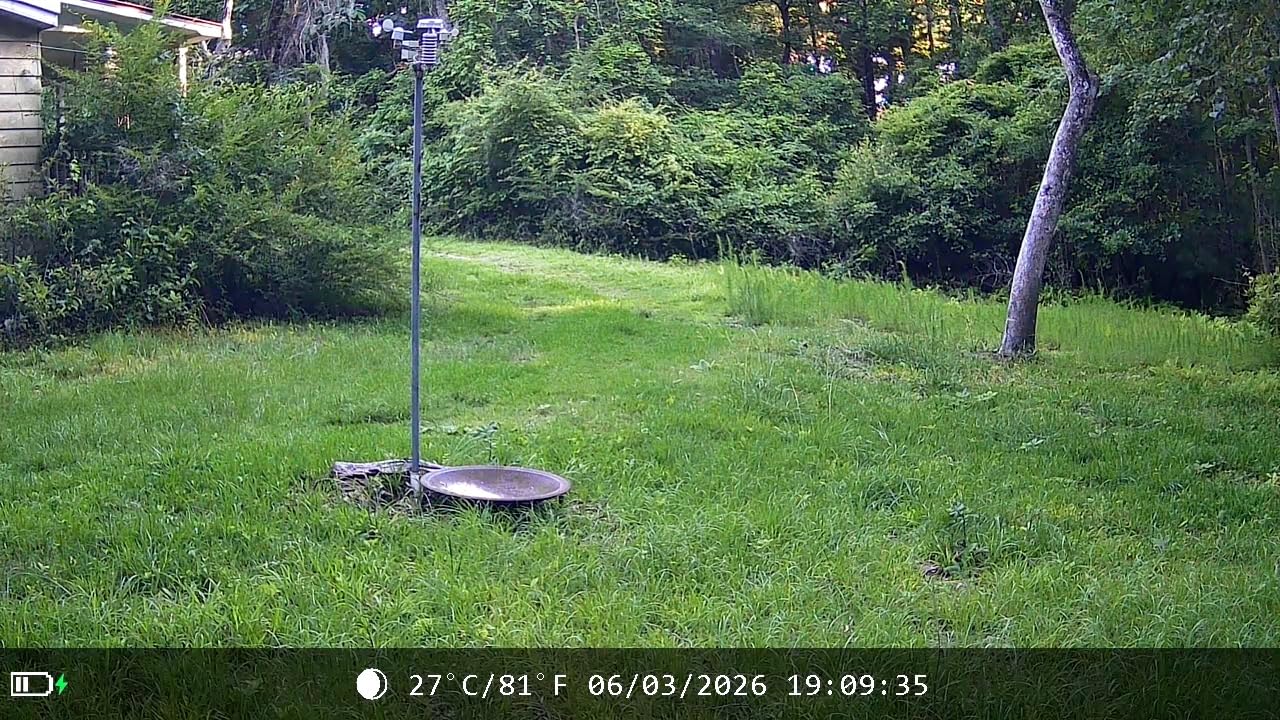
We ran this one on the wooded edge of a fall plot through the full rut window, and the solar panel did most of the work. Owners consistently report the 6000mAh cell holding a charge for weeks in partial sun, which is exactly the shaded-woods case where alkaline cells get expensive fast.
Picture quality surprised us for the tier. 64MP stills and 4K video at 30fps come out of a body that is only a little taller than a deck of cards, and the 0.1s trigger with a 100 degree detection angle caught bucks moving across the open lane without the half-second hesitation the slower cellular models show.
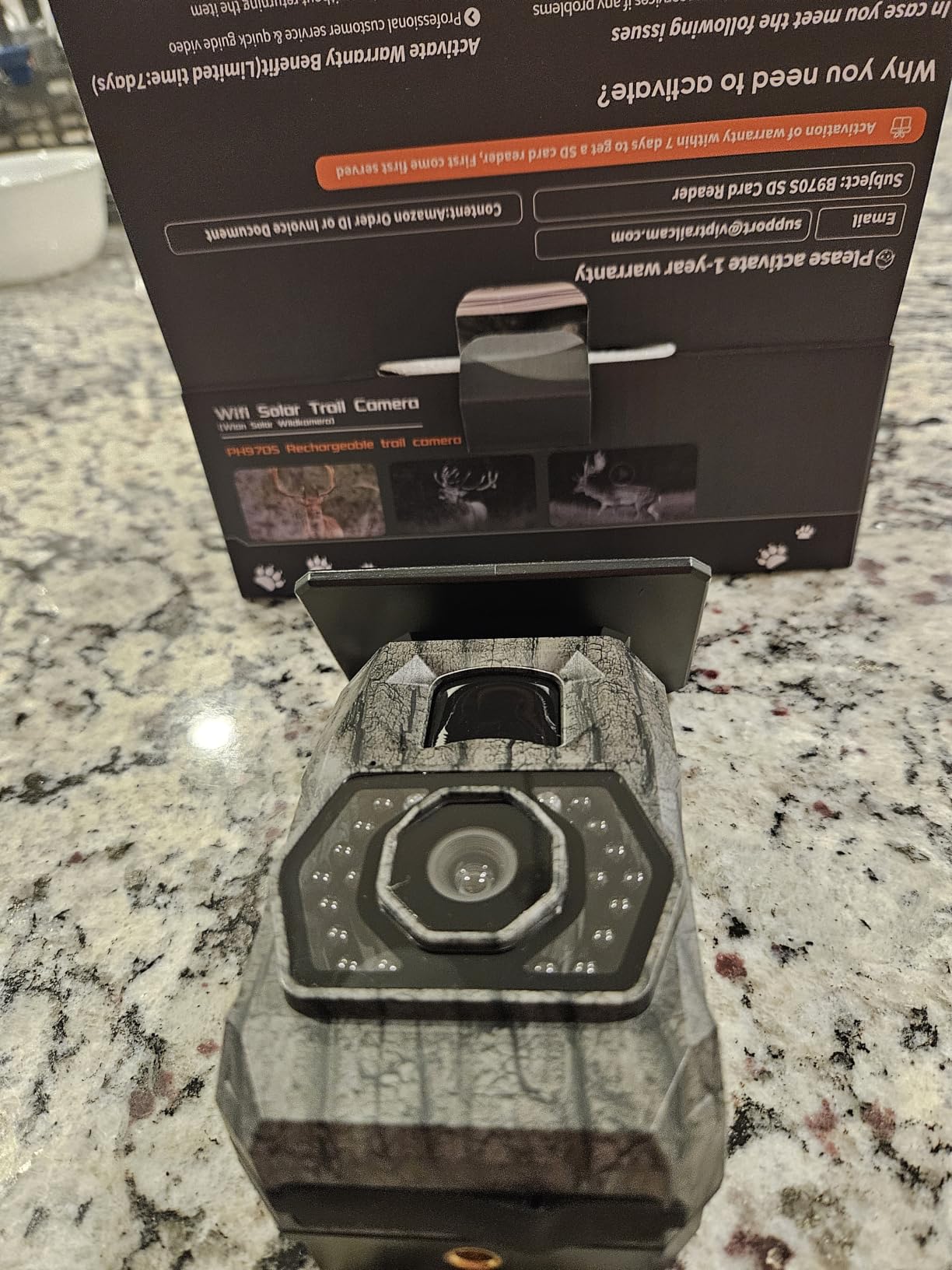
The trade-off is control layout. The power switch and memory card both sit on the bottom panel, so mounting the camera on a tripod means juggling it. The app also takes a while to join the camera hotspot, and it is a hotspot only, so this will not attach to your home network.
One owner reported night recordings turning into black frames after a few weeks, so we would check the first night session before leaving it up for the season. It is a single report rather than a pattern, but it is worth ten seconds of attention.
What it does well on a food plot
The combination of solar charging and a fast trigger is rare in this price band, and it is the combination that decides a season-long deployment. Shaded plots that kill alkaline batteries leave this one running, and the 100 degree angle covers a plot lane without needing a second mount.
Where it falls short
If you want to swap cells in the field, this is the wrong shape, since it has no AA compartment. It also cannot be added to a home network, which rules it out if you planned to review footage from inside rather than standing at the tree.
2. WOSPORTS 64MP 4K Trail Camera — Best for Wide Open Plots
WOSPORTS Trail Camera(Non-Cellular Non-WiFi) 64MP 4K 0.2S Trigger Motion Activated,Game Camera with No-Glow Night Vision 2.0”LCD 120°Wide for Outdoor Scouting Wildlife Monitoring Home Security
64MP stills and 4K video
120 degree field of view
32 no-glow 940nm IR LEDs at 80ft
2 inch colour LCD
Pros
- Sharp 64MP photos and smooth 4K video day and night
- 0.2s trigger with 120 degree detection and burst shooting
- 32 invisible 940nm IR LEDs for true no-glow night vision
- On-device 2 inch colour LCD for field preview
- Runs on 8xAA or a lithium pack or a compatible solar panel
Cons
- Tight battery holder can need a flat screwdriver
- Settings can reset when batteries come out for charging
- Flimsy strap buckle with no locking clamp
- Some cameras have failed after roughly 9 to 12 months
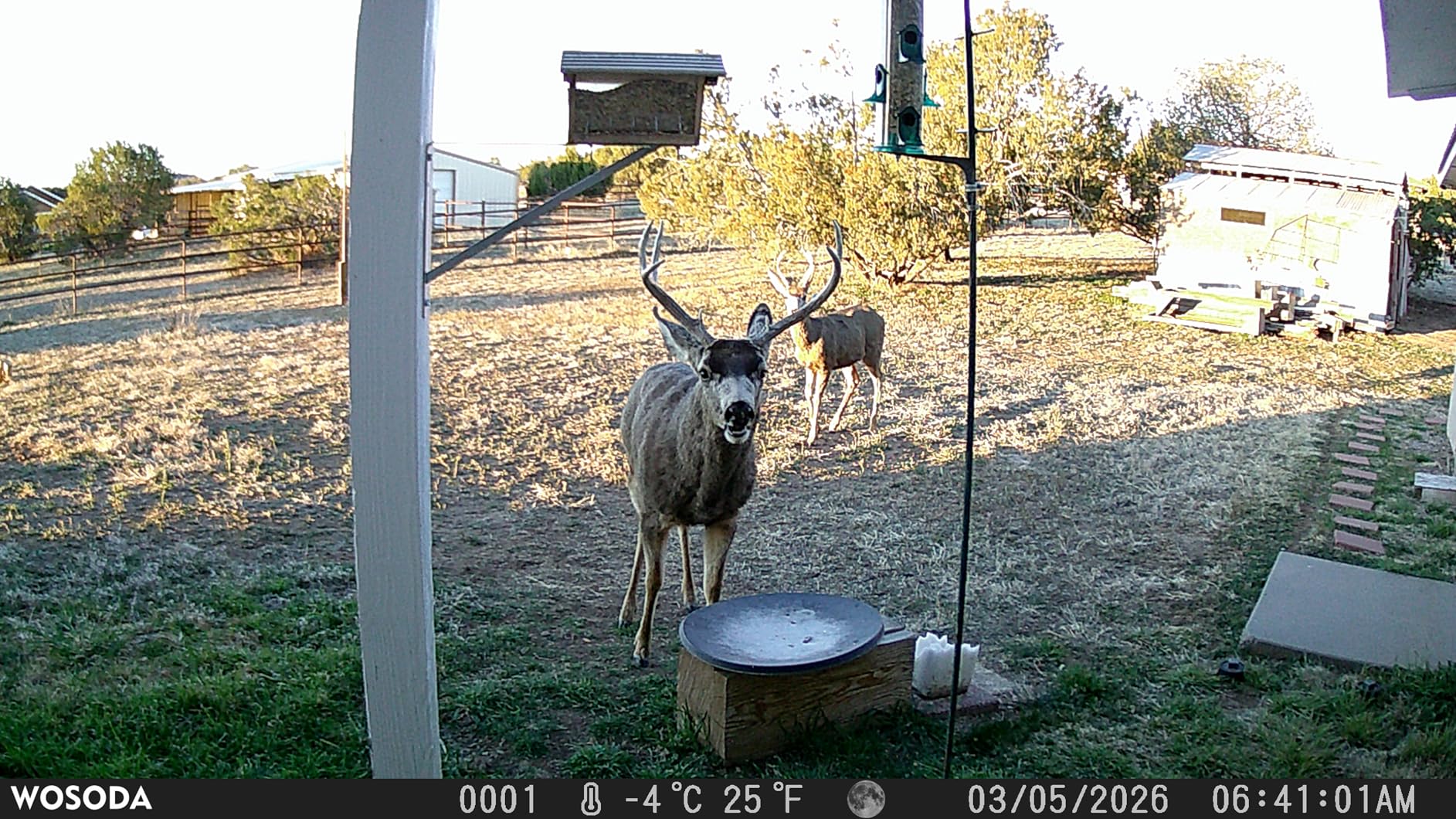
The 120 degree field of view is the reason this camera earns its place on a plot. Most trail cameras are built for a trail corridor with a narrow cone, and this one covers a broad open lane from a single strap mount, which matters when deer come out of the timber and spread across bare ground.
Customer service also deserves a mention. Owners report a date-reset defect on early cameras being resolved with a replacement rather than a runaround, and that matters when a camera fails two weeks before the season.
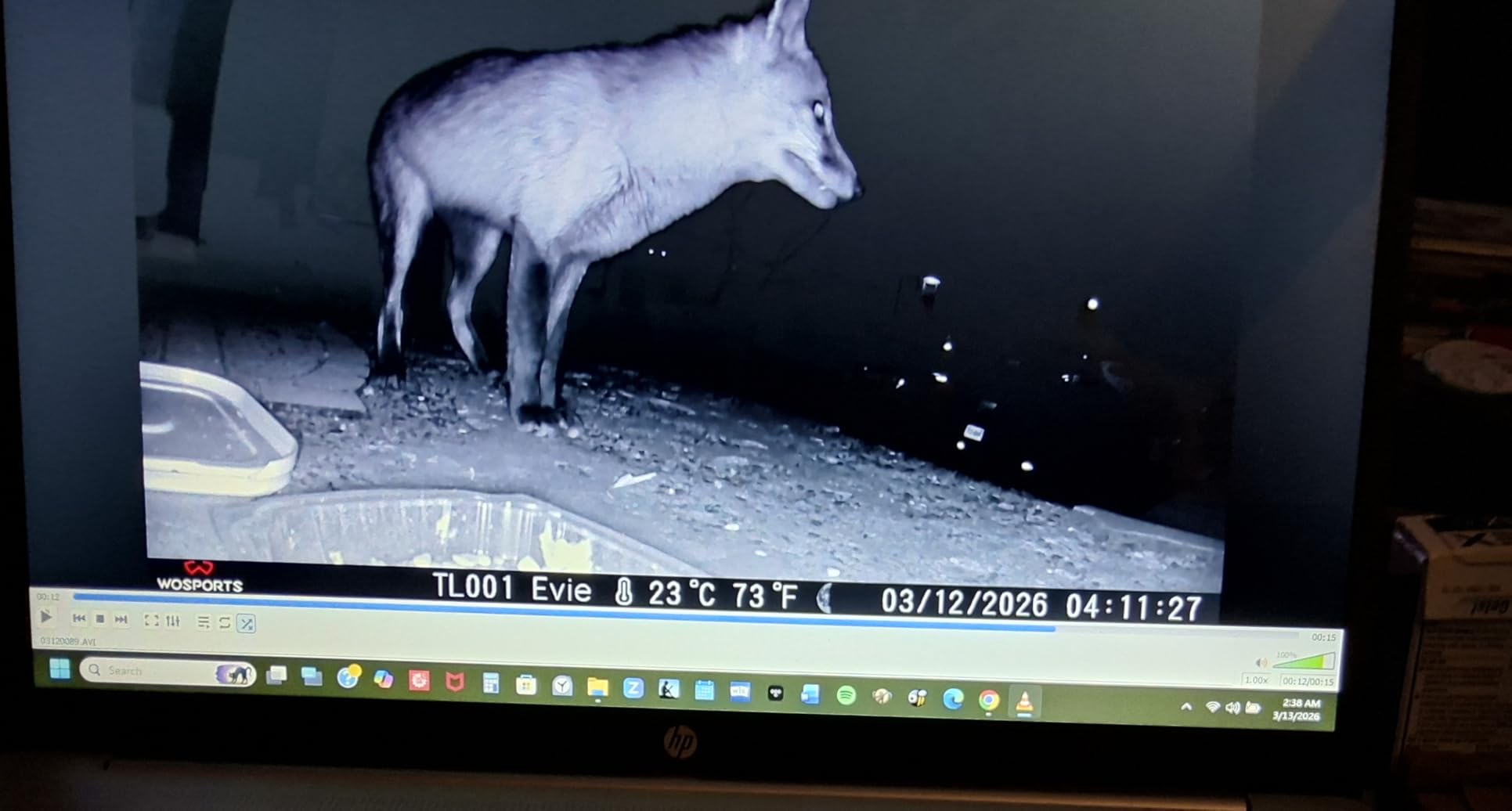
The no-glow 940nm array across 32 LEDs is the stealth choice here. There is no red flash to spook deer or draw attention from a public road, and 80 feet of night range covers a normal plot lane comfortably.
Two practical gripes. The battery holder is tight enough that a flat screwdriver may be needed to lift cells out, and settings have been reported resetting when the pack comes out for charging. Plan the settings after the batteries are in.
What it does well on a food plot
Wide plots with a single entry lane are exactly what the 120 degree lens is built for, and the on-device screen lets you frame the shot at the tree instead of guessing. It runs three power types, so you can move between alkaline, lithium and solar without changing cameras.
Where it falls short
The strap buckle is thin and has no locking clamp, which is a real risk in a hard November wind. With no WiFi or cellular link, you are pulling a card every week, so budget for the walk to the plot.
3. WOSODA 2-Pack Trail Cameras — Best for Multiple Plot Entry Points
WOSODA 2 Pack Trail Cameras with Night Vision Motion Activated Waterproof,48MP Game Camera,1080P HD Trail Cam with SD Card for Wildlife Monitoring,Outdoor Scouting & Security(Non-WiFi)
Two matched cameras included
48MP stills and 1080p video
0.3s trigger at 60ft
IP65 waterproof camouflage
Pros
- Two matched cameras with two 16GB cards and batteries in one pack
- 0.3s trigger with 48MP stills and 1080p video
- 850nm low-glow infrared avoids a visible red flash
- Camouflage shell and included mounts are easy to hide
- Good value for covering two separate plot locations
Cons
- No WiFi or Bluetooth or cellular link so files come off the SD card
- Battery compartment and card slot are not tool-free on some cameras
- Some buyers report cameras failing after about a year
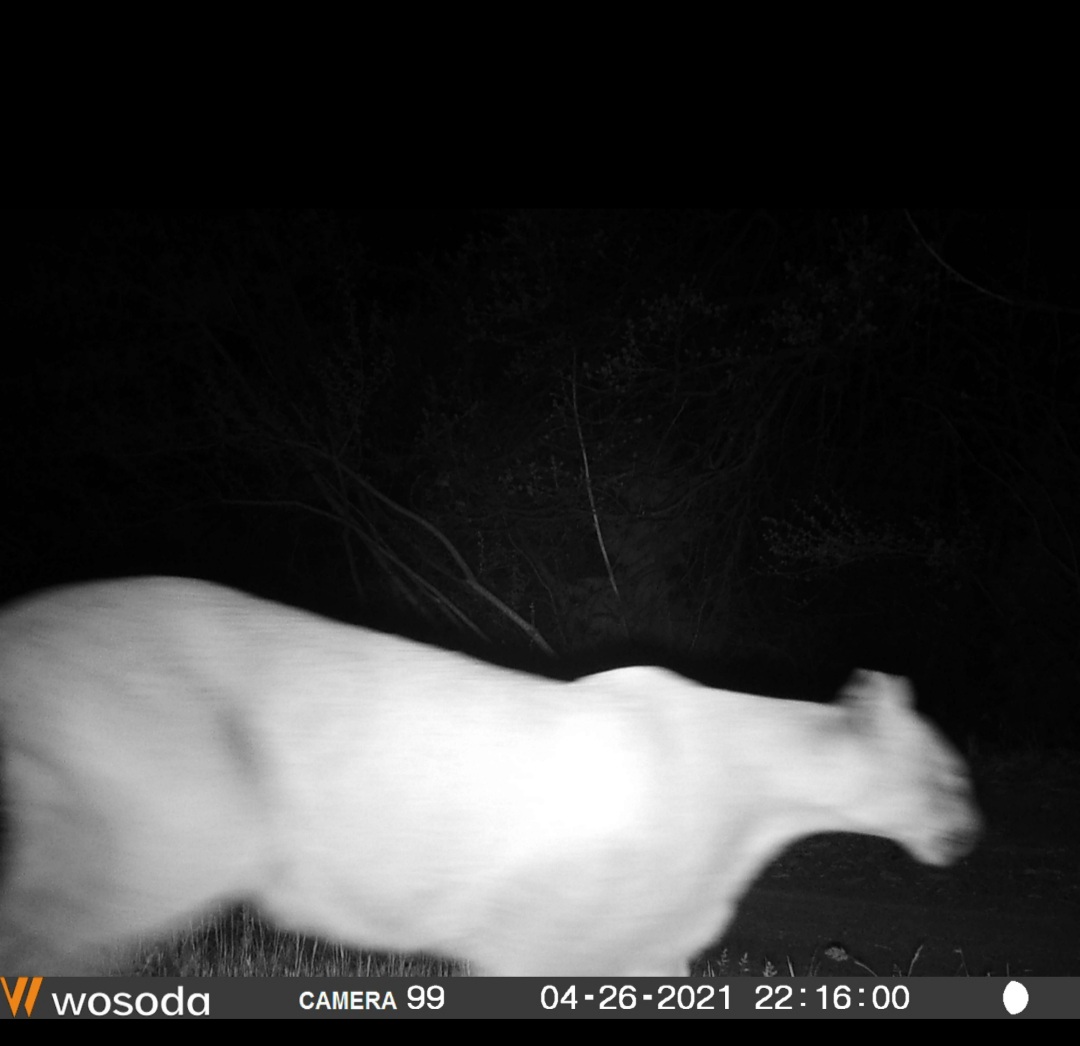
Two plots means two cameras, and this pack solves that in one order. Each camera in the pack includes its own 16GB card, batteries, USB cable and mount, so you can split them to separate entry trails without a second shopping trip mid-season.
Daylight clarity is the strong suit. 48MP stills and 1080p video hold up well for pattern recognition, and the 0.3s trigger with a 60 foot range is enough for a plot edge where animals approach rather than sprint past.
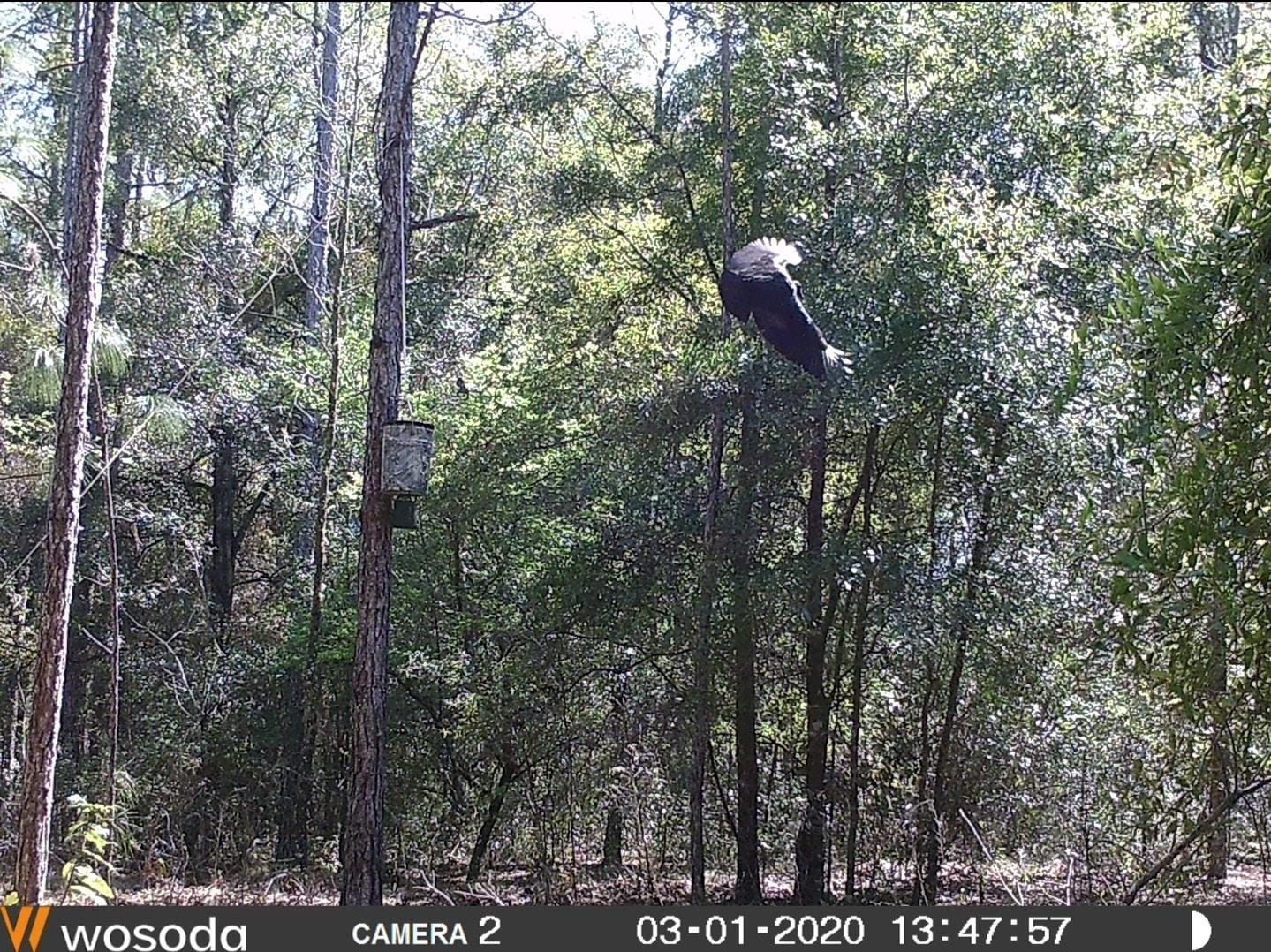
Night is the compromise. The 850nm low-glow array avoids a visible red flash, but 60 feet is a shorter reach than the 80 to 100 foot cameras on this list, so mounting distance has to be planned. On a wide plot, put the camera closer to where deer actually feed.
Long-term reliability is the other watch item. Budget-tier cameras in this class sometimes fail around the one-year mark, which means you will be buying replacements during a season rather than running a fleet for a decade.
What it does well on a food plot
A matched pair is the most useful thing you can have if your plot has two or more entry trails. Split them, run them as a matched pair on the same night settings, and you get a read on movement instead of a single narrow view.
Where it falls short
Tight card slots in cold weather are the recurring complaint, and you will be changing them in gloves. There is no remote access at all, so this only suits plots you can walk to reasonably often.
4. Digitgarden WiFi 4K Trail Camera — Most Versatile
Digitgarden WiFi Trail Camera 4K 48MP, Night Vision Game Camera for Wildlife Hunting, 0.1s Trigger IP66 Waterproof (32GB Card Included)
48MP stills and 4K video
0.05 to 0.3s trigger at 98ft
940nm IR with 100ft night vision
Local WiFi app control
Pros
- Crisp 4K video and 48MP stills for the price
- 940nm no-glow IR with 100ft night range
- 0.1s-class trigger picks up fast-moving animals
- Local WiFi app saves the climb to the tree
- Ready to use with a 32GB card and reader included
Cons
- Local WiFi range drops at roughly 30 feet
- Camera pauses recording while the app is open
- SD card recognition can be inconsistent from camera to camera
- Fixed slow shutter catches animals mid-turn
This is one of the most affordable ways into 4K video with a real app, and the 32GB card plus reader in the box means it works the day it arrives. The 940nm infrared reaches 100 feet with no visible glow, which is generous for the entry level.
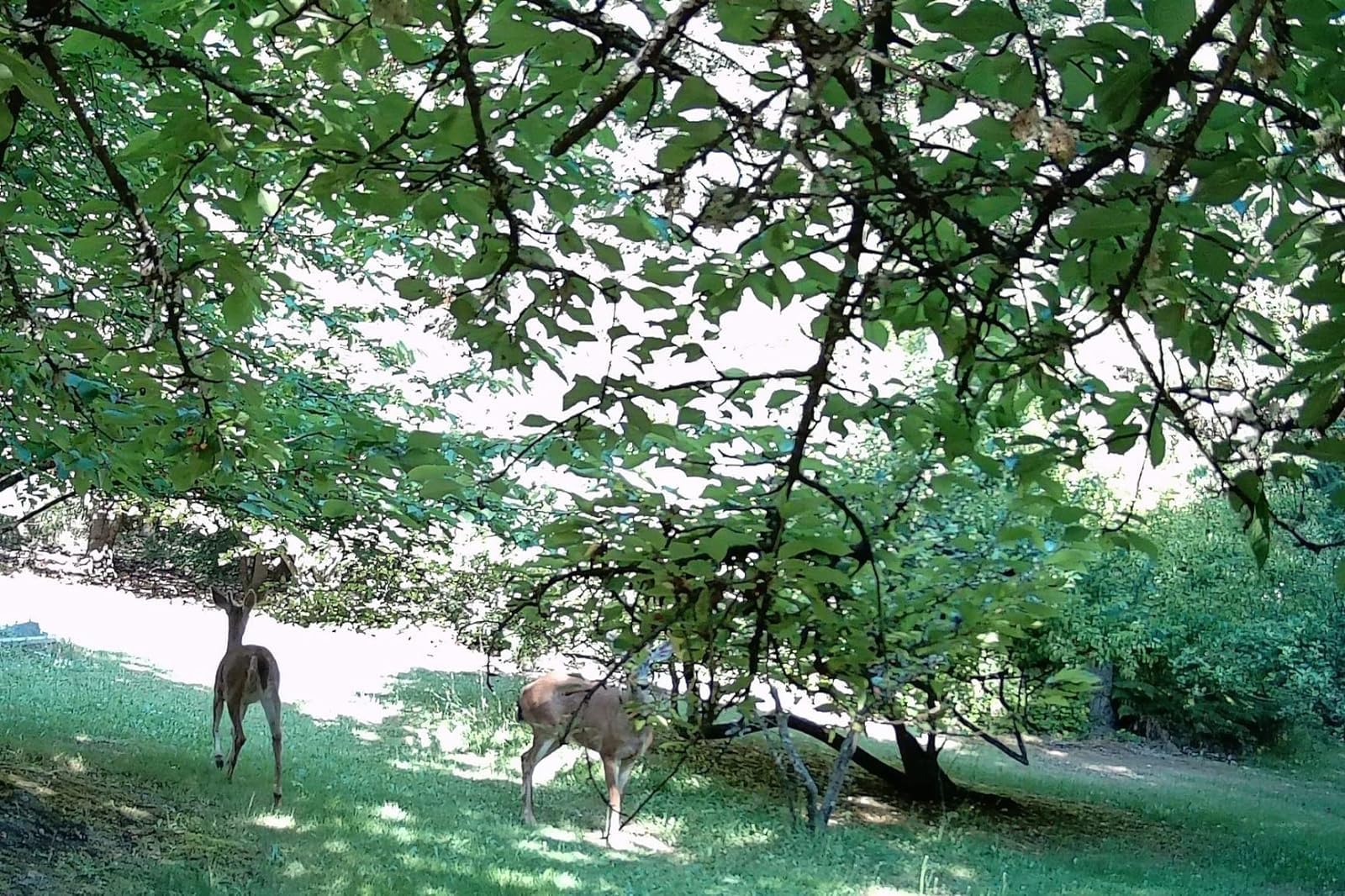
Owners treat it as the value option and rate the daytime clarity accordingly. IP66 housing survived heavy rain in reported tests, and the PIR detection reaches about 98 feet.
The app is the weak link. Local WiFi range falls off at roughly 30 feet, so you are standing at the base of the tree, and opening the app stops recording while you browse. For a plot camera that is meant to work unattended, that trade is worth understanding before you mount it.
SD card detection has been inconsistent from camera to camera, and the shutter speed is fixed and slow, so distant moving animals often arrive mid-turn. Check the card reads before you walk away from it.
What it does well on a food plot
It covers a plot at the lowest outlay in this roundup while still giving you 4K video, a 98 foot PIR range and an app for quick checks. For a first camera on a single plot, that is a sensible start.
Where it falls short
The 30 foot app limit and the recording pause while the app is open make it a hands-on camera rather than a hands-off one. Long-term owners also report hardware declining after a couple of seasons, so plan a replacement.
5. DEATTI 48MP 4K Trail Camera — Best All-in-One Bundle
DEATTI Trail Camera 48MP 4K Game Camera with 8 Batteries 32GB SD Card,WiFi Bluetooth Connection,Trail Cameras with Night Vision Motion Activated Waterproof for Wildlife Deer Outdoor 0.1s Trigger Time
48MP stills and 2160p video
Three PIR sensors,120 degree lens
0.1s trigger at 98ft
8 AA batteries and 32GB card included
Pros
- Three PIR sensors and a 120 degree lens give wide coverage
- 0.1s trigger with a 120 degree field of view
- Eight AA batteries and a 32GB card are included in the box
- Some owners report cameras running 6 to 8 years
- Bluetooth and WiFi hotspot control saves trips to the tree
Cons
- Included batteries are weak and drain quickly
- App connection is slow and can drop after a few clips
- Camera stops recording while the app is connected
- Flimsy battery tray makes cell changes frustrating
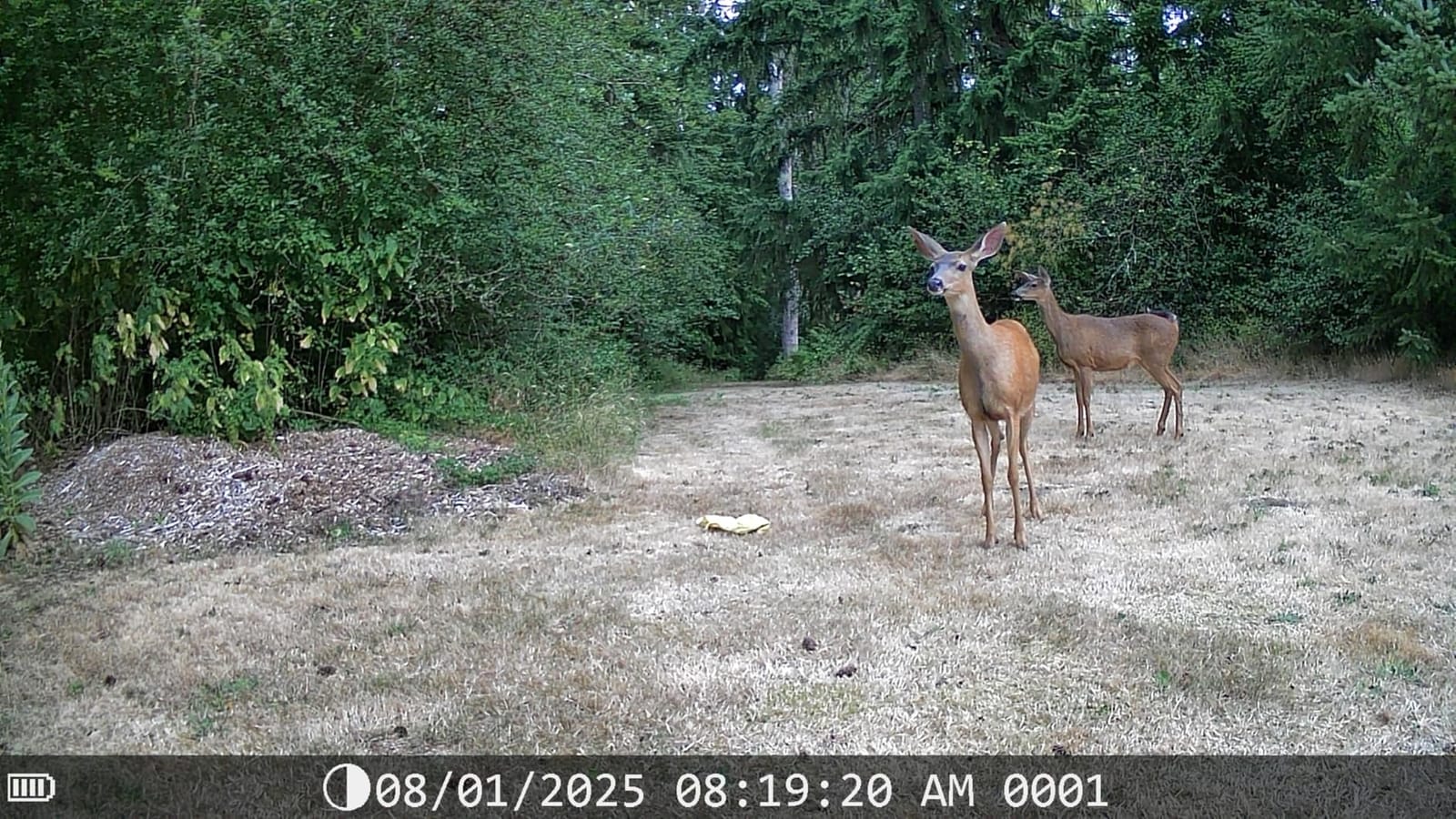
The bundle is the argument here. Eight AA batteries and a 32GB card are already installed, so nothing is missing when the box opens, and the three-sensor 120 degree arrangement catches animals entering from the side as well as head-on.
Longevity is the quiet strength. A few owners report cameras running 6 to 8 years, which is a different order of durability from most cameras in the budget tier and closer to what you want from a camera you cannot easily reach in February.
Throw away the supplied batteries. Drain complaints are almost entirely about the factory cells, and swapping to lithium AA is the cheapest fix available to you. The card tray is described as flimsy, so push cells in with care.
The app has the same limitation as the other WiFi models here: it runs a private hotspot, will not join your home network, pauses recording while connected, and can drop after a few clips.
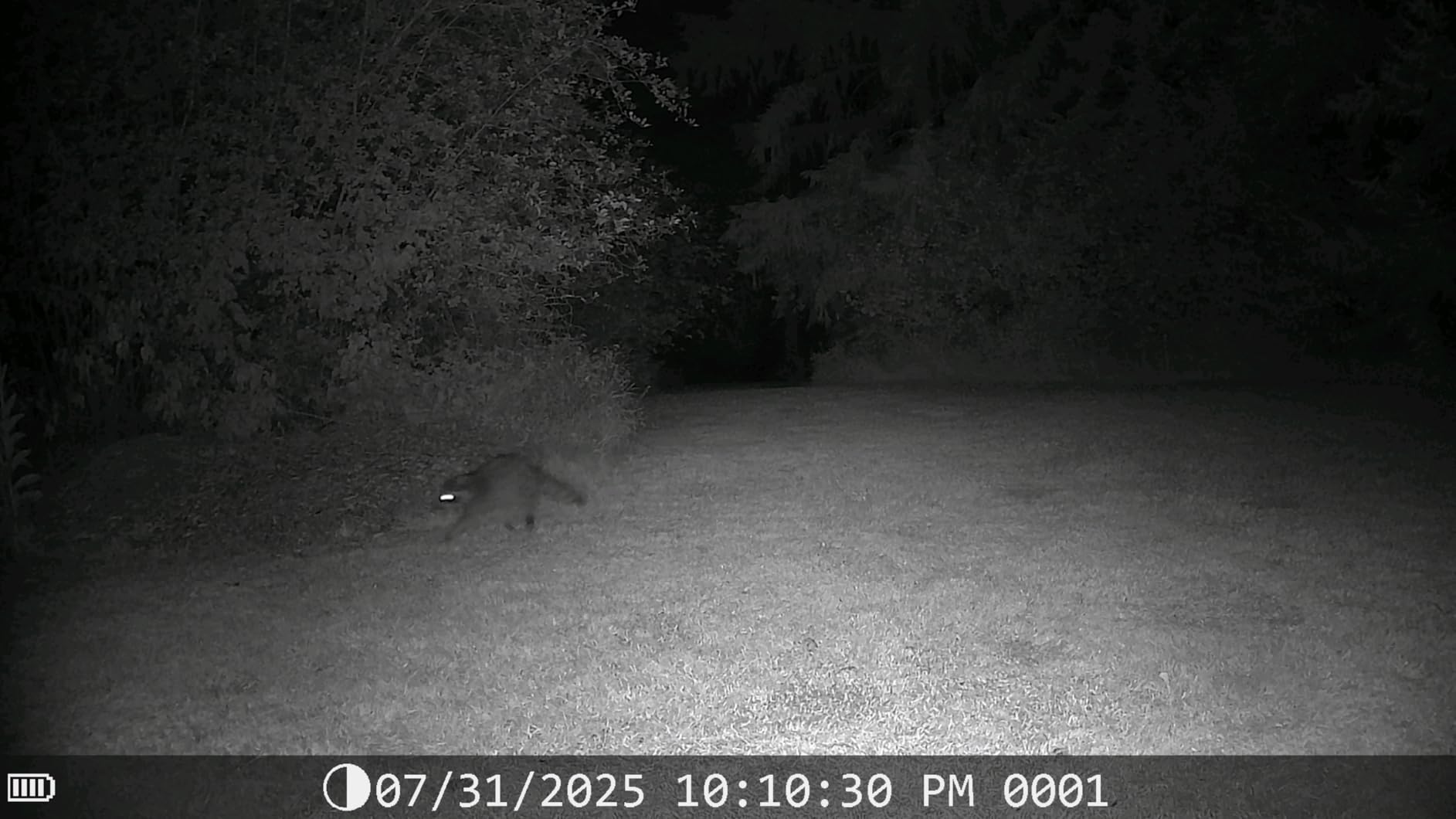
What it does well on a food plot
Multi-year service life plus a wide 120 degree sensor array makes this the pick for a plot you only visit a few times a season. Three PIR sensors also reduce the missed triggers that plague single-sensor cameras on open ground.
Where it falls short
You are relying on the app for anything beyond card pulls, and it is the weaker half of the package. Buy lithium AA cells in the first week rather than trusting what is in the box.
6. MAXDONE Compact Solar Trail Camera — Best for Compact Solar Setups
Trail Cameras with Night Vision Motion Activated – WiFi Bluetooth 4K 64MP
6000mAh solar rechargeable battery
64MP stills and 4K video
0.1s trigger,100 degree detection
65ft low-glow IR
Pros
- Solar charging and a 6000mAh battery cut battery replacement overhead
- 64MP stills and 4K video in a compact body
- App control keeps footage local with no external servers
- IP66 body rated for rain and snow and desert heat
- 32GB card pre-installed and usable out of the box
Cons
- Hotspot only
- so it will not join a home WiFi network
- Initial pairing requires the phone next to the camera
- Night illumination range is shorter than higher-tier models
This is the same solar architecture as our overall pick at a lower entry point, in a compact body that suits a small plot or a plot where you want two cameras close together. The 6000mAh cell and integrated panel mean no routine cell changes.
Footage stays local through the app, with no external servers and no subscription. That is the quiet advantage over the cellular models here, and it keeps the running cost at zero.
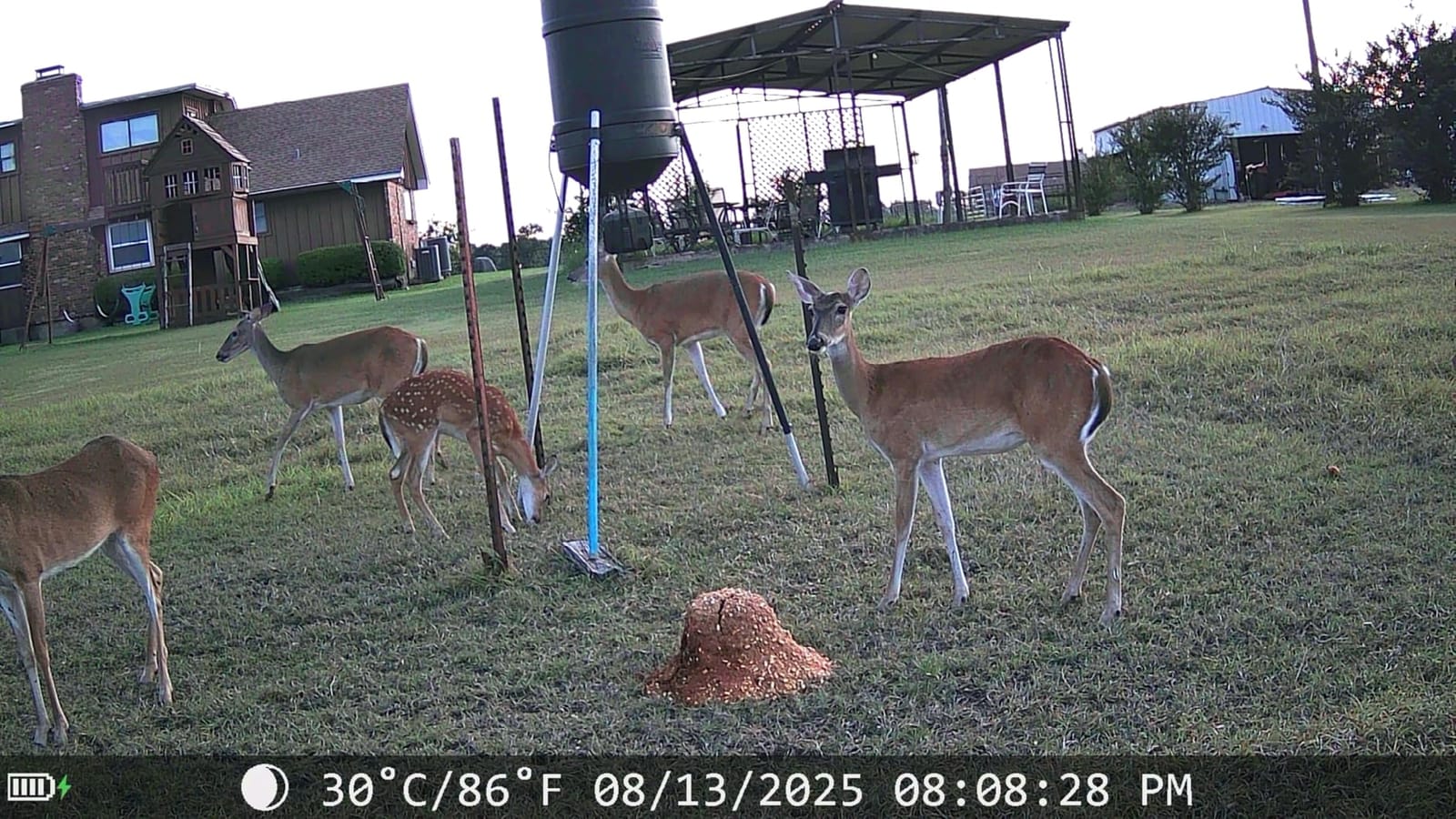
Setup has one fussy moment: the phone has to be held right next to the camera for the first pairing. After that the hotspot handles review at roughly 55 feet, which is enough to stand at the tree.
Night range of 65 feet is shorter than several cameras on this list, and the low-glow array is the more visible option. On a plot near a road, this matters more than the daylight specs.
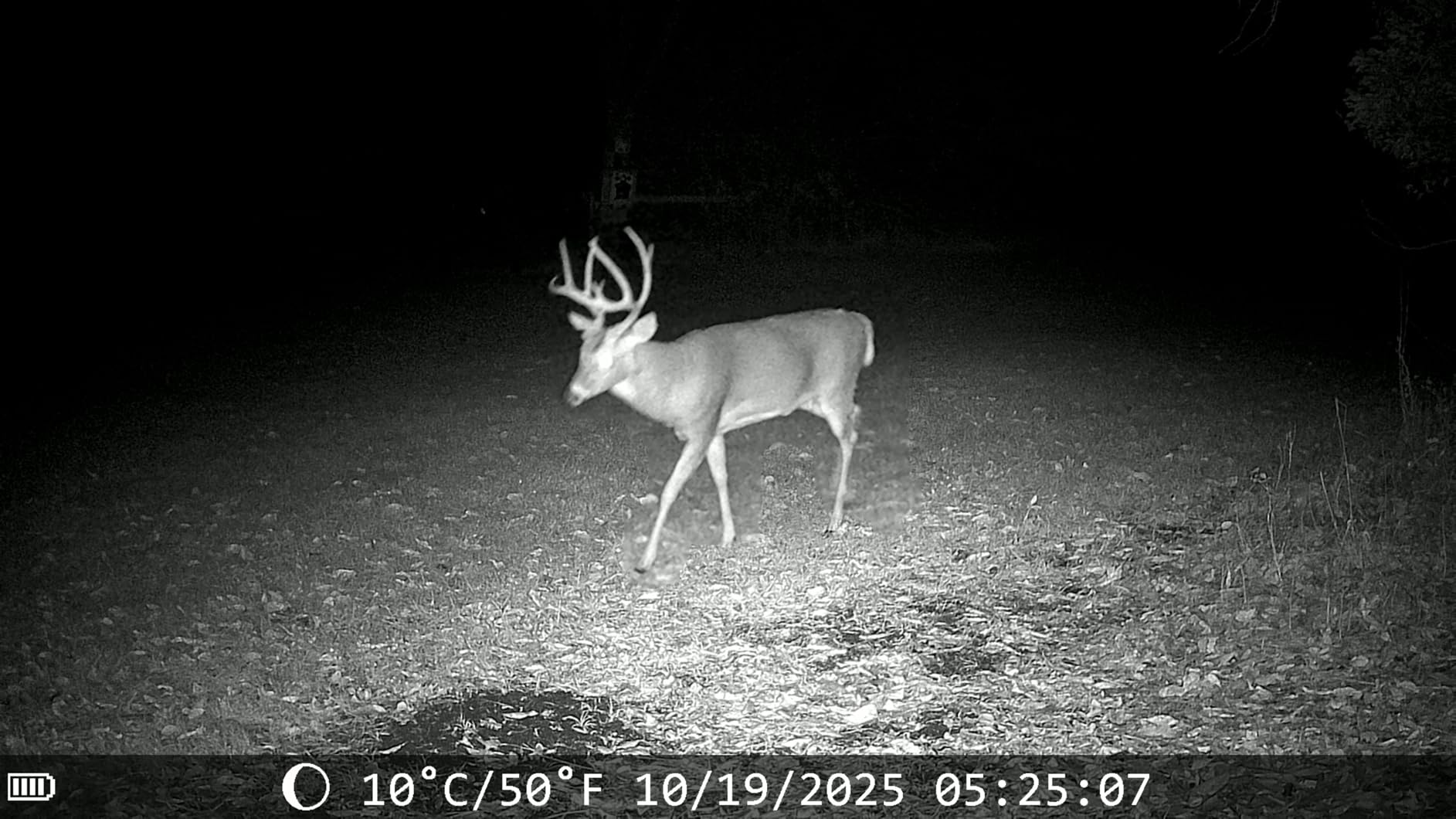
What it does well on a food plot
Solar power in a small body at a lower outlay makes this the practical second camera or the sensible choice on a smaller plot. Card support runs to 256GB, so a long season at time-lapse will not fill it quickly.
Where it falls short
Sixty-five feet of night illumination is a real constraint on an open plot. If your plot lane is wider than that, either move the mount closer or accept limited night coverage.
7. SEHMUA 4G Live Stream Camera — Best for Watching a Plot Live
SEHMUA Trail Camera, 2K HD Live Streaming Game Camera AI Animal Detection
2K live streaming via app
4G LTE with prepaid SIM
4W solar panel
0.2s trigger,82ft night vision
Pros
- Live 2K streaming and remote setup without WiFi
- 4G LTE works across the three major US networks
- Solar panel gives near-continuous power
- 0.2s trigger with 82ft low-glow night vision
- AI species recognition and activity forecasting
Cons
- Per-camera data subscription required after the trial
- Cloud storage and AI recognition locked behind tiers
- Included SIM is non-detachable and limited to US local use
- Memory card up to 128GB is not included
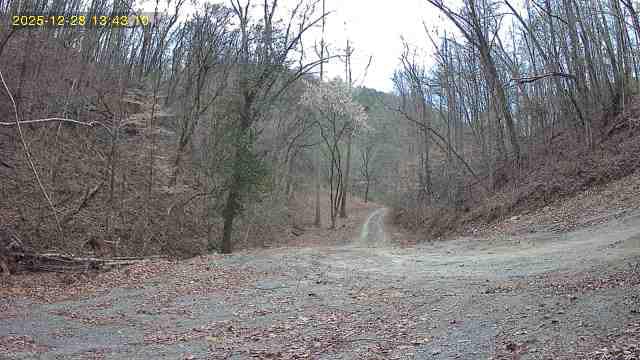
Live view is the whole point of this one. You open an app on your phone and watch the plot in 2K without a WiFi network at the site, which the cheaper WiFi cameras on this list do not offer. Owners like being able to confirm deer are on the plot before leaving the house.
Multi-carrier support also reduces the dead-zone problem that frustrates single-carrier cellular cameras. A 4W solar panel keeps the camera powered between visits.
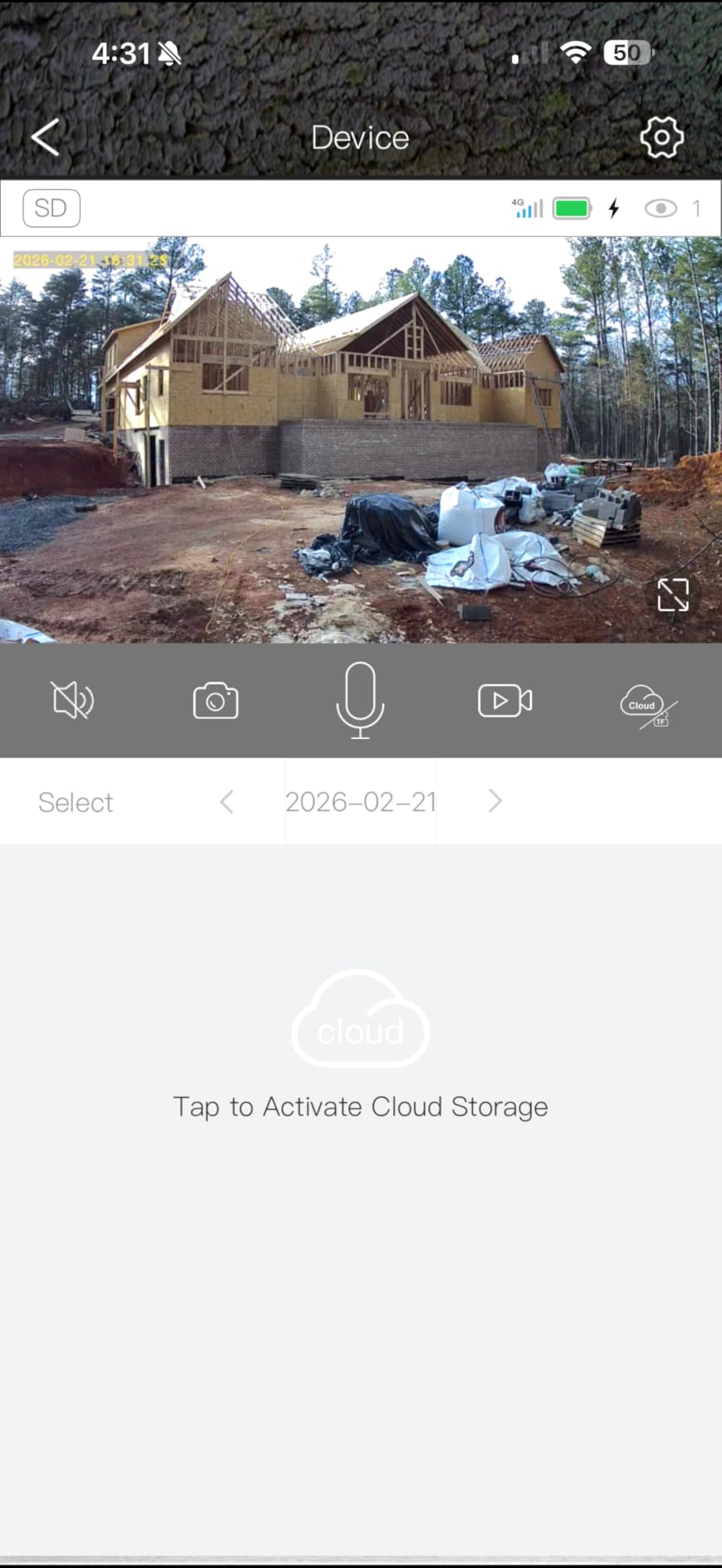
The catch is the running cost. After the trial period a per-camera data subscription is required, and cloud storage plus AI species recognition sit behind higher tiers. On four cameras that multiplies, so check the per-camera versus per-account billing before you commit to a fleet.
The included SIM is soldered in and works only in the US, which limits where you can deploy it. No memory card is included, so add one when you order it.
What it does well on a food plot
Live streaming changes how you scout. You can watch a plot during a work lunch and learn the arrival window without walking in and disturbing feeding deer, which is exactly the disruption a food plot camera is supposed to avoid.
Where it falls short
AI features depend on a cloud subscription, and the per-camera plan cost is the main reason owners of multi-camera cellular fleets leave brands. Treat the subscription as part of the purchase decision, not an afterthought.
8. TACTACAM Reveal X 3.0 — Easiest Cellular Setup
TACTACAM Reveal X 3.0 Cellular Trail Camera, Night Vision, Waterproof
Auto-connect AT&T and Verizon
4K photos,1080p video
Sub-0.5s trigger with 3-shot burst
Built-in GPS and 32GB storage
Pros
- Multi-carrier auto-connect removes single-network dead zones
- Long battery life with solar and battery belt accessories available
- Built-in GPS and onboard storage mean no SD card to buy or format
- Setup completed in under 10 minutes in owner reports
- Fast sub-half-second trigger with 3-shot burst
Cons
- Cellular data plan required for image transmission
- 60 degree field of view is narrower than most budget cameras
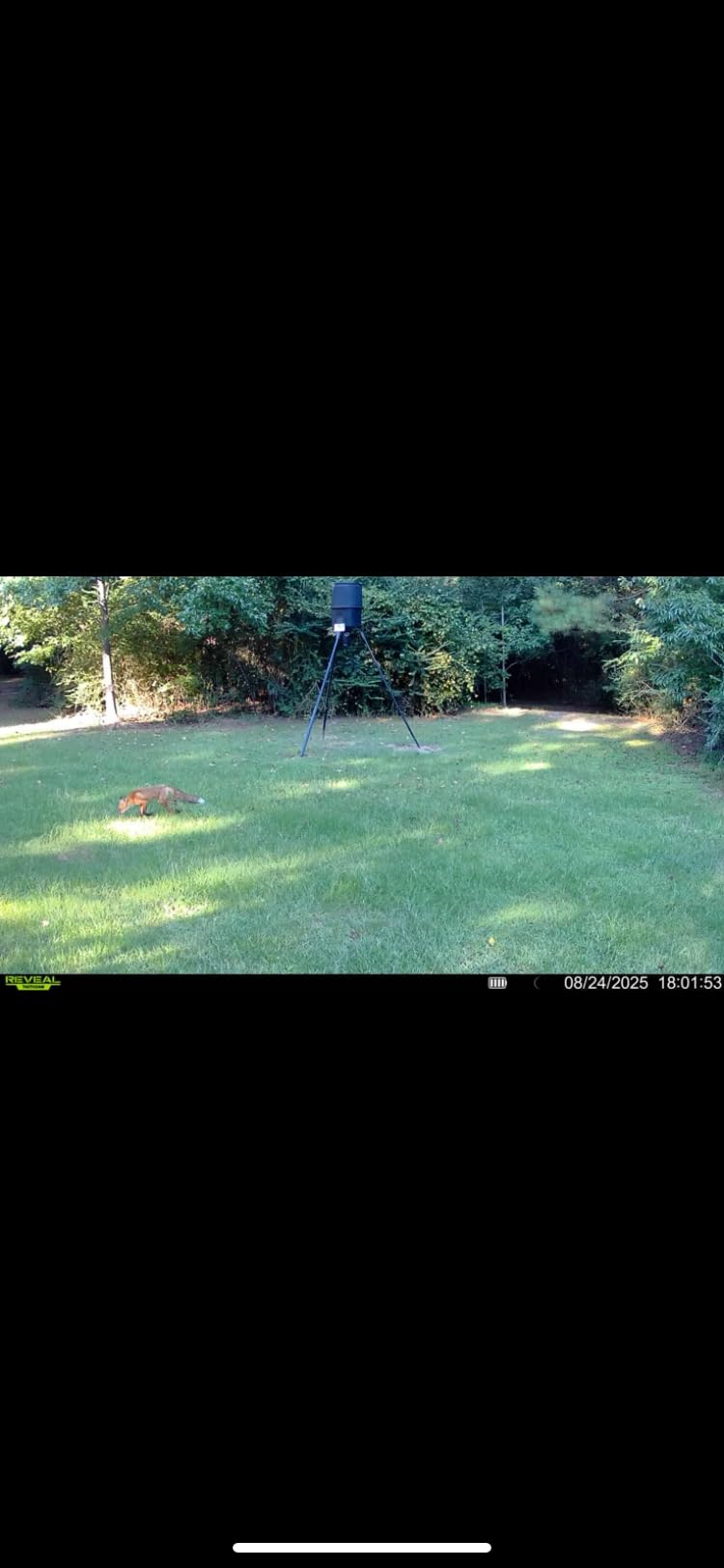
Owners single out the auto-switching between AT&T and Verizon as the feature that matters. Single-network coverage gaps are the reason many cellular plot cameras disappoint, and auto-connect closes most of them.
There is no SD card to buy or format because 32GB sits on board, and GPS tags the location in the app. That removes two recurring chores from the setup list.
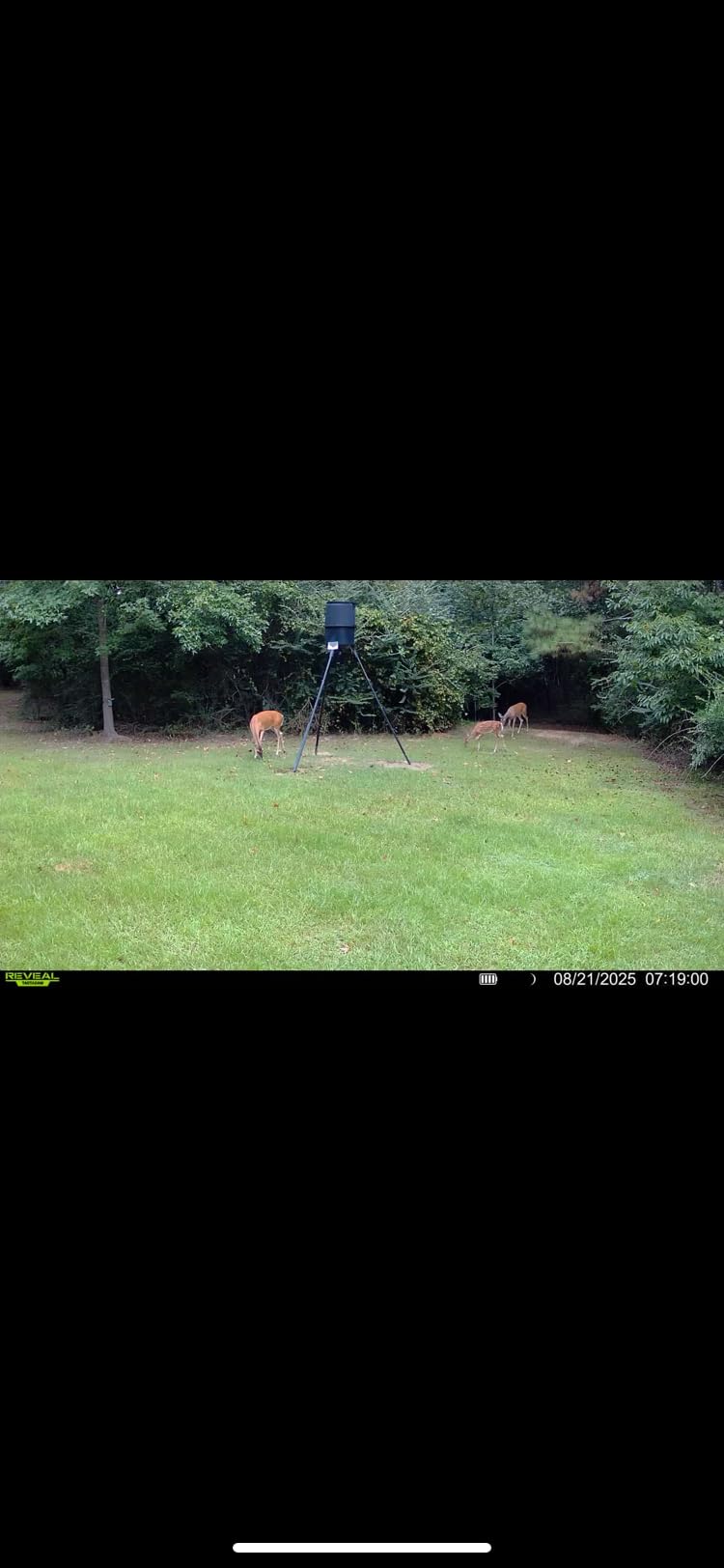
The field of view is the real limitation for plot work. Sixty degrees is a corridor view, so it suits a defined entry trail far better than a broad open lane. Mount it facing a pinch point rather than across the middle of bare ground.
A data plan is required for transmission, and it is a significant ongoing cost. Over several seasons it outweighs the camera cost, so read the per-camera terms carefully.
What it does well on a food plot
Best suited to a plot with a clear entry trail and marginal carrier coverage. Battery life runs a full season on a charge in owner reports, and the accessories cover the longer deployments.
Where it falls short
The narrow cone means one camera rarely covers an open plot. Plan on a second camera or a wider lens if you want the whole lane rather than the trail mouth.
9. Meidase P70 No-Glow Trail Camera — Best No-Glow Night Capture
Meidase P70 (Non-Cellular,Non-WiFi) Trail Camera, 64MP 1296p, Game Cameras with No-Glow IR Night Vision, Motion Activated, Waterproof for Wildlife Deer Cams, Hunting
64MP stills and 1296p video
100ft 940nm no-glow infrared
0.1s trigger with side sensors
SD support up to 512GB
Pros
- Sharp 64MP day photos and 1296p video
- 940nm no-glow IR reaches 100ft without spooking deer
- 0.1s trigger with side sensors catches approaching animals
- 2.4 inch colour screen makes on-site review simple
- Owners run several cameras for years with fast warranty replacements
Cons
- Nighttime shutter speed is slow for fast action
- Night video trigger distance drops to roughly 15 feet
- Rechargeable NiMH batteries perform unreliably
- SD card and batteries are not included
This camera draws strong owner feedback on picture and reliability, and the 940nm array across 36 LEDs gives a genuinely dark night image out to 100 feet. On a plot near a public road or a heavily walked trail, invisible infrared is the responsible choice.
Daylight output is strong. The 64MP stills and 1296p video through an f/1.6 lens produce sharp frames, and side sensors catch animals walking in from the edge rather than straight ahead.
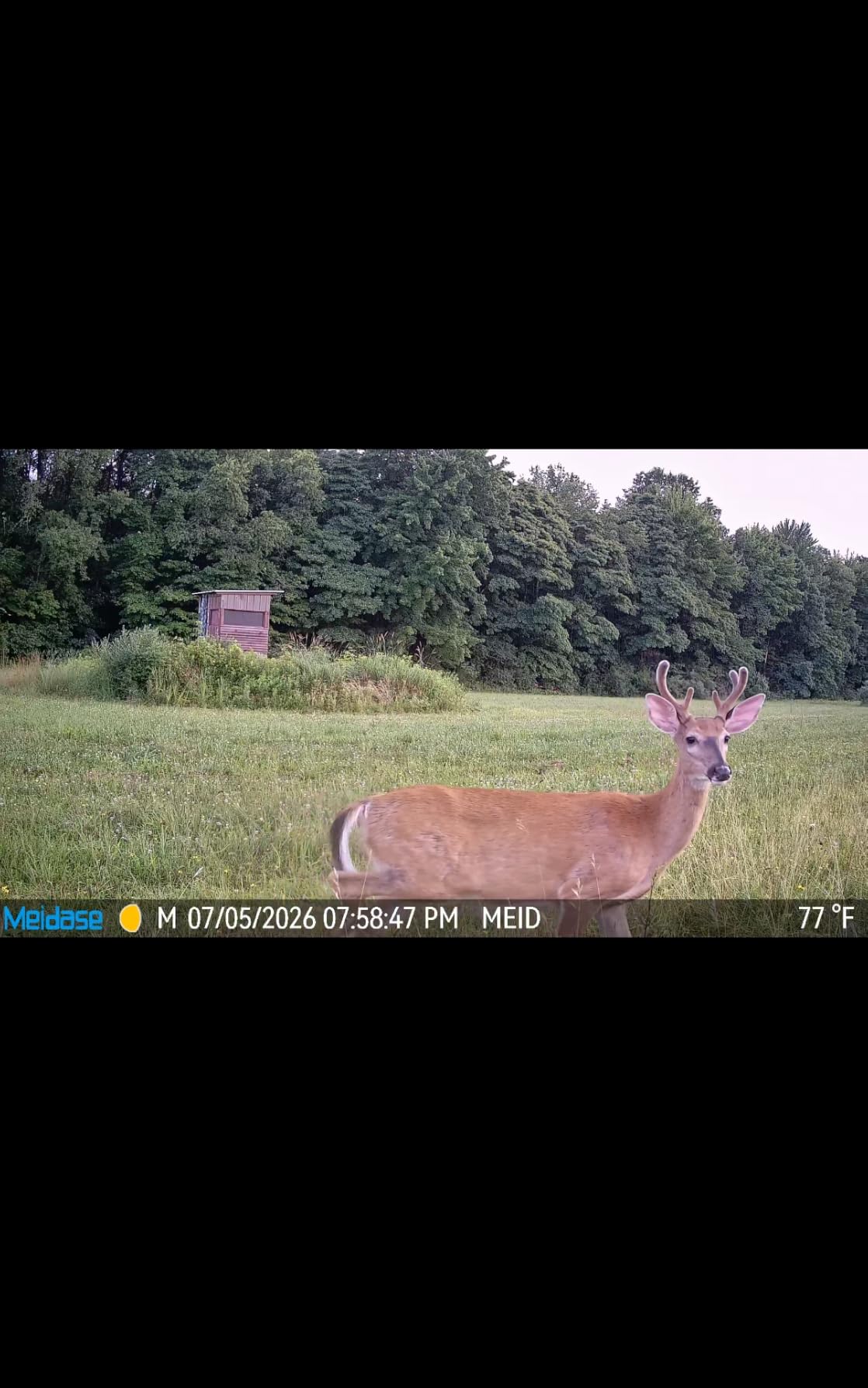
Two night limitations are worth planning around. The shutter slows at night, and video trigger distance falls to roughly 15 feet, so night video is a close-range tool here rather than an open-lane one.
Batteries and a card are not included. Use lithium AA rather than rechargeable NiMH, which owners report performing unreliably in this camera. Card support runs to 512GB, the highest capacity in the roundup, which suits time-lapse use.
What it does well on a food plot
Night stealth and card capacity are the two reasons to choose it. Near roads or on public land the invisible flash avoids both spooking deer and tipping off anyone passing, and 512GB lets a time-lapse run for weeks without a visit.
Where it falls short
If you plan to shoot night video across an open lane rather than fixed stills, the 15 foot night video range will disappoint you. It is built for stills at distance.
10. MagicEagle Cellular Trail Camera — Best for Long Deployments
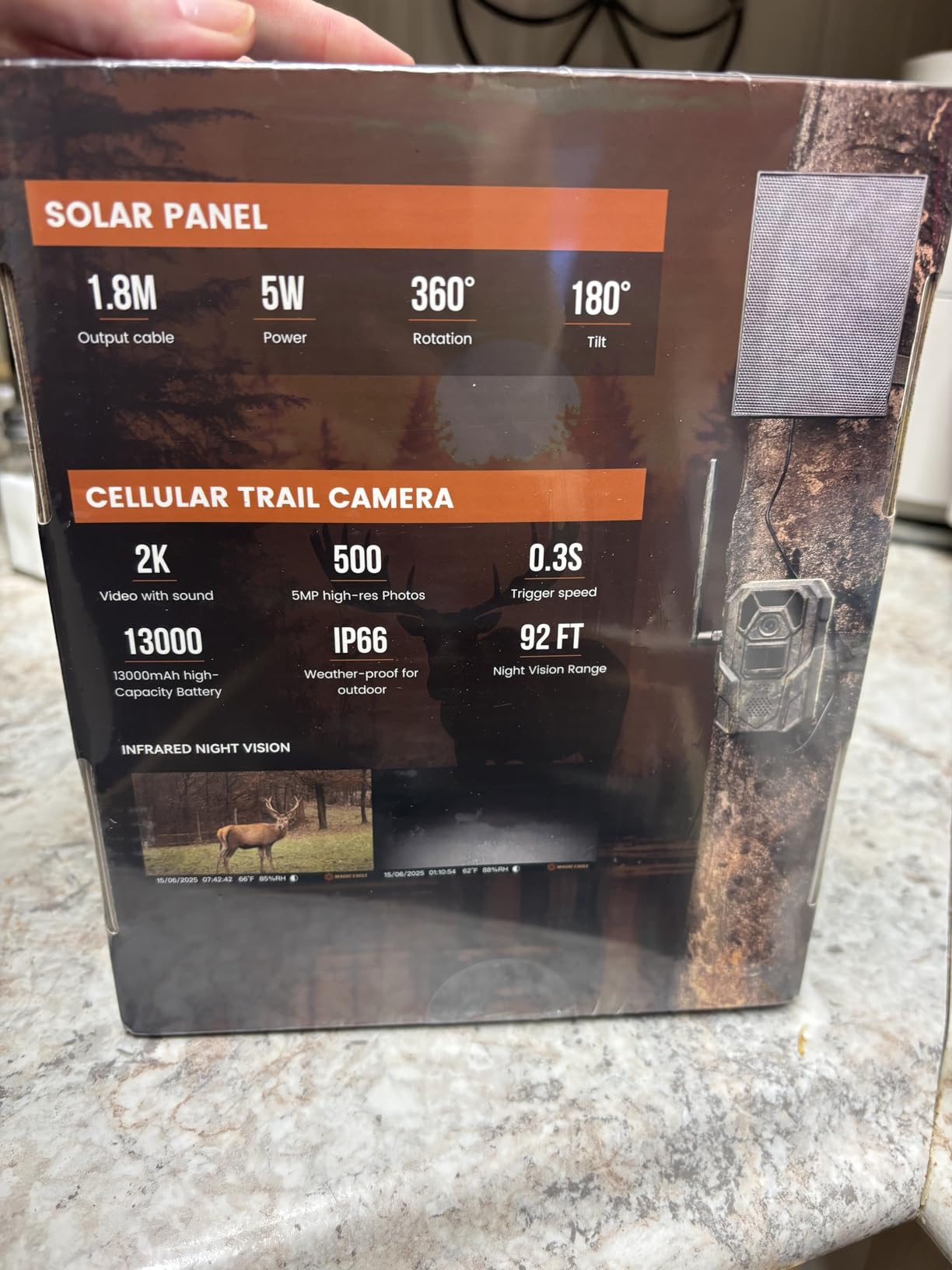
MagicEagle® Cellular Trail Camera 4G Wild Game Cameras 13,000 mAh Battery Solar Panel 2K Audible Video No-Glow IR Night Vision IP66 Waterproof for Wildlife Deer Monitoring Home Security (Army Green)
13000mAh battery with solar panel
5MP sensor,2K video,0.3s trigger
940nm no-glow IR at 90ft
IP66 from -20C to 50C
Pros
- Top average owner rating in the group
- Clear daytime images and effective no-glow night vision
- 13000mAh battery plus solar panel for long deployments
- Quick setup that a non-technical owner found straightforward
- AI species identification and app-based live view
- Compact camouflage body blends into trees
Cons
- Photo resolution is 5MP which is lower than the 48MP and 64MP rivals
- Data plan required after the free trial
- Solar panel mount needed extra screws when paired with the strap
The 13000mAh battery is the headline and it delivers on deployment length. Combined with the included solar panel, this is the pick for a plot you cannot reach monthly, and the IP66 rating extends down to -20C for winter positions.
It also carries the no-SIM SignalSync approach, which auto-selects the strongest carrier. That removes the manual SIM swap that trips people up when coverage changes between plots.
The sensor is 5MP, well below the 48MP and 64MP rivals. Daytime photos are still clear, but if you rely on cropping distant animals for antler detail, that resolution ceiling will limit you.
After the free trial, a data plan applies. The gravity sensor and A-GPS tracking are a genuine benefit for a camera on public or remote ground where theft is a real possibility.
What it does well on a food plot
Long seasonal deployments on a remote plot, or anywhere cold enough to punish alkaline cells. The operating range and battery capacity mean fewer winter trips than most cameras here.
Where it falls short
Low resolution is the trade for the battery life. If you need detail at 40 yards, take a higher-resolution non-cellular camera and accept the weekly card pull.
11. Moultrie Edge 3 Two-Pack — Best for AI Buck Alerts
Moultrie Edge 3 Cellular Trail Camera – 2-Pack, 40MP, 0.5s Trigger
AI buck detection with instant alerts
Four-carrier auto-connect
40MP stills and 1080p video
0.5s trigger at 100ft,50 degree view
Pros
- Two-pack gives a matched pair at a per-camera saving
- AI buck detection filters out non-target alerts
- Automatic connection to the strongest of four networks
- Feeder remote control and battery monitoring from the app
- Live aim view helps place cameras accurately on a plot
Cons
- Cellular monthly plan fee is required
- 50 degree field of view is the narrowest in this group
- 0.5s trigger is slower than the 0.1s to 0.3s models here
The AI buck detection is the feature that earns this camera its place. Rather than alerting you to every squirrel and branch, it filters for the animal you are hunting, which cuts the notification noise that makes people ignore cellular alerts altogether.
Feeder remote control pairs naturally with a plot. If you are running a feeder alongside the camera, you can trigger it from the app rather than walking out to it. Four-carrier auto-connect is the widest network support in the roundup.
Plan cost is the honest drawback. Plans are billed monthly with no contract, and on a two-camera setup you need to confirm whether billing is per camera or per account, because that changes the multi-year figure more than the hardware does.
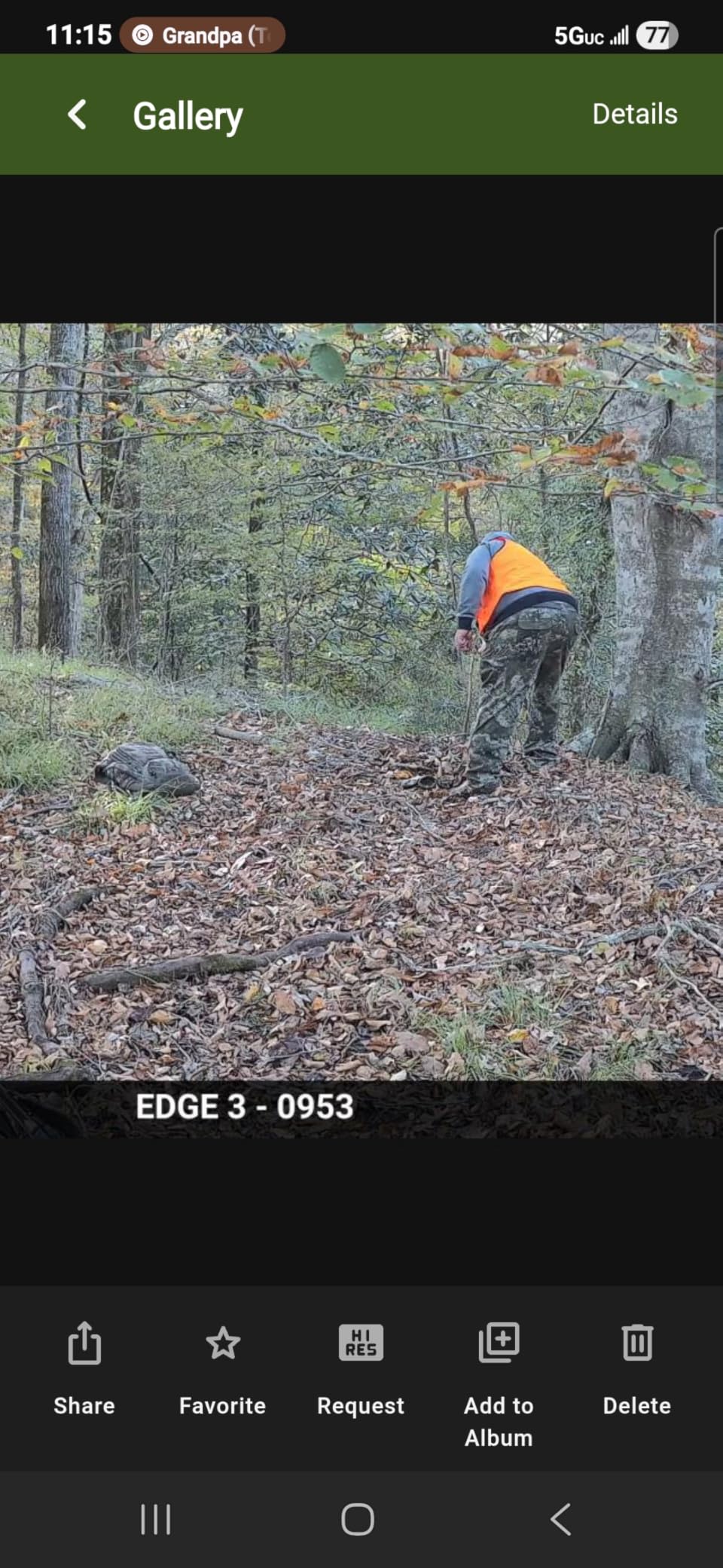
The 50 degree view is the narrowest in the roundup and the 0.5s trigger is the slowest. This is an entry-trail camera, not an open-plot camera, and the live aim view helps you aim it at a pinch point rather than guessing.
What it does well on a food plot
Plots with a feeder and a defined entry trail. The buck alerts reduce notification noise and the feeder control removes a walk, with two cameras covering two locations.
Where it falls short
Open plots defeat the 50 degree lens and the slower trigger can miss a buck crossing fast. The monthly plan is also among the higher recurring costs per camera among the cellular options here.
12. TACTACAM Reveal Ultra — Best Switchable Flash
TACTACAM Reveal Ultra Cellular Trail Camera: 4K Photo, 1080p Video, Live View, GPS Tracking-Enabled, Switchable No-Glow/Low-Glow Flash, LTE Connectivity, LCD Screen – Best Hunting, Game Camera
4K stills and 2.5K video
Switchable 96ft low-glow or 80ft no-glow flash
Active GPS tracking
Live view and on-demand photos
Pros
- Exceptional 4K photo and 1080p video clarity day and night
- Switchable no-glow and low-glow flash reduces spooking deer
- Live view and on-demand photo requests are fast and reliable
- GPS tracking locates a camera moved from its last position
- Improved antenna holds signal in weak coverage
Cons
- Data plans and on-demand video requests add ongoing cost
- Technical support largely limited to automated flows
- Some cameras generated many false triggers from shifting shadows
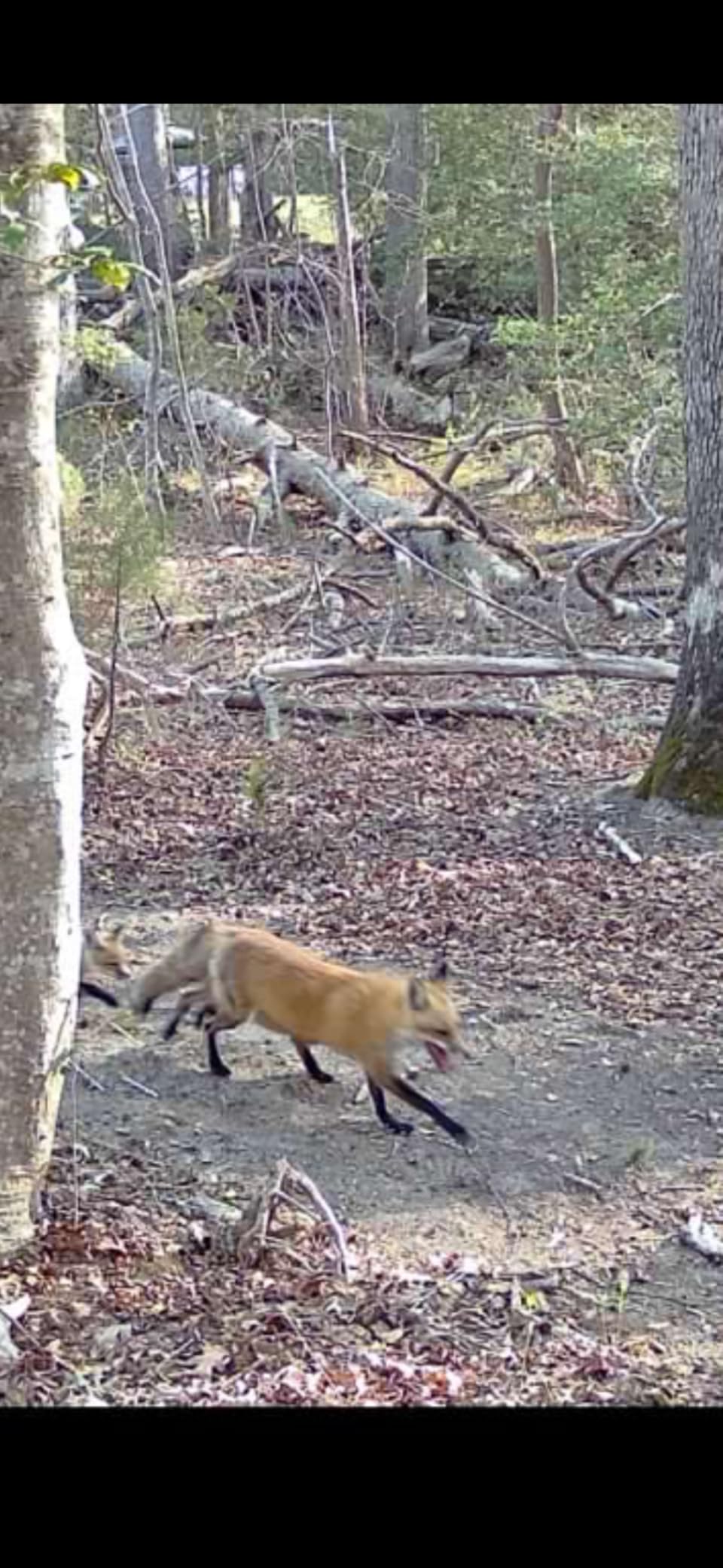
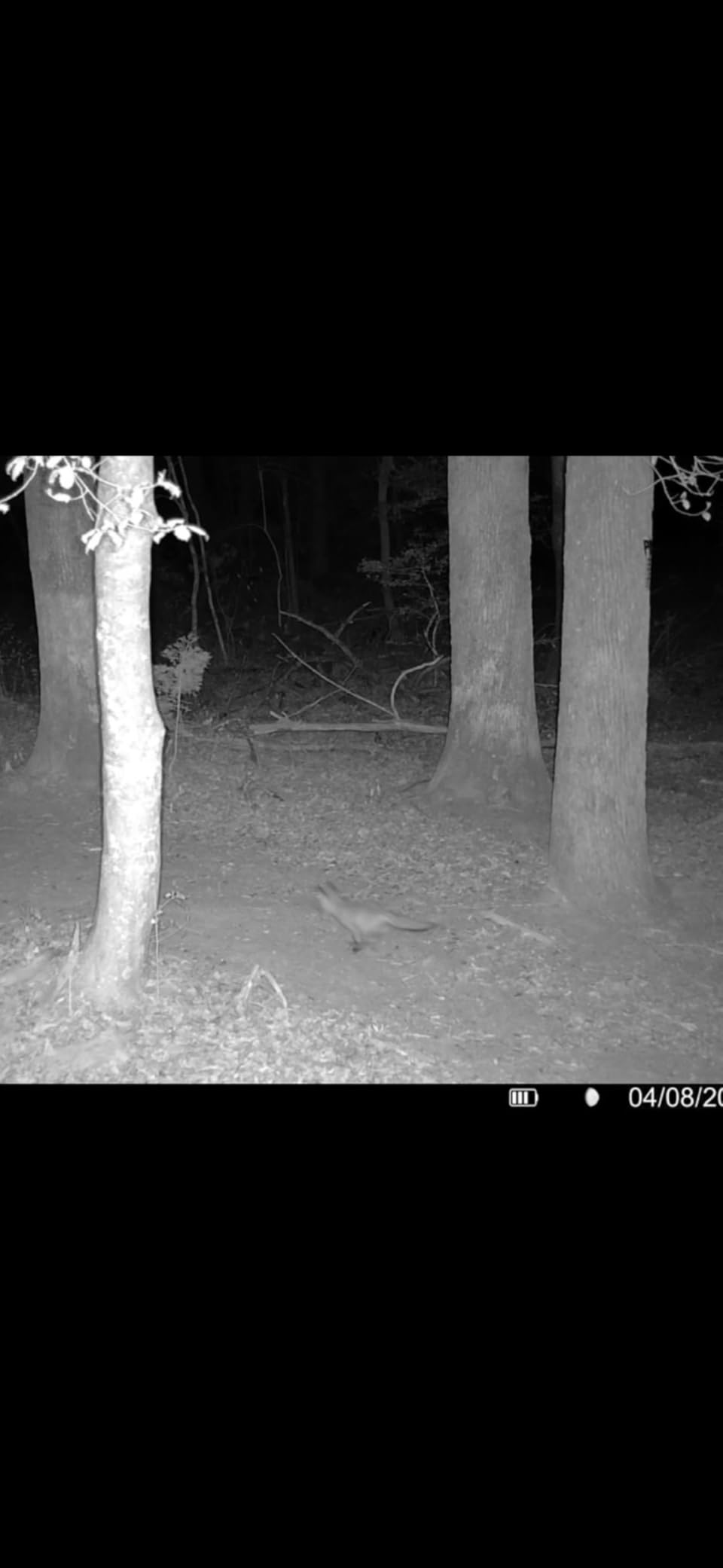
The switchable flash is the reason this one is on the list at all. You can run 80 feet of no-glow when deer are habituated and people are walking past, then switch to 96 feet of low-glow when you need the extra reach at night. Few cameras here give you both flash types from the same mount.
Image quality is a strong point. 4K stills and 2.5K video with up to 9-shot burst, plus on-demand photo requests that let you ask the camera for a fresh frame while you sit.
Support is the weak point for this camera. Owners running larger fleets report technical support being largely automated with little human help, and a few report heavy false triggering from shifting shadows. Aim it away from a gap where the sun crosses the lens.
Data plans and on-demand video requests both add cost, and they stack across a camera network. Active GPS does keep transmitting when the camera is powered off, which helps if you suspect someone moved it.
What it does well on a food plot
Plots where night behaviour is the deciding factor. Switch to no-glow during daylight-sensitive periods and low-glow when you need the reach, without unmounting or replacing the camera.
Where it falls short
The weakest support experience in the roundup, and the running costs are the highest. Owners who value phone help from a manufacturer should weigh that before choosing.
Where to Mount a Food Plot Camera for Better Coverage
Placement matters more than most spec sheets admit. A good camera in the wrong spot produces pictures of an empty lane for a month.
Face the entry trail, not the middle of the plot. Deer follow edges and tree lines rather than crossing open ground. A camera on the wooded edge angled at the trail where animals enter gives you a face-on shot instead of a distant one.
Height and angle. Six to seven feet on a strap, angled slightly down, keeps the lens above standing deer and reduces the chance you leave a trail of disturbed ground. Put it back far enough that you are not scenting the plot.
Pick the lens for the layout. A 120 degree wide-angle lens covers a broad open lane from one mount, while a 50 to 60 degree lens gives a tighter, sharper view down a defined corridor. Wide plots reward wide lenses; entry trails reward narrow ones.
Use time-lapse on open plots. If your plot is bare ground with no tree line, motion triggers will miss deer that sit still. Time-lapse mode captures frames at a fixed interval instead, so an animal that arrives and waits still gets recorded.
How many cameras a plot needs. One per entry point. Most plots have two or three distinct approaches, and a single camera on a wide lens gives you coverage without identification. Two cameras on separate trails give you face shots, which is what you need to judge a buck.
Moving a feeder also changes the camera’s job. Watch which side of the plot gets used after a feeder goes up, then aim the camera at that approach rather than at the feeder itself, which produces close but unidentifiable shots.
How to Choose a Game Camera for Food Plots
Cellular or non-cellular. Cellular sends photos and video to your phone, which means no walk into the plot and no disturbed deer. Non-cellular writes to an SD card and costs nothing to run. If you can reach the plot on a weekly walk, non-cellular is the better buy.
Per-camera versus per-account billing. This is the single biggest factor in cellular running cost. When a plan is billed per camera, four cameras means four plans. When it is billed per account, one plan covers the fleet. Owners running large fleets report moving between brands specifically because of this, and it changes the three-year figure more than the hardware does.
Battery chemistry. Lithium AA cells cost more up front and last far longer than alkaline in cold weather, which is the most commonly repeated battery recommendation in owner discussions. Rechargeable NiMH performs unreliably in some camera bodies. Solar panels and internal lithium packs remove the question but tie you to one camera’s charging design.
No-glow versus low-glow. 940nm no-glow is invisible to the eye and the right choice near roads, public trails or where deer are already jumpy. 850nm low-glow reaches further and produces brighter night frames, but the flash is visible from a distance and can change where deer feed.
Card capacity and format. Time-lapse on an open plot fills cards quickly. Anything up to 128GB suits motion-only use; 256GB or more suits a plot you cannot reach for weeks.
Check your state rules. Several states have restricted or banned the use of electronically illuminated or remotely transmitted game cameras during hunting seasons, often on public land. Some require registration and a visible camera number or placard. Check your state wildlife agency before you hang anything, since the penalty can include the loss of hunting privileges.
Mounting hardware. Look for a strap with a locking clamp rather than a plain buckle. A camera swinging in a November wind produces motion triggers and blurred images, and a loose strap can put the camera on the ground.
Frequently Asked Questions
What is the number one rated game camera for food plots?
Among the cameras we reviewed, the MAXDONE solar model earned our top spot for food plot work because a 6000mAh battery with an integrated panel removes routine battery swaps, its 0.1s trigger and 100 degree angle cover an open lane, and 64MP stills hold up for identifying deer. The Meidase P70 scores highest on owner ratings for night stealth, while the MAXDONE wins on the combination of power strategy and coverage.
Are there live feed trail cameras for food plots?
Yes. Cellular game cameras send photos and video over 4G LTE to an app, and several support live streaming or on-demand photo requests so you can watch a plot without walking in. The SEHMUA model in this roundup streams live in 2K without a WiFi network at the site, and the TACTACAM Reveal Ultra offers live view plus on-demand capture. All of these require a data plan after any trial period.
How far does a game camera actually work on a food plot?
Most cameras in this roundup specify 80 to 100 feet of night vision and 60 to 98 feet of PIR motion detection, but coverage depends on the lens. A 120 degree wide-angle lens covers a broad open lane from one mount, while a 50 degree lens gives a tighter corridor view. On open plots the practical limit is how the animal approaches rather than the printed range, so mount facing an entry trail.
Why are states banning trail cameras for hunting?
Several states have tightened rules on electronically illuminated and remotely transmitted game cameras, most often during hunting seasons and on public land. The concerns include revealing hunter locations to poachers, surveillance of private property, and animals being pushed off feed by visible flash. Some states now require registration and a visible camera number. Rules differ by state and land type, so check your state wildlife agency before deploying.
Is a cellular or non-cellular game camera better for a food plot?
Cellular is better if you cannot easily walk to the plot, since it sends photos and video to your phone and lets you scout without disturbing feeding deer. Non-cellular cameras have no recurring cost and are simpler to run, which makes them the better buy for a plot on your own land that you visit weekly. The deciding factor for cellular is whether the data plan is billed per camera or per account.
Conclusion
The MAXDONE solar camera is the best game camera for food plots in this group because power and coverage decide a season, not megapixels. Solar charging with a 6000mAh cell survives shaded plots, the 0.1s trigger and 100 degree angle handle an open lane, and 64MP stills are sharp enough to identify deer.
Pick the SEHMUA if you want to watch the plot live from your phone, and the WOSPORTS if you need a 120 degree view across broad open ground with no visible IR flash. For a defined entry trail with patchy carrier coverage, the TACTACAM Reveal X 3.0 auto-connect between networks and needs no SD card.
Whichever you choose, mount it facing an entry trail at six to seven feet, switch to time-lapse if the plot is open and treeless, and use lithium AA cells or solar rather than alkaline. Check your state rules before you hang it, then start reviewing the feed before the rut rather than during it.
Plan your moves with our game cart guide for hauling deer once the cameras tell you where the animals are moving.