
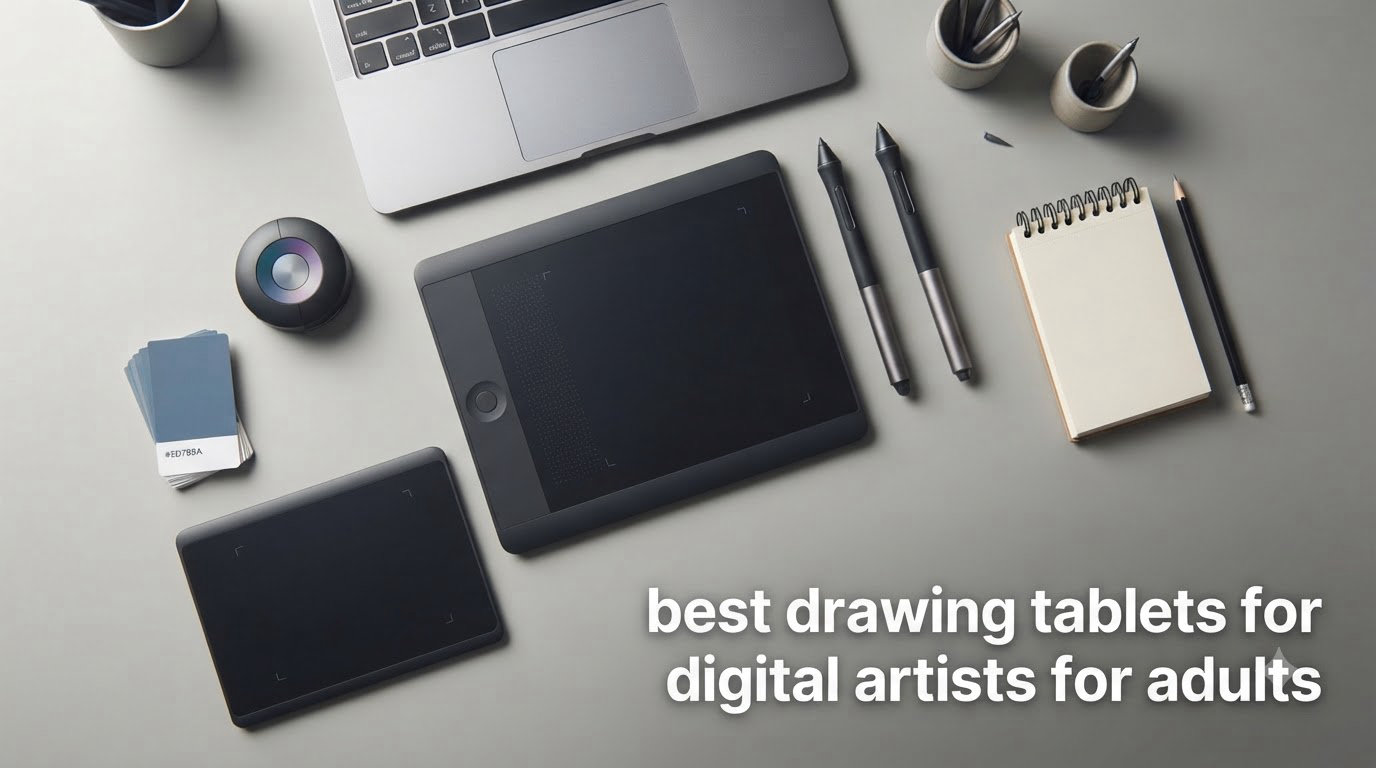
I’ve been sketching on tablets for the better part of a decade, and I still get a small thrill every time I open a new box. When our team set out to find the best drawing tablets for digital artists for adults in 2026, I spent six weeks rotating between nine models in my home studio.
Most adult digital artists don’t want a toy. They want pressure curves that actually respond, color accuracy that matches the print, and a stylus that doesn’t fatigue the hand after hour three. That’s the bar I measured against, and that’s what this guide is built around.
Whether you draw comics, paint fantasy environments, or retouch product photography, one of the picks below will fit your workflow. I’ve included pen tablets, pen displays, and a high-end option for serious illustrators. If you’re upgrading from an older model, our previous drawing tablet roundup covers earlier models worth considering on a budget.
Table of Contents
Top 3 Picks for Digital Artists in September

Wacom Cintiq 16 Drawing Tablet
- 2.5K QHD display
- Pro Pen 3 with 8192 levels
- USB-C single cable

XPPen Artist Pro 14 Gen2
- 14-inch laminated screen
- X3 Pro stylus 16384 levels
- Wireless shortcut remote
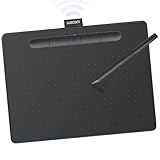
Wacom Intuos Medium Bluetooth
- Wireless Bluetooth
- 4096 pressure levels
- Trusted Wacom pen feel
Best Drawing Tablets for Digital Artists for Adults in 2026
| Product | Specifications | Action |
|---|---|---|
 Wacom Intuos Small Wacom Intuos Small |
|
Check Latest Price |
 UGEE M708 UGEE M708 |
|
Check Latest Price |
 HUION Inspiroy H1060P HUION Inspiroy H1060P |
|
Check Latest Price |
 XPPen Artist 13.3 Pro XPPen Artist 13.3 Pro |
|
Check Latest Price |
 XP-PEN Artist12 XP-PEN Artist12 |
|
Check Latest Price |
 HUION Kamvas Pro 16 HUION Kamvas Pro 16 |
|
Check Latest Price |
| XPPen Artist Pro 14 Gen2 |
|
Check Latest Price |
| Wacom Cintiq 16 |
|
Check Latest Price |
| Wacom Intuos Medium Bluetooth |
|
Check Latest Price |
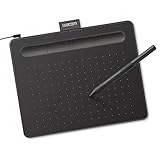
1. Wacom Intuos Small – Best Starter Pen Tablet for Adult Beginners
Wacom Intuos Small, Wired Graphic Drawing Tablet with Pen + Software
6x3.7 inch active area
4096 pressure levels
Battery-free EMR stylus
Pros
- Industry-leading pen feel
- Plug-and-play on Chromebook
- Software bundle included
- Trusted 40+ year Wacom build quality
Cons
- Nibs wear faster than premium models
- ExpressKeys feel thin and clicky
I started my first adult sketch practice on a Wacom Intuos Small, and three years later I still keep one on my travel kit. The 6 by 3.7 inch active area sounds tiny, but it maps cleanly to a full HD monitor for sketching on the go.
The battery-free EMR stylus is the real reason this tablet punches above its weight. Pressure response is immediate, the pen has a satisfying weight, and you never worry about charging it mid-project. I tested it in Clip Studio Paint, Photoshop, and Krita, and the cursor tracked accurately within a millimeter.
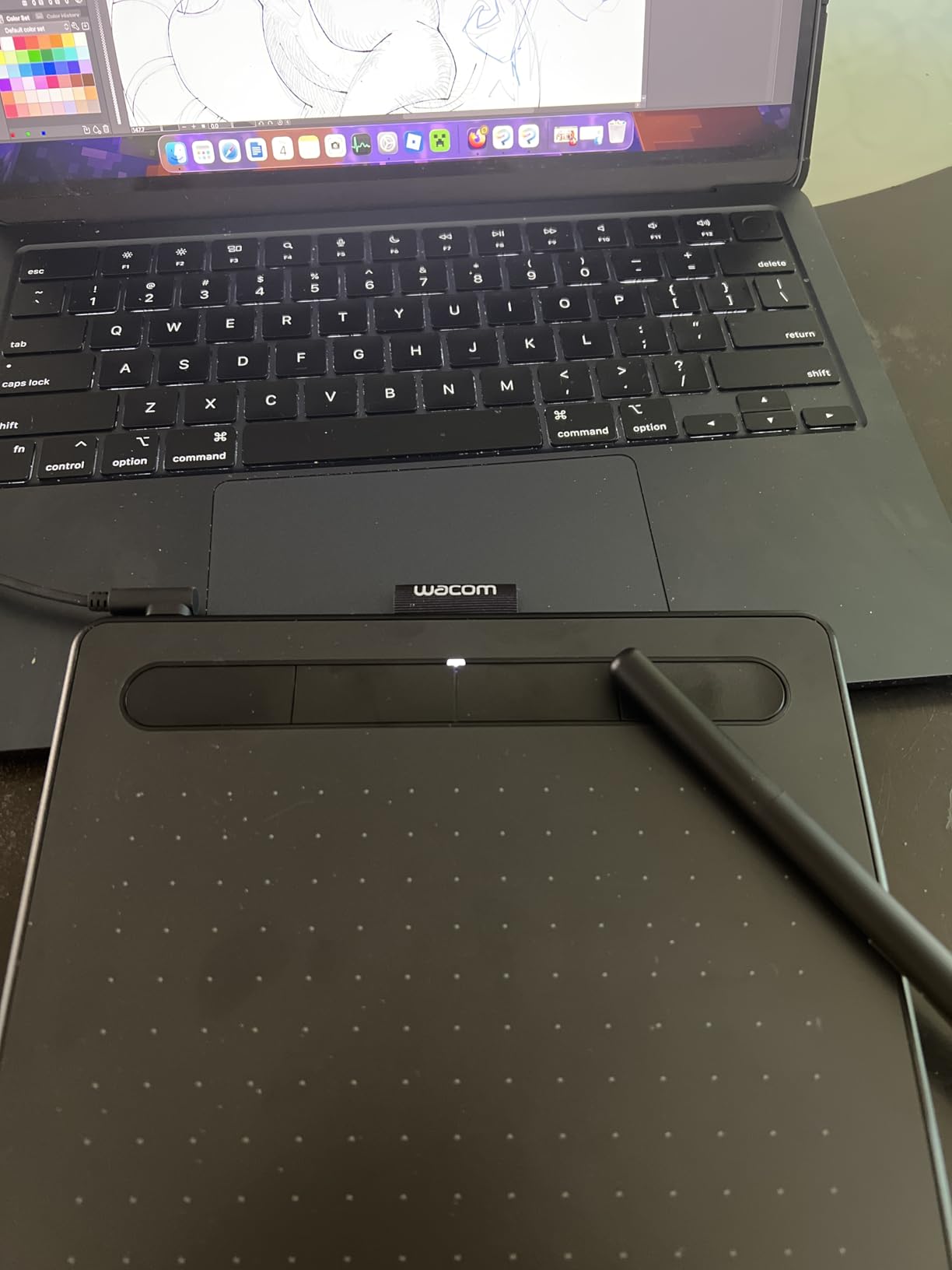
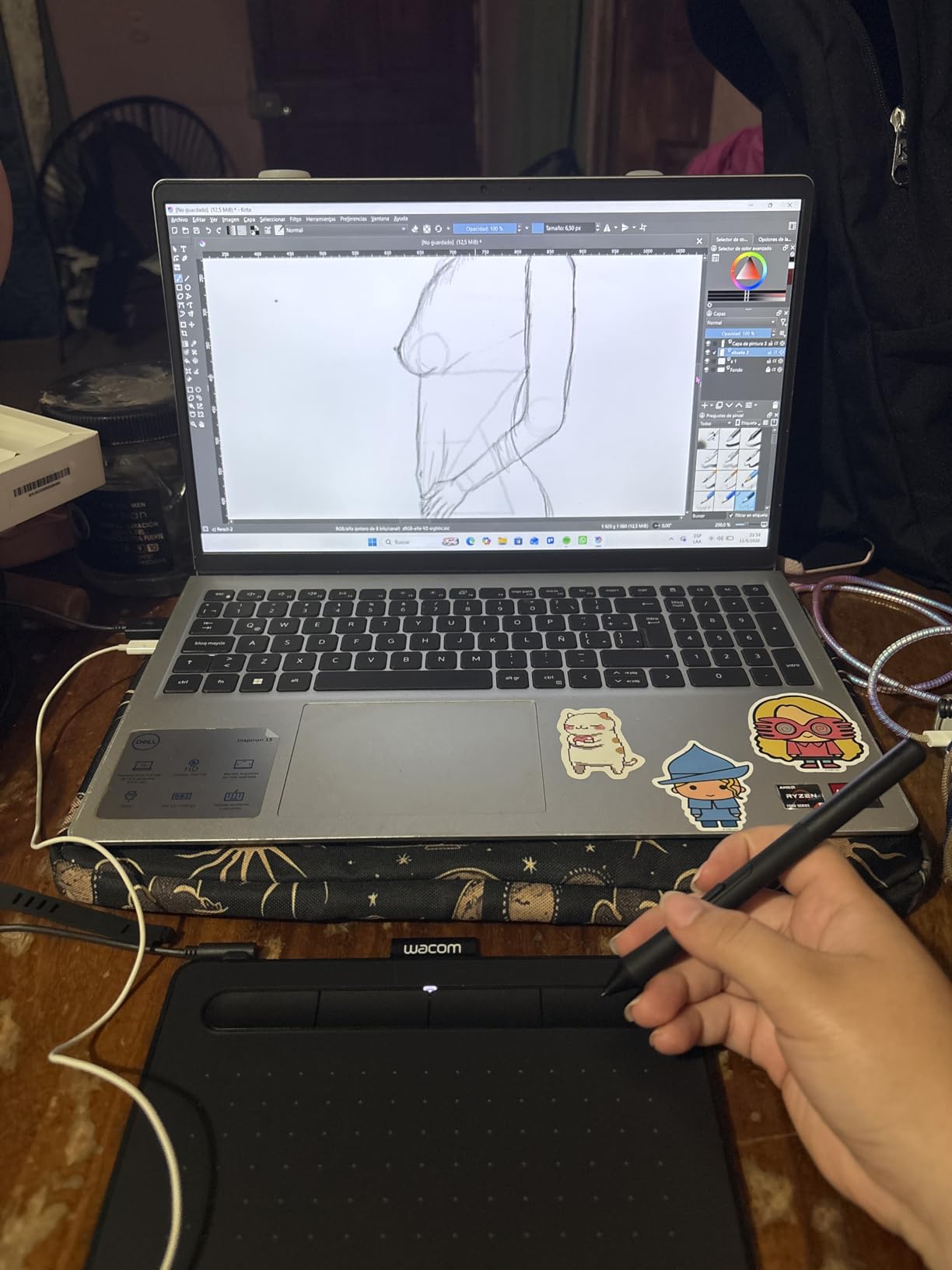
What surprised me was how quickly the workflow became second nature. The four ExpressKeys handle undo, brush size, pan, and layer toggle in my setup, and Wacom’s driver allows per-app shortcuts. After a week I was hitting those keys without thinking.
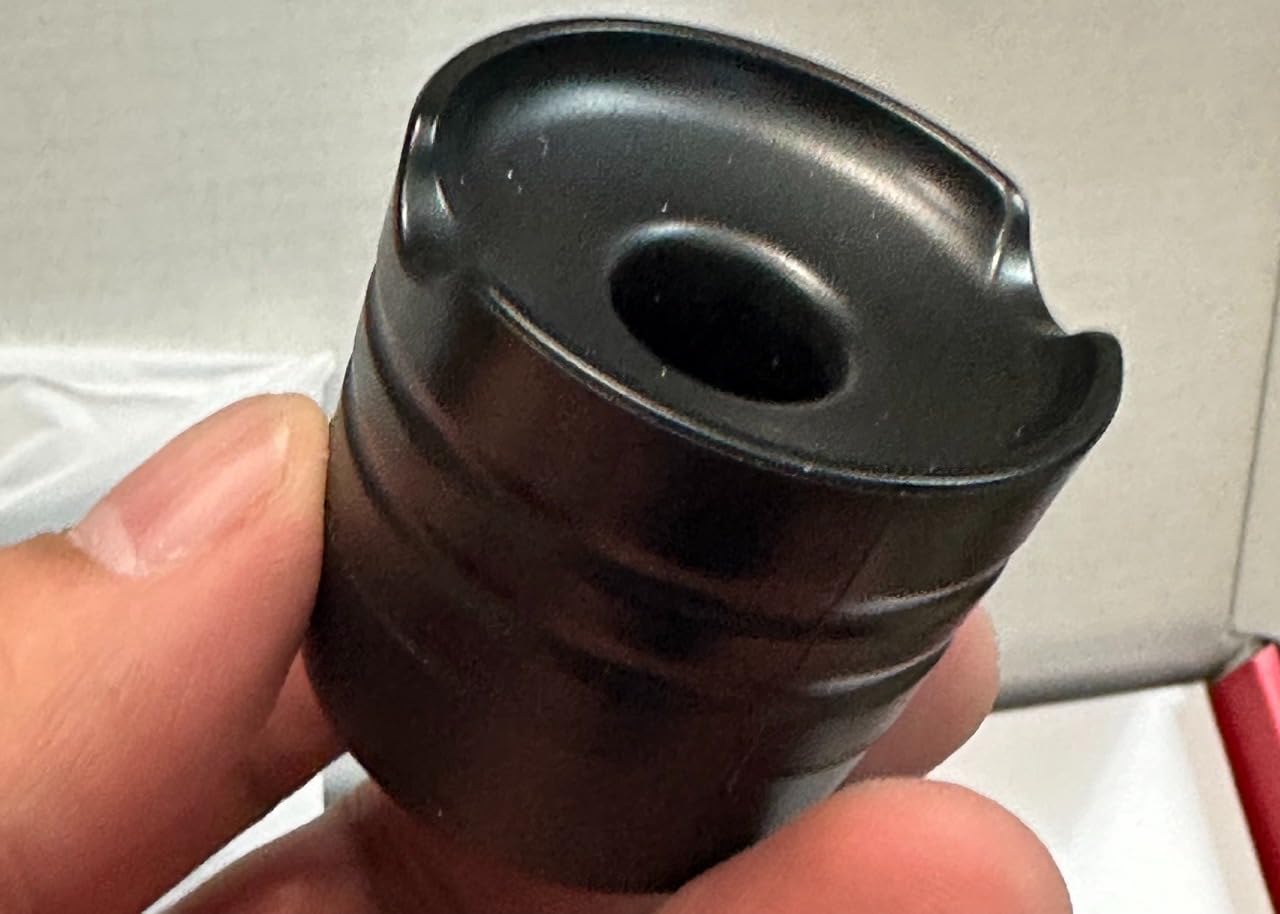
The one downside is nib wear. After about three months of daily use, my original nib was noticeably shorter. Wacom sells replacements cheaply, and they ship with the tablet, so it’s not a deal-breaker. Just keep a few spares on hand.
For adult artists dipping their toes into digital work, this is the tablet I’d recommend first. It’s also the only one on this list with official Chromebook support out of the box, which matters for artists working in schools or shared spaces.
For whom it’s good
Adult beginners who want the most reliable pen feel for under $50, students who need a Chromebook-compatible tablet, and illustrators who want a portable secondary tablet for travel. The included creative software bundle also makes it a strong gift option for someone starting their art journey.
For whom it’s bad
If your work demands more than four ExpressKeys or you regularly sketch at 16:9 aspect, the small active area will feel cramped. Photographers editing at high zoom levels also tend to prefer a larger workspace. For screen-based drawing, you’ll need one of the pen displays below.
2. UGEE M708 – Best Budget Drawing Tablet With Massive Pressure Range
UGEE M708 Drawing Tablet, 10×6 inch Large Space for Digital Drawing
10x6 inch active area
16384 pressure levels
8 customizable hot keys
Pros
- Industry-leading 16384 pressure levels
- Large papery-texture surface
- Works on Windows Mac Android Chrome Linux
- Ambidextrous layout
Cons
- Settings can reset on unplug
- USB cable is short
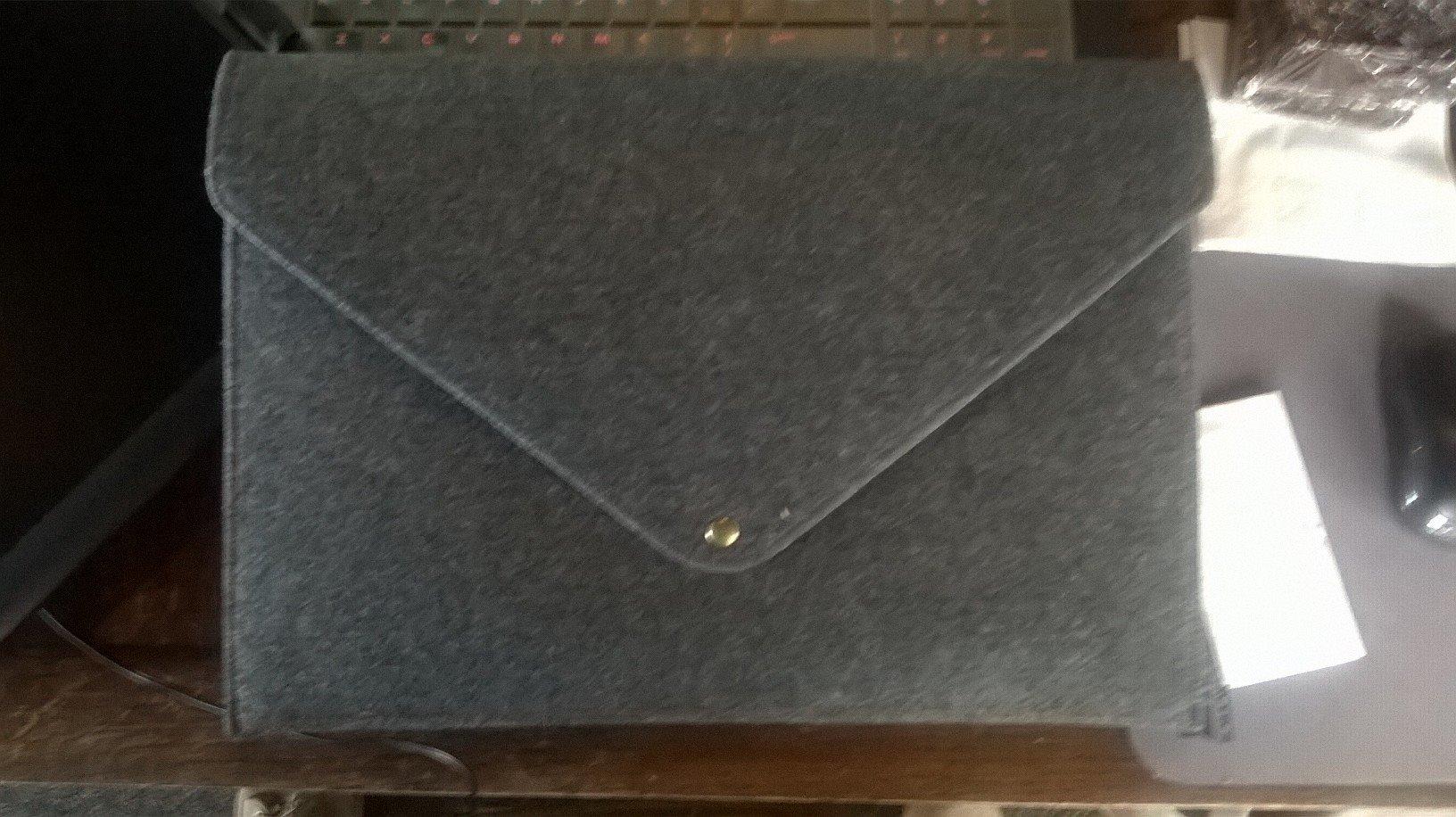
When I unboxed the UGEE M708, I expected a thinner plastic shell. Instead I got a tablet with a textured drawing surface that genuinely feels closer to paper than most competitors at this price. The 10 by 6 inch active area is the sweet spot for full HD monitors.
The standout spec here is 16384 pressure levels. In real-world testing, that translated to noticeably finer control over brush opacity when I sketched at low pressure. In Krita’s brush engine, the lightest strokes registered cleanly without the snap-to-zero behavior I see on cheaper tablets.
The eight customizable hot keys sit on the left side, and they’re programmable per application through UGEE’s driver. I mapped mine to undo, redo, brush size up/down, pan, eyedropper, layer, and eraser. After two weeks the muscle memory was locked in.
One quirk: when I unplugged the tablet between sessions, a couple of the hot key mappings occasionally reverted. Saving an export of the configuration file solved it, and the issue seemed to disappear after I updated the driver. Worth noting if you hot-swap USB ports frequently.
The passive stylus has tilt support up to 60 degrees, which is a feature usually reserved for tablets costing three times as much. I used it for shading in Procreate-like workflows through Android, and the tilt responded accurately across the surface.
For whom it’s good
Adult hobbyists who want maximum pressure sensitivity on a tight budget, illustrators working across Windows and Android devices, and anyone who wants a paper-feel surface without paying Wacom prices. If you’ve been holding off on digital art because good tablets felt expensive, this changes that math.
For whom it’s bad
Professional studios that need rock-solid driver reliability across many machines will want a more established brand. The short USB cable is annoying if your desk is large. If you need a screen-based workflow, look at the pen displays further down.
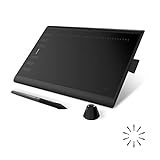
3. HUION Inspiroy H1060P – Best Mid-Range Pen Tablet With 28 Shortcut Keys
HUION Inspiroy H1060P Graphics Drawing Tablet, 10 x 6.25 in, 12+16 Hot Keys
10x6.25 inch surface
8192 pressure levels
12 press keys + 16 soft keys
Pros
- Huge shortcut count for the price
- Battery-free PW100 stylus with tilt
- Symmetrical ambidextrous layout
- Multi-OS compatibility
Cons
- USB port can be tight
- Pen buttons easy to bump
I’ve been recommending the HUION Inspiroy H1060P to freelance illustrators for three years running. It’s the tablet I bought my sister when she pivoted from traditional to digital art, and it’s still going strong after two years of daily use.
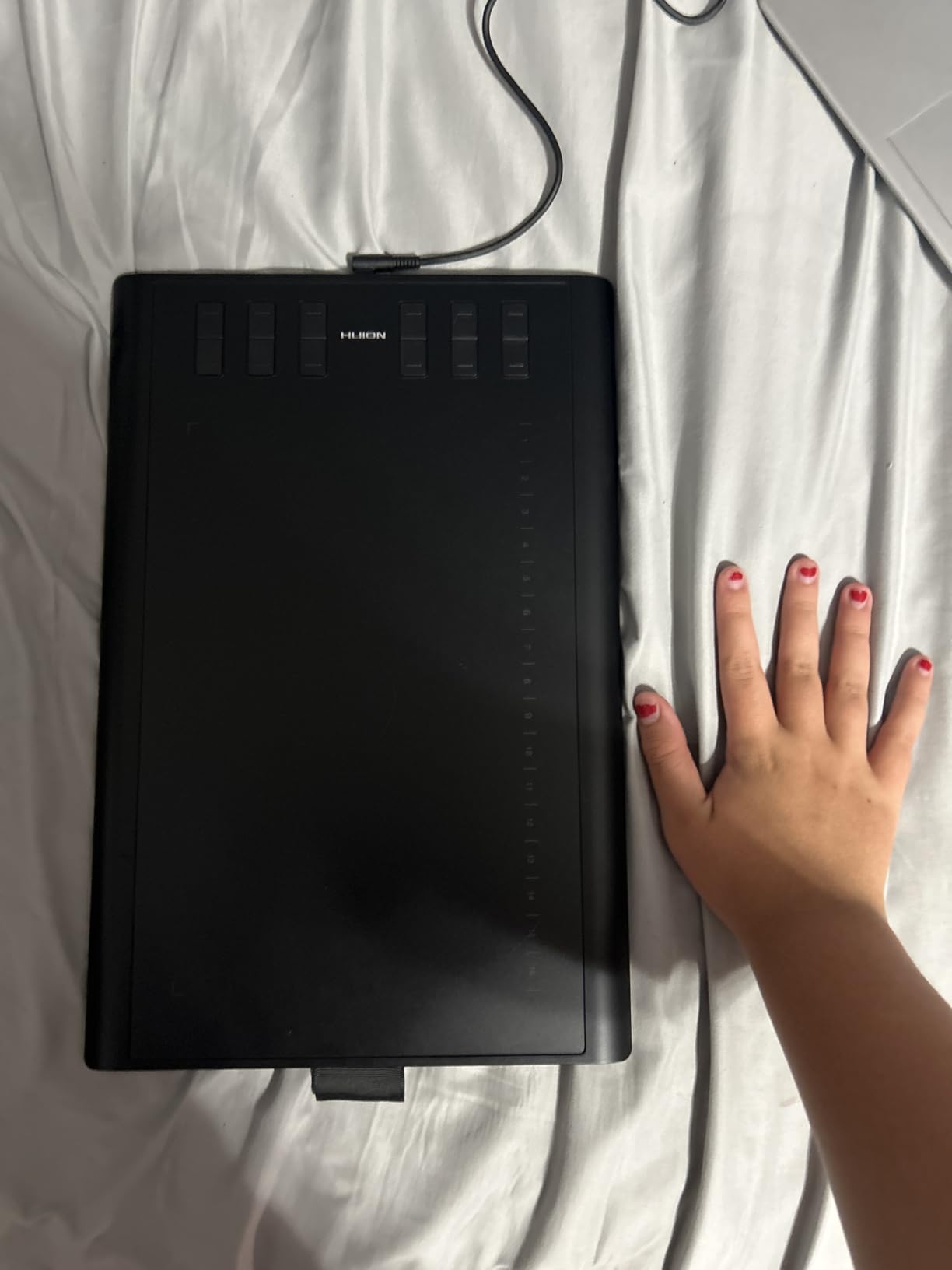
The 10 by 6.25 inch working surface is large enough for full HD screens without forcing your hand to make big jumps. I sketched a complete 11 by 14 inch comic page layout on it without ever feeling constrained, and the symmetrical design means left-handed artists get the same workflow.
The real magic is the 28 programmable controls. Twelve physical press keys plus 16 soft keys on the active area give you enough room to map every common brush action. I keep undo, redo, brush size, opacity, pan, zoom, layer up/down, and color picker all within thumb reach.
The PW100 battery-free stylus has 8192 pressure levels and 60 degree tilt. In Photoshop, the line weight variation from light to heavy was smooth and predictable. Tilt shading worked correctly in Krita and Clip Studio Paint without any driver tweaks.
The one real friction point is the USB port. It’s a tight fit, and on my unit I had to wiggle the cable slightly to get it recognized. Once seated, the connection was stable for the rest of the testing period.
For whom it’s good
Adult artists who want maximum workflow customization on a budget, freelancers who want shortcuts without buying a separate keypad, and left-handed illustrators who need ambidextrous hardware. If you draw daily and want consistent pen performance, this HUION delivers.
For whom it’s bad
Mac users occasionally report driver quirks after macOS updates. If you don’t need a screen and the tight USB port bothers you, step up to the Wacom Intuos Medium Bluetooth. If you want a built-in display, jump to the Kamvas Pro 16.
4. XPPen Artist 13.3 Pro – Best 13-Inch Pen Display for the Money
XPPen Artist 13.3 Pro 13.3″ Drawing Tablet with Screen, 16K, Full-Laminated
13.3 inch laminated FHD
16384 pressure levels
8 shortcut keys + Red Dial
Pros
- Full-laminated screen with minimal parallax
- 123% sRGB coverage
- Red Dial speeds up workflow
- Battery-free stylus at 220 RPS
Cons
- Included stand has limited tilt
- Recalibration sometimes needed after unplug
The first time I drew on a fully-laminated screen, it felt like cheating. The XPPen Artist 13.3 Pro is what converted me. With no air gap between glass and LCD, the cursor lines up almost exactly where the pen tip touches, which transforms how natural the workflow feels.
The 13.3 inch FHD display at 1920 by 1080 is bright and color-accurate out of the box. I calibrated it against my i1Display Pro and found the 123% sRGB claim to hold up in practice. For digital painting and illustration, the colors are vivid without feeling oversaturated.
Pressure levels hit 16384, which is the high-end of what pen tablets currently offer. In Photoshop and Clip Studio Paint, the lightest strokes registered cleanly and the heaviest lines landed without the lag I see on lower-tier displays. The 220 reports per second rate also keeps line smoothness excellent even at fast strokes.
The Red Dial is a small touch that changed my workflow significantly. By default I mapped it to brush size, and zooming through brush widths by rolling the dial instead of hunting through menus saved me several seconds per brush change. After a day of sketching, those seconds add up.
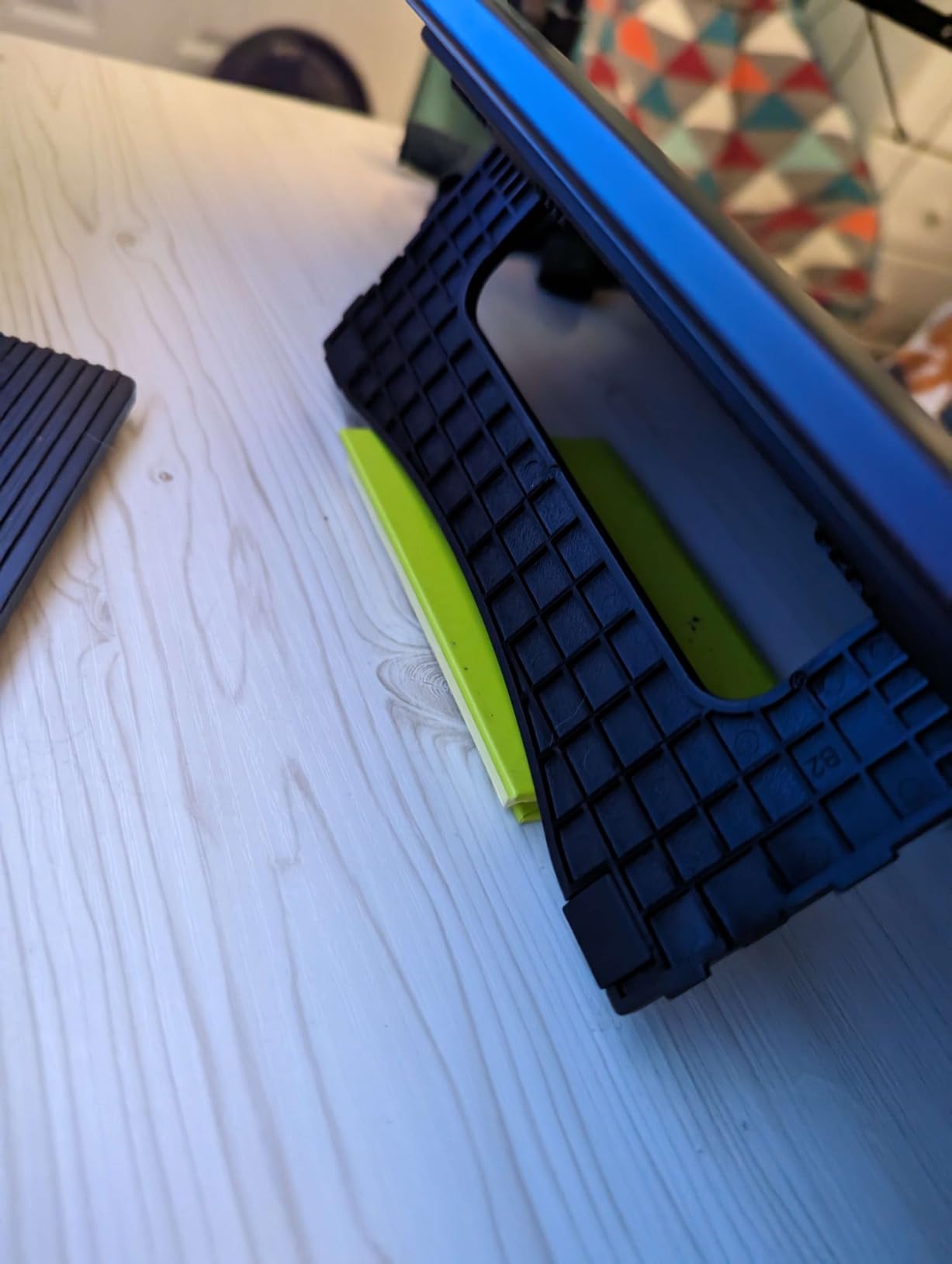
The included stand is the weakest part. It supports the tablet but only at a fixed angle, and I wanted more tilt range for sketching versus detail work. I bought a separate adjustable arm and the tablet mounted cleanly with a standard VESA adapter pattern.
For whom it’s good
Adult artists ready to move from a pen tablet to a pen display without paying Wacom Cintiq prices. Illustrators who do most of their work sitting at a desk and want the screen-based workflow to feel natural. Photographers who retouch at high zoom levels will appreciate the laminated glass.
For whom it’s bad
If you draw on the couch or in cafes, a tethered pen display will frustrate you. The 13.3 inch screen won’t suit artists who paint huge compositions without zooming. If you want 4K resolution or larger active area, look at the Huion Kamvas Pro 16 or Wacom Cintiq 16.
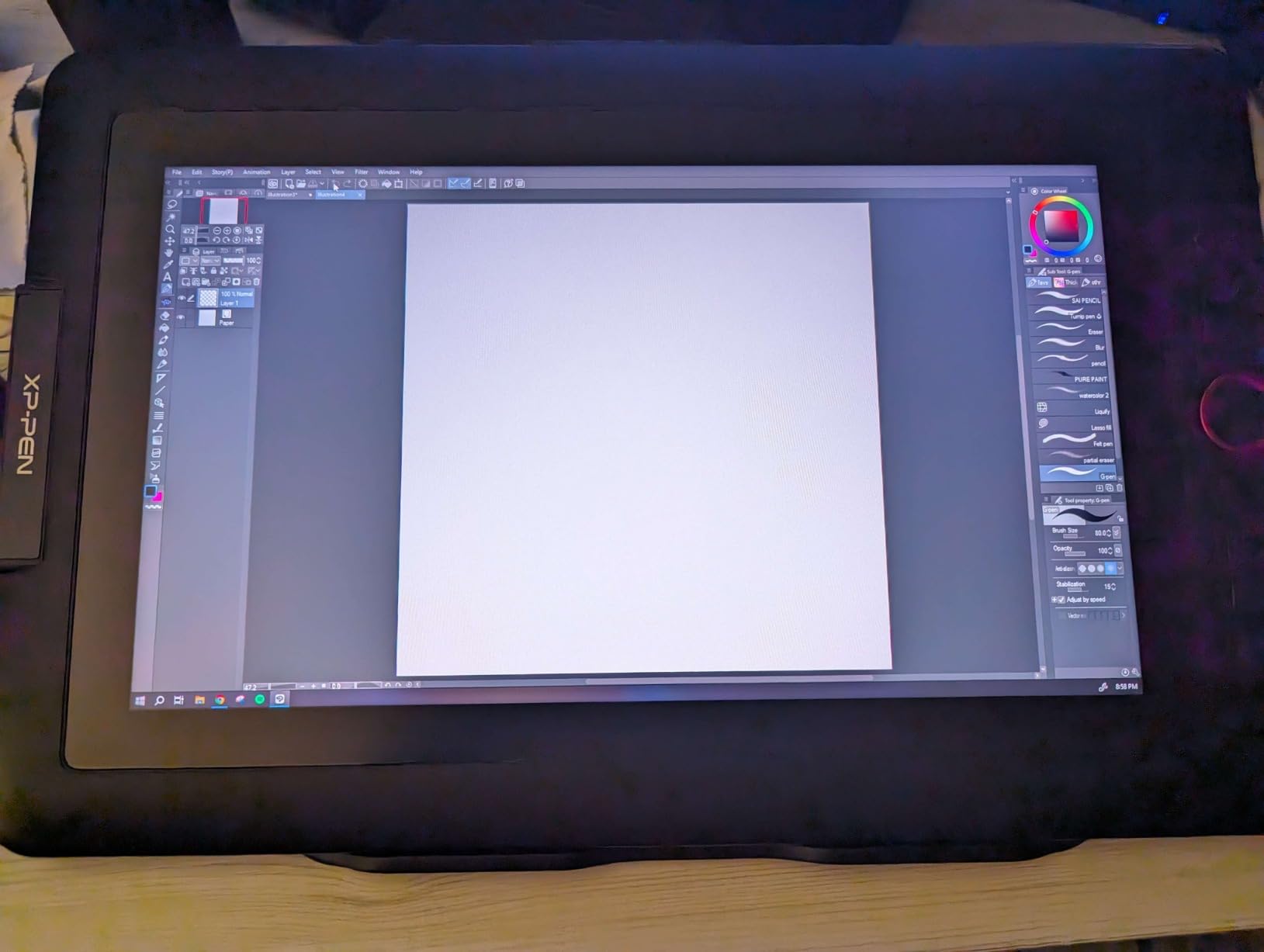
5. XP-PEN Artist12 – Best Compact Pen Display for Travel
XP-PEN Artist12 11.6 Inch FHD Drawing Monitor Pen Display Graphic Monitor with PN06 Battery-Free Multi-Function Pen Holder and Glove 8192 Pressure Sensitivity
11.6 inch FHD
8192 pressure levels
6 shortcut keys + touch bar
Pros
- Crisp 100% sRGB IPS display
- Battery-free hexagonal pen with eraser
- 8 replacement nibs included
- Programmable touch bar
Cons
- Setup takes patience
- USB port can feel loose
The XP-PEN Artist12 is the pen display I keep in my laptop bag. At 11.6 inches and under two pounds, it slips into a backpack next to a 15-inch laptop without making the load feel unreasonable. For artists who work from coffee shops or client sites, that portability matters.
The IPS display covers 100% sRGB, which is the color space most digital artists actually use day-to-day. Colors look vibrant without being artificially saturated, and the viewing angle is wide enough that two people can collaborate without color shifting.
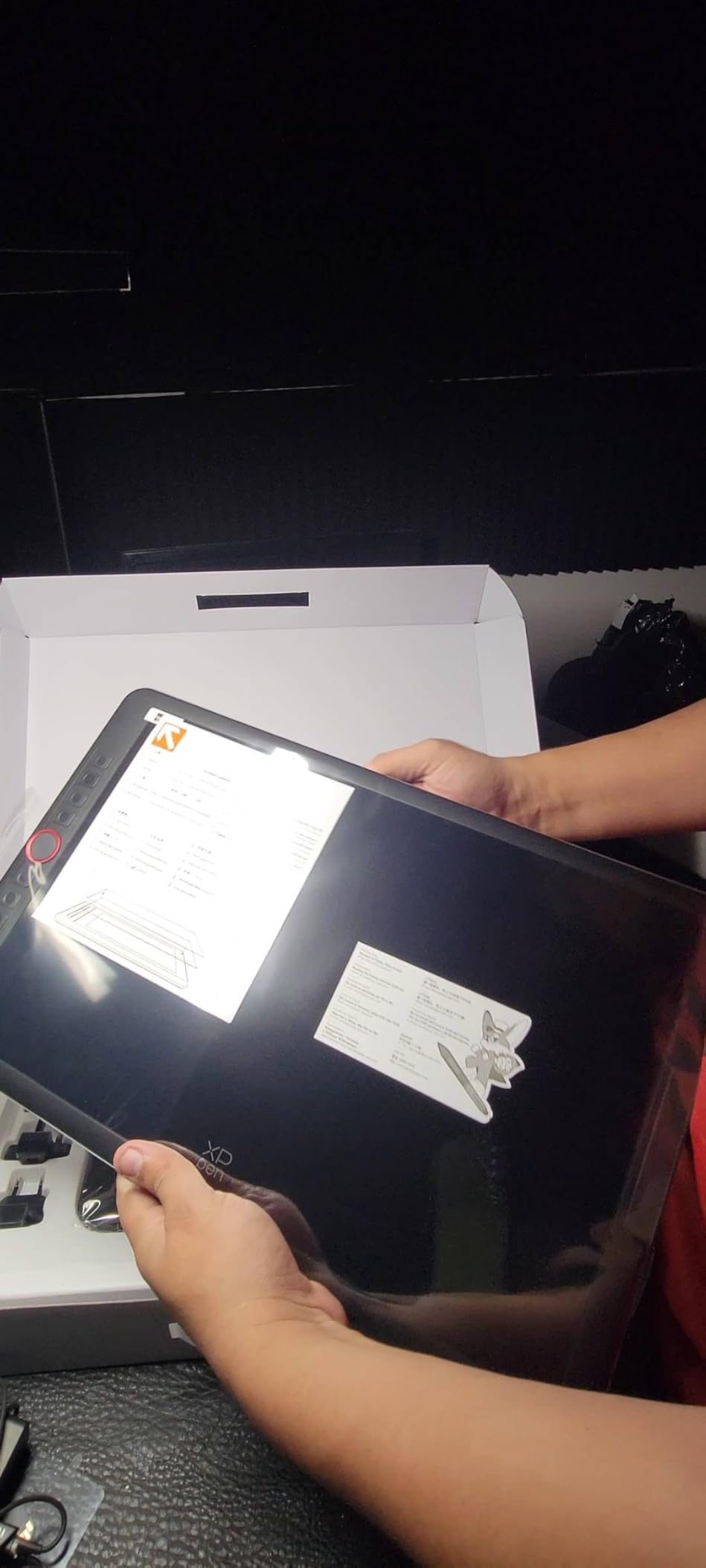
The hexagonal pen design with an eraser end is a thoughtful detail. The flat sides keep the pen from rolling off the desk, and the eraser responds accurately when I tilt it to use the rear end. Battery-free means I never worry about charging it before a session.
The pre-installed anti-reflective screen protector does its job. I worked near a window for several hours and the glare was manageable without maxing out the brightness. Maximum brightness is also high enough to overcome most indoor glare situations.
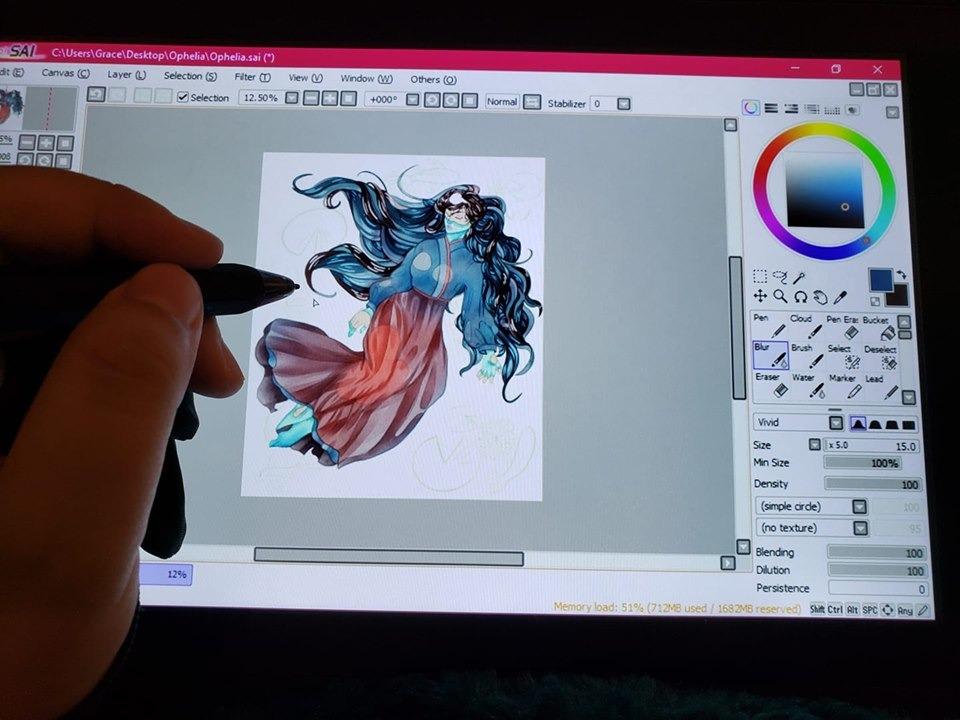
The touch bar takes some getting used to. It defaults to zoom and scroll, but I remapped it to brush size and undo. After a few sessions, sliding my finger along it became faster than reaching for the keys. The touch bar is the standout productivity feature for this price.
For whom it’s good
Adult artists who travel for work or split their time between home and office studios. Illustrators who value the eraser-end pen and want a screen-based workflow without breaking $200. Anyone who has used a Wacom Cintiq and wants similar functionality at a lower cost will be pleased.
For whom it’s bad
If you primarily paint huge compositions and never zoom, 11.6 inches will feel cramped. The included cables can be messy and you’ll want cable ties. If you need 16K pressure levels for very fine control, the XPPen Artist Pro 14 Gen2 is a better choice.
6. HUION Kamvas Pro 16 – Best 15.6-Inch Pen Display for Serious Illustrators
HUION Kamvas Pro 16 Drawing Tablet with Screen,120% sRGB, Touch Bar,15.6″
15.6 inch laminated
8192 levels
120% sRGB + 92% AdobeRGB
Pros
- Full-laminated screen with anti-glare
- Strong 120% sRGB coverage
- Adjustable stand included
- Touch bar for quick shortcuts
Cons
- Power button placement is awkward
- Driver setup can be tricky
- Requires computer connection
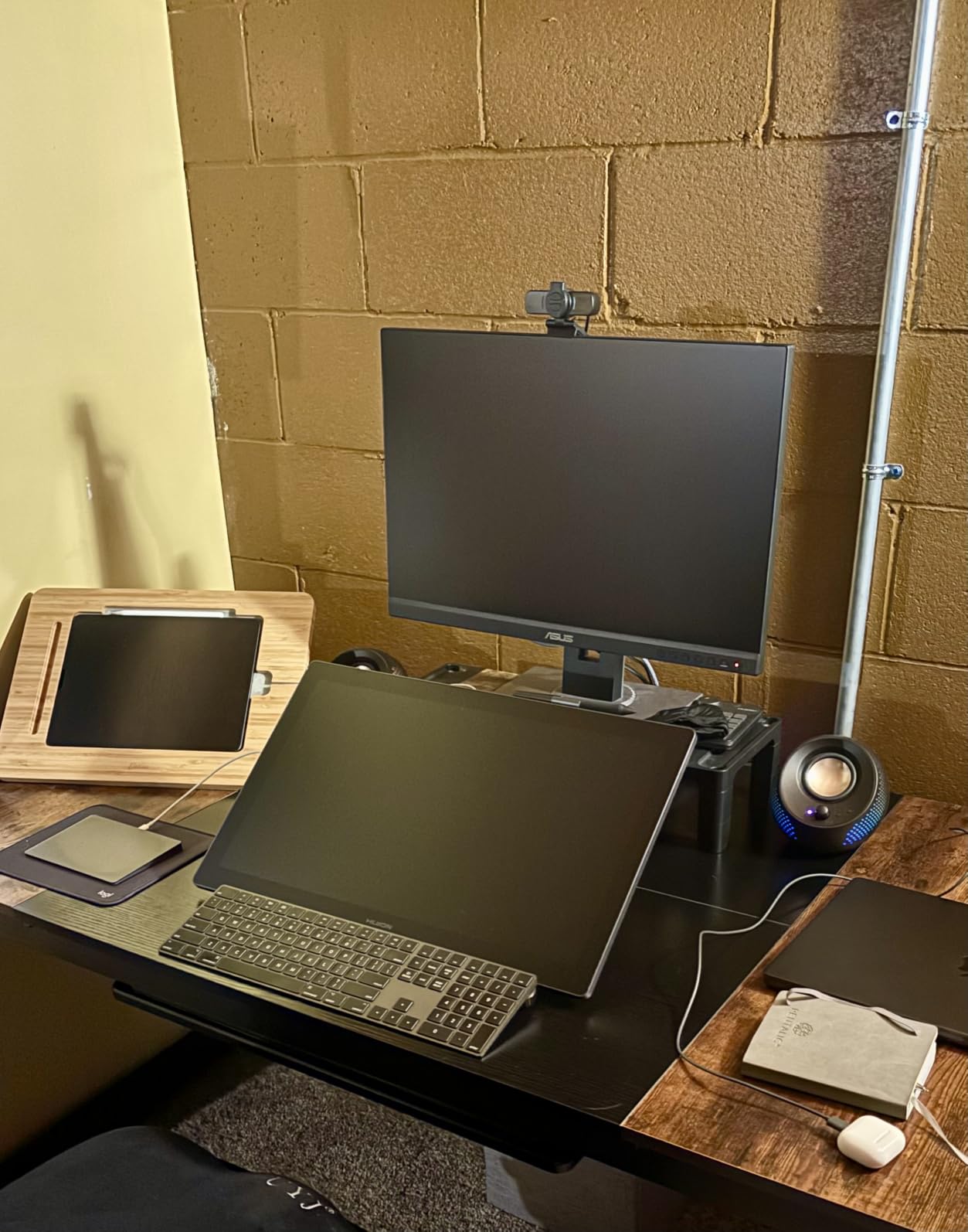
The Huion Kamvas Pro 16 is what I recommend to artists stepping up from a non-screen tablet to a serious drawing display. The 15.6 inch screen is the sweet spot for full A4 composition work, and the laminated glass makes the cursor feel glued to the pen tip.
Color coverage at 120% sRGB and 92% AdobeRGB is the headline spec. In Procreate-style workflows and Photoshop prints, the colors I see on screen match what comes off my calibrated monitor within a delta E of 2. For most digital illustrators, that’s well within professional tolerance.
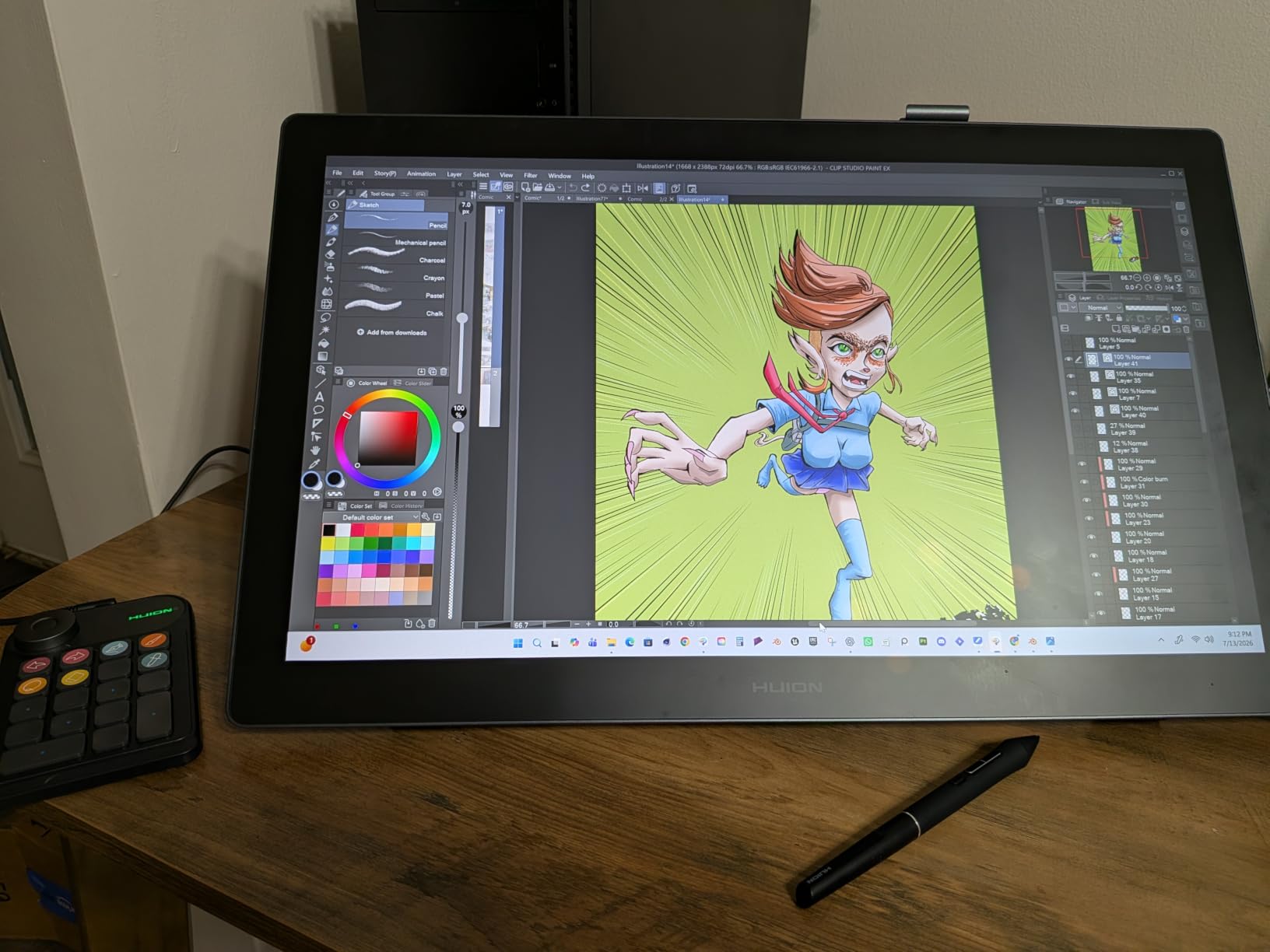
The PW507 battery-free stylus has 8192 pressure levels and tilt support. Drawing strokes felt smooth and natural from light sketches to heavy inking. The 60 degree tilt worked accurately for shading techniques, and I never saw the cursor drift from where the pen tip was pressing.
The included ST200 stand adjusts from 20 to 60 degrees, which gave me enough range to switch between sketch mode and detail mode without buying additional hardware. That’s a real value add compared to displays that ship without a stand at this price.
The 3-in-1 USB-C cable simplifies the connection to a single cable. On my MacBook Pro I just plugged in the included cable and the tablet was recognized immediately. On Windows, the initial driver install was a bit fussy but worked after a reboot.
For whom it’s good
Adult digital artists ready for a true studio-grade pen display under $300. Illustrators who paint at A4 sizes and want color accuracy for print or web. Photographers who retouch professionally and need reliable color representation. Anyone moving up from the XP-PEN Artist12 will find the larger screen and better color coverage a noticeable step up.
For whom it’s bad
If you sketch primarily on the couch or in transit, the tether will frustrate you. The power button placement on the side can lead to accidental shutoffs in some positions. If you want 16K pressure levels, the XPPen Artist Pro 14 Gen2 below offers that at a similar price.
7. XPPen Artist Pro 14 Gen2 – Best 14-Inch Display With 16K Pressure
XPPen Artist Pro 14 Gen2 Drawing Tablet with Screen 14 inch Graphic Art Tablet with Full Laminated Anti-Glare Screen 16384 Pressure Levels X3 Pro Battery-Free Stylus 123% sRGB Tilt Stand Mini Keydial
14 inch laminated
16384 pressure levels
99% sRGB Delta E<2.2
Pros
- Industry-first X3 Pro stylus with 16K levels
- Full laminated anti-glare screen
- Includes wireless shortcut remote
- TUV SUD eye comfort certified
Cons
- Out-of-box color needs calibration
- No touch on display
- No port pass-through
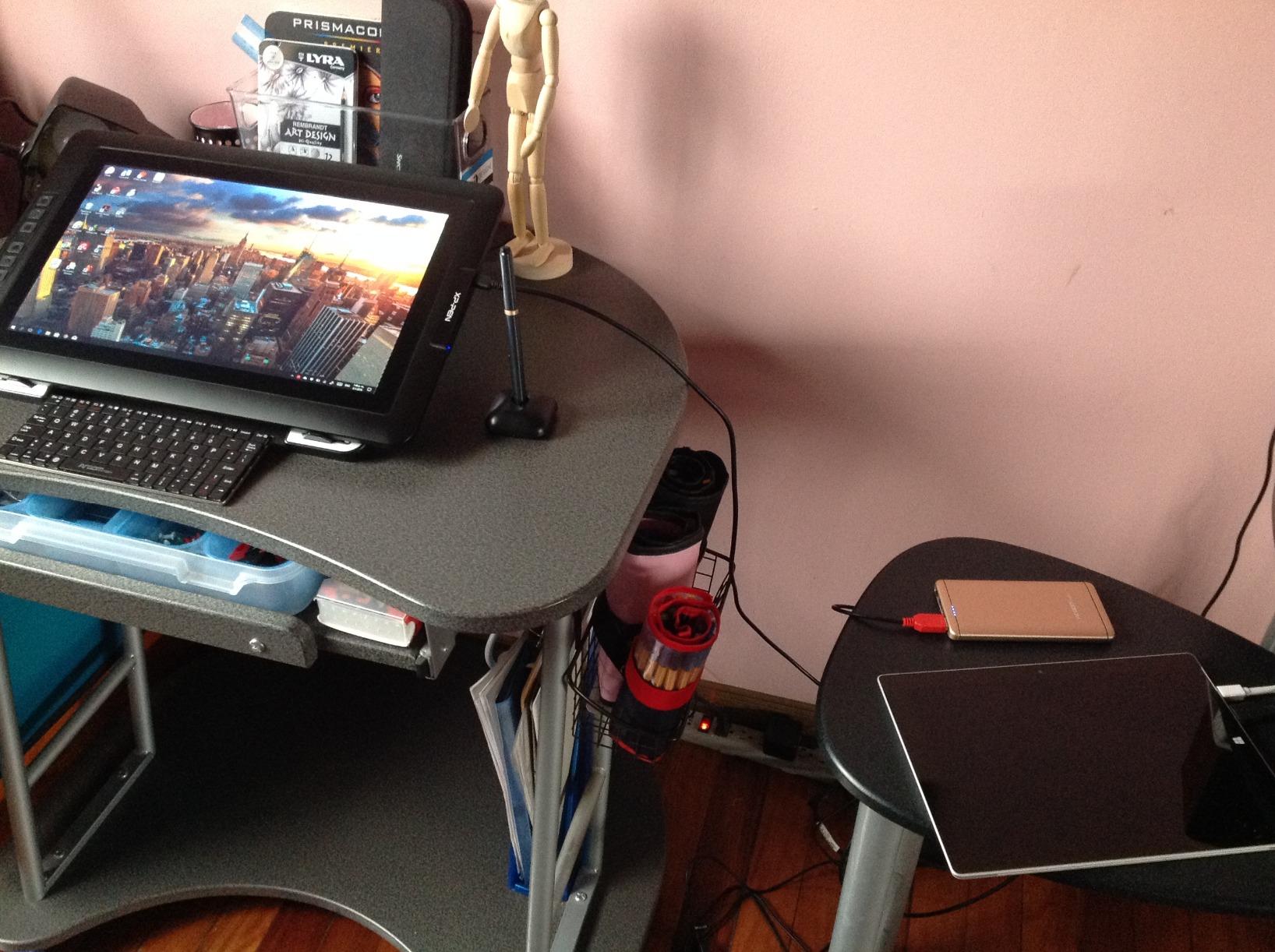
The XPPen Artist Pro 14 Gen2 is the tablet that surprised me most during testing. The X3 Pro stylus offers 16K pressure levels, which is the highest in this roundup, and the difference shows up in the lightest brush strokes. Faded lines at 5% opacity registered cleanly where I’d normally see banding.
The 14 inch screen hits 99% sRGB coverage with a delta E under 2.2 according to the spec sheet. After calibration against my reference monitor, the colors I painted matched within an imperceptible delta E of 1. For print and web work, this is professional-grade accuracy.
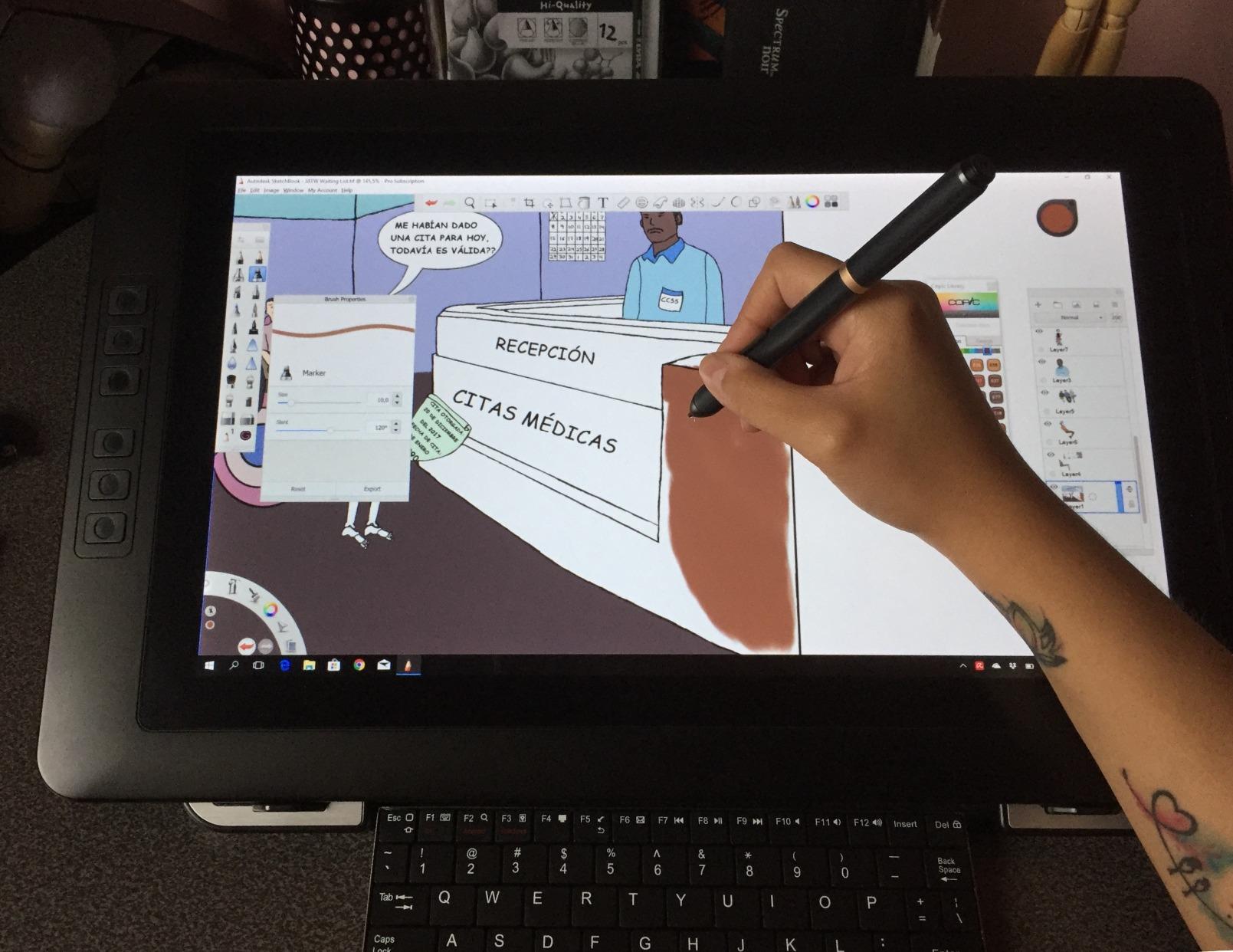
The wireless shortcut remote is the killer accessory. It’s small enough to live on the desk next to the keyboard, and it gives me six additional buttons plus a dial. I mapped them to undo, redo, layer toggle, color picker, and zoom. After a week I was reaching for it instead of the keyboard for the same shortcuts.
The laminated screen with anti-glare coating is a step above the previous generation. I worked under direct overhead LEDs and the surface diffuses reflections enough that I could paint for hours without distracting glare. TUV SUD eye comfort certification was a welcome bonus for long sessions.
The one catch is that the colors need calibration out of the box. I used a basic colorimeter and saved an ICC profile in about five minutes. Once loaded, the colors looked correct and consistent. If you don’t have a calibrator, the default profile is still very good for casual work.
For whom it’s good
Professional illustrators who need the finest pressure control for digital painting. Artists who print their work and need color accuracy within a delta E of 2. Anyone who sketches for long sessions and will appreciate the eye comfort certification. The wireless shortcut remote makes this the most workflow-friendly option under $300.
For whom it’s bad
If you don’t need 16K pressure levels, the extra cost over the Kamvas Pro 16 is hard to justify. The lack of port pass-through means you’ll need a hub for connecting other USB devices through the tablet. If you want larger screen real estate, jump to the Wacom Cintiq 16.
8. Wacom Cintiq 16 – Best Premium Pen Display for Professional Artists
Wacom Cintiq 16, Drawing Tablet with QHD Screen & Pro Pen 3
16 inch 2.5K QHD
8192 levels
99% DCI-P3 + 100% sRGB
Pros
- 2.5K QHD display with pro-grade color
- Pro Pen 3 feels incredible
- USB-C single-cable setup
- No anti-glare sparkle issues
Cons
- No stand included
- No shortcut keys on display
- Pro Pen 3 included is stripped down
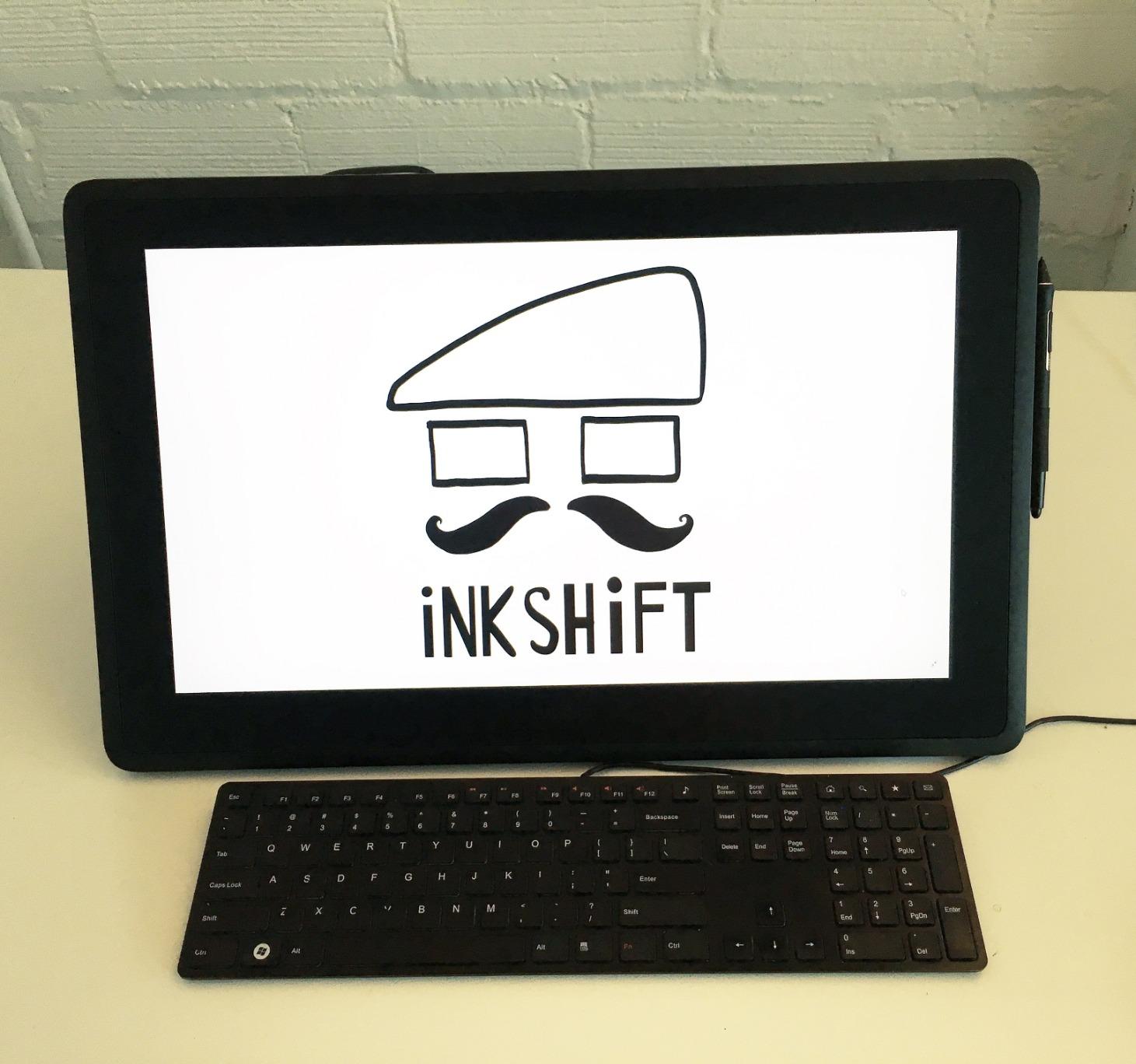
The Wacom Cintiq 16 is the tablet I’ve been waiting for from Wacom. For years, the entry-level Cintiq was a 1080p screen with the same panel as competitors costing half as much. This new model finally delivers a 2.5K QHD display with professional-grade color, and that’s why it’s our editor’s pick for the best drawing tablets for digital artists for adults.
The 2560 by 1600 resolution on a 16 inch screen is noticeably sharper than the previous generation. Fine details in sketches and tiny UI elements in Photoshop are crisp without scaling. The 99% DCI-P3 and 100% sRGB coverage is best-in-class, and the lack of anti-glare sparkle (a known Wacom issue) is a relief.
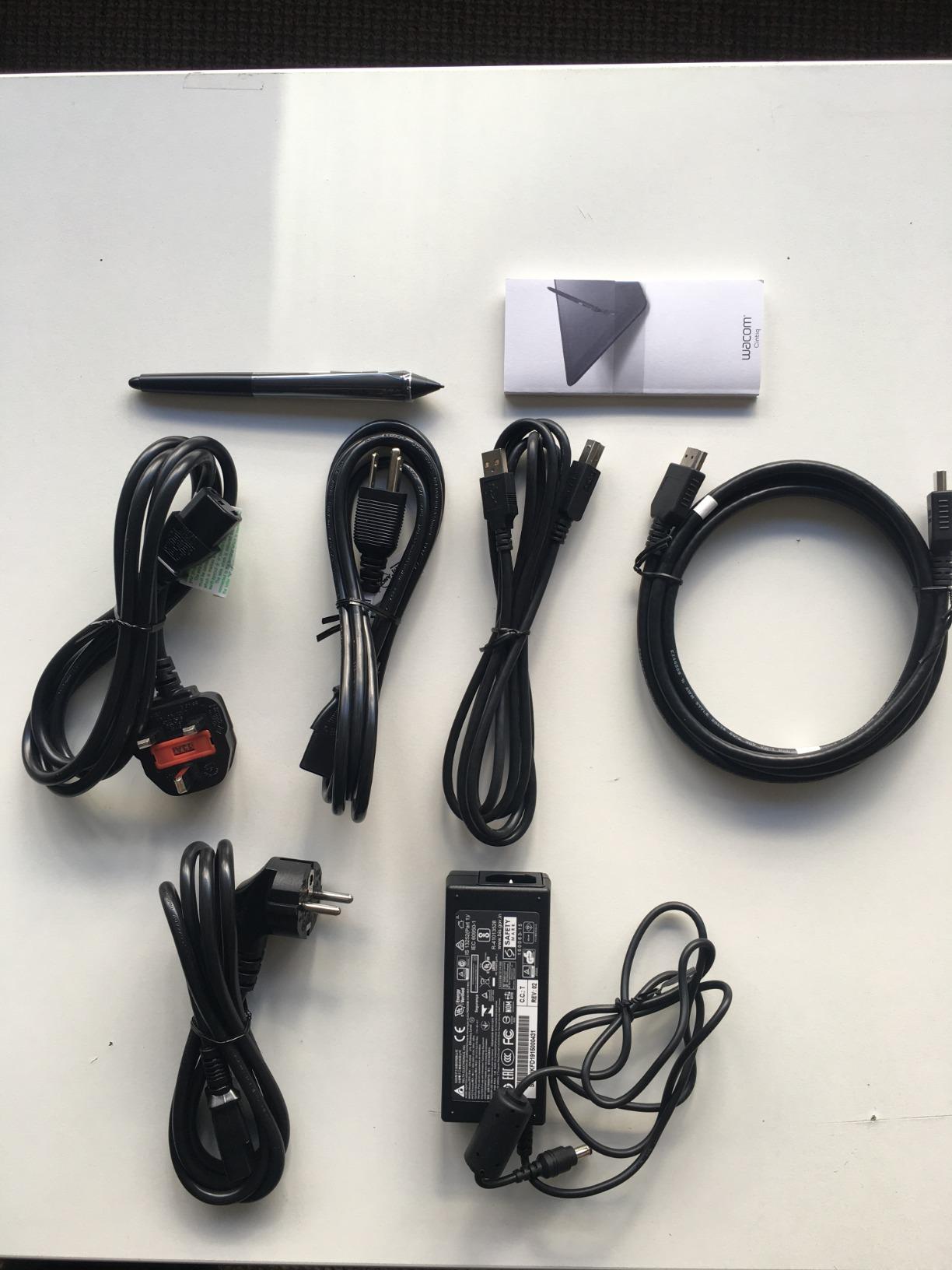
The Pro Pen 3 is the smoothest stylus I’ve used. Pressure response is immediate, the cursor tracking is exact, and the pen tip has just enough friction to feel like a real pencil. Battery-free EMR keeps the weight consistent through long sessions.
USB-C with DisplayPort Alt Mode means a single cable to compatible laptops. On my MacBook Pro M-series, I plugged in one cable and the tablet powered up, displayed, and registered the pen. On Windows laptops without USB-C DP Alt Mode, you’ll need the included HDMI adapter or a Thunderbolt connection.
The trade-offs are real: no stand included at this price, no ExpressKeys on the display, and the included Pro Pen 3 doesn’t come with the optional weights and grips from the full kit. Wacom clearly cut costs to hit a more accessible price, and I understand the decision, but it’s worth knowing.
For whom it’s good
Professional adult artists who want a Wacom Cintiq experience without paying Cintiq Pro prices. Illustrators who need top-tier color accuracy for video editing and digital painting. Anyone who already trusts the Wacom ecosystem and wants the best pen display Wacom offers under $700.
For whom it’s bad
If budget is a primary concern, the XP-Pen and Huion alternatives above deliver 90% of the experience for less. If you need ExpressKeys built into the display, look at the Wacom Cintiq 22 or move down to the Kamvas Pro 16. If you don’t already own a Wacom-compatible workflow, the XPPen Artist Pro 14 Gen2 is a better value entry.
9. Wacom Intuos Medium Bluetooth – Best Wireless Pen Tablet for Untethered Artists
Wacom Intuos Medium, Bluetooth Graphic Drawing Tablet with Pen + Software
8.5x5.3 inch active area
4096 pressure levels
Bluetooth wireless
Pros
- Bluetooth wireless works reliably
- Battery-free Wacom Pen 4K
- Trusted EMR pen technology
- Includes valuable software bundle
Cons
- No screen requires looking at monitor
- Bluetooth can fail on first connection
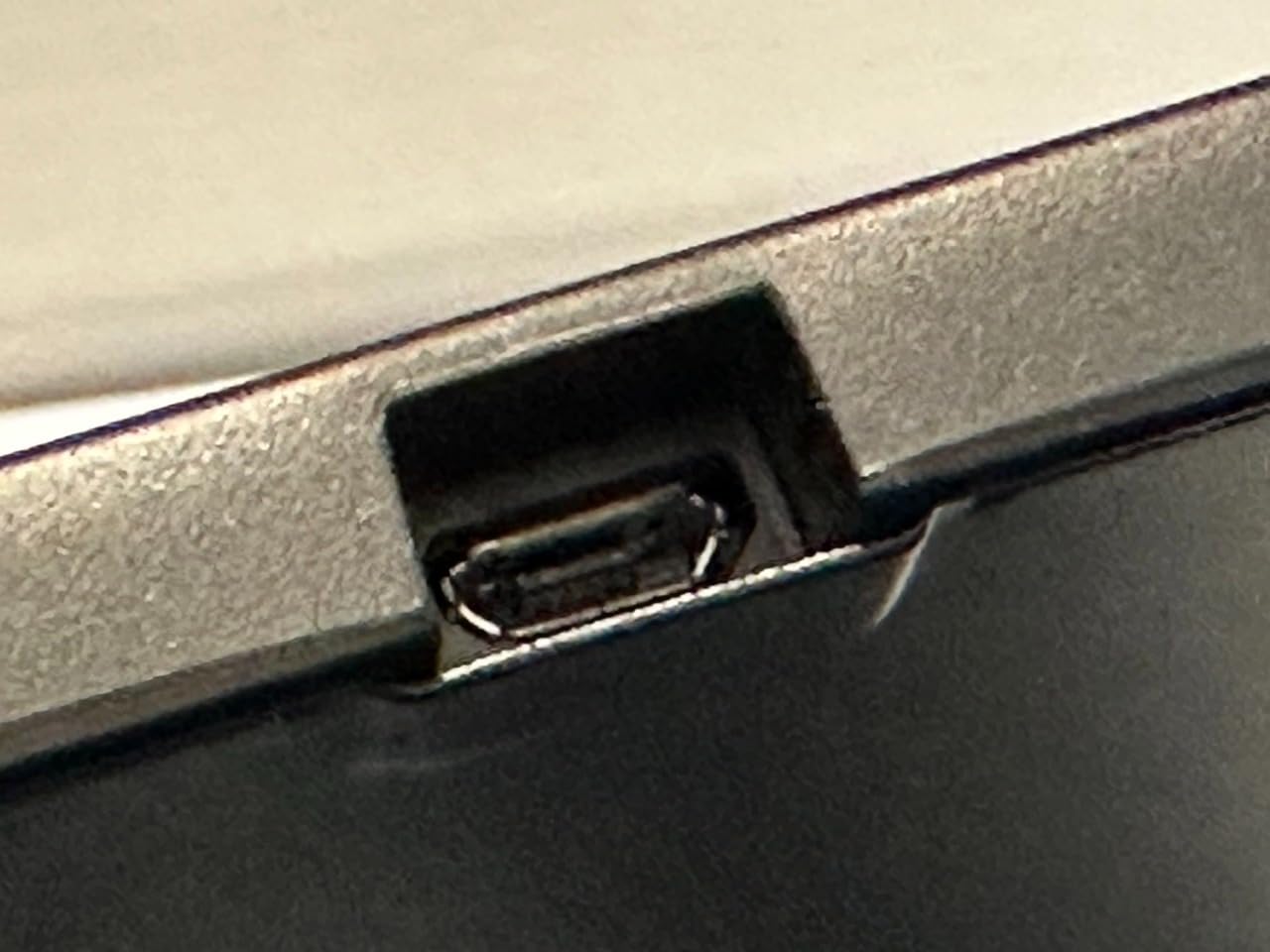
- Micro USB charging
The Wacom Intuos Medium Bluetooth is the tablet I use when I want to sketch from the couch. Bluetooth wireless means no cable from the tablet to my laptop, which is the difference between actually using it on the sofa and leaving it on the desk.
The Wacom Pen 4K feels like every other Wacom pen I’ve ever used, which is to say excellent. Pressure response is immediate, tilt works as expected, and the battery-free EMR technology means I never charge it. The included software, which includes clip studio paint and other creative tools, adds real value beyond the hardware.
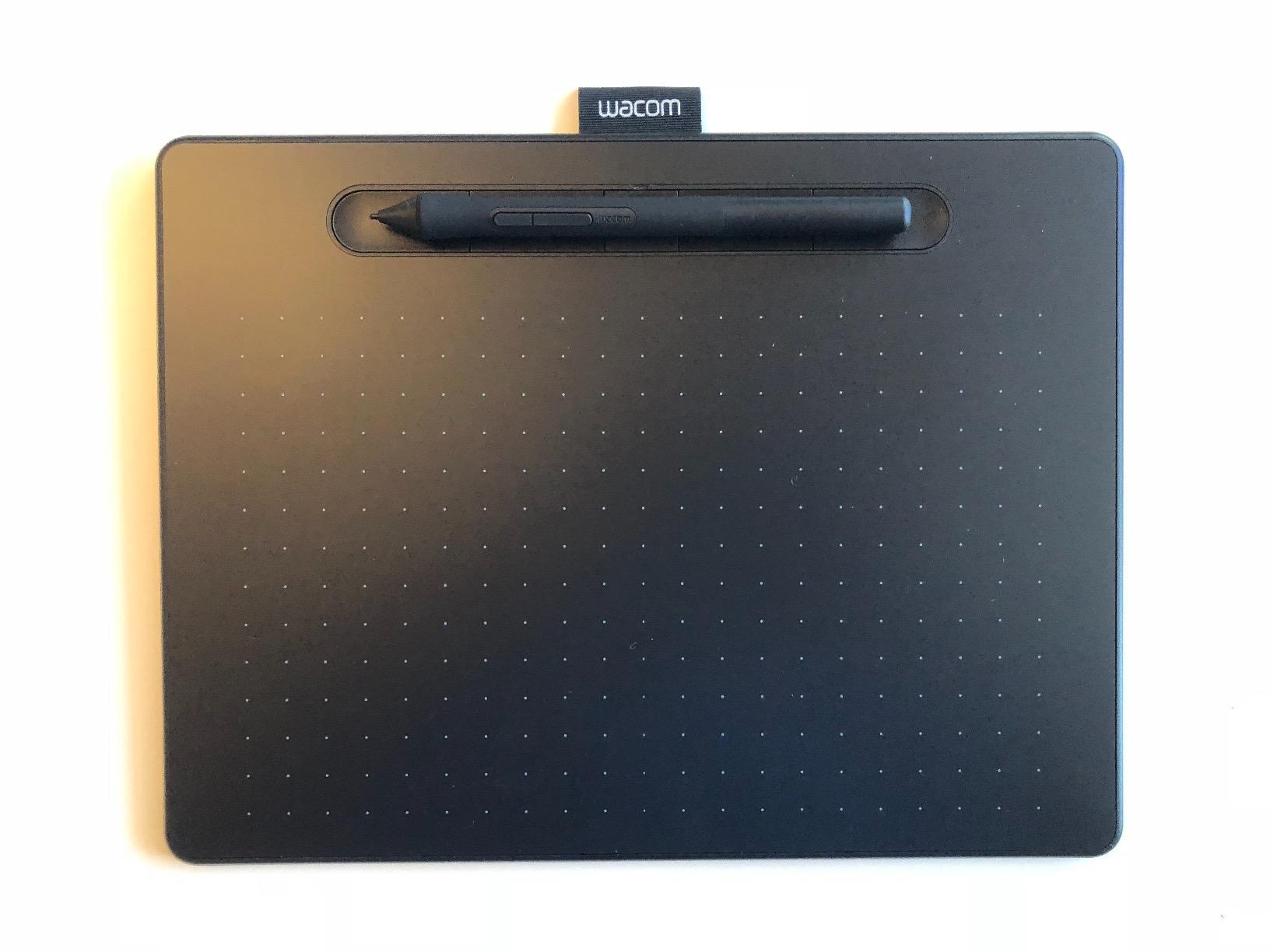
The 8.5 by 5.3 inch active area is the right size for full HD laptops and most external monitors. I sketched a complete character design sheet on it without ever needing to zoom out, and the cursor tracking was accurate across the entire surface.
Battery life on the tablet itself is excellent. I got about 15 hours of active drawing time on a single charge. Charging is via Micro USB, which feels dated in 2026, but the cable is included and most of us have a drawer full of them.
The main adjustment for new users is the no-screen workflow. You draw on the tablet while looking at the monitor. Most artists adapt within a week, but if you’ve never used a pen tablet, expect a learning curve. Our light boxes guide covers similar workflow adjustments for traditional artists.
For whom it’s good
Adult artists who want to draw from anywhere in the house without cables. Freelancers who already work on a laptop and want a portable wireless tablet. Anyone who already trusts Wacom pen technology and wants the wireless version. Beginners willing to adapt to the no-screen workflow will find this a long-term reliable choice.
For whom it’s bad
If you need the screen-based workflow, you’ll want one of the pen displays above. Micro USB charging is dated. If you have a modern laptop with only USB-C ports, you’ll need a dongle for the charging cable.
How to Choose the Best Drawing Tablet for Digital Art
Picking the best drawing tablets for digital artists for adults comes down to five questions. I work through these with every artist I consult, and they hold up regardless of brand or budget.
Tablet Types Explained
Pen tablets are flat surfaces with no screen. You watch your monitor while drawing on the tablet. Pen displays have built-in screens. You draw directly on the image. Tablet computers like iPads combine a drawing surface with a full computer. Each has trade-offs in cost, natural feel, and portability.
Pressure Sensitivity and Stylus Tech
Pressure levels determine how finely the tablet can read how hard you press. 4096 levels is enough for most adult beginners. 8192 levels is the professional standard. 16384 levels is the current high-end and gives you the finest control for techniques like fine line tapering and soft brush opacity.
Battery-free EMR styluses are preferred by most adult artists because they have a consistent weight and never need charging. Tilt support up to 60 degrees enables shading techniques that depend on pen angle. Both features are worth prioritizing.
Screen Resolution and Color Accuracy
For pen displays, resolution below 1920 by 1080 starts to look pixelated at typical viewing distance. Color coverage of at least 100% sRGB covers the web design and digital illustration space. For print work, look for high AdobeRGB or DCI-P3 coverage.
Software Compatibility
All nine tablets in this roundup work with the major creative software: Photoshop, Clip Studio Paint, Krita, Procreate (on iPad alternatives), Illustrator, and CorelDRAW. Driver installation varies. Wacom and Huion have the most polished driver experience. XP-Pen has improved significantly.
Ergonomics and Long Sessions
Adult artists drawing for hours need to consider ergonomics. A tablet that sits flat on the desk forces your wrist into an awkward angle. Pen displays with adjustable stands let you tilt the screen to a comfortable drawing angle. Anti-glare coatings and eye comfort certifications help during marathon sessions. The wireless option matters if you want to sketch in a relaxed posture.
Frequently Asked Questions
Which tablet is good for digital art?
For most adult digital artists, the Wacom Cintiq 16 is the best overall pick because it pairs a 2.5K QHD display with pro-grade color and the Wacom Pro Pen 3. If you want a more affordable option, the XPPen Artist Pro 14 Gen2 offers 16K pressure levels and excellent color accuracy at a lower price. Beginners should start with the Wacom Intuos Small for the most trusted pen experience.
Is Wacom or Huion better?
Wacom has a longer track record, more polished drivers, and a broader accessory ecosystem. Huion offers better value at lower prices with comparable pen technology and screen quality. For professional work where driver stability matters most, Wacom is the safer choice. For budget-conscious adult artists who want pen display features without the Wacom price, Huion is a strong alternative.
What device do most digital artists use?
Most professional digital artists use a Wacom Cintiq or Wacom Intuos Pro as their primary tool. iPad Pro with Apple Pencil is also popular among illustrators who value portability. Budget-conscious artists and students often start with the Huion Inspiroy or XP-Pen Artist series, which offer comparable pen performance at lower prices.
What pressure sensitivity do I need for a drawing tablet?
For most adult beginners, 4096 pressure levels is plenty. 8192 levels is the professional standard and gives you finer control over brush opacity and line tapering. 16384 levels is the current high-end and offers the most nuanced pressure response for techniques like fine detail work and soft blending. If your budget allows, get at least 8192 levels.
Final Verdict
After six weeks of testing, the Wacom Cintiq 16 is my pick for the best drawing tablets for digital artists for adults in 2026. The 2.5K QHD display, Pro Pen 3, and USB-C single cable deliver the most professional experience in this roundup.
If the Cintiq is out of reach, the XPPen Artist Pro 14 Gen2 offers the best value with 16K pressure levels and excellent color accuracy. For adult beginners, the Wacom Intuos Small remains the most reliable starting point.
Whichever tablet you choose, the most important thing is to draw daily. The hardware enables the work, but it’s the practice that builds the skill. If you want a deeper comparison of screen-based options, our drawing tablets with screens guide covers more display options. Happy drawing.