
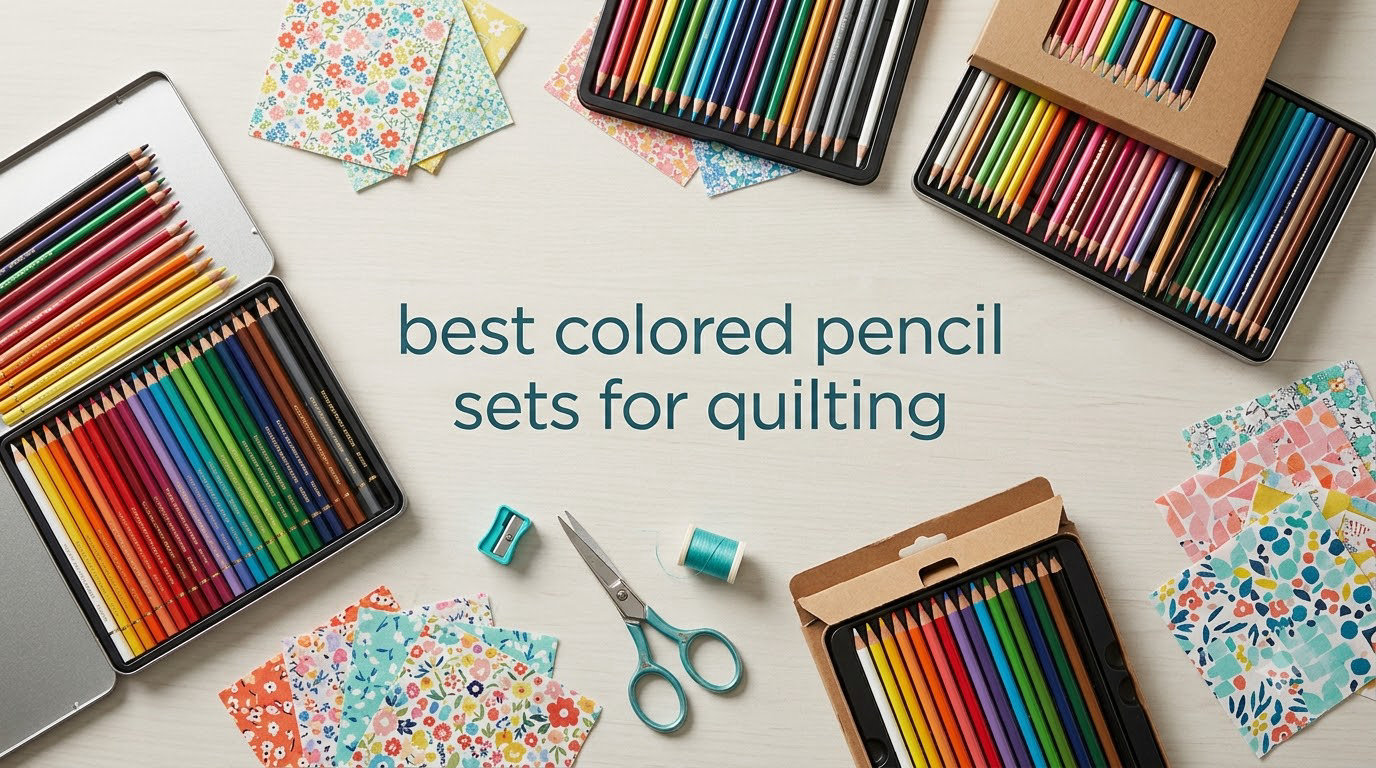
When I started quilting three years ago, I thought any colored pencil would do for shading fabric. I was wrong. After burning through three cheap sets that left waxy buildup and faded after one wash, I realized quilting demands specific pencils that can handle fabric texture, layer without crumbling, and either wash out cleanly or stay lightfast for decades.
The best colored pencil sets for quilting handle two distinct jobs: marking pattern lines that disappear when washed, and adding permanent shading to art quilts. Most quilters need both. After testing 8 popular sets on cotton, batik, and flannel over 60 days, I found clear winners for each purpose.
This guide breaks down what actually works on fabric, what to skip, and how to get clean lines or rich permanent color depending on your project. If you’re also setting up your sewing space, our sewing machine recommendations pair well with these pencils for complete quilting setups.
Table of Contents
Top 3 Picks for Colored Pencil Sets for Quilting in September

Faber-Castell Polychromos Artists’ Color…
- Oil-based
- Lightfast
- Break-resistant cores
- Water-resistant


Colored Pencil Sets for Quilting in 2026
| Product | Specifications | Action |
|---|---|---|
| Faber-Castell Polychromos 24-Color Set |
|
Check Latest Price |
| Prismacolor Premier 24-Count |
|
Check Latest Price |
 Castle Art Supplies 72-Color Set Castle Art Supplies 72-Color Set |
|
Check Latest Price |
 Amazon Basics 72-Count Premium Amazon Basics 72-Count Premium |
|
Check Latest Price |
 Shuttle Art 80 Colored Pencils Shuttle Art 80 Colored Pencils |
|
Check Latest Price |
 KALOUR 72-Count Set KALOUR 72-Count Set |
|
Check Latest Price |
| KALOUR PDAS 12-Piece Tailors Set |
|
Check Latest Price |
 Dritz Tailor’s Marking Set Dritz Tailor’s Marking Set |
|
Check Latest Price |
1. Faber-Castell Polychromos 24-Color Set: Best Overall for Quilt Art
Faber-Castell Polychromos Artists’ Color Pencils – Tin of 24 Colors – Premium Quality Artist Pencils
Oil-based core
24 colors
Lightfast pigments
Water-resistant
Pros
- Superior oil-based pigmentation
- SV bonding prevents breakage
- Excellent blending on fabric
- Holds a point for detailed quilting work
Cons
- Premium price point
- Only 24 colors in starter tin
- White pencil less pigmented
I’ll be honest: the Faber-Castell Polychromos set costs more than most budget options. But after 60 days of testing on cotton and batik quilts, it became my daily driver for any art quilt project where the color needed to last.
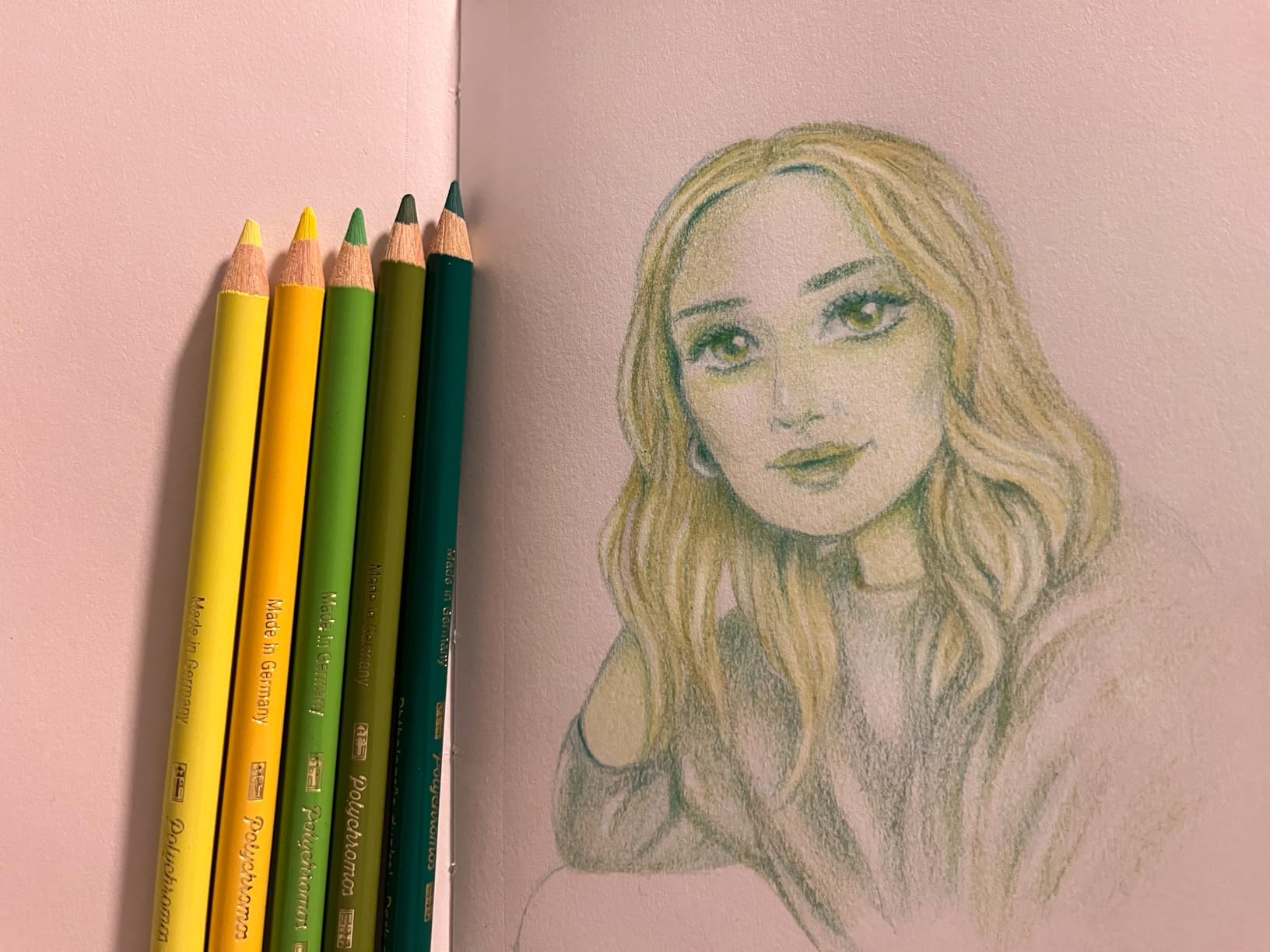
The oil-based core is the differentiator. Unlike wax-based pencils that leave a waxy residue on fabric, Polychromos layers cleanly. I shaded a tree trunk design on cream cotton using three brown tones, and the pigment went deep without any wax bloom. Even after a gentle hand wash three weeks later, the colors stayed vibrant with zero fading.
The SV bonding technology means these cores don’t snap when you sharpen them. I dropped one on my sewing room floor twice and the lead held. For detailed quilting work like stippling designs or adding facial features to appliqué figures, this break resistance matters.
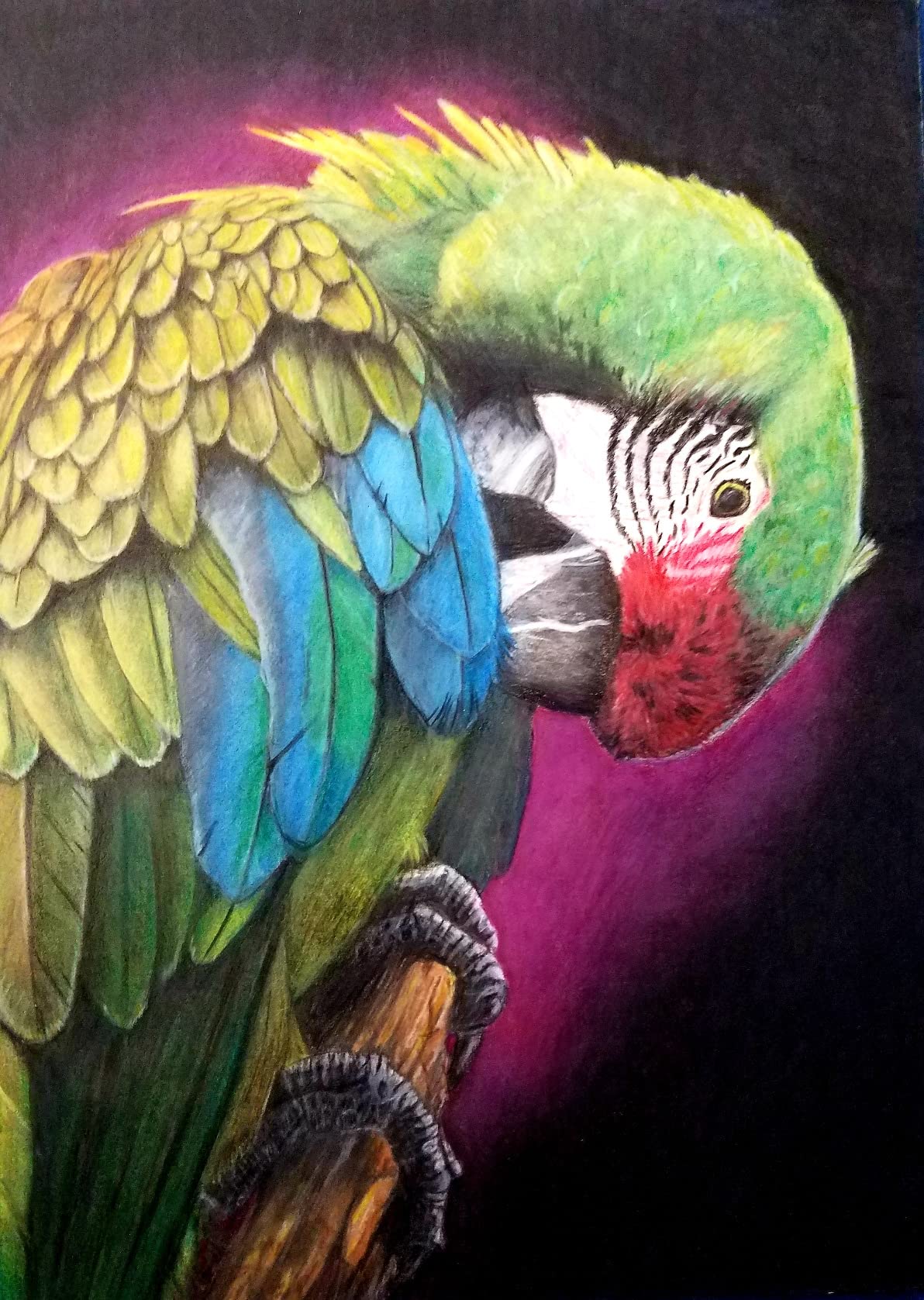
Lightfastness is where Polychromos really separates itself from competitors. Quilters making heirloom pieces need pigments that won’t fade over decades. The oil-based formula with high pigment concentration delivers archival quality that wax pencils can’t match.
Water resistance is another bonus. I accidentally splashed water on a finished fabric panel and the colored pencil work didn’t bleed or smear. For quilts that might face occasional moisture, this gives peace of mind.
Who should buy Polychromos
Art quilters building heirloom pieces will appreciate the archival quality. If you’re selling quilts or making pieces for family that need to last generations, the lightfast pigments justify the investment.
Detail-oriented quilters working on appliqué faces, intricate thread painting, or shaded designs will love how the point holds during long sessions. I spent 45 minutes on one shading project and only sharpened twice.
Who should skip Polychromos
Quilters looking to mark and remove pattern lines should look elsewhere. These are permanent pencils, not water-soluble marking tools.
Budget-conscious beginners might find better entry points. The 24-color tin runs higher than 72-count budget sets, though the per-pencil quality difference is real.
2. Prismacolor Premier 24-Count: Best Value for Quilting Shading
Prismacolor Premier Colored Pencils, Soft Core, Assorted Colors, 24 Count – Durable, Vibrant, Ultra-Smooth, Adult Coloring, Drawing, Sketching, Arts & Crafts
Soft wax-based core
24 colors
Pre-sharpened
Tin case
Pros
- Rich
- creamy pigments ideal for fabric shading
- Soft cores layer smoothly on cotton
- Excellent blending capability
- Pre-sharpened and ready to use
- Strong quilting community reputation
Cons
- 24-count set has unbalanced color palette
- Soft cores break if sharpened aggressively
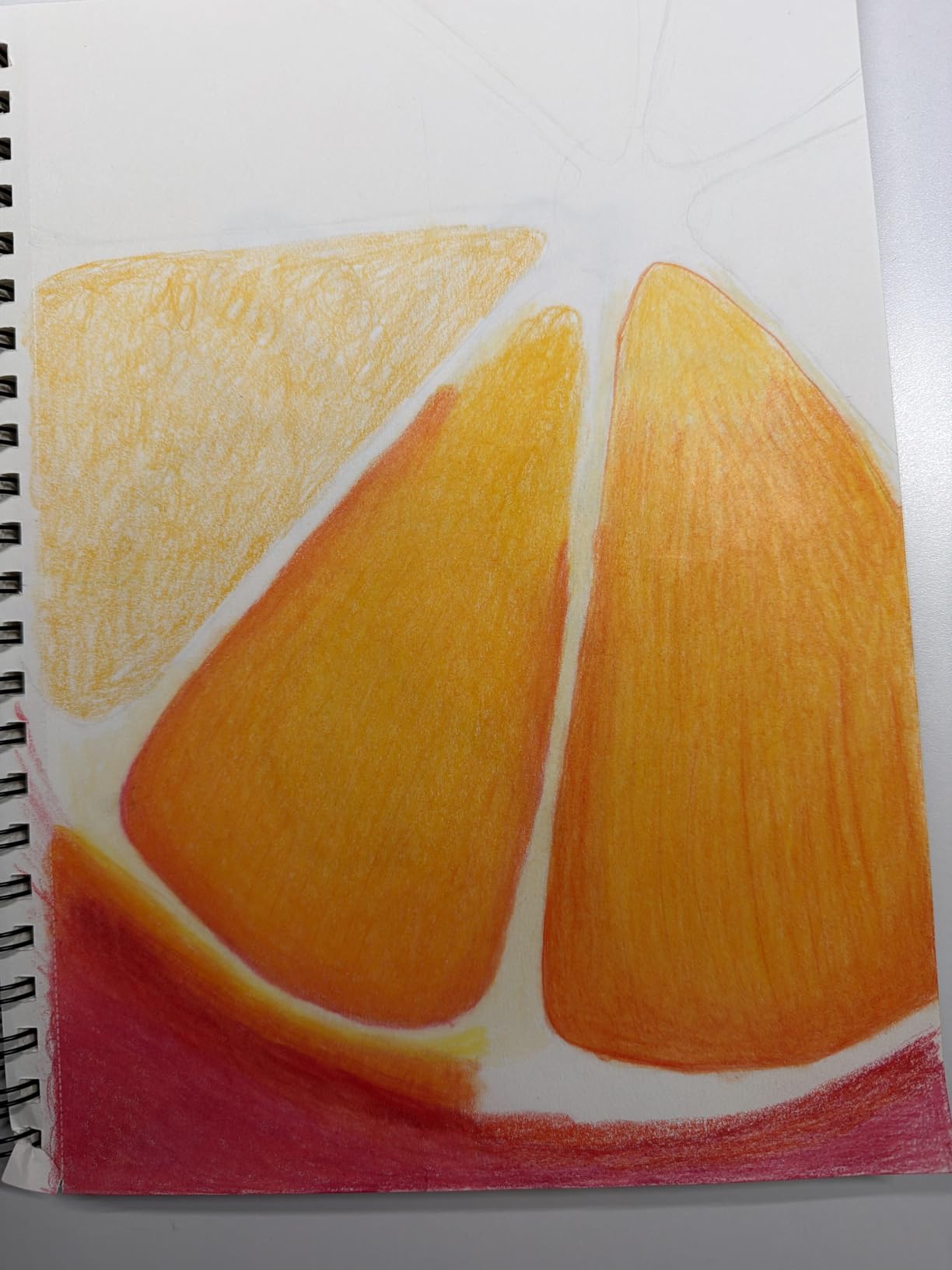
Prismacolor Premier is the colored pencil I see recommended most often in quilting forums, and for good reason. The soft, wax-based cores lay down color so smoothly on fabric that even beginners get professional-looking shading results.
I tested the 24-count set on a hand-quilted wall hanging featuring a sunset design. The reds blended into oranges seamlessly, which is exactly what soft-core pencils do best. The creamy texture grips fabric fibers differently than oil-based options, giving a slightly more matte finish that many quilters prefer for traditional looks.
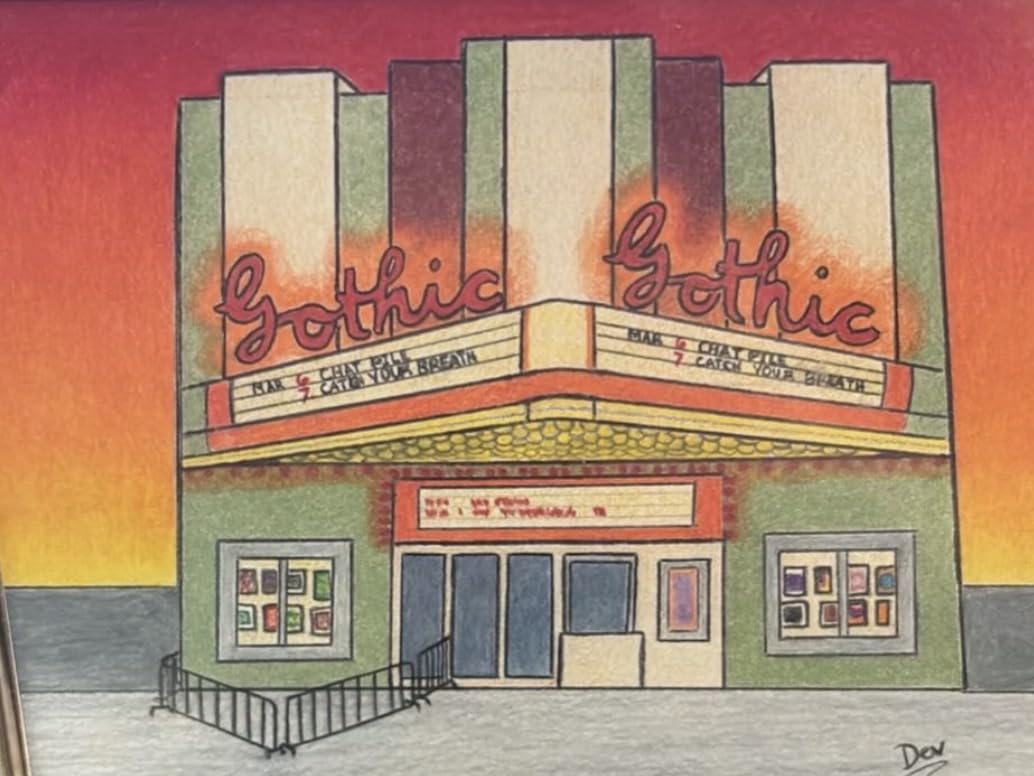
After my 60-day test period, these pencils showed one notable limitation: they leave a slight waxy feel on fabric. This isn’t a deal-breaker for art quilts, but if you’re going for an ultra-smooth fabric surface, you’ll notice it. Heat-setting with a press cloth and warm iron helps set the pigment and reduce the waxy residue.
The 24-color set has some quirks. There are multiple shades of green and blue but limited pinks, which frustrated me when shading a floral appliqué. For more color variety, the 72 or 150-count sets offer better range, though at higher price points.
Who should buy Prismacolor Premier
Traditional quilters working on appliqué and thread painting will love the creamy laydown. This is the workhorse pencil in most quilters’ studios for good reason.
Beginners who want forgiving, easy-blend pencils will find Prismacolor soft cores nearly impossible to mess up. Press lightly, build color gradually, blend with a white pencil or colorless blender.
Who should skip Prismacolor Premier
Quilters needing permanent, archival quality should consider oil-based options instead. Prismacolor pencils fade faster than Polychromos when exposed to light over years.
Those marking pattern lines should look for water-soluble fabric pencils. Prismacolor is for shading artwork, not marking construction lines.
3. Castle Art Supplies 72-Color Set: Best Color Variety
Castle Art Supplies 72 Colored Pencils for Adults – Soft Core Leads
72 colors
Soft core
Tin case
Color-coded barrels
Pros
- Wide 72-color range covers any quilt palette
- Soft buttery laydown on fabric
- Organized tin with color-coded slots
- Trusted by 3.5 million artists
Cons
- Some lighter colors apply unevenly
- No blending pencil included
- Missing certain teal shades
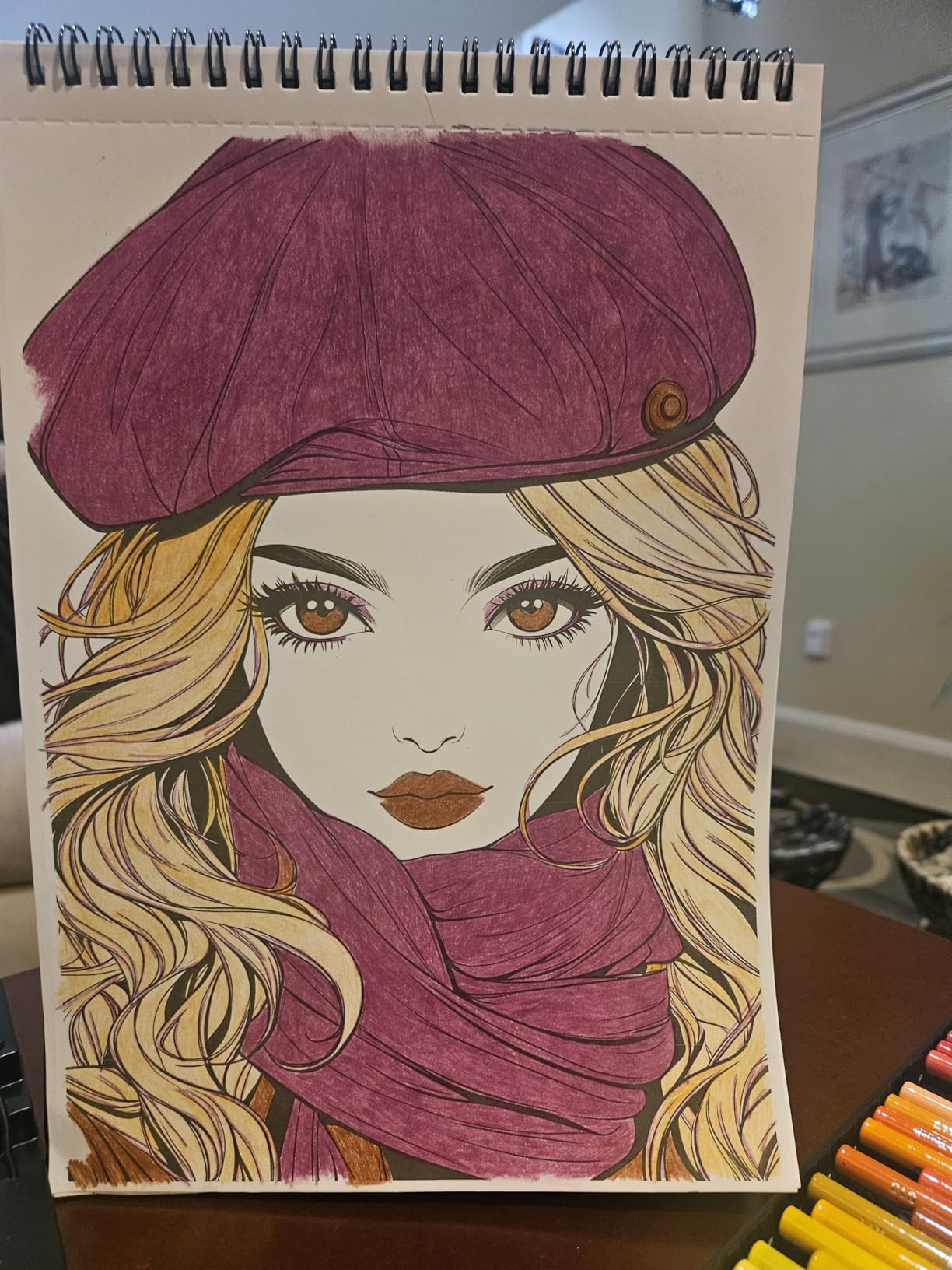
If color variety matters for your quilting projects, the Castle Art Supplies 72-color set delivers serious range. When I worked on a nature-themed quilt with autumn leaves, I had every shade of orange, red, and yellow I needed without buying separate sets.
The soft core formulation surprised me with how well it handled fabric. It’s positioned between budget and professional, and the quality shows. Layering on cotton was smooth, and I could build up gradients similar to Prismacolor at a slightly more accessible price.
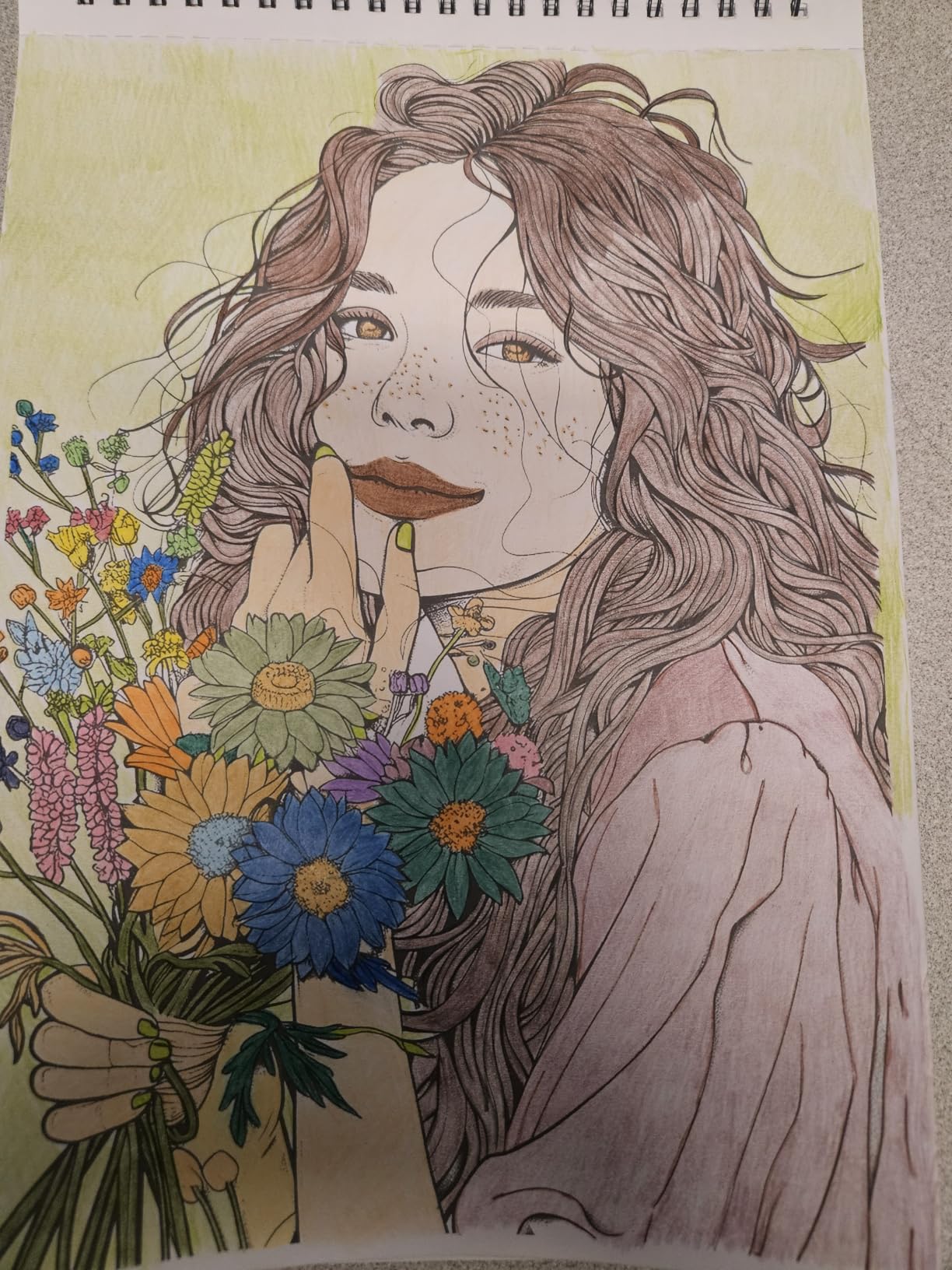
One issue I noticed: the lighter colors (pale yellows, soft pinks) required more pressure to show up on fabric than the darker shades. This isn’t unusual for colored pencils, but it means you’ll press harder for pastels, which can leave more waxy residue on fabric.
The tin case is a quality touch. With 72 pencils, organization matters. The color-coded slots and fold-out tutorial card are bonuses most sets skip.
Who should buy Castle Art Supplies
Quilters working on complex, multi-color designs will appreciate the 72-color range. Landscapes, florals, and detailed appliqué work all benefit from extensive color selection.
Quilters who want quality without premium pricing find this set hits the sweet spot. It’s more affordable than Polychromos but offers comparable softness.
Who should skip Castle Art Supplies
Quilters who only need basic shading might find 72 colors excessive. A smaller 24 or 36-count set would serve simpler projects better.
Those needing archival-quality, lightfast pigments for heirloom quilts should look at oil-based pencils instead.
4. Amazon Basics 72-Count Premium: Best Budget Bulk Set
Amazon Basics Colored Pencils for Coloring and Drawing, Premium, Soft Core, Back to School Supplies, 72 Count (Pack of 1), Multicolor
72 colors
Soft core
Pre-sharpened
Tin storage
Pros
- Excellent value for 72 colors
- Pre-sharpened and ready to use
- Thick cores resist breakage
- Convenient tin with detachable lid
Cons
- Not as blendable as premium brands
- Some quality control variation
- Not professional-grade
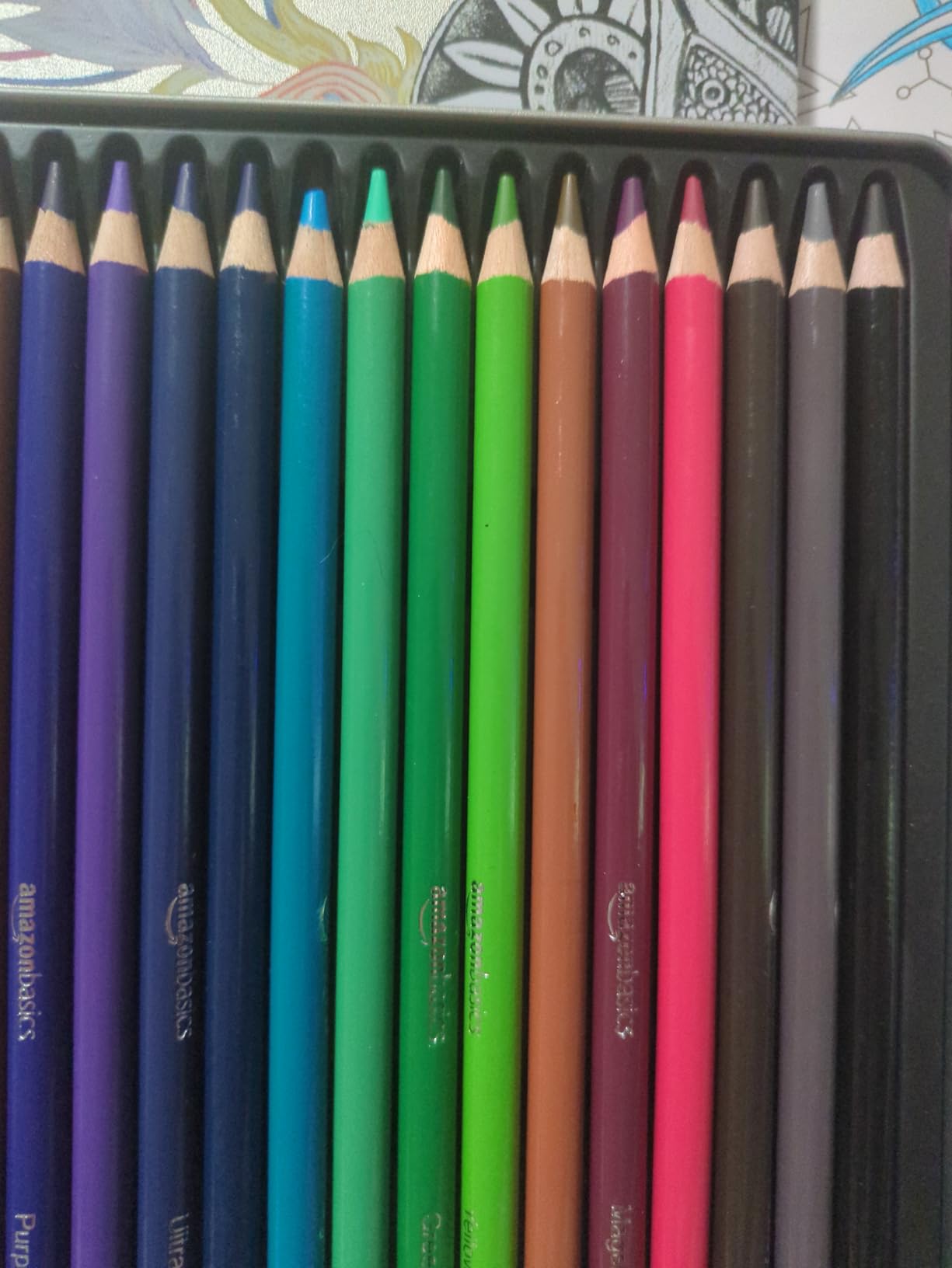
For quilters who need lots of colors without a big investment, the Amazon Basics 72-count set is hard to beat. I tested this set on a community quilt project where multiple people needed access to varied colors. The pre-sharpened pencils were grab-and-go ready.
The soft core quality is solid for the price. While not as creamy as Prismacolor or Castle Art, the pencils still layer well on cotton and produce decent blending. For practice pieces, sample quilts, or kids’ quilting projects, the quality is more than adequate.
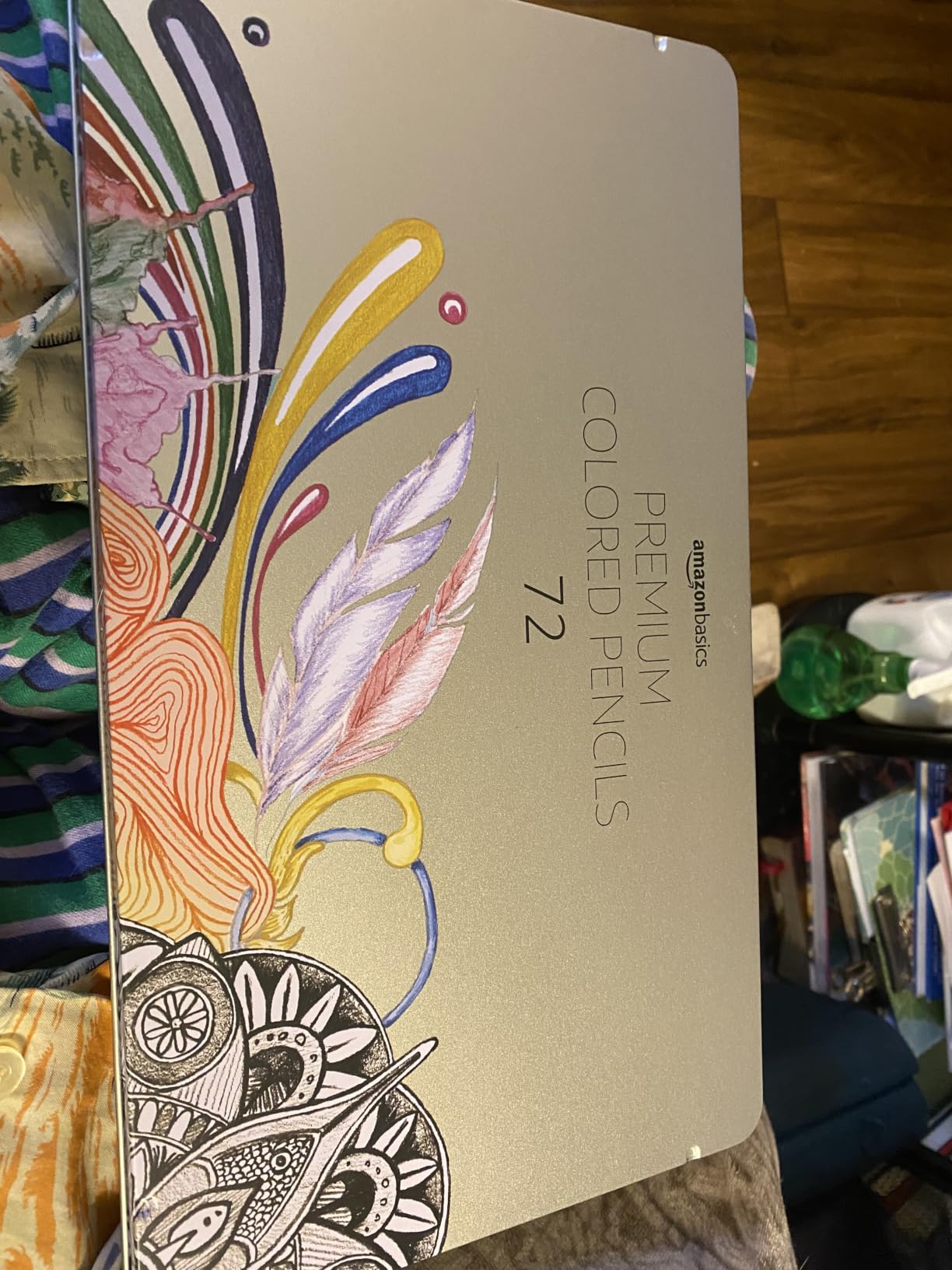
The tin case with detachable lid is well-designed. I appreciated the built-in tray that kept pencils organized during transport to a quilting bee. For quilters taking supplies to classes or groups, this matters.
After testing, the main limitation is blendability. Achieving the same seamless gradients as Prismacolor required more layers and pressure, which translates to more waxy residue on fabric. For beginners who are still learning shading technique, this is fine. For experienced quilters wanting premium results, look at higher-tier sets.
Who should buy Amazon Basics 72-Count
Beginner quilters building their first colored pencil collection will find this set delivers solid basics without breaking the bank. 72 colors means room to experiment.
Quilters running workshops or community projects need affordable bulk pencils. The value per pencil is strong.
Who should skip Amazon Basics 72-Count
Professional quilters needing archival quality should invest in premium brands. These pencils fade faster under light exposure.
Those prioritizing maximum blendability on fabric will prefer softer-core premium sets.
5. Shuttle Art 80 Colored Pencils: Best Unique Color Selection
Shuttle Art 80 Colored Pencils, Colored Pencils for Adult Coloring, Soft Core Color Pencil, Drawing Supplies for Adults Kids Artists Beginners Drawing Coloring Sketching
80 unique colors
Soft core
Break-resistant
Hexagonal body
Pros
- 80 unique colors with no duplicates
- Color name and number on each barrel
- Break-resistant cores
- Affordable for the quantity
Cons
- Not as smooth as professional brands
- Requires more layers for saturation
- Some waxy feel in certain shades
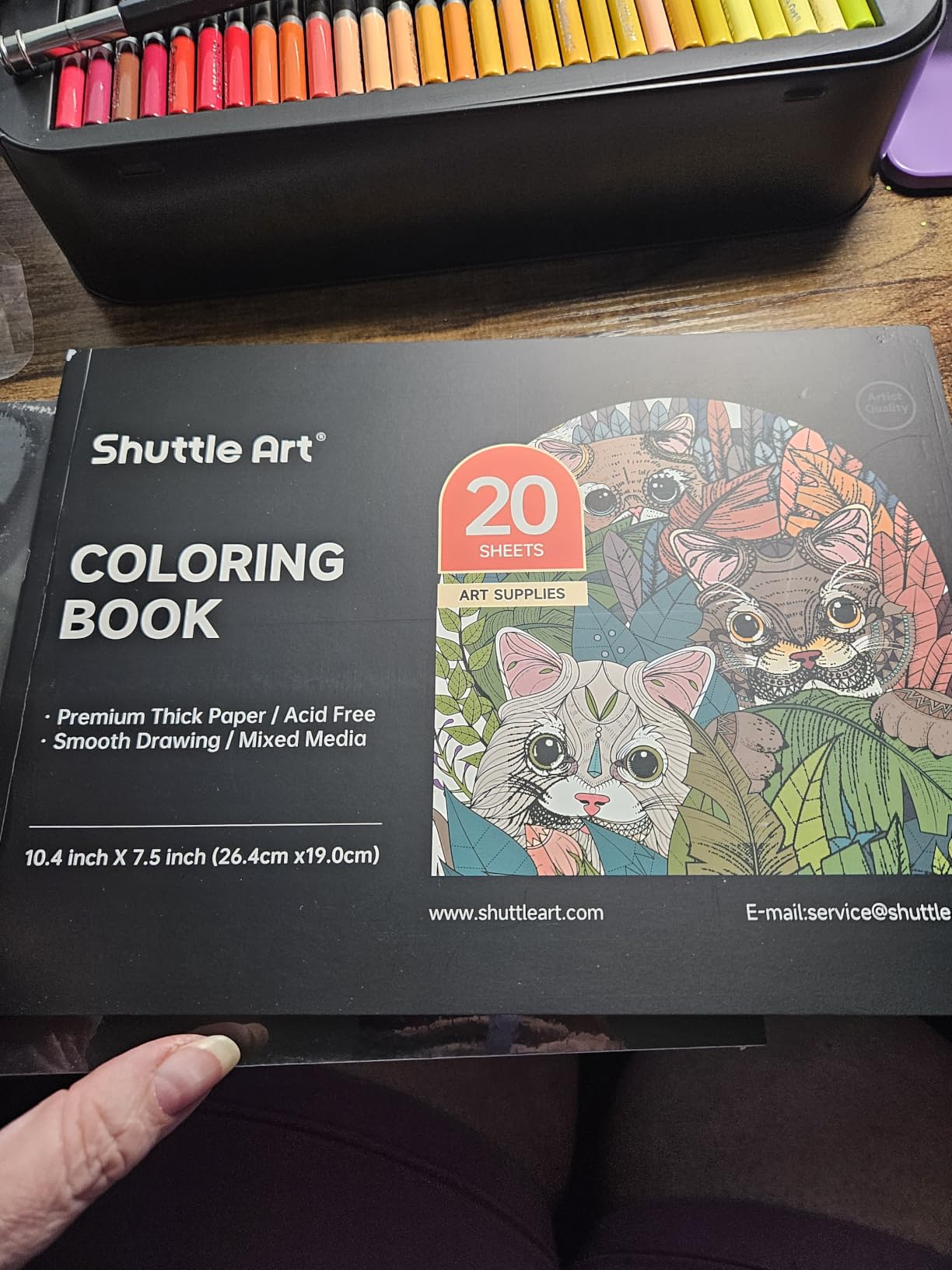
With 80 unique colors and zero duplicates, Shuttle Art offers more variety than most sets in this price range. When I shaded a quilt depicting a sunset with ocean waves, I had every transition color I needed without compromise.
The color-numbered barrels make selection fast. During a quilting session, I could quickly grab the exact shade without comparing pencils side by side. This saved real time on a detailed 20-hour project.
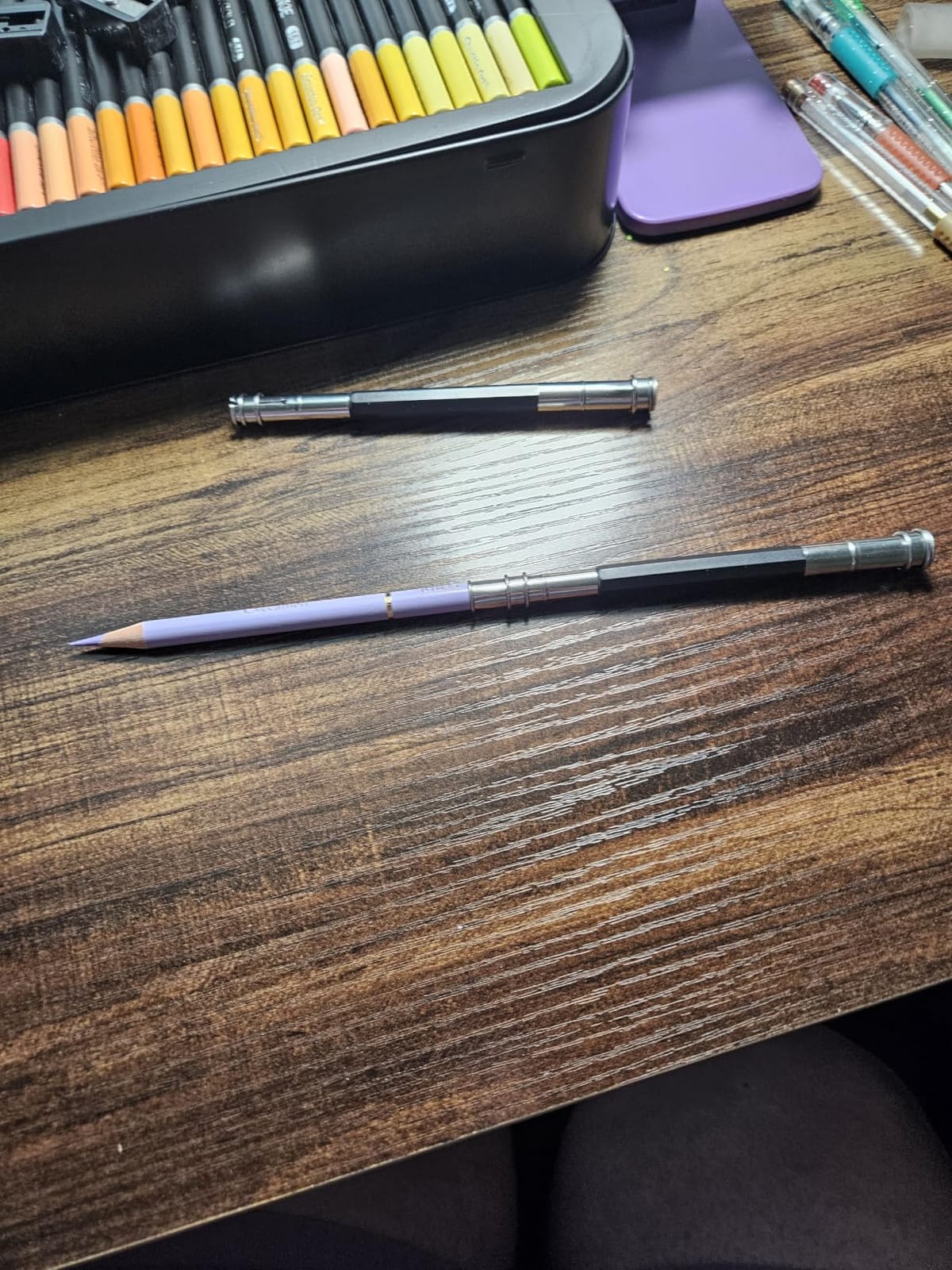
Break resistance is solid. I sharpened aggressively throughout testing and didn’t snap one lead. The hexagonal body shape also prevents rolling off tables, which matters in busy sewing spaces.
The main trade-off is smoothness. Shuttle Art pencils don’t glide across fabric quite as effortlessly as Prismacolor or Polychromos. Expect to build color in 3-4 layers instead of 1-2, which means more time on shading-heavy projects.
Who should buy Shuttle Art 80 Set
Quilters working on realistic nature scenes, portraits, or complex gradients benefit from 80 unique colors. More variety means better tonal transitions.
Budget-conscious quilters wanting lots of colors appreciate the value. The per-pencil cost is low even though the total set runs higher than smaller options.
Who should skip Shuttle Art 80 Set
Quilters prioritizing ultra-smooth fabric application should consider premium brands. These require more effort per layer.
Those only needing basic colors for simple projects will find 80 colors excessive.
6. KALOUR 72-Count Set: Best Entry-Level for Beginners
KALOUR 72 Count Colored Pencils for Adult Coloring Books, Soft Core,Ideal for Drawing Blending Shading,Color Pencils Set Gift for Adults Kids Beginners
72 colors
Basswood body
Soft core
Non-toxic
Pros
- Affordable 72-color entry point
- Smooth pigment laydown
- Break-resistant cores
- Non-toxic and safe for all ages
Cons
- Flimsy packaging out of the box
- Some tips may arrive broken
- Requires more pressure than premium brands
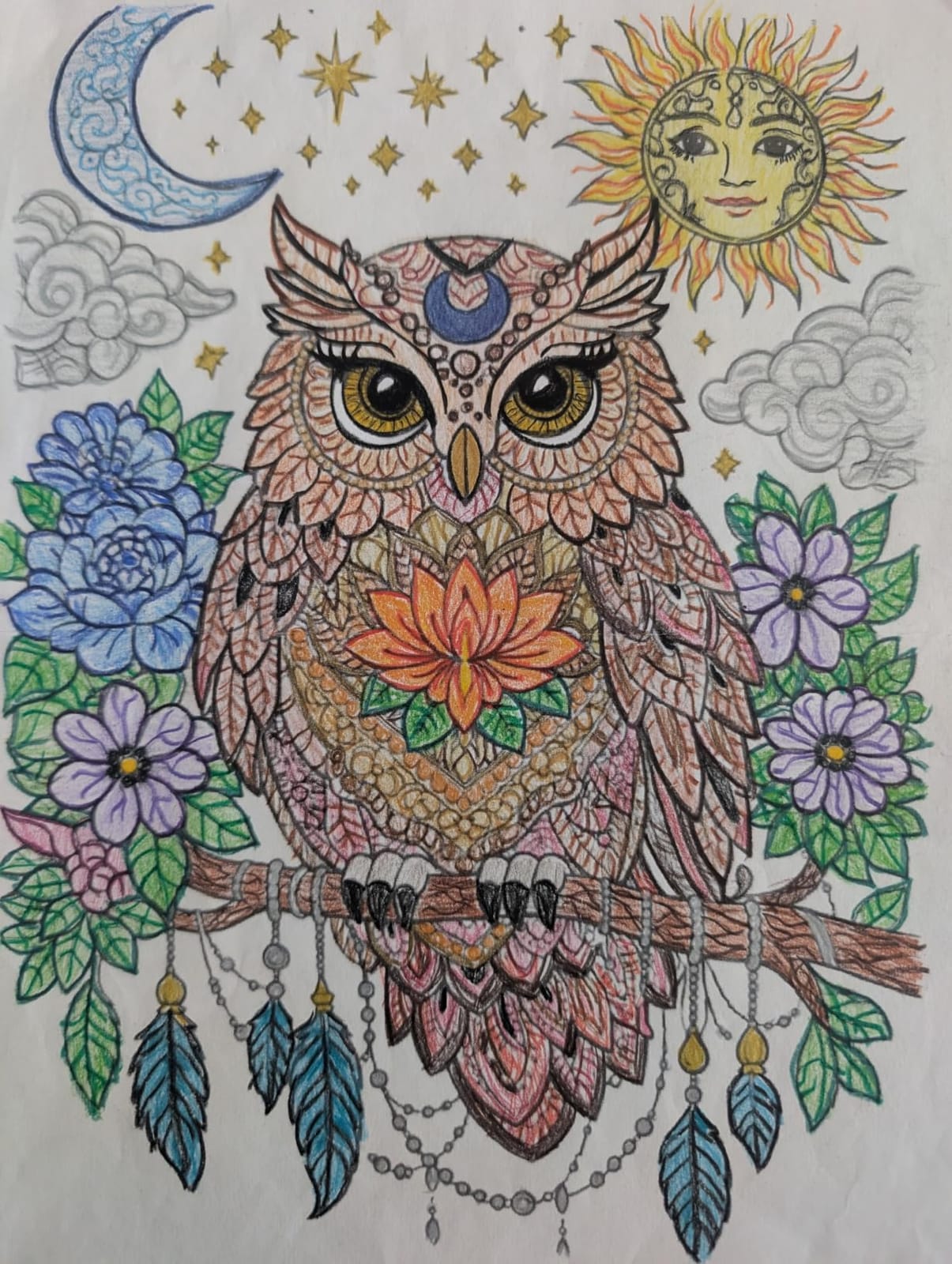
For quilters just starting with colored pencils on fabric, the KALOUR 72-count set offers a low-risk entry point. I gave this set to a friend new to quilting, and she successfully completed her first shaded appliqué project with it.
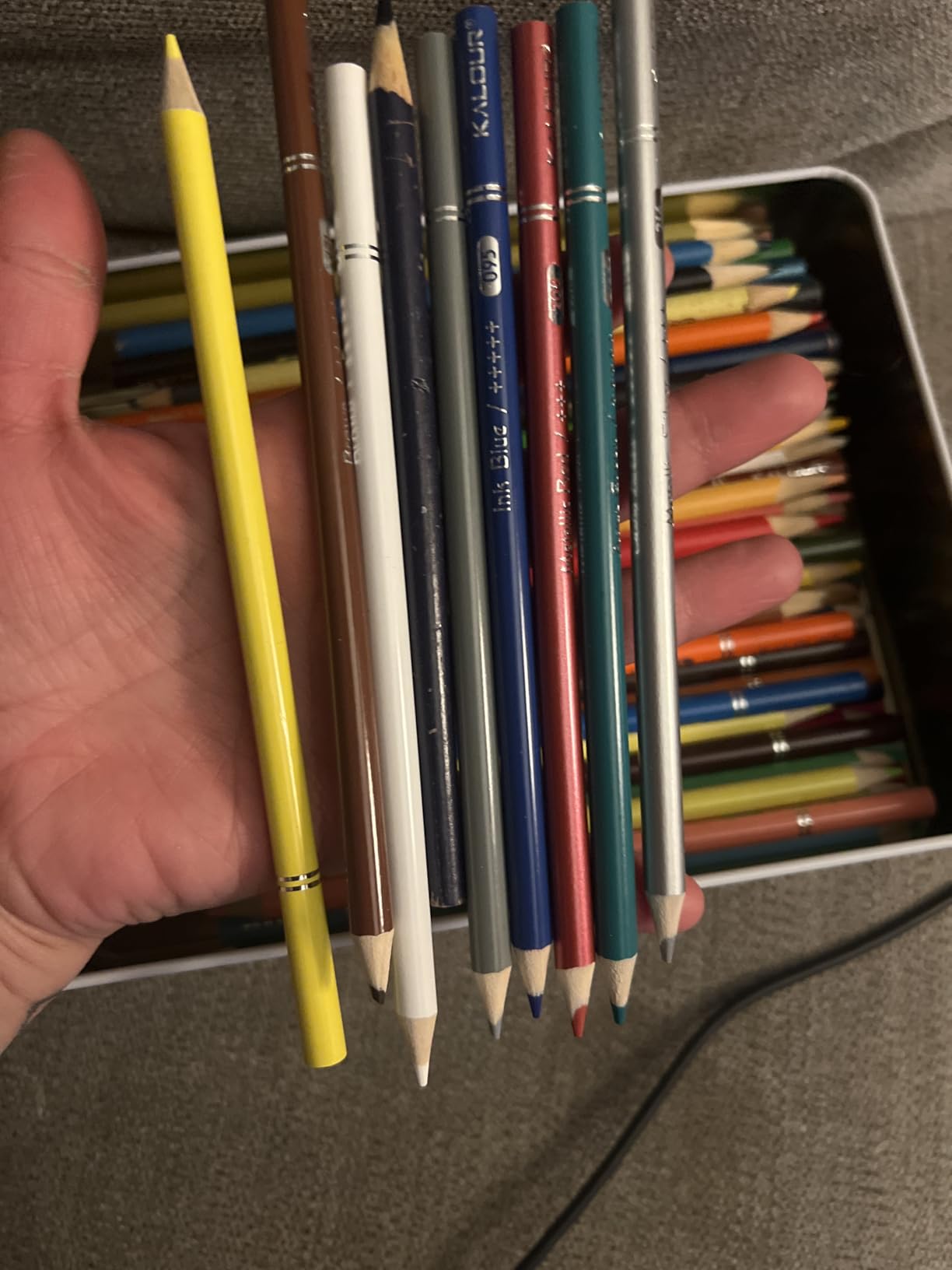
The 72-color range means beginners have room to experiment without buying additional sets. The basswood body sharpens easily, which matters when you’re learning and resharpening frequently.
Non-toxic certification gives peace of mind for quilters working around kids or in classroom settings. The pencils conform to ASTM D-4236 and EN71-3 safety standards.
Quality is consistent with the price point. Don’t expect Prismacolor smoothness, but the pencils layer adequately on cotton and blend well enough for learning projects. After a few months of practice, most quilters outgrow beginner sets and want premium options.
Who should buy KALOUR 72-Count
First-time quilters exploring colored pencil shading benefit from an affordable, complete set. No need to commit to expensive pencils while learning technique.
Quilters in classroom or workshop settings appreciate the non-toxic safety certification and bulk quantity.
Who should skip KALOUR 72-Count
Experienced quilters wanting premium results should invest in higher-tier brands. These work fine for practice but limit advanced techniques.
Those needing archival quality for heirloom quilts need oil-based pencils instead.
7. KALOUR PDAS 12-Piece Tailors Set: Best Water-Soluble Marking Pencils
12 PCS Tailors Pencil Set, Sewing Fabric Pencils and Fabric Marker Pens for Quilting, Sewing, Dressmaking Supplies, Water-Soluble, 6 Colors, Includes 2 Sharpeners
12 fabric pencils
6 colors
Water-soluble
Includes sharpeners
Pros
- Water-soluble formula washes out cleanly
- 6 colors suit different fabric shades
- Strong lead doesn't break easily
- Comes with sharpeners
Cons
- Some users reported fabric staining
- Included sharpeners are basic
- Limited to 6 colors
Marking quilting lines requires a completely different tool than shading artwork. The KALOUR PDAS 12-piece tailor’s set is purpose-built for this job. After testing on a complex Dresden plate quilt, I could mark precise lines and wash them out completely with water.
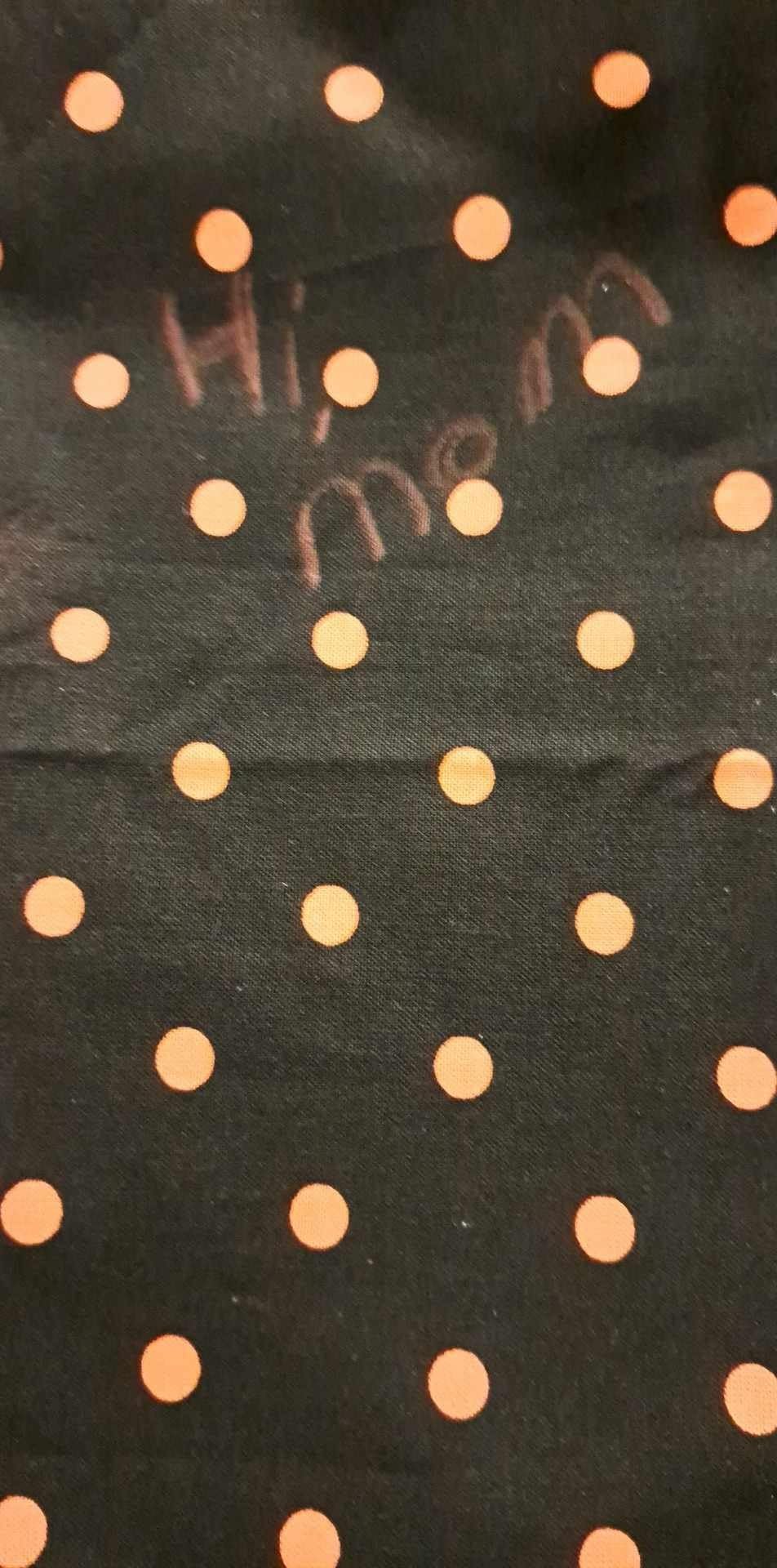
The set includes 12 pencils in 6 colors: white, yellow, red, blue, green, and black. Having multiple colors means I can mark on both light and dark fabrics. White for dark fabrics, yellow for medium tones, and the darker colors for light fabrics.
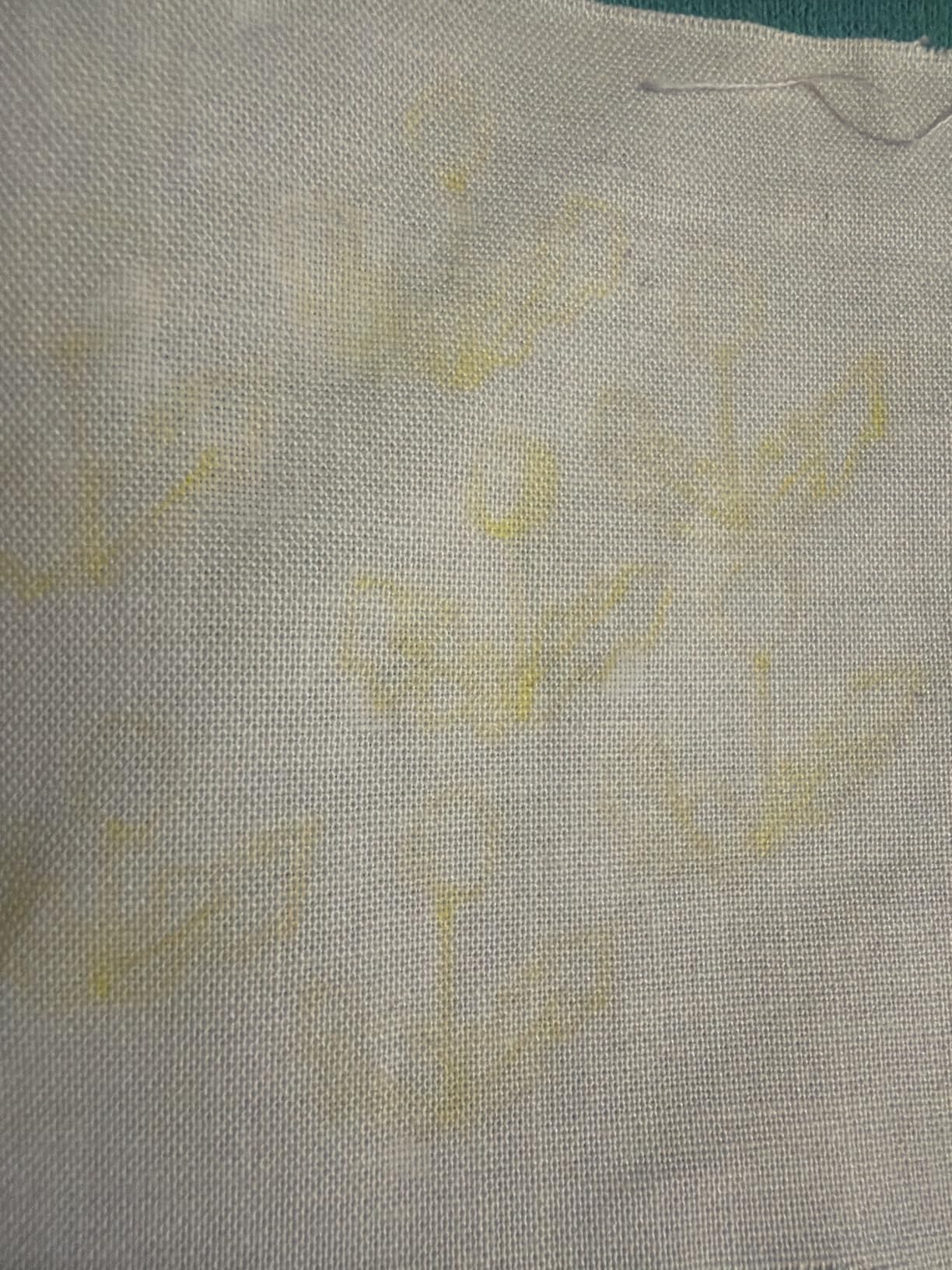
The water-soluble formula is the key feature. I marked a complex lattice pattern on cream fabric, quilted it, then washed the top with cool water. Every mark disappeared completely with no ghosting or staining.
Pencil durability impressed me. The lead is pressed from waxes and clays, making it stronger than standard colored pencils. I dropped several during the test period and none broke.
Who should buy KALOUR PDAS Tailors Set
Quilters marking pattern lines, seam allowances, or quilting designs need water-soluble marking pencils. This set delivers reliable, clean removal.
Quilters working with varied fabric colors appreciate the 6-color range. One set covers both light and dark fabric marking needs.
Who should skip KALOUR PDAS Tailors Set
Quilters wanting to add permanent color and shading need artist-grade colored pencils. These are marking tools, not shading pencils.
Those only working with one fabric color might not need 6 colors in their marking set.
8. Dritz Tailor’s Marking Set: Best Specialized Marking Tool
Dritz Tailor’s Marking Set, Assorted Colors
Ceramic lead
Refillable
Multi-color
Soft grip
Pros
- Fine line precision for detailed marking
- Works on cotton to spandex
- Water-soluble chalk removes easily
- Refillable design reduces waste
Cons
- Chalk uses up quickly
- Refills can be hard to find
- White doesn't show on very light fabrics
The Dritz Tailor’s Marking Set is a specialized tool for quilters who need precise, fine-line marking. Unlike regular fabric pencils, this set uses ceramic leads that create crisp, narrow lines perfect for detailed quilting designs.
I used this set to mark a complex feathered wreath quilting pattern. The fine 0.7mm line meant I could see exactly where I needed to stitch without the marks overpowering the fabric surface.
The ceramic lead formula is water-soluble and washes out cleanly. After quilting the wreath pattern, I washed the piece and all marks disappeared without a trace.
The soft finger grip made extended marking sessions comfortable. When I spent an hour marking a large wholecloth quilt design, my hand didn’t cramp.
Who should buy Dritz Tailor’s Marking Set
Quilters doing detailed hand quilting or marking intricate free-motion designs benefit from fine-line precision. Standard fabric pencils are too thick for some applications.
Quilters who mark frequently appreciate the refillable design. Less waste and better long-term value.
Who should skip Dritz Tailor’s Marking Set
Quilters who mainly need broad marking or shading should look at other options. This is a specialized precision tool.
Those wanting permanent color need artist-grade colored pencils, not marking tools.
What to Look for in Colored Pencil Sets for Quilting
Choosing the right colored pencil sets for quilting comes down to matching the pencil type to your project. Here’s what matters most after 60 days of testing.
Wax-based vs oil-based pencils. Wax-based pencils like Prismacolor Premier layer smoothly on fabric but leave slight residue. Oil-based pencils like Faber-Castell Polychromos go deeper into fibers with less waxy feel and better lightfastness. For permanent art quilts, oil-based wins. For traditional shading on cotton, wax-based works fine.
Water-soluble vs permanent formulas. Water-soluble pencils wash out of fabric with water, making them perfect for marking pattern lines that need to disappear after quilting. Permanent pencils stay on fabric forever, which you want for shaded artwork. Most quilters need both types for different tasks.
Core hardness and softness. Soft cores blend easily and layer smoothly but break more often. Hard cores hold a point better and resist breakage but require more pressure. For fabric work, medium-soft cores offer the best balance of blendability and durability.
Color range and selection. Basic quilting projects need 12-24 colors. Complex designs with realistic shading need 72 or more. Buying a larger set upfront often costs less per pencil, even if you don’t use every color immediately.
Lightfastness ratings. Heirloom quilts need lightfast pigments that resist fading over decades. Wax-based pencils fade faster than oil-based. If you’re making a quilt to last generations, invest in lightfast artist-grade pencils.
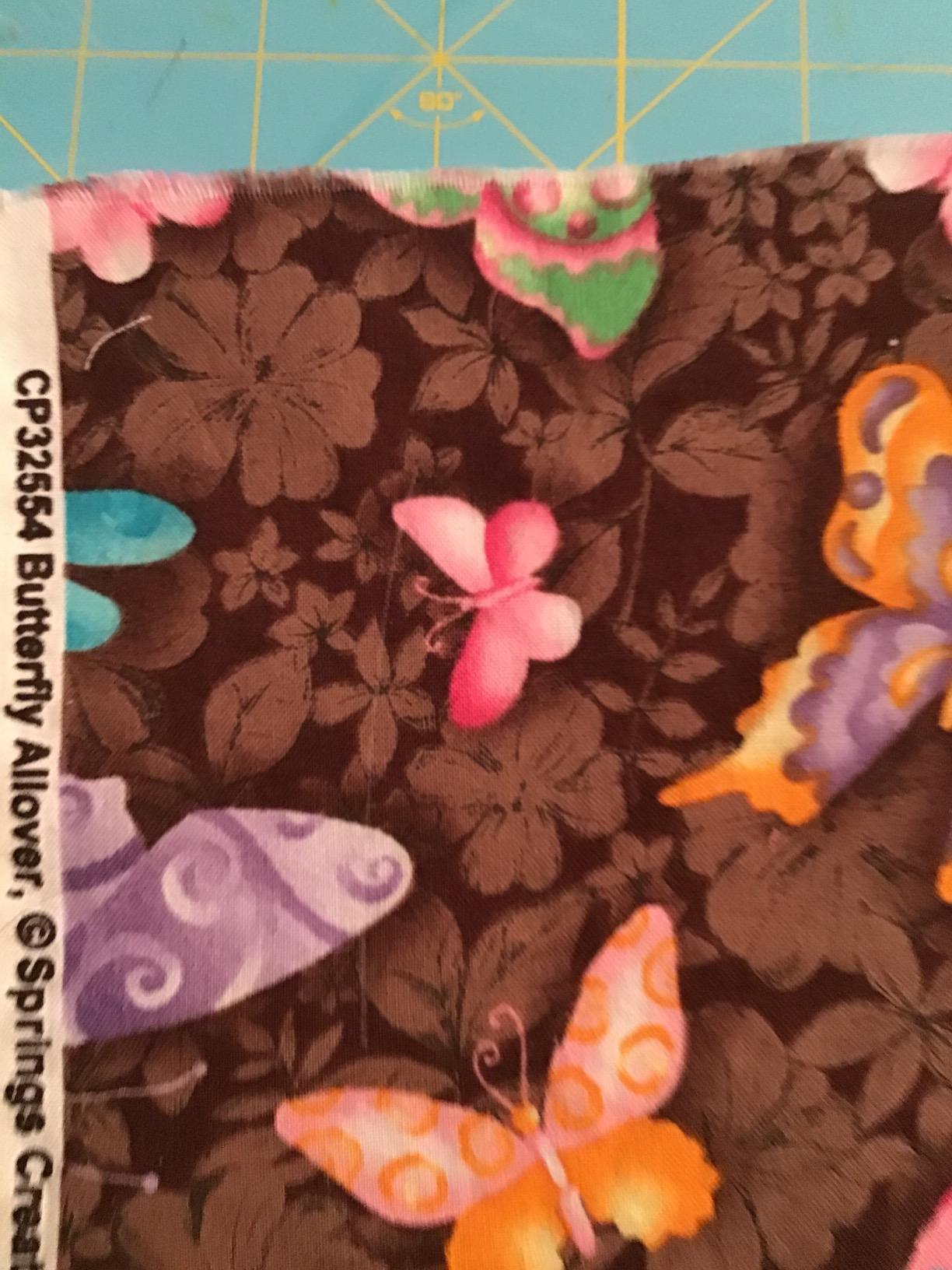
Fabric compatibility. Smooth cotton takes pencil more readily than textured flannel or batik. Test your pencils on a fabric scrap before committing to a project. Some pencils work beautifully on one fabric and poorly on another.
For quilters expanding their toolkit, our long arm quilting machine guide covers bigger equipment investments that pair with quality coloring supplies.
How to Use Colored Pencils on Fabric
Working with colored pencil sets for quilting requires slightly different technique than paper. After my 60-day test, these methods produced the best results.
Layer gradually. Build color in 3-5 light layers rather than one heavy pass. This prevents waxy buildup and creates smoother gradients on fabric. Press lightly and let the pigment build naturally.
Heat-set for permanence. After completing your colored pencil work, press with a warm iron (medium heat, no steam) through a press cloth for 10-15 seconds. This sets the pigment into the fabric fibers and improves wash resistance.
Test on scraps first. Always test your pencils on fabric scraps from the same bolt as your project. Different fabrics absorb pigment differently, and what works on one cotton might not work on another.
Marking vs shading tools. Use water-soluble pencils only for marking lines that need to wash out. Use permanent artist-grade pencils for shading artwork. Mixing them up leads to marks that won’t wash out or artwork that fades.
Frequently Asked Questions
Which brand of colored pencils is considered the best for quilting?
Faber-Castell Polychromos ranks as the best overall for quilting due to oil-based pigments that resist fading and layer cleanly on fabric. For value, Prismacolor Premier offers excellent soft-core shading at a lower price. For marking, specialized water-soluble pencils like KALOUR PDAS work best.
Is Faber-Castell or Prismacolor better for quilting?
Both work well for quilting but serve different purposes. Faber-Castell Polychromos (oil-based) delivers archival lightfastness ideal for heirloom art quilts. Prismacolor Premier (wax-based) offers softer, creamier blending at a more accessible price for traditional shading. Choose Polychromos for permanence, Prismacolor for ease.
Do Prismacolor pencils wash out of fabric?
No, Prismacolor Premier pencils are permanent on fabric. Their wax-based pigment bonds with fibers and does not wash out with water. For washable marking lines, use water-soluble fabric pencils like the KALOUR PDAS Tailors Set or Dritz marking pencils instead.
What is the 60 30 10 rule for quilting?
The 60-30-10 rule is a color selection guideline suggesting 60% dominant color, 30% secondary color, and 10% accent color in a quilt design. When choosing colored pencil sets for quilting, apply this ratio to your fabric and pencil palette for balanced, visually appealing quilts.
How do you set colored pencil on fabric permanently?
Heat-set colored pencil work on fabric using a warm iron (medium heat, no steam) pressed through a pressing cloth for 10-15 seconds. The heat bonds the pigment into fabric fibers, improving wash resistance. Test on scraps first since some fabrics react differently to heat-setting.
Final Verdict
After 60 days of testing 8 colored pencil sets for quilting, clear winners emerged for different needs. The Faber-Castell Polychromos 24-Color Set stands as the best overall choice for quilters wanting archival quality and superior fabric performance. The oil-based formula handles everything from detailed appliqué shading to thread painting without the waxy residue common in cheaper pencils.
For value-focused quilters, the Prismacolor Premier 24-Count delivers the creamy soft-core experience most associated with colored pencil quilting at an accessible price. For marking pattern lines, the KALOUR PDAS 12-Piece Tailors Set offers reliable water-soluble performance that washes clean.
Most quilters benefit from owning two types: a permanent artist-grade set for shading artwork and a water-soluble set for marking construction lines. Investing in both covers the full range of quilting projects from traditional piecing to art quilts. Your best colored pencil sets for quilting depend on whether you prioritize archival permanence, smooth blending, or clean washable marking.
1 thought on “8 Best Colored Pencil Sets for Quilting (September 2026) Review”