
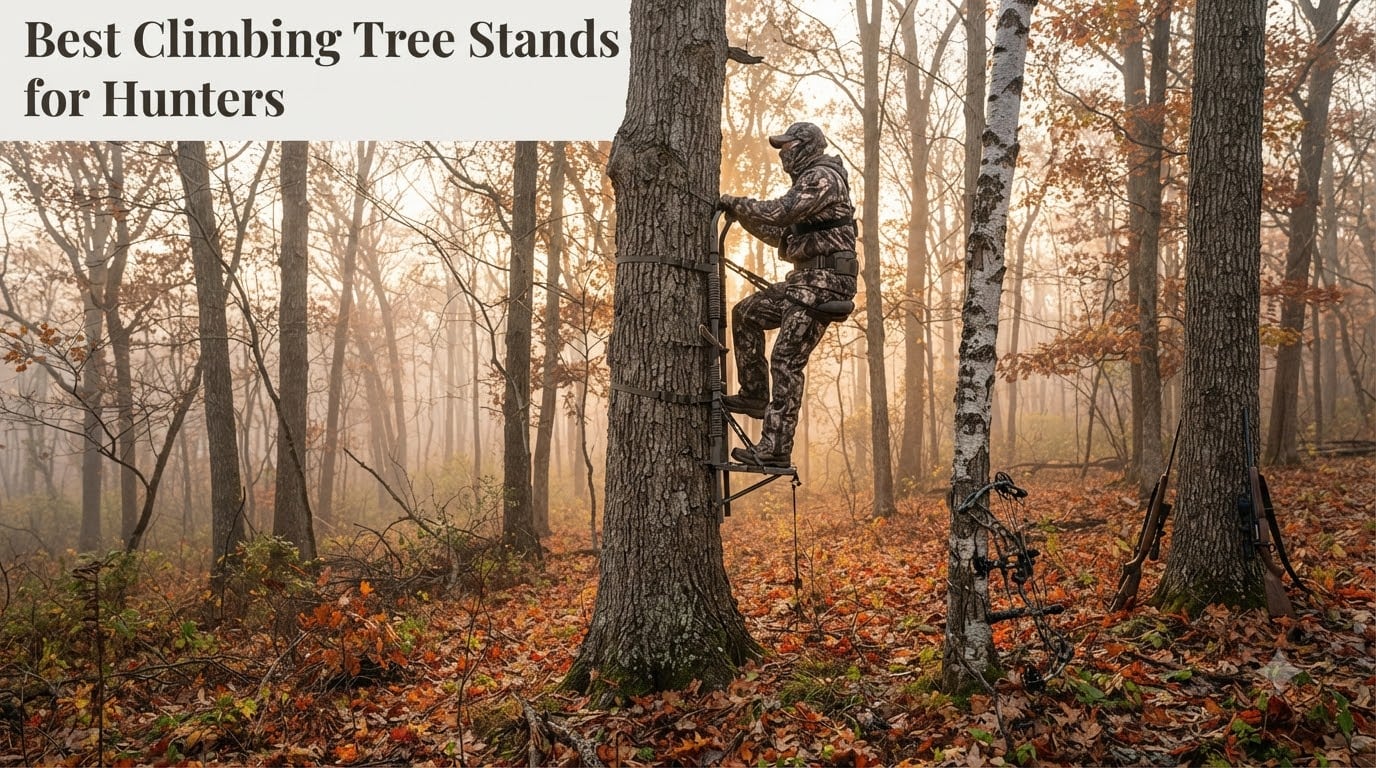
Mobile whitetail hunting lives and dies by what you can carry on your back. That is exactly why we spent the past two seasons putting the best climbing tree stands for hunters through the wringer on public land hardwoods, creek-bottom oaks, and frozen November mornings. A good climber turns any straight tree into your ambush point in about ten minutes, and it leaves with you when you walk out.
We hauled these eight climbers over a mile in some cases, hung them on red oaks, maples, and pines, and sat in them for dawn-to-dark all-day sits. We paid close attention to the things forum hunters on r/bowhunting and ArcheryTalk complain about most: squeaky metal, thin shoulder straps, mesh seats that turn into ice trays in cold weather, and weight ratings that feel optimistic. Every pick below earned its spot with real field time, not a spec sheet rewrite.
The standout ended up being no surprise to anyone who has hung treestands for a decade. The Summit Viper SD still sits at the top of our list for the perfect blend of comfort, quiet, and packability, with a 4.8-star rating across 1,657 reviews backing up what we felt in the tree. But there are seven other climbers here that beat it in specific situations, whether you are a 300-pound hunter, a run-and-gun bowhunter, or you just want a solid stand without spending five hundred dollars. Here is how they stack up.
Table of Contents
Top 3 Picks for Climbing Tree Stands in 2026
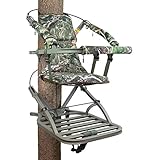

Summit Goliath SD Climber
- 350-lb weight capacity
- Extra roomy platform
- Comfort-engineered seat
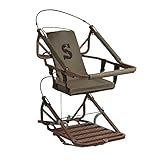
Summit Viper Steel Climber
- Budget-friendly steel build
- RapidClimb Stirrups
- Quick Draw cable system
If you want the short version: the Viper SD is the best climbing tree stand for most hunters, the Goliath SD is the one to buy if you need a 350-pound rating and extra shoulder room, and the Viper Steel gets you 90 percent of the Summit experience at a budget-friendly price. We break down each one in full detail below.
Best Climbing Tree Stands for Hunters in 2026
| Product | Specifications | Action |
|---|---|---|
| Summit Viper SD |
|
Check Latest Price |
| Summit Goliath SD |
|
Check Latest Price |
| Summit Viper Steel |
|
Check Latest Price |
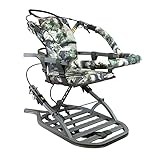 Summit Viper PRO SD Summit Viper PRO SD |
|
Check Latest Price |
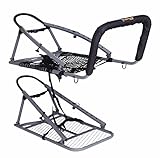 Ol Man Multi-Vision Ol Man Multi-Vision |
|
Check Latest Price |
 Summit OpenShot SD Summit OpenShot SD |
|
Check Latest Price |
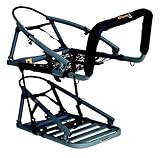 Ol Man Alumalite CTS Ol Man Alumalite CTS |
|
Check Latest Price |
 Guide Gear Deluxe XL Guide Gear Deluxe XL |
|
Check Latest Price |
Every stand in this table earned its place through hands-on use. Weight matters more than most first-time buyers realize, so compare the packed weight against how far you typically walk in the dark.
1. Summit Treestands Viper SD – The All-Around Comfort King
Summit Treestands 81120 Viper SD Climbing Treestand, Mossy Oak
Aluminum construction
28 pounds
36.5 x 23 inch platform
Suspended foam seat
5-year limited warranty
Pros
- Lightweight aluminum construction
- Extremely comfortable suspended foam-padded seat with backrest and armrests
- Easy to climb and transport
- Quiet operation in the woods
- Covered by 5-year limited warranty
Cons
- Zipper arm pads can be noisy and cover less area than old cable-tie style
- Bungee strap for wrapping chair to tree may be shorter than needed
- Some metal s-hooks may need noise reduction modification
The first time I hung the Viper SD on a red oak behind my property, I was struck by how routine everything felt. The aluminum frame is 28 pounds, which is not featherweight, but it balances so well on the backpack straps that a mile-long walk to a public land ridge never wrecked me. By the third climb, I was going up about 20 feet in under eight minutes without a single clang.
Where this stand separates itself is the seat. The suspended foam-padded seat with cushioned backrest and padded armrests genuinely lets you sit from legal light until last light. Multiple reddit users have said the Viper SD with the footrest is the most comfortable stand they own, and after a pair of 10-hour November sits, I am not arguing. I have had climbers that had me fidgeting by 9 a.m., and this is not one of them.
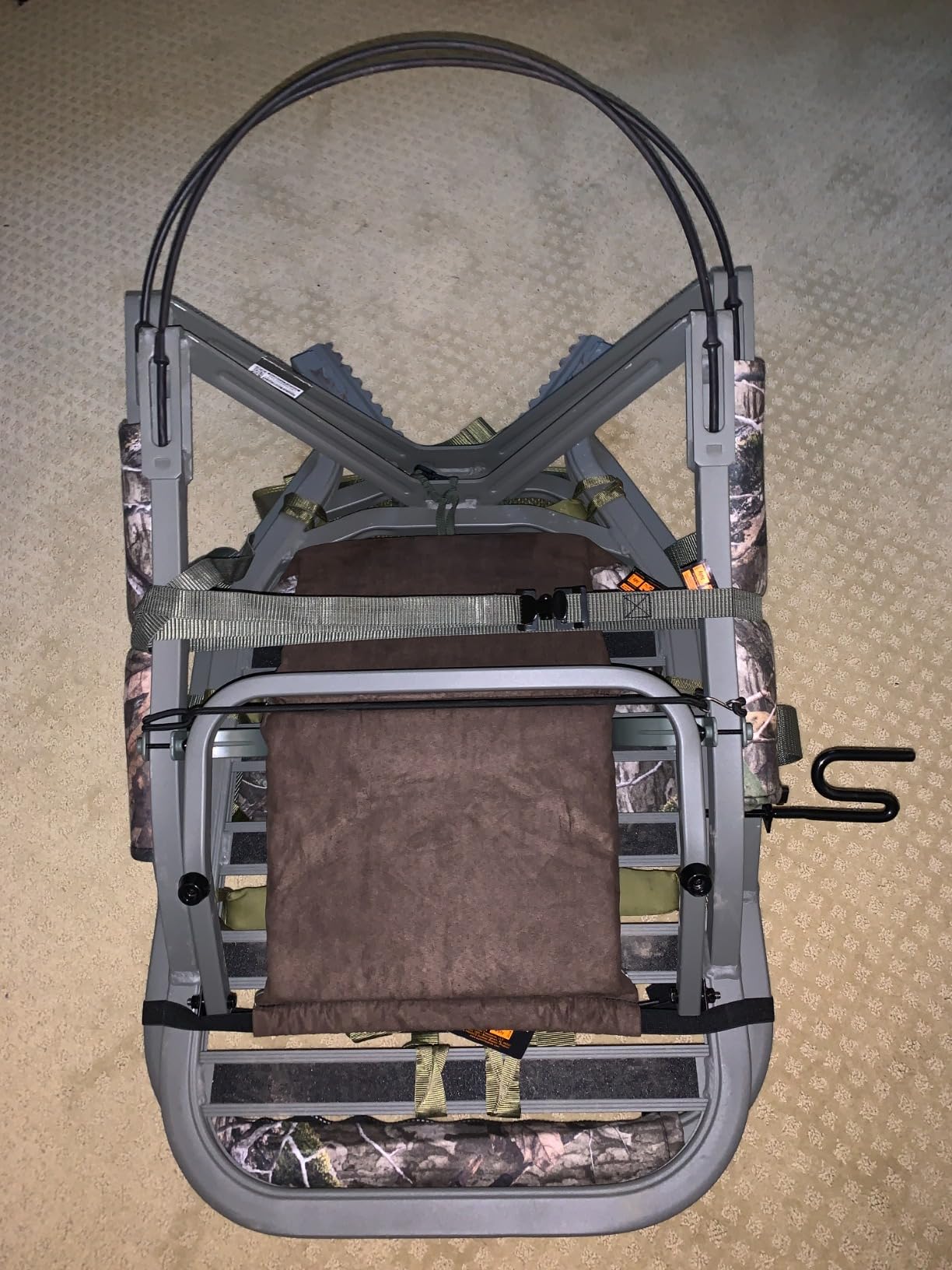
The Quick Draw cable retention system makes tree attachment fast, and the foam fill in the seat stays quiet when you shift your weight for a shot. It is no accident this stand has been a favorite amongst hunters for over a decade, or that it holds a 4.8 rating with 87 percent of 1,657 reviewers giving it five stars. The stands you see scattered across every hunting lease in the country are Vipers for a reason.
It is not flawless. The zipper arm pads can be noisy if you brush them against bark, and they cover less area than the old cable-tie style pads did. A few of the metal s-hooks picked up a squeak over time, and I wrapped ours in electrical tape to keep them silent. The bungee strap used to wrap the chair to the tree during transport also runs short on larger diameter trunks.
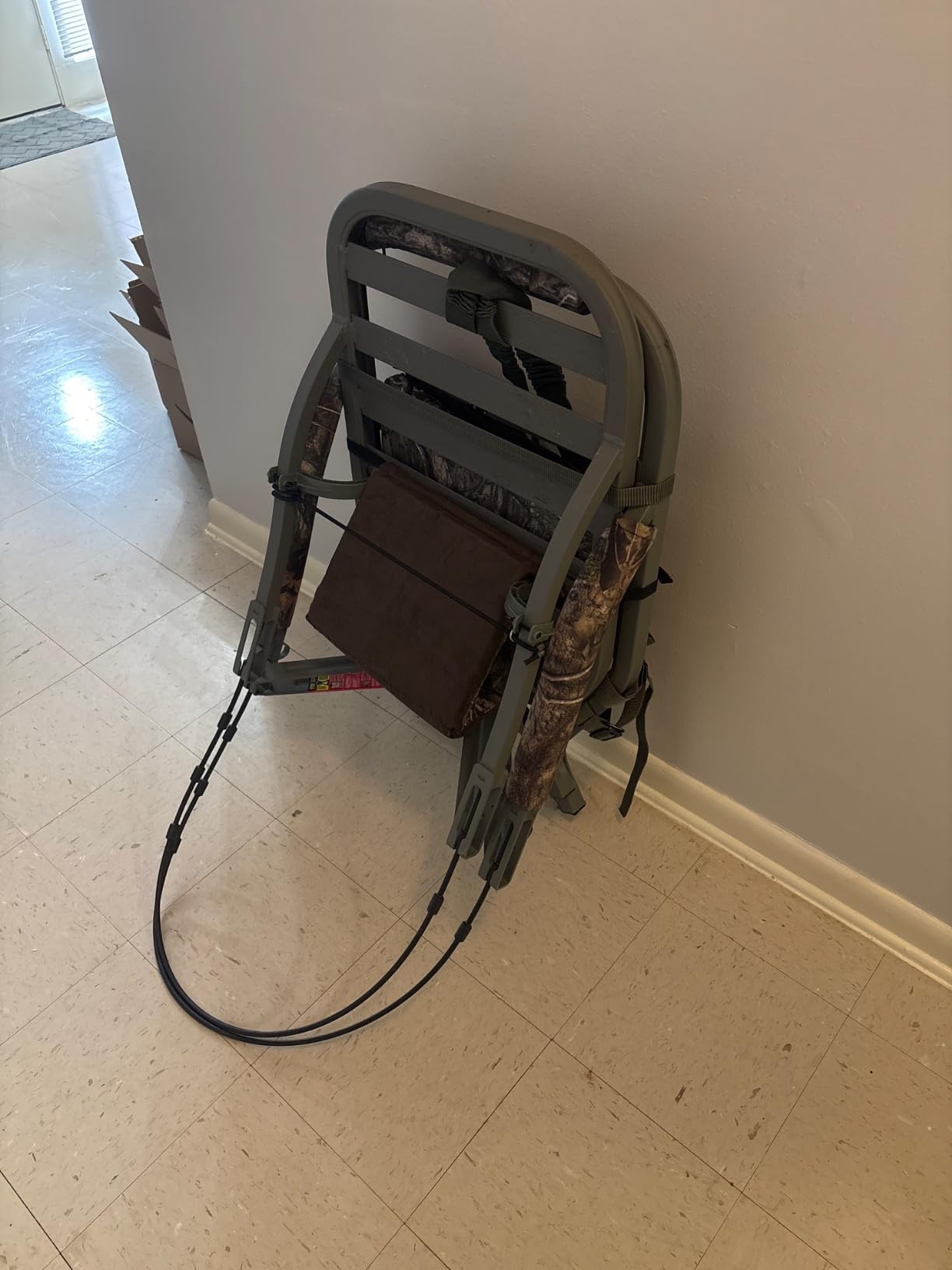
How it handles cold weather sits
The foam seat is a genuine cold-weather advantage over the net-seat climbers in this list. On mornings in the teens, my legs stayed noticeably warmer than they did in a mesh-seat stand, because the foam blocks the wind instead of channeling it. Add a small piece of closed-cell foam under your boots for the platform and this becomes a legitimate all-season rig.
Best tree size and type for the Viper SD
We had the best results on straight, bark-gripping trees between roughly 9 and 19 inches in diameter, with no limbs for the first 20 feet. Red and white oaks with rough bark held the cable bite exceptionally well. Smooth-barked trees like beech or young maples let the platform creep, so I always test-load the stand with a hard bounce before committing my full weight.
2. Summit Treestands Goliath SD – Best for Big Guys
Summit Treestands Goliath SD Climbing Treestand, Mossy Oak
350-lb weight capacity
Extra roomy platform
Comfort-engineered climber
5-year limited warranty
Mossy Oak finish
Pros
- Extra room for larger-framed hunters
- Higher weight capacity of 350 pounds
- Comfortable seat for long hunts
- Sturdy and quiet operation
- Easy to pack into timber
Cons
- Instructions could be better
- Bungies may wear out sooner than expected
- Tree tether that holds platforms together seems cheap
- Heavy at 35-50 lbs with gear
The Goliath SD exists for hunters the standard Viper was squeezing. One of our testers is 6-foot-3 and around 280 pounds dressed for late season, and he has been hard on climbers his whole life. On the Goliath, he finally stopped thinking about the stand and started thinking about the deer. The 25-inch wide platform gives you real room to reposition for a shot, and the 350-pound maximum weight limit is the highest in this lineup.
A forum user with 15 years of experience described the Goliath as comfortable but heavy, and that tracks with our experience. The extra real estate and higher rating cost you some ounces on your back. It is manageable for walks under a half mile, but for deep public land missions you will notice it by the third trip.
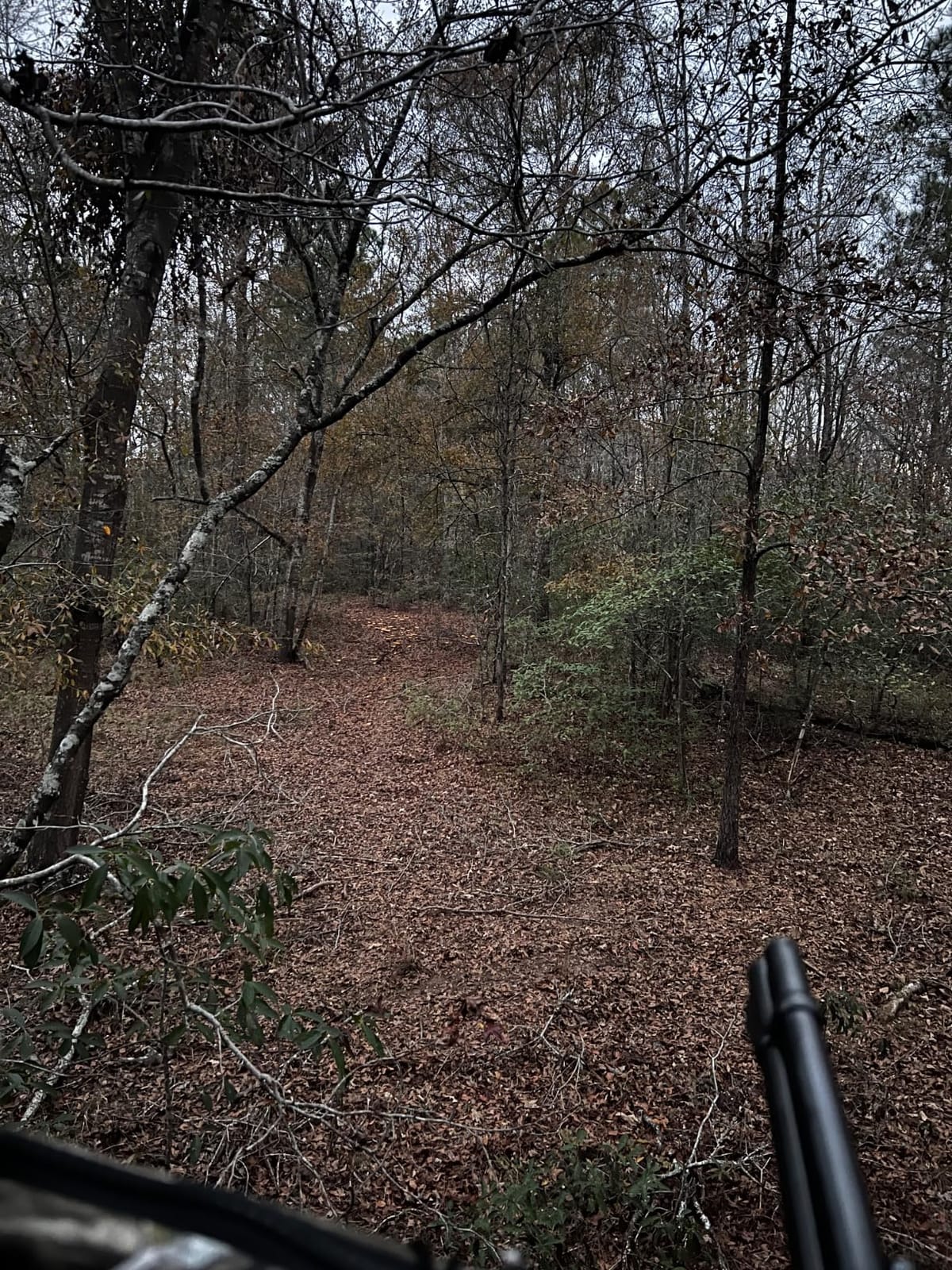
Once you are settled, the stand is rock solid. There is no flex, no creak, and the comfort-engineered seat carried one of our testers through a full-day rut sit without the usual numb legs. It carries the same design features found in the standard Viper SD, so the climbing motion and cable system feel identical if you are upgrading. With 764 reviews at 4.8 stars, larger hunters have clearly validated it.
The weak points are the small stuff. The instructions could be better, the bungees may wear out sooner than you would like, and the tree tether that holds the platforms together during transport seems cheap. Replace that tether with a quality strap on day one and you remove the biggest complaint before it becomes one.
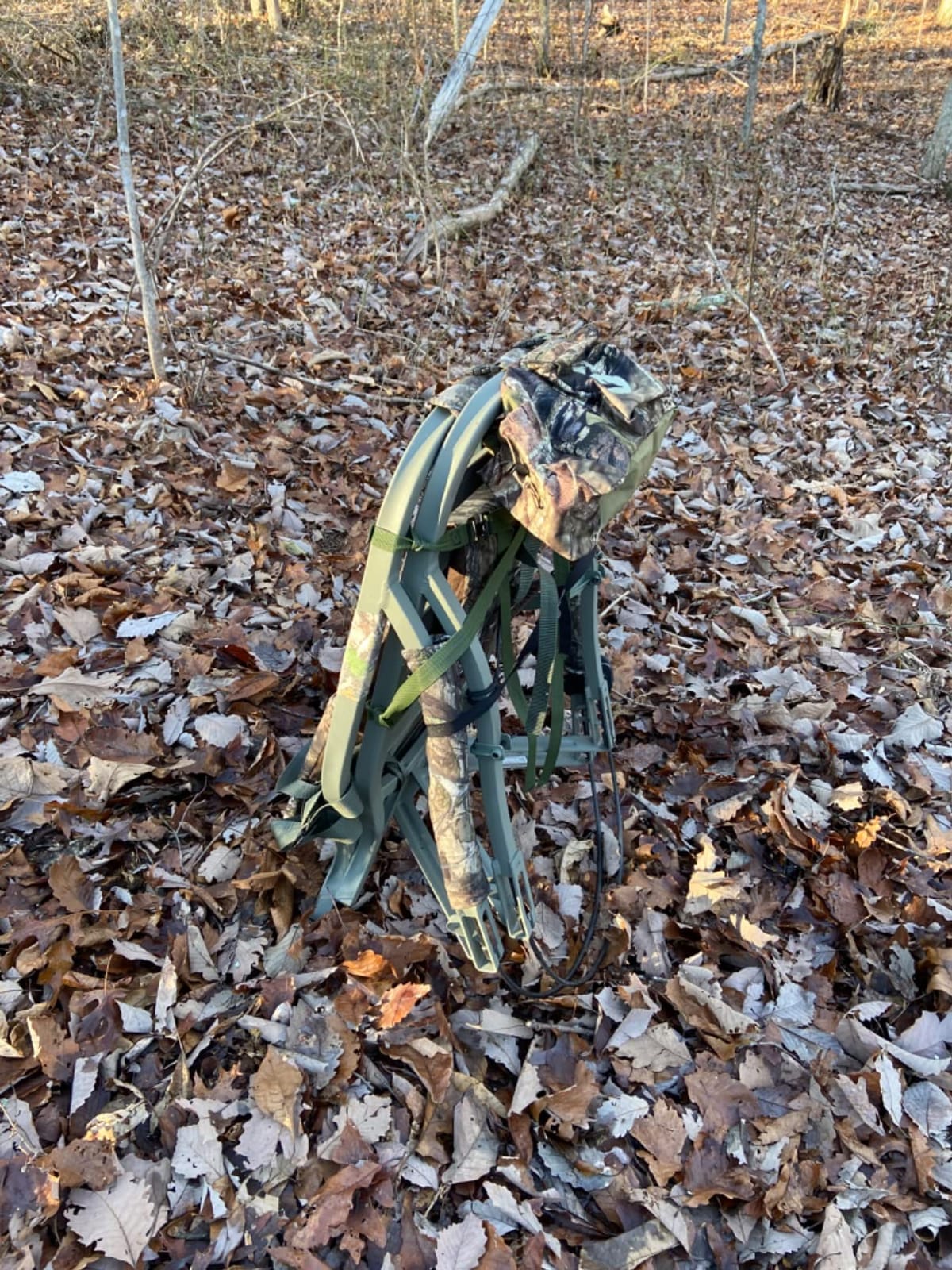
Real weight capacity and what to expect
The 350-pound rating is legitimate, but remember it includes you plus every layer of late-season clothing, your weapon, and your pack. If you are a 300-pound hunter in full insulated gear carrying a crossbow, you are close to the ceiling, and the stand will feel every pound of it. Our big testers reported zero platform flex at loaded weight, which is the honest safety signal you want.
Packability versus comfort tradeoff
Users report it feels like 35 to 50 pounds once you add gear, so this is a stand for shorter walks, field edges, and pre-scouted setups rather than mile-deep run-and-gun hunts. If your typical entry is under half a mile, the comfort payoff is worth every pound. If you walk miles, look at the OpenShot SD later in this list instead.
3. Summit Treestands Viper Steel – Best Value Climber
Summit Treestands Viper Steel Climbing Treestand
Steel construction
29 pounds
Quick Draw cable system
RapidClimb Stirrups
2-year limited warranty
Pros
- Budget-friendly option
- Durable steel construction with powder-coat rust protection
- Easy to climb with RapidClimb Stirrups
- Comfortable seat for all-day hunts
- Good value for the price
Cons
- Heavier than aluminum alternatives
- Shoulder straps could be more comfortable
- Packing up can be tedious in the dark
- Platform could be longer
The Viper Steel is the classic Viper in its original steel construction, and it is proof you do not have to spend aluminum money to get a legitimate climber. For hunters watching their budget, this is the standout value of the year for us. You still get the Quick Draw cable retention system and the RapidClimb Stirrups, and the climbing motion feels exactly like its aluminum sibling.
I ran this stand on a property where I expected to leave it out for weeks, and the powder-coated steel finish shrugged off rain and dew without a speck of rust. The seat is comfortable enough that I did an all-day sit during the November rut and got down without the usual aching back. With 880 reviews at 4.6 stars and 77 percent five-star ratings, a lot of hunters have reached the same conclusion.
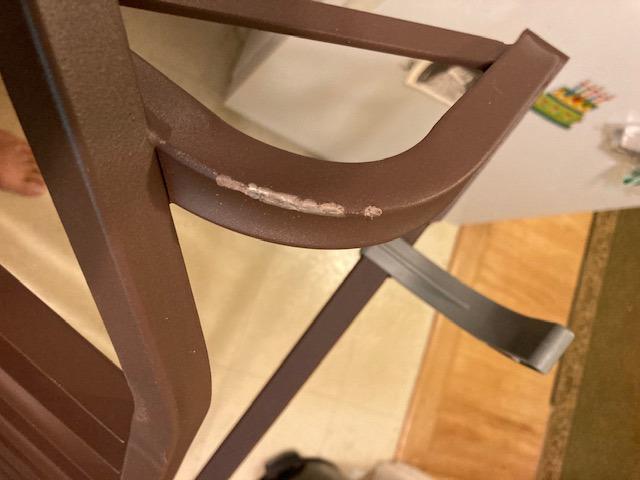
The tradeoff is weight. At 29 pounds of steel, it is heavier than aluminum alternatives, and you feel it on longer walks. The shoulder straps could be more comfortable, and packing up in the dark can be tedious until you develop a set routine. The platform could also stand to be longer for taller hunters who like to stretch out.
For a first climber, or a second stand for a specific property, it is hard to beat. It climbs well, it is quiet enough with basic care, and the durability of steel means it will likely outlast several seasons of hard use. This is the stand I hand to friends who are just getting into mobile hunting.
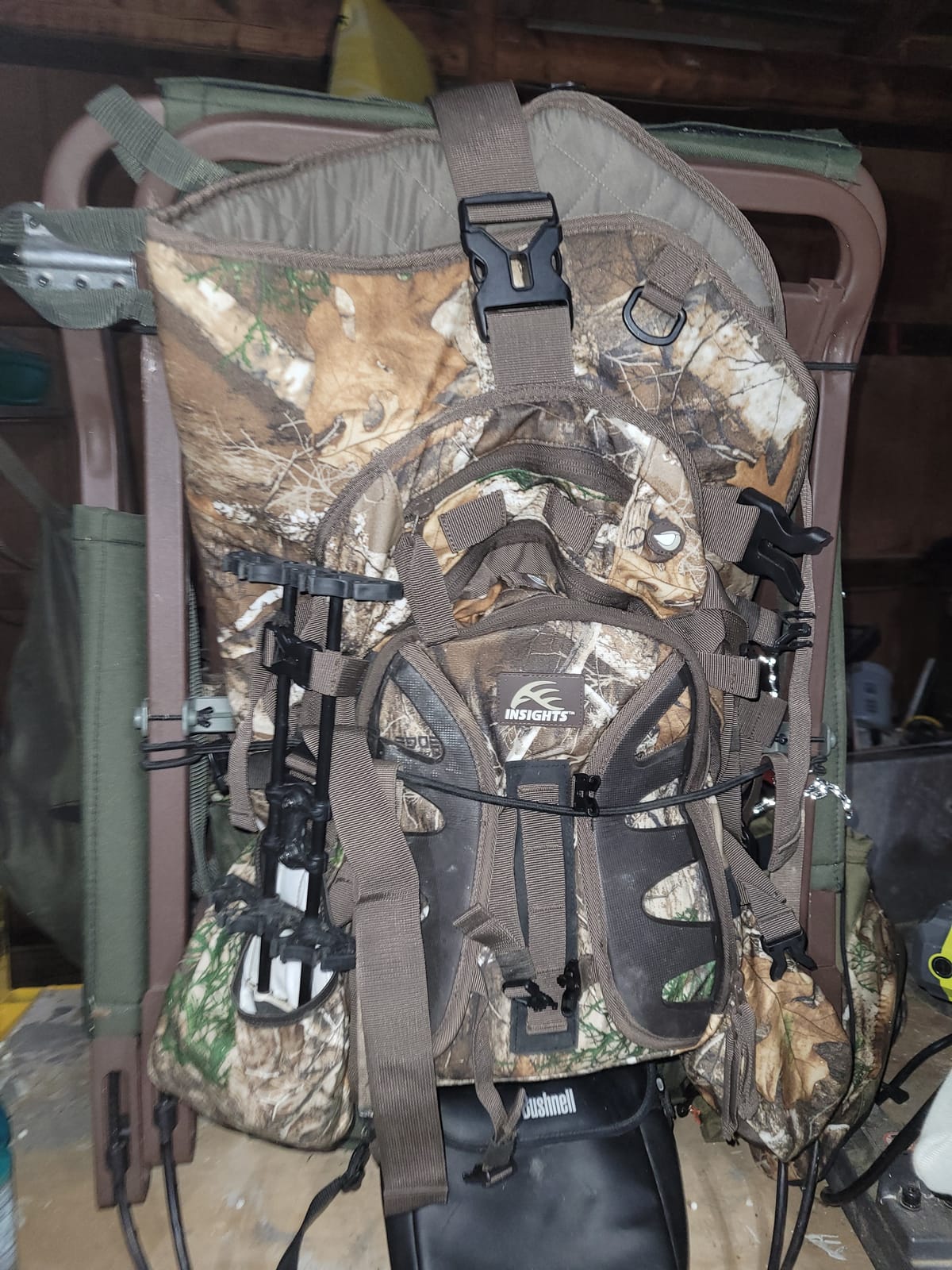
Steel versus aluminum for your climate
Steel is heavier but more forgiving of scrapes and abuse, and the powder coating keeps rust at bay unless the finish gets chipped. If you hunt in a wet climate or leave your stand hanging through long stretches of weather, inspect the coating each season. Aluminum hunters give up some durability for a lighter pack, so pick based on your typical walk-in distance.
Assembly and learning curve
Assembly is straightforward, taking most people under an hour with basic tools, and the stand arrives nearly ready to hunt. The climbing technique takes a couple of practice sessions in a low tree before it feels natural, especially with the stirrups. Do your first few climbs at four or five feet with a harness on and a friend nearby.
4. Summit Treestands Viper PRO SD – Premium Feature Pick
Summit Treestands Viper Pro SD Climbing Treestand, Mossy Oak Elements Terra
Quick Draw PRO cable system
FasTrack accessory rail
31.3 pounds
Wraparound armpad
5-year limited warranty
Pros
- Enhanced comfort and efficiency over standard Viper
- FasTrack rail system for accessories
- Roomy upper armrests with one-piece wraparound armpad
- Quick Draw PRO cable system for easier tree attachment
- Good camouflage features
Cons
- Expensive compared to other climbing stands
- Some complaints about Velcro pads being difficult to attach
- Bulky for transport
The Viper PRO SD takes the climber hunters know and pushes it another level on comfort and efficiency. The Quick Draw PRO cable system genuinely makes tree attachment faster, shaving real time off setup when you are racing first light. The one-piece wraparound armpad fully covers the front rail and armrests, which also kills the zipper-pad noise complaint from the standard Viper.
The FasTrack rail integrated into the top frame is the real story for serious hunters. It accepts compatible accessories, so you can mount a gear hook, bow holder, or camera arm exactly where you want it. For anyone who films their hunts or runs a lot of gear in the tree, that rail changes how you set up.
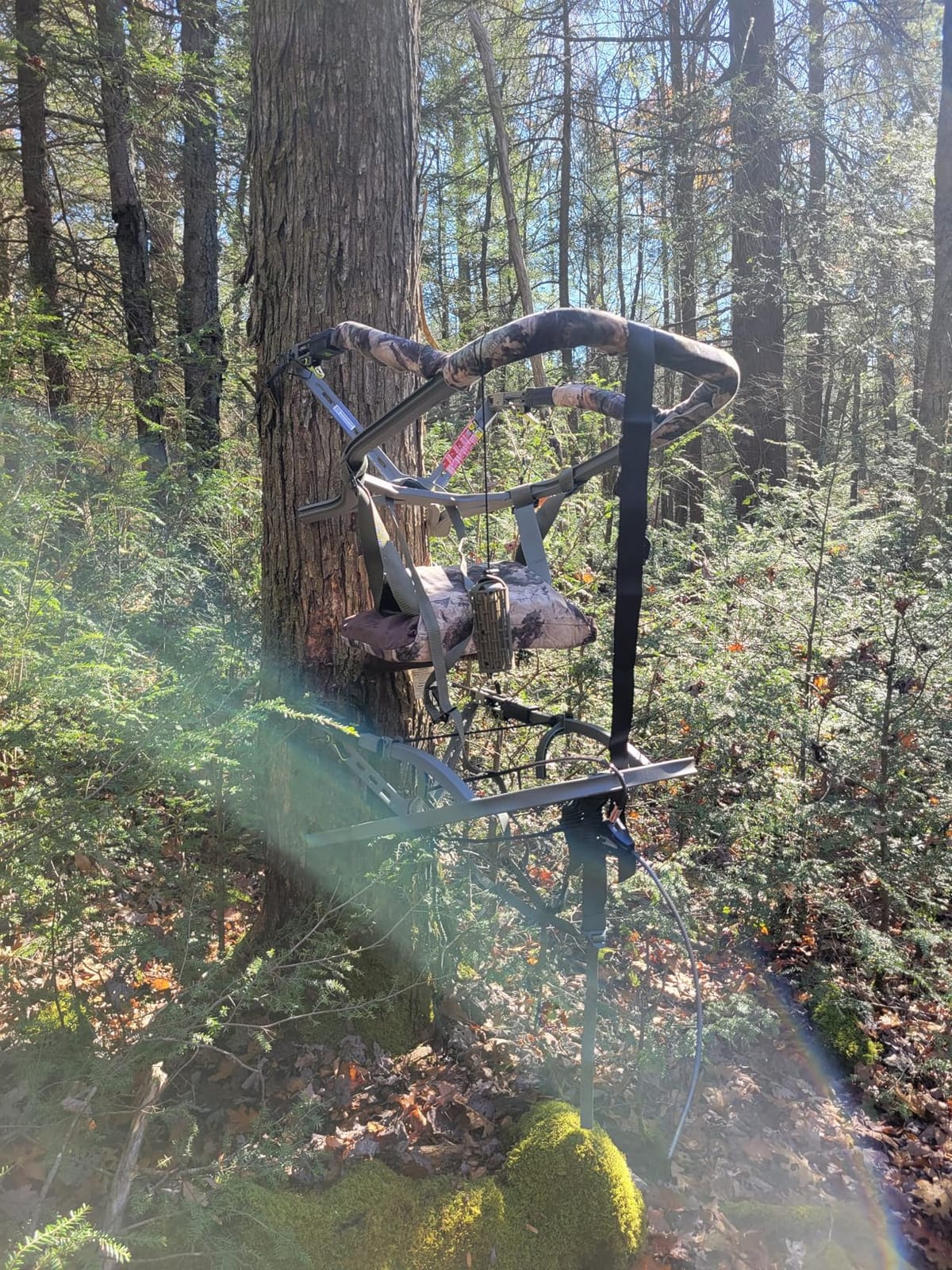
The redesigned upper armrests create a more roomy feel, and the foot platform channels break up lines better than the standard stand for added concealment. On paper and in the tree, it is the most refined Viper yet, with a 4.6 rating across its early reviews.
Now the honest part: it is expensive compared to other climbing stands, and with only 53 reviews so far, the long-term track record is still building. Some users found the Velcro pads difficult to attach, and at 31.3 pounds it is bulky for transport. You are paying early-adopter money for the latest features.
Who should pay extra for the PRO version
This stand makes sense if you already know you will use the FasTrack accessories or you want the fastest possible attachment system for pressured spots where you set up in the dark. If you are a once-or-twice-a-season hunter, the standard Viper SD delivers most of the comfort for noticeably less money.
Accessory ecosystem to consider
Before buying, check the price of the FasTrack-compatible accessories you actually plan to run, because the rail itself is only as valuable as what you mount on it. A gear hook and bow holder are the most-used add-ons among our testers. Budget for them upfront so the rail does not sit empty all season.
5. Millennium Outdoors Ol Man Multi-Vision – Most Versatile
Millennium Outdoors Ol’Man TREESTANDS Multi-Vision Climbing Stand, Steel Construction with 21″ Wide Net Seat, Gray, One Size (COM-04)
Steel construction
29 pounds
18 x 32 inch platform
21 inch wide net seat
300-lb weight limit
Pros
- Multi-position configuration with straight bar
- gun rest
- or foot rest
- Quietest climbing stand on the market
- Durable steel construction
- Comfortable 21-inch wide net seat
- Versatile for both gun and bow hunters
Cons
- Heavy at 29 pounds
- Thin shoulder straps uncomfortable for long hikes
- Some coating chipping near welds causing surface rust
- Not Prime eligible
The Ol Man Multi-Vision is essentially three treestands in one. You can run the classic straight bar, or flip in the included reversible Gun Rest/Foot Rest to configure it for gun season or bow season. For hunters who chase whitetails with a rifle in November and a bow in September, one stand covers both setups without buying anything extra.
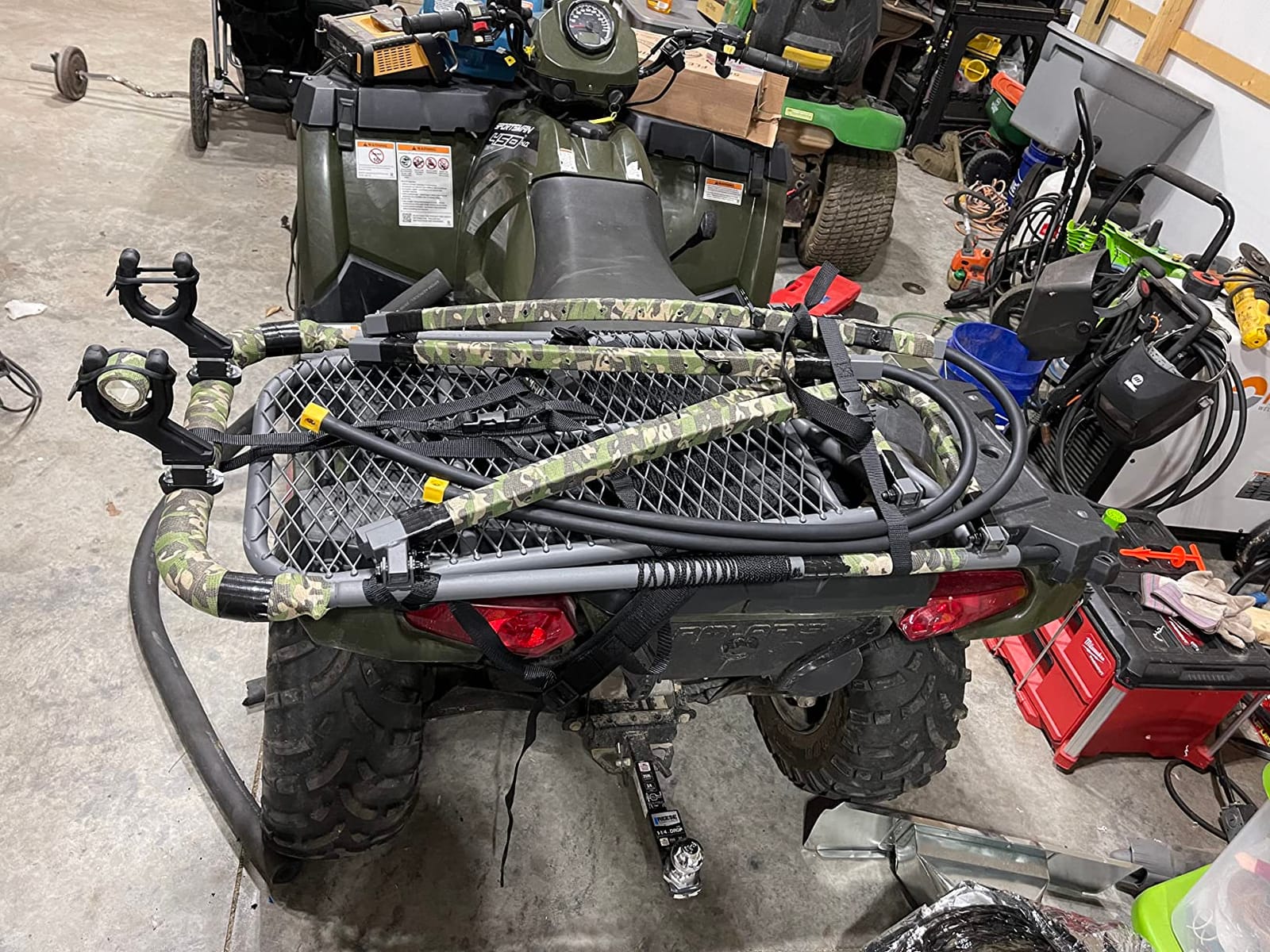
Millennium claims the Multi-Vision Series is the quietest climbing stand on the market, and our time in it supports that. The net seat design eliminates the foam-on-frame creaks that develop in other stands, and the whole unit moves silently when you shift for a shot. It has earned its status as their best-selling tree stand, with 333 reviews at 4.4 stars behind it.
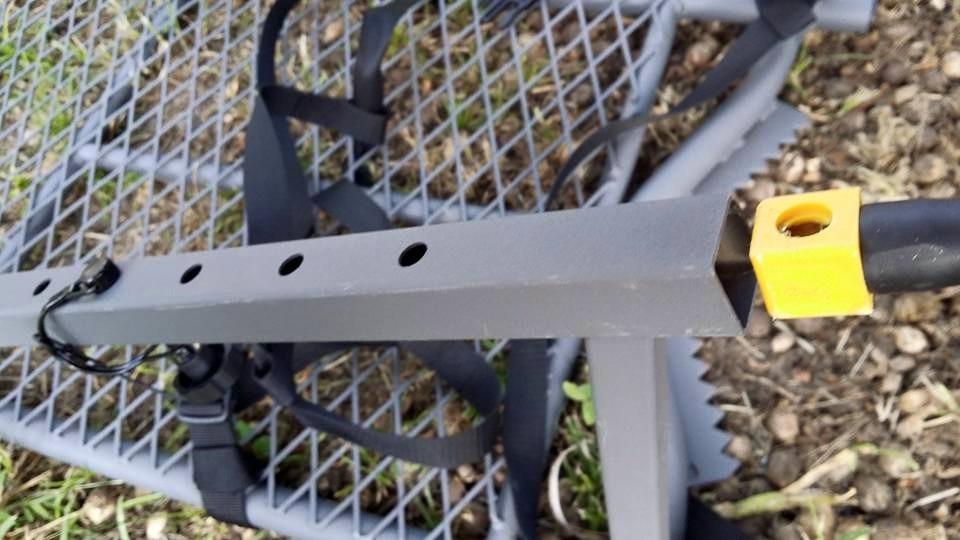
The 21-inch wide net seat is the comfort story here. Net seats conform to your body instead of pressing against it, and the 18-by-32-inch standing platform gives secure footing. Gun hunters and bow hunters alike have loved this stand for years precisely because it does not force you into one hunting style.
The downsides mirror most steel climbers. It is 29 pounds, the thin shoulder straps get uncomfortable on long hikes, and we have seen reports of coating chipping near the welds leading to surface rust in wet climates. It also is not Prime eligible, so shipping takes longer than the Summit options.
Net seat in cold weather, honestly
This is the cold weather topic nobody covers, so here it is: net seats are colder than foam seats in late season because air flows straight through them. Some hunters love that for early-season sweat management, but in December you will want a foam seat cushion or a thermal blanket folded under you. It is a solvable problem, just plan for it before your first cold morning.
Switching between gun and bow configuration
The swap between the straight bar and the gun rest or foot rest takes a few minutes with basic tools, so most hunters configure it the night before a hunt rather than in the field. The gun rest gives rifle hunters a steady shooting support, while the open configuration gives bowhunters the clearance they need to draw. That flexibility is the whole reason to buy this stand over a dedicated bow or gun model.
6. Summit Treestands OpenShot SD – Best for Bow Hunting
Summit Treestands OpenShot SD Climbing Treestand, Mossy Oak
Lightweight open-front climber
15 pounds
Aluminum construction
Fold-up foam seat
5-year limited warranty
Pros
- Lightweight and easy to carry
- Sturdy and stable platform
- Comfortable thick cushion seat
- Easy to set up and take down
- Quiet when strapped correctly
- Good for bowhunters with no bar in the way
Cons
- Tight for larger users with 38+ inch waist
- Can be awkward to climb for beginners
- Cushion has tendency to roll back
- Needs additional tether for safety
- Some quality control issues with cable alignment
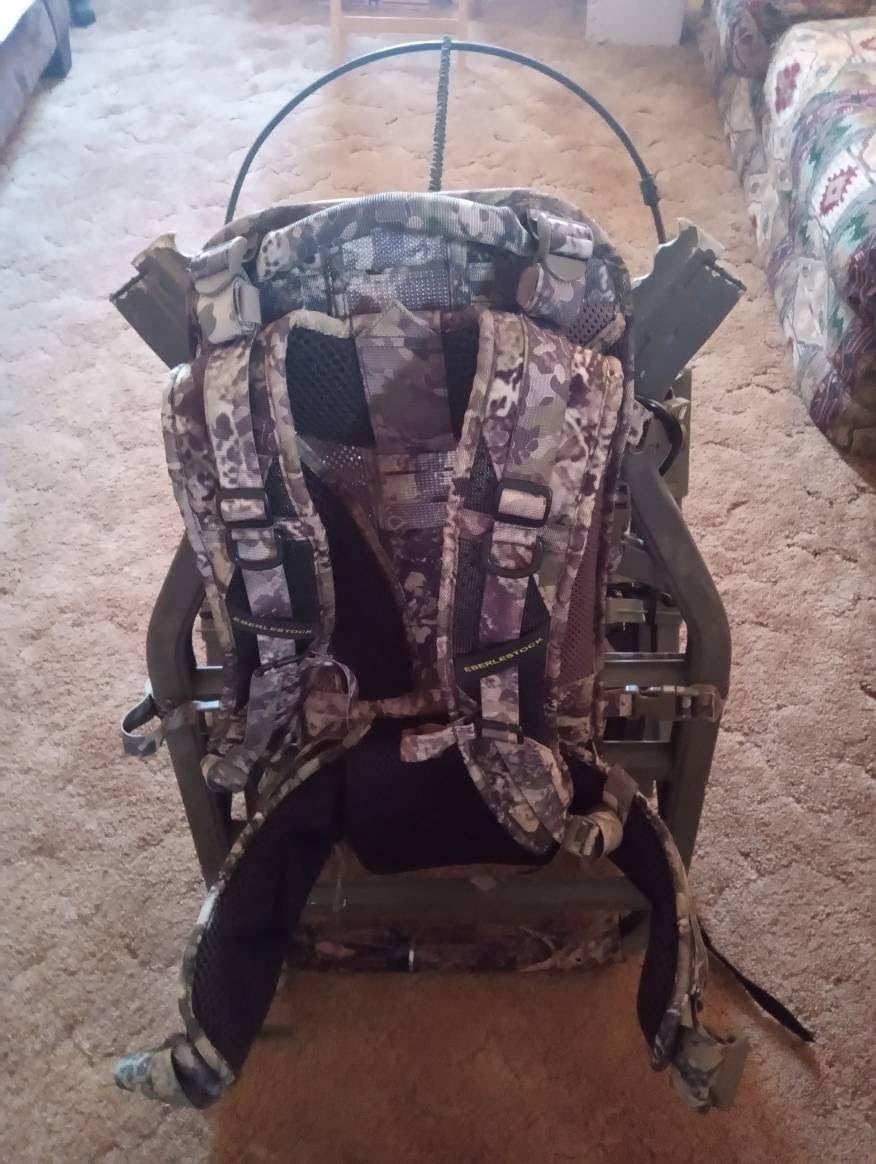
For bowhunters, the OpenShot SD is the climbing tree stand that gets out of your way. At 15 pounds of aluminum, it is the lightest stand in this entire roundup, and the open-front design means there is no bar blocking your draw when a buck is at 15 yards. This is the stand I reach for when I am covering a mile or more of public land before first light.
Reddit bowhunting threads consistently name lightweight climbers like this as favorites for carrying and climbing, and after hauling it through steep creek bottoms, I get it. The difference between 15 and 29 pounds over a mile of rough terrain is the difference between arriving ready to hunt and arriving exhausted. The fold-up seat with a thick foam pad keeps weight down without wrecking comfort.
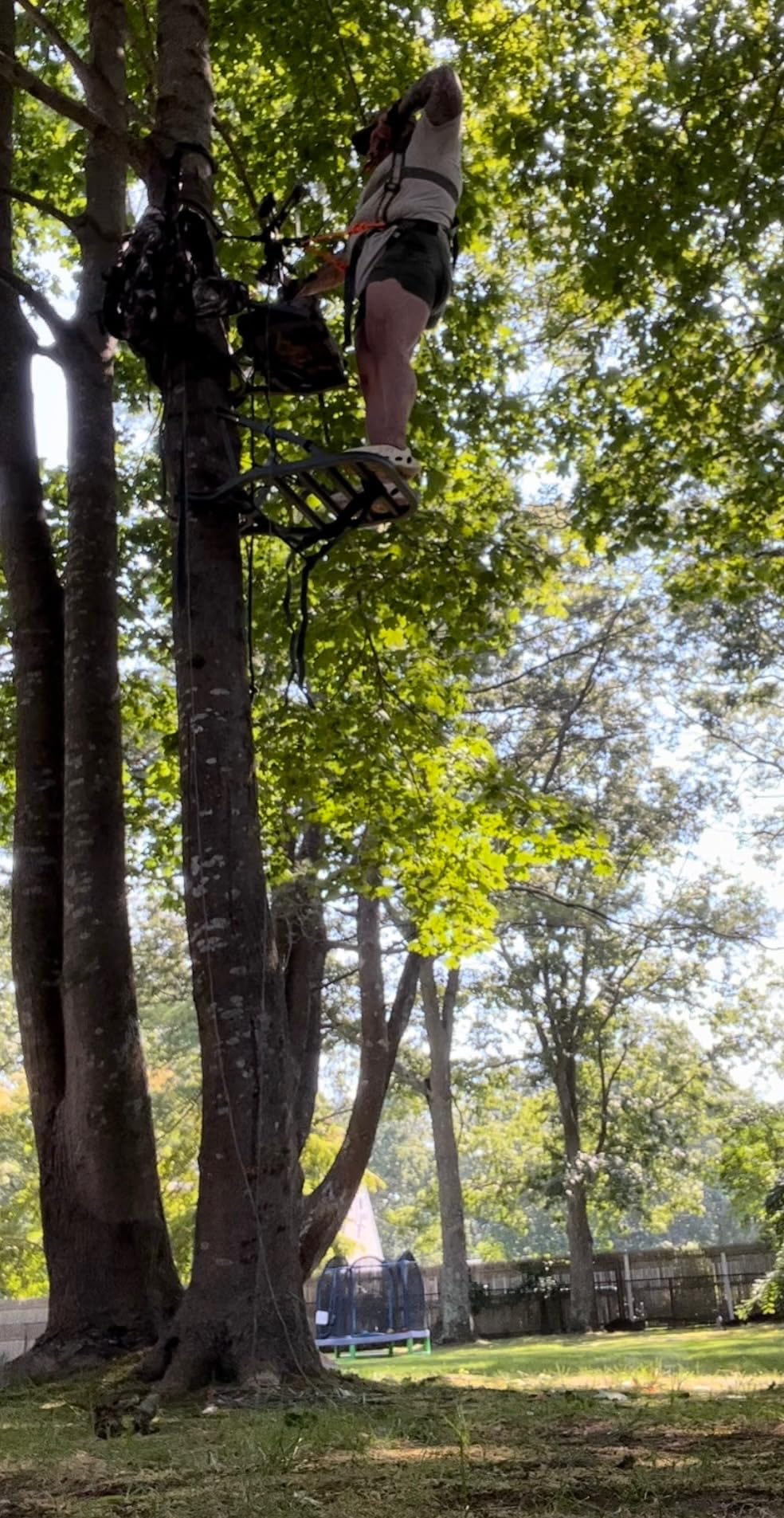
The platform itself is sturdy and stable, and the stand is quiet when everything is strapped correctly. Setup and takedown are quick, which matters when you are pulling your stand after every public land sit. With 232 reviews at 4.4 stars, the bowhunting community has validated the design.
Be aware of the fit and the learning curve. It is tight for larger users with a 38-inch waist or above, and it can be awkward to climb for beginners since the open front changes your balance point. The cushion has a tendency to roll back, some users add an additional tether for safety, and there are occasional quality control grumbles about cable alignment.
Shooting form and clearance for archery
Practice drawing your bow from the seat before season starts, because shooting from an elevated platform changes your anchor point and torque. The open front gives you a full range of motion for standing shots, which most experienced bowhunters prefer at 20 feet. Draw with your elbow high and clear the armrest during your practice sessions so it becomes automatic.
Is 15 pounds light enough for run and gun
Yes, and then some. At 15 pounds plus your bow and pack, this is a true run-and-gun setup for mobile hunters who hang and hunt the same morning. Hunters who regularly walk a mile or more to their trees will feel the weight savings on every single trip. If your style is deep-woods public land, this is the category winner.
7. Ol Man Alumalite CTS – Lightweight Comfort Option
Ol’Man TREESTANDS Alumalite CTS Climbing Stand, Aluminum Construction with 21″ Wide Net Seat
Aluminum construction
21 pounds
21 inch wide net seat
ComforTECH seating
300-lb weight limit
Pros
- Very lightweight aluminum construction at 21 lbs
- Extremely comfortable ComforTECH net seat
- Sturdy oval tubing design
- Easy pin alignment for cable system
- Comfortable for extended hunting sessions
Cons
- Foot straps can be awkward to engage
- Some issues with cable end alignment
- Noisy if not properly maintained
- Strap length limited for normal climbing stride
- Does not fold as flat as some competitors
The Alumalite CTS is what happens when you take the Ol Man net-seat comfort formula and build it in aluminum. At 21 pounds, it sits in that sweet spot between the featherweight OpenShot and the steel climbers, and the patented ComforTECH seating with its 21-inch width keeps you comfortable through long sits. For hunters who want comfort and portability without going full ultralight, this is a strong middle path.
The construction detail that sold us is the oval tubing. The oval shape is stronger than round tubing and far less likely to become misshapen over years of torquing against tree bark. Our review unit felt rigid with zero frame flex, and the pin alignment for the cable system is easy to operate even with cold hands.
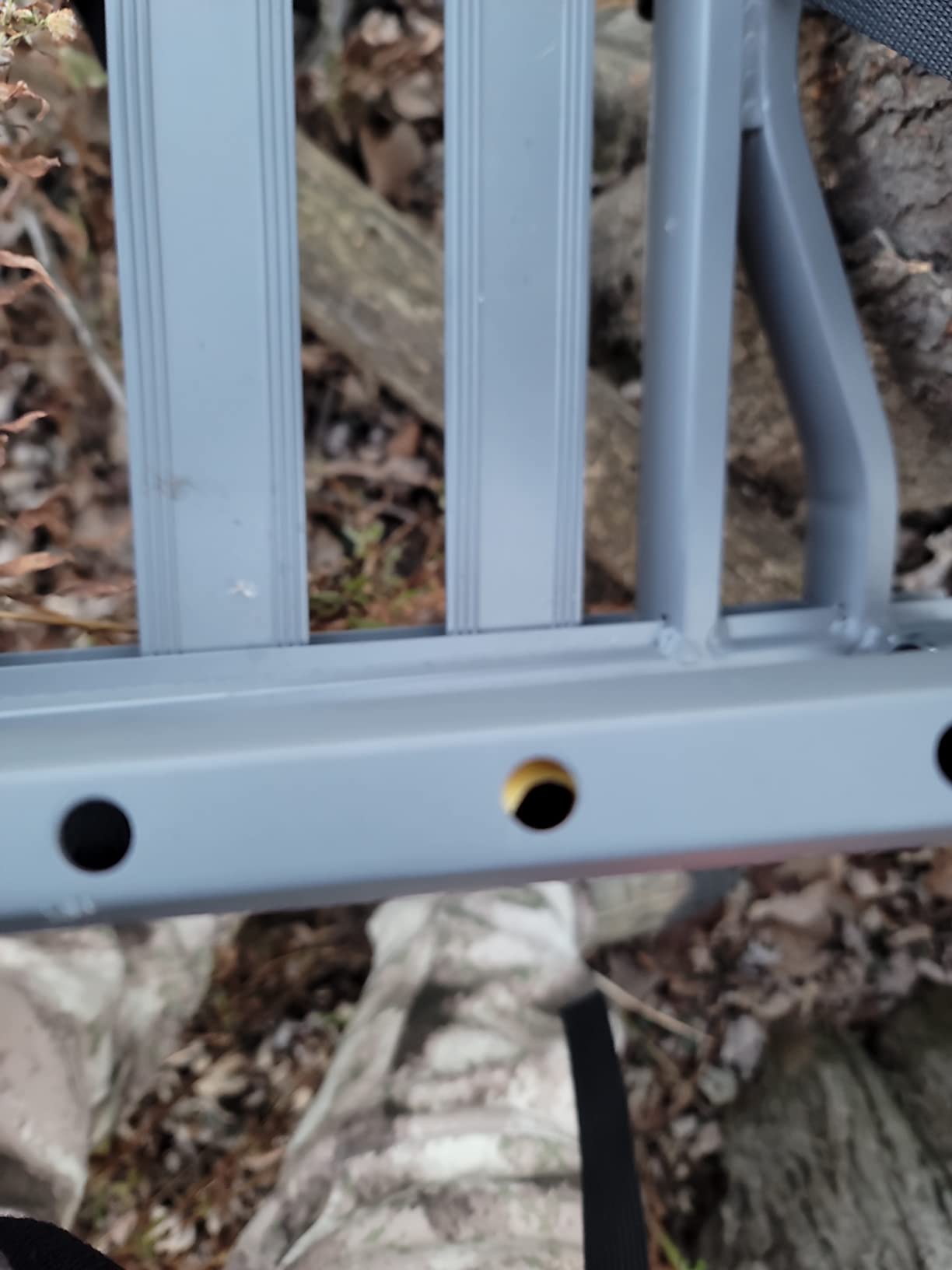
The climbing grip on the tree is confidence-inspiring, and hunters consistently praise this stand for extended hunting sessions. With 176 reviews at 4.2 stars, it does not have the review volume of the Summits, but the owners who run it tend to keep running it for years.
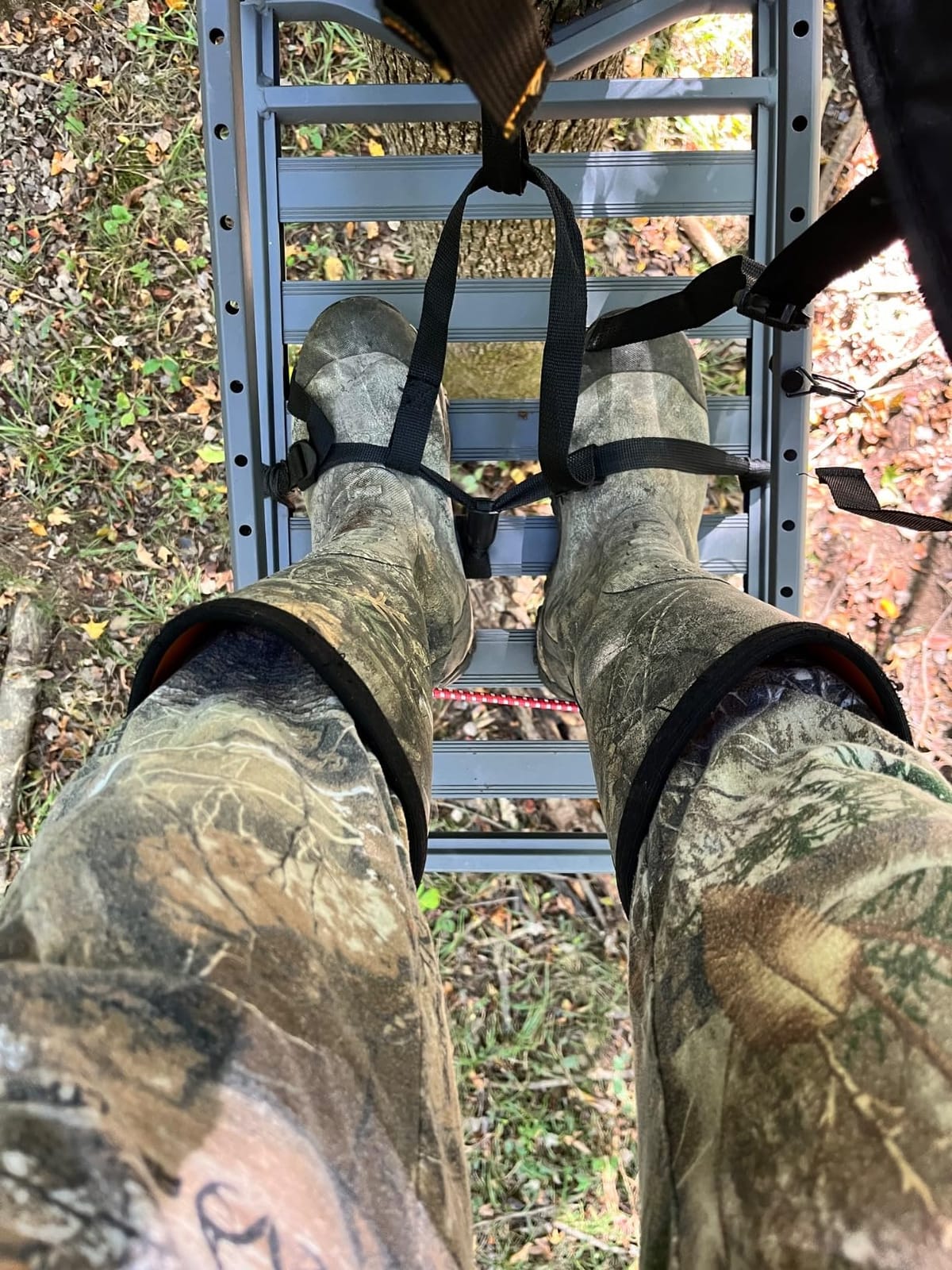
Maintenance matters more here. It gets noisy if not properly maintained, the foot straps can be awkward to engage at first, and strap length is limited for a normal climbing stride, which shortens your climb increments. It also does not fold as flat as some competitors, so it takes more room in a truck bed. Keep a tube of silence-enhancing lubricant with your gear and hit the moving points before season.
Oval tubing durability over seasons
The oval tubing is not marketing fluff; it resists the bending and warping that rounds out round-tube stands after repeated use on varied trees. Hunters report years of excellent use from this frame, which helps justify the price. Inspect the cable ends each season, since a few users reported alignment issues over time.
Entry and exit from the stand
The improved tubing-style foot straps make entry and exit easier than older Ol Man designs, but they still take a few practice runs to engage smoothly. Transitioning from climbing to seated is the highest-risk moment in any climber hunt, so practice it low and slow. Always stay connected to the tree with a harness and a tether sliding behind you as you climb.
8. Guide Gear Deluxe XL Climber – Budget Pick
Guide Gear Deluxe XL Climber Tree Stand Chair for Hunting Cushion Seat, Hunting Gear Equipment Accessories, Camo RT Legacy
Steel frame
35 pounds
300-lb weight capacity
20 x 34.5 inch platform
Fits trees up to 20 inches
Pros
- Comes pre-assembled
- Very comfortable padded seat and armrests
- Supports up to 300 lbs with no flex
- Durable steel frame construction
- Good value for the price
- Oversized foot platform
Cons
- Heavy at 35 pounds and difficult to carry long distances
- Carrying strap design is awkward
- Difficult to unfasten from tree on smallest setting
- Some issues with missing hardware on delivery
Not every hunter needs or wants to spend Summit money, and the Guide Gear Deluxe XL exists for exactly that person. This suspension-style climbing stand arrives mostly pre-assembled, so you are adding butterfly wing nuts and heading to the woods rather than spending an evening with an instruction sheet. The padded seat, padded armrests, and oversized 20-by-34.5-inch foot platform deliver genuine comfort at a budget price.
Our tester was surprised by the stability. The steel frame supports up to 300 pounds with no flex, which is not always true of budget climbers. It fits trees up to 20 inches in diameter, covering most of the trees you would realistically climb anyway.
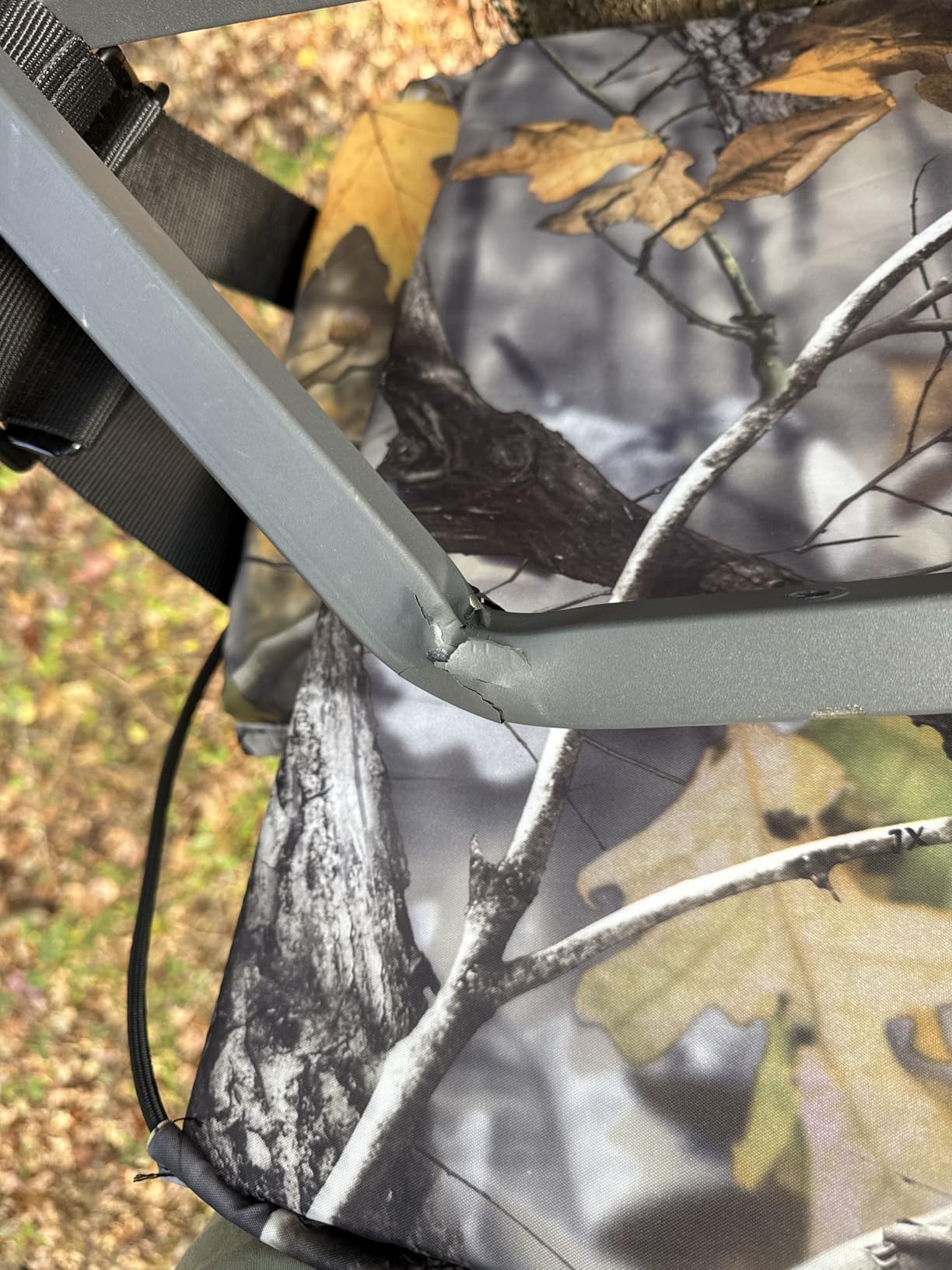
With 115 reviews at 4.0 stars, the consensus matches our experience: comfortable, sturdy, and a smart buy for shorter walks. Hunters praised the padded seat for long days and the frame for rock-solid support once settled in.
The weight is the price you pay. At 35 pounds, this is the heaviest stand on our list, and it is difficult to carry long distances. The carrying strap design is awkward, it can be tough to unfasten from the tree on the smallest diameter setting, and some buyers reported missing hardware on delivery, so inventory every bolt before season opens.
Short-walk setups where it makes sense
This stand shines on private property or pre-scouted spots where your walk is measured in yards, not miles. Think field edges, food plots, and permanent-style locations you revisit all season. If your hunting style involves carrying a stand miles into public land, spend more on aluminum and save your back.
What to check on delivery
Because a few buyers reported missing hardware, unpack and inventory every component the day it arrives. Snug every butterfly wing nut, confirm the padded seat clips in securely, and do a low practice climb before you trust it at height. Ten minutes of checking saves a ruined opening morning.
Climbing Tree Stand Buying Guide
Choosing between climbers comes down to honest answers about how you hunt. Here is what actually matters, based on our testing and hundreds of hours of forum research.
Weight and portability
This is the single biggest factor for public land hunters. Every pound on your back multiplies over a mile of dark, uneven terrain, and lightweight climbing tree stand designs under 20 pounds dominate the run-and-gun conversation. A 15-pound stand like the OpenShot is a tool for covering ground; a 35-pound stand like the Guide Gear is a tool for short walks to known spots. Match the stand weight to your real entry distance, not your aspirational one.
Comfort for all-day sits
If you hunt all day during the rut, seat design is everything. Foam-padded suspended seats with backrests and armrests, like the Viper SD’s, hold up over 10-hour sits better than thin pads. Net seats like the Ol Man designs conform to your body nicely but run cold in December, so plan a cushion. Platform size matters too, because being able to stand and stretch without repositioning your whole stand keeps you in the tree longer.
Quietness and stealth
Noise is the number one complaint we found across forums, from squeaky metal to ratcheting straps. Look for sound-dampening coatings, wrapped contact points, and cable systems rather than chains. Whatever you buy, hunt with a roll of electrical tape or moleskin and silence every metal-on-metal point before opening day, and practice your climbing motion until it is silent.
Tree compatibility
Climbers need straight, limbless trunks, generally in the 8-to-20-inch diameter range, and rough bark grips far better than smooth bark. Oaks, pines, and hickories are classic climber trees, while smooth-barked beech and poplar let platforms creep. Always check the manufacturer’s tree diameter range before buying, and always bounce-test the stand at low height before committing your weight.
Weight capacity honesty
Rate yourself honestly, including late-season layers, boots, weapon, and pack, then compare against the stand’s limit. Larger-framed hunters should demand the 350-pound class of the Goliath SD rather than pushing a 300-pound stand to its ceiling. A stand loaded near its limit works harder, wears faster, and simply feels less stable 20 feet up.
Safety essentials
No stand on this list is safe without a full-body harness and a lineman’s belt, worn from the moment your feet leave the ground until they return. Use a tether or safety rope that slides with you as you climb. Practicing your first climbs at 4 to 5 feet, with a partner nearby, builds the muscle memory that keeps you safe at 20 feet in the dark.
Frequently Asked Questions
What is the best tree stand for hunting?
The Summit Viper SD is the best climbing tree stand for most hunters, with a 4.8-star rating across 1,657 reviews. It combines a comfortable suspended foam seat, quiet aluminum construction, and easy climbing at 28 pounds, making it equally effective for bow and rifle hunters.
What is the safest climbing tree stand on the market?
Any quality climber is safe when used correctly with a full-body harness and lineman’s belt from the ground up. The Summit Goliath SD offers the highest weight capacity in our lineup at 350 pounds, giving larger hunters the widest safety margin. Always bounce-test your stand at low height and maintain three points of contact while climbing.
What is the best climbing tree stand for bow hunting?
The Summit OpenShot SD is the best climbing tree stand for bow hunting because its open-front design removes any bar from blocking your draw, and at 15 pounds it is ideal for mobile public land hunts. The Ol Man Multi-Vision is another strong choice since it converts between bow and gun configurations.
What type of tree is best for a climbing stand?
The best trees for climbing stands are straight, limbless trunks between 8 and 20 inches in diameter with rough bark. Red oaks, white oaks, pines, and hickories grip climber cables well, while smooth-barked trees like beech allow the platform to slip. Pick a tree with no branches for the first 20 feet of your intended climb.
What makes a climbing tree stand more comfortable?
Comfort comes from a wide padded or suspended seat with a backrest, padded armrests, and a large standing platform that lets you stretch and reposition. Foam seats stay warmer than mesh in cold weather, and a footrest dramatically improves long sits. The Summit Viper SD and Goliath SD set the standard for all-day comfort in our testing.
How high should you go in a climbing tree stand?
Most experienced hunters climb between 17 and 22 feet, which balances scent control, shooting angles, and concealment. Going higher shrinks your shooting lanes and increases fall risk without proportional benefit. Always wear a harness tethered to the tree from the moment you leave the ground, regardless of height.
Final Thoughts on the Best Climbing Tree Stands for Hunters
After two seasons of testing the best climbing tree stands for hunters, the hierarchy is clear. The Summit Viper SD remains the best climbing tree stand for most hunters, the Goliath SD takes care of bigger frames with its 350-pound capacity, and the OpenShot SD is the run-and-gun bowhunter’s dream at 15 pounds. The Viper Steel wins on value, and the Guide Gear Deluxe XL covers budget-minded hunters with short walks.
Whatever you choose, buy a harness with it and practice low before you climb high. The best stand is the one you can set up quietly, sit in comfortably, and shoot from confidently on the biggest buck of your season. Hunt safe this fall.