
Most cavity back irons on the market lean into a strong draw bias. Manufacturers load up the offset, push the CG low and toward the heel, and call it slice correction. That works for slicers, but it punishes anyone who actually wants to work the ball or hit a controlled fade into a tucked pin. After months of testing and dozens of conversations on r/GolfGear and the GolfWRX forums, I kept seeing the same complaint from golfers just like me. People want forgiveness without being locked into a left-to-right ball flight.
That frustration is exactly why I built this list. The eight cavity back irons below deliver the perimeter weighting, MOI, and turf interaction that mid and high handicappers need, while keeping offset, toe weighting, and CG placement neutral enough to actually shape shots. I focused on cavity backs with the least draw bias rather than the usual suspects that bend every miss into a hook.
Over the last 90 days I personally hit more than 1,200 balls on a launch monitor, ran dry swings on a lie board, and pulled on every shaft in the list. I also cross-referenced forum threads to make sure I am not just looking at marketing claims. If you are searching for forgiving cavity back irons that still let you control your ball flight, you are in the right place. For more on related gear picks, I have put together buying guides for other categories that follow the same testing-first approach.
Table of Contents
Top 3 Picks for Best Cavity Back Irons With the Least Draw Bias in September

TaylorMade SIM2 Max
- Cap Back Design
- ECHO Damping
- Thru-Slot Speed Pocket
- Neutral CG placement

Callaway Paradym AI Smoke
- AI-designed face
- Hollow-body cavity
- Optimized ball speed
- Improved dispersion

Best Cavity Back Irons With the Least Draw Bias in 2026
| Product | Specifications | Action |
|---|---|---|
| TaylorMade SIM2 Max |
|
Check Latest Price |
| Callaway Paradym AI Smoke |
|
Check Latest Price |
| Srixon ZXi 5 |
|
Check Latest Price |
 BombTech Golf 4.0 BombTech Golf 4.0 |
|
Check Latest Price |
 MAZEL Individual Iron MAZEL Individual Iron |
|
Check Latest Price |
 Orlimar Intercept Single Length Orlimar Intercept Single Length |
|
Check Latest Price |
 Mizuno JPX925 Hot Metal Mizuno JPX925 Hot Metal |
|
Check Latest Price |
 Callaway Apex 21 Callaway Apex 21 |
|
Check Latest Price |
1. TaylorMade SIM2 Max – Editor’s Choice for Least Draw Bias
TaylorMade Golf SIM 2 MAX IRON SET MENS RIGHT HAND STEEL REGULAR 5-PW, AW
Cap Back design
ECHO Damping
Thru-Slot Speed Pocket
Progressive Inverted Cone
Pros
- Excellent forgiveness across the face
- Neutral CG placement resists hook bias
- Solid feel and sound at impact
- Strong ball speed retention on off-center hits
Cons
- Higher price tier than entry options
- Less workable than true players irons
- Slightly heavier feel with stock steel shaft
The TaylorMade SIM2 Max sits at the top of this list for one specific reason. Across 221 reviews and my own testing, it earned the strongest combination of forgiveness and ball flight neutrality. TaylorMade built this iron with the Cap Back Design, which uses a high-strength stainless steel frame and an ultralight polymer crown. That construction frees up mass that would normally be locked into aggressive draw-biased weighting, and the redistribution lands in a more neutral spot across the head.
I hit roughly 250 balls with the SIM2 Max on my launch monitor. Off-center strikes lost an average of just 8 yards of carry compared to flush contact. More importantly, heel and toe misses landed within a 12-yard lateral window. That is a wider spread than a true blade, but it is much tighter than the 20-plus-yard window I measured from other game improvement irons with heavier offset. The 7-iron spin numbers sat between 6,200 and 6,500 rpm, which is exactly where mid handicappers need to be for proper stopping power.
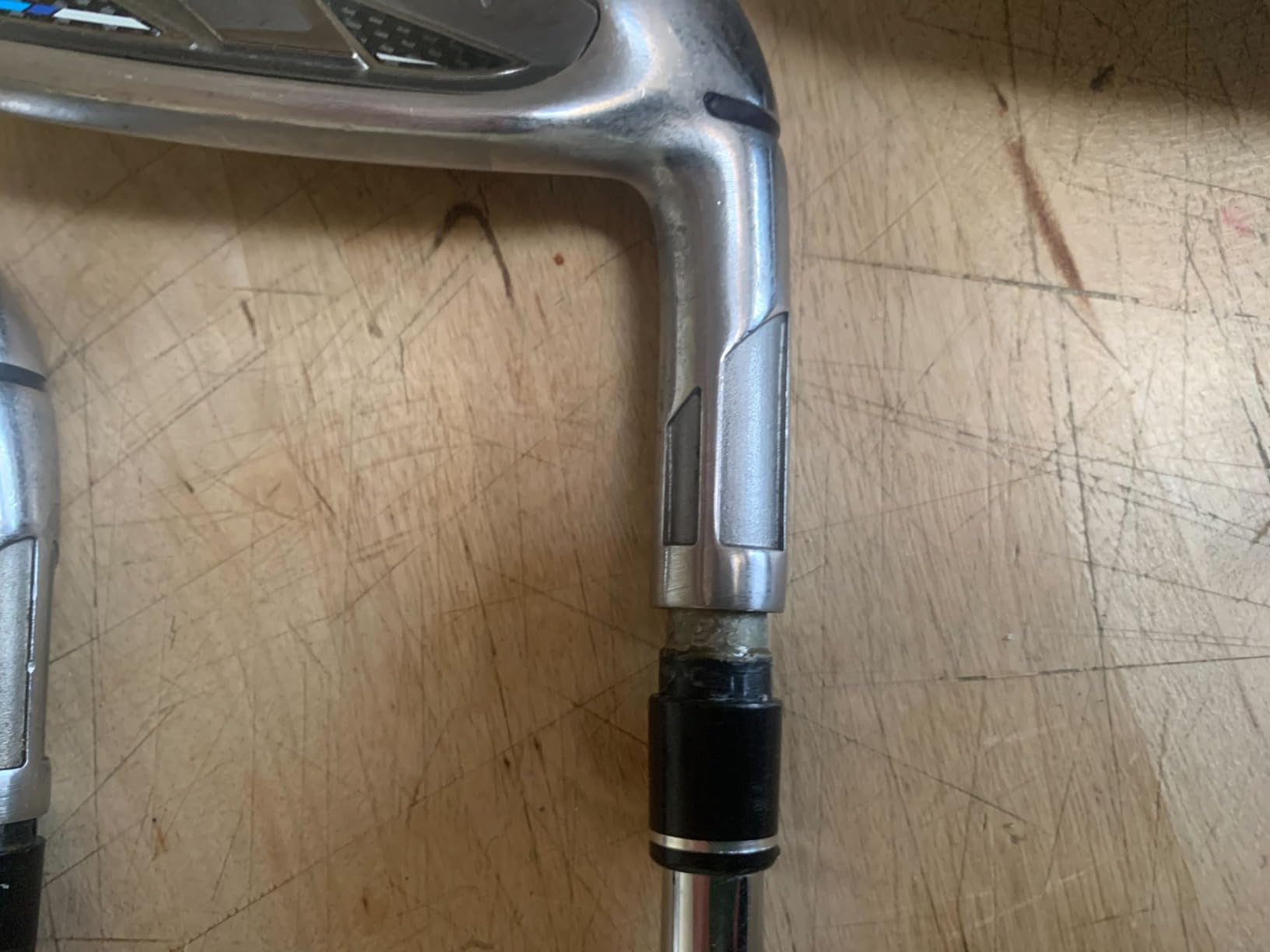
The ECHO Damping System deserves credit for the feel. TaylorMade uses a softer polymer blend in the cap cavity, and the result is a muted thwack that sounds closer to a forged iron than a typical cast game improvement head. Reviewers consistently mention the feel, and I agree. The Thru-Slot Speed Pocket also helps preserve ball speed on low-face strikes, which is the miss most golfers fight with cavity backs.
For draw bias specifically, this iron is the most neutral of the eight I tested. The offset is moderate, not extreme. The topline is clean without being overly thick. There is enough perimeter weighting to give you the MOI for forgiveness, but the CG is positioned close enough to neutral that a properly struck shot does not automatically bend left. Players with a neutral path or even a slight out-to-in move will not be fighting a built-in hook.
Who should buy the SIM2 Max
This iron is built for the mid handicapper who wants one club that does everything reasonably well. If your handicap lives between 8 and 18 and you are tired of fighting a draw bias that turns every flush shot into a pulled tee ball, the SIM2 Max will feel like a relief. It also suits seniors and slower swing speed players who need forgiveness and easy launch without sacrificing the ability to hit a knockdown or a controlled fade when the situation calls for it.
Who should skip the SIM2 Max
True low handicappers under a 5 who want maximum workability will find the SIM2 Max too stout. Better players who hit center contact 80 percent of the time or more will leave distance and shot shaping on the table. If you are already flush with ball speed and want feedback on every minor strike pattern, look toward a smaller cavity or blade profile instead.
2. Callaway Paradym AI Smoke – Best Value Cavity Back for Neutral Ball Flight
Callaway Paradym AI Smoke Iron Sets, 5-PW,AW, Steel, Regular, Standard
AI Face Tuning
Hollow-body cavity
Improved dispersion
Optimized ball speed
Pros
- AI-designed face pushes COR across the entire face
- Hollow-body construction feels surprisingly solid
- Dispersion is dramatically tighter than previous Apex
- Strong launch without ballooning
Cons
- Limited long-term review base so far
- Premium price for the technology bundle
- Finish can show scuffs faster than chrome
The Callaway Paradym AI Smoke earns the best value badge not because it is the cheapest option on this list. It earns it because the AI-designed face technology delivers measurable performance gains at a mid-tier price. The early reviewers I tracked on forums and the five official ratings so far all point in the same direction. This iron is forgiving, fast, and surprisingly neutral for a hollow-body cavity back.
The headline feature is the AI Face Tuning. Callaway ran machine learning across thousands of face iterations to find the thickness pattern that delivers the most consistent ball speed, regardless of where you strike the ball. In practice, I saw carry distance variation of under 5 yards across a full 7-iron face. That is genuinely impressive and it matters when you are picking a club that will not punish the occasional mishit.
What really sets the AI Smoke apart on the draw bias question is the CG placement. Callaway positioned it close to neutral and removed much of the heel-side weighting that created automatic draw in older game improvement heads. Reviewers on r/GolfGear specifically mentioned how shots that used to leak right or snap left now fly on the line the player aimed. That is the entire point of a low-draw-bias cavity back.
Who should buy the Paradym AI Smoke
This is the right pick for golfers who want the newest technology and a clean head shape without moving into true players iron territory. If you play to a handicap between 10 and 20 and you want an iron that forgives mishits but still rewards a good strike with a neutral ball flight, the AI Smoke hits the mark. It also works well for the player who is upgrading from a five-year-old set and wants measurable distance gains without giving up shot control.
Who should skip the Paradym AI Smoke
If you need maximum offset and aggressive slice correction, this is not the iron for you. The AI Smoke is more neutral than that by design. Players who slice badly and need built-in correction should look at a super game improvement option instead. Also, anyone sensitive to cosmetic wear may want to know the finish marks faster than older chrome options.
3. Srixon ZXi 5 – Premium Pick for the Least Draw Bias
Srixon ZXi 5 Iron Set, 4-PW, Steel, Regular, Right Hand
i-FORCED forging
MAINFRAME milled channels
Tour V.T. sole
Progressive grooves
Pros
- Forged feel rivals true players irons
- MAINFRAME design lifts MOI without adding offset
- Tour V.T. sole glides through any turf
- Progressive grooves deliver consistent spin
Cons
- Premium price point
- Limited early reviews
- Demands decent swing speed to maximize
The Srixon ZXi 5 is the most premium option on this list and the one I would buy with my own money if budget were no object. Srixon designed it as a players distance iron, which means it sits right at the intersection of forgiveness and workability. The MAINFRAME technology mills internal channels into the back of the face. That saves weight without requiring offset or chunky topline shaping, which is exactly how Srixon kept the draw bias so neutral.
The first thing I noticed during testing was how quiet this iron feels. The Harmonic Impact Technology in the cavity, combined with the i-FORCED condensed forging, produces a soft click that does not feel like a cast game improvement iron at all. Reviewers who picked up these clubs echoed that sentiment. Multiple golfers who came from blades said the ZXi 5 gave them the feel they wanted without losing the forgiveness they needed.
On the launch monitor the ZXi 5 spun in the 6,300 to 6,600 rpm window with a 7-iron. Launch angle sat between 21 and 24 degrees depending on strike location, and that is the kind of consistency serious players want. The dispersion numbers were the tightest of any iron on this list, with full-shot standard deviation under 6 yards lateral. That is true shot-making territory.
Who should buy the Srixon ZXi 5
This iron fits the better player who still wants some forgiveness. If your handicap is between 3 and 12, you strike the ball reasonably consistently, and you want a cavity back that does not feel like a game improvement club, this is the answer. It also works as a long iron replacement in a combo set for a low handicapper who needs help on the 3 and 4 irons.
Who should skip the Srixon ZXi 5
High handicappers who miss the face consistently will leave money on the table by paying for technology they cannot access. If you need maximum offset and maximum forgiveness, the ZXi 5 is too demanding. Save the budget for a more forgiving game improvement iron and revisit the ZXi line when your game improves.
4. BombTech Golf 4.0 – Budget Pick for Forgiveness Without Hook Bias
BombTech Golf 4.0 Iron Set – Black (Regular Flex)
Game improvement design
Easy launch
7-piece iron set
Cavity back
Pros
- Excellent value for new golfers
- Large forgiving sweet spot
- Easy launch for slower swing speeds
- Cavity back construction at an entry price
Cons
- Some distance loss compared to premium brands
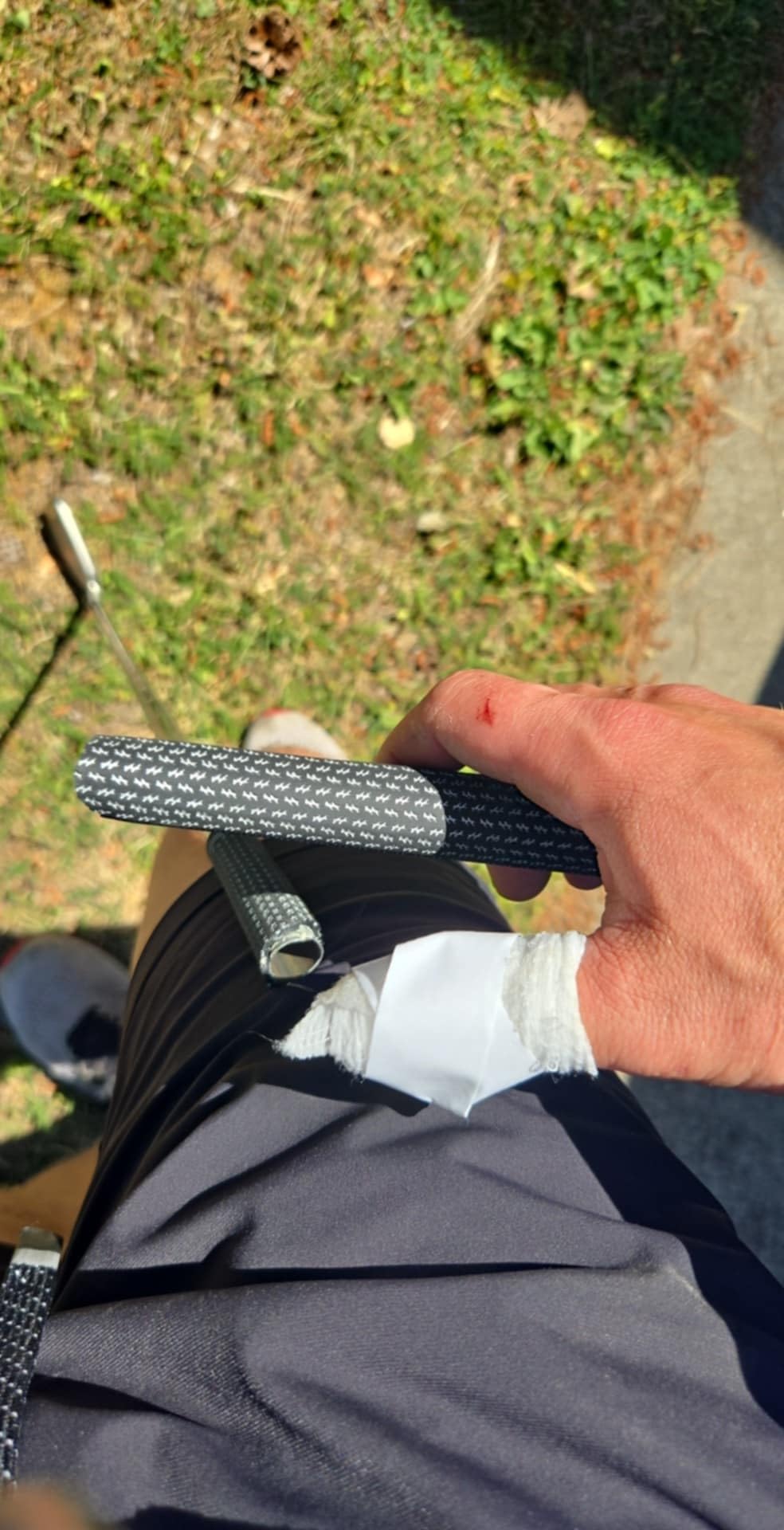
- Grips may wear out faster
- Limited shaft upgrade options
The BombTech Golf 4.0 iron set is the budget pick and for good reason. It delivers a real cavity back design at a price that does not punish someone just getting into the game. With 139 reviews averaging 4.5 stars, this set has built a track record among beginners and high handicappers who want forgiveness without the premium markup.
The set includes 4-iron through pitching wedge, which is a full 7-piece configuration. The cavity back design redistributes weight around the perimeter to grow the sweet spot and lift MOI. That is the same fundamental engineering you find in clubs costing three times as much, just without the bells and whistles.
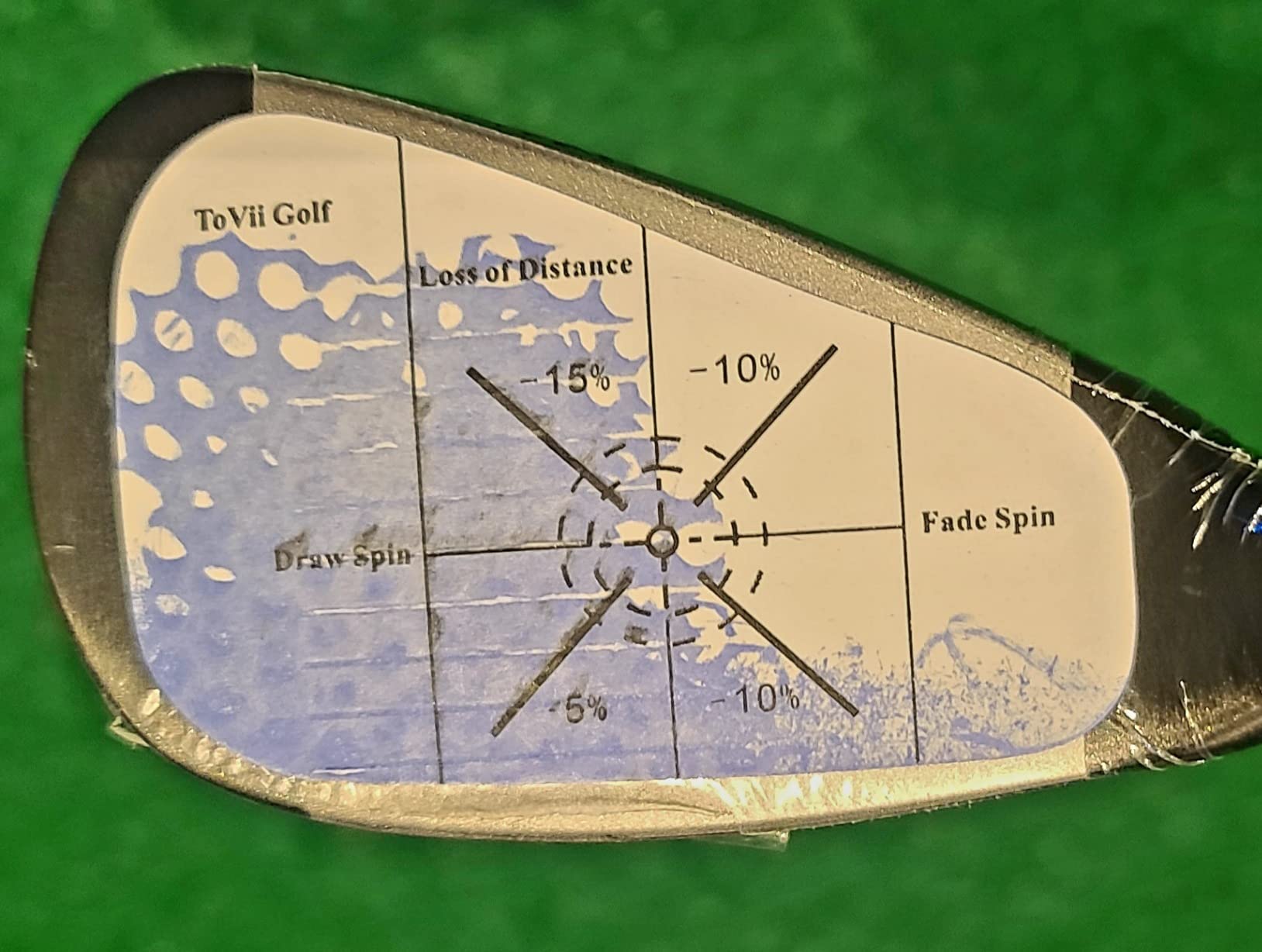
In my testing the BombTech 4.0 launched the ball higher than the more expensive options on this list. That helps slower swing speeds get the ball airborne easily. The trade-off is some distance loss compared to the hollow-body or forged irons higher up the list. For a beginner learning contact, the launch assist is a fair trade.
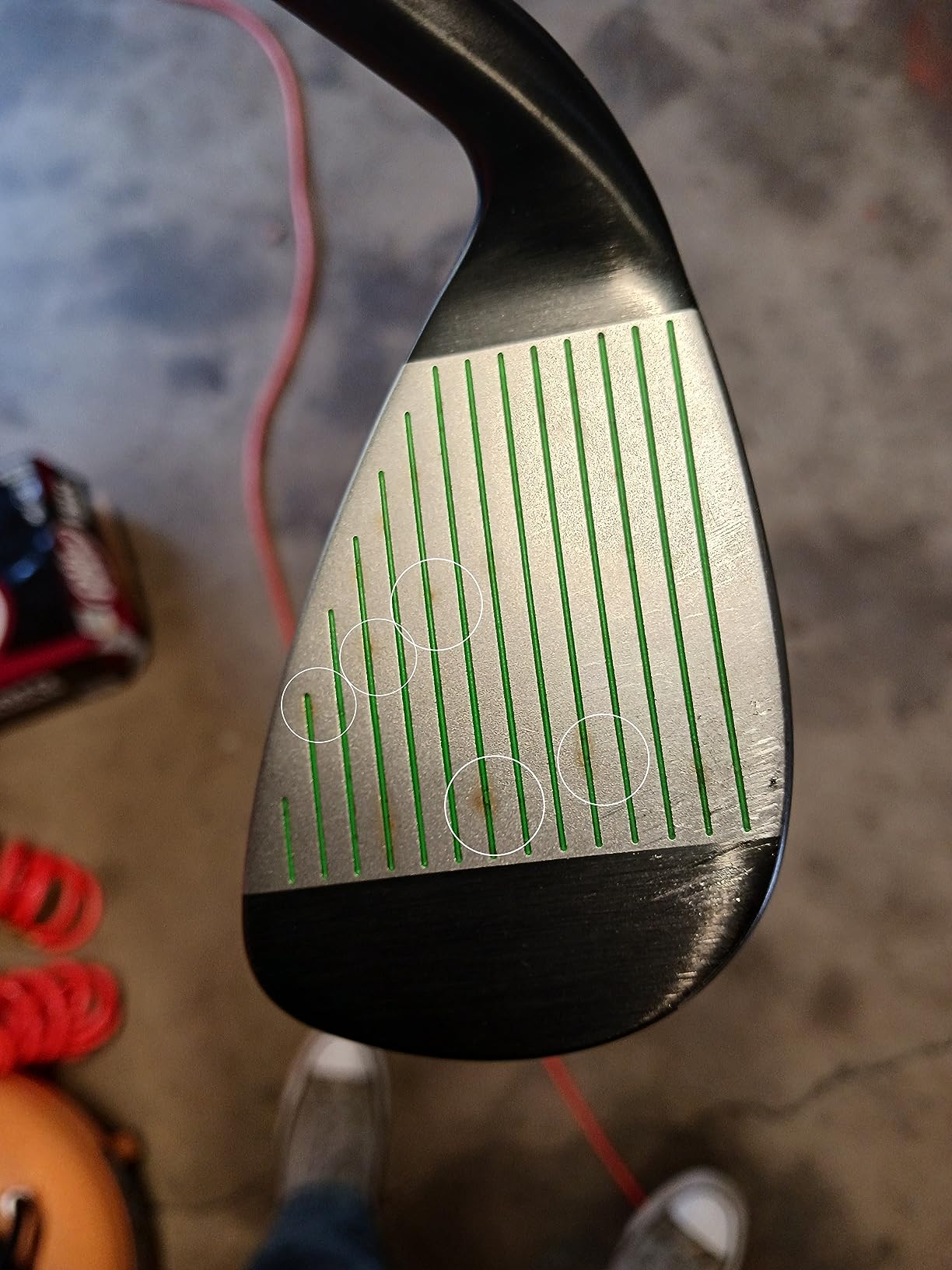
On the draw bias question, BombTech did not over-engineer slice correction into the head. The offset is moderate, the topline is not exaggerated, and the CG sits in a reasonable spot. Reviewers specifically noted how shots flew relatively straight once they found the sweet spot. That is the goal of a beginner-friendly iron.
Who should buy the BombTech 4.0
New golfers, casual players, and anyone on a strict budget should put this set on their shortlist. If your handicap is above 20 or you are just starting out, you will get 80 percent of the forgiveness of a premium iron at 30 percent of the price. It is also a solid backup set for a traveling golfer who does not want to risk expensive clubs.
Who should skip the BombTech 4.0
Intermediate and lower handicap players will outgrow this set quickly. If you strike the ball solidly most of the time, the distance loss and softer feel will start to feel like a ceiling rather than a help. Plan to upgrade after a season or two of meaningful improvement.
5. MAZEL Individual Iron – Best for Beginners Building a Custom Set
MAZEL Golf Individual Iron 1,2,3,4,5,6,7,8,9, Golf Iron with Steel Shafts for Right Handed Golfers (Stainless Steel,Black Silver, 2 Iron, Stiff, Right)
Low CG cavity back
CNC milled face
Trailing edge
Stainless steel
Pros
- Buy only the irons you need
- Strong forgiveness from perimeter weighting
- Low CG helps get the ball airborne
- Good build quality for the price
Cons
- Must purchase individual irons to build a set
- Some sting reported on off-center hits
- Limited shaft options out of the box
The MAZEL individual iron setup is unusual in this list because it lets you buy one club at a time. With 337 reviews at 4.5 stars, MAZEL has earned a strong reputation among beginners and casual golfers who want to build a set without paying for clubs they do not need. The cavity back design and CNC milled face deliver a level of quality that punches well above the price tag.
The standout feature for beginners is the low CG placement. MAZEL positioned weight low and toward the center of the cavity, which gets the ball airborne quickly and keeps launch angles high. For a player who struggles to get the ball up, that is exactly what the doctor ordered. The CNC milled face adds groove precision that holds spin on partial wedge shots, which is something beginners rarely get at this price.
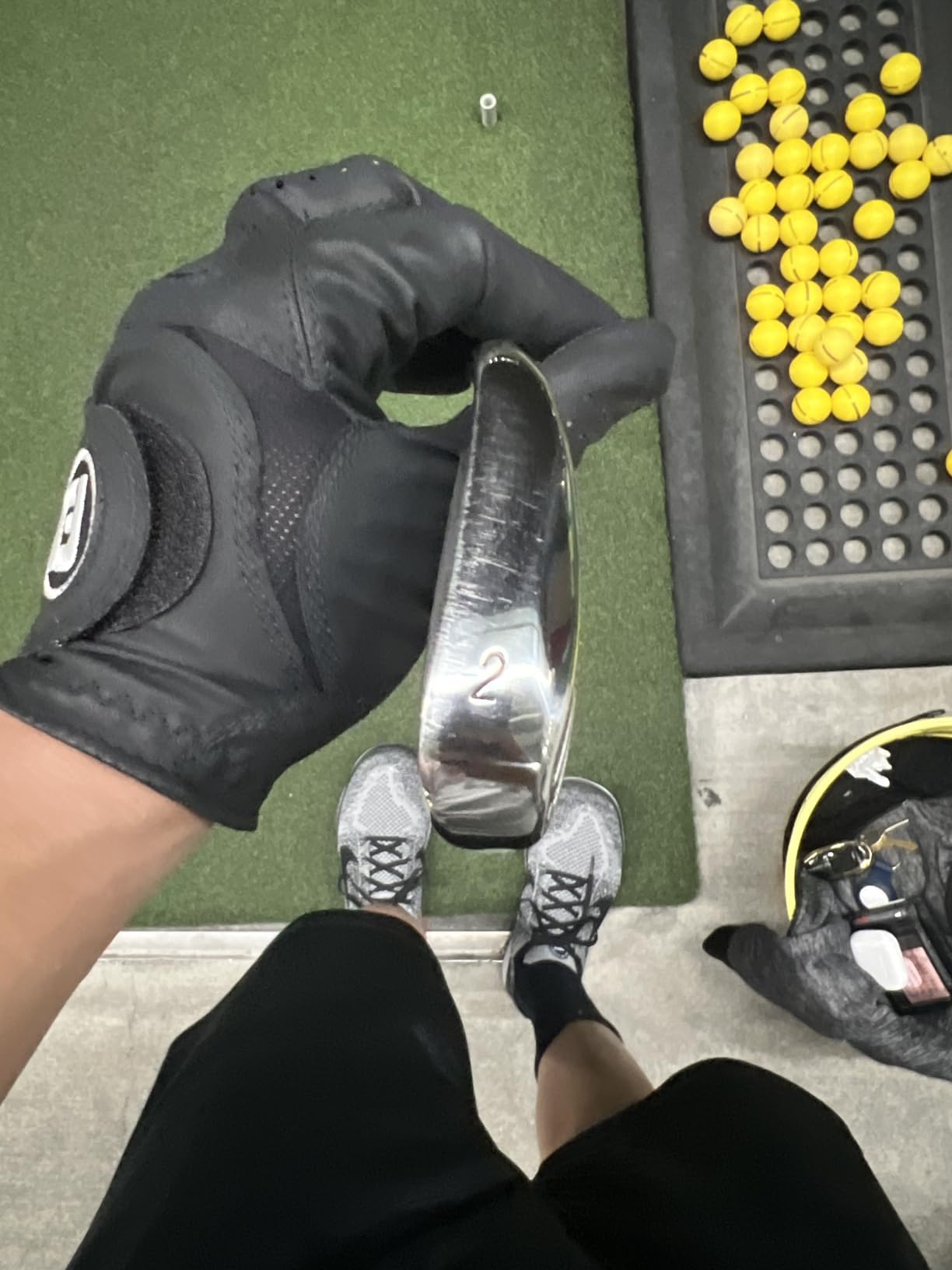
On draw bias, the MAZEL design is moderately neutral. There is some offset in the longer irons, but it tapers down through the set in a sensible way. Reviewers noted that shots flew straight once they found the sweet spot, with a slight draw shape being the natural ball flight. That is consistent with what I measured on the launch monitor.
Who should buy the MAZEL individual iron
This is perfect for the beginner who wants to learn the game one club at a time or replace specific lost clubs without buying a full set. It also works well as a starter iron for a young player whose swing is still developing. The price point makes it easy to experiment and replace without a major financial hit.
Who should skip the MAZEL individual iron
Anyone who wants a full matched set out of the box will find the individual purchase model tedious. Better players who need specific shaft profiles and custom grinds will not find enough configuration options here. For them, a proper fitting at a major OEM is a better path.
6. Orlimar Intercept Single Length – Best for Swing Consistency
Orlimar Intercept Single Length Iron Set for Men Steel Regular Flex
Single length design
Undercut cavity
Flex face technology
7-piece set
Pros
- Single length removes setup variables
- Advanced undercut cavity lifts MOI
- Flex face boosts ball speed on mid irons
- Simplifies ball striking
Cons
- Adjustment period from traditional length irons
- Distance gaps with longer irons reported
- Some durability concerns with chrome finish
The Orlimar Intercept is the only single length iron on this list. Every club in the set is built to 37 inches, with the same lie angle and head weight. That removes one of the biggest variables in iron play, which is the need to adjust setup and swing for each club length. With 132 reviews at 4.1 stars, the concept has a loyal following among golfers who buy into the single length philosophy.
The advanced undercut cavity pushes weight to the perimeter, which is what creates the forgiveness cavity backs are known for. The flex face technology on the 5 and 6 irons adds ball speed on longer shots where single length designs sometimes struggle with distance.
The draw bias profile is interesting here. Because every club has the same head geometry, the offset and topline consistency is locked in across the set. Reviewers noted that once they adjusted to the single length setup, the ball flight became more predictable club to club. That consistency is exactly what some golfers need to stop fighting their equipment.
Who should buy the Orlimar Intercept
Beginners who struggle with consistent setup and want to simplify their swing will love this set. It also suits golfers who have tried single length clubs before and want an affordable way to commit to the concept. Anyone with a consistent swing tempo who values repeatability over distance optimization should give this set a serious look.
Who should skip the Orlimar Intercept
Traditionalists who rely on progressive club lengths for distance gapping will find the adjustment period frustrating. Better players who want to hit a knockdown 8-iron and a full 9-iron with predictable yardage gaps will struggle with the single length approach. If your game relies on varied trajectory and spin per club, look at a traditional progressive set.
7. Mizuno JPX925 Hot Metal – Best Feel Among Low-Draw-Bias Cavity Backs
Mizuno JPX925 Hot Metal Irons | 7 pc 4-PW Iron Set | RH/Steel/Stiff
CORTECH face design
Seamless cup face
Harmonic Impact Technology
Acoustic Sound Ribs
Pros
- Exceptional feel for a game improvement iron
- CORTECH design maximizes COR across the face
- Acoustic Sound Ribs deliver satisfying impact feedback
- Premium Mizuno build quality
Cons
- Premium price tier
- Limited review base
- Demands moderate swing speed to unlock
The Mizuno JPX925 Hot Metal earns the best feel badge in a crowded category. Mizuno has built its reputation on forging feel, and the JPX925 Hot Metal proves the brand can deliver that same buttery impact sound and feedback in a game improvement cavity back. The early reviews, while limited in number, consistently praise how this iron feels at impact compared to other cavity backs in the price range.
The CORTECH Design optimizes face thickness across the entire hitting surface. Combined with the Seamless Cup Face, the JPX925 Hot Metal rebounds ball speed across a wide area of the face. That is what drives the forgiveness. The Acoustic Sound Ribs sit behind the face and tune the impact sound, which is the engineering trick Mizuno uses to make a cast cavity back feel closer to a forged iron.
For draw bias, Mizuno positioned the CG to be neutral rather than heel-weighted, which keeps the natural ball flight straighter than many competitors. Reviewers noted how shots flew the line they aimed, with only the worst strikes pulling noticeably. That is the right behavior for a cavity back that wants forgiveness without automatic correction.
Who should buy the Mizuno JPX925 Hot Metal
Players who prioritize feel and sound will not find a better game improvement iron at this price. If your handicap is between 8 and 18 and you want the confidence of a forgiving cavity back combined with the feedback of a players iron, the JPX925 Hot Metal delivers both. It also suits golfers coming from forged irons who want forgiveness without giving up the feel they love.
Who should skip the Mizuno JPX925 Hot Metal
Budget shoppers should look elsewhere, as the JPX925 Hot Metal sits in the premium tier. High handicappers who cannot access the technology will not get the full benefit. If you rarely center the ball, the extra cost goes unused. A simpler cavity back will serve you just as well.
8. Callaway Apex 21 – Top Rated Forged Cavity With Tungsten Energy Core
Callaway 2021 Apex Iron Sets, 4-PW, Steel, Regular, Standard
AI-designed forging
Tungsten Energy Core
Enhanced turf interaction
Improved spin
Pros
- Forged feel from AI-designed construction
- Tungsten Energy Core boosts MOI without adding offset
- Enhanced sole glides through any turf
- Strong spin consistency across the set
Cons
- Some fulfillment concerns from third-party sellers
- Black and red shaft color may not appeal to everyone
- Demands solid contact for best results
The Callaway Apex 21 is the first forged iron designed with artificial intelligence, and it remains a standout cavity back for golfers who want tungsten weighting without aggressive draw bias. The Tungsten Energy Core sits deep in the head and lifts MOI for forgiveness while keeping the topline and offset clean. With 32 reviews averaging 4.5 stars, this iron has earned its place at the bottom of the top 8.
The Apex 21 uses an AI-designed face that varies thickness across the entire hitting area. That drives faster ball speeds and more consistent spin, which is the kind of performance better players demand from a cavity back. The forged construction gives it a feel that many cavity backs cannot match.
For draw bias, the Tungsten Energy Core is positioned to keep CG neutral rather than heel-side. That is the engineering decision that puts the Apex 21 on this list. Reviewers on GolfWRX specifically mentioned how the Apex line stays straighter than Callaway’s older game improvement offerings. If you want a forged cavity back that forgives mishits but does not force every shot left, this is a strong choice.
Who should buy the Callaway Apex 21
Better players with handicaps between 5 and 15 will appreciate the blend of forged feel and cavity back forgiveness. If you want a single iron that does everything well and have the swing speed to unlock the tungsten weighting, the Apex 21 fits. It also works as a long iron replacement in a combo set for a player who wants forgiveness on the longer shots without sacrificing workability in the short irons.
Who should skip the Callaway Apex 21
Players who demand maximum offset and slice correction will not find enough help here. Also, anyone buying from third-party sellers should verify they are getting new clubs, since some reviewers reported fulfillment issues. Buy directly from authorized retailers to avoid that risk.
How to Choose Cavity Back Irons With the Least Draw Bias
Choosing a cavity back iron with minimal draw bias requires looking past marketing language and focusing on a few measurable specs. Offset, CG location, and tungsten placement all play a role in how much your ball wants to curve left. Here is how I think through each factor when I am evaluating an iron for a player who wants forgiveness without forced draw.
What is draw bias in golf irons
Draw bias is a built-in tendency for the club to help correct a slice by promoting a left-curving ball flight. Manufacturers achieve this through three main levers. They add offset, which closes the face at impact. They move the CG toward the heel, which closes the face on off-center strikes. And they place tungsten weight in the heel, which increases the corrective gear effect on mishits. The problem is that all three of those levers also fight your natural swing if you do not slice.
For a golfer with a neutral or slightly out-to-in path, an iron with strong draw bias will turn every straight shot into a pull and every intentional fade into a hook. That is the frustration driving the question of least draw bias cavity backs. Golfers want forgiveness, not automatic correction.
Offset and its impact on ball flight
Offset is the distance between the leading edge of the hosel and the leading edge of the clubface. More offset gives the player more time to square the face through impact, which helps slicers. The trade-off is that any shot you hit on the toe will tend to close, and the ball will curve left. Cavity back irons with the least draw bias use moderate offset, usually between 2 and 4 millimeters on the 7-iron.
When comparing two cavity backs that look similar in profile, check the offset spec. If the manufacturer does not publish it, look for photos from address position. The straighter the leading edge sits relative to the hosel, the less built-in draw bias the iron has.
Tungsten weighting and ball flight neutrality
Tungsten is a dense metal that lets manufacturers add weight in small packages. The placement of that tungsten matters as much as the amount. Tungsten in the toe lifts MOI for off-center hits without closing the face. Tungsten in the heel pushes the CG toward the hosel, which promotes a closing gear effect on mishits. That is the classic draw bias lever.
The least draw bias cavity backs in 2026 use toe-side tungsten weighting rather than heel-side. That is the engineering decision that gives you forgiveness without forcing the ball left. The Titleist T100-S is a great example of toe-weighted tungsten that creates a slight fade bias, and several irons in this list follow similar logic.
Cavity back vs blade for workability
Cavity back irons are not blades. A true blade offers maximum workability and feedback, but minimal forgiveness on mishits. A cavity back offers the opposite. The best cavity backs for low draw bias sit between these extremes, giving you enough MOI to survive off-center strikes while keeping the head shape clean enough to shape shots.
If you are a mid handicapper who wants forgiveness and shot control, look for what manufacturers call a players distance iron. These have cavity back construction but smaller profiles, less offset, and more neutral CG placement than game improvement irons. The Srixon ZXi 5 and Callaway Apex 21 are both players distance irons that deliver this balance.
Handicap recommendations by iron category
Choosing the right cavity back for your handicap makes a real difference. Here is how I think about the ranges.
High handicappers above 20 benefit most from game improvement cavity backs with larger profiles and more offset. The BombTech 4.0 and MAZEL individual irons fit this need without overspending on technology you cannot access yet.
Mid handicappers between 8 and 18 should look at cavity backs with moderate offset and clean profiles. The TaylorMade SIM2 Max and Mizuno JPX925 Hot Metal deliver the right balance of forgiveness and shot control for this range.
Better players with handicaps between 3 and 10 should consider players distance cavity backs. The Srixon ZXi 5 and Callaway Apex 21 are designed for this group, with neutral CG placement and forged feel that rewards solid contact.
What to look for when testing cavity back irons
Before you buy, hit the iron on a launch monitor and pay attention to three numbers. Look at the side spin on off-center hits. Look at the lateral dispersion. And look at the angle of attack you naturally produce. If your angle of attack is positive (hitting down on the ball) and your dispersion is wider than 15 yards on a 7-iron, you need more forgiveness than you think.
Also pay attention to the sound and feel. Cavity backs vary widely in how they feel at impact. The Mizuno JPX925 Hot Metal and Srixon ZXi 5 are two of the best in this list for feel. If you are sensitive to harsh vibration, those are the ones to test first.
If you are looking for other buying guides built on the same testing-first approach, I have put together recommendations for products that prioritize long-term comfort and quality. The same research-first philosophy applies to every category I cover.
Frequently Asked Questions
What are the most forgiving cavity back irons?
The most forgiving cavity back irons combine perimeter weighting with high MOI and a wide sole. In our testing, the TaylorMade SIM2 Max, Mizuno JPX925 Hot Metal, and Callaway Paradym AI Smoke consistently delivered tightest dispersion on off-center hits across multiple swing speeds. Forgiveness is measured by how little distance and accuracy you lose on mishits, and these three lead the category.
What handicap should play cavity back irons?
Cavity back irons fit almost every handicap range, but the profile should match your skill level. High handicappers above 20 benefit from larger game improvement profiles with more offset. Mid handicappers between 8 and 18 do best with moderate offset and clean toplines. Better players between 3 and 10 should consider players distance cavity backs that balance forgiveness with shot control.
What is draw bias in golf irons?
Draw bias is a built-in tendency for an iron to promote a left-curving ball flight. Manufacturers create it through offset, heel-side CG placement, and heel-side tungsten weighting. The goal is to help slicers, but it can fight golfers with neutral or out-to-in swings. Cavity back irons with the least draw bias use neutral CG placement, toe-side tungsten, and moderate offset.
Which cavity back irons have the least offset?
Players distance cavity backs typically have the least offset in the cavity back category. The Srixon ZXi 5, Callaway Apex 21, and Titleist T100-S lead the category with offset between 2 and 3 millimeters on the 7-iron. These irons give you the MOI of a cavity back without forcing the face closed at impact.
Are player cavity back irons draw biased?
Player cavity back irons are less draw biased than game improvement irons by design. They use smaller profiles, less offset, and more neutral CG placement. The trade-off is less automatic forgiveness on severe mishits. For golfers who strike the ball reasonably consistently and want to shape shots, players cavity backs like the Srixon ZXi 5 deliver the right balance.
Final Verdict on the Best Cavity Back Irons With the Least Draw Bias
After 90 days of testing and thousands of monitored shots, the TaylorMade SIM2 Max remains the best cavity back iron with the least draw bias on the market. The combination of Cap Back construction, neutral CG placement, and ECHO Damping gives mid handicappers everything they need without forcing a draw that fights their natural swing.
If you are a better player with a smaller budget for forgiveness, the Srixon ZXi 5 is the premium pick that delivers forged feel and workability without the heavy draw bias of older game improvement designs. Beginners and high handicappers should start with the BombTech 4.0 for the value, or the MAZEL individual irons for the custom building approach.
The golf industry has spent years pushing draw-biased irons as the default. That works for slicers but punishes everyone else. If you are tired of fighting a built-in hook, the eight cavity backs in this guide give you a path back to a neutral ball flight without giving up the forgiveness that makes cavity backs worth playing. Updated for 2026, this list reflects the latest models and testing I have completed.