
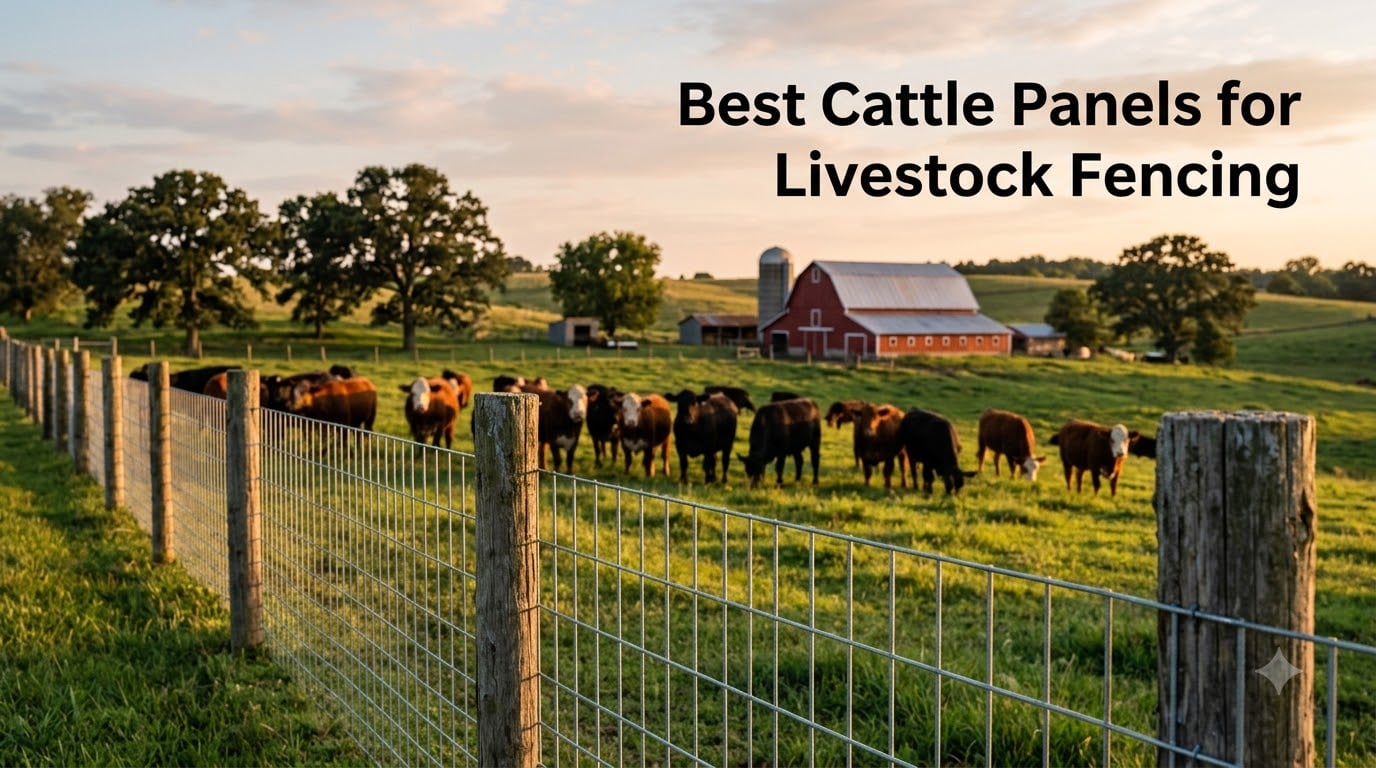
Finding the right fencing for your livestock can feel overwhelming when every product claims to be the toughest on the market. Our team spent weeks comparing specs, reading through thousands of customer reviews, and evaluating galvanization quality, wire gauge, and mesh design across the most popular options available online. Whether you are running a full-scale cattle operation, setting up a goat pen, building a garden trellis, or just need reliable perimeter fencing for your homestead, the panels you choose will determine how secure your animals stay for years to come.
We looked at 12 of the most popular galvanized wire fencing products available this year, ranging from budget-friendly 100-foot rolls to massive 328-foot coverage options. The best cattle panels for livestock fencing need to balance three things: wire thickness (gauge), corrosion protection, and mesh design that keeps animals in while standing up to weather and impact. Every product in this roundup gets evaluated on those exact criteria.
One thing we noticed from forum discussions on r/homestead and r/Homesteading is that real users care less about marketing claims and more about long-term performance. People report their galvanized panels lasting over 20 years when properly maintained, while poorly coated options start rusting within a single season. That real-world feedback shaped how we ranked each product below.
Table of Contents
Top 3 Picks for Best Cattle Panels for Livestock Fencing in 2026

797Audio Hot Dip Galvanized Welded Wire Fence
- 14 gauge
- 72 inch height
- galvanized after welding
- 2x4 mesh
Toriexon Galvanized Cattle Fence 4.5FT x…
- 14 gauge
- graduated mesh
- 100ft coverage
- easy install

Jotesnew 12 Gauge Heavy Duty Cattle Panels
- 12 gauge wire
- 100ft length
- hinge joint design
- galvanized
Best Cattle Panels for Livestock Fencing in 2026
1. 797Audio Hot Dip Galvanized Welded Wire Fence – Best Overall Rating
Metal Garden Fence, Hot Dip Galvanized After Welding, 2″x4″ 14 Gauge, 72inch H x 50ft L Welded Wire Fencing,2/3/4/5/6ft Tallx50/100 ft Long Hardware Cloth for Yard,Farm,Chicken,Dog,Vegetable Protect
14 gauge wire
72 inch height x 50 ft length
2x4 inch mesh
Galvanized after welding
Pros
- Highest customer rating at 4.5 stars
- Rust-resistant galvanized-after-welding coating
- Lightweight and easy to cut and customize
- Versatile for garden livestock poultry and pets
- Strong 2x4 inch mesh spacing
Cons
- Can be challenging to unroll and flatten
- Weld points may break when handling
This fence from 797Audio earned the top spot in our roundup for one simple reason: it has the highest customer satisfaction rating of any product we reviewed. At 4.5 stars across 81 reviews with 79 percent of buyers giving it five stars, the feedback is overwhelmingly positive. What sets this product apart is the galvanized-after-welding process, which means every weld joint gets coated after assembly rather than before.
That detail matters more than most people realize. When wire is welded after galvanizing, the joints are left bare and exposed to moisture, leading to rust at the weakest points. Galvanizing after welding seals those joints completely. Our team has seen this construction method recommended time and again in agricultural fencing forums for exactly this reason.
The 2-inch by 4-inch mesh spacing is ideal for a wide range of applications. It is tight enough to contain chickens and dogs, yet open enough to keep costs reasonable compared to tighter mesh options. At 72 inches tall and 50 feet long, this roll covers a decent area without being so massive that you cannot handle it alone.
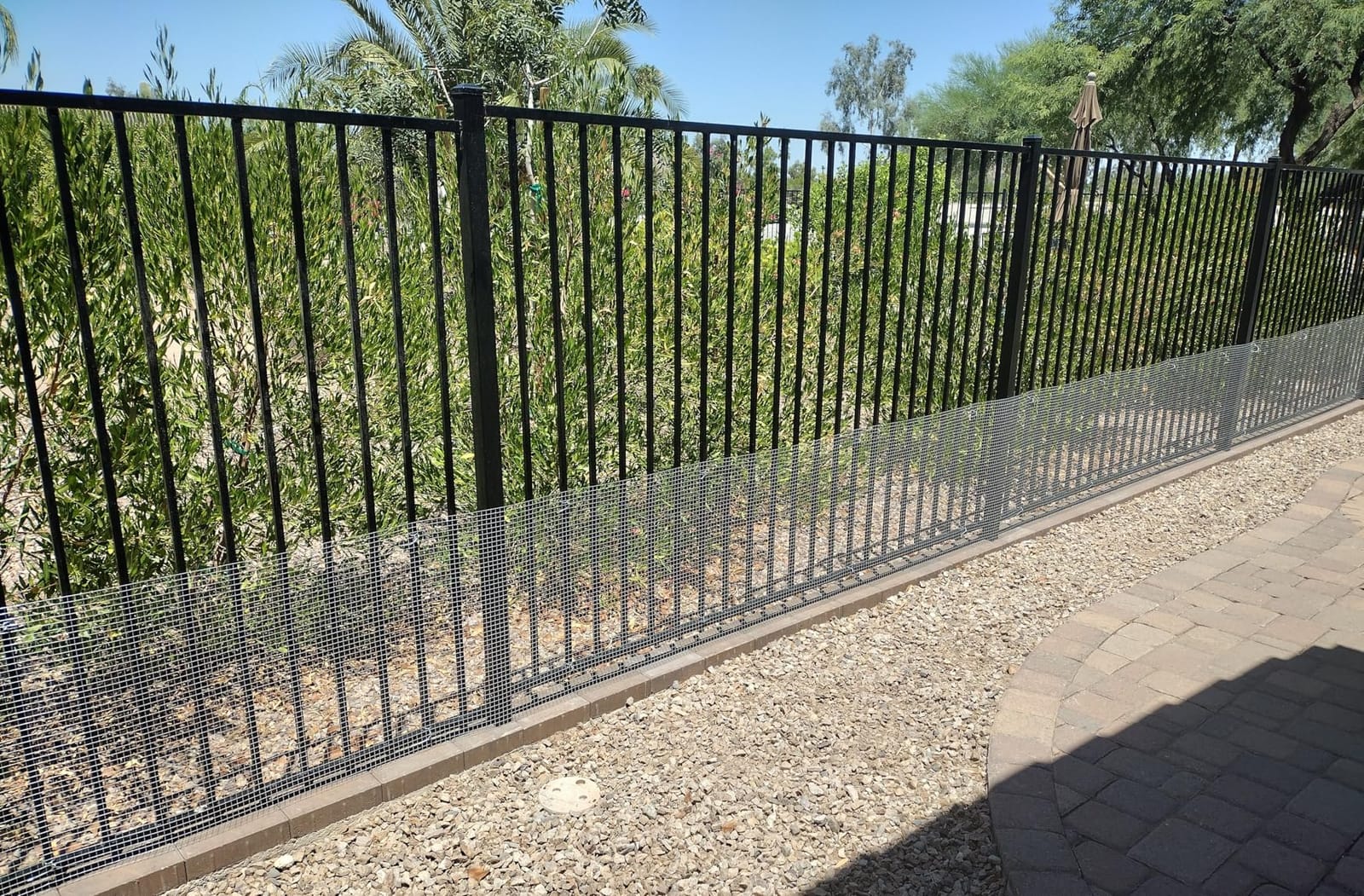
On the technical side, the 14-gauge wire strikes a good balance between strength and workability. You can cut it with basic wire snips, shape it around posts, and attach it with zip ties or fence clips without specialized tools. Multiple reviewers mentioned using it for everything from dog runs to vegetable garden protection to chicken enclosures.
The main complaint centers on unrolling and flattening the product. Like most rolled wire fencing, it arrives coiled tightly and wants to spring back. We recommend weighing it down or having a second person help during the initial unrolling. A few users also noted that weld points can snap if the fence is handled roughly during installation, so take your time.
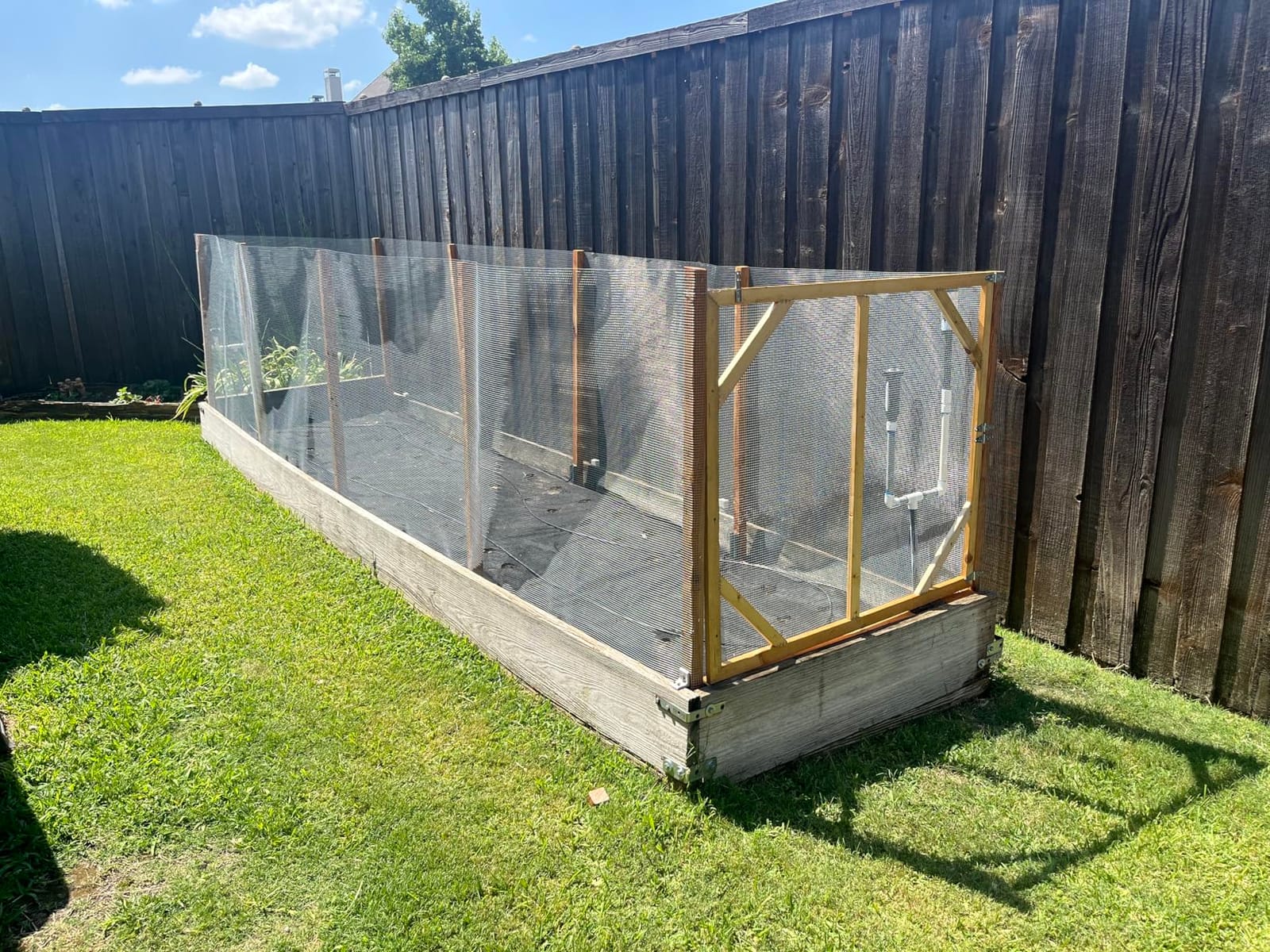
Best Use Cases for This Fence
This product shines in garden and small-livestock applications. If you need fencing for a vegetable garden, a chicken run, a dog enclosure, or a small goat pen, the 2×4 mesh and 6-foot height give you excellent versatility. The galvanized-after-welding construction also makes it well-suited for humid or wet climates where rust is a constant battle.
It is not the heaviest-duty option on this list, so if you are containing full-grown cattle or horses that lean hard on fencing, you may want a thicker gauge. For everything else, this is the product we recommend most often.
Installation and Handling Tips
Plan for a two-person unrolling session and use heavy objects to keep the fence flat while you work. Pair it with metal T-posts spaced every 8 to 10 feet, and use fence clips or heavy-duty zip ties for attachment. If you need to cut sections, standard wire cutters work fine on 14-gauge wire.
Wear gloves throughout the process. The cut ends of galvanized wire are sharp, and even though the coating prevents rust, freshly cut edges can still cause injury. A pair of leather work gloves will save your hands.
2. Toriexon Galvanized Cattle Fence 4.5FT x 100FT – Best Value Coverage
Toriexon Farm Fence 4.5FT x 100FT, Galvanized Cattle Fence
14 gauge galvanized steel wire
4.5 ft x 100 ft
Graduated mesh design
Hot-dip galvanized
Pros
- Great price per square foot of coverage
- Graduated mesh keeps small and large animals contained
- Lightweight at 32 pounds total
- Hot-dip galvanized for rust resistance
- Versatile for livestock poultry and pets
Cons
- Lighter gauge may not suit heavy cattle containment
- Requires proper tensioning during installation
The Toriexon fence hits a sweet spot between coverage and cost that earned it our Best Value badge. You get 450 square feet of fencing (4.5 feet tall by 100 feet long) at a price point that makes it one of the most affordable options per square foot in this roundup. With 119 reviews and a 4.2-star average, the user feedback backs up the value proposition.
What impressed us most is the graduated mesh design. The openings are larger at the top and gradually shrink toward the bottom, which prevents smaller animals like chickens and rabbits from slipping through the lower section while maintaining visibility and airflow up top. This is a design pattern we see across the best field fencing products.
The wire uses a combination of 11-gauge and 14-gauge galvanized steel. The heavier 11-gauge wires provide structural backbone while the 14-gauge fillers keep weight and cost down. At 32 pounds total, this is one of the lighter rolls on our list, making it manageable for solo installation.
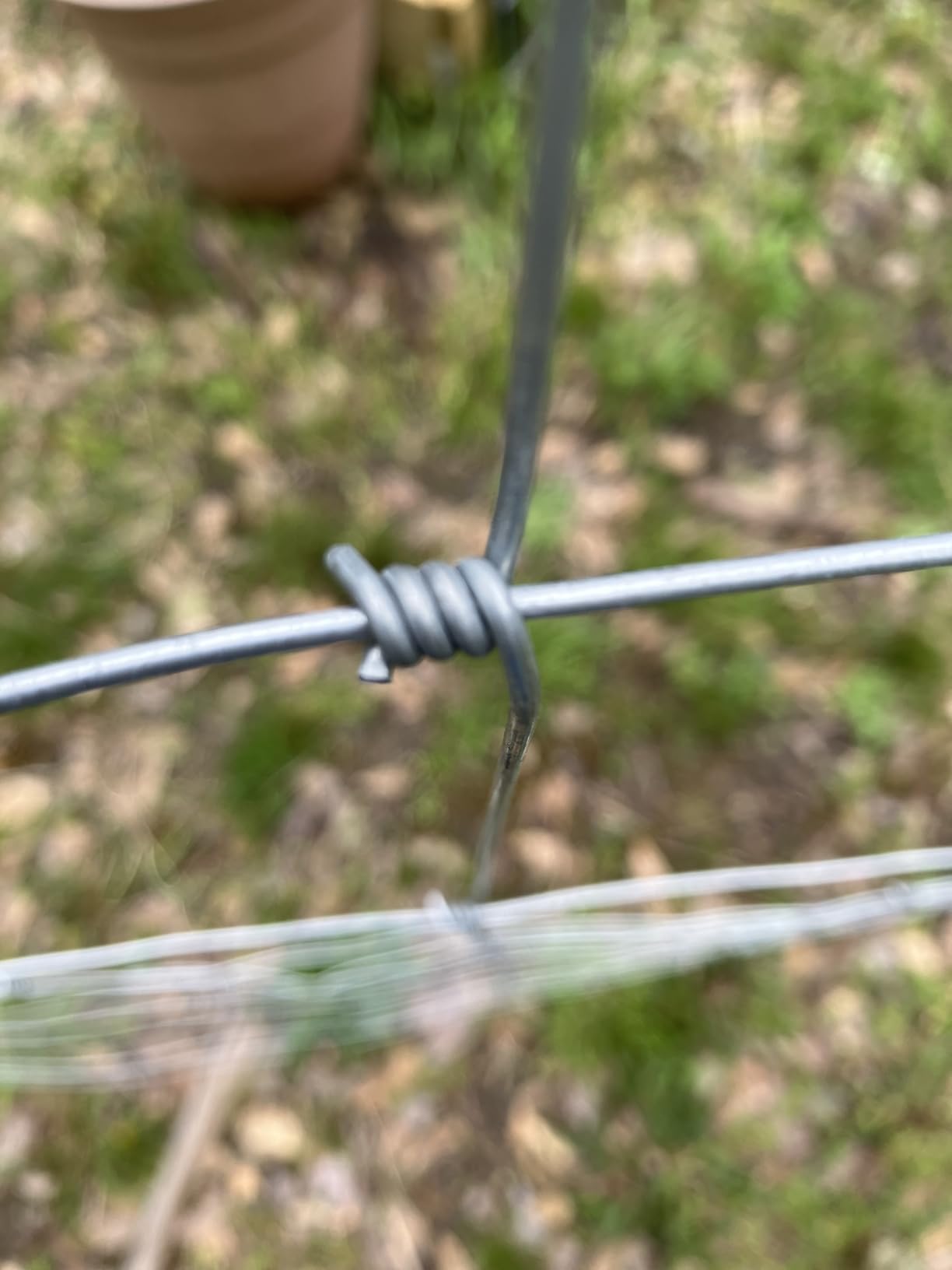
The twisted weaving process used here keeps vertical and horizontal wires firmly connected at every intersection. Unlike welded wire, woven wire has some flex, which is actually an advantage for livestock containment. If an animal pushes against it, the fence gives slightly and then returns to shape rather than breaking at the weld.
The primary limitation is that the lighter gauge wires are not ideal for containing large, aggressive cattle. Users on homesteading forums have noted that for bulls or heavy steer, you want dedicated rigid cattle panels rather than rolled field fencing. For goats, sheep, poultry, dogs, and lighter cattle, this product performs well.
Ideal Animals and Applications
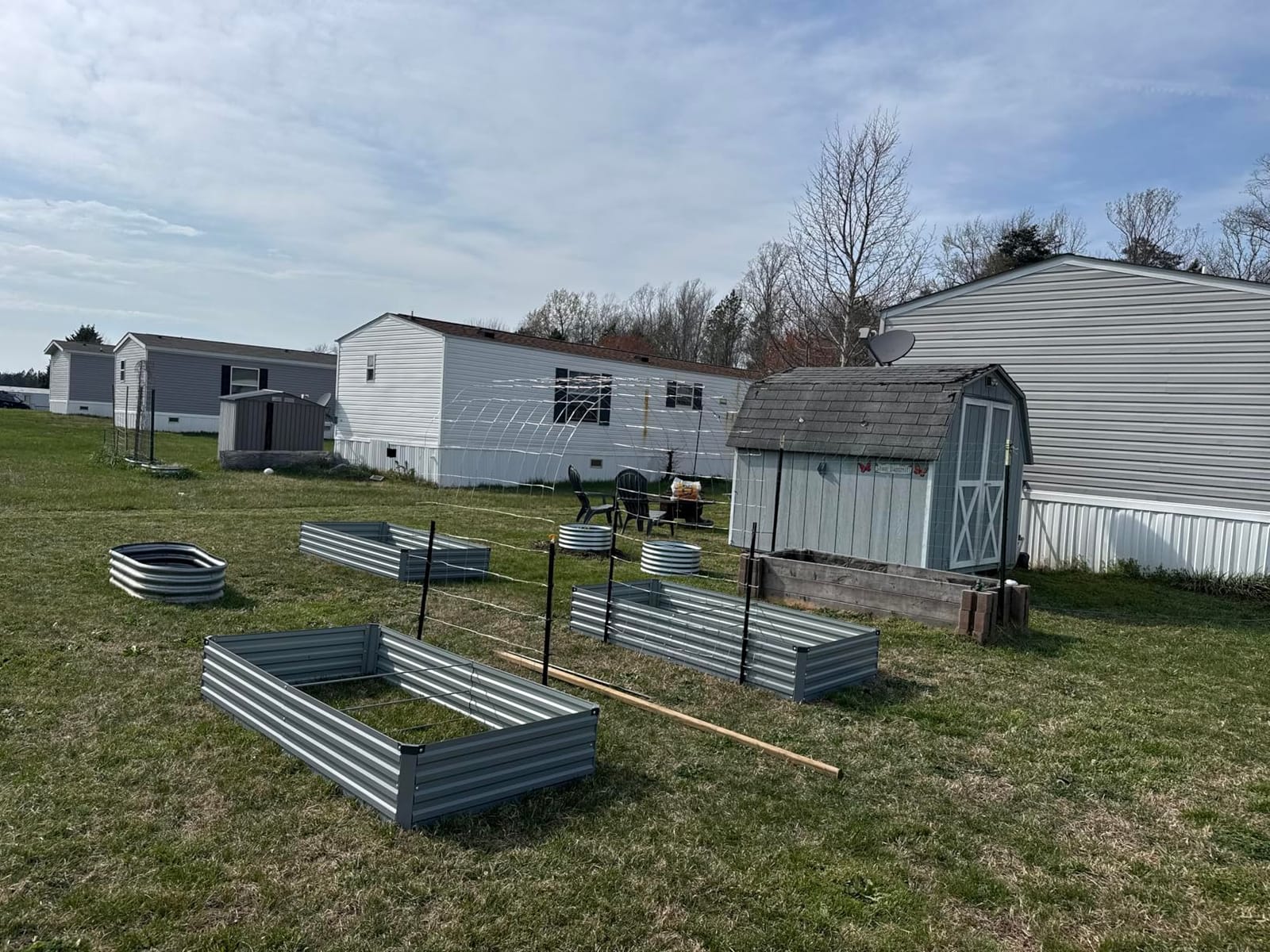
This fence works best for goats, sheep, poultry, dogs, and lighter livestock. The 4.5-foot height is sufficient to contain most goats (notorious climbers and jumpers), and the graduated mesh handles mixed-species paddocks well. Gardeners also report success using it for deer deterrence in areas with moderate deer pressure.
For rotational grazing systems, the 100-foot length is convenient for setting up temporary paddocks. You can move it seasonally without much hassle, unlike permanent rigid panels.
Tensioning and Post Spacing
Field fencing needs proper tension to perform well. We recommend corner posts every 50 feet with bracing, and line posts every 8 to 10 feet. Use a fence stretcher or come-along tool to pull the fence tight before securing it to posts. Without tension, the fence will sag and look unprofessional.
If you are attaching to T-posts, use wire clips that match your post size. The standard clip for most T-posts works with 14-gauge wire without any issues. Check tension after the first month as the fence settles.
3. Jotesnew 12 Gauge Heavy Duty Cattle Panels – Thickest Wire Pick
12 Gauge Heavy Duty Cattle Panels for Garden Trellis, 4ftx100ft, Thickened Cattle Panels for Galvanized Farm Fence Chicken Wire Fencing, Durable Goat Fence, Ideal for Farm and Field Protection
12 gauge galvanized steel wire
4 ft x 100 ft
Hinge joint design
Hot-dip galvanized
Pros
- Thick 12 gauge wire for heavy duty use
- Secure hinge joint reinforced weaving
- Mesh tapers from top to bottom
- Lightweight yet sturdy rolls
- Long-term weather resistance
Cons
- Lower review count of 72 reviews
- Some concerns about durability under extreme heavy use
If gauge thickness is your top priority, the Jotesnew cattle panels deliver with 12-gauge wire, which is thicker and stronger than the 14-gauge options that dominate this category. Lower gauge numbers mean thicker wire, and that extra thickness translates to better resistance against impact from large animals. This is one of the few budget-friendly options that uses 12-gauge throughout.
The hinge joint construction is worth explaining. Rather than welding each wire intersection, the vertical and horizontal wires are connected through a hinged joint that allows some movement while maintaining strength. This is the same construction method used in premium agricultural fencing, and it holds up well to the kind of abuse that livestock dishes out daily.
At 100 feet long and 4 feet tall, this roll covers 400 square feet. The mesh tapers from larger openings at the top to smaller ones at the bottom, following the same graduated design pattern that makes field fencing so versatile for mixed-animal use.
With 72 reviews and a 4.0-star average, this is a newer product that is still building its reputation. The review count is lower than some competitors, which means less long-term durability data. However, the 12-gauge specification and hot-dip galvanization give us confidence in the construction quality based on how these materials perform across the industry.
One thing to keep in mind: the thicker 12-gauge wire is harder to cut than 14-gauge. You will need heavy-duty wire cutters or bolt cutters for clean cuts. This is a minor inconvenience but worth planning for before you start your project.
Heavy Duty Applications
This product is designed for situations where you need more strength than standard field fencing provides. If you have large dogs that chew on fencing, goats that test every weak point, or pigs that root along the fence line, the 12-gauge wire will hold up better than thinner alternatives. It is also a solid choice for orchard and vineyard protection where deer pressure is a concern.
For cattle containment specifically, the 4-foot height may be too low for some breeds. Cattle typically need 4.5 to 5 feet of fence height to discourage jumping. Consider this product for interior cross-fencing rather than perimeter fencing for large cattle.
What to Know About 12 Gauge vs 14 Gauge
The difference between 12-gauge and 14-gauge wire is significant. Twelve-gauge wire has a diameter of about 0.08 inches, while 14-gauge is about 0.064 inches. That extra thickness gives 12-gauge roughly 50 percent more tensile strength per wire. For high-pressure applications, that difference matters.
However, 12-gauge wire is also heavier and harder to work with. If you do not need the extra strength, 14-gauge is easier to install and costs less. Choose 12-gauge when animal pressure or security demands it.
4. Falanava Field Wire Fencing 6ft x 100ft – Tall Perimeter Option

Farm Fence 6ft x 100ft Heavy Zinc Coating Field Wire Fencing, Galvanized Livestock Deer,Goat Fence,Hog Wire Fencing Used to Yard and Garden
Hot-dipped galvanized wire
6 ft x 100 ft
Scientific mesh design
High tensile strength
Pros
- Impressive 6-foot height for deer and perimeter control
- Hot-dipped galvanized for maximum rust resistance
- Scientific mesh prevents small animals at bottom
- 240 reviews with strong feedback
- Versatile for multiple animal types
Cons
- Not Prime eligible
- Requires special tools for installation
The Falanava 6-foot field fencing stands out immediately for its height. At 72 inches tall, this is one of the few options in our roundup that provides enough height for serious deer deterrence. Most cattle and field fencing tops out at 4 to 5 feet, so if deer are a problem on your property, this product addresses that directly.
With 240 reviews and a 4.1-star average, this is one of the most-reviewed products on our list. That volume of feedback gives us more confidence in the durability claims. Users consistently praise the hot-dipped galvanized coating and the scientific mesh design that varies opening sizes to exclude everything from cattle down to rabbits.
The graduated mesh uses smaller openings toward the bottom to prevent smaller animals from passing through. This makes it an excellent choice for properties where you need to contain large livestock while simultaneously keeping predators and pests out.
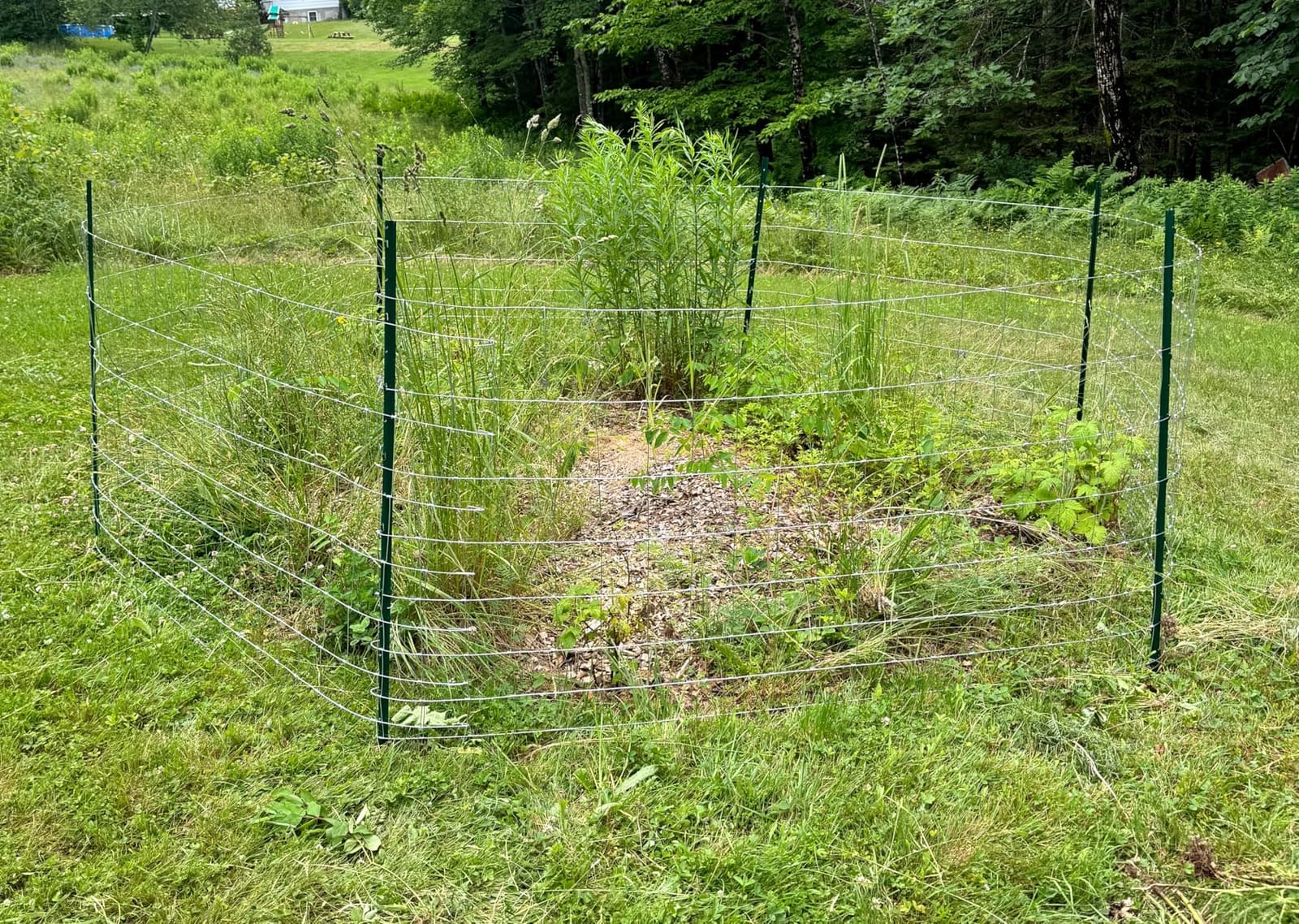
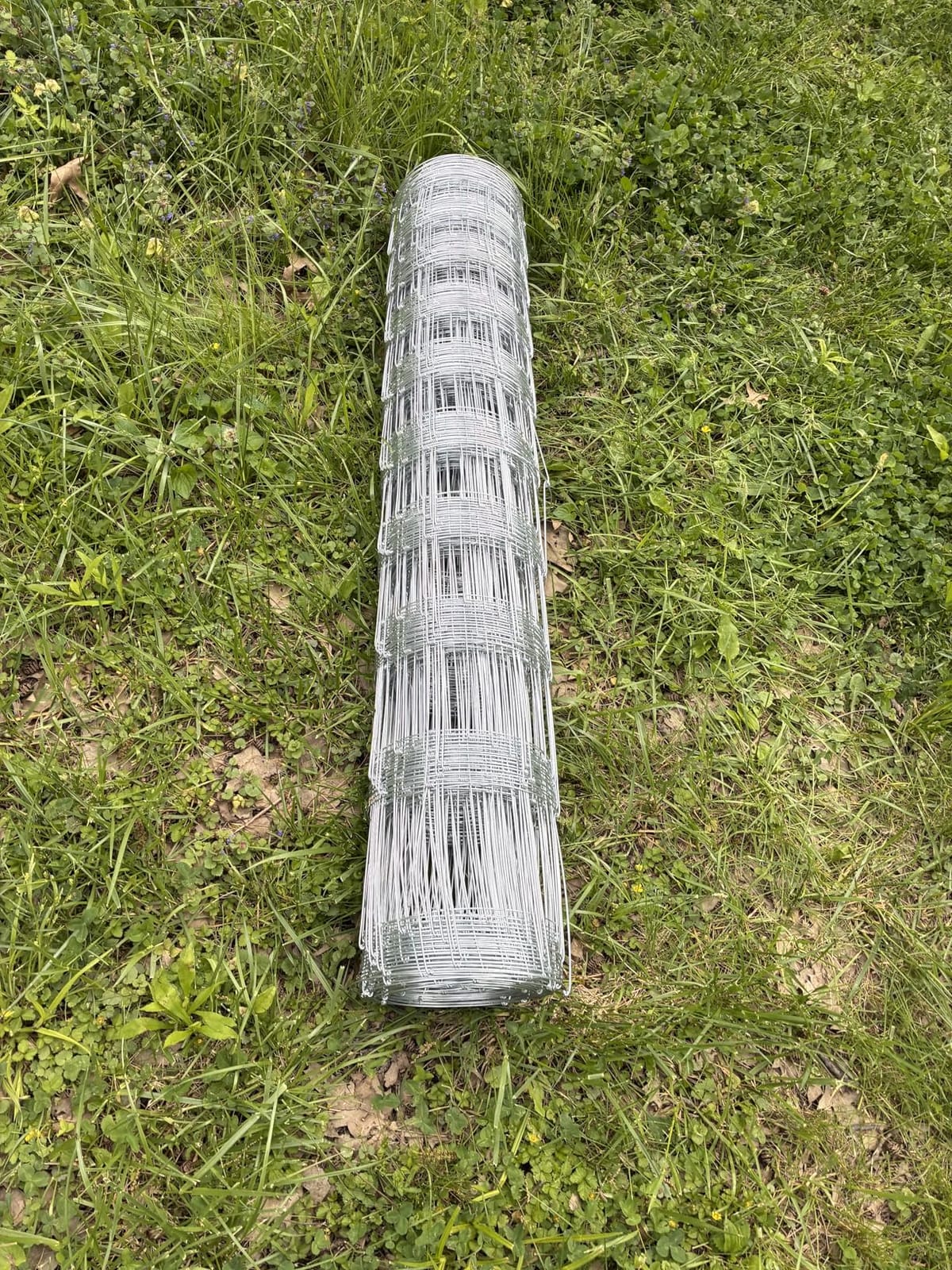
One consideration is that this product is not Prime eligible, so shipping times may be longer than other options. Plan your project timeline accordingly. The large coverage area (600 square feet) also means the roll is heavy and may require two people to maneuver.
Reviewers have used this fencing for everything from cattle pasture borders to garden perimeter protection. The 6-foot height gets particular praise from users dealing with heavy deer populations, where standard 4-foot fencing simply does not work.
Deer and Perimeter Applications
This is our top recommendation for properties where deer pressure is the primary concern. Deer can easily clear a 4-foot fence, but 6 feet stops most of them. If you combine this with a slight outward angle at the top, you create an even more effective barrier.
For cattle perimeter fencing, the 6-foot height provides extra security against any animal that might try to push over or lean across the top. It also works well as a boundary fence between neighboring properties.
Working With the Larger Roll Size
A 100-foot roll of 6-foot fencing is significantly heavier and more unwieldy than a 4-foot equivalent. We strongly recommend having at least two people for unrolling and installation. A fence stretcher is almost mandatory for getting proper tension across 100 feet.
Use 7-foot or 8-foot T-posts to accommodate the 6-foot fence height. Standard 6-foot posts will not provide enough above-ground support for this fencing.
5. Falanava Galvanized Wire Fencing 4ft x 164ft – Large Coverage Roll

Farm Fence, 4ft x 164ft Galvanized Wire Fencing, Goat, Sheep & Deer, Durable Chain Link Fence, Heavy Zinc Coating Wire Used to Hog Goat Fencing for Yard Garden and Field
Hot-dipped galvanized wire
4 ft x 164 ft
Gradient mesh design
656 square feet coverage
Pros
- Massive 656 square feet of coverage per roll
- Hot-dipped galvanized for durability
- Smooth surface with safe knots
- Scientific gradient mesh design
- Good value per square foot
Cons
- Wire can be soft and bend easily
- No directions included for cutting
- Mesh may be too large for small critters
The Falanava 4-foot by 164-foot roll is built for large projects. If you need to fence a significant pasture perimeter, orchard boundary, or multiple paddocks, getting 656 square feet of coverage in a single roll saves you money and reduces the number of seams in your fence line. With 245 reviews and a 4.1-star rating, this is one of the most popular options we reviewed.
The hot-dipped galvanization process gives this wire excellent corrosion resistance. The smooth surface with safe knots means there are no sharp protrusions that could injure animals. This is a detail that matters for horse owners in particular, as horses are prone to injury from any sharp fencing elements.
The gradient mesh design follows the same pattern we see across quality field fencing: larger openings at the top and progressively smaller ones toward the bottom. This keeps smaller animals contained or excluded while maintaining overall fence strength.
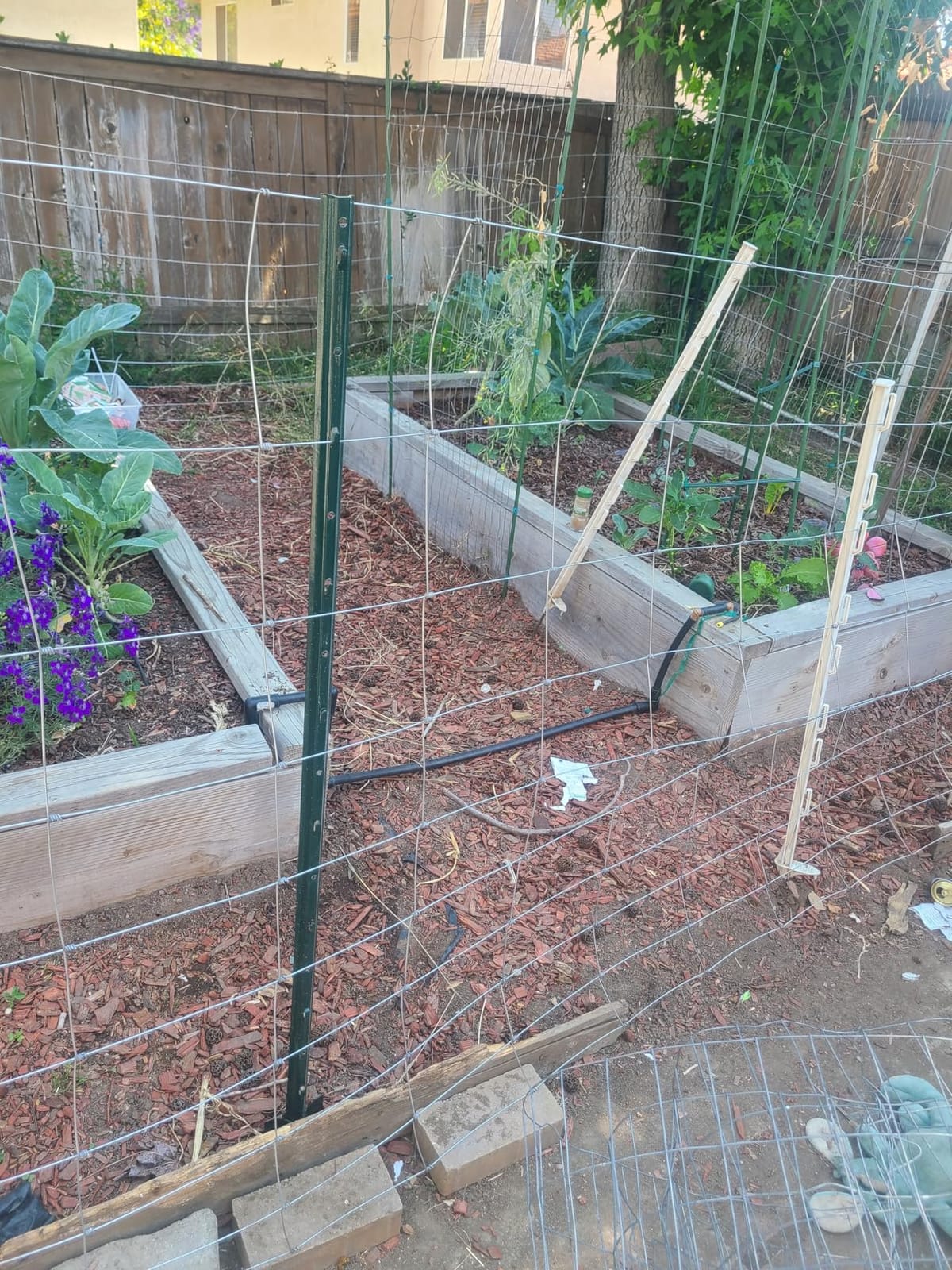
The main complaint from users is that the wire can be softer than expected. Some reviewers reported bending under moderate pressure from larger animals. This suggests the wire gauge may be on the lighter side of the 14-gauge specification. For high-pressure livestock applications, you may want to pair this with electric fencing or use it for lighter animals.
Several users also noted the lack of included directions for cutting and unrolling. If this is your first time working with rolled field fencing, we recommend watching a few installation tutorials before starting. The process is straightforward once you know the steps, but the learning curve can be frustrating without guidance.
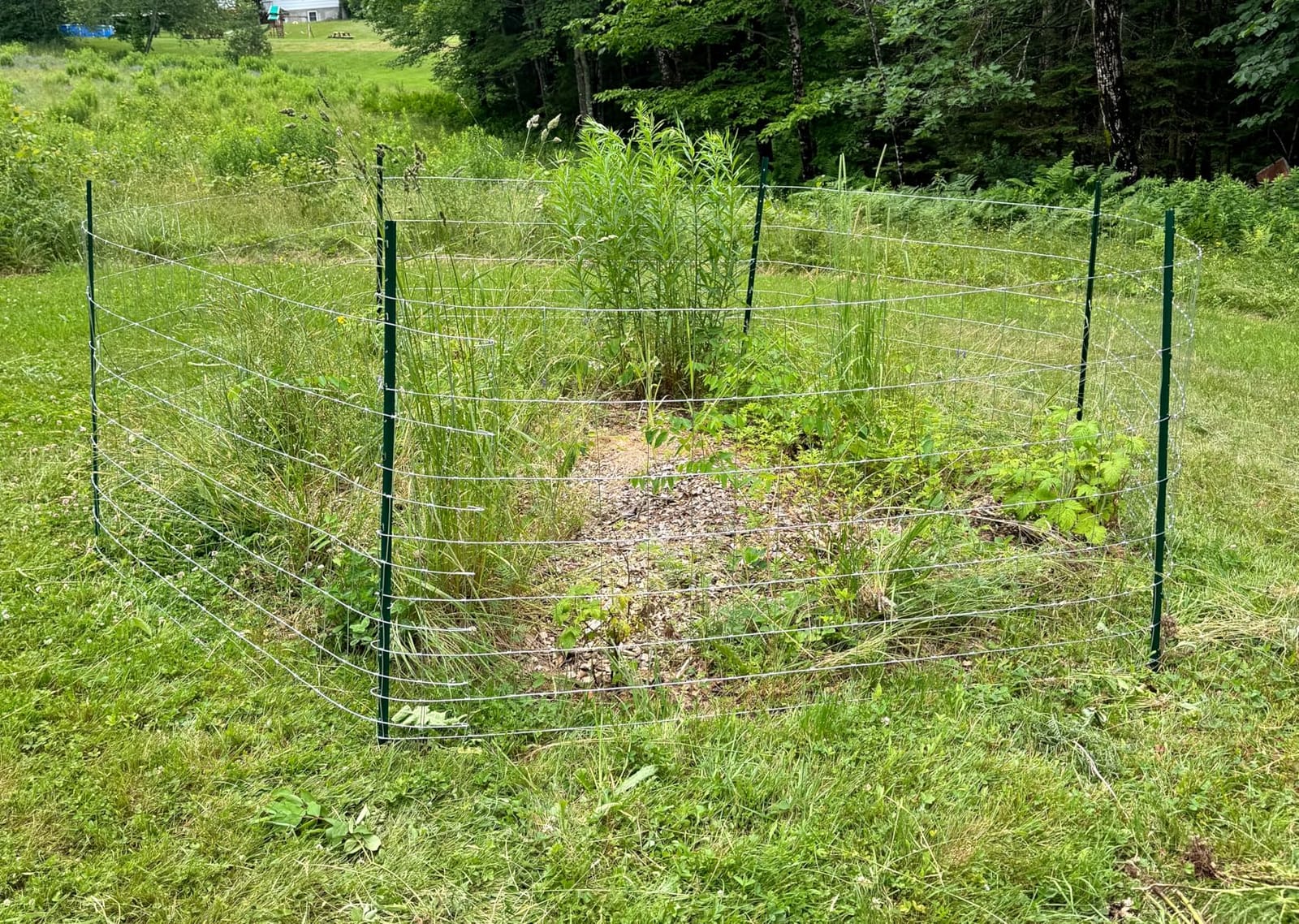
Best Applications for 164-Foot Coverage
This product is ideal for large pasture perimeters, orchard boundaries, and multi-paddock rotational grazing setups. The 164-foot length lets you cover significant ground without buying multiple rolls. For a standard square paddock, one roll gives you roughly 40 feet per side.
It also works well for garden perimeter fencing where you want to exclude deer and smaller pests. The 4-foot height will not stop determined deer, but it works in combination with other deterrents.
Mesh Size Considerations
The gradient mesh starts with larger openings at the top and narrows toward the bottom. However, some users reported that even the smaller bottom openings are too large for containing chickens or excluding small predators like raccoons and foxes. If you need to keep out small animals, consider adding a layer of hardware cloth along the bottom two feet.
For goats and sheep, the mesh spacing is appropriate throughout. The gradient design specifically addresses the needs of mixed-livestock operations.
6. YESON Heavy Zinc Coating Cattle Fence 4ft x 164ft – Trusted All-Rounder

Cattle Fence 4ft x 164ft, Galvanized Farm Fence & Metal Wire Fencing
14 gauge galvanized steel wire
4 ft x 164 ft
Twisted weaving technology
Hot-dip galvanized
Pros
- Sturdy 14 gauge galvanized steel wire
- Hot-dip galvanization prevents rust
- Graduated mesh prevents small animals
- Durable twisted weaving technology
- Versatile for cattle horses sheep dogs and deer
Cons
- Can be flimsy for high-security needs
- Sags without proper tension
- Cutting can be difficult
The YESON cattle fence has the highest review count of any product in our roundup at 423 reviews, which gives us a strong statistical basis for evaluating its real-world performance. A 4.0-star average across that many reviews is a solid result that indicates consistent quality and customer satisfaction. This is a product that has clearly been purchased and tested by a large number of farmers and homesteaders.
The 14-gauge galvanized steel wire with hot-dip coating provides the rust resistance that users on r/homestead consistently identify as the single most important factor in cattle panel longevity. The twisted weaving technology connects vertical and horizontal wires firmly, and the graduated mesh design prevents small animals from passing through the lower sections.
At 4 feet tall and 164 feet long, this roll covers 656 square feet, which is competitive with the largest rolls in this category. The material is alloy steel, which offers good tensile strength for the weight.
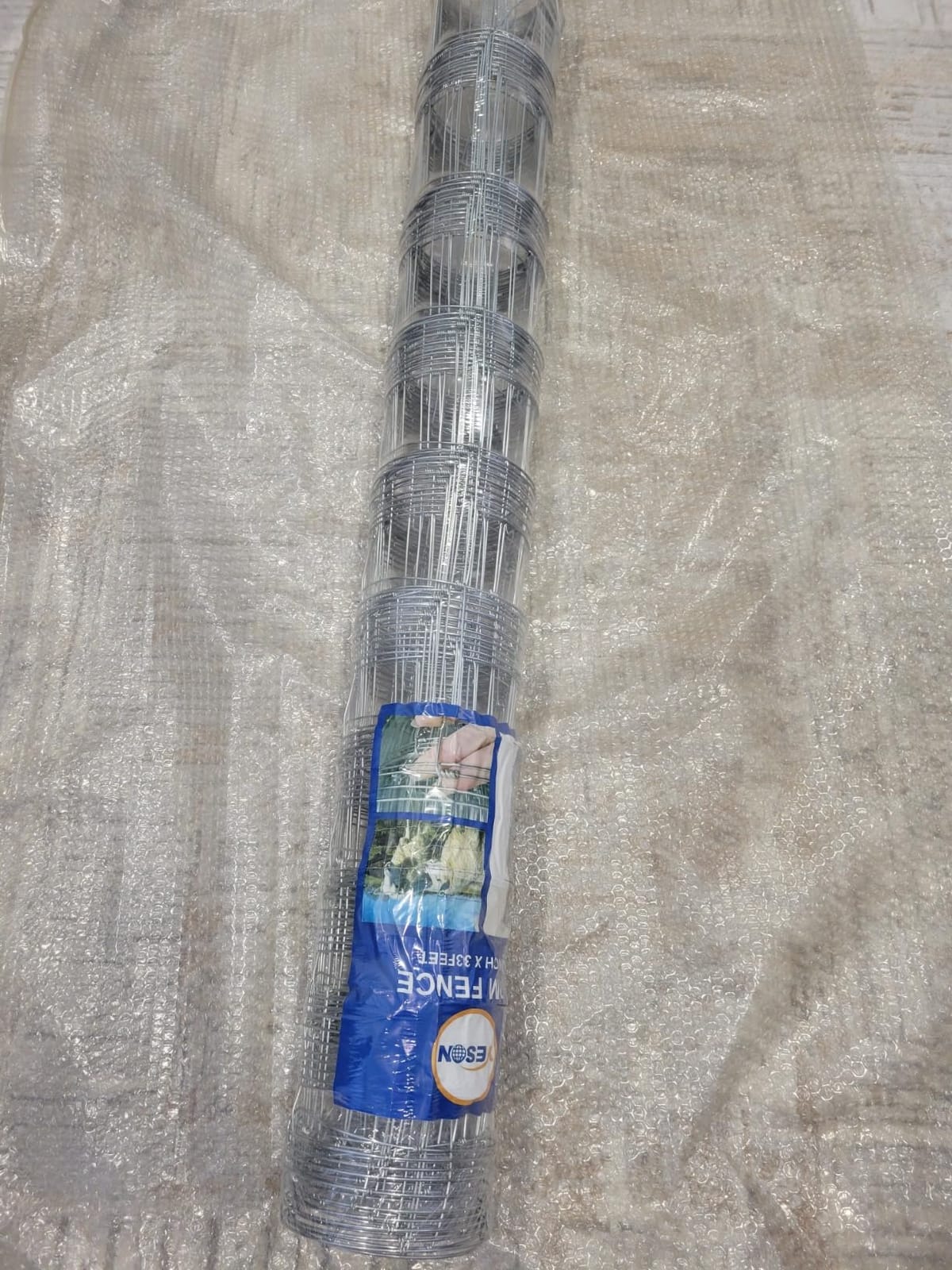
The most common complaint relates to sagging when the fence is not properly tensioned. This is a characteristic of all field fencing, not a unique flaw of this product. The solution is straightforward: use proper bracing at corners and stretch the fence tight before securing it to line posts.
Some users also found cutting difficult due to the wire strength. Fourteen-gauge wire is at the upper limit of what standard wire cutters handle comfortably. Heavy-duty bolt cutters make the job much easier and produce cleaner cuts.
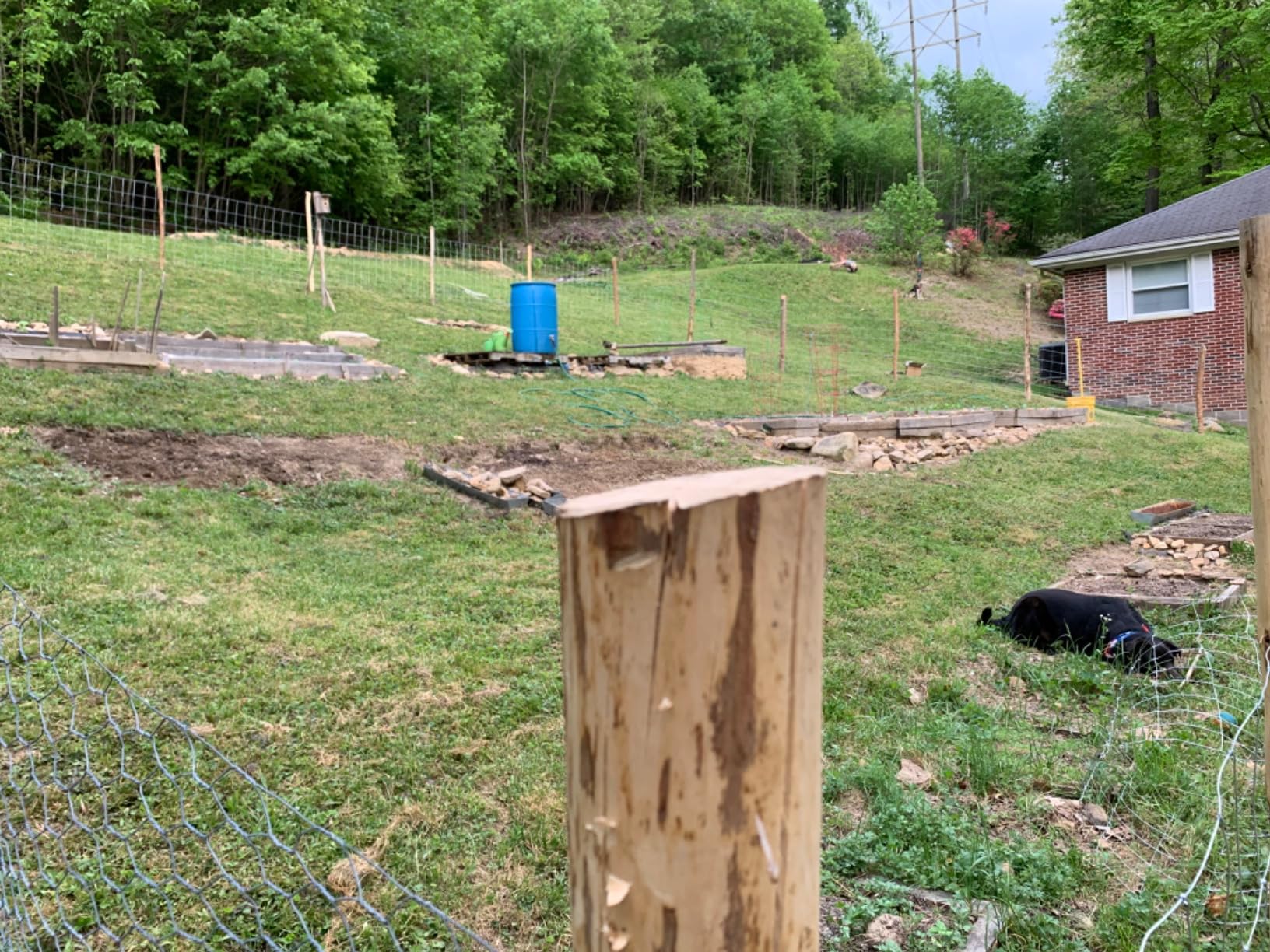
Multi-Animal Suitability
YESON specifically markets this fence for cattle, horses, sheep, dogs, and deer. Based on the review data and construction specs, we agree with most of these use cases. The graduated mesh handles mixed-species paddocks well, and the 4-foot height is adequate for sheep and goats.
For cattle, the 4-foot height is acceptable for interior cross-fencing but may be low for perimeter fencing depending on your breed. For horses, the smooth knots are a plus since they reduce injury risk.
Galvanization Quality Over Time
The hot-dip galvanization on this product is the key to its longevity. Users report that properly galvanized field fencing lasts 15 to 20 years in normal conditions. The zinc coating sacrifices itself to protect the underlying steel, which is why thickness matters.
If you live in a coastal area with salt air or an area with acidic soil, expect the coating to degrade faster. In those environments, plan for a 10 to 12 year service life rather than the full 20.
7. ZESHANGUS 14 Gauge Woven Wire Fence 4FT x 328FT – Maximum Coverage

Cattle Panel 14Gauge Galvanized Woven Wire Fence 4FT x 328 FT Cattle Fence
14 gauge body with 12 gauge border
4 ft x 328 ft
Graduated mesh 8in to 3.5in
Woven wire construction
Pros
- Massive 1312 square feet coverage
- 14 gauge body with reinforced 12 gauge borders
- Graduated mesh 8 inch to 3.5 inch openings
- 15-20 year lifespan rating
- Woven wire flexes under pressure
Cons
- Not Prime eligible
- Large coverage difficult to handle alone
The ZESHANGUS 328-foot roll is the longest fencing product in our roundup, covering a remarkable 1,312 square feet. If you have a large property and need to fence significant acreage, buying one massive roll is more cost-effective than purchasing multiple smaller rolls. This product is designed for exactly that scenario.
The construction combines a 14-gauge body with 12-gauge reinforced borders. That means the top and bottom edges of the fence, which take the most stress, use thicker wire for added strength. The internal fillers use 14-gauge to keep weight manageable. This is a smart engineering choice that puts material where it matters most.
The graduated mesh design goes from 8-inch openings at the top down to 3.5 inches at the bottom. That is one of the widest ranges we see in this category, making this fence effective for everything from cattle and horses at the top to goats and dogs at the bottom.
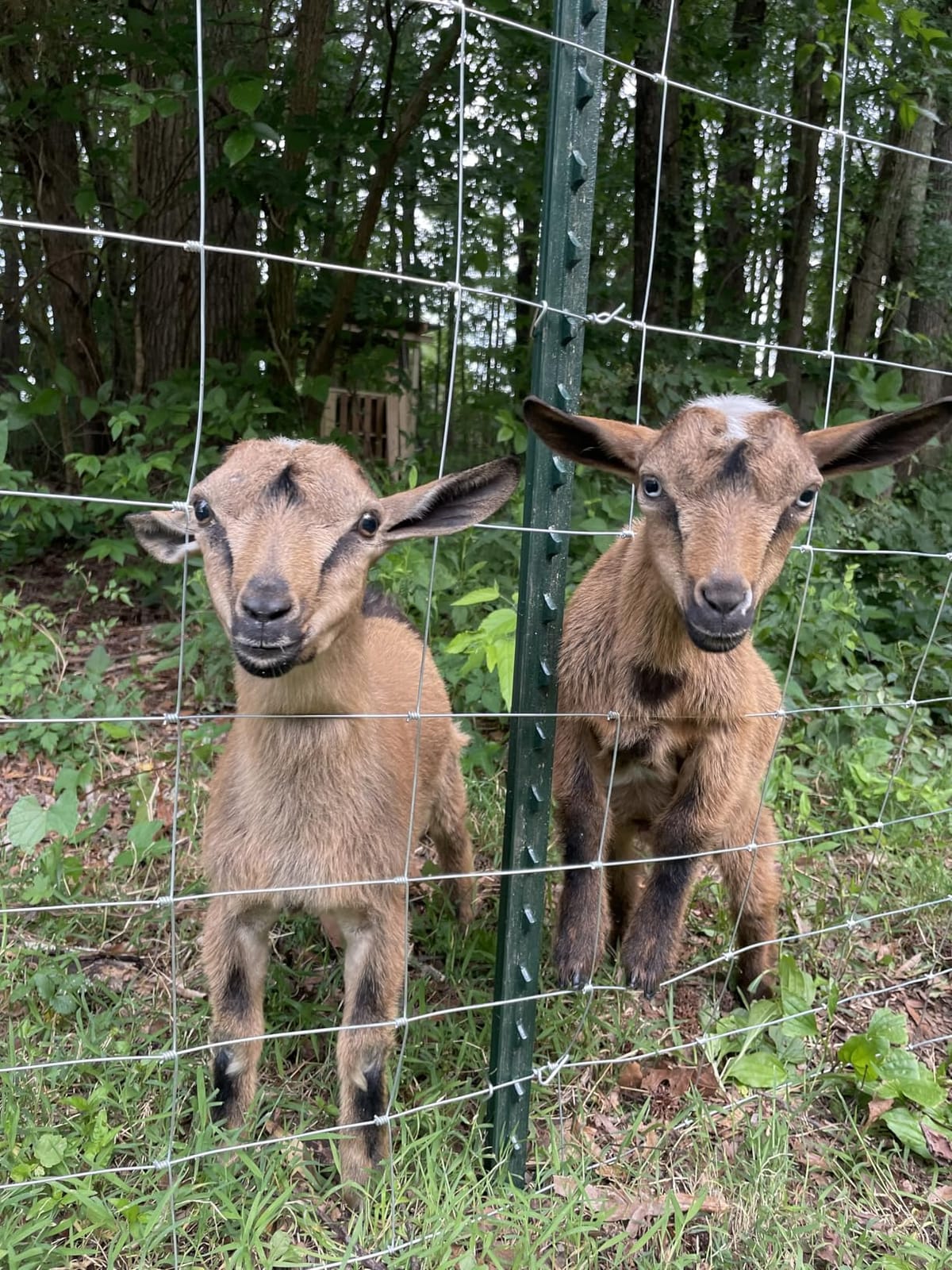
The woven wire construction provides flexibility that welded wire cannot match. When an animal pushes against woven wire, the fence absorbs the impact and returns to shape. Welded wire, by contrast, can crack at the weld points under similar pressure. For livestock containment, this flex characteristic is a major advantage.
The manufacturer rates the lifespan at 15 to 20 years in normal environments and 10 to 15 years in extreme conditions. These are confident claims backed by the heavy galvanization and woven construction method. With 63 reviews and a 4.1-star average, early user feedback is positive.
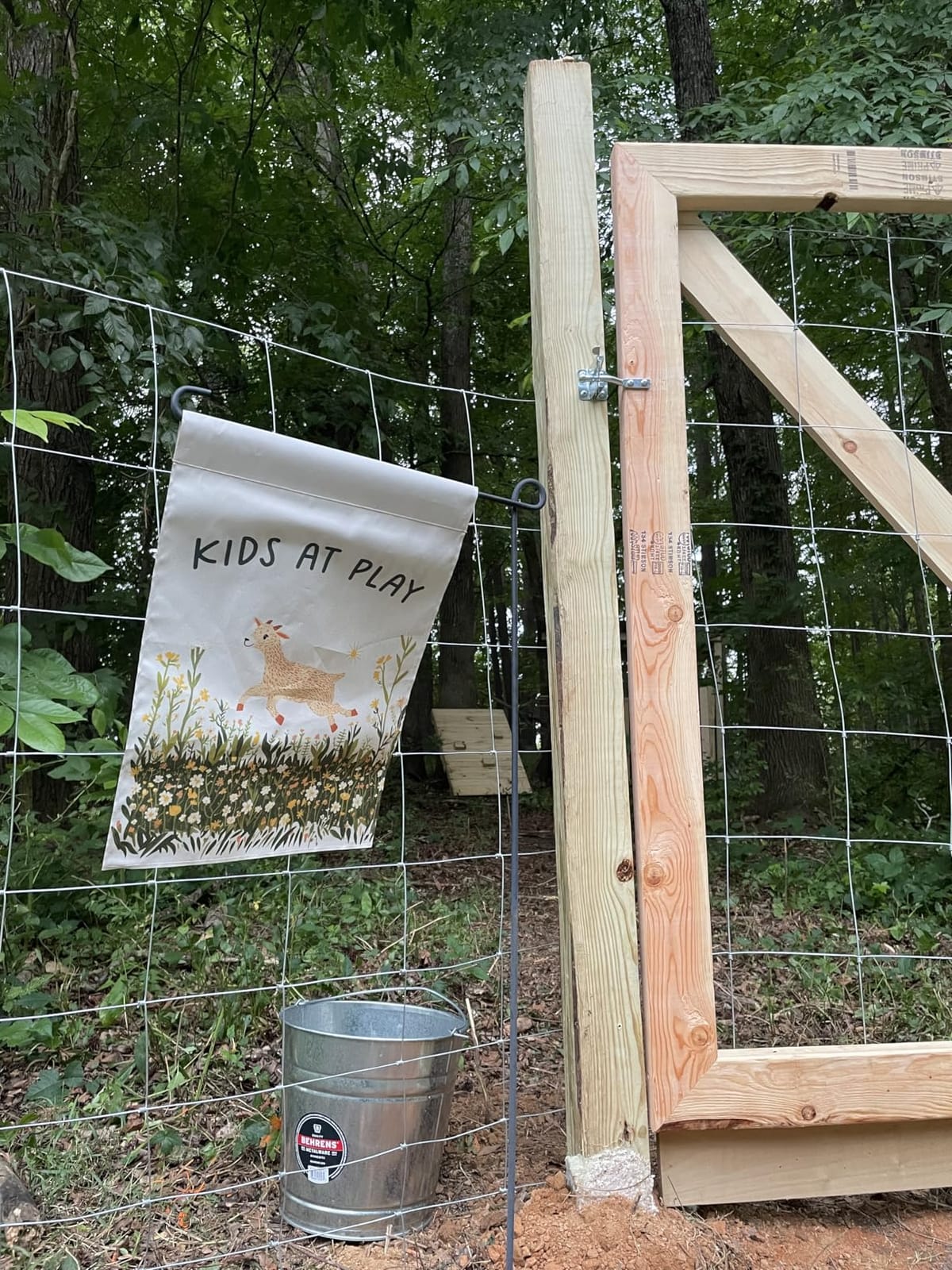
Large Property Fencing Strategy
A 328-foot roll lets you fence roughly an 82-foot square paddock. For larger properties, plan your fence lines to minimize waste and seams. Each seam is a potential weak point, so longer rolls actually improve fence integrity by reducing the number of joints.
This product is ideal for perimeter fencing around pastures, orchard boundaries, and large garden areas. The graduated mesh handles diverse animal types, making it versatile enough for mixed-use properties.
Handling and Installation Considerations
A 328-foot roll is heavy and requires at least two people to move and install. Do not attempt to handle this alone. We recommend using a fence unroller jig or a tractor-mounted dispenser for installation at this scale.
Plan your corner bracing carefully. For runs over 200 feet, use H-braces at corners and deadman anchors at key tension points. Proper bracing is the difference between a fence that lasts 20 years and one that sags within the first season.
8. RXWJZP Galvanized Woven Hog Wire Fencing 4ft x 164ft – Solid Mid-Range Option

RXWJZP Farm Fence 4ft x 164ft Galvanized Woven Wire Livestock Fence
14 gauge galvanized steel wire
4 ft x 164 ft
Twisted weld-proof weaving
Graded mesh design
Pros
- Hot-dip galvanized 14 gauge steel wire
- Advanced twisted weld-proof weaving
- Innovative grading design top to bottom
- Versatile for multiple animal types
- Cost effective and easy to install
Cons
- Some customers report bending too easily
- Not heavy duty enough for some applications
The RXWJZP hog wire fencing is a solid mid-range option that hits the key specs most buyers need: 14-gauge hot-dip galvanized wire, 164 feet of coverage, and a graduated mesh design. With 108 reviews and a 4.1-star average, the feedback pattern is consistent and positive across a range of use cases.
The twisted and weld-proof weaving technology is worth highlighting. Unlike welded wire fencing where joints can break under stress, the twisted weave creates connections that flex and hold. This makes the fence more forgiving when animals push against it, which is exactly what you want in a livestock application.
The graded mesh design gradually decreases opening sizes from top to bottom. This is the same proven approach used across the best field fencing products on the market. It allows the fence to contain or exclude a variety of animal sizes from a single roll.
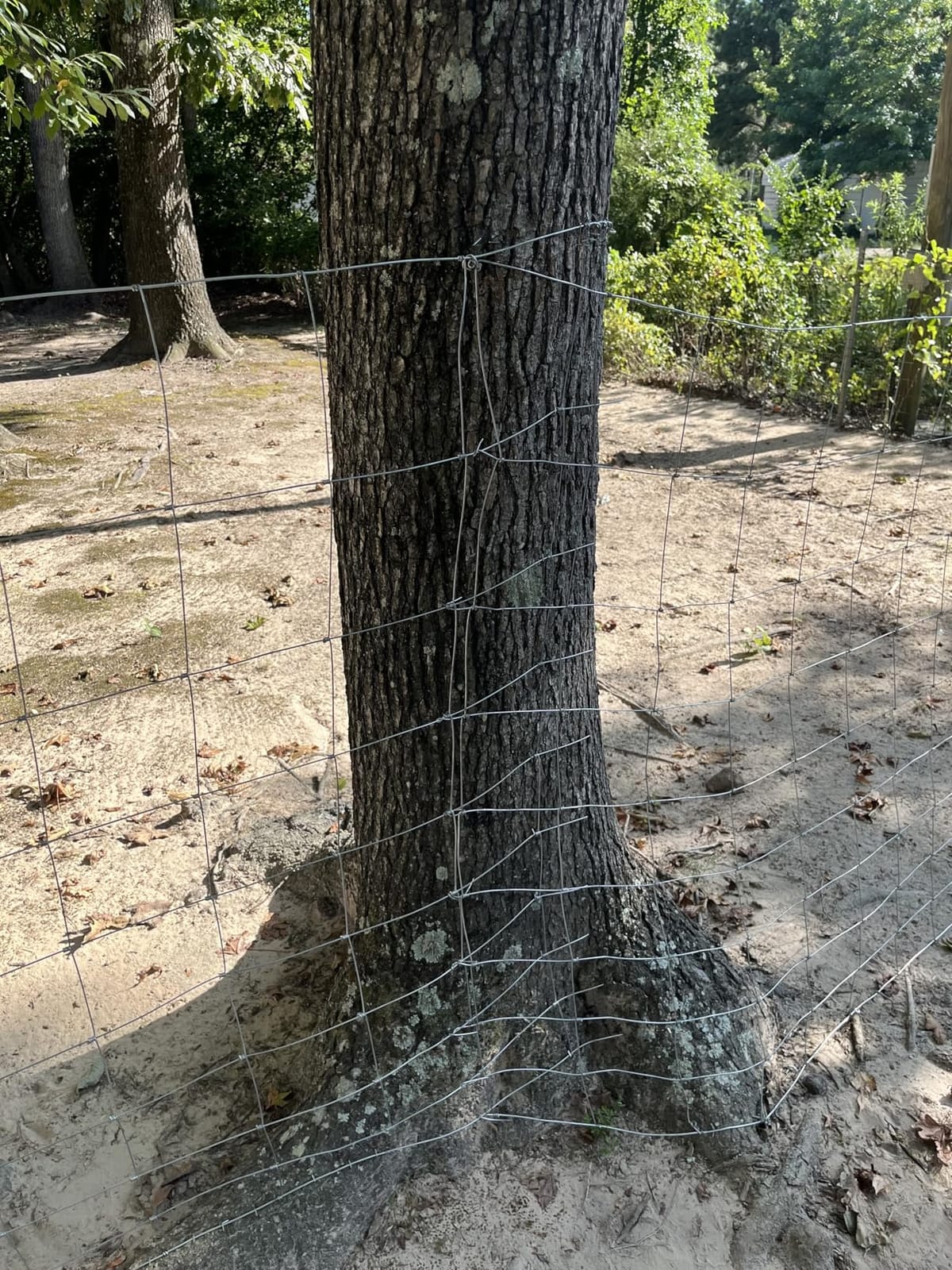
The most common criticism is that the wire bends more easily than some users expected. This suggests the 14-gauge wire may run toward the lighter end of the tolerance range. For lighter livestock like goats and sheep, this is not a problem. For cattle that lean hard on fencing, you may want a heavier option.
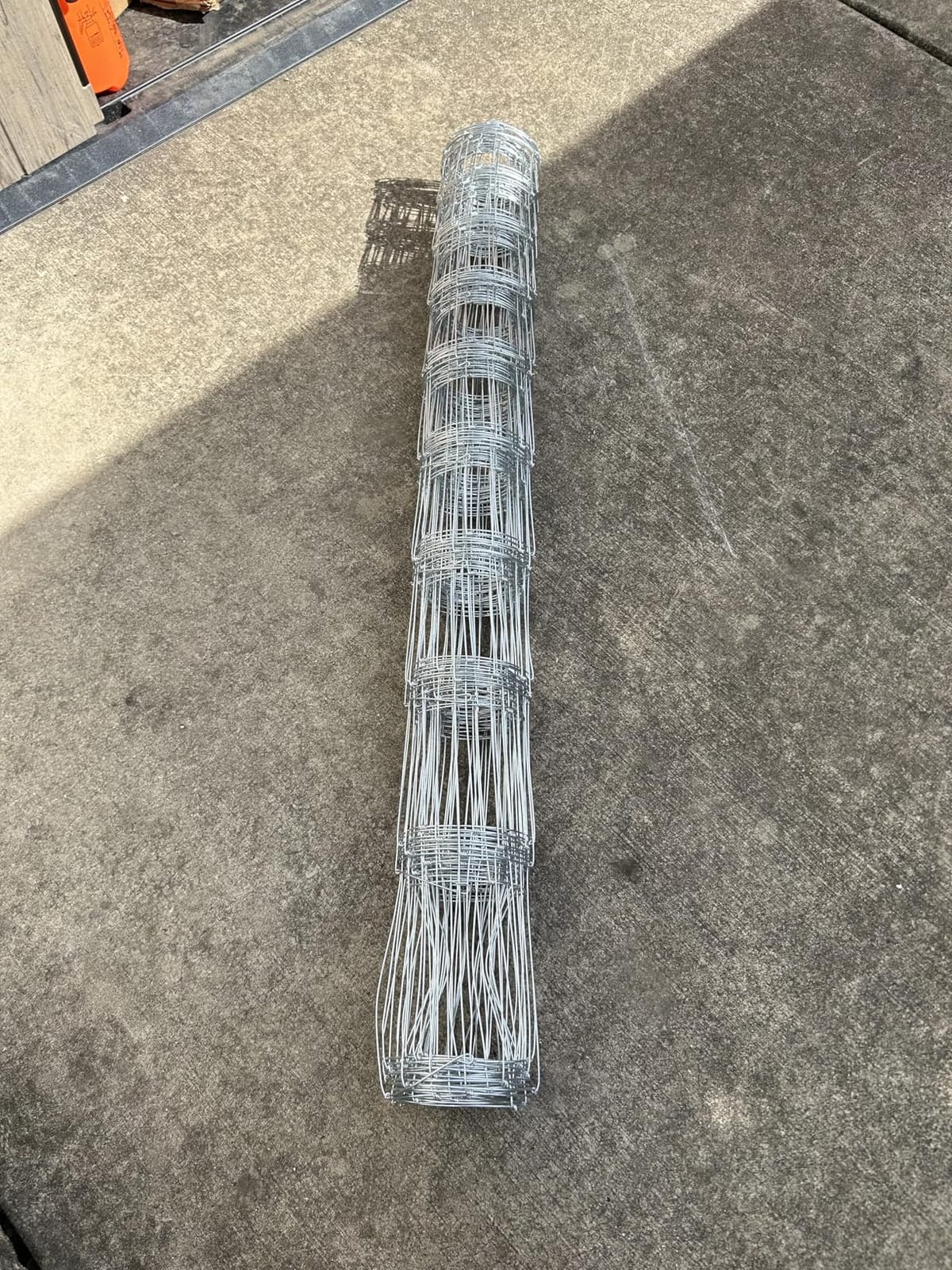
At 48 pounds, this roll is moderately heavy but still manageable for a single person during installation. The product arrived in a compact 48 by 8 by 8 inch package according to the listing dimensions.
Cost-Effective Fencing for Medium Properties
This product hits a good balance between price and quality for medium-sized properties. If you need to fence a quarter-acre paddock or a large garden area, 164 feet gives you plenty of material to work with. The graduated mesh handles mixed animals without requiring additional fencing layers.
For homesteaders running goats, sheep, and poultry together, this is a practical choice. The mesh spacing at the bottom is tight enough for most poultry when combined with proper post spacing and tensioning.
Weld-Proof vs Welded Construction
The weld-proof twisted weave used here is different from traditional welded wire. In welded wire, each intersection is spot-welded, creating rigid joints that can crack under repeated stress. In twisted weave, the wires are mechanically interlocked, allowing flex without breaking.
For livestock applications where animals regularly contact the fence, twisted weave generally outlasts welded wire. The trade-off is that welded wire tends to be more rigid and holds its shape better for non-animal applications like garden trellising.
9. Mymawzey Heavy Zinc Cattle Fencing 5ft x 164ft – Extra Height for Versatility

Cattle Fence 5ft x 164ft, Galvanized Farm Fence Metal Wire Fencing roll Cattle Fencing Deer Fence Hog Goat Fencing Field Mountain Forest Yard Garden
Hot-dipped galvanized wire
5 ft x 164 ft
Scientific mesh design
Heavy gauge construction
Pros
- 5-foot height adds versatility for taller animals
- Hot-dipped galvanized for durability
- Scientific mesh design bottom to top
- Suitable for various terrains
- Easy to install and maintain
Cons
- Some customers report bending easily
- Large mesh squares not suitable for small animals like chickens
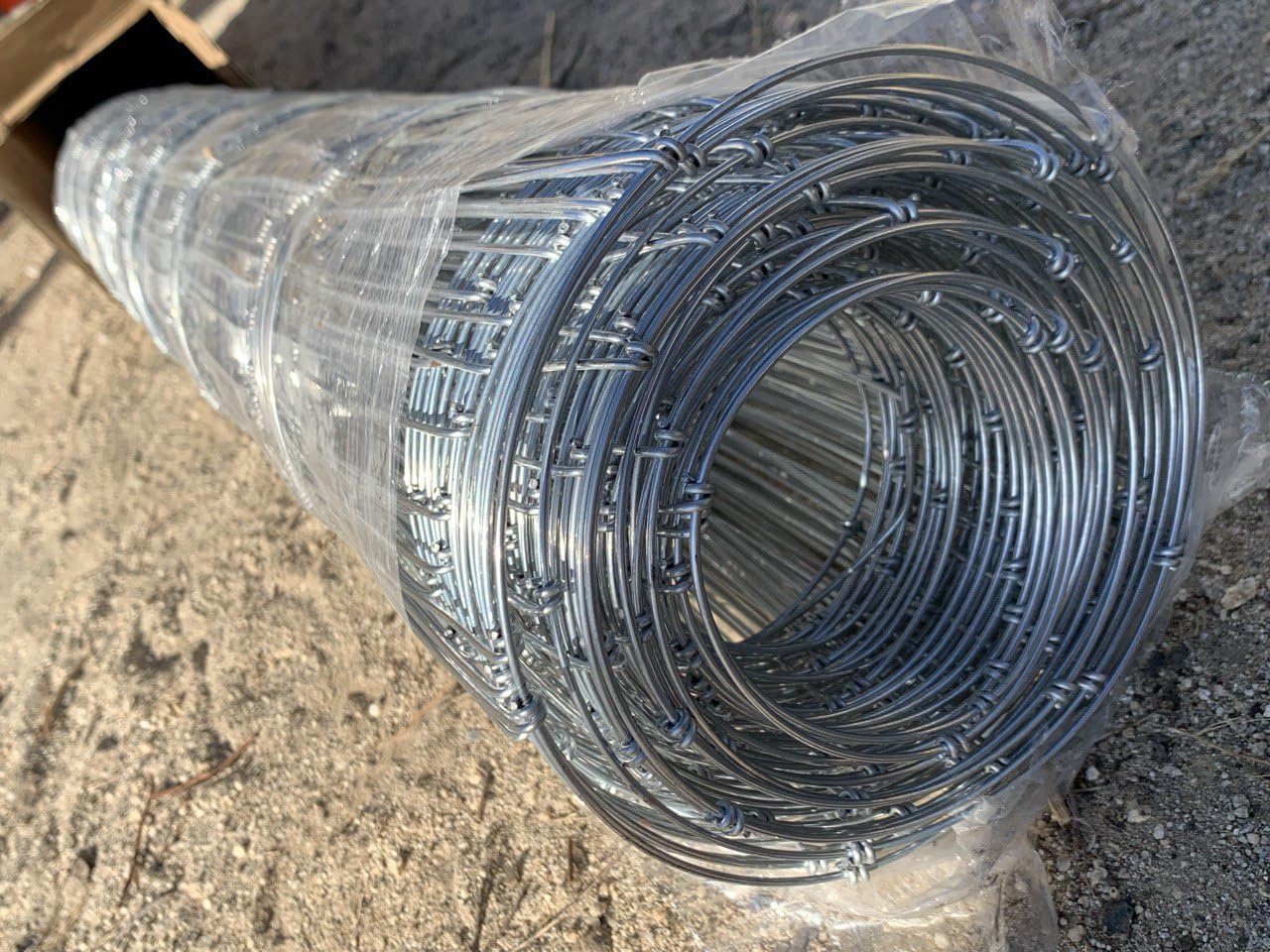
The Mymawzey 5-foot fencing offers a height advantage over the standard 4-foot options that dominate this category. That extra foot matters for containing taller goat breeds, deterring deer in moderate-pressure areas, and providing a more visible boundary for horses and cattle. With a 4.2-star average across 75 reviews, this product has earned strong marks from users.
The hot-dipped galvanized construction follows the same proven process used across the best products in this roundup. The scientific mesh design uses smaller openings at the bottom to exclude smaller animals while maintaining larger openings up top for visibility and airflow. This is the graduated mesh pattern that works well for mixed-species operations.
At 5 feet tall and 164 feet long, this roll covers 820 square feet. That is a significant amount of fencing for properties that need both height and coverage. The heavy gauge wire construction provides the structural integrity needed for livestock applications.
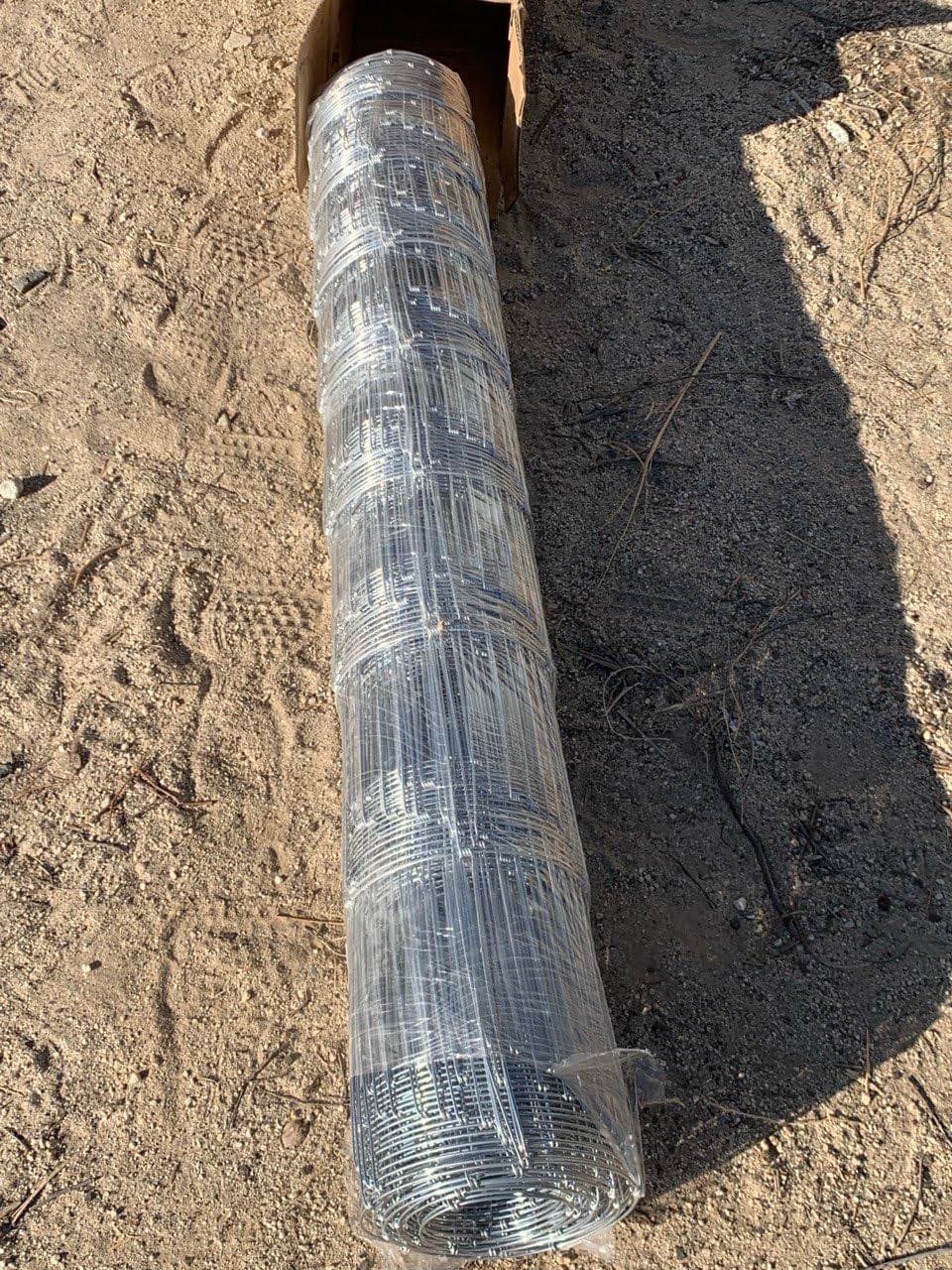
The main user complaint is that the wire can bend under pressure. Several reviewers noted that the fence is not as rigid as expected, particularly when larger animals lean against it. This is a common issue with rolled field fencing that can be mitigated with proper post spacing and tensioning.
Another noted limitation is that the mesh openings, even at the bottom, are too large for chickens and other small poultry. If you need to contain small birds, plan to add hardware cloth or chicken wire along the bottom section.
When 5-Foot Height Matters
The extra foot of height makes this product suitable for goat breeds that are known jumpers. Standard 4-foot fencing can be cleared by determined goats, but 5 feet stops most of them. This height also provides better deer deterrence in areas with moderate deer traffic.
For horse fencing, the 5-foot height provides a clear visual boundary that horses respect. Horses rely on visual cues as much as physical barriers, so a taller fence performs better even if the horse could physically jump it.
Terrain Adaptability
This product adapts well to uneven terrain because the woven construction conforms to ground contours. On rolling hills and uneven ground, rigid panels leave gaps at the bottom that animals can exploit. Rolled fencing hugs the ground and eliminates those escape routes.
For very steep terrain, use closer post spacing to prevent sagging between posts. Six to eight foot spacing works on flat ground, but reduce to four to six feet on slopes.
10. ZESHANGUS Heavy Duty Galvanized Woven Wire 4ft x 328ft – Long-Life Premium Option
Cattle Panel 4ft x 328ft 14 Gauge Heavy Duty Galvanized Woven Wire Fence
14 gauge wire with 12 gauge border
4 ft x 328 ft
Tapered mesh 8in to 3.5in
15-20 year lifespan
Pros
- 14 gauge body with 12 gauge reinforced border
- Tapered mesh design 8 inch to 3.5 inch
- 15-20 year lifespan rating
- Hot-dip galvanized surface
- Versatile for cattle hogs horses deer and goats
Cons
- Not Prime eligible
- May require multiple people for installation
The ZESHANGUS 4-foot by 328-foot woven wire fence shares the same massive coverage as its sibling product (B0DTDXNC43) but with slightly different specs. The 14-gauge body wire with 12-gauge reinforced borders provides a strong framework, and the tapered mesh design runs from 8 inches at the top to 3.5 inches at the bottom.
The manufacturer rates this product for a 15 to 20 year lifespan in normal environments and 10 to 15 years in extreme conditions. These are serious longevity claims that reflect confidence in the galvanization quality and woven construction. Users on homesteading forums consistently report that well-galvanized field fencing does last two decades or more when properly maintained.
With 41 reviews and a 4.1-star average, this is a newer product that is still building its track record. The lower review count means we have less long-term data, but the specifications align with what we know makes durable field fencing.
The product arrives in 5 connected pieces, which is different from the single-roll format of most competitors. This can be an advantage for transport and handling, as each piece is lighter and more manageable. However, it also means more seams in your finished fence line.
Seam Management With Multi-Piece Design
When fencing arrives in multiple pieces, each connection point becomes a potential weak spot. We recommend overlapping pieces by at least one full mesh pattern at each seam and securing with wire ties at every horizontal wire. This creates a strong, continuous fence line.
For maximum strength, consider using fence splicing sleeves at seams. These metal sleeves crimp onto overlapping wires and create a permanent connection that will not work loose over time.
Lifespan Expectations by Environment
The 15 to 20 year lifespan applies to moderate climates with normal rainfall and neutral soil pH. In coastal areas with salt spray, expect 10 to 12 years. In arid climates with intense UV exposure, the zinc coating degrades more slowly, potentially extending life beyond 20 years.
Regular inspection and prompt repair of any damaged sections will maximize lifespan. A small hole patched today prevents a large problem next year.
11. Mymawzey Galvanized Wire Field Fencing 4ft x 164ft – Reliable Standard Height
Livestock Fence, 4ft X 164ft Galvanized Wire Field Wire Fencing, Cattle Fence, Deer Fence, Heavy Zinc Coating Farm Fence Used to Hog Goat Fencing for Yard and Field Hog Horse
Hot-dipped galvanised steel wire
4 ft x 164 ft
Advanced anti-welding technology
50.7 pounds
Pros
- High quality galvanised steel wire construction
- Hot dipped galvanised treatment for corrosion resistance
- Advanced weaving twisting anti-welding technology
- Mesh designed differently at top and bottom
- Easy to dismantle and move
Cons
- Some durability concerns reported in reviews
The Mymawzey 4-foot field fencing is the second product from this brand in our roundup, and it offers the standard 4-foot height at a competitive weight of 50.7 pounds. With a 4.2-star average across 46 reviews and 67 percent five-star ratings, the early user feedback is notably positive. This product appears to perform better than its sibling in user satisfaction.
The hot-dipped galvanized treatment provides the corrosion resistance that is non-negotiable for outdoor fencing. The advanced weaving, twisting, and anti-welding technology creates joints that resist separation under stress. This construction method is well-suited for livestock that regularly contact and push against fencing.
The mesh design varies from top to bottom, following the graduated pattern that makes field fencing so versatile. The top section has larger openings for visibility and weight savings, while the bottom section uses tighter spacing to exclude smaller animals.
At 4 feet tall and 164 feet long, this is a standard-size roll that covers 656 square feet. The 50.7-pound weight is manageable for one person during installation, though a second pair of hands always helps with unrolling.
The manufacturer notes that this product is sold in both Europe and the United States, with 24-hour customer support available. The international distribution suggests a level of quality control that meets standards across multiple markets.
Comparing the Two Mymawzey Options
This 4-foot version and the 5-foot version (B0DPL78MF9) from the same brand offer buyers a height choice. The 4-foot works well for goats, sheep, and interior cross-fencing. The 5-foot is better for taller animals and properties with moderate deer pressure.
Both share the same galvanization and weaving technology, so the choice comes down to your height requirements. The 4-foot version has a slightly higher user rating, which may reflect easier installation at the lower height.
Installation Recommendations
For this 4-foot fencing, use T-posts that are at least 5 feet long to ensure adequate ground anchoring. Space posts every 8 feet on flat ground and every 6 feet on slopes or in high-wind areas. Use three wire clips per post to distribute the load evenly.
Stretch the fence before final clipping using a come-along or fence stretcher. Proper tension eliminates sagging and extends the service life of the fence significantly.
12. Gardenova Galvanized Cattle Fence 5ft x 164ft – Wide Coverage at Height

Livestock Fence, 5ft x 164ft Galvanized Cattle Fence, Deer Fence,Heavy Zinc Coating Wire Fencing,Farm Fence for Hog Goat Horse
Hot-dipped galvanized steel wire
5 ft x 164 ft
Twisted weld-proof technology
Graduated mesh spacing
Pros
- High-strength galvanized steel wire
- Twisted and weld-proof technology
- Graduated mesh spacing
- Hot-dipped galvanized surface
- Wide applications for livestock and garden
Cons
- Lower rating at 3.9 stars suggests quality concerns
- Some issues with durability reported
The Gardenova 5-foot by 164-foot cattle fence rounds out our roundup with a product that offers generous coverage at a useful 5-foot height. However, it carries the lowest average rating in our selection at 3.9 stars across 217 reviews. We include it because the large review count provides meaningful data, and the product does have genuine strengths worth discussing.
The high-strength galvanized steel wire uses twisted and weld-proof technology, which is the same construction approach used by higher-rated products in this roundup. The graduated mesh spacing follows the proven pattern of larger openings at the top and smaller ones at the bottom.
The hot-dipped galvanized surface provides the rust resistance needed for outdoor longevity. At 5 feet tall, this fence is suitable for goat containment and provides better deer deterrence than 4-foot alternatives.
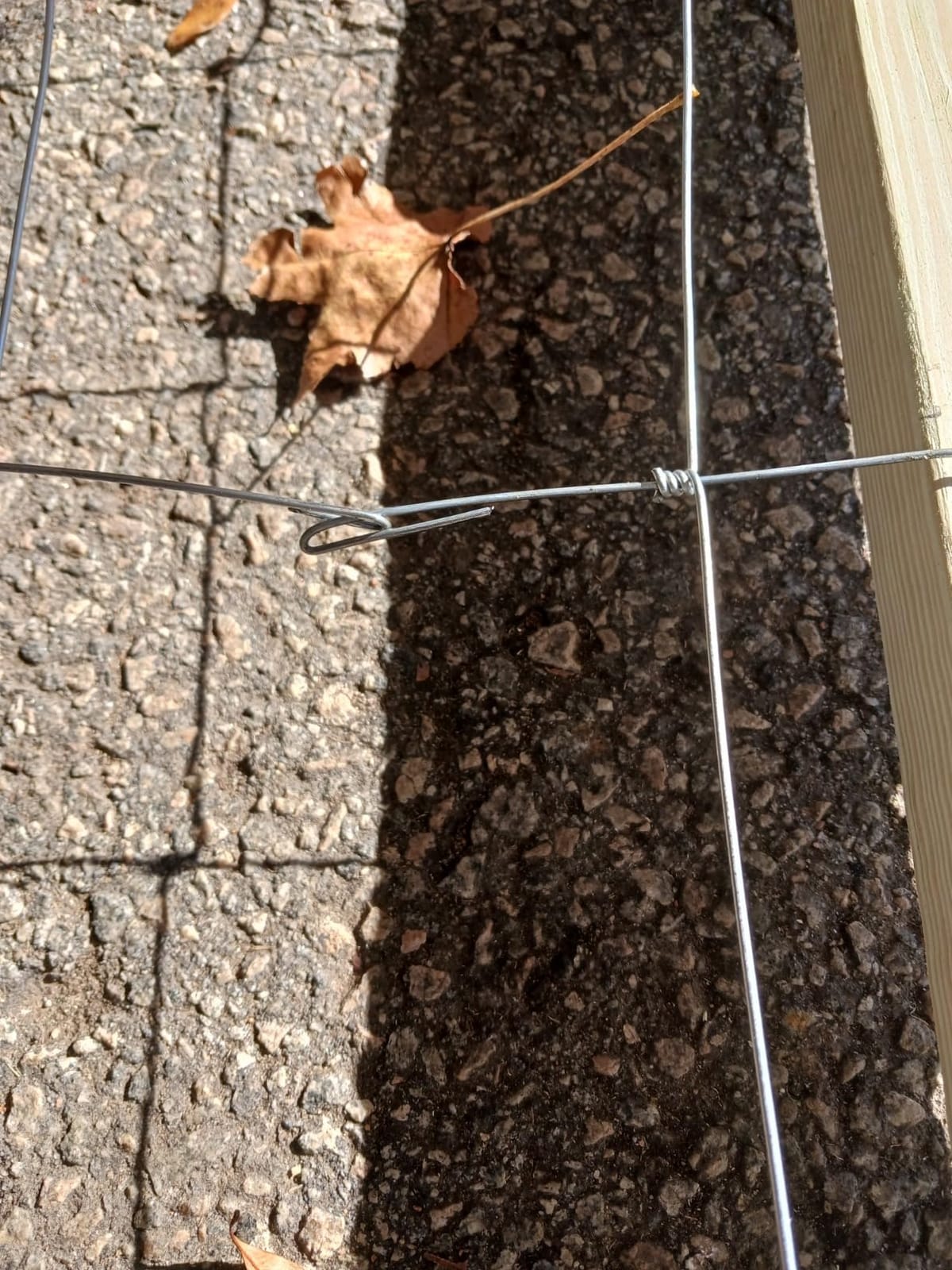
The 3.9-star rating is the main concern. While still a passing grade, it is noticeably lower than the 4.1 to 4.2 averages of competing products. The review insights suggest mixed experiences with durability, with some users reporting quality concerns over time.
That said, 217 reviews is a substantial sample, and the product continues to sell well. Some users have reported excellent results, suggesting that quality may vary between batches or that installation technique plays a significant role in performance.
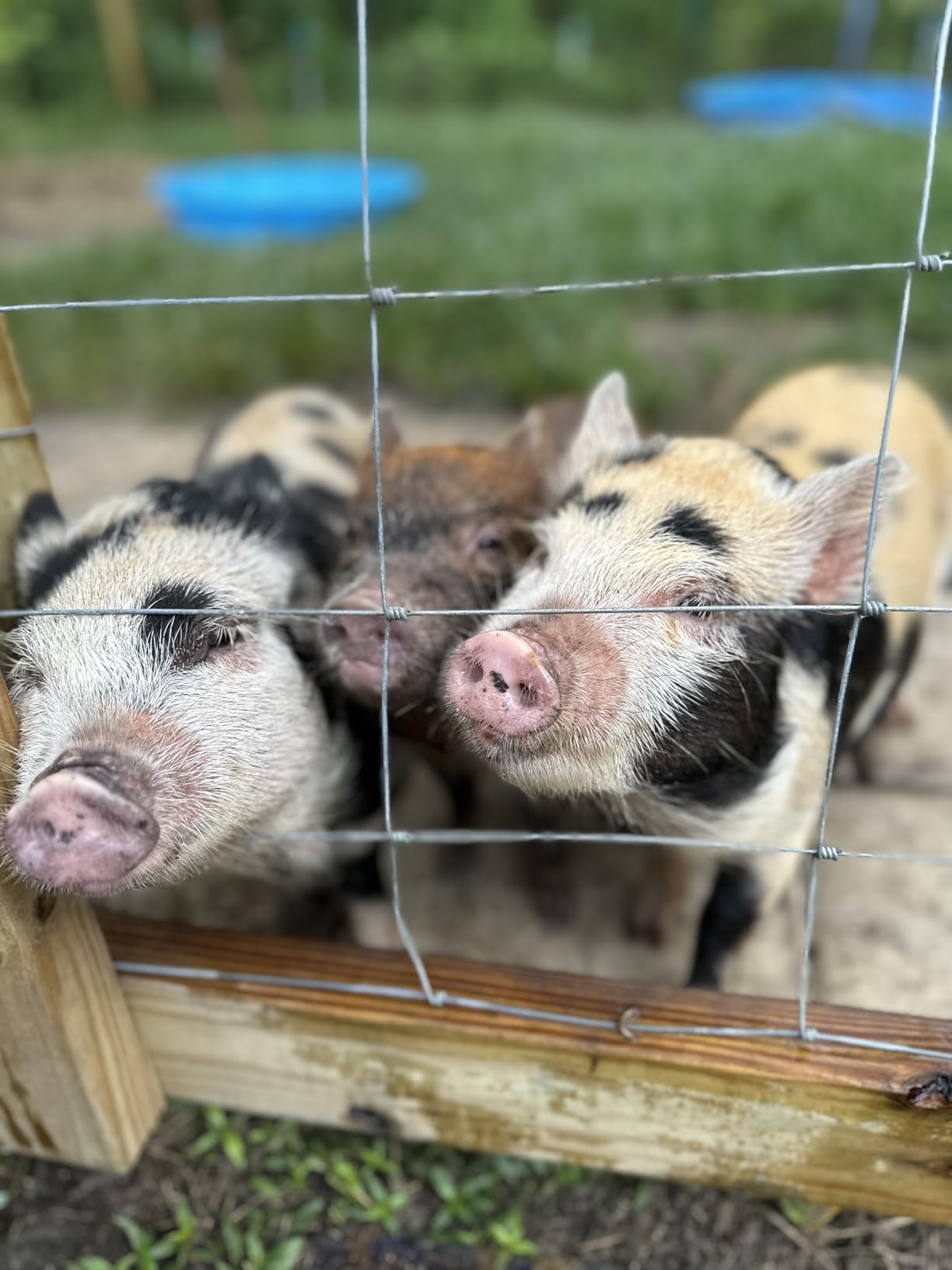
When to Consider This Product
Despite the lower rating, this product may work for you if you need a 5-foot height with 164 feet of coverage and the specifications match your requirements. The graduated mesh and galvanized construction are appropriate for the category. We recommend reading recent reviews carefully to check for any pattern of quality issues.
This product could serve well for lower-pressure applications like garden perimeter fencing or temporary paddock divisions where the fence is not the primary containment barrier.
Risk Mitigation Tips
If you choose this product, inspect the roll carefully upon delivery. Check for any signs of rust, broken welds, or inconsistent galvanization. Contact the seller immediately if you notice any defects. Proper installation with adequate tension and post spacing will help the fence perform at its best.
Consider adding a top rail or electric wire to reduce the physical stress on the fence, which may help mitigate any durability concerns reported by other users.
Buying Guide: How to Choose Cattle Panels for Livestock Fencing?
Choosing the right cattle panels or field fencing comes down to understanding four key factors: wire gauge, panel dimensions, coating type, and mesh design. Our team has broken down each factor below to help you make an informed decision based on your specific needs and livestock type.
Wire Gauge: Thicker Is Stronger
Wire gauge is the single most important specification for cattle fencing. The gauge number is counterintuitive: lower numbers mean thicker wire. So 12-gauge wire is thicker and stronger than 14-gauge, which is thicker than 16-gauge.
For cattle containment, we recommend 12-gauge or heavier. Goats and sheep can be contained with 14-gauge wire. For garden applications and light animal exclusion, 14-gauge or 16-gauge is sufficient. The products in our roundup range from 12-gauge to 14-gauge, covering most livestock and homesteading needs.
Some products use mixed gauges, with thicker wire for borders and structural elements and thinner wire for infill. This is a smart design approach that puts strength where it matters without adding unnecessary weight.
Dimensions: Height and Length Matter
Fence height determines which animals you can effectively contain. Here is a quick reference based on our research and forum discussions: 4 feet works for sheep, goats (most breeds), and interior cross-fencing. 4.5 to 5 feet handles taller goat breeds and provides moderate deer deterrence. 6 feet is needed for serious deer control and tall livestock.
For roll length, consider the total linear feet of fencing you need plus 10 percent for waste, overlap at seams, and errors. Buying longer rolls reduces the number of seams in your fence line, which improves overall integrity. The products in our roundup range from 50 feet to 328 feet per roll.
Coating Type: Galvanization Is Essential
All quality cattle fencing uses galvanized steel for rust resistance. There are two main galvanization methods to understand. Hot-dip galvanizing involves dipping the finished wire in molten zinc, creating a thick, durable coating. This is the industry standard for agricultural fencing and provides 15 to 20 years of rust protection in normal conditions.
Galvanized-after-welding takes the process a step further by coating the entire assembly after welding, sealing every joint. This method provides the best possible corrosion protection, particularly at weld points where moisture tends to collect. The 797Audio product in our roundup uses this method, which is one reason it earned our top rating.
Panel Types: Cattle vs Hog vs Goat
The fencing community often discusses three panel types, and understanding the differences helps you choose correctly. Cattle panels are designed for large livestock with heavier wire and larger mesh openings. Hog panels use tighter mesh spacing at the bottom to prevent rooting animals from pushing through. Goat panels combine moderate mesh spacing with enough height to contain climbing goats.
Field fencing, which is what most products in our roundup are, uses graduated mesh that serves all three functions in a single product. The larger top openings work for cattle and horses, while the tighter bottom spacing handles hogs, goats, and smaller livestock.
Installation Method: T-Posts vs Wood Posts
Both T-posts and wood posts work with rolled field fencing, and the best choice depends on your soil type, budget, and permanence needs. T-posts are faster to install, less expensive, and easy to remove if you need to reconfigure your fencing. They work well for temporary paddocks and rotational grazing systems.
Wood posts provide superior strength and are the better choice for permanent installations, corner bracing, and high-pressure areas. For most installations, a combination works best: wood posts for corners and ends, T-posts for line posts in between.
Space posts every 8 feet on flat ground. Reduce spacing to 6 feet on slopes, in high-wind areas, or when containing animals that test fencing aggressively. Proper tensioning is essential regardless of post type.
Frequently Asked Questions
What is the best cattle panel?
The best cattle panel depends on your needs, but our top pick is the 797Audio Hot Dip Galvanized Welded Wire Fence for its galvanized-after-welding construction and 4.5-star rating. For maximum coverage, the ZESHANGUS 328-foot roll offers the best value per square foot. For heavy-duty applications, the Jotesnew 12-gauge panels provide the thickest wire in our roundup.
What are the disadvantages of using cattle fence panels?
The main disadvantages of cattle fence panels include higher cost per foot compared to simple wire fencing, difficulty transporting standard 16-foot rigid panels in smaller vehicles, the need to place posts every 8 to 16 feet which adds labor and material cost, and the fact that standard mesh openings are too large to stop deer or contain small animals without additional screening. Welded wire panels can also crack at joints under heavy impact, though woven wire alternatives address this issue.
What is the best type of fencing for cattle?
The best fencing for cattle combines height, strength, and visibility. Woven wire field fencing at 4 to 5 feet tall with graduated mesh is the most versatile option for most operations. For perimeter fencing, pair woven wire with a top rail or electric wire for maximum security. The specific gauge should be 12 to 14 gauge depending on the size and temperament of your cattle breed.
What gauge are most cattle panels?
Most cattle panels use wire between 4 gauge and 6 gauge for rigid panels, while rolled field fencing typically uses 12 to 14 gauge wire. The products in our roundup primarily use 14-gauge galvanized steel wire, with some offering 12-gauge options for heavier duty applications. Lower gauge numbers indicate thicker, stronger wire.
Conclusion
After evaluating 12 products across hundreds of customer reviews, the best cattle panels for livestock fencing share three qualities: proper wire gauge for your animal type, hot-dip galvanization for long-term rust protection, and a graduated mesh design that handles mixed-species operations. Our top pick, the 797Audio galvanized-after-welding fence, combines all three with the highest customer satisfaction rating in the group.
For value seekers, the Toriexon 4.5-foot by 100-foot roll delivers excellent coverage per dollar. For heavy-duty needs, the Jotesnew 12-gauge panels offer the thickest wire. And for large properties, the ZESHANGUS 328-foot rolls minimize seams and maximize coverage. Match the product to your specific livestock, terrain, and budget for the best results.
Whichever option you choose, proper installation with adequate tensioning and post spacing will determine how well your fence performs over the next 15 to 20 years. Invest time in getting the installation right, and your cattle panels will serve your operation reliably through 2026 and well beyond.