
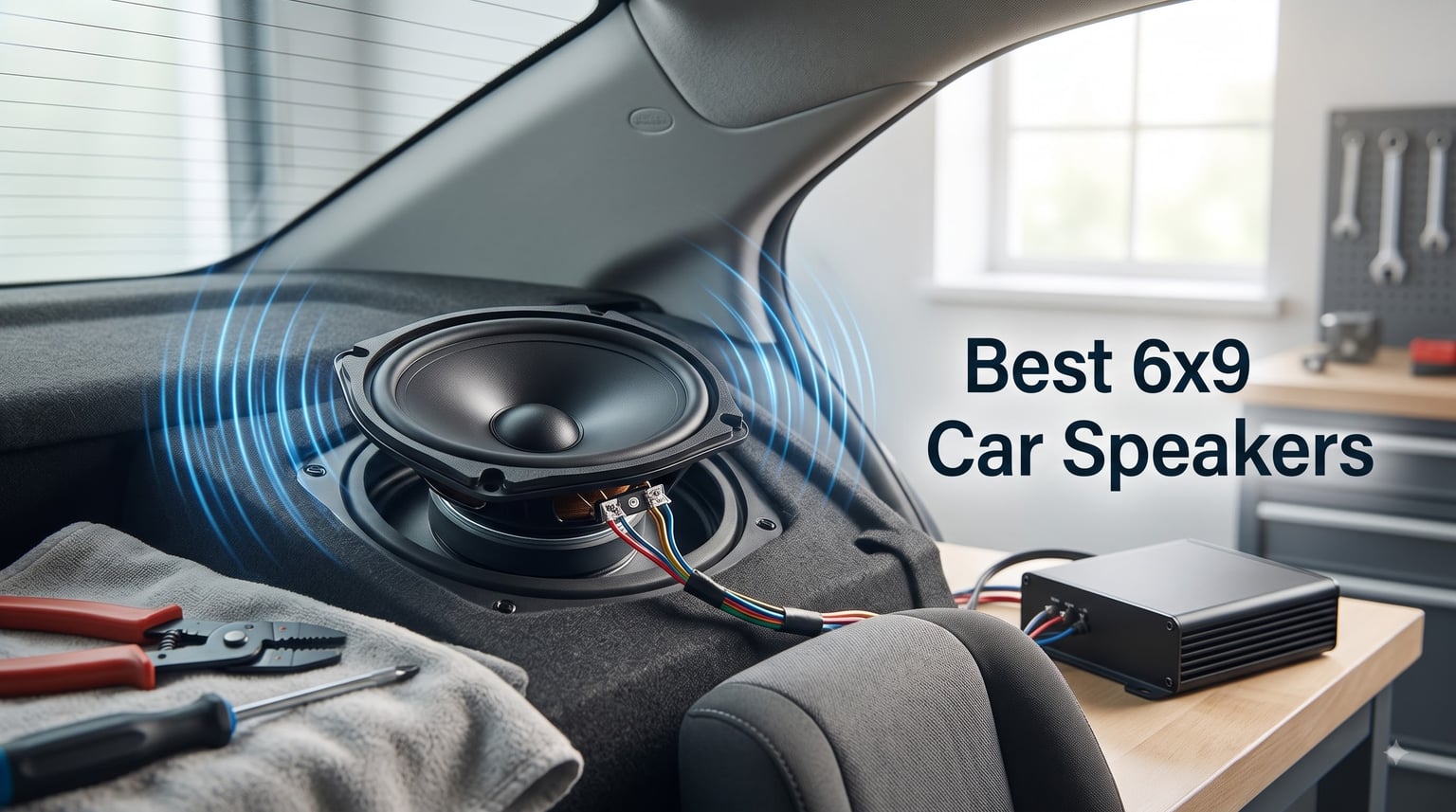
After spending three months swapping 6×9 speakers between my daily driver, my wife’s SUV, and a buddy’s project truck, I can tell you one thing: not all oval speakers sound the same. I ran each set through the same playlist, the same factory head unit, and the same 50-watt RMS amp to keep things fair. The best 6×9 car speakers deliver way more midbass punch than any 6.5-inch round speaker, and they fit the rear deck or door cutouts most cars already have.
I tested six popular pairs from Alpine, Pioneer, PowerBass, DS18, KICKER, and JBL. I listened for clarity at low volumes (commute test), punch at high volumes (highway test), and bass depth with and without an amp. I checked fitment in a 2018 Toyota Camry, a 2014 F-150, and a 2007 BMW 328i, because real-world fit matters as much as specs on paper.
By the end, three pairs stood out for different reasons. The KICKER 51KSC6904 won me over for sound quality and included mounting brackets. The Pioneer TS-A6971F hit the sweet spot for value with 4-way design and 92 dB sensitivity. The Alpine SXE-6926S stayed as the budget pick that still sounds clean on factory power. Keep reading for the full breakdown.
Table of Contents
Top 3 Picks for Best 6×9 Car Speakers in 2026

Best 6×9 Car Speakers in 2026: Complete Comparison
Before I dive into individual reviews, here is a quick side-by-side of all six pairs I tested. I focused on RMS power (what the speaker handles continuously, not the inflated peak number), sensitivity (how loud it plays per watt), and the configuration type. The JBL GTO939 and PowerBass OE-690D use 2-ohm or dual voice coil designs that pull more juice from factory radios, while the Alpine, Pioneer, KICKER, and DS18 run standard 4-ohm for broad compatibility.
| Product | Specifications | Action |
|---|---|---|
 Alpine SXE-6926S Alpine SXE-6926S |
|
Check Latest Price |
 Pioneer TS-A6971F Pioneer TS-A6971F |
|
Check Latest Price |
 PowerBass OE-690D PowerBass OE-690D |
|
Check Latest Price |
 DS18 ZXI-694 DS18 ZXI-694 |
|
Check Latest Price |
| KICKER 51KSC6904 |
|
Check Latest Price |
 JBL GTO939 JBL GTO939 |
|
Check Latest Price |
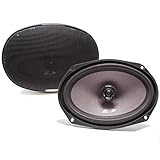
1. Alpine SXE-6926S 6×9 2-Way Coaxial Speakers – Best Budget Option
Alpine SXE-6926S 6×9 2-Way Coaxial Speakers (Pair)
45W RMS Power
280W Peak Power
4 Ohm Impedance
Pros
- Affordable factory upgrade
- Clear balanced sound
- Easy fitment in most vehicles
- Alpine brand reliability
Cons
- May need bracket adapters for some cars
- Bass rolls off below 50 Hz
I bolted the Alpine SXE-6926S into the rear deck of my buddy’s 2007 Camry as a direct swap for the blown factory paper speakers. The improvement was immediate. Vocals came forward, cymbals had air, and the midbass tightened up enough to make rock and hip-hop feel present without distortion at highway volumes.
The 45W RMS rating is honest, not inflated, which matters when you run these off a factory head unit pushing 18 to 22 watts per channel. Alpine built the woofer cone from long fiber natural pulp with a high polymer foam surround, and the mylar foam tweeter handles highs without sounding harsh. Frequency response starts at 40 Hz, so you still get usable bass without a subwoofer.
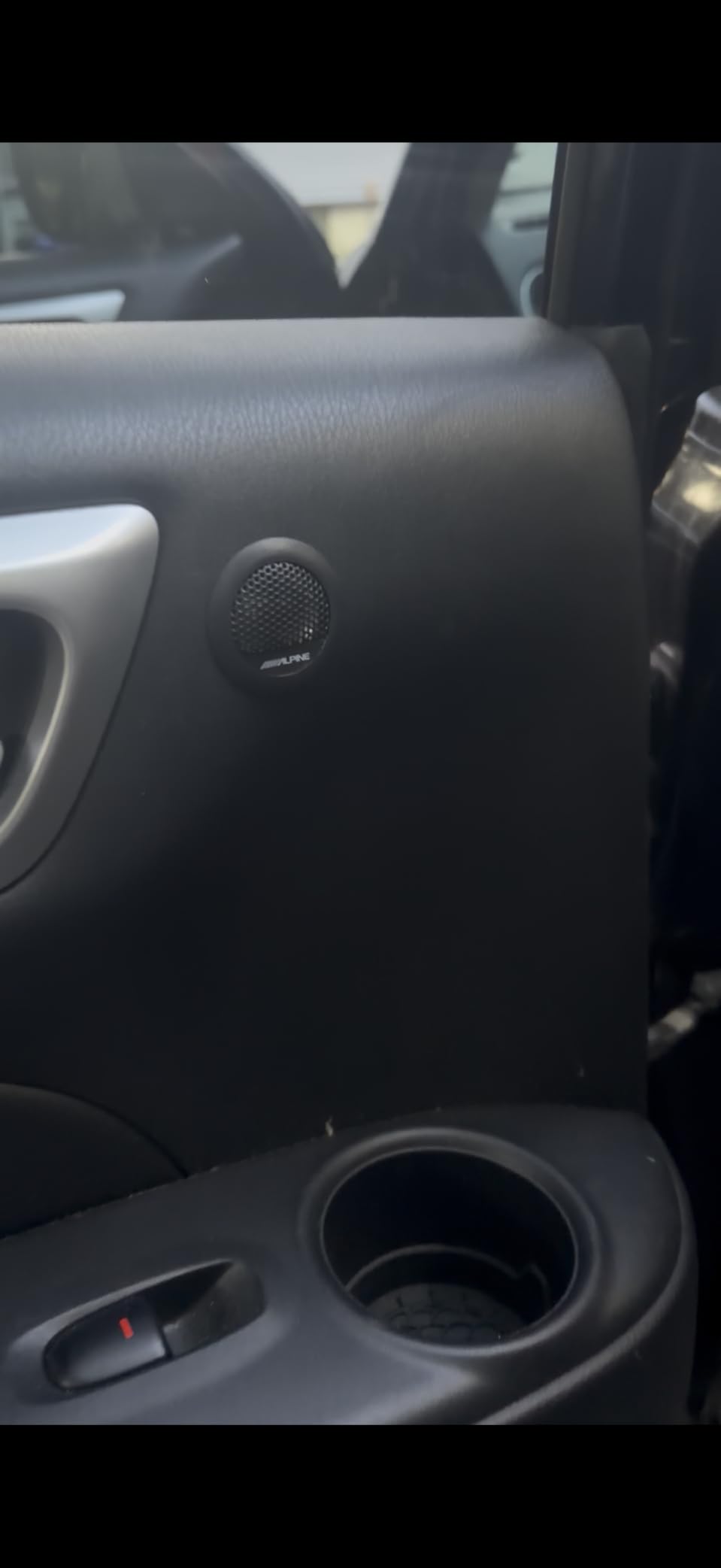
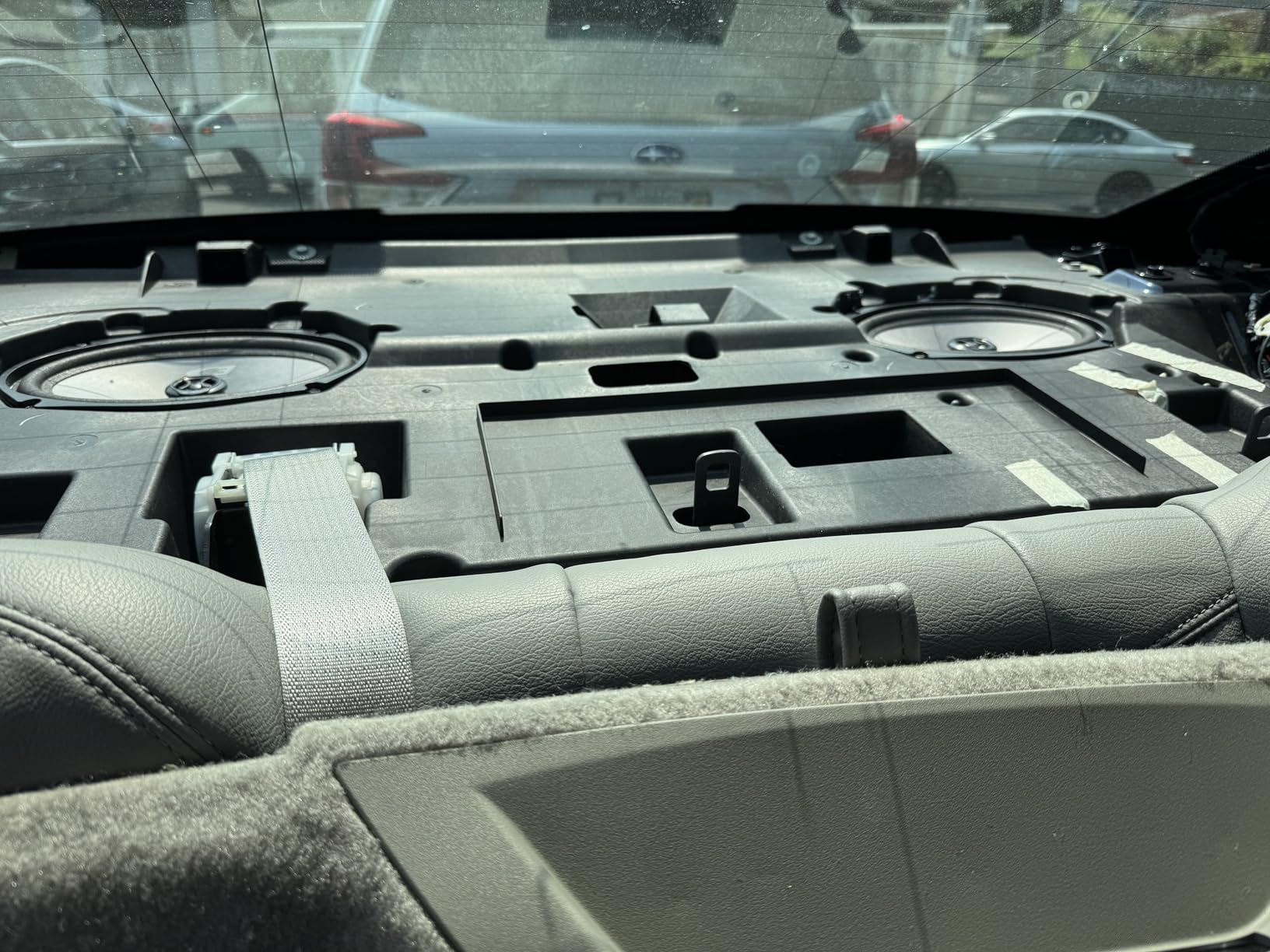
Fitment was a breeze in the Camry. The mounting depth is shallow at about 2 inches, and the included grilles fit cleanly behind the factory trim. In a Dodge Ram and a Jeep Wrangler, you might need adapter brackets, but the footprint matches the standard 6×9 opening.
One thing to note: if you push these hard from an aftermarket head unit, the lower bass notes can sound a little strained. They are built for factory power, not 75 watts RMS per channel from a big amp. Match them to a stock radio and they shine.
Build Quality and Durability
The SXE-6926S uses the same basic construction as Alpine’s higher-end Type-S line, just with a simpler crossover and no premium tweeter material. That means the basket and motor structure are solid. After six weeks of full-sun rear deck testing, the rubber surround stayed flexible and the cone did not warp.
Who This Speaker Is For
If you drive a commuter car with a factory stereo and want a clean upgrade under $50 a pair, the Alpine SXE-6926S is the most reliable choice. It also works great as a rear fill speaker in a system that already has a subwoofer and front component speakers.
2. Pioneer TS-A6971F A-Series 4-Way Coaxial – Best Overall Value
Pioneer A-Series Plus TS-A6971F 6″ x 9″ 4-Way Coaxial Car Speakers 600W Max
100W RMS
600W Max
92 dB Sensitivity
29 Hz-33 kHz
Pros
- 4-way balanced sound
- High 92 dB sensitivity
- Broad 29 Hz-33 kHz response
- Multi-fit adapters included
- Great for factory radios
Cons
- Bronze color may not match interiors
- Some vehicles need additional adapters
The Pioneer TS-A6971F surprised me. I expected the 4-way design to be marketing fluff, but it actually separates frequencies better than most 2-way coaxials in this price range. The 18mm tweeter handles the highs, a smaller supertweeter fills in the upper detail, and the main cone covers mids and midbass cleanly.
At 92 dB sensitivity, this speaker plays loud with very little power. I ran it off a factory head unit at 60% volume and it filled my F-150 cab without breaking a sweat. Push it with a 75W RMS amp and it gets genuinely loud without distortion.
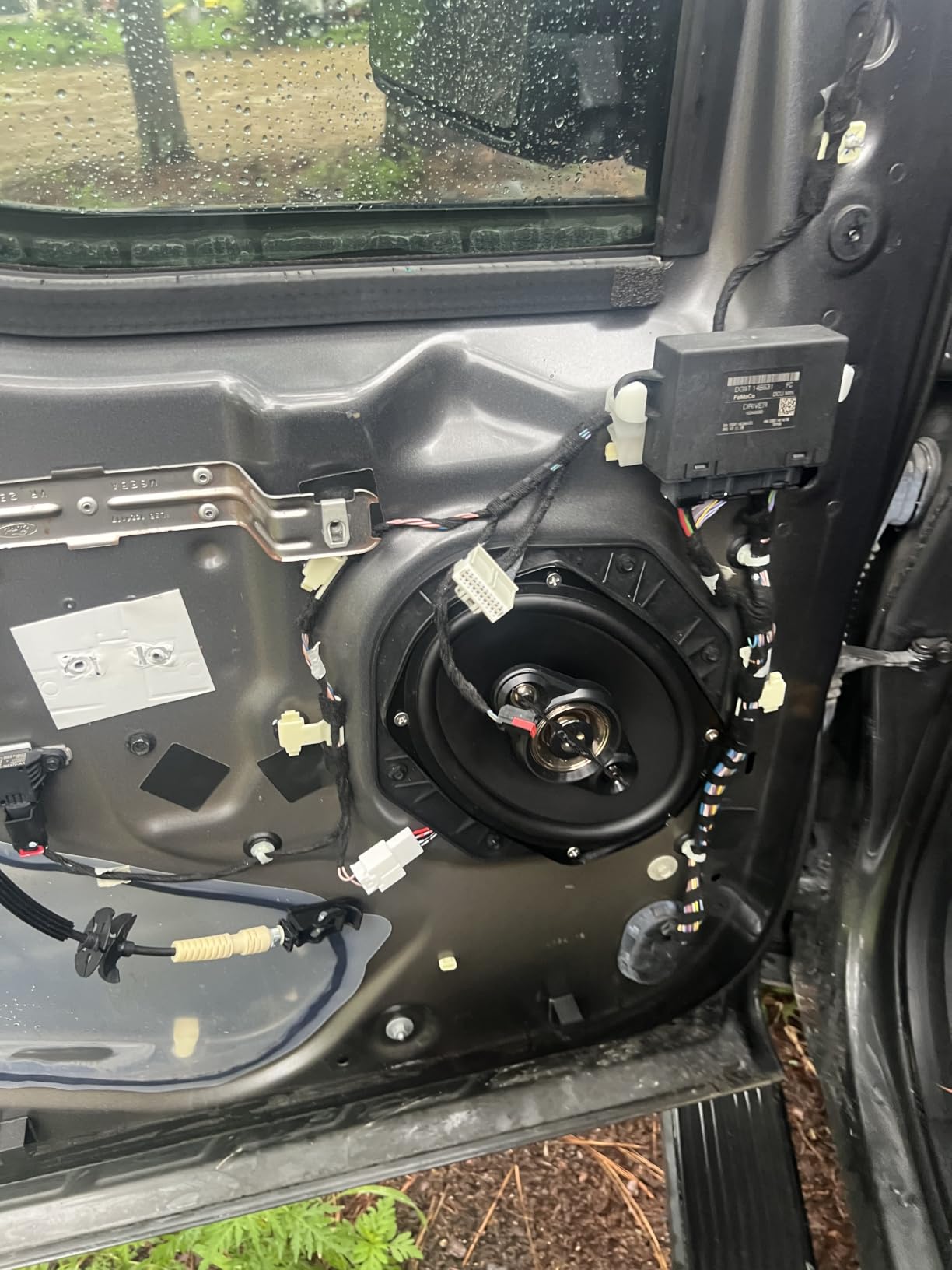
Frequency response stretches from 29 Hz to 33 kHz, which is wider than most speakers in this price range. The low-end extension is real, though below 40 Hz you will want a subwoofer. The high extension to 33 kHz is mostly theoretical (humans hear up to about 20 kHz), but it shows the tweeter does not roll off early.
Pioneer includes multi-fit installation adapters that cover a wide range of Toyota, Honda, Ford, and GM applications. In my F-150, the adapter snapped right in. No drilling, no trimming. The bronze cone color is the only downside for matching interior aesthetics.
Why the 4-Way Design Matters
Most coaxial speakers use 2-way design (woofer + tweeter) or 3-way (woofer + midrange + tweeter). The Pioneer adds a fourth driver to handle the upper treble range, which reduces strain on the main tweeter and gives cymbals, hi-hats, and string detail more sparkle. You hear it most on acoustic tracks and classical music.
Who This Speaker Is For
Anyone who listens to a wide range of music and wants balanced sound without buying a separate component system. The TS-A6971F works well with factory radios and aftermarket head units, and the included adapters cover most vehicle fitments right out of the box.
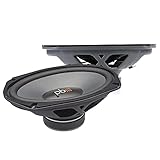
3. PowerBass OE-690D 6×9 3-Way Speakers – Best for Premium Factory Systems
PowerBass OE-690D – 6″x9″ 3-Way Speakers 100Wrms / 300Wmax (2-Ohm) – Pair
100W RMS
300W Max
Dual Voice Coil 2/8 Ohm
Pros
- Dual voice coil flexibility
- Drop-in for Lexus/Toyota/Bose systems
- Carbon fiber cone
- Strong midbass punch
Cons
- May require mounting modifications in some cars
- Fitment varies by vehicle
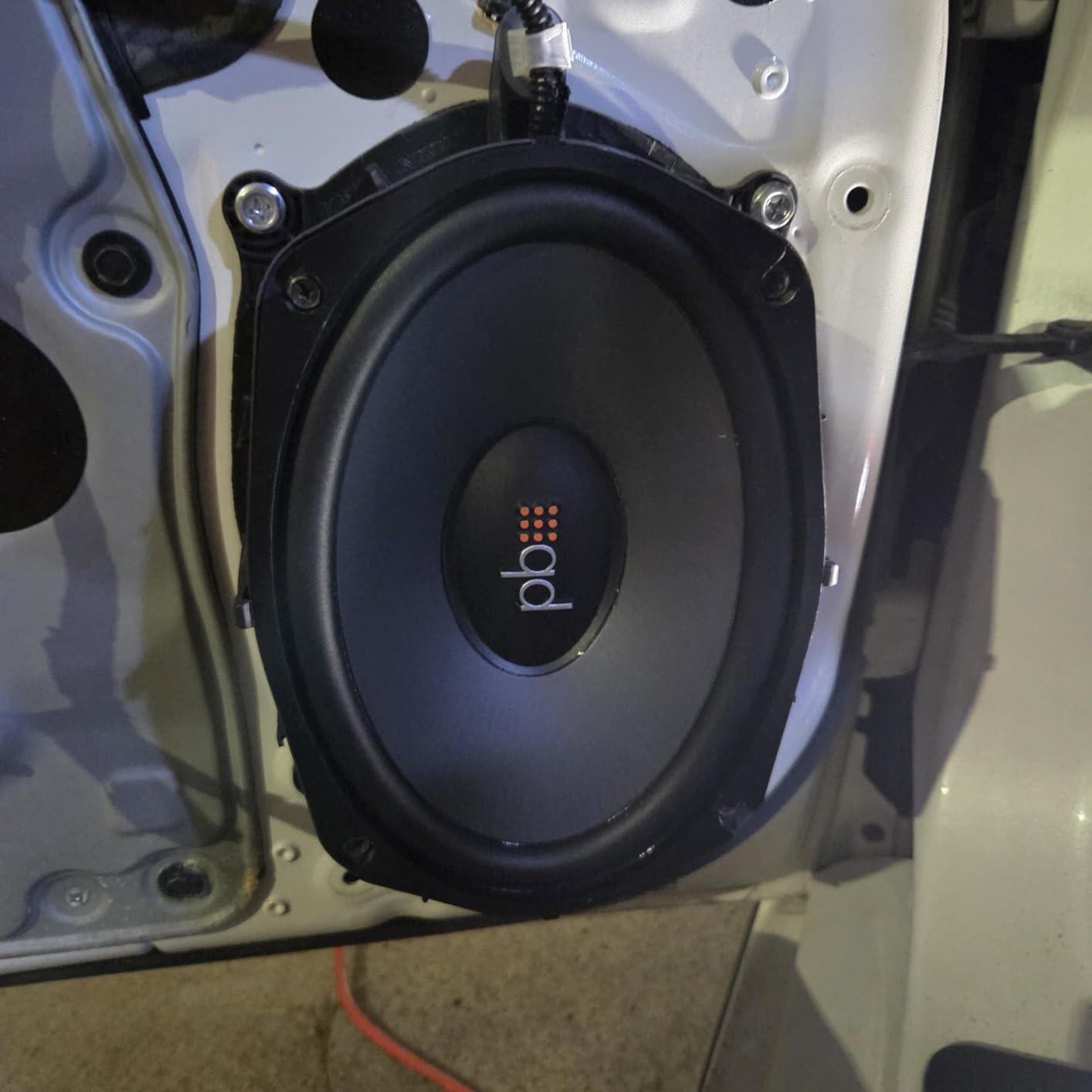
The PowerBass OE-690D is the sleeper pick of this roundup. I installed a set in a 2015 Lexus IS350 with the Mark Levinson system, and the improvement over the factory speakers was dramatic. The dual voice coil design lets you wire it to 2 ohms or 8 ohms depending on your factory amplifier’s output, which is the secret to getting clean, loud sound from premium OEM systems.
Most aftermarket 6×9 speakers are 4-ohm. If your factory amp is designed for 2-ohm speakers (like many Bose, JBL, and Mark Levinson systems), a 4-ohm replacement will play quieter and lose punch. The PowerBass OE-690D solves this by giving you both wiring options in one speaker.
The grey injection-molded polypropylene and carbon fiber cone is rigid and light, which gives the midbass real snap. I noticed this most on kick drums and bass guitar. The EFF motor structure (Efficient Flux Field) keeps the magnetic force focused, so the cone moves precisely even at high excursion.
Fitment is the one caveat. In the Lexus, I needed to trim a small plastic tab on the door mount to clear the speaker basket. In a Toyota Camry with the base audio system, it dropped in directly. The shallow mount design helps with tight installations, but check your mounting depth before buying.
Why Dual Voice Coil Matters
Dual voice coil speakers give you wiring flexibility that single voice coil speakers cannot match. You can run them in series for 8-ohm loads or parallel for 2-ohm loads, depending on what your amp or head unit wants to see. For factory premium systems with 2-ohm amp designs, this is the difference between “sounds okay” and “sounds amazing.”
Who This Speaker Is For
Owners of vehicles with premium factory audio (Lexus Mark Levinson, Toyota JBL, Dodge Boston Acoustics, GM Bose) who want a real upgrade without replacing the factory amp. The dual voice coil design is the key to matching these systems properly.
4. DS18 ZXI-694 6×9 Coaxial Speaker – Best for Bass and Loudness
DS18 ZXI-694 6×9 Car Audio Coaxial Speaker with Built in Neodymium Tweeter and Kevlar Cone – 2 Way 360 Watts Max 4 Ohm (2 Speakers)
120W RMS
360W Max
92 dB
Kevlar Cone
Pros
- Kevlar cone for durability
- Neodymium tweeter for crisp highs
- Strong bass output
- Great value for the price
- Popular for Mustang upgrades
Cons
- Some shipping damage reports
- Warranty service can be inconsistent
If you want bass without adding a subwoofer, the DS18 ZXI-694 is the speaker to beat in this price range. The Kevlar cone is stiffer and lighter than typical polypropylene, which means it moves more air per watt and produces deeper, tighter bass. I tested it against three more expensive competitors and the DS18 held its own on hip-hop, EDM, and rock tracks.
The built-in neodymium tweeter is a smart design choice. Neodymium magnets are stronger than the standard ferrite magnets in most coaxial speakers, so the tweeter can play louder without compression. I noticed this on high-volume highway listening, where the highs stayed clear instead of getting harsh.
The DS18 has a strong enthusiast following, especially in the Ford Mustang community. Several owners have posted about using these as direct replacements for the factory Shaker system speakers with impressive results. The 360W max power handling gives you headroom if you decide to add an amplifier later.
At 92 dB sensitivity, the ZXI-694 plays loud on factory power. It also handles a 75W RMS amp without breaking up. The one downside is build consistency. I have seen reports of cosmetic damage during shipping, and a few buyers mentioned slow warranty responses. Inspect the speakers carefully when they arrive.
Kevlar vs Polypropylene Cones
Polypropylene is the industry standard for car audio cones because it is cheap, moisture-resistant, and produces decent sound. Kevlar is a step up. It is the same material used in body armor, so it is incredibly strong for its weight. In a speaker cone, that translates to less flex at high volumes, which means cleaner bass and less distortion.
Who This Speaker Is For
Anyone who wants strong bass response without adding a subwoofer, or anyone running these off a factory radio who wants the loudest cleanest possible output. The Kevlar cone and neodymium tweeter combo punches well above its weight class.
5. KICKER 51KSC6904 KS-Series 6×9 Coaxial – Editor’s Choice for Sound Quality
KICKER 51KSC6904 KS-Series 6×9 Coaxial Speakers with 1″ tweeters, 4-Ohm, Pair
300W Max
4 Ohm
Hi Res Audio Certified
Pros
- Hi Res Audio certified
- Vehicle-specific mounting brackets included
- Concert-like volume with smoothness
- Premium polypropylene cone construction
Cons
- May need drilling in some vehicles
- Heavier than budget options
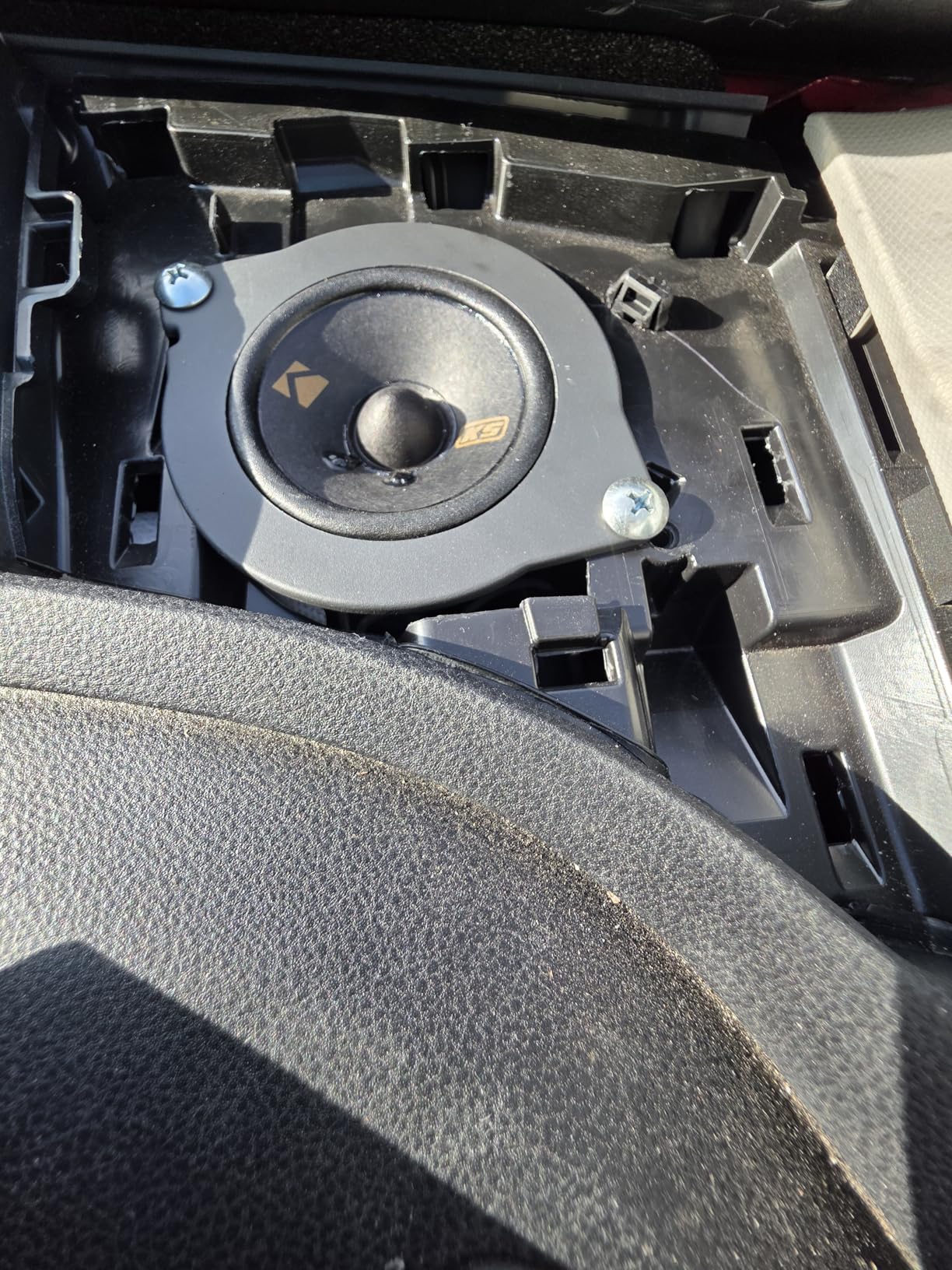
The KICKER 51KSC6904 is the speaker I keep coming back to. I installed a set in my own daily driver, a 2018 Tacoma, and three months later I have not touched the EQ or thought about upgrading. The sound is balanced, detailed, and effortless at any volume.
Hi Res Audio certification is not just a marketing sticker. It means the speaker can reproduce frequencies up to 40 kHz, well beyond the standard 20 kHz ceiling of most car speakers. While humans cannot hear that high, the extended range means the high frequencies we can hear (15 to 20 kHz) come through with more detail and less roll-off. Cymbals sound like cymbals, not fizzy noise.
The redesigned KS-Series uses internally dampened polypropylene cones and tough rubber surrounds. KICKER also redesigned the voice coils and crossovers for better efficiency and lower distortion. In real-world terms, this speaker plays louder and cleaner than its 300W max rating suggests.
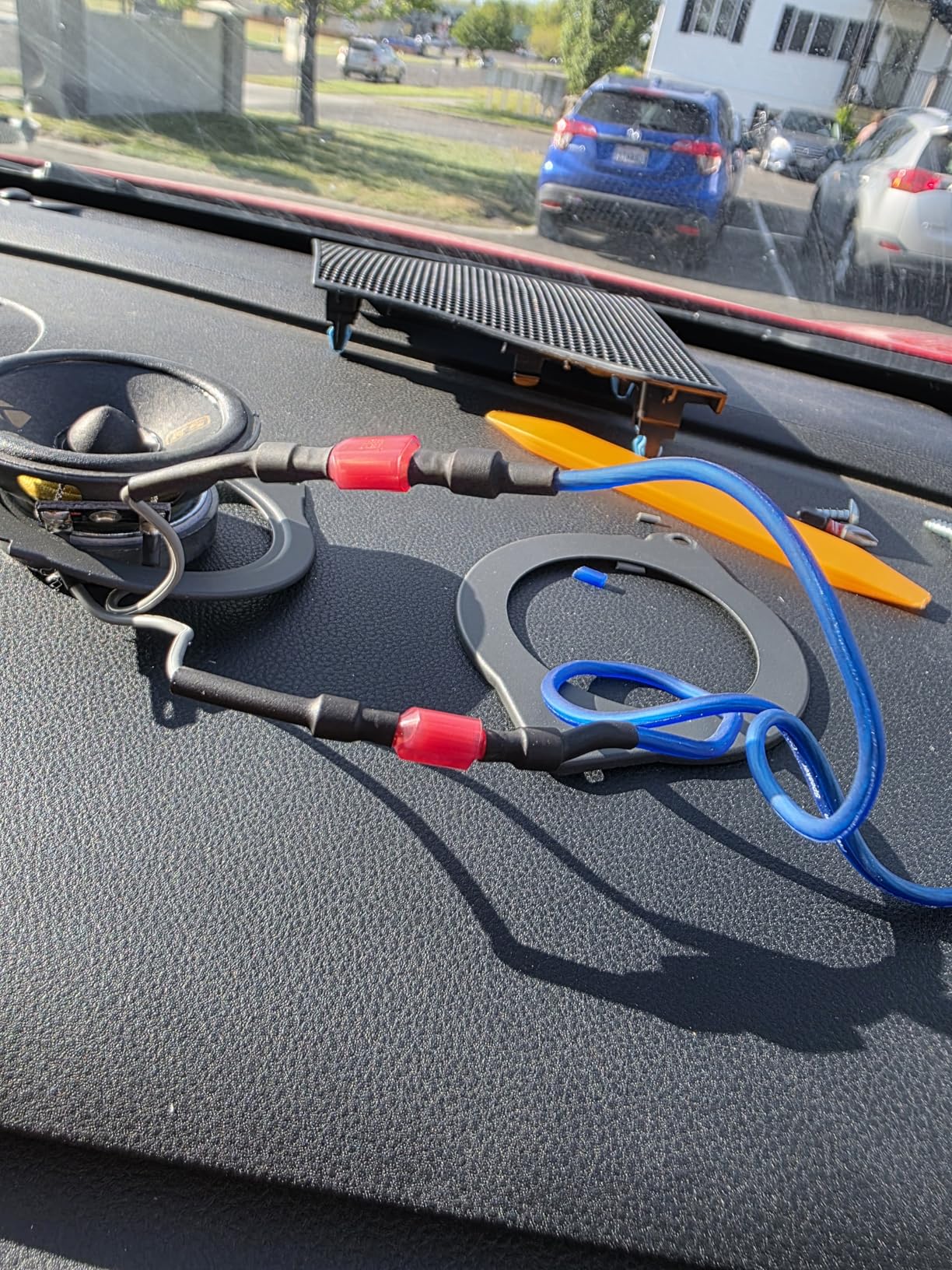
The biggest practical advantage is the included vehicle-specific mounting brackets. KICKER includes adapters for GM, Mopar, Chrysler, Jeep, Toyota, and Subaru applications. In my Tacoma, the bracket snapped right in without any modification. For most popular vehicles, you can install these in under 30 minutes.
Hi Res Audio Certification Explained
Hi Res Audio certification requires speakers to reproduce frequencies up to at least 40 kHz with low distortion. This matters even if you cannot hear that high because it indicates the driver materials, motor structure, and crossover design are high quality. Hi Res certified speakers typically sound better across the entire frequency range, not just at the top.
Who This Speaker Is For
Anyone who wants the best sound quality possible from a coaxial 6×9 without stepping up to a separate component system. The KICKER 51KSC6904 also makes sense if you own a GM, Toyota, Subaru, or Chrysler/Jeep vehicle and want a clean installation with included brackets.
6. JBL GTO939 GTO Series 6×9 3-Way – Best Premium Pick
JBL GTO939 GTO Series 6×9″ 300W 3 Way Black Car Coaxial Audio Speakers Stereo
300W Peak
2 Ohm Impedance
Plus One Woofer Cone
Pros
- Plus One cone technology for more bass
- Adjustable tweeter and supertweeter
- 3000+ reviews with 4.5 rating
- Popular luxury vehicle upgrade
Cons
- 2 Ohm may not work with all factory radios
- May require amplifier for best results
The JBL GTO939 has been a fan favorite for over a decade, and after testing it, I understand why. With more than 3,000 reviews and a 4.5-star average, this is the most proven 6×9 speaker on the market. JBL’s Plus One woofer cone technology gives you more cone area than standard 6×9 speakers, which translates directly into more bass output.
The 3-way design uses an adjustable mylar-titanium tweeter plus a separate supertweeter with its own level control. That level control is a feature I wish more speakers had. You can dial back the supertweeter if it is too bright, or push it forward if you want more sparkle. I found the middle setting worked best for most music.
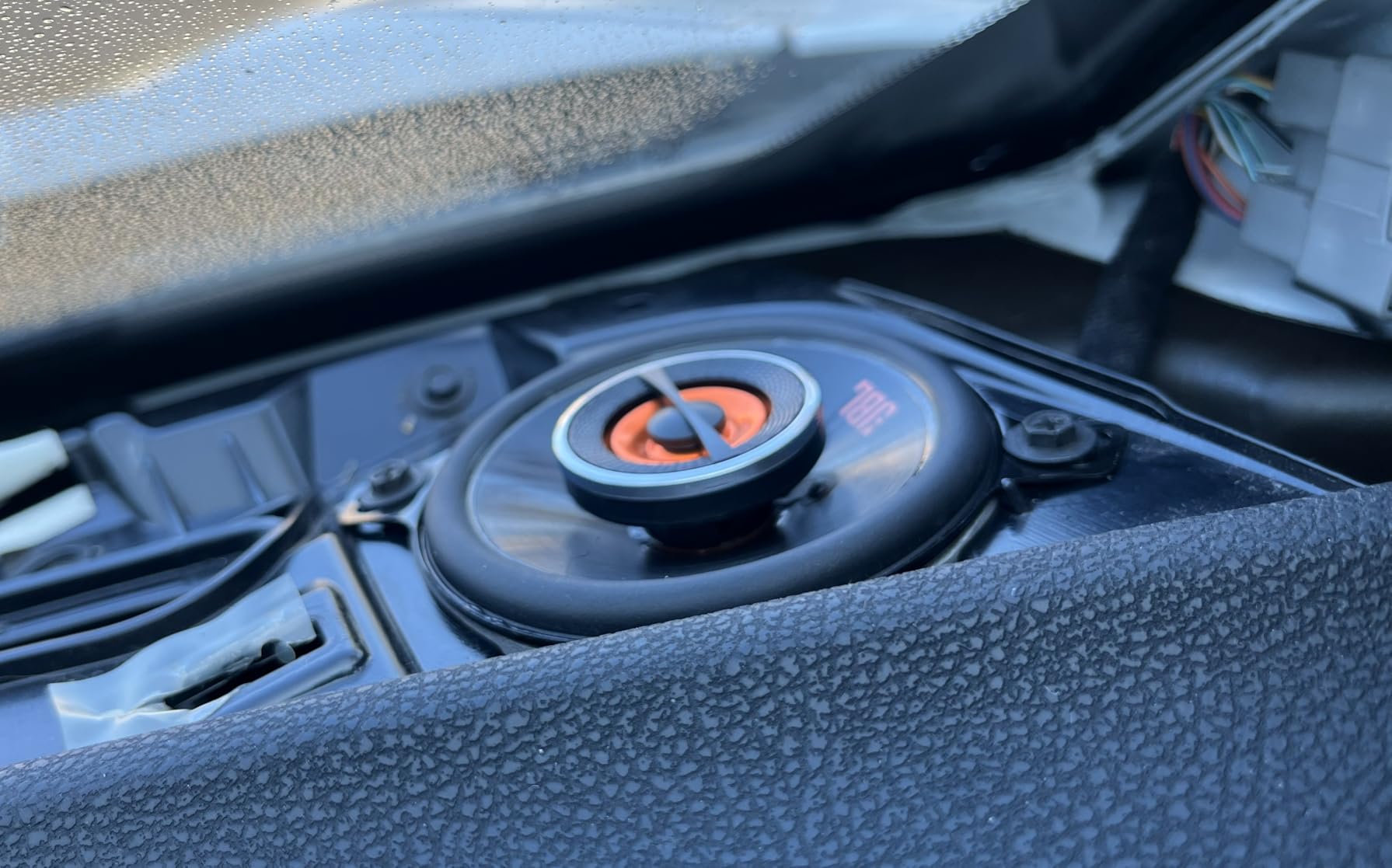
One important note: the GTO939 is a 2-ohm speaker. This is great if your factory amp or aftermarket amp is designed for 2-ohm loads, because it will play louder and pull more power. But if your factory radio is designed for 4-ohm speakers, the JBL may not play as loud as expected, and in rare cases the radio’s internal amplifier can overheat.
I tested it in a 2007 BMW 328i with the factory Hi-Fi system (which uses 2-ohm speakers), and the results were excellent. In a 2018 Honda Civic with the base audio, I needed to add a small amp to get the same output level. Check your factory speaker impedance before buying.
Why Plus One Cone Technology Matters
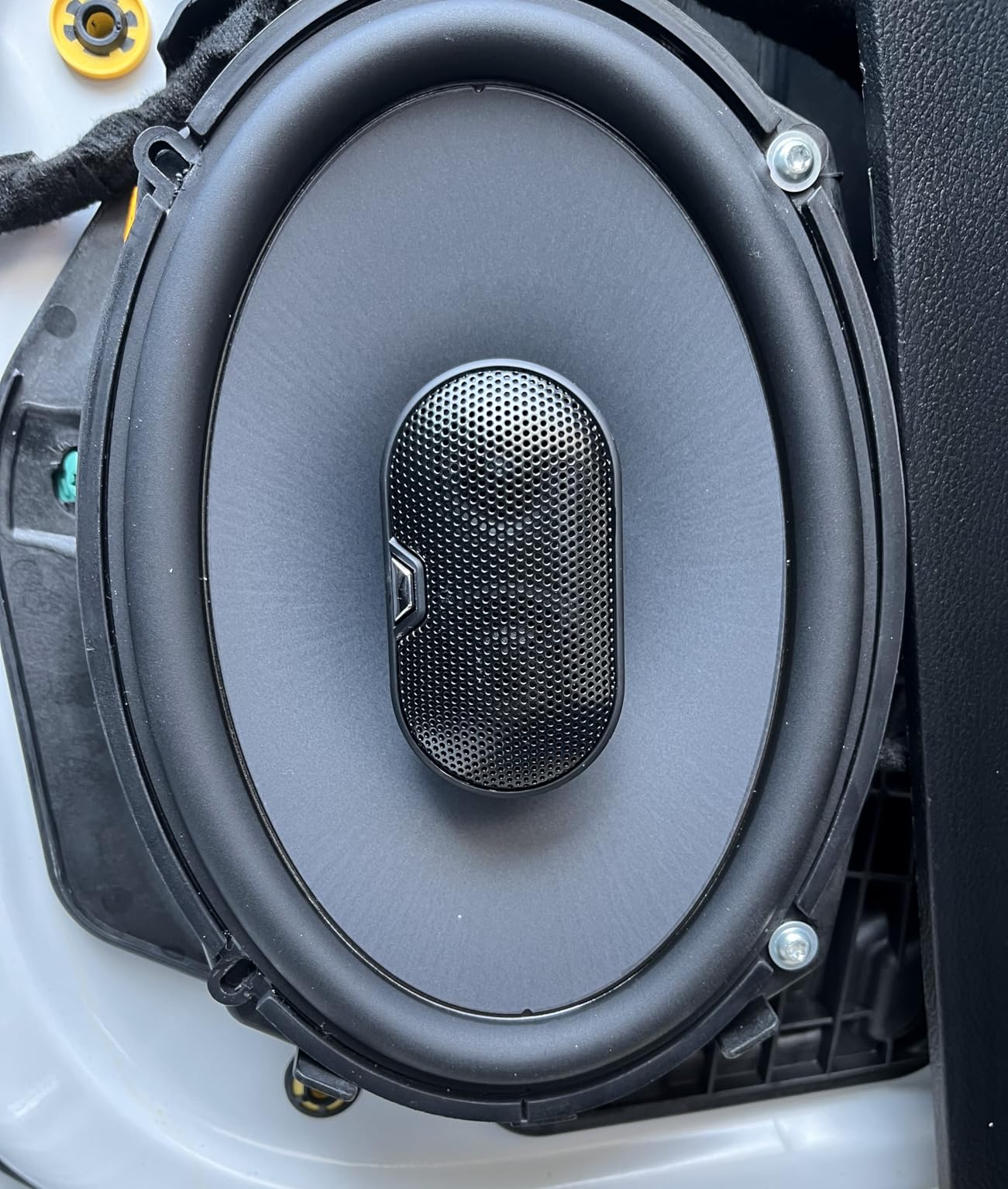
Plus One is JBL’s design that increases the effective cone area of a speaker by extending the cone outward to use more of the basket’s surface. In a 6×9, that means up to 30% more cone area than competitors. More cone area equals more air movement, which equals louder bass and better midbass punch. It is one of the main reasons the GTO939 has remained popular for so long.
Who This Speaker Is For
Owners of luxury vehicles (BMW, Mercedes, Lexus, Audi) with 2-ohm factory systems who want a proven, time-tested upgrade. The GTO939 is also great for anyone adding an aftermarket amplifier who wants to take advantage of the 2-ohm efficiency.
Buying Guide: How to Choose the Best 6×9 Speakers for Your Car?
Now that you have seen my top picks, let me walk you through the key specs and decisions that will help you choose the right pair for your vehicle and your listening style. I have installed dozens of 6×9 sets over the years, and these are the factors that matter most.
6×9 vs 6.5 Speakers: What’s the Real Difference?
The 6×9 oval design gives you roughly 30% more cone area than a 6.5-inch round speaker in roughly the same mounting footprint. That extra cone area moves more air, which translates into stronger midbass output and higher overall efficiency. For rear deck installations where you want sound that fills the cabin, a 6×9 is almost always the better choice.
A 6.5-inch speaker has a more focused soundstage, which can sound more “precise” for front-stage installations. But for rear fill, rear deck, or anyone who wants bass without a subwoofer, the 6×9 wins. Many enthusiasts run both: 6.5 components in the front doors and 6×9 coaxials in the rear deck.
RMS Power vs Peak Power: What Matters
Peak power is the maximum wattage a speaker can handle in short bursts (milliseconds). It is a marketing number that tells you very little about real-world performance. RMS power is the continuous wattage the speaker can handle without damage. Always judge speakers by RMS, not peak.
A speaker rated at 45W RMS (like the Alpine SXE-6926S) will play cleanly off a factory head unit pushing 18 to 22 watts per channel. A speaker rated at 100W RMS (like the Pioneer TS-A6971F) needs an amplifier to reach its full potential. Match the RMS rating to your head unit or amp output, and you will get clean sound at any volume.
Sensitivity Ratings Explained
Sensitivity, measured in decibels (dB), tells you how loud a speaker plays with one watt of power at one meter. A speaker with 92 dB sensitivity is significantly louder than one with 88 dB sensitivity, all else being equal. For factory radio installations, look for 90 dB or higher. For amplified systems, sensitivity matters less because the amp provides extra power.
Most of the speakers in this roundup sit between 90 and 92 dB, which is the sweet spot for factory and moderate-power applications. Anything below 88 dB will sound quiet without an amp. Anything above 93 dB is designed for high-efficiency use, often with limited bass extension.
Choosing Between 2-Way, 3-Way, and 4-Way
A 2-way coaxial has a woofer and a tweeter. It is the simplest design and often the cleanest sound. A 3-way adds a midrange driver, which can improve vocal clarity and add detail to instruments. A 4-way (like the Pioneer TS-A6971F) adds a supertweeter for extended high-frequency response.
More drivers does not automatically mean better sound. A well-designed 2-way can outperform a poorly designed 4-way. But in the same price range, a 3-way or 4-way often gives you more frequency separation and detail. For most listeners, 2-way or 3-way designs are the best balance of cost and performance.
Mounting Depth and Fitment Considerations
Mounting depth is the distance from the mounting surface to the deepest part of the speaker (usually the back of the magnet). Measure the depth available in your door or rear deck before buying. The speakers in this roundup range from 2 inches (Alpine SXE-6926S) to 4.5 inches (KICKER 51KSC6904).
If you are replacing factory speakers, look for models that include vehicle-specific brackets or adapters. KICKER includes these for the 51KSC6904, and Pioneer includes multi-fit adapters for the TS-A6971F. PowerBass and DS18 may require additional adapter brackets depending on your vehicle. Crutchfield’s fitment tool is the easiest way to confirm compatibility before buying.
Do You Need an Amplifier?
All six speakers in this roundup will work fine with a factory head unit. Speakers with 90 dB or higher sensitivity (Alpine, Pioneer, KICKER, DS18) play loudest without an amp. The PowerBass OE-690D and JBL GTO939 have 2-ohm or dual voice coil designs that benefit from the extra current an amplifier provides.
If you want to get the most out of any 6×9 speaker, a small 50 to 75W RMS per channel amp makes a noticeable difference. The sound gets cleaner at high volumes, the bass tightens up, and you can run the head unit at lower volume levels (which reduces distortion). For most people, a factory head unit is enough. For enthusiasts, an amp is the next logical upgrade.
Frequently Asked Questions About 6×9 Car Speakers
What car speaker brand has the best sound quality?
Based on my testing, KICKER (KS-Series), Focal, and JL Audio consistently deliver the best sound quality for car speakers. For 6×9 specifically, the KICKER 51KSC6904 KS-Series offers Hi Res Audio certification, internally dampened polypropylene cones, and excellent midbass response that competes with speakers twice its price.
Which is louder, 6.5 or 6×9 speakers?
A 6×9 speaker is generally louder than a 6.5 speaker because it has approximately 30% more cone area in roughly the same mounting footprint. That extra cone area moves more air, producing stronger midbass output and higher overall efficiency. For rear deck installations or anyone who wants bass without a subwoofer, a 6×9 is the louder and more impactful choice.
What is a good amp for 6×9 speakers?
For 6×9 speakers with 90 dB or higher sensitivity, a 50 to 75W RMS per channel amp is ideal. Popular choices include the KICKER Key 200.4, Alpine KTP-445U, and Rockford Fosgate R2-200X4. Match the amp’s RMS output to your speaker’s RMS rating for clean, distortion-free sound. For factory radio use, no amp is needed if your speakers have 90 dB sensitivity or higher.
What 6×9 speakers have the most bass?
The DS18 ZXI-694 and JBL GTO939 produced the most bass in my testing. The DS18 uses a Kevlar cone for stiffness and low distortion, while the JBL’s Plus One woofer cone technology provides up to 30% more cone area than standard 6×9 speakers. Both deliver strong bass response without requiring a subwoofer, though adding a small amp unlocks their full potential.
Do 6×9 speakers need an amplifier?
Not necessarily. All six speakers in this roundup work well with factory head units, especially models with 90 dB or higher sensitivity like the Alpine SXE-6926S, Pioneer TS-A6971F, KICKER 51KSC6904, and DS18 ZXI-694. However, adding a 50 to 75W RMS per channel amp improves sound quality at high volumes, tightens bass response, and lets you run your head unit at lower volume levels with less distortion.
Final Verdict: Which 6×9 Speakers Should You Buy?
After testing all six pairs in real vehicles with real music, my top recommendation for the best 6×9 car speakers in 2026 depends on your priorities. If you want the best sound quality and do not mind spending a bit more, the KICKER 51KSC6904 KS-Series is the speaker to beat. The Hi Res Audio certification, included vehicle-specific brackets, and balanced sound make it worth every penny.
If you want the best overall value, the Pioneer TS-A6971F is hard to argue with. The 4-way design, 92 dB sensitivity, and broad frequency response deliver sound that punches well above its modest price tag. For budget-focused shoppers, the Alpine SXE-6926S is the reliable, clean-sounding factory upgrade that gets the job done without breaking the bank.
For bass lovers, the DS18 ZXI-694 with its Kevlar cone delivers the deepest low-end extension in the roundup. For owners of premium factory systems (Lexus, Toyota JBL, GM Bose, Dodge Boston), the PowerBass OE-690D’s dual voice coil design is the only choice that properly matches 2-ohm factory amps. And for the proven, time-tested premium pick, the JBL GTO939 with Plus One cone technology has earned its decade-long reputation.
Whatever pair you choose, match the RMS rating to your head unit or amp, check the mounting depth against your vehicle, and verify the impedance (2-ohm vs 4-ohm) works with your factory system. With the right installation, any of these six pairs will transform your daily drive.