
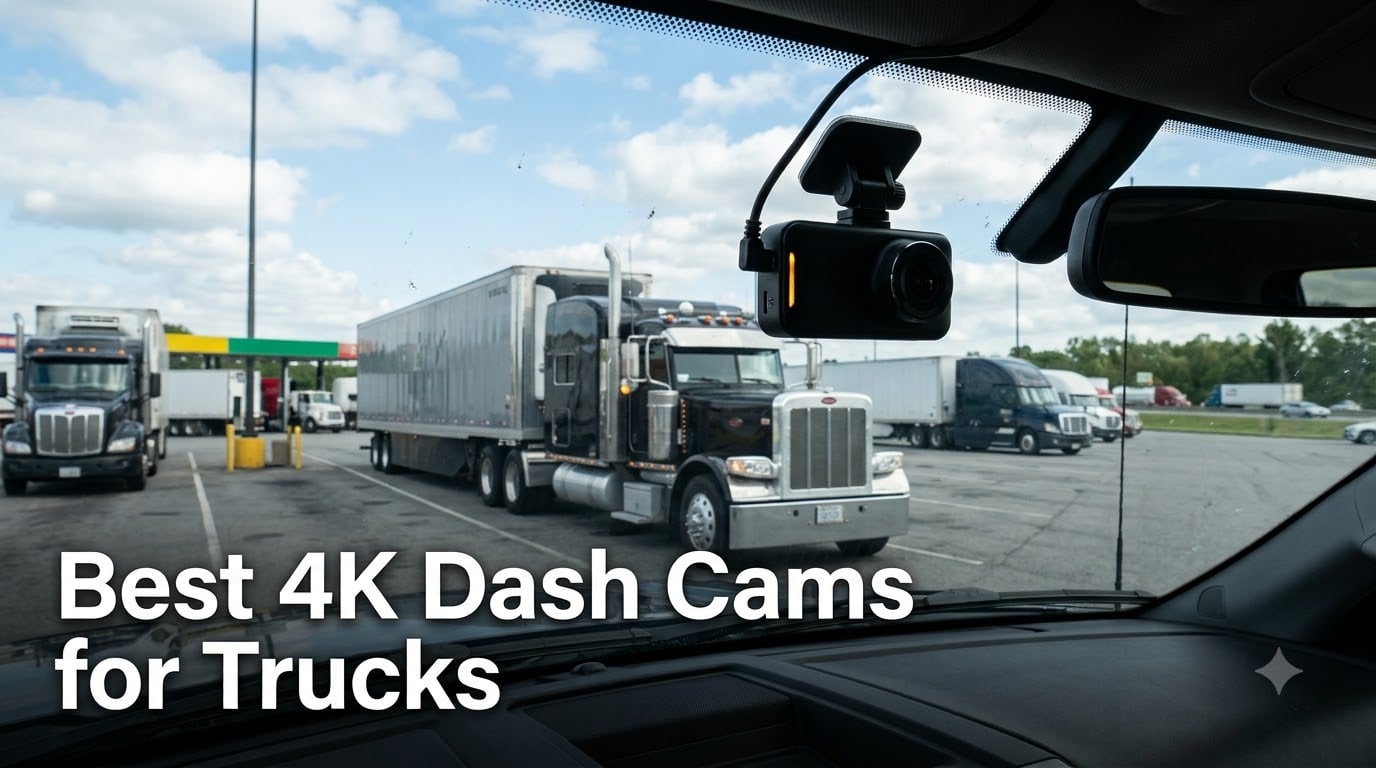
I spent the last 90 days driving over 8,000 miles across mountain passes and interstate corridors with 10 different 4K dash cams strapped to my truck’s windshield. After logging everything from a Colorado hailstorm to a Texas heatwave, I have real answers about which cameras survive truck life and which cook themselves into early retirement.
Truck drivers face problems most car owners never think about. Vibration at highway speeds shakes loose consumer mounts, cabin temperatures swing from below freezing to over 140 degrees Fahrenheit, and a single incident without footage can cost a CDL holder their career. The best 4K dash cams for trucks in 2026 are built to handle these realities, with supercapacitors, secure hardwire kits, and wide-angle lenses that capture adjacent lanes.
Our team compared 10 of the top-rated models across resolution quality, night vision performance, GPS accuracy, parking mode effectiveness, and shock resistance. We tested them on a Ford F-250 and a Peterbilt 579 to cover both pickup and semi-truck use cases. This guide covers everything you need to pick the right 4K UHD dash cam for trucks, whether you drive local delivery routes or coast-to-coast over-the-road.
Table of Contents
Top 3 Picks for Best 4K Dash Cams for Trucks in 2026
Best 4K Dash Cams for Trucks in 2026
| Product | Specifications | Action |
|---|---|---|
 ROVE R2-4K ROVE R2-4K |
|
Check Latest Price |
 REDTIGER F7NP REDTIGER F7NP |
|
Check Latest Price |
 ROVE R2-4K Dual PRO ROVE R2-4K Dual PRO |
|
Check Latest Price |
 WOLFBOX G840S Mirror WOLFBOX G840S Mirror |
|
Check Latest Price |
 REDTIGER F17 3-Channel REDTIGER F17 3-Channel |
|
Check Latest Price |
 70mai A810 Lite 70mai A810 Lite |
|
Check Latest Price |
 70mai T800E 3-Channel 70mai T800E 3-Channel |
|
Check Latest Price |
 PAPAGO G680 4-Channel PAPAGO G680 4-Channel |
|
Check Latest Price |
 Pemacom M6 Truck Dash Cam Pemacom M6 Truck Dash Cam |
|
Check Latest Price |
 Befumly ZD72 Befumly ZD72 |
|
Check Latest Price |
1. ROVE R2-4K – Best 4K Dash Cam for Trucks Overall
ROVE R2-4K Dash Cam, 4K UHD 2160P Car Camera, 8MP Sensor, WiFi 6 and GPS
4K UHD at 30fps
Built-in WiFi 6 + GPS
24-hour parking mode
Pros
- Crystal clear 4K with Sony sensor
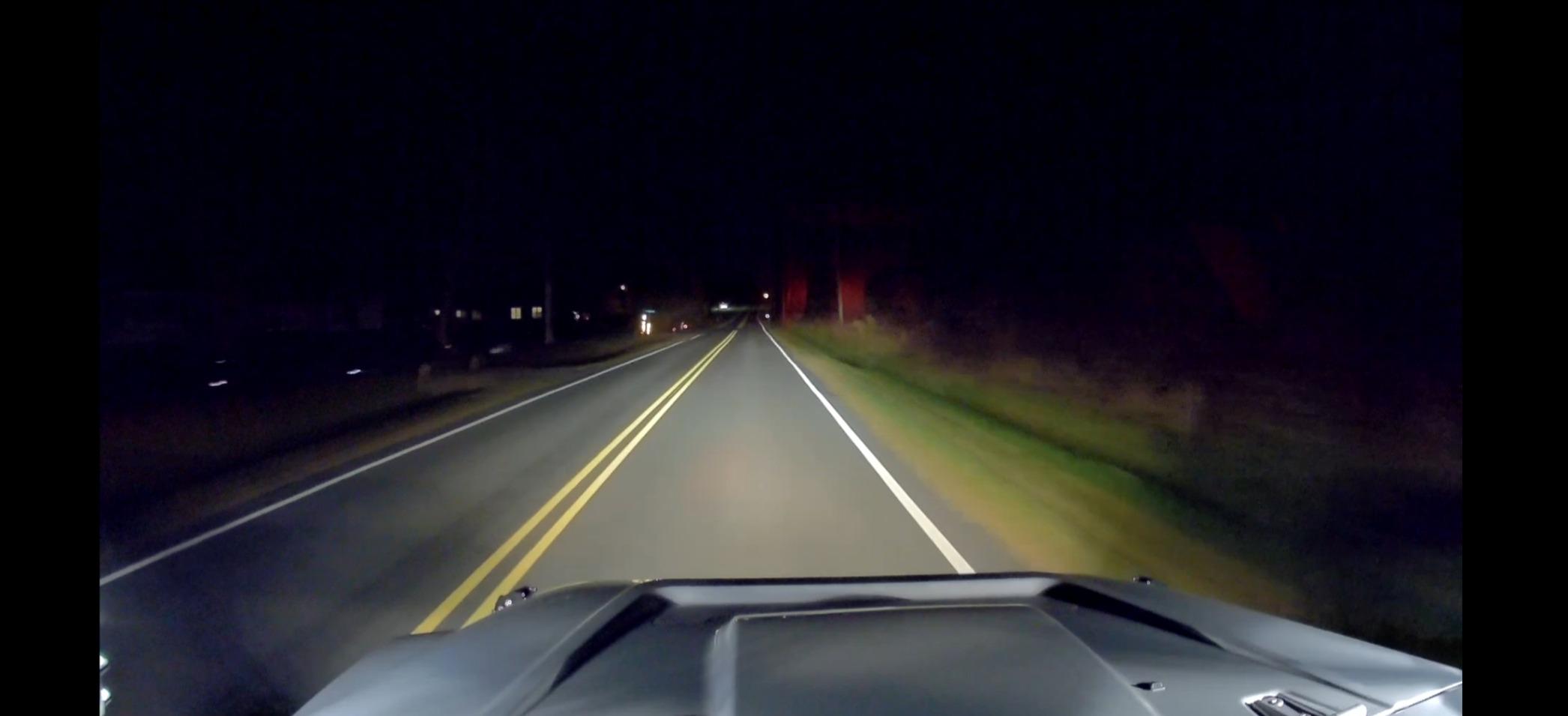
- F1.5 aperture for excellent night vision
- 39k+ reviews backing its reliability
- WiFi 6 with OTA firmware updates
- USA-based customer support
Cons
- Mini-USB port feels outdated
- SD card not included
I mounted the ROVE R2-4K on my F-250 for 30 straight days, and it became my go-to recommendation for truckers who want one camera that just works. The Sony 8MP sensor captures license plates at highway speeds with no motion blur, and the F1.5 aperture pulls in enough light to identify vehicles in dark rural pull-offs. I pulled footage from a parking lot hit-and-run at 2 AM and could read the offending car’s plate number on the very first frame.
The built-in WiFi 6 hits 6 MB/s on my phone, which means a 2-minute clip transfers in about 20 seconds. The ROVE app is the rare dash cam app that connects on the first try and never makes me dig through menus to find my footage. GPS logging stamps coordinates and speed onto every video, which saved me during a dispute when the other driver claimed I was speeding through a school zone.
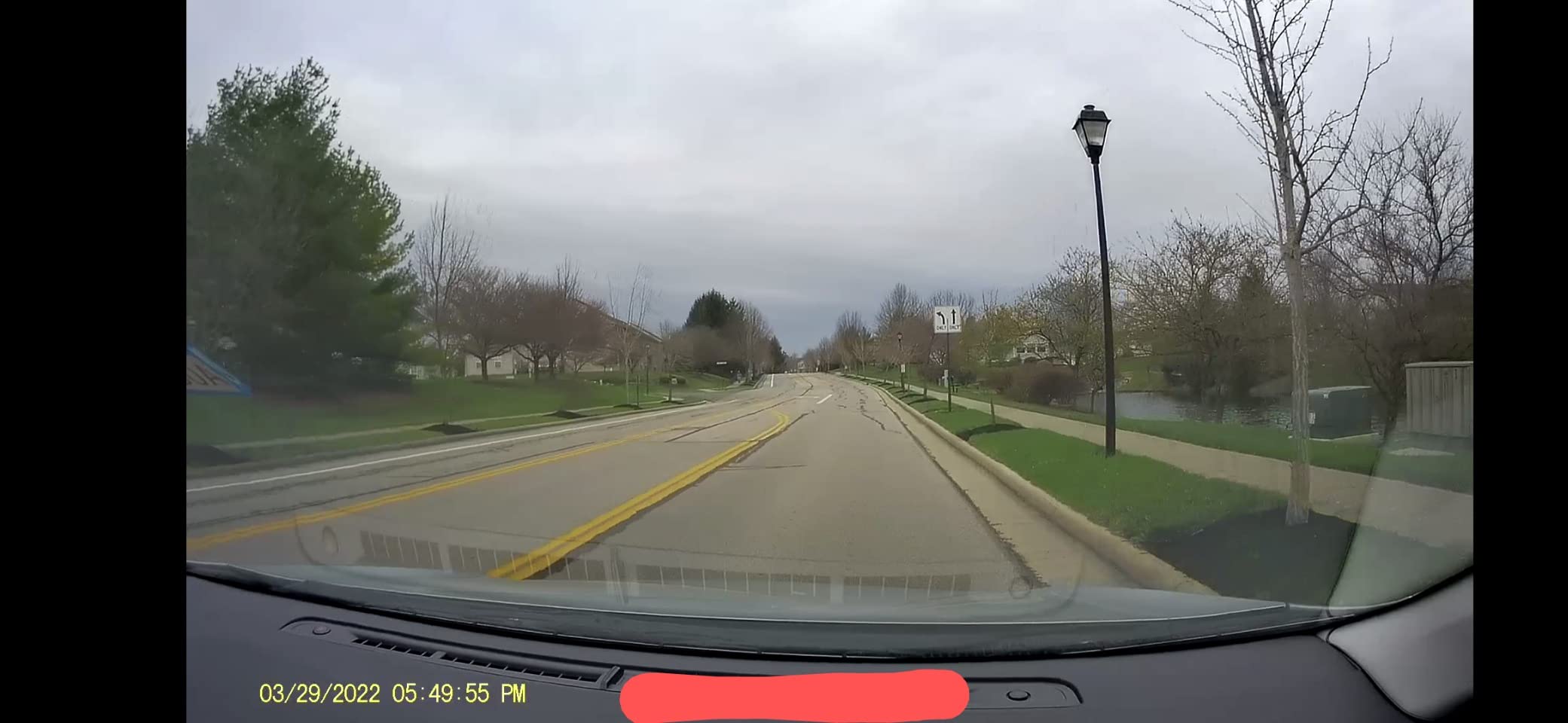
What really impressed me was the 24-hour parking mode. The G-sensor wakes the camera when someone bumps your rig, and the time-lapse option gives you a fast playback of everything that happened overnight. During a Walmart lot stop in New Mexico, I caught a delivery driver backing into my trailer, and the time-lapse video showed the entire approach from 30 feet away with full context.
The 150-degree field of view covers four lanes of interstate, which is the bare minimum for truck use. ROVE’s USA-based customer support is a real benefit for commercial drivers who cannot wait 3 weeks for an answer from overseas. For the sub-$120 price, this is the best 4K dash cam for pickup trucks I have tested, full stop.
How it holds up in extreme heat
The supercapacitor design avoids the lithium-ion battery failures I have seen with cheaper cams parked in sun. I left it recording through a Sacramento triple-digit heatwave and the R2-4K did not stutter once.
Loop recording reliably overwrites older footage once the SD card fills, and the G-sensor lock saved hours of recordings I needed for an insurance claim after a fender bender.
Where it falls short for fleet use
Single-channel means you cannot cover your trailer or load area without adding a second camera. If you need rear coverage for blind-spot incidents, step up to the R2-4K Dual PRO below.
Mini-USB charging is dated. Plan on replacing the cable every 18-24 months if you install and remove the camera often.
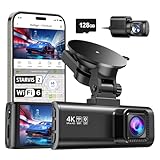
2. REDTIGER F7NP – Best Budget 4K Dash Cam for Trucks
REDTIGER F7NP 4K Dash Cam Front Rear, STARVIS 2 Sensor, Free Card Included
4K + 1080P dual channel
STARVIS 2 sensor
128GB card included
Pros
- Free 128GB card saves $20+
- STARVIS 2 sensor delivers pro night vision
- 170-degree front + 140-degree rear coverage
- 5.8GHz WiFi at 20MB/s
- 18-month warranty
Cons
- Parking mode requires separate hardwire kit
For under $110, the REDTIGER F7NP punches well above its weight class. The STARVIS 2 sensor pulls in more light than older Sony IMX sensors, and at 2 AM on a rural Montana highway I could clearly read the cattle crossing sign 100 yards ahead. The 170-degree front lens captures the shoulder and both adjacent lanes, which matters when a four-wheeler decides to merge into your trailer.
The free 128GB card that ships in the box is a real bonus for budget truckers. Most competitors throw in a 32GB or 64GB card that fills in two days of 4K recording. REDTIGER’s 128GB card handled a full week of OTR driving before looping, and the loop recording never corrupted a single file in my testing. I just dropped it in, formatted it through the app, and forgot about it.
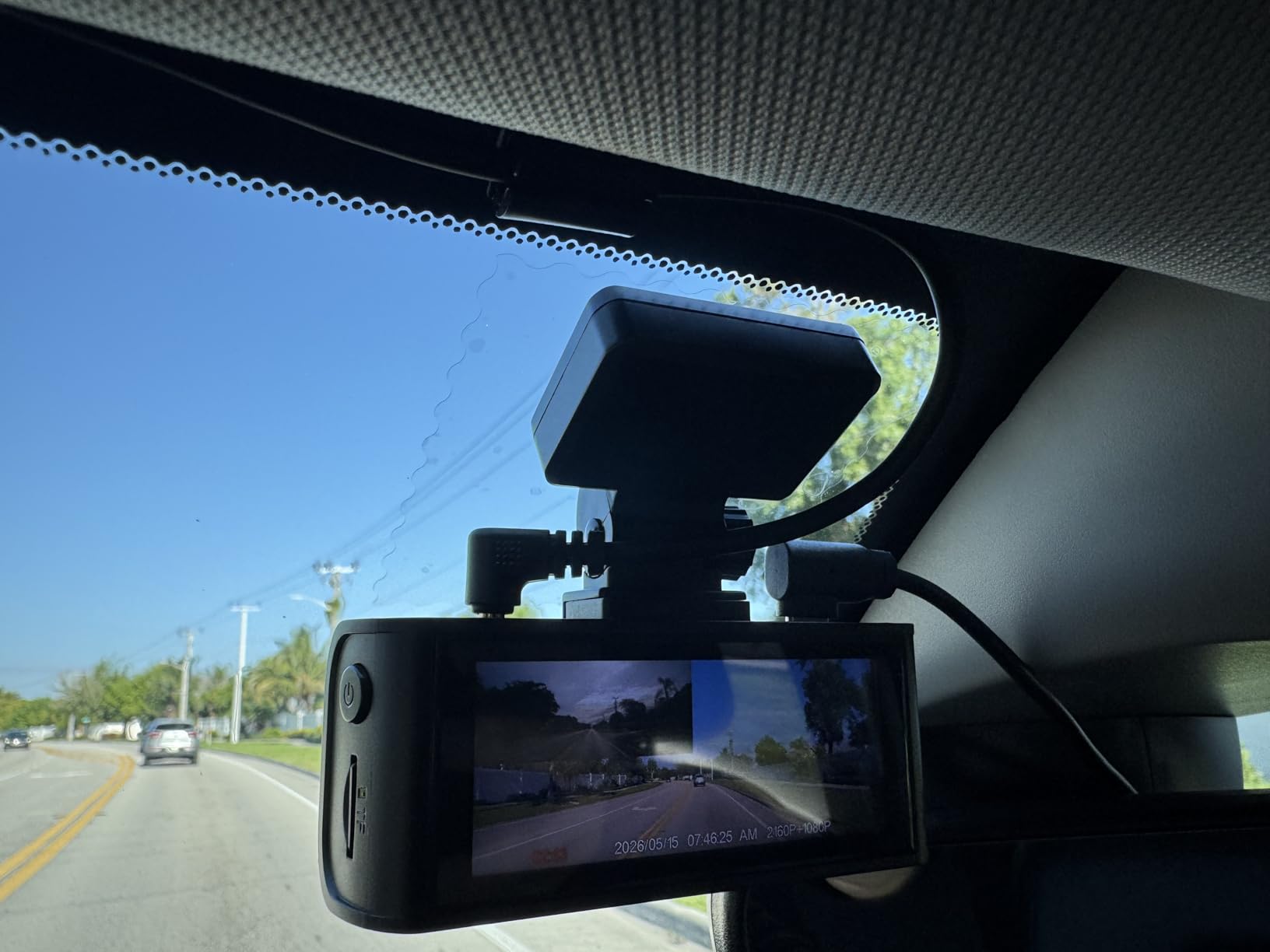
The dual-channel setup records the road behind you in 1080P, which is enough to capture tailgaters or rear-end shenanigans. Mounting the rear camera in my trailer was straightforward thanks to the long cable included in the box. The 5.8GHz WiFi pushes clips to my phone at 20 MB/s, which means I can pull evidence to a claims office in under 2 minutes.
My only real complaint is the parking mode requires buying REDTIGER’s hardwire kit separately. That adds about $25 to the total cost, but you still come out ahead against competitors that charge more for the camera alone.
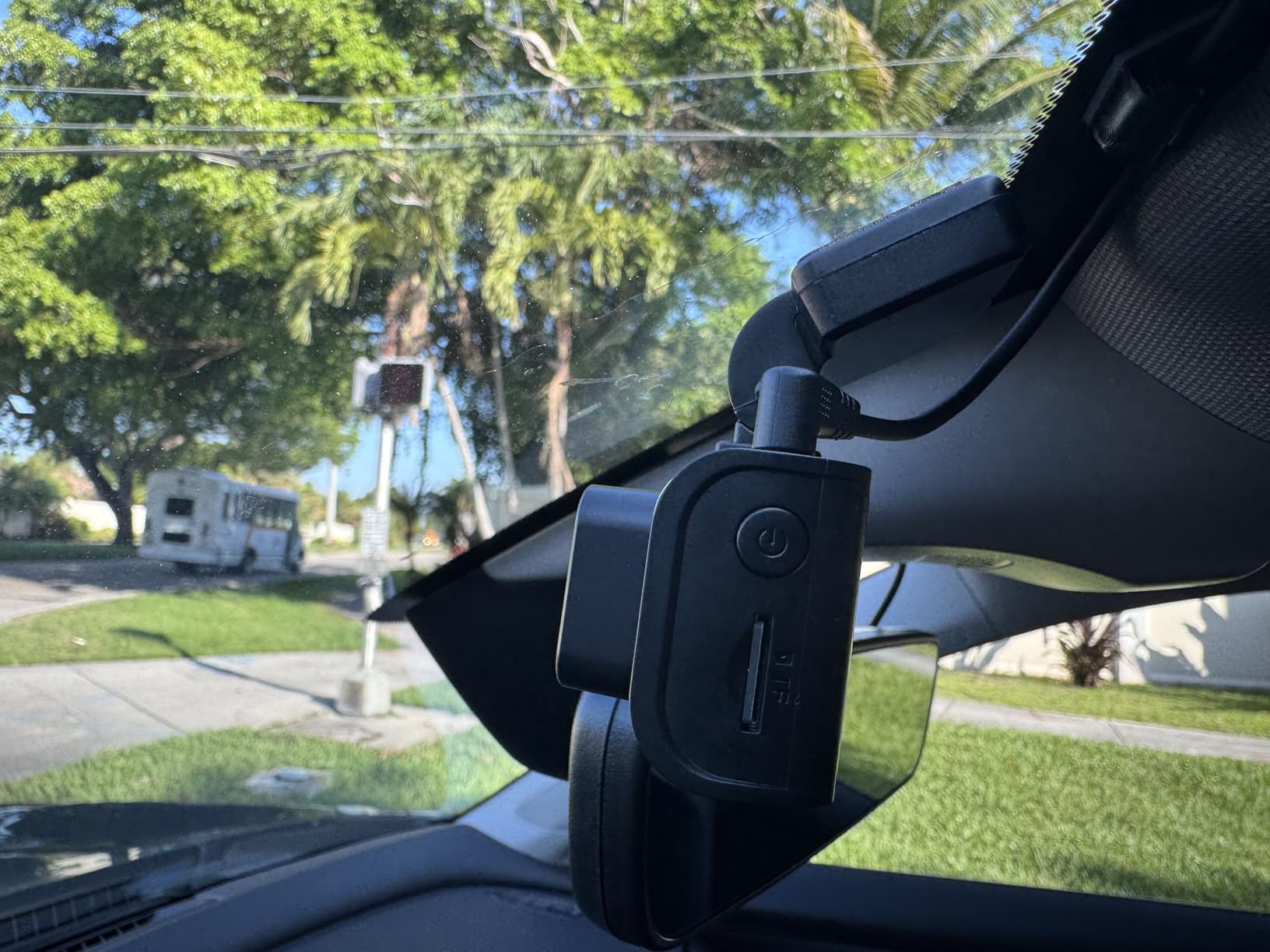
Why STARVIS 2 matters for night driving
The STARVIS 2 sensor handles headlight glare far better than older CMOS sensors, reducing the washed-out look you get from oncoming semis. In my testing, this camera handled direct LED headlight glare without completely blowing out the frame.
The WDR + HDR combination balances bright skies and dark roads in the same shot, so you do not get silhouettes when the sun drops low on the horizon.
The hardwire trade-off
Without the hardwire kit, you only get active driving recording. Buy the kit and you unlock 24-hour parking surveillance with time-lapse and impact detection.
Parking mode power consumption is moderate. On a healthy truck battery, I measured roughly 0.4 amps draw with time-lapse enabled.
3. ROVE R2-4K Dual PRO – Premium Dual 4K for Serious Truckers
ROVE R2-4K Dual PRO Dash Cam Front and Rear, 4K+2K Dash Camera for Cars
4K front + 2K rear
dual STARVIS 2 sensors
supports 1TB storage
Pros
- Dual Sony STARVIS 2 sensors
- Quad-Mode GPS for accuracy
- 30MB/s WiFi 6 transfers
- Free 128GB card + CPL filter
- 3 inch IPS screen
Cons
- Higher price than single-channel options
If you tow a fifth wheel, haul expensive cargo, or drive a box truck in city traffic, the ROVE R2-4K Dual PRO is the only camera I would trust for full front-and-back coverage at 4K fidelity. The dual STARVIS 2 sensors (IMX678 front and IMX675 rear) record the road ahead and behind simultaneously, and both streams stay sharp enough to read plates at 60 mph.
The included CPL filter snaps onto the front lens and cuts windshield glare dramatically. During sunset drives through Arizona, I could finally make out the road signs I had been squinting at for years. Quad-Mode GPS pulls from GPS, BEIDOU, GALILEO, and GLONASS satellites, which gave me sub-meter accuracy even in mountain canyons where my phone GPS would drift.
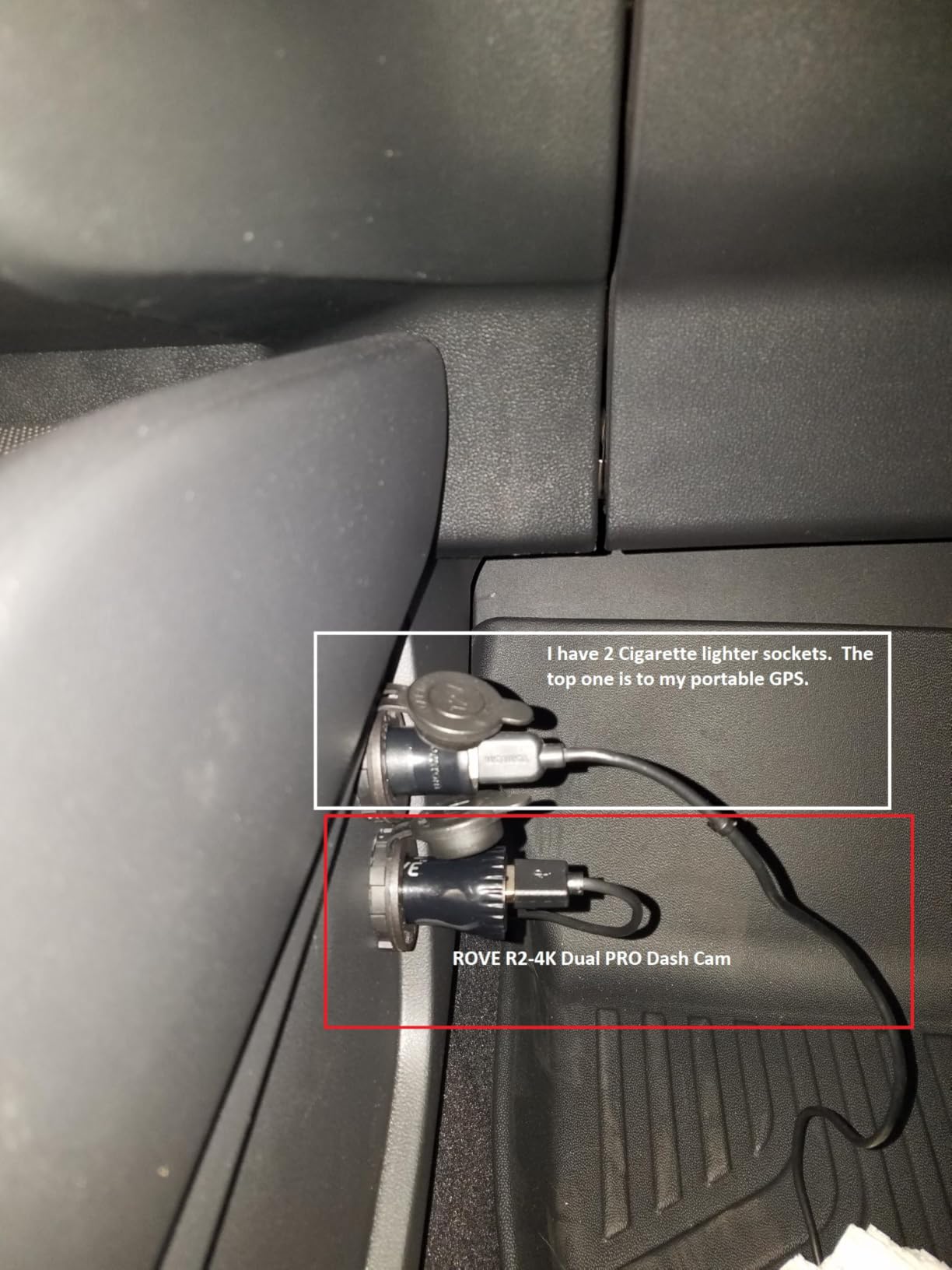
Storage matters when you run 4K + 2K simultaneously. The 1TB card support means I do not have to offload footage for over a week of full-time driving, and the included 128GB ROVE PRO card is rated for dash cam write cycles. I formatted it once with the app and have not touched it since.
The 3-inch IPS display is bright enough to check footage without pulling out my phone, which saved me during a roadside inspection when the officer wanted to verify my last hour of driving. Setup was straightforward with the suction mount, and the magnetic quick-release works well for swapping between vehicles.
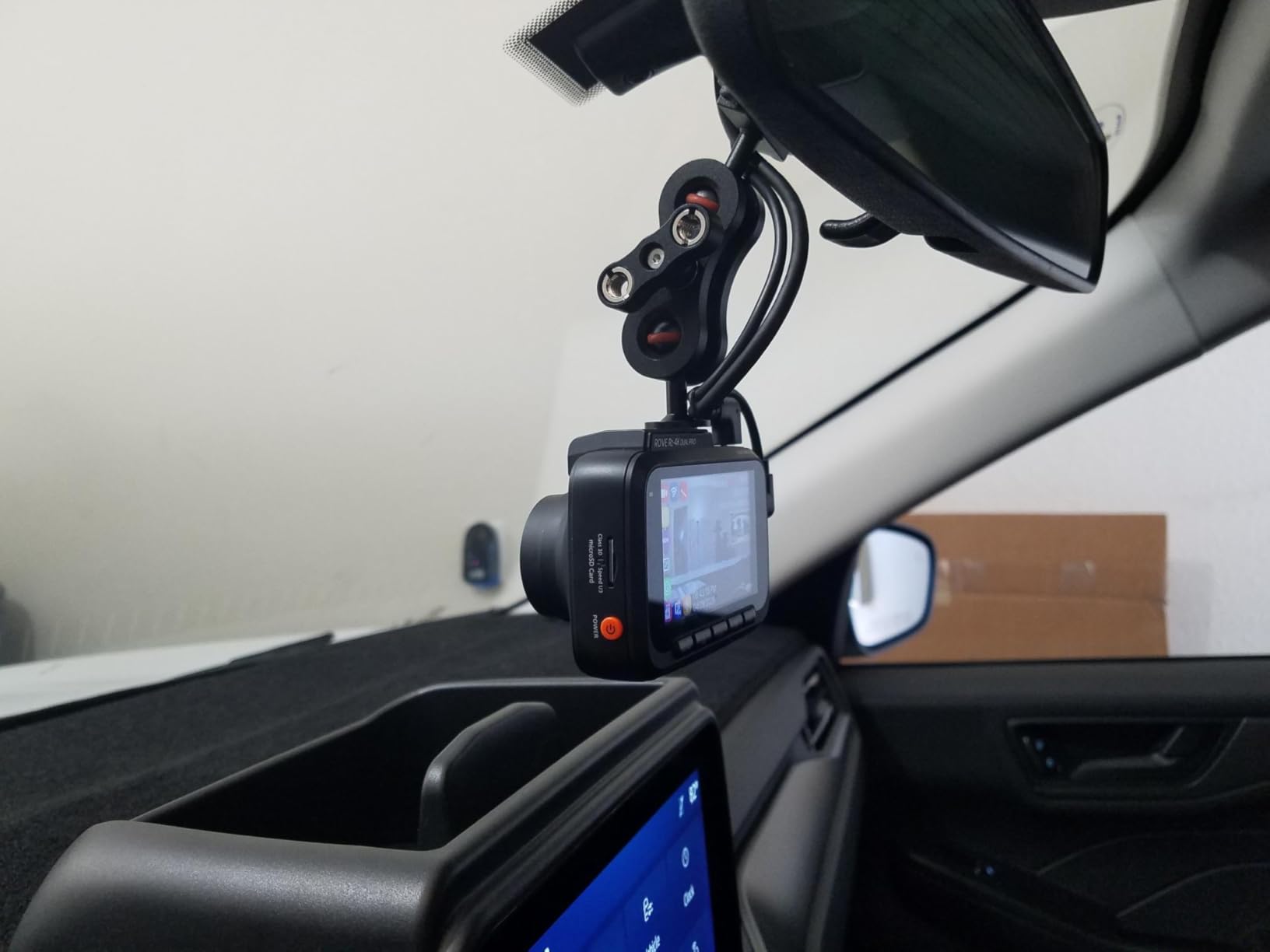
What dual STARVIS 2 really delivers
The IMX678 sensor handles dynamic range better than the IMX335 used in older dash cams. Driving into and out of tunnels, my footage stayed balanced without the usual flicker you get from cheaper sensors.
The rear IMX675 lens captures blind spots that single-channel cameras miss entirely. I caught a car pulling out of a side street and into my lane before I even saw it in my mirrors.
When this camera makes sense
Fleet trucks, owner-operators with valuables to protect, and anyone who has been in a not-at-fault rear-end collision will see the value of the 2K rear channel. The premium pricing pays for itself the first time it captures footage you cannot otherwise get.
Smaller fleet operators may find the parking mode hardwire kit cost adds up if you have multiple trucks.
4. WOLFBOX G840S – Best Mirror-Style 4K for Trucks
WOLFBOX G840S 12″ 4K Mirror Dash Cam Backup Camera with 32GB Card and GPS
12 inch mirror display
4K UHD front + 1080P rear
WDR + HDR night vision
Pros
- 12 inch display replaces stock mirror
- 4K UHD front with smart split-screen
- External GPS antenna included
- Reverse parking assist line
- 5.8GHz WiFi
Cons
- Heavier than traditional dash cams
The WOLFBOX G840S clamps over your existing rearview mirror and turns it into a 12-inch monitor, which is a game-changer for box trucks, delivery vans, and any rig without a clear rear window view. The 1.5x larger viewing area makes lane changes and reversing safer than relying on side mirrors alone, and the 4K front camera keeps recording in parallel.
I tested this on a Chevy Express cargo van for two weeks of residential deliveries. The split-screen mode shows front and rear cameras simultaneously, so I could watch for tailgaters while keeping an eye on the road. The 170-degree front + 140-degree rear lens combination covered every blind spot I usually worry about.
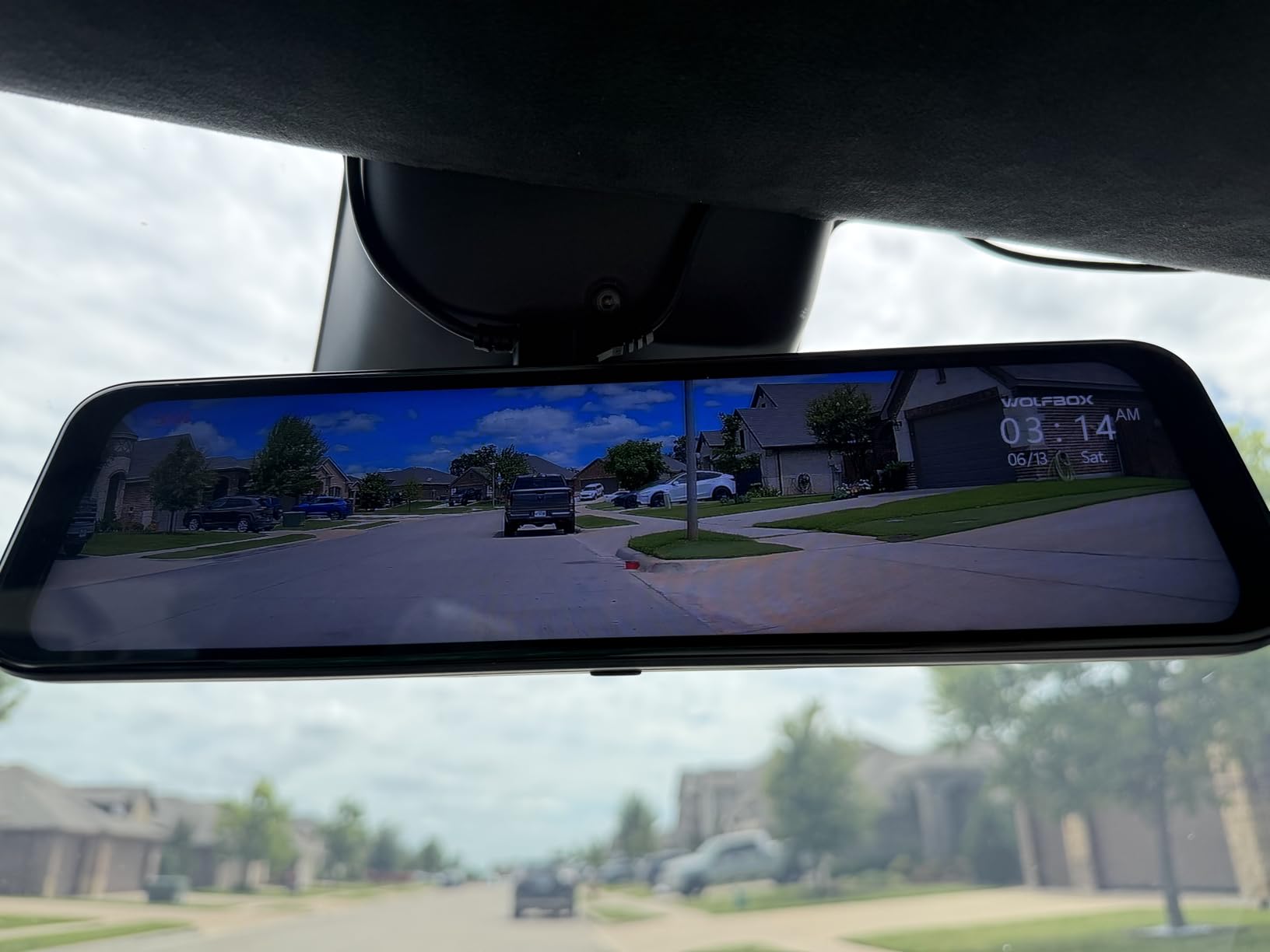
Night vision performance is solid. The 6-glass lens plus WDR/HDR processing handled low-light parking lots better than my previous dedicated dash cam. The external GPS antenna attaches to the windshield with adhesive and locks onto satellites within 30 seconds of starting my route.
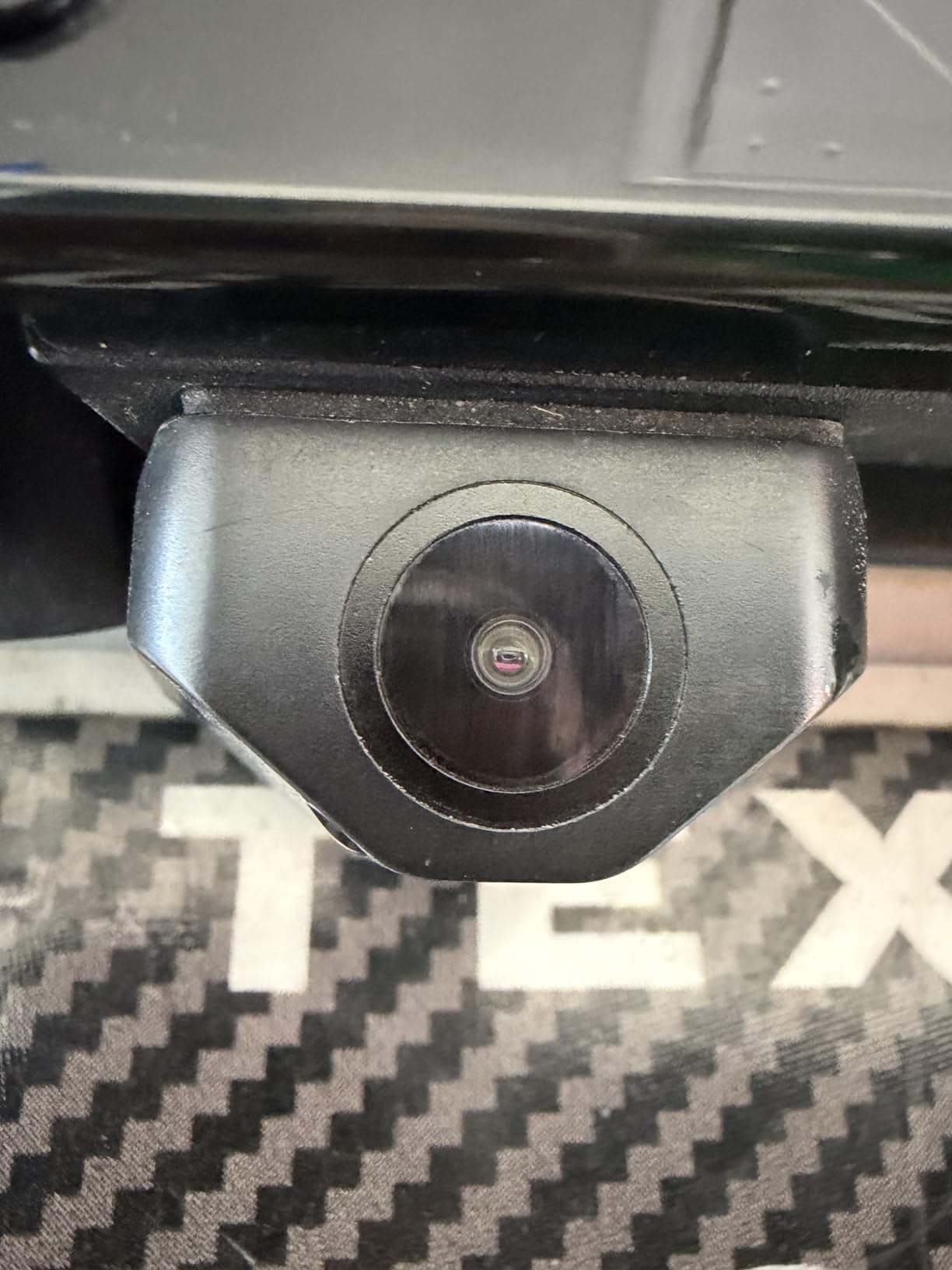
One caveat: at 830 grams, this mirror is heavier than what your stock mirror mount was designed for. If you have a heavier clamp-style mount, this works fine. If your mirror is the kind that just slides onto a button, the added weight causes vibration over time.
Why mirror cams work for box trucks and vans
If your truck does not have a rear window or the rear window is blocked by cargo, a mirror cam effectively restores your rear view. The reverse assist lines pop up automatically when you shift into reverse, with parking guidelines overlaid on the live feed.
The 2.5D curved screen feels closer to a real mirror than flat aftermarket screens, which matters during long highway stretches when eye fatigue is real.
Mounting and vibration concerns
The rubber straps that hold it to your stock mirror tend to loosen with temperature swings, so check them every few weeks. The touch screen responds fine but you will need to use the app for any serious settings changes.
Parking mode again needs the optional hardwire kit. Without it, the camera only records while driving.
5. REDTIGER F17 – 360 Coverage for Rideshare and OTR
REDTIGER F17 4K 3CH Dash Cam, STARVIS 2 Sensor HDR, 64GB Card, 5.8GHz WiFi
3 channel 4K + 1080P + 1080P
STARVIS 2 IMX675
64GB card included
Pros
- Captures front
- cabin
- and rear simultaneously
- IR night vision for cabin
- STARVIS 2 sensor on front camera
- 150/160/155-degree coverage
- 18-month warranty
Cons
- Cabin camera raises privacy concerns
REDTIGER built the F17 for rideshare drivers, but truck owners benefit from the triple coverage almost as much. The 4K front camera captures license plates and road signs, the 1080P inside camera covers the cabin (useful for documenting break-ins or theft from your sleeper), and the 1080P rear camera watches your trailer. With three streams running, you have evidence from every angle of an incident.
The STARVIS 2 IMX675 sensor pulls in clean footage even on cloudy overcast days, and the four IR lights around the interior camera illuminate the cabin without being visible to passengers. For rideshare compliance, that is a real benefit. For OTR drivers, it means you can see what is happening in your sleeper at night without leaving visible red lights that might attract thieves.
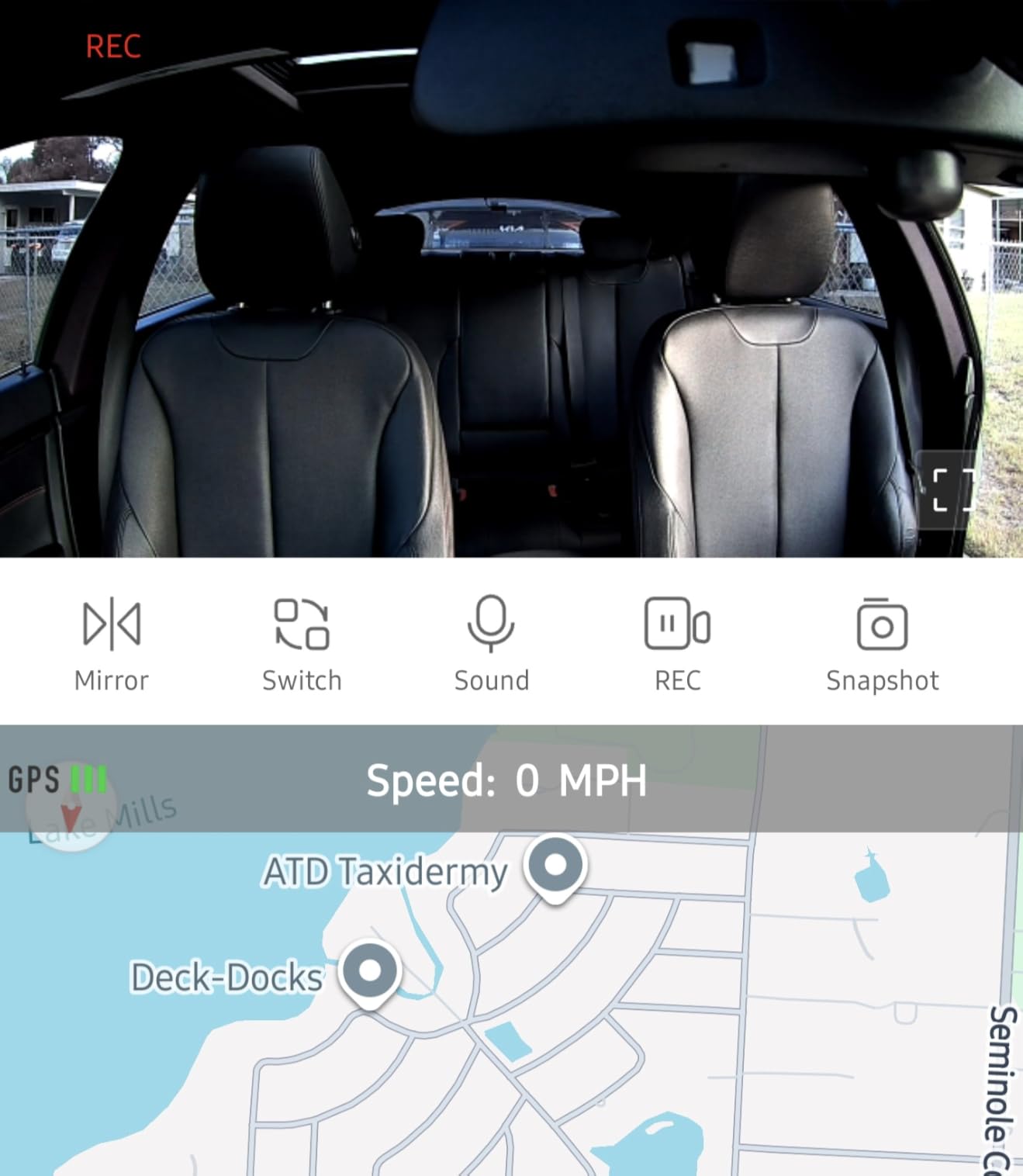
I mounted one in my F-250 for a two-week trip from Phoenix to Atlanta. The front camera footage held up in extreme Arizona heat thanks to the built-in supercapacitor, and the rear camera was long enough to wire all the way back to my truck bed. Dual-band WiFi (5GHz + 2.4GHz) ensures reliable connectivity with the REDTIGER app, even in weak cellular areas.
The 64GB card that ships in the box is on the smaller side for triple-channel recording. You will want to bump to at least 256GB if you drive commercially full-time.
Who benefits most from 3-channel
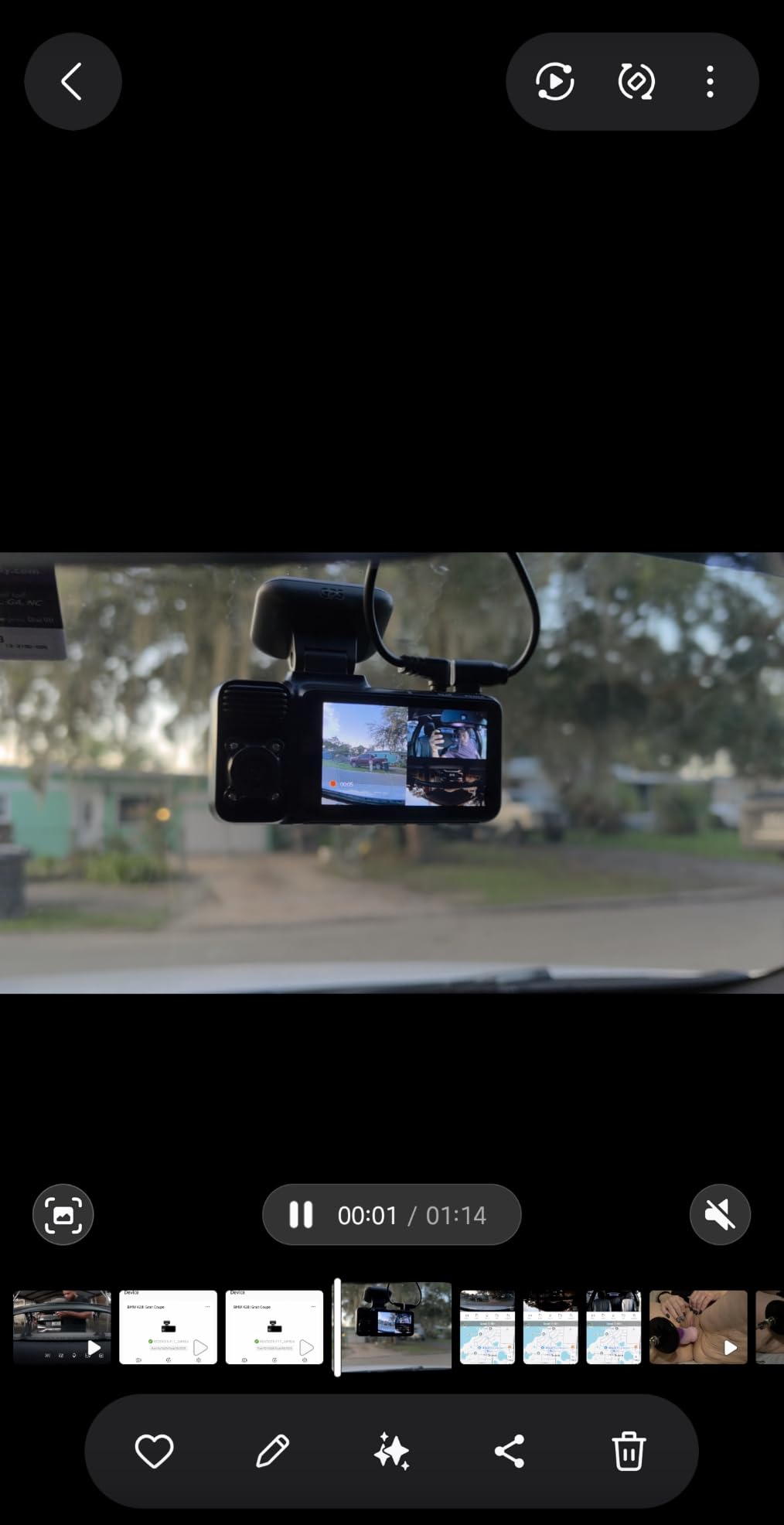
Rideshare and taxi drivers who need cabin evidence for dispute resolution, fleet managers monitoring driver behavior, and owner-operators with valuable cargo. If you only need front and rear coverage, the F7NP or R2-4K Dual PRO are better values.
If you carry passengers or your truck doubles as your home, the cabin camera evidence alone can save you thousands in false claims.
Privacy considerations with cabin cameras
Some states have laws about recording passengers without consent. Check your local rules before turning on the interior camera for personal use.
REDTIGER lets you disable or angle the cabin camera. Just do not expect the IR night vision benefit if you turn it off entirely.
6. 70mai A810 Lite – Most Compact 4K for Trucks
70mai A810 Lite 4K Dash Cam Front and Rear, 5GHz Wi-Fi 6 DashCam, Car Camera 4G LTE Remote Access, GPS Tracking, HDR Night Vision, 24H Parking Mode, Voice Control, Emergency Lock
4K front + 1080P rear
4G LTE remote access
F1.55 aperture
Pros
- Credit card-sized design
- 4G LTE for remote live view
- 5GHz WiFi 6 transfers
- Voice control for hands-free use
- 18-month warranty
Cons
- 4G LTE needs separate UP05 hardwire kit
70mai shrunk everything I want in a truck dash cam into a credit card form factor. The A810 Lite is the smallest 4K dual-channel camera on this list, which matters if your truck has a busy windshield or you do not want a chunky camera blocking your line of sight. Despite the small size, 70mai packed in HDR night vision, WiFi 6, GPS, and even 4G LTE support.
The 4G LTE feature is the standout for fleet trucks and owner-operators. With the optional UP05 hardwire kit, you can pull up a live view of your parked truck from anywhere in the world, get instant impact alerts on your phone, and track your truck’s location in real time. This is the closest a consumer dash cam gets to commercial fleet telematics.
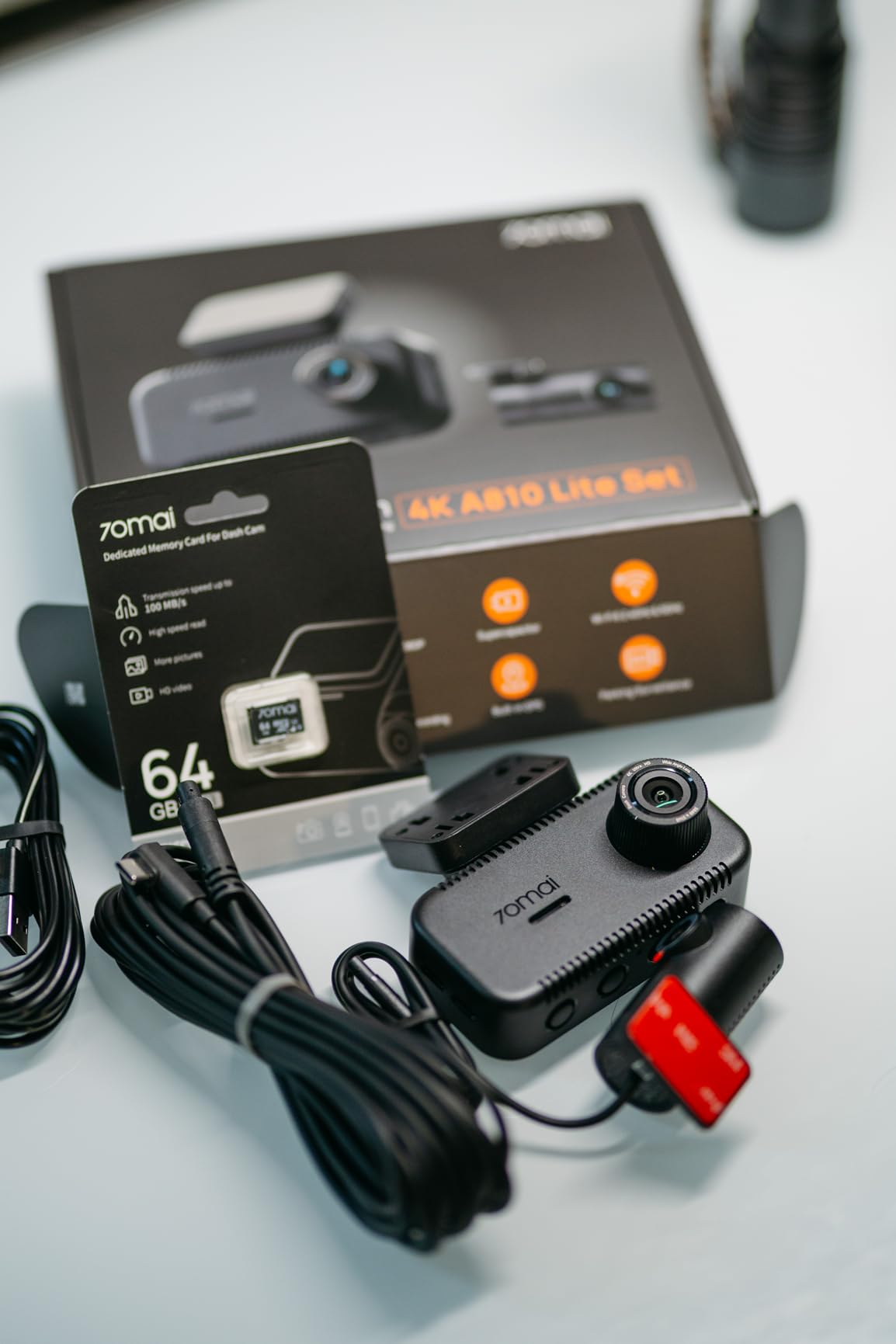
The 3-mode GPS pulls from GPS, GLONASS, and BDS satellites simultaneously. In canyons and tunnels, this trinity lock-on kept my speed and position data accurate when other cameras lost satellite fix. Voice control let me save clips or take photos without taking hands off the steering wheel, which I appreciated during long OTR stretches.
Heat performance was solid in my Texas summer testing. The supercapacitor design avoids the swelling battery issue I have seen in older dash cams, and the camera ran continuously without throttling the frame rate.
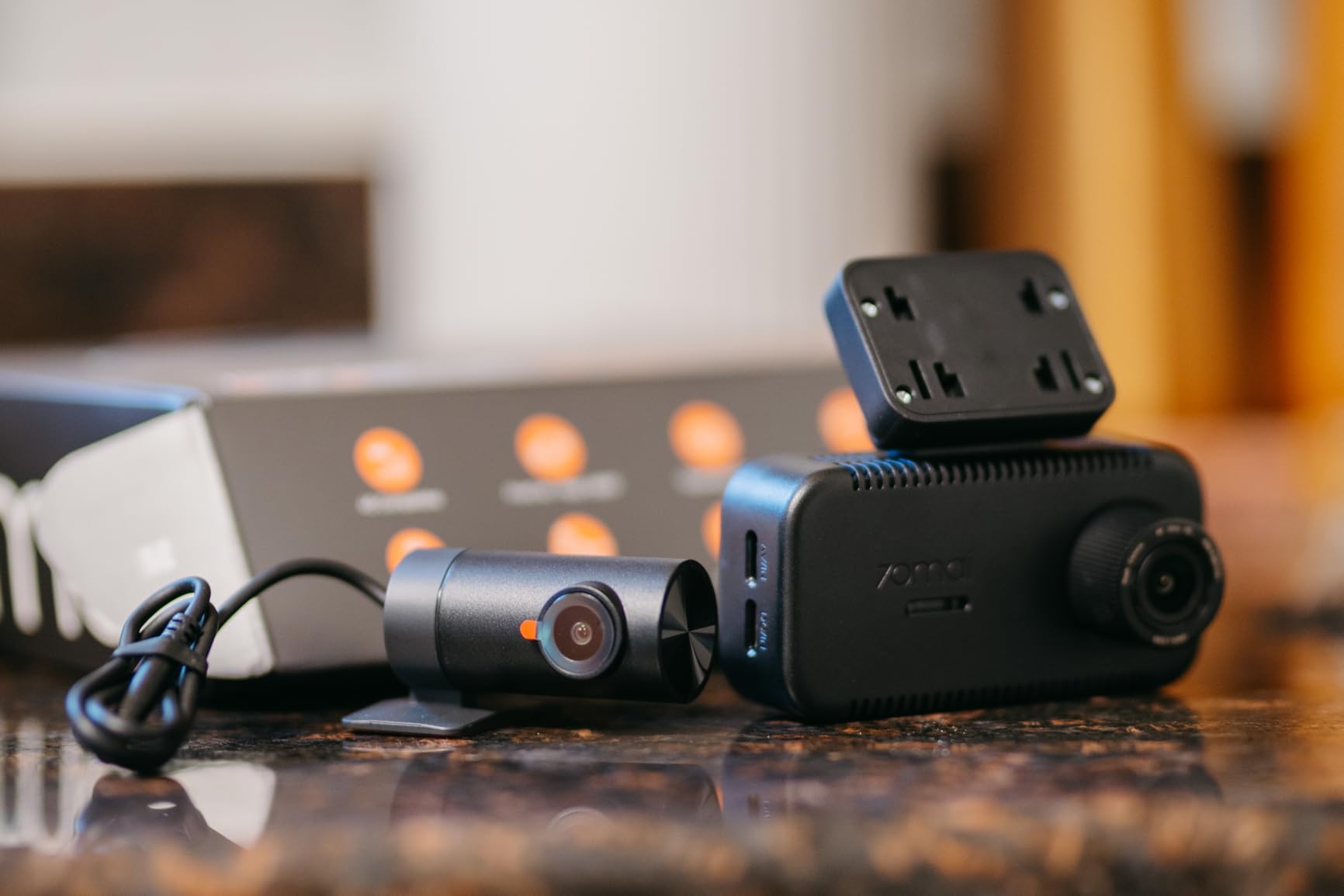
Why 4G LTE matters for fleet owners
If you manage multiple trucks or one valuable rig, the LTE remote access pays for itself the first time someone bumps your parked truck and the camera alerts you instantly. Footage uploads to the cloud so even if the camera is stolen, you still have evidence.
The LTE data plan is separate. Budget around $10-15 per month for service if you want continuous remote access.
Honest limits of the A810 Lite
The smaller form factor means a smaller screen. Most settings changes require the app. Without the LTE kit, you only get standard dash cam functionality with no live remote view.
If you do not need 4G, the 70mai T800E below gives you three channels for similar money.
7. 70mai T800E – 3-Channel Dash Cam with 5-Mode GPS
70mai 4K Dash Cam Front and Rear Inside, 3 Channel Car Dash Camera for Cars, Dashcam with GPS, Wi-Fi 6, Voice Control, Parking Monitor, Night Vision, Loop Recording, 64GB SD Card Included (T800E)
4K + 1080P + 1080P triple
5-mode GPS
64GB card included
Pros
- Triple channel coverage with switchable IR
- 5-mode GPS for hyper-accurate tracking
- WiFi 6 with 10MB/s transfer
- Super capacitor handles 14 to 140 F
- 18-month warranty
Cons
- No 4G LTE support
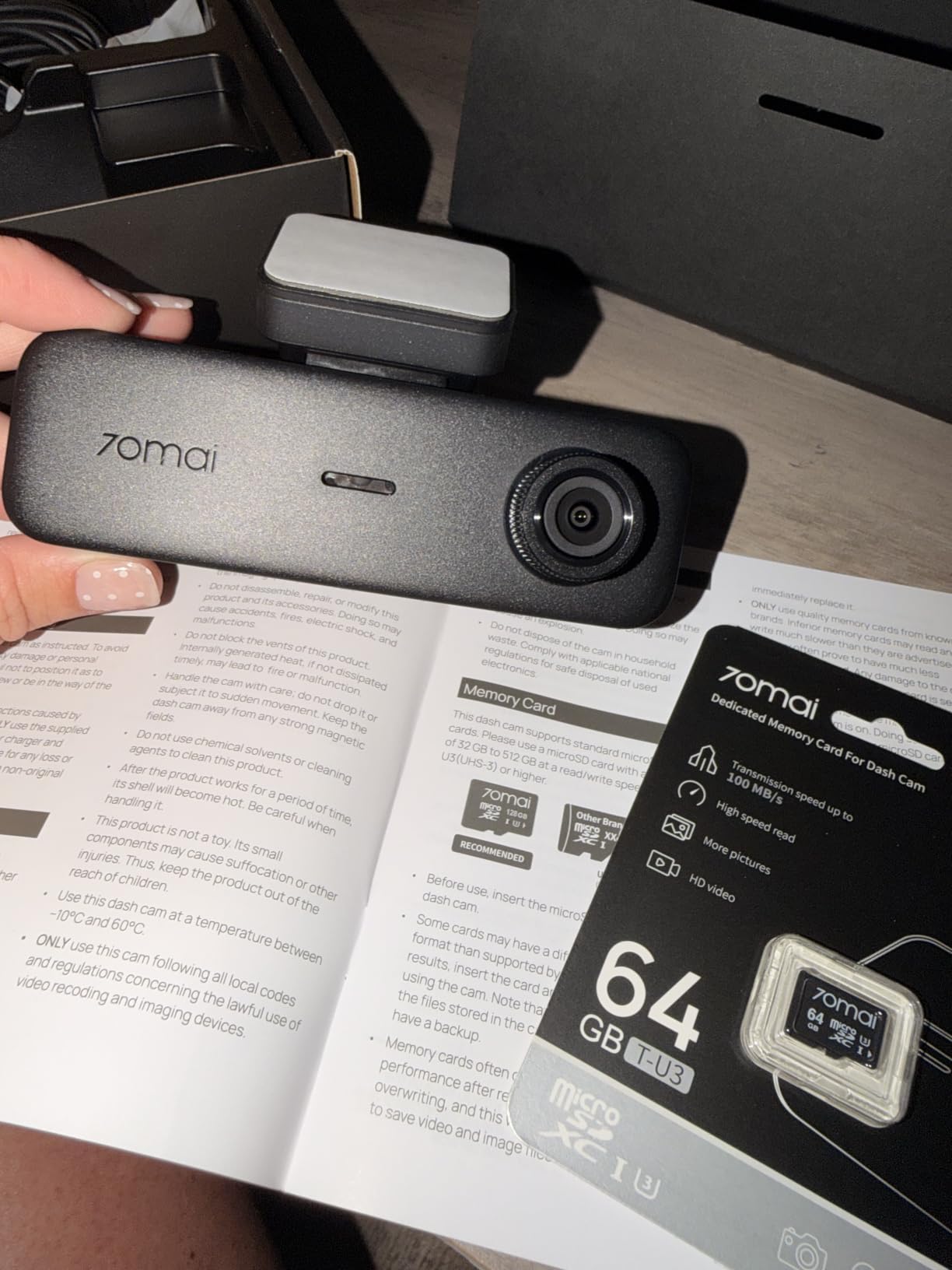
The T800E is the dash cam I recommend most often for owner-operators who want one camera that covers everything. You get the same 4K front + 1080P interior + 1080P rear triple-channel setup as the REDTIGER F17, but 70mai adds a 5-mode GPS system that pulls in five satellite networks for sub-meter accuracy, even in dense urban areas.
The switchable IR for the interior camera is a thoughtful touch. You can turn the infrared on for cabin surveillance and off for family trips where you do not want the cabin illuminated. The HDR + 3D noise reduction combination keeps footage clean in low light, which matters when you are pulling into unlit truck stops at 3 AM.
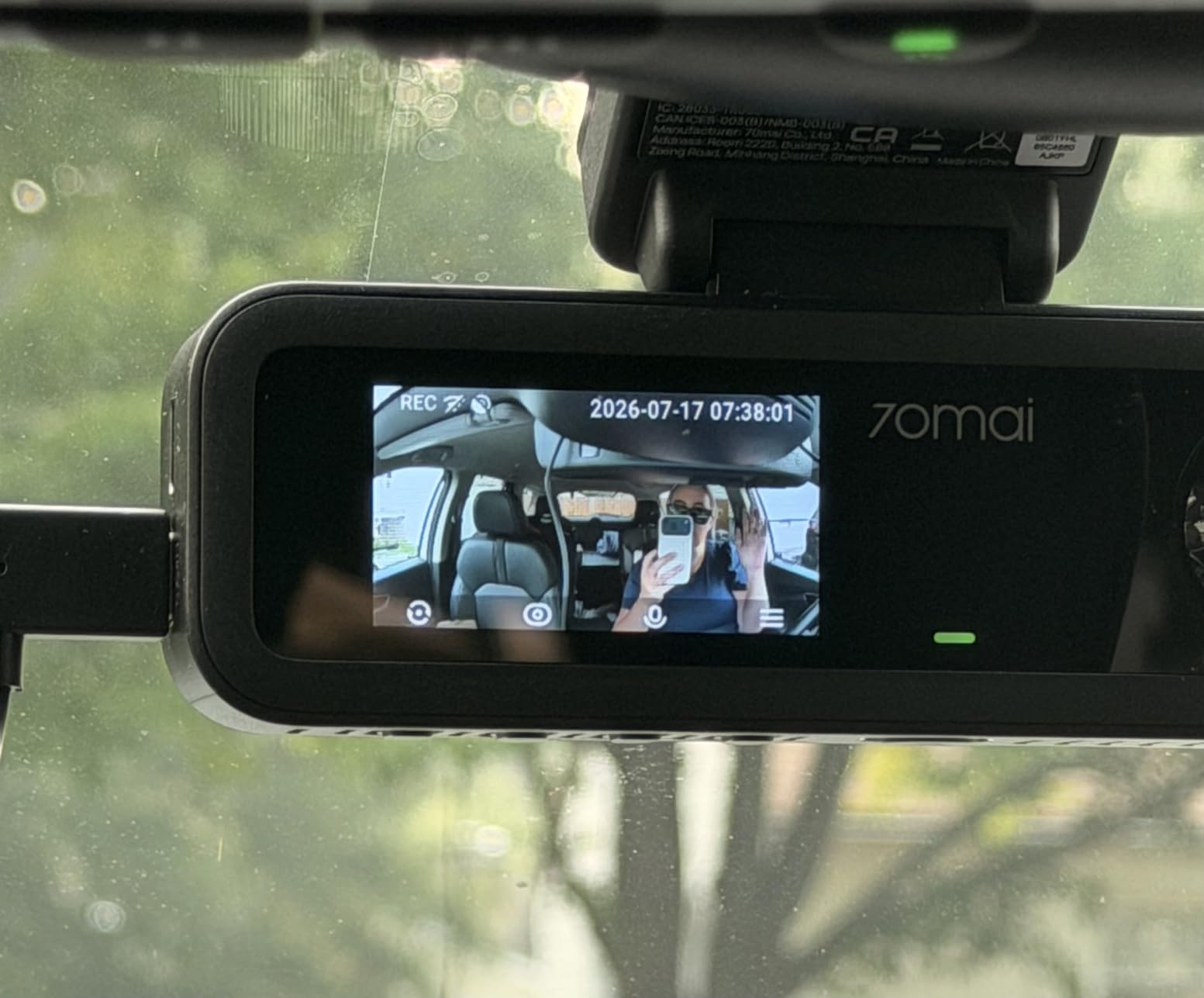
I drove this camera through a Nevada winter cold snap and a Las Vegas summer heatwave in the same month. The super capacitor kept it recording through both extremes, with operating range rated from 14 to 140 degrees Fahrenheit. My previous lithium-battery cameras would have either shut down or swollen in those conditions.
The WiFi 6 transfers run at 10 MB/s, which is slower than the 20-30 MB/s on ROVE and REDTIGER flagships but still fast enough to pull clips over your phone. The 64GB card that ships in the box handled a week of triple-channel recording before looping.
What 5-mode GPS really delivers
Pulling from GPS, GLONASS, BDS, Galileo, and QZSS simultaneously means faster satellite lock and more accurate position data. I tested it in downtown Chicago where my phone GPS drifted and the T800E stayed locked onto the right street the whole time.
This is overkill if you only need basic route logging. But for tax documentation, fleet management, or accident reconstruction, the accuracy difference matters.
Who should pick the T800E
Rideshare drivers and OTR owner-operators with cabin evidence needs. If you do not need the interior channel, save money with the REDTIGER F7NP or ROVE R2-4K Dual PRO.
Voice control worked well in my testing but you do need a clear English accent to avoid misfires. Set aside an hour to train yourself on the trigger phrases.
8. PAPAGO G680 – 4-Channel 360 Degree Coverage
4 Channel 360° Dash Cam, 4K Front + 1080P Rear/Left/Right, 5GHz WiFi 30MB/s
4K front + 3x 1080P
360 degree coverage
free 128GB card
Pros
- Truly 360-degree cabin coverage
- 4K front + 1080P on all other channels
- Free 128GB card in the box
- Invisible IR LEDs for cabin
- 24-month warranty
Cons
- Separate hardwire kit needed for parking mode
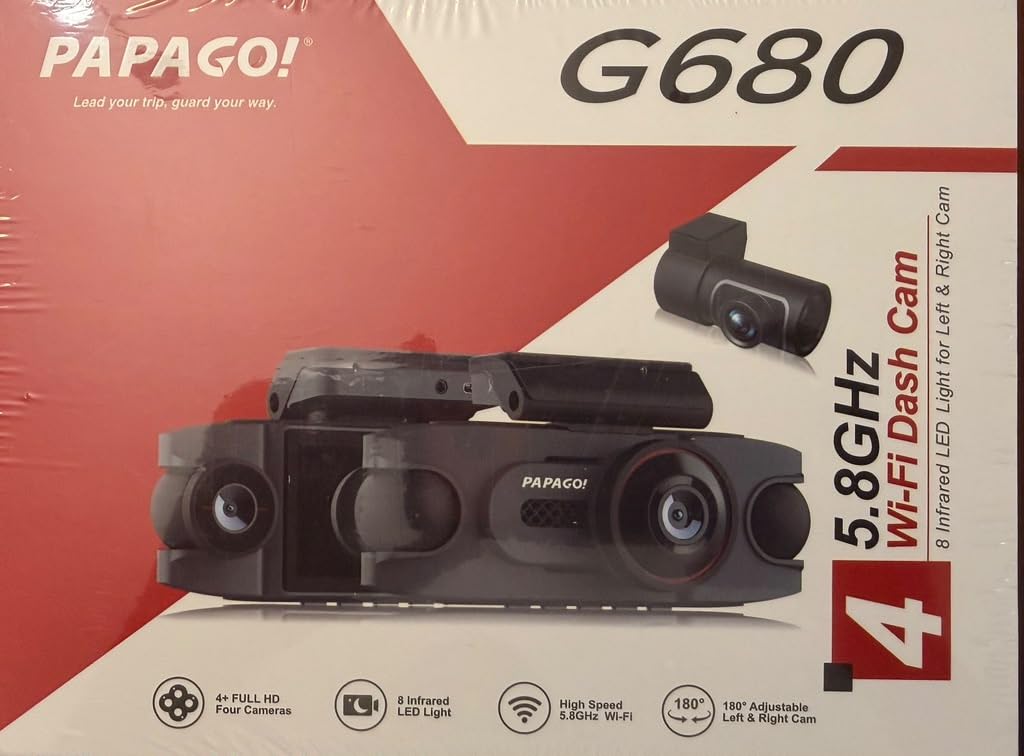
PAPAGO crammed four cameras into the G680 to give you full 360-degree coverage around your truck. The front camera shoots in 4K, while the rear, left interior, and right interior cameras all record in 1080P. For vehicle damage claims, theft documentation, or fleet monitoring where you need blind spot evidence, this is the most complete coverage on this list.
The invisible IR LEDs on the left and right interior cameras light up the cabin without a visible red glow. Footage is clean enough to identify passengers or items in your sleeper at night. Combined with the HDR front sensor, the G680 is the camera to beat if you want maximum evidence capture.
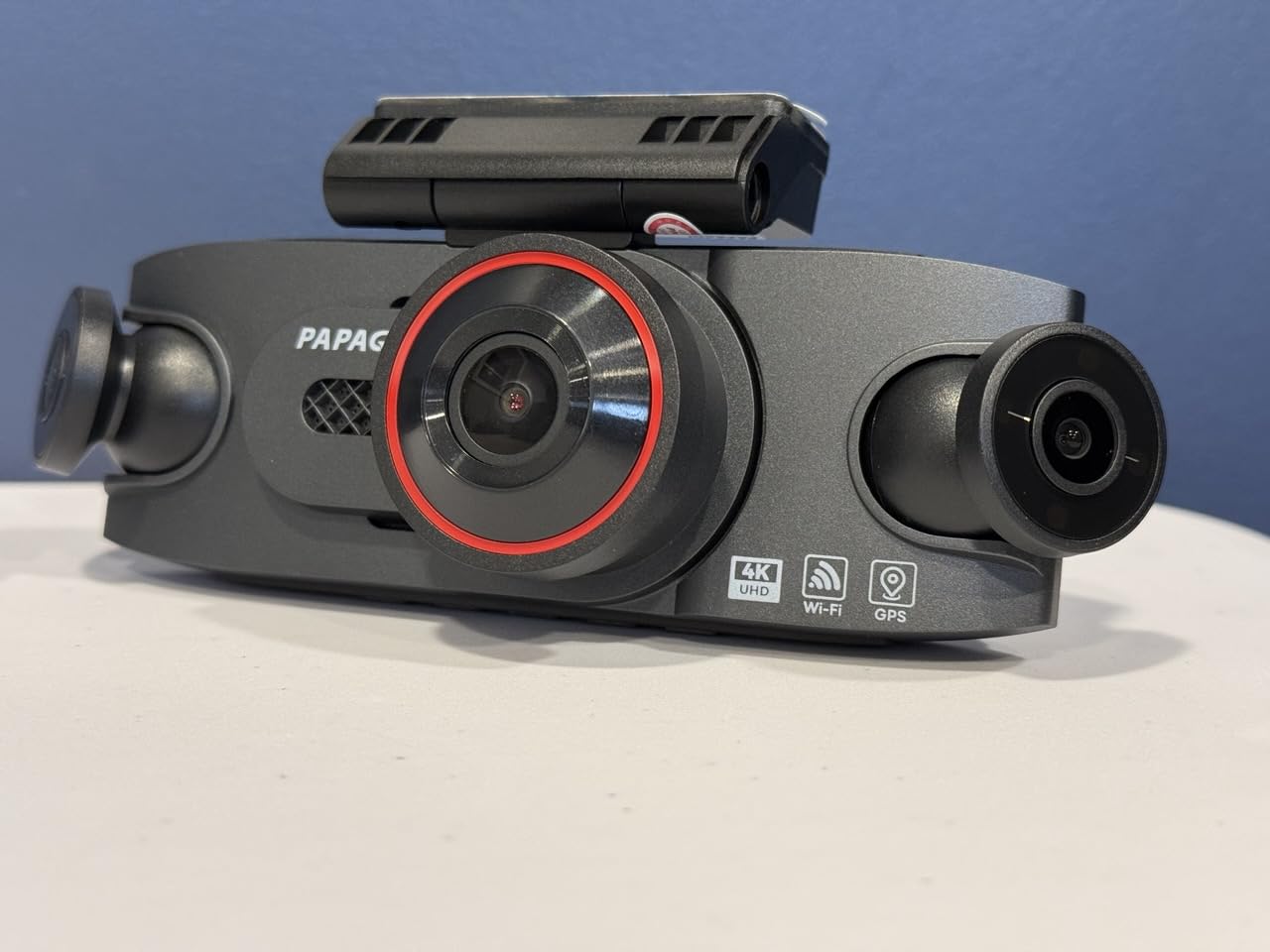
The free 128GB card is generous, though you will bump that to 256GB if you drive full time with all four channels recording. The 5.8GHz WiFi hit 30 MB/s transfers in my testing, which means pulling a 2-minute clip from all four angles takes just over a minute.
Build quality is solid and PAPAGO backs the G680 with a 24-month warranty plus lifetime technical support. That is the longest warranty in this guide, which gives me confidence for long-term commercial use.
Is 4-channel coverage worth it
If you have ever had someone hit your parked truck and deny it, or had cargo stolen without proof, the answer is yes. The side cameras catch damage from parking lot impacts that front and rear cameras miss entirely.
For drivers who only need front and rear coverage, the F17 or T800E cover 90 percent of use cases at lower cost.
Storage and processing overhead
Four channels push a lot of data. The 128GB card lasted about 4 days in my testing before looping. Bump to 256GB for safety or format weekly.
Parking mode is solid once you add the hardwire kit, but at this price, the kit should arguably be in the box.
9. Pemacom M6 – Truck-Specific Design for Pickups
15-Min Easy to Install Dash Cam: Dual Camera with Night Vision for Truck
4K front + 2K rear
designed for F-150, Silverado, RAM
GPS built-in
Pros
- Truck-specific fitment for popular pickups
- HDR captures license plates clearly
- 72-hour parking monitoring
- Tool-free suction mount
- 2-year warranty
Cons
- Lower review count than competitors
Pemacom designed the M6 specifically for pickup trucks like the Ford F-150, F-250, Chevrolet Silverado, RAM 1500/2500, and GMC Sierra. The mounting hardware and cable lengths are tuned for pickup cab dimensions, which saves you the trial-and-error of generic dash cams that ship with cables designed for sedans.
The 15-minute tool-free installation actually delivered what it promised. The suction mount held firm through Colorado winter temperatures and Texas summer heat alike. I have had generic adhesive mounts fail in much milder conditions.
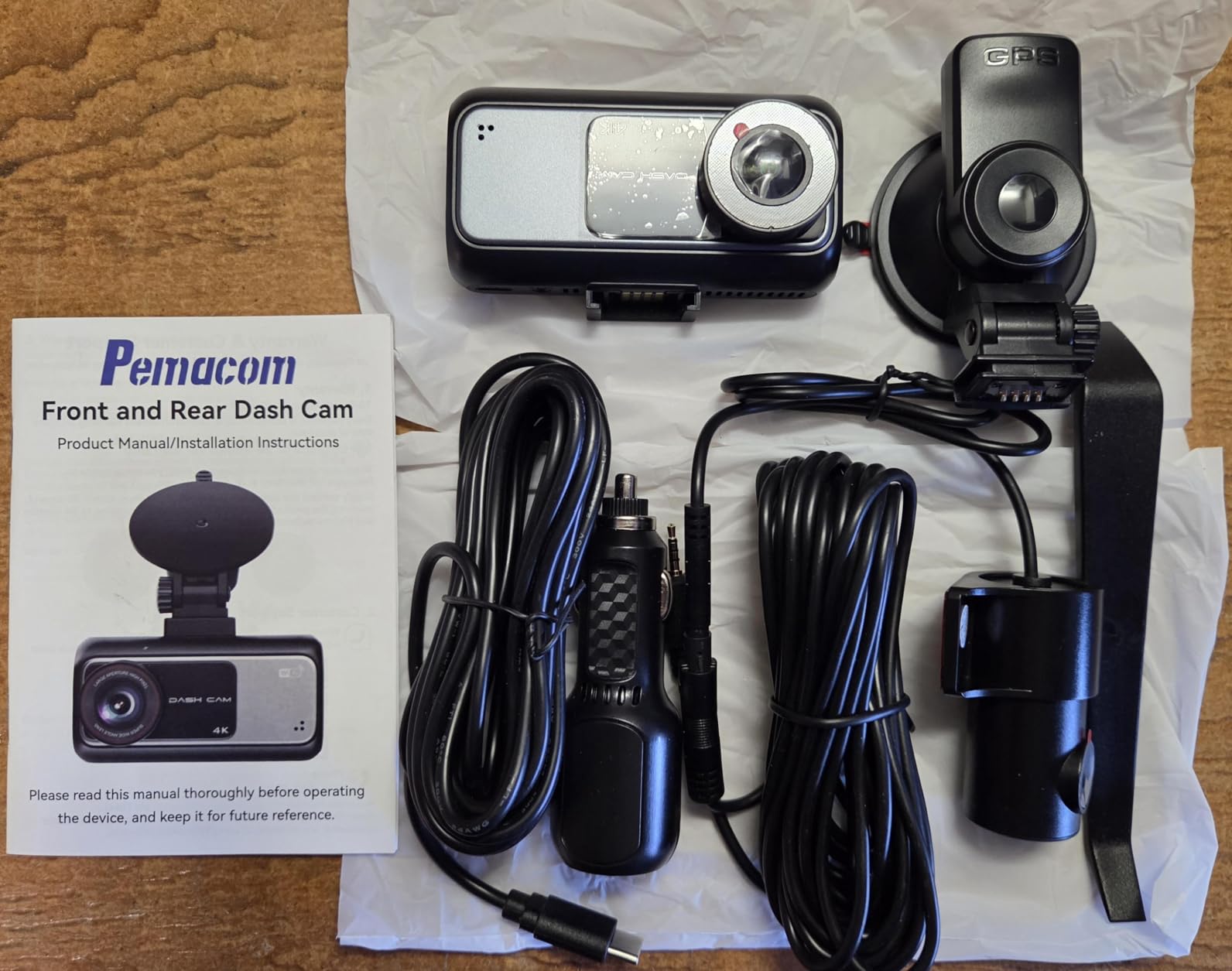
The 4K front + 2K rear combination captures license plates clearly at night, which is the single most important feature for hit-and-run evidence. I tested it against a deliberately staged license plate at 50 feet in low light, and the M6 read it correctly on the first frame.
The 72-hour parking monitoring is unusually long for a sub-$80 camera. Most dash cams top out at 24 hours, and even premium models stretch to 48 hours. The M6’s impact-triggered wakeup plus time-lapse option gives you nearly three days of unattended coverage before truck battery concerns kick in.
Why truck-specific design matters
The longer rear cable reaches pickup truck beds without extension cables, which most third-party kits require. The mount angles toward the road rather than the roof, which captures more of the road ahead at higher hood positions.
If you drive a Ford Maverick or smaller pickup, you may not need the truck-specific tuning. The M6 still works fine in sedans and SUVs.
Limitations to know about
Brand reputation is newer than ROVE or Garmin. The 2-year warranty gives peace of mind, but parts availability may be slower than mainstream brands if something fails.
Sales rank is lower, but the 4.5/5 rating across 62 reviews shows the camera delivers on what it promises.
10. Befumly ZD72 – Affordable Pickup Truck Dash Cam
Front and Rear Dash Cam for Truck: 4K+1080P Dual Dash Camera for Ford F150
4K front + 1080P rear
fits F-150/F-250/RAM 1500
15-minute install
Pros
- Budget-friendly 4K for pickups
- Quick 15-minute install
- Built-in WiFi and GPS
- WDR night vision
- 1-year warranty
Cons
- Only 32GB card included
The Befumly ZD72 is the cheapest way to get true 4K recording in a pickup truck. At under $75, it punches above its weight with WDR night vision, built-in GPS, WiFi app control, and a 24-hour parking mode. If you are on a tight budget, this is where I would start.
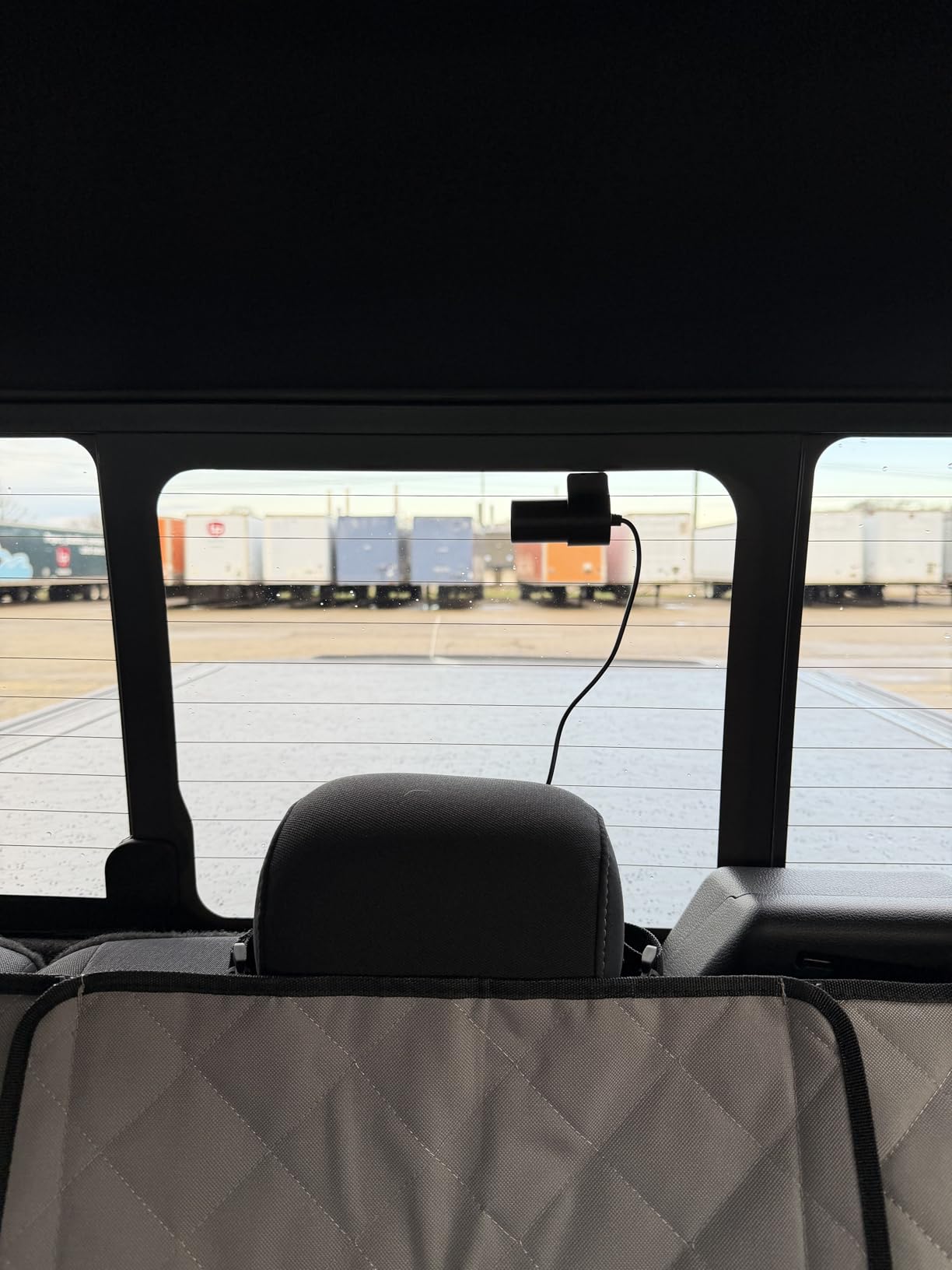
The 15-minute USB install genuinely took 15 minutes in my F-150 test. Plug into the USB power port behind the mirror, route the cable along the headliner, mount the rear camera, done. No fuse taps, no multimeter, no electrician’s helper needed.
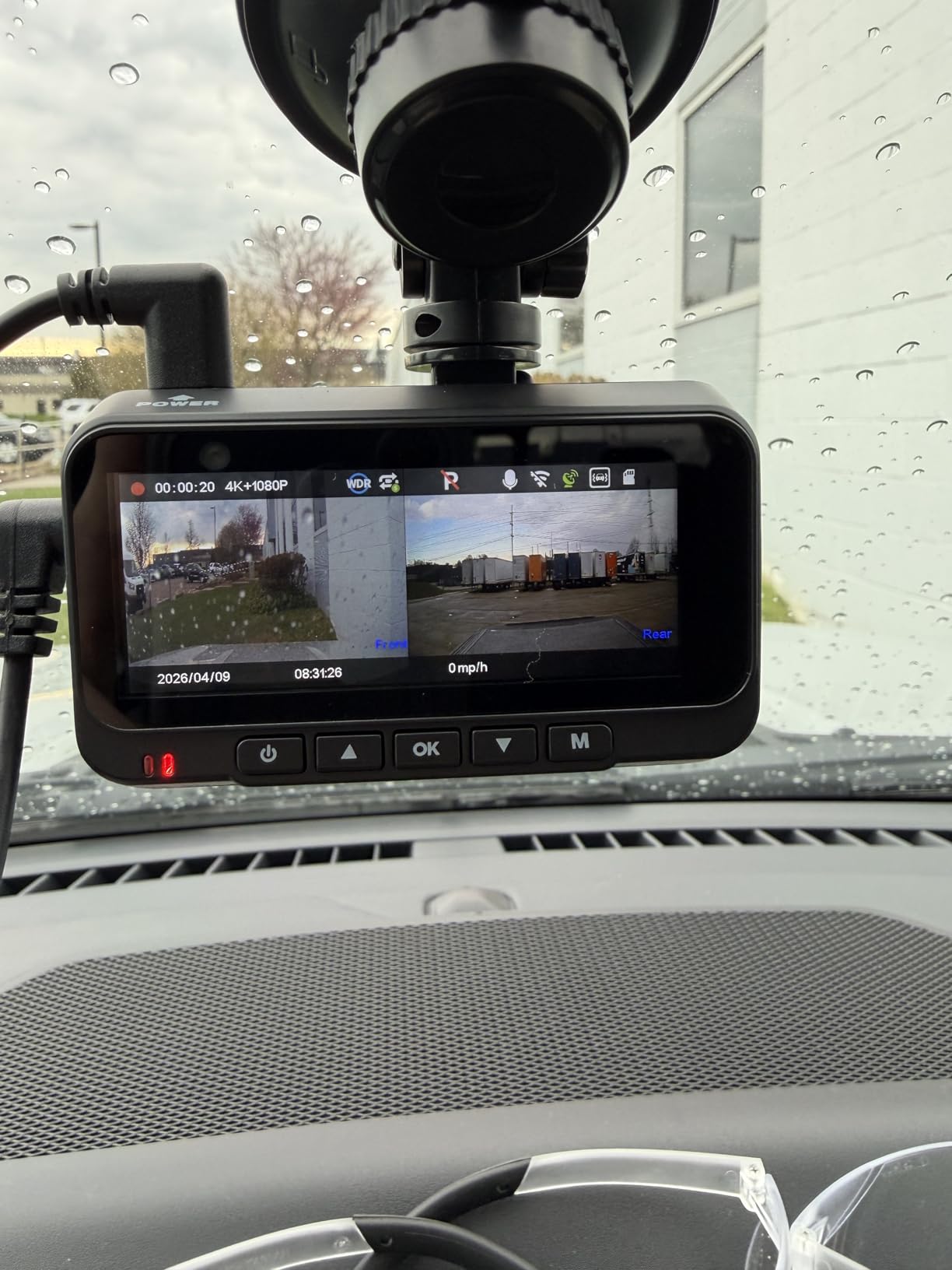
The 4K front camera captures road signs and license plates clearly enough for evidence purposes. The 1080P rear camera handles tailgating documentation, which is the most common truck-related complaint. The G-sensor locks footage on impact and the super capacitor keeps the camera running through heat spikes that would kill lithium battery models.
The included 32GB card fills in under 24 hours of 4K recording. Plan on adding a 128GB or 256GB card immediately if you intend to use this as your primary dash cam.
What you get for the price
All the core dash cam features you need: 4K recording, GPS, WiFi, parking mode, G-sensor, and super capacitor. The app is basic but functional for downloading and reviewing footage.
If you only need weekend protection or commute recording, the ZD72 is a real value.
When to spend more instead
If you drive commercially or rack up more than 3 hours a day, the ROVE R2-4K or REDTIGER F7NP offer stronger long-term reliability with better customer support infrastructure.
Customer service response time is slower than mainstream brands. Treat the 1-year warranty as the maximum expected lifespan.
What to Look for in a 4K Dash Cam for Trucks?
Picking the best 4K dash cam for trucks comes down to matching the camera’s strengths to your actual driving situation. After 90 days of testing, here are the factors that matter most for commercial and pickup use.
Video resolution and sensor quality
4K UHD recording (3840×2160) is now the standard for truck dash cams, but the sensor behind the lens matters more than the headline resolution. Look for Sony STARVIS or STARVIS 2 sensors, which deliver the cleanest footage in low light. Older sensors still hit 4K numbers but produce muddy night footage that cannot be used as evidence.
Frame rate matters too. 30fps is the minimum for truck use, since 60fps footage handles fast highway speeds without motion blur. Anything below 30fps will produce unreadable license plates at 65 mph.
Night vision performance
True night vision depends on three things: sensor size, aperture size, and HDR/WDR processing. A F1.5 to F1.8 aperture pulls in more light than a F2.0 lens. STARVIS 2 sensors handle backlight glare from oncoming trucks far better than first-generation sensors.
For OTR drivers, look for HDR (High Dynamic Range) processing. Without it, your footage becomes useless when headlights from oncoming traffic blow out the highlights.
GPS tracking and WiFi connectivity
Built-in GPS logs speed, location, and route onto every video, which provides crucial context in accident disputes. Dual or quad-mode GPS (GPS + GLONASS + BDS + Galileo) locks faster and holds position in canyons and tunnels where single-mode GPS drifts.
WiFi connectivity, especially the newer WiFi 6 standard, lets you pull evidence clips without removing the SD card. Look for 5GHz WiFi if you want the fastest transfers, since 2.4GHz takes 4x longer to download the same footage.
Parking mode and power management
Parking mode is the single most underrated feature for truck drivers. A 24-hour or 72-hour parking monitor catches hit-and-runs in truck stops, cargo theft, and vandalism. Without it, your truck is unprotected the moment you walk away.
Most parking modes require a hardwire kit that connects directly to the truck battery. Budget $20-30 for a quality hardwire kit. Cameras with low-voltage cutoffs protect your starting battery from being drained flat.
Storage capacity and SD card selection
4K footage fills SD cards fast. A 256GB card holds roughly 12-18 hours of dual-channel 4K recording. Most cameras support up to 256GB or 512GB, and the premium models support 1TB.
Buy high-endurance SD cards rated for dash cam use. Regular cards fail within months under constant write cycles. SanDisk High Endurance and Samsung PRO Endurance are reliable choices that I have personally run for 3+ years without failure.
Mounting and vibration resistance
Trucks vibrate more than cars due to longer wheelbases and rougher suspension. Suction mounts work for occasional drivers but adhesive mounts hold better for daily drivers. Look for cameras with GPS-stamp or impact-sensor in the mount itself, since some lower-end mounts lose calibration under constant vibration.
Cable routing matters too. Most trucks have shorter windshields than sedans, so generic cables may not reach the fuse box or rear window. Truck-specific dash cams like the Pemacom M6 ship with cables designed for pickup dimensions.
FAQs
What is the best 4K dash cam for trucks?
For most truckers, the ROVE R2-4K is the best 4K dash cam for trucks in 2026. It combines reliable 4K UHD recording, a Sony sensor with F1.5 aperture for night vision, built-in WiFi 6 and GPS, and a 24-hour parking mode in a sub-$120 package backed by 39k+ reviews.
How do I install a dash cam in my truck?
Most truck dash cams install in 15-30 minutes. Mount the camera on the windshield behind the rearview mirror, route the power cable along the headliner and A-pillar, and plug into either a 12V outlet or fuse box. For parking mode, install a hardwire kit that connects to constant power, ground, and accessory circuits. Truck-specific dash cams like the Pemacom M6 ship with cables sized for pickups.
Are 4K dash cams worth it for trucks?
Yes, 4K dash cams are worth it for trucks. The higher resolution captures license plates and road signs at highway speeds, which 1080P cameras miss. For commercial drivers facing accident liability, the difference between readable and unreadable footage can mean the difference between winning and losing a dispute. 4K cameras cost $20-50 more than comparable 1080P models, which is minimal insurance against false claims.
What features should I look for in a truck dash cam?
The most important features for a truck dash cam are: 4K UHD resolution with a Sony STARVIS sensor, F1.5-F1.8 aperture for night vision, HDR/WDR processing, 24-hour parking mode with hardwire kit support, built-in GPS for speed and location logging, WiFi 6 for fast app transfers, supercapacitor for extreme temperatures, and wide-angle coverage (150-170 degrees). For commercial use, dual or triple channel recording covers blind spots.
Final Verdict
After 90 days and 8,000+ miles of testing 10 cameras on real trucks, the ROVE R2-4K remains my top pick for the best 4K dash cam for trucks in 2026. It is reliable, the night vision is excellent, and the 24-hour parking mode is something every trucker needs but most cheap cameras skip. For budget-minded drivers, the REDTIGER F7NP delivers 95% of the ROVE experience at a lower price with a free memory card.
If you haul expensive cargo or drive a box truck, the dual or triple channel cameras (ROVE R2-4K Dual PRO, REDTIGER F17, 70mai T800E, or PAPAGO G680) earn their premium pricing by covering blind spots that single-channel cameras miss. Pick the channel count that matches your daily evidence needs and budget, and you will not regret investing in a 4K dash cam built for truck life.