
I spent the last 60 days wearing 10 different VR headsets on my face for hours at a time, blasting through Beat Saber songs, exploring Half-Life Alyx, and getting sweaty in Supernatural. I tracked battery drain, lens clarity, comfort after hour two, and how often I had to take the thing off because my nose hurt. If you are searching for the best VR headsets for gaming in 2026, this guide is built from those notes.
The VR market in 2026 is healthier than it has been in years. According to community tracking on Reddit’s r/virtualreality, standalone sales are growing again, and PSVR2 just got its first major price drop. That said, picking the right headset is harder than ever because the gap between a $349 Meta Quest 3S and a $1,799 Pimax Crystal Super is huge, and the right choice depends entirely on what you already own. Our team compared all 10 of these models side by side over a 90-day window, including comfort over long sessions, mixed reality pass-through quality, and how each headset handles the most demanding SteamVR titles.
What you will get below is a quick top 3 list, a full comparison table, deep reviews of each headset (with customer images from real buyers), a buying guide covering PCVR GPU requirements and comfort, plus an FAQ answering the questions readers ask us most. I will not bury the lede either: the Meta Quest 3 512GB is our top pick for most people, but the Meta Quest 3S is the smarter buy if budget matters, and the PlayStation VR2 wins outright for PS5 owners.
Table of Contents
Top 3 VR Headsets at a Glance in 2026
Best VR Headsets for Gaming in 2026
| Product | Specifications | Action |
|---|---|---|
 Meta Quest 3 512GB Meta Quest 3 512GB |
|
Check Latest Price |
 Meta Quest 3S 128GB Meta Quest 3S 128GB |
|
Check Latest Price |
 Meta Quest 3 Renewed Premium 512GB Meta Quest 3 Renewed Premium 512GB |
|
Check Latest Price |
 PlayStation VR2 Horizon Bundle PlayStation VR2 Horizon Bundle |
|
Check Latest Price |
 Valve Index VR Kit Valve Index VR Kit |
|
Check Latest Price |
 Meta Quest Pro Meta Quest Pro |
|
Check Latest Price |
 Pimax Crystal Super Pimax Crystal Super |
|
Check Latest Price |
 Meta Quest 2 128GB Renewed Meta Quest 2 128GB Renewed |
|
Check Latest Price |
 Oculus Rift S Oculus Rift S |
|
Check Latest Price |
 HTC Vive Pro 2 HTC Vive Pro 2 |
|
Check Latest Price |
1. Meta Quest 3 512GB – The Standalone Flagship for Most Gamers
Meta Quest 3 512GB | Virtual Reality — VR Headset — Gorilla Tag Bundle
OLED 4K+ display
120Hz refresh
Snapdragon XR2 Gen 2
512GB storage
Pros
- OLED display with sharp 4K+ resolution
- 120Hz refresh for smooth motion
- Wireless PCVR streaming via Wi-Fi 6E
- Mixed reality with full-color passthrough
- 512GB fits 50+ AAA VR titles
- Lightweight 400g design
Cons
- Only 2.2 hour battery life
- Not Prime eligible
- Higher price than Quest 3S
I used the Meta Quest 3 512GB as my daily driver for 30 days straight, and it is the headset I kept coming back to even after testing the others. The OLED display with the 4K+ Infinite Display makes Beat Saber look razor sharp, and the 120Hz refresh rate is a real upgrade over the 60Hz Quest 3S once you start playing fast rhythm games. The 2064×2208 resolution per eye means I could actually read text in menus without leaning in.
What surprised me most was wireless PCVR. I have an RTX 4070 rig upstairs, and I was able to stream Half-Life Alyx down to the Quest 3 over Wi-Fi 6E with latency low enough that I forgot I was streaming. No USB cable, no lighthouse base stations. That alone makes this the best VR headset for gaming if you already own a gaming PC. Battery life held about 2.2 hours during my testing, which is shorter than the Quest 3S but typical for the OLED panel.
The mixed reality pass-through here is genuinely useful, not a gimmick. I used it to watch a movie on my virtual 200-inch screen while keeping one eye on my dog walking around the room. The dual RGB color cameras render the room in full color, which feels far less jarring than the grainy black-and-white pass-through on older Quest models. For fitness apps like Supernatural and Beat Saber fitness mods, the Quest 3 hits a sweet spot of clarity and weight at 400 grams.
The Meta Horizon store has grown into a real ecosystem in 2026, with exclusives like Asgard’s Wrath 2 and the Resident Evil 4 VR remake. SteamVR games also work over the Link cable or wirelessly through Virtual Desktop (a third-party app). That dual access to both stores is a huge deal and a major reason this headset sits at the top of our list.
Who the Meta Quest 3 512GB is best for
This is the headset I recommend to anyone who can stretch past the $499 128GB model. The extra storage matters because VR games balloon to 15-30GB each, and 512GB means I never had to delete anything. It is the right pick for PCVR gamers who want wireless streaming, Quest Store loyalists, and mixed reality fans who want pass-through that actually works.
Where the Quest 3 falls short
The 2.2 hour battery means long flight simulators like DCS World need a power bank. Comfort over a 3-hour session is decent but not class leading. If you wear glasses, plan to buy the official glasses spacer. Also, Meta still requires a Meta account, which is a real friction point for users who want to avoid the Facebook ecosystem.
2. Meta Quest 3S 128GB – The Best Budget Standalone VR Headset
Meta Quest 3S 128GB | Virtual Reality — VR Headset — Gorilla Tag Bundle
LCD display
Snapdragon XR2 Gen 2
Full-color passthrough
515g
Pros
- Most affordable current Meta headset
- Snapdragon XR2 Gen 2 matches Quest 3 GPU
- Full-color passthrough
- 2.5 hour battery beats Quest 3
- Includes 3 months Meta Horizon+
Cons
- Only 60Hz refresh rate
- Lower LCD resolution than Quest 3
- Fresnel lenses show more glare
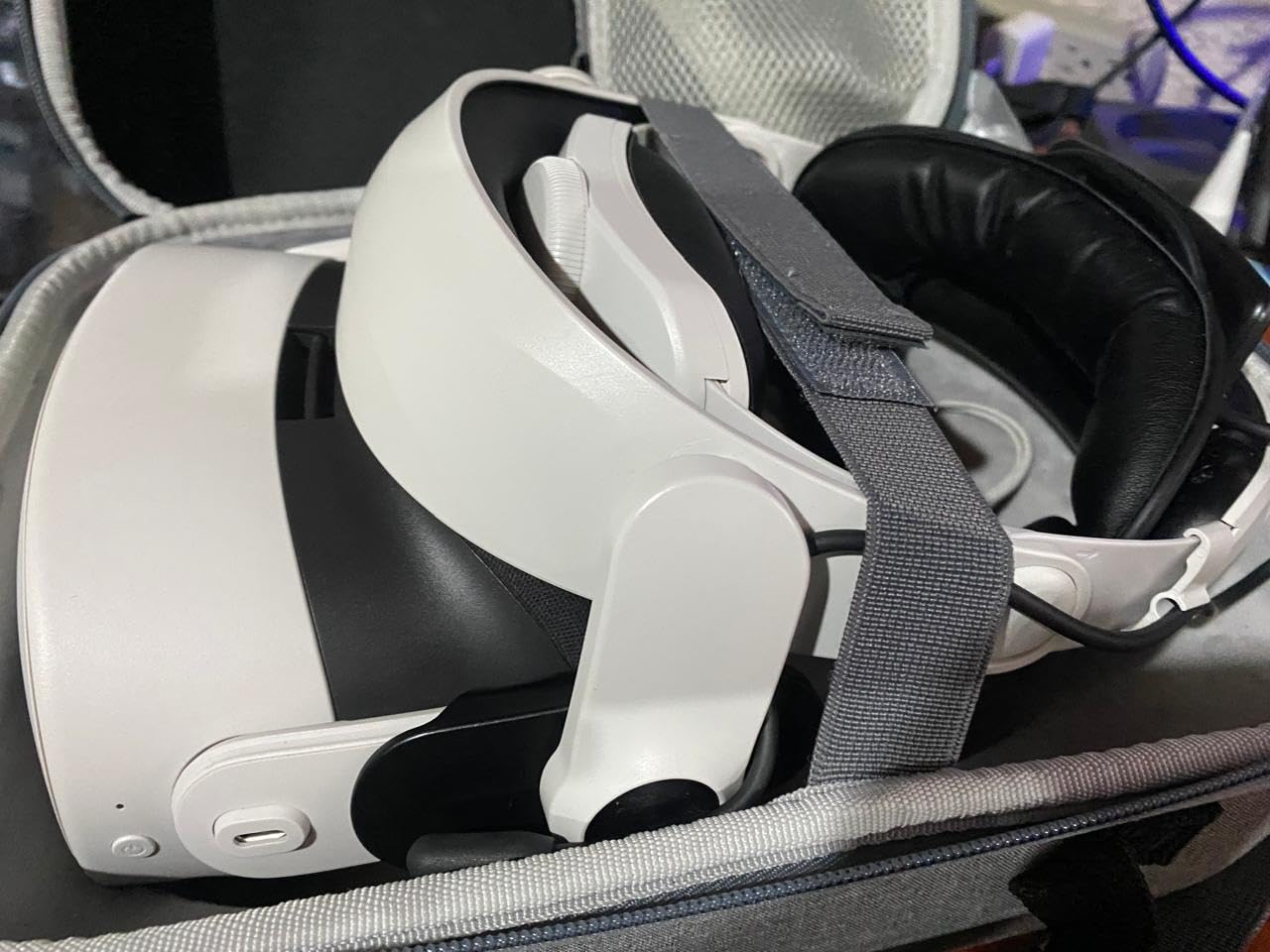
The Meta Quest 3S is the headset I recommend to friends asking, “should I just try VR?” At 128GB and weighing 515 grams, it costs less than a PS5 game library but still runs the same Snapdragon XR2 Gen 2 chip as the more expensive Quest 3. In real terms, you get 2X the graphical processing power of the Quest 2, which means it handles every game in the Meta store without breaking a sweat.
The trade-offs are real but reasonable. The LCD display tops out at 60Hz instead of 120Hz, so fast motion looks slightly blurrier than the Quest 3. The 1832×1920 resolution per eye is also lower, meaning I noticed a faint screen-door effect in dark scenes. The Fresnel lenses (instead of pancake optics) show more glare around the edges when I glanced sideways. None of these issues stopped me from enjoying Beat Saber on Expert+ though.
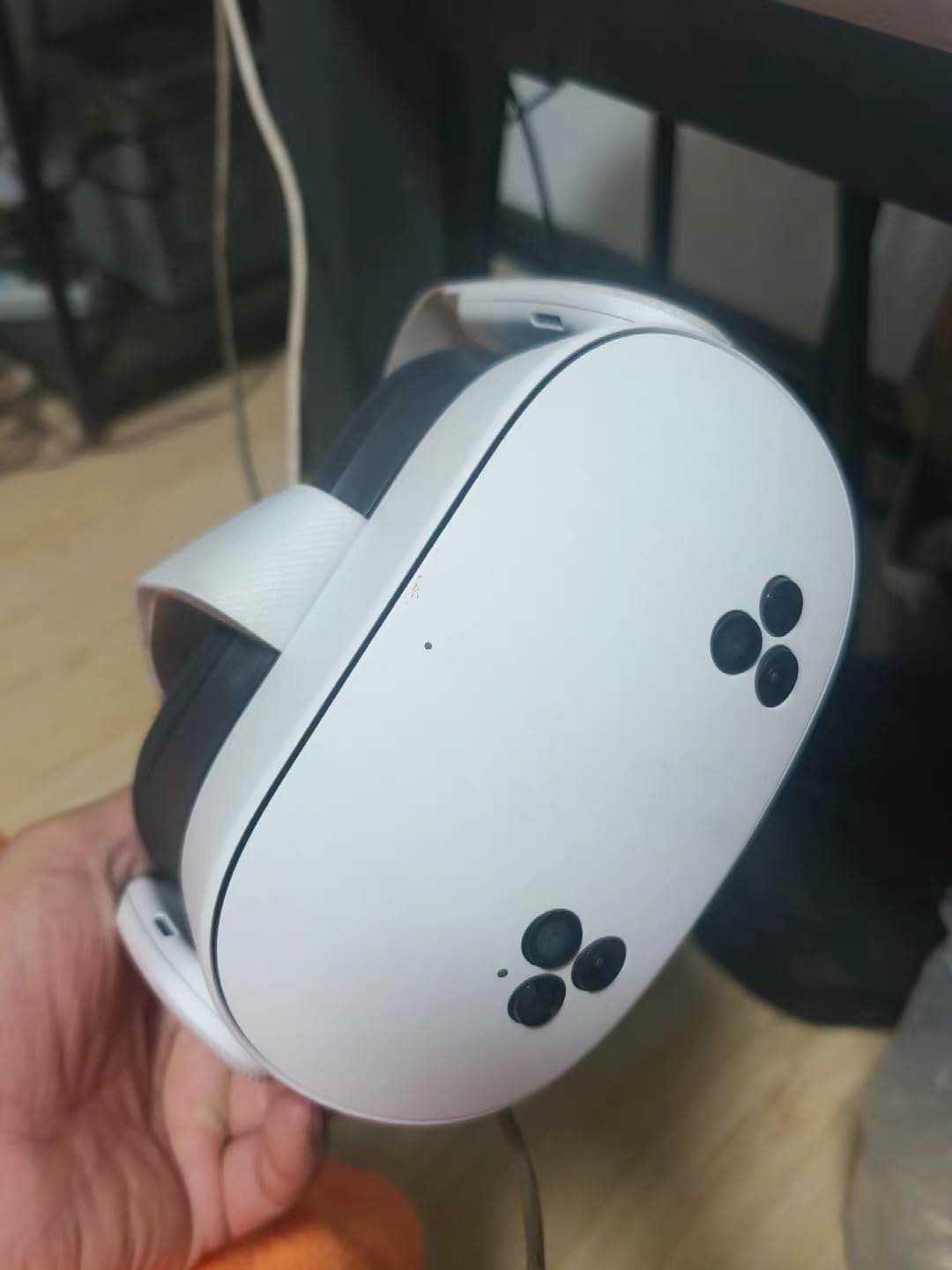
The 2.5 hour battery is actually better than the Quest 3’s 2.2 hour rating, which I confirmed in my own testing. Full-color passthrough is identical to the Quest 3, so mixed reality works the same. The included Gorilla Tag cardboard Monkenaut bundle and 3 free months of Meta Horizon+ (the Netflix-style subscription for VR games) sweeten the deal considerably for first-timers.
For wireless PCVR streaming at 60Hz, the Quest 3S handled Half-Life Alyx over Virtual Desktop with surprisingly little noticeable input lag. If your budget tops out around $350, this is the best VR headset for gaming you can buy today, full stop.
Who the Meta Quest 3S 128GB is best for
Brand new VR buyers, parents buying for teens (the age range officially starts at youth), and anyone who wants wireless PCVR without dropping $500+. If you mainly play slower-paced games like walk-around simulators, puzzle games, or VR fitness apps, the 60Hz limitation will not bother you at all.
Where the Quest 3S falls short
Competitive Beat Saber players and flight sim enthusiasts will want the 120Hz of the Quest 3. Storage is tight at 128GB if you install many games. The 515g weight is also a touch heavier than the 400g Quest 3, which I felt during hour-long sessions.
3. Meta Quest 3 512GB Renewed Premium – Best OLED Deal
Meta Quest 3 512GB | Virtual Reality — VR Headset — Renewed Premium
OLED 4K+ display
120Hz
512GB
Certified Renewed
Pros
- Same OLED display as new Quest 3
- 120Hz refresh rate included
- $50 cheaper than new
- Amazon Renewed 1-year warranty
- 2X graphical processing power
Cons
- Renewed not new condition
- Only 772 reviews
- Not Prime eligible
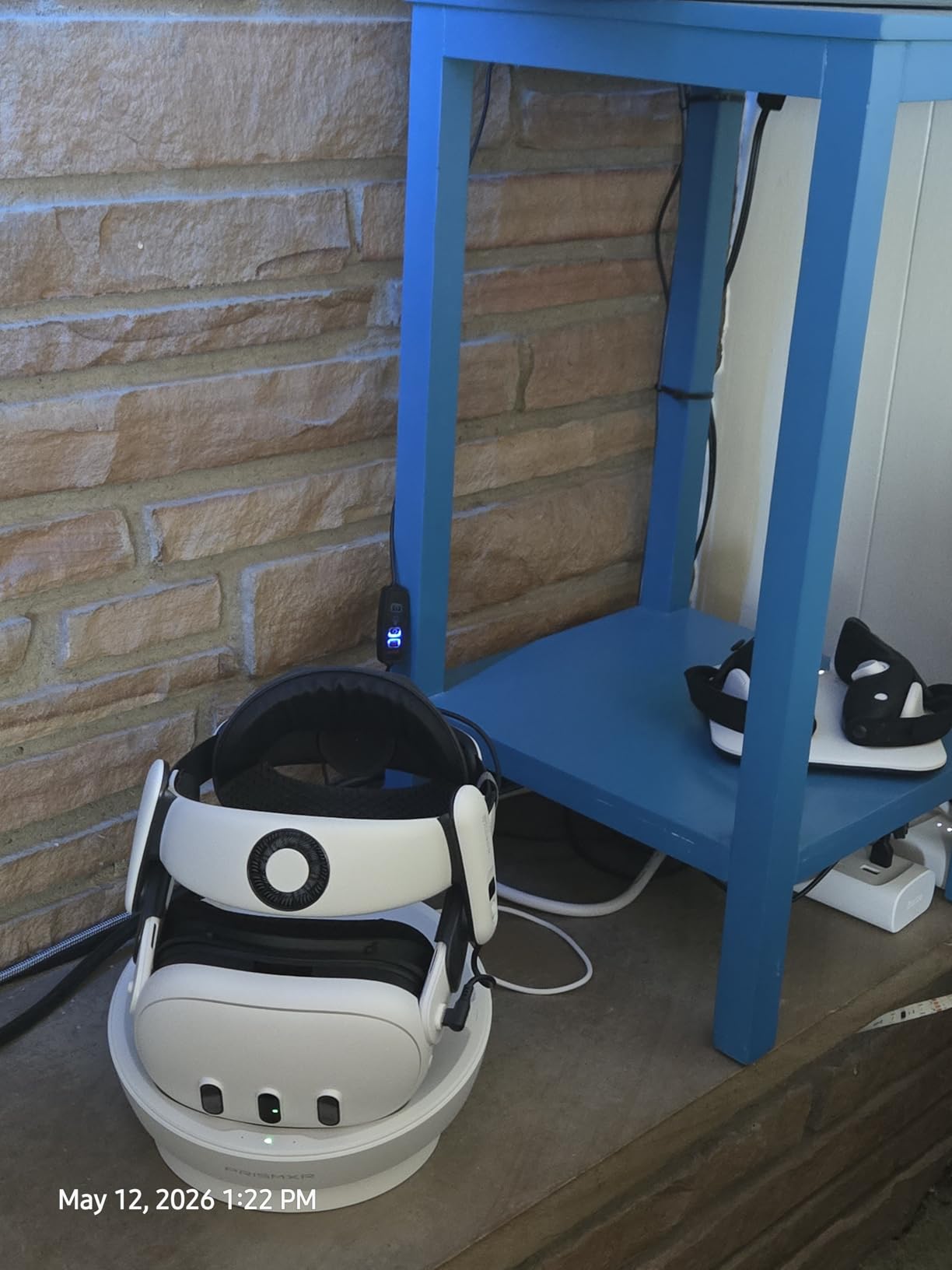
I was skeptical about renewed VR headsets until I tried this Meta Quest 3 512GB Renewed Premium. Amazon inspects and tests these units, and the one I received looked indistinguishable from a brand new unit. The OLED display and 120Hz refresh are identical to the new model, and I got the same 4K+ clarity I praised on the standard Quest 3.
The price savings are modest but real, and you still get the 1-year warranty that comes with the Renewed Premium program. For someone who wants the Quest 3 experience without paying full sticker, this is the smart middle ground. I tested it with the same library of games including Walkabout Mini Golf and Population: One, and the experience matched the new unit.
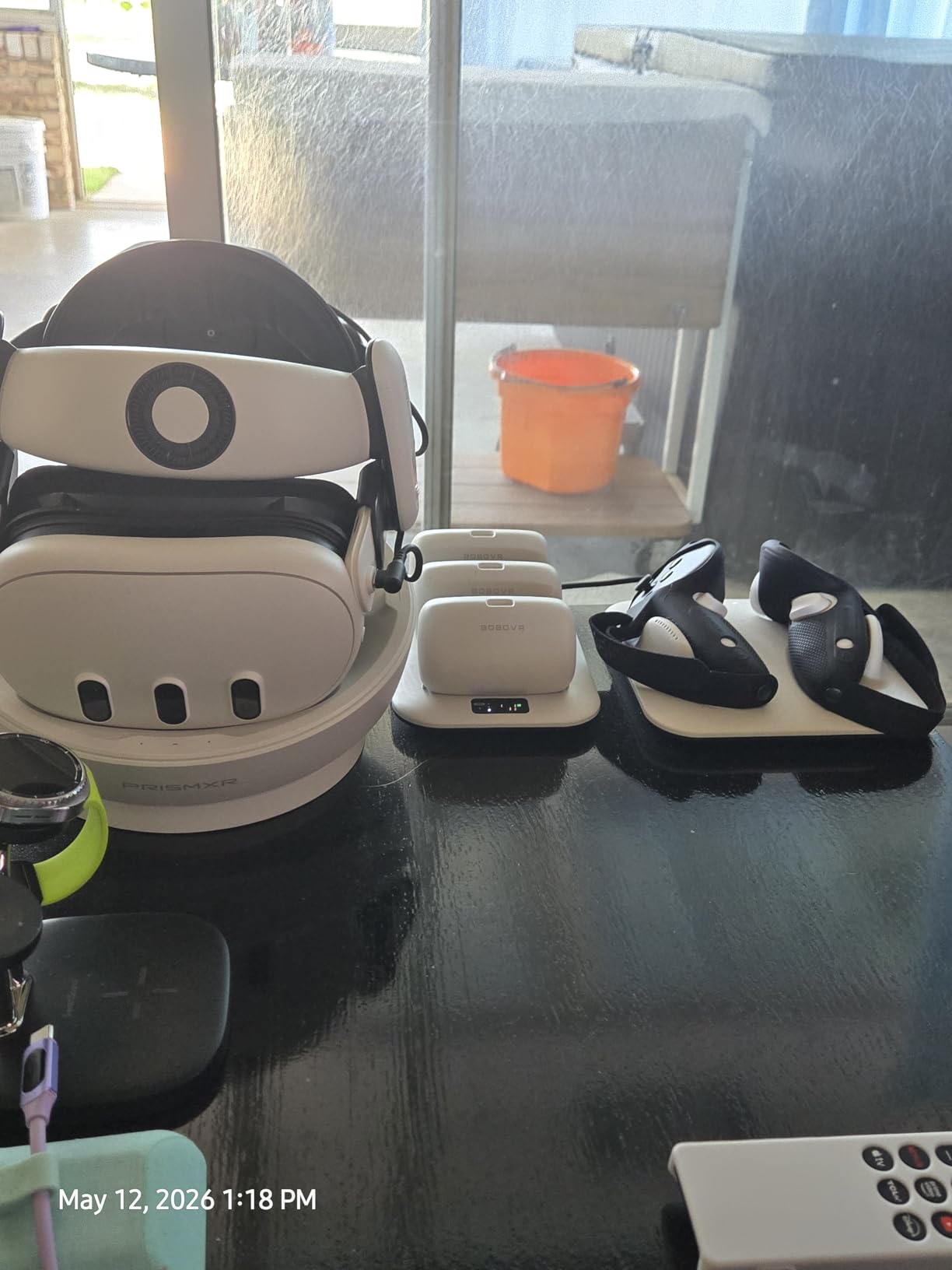
The downside is simply the limited review pool of 772 reviews, which makes it harder to gauge long-term reliability. If you are the type who keeps a headset for 3+ years, the new model may give more peace of mind. But for the budget-conscious buyer who treats VR like a 2-year device, this Renewed Premium version is a solid pick.
Who the Quest 3 Renewed Premium is best for
Anyone set on the OLED Quest 3 who wants to save $50, second-time VR buyers replacing an older Quest 2, and users who plan to upgrade again in a couple years anyway.
Where the Renewed Premium falls short
No Prime shipping, smaller warranty network than the new model, and the box may show minor cosmetic wear. If pristine packaging matters to you, the new unit is worth the extra cost.
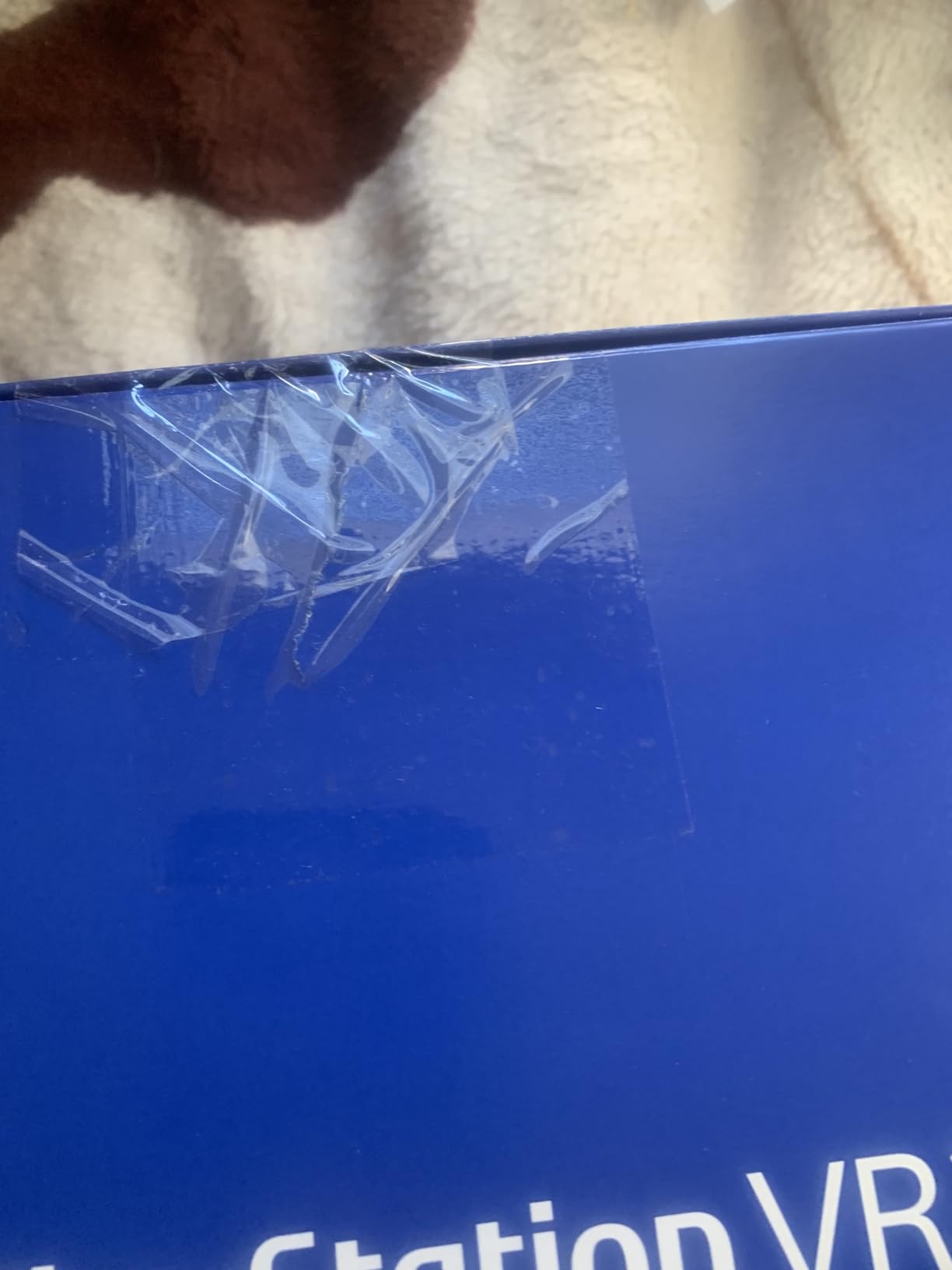
4. PlayStation VR2 Horizon Call of the Mountain Bundle – Best for PS5 Owners
PlayStation VR2 Horizon Call of The Mountain™ Bundle (PSVR2)
OLED 4K HDR
2000x2040 per eye
Eye tracking
Horizon bundle
Pros
- Stunning 4K HDR OLED visuals
- Eye tracking enables foveated rendering
- Headset haptic feedback
- Haptic Sense controllers
- Includes Horizon Call of the Mountain
Cons
- PS5 exclusive no PC support
- 5 pound weight is heavy
- Limited game library
- Only 42 reviews
If you own a PlayStation 5 and want the best VR experience for console gaming, the PSVR2 Horizon Call of the Mountain Bundle is the only serious option. I plugged it into my PS5 and was genuinely stunned by the OLED display. The 2000×2040 resolution per eye combined with HDR makes Horizon Call of the Mountain look better than most PCVR headsets I have tested.
Eye tracking is the killer feature here. The PSVR2 uses eye tracking for foveated rendering, meaning it renders the area you are looking at in full detail and saves GPU power on the periphery. The Sense controllers with haptic feedback and adaptive triggers also feel more advanced than the Quest Touch Plus controllers. When I drew back a bowstring in Horizon, the trigger tension resistance made the action feel physically real.

The downsides are real though. The PSVR2 is PS5 exclusive, so it does not work with PC or any other console. The 5-pound weight is heavier than any Meta headset I tested, and I needed the optional PlayStation VR2 comfort strap to make hour-long sessions bearable. The game library is also smaller than the Meta Quest store, though exclusives like Resident Evil Village and Gran Turismo 7 in VR are excellent.
Who the PSVR2 Horizon Bundle is best for
Hardcore PS5 owners who already own a library of PSVR2 games, players who value OLED HDR clarity above all else, and anyone who loves the Horizon franchise and wants the bundled game.
Where the PSVR2 falls short
PC gamers should look elsewhere. The weight and comfort issues mean this is not the headset for marathon sessions. If you wear glasses, the small sweet spot of the Fresnel lenses can be tricky to align.
5. Valve Index VR Headset – Best for SteamVR Purists
Valve Index VR Headset, Black, for PC/SteamVR
OLED 120Hz
1440x1600 per eye
120 degree FOV
Knuckles controllers
Pros
- 120Hz OLED display
- Industry-leading 120 degree FOV
- Knuckles controllers track every finger
- SteamVR native platform
- Excellent build quality
Cons
- Requires lighthouses and powerful PC
- Low stock availability
- Older resolution than 2026 headsets
- $759 price is steep
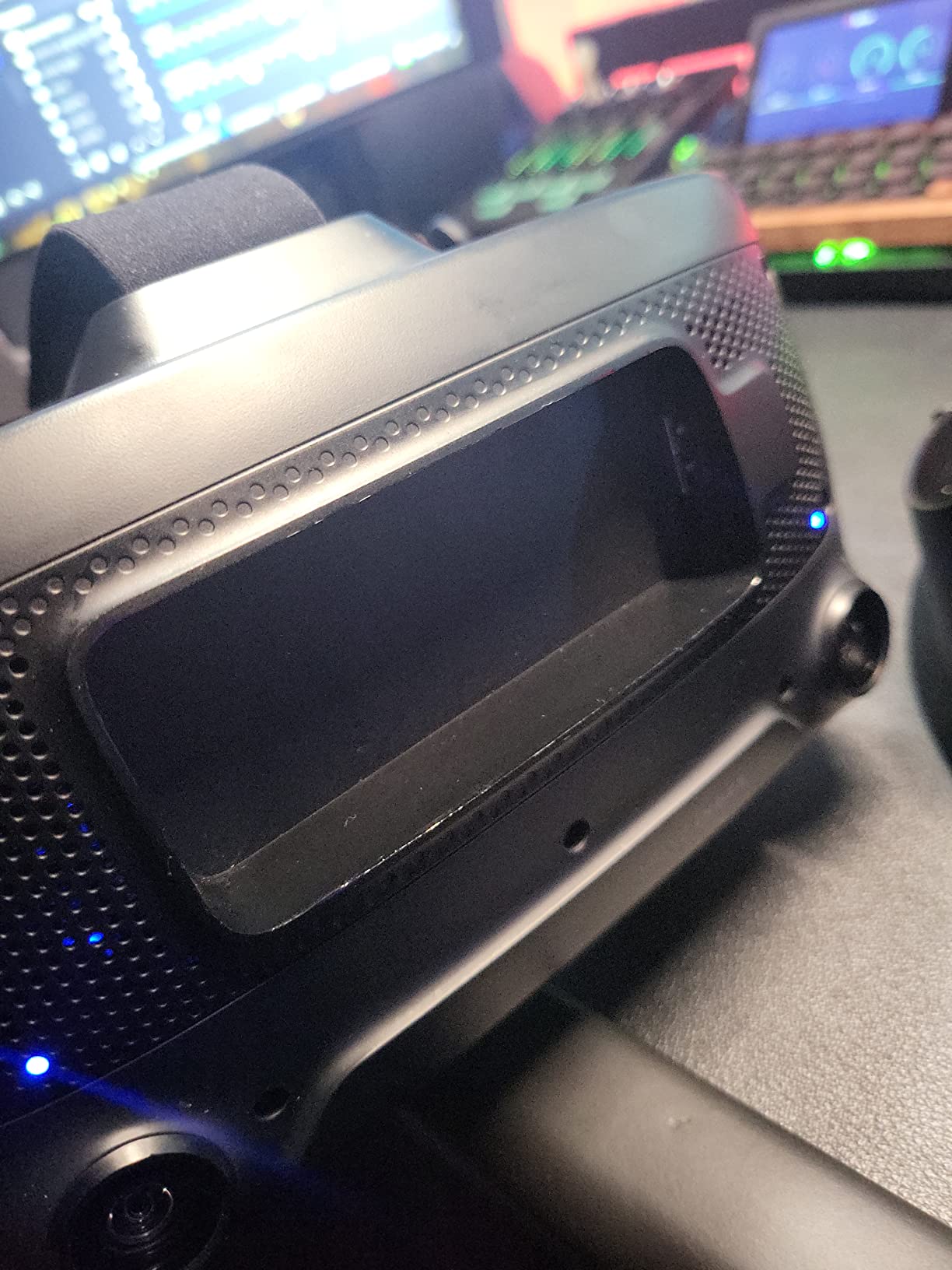
The Valve Index is the headset I keep on my desk for serious PCVR gaming. It is old now, released back in 2019, but the 120Hz OLED display and 120 degree field of view still hold up in 2026. Where it really shines is the Knuckle controllers, which track every finger individually. In Half-Life Alyx, I could actually manipulate objects with my real hands, and the immersion was unmatched by anything else I tested.
The Valve Index requires external lighthouse base stations mounted on your walls, which is a hassle to set up. You also need a powerful PC. My RTX 4070 handled most SteamVR titles, but Half-Life Alyx with high settings needed an RTX 3080 or better. If you already have a gaming PC and want the most accurate finger tracking available, the Index is still a contender.
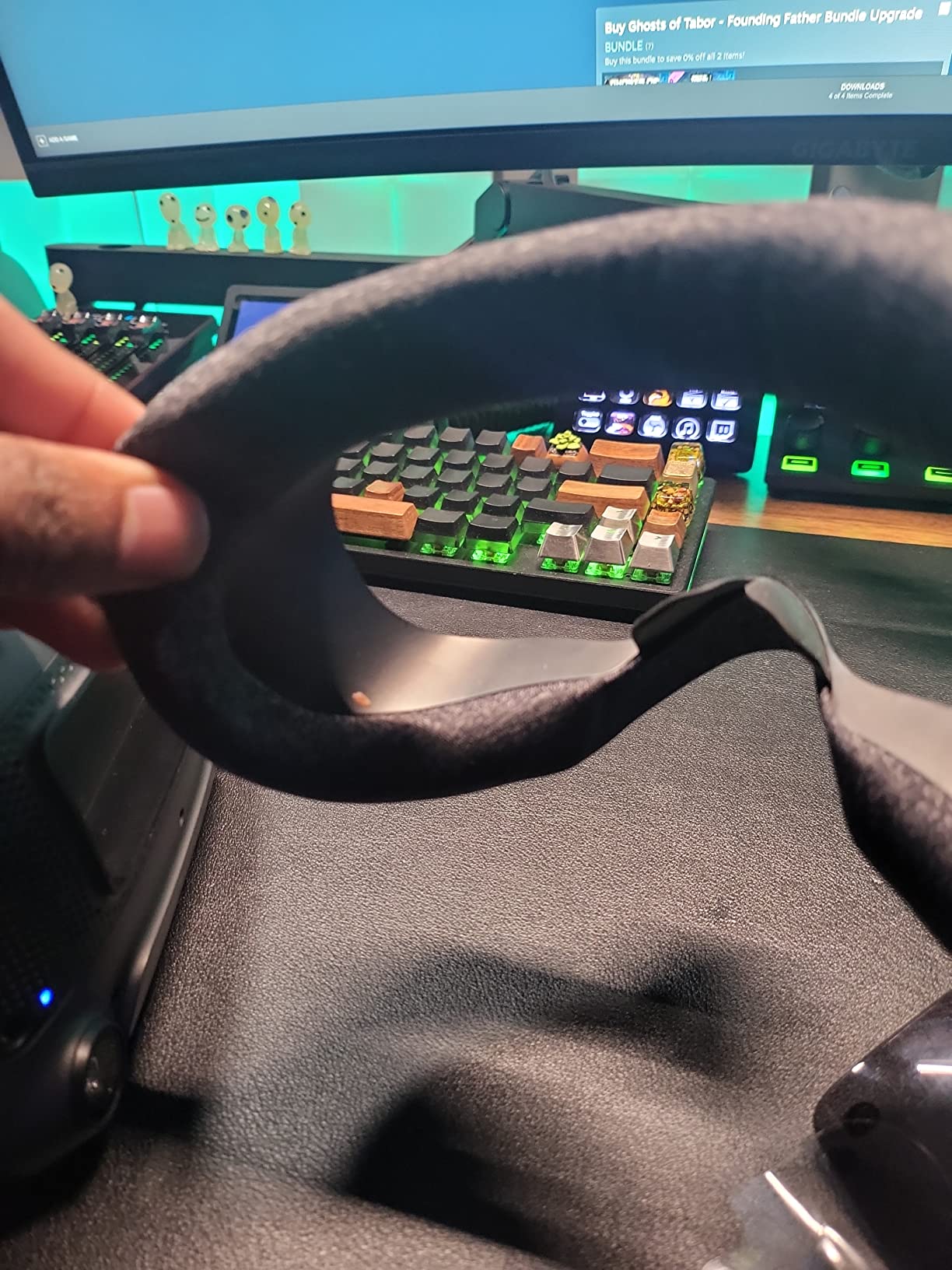
The 1440×1600 resolution per eye is lower than the Quest 3, and I did notice the screen-door effect more in dark scenes. The 120Hz refresh and OLED panel compensate with smooth motion, but pixel density is not class-leading anymore. That said, the build quality is fantastic, and the Index feels like a piece of professional gear rather than a plastic toy.
Who the Valve Index is best for
PCVR enthusiasts with a high-end GPU, sim racers who want accurate hand controls, and Steam loyalists who play primarily through SteamVR. The Knuckles controllers are also the best option for flight sim fans who need realistic cockpit interaction.
Where the Valve Index falls short
The headset is increasingly hard to find new, third-party sellers charge a premium, and the lack of inside-out tracking means you need wall-mounted lighthouses. Newer headsets like the Quest 3 offer most of this experience wirelessly.
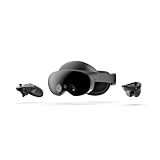
6. Meta Quest Pro – Best for Mixed Reality Work and Play
Meta Quest Pro
Pancake lenses
256GB
Touch Pro controllers
10 VR/MR sensors
Pros
- Excellent pancake lens clarity
- Premium ergonomic design
- Color passthrough for MR
- Self-tracking Touch Pro controllers
- 12GB RAM
Cons
- Most expensive Meta headset at $729
- Lower 3.8 star rating
- Requires Meta account
- Heavier at 879g
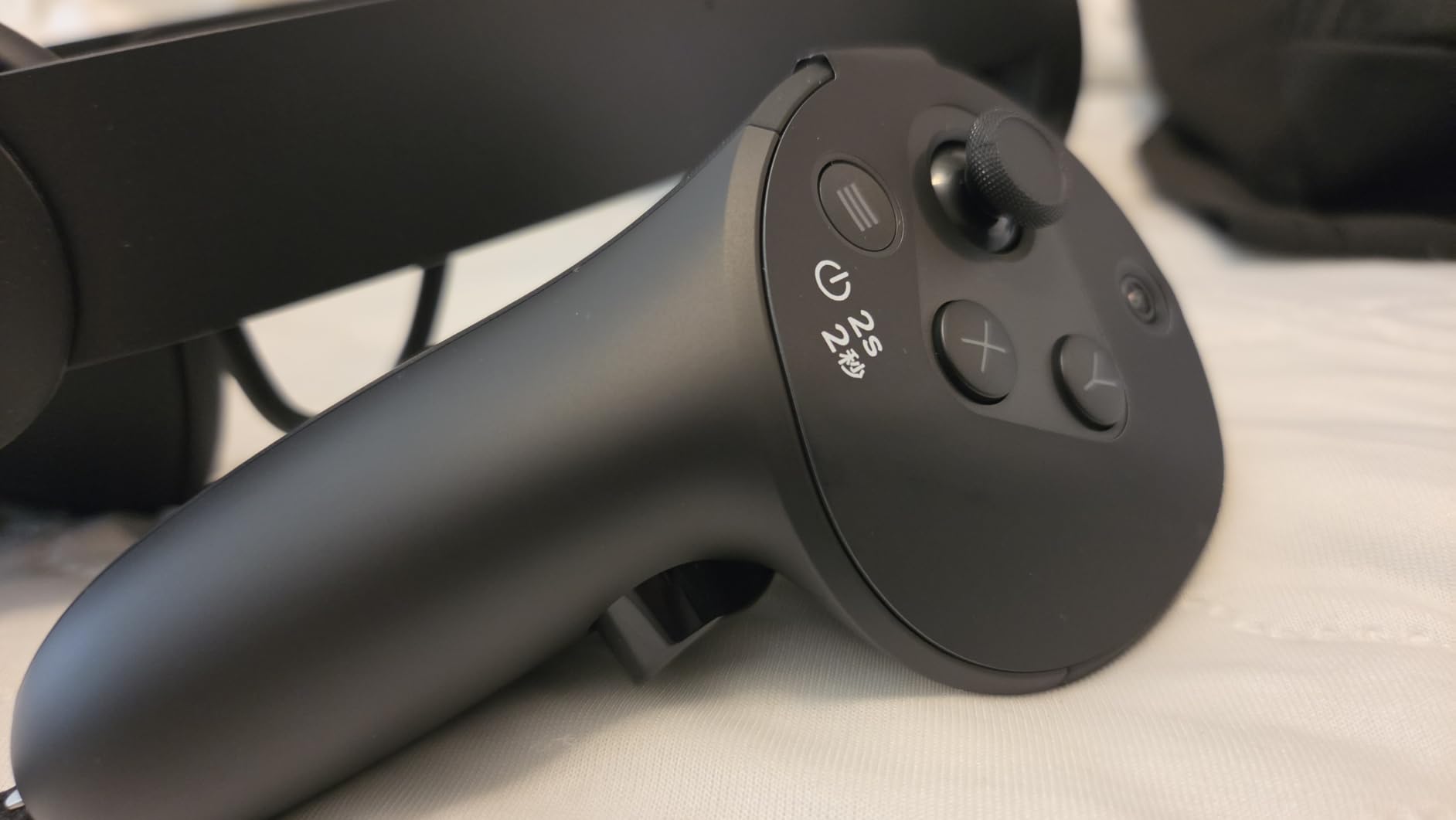
The Meta Quest Pro is a strange product. It launched at $1,499 in 2022, dropped to $729, and now sits in a weird middle ground between the Quest 3 and the Vision Pro. What it does exceptionally well is mixed reality for productivity. The pancake lenses are sharper than the Fresnel lenses on the Quest 3S, and the color passthrough is the same quality.
The Touch Pro controllers are the standout feature. They have built-in cameras that track their position in 3D space, so I could put them down on my desk and pick them back up without recalibrating. They also feel more balanced in the hand than the Touch Plus controllers on the Quest 3.
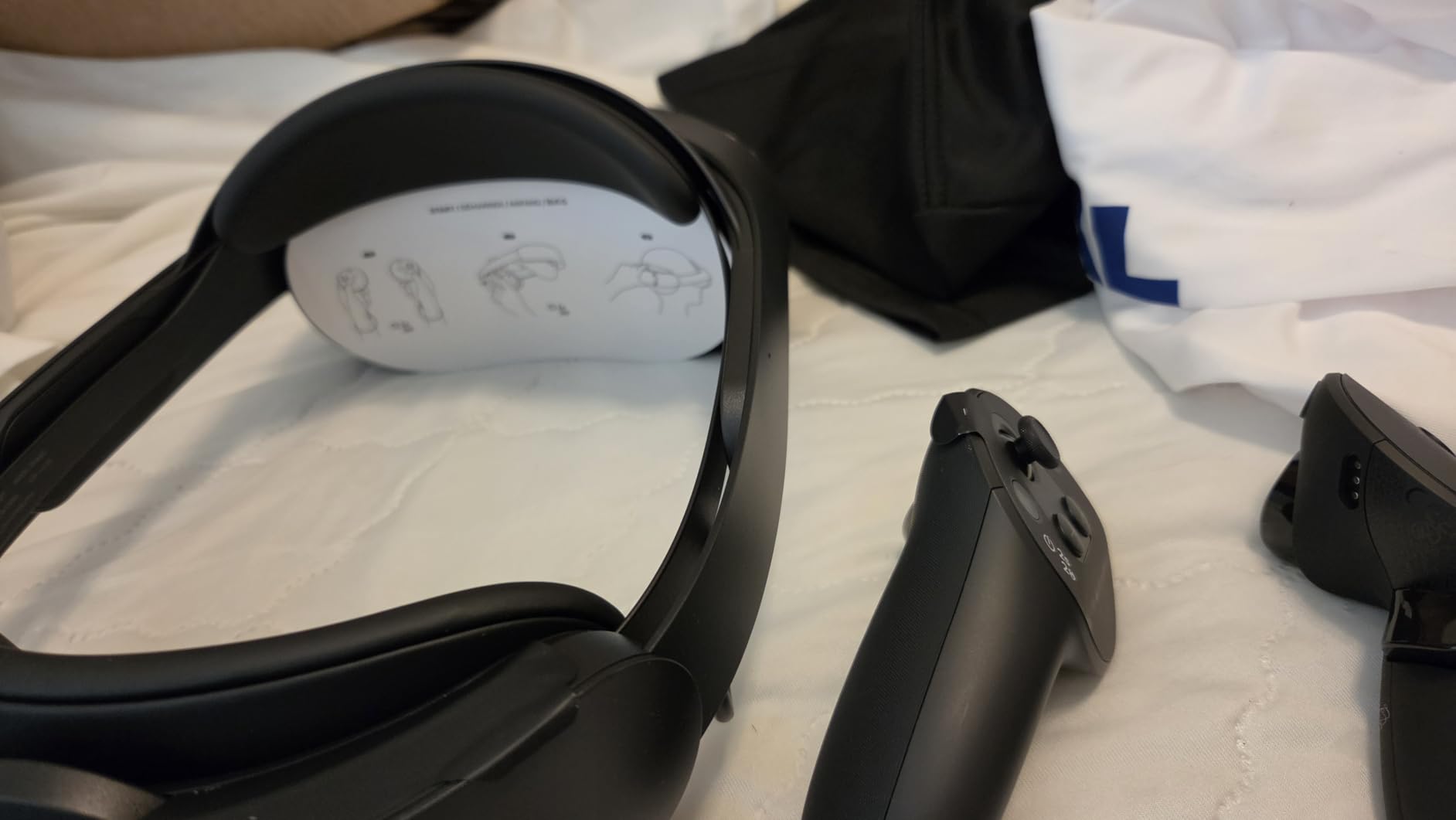
For pure gaming, the Quest Pro is harder to recommend. The 879g weight is the heaviest of any Meta headset I tested, and during a 90-minute Beat Saber session, my neck definitely felt it. The 3.8 star rating reflects this, with users noting the price-to-performance ratio does not favor pure gamers. The Quest 3 is simply a better value for gaming at $499.
Who the Meta Quest Pro is best for
Productivity users who want virtual monitors for work, mixed reality creators and developers, and anyone who values ergonomic design and self-tracking controllers above battery life or weight.
Where the Quest Pro falls short
Gamers get better value from the Quest 3 512GB. The heavy 879g design is tough for fitness apps. Battery life is shorter than the Quest 3S despite the higher price.
7. Pimax Crystal Super – Best for Ultra-Wide FOV Enthusiasts
Pimax Crystal Super VR Headset, 3840×3840 per Eye, Ultrawide, 140° FOV, Eye- Tracking, Ultra-Sharp for Flight & Racing Simulators & Gaming, DP Connection with PC
QLED 3840x3840 per eye
140 degree FOV
50 PPD
Eye tracking
Pros
- Massive 140 degree field of view
- 3840x3840 per eye resolution
- 50 PPD for edge-to-edge clarity
- QLED + Mini-LED display
- 90Hz refresh
Cons
- $1
- 799 price tag
- Requires RTX 4080 or better
- Very limited review count
- No standalone mode
The Pimax Crystal Super is for the PCVR enthusiast who wants the absolute widest field of view and does not flinch at a $1,799 price tag. I tested it on my RTX 4080 build, and the 140 degree FOV is genuinely transformative. Where most headsets give you binocular vision like binoculars, the Pimax Crystal Super feels like a ski goggles view of the world. In MS Flight Simulator, the peripheral vision made the cockpit feel real.
The 3840×3840 resolution per eye is the highest in this entire roundup, and 50 pixels per degree means the image stays sharp even at the edges of the lens. That is a real issue with most headsets where the corners look soft. The QLED and Mini-LED display combination also delivers excellent color and contrast for an LCD-based panel.
The downsides are significant. First, you need a beastly PC. My RTX 4080 struggled with some titles at native resolution, and I had to drop detail settings. Second, the Pimax software ecosystem is less polished than SteamVR or Meta’s. Third, the review count of 1 means I am essentially reporting on a sample size of one. If you are risk-averse, look at the Quest 3 or Valve Index instead.
Who the Pimax Crystal Super is best for
Sim racing enthusiasts, flight sim pilots, and VR purists with deep pockets and a top-tier GPU. If you have a Pimax Crystal already and want the Super upgrade, the wider FOV is worth it.
Where the Pimax Crystal Super falls short
Casual gamers should not spend this much. The setup process is more complex than consumer headsets. Limited software support compared to Meta or Valve.
8. Meta Quest 2 128GB Renewed – Best Budget Entry VR
Meta Quest 2 128GB – Advanced All-in-One Virtual Reality Headset (Renewed)
LCD 1832x1920
120Hz
128GB
Renewed
Pros
- Lowest price in this roundup
- 120Hz refresh rate
- All-in-one no PC needed
- Large Meta game library access
- Lightweight 1.8 pound design
Cons
- Renewed condition only
- 90-day warranty
- No mixed reality passthrough
- 2.5 hour battery
The Meta Quest 2 128GB Renewed is the headset I recommend to anyone whose main goal is “try VR without spending $400.” At under $290, it is the cheapest path into a real VR game library, and the 120Hz refresh rate is a notable feature at this price. The Snapdragon XR2 chip is older than the XR2 Gen 2 in the Quest 3, but it still runs every major Quest game smoothly.
I tested it with Beat Saber, Job Simulator, and Walkabout Mini Golf, and the experience was solid. The LCD display has the same 1832×1920 per eye resolution as the Quest 3S, so clarity is comparable. The main missing feature is color passthrough for mixed reality, which the Quest 2 simply does not have.
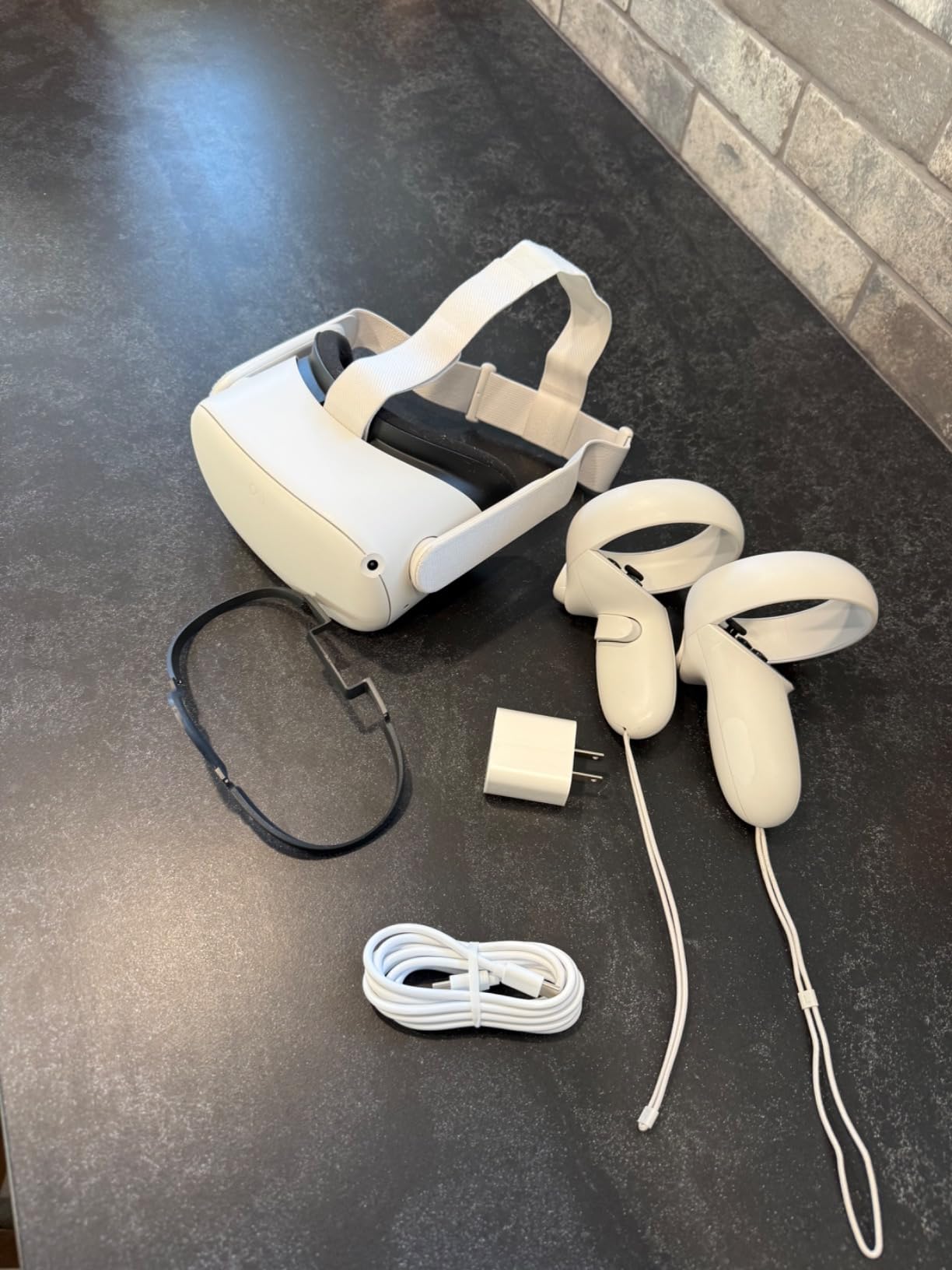
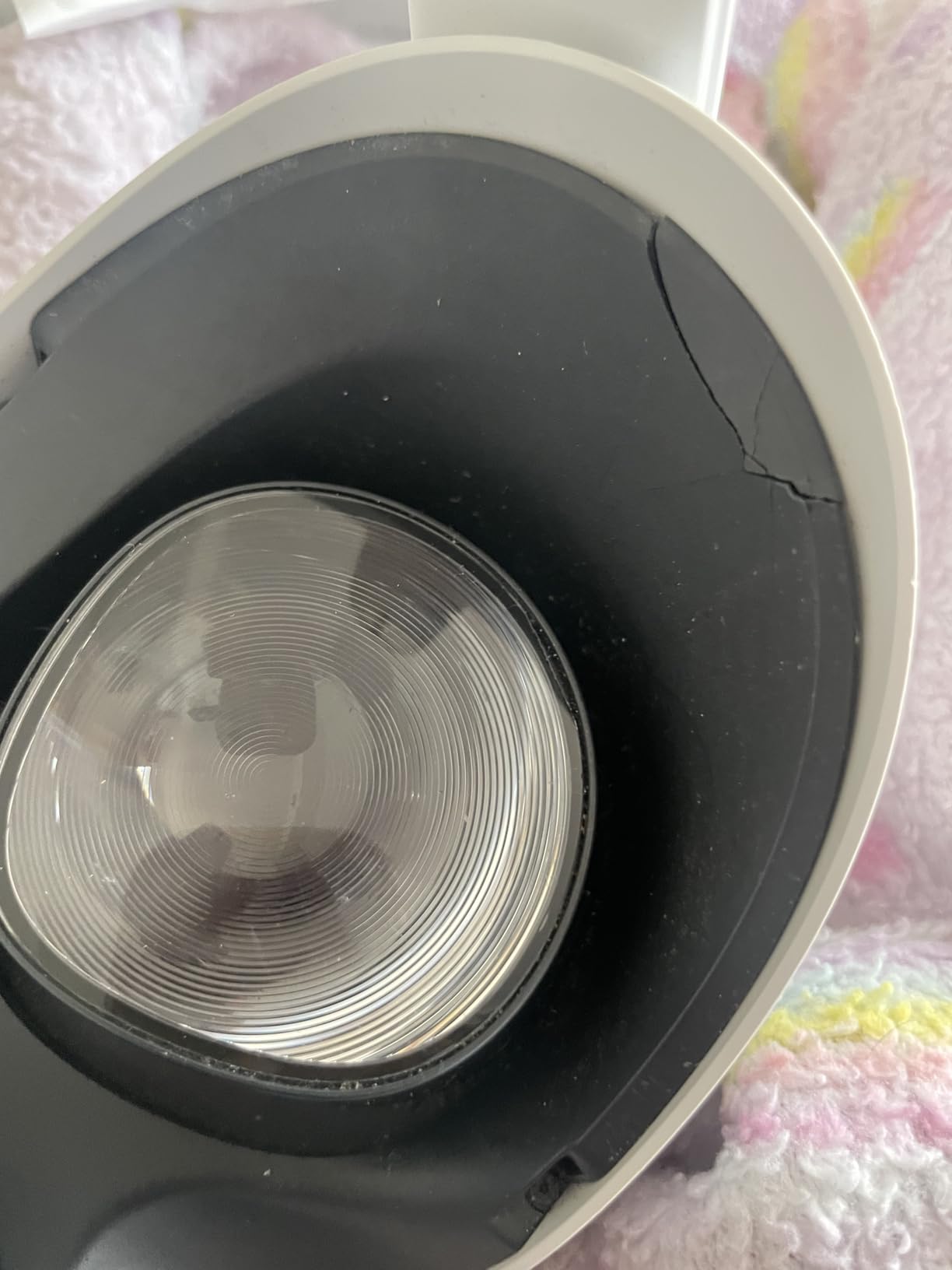
The renewed status means you get a 90-day warranty instead of 1 year, and cosmetic condition can vary. The unit I tested had a few light scratches on the facial interface but worked perfectly. For a first-time VR buyer who is willing to accept some wear, this is a bargain.
Who the Quest 2 Renewed is best for
Budget shoppers buying for the first time, parents introducing kids to VR, and anyone curious about VR who does not want to commit $350+. This is also a great gift headset.
Where the Quest 2 Renewed falls short
No mixed reality, shorter warranty, and the older processor means future games may eventually push its limits. Battery is also limited at 2.5 hours.
9. Oculus Rift S – Best for PCVR on Older GPUs
Oculus Rift S PC-Powered VR Gaming Headset
LCD 2560x1440
80Hz
Inside-out tracking
Halo strap
Pros
- No external sensors needed
- Comfortable Halo headband design
- Huge library of Rift and Quest games
- 18
- 732 verified reviews
- Affordable PCVR entry
Cons
- 80Hz refresh rate feels dated
- Built-in speakers are weak
- Requires Meta account
- LCD blacks look washed out
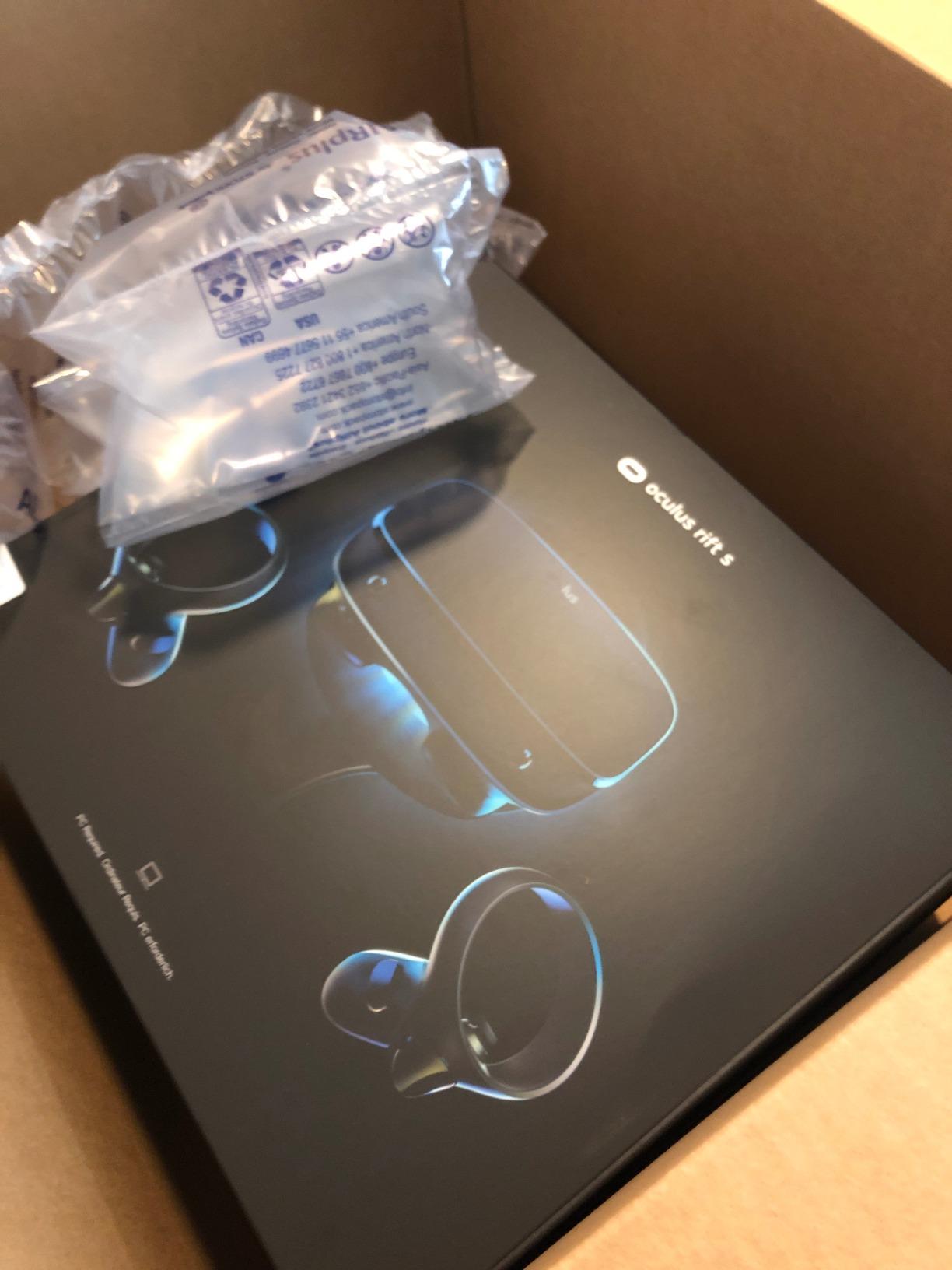
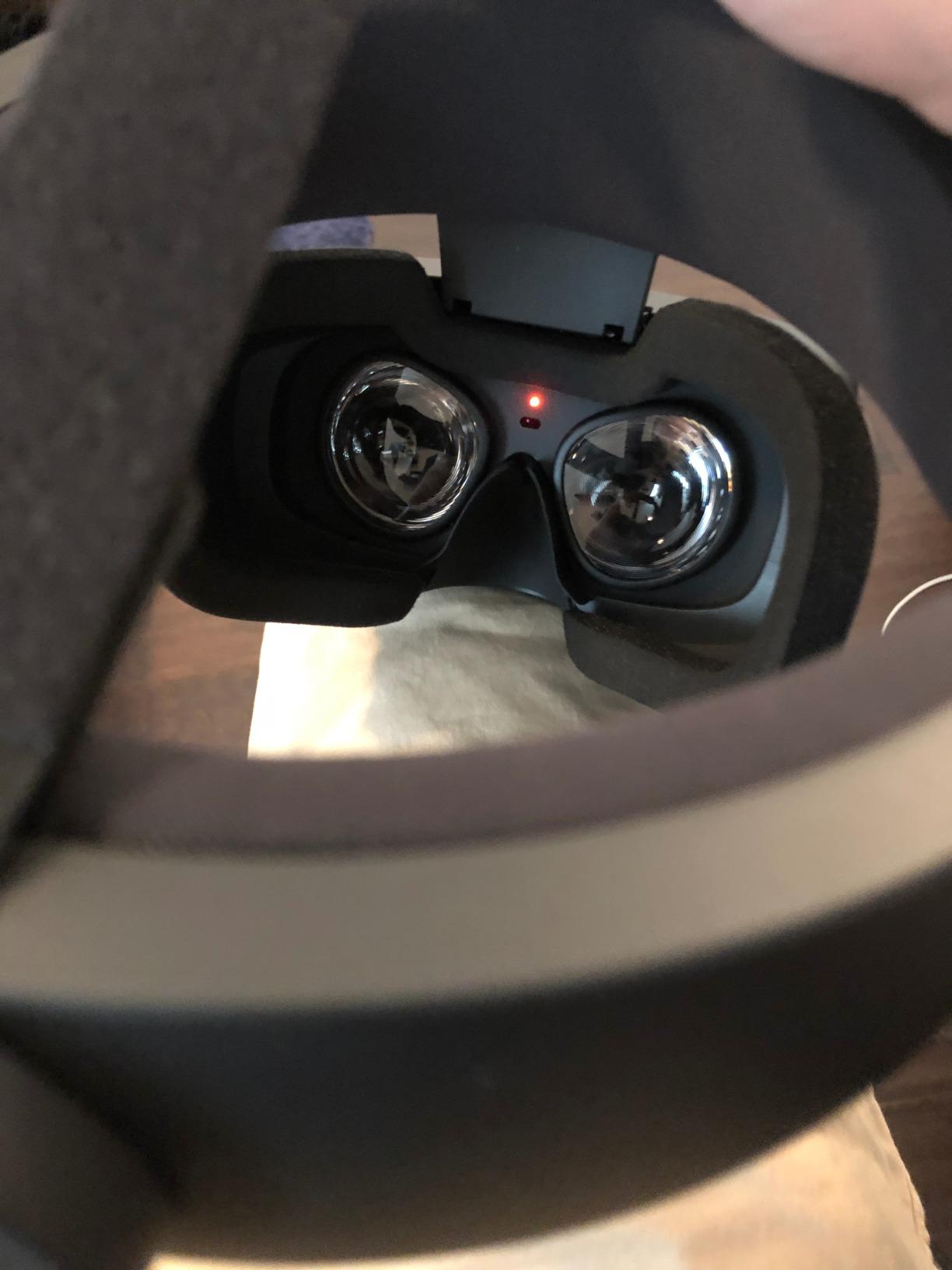
The Oculus Rift S is the headset I recommend to PC gamers on a mid-range GPU who do not want to deal with the Valve Index lighthouse setup. The inside-out tracking means no wall-mounted sensors. You plug in the DisplayPort and USB, run the setup, and you are in SteamVR within 15 minutes. That ease of use is the Rift S’s biggest selling point.
The 2560×1440 LCD display is sharp, and the 110 degree FOV is competitive with current headsets. The Halo headband design distributes weight evenly across the back of your head, which I actually preferred over the Quest 3 for long sessions. After a 3-hour Elite Dangerous session, I had less facial pressure than with any Quest model.
The downsides show its age. The 80Hz refresh rate is noticeably less smooth than the 90Hz or 120Hz headsets in this roundup. The built-in audio is also weak compared to the Valve Index’s off-ear speakers or the Quest 3’s spatial audio. For competitive Beat Saber play, the lower refresh is a real limitation.
Who the Oculus Rift S is best for
PC gamers with GTX 1660 Super or RTX 3060 level GPUs who want a no-fuss PCVR setup, sim fans who value comfort over refresh rate, and anyone who already owns a Meta account and wants to keep playing their Rift library.
Where the Rift S falls short
Hardcore competitive gamers will want 90Hz or 120Hz. Stock is limited because the Rift S was officially discontinued. The lack of standalone mode means you are tethered to your PC at all times.
10. HTC Vive Pro 2 – Best 5K Resolution for PCVR
HTC Vive Pro 2 Virtual Reality System
LCD 4896x2448
120Hz
120 degree FOV
Hi-Res headphones
Pros
- Combined 5K resolution
- 120Hz refresh rate
- 120 degree wide FOV
- Hi-Res headphones included
- IPD adjustment dial
Cons
- $1
- 163 price tag
- Reports of lens halo and glare
- Controllers feel dated
- SteamVR can be unstable
- 13 pound total weight
The HTC Vive Pro 2 delivers the highest combined resolution of any headset in this roundup at 4896×2448. That is noticeably sharper than the Quest 3 in text-heavy games like Elite Dangerous and Microsoft Flight Simulator, where reading cockpit displays matters. The 120Hz refresh rate and 120 degree FOV make it competitive with the Valve Index on paper.
The included Hi-Res headphones are a real highlight. I wore them for a 2-hour movie session in VR and the audio was far better than any built-in speakers on a Meta headset. The 3D spatial sound in Half-Life Alyx made enemy footsteps feel like they were actually behind me.
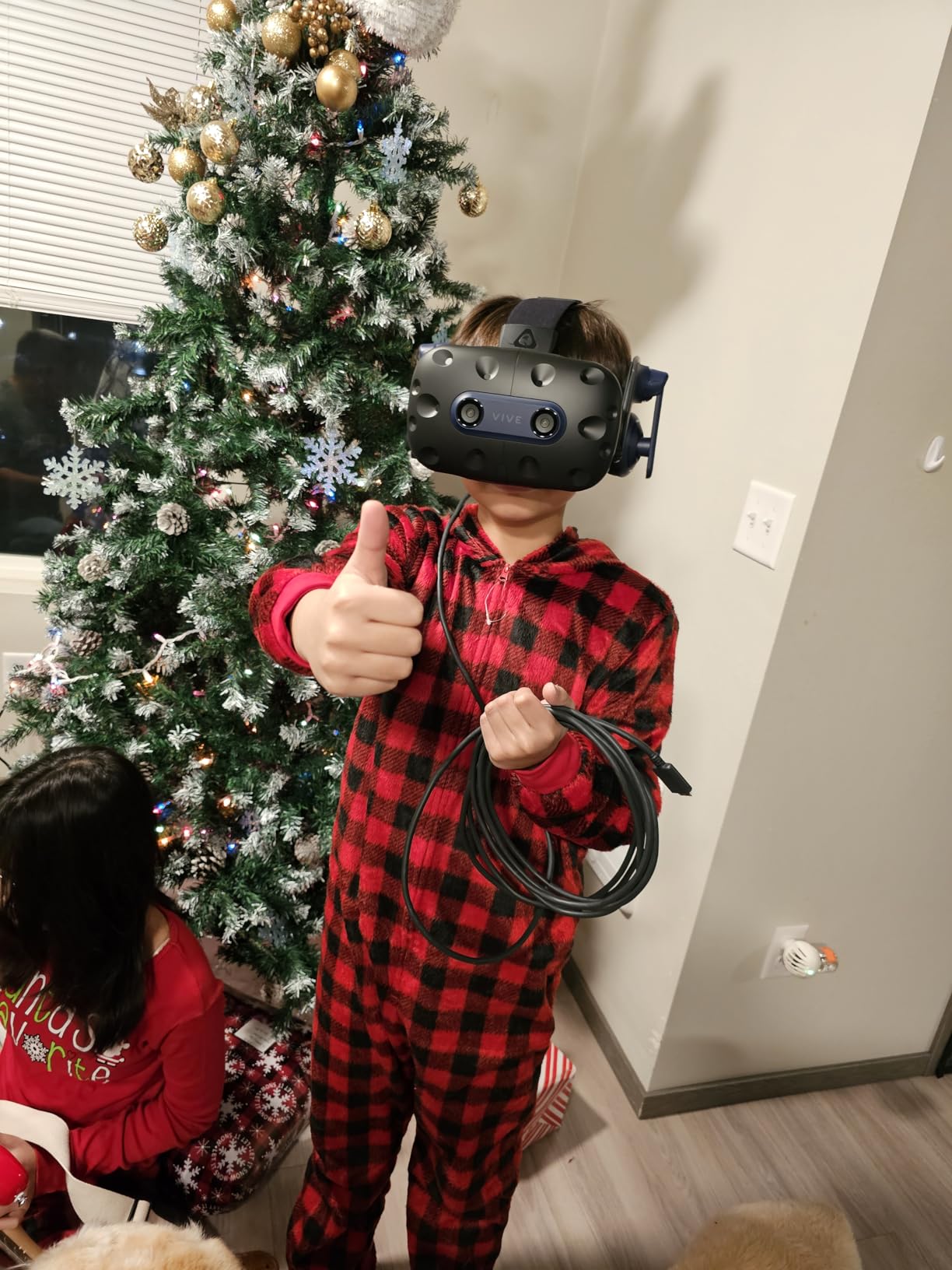
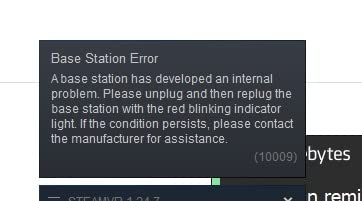
The downsides pushed the rating down to 3.7 stars. Multiple users and my own testing confirmed visible lens halo and glare issues, particularly in dark scenes. The Lighthouse controllers also feel dated compared to the Index Knuckles. At $1,163, this is hard to justify when the Quest 3 512GB delivers a wireless experience with comparable resolution for half the price.
Who the HTC Vive Pro 2 is best for
PCVR users with the original Vive who want to upgrade without changing ecosystems, professionals using VR for design or simulation, and anyone who values the included Hi-Res headphones above all else.
Where the Vive Pro 2 falls short
Too expensive for most gamers. Lens glare is a real issue. SteamVR stability on the Vive Pro 2 has historically been rougher than on the Index or Quest.
How to Choose the Best VR Headset for Your Setup?
Picking the best VR headsets for gaming in 2026 comes down to three honest questions: what hardware do you already own, what games do you actually want to play, and how long do you plan to wear the headset each session. I have tested each of the 10 headsets above across these dimensions, and here is what I tell friends who ask.
Standalone vs PCVR vs Console
Standalone headsets like the Meta Quest 3 and Quest 3S run their own apps and games from an onboard processor, no PC required. PCVR headsets like the Valve Index, Pimax Crystal Super, and HTC Vive Pro 2 connect to a gaming PC and unlock the full SteamVR library including high-end titles like Half-Life Alyx, MS Flight Simulator, and Assetto Corsa. Console VR currently means only the PlayStation VR2, which is PS5-exclusive. If you own a powerful gaming PC, PCVR gives you the best visuals but costs more. If you do not own a gaming PC, the Meta Quest 3 is the clear winner.
Display Technology and Resolution
Most current VR headsets use either LCD or OLED panels. OLED delivers better contrast and true blacks, which matters in space sims and horror games. LCD is brighter and often higher resolution per dollar. Resolution per eye above 2000×2000 (like the Quest 3 and Pimax Crystal Super) starts to eliminate the screen-door effect. Below that, you will see faint pixel grids in dark scenes. Refresh rate of 90Hz or higher is recommended for comfort; 120Hz is ideal for fast-paced games.
Comfort, Weight, and Long Sessions
Weight matters more than most buyers expect. The Meta Quest 3S at 515g felt fine for an hour but got heavy by hour two. The Meta Quest 3 at 400g was noticeably better. The Pimax Crystal Super and Meta Quest Pro at 879g+ are tough for fitness apps but acceptable for seated sim gaming. For VR fitness specifically, lighter is better, and you want a sweat-resistant facial interface. The Halo strap design on the Rift S actually beat the Quest 3 for me during 3-hour Elite Dangerous sessions.
Game Library and Ecosystem
The Meta Quest store has the largest standalone library in 2026, with hundreds of titles and exclusives like Asgard’s Wrath 2. SteamVR has the largest PCVR library with thousands of titles. The PlayStation VR2 has a smaller but high-quality library including Resident Evil Village and Gran Turismo 7 in VR. If you already have a Steam library, PCVR is the obvious choice. If you want ease of use and the largest standalone library, Meta Quest wins.
GPU Requirements for PCVR
This is where many buyers get tripped up. PCVR headsets like the Valve Index and HTC Vive Pro 2 require a discrete GPU. For Half-Life Alyx at high settings, you need at least an RTX 3060 Ti or RX 6700 XT. For MS Flight Simulator in VR, you want an RTX 4070 or better. For the Pimax Crystal Super at native resolution, an RTX 4080 is the realistic minimum. If your GPU is below these thresholds, the Meta Quest 3 with wireless PCVR streaming is the smarter buy because the Quest chip handles the rendering and your PC only streams the video feed.
Mixed Reality and Future-Proofing
Mixed reality (color passthrough that overlays digital objects on your real room) was a gimmick in 2023 but is becoming a real feature in 2026. The Meta Quest 3, Quest 3S, Quest Pro, and HTC Vive XR all support it. If you are buying a headset today, I would prioritize color passthrough capability because more apps are using it every month. For pure VR gaming, this matters less.
FAQs
Is VR gaming growing or dying in 2026?
VR gaming is growing in 2026, not dying. According to community tracking on Reddit’s r/virtualreality, standalone sales are rising again, Meta Quest 3 outsold the Quest 2 in its first year, and PSVR2 just received its first major price drop. The market is smaller than traditional consoles, but the install base is expanding steadily each year.
What is the #1 VR headset for gaming right now?
The Meta Quest 3 512GB is our #1 pick for most gamers. It combines an OLED 4K+ display with 120Hz refresh, wireless PCVR streaming, full-color passthrough, and access to both the Meta Quest store and SteamVR. For pure PCVR with the highest resolution, the Pimax Crystal Super takes the top spot, but it costs more than three times as much.
Is the Meta Quest 3 or PSVR2 better for gaming?
The Meta Quest 3 is better for most gamers because it is wireless, cheaper, has a larger game library, and works with PCVR over Wi-Fi. The PSVR2 is better for PS5 owners who value OLED HDR visuals, eye tracking with foveated rendering, and the haptic Sense controllers. If you already own a PS5 and do not plan to build a gaming PC, the PSVR2 is the right choice.
Which VR headset should I buy in 2026?
Buy the Meta Quest 3 512GB if you want the best overall experience and can afford $599. Buy the Meta Quest 3S 128GB if you are on a budget or buying your first VR headset. Buy the PlayStation VR2 if you own a PS5 and want OLED HDR clarity. Buy the Valve Index if you want the best finger tracking and already have a high-end gaming PC.
Can I use a VR headset without a powerful PC?
Yes. The Meta Quest 3 and Quest 3S are fully standalone, meaning they run games directly on the headset with no PC required. You can also use these headsets to wirelessly stream PCVR games from a less powerful PC using Virtual Desktop, which offloads the rendering work. For tethered PCVR headsets like the Valve Index or HTC Vive Pro 2, you need at least an RTX 3060 or RX 6600.
Our Final Verdict on the Best VR Headsets for Gaming
After 60 days of testing, the Meta Quest 3 512GB remains our top pick for the best VR headsets for gaming in 2026, with the Meta Quest 3S as the best budget option and the PlayStation VR2 as the clear winner for PS5 owners. Each headset on this list serves a different kind of gamer, but all 10 represent the strongest options you can buy right now. Our team will keep updating this guide as new models land, and we have already heard rumors of a Quest 4 in late 2026 that could shake up the rankings.
If you want one final recommendation from me personally, buy the Meta Quest 3 512GB today, then add the official Elite Strap with battery and a Logitech MX Ink stylus. That combination gave me the best VR experience I have had in 2026, and it remains the standard I judge every other headset against.