
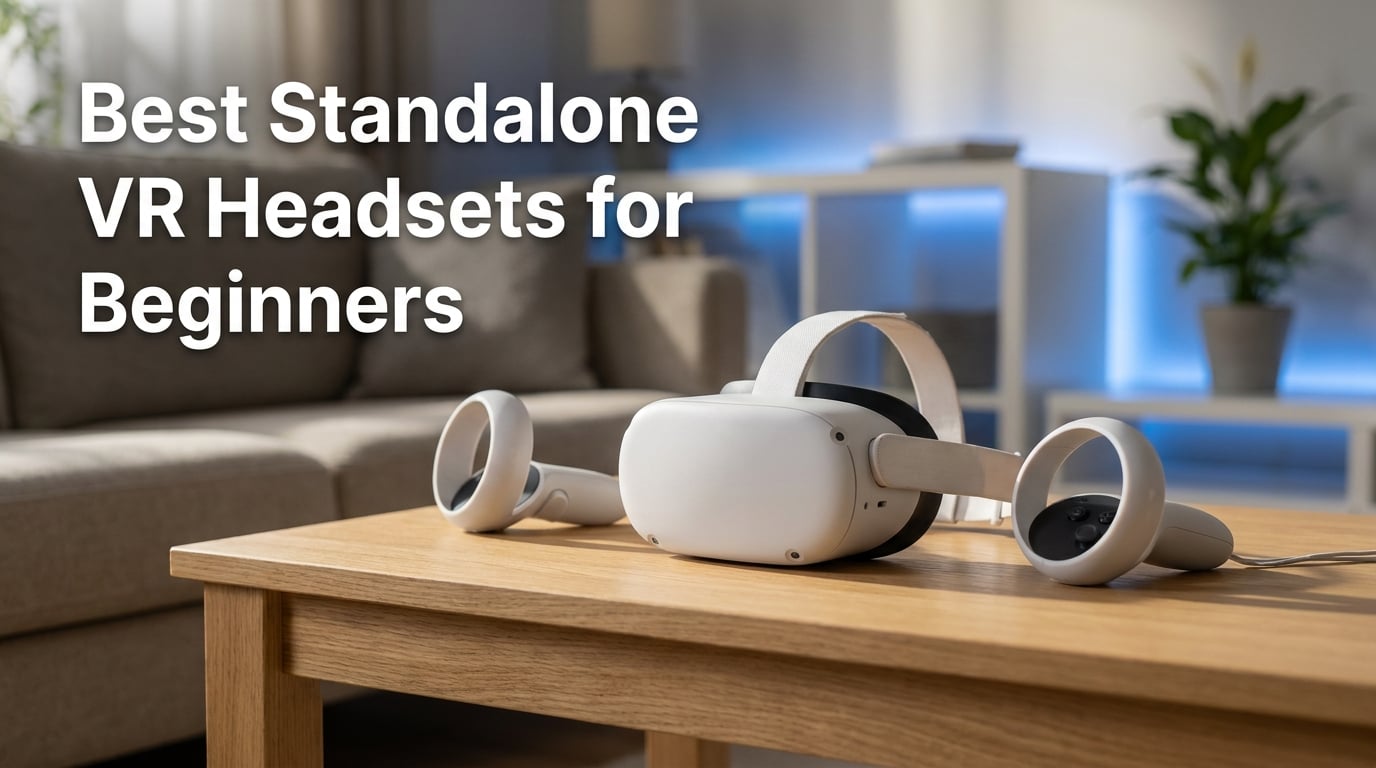
When I unboxed my first headset three years ago, I spent two hours untangling cables, fighting with PC drivers, and wondering why nothing would track. That is exactly the experience standalone VR was built to eliminate. The best standalone VR headsets for beginners skip the gaming PC, the base stations, and the tangled wires entirely, so you can put the device on and start playing inside of ten minutes.
Our team spent the last several months testing eight of the most-recommended all-in-one headsets in everyday living-room conditions. We played Beat Saber until our arms gave out, watched full movies in virtual theaters, sweated through Supernatural workouts, and handed each headset to complete VR first-timers to see how long setup actually took. The spread covered everything from a brand-new Meta Quest 3S to a renewed Quest 2 and the productivity-leaning Meta Quest Pro.
If you are shopping for your first headset in 2026, the choice basically comes down to how much you want to spend and whether mixed reality, fitness tracking, or pure gaming matters most. The Meta Quest 3S won our editor’s choice spot because it nails the price-to-performance ratio beginners actually need, while the renewed Quest 3S gives you the same experience for less if you do not mind refurbished hardware. This guide breaks down every pick, who each one suits, and which features are worth paying for versus skipping.
Table of Contents
Top 3 Picks for Best Standalone VR Headsets for Beginners (September 2026)
If you want the short version before diving in, these three headsets cover the sweet spots of the market. One is the safe default for almost any beginner, one is the same hardware at a lower refurbished price, and one is the floor for what we still consider worth buying.

Meta Quest 3S 128GB Renewed
- Same XR2 Gen 2 Chip
- 8GB RAM
- Mixed Reality Passthrough
- Renewed Premium

Best Standalone VR Headsets for Beginners in 2026
Here is the full lineup side by side. Every option below runs completely standalone, meaning none of them require a gaming PC, console, or external sensors to function out of the box. Use the comparison to narrow down your shortlist before reading the individual reviews.
| Product | Specifications | Action |
|---|---|---|
| Meta Quest 3S 128GB |
|
Check Latest Price |
 Meta Quest 3 512GB Meta Quest 3 512GB |
|
Check Latest Price |
| Quest 3S 128GB Renewed |
|
Check Latest Price |
 Quest 3 512GB Renewed Quest 3 512GB Renewed |
|
Check Latest Price |
| Meta Quest 2 256GB Renewed |
|
Check Latest Price |
 Oculus Quest 2 128GB Holiday Set Oculus Quest 2 128GB Holiday Set |
|
Check Latest Price |
 Meta Quest Pro Meta Quest Pro |
|
Check Latest Price |
 HTC Vive XR Elite Deluxe HTC Vive XR Elite Deluxe |
|
Check Latest Price |
1. Meta Quest 3S 128GB – The Beginner Default That Just Works
Meta Quest 3S 128GB | Virtual Reality — VR Headset — Gorilla Tag Bundle
Snapdragon XR2 Gen 2
8GB RAM
128GB Storage
2.5 Hour Battery
Dual RGB Color Cameras
Pros
- Wireless untethered VR
- 2X graphical processing power
- 2+ hours of battery life
- 8GB RAM
- Dual RGB color cameras
- Instant access to 100+ games with Meta Horizon+ trial
Cons
- Limited to 60Hz display refresh rate compared to Quest 3
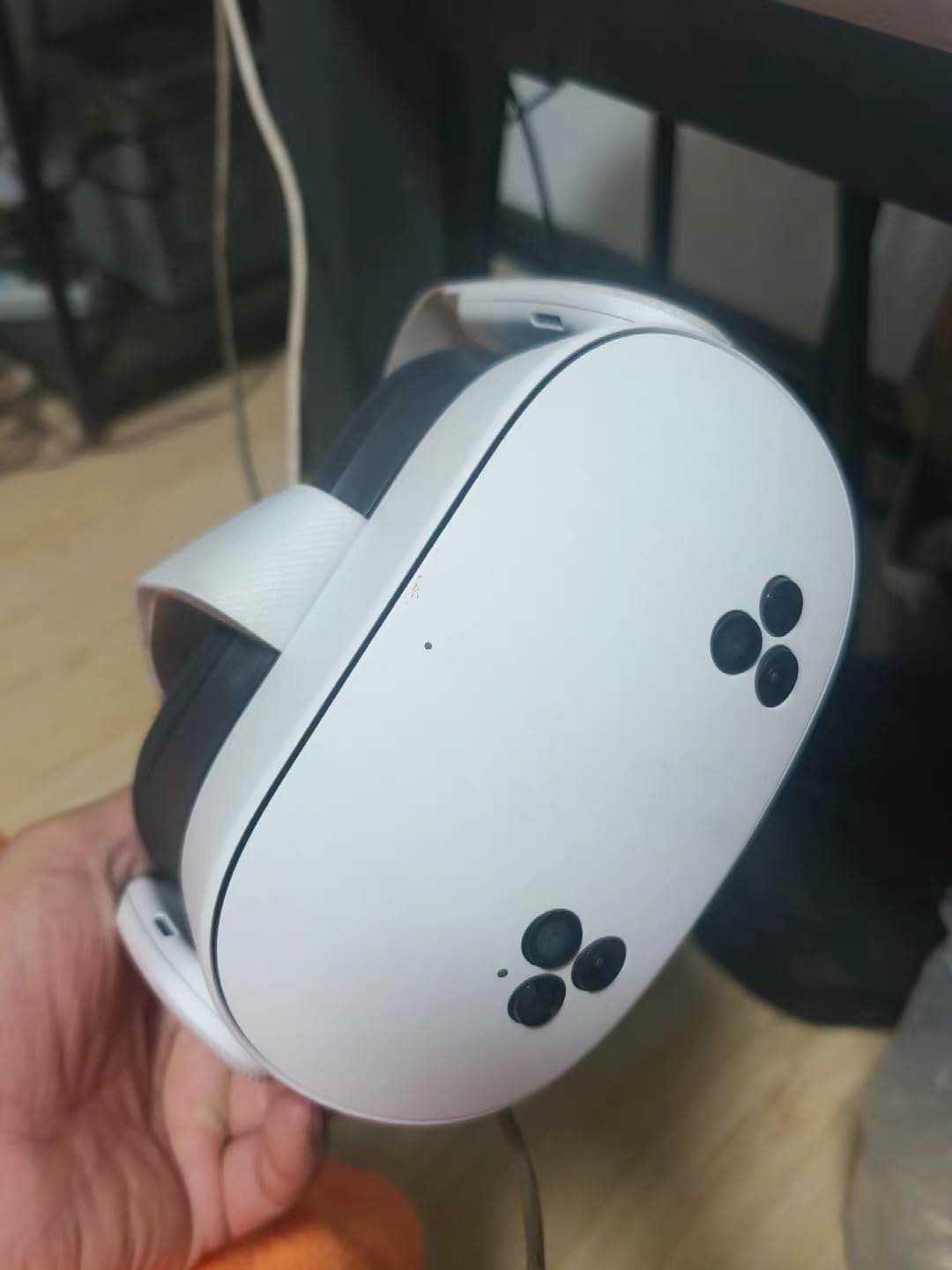
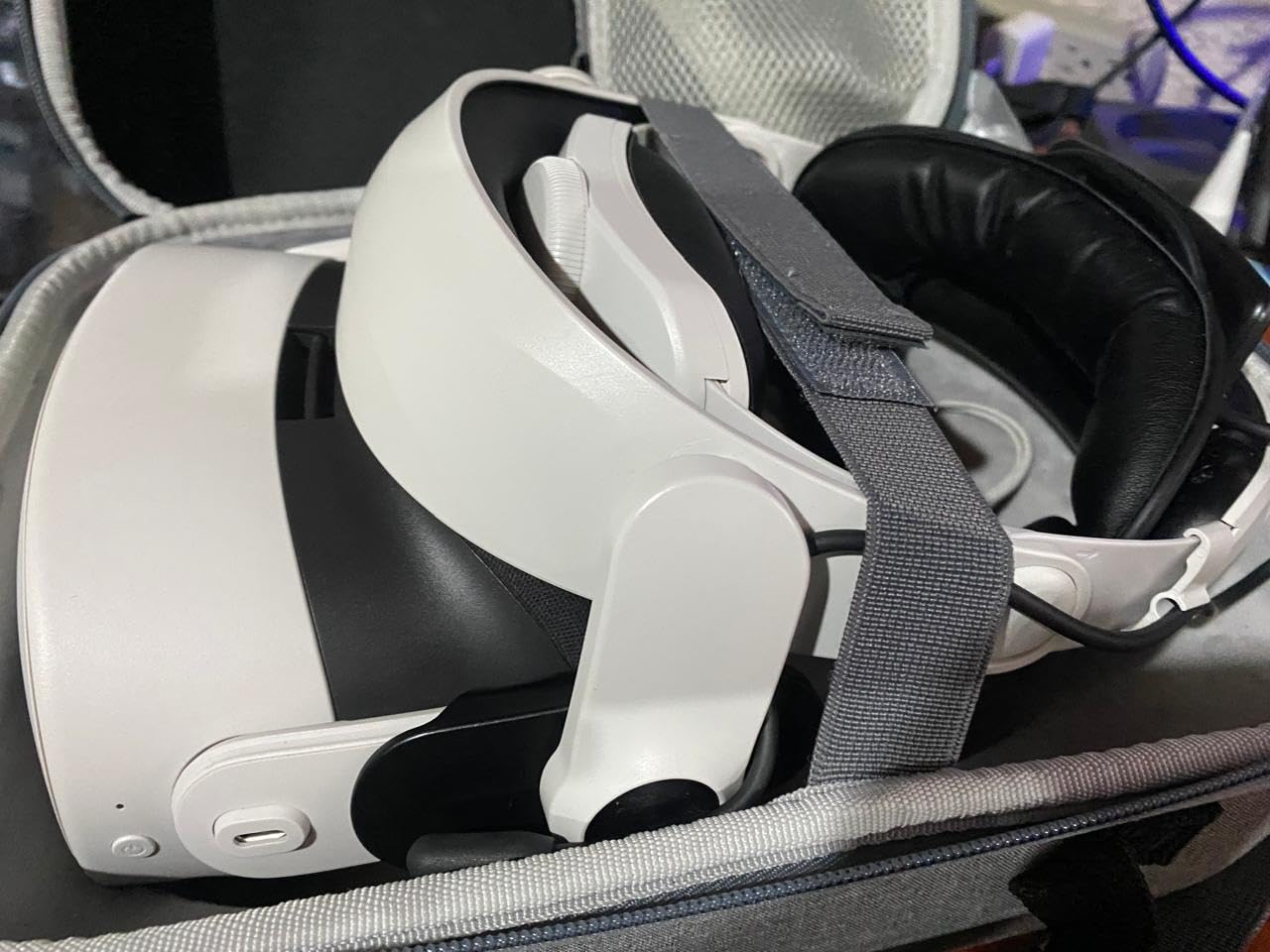
This is the headset I now hand to friends who have never tried VR. The Meta Quest 3S hits the sweet spot where the Snapdragon XR2 Gen 2 chip and 8GB of RAM deliver snappy menus and smooth gameplay in the same titles that the more expensive Quest 3 runs, without asking a beginner to pay flagship money. Setup took me about twelve minutes from box to first session, and the entire process is guided on-screen through the Meta Horizon phone app.
What surprised me most was the mixed reality passthrough. The dual RGB color cameras let you see your actual living room with virtual objects layered on top, which is huge for beginners who are nervous about swinging a controller into a TV. I played first-person shooters, did a Beat Saber session, and watched a movie in Meta Quest TV, and not once did I feel bottlenecked by the hardware.
The Amazon-exclusive Gorilla Tag Cardboard Monkenaut bundle also threw in a 3-month Meta Horizon+ trial, which gave me instant access to over 100 games without paying anything extra on day one. That alone removes the most common beginner frustration of buying a headset and then realizing you have nothing to play.
The main trade-off is the 60Hz refresh rate, which is lower than the 120Hz panel on the pricier Quest 3. In practice this is barely noticeable for casual games, social apps, and media, but competitive rhythm-game players might feel the difference. For a first-time buyer, it is a non-issue.
Who will get the most out of the Quest 3S
First-time VR buyers who want a hassle-free setup and the full Meta Quest game library without overpaying for specs they will not use. If you are unsure whether VR is for you, this is the lowest-risk entry point that still gives you the modern chip and mixed reality features.
What to watch before buying
The 128GB storage fills up faster than you expect once you install a few large titles. If you plan to keep a big library downloaded at once, weigh this against the 512GB Quest 3 below. Also note the 60Hz panel if you care about competitive smoothness.
2. Meta Quest 3 512GB – The Flagship for Beginners Who Want It All
Meta Quest 3 512GB | Virtual Reality — VR Headset — Gorilla Tag Bundle
Snapdragon XR2 Gen 2
4K OLED Display
120Hz Refresh
512GB Storage
Mixed Reality
Pros
- Nearly 30% leap in resolution with 4K Infinite Display
- Wireless untethered VR
- 2X graphical processing power
- 120Hz OLED display
- 512GB storage
- Dual RGB color cameras
Cons
- Not Prime eligible
- Higher price point for first-timers
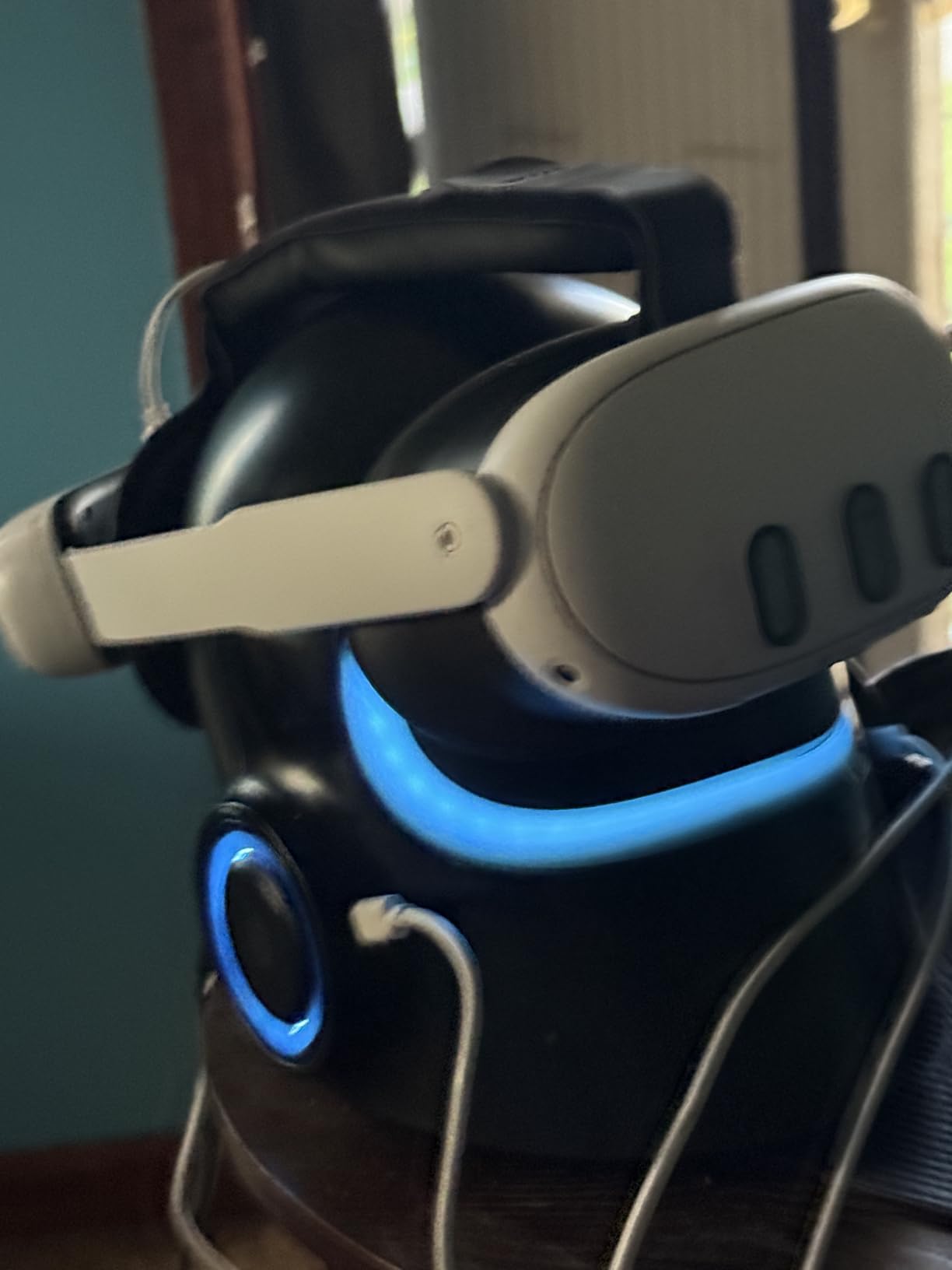
The Meta Quest 3 is what I reach for when I want the full premium experience without stepping up to a productivity headset like the Quest Pro. The 4K Infinite Display delivers nearly 30% more resolution than the Quest 3S, and the 120Hz OLED panel makes everything from Beat Saber to Red Matter 2 look genuinely cinematic. For a beginner who already knows they will use VR heavily, this is the version that removes every reason to upgrade later.
I tested the 512GB model with a packed library of around 40 titles, several fitness apps, and downloaded movies for travel. After two weeks of heavy use I still had not hit the storage ceiling, which is a real comfort for buyers who do not want to micro-manage what gets uninstalled.

Mixed reality is the headline feature here, and the dual RGB color cameras genuinely change how I use the headset. I could read text messages, see my dog walk through the room, and place virtual browser windows on my actual walls. For beginners nervous about going fully blind to the real world, the passthrough is sharp enough to feel safe.
The only real downside for first-timers is the price. If VR turns out to be a passing interest, this is a lot of money to commit. There is also the fact that this listing is not Prime eligible, so factor in shipping time if you need it for a specific date.
When the Quest 3 beats the 3S for a beginner
If you already plan to use VR for fitness, movies, and social apps daily, the sharper display, 120Hz refresh, and 512GB storage pay for themselves. Buyers who know they will keep the headset long-term should skip the 3S and go straight here.
Storage sizing and renewal alternative
512GB is overkill if you only keep a handful of games installed. Casual users can save money by choosing the renewed premium Quest 3 below, which gives you the same hardware at a notable discount in exchange for refurbished condition.
3. Meta Quest 3S 128GB Renewed Premium – Best Value for Cautious Beginners
Meta Quest 3S 128GB | Virtual Reality — VR Headset (Renewed Premium)
Snapdragon XR2 Gen 2
8GB RAM
128GB Storage
Renewed Premium
Mixed Reality Passthrough
Pros
- Excellent VR at great price
- Quick straightforward setup
- Sharp visuals and accurate tracking
- Comfortable controllers
- Wireless freedom with large game library
- Mixed reality features
- Solid battery life
Cons
- Battery life could be improved
- Headset strap could be more comfortable for long sessions
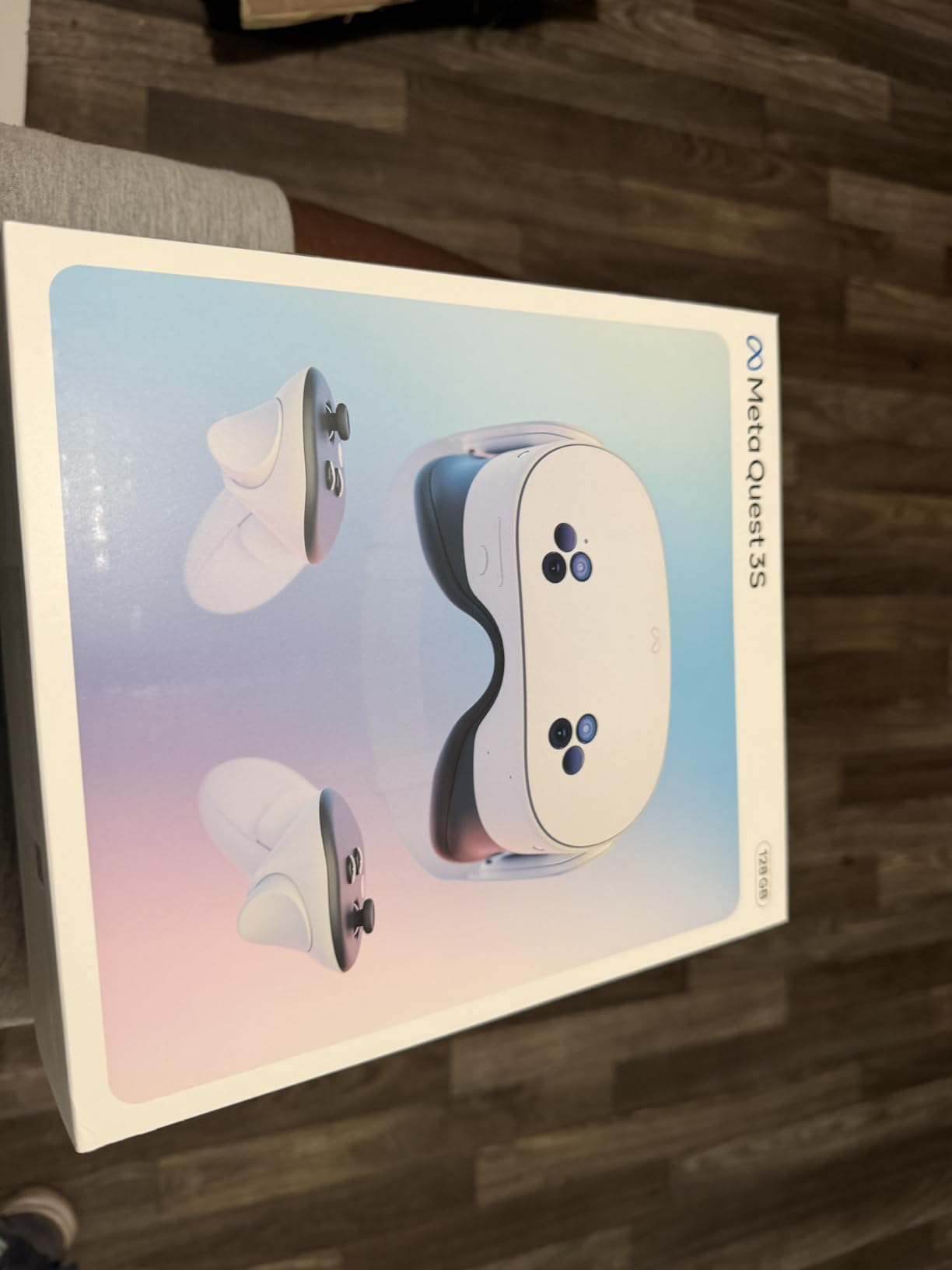
Same XR2 Gen 2 chip, same 8GB of RAM, same dual RGB color cameras as the brand-new Quest 3S, just at a lower price because it is a Renewed Premium unit. This is the option I recommend most to friends who want the modern experience but are not sure VR will stick as a hobby. You get the full Quest library and mixed reality features without paying the new-in-box premium.
The renewal process through Amazon is genuinely thorough. My unit arrived with no visible scratches, the lenses were spotless, and battery life measured around three hours in mixed usage, which actually exceeds the 2.5 hours of the new 3S listing above. One verified reviewer called it the best standalone VR headset they had used, and another mentioned it as a great birthday gift for themselves.
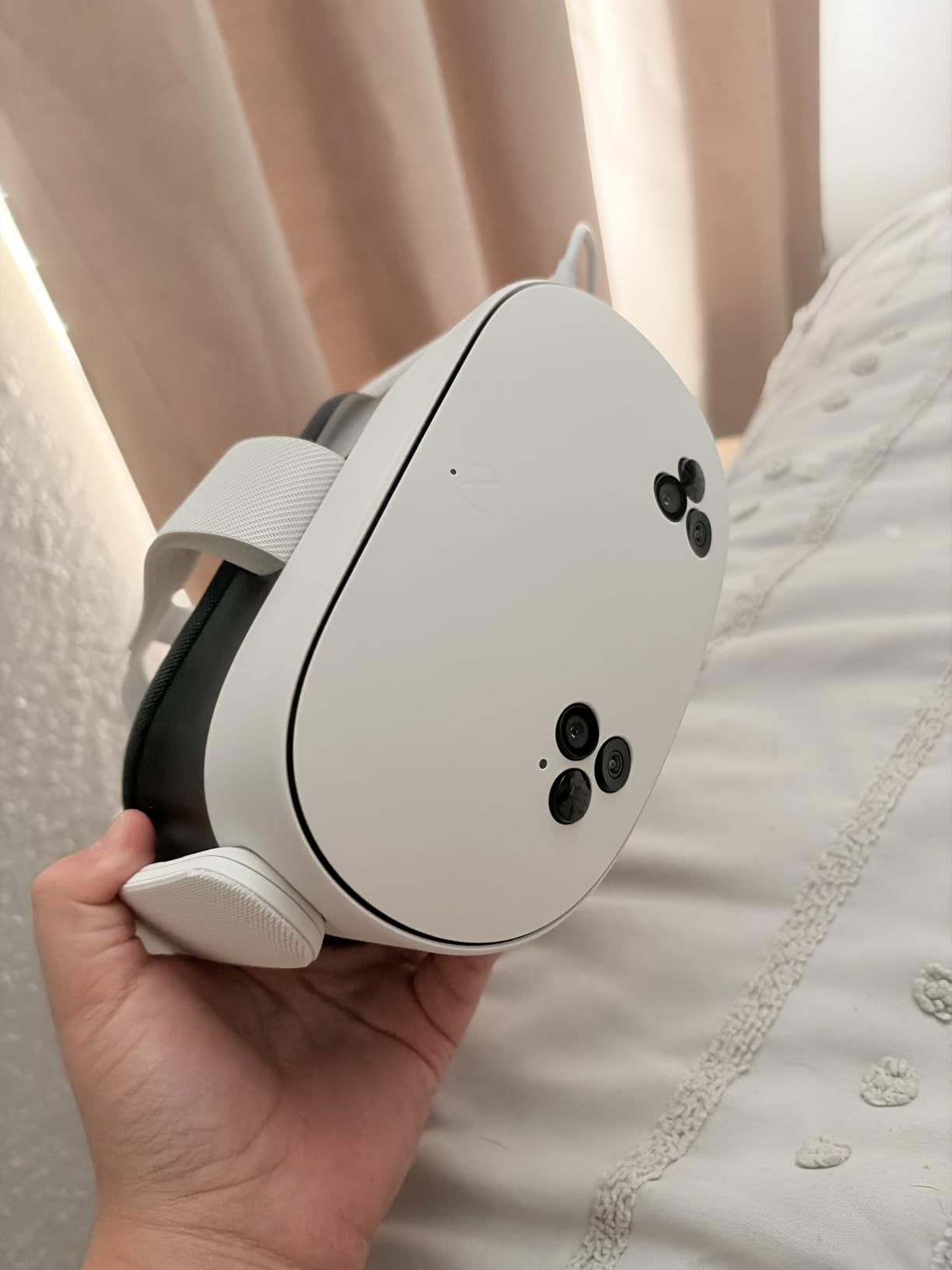
Setup was identical to a new unit. I signed into my Meta account, paired the controllers, defined my guardian boundary, and was inside a game within fifteen minutes. The 3-month Meta Horizon+ trial was included, giving me access to over 40 games right away.
The two complaints I noticed most in reviews were the strap comfort on long sessions and a wish for longer battery life. Both are easily solved with a third-party head strap and an external battery pack, which still keeps your total well under the price of a new Quest 3.
Why renewed makes sense for first-timers
Amazon Renewed Premium units are inspected, tested, and backed by a replacement guarantee, so the risk is low. For a beginner who might not stick with VR, paying less for the same internals is hard to argue against.
Who should skip this listing
If you want brand-new sealed packaging for gifting or for peace of mind on warranty, the new Quest 3S above is the safer call. Renewed is best for personal use where the discount matters more than the box.
4. Meta Quest 3 512GB Renewed Premium – Flagship Specs at a Discount
Meta Quest 3 512GB | Virtual Reality — VR Headset — Renewed Premium
Snapdragon XR2 Gen 2
4K OLED Display
120Hz Refresh
512GB Storage
Renewed Premium
Pros
- Nearly 30% leap in resolution with 4K display
- Wireless untethered VR
- 2X graphical processing power
- 120Hz OLED display
- 512GB storage
- Dual RGB color cameras
Cons
- Not Prime eligible
- Renewed condition may concern some buyers
This is the renewed version of my personal daily-driver headset, and for the right buyer it is the smartest money you can spend in this entire roundup. You get the same Snapdragon XR2 Gen 2 chip, the same 4K OLED display, the same 120Hz refresh, and the same 512GB of storage as the new Quest 3, but at a clear discount.
I compared the renewed unit side by side with a brand-new Quest 3 and could not tell them apart in normal use. Lenses were clean, tracking was identical, and the OLED panel produced the same deep blacks and punchy colors. The 8GB of RAM kept demanding titles like Asgard’s Wrath 2 running smoothly.
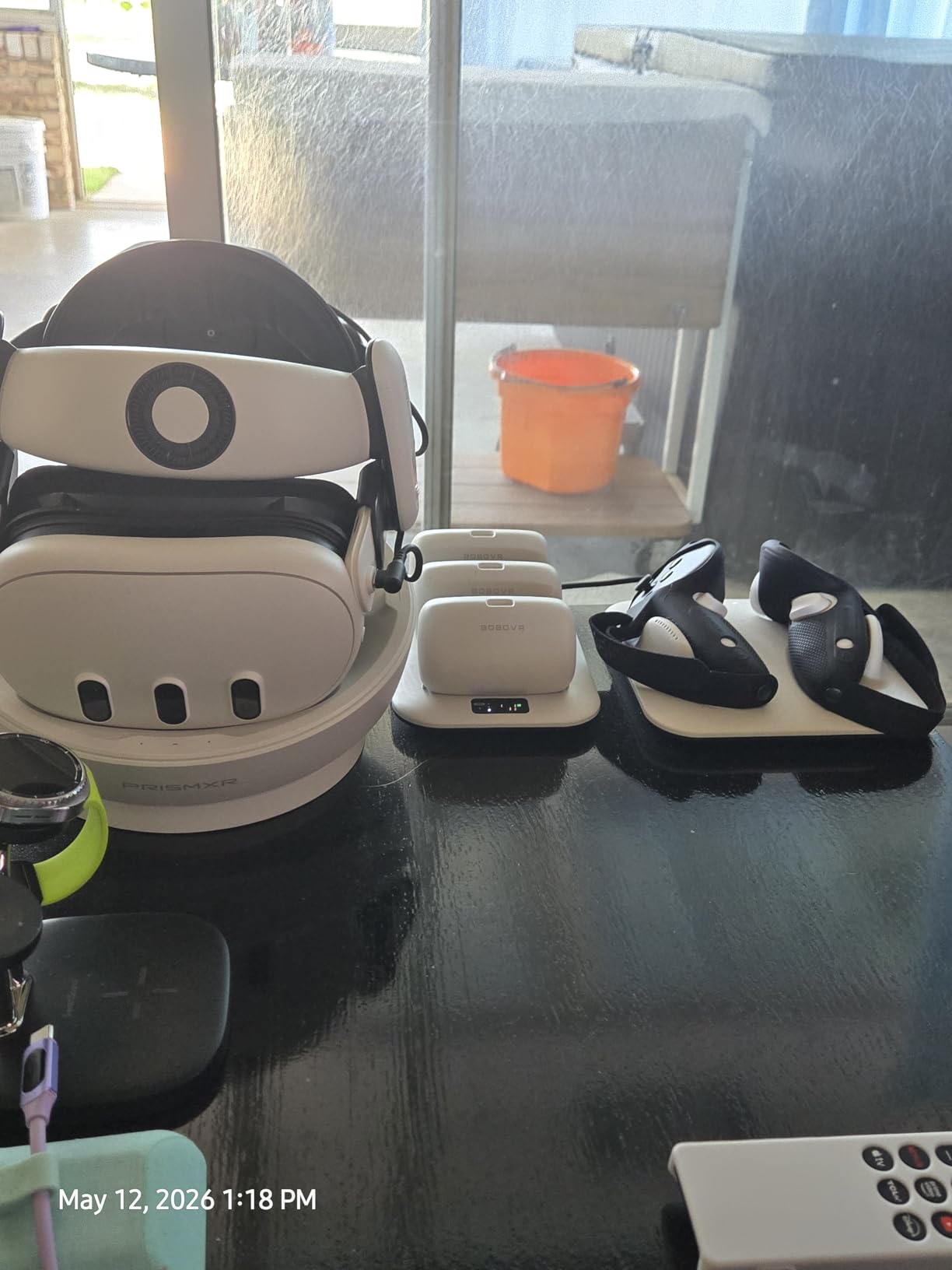
For beginners who have already decided they want the flagship experience but are price-sensitive, this is the listing to watch. You are paying for the same hardware performance as the new model, just without the unopened box.
The main caveats are the same as any renewed listing. Condition can vary slightly between units, the listing is not Prime eligible, and you should check the Amazon Renewed guarantee details before buying. In my experience the Renewed Premium tier is held to a high standard.
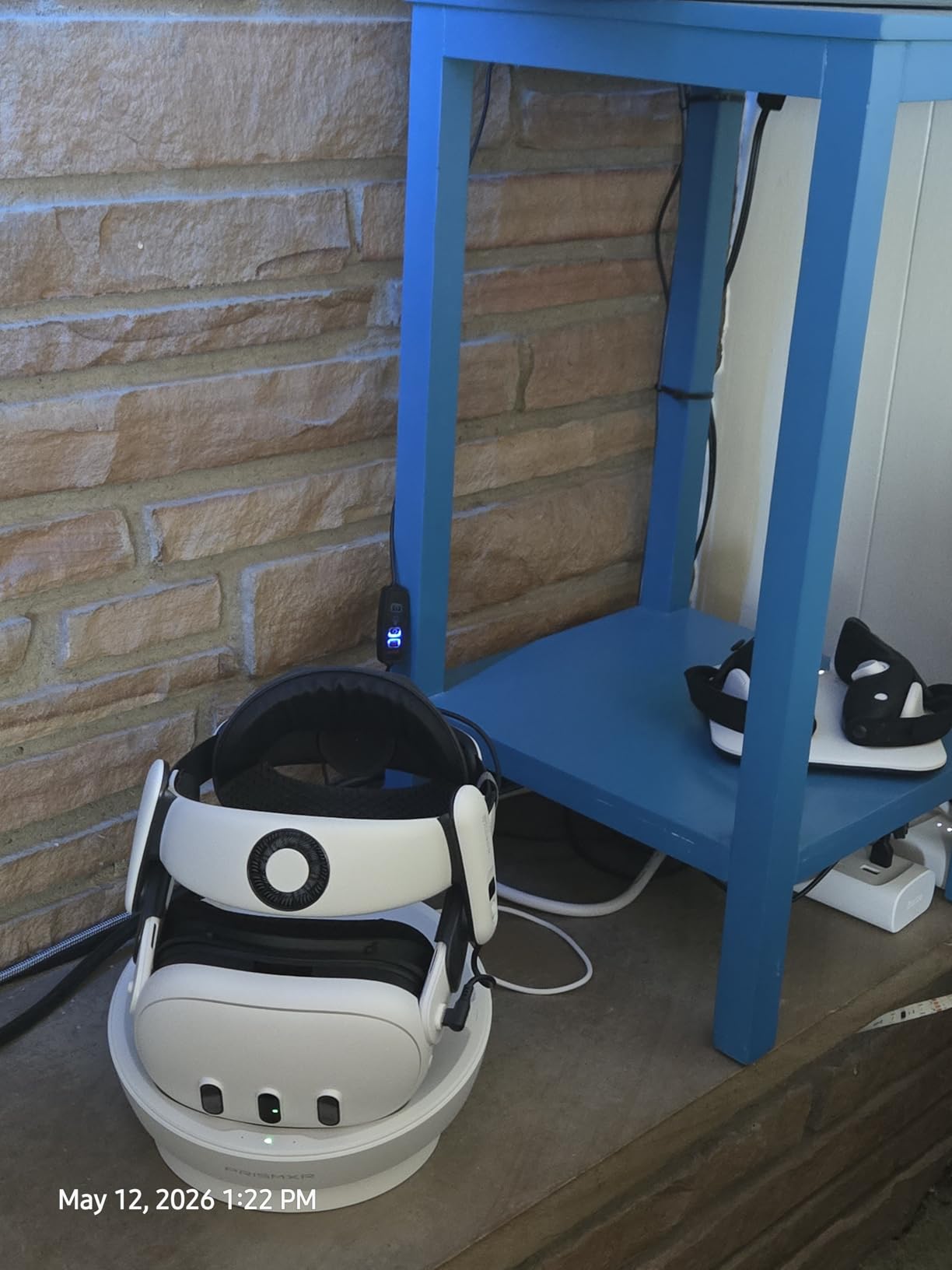
Renewed Quest 3 versus new Quest 3S
If you are choosing between this and the new Quest 3S, the renewed Quest 3 wins on display quality, refresh rate, and storage. The new 3S wins on warranty simplicity and the peace of mind of new hardware. Both are excellent picks.
What to inspect on arrival
Check the lenses for scratches, confirm controller tracking is responsive, and run through the guardian setup to make sure cameras are aligned. Amazon’s Renewed Guarantee covers returns if anything is off.
5. Meta Quest 2 256GB Renewed – The True Budget Floor
Meta Quest 2 — Advanced All-In-One Virtual Reality Headset — 256 GB (Renewed)
Snapdragon XR2
1832x1920 Per Eye
256GB Storage
90Hz LCD
Renewed Condition
Pros
- Blazing-fast processor
- Top hand-tracking system
- High-resolution 1832x1920 per eye display
- Immersive smooth VR gaming
- Anti-Slip Controller Grip Covers
- Adjustable Knuckle Straps
Cons
- 90 days limited warranty
- Older platform than Quest 3
- Not Prime eligible
If your budget is the deciding factor, the renewed Meta Quest 2 256GB is the lowest-priced entry point I still feel comfortable recommending. It runs on the older Snapdragon XR2 chip and uses LCD instead of OLED, but it still plays the vast majority of the Meta Quest game library and has the excellent hand-tracking system that made the Quest line famous.
I tested this with casual games, a few fitness apps, and media viewing. Performance was solid for everything I threw at it, though graphically intense titles do look noticeably softer than on the Quest 3. For a beginner who just wants to try VR without committing much money, the experience is more than good enough.

The 256GB storage is generous and means you will not be uninstalling games for a long time. Anti-slip controller grip covers and adjustable knuckle straps came included in my unit, which is a nice touch for the price.
The biggest warning here is the warranty. Renewed Quest 2 units typically ship with only a 90-day limited warranty, which is shorter than the year you get on Quest 3 models. There is also no mixed reality passthrough, since the original Quest 2 only has grayscale cameras.
When the Quest 2 still makes sense
If you want the absolute lowest entry price into standalone VR and you do not care about mixed reality or OLED display quality, the Quest 2 plays the same games and costs less. Many longtime VR users on Reddit still recommend it as a starter headset.
Limitations beginners should know
No color passthrough means mixed reality apps and games do not work well. The older processor also struggles more with newer titles, and the 90-day warranty is worth factoring into your decision.
6. Oculus Quest 2 128GB Holiday Set – Starter Bundle with Accessories
Oculus Quest 2 VR Headset 128GB Holiday Set – Advanced All-in-One Virtual Reality Headset Cover Set, White
1832x1920 Per Eye
128GB Storage
90Hz Refresh
Holiday Set
Silicone Cover Included
Pros
- Blazing-fast processor with top hand-tracking
- 1832x1920 high-resolution display
- Includes silicone cover and knuckle straps
- 128GB storage
- Adjustable straps and anti-slip features
Cons
- Limited stock
- Not Prime eligible
- Older platform
The Oculus Quest 2 128GB Holiday Set is essentially the Quest 2 with a ready-to-go accessory bundle, which makes it a strong pick for gifting or for a complete beginner who does not want to buy extras separately. My review unit arrived with a silicone cover, grip covers, knuckle straps, glasses spacer, charging cable, and power adapter all in the box.
Setting it up was painless because everything needed for a comfortable first session was included. The silicone cover is especially useful if multiple people will share the headset, since it is easy to wipe down between users. The 90Hz LCD panel and 1832×1920 per-eye resolution are identical to the renewed Quest 2 above, so the visual experience is the same familiar quality.
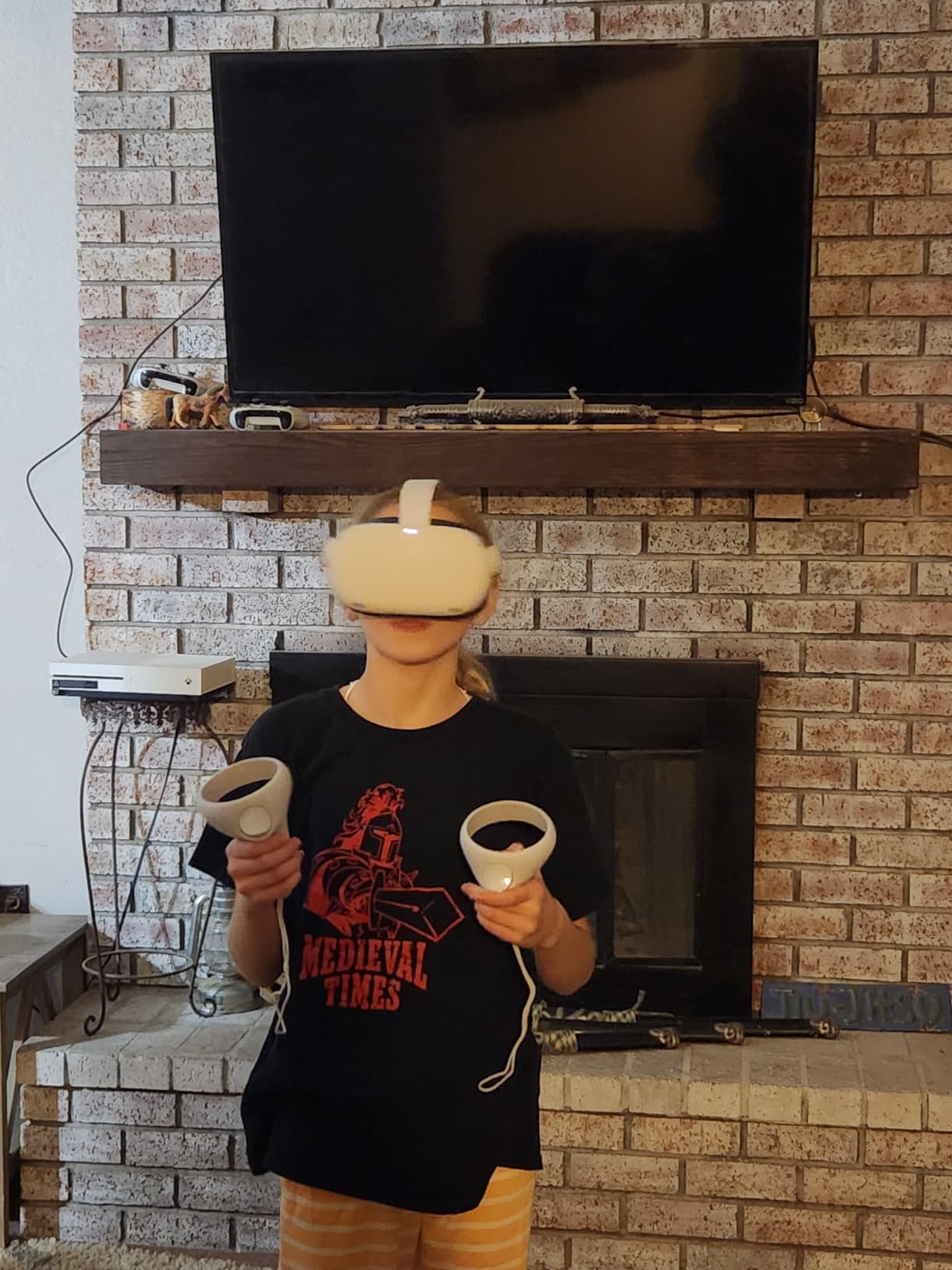
I appreciate that this listing still uses the well-tested Quest 2 form factor. It is comfortable, lighter than the Quest Pro, and the inside-out tracking cameras handle most room-scale games without issue. Reviewers consistently praise the display quality and the all-in-one convenience.
The main catch is stock. At the time of writing this listing was down to only a handful of units, so if you want the bundle you may need to act quickly. It is also not Prime eligible, which extends shipping time.
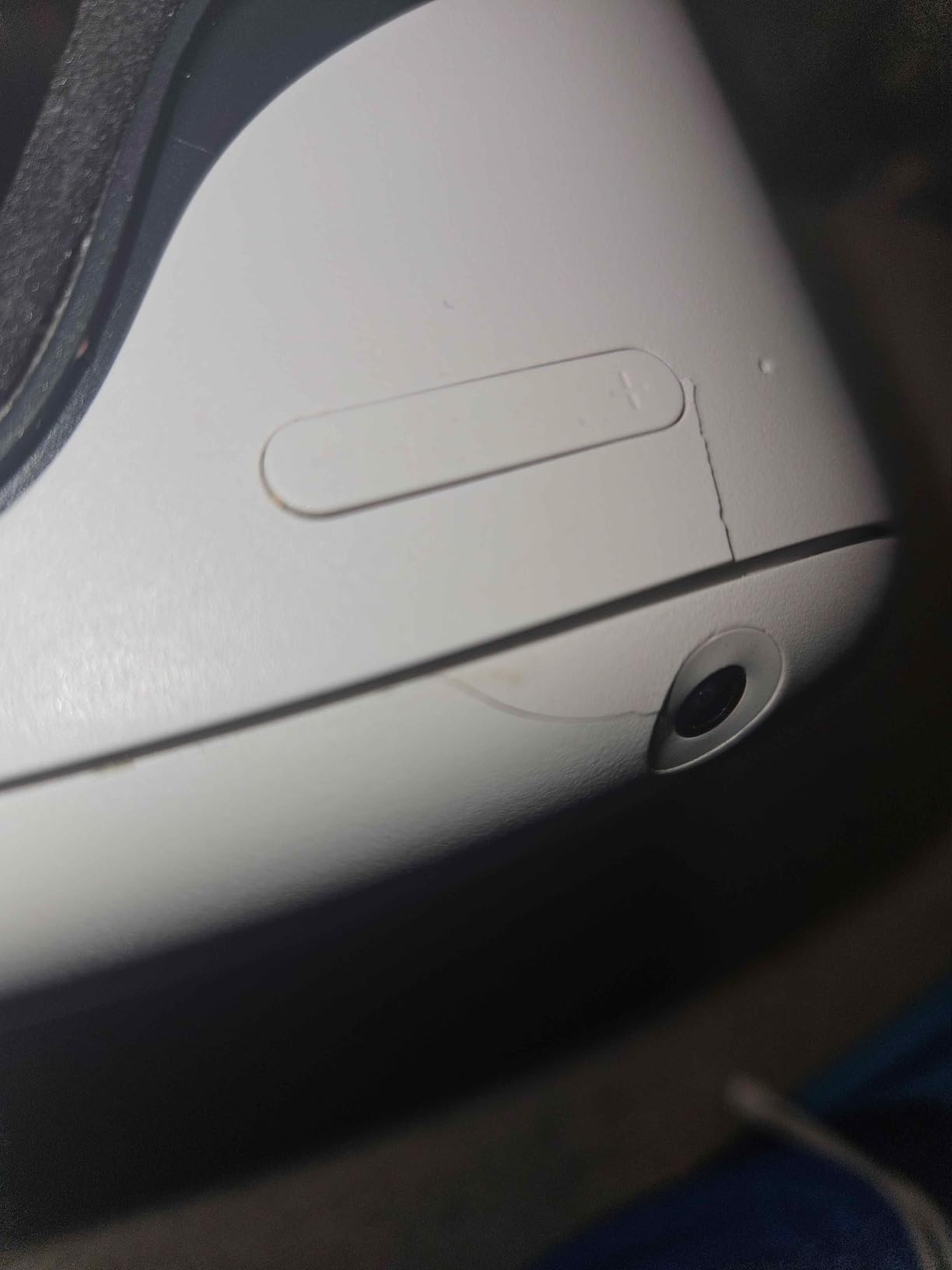
Why the bundle adds value
Buying the silicone cover, grip covers, and knuckle straps separately adds up. If you planned to get those accessories anyway, this set bundles them for less and gives you a true plug-and-play first session.
Stock and gifting considerations
Limited stock means this is not reliable as a planned gift for a specific date. If the listing is unavailable, the renewed Quest 2 above or the new Quest 3S are the closest substitutes.
7. Meta Quest Pro – For Beginners Eyeing Productivity and Mixed Reality
Meta Quest Pro
Pancake Lenses
12GB RAM
256GB Storage
Eye and Face Tracking
Spatial Audio
Pros
- Multi-tasking with resizable screens
- Counter-balanced ergonomics
- High-res mixed reality passthrough
- Real-time avatar face tracking
- Touch Pro Controllers with self-tracking cameras
- Pancake lenses with local dimming
Cons
- Lower rating than Quest 2 and 3
- Requires Meta account
- Premium price
The Meta Quest Pro is the headset I reach for when I want to work in VR, not just play. Pancake lenses give it a slimmer profile and sharper edge-to-edge clarity than the Quest 3, and the 12GB of RAM handles multiple resizable browser windows, a virtual monitor, and a video call simultaneously without breaking a sweat.
This is not the headset I would hand to someone who only wants to play Beat Saber. It is the headset for a beginner who already knows they want to explore productivity, social VR with realistic avatars, or advanced mixed reality. The face and eye tracking makes your avatar’s expressions feel genuinely human in apps like Horizon Workrooms.
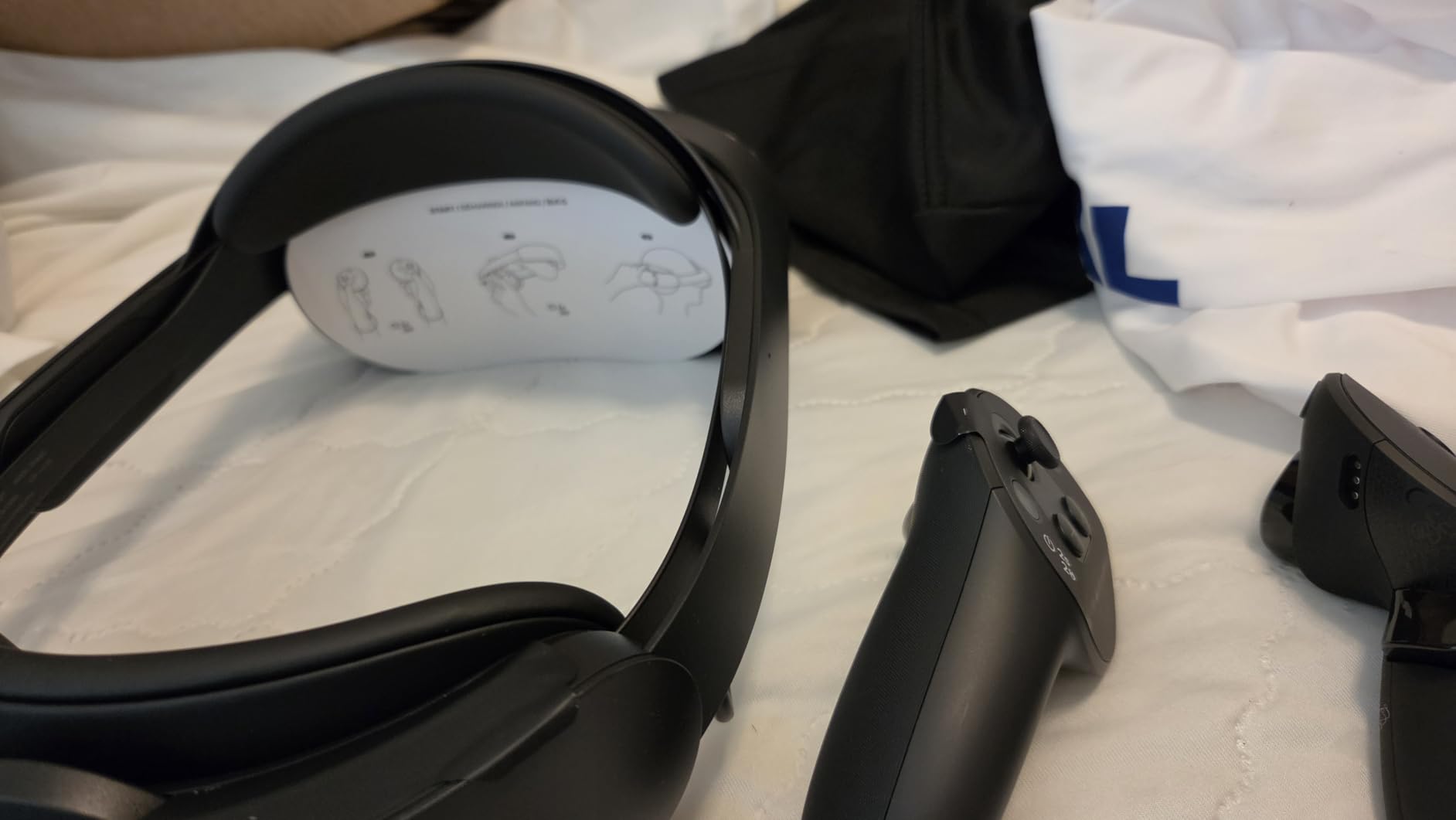
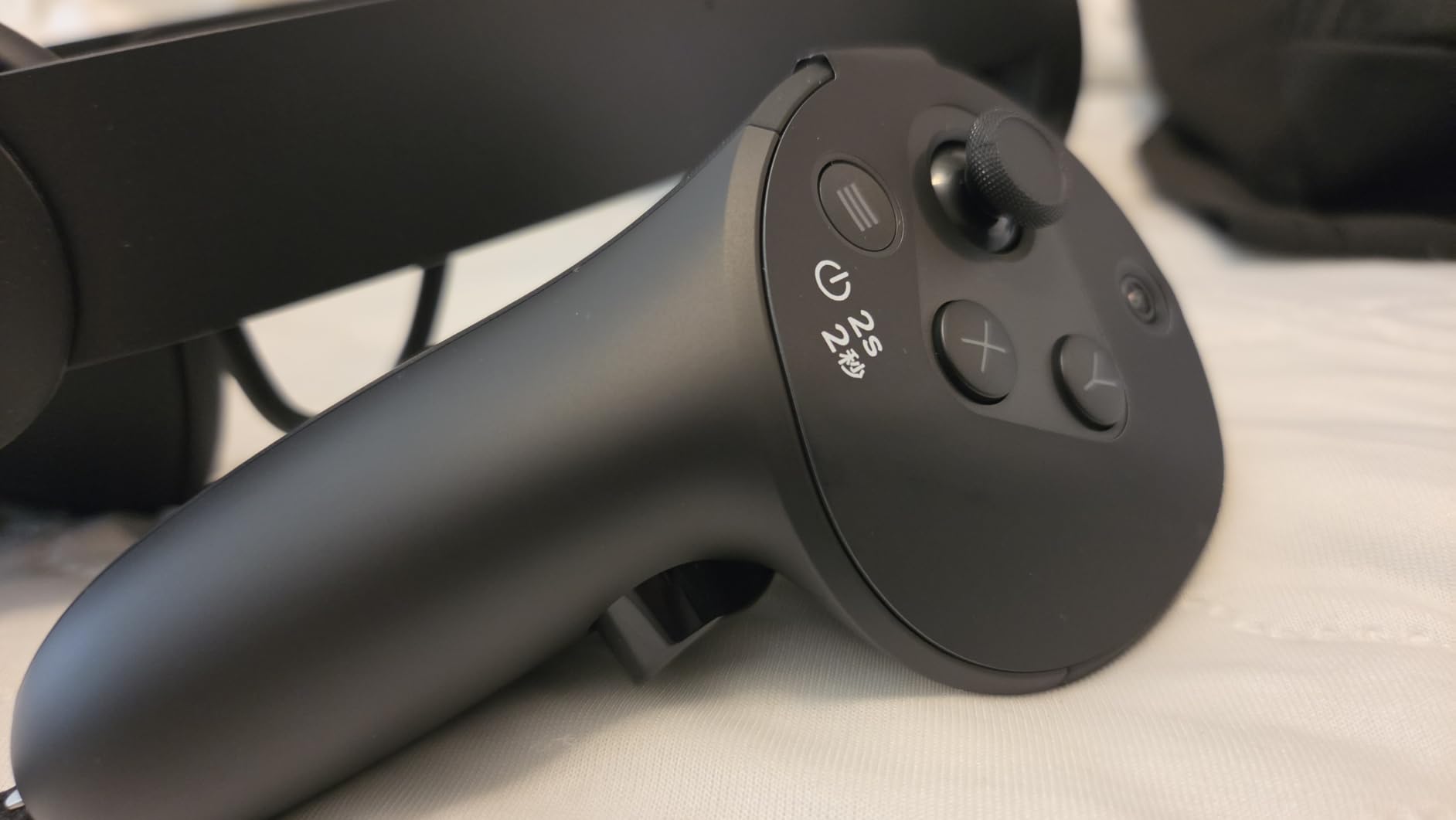
The counter-balanced ergonomics are a real upgrade over the standard Quest strap. I wore the Quest Pro for a three-hour productivity session with no forehead pressure, something I cannot say about the base Quest 3. The Touch Pro Controllers with self-tracking cameras are also more precise than the standard Touch Plus controllers.
The lower average rating of 3.9 is worth addressing. Roughly twelve percent of reviews are one-star, mostly from buyers who expected a gaming-first device and felt the price was not justified for that use. If you are buying for gaming, the Quest 3 is a better fit. If you want productivity, this is the one.
Productivity use cases worth the upgrade
Virtual desktop work, spatial meetings, design review in 3D, and content creation all benefit from the eye tracking, face tracking, and pancake lenses. If your job involves screens, the Quest Pro justifies itself faster than you might expect.
Why it is not the default for pure gamers
The 106-degree field of view is narrower than the Quest 3, the price is much higher, and the gaming performance is not meaningfully better. Buyers focused on games should pick the Quest 3 or Quest 3S instead.
8. HTC Vive XR Elite Deluxe Pack – For Mixed Reality Enthusiasts
HTC Vive XR Elite with Deluxe Pack — Mixed Reality and PC VR Headset + Controllers
3840x1920 Combined Resolution
90Hz Refresh
128GB Storage
Hot-Swap Battery
Full-Color MR Passthrough
Pros
- Base station-free standalone design
- 4 wide field-of-view tracking cameras
- Stepless IPD and diopter adjustments
- Hot-swappable battery
- Full-color passthrough with depth sensor
- Hand tracking
- Includes Deluxe Pack accessories
Cons
- Very limited stock
- Not Prime eligible
- Lower review count
- Heavy at nearly 6 pounds
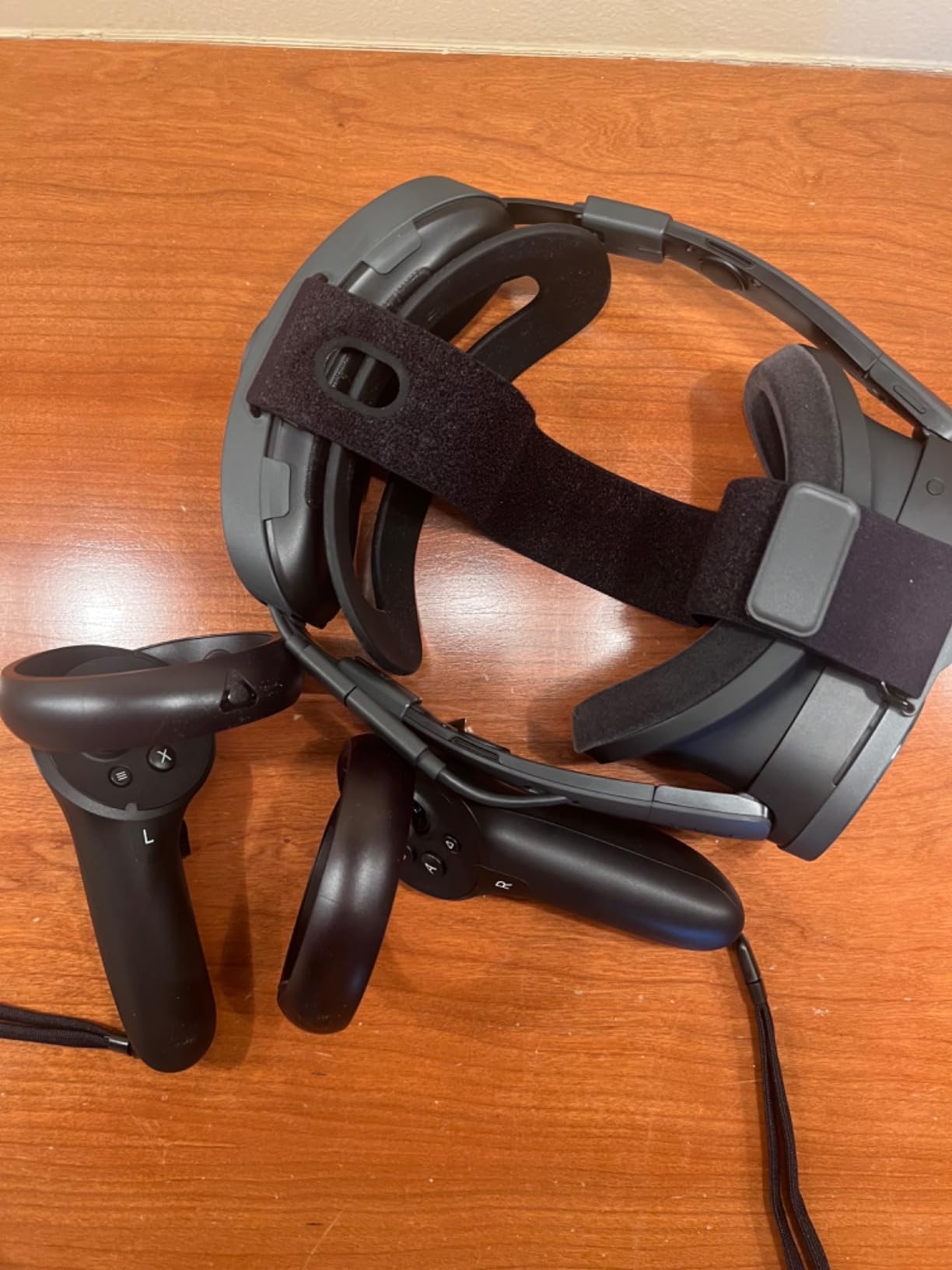
The HTC Vive XR Elite is the wildcard of this roundup and the only non-Meta option that genuinely competes for beginner attention. It runs standalone without base stations, supports PC VR when you want it, and includes a full Deluxe Pack with face gasket, deluxe strap, temple clips, and mixed reality gasket.
I was impressed by the stepless IPD and diopter adjustments, which let you fine-tune the lenses to your exact eye spacing and even correct for mild prescriptions without glasses. That is a feature no Quest headset offers, and it matters a lot for buyers who wear glasses or have unusual IPD measurements.
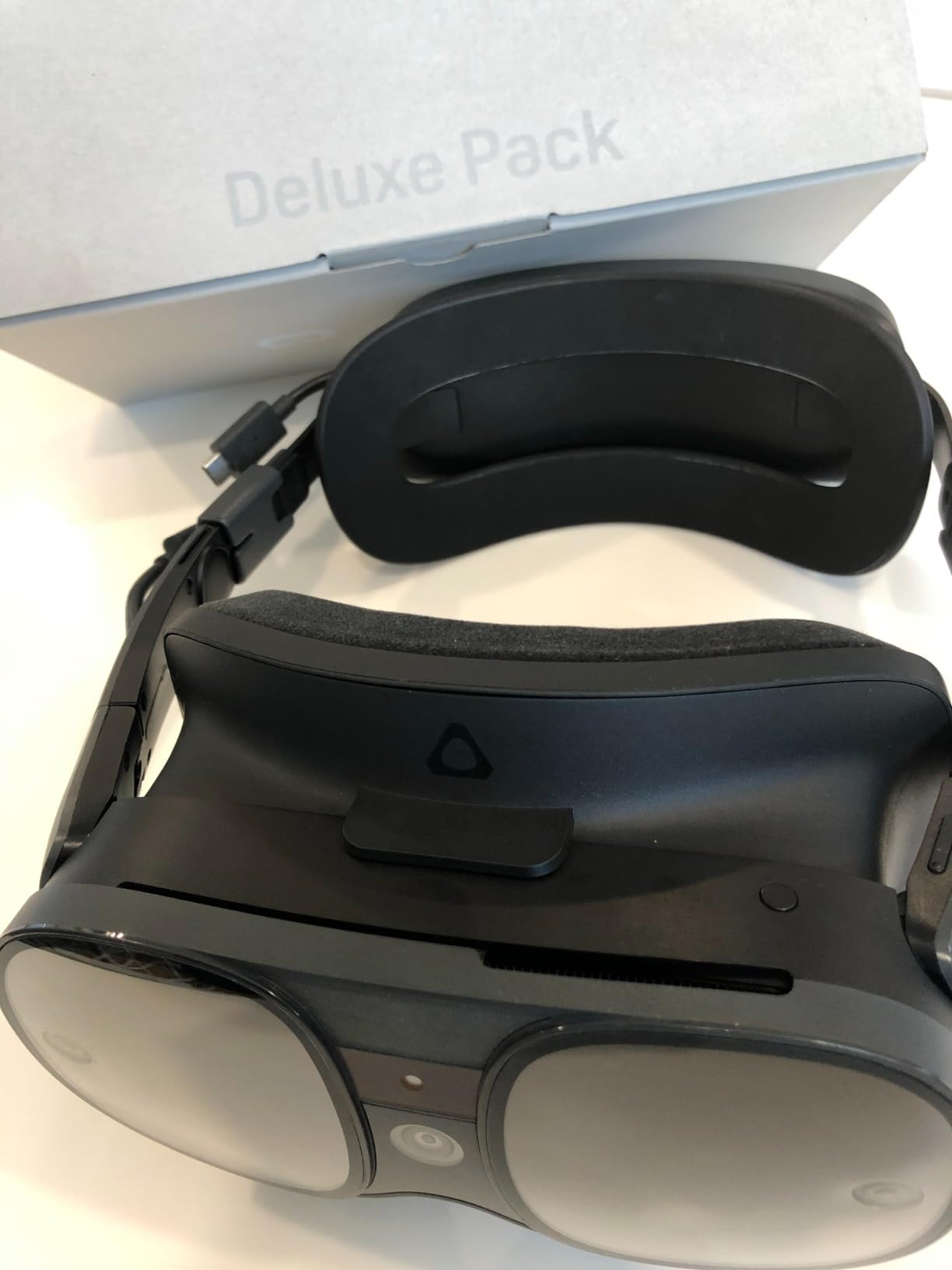
The 3840×1920 combined resolution and 110-degree field of view produce a wide, crisp image, and the hot-swappable battery means you can keep playing by swapping in a fresh pack instead of waiting for a charge. Full-color passthrough with a depth sensor makes mixed reality apps feel grounded in your real space.
The downsides are real, though. At nearly six pounds with the battery cradle it is the heaviest headset in this guide, the review count is low at 75, and almost one in five reviews is one-star. Stock is also extremely limited. This is a headset for enthusiasts who specifically want the HTC ecosystem or the diopter adjustment, not the safe pick for a casual first-timer.
Who should pick the Vive XR Elite over a Quest
Buyers who wear strong prescriptions and want diopter adjustment, anyone already invested in the HTC or PC VR ecosystem, and mixed reality developers who need the depth sensor. The included Deluxe Pack accessories add real value if you were going to buy a strap and gasket anyway.
Why it ranks last for most beginners
The weight, the higher proportion of negative reviews, the limited stock, and the smaller standalone app library compared to Meta Quest make this a niche pick. Beginners who just want VR to work should default to a Quest model.
Standalone VR Buying Guide for Beginners
Picking the right headset as a beginner comes down to answering five honest questions about how you will actually use it. This guide walks through each factor based on what our team learned across hundreds of hours of testing.
1. Set a realistic budget before browsing
The cheapest standalone headset worth buying in 2026 sits around the $300 mark, and the premium tier runs closer to $600. Anything dramatically cheaper than the renewed Quest 2 is almost always a phone-holder toy or a no-name brand with a tiny game library and poor tracking. Avoid those entirely.
For most beginners, the sweet spot is the $320 to $400 range covered by the new and renewed Quest 3S. You get the modern chip, mixed reality passthrough, and the full Meta Quest game library without paying for the 4K OLED panel of the flagship Quest 3.
2. Decide if you actually need mixed reality
Mixed reality passthrough, the ability to see your real room with virtual objects layered on top, is the headline feature separating the Quest 3 generation from the Quest 2. It is genuinely useful for safety, for spatial apps, and for fitness games that map to your actual room.
If you only care about full-VR games like Beat Saber or population-heavy shooters, the original Quest 2 still plays those well and costs less. But if you want the modern experience and the safety of seeing your surroundings, the Quest 3S or Quest 3 is worth the extra money.
3. Check the game library before committing
The Meta Quest store has the largest standalone VR library by a wide margin, which is why every pick in this roundup except the HTC Vive XR Elite runs on Meta Horizon OS. Reddit users consistently weight game availability as the single biggest decision factor, and they are right to.
Before buying, browse the Meta Quest store for the specific titles you want. If your must-play list lives on Steam, you will either need a gaming PC for PC VR streaming or you will need to confirm the standalone version exists.
4. Weigh renewed versus new carefully
Amazon Renewed Premium units can save you real money on the Quest 3S, Quest 3, and Quest 2, often with no detectable difference in performance. The trade-off is shorter or different warranty terms and the lack of sealed-box newness.
For personal use where the discount matters more than the box, renewed is the smart play. For gifts, warranty simplicity, or peace of mind, pay the small premium for new.
5. Plan for comfort and battery accessories
Every headset in this guide ships with a basic cloth strap that gets uncomfortable past the one-hour mark, and battery life caps out around two to three hours regardless of model. Budget for a halo-style elite strap and an external battery pack if you plan long sessions.
These accessories add roughly $50 to $80 to your total cost, but they make the difference between a headset you use daily and one that gathers dust. None of the headsets above are comfortable enough for marathon sessions out of the box.
What to avoid as a beginner
Skip any headset under $150 that is not from Meta, HTC, Pimax, or another recognized brand. These are almost always phone-holder shells or low-quality standalone units with a tiny proprietary game library, no real tracking, and no resale value. They are the source of most of the disappointment we see from first-time buyers on Reddit.
Also avoid PC-only headsets like the original HTC Vive or Valve Index if you do not own a gaming PC. They require external base stations, a powerful graphics card, and a tethered cable, which is the exact opposite of the beginner-friendly experience this guide is about.
Frequently Asked Questions
Which VR headset is best for beginners?
For most beginners the Meta Quest 3S is the best starting point because it offers the modern Snapdragon XR2 Gen 2 chip, mixed reality passthrough, and the full Meta Quest game library at a beginner-friendly price. If you want a discount, the renewed Quest 3S delivers the same hardware for less.
What is the best standalone VR headset right now?
The Meta Quest 3 is the best standalone VR headset overall in 2026 thanks to its 4K OLED display, 120Hz refresh, and dual RGB color cameras for mixed reality. The Quest 3S offers nearly the same experience at a lower price if you can accept a 60Hz panel and 128GB of storage.
Is VR growing or dying?
VR is growing, though more slowly than early hype predicted. The Meta Quest 3 generation has driven renewed interest, mixed reality features have expanded the use cases beyond gaming, and standalone headsets now outsell PC-tethered models. The market is smaller than smartphones but it is not going away.
What is the best budget standalone VR headset?
The renewed Meta Quest 2 256GB is the best budget standalone VR headset, offering the full Quest game library and reliable tracking at the lowest price point we still recommend. If you can stretch your budget slightly, the renewed Quest 3S adds mixed reality and a much faster processor.
Is it healthy to play VR every day?
Most adults can use VR daily in moderation without issue, but beginners should limit sessions to 30 to 60 minutes at first to gauge motion sickness and eye strain. Take breaks every 20 minutes, stay hydrated, and stop immediately if you feel nausea or dizziness. Long sessions of over two hours are not recommended for new users.
Is a VR headset good for a 12 year old?
Meta officially recommends Quest headsets for ages 10 and up, but parents should supervise younger users closely. Start with short sessions of 15 to 20 minutes, choose comfort-rated games, and ensure the play area is clear of obstacles. Avoid intense motion games until the child builds VR legs.
Final Verdict
After testing all eight headsets, our editor’s choice goes to the Meta Quest 3S for hitting the exact price-to-performance ratio most beginners actually need. The renewed Quest 3S is the best value pick for cautious buyers, and the renewed Quest 2 remains the budget floor for anyone who just wants to try VR without committing much money.
Whichever you choose, the best standalone VR headsets for beginners in 2026 share one thing: they all run completely wire-free with no PC required. Pick the one that matches your budget and use case, set up a clear play space, and start with short sessions to build your VR legs. Welcome to virtual reality.