
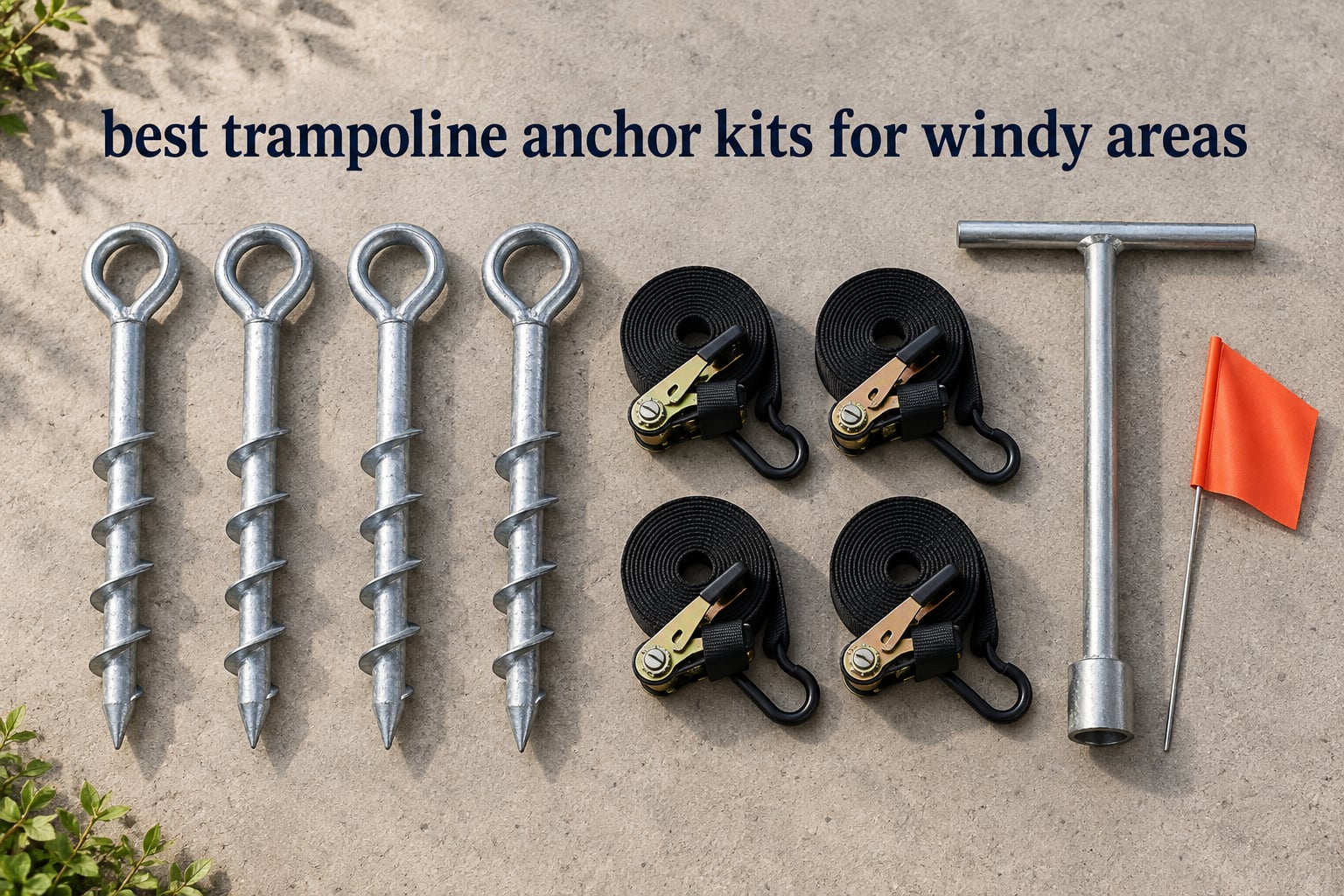
An unanchored trampoline is a wing waiting for a gust. The mat, the springs, and the enclosure net catch moving air, and the whole frame starts to behave like a sail the moment it tilts a few degrees. Owners in genuinely windy areas have watched a perfectly good trampoline end up against a fence, across a street, or in a neighbour’s hedge, and that is a damage and safety problem that no amount of common sense fixes after the fact.
That is what the best trampoline anchor kits for windy areas solve. Ground stakes, screw-in earth anchors, and tie-down straps clamp the frame to something that will not move, so a gust becomes a lean instead of a launch. We spent the last several weeks working through the eight kits that dominate the category, comparing anchor geometry, steel type, included hardware, and what owners actually report after a real storm season.
One thing surprised us early. Nearly every owner assumed the safety net made their trampoline safer in wind, when a net is really just extra sail area catching pressure. The same insight shows up in trampoline safety guidance across the industry, and it is worth holding onto while you read: adding a net is a fall-protection feature, not a wind feature. The frame still needs to be held in the ground. If you are also shopping for other yard upgrades, our picks for aluminum fencing for pool areas follow the same rule of matching the hardware to the ground you actually have.
Table of Contents
Top 3 Trampoline Anchor Kits for Windy Yards in 2026

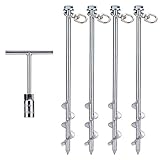
Eurmax 4-Pack Corkscrew Kit
- Corkscrew spiral anchors
- Reinforced straps included
- T-hook tool included
Best Trampoline Anchor Kits (October 2026)
Every kit below is a ground anchor, not a tie-down strap, and the differences that matter in a storm are stake length, steel coating, and whether the hardware connects to the frame leg or a ring above it. The full comparison is below, followed by an individual write-up on each kit.
| Product | Specifications | Action |
|---|---|---|
| Eurmax 4-Pack Corkscrew Windproof Kit |
|
Check Latest Price |
 Eurmax 8-Pack U-Shape Ground Stakes Eurmax 8-Pack U-Shape Ground Stakes |
|
Check Latest Price |
 Happin 12 Inch Trampoline Anchors Happin 12 Inch Trampoline Anchors |
|
Check Latest Price |
| MightyPhine Steel Screw Ground Anchors |
|
Check Latest Price |
 Phopich Spiral Ground Anchors Phopich Spiral Ground Anchors |
|
Check Latest Price |
 VVOKGO Heavy Duty 12 Inch Stakes VVOKGO Heavy Duty 12 Inch Stakes |
|
Check Latest Price |
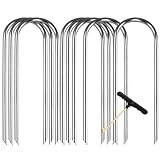 LOYUDEQIU 10 Inch Galvanized Wind Stakes LOYUDEQIU 10 Inch Galvanized Wind Stakes |
|
Check Latest Price |
 BTSULYOO Coated Rebar 12-Pack BTSULYOO Coated Rebar 12-Pack |
|
Check Latest Price |
How We Evaluated These Kits
Our method had five parts: hold geometry, penetration depth, corrosion protection, included tie-down hardware, and the volume of long-term owner feedback behind each listing. We treat published wind speeds as manufacturer or owner claims rather than lab results, because no trampoline anchor manufacturer in this roundup publishes a controlled test we could verify. Where owners report surviving named storms, we say so and attribute it as reported.
Review count mattered more than we expected. A safety purchase with a handful of reviews tells you very little, so we weighted kits with hundreds or thousands of verified owner reports above anything with a slicker marketing claim and a thin review base. This guide was put together in 2026 and reflects the listings as they stood at that time.
1. Eurmax 4-Pack Corkscrew Windproof Kit for Frame and Tent Use
EURMAX USA 4-Pack Windproof Trampoline Stakes Anchor Kit-Steel Corkscrew Anchor,Heavy Duty Tie Down Kit with T-Hook&Reinforced Safety Straps,Secure Weatherproof Protection for Trampoline,Tent&Playset
15.84 inch corkscrew anchors
Alloy steel, 4 pack
1.6 lb total
T-hook and reinforced straps
Pros
- No-tool screw-in install with included T-hook
- Spiral shape resists tipping and lift
- Reinforced straps included for the frame
- Owners in exposed yards report it not budging
- Also anchors tents and playsets
Cons
- Shorter and narrower than some buyers want
- One owner reported the ground giving way
- Hard to extract once buried in soil
This is the kit I keep coming back to, and the reason is simple: it is the only one in the roundup that ships with everything you need. You get four 15.84 inch alloy steel corkscrew stakes, reinforced safety straps that wrap the frame, and the T-hook that makes both installation and removal a two-minute job. Nothing else in this list bundles a working tie-down system at this level of ownership volume, and that review base is the largest here by a wide margin.
The corkscrew profile is the reason it works on soft ground. A straight pin relies on friction alone, while a spiral converts the turning force of installation into downward bite and keeps converting pull-out force into more bite. Owners in exposed, high-wind locations report their trampoline not shifting through repeated storms, and a few describe surviving tornado-force and derecho-level gusts.
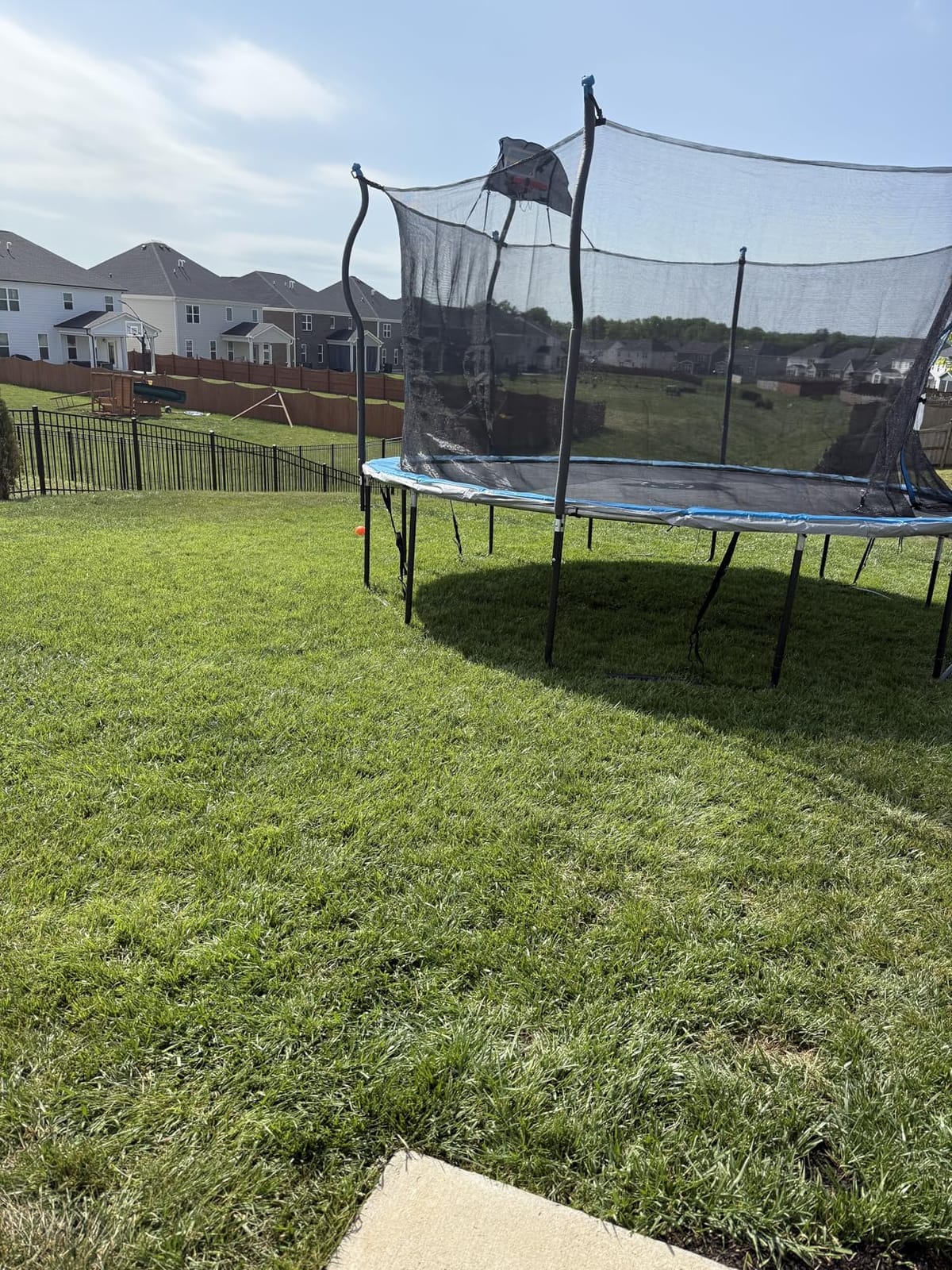
Installation is genuinely a one-person job. You screw the stake in by hand using the T-hook, thread the reinforced strap around the frame, and ratchet it down. The stakes weigh 1.6 pounds for the set, so nothing about the job is heavy, and the strap length is long enough to reach a leg from a fair distance out.
The honest criticism shows up in reviews rather than in the spec sheet. Some owners want a longer and wider shaft for extreme loads, and one reported that the ground gave way and pulled the screws out during extreme wind. That failure mode is soil, not hardware, and it is the single most common complaint across the whole category.
Who this kit suits
It suits anyone with normal yard conditions who wants one box to open and no hardware shopping. Four points is the standard for a round trampoline up to about 12 feet, and the reinforced straps make it the least fiddly option for a first install.
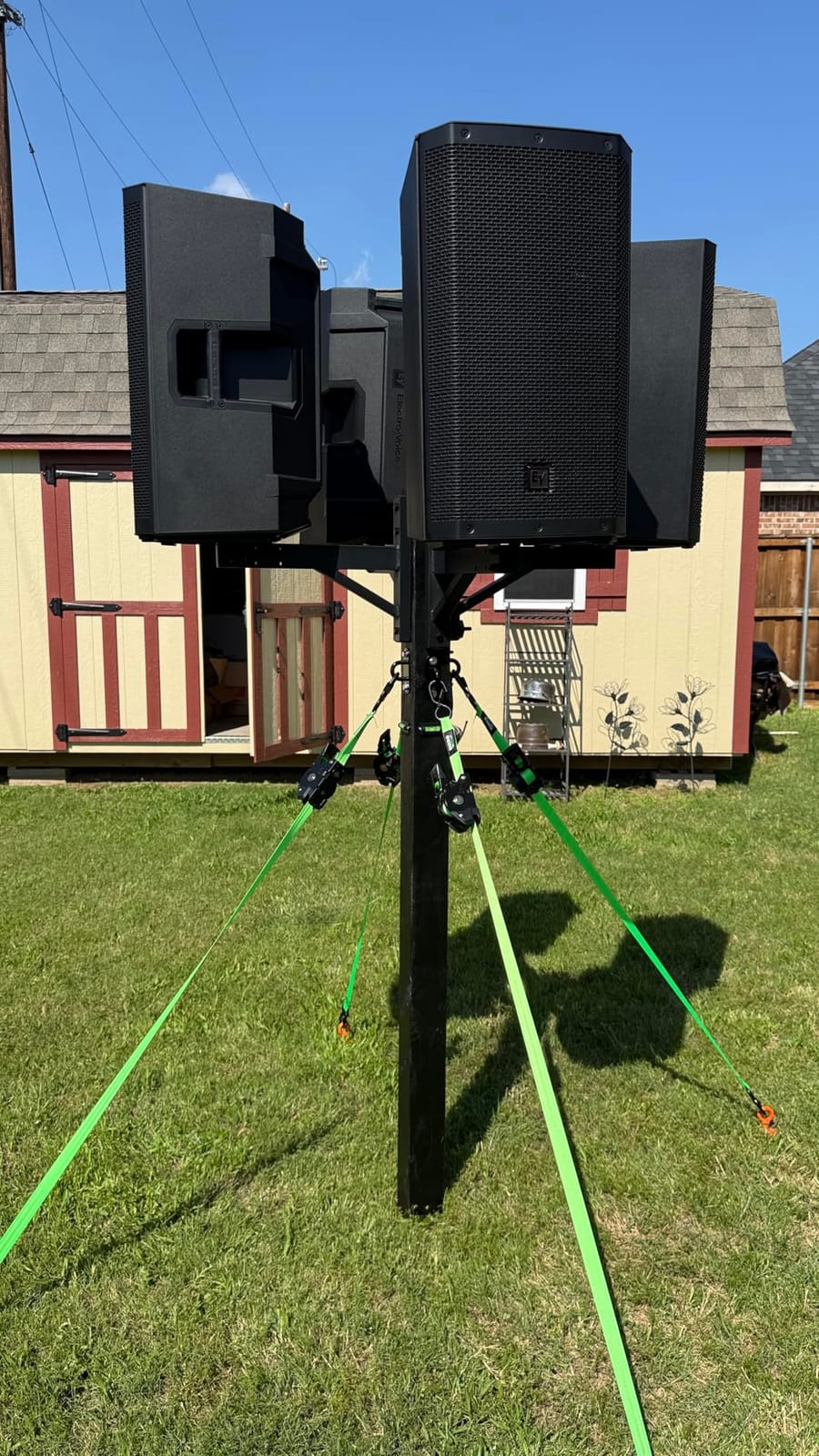
It also suits people who anchor more than one thing. The same stakes and straps are marketed for tents and playsets, and a single kit can be split between a trampoline and a swing set if you buy two.
Where it falls short
It is not the right answer for deep sand, very rocky ground, or a sloped site where the stake needs to resist both pull-out and pull-through. Spiral anchors depend on being able to turn a full revolution in the soil, and loose fill gives up sooner.
Removal is the other friction point. Owners note the stakes are hard to extract once the soil has packed around them, so budget a few extra minutes and a lever in spring. That is a fair trade for year-round hold, but plan for it.
2. Eurmax 8-Pack U-Shape Ground Stakes for Maximum Anchor Points
Eurmax USA 8-Pack U-Shape Ground Stakes,Rust-Proof Galvanized Steel Ground Anchors,Commercial Trampoline Stakes for High Winds,Secure Anti-Flip Tie Down for Soccer Goals,Swing Sets,Fences&Playsets
12 inch U-shape anchors
Galvanized steel, 8 pack
3 inch hook spacing
Sharpened tip
Pros
- U-hook wraps the leg for a grippier hold
- Galvanized steel resists rust over years
- Ridged profile helps hold in firm soil
- Works in dirt sand or clay
- Owners report holding through 70 to 100 mph gusts
Cons
- No straps or rings included
- One reviewer reported a quantity mismatch
Eight stakes in one pack changes the maths on a big trampoline. Most round advice stops at four points, but a 14 foot rectangular trampoline has far more frame length and far more sail area, and eight contact points is the difference between a frame that shifts an inch and a frame that stays put. The 12 inch length with 3 inch hook spacing is a standard fit for trampoline legs.
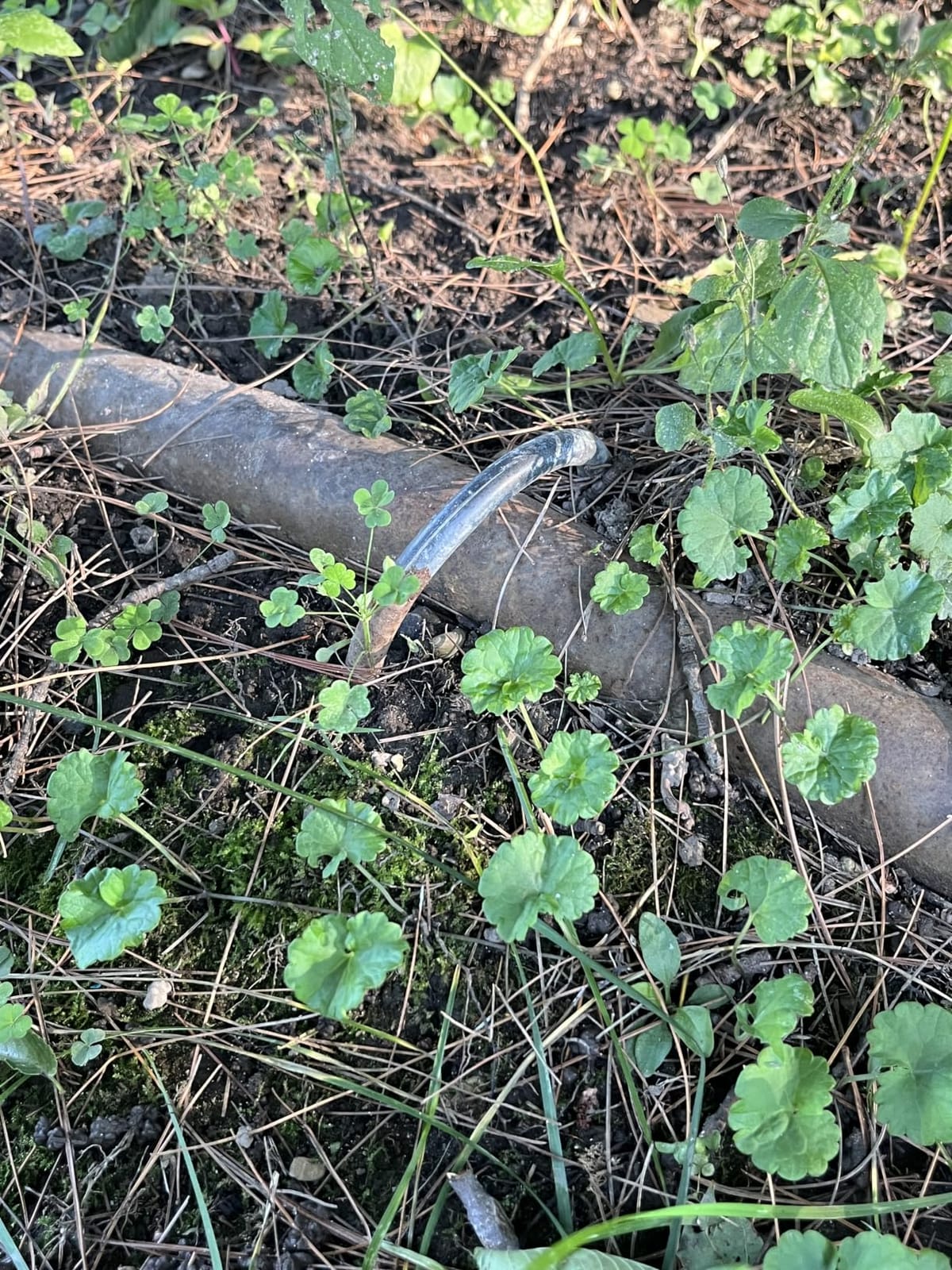
The U-shape is the reason this design keeps appearing in owner reports of trampolines holding through 70 to 100 mph wind events, along with derechos and cases where the trampoline stayed anchored even after the wind damaged something else. The hook wraps the leg instead of resting against it, and the ridged profile resists the slow creep that a smooth pin allows.
Galvanized steel is doing real work here. Several owners report five-plus years of service, which matters more than any wind number, because corrosion is what eventually turns a strong stake into a brittle one. The sharpened tip works in dirt, sand, or clay with minimal ground disturbance, and you can usually drive these with a step and a bit of body weight.
Plan your tie-down hardware before you start. No straps or rings ship in this pack, so the stake is only half the system. Pair it with the reinforced straps from the corkscrew kit above, or with any ratchet strap rated for your load.
Who this kit suits
It suits owners of large rectangular or 14 foot trampolines, and anyone in a region where the forecast routinely shows severe thunderstorms. Two people can cover eight points in about twenty minutes, and the galvanized finish means you are not replacing them every spring.
It also suits people who anchor more than one structure. These are sold for soccer goals, swing sets, fences, and tents, and eight stakes is a natural two-structure kit.
Where it falls short
There is no tie-down hardware in the box, and that is a real cost in time if you have never anchored a trampoline before. Budget for a separate strap or ring solution.
At 12 inches these are mid-length. On very soft or sandy ground you will want something deeper or a ballast approach, and on rocky ground the U profile can refuse to sit straight. One reviewer also reported a packaging quantity that did not match expectations, so count the stakes on arrival.
3. Happin 12 Inch Anchors for the Highest-Rated Design
Happin® 12 Inch Trampoline Anchors, Ground Stakes, Trampoline Accessories
12 inch U-shaped anchors
Galvanized steel, 4 pack
2.3 pounds
Available in 4 and 8 pack
Pros
- Highest average rating here at 4.8 stars
- U-hook wraps the frame instead of slipping off
- Galvanized steel resists bending and rust
- Sharpened tip goes in with a twist or a step
- Fits many trampoline leg sizes
Cons
- 4 pack may need a second kit on a large trampoline
- Straps and rings not included
At 4.8 stars across more than 1,300 reviews, this has the highest average rating in the roundup and the most polarized distribution toward five stars, with only 1 percent one-star feedback. That is not a small sample, and it tells you something real about how consistently the design performs for ordinary yards.
Buyers consistently frame this as an upgrade over what they had before, specifically over cheap rebar stakes and J-hooks that slip past the frame instead of gripping it. The U-hook wrap is the whole argument, and galvanized steel that resists bending, rusting, and loosening over time is what keeps the rating high after the first winter.
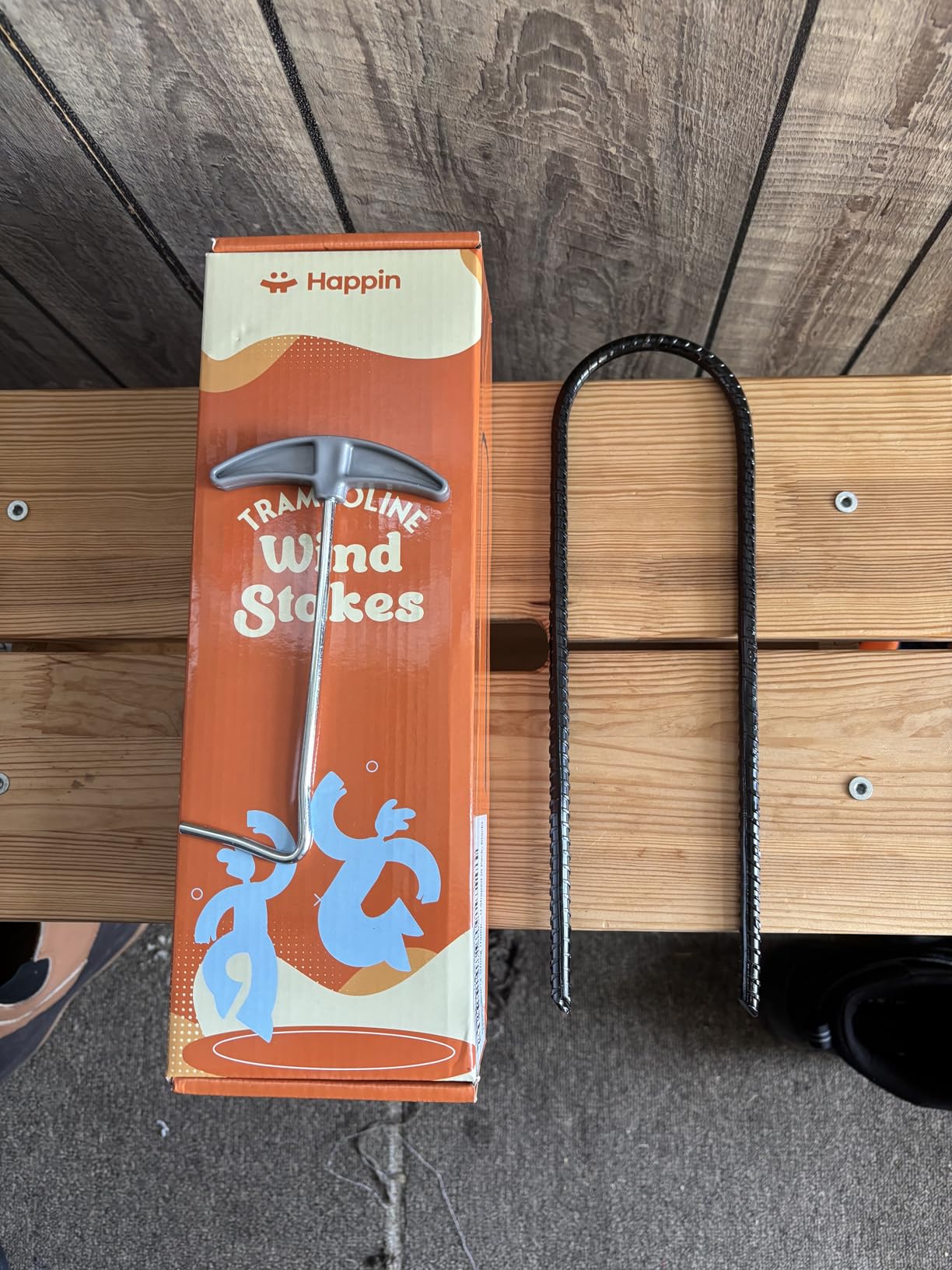
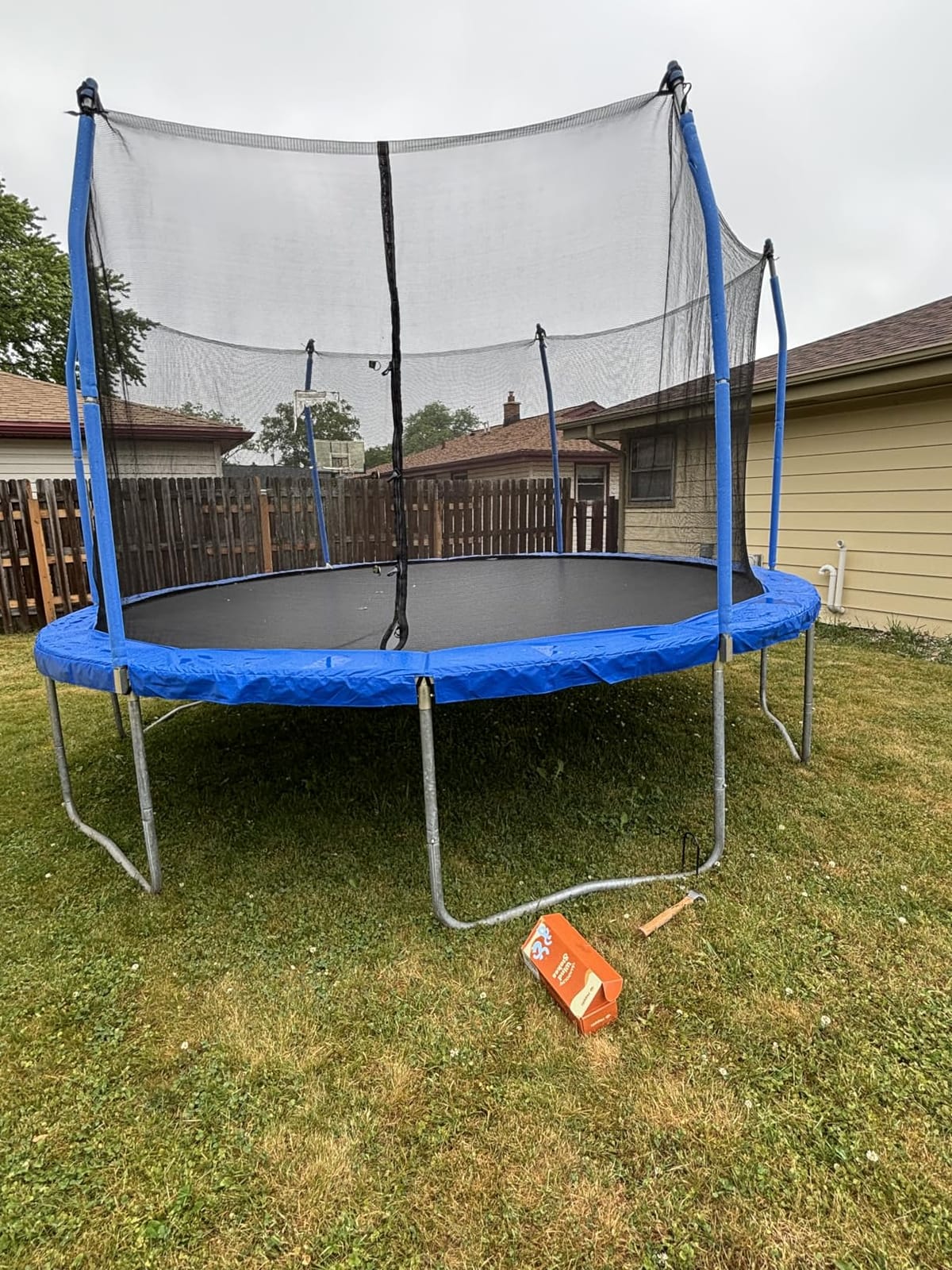
Each stake measures 12 by 3 inches and fits a wide range of trampoline leg sizes. Installation needs no tools at all, just a twist or a step, and the set weighs 2.3 pounds, so it is substantial in the hand without being a two-person lift.
Eight pack and four pack versions are both listed, in black and silver. That matters if you own a large trampoline and want six to eight points, since buying two four-packs is a worse deal than buying one eight pack.
Who this kit suits
It suits the average residential yard with loam or clay soil and a standard round trampoline. Four points, hand tools only, and a finish that will still look good in three years. For most people buying their first anchor set, this is the shortest path to a correctly tensioned frame.
It also suits anyone who has already been disappointed by stakes that slid off the leg. The wrap-around geometry is the direct fix for that complaint.
Where it falls short
Tie-down straps and rings are not included, so budget for that hardware separately. The U-hook grips the leg, but the connection from strap to anchor still has to come from somewhere.
It is a 12 inch stake in a category that includes deeper screw anchors. On loose sandy ground or a slope, the shallower profile gives up earlier, and you would be better served by a spiral or ballast approach. The standard 4 pack also means a second kit for a 14 foot trampoline.
4. MightyPhine Steel Screw Anchors for Hard and Rocky Soil
MightyPhine Steel Screw Ground Anchors – Set of 4, 12 Inch, Silver, Metal – Tent Stakes, Trampoline Anchor Kit, Swing Set Anchors, High Wind Resistance
12 inch steel screw anchors
Set of 4, silver
Includes T-handle hex wrench
Permanent rings
Pros
- Spiral blade bites hard clay and rocky ground
- T-handle or drill with 18mm socket
- Holds shape through repeated install cycles
- Rings give a solid tie-off point
- Reported holding canopies in desert wind
Cons
- Top hex nut can strip under impact-driver torque
- Higher cost per stake than U-hook kits
- Heavier set at about 1.21 kg
This is the kit for the yard that defeats everything else. The spiral blade is described by owners as penetrating hard soil the way a screw enters wood, and reviewers single out clay and rocky ground as the conditions where cheaper plastic screw anchors failed them. Several buyers said they switched to this set after a windstorm took out a cheaper anchor.
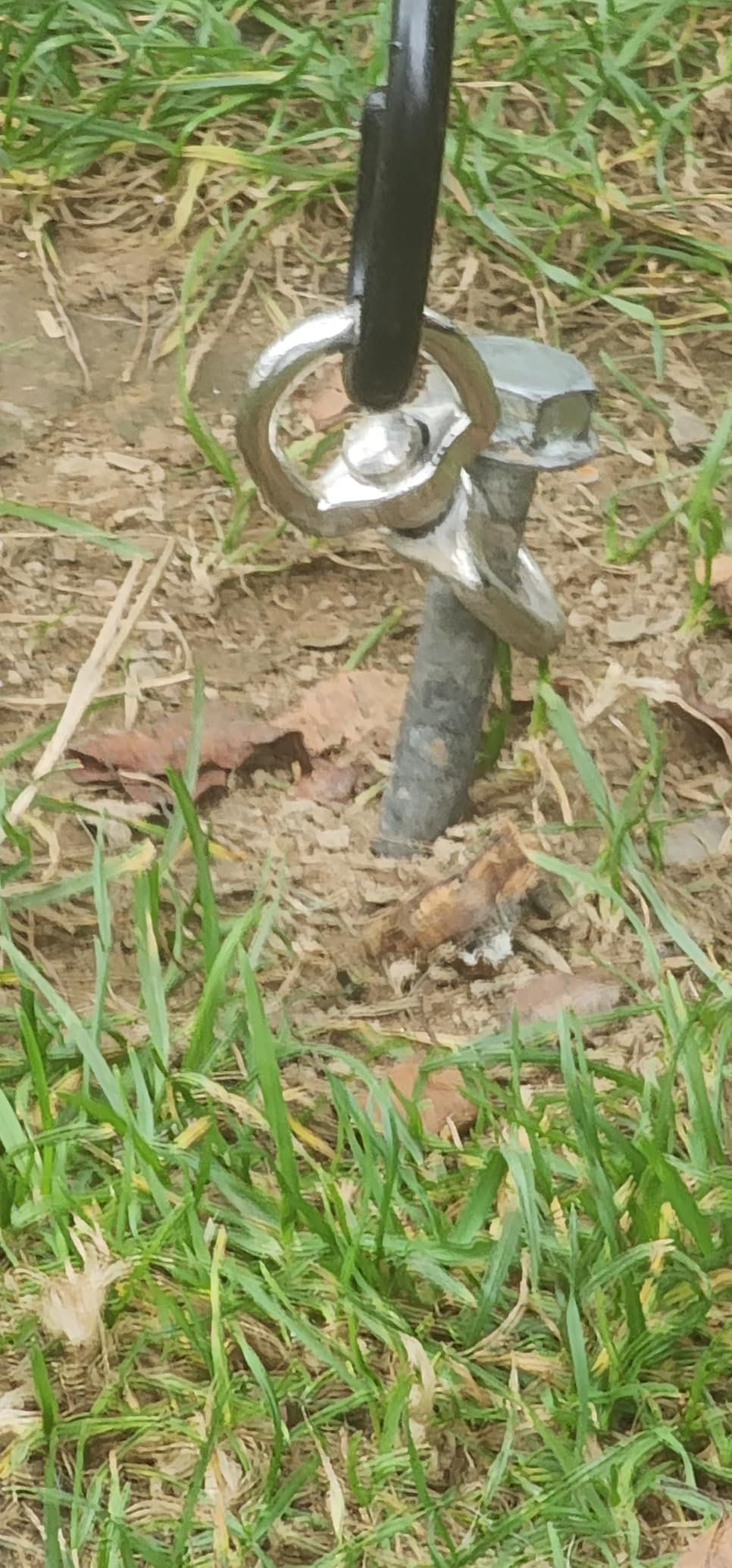
Installation accepts two methods, which is a quiet but important detail. You can use the included T-handle hex wrench by hand, or attach an 18mm socket to a drill for a fast install on hard ground. Reusability is a repeated theme, because the steel holds its shape through repeated install and removal cycles rather than deforming.
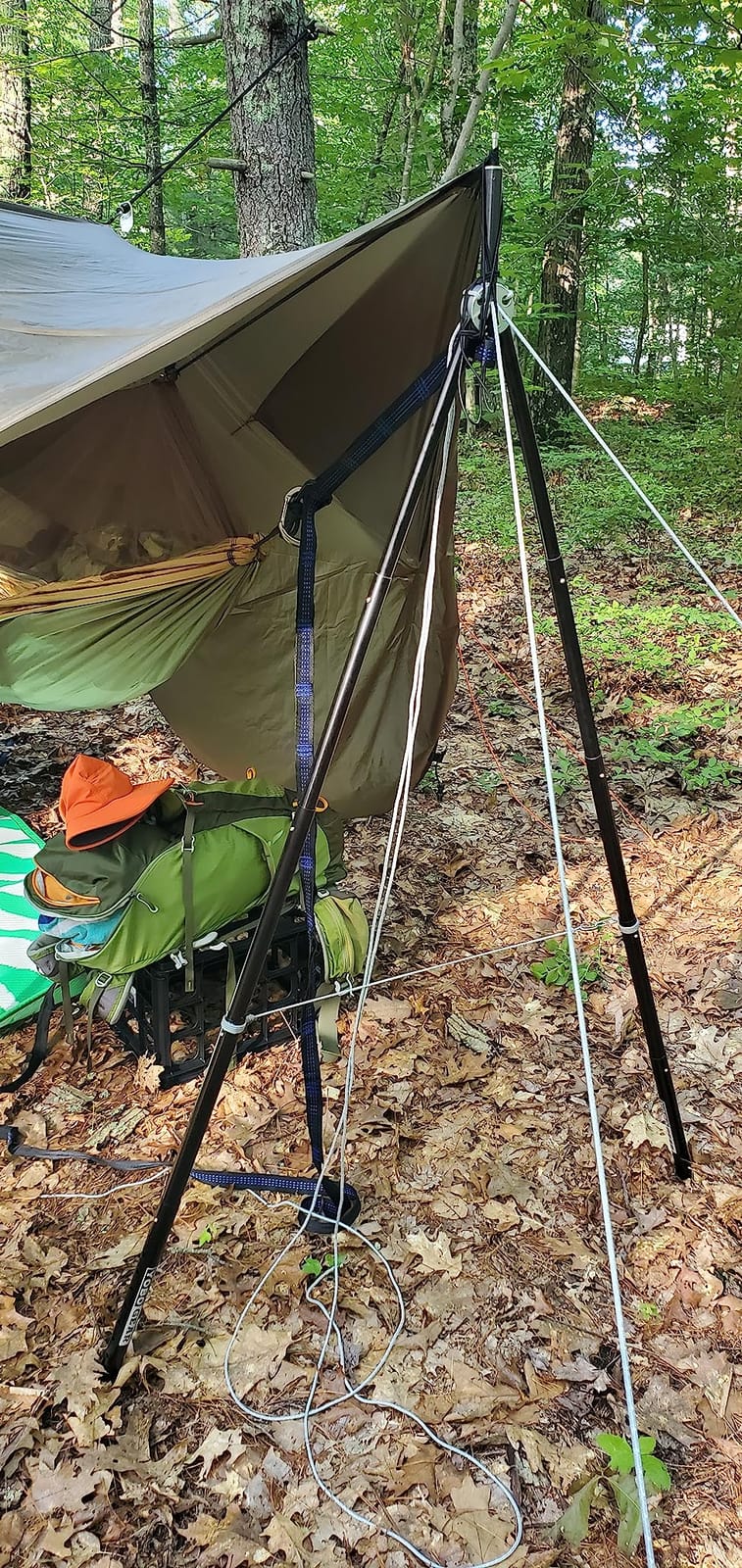
The permanently attached rings are the detail that separates this from a plain stake. A ring gives a defined tie-off point for straps or rope, so there is no guessing where the line should sit, and the same set works for boat, shed, tent, and swing set anchoring. Owners report holding canopies and tents through high-wind desert conditions.
Length is 12 inches with a 2.21 mm wall, and larger 24 inch variants are listed for anyone who wants more penetration. Support is direct, with phone and email contact from an American-owned company.
Who this kit suits
It suits compacted clay, rocky yards, and anywhere a hand-driven stake refuses to go in. If you have previously hit a wall of gravel two inches down, this is the category to shop in rather than a taller version of the same stake.
It also suits anyone who reuses anchors every spring and wants a defined ring to hang a strap on. The set is four, which suits a standard trampoline, and the socket option makes installation a two-minute job with a drill.
Where it falls short
The top hex nut can strip its edges if you drive it with an impact wrench, and once stripped, removal becomes a genuine problem. Turn it with a drill on a low setting or use the T-handle, and the nut stays intact.
It is heavier at roughly 1.21 kg per set and costs more per stake than the U-hook kits here. On soft sandy soil it is also more than you need, since a spiral blade needs resistance to bite into and loose fill does not provide it.
5. Phopich Spiral Ground Anchors for Deep, Visible Hold
Phopich Ground Anchor Screw in, 4 Pack Spiral Trampoline Anchors with Nut and Tool Swing Set Anchors Tent Stakes High Wind Heavy Duty for Sheds, Carports, Mobile Home Orange
38 cm spiral anchor, 4 pack
2.21 mm blade, 40 mm wide
Powder-coated solid steel
Drill bit and T-wrench included
Pros
- Full spiral blade is wider and thicker than typical screws
- Powder coat resists rust fading and breakage
- Installs in seconds with the included driver bit
- Orange finish is easy to spot when mowing
- One owner reported anchors tearing anchor points loose
Cons
- No straps or ratchets included
- Rocks can slow installation
- Heavier set at 2.28 kg
The blade is the story here. At 2.21 mm thick and 40 mm wide across a 38 cm overall length, this is a wider and thicker spiral than a typical screw anchor, and that extra surface area is what translates into holding power in the soil. One owner reported anchors holding firm enough to tear the anchor points off a large inflatable rather than pull out of the ground.
Owners also report near-instant setup and removal with a driver, and the kit ships with a power nut driver bit, a T-handle hex wrench, and a carry bag. That is the most complete hardware bundle of the screw-in options, and it matters for anyone installing on clay where hand-turning is a workout.
Powder-coated solid steel is listed as rust and rust-proof, and the finish resists fading as well as corrosion, which protects the orange colour. That colour is not cosmetic: owners mention how easy the stakes are to spot while mowing, which prevents exactly the mowing and foot injuries that unbright stakes cause.
A top ring or O-ring attachment point handles the tie-down, so the frame connection has somewhere solid to land. The set is rated for trampolines, tents, swing sets, gazebos, dog tie-outs, canopies, garden sheds, and carports.
Who this kit suits
It suits owners who want a deep spiral bite and already own a drill. The 38 cm length goes meaningfully deeper than a 12 inch stake, which is what you want in soil that is loose at the surface but firm a few inches down.
The orange finish also suits families with busy lawns and small children, because anything left in the ground is visible at a glance rather than hidden under grass.
Where it falls short
No ratchets or straps are included, so the tie-down still has to be sourced separately. Rocks will slow installation, and a drive socket is close to mandatory if the ground is anything but soft.
At 2.28 kg this is one of the heavier sets, which is a fair trade for the steel thickness but worth knowing if you plan to pull anchors up every spring. On very loose sand, even a blade this wide can find nothing to bite.
6. VVOKGO Heavy Duty 12 Inch Stakes for the Widest Size Range
VVOKGO Trampoline Stakes Heavy Duty 12 Inch Trampoline Anchors High Wind
12 inch U-shaped rebar
5/16 inch diameter
Hot-dip galvanized
Chisel point end
Pros
- Malleable rebar body resists bending
- Hot-dip coating resists rust over seasons
- Chisel point goes in without tools
- Widest size range here from 12 to 24 inches
- Reported holding canopies in 50 to 80 mph gusts
Cons
- Ridged profile makes stakes very hard to pull out
- No straps or tie-down hardware included
- Hard soil may need a sledgehammer
Most owners buy this as a general-purpose yard stake that happens to work well for trampolines, and that is exactly its strength. It handles trampolines, swing sets, soccer goals, fences, tents, tarps, garden cloth, hoses, disc golf baskets, canopies, and birdbaths, so a single purchase covers several jobs across the property.
The rebar body is described as malleable, which sounds like a weakness until you read what it means in practice: stiff enough that it does not bend when driven, but not so brittle that a rock snaps it. The hot-dip galvanized coating with a thicker layer is what resists rust across multiple seasons, and owners report holding canopies, trees, and fence panels through 50 to 80 mph gusts.
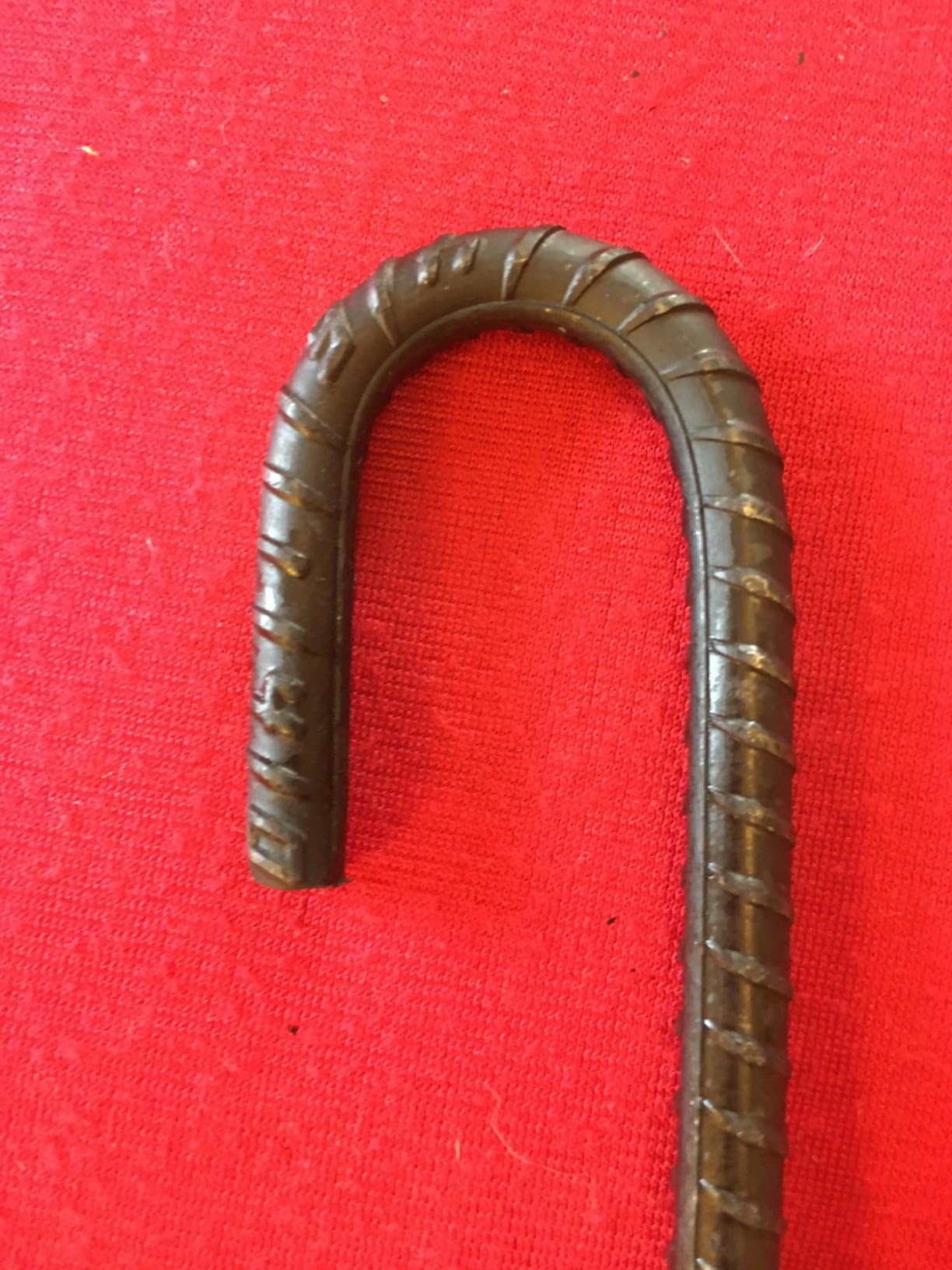
What makes this listing useful is the range behind it. Lengths run from 12 to 24 inches, with multiple diameters and pack counts, so the same product family covers a shallow U stake for a flat yard and a 24 inch J stake for hard or loose ground. That flexibility is why it earns a place in a roundup otherwise full of single-spec kits.
This 12 inch set is 5/16 inch diameter with 2 inch hook spacing, and the chisel point end goes in without special tools. In soft soil you can usually use foot pressure; in hard clay, owners reach for a sledgehammer.
Who this kit suits
It suits households that want one stake for the whole yard rather than a trampoline-only anchor. The hot-dip finish and the size range make it a natural choice for anyone with fences, a swing set, and a trampoline competing for the same budget.
It also suits owners who are not sure how deep they need to go. Being able to move up to 16, 18, or 24 inch variants in the same design removes the guesswork that usually ends in a stake that is too short.
Where it falls short
Ridges that grip the soil also grip the stake, and removal is genuinely difficult. Owners frequently need a lever or a second pair of hands to pull these out for lawn care, so plan for it in spring.
There is no included tie-down hardware, so straps have to come from elsewhere. And while the rebar is stiff, the 5/16 inch U profile is still a friction anchor rather than a spiral one, so on deep sand it will be outperformed by a screw design.
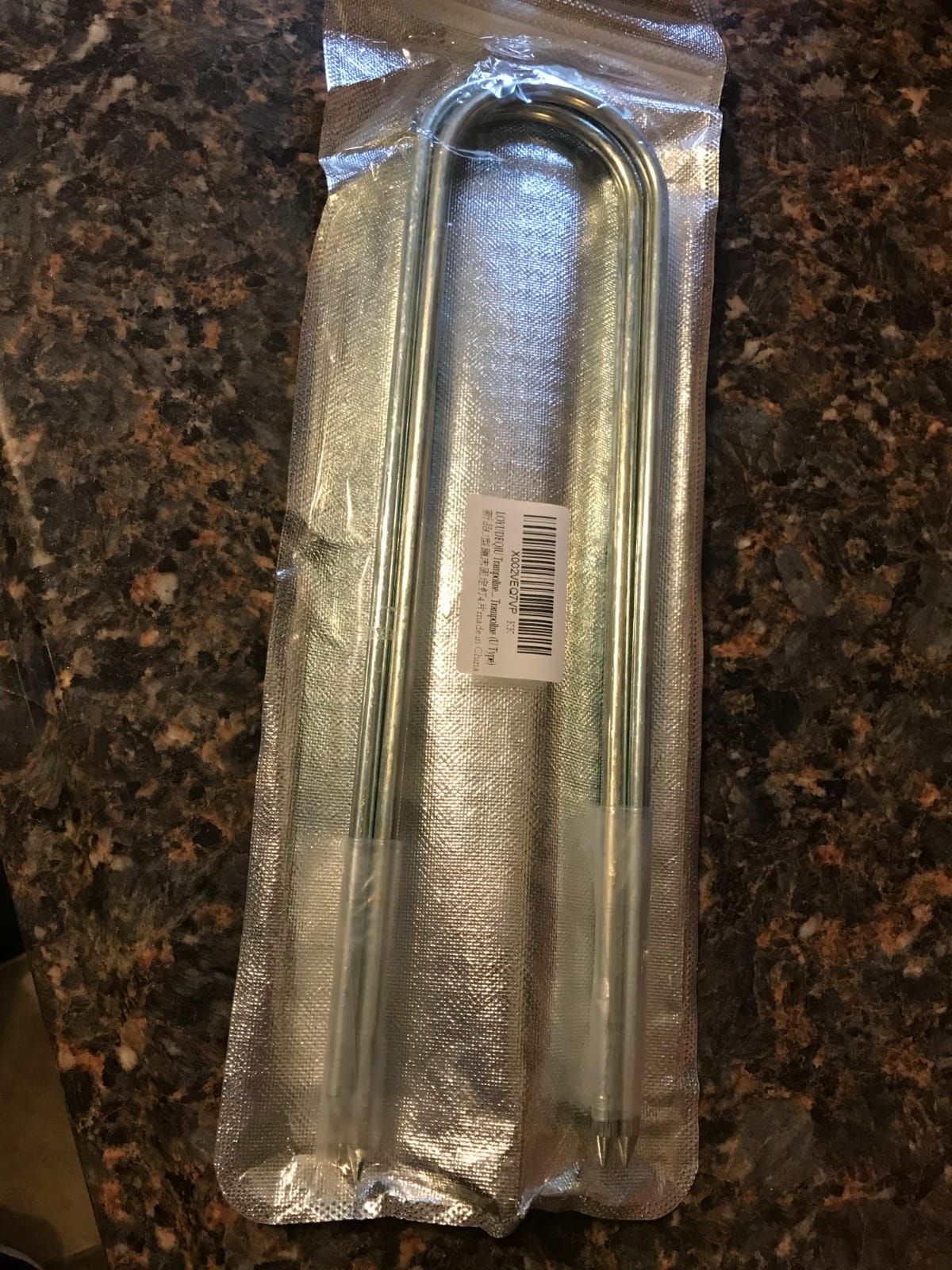
7. LOYUDEQIU 10 Inch Galvanized Wind Stakes for the Lowest Cost per Stake
LOYUDEQIU Trampoline Stakes High Wind Ground Stakes, Heavy Duty Trampoline Anchors Tent Stakes, Galvanized Steel Wind Stakes Fence Stakes for Trampoline Fence (Silver 8pcs 10inch)
10 inch U-shaped stakes
Galvanized alloy steel, 8 pack
2.7 inch hook spacing
Two year warranty
Pros
- Lowest cost per stake in this roundup
- Galvanized finish resists rust and is reusable
- Chisel point installs with no tools
- 2.7 inch hook spacing suits legs and fences
- Two year warranty with fast support
Cons
- Shorter than the 12 inch competitors
- No straps or tie-down hardware included
- Listing brand and manufacturer names differ
This is the value pick, and the value is arithmetical rather than promotional. You get eight galvanized alloy steel stakes at the lowest cost per stake in the roundup while still holding a 4.7 average across more than 700 reviews. For covering a large trampoline with six or eight anchor points, or covering a trampoline and a swing set, bulk is the cheapest path to full coverage.
The finish is the quiet strength. Owners describe a glossy galvanized surface that resists rust and can be reused repeatedly, and the 2.7 inch hook spacing suits trampoline legs, swing sets, soccer goals, and chain link fences. The chisel-pointed end penetrates with no auxiliary tools, and you can step on the stake to drive it deeper when the soil cooperates.
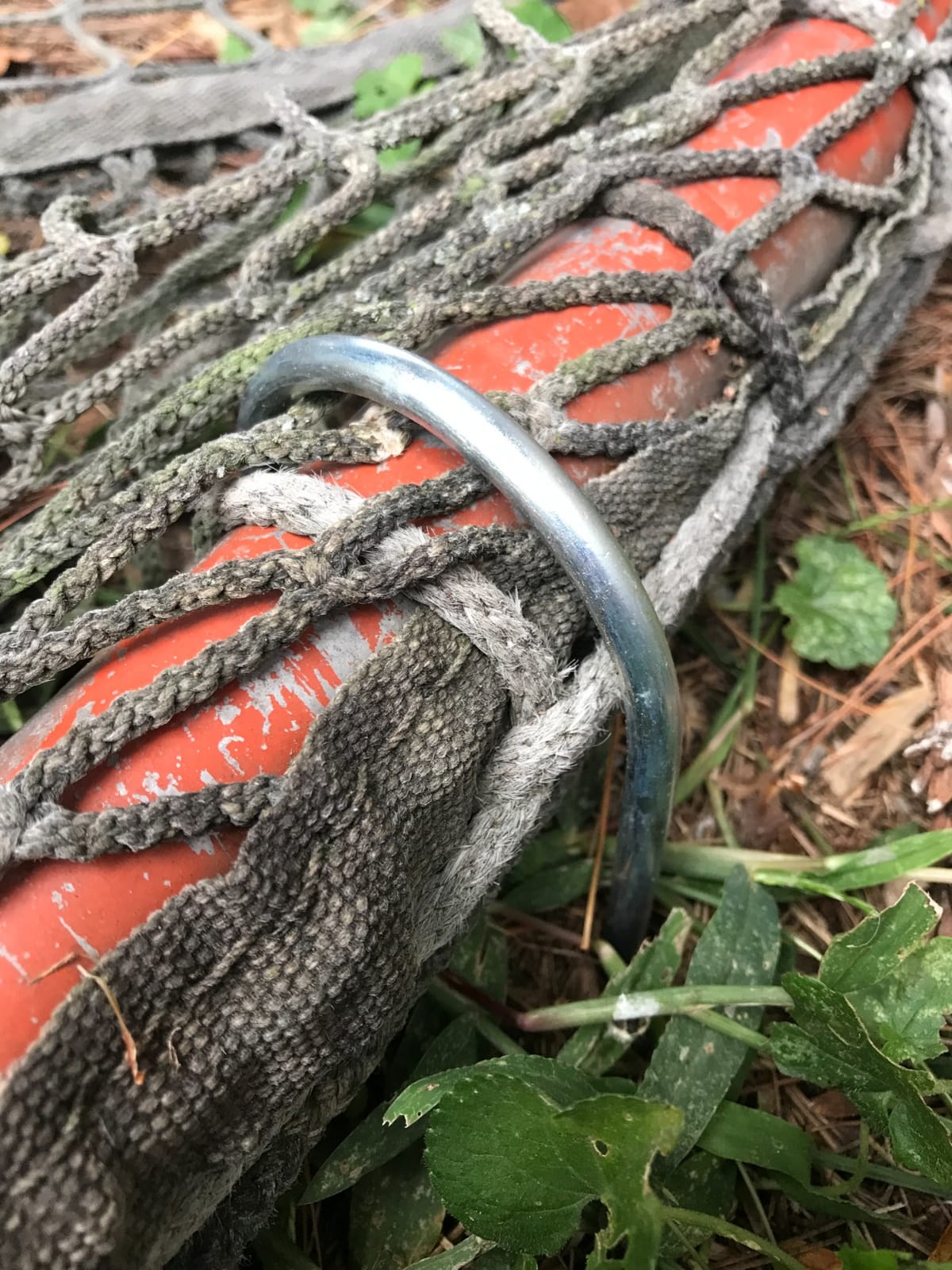
There is also a two year warranty, with support responding within 12 hours according to the listing. That is unusual at this price point and worth something when a stake bends.
Owners comparing it against pricier kits generally treat it as a cost-effective bulk option rather than a heavy-duty one, and they are right to frame it that way. It is 10 inches long and 5 inches across as listed, with 12 inch and black variants also available if you want more length.
Who this kit suits
It suits owners covering more ground with fewer points, such as a 14 foot trampoline that needs eight anchors, or a household anchoring a trampoline and a swing set at once. It also suits anyone on a budget who would rather add more stakes than buy a deeper one.
Owners also use it for inflatable holiday displays, fences, and tents, so it earns its place as general yard hardware even in homes without a trampoline.
Where it falls short
Ten inches is shorter than the 12 inch kits here and noticeably shorter than the 38 cm spiral options. On soft or sandy ground that shorter length is the limiting factor, not the steel.
No straps or tie-down hardware are included. And a small consistency flag worth knowing before you order: the brand name and the manufacturer name on the listing differ, so check that support contacts match the name you are actually buying from.
8. BTSULYOO Coated Rebar 12-Pack for Maximum Anchor Count
BTSULYOO 10 Inch Coated Rebar Trampoline Wind Stake Set of 12 Metal Anchors
12 pack of 10 inch U-type stakes
Black coated metal
2.7 pounds total
About 2 inches wide
Pros
- Largest pack count here at 12 stakes
- Thick rebar that does not bend in hard clay
- Coating resists rust and corrosion over years
- Owners report survival through hurricanes and tornadoes
- Also works for sod fences tarps and garden cloth
Cons
- Rough rebar can tear thin material rested on it
- Hard to pull out when mowing the lawn
- Shorter 10 inch length than 12 inch options
Twelve stakes is more coverage than any other kit here, and it is the one to buy if you want anchors on every point of a large trampoline plus a second structure. Buyers use this 12 pack for large outdoor decor as often as for trampolines, which tells you how versatile the plain coated rebar format is.
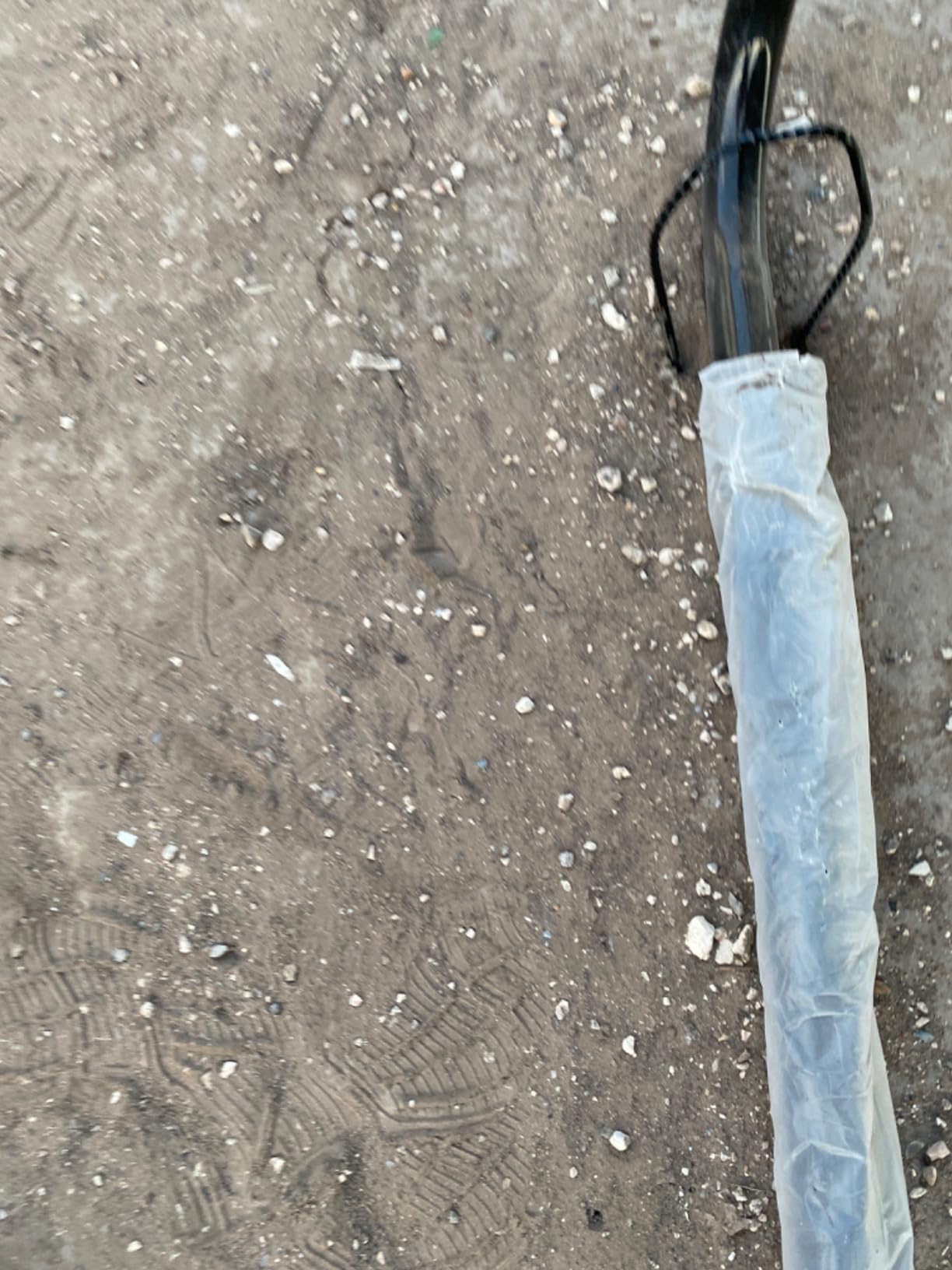
The defining word is thick. Owners report rebar that does not bend when pushed into hard clay or lawn, which is the failure that makes cheap stakes fold rather than hold. The weather-resistant black coating resists rust and corrosion over years, and owners report trampolines surviving hurricanes, tornadoes, and named storms without shifting.
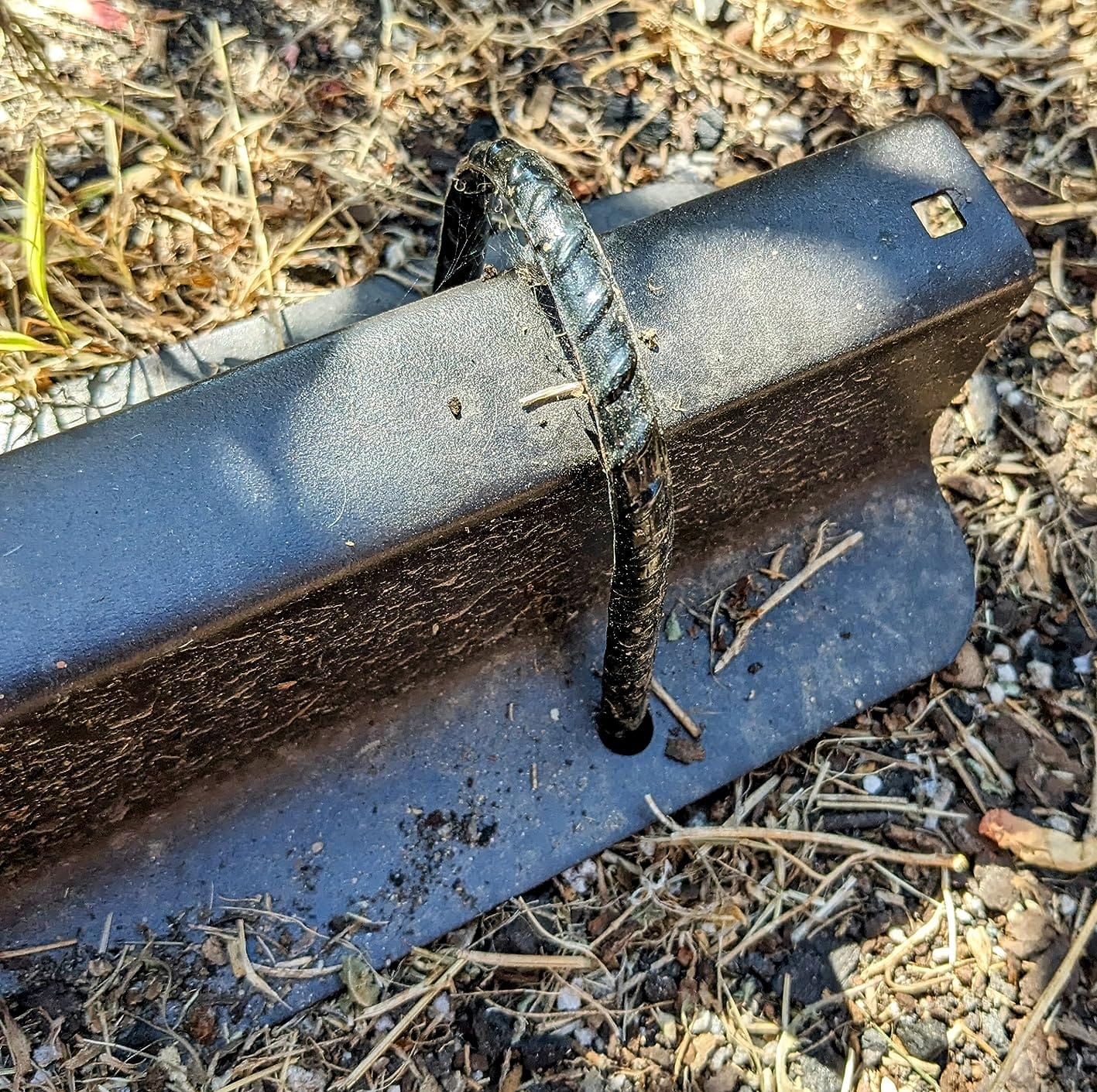
At 10 inches and roughly 2 inches wide, these are short and stout rather than long and slender. The sharp ends handle easy insertion, and the set weighs 2.7 pounds, so it is a manageable carry from the car to the yard.
The same profile works for sod, fences, weed barrier, tents, tarps, garden cloth, and hoses. If you already own straps and rings from another kit in this roundup, these drop straight into the same tie-down plan.
Who this kit suits
It suits owners who want anchor points everywhere: a large rectangular trampoline, a swing set, and a fence line, all from one purchase. It also suits anyone who anchors a trampoline in a coastal or tropical climate and wants coated steel that will not pit over repeated wet seasons.
If your tie-down hardware is already sorted, this is the cheapest way to increase point count, since more anchor points is the cheapest available upgrade against lift.
Where it falls short
The rough rebar surface can tear thin or delicate material rested against it, which owners mention often enough to be worth planning around. Keep fabric, netting, and padding off the stake line.
Rough finish also means the stakes are not easy to pull back out for mowing, and at 10 inches they are shorter than the 12 inch options. If you want to drive them permanently and leave them, that is not a problem. If you plan seasonal removal, expect to need a lever.
Anchor Types Explained: Corkscrew, U-Stake, Screw Anchor, and Ballast
Corkscrew and auger spiral anchors have a helical shaft that bites downward as you turn them and grips harder as pull-out force increases. They are the best general choice in loam and clay and the only realistic option in rocky ground, and they need a strap or ring to connect to the frame. U-shaped stakes are faster and cheaper: a U hook wraps the leg so the frame cannot slide off, the sharpened or chisel tip goes in with a step, and the ridged profile resists creep. They are friction anchors, which is why they work well in firm soil and underperform in deep sand.
Ballast is the fourth option and it is the only one that requires no hole at all. Sandbags, paving slabs, and mulch bags sit on the ground against the frame and trade penetration for raw weight. In trampoline forums, a common and effective method is laying a few paving slabs over the metal frame and then tying the frame tightly to a fixed object, and other owners use stacked bagged mulch for the same purpose. Ballast never touches the soil, which makes it the right answer for renters, decks, and concrete.
Ratchet straps versus cam buckles is a smaller decision but it shows up constantly. Ratchet tension gives you repeatable, high holding tension and is what most storm checklists specify, while cam buckles are quicker to adjust and adequate for moderate loads. A cam buckle that is easy to set is also easy to leave slightly loose, and slightly loose is what fails first.
Matching Anchors to Your Soil Type
Sandy and loose soil is where most anchor kits fail, and it is the most common complaint in owner reports across this category. Ground that gives up lets a stake pull straight out no matter how good the steel is. In sand, go deeper rather than wider: a 24 inch screw-style spiral is the sensible pick, and ballast against the frame is the honest alternative if you cannot dig.
Compacted clay is the friendliest ground in the list. It grips a spiral blade, resists friction anchors, and holds a driven stake firmly, which makes clay the one soil type where almost any kit here will perform well. Rocky or shallow topsoil favours the MightyPhine screw anchors specifically, since a spiral blade can advance past what a straight U stake hits.
Sloped and hilly yards need a second consideration beyond soil type. On a slope, each stake has to resist pull-through as well as pull-out, so spiral anchors set on the uphill side of each leg earn their extra depth. A sloped site also tips the frame slightly, which increases the sail effect and makes the anchor count more important, not less.
How to Install Trampoline Anchors Without Hitting a Utility Line
Call your utility locating service before you drive a single stake. This is the one step in this article that is not optional and not a matter of style, because a spiral anchor goes deeper than most people expect and a strike on a buried line or irrigation run is expensive. Once the area is marked clear, lay out your stake positions with the trampoline in place, aiming outside the frame ring at each leg rather than underneath it.
Next, attach the strap or ring to the frame or leg first, then drive the stake. Leaving the strap for last means reaching under a tensioned frame, which is both awkward and unsafe. Drive the stake at roughly a 45 degree angle away from the leg so the load pulls along the shaft rather than straight up, and keep the strap on the uphill side on a slope.
Tension each strap evenly and in sequence rather than one at a time, going around the frame in the same order repeatedly until the whole frame feels equally tight. An unevenly tensioned frame twists, and a twisted frame tilts, and a tilted frame catches more wind. Finish with a firm pull test on each strap, then repeat the whole sequence a second time after the soil settles overnight.
No-Drill and No-Dig Options for Patios and Rented Yards
If you rent, or your trampoline sits on concrete, pavers, or a balcony, every stake in this roundup is the wrong tool. Ballast is the answer, and the forum consensus is that it works when it is done properly: paving slabs or concrete blocks set against the frame, weight concentrated at each leg rather than spread across the mat, plus a ratchet strap run to a fixed post or rail where one exists.
The weakness of ballast is that it depends on friction with the surface and on nobody kicking it aside, so a two-person placement on a smooth patio can slide under a strong gust. If you cannot reach a fixed object, the honest answer is that a wind-exposed trampoline on a hard surface needs to move indoors for the duration of the storm rather than rely on weight alone.
Because anchors damage the lawn and are hard to remove at season’s end, plenty of homeowners and most renters never install them at all. That is a reasonable trade in a sheltered yard, and a poor one in a place where trampolines have already been moving.
Pre-Storm Anchor Checklist and Seasonal Re-Tensioning
Run this five-step check whenever a severe weather watch appears, not once a season. First, walk the frame and confirm every strap is still attached to a leg or ring, not to a mat spring. Second, re-tension any strap that has slack, working around the frame in the same order twice. Third, look at each stake head and confirm it is still flush and not lifted, which means the soil has moved. Fourth, check that nothing is resting against the stakes, since wind can turn a loose object into a lever.
For spring, plan on twenty minutes per trampoline. Soil thaws and loosens over winter, so every stake that was tight in autumn is slightly less tight now. Re-tension each strap, replace any that have frayed near the buckle, and expect to need a lever or breaker bar on ridged rebar profiles. We have found that checking strap condition once a year catches fraying long before it becomes a failure in a storm.
One more step matters more than most people expect: take the enclosure net down before a named storm. The net is the largest sail area on the structure, and owners who assume a net makes a trampoline storm-safe are removing the biggest source of lift on the frame.
When Anchoring Is Not Enough
No anchor kit is rated for a direct hurricane or tornado hit, and the honest framing is that anchoring raises the threshold rather than removing the risk. For hurricane-force gusts, the right move is to disconnect the springs, deflate the mat if it is an inflatable, and move the whole unit indoors or into a garage before the storm arrives.
Lightning is a separate and simpler rule. Nobody should be on a trampoline during a thunderstorm, and the frame itself is a metal structure sitting in an open yard, so the same logic that takes you off the mat takes the equipment out of the yard when severe weather is forecast.
Frequently Asked Questions
What is the best way to anchor a trampoline from wind?
The most reliable method combines spiral or corkscrew ground anchors with ratchet straps clipped to each trampoline leg. Screw the anchors into the soil at a 45 degree angle away from the frame, then tension the straps evenly in sequence until the whole frame feels equally tight. Sandbags and paving slabs work as ballast when you cannot dig, but they depend on surface friction and offer less protection in severe gusts.
What are the best anchors for a trampoline?
Spiral and auger-style screw anchors are the strongest general choice because their helical blade grips harder as pull-out force increases, and they handle hard clay and rocky ground. U-shaped stakes are a faster, cheaper option that wrap the leg so the frame cannot slide off, and they perform well in firm soil. Whichever type you choose, most trampolines need four anchors, rising to six or eight for 14 foot and rectangular models.
How much wind does it take to move a trampoline?
An unanchored trampoline can begin shifting and tilting in gusts well below severe storm thresholds, because the mat and enclosure net catch wind like a sail once the frame tilts a few degrees. Owners on anchored units report holding through events in the 50 to 100 mph range, but those are reported experiences rather than laboratory ratings. Treat any published wind figure from a manufacturer as a marketing claim rather than a tested limit.
How windy is too windy for trampoline?
Stop jumping well before storm conditions. In ordinary breeze there is no reason to get off, but as gusts build the frame begins to tilt, and a tilted frame catches more wind. If you can hear the mat slapping, if the frame rocks under a single jumper, or if a forecast shows a severe thunderstorm watch, get everyone off and consider moving the unit indoors rather than relying on anchors alone.
Can I anchor a trampoline without drilling or stakes?
Yes, by using ballast instead of ground anchors. Paving slabs, concrete blocks, or stacked bags of mulch set against the frame at each leg add weight without touching the soil, which is the standard approach on concrete, patios, decks, and rented yards. Ballast relies on friction with the surface, so it is noticeably less reliable in strong gusts than a stake in real ground, and taking the enclosure net off still matters.
Final Verdict: Which Trampoline Anchor Kit Should You Buy?
For most people buying the best trampoline anchor kits for windy areas, the Eurmax 4-Pack Corkscrew Windproof Kit is the one to buy. It is the only kit in this roundup that arrives complete, with stakes, reinforced frame straps, and the tool to install and remove them, and it carries the largest body of long-term owner feedback here at more than 7,000 reviews.
Choose differently only for a specific reason. Take the Happin anchors if you want the highest owner satisfaction and simple hand installation in normal soil. Take the MightyPhine screw anchors if you have clay or rock and everything else has failed you. Take the LOYUDEQIU or BTSULYOO bulk packs if covering more anchor points matters more than stake depth.
Whatever you choose, call your utility locating service first, tension every strap evenly, and take the net down before a named storm. In 2026, that routine is still the difference between a trampoline that stays in your yard and one that does not.