
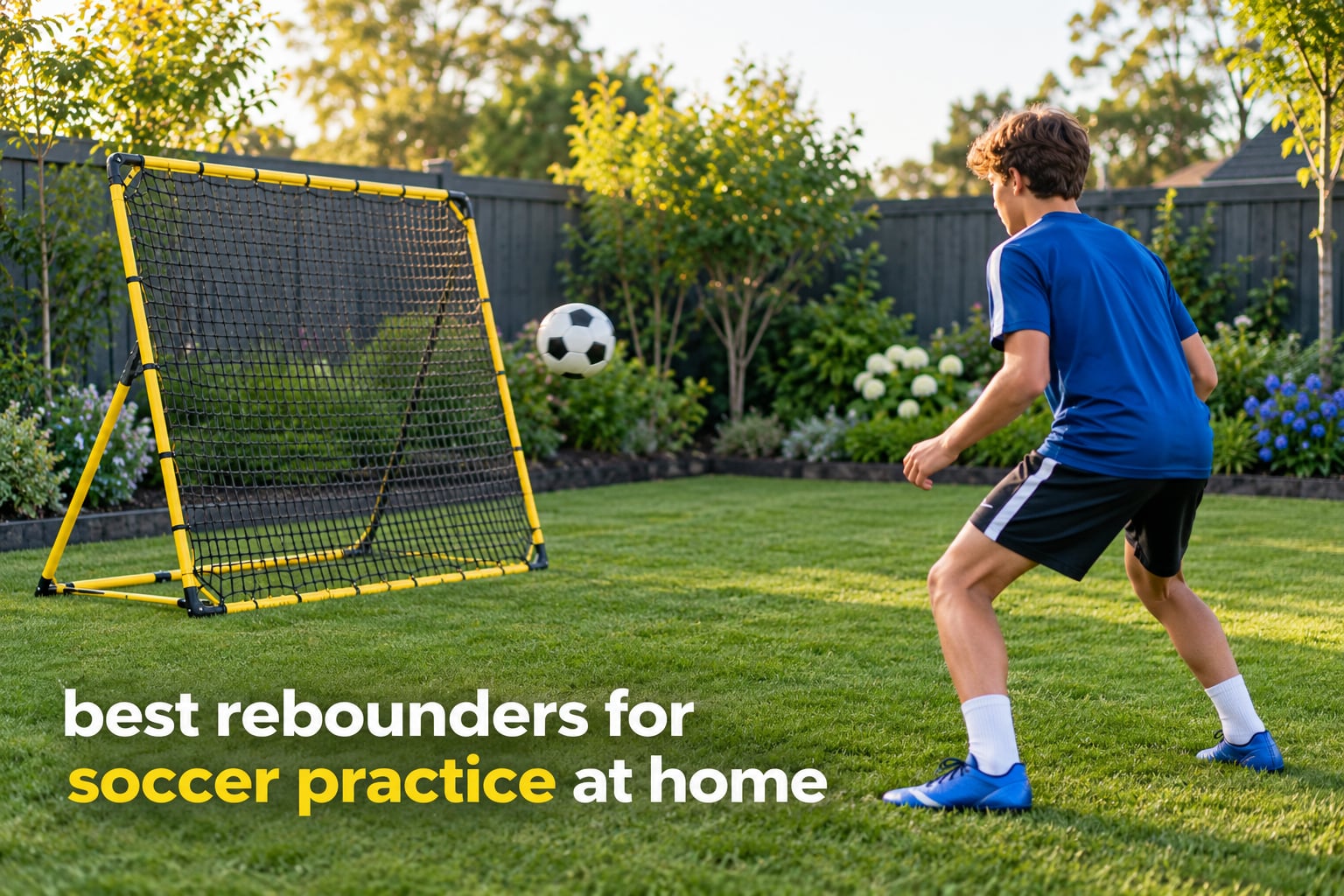
Most home soccer practice goes nowhere because there is no one to pass back. A rebounder fixes that: it is a net or an angled board that catches your ball and sends it straight back, so you get hundreds of repeatable touches without arranging a training partner. If you are searching for the best rebounders for soccer practice at home, the decision comes down to face size, how the return angle is set, and whether a teenager can drag it across the grass on their own.
We put ten of the most-reviewed rebounders through their paces in a typical home setting, on grass, on a driveway and on indoor carpet. Our top pick, the Amazing Tour adjustable rebound net, folds flat, survives being moved by one person and gives you five rebound positions to work from. The rest of the list covers dedicated boards, dual-sided nets for two players, and compact folding frames for small gardens.
Before you read further, it helps to separate the four formats you will see on this page. A rebound net is a full panel of netting in a frame. A rebound board is a solid panel that returns the ball off a hard surface. A dual-sided rebounder works from both faces, so two players can train at once. A kickback net is a small foldable unit aimed at storage rather than rep volume. Our wider guide to soccer rebounders covers the engineering behind each type if you want the theory first.
We updated this roundup in 2026 using live ratings and review counts. Prices are not listed anywhere on this page because they move daily; use the check price button on any product to see the current figure.
Table of Contents
Top 3 Soccer Rebounders for Home Practice in 2026
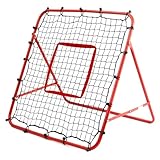
Amazing Tour Adjustable Rebound Net
- 5-position angle adjustment
- Powder-coated steel frame
- High-tension PE netting
- Folds flat for storage

SKLZ Quickster Dual-Sided Trainer
- 6 x 4 ft aerial net
- Bar-free ground pass net
- Lockable adjustable poles
- Carry bag included

QUICKPLAY Replay Station Board
- 4-in-1 flat and ribbed faces
- Flip to change angle
- Tool-free 10 second setup
- Works indoors and out
Best Soccer Rebounders for Home Practice (October 2026)
Every unit below is a genuine home-use rebounder, not a full training goal. Sizes are the manufacturer face dimensions, so treat them as a fair comparison rather than a perfect one.
| Product | Specifications | Action |
|---|---|---|
| Amazing Tour Adjustable Rebound Net |
|
Check Latest Price |
| SKLZ Quickster Dual-Sided Trainer |
|
Check Latest Price |
| QUICKPLAY Replay Station Board |
|
Check Latest Price |
 Winthai Multi-Angle Rebound Net Winthai Multi-Angle Rebound Net |
|
Check Latest Price |
 Franklin Sports Adjustable Rebounder Franklin Sports Adjustable Rebounder |
|
Check Latest Price |
 QUICKPLAY TEKKERS Dual Net QUICKPLAY TEKKERS Dual Net |
|
Check Latest Price |
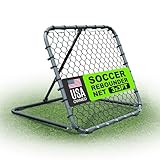 QUICKPLAY Pro Rebound Net QUICKPLAY Pro Rebound Net |
|
Check Latest Price |
 VEVOR Portable Two-Sided Rebounder VEVOR Portable Two-Sided Rebounder |
|
Check Latest Price |
 VEVOR Multi-Angle Rebounder VEVOR Multi-Angle Rebounder |
|
Check Latest Price |
 NET-PLAYZ Folding Kickback Net NET-PLAYZ Folding Kickback Net |
|
Check Latest Price |
Are Soccer Rebounders Worth It?
Yes, when you will use one three or more times a week for six months or more. The maths is simple. Divide what you paid by the number of sessions you actually train, and a mid-range unit lands at a couple of pounds a session. Set against a pair of coaching sessions or a club membership week, that is cheap per hour of ball contact.
The honest counter-case matters too. If you are brand new, a wall and a decent ball will give you a large share of the benefit for almost nothing, and players under about eight usually learn more from a ball mastery mat than from a net. The rebounder earns its place once you want returns you cannot predict and cannot produce yourself, and once you are repeating the same rep rather than chasing a partner’s stray passes.
Run the numbers on your own habits before you buy. If you will realistically get 150 sessions out of a unit, the cost per session becomes small enough that it stops mattering.
1. Amazing Tour Adjustable Rebound Net – Best Overall Soccer Rebounder for Home Practice
Adjustable Soccer Rebound Net | Soccer Trainer with Metal Frame
3.3 x 3.3 ft face
Steel and PE construction
3.4 kg
Five angle positions
Pros
- Folds flat for storage and travel
- Light enough for one person to reposition
- Consistent high-tension rebound
- Works for soccer baseball and general ball work
- Ages roughly 6 upward
Cons
- Folding side arms need care and occasional oiling
- Ground pegs are weak and bend easily
- Needs a screwdriver for assembly
This is the unit we kept reaching for during testing, mostly because moving it never became a chore. At 3.4 kg it is one of the lighter frames here, and the folding arms collapse flat against the net so it tucks behind a door or sits in a car boot between sessions.
The frame is powder-coated steel with reinforced high-density PE netting, and the net tension is high enough that the ball comes back with pace rather than dribbling away down the grass. That matters most for first touch work, where a lazy return gives you a free dribble instead of a genuine touch.
Five angle positions change the trajectory from a low roller to a lofted ball you have to move for. I used the flattest setting for two-touch passing and the steepest for volley work, which is enough range to keep a single rep from going stale after a fortnight.
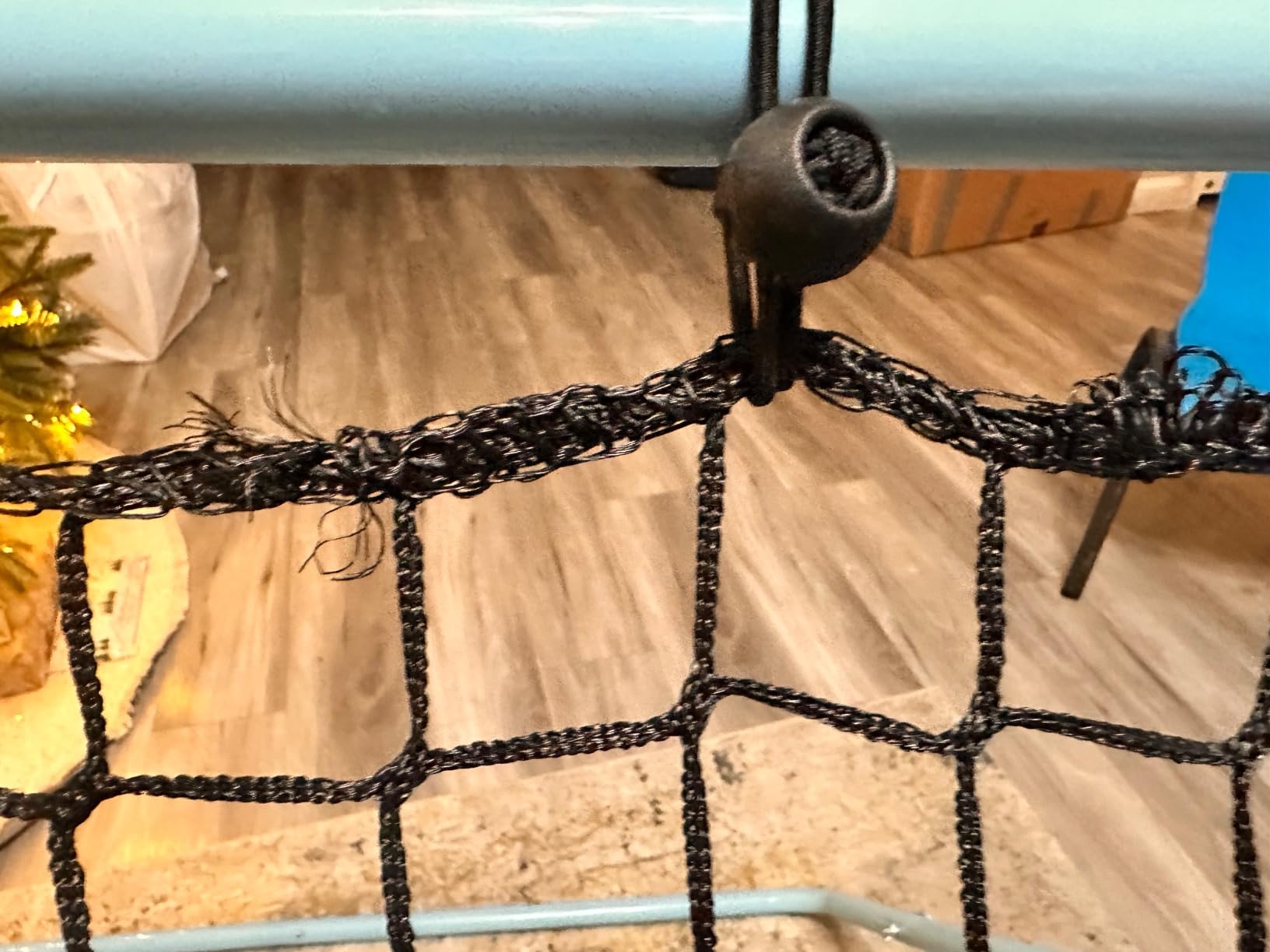
Owners consistently describe it as good for first touch, ball control and reaction drills rather than for repeated full-power strikes, and that framing is accurate. Reviewers also flag that the folding side arms are the weakest part, wanting care and the occasional oil, and that the supplied ground pegs bend if you lean on them. A screwdriver is needed for assembly because the wingnuts do not hold a bolt in place on their own, and a few buyers reported missing elasticated net ties in the box.
How much clearance this net needs in a garden
With a 3.3 ft square face and a fold-flat frame, this is one of the easier units to site. Give yourself roughly 6 ft of depth behind the kicker so the returned ball has somewhere to go, and keep the frame off a boundary wall since the frame is what fails first when a shot is struck at close range.
If you want an idea of how the wider category compares, our lacrosse rebounder guide covers the same frame types from a different sport angle.
What to check before you buy this one
Check that you have a screwdriver and that someone can hold the frame while the net is tied on. If your surface is hard concrete rather than grass, buy a separate weight rather than trusting the supplied pegs, because those pegs are the part most likely to disappoint.
For a family with two players, treat this as a single-player trainer and plan to share it. The dual-sided units further down the list handle two at once.
2. SKLZ Quickster Dual-Sided Trainer – Most Versatile Rebounder for Solo and Partner Work
SKLZ Quickster Soccer Trainer – Dual-Sided Rebounder for Solo Passing, Receiving, Trapping Practice – Large & Small Rebound Net – Weather Resistant – Adjustable Frame, Metal Stakes & Carry Bag
6 x 4 ft aerial net
6 ft x 20 in ground net
5.99 kg
Adjustable lockable poles
Pros
- Two rebound surfaces in one frame
- Bar-free lower net gives a true roll
- Lockable poles make rebounds repeatable
- UV and weather resistant netting
- C-Clips speed up changes
Cons
- Noticeably heavy for a home unit
- Awkward to carry solo between yard park and pitch
The Quickster is the most established trainer on this list, and the reason is structural rather than marketing. It gives you a 6 x 4 ft aerial net and a 6 ft x 20 in ground pass net in a single frame, so you can work aerial control and ground passing without rebuilding anything between drills.
The detail I like most is the bar-free lower surface. Without a bottom bar digging into the ball, ground passes roll back along the ground the way they would from a real teammate, which makes it a genuine two-touch passing tool rather than a novelty.
The adjustable poles extend and lock, so once you find a height you like the rebound stays consistent session after session. That repeatability is what lets you run a set of ten and actually compare the two attempts.
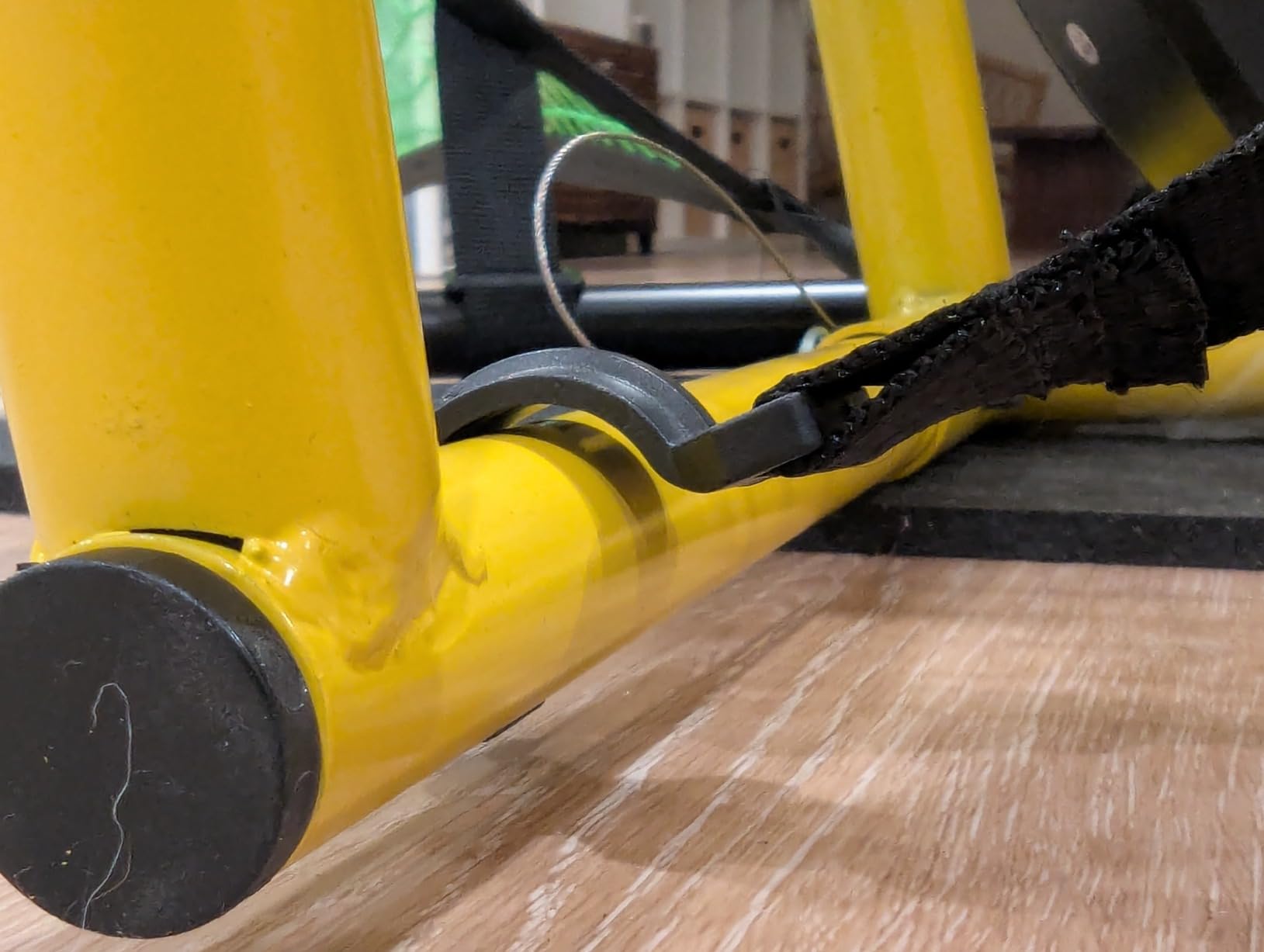
Reviewers point out one weakness clearly: at 5.99 kg this is a substantial frame, and moving it alone between the garden, a park and a pitch is the main complaint in reviews. If your practice spot changes weekly, that bulk will frustrate you far more than the price gap to a lighter unit.
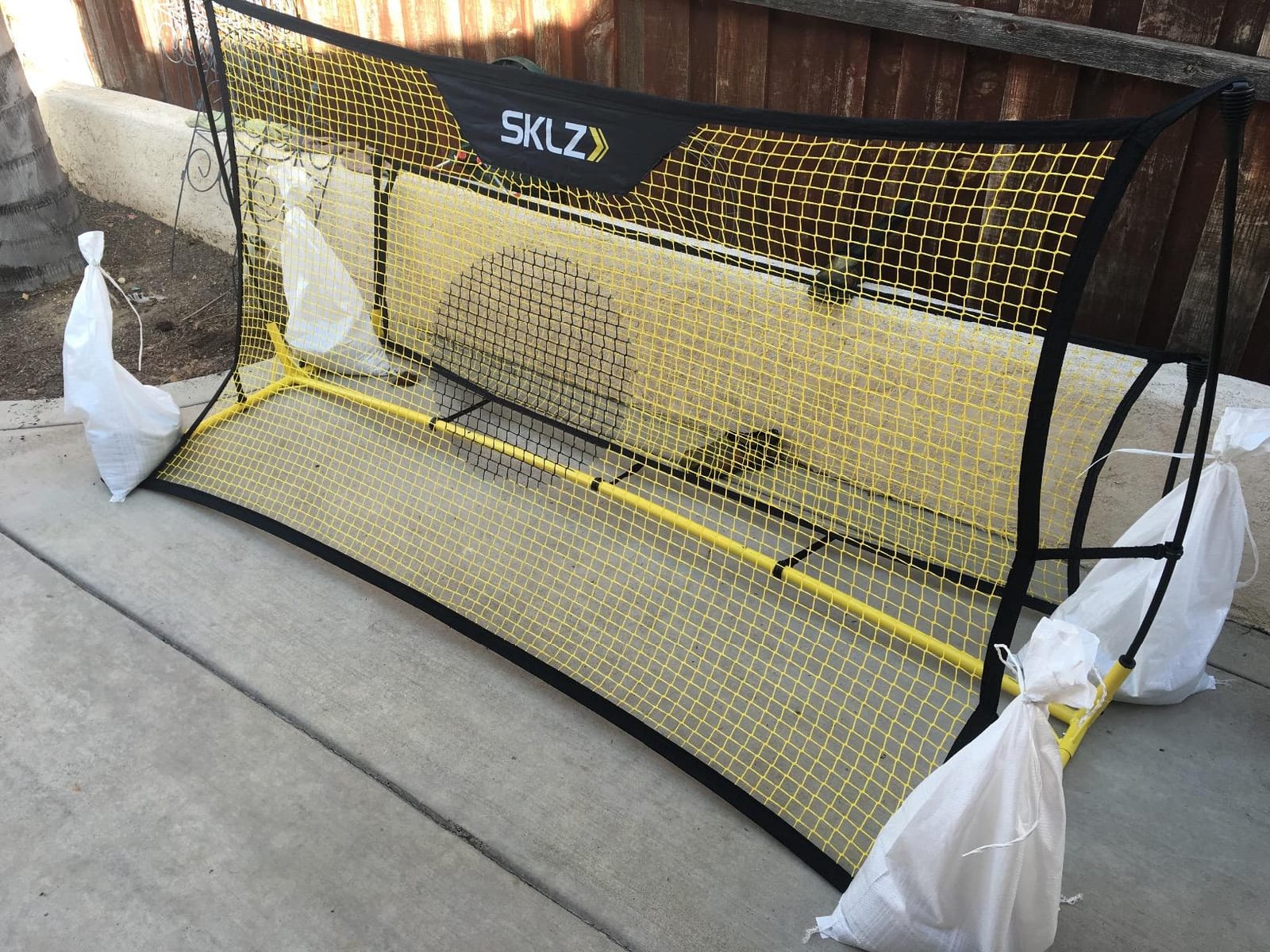
Another practical point from owners is that the net sits in a frame you assemble rather than a pop-up design, so budget ten minutes for the first build. After that, the Quick-Connect C-Clips make switching between the large and small net genuinely quick, which is where the two-in-one design earns its keep.
Who this trainer suits best
It suits a household with two players of similar standard, a coach running a session where one trainer serves a pair, or a single player who wants ground and aerial work in one station. A 4.4 star average across 1843 reviews tells you the long-term build quality holds, and the UV-resistant netting means it can live outside between sessions.
It is less suited to a small flat or a garden under about 20 ft wide, where a 6 ft frame and its footprint simply do not fit.
Where it will frustrate you
Weight and bulk are the whole of the complaint, and reviewers are consistent about that. If a teenager needs to move it alone after school practice, test the lift before you commit.
The large net also has a wide catching area that makes it forgiving, so if your aim is to make the return unpredictable and difficult, a smaller face will train you harder than this one does.
3. QUICKPLAY Replay Station Board – Best Value Rebound Board for Indoor and Backyard Use
QuickPlay Replay Station Soccer Rebounder Board – 4-in-1 Passing Trainer
37.5 x 9.5 x 15 in board
13.7 lbs
Four rebound patterns
Sandbag included
Pros
- Flat and ribbed faces plus a flippable angle
- Natural controlled rebound rather than a rocket
- Ten second tool-free setup
- Works on grass turf and carpet
- Durable panel for hard kicks
Cons
- Shifts under hard strikes unless weighted
- Sandbag arrives empty and needs filling
- Legs can pull out too easily
At 37.5 in wide and 13.7 lbs, this board is small enough to live indoors and light enough that a child can move it. That combination is rare in this category, and it is why the Replay Station works in a living room on carpet as readily as it does on a backyard lawn.
The four-in-one design is genuinely four patterns rather than four marketing labels. One face is flat for a predictable passing return, the other is ribbed so the ball skids unpredictably, and flipping the board changes the angle for trapping and half volleys. You get predictable and random returns from the same piece of kit.
What stood out most in testing was the rebound feel. It comes back at a workable pace instead of firing at you, which means you can actually take a controlled touch rather than scrambling. Reviewers describe the same thing, and they consistently praise the near-instant tool-free setup.
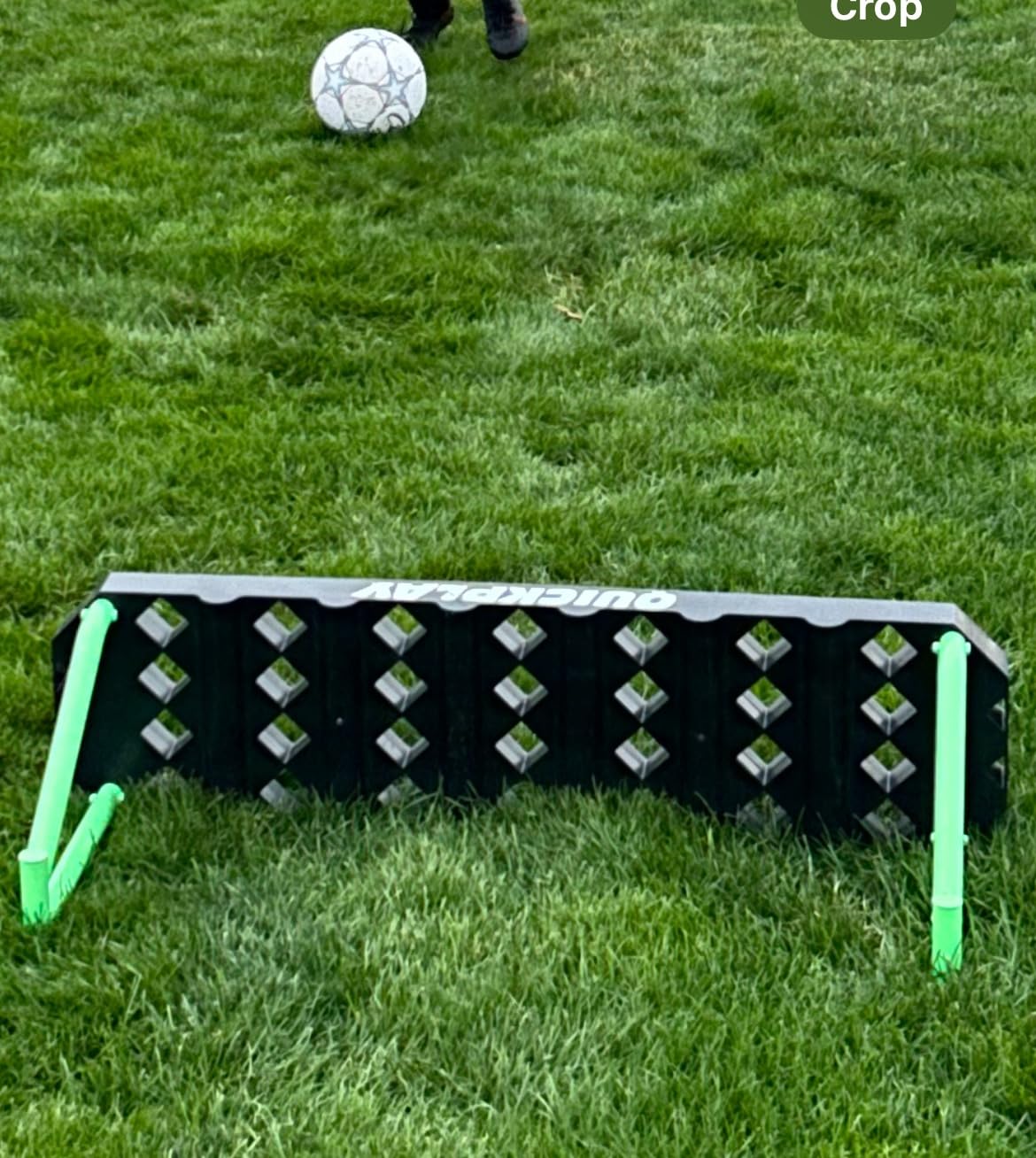
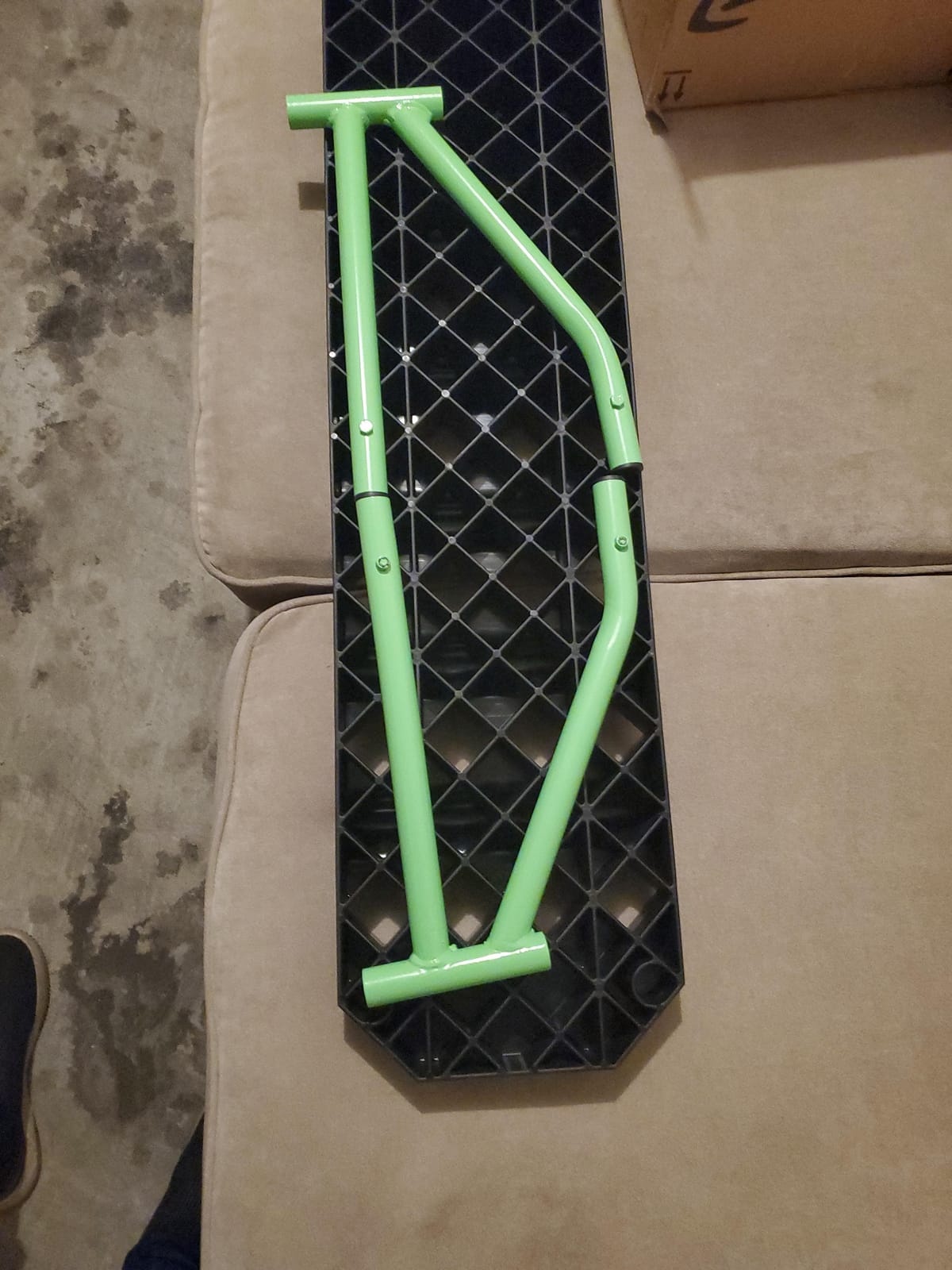
The single most repeated piece of advice in the reviews is to fill the supplied sandbag. The board shifts under a powerful strike if you do not, and the bag arrives empty, so add sand or rock before your first session. Owners also note the detachable legs pull out more easily than they should.
The other limitation is size. Compared with a full net this is a small target, and a hard shot at a bad angle will find the frame rather than the panel. Treat it as a technique board, not as a shooting-power trainer.
How to use this board indoors without marking the floor
Because the legs are steel and the base is relatively narrow, set it on a carpet or a mat rather than bare wood. Reviews specifically praise the powder-coated steel legs for holding steady on indoor carpet, and that surface gives the frame something to grip.
For a bedroom or living room, the fold of this board means you can train and then lean it against a wall in seconds, which no folding net in this list manages as neatly.
What to check before you buy
Buy sand or rock to fill the bag, and expect to reassemble the legs if a child kicks them. If your training is mostly about power and hard shooting rather than close control, look at a full net instead, because this board is deliberately built for technique.
It is also the easiest board here to hand between siblings, since the whole thing lifts with one arm.
4. Winthai 5×4 ft Multi-Angle Rebound Net – Best Rebounder for Angle Variety
5x4FT Soccer Baseball Rebounder Net, Volleyball Softball Rebound Pitch Back
5 x 4 ft face
60 to 120 degrees
7.47 kg
Three sandbags included
Pros
- Lever angle changes in seconds
- Large catching area for control work
- Three sandbags keep it steady
- Built-in bullseye target for accuracy
- Also covers volleyball and baseball
Cons
- Wide footprint needs a large garden or room
- One of the heavier units to reposition
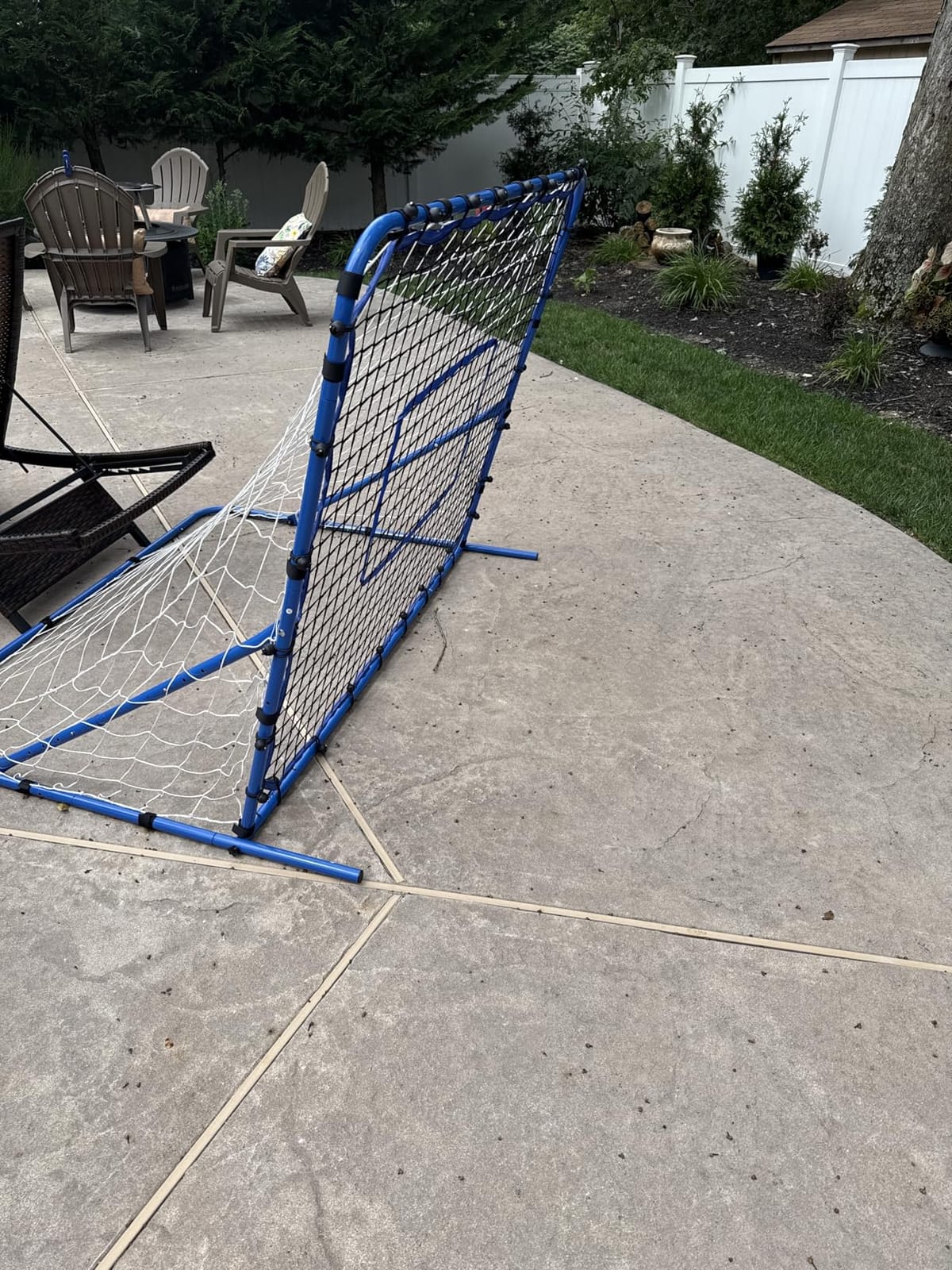
This is the net for anyone who gets bored of a single rebound. A lever moves the face between 60, 90 and 120 degrees, and each setting produces a genuinely different ball: a looping pass at 60, a volley-friendly return at 90, and a roller at 120.
The 5 x 4 ft face is large, and during testing it caught balls that would have slipped past a 3 ft net. If your problem is that the ball keeps bouncing away before you can get a touch on it, face area is the fix and this is where face area lives.
There is also a built-in bullseye target, which turns the same unit into an accuracy trainer. Hit the middle, hit the corners, keep score across a set of ten.
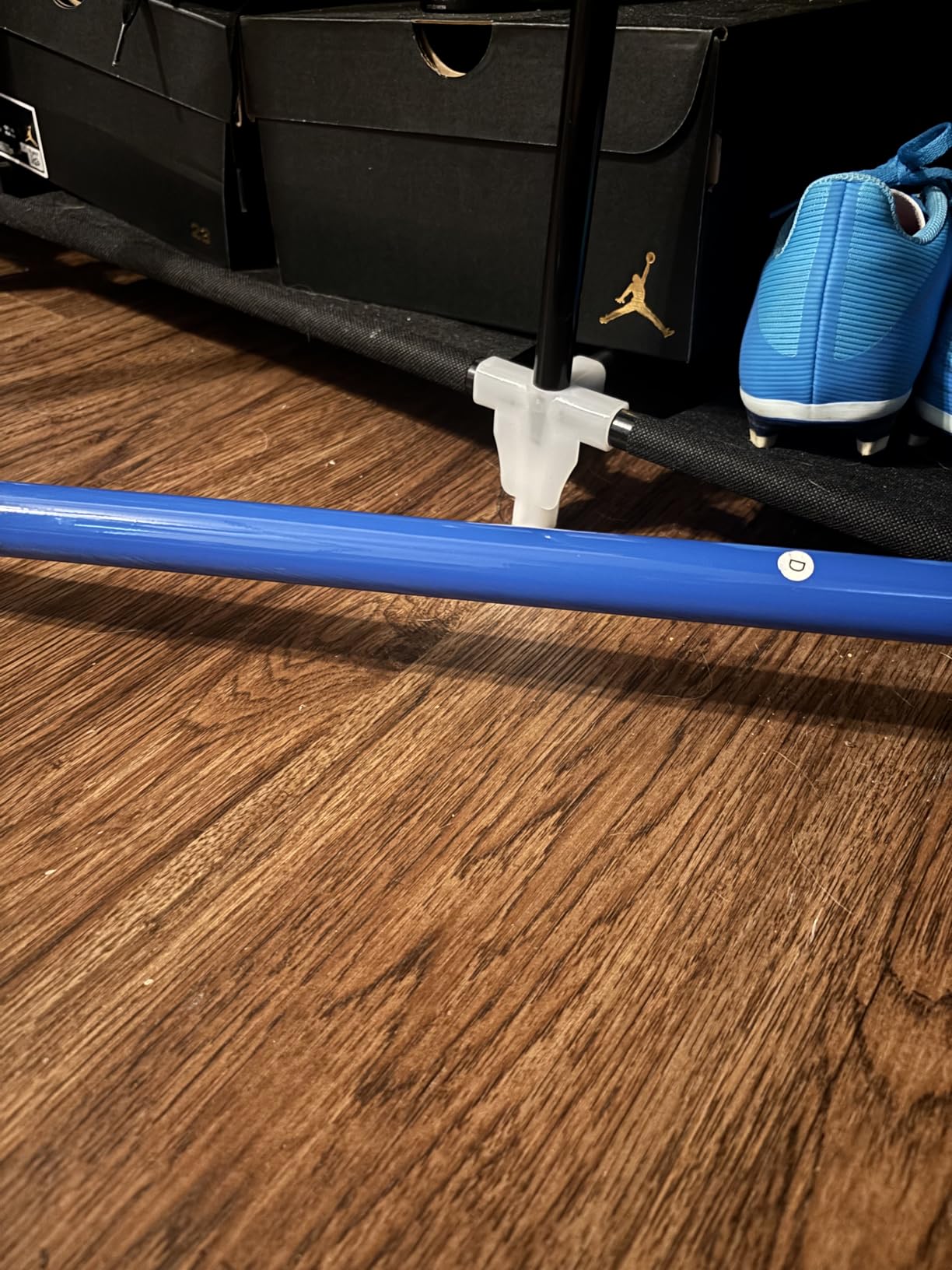
Three sandbags are included and reviewers say they make a real difference, holding the frame steady through genuinely intense sessions. Setup is tool-free and takes about fifteen minutes, and the frame folds for storage when the season ends.
The honest drawback is space and weight. A 5 x 4 ft face on a hinged frame needs a fair amount of room, and at 7.47 kg repositioning it is a two-person job in a tight garden.
Which angle to set for your next drill
Set 120 degrees for ground passing and first touch, because the low return shortens your reaction time. Move to 90 degrees for chest and volleys, and use 60 degrees when you want the ball to arrive in the air and force you to move your feet to receive it.
Because the lever moves so quickly, you can change angle between sets rather than between weeks, which is how this net keeps a single piece of equipment interesting for months.
Where it will frustrate you
Owners repeatedly name the footprint and the weight as the trade-off, and they are correct. In a small urban garden or a narrow driveway, this is one of the harder units on the list to site well.
The multi-sport claim is genuine rather than decorative, since the same lever also works as a baseball, softball and volleyball return net, but the frame still needs the space to do all of it.
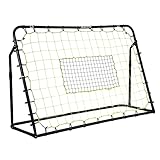
5. Franklin Sports 6×4 ft Adjustable Rebounder – Best Rebounder for Two Players at Once
Franklin Sports Adjustable Rebounder, Black, 6′ x 4′
6 x 4 ft double-sided
Powder-coated steel
Four trapping angles
Quick push-pin setup
Pros
- Double-sided so two players train together
- Ground knee chest and header angles
- Locking pins hold once assembled
- Fast push-pin assembly
- Works from yard to club field
Cons
- 72 inch width needs a large space
- 90 day warranty is short for the build
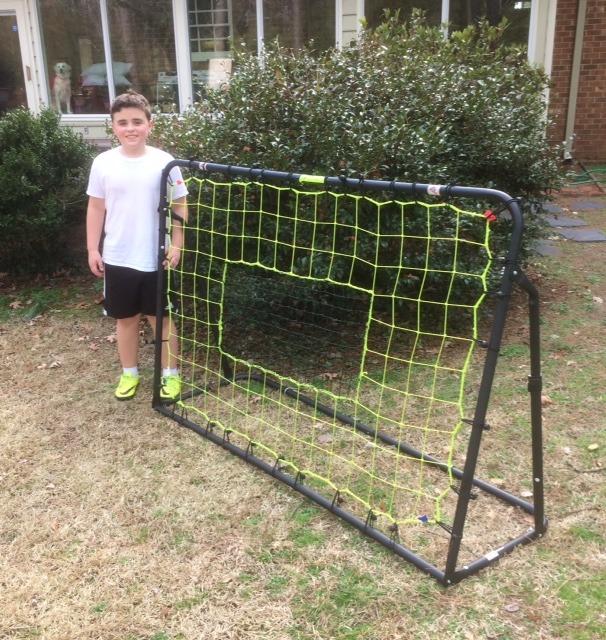
The Franklin is the one to buy when two players train in the same yard. It is double-sided, so one works in front and one works behind, and nobody waits for a turn. That is a genuine training benefit rather than a party trick, because partner reps with matched difficulty are worth more than solo reps with an easier return.
Angles adjust for ground, knee, chest and header trapping, so one frame covers the whole ladder of aerial and ground control. The powder-coated steel frame and precision-fit locking pins hold their setting once assembled, and reviewers specifically praise the quick push-pin build for something this large.
All-weather netting is specified for repeated kicks, and the double-sided design makes it equally usable indoors as long as you have the floor area.
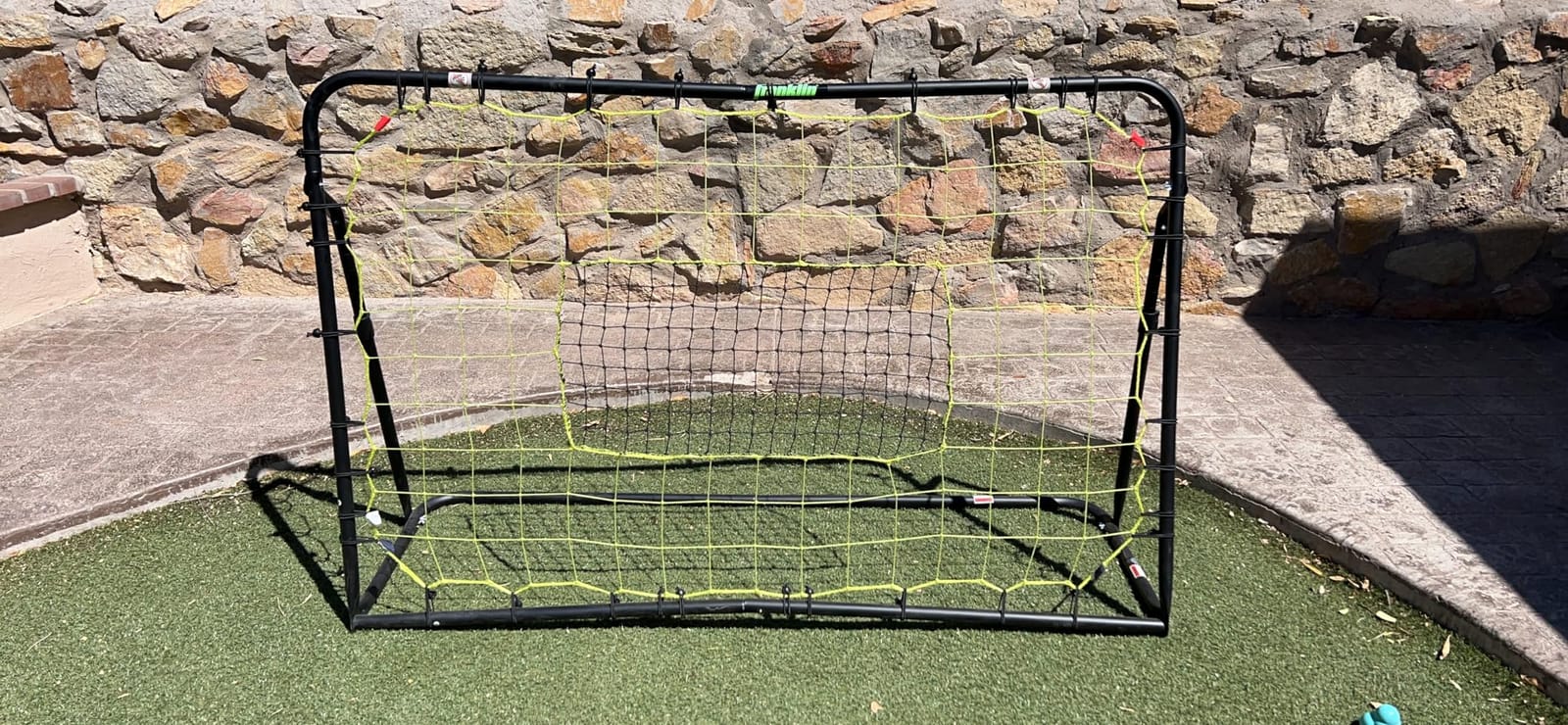
The 90 day limited warranty is the detail worth knowing before you buy. Owners note it as the main negative alongside the size, and it is a fair criticism for a steel frame intended to last years. Judge the frame itself rather than the paperwork.
The footprint is the other limitation. At 72 inches wide and 48 inches high, this needs a real yard, a long driveway, or a large indoor space, and it is not a small-garden option.
How to set a two-player session on this rebounder
Split the work by difficulty rather than by sharing the same drill. Put the developing player on the angle that gives a slower return, and the stronger player on the ground or header setting, then swap every five minutes so both get the harder rep.
Because the two faces work independently, you can also set them differently, which turns one frame into a station that self-balances skill levels without a coach standing there.
What to check before you buy
Measure your longest clear run first. If you have less than about 20 ft of clear length, keep reading, because this width will dominate your available practice space.
Have a second pair of hands for assembly. It is a fast build, but it is a wide one, and reviewers mention quick push-pin assembly rather than a one-person job.
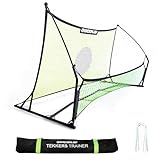
6. QUICKPLAY TEKKERS Dual Net – Best Rebounder for High-Repetition Solo Training
QUICKPLAY TEKKERS TRAINER Soccer Rebounder, 6.5×4′ Spot & 6.5×1.5ft Ground Pass Nets, Alloy Steel, Fiberglass, Black, Green, Portable
6.5 x 4 ft plus 6.5 x 1.5 ft net
Alloy steel and fiberglass
6.6 kg
Four minute build
Pros
- Two surfaces give far more touches per session
- Fiberglass uprights absorb hard shots
- Long service life reported by owners
- Doubles as a small practice goal
- Carry bag for park and club sessions
Cons
- Lower net is tight and awkward to fit
- Hard to disassemble once built
- Isolated reports of an arm snapping early
The TEKKERS is built for volume. With a 6.5 x 4 ft spot net and a separate 6.5 x 1.5 ft ground pass net, you get two separate return stations from one frame, and that is the difference between 200 touches in a session and 400.
The flexi-post design is the engineering worth noting. A steel base frame carries the load while the fiberglass uprights flex on impact, and in testing they absorbed hard strikes without the frame jumping. Reviewers report the same, and one owner describes a unit that survived four years of near-daily use before needing replacement.
Assembly takes about four minutes with no tools, and the carry bag makes it realistic to bring the whole thing to a park or a club session rather than practising only at home.
The second net clips off, and once it is off the frame doubles as a small practice goal. That makes this a genuinely multi-use piece of kit, and reviewers use it as an extra player for one-versus-one games when nobody else is available.
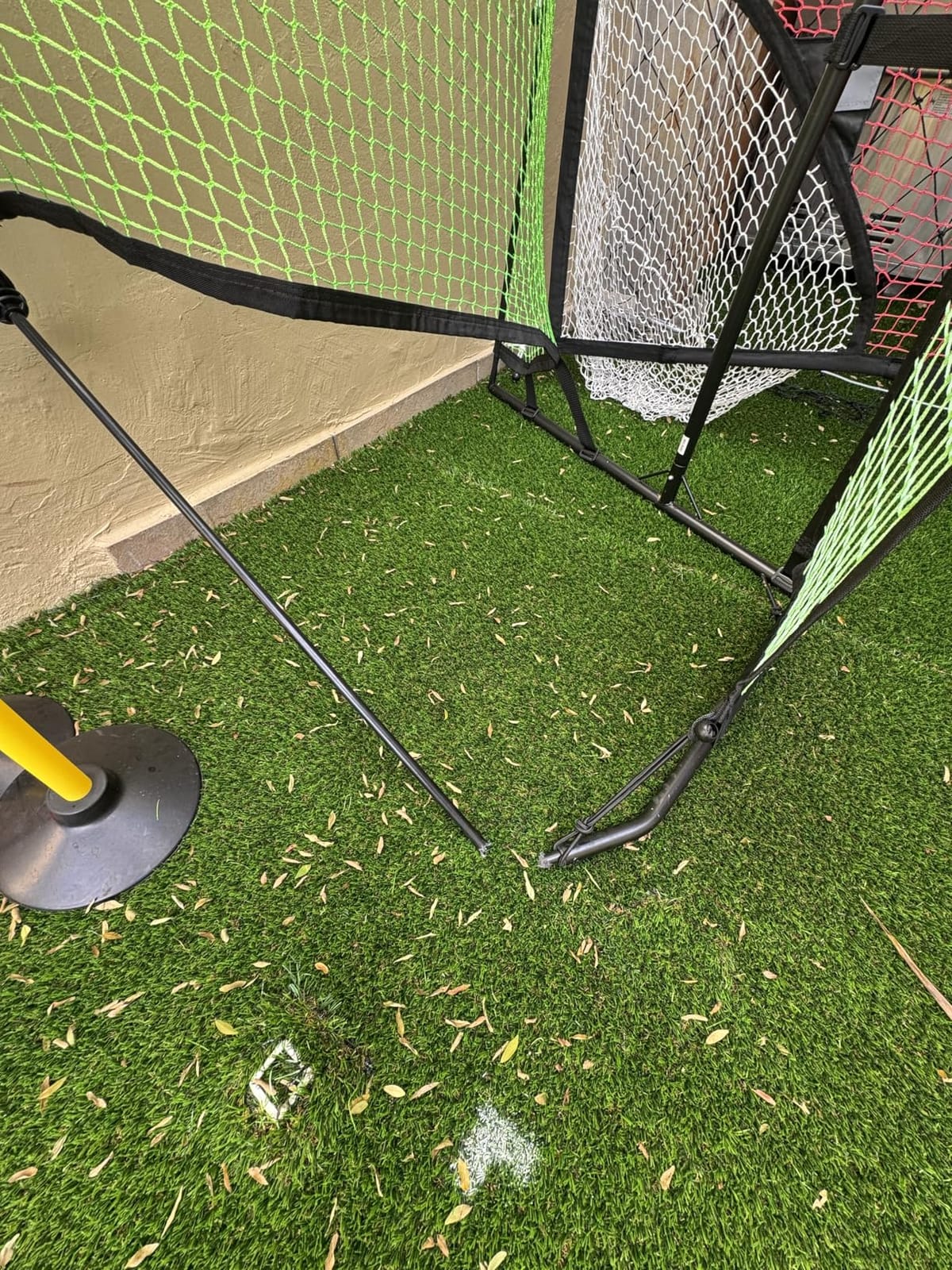
The build is where the criticism sits. Fitting the lower net is tight and awkward and generally takes two people, and once assembled the unit is hard to take down, so in practice it stays erected.
How to get the most touches out of a dual net
Alternate between the two surfaces rather than hammering one. Ten minutes of aerial work on the spot net, then ten minutes of two-touch ground passing on the lower net, keeps the session varied and doubles your ball contact without a longer workout.
Ground pegs suit grass, and on turf or indoor surfaces reviewers suggest adding weight instead. Decide the surface before you build, not after.
What to check before you buy
Have two people available for the first assembly, because reviewers consistently say the lower net will not go on comfortably alone. If you live somewhere with no storage for a permanently erected frame, this is the wrong unit for you.
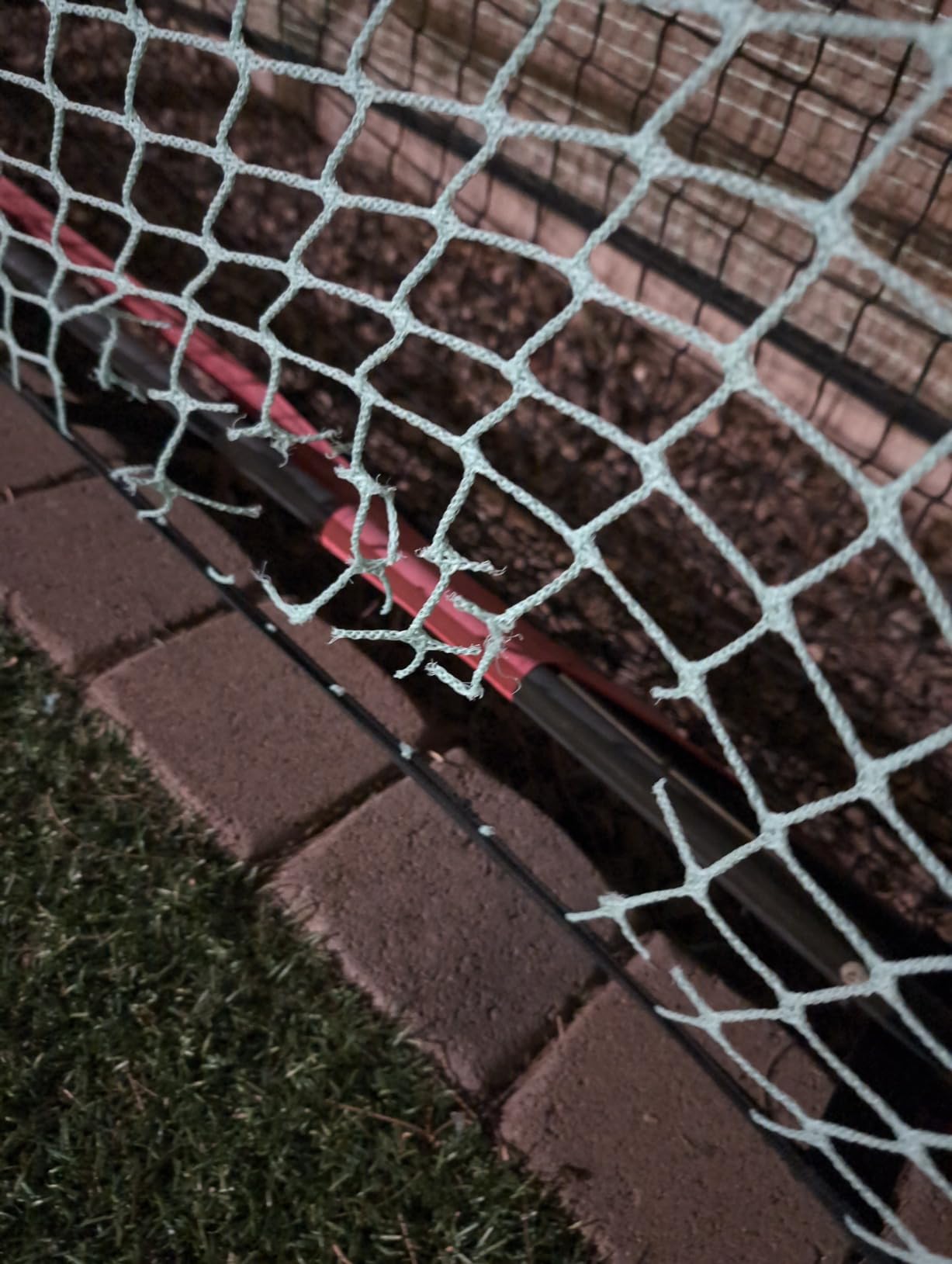
There is an isolated report of a large-mesh support arm snapping in under a month, and reviewers also note the returned ball can arrive lower than the product video implies. Expect a lower return than the marketing suggests.
7. QUICKPLAY Pro 3×3 ft Rebound Net – Best Rebounder for Match-Tempo Returns
QUICKPLAY Pro 3×3 Soccer Rebounder Net – Adjustable Angle Bounce Back
3 x 3 ft panel
Adjustable to negative angle
Knotless hex net
Rubber-padded base
Pros
- Negative angle keeps ground passes rolling
- Knotless hex net feels truer and controlled
- Galvanized steel and weatherproof netting
- Rubber pads grip grass and protect floors
- Folds flat in under 30 seconds
Cons
- Premium price point in this category
- First build takes 10 to 15 minutes
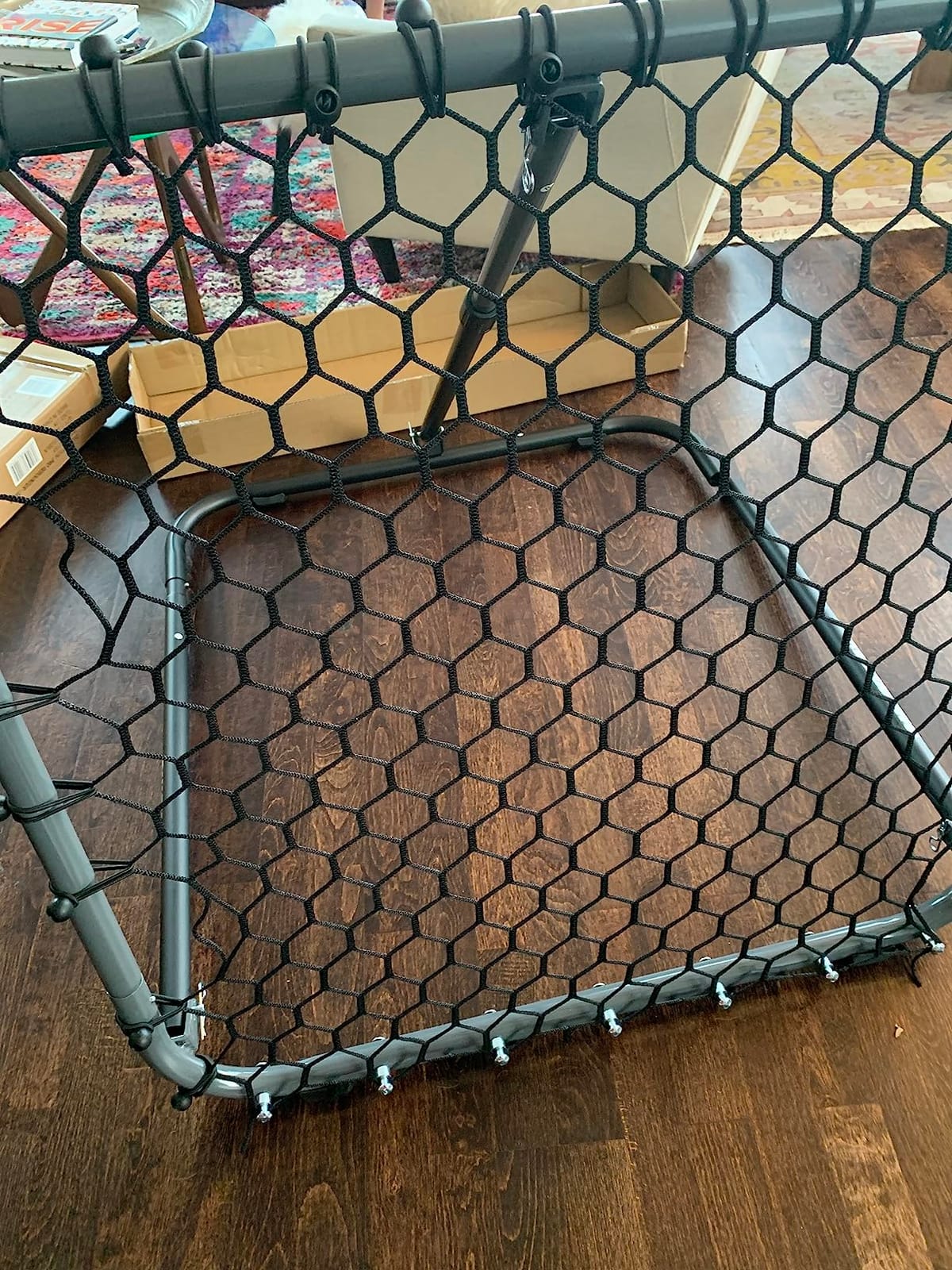
The Pro is the one that behaves most like a real passing partner. Its knotless hex netting is engineered to return the ball with pace but under control, and in testing the return arrived at a speed you could meet with a proper technique touch rather than a panicked clearance.
The standout feature is the negative angle. It is the only unit here that leans forward past vertical, which keeps ground passes rolling along the grass instead of bouncing up at you. That single setting turns it from a passing aid into a genuine two-touch trainer.
Rubber pads on the frame base grip grass and turf while protecting a hard indoor floor, so the same unit works in a garage, on a driveway or on a lawn without modification.
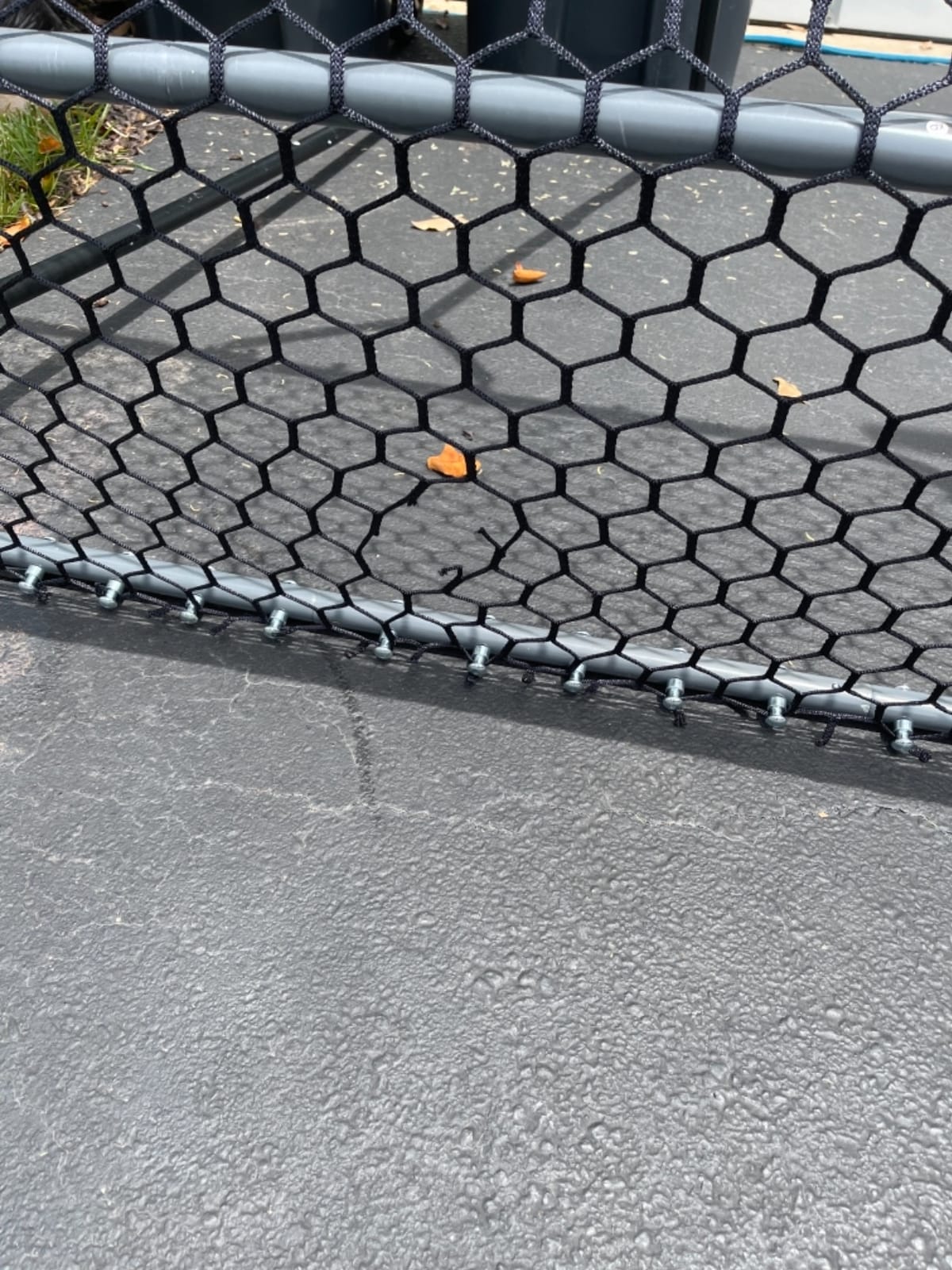
Assembly takes ten to fifteen minutes the first time and needs clearly labelled parts, and the frame folds flat against a wall in under half a minute afterwards. Reviewers treat the build as a one-time cost for a unit that then lives folded in a garage.
The galvanized steel frame and UV-resistant netting are specified for long-term outdoor use, which is why it appears on club and academy lists rather than only in family gardens.
When match-tempo returns actually help
Use this one when your technique is already sound but breaks down under pressure. A controlled return at pace forces you to scan, decide and execute in real time, which is exactly the pressure of a match situation.
Switch to the negative angle for two-touch passing reps and back to a flatter angle when you want a first-touch ball you can take cleanly. Reviewers single out both the angle range and the net as the features that separate it from cheaper rebounders.
Where it will frustrate you
The premium price point is the obvious trade-off, and reviewers name it directly. If you are still building fundamentals, a cheaper adjustable net will teach you the same basics for far less.
At 3 x 3 ft the face is on the small side, so hard shots at an angle will find the frame. It rewards good technique more than it rewards power.
8. VEVOR Portable Two-Sided Rebounder – Best Rebounder for Compact Yards
VEVOR Soccer Trainer, 2-in-1 Portable Soccer Rebounder Net, 71″x40″ Iron Soccer Practice Equipment, Sports Football Rebounder Wall with Portable Bag, Perfect for Team Solo Training, Passing, Volley
71 x 54 in two-sided net
12 lbs with bag
Iron tube frame
Four U-shaped stakes
Pros
- Springy and taut for the money
- Very stable once staked down
- Carry bag fits every part
- Suits yards where a full net will not fit
- Two players can train at once
Cons
- Instructions do not explain net fitting
- Build is slow and fiddly
- Net sits lower than listing photos suggest
The VEVOR is the value case in this list. Multiple buyers report that it is as springy and taut as units costing considerably more, and at 12 lbs with a carry bag that fits everything, it is also one of the easiest to move between a small yard and a nearby park.
It is a two-in-one net, so two players can train from either side. The 3-ply dacron knotless netting has wrap edges secured by locking pins, and the iron tube frame gives a springy return rather than a dead thud.
Because it weighs 12 lbs including the bag, this is one of the few units a teenager can genuinely carry alone, which is the mobility concern that owners raise most often about heavier frames.
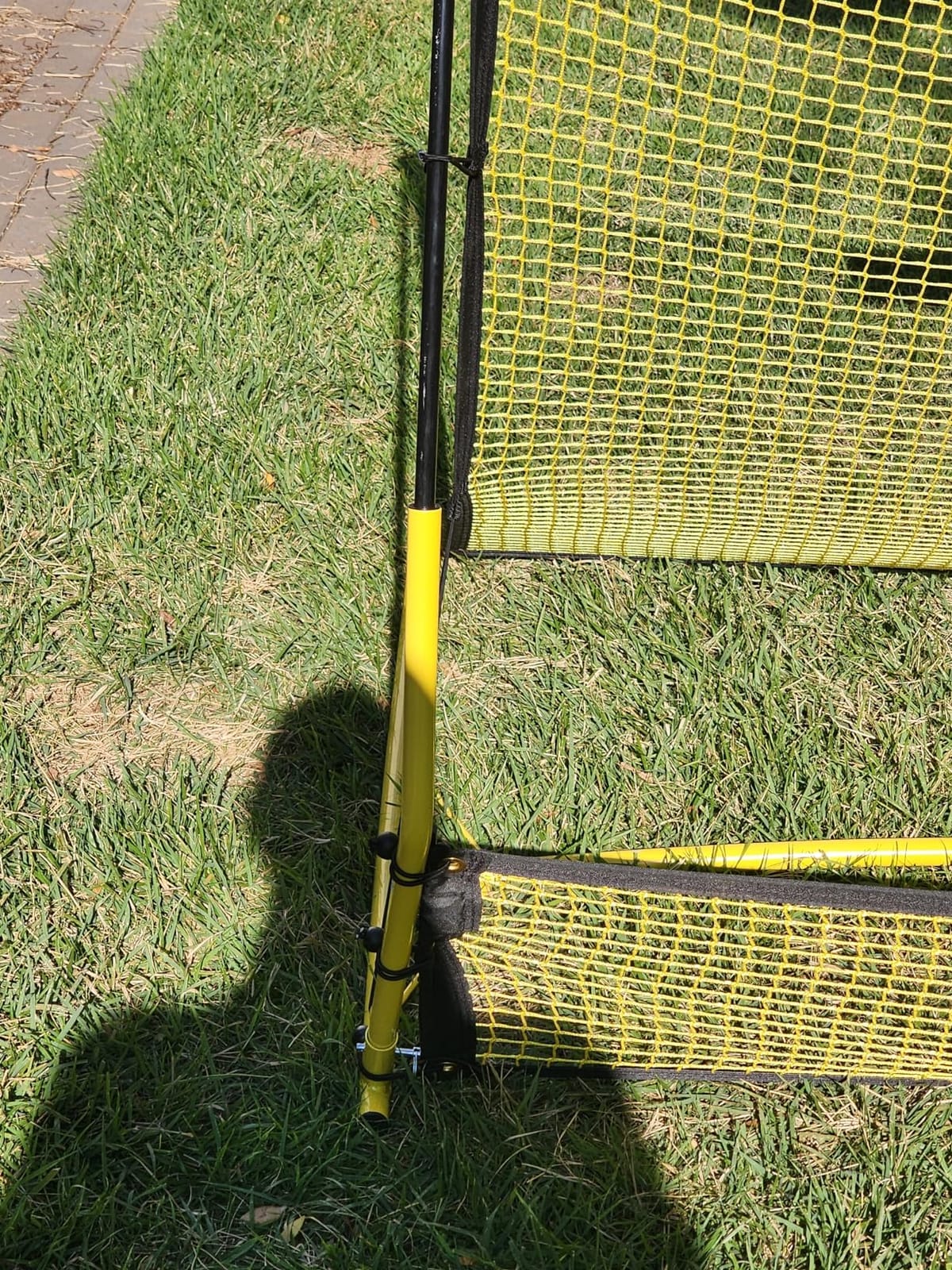
Two criticisms come up in almost every review. The instruction sheet is largely useless for the net installation, so expect to work it out by eye, and the build is slow if you need to move it regularly rather than leaving it erected.
Owners also report that the net sits lower than the listing photos suggest, which limits it for heading practice. Four U-shaped ground nails are included, and the frame feels flimsy enough that using them is effectively required rather than optional.
How to make the most of a budget net
Stake it properly on the first session and leave it in place. The rebound quality and stability both improve noticeably once the ground nails are in, and skipping them is why budget nets get a bad name.
Build it once, photograph the finished frame, and use those photos to reassemble it quickly later. That sidesteps the weak instructions entirely and is the practical fix for the most common complaint.
What to check before you buy
Check your clearance height. If you want to practice headers and high volleys, the lower net here is a limitation, and the board at number three handles aerial work better in a smaller space.
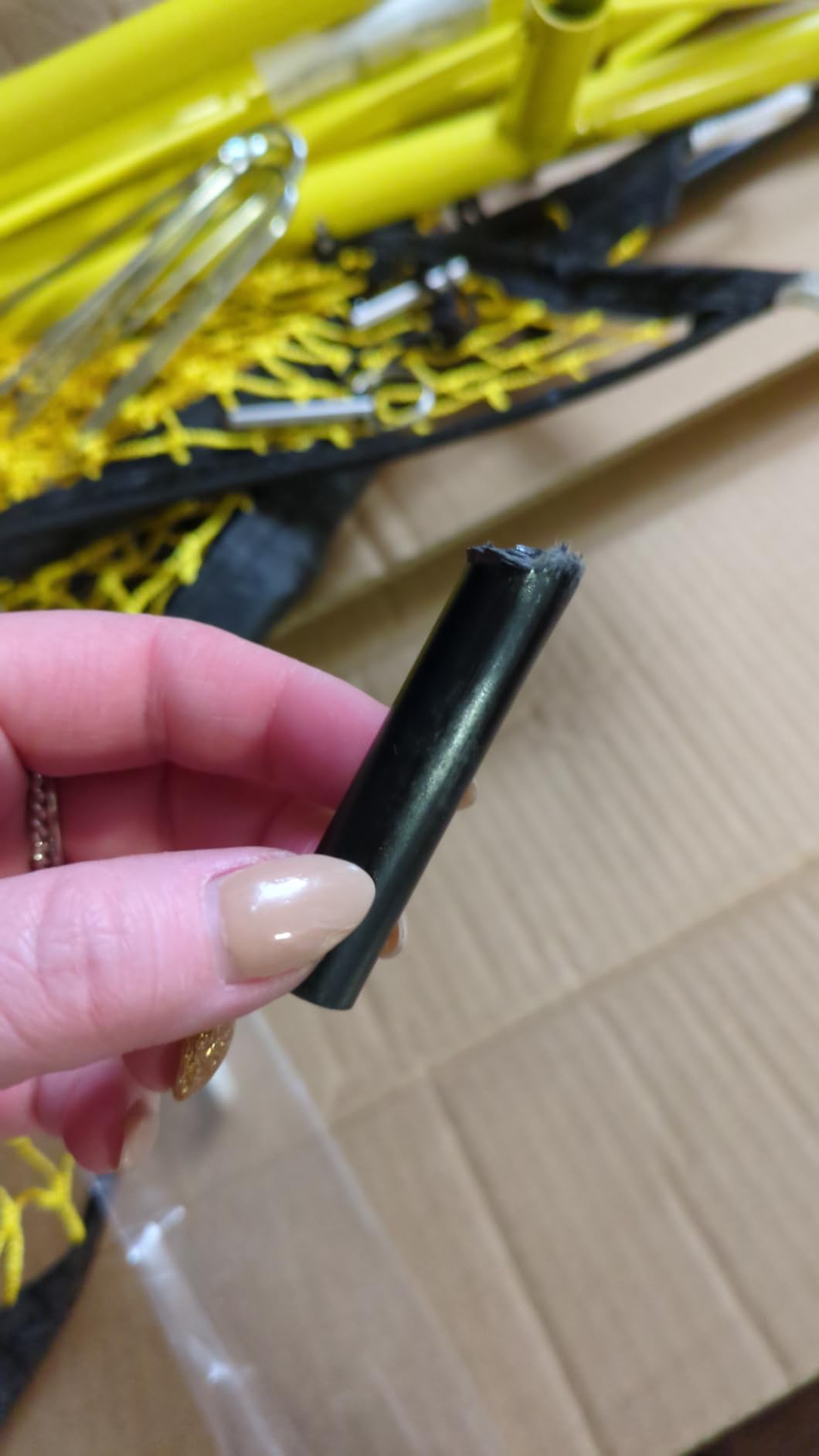
A small number of buyers report a fiberglass bar or a tensioner sleeve breaking shortly after assembly, so inspect every joint before your first hard session.
9. VEVOR Multi-Angle Rebounder – Best Rebounder for Teens and Adults
VEVOR Upgrated Soccer Rebounder Net, 2-in-1 Soccer Goal Rebounder, Thickened Fiberglass Poles Iron Pipe for Team Solo Control, Passing Practice, Easy Setup Ball Training Equipment for Teens & Adults
72 x 55.5 in two-sided
12 lbs
Thickened fiberglass poles
Stakes, ropes and bungees
Pros
- Beefier fiberglass rods than cheaper units
- Low return one side and higher aerial return the other
- All anchors and bungees included in the box
- Builds in about 20 minutes and packs into the bag
- Works on concrete as well as grass
Cons
- Arms can collapse and need re-adjusting
- Net still shifts despite the ground stakes
- Lower net sometimes lets the ball pass under
- Fixed angle with no tilt adjustment
This VEVOR is a step up from the entry model, and the difference is in the poles. The thickened fiberglass uprights give noticeably more spring than cheaper rebounders of the same general shape, and owners specifically compare the build quality favourably against previous purchases from the same brand.
It is genuinely two-sided in a useful way, with a low ground return on one face and a higher aerial return on the other. That pairing is a good setup for teenage players working on first touch on one side and control in the air on the other.
Everything you need is in the box: a carry bag, four guy ropes, four U-shaped ground stakes, six ball bungees and pre-installed locking pins. It works on concrete as well as grass, which is rare at this size.
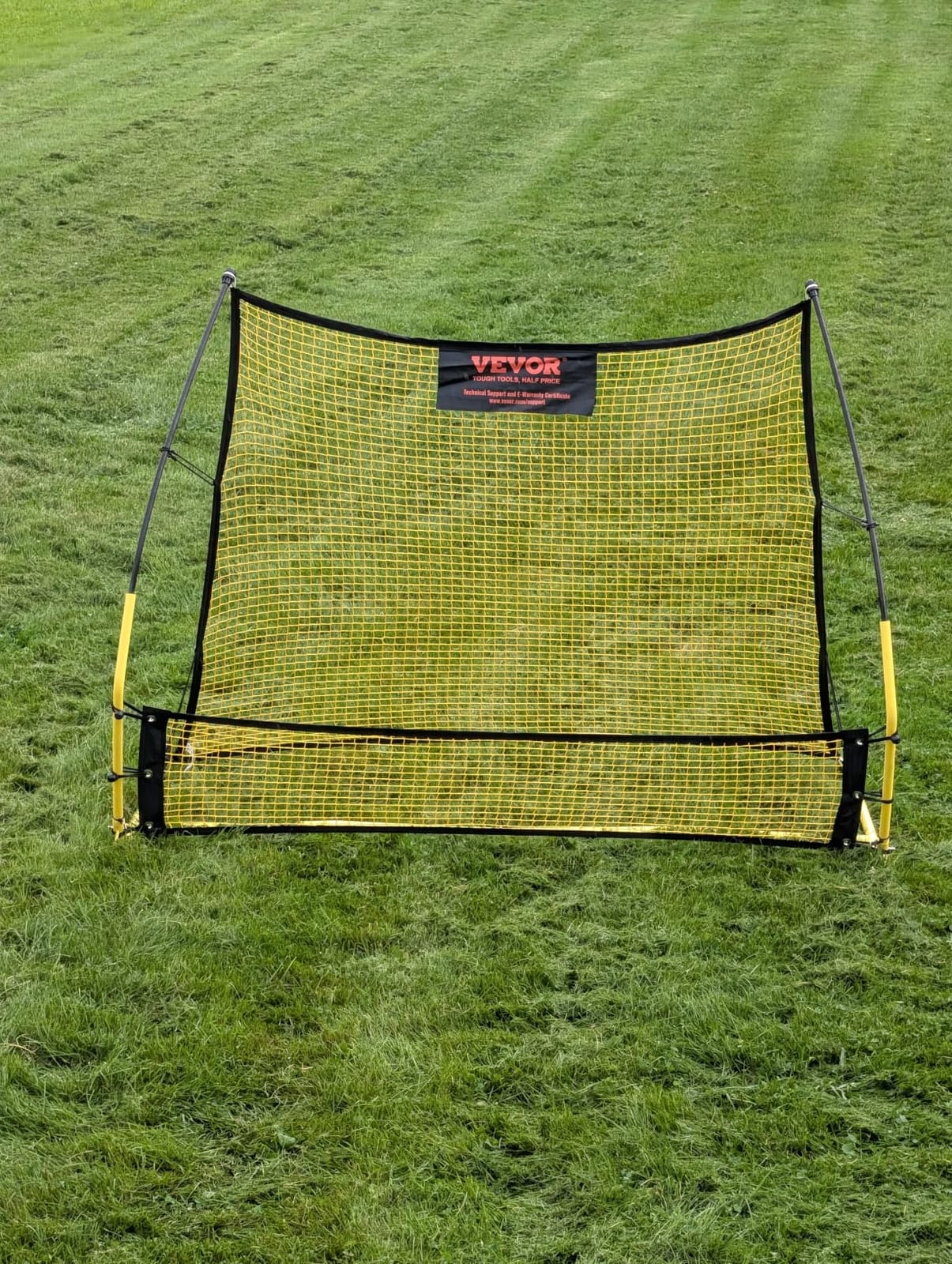
The recurring weakness is structural rather than cosmetic. Owners report arms collapsing and needing to be re-adjusted to keep the frame standing, and the net still shifting toward the kicker even with the ground stakes fitted.
Reviewers also note that the lower net sometimes lets the ball pass underneath rather than returning it, so keep a few extra balls nearby during ground passing work. The angle is fixed, which means you cannot vary the rebound trajectory the way an adjustable unit allows.
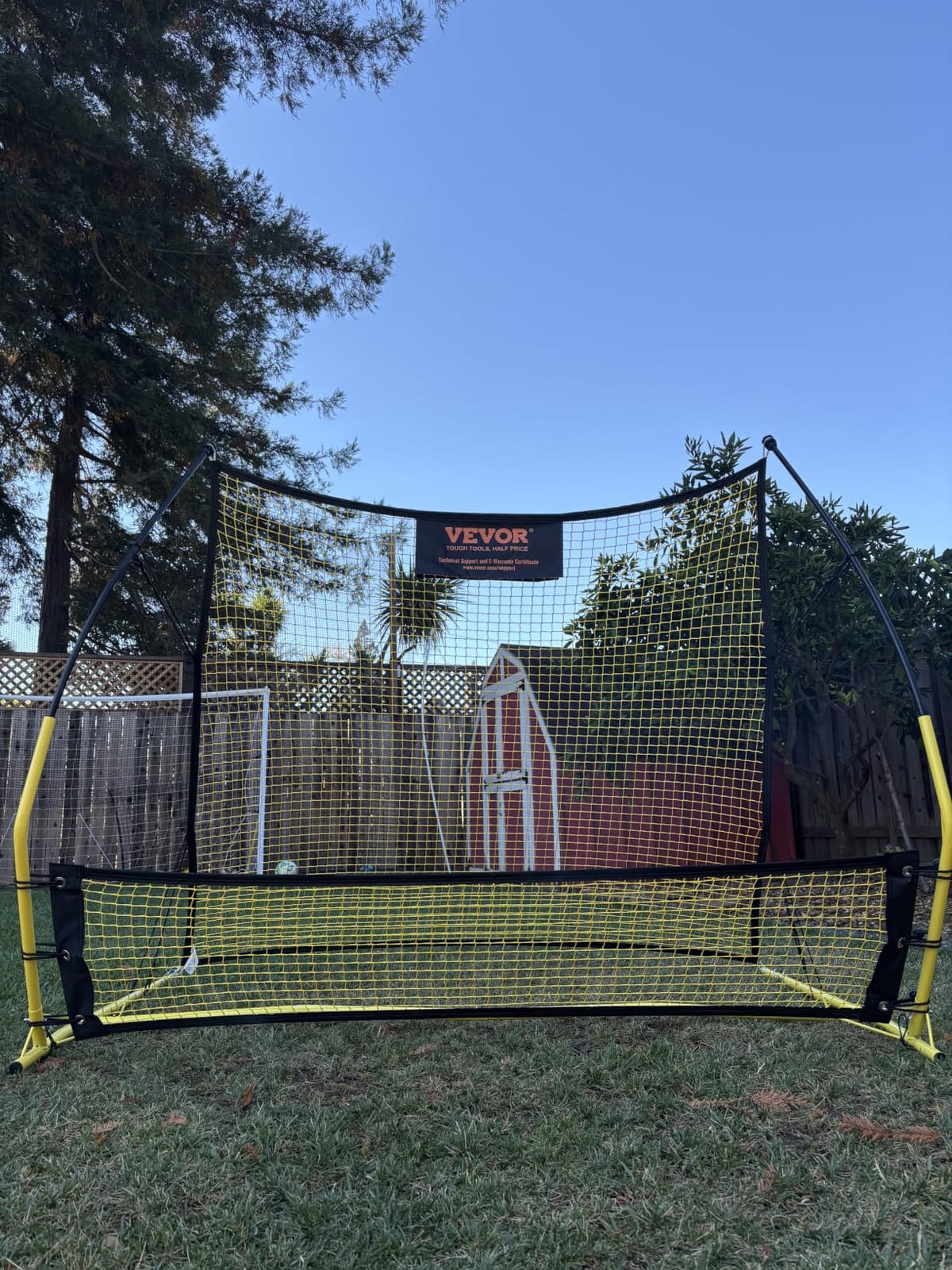
How to stabilise it on a hard surface
Use the four guy ropes on concrete or tarmac, where the ground stakes have nothing to bite into. The ball bungees double as a tether point, and pulling the ropes taut stops the frame walking toward the kicker on a hard surface.
Check the arms at the start of every session. Owners report that a collapsed arm is the first thing to go, and a ten-second check is cheaper than a replacement bar.
What to check before you buy
Decide honestly whether fixed-angle returns are enough for you. If you want to train ground passing and aerial control from one frame with no adjustments, this works, but the adjustable units will hold your attention longer.
At 72 in wide this needs a proper run of space, so measure the driveway or lawn before you order rather than after.
10. NET-PLAYZ Folding Kickback Net – Best Rebounder for Small Spaces and Tight Storage
Soccer Rebounder Kickback Football Rebound Net (Adjustable Angle) Portable Easy Setup
39.6 in square face
8.2 lbs
Finger-adjusted angle
Folds in 30 seconds
Pros
- Angle changes without any tools
- Folds flat in about 30 seconds
- Good-tension netting returns the ball quickly
- UV-resistant coated metal frame
- Small footprint suits a garden or a room
Cons
- Compact square face is a smaller target
- Only a 90 day manufacturer warranty
The NET-PLAYZ is the answer when storage space is the binding constraint. At 39.6 inches square and 8.2 lbs, it folds completely flat in about half a minute after the first assembly and stores against a wall, in a shed corner or in a small flat without dominating the room.
Angle adjustment is a loosen-screw design that you operate with your fingers, so changing the rebound trajectory takes seconds and needs no tools. The elastic netting holds good tension and gives a fast kick-back that owners consistently rate as better than the frame’s low cost suggests.
The UV-resistant coated metal frame is designed to be left outdoors, which matters for anyone without a garage.
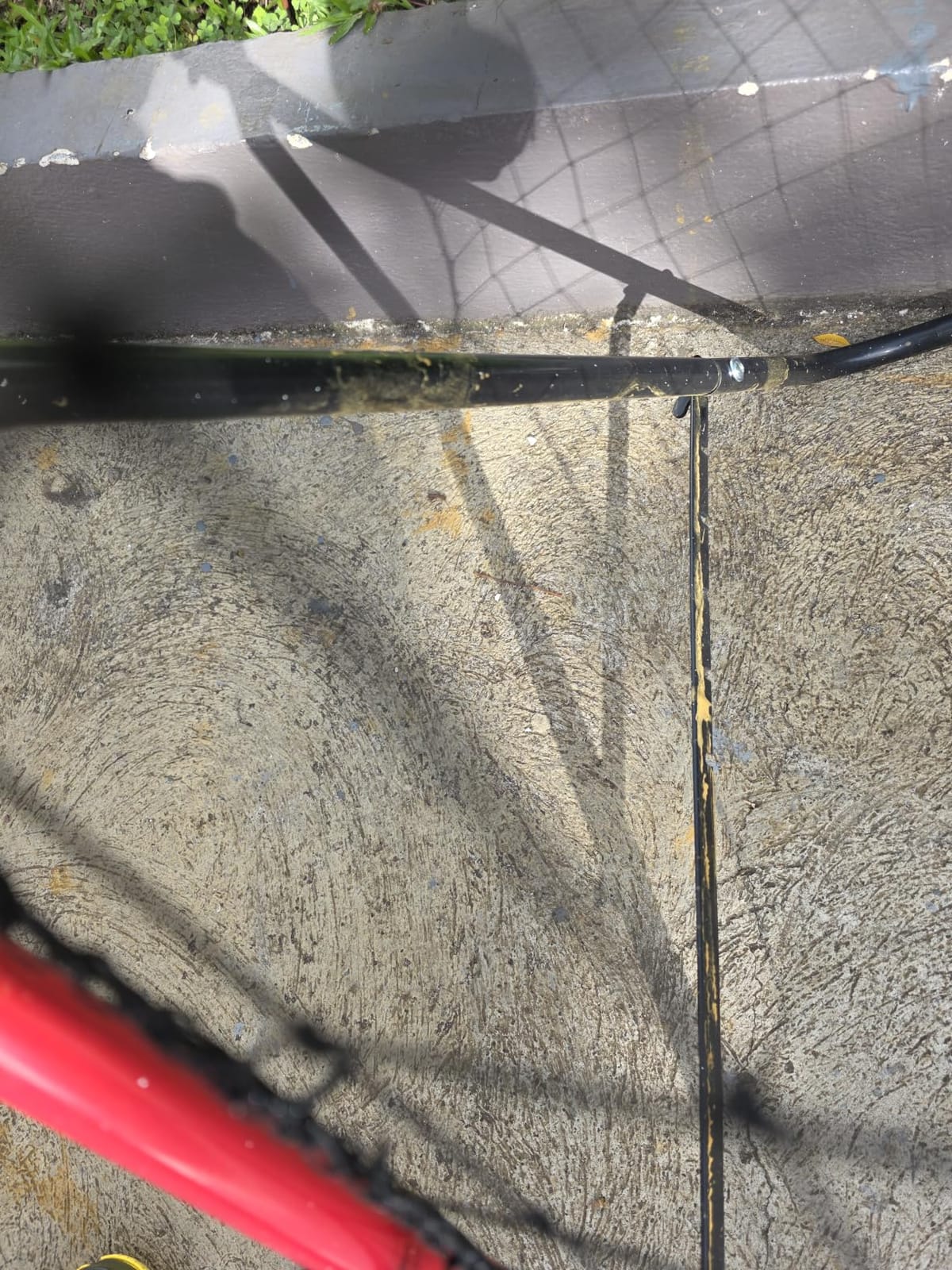
Two limitations show up repeatedly in reviews. The square face is a smaller target than a full-width rebounder, so a slightly off-centre shot at pace will miss the net rather than being returned.
The warranty is 90 days from the manufacturer, which is short. The box also includes six U-style ground pegs and 20 elastic hooks, so replacement ties are easy to fit if the netting goes slack over time.
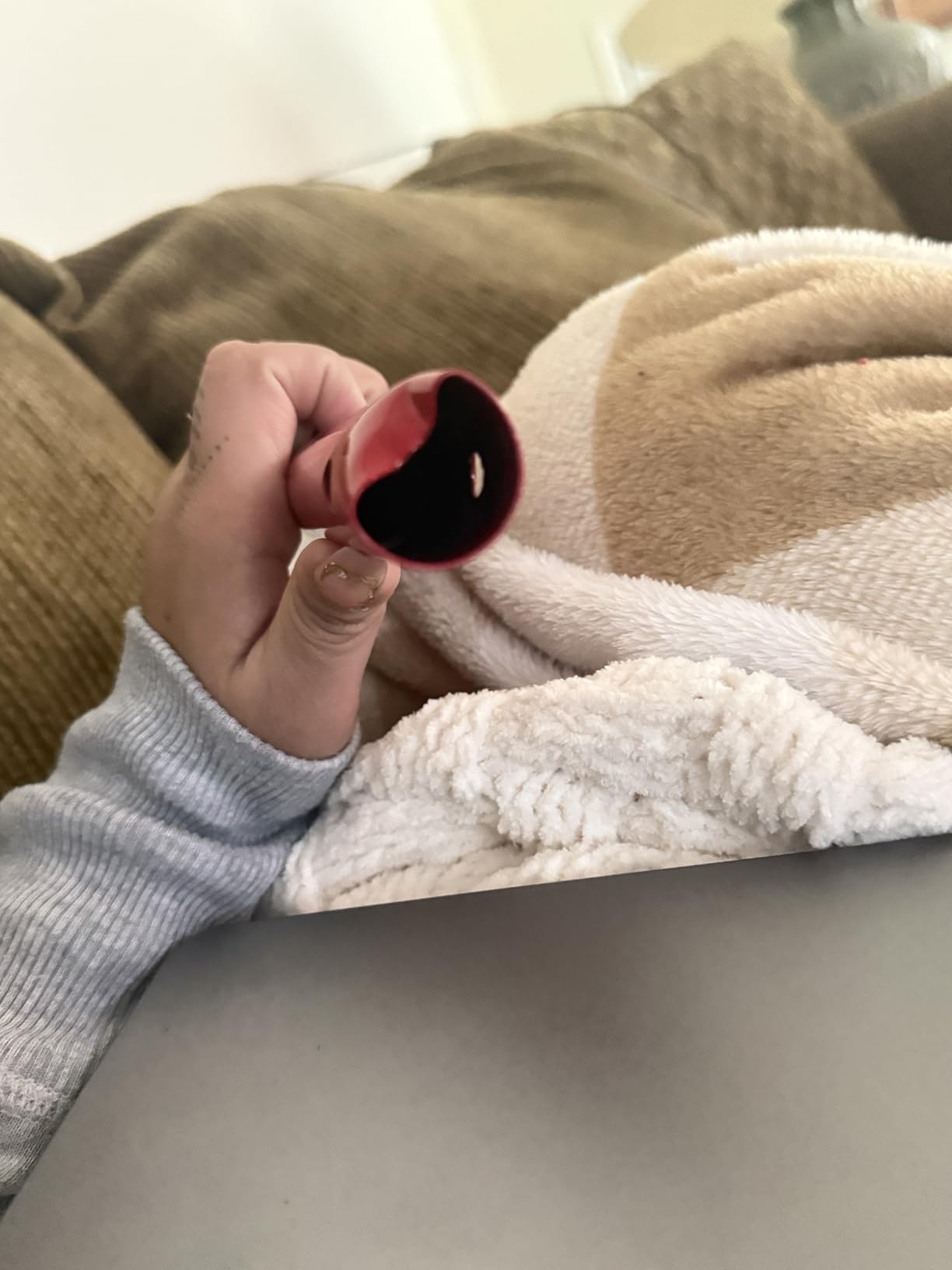
How to get more out of a small face
Stand closer and use a flatter pass. A compact face punishes power, so the reps that work are short ground passes and controlled first touches taken at a comfortable distance rather than long-range shooting.
Check the elastic hooks every few weeks. Good tension is what separates a fast return from a dead one, and replacement hooks are included in the box.
Where it will frustrate you
Two players cannot train on it at once, and there is no ground pass net underneath, so every rep is an aerial or a bounce. If you want a partner session, look at the double-sided units instead.
For a child under about ten working on first touch, however, this size is genuinely well matched, and the fold-flat frame means the practice does not have to end when the weather does.
Beyond the Rebounder: What Home Training Actually Needs
A rebounder is the single highest-impact purchase, and a durable ball is the second. Most frustration with home training comes from a ball that goes soft and unpredictable, which makes every drill feel harder than it is.
Durable training ball. Match the size to the player: size 3 for under eight, size 4 for most youth and adult players, size 5 for older teens and adults. Buy two so a burst one does not end the session.
The rebounder or board. One unit, positioned properly, beats two poorly placed.
Ten to twenty cones. They turn a rebound session into a dribbling and scanning session for very little cost.
A pop-up mini goal or target net. It gives every rep a scoring outcome, which is what keeps solo players honest.
An agility ladder or ball mastery mat. The mat is the indoor option when the weather rules the yard out.
Add a phone tripod later if you film sessions. Reviewing a touch you thought was fine is worth more than another twenty passes.
How to Choose a Soccer Rebounder: Buying Guide
Pick the face size against the player, not the price
A 3 x 3 ft or 3.3 x 3.3 ft face is enough for a child or a beginner working on first touch. A 5 x 4 ft to 6.5 x 4 ft face is right for adults and hard shots because a larger face returns more pace and holds its shape under force. The single most useful rule is that the face should be at least as tall as the player is comfortable striking the ball over, so a young child will send it straight back before a taller teen can hit the frame.
Width matters more than height for passing reps, because a wider net means fewer balls hit the frame and roll away. For pure passing work, favour width. For finishing and volleys, favour height.
Choose between a net, a board and a dual-sided unit
A net gives a softer, more forgiving return and absorbs the most power. A board, such as the QUICKPLAY Replay Station, gives a truer, harder return that is far more portable and works indoors. A dual-sided unit doubles your practice partners but only helps if you genuinely train with someone else.
Owners of portable kits repeatedly raise the same trade-off in community discussion: something sturdy enough to survive hard shots is rarely also something a teenager can move on their own. The over-engineered frame is as common a complaint as the flimsy one.
Check how the base holds position
A weighted base and ground stakes solve different problems. Sandbags or weights hold the frame on hard surfaces such as concrete, carpet and artificial turf, where stakes have nothing to bite into. Ground stakes are the right answer on grass. Several units here, including the Winthai net and the QUICKPLAY board, include sandbags for exactly this reason.
Count the parts you will actually use
Check whether the ground pass net, the second surface or the target zones are things you will train with, because unused parts are just weight you carry. The two-surface trainers earn their bulk only when you use both surfaces.
Look at the assembly, not just the spec sheet
Two of the units in this roundup ship with instructions that do not cover net fitting, and reviewers flag that as the biggest single frustration. A tool-free build that takes ten seconds is worth a lot more than a marginally stronger frame that takes an hour to assemble. Check whether the net attaches with clips and hooks or with ties you have to thread by hand.
Plan for storage and for the ball staying in your yard
Anything foldable is what makes a rebounder survive a year of use rather than three months. Folding flat against a wall means the practice does not have to end when the weather does.
Ball containment deserves its own thought. Balls leaving the garden is a documented problem in community discussion, and a wider catch or a softer return reduces it. Angle the face so returns travel back into your space, keep the kicker far enough from the boundary, and use the ball bungees supplied with some units to tether a net and stop the frame drifting.
Buy for the player you actually have
Under about eight, start with a small square net or a board and a size 3 ball. From about eight to fourteen, a 4 x 4 ft class frame with an adjustable angle is the sweet spot. Teenage and adult players can handle full 6 ft faces and harder returns, and are usually the household members who will move the unit.
If two or more children train at different levels, buy a dual-sided unit rather than one frame and a schedule. Our full rebounder guide breaks down the formats in more technical detail if you want to go deeper on frame types.
Is a 40-Inch or 48-Inch Rebounder Better?
A 40 inch net is enough for a child or a beginner; 48 inches and up is right for adults and hard shots. The larger face returns more pace and holds its shape under a full-power strike, which is why a taller player who is still developing technique tends to get a better training experience from it.
The minimum rule is simple: the face should be at least as tall as the player is comfortable striking the ball over. A seven-year-old will send a ball straight back off a 48 inch net, so a bigger frame is wasted on them and creates a frame-strike problem rather than a training one.
Height is not the whole picture. For passing repetitions, total width matters more than height, because a wider net means fewer balls hitting the frame and bouncing away. A wide 72 inch face at 48 inches high beats a narrow 40 inch square for passing work even though the numbers look smaller.
So match the format to the drill. Tall and narrow for volleys and headers, wide and shorter for ground passing and first touch, and roughly 4 ft square as the safe middle for a youth player who does both.
Five Drills to Run on a Rebounder at Home
Two-touch passing, 5 x 10. One touch to control, one to return. Rest 45 seconds between sets. Log how many of the ten you complete with the inside of the same foot, since that is the repetition that actually changes your game.
First-touch trap, 3 x 20. Let the ball arrive, cushion it into space, then reset. Keep the touch soft; a hard trap is what turns a rebound into a scrimmage.
Aerial volley control, 4 x 10. Set the steepest angle available and strike the ball before it drops to chest height. Count clean volleys with no dribble in between.
Ground pass and move, 6 x 8. Pass off the ground, then sprint to a cone five yards away before the ball arrives. This is the closest a rebounder gets to a real passing drill, because the return arrives while you are moving.
Reaction corners, 5 x 12. Aim at a corner of the face, call the target before the pass, and work both sides. Rest 60 seconds and count corners hit out of 60.
Change the angle between drills rather than during them. A single angle trains one rhythm, and the whole point of an adjustable unit is that you rotate settings across a week rather than within a set.
DIY vs Buying: How to Build a Soccer Rebounder at Home
Building one is reasonable if you already have tools, and it is a common path for families with several children. The failure mode community builders describe is over-engineering: a frame heavy enough to never move again.
Cut the frame. Build a rectangle of roughly 4 x 4 ft from 2×4 lumber for a rigid frame, or 1 inch PVC for a light one. Lumber lasts; PVC flexes and eventually cracks at the joints.
Attach the net. Use heavy-duty netting or a mesh soccer net and lace it to the frame with cord or hook-and-loop ties. Extra hooks in the box are worth buying deliberately, because restrung nets are the most common repair.
Brace the back. Add a rear leg or angled brace so the frame resists the backward force of the return rather than relying on its own weight.
Weight or stake the base. A sandbag or a length of PVC filled with sand works on hard surfaces, and ground stakes are the right answer on grass.
Test with hard drives first. Hit it properly before you rely on it. A frame that shifts under a full-power shot will shift every time, and loose joints fail early.
Compare that effort against a small folding net such as number ten, which needs no tools after the first build and folds away in half a minute. Build your own if storage is not a problem and you need two or three units; buy if you need one that a child can put away after practice.
Frequently Asked Questions
Are soccer rebounders worth it?
Yes, when you will use one three or more times a week for six months or more. Divide what you paid by the number of sessions you actually train and a mid-range unit lands at a couple of pounds per session. Beginners can get much of the benefit from a wall and a decent ball, and players under about eight usually learn more from a ball mastery mat first.
Is a 40 inch or 48 inch rebounder better?
A 40 inch net is enough for a child or a beginner working on first touch, while 48 inches and up is right for adults and hard shots because the larger face returns more pace and holds its shape. The face should be at least as tall as the player is comfortable striking the ball over. For passing repetitions, total width matters more than height.
What is the best equipment for soccer training at home?
In priority order: a durable training ball matched to the player’s size, a rebounder or rebound board, ten to twenty cones, a pop-up mini goal or target net, and an agility ladder or ball mastery mat for indoor work. The rebounder is the single highest-impact purchase, and the ball is the one players most often get wrong.
How do I make a soccer rebounder at home?
Build a roughly 4 x 4 ft frame from 2×4 lumber or 1 inch PVC, lace heavy-duty netting or a mesh net to it with cord or hook-and-loop ties, add a rear support leg, and weight the base with a sandbag or sand-filled pipe or stake it on grass. Test it with hard drives before regular use. The common mistake is over-engineering the frame so it can never be moved.
Can you use a soccer rebounder indoors?
Yes, with the right surface. A rebound board such as the QUICKPLAY Replay Station is specified for indoor carpet, and steel-frame nets with rubber-padded bases can protect a hard floor. Avoid concrete, keep clear of windows and furniture, and use a soft indoor ball rather than a full-size match ball indoors.
Should I buy a rebounder net or a rebounder board?
A net gives a softer, more forgiving return and absorbs the most power, which suits a beginner or a hard shooter. A board gives a truer and harder return, is far more portable, folds smaller and works indoors, which suits technique work and small spaces. Most home players start with a board and move to a net once they are striking with power.
The Best Rebounders for Soccer Practice at Home
After working through ten units on grass, on concrete and on carpet, the Amazing Tour adjustable rebound net is the one we recommend first. It folds flat, one person can move it, and five angle settings stop the same rep from going stale. It is the best all-round choice for a family practising in a normal-sized garden in 2026.
The rest of the shortlist depends on your situation. The SKLZ Quickster is the established trainer for households with two players, offering dual-sided surfaces and consistent rebounds from lockable poles. The QUICKPLAY Replay Station board is the value pick if you want technique work indoors, and the Winthai net wins on angle variety with a lever that moves between 60 and 120 degrees. For a shared family budget, the NET-PLAYZ is the small-space and small-storage answer, and the VEVOR two-sided net gives you genuine spring for very little money if you stake it properly.
Whatever you choose, the outcome depends on reps rather than equipment. Ten focused minutes three times a week beats an unused net in the garage, and a rebounder earns its cost the day you stop waiting for someone to pass back.