
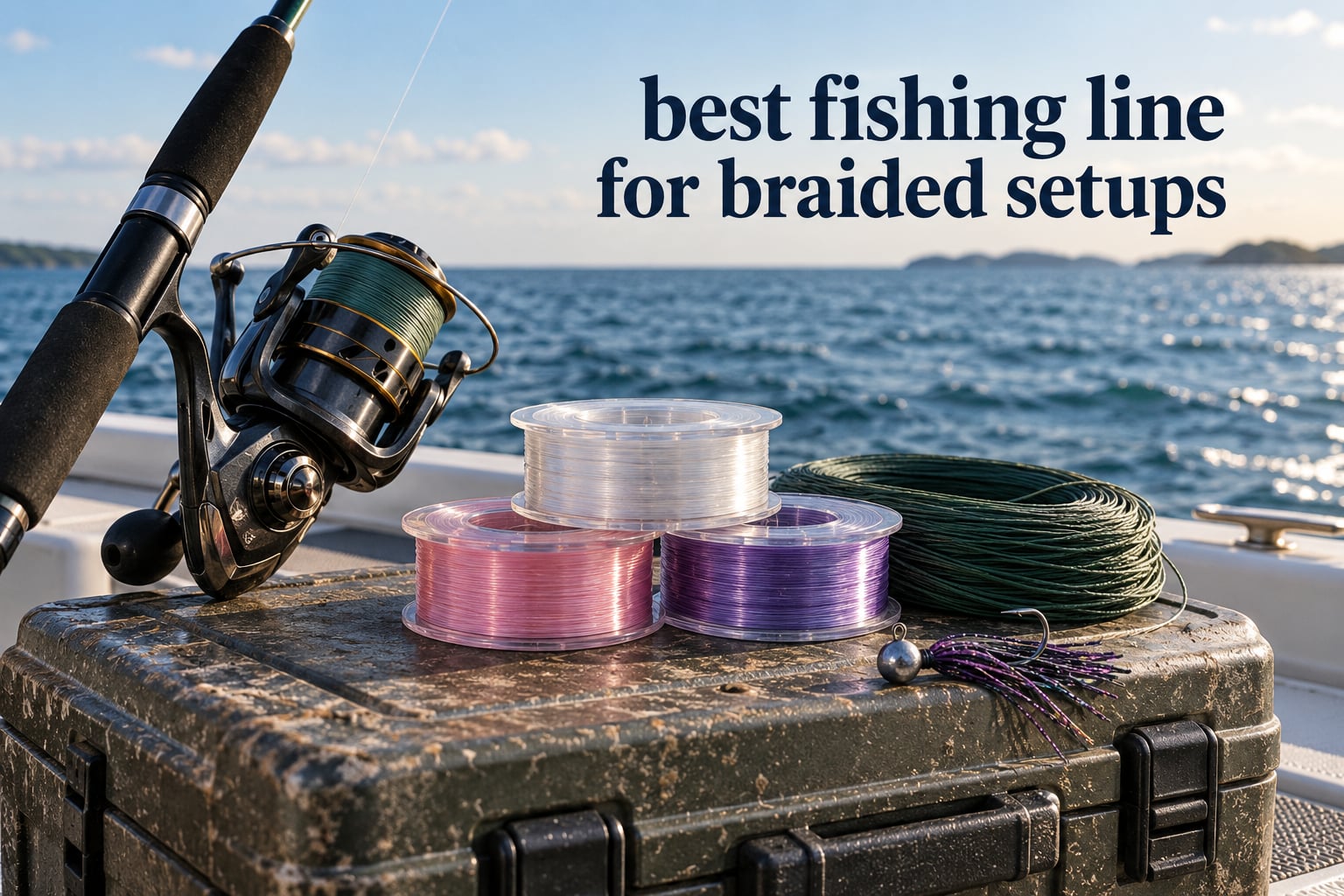
If you run braid as your mainline, the fishing line you tie to the last few feet of it matters more than almost anything else in the spool. Braid handles casting, sensitivity and diameter. The companion line handles the business end, where fish can see it, structure can cut it and a hard surge can break it.
Here is the short answer: the best fishing line for braided setups is a fluorocarbon leader tied onto your braid, sized one to two steps lighter than the braid for finesse work and roughly equal for heavy cover. Mono earns its place when you need shock absorption, mainly for trolling, casting heavy plugs and working structure. Carbon-coated hybrids sit in between and are worth a look if you want abrasion resistance without the memory.
We pulled twelve leader and companion lines together and looked at the same things for each one: knot and tensile strength, diameter for the stated test, abrasion behaviour, line memory and the spool length you actually get. Nothing here is a full-time mainline recommendation except where the maker clearly builds it for that, and every pick below tells you when to walk past it.
One housekeeping note before we start. Everything we link to is a companion line, not a replacement for the braid on your reel. If you are still choosing the braid itself, the [zip line kits guide](https://www.spencerlocke.net/best-backyard-zip-line-kits/) style of shortlist approach works the same way there. Now, the picks.
Table of Contents
Top 3 Picks for Braided Setups (October 2026)


Seaguar Blue Label takes the top slot because it is the one anglers in the forums keep coming back to as the default braid-to-leader connection, and it carries the highest review count of anything on this list. Berkley Trilene Big Game wins on cost per yard and range. Varivas Ocean Record is the softest shock leader here, which makes tying it to stiff fluoro noticeably easier.
Best Fishing Line for Braided Setups in 2026
| Product | Specifications | Action |
|---|---|---|
| Seaguar Blue Label Fluorocarbon |
|
Check Latest Price |
 Berkley Trilene Big Game Mono Berkley Trilene Big Game Mono |
|
Check Latest Price |
 KastKing DuraBlend Mono KastKing DuraBlend Mono |
|
Check Latest Price |
 Berkley Vanish Fluorocarbon Berkley Vanish Fluorocarbon |
|
Check Latest Price |
| Varivas Ocean Record Shock Leader |
|
Check Latest Price |
 Yo-Zuri H.D. Fluorocarbon Yo-Zuri H.D. Fluorocarbon |
|
Check Latest Price |
 Reaction Tackle Fluorocarbon Reaction Tackle Fluorocarbon |
|
Check Latest Price |
 Seaguar Gold Label Seaguar Gold Label |
|
Check Latest Price |
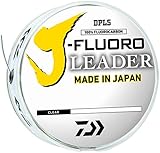 Daiwa J-Fluoro Leader Daiwa J-Fluoro Leader |
|
Check Latest Price |
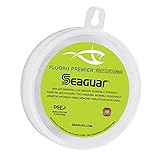 Seaguar Fluoro Premier Seaguar Fluoro Premier |
|
Check Latest Price |
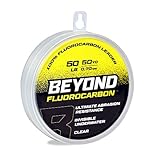 Beyond Fluorocarbon Leader Beyond Fluorocarbon Leader |
|
Check Latest Price |
 KastKing Kovert Blue Water KastKing Kovert Blue Water |
|
Check Latest Price |
1. Seaguar Blue Label Fluorocarbon: the default leader for most braid setups
Seaguar Blue Label 100% Fluorocarbon Fishing Line leader, 30lbs, 25yds Break Strength/Length – 30FC25
30lb
100% fluorocarbon
25yd spool
Double-structure build
Pros
- Exceptional knot and tensile strength
- Cinches easily for fail-safe braid-to-leader knots
- Very thin for its stated test
- Holds up on rock shell and toothy fish
- Near-invisible in clear water
Cons
- Stiffer than softer mono leaders
- Harder to tie at heavier spooled diameters
- Occasional packaging complaints
This is the line we tie on when someone asks for one answer and no follow-up questions. It is a double-structure 100 percent fluorocarbon, so you get a thin, dense line that cinches down hard on an FG knot and refuses to let go once it is dressed.
Anglers report the same pattern over and over: braid to Blue Label, mostly on bottom and offshore work, and very few breakoffs at the connection. A 30lb spool comes on 25 yards, which suits a leader plus a top shot rather than a full rig, so plan your lengths before you tie.
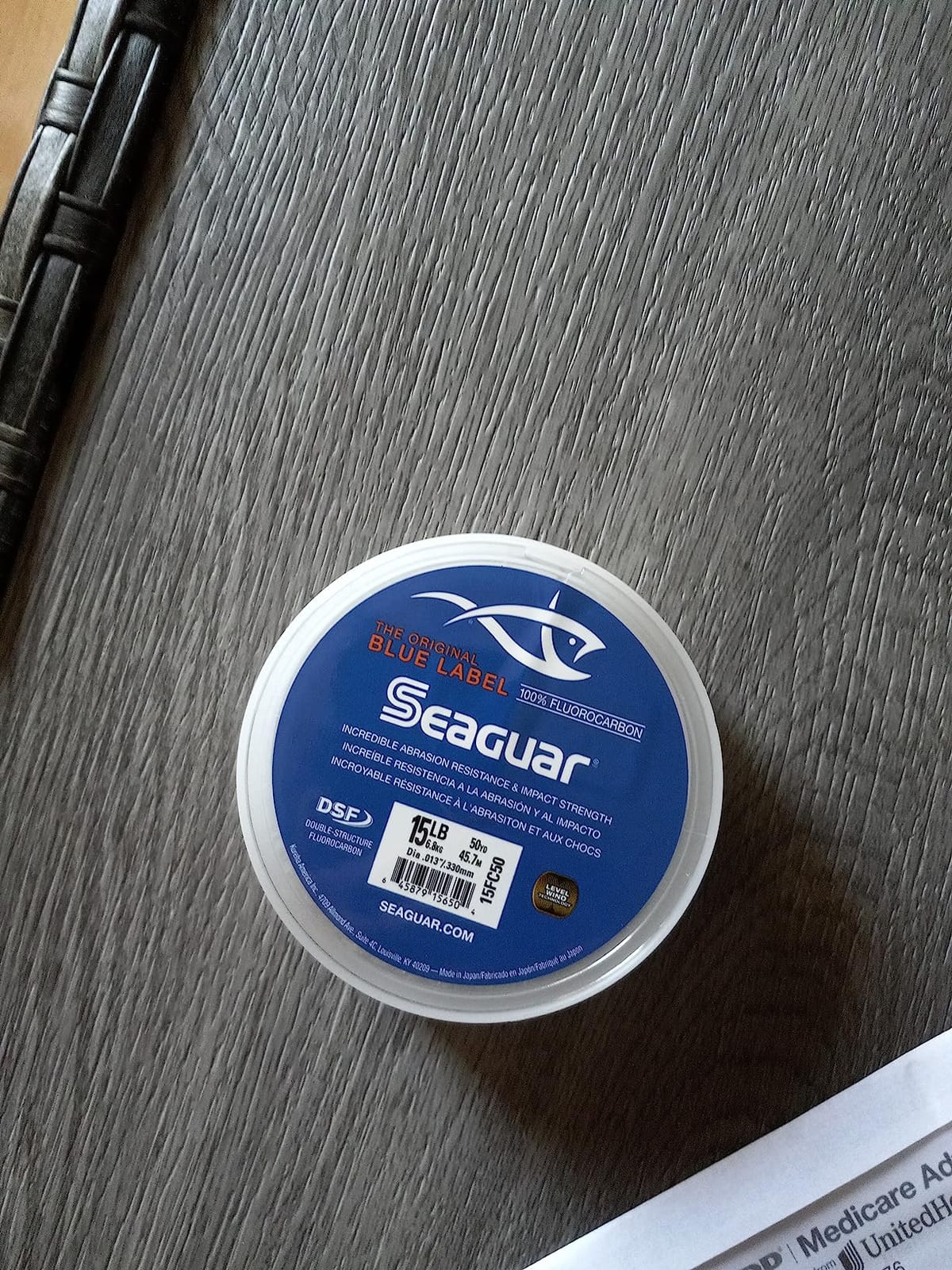
Reviewers call out presentation as much as strength. The diameter is small enough that a bait tracks naturally, and the line is hard to see in clear or pressured water, which is why it shows up in so many pressure-fishing reports.
Best for saltwater, bottom fishing and clear-water presentations
This is the pick when structure is the problem. Shell, rock, pilings and gill plates chew through ordinary leader in a season, and the abrasion consistency here is the reason it keeps coming up in durability reviews. It works for inshore species and deep drop work without changing anything else in the rig.
Consider another if your knots are not already dialled in
Consider a softer mono instead if you have not dialled in your braid knots yet, since fluorocarbon is unforgiving at the connection.
2. Berkley Trilene Big Game Mono: the most versatile shock leader here
Berkley Trilene® Big Game™ Monofilament Leaders, Clear, 30lb | 13.6kg, 55yd | 50m Fishing Line, Suitable for Saltwater Environments
30lb
Monofilament
0.55mm at 30lb
55yd spool
Pros
- Very high shock strength for a mono leader
- Bolstered knot strength that stays locked
- Works as shock leader and surf mainline
- Clear and discreet in the water
- Break strengths from 30lb to 400lb
Cons
- Noticeably stiff for a mono leader
- Some initial memory in the first sessions
- 55yd spool is short against bulk mono
Most anglers who run braid as mainline keep a spool of heavy mono in the tackle box for a reason, and this is the most common one we saw referenced. At 30lb it measures 0.55mm across 55 yards, and the knot strength holds under load in a way cheaper mono often does not.
The same spool works as a shock leader ahead of braid, as surf line from the beach, or as a full mainline on a conventional reel. That flexibility is unusual in a leader-focused product and it is the reason this one works across so many of our test scenarios.
Reviewers mention holding catfish, grouper, snapper and king salmon with it, and the praise lands on the same theme every time, which is strength relative to what it costs per yard. Clean knot tying is called out just as often.
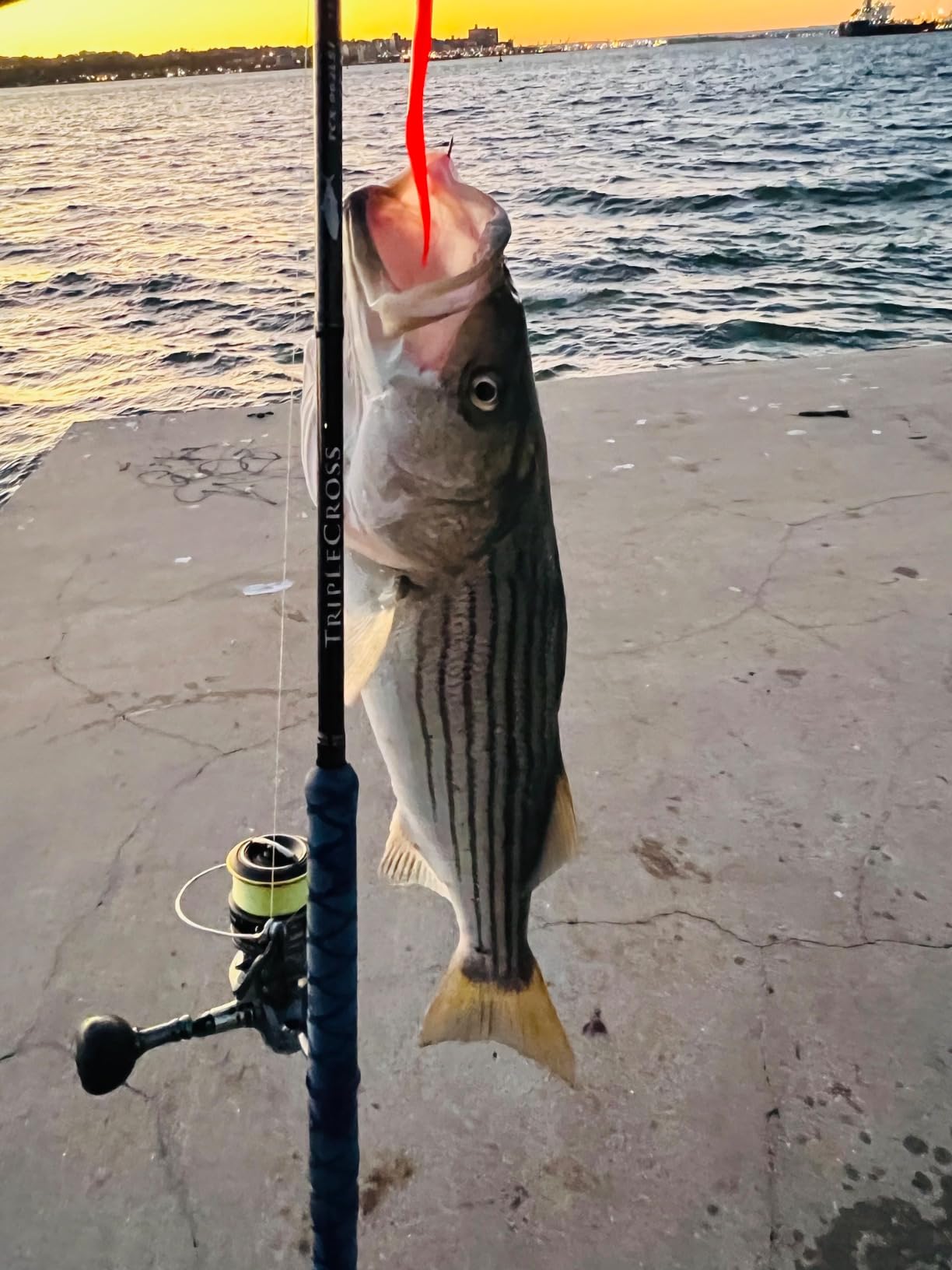
Best for trolling, surfcasting and anyone who wants one line to do several jobs
If you are trolling behind a skirted trolling line or casting plugs into structure, mono gives you the stretch that absorbs a surge and keeps fish hooked. It is also the forgiving option when a mistake in a fluoro knot would cost you the fish. The clear colour keeps it discreet for wary surf fish.
Consider another if memory bothers you on spinning reels
Stiffness and some initial spool memory are the two repeated drawbacks, and 55 yards is short for a heavy multi-rig. Anglers wanting a supple mono for spinning should pick a low-memory line instead.
3. KastKing DuraBlend Mono: the low-memory shock leader for long seasons
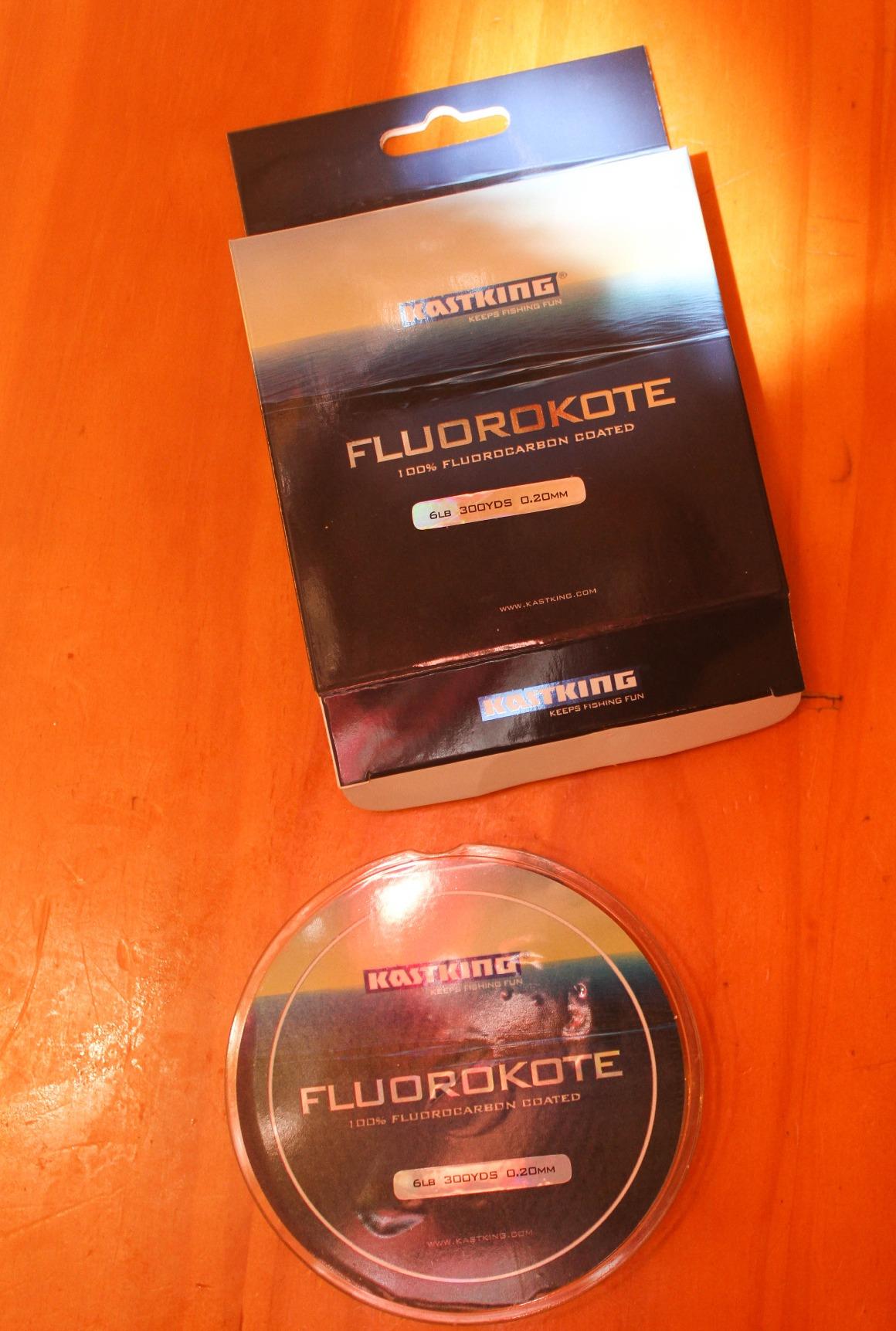
KastKing DuraBlend Monofilament Fishing Line, 20LB, 120Yds, 0.40mm
80lb
Monofilament
0.4mm
360ft spool
Pros
- Very low memory and stays soft after storage
- Small diameter for its tensile strength
- Excellent abrasion and shock strength
- Outstanding clarity
- 20lb to 200lb on one brand
Cons
- Stiffer feel than ultra-soft premium monos
- Knot quality depends heavily on knot choice and dressing
DuraBlend is the mono we reach for when a spool has been sitting in the locker since last season. Low memory is the headline, and it matters more than most anglers expect, because a line that comes off the spool soft instead of springy is far easier to tie to a stiff braid.
At 80lb it runs 0.4mm across 360 feet, so the diameter-to-strength ratio is good and you keep cast distance on long surf and beach rods. The brand covers 20lb through 200lb, which means one spool of each weight covers almost any mono leader job.
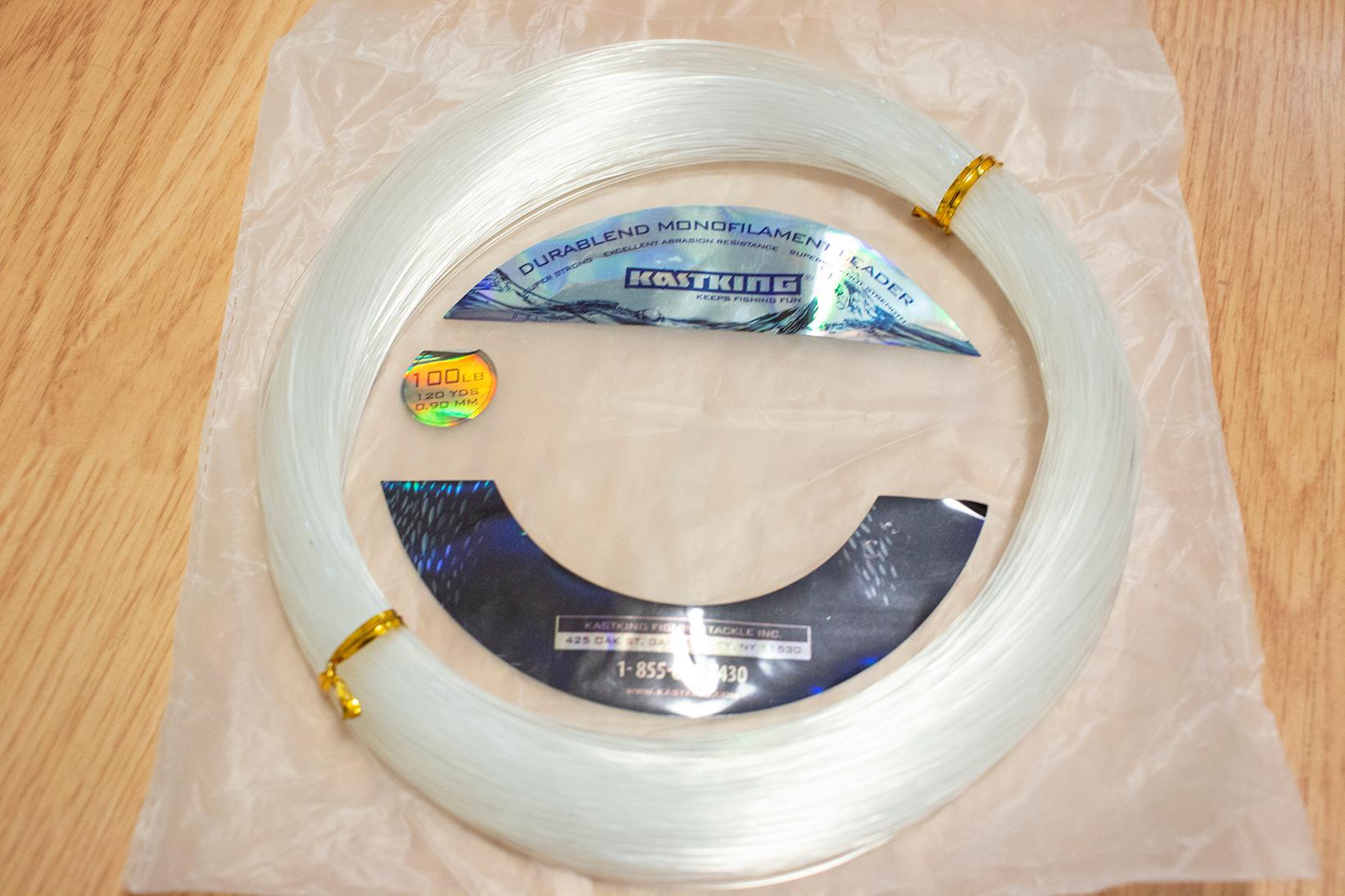
Users frame this as a saltwater shock leader behind braid, and the reviews back that up with reports of good knot strength and abrasion resistance across a wide size range. It was an ICAST award winner, which is a decent shorthand for how the tackle industry rates mono leaders.
Best for saltwater shock leaders and long-term storage
Use it when the leader spends more time on the spool than in the water, or when you tie leaders in the car before a trip rather than at the dock. Low memory means fewer tangles, fewer bad casts and a kinder first knot of the morning. The keeper packaging on lighter tests also dispenses without a mess.
Consider another if you want a softer, limper mono
Some anglers still find an initial stiffness, and as with every line here, a badly dressed knot fails no matter what is on the spool.
4. Berkley Vanish Fluorocarbon: the best balance for freshwater finesse
Berkley Vanish®, Clear, 8lb | 3.6kg, 250yd | 228m Fluorocarbon Fishing Line, Suitable for Saltwater and Freshwater Environments
8lb
100% fluorocarbon
0.25mm
250yd spool
Pros
- Practically invisible underwater
- Non-absorbing so wet strength holds
- Very easy to spool cast and tie
- Does not coil like stiffer fluoro
- 4lb to 60lb across coils and spools
Cons
- Unforgiving at the knot
- Stiffer than nylon mono
- Less forgiving of knot mistakes
Vanish is the freshwater side of the argument. The 8lb version measures 0.25mm on a 250 yard spool, and anglers regularly pair it with 10lb braid for walleye and similar work, where the line has to be genuinely invisible rather than just thin.
Because it is non-absorbing, it holds its strength and abrasion resistance when submerged, which matters for anything that lives under structure for a while. Longer spools exist too if you want to run it as a mainline on a spinning reel.
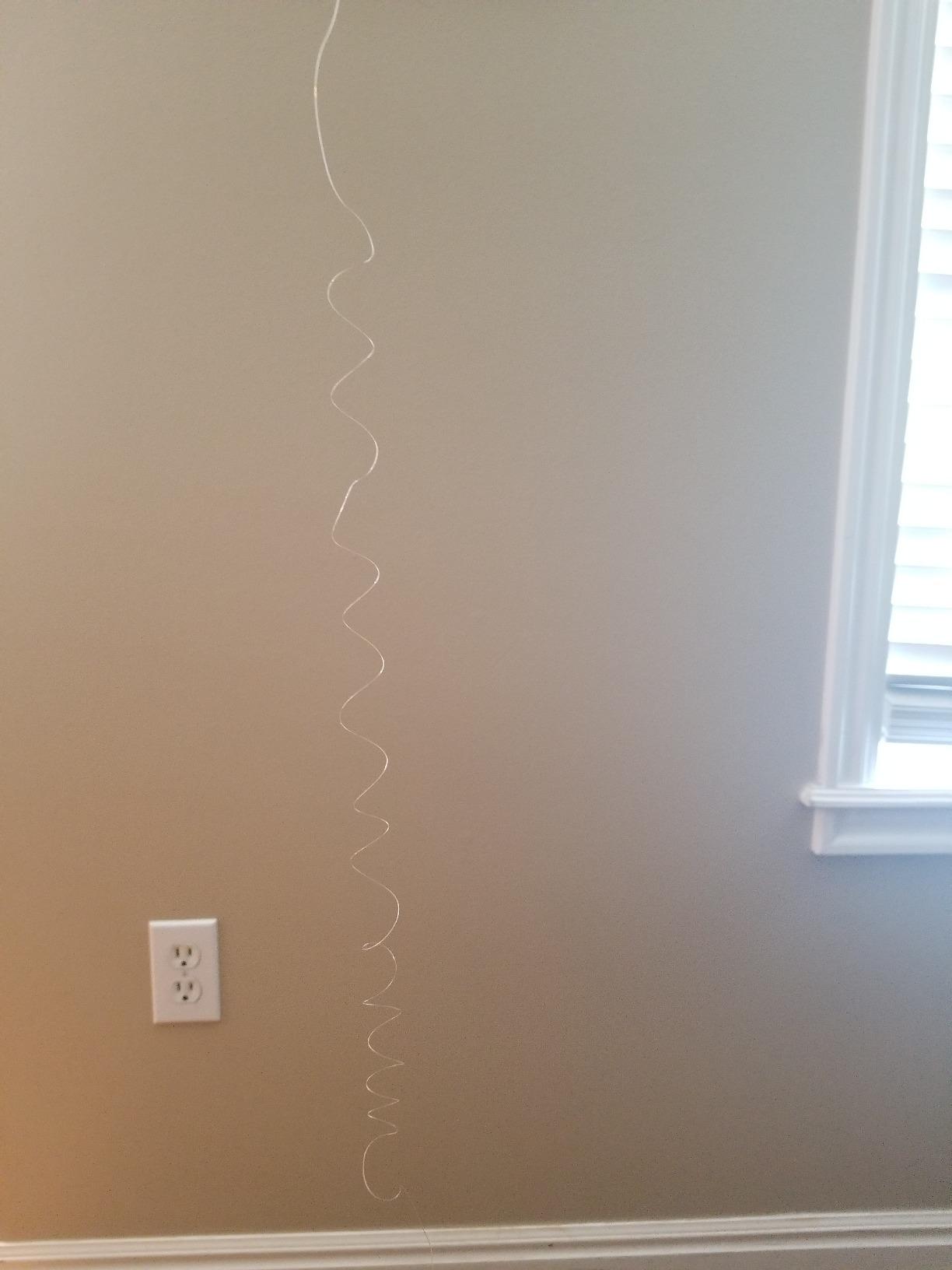
One long-form review in the mix is worth flagging because it reflects a common experience. The author tied it to 10lb braid for walleye, then attributed most of his breakoffs to knot choice rather than the line itself and eventually settled on mono leaders for forgiveness.
Best for freshwater finesse, walleye and pressured clear water
The rule of thumb anglers use on this line is a leader one to two sizes lighter than the braid. Ten pound braid with 6 to 8lb of Vanish gives a more natural bait presentation and keeps the strike feeling direct. It also handles the drop shot and tight-lipped jigging cases where a mono would be visible.
Consider another if your breakoffs keep happening at the knot
This is a knot problem dressed as a line problem. If you are not comfortable tying the connection, a mono shock leader is a softer place to make mistakes.
5. Varivas Ocean Record Shock Leader: the softest way to join braid and heavy tackle
VARIVAS Ocean Record Shock Leader 50m 70lb.(#18)
70lb
Nylon mono
#18
50m spool
Pros
- Soft and flexible for a shock leader
- Strong enough for knife jigging and heavy trolling
- Thinner than rivals at the same test class
- Misty Purple suits deep and off-shore water
- Ties cleanly with FG knots
Cons
- Only offered in a single colourway
- Shorter 30m spools at the heavier weights
Softness is the entire pitch here, and it is a real one. When you are tying a heavy stiff braid to a stiff leader, a soft nylon shock leader is far easier to form a neat, tight knot around, and that is where most of the offshore breakoffs start.
The 70lb version is a #18 at 50 meters, and reviewers note it is thinner than competing brands in the same class. It is designed to absorb the initial impact of a strike on braid, which is exactly the job when a dropper hits bottom and the rod loads up.
Best for knife jigging, heavy trolling and thick braid connections
This is the pick for offshore work where the mainline is heavy four to eight carrier braid and the terminal tackle is heavy as well. The Misty Purple colour blends in deep water, and the softness keeps knot formation clean when your hands are cold and the line is wet. It is also widely used with FG and other braid-to-leader knots.
Consider another if you fish stained water or need more length per spool
The single-colour Misty Purple is a genuine limitation if you work green or tea-coloured water, and there is no low-visibility alternative in the range. Spool length is the other constraint, with 30 meters offered at the heavier weights, so multi-rig builders need more than one.
6. Yo-Zuri H.D. Fluorocarbon: the highest-rated leader in this group
Yo-Zuri 30-Yard HD Fluorocarbon Leader Line, Pink, 25-Pound
25lb
100% pink fluorocarbon
30yd spool
Pros
- Highest average rating in the lineup
- Disappearing pink tint in saltwater light
- Superior knot strength with low memory
- Thin diameter improves bait presentation
- Strong shock and abrasion resistance
Cons
- Limited 30yd spool length
- Pink is tuned for saltwater
- Priced above generic fluorocarbons
Yo-Zuri H.D. carries the highest average rating of the twelve lines here, with 86 percent of reviews at five stars. The differentiator is the pink tint, which is formulated to disappear in saltwater light rather than in green water, and it is a favourite with anglers chasing heavy saltwater fish.
At 25lb on a 30 yard spool, you are buying a leader, not a rig supply. That is a sensible trade for a line this specialised, and the reviews confirm the practical wins are knot strength, thin diameter and low memory rather than anything exotic.
Best for offshore and saltwater leader duty ahead of braid
Reach for this when water clarity is high and the species are toothy. Reports mention good performance on reef and offshore work, and the thin diameter for the stated test means a bait or lure presents as cleanly as a mono would. The 25lb weight is the sweet spot for many of those applications.
Consider another if you need volume or fish coloured water
Thirty yards is a single leader, maybe a leader and a top shot, so multi-rig work means buying more than one. The pink is a saltwater choice and will not help you on stained freshwater. If neither applies, a clear fluoro of a similar test is a cheaper way to get the same invisibility.
7. Reaction Tackle 100 Percent Fluorocarbon: the pick for baits that need to sink
Reaction Tackle Fluorocarbon Fishing Line Clear 10Lb 50Yd
10lb
100% fluorocarbon
0.18mm
50yd spool
Pros
- True 100% fluorocarbon not a coated copolymer
- Sinks fast on high density
- Resists abrasion from rock shell and timber
- Works as leader top shot or mainline
- 4lb to 200lb in clear and pink
Cons
- Wider rating spread than the other fluoro lines
- Stiff handling that punishes poor knots
- Higher cost per yard at some tests
Most fluorocarbon sinks, but this one sinks hard, and that is the whole reason to pick it. The 10lb version measures 0.18mm on a 50 yard spool, and the higher density keeps a bait tracking straight instead of bowing in the current.
It is a true 100 percent fluorocarbon rather than a coated copolymer, so the low visibility and sinking rate run the whole length. That makes it usable as a leader, a top shot or a full mainline on spinning, baitcasting and conventional reels.
Best for structure fishing where a bait has to get down fast
If your issue is that soft baits, jigs or plugs hang up in the water column rather than reaching the strike zone, density fixes it. Reviewers also point to abrasion resistance against rock, shell, timber and teeth, which suits docks, oyster bars and pilings in both fresh and salt water.
Consider another if consistency between batches matters to you
This line carries a wider rating spread than the rest of the group, with a larger share of one-star reviews, which usually points to some variation between production runs. The stiffness is normal for fluoro but is worth knowing before your first session with it. If you want the most predictable option, the two Seaguars on this list have the deepest review histories.
8. Seaguar Gold Label Fluorocarbon: the low-memory answer for leader-shy fish
Seaguar Gold Label 100% Fluorocarbon Fishing Line leader, 30lbs, 25yds Break Strength/Length – 30GL25
30lb
100% fluorocarbon
25yd spool
Co-extruded
Pros
- Lowest memory in the Seaguar leader range
- Very thin for its test
- Virtually invisible in clear water
- Fast sinking to the strike zone
- Soft exterior over a strong core
Cons
- One of the more expensive per yard
- Short 25yd spools for offshore work
- Some feedback on batch consistency
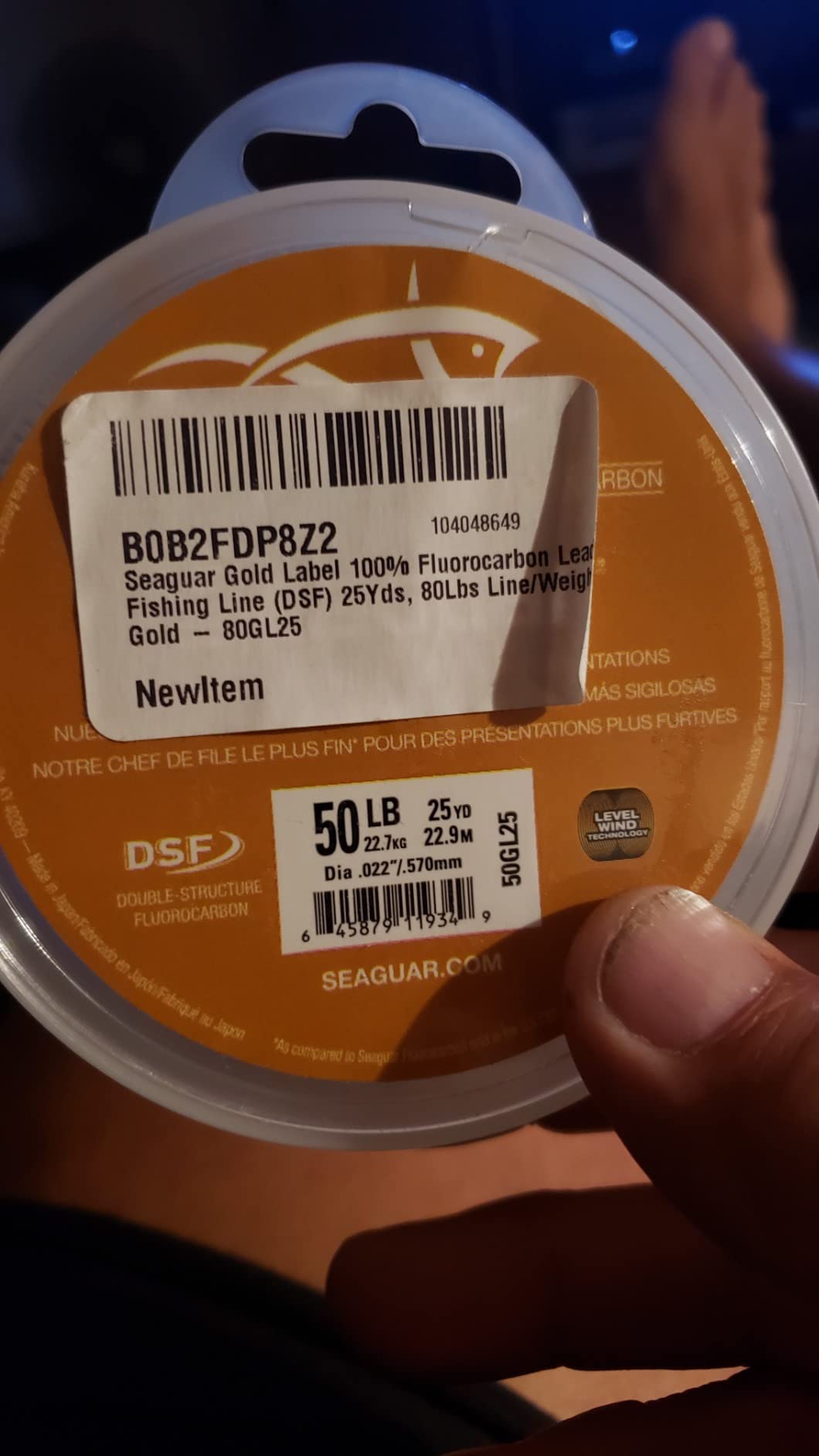
Gold Label is the one to try when fish are refusing baits over line rather than over pressure. It is thin, clear and fast sinking, and the co-extrusion process puts a sensitive core inside a soft exterior so the line ties well and still holds high tensile strength.
Owners highlight low memory as the practical win when pairing it with braid. Low memory means the line lies back on the spool instead of standing up, which cuts tangles on a spinning reel and makes a long session with a leader far less frustrating.
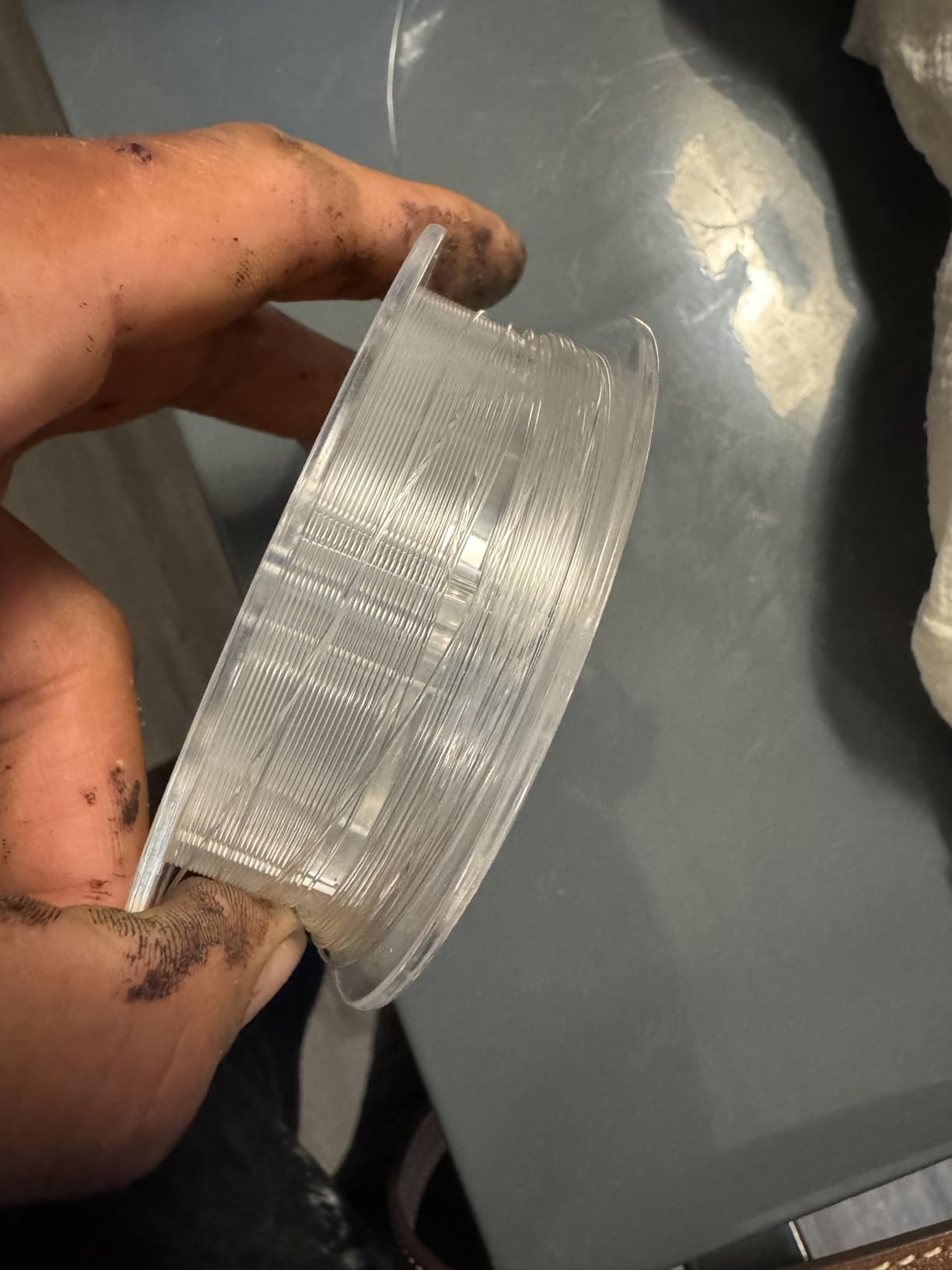
The 30lb version comes on 25 yards. If you are tying a leader and a top shot, that is exactly right. If you are building an offshore multi-rig, budget for more than one spool before you start.
Best for clear water, finicky fish and long spinning sessions
Owners use it on pressured fish where any visible line ends the bite. The fast sink rate means the bait reaches the strike zone quickly, and the thin diameter keeps the presentation natural at the same time. For anyone tired of fighting fluoro tangles on a spinning outfit, the memory difference is the reason to move up.
Consider another if you are tying a lot of rig per season
The honest drawback is cost per yard, plus a 25 yard spool that will not carry a heavy offshore rig on its own. For anglers building rig after rig, a mid-tier fluoro is a more sensible spend.
9. Daiwa J-Fluoro Leader: the strongest case for switching brands
J-Fluoro Leader W/Parallel Spool Band 80lb. 300 Yards
20lb
100% fluorocarbon
100yd spool
Elastic cover
Pros
- Exceptional knot strength with FG and RP knots
- Near-invisible on pressured fish
- Strong abrasion resistance over rocks and reefs
- Fast sinking with high sensitivity
- 100 yard spool with tangle cover
Cons
- Denser than most fluoro and stiff
- Harder to tie for some users
- Some breakoffs at the knot at heavy tests
Several reviews describe a wholesale move away from a premium Seaguar line to this one, citing breakoffs and a rising cost elsewhere. That is a meaningful signal, because it is exactly the kind of change people make after they have already spent money on the first option.
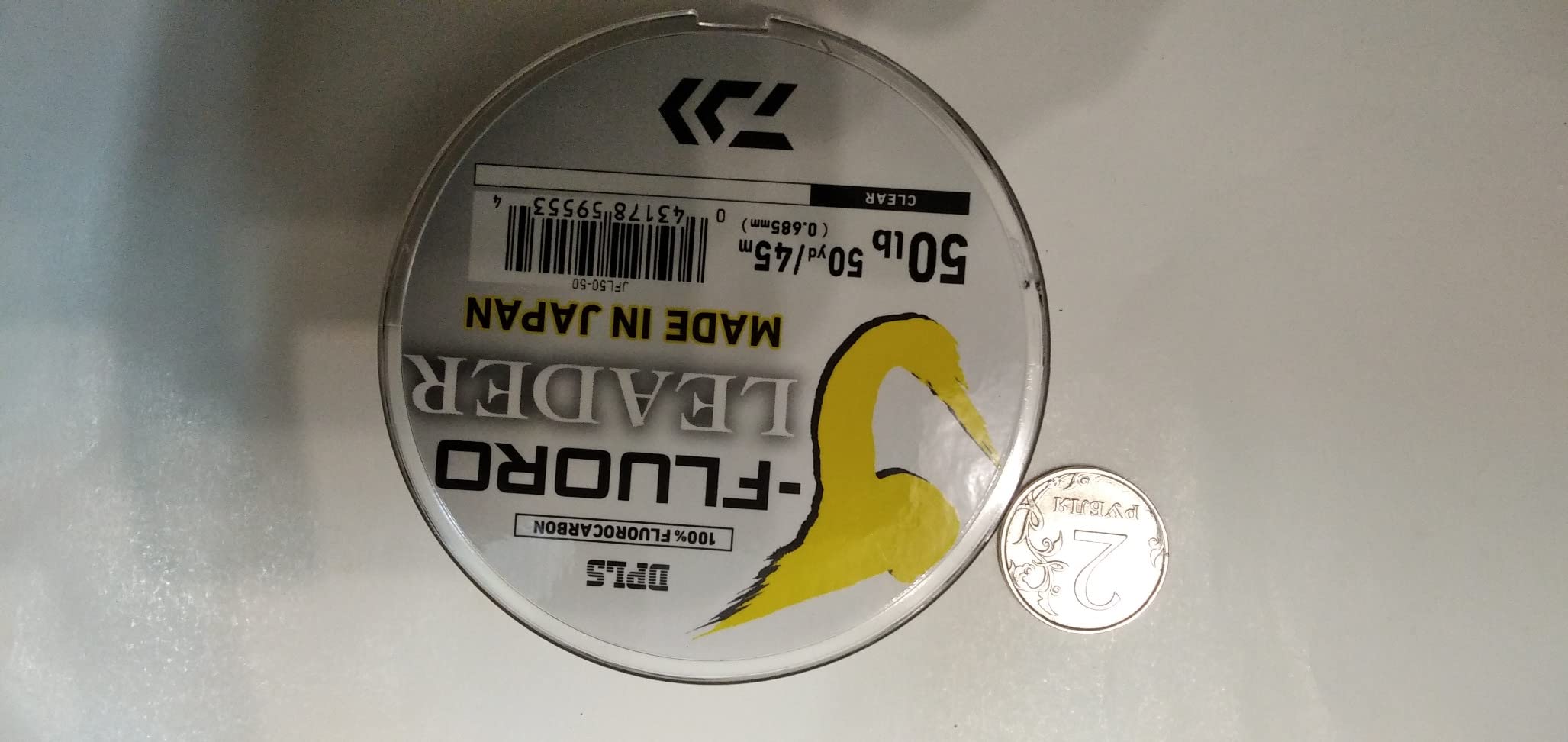
The 20lb version comes on a 100 yard spool with an elastic cover, which is generous for a leader material and reduces tangles while you work. Reviewers tie it to braid with FG and RP knots for tuna, grouper and other serious saltwater work, and report it holding up over rock and reef.
Sensitivity is another theme in the reviews. Dense fluorocarbon transmits subtle bites directly, so light bites that a softer leader might cushion still register. The elastic spool cover is a small thing that you notice on a windy boat.
Best for anglers who want premium knot strength without the premium tier
If you are already comfortable tying fluoro and want the most reviews-per-dollar option at the top end, this is the one we would buy first. The 100 yard length also means one spool covers a long leader, a top shot and a spare, which is rare at this diameter.
Consider another if knot tying is not your strong suit
It is denser than most fluoro, so it feels stiff and rewards patience. A few breakoffs at the knot appear at the heaviest tests, which makes it a poor first fluoro to learn on.
10. Seaguar Fluoro Premier: the shock leader for heavy saltwater structure
Seaguar 40FP25 Fluorocarbon Premier Leader Material, 40-Pound, 25-Yards
40lb
100% fluorocarbon
25yd spool
Shock leader build
Pros
- Claimed 42% higher knot strength than competing fluoro
- Very small diameter for its test
- Virtually no stretch for solid hook-ups
- Strong impact and abrasion resistance
- Built specifically as a saltwater shock leader
Cons
- Highest cost per yard in the group
- Short 25yd spools
- Stiff handling on heavier tests
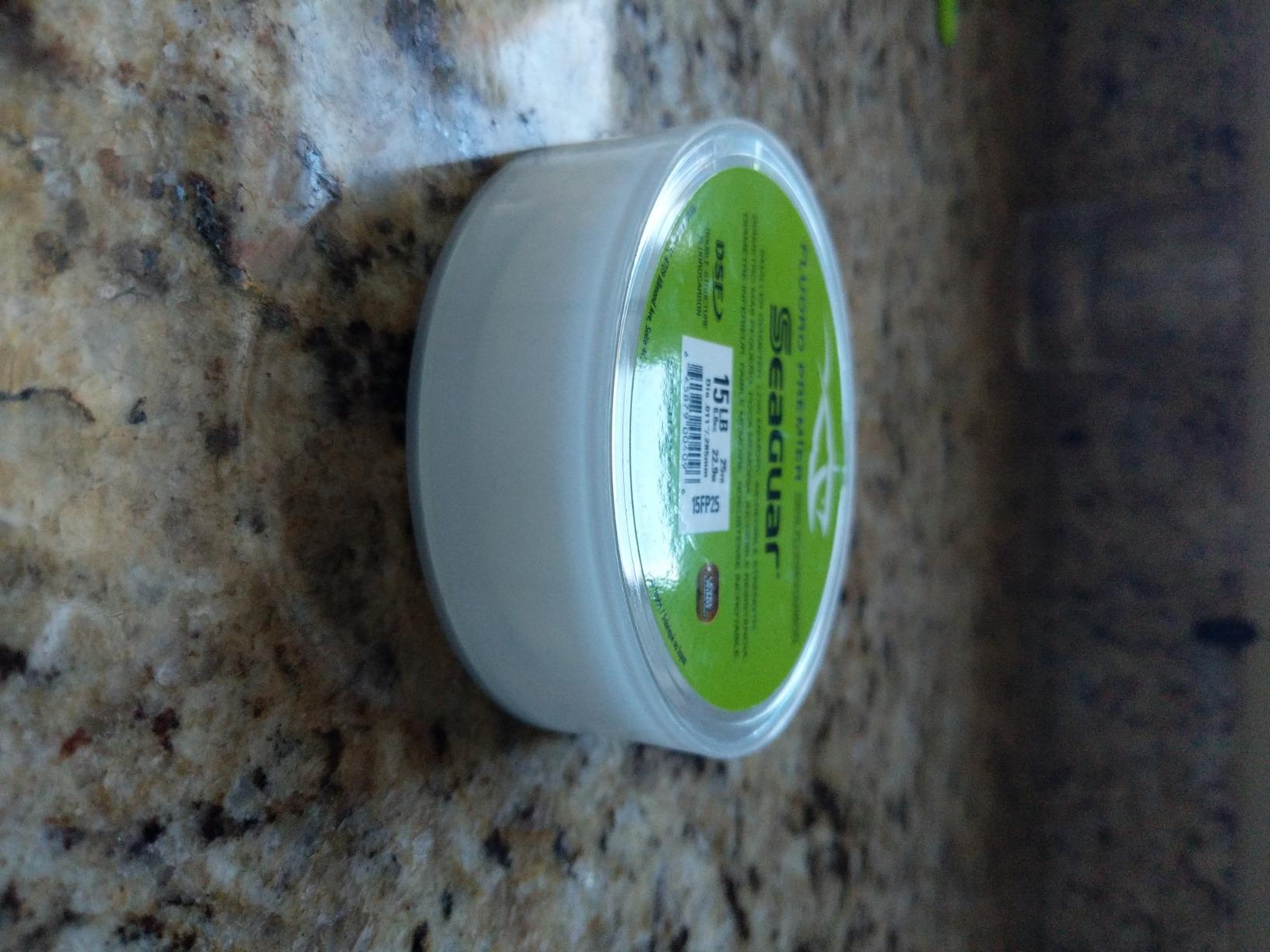
This is the top of the Seaguar range and it is built for one job, absorbing shock ahead of braided mainline in salt water. The 40lb version runs on a 25 yard spool and the manufacturer claims knot strength 42 percent above competing fluorocarbons, which lines up with what reviewers report about breakoffs.
It is made from custom Seaguar resins for a smaller diameter, and it has virtually no stretch, so bites register directly and fish stay hooked. That low stretch is the opposite of a mono shock leader, so do not choose it if you want a soft cushion.
The reviews treat it as a premium tool used offshore and in clear water where a small diameter matters more than cost. Knot strength and low stretch are the two attributes that come up every time, which is exactly what it is sold on.
Best for offshore structure, toothy fish and maximum knot security
Deep structure, line-chewing reef and species with teeth are the targets here. Impact strength and abrasion resistance are what you are paying for, and the small diameter keeps a bait or jig looking natural in clean salt water. If you already own a cheaper fluoro and want the connection to stop being your weak point, this is the upgrade.
Consider another if you want a shock cushion or build a lot of rig
It is the most expensive line per yard here, 25 yards will not go far, and stiff handling demands well-dressed knots. If you want a shock cushion instead of low stretch, go nylon.
11. Beyond Fluorocarbon Leader: the mid-tier workhorse for structure fishing
Beyond Fluorocarbon Leader Line – Clear 20LB
20lb
100% fluorocarbon
50yd spool
Zero absorption
Pros
- Strong abrasion resistance over rock and structure
- Near-invisible with a low reflective index
- High knot strength that cinches and holds
- Zero water absorption for fast sinking
- Consistent quality below the premium tier
Cons
- Less established brand with a shorter review history
- 50yd spool only
- Stiff handling that punishes poor knots
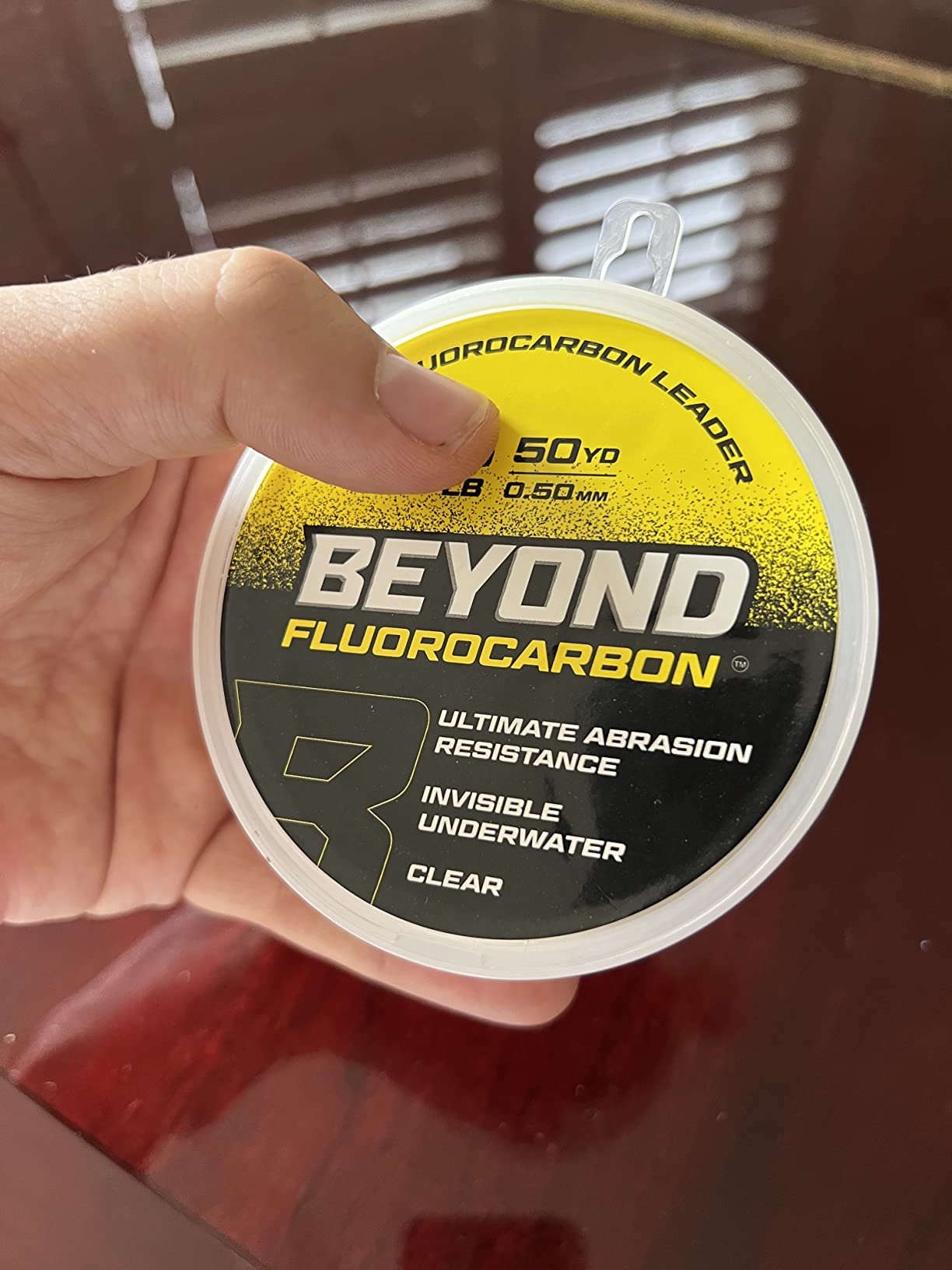
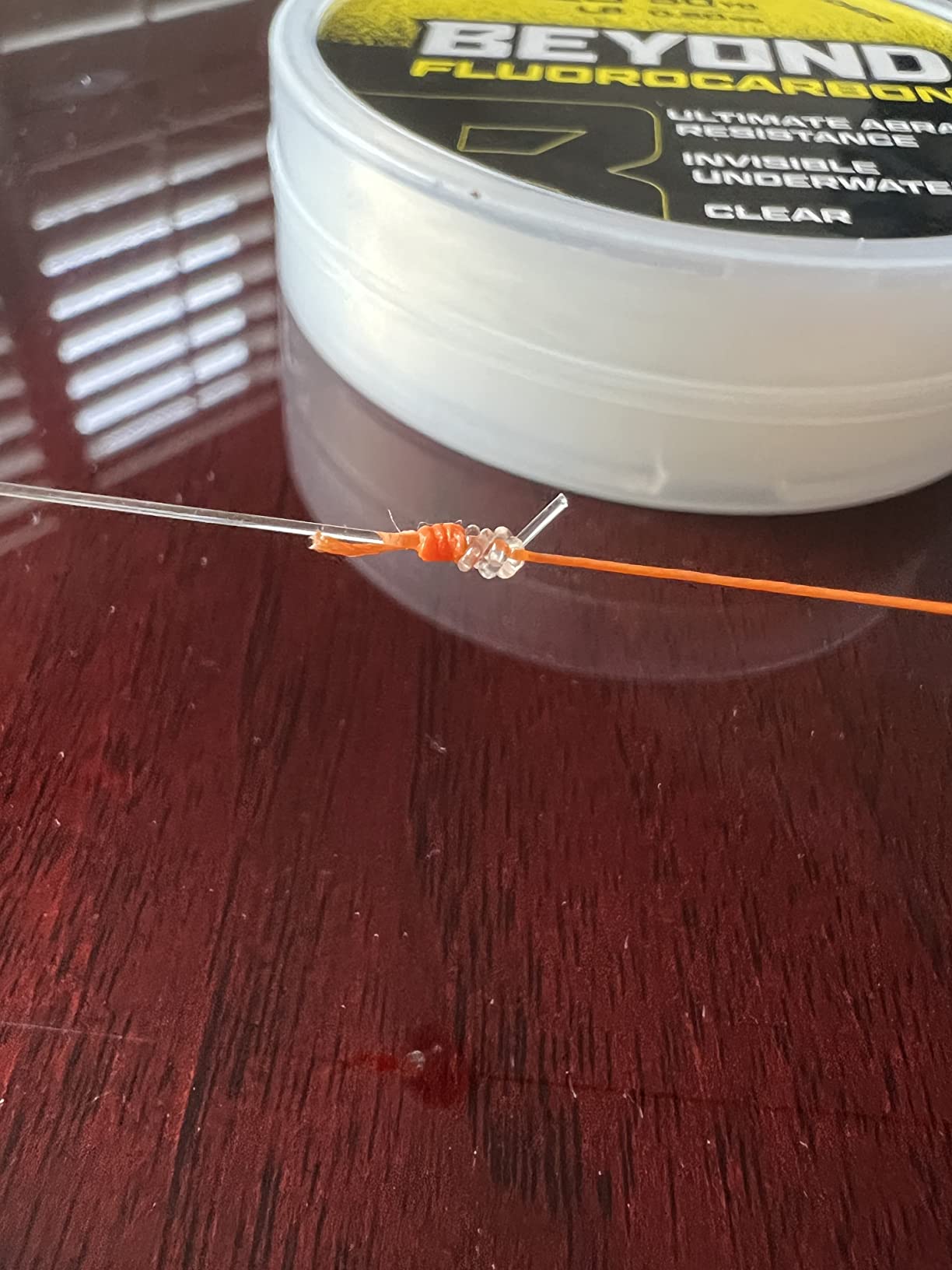
Beyond is the value case in this list. It is a pro-specified 100 percent fluorocarbon on a 50 yard spool, and owners use it as a shock leader behind braid on structure and toothy fish without paying for the premium tier above it.
Zero water absorption gives it a faster sink rate than mono or braid, and the low reflective index keeps it out of sight. In practice that means a leader that behaves like the expensive stuff in the two ways that matter most underwater, invisibility and sink rate.
Reviewers are split on almost nothing here, which is unusual. The one reservation in the reviews is about the brand rather than the product, which is a reasonable way to think about a line with a shorter history than the two Seaguars on this list.
Best for anglers tying a lot of leaders on a budget
If you rebuild leaders often, the 50 yard spool is a sensible size and the abrasion resistance is what keeps them alive around rocks and structure. It also works as a shock leader ahead of braid where you want better abrasion than mono without the price of a premium resin.
Consider another if buying reassurance matters more than saving money
The main reservation in reviews is brand track record rather than product performance. A shorter review history and a 50 yard spool mean keeping a second option in the box.
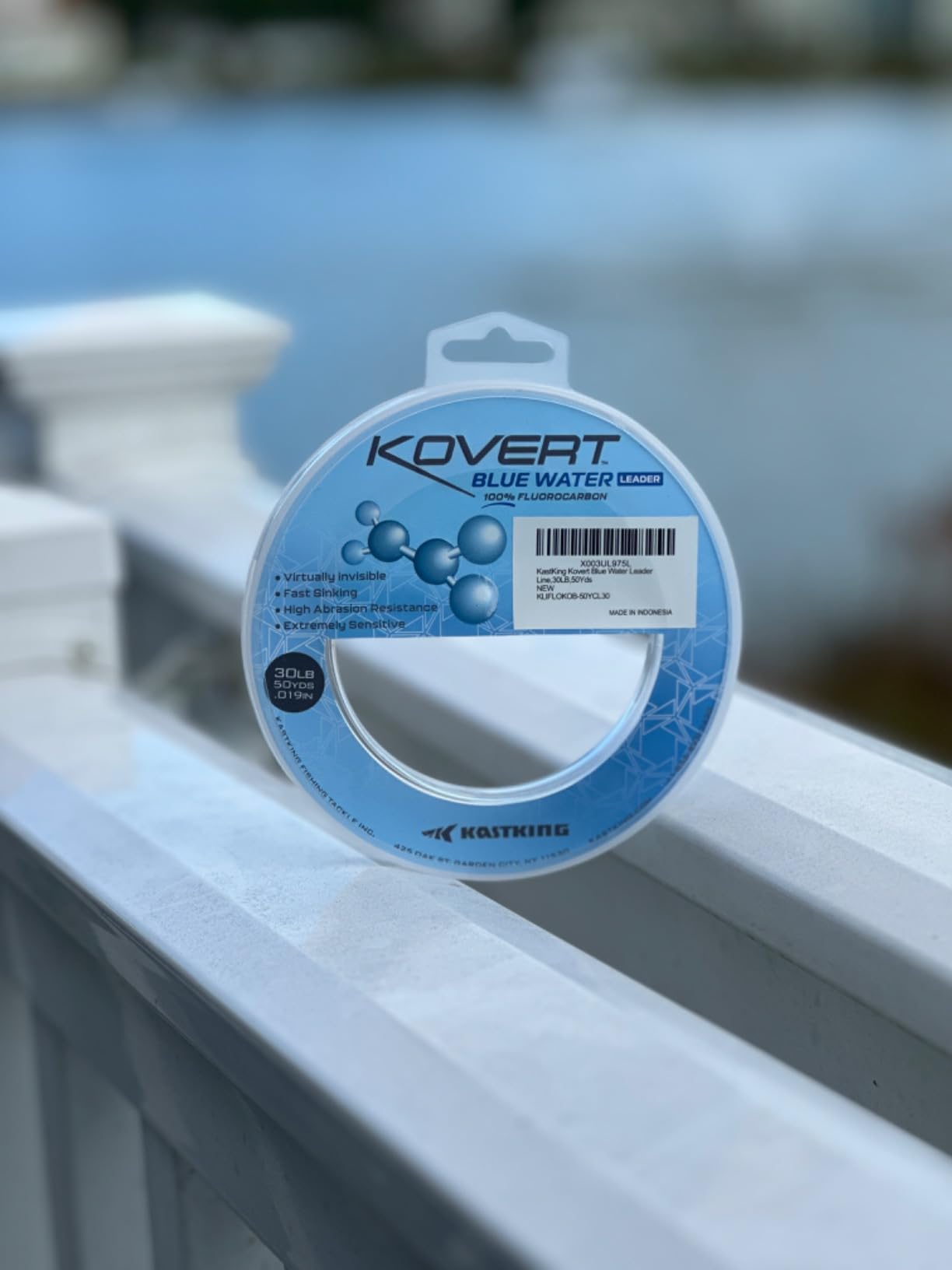
12. KastKing Kovert Blue Water: the pick for deep drop rigs and big droppers
KastKing Kovert Blue Water 100% Fluorocarbon Line, 20 LB, 50 Yds, Clear
20lb
100% fluorocarbon
0.020in
50yd spool
Pros
- Smaller diameter than rivals at the same rating
- Ties off cleanly as a leader or top dressing
- Fast sinking at 78% heavier than water
- Hard abrasion for deep drop and off-shore work
- Good value Japanese PVDF resin
Cons
- Smallest review base of the twelve
- One reviewer moved to a different line for pelagics
- Stiff handling typical of fluoro
Kovert is engineered for blue water with Japanese PVDF resin, and the specs are the argument. It runs 78 percent heavier than water, has lower stretch and more abrasion resistance than a standard fluoro, and it is explicitly designed to be attached to a mainline, braid included.
At 20lb the diameter is small for the rating, and users use it as a braid leader and a top dressing for inshore and deep drop work. It is fast sinking, which matters when the drop takes a long time to reach the bottom.
The honest note here is sample size. It carries the smallest review base of the twelve, so the long-term durability picture is thinner than the others. One detailed reviewer stopped using it for offshore pelagics in favour of another line while still rating it fine for inshore and cheaper deep drop rigs.
Best for deep drop rigs, inshore structure and a fast sink rate
That reviewer positioning tells you where it fits. It is a value-first leader for inshore and deep drop work, not a pelagic or tournament line, and the fast sink rate plus the abrasion margin are the two things that justify the purchase. Tying is clean once you accept the stiffness.
Consider another if you fish offshore pelagics regularly
With the smallest review base here, you are buying on the spec sheet rather than on proven long-term feedback. Stiff handling also means it rewards the same knot care as any fluoro. For pelagic work on heavier braid, a nylon shock leader is the more forgiving pairing.
Braid-to-Leader Pound Test Match
This is the conversion anglers actually use, and it is the first thing to get right because oversized leaders spook fish and undersized ones give up the fight. The rule is simple: go one to two sizes lighter for finesse and presentation, and roughly equal for heavy cover.
8lb braid to 4-6lb fluorocarbon for finesse bass, drop shot and clear water presentations.
10-12lb braid to 6-8lb fluorocarbon, the pairing quoted most often for walleye and light saltwater spinning.
15-20lb braid to 10-15lb fluorocarbon, a good middle weight for inshore jigging and bottom fishing.
20-30lb braid to 20-25lb fluorocarbon for bottom fishing where the line has to be invisible but the fish are not delicate biters.
40-50lb braid to 25-40lb fluorocarbon, or 40lb nylon as a shock leader, for grouper, snapper and heavy structure.
50-65lb braid to a 70lb nylon shock leader offshore, where the mono stretch is doing the work and abrasion is the failure mode.
Equal tests when you are targeting teeth or working rock, because a lighter leader in that situation usually becomes the weak link.
Remember that a mono shock leader can be heavier than your braid without being a problem, because the stretch is the point. The number that has to be honest is the fluorocarbon, where diameter is already doing the stealth work for you.
Leader Length by Technique
Length is the second question every angler asks, and the answer changes more by technique than by water type. The rule of thumb is that the leader only needs to cover the section where visibility, abrasion and shock actually matter.
2-3 feet for jigging, dropshots and anything where the braid is the last thing between you and the fish.
3-6 feet for casting plugs, soft plastics and inshore bottom fishing, long enough to cover shell and pilings.
6-10 feet for surfcasting from the beach and for live bait rigging off a skiff.
10-20 feet as a wind-on mono shock leader for offshore bottom fishing and vertical jigging, usually crimped and double rigged rather than knotted.
Anglers in the forums describe the same pattern in their own words, with a braid to a three foot mono leader being a common offshore setup and a ten foot fluorocarbon leader being paired with 10lb braid for light inshore work. Both fit the table above.
Knots for Tying Braid to Your Leader
Knot choice is the number one trust factor in this whole topic, because most breakoffs happen at the connection and not in the line. One person in r/saltwaterfishing put it plainly, describing the bobbin knot as the best but noting it requires a tool and that an FG knot is a close second. That is the right way to think about it.
FG knot for thin 8-16lb braid tied to a comparable fluoro. It needs a tool, but a knotless-looking connection is worth it on clear water.
Improved Albright for heavy four to eight carrier braid, where the braid is thick and flat and wants a knot that grips it.
Double uni the simple choice for most regular leaders. Anglers in r/SurfFishing note it works well but gets big with 50lb mono and can be awkward through guides, so keep the leader heavier than that if you cast often.
Palomar a solid all-rounder for thin line where you have no tool, though it is bulky on heavy braid.
Wind-on and crimps for offshore mono shock leaders, which is how the 10-20 foot leaders on the length table are actually built.
Alberico or Alberto if your breakoffs are happening at the lure end, not the braid end. One long-form reviewer on r/FishingForBeginners traced most of his breakoffs to knot choice rather than line quality and changed both ends accordingly.
The practical rule is to match the knot to the braid, not to the leader. Thin braid takes an FG, thick braid takes an Albright or double uni, and a badly dressed knot of any kind will let go no matter what is on the spool.
How to Choose the Best Fishing Line for Braided Setups
Start with the terminal tackle and work backwards, because the leader exists to serve whatever is at the end of it. A soft plastic on a light braid needs thin, invisible, low-stretch fluorocarbon. A jig dragged over reef needs abrasion resistance first and invisibility second. A trolling line behind a skirt needs mono and nothing else, because the whole job is stretch.
Next, match the pound test using the chart above and resist the urge to oversize. Forum anglers are consistent on this point, with the common freshwater pairing being something like 20lb braid with 6 to 8lb fluoro. Oversized leaders cast a heavier shadow and spook the same fish you spent money to reach.
Then check the spool length against your rig, not against the label. A 25 yard fluoro spool is a leader and a top shot. A 30 yard spool is one leader. A 50 yard or 100 yard spool is what you want if you build rigs every trip. Short spools are the single most common complaint in the reviews on this list.
Finally, weigh line memory and density against your reel. Stiff fluoro with high memory causes wind knots on spinning gear, and dense fast-sinking fluoro is harder to tie but keeps baits tracking true. Softer mono solves memory and forgives mistakes. Fluoro solves visibility and abrasion. The [equipment guides we keep updating](https://www.spencerlocke.net/best-aquariums-for-home-setups/) follow the same shortlist logic: one clear use case per pick.
Two more small things worth deciding up front. Colour matters less than most anglers think, and what matters is matching the light: a pink or clear line disappears in salt water and bright surface conditions, while a high-visibility chartreuse or yellow is better for watching your own line in low light or stained water. And check the abrasion rating against your actual structure, since shell and gill plates cut faster than rock.
Do You Even Need a Leader on Braid?
Sometimes you do not. Braid tied straight to a lure works fine when you are casting in open water, fishing structure that will not cut line, and targeting species that are not line-shy. Adding a leader there only adds a knot that can fail.
A leader earns its place in four situations. The first is visibility, because a short fluoro hides the braid where fish can see it, though it does not make the braid above it invisible. The second is abrasion, where structure is cutting your braid and a tougher material at the business end survives. The third is shock absorption, where a hard surge on zero-stretch braid pops hooks or parts line and mono cushions it. The fourth is re-rigging convenience, since a worn leader is a five-minute fix while a worn braid means respooling.
If you are still torn, run a few trips with a single top shot rather than a full leader. It is the shortest possible answer to the visibility question and it leaves you with one connection to get right.
Care, Spooling and Replacement Schedule
Leaders fail slowly. A fluoro that has been through shell and rock every trip for a season starts to look fuzzy and matte, and that is the point to change it, not to wait for a breakoff. Snip and check your leader every few weeks, pulling it through your fingers, and replace anything that feels waxy or shows white scarring.
Spooling onto a reel is the other half of the system. Keep tension on so the line lays down flat, because a loosely packed spool creates the twists and wind knots that make an angler blame the leader. Do not over-tighten a fluoro onto a spinning spool either, since it is not designed to hold a drag against a hard stop.
On cadence, replace braid every six to twelve months, or immediately after heavy structure contact, and replace mono leaders at the start of each season. One angler in the forum described a steady rotation because coated and mono lines both wear through faster than people expect. Our own [air kit testing notes](https://www.spencerlocke.net/best-air-line-kits-under-200/) follow the same logic, where a consumable part is replaced on a schedule rather than after it fails.
Two safety notes. Braid under tension will cut fingers and hands like a wire rope, so use side cutters and keep your hands behind the line, not in front of it. And check your local rules on line retrieval and cutting, because discarded line is a hazard to wildlife and is treated seriously in most places.
Frequently Asked Questions
What is the best leader for braided line?
A fluorocarbon leader tied onto your braid mainline is the best general answer. Fluorocarbon’s near-invisibility underwater and its 10 to 15 percent stretch hide the braid and absorb shock where the fish can see it, while braid handles casting and sensitivity. Size it one to two steps lighter than the braid for finesse work.
Should I use a mono leader with braided line?
Yes, when you want shock absorption. Mono stretches roughly 25 to 30 percent, so it cushions a hard surge on zero-stretch braid and keeps hooks in fish. It is the right choice for trolling, casting heavy plugs and working abrasive structure, and a nylon shock leader can even be heavier than your braid.
Do you need a shock leader with braided line?
You need one when a fish loads the rod and the line, because braid has almost no stretch. For trolling, heavy plug casting and deep structure work, yes. For finesse casting, dropshots and clear-water fishing, no, and a short fluorocarbon leader is enough because the loads involved are light.
How long should a mono leader be on a braided line?
Match the length to the technique: 2 to 3 feet for jigging, 3 to 6 feet for casting and inshore bottom fishing, 6 to 10 feet for surfcasting, and 10 to 20 feet as a wind-on shock leader for offshore work. Longer is not better, since every extra foot is another point of abrasion.
What size fluorocarbon leader should I pair with my braid?
Go one to two sizes lighter than the braid for finesse and presentation work, and roughly equal for heavy cover. So 8lb braid takes 4 to 6lb fluoro, 12lb braid takes 8 to 10lb, 30lb braid takes 25lb, and 50lb braid takes 25 to 40lb.
Can I tie 30lb braid to fluorocarbon?
Yes. Use an Improved Albright knot for heavy four to eight carrier braid, or a double uni for most regular leaders, and make sure both lines are damp and the wraps are seated tight. Fluoro is unforgiving, so burnish the knot and trim the tag end close before you set the drag.
Conclusion
The best fishing line for braided setups is a fluorocarbon leader tied onto your mainline, sized one to two steps lighter than the braid and joined with an FG or Improved Albright knot. Our pick, Seaguar Blue Label, is the safest default for saltwater and structure fishing. Go mono when you need stretch, with Varivas Ocean Record offshore and Berkley Trilene Big Game for general shock and surf duty. For clear-water presentation, Yo-Zuri H.D. and Seaguar Gold Label disappear. Re-spool your leaders before they fray, and check local line-cutting rules before every trip.