
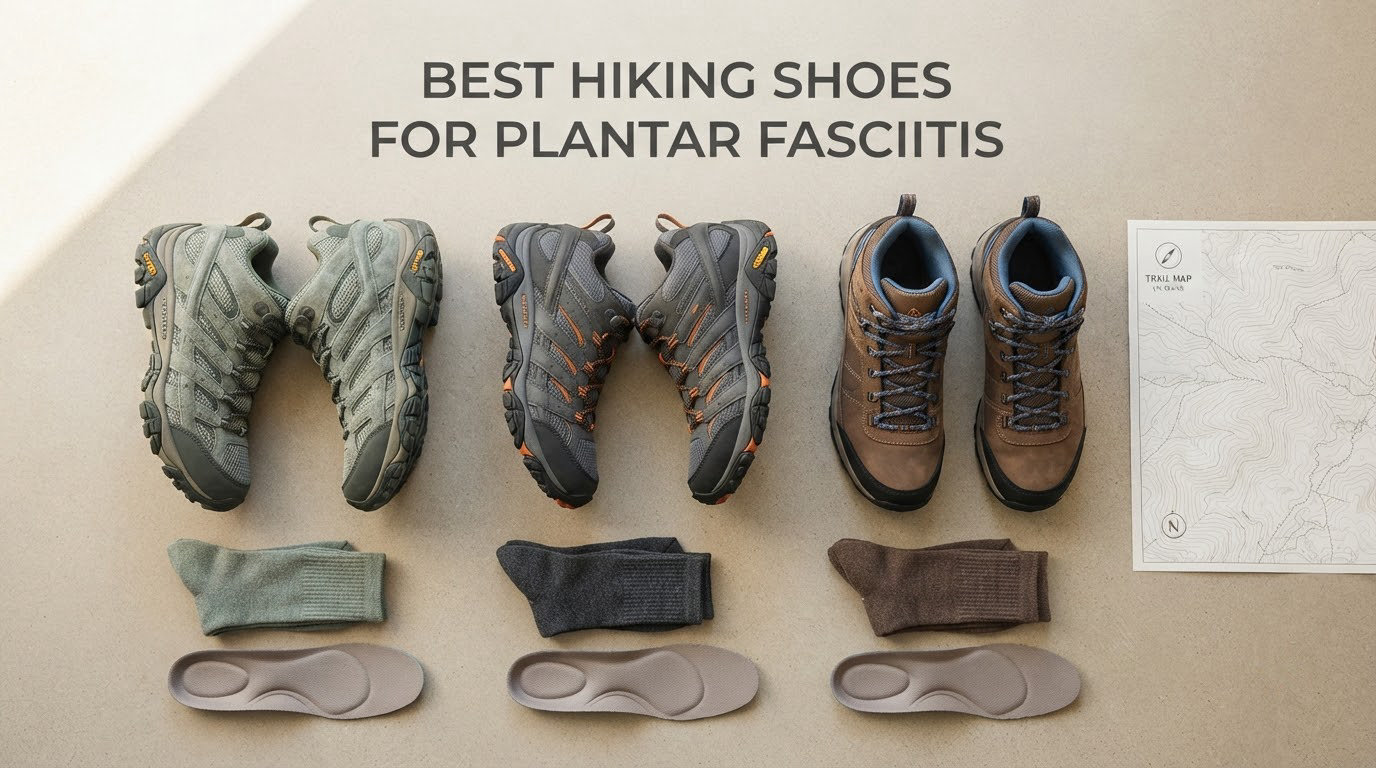
The best hiking shoes for plantar fasciitis are the ones that keep the heel from lifting and stop the arch from collapsing on every footfall. Our top overall pick is the Merrell Moab 3, and after reading through more than 15,000 owner reviews plus the specs of nine other shoes, that is where the evidence points. Updated for 2026, this roundup covers what actually reduces heel strain on a trail, plus the fit mistakes that undo a good shoe.
Plantar fasciitis is irritation of the thick band of tissue running from heel to toes, and its signature symptom is stabbing heel pain on the first steps of the morning. Hiking loads that tissue repeatedly, mile after mile, on uneven ground that a flat city sidewalk never prepares you for.
A word on what this roundup can and cannot do. We have not worn these shoes over a season of backpacking, so this is a spec-and-review comparison, not a field test. Footwear helps, but it is not treatment. If your heel pain is worsening, spreading, or waking you at night, see a podiatrist before you buy anything. Our wider guide to walking shoes for plantar fasciitis covers the same mechanics on pavement.
Table of Contents
Top 3 Picks: Best Hiking Shoes for Plantar Fasciitis (October 2026)

Merrell Men’s Moab 3 Hiking Shoe
- Removable contoured footbed
- Vibram TC5+ outsole
- Heel air cushioning

KEEN Targhee 4 Low Waterproof
- Removable arch-support footbed
- Waterproof membrane
- Roomy toe box

Two other names dominate the wider trail conversation for this condition. Users in r/PlantarFasciitis with long histories of the problem often point to lightweight hiking boots like the Merrell Moab and Vasque models as what they actually hike in now. In r/hiking beginner threads, the two most-recommended first boots are both high heel-drop, stiff-soled designs, which is the same mechanical logic running through this list.
The Best Hiking Shoes for Plantar Fasciitis at a Glance
| Product | Specifications | Action |
|---|---|---|
| Merrell Men’s Moab 3 Hiking Shoe |
|
Check Latest Price |
| Altra Men’s Lone Peak 8 Trail Running Shoe |
|
Check Latest Price |
| KEEN Targhee 4 Low Waterproof Hiking Shoe |
|
Check Latest Price |
 New Balance Fresh Foam X Hierro V9 New Balance Fresh Foam X Hierro V9 |
|
Check Latest Price |
 FitVille Extra Wide Trail Running Shoes FitVille Extra Wide Trail Running Shoes |
|
Check Latest Price |
 Hike Footwear Theora Pro Wide Toe Box Hike Footwear Theora Pro Wide Toe Box |
|
Check Latest Price |
 FitVille Extra Wide Hiking Shoes FitVille Extra Wide Hiking Shoes |
|
Check Latest Price |
 OrthoComfoot Orthopedic Hiking Boots OrthoComfoot Orthopedic Hiking Boots |
|
Check Latest Price |
 Columbia Women’s Strata Trail Low Waterproof Columbia Women’s Strata Trail Low Waterproof |
|
Check Latest Price |
 Brooks Women’s Caldera 8 Ultra Trail Shoe Brooks Women’s Caldera 8 Ultra Trail Shoe |
|
Check Latest Price |
Two things in that table deserve a flag before you read further. The Altra Lone Peak 8 and the Hike Footwear Theora Pro both sit on a zero-drop platform, which is the opposite geometry from what most plantar fasciitis guidance points at. I still included them because toe room and foot strength matter, but I would treat them as a deliberate second pair rather than your only pair. The same goes for the very soft, very tall Brooks Caldera 8.
Best Hiking Shoes for Plantar Fasciitis: Our Top 10 Picks
1. Merrell Men’s Moab 3 Hiking Shoe – Best Overall Pick for Plantar Fasciitis
Moab 3
Removable contoured footbed
Vibram TC5+ outsole
Heel air cushioning
Suede and mesh upper
Pros
- Removable footbed with reinforced heel cushioning
- Best-supported review base of any pick here
- Dependable Vibram traction on mixed terrain
- Heel air unit absorbs shock on long descents
Cons
- Bellows tongue and suede run warm in heat
- Footbed is medium support rather than firm orthotic support
This is the shoe I would hand someone who asked me to pick just one. It carries a 4.6 rating across more than 15,000 reviews, which is a review base several times larger than anything else in this roundup, and the praise is unusually consistent: removable footbed, heel cushioning, and grip on mixed ground.
What matters for plantar fasciitis is the footbed. The Kinetic Fit ADVANCED insole is removable and contoured, with reinforced cushioning in the heel section, and the heel also carries a Merrell Air Cushion unit for shock absorption. Reviewers describe it as supportive without being rigid, which is the middle ground most heel-pain advice aims for.
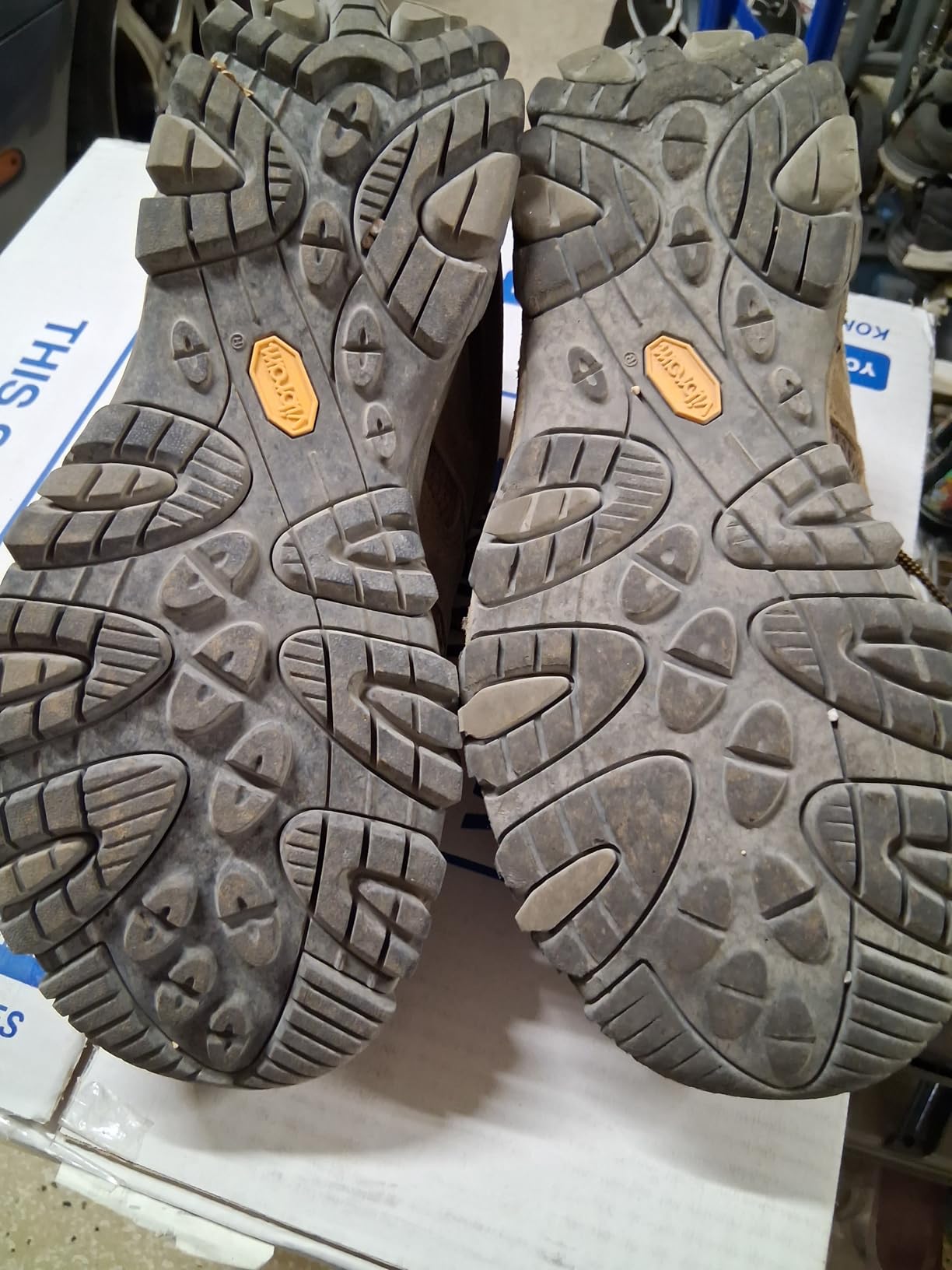
The upper is pig suede with breathable mesh panels and a bellows tongue that keeps grit out of the lacing. The Vibram TC5+ outsole was formulated for Merrell and handles rock, gravel and mixed outdoor terrain without fuss. Listed weight is 3.06 pounds for the pair.
It is a low-top, so there is no ankle collar to lean on when the ground tilts. On smooth, well-used trail that costs you nothing. On off-camber descent it is a real trade, and if your heel pain flares on sidehills specifically, one of the mid-weight structured options further down may serve you better.
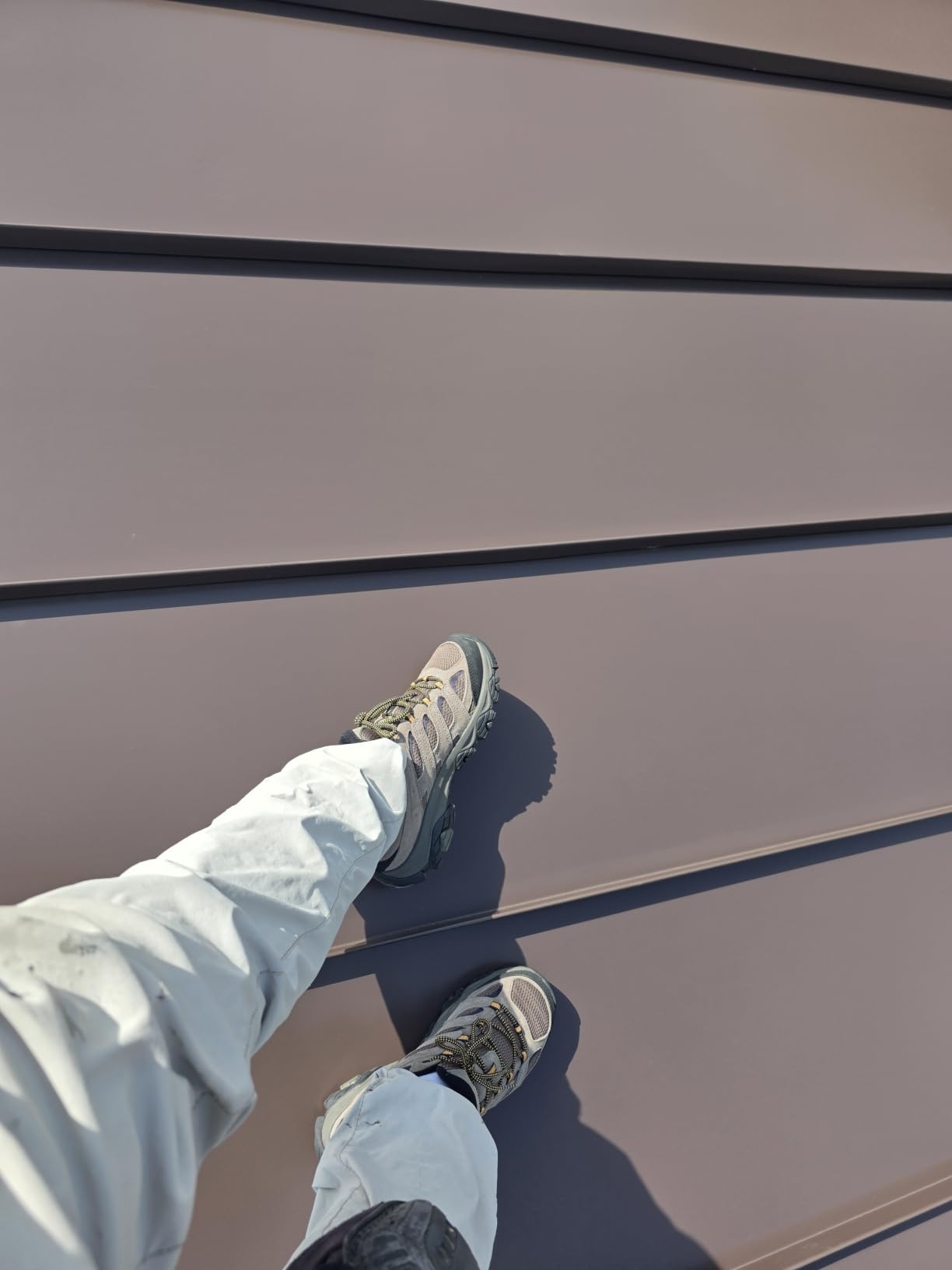
Who the Moab 3 suits best
It suits hikers on maintained and semi-rough trail who want a removable insole they can swap for a Green Superfeet or a custom orthotic. One r/PlantarFasciitis user with 14 years of the condition, now 7 years pain-free, specifically recommends lightweight hiking boots of this general type. The roomy fit also works for people who wear thick hiking socks without fighting for toe space.
Where the Moab 3 falls short
The footbed is described as medium support, not a firm orthotic platform. If your pain is driven by significant overpronation or you already wear prescription orthotics full time, a shoe built around a stiffer support base may serve you better. Heat is the other complaint: suede plus a bellows tongue is a warm combination for summer desert miles.
2. Altra Men’s Lone Peak 8 Trail Running Shoe – Best for Wide Feet
ALTRA Men’s Lone Peak 8 Trail Running Shoe, Tan, 10
Zero-drop wide toe box
25mm stack height
EGO midsole
MaxTrac TrailClaw outsole
Pros
- Roomy toe box lets toes splay naturally
- EGO midsole gives lively shock absorption
- MaxTrac traction holds on dirt and gravel
- Doubles as an everyday shoe
Cons
- Wide toe box runs large for standard-width feet
- Less lateral hold than a boot on off-camber ground
Altra built the Lone Peak around one idea: let the foot move the way it is shaped. The toe box is genuinely wide, the platform is zero-drop, and the stack height is 25mm, so there is real foam under the foot without a raised heel.
For plantar fasciitis the toe room is the point. A cramped forefoot changes how every step loads, and several wide-foot owners in the review set describe the fit as the reason their feet stopped hurting. The EGO midsole is described as lively rather than plush, which keeps the ride from feeling like a marshmallow under load.
Grip is handled by the MaxTrac outsole with TrailClaw lugs, which reviewers say holds on dirt, gravel and rock alike. The reinforced ripstop upper resists abrasion and debris. Listed weight is 3 pounds for the pair.
Zero drop is a genuine trade-off here and I want to be direct about it. There is no heel-to-toe drop, so the calf and Achilles work differently on descent than they do in most hiking shoes. Plenty of people with heel pain prefer that. Some feel it immediately and go back up.
Why the wide toe box matters for heel pain
Plantar fascia pain does not stay in the heel. When the forefoot is pinched, the arch compensates on every step, and the compensation shows up as arch and midfoot fatigue a few hours into a long day. Giving the toes room to spread removes one source of that compensation without changing anything else about the shoe.
When to skip it
If your pain is driven by overpronation rather than forefoot crowding, the low, soft profile gives less lateral hold than a boot, and the wide fit runs large if you have a standard-width foot. Sizing down one is common advice from owners. It is also a trail running silhouette, so there is no ankle support to lean on for heavy packs or loose descents.
3. KEEN Targhee 4 Low Waterproof Hiking Shoe – Best for Arch Support
KEEN Men’s Targhee 4 Low Height Durable Comfortable Waterproof Hiking Shoes, Sea Turtle/Roasted Pecan, 10 Wide
Removable arch-support footbed
KEEN.DRY waterproof membrane
All-terrain rubber outsole
Roomy toe box
Pros
- Removable footbed with genuine arch support
- Roomy toe box suits wider feet
- Waterproof membrane holds in wet trail conditions
- Direct-attach construction resists separation
Cons
- Heavier than a trail runner from the membrane and toe guard
- Bulky styling reads more like a work shoe
The Targhee has the strongest arch-support story of the traditional hiking shoes in this roundup. The removable Luftcell footbed provides arch support and contours to the foot, and owners can pull it out and drop in a custom orthotic without fighting the fit.
KEEN Original Fit is the other half of the appeal. It gives toes room to spread, which is why this shoe shows up so often for people with wider feet, and the bruise plate plus high-abrasion toe guard protect on rocky, rooty ground. The KEEN.DRY membrane vents moisture while blocking water, so it works for wet trail rather than just dry rock.
Direct-attach construction reduces the chance of the shoe separating over time, which matters if you are putting miles on it. The KEEN.ALL-TERRAIN rubber outsole grips mud and rock, and the laces are made from recycled PET. Weight is not reported by the manufacturer for this model.
Best for orthotics users
This is the pick to shortlist if you already wear orthotics and want a hiking shoe that will accept them. The footbed lifts out cleanly, and the midfoot is roomy enough that a thicker insert does not push your toes into the front of the shoe. That combination is rare, and it is the single most common frustration people report about hiking footwear in general.
What you give up for the support
Weight and bulk. The waterproof membrane and toe guard add mass that a trail runner does not carry, and reviewers describe the styling as closer to a work shoe than a lightweight hiker. If your hikes are long and your pack is light, that extra mass accumulates over a full day. If you are walking cobblestone or hard trail for hours, the stability is worth it.
4. New Balance Fresh Foam X Hierro V9 – Most Versatile for Long Days Under Load
New Balance Men’s Fresh Foam X Hierro V9 Trail Running Shoe, Arid Stone/Castlerock, 11 M
Dual-density Fresh Foam X midsole
Vibram Megagrip with 6mm lugs
Reinforced toe cap
Extra-wide widths
Pros
- Soft top layer over a stable firm base
- Vibram Megagrip grips wet and dry ground
- Reinforced toe cap handles roots and rocks
- Offered in 2X-Wide and XX-Wide
Cons
- Heavier than most trail running shoes at 2.1 pounds
- Fresh Foam X is cushioned rather than firm orthotic support
The Hierro is the one pick here with a dual-density midsole, and that detail is the whole reason it works for heel pain. A softer top layer sits over a firmer base, so the shoe absorbs shock on impact while still resisting twisting underneath. You get cushioning without the shoe folding flat by mile six.
The outsole is Vibram Megagrip with Traction Lug technology and 6mm lugs, which reviewers single out for wet and dry terrain alike. Toe Protect Technology reinforces the toe cap against rocks, roots and debris, and the engineered knit upper uses a gusseted tongue to keep grit out and air moving.
For plantar fasciitis specifically, the extra-wide sizing is a genuine asset. New Balance offers this model in 2X-Wide and XX-Wide, and buyers with broad feet say that alone decides whether the shoe works. Listed weight is 2.1 pounds for the pair, so it is not the lightest option here.
When a soft top layer over a firm base helps
Plantar fascia pain is aggravated by impact and by collapse, and those are different problems. A shoe that is all firm gives you stability and no absorption. A shoe that is all soft absorbs well and then bottoms out. The dual-density layout tries to satisfy both at once, and reviewers describe the result as plush but planted.
Who should look elsewhere
If you need a firm orthotic arch platform, Fresh Foam X is a cushioned design and will not stand in for one. The 2.1-pound weight also makes it a poor choice for speed hiking or for anyone whose overall fatigue is already the problem. Heavy boots increase total exertion, and that compounding effect is a real complaint in plantar fasciitis communities.
5. FitVille Men’s Extra Wide Trail Running Shoes – Best for Extra-Wide Feet
FitVille Men’s Extra Wide Walking Shoes Lightweight Trail Hiking Shoes Sneakers for Plantar Fasciitis and Arch Support, 9.5 X-Wide
Extra-wide and X-Wide sizing
High-instep cut
About 1.3 lb per pair
Grip-ready outsole
Pros
- Widths that mainstream brands often skip
- High-instep cut stops midfoot pinching
- Owners report relief from arch and forefoot pain
- Light at about 1.3 lb per pair
Cons
- Some reviewers find the styling bulky
- A minority report visible wear after about two months
- Cushioning is firmer than plush premium shoes
This shoe exists to solve a fit problem, and the review set makes that clear. Buyers talk about width, not performance. Multiple owners describe having given up on finding shoes in their size, then finding them here, which tells you how much of the foot pain they were managing was pressure rather than terrain.
The design is a wide toe box paired with a high-instep cut, so the midfoot is not pinched on long walks. The brand also states the wide design helps reduce foot pain associated with plantar fasciitis, bunions, arthritis and flat feet. The advanced midsole provides all-day cushioning and energy return, and the outsole is grip-ready across varied terrain.
Weight is approximately 1.3 pounds per pair in a US size 8, the lightest figure here, and the breathable materials help in warm conditions. Durability is a genuine strength: buyers who logged 30-plus miles report the EVA midsoles and outsoles holding up.
Why width alone changes a long hike
A tight forefoot forces the toes together, which changes your stride and pushes extra load through the arch on every step. Over a full day that turns into midfoot and heel ache that has nothing to do with trail difficulty. This shoe removes that variable entirely, and for feet that no mainstream brand fits properly, that is worth more than any midsole tweak.
The compromises to accept
Fit is the whole product, so performance details get less attention. Some reviewers find the styling bulky, and a minority report visible wear after about two months of daily use, so treat it as a shoe you may replace within a year rather than a lifetime buy. The cushioning is also firmer than the plush premium options here, which is fine for support but not what a pain-first buyer may expect.
6. Hike Footwear Theora Pro Hiking Shoes – Best for a Zero-Drop Stride
Hike Footwear Theora Pro Zero Drop Trail Running Shoes Black
Zero-drop platform
Structured snug heel cup
Wide toe box
Breathable materials
Pros
- Wide toe box supports natural foot movement
- Structured heel cup gives a secure hold
- Works as both a walking and light hiking shoe
- Breathable materials manage heat
Cons
- Lowest average rating here at 4.0
- Runs small until you follow the size-up guidance
- Minimal cushioning versus cushioned trail shoes
The Theora Pro is the most divisive shoe in this roundup, and the reason is sizing. The brand recommends ordering one size up because the structured heel cup fits snug. Buyers who follow that guidance report a supportive, stable hold. Buyers who order their usual size call the heel cup too tight.
That rating spread is the widest here, sitting at 4.0 with an 11 percent one-star share. Read the sizing note before anything else. The design itself is coherent: a wide toe box that lets toes spread, flex and strengthen, on a zero-drop platform intended to support a natural gait.
The brand states the design supports recovery from plantar fasciitis issues, and the mechanism is foot strength rather than cushioning. There is very little foam here compared with the Brooks or New Balance picks, so the case is that stronger feet handle load better over time. Breathable advanced materials keep feet cool and dry on hot days.
Why a zero-drop shoe appears in a heel-pain roundup
Most plantar fasciitis advice focuses on reducing load. This shoe takes the opposite approach: flatten the platform, widen the toe box, and work on the strength of the foot and leg muscles instead. Some people with heel pain respond well to that and feel less midfoot fatigue over long days. The wide toe box and structured heel cup are what make it a hiking shoe rather than a minimalist trainer.
Why the rating is the lowest of the ten
It is a sizing problem, not a design problem, but buyers still rate the experience. If you skip the one-size-up guidance, the snug heel cup creates a pressure point on exactly the tissue you are trying to protect. Cushioning is also minimal, so anyone who wants a forgiving ride underfoot will find this one unsatisfying on rock.
7. FitVille Men’s Extra Wide Hiking Shoes – Budget Pick for Wide Feet on Trail
FitVille Men’s Extra Wide Hiking Shoes Trail Trekking Sneakers
2E and 4E extra-wide widths
All-terrain tread
Supportive moisture-wicking insole
Breathable mesh upper
Pros
- 4E X-Wide is one of the few extra-wide hiking shoes offered
- Roomy toe box relieves bunion and hammertoe pressure
- Insole combines heel cup and arch support
- Mesh upper disperses moisture
Cons
- Sneaker-style upper gives less ankle support than a boot
- Softer and less structured than traditional hiking shoes
This is the budget route into extra-wide hiking footwear, and the width is the point again. It comes in Wide 2E and X-Wide 4E, which is genuinely rare in hiking shoes, and buyers repeatedly say the 4E option is the only reason the shoe fits at all.
The insole is an all-day comfort design with a supportive heel cup, an arch shape, and moisture wicking. The engineered breathable mesh upper repels light rain and disperses moisture, and the tread pattern is designed for grip on mud and slopes, which owners confirm holds up on wet ground.
The toe box is roomy enough to relieve pressure on bunions and hammertoes, two conditions that change how you load the arch. For a hiker who has had to compromise on width in every other shoe, that is a real answer rather than a compromise.
Best value pick for extra-wide feet
If your budget is the deciding factor and your feet are wide, this is the sensible pick. You get 4E sizing, a supportive insole and trail-rated traction without moving up to a heavier traditional boot. The 2E width is also a normal-feet option for anyone who wants room in the toe box on a long day.
Where it stops short of a boot
The sneaker-style upper does not deliver the ankle stability of a boot, and the whole build is softer and less structured than a traditional hiking shoe. If you are carrying a heavy pack, descending off-camber terrain, or crossing loose rock where foot placement matters, that softness is a genuine drawback. Keep it for maintained trail and flat-to-moderate ground.
8. OrthoComfoot Men’s Orthopedic Hiking Boots – Best for a Swappable Orthotic Insole
OrthoComfoot Mens Plantar Fasciitis Shoes, Orthopedic Boots with Arch Support, Trekking Sneakers for Diabetic, Pain Relief Black Size 11
Removable orthopedic insole with TPU layer
Drop-down heel converts to sneaker
Water-resistant GTX lining
Serrated EVA outsole
Pros
- Removable insole with a firm TPU support base
- Drop-down heel switches between sneaker and boot
- GTX lining holds up in wet conditions
- Serrated EVA outsole grips mixed outdoor surfaces
Cons
- Size range tops out around size 13.5
- Suede and canvas upper needs break-in
This is the most explicitly orthopedic design in the roundup, and the reviews reflect that. The removable insoles use a hard TPU support layer over a PU memory foam base, with a high-arch support shape aimed at relieving foot and heel pain. Buyers name the insole and the drop-down heel as the two features that make the shoe work.
The drop-down heel is a neat design. It converts the shoe between a casual sneaker and an outdoor boot, so one pair covers both a workday and a trail day. The upper is premium canvas with cow suede leather, stitched for durability, and the water-resistant GTX fabric lining holds up in wet conditions with an anti-slip sole.
For traction, the EVA outsole uses a serrated pattern that reviewers say grips varied terrain. Construction is lightweight for a hiking boot, which is a meaningful positive when overall fatigue is part of the problem.
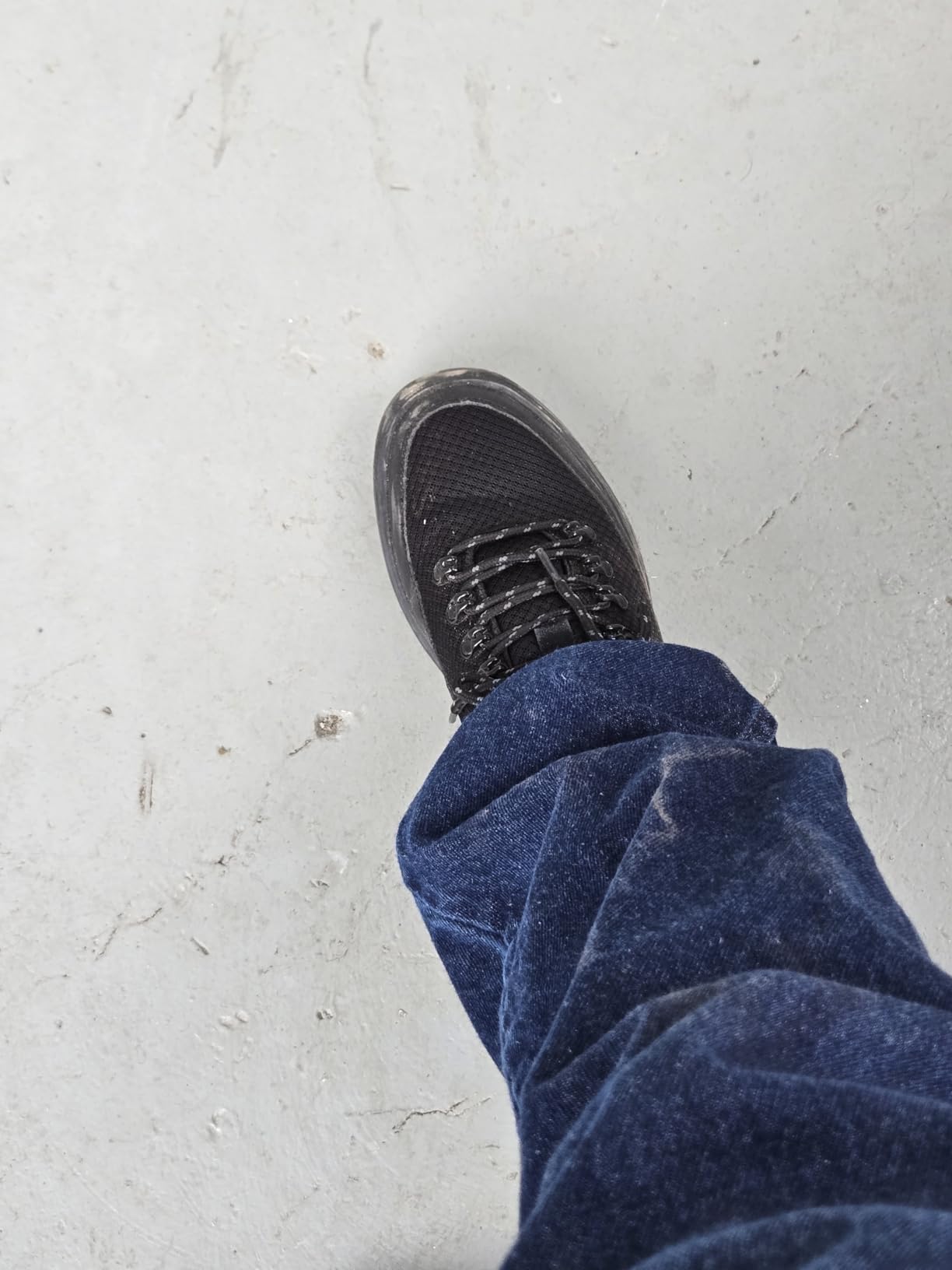
Who benefits most from a TPU support layer
The TPU layer does not compress the way a full EVA foam footbed does, so the arch support survives a long day under load. That matters more on a trail than on a sidewalk, where you are carrying a pack and walking on uneven ground. If you already know your feet need a firm corrective device, this is the pick where swapping insoles is clearly the design intent rather than an accident.
Check your size before you commit
The size range is the main limitation and it tops out around size 13.5, which is narrower than the other picks here. The suede and canvas upper also collects dirt and takes time to break in, and a painful break-in period is one of the deal breakers people with active heel pain report. Wear it indoors with thick socks for a week before a long hike.
9. Columbia Women’s Strata Trail Low Waterproof – Best Waterproof Pick
Columbia Women’s Strata Trail Low Waterproof, Black/Juicy, 8.5 Wide
Omni-Tech waterproof membrane
Techlite cushioned midsole
Omni-Grip multi-terrain traction
Suede and mesh upper
Pros
- Techlite midsole is light with lasting energy return
- Omni-Grip holds on rock and gravel when wet
- Waterproofing without an overly stiff feel
- Wide size options across multiple colorways
Cons
- Suede upper is heavy and poor in sustained wet weather
- Moderate cushioning versus max-cushion trail shoes
The Strata Trail Low is the balanced everyday hiking shoe of this group, and reviewers describe it in exactly those terms. It is light enough for long days thanks to the Techlite midsole, which handles impact absorption and returns energy without the bulk of a heavier waterproof boot.
Omni-Grip is the multi-terrain rubber compound, and it holds on rock, dirt and gravel in both wet and dry conditions. The Omni-Tech multilayered protection handles moderate rain and snow. Reviewers credit the waterproofing specifically for not making the shoe feel stiff, which is the usual complaint with membrane hiking shoes.
The upper is durable suede and mesh with synthetic leather overlays, and a gusseted tongue keeps debris out. Fit and wide sizing are recurring positives in the reviews. Weight is not reported by the manufacturer for this model.
Best for wet climates and shoulder-season trail
If your hiking overlaps with rain, mud or lingering snow, a waterproof low with real wet-ground traction removes two variables at once. The Omni-Grip outsole is the detail to trust here, because owners repeatedly confirm grip in wet conditions rather than just in marketing copy. It also works as a general walking shoe, which broadens its use beyond hiking.
The suede trade-off
Suede is heavier than mesh and is less suited to sustained wet-weather trail use, which is a fair criticism of any suede hiking shoe. Cushioning is moderate, so it will not absorb a full day on hard rock the way the Brooks Caldera 8 does. If your priority is waterproof protection on mild ground, this is a strong fit. If it is maximum cushioning in rough terrain, look elsewhere.
10. Brooks Women’s Caldera 8 Ultra Trail Running Shoe – Best for Long Distance Comfort
Brooks Women’s Caldera 8 Ultra Trail Running Shoe – Black/Blackened Pearl/White – 10 Medium
High-stacked cushioned midsole
Raised sidewalls for stability
Widened base with flex grooves
Breathable air mesh upper
Pros
- Thick cushioning absorbs impact on rocks and roots
- Raised sidewalls make landings feel secure
- Widened base with flex grooves stabilises rough ground
- Breathable upper manages moisture
Cons
- High soft stack reduces ground feel on technical trail
- Trail silhouette gives no boot-level ankle support
The Caldera 8 Ultra is the long-distance comfort option, and the whole design serves that goal. The super-soft, nitrogen-infused DNA LOFT v3 cushioning is stacked high specifically for protection on rocky terrain, which is the most common surface that aggravates heel pain.
Stability is handled rather than assumed. Raised sidewalls add security, and a widened base with added outsole flex grooves stabilises landings on rough ground. Those details are what stop a tall soft platform from feeling wobbly, and reviewers credit them for making landings feel secure.
The upper uses air mesh and breathable TPEE for ventilation and moisture management over long days. The shoe is Carbon Neutral certified with increased use of recycled materials. Weight is not reported by the manufacturer for this model.
When maximum cushioning is the right call
Long-distance hikers walking 15 miles or more over rocky, rooty ground get the most from this profile. A community thread on r/AppalachianTrail describes flare-ups arriving fairly quickly into a hike on rough terrain, and a high-stacked midsole is the most direct answer to that. If your pain is driven by impact rather than by poor arch support, softness is genuinely the right medicine.
When softness is the wrong call
There is a limit. The tall, soft platform gives up ground feel, which makes technical trails harder, and a trail running silhouette provides no boot-level ankle support. If your condition is driven by overpronation or you need a firm orthotic base, this is the wrong shape. It is also a deliberate counterpoint to the support-first advice most of this list follows.
How to Choose the Best Hiking Shoes for Plantar Fasciitis
Five criteria decide this purchase more than brand or price. Check them in order and the right shoe usually narrows itself quickly. If you want the waterproof question answered separately, our guide to waterproof hiking shoes for trails goes deeper on membranes and wet terrain.
Look for a defined heel-to-toe drop
Heel drop, also called heel-to-toe drop, is the height difference between the heel and the forefoot of the shoe, measured in millimetres. A drop of 10mm to 14mm keeps the heel slightly raised, which reduces how hard the plantar fascia is stretched on each step. On r/BuyItForLife, users credit Asolo boots with helping their plantar fasciitis, and high heel drop is the reason cited repeatedly.
Zero-drop shoes such as the Altra Lone Peak 8 and the Hike Footwear Theora Pro sit at the opposite end. They are not wrong, but they are a different bet, and you should choose them for toe room and foot strength rather than for load reduction.
Prioritise a firm heel counter over thick cushioning
The heel counter is the stiff cup around the back of the heel. When it is soft, your heel lifts and rolls mid-stride, and every lift is another impact landing on the plantar fascia. Boots that look supportive but let the heel rise are among the most common frustrations reported in hiking communities. A structured, snug heel cup is worth more to your heel than an extra layer of foam.
Check the midsole will not collapse under load
Foam midsoles that feel wonderful in a shop compress and collapse by mile six, and a midsole that bottoms out stops supporting your arch mid-hike. Signs of a durable midsole in this roundup include dual-density construction, as on the New Balance Hierro, or a firmer base layer under a soft top. Deep heel cups and stable platforms matter as much as raw foam thickness.
Make sure the insole is removable for orthotics
If you use orthotics, a fixed footbed ends the conversation. Every pick here except the Hike Footwear Theora Pro lists a removable or replaceable insole, and the KEEN Targhee and OrthoComfoot boots are the two built explicitly around swapping them. Users in hiking Facebook groups report wearing Air Plus Orthotic insoles inside their boots, and that only works with a removable bed. Check the insole thickness too, since a thicker device eats into toe box room.
Myth-busting: more padding is not more support
Padding feels supportive in a store and behaves differently at mile five. A very soft shoe absorbs impact but does not stop the arch from collapsing, so it treats one symptom and ignores the other. That said, a hot thread on r/PlantarFasciitis reports that any comfortably cushioned shoe brings real relief, and for many people comfort does beat category labels. The workable position is cushioning under a stable, structured base, which is exactly what the dual-density Hierro and the high-stacked Brooks are built to do.
Low-Top vs Mid-Cut Boot vs Trail Runner for a Painful Heel
Are trail running shoes good for plantar fasciitis? Often, yes, and the reason is weight. A lighter shoe reduces total exertion, and lower total exertion means fewer cumulative cycles through an irritated plantar fascia. The Altra Lone Peak 8 and the Brooks Caldera 8 Ultra are both in this group for that reason.
A low hiking shoe, like the Merrell Moab 3 or the KEEN Targhee, sits between the two. You get trail traction and a structured midsole with less mass than a boot, which is the compromise most day hikers with heel pain end up choosing.
A mid-cut boot earns its weight when you are carrying a heavy pack, descending loose terrain, or crossing ground where a rolled ankle would end your day. It also handles snow and scree better. The honest limitation is that a heavy boot increases overall fatigue, which can compound the very problem you bought it to fix. If your hikes are day hikes on maintained trail, weight usually wins.
Our guide to hiking boots for backpacking goes deeper on when a mid-cut is worth the extra mass.
Insole and Lacing Add-Ons That Reduce Strain
Do orthotic insoles work for plantar fasciitis? For a lot of people, partly, and the forum consensus is that they are one piece rather than the whole answer. One r/PlantarFasciitis user described orthotics as giving a little relief compared with strengthening work, and the same thread recommended Green Superfeet alongside a night splint, daily calf and hamstring stretching, and ankle strengthening.
The practical rule is to fit the insole before the shoe. A thicker device in a shallow footbed pushes your toes forward, and a cramped forefoot undoes the benefit. Test the combination indoors in thick hiking socks before you take it on a trail.
How can I lace hiking shoes for plantar fasciitis? The goal is a heel lock, so your heel stays seated in the counter through the stride:
Skip the bottom eyelet on each side, or lace it loosely, so the tension sits higher on the foot.
Cross the laces over the top two eyelets as normal.
Bring each lace down diagonally to the opposite bottom eyelet you skipped, creating an X across the instep.
Tie at the top and pull firmly. You want the midfoot held without cutting circulation.
Repeat on any strap or buckle above the eyestay, then walk a few minutes and re-tighten.
If heel slip continues, a lace-lock technique that loops the lace ends around the top eyelets helps more than tightening harder. Reducing heel lift takes an impact away from the plantar fascia on every single step, which compounds over a long day.
How to Break In and Maintain Hiking Shoes With Plantar Fasciitis
How long should you break in hiking shoes with plantar fasciitis? Do not wait for a long break-in before your first real hike. Stiff leather needs time, and a painful break-in while the condition is active is a documented deal breaker. Wear new pairs indoors with thick socks for a week or two, on short flat walks, and only then on distance.
Midsole compression is the normal failure mode nobody warns you about. Foam that feels supportive in month three can be compressed and flattened by month eight, and that is usually the point where a previously good shoe stops helping your heel. Signs include the sole creasing where it used to stay flat, or the shoe feeling noticeably less stable on descents.
Beyond that, clean the outsole lugs regularly so the traction pattern keeps biting into mud, and let the footbed dry fully before you wear them again. If you swap in orthotics, take them out and air the shoe between uses. Refresh the removable insole far more often than the shoe itself, since a flattened footbed undoes the arch support the shoe was chosen for.
What to Do If Plantar Fasciitis Keeps Coming Back on the Trail
Flare-ups mid-hike are common and usually mean load has outrun recovery. Here is the order we would work in, based on what the hiking community reports actually helping:
Shorten the hike. A shorter hike with a comfortable shoe beats a longer hike that ends in two days of pain. Terrain and distance are variables you control, unlike the tissue.
Reduce pack weight. Every extra pound transfers into the arch and the fascia over thousands of cycles.
Stretch calves and hamstrings three times a day. Tight calves limit ankle range of motion, which pushes load into the fascia.
Work on foot and ankle strength. Community advice repeatedly pairs footwear changes with ankle and foot strengthening rather than footwear alone.
Consider a night splint. It holds the foot in a dorsiflexed position overnight and is the most commonly recommended non-footwear tool in plantar fasciitis communities.
Get assessed. Recurrent heel pain that is worsening, spreading, or waking you at night needs a podiatrist, not another shoe.
Pairing supportive footwear with a hydration pack that fits properly matters more than it sounds, since pack fit changes how you stand and walk on uneven ground.
Frequently Asked Questions
What are the best hiking shoes for plantar fasciitis?
The Merrell Moab 3 is our top overall pick because its removable contoured footbed, reinforced heel cushioning and heel air unit reduce strain without feeling rigid. A defined heel-to-toe drop, a firm heel counter and a midsole that resists twisting matter more than raw foam thickness. If you need a firmer orthotic base, the KEEN Targhee 4 Low accepts a swap-in insole, and if your feet are very wide, the Altra Lone Peak 8 gives you toe room.
Does hiking help with plantar fasciitis?
Hiking is generally fine with plantar fasciitis as long as footwear and load are managed. The condition is aggravated by repeated impact and by the arch collapsing on uneven ground, not by walking itself. A supportive shoe, a lighter pack and shorter initial hikes usually keep you moving. Worsening pain, pain that spreads, or night pain is a reason to see a podiatrist rather than to hike harder.
Is it okay to go hiking with plantar fasciitis?
Yes, for most people. The key variables you control are shoe support, pack weight and distance. Wear the shoes on flat walks first, build distance gradually, and stop a hike early if the pain ramps rather than eases. A shoe with a high heel-to-toe drop, a firm heel counter and a removable insole gives you the most room to adjust as symptoms change.
What hiking shoes do podiatrists recommend?
The consistent themes are a defined heel-to-toe drop, usually 10mm to 14mm, a firm heel counter, a supportive arch, and a removable insole if you use orthotics. Firm is generally preferred over heavily cushioned, though cushioning over a stable base works well for impact-driven pain. Our roundup is a spec and review comparison, not medical advice, so confirm any diagnosis-driven recommendation with a podiatrist.
What’s the worst thing you can do for plantar fasciitis?
The most common mistakes are letting the heel lift inside a soft shoe, wearing a fixed insole when you need an orthotic, and pushing distance while pain is climbing rather than settling. A cramped toe box is also a reliable way to change how the arch loads on every step. Wearing very heavy boots adds fatigue that compounds the original problem instead of solving it.
The Bottom Line
The best hiking shoes for plantar fasciitis share four things: a defined heel-to-toe drop, a firm heel counter, a midsole that stays stable under a loaded pack, and a removable insole. The Merrell Moab 3 takes our editor’s choice for the strongest overall balance, backed by the largest and most consistent review base of the ten. The KEEN Targhee 4 Low is the pick if orthotics matter most, and the Altra Lone Peak 8 is the answer when toe room is your problem.
Whatever you choose, buy it in a wide width if your feet run wide, break it in indoors before a real hike, and pair the footwear with stretching, foot strength work and sensible load management. If heel pain keeps returning or gets worse, that is a podiatrist conversation, not a shopping one.