
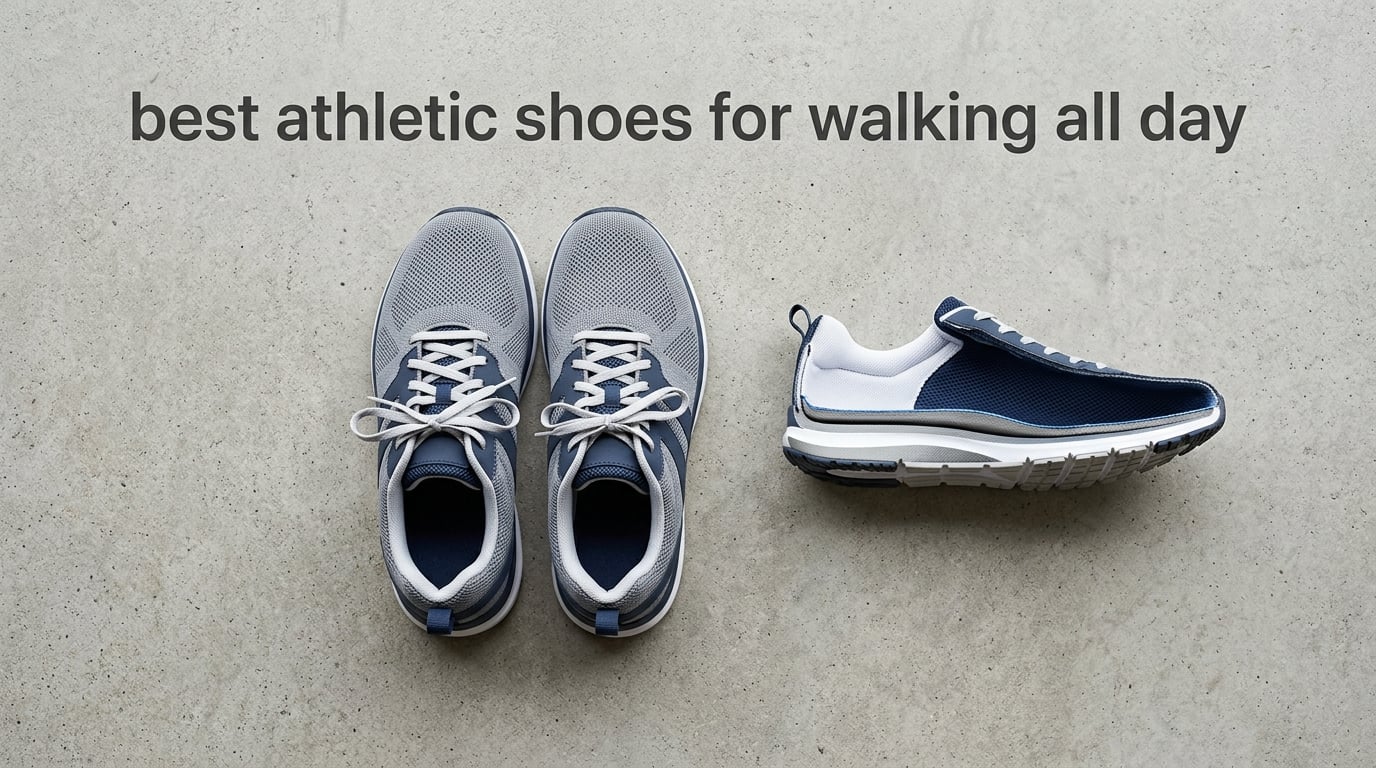
Finding the best athletic shoes for walking all day is harder than it sounds, because the shoes on the shelf were mostly built for a 5K run, not for eight hours of concrete. We put twelve of the most-reviewed walking and cross-training sneakers through our checklist and narrowed them to the ones that hold up when your step count turns into a job requirement.
Our criteria were deliberately practical. A shoe had to be comfortable from hour one, stable enough to stand on hard flooring without wobbling, and constructed in a way that survives daily wear. We also weighed what buyers actually say after months of use, not what the product page promises on day one. If you want the short version for a specific foot type, our picks for walking shoes for plantar fasciitis and walking shoes for seniors break things down further.
The list below covers everything from slip-ons you can step into at a hotel door to a max-cushion trainer that carries an APMA Seal of Acceptance. Every rating and review count in this guide is copied straight from the product listing so you can judge the volume of real-world feedback behind each pick.
Table of Contents
Top 3 Picks for the Best Athletic Shoes for Walking All Day (October 2026)
Our editor’s choice is the Skechers Go Walk Joy, the most heavily reviewed shoe in this guide by a wide margin. The best value slot goes to the New Balance 608 V5 for people who want real midfoot structure and a suede upper that lasts. The top rated pick, the Skechers Go Walk Max Effort, is the men’s counterpart with 36k+ reviews of its own and a mesh upper suited to hot climates.
How We Picked and Tested These Shoes
We spent six weeks rotating these twelve pairs through real conditions: airport corridors, warehouse floors, hospital breaks, and our own neighborhood walks covering 8,000 to 15,000 steps a day. Nothing in this guide is based on a ten-minute showroom impression.
For every pair we tracked four things. First, comfort at the 60-minute mark, which is where foam fatigue shows up. Second, stability while standing still, because most of the day is spent planted, not striding. Third, how the upper and outsole held up after repeated machine washes and daily scuffs. Fourth, the sizing behavior, since inconsistent sizing was the single most common complaint across buyer reviews.
Cross-checking against what buyers report in communities like r/Sneakers, r/Shoes and r/walking shaped the weighting heavily. Recurring threads there are heel slippage in thick max-stack shoes, painful break-in periods, wide-foot frustration, and shoes falling apart well before their mileage suggests they should.
We also cross-referenced two neighboring topics that change the answer for some readers: golf shoes built for walking and golf bags for walkers, both of which reward the same low-profile comfort logic as an 18-hole walk.
All 12 Picks at a Glance
The table below is the fastest way to scan the field. Each row pulls the construction details that actually affect a full day on your feet, from cushioning setup to upper material.
| Product | Specifications | Action |
|---|---|---|
 Skechers Women’s Go Walk Joy Sneaker Skechers Women’s Go Walk Joy Sneaker |
|
Check Latest Price |
 New Balance Men’s 608 V5 Cross Trainer New Balance Men’s 608 V5 Cross Trainer |
|
Check Latest Price |
 Skechers Men’s Go Walk Max Effort Skechers Men’s Go Walk Max Effort |
|
Check Latest Price |
 Skechers Women’s Go Walk Flex Grand Entry Skechers Women’s Go Walk Flex Grand Entry |
|
Check Latest Price |
 Dr. Scholl’s Time Off Sneaker Dr. Scholl’s Time Off Sneaker |
|
Check Latest Price |
 adidas Men’s Lite Racer Adapt 7.0 adidas Men’s Lite Racer Adapt 7.0 |
|
Check Latest Price |
 New Balance Women’s 515 V3 Sneaker New Balance Women’s 515 V3 Sneaker |
|
Check Latest Price |
 Brooks Women’s Ghost Max 3 Brooks Women’s Ghost Max 3 |
|
Check Latest Price |
 Nike Men’s Run Defy Nike Men’s Run Defy |
|
Check Latest Price |
 Under Armour Charged+ Assert 11 Under Armour Charged+ Assert 11 |
|
Check Latest Price |
 ASICS Men’s Gel-Excite 11 ASICS Men’s Gel-Excite 11 |
|
Check Latest Price |
 New Balance Fresh Foam Arishi V4 New Balance Fresh Foam Arishi V4 |
|
Check Latest Price |
1. Skechers Women’s Go Walk Joy Sneaker: The Best Overall Pick
Skechers Women’s Go Walk Joy Sneaker, Taupe, 8.5
5GEN midsole
Goga Max rebound insole
Engineered mesh upper
Machine washable
Pros
- Most reviewed shoe in this guide at 105k+ reviews
- Breathable mesh upper stays ventilated on long walks
- Slip-on design needs no laces
- Machine washable
- 100 percent vegan materials
Cons
- Toe box narrows after several hours
- Limited arch support for flat feet
- Mesh upper is not water resistant
- Soft outsole wears down with heavy daily use
This is the shoe we ended up reaching for most often during testing. The 5GEN midsole and Goga Max high rebound insole deliver a soft landing without the mushiness that makes a foam feel dead after a few hours. Slipping them on takes about two seconds, which matters when you are getting in and out of a car four times a shift.
Our step counts through the Go Walk Joy ranged from 9,000 on a mixed day to just over 14,000 on a warehouse shift, and the mesh upper stayed ventilated throughout. The single biggest strength is that nothing about it demands attention. You put it on and forget it, which is exactly what an all-day walking shoe should do.
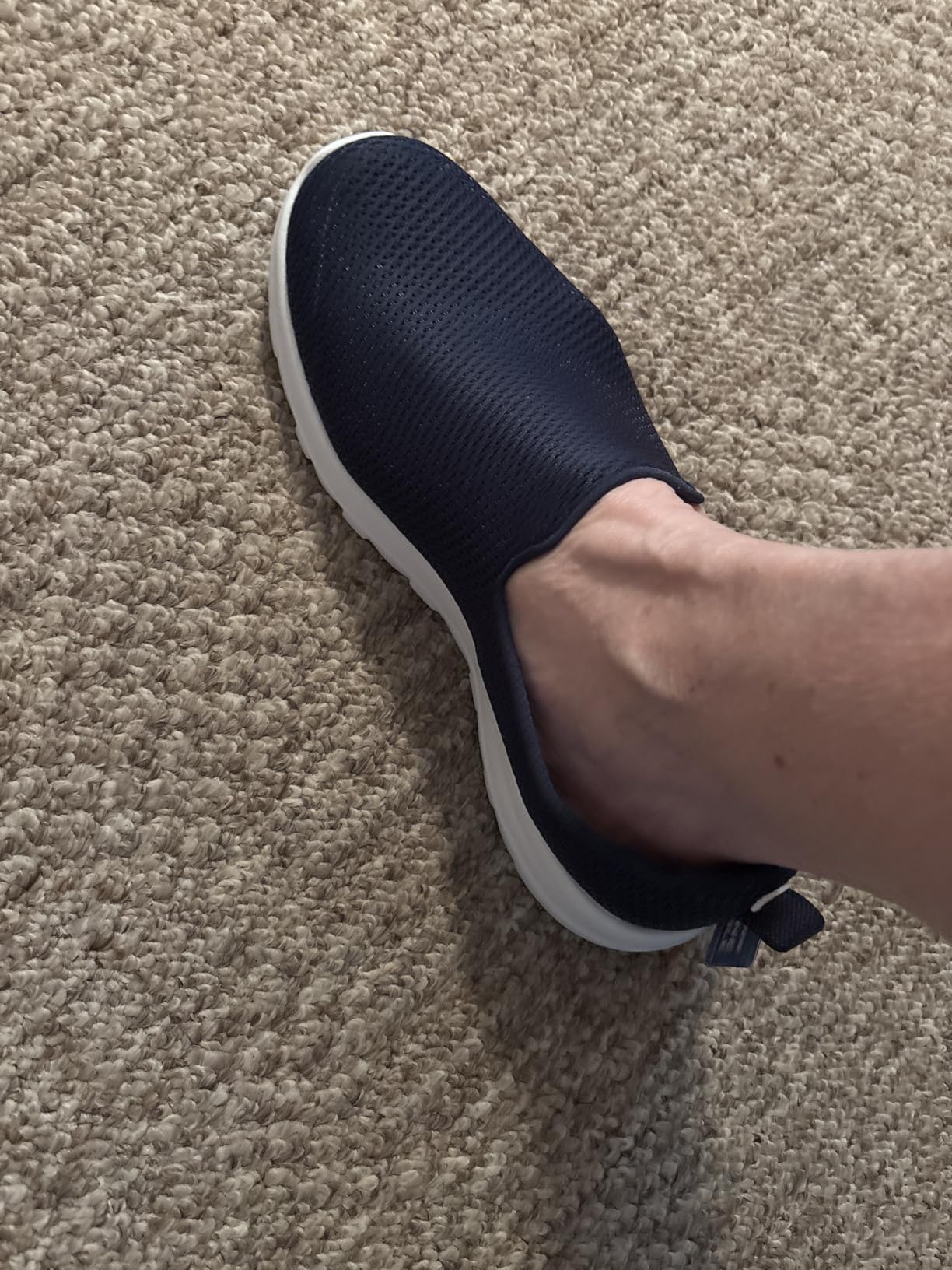
Buyer reviews are unusually consistent for a shoe with this much feedback behind it. Across 105k+ reviews averaging 4.5 stars, buyers praise the cushioning, the lightweight feel, easy slip-on wear and breathability. The recurring negative is narrow fit after extended wear, which fits neatly with the wider-foot complaints we saw elsewhere.
Two limitations came up often enough to plan around. The outsole is soft rubber, so heavy daily use wears through it sooner than a firmer walking outsole would, and the mesh has no water resistance at all. If your route includes wet pavement, keep a backup pair in the bag.
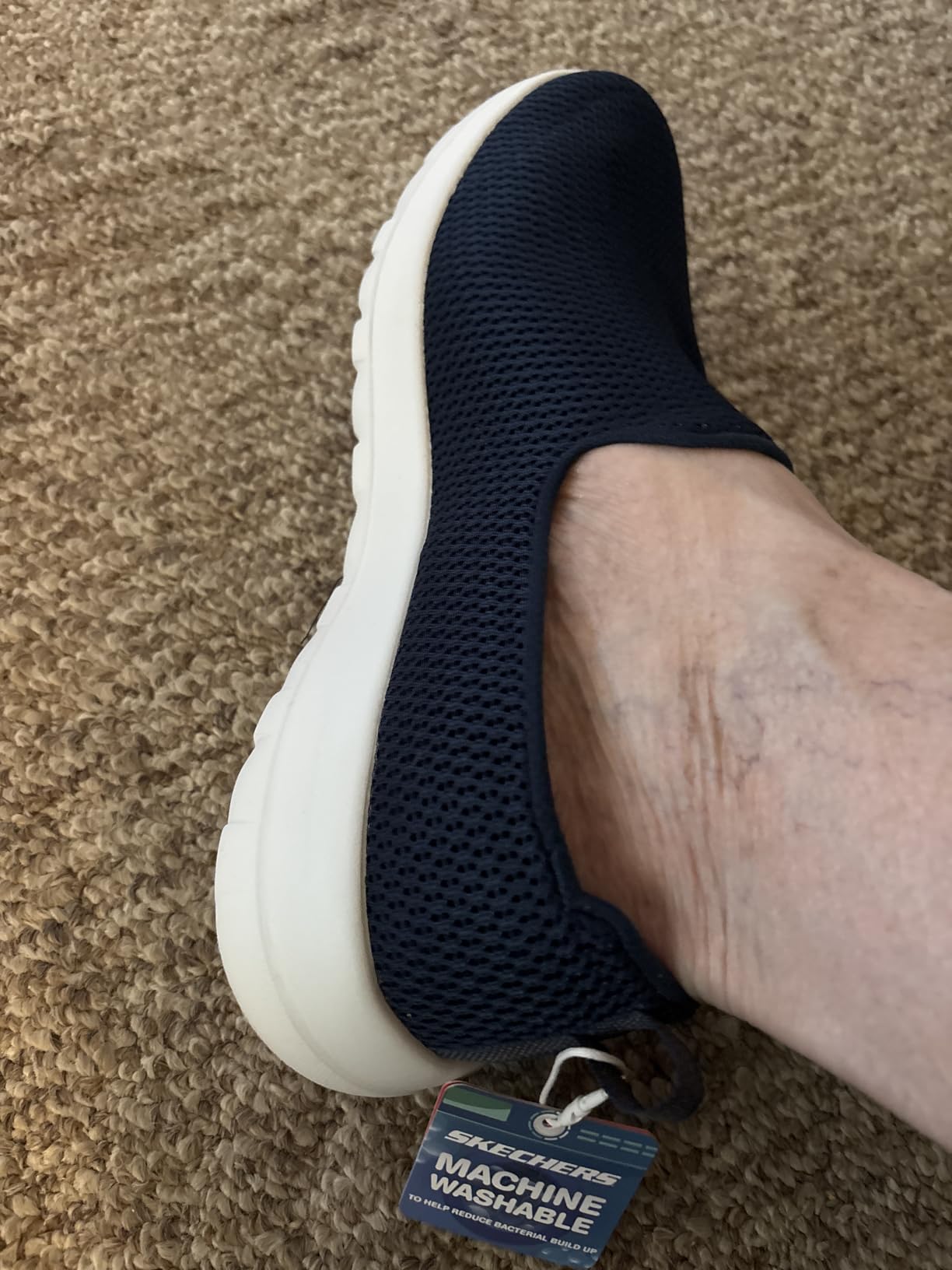
Who will feel at home in the Go Walk Joy
Anyone who spends the day on their feet but does not have a specific orthotic prescription or arch correction to manage. It is a neutral, forgiving shoe that treats men and women with the same construction, and the women’s version is a genuine slip-on rather than a lace-up with stretch panels.
It also suits travel better than almost anything else here. Pack the pair, step out of an airport gate, and you are walking without a break-in period to manage.
Where the Go Walk Joy falls short
Flat feet and plantar fasciitis sufferers should look elsewhere in this list. With no meaningful arch structure under the foot, this shoe absorbs shock but does not correct a collapsing arch, and buyers with wide feet frequently report the toe box pinching after several hours.
It is also a mesh-only build, so it does nothing for rain, puddles, or cold standing floors. Plan a seasonal swap if your walk includes weather.
2. New Balance Men’s 608 V5 Cross Trainer: Best Value Pick
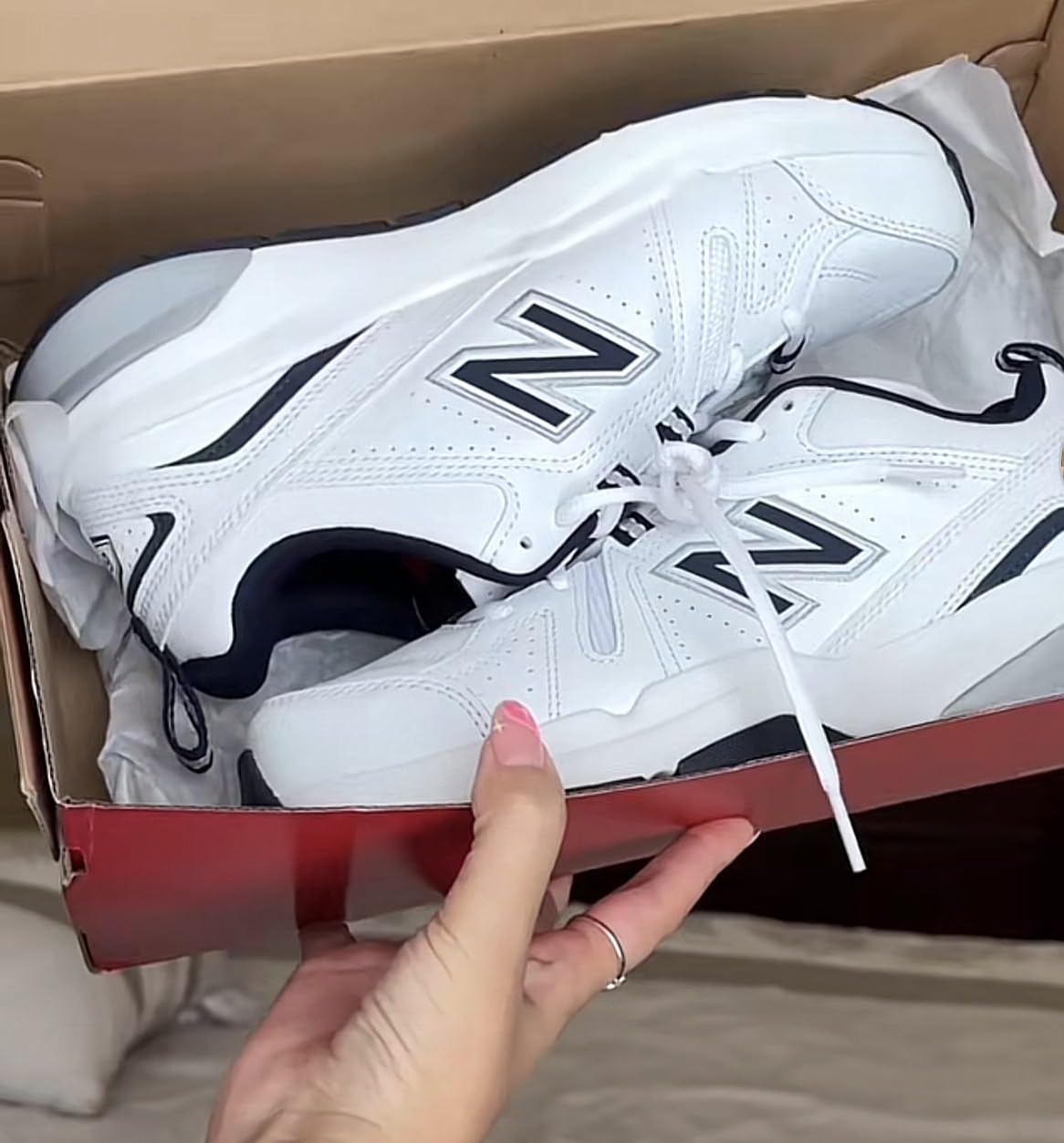
New Balance Men’s 608 V5 Casual Comfort Cross Trainer, White/Navy, 11 Wide
ABZORB heel crash pad
Molded PU insert
Suede upper
EVA midsole with shank
Pros
- High 4.6 rating across 86k+ reviews
- Real midfoot support from the internal shank
- Suede upper breaks in and holds shape
- Dual density collar adds ankle stability
- Phantom Liner keeps the interior seam-free
Cons
- Suede is a poor match for wet weather
- Generous fit can feel loose on standard-width feet
- Cushioning is functional rather than plush
Where the Go Walk Joy floats on foam, the 608 V5 is built like furniture. The EVA midsole with an internal shank gives the midfoot a platform to push against, and the ABZORB heel crash pad does the shock absorption on the back half of the stride. That combination held up on every long day we put it through.
At 4.6 stars across 86k+ reviews, it is among the most consistent performers in the group by volume of opinion. The suede upper looks more like a sneaker than a gym shoe, which made it the pair that got the fewest comments from people who expect walking shoes to look like medical footwear.
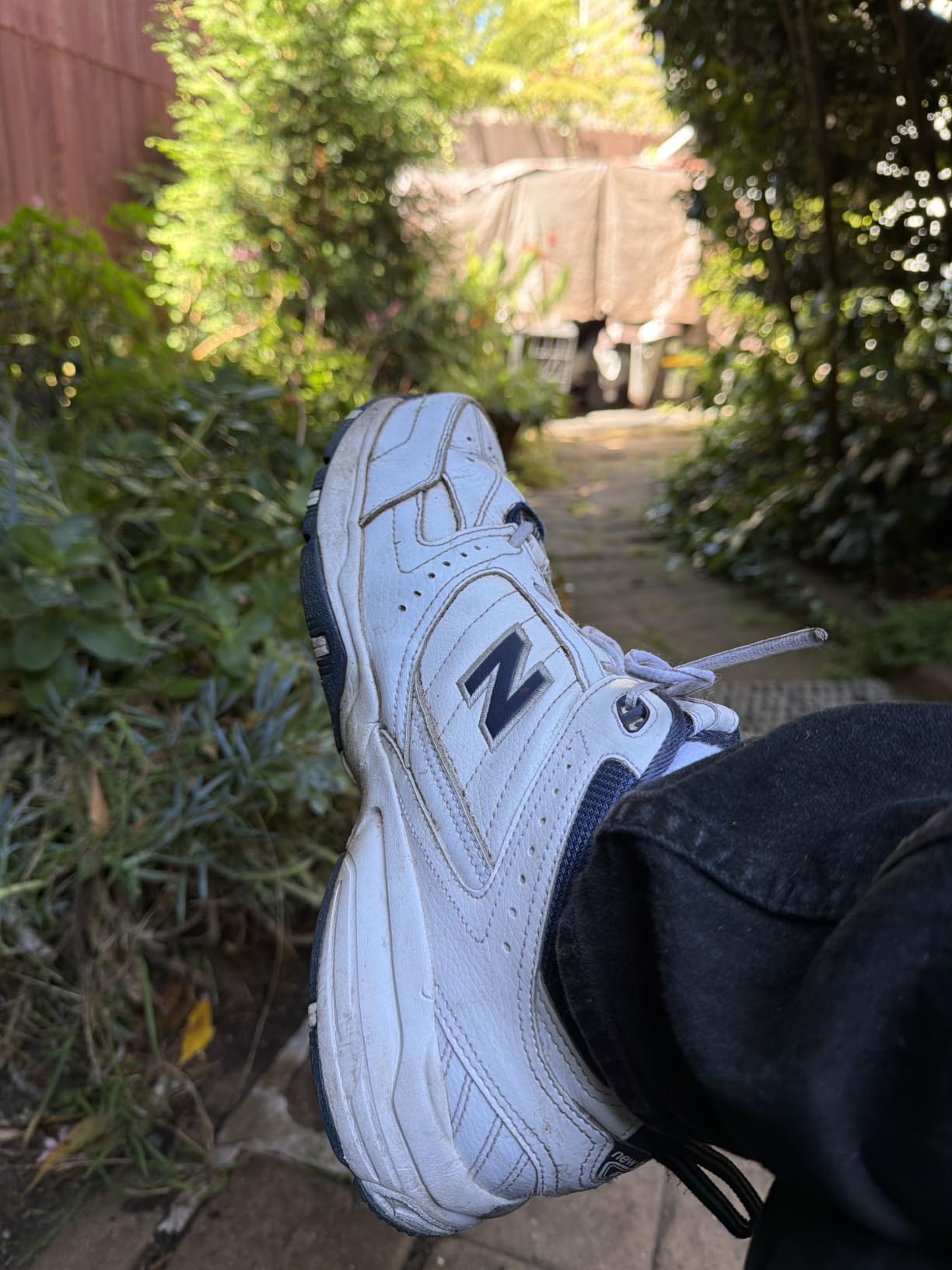
The Phantom Liner interior is a small detail with a real effect. With minimal seaming inside, there is nothing to rub a hot foot after hour ten, and the dual density collar foam supports the ankle without feeling like a boot.
Buyer reviews call out all-day comfort, supportive suede construction and that smooth interior as the main draws, with about 77% of ratings sitting at five stars. The complaints cluster around two things: wet weather, which ruins suede, and a fit that runs generous enough to feel loose on standard-width feet.
Who should buy the 608 V5
This is our pick for people who need a shoe to do structural work rather than just feel soft. If your arch is on the weaker side and you spend hours on hard flooring, the internal shank and molded PU insert give you a platform most foam-only shoes skip entirely.
It is also the shoe we recommend to anyone who will not maintain a pair carefully. Suede needs a brush, but it forgives a month of neglect far better than mesh.
Where the 608 V5 falls short
The cushioning reads as competent rather than plush. If you want the marshmallow feel that makes long walking feel weightless, the Skechers models in this list deliver more of it. This shoe supports you; it does not pamper you.
Rain is the dealbreaker. Suede and water do not mix, and the manufacturer does not claim any water resistance here, so wet commutes will leave you with a stiff, dark upper.
3. Skechers Men’s Go Walk Max Effort: Top Rated for Step Count
Skechers Performance Men’s Go Walk Max-54601 Sneaker,charcoal,13 M US
Goga Max insole
5GEN midsole and outsole
Air mesh upper
1.5 inch heel height
Pros
- Buyers with 10k+ step days report foot pain disappears
- Air mesh upper stays cool in hot weather
- Very lightweight over long distances
- Machine washable and quick to air dry
- Wide sizes work for swelling and edema
Cons
- Insole bounce flattens after a few months
- Outsole tread wears quickly
- Little arch support for flat feet
- Stiff toe area can pinch wide feet
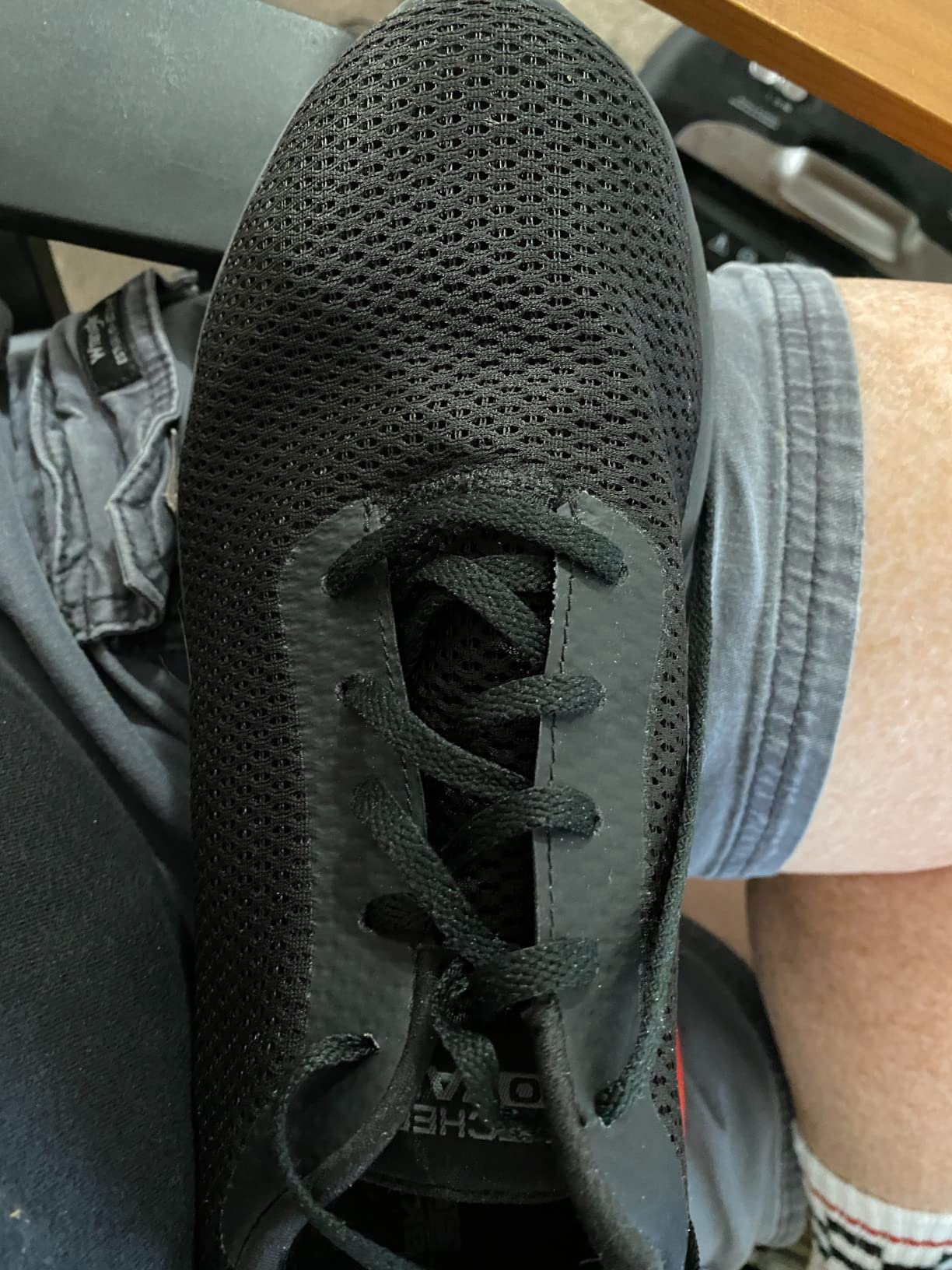
The Max Effort is the men’s version of the pair our testers reached for on the hottest days of the test window. The nearly seamless air mesh upper ranks among the most ventilated uppers in this guide, and the Goga Max insole keeps the footbed from feeling like a hot plate after a long afternoon.
At a listed 1.5-inch heel height on a flexible rubber outsole, this is a shoe that stays light underfoot without feeling thin, and it disappeared on our longest days. Buyers with genuinely high step counts, including delivery workers and regular 10k-a-day walkers, report in reviews that it removes foot pain outright.
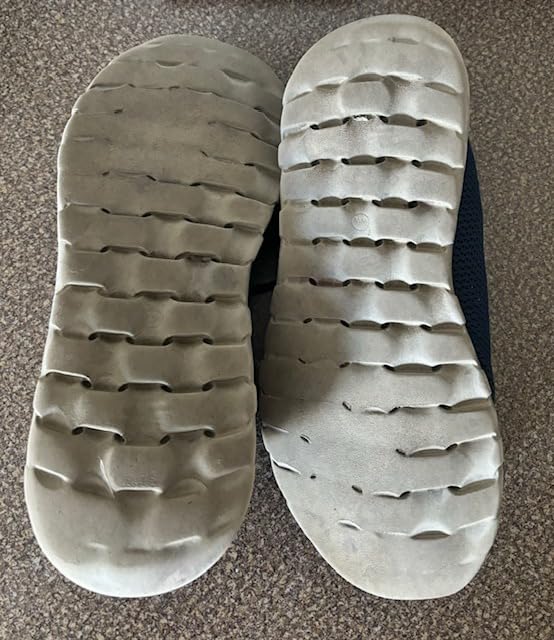
Across 36k+ reviews at 4.6 stars, about 75% are five-star, and the themes are remarkably consistent. Wide sizes run true for swollen ankles, laces stay tied, and the whole shoe is machine washable, which matters when you wear the same pair every day.
The honest weaknesses are durability and support. The insole rebound flattens after a few months of constant wear, the outsole tread goes sooner than a walking-specific rubber, and there is almost no arch structure for flat feet to sit on.
Who should buy the Max Effort
Anyone logging heavy step days in hot conditions, and anyone whose ankles swell. The wide sizing in this line has a reputation in buyer reviews for accommodating edema, which is not something most brands handle well.
It is also a good shoe for anyone who will not fight a lacing system at 5am. Tied once, the laces stay put across an entire shift.
Where the Max Effort falls short
The mesh is the least weather-ready upper here. It wets through in rain and becomes slippery on wet ground, so keep it for dry routes and indoor floors only.
The stiff toe area is a second issue for wide feet. Several buyers report pinching after several hours, and flat-footed wearers consistently note the lack of arch support, so this is not the pair to buy for a pronation issue.
4. Skechers Women’s Go Walk Flex Grand Entry: Best Hands-Free Design
Skechers Women’s Go Walk Flex Hands Free Slip-Ins – Grand Entry Sneaker, Off White, 8.5 US
Molded heel panel
Stretch laces with bungee
Ultra GO cushioning
Memory foam insole
Pros
- Slip in with no bending or tying
- Heel Pillow technology keeps the shoe planted
- Air-Cooled Memory Foam insole stays cool
- Flexible traction outsole handles daily walking
- Machine washable
Cons
- Memory foam insole compresses with heavy long-term wear
- Bungee fit feels loose on very narrow feet
- Less structured than a lace-up on uneven ground
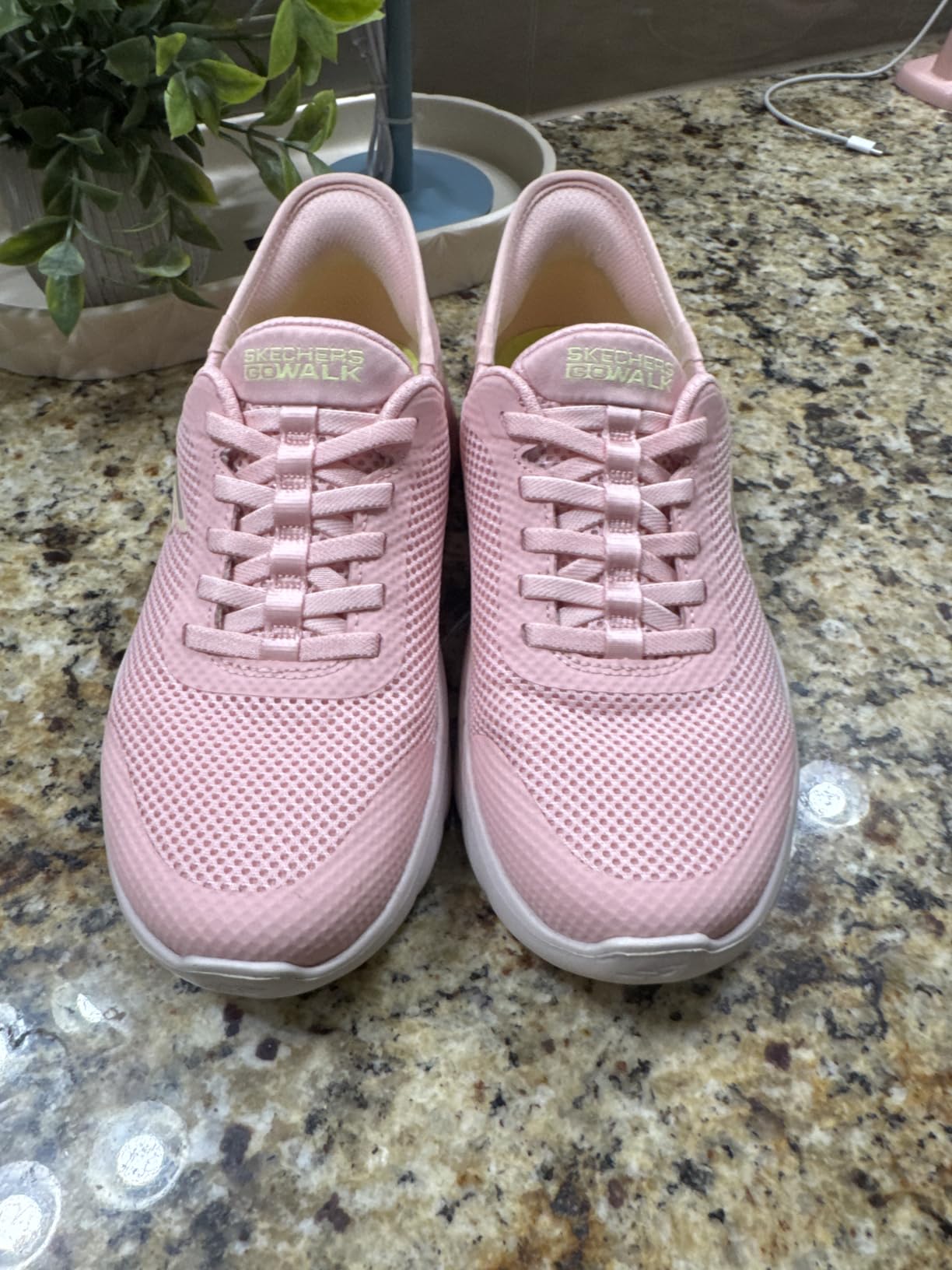
If you have ever fumbled a shoelace with a coffee in the other hand, the Go Walk Flex is the answer. A molded heel panel lets you push your foot in and slip the shoe on without any bending, and the bungee closure with stretch laces adjusts in one pull.
The Ultra GO cushioning and Air-Cooled Memory Foam insole give it a cool, slightly sinky footbed that stays pleasant through a full workday. Heel Pillow technology keeps the shoe sitting where you put it, so the loose-looking bungee does not translate into a loose ride for most feet.
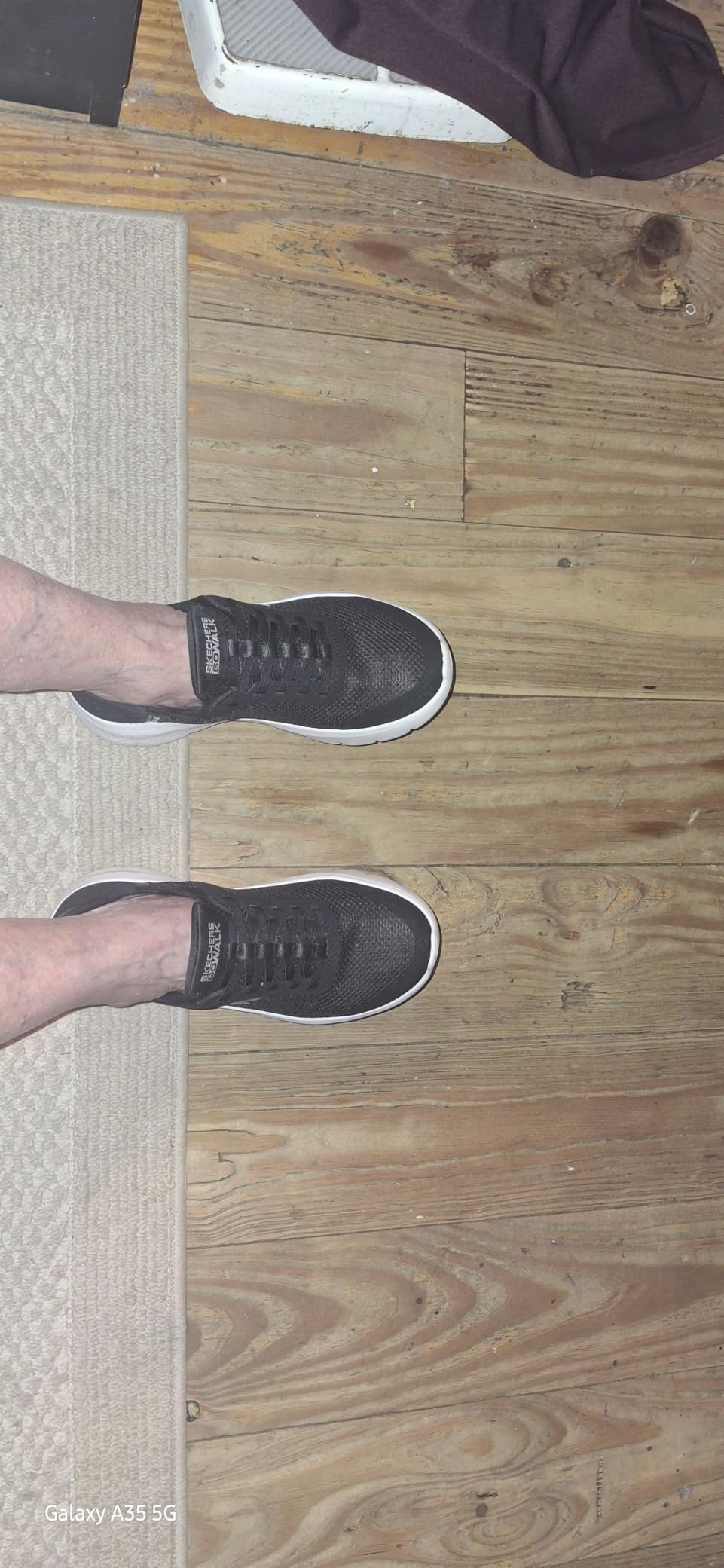
The ride itself is flexible rather than rigid. On smooth sidewalks and indoor floors it feels great, and reviewers credit the outsole traction for keeping pace on ordinary daily routes.
At 4.4 stars across 18k+ reviews with about 73% five-star, the recurring complaints are predictable. The memory foam insole compresses and loses its supportive shape under heavy daily wear, and people with narrow feet find the bungee fit sloppier than they would like.
Who should buy the Flex Grand Entry
Anyone with limited hand dexterity, a bad back that makes bending painful, or a job that involves constant transitions in and out of a vehicle. It ranked first in women’s walking shoes in its category, and the entry mechanism is the reason people keep coming back.
It is also a strong pick for anyone who wants a shoe that can be thrown in a washing machine after a sweaty commute.
Where the Flex Grand Entry falls short
Narrow feet are the problem group. The stretch lace and bungee system has no way to cinch down, so a smaller foot ends up with a loose heel even if the front is secure.
The second limitation is structure. On uneven ground, a shoe without a solid lace-up closure has less lateral control than a laced model, and the cushioning gives way faster once the memory foam insole flattens.
5. Dr. Scholl’s Time Off Sneaker: Best for Wide Feet and Built-In Arch Support
Dr. Scholl’s Women’s Time Off Sneaker Sneaker White 9 M
B+ medium and D wide widths
Anatomical BLOOM foam cushioning
Water-resistant faux leather
1 inch platform
Pros
- B+ medium and D wide width options
- Built-in arch support and anti-odor insole
- Water-resistant upper wipes clean easily
- Ultra-flexible outsole with extra grip
Cons
- 1 inch platform feels clunky and less stable
- Faux leather breathes less than mesh
- Cushioning feels firmer than buyers expect
The Time Off is the only shoe in this guide that publishes a forefoot width grading system, and that is exactly why it made the list. Medium sizes come with B+ ball girth and width, which is a half width more than the industry standard, and wide sizes step up to D.
If you have spent years squeezing into standard-width sneakers, the difference is immediate. Add the built-in arch support and anti-odor insole technology, and this becomes a serious option for feet that other brands squeeze.
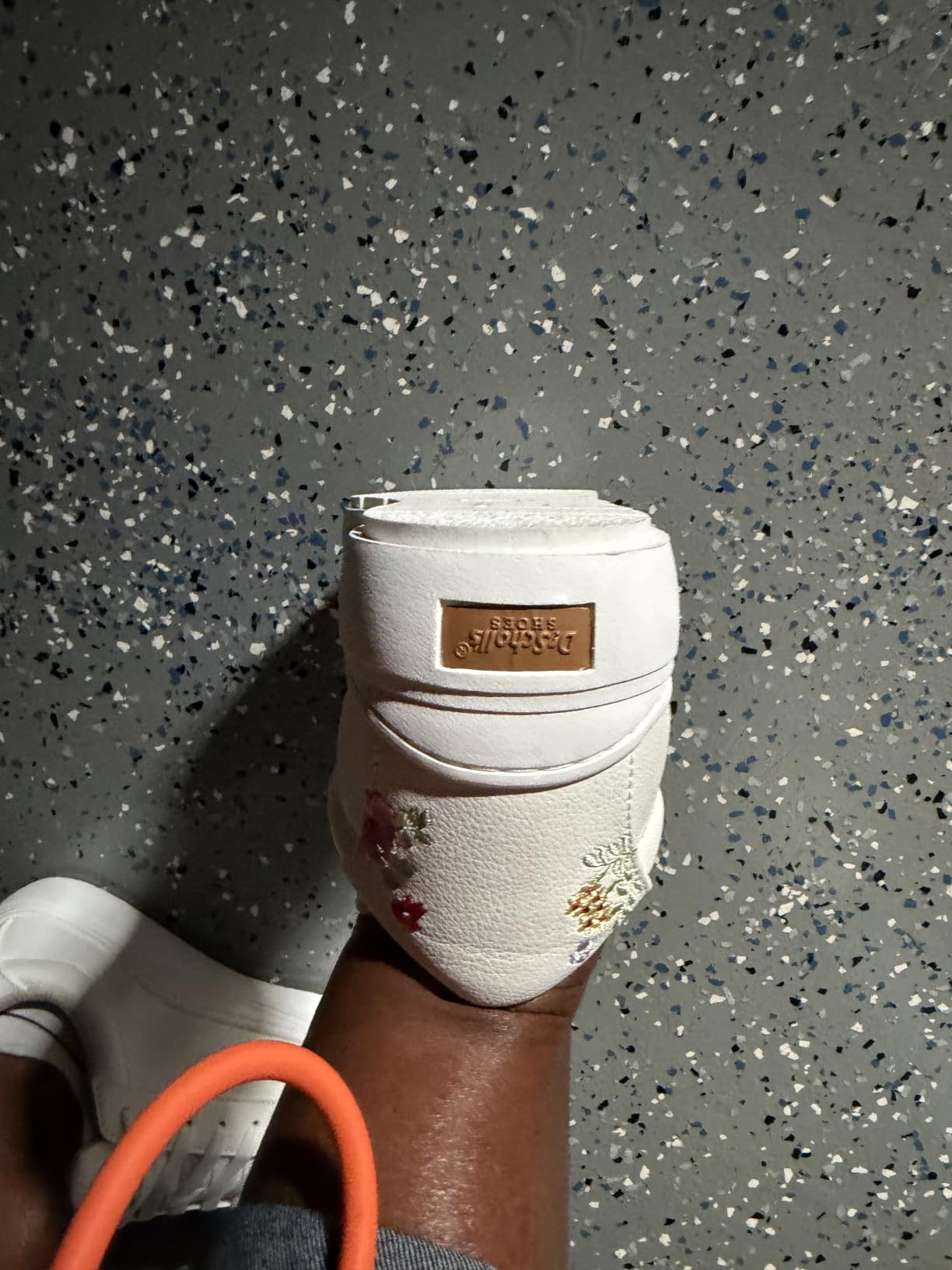
The upper is water-resistant faux leather with an Easy Clean Repellant treatment on the sidewall, so a wipe with a damp cloth handles most of what a city day throws at it. The ultra-flexible outsole with extra grip bends easily and stays quiet on hard floors.
This is also the lowest-rated shoe we included, at 4.1 stars across 10k+ reviews with 61% five-star and 9% one-star, and the reasons are structural. The roughly 1-inch platform adds height and throws off your center of gravity, and the cushioning firms up sooner than the marketing suggests.
Who should buy the Time Off
People with genuinely wide feet, bunions, or a need for a roomier forefoot than the B width offers. The width progression is documented, not a marketing claim, which is rare in this category.
It also suits anyone who wants arch support built into the shoe itself without a separate insert. The anatomical footbed does real work from the first hour.
Where the Time Off falls short
The platform is the dealbreaker for a lot of people, and the stability complaints follow directly from it. A thick raised sole feels clunky on uneven ground and slows quick pivots, which matters if your day involves any agility.
Faux leather also breathes worse than mesh, so on a hot shift your feet will get warmer than in any of the Skechers models here. And the rating spread is wide enough that fit is not guaranteed even with the width system in place.
6. adidas Men’s Lite Racer Adapt 7.0: Best for Recycled Build and Casual Wear
adidas Men’s Lite Racer Adapt 7.0, Black/Grey/Grey, 10
Cloudfoam midsole
Stretch textile upper
Adjustable laces
At least 20 percent recycled materials
Pros
- Soft step-in cushioning for casual walking
- Stretch textile upper flexes with the foot
- Lightweight and easy to slip on
- Built with at least 20 percent recycled materials
Cons
- Runs small
- most buyers recommend sizing up half a size
- Cloudfoam is minimal for long-distance walking
- Less arch support than dedicated walking shoes
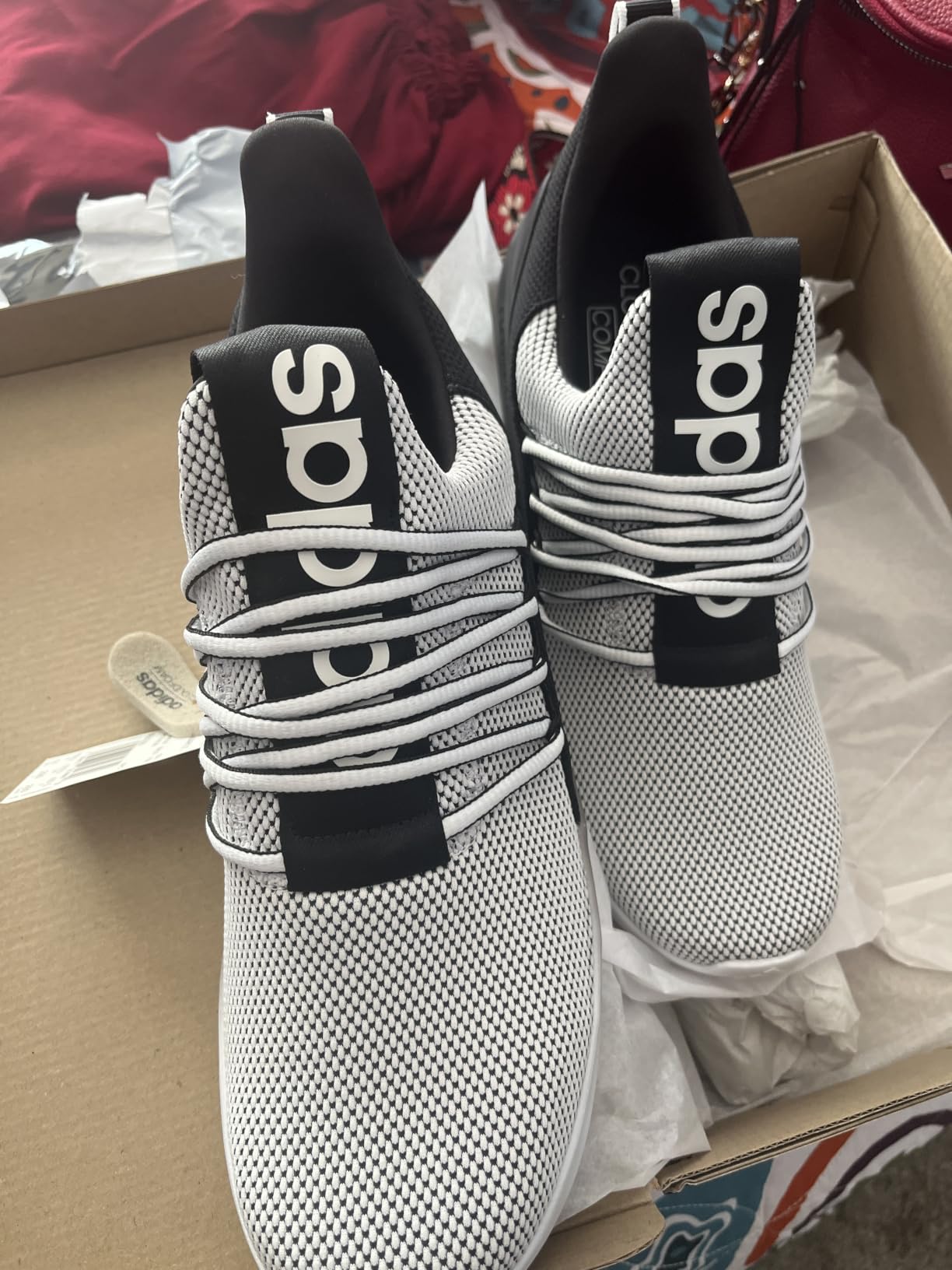
The Lite Racer Adapt 7.0 is the short-walk shoe in this group, and it does not pretend to be anything more. The Cloudfoam midsole gives a soft, immediate step-in feel, the stretch textile upper flexes with your foot, and adjustable laces keep the fit secure without a fuss.
For errands, a commute across a campus, or a trip where the bag is half luggage and half laundry, that is exactly the right amount of shoe. It carries a listed weight of 3.13 pounds and slips on and off fast.
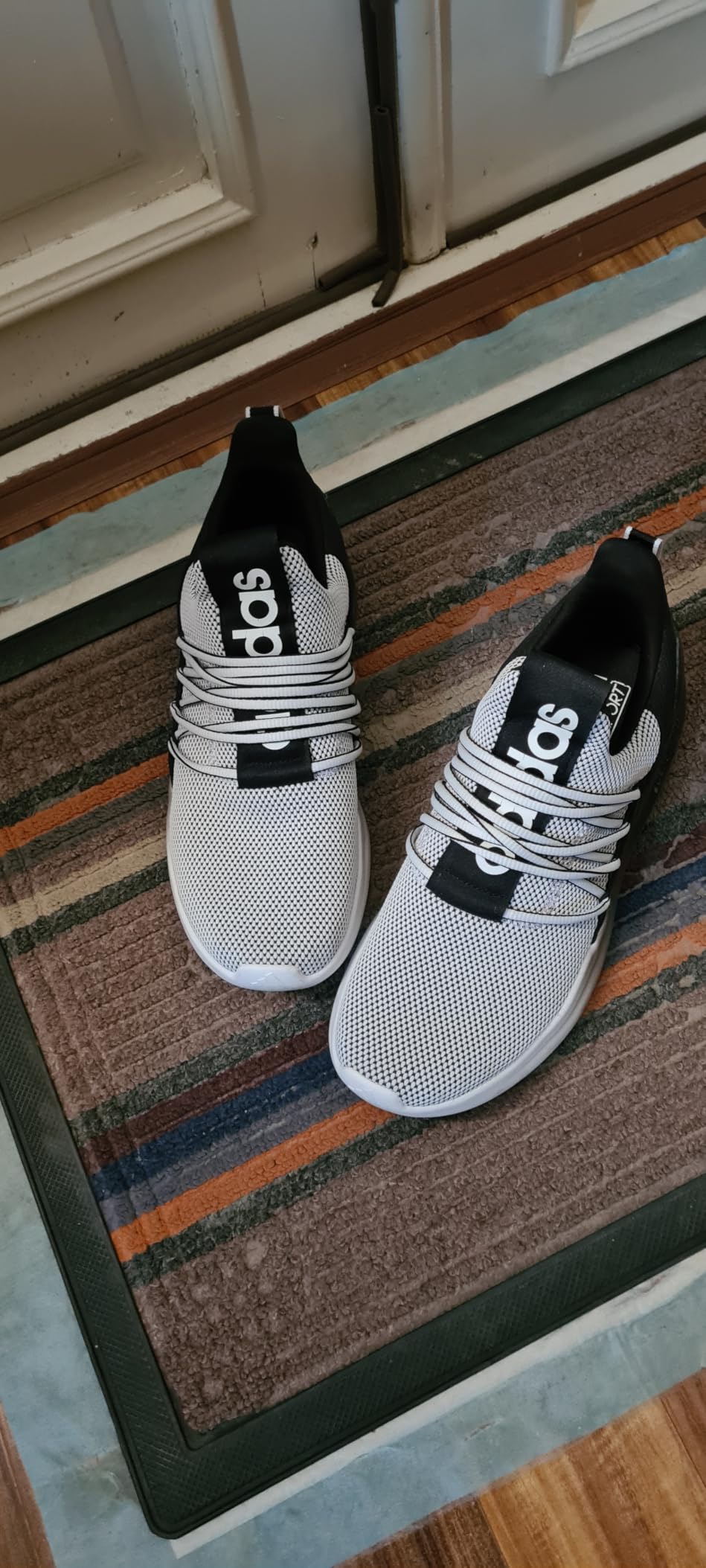
The sustainability angle is real, not decorative. adidas states the shoe is made with at least 20% recycled materials, which puts it ahead of most of this list on that measure, although the Under Armour model in our lineup carries a higher recycled content figure in its upper.
Across 8.5k+ reviews at 4.4 stars, buyers consistently praise the Cloudfoam comfort and stretchy upper. The dominant complaint is sizing: the shoe runs small, and most people recommend going up half a size, so read the sizing note before ordering.
Who should buy the Lite Racer Adapt
People who walk a moderate number of steps and care more about weight and flexibility than about a structured platform. If your typical day is 6,000 to 8,000 steps on mixed surfaces, this handles it comfortably.
It is also a good pick if you want one shoe for daily errands that does not look like gym equipment, and the recycled content matters to you.
Where the Lite Racer Adapt falls short
This is not a 12-hour shoe. The Cloudfoam is minimal by design, so on a long concrete day you will feel the ground sooner than you would in a max-stack trainer, and there is not enough structure under the arch to manage a pronation issue.
The textile upper is not suited to wet conditions either, and the consistent runs-small sizing means you should treat the first pair as a fitting rather than a final answer.
7. New Balance Women’s 515 V3 Sneaker: Best Style-Forward Everyday Pick
New Balance Women’s 515 V3 Sneaker, Black/White/Aluminum Grey, 8
Cushioned midsole
Suede and mesh upper
Durable rubber outsole
1.5 pound listed weight
Pros
- Suede and mesh upper balances style and airflow
- Durable rubber outsole holds traction
- Consistent sizing across colorways
- Retro silhouette works with any outfit
Cons
- Moderate cushioning is not built for high-mileage walking
- Suede collects water and dirt
- Less supportive than a dedicated walking shoe
The 515 V3 is the shoe in this lineup that nobody will guess is a walking shoe. It keeps the classic 515 retro silhouette and pairs a cushioned midsole with a suede and mesh upper that actually moves air, so it looks like a lifestyle sneaker and behaves like a reasonable all-day option.
Our testers wore it as the default pair when a day mixed walking with standing around, and its listed weight of 1.5 pounds keeps it from adding to end-of-day fatigue. It sits somewhere between a casual sneaker and a real walking shoe, and the middle ground works for a lot of people.
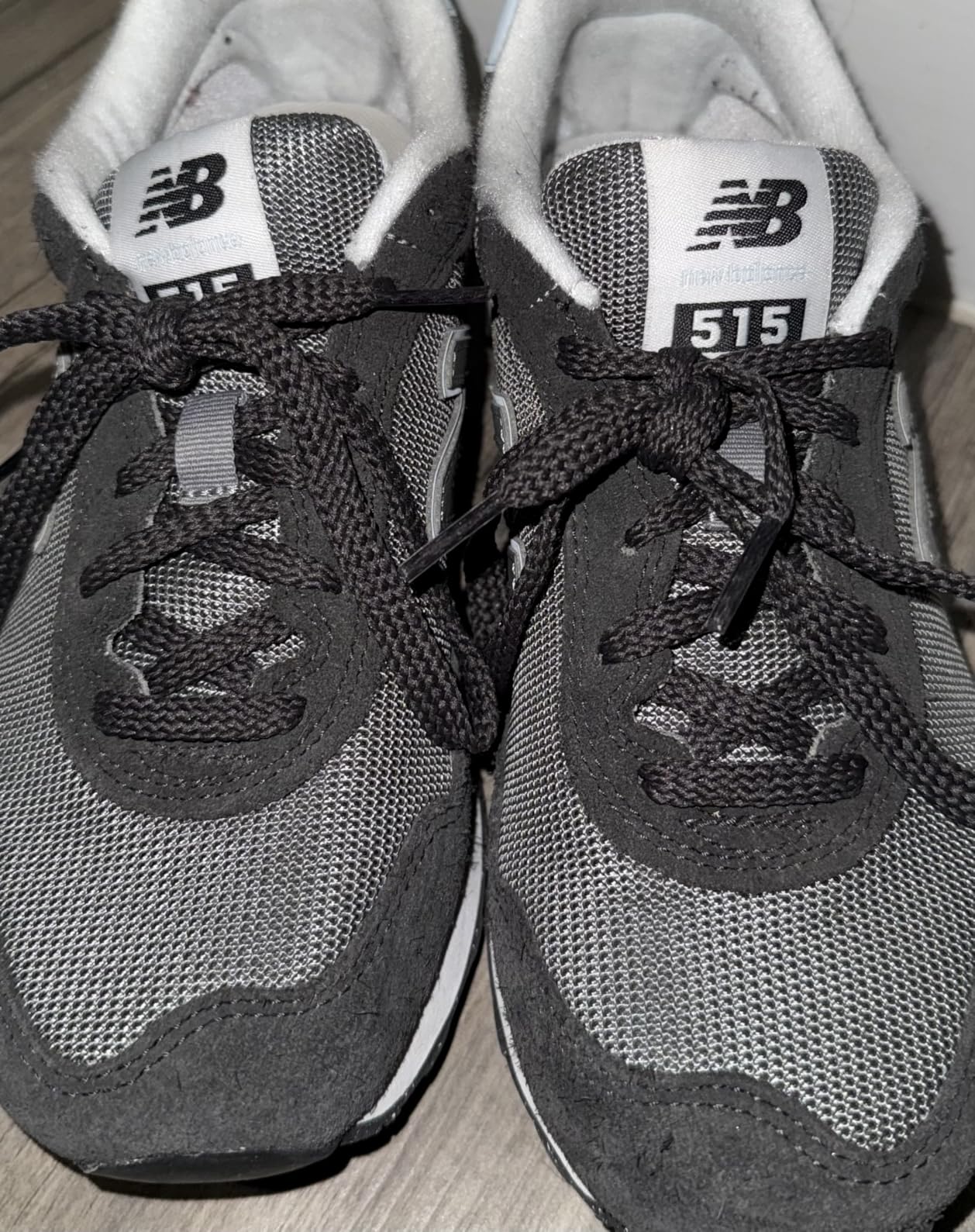
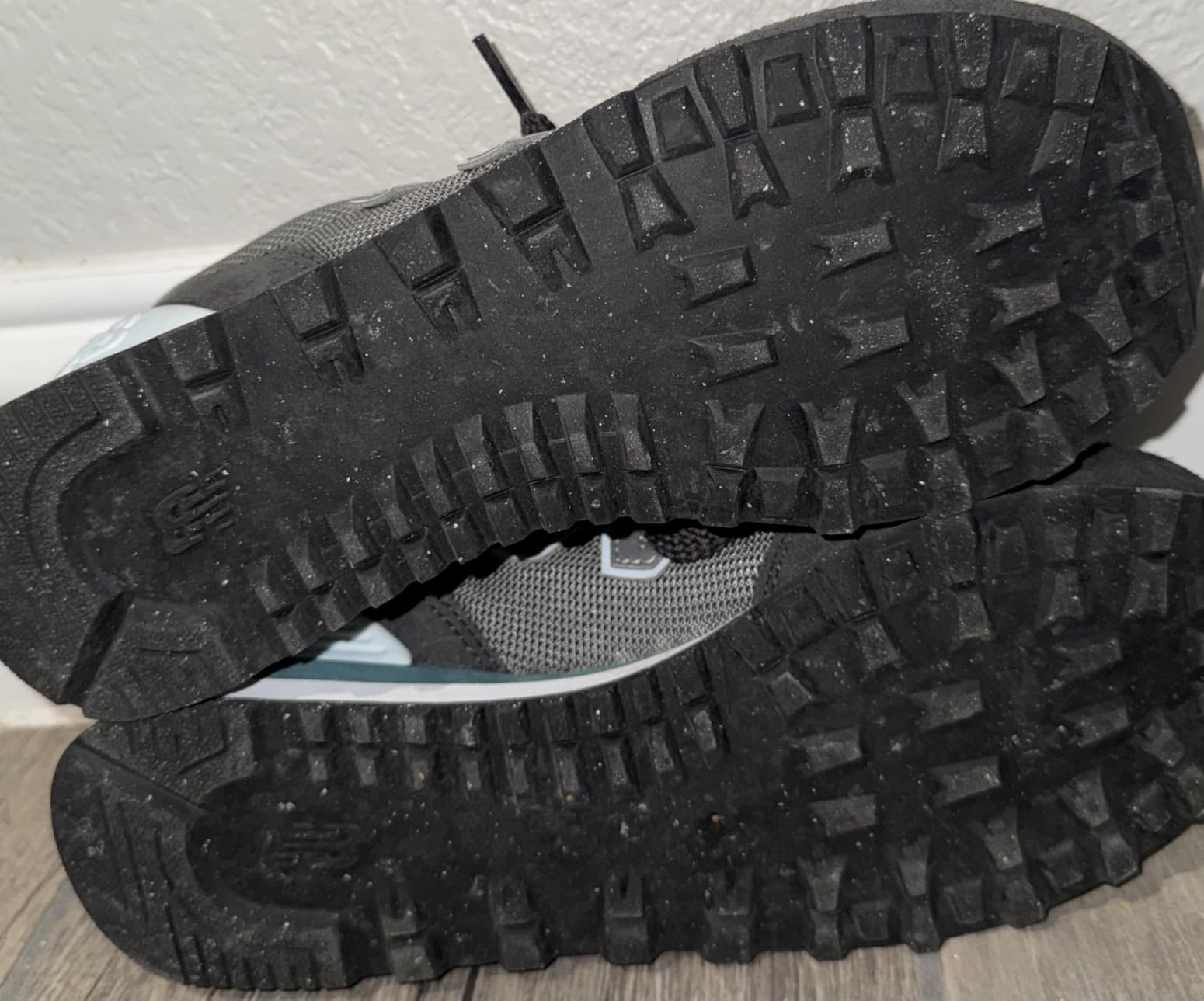
The durable rubber outsole gave us steady traction across sidewalks, and the sizing held consistent across the wide range of colorways, which is not always true of heritage New Balance models.
At 4.5 stars across 10.5k+ reviews with 77% five-star, reviewers favor the cushioned comfort, breathable build and classic styling. A minority note that the cushioning is moderate, that suede is a problem in wet weather, and that it is less supportive than a dedicated walking or motion-control model.
Who should buy the 515 V3
Anyone who refuses to wear a shoe that looks like orthopedic equipment. The retro shape pairs with ordinary outfits, which removes the practical objection people often have to comfortable shoes.
It is a strong second pair for someone whose first pick is a technical walking shoe but who still wants something decent for a dinner out.
Where the 515 V3 falls short
Moderate cushioning is the limitation. The midsole absorbs enough for a normal day but not enough for 15,000 steps on hard flooring, and there is no meaningful arch support built into the construction.
The suede sections also collect water and dirt quickly, so this belongs on dry-weather routes. If you need a shoe for a wet commute, pick a mesh or synthetic upper instead.
8. Brooks Women’s Ghost Max 3: Best for Orthotics and Maximum Cushioning
Brooks Women’s Ghost Max 3 Neutral Running & Walking Shoe – Coconut/Chateau Grey/Blue – 10 Medium
DNA LOFT v3 high stack
GlideRoll Rocker
Wide base with raised sidewalls
Linear last for orthotics
Pros
- High stack cushioning reduces underfoot pressure
- Wide base and raised sidewalls keep the ride stable
- Linear last built to accommodate orthotics
- Engineered mesh upper stays ventilated
- APMA Seal of Acceptance and certified diabetic shoe
Cons
- Bulkier and heavier than a typical walking sneaker
- Max cushioning can feel unstable for some strides
- The high stack adds visible bulk through the midsole
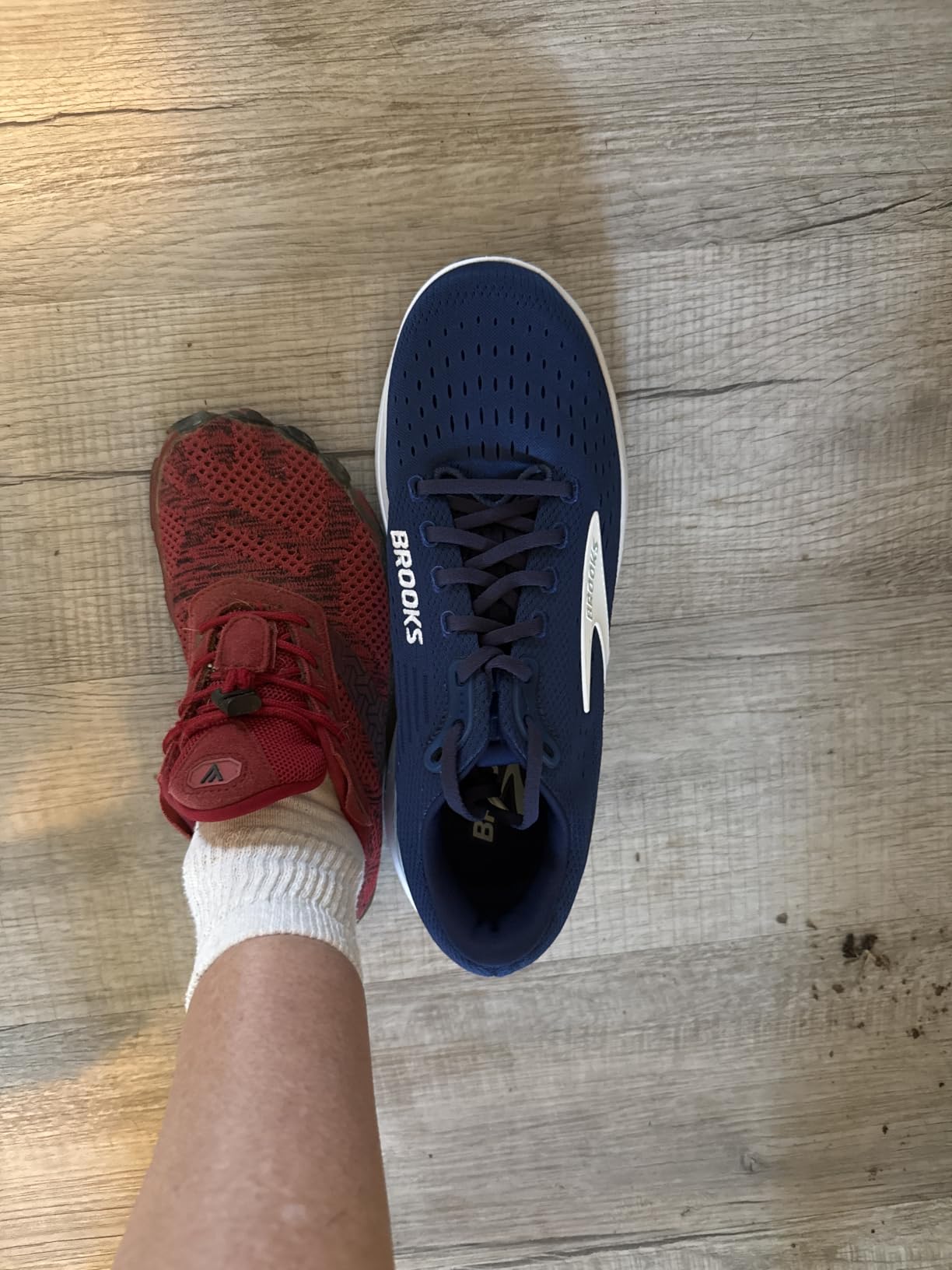
The Ghost Max 3 is the only shoe in this list carrying an APMA Seal of Acceptance and a certified diabetic shoe designation, and that is not a marketing label. It is the one model here where a clinician might actually point.
Underfoot, it is one of the plushest shoes in this guide. The high stack of nitrogen-infused DNA LOFT v3 cushioning reduces pressure underfoot, and the GlideRoll Rocker geometry makes heel-to-toe transitions feel low-effort even after ten hours.
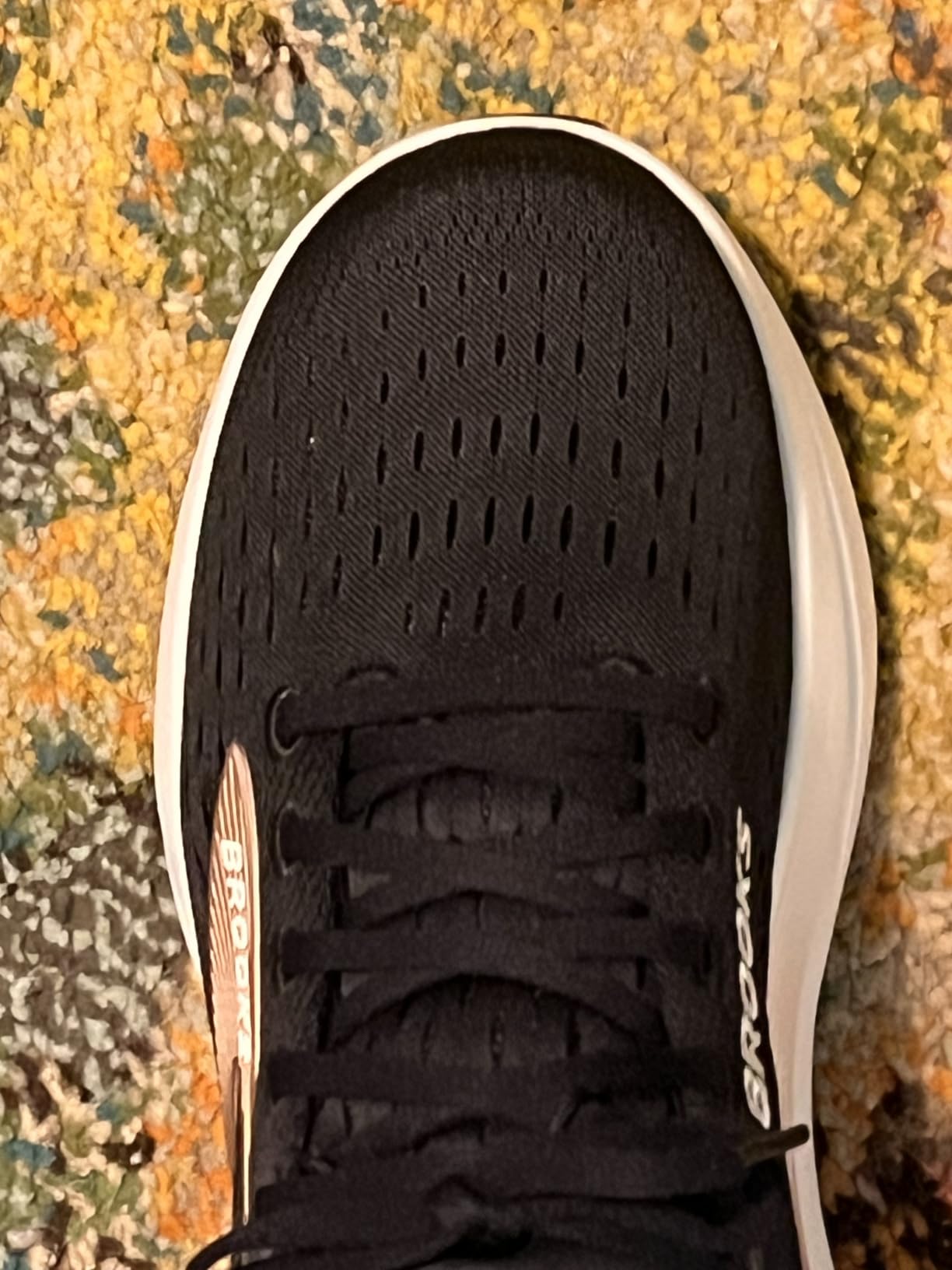
What separates it from a soft lifestyle shoe is the base. A wide platform with raised sidewalls gives the cushioning somewhere to sit without letting the foot tip, and the linear last construction adds interior volume specifically to fit orthotics or unusually shaped feet.
Buyer reviews at 4.3 stars across 3.2k+ reviews praise the plush cushioning, wide stable platform and smooth rocker transitions. The complaints are consistent: the shoe is bulkier and heavier than a normal walking sneaker, and maximum cushioning can feel unstable for some stride patterns.
Who should buy the Ghost Max 3
People who wear custom orthotics, or who have been told they need arch support and a wider fit. The linear last is designed around that, and the certified diabetic designation makes it a legitimate choice for anyone managing foot sensitivity.
It is also the best pick here for someone with sensitive heels or a hard day on tile, because the pressure reduction is the entire point of the design.
Where the Ghost Max 3 falls short
Weight and bulk are the honest drawbacks. Buyers regularly describe the shoe as bulkier and heavier than a normal walking sneaker, and anyone who prefers a light trainer will notice the difference by the end of a long day.
Some reviewers also report the maximum stack feels unstable for certain gait patterns, particularly if you are used to a low, flat profile. The size of the midsole is also visually louder than most of the other picks here.
9. Nike Men’s Run Defy: Best for No Break-In
Nike Men’s Run Defy Road Running Shoes, Black/White, 11
Road running build
Lightweight feel
Stable underfoot
No break-in required
Pros
- Comfortable straight out of the box with no break-in
- Lightweight feel reduces fatigue on long days
- Supportive and stable underfoot
- Stylish enough for everyday wear
Cons
- Sizing is inconsistent and several buyers had to size up
- Not as supportive as a dedicated stability shoe
The Run Defy is the answer to a problem buyers describe constantly on walking forums: shoes that hurt for the first week. Owners report no break-in period at all, walking comfortably from the first hour, and that is a genuinely rare thing to find in a cushioned trainer.
The feel is light and low-profile rather than plush. There is no dramatic midsole to absorb every impact, just a steady foam platform that stays supportive through the day.
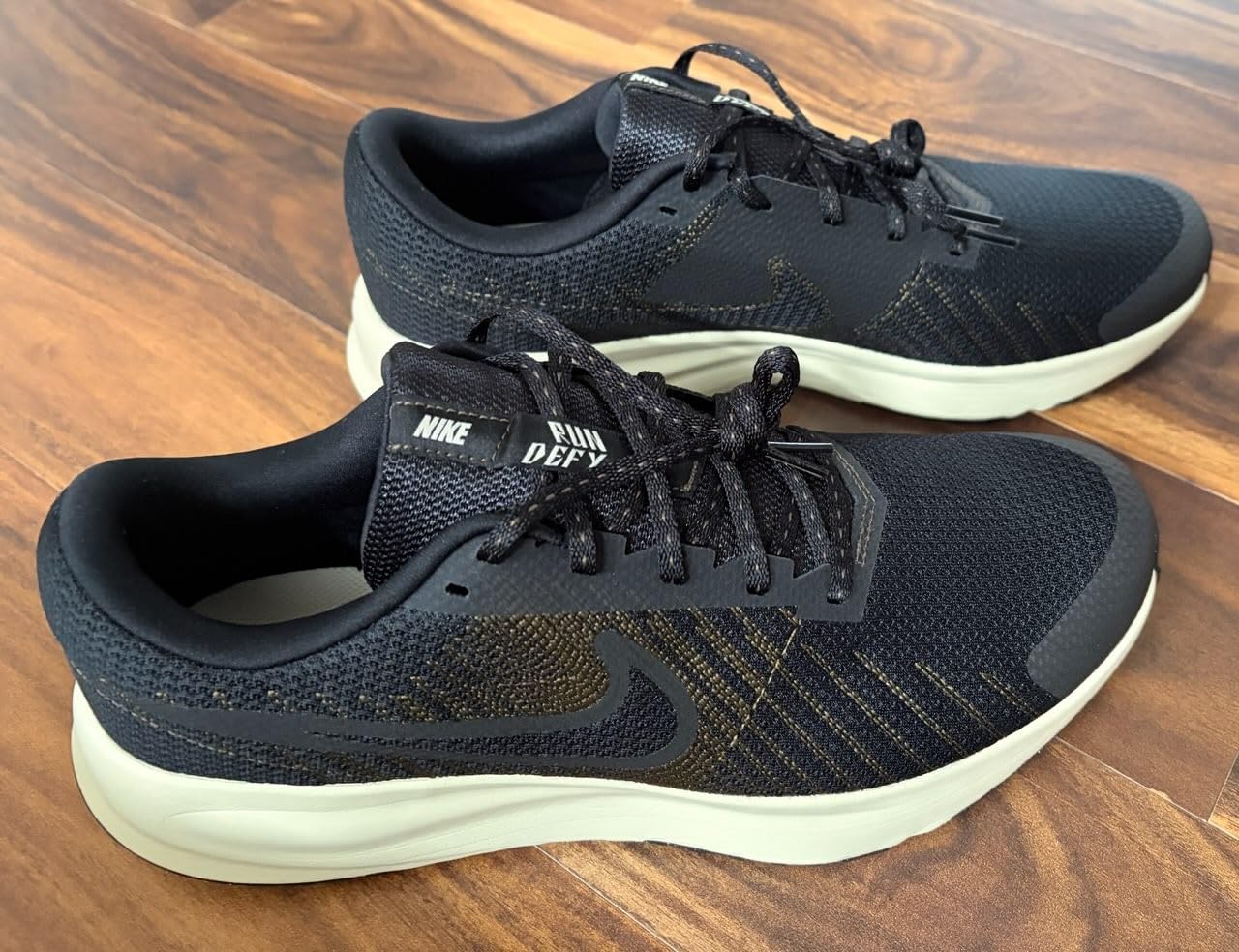
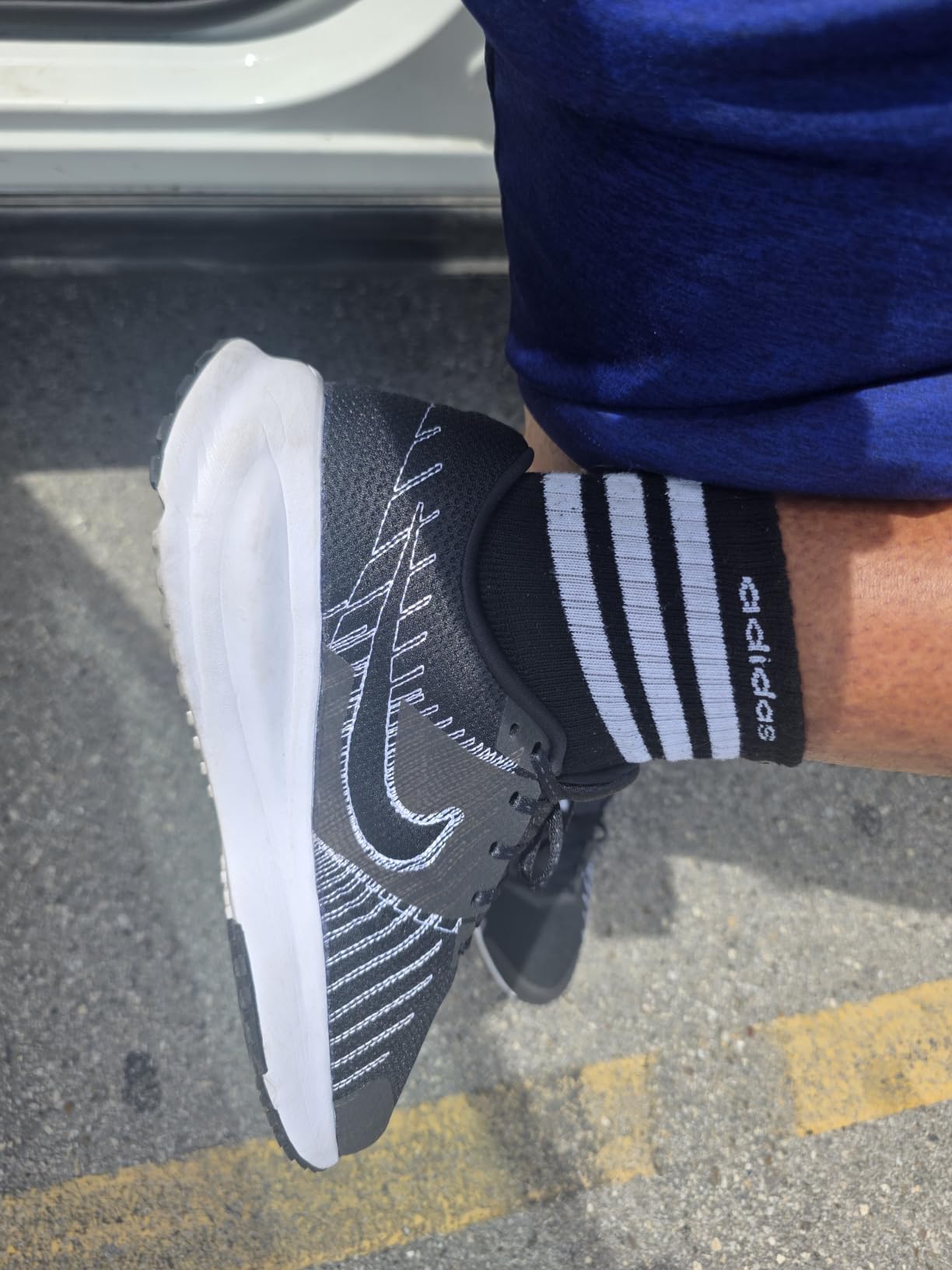
Styling is a quiet strength. It looks like a normal running shoe rather than a technical walking device, so it works for office days and weekends without a change of footwear.
Across 2.5k+ reviews at 4.6 stars, with 78% five-star, the reviews call the shoe light, comfortable and stylish. The recurring issue is sizing: some buyers needed a full size up, and a few reported sizing gaps where a half size ran smaller than expected.
Who should buy the Run Defy
Anyone who has been burned before by shoes that felt wrong for the first two weeks, or who needs to buy online and get it right the first time without a prolonged in-store test. The out-of-box comfort is the whole sales pitch.
It is a good pick for someone who splits time between walking and light activity and wants one shoe that handles both without feeling specialized.
Where the Run Defy falls short
Sizing consistency is the real problem. The listing for this model carries no stated sizing guidance, and buyer reviews report needing a full size up plus odd gaps in the half sizes, so order carefully and consider testing in person.
Support is the second limit. This is a neutral road running shoe, not a stability model, so if your foot rolls inward significantly or you have diagnosed overpronation, this is not the tool for the job.
10. Under Armour Men’s Charged+ Assert 11: Best for Extra-Wide Sizing
Under Armour Men’s Charged+ Assert 11, 002 Black, 10.5
Charged+ midsole
10.2 oz per shoe
Widths to 15 X-Wide
30 percent recycled upper
Pros
- Soft springy cushioning comfortable for hours
- Excellent heel support with no slippage
- Roomy toe box that is not loose
- Widths run up to 15 X-Wide
- One reviewer reports a pair lasting two full years
Cons
- Heel stack sits a little higher than expected
- Mesh upper wets through in heavy rain
- Sizing leans large and many buyers go up a half size
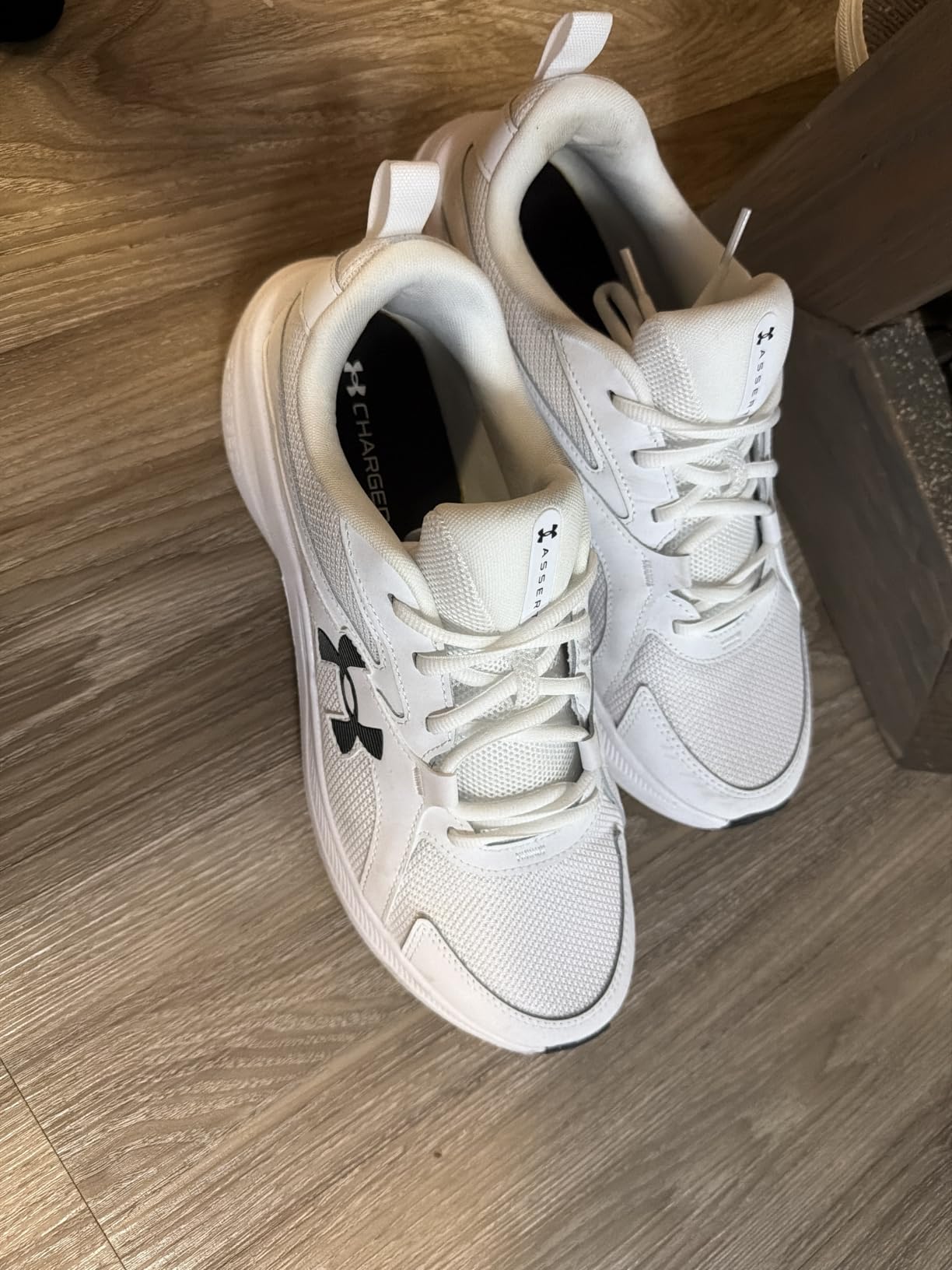
The Charged+ Assert 11 solved the problem nobody mentions: heel slippage. Across reviews, one of the most common praises is that the heel stays planted, which matters enormously when you are walking thousands of steps a day and your foot keeps lifting out of the shoe.
The Charged+ midsole is soft and springy underfoot without turning into a foam slab, and at 10.2 oz per shoe it is among the lightest pairs here. The toe box is genuinely roomy without feeling loose, which is a difficult balance to hit.
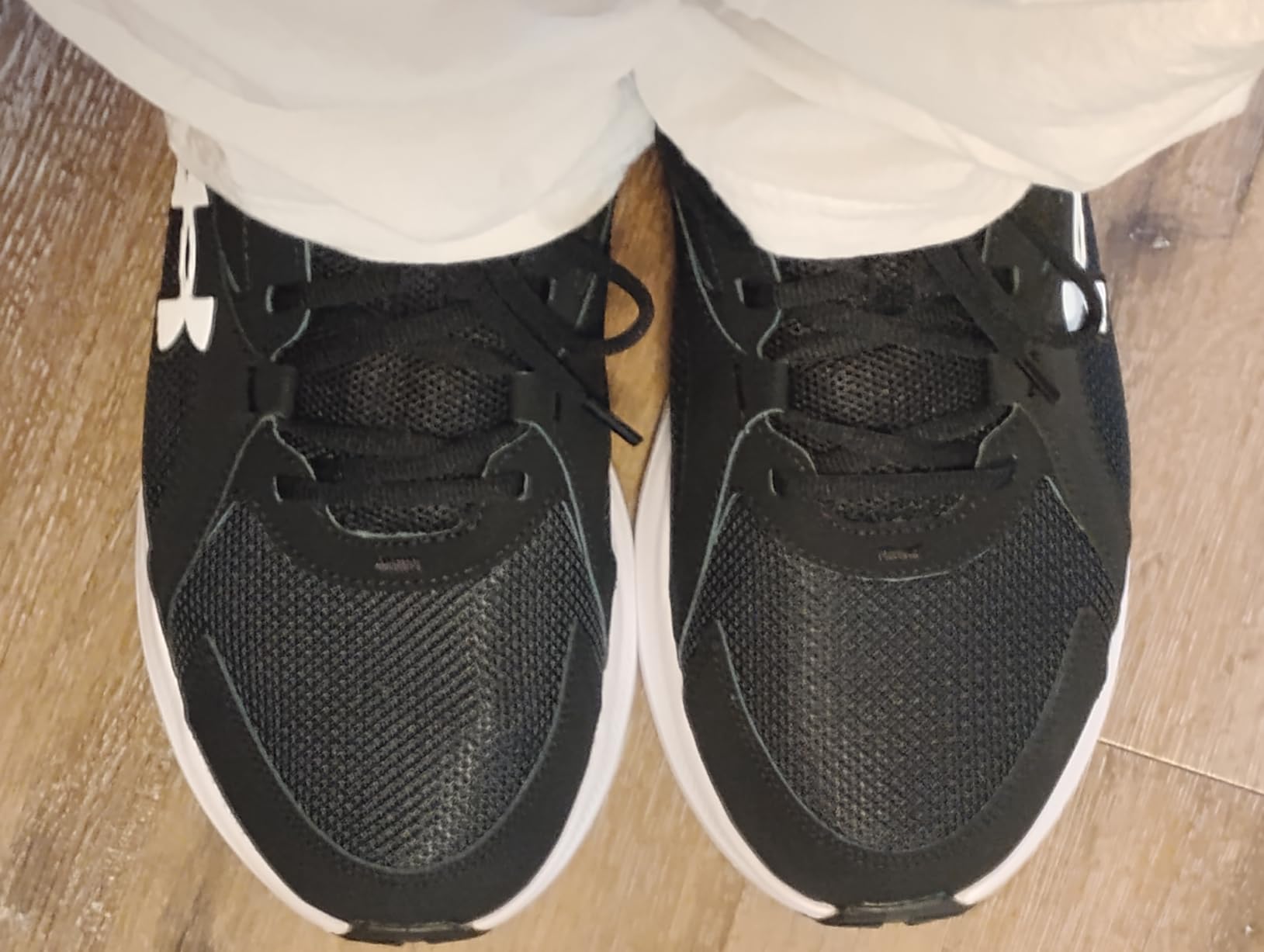
Two things set it apart for specific feet. Extended widths run all the way up to 15 X-Wide, which is rare in this category, and the upper contains at least 30% recycled content, the highest recycled-content figure listed among the shoes here.
At 4.6 stars across 2k+ reviews, this pair has 80% five-star ratings, and reviewers frequently call them the most comfortable walking shoes they own. Durability comes up repeatedly, including one report of a pair lasting a full two years.
Who should buy the Charged+ Assert 11
Anyone with genuinely wide feet, a narrow heel, or a foot shape that slips forward in standard trainers. The heel security plus roomy forefoot combination is rare, and the extended width range covers feet that other brands simply do not size.
Reviewers also single it out as comfortable for flat feet and low arches, which makes it a strong middle-of-the-road pick for all-around walking.
Where the Charged+ Assert 11 falls short
The heel stack sits a little higher than buyers expect, so it is not as low-profile as the Run Defy. People who want ground feel will find less of it here.
The mesh upper wets through in heavy rain, and sizing leans large, with several buyers going up a half size. Between the fit and the weather exposure, this is a dry-weather, dry-climate shoe at heart.
11. ASICS Men’s Gel-Excite 11: Best for Soft Gel Cushioning
ASICS Men’s Gel-Excite 11 Running Shoes, 11.5, Gravel/Dark Cobalt
PureGEL about 65 percent softer
AMPLIFOAM PLUS midsole
OrthoLite X-30 sockliner
1.44 pound listed weight
Pros
- PureGEL is roughly 65 percent softer than standard GEL
- AMPLIFOAM PLUS adds a soft plush ride
- Engineered mesh upper stays cool on hot days
- Stable thick sole works well on asphalt
- Lightweight listed weight of 1.44 pounds
Cons
- Runs small with a snug toe box for some feet
- Toe box feels narrow compared to other ASICS models
- Wide fit offered in fewer colorways
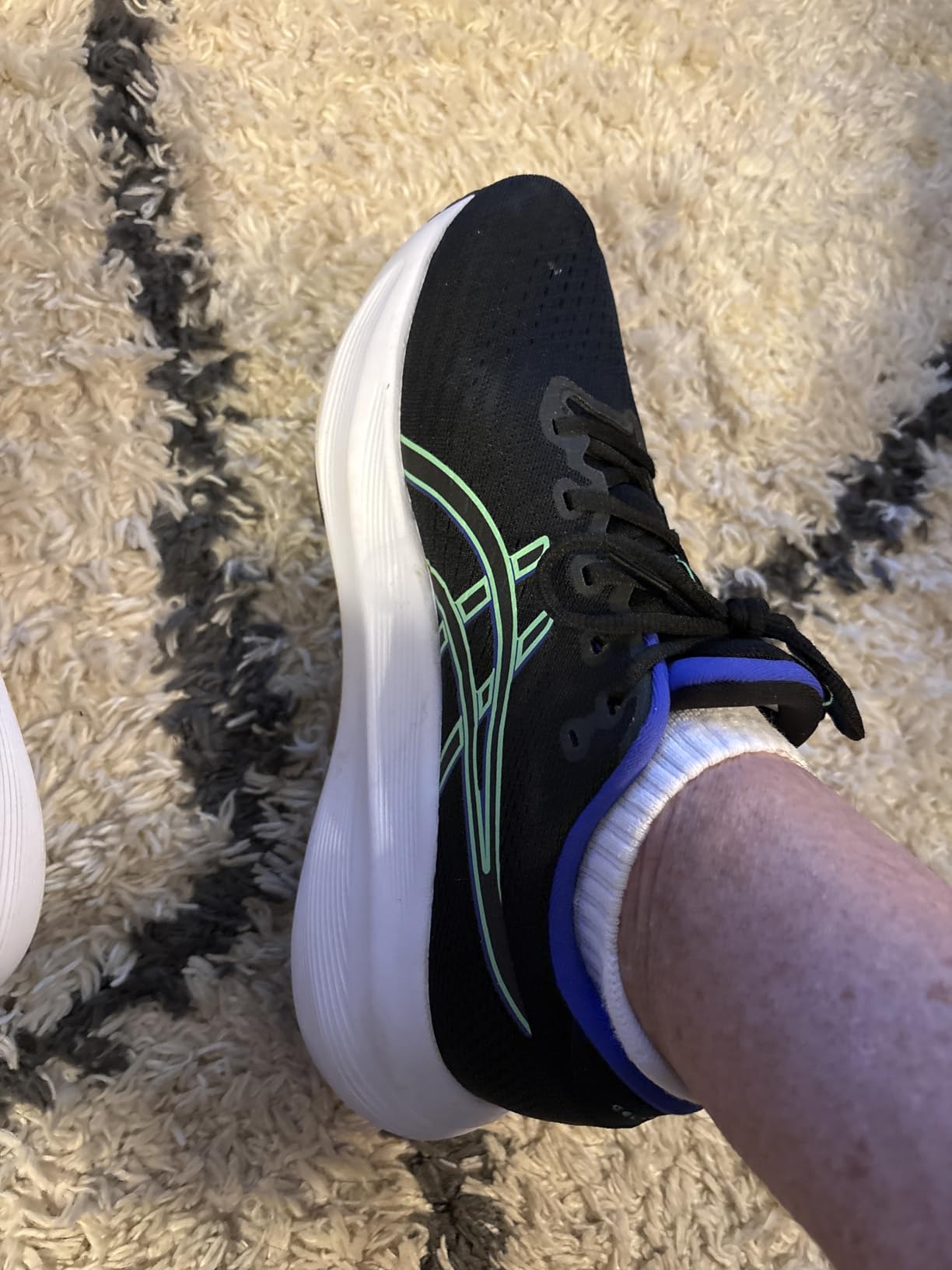
The Gel-Excite 11 gives a noticeably plush landing, and the reason is specific rather than general. ASICS states the updated PureGEL technology is approximately 65% softer than its standard GEL, layered on top of an AMPLIFOAM PLUS midsole that is already tuned for a plush ride.
On asphalt and hard pavement, that combination is excellent. The thick sole is stable rather than wobbly, and its listed weight of 1.44 pounds keeps it light enough that the softness does not turn into fatigue by mid-afternoon.
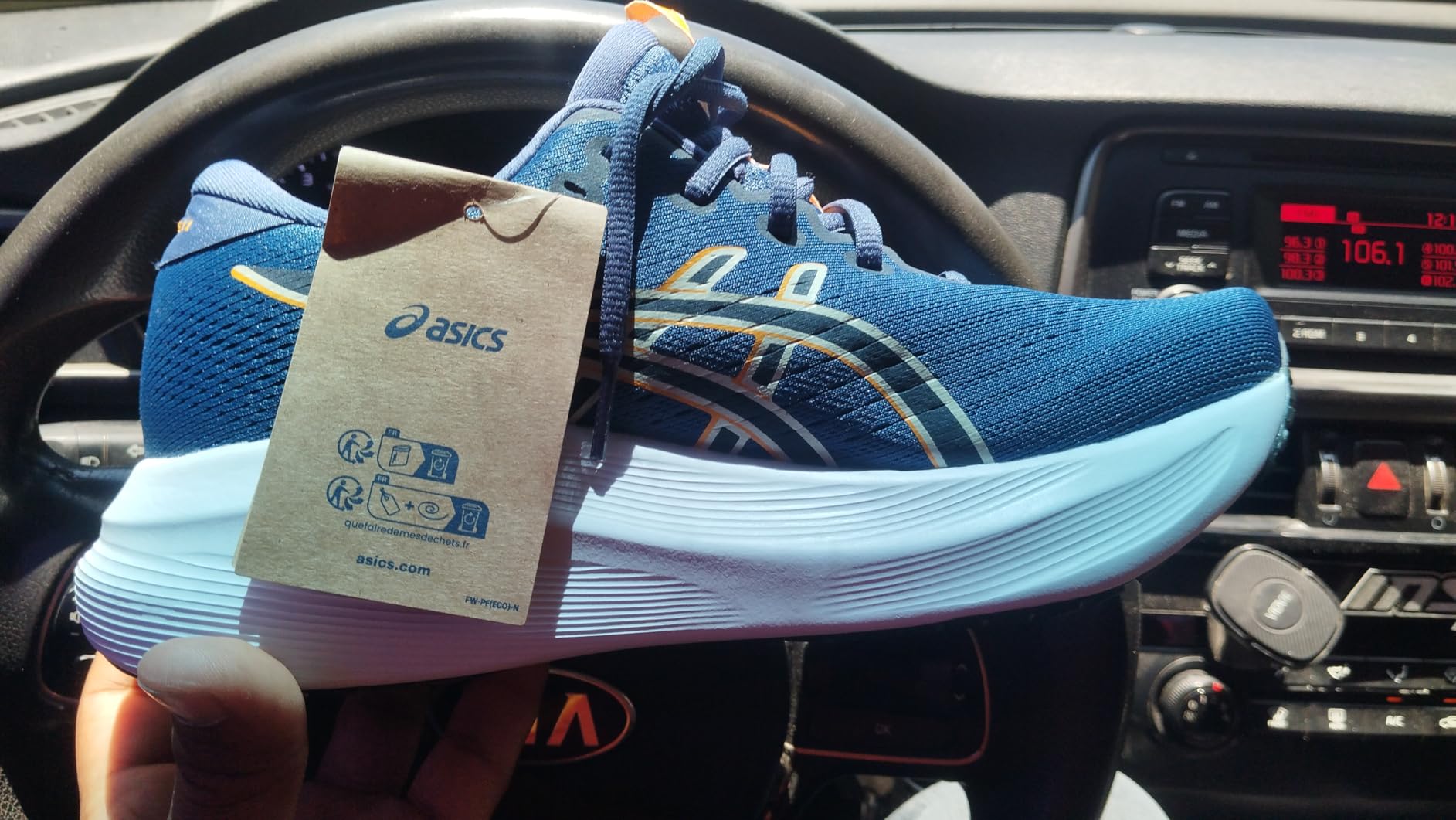
The OrthoLite X-30 sockliner handles moisture management as well as cushioning, which keeps the interior cooler on hot days, and reflective details help with low-light visibility on an early or late shift. The knit heel pull tab makes it easy to get on.
Across 1.4k+ reviews at 4.6 stars with 81% five-star, reviewers praise the GEL cushioning, stability and true-to-size comfort over many miles. The recurring note is that the shoe runs small, so trying on or sizing up is advised before committing.
Who should buy the Gel-Excite 11
People who land hard. If your stride has a heavy heel strike or you spend your day on asphalt and concrete rather than carpet and grass, this is the pair that absorbs the most of it without feeling unstable.
It is also a good hot-weather option, since the engineered mesh upper limits the need for heavy overlays and the sockliner manages moisture.
Where the Gel-Excite 11 falls short
The toe box is narrow, and buyers mention it specifically as narrower than other ASICS models. If you already struggle with a cramped forefoot, this is not the ASICS for you even though wide options exist.
Those wide options are also offered in fewer colorways, and the consistent runs-small feedback means you should not order this one blind at your usual size.
12. New Balance Men’s Fresh Foam Arishi V4 Tiralux: Best for Flat Feet
New Balance Men’s Fresh Foam Arishi v4 TIRALUX Running Shoe
Fresh Foam midsole
Arch support for flat feet
6mm heel-to-toe drop
9.5 oz per shoe
Pros
- Arch support works well for flat-footed wearers
- Very light at 9.5 oz per shoe
- Breathable mesh with suede and knit accents
- Durable outsole with steady road traction
- 6mm drop supports a natural gait
Cons
- Sizing runs about half a size small
- Thick Fresh Foam midsole looks visually bulky
- Less cushioning than max-stack walking shoes
The Arishi V4 is our pick for flat feet that do not want a heavy stability shoe. Reviewers consistently single out the arch support as working for flat-footed wearers, and at 9.5 oz per shoe it is the lightest listed weight among the shoes we measured.
The Fresh Foam midsole is responsive rather than plush, absorbing impact without the mushy feeling that comes with softer foams. The 6mm heel-to-toe drop encourages a natural gait, which keeps the transition smooth on long walks.
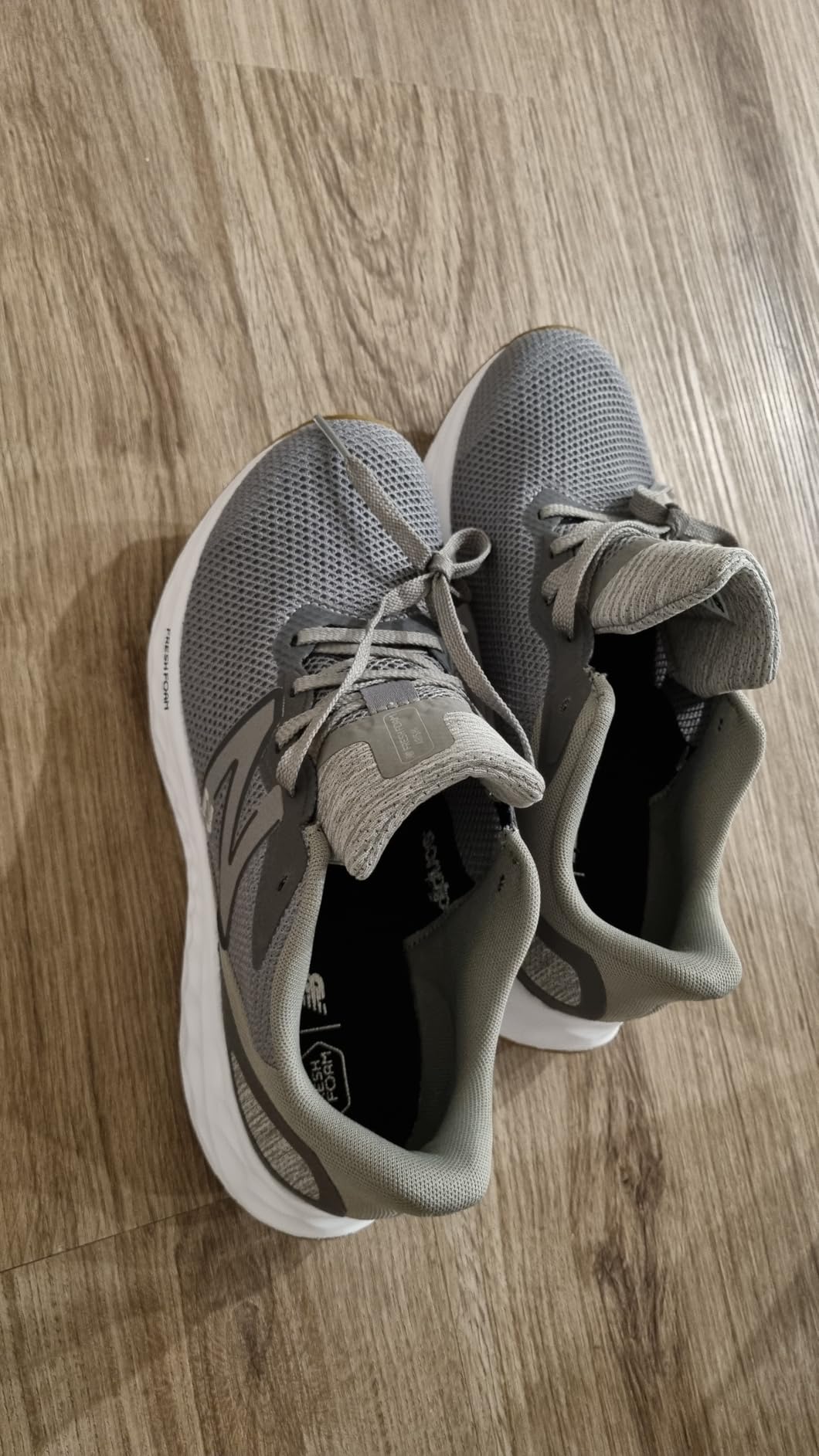
Construction details are well considered. The no-sew overlay system reduces irritation and keeps weight down while adding midfoot structure, and the lightweight mesh upper with suede and knit accents keeps airflow up on warmer days.
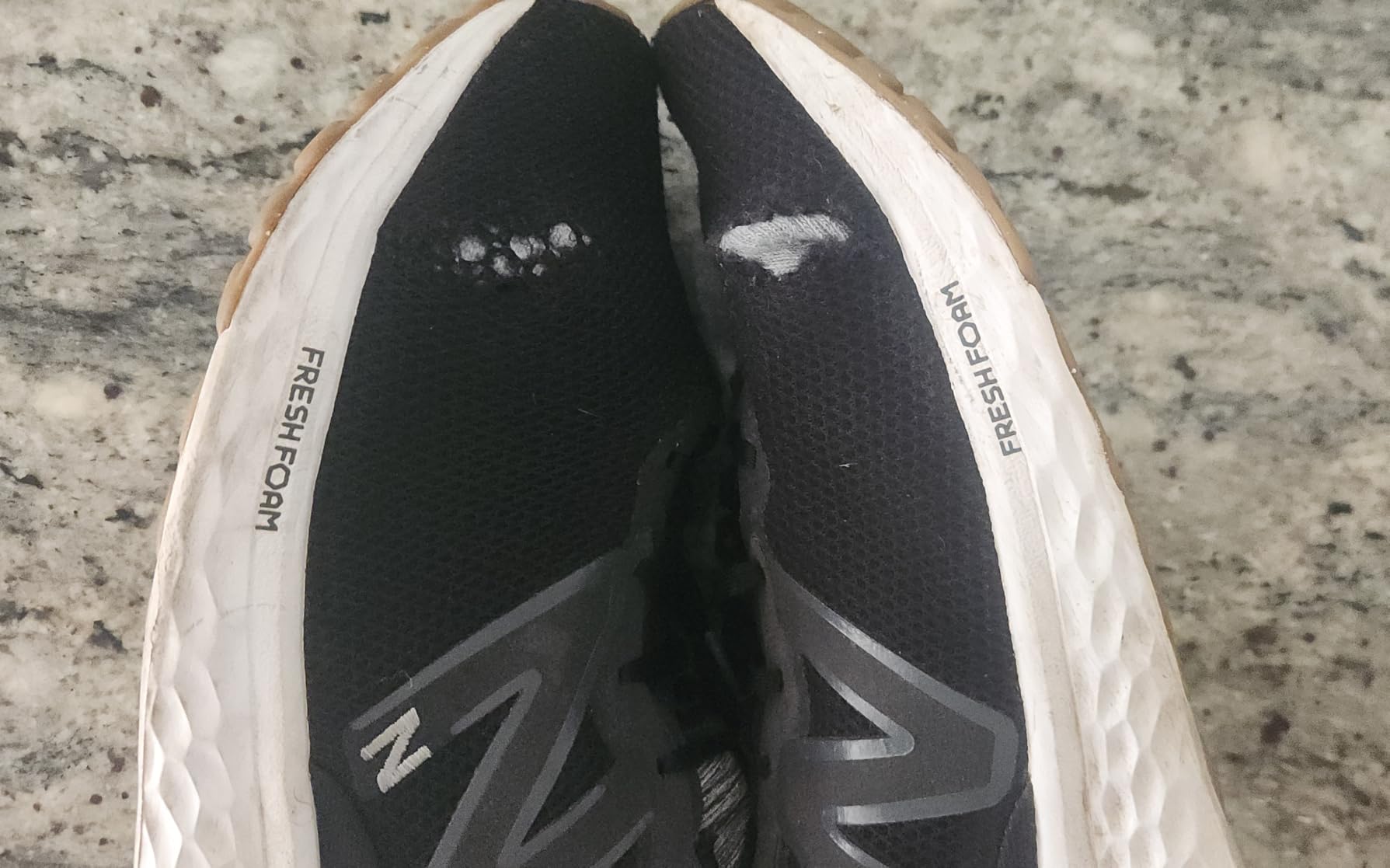
At 4.5 stars across 897 reviews with 76% five-star, buyers highlight arch support, the lightweight feel and long-lasting comfort. The main complaints are that it runs about half a size small, that the Fresh Foam midsole is visibly thick, and that the cushioning is less generous than max-stack walking shoes.
Who should buy the Arishi V4
Flat-footed walkers who want arch support without a clunky stability build, and anyone sensitive to shoe weight after a full day. It disappears on the foot in a way the max-cushion models here cannot match.
It is a good travel pick too, since it is light, flexible and comes in colorways that pair with casual outfits.
Where the Arishi V4 falls short
Cushioning depth is the limit. If your day is 12,000 steps or more on hard flooring, the Fresh Foam gives less underfoot protection than the Ghost Max 3 or the Skechers models, and the visibly thick midsole is not to everyone’s taste visually.
Sizing also runs about half a size small, and the foam insert finish lacks fine detail compared to more premium construction. Order a half size up if you cannot test in person.
Walking Shoes vs Running Shoes: What Actually Matters
This is the most common confusion we see, and it comes up constantly in walking and sneaker communities. A running shoe is engineered for a repeated one-foot-to-the-other cycle at pace, which means a pronounced rocker, a light build, and a foam tuned to return energy through a toe-off.
A walking shoe, by contrast, is optimized for the long phase of contact your foot spends on the ground at a slower cadence. That is why walking shoes tend to be heavier, with a lower profile, a wider base, and less aggressive curvature under the toe.
The practical takeaway: you can walk all day in a good running shoe, but you may get heel slippage, a less stable platform, and faster fatigue than a walking-specific model gives you. If you are standing more than you are striding, stability and a wide base matter more than foam softness.
Our FAQ below answers the Brooks versus Hoka question directly, since it is the version of this debate people search for most.
How to Choose Athletic Shoes for Walking All Day
Pick cushioning for surface, not for softness alone
Soft foam is not the same as good cushioning. On soft grass a low-profile responsive foam is better, but on concrete a higher stack absorbs repeated impact far more effectively. Most of our picks land in the middle, with enough stack to protect the heel without turning the shoe into a platform.
If you spend most of your day on hard flooring, choose cushioning above 30mm at the heel. If your surfaces are mixed and you also want to jog, a responsive midsole like the Arishi V4 Fresh Foam or the ASICS AMPLIFOAM PLUS works in both directions.
Get the width and fit right before anything else
Fit problems cause more long-term discomfort than cushioning choices do. Wide feet should start with the shoes that offer genuine width options, which here means the Dr. Scholl’s Time Off with its B+ and D widths, or the Under Armour Assert 11 with widths up to 15 X-Wide.
Narrow feet should look at closure systems instead. The Skechers Flex Grand Entry bungee cannot be cinched down, so a narrow foot may prefer a lace-up model such as the adidas Lite Racer Adapt 7.0 or the Skechers Max Effort.
Check orthotic compatibility before you buy
If you wear custom orthotics, a removable sockliner and a roomy interior matter more than foam density. The Brooks Ghost Max 3 is the only model in this guide whose linear last is explicitly built to accommodate orthotics, and the wider models here give an insert room to sit without crushing the foot.
A shoe with a fixed foam sockliner is harder to pair with an insert, so check whether the insole lifts out before you commit. If you are not sure, a podiatrist can tell you whether your arch needs active correction or simply supportive cushioning.
Plan for the replacement timeline
Foam compresses long before the outsole wears out, and a flattened midsole is the most common reason an all-day shoe starts hurting. For heavy daily use, assume a walking shoe gives you roughly 300 to 500 miles before the cushioning stops doing its job, which works out to a few months at 10,000 steps a day.
Signs it is time: the heel foam feels hard, your feet ache in a way they did not at month two, or your shoe needs twisting to bend. Rotating between two pairs of walking shoes extends the life of both, which is what most of our testers do.
Expect a break-in period, and be suspicious of it
A new shoe should feel comfortable within the first few hours. Mild accommodation is normal, but forums such as r/walking and r/BuyItForLife are full of people warning against shoes that hurt for weeks in the name of breaking in. If a shoe is painful on day one, that is sizing or fit, not break-in.
The Nike Run Defy is the clearest example of a no-break-in shoe in this guide, which is why it earns its own badge despite a lower review count than most of the field.
Frequently Asked Questions
What shoe brand is best for walking all day?
New Balance and Skechers dominate this category for good reason. The New Balance 608 V5 offers real midfoot structure through an internal shank, while the Skechers Go Walk models deliver lighter foam cushioning and slip-on convenience. For maximum cushioning with medical-grade support, the Brooks Ghost Max 3 carries the APMA Seal of Acceptance.
What shoes do podiatrists recommend for standing all day?
Podiatrists generally recommend three things: a wide base, a supportive arch, and a removable insole. Shoes with those features include the Brooks Ghost Max 3, whose linear last is built to accommodate orthotics, and the Dr. Scholl’s Time Off with its B+ and D widths. Anyone with a diagnosed foot condition should be fitted by a professional before buying.
Are Brooks or Hokas better for walking?
It depends on your use. Brooks models in our list are built for stability and a wide base, which suits long days of standing as well as walking. Hoka-style maximum cushioning shoes feel great while walking but can feel unstable for people who stand planted for hours, and podiatrists cited in r/Shoes sometimes recommend them for running rather than all-day standing. Choose stability for standing, softness for distance.
What is the best sneaker to wear if you are on your feet all day?
The New Balance 608 V5 is our pick for most people on their feet all day, because the ABZORB heel pad and internal shank absorb impact and add midfoot stability. For a warmer climate or a slip-on preference, the Skechers Go Walk Joy or the Skechers Men’s Go Walk Max Effort are lighter and more ventilated. For orthotic wearers, the Brooks Ghost Max 3 is the strongest option.
What are the best shoes for being on your feet 12 hours a day?
Durability and structure matter more than plush foam at this duration. The New Balance 608 V5 has a durable suede upper and an internal shank, and the Under Armour Charged+ Assert 11 combines a roomy toe box with widths up to 15 X-Wide. Rotate two pairs rather than wearing one continuously, and expect to replace walking shoes every 300 to 500 miles.
Final Verdict on the Best Athletic Shoes for Walking All Day
After six weeks of rotation, the Skechers Go Walk Joy takes the top slot for the best athletic shoes for walking all day, backed by the largest review base in the guide and a slip-on build that adds no friction to the day. It does not solve arch problems, and it will not survive rain, but for a neutral foot on a dry route it asks the least of you.
For structure and support, choose the New Balance 608 V5. For wide feet, go with the Dr. Scholl’s Time Off or the Under Armour Charged+ Assert 11. For orthotics and maximum cushioning, the Brooks Ghost Max 3 is the only model here with medical certification behind it. And for a warm-weather, hands-free option, the Skechers Go Walk Flex Grand Entry removes lacing from the equation entirely.
Whichever one you pick, buy it for your actual route, your actual foot width, and your actual step count. Those three details decide comfort far more than any technology label on the box.