
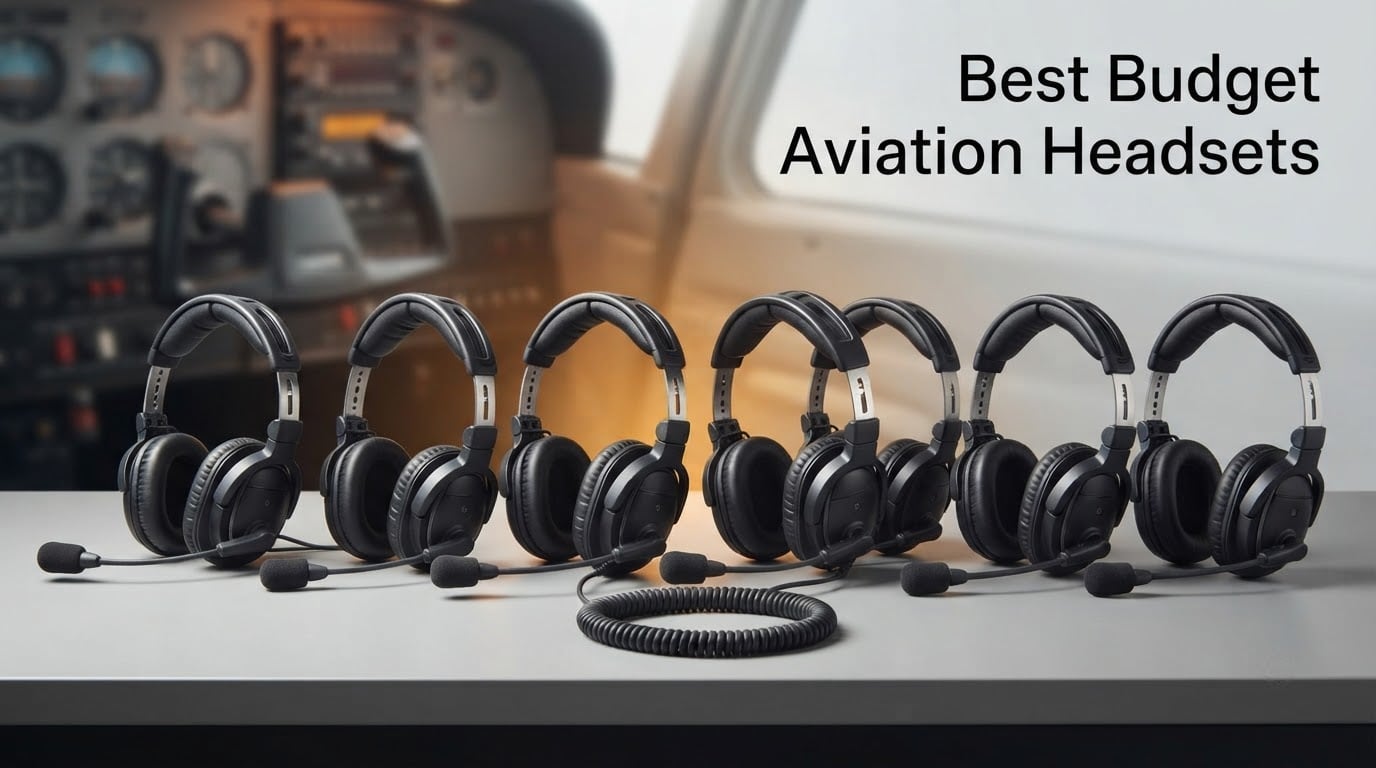
Ask anyone learning to fly what stopped them buying the headset everyone recommends, and the answer is almost never quality. It is the number. An r/AskFlying thread captured the mood exactly: the Bose A20 and A30 are considered the best, but the poster did not want to drop a four-figure sum on one right away. The same thread carried a second complaint in the opening line, a small head and a headache from a heavy headset. Both are real buying constraints, and both shape how I picked the best budget aviation headsets in this list.
A budget aviation headset still has one non-negotiable job. It has to let you hear the aircraft audio panel, copy air traffic control, and talk to your instructor clearly enough that missing a call never happens. Noise reduction is the second job, and that is where the tiering gets interesting. The eight headsets below span passive models that block noise with foam and gel, plus two that add electronics to cancel engine rumble.
How I selected them: every pick was checked against published specifications for noise reduction rating in dB, weight, plug type, warranty length and available features, then weighted against the volume and consistency of buyer feedback. That favours brands with thousands of logged reviews over a single five-star sample. Prices and specs move, so verify the details on the listing before you commit, and check the plug type against your aircraft first.
If you also fly with handheld GPS or want a panel-mounted alternative, we have covered aviation handheld GPS devices for pilots and GPS units for surveying on the same site.
Table of Contents
Top 3 Budget Aviation Headsets in 2026


Best Budget Aviation Headsets in 2026 at a Glance
| Product | Specifications | Action |
|---|---|---|
| Rugged Air RA200 Headset |
|
Check Latest Price |
 KORE KA-1 Headset KORE KA-1 Headset |
|
Check Latest Price |
 Rugged Air RA900 Headset Rugged Air RA900 Headset |
|
Check Latest Price |
| KORE P1 Headset |
|
Check Latest Price |
 R Spider 100A Headset R Spider 100A Headset |
|
Check Latest Price |
 UFQ A7 ANR Headset UFQ A7 ANR Headset |
|
Check Latest Price |
 FARO G2 ANR Headset FARO G2 ANR Headset |
|
Check Latest Price |
 David Clark H10-13.4 David Clark H10-13.4 |
|
Check Latest Price |
The Best Budget Aviation Headset for Most Student Pilots
The Rugged Air RA200 is the best budget aviation headset for most student pilots, and it is the reason this roundup leads with it. It pairs a 24 dB passive noise reduction rating with a 16 oz body, per-ear volume control and an electret noise-canceling microphone, and it has logged far more buyer feedback than anything else in this list at a 4.6 average across 2730 reviews. The gel seals and foam pads that cost more on other models are the natural first upgrade, and the manufacturer lists a 7 year warranty on aviation headsets. If you want the short answer to the entry-tier question, that is the model, and every pick below is scored the same way.
ANR vs PNR: Which Noise Reduction Do You Actually Need?
Passive noise reduction, usually shortened to PNR, is physical. Thick foam or gel ear seals form a seal around your ear and block sound by mass and air resistance. There is no battery, no electronics and nothing to fail. Active noise reduction, or ANR, mounts microphones outside each ear cup that sample low-frequency noise, usually propeller and exhaust rumble, and generate an opposing signal through the cup. That opposing signal cancels the deep rumble that passive seals struggle against.
That difference decides which aircraft you are happy in. In a pressurised twin or a light aircraft with a quiet cabin, the extra electronics buy you very little. In a piston single with a fixed-pitch prop, the low-frequency thump is the part that actually tires you out after two hours, and that is where ANR earns its money.
One more thing worth knowing: a noise reduction rating in dB is measured on the seals in a laboratory, not in your aircraft. Ear seal condition and fit decide whether you get anywhere near that number. A gel seal that has gone flat loses a large share of its effective protection, and no amount of electronics compensates for a leak.
1. Rugged Air RA200 Is the Best Overall Budget Aviation Headset
Rugged. Air RA200 Aviation Headset for Student Pilots & Flight Schools
24 dB passive NRR
16 oz weight
7 year aviation warranty
AUX input
Pros
- Lightest passive design in the group at a stated 16 oz
- 24 dB passive noise reduction
- per-ear volume control works well
- custom padded headset bag included
- huge base of logged owner feedback
Cons
- Stock foam ear seals run hot over long flights
- engine noise stays audible in a loud piston single
- no Bluetooth
- occasional reports of the voice dropping out mid-transmission
I put the RA200 at the top of this list on evidence rather than hype. At a stated 16 oz it is the lightest passive headset here, and weight is the most repeated comfort complaint in the aviation headset forums. The 24 dB passive rating is the standard figure for this class, and paired with a good seal it makes engine and cabin noise manageable without any electronics.
Per-ear volume control matters more than it sounds. Different aircraft panels behave differently, and being able to trim each side without unplugging is a genuine quality-of-life gain in the pattern work where you are adjusting a radio while flying the aircraft. The electret noise-canceling microphone with a wind block muff is a standard part, and owners report clear transmissions with instructors and air traffic control.
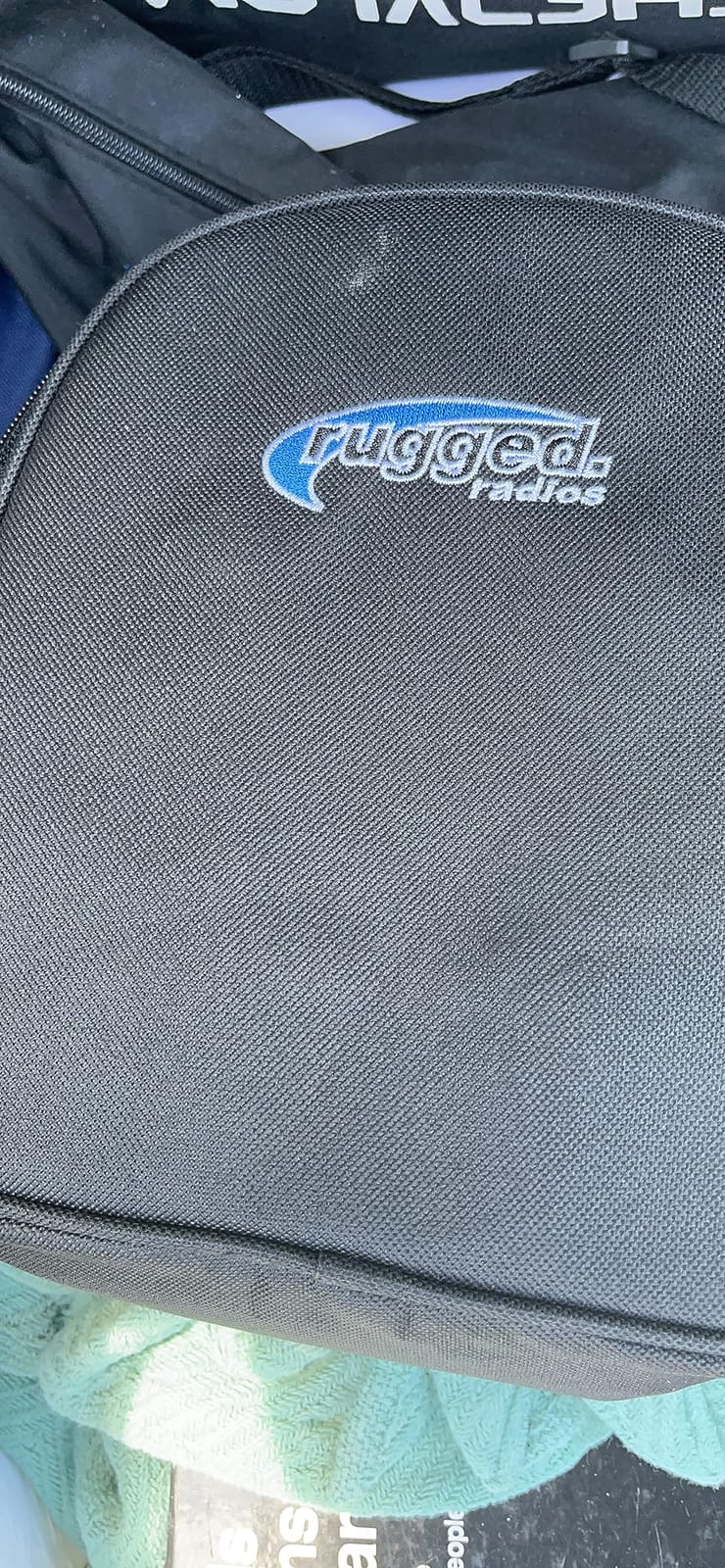
What surprised me was how many owners treat this as a permanent purchase rather than a training stopgap. The most common piece of feedback is that the ear cushions hold up after roughly a hundred flight hours, which is unusual for foam pads on a headset at this level. Another recurring theme is that it doubles as a passenger or spare headset once you upgrade, which keeps it useful instead of ending up in a closet.
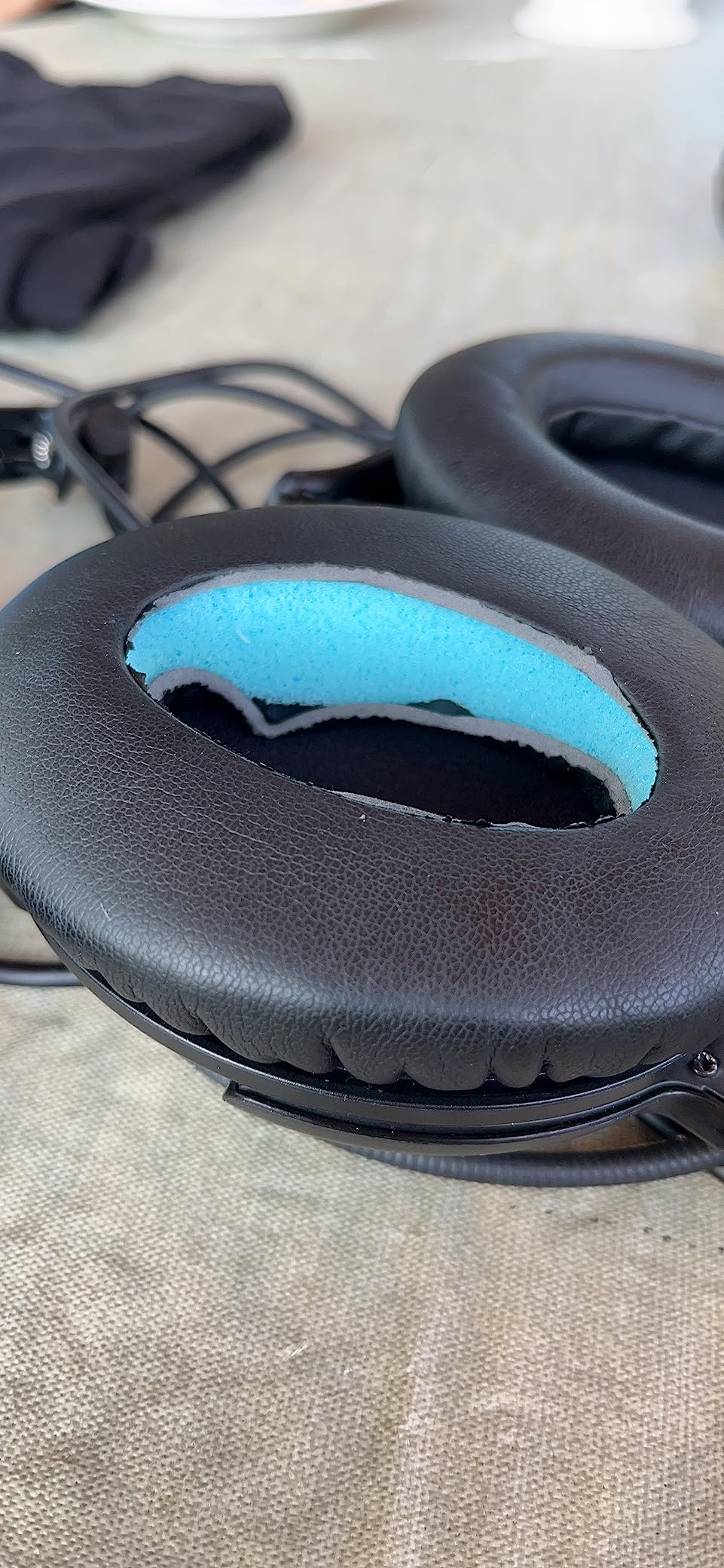
The honest limitation is the foam. Reviewers consistently identify the supplied soft foam ear seals as the weak point for both isolation and comfort, and several recommend swapping to gel or memory foam as the first modification. Engine noise remains audible in a loud piston single, and there is a documented pattern of the microphone cutting out for a moment during transmission. Neither is a reason to skip it, but both are reasons to know about them.

Is 24 dB Enough Protection in a Piston Trainer?
For flight training hours, yes, with a caveat about seal quality. 24 dB is the figure most entry headsets in this list carry, and in a standard trainer with a three-blade prop the residual noise is manageable for a two-hour lesson. A fixed-pitch prop running at full power is louder, and if your lessons are mostly in that aircraft, plan to budget for gel seals or move up to an ANR model.
Hearing damage is cumulative and permanent, so treat the number as meaningful rather than decorative. Replace worn foam promptly, since a flattened seal protects far less than the same seal new.
What Do You Give Up Compared With a Premium ANR Headset?
You give up the electronics that cancel low-frequency rumble, and that is the honest answer. A premium active model also tends to carry better materials in the head pad and boom joint, and usually offers Bluetooth for phone and music. None of that is needed to pass a lesson or fly weekend VFR, and this headset answers both the headset and the radio question cleanly.
The other trade-off is the audio input. The 3.5 mm jack is audio-only, so there is no Bluetooth for calls or music. For a passenger seat with a tablet, a wired input is arguably better anyway.
2. KORE KA-1 Is the Best Mid-Range Pick With Genuine Warranty Cover
KA-1 General Aviation Headset for Pilots – Mono and Stereo Compatibility, Passive Noise Reduction, Noise Canceling Microphone, Gel Ear Seals, Adjustable Headband & Headset Bag
24 dB passive NRR
Replaceable gel ear seals
5 year warranty
GA dual plugs
Pros
- Replaceable silicone gel ear seals give the best isolation in this group
- 5 year manufacturer warranty
- mono stereo switch widens aircraft compatibility
- extra thick head pad holds up on long flights
Cons
- Heavier than the foam-cup budget rivals
- passive only so no rumble cancellation
- wired GA dual plug keeps it in the cockpit
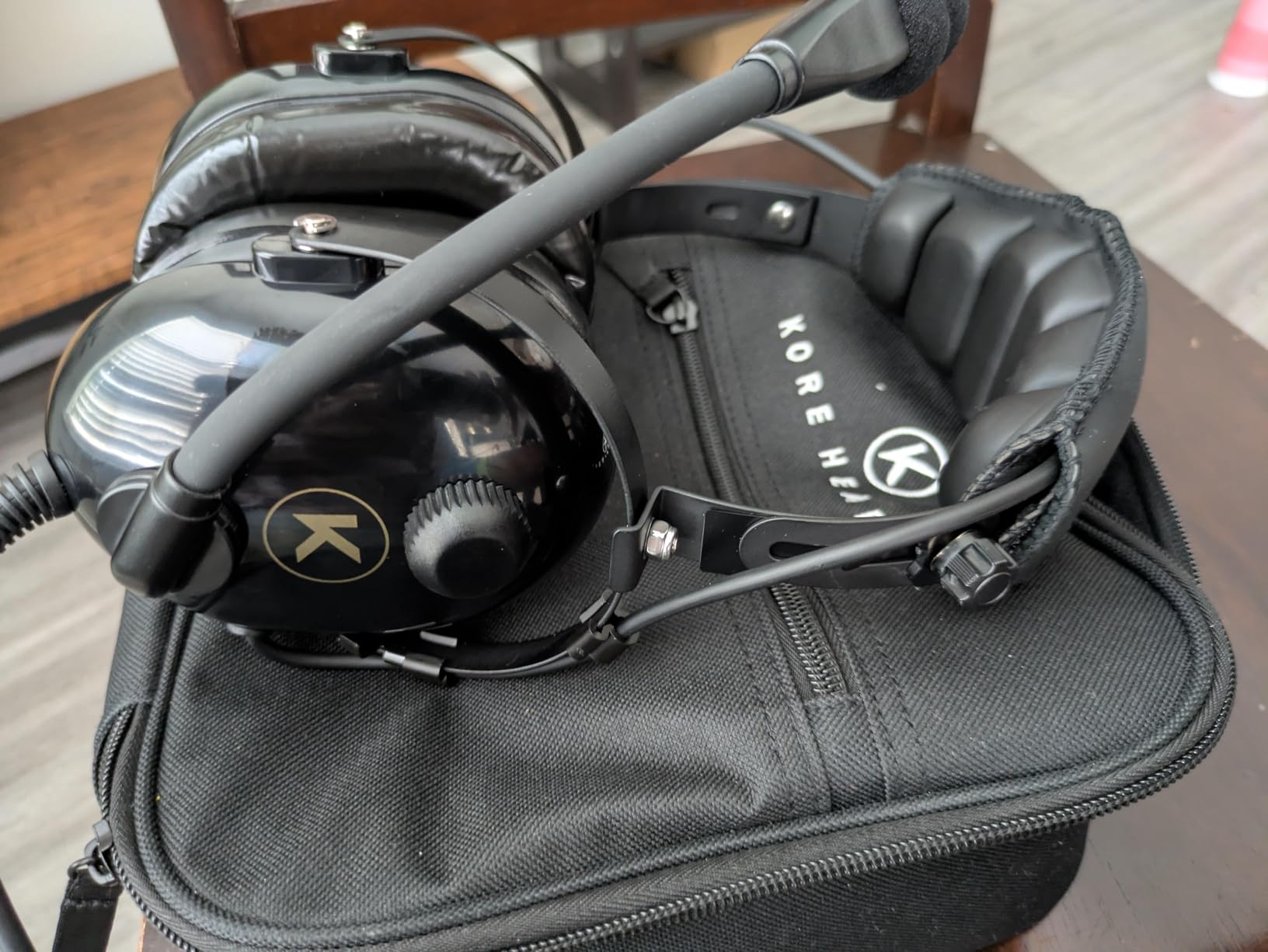
The KA-1 is the step up from foam to gel, and that single change is most of the difference. Owners frame it as a well-built mid-tier general aviation headset with dependable gel-seal passive isolation, and 1611 reviews at 4.4 is a large sample that backs the description up. The seals are replaceable, which matters over a multi-year ownership cycle.
Warranty length is the underrated feature here. Five years of manufacturer cover is longer than anything else on this list except the Rugged Air aviation warranty, and on a budget purchase it is a reasonable proxy for how long the manufacturer expects the headset to last. Build quality matches the claim in owner feedback, with the head pad, boom and band all described as solid rather than merely functional.
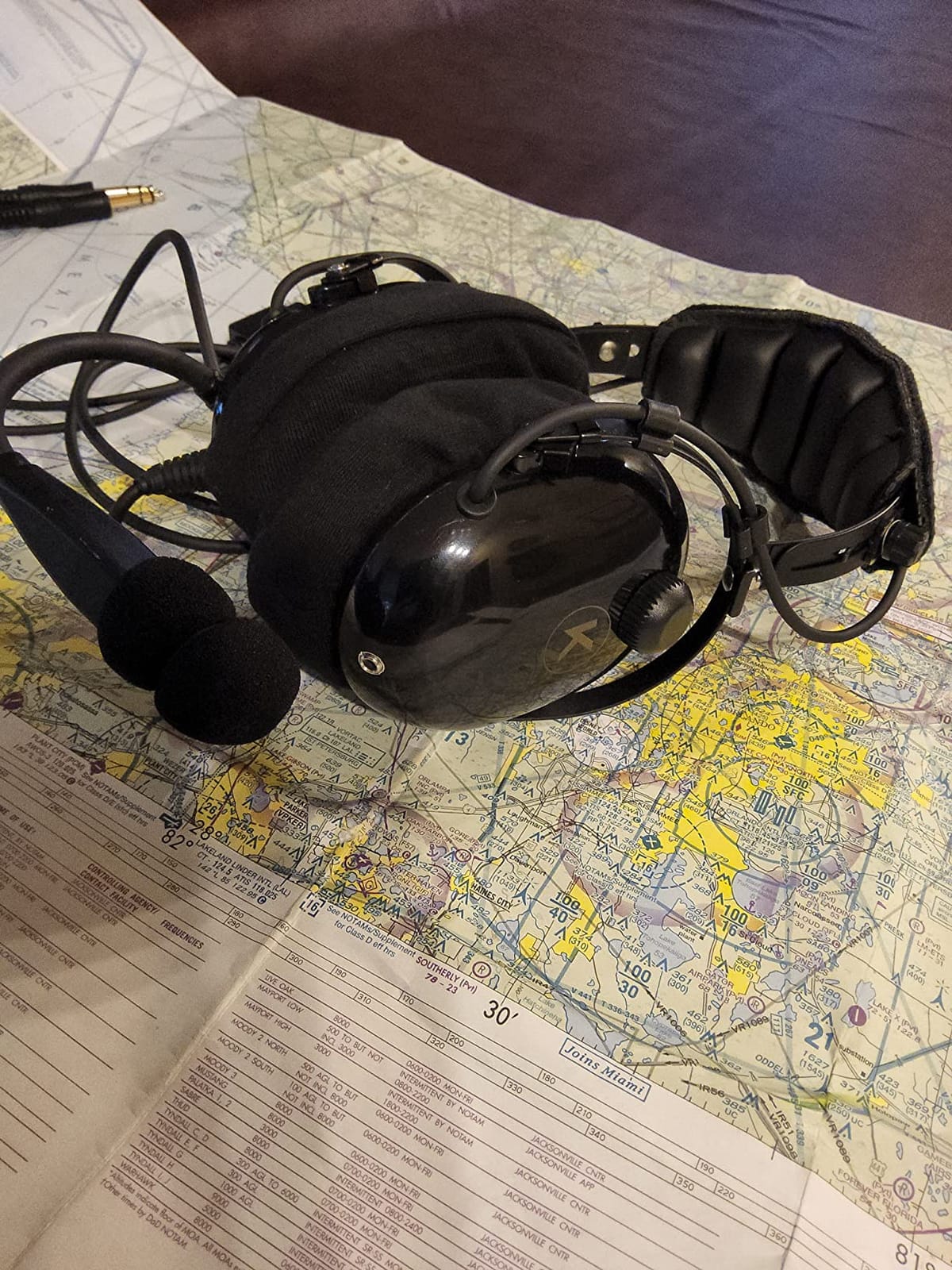
Audio flexibility is the quiet strength. Independent volume controls on each ear, a mono and stereo switch, and a 3.5 mm auxiliary input mean it works with older stereo panels and newer ones, and you can pipe tablet audio through for charts or a practice app. The electret microphone on a 360 degree flex boom with a preamp is the part that keeps transmissions clear, and the 50 mm drivers handle music acceptably too.
The trade-off is weight. At a 2.1 lb package weight, this is the heaviest budget pick here, and pilots with smaller heads mention pressure from the extra-thick head pad. There is also no active cancellation, so the piston rumble that bothers some people on long cross-country flights is still present.
Are the Gel Seals Worth the Step Up From Foam?
Yes, and it is the change most owners single out as the reason to move up a tier. Gel seals hold a more consistent seal over time, resist flattening, and stay cooler during a long lesson because they do not create the same heat trap as open foam. On the KA-1 they are also replaceable, so a future swap costs you nothing but a few minutes.
If your own foam-sealed headset already fits your head well, this is a comfort and longevity upgrade rather than a rescue. If you are fighting comfort with a foam cup, this is the fix.
Who Should Skip the KA-1?
Skip it if you fly short hops only and weight is your main concern, since the lighter foam-cup options will be more comfortable. Also skip it if you plan to fly piston aircraft for hours at a time and you know engine rumble is what tires you out. In that case the money is better spent on the ANR models further down this list.
For a student who will keep the same headset through the whole training period, the five year warranty makes this an easy long-term choice.
3. Rugged Air RA900 Is the Best Budget Headset for Small Heads
Rugged. Air RA900 Aviation Headset for Flight Instructors & Private Pilots
21.2 oz weight
Low clamping force
Gel ear seals
24 dB NRR
Pros
- Low clamping force suits smaller head shapes
- gel ear seals block cockpit noise well
- mono stereo switch adds versatility
- snug fit works with sunglasses
Cons
- Ear cushions can pop off with light contact
- a few reports of intermittent mic or audio dropouts
- tighter out-of-the-box fit for some head shapes
This is the pick I would send to someone whose main complaint is that heavy headsets give them a headache. At 21.2 oz with a low clamping force, it puts less downward and inward pressure on the head than most headsets in this list while still using gel ear seals. Owners specifically compare the comfort favourably to David Clark, which is a high bar.
The gel seals and deluxe extra-thick head pad are the other reason it stands out. A snug fit that also works with sunglasses matters in a bright cockpit, and the adjustable headband lets you set the clamp once and forget it. Independent volume control on each ear and neodymium speakers round out a well-judged feature list for the money.
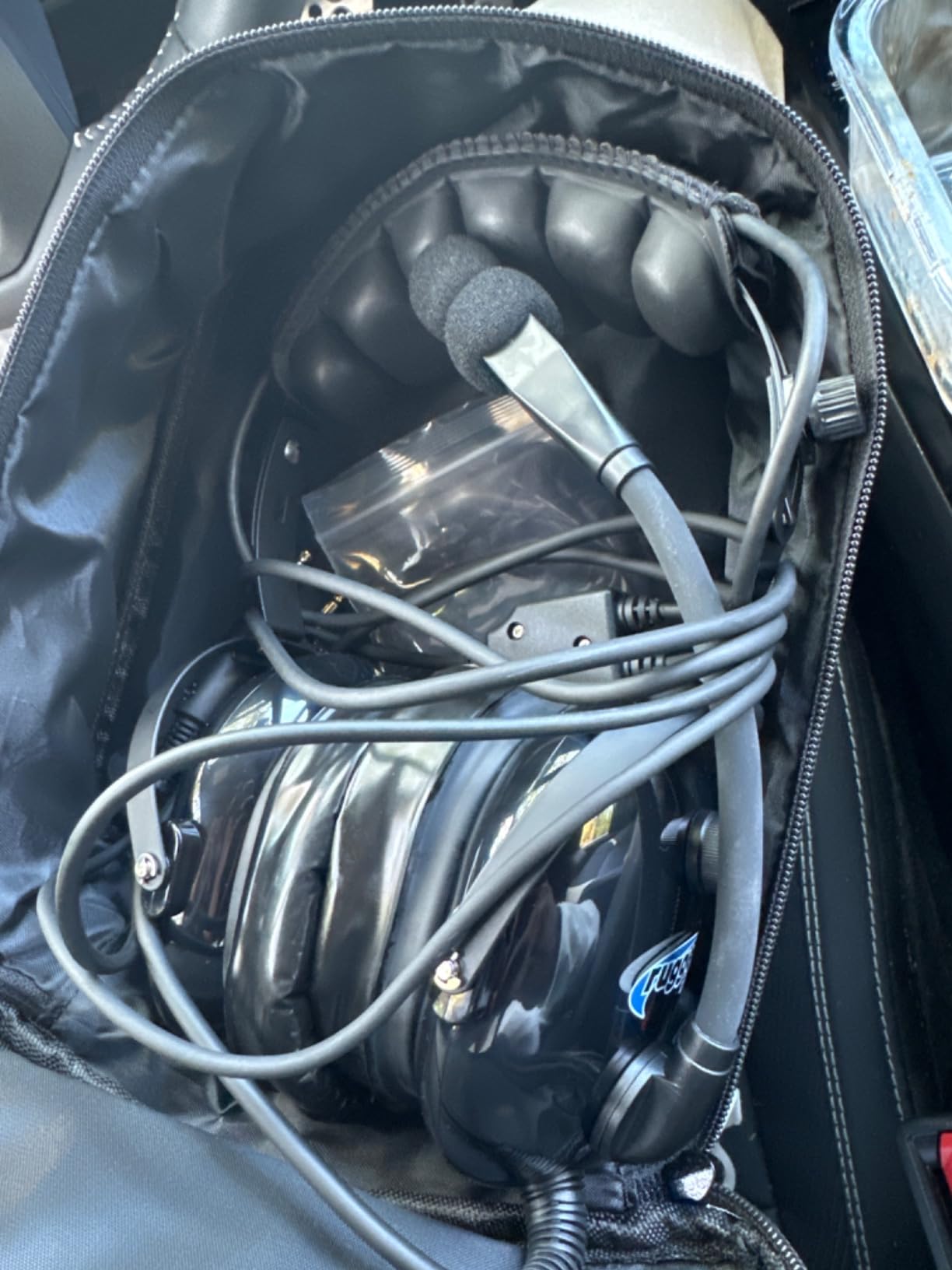
The mono and stereo cable switch is worth flagging if you fly a mixed fleet, since it widens the aircraft this will work in without an adapter. The 24 dB rating and electret noise-canceling microphone match the rest of this class, and owners report good clarity with air traffic control.
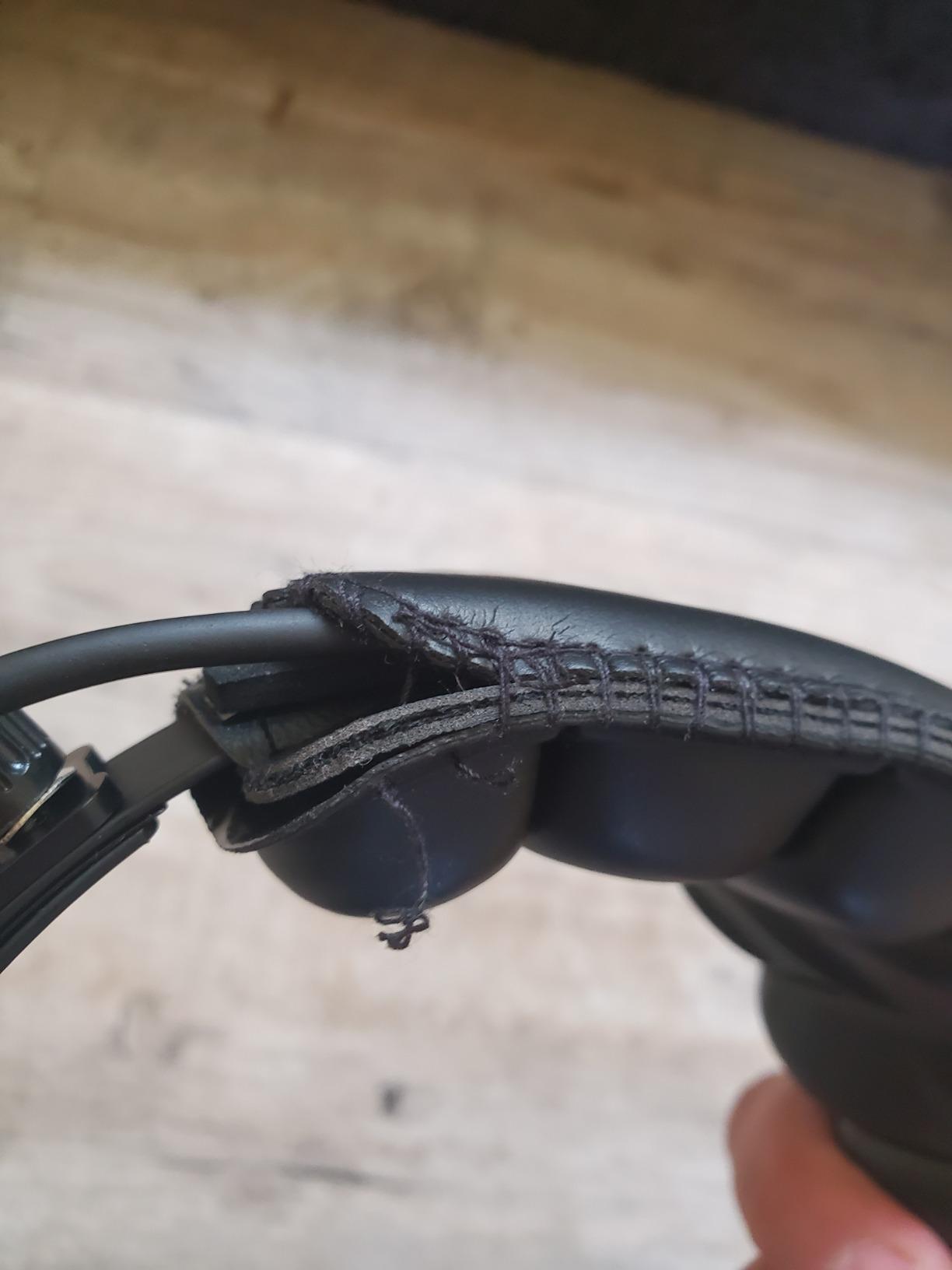
Durability is the weak point in the feedback. Ear cushions popping off with minimal contact is mentioned by several owners, which is annoying rather than dangerous since they press back on. A few reviewers also report intermittent microphone or audio dropouts, and one traced the cause to a loose aircraft plug rather than the headset itself, which is worth checking before you return a unit.
Will This Fit a Small Head Without Pressure Points?
Most likely, and it is the reason to pick this over the foam-cup models. Low clamping force is the design goal, and the adjustable headband lets you spread the weight rather than concentrating it. Pilots who report issues tend to describe the fit as tight out of the box, which resolves as the head pad and band settle in.
On a very small head, spend a few minutes on the headband adjustment before your first flight rather than during. A headset that is comfortable on the ramp is comfortable at altitude.
Is the Detachable Cable a Real Benefit?
It is a practical one. A detachable cable is easier to route, easier to replace, and less likely to be the reason a headset fails. For a headset you intend to keep across training, that is a fair amount of value for a small part of the cost.
The flip side is that you should still check the aircraft plug fit. Several reported audio dropouts in this model turned out to be panel-side, not headset-side.
4. KORE P1 Is the Best Aviation Headset for Student Pilots
P1 Aviation Pilot Headset for Student Pilots Flight Schools Flight Instructors Features 24 db PNR Rating, Noise Canceling Microphone, Acoustic Foam Ear Cups, AUX Port Input with GA Dual Plugs
24 dB passive NRR
1.2 lb weight
Replaceable head pad
GA dual plugs
Pros
- Purpose-built for flight schools and CFIs
- 24 dB passive reduction handles engine and cabin noise
- replaceable head pad and extra mic muff extend service life
- 1.2 lb package weight suits shared training use
Cons
- Mono only output with no stereo switch
- acoustic foam cups less isolating than gel
- AUX input is audio only
The P1 is built for the use case that most readers of this guide are in. It is aimed squarely at student pilots, flight schools and flight instructors, and that focus shows in the details that matter for shared equipment. A 1.2 lb package weight, a built-in volume control knob rather than per-ear trim, and a mono output that pairs cleanly with standard general aviation dual-plug intercoms.
At 4.5 across 570 reviews, the feedback is strong and consistent. Owners confirm the 24 dB passive reduction handles engine and cabin noise well and that microphone clarity is good for instructor and radio work. Flight schools buying in numbers care about the same things a student does, which is why the spec sheet reads as a considered one rather than a cost-cut one.
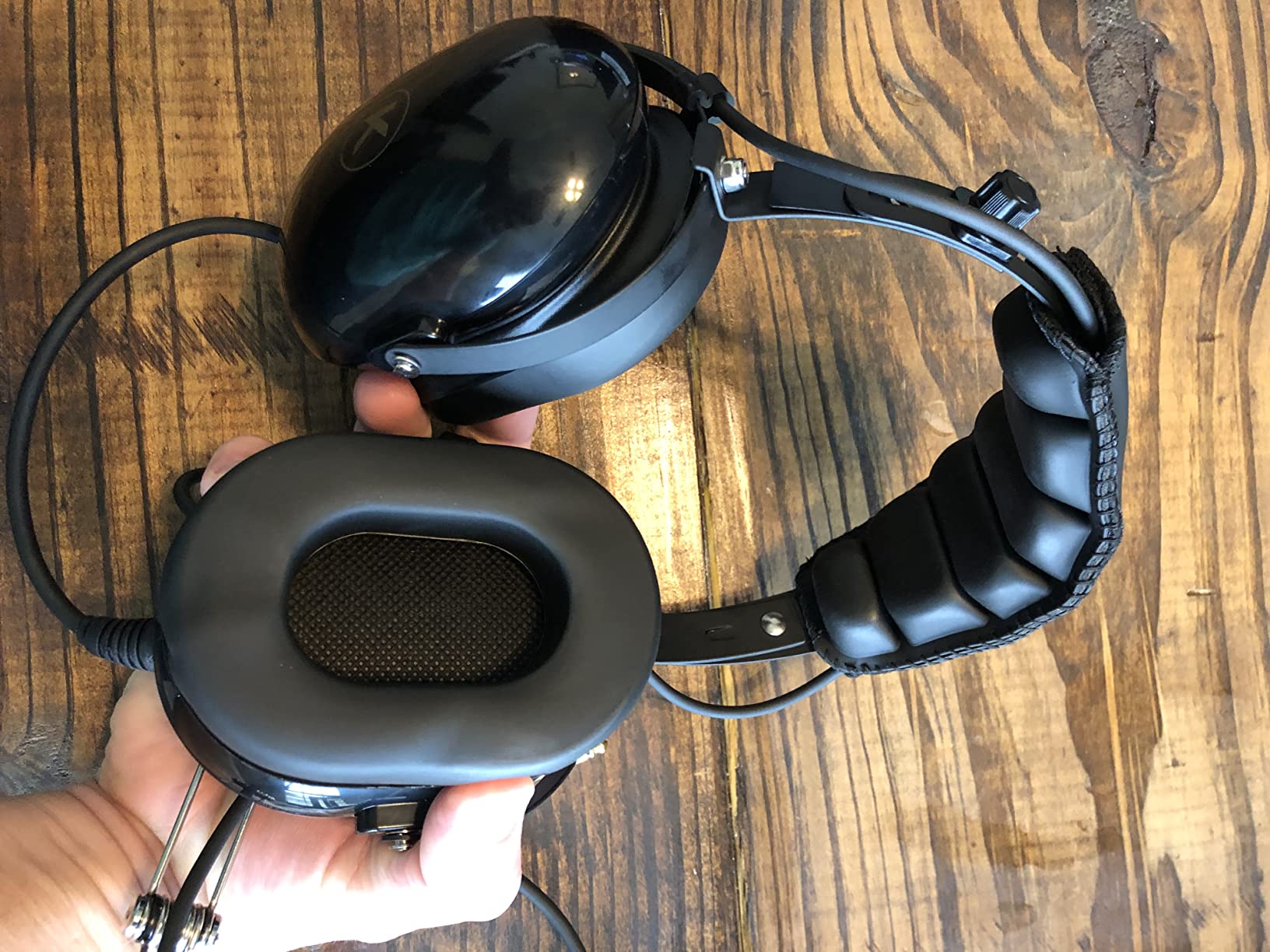
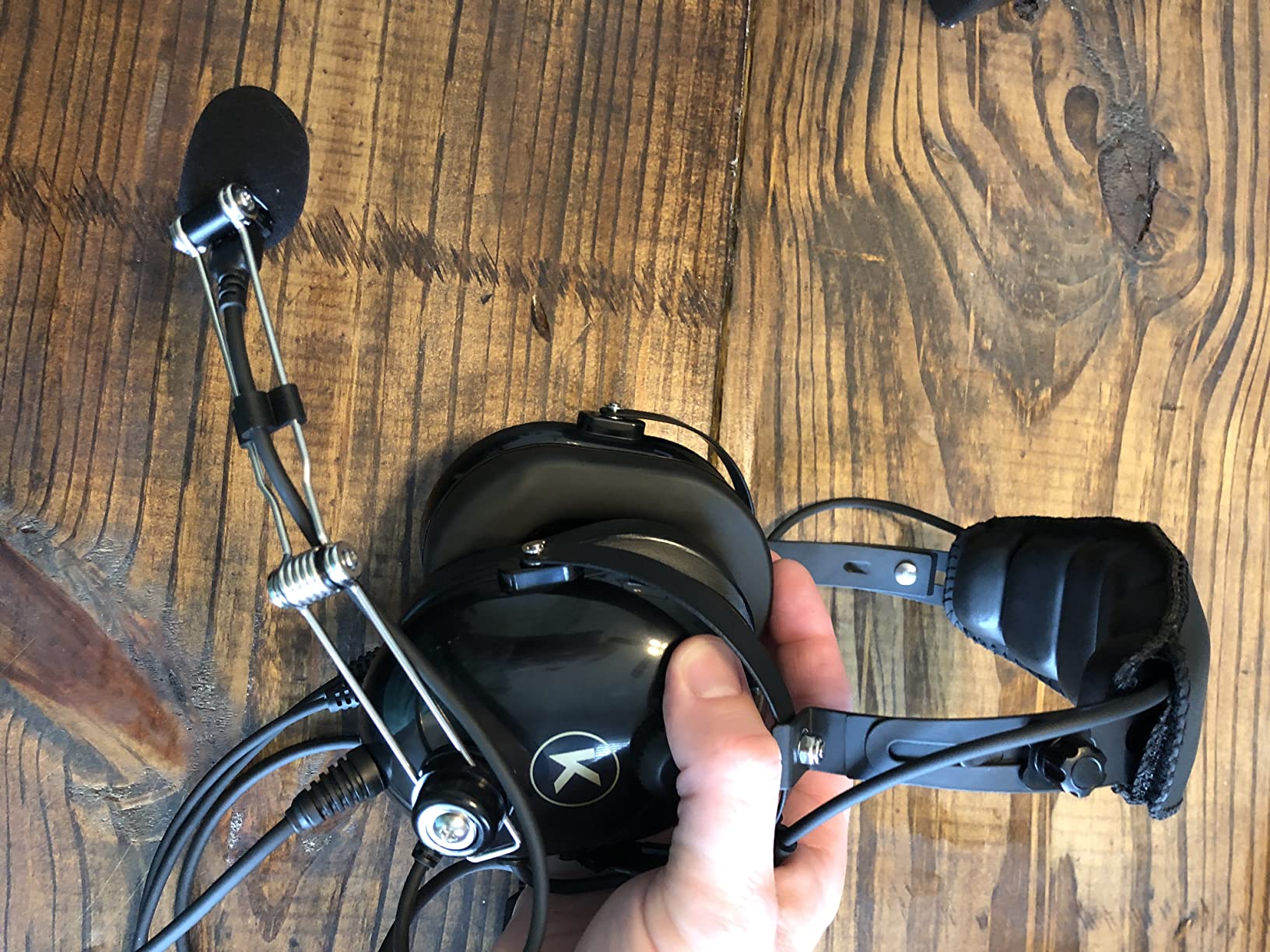
The serviceability angle is what separates it from cheaper foam headsets. A replaceable head pad, an adjustable head size setting and an extra microphone muff in the box extend the working life of the unit, and a protective case is included. For a headset that will sit in a flight bag through several years of training, consumable parts being available is not a minor detail.
The foam acoustic ear cups are the limitation, and reviewers say so directly. They are less isolating and less comfortable than gel, so the 24 dB figure is a ceiling rather than a typical result, particularly on a hot afternoon. Mono-only output is the other trade-off, and it is fine for training but limiting if you later move to an aircraft with a stereo panel.
Is This Good Enough for a Student Pilot Who Will Train for Years?
Yes, because the parts that usually fail first can be replaced. The head pad is a consumable, the mic muff is a consumable, and the cups can be upgraded to gel later if you want more isolation. That upgrade path is why it holds up across a full training programme rather than one season.
If you only fly the occasional hour, it is more headset than you need. If you are training weekly, it is the correct amount of headset.
Student Pilot, Instructor, or Weekend Flyer?
A student training weekly wants a headset that survives a shared flight bag and a replaceable pad. That is this one. A weekend flyer who flies four times a year can get away with something lighter and simpler. An instructor who uses a headset every day all year should look one tier up for gel seals and a longer warranty.
One practical note: the AUX input here is audio only, so tablet charts and practice apps work but phone calls do not.
5. R Spider 100A Is the Cheapest Credible Entry Headset
R SPIDER WIRELESS Aviation Headset for Pilots, Aviation Headset with Comfort Ear Seals, 24db Noise Cancelling, MP3 Support and Carrying Case
24 dB passive NRR
Stainless steel build
6 ft aux cable
On-ear gel pads
Pros
- Entry-level price point with a usable 24 dB NRR
- gel and foam pads suit eyeglass wearers
- hard carrying case and 6 ft aux cable included
Cons
- On-ear format gives less isolation and less comfort than over-ear
- 300 ohm impedance can pair poorly with some audio panels
- a larger share of one and two star reviews than the leaders
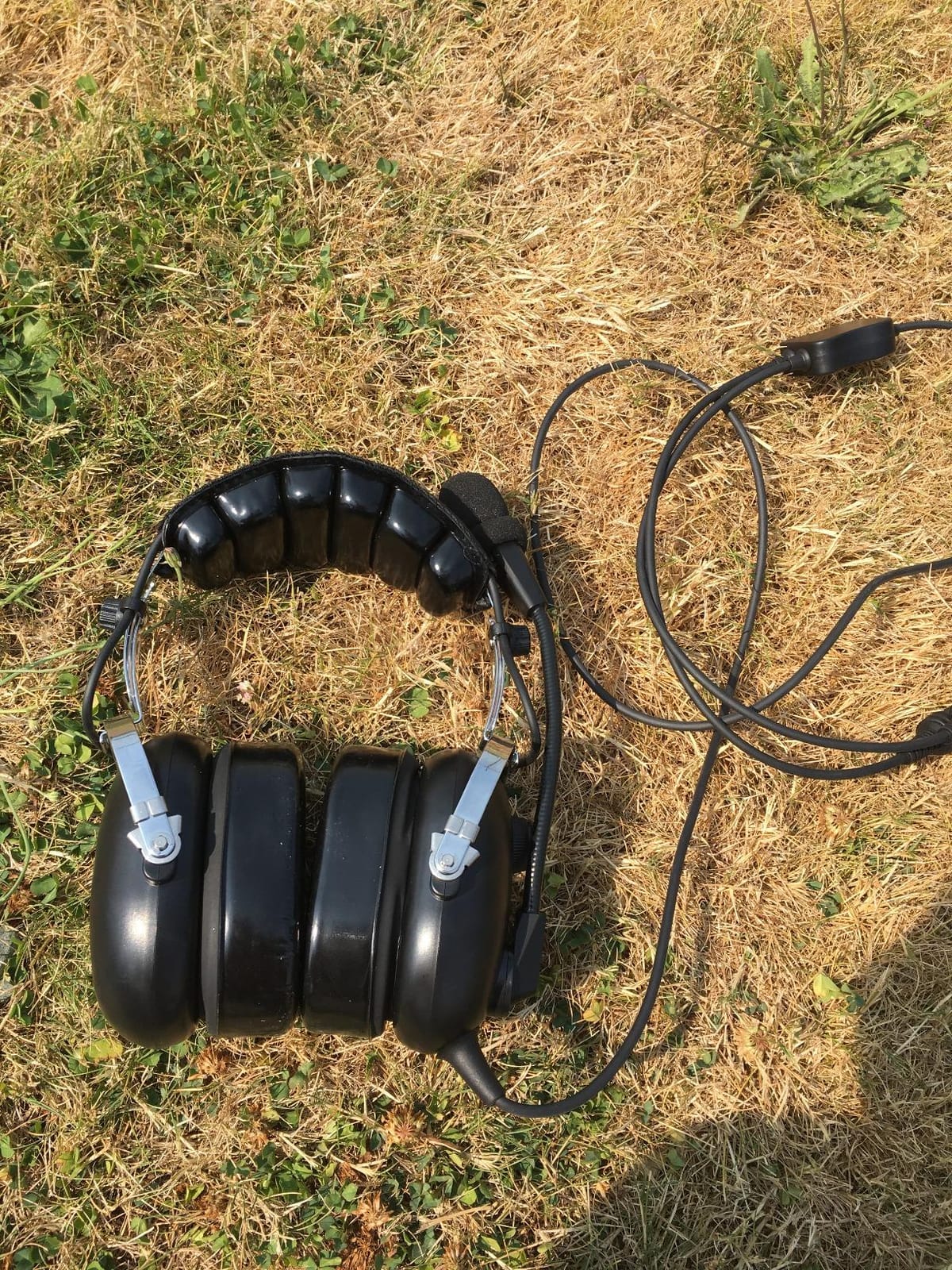
This is the bottom of the credible list, and I include it because a discovery flight or a first lesson genuinely does not need more. At 24 dB passive reduction it carries a real protection figure, and the stainless steel construction plus high-density gel and foam pads are better than the foam-only headsets that sit below it. The standard dual plug for fixed-wing general aviation means it works across the usual trainer fleet.
The adjustable thumb-screw headband is unusual at this level and does a good job with eyeglasses, which is a real problem for a lot of pilots. The included 6 ft auxiliary cable and hard plastic case are small touches that make it easier to carry, and the noise-canceling electret mic sits on a 360 degree boom that holds its position.
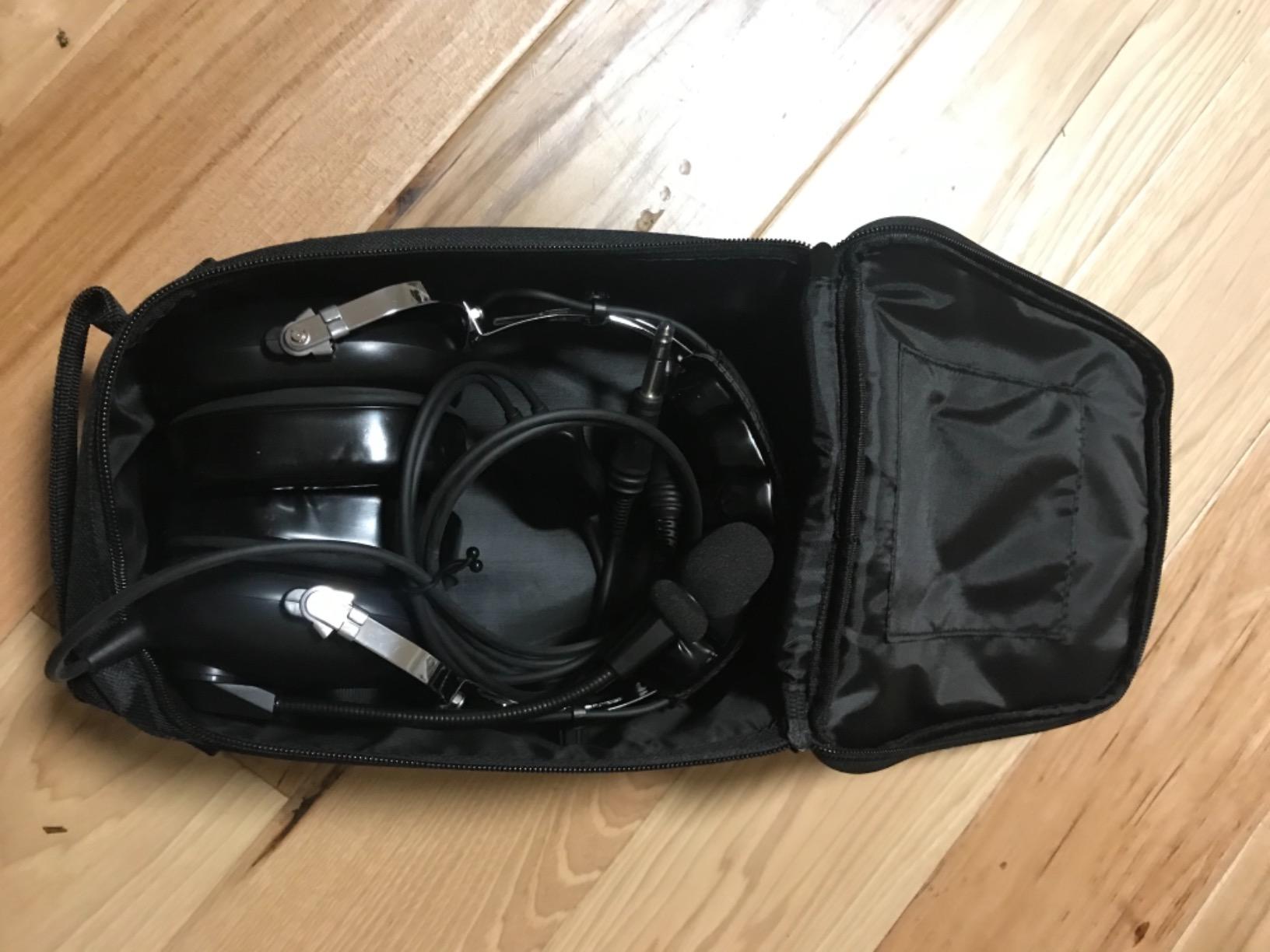
Be clear-eyed about what the on-ear format costs you. Because the pads sit on the ear rather than around it, you get less isolation and less long-session comfort than the over-ear models, and the review data reflects that. Its 4.2 average is the second-lowest of the eight, with a larger share of one and two star reviews than the leaders, mostly around durability and fit.
The 300 ohm impedance is the other technical wrinkle. Most aircraft audio panels are designed around 150 ohm headsets, and a mismatch can produce low volume or distortion. It is not a dealbreaker, but it is worth knowing if you move to another headset later and the volume feels wrong.
Is This a Training Headset or a Discovery Flight Headset?
Discovery flight and first lessons, in our reading. Once you are logging regular hours, the comfort ceiling of an on-ear cup becomes the limiting factor long before the noise reduction does. Move to an over-ear gel-sealed model at that point and the difference shows up in your neck and ears rather than in the spec sheet.
There is one situation where it stays appropriate indefinitely: keeping a spare in the flight bag. A cheap backup that works is better than an expensive one you left at home.
Should You Buy This or Spend More?
If the question is whether to buy the cheapest possible headset, the forum consensus is that the absolute floor is a bad buy. Airline pilots talk about low-cost fleet headsets with real irritation at how little protection they provide in a loud cockpit. This model is above that floor, not at it, which is the distinction that matters.
Spend more only if you will fly more than a few hours a month. Otherwise the extra money buys comfort you will not use.
6. FARO G2 Is the Best Budget Headset With Active Noise Reduction
Faro G2 ANR (Active Noise Reduction) Premium Pilot Aviation Headset with Mp3 Input – Black
52 dB claimed ANR
30 hour battery
3 year replacement warranty
AUX input
Pros
- Active noise compression cuts low-frequency engine rumble in loud aircraft
- 3 year replacement warranty backed by service centres
- MP3 and device input for long legs
- comfortable adjustable fit
Cons
- Sound described as tinny especially on the music input
- low mic sensitivity needs the intercom squelch turned down
- low output volume on some panels
- ANR can pop if the cups are not fully sealed
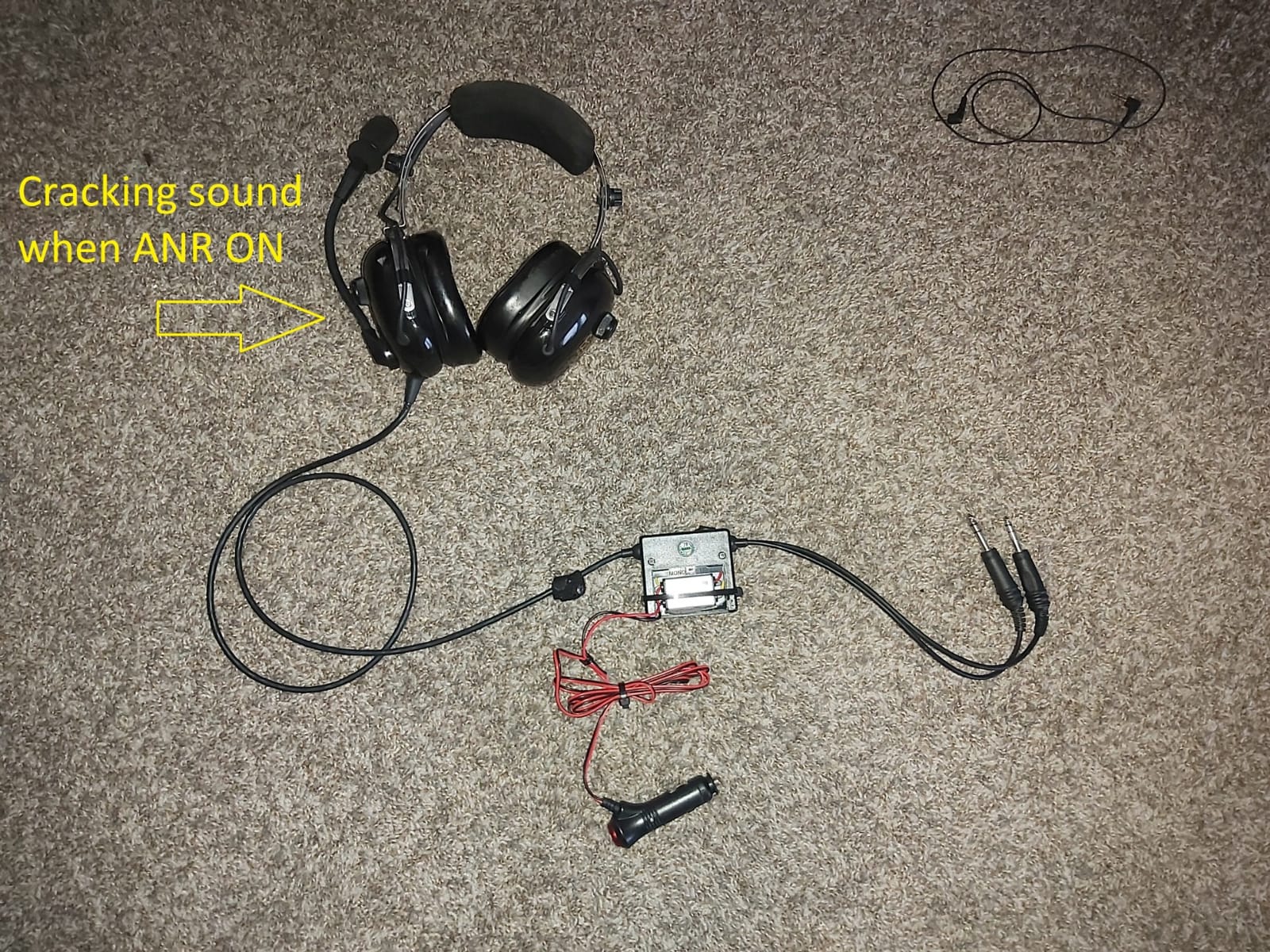
This is the model to look at if you fly piston aircraft and you know engine rumble is the thing that wears you down. The published figure is up to 52 dB of noise reduction using active noise compression, and that is a much higher number than anything passive on this list. Treat it as a manufacturer claim rather than a laboratory standard, since the actual result depends heavily on the ear seals you fit.
The warranty is the standout. A three-year replacement warranty backed by FARO Pilot Care Service Centers is a meaningful commitment for electronics-heavy hardware, and owners report actual replacements being honoured after a failed ANR unit. That changes the calculation when you are weighing a headset whose failure mode is a dead amplifier rather than a flattened seal.
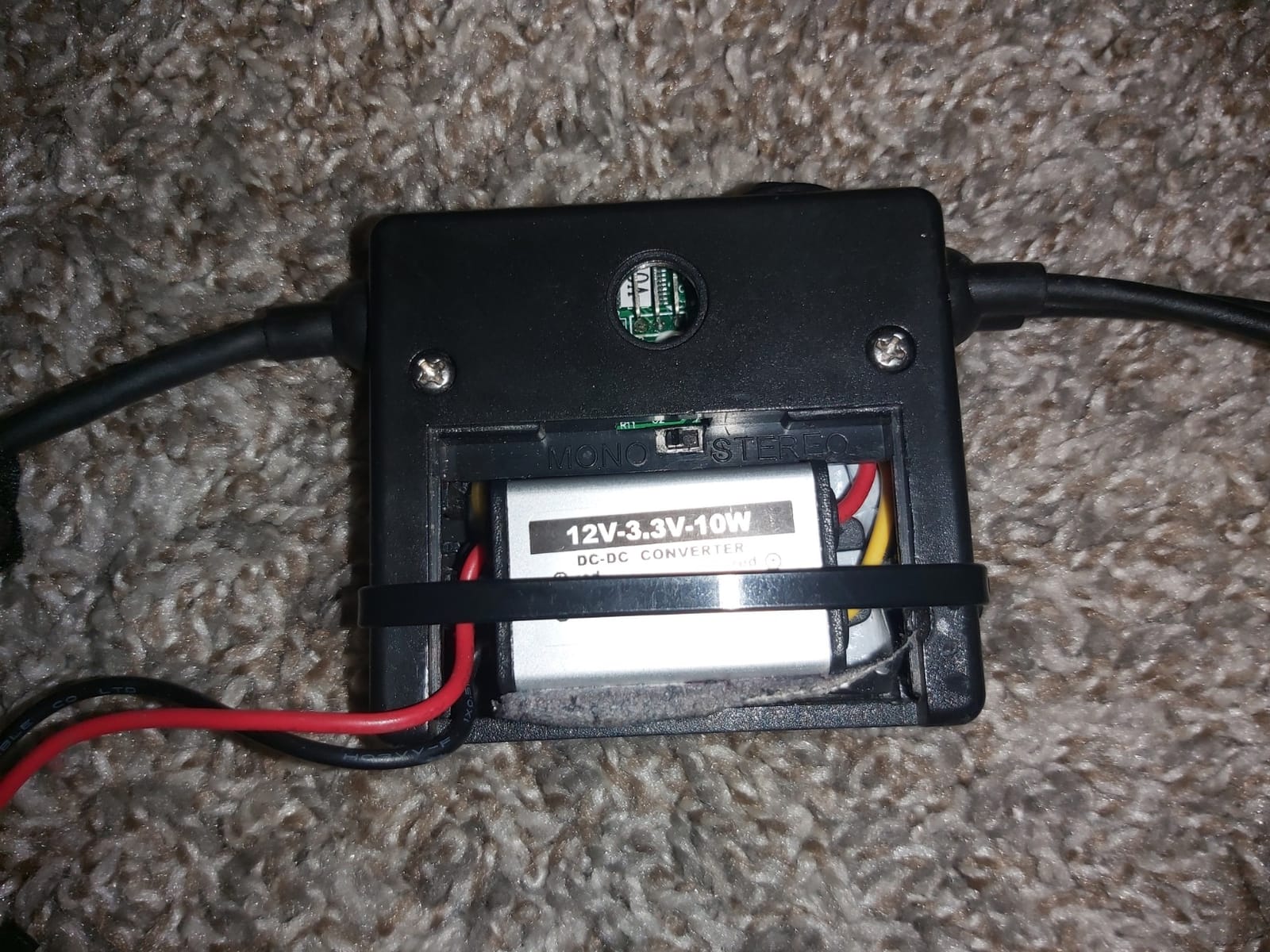
Owners split on audio quality, and the split is worth hearing before you buy. Some report the active system outperforming much more expensive active sets in noisy piston aircraft when used with gel seals. Others find the output volume low enough to push the intercom to maximum, and describe the sound as tinny, particularly through the auxiliary music input.
Mic sensitivity is the other recurring theme. It is low enough that several owners recommend turning the intercom squelch down, which is a cockpit habit you may not want to change. Battery life is quoted at around 30 hours, so you are charging or swapping cells every few sessions rather than every flight.
Is a Budget ANR Headset Worth It Over PNR?
For a piston single, often yes. Active cancellation targets the low-frequency rumble that passive seals let through, and that rumble is what makes long piston flights tiring rather than merely noisy. The gain is largest on a fixed-pitch prop at full power and smallest in a pressurised cabin.
For weekend VFR in a quieter aircraft, the same money spent on gel ear seals on a passive headset will give you a better result. Judge this purchase on how much time you actually spend in a noisy cockpit.
What About the Tinny Sound and Low Volume?
Both are real and both relate to the electronics. The auxiliary music input is the weakest path, so use a wired input of your own rather than judging music playback through it. On the intercom, set the panel volume before you judge the headset, and expect to need it higher than with a passive set.
One operational note: if you wear sunglasses or anything that breaks the seal, the active system can pop loudly. Test it wearing whatever you actually fly in.
7. UFQ A7 Is the Best Lightweight ANR Headset for Long Legs
UFQ A7 ANR Aviation Headset- A7 Could be a Small Version Bxxx X-20 BUT More Comfortable,Clear Communication,Durable,Great Sound Quality for comms and Music with MP3 Input,Free with a Headset Bag
220 g weight
ANR over 48 hours
Bluetooth 4.2
MP3 input
Pros
- Lightest active model here at 220 g with low clamping force
- over 48 hours of ANR on two AA batteries
- Bluetooth 4.2 and MP3 input for long solo legs
- steel headband with Kevlar reinforced cables
Cons
- Lowest average rating in the group
- needs two AA batteries carried in the flight bag
- communication clarity and comfort vary more than the passive picks
- aux music may not work while ANR is active
The A7 is the interesting one because it pairs active noise reduction with genuinely low weight. At 220 g it is the lightest active headset on this list by a wide margin, and the low clamping force means it stays comfortable on a long sector. That combination is what makes it worth the extra money over a passive set for pilots who fly distance in a single-engine aircraft.
Battery life is quoted at over 48 hours of active use from two AA batteries, which is about a month of normal flying. The convenience is real, and so is the annoyance of needing spare cells in the flight bag. Bluetooth 4.2 alongside the MP3 input means music and phone audio on a long leg, which owners single out as a genuine quality-of-life improvement.
Build quality is above what the price suggests. A steel headband, Kevlar-reinforced cables, reinforced connectors and gold-plated twin GA plugs are the parts that fail first on cheap headsets, and this one addresses all four. The UFQ M-7U noise-canceling electret microphone sits on a 350 degree rotating boom, which makes it easy to position for an instructor sitting beside you.
Sentiment is the most divided of the eight. It carries the lowest average rating in this group, with a notable share of one-star reviews focused on inconsistent communication clarity and comfort compared with cheaper passive sets. Other owners consider it excellent value for an active unit. The dual volume controls, mono and stereo switch and included headset bag complete a generous feature list.

Is 220 g Light Enough to Notice on a Long Flight?
Yes, noticeably. Most over-ear headsets in this class sit well above 400 g, and the difference is felt in the neck and temples rather than the ears. Combined with the low clamping force, this is the model I would pick for a pilot who does three-hour sector hops in a single.
The leather head cushion and ear cushions help here too, since leather runs cooler than cloth over a long period.
What Do You Give Up Compared With a Passive Pick?
Consistency. The passive leaders in this list receive steadier feedback on communication clarity, and you get a better-guaranteed result for the same money. What you gain is the elimination of low-frequency rumble, which passive cannot touch.
If clarity on the radio matters more to you than comfort at hour four, buy passive. If you are tired after long flights rather than bothered by noise, buy this.
8. David Clark H10-13.4 Is the Most Durable Pick on This List
David Clark H10-13.4 Aviation Headset
Gel undercut ear seals
M-7A noise cancelling mic
5 year guarantee
450 g
Pros
- Highest average rating in the list at 4.7
- undercut gel ear cups cut a large amount of ambient noise
- M-7A microphone gives crisp consistent transmissions
- two piece head pad works with buttoned hats
Cons
- No auxiliary input
- Bluetooth or active noise reduction
- weight becomes noticeable on very long flights
- no carrying case included
The H10-13.4 is the most traditional answer on this list and the one most likely to still be working in ten years. It carries the highest average rating of the eight at 4.7 across 917 reviews, and 84 percent of those reviews are five star. Owners describe hundreds of flight hours and years of service, and forums treat the David Clark name as the durability benchmark in general aviation.
The gel undercut ear seals are the reason audio quality is where it is. An undercut profile seals around the ear more completely than a flat pad, which cuts more ambient noise and, importantly, does it without the clamping force that causes headaches. The M-7A noise-cancelling microphone is the other half, and owners consistently report crisp, consistent intercom transmissions.
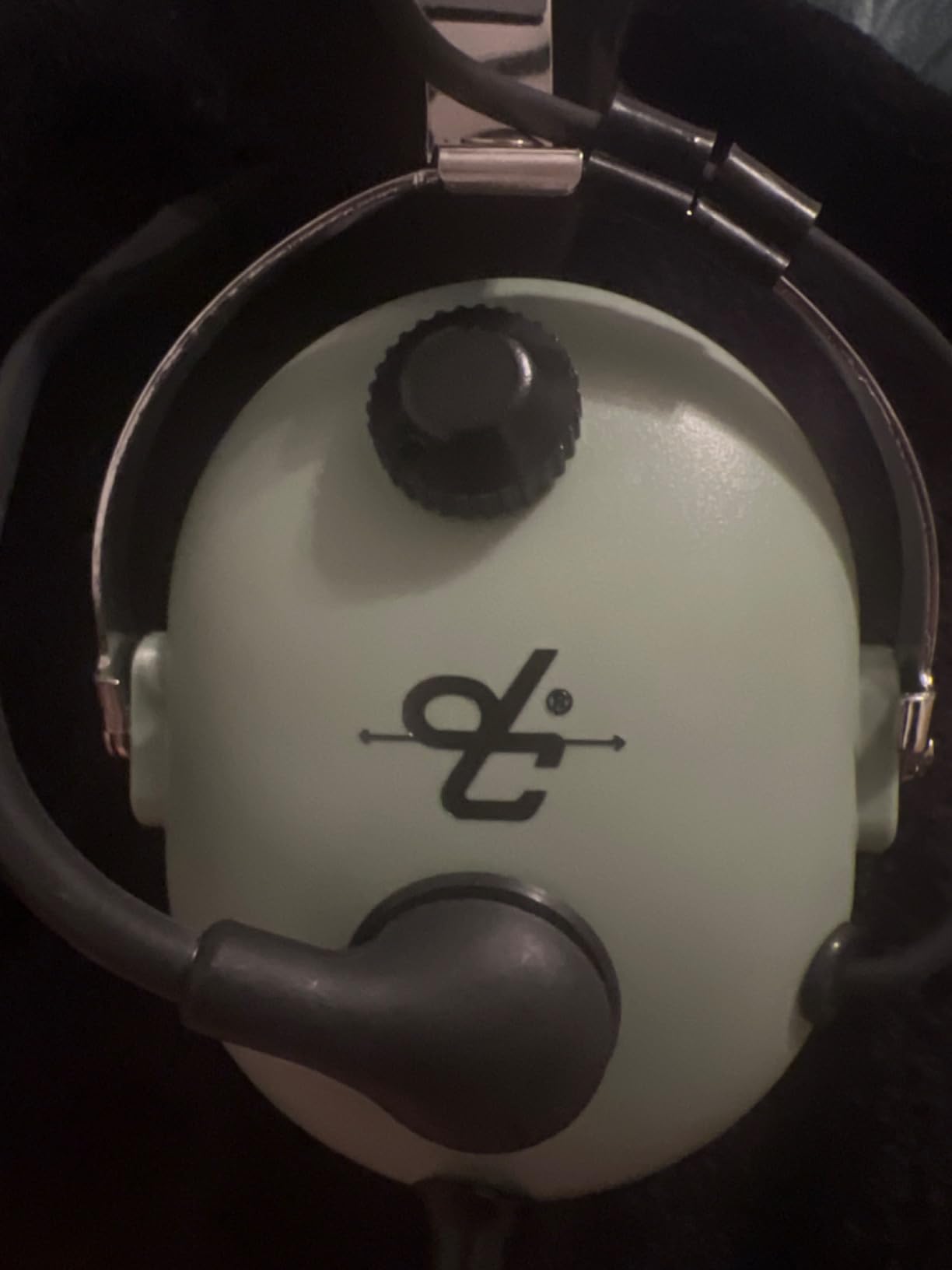
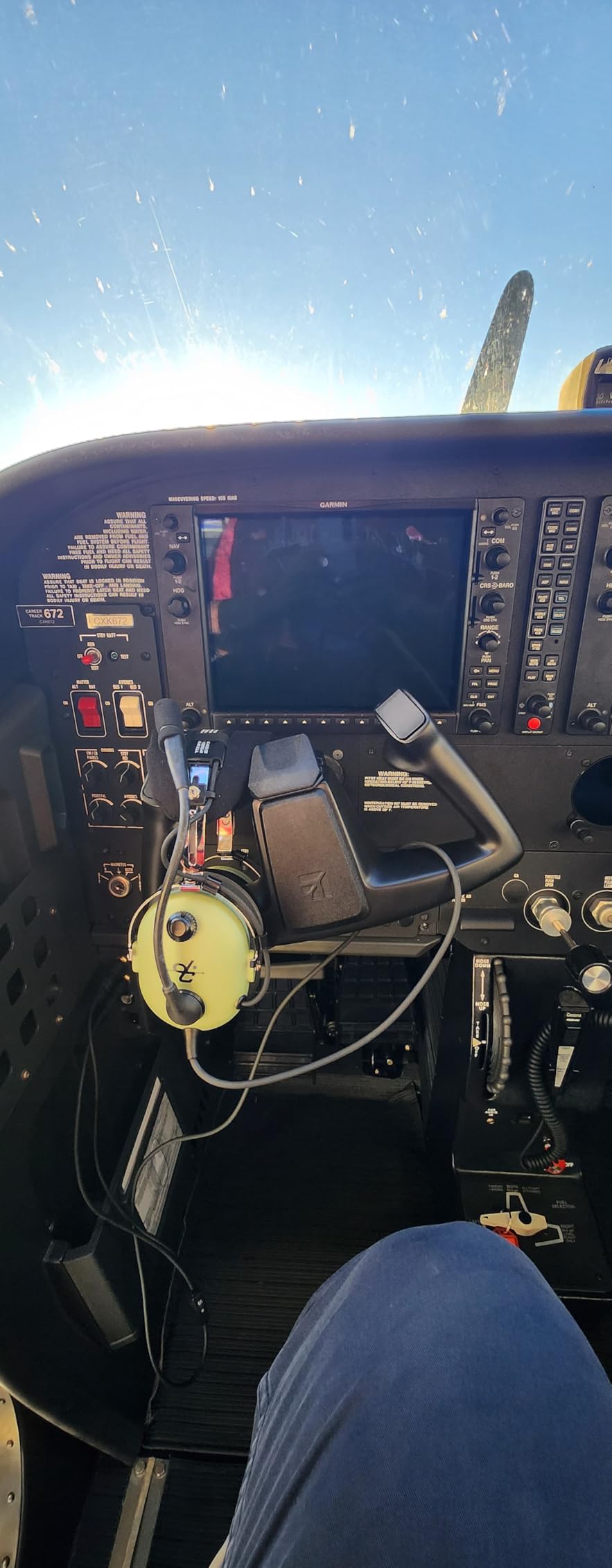
Two small design touches matter more than they sound. The universal flex boom lets you position the microphone without fighting it, and the two-piece head pad works with hats that have a button on top, which is a genuine comfort detail in winter flying. A low-profile volume knob with detent settings means you can find your level by feel in a dark cockpit.
The feature list is deliberately bare, and reviewers accept that trade. There is no auxiliary input, no Bluetooth and no active cancellation. The fit can feel snug before it breaks in, the 450 g weight becomes noticeable on very long flights, and no carrying case is included, so plan to keep it in a bag you buy separately.
Is a Headset With No Bluetooth or AUX Input a Downgrade?
Not for flying. Bluetooth and auxiliary inputs are entertainment features, and their absence has no effect on radio communication, noise reduction or hearing protection. Pilots who want music on a passenger leg use a separate pair or a wired input of their own, and the headset stays doing the one job it is good at.
It does make this a less useful headset for a home flight simulator setup, where an AUX input is more useful than it is in the air.
Why Buy One Headset Instead of Two Cheap Ones?
Because the per-flight-hour cost works out better and the failure risk is lower. A passive entry headset that flattens its seals after two years means a second purchase anyway, and you have spent more in total while flying a different headset every lesson. One headset you trust, fitted once, with a five year guarantee, is simpler.
The used market is worth knowing about here. Pilots in the forums describe used David Clark headsets as extremely durable and readily available second hand, and a used Bose A20 is a recognised value route for pilots who want active cancellation without the new price. Buy used only if you can test the seals, the boom and the electronics before you commit.
Plug Type Compatibility: GA Dual, LEMO and U174
Buy the wrong connector and the headset is useless on day one, so check this before anything else. Most general aviation aircraft in the United States use dual GA plugs, two slim pins for microphones and headphones, and every headset on this list ships with that standard. Some panels are stereo and some are mono, which is why a mono and stereo switch is worth having on a headset you might use across a mixed fleet.
LEMO is the connector found on many European and business aircraft panels, and it is larger and keyed differently. U174 is the helicopter plug, a single combined connector, and it is the wrong choice for a fixed-wing aircraft. Buying a helicopter plug headset for a fixed-wing trainer is the most common and most avoidable return in this whole category.
If you are not sure, look at the panel sockets or ask your flight school or aircraft owner before ordering. A dual-plug headset is the safe default for the majority of general aviation flying, and a plug adapter is not a substitute for buying the right one, because the pinouts differ.
Where Budget Passive Headsets Fall Short
The honest limit of a passive headset is a loud piston single. Foam and gel seals attenuate high and mid frequencies well, and they are perfectly adequate for a pressurised cabin or a modern light aircraft. They do very little about the low-frequency thump of a prop at full power, and that thump is what accumulates into fatigue over a three-hour flight. For those hours, an active model earns its money, which is the entire argument for the FARO G2 and the UFQ A7.
The second limit is the absolute cheapest end of the market. Pilots working in airline cockpits describe fleet-supplied low-cost headsets with real irritation, because the noise reduction is minimal and the cockpit is loud. Working airline fleets mostly use premium active models for that reason. Cheapest is not the same as best value, and the list above deliberately starts above that floor.
The third limit is seal condition. A 24 dB figure is a laboratory measurement on new seals. Foam that has been flattened by a year of use in a hot flight bag can lose a large share of its effective protection, which is why replacing ear seals is the cheapest real upgrade available to any budget pilot. Keep a spare set of your own seal type in the bag.
How to Choose a Budget Aviation Headset
Start with the aircraft, not the brand. If you fly mostly in a quiet cabin, passive noise reduction is enough and the money is better spent on gel ear seals. If your hours are in a piston single or an older aircraft, budget for an active model and accept the extra weight and battery management.
Next, weight and clamping force. This is the most repeated comfort complaint in the pilot forums, and the small-head headache is a real and fixable problem rather than a preference. Look at the stated weight first, then look for low clamping force and an adjustable band. Anything above about 500 g will be noticeable on a long flight.
Then warranty length, which is a decent proxy for build quality on an entry purchase. In this group the range runs from 12 months to 7 years, and a long warranty is the manufacturer telling you what it expects from the product. Serviceability matters too: replaceable head pads, ear seals and mic muffs extend the life of a headset far more than a small spec upgrade does.
Finally, check the review distribution rather than the headline rating. A 4.7 with a small sample and a 4.4 with 1611 reviews are very different pieces of evidence. Look at the one and two star share, because that is where durability and seal problems show up, and read the complaints about the specific thing you care about most.
One last rule from the forums worth repeating: buy one good headset rather than several cheap ones. A headset that gets swapped every season costs more over the training period, gives you a different fit each time, and teaches you nothing about the one you will still be flying in five years. If part of your audio life happens on the ground rather than in the air, that is a different buying decision, and our picks for gaming headsets for PS5 and wireless PC gaming headsets cover it separately.
Frequently Asked Questions
What is the best aviation headset on a tight budget?
The Rugged Air RA200 is the strongest budget pick: 24 dB passive noise reduction, a 16 oz body, per-ear volume control and a 7 year aviation warranty, with the largest base of logged owner feedback of anything in this roundup. If your aircraft is loud, step up to an active model like the FARO G2 instead.
What are the best affordable pilot headsets?
Three tiers cover almost everyone. Entry: the Rugged Air RA200, 24 dB passive at 16 oz. Mid: the KORE P1 for students and flight schools, or the KORE KA-1 for gel seals and a 5 year warranty. Active: the FARO G2 if you fly noisy piston aircraft. Durability pick: the David Clark H10-13.4.
What is the best aviation headset for a student pilot?
The KORE P1 is the clearest fit: built for student pilots, flight schools and CFIs, with 24 dB passive reduction, a replaceable head pad, an extra mic muff and a protective case. For a smaller head or a lower clamping feel, the Rugged Air RA900 is the alternative, and for a discovery flight the cheaper R Spider model is enough.
Do I need active noise cancellation or is passive enough?
Passive is enough in a pressurised cabin or a quiet light aircraft, and most training hours are flown in exactly those aircraft. Active noise cancellation earns its place in a piston single with a fixed-pitch prop, where the low-frequency rumble that passive seals cannot touch is what makes long flights tiring.
What plug type does my aircraft need?
Most US general aviation aircraft use dual GA plugs, which is the standard on nearly every headset sold for training. European and business aircraft panels often use LEMO, and helicopters use a single U174 connector. Check the panel sockets or ask your flight school before ordering, because plug pinouts differ and an adapter is not a substitute.
Final Verdict on the Best Budget Aviation Headsets
The Rugged Air RA200 is the best budget aviation headset for most people reading this, and it earns that position on weight, protection, warranty and the sheer size of its review base rather than on any single headline number. Buy it, then plan a gel ear seal upgrade once you have a feel for your own head shape.
Pick the KORE P1 if you are a student or instructor and want replaceable parts. Pick the KORE KA-1 if you want gel seals and a 5 year warranty. Pick the Rugged Air RA900 if a small head and clamping force are your problem. Pick the David Clark H10-13.4 if you want one headset that lasts a decade. Pick the FARO G2 or the UFQ A7 only if your hours are in a piston single and the rumble is what bothers you.
Whatever you choose, buy one headset rather than several, check the plug type first, and keep a spare set of ear seals in the flight bag. That last habit does more for your hearing comfort than any spec on this page.