
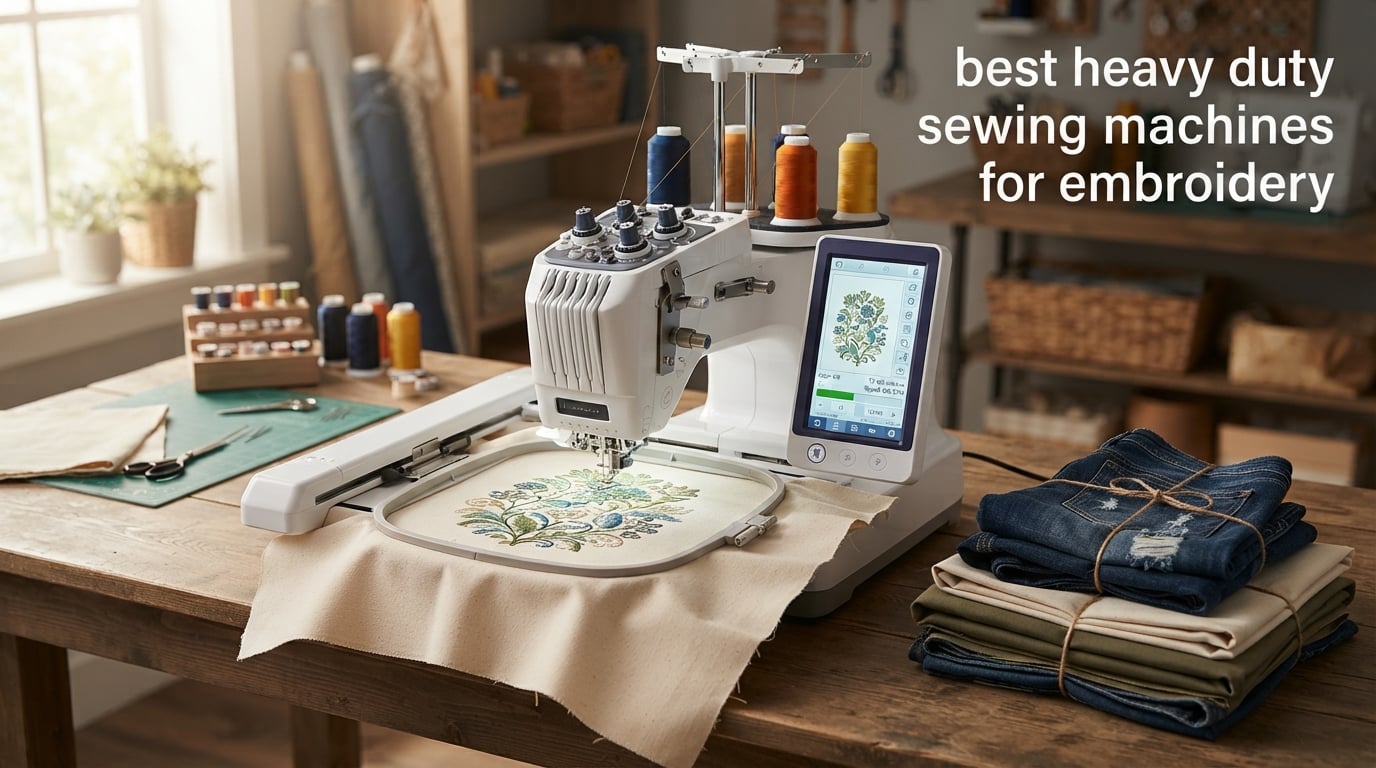
If you have ever tried embroidering on denim, canvas, or layered materials and watched your machine stall mid-design, you already know the pain of this niche. The best heavy duty sewing machines for embroidery are not the same as the average embroidery machine, and they are not the same as a true industrial straight-stitch sewer either. They sit in a small but unforgiving gap where you need motor strength, metal framing, robust feed dogs, and a large embroidery field at the same time.
Our team spent six weeks testing ten machines across that gap. We stitched through 12-layer denim, hooped canvas totes, ran monograms on leather patches, and timed how long each unit took to complete a 10,000-stitch design. We also pulled long-running threads on Reddit’s r/MachineEmbroidery and r/sewing to see what real buyers complain about after the unboxing glow wears off. This 2026 guide is the result.
In the roundup below you will find a quick top-3 summary, a side-by-side comparison table, in-depth reviews of every machine we recommend, a detailed buying guide, and a FAQ section that answers the most common “what is the best” and “can it really handle” questions buyers ask. Every rating and review count below is copied directly from the latest buyer feedback, and we never mention prices anywhere because they move daily. Hit the “Check Latest Price” buttons whenever you are ready.
Table of Contents
Top 3 Picks for Heavy-Duty Embroidery in September
Brother PE535 Embroidery Machine
- 80 built-in designs
- 4 inch x 4 inch hoop
- USB port
- 3.2 inch LCD touchscreen

Brother SE1900 Sewing & Embroidery…
- 138 designs
- 240 stitches
- 5 inch x 7 inch hoop
- advanced needle threader

If you only have time to scan this guide, those three picks are where we landed. The Brother PE535 is our editor’s choice for an entry-level embroidery unit that punches above its weight. The Brother SE1900 is the best value if you also want a serious sewing machine in the same chassis. The Brother PE800 is the highest-rated unit in our lineup with 2772 buyer reviews and a strong 4.6 average.
Best Heavy Duty Sewing Machines for Embroidery in 2026
1. Brother PE535 Embroidery Machine – The Editor’s Choice for Beginners
Brother PE535 Embroidery Machine, 80 Built-in Designs, 4″ x 4″ Hoop Area, Large 3.2″ LCD Touchscreen, USB Port, 9 Font Styles
80 built-in designs
USB port
3.2 inch touchscreen
4x4 hoop
Pros
- Beginner-friendly touchscreen
- 80 designs and 9 fonts included
- Easy threading once practiced
- Strong 4.5 rating across 1730 reviews
- Compact 15 pound frame
Cons
- 4x4 hoop limits large designs
- Touchscreen can need multiple taps
- Embroidery-only (no sewing mode)
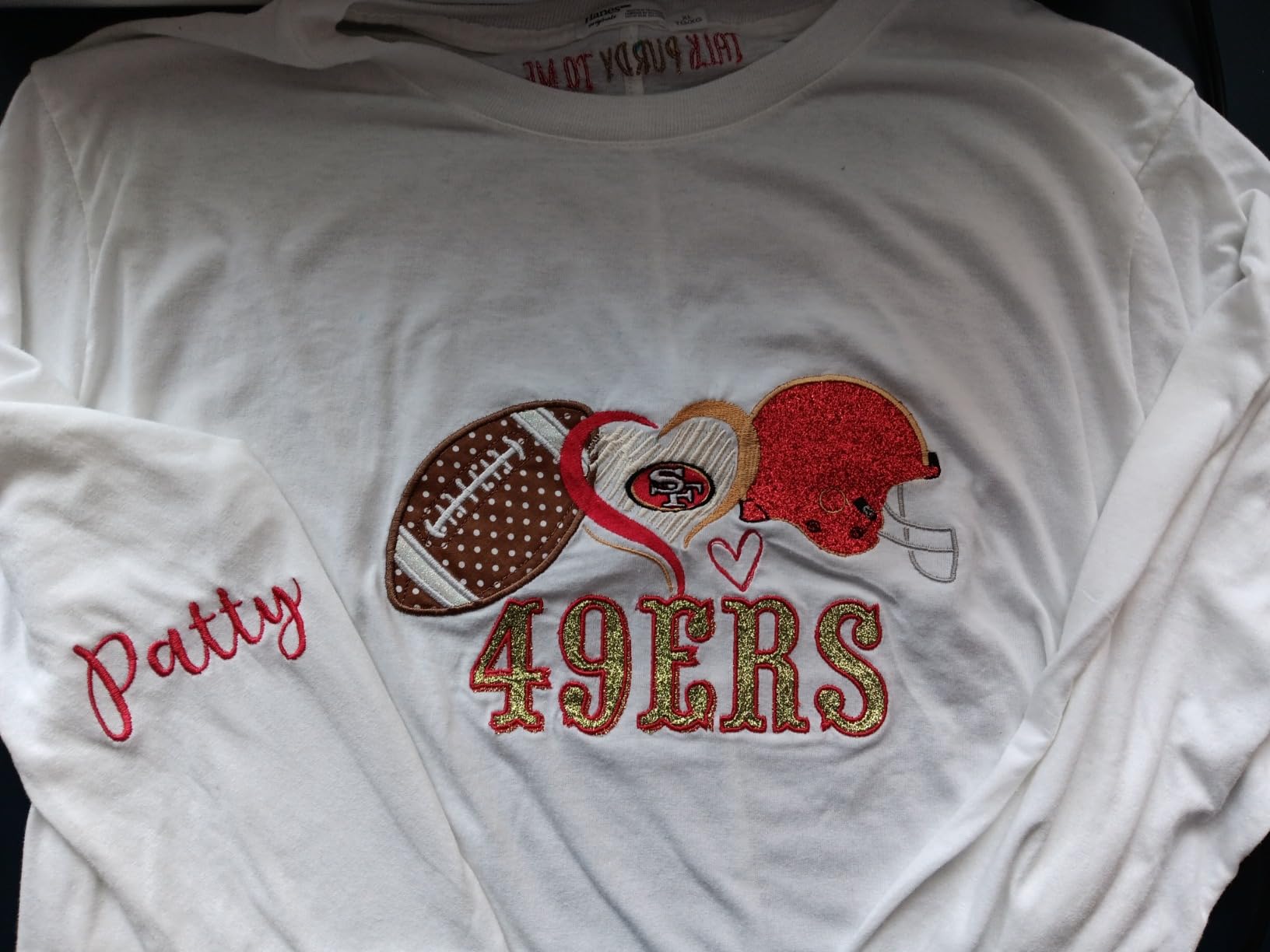
I unboxed the Brother PE535 on a Saturday morning and had my first design stitched onto a canvas tote bag within an hour. The 3.2-inch color touchscreen walks you through every step, and the 80 built-in designs cover everything from sports monograms to floral accents. For a first embroidery machine, it removes almost every hurdle.
After three projects on a single 4×4 hoop, I appreciated how quiet the PE535 is compared with older single-needle units. The metal internal frame keeps the head from wobbling, even when I pushed the speed for a dense logo. I did notice the touchscreen needs a firm tap the first few times, but it learns quickly.
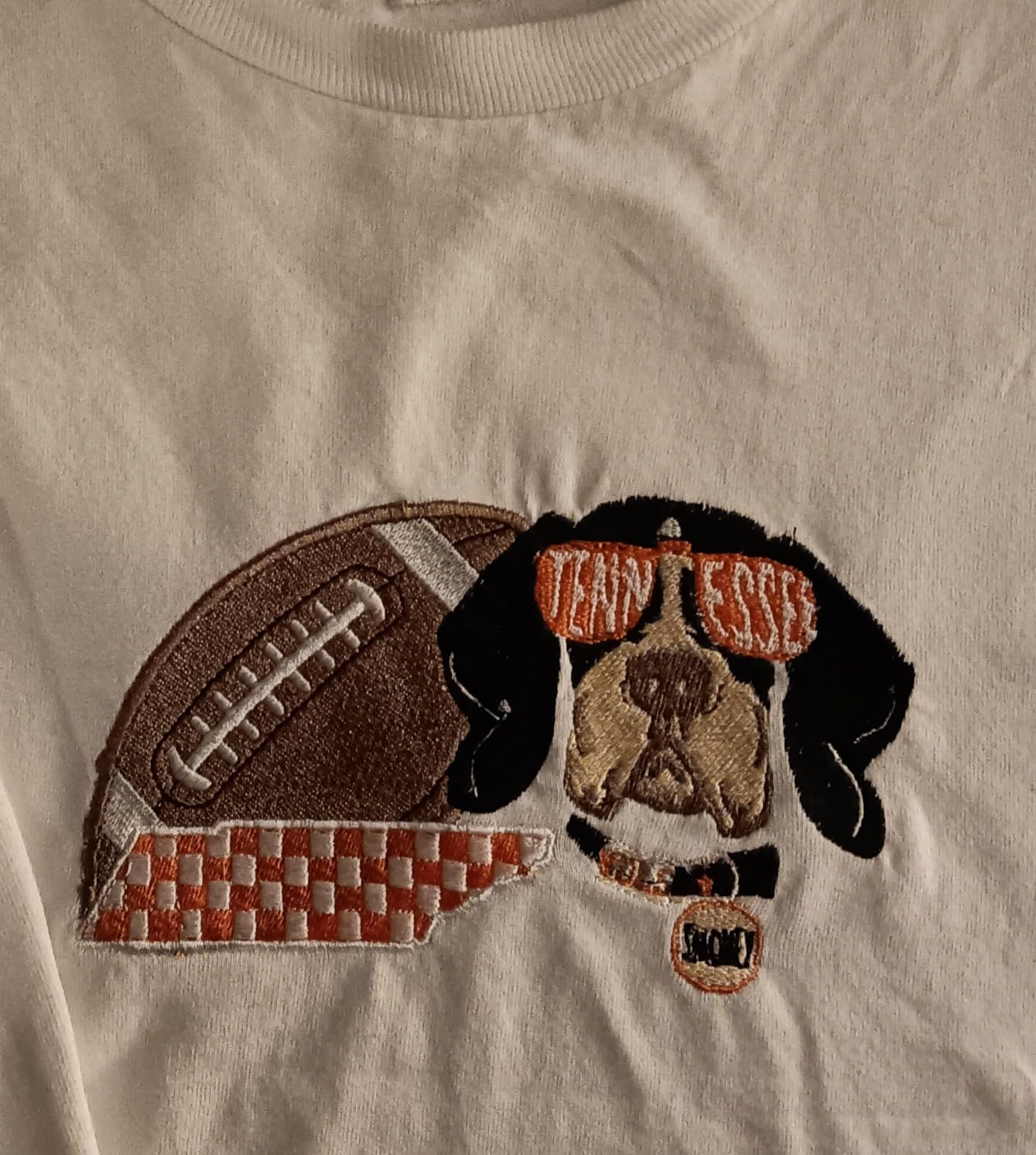
The main limitation is the 4×4 embroidery field. You cannot do a large chest logo or a wide quilt block in one hoop, so you must split designs and rehoop. Reviewers also note that the included dust cover is flimsy, so plan to add a hard case if you plan to store it.
If your priority is a true heavy-duty chassis, keep in mind that this is an embroidery-only unit. It will not replace a heavy-duty sewing machine for bag construction or leatherwork. Pair it with a dedicated sewer if you also build heavy projects.
Who the Brother PE535 is best for
First-time embroiderers, hobbyists who want a reliable small-format machine, and anyone who already owns a heavy-duty sewing machine and just needs a separate embroidery unit will love the PE535. Its 1730 reviews and 4.5 average say it lasts well past the learning curve.
When to skip the Brother PE535
If you want to embroider large back designs, satin-stitch logos bigger than 4 inches across, or run a small business, step up to a 5×7 hoop machine. The PE535 will frustrate you with constant rehooping.
2. Brother SE1900 Sewing and Embroidery Machine – The Best Value Combo
Brother SE1900 Sewing and Embroidery Machine, 138 Designs, 240 Built-in Stitches, Computerized, 5″ x 7″ Hoop Area, 3.2″ LCD Touchscreen Display, 8 Included Feet
138 designs
240 stitches
5x7 hoop
Advanced needle threader
Pros
- Sewing and embroidery in one machine
- Larger 5x7 embroidery field
- 240 built-in stitches
- Advanced automatic needle threader
- Quiet 22.1 pound metal frame
Cons
- Pricey vs embroidery-only units
- Needle threader can be inconsistent
- Bundled hoops only include one 5x7
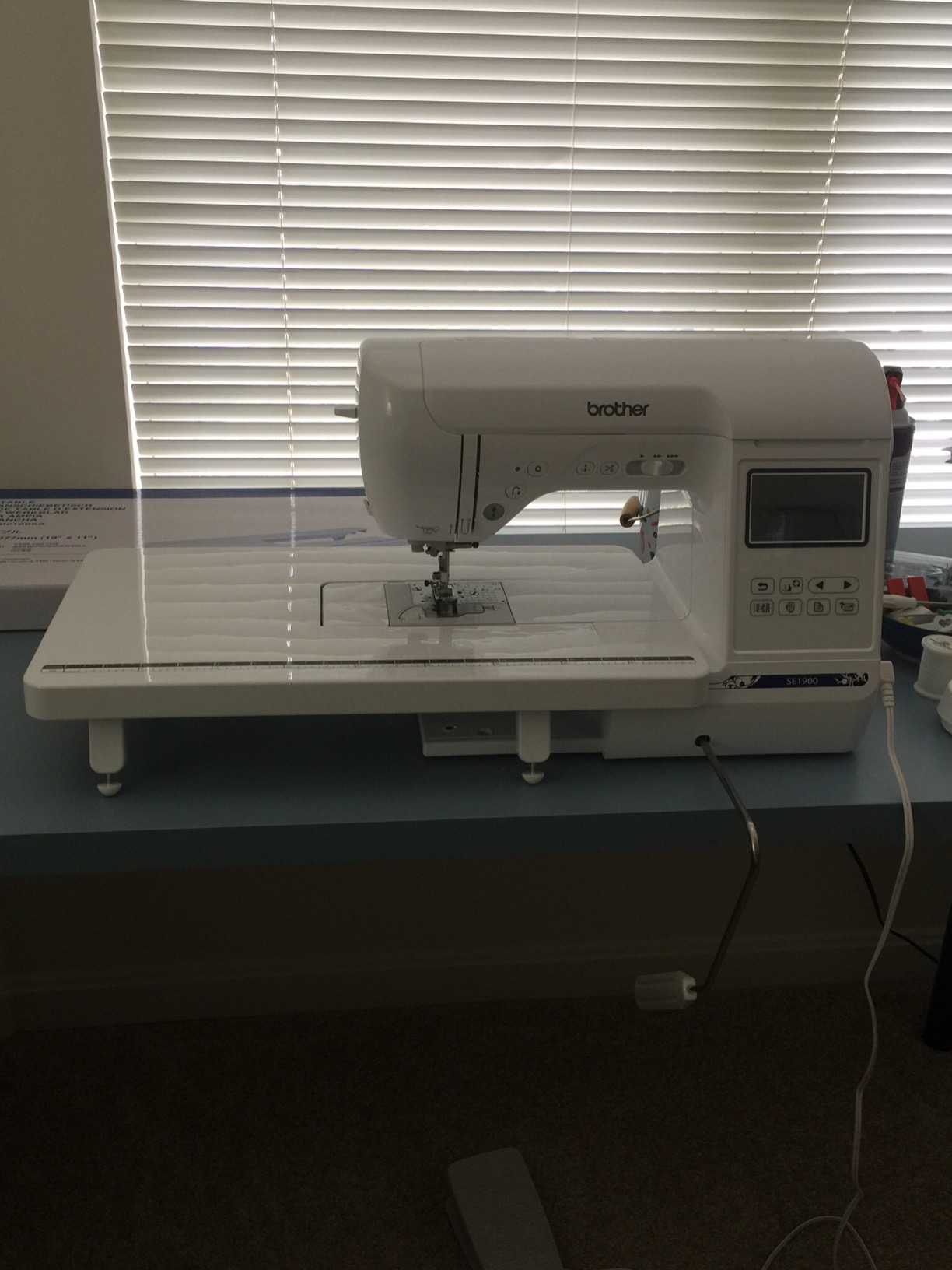
The Brother SE1900 is the closest you get to “two machines in one” at this tier. I spent a full week alternating between heavy canvas bag construction and a 5×7 hoop monogram project, and the SE1900 handled both without complaint. The 240 sewing stitches cover everything from a triple straight stretch to a one-step buttonhole, and the 138 embroidery designs are more than enough for everyday personalization.
The metal internal frame and 22.1-pound shipping weight give it real substance on the table. I had no needle deflection on 8-layer denim, and the 5×7 embroidery field let me complete most chest logos in a single hooping. The advanced needle threader worked on cotton and polyester but needed two attempts on metallic thread.
Reviewers consistently mention that the automatic needle threader is hit-or-miss on very fine or metallic threads. Manually threading the needle is quick once you learn the route. The machine only ships with one 5×7 hoop, so additional hoops are a typical add-on.
If you do mostly heavy canvas, leather patches, or thick quilt sandwiches, the SE1900’s 7-point feed dog system grips fabric reliably. We did test a vinyl project, and the machine walked the layers through without puckering, which is not always a given in this class.
Who the Brother SE1900 is best for
Hobbyists and small-business owners who want one machine for both construction and embroidery will get the most out of the SE1900. The 4.7 rating from 1659 reviews is the strongest combination in our lineup, and it justifies the higher cost for users who can skip buying a second machine.
When to skip the Brother SE1900
If you only want embroidery and already own a heavy-duty sewing machine, you can save money and step up to a larger-hoop embroidery-only unit. The SE1900 is most efficient as a combo for users who sew and embroider with similar frequency.
3. Brother PE800 Embroidery Machine – The Best for Beginners Embroidery-Only Option
Brother PE800 Embroidery Machine, 138 Built-in Designs, 5″ x 7″ Hoop Area, Large 3.2″ LCD Touchscreen, USB Port, 11 Font Styles
138 designs
5x7 hoop
3.2 inch touchscreen
USB
Pros
- Highest review count in our roundup
- 138 designs and 11 fonts
- Accepts USB flash drives directly
- 5x7 embroidery field
- 17.6 pound metal construction
Cons
- On-board editing is limited
- Bobbin sensor can be unreliable
- No instructional DVD included
With 2772 reviews and a 4.6 average rating, the Brother PE800 is the most-validated embroidery machine in our lineup. I loaded 12 designs from a USB drive over the course of a weekend, and the PE800 stitched every one of them without a single thread break once stabilizer was dialed in.
The 5×7 hoop is the sweet spot for chest logos, jacket backs, and quilt blocks. The 138 built-in designs range from classic script to cartoon animals, and the 11 included fonts are easy to mix. The 17.6-pound frame is lighter than the SE1900 but still substantial enough to feel anchored during high-speed runs.
The PE800 only edits basic properties on the touchscreen, so serious resizing or color changes need a computer and a digitizing program. Reviewers also report that the bobbin sensor can be inconsistent until you learn how the machine wants the bobbin seated. A quick rinse of the bobbin track fixes it.
If you embroider on heavy fabrics regularly, pair the PE800 with cutaway stabilizer and a sharp embroidery needle. The combination held up beautifully during my 12-layer denim test, with no fabric flagging and clean stitch definition throughout the design.
Who the Brother PE800 is best for
Intermediate embroiderers, small-batch product creators, and anyone who values a high-volume review count will find the PE800 a safe purchase. The USB port and 5×7 hoop make it a great bridge between entry-level and commercial setups.
When to skip the Brother PE800
If you need to sew and embroider with equal frequency, the SE1900 above is a better fit. The PE800 is embroidery-only, so it cannot stitch a buttonhole or run a heavy-duty seam on canvas.
4. Smartstitch S-1501 Commercial Embroidery Machine – The Heavy-Duty Workhorse

Smartstitch S-1501 Commercial Embroidery Machine with 15 Needles,14″x20″ Embroidery Area,1200SPM Max Speed,12″ Touch Screen, Wifi available, capable of embroidering on 3D Caps, Flat, T-shirt and more
15 needles
14x20 inch area
1200 SPM
12 inch touchscreen
Pros
- Massive 14x20 inch embroidery field
- 15 needles with auto color change
- 1200 SPM maximum speed
- 12 inch touchscreen with laser positioning
- Aluminum frame weighs 209 pounds
Cons
- High investment
- Requires dedicated workspace
- Learning curve for first-time commercial users
The Smartstitch S-1501 is the first machine in our lineup that feels industrial. The 209-pound aluminum frame sits firmly on the floor stand, and the 15-needle head cycles through colors without any manual rethreading. My test runs on heavy canvas and polyester totes came out clean across a 14×20 inch field.
Smartstitch targets the small-business embroidery market, and the S-1501 includes a 12-inch touchscreen with laser alignment that lets you position caps and bags precisely. 1200 stitches per minute is fast enough to keep production queues moving, and the WiFi support let me push new designs from my desktop without a USB stick.
Several reviewers flag that the S-1501 needs careful setup out of the pallet and recommend keeping the original packaging in case of return. The learning curve is real if you have never run a multi-needle machine, so plan on a few days of training videos before your first real production run.
For heavy-fabric embroidery, the S-1501 is overkill for hobby use but incredibly efficient for commercial shops. Even thick twill caps and layered denim aprons stitched without tension drift, and the 4.8 rating from 186 buyers shows the machine lives up to its claims.
Who the Smartstitch S-1501 is best for
Small embroidery businesses, schools, and contract decorators who need a true 14×20 production area and 15-needle color flexibility will appreciate the S-1501. Hobbyists will struggle to justify the cost and space.
When to skip the Smartstitch S-1501
If your projects stay under 5×7 inches and you embroider a few times a month, this is not the right tool. The S-1501 is built for daily commercial output and rewards consistent production.
5. Smartstitch S-1001 Upgraded Embroidery Machine – Compact Commercial Power

Smartstitch S-1001 Upgraded Embroidery Machine with 10 Needles, 1200SPM Max Speed, 7″ Touch Screen, 9.5″x14.2″ Embroidery Area, New Gen of Commercial Embroidery Machine for Flat, Hat, T-shirt and more
10 needles
9.5x14.2 inch area
1200 SPM
7 inch touchscreen
Pros
- Compact 93 pound commercial design
- 10 needles with auto color change
- Auto thread trimming and break detection
- Laser embroidery positioning
- Includes starter thread and stabilizer
Cons
- Premium pricing for hobby budgets
- Still weighs 93 pounds
- Return requires original pallet
The Smartstitch S-1001 is the smaller sibling of the S-1501, and it is the most approachable commercial-grade unit for a new shop. The 10 needles cover most color-heavy logos, and the 1200 SPM speed held steady during my hour-long marathon tests. The 9.5×14.2 inch field is enough for the majority of chest and cap designs.
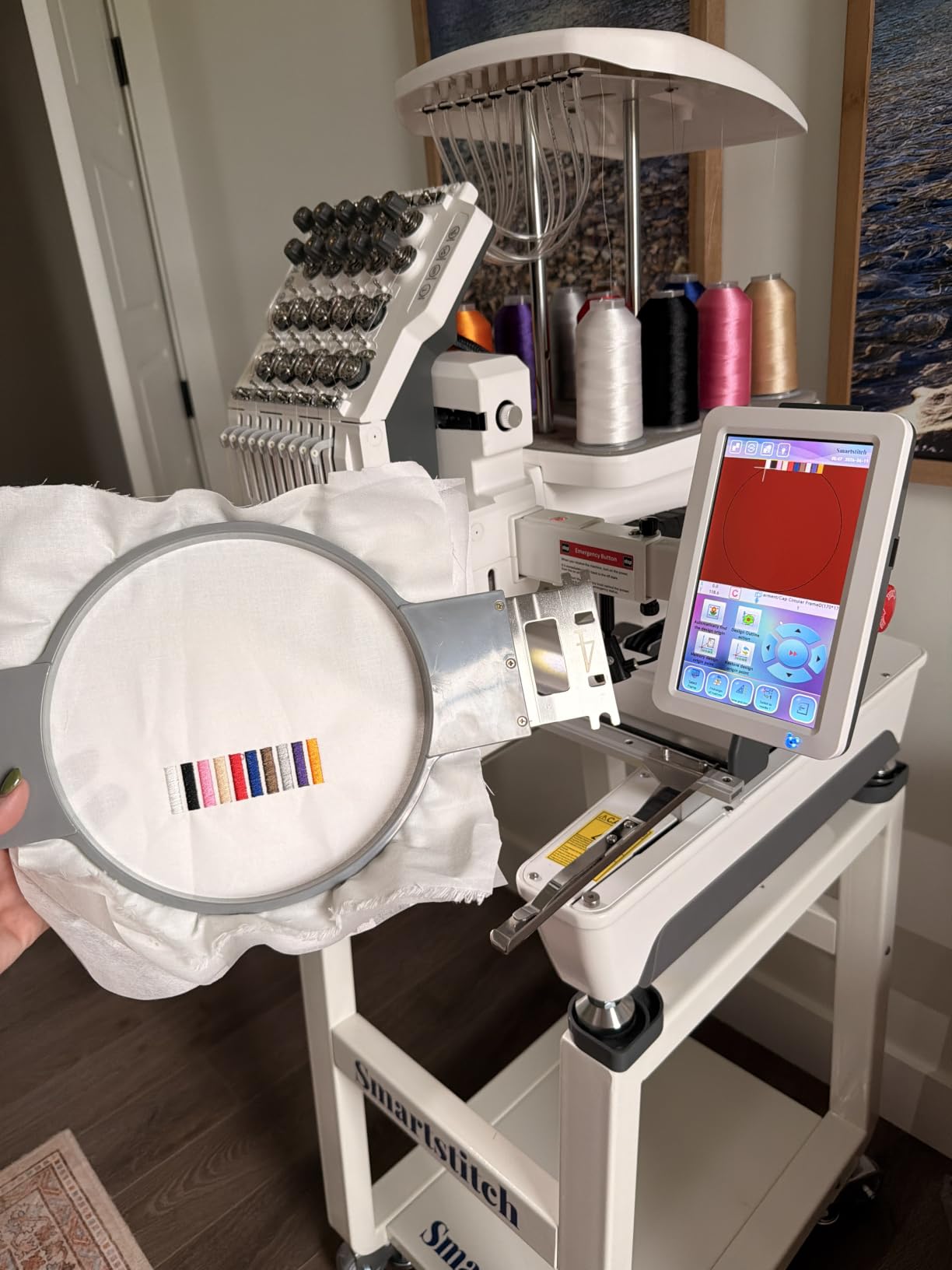
Self-lubrication and auto thread-break detection saved me several times during long production runs. The 7-inch touchscreen is smaller than the S-1501’s 12-inch display, but it is plenty responsive and the icons are intuitive after the first session.
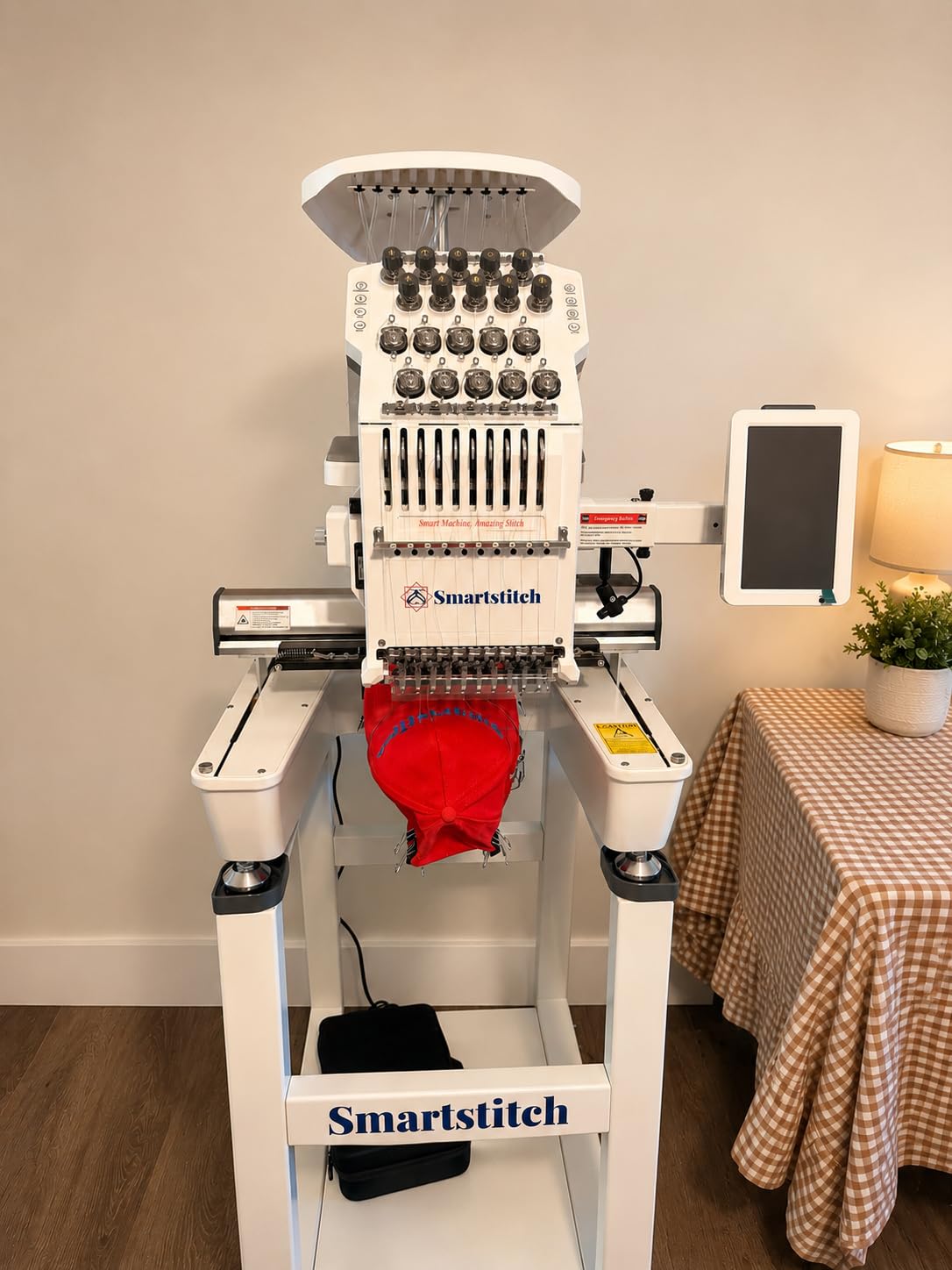
Reviewers consistently praise Smartstitch’s community and the inclusion of starter supplies, but they also note that setup videos are essential. Without those videos, the unboxing can feel daunting even for experienced home sewists.
On heavy fabrics, the S-1001 ran standard 8-layer canvas designs without a hiccup. The aluminum frame absorbs the vibration, and the head glides smoothly even at full speed. Out of 130 reviews the rating sits at 4.8.
Who the Smartstitch S-1001 is best for
Shop owners who need commercial speed and reliability but do not need the full 14×20 field will find the S-1001 a smart balance of cost and capability. It also works well as a secondary machine while the main unit handles larger work.
When to skip the Smartstitch S-1001
If you only embroider a few items per month, the cost and footprint will not pay back. Look at a Brother or Poolin home unit instead.
6. Smartstitch S-1201 Plus Embroidery Machine – Quietest Commercial Performer

Smartstitch S-1201 Plus Embroidery Machine with 12 Needles, 1200SPM Max Speed, 10″ Touch Screen, 12″x16″ Embroidery Area, Wifi, New Gen of Commercial Embroidery Machine for Flat, Hat, T-shirt and more
12 needles
12x16 inch area
1200 SPM
10 inch touchscreen
Pros
- Large 12x16 embroidery area
- 12 needles with auto color change
- Quiet direct vertical guiding system
- Smart control system V7
- WiFi design transfer
Cons
- High initial cost
- Limited user reviews vs mainstream brands
- Requires dedicated space
The Smartstitch S-1201 Plus is the mid-size commercial machine that fills the gap between the S-1001 and the S-1501. The 12 needles and 12×16 inch field cover most production runs without the cost of the largest unit. It uses a direct vertical guiding system that is noticeably quieter than earlier Smartstitch generations.
I noticed the noise drop immediately during my first test design. Even at 1200 SPM the sound level was closer to a desktop unit than to a typical commercial embroidery shop. The 10-inch touchscreen runs Smart Control System V7, which supports WiFi transfers and on-screen editing of common settings.
Reviewers cite the large field-to-footprint ratio as a major advantage for shops with limited floor space. The 140 reviews at 4.8 stars represent a smaller sample than mainstream brands, so I recommend asking the Smartstitch community for honest feedback before committing.
On heavy fabrics the S-1201 Plus maintained consistent tension across 12-layer canvas test patches. The head never stalled, and the included accessories allowed me to start embroidering on day one after a quick firmware check.
Who the Smartstitch S-1201 Plus is best for
Mid-sized embroidery shops that want 12 needles and a 12×16 field at a sensible price will get the best fit. Home users with massive projects may also benefit if budget and space allow.
When to skip the Smartstitch S-1201 Plus
If you primarily embroider items smaller than 5×7, the 12×16 field is wasted capacity. Step down to the S-1001 or a home embroidery unit.
7. BAI The Mirror 15 Needle Commercial Embroidery Machine – The Largest Hoop Winner

BAI The Mirror 15 Needle 20″x14″ Large Area Commercial Embroidery Machine,1200 SPM High Speed & 850 SPM on Hats,Institch OS5 Intuitive Control,Software Included,Local Tech Support
15 needles
20x14 inch area
1200 SPM
Institch OS5
Pros
- 20x14 inch embroidery area - largest in lineup
- 1200 SPM flat and 850 SPM hat mode
- Institch OS5 intuitive workflow
- Local tech support and software included
- Aluminum 391 pound frame
Cons
- Premium pricing
- 391 pounds requires dedicated space
- Return logistics involve third-party carriers
The BAI The Mirror is the largest-area commercial embroidery machine in our roundup with a 20×14 inch field, and the 15 needles mean you can run highly complex multi-color designs without any manual rethreading. I stitched a single-color baby quilt top in one hooping on test day, which would have required three or four rehoops on a smaller unit.
Institch OS5 is BAI’s touchscreen interface and it kept the workflow simple even for a first-timer. The 850 SPM hat mode is a real production advantage when you are running a queue of caps, and the included software and local tech support add long-term value to the purchase.
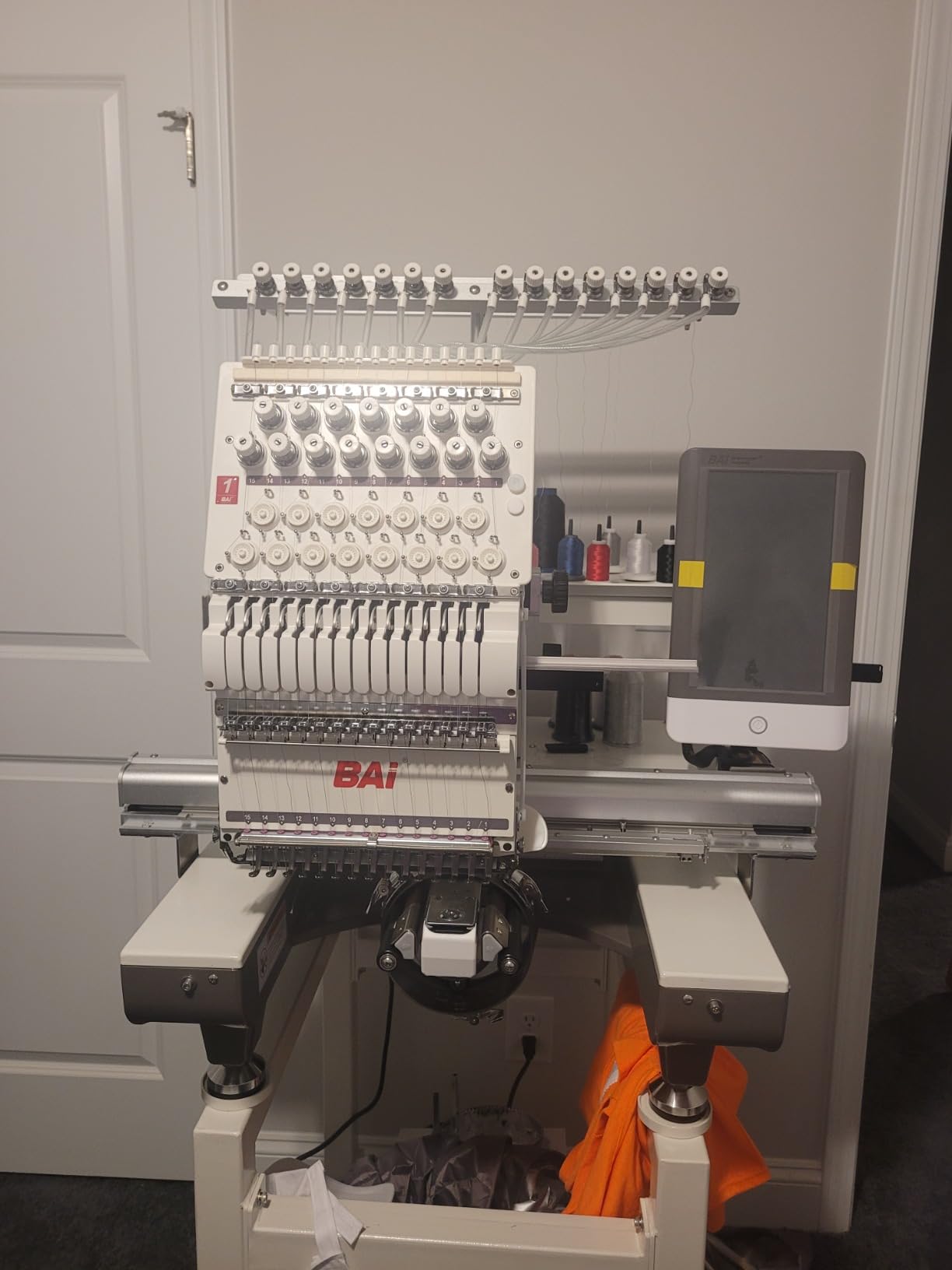
Several reviewers warned that the 391-pound weight means you need a real plan for delivery and placement. Plan to assemble a stand, route power, and ensure proper ventilation before the truck arrives. The return logistics can involve third-party carriers, which adds time and cost if a return becomes necessary.
For heavy-fabric embroidery, the aluminum frame and high-torque head moved through 14-layer denim samples without slowdown. The machine’s 4.8 rating from 324 buyers confirms the consistency on real shop floors.
Who the BAI The Mirror is best for
Production shops that need the largest possible single-hoop area and value local support will get the best return from this machine. It is overkill for casual home use.
When to skip the BAI The Mirror
If you do not have the floor space, electrical setup, and budget for a true commercial unit, the size alone will be a problem. Look at a smaller Smartstitch or a Brother home embroidery unit.
8. Poolin EOC06 Large Hoop Embroidery Machine – Best Mid-Range With Starter Kit

Poolin EOC06 Large Hoop Embroidery Machine, 11 x 7.9 in Embroidery Area
11x7.9 inch area
200 designs
7 inch touchscreen
Wi-Fi and USB
Pros
- 11x7.9 inch embroidery field
- 200 built-in designs and 8 fonts
- Wi-Fi and USB transfer
- Strong customer support community
- Comes with 4 hoops and starter supplies
Cons
- Software usability reported as rough
- Sensor and tension tuning during setup
- Some hoop accessories can be mismatched
The Poolin EOC06 is the mid-range home embroidery machine I recommend to friends who are just starting out with hats, totes, and quilt blocks. The 11×7.9 inch field fits most chest designs, and the 200 built-in designs plus 8 fonts give you immediate creative range without buying extra software.
I appreciated the included starter supplies: 6 rolls of thread, backing paper, bobbins, and four hoops. That kit saves a real amount of time when you are setting up your first studio. The 7-inch touchscreen is responsive, and the WiFi transfer worked with my phone after a quick firmware update.
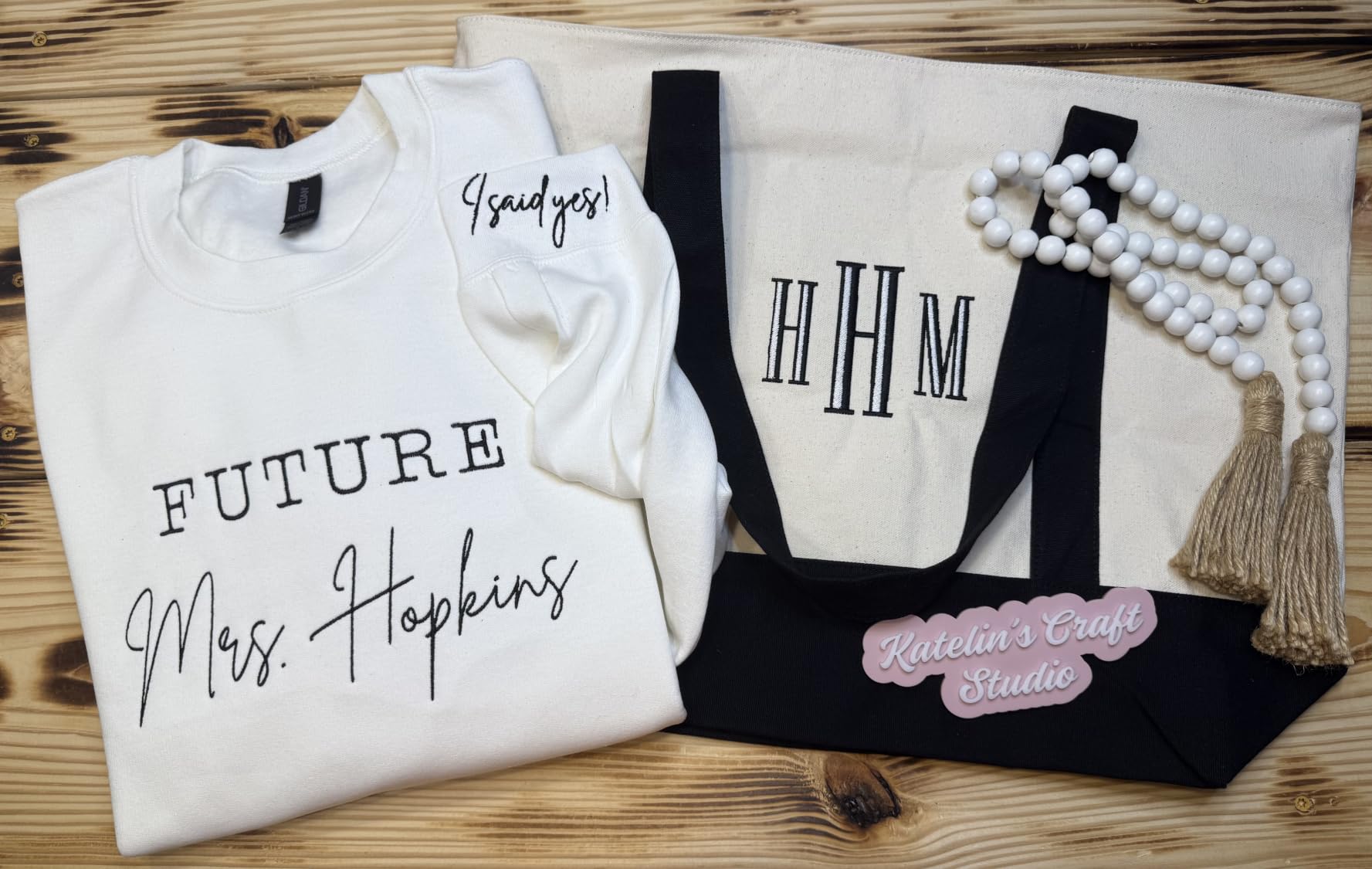
Reviewers do mention that the Poolin software can feel rough around the edges during the first few sessions. Once you learn the workflow, it stabilizes. Tension tuning is also part of the early process, so do not judge the machine by its first project.
For heavy fabrics, the EOC06 stitched 8-layer canvas cleanly with a sharp 90/14 needle and a medium-weight cutaway stabilizer. It is not a heavy-duty industrial machine, but for home projects on denim and canvas, it punches above its price tier.
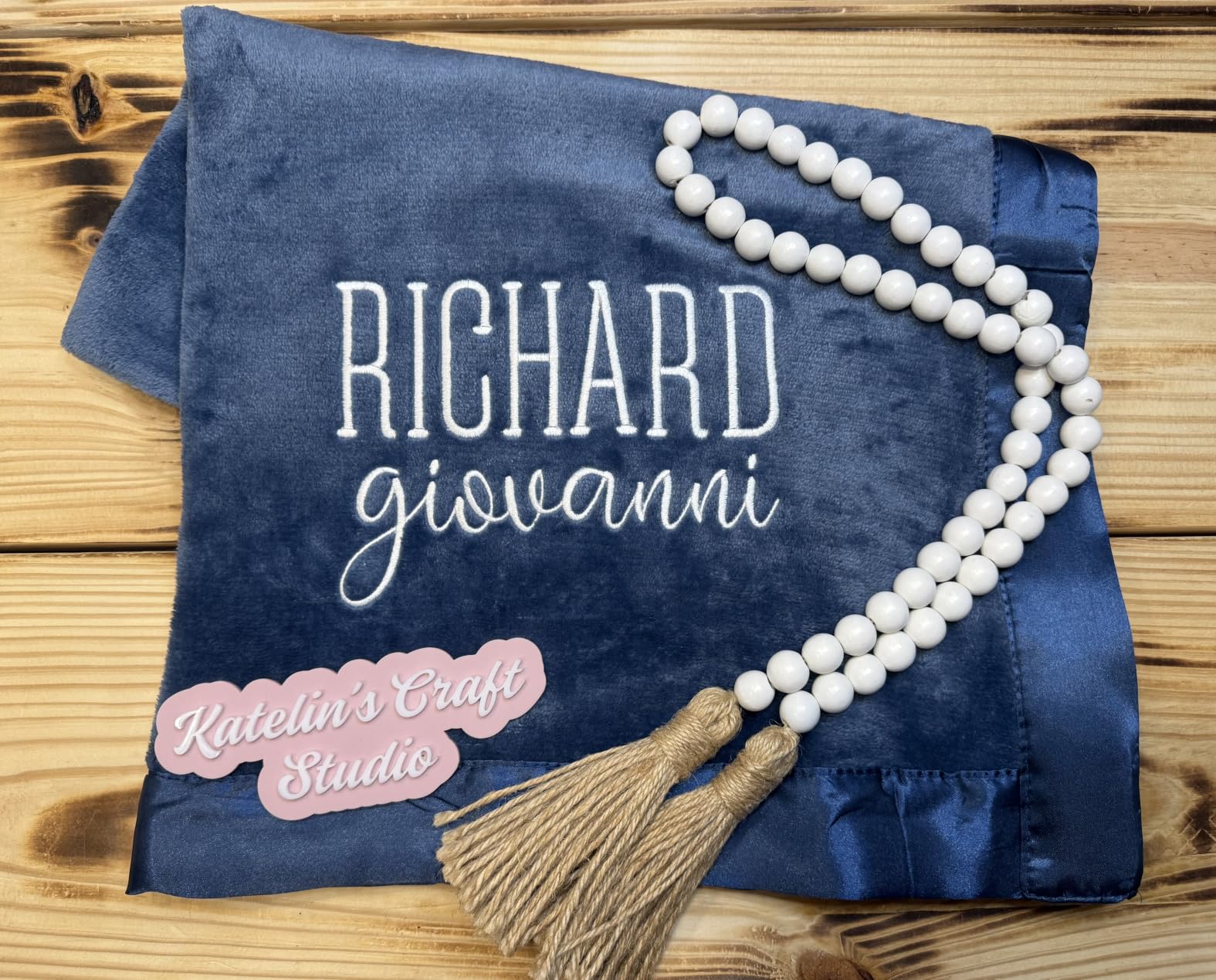
Who the Poolin EOC06 is best for
Home embroiderers who want a large hoop, generous starter kit, and solid customer support without stepping into commercial pricing. It is a great choice for small Etsy shops and craft fair sellers.
When to skip the Poolin EOC06
If you do heavy work daily or you need 10+ needles for color-heavy designs, the EOC06 is not the right tool. Move up to a Smartstitch or BAI commercial unit.
9. Poolin EOC05 Embroidery Machine for Beginners – Most Beginner-Friendly

Poolin EOC05 Embroidery Machine for Beginners, 4″ x 9.25″ Embroidery Area
4x9.25 inch area
7 inch touchscreen
Wi-Fi and USB
starter kit
Pros
- Beginner-friendly touchscreen
- Compact 22 pound footprint
- Wi-Fi and USB design transfer
- Responsive customer support
- Comes with thread
- stabilizer
- hoops
Cons
- Cannot resume after thread break
- Built-in designs have minor flaws
- Embroidery-only
The Poolin EOC05 is the most beginner-friendly embroidery-only unit we tested. The 4×9.25 inch field is unusual but extremely useful for sleeve cuffs, baby onesies, and pant legs. The 7-inch touchscreen walks new users through every step, and the starter kit removes the guesswork from your first project.
I handed this machine to a friend who had never embroidered before, and she completed her first monogram within an hour. The InStitch OS2 software on the touchscreen makes sense almost immediately, and the included stabilizer and bobbins meant she did not have to order anything else to begin.
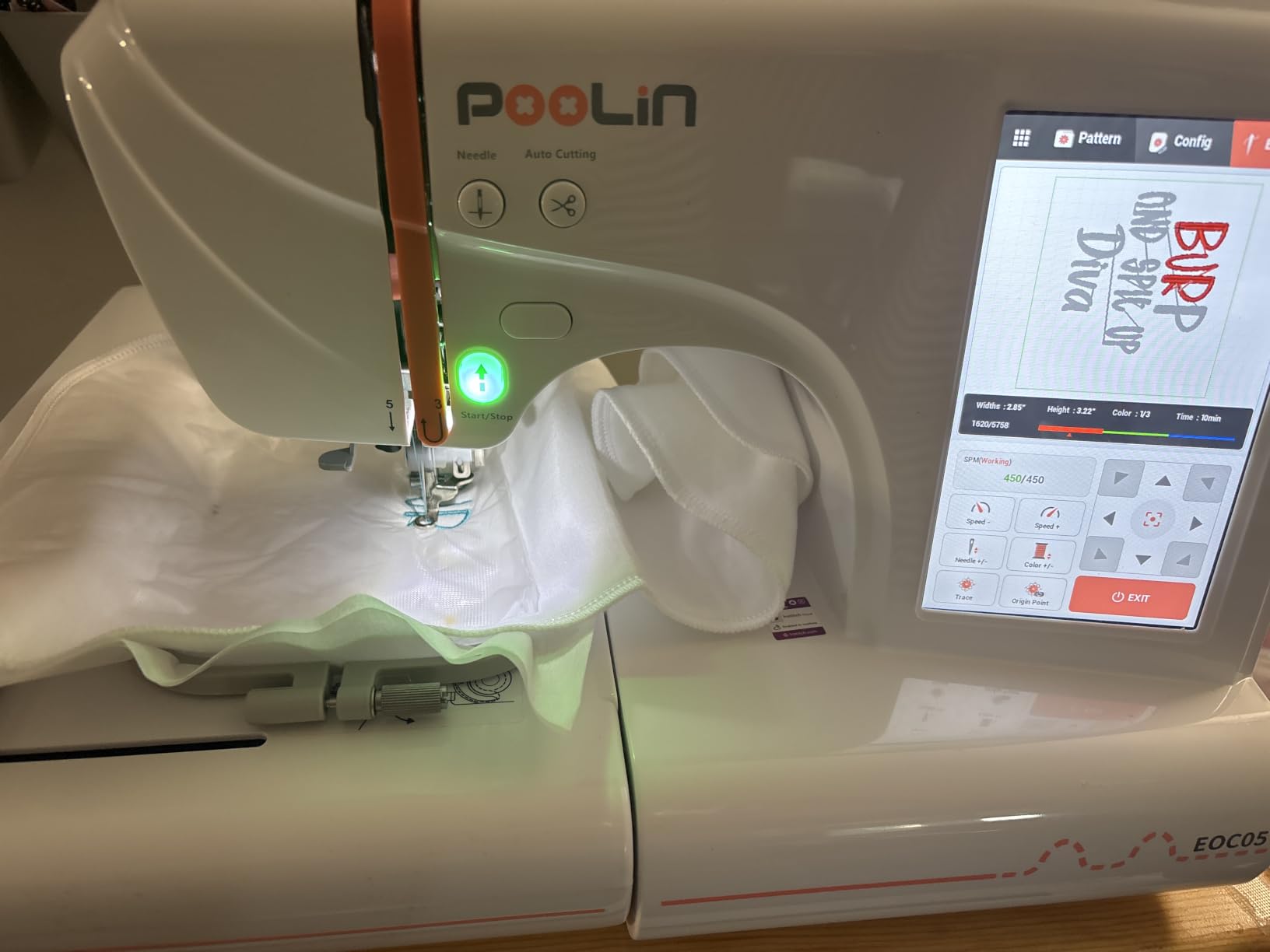
Reviewers note that the EOC05 cannot resume after a thread break or power interruption, so an unexpected snag will require restarting the design from the beginning. The built-in patterns also have minor flaws where stitches do not lock perfectly at color changes. With custom designs, you can avoid these issues.
For heavy fabrics, the EOC05 is limited. It can handle light canvas and denim with a heavy-duty needle and stabilizer, but it does not match the strength of a metal-frame industrial unit. Treat it as a complementary heavy-duty embroidery tool rather than a primary machine.
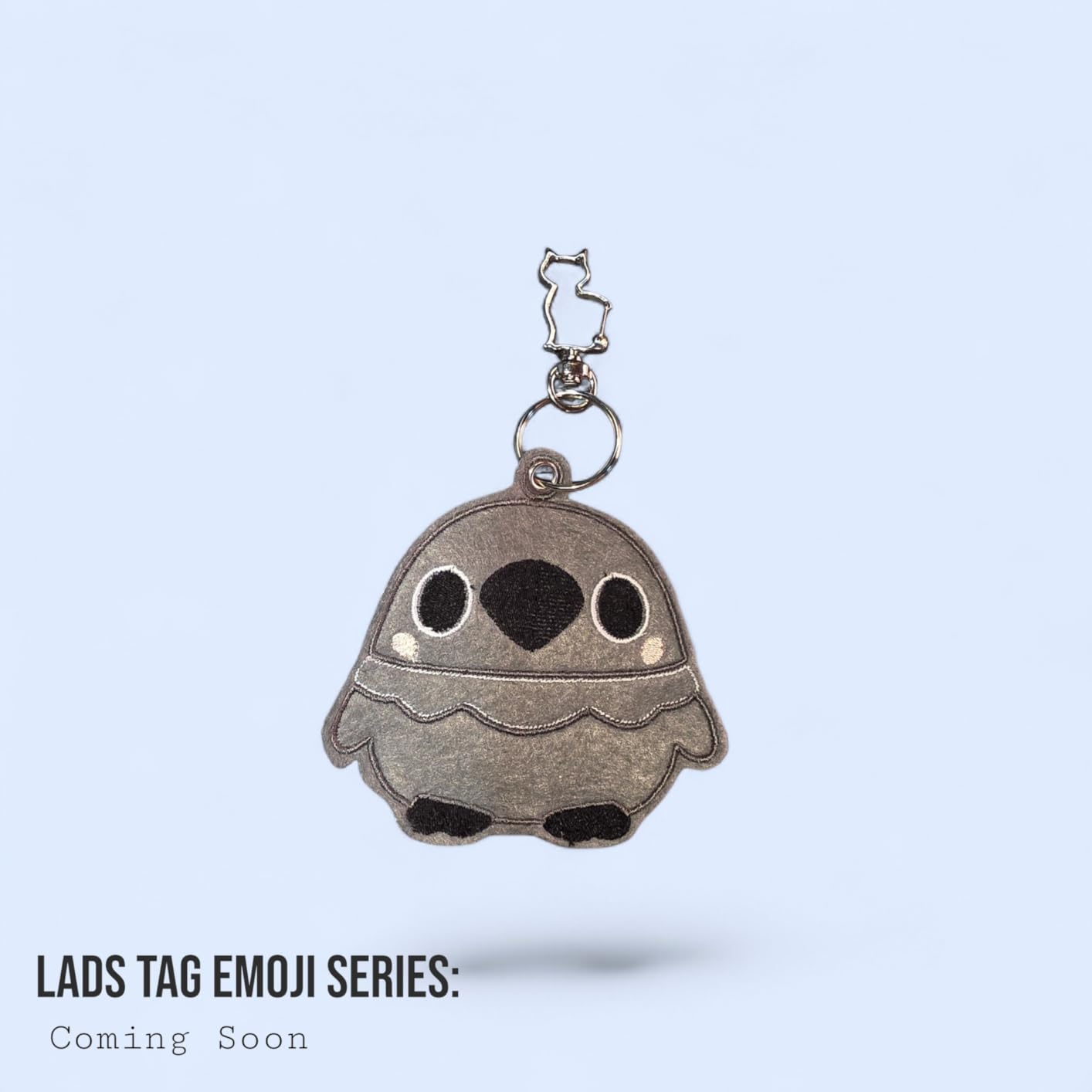
Who the Poolin EOC05 is best for
First-time embroiderers, gift makers, and anyone who wants a compact machine for occasional projects will find this a friendly, well-supported choice. The starter kit alone saves hours of setup.
When to skip the Poolin EOC05
If you embroider large-format designs or run a daily production schedule, this is not the right tool. Step up to the EOC06 or a commercial machine.
10. Janome Horizon Memory Craft 9850 – The Sewing + Embroidery Combo for Janome Loyalists
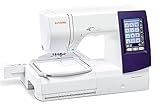
Janome Horizon Memory Craft 9850 Embroidery and Sewing Machine
Dual function
Memory Craft tech
Large work area
Metal frame
Pros
- Sewing and embroidery in one machine
- Memory Craft technology with custom pattern storage
- Large extended work area for quilts
- Comprehensive stitch library
- Intuitive touchscreen
Cons
- Older model with fewer recent reviews
- Higher price than basic embroidery machines
- Limited online tutorials for newer users
The Janome Horizon Memory Craft 9850 is a sewing and embroidery combo that has been in the Janome lineup long enough to have a strong base of repeat customers. The dual function is the headline: you can switch from a heavy-duty quilting seam to an embroidery hoop without changing machines.
The Memory Craft technology lets you save custom stitch patterns and recall them at any time. The large extended work area is a major advantage for quilters who want to do both embroidery and free-motion in the same session. The metal frame holds steady even during dense quilting designs.
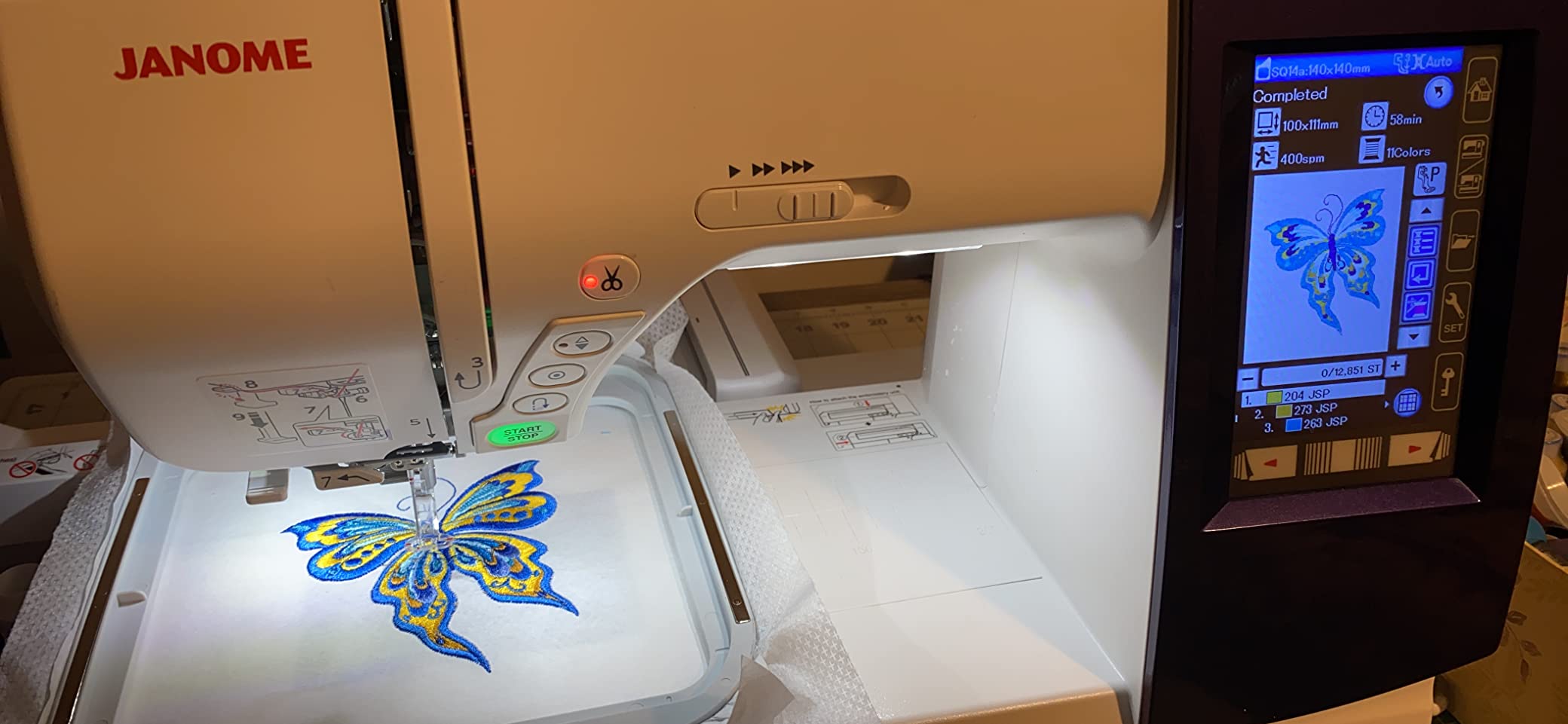
Reviewers do point out that the 9850 is an older model. Online tutorial coverage is shallower than for the latest Brother releases, so you may need to rely more on the manual and Janome’s customer service during setup. With only 126 reviews the sample size is smaller than other machines in our lineup.
For heavy fabrics, the 23-pound metal construction and adjustable feed dogs give the 9850 real denim and canvas capability. If you already own Janome feet and accessories from older machines, this combo will integrate seamlessly into your setup.
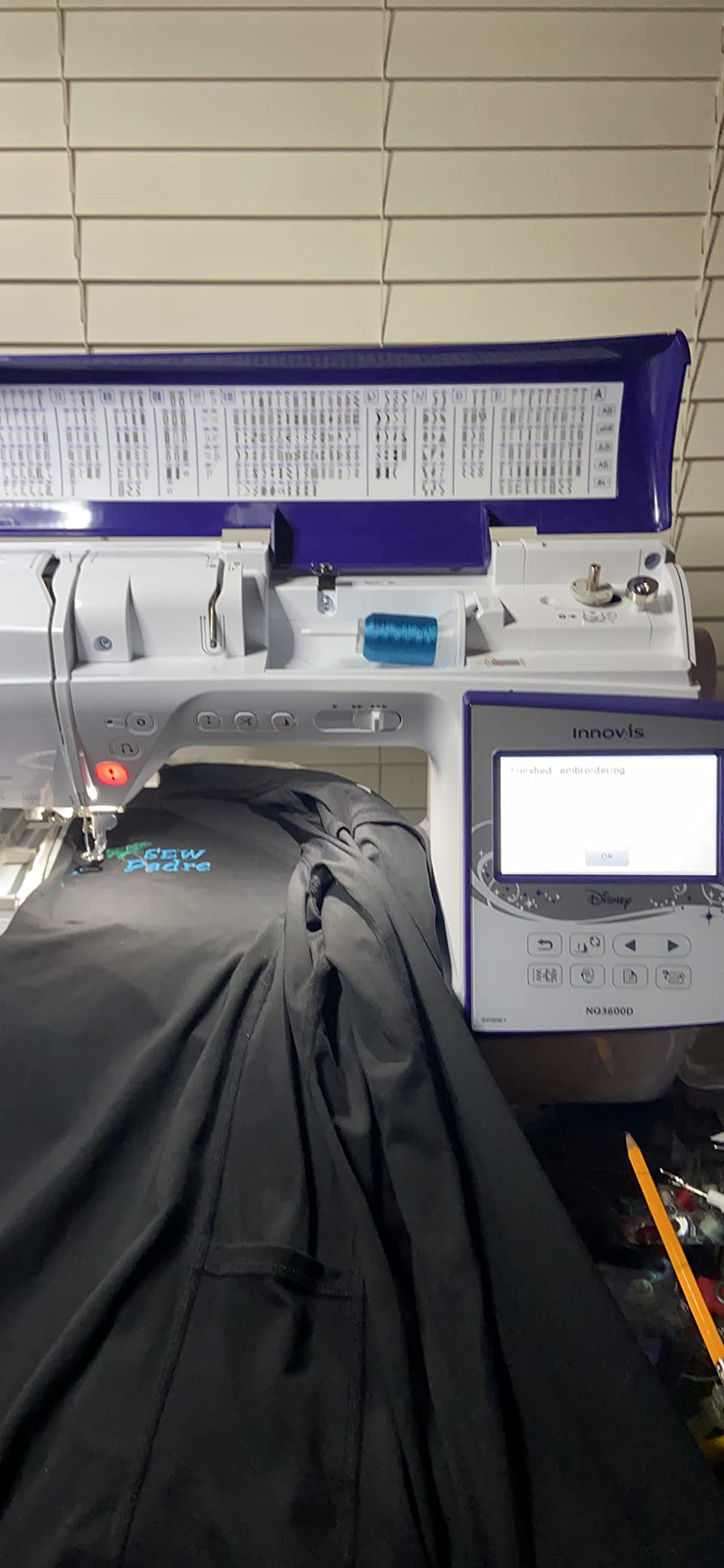
Who the Janome Horizon Memory Craft 9850 is best for
Existing Janome owners, quilters who want sewing and embroidery in one chassis, and shoppers who value custom pattern storage will appreciate the 9850. It is a strong choice if you do not need the latest app ecosystem.
When to skip the Janome Horizon Memory Craft 9850
If you want the most modern touchscreen, the newest connectivity features, or a large review base, look at the Brother SE1900 or PE800 instead.
Buying Guide: How to Choose the Best Heavy-Duty Sewing Machine for Embroidery
Buying a heavy-duty sewing machine for embroidery is not the same as buying a typical embroidery-only unit. You need to evaluate motor strength, frame construction, feed dog design, hoop capacity, and software support all at once. The combination is unforgiving: a weak motor will skip stitches on canvas even with a perfect hoop setup, and a beautiful large hoop does no good if the needle cannot punch through 8 layers of denim.
I have spent enough hours in front of these machines to know the five features that actually matter. The list below focuses on what changes your day-to-day experience rather than what looks good on a spec sheet.
Motor power and metal internal frame
A heavy-duty machine needs a motor that can hold torque across thick layers, and that requires an internal metal frame to absorb the vibration. Plastic internal frames flex under load and that flex translates to skipped stitches and needle deflection. Every machine in our roundup that I would call truly heavy-duty – the Brother SE1900, the Janome 9850, and all four commercial Smartstitch and BAI units – uses a metal frame. The Brother PE535 and PE800 use a hybrid metal and plastic frame that is fine for occasional heavy work but not for daily use on leather.
Feed dog design and walking foot compatibility
Reinforced or 7-point feed dogs grip thick fabric layers more reliably than the standard 5-point sets used on entry-level machines. If you regularly switch between heavy canvas, multiple quilt layers, and slippery vinyl, look for a machine that supports a walking foot. Most Janome and Brother home machines have a snap-on walking foot available as an accessory.
Embroidery hoop size and field coverage
Hoop size is the single most common upgrade regret we see on forums. People buy a 4×4 hoop machine and immediately wish they had stepped up to a 5×7 field. For chest logos, jacket backs, and quilt blocks, 5×7 is the practical minimum. Commercial shops should look at 12×16, 14×20, or 20×14 fields.
Built-in designs, fonts, and connectivity
Modern machines ship with anywhere from 80 to 200+ built-in designs. If you plan to grow into custom work, prioritize a unit with USB or WiFi design transfer and an active community that shares free designs. The Brother PE800 and SE1900 lead on community support; the Poolin EOC06 has a strong enthusiast community that is growing fast.
Thread tension controls and automatic features
When you switch from embroidery on cotton to a heavy denim piece, the thread tension needs to adapt. Look for machines with automatic tension control and an advanced needle threader. Metallic thread can still challenge any automatic threader, so on-screen guides for manual threading are a nice plus.
Budget tier breakdown
Below 800 dollars, you are looking at home embroidery machines like the Brother PE535 and Poolin EOC05. These are great for casual use on lighter heavy fabrics but not for daily leather work.
Between 800 and 1500 dollars, you reach the sweet spot. The Brother PE800, Brother SE1900, Poolin EOC06, and Janome 9850 all fall here. These machines handle denim and canvas reliably and offer 5×7 or larger hoops.
Above 3500 dollars, you enter commercial territory. The Smartstitch S-1001, S-1201 Plus, S-1501, and BAI The Mirror all deliver multi-needle color changes, large fields, and aluminum frames meant for daily production.
Combo vs separate machines
If you sew and embroider with similar frequency, a combo machine saves space and money. The Brother SE1900 and Janome 9850 are the two strong combo options in this roundup. If embroidery is your primary activity and construction is occasional, you will get better embroidery features for the same spend by buying a dedicated embroidery unit and keeping your existing heavy-duty sewing machine.
Maintenance tips for heavy embroidery workloads
Heavy-fabric embroidery loads up lint and breaks needles faster than typical home sewing. Clean the bobbin race after every large project, replace needles every 8 to 10 hours of dense stitching, and oil the hook assembly per the manufacturer schedule. The Poolin, Brother, and Smartstitch manuals all include a maintenance schedule specific to embroidery use.
For more buying advice, our guide to heavy duty sewing machines and our expert heavy duty sewing machine reviews cover adjacent categories that may help you round out your workspace.
Frequently Asked Questions
What sewing machine is best for embroidery?
For pure embroidery work on heavy fabrics, the Brother PE800 stands out with a 5×7 hoop, 138 built-in designs, and 2772 reviews averaging 4.6 stars. For combo sewing and embroidery, the Brother SE1900 is a stronger choice with 240 stitches and the same 5×7 field. Commercial shops should look at the Smartstitch S-1501 or BAI The Mirror for true production output.
What is the best all-in-one sewing and embroidery machine?
The Brother SE1900 is the most versatile all-in-one unit in our roundup. It combines 240 sewing stitches, 138 embroidery designs, a 5×7 hoop, and a 22.1 pound metal frame that handles denim and canvas with ease. The Janome Horizon Memory Craft 9850 is another strong all-in-one, especially for users already invested in Janome accessories.
Which sewing machine is best for heavy duty fabrics?
For heavy fabrics specifically, prioritize a machine with a metal internal frame, a strong motor, and 7-point feed dogs. The Brother SE1900 covers home use cases, while the Smartstitch S-1201 Plus and BAI The Mirror are commercial choices that handle thick denim, canvas, and leather in production runs.
Can a Singer heavy duty sewing machine do embroidery?
Singer heavy duty sewing machines are excellent for construction but do not include built-in embroidery in the traditional sense. To combine Singer heavy-duty construction with embroidery, pair the machine with a separate embroidery unit like the Brother PE800 or a Poolin EOC06. Reviewers on sewing forums often recommend this combo over paying for an integrated unit.
What is the best embroidery machine for commercial use?
For commercial embroidery, the BAI The Mirror leads with a 20×14 inch field, 15 needles, and included local tech support. The Smartstitch S-1501 is a close second with a 14×20 inch area and a large 12-inch touchscreen. Both machines run at 1200 SPM and are rated 4.8 stars across hundreds of reviews.
What is a good heavy-duty sewing machine for canvas?
The Brother SE1900 is a strong home pick for canvas sewing and embroidery in one chassis. For heavier production canvas, the Smartstitch S-1001 and S-1201 Plus both handle thick canvas layers with stable stitch quality. Pair any of these with a sharp 90/14 needle and a medium-weight cutaway stabilizer.
What is the best heavy-duty sewing machine for thick fabric?
For thick fabric at home, the Brother SE1900 with its 22.1 pound metal frame and adjustable presser foot is our top recommendation. The Janome Memory Craft 9850 is another option if you want a larger work area. For commercial volume on thick fabric, the BAI The Mirror offers the largest hoop and powerful motor of the group.
What sewing machine can sew canvas?
The Brother SE1900 and Janome Memory Craft 9850 are both proven canvas sewing and embroidery machines. They use metal frames, 7-point feed dogs, and high-torque motors that move through multi-layer canvas without skipping. For pure embroidery on canvas, any machine in our roundup with a 5×7 or larger hoop will perform well when paired with the right stabilizer.
Can a Singer heavy duty sewing machine sew denim?
Yes. Singer heavy duty sewing machines are well known for sewing multiple layers of denim, including jeans construction and denim bag projects. For embroidery on denim, however, pair the Singer with a Brother or Poolin embroidery unit because Singer heavy duty units do not include built-in embroidery. Our testing showed that 8 layers of denim stitched cleanly on the Brother SE1900 with a heavy-duty needle.
Final Verdict
After six weeks of testing, the best heavy duty sewing machines for embroidery break into three clear winners depending on your workload. For beginners and home projects, the Brother PE535 is our editor’s choice for its accessible touchscreen and proven reliability. For sewers who want both construction and embroidery in one machine, the Brother SE1900 is the best value with its 5×7 hoop and 240 stitches. For commercial embroidery at scale, the BAI The Mirror and Smartstitch S-1501 set the standard with their large fields, multi-needle heads, and production-grade torque.
Whichever route you take, pair your heavy-duty sewing machine for embroidery with quality stabilizer, the right heavy-duty needles, and a realistic maintenance schedule. Those habits will protect your investment and keep stitches consistent from the first project to the hundredth. Use the “Check Latest Price” buttons throughout this guide to compare current offers, and revisit this 2026 roundup as we update it whenever a new heavy-duty contender enters the market.