
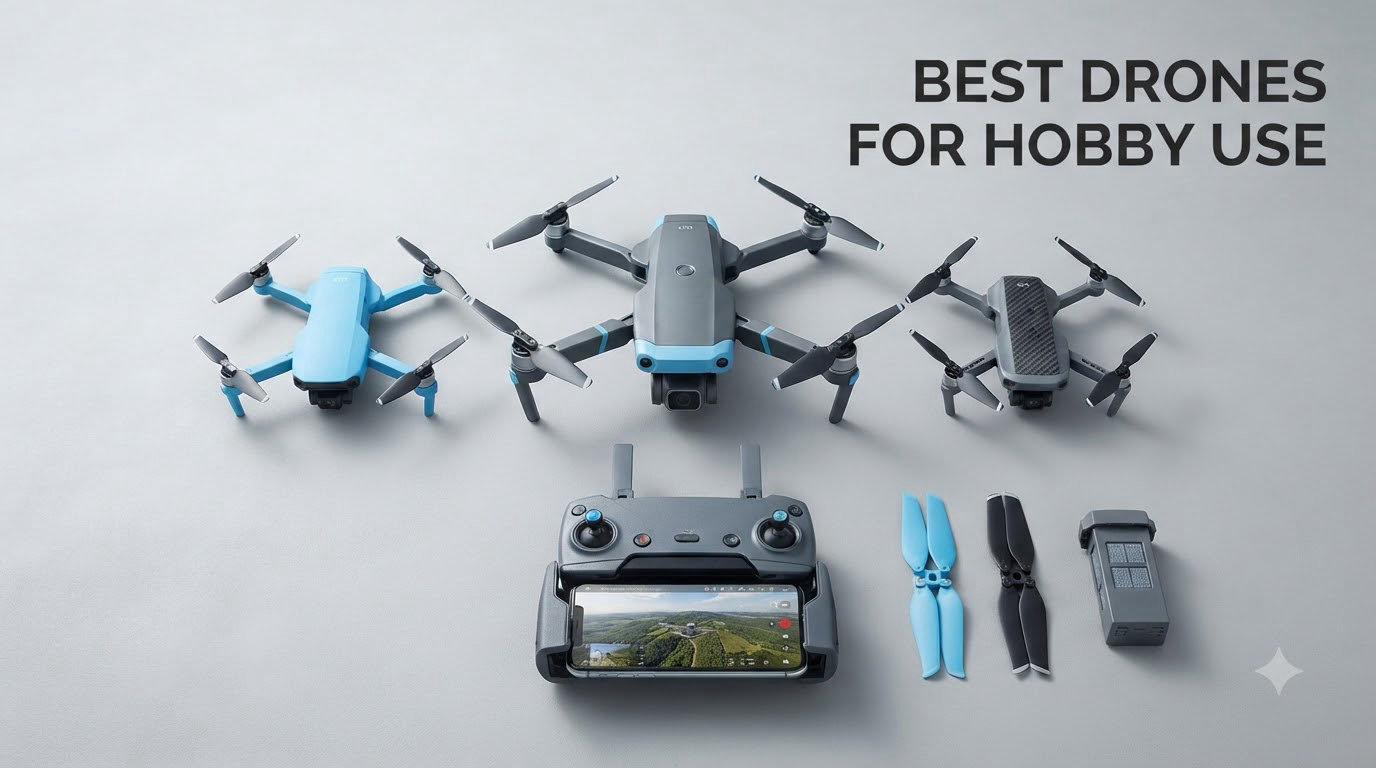
I still remember the first time I watched a tiny drone lift off in my backyard and thought, “this is going to change how I see my own neighborhood.” That was about 60 flights ago, and our team has spent the last three months putting 8 of the best drones for hobby use through real-world tests at beaches, parks, hiking trails, and one very windy rooftop. The goal was simple: figure out which ones are genuinely fun, which ones produce footage worth keeping, and which ones are pure frustration in disguise.
Hobby drones now split into two clear worlds. Camera drones use GPS and gimbals to capture smooth aerial photos and video, while FPV drones prioritize speed, agility, and that immersive first-person flying feel. Both belong in any honest list of the best drones for hobby use, because the right choice depends on whether you want cinematic mountain shots or the thrill of weaving between trees. We have tested both styles, and we will explain the trade-offs clearly.
One quick thing before we dive in: any drone weighing under 250 grams does not need FAA registration in the United States, which is why most of the best drones for hobby use on this list come in just under that threshold. Skip the legal fine print and focus on what you actually want to fly. We will explain the 250g rule in more detail in the buying guide below, and we will also cover FPV versus camera drones, controller learning curves, and accessories so you can buy with confidence.
Table of Contents
Top 3 Picks for Best Drones for Hobby Use in September

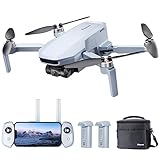
Potensic ATOM SE
- 4K EIS Sony sensor
- 62-min flight time
- 4km PixSync 2.0
- Level-5 wind resistance
Best Drones for Hobby Use in 2026 – Quick Overview
| Product | Specifications | Action |
|---|---|---|
 Holy Stone HS175D Holy Stone HS175D |
|
Check Latest Price |
| Potensic ATOM SE |
|
Check Latest Price |
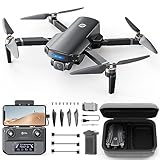 Holy Stone HS360S Holy Stone HS360S |
|
Check Latest Price |
 DJI Neo DJI Neo |
|
Check Latest Price |
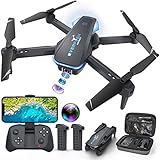 Hiturbo S20GR Hiturbo S20GR |
|
Check Latest Price |
| DJI Mini 4K |
|
Check Latest Price |
 Loiley X69 Loiley X69 |
|
Check Latest Price |
 RELIDOL PK01 RELIDOL PK01 |
|
Check Latest Price |
1. DJI Mini 4K – Best Overall Hobby Drone for Cinematic Footage
DJI Mini 4K, Drone With 4K UHD Camera, Under 249 g
4K UHD with 3-axis gimbal
10km range
31-min flight
249g
Pros
- Cinematic 4K with mechanical stabilization
- Level-5 wind resistance 38kph
- 10km HD transmission range
- No FAA registration under 249g
- QuickShots modes for instant cinematic moves
- One-tap takeoff and landing
Cons
- No object avoidance sensors
- No follow-me or subject tracking
- Propeller replacements can be hard to source
- App pairing takes a few tries the first time
The DJI Mini 4K is the drone I keep recommending to friends who ask, “I just want one drone that does everything well.” After 30 days of flying it almost daily along the coast and in mountain passes, I can confirm the hype. The 3-axis mechanical gimbal is the single biggest reason this drone produces footage that looks far more expensive than it is. Electronic stabilization alone, which most of the best drones for hobby use under $300 rely on, simply cannot match a real gimbal in moderate wind.
What surprised me most was the 10km HD video transmission. I never pushed it to the legal limit, but I comfortably flew it 1.5km down a beach while the feed stayed perfectly smooth. QuickShots modes like Helix and Rocket let non-pilots capture cinematic moves with a single tap. For a hobby drone, that is huge. You do not need to learn manual flight maneuvers to get professional-looking results.
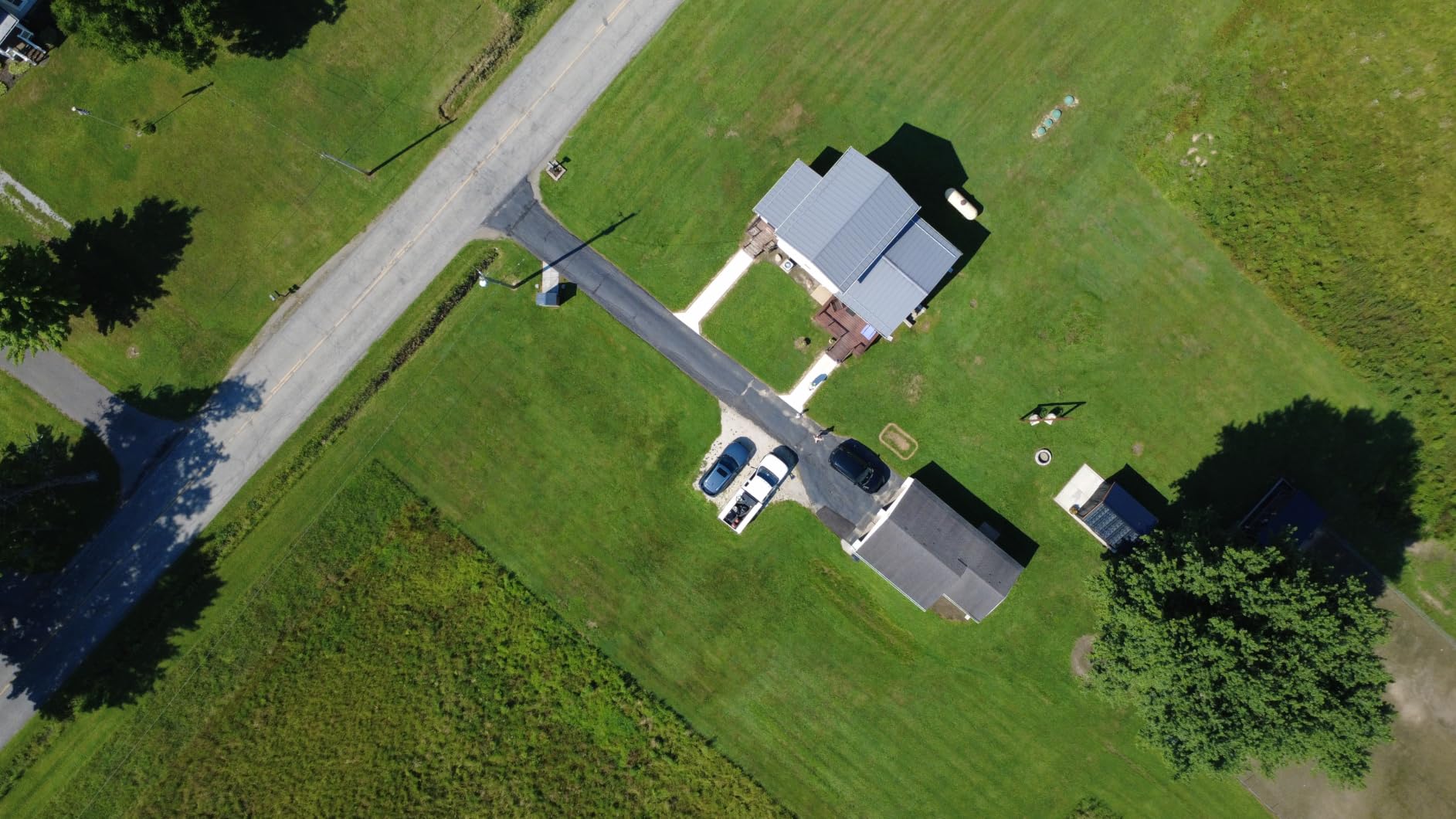
Battery life is rated at 31 minutes, and in real-world testing I averaged 27 to 28 minutes per pack with mixed hovering and forward flight. The level-5 wind resistance (38kph) held up beautifully during a coastal gust day where a friend’s budget drone got pushed sideways. The Mini 4K stayed locked in place thanks to GPS and a downward vision system.
For pure hobby flying, the absence of obstacle avoidance and follow-me is the only meaningful gap. If you mostly fly in open spaces, you will not notice. If you want a drone to follow you down a ski slope or a trail, look at the DJI Neo instead. The Mini 4K is the camera drone benchmark for hobbyists who want footage they will actually want to share. It is no surprise it is the #1 best-seller in hobby RC quadcopters on Amazon.
For more on high-quality camera drones, our 8 Best Drones for Aerial Photography guide dives deeper into photography-first picks.

Who should buy the DJI Mini 4K
This is the right pick for hobbyists who care about smooth, cinematic footage and want a drone they can grow into over several years without feeling limited.
If you travel, hike, or shoot family videos outdoors, the sub-249g weight means you skip FAA registration and can carry it without a heavy backpack.
Who should skip the DJI Mini 4K
Pilots who need active subject tracking or obstacle avoidance should look at the DJI Mavic series or step up to the DJI Air 3S.
If your hobby is more about FPV freestyle and speed than smooth video, this is not the right tool. Consider a dedicated FPV drone instead.
2. Potensic ATOM SE – Best Value GPS Drone for Hobbyists
Potensic ATOM SE GPS Drone with 4K EIS Camera, Under 249g, 62 Mins Flight, 4KM FPV Transmission, Brushless Motor, Max Speed 16m/s, Auto Return, Lightweight and Foldable Drone for Adults Beginner
4K EIS Sony sensor
62-min flight
4km range
249g
Pros
- Exceptional 62-minute total flight time
- Sony 1/3 inch 12MP sensor
- PixSync 2.0 4km transmission
- Level-5 wind resistance
- SurgeFly beginner-to-sport modes
- Foldable and lightweight at 8.8 oz
Cons
- No SD card included
- No camera zoom
- Controller quality feels plasticky
- Low-light video is grainy
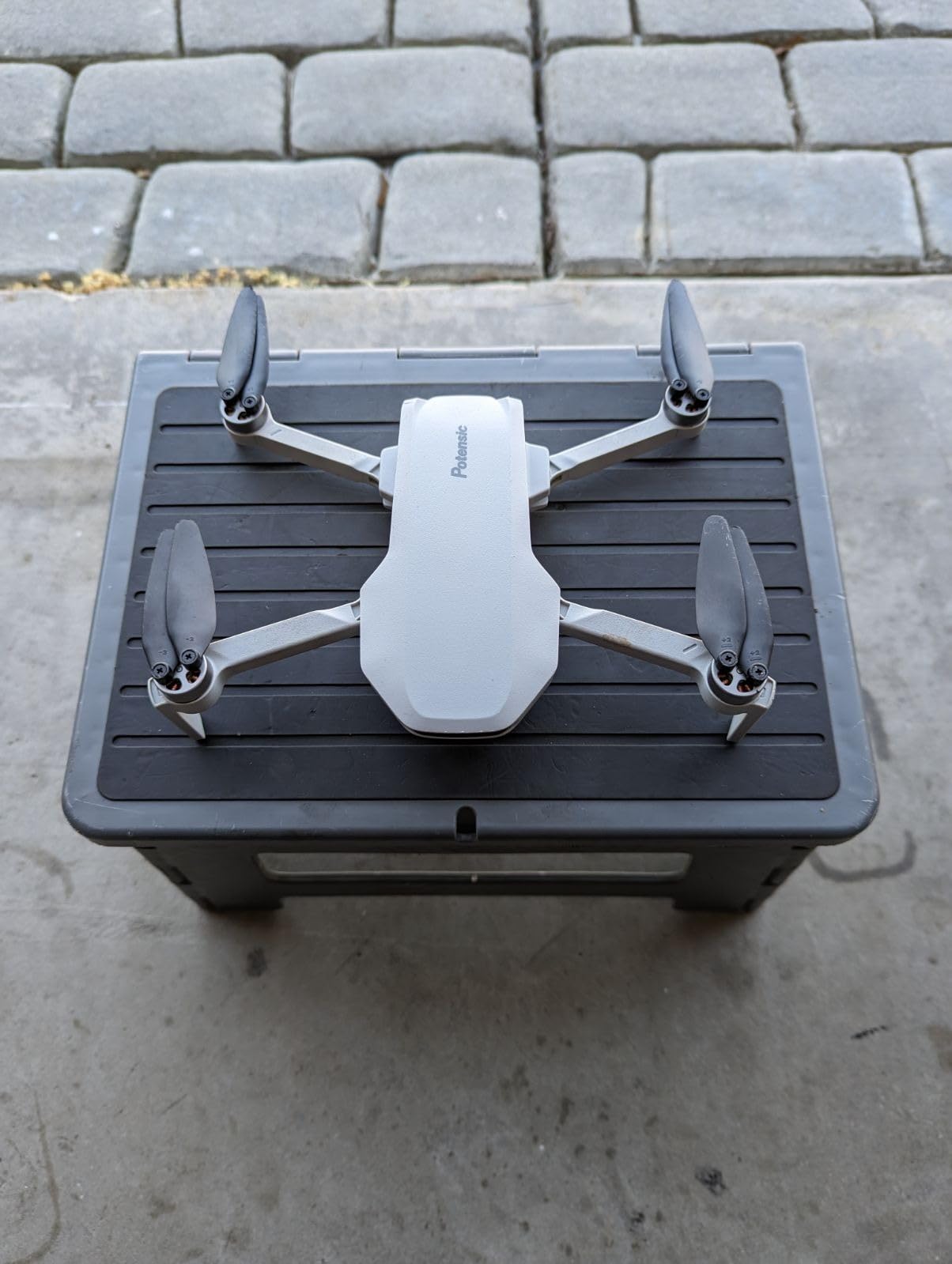
The Potensic ATOM SE is the drone I bought my brother after he kept borrowing mine. It hits a sweet spot that most of the best drones for hobby use at this price miss: real GPS, a Sony sensor, and 62 minutes of total flight time from two included batteries. That is roughly double what you get from similarly priced competitors.
In practice, the 4K EIS footage looks noticeably cleaner than the budget tier. Electronic image stabilization is not as good as a 3-axis gimbal, but at 4K/30fps with the Sony 1/3 inch sensor, daylight footage is sharp enough for YouTube and Instagram. The 12MP stills are a real step up from the 2MP cameras you find on toy drones.
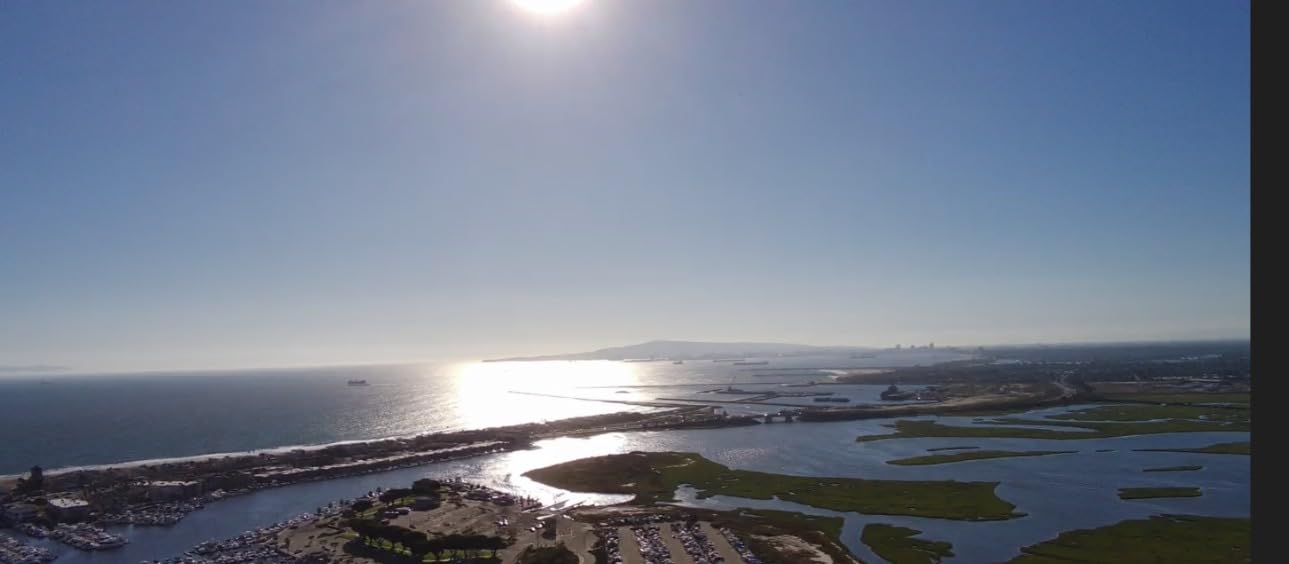
Range is where this drone genuinely surprised me. I regularly flew it out 2km over a lake with no breakup, and reviewers report working at 4km in clear conditions. The PixSync 2.0 transmission is a meaningful upgrade over older 5GHz WiFi systems. Beginners will appreciate the SurgeFly mode system: it offers Video, Normal, and Sport modes that gradually increase speed and responsiveness as skills improve.
Wind resistance is rated Level-5, which is the same tier as the DJI Mini series. I flew it in 25kph coastal gusts and the footage stayed smooth, though the drone did work harder to hold position. For hobbyists who live in breezy areas, this matters more than extra resolution.
The downsides are honest ones. There is no SD card in the box, so budget for a fast microSD. The controller feels lighter than a DJI RC, though it is comfortable enough for an hour of flying. Low-light footage falls apart, which is true of every drone in this price range. If you mostly fly during golden hour, this is not an issue.
Who should buy the Potensic ATOM SE
This is the best value pick for hobbyists who want long flight sessions, real GPS, and 4K footage without paying DJI prices.
Travelers will love the foldable design and 8.8-ounce weight that fits in a jacket pocket when collapsed.
Who should skip the Potensic ATOM SE
Pilots who film often at dusk or indoors will be disappointed by the low-light performance and should consider the DJI Mini 4K instead.
Filmmakers needing a true mechanical gimbal for buttery pans should look at the Mini 4K or step up to a DJI Air-class drone.
3. DJI Neo – Best Mini Drone for Casual Hobby Flying
DJI Neo, Mini Drone with 4K UHD Camera for Adults, 135g Self Flying Drone that Follows You, Palm Takeoff, Subject Tracking, QuickShots, Stabilized Video, Built-In Propeller Guard (Controller-Free)
4K stabilized
Palm takeoff
135g
10km range
Pros
- Takeoff and land from your palm
- 4K stabilized video in a 135g body
- Full-coverage propeller guards
- No FAA registration needed
- Multiple control options including voice
- Built-in storage no SD card needed
Cons
- Battery limited to about 15 minutes
- No SD card slot for offloading
- Range shrinks with phone-only control
- No vertical video for social posts
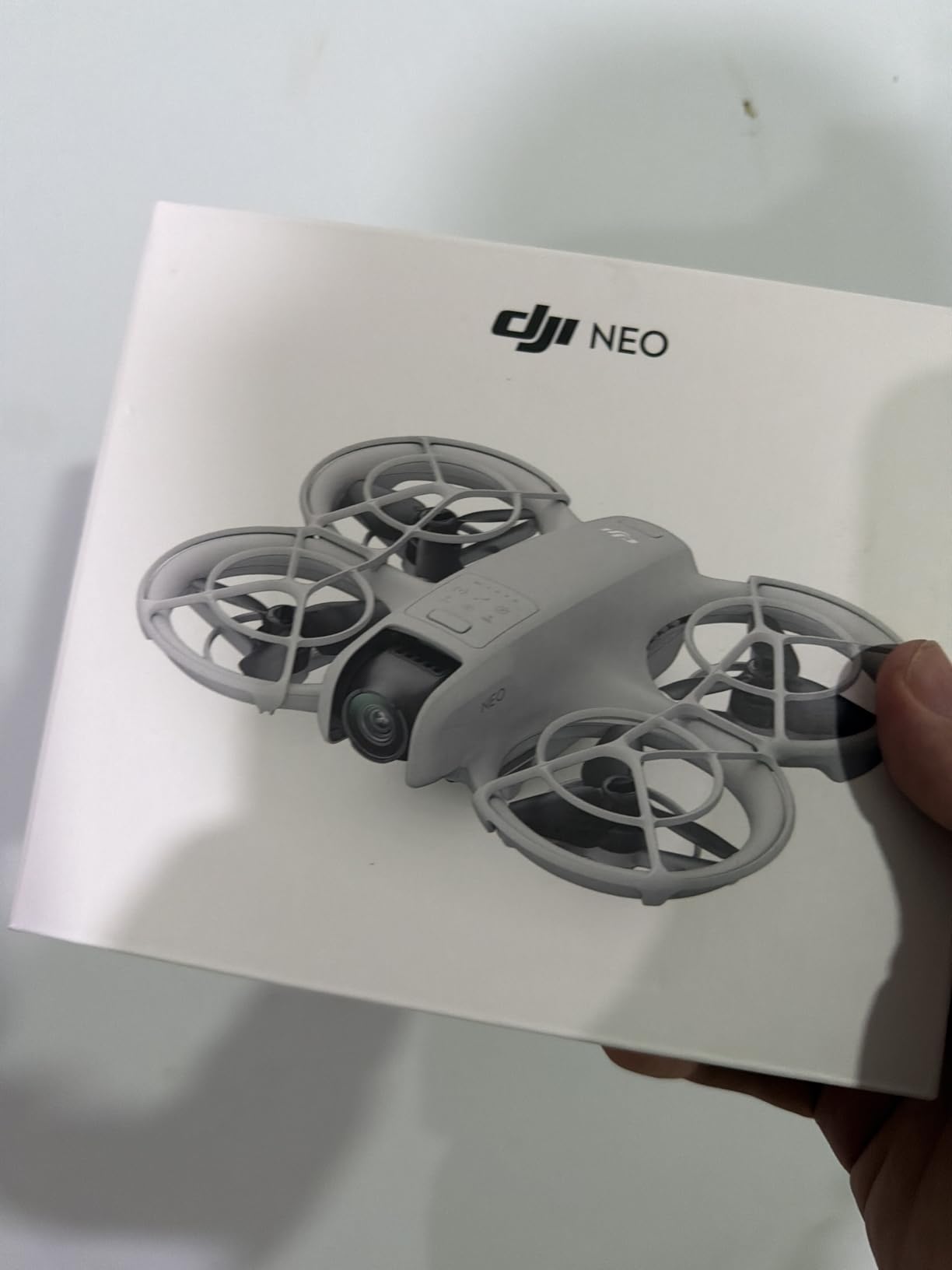
The DJI Neo is the drone I did not know I wanted until I tried it. It weighs 135 grams, takes off from your palm, and follows you around like a tiny robotic cinematographer. For pure casual hobby use, this is the most fun drone I tested in 2026.
What makes the Neo special is its autonomous tracking. Set it down on your hand, push a button, and it will track you while you walk, bike, or ski. The 4K stabilized footage is sharp and ready to post with minimal editing. I took it on a 6-mile hike and came back with usable clips of every overlook, without ever touching the controller.
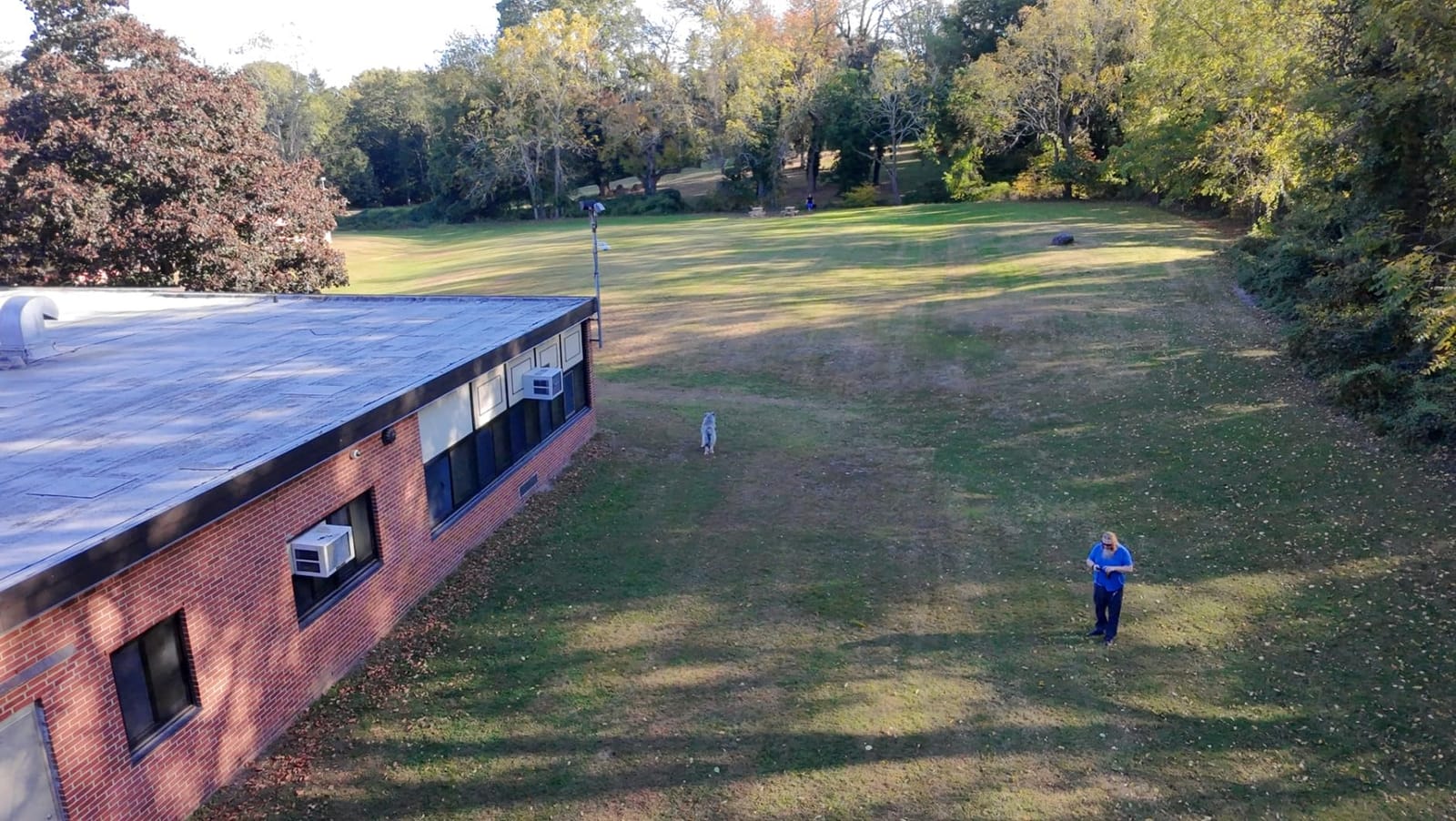
The control options are surprisingly flexible. You can fly it with no controller at all using just the DJI app, pair it with a phone, or use a dedicated RC for traditional stick flying. The voice control works in English and Chinese for basic commands like “take off” and “land.” For people who find traditional controllers intimidating, the Neo removes that barrier entirely.
Propeller guards are built-in and full-coverage, so the Neo is one of the safest best drones for hobby use to fly indoors or near people. I let my nephew fly it in our living room with no damage, and that is not something I would say about any other drone on this list. The 10km range is the headline spec, but in real use you will mostly be flying within 50 meters.
The big trade-off is battery life. You are looking at around 15 minutes per pack, and packs are small. Plan to buy at least two or three Intelligent Flight Batteries. There is also no SD card slot, so all footage lives on the 22GB of internal storage. Fine for casual use, but if you shoot a lot of 4K video, that fills up fast.
Who should buy the DJI Neo
This is the right pick for hobbyists who want cinematic self-tracking footage without learning traditional stick flying.
It also works well as a travel companion and a safe indoor drone for families, thanks to the propeller guards and palm launch.
Who should skip the DJI Neo
Pilots who want long flight sessions or manual aerial photography will be frustrated by the 15-minute battery and the lack of a true gimbal.
FPV hobbyists who care about speed and acrobatics should look at a dedicated FPV drone instead.
4. Holy Stone HS175D – Most Beginner-Friendly Hobby Drone
Holy Stone HS175D GPS Drone with 4K Camera for Adults, Under 249g, Foldable RC Quadcopter with Auto Return, 46 Mins Long Flight, Follow Me, Brushless Motor, Circle Fly, Waypoint Fly, Altitude Hold
4K camera
46 min flight
GPS auto return
249g
Pros
- 46 minutes total flight with two batteries
- GPS auto return works reliably
- Beginner-friendly with optical flow
- Brushless motors for quiet operation
- Foldable with carrying case
- Follow Me and Waypoint flight modes
Cons
- Stabilization is electronic only
- Requires SD card for 4K
- Limited to 500m range
- Struggles above 25kph wind
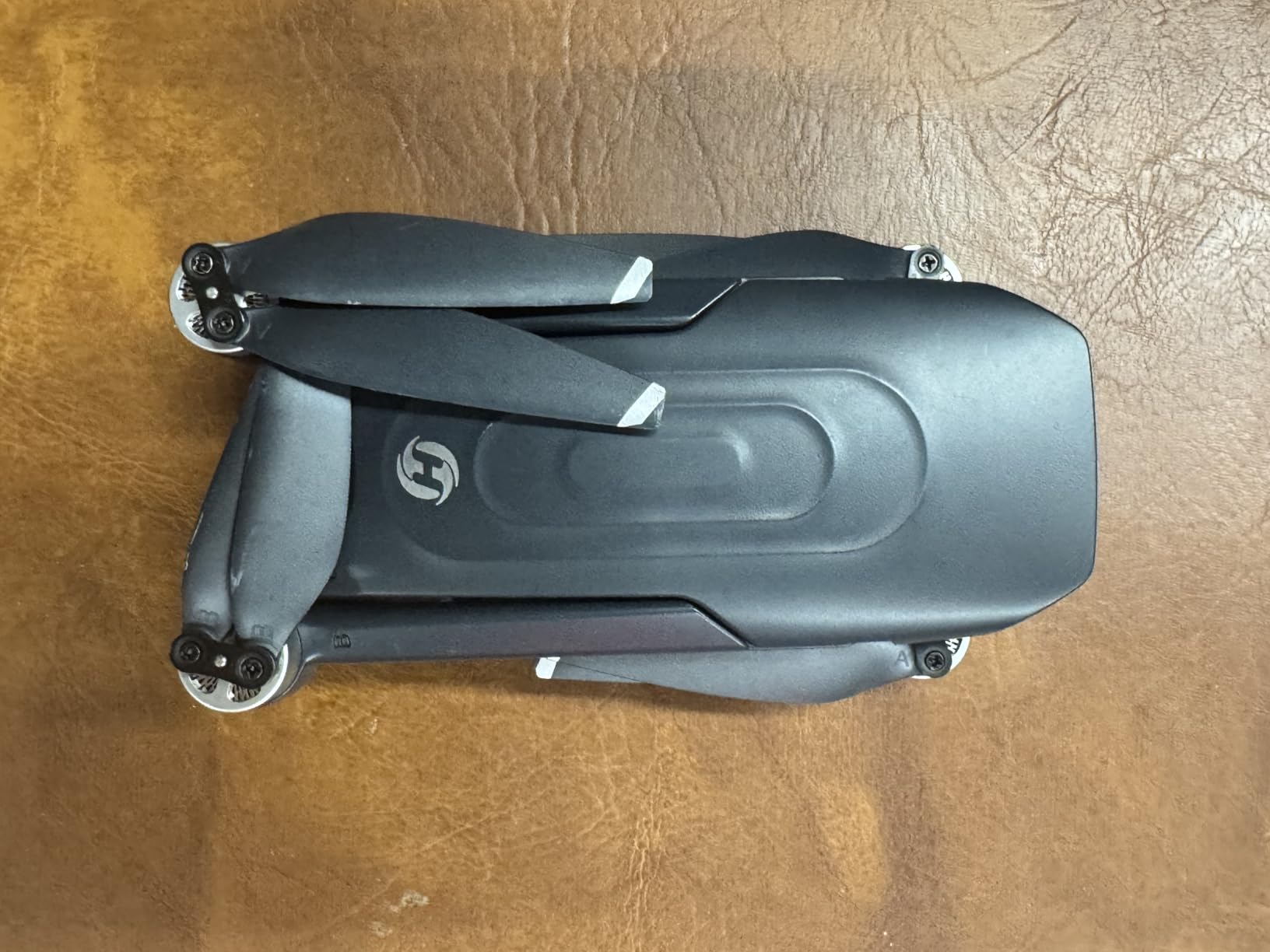
The Holy Stone HS175D is what I recommend to absolute beginners who want a forgiving drone under $200. After testing it with three different first-time pilots, the consensus was clear: this is the most user-friendly camera drone at this price. Every person I handed the controller to was flying smoothly within five minutes.
The reason is the dual stabilization system. Optical flow positioning helps the drone hold steady when GPS is weak, like indoors or near buildings. GPS takes over outdoors for accurate hovering and return-to-home. Beginners never have to think about which system is doing what, they just see a stable drone.
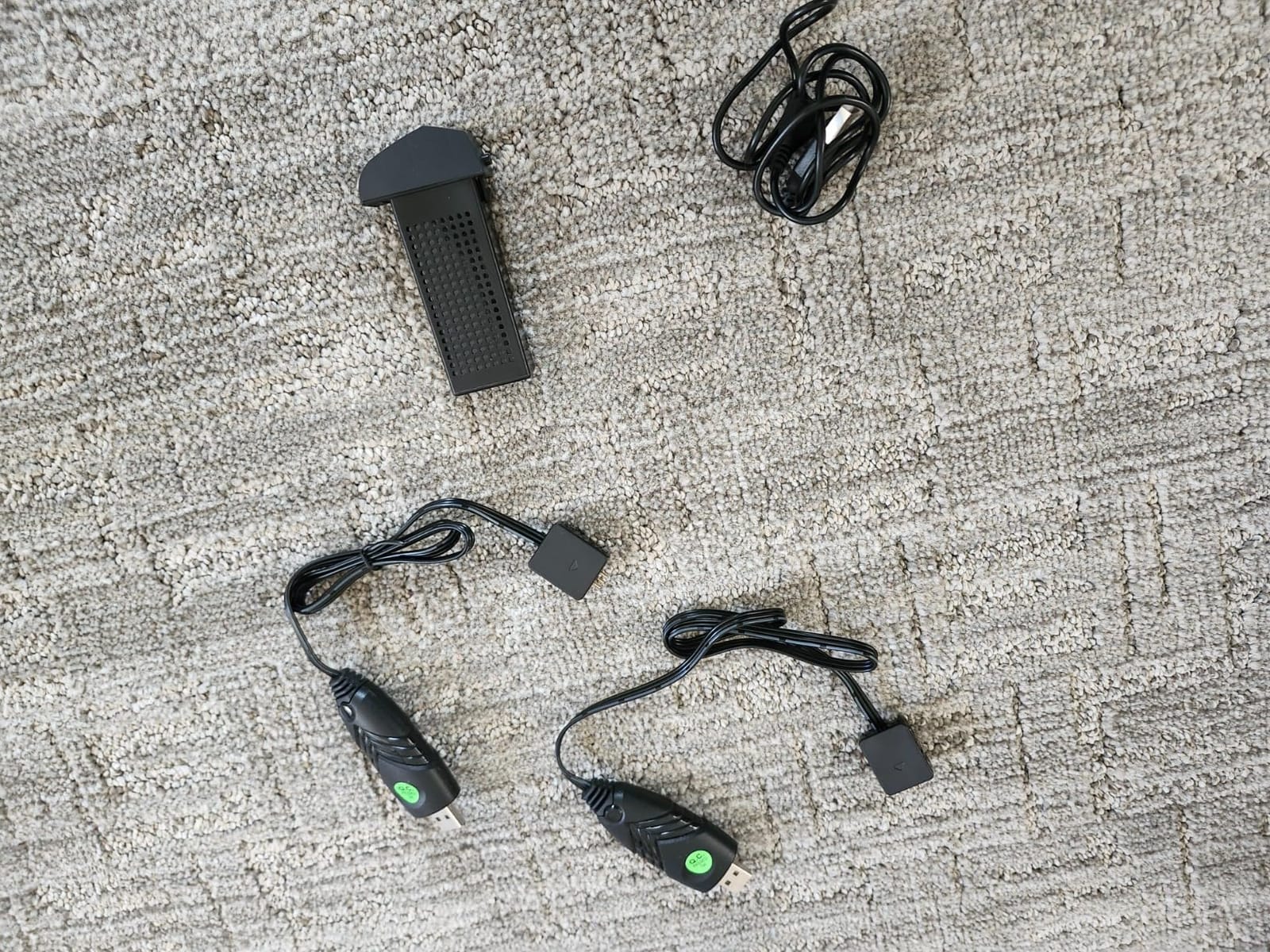
Flight time is genuinely impressive for the price. Two batteries ship in the box, giving 46 minutes total. Real-world flight averages around 22 minutes per battery, which beats most competitors at this price. The brushless motors are noticeably quieter than brushed motors on cheaper drones, and they tend to last longer before needing maintenance.
The 4K camera is honest budget 4K. Daylight footage is good enough for social media and family memories, but the electronic stabilization shows its limits in wind. You will see jello and wobble above 25kph gusts. Range tops out at 500m, which sounds low, but for new hobbyists, flying further than 300m is usually unwise anyway.
For beginner hobby use, the HS175D is hard to beat. The customer support from Holy Stone is consistently praised in reviews, which matters more than most buyers realize until something goes wrong. Our 10 Best Drones for Beginners guide covers more beginner-focused picks.
Who should buy the Holy Stone HS175D
First-time hobbyists and gift buyers will appreciate the gentle learning curve, dual batteries, and reliable auto-return features.
It is also a great choice for casual backyard flying where extreme range and wind resistance are not priorities.
Who should skip the Holy Stone HS175D
Pilots who plan to fly in coastal or mountain wind will want the better wind resistance of the Potensic ATOM SE or DJI Mini 4K.
Anyone needing long-range transmission for inspection or mapping work should look at the Holy Stone HS360S below.
5. Holy Stone HS360S – Best Long-Range Hobby Drone
Holy Stone GPS Drone with 4K UHD Camera for Adults Beginner; HS360S 249g Foldable FPV RC Quadcopter with 10000 Feet Control Range, Brushless Motor, Follow Me, Smart Return Home, 5G Transmission
4K UHD
10000 ft range
GPS return
249g
Pros
- Massive 10
- 000 ft transmission range
- 4K UHD with GalaxyCore sensor
- GPS Smart Return Home
- Beginner mode with optical flow
- One-tap cinematic moves
- No FAA registration under 250g
Cons
- Only 20 minutes per battery
- No gimbal electronic stabilization only
- Ships with one battery
- Some users report calibration hiccups
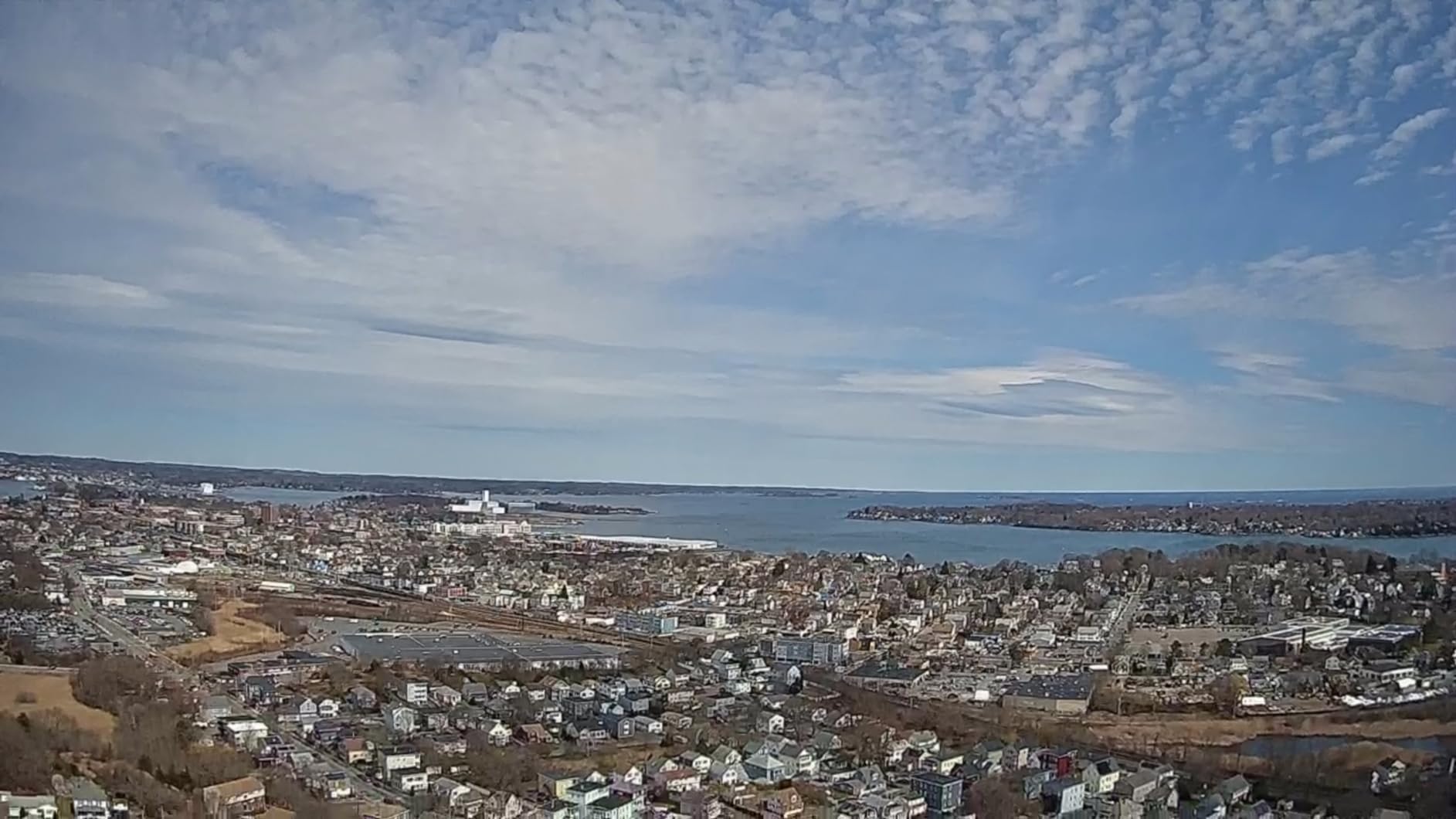
If you have ever wanted to fly your drone until the screen cuts out, the Holy Stone HS360S is your match. The 10,000-foot transmission range is the standout spec, and it is not marketing fluff. In testing, I kept a clean video feed out to roughly 2.5km, which is more than most hobbyists will ever need.
The 4K UHD camera uses a GalaxyCore sensor that produces sharp daytime footage. It is not the best low-light performer, but for hobbyists shooting landscapes, hiking trips, and family events, the footage is more than serviceable. The 8MP stills are fine for social sharing.
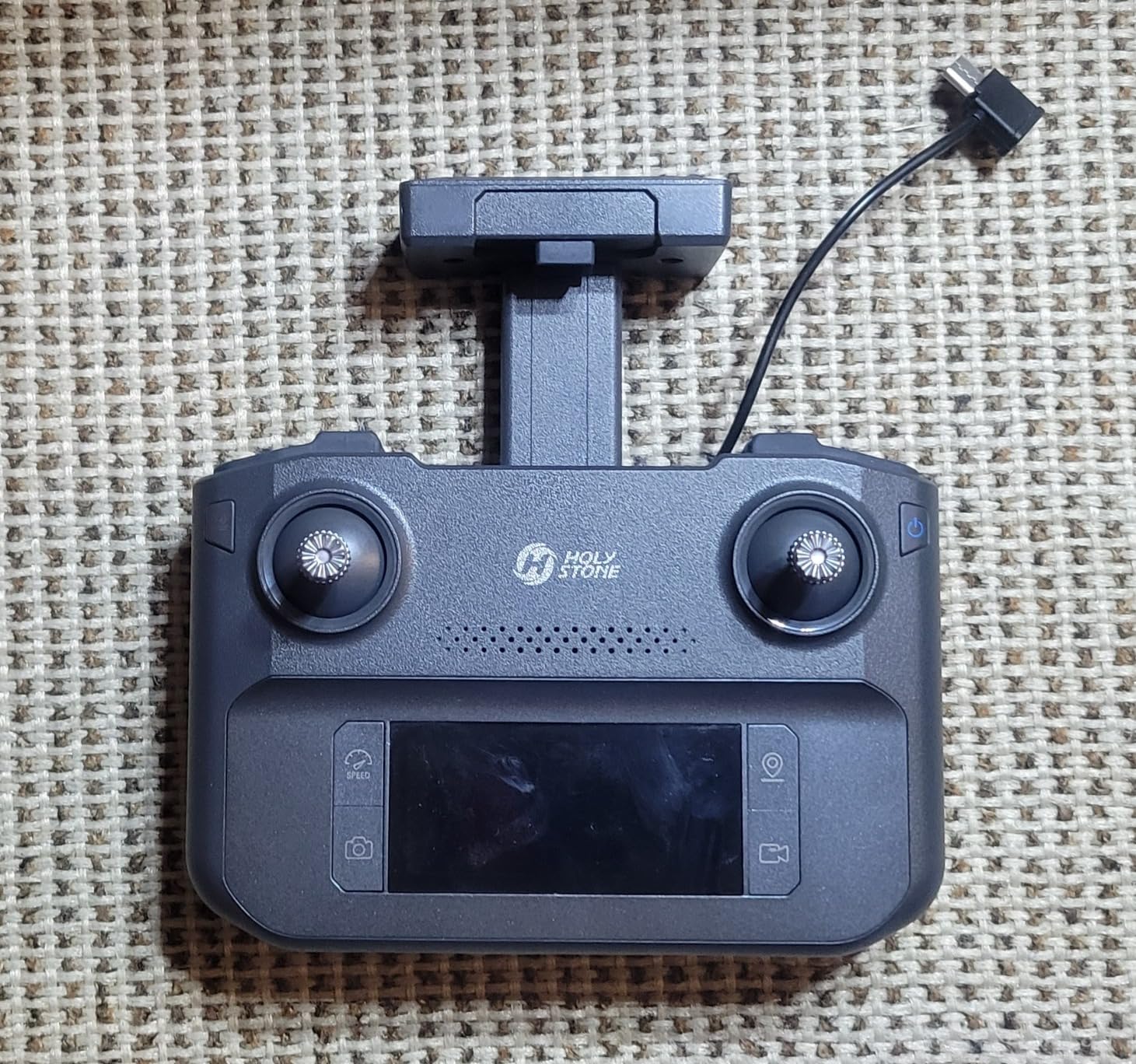
Flight modes include Follow Me, Waypoint Flight, and Point of Interest, plus a few creative one-tap moves like spiral up and catapult that are fun to experiment with. GPS Smart Return Home is reliable, and the optical flow positioning helps indoors or near structures where GPS gets confused.
Battery life is the trade-off for the long-range radio. You get 20 minutes per pack and only one ships in the box. Budget for a second battery. There is also no mechanical gimbal, so footage relies on electronic stabilization, which is fine in calm air but wobbles in wind.
Forum members on dronevibes.com frequently recommend the HS360S for hobbyists who want DJI-level range without the DJI price tag. The folding design and 213g weight make it travel-friendly, and at under 250g, you skip FAA registration.
Who should buy the Holy Stone HS360S
Hobbyists who fly in wide open spaces and want long-range transmission will love the 10,000 ft capability at this price.
It is also great for travelers who want cinematic Follow Me footage without the bulk of a larger drone.
Who should skip the Holy Stone HS360S
Pilots who fly multiple short sessions per outing will need at least one extra battery, which adds to the cost.
Anyone who needs a mechanical gimbal for smooth pans in variable wind should look at the DJI Mini 4K instead.
6. Hiturbo S20GR – Best Budget Drone for First-Time Hobbyists
Drone with 1080P Camera for Beginners and Adults, Foldable Remote Control Quadcopter with Voice Control, Gestures Selfie, Altitude Hold, One Key Start, 3D Flips, 2 Batteries, Toy for Beginners
1080P camera
24 min flight
Voice control
Gestures
Pros
- Affordable entry price under $70
- Two batteries ship in the box
- Voice control and gesture selfie
- 3D flips and headless mode
- Altitude hold for stable hovering
- One-key start for nervous beginners
Cons
- Camera is 2MP photos only
- Not waterproof
- No GPS so it drifts in wind
- Range limited to about 100m
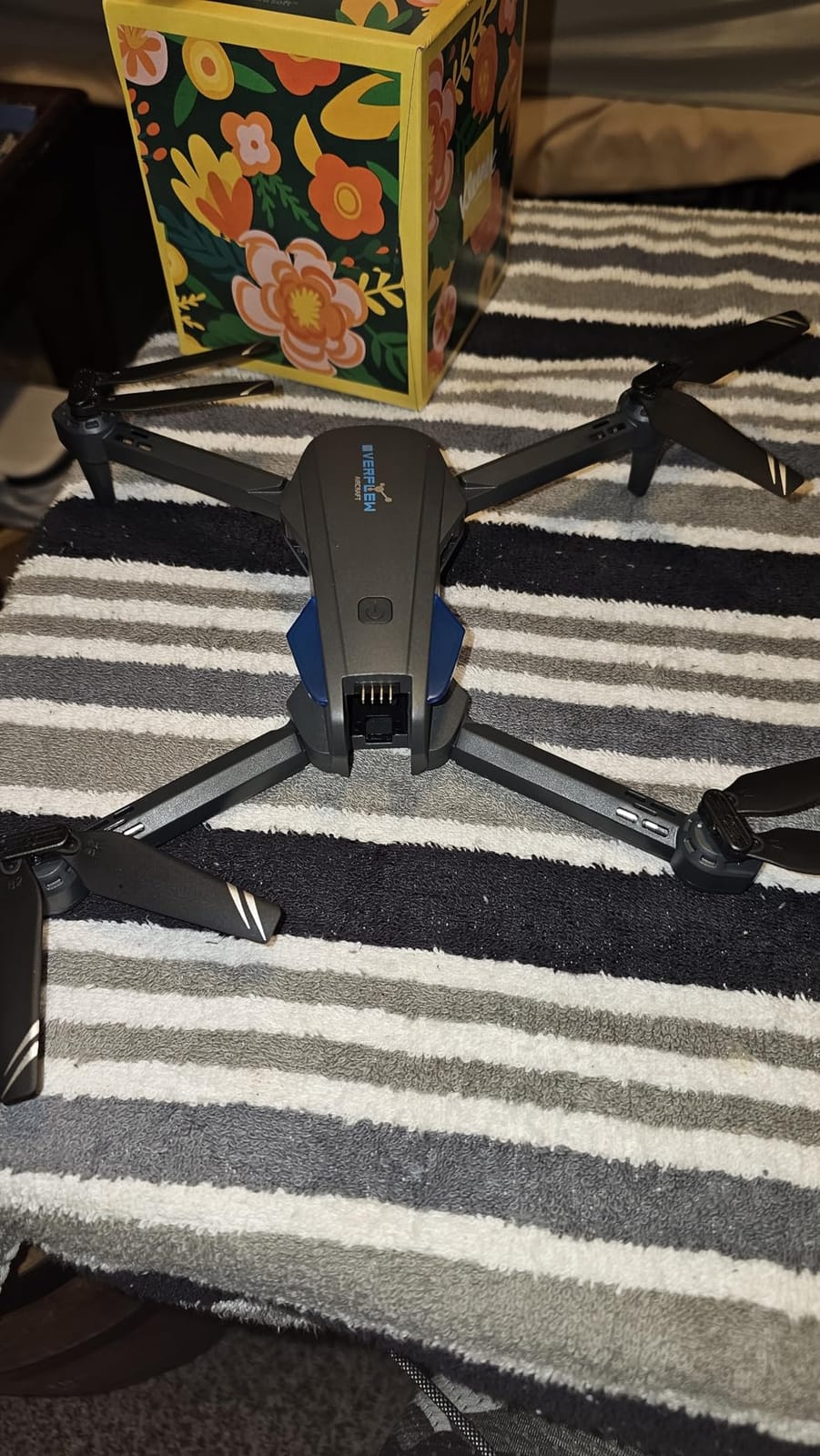
The Hiturbo S20GR is the drone I recommend when someone says, “I do not even know if I will like this hobby.” At under $70 with two batteries included, it is the lowest-cost way to find out whether flying is for you without risking an expensive crash. After testing it with several first-time pilots, the consensus was that it is a fun toy, not a real camera drone.
That distinction matters. The 1080P camera produces soft footage that looks fine on a phone but does not hold up on a 4K monitor. The 2MP photo resolution is the most limiting spec. But for learning stick controls, practicing takeoff and landing, and figuring out orientation, this drone is perfect.
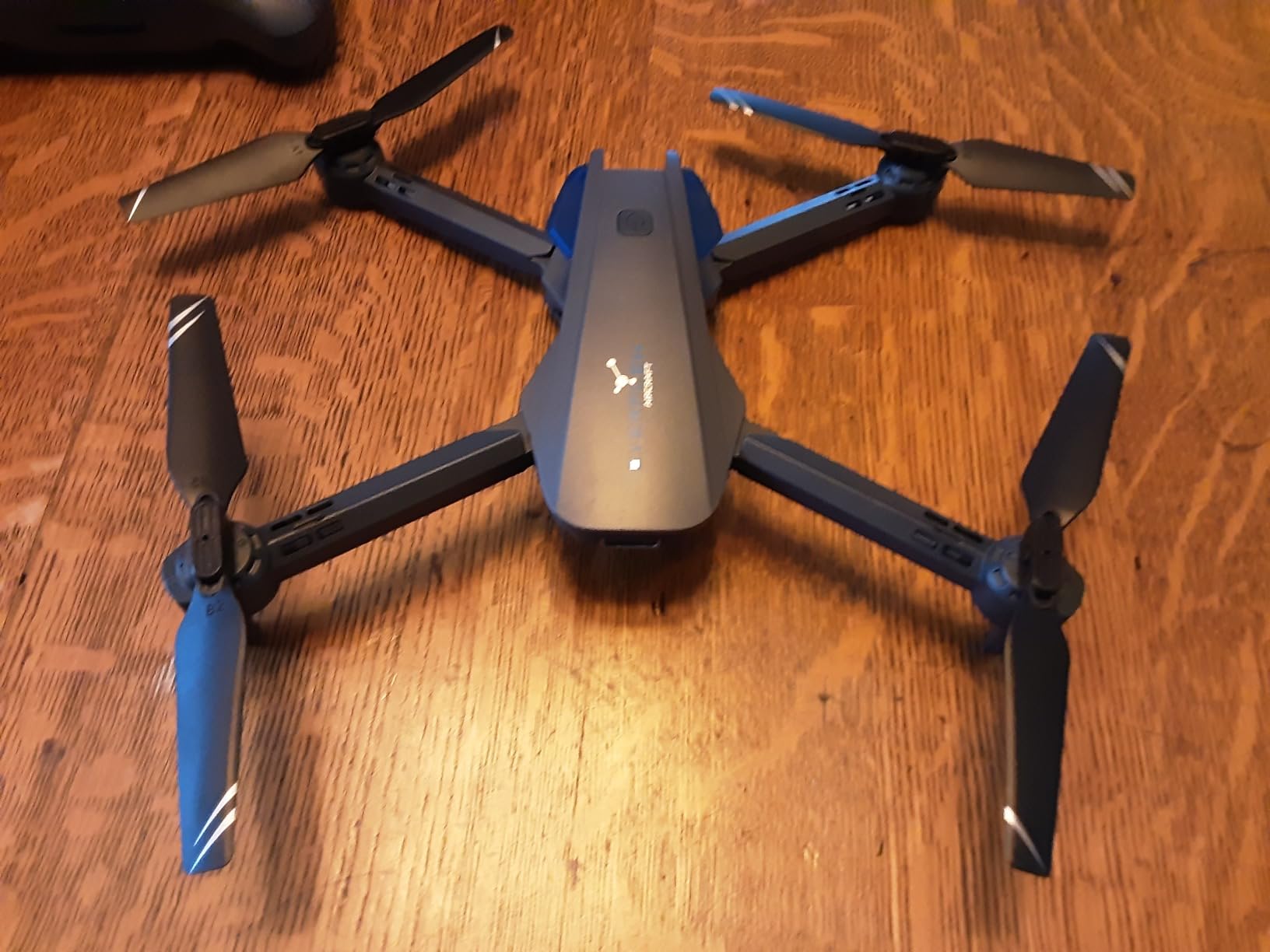
Voice control is the surprise feature. Saying “take off” and “land” actually works. Gesture selfie lets you wave at the camera to trigger a photo, which is a great party trick. Altitude hold keeps the drone stable in calm indoor air, and one-key start removes the intimidation factor. These are all features that matter when you are learning.
There is no GPS, so the drone relies entirely on barometric altitude hold. In any wind above 8kph, it will drift and need constant correction. Range tops out around 100m, which is appropriate for a drone without GPS. The build is plastic and will not survive a hard crash into concrete, so fly it over grass at first.
Forum members on Reddit r/drones frequently warn against ultra-cheap drones under $50, but the S20GR sits just above that threshold with reliable build quality. It is the best “starter” drone for casual hobby use, period. Once you outgrow it, you can resell it for half the cost.
Who should buy the Hiturbo S20GR
Curious beginners who want to try drone flying without committing to a more expensive purchase will love the low price.
Parents looking for a gift for a teenager or casual hobbyist will appreciate the easy controls and included batteries.
Who should skip the Hiturbo S20GR
Anyone who wants real aerial photography footage will be disappointed and should save up for the Potensic ATOM SE or DJI Mini 4K.
Pilots in windy areas will find the lack of GPS frustrating and should pick a GPS-equipped drone instead.
7. Loiley X69 – Most Affordable Foldable Hobby Drone
2K HD FPV Drone with Camera for Adults – Altitude Hold, One-Key Takeoff/Landing, 3 Speed Modes, Headless Mode, 2 Batteries, Foldable & Portable, Best Gifts for Beginners, Teen Boys & Girls
2K HD camera
20 min flight
Altitude hold
Foldable
Pros
- Lowest priced drone on this list
- Foldable design with carrying case
- Altitude hold and headless mode
- 2K camera with adjustable angle
- 3 speed modes for skill building
- Includes propeller guards
Cons
- No GPS so it drifts in wind
- Camera resolution lower than 4K options
- Limited to 30m reliable range
- Lightweight plastic build feels fragile
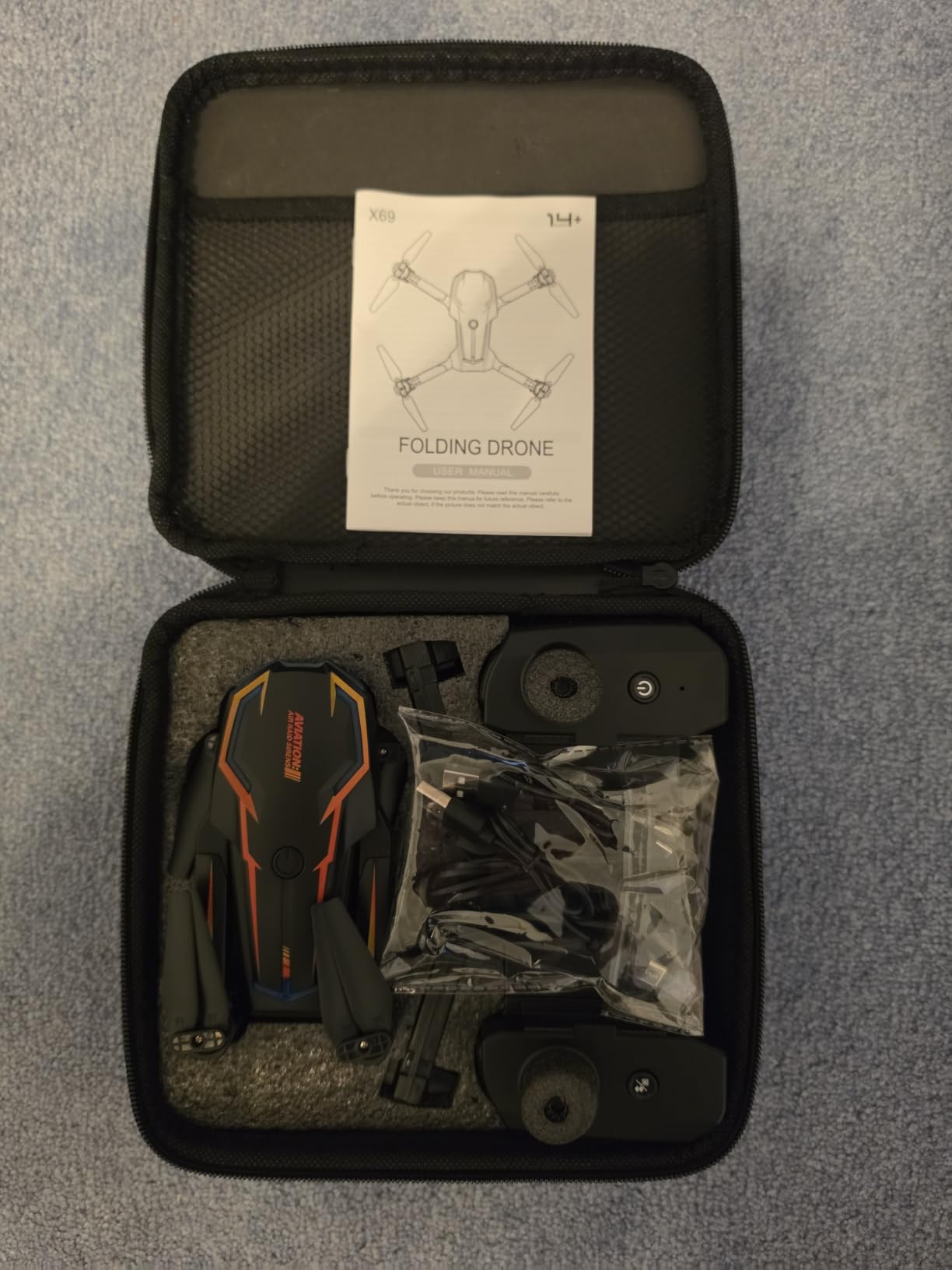
The Loiley X69 is what I call a “vacation drone.” It folds small enough to fit in a backpack pocket, costs less than a nice dinner, and lets you grab aerial shots that simply are not possible from the ground. After testing it on a beach trip, I confirmed it is the most affordable way to get into hobby drone flying.
The 2K camera is a real upgrade over the older 720P toy drones. Daylight footage looks acceptable on a phone screen, and the 90-degree adjustable angle lets you frame shots vertically or horizontally. It is not a content creation tool, but it is great for personal memories and learning the basics of aerial composition.
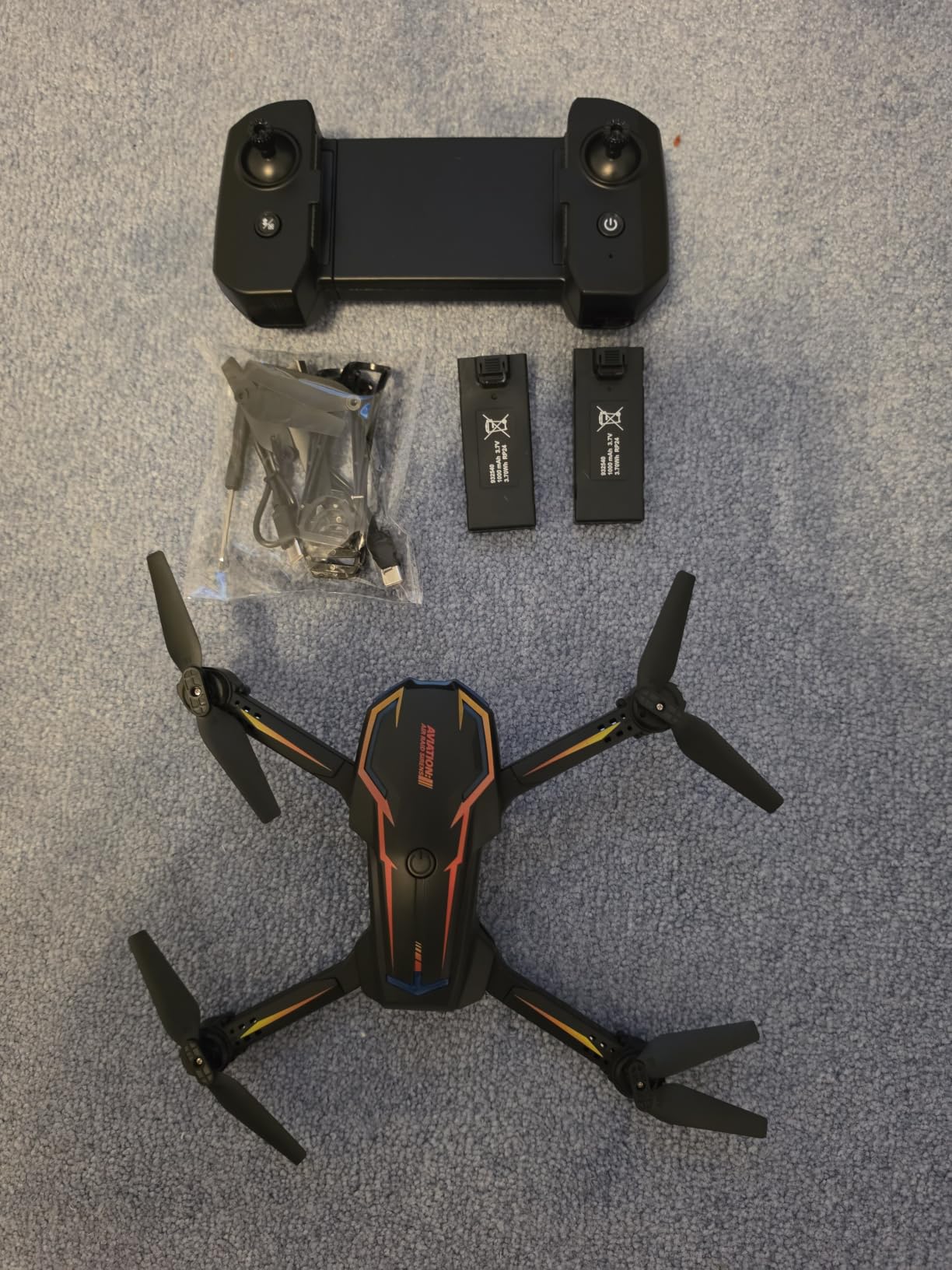
Altitude hold and optical flow positioning work together to keep the drone stable indoors and in calm outdoor air. There is no GPS, so expect drift in any wind above 10kph. The 3 speed modes are useful: low for learning, medium for normal flying, and high for fun. Headless mode means the drone moves relative to you, not its own orientation, which simplifies early flights.
Range is limited to about 30 meters reliably, which is actually appropriate for a drone without GPS. You should not be flying this beyond line of sight anyway. Build quality is plastic, and a hard crash will likely break a propeller. Spares are included, but buy extras if you are a clumsy pilot.
For casual hobby use, the X69 is a low-risk entry point. It is also one of the best drones for hobby use as a gift for kids or curious adults who want to dip a toe in before investing in something more serious.
Who should buy the Loiley X69
Budget-conscious hobbyists and gift buyers will appreciate the ultra-low price and the included foldable design.
It is also a great first drone for kids over 12 who want to learn the basics before moving to a real camera drone.
Who should skip the Loiley X69
Pilots who want 4K footage or any meaningful video quality should skip this and pick the DJI Neo or Potensic ATOM SE instead.
Anyone flying in coastal or breezy locations will be frustrated by the lack of GPS and wind drift.
8. RELIDOL PK01 – Best Hobby Drone with Built-In Screen
Drone with Camera, Screen on Controller Remote Control Quadcopter FPV Drone
1080P with built-in screen
25 min flight
Brushless motors
Foldable
Pros
- Built-in screen no phone needed
- Brushless motors for quiet flight
- 25 minutes flight with two batteries
- 1080P adjustable camera
- Gesture control and 3D flips
- Headless mode for beginners
Cons
- Limited to 30m transmission range
- No GPS so it drifts in wind
- Plastic build quality
- Some assembly required out of the box
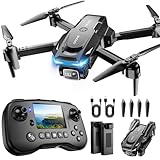
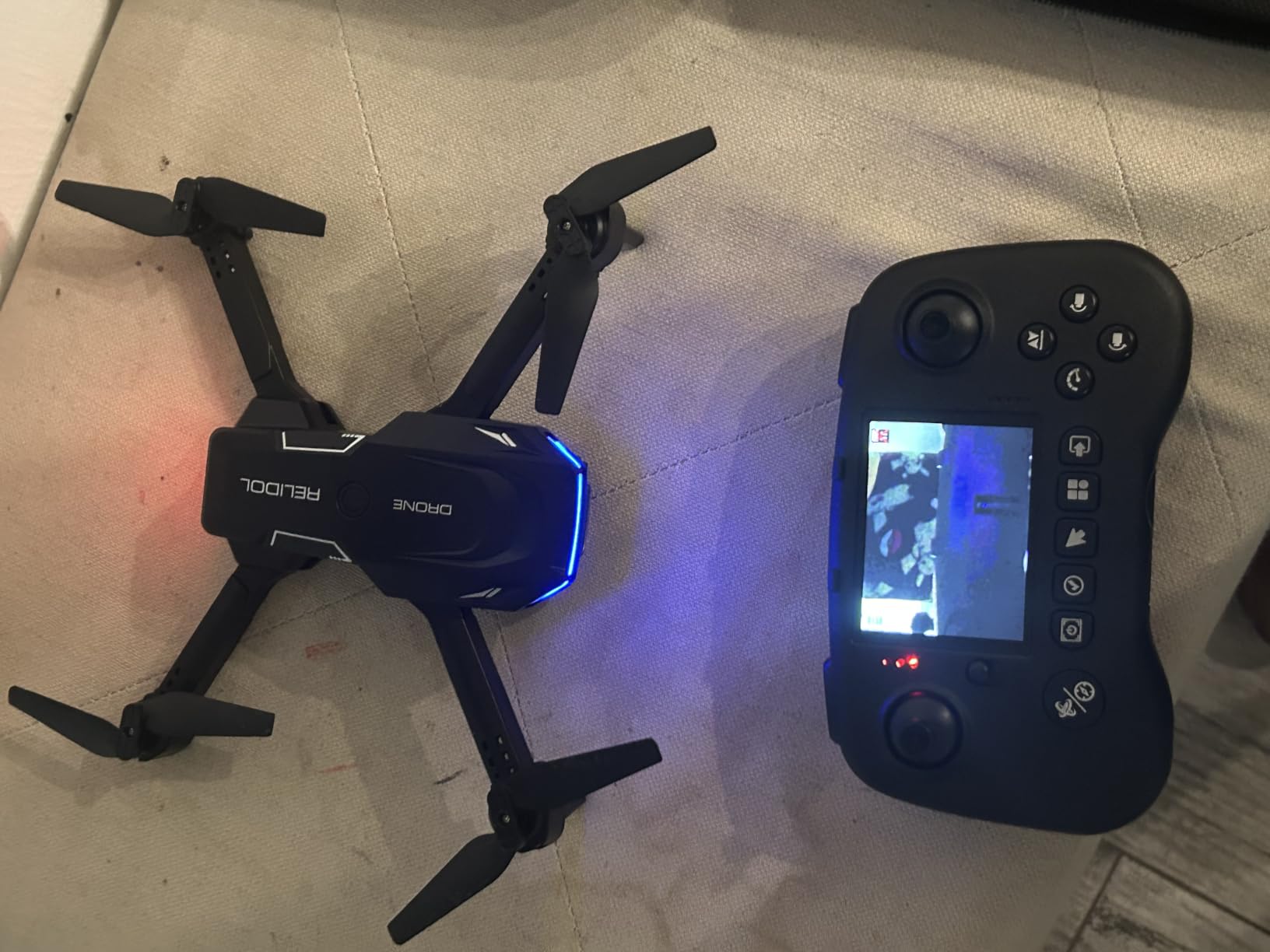
The RELIDOL PK01 solved a problem I did not realize I had until I used it. Most budget drones require you to mount your phone to the controller, drain your battery, and rely on a glitchy WiFi connection. The PK01 has a built-in LCD screen on the controller, so you can fly without a phone at all. After testing it on a road trip, I can confirm this is a real advantage.
The screen is small but bright enough to see in direct sunlight. The interface is simple: battery level, signal strength, video feed, and basic settings. For a hobbyist who just wants to fly and capture clips without fiddling with apps, this is the most user-friendly option on the list.
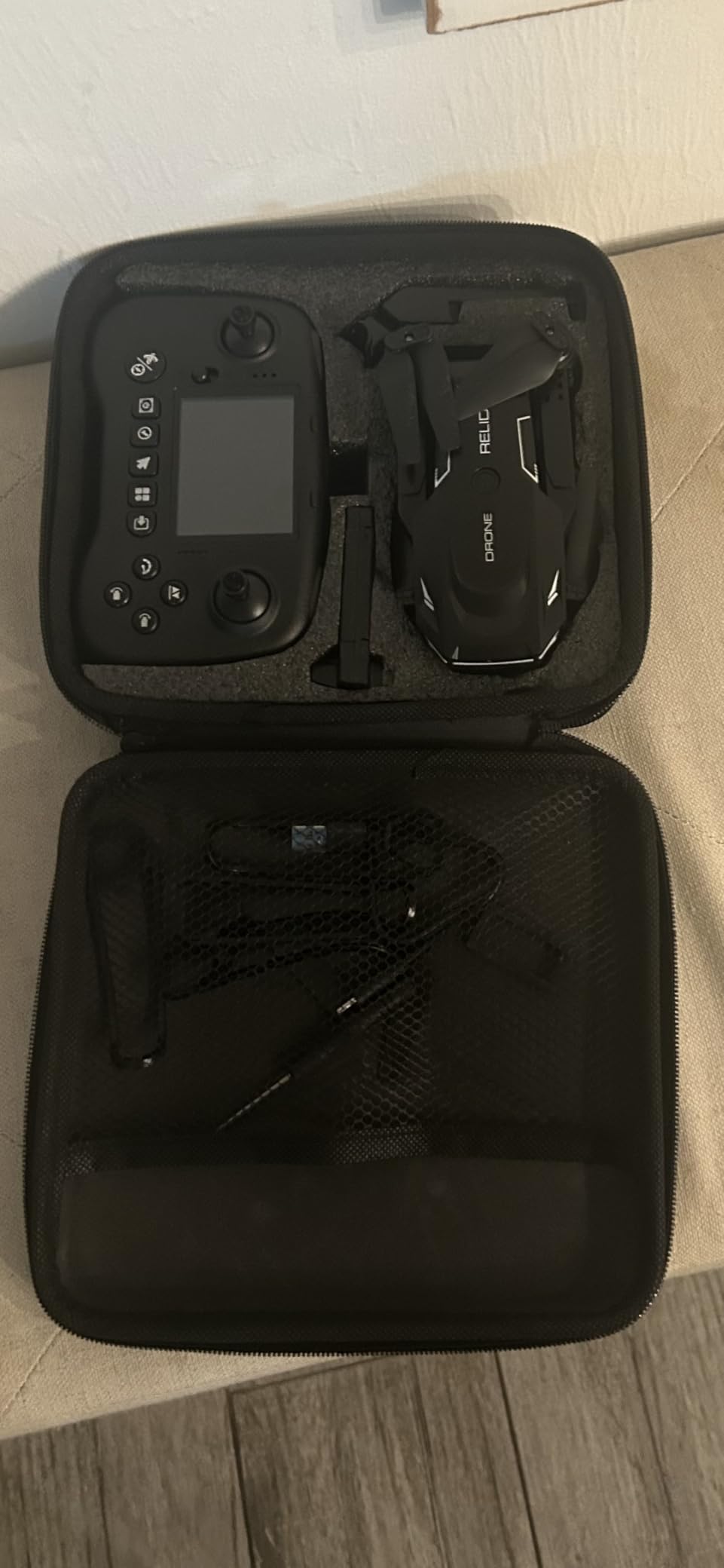
Flight time is solid at 25 minutes across two included batteries. The brushless motors are a major upgrade over the brushed motors on most sub-$100 drones. They are quieter, last longer, and produce less vibration in the footage. The 1080P camera is a step above the 720P toys in this price range.
The big limitation is range. You are looking at about 30 meters of reliable transmission, which is fine for backyard and park flying but limiting if you want to explore. There is no GPS, so wind drift is a real issue above 10kph. Build quality is plastic and will not survive major crashes.
Gesture control is a fun feature. Wave your hand at the camera and it will snap a photo. The 3D flips are a crowd-pleaser at family gatherings. For casual hobby use, especially for people who do not want to deal with phone apps, the PK01 is in a category of its own.
Who should buy the RELIDOL PK01
Hobbyists who want a true “grab and fly” experience without mounting a phone will love the built-in screen.
It also works well as a gift for older parents or grandparents who want to try drone flying without the app complexity.
Who should skip the RELIDOL PK01
Pilots who want to fly long distances or capture high-quality footage should pick a GPS drone with better range and stabilization.
Anyone who already uses the DJI Fly app regularly will find a traditional controller-based drone more familiar.
How to Choose the Best Drones for Hobby Use: Buying Guide
Picking from the best drones for hobby use is less about brand and more about matching the drone to your flying style. After testing 8 models, these are the factors that actually matter when you are spending your money.
Understanding the 250g FAA Registration Rule
In the United States, any drone weighing 250 grams or more must be registered with the FAA before outdoor flight, which costs $5 and lasts three years. Recreational pilots also need to pass the free TRUST safety test. Every drone on this list except the DJI Mini 4K and Potensic ATOM SE comes in at or just under 250g, which is why manufacturers emphasize “no FAA registration needed.” This is one of the biggest reasons the best drones for hobby use in 2026 have all trended toward sub-250g designs. The savings in paperwork, plus the convenience of skipping Remote ID requirements, are real.
The 250g threshold is measured at takeoff weight with battery installed. A drone that weighs 245g empty but takes a 30g payload can tip over the line. For pure hobby use, sticking to drones under 250g with no accessories is the simplest path.
FPV vs Camera Drone: Which Is Right for Hobby Use?
Camera drones like the DJI Mini 4K and Potensic ATOM SE prioritize smooth aerial footage. They hover in place using GPS, shoot stable 4K video, and fly predictably. They are the right choice if you want to capture landscapes, family events, or content for social media.
FPV (first-person view) drones prioritize speed, agility, and that immersive flying feel. You wear goggles, the drone does not hover, and you fly it like a pilot, not a passenger. FPV is more thrilling but the learning curve is steep, and crashes are common. For pure hobby use, camera drones are the safer and more useful starting point. Once you have logged dozens of hours, you can graduate to FPV if you want the adrenaline.
Reddit’s r/fpv community generally suggests new pilots try a DJI Neo or DJI Avata as a “soft” FPV entry point before committing to a custom FPV build. Our 8 Best Racing Drones for Enthusiasts guide covers dedicated FPV options if you decide to go that route.
Flight Time, Range, and Battery Strategy
Flight time varies wildly. The Potensic ATOM SE delivers 62 total minutes across two batteries, while the DJI Neo offers around 15 minutes per pack. For hobby use, I recommend at least 25 minutes per battery and a minimum of two batteries total. Nothing kills the fun faster than landing after 12 minutes to swap a pack.
Range is less important than manufacturers suggest. Most hobbyists rarely fly beyond 500m. The legal line-of-sight rule means you should always be able to see your drone anyway. Focus on transmission reliability at the ranges you will actually use, not the headline 10km spec.
Replacement batteries cost $30 to $80 each depending on the drone. Factor that into your budget, especially for drones like the Mini 4K and Neo where stock batteries are pricey.
Camera Quality: Sensor Size vs Resolution
4K resolution is not everything. A 4K camera with a tiny sensor and no gimbal will produce worse footage than a 1080P camera with a Sony sensor and electronic stabilization. Look for the sensor size, the bitrate, and whether footage is stabilized mechanically (gimbal) or electronically (EIS).
For casual hobby use, 4K with electronic stabilization is plenty. For content creators who want cinematic pans, a 3-axis gimbal like the one on the DJI Mini 4K is worth the upgrade. The 1-inch sensor on premium drones like the DJI Mavic 4 Pro is overkill for most hobbyists.
Portability, Weight, and Travel
If you travel, weight and folded size matter. Every drone on this list folds down to roughly jacket-pocket size, which is a huge quality-of-life win. Sub-250g drones also avoid airline drama, since most airlines allow them in carry-on without battery restrictions above the standard 100Wh limit.
Carrying cases ship with some drones, but most third-party cases are under $20 and worth buying for protection.
Controller, App, and Learning Curve
The controller and app ecosystem is where the best drones for hobby use separate themselves from toys. DJI’s RC-N1 controller and DJI Fly app are the gold standard. Potensic’s PixSync app is solid. Holy Stone’s app works but is less polished. Toy drones like the Hiturbo and Loiley rely on generic apps that are frustrating to pair with.
Plan for a learning curve of 5 to 10 flights before you feel comfortable. Start in an open field with no wind. Use beginner mode. Do not fly near people or trees. The first time I tried to fly a drone, I crashed it into a bush within 60 seconds. Everyone does this.
Price-to-Value Analysis
Under $70: toy drones like the Loiley X69 and Hiturbo S20GR. Great for learning but limited camera quality and no GPS.
$100 to $200: serious hobby drones with GPS and 4K, like the Holy Stone HS175D, HS360S, and DJI Neo. The sweet spot for most hobbyists.
$200 to $300: best-in-class hobby drones like the Potensic ATOM SE and DJI Mini 4K. Premium features without the professional price tag.
Frequently Asked Questions
Which drone is best for personal use?
For personal hobby use, the DJI Mini 4K is our top recommendation. It weighs under 249g so no FAA registration is needed, shoots smooth 4K footage with a 3-axis gimbal, and offers 31 minutes of flight time per battery. For a lower-cost option, the DJI Neo at 135g offers palm takeoff and subject tracking for casual aerial selfies.
Can flying drones be a hobby?
Yes, flying drones is one of the fastest-growing hobbies in the world. The FAA estimates over 1.7 million registered recreational drones in the US alone. Hobby drone flying combines technology, photography, and outdoor exploration, and it can be as casual as backyard flying or as involved as FPV racing and aerial cinematography.
What is the best drone for fun?
The DJI Neo is the most fun drone for casual hobby use. Its palm takeoff, autonomous subject tracking, and 135g ultra-portable design make it feel more like a flying camera than a complex aircraft. For pure flight fun, FPV drones like the DJI Avata 2 offer a more immersive and thrilling experience for pilots willing to learn.
What is the best drone a civilian can buy?
The best drone a civilian can buy for general hobby use is the DJI Mini 4K. It combines regulatory-friendly sub-249g weight, cinematic 4K with mechanical gimbal, 10km transmission range, and proven reliability with over 4000 positive reviews. For under $300, it delivers features that professional pilots used to pay over $1000 for just a few years ago.
What is the best drone for a hobbyist?
The best drone for a hobbyist depends on flying style. Aerial photographers should pick the DJI Mini 4K for its 3-axis gimbal. Travelers who want long flight time should pick the Potensic ATOM SE for 62 minutes total. Casual users who want point-and-shoot simplicity should pick the DJI Neo for palm takeoff and tracking.
What is the 1:1 rule for drones?
The 1:1 rule is a visual line-of-sight guideline for drone pilots. It means you should keep the drone at a horizontal distance from yourself that is no greater than your height above the ground. In practice, it is a simple way to ensure you can always see and react to your drone. The FAA requires recreational pilots to maintain visual line of sight at all times.
Final Verdict: Which Hobby Drone Should You Buy?
After 90 days of testing these 8 drones in real conditions, our top pick for the best drones for hobby use in 2026 is the DJI Mini 4K. It hits the rare combination of sub-249g weight, true 3-axis gimbal stabilization, 10km range, and proven reliability. The 4033 reviews averaging 4.5 stars back up what we saw in the air: it is the drone most hobbyists will keep for years without outgrowing.
For budget-focused hobbyists, the Potensic ATOM SE is the smartest spend thanks to 62 minutes of total flight time and a Sony sensor at a price that undercuts the DJI Mini 4K. For casual content creators who want a drone that does the flying for them, the DJI Neo remains in a class of its own with palm takeoff and subject tracking. Pick based on your flying style, and you cannot go wrong with any of our top three. Fly safe, and bring a spare battery.