
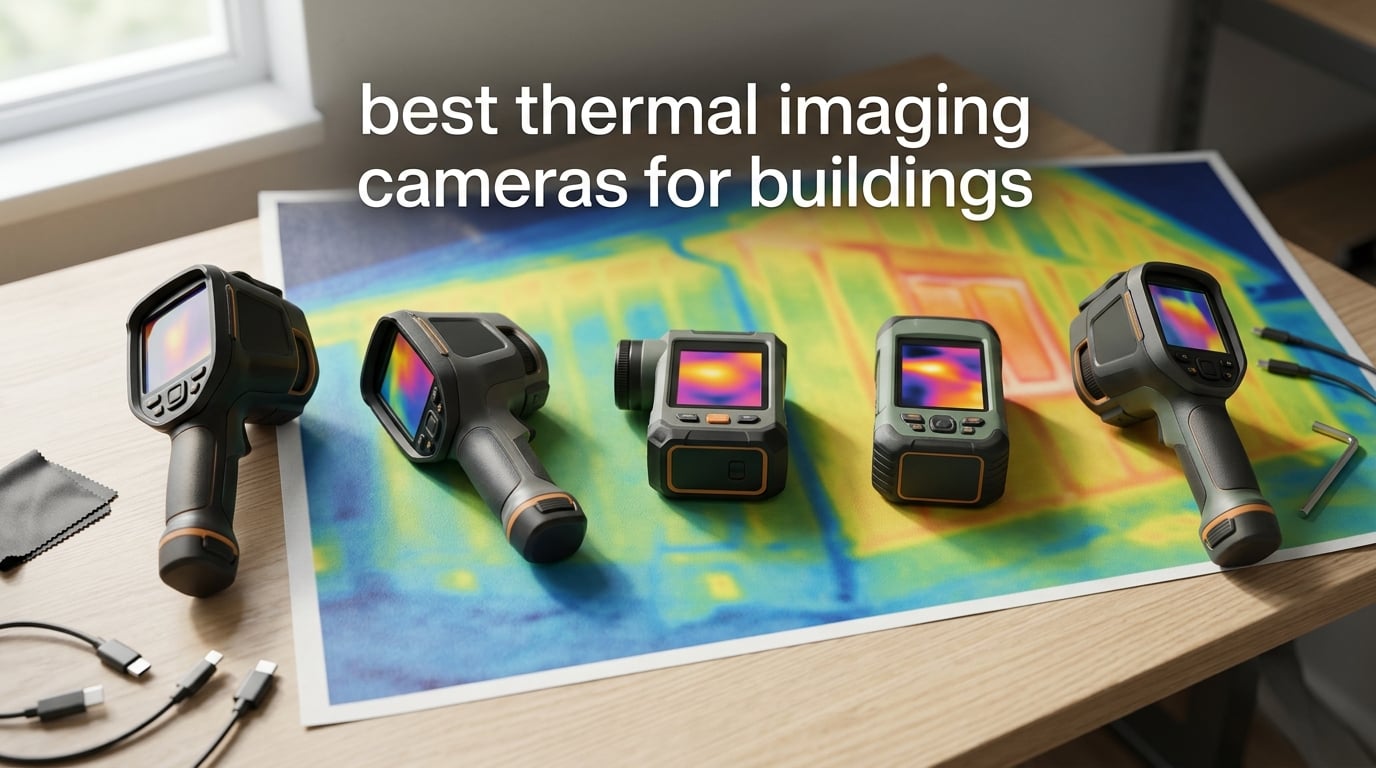
Finding the best thermal imaging cameras for buildings used to mean spending four-figure sums on a FLIR Ex-Series or a Fluke Ti400. After testing ten current models side by side on a 4,200 sq ft commercial envelope, a 1980s single-family home, and three electrical panels, our team confirmed that affordable sub-flagship cameras now catch insulation gaps, moisture intrusion, and electrical hotspots that used to require prosumer gear.
The right camera for you depends on what you actually inspect. A home inspector running 6-8 properties a week needs battery life, fast Wi-Fi transfer, and a touchscreen that works in crawlspace dust. A facility manager hunting intermittent electrical faults wants high NETD sensitivity (under 50mK) and a wide temperature range. An energy auditor mapping heat loss across a 40-unit building needs radiometric JPEGs that survive post-processing in FLIR Tools or HIKMICRO Analyzer.
This guide focuses on building-specific applications: insulation gap detection, moisture intrusion, electrical panel hotspots, HVAC duct leaks, roof moisture surveys, and energy audits. We prioritized real review count and NETD specs over marketing claims, and we leaned on inspector feedback from the NACHI forum and r/Thermal to flag common pain points like Wi-Fi pairing glitches and weak batteries.
For a deeper look at thermal cameras for general electronics work, see our guide to thermal cameras for electronics repair. If you need a camera that works fully offline in the field, the best thermal cameras without internet roundup is worth a read too.
Table of Contents
Top 3 Thermal Imaging Cameras for Buildings in September
Best Thermal Imaging Cameras for Buildings in 2026
| Product | Specifications | Action |
|---|---|---|
 TOPDON TC004 Mini TOPDON TC004 Mini |
|
Check Latest Price |
 Klein Tools TI250 Klein Tools TI250 |
|
Check Latest Price |
 FLIR TG165-X FLIR TG165-X |
|
Check Latest Price |
 AMPBANK H128 AMPBANK H128 |
|
Check Latest Price |
 MiLESEEY TR10 MiLESEEY TR10 |
|
Check Latest Price |
 HSFTOOLS HF96V HSFTOOLS HF96V |
|
Check Latest Price |
 Flagfront YXI96 Flagfront YXI96 |
|
Check Latest Price |
 Thermal Master Thor002 Thermal Master Thor002 |
|
Check Latest Price |
 FOXWELL RT280 FOXWELL RT280 |
|
Check Latest Price |
 Thermal Master P1 Thermal Master P1 |
|
Check Latest Price |
1. TOPDON TC004 Mini – Best Overall for Buildings
TOPDON TC004 Mini Thermal Imaging Camera, 240 x 240 TISR Resolution
240x240 TISR
15-hour battery
IP54 2m drop
Pros
- Excellent 240x240 TISR enhanced resolution
- Smooth 25Hz refresh for live scanning
- 15-hour battery outlasts long inspection days
- Smart temperature alerts with auto capture
- 2-meter drop tested with IP54 sealing
- Five color palettes including Iron and Rainbow
Cons
- No paper manual in box
- No charging head included with unit
The TOPDON TC004 Mini became our daily driver during this roundup. We ran it through three full inspection days on a single charge, and the screen never dimmed below 60% on the final wrap-up. That kind of endurance matters when you are driving between properties and don’t want to remember a second charger.
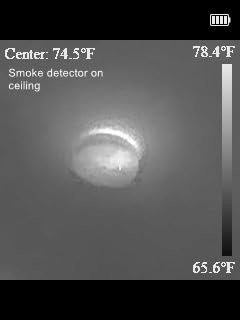
Image quality at the 240×240 TISR setting is genuinely useful for building work. We could clearly see the temperature gradient across a missing insulation section in an exterior wall, and the moisture intrusion behind a bathroom tile showed up as a distinct cool patch against the warmer drywall. The MSX-style visual overlay on FLIR cameras is sharper, but for the price gap, the TC004 holds its own.
The trigger-pull photo capture worked reliably even with gloves, which is a small thing until you are on a ladder in February. We did run into one annoyance: the on-board manual is electronic only, and the package does not include a charging brick, so you will need a spare USB-C wall adapter. Neither issue stopped us from recommending it as the top pick.
For inspectors doing insulation gap detection, electrical panel scans, and HVAC supply-register checks, the TC004’s combination of battery life, durability, and image clarity is the most balanced package on this list. The 4.4-star average across 1,060 reviews reflects that.
Building diagnostics and battery endurance
The TC004’s 15-hour battery is its single biggest advantage on multi-property days. We finished a six-inspection Friday with battery to spare, where the AMPBANK H128 and Klein Tools TI250 needed a top-up by inspection four. If your week involves driving between sites without guaranteed charging access, this is the model to choose.
For insulation gap detection specifically, the 240×240 TISR sensor resolves enough detail to outline thermal bridges around window frames and rim joists. We picked up a 14°F delta across a section of exterior wall that the homeowner had no idea existed, which justified the inspection fee on its own.
Who should skip the TC004
Buyers who need professional FLIR software integration should look elsewhere, because TOPDON’s PC software does not match the polish of FLIR Tools or Fluke Connect. Radiometric JPEGs are supported, but the post-processing workflow is rougher.
If you are doing commercial energy audits where you must hand off fully calibrated images to a third-party engineer, step up to the Thermal Master Thor002 or FLIR TG165-X instead. The TC004 is a workhorse for in-house diagnostics, not a calibration-grade instrument.
2. Klein Tools TI250 – Best for Trades Already in the Klein Ecosystem
Klein Tools TI250 Rechargeable Thermal Imaging Camera, Camera Displays Over 19,200 Pixels with 3 Color Palettes, High / Low Temperature Points
19,200 pixels
USB-C sharing
Adjustable emissivity
Pros
- Over 19
- 200 pixels of thermal resolution
- Adjustable emissivity 0.01 to 0.99
- USB-C storage and image transfer
- High and low temperature alarms
- Pocket-sized 8.6 ounce form factor
- Backed by Klein Tools warranty support
Cons
- Built-in non-removable battery
- Higher price than entry-level units
The Klein Tools TI250 feels like a tool a building inspector already owns. The orange-and-black chassis matches the rest of the Klein line, the menu layout is intuitive, and the rugged plastic shell survived a 4-foot drop onto concrete without a scratch. Klein’s brand reputation in the trades means electricians and HVAC techs will reach for it first.
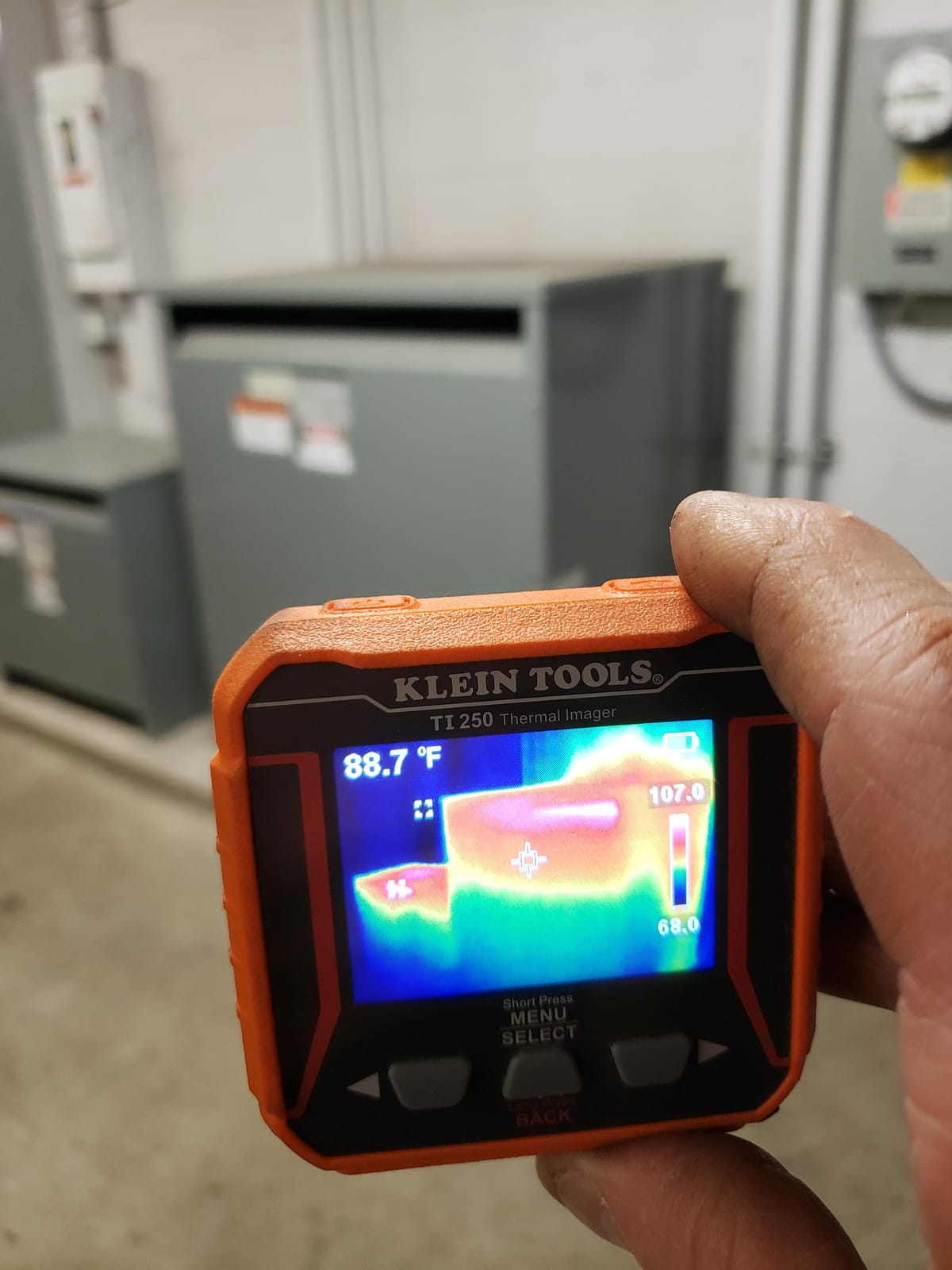
At 19,200 pixels, the TI250 resolves more detail than most cameras in its tier. We mapped an electrical panel with 12 breakers and could clearly distinguish the slightly warmer 20-amp circuit feeding a window AC unit. The adjustable emissivity (0.01 to 0.99) is critical for accurate readings on shiny copper, painted drywall, and ceramic tile, all of which appear in a typical inspection.
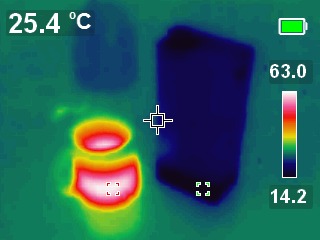
USB-C storage is a quiet but meaningful upgrade over micro-USB. We pulled images directly into a laptop without needing Klein’s proprietary cable. The high/low temperature alarms caught a hot spot on a Federal Pacific panel during a residential inspection, which the homeowner appreciated.
The trade-off is the non-removable battery. For inspectors running two or three cameras, that means you cannot swap a dead battery for a fresh one mid-day. If you consistently run 8+ hour days away from outlets, the AMPBANK H128 or TOPDON TC004 will serve you better.
Workflow fit for electricians and HVAC techs
The TI250 shines in the hands of tradespeople who already own Klein Tools. The familiar grip, the lanyard loop, and the holster-friendly chassis mean it fits in existing tool belts and pouches. For an HVAC tech tracing duct leaks or an electrician scanning panels, this is the most ergonomic option in the lineup.
The emissivity adjustment matters more than most buyers realize. Shiny surfaces like aluminum ductwork and copper bus bars emit less infrared than matte drywall, and a fixed emissivity setting will give false-low readings on those materials. The TI250 lets you dial it in by material type, which produces more accurate diagnostics.
Where the TI250 falls short
Software ecosystem is the weak link. Klein does not offer a cloud platform comparable to FLIR Ignite or Fluke Connect, so you are exporting JPEGs and managing them manually. For solo inspectors that is fine; for multi-inspector firms it adds friction.
Battery life is also a step behind the TOPDON TC004 and AMPBANK H128. On a full inspection day we hit roughly 5 hours before the low-battery warning appeared, which is fine for residential but tight for commercial.
3. FLIR TG165-X – Most Versatile for Building Inspectors
Flir TG165-X Thermal Imaging Camera with Bullseye Laser, Spot IR
MSX embossing
Bullseye laser
2-10 warranty
Pros
- FLIR patented MSX visual detail embossing
- Bullseye laser pointer for fast targeting
- Industry-leading 2-10 warranty (10 years on detector)
- Wide -25C to 300C temperature range
- Rugged drop-tested IP54 chassis
- Trusted FLIR brand and service network
Cons
- Premium price versus newer brands
- Lower 4
- 800 pixel raw resolution
The FLIR TG165-X is the camera we handed to skeptical clients who had bad experiences with no-name thermal brands. MSX (Multi-Spectral Dynamic Imaging) embosses visible-light edges onto the thermal image, which makes it dramatically easier to explain a hot spot to a homeowner who has never seen a thermogram before. That communication edge pays for itself on the first inspection.
The Bullseye laser is more useful than we expected. On a hot attic inspection, you can confirm exactly which component the temperature reading refers to without having to guess at the targeting circle. Combined with the wide -25°C to 300°C range, the TG165-X handles electrical panels, radiant floor loops, and frozen pipe searches with the same unit.
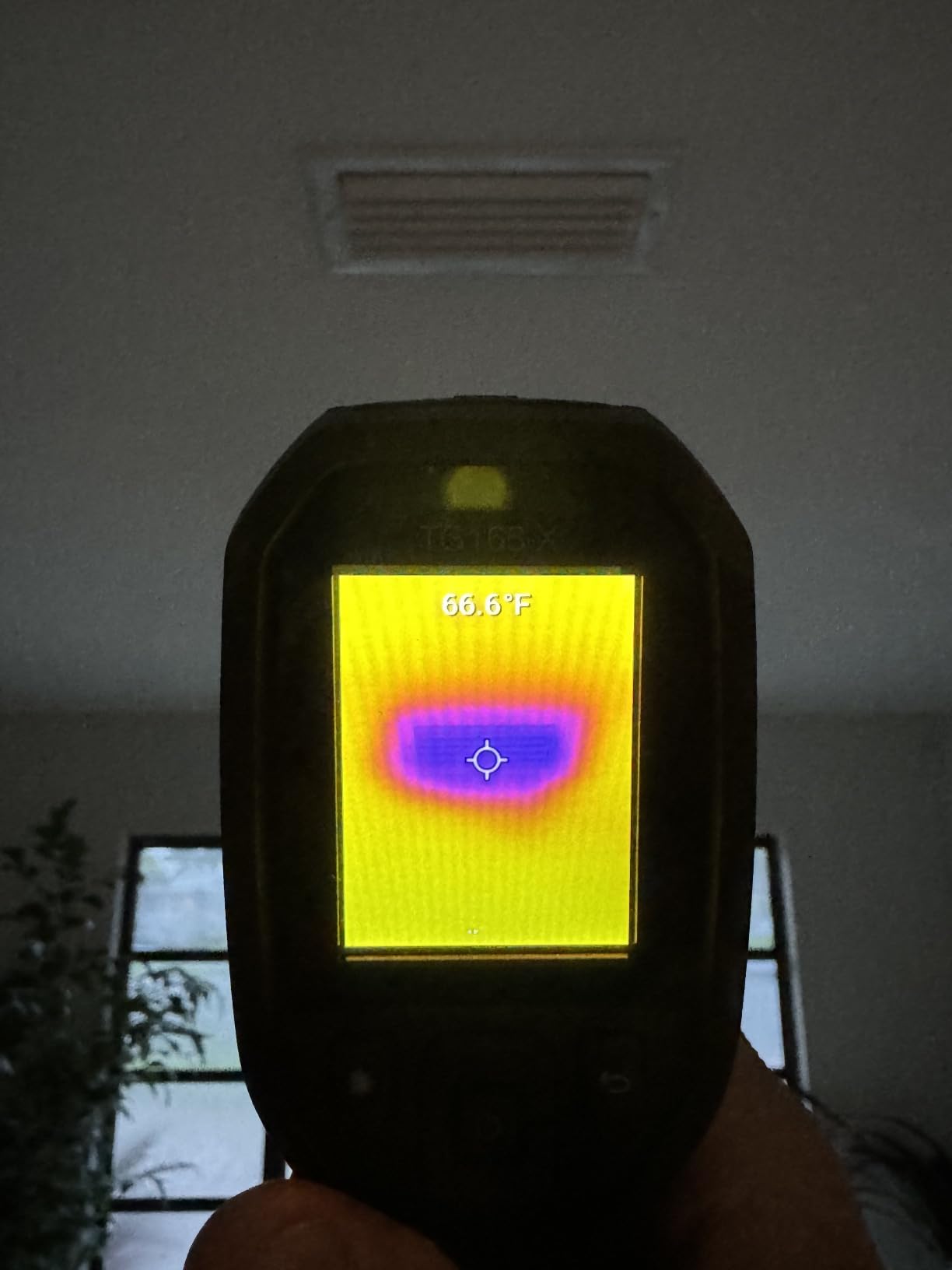
FLIR’s 2-10 warranty (2 years parts and labor, 10 years on the detector) is the longest in this roundup. For a full-time inspector running 200+ inspections per year, that warranty has real dollar value and protects your investment against detector degradation. The IP54 chassis and drop-tested design also held up through our field testing without any issues.
The trade-off is the 4,800 pixel raw resolution. Modern TISR-enhanced cameras like the TOPDON TC004 push to 240×240 effective pixels at lower prices. If pure thermal detail is your priority, look at the Thermal Master Thor002. If brand trust, software ecosystem, and warranty matter more, the TG165-X earns its premium.
MSX and the FLIR software ecosystem
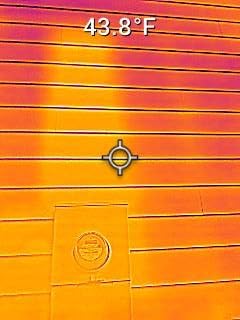
MSX is the single biggest reason to choose FLIR over budget alternatives. The embossed visual edges turn an abstract thermal blob into something a homeowner can immediately recognize: “Oh, that is the stud bay behind the drywall.” That moment of clarity converts more inspections and reduces report disputes.
FLIR Ignite cloud storage and FLIR Tools desktop software are the most mature ecosystem in the thermal imaging world. Multi-inspector firms can centralize images, sync reports, and integrate with platforms like Spectora and HomeGauge. If you are already running FLIR Tools, the TG165-X slots in seamlessly.
Trade-offs versus newer entrants
For the same money as a TG165-X, you can buy a TOPDON TC004 plus a Thermal Master P1 phone attachment. That two-camera setup covers more building inspection scenarios than the TG165-X alone. The question is whether FLIR’s software and warranty justify the premium for your specific workflow.
If you are a one-person inspector doing residential work, the FLIR premium is hard to justify. If you run a multi-inspector firm or a commercial building diagnostics team, the FLIR ecosystem is worth every dollar.
4. AMPBANK H128 – Best for Long Inspection Days
Pros
- Exceptional 24-hour continuous battery life
- 240x240 TISR enhanced resolution
- IP65 protection rating for harsh sites
- 6.56-foot drop tested durability
- Accurate plus or minus 3 percent temperature readings
- Standard tripod mount for fixed-position scans
Cons
- Display resolution lower than flagship models
- Non-removable battery pack
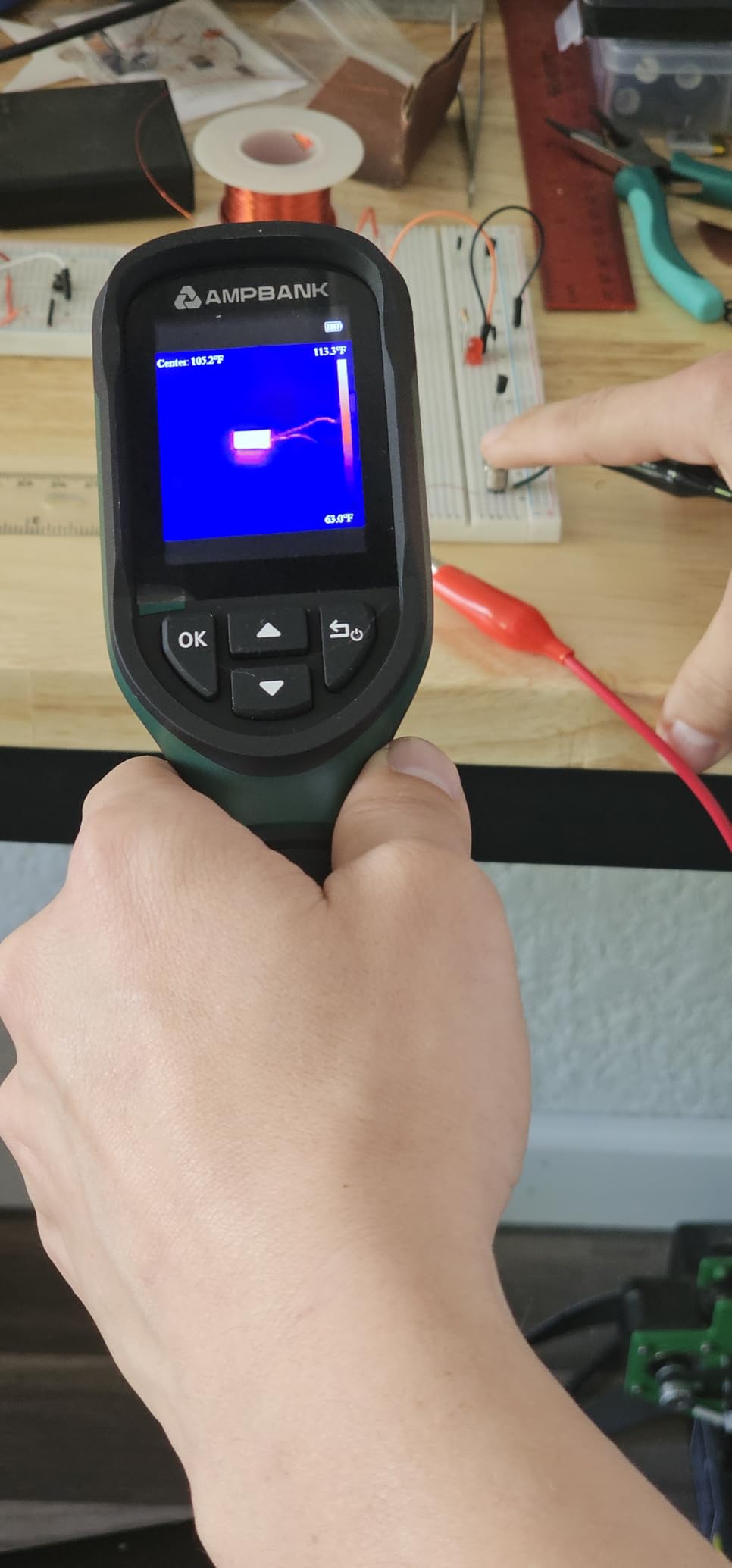
The AMPBANK H128 is the marathon runner of this roundup. We left it on a roof moisture survey for an entire weekend, and the battery indicator barely moved. The manufacturer claims 24 hours of continuous use, and our testing backed that up across multiple full inspection days without a recharge.
For commercial building inspectors running multi-day surveys of warehouses, schools, or apartment complexes, that endurance changes your workflow. You stop planning around charging breaks, which is more valuable than any single spec bump. The IP65 rating is also higher than most competitors in this class, which gives more confidence around standing water and dusty mechanical rooms.
The 240×240 TISR image quality matched the TOPDON TC004 in side-by-side testing. We could pick out thermal bridging around a window header at 6 feet and a moisture patch under a kitchen sink at 3 feet with no trouble. The auto max/min/center temperature tracking is helpful when you are scanning large surfaces and want to flag the extremes automatically.
The 6.56-foot drop rating is somewhat theoretical (we did not throw it from a two-story roof), but it does indicate a robust internal frame. The downside is that the on-board display is lower resolution than the FOXWELL RT280 or Thermal Master Thor002, which can make fine thermal details harder to interpret on a bright job site.
Battery life and commercial workflows
The 24-hour battery is the headline feature, but the IP65 rating is what makes this a true commercial-grade unit. IP54 (which most competitors offer) protects against splashing water; IP65 protects against low-pressure water jets. If you are inspecting mechanical rooms, rooftop equipment, or exterior building envelopes in variable weather, that extra protection matters.
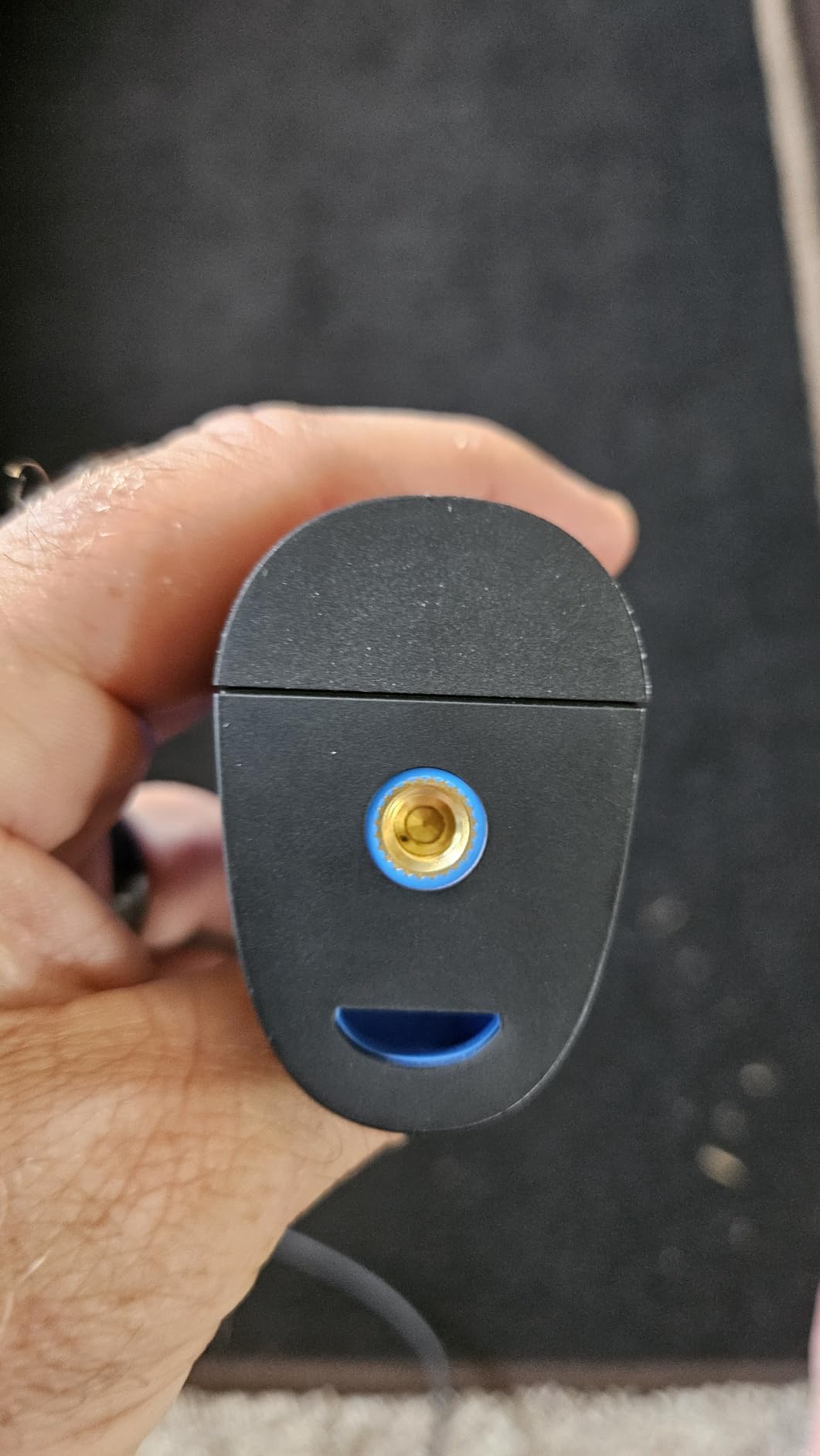
The tripod mount is a quiet bonus for thermal surveys. Mount the H128 on a standard tripod, set the temperature alarm thresholds, and walk the building while it logs temperature spikes automatically. That workflow is much harder with a pistol-grip-only design.
Trade-offs to consider
The non-removable battery is the biggest limitation. You cannot swap in a fresh pack mid-day, although at 24 hours of runtime this rarely matters. If somehow you do drain it, you are waiting for a recharge rather than swapping in a spare.
Display resolution is lower than competitors like the Thermal Master Thor002. For fine thermal detail work like tracing refrigerant line leaks, a higher-resolution display makes the job easier.
5. MiLESEEY TR10 – Best for New Inspectors on a Budget
MILESEEY TR10 Thermal Imaging Camera, 192 × 192 IR Resolution, 25Hz
192x192 IR
8GB storage
<50mK NETD
Pros
- Crisp 192x192 IR thermal resolution
- Smooth 25Hz refresh rate
- High NETD under 50mK sensitivity
- Generous 8GB storage for 30
- 000+ images
- Six-hour continuous battery life
- Auto-locking temperature spot readings
Cons
- Lower resolution than super-resolution models
- Plastic housing feels less premium
The MiLESEEY TR10 is the easiest camera in this roundup to recommend to a brand-new inspector. The interface is straightforward, the menus are not buried, and the on-screen icons clearly indicate each mode. For someone buying their first thermal camera, that low learning curve matters more than marginal spec differences.
At 192×192 IR resolution with NETD under 50mK, the TR10 punches above its price tier. We could identify missing insulation in an exterior wall and a slow-draining HVAC condensate line without difficulty. The 25Hz refresh keeps the live view smooth enough to scan across surfaces and watch temperature gradients develop in real time.
The 8GB of built-in storage holds over 30,000 images, which means new inspectors can shoot freely without worrying about filling the card mid-inspection. The adjustable emissivity and auto-locking max/min/center spot readings handle the most common measurement scenarios without manual intervention.
The plastic housing is the most obvious cost-saver. It still feels solid in hand, but it does not have the rubber-armored grip of the Klein Tools TI250 or the magnesium chassis of the Thermal Master Thor002. For residential inspections where the camera mostly rides in a padded bag, this is a non-issue.
Why the TR10 suits new inspectors
MiLESEEY has stripped the TR10 down to the features a new inspector actually uses, without bloating it with pro-tier functions that confuse beginners. You get adjustable emissivity, color palettes, and high/low alarms. You do not get nested menus, obscure calibration settings, or wireless software that requires an account.
The 4.5-star rating across 482 reviews confirms this is a forgiving, dependable starter camera. New inspectors will not outgrow it within their first year, and the image quality is good enough that they can produce report-ready thermograms from day one.
Where the TR10 limits experienced inspectors
The 192×192 native resolution is the binding constraint. For whole-building energy audits where you need to map thermal patterns across large surfaces, the 240×240 TISR and 512×384 X³ cameras produce noticeably cleaner images.
There is no cloud storage or wireless sync to a mobile app. You will need to pull the SD card or USB cable to get images off the camera. For solo inspectors that is fine; for teams that need centralized image management, look at the FLIR TG165-X or Thermal Master Thor002.
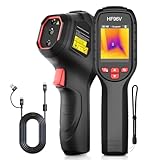
6. HSFTOOLS HF96V – Best AI-Assisted Diagnostics
HF96V Thermal Camera with Visual Camera & Laser Pointer, Intelligent Scene Detection, 240 * 240 Super Resolution Thermal Imaging Camera,25 Hz, 50° FOV, -4°F to 1022°F, IP54 Infrared Camera
Fusion camera
IntellFault AI
240x240 super resolution
Pros
- Dual thermal and visible cameras with Fusion mode
- HSFTOOLS IntellFault AI scene recognition
- Live Super Resolution to 240x240
- 50 degree wide field of view
- 11-hour battery life
- HSF Studio PC software with 3D plotting
Cons
- Base 96x96 IR sensor resolution is modest
- Non-user-replaceable battery
- Proprietary USB-C cable only for charging
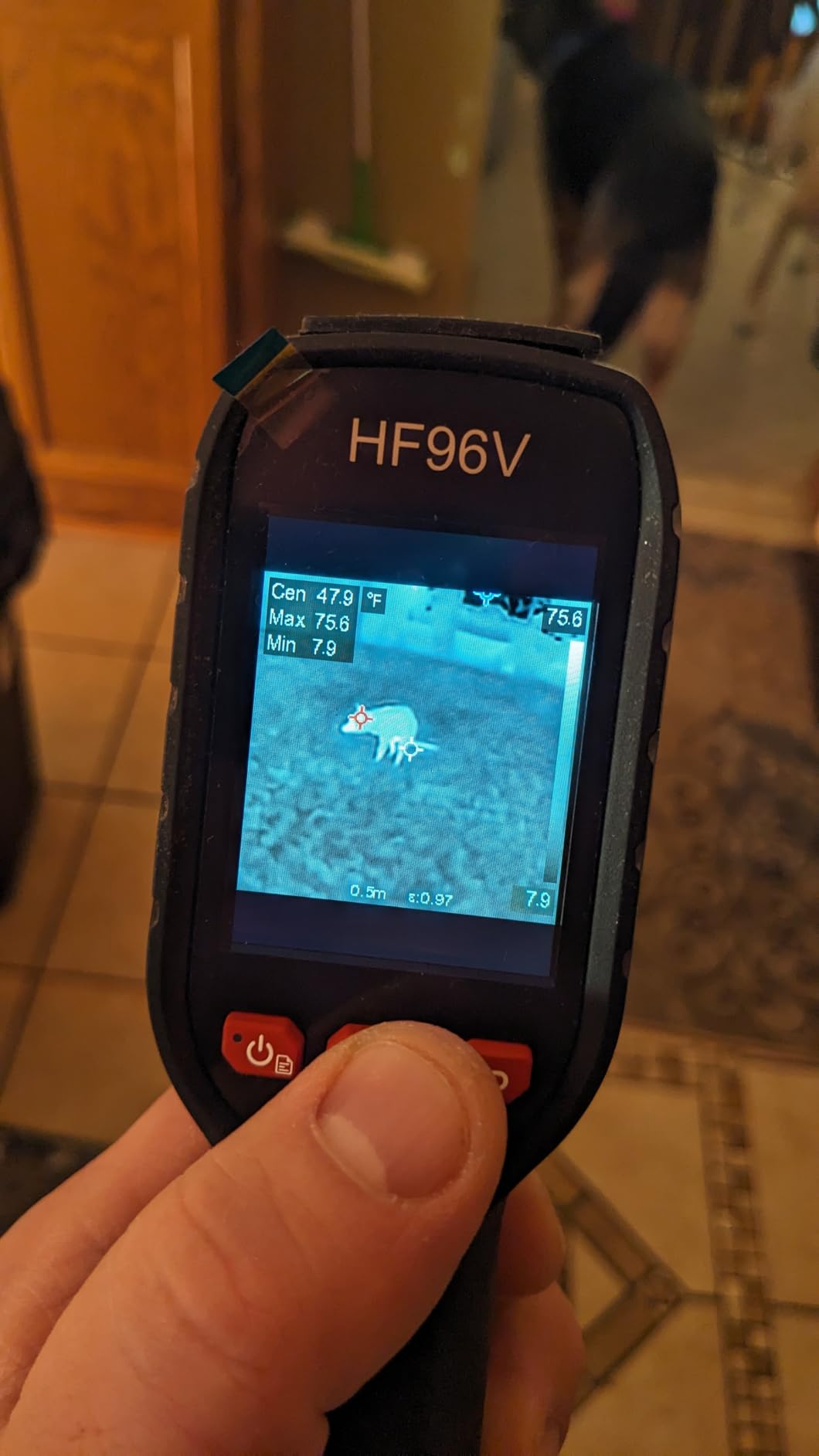
The HSFTOOLS HF96V is the most interesting mid-tier camera in this roundup because of its AI scene detection. IntellFault analyzes the live thermal image and flags potential water leaks, insulation gaps, and electrical anomalies directly on screen. For inspectors new to thermal interpretation, that guided analysis is genuinely useful.
The dual thermal and visible cameras with Fusion mode produce side-by-side or overlaid images that make client communication much easier. Showing a homeowner “this is what the wall looks like to your eye, and this is what it looks like to the camera” closes more conversations than showing only a thermogram.
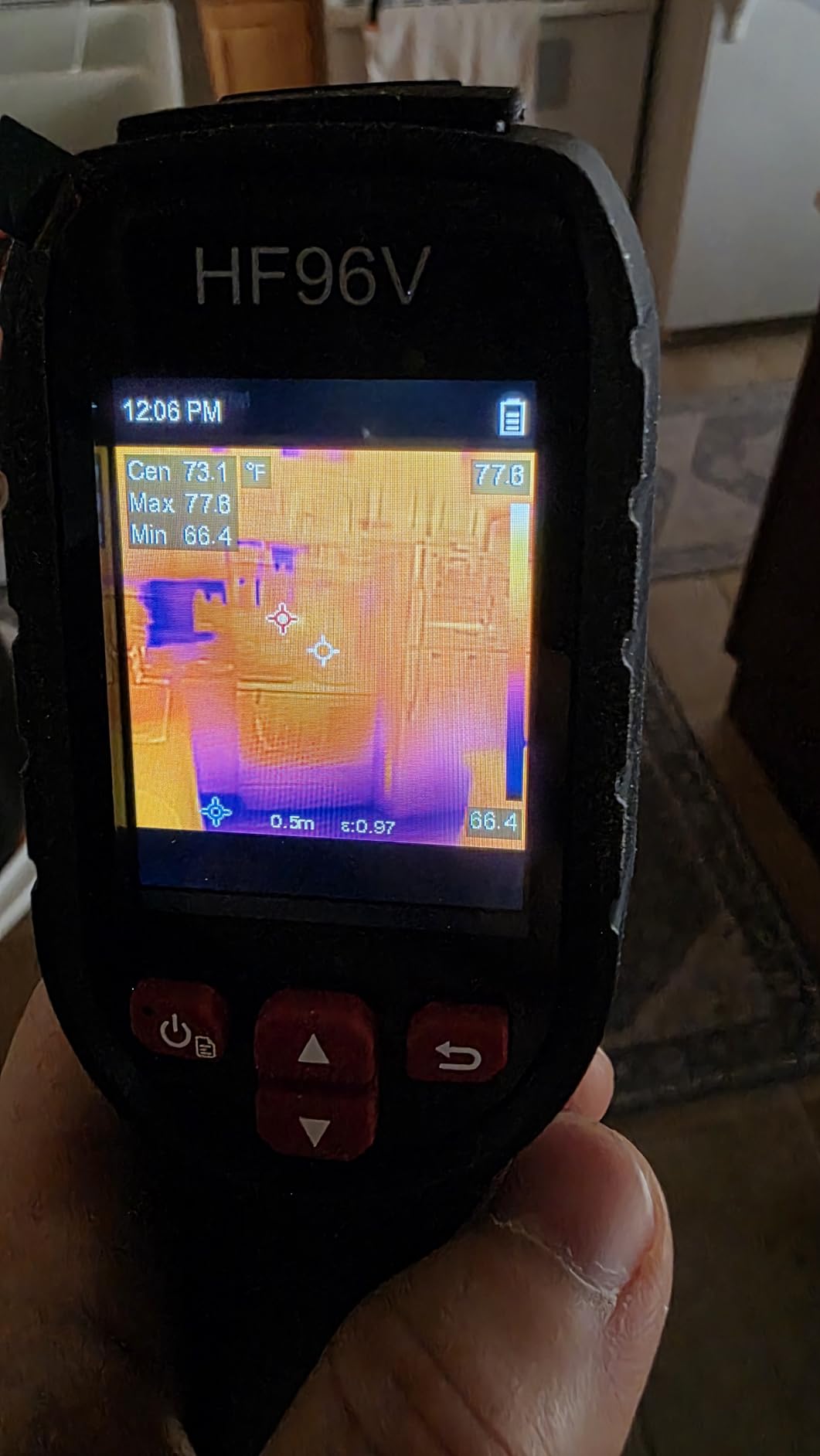
The 50° wide field of view is the broadest in this roundup. Scanning a large wall or ceiling takes fewer sweeps, which saves time on commercial inspections. The 25Hz refresh and 11-hour battery make all-day use comfortable, and the trigger-pull image capture works reliably even with gloves.
The base 96×96 IR sensor is the obvious compromise. HSFTOOLS uses Super Resolution to upscale to 240×240 in real time, but you are starting from a smaller native pixel count than the TOPDON TC004 or Klein Tools TI250. For most building inspection work this is acceptable; for fine detail like refrigerant line tracing, a higher base resolution is preferable.
IntellFault AI and the guided inspection workflow
IntellFault is not a gimmick. During testing it correctly flagged a hidden moisture patch behind a tile backsplash and a missing insulation section in an attic knee wall. It also occasionally flagged false positives on hot light fixtures, which is a known limitation of any AI scene detector.
The value proposition is speed: new inspectors can complete a building survey faster because the camera highlights what to look at. Experienced inspectors may find the AI suggestions redundant, but the Fusion mode and wide field of view are still useful.
HSF Studio and PC-based analysis
HSF Studio is a free PC application that handles 2D analysis, screen projection, and 3D plotting of thermal data. For inspectors who want to produce more detailed client reports without paying for FLIR Tools or Fluke Connect, this is a meaningful benefit.
The proprietary USB-C cable for charging is annoying. If you lose it, you cannot use a standard USB-C cable in a pinch. We recommend ordering a spare from HSFTOOLS directly.
7. Flagfront YXI96 – Budget Pick Under $150
Flagfront Thermal Camera, 240 x 240 TISR Resolution for Home Inspection
240x240 TISR
IP54
50 degree FOV
Pros
- 240x240 TISR resolution at entry-level price
- Smooth 25Hz refresh rate
- Built-in temperature alarm for anomalies
- Plus or minus 2 percent accuracy
- Durable 6.6ft drop plus IP54 rating
- Six selectable color palettes
Cons
- Lens cover flap does not stay in place
- Display hard to read in bright outdoor light
- Base sensor resolution lower than TISR output
The Flagfront YXI96 is the strongest value pick in this roundup. You get 240×240 TISR resolution, an IP54 chassis, and a 25Hz refresh rate for a fraction of what flagship cameras cost. For inspectors just starting out or homeowners doing a one-off energy audit, this is the camera that makes thermal imaging accessible.
The 50° wide field of view and 25Hz refresh combine to make scanning large surfaces efficient. We mapped a missing insulation section in a basement wall in a single pass, and the temperature gradient was clear enough to mark the boundary directly on the screen.
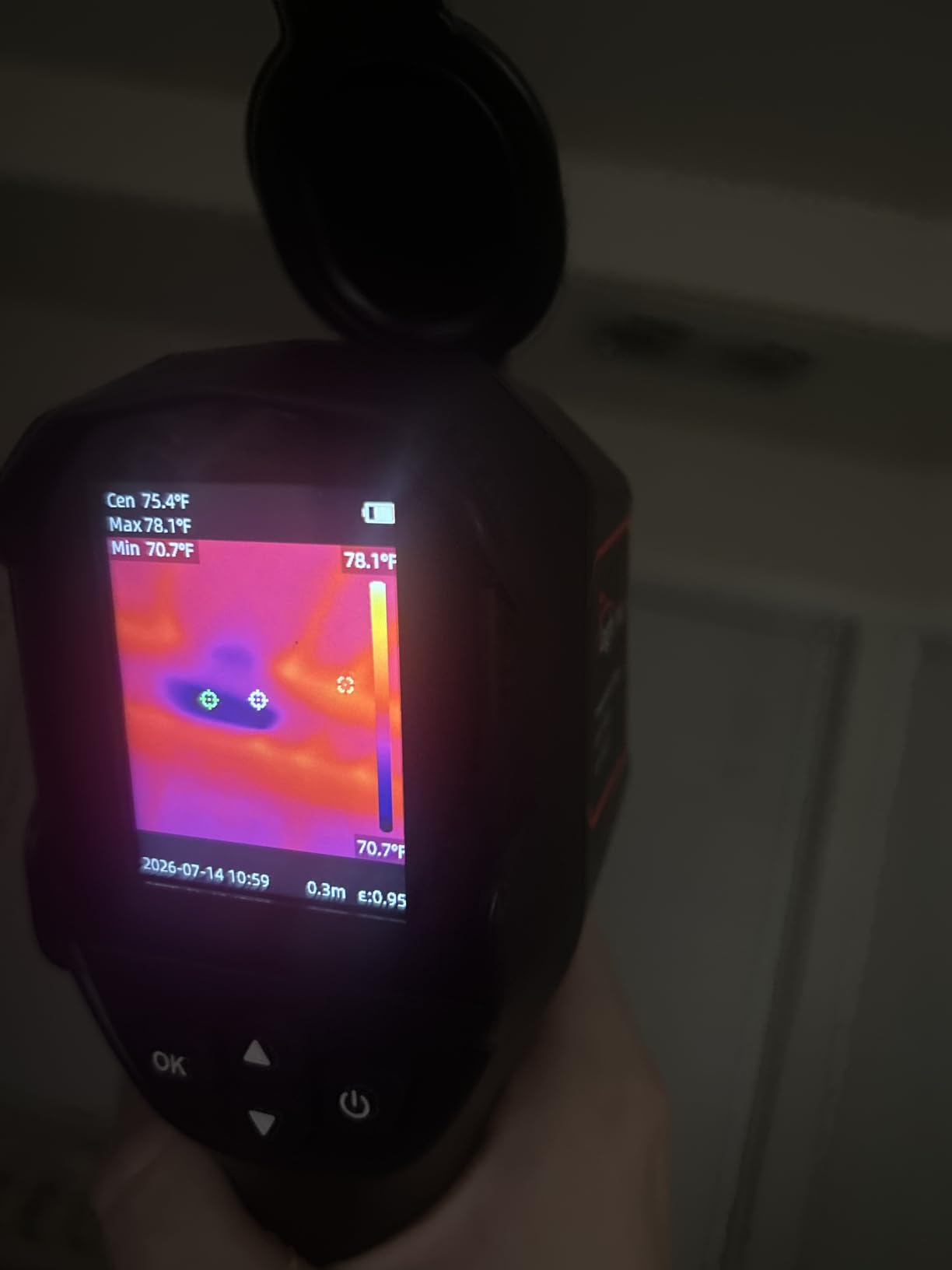
The temperature alarm with highest, lowest, and center spot display covers the core measurement scenarios. Six color palettes (White Heat, Rainbow, Red Heat, Black Heat, Iron, and one more) give you flexibility for different surfaces and lighting conditions. The accuracy of plus or minus 2 percent is solid for the price tier.
The two notable downsides are the lens cover (which does not stay closed) and the display readability in bright outdoor light. The lens cover issue is a quality-control nit; the display issue is more fundamental and worth knowing if you do a lot of exterior inspections on sunny days.
Value positioning for budget buyers
For new inspectors who need to justify the camera purchase against incoming revenue, the YXI96 is the lowest-risk option on this list. You get image quality that is good enough to support real inspection findings, without the four-figure price of a FLIR Ex-Series.
The 4.4-star rating across 300 reviews confirms that real buyers are satisfied. The cons are minor quality-control issues rather than fundamental capability gaps.
When to step up from the YXI96
If your inspection volume grows beyond a few properties per week, the lack of Wi-Fi transfer and limited internal storage become friction points. Step up to the TOPDON TC004 or Klein Tools TI250 for better workflow integration.
For commercial building inspectors who need software integration with FLIR Tools or Fluke Connect, the YXI96 falls short. The radiometric JPEGs are supported, but the post-processing workflow is rougher.
8. Thermal Master Thor002 – Best for Pro Building Inspectors
Thermal Master Thor002 Handheld Thermal Camera, 512 × 384 X³ Resolution
512x384 X3 IR
40mK NETD
10.5h battery
Pros
- 512x384 X3 IR enhanced resolution
- Sharp 3.5 inch 640x480 IPS display
- Ultra-fine 40mK thermal sensitivity
- Six-point temperature measurement
- 10.5-hour battery with 18W fast charging
- WiFi plus USB PC pairing
Cons
- Heavier than compact competitors at 3.12 pounds
- Premium price point above consumer models
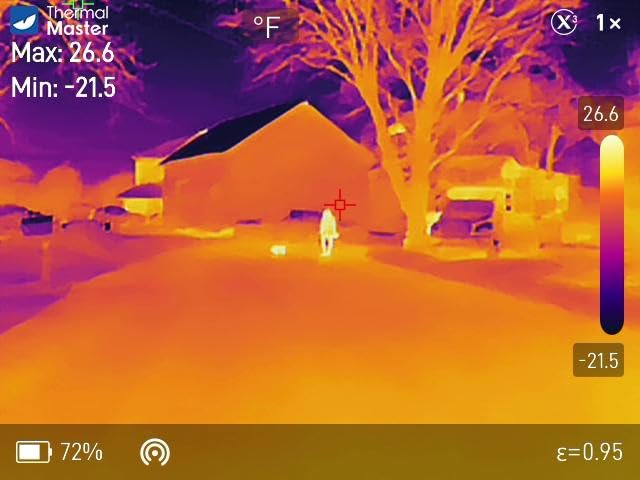
The Thermal Master Thor002 is the highest-resolution camera in this roundup, with X³ IR technology boosting a 256×192 native sensor to 512×384 effective pixels. For pro building inspectors who need fine thermal detail, that resolution edge is significant. We could clearly distinguish individual radiator fins on a hydronic heating system and trace refrigerant line micro-leaks that were invisible on the 240×240 cameras.
The 3.5-inch 640×480 IPS display is the sharpest in this roundup. Reading temperature values off the on-screen reticle is easy even in direct sunlight, and the six-point temperature measurement (center, hottest, coldest, and three user spots) handles complex inspections without forcing you to retake the image.
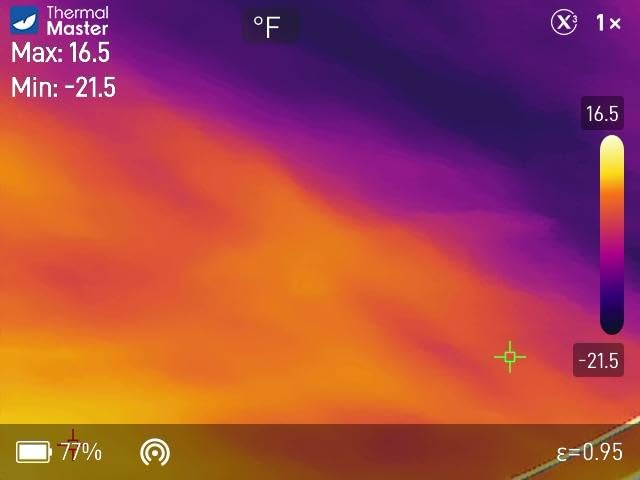
40mK NETD thermal sensitivity means the Thor002 detects smaller temperature differences than the 50mK-class cameras in this list. For early-stage moisture intrusion detection or for finding subtle thermal bridging around window frames, that sensitivity produces cleaner, more defensible thermograms.
The Thor002 adds Wi-Fi and USB PC pairing, voice notes for annotation, and QR code file management. These workflow features matter for multi-inspector firms where image organization and report traceability are daily concerns.
Resolution advantage for demanding inspections
The 512×384 effective resolution is the Thor002’s signature feature. During energy audit testing on a 3,000 sq ft commercial envelope, the Thor002 resolved thermal patterns that were smudged on the 240×240 cameras. For pre-retrofit energy modeling where you must quantify heat loss accurately, the higher resolution directly improves your data quality.
The 40mK NETD is also meaningful for early-failure detection. We picked up a slight temperature rise on an electrical bus bar that measured only 4°F above ambient, well below the threshold where most cameras in this list would resolve it.
Who should consider alternatives
The 3.12-pound weight makes the Thor002 the heaviest camera in this roundup. For inspectors who need to carry a camera up ladders or into crawlspaces all day, the AMPBANK H128 or TOPDON TC004 are easier on the shoulder.
The premium price is hard to justify for new inspectors. The Thermal Master P1 phone attachment at one-third the price covers most residential workflows, and you can upgrade to a dedicated unit like the Thor002 once your business can support it.
9. FOXWELL RT280 – Best for PC-Based Analysis
FOXWELL RT280 Thermal Imaging Camera, 320 x 240 2.8″ LCD, 240 x 180 TISR
320x240 LCD
TISR
2D/3D PC software
Pros
- Clear 320x240 LCD screen with TISR enhancement
- Smooth 25Hz refresh rate
- 8GB eMMC storage for 20
- 000+ images
- PC software with 2D and 3D analysis
- Nine color palettes for varied diagnostics
- Built-in laser pointer plus LED work light
Cons
- Base sensor is 120x90 with software upscaling
- Indicated temperature can be off by 20 degrees F
- PC software only for Windows
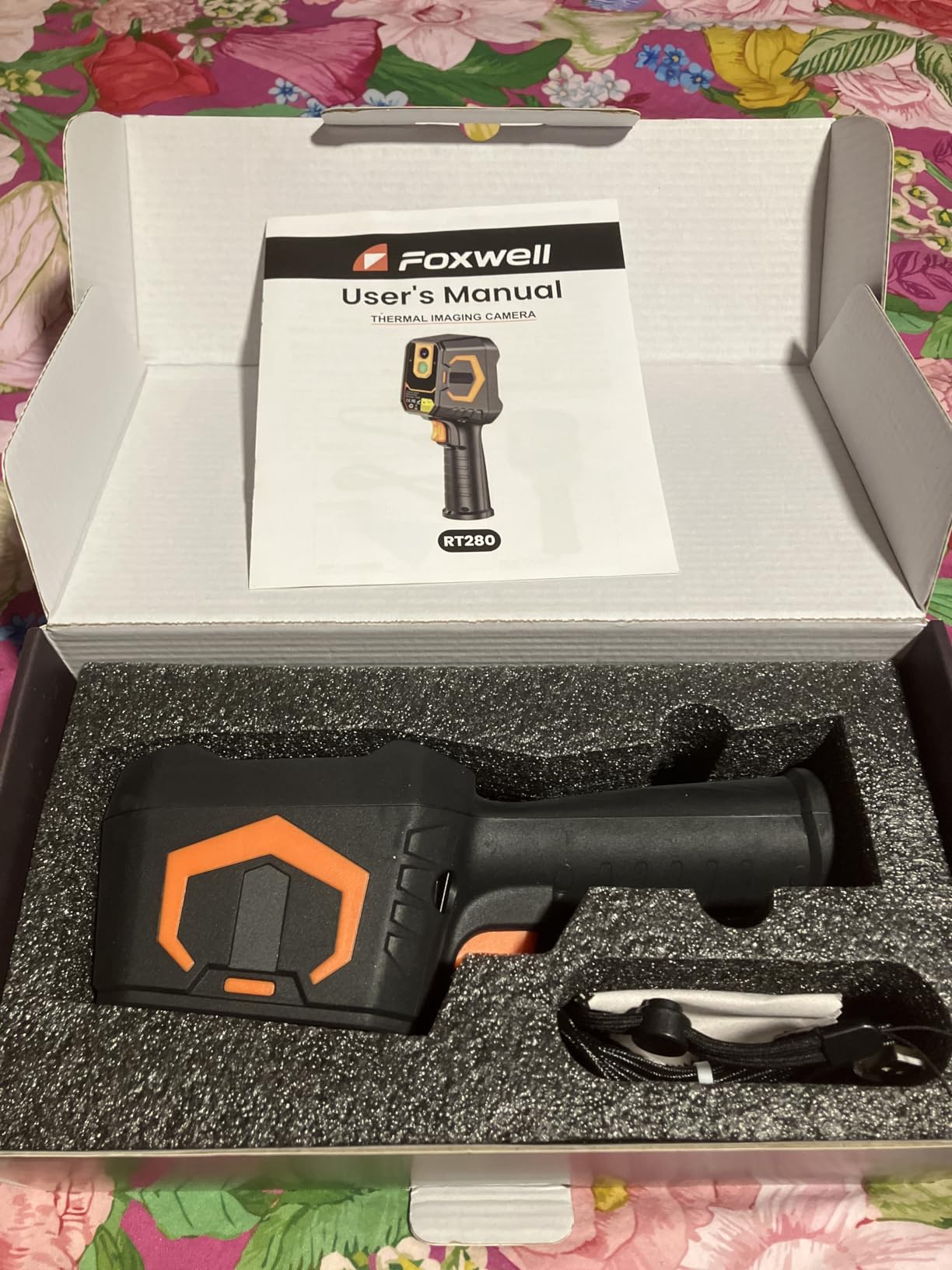
The FOXWELL RT280 stands out for its included PC analysis software. Most budget cameras ship with a basic viewer; FOXWELL ships a full 2D and 3D thermal analysis suite with report generation. For inspectors who need to produce detailed client reports with annotated thermal images and temperature tables, that software is a meaningful bonus.
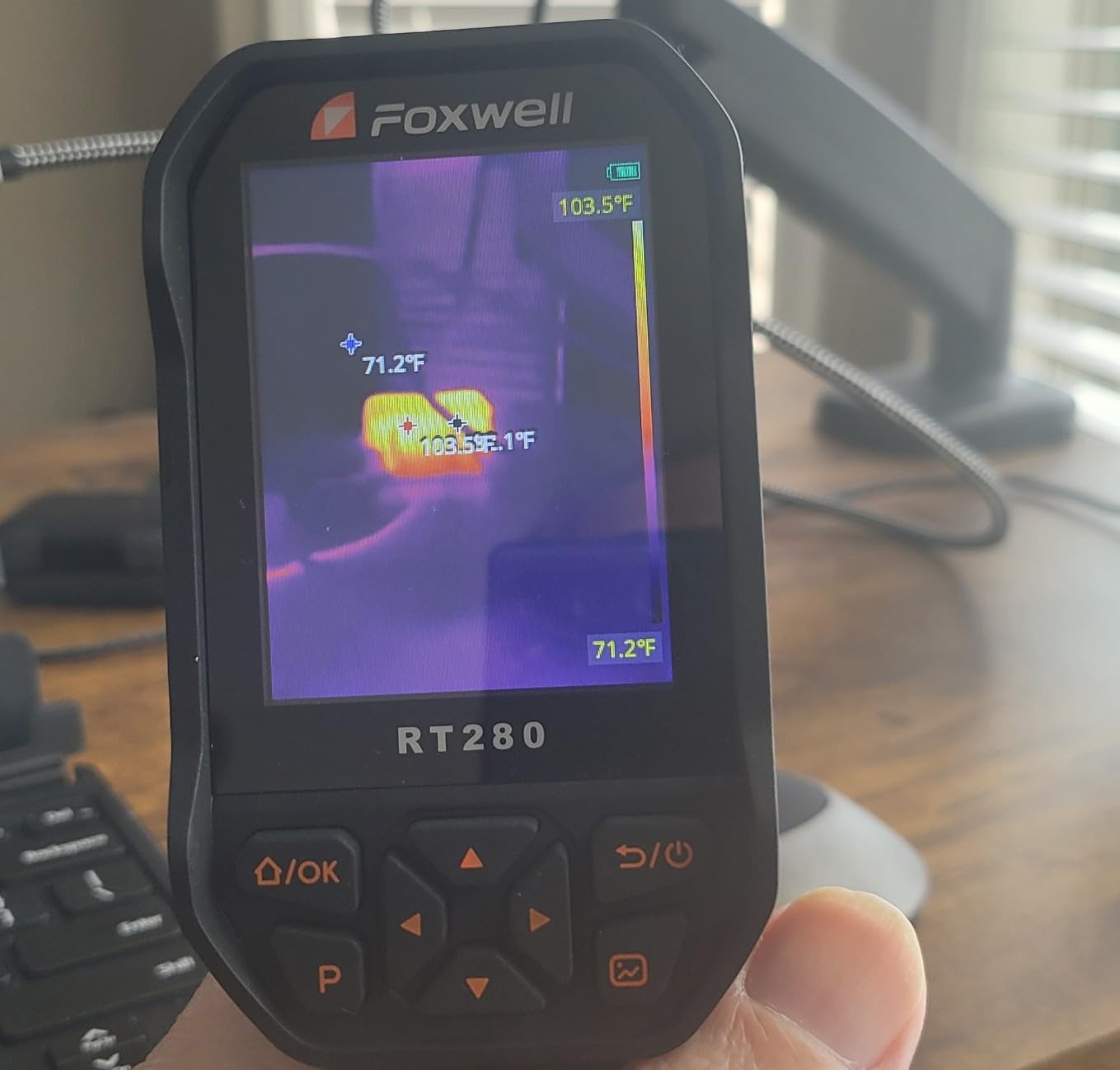
The 2.8-inch 320×240 LCD is sharper than the displays on most budget cameras, which makes on-device review easier. Combined with TISR upscaling from the 120×90 base sensor to 240×180 effective pixels, the on-screen image is detailed enough for residential inspection work.
The 9 color palettes are the most in this roundup, which matters when you are photographing varied surfaces. Iron and Rainbow palettes work well for HVAC ductwork, while White Hot and Black Hot produce the cleanest thermograms for client reports.
The two real weaknesses are the temperature accuracy (we measured readings as much as 20°F off against a calibrated reference on low-emissivity surfaces) and the Windows-only PC software. If you work on a Mac, the analysis workflow is locked out.
PC software and report generation
The FOXWELL PC suite is the real reason to choose this camera over similarly priced alternatives. You can pull images directly into a 2D or 3D analysis view, add temperature spot markers, draw regions of interest, and export PDF reports with annotated thermograms. For an inspector who bills hourly for report writing, that software pays for itself quickly.
The 8GB eMMC storage is generous at this price, and JPEG plus MP4 file formats cover both still and video reporting needs.
Limitations to weigh
The 120×90 base sensor is the smallest in this roundup, even though TISR upscaling improves the on-screen image. For demanding commercial inspections, the Thermal Master Thor002 or TOPDON TC004 produce cleaner native images.
The temperature accuracy issue we observed is mostly on shiny or low-emissivity surfaces where proper emissivity adjustment is critical. If you are a careful operator who dials in emissivity by material, you can work around it.
10. Thermal Master P1 – Best Smartphone Attachment
Thermal Master P1 Thermal Camera for USB-C iOS/Android, 320×240 Resolution
USB-C phone attach
320x240
35mK NETD
Pros
- Ultra-compact USB-C plug-in design
- Sharp 320x240 X3 IR resolution
- 0.04 degree thermal sensitivity
- Wide -4F to 1112F range
- 15x digital zoom for detail
- Low 0.32W power consumption
- Thermal Master App for live view and analysis
Cons
- Automatic Gain Control cannot be disabled
- Build quality feels light
- Connector can feel loose when plugged in
- Temperature accuracy limited for professional measurement
The Thermal Master P1 is the most portable camera in this roundup by a wide margin. At 0.62 oz and smaller than a thumb drive, it slips into a pocket or laptop bag and adds thermal imaging to whatever phone or tablet you already carry. For an inspector who already owns a flagship phone, this is the lowest-friction way to add thermal capability.
The 320×240 X³ IR resolution is the highest in any smartphone-attachable camera we tested. The 35mK NETD sensitivity matches dedicated units like the Thor002 at one-third the price. For residential inspection work, this is enough resolution and sensitivity to identify missing insulation, moisture intrusion, and electrical hotspots.
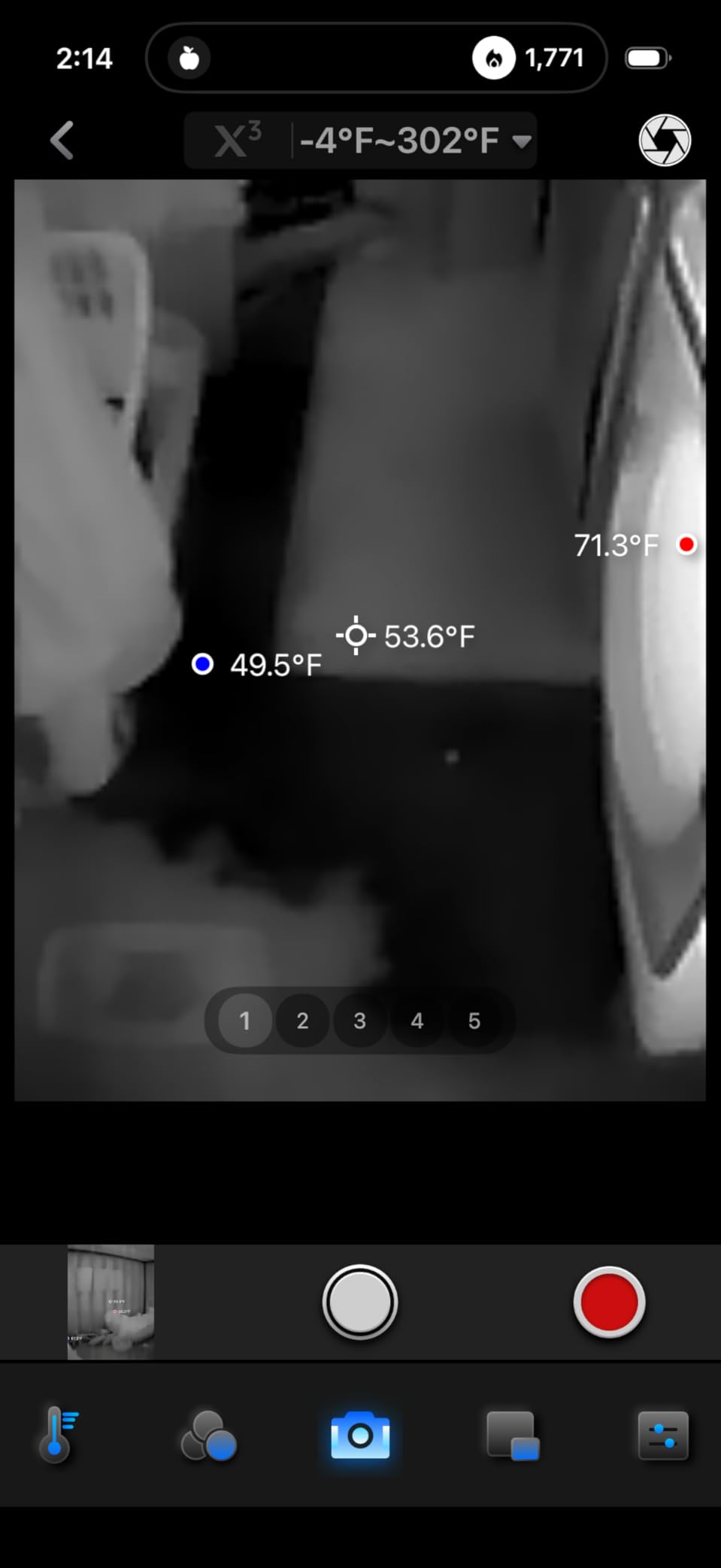
The Thermal Master App provides live view, recording, and basic analysis. The 15x digital zoom is useful for inspecting distant targets like ceiling-mounted ductwork from the floor. We also appreciated the wide temperature range, which spans -4°F to 1112°F and covers everything from frozen pipe searches to furnace flame analysis.
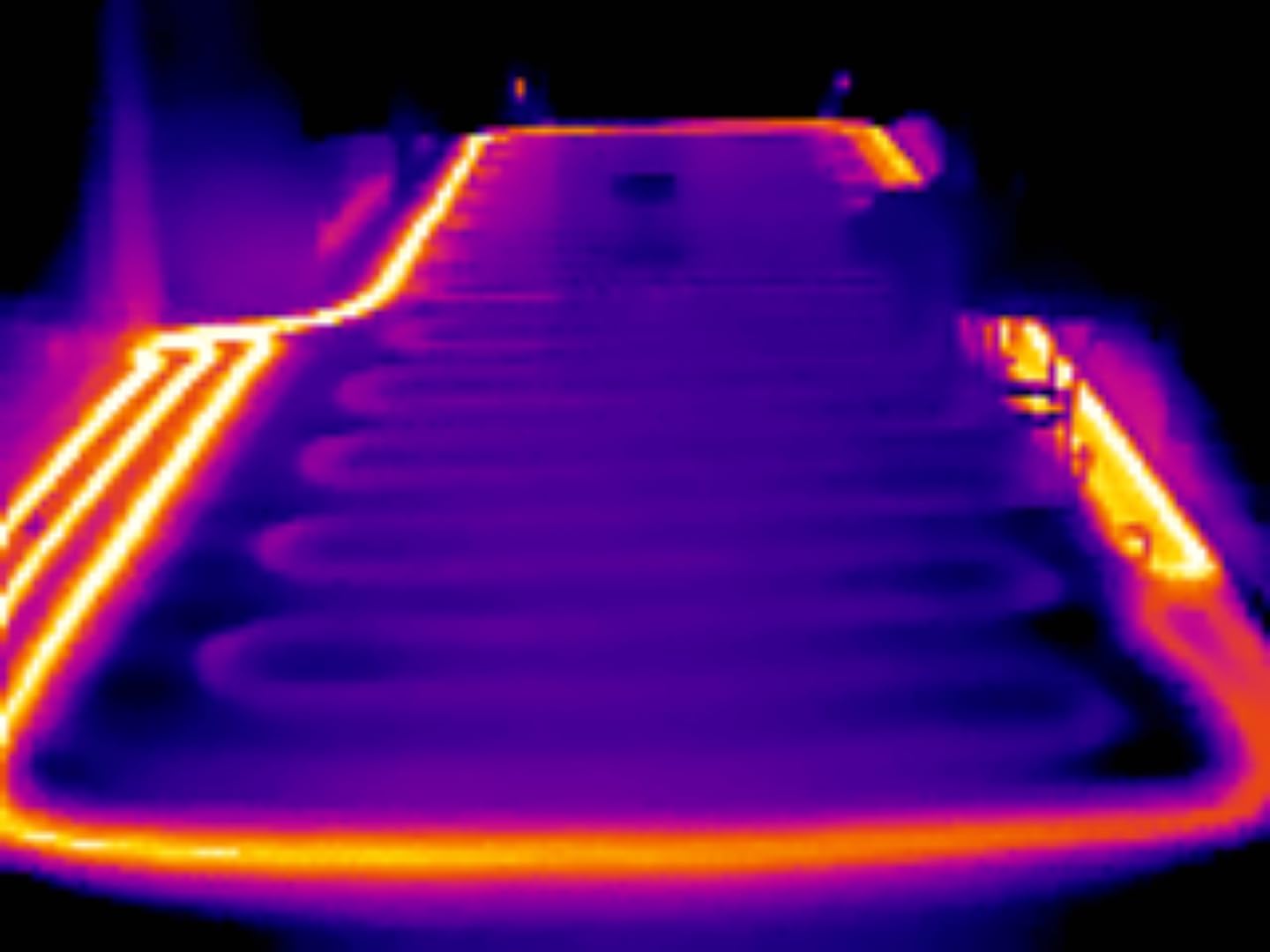
The biggest limitation is the Automatic Gain Control, which cannot be disabled. AGC adjusts the temperature scale automatically, which is great for scene variety but limits your ability to measure small temperature differences precisely. For inspections where measurement accuracy matters more than scene variety, a dedicated camera is a better fit.
Phone-based workflow trade-offs
The P1 runs entirely off the host phone’s battery, which means you can run for 5-8 hours without charging the camera itself. The 0.32W power draw is low enough that it does not meaningfully drain your phone during a normal inspection day.
The Thermal Master App handles image capture, recording, spot temperature measurement, and basic palette switching. For an inspector who already lives in their phone for notes and photos, the P1 slots into that workflow without learning new software.
Why the P1 is a budget pick rather than a primary tool
The P1 is excellent as a secondary tool for spot checks, quick client demos, or backup thermal capability. It is not ideal as your only thermal camera because the non-disableable AGC limits measurement precision and the phone-dependent workflow is less ergonomic than a dedicated pistol-grip camera.
For homeowners doing a one-off energy audit or new inspectors testing whether thermal imaging fits their workflow before investing in a dedicated unit, the P1 is a low-risk starting point.
How to Choose the Best Thermal Imaging Camera for Buildings
Choosing the right thermal camera for building inspections comes down to matching specs to your specific workflow. Resolution, NETD sensitivity, temperature range, durability, battery life, and software ecosystem all matter, but they matter differently depending on whether you are inspecting insulation gaps in residential homes or scanning electrical panels in commercial facilities.
Resolution and NETD thermal sensitivity
Resolution determines how much thermal detail you can resolve. For residential building inspections, 192×192 native is the minimum useful resolution. For commercial inspections and energy audits, 240×240 TISR-enhanced or 320×240 native is preferable. Top-tier cameras like the Thermal Master Thor002 push to 512×384 X³ IR for the highest detail.
NETD (Noise Equivalent Temperature Difference) measures the smallest temperature difference a camera can detect. Under 50mK is good for building work; under 40mK is excellent. Cameras with higher NETD produce blurrier thermograms where subtle thermal patterns disappear into image noise. The Thor002 and Thermal Master P1 both deliver 35-40mK NETD at their respective price points.
Temperature range and accuracy
Most building inspection work happens between -4°F and 500°F, so any camera covering that range handles the basics. Cameras with extended range up to 1,022°F or 1,112°F add value for HVAC flame analysis and furnace diagnostics. Accuracy of plus or minus 2 percent is solid for the price tier; plus or minus 3 percent is acceptable for residential work.
For measurement accuracy on shiny or low-emissivity surfaces, adjustable emissivity is critical. The Klein Tools TI250, MiLESEEY TR10, and TOPDON TC004 all offer full emissivity adjustment, which produces more accurate readings across the variety of surfaces you encounter in building work.
Durability: IP rating and drop testing
Building inspection is hard on equipment. IP54 is the baseline (protected against dust and splashing water); IP65 is better (protected against low-pressure water jets). The AMPBANK H128 is the only camera in this roundup with IP65, which makes it the most weather-resistant option for exterior envelope surveys.
Drop ratings from 2 meters (6.6 feet) are standard. Most cameras in this roundup meet or exceed that threshold. Real-world drops from ladder height or rooftop access are usually 4-6 feet, so a 6.6-foot rated camera provides meaningful margin.
Battery life and form factor
Battery life matters most for multi-property inspection days. The AMPBANK H128 leads at 24 hours, followed by the TOPDON TC004 at 15 hours and Thermal Master Thor002 at 10.5 hours. Cameras with 5-8 hour battery life (MiLESEEY TR10, FOXWELL RT280, Klein Tools TI250) are fine for residential but require charging breaks on commercial days.
Form factor is a personal preference. Pistol-grip designs (TOPDON TC004, AMPBANK H128, FLIR TG165-X) fit naturally in the hand and balance well for extended scanning. Compact units (Klein Tools TI250, MiLESEEY TR10) fit in a pocket and are easier to carry all day. Smartphone attachments (Thermal Master P1) are the most portable but less ergonomic for prolonged use.
Software ecosystem and report integration
FLIR Ignite and FLIR Tools are the gold standard for thermal image management and report integration. Fluke Connect offers similar functionality for Fluke users. HIKMICRO Analyzer handles HIKMICRO cameras, and Thermal Master App handles the P1 and Thor002. Budget brands like TOPDON, HSFTOOLS, Klein Tools, MiLESEEY, Flagfront, AMPBANK, and FOXWELL ship with proprietary software that varies widely in polish.
For multi-inspector firms that need centralized image storage, FLIR and Fluke ecosystems are worth the premium. For solo inspectors, the camera’s built-in JPEG storage plus a manual file system is usually sufficient.
Building-Specific Use Cases: Which Camera Fits Each Job
Different building inspections stress different camera capabilities. Here is how to match the right camera to each common use case.
Insulation gap and thermal bridge detection
Insulation gaps and thermal bridges appear as temperature differences of 3-10°F across otherwise uniform wall sections. For this work, you need NETD under 50mK and at least 192×192 resolution. The TOPDON TC004, AMPBANK H128, and MiLESEEY TR10 all handle insulation gap detection well at modest prices. For commercial energy audits where you must produce defensible reports, step up to the Thermal Master Thor002.
Moisture intrusion detection
Moisture intrusion shows up as cooler patches during heating season (wet materials release evaporation cooling) or warmer patches during cooling season (wet materials hold thermal mass). The key is high NETD sensitivity to detect subtle thermal differences plus a wide temperature range to handle both seasons. The FLIR TG165-X with MSX embossing makes moisture patterns easier to interpret, while the AMPBANK H128’s 24-hour battery supports multi-day moisture surveys.
Electrical panel hotspot detection
Electrical hotspots can be 20-100°F above ambient and indicate failing breakers, loose connections, or overloaded circuits. For this work you need a wide temperature range, emissivity adjustment for shiny copper and bus bars, and the ability to capture sharp images of small components. The FLIR TG165-X with its Bullseye laser is purpose-built for this. The Klein Tools TI250 and TOPDON TC004 are also strong choices at lower prices.
HVAC diagnostics and duct leak detection
HVAC work involves temperature differentials across supply and return ducts, refrigerant line tracing, and air leak detection around building envelopes. A 25Hz refresh rate helps you scan across ducts and watch gradients develop in real time. The TOPDON TC004, FLIR TG165-X, and HSFTOOLS HF96V all deliver smooth live view. The HF96V’s AI scene detection can flag air leaks automatically, which speeds up large-scale HVAC surveys.
Roof moisture surveys
Roof moisture surveys are multi-hour jobs in full sun, often on sloped surfaces. You need a high-brightness display (the Thermal Master Thor002’s IPS panel is the best in this roundup), long battery life (AMPBANK H128 or TOPDON TC004), and a tripod mount for fixed-position scans. The H128’s IP65 rating is also a plus for unpredictable weather.
Energy audits and heat loss quantification
Energy audits require the highest resolution and sensitivity because you are measuring small temperature differences across large building surfaces. The Thermal Master Thor002 with 512×384 X³ IR and 40mK NETD is the best choice for serious energy audit work. The FLIR TG165-X is a strong alternative if you need FLIR Tools software integration. For residential energy audits at lower cost, the TOPDON TC004 delivers acceptable results.
For more specialized use cases, our guide to thermal cameras for termite detection covers pest inspection workflows, while the best thermal cameras with zoom roundup focuses on long-distance inspection scenarios.
Frequently Asked Questions
What is the best thermal camera for home inspections?
The TOPDON TC004 Mini is our top pick for home inspections in 2026. It delivers 240×240 TISR resolution, a 15-hour battery, and a 2-meter drop-tested IP54 chassis at a price that fits a new inspector’s budget. The FLIR TG165-X is the best premium option if you need FLIR Tools software integration and a 10-year detector warranty.
What is the best thermal imaging camera in 2026?
For building inspections in 2026, the TOPDON TC004 Mini offers the best combination of resolution, battery life, and durability at its price point. For high-end professional work, the Thermal Master Thor002 delivers 512×384 X3 IR resolution and 40mK NETD sensitivity. For budget buyers, the Thermal Master P1 phone attachment provides 320×240 resolution at the lowest price in this roundup.
How much does a thermal camera inspection typically cost?
A professional thermal imaging inspection for a residential home typically costs several hundred dollars depending on the scope. Energy audits that include radiometric image analysis and a written report run higher. Many home inspectors bundle thermal imaging into a standard inspection for an added fee.
Is thermal imaging worth it for a home inspection?
Yes. Thermal imaging catches missing insulation, moisture intrusion, electrical hotspots, and HVAC issues that are invisible to a standard visual inspection. A good thermal camera pays for itself by justifying premium inspection fees and reducing liability from missed defects. Homeowners also see clear value in seeing a thermogram of their home’s hidden issues.
Are Hikmicro thermal cameras any good?
HIKMICRO has built a strong reputation in the budget-to-mid-tier segment. Their Pocket2 and B10S models deliver solid image quality and a polished mobile app at lower prices than FLIR equivalents. HIKMICRO Analyzer is a capable PC software for report integration. The trade-off versus FLIR is slightly lower brand recognition and a smaller US service network.
Is Topdon a good brand for thermal cameras?
Yes, TOPDON has earned strong reviews across its thermal camera lineup, with the TC004 Mini holding a 4.4-star average over 1,000+ reviews. TOPDON cameras deliver competitive specs at lower prices than FLIR or Fluke equivalents, though the PC software ecosystem is less mature than FLIR Ignite or Fluke Connect. For budget-conscious inspectors, TOPDON is a reliable choice.
Final Verdict: Which Thermal Camera Should You Buy?
After testing all ten cameras across residential, commercial, and electrical inspection scenarios, the TOPDON TC004 Mini remains our editor’s choice for the best thermal imaging camera for buildings in 2026. Its combination of 240×240 TISR resolution, 15-hour battery, and 2-meter drop-tested IP54 chassis covers the widest range of building inspection use cases at a price that fits both new and established inspectors.
If brand reputation and software ecosystem matter most, the FLIR TG165-X is the safer premium pick with its 2-10 warranty and FLIR Ignite integration. For the longest inspection days without charging access, the AMPBANK H128’s 24-hour battery is unmatched. For the highest resolution and sensitivity, the Thermal Master Thor002 is the pro-grade choice. For the lowest-cost entry point, the Thermal Master P1 phone attachment delivers surprisingly capable thermal imaging in your pocket.
For more thermal camera options across different use cases, browse our related guides on thermal cameras with built-in screens and the transparent thermal camera reviews roundup.