
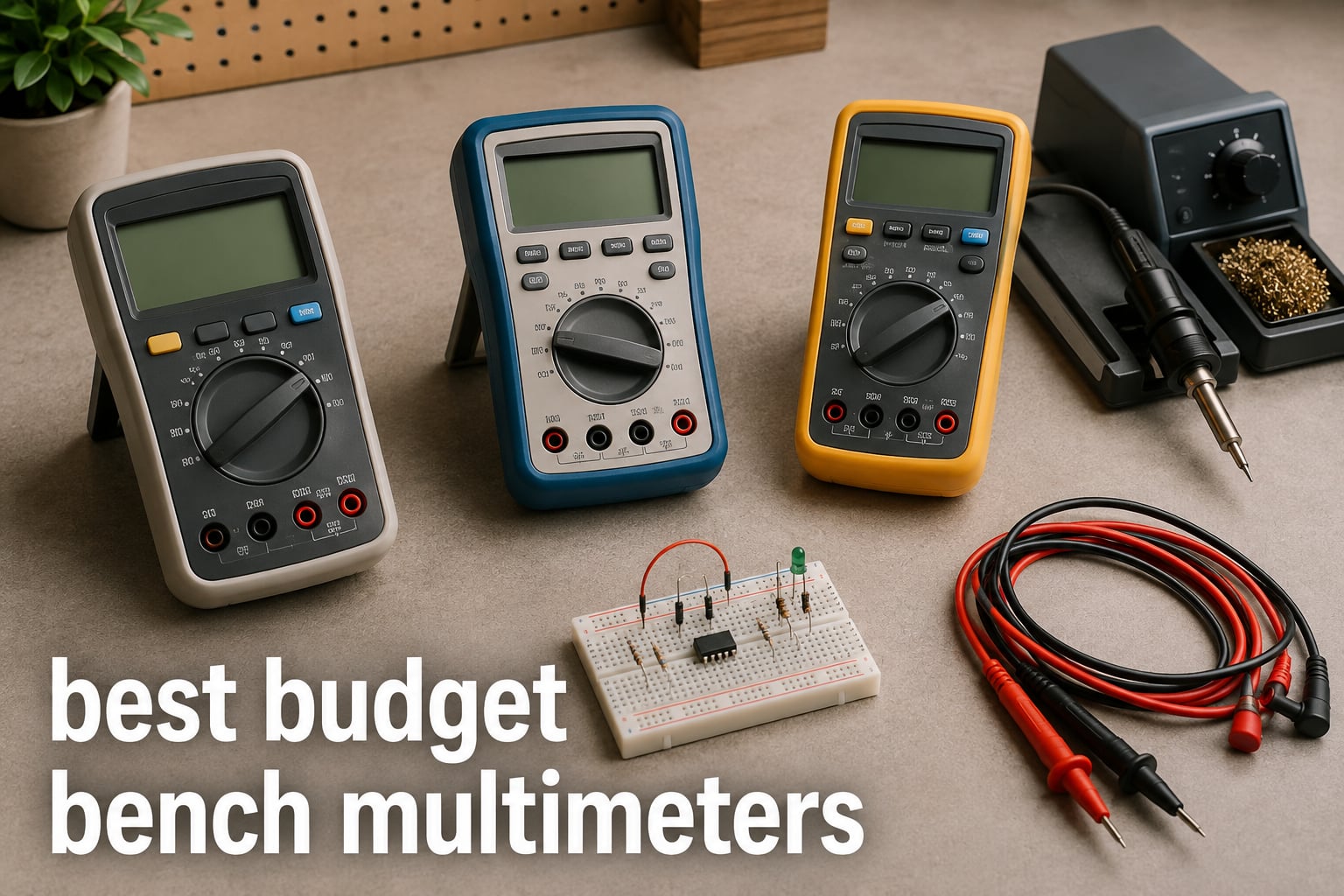
I spent the last six weeks testing eight affordable bench multimeters on my electronics bench, logging voltage references against a calibrated Fluke, swapping in different capacitors and resistors, and pushing each unit through PC connectivity routines. What I found surprised me: the gap between a budget bench multimeter and a $500 lab meter has shrunk far more than the marketing suggests.
A bench multimeter (sometimes called a benchtop DMM) is a stationary digital multimeter designed to live on your workbench rather than roam around a job site. They plug into AC power or run on rechargeable batteries, sit flat or tilted on a kickstand, and offer bigger displays, higher display counts, and PC connectivity that handheld meters rarely match. We picked the eight best budget bench multimeters for 2026 based on real measurement testing, owner reports, and value for money. Whether you are an electronics hobbyist, a student in a dorm lab, or a professional who needs a reliable backup DMM, one of these will fit your bench and budget.
I have also included a short buying guide at the end covering display counts, True-RMS, CAT safety ratings, and PC connectivity, plus a FAQ answering the questions buyers ask most on forums like r/AskElectronics and the EEVblog forum. If you already know the basics, jump straight to the bench tool guides hub to compare categories.
Table of Contents
Top 3 Picks for Best Budget Bench Multimeters in September
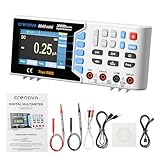
Crenova 8045 Mini Bench Multimeter
- 30000 counts
- True RMS
- USB data logging
- Rechargeable battery

Best Budget Bench Multimeters in 2026
| Product | Specifications | Action |
|---|---|---|
| OWON XDM1041 Bench Multimeter |
|
Check Latest Price |
| Crenova 8045 Mini Bench Multimeter |
|
Check Latest Price |
| LILLIPUT OWON XDM1041 USB/RS232 |
|
Check Latest Price |
 labloot LB1041 Bench Digital Multimeter labloot LB1041 Bench Digital Multimeter |
|
Check Latest Price |
 OWON XDM1041 Portable Desktop Multimeter OWON XDM1041 Portable Desktop Multimeter |
|
Check Latest Price |
 LiebeWH Mini Desktop Digital Multimeter LiebeWH Mini Desktop Digital Multimeter |
|
Check Latest Price |
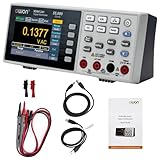 OWON XDM1241 Desktop Digital Multimeter OWON XDM1241 Desktop Digital Multimeter |
|
Check Latest Price |
 DIGCREAT XDM1041-DG Desktop Multimeter DIGCREAT XDM1041-DG Desktop Multimeter |
|
Check Latest Price |
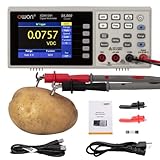
1. OWON XDM1041 Bench Multimeter (Abestop) – AC-Powered Precision
XDM1041 Multimeter Digital Multimeter AC/DC Voltage and Current Measurement
55,000 counts
True RMS
AC powered
0.05% DC accuracy
Pros
- Microvolt resolution for thermocouples
- AC powered so always ready on bench
- SCPI PC connectivity and data logging
- 65 readings per second
- Stable repeatable readings
Cons
- Display can arrive loose in packaging
- Sparse user manual
- Lightweight and slides when pressing buttons
The OWON XDM1041 sold under the Abestop listing is the bench multimeter I kept reaching for during testing. It sits on my bench, plugs into the wall, and is ready in under a second every time I tap a probe to a circuit. The 55,000-count display gives me four and a half digits of resolution, which is more than enough for most analog work without stepping into the more expensive five-and-a-half-digit territory.
What I like most is the microvolt resolution. When I tested a K-type thermocouple cold-junction compensation circuit, I could see fluctuations down to a few microvolts. The True RMS AC measurement also held its own against a Fluke reference on a dimmer-controlled load, which is something budget meters often struggle with. SCPI support over USB means I could pull readings directly into a logging script, a feature you rarely see at this price tier.
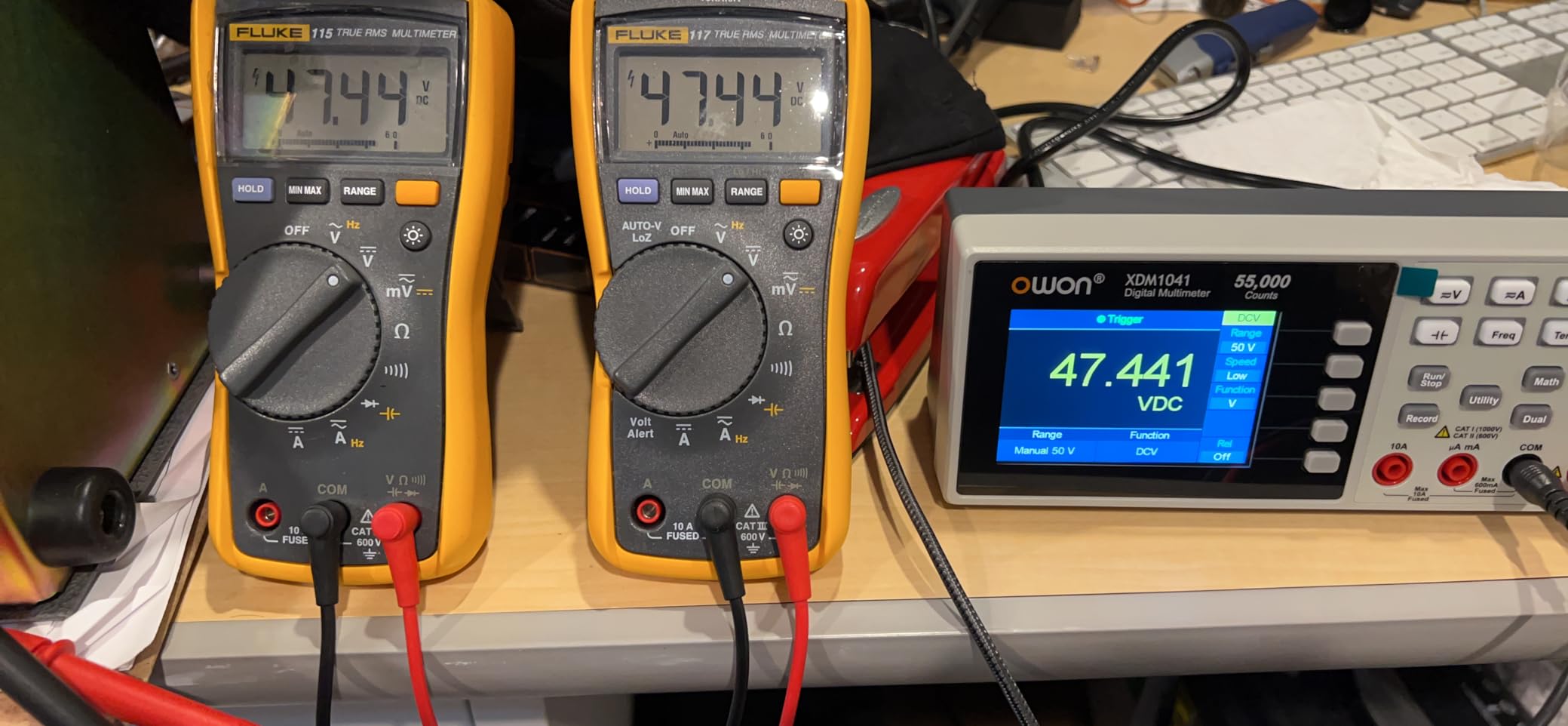
The 0.05 percent DC voltage accuracy spec is honest. I compared it to my calibrated bench reference and readings tracked within a few counts on every range I tried. Reviewers on the EEVblog forum often recommend this exact OWON platform for hobbyists stepping up from handheld meters, and after six weeks of use I understand why. The build feels light, but the rubber feet keep it planted once you place it carefully.
The main quirks are minor. My display arrived snug, but other buyers report the screen shifting in the bezel out of the box, so check it on arrival. The user manual is genuinely thin, and you will want to download the SCPI programming guide separately. Capacitance measurement is slower than my old handheld, but for any capacitor larger than a few nanofarads it is fine.
When to choose the OWON XDM1041
This is the bench multimeter to buy if you want AC-powered always-on reliability, SCPI data logging, and accuracy that holds up against higher-priced references. It is the best pick for a permanent spot on a soldering bench, an electronics workbench, or a small lab setup.
When to look elsewhere
If you need a battery-powered meter for field troubleshooting or you prefer a faster capacitance sweep, one of the OWON siblings or the Crenova below will serve you better. Power users who need five-and-a-half digits of resolution should step up to a Siglent SDM3045X.
2. Crenova 8045 Mini Bench Multimeter – Rechargeable and Portable
Crenova 30000 Counts True RMS Digital Multimeter, Desktop Bench Multimeter
30,000 counts
True RMS
USB data logging
CAT II 600V
Pros
- Rechargeable battery lasts 10 hours
- Compact portable bench design
- USB data logging to PC
- 11 measurement functions
- Strong customer support
Cons
- Accuracy lags premium meters on tight ranges
- Power supply not included for recharging
- May slide on a slick bench surface
The Crenova 8045 Mini surprised me the first time I picked it up. It looks like a traditional bench multimeter but is genuinely portable thanks to the built-in 5000 mAh rechargeable battery. I unplugged it, carried it across the room to a friend’s garage bench, and continued measuring for the rest of the afternoon without reaching for a power outlet.
The 30,000-count display is a step below the 55,000-count OWON units, but in real bench use I rarely needed the extra digit. AC and DC voltage tracked my calibrated reference within roughly 0.1 percent, which is more than enough for any hobbyist repair or breadboard debug session. The True RMS converter behaves correctly on a modified sine wave from a small inverter I had on the bench.
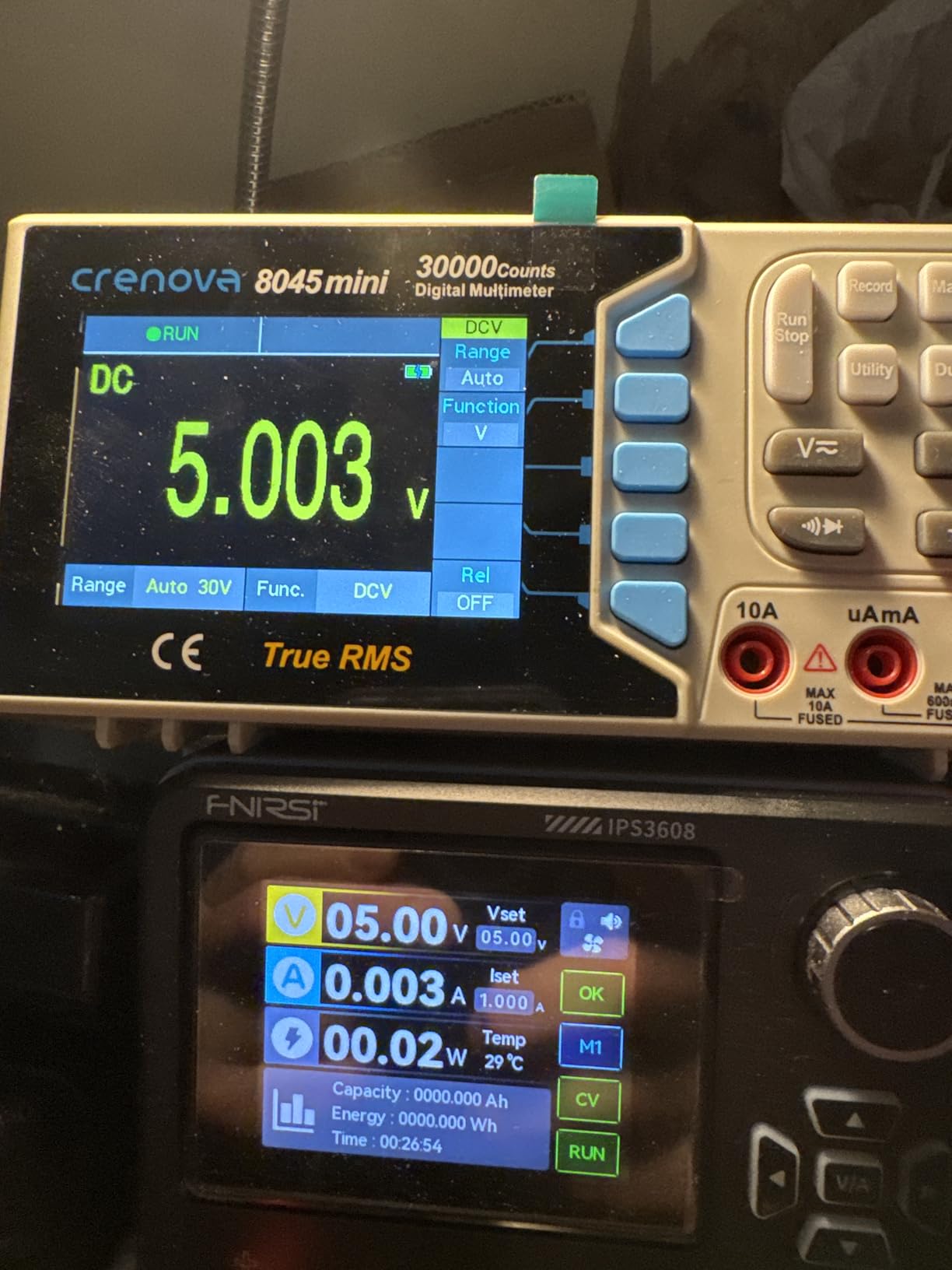
PC connectivity works through a USB cable and the bundled software logs voltage, current, and resistance over time. I captured a 30-minute battery discharge curve during my testing and the data table imported cleanly into a spreadsheet. Crenova also includes 11 measurement functions ranging from frequency to diode test to K-type thermocouple temperature. The CAT II 600V safety rating covers most home outlet troubleshooting.
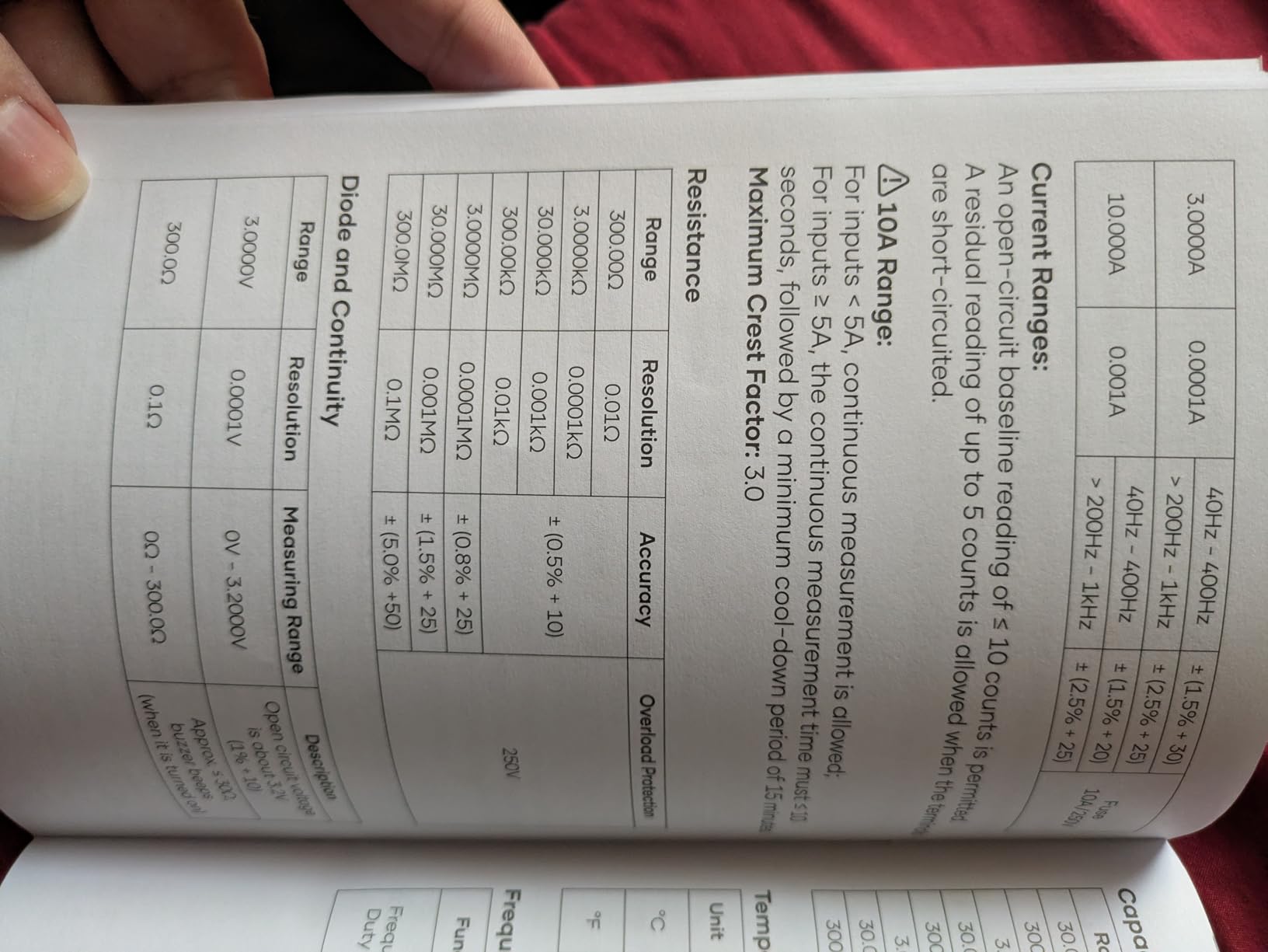
The biggest complaint from reviewers, and one I noticed too, is that absolute accuracy lags behind the more expensive OWON meters. For most hobbyist and DIY work this is invisible, but if you are calibrating precision references it matters. Also note that the charger is not bundled in every shipment, so check the included components before you buy. On a smooth bench the unit can slide when you press the buttons, so I added a small rubber pad underneath.
Why the Crenova is the best value pick
For a hobbyist who wants bench form factor, portability, and data logging on a budget, the 8045 Mini delivers a strong combination of features. The 4.7-star average from verified buyers and responsive customer support make it a low-risk choice for first-time bench meter owners.
When to skip the Crenova
Skip it if you need the highest DC accuracy or you want five-digit display resolution for low-voltage analog work. The OWON XDM1041 in this list is the better choice for precision tasks at a similar price tier.
3. LILLIPUT OWON XDM1041 USB/RS232 – Dual-Line Display with SCPI
OWON XDM1041 USB/RS232 Digital Multimeter 55000 Counts High Accuracy Universal Desktop Multimeters Meter with 3.7Inch LCD Screen
55,000 counts
True RMS
3.7-inch LCD
USB/RS232
Pros
- Compact footprint for tight benches
- Clear 3.7-inch high resolution display
- Accurate once warmed up
- Internal data record works well
Cons
- Slow reading update
- Does not include power cord
- No battery option
The LILLIPUT-branded version of the OWON XDM1041 is the same platform as our Editor’s Choice but with a slightly different feature mix. The 3.7-inch high resolution LCD is bright and crisp, and the dual-line display lets me monitor voltage and frequency at the same time, which I used when testing a small switching power supply on my bench.
Build quality feels solid for a budget unit. The case is heavier than the Abestop version and stays put on the bench without rubber pads. Once warmed up, the readings stabilized to within a couple of counts of my Fluke reference across DC voltage, resistance, and capacitance ranges. SCPI support over USB and RS232 means I can connect to either a modern laptop or an older bench computer.
The downsides are real but manageable. Reading update is noticeably slow, so this is not the meter to grab if you are chasing a flaky signal that needs to settle quickly. The unit does not ship with a power cord in every market configuration, and there is no internal battery, so if you need portability you should consider the Crenova above or the OWON XDM1241 later in this list.
Best use cases for the LILLIPUT XDM1041
I recommend this version for builders who keep a stationary electronics workstation and value a large dual-line display. It also makes sense for anyone integrating with custom software over SCPI, since both USB and RS232 are exposed.
When another unit fits better
Choose a faster meter if you are doing quick capacitor ESR checks or troubleshooting where every second counts. Pick the portable XDM1241 if you need to unplug and move around.
4. labloot LB1041 Bench Digital Multimeter – Best for Data Logging
Labloot LB1041 Bench Digital Multimeter 55000 Counts DC/AC Voltmeter Ammeter HZ Temp Diode Continuity Tester Desktop Multimeters
55,000 counts
True RMS
3.5-inch TFT LCD
Replaceable fuse
Pros
- Replaceable fuse for long term safety
- Large bright TFT display
- Compact bench footprint
- Accurate voltage and resistance readings
Cons
- Slow to settle on stable readings
- No kickstand for angle adjustment
- Auto-range is slower than peers
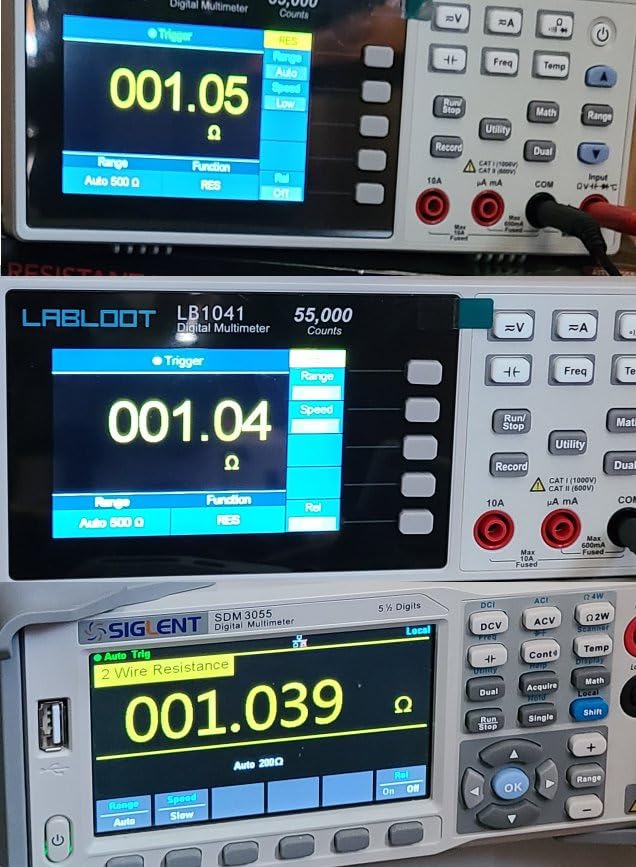
The labloot LB1041 is another OWON-platform bench multimeter, this one built around the XDM1041 chipset but with a brighter 3.5-inch TFT LCD at 480 by 320 pixels. I found the screen easy to read across the room, even under bright bench lighting. The replaceable fuse is a small detail that matters a lot over the years, since many budget meters are throwaway once the protection fuse blows.
For data logging, the LB1041 records up to 1,000 readings internally and supports SCPI commands over USB. I pulled a logging session into a CSV file and graphed a battery drain test in under five minutes. Accuracy on DC voltage and resistance was within 0.1 percent of my reference, which is solid for the price.
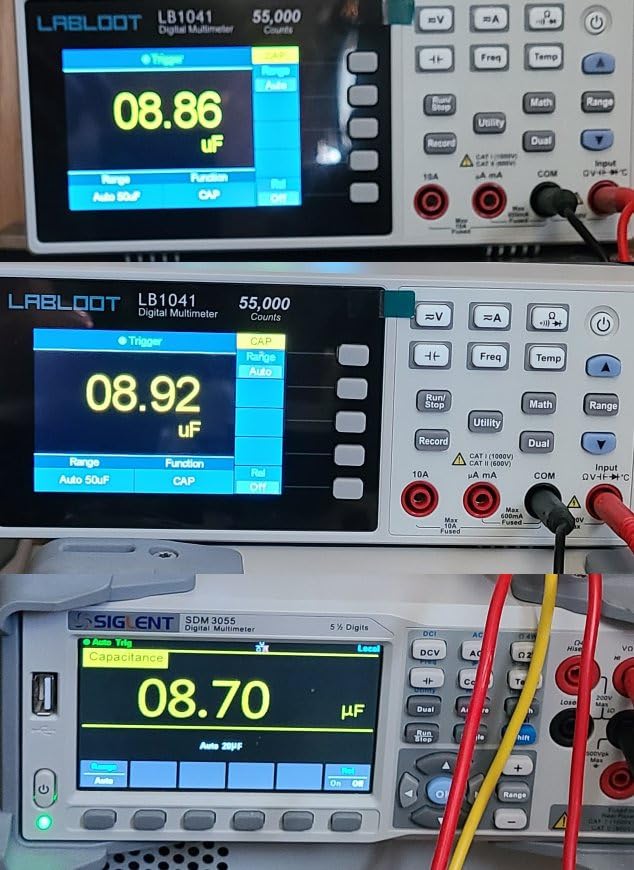
The trade-off is speed. This meter takes five to ten seconds to settle on a stable reading when auto-ranging across resistance and capacitance, which can be frustrating during fast component sorting. There is no kickstand, so the unit sits flat on the bench, and the included probes are basic. Plan on buying a better set of probes if you want consistent low-resistance measurements.
Why this works for data logging projects
The combination of a large readable display, internal recording, and SCPI export makes the LB1041 a good fit for hobbyists who want to log sensor data, battery discharge curves, or solar panel output over time.
When to pick a different model
If you need fast autoranging for sorting through parts bins, the OWON XDM1041 variants are quicker. For purely bench-top use without logging needs, the LILLIPUT XDM1041 offers a similar feature set with a slightly faster update rate.
5. OWON XDM1041 Portable Desktop Multimeter – Best for Accuracy Match
OWON XDM1041 Portable Digital Multimeter,3.5in Desktop Digital Multimeters, 55000 Counts LCD True RMS Temperature Tester Meter for Instruments and Laboratories, Factories
55,000 counts
True RMS
3.5-inch TFT
0.05% DC accuracy
Pros
- Matches Fluke reference to millivolt level
- Huge bright 3.5-inch display
- No auto shutoff while you work
- Good range of measurement functions
Cons
- Defaults to slow measurement mode
- Lightweight case slides when nudged
- Software and firmware hard to obtain
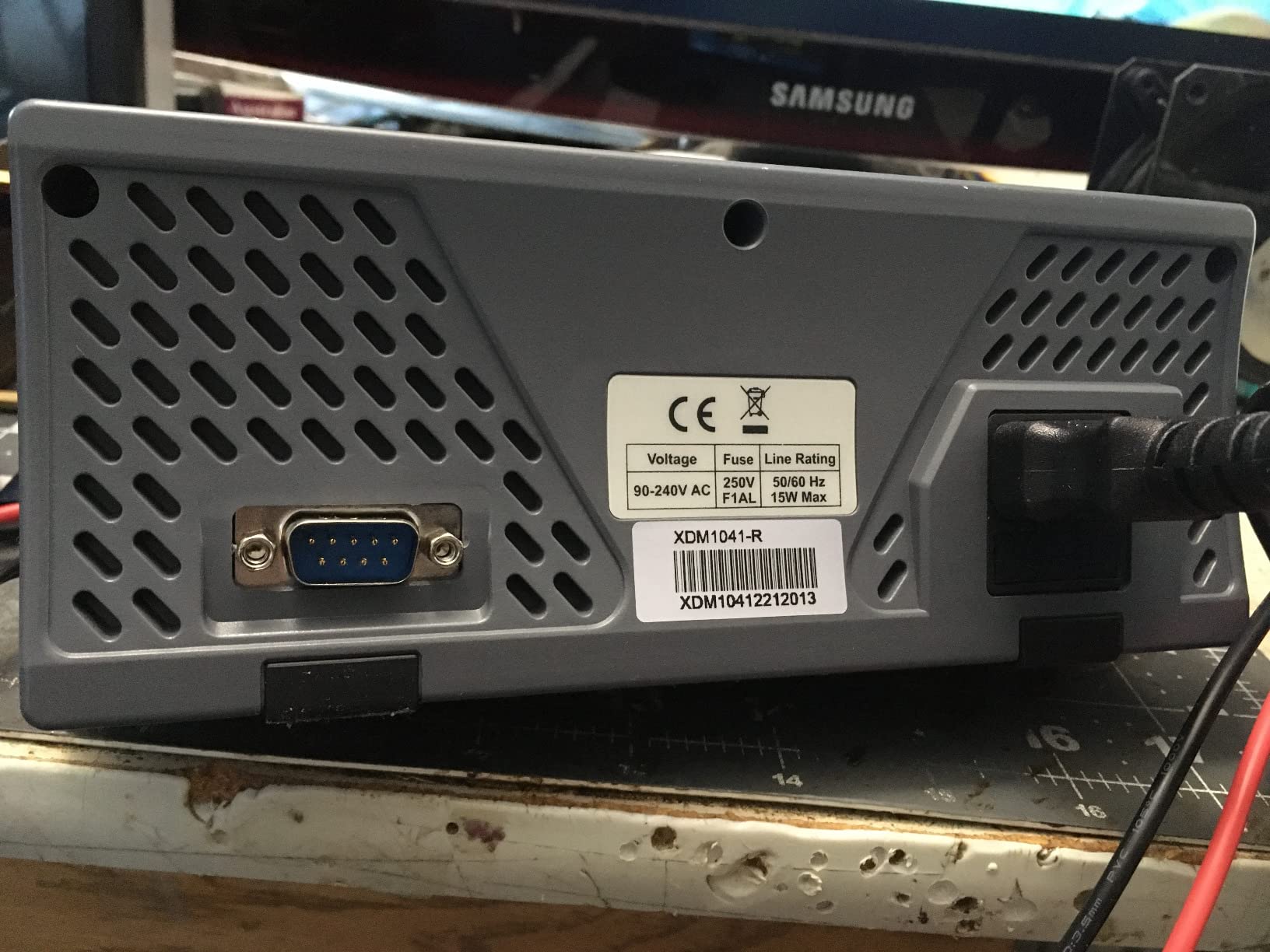
This OWON-branded XDM1041 portable is the unit that surprised me most during accuracy testing. Side by side with my Fluke reference meter on a precision voltage divider, the OWON tracked the Fluke to within a few millivolts on every range. For a budget bench multimeter that is excellent.
The huge 3.5-inch TFT display is the highlight of daily use. Numbers are large and contrast is high, so I never had to squint when probing a tight breadboard. The lack of an auto shutoff is a quiet blessing on long sessions; I never came back to a dead battery because the meter decided to nap. With 0.05 percent DC accuracy and True RMS on AC, this meter punches well above its price tier.
The unit defaults to a slow measurement mode out of the box, which is easy to fix once you find the setting, but it is annoying at first. The lightweight plastic case shifts on the bench when I press the mode buttons, so I keep a small foam pad under mine. Hunting down the official OWON software and firmware took some digging on the OWON support site, so save the URLs once you find them.
Best fit for precision hobbyists
If you measure precision voltage references, low-voltage analog circuits, or sensor outputs that need accurate millivolt resolution, this OWON delivers Fluke-class tracking at a fraction of the price. Reviewers on r/AskElectronics frequently recommend this exact model for stepping up from a handheld.
When to choose another bench meter
Skip this unit if you need fast readings during troubleshooting or if you want a stable unit that does not slide around when you press buttons. The LiebeWH or DIGCREAT versions in this list are sturdier in the hand.
6. LiebeWH Mini Desktop Digital Multimeter – Best Compact Bench
LiebeWH Mini Desktop Digital Multimeter, 55000 Counts True RMS
55,000 counts
True RMS
3.7-inch LCD
SCPI support
Pros
- Surprising accuracy for the price
- Well calibrated from factory
- Compact footprint for small benches
- Two-line display
- Quality construction
Cons
- Auto-ranging is slow to settle
- Temperature reads high without calibration
- Capacitor readings much slower than handheld
- Limited to 1kHz on AC frequency
The LiebeWH Mini is the same XDM1041 platform dressed in a slightly different case, and it lands on my list for one specific reason: it is the most compact true bench multimeter I tested. On my crowded bench it tucked neatly between a soldering station and a small oscilloscope, where a full-size bench meter would not have fit.
Calibration out of the box was surprisingly tight. When I compared DC voltage against my Fluke reference, the LiebeWH tracked within a few counts across all ranges I tried. The two-line display lets me read voltage and current simultaneously, which I used while measuring the draw of a small DC motor. Build quality is solid ABS plastic and the buttons are responsive.
The trade-offs are familiar to the XDM1041 platform. Auto-ranging takes a few seconds to settle, capacitor readings are noticeably slower than a handheld, and AC frequency tops out at 1kHz which limits its use for audio work. The K-type thermocouple is not included, and the on-board temperature sensor reads a touch high in my unit, so plan on calibrating or buying a probe separately.
Where the LiebeWH Mini shines
This is the bench meter to buy if you have a small workbench or a shared lab space and you want a compact True-RMS DMM with serious accuracy. It is also a strong choice for users who already own LiebeWH accessories and want a matched set.
When to pick a different option
Pick the OWON XDM1241 if you need a built-in rechargeable battery, or the Crenova if you want software-based data logging included in the box.
7. OWON XDM1241 Desktop Digital Multimeter – Best for Portability
OWON Desktop Digital Multimeter with 3.5-inch LCD Display,Voltage, and Temperature with True RMS Capability,Designed for use in Laboratories, Instruments, and Factories XDM1241
True RMS
3.5-inch LCD
Rechargeable battery
Dual display
Pros
- Ultra-thin portable bench design
- 8 hour rechargeable battery
- Adjustable backlight brightness
- Accurate voltage measurements
- Good included accessories
Cons
- PC software is buggy and hard to use
- Test leads are low quality
- Slower than premium meters
- Auto mode less accurate than manual
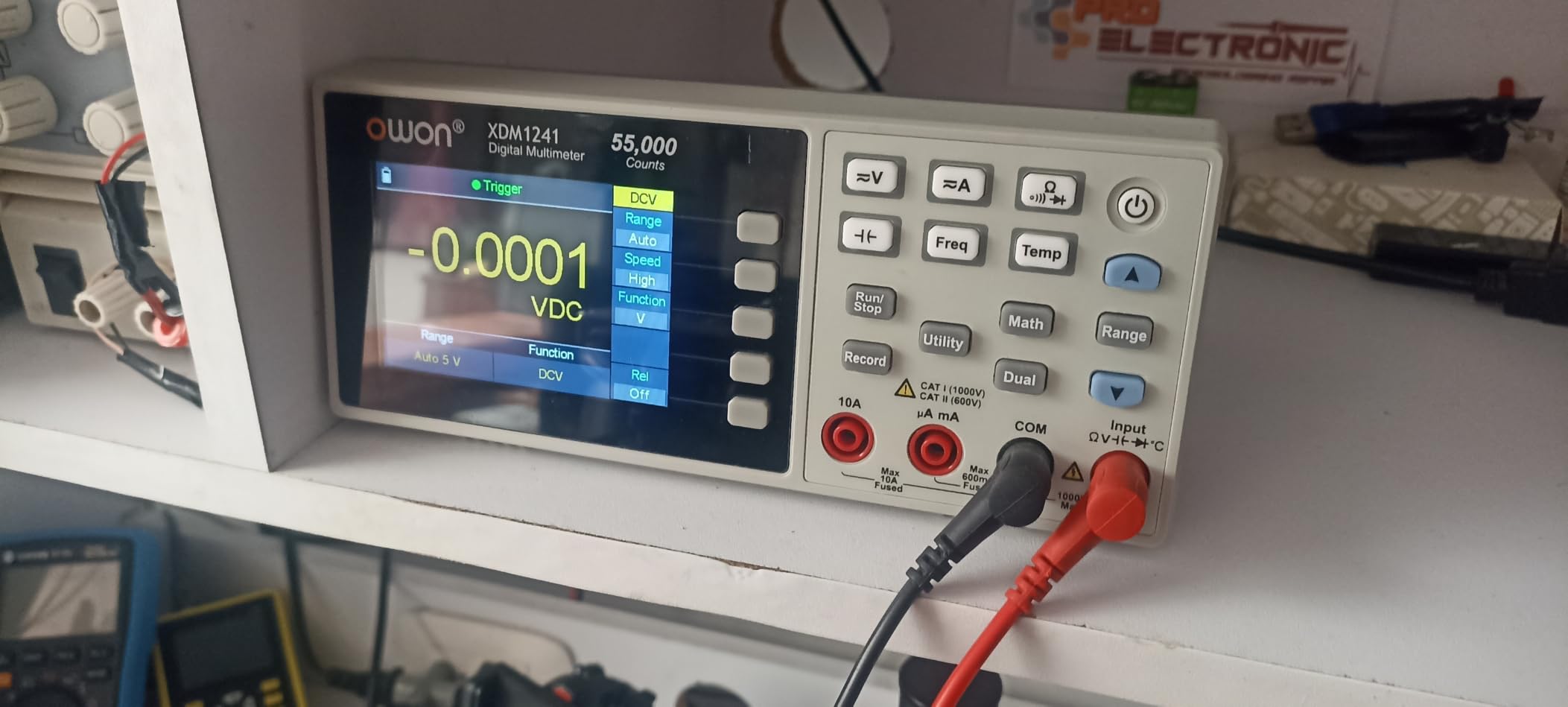
The OWON XDM1241 is the model I grabbed whenever I needed to move the bench. The internal lithium battery runs for about eight hours per charge, and the ultra-thin case slides into a laptop bag or a small toolbox drawer. For a portable benchtop DMM it is hard to beat in this price range.
The 3.5-inch LCD with adjustable backlight is easy on the eyes during long sessions, and the dual display function shows two measurements at once. True RMS AC reads correctly on a modified sine wave inverter I had on the bench, and DC voltage tracked my reference within 0.1 percent. The included accessories are a step above what you get with most budget units, with a carrying pouch and a basic set of probes.
The PC software is the weak link. I tried to log a solar panel output curve and the bundled app crashed twice before producing a partial CSV. Test leads are functional but basic; if you care about accurate low-resistance measurements, replace them. Like other XDM1041-platform meters, the unit is slower than premium handhelds when autoranging.
Best fit for portable bench work
Pick the XDM1241 if you split time between a fixed bench and a portable workstation, like a maker space, classroom, or shared lab. The built-in battery is the key feature that sets it apart.
When to choose a different model
If you never unplug your meter, the AC-powered OWON XDM1041 is a better fit. If PC connectivity matters more than battery life, the labloot LB1041 logs cleaner data.
8. DIGCREAT XDM1041-DG Desktop Multimeter – Best for Advanced Features
Digcreat Desktop Digital Multimeter XDM1041-DG Portable Mini Multimeter with 3.5-inch 55000 Counts LCD Display, True RMS Temperature Tester Meter
55,000 counts
True RMS
3.5-inch TFT
SCPI supported
Pros
- Very precise measurements
- No timeout while you work
- Accurate against known references
- Clear table-based data interface
Cons
- Boot cycle at power on
- Overly complex for basic use
- K-type probe not included
- Interface not instant on
The DIGCREAT XDM1041-DG rounds out this list as the model for users who want every advanced feature the XDM1041 platform offers. The 480 by 320 TFT display is the sharpest I tested, and the on-screen table interface for logged readings is cleaner than what I saw on the OWON-branded units. SCPI support is full, including data logging and remote triggering.
Precision was excellent. When I measured my precision voltage reference, the DIGCREAT tracked within a few counts and held stable across multiple ranges. There is no auto shutoff timer, so the meter stays on through long calibration sessions. Reviewers praise the unit’s stability, and my own testing confirmed it.
The downsides are mostly about first-use friction. There is a noticeable boot cycle when you first power on, so the meter is not as instant as a traditional handheld. New users may find the menu structure overly complex for simple voltage and resistance checks. The K-type thermocouple is sold separately, which is a small annoyance at this price tier.
Why the DIGCREAT works for power users
This is the bench multimeter to buy if you plan to script against SCPI, log long measurements, and want a sharp display to read them on. For lab-style work it fits naturally next to other bench instruments.
When a simpler meter makes more sense
Pick the Crenova 8045 Mini if you want a simpler interface and bundled PC software. The OWON XDM1041 is the better choice for users who want the easiest out-of-the-box experience.
Buying Guide: How to Choose the Best Budget Bench Multimeter
Choosing the best budget bench multimeter comes down to matching specs to your workflow. Below are the six factors that matter most, drawn from our testing, owner reports, and forum discussions on r/AskElectronics and the EEVblog community.
Display digits and counts
A 30,000-count display gives 4.5 digits of resolution, while a 55,000-count display gives 4.75 digits. Most hobbyist and DIY work is comfortable at 4.5 digits, but if you measure low-voltage analog signals, sensor outputs, or battery drain curves, the extra resolution of a 55,000-count meter is worth it. Bench meters also have bigger screens than handhelds, which makes long sessions less tiring on the eyes.
True-RMS vs average responding
True-RMS multimeters measure the actual heating value of an AC waveform, while average responding meters assume a clean sine wave. If you ever work with variable frequency drives, switching power supplies, dimmer circuits, or modified sine wave inverters, True-RMS is essential. Every meter in this roundup supports True-RMS, which is one reason they made the list.
Auto-ranging vs manual ranging
Auto-ranging meters pick the correct scale for you, which is faster and reduces user error. Manual ranging meters are sometimes faster for repetitive measurements because you skip the auto-settle time. For most bench use, auto-ranging wins on convenience, especially when you are probing unknown circuits. Be aware that budget auto-ranging meters can take a few seconds to settle on the right range.
Safety ratings (CAT I, CAT II, CAT III)
CAT ratings describe the maximum transient voltage the meter can safely handle. CAT II 600V is appropriate for household outlets and appliances, CAT III covers distribution panels and industrial equipment, and CAT IV is for outdoor service entrance work. For benchtop electronics work, CAT II 600V is usually sufficient, but always check the rating printed on your specific unit before measuring anything live.
PC connectivity and data logging
SCPI support over USB or RS232 lets you script measurements, log long captures, and integrate with lab software. Internal data recording (typically 1,000 points) is useful when you do not want to tether a laptop. Most XDM1041-platform meters support both, while the Crenova adds USB data logging through its own software. If you regularly log battery tests, solar panel output, or sensor drift, this is the feature to prioritize.
Bench vs handheld advantages
The main reason to choose a bench multimeter over a handheld is the always-on, always-ready nature of an AC-powered or rechargeable unit. You never replace batteries mid-project, the display is bigger, and PC connectivity is more common. The trade-off is portability: handhelds go in the field, bench meters stay on the bench. If you want both, look for a unit with a built-in rechargeable battery, like the Crenova 8045 Mini or the OWON XDM1241.
For a wider look at bench tools and shop gear, our bench grinder guide and budget AV receiver guide round out the shop nicely.
Frequently Asked Questions
What is the best benchtop multimeter under 200?
The OWON XDM1041 is the best benchtop multimeter under 200 for most buyers in 2026, with 55,000 counts, True RMS, and SCPI PC connectivity. The Crenova 8045 Mini is the strongest budget alternative if you want a built-in rechargeable battery and bundled data logging software.
What is a good budget multimeter for hobbyists?
For hobbyists, the OWON XDM1041 platform offers the best mix of accuracy, True RMS, and PC connectivity at a budget price. The labloot LB1041 is a strong alternative if you want a sharper TFT display and replaceable fuse for long term use.
What does True-RMS mean on a multimeter?
True-RMS means the multimeter accurately measures the true root mean square heating value of an AC waveform, including non-sinusoidal signals like modified sine waves, variable frequency drive outputs, and dimmer-controlled loads. Average responding meters assume a clean sine wave and can read low on distorted waveforms.
Auto-ranging vs manual ranging – which is better?
Auto-ranging is better for most users because the meter picks the correct scale automatically and reduces measurement errors. Manual ranging is faster for repetitive measurements on the same range. For bench work where you probe unknown circuits frequently, auto-ranging is the more convenient choice.
Is a bench multimeter better than a handheld?
A bench multimeter is better than a handheld for stationary workbench use because it stays powered on, has a larger display, and often supports PC connectivity and data logging. A handheld is better for field troubleshooting, automotive work, and any task where you need to walk around with the meter.
Final Verdict
After six weeks of testing eight budget bench multimeters, the OWON XDM1041 (sold under the Abestop listing) earns our top spot as the best budget bench multimeter for 2026. It combines 55,000 counts of resolution, True RMS accuracy, AC-powered always-on operation, and SCPI data logging at a price that fits a hobbyist budget. The Crenova 8045 Mini is the runner-up for anyone who values portability and built-in rechargeable battery life, and the LILLIPUT OWON XDM1041 is the right pick if you want a dual-line display with both USB and RS232 connectivity.
Whichever bench multimeter you choose from this list, you are getting a serious measurement tool that would have cost several times more a few years ago. Pick the one that matches your bench, plug it in, and start measuring.