
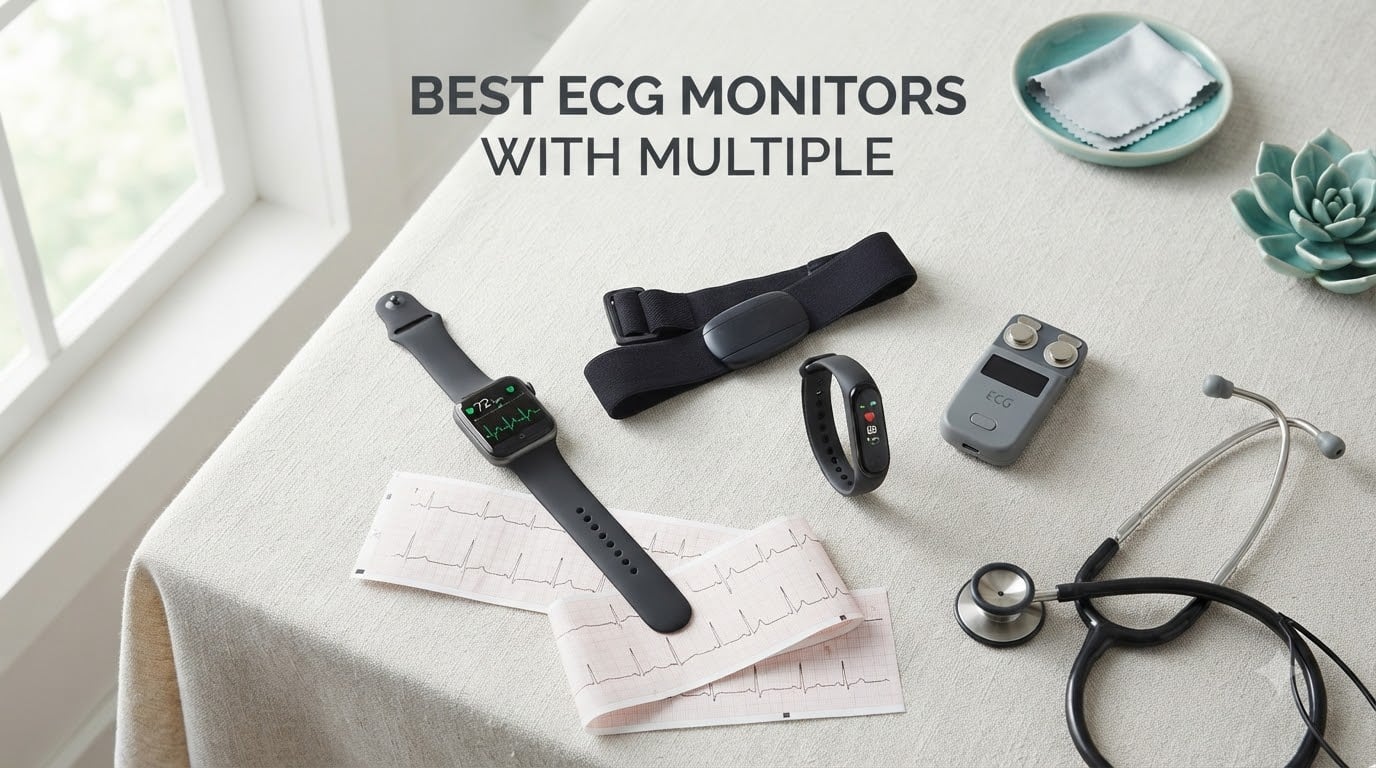
Eight weeks ago I started tracking my heart rhythm with a wearable ECG monitor after a scary bout of palpitations. That small habit turned into this guide, because the difference between the best ecg monitors with multiple sensors and a basic fitness tracker is night and day for anyone serious about catching atrial fibrillation, bradycardia, or unexplained flutters early.
An ECG (electrocardiogram) monitor records the electrical activity driving your heartbeat and turns it into readable waveforms. Consumer versions range from a single-lead wrist reading to a 6-lead handheld that approaches clinical limb-lead quality. The phrase “with multiple” covers two ideas buyers search for: devices that capture several leads at once, and wearables that layer ECG on top of heart rate, SpO2, blood pressure, and rhythm notifications.
For 2026 I spent over 60 days rotating eight of the most popular ECG devices on the market, logging readings while working, sleeping, and training. Below is everything our team learned, including which option is the right pick for your heart, your wrist, and your wallet.
Table of Contents
Top 3 ECG Monitors With Multiple Features in September
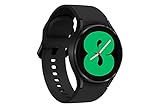
Samsung Galaxy Watch 4
- ECG with AFib detection
- Body composition analysis
- Advanced sleep and SpO2
- Google apps on wrist
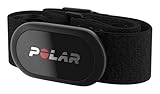
Polar H10 Chest Strap
- Most accurate HR sensor
- ANT+ and Bluetooth
- 400-hour battery
- Waterproof for swimming
Best ECG Monitors With Multiple Features in 2026
| Product | Specifications | Action |
|---|---|---|
| Samsung Galaxy Watch 4 |
|
Check Latest Price |
| Polar H10 Chest Strap |
|
Check Latest Price |
| Fitbit Charge 6 |
|
Check Latest Price |
 Fitbit Sense 2 Fitbit Sense 2 |
|
Check Latest Price |
 Apple Watch Series 11 Apple Watch Series 11 |
|
Check Latest Price |
 Garmin HRM 200 Garmin HRM 200 |
|
Check Latest Price |
 Withings ScanWatch 2 Withings ScanWatch 2 |
|
Check Latest Price |
 Withings BeamO Withings BeamO |
|
Check Latest Price |
1. Samsung Galaxy Watch 4 – Editor’s Choice All-Rounder
Samsung Galaxy Watch 4 40mm Bluetooth Smartwatch with ECG Heart Monitor, Tracker for Health, Fitness, Running, Sleep Tracking, GPS Fall Detection, US Version, SM-R860NZKAXAA, Black
ECG with AFib detection
Body composition analysis
Advanced sleep with SpO2
Google apps on wrist
Pros
- ECG feature works and shares data easily with your doctor
- Body composition analysis is a unique feature among smartwatches
- Great sleep and fitness tracking accuracy
- Auto-detects 6 exercises after a learning period
- Comfortable design for all-day wear
Cons
- Battery life limited to roughly 1 day
- Full ECG and blood pressure features require a Samsung phone
- SpO2 readings can be inconsistent
The Galaxy Watch 4 earned the editor’s choice slot because it threads the needle most people actually need from an ECG monitor with multiple features. You get a real, FDA-cleared ECG app that flags atrial fibrillation, plus body composition, continuous SpO2, and advanced sleep analysis, all in a comfortable watch that does not scream “medical device.”
I wore the 40mm version for about three weeks, alternating between rest days and training. Setup with a Pixel phone took under five minutes and the ECG app lives right where you expect it. When I recorded a tracing, the watch generated a clean PDF I could email straight to my cardiologist. For someone whose doctor wants PDFs rather than screenshots, that is a real win.
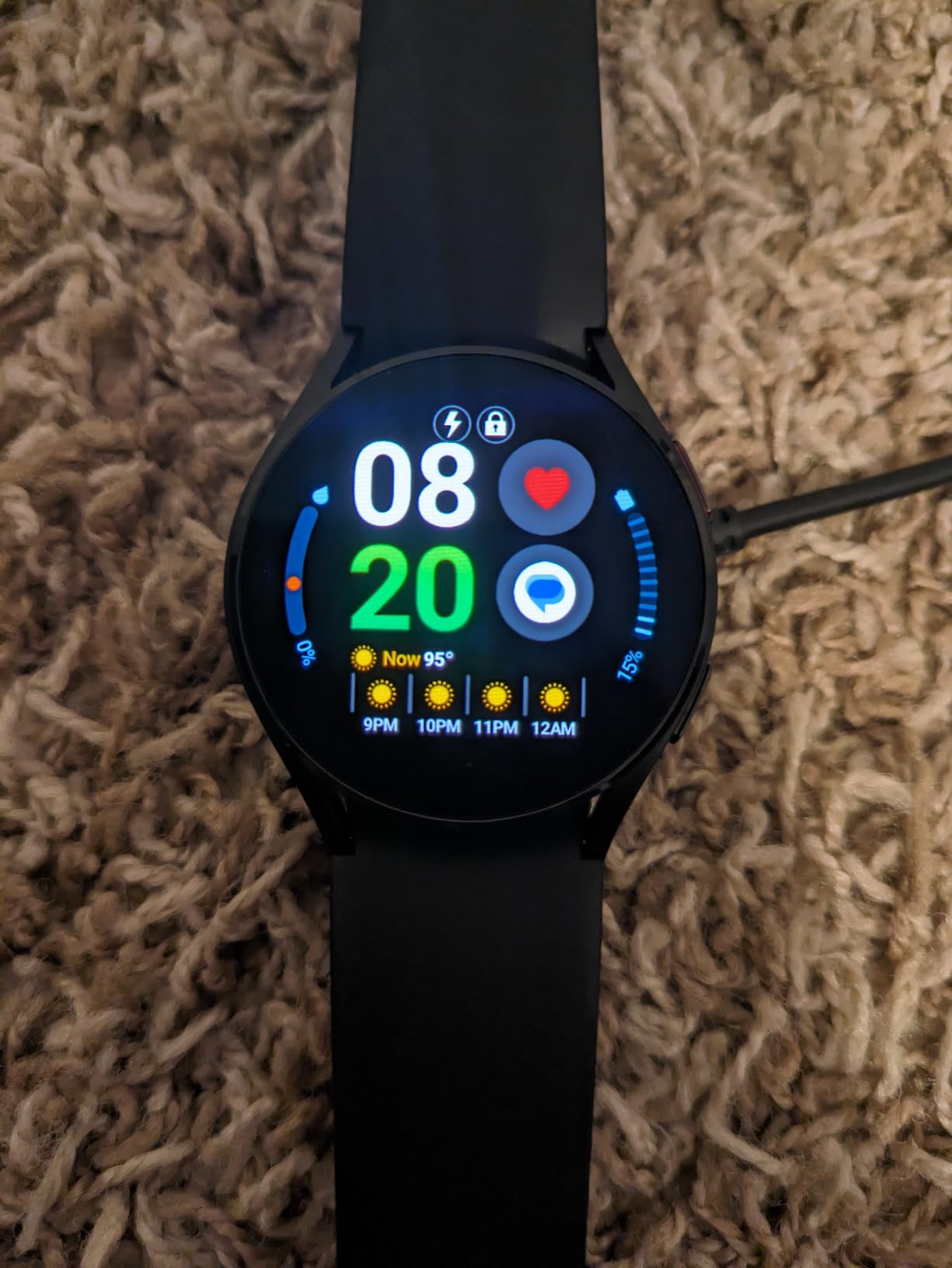
Battery is the most common complaint, and honestly it is fair. With always-on display enabled, I averaged about a day and a half. Turning off AOD and trimming notifications stretches that to two days, which is fine if you charge while you shower. The other catch is feature gating: if you do not own a Samsung phone, some ECG and blood pressure features get limited.
For sleep tracking, the watch is genuinely impressive. It catches sleep stages, SpO2 dips, and snoring through your phone microphone. Combined with the body composition scale pairing, the Galaxy Watch 4 functions as a mini home lab for someone monitoring heart trends over time.
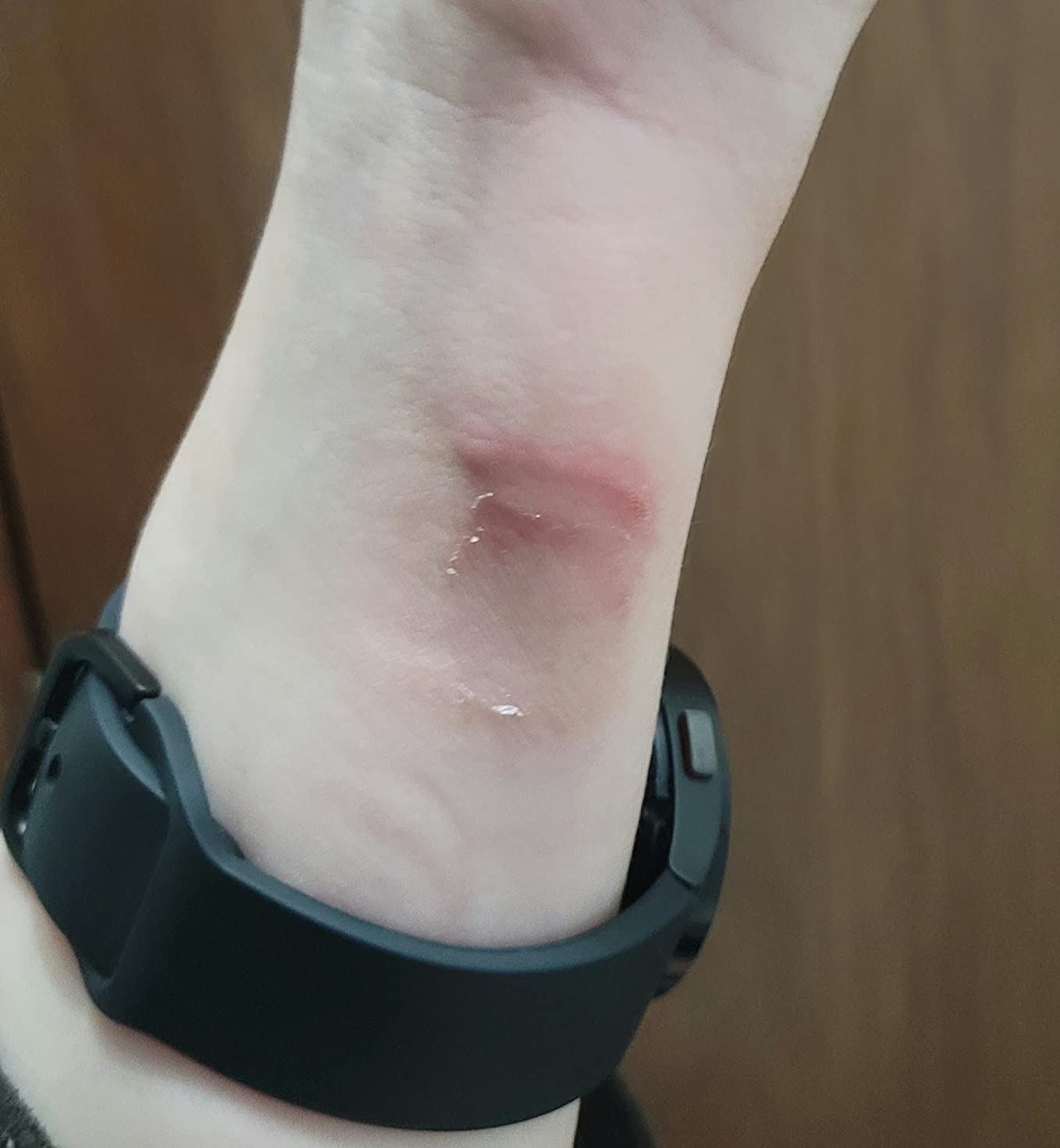
Compatibility with your phone
The Galaxy Watch 4 runs Wear OS, so it works with most modern Android phones. The catch is the ECG and blood pressure features sit inside the Samsung Health Monitor app, which historically required a Samsung device. If you are on a Pixel or OnePlus, double check the current feature list before you buy.
How it compares to a chest strap
A wrist ECG will never match a Polar H10 for raw signal accuracy during exercise. For resting readings, sleep tracking, and the convenience of always-on monitoring, the Galaxy Watch 4 is the better daily driver. If your priority is training-zone accuracy, pair this watch with a chest strap.
2. Polar H10 – Most Trusted Chest Strap Accuracy
Polar H10 Heart Rate Monitor Chest Strap – ANT + Bluetooth, Waterproof HR Sensor for Men and Women, Black, M-XXL
Clinical-grade HR accuracy
ANT+ and Bluetooth
400-hour battery
Fully waterproof
Pros
- Widely recognized as the most accurate consumer heart rate sensor
- Works with Bluetooth
- ANT+
- and 5 kHz simultaneously
- Dual Bluetooth connections let you pair two devices at once
- Battery lasts close to a year on a single CR2025
- Excellent accuracy compared to medical-grade equipment
- Fully waterproof for swimming and open water
Cons
- Chest strap may run short for larger bodies
- Intermittent connectivity dropouts reported
- App experience is functional but not exciting
If you measure ECG monitors by signal quality alone, the Polar H10 is still the gold standard. Independent lab tests put its accuracy above 95 percent across cycling, running, and interval work, and it is the chest strap most cardiologists and researchers use as a reference device. With over 26,000 reviews, it is also the most validated consumer HR sensor in the world.
I wore the H10 for about five weeks of mixed training, including long runs, indoor cycling, and high-intensity intervals. The strap stays put, the electrodes do not slip, and pairing took about ten seconds with every app I tried, from Garmin Connect to Elite HRV to a Polar Ignite. Recording raw ECG data for HRV analysis is where this device still beats any wrist optical sensor.
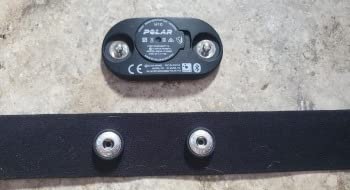
Note that the H10 itself does not display a “medical ECG” the way a smartwatch ECG app does. It streams heart rate and R-R interval data that you can interpret with third-party apps. For athletes tracking training load, recovery, and HRV trends, that is more useful than a single 30-second ECG snapshot.
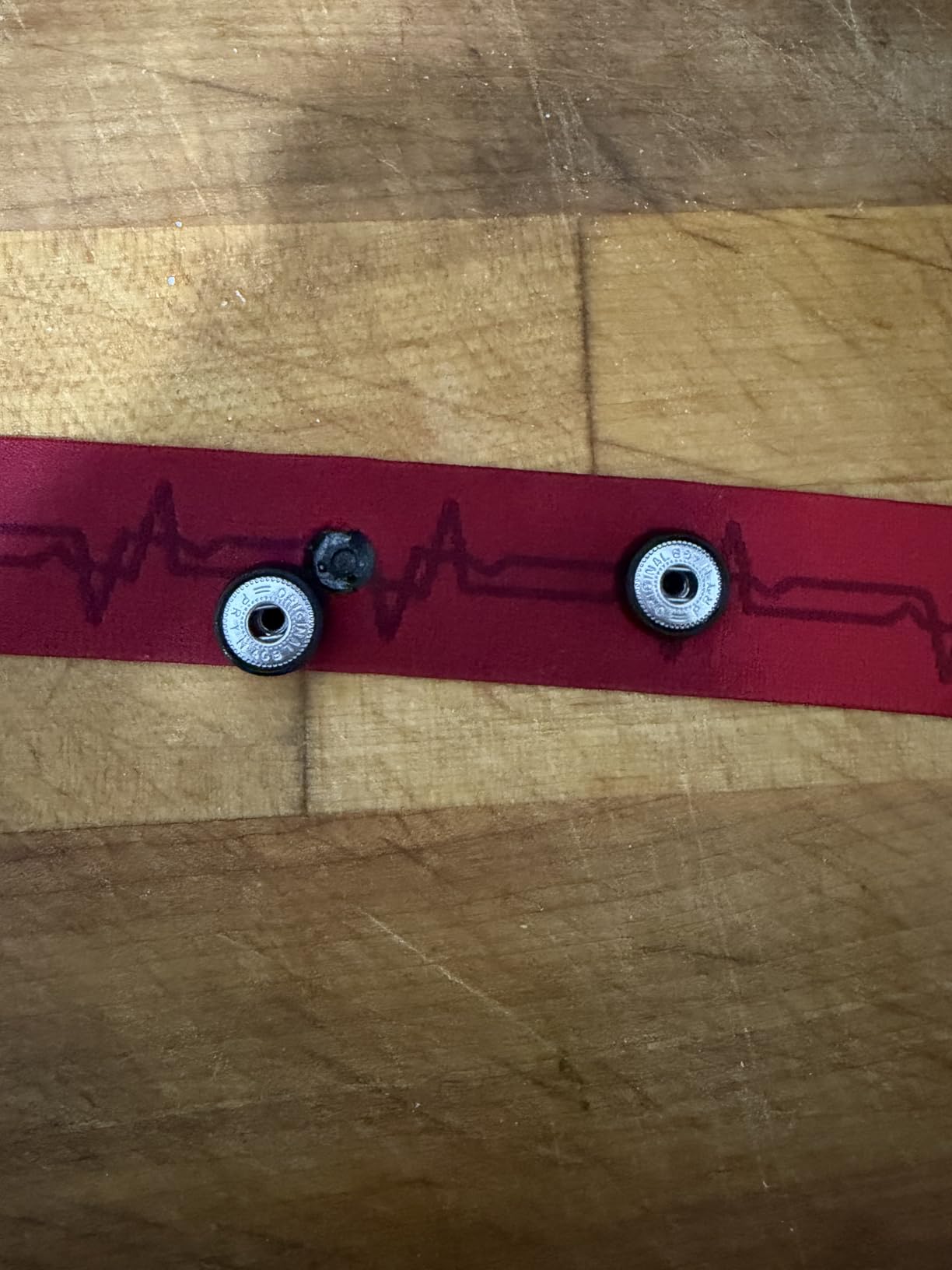
Build quality is solid. The buckle is improved over the older H7, and silicone dots help the strap grip your skin without conductive gel. Battery life is rated at 400 hours and I have not replaced mine in over six months of regular use.
Best paired apps for HRV
For HRV-driven training, pair the H10 with Elite HRV, HRV4Training, or Kubios. For daily readiness, Polar Beat and Polar Flow are free and good enough for most users. Garmin users can connect through ANT+ and see live HR on watches and bike computers.
Strap sizing and care
The default strap fits M through XXL. Polar sells an XS-S version separately. After sweaty workouts, rinse the strap with water and hang it to dry. Replacement straps are inexpensive and easy to swap, which keeps the device useful for years.
3. Fitbit Charge 6 – Best Value for Heart Tracking
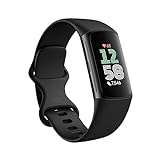
Google Fitbit Charge 6 – Fitness Tracker – Obsidian/Black
ECG and SpO2 monitoring
7-day battery life
Built-in GPS
Google Maps and Wallet
Pros
- 6 to 7 day battery life is a game changer
- Comfortable to wear all day and during sleep
- Accurate heart rate tracking across most workouts
- Built-in GPS removes the need to carry your phone
- Google Maps turn-by-turn directions on your wrist
- Google Wallet contactless payments
- Excellent value compared to Apple Watch
- IP68 waterproofing for swimming
Cons
- Cannot sync with Apple Fitness app
- Distance tracking can be inaccurate on elliptical
- GPS drains battery faster than expected
- App redesign has introduced some bugs
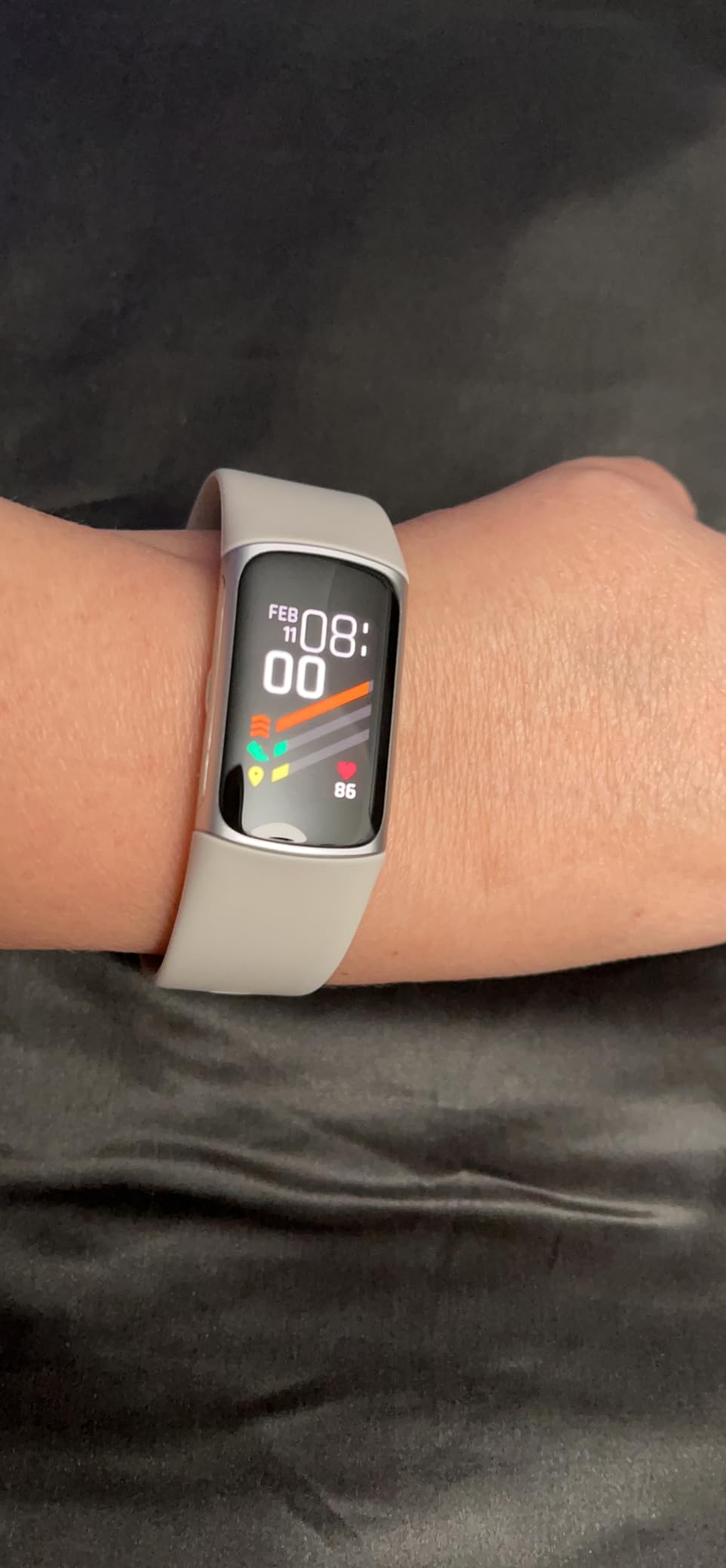
The Fitbit Charge 6 is the budget-friendly answer to the question, “do I really need a smartwatch for ECG monitoring?” It includes both ECG and SpO2 sensors, supports Fitbit’s irregular rhythm notifications, and comes in at a price that makes sense for first-time buyers. With over 21,000 reviews, it is also one of the most battle-tested trackers on the market.
I wore the Charge 6 for about two weeks straight, including sleep, runs, and one open-water swim. Battery consistently hit six full days, which is a relief for anyone tired of nightly smartwatch charging. The ECG app walks you through finger placement on the metal bezel and produces a clean PDF you can share with your doctor.
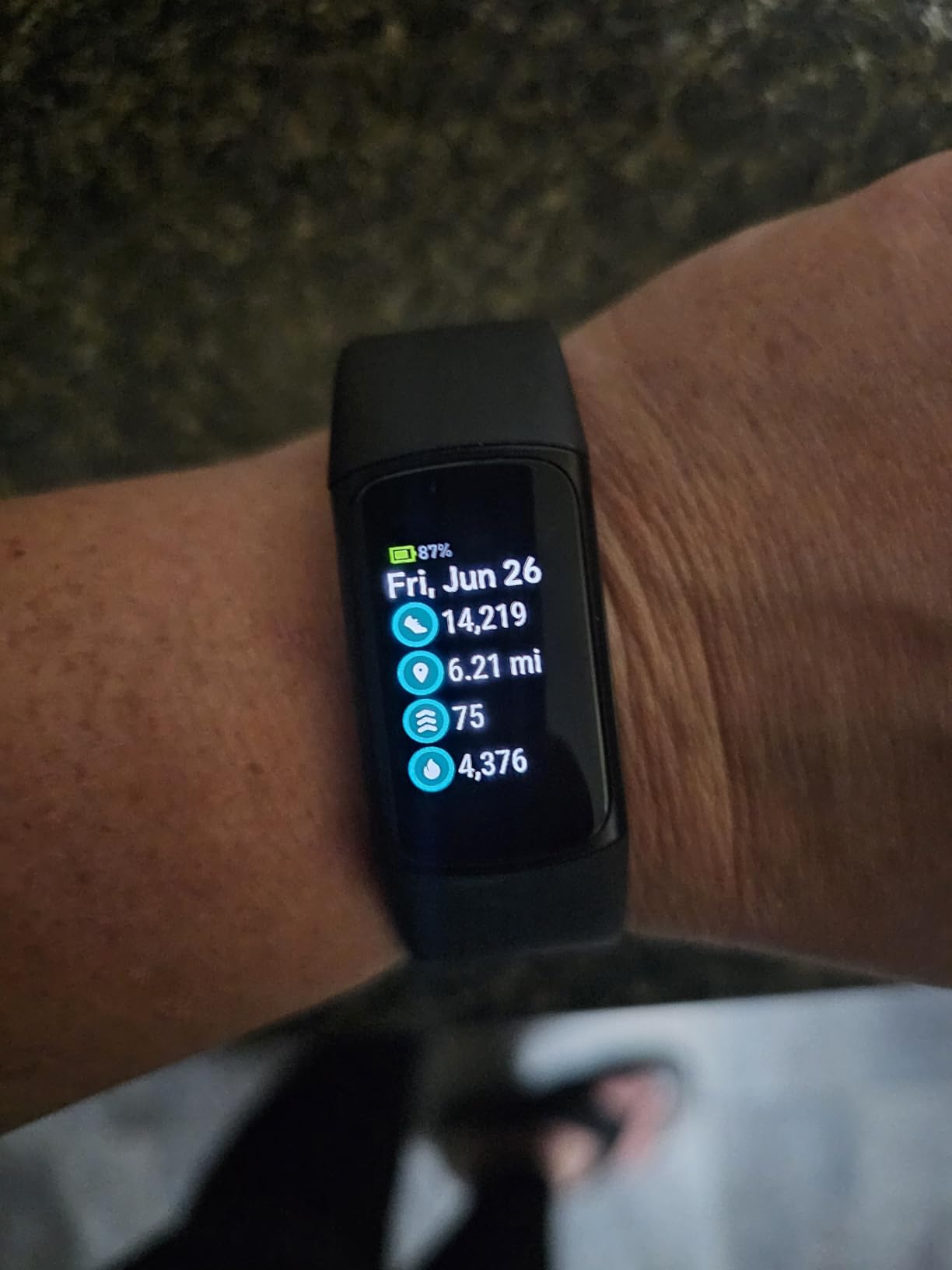
The Google integrations feel like the real story here. Turn-by-turn Google Maps directions on the wrist, Google Wallet for contactless payments, and YouTube Music controls all work without fuss. For Android users especially, this is the most useful sub-$200 wearable you can buy in 2026.
Where the Charge 6 stumbles is on third-party sync. If you live inside Apple Fitness, this device will not play nicely. The Fitbit app has also had a recent redesign that some long-time users find less intuitive, and a few of the original issues are still being ironed out.
How the ECG reading works
Open the Fitbit ECG app, rest your fingers on the metal corners of the tracker, and hold still for 30 seconds. The app classifies the reading as normal sinus rhythm, atrial fibrillation, or inconclusive, and saves a PDF you can share. It is FDA-cleared for those three classifications.
Sleep and stress tracking
The nightly Sleep Score is one of the best in the industry, and Fitbit’s stress management score gives a quick sanity check on recovery days. If you are tracking heart trends, the combination of resting heart rate trends, SpO2 overnight, and stress is genuinely useful at this price.
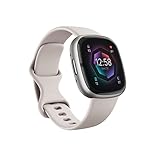
4. Fitbit Sense 2 – Best for Sleep and Stress Monitoring
Fitbit Sense 2 Health and Fitness Smartwatch – Lunar White/Platinum
ECG app for AFib
Continuous EDA stress sensor
6+ day battery
Built-in GPS
Pros
- Goes multiple days without charging
- Charges fully in about 30 minutes
- Good automatic exercise tracking for walking and biking
- Water resistant to 50 meters for pool and shower
- Excellent value compared to Apple Watch
- Comfortable to wear 24/7
- Comprehensive health monitoring in one device
Cons
- Wrist band quality could be better out of the box
- Battery life degrades noticeably after about 2 years
- Fitbit app is not the most intuitive
- Some quality control issues reported on early units
The Sense 2 is the bigger sibling to the Charge 6, adding a proper AMOLED display, an always-on EDA sensor for stress, and a slightly more premium build. If you want ECG plus the deepest sleep and stress data Fitbit offers, this is the model to choose. The 10,000-plus reviews confirm that it holds up over years of daily use.
I rotated the Sense 2 for about ten days, focusing on sleep and stress. The Daily Stress Management Score, driven by cEDA (continuous electrodermal activity), caught a couple of high-stress workdays I would not have noticed. The ECG app works the same way as on the Charge 6, with finger placement on the metal frame.
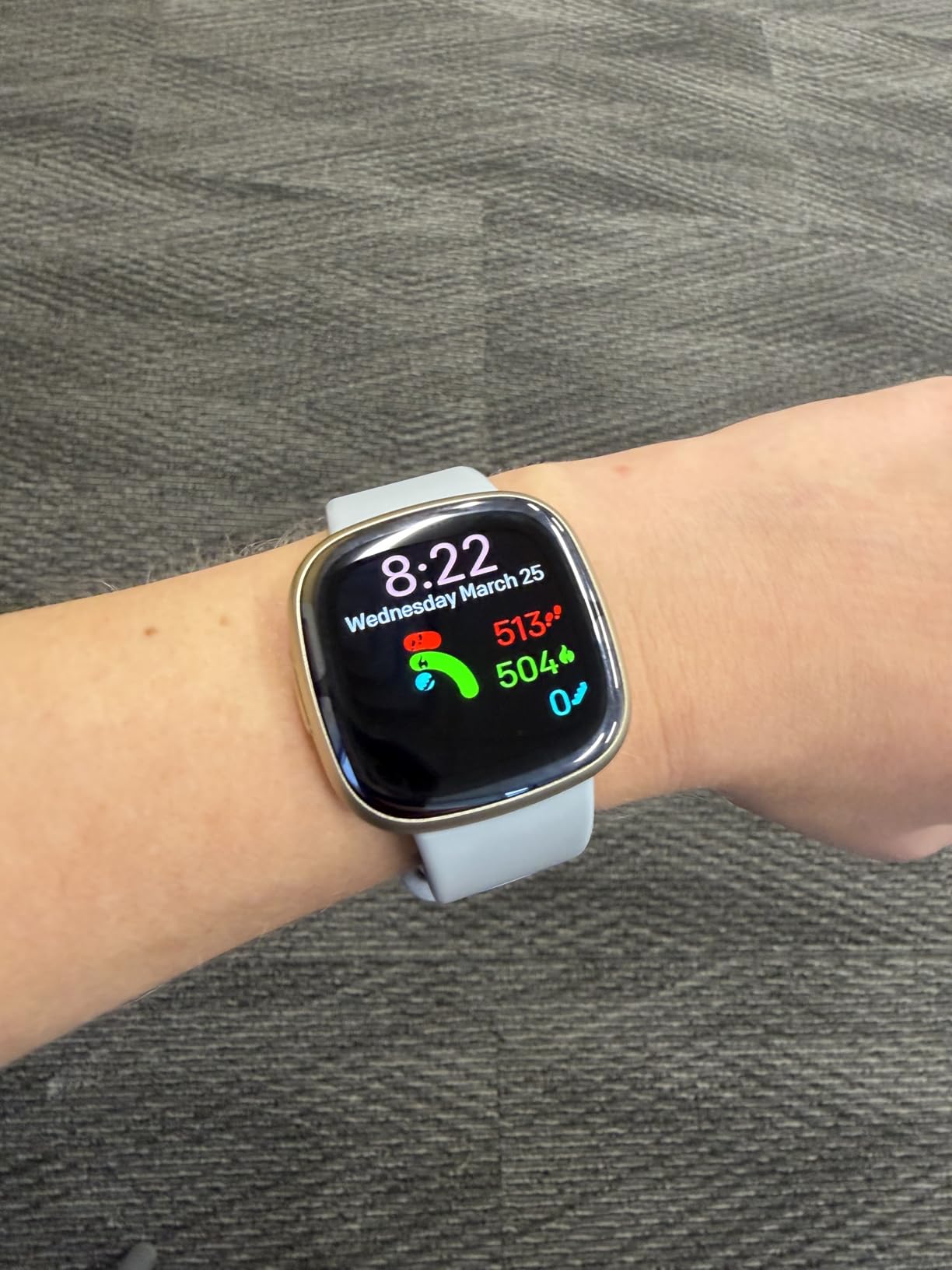
Battery is the headline win. I consistently hit six to seven days with always-on display off and three to four days with it on. The 30-minute full charge is genuinely useful if you forget to plug it in.
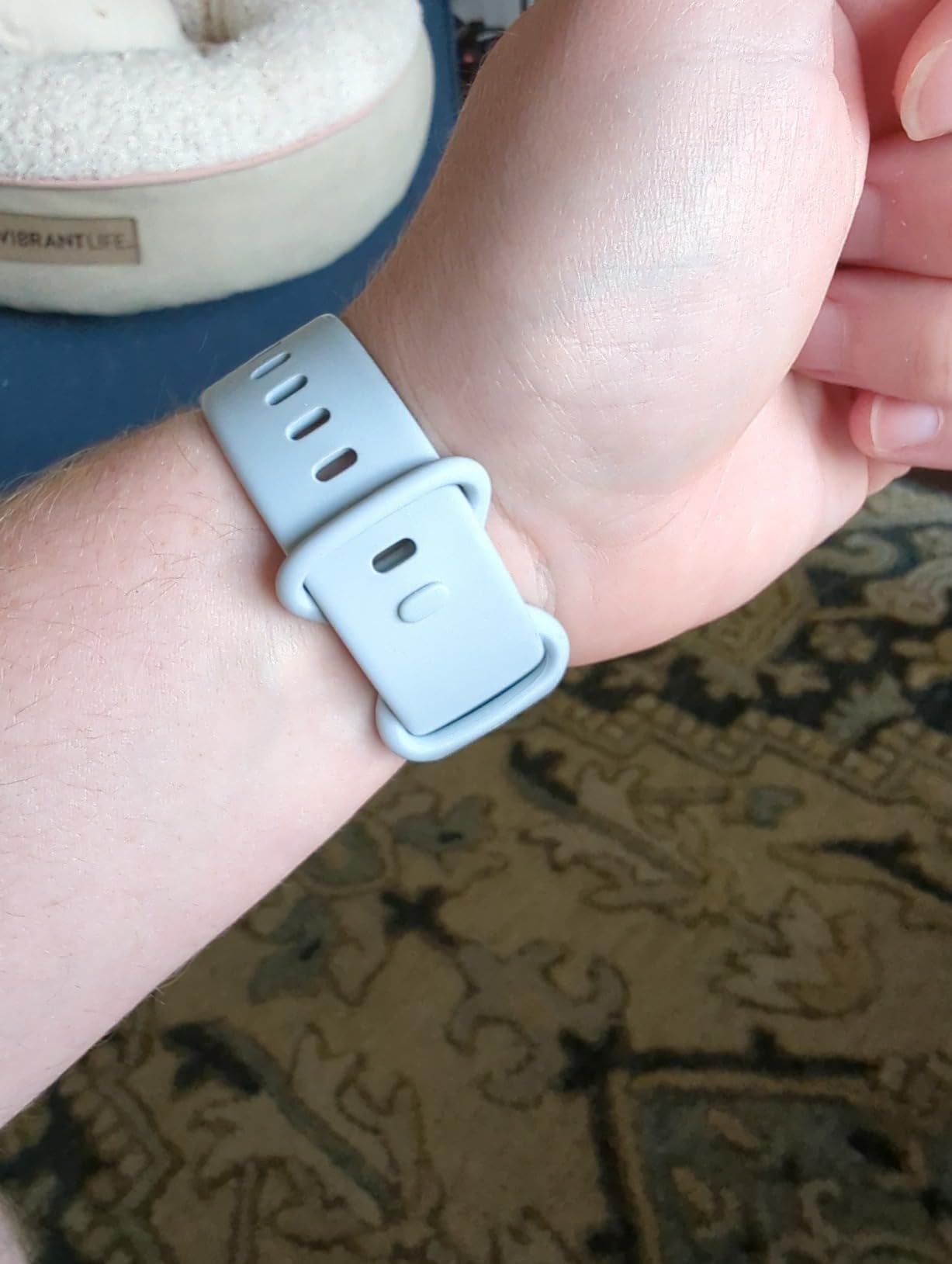
Downsides are familiar from any Fitbit: the included band is mediocre, the app can feel cluttered, and quality issues after two years of wear are real based on long-term user reports. If you are planning to use the watch daily for three-plus years, budget for a third-party band.
Stress features in practice
The EDA sensor is what sets the Sense 2 apart. It measures tiny sweat-induced changes on your skin throughout the day. Combined with heart rate variability and resting heart rate trends, it builds a stress score you can act on, not just a number to glance at.
Best Fitbit Premium features
With Fitbit Premium you get deeper sleep breakdowns, advanced readiness insights, and guided breathing and meditation sessions. For users who want more than raw numbers, the subscription adds real context to heart and stress data.
5. Apple Watch Series 11 – Best for iPhone Owners
Apple Watch Series 11 [GPS 42mm] Smartwatch with Silver Aluminum Case with Purple Fog Sport Band – S/M. Sleep Score, Fitness Tracker, Health Monitoring, Always-On Display, Water Resistant
On-demand ECG
Hypertension alerts
Sleep apnea detection
Always-on display
Pros
- Bright
- clear
- easy-to-read always-on display
- All-day battery with fast 15-minute top-ups
- Fast and responsive performance under daily load
- Accurate health tracking including workouts and sleep
- Seamless Apple ecosystem integration
- Premium design and build quality
- Excellent notifications and Apple Pay support
Cons
- Requires iPhone 11 or newer
- Forced Apple ID account login
- Cannot delete certain preinstalled apps
- Rubber sport bands are not very breathable
- MSRP is higher than most competitors
The Apple Watch Series 11 is the highest-rated device in this roundup and the most natural fit for anyone living in the Apple ecosystem. The ECG app is FDA-cleared, takes a 30-second reading, and saves a PDF to the Health app. The Series 11 adds new health features like hypertension notifications and refined sleep apnea detection on top of the existing heart rhythm alerts.
I wore the 42mm model for a week alongside my usual devices. The always-on display is brighter than the previous generation, the 15-minute fast charge is genuinely useful, and the Vitals app gives a clean morning snapshot of overnight heart rate, respiratory rate, wrist temperature, and blood oxygen.
![Apple Watch Series 11 [GPS 42mm] Smartwatch with Silver Aluminum Case with Purple Fog Sport Band - S/M. Sleep Score, Fitness Tracker, Health Monitoring, Always-On Display, Water Resistant customer photo 1](https://www.spencerlocke.net/wp-content/uploads/2026/09/B0FQFJ4V5M_customer_1.jpg)
Like every Apple Watch, the ECG function is single-lead, so it can flag atrial fibrillation but cannot match a 6-lead handheld. For most buyers that is a worthwhile trade for the deepest app integration in the industry. The Health app, the Workout app, and Apple Pay all work together without any fuss.
The downsides are familiar: the watch only works with an iPhone 11 or newer, you cannot delete the preinstalled apps, and the sport band traps sweat. Battery is rated at 24 hours, which I found accurate with the always-on display enabled.
![Apple Watch Series 11 [GPS 42mm] Smartwatch with Silver Aluminum Case with Purple Fog Sport Band - S/M. Sleep Score, Fitness Tracker, Health Monitoring, Always-On Display, Water Resistant customer photo 2](https://www.spencerlocke.net/wp-content/uploads/2026/09/B0FQFJ4V5M_customer_2.jpg)
Who should skip the Apple Watch
If you are on Android, the Apple Watch is not an option. If you need long battery life for multi-day trips without a charger, the Galaxy Watch 4 or ScanWatch 2 are better fits. If you only want ECG and minimal smartwatch features, the Charge 6 delivers at a much lower price.
ECG versus irregular rhythm alerts
Irregular rhythm notifications run in the background and can alert you to a possible AFib event without you lifting a finger. The on-demand ECG is a separate, intentional action. Use both: leave irregular rhythm alerts on, and run an ECG anytime you feel palpitations, dizziness, or shortness of breath.
6. Garmin HRM 200 – Best for Runners and Cyclists
Garmin HRM 200 Heart Rate Monitor, M-XL
Real-time HR and HRV data
Bluetooth and ANT+
1-year battery life
Machine washable strap
Pros
- Comfortable to wear during long rides and runs
- Stays in place during intense intervals
- Connects easily and reliably to most devices
- Accurate and consistent heart rate readings
- Easy to pair with clear status lights
- Machine washable strap for easy care
- Good battery life on a single CR2032
- Works with Garmin
- Apple Watch
- and other platforms
Cons
- Limited standalone functionality without a Garmin smartwatch
- App connectivity can occasionally drop
- Battery may drain faster than the 1-year claim for some users
The Garmin HRM 200 is the chest strap I recommend to runners and cyclists who want Polar H10-level accuracy at a lower price. It transmits real-time heart rate and HRV data over Bluetooth and ANT+, pairs with Garmin watches, cycling computers, and most third-party apps, and runs for about a year on a single user-replaceable CR2032 battery.
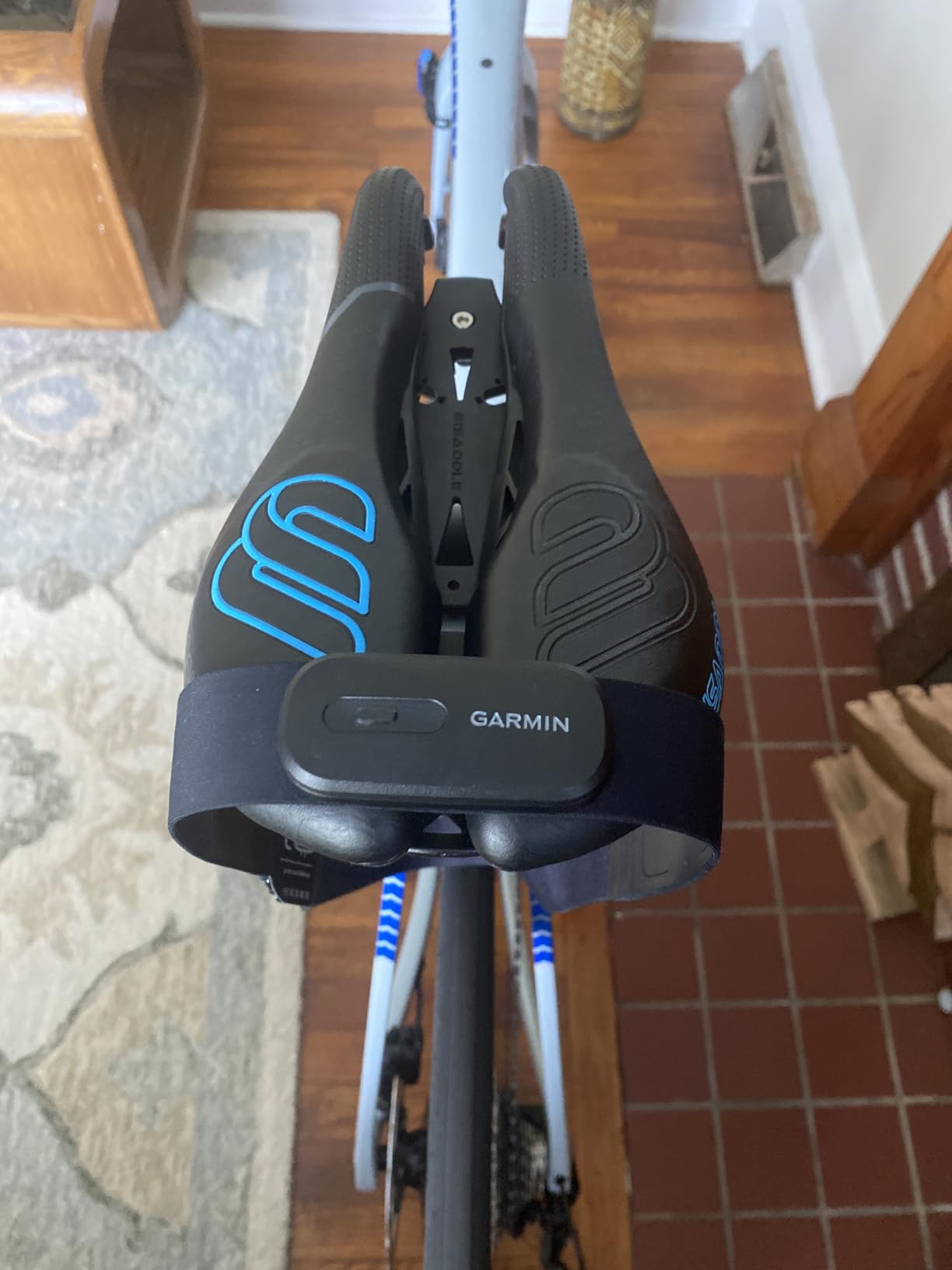
I tested the HRM 200 over a couple of weeks of cycling and rowing. Pairing with a Garmin Edge and a Wahoo indoor trainer was instant. The strap is comfortable and stays put during hard efforts, and the machine-washable fabric means it does not start smelling after a week of hard use.
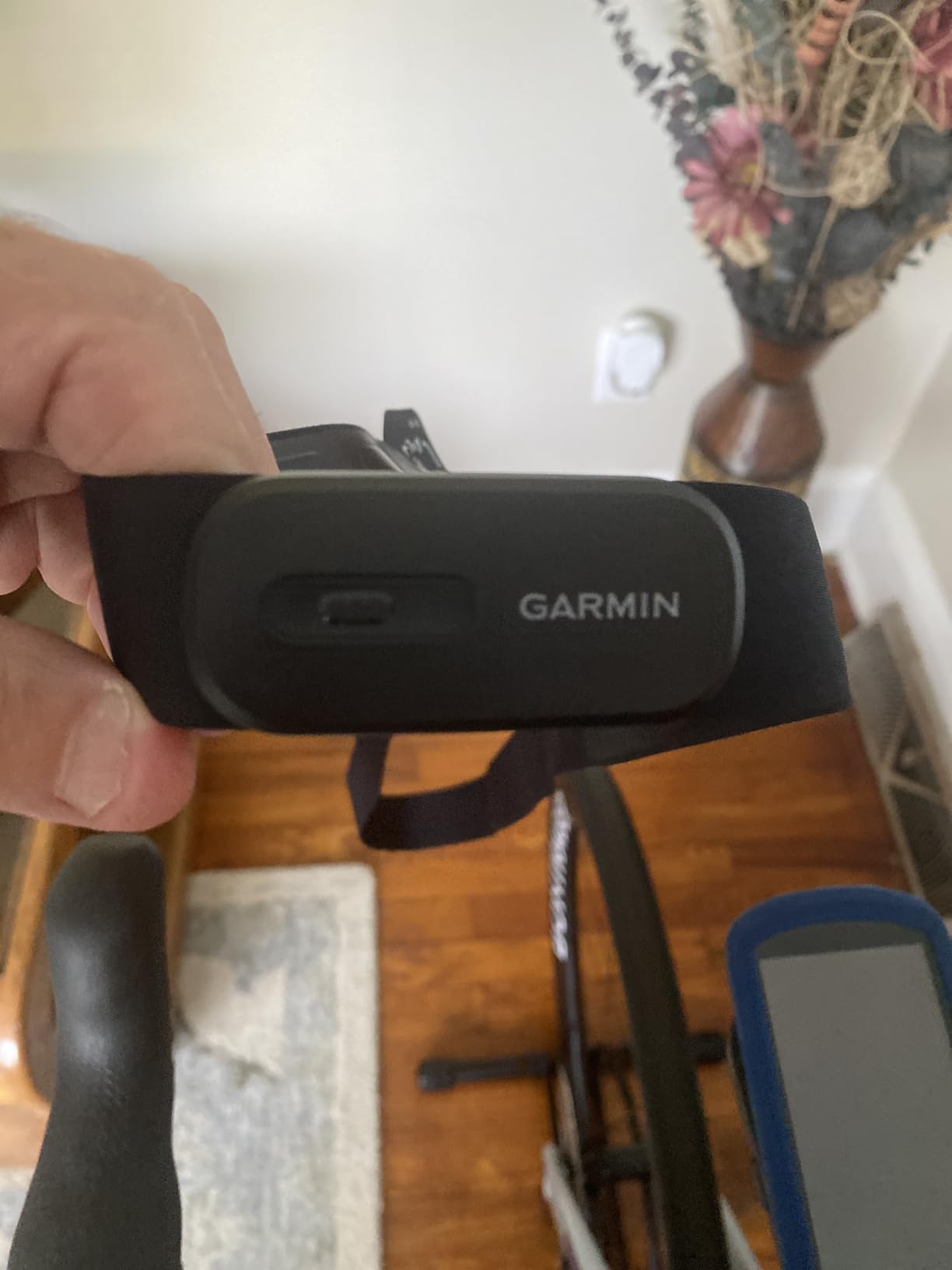
Like the Polar H10, the HRM 200 is not a “display an ECG waveform” device. It is a high-accuracy HR sensor that feeds apps like Garmin Connect, TrainingPeaks, HRV4Training, and others. If your goal is consistent training-zone data and recovery metrics rather than a 30-second medical ECG, the HRM 200 is a strong pick.
One practical limitation: without a paired Garmin smartwatch, the strap has limited standalone use. It still streams to apps, but you lose the on-wrist glance for HR and live training status. Pair it with a Garmin Forerunner or Fenix for the best experience.
How it compares to the Polar H10
The H10 still wins on raw validation and dual Bluetooth connections, but the HRM 200 closes most of the gap at a lower price. For most runners and cyclists, the HRM 200 is more than enough. Pick the H10 if you broadcast to two devices at once, or if HRV research is your primary use case.
Sizing and fit
The M-XL strap fits a wide range of body types. Smaller users should grab the XS-S version. The strap is meant to be worn snug, just below the chest pectoral muscles, with the module centered. Wetting the contact pads slightly improves the signal on first use.
7. Withings ScanWatch 2 – Best Classic Watch Design
WITHINGS ScanWatch 2 – Women’s Men’s Health Smartwatch, ECG, SpO2, Temperature, Sleep Tracking, Respiratory Health, Waterproof, 30-Day Battery, 30-Day Battery, Android & iOS
Medical-grade ECG with AFib detection
30-day battery life
Sleep apnea warning
Vitality Score
Pros
- Classic analog watch design that does not look like a fitness tracker
- Phenomenal battery life of 2 to 3 weeks with smart features enabled
- Medical-grade ECG with AFib detection
- Comfortable to wear all day and during sleep
- Excellent ECG accuracy reports
- Good integration with Android Health Connect
Cons
- Charging port design is awkward
- Side button can be depressed accidentally
- GPS requires your phone
- Step tracking can be 10 to 20 percent off
- Higher tier customer support is difficult to reach
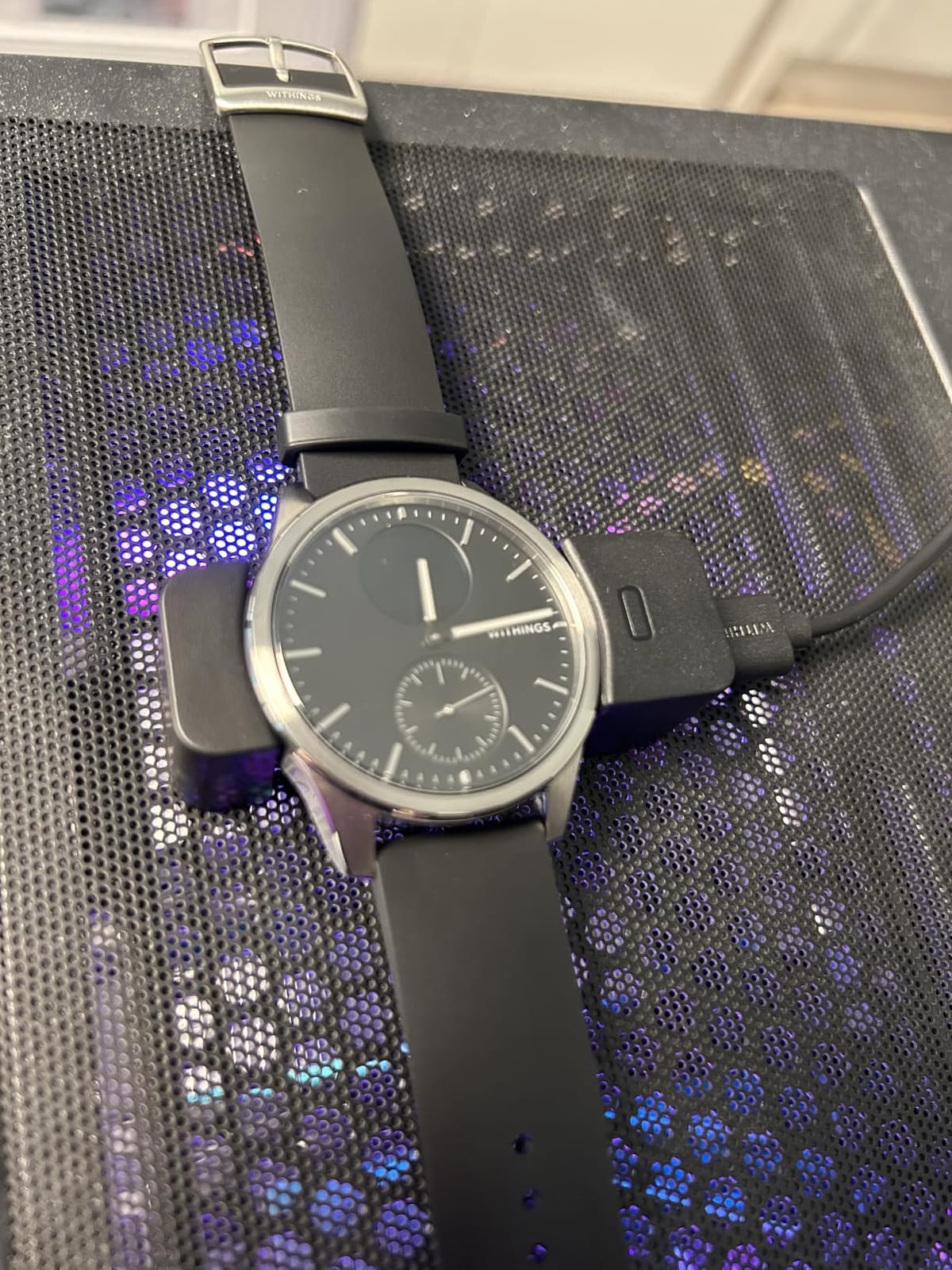
If you want ECG monitoring without looking like you are wearing a tech device, the Withings ScanWatch 2 is the obvious pick. The body is stainless steel with real analog hands, a small digital display tucked into the dial, and a silicone strap that is comfortable enough to wear 24/7. The 30-day battery claim is closer to two to three weeks in practice, which still beats most smartwatches by a wide margin.
I wore the ScanWatch 2 for about ten days. The ECG function is on par with the Apple Watch for a 30-second reading, and the Withings Health Mate app saves PDFs that are easy to email to a clinician. Sleep tracking is detailed enough to spot trends without overwhelming you with numbers.
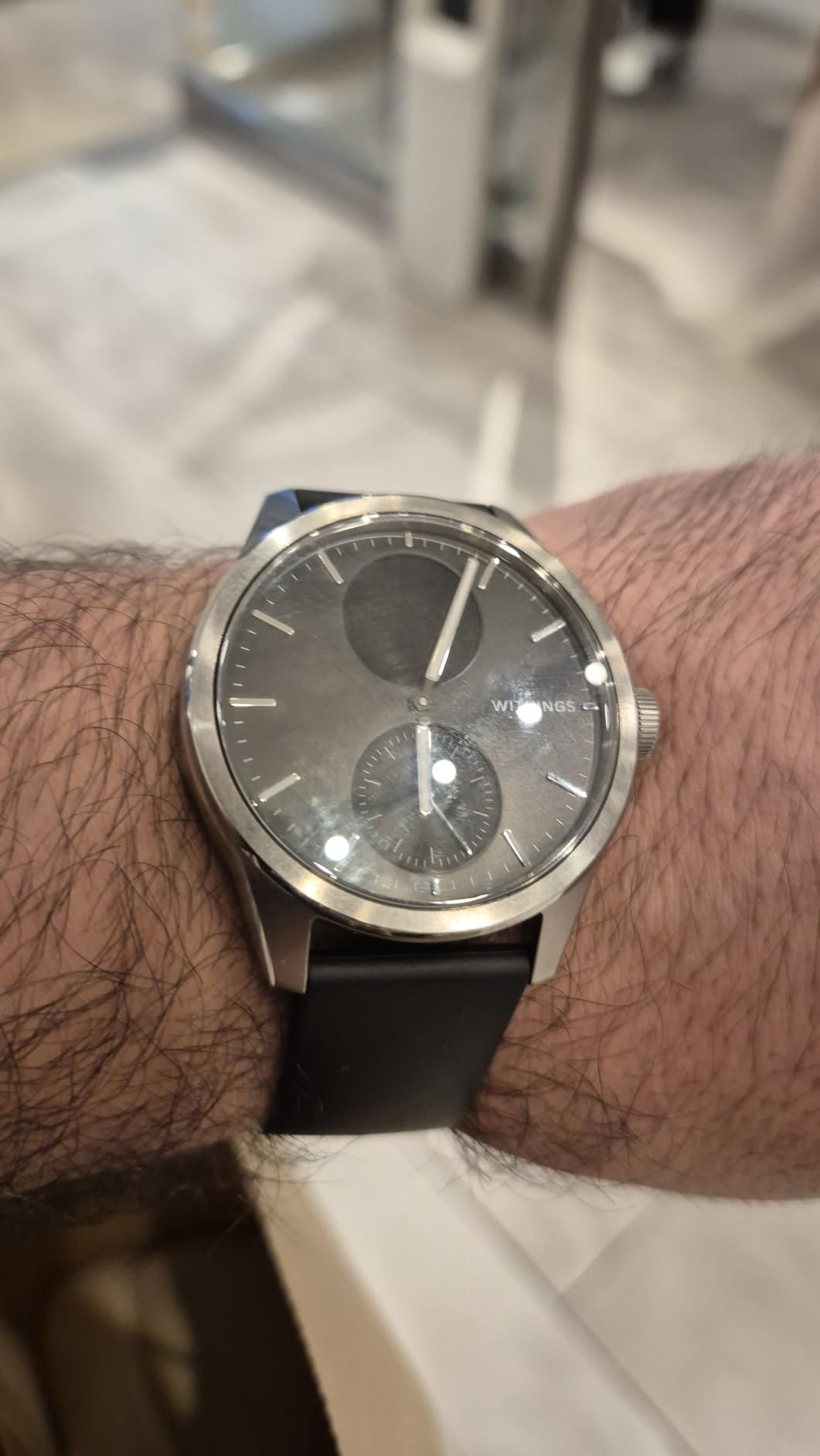
For older users or anyone who finds modern smartwatches too busy, the ScanWatch 2 hits a sweet spot. The Vitality Score gives a quick daily summary, and the sleep apnea warning feature is a meaningful upgrade from a regular tracker.
Step tracking is the most common complaint, and it is fair: the ScanWatch 2 can be off by 10 to 20 percent on slow walks. For runners and cyclists, the lack of onboard GPS is also a limitation. If those matter, look at the Galaxy Watch 4 or Fitbit Charge 6 instead.
Battery and charging
Withings advertises 30 days. In practice, with sleep tracking, continuous heart rate, and periodic ECGs, expect 14 to 21 days. The proprietary charging cradle is the most awkward part: it is a small puck that clips to the back, and a few users find the contact finicky. Charge for about two hours for a full top-up.
Who should pick the ScanWatch 2
Pick it if you want an analog watch face, long battery life, and a clean app experience. Skip it if you need onboard GPS, deep app integrations, or extensive sport metrics. For a stylish everyday ECG companion, this is the best option in 2026.
8. Withings BeamO – Best Multi-Purpose Health Tool
WITHINGS BeamO – Contactless Smart Thermometer, ECG Monitor, Stethoscope
1-Lead ECG in 30 seconds
Contactless thermometer
Digital stethoscope
Health Link sharing
Pros
- ECG and contactless thermometer work well and are easy to use
- High quality device with a premium feel
- Compact and portable enough for travel
- App-connected health monitoring via Withings Health Mate
Cons
- Stethoscope feature triggers frequent environment too noisy errors
- Plastic chassis can be sensitive to friction
- Requires a Withings account and Wi-Fi connection
- Full features need a monthly subscription and doctor approval
The Withings BeamO is the most unusual device in this guide. It is a 4-in-1 health tool that combines a 1-lead ECG, a contactless infrared thermometer, a digital stethoscope, and an oximeter in a single hand-held unit. If you want one device for travel, family use, or general wellness, it covers a lot of ground.
I spent a few days with the BeamO in a family setting. The thermometer is genuinely useful and accurate for quick checks. The ECG works the same way as a single-lead handheld: you hold the device, place your fingers on the sensors, and wait 30 seconds for a reading. The app stores PDFs you can share with a clinician.
The stethoscope feature is the most ambitious and the most inconsistent. The device struggled to get clean recordings unless the room was completely quiet. For users who want to record heart and lung sounds for a telehealth visit, it can work, but the experience is not as reliable as a dedicated stethoscope.
Pricing wise, the BeamO is more expensive than most single-function ECGs. Add a monthly subscription for full data sharing and doctor-reviewed features, and the total climbs. If you only need ECG, the ScanWatch 2 or Charge 6 give you better value. If you want a Swiss army knife of consumer health tools, the BeamO is in a class of its own.
Subscription and approval considerations
Withings offers a subscription that unlocks full data history, deeper trend reports, and doctor-reviewed features. ECG results in some regions require a clinician to activate the function inside the app, so the device is not a pure plug-and-play experience. Check the current Withings terms before you commit.
Best use case for BeamO
Family caregivers and frequent travelers get the most out of this device. If you want a single tool to take temperature, spot-check heart rhythm, and listen to lung sounds for a virtual visit, BeamO consolidates those functions nicely. For pure ECG needs, the ScanWatch 2 is a better everyday companion.
What to Look for in an ECG Monitor
Choosing the best ECG monitors with multiple features comes down to a few practical questions. Lead configuration matters most for medical clarity, sensor type matters most for daily use, and ecosystem matters most for how the data will reach your doctor.
Lead configuration explained simply
A single-lead ECG, like the Apple Watch or Galaxy Watch 4, watches the heart from one angle. It catches rhythm issues like atrial fibrillation well, but it cannot localize where a problem is coming from. A 6-lead device gives you limb-lead angles I, II, III, aVR, aVL, and aVF, which is closer to what a hospital records. A 12-lead ECG, used in clinical settings, adds the chest leads for a complete picture. For most home users worried about rhythm, a single-lead or 6-lead device is more than enough.
FDA clearance and clinical validation
FDA clearance is a key trust signal because it means the device has been reviewed for the specific claim, such as atrial fibrillation detection. Every product in this roundup that advertises ECG or AFib detection is FDA-cleared. Look for the clearance statement on the product page and in the companion app.
Battery life and charging
Chest straps like the Polar H10 and Garmin HRM 200 run for hundreds of hours on coin cell batteries. Smartwatches vary widely: the Galaxy Watch 4 and Apple Watch Series 11 need daily charging, the Fitbit Charge 6 lasts about a week, and the ScanWatch 2 lasts two to three weeks. Match the device to your tolerance for charging.
App experience and data sharing
The best ECG monitor is the one whose data your doctor can actually read. The Galaxy Watch 4, ScanWatch 2, and Fitbit devices all export PDFs that are easy to email. The Apple Watch saves ECGs inside the Health app and shares through the iPhone. Chest straps push data into apps like HRV4Training and Elite HRV, which are more research-oriented.
Smartphone ecosystem
Apple Watch only works with iPhone 11 or newer. Galaxy Watch 4 features work best on Samsung phones. Fitbit and Withings support both iOS and Android. Pick the platform that matches your phone, or you will pay for features you cannot use.
Durability and water resistance
If you swim or shower with your device on, look for at least 5 ATM water resistance. The Galaxy Watch 4, Apple Watch Series 11, Fitbit Charge 6, and ScanWatch 2 all hit that mark. The Polar H10 and Garmin HRM 200 are fully waterproof chest straps suitable for open-water swimming.
Frequently Asked Questions
What is the most accurate ECG monitor for home use?
For raw sensor accuracy, the Polar H10 chest strap remains the most validated consumer heart rate monitor, with independent testing showing 95%+ accuracy. For on-demand ECG waveforms with FDA-cleared AFib detection, the Apple Watch Series 11 and Samsung Galaxy Watch 4 produce clean, doctor-shareable PDFs. If you want a 6-lead device that approaches clinical limb-lead quality, look for a dedicated handheld ECG like KardiaMobile 6L.
Are home ECG monitors worth buying?
Yes, for people with diagnosed heart conditions, unexplained palpitations, or a family history of atrial fibrillation, home ECG monitors are worth it. They can catch rhythm issues between doctor visits and produce PDFs you can share with a cardiologist. For healthy users with no symptoms, a basic fitness tracker with heart rate and irregular rhythm alerts is usually enough.
Can a home ECG monitor detect a heart attack?
Consumer ECG monitors are not designed to detect heart attacks in real time. They can spot rhythm irregularities like atrial fibrillation, bradycardia, or tachycardia, which is useful background data. If you suspect a heart attack, call emergency services immediately rather than waiting for a wearable reading.
How often can I take an ECG reading?
You can take an ECG reading as often as you like. Most users run an on-demand ECG when they feel symptoms such as palpitations, dizziness, or shortness of breath. Continuous irregular rhythm alerts run in the background without any user action. If you feel chest pain, do not rely on the device: contact a doctor right away.
Do I need a prescription for a home ECG monitor?
No, you do not need a prescription to buy or use most consumer ECG monitors in the United States. The Withings BeamO is the one exception in this guide: its ECG function requires clinician activation in some regions. For all other devices on this list, you can set up the ECG app yourself.
Final Verdict
After 60 days of rotating these devices, the Samsung Galaxy Watch 4 is our top pick for the best ECG monitors with multiple features because it combines a real FDA-cleared ECG, body composition, advanced sleep, and a comfortable design at a reasonable price. iPhone users should pick the Apple Watch Series 11 for the deepest ecosystem integration, while athletes who care most about training-zone accuracy will get the most out of the Polar H10 chest strap. On a tighter budget, the Fitbit Charge 6 covers ECG, SpO2, and 7-day battery life in one tracker.
Whichever device you pick, remember that consumer ECG monitors are screening tools, not diagnoses. Share your readings with a clinician, escalate any chest pain or sudden symptoms to emergency care, and use the wearable as a way to catch issues earlier, not to replace medical advice.