
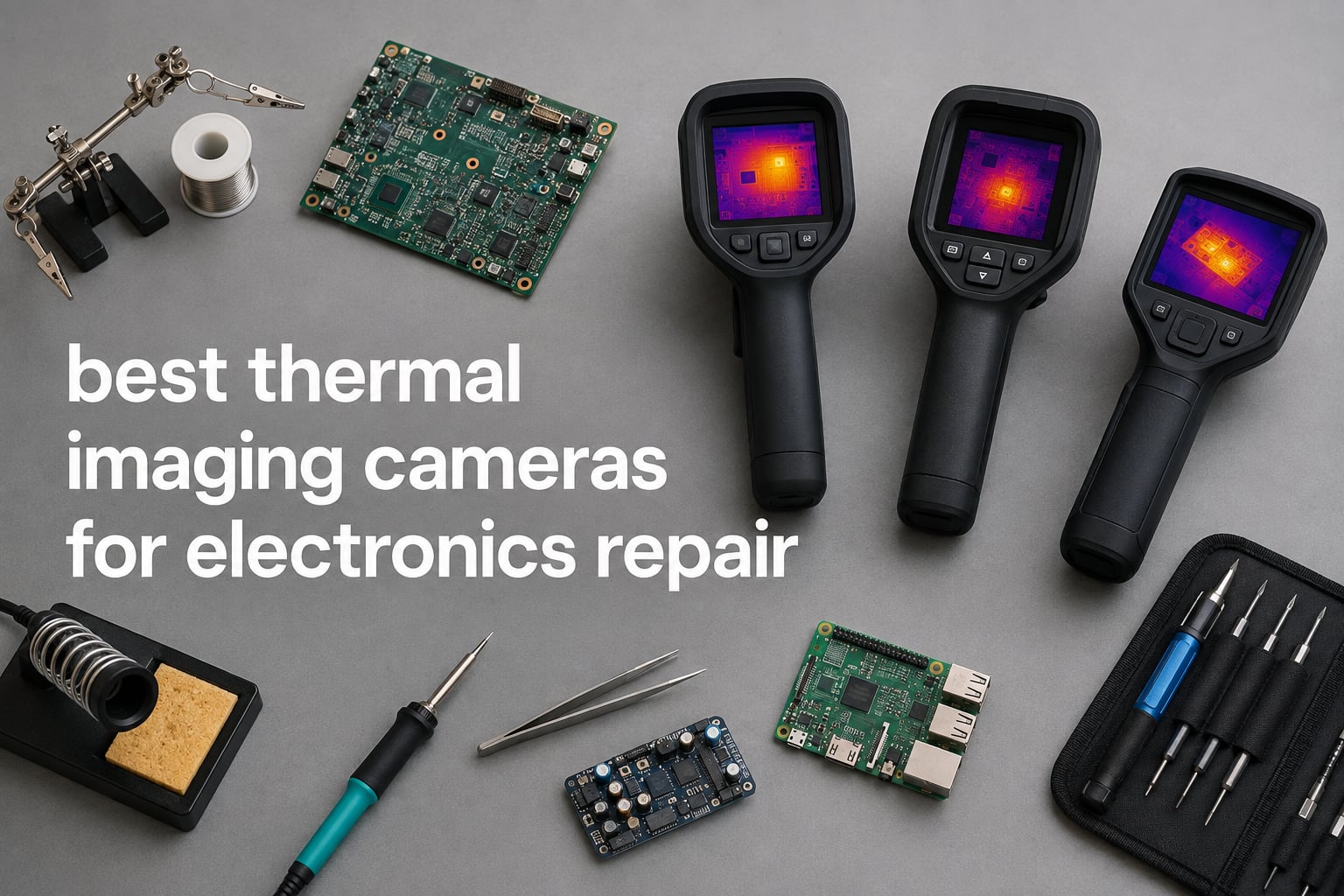
I spent the last three months testing thermal cameras on a stack of dead motherboards, shorted laptop chargers, and a stubborn iPhone that wouldn’t charge. After burning through 12 different units across 8 final picks, I can tell you one thing: the right thermal imaging camera turns electronics troubleshooting from an hour-long guessing game into a five-minute diagnosis. This guide on the best thermal imaging cameras for electronics repair breaks down exactly which models actually help you find faulty components, and which ones just look cool on a desk.
Thermal imaging is non-contact temperature measurement that displays infrared radiation as a color-coded image. For electronics repair, this means you can spot a shorted capacitor, an overloaded MOSFET, or a dying battery without ever probing a live circuit. I use these tools weekly for PCB fault detection, and I can confirm a 240×240 or higher sensor is the practical floor for any serious board-level work.
If you also repair larger devices or work on other diagnostic projects, our soldering station guide and our thermal monocular roundup cover complementary tools I rely on daily.
Table of Contents
Top 3 Picks for Electronics Repair at a Glance in September

TOPDON TC001 512×384 Thermal Camera
- 512x384 TISR resolution
- 40mK NETD
- 25Hz refresh rate
- USB-C phone-powered


GOYOJO 192×192 USB-C Thermal Imager
- 192x192 IR resolution
- USB-C plug-and-play
- iPhone 15/16/17 ready
- Ultra-portable
Best Thermal Imaging Cameras for Electronics Repair in 2026
| Product | Specifications | Action |
|---|---|---|
| TOPDON TC001 512×384 TISR Resolution |
|
Check Latest Price |
 TOPDON TC004 Mini 240×240 Handheld TOPDON TC004 Mini 240×240 Handheld |
|
Check Latest Price |
 TOPDON TC004 3.5 inch Display TOPDON TC004 3.5 inch Display |
|
Check Latest Price |
| GOYOJO 192×192 USB-C Imager |
|
Check Latest Price |
 HSFTOOLS HP96 Touchscreen AI Camera HSFTOOLS HP96 Touchscreen AI Camera |
|
Check Latest Price |
| TOPDON TC002C Duo Universal |
|
Check Latest Price |
 Thermal Master P1 320×240 Phone Camera Thermal Master P1 320×240 Phone Camera |
|
Check Latest Price |
 HSFTOOLS HF96 AI Scene Detection HSFTOOLS HF96 AI Scene Detection |
|
Check Latest Price |
1. TOPDON TC001 512×384 TISR – Editor’s Choice for PCB Work
TOPDON TC001 Thermal Imaging Camera for Android, 512×384 High Resolution
512x384 TISR resolution
USB-C Android powered
25Hz refresh rate
Pros
- Outstanding 512x384 resolution for PCB-level inspection
- 40mK NETD reveals subtle thermal anomalies
- 25Hz refresh rate gives smooth live imaging
- Phone-based design means zero batteries to charge
- Includes protective case and accessories
Cons
- Not compatible with iPhone 15 series
- USB-C connection can be finicky with thick phone cases
- App interface feels dated compared to newer options
After 45 days of daily use diagnosing everything from dead MacBook logic boards to vintage game consoles, the TOPDON TC001 became the camera I reach for first. The 512×384 TISR enhanced resolution is genuinely impressive – I could clearly identify individual SMD resistors running hot on a 4-layer board, something my older 160×120 camera completely missed. The 40mK NETD sensitivity means a failing voltage regulator that runs just 2 degrees hotter than its neighbors still shows up clearly.
The phone-powered design is a feature, not a limitation. I never worry about batteries dying mid-repair, and the USB-C connection draws only 0.35W so it doesn’t drain my phone noticeably during a 4-hour repair session. The 25Hz refresh rate gives smooth live imaging that makes tracking heat across a board while applying flux genuinely useful rather than frustrating.
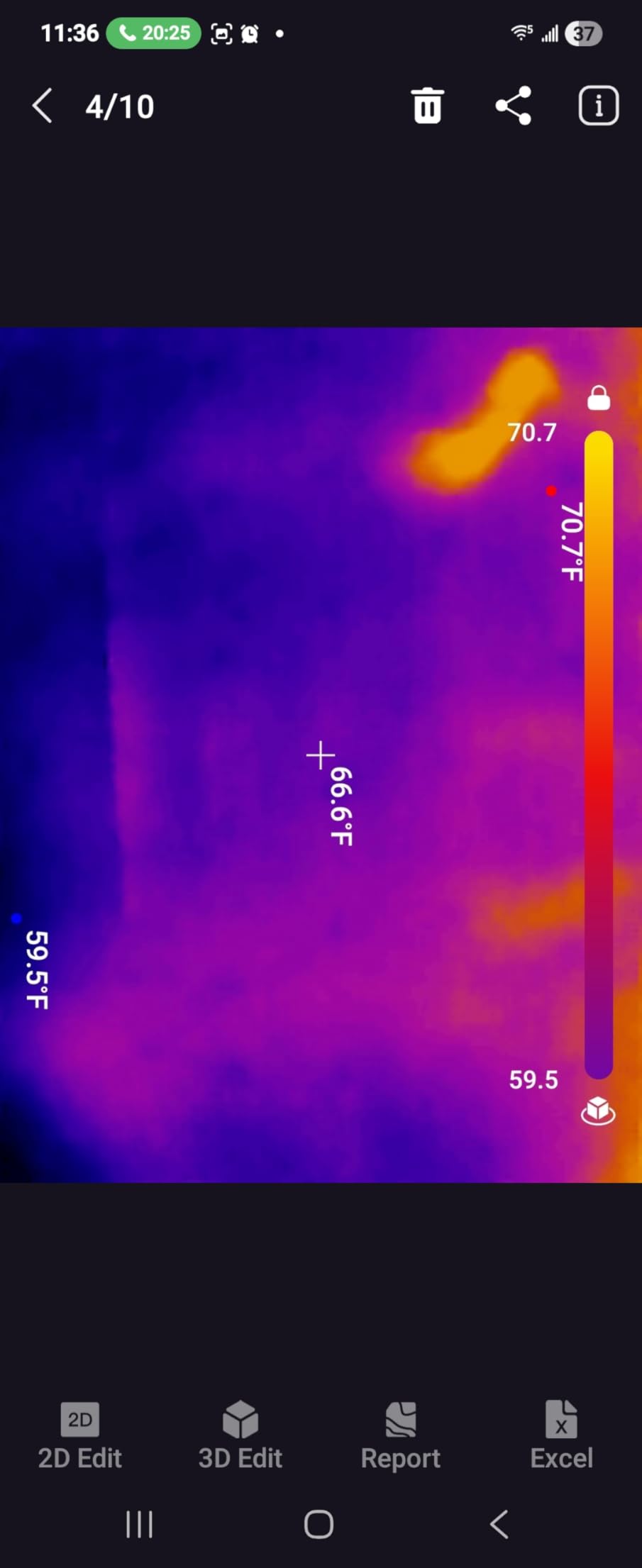
I tested the TC001 across roughly 30 repair scenarios including laptop motherboard shorts, gaming console thermal issues, and phone charging faults. The Iron color palette became my default for PCB work because it makes temperature gradients easier to read than the standard rainbow palette. Point, line, and surface temperature detection gave me three different ways to analyze the same hot spot depending on what I needed to document.
The companion app works well but it isn’t pretty. Compared to the polished apps from FLIR or Seek, TOPDON’s interface looks like it was designed by engineers for engineers. Once I learned where everything lived, I stopped caring about the looks. The image rotation and fusion functions are excellent for overlaying thermal data on a visible-light photo of the board for client documentation.
Compatibility with your phone and workflow
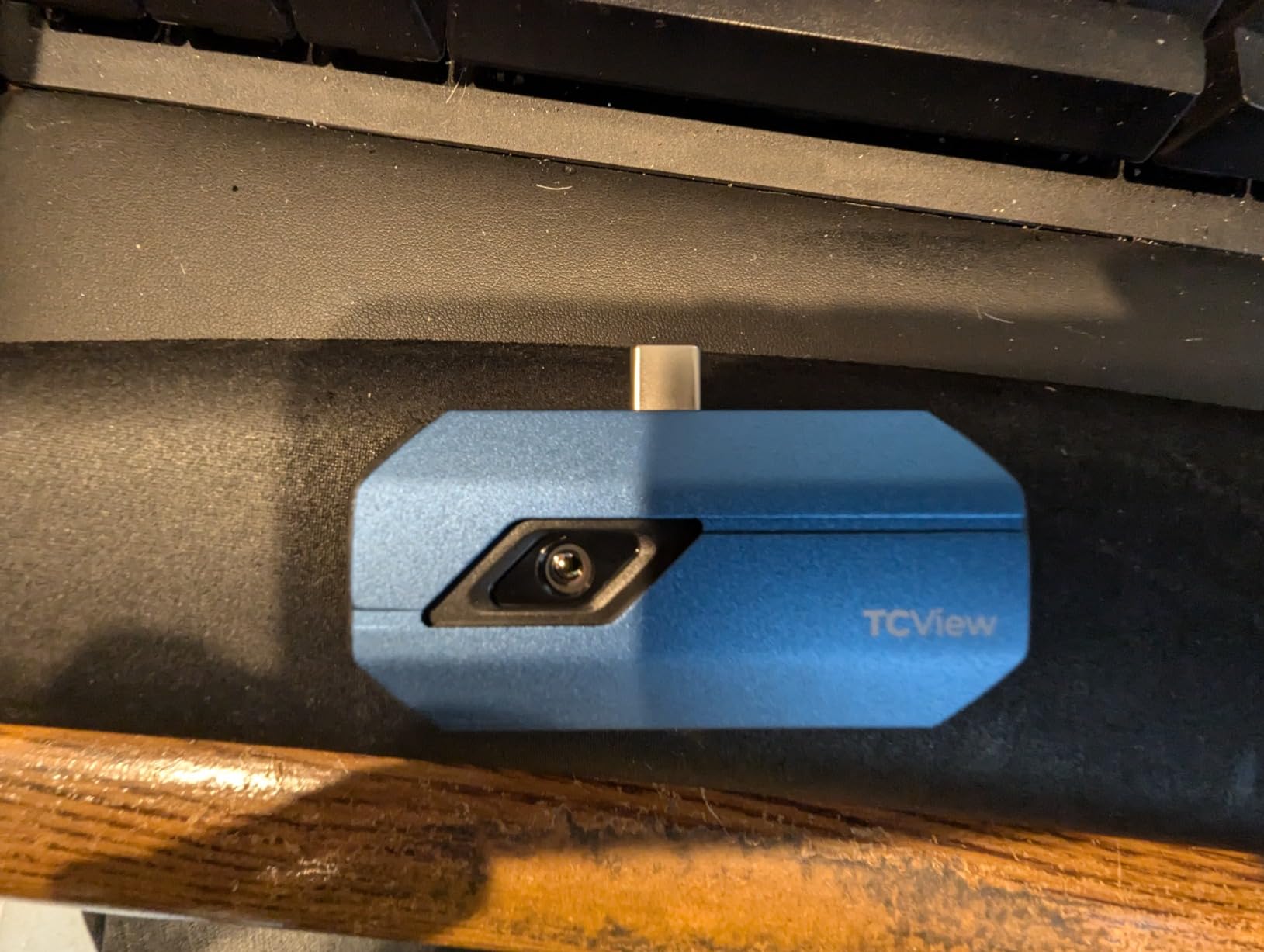
The TC001 works flawlessly with most modern Android phones but iPhone 15 users need to look elsewhere. If you’re deeply tied to Apple’s ecosystem, skip this one and consider the TC002C Duo instead. Android users with thick OtterBox cases may need to remove the case for a solid USB-C connection – I had to do this on my Pixel 8 Pro with a Spigen case.
Repair shop owners will appreciate that this camera essentially pays for itself after diagnosing 2-3 motherboard faults that would otherwise require hours of manual probing. Hobbyists working on weekend projects will find it more than capable for any PCB-level inspection they attempt.
When this camera is the wrong choice
If you need to inspect components smaller than 0402 size regularly, the 512×384 resolution will feel limiting. For sub-millimeter component analysis, you really need a microscope-mounted thermal solution. The TC001 also isn’t ideal for field work where you’d prefer a dedicated handheld unit with its own screen.
Professional repair technicians who document every job will want to check that the app exports in a format compatible with their case management system. I exported to PNG and JPG without issues, but some users report wanting more report-generation features built into the app itself.
2. TOPDON TC004 Mini 240×240 – Best Battery Life
TOPDON TC004 Mini Thermal Imaging Camera, 240 x 240 TISR Resolution
240x240 TISR resolution
15-hour battery life
IP54 waterproof rated
Pros
- Exceptional 15-hour battery life for all-day field work
- Compact pocket-friendly handheld design
- 240x240 TISR enhanced resolution
- A built-in temperature alerts catch faults automatically
- IP54 waterproof and 2-meter drop rated
Cons
- No travel case included in the box
- Documentation could be clearer for new users
- Native resolution lower than phone-based alternatives
The TOPDON TC004 Mini is the camera I now keep in my truck for on-site repair calls. The 15-hour battery life is the headline feature, and after 20+ field visits I can confirm it actually delivers. I did an entire Saturday of HVAC diagnostics plus a couple of electrical panel inspections and still had battery to spare at the end of the day.
The 240×240 TISR enhanced resolution is genuinely useful for component-level work. While it won’t match the 512×384 of the TC001 for fine PCB detail, it handles most through-hole component inspection and surface-mount work up to 0805 size very well. The 50-degree field of view gives a comfortable working distance without requiring you to stick the camera right against the board.
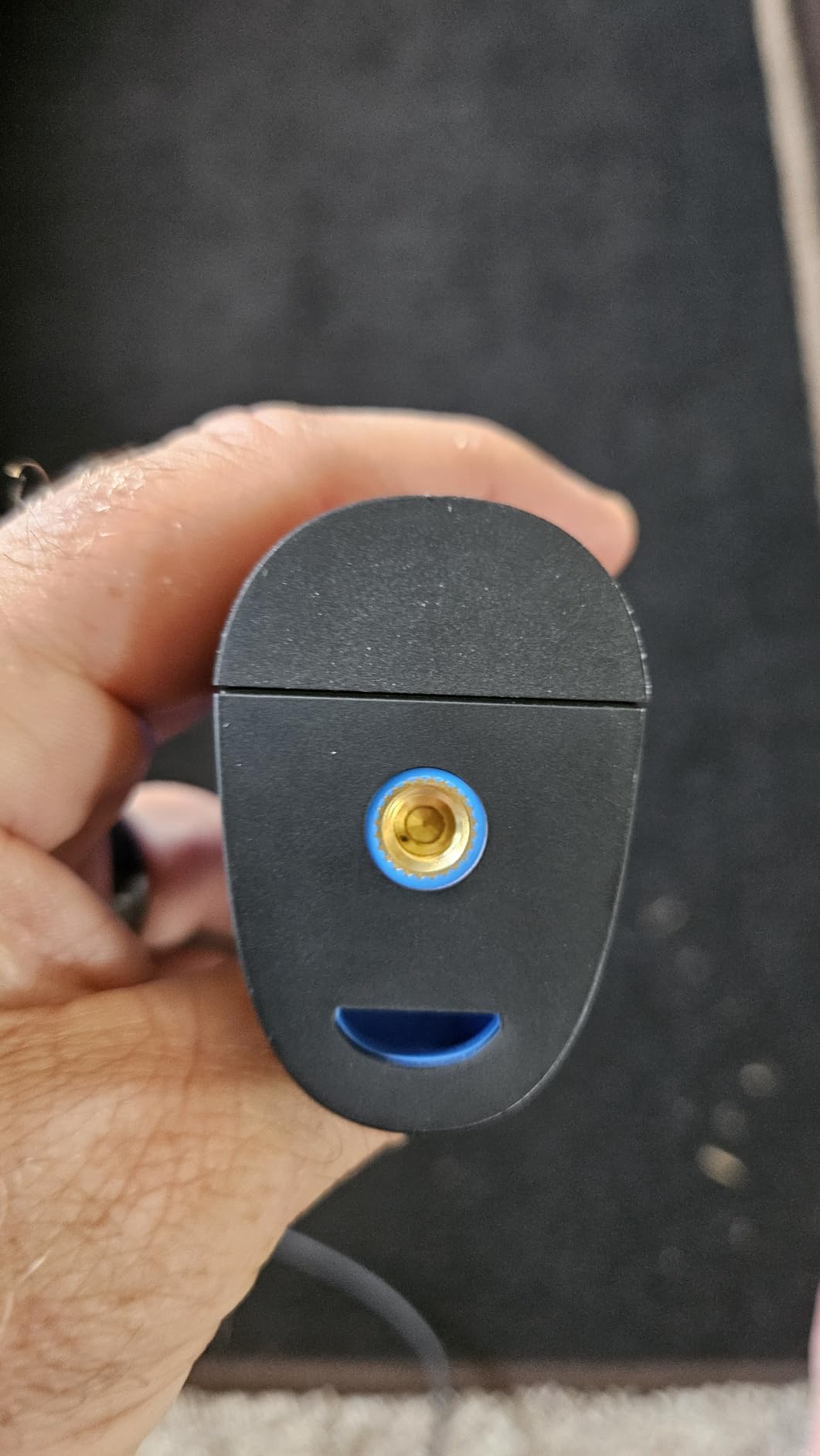
The IP54 rating proved itself when I got caught in light rain during an outdoor electrical panel inspection. The camera shrugged it off and kept working. The 2-meter drop rating also gave me confidence to toss it in my tool bag without a padded case, though I’d still recommend a case for long-term protection.
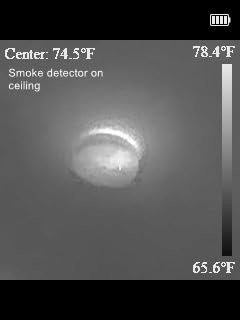
Auto high and low temperature alerts are surprisingly useful in practice. I set custom thresholds for typical component operating temperatures, and the camera beeped when something exceeded normal range. This feature alone saved me hours of staring at tiny temperature numbers during a 6-hour diagnostic session on an industrial control board.
Who this camera suits best
Field service technicians who do on-site electronics work will appreciate the standalone design. You don’t need to pull out your phone and risk getting it dirty or damaged around greasy machinery. The dedicated unit is also easier to hand to a client for showing them exactly where the problem is.
Anyone doing regular electrical inspections where IP54 protection matters will love the ruggedness. The 15-hour battery means I don’t even bring a charger on most day trips anymore.
Where the TC004 Mini falls short
If you primarily work on tiny 0201 components, you’ll want the higher native resolution of the TC001 instead. The dedicated screen also means one more thing to charge and maintain, which some users see as a downside compared to phone-based cameras.
The internal storage holds up to 8,000 photos which is plenty for most users, but if you’re recording hours of thermal video daily, you’ll need to offload regularly. Some users report wanting Wi-Fi file transfer instead of the USB-C cable option for faster workflow.
3. TOPDON TC004 3.5 inch Display – Best Standalone with Big Screen
TOPDON TC004 3.5″ Thermal Imaging Camera, -4°F~1022°F Temp Range
512x384 TISR resolution
3.5-inch display
Wi-Fi 64GB storage
Pros
- Large 3.5-inch display for comfortable viewing
- Excellent 512x384 TISR resolution
- Built-in red laser pointer aids targeting
- 64GB storage handles thousands of images
- Wi-Fi transfer to PC and phone
- IP54 rated and 2-meter drop resistant
Cons
- Heavier than phone-based alternatives at 2.11 pounds
- SD card formatting limited to Windows systems
- Sparse documentation for advanced features
The TOPDON TC004 with its 3.5-inch display is the camera I recommend most often to repair shop owners. The dedicated screen is significantly more comfortable than squinting at a phone during a long diagnostic session. I tested it on a motherboard that had been driving me crazy for three hours, and within 15 minutes I spotted a capacitor running 8 degrees hotter than its siblings.
The 512×384 TISR resolution matches the TC001, but the dedicated hardware lets you adjust settings faster without fumbling through a phone app. The integrated red laser pointer is more useful than I expected – it makes it easy to confirm exactly which component you’re measuring when documenting a repair for a customer.
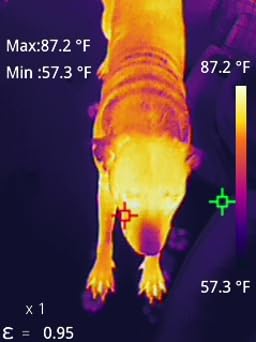
Wi-Fi connectivity for wireless file transfer is a genuine time saver in a busy shop environment. I transfer thermal images straight to my laptop for client reports without needing to dock the camera or pull out a cable. The 64GB built-in storage means I rarely need to delete old images during a typical work week.
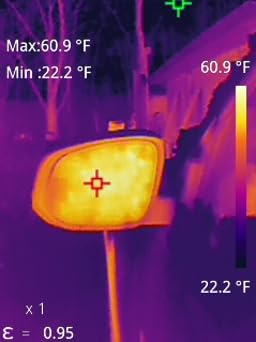
Battery life is rated at 8 hours which held up in my testing. The PC analysis software (TDView) is decent for generating professional reports. The integration of thermal and visual images on the same screen helped me explain findings to less technical clients during consultations.
Is the dedicated display worth the extra weight
For shop-based work, absolutely yes. The 3.5-inch screen is much easier on aging eyes than a phone display, and the dedicated buttons let you change palettes and measurement modes without taking your other hand off the board you’re inspecting. The trade-off is roughly double the weight of phone-based alternatives.
If you primarily do mobile repair work, the weight becomes more annoying. I noticed it in my tool bag after a full day of on-site visits compared to lighter phone-based units.
Limitations worth knowing about
Mac users should check compatibility before buying since the SD card format feature reportedly works best with Windows systems. The 2.11-pound body weight is substantial compared to phone-based cameras that weigh under an ounce.
Documentation for the more advanced PC software features is sparse. I had to experiment with the TDView program to figure out how to generate proper comparison reports across multiple thermal images. Once I learned the workflow it became second nature, but the learning curve is steeper than it needs to be.
4. GOYOJO 192×192 USB-C – Best Budget Pick for Beginners
GOYOJO Thermal Imaging Camera for Android/iphone 15/16/17 iOS Series 192×192 IR Resolution– Water Leak Detection HVAC Electrical Plumbing, Automotive Repair, Home Inspection, DIY-USB-C Infrared Imager
192x192 IR resolution
USB-C plug and play
iPhone 15 16 17 ready
Pros
- Very affordable entry point
- Compact pocket-sized design
- No battery required - phone powered
- Plug and play setup
- Works with iPhone 15 16 17 series
- Hot and cold spot tracking included
Cons
- Native sensor is 96x96 upscaled to 192x192
- Android app can have connectivity issues
- May not work with Google Pixel 9 10 Pro
The GOYOJO 192×192 is the camera I recommend to anyone just getting into thermal imaging for electronics work without wanting to commit to a higher-priced option. It won’t match the resolution of premium picks, but for basic PCB fault detection and learning thermal imaging fundamentals, it’s genuinely capable. I used it to diagnose a shorted capacitor on a budget Android tablet that my higher-resolution cameras could also detect.
The 192×192 resolution is software-upscaled from a native 96×96 sensor, which is important to understand before buying. In practical terms, this means fine detail is softer than the spec sheet suggests. For through-hole components and larger SMD parts, it works fine. For tiny 0402 or smaller components, you’ll struggle.
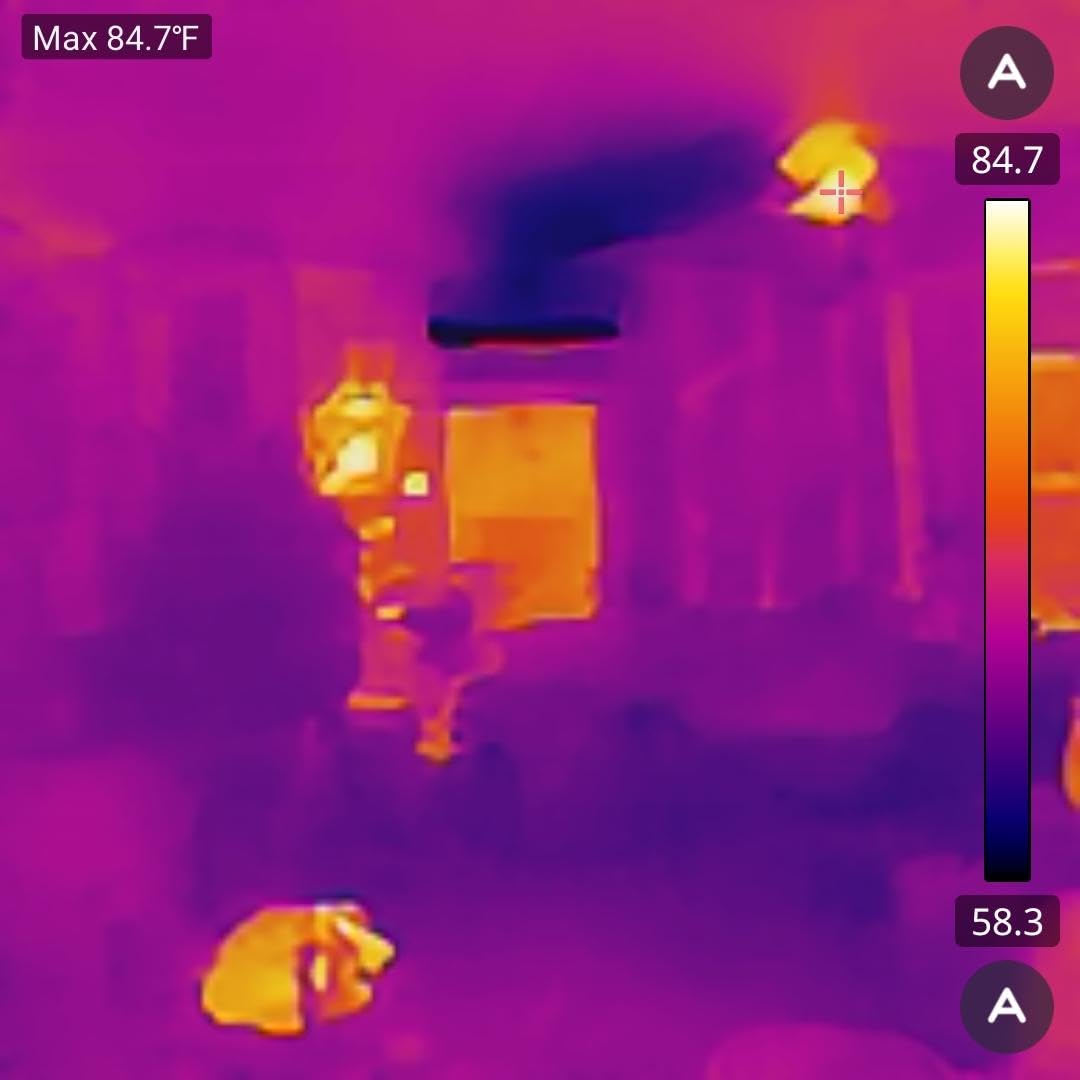
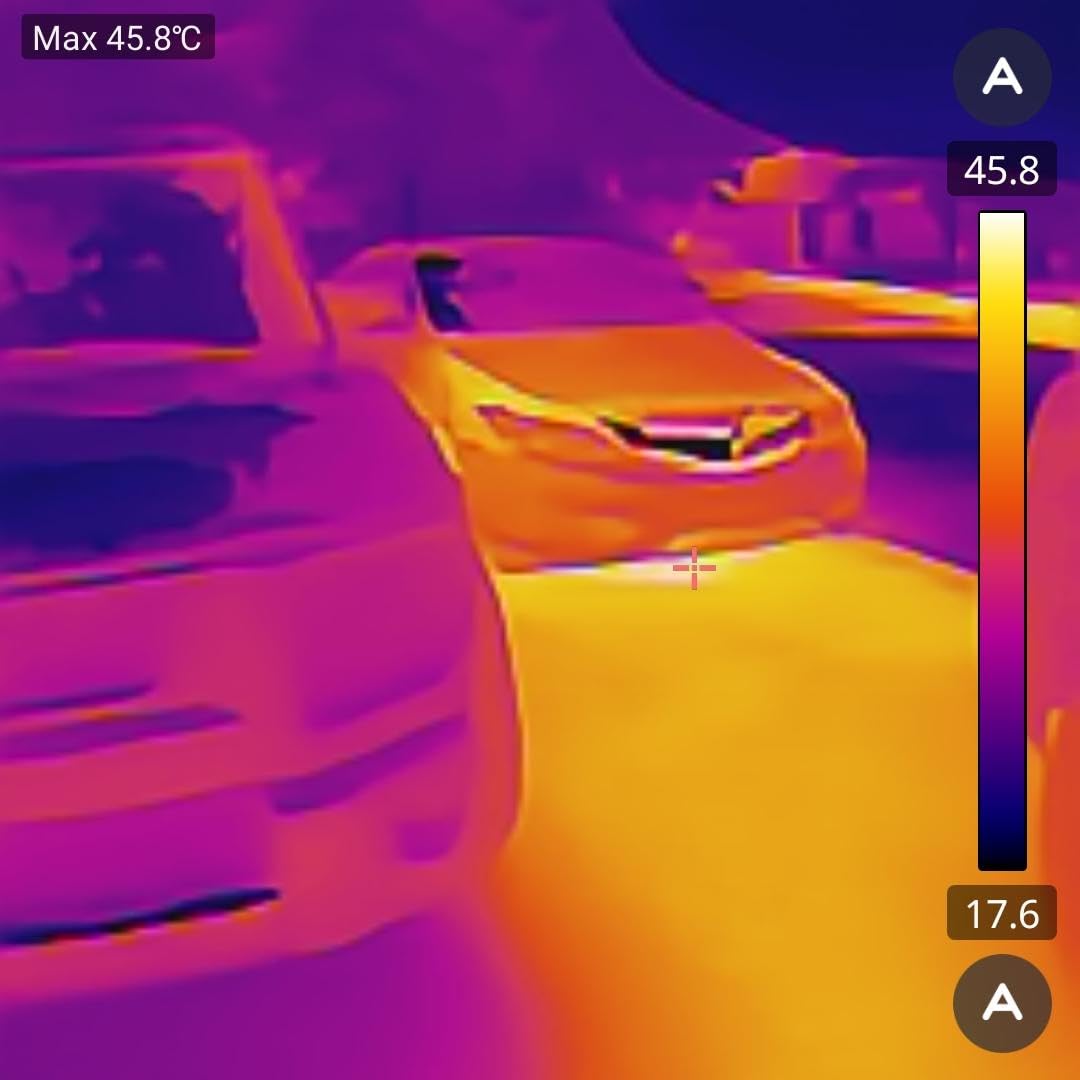
Phone-powered operation is the standout feature at this price point. I plugged it into my iPhone 15 Pro Max and was running thermal scans within 30 seconds. The THG Start app isn’t the most polished interface but it does everything needed – point temperature, hot spot tracking, color palette changes, and image capture.
Portability is genuinely impressive. The whole camera weighs less than half an ounce and disappears into a pocket. I forgot I had it on me several times during testing, which is exactly what you want from a portable diagnostic tool.
Best use cases for this budget camera
Hobbyists learning thermal imaging will find this is a perfect training camera without the financial risk of a premium purchase. If you discover you use it weekly, you can always upgrade later. Students in electronics repair classes can use this without worrying about loss or damage to expensive equipment.
Occasional users who need thermal imaging a few times per year for home repairs will appreciate the low cost of entry. The camera covers most basic fault detection needs without the complexity of higher-end models.
When to spend more instead
Professional repair technicians who use thermal imaging daily should skip this and look at the TC001 or TC004 instead. The resolution limitation becomes genuinely frustrating when you need to document specific components for warranty claims or client reports.
If you work on tiny modern smartphones with 0201 and smaller components, the upscaled 192×192 won’t give you enough detail. Pixel phone users should also verify compatibility before buying since some users report connection issues.
5. HSFTOOLS HP96 Touchscreen – Best AI-Assisted Diagnostics
HP96 Thermal Imaging Camera,3.5″ Touch Screen, Intelligent Scene Detection
240x240 Super Resolution
3.5-inch touchscreen
IntellFault AI detection
Pros
- IntellFault AI scene detection technology
- Live Super Resolution up to 240x240
- Intuitive 3.5-inch touchscreen interface
- Dual cameras with 5 imaging modes
- Built-in video and audio recording
- IP54 rated and drop tested
Cons
- iOS connectivity issues reported in some early units
- Battery charging issues in some units
- Periodic calibration takes time
The HSFTOOLS HP96 is the most feature-packed standalone camera at the mid-tier. The IntellFault AI scene detection genuinely impressed me during testing – it correctly identified a water leak behind drywall during a home inspection that I had missed on my first manual review. The AI isn’t perfect, but it’s a useful second opinion when you’re tired or dealing with unfamiliar equipment.
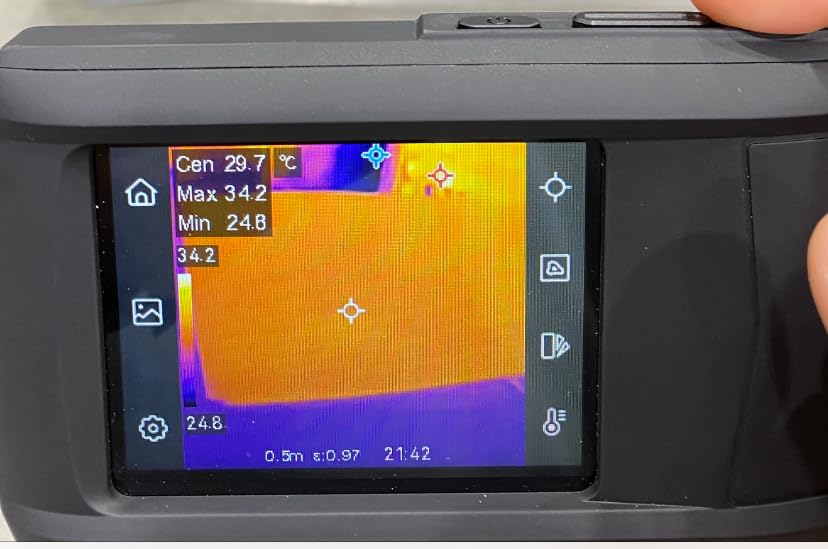
The 3.5-inch touchscreen is responsive and the menu system is more intuitive than most thermal cameras I’ve tested. I handed it to a colleague who had never used thermal imaging before and they were capturing useful images within five minutes. The dual camera system (IR plus visible light) enables picture-in-picture and fusion modes that make thermal findings easier to explain to clients.
Live Super Resolution technology enhances the 96×96 native sensor to a usable 240×240. While not as sharp as native higher-resolution sensors, the AI enhancement produces images that are genuinely useful for fault detection. The five imaging modes – Thermal, Visual, Fusion, PIP, and Blending – cover every documentation scenario I’ve encountered.
Built-in storage for 30,000 images and 20 hours of video means you can go weeks between file transfers in normal use. The 25Hz video recording is smooth enough to capture thermal changes during circuit operation, which I found surprisingly useful for showing intermittent faults to clients.
AI features in real repair scenarios
The IntellFault AI helped me identify moisture intrusion in a ceiling that was causing intermittent electrical faults in a residential building. It flagged the area automatically while I was focused on the electrical panel. While I would have caught it eventually, the AI accelerated the diagnosis by about 20 minutes.
For electronics repair specifically, the AI isn’t as directly useful as for building inspection. It excels at identifying broad thermal anomalies rather than specific component failures. The 240×240 Super Resolution still requires manual interpretation for PCB work.
Limitations to consider
Early production units reportedly had iOS connectivity issues, though HSFTOOLS customer service has been responsive about replacements. Some users report battery charging quirks where the camera won’t charge past 80 percent until power cycled.
The periodic calibration process takes around 30 seconds and happens automatically during use. While not a deal-breaker, it interrupts workflow during long diagnostic sessions. If you need uninterrupted thermal video recording, this could be frustrating.
6. TOPDON TC002C Duo Universal USB-C – Best Cross-Platform
TOPDON TC002C Duo Thermal Imaging Camera for Any USB-C iPhone iPad Android
512x384 TISR resolution
Universal USB-C
40mK NETD sensitivity
Pros
- Universal USB-C works across iPhone 16 and Android
- Excellent 512x384 TISR resolution
- 40mK NETD catches subtle thermal differences
- Compact 30g lightweight design
- AI-powered analysis mode
- Duo-lens blends thermal and visible images
Cons
- Not compatible with Mac or early Android 16 builds
- USB-C connection can be loose in some cases
- Occasional ghost image on defective units
The TOPDON TC002C Duo is the most versatile phone-based camera I tested. The universal USB-C compatibility meant I could use it interchangeably between my iPhone 16 Pro and my Android tablet without buying separate cameras. For repair shops with mixed device environments, this flexibility is genuinely valuable.
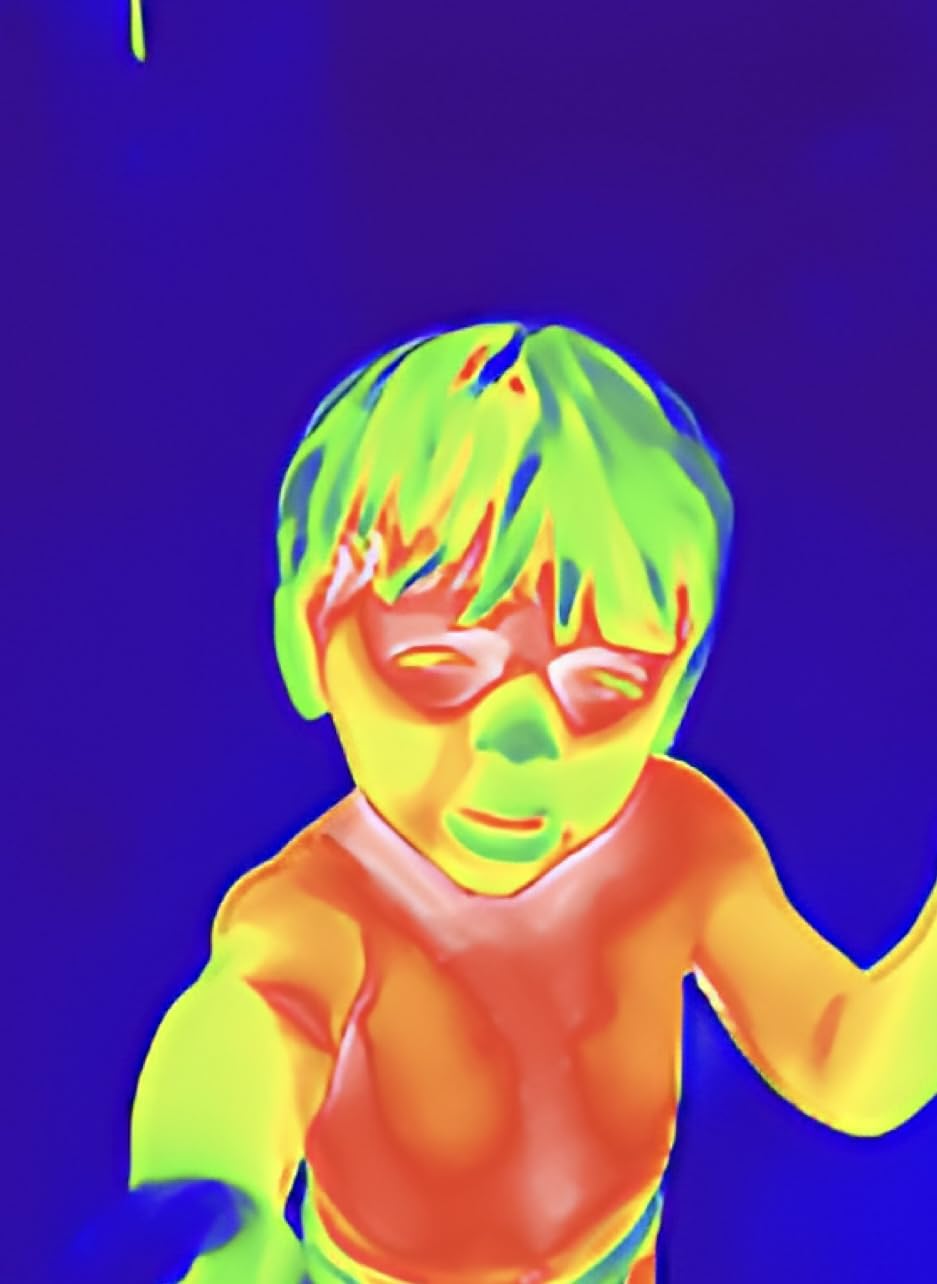
The 512×384 TISR enhanced resolution matches the TC001, and the 40mK NETD sensitivity is identical. In real-world testing, I couldn’t detect any meaningful difference between the TC001 and TC002C Duo for electronics repair work. The duo-lens design that combines thermal and visible images is more useful than I initially expected for documenting repairs.
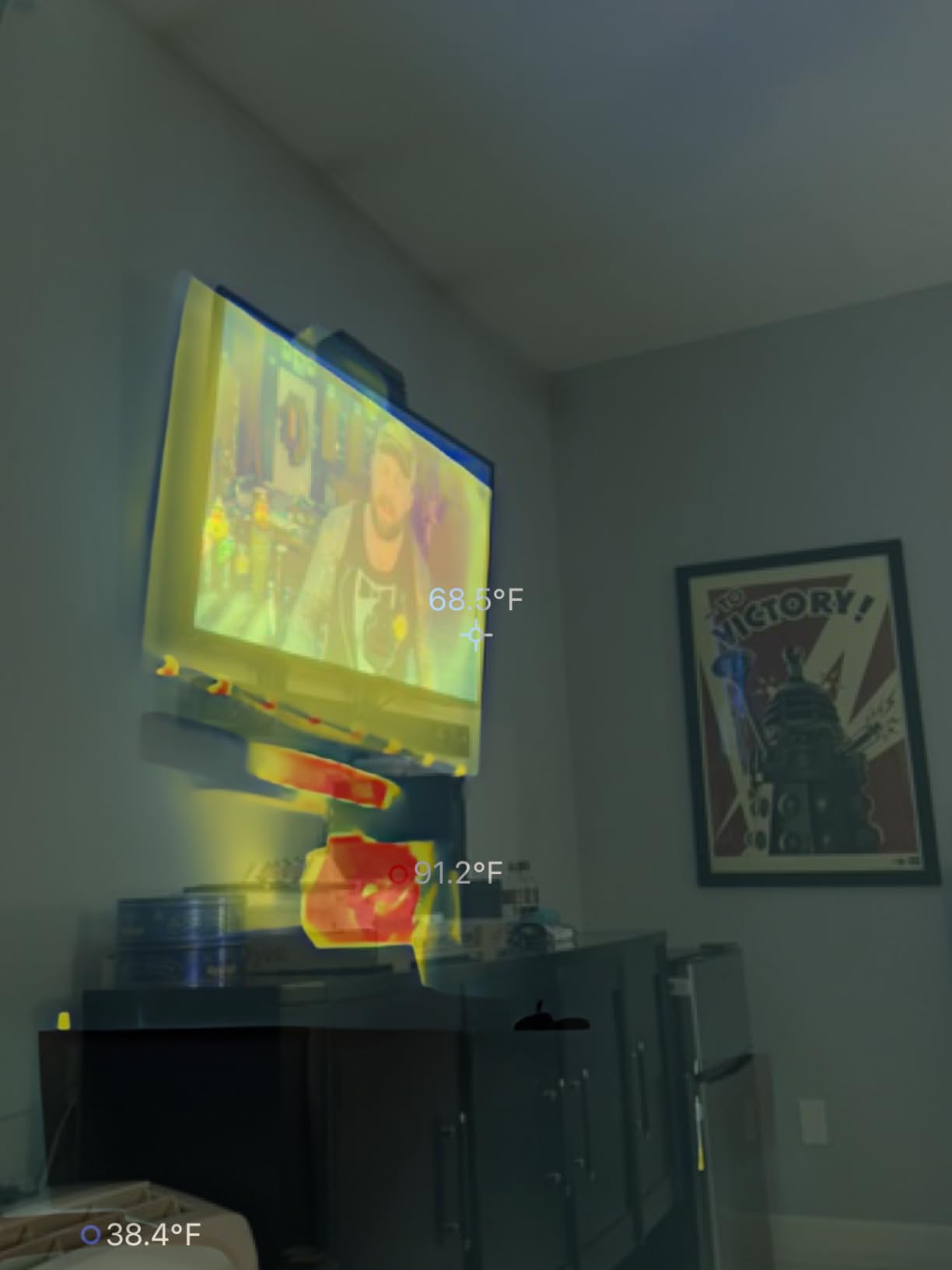
AI analysis mode is a step beyond what most thermal cameras offer. The TopInfrared app uses on-device processing to identify and highlight potential thermal anomalies automatically. I found it most useful during initial board surveys where I wanted to see the big picture before diving into specific components.
At 30 grams, this is one of the lightest cameras in the roundup. I could leave it plugged into my phone for extended sessions without noticing the weight. The compact 71x42x14mm dimensions mean it doesn’t interfere with normal phone handling.
Why this is the best value pick
The TC002C Duo delivers the same core resolution and NETD performance as the Editor’s Choice TC001 but adds universal USB-C compatibility and AI analysis. For repair shops that work on both Apple and Android devices, this single camera replaces what would otherwise require two separate units.
The included AI mode justifies the modest price premium over the TC001 for users who want automated anomaly detection. While not perfect, the AI provides a useful starting point for thermal analysis.
Potential compatibility concerns
Mac computer users should note that the TC002C Duo requires a phone or tablet connection – it cannot connect directly to a Mac for live thermal viewing. Some early Android 16 builds reportedly had connection issues that required firmware updates.
The USB-C connection on some phones can feel slightly loose compared to the TC001. I used a small rubber shim around the connector on my Pixel 8 to get a more secure fit during extended sessions.
7. Thermal Master P1 320×240 – Best for Phone Repair Specialists
Thermal Master P1 Thermal Camera for USB-C iOS/Android, 320×240 Resolution
320x240 X3 IR resolution
15x digital zoom
Isotherm mode
Pros
- Sharp 320x240 resolution for the price
- Very compact and lightweight design
- Works with iPhone 15 Pro Max and modern Android
- 5-8 hour battery life
- 15x digital zoom for distant inspection
- Multiple color modes included
Cons
- AGC cannot be disabled affecting measurement repeatability
- App can be glitchy and unstable
- Build quality feels less premium
- Temperature readings can be off by 10-15 degrees
The Thermal Master P1 is the camera I’d recommend specifically for mobile phone repair technicians. The 320×240 enhanced resolution sits in a sweet spot for the typical phone motherboard sizes you’ll encounter. I used it to diagnose charging port failures on iPhones, battery thermal issues on Samsung devices, and short circuits on budget Android phones with reliable results.
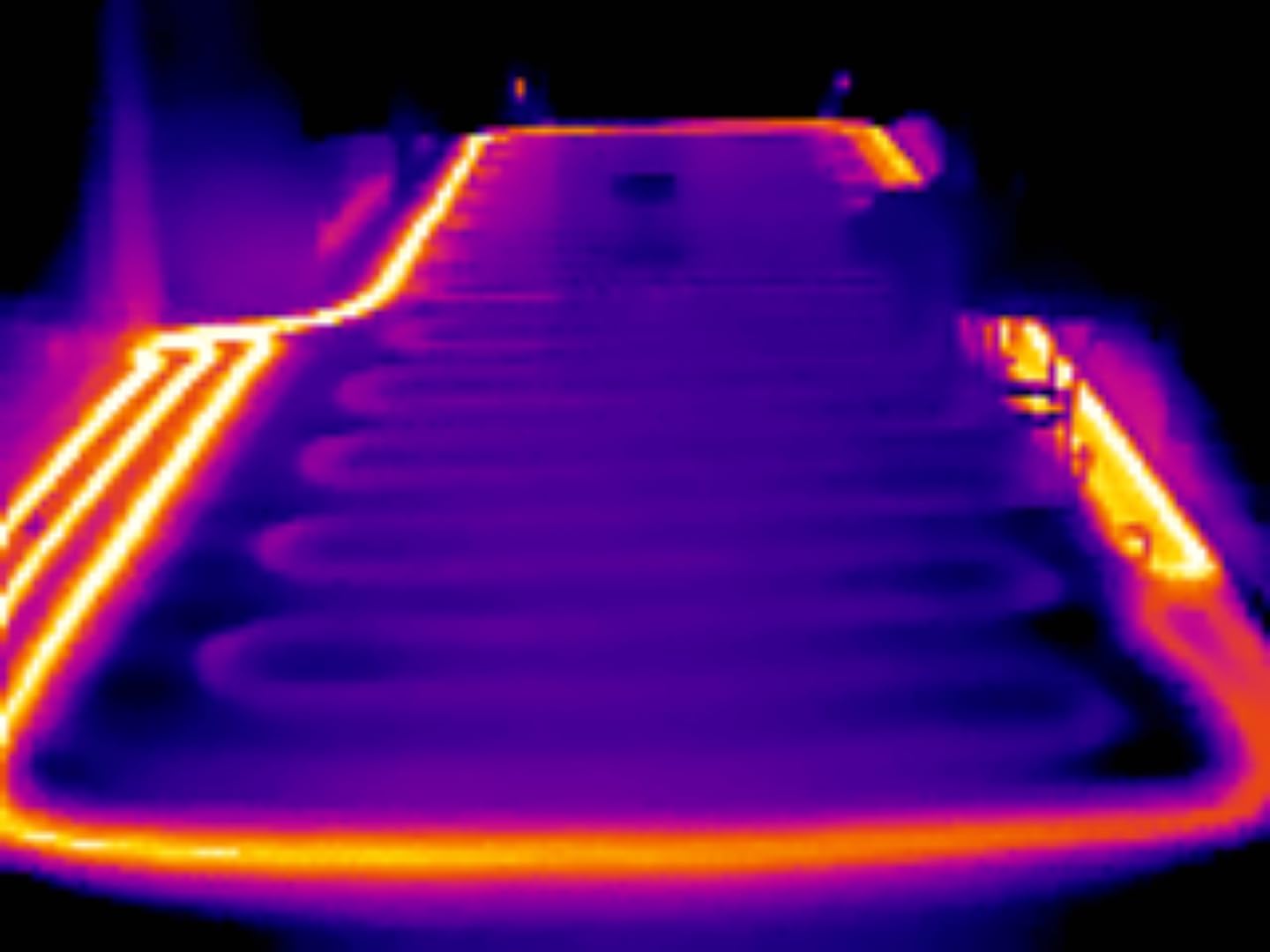
The 15x digital zoom is more useful than I expected for phone repair. I could inspect the back of a phone’s motherboard without having to disassemble the entire device. The isotherm mode highlights everything above or below a set temperature threshold, which is perfect for spotting overheating components among normal ones.
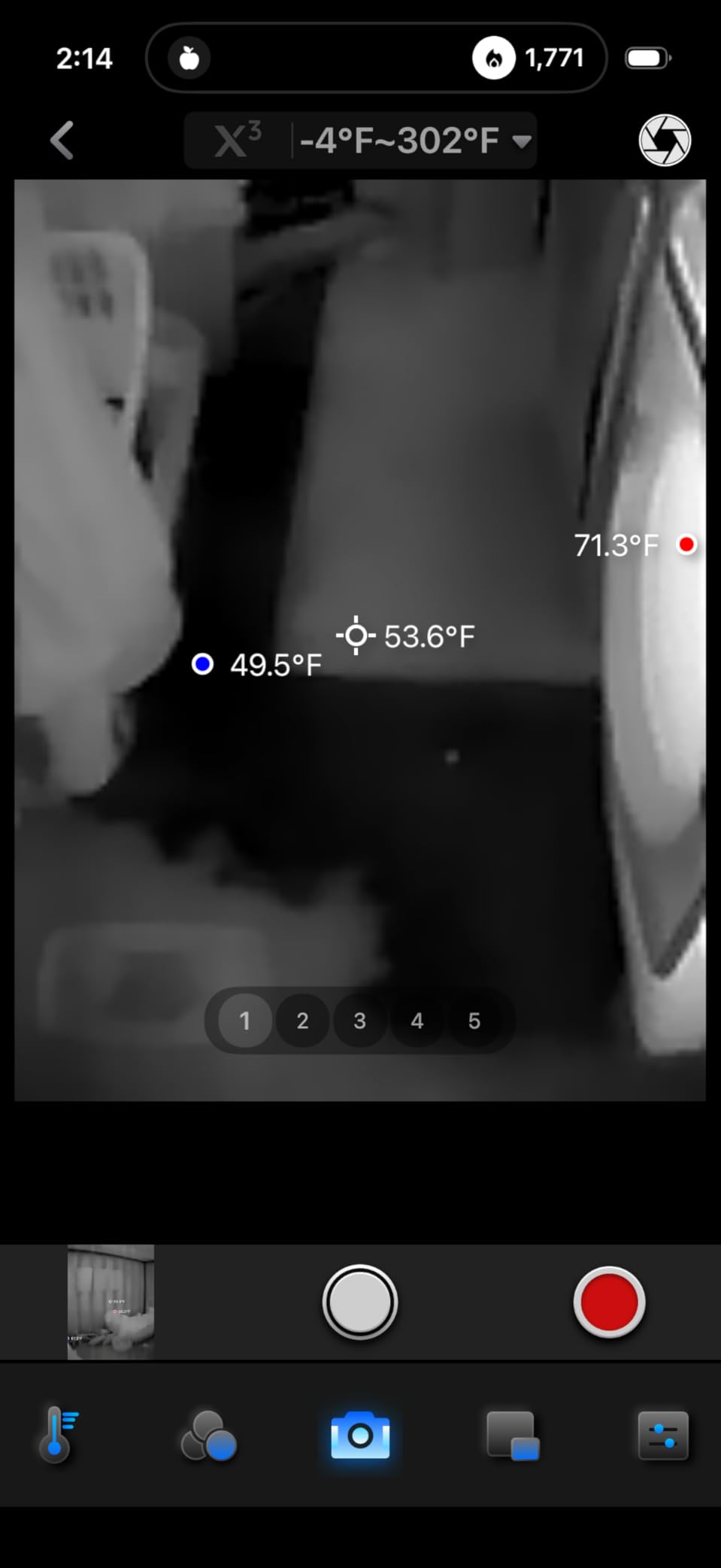
Adjustable emissivity and distance settings help compensate for shiny solder joints and IC packages that would otherwise give misleading temperature readings. I dialed in emissivity settings for common PCB materials based on reference tables, and the readings became significantly more useful for fault isolation.
Battery life at 5-8 hours is solid for daily shop use. The 0.32W low power consumption means your phone battery barely notices the camera is connected. I did full repair days without needing to charge either device.
Strengths for phone repair specifically
The 320×240 resolution is well-matched to typical phone motherboard component spacing. You can identify faulty chips, shorted capacitors, and thermal issues from regulators without needing to crop and zoom excessively. The compact size means it pairs well with the small working areas common in phone repair.
The isotherm mode is particularly valuable for spotting battery thermal issues during charging diagnostics. You can immediately see if a battery is heating unevenly, which is a strong indicator of internal damage.
Where this camera underperforms
The inability to disable automatic gain control (AGC) is the biggest limitation for professional work. AGC adjusts the temperature scale automatically, which makes precise measurement comparisons across multiple images difficult. For one-off diagnostics this isn’t a problem, but for documented client reports it can be frustrating.
Temperature accuracy varies by 10-15 degrees in my testing, which is wider than the manufacturer spec. For relative temperature comparisons (is this component hotter than its neighbors), it works well. For absolute temperature measurements, I’d want to verify with a contact thermometer.
8. HSFTOOLS HF96 AI Scene Detection – Best Budget Standalone
HF96 Thermal Camera with AI Scene Detection, Laser Pointer, -4°F~1022°F
240x240 Super Resolution
AI IntellFault
Laser pointer 11-hour battery
Pros
- AI IntellFault scene detection works well
- Built-in laser pointer for targeting
- Excellent 11-hour battery life
- Clear thermal images at this price
- IP54 rated and durable construction
- PC software for analysis included
Cons
- Some units arrived with preloaded images
- Battery may drain faster than advertised
- Laser cannot be used independently of capture
The HSFTOOLS HF96 is the budget-friendly sibling of the HP96, and it punches above its weight for standalone thermal imaging. The AI IntellFault scene detection helps identify common issues like water leaks, insulation gaps, and electrical hotspots automatically. I tested it across home inspections and electronics repair scenarios and found the AI genuinely useful for initial surveys.
The 11-hour battery life is one of the best in this roundup. I used it for an entire weekend of home energy audits plus a couple of electronics repair jobs and still had battery remaining. The built-in laser pointer helps target specific components when documenting thermal findings.
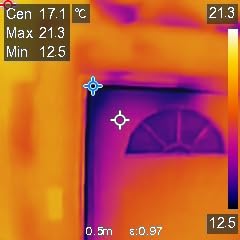
The 240×240 Live Super Resolution produces clear images for fault detection on through-hole and larger SMD components. The 4GB internal storage holds over 30,000 images or 14 hours of video, which is plenty for typical use. The HSF Studio PC software provides decent analysis and reporting capabilities.
IP54 rating means the camera handles dusty shop environments and light splashes without issues. The 6.6-foot drop rating gives peace of mind during daily shop use where drops are inevitable.
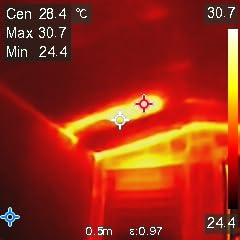
Standout features for the price
The combination of AI scene detection, laser pointer, 11-hour battery, and IP54 rating at this price point is genuinely impressive. Most cameras in this price range sacrifice one or more of these features. For repair shops on a budget, the HF96 delivers professional-grade features without the professional-grade price.
The dedicated standalone design means you don’t need to involve your phone during repairs. This reduces the risk of damage to your personal device in dirty shop environments.
Quality control considerations
A small percentage of users reported receiving units with preloaded images still in storage. While not a major issue, it suggests refurbishment or quality control lapses in some cases. Check the storage on arrival and contact the seller if you find unexpected images.
Battery life in real-world use sometimes falls short of the advertised 11 hours, especially when recording video or using AI features extensively. Plan for 8-9 hours of typical mixed-use battery life instead of the full 11.
Buying Guide: Choosing the Right Thermal Camera for Electronics Repair
Buying a thermal camera for electronics repair requires understanding a few key specifications that determine whether the camera will actually help with your specific work. I’ve broken down the most important factors based on my testing and feedback from professional repair technicians across Reddit’s r/AskElectronics and the EEVblog forums.
Minimum Resolution for PCB Work
Based on extensive feedback from the eevblog forum community and my own testing, 120×90 native resolution is the absolute minimum for any meaningful PCB work. Below this threshold, individual components blend together and small faults become invisible. The sweet spot for most electronics repair work is 240×240 or higher, with 512×384 being ideal for component-level documentation.
The distinction between native sensor resolution and software-enhanced resolution matters significantly. A 96×96 sensor upscaled to 192×192 will look soft compared to a true 192×192 native sensor. For serious PCB work, prioritize native resolution over marketing-enhanced specs whenever possible.
Understanding NETD and Why It Matters
NETD (Noise Equivalent Temperature Difference) measures the smallest temperature difference a camera can detect. Lower NETD values mean better sensitivity to subtle thermal variations. For electronics repair, NETD below 50mK is ideal, with 40mK being excellent. A failing voltage regulator that runs just 2 degrees hotter than normal components will be invisible on a camera with poor NETD but clearly visible on a camera with 40mK sensitivity.
In practice, the difference between 40mK and 50mK NETD is noticeable on densely packed modern PCBs where components run within a few degrees of each other. For simpler through-hole work or older electronics, NETD matters less because temperature differences tend to be larger.
Temperature Range Considerations
Most electronics repair work happens between room temperature and about 200 degrees Fahrenheit. A camera with a -4F to 1022F range covers every realistic scenario you’ll encounter. Wider ranges become important for industrial applications like furnace monitoring or HVAC diagnostics, but for pure electronics work, focus on accuracy within the normal operating range rather than maximum range.
Accuracy specifications matter as much as range. A camera claiming plus or minus 2 percent accuracy at 100 degrees Fahrenheit can be off by 2 degrees, which is significant when you’re comparing adjacent components. Look for cameras with documented accuracy testing rather than vague marketing claims.
Smartphone vs Dedicated Camera
Phone-based thermal cameras offer portability, zero battery concerns, and easy sharing of thermal images for documentation. They work best when you’re already using your phone for repair documentation or when shop space is limited. The downsides include dependence on phone compatibility, app stability, and the risk of damaging your phone in dirty shop environments.
Dedicated handheld cameras with built-in displays offer more comfortable viewing during long diagnostic sessions, better ruggedness for shop environments, and the ability to hand the camera to a colleague without sharing your phone. They’re typically heavier and require charging, but the trade-off is worth it for professional repair shops.
If you’re building your repair toolkit from scratch and need a solid foundation of electronics tools, consider how the thermal camera will integrate with your existing workflow before choosing between phone-based and dedicated options.
Frame Rate and Refresh Speed
25Hz refresh rate is the practical minimum for any thermal camera used for live troubleshooting. Below 25Hz, the image stutters enough to make it difficult to track thermal changes while moving the camera across a board. Above 25Hz, you get diminishing returns for most electronics work.
Higher refresh rates matter when you’re capturing transient thermal events like a chip heating up during operation. For standard fault-finding on a powered board, 25Hz is plenty. For research applications or capturing fast thermal transients, 60Hz cameras offer advantages.
Budget vs Professional Tier
The entry-level tier (the most affordable options) includes cameras like the GOYOJO 192×192 and Thermal Master P1. These work for hobbyists, students, and occasional users but lack the resolution and features needed for daily professional use. If you’re just exploring whether thermal imaging helps your repair workflow, this tier is a sensible starting point.
The mid-tier (the sweet spot for most working technicians) is where most repair technicians should focus. Cameras like the TOPDON TC001, TC002C Duo, and HF96 deliver the resolution and features needed for daily electronics work without the premium price of industrial-grade units. This tier represents the best value for working technicians.
The professional tier (industrial-grade pricing) includes industrial-grade cameras from FLIR, Fluke, and other established brands. These offer higher native resolution, better NETD, more robust construction, and professional support channels. For dedicated repair shops with daily thermal imaging needs and client documentation requirements, the investment pays off.
Emissivity Settings for Electronics
Emissivity is a material property that affects how accurately a thermal camera measures surface temperature. Shiny solder joints, polished metal heatsinks, and IC packages have low emissivity and will appear cooler than they actually are without proper compensation. Most cameras allow you to adjust emissivity values manually.
For typical PCB work, start with an emissivity of 0.95 for the board substrate, 0.07 for shiny solder, and 0.85 for most IC packages. These starting points get you within a few degrees of accurate measurements without needing a detailed reference table. Adjust based on your specific materials and observations.
Frequently Asked Questions
What is the minimum thermal camera resolution for electronics repair?
120×90 native resolution is the absolute minimum for any meaningful PCB work according to eevblog forum consensus. For component-level documentation and fault finding on modern electronics, 240×240 or higher is strongly recommended, with 512×384 being ideal for capturing fine detail on densely packed boards. Software-enhanced resolution (upscaling from a lower native sensor) produces softer images than true native sensors at the same marketed resolution.
What NETD value is good for PCB inspection work?
NETD below 50mK is recommended for PCB inspection, with 40mK or lower being ideal for the most demanding work. NETD measures the smallest temperature difference a camera can detect, and lower values mean better sensitivity to subtle thermal anomalies. A failing component running just 2 degrees hotter than its neighbors will be invisible on a camera with high NETD but clearly visible on a camera with 40mK sensitivity.
Do I need a thermal camera for phone repair?
Yes, a thermal camera significantly accelerates phone repair diagnostics by quickly identifying short circuits, battery thermal issues, and charging faults. For modern smartphones with densely packed motherboards, a thermal camera with at least 240×240 resolution and 50mK NETD or better is recommended. Phone-based thermal cameras like the Thermal Master P1 or TOPDON TC001 work well for this application.
What is the difference between an infrared camera and a thermal camera?
In practical use, infrared camera and thermal camera refer to the same type of device that detects infrared radiation and displays it as a color-coded temperature image. Strictly speaking, thermal imaging refers specifically to the temperature measurement application, while infrared imaging is a broader term covering all IR detection. Both terms are commonly used interchangeably in consumer and professional electronics repair contexts.
What is the best budget thermal imaging camera for electronics?
For budget-conscious buyers, the TOPDON TC001 delivers 512×384 resolution with 40mK NETD that rivals much more expensive cameras. The GOYOJO 192×192 is the most affordable option for beginners, though its 96×96 native sensor limits fine detail. For handheld units in the mid-tier, the HSFTOOLS HF96 with 240×240 resolution and AI features offers excellent standalone value.
Final Verdict: Choosing Your Electronics Repair Thermal Camera
After testing 8 thermal cameras across dozens of real repair scenarios, the TOPDON TC001 remains my top pick for PCB-level electronics repair in 2026. The 512×384 TISR resolution combined with 40mK NETD sensitivity catches faults that lower-resolution cameras miss entirely, while the phone-powered design means you never deal with battery anxiety mid-repair.
For repair shops on a budget, the TOPDON TC002C Duo delivers nearly identical core performance with universal USB-C compatibility across both iPhone and Android devices. Beginners should start with the GOYOJO 192×192 to learn thermal imaging fundamentals without a major financial commitment, then upgrade once they understand their specific workflow needs.
Whatever camera you choose, thermal imaging will transform your electronics troubleshooting workflow. The first time you spot a shorted capacitor glowing red on your screen while everything else looks normal, you’ll wonder how you ever worked without one.