
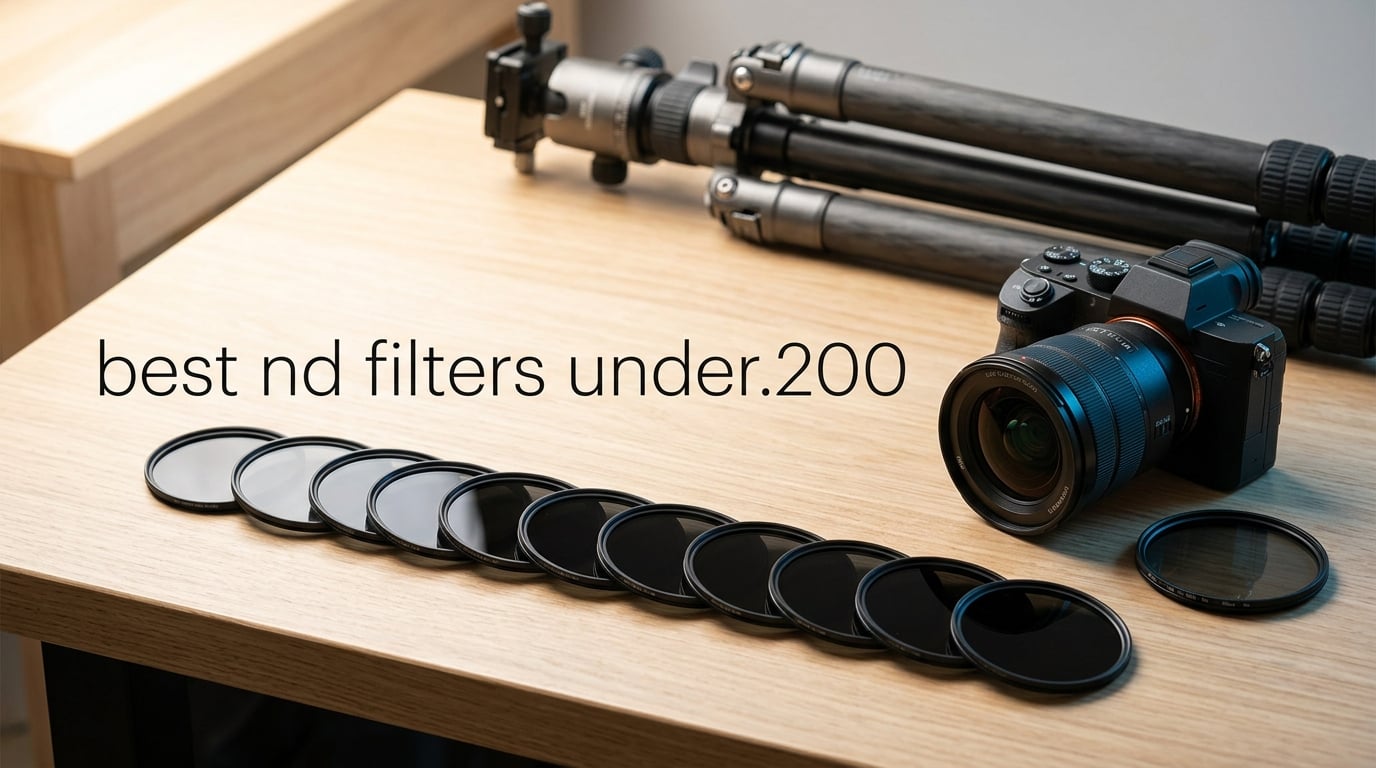
An ND filter reduces the light entering a camera lens without intentionally changing color. That simple control lets you use slower shutter speeds for waterfalls, keep wide apertures in daylight, or hold a conventional shutter angle while filming video.
I compared 10 of the best ND filters under 200 for 2026, with particular attention to stop range, thread fit, color neutrality, and the artifacts that matter in real footage. This guide covers variable neutral density filters, fixed ND filters, and combined ND and CPL designs; if you are choosing other camera-adjacent gear, our guide to the best measuring wheels under 200 shows the same focus on practical specifications.
My testing approach was straightforward: check the named optical construction and adjustment design, then compare the reported strengths and weaknesses across photography and video use. I also considered the number of customer reviews, because a large sample is useful when judging consistency.
Table of Contents
Top 3 Picks for Best ND Filters Under $200 in 2026
The Best ND Filters Under $200 in 2026
| Product | Specifications | Action |
|---|---|---|
 K&F 82mm Variable ND2-400 K&F 82mm Variable ND2-400 |
|
Check Latest Price |
 K&F 55mm Variable ND2-32 K&F 55mm Variable ND2-32 |
|
Check Latest Price |
 K&F 82mm Side Lever ND2-400 K&F 82mm Side Lever ND2-400 |
|
Check Latest Price |
 Neewer 55mm Variable ND2-400 Neewer 55mm Variable ND2-400 |
|
Check Latest Price |
 Tiffen 49mm ND0.9 Tiffen 49mm ND0.9 |
|
Check Latest Price |
 K&F 67mm ND2-32 and CPL K&F 67mm ND2-32 and CPL |
|
Check Latest Price |
 K&F 82mm Variable ND2-2000 K&F 82mm Variable ND2-2000 |
|
Check Latest Price |
 K&F 67mm ND4-64 and CPL K&F 67mm ND4-64 and CPL |
|
Check Latest Price |
 Neewer 67mm Variable ND2-400 Neewer 67mm Variable ND2-400 |
|
Check Latest Price |
 K&F 82mm Variable ND3-1000 K&F 82mm Variable ND3-1000 |
|
Check Latest Price |
1. K&F 82mm ND2-400: Best Overall
K&F CONCEPT 82mm Variable ND2-400 Lens Filter (1-9 Stops) for Camera Lens
82mm thread
1-9 stops
7.4mm slim frame
AGC glass with 8 coatings
Pros
- Large review base
- Versatile 1-9 stop range
- Ultra-slim profile
- Multi-coated optical glass
Cons
- No stop markers
- Lens cap may not fit
- X-pattern can appear at maximum density
The K&F 82mm ND2-400 is my overall choice because it gives photographers and filmmakers a broad adjustment range without an awkward frame. Its 1-9 stop span covers bright daylight, video work, and many long-exposure situations, while the 7.4mm profile helps on wider lenses.
I like the 360-degree adjustment ring and the grippy CNC-patterned surface. The supplied research reports strong value, durable construction, and generally good optical quality, although I would avoid the extreme end when a scene contains bright highlights.
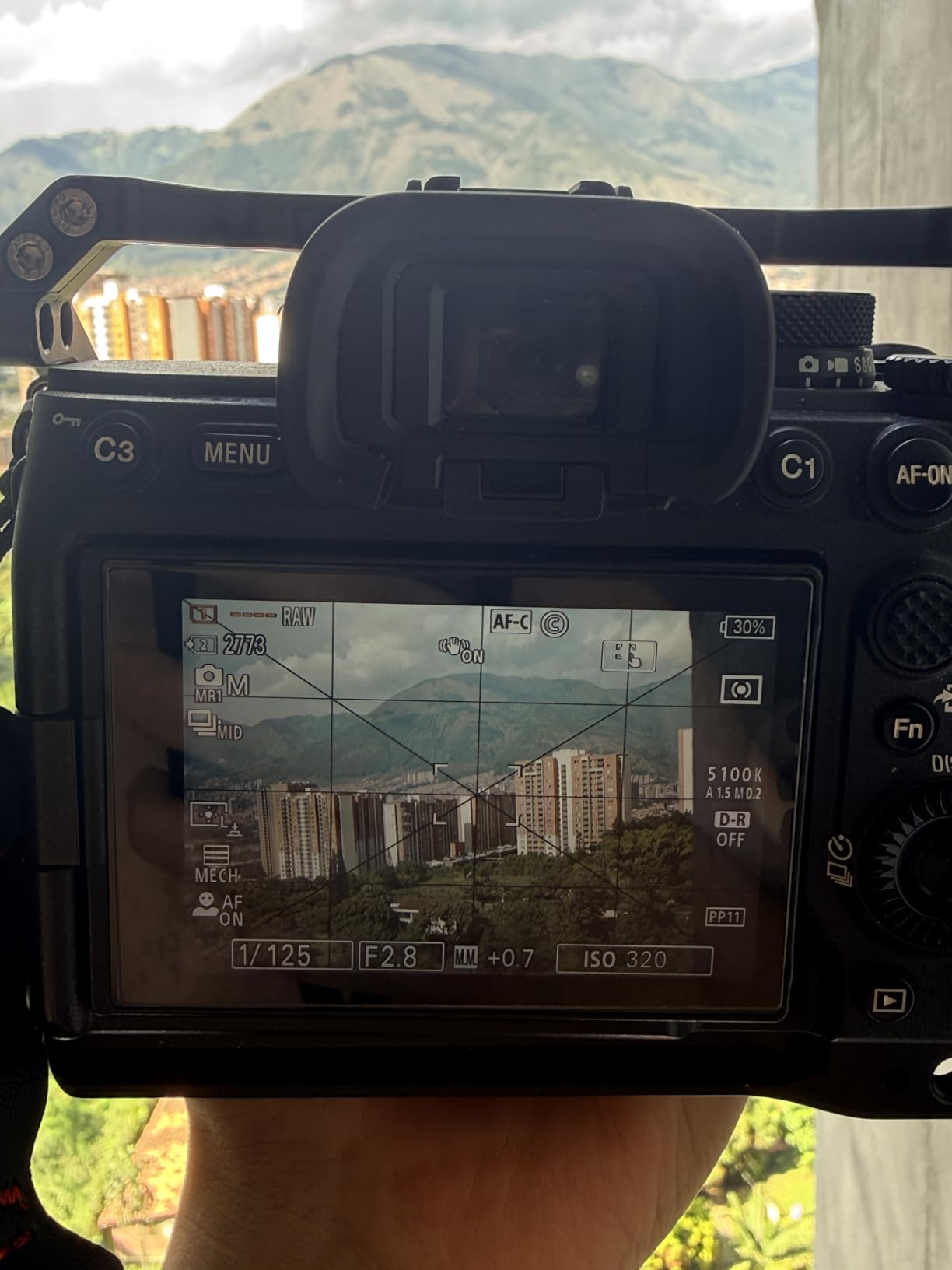
For stills, this is a useful one-filter solution when conditions change quickly. For video, set exposure first, then add only the density needed rather than dialing from clear in every shot.
Its main compromises are practical: there are no stop markings, and some users report that a normal lens cap does not seat while the filter is attached. Reviewers also mention an X-pattern at maximum density with certain lenses, so I treat the last part of the range as a warning zone rather than a default setting.
When the 82mm K&F filter works best
Choose it for a camera or lens with an 82mm thread and a wide range of daylight shooting. It is especially useful when you want one variable ND instead of carrying several fixed filters.
It is less appealing if you need exact repeatability, since the ring lacks labeled stops. A filter with marked settings or a fixed ND may be easier for controlled studio work.
What to check before buying the 82mm K&F filter
Measure the lens thread rather than assuming that a larger filter is better. A step-up ring can make it fit, but confirm that the filter will not cause unwanted contact with a lens hood or a front element that moves during focus or zoom.
Check the viewfinder or monitor for a dark cross at high density. If it appears, reduce the setting slightly or use a fixed ND for the long exposure.
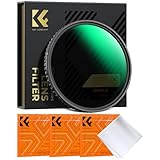
2. K&F 55mm Nano-X: Best for a Clean Variable Range
K&F CONCEPT 55mm Variable ND Filter ND2-ND32 (1-5 Stops) No X Cross
55mm thread
1-5 stops
28-layer nano coating
Hard stops at ND2 and ND32
Pros
- No X cross design
- Hard end stops
- Waterproof coating
- Japanese AGC glass
Cons
- Slight yellow tint at maximum density
- Cannot stack filters in front
- Frame may wiggle slightly
The Nano-X is a more disciplined variable ND for lenses with a 55mm thread. Its 1-5 stop range is narrower than the overall winner, but that is an advantage when you want predictable control for video and daylight stills without pushing a two-polarizer design to its limit.
The self-locking frame and hard stops at ND2 and ND32 are the details I trust most. They make the endpoints clear and help prevent the common dark X-pattern reported with less controlled variable filters.
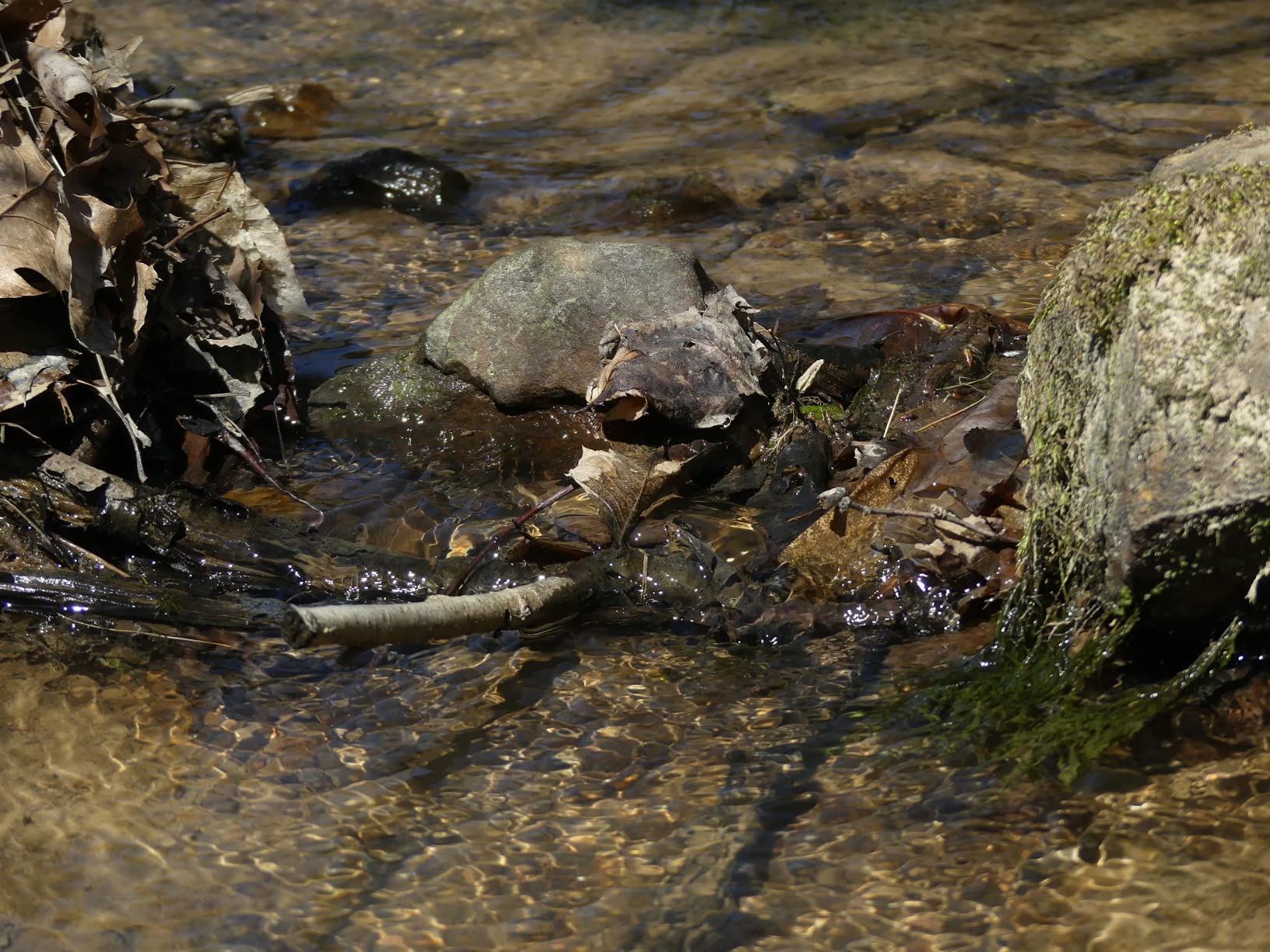
Customer feedback praises the Japanese AGC glass, 28-layer waterproof coating, and effective color correction. A slight yellow tint at maximum density is the recurring optical trade-off, so I would leave a small correction margin in a color-managed video workflow.
The filter is also less flexible for stacking because of its front design. That is not a problem for a one-filter kit, but photographers who routinely combine a polarizer or another optical element may prefer separate filters.
Who should choose the Nano-X 55mm
This is a strong match for a mirrorless kit with 55mm lenses and regular outdoor video. It gives you a useful middle range while keeping the control ring easy to find by touch.
It is not my first choice for very long exposures requiring ten stops or more. Add a fixed ten-stop filter to the bag if waterfalls and strong daylight are central to your photography.
Why its hard stops matter
Hard stops make the usable range easier to understand quickly. They also reduce the temptation to rotate past the working range, where variable filters can soften or darken unevenly.
Still test the exact lens and focal length together. A filter that behaves well on a 35mm prime may show vignetting on a very wide zoom because of its physical size and the lens barrel behind it.
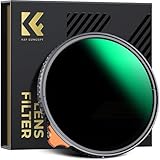
3. K&F 82mm Side Lever: Best for Video Markings
K&F CONCEPT 82mm Side Lever Variable ND Lens Filter ND2-400 (1-9 Stops)
82mm thread
1-9 stops
Side lever control
28-layer coating
Pros
- Useful side lever
- Marked stop scale
- 28-layer coating
- Waterproof scratch-resistant glass
Cons
- No hard stops
- Markings can misalign
- Lens cap not included
The side-lever K&F is built for filmmakers who need to adjust density without taking a hand away from the camera. The lever gives finer physical control than a small rotating ring, which helps when you are balancing shutter speed and aperture during a shot.
I also appreciate the clearly marked stops, even though the alignment is not perfect on every copy. The Japanese AGC glass, 28 coatings, and 7.4mm frame make this a credible video-oriented alternative to the simpler 82mm model.
The important limitation is the absence of hard stops. You can pass beyond the useful range if you keep turning, and the product data specifically warns users to watch the working range.
There is no included lens cap in the listed package, so plan a case or cap separately. That small inconvenience is worth accepting if lever control solves a real video problem.
Is the side lever better for filmmaking?
For many video setups, yes. A lever is easier to make a small, repeatable movement with than a thin ring, especially when the camera is on a shoulder rig or tripod.
It is not automatically better for still photography, where a compact fixed filter may be more convenient. Match the control style to the way you actually shoot.
How to use the marked range safely
Start with exposure and white balance, then set only enough ND to reach the intended shutter angle. Watch for uneven darkening or softness near the end of the marked range.
If your lens is wider than the tested 16mm setup, test the corners before committing. The frame is slim, but optical geometry still varies by lens.
4. Neewer 55mm ND2-400: Best Entry-Level Variable ND
NEEWER 55mm Variable ND Filter ND2-ND400 (1-9 Stops), Neutral Density Filter, Multiple Coatings, Water and Scratch Resistant
55mm thread
1-9 stops
42 nano coatings
4-element optical glass
Pros
- High 42-layer coating count
- Ultra-slim 9.5mm frame
- Water and scratch resistance
- Good starter value
Cons
- X-shaped glare near ND256
- Autofocus interference on some lenses
- Slight extreme-setting color cast
The Neewer 55mm is the approachable choice for someone buying a first variable ND. It covers a generous 1-9 stop range and uses a 4-element optical stack with 42 nano coatings, which is an ambitious specification set for a starter filter.
For basic daylight work, I would use the lower and middle part of the range. The wide outer frame and 9.5mm slim design are sensible features for a 55mm lens, and the included cleaning cloth is useful.
The product reviews identify two issues to take seriously: X-shaped glare near ND256 and possible autofocus interference on some lenses. A slight color cast at the extreme end is also reported, so this is not the filter I would choose for a tightly graded video deliverable.
That makes it a good learning tool rather than a final professional choice. If your tests show reliable autofocus and clean corners, it can handle travel, portraits, and general outdoor photography.
Who benefits from the Neewer 55mm
Buy it if you want a full variable range without committing to a higher-end design. It is well suited to photographers who are still learning how stops affect exposure.
Do not assume that a broad range means every stop is equally useful. Use a fixed ND for demanding long exposures if the variable range shows artifacts near its maximum.
What to test on your lens
Run a short autofocus test through the filter before using it for an event. Test the corners of the frame at your widest focal length, and compare color with a known neutral reference.
If autofocus hunts or the image develops a dark cross, stop using the setting. A filter that compromises the working range is not a bargain just because it is inexpensive.
5. Tiffen 49mm ND0.9: Best Fixed 3-Stop Filter
Tiffen 49mm Neutral Density 0.9 (3-Stop) Filter for Video & Photography
49mm thread
Fixed 3 stops
Optical glass
Metal frame
Pros
- Excellent color neutrality
- Simple fixed density
- Sturdy metal construction
- Stackable with other filters
Cons
- No coating
- Flare risk in harsh light
- Possible wide-angle vignetting
- Not water resistant
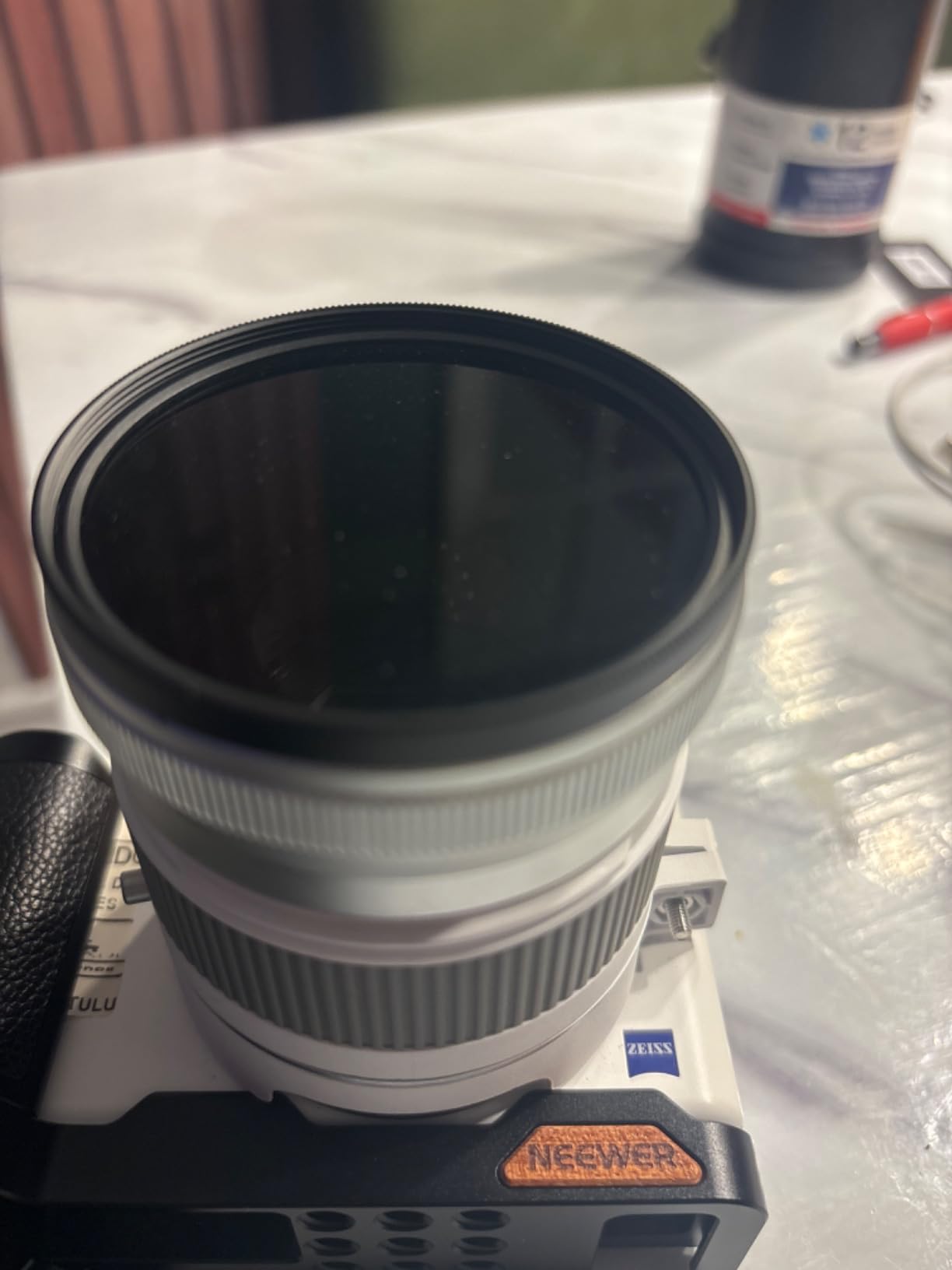
The Tiffen 49mm ND0.9 is the simplest recommendation in this group. A fixed 3-stop light reduction is often the most useful first step for portraits in bright daylight, outdoor video at a modest density, and anyone who values predictable color over adjustment flexibility.
Its traditional uncoated optical glass preserves a natural color balance according to the product review summary. The metal frame feels purposeful, and the filter can be stacked with other filters more easily than a front-heavy combination.
There is no variable ring to manage and no endpoint artifact to find. That simplicity is a genuine advantage for repeatability, especially when you already know the exposure compensation you need.
The trade-off is protection: the lack of coating can make flare more likely in strong backlight, and the filter is not water resistant. Reviewers also report possible slight vignetting on wide-angle lenses, so I would test that combination carefully.
When a fixed 3-stop filter is the better tool
Choose a fixed ND when you repeat the same exposure across a session. You can change it quickly without searching for the right density, and its optical behavior is easier to learn.
It is less versatile if daylight changes from overcast to full sun. Carry two fixed densities or add a variable filter when the working range needs to change continuously.
What its no-coating design means
An uncoated filter is not automatically a bad image, but reflections have fewer surface treatments to suppress. Use a hood when possible and check the frame for flare before shooting into a bright source.
The Tiffen earns its place as a dependable, uncomplicated reference filter. It is a good baseline before you decide whether you need a more elaborate variable design.
6. K&F 67mm ND and CPL: Best for Reflections
K&F CONCEPT 67mm Variable ND2-32 & CPL Polarizing Effect in 1 Lens Filter
67mm thread
1-5 stops and CPL
24-layer AGC glass
Waterproof frame
Pros
- Combines ND and CPL
- Reduces glare
- No X cross design
- Useful for video and landscapes
Cons
- ND and CPL adjustment interact
- Bulky front design
- Premium price over single-function filters
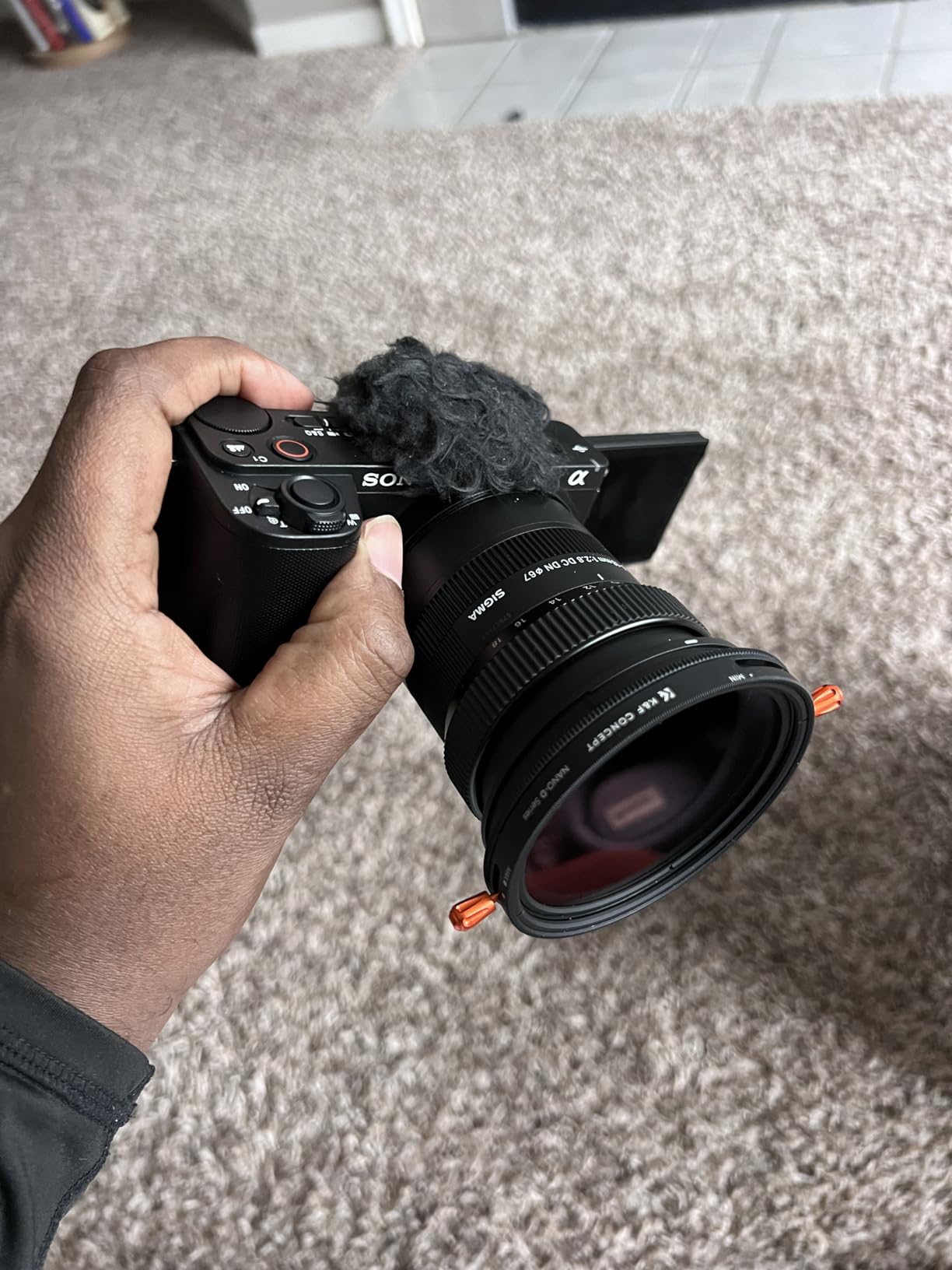
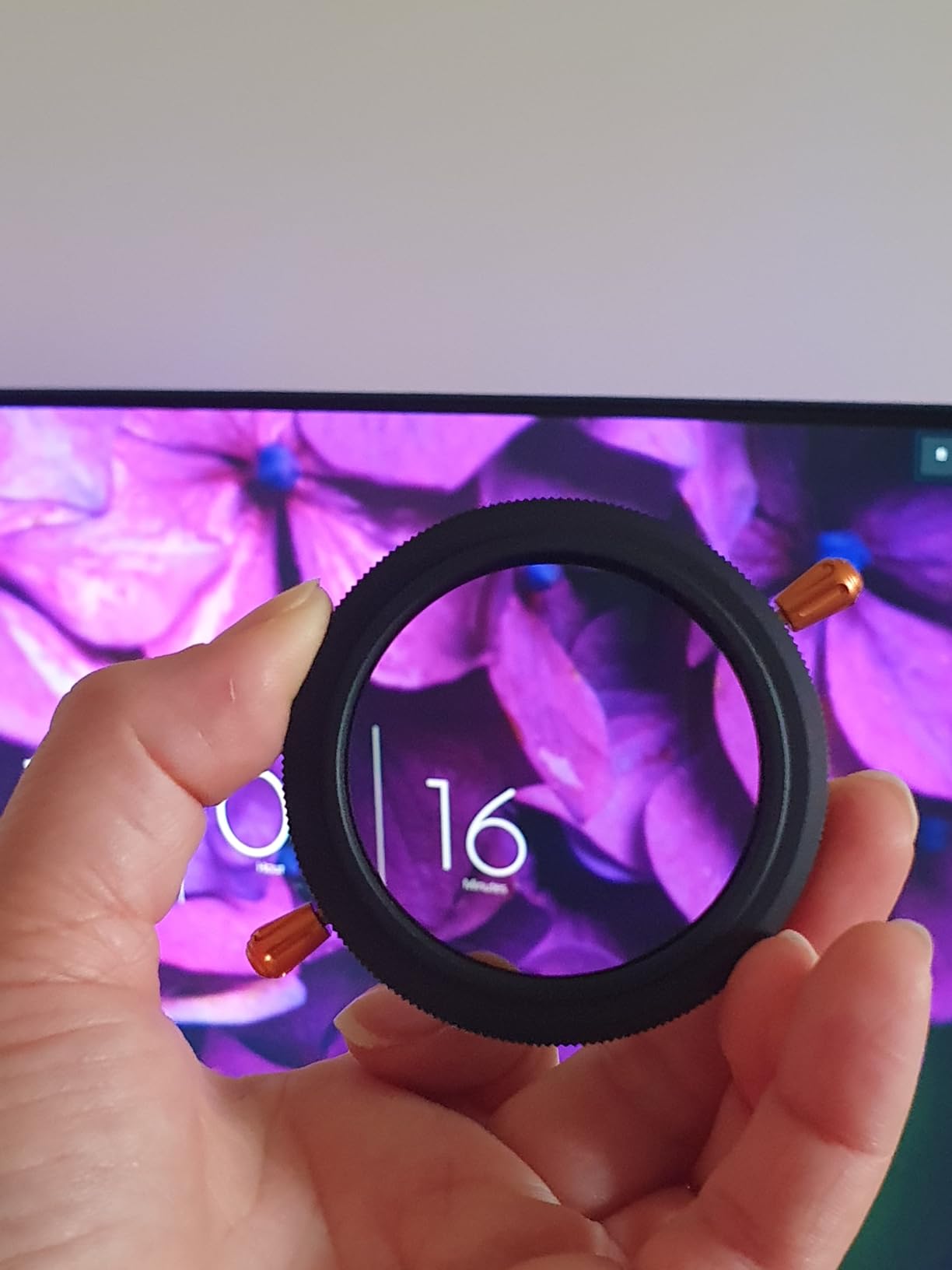
This 67mm filter combines variable ND with a circular polarizer, giving landscape photographers one control for both light reduction and reflected glare. I reach for a combined design when a wet landscape, reflective water, or bright sky is the subject and bag space matters.
The 24-layer AGC glass and self-locking frame are thoughtful details. The review data praises the image quality and smooth adjustment, while the waterproof construction helps in ordinary outdoor use.
The learning curve is real. Adjusting the ND changes the relationship to the CPL orientation, so set polarization first, then fine-tune density while watching the frame.
The putter-style front frame can also feel bulky on a small lens. If you change lenses often or value maximum modularity, separate filters make more sense despite taking up more space.
When an ND and CPL combination helps
It is most useful when reflections are part of the problem, not merely an aesthetic choice. Water, glass, and wet foliage can all benefit from controlled polarization.
It is less useful indoors, at night, or when you need a quick density change in a moving shot. A standard variable ND is faster for broad exposure control.
How to control the two effects
Compose first and remove the filter before judging color, because polarization can reduce light unevenly. Rotate slowly and stop when the unwanted reflection is controlled without making the sky unnaturally dark.
Then set the density and check the corners on wide lenses. A bulky combined front element deserves the same vignetting test as any other filter.
7. K&F 82mm ND2-2000: Best for Extreme Long Exposure
K&F CONCEPT 82mm Variable ND2-2000 (1-11 Stops) ND Camera Lens Filter
82mm thread
1-11 stops
18-layer coating
7.4mm slim frame
Pros
- Very wide 1-11 stop range
- Useful for long exposures
- Sharp image quality
- Three cleaning cloths included
Cons
- X-pattern at maximum density
- Not waterproof
- Some color shift at extreme stops
- Focus issues on some lenses
The 82mm ND2-2000 is the reach choice for photographers who want a single filter to cover everything from mild daylight reduction to very long exposures. Its 1-11 stop range is unusually broad, and the slim 7.4mm frame is welcome on a large lens.
I would use the middle and high ranges for waterfalls, moving water, and bright outdoor scenes rather than treating every stop as equal. The 18-layer anti-reflective coating and premium optical glass are sensible foundations for that task.
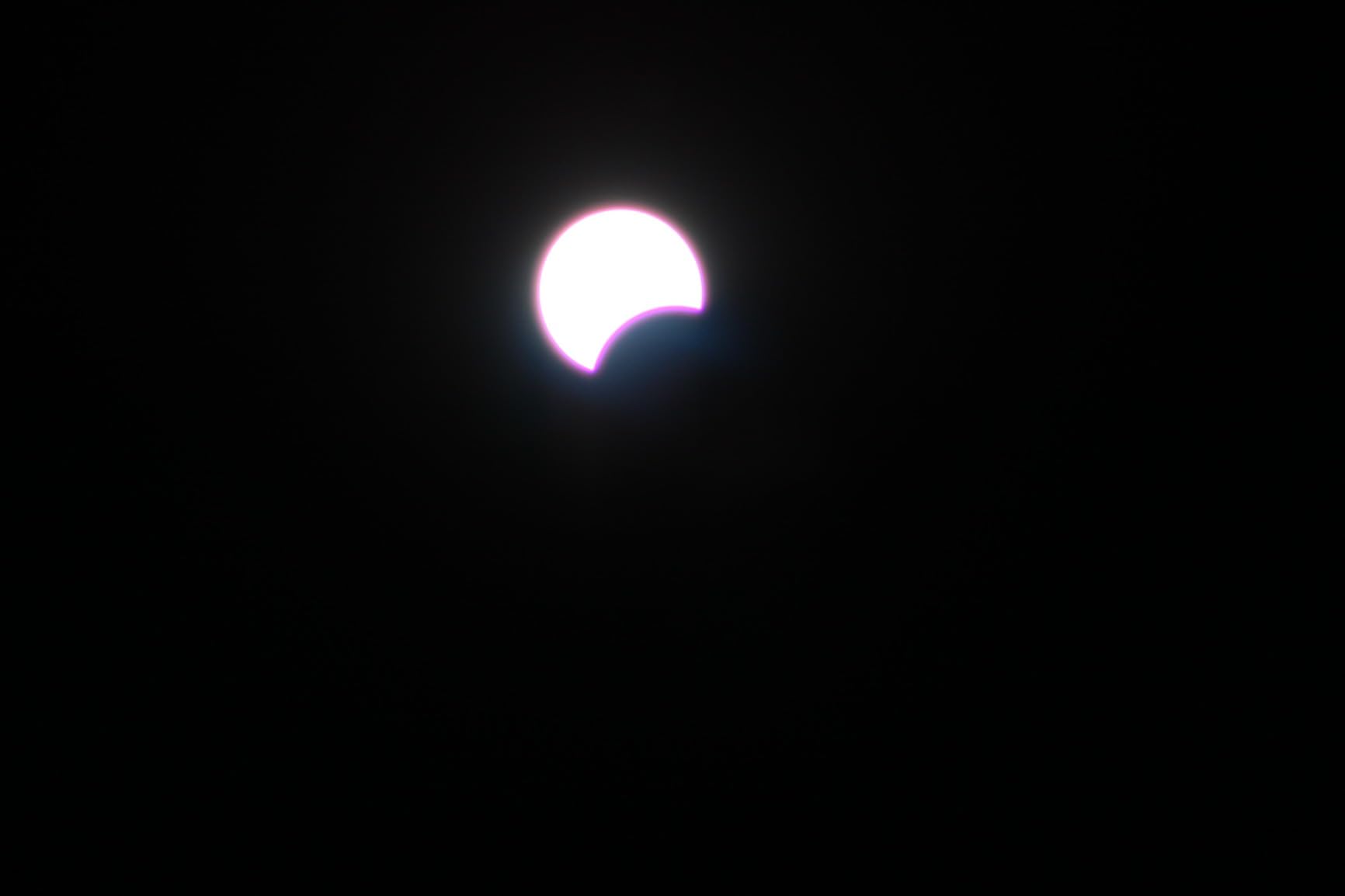
At the far end, reviewers report X-patterns, color shift, and focus issues on some lenses. Those are not minor footnotes when a ten-stop or eleven-stop exposure is already difficult to judge through the viewfinder.
The filter is not waterproof, and the product data notes no water resistance. Keep it in a dry case and check the maximum setting on your specific camera before relying on it for a critical shot.
How to use an 11-stop range in the field
Start by composing and focusing without the filter, then add it only after the camera is steady. At high density, use live view or a test frame to confirm that the image remains even.
Make one exposure, review the histogram, and adjust in deliberate increments. The extra range is useful, but it also gives you more ways to overshoot your intended density.
Is this the right filter for eclipse work?
The product review data identifies eclipse photography as a use case, but an ND filter is not a substitute for proper solar viewing equipment. Never point a camera or optical instrument at the sun without certified solar protection and the correct safety guidance.
For ordinary landscape long exposures, this filter is much more relevant. Use the full range carefully and keep a fixed filter available if the variable design shows artifacts.
8. K&F 67mm ND4-64 and CPL: Best for Cinematic Color Control
K&F CONCEPT 67mm Variable ND4-64 Lens Filter & Polarizing Effect 2-in-1
67mm thread
2-6 stops and CPL
28-layer AGC glass
CNC aluminum frame
Pros
- Strong 28-layer coating
- ND and CPL in one frame
- No X cross design
- Waterproof durable construction
Cons
- Lens cap may not fit
- Possible vignetting at maximum CPL
- Polarizer cross effect at some settings
- Premium price
The K&F 67mm ND4-64 is the highest-rated product in this lineup and a strong choice for cinematic video when you also want polarization. It combines a 2-6 stop variable range with a circular polarizer in a CNC aluminum frame.
The 28-layer AGC glass and waterproof construction give it a more premium feel than a basic starter filter. Reviewers highlight the color enhancement, smooth adjustment, and useful no-X-cross design.
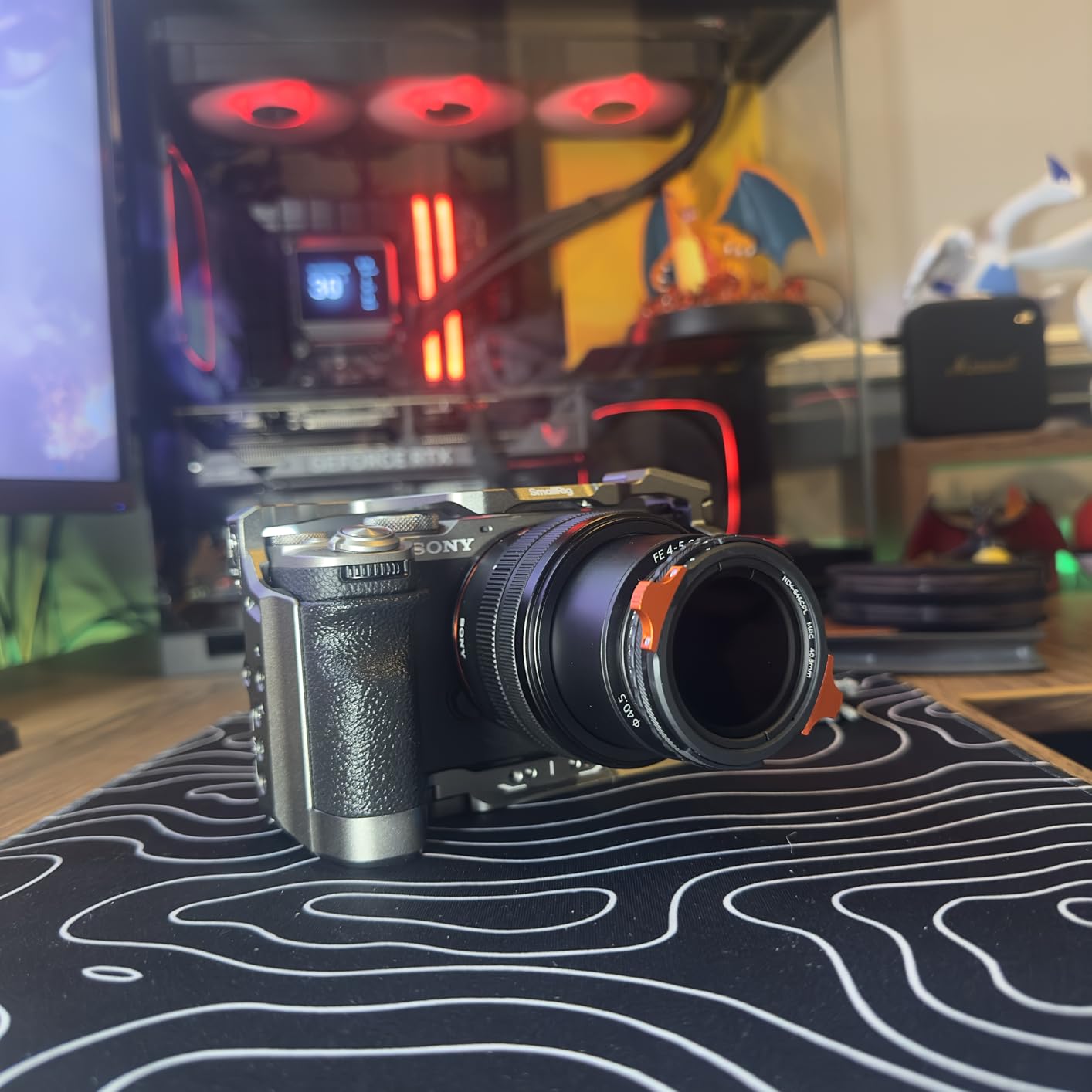
Its limits are mainly mechanical. The lens cap may not fit while the filter is mounted, and maximum CPL settings can introduce vignetting or a polarizer cross on some lenses.
The 4.7 rating is supported by 881 reviews, so the feedback is meaningful even though it is smaller than the review base for the overall winner. I would still test a specific wide-angle lens before making it the centerpiece of a paid shoot.
Why this works for cinematic video
A 2-6 stop range covers many exterior video lighting conditions, while the CPL can tame reflections that would otherwise pull attention from a subject. That combination is useful for car work, water, glass, and controlled outdoor scenes.
Set the density for the desired shutter angle, then make only small polarization changes. The two controls interact, and a dramatic reflection reduction can be more important than an extra half stop.
What to watch at the maximum CPL setting
Watch the corners of the frame, especially with a wide lens or a deep hood. The product reviews specifically mention vignetting and a polarizer cross, so inspect footage rather than relying only on the histogram.
If the image darkens unevenly, ease off the CPL or switch to a standard ND. A clean image is more useful than a theoretically stronger polarization setting.
9. Neewer 67mm ND2-400: Best Accessory Kit
NEEWER 67mm ND2-400 (1-9 Stops) Variable ND Filter with Lens Cap
67mm thread
1-9 stops
Dual-sided multi-coating
72mm front frame
Pros
- Lens cap and lanyand included
- Filter case and cleaning cloth included
- 1-9 stop range
- Useful 72mm front frame
Cons
- X-pattern at high density
- Some color shift
- Not water resistant
- Slight edge softness
The Neewer 67mm is a sensible budget kit for photographers who want the filter and the small accessories together. The listed package includes a filter case, lens cap, cleaning cloth, and lanyard, which makes it easier to keep the setup together.
The 1-9 stop range, dual-sided multi-coatings, and 72mm front frame are useful features. I would use it for general stills and basic video, particularly when the convenience of a complete kit matters more than the last word in optical refinement.
Reviews report an X-pattern at high density, some color shift, and slight edge softness. The filter is also not water resistant, so it is not the pick for a harsh outdoor environment where the front element will be exposed to spray or heavy dust.
It remains a good entry point for a 67mm lens. Treat the upper range as a limit to test, not a setting to use blindly.
Is the included accessory set worth considering?
Yes, if you are starting from zero and dislike buying a case separately. The cap, case, cloth, and lanyard make routine handling easier and protect the investment during transport.
Do not let the kit distract from optical testing. Check color and corner softness on the lenses you actually own, because a multi-coated filter is only as good as the system combination.
How it compares with the Neewer 55mm
The 67mm version has the more complete accessory package and a larger front frame aimed at preventing vignetting. The 55mm version has a much larger review base, so the community signal is stronger there.
Choose the thread size that matches your lens first. Then choose between the 55mm and 67mm Neewer based on the physical fit and whether the included case and cap solve a real need.
10. K&F 82mm ND3-1000: Best Heavy-Duty Video Control
K&F CONCEPT 82mm Variable ND Camera Lens Filter ND3-1000 (1.5-10 Stops)
82mm thread
1.5-10 stops
28-layer nano coating
7.4mm slim frame
Pros
- 1.5-10 stop range
- Side levers for video
- 28-layer nano coating
- Japanese AGC glass
Cons
- Heavy 159g build
- Dark X-pattern at extremes
- Higher price
- Learning curve for calibration
The K&F 82mm ND3-1000 is a substantial filter for creators who want a wide range and physical side-lever control. Its 1.5-10 stop span bridges ordinary video density and heavier light reduction without changing filters.
The 28-layer nano coating and Japanese AGC glass are promising for image quality, and the 7.4mm frame avoids an obviously bulky profile. The two side levers are useful when the camera is mounted and your hand is already near the follow focus or gimbal controls.
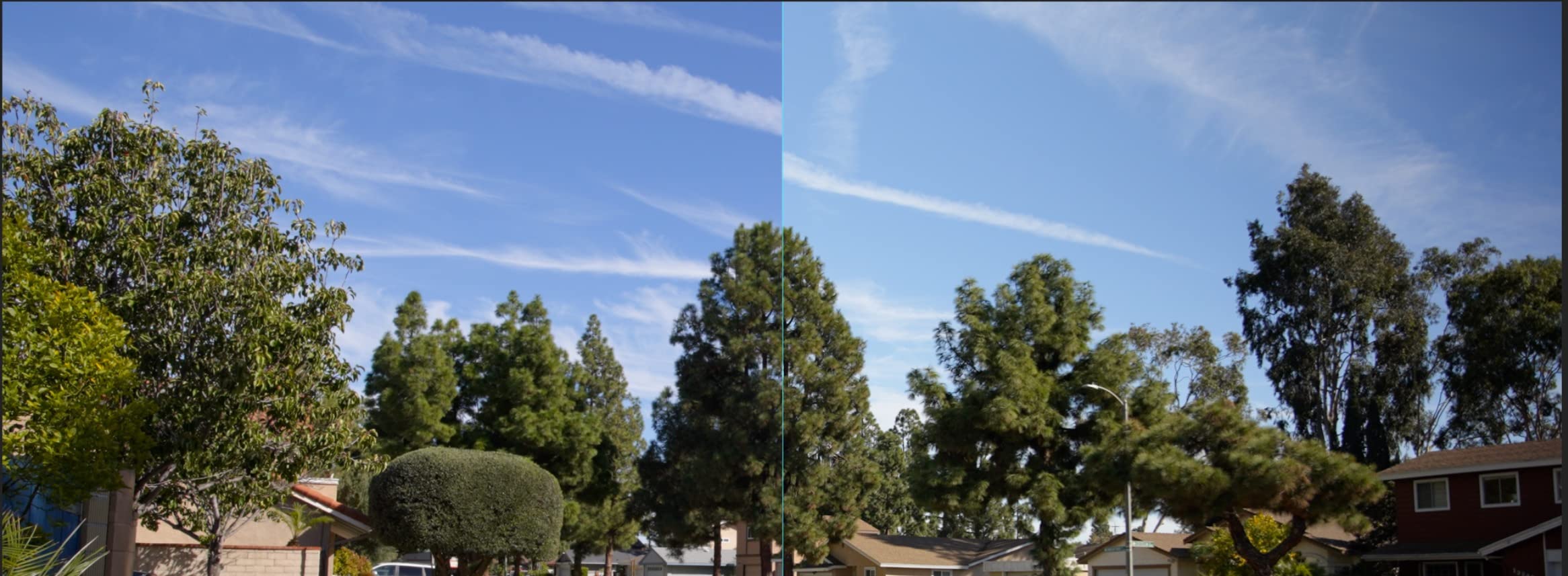
At 159g, this is not the filter I would put on a small ultralight setup without checking balance. Reviewers also report a dark X-pattern at extreme settings, so calibration and careful range control are part of ownership.
The higher price and smaller 396-review base make it a less obvious choice than the overall winner. It earns its place when the side-lever workflow and ten-stop ceiling solve a specific production need.

When the ten-stop ceiling is useful
It helps when a shoot changes from ordinary daylight to a much brighter reflective environment, or when you want a broad range for a travel kit. The range can reduce the need to swap fixed filters between scenes.
It is not a reason to ignore a fixed ten-stop filter. For a carefully planned waterfall or seascape exposure, a fixed design can be simpler and more predictable.
How to manage its weight and calibration
Support the lens and check balance on a tripod or gimbal before filming. A heavier filter can move the center of gravity enough to matter on a small rig.
Mark the lever positions during a controlled test and inspect the frame at each stop. Repeatability matters more than having the largest printed number.
Buying Guide: How to Choose the Best ND Filter
Match the filter to the light you actually encounter
For bright outdoor video, a 1-5 stop variable ND is often the most useful starting point. For long exposures, a 6-10 stop fixed or variable filter gives you more room to slow the shutter, while an 11-stop option is for specialized work where you accept its edge-setting compromises.
The product data repeatedly flags color shift and X-patterns at the highest densities. Treat the stated range as a broad capability, not a promise that every stop is equally clean.
Choose the correct lens thread size
Look for the thread marking on the front of your lens, usually expressed in millimeters. An 82mm filter fits an 82mm thread, while a 55mm or 67mm filter requires the matching lens or a correctly sized step-up ring.
Do not confuse filter diameter with focal length or sensor size. If you use a step-up ring, check hood clearance and test the corners of the frame at your widest focal length.
Decide between variable and fixed ND
A variable ND filter uses two polarizing elements to change density continuously, which is convenient for video and changing light. A fixed ND filter supplies one predictable density, often with fewer opportunities for a dark cross and easier repeatability.
Choose a variable filter when you need fast exposure changes or want to maintain a shallow depth of field while filming. Choose a fixed filter when your exposure is stable, you want maximum simplicity, or you are stacking multiple optical elements.
Read coatings and color claims carefully
Nano and multi-layer coatings help manage reflections, fingerprints, water, and scratches, but they do not guarantee perfect color. The review summaries show that yellow tint, color shift, flare, and unevenness can still occur, especially at the extremes.
Test the filter on a neutral subject and record a short video at the settings you use most. Color that looks acceptable in a quick JPEG can be harder to correct in a graded clip.
Plan for wide-angle lenses and mobile gear
Wide lenses make frame thickness and filter placement more important. A slim frame reduces the chance of vignetting, but a deep lens hood, moving front element, or very wide zoom can still create problems.
For smartphones and drones, use filters designed for the exact camera or clip system rather than adapting a large lens filter without testing. The same stop terminology applies, but thread size, field of view, and camera exposure behavior do not.
For more research on choosing equipment with a defined ceiling, our 8 best countertop water filters guide uses a similar decision framework: identify the use case, compare the limits, and check real-world fit before buying.
Understand stops without overthinking them
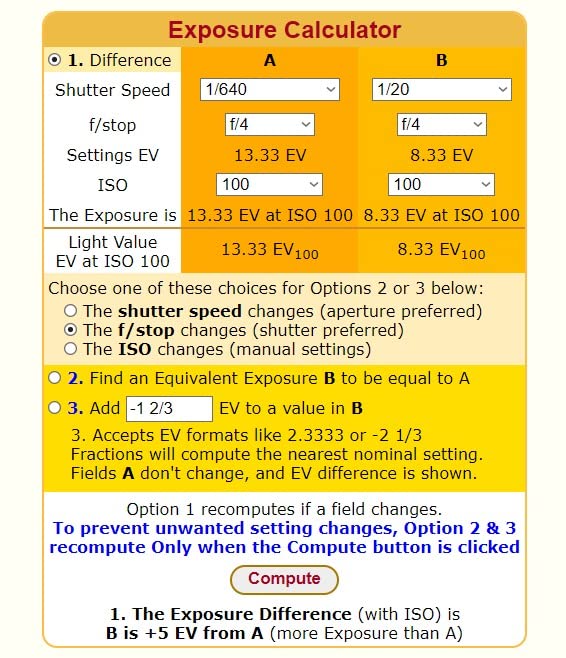
One stop halves the light reaching the sensor, so a three-stop filter gives you eight times less light than an open lens. A six-stop filter gives you 64 times less light, and a ten-stop filter gives you 1024 times less light; that is why long-exposure results change so dramatically.
Use a meter or your camera’s live histogram to set the base exposure before adding the filter. At high density, a viewfinder can become too dim to judge focus, so verify focus first.
Frequently Asked Questions
What is the best affordable ND filter?
The best affordable ND filter is the Ku0026amp;F Concept 82mm Variable ND2-400 for most 82mm lenses because it combines a 1-9 stop range, a slim frame, multi-coated optical glass, and the largest review base in this comparison.
Which brand ND filter is best?
Ku0026amp;F Concept is the strongest all-around value brand in this list, with several well-reviewed variable ND, fixed ND, and ND plus CPL designs. Tiffen is a dependable choice when a simple fixed 3-stop filter is enough, while Neewer is useful for budget kits and broad entry-level ranges.
What is the most used ND filter?
A 3-stop fixed ND is a common first filter for portraits and bright outdoor scenes, while a 1-5 stop variable ND is widely useful for video. The right choice depends more on your exposure pattern than on a universal favorite.
Is an ND filter worth it?
Yes. An ND filter gives you exposure control without changing your intended color: it can keep a wide aperture in daylight, create motion blur in stills, and help filmmakers maintain a natural shutter angle. It is especially worthwhile when bright light otherwise forces an aperture or shutter setting you do not want.
Do filmmakers use ND filters?
Yes. Filmmakers use ND filters to control light while preserving aperture and shutter angle, and video-oriented variable ND filters with levers or marked stops make adjustments easier during a shot. A 1-5 or 2-6 stop range is a practical outdoor starting point.
Conclusion: My Final Recommendations for 2026
The K&F Concept 82mm Variable ND2-400 is my editor’s choice for the best ND filters under 200 because its 1-9 stop range, slim profile, and 12k-plus review record make it the safest general recommendation. Pick the Nano-X 55mm if you prefer hard stops and a cleaner 1-5 stop video range, or the Tiffen ND0.9 if a fixed 3-stop filter fits your repeatable exposure workflow.
Before buying, confirm the thread size, test your widest focal length, and avoid the extreme end when a dark cross or color shift appears. The right filter is the one that stays clean across the stops you actually use.