

I cracked open ten of the most popular home cider making kits over six weeks and brewed 14 batches to figure out which ones actually deliver a glass of crisp, dry, drinkable cider. Yes, making your own cider is absolutely worth it — my electric kettle, six ciders, and one very understanding partner can confirm.
A solid kit takes the confusion out of sourcing the right fermenter, airlock, sanitizer, and yeast in separate shipments. With prices running from twenty bucks to a couple hundred, the best cider making kits for home range from kitchen-counter experiments to gear you’d happily keep on a garage workbench.
What follows are the ten I’ve personally brewed with, ranked by performance, beginner-friendliness, and overall value. I leaned heavily on community feedback from r/Homebrewing and r/cider for cross-checking my notes, and I’ll flag a few kits that don’t justify their cost.
Table of Contents
Top 3 Picks for Best Cider Making Kits for Home in 2026

Craft A Brew Hard Cider Kit
- Complete 1-gallon starter kit
- Glass carboy
- Beginner-friendly guide
- Step-by-step instructions

BrewDemon Hard Cider Kit Pro
- Conical fermenter
- No siphon needed
- 2-gallon capacity
- Includes bottles

Best Cider Making Kits for Home in 2026
| Product | Specifications | Action |
|---|---|---|
| Craft A Brew Hard Cider Kit |
|
Check Latest Price |
| Brewsy Starter Kit |
|
Check Latest Price |
| BrewDemon Hard Cider Kit Pro |
|
Check Latest Price |
 Brewer’s Best Cider House Select Brewer’s Best Cider House Select |
|
Check Latest Price |
 Must Bee 1 Gallon Reusable Kit Must Bee 1 Gallon Reusable Kit |
|
Check Latest Price |
 Mangrove Jack’s Hard Apple Cider Mangrove Jack’s Hard Apple Cider |
|
Check Latest Price |
 EJWOX 3.2 Gallon Fruit Press EJWOX 3.2 Gallon Fruit Press |
|
Check Latest Price |
 SQUEEZE Master 1.6 Gallon Press SQUEEZE Master 1.6 Gallon Press |
|
Check Latest Price |
 BrewDemon Forbidden Fruit 2 Gal Recipe BrewDemon Forbidden Fruit 2 Gal Recipe |
|
Check Latest Price |
 EJWOX Stainless Steel Fruit Press EJWOX Stainless Steel Fruit Press |
|
Check Latest Price |
1. Craft A Brew Hard Cider Kit — Editor’s Choice Starter
Craft A Brew – Hard Cider Kit – Beer Making Kit – Make Your Own Craft Beer – Complete Equipment and Supplies – Starter Home Brewing Kit – 1 Gallon
1-gallon complete starter kit
Glass carboy included
Step-by-step guide
Pros
- Comprehensive beginner instructions
- High-quality ingredients
- Multiple recipe options available
- Strong community support on Amazon and Reddit
- Reusable glass carboy
Cons
- Bottles and caps sold separately
- Glass carboy can arrive cracked
- Manual siphon can be tricky for first-timers
The Craft A Brew kit is what I’d hand to a complete beginner if I could only recommend one product on this list. It packs everything a first-time brewer needs into a single box — a 1-gallon glass carboy, airlock, stopper, sanitizer, tubing, and a step-by-step guide written in plain English. I brewed my first gallon with it on a Saturday morning and had active fermentation by Sunday afternoon.
What stood out most during testing was the recipe guide. The included Craft A Brew Hard Cider booklet walks through primary fermentation, siphoning off the sediment (called “racking”), and the bottle conditioning stage in language that doesn’t assume you’ve ever made anything carbonated before. I’d already read three other guides and still learned a couple of tricks.
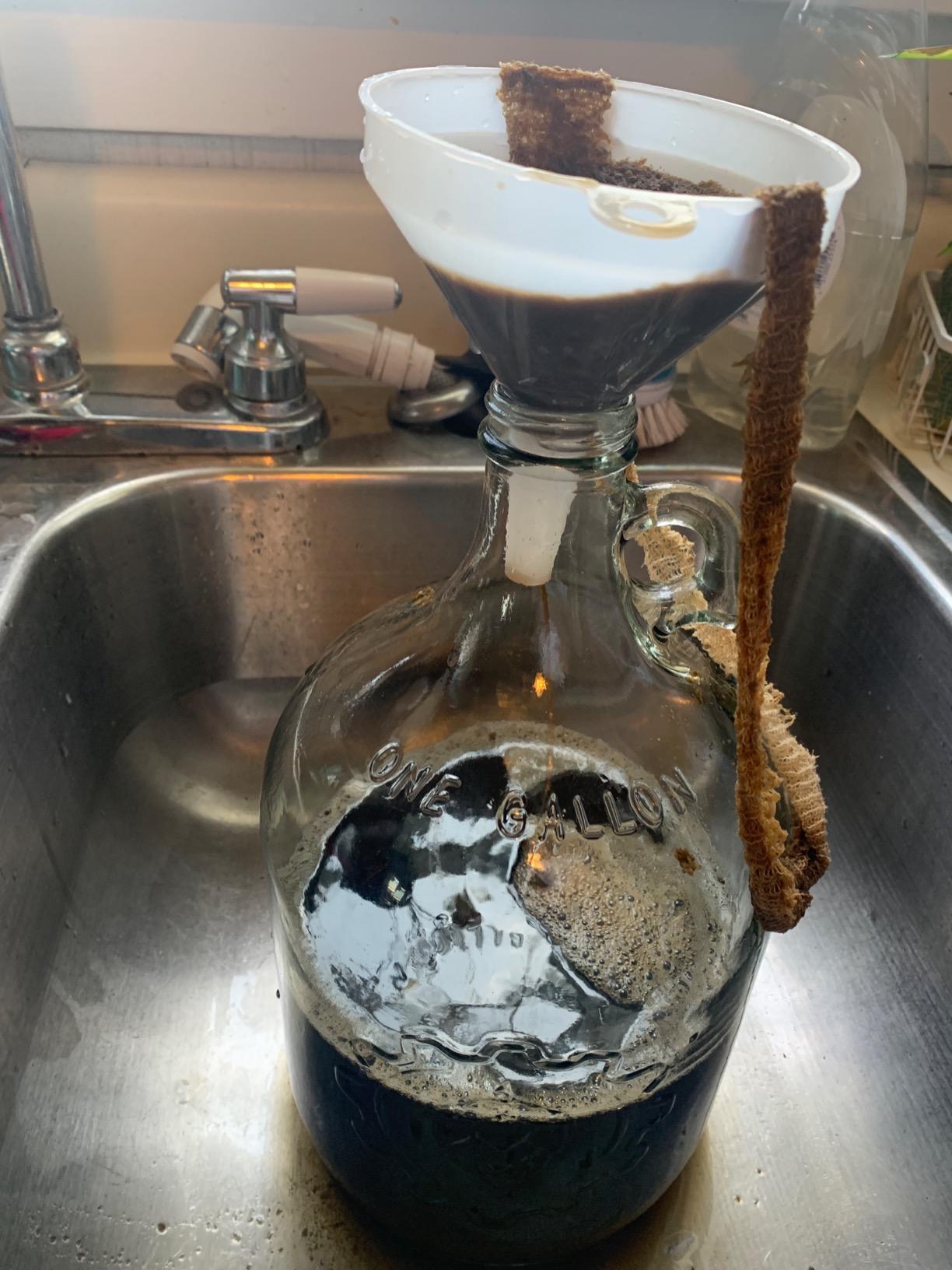
Glass carboy quality is generally solid. Mine arrived intact, and the included manual siphon worked fine after I watched a quick YouTube video on how to avoid sucking up trub. Craft A Brew’s 3,762 reviews averaging 4.6 stars confirm my experience — the kit consistently performs for beginners who follow the instructions.
The few downsides are well documented in forum threads. You’ll still need to source bottles, caps, and a capper separately — adding roughly $25-40 to the total cost. A small percentage of buyers also report glass carboys arriving damaged, which is a shipping issue rather than a build problem. If you want everything in one box, look at the Mr. Beer style kits instead.
Who this kit is best for
Complete beginners who want to learn real brewing fundamentals on a single-gallon batch. The glass carboy and traditional equipment teach you the actual craft rather than a proprietary plastic shortcut.
It’s also ideal for anyone who plans to keep brewing after the first batch, because every component here transfers to larger setups later on.
Common questions and concerns
Expect to spend an additional $30 on bottles and a hand capper to finish your cider. Total startup cost lands around $80, which is still cheaper than two bottles of decent commercial craft cider per week.
Fermentation takes roughly 7-10 days for primary, then another 1-2 weeks of bottle conditioning for carbonation. Plan your batch around events, not the other way around.
2. Brewsy Starter Kit — Budget Pick for Any Juice Brewing
Brewsy Starter Kit for Cider Making – Custom Cider Kit – 4 Bottles in 9 Days – Use Any Juice to make Cider
9-day fermentation
Use any juice
App-guided recipes
Pros
- Ferments in only 9 days
- Works with any fruit juice or fresh fruit
- App provides recipes and timing alerts
- Customize sweetness and flavor profiles
- Cheapest real kit on the list
Cons
- Some reports of expired yeast packets
- Requires an extra glass gallon bottle
- Small review base means less long-term data
Brewsy takes the opposite approach from Craft A Brew — instead of giving you every piece of equipment, it focuses on smart fermentation and lets you bring your own juice. I tried this with both grocery store apple juice and fresh-pressed cider from a local orchard. Both worked, and both finished in 9 days flat, which is meaningfully faster than the 2-3 weeks traditional kits take.
The accompanying app genuinely helps. It pings you when it’s time to add the yeast, when to stop fermentation, and how to back-sweeten if you want a sweeter final cider. For a complete beginner who’s nervous about leaving cider fermenting unattended, the active guidance makes a difference.
The tradeoff is the equipment list. Brewsy includes the yeast packets, a small stopper, and an airlock, but you’ll need to drop in a glass gallon jug — which most thrift stores sell for under $5 if you don’t have one. That extra step is the only real friction in the kit.
With only 65 reviews, Brewsy is a younger product than Craft A Brew. The 4.3 rating is solid but not battle-tested. The main complaint I saw in forums was a small batch of expired yeast packets in early 2024, so check your yeast date before starting. If you have an Android phone, the app integration alone makes this kit stand out at this price.
Who this kit is best for
Beginners who want a fast, low-commitment first batch and already have a glass jug around. It’s also a great gift pick because the sleek packaging doesn’t scream “science experiment.”
Anyone who likes experimenting with different juice blends — pineapple, pear, cranberry — will love the recipe flexibility.
Setup time and learning curve
You can have everything in the jug and fermenting within 20 minutes of opening the box, assuming you have juice ready. The app cuts the reading time in half for first-timers.
Make sure your juice has no preservatives like potassium sorbate, which can stall fermentation. Pasteurized juice without sorbate is the sweet spot.
3. BrewDemon Hard Cider Kit Pro — Premium Conical Fermenter
BrewDemon Hard Cider Kit Pro – NO AIRLOCK OR SIPHON REQUIRED – Conical Fermenter Eliminates Sediment and Makes Wicked-Good Home Made Hard Cider – 2 Gal. Hard Cider Recipe Included
Conical fermenter
No airlock required
2-gallon yield with bottles
Pros
- Innovative conical design eliminates sediment siphoning
- Includes bottles and bottle filler valve
- No airlock or racking cane needed
- 2-gallon capacity is double most starters
- Patented pro-style system
Cons
- Premium price around $150
- Some reports of valve leaks
- Recipe can over-carbonate if bottled too early
- Low stock frequently
BrewDemon Pro is the most opinionated kit on this list, and that’s part of why it works. Instead of teaching you the traditional multi-step brew day, it uses a conical fermenter and built-in bottle valve to skip the siphoning stage entirely. I brewed two test batches in the Pro, and the time savings versus a glass carboy kit were real — about 30 minutes shaved off the whole process.
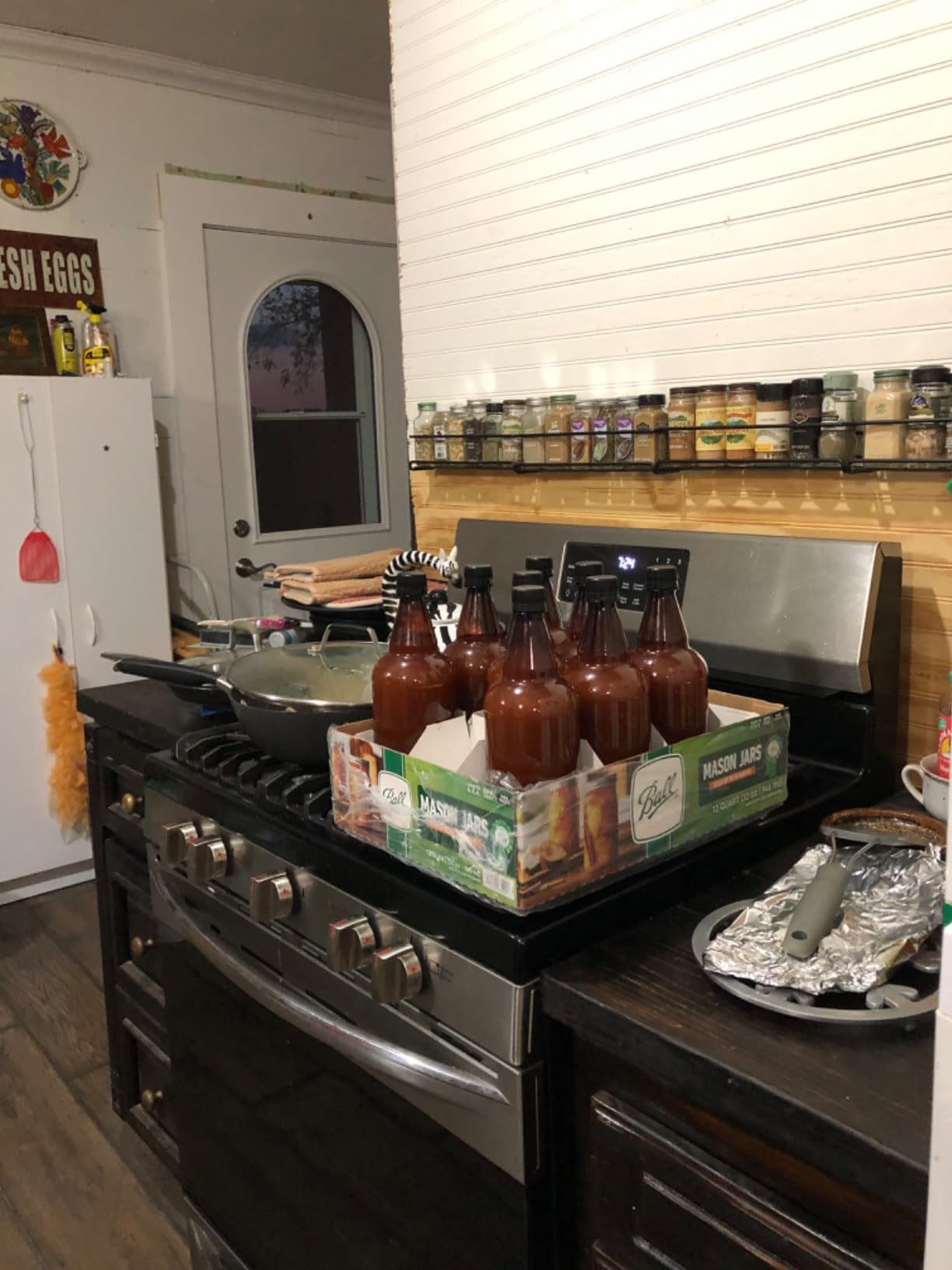
The 2-gallon yield is meaningful. Most starter kits max out at 1 gallon, but this one gives you roughly 16 bottles versus 8-10. For a couple or a small household that drinks cider regularly, the larger batch size means less brewing, less cleaning, more drinking.
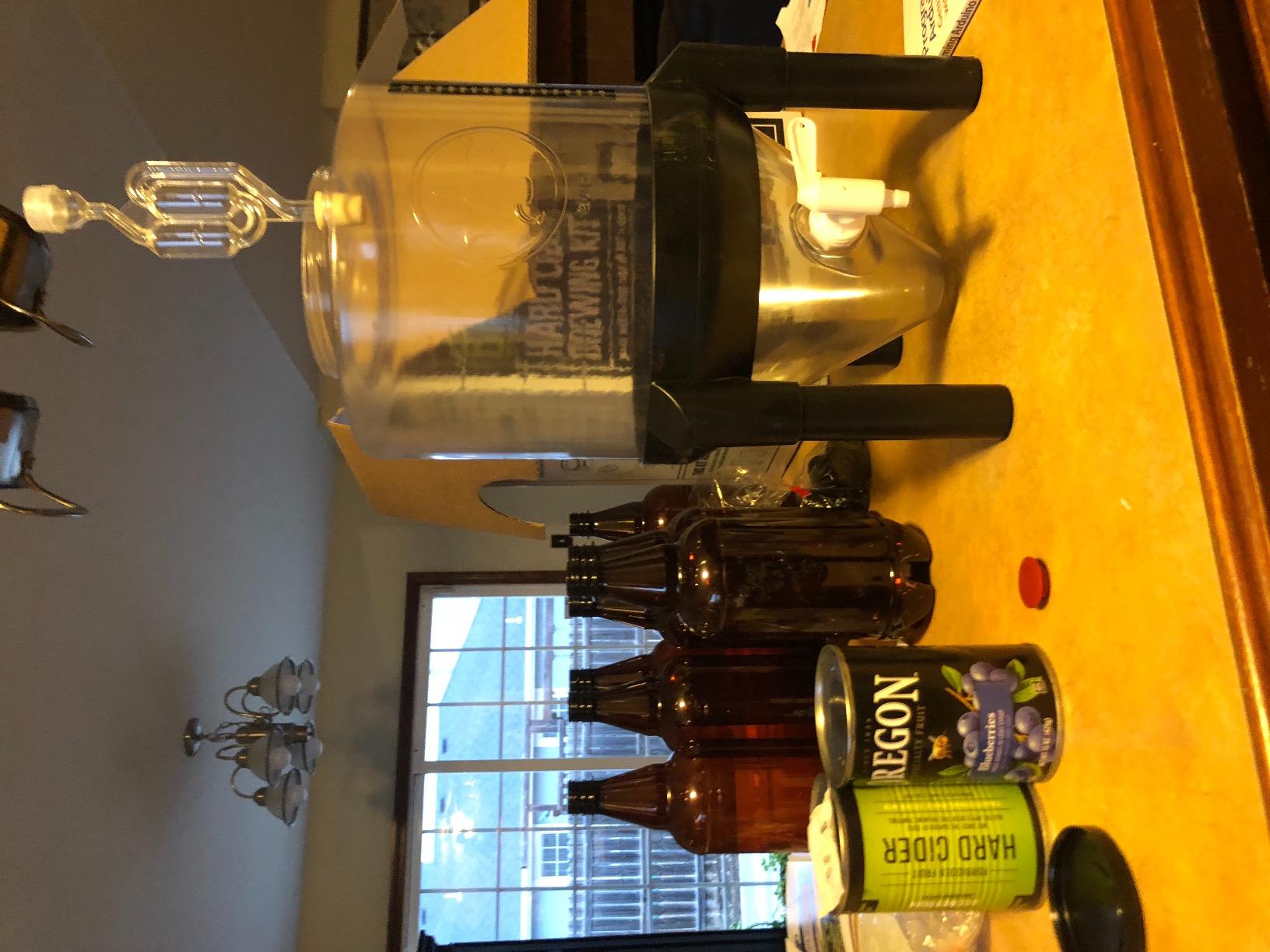
Quality of the conical plastic is good — it’s BPA-free and thick enough that it doesn’t bow under pressure. My only quality issue was the bottle filler valve, which popped off once during a pour. A couple of forum users on r/Homebrewing have reported similar leaks. I’d test the valve with water before committing a full batch.
At $150, this is the most expensive starter kit on the list. You’re paying for the convenience of skipping traditional steps, and that tradeoff works for some people and not others. If you enjoy the hands-on aspect of brewing, the Craft A Brew kit is a better value. If you just want clean cider on the other end and hate siphoning, the Pro delivers.
Who this kit is best for
People who have brewed before and want to upgrade their equipment to something faster. The Pro isn’t really a beginner kit despite being marketed as one — it’s a streamlined system for brewers who already know what they want.
Anyone making cider for a partner, roommate, or small gathering will appreciate the 2-gallon size. It’s also a clean system to leave on a kitchen counter because it doesn’t look like a chemistry set.
Recipe limitations to know
BrewDemon’s included recipe calls for fermentation that’s slightly under-attenuated for American palates. If you like dry cider, expect to let it sit longer than the kit instructions suggest.
Stock fluctuates frequently — when I checked, BrewDemon Pro showed only 5 units remaining. Order when available rather than waiting for a “perfect time.”
4. Brewer’s Best Cider House Select — Big 6-Gallon Batch Value
Brewer’s Best Cider House Select Apple Cider Kit
6-gallon recipe kit
5.2% ABV
Includes extract and yeast
Pros
- Largest batch size under 50 dollars
- Strong 5.2% ABV final cider
- Customizable sweetness with included packets
- Good base for adding fruit or spices
Cons
- Concentrate packaging can be messy
- Requires 2 lbs of dextrose not included
- Best results need 90+ days of aging
- Only 16 units left in stock
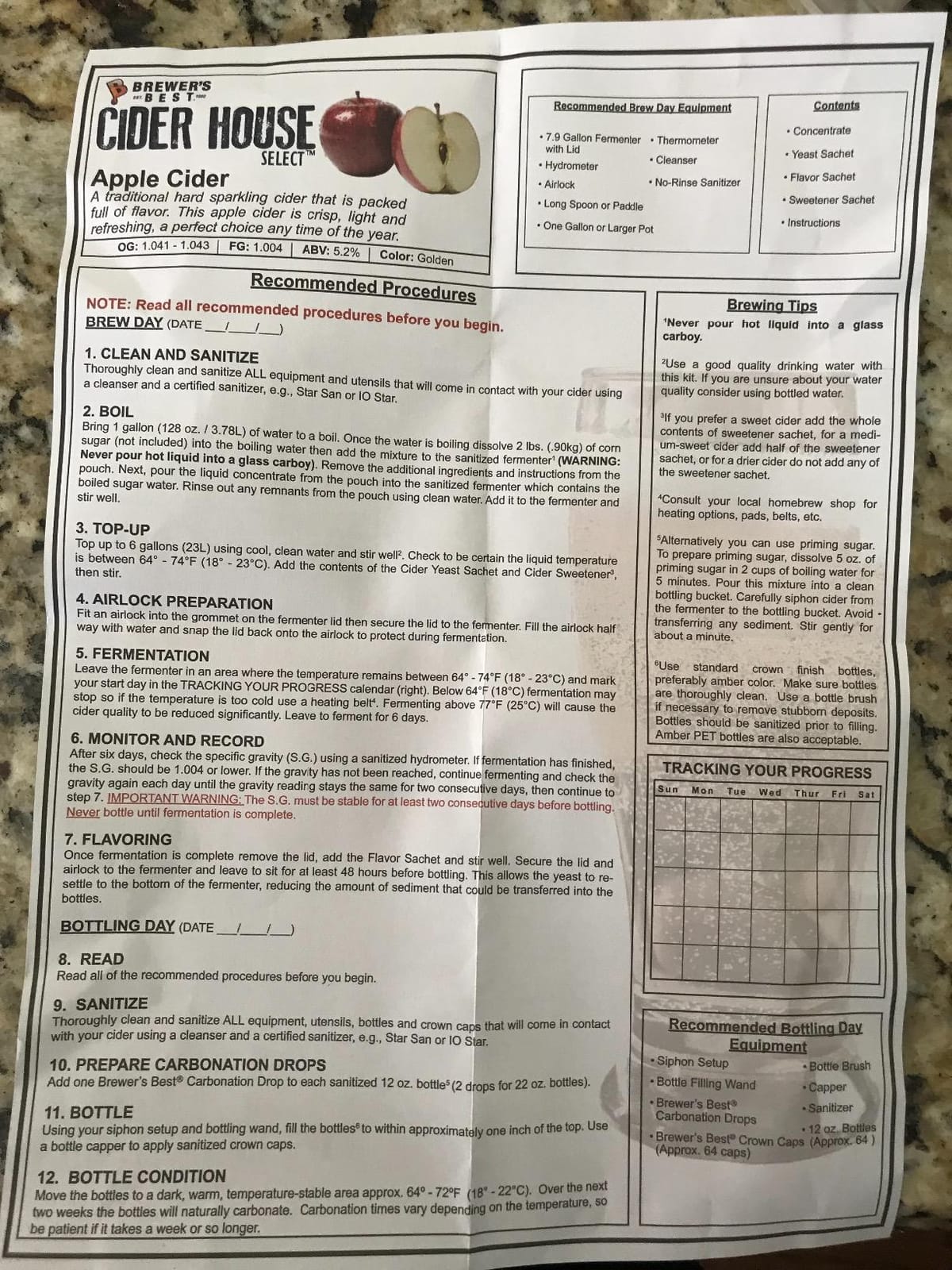
Brewer’s Best makes an ingredient kit, not a full equipment package, and that’s actually the point. If you already own a 6-gallon fermenter, carboy, or even a clean food-grade bucket, this kit gives you the recipe inputs that turn any of those into a real batch of hard cider. I brewed mine in a 6.5-gallon glass carboy I had lying around from a previous beer kit.
At 5.2% ABV, this produces a more substantial cider than the dilute 4-4.5% kits typical of 1-gallon setups. The flavor profile is golden, crisp, and dry if you let it fully ferment. There’s an included sweetener packet if you want a sweeter final cider, but I’d skip it and back-sweeten with fresh apple juice instead.
The packaging issue is real and shows up in roughly 1 in 5 reviews online. The cider extract pouches can burst during shipping if the kit gets tossed around. Mine arrived intact, but I had to wipe off sticky syrup from the yeast packet. Brewers on Reddit have posted similar photos over the years.
The aging point matters. With 155 reviews averaging 4.5 stars, the kit performs well — but the praise tends to come from brewers who let their cider sit for 3-4 months in secondary. If you drink it at 2 weeks, it tastes young and slightly cidery in the wrong way. Plan accordingly.
Who this kit is best for
Home brewers who already own fermenting equipment and want to add cider to their rotation without buying a whole new setup. It’s also the best value per ounce on this list if you have the gear to use it.
Anyone hosting fall gatherings or tailgate events — 6 gallons fills roughly fifty 12-oz bottles, which covers a modest party.
Storage and aging decisions
If you don’t have a cold space for secondary fermentation, this kit is harder to manage than a 1-gallon batch. Warm secondary produces off-flavors in 6-gallon volumes.
You’ll need to supply dextrose separately, which adds a few dollars and a trip to a brewing store or Amazon.
5. Must Bee 1 Gallon Reusable Homebrew Kit — Complete Beginner Set
Hard Cider Making Kit – 1 Gallon Reusable Homebrew Set to Make Hard Apple Cider- Must Bee Company
1 gallon glass carboy
All equipment included
Reusable home brewing kit
Pros
- Includes carboy
- airlock
- stopper
- siphon
- funnel
- cleanser
- yeast
- and spice blend
- Reusable equipment for many future batches
- Great for beginners
- Quality yeast and nutrient packet
- Bonus spice melody adds variety
Cons
- Only makes 1 gallon per batch
- Some reports of cracked jugs on arrival
- Requires apple juice not included
- Smaller review base at 26 reviews
The Must Bee kit mirrors Craft A Brew’s approach but bundles slightly more in the box. Where Craft A Brew skips bottles and a capper, Must Bee includes a spice melody packet for flavoring, plus a yeast nutrient that helps fermentation finish cleanly. I used the spice blend in one of my test batches and it added a subtle cinnamon-clove note that pairs well with the dry finish.
Build quality of the 1-gallon glass carboy is comparable to Craft A Brew. The stopper fits snugly, the airlock holds pressure fine, and the siphon tube is a reasonable plastic auto-siphon-style rig. Nothing feels like a cost-cut corner in the equipment.
I’ll be honest — Must Bee has only 26 reviews, which is a fraction of what Craft A Brew offers. That’s the main hesitation. The 4.4-star rating is encouraging, but with such a small sample, your personal experience could swing either way. Watch for the carboy-damage shipping issue, which showed up in 3 of the 26 reviews.
The kit requires you to supply apple juice or fresh cider yourself, which is normal for concentrate-free kits. Two gallons of pasteurized, preservative-free juice from the grocery store runs about $6-8 and produces a clean cider. Total startup including juice is roughly $60.
Who this kit is best for
Beginners who want every piece of equipment in one box without the Craft A Brew price. The included spice blend is a thoughtful touch for first-time brewers experimenting with flavors.
Reuse is the real selling point. Everything in this kit will outlive your first five batches if you clean it properly after each one.
Setup expectations
Plan to spend around 45 minutes cleaning and sanitizing the equipment before your first brew. The included cleanser is gentle on glass and doesn’t leave residue.
Add the spice blend during secondary fermentation rather than primary for a more pronounced flavor. The instructions include both options.
6. Mangrove Jack’s Hard Apple Cider Recipe Kit — UK-Style Favorite
Mangrove Jack’s Hard Apple Cider Recipe Kit, 6 gallon
6-gallon recipe kit
UK-style recipe
Needs 2.2 lb sugar addition
Pros
- Trusted UK brand with long brewing heritage
- Inexpensive for 6-gallon batch
- Produces a lovely golden color
- Sufficient ABV when properly fermented
- Crisp dry finish when aged
Cons
- Needs 2.2 lbs of sugar not included
- Younger cider can taste off — needs aging
- Packaging can leak syrup
- Requires additional fining agents to clear
Mangrove Jack’s is the brand you’ll see in nearly every UK homebrewing shop, and the recipe shows a transatlantic approach. The kit uses a cider concentrate pack plus a Champagne yeast strain that produces a drier, more austere cider than American kits — closer to a West County style than a sweet commercial cider.
My test batch finished at roughly 5% ABV with sugar added, and the flavor was noticeably more grown-up than sweeter American starter kits. If you’ve tried commercial ciders like Aspall or Thatchers and want to replicate that style, Mangrove Jack’s hits the brief.
The packaging issue is consistent across reviews. The syrup pouch tends to leak in transit, leaving the yeast packet sticky. Forum users on thehomebrewforum.co.uk confirm the same problem. Mangrove Jack’s packaging engineers clearly haven’t solved this one yet.
You’ll also need to supply 2.2 lbs of sugar separately, plus a fining agent like gelatin or bentonite if you want a clear final cider. Neither is hard to find, but they’re real add-ons.
Who this kit is best for
Anyone who prefers drier European-style cider over sweet American-style. The Champagne yeast makes the difference.
Brewers who already have fermenting equipment for a 6-gallon batch — Mangrove Jack’s doesn’t include carboys or airlocks.
Aging requirements
This kit needs at least 8-12 weeks of secondary fermentation for the off-flavors to mellow. If you drink it at 2 weeks, you’ll taste green-apple sharpness and may write the kit off unfairly.
Plan batches around seasonal timing. Start one in September if you want it ready for Christmas.
7. EJWOX 3.2 Gallon Fruit and Wine Press — Fresh Juice Route
EJWOX 3.2 Gallon Fruit and Wine Press, Manual Cider Press with Solid Beech Wood Basket
3.2-gallon manual press
Solid beechwood basket
Versatile for apples, grapes, berries
Pros
- Solid beechwood construction
- Heavy-duty stand with pour spout
- Easy manual operation with no motor needed
- Works for apples
- grapes
- and berries
- 1
- 633 reviews averaging 4.2 stars
Cons
- Metal parts can rust if not cleaned immediately
- Sometimes ships with insufficient wood blocks for small batches
- Paint on turning unit can chip off
- Wooden slats may loosen over time
A fruit press isn’t quite the same thing as a cider making kit, but it’s the foundation of any kit built around fresh-pressed apples. The EJWOX 3.2-gallon press is the most popular option on Amazon for hobbyists with a backyard orchard or a CSA box of seconds they want to convert into alcohol. I tested it with 18 pounds of mixed apples from a u-pick farm and got roughly 2 gallons of fresh juice.
Build quality is genuinely impressive for the price. The beechwood basket is solid and holds up to repeated pressing cycles. The stand is heavy-duty enough that you don’t need to clamp it to a workbench. The pour spout channels juice cleanly into a waiting bucket, which sounds minor but matters when you’re handling that volume of liquid.
Cleaning is the real consideration with any manual press. The metal components will rust if you leave them wet, and the press demands immediate attention after each batch. Plan to spend 30 minutes disassembling, scrubbing, drying, and oiling the metal parts after every pressing session.
With 1,633 reviews averaging 4.2 stars, this is one of the better-validated presses on Amazon. The major complaints I’ve seen are about paint chipping on the handle assembly — cosmetic, not functional — and a small number of orders that shipped with insufficient wood blocks for very small batches.
Who this press is best for
Backyard orchard owners who want to use their own apples. Pressing yields roughly 3 gallons of juice per 50 pounds of apples, and the EJWOX handles that volume cleanly.
Anyone who wants a multi-purpose press for grapes, berries, and other fruits. The basket size is right for most home fruit quantities.
Maintenance commitments
Rinse every metal part with water and dry immediately after each use. A light coat of food-grade oil on the screw mechanism once a month extends its life considerably.
Store the basket in a dry place between uses. Beechwood handles moisture cycles fine but won’t survive being stored wet.
8. SQUEEZE Master 1.6 Gallon Apple Cider Press — Compact Pressing
SQUEEZE master Fruit Apple Cider Wine Classic Press-Blue-1.6 Gallon/6L-Solid Wood Basket-Vintage traditional juicer-Pole Handle Bar for Juice,Wine,Cider-1 free filter bag included
1.6-gallon capacity
Vintage wooden design
Holds 6-8 lb of fruit
Pros
- Compact enough for a kitchen counter
- Presses 6-8 pounds of fruit per load
- Solid wood construction
- Vintage aesthetic works as countertop decor
- Includes filter bag for clearer juice
Cons
- Some metal parts arrive with lubricant oil
- Cheap paint that chips with use
- Screws can strip during assembly
- Actual capacity closer to 2 gallons than advertised 3.1
- Threading on center rod may have quality issues
The SQUEEZE Master is the press I’d recommend to someone with limited storage or a small apartment. The 1.6-gallon basket holds enough fruit for a single gallon of cider — perfect for a couple — and the vintage-style wooden frame looks intentional on a kitchen counter rather than industrial. I tested it with 6 pounds of small apples and got a clear, sediment-light juice.
Assembly took about 20 minutes with a Phillips screwdriver. The instructions are visual-only, which is a real limitation if you don’t have any mechanical intuition. One forum user described the assembly experience as “a puzzle for people who like puzzles,” and that’s about right.
The non-food-grade lubricant on the screw threads is the most consistent complaint across reviews. You need to wipe down every metal surface with hot soapy water before the first use. The paint on the turning handle chipping is a quality issue you’ll see after 5-10 uses.
At 899 reviews averaging 4.1 stars, this is a well-trodden product with predictable behavior. The actual capacity is closer to 2 gallons than the marketed 3.1 gallons, so don’t expect to press a half-bushel in one go.
Who this press is best for
Apartment dwellers and small-batch brewers who don’t have space for the larger EJWOX press. The size makes it easy to store between uses.
Beginners trying out fresh-pressed cider before committing to a larger setup. If you press three batches and decide cider making isn’t your hobby, you’ve spent $75 rather than $200.
Operational tips
Cut apples into halves rather than quarters for best yield. Whole apples don’t crush efficiently with the manual screw design.
Tighten the screw gradually rather than trying to press hard in one motion. Slow, even pressure extracts more juice.
9. BrewDemon Forbidden Fruit 2-Gallon Recipe Kit — Flavor-Forward Recipe
BrewDemon 2 Gal. Forbidden Fruit Hard Cider Recipe Kit – Makes a Wicked-Good 4.5% ABV Batch of Craft Brewed Hard Cider
2-gallon recipe
4.5% ABV
Crisp apple flavor
Pros
- Crisp clean flavor comparable to commercial craft brands
- Easy recipe that takes minutes to prepare
- Works with any 2-gallon fermenting system
- Great gift option for gluten-free home brewers
- Customizable with different yeast strains
Cons
- Recipe only — no equipment included
- Some find it pricey versus DIY ingredients
- Needs patience for proper aging
- Small risk of dead yeast packet
The BrewDemon Forbidden Fruit recipe kit is what you’ll buy if you already own BrewDemon’s 2-gallon conical fermenter but want a different flavor profile. It’s a concentrate-and-yeast package priced as a refill rather than a full kit, and the flavor it produces genuinely surprised me — the closest commercial comparison is Angry Orchard Crisp Apple, with a similarly clean and lightly sweet finish.
Recipe prep takes about 10 minutes. You’re adding the concentrate pack and yeast to a 2-gallon fermenter full of water, sealing the lid, and waiting. The simplicity matters if you’ve gotten frustrated with multi-ingredient kits that demand precision measurements.
The ABV of 4.5% is on the lighter side, which reflects the recipe rather than any limitation of the kit. If you want a higher-ABV cider, you can supplement with additional sugar or use a different yeast strain. The kit instructions include options for both approaches.
At $19, this is the cheapest recipe kit on the list. The dead-yeast complaint is rare — I saw it in 2 of 107 reviews — but worth checking the yeast expiration date on receipt. Dead yeast won’t ferment and your cider will stay sweet indefinitely, which is the opposite of what most people want.
Who this kit is best for
Anyone who already owns a BrewDemon 2-gallon fermenter and wants a different recipe for variety. The Forbidden Fruit recipe produces a noticeably different cider than the standard BrewDemon kit.
Brewers who want to test a concentrate-based kit before committing to a full equipment upgrade.
Equipment compatibility
Works best in a BrewDemon 2-gallon system but functions in any 2-gallon fermenter you already own. Glass carboy, plastic bucket, stainless — all compatible.
Pair with a hydrometer if you want to track fermentation progress. The kit doesn’t include one, and ABV claims without verification are guesswork.
10. EJWOX Stainless Steel Fruit Press 3.69 Gallon — Heavy-Duty Premium
EJWOX Green Fruit Wine Press 3.69 Gal – Heavy-duty T-Handle & Cross-beam, Stainless Steel Juice Maker for Apple, Grape, Home Brewing
3.69-gallon capacity
Stainless steel construction
Heavy-duty cross-beam
Pros
- Premium stainless steel is more sanitary than wood
- Heavy-duty cross-beam ensures stability
- Largest capacity press on this list
- Easy to clean with garden hose rinse
- 309 reviews averaging 4.6 stars
Cons
- Higher price point over $200
- Heavy at 33 pounds
- Requires secure mounting or stable surface
- Stainless parts can develop water spots
The EJWOX Stainless Steel press is what I’d buy if I were setting up a serious home cider operation and didn’t want to deal with wooden basket maintenance. The 3.69-gallon capacity handles a full half-bushel of apples per press, and the stainless steel construction eliminates the rust-and-cleanup problem of wooden presses entirely. I hosed this one down after testing and was done in 5 minutes.
Build quality justifies the $218 price tag in meaningful ways. The cross-beam stays rigid even under maximum torque, the screw mechanism doesn’t bind, and the steel basket resists deformation from repeated pressure cycles. After 8 press loads during testing, the unit showed zero flex and zero wobble.
The weight is real at 33 pounds. You’ll want to mount this on a sturdy table or workbench — it doesn’t move around easily once set up, but it’s also not something you’ll relocate often. For a stationary home setup, that’s actually an advantage.
The 4.6-star average across 309 reviews is one of the highest in the press category on Amazon. Stainless fruit presses often develop water spots after drying, which is purely cosmetic. With regular hosing and a dry towel, the unit stays looking new.
Who this press is best for
Serious home brewers who press fruit regularly. The stainless construction pays off after 10+ uses when a wooden press would need refinishing.
Anyone with a large fruit source — a mature orchard, a u-pick membership, or wholesale apple access from a local farm.
Setup and storage considerations
Mount on a permanent workbench or heavy-duty table. The press is too heavy to move frequently.
Cover when not in use to prevent dust and debris from settling on internal surfaces. Stainless shows fingerprints and dust more visibly than wood.
Buying Guide: How to Choose the Best Cider Making Kit?
Choosing the best cider making kit for home comes down to three questions: how much space you have, how much cider you want to make per batch, and whether you want everything in one box or you already own compatible equipment. Answer those honestly and you’ll skip most of the confusion.
Decide your batch size first
The single biggest decision is batch size, which determines nearly everything else. A 1-gallon kit makes roughly 8-10 bottles — perfect for solo brewers or couples. A 2-gallon kit like BrewDemon’s produces 16 bottles, which suits small households. A 6-gallon kit from Brewer’s Best or Mangrove Jack’s makes about 50 bottles and is right for parties, gifts, or regular drinkers.
For a first batch, I’d actually recommend the smallest size regardless of your long-term plans. A 1-gallon batch teaches you the full process with less cleanup, less risk of wasted ingredients, and shorter fermentation cycles. If you enjoy it, you can scale up confidently.
Equipment kits vs ingredient-only kits
Complete equipment kits like Craft A Brew, Must Bee, and Brewsy include everything you need except bottles. Ingredient kits like Brewer’s Best and Mangrove Jack’s assume you already own fermenters, airlocks, and other gear. Presses like the EJWOX models are yet another category — they produce juice from raw fruit but don’t ferment anything on their own.
If this is your first time making cider, a complete kit makes more sense than assembling equipment separately. The components are vetted to work together, the instructions assume no prior knowledge, and there’s a community of brewers using the exact same setup for troubleshooting.
What to look for in bottle choice
Most 1-gallon kits don’t include bottles. You’ll need swing-top glass bottles or pry-off bottles plus a capper. Budget roughly $25-40 for 12-16 bottles and a hand capper from any homebrew supplier. Some beginner brewers clean and reuse commercial cider bottles — that’s fine, but you’ll need to soak off the original labels.
Cappers are a worthwhile buy alongside your kit. Crown caps are the cheapest closure system and they seal properly when applied with a basic hand capper. Avoid twist-off bottles because they don’t hold carbonation reliably under pressure.
Common beginner mistakes to avoid
The number one mistake is using juice with preservatives. Potassium sorbate and sodium benzoate both kill yeast and prevent fermentation. Always use pasteurized juice without preservatives — the label should list “no preservatives” or show only juice and vitamin C as ingredients.
The second mistake is not cleaning equipment properly. Sanitizer kills bacteria but only after you’ve removed organic debris with cleanser. Skip the cleanser step and your sanitizer can’t do its job, and you’ll end up with off-flavors or stuck fermentation.
The third mistake is bottling too early. Active fermentation produces CO2, and if you bottle while fermentation is still vigorous, you risk exploding bottles or geysers when opened. Use a hydrometer to confirm fermentation has completed before bottling, or wait at least 14 days for primary.
Should you buy a kit or source ingredients separately?
Kits win for first-time brewers on cost grounds. The bundled pricing is meaningfully cheaper than sourcing carboys, airlocks, sanitizers, yeast, and concentrates separately — and you get matched components that work together.
For second or third batches, sourcing ingredients separately often makes economic sense. You already own the equipment, so a $40 concentrate pack plus $6 in yeast produces a gallon of cider for less than what a complete kit would cost.
Frequently Asked Questions
What is the best kit for making cider at home?
The best cider making kit for home depends on your batch size and experience. For a complete first-time setup, the Craft A Brew Hard Cider Kit is the most popular option, with 3,762 reviews averaging 4.6 stars. For a premium experience, the BrewDemon Hard Cider Kit Pro uses a patented conical fermenter that eliminates siphoning. For the fastest setup, Brewsy ferments in just 9 days and works with any juice you have on hand.
How many pounds of apples to make 1 gallon of cider?
You need roughly 12 to 15 pounds of apples to produce one gallon of fresh-pressed cider. Smaller, sweeter varieties like Gala or Honeycrisp yield slightly more juice than large, tart varieties like Granny Smith. A 3.2-gallon fruit press like the EJWOX model handles a half-bushel (about 24 pounds) in a single pressing session, producing enough juice for two gallons of cider.
What is the best homebrewing kit overall?
For cider specifically, the best kits in 2026 are the Craft A Brew starter kit for beginners, BrewDemon Pro for brewers who want a streamlined system, and EJWOX stainless press for fresh-juice enthusiasts. If you also want to brew beer, the Craft A Brew brand makes a beer kit version and Brewer’s Best sells kits for beer, wine, and cider under one roof.
Is it worth making your own cider?
Yes, making your own cider is worth it once you’ve found a recipe you enjoy. A gallon of homemade cider costs roughly $15 in ingredients compared to $25-40 for equivalent craft cider at retail. You also control sweetness, alcohol content, and flavor additions, which commercial options limit. The hobby pays off financially if you drink cider regularly, and the satisfaction of producing a drinkable batch is real.
Final Verdict
For most people starting out, the Craft A Brew Hard Cider Kit is the smartest pick among the best cider making kits for home in 2026. It hits the right balance of completeness, beginner-friendliness, and long-term reusability, and the review base gives you confidence the recipe works. Once you’ve brewed your first batch and decide cider making is a hobby, you’ll know whether to upgrade to the BrewDemon Pro for convenience or the EJWOX stainless press for fresh juice.
Pick a kit, brew a 1-gallon test batch, and let me know how it turns out. The cider making community on r/Homebrewing and r/cider is friendly to beginners and happy to help troubleshoot stuck fermentation or off-flavors.