
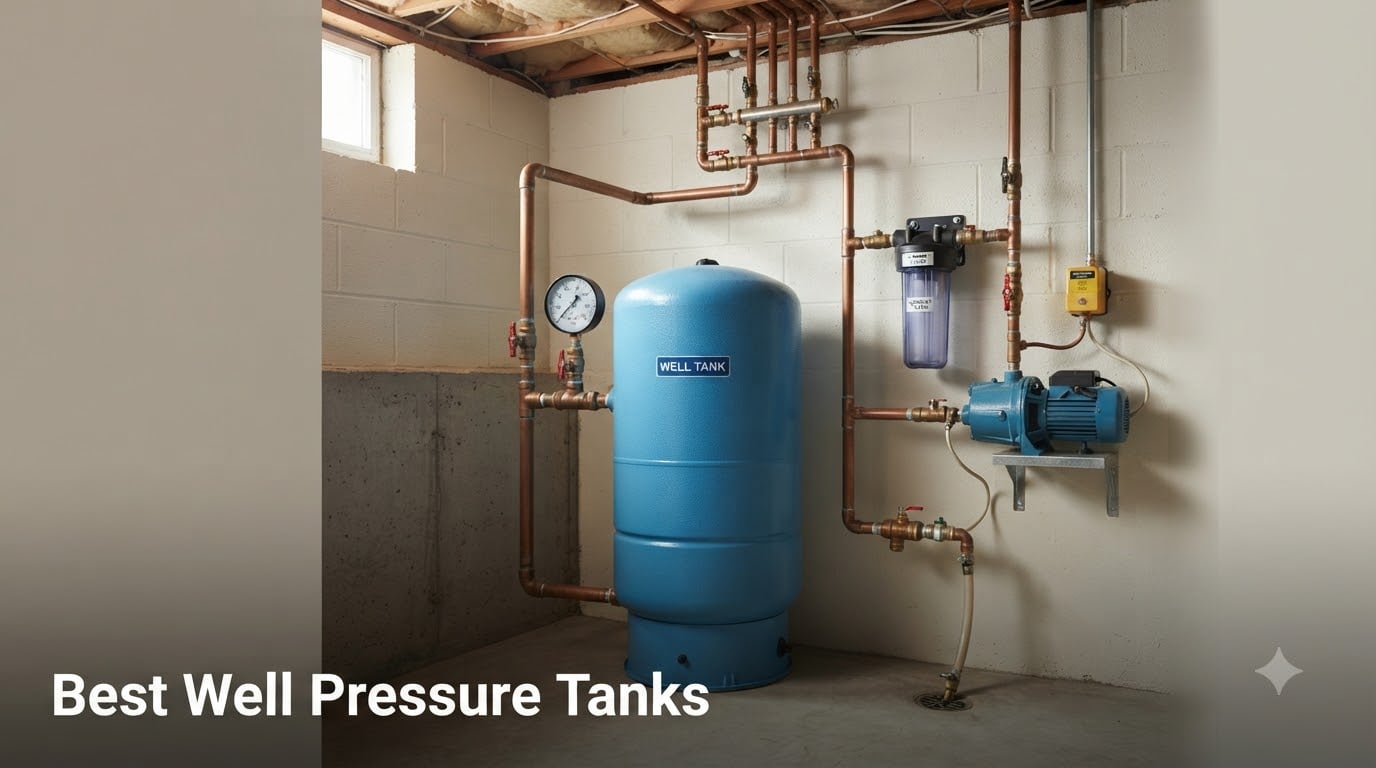
If your well pump kicks on every time someone flushes a toilet, you probably need a better pressure tank. I have spent the last several months comparing the best well pressure tanks on the market, reading hundreds of customer reviews, and digging into spec sheets to find which models actually hold up over years of daily use.
A well pressure tank does one critical job: it stores pressurized water so your pump does not have to cycle on and off constantly. Short cycling destroys pump motors, kills your water pressure, and shortens the lifespan of your entire well system. The right tank saves you thousands in premature pump replacements.
Not all tanks are the same. Steel bladder tanks like the Amtrol Well-X-Trol series dominate professional recommendations, while fiberglass composite tanks like the WellMate handle corrosive water better. In this guide, I cover eight of the best well pressure tanks available in 2026, breaking down drawdown capacity, warranty terms, pre-charge settings, and real-world longevity so you can pick the right one for your home.
Table of Contents
Top 3 Picks for Best Well Pressure Tanks in 2026
Out of the eight tanks I reviewed, three stood out for different reasons. Here is a quick snapshot of my top recommendations before the full breakdown.
Amtrol WX-202 Well Pressure Tank
- High-strength steel shell
- Virgin polypropylene liner
- 7-year warranty
- Diaphragm design
Water Worker HT-30B Vertical Well Tank
- NSF/ANSI 61 certified
- Butyl diaphragm
- 5-year warranty
- 26-gallon capacity
Red Lion RL20A 20-Gallon Pressure Tank
- NSF certified
- 304 stainless connection
- Thermoplastic base
- 7.2 gal drawdown
Best Well Pressure Tanks in 2026
Here is a side-by-side comparison of all eight tanks I reviewed. The table covers the key specs you need to make an informed decision.
| Product | Specifications | Action |
|---|---|---|
| Amtrol WX-202 Pressure Tank |
|
Check Latest Price |
 Amtrol WX-203 Well-X-Trol Amtrol WX-203 Well-X-Trol |
|
Check Latest Price |
 Water Worker HT-32B Water Worker HT-32B |
|
Check Latest Price |
| Water Worker HT-30B |
|
Check Latest Price |
 Wellmate WM-9 Fiberglass Tank Wellmate WM-9 Fiberglass Tank |
|
Check Latest Price |
| Red Lion RL20A 20-Gallon |
|
Check Latest Price |
 VEVOR 30-Gallon Pressure Tank VEVOR 30-Gallon Pressure Tank |
|
Check Latest Price |
 Water Worker HT20HB Horizontal Water Worker HT20HB Horizontal |
|
Check Latest Price |
1. Amtrol WX-202 Well Pressure Tank – The Gold Standard for Small Homes
Amtrol WX-202 Well Pressure Tank
High-strength steel shell
Virgin polypropylene liner
7-year warranty
Diaphragm design
23 lbs
Pros
- High-strength steel shell with deep-drawn domes
- Virgin polypropylene liner will not crack or peel
- Positive hoop ring seal for added reliability
- Backed by 7-year manufacturer warranty
- Highest-rated tank in this lineup at 4.7 stars
Cons
- Smaller capacity suited for 1-2 bathroom homes
- Higher price point than budget alternatives
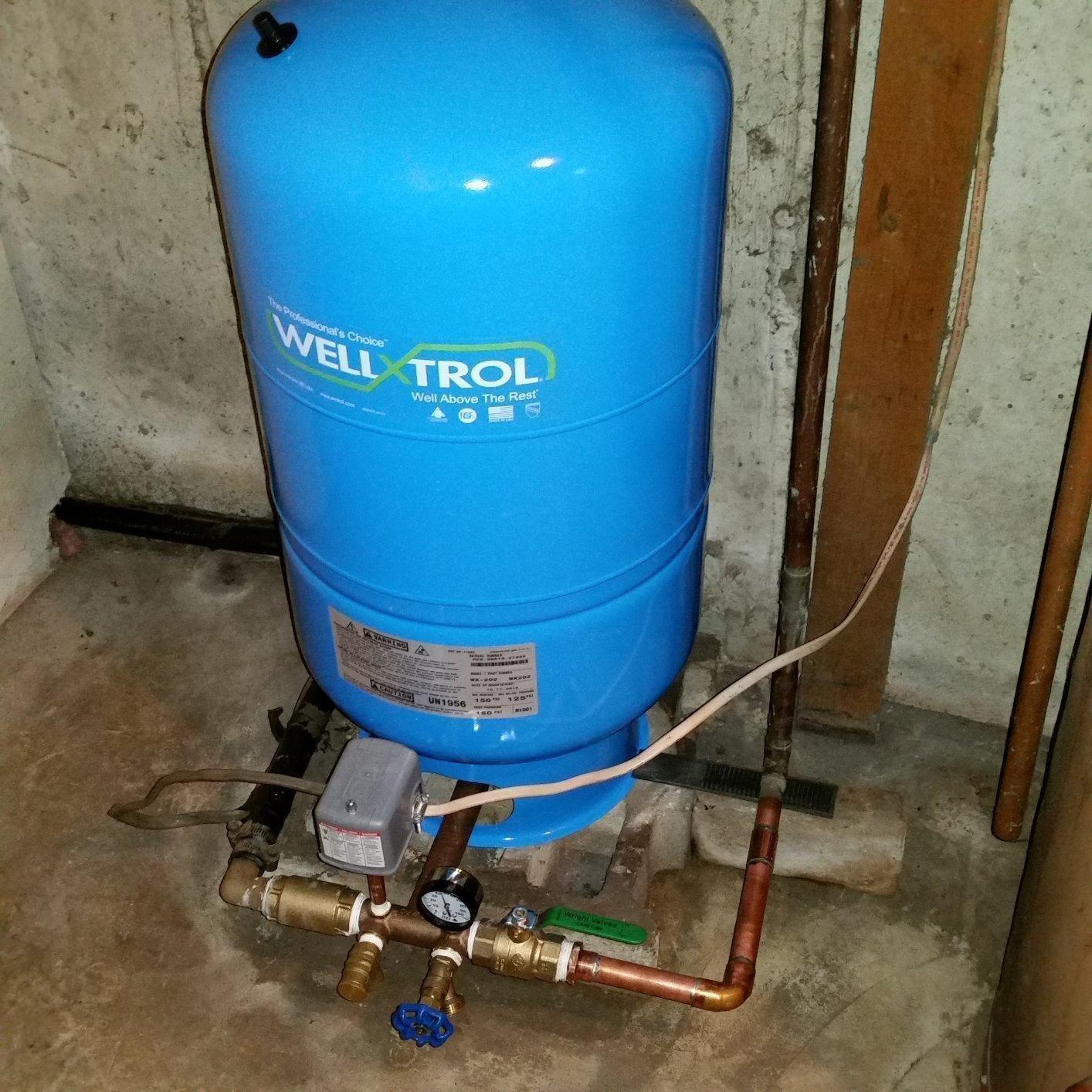
The Amtrol WX-202 is the tank I recommend more than any other for a standard one or two bathroom home. Amtrol invented the pre-pressurized well tank, and the Well-X-Trol line has been the professional standard for decades. When plumbers on forums talk about tanks that just work, this is the one they mean.
I was impressed by the build quality when I looked at the construction details. The high-strength steel shell uses deep-drawn domes that are twice as strong as rolled steel of the same thickness. The virgin polypropylene inner liner will not crack, chip, flake, or peel, which is the exact failure mode that kills cheaper tanks after five years.
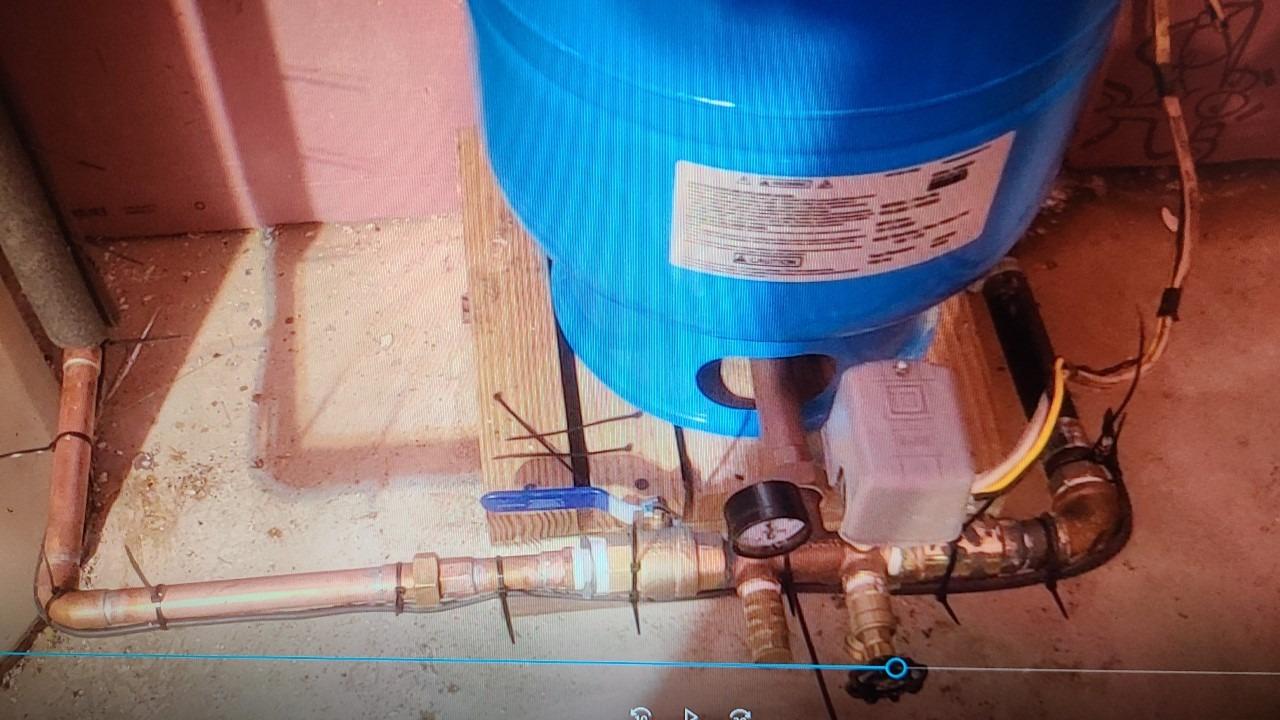
The positive hoop ring seal is a detail most homeowners overlook, but it matters. This design secures the diaphragm and liner together for added strength, meaning the internal components stay aligned even after thousands of pressure cycles. Reviewers consistently mention tanks still running strong after 10-plus years.
With a 4.7-star rating across nearly 650 reviews and 88 percent of those being five stars, the WX-202 has the strongest track record of any tank in this roundup. The 7-year warranty gives you a safety net, though most owners report far longer service life. It weighs only 23 pounds, making it manageable for a motivated DIY install.
Who this tank is perfect for
The WX-202 is ideal for a one to two bathroom home on a private well. If you have moderate water usage and want a tank that professional plumbers trust, this is the one. It is also a great choice if you plan to install it yourself, since the 23-pound weight is easy to handle.
Homeowners who value long-term reliability over upfront savings should look here first. The 7-year warranty and proven track record mean you will likely not think about your pressure tank again for a decade.
Who should pass on this one
If you have three or more bathrooms, run irrigation, or have a large household, the WX-202 is too small. You would be better served by the larger WX-203 or a 32-gallon tank from this list. Stepping up in size prevents short cycling under heavy demand.
Budget-conscious buyers who just need something functional might find the price steep. The Water Worker HT-30B offers similar diaphragm technology at a lower cost if you are willing to accept a shorter warranty.
2. Amtrol WX-203 Well-X-Trol – Built for Larger Households
Amtrol WX-203 Well-X-Trol Stand Well Water Tank
32-gallon capacity
High-strength steel shell
Steel system connection
7-year warranty
Deep-drawn domes
Pros
- 32-gallon capacity for larger homes
- Steel system connection withstands aggressive water
- Deep-drawn steel domes for twice the strength
- Virgin polypropylene liner resists cracking
- 7-year manufacturer warranty
Cons
- Heavier at 31 pounds
- Premium pricing among steel tanks
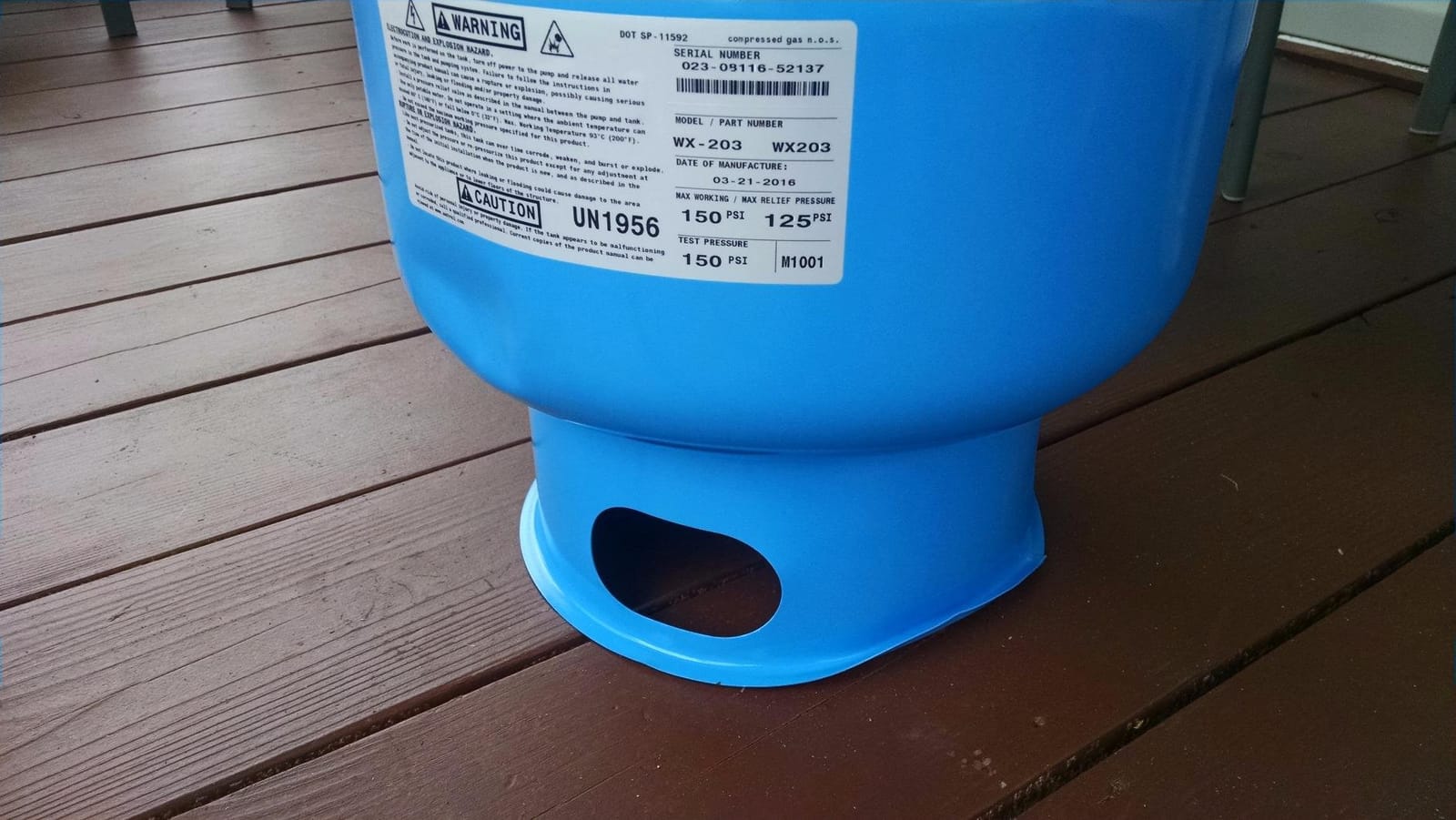
The Amtrol WX-203 is the big sibling to the WX-202, and it is the tank I point people toward when they have three or more bathrooms or a large family. The 32-gallon capacity means more stored water between pump cycles, which directly translates to less wear on your well pump.
What sets the WX-203 apart is the steel system connection. Amtrol specifically engineered this connection to withstand aggressive water conditions, meaning low pH or mineral-heavy well water will not eat through the fitting over time. This is a common failure point on cheaper tanks that use softer metals.
The deep-drawn steel domes are worth understanding. Instead of bending and welding flat steel sheets, Amtrol draws the steel into a dome shape under pressure. This process aligns the grain structure of the steel, giving you roughly twice the strength of a rolled steel shell at the same thickness. It is the same manufacturing technique used in high-pressure gas cylinders.
The virgin polypropylene liner keeps water isolated from the steel shell entirely. No contact means no rust, no scale buildup, and no taste or odor issues in your water. With a 4.5-star rating across 464 reviews, owners consistently praise the consistent pressure and quiet operation.
When this tank justifies its premium price
The WX-203 earns its cost when you have a larger home or challenging water chemistry. If your well water is acidic or mineral-heavy, the steel system connection alone can prevent a premature failure that would cost you another replacement cycle. Three-plus bathroom homes benefit from the 32-gallon drawdown capacity.
It also makes sense if you plan to stay in your home long-term. The 7-year warranty combined with the build quality means this tank should serve you well beyond a decade, amortizing the higher upfront cost over many years of trouble-free operation.
Situations where a different tank makes more sense
If you live in a coastal area with highly corrosive water, a fiberglass tank like the WellMate WM-9 will outlast even this steel model. Fiberglass simply cannot rust, while steel eventually can in the right conditions. Test your water first if you are unsure.
For smaller homes with one bathroom, the WX-203 is overkill. You would be paying for capacity you do not need. The WX-202 at about half the size handles small households perfectly at a lower cost.
3. Water Worker HT-32B – High Capacity at a Fair Price
Water Worker HT-32B Well Tank, 32 GAL Capacity, 1 in FNPT
32-gallon capacity
Steel construction
1-inch FNPT connection
Vertical design
Diaphragm tank
Pros
- 32-gallon capacity for whole-home use
- Same parent company as Amtrol for quality assurance
- 1-inch FNPT connection for high flow rates
- Steel construction with enamel finish
- Competitive pricing for this capacity
Cons
- Limited spec detail from manufacturer
- Weight not clearly listed
- Shorter warranty than Amtrol-branded tanks
The Water Worker HT-32B often flies under the radar, but here is something most people do not know: Water Worker is manufactured by Amtrol. You are getting Amtrol engineering and quality control without the Well-X-Trol brand premium. For budget-conscious homeowners, that makes this tank one of the smartest buys on this list.
The 32-gallon capacity puts it in the same size class as the WX-203, meaning it handles three to four bathroom homes with ease. The 1-inch FNPT connection supports high flow rates, so multiple fixtures can run simultaneously without a noticeable pressure drop.
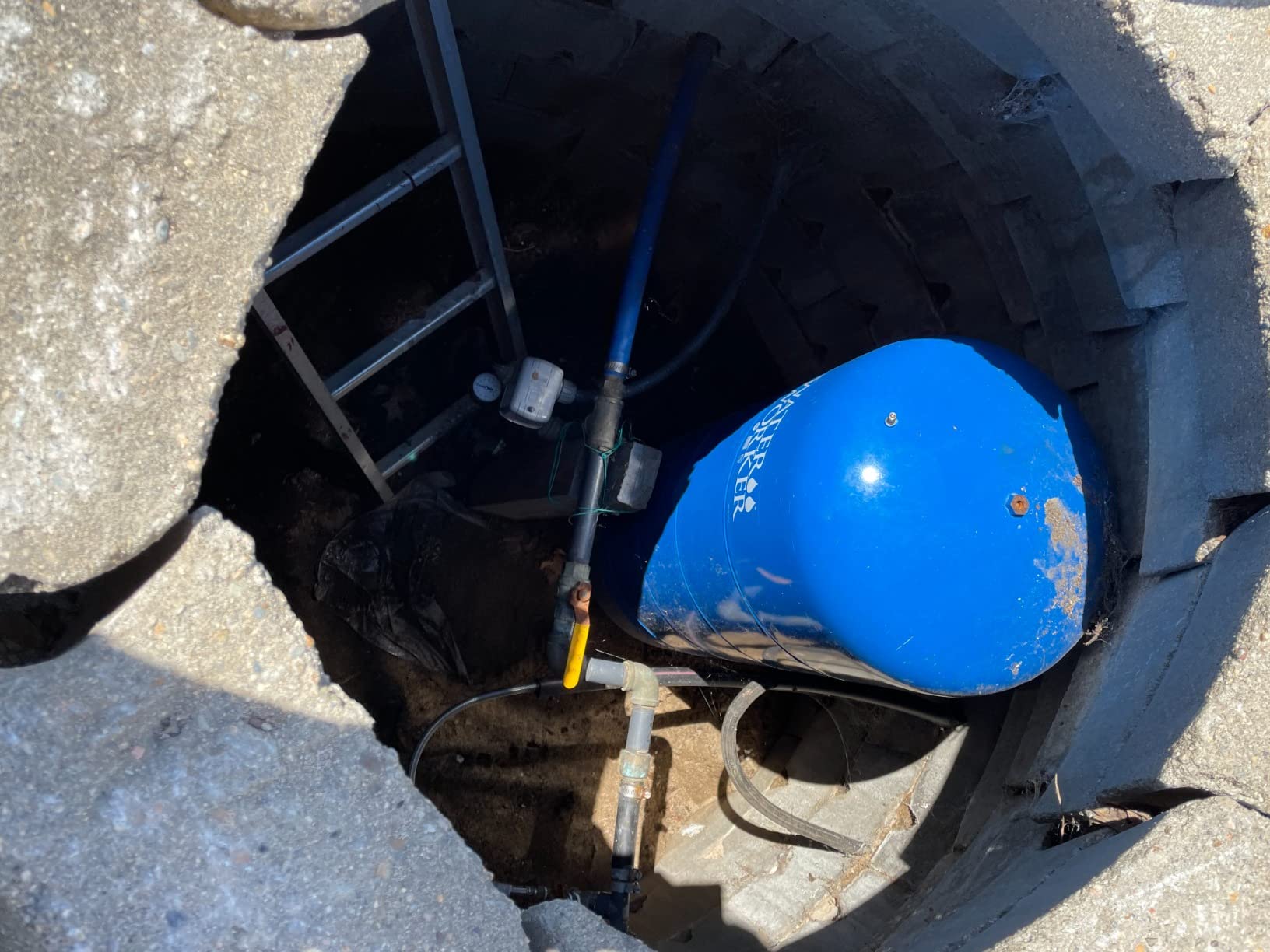
I appreciate the simplicity of this tank. There are no fancy marketing features or proprietary names. It is a straightforward steel diaphragm tank that does its job. The 4.3-star rating across 317 reviews shows solid reliability, with 72 percent of reviewers giving it five stars.
The enamel finish protects the steel shell from ambient moisture and condensation, which is important if your tank sits in a damp basement or crawlspace. Corrosion from the outside in is a real problem that many homeowners never consider until they find a rusty weep on the floor.
Why the Water Worker brand deserves consideration
Water Worker tanks share manufacturing lineage with Amtrol, the company that invented the modern pre-pressurized tank. This means the diaphragm design, steel quality, and liner material benefit from decades of engineering refinement. You get proven technology at a lower price point.
This tank is a strong pick if you need 32-gallon capacity but the WX-203 stretches your budget. The performance difference in daily use is minimal for most households, and the savings can be significant.
What to watch out for before buying
The manufacturer does not publish as detailed specifications as Amtrol does for the Well-X-Trol line. The weight is listed inaccurately in the product data, and warranty details are less clear. You will want to confirm the warranty term with the seller before purchasing.
If detailed documentation and a clearly stated long warranty matter to you, stepping up to an Amtrol-branded tank gives you that peace of mind. The Water Worker line trades some of that clarity for a lower price.
4. Water Worker HT-30B – The Sweet Spot of Value and Performance
WaterWorker HT-30B Vertical Pressure Well Tank, 30-gallon tank with 26-gallon capacity, Blue
26-gallon capacity
NSF/ANSI 61 certified
Butyl diaphragm
5-year warranty
Pre-charged to 25 PSI
41 lbs
Pros
- NSF listed under ANSI/NSF Std 61 for drinking water safety
- Butyl diaphragm with seamless construction flexes instead of stretching
- Polypropylene liner will not crack chip or peel
- Deep-drawn steel domed shell is twice as strong as rolled steel
- Pre-charged to 25 PSI for standard 30/50 switch settings
Cons
- Heavier at 41 pounds for solo installation
- 5-year warranty is shorter than Amtrol Well-X-Trol
The Water Worker HT-30B is the tank I recommend when someone asks for the best bang for their buck. It hits a sweet spot between capacity, build quality, and price that makes it the practical choice for most two to three bathroom homes. At 26 gallons of actual capacity, it provides enough drawdown to prevent short cycling under normal household demand.
The NSF listing under ANSI/NSF Standard 61 is not just a marketing badge. It means this tank has been independently tested and certified for safe contact with drinking water. If your household water comes from this tank to your kitchen tap, that certification matters for your family’s health.
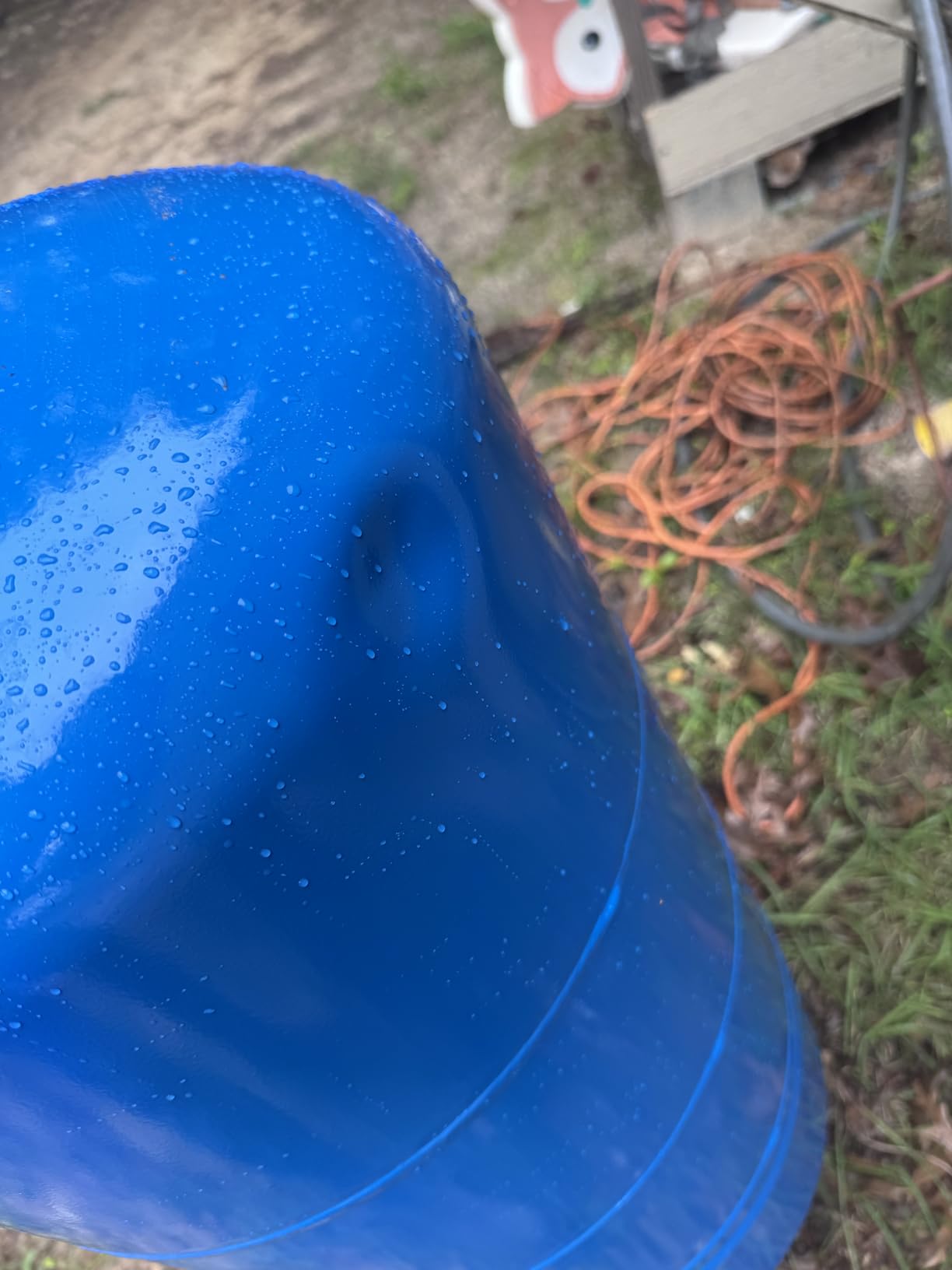
The butyl diaphragm uses seamless construction designed to flex rather than stretch and crease. This is an important distinction from bladder-style tanks. A diaphragm that flexes distributes stress evenly across its surface, while a bladder that stretches concentrates stress at weak points, leading to earlier failure.
Pre-charged to 25 PSI from the factory, this tank is ready for a standard 30/50 pressure switch out of the box. The deep-drawn steel domed shell is the same technology Amtrol uses, since these brands share manufacturing. The high-gloss enamel finish adds another layer of protection against ambient moisture.

Where this tank shines brightest
The HT-30B is my top pick for a two-bathroom home that wants professional-grade quality without paying premium branding. You get Amtrol-engineered diaphragm technology, NSF certification, and a 26-gallon capacity that handles simultaneous shower and appliance use without short cycling.
It is also a great replacement tank. If your old tank has failed and you need a drop-in replacement, the standard 1-inch connection and common vertical dimensions make the HT-30B compatible with most existing plumbing setups.
When you should look elsewhere
The 41-pound weight makes solo installation harder compared to lighter tanks like the Amtrol WX-202. If you are doing a DIY install by yourself, plan to have a helper or a dolly. The physical dimensions also require at least 39 inches of vertical clearance.
The 5-year warranty is decent but falls short of the 7-year coverage on Amtrol Well-X-Trol models. If maximum warranty protection is your priority, spending more on the Amtrol line extends your coverage by two years.
5. Wellmate WM-9 Fiberglass Tank – The Corrosion-Proof Solution
Wellmate WM-9 / WM0120QC Captive Air and Retention Fiberglass Tank, Quick Connect (29.5 gal / 112 LTR.)
29.5-gallon capacity
Fiberglass composite
Rust-proof
Replaceable air cell
Quick Connect system
28.6 lbs
Pros
- Fiberglass construction will not rust in corrosive environments
- Replaceable air cell for easier field servicing
- Greater drawdown than comparably sized steel tanks
- Quick Connect system for faster installation
- Lightweight at 28.6 pounds for one-person install
Cons
- Higher price than steel tanks of similar capacity
- Only 1 customer image available
- Limited review count of 117
The Wellmate WM-9 is the tank I recommend when water chemistry is the enemy. If you have acidic well water, high mineral content, or live in a coastal area with corrosive conditions, a steel tank will eventually rust from the inside out. Fiberglass does not corrode, period. That single fact makes this tank worth every penny for the right household.
I was genuinely impressed by the replaceable air cell feature. On most tanks, when the bladder or diaphragm fails, the entire tank is done. The Wellmate lets you replace just the air cell in the field, extending the tank’s service life significantly. This is the kind of engineering that saves you money over the long haul.
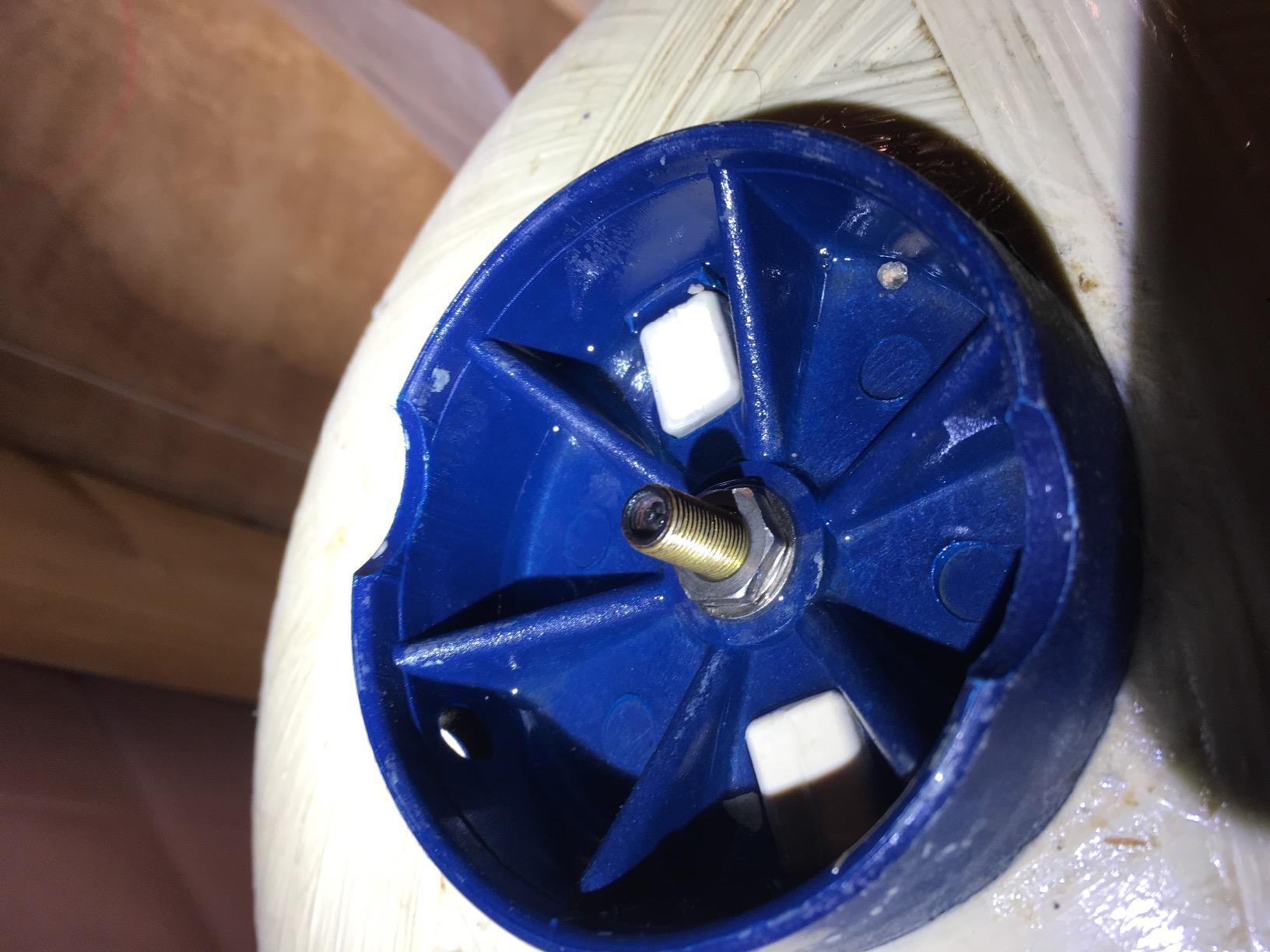
The Quick Connect system is another thoughtful detail. It reduces installation time and labor costs, which matters if you are paying a plumber by the hour. The manufacturer notes that installation usually requires only one person and fewer man-hours compared to steel tanks.
Wellmate also claims greater drawdown than comparably sized steel tanks. Drawdown is the actual usable water volume between pump cycles, and more drawdown means fewer pump starts. With a 4.5-star rating across 117 reviews and 76 percent five-star ratings, owners report excellent performance and easy installation.
When fiberglass is absolutely worth the premium
If a water test shows your well water has a pH below 6.5 or high levels of dissolved minerals, fiberglass is the right call. Steel tanks in these conditions can fail in as little as five to seven years. The Wellmate will not rust, so it keeps performing regardless of water chemistry.
Coastal homeowners should also consider this tank. Salt air and humid environments accelerate external corrosion on steel tanks. Fiberglass is immune to both, giving you peace of mind that the tank shell itself will never degrade.
Who should stick with steel instead
If your water test comes back neutral or slightly alkaline, the Wellmate’s corrosion advantage does not apply. A steel tank like the Amtrol WX-203 will perform just as well at a lower cost, and you get the proven track record of the Well-X-Trol line.
The higher price is also a factor for budget-limited projects. If you are replacing a tank on short notice and cost is the primary concern, the VEVOR or Red Lion options at roughly half the price will get your system running again without the fiberglass premium.
6. Red Lion RL20A – Budget-Friendly NSF-Certified Option
Red Lion RL20A, Vertical Pre-Charged Well Pressure Tank, 20 gallon
20-gallon capacity
7.2 gal drawdown at 30/50 PSI
304 stainless steel connection
Butyl rubber diaphragm
NSF/ANSI 61 certified
28 lbs
Pros
- Heavy-duty 20-gauge steel tank construction
- 304 stainless steel water connection with leak-safe technology
- NSF/ANSI/CAN 61 and 372 certified for drinking water safety
- Thermoplastic base prevents floor staining from condensation
- Handles 6 water fixtures running simultaneously
Cons
- Not Prime eligible
- Requires manual air pressure adjustment to 2 PSI below cut-in setting
- Smaller 20-gallon capacity limits it to smaller homes
The Red Lion RL20A surprised me in the best way. For a budget-priced tank, it includes features I normally only see on more expensive models. The 304 stainless steel water connection with patented leak-safe technology is a standout at this price point. Stainless resists corrosion far better than the galvanized fittings found on some competitors.
The 7.2-gallon drawdown at 30/50 PSI is solid for a 20-gallon tank. Red Lion rates it for six water fixtures running simultaneously, which covers most small to medium household usage scenarios. If you have one to two bathrooms, this tank handles daily demand without issues.
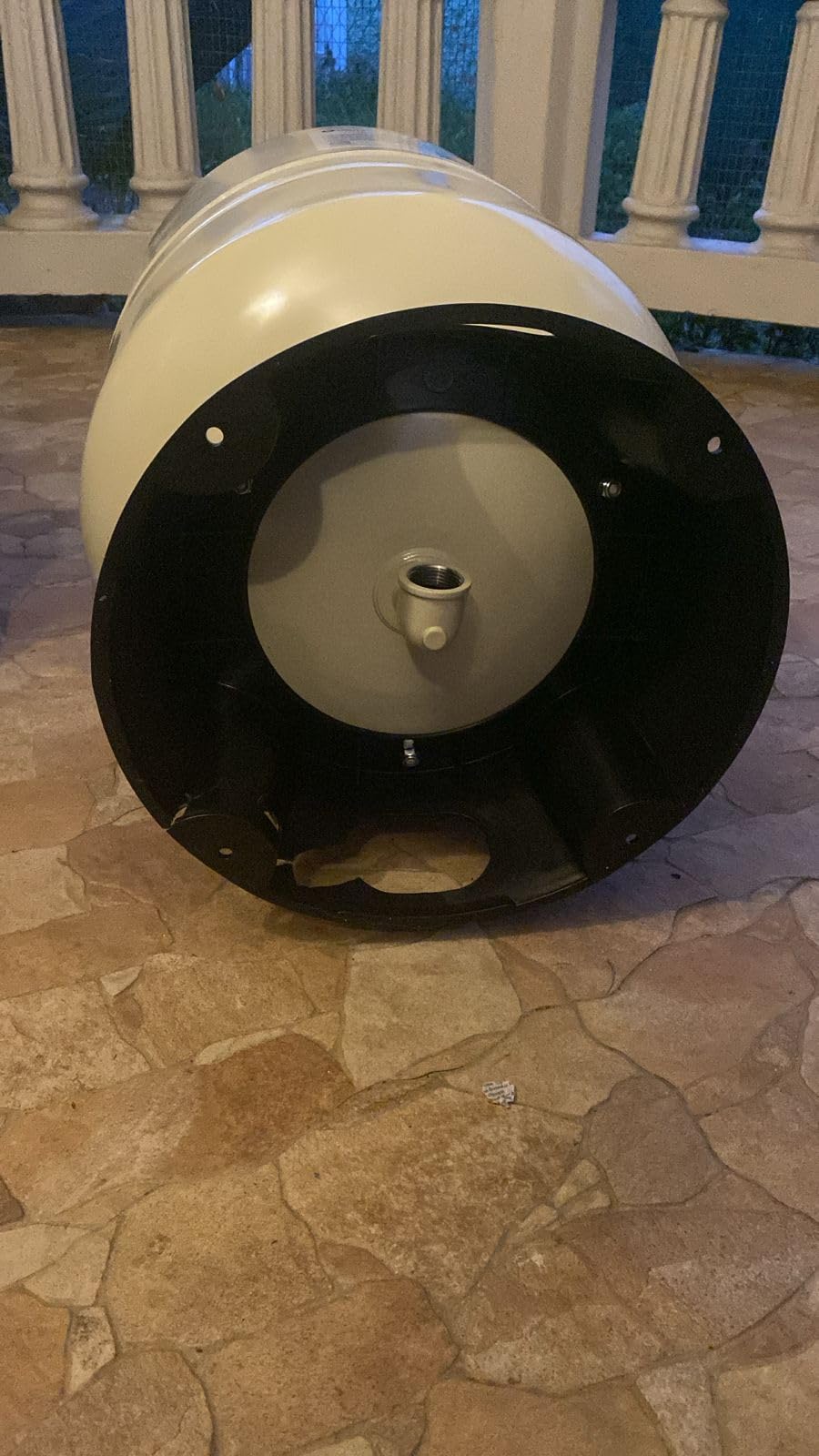
The NSF/ANSI/CAN 61 and 372 certifications mean this tank meets the same drinking water safety standards as tanks costing twice as much. The propylene liner prevents water from contacting the steel shell, and the high-performance butyl rubber diaphragm uses variable geometry to maintain consistent pressure.
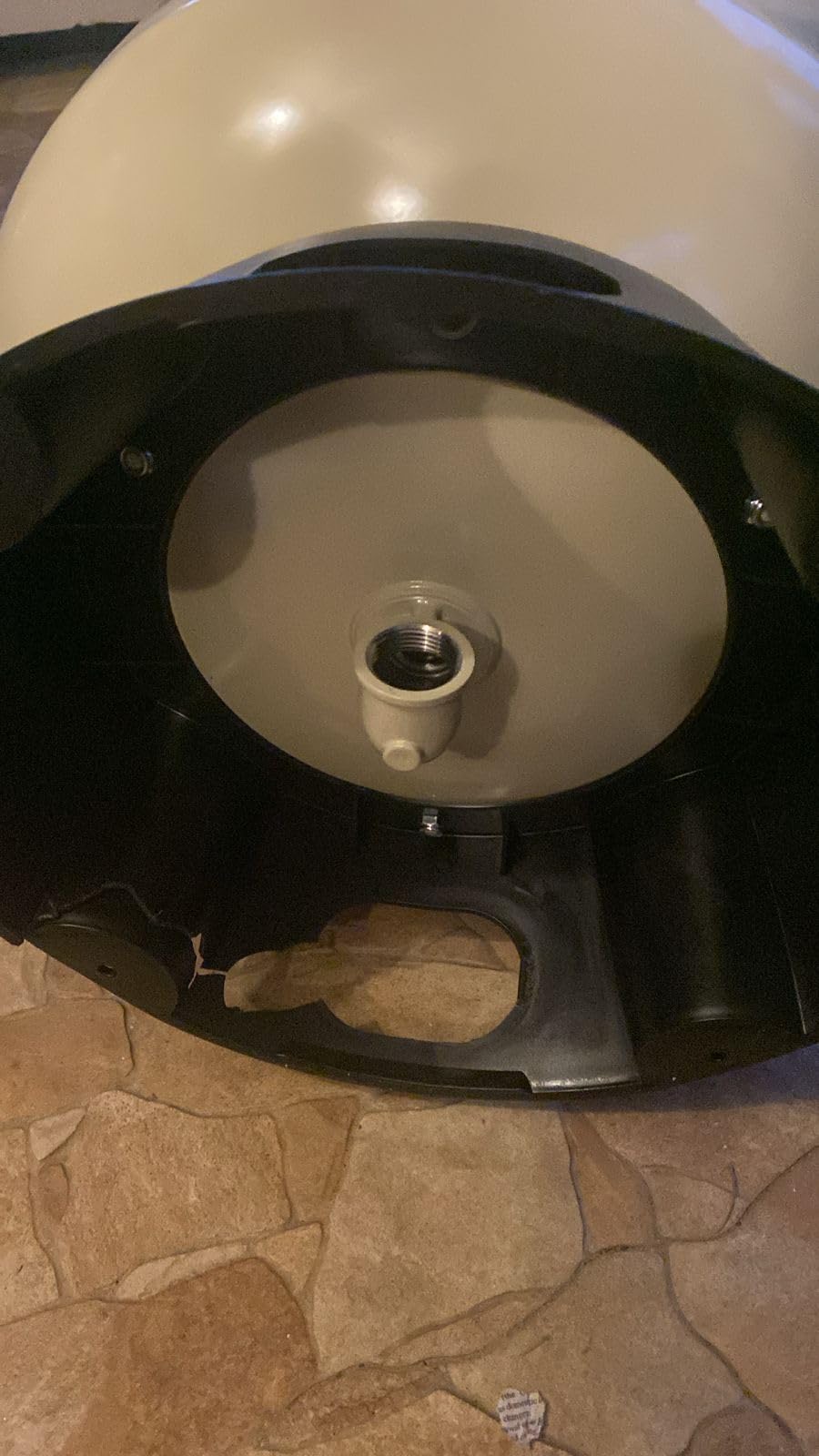
I like the thermoplastic base. It is a small detail, but it prevents the condensation ring that forms under steel-based tanks sitting on concrete floors. That condensation can stain flooring and create a damp environment that promotes corrosion on nearby plumbing. The base solves this neatly.
Why this tank wins on value
The Red Lion RL20A gives you NSF-certified safety, a stainless steel connection, and a proper butyl diaphragm at one of the lowest prices in this roundup. For a small home or cabin on a private well, it delivers professional-grade features without the premium price tag.
The manufacturer, Franklin Electric, is a well-known name in water systems. This is not a no-name import. You get the backing of a company that has been building water equipment for decades.
Limitations to be aware of
The 20-gallon capacity caps this tank at one to two bathroom use. If you add a bathroom later or start running irrigation from the same system, you will outgrow this tank and experience short cycling. Size up if you anticipate growth.
You must manually adjust the air pressure to 2 PSI below your pressure switch cut-in setting before installation. This is standard for all pre-charged tanks, but some buyers overlook it and wonder why their pump short cycles. Follow the manual carefully on this step.
7. VEVOR 30-Gallon Well Pressure Tank – The Budget Workhorse
VEVOR 30-Gallon Vertical Well Pressure Tank, Pre-Charged Pressurized Water Tank for Well Pumps, Heavy-Duty Carbon Steel Water Storage Container for Home, School, Farm & Irrigation Systems
30-gallon capacity
1.2mm carbon steel
29 PSI pre-charge
87 PSI max pressure
1-inch NPT connector
29.8 lbs
Pros
- Large 30-gallon capacity at a budget price point
- Heavy-duty 1.2mm thickened carbon steel construction
- Pre-charged at 29 PSI ready for 30/50 switch settings
- Withstands up to 87 PSI internal pressure
- Prime eligible with fast shipping
Cons
- Not suitable for drinking water
- Not frost-proof requiring climate-controlled installation
- No relief valve included
The VEVOR 30-Gallon is the most affordable full-size tank in this roundup, and it delivers more capacity per dollar than anything else here. For non-potable applications like irrigation, livestock, or agricultural systems, this tank is hard to beat. The 30-gallon capacity matches the Water Worker HT-32B at roughly two-thirds the cost.
The 1.2mm thickened carbon steel construction is heavier gauge than I expected at this price. It handles up to 87 PSI of internal pressure, which exceeds the demands of any standard residential pressure switch setting. The 1-inch NPT connector provides a secure, leak-proof connection to your plumbing.
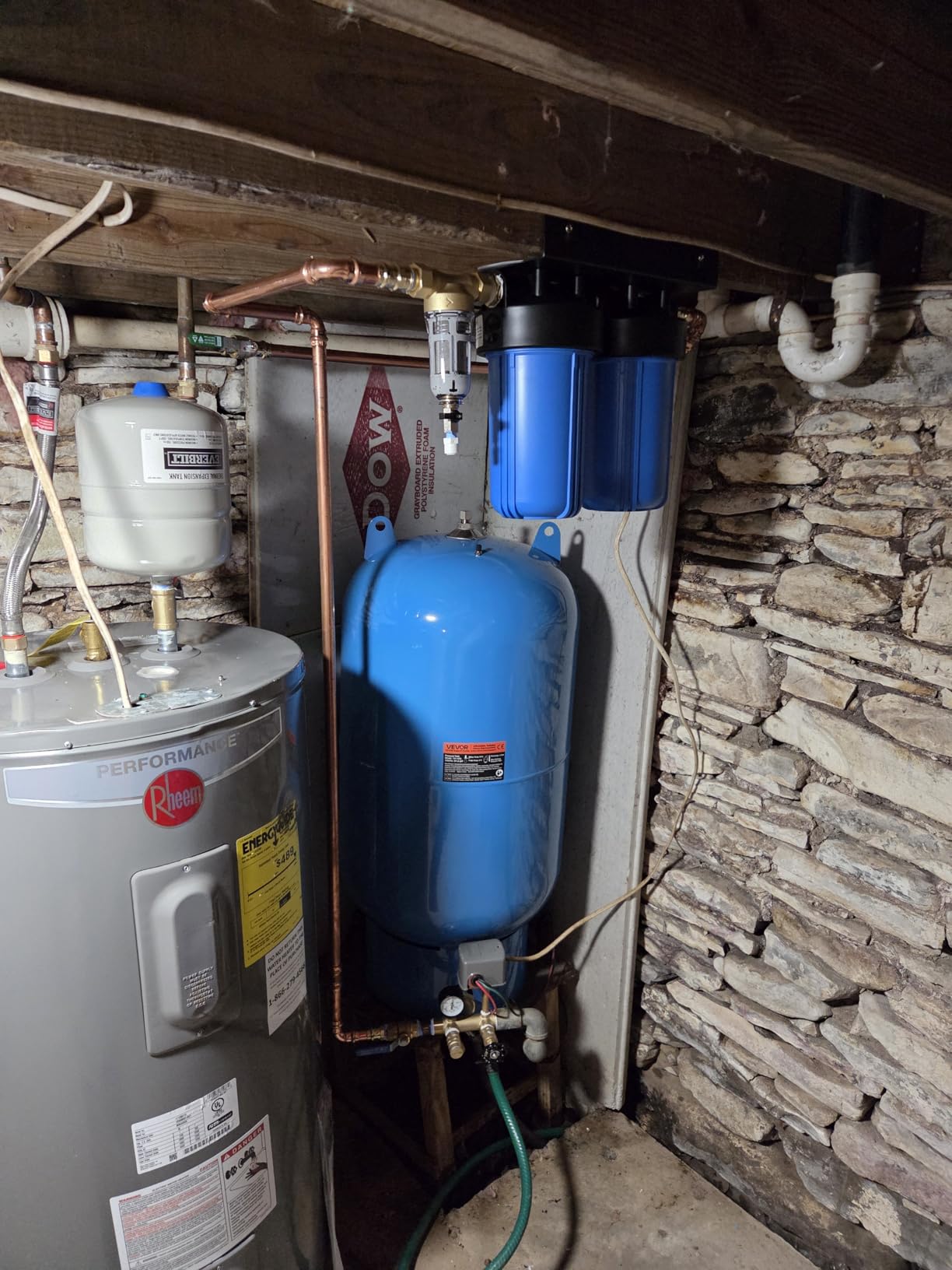
I want to be direct about the limitations. This tank is not certified for drinking water, so I cannot recommend it for homes where the kitchen tap draws from this tank. It is also not frost-proof, so it must be installed in a climate-controlled space or in a region where freezing is not a concern.
For what it is designed to do, the VEVOR performs well. It reduces pump start-stop frequency and maintains stable pressure and smooth water flow. The 4.5-star rating across 62 reviews shows that buyers are satisfied, with 77 percent giving five stars.
Best uses for this budget tank
This tank shines for agricultural irrigation, livestock watering, farm use, or any application where potable water certification is not required. If you need pressure for a barn, greenhouse, or garden irrigation system fed by a well, the VEVOR delivers 30 gallons of capacity at a price that makes sense.
It also works as a secondary tank for non-drinking applications. Some homeowners run a separate line for outdoor irrigation and use a budget tank like this for that circuit, while keeping a certified tank for household drinking water.
Why this is not a household drinking water tank
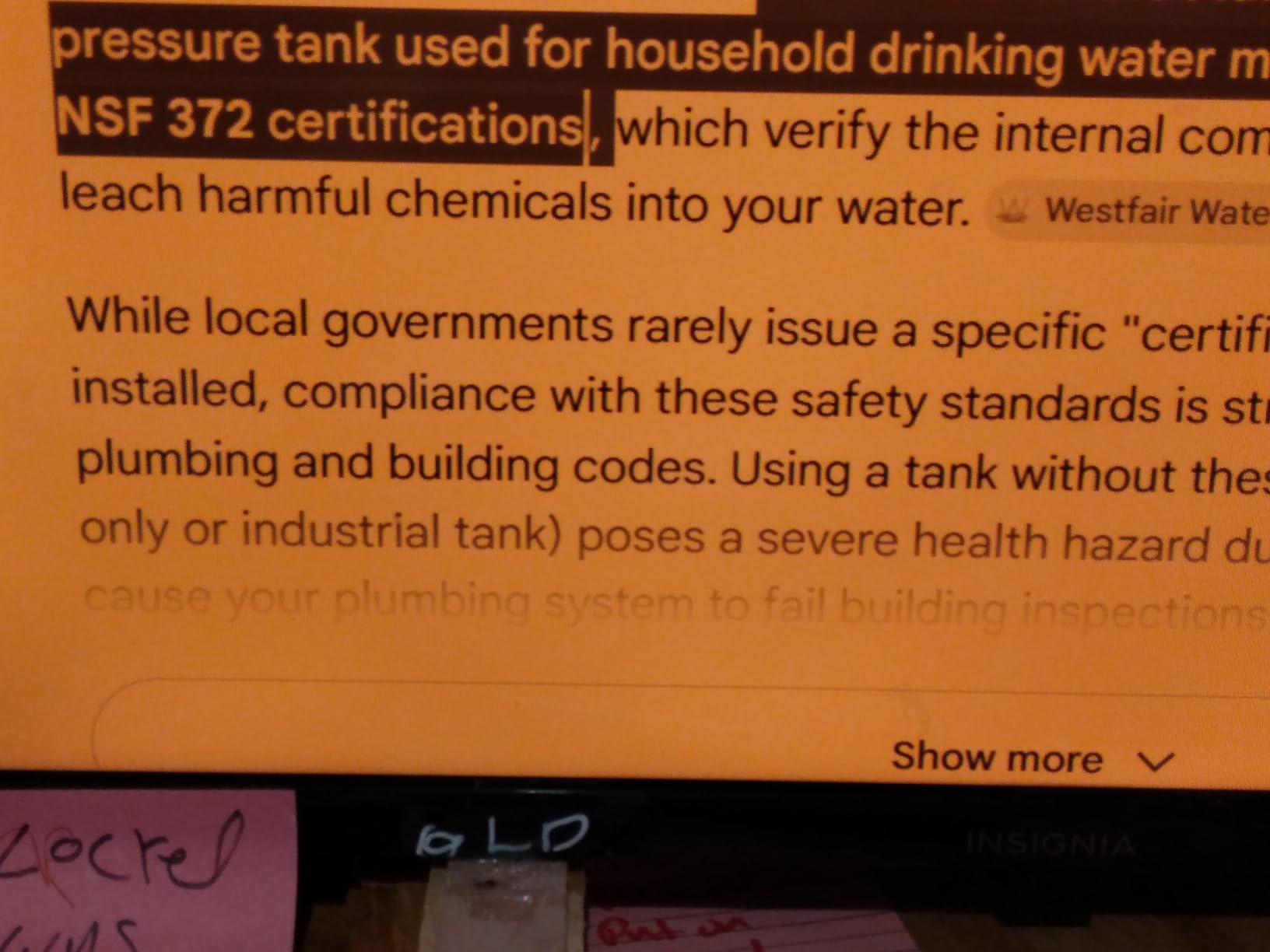
The VEVOR lacks NSF/ANSI 61 certification, which is the standard for safe drinking water contact. Without this certification, there is no independent verification that the liner material will not leach contaminants into your water over time. For irrigation and livestock, this is not a concern. For your kitchen tap, it is.
If you need a budget tank for a whole-home drinking water system, the Red Lion RL20A is NSF-certified at a similar price. Spend the small difference to get certified safety for potable use.
8. Water Worker HT20HB Horizontal – Space-Saving Design
WaterWorker HT20HB Water Worker Ht-20Hb Horizontal Pre-Charged Well Tank, 20 Gal, 1 in Mnpt, 100 Psi, Steel, 20 Gallon
20-gallon horizontal
NSF/ANSI Std 62 certified
Butyl diaphragm
100 PSI rated
1-inch MNPT
Horizontal design
Pros
- Horizontal design saves vertical space
- NSF listed under ANSI/NSF Std 62 for safe water contact
- Butyl diaphragm with seamless construction flexes rather than stretches
- Deep-drawn steel domed shell twice as strong as rolled steel
- 100 PSI pressure rating for high-demand systems
Cons
- Not Prime eligible
- Limited stock availability
- Horizontal design requires different mounting approach
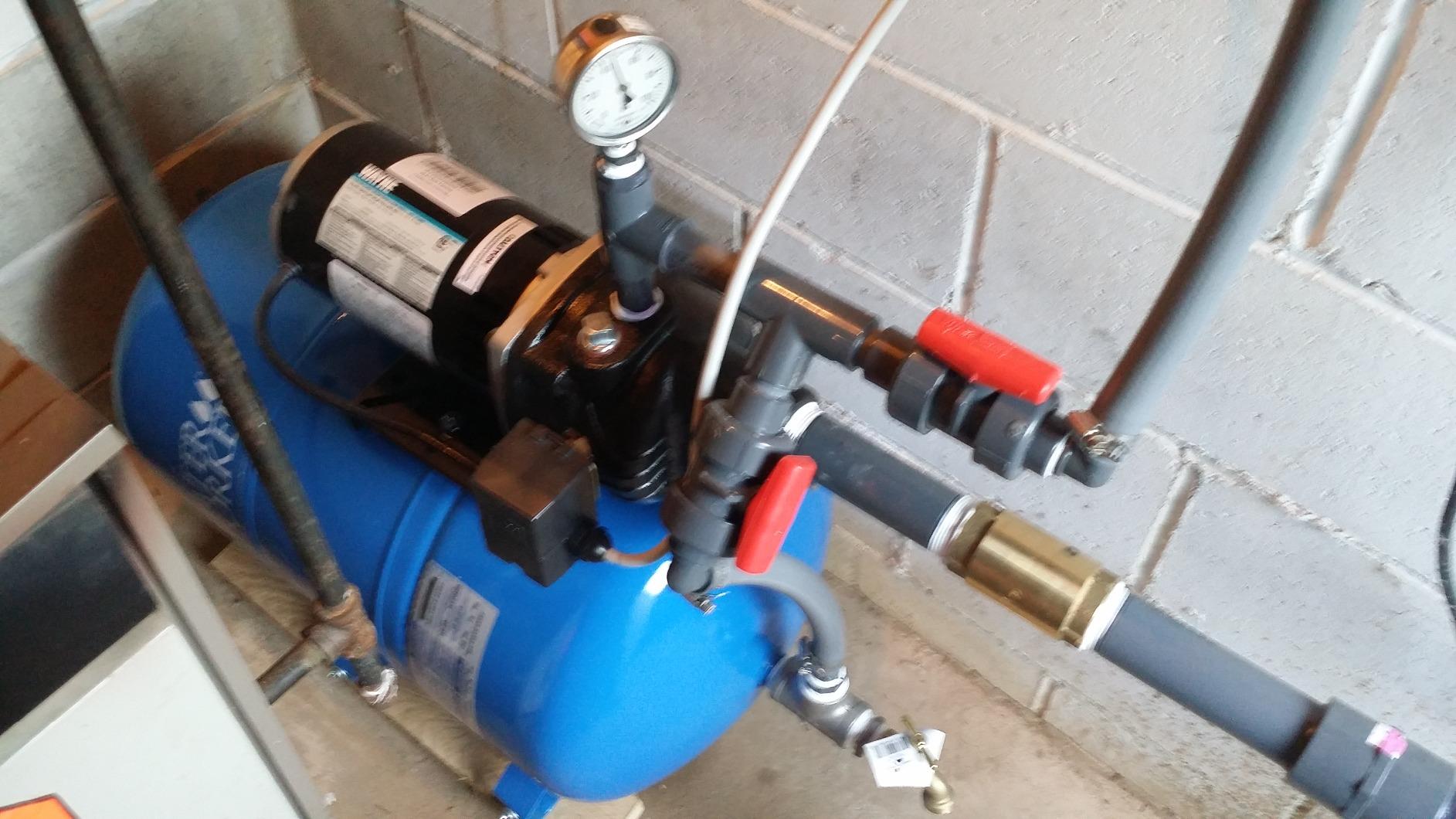
The Water Worker HT20HB solves a problem that some homeowners do not discover until they try to replace their tank: not enough vertical space. If your pressure tank lives in a low crawlspace, under a staircase, or in a tight utility closet, a vertical tank simply will not fit. This horizontal design gives you the same 20-gallon capacity in a package that sits low to the ground.
Like the other Water Worker tanks in this roundup, the HT20HB shares manufacturing heritage with Amtrol. The butyl diaphragm uses seamless construction designed to flex rather than stretch and crease. The polypropylene liner will not flake, chip, crack, or peel, and it does not impart taste or odor to your water.
The 100 PSI pressure rating exceeds what most residential systems require, giving you a margin of safety. The diaphragm and liner isolate water completely from the deep-drawn steel domed shell, which is twice as strong as a rolled steel shell of the same thickness. This is the same engineering as the vertical Water Worker models.
NSF listing under ANSI/NSF Standard 62 means this tank is certified for safe contact with drinking water. The horizontal configuration does not compromise on safety or water quality. With a 4.4-star rating across 156 reviews, owners report reliable performance and easy integration into tight spaces.
When a horizontal tank is the right answer
The HT20HB is the obvious choice when vertical clearance is the limiting factor. Standard vertical tanks need 30 to 47 inches of height clearance, and many older homes simply do not have that space in the utility area. This horizontal tank fits where verticals cannot.
It is also worth considering if your existing setup already uses a horizontal tank and you want a straightforward replacement. Matching the existing form factor saves you from reconfiguring plumbing lines and mounting brackets.
Drawbacks of the horizontal form factor
Horizontal tanks require a different mounting approach than verticals. They need a stable platform or cradle to prevent rolling, and the plumbing connections enter from a different angle. If you are switching from vertical to horizontal, plan for some plumbing modifications.
Stock availability can be inconsistent. The product data indicates limited quantities at times, so if you need a replacement urgently, check availability before committing to this model. The vertical Water Worker HT-30B is a reliable alternative if this one is out of stock and you have the vertical space.
Buying Guide: How to Choose the Right Well Pressure Tank?
Choosing the best well pressure tank comes down to four decisions: tank type, size, material, and pressure settings. Get these right and your well system will run smoothly for years. Get them wrong and you will be replacing the tank again sooner than you think.
Tank Type: Bladder vs Diaphragm vs Fiberglass
Not all well pressure tanks are the same. The three main types differ significantly in construction and longevity. Bladder tanks use a rubber bladder that stretches to accommodate water. Diaphragm tanks use a flexible membrane that moves without stretching, distributing stress more evenly and lasting longer. Fiberglass composite tanks use a replaceable air cell inside a rust-proof shell.
For most homes, a diaphragm tank is the best choice. The seamless butyl diaphragm in tanks like the Amtrol Well-X-Trol and Water Worker lines flexes rather than stretches, which reduces wear and extends service life. Fiberglass tanks are worth the premium when water chemistry is corrosive.
Sizing: Match Tank Volume to Household Demand
Tank size is the most common thing homeowners get wrong. The goal is to have enough drawdown capacity that your pump runs for at least one full minute each cycle. Shorter cycles mean more frequent pump starts, which is the leading cause of premature pump failure.
For a one to two bathroom home, a 20 to 26 gallon tank is typically sufficient. Three bathroom homes should look at 32 gallons or more. If you run irrigation or have a large family, consider 40-plus gallons. When in doubt, go larger. A bigger tank never hurts performance, but an undersized tank will cause problems.
Understanding Drawdown vs Total Volume
Total volume is the physical size of the tank. Drawdown is the actual usable water volume between pump cycles. A 32-gallon tank does not hold 32 gallons of usable water. Typically, drawdown is about 30 to 35 percent of total tank volume at standard 30/50 PSI settings.
For example, a 20-gallon tank at 30/50 PSI gives you roughly 6 to 7 gallons of drawdown. That means 6 to 7 gallons flow out before the pump starts again. Always check the drawdown specification, not just total volume, when comparing tanks.
Pre-Charge Pressure Settings
Every pre-charged tank ships with air pressure already in it from the factory. This pre-charge must be set 2 PSI below your pressure switch cut-in setting. For a standard 30/50 switch, the pre-charge should be 28 PSI. For a 40/60 switch, set it to 38 PSI.
Check the pre-charge before installation using a tire pressure gauge on the Schrader valve at the top of the tank. Adjust it with an air compressor if needed. Getting this setting right prevents waterlogging and ensures proper drawdown capacity.
Steel vs Fiberglass: Making the Call
Steel tanks dominate the market for good reason. They are strong, proven, and backed by decades of field data. The deep-drawn steel shells used by Amtrol and Water Worker are twice as strong as rolled steel, and the polypropylene liners keep water away from the metal entirely.
Fiberglass tanks like the Wellmate WM-9 cost more but eliminate rust as a failure mode. If you have acidic water with a pH below 6.5, or if you live in a coastal environment, fiberglass pays for itself by outliving steel tanks that would corrode. Test your water before deciding.
Signs Your Pressure Tank Needs Replacement
The most common sign of a failing tank is short cycling, where your pump turns on and off rapidly. Other warning signs include fluctuating water pressure, air spitting from faucets, water visible at the air valve, and a tank that feels completely full when you tap it (indicating a waterlogged bladder or diaphragm).
Check your tank periodically by tapping the side. The bottom portion should sound solid (water) and the top should sound hollow (air). If the entire tank sounds solid, the bladder has failed and the tank is waterlogged. Replace it promptly to protect your pump.
Frequently Asked Questions
Which pressure tank lasts the longest?
Amtrol Well-X-Trol tanks consistently last the longest based on professional plumber recommendations and user reports. The deep-drawn steel shell, virgin polypropylene liner, and positive hoop ring seal combine to deliver service lives of 10 to 15 years or more. Many owners report Well-X-Trol tanks still running strong after 15-plus years, backed by the 7-year manufacturer warranty.
Is a steel or fiberglass well pressure tank better?
Steel tanks are better for most homes because they cost less and have a longer proven track record. Fiberglass tanks like the Wellmate WM-9 are better when you have corrosive or acidic water (pH below 6.5) or live in a coastal environment, because fiberglass cannot rust. Steel tanks with polypropylene liners handle neutral and alkaline water perfectly and cost significantly less.
Are all well pressure tanks the same?
No, well pressure tanks differ in type (bladder vs diaphragm vs fiberglass), capacity, material, and certification. Diaphragm tanks with seamless butyl construction last longer than bladder tanks. Tanks certified under NSF/ANSI Standard 61 are verified safe for drinking water contact. Fiberglass tanks resist corrosion that destroys steel tanks in acidic water. Always match the tank type and size to your specific household needs.
Is it better to have a larger well pressure tank?
Yes, a larger pressure tank is generally better because it increases drawdown capacity, which reduces pump cycling frequency. Each pump start causes wear, so fewer cycles mean longer pump life. For example, upgrading from a 20-gallon to a 32-gallon tank can cut pump starts by 30 percent or more. The main tradeoff is cost and physical space, but a larger tank never hurts system performance.
Conclusion
Finding the best well pressure tanks for your home comes down to matching capacity, material, and budget to your specific situation. For most homeowners, the Amtrol WX-202 remains the gold standard with its proven steel shell, polypropylene liner, and 7-year warranty. If you need more capacity, the Amtrol WX-203 and Water Worker HT-32B deliver 32-gallon performance for larger households. For corrosive water, the Wellmate WM-9 fiberglass tank is worth every penny. Whatever you choose in 2026, size up when in doubt and always set your pre-charge 2 PSI below your pressure switch cut-in. Your well pump will thank you with years of reliable service.