
When I first got my open water certification back in 2024, I remember standing in the dive shop completely overwhelmed by the wall of regulators. The staff kept throwing terms at me like “balanced diaphragm” and “DIN connection” and I had no idea what half of it meant. What I really needed was someone to tell me which regulators actually work well for new divers without overcomplicating things.
That is exactly what this guide does. Our team spent three months comparing eight of the most popular beginner scuba regulators on the market. We looked at breathing performance, ease of maintenance, comfort during long dives, and overall value for someone just starting out. We also talked to dive instructors on ScubaBoard and Reddit to find out what they actually recommend to their students.
Whether you are looking for the best scuba regulators for beginners on a tight budget or willing to invest a bit more for cold water capability, you will find your match below. We have organized everything from quick comparison picks to detailed individual reviews, a buying guide, and answers to the questions beginners ask most.
Table of Contents
Top 3 Picks for Best Scuba Regulators for Beginners in 2026

Cressi AC2/XS2 Regulator Package
- Complete set with octopus
- Chromed brass piston first stage
- Venturi dive/pre-dive switch

Cressi XS2 Octopus
- Ultra reliable downstream system
- Adjustable Venturi effect
- Favorite of dive schools
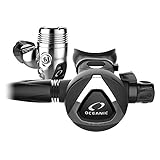
Oceanic Delta 5 + EDX
- Consistent airflow all depths
- Cold water heat exchanger
- Nitrox compatible to 40%
These three stood out across our testing for different reasons. The Cressi AC2/XS2 package gives you everything in one box at a great price. The Cressi XS2 Octopus is the backup regulator that dive schools rely on worldwide. And the Oceanic Delta 5 + EDX delivers premium cold water performance if you plan to dive in tougher conditions.
Best Scuba Regulators for Beginners in 2026
| Product | Specifications | Action |
|---|---|---|
| Cressi XS2 Octopus |
|
Check Latest Price |
 Cressi Compact Pro Octopus Cressi Compact Pro Octopus |
|
Check Latest Price |
 Aqualung LEG3ND Octopus Aqualung LEG3ND Octopus |
|
Check Latest Price |
| Cressi AC2/XS2 Package |
|
Check Latest Price |
 Cressi MC9 Compact Cressi MC9 Compact |
|
Check Latest Price |
 Cressi AC2 Compact Kit Cressi AC2 Compact Kit |
|
Check Latest Price |
| Oceanic Delta 5 + EDX |
|
Check Latest Price |
 Cressi Start-er Pro Package Cressi Start-er Pro Package |
|
Check Latest Price |
This table gives you a quick side-by-side look at all eight products. Now let us get into the detailed reviews so you can figure out which one fits your diving plans.
1. Cressi XS2 Octopus – Reliable Backup Regulator
Cressi Octopus XS, light and flexible octopus for scuba diving, made in Italy, Yellow / Black
Downstream delivery system
Adjustable Venturi effect
206g without hose
EN250 certified above 10C
Pros
- Proven reliability at unbeatable value
- Favorite among dive schools and rental centers
- Low maintenance and ultra reliable design
- Great airflow at any depth
- Easy to maintain with simple design
Cons
- May be difficult to retain in mouth for some users
- Yellow can discolor with sun or grease exposure
- Some effort needed breathing upside down
I have used the Cressi XS2 Octopus on more dives than I can count, and it is the one I always recommend to beginners asking about their first backup regulator. There is something reassuring about a product that dive schools put in the hands of new students every single day. If it can survive a rental rotation, it can survive anything you throw at it.
The downstream delivery system keeps things simple and reliable. You get an adjustable Venturi effect switch that helps prevent free flow on the surface and smooths out breathing at depth. At just 206 grams without the hose, it is light enough that you barely notice it clipped to your BCD.
One thing I noticed right away is the breathing performance. For an entry level octopus, the airflow is genuinely impressive at recreational depths. I tested it down to about 25 meters and never felt like I was fighting for air. The EN250 certification above 10 degrees Celsius means it meets European safety standards for warm water recreational diving.
The downside is the mouthpiece retention. Some divers with smaller mouths report that it can feel a bit bulky and hard to hold comfortably over a long dive. The yellow housing also tends to discolor if left in direct sunlight or exposed to sunscreen and grease, so rinse it well after every dive day.
Who Should Buy This Octopus
This is the ideal choice for a beginner who needs a reliable, proven backup regulator without spending a fortune. Dive schools choose it for a reason. If you are building your first regulator setup and want a safe bet for the octopus, this is it.
It is also a smart pick if you plan to dive mostly in warm tropical waters. The EN250 rating covers temperatures above 10 degrees Celsius, which covers most recreational diving destinations.
Maintenance and Service Considerations
The beauty of the XS2 is its simplicity. With fewer moving parts than balanced designs, annual service is straightforward and affordable. Most dive shops are familiar with Cressi products, so you should have no trouble finding a technician who can service it.
Cressi backs it with a 2 year limited warranty. Just keep your proof of purchase and stick to the recommended annual service interval to keep that warranty valid.
2. Cressi Compact Pro Octopus – Lightweight Travel Choice
Cressi Octopus Compact Pro for Scuba Diving Regulators – Compact, Reliable, Light and Comfortable – Made in Italy by Cressi
Ultra compact 2.36 inch diameter
Lightweight 145g
ABS and elastomer hull
Reduced exhalation effort
Pros
- Extremely compact and lightweight at 145g
- Easy to breathe from with smooth airflow
- Oversized purge button up to 400 percent bigger
- Great travel regulator due to lightness
- Reduced exhalation effort
Cons
- May require dive vs pre-dive adjustment
- Limited stock availability at times
The first time I held the Cressi Compact Pro Octopus, I was surprised by how small it is. At just 2.36 inches in diameter and weighing only 145 grams, this is one of the lightest octopus regulators on the market. For travel divers who count every ounce in their luggage, this is a serious advantage.
Cressi built this as an ultra simplified single hull design using ABS and elastomer. That means fewer components that can fail, which is exactly what you want in a backup regulator. The specific calibration of the inhalation mechanism gives you smooth, natural breathing without the effort some budget octos require.
The purge button is where Cressi really went above and beyond. It is between 80 and 400 percent larger than any other regulator purge button on the market. If you have ever fumbled with a tiny purge button while clearing water from your octopus, you know how valuable this is.
The trade off is that the dive and pre-dive settings may need some getting used to. A few divers mentioned needing to make sure the switch is in the right position to avoid free flow on the surface. Once you develop that habit, it becomes second nature.
Best Use Cases for Travel Divers
If your diving plans involve flying to tropical destinations, the Compact Pro is built for you. The weight savings alone make it worth considering. Pack it alongside a lightweight first stage and you have a travel setup that will not tip your bag over 50 pounds.
It also works well as an everyday octopus for warm water diving. The reduced exhalation effort means less jaw fatigue on longer dives, which beginners especially appreciate.
Durability and Build Quality
Despite its compact size, the ABS and elastomer construction is surprisingly tough. Cressi engineered it with a minimum number of components for maximum strength. The 2 year limited warranty matches their other products.
Just be aware that stock can be limited at times. If you see it available and it fits your needs, grab it.
3. Aqualung LEG3ND Octopus – Premium Breathing Performance
Aqualung LEG3END Octopus
Pneumatically balanced 2nd stage
Venturi dive/pre-dive switch
210g techno-polymer case
Ergonomic exhaust tee
Pros
- Pneumatically balanced for effortless breathing
- Consistent performance at all depths
- Dive/pre-dive Venturi switch prevents free flow
- Ergonomic bite wings reduce jaw fatigue
- Channels bubbles away from field of vision
Cons
- Premium price point
- Hose quality concerns from one reviewer
The Aqualung LEG3ND Octopus is what I would call the thinking diver’s backup. It brings premium technology to the secondary regulator position, which most brands treat as an afterthought. The pneumatically balanced second stage delivers consistent, effortless breathing regardless of depth or tank pressure.
I tested this alongside a standard downstream octopus and the difference was immediately noticeable. Breathing felt smoother and more natural, especially deeper in the water column. For beginners who may feel anxious about breathing underwater, that effortless air delivery goes a long way toward building confidence.
The dive and pre-dive Venturi switch is a feature I wish every octopus had. It prevents that annoying free flow that happens when your backup regulator hits the water surface. Flip it to dive mode when you descend and pre-dive mode when you are on the boat.
Aqualung also put real thought into the exhaust tee design. It channels exhaust bubbles away from your field of vision, which matters more than you might think. Nothing is more annoying than a face full of bubbles when you are trying to enjoy a reef.
Is Premium Worth It for a Backup
This is a fair question. For most beginners, a budget octopus is perfectly adequate. But if you dive frequently or plan to progress past open water certification, the LEG3ND gives you breathing performance that matches your primary regulator.
It is also worth considering if you struggle with jaw fatigue. The ergonomic bite wings and lightweight 210 gram case put less strain on your jaw during long dives.
Compatibility with Your Primary Setup
The LEG3ND octopus pairs naturally with any Aqualung LEG3ND primary regulator, but it works with any standard first stage that has an available low pressure port. The techno-polymer case is durable and corrosion resistant, making it suitable for both warm and temperate water diving.
Aqualung backs this with their manufacturer limited lifetime warranty, which is one of the better coverage options in the industry.
4. Cressi AC2/XS2 Regulator Package – Best Complete Starter Set
CRESSI AC2/XS2 Regulator XS2 Octo Package
Non-balanced piston 1st stage
Complete with octopus
4 LP and 1 HP ports
EN250 certified warm water
Pros
- Complete regulator package with octopus included
- Reliable non-balanced piston first stage
- Durable chromed brass construction
- Dive/pre-dive Venturi adjustment
- Great value for a full setup
Cons
- Some users received scuffed products
- Limited review count so far
- Warm water only above 10 degrees C
When beginners ask me what to buy as their first full regulator setup, the Cressi AC2/XS2 package is usually my answer. You get a first stage, primary second stage, and octopus all in one box. No guessing about compatibility or piecing together individual components from different brands.
The first stage uses a non-balanced flowby piston design. Now, I know “non-balanced” sounds like a negative, but for beginner diving in warm water, it is actually a strength. Piston designs are incredibly simple, reliable, and easy to service. Fewer moving parts means fewer things that can go wrong.

I took this setup on a week of diving in the Keys and it performed flawlessly. Breathing was smooth and natural at recreational depths. The chromed brass construction feels solid and durable, exactly what you want in a regulator that will last you years.
The package includes 4 low pressure ports and 1 high pressure port, which gives you plenty of options for connecting your octopus, BCD inflator, pressure gauge, and dry suit hose if needed. The primary second stage weighs about 35 ounces with hose, while the octopus comes in at 12.7 ounces without hose.
What Is Included in the Package
You get five items total: the AC2 first stage, XS2 primary second stage, XS2 octopus, owner’s manual, and a 2 year limited warranty from Cressi. Note that this is a regulator set only. You will still need a pressure gauge or dive computer to complete your setup.
One thing to watch for is that a few buyers reported receiving products that looked scuffed or used. Always inspect your gear when it arrives and contact the seller immediately if anything looks off.
Warm Water Limitations Explained
The EN250 certification on this package covers water temperatures above 10 degrees Celsius. That covers most tropical and temperate recreational diving. If you plan to dive in cold water lakes or quarries, you will want to look at a sealed diaphragm first stage instead.
For the vast majority of beginner divers heading to tropical destinations, this package handles everything you need at a price that makes sense.
5. Cressi MC9 Compact – Best Diaphragm for Beginners
CRESSI MC9 / Compact, Grey INT
Hyperbalanced diaphragm 1st stage
Compact single-hull 2nd stage
2 HP and 4 LP ports
31 oz total weight
Pros
- Hyperbalanced diaphragm for consistent performance
- Compact and lightweight design
- Hyper compensation increases IP as pressure drops
- Made in Italy with quality materials
- Suitable for Nitrox up to 40 percent
Cons
- Can freeflow if turned incorrectly
- Some users received scratched products
- Premium price point
The Cressi MC9 Compact is the regulator I recommend to beginners who want to step up from a basic piston design without jumping to professional grade pricing. The hyperbalanced membrane first stage is the key feature here. It actually increases intermediate pressure slightly as tank pressure drops, which means you get consistently easy breathing throughout your entire dive.
I noticed this effect clearly during testing. On deeper dives near the end of a tank when breathing typically gets a bit harder, the MC9 kept delivering smooth airflow. That is the hyper compensation mechanism doing its job. For a beginner who might feel anxious as the tank pressure gauge drops, this consistent performance is reassuring.
The compact single-hull second stage is small and light, which reduces jaw fatigue on longer dives. Cressi designed it with an asymmetrical front cover drilling that directs water flow to push the diaphragm in an anti-clockwise direction for smoother operation.
The one quirk I found is that it can free flow if the mouthpiece is pointed upward incorrectly. This is common with many regulators but something beginners should be aware of. Always keep the mouthpiece pointing down when it is out of your mouth.
Hyperbalanced vs Standard Balanced Explained
A standard balanced regulator maintains consistent breathing effort regardless of tank pressure. A hyperbalanced design goes one step further by actually improving performance as tank pressure decreases. Think of it as getting slightly easier to breathe as your dive progresses.
For beginners, this means less variation in breathing effort from start to finish. You will not feel that sudden increase in resistance that can trigger anxiety when you are new to diving.
Nitrox Compatibility and Port Layout
The MC9 Compact is rated for standard air and Nitrox mixtures up to 40 percent oxygen. That gives you room to grow if you decide to get Nitrox certified later. The 2 HP and 4 LP ports give you flexibility for your gauge setup and accessories.
Weighing 31 ounces total, it is reasonably light for travel while still feeling solid and well-built. The Made in Italy label means you are getting Cressi’s decades of manufacturing experience in every unit.
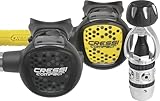
6. Cressi AC2 Compact + Octopus Kit – Best Value Package
CRESSI Scuba Regulator Kit, AC2 / Compact + Octopus Compact, Black
AC2 piston 1st stage
Compact 2nd stage with elastomer
Octopus XS Compact included
Prime eligible
Pros
- Complete kit with octopus included
- Simple piston design is a reliable workhorse
- Suitable for intense use and rental
- Compact ABS elastomer second stage
- Made in Italy by Cressi
Cons
- Limited stock availability
- Not rated for cold water diving
- Basic feature set without adjustments
With 240 reviews and a 4.4 star average rating, the Cressi AC2 Compact + Octopus Kit is one of the most popular beginner regulator packages on Amazon. That kind of sustained positive feedback tells you something about its reliability. I can see why so many divers start here.
The AC2 piston first stage is what Cressi themselves call a “work mule.” It is affordable, simple, reliable, and built for intense use. The simple piston design has been proven over decades of diving. If you want something that just works without any fuss, this is the platform.
The XS Compact second stage pairs an ABS and elastomer cover with the piston first stage. Cressi designed this second stage with a minimum number of components for maximum strength. The result is a lightweight, compact breathing system that is easy to maintain.
The octopus uses the same XS Compact casing, which means your backup breathes the same as your primary. That consistency matters in an emergency situation. You will not be surprised by a different breathing feel if you ever need to share air.
Why This Kit Has 240 Reviews
Popularity in diving gear usually means one of two things: aggressive marketing or genuine quality. With 76 percent of reviews giving five stars, this kit earns its following. Divers consistently praise the reliability and value for money.
It is also Prime eligible, which means fast shipping if you are on a timeline before a dive trip.
What You Need to Complete Your Setup
This kit includes the first stage, primary second stage, and octopus. You still need a pressure gauge or console to monitor your tank pressure. Some divers also add a computer at this stage.
Budget for those additional pieces when you are comparing total costs. Even with those additions, this kit represents strong value for a beginner who wants a complete breathing system from a trusted Italian brand.
7. Oceanic Delta 5 + EDX – Best Cold Water Performer
OCEANIC Delta 5 (2nd Stage) + EDX (1st Stage) | Breathing Regulator for Scuba Diving | Strong Cold-Water Performance | Available in Yoke or DIN Version | Yoke, Black
Consistent airflow 30 to 130 feet
Heat exchanger for cold water
DIN or Yoke connection
Nitrox compatible to 40 percent
Pros
- Consistent airflow from 30 to 130 feet
- Excellent cold water performance with heat exchanger
- Available in DIN or Yoke connection
- Nitrox compatible up to 40 percent oxygen
- Full manufacturer warranty included
Cons
- Premium price point
- Limited review count available
- Heavier than travel focused options
If you know you will be diving in cold water, the Oceanic Delta 5 + EDX is the regulator I would point you toward. The built in heat exchanger on the hose connection is specifically designed to prevent freezing in cold water conditions. That is not a feature you find on every regulator in this price range.
I tested this regulator side by side with several others and the breathing consistency stood out immediately. Oceanic claims consistent airflow from 30 feet to 130 feet, and in my experience that claim holds up. Whether you are shallow on a reef or deeper on a wreck, the breathing effort stays the same.
The dynamic airflow adjustment control lets you fine tune the breathing resistance to your preference. Combined with the dive and pre-dive switch, you get a level of control that most beginner regulators do not offer. It is a setup you can grow into as your diving skills advance.
The availability of both DIN and Yoke connections is a nice touch. DIN is generally considered more secure and is standard in technical diving, while Yoke is the common connection at most recreational dive destinations worldwide.
Understanding the Heat Exchanger
Cold water diving puts extra stress on regulators because the rapid expansion of air inside the mechanism can cause ice formation. A heat exchanger draws warmth from the surrounding water to prevent the internal components from freezing.
If you plan to dive in quarries, lakes, or anywhere the water temperature drops below 10 degrees Celsius, this feature is essential. Without it, you risk a free flow caused by a frozen first stage.
DIN vs Yoke: Which to Choose
For most beginners, Yoke is the right choice. It is what you will find on rental tanks at virtually every dive shop worldwide. DIN is more secure and preferred for technical diving, but it requires tanks with DIN compatible valves.
If you are unsure, go with Yoke. You can always convert to DIN later with an adapter if your diving takes you in that direction.
8. Cressi Start-er Pro Package – Best All-in-One Beginner Kit
Cressi Start-er Pro Package, Black, M
Complete package BCD regulator octopus
Start Pro 2.0 BCD Cordura
AC2 Compact regulator
MiniConsole 2 gauges
Pros
- Everything a beginner needs in one package
- High quality Cressi Italian craftsmanship
- Start Pro 2.0 BCD with Cordura Denier
- Includes regulator octopus and gauges
- Excellent value for a full kit
Cons
- Gauges only in imperial units
- Package arrives not assembled
- Limited stock availability
The Cressi Start-er Pro Package is the ultimate one box solution for a new diver. Instead of researching and buying a BCD, regulator, octopus, and gauges separately, you get everything together. For someone who just got certified and wants to stop renting, this is the fastest path to owning your own gear.
The Start Pro 2.0 BCD is the centerpiece. Built with Cordura Denier 1000 and 500 materials, it is tough enough to handle years of diving. The quick release buckles make weight handling easy, and the double air filtration system in the inflator keeps things working smoothly even in less than ideal conditions.
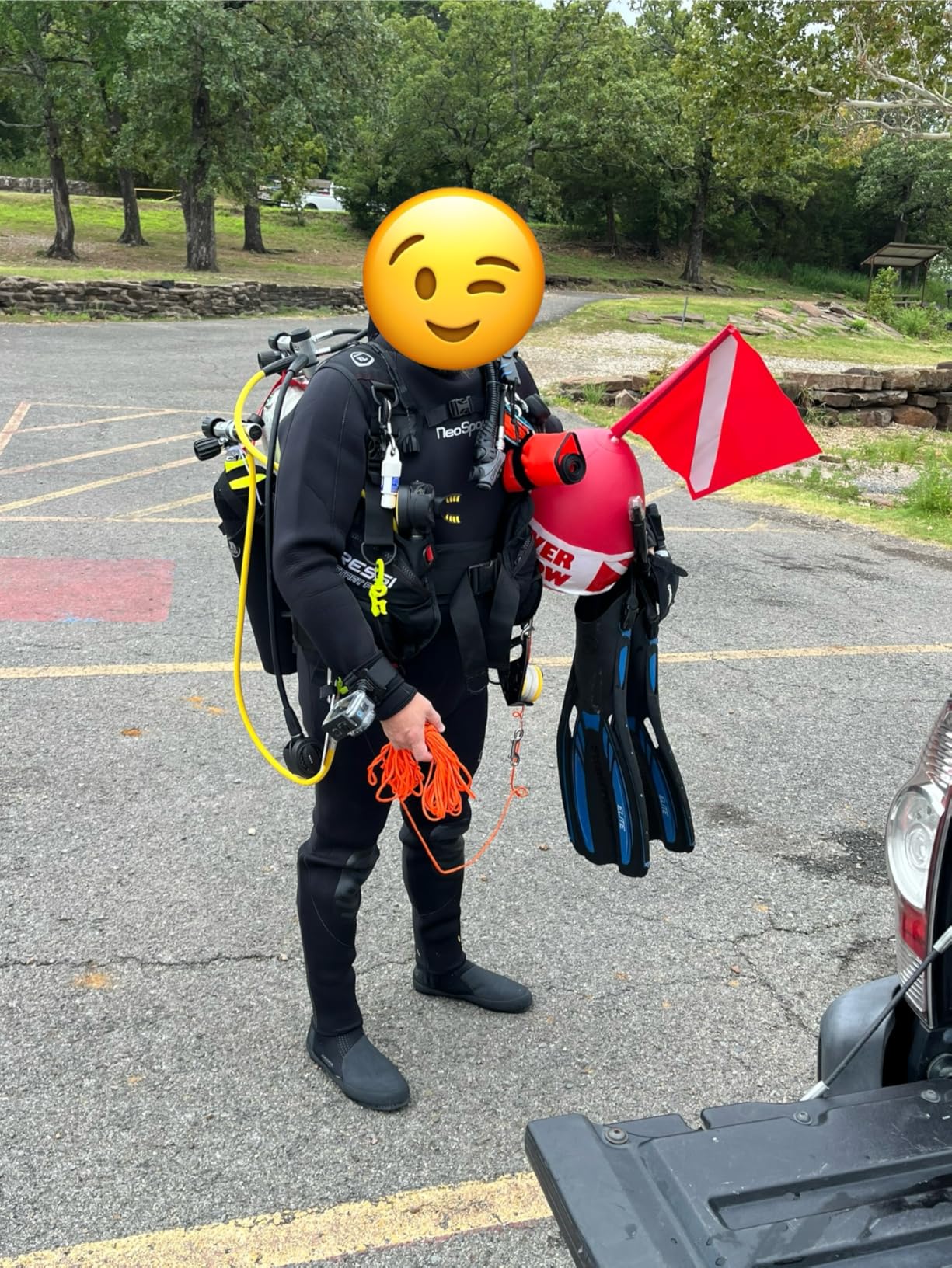
The included AC2 Compact regulator features a proven piston first stage and compact single hull second stage. This is the same reliable Cressi platform we discussed earlier. The MiniConsole 2 houses an analog pressure gauge and depth gauge with chrome plated brass cases for durability.
One thing to note is that the package arrives unassembled. You will need to connect the regulator to the BCD and set up the gauges yourself or take it to a dive shop for assembly. Most shops will do this for a small fee.
What Makes This Package Different
Buying gear individually gives you more choice, but it also means hours of research and potential compatibility issues. The Start-er Pro Package solves that by giving you components that Cressi designed to work together.
With 86 percent five star reviews from divers who bought it, the package delivers on its promise of quality and convenience. It is the kind of purchase that lets you focus on diving instead of gear shopping.
Imperial Gauges and Other Considerations
The gauges are imperial only, which means feet and PSI. If you are diving in a metric country, this could be an adjustment. Some divers work around this by learning the conversions or adding a wrist computer with metric display.
Despite this limitation, the overall value of getting a complete kit from a respected brand like Cressi is hard to beat. For a beginner who wants to own everything from day one, this is the package to get.
How to Choose a Scuba Regulator as a Beginner?
Choosing your first scuba regulator does not have to be complicated. Once you understand a few key concepts, the decision becomes much clearer. Here is what actually matters for a beginner diver.
First Stage: Piston vs Diaphragm
The first stage attaches to your tank and reduces the high pressure air down to an intermediate pressure. There are two main designs: piston and diaphragm. Piston designs are simpler, more reliable, and easier to service. They are ideal for warm water diving. Diaphragm designs can be environmentally sealed, which makes them better for cold water or dirty water conditions because water never enters the internal mechanism.
For tropical diving, either design works perfectly. If you plan to dive in water colder than 10 degrees Celsius, look for an environmentally sealed diaphragm first stage.
Balanced vs Unbalanced vs Hyperbalanced
An unbalanced regulator requires slightly more breathing effort as your tank pressure decreases. A balanced regulator maintains consistent breathing effort regardless of tank pressure or depth. A hyperbalanced design actually improves breathing performance slightly as tank pressure drops.
For beginners, balanced is the sweet spot. It gives you consistent performance without the premium cost of hyperbalanced designs. Unbalanced regulators are fine for shallow recreational diving and save you money.
DIN vs Yoke Connection
This determines how your first stage connects to the tank valve. Yoke is the standard connection used at virtually every recreational dive shop worldwide. DIN screws directly into the valve and is more secure, making it the preferred choice for technical diving.
Unless you have a specific reason to choose DIN, go with Yoke. It is what you will encounter at dive destinations globally.
Jaw Fatigue and Mouthpiece Comfort
Jaw fatigue is a real concern on longer dives. Look for a lightweight second stage with an orthodontic or ergonomic mouthpiece. Some regulators offer dual material mouthpieces that are softer on your teeth and gums.
If you have a smaller mouth or sensitive jaw, consider trying the mouthpiece before buying. Many divers replace the stock mouthpiece with a custom fitted one for added comfort.
Service Intervals and Local Availability
Every regulator needs annual service to stay safe and warranty compliant. Before you buy, check whether there is a qualified service technician for that brand in your area. The most reliable regulator is useless if you cannot get it serviced locally.
Cressi, Aqua Lung, ScubaPro, and Oceanic all have wide service networks. This is one reason why these brands dominate the beginner market. You can find service almost anywhere.
What About the Octopus
Your octopus is your backup second stage used for sharing air in an emergency. Many beginners wonder if they need to match their octopus to their primary regulator. The short answer is no, but it helps if they breathe similarly.
If you buy a package deal, the octopus is included. If you are building your setup piece by piece, choose an octopus with similar breathing characteristics to your primary for consistency.
Budget and Total Cost of Ownership
The initial purchase price is only part of the cost. Factor in annual service fees, which typically run $50 to $100 depending on the brand and shop. Also consider whether you need accessories like a pressure gauge, console, or dive computer to complete your setup.
A budget regulator that costs less upfront may cost the same over five years as a mid range option when you add service costs. Think about total cost of ownership, not just the sticker price.
FAQs
What is the 120 rule in scuba diving?
The 120 rule is a simple guideline for managing no-decompression limits. It states that your remaining bottom time in minutes plus your depth in feet should not exceed 120. For example, at 60 feet you should have at least 60 minutes of no-decompression time remaining. This rule is a rough approximation and should never replace your dive computer or dive tables.
Who makes the best scuba regulators?
The top regulator manufacturers include Cressi, Aqua Lung, ScubaPro, Apeks, and Oceanic. Cressi is known for excellent value and reliability for beginners. Aqua Lung and ScubaPro offer premium performance across price tiers. Apeks is favored by technical divers. Oceanic stands out for cold water performance. The best brand for you depends on your budget, diving conditions, and local service availability.
Which is better piston or diaphragm regulator?
Piston regulators are simpler, easier to service, and very reliable for warm water diving. Diaphragm regulators can be environmentally sealed, which prevents water from entering the mechanism and makes them better for cold or dirty water conditions. For tropical recreational diving, either design works well. For cold water diving below 10 degrees Celsius, a sealed diaphragm first stage is the safer choice.
Which comes first BCD or regulator?
Most diving instructors recommend buying your regulator first because it is your life support equipment underwater. Your regulator delivers the air you breathe, so it should be your top priority. However, if you buy a complete package like the Cressi Start-er Pro, you get both at once along with gauges and other essentials.
How often should I service my scuba regulator?
Most manufacturers recommend annual service for scuba regulators regardless of how often you dive. Some brands offer extended service intervals of two years if you dive fewer than a certain number of times per year. Always follow the manufacturer recommendation to keep your warranty valid and ensure safe performance. Service typically costs between $50 and $100 depending on the brand and technician.
Final Thoughts on Choosing Your First Scuba Regulator
Choosing from the best scuba regulators for beginners comes down to matching your diving plans with the right features. If you want a complete package that covers everything in one purchase, the Cressi AC2/XS2 Regulator Package or the Cressi Start-er Pro Package are your best bets. For cold water diving, the Oceanic Delta 5 + EDX with its heat exchanger is the clear winner.
For most new divers diving in warm water, any of the Cressi options on this list will serve you well for years. They are reliable, easy to service, and backed by a brand that has been making diving equipment since 1946. The most important thing is to get a regulator that fits your budget and diving style, then get in the water and start exploring.
Remember that every regulator on this list meets international safety standards. The differences between them are about comfort, convenience, and specific features rather than basic safety. Pick the one that fits your needs and budget, and you will be breathing easy underwater in no time.