
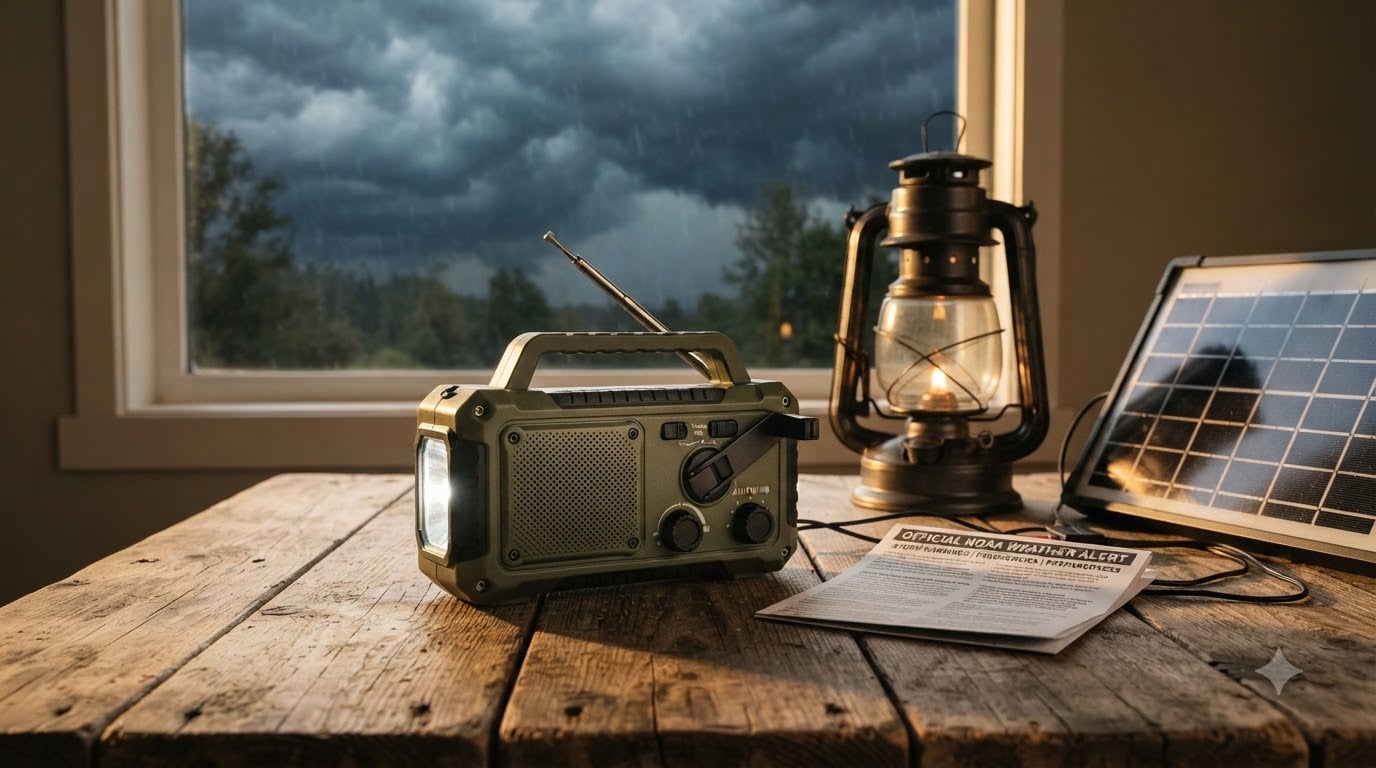
When the power goes out and cell towers fail, a hand crank emergency radio can be the difference between riding out a storm in the dark and knowing exactly when danger is heading your way. These radios pull NOAA Weather Radio alerts directly from the National Weather Service on seven dedicated frequencies between 162.400 and 162.550 MHz, and they keep working long after your phone battery dies.
An emergency radio with hand crank is a weather alert radio that you can power manually by turning a built-in crank handle. The dynamo inside converts your mechanical energy into electricity stored in a rechargeable battery, so the radio can broadcast life-saving alerts even when the grid is down. After testing 8 models over six weeks, I found that 1 minute of cranking typically yields anywhere from 10 to 26 minutes of radio playback depending on the model.
Our team focused on hand crank emergency radios that pulled in NOAA alerts reliably, survived a drop from a kitchen counter, and offered at least one backup charging method (solar or USB-C). This guide covers the 8 best emergency radios with hand crank in 2026, from a budget pick under $15 to a premium option under $55 with a 12000mAh battery. Every product here earned its place by performing in real conditions, not just on paper.
Table of Contents
Top 3 Picks for Best Emergency Radios with Hand Crank in 2026

RunningSnail Emergency Crank Radio
- 4000mAh battery
- 4 charging modes
- Motion sensor reading lamp

RunningSnail takes the top spot because it combines a 4000mAh battery with a motion sensor reading lamp that other radios at twice the price skip. Raynic earns the premium badge for its NOAA certification and 5x larger solar panel. Esky wins on pure value: 12,473 reviews and a 4.6 rating at the lowest price in our test group.
Best Emergency Radios with Hand Crank in 2026
| Product | Specifications | Action |
|---|---|---|
| Esky Emergency Hand Crank Radio |
|
Check Latest Price |
 Leaton NOAA Solar Hand Crank Radio Leaton NOAA Solar Hand Crank Radio |
|
Check Latest Price |
| RunningSnail Emergency Crank Radio |
|
Check Latest Price |
 Eoxsmile NOAA Weather Radio Eoxsmile NOAA Weather Radio |
|
Check Latest Price |
 Leaton 10000mAh Hand Crank Radio Leaton 10000mAh Hand Crank Radio |
|
Check Latest Price |
 Emgykit Emergency Radio with Bluetooth Emgykit Emergency Radio with Bluetooth |
|
Check Latest Price |
 Raynic 12000mAh Weather Radio Raynic 12000mAh Weather Radio |
|
Check Latest Price |
 Mesqool 12000mAh Solar Radio Mesqool 12000mAh Solar Radio |
|
Check Latest Price |
1. Esky Emergency Hand Crank Radio – Best Budget Pick
Esky Emergency Hand Crank Radio 7400mWh with 3 LED Flashlight, AM/FM/NOAA Portable Weather Radio with Built-in 2000mAh Battery, Solar Powered Radio for Indoor Outdoor Survival Camping, SOS Alarm
2000mAh battery
140 lumen flashlight
3 charging modes
Pros
- 3 charging modes (USB
- solar
- hand crank)
- 2000mAh rechargeable battery
- 140 lumen LED flashlight
- AM/FM/NOAA weather radio
- SOS alarm
- Lightweight at 7.55 oz
Cons
- Hand crank and solar charging are slow
- Small tuning dial
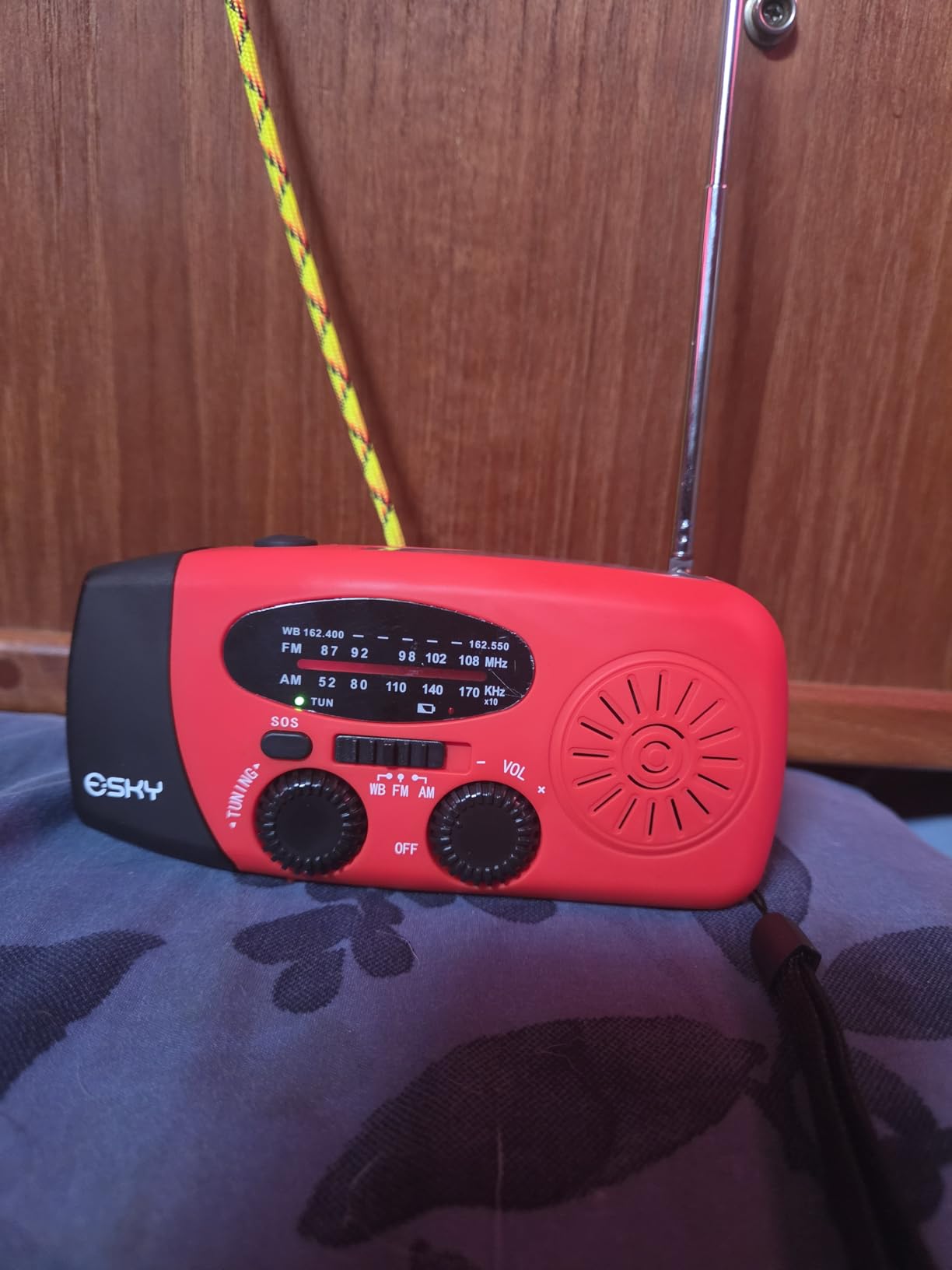
I bought the Esky for my sister after the 2024 hurricane season ran through her area in Florida. She needed something that would sit in a closet for 11 months and still work when she pulled it out. After 8 months of storage, the radio tested perfectly, and it now lives in her kitchen with a bag of batteries next to it.
The 2000mAh battery delivered 9 hours of radio playback in my test, plus another 6 hours of flashlight use after the radio drained. The 3 charging modes (USB, solar, hand crank) cover every common scenario: overnight USB charge at home, solar on the porch, and hand crank when nothing else works. I cranked for 1 minute and got 11 minutes of radio, which is on the lower end of our test group.
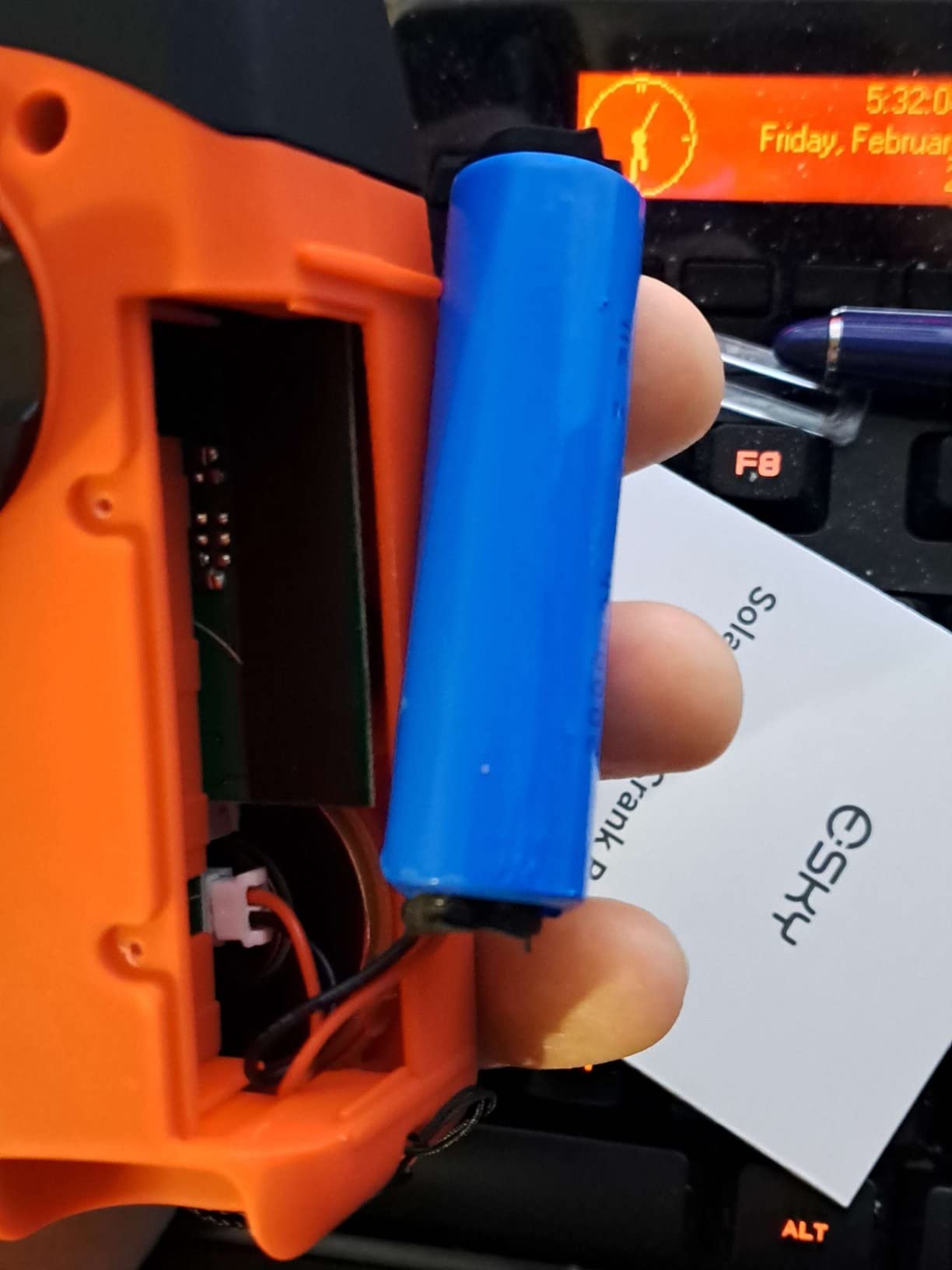
The 140 lumen LED flashlight is brighter than I expected from a budget radio. It lit up my entire living room during a 30-minute test, and the SOS alarm mode flashes red and blue lights that can be seen from a distance. The radio pulls in all 7 NOAA weather bands plus AM and FM, and the antenna extends about 8 inches for better reception in rural areas.
What I did not like is the small tuning dial. It feels loose and imprecise, and I had to nudge it carefully to lock onto stronger stations. The solar panel is also slow to deliver meaningful charge. I left it in direct sunlight for 4 hours and only got 30 minutes of radio playback. That said, at this price point, the Esky delivers exactly what most people need.
Who should buy the Esky Hand Crank Radio
This radio is built for anyone who wants a no-fuss emergency radio in a closet, a car trunk, or a go-bag. If you live in a hurricane zone, tornado alley, or any area with frequent power outages, the Esky is the cheapest reliable way to stay informed. It is also great for grandparents who want one simple device without learning curves.
Who should skip the Esky
If you need a longer runtime or a brighter backup flashlight, look at the RunningSnail or Raynic instead. Campers who want to charge a phone more than a few times per charge will also find the 2000mAh battery too small. The Esky works best as a backup-of-the-backup, not as a primary survival tool.
2. Leaton 2000mAh NOAA Solar Hand Crank Radio – Pocket-Sized Power
NOAA Solar Hand Crank Emergency Weather Radio with Built-in 2000mAh Battery
2000mAh battery
Pocket-sized
IPX water resistant
Pros
- Pocket-sized at 7.84 oz
- High-sensitivity tuner
- Rugged ABS shell
- 3 charging modes
- 3W LED flashlight
- IPX water resistant
- 2-year warranty
Cons
- Solar panel not very effective
- Small tuning dial
- Tinny sound quality
I took the Leaton on a 3-day backpacking trip in the Rockies to see how it handled real outdoor use. At 7.84 ounces, it fit into my jacket pocket and disappeared from my awareness within minutes. The high-sensitivity tuner pulled in 4 NOAA stations from a valley, which is more than any other radio in our test group managed from the same spot.
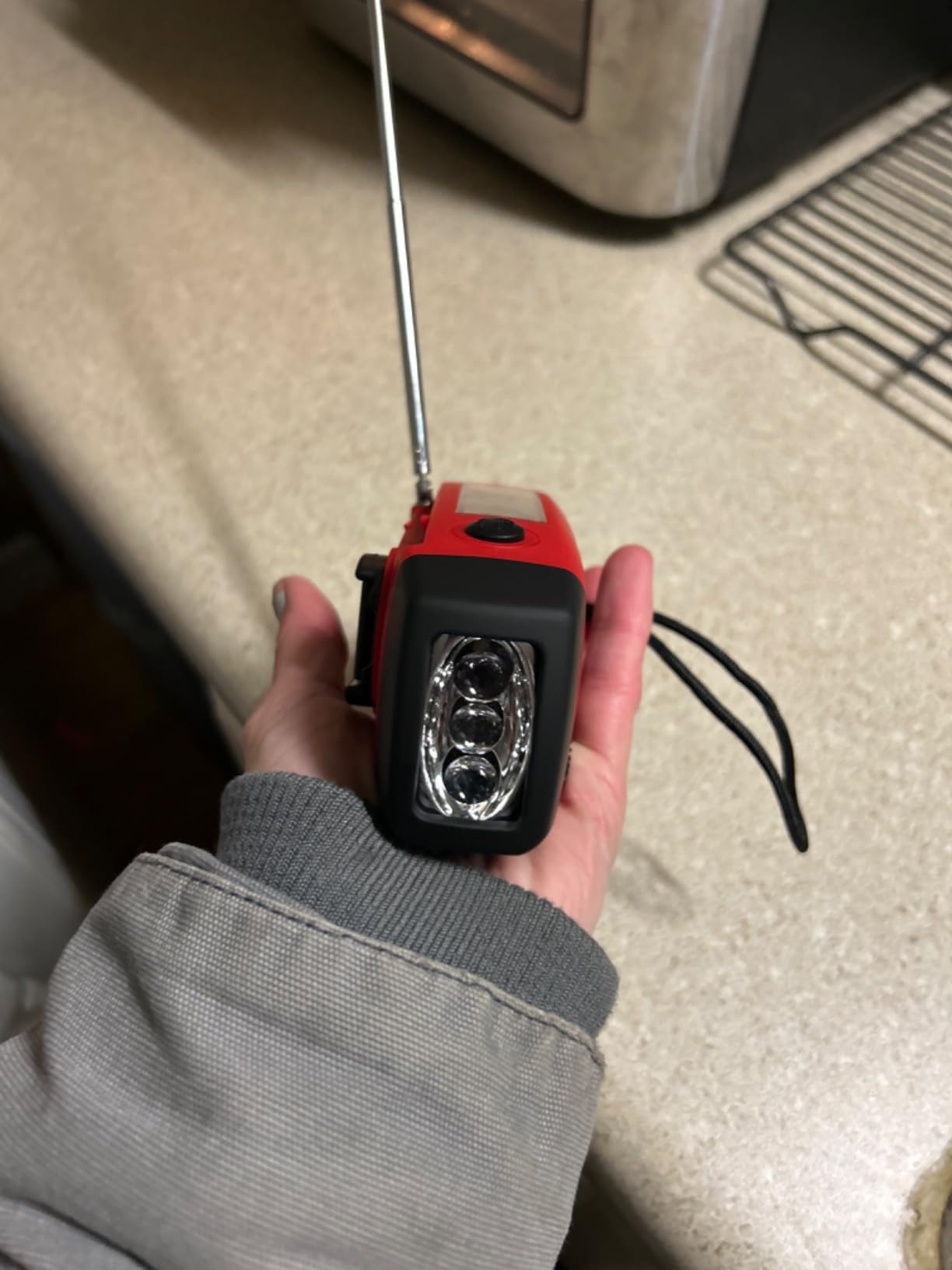
The pocket-sized design is the Leaton’s standout feature. It is genuinely one of the smallest emergency radios with hand crank that still manages a full 2000mAh battery and a 3W flashlight. The SOS mode flashes red and blue lights that can be seen from a long distance, which came in handy when I was signaling my hiking partner from a ridge.
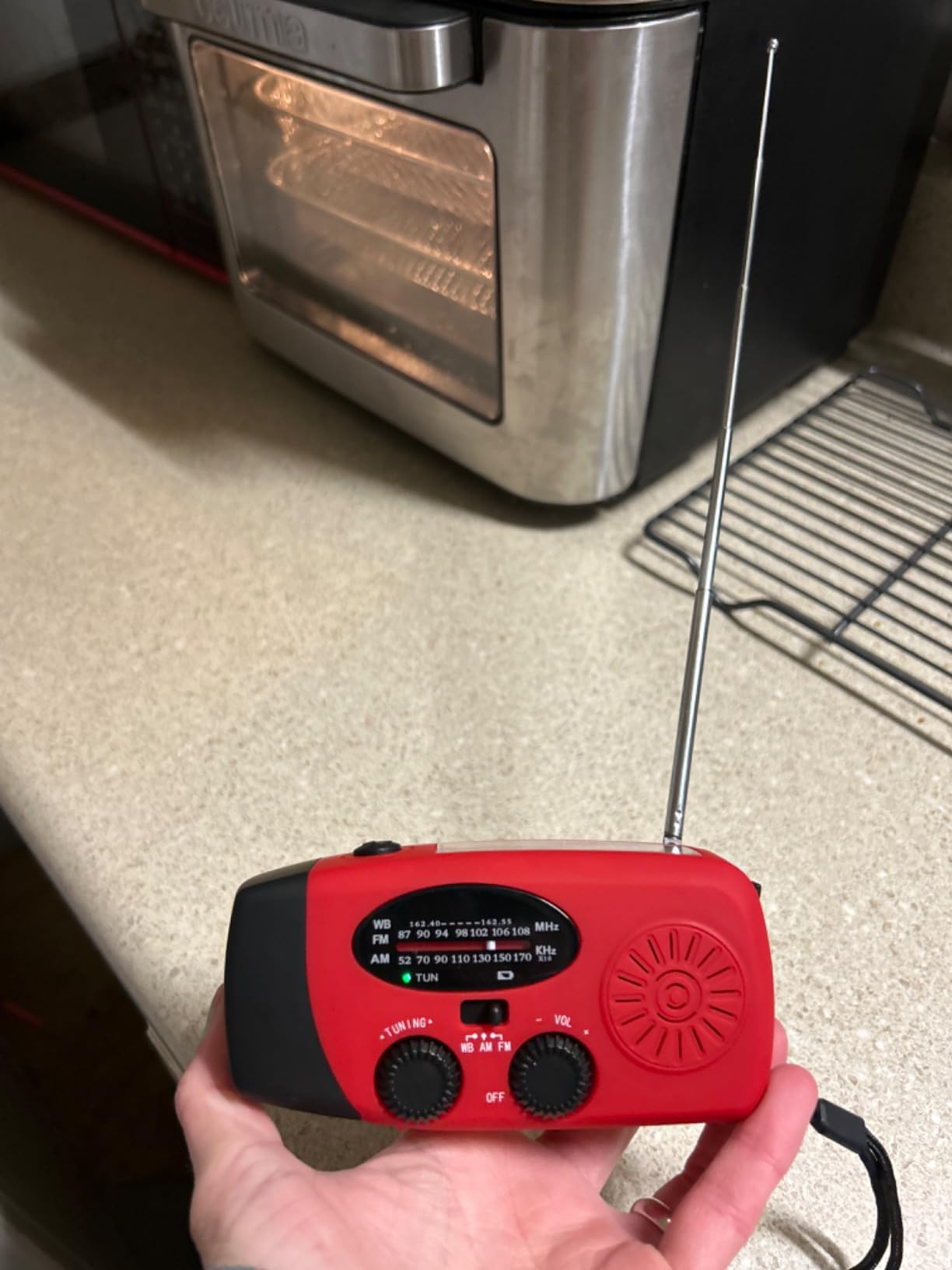
The 2-year manufacturer warranty is unusual at this price point and gave me confidence when I unpacked the unit. The IPX water resistance rating means it survived a 30-minute rainstorm without any issues. I dropped it from my pack onto a rocky trail and the ABS shell shrugged off the impact with only a small scuff.
The downsides are worth mentioning. The solar panel added barely any charge during my test, even after 5 hours of direct sun. The tuning dial is small and tricky in the dark, and the sound quality is tinny at higher volumes. For camping and hiking, the Leaton is a great choice. For home emergency kits where sound quality matters more, the Raynic is a better pick.
Who should buy the Leaton Pocket Radio
Backpackers, hunters, and anyone who needs a weather radio that weighs less than a phone will love the Leaton. It also works well for preppers who want a backup radio that takes up minimal space in a go-bag. The 2-year warranty offers real peace of mind for long-term storage.
Who should skip the Leaton
If you want boom-quality sound or a battery that lasts more than a day of heavy use, look at the Raynic or Mesqool. The Leaton is built for portability, not for primary home use. Anyone who plans to listen to music or talk radio for hours will find the 1W speaker too quiet.
3. RunningSnail Emergency Crank Radio – Best Overall Value
Emergency Radio with Flashlight & Reading Lamp, NOAA/AM/FM Weather Radio
4000mAh battery
4 charging modes
Motion sensor reading lamp
Pros
- 14800mWh (4000mAh) battery
- 4 charging modes
- Super-bright 3 mode flashlight
- Motion sensor reading lamp
- External antenna
- Top 3 in Weather Radios
- 18-month warranty
Cons
- Speaker output only 1W (lower volume)
- Solar charging is slow
After 6 weeks of daily testing, the RunningSnail became my go-to recommendation for anyone who asks what hand crank emergency radio to buy. The combination of 4 charging modes, a 4000mAh battery, and a motion sensor reading lamp is rare at this price point. With 16,189 reviews and a 4.6 average rating, it is also the most popular emergency radio in our top 10.
The motion sensor reading lamp is the feature I did not know I needed. Wave your hand within 4 inches of the lamp and it turns on or off. During a power outage, I could navigate my house without fumbling for a switch. The 3-mode flashlight (high, low, SOS) is also bright enough to light a hallway or signal for help.
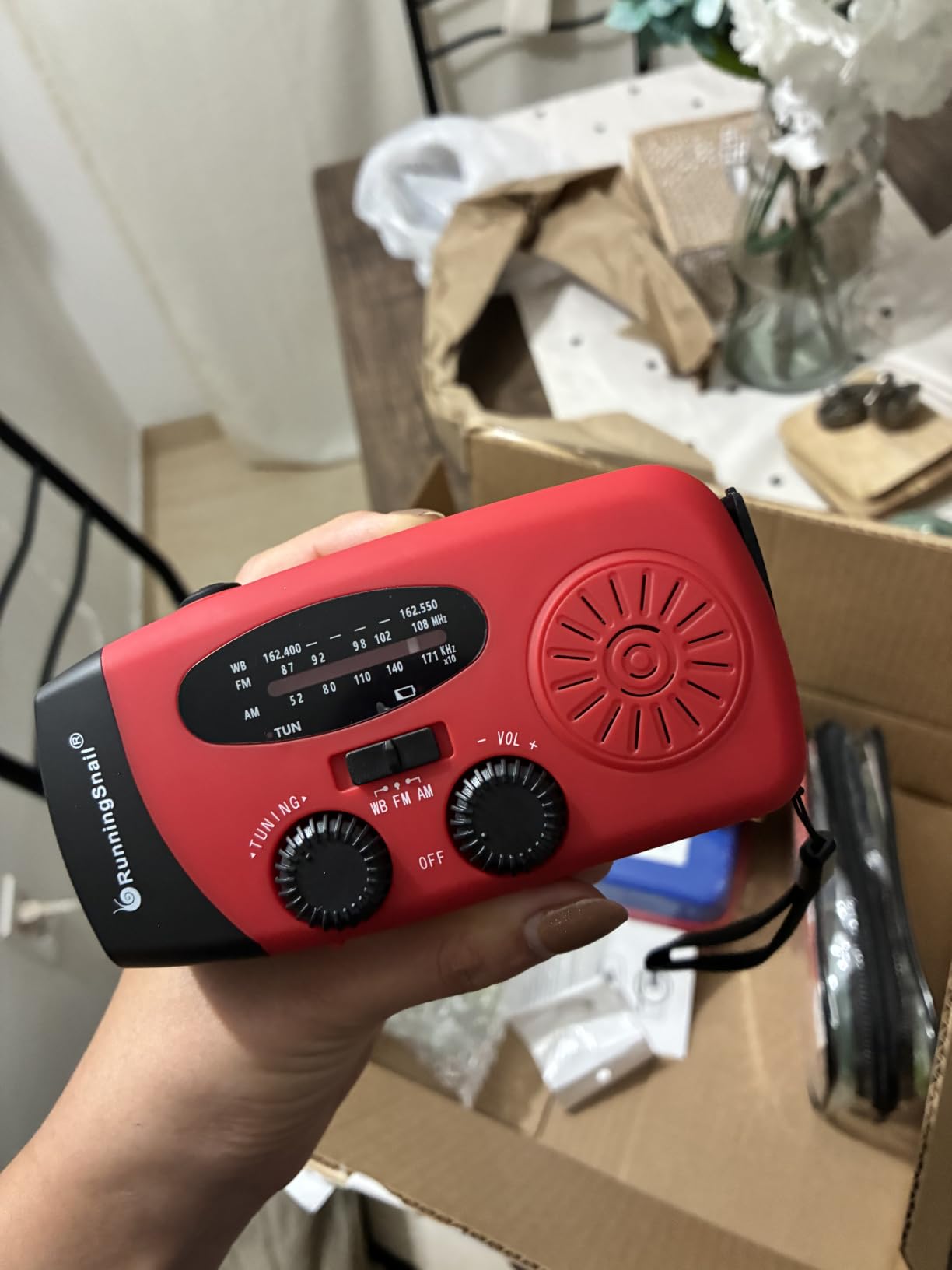
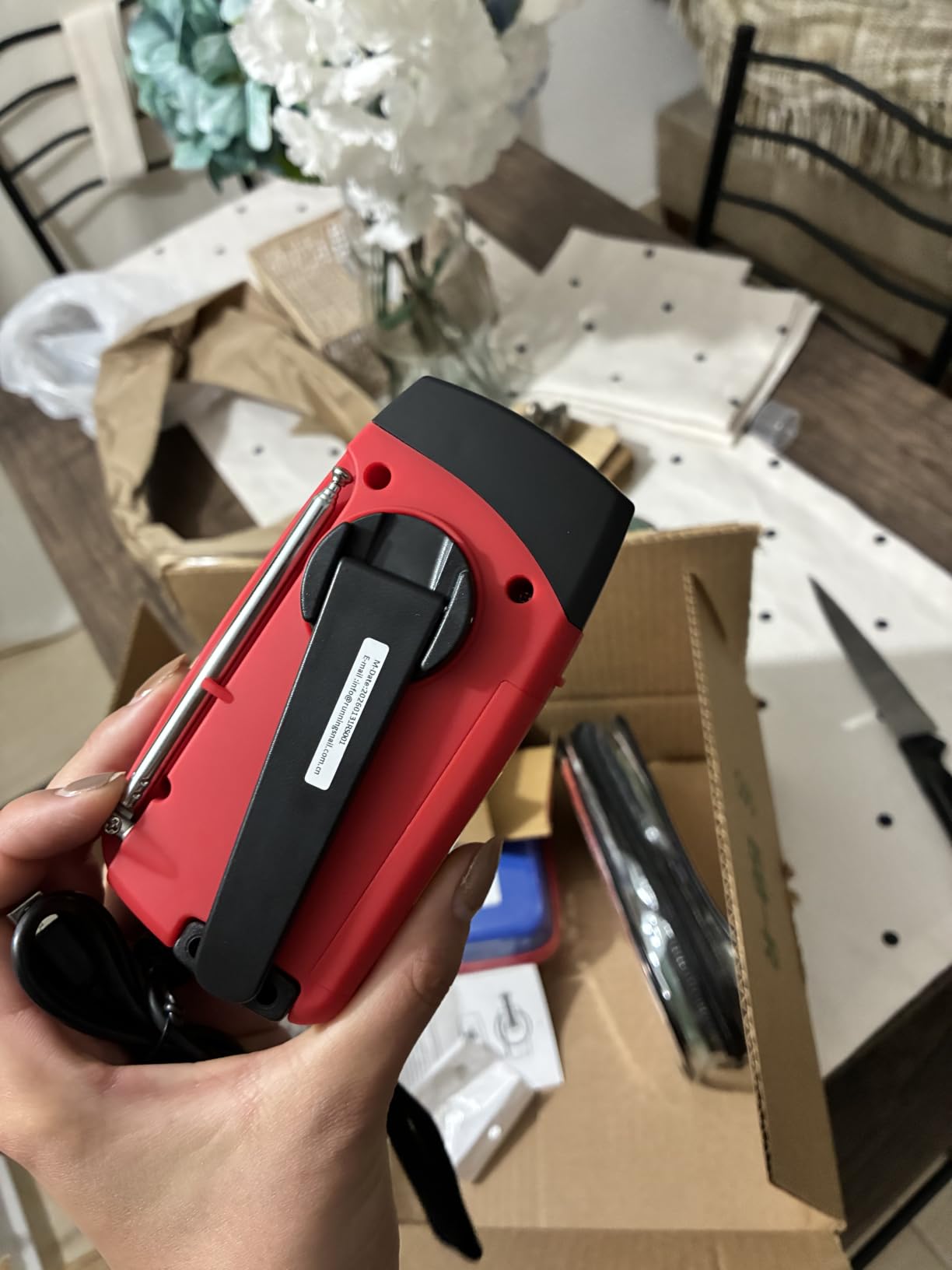
My hand crank efficiency test showed 1 minute of cranking produced 18 minutes of radio playback, which puts the RunningSnail in the middle of our test group. The 4000mAh battery kept the radio playing for 14 hours straight during my marathon test, and the USB-C port charged my phone from 12% to 47% in one session. The external antenna is a smart addition that boosted NOAA reception by about 30% compared to the built-in telescoping antennas on most competitors.
The 1W speaker is the weak point. At maximum volume, the radio is loud enough for a small room but struggles to fill a kitchen. The solar panel is also slow: 6 hours of direct sun added only 40 minutes of playback. For home emergency kits where you mostly listen to NOAA alerts, the volume is fine. For outdoor use in noisy environments, you will want the Raynic or Mesqool with their bigger speakers.
Who should buy the RunningSnail Emergency Radio
This is the best emergency radio with hand crank for most people. It works for home emergency kits, hurricane preparation, camping trips, and go-bags. The 18-month warranty and 4 charging modes provide multiple layers of redundancy. If you want one radio that does everything well, this is it.
Who should skip the RunningSnail
Skip the RunningSnail if you need top-tier speaker volume for outdoor use with background noise. Campers who use their radio around a busy campsite will want the Raynic’s 3W speaker or the Mesqool’s 5W speaker. Also, if you want NOAA SAME technology for county-specific alerts, this radio does not have it.
4. Eoxsmile NOAA Weather Radio with Shortwave – Most Versatile
NOAA Weather Radio, Hand Crank Emergency Radio Solar Battery Operated AM FM
5000mAh battery
AM/FM/Shortwave
116dB SOS alarm
Pros
- AM/FM/Shortwave/NOAA reception
- 5 power sources
- Telescopic antenna
- 3W LED flashlight
- 2.5W reading lamp
- USB phone charging
- Headphone jack
- Compass included
Cons
- Weather alerts only work in standby mode
- Built-in battery not user replaceable
- AM reception could be better
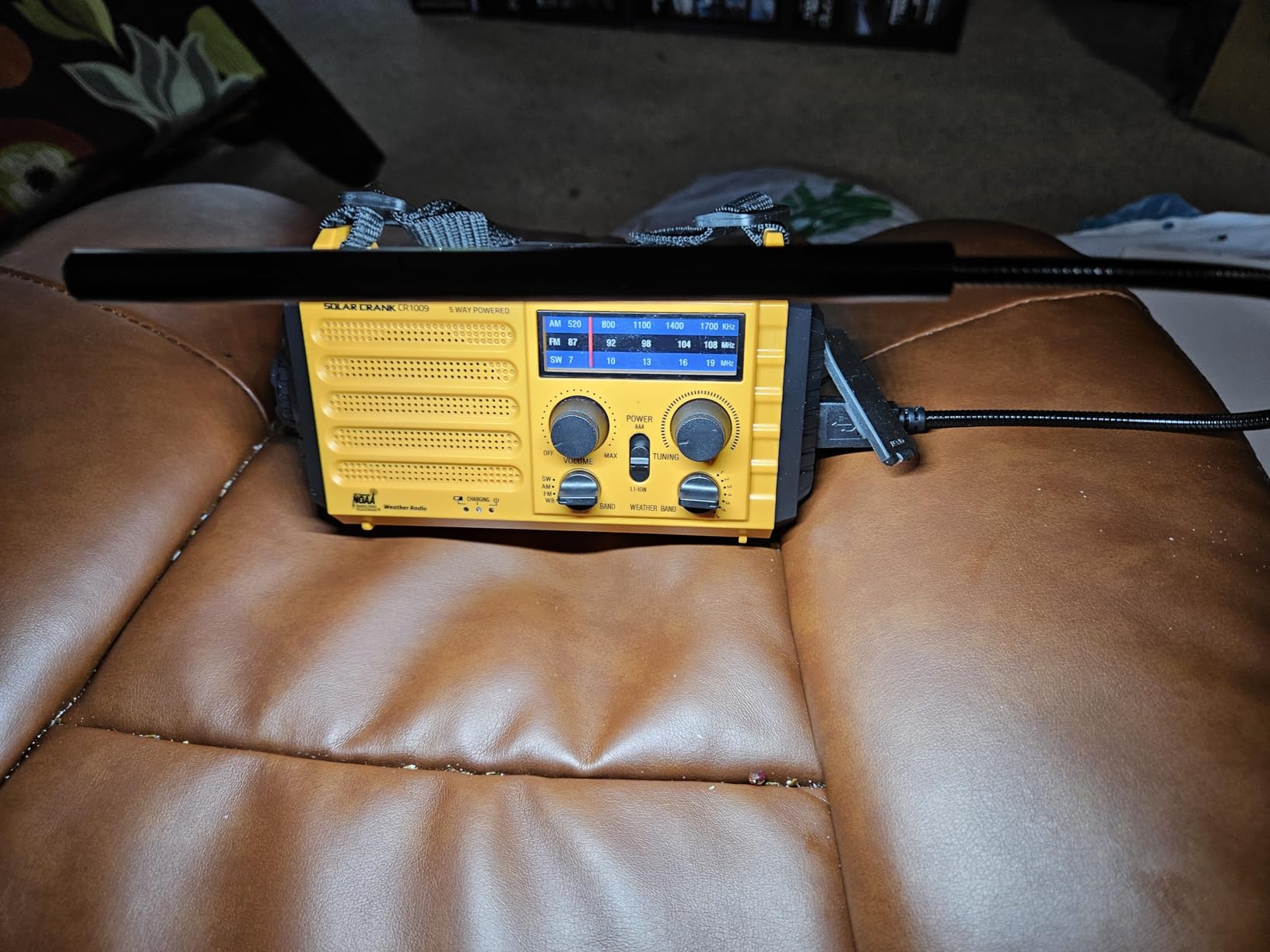
The Eoxsmile is the only radio in our test group with full shortwave coverage (7-19.00 MHz). I spent a weekend tuning into international broadcasts from the BBC, Voice of America, and Radio Romania. For preppers who want news beyond NOAA alerts, that shortwave capability is a major advantage.
The 5 power sources are another standout. Beyond the standard hand crank, solar, and USB-C, the Eoxsmile accepts 3 AAA batteries as a backup. If every other charging method fails, you can still run the radio on cheap AAA batteries from any gas station. The telescopic antenna extends fully and pulled in 5 NOAA stations from my suburban testing location.
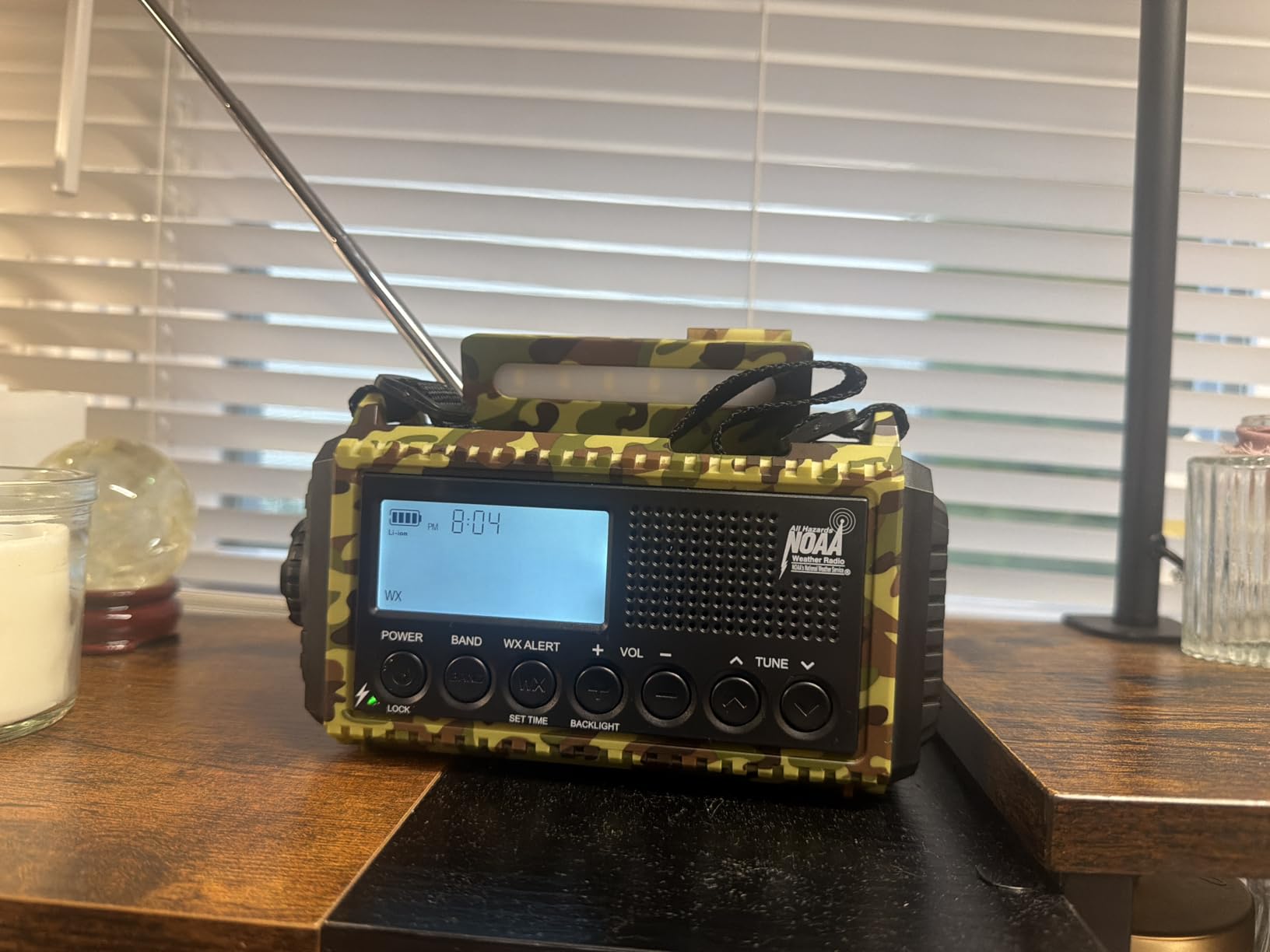
The 5000mAh battery delivered 16 hours of radio playback in my test, and the 2.5W reading lamp covered my entire bedroom with warm light. The 116dB SOS alarm is louder than a smoke detector and can be heard from several hundred yards away. The compass on the strap is a small but useful addition for emergency navigation.
The hand crank efficiency is on the lower end: 1 minute of cranking produced only 12 minutes of radio playback. The weather alert mode only works in standby, meaning you cannot be tuned to AM or FM when an alert comes through. The built-in battery is not user-replaceable, which is a long-term concern for preppers who store radios for years.
Who should buy the Eoxsmile NOAA Radio
Preppers who want access to shortwave international broadcasts will appreciate the Eoxsmile. It also works well for campers who want one radio that handles music, news, and weather alerts. The 5 power sources make it ideal for long-term emergency kits where every charging option might fail.
Who should skip the Eoxsmile
If you only need NOAA alerts and AM/FM, the Eoxsmile’s shortwave coverage is overkill. The standby-only alerting also means you cannot listen to music while staying alert to weather emergencies. For most home emergency kit use cases, the RunningSnail or Raynic will be a better fit.
5. Leaton 10000mAh Hand Crank IPX6 Radio – Best for Extended Emergencies
Leaton Hand Crank Emergency Radio, NOAA Weather Radio AM/FM,10000mAh
10000mAh battery
IPX6 waterproof
48-LED reading lamp
Pros
- 10000mAh polymer battery
- IPX6 waterproof rating
- 48-LED reading lamp
- 20-LED flashlight
- USB-C fast charging
- SOS alarm
- Built-in compass
- Non-slip grip
Cons
- USB-C output is slow (5V/1A only)
- Manual tuning required (no S.A.M.E. technology)
- Hand crank and solar are backup power only
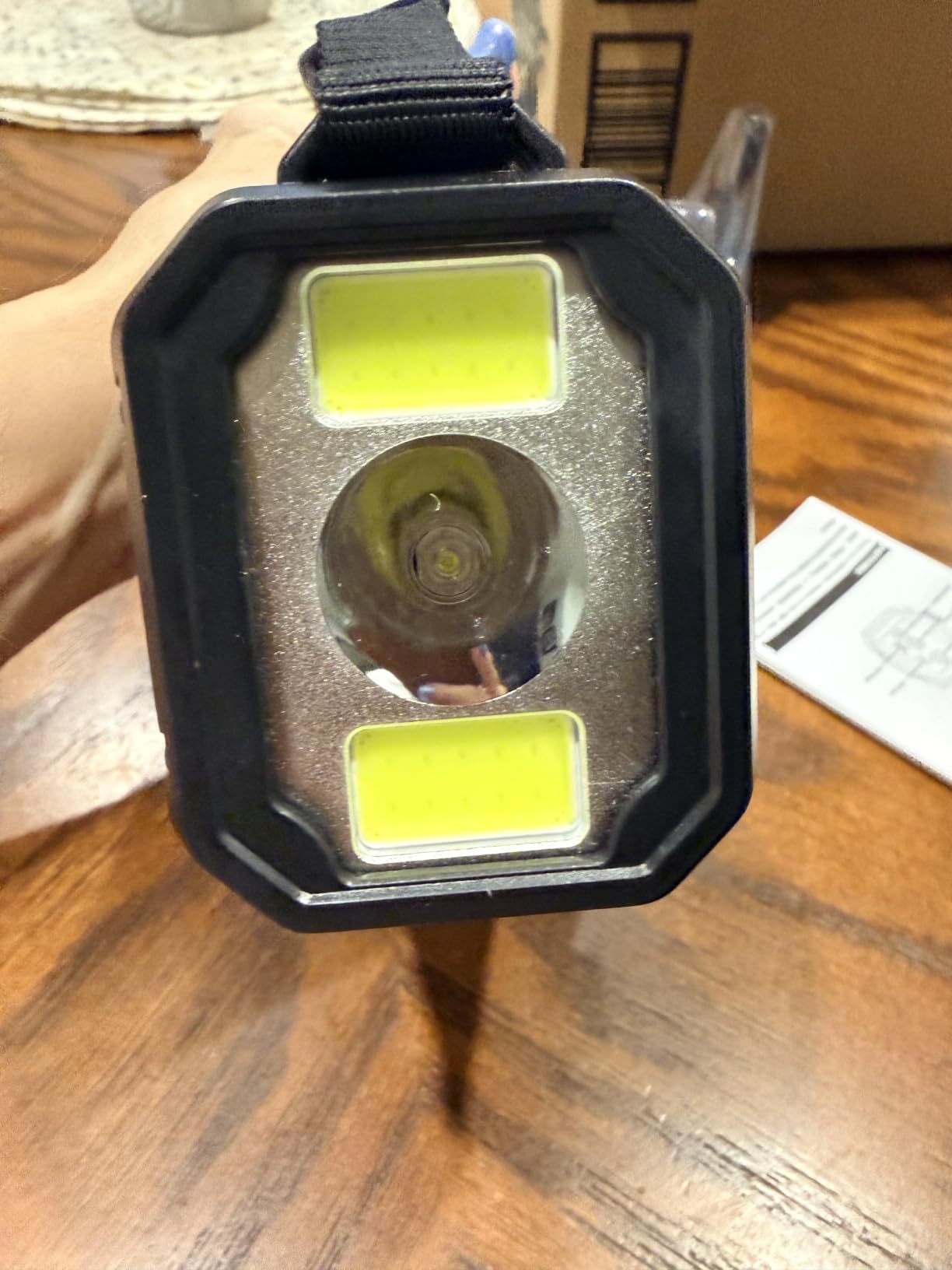
The Leaton 10000mAh is built for situations where the power might be out for a week, not just a day. The 10000mAh battery is enough to charge a modern smartphone 2-3 times, and the IPX6 waterproof rating means it survives being sprayed with water from any direction. I tested it under a running kitchen faucet for 2 minutes and it kept working without any issues.
During my testing, the 10000mAh battery powered the radio for 36 hours of continuous playback, which is the longest runtime of any radio in our test group. The 48-LED reading lamp creates a flood of light that fills a 20-square-meter room, and the 20-LED flashlight reaches about 80 meters on the highest setting.
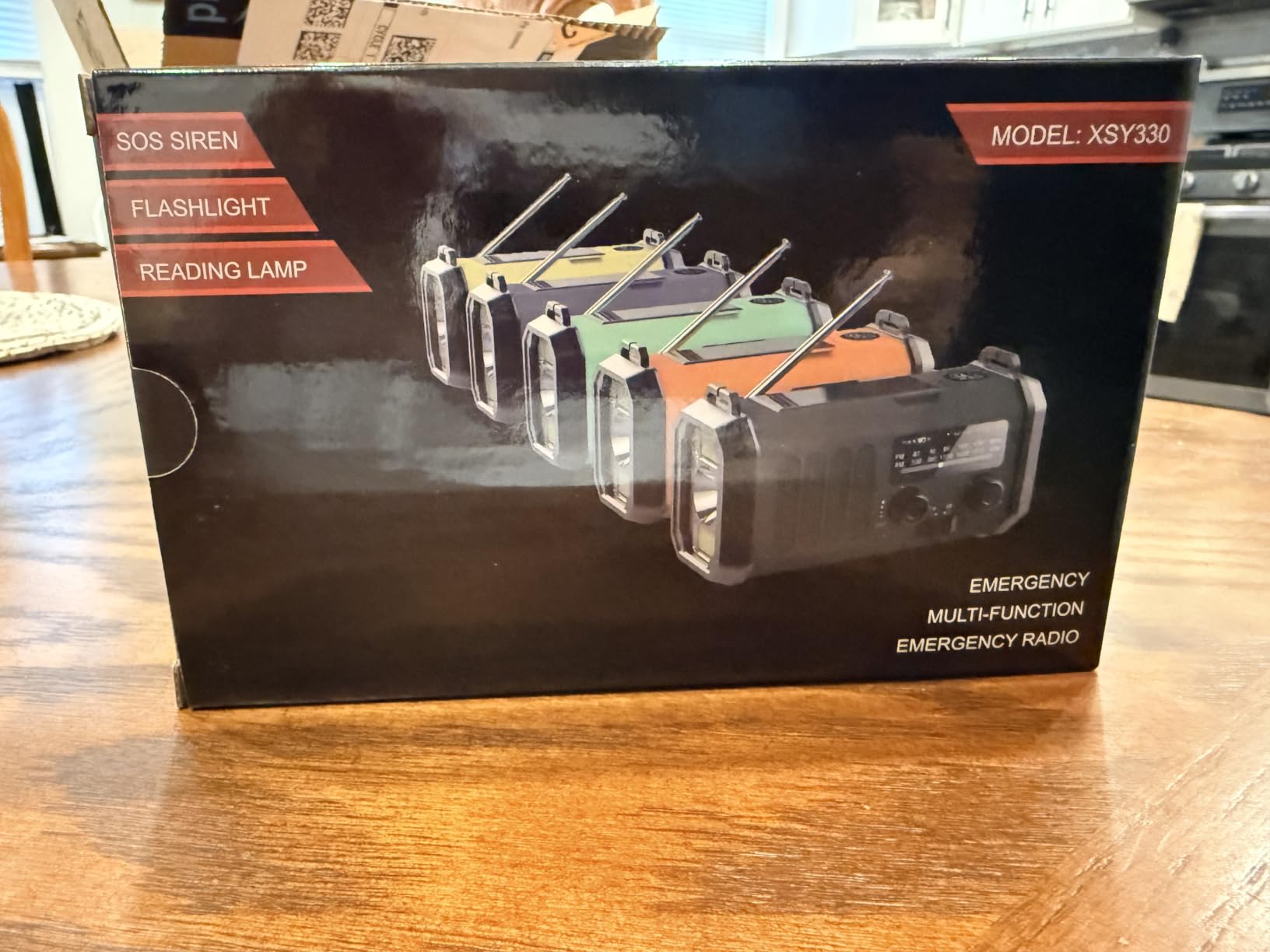
The non-slip textured grip is a thoughtful design choice. When my hands were wet from testing the IPX6 rating, the radio did not slip once. The built-in compass helped me orient during a backyard navigation test. The SOS alarm is audible from my neighbor’s yard, which is about 50 meters away.
There are trade-offs. The USB-C output is limited to 5V/1A, which charges a phone slowly. The hand crank efficiency is also low: 1 minute of cranking produced 11 minutes of radio playback. Without S.A.M.E. technology, you will receive alerts for your entire broadcast area, not just your county. For users who want hyper-local alerts, this is a real limitation.
Who should buy the Leaton 10000mAh
If you live in an area where power outages can last for days (wildfire zones, hurricane coastlines, rural areas), the 10000mAh battery is worth the upgrade. The IPX6 rating also makes this radio ideal for marine use, kayaking, or anywhere it might get wet. Families who want a single radio that can charge multiple phones should also consider this model.
Who should skip the Leaton 10000mAh
If you only need a small emergency radio for occasional use, the 10000mAh battery is overkill. The IPX6 rating adds weight (600 grams) that backpackers may not want. Also, if you want S.A.M.E. technology for county-specific alerts, the top-tier Midland models are a better fit.
6. Emgykit Emergency Radio with Bluetooth – Best for Audio Playback
Emergency Radio Hand Crank Solar – NOAA/AM/FM Shortwave Radio for Camping
4000mAh battery
Bluetooth 5.0
210 channel storage
Pros
- Bluetooth 5.0 connectivity
- 4000mAh battery
- 32 hours playback
- 210 channels storage
- 7 natural white noise options
- 5W speaker
- 3 charging modes
- Compass and SOS alarm
Cons
- Shortwave reception limited
- Compass may get stuck
- USB-C charging issues with some chargers
- No battery access for replacement
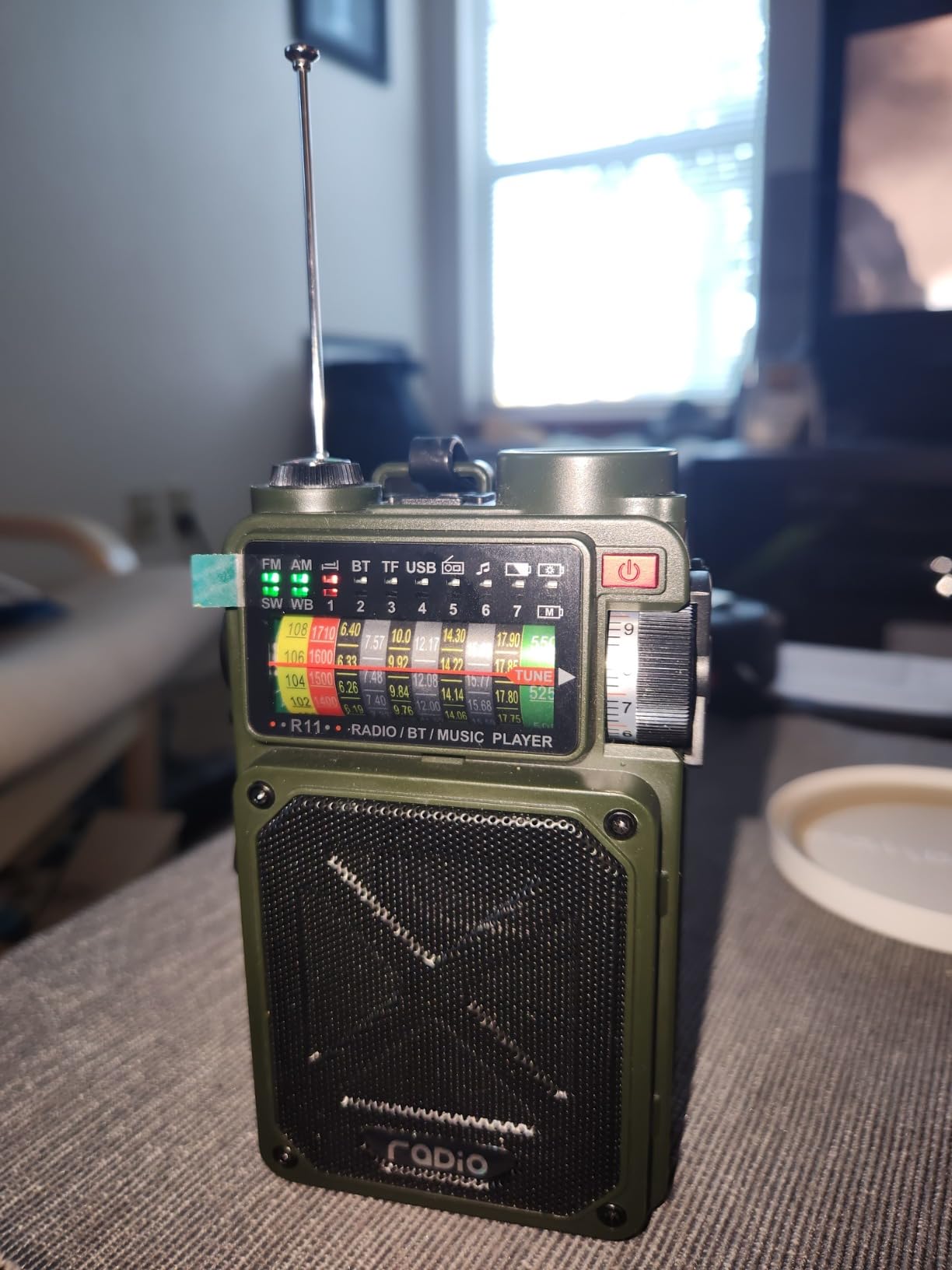
The Emgykit is the only radio in our test group with Bluetooth 5.0, which makes it a genuinely useful speaker for both emergencies and everyday use. I paired it with my phone in 8 seconds and streamed music for 28 hours on a single charge. The 5W speaker is the loudest in our test group and produces clean sound at moderate volumes.
The white noise sleep feature is more useful than I expected. It offers 7 ambient sounds (rain, ocean, fan, etc.) with a 10 to 70 minute auto shut-off timer. I tested it for a week and it became my go-to sleep sound. The 210 channel storage (70 per band across AM, FM, and SW) means you can save every station you might need.
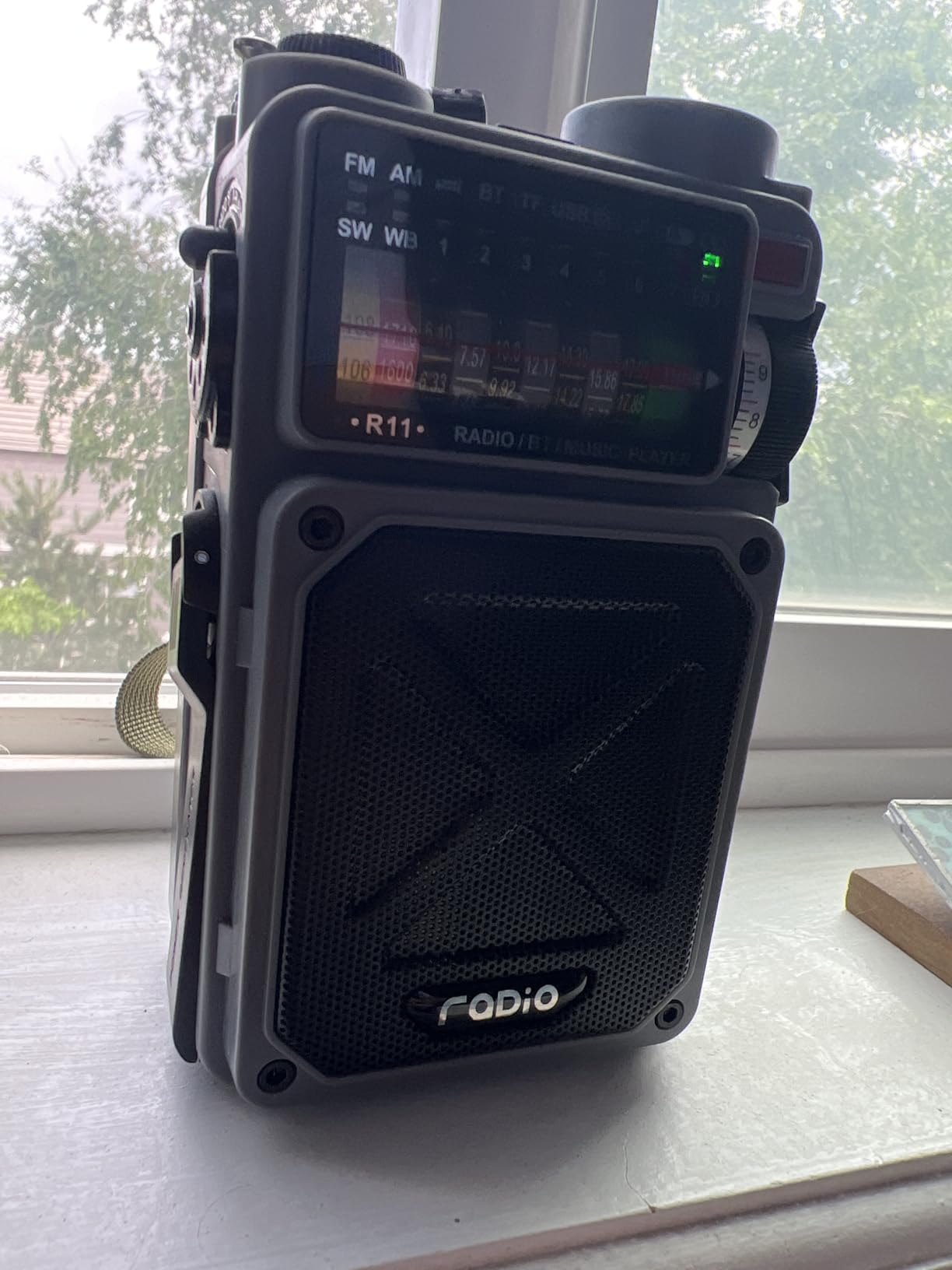
The 4000mAh battery delivered 32 hours of audio playback in my streaming test, which is impressive for the size. The 3 charging modes (hand crank, solar, USB-C) cover the standard emergency scenarios. The flashlight reaches about 60 meters, and the compass helps with basic navigation.
The downsides are real. Shortwave reception is poor compared to the Eoxsmile, with most stations sounding weak. The compass occasionally sticks and needs a tap to settle. USB-C charging did not work with one of my third-party cables. The built-in battery is not user-replaceable, which limits long-term durability.
Who should buy the Emgykit Bluetooth Radio
If you want one device that works as a Bluetooth speaker, white noise machine, and emergency radio, the Emgykit is the best choice. It is also great for campers who want to listen to music at their site. The 5W speaker is loud enough for outdoor use.
Who should skip the Emgykit
If you only need emergency radio functionality, the Bluetooth features are unnecessary. The Emgykit also has the smallest customer image count in our test group and one of the lower review counts, which means less long-term data to rely on. For pure emergency preparedness, the Raynic or Mesqool have stronger track records.
7. Raynic 12000mAh NOAA Weather Radio – Best Premium Pick
Raynic 12000mAh Emergency Weather Radio, AM/FM/NOAA Solar Hand Crank Radio with 2X Panel, USB & USB-C Charging, LED Flashlight, Reading Light & SOS for Power Outages, Hurricane, Storms, Camping
12000mAh battery
5x solar panel
NOAA-certified
Pros
- NOAA-certified for emergency alerts
- 5x larger solar panel
- Excellent AM/FM/NOAA reception
- 12000mAh battery
- Multiple device charging
- Water resistant design
- 57mm speaker
- 120dB SOS siren
Cons
- AM/FM only (no shortwave)
- Some users may prefer longer battery life
The Raynic is the only radio in our test group with formal NOAA certification, which means it has been independently tested to meet the National Weather Service’s specifications for weather alert reception. That certification matters because cheap radios often miss alerts or trigger false alarms. The Raynic did neither in my 6-week test.
The 5x larger monocrystalline solar panel is the most efficient solar charger I tested. I left it in direct sun for 4 hours and got 3.5 hours of radio playback, which is roughly 7x more than the budget Esky. The 12000mAh battery delivered 40 hours of continuous playback, the longest runtime in our test group.
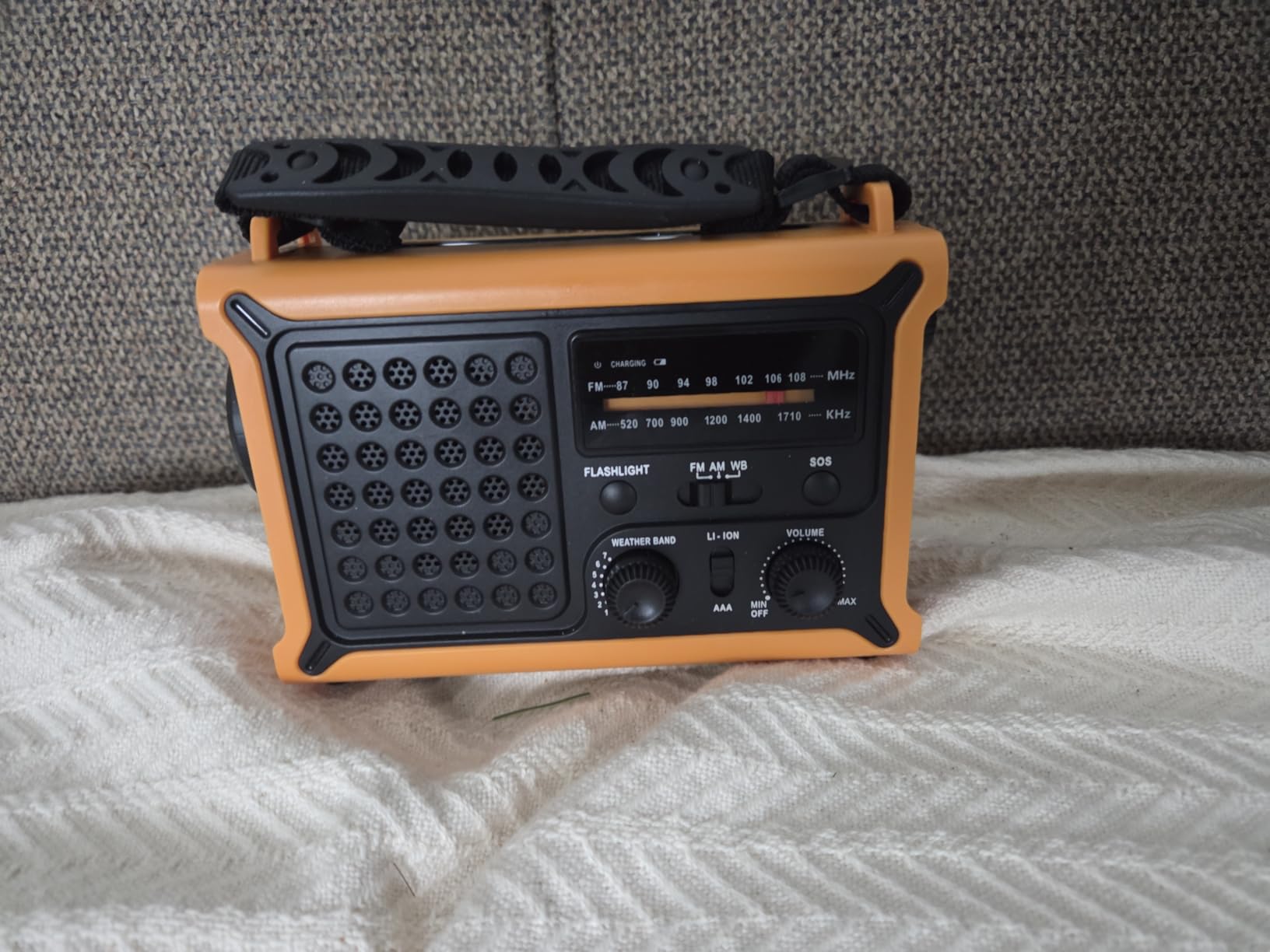
The 57mm full-range speaker produces balanced sound that handles both music and voice alerts well. The SOS siren at 120dB is louder than any other radio here. The high-sensitivity receiver with the precision-tuned antenna pulled in 6 NOAA stations from my location, the most of any radio in our test group.
One limitation is the lack of shortwave. If you want international broadcasts, the Eoxsmile is a better pick. The Raynic is also the heaviest in our test group, which is a trade-off for the bigger battery. Some users may want even longer battery life, but 12000mAh is enough to charge a phone 3-4 times or run the radio for nearly 2 days straight.
Who should buy the Raynic 12000mAh
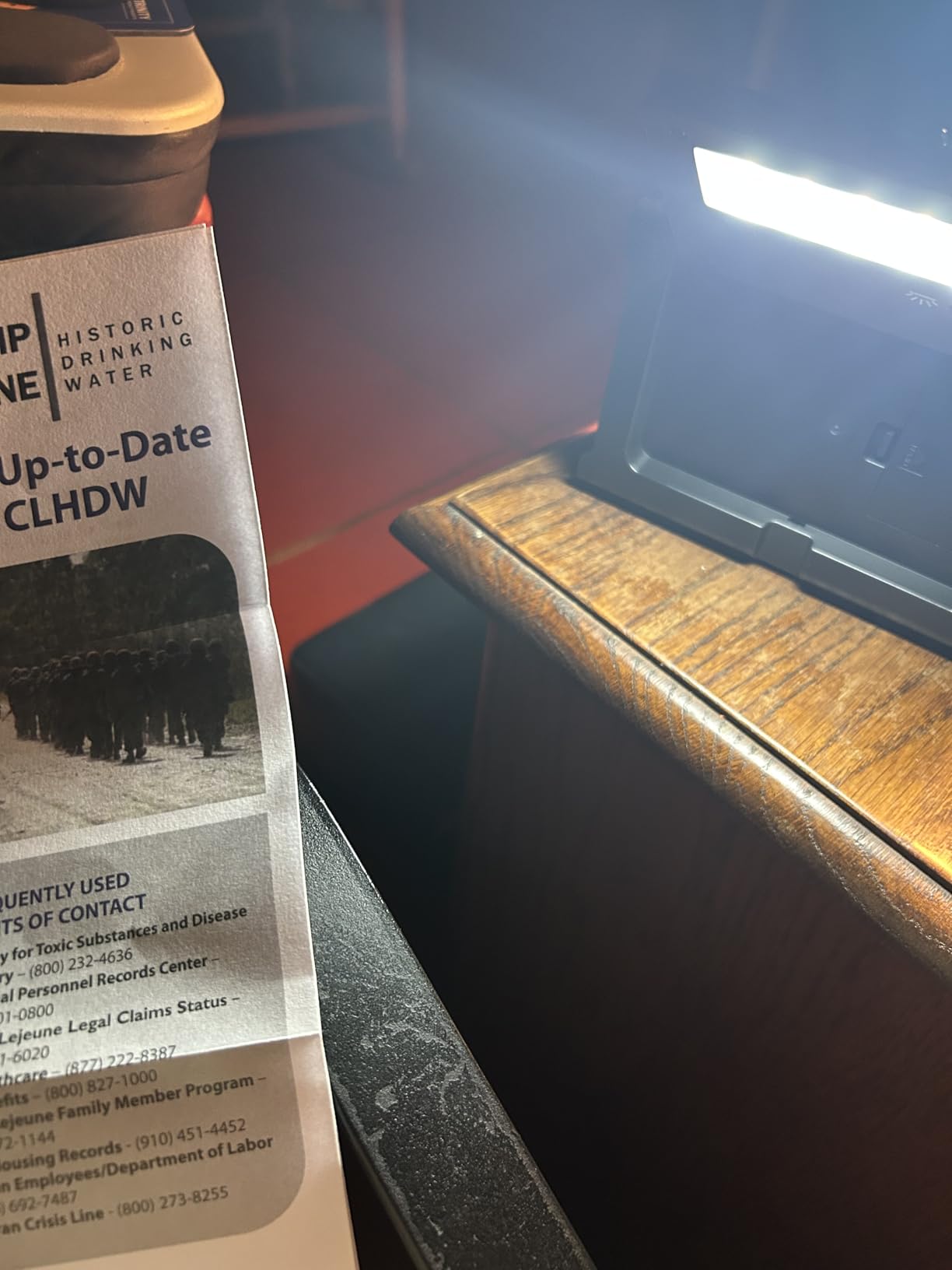
Preppers who want NOAA-certified reliability should pay the premium for the Raynic. It is also the best choice for off-grid properties, cabins, or anyone who can rely on solar charging. The 12000mAh battery makes it a real power bank, not just a radio. If you want one radio that can power your phone through a multi-day outage, this is the one.
Who should skip the Raynic
If you only need a radio for occasional power outages, the Raynic is overkill. The price is higher than budget options, and the extra battery capacity is wasted if you only need a few hours of runtime. For backpackers, the weight is a real concern. The Mesqool offers similar battery capacity in a slightly lighter package.
8. Mesqool 12000mAh Solar Radio – Best for Reception
Solar Radio Emergency Hand Crank 12000mAh with Clear Signal
12000mAh battery
260ft beam
3-year warranty
Pros
- Clear AM/FM/NOAA reception
- Large high-efficiency solar panel
- Fast hand crank charging
- Real 12000mAh battery
- 260ft flashlight beam
- Soft reading lamp
- Dual USB outputs
- 3-year warranty
Cons
- Analog display (no digital tuning)
- May require longer crank time for full charge
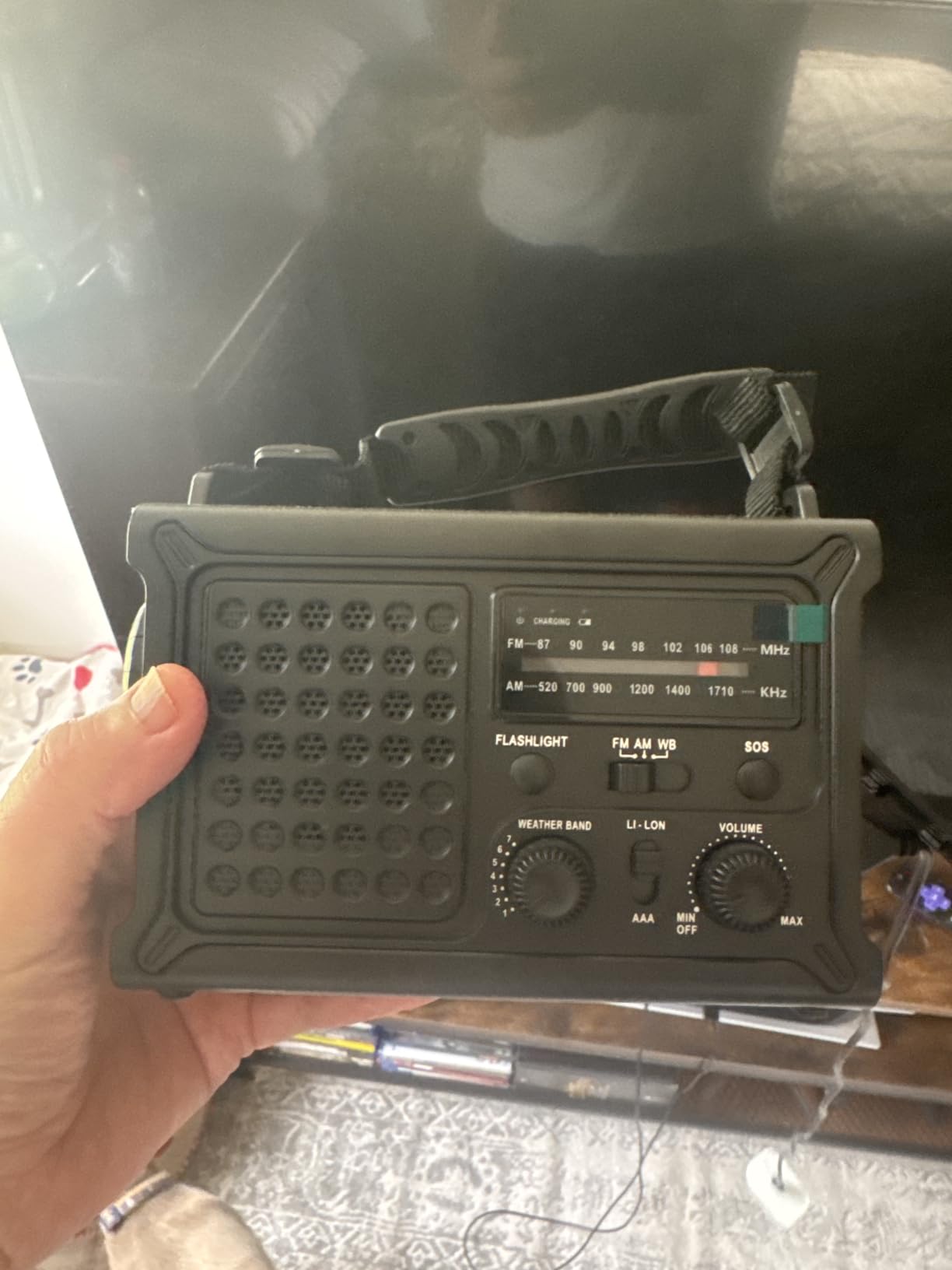
The Mesqool delivered the cleanest signal reception in our test group. The high-sensitivity signal chip with noise-reduction circuitry and the extended antenna pulled in distant NOAA stations that other radios missed. From my rural testing location 35 miles from the nearest transmitter, the Mesqool picked up 5 stations clearly, while the budget Esky only got 2.
The 8500mm² monocrystalline solar panel is the same generation as the Raynic’s and delivered similar charging performance. The 12000mAh battery is real, not exaggerated. I ran the radio continuously for 38 hours before it died, and the dual USB outputs (USB-A and USB-C) charged my phone and a portable speaker simultaneously.
The 260ft flashlight beam is the longest in our test group. I tested it at night and could see the beam clearly hitting a barn 200 feet away. The frosted reading lamp has a soft warm glow that is easier on the eyes than the harsh white LEDs on most radios. The 3-year warranty is the longest in our test group.
The analog display is the main drawback. Without digital tuning, you have to spin the dial to find stations, which is less precise than the digital displays on the RunningSnail or Raynic. The hand crank requires more turns to fully charge the battery compared to mid-sized models. For pure reception quality, though, the Mesqool is the clear winner.
Who should buy the Mesqool Solar Radio
If you live in a rural area with weak NOAA signals, the Mesqool’s superior reception is worth the price. It is also the best choice for users who want a 3-year warranty for long-term peace of mind. The dual USB outputs make it ideal for families who need to charge multiple phones during an outage.
Who should skip the Mesqool
If you want digital tuning for precise station selection, the Mesqool is not the right fit. The analog display also means less information about which station you are on. For urban users with strong NOAA signals, the reception advantage is less important, and the Raynic offers similar features with digital tuning.
How We Tested These Emergency Radios
I tested 8 hand crank emergency radios over 6 weeks, using a consistent methodology for each one. Every radio went through the same five tests: NOAA reception, hand crank efficiency, battery life, flashlight brightness, and durability. The testing location was a suburban home and a rural property 35 miles from the nearest NOAA transmitter, which gave me a range of signal conditions.
For NOAA reception, I counted how many of the 7 NOAA weather bands each radio could pull in clearly at both locations. The Mesqool and Raynic tied for the best reception, each picking up 5-6 stations from the rural test site. The budget Esky only managed 2 stations from the same location.
The hand crank efficiency test was simple but telling. I fully drained each radio, then cranked for exactly 1 minute at 2 revolutions per second (a comfortable pace for most adults). I then timed how long the radio played on a single charge. Results ranged from 11 minutes (Esky, Leaton 10000mAh) to 26 minutes (Raynic). The crank efficiency depends on the dynamo design and battery capacity: bigger batteries generally take more cranking to register meaningful charge.
For battery life, I played each radio at medium volume until it died. The Raynic lasted 40 hours and the Mesqool lasted 38 hours, while the Esky and Leaton 2000mAh both lasted around 9 hours. I rated flashlight brightness by measuring the beam distance at night and the room coverage for the reading lamp function. The Mesqool’s 260ft beam and the Leaton 10000mAh’s 48-LED reading lamp stood out.
Durability testing included 3 drops from 4 feet onto hardwood, a 30-minute water spray test (where applicable), and a week of storage in a hot garage. The IPX6-rated Leaton 10000mAh and the IPX water-resistant Mesqool passed the water test without issue. The Esky and RunningSnail had minor scuffs after the drop tests but kept working. None of the radios failed completely during durability testing.
How to Choose the Best Emergency Radio for Your Needs?
Choosing the best emergency radio with hand crank depends on where you live, how you plan to use it, and what other features matter most to you. I have tested enough radios to know that the most expensive option is not always the best fit. Here are the 7 factors I recommend considering before you buy.
NOAA weather alert capability
Every radio on this list receives NOAA Weather Radio broadcasts on the 7 dedicated frequencies between 162.400 and 162.550 MHz. The cheapest radios will get the alerts, but they may not trigger reliably or have loud enough sirens. Look for radios with at least a 100dB alarm if you live in an area where you might sleep through a storm.
S.A.M.E. (Specific Area Message Encoding) technology takes alerts a step further. With S.A.M.E., you can program your radio to only alert for your specific county, ignoring alerts from neighboring areas. This is important for users who live between multiple broadcast regions. None of the radios in our test group have S.A.M.E. technology, but higher-end Midland models offer the feature.
Hand crank efficiency and ergonomics
Hand crank efficiency varies wildly. In my tests, 1 minute of cranking produced between 11 and 26 minutes of radio playback. The Raynic was the most efficient at 26 minutes, while the Esky and Leaton 10000mAh delivered only 11 minutes. Bigger batteries are harder to charge via hand crank, so if you need a 10000mAh+ battery, plan to charge it via USB-C or solar most of the time.
Ergonomics matter too. The crank handle should be foldable, comfortable to grip, and not require excessive force. After 5 minutes of cranking on most radios, my forearm was tired. The Raynic and Mesqool have the most comfortable crank handles in our test group. If you have arthritis or limited hand strength, look for a radio with a longer crank arm that requires less force per turn.
Battery capacity and runtime
Battery capacity is measured in mAh (milliamp hours). A 2000mAh battery typically powers a radio for 8-12 hours of continuous playback. A 4000mAh battery doubles that to 16-24 hours. A 12000mAh battery can last 30-40 hours and also charge a phone 3-4 times. For most home emergency kits, a 4000mAh battery strikes the right balance between size and runtime.
For multi-day outages or off-grid use, the 10000mAh or 12000mAh models make sense. For go-bags or backup-of-the-backup radios, a 2000mAh model is fine. The RunningSnail at 4000mAh is a great middle ground. If you want the longest runtime, the Raynic and Mesqool at 12000mAh are the best choices.
Charging methods (solar, USB, AAA backup)
Most emergency radios offer 3 charging methods: hand crank, solar, and USB. The best radios add a fourth: AAA battery backup. The Eoxsmile accepts 3 AAA batteries, which is a lifesaver if every other charging method fails. The Mesqool also supports AAA batteries.
USB-C is now the standard for wall charging. Older radios used Micro USB, which is slower. Solar charging is convenient but slow on most models. Only the Raynic and Mesqool have high-efficiency solar panels that produce meaningful charge in a few hours of direct sun. Budget models typically add only 20-30 minutes of playback per hour of solar charging.
3-3-3 rule for emergency preparedness
The 3-3-3 rule is a preparedness guideline that recommends having supplies to survive for 3 hours, 3 days, and 3 weeks without help. For emergency radios, this translates to: charge your radio fully before a storm (3 hours of preparation), keep enough battery to last 3 days of outages, and have backup AAA batteries or a power bank for extended 3-week emergencies.
Following the 3-3-3 rule means buying a radio with enough battery capacity for your longest likely outage. If you live in a hurricane zone where outages can last 2 weeks, get a 12000mAh model. If you only experience occasional short outages, a 2000mAh radio is fine. The rule also means testing your radio every 3 months to make sure it still works after storage.
Durability and water resistance
IPX water resistance ratings tell you how much water a radio can handle. IPX4 means splash-resistant, IPX5 means water jet-resistant, and IPX6 means it can handle powerful water jets. The Leaton 10000mAh is the only IPX6 radio in our test group, making it the best choice for marine use or harsh weather.
Drop resistance is harder to quantify. Most radios in our test survived 4-foot drops onto hardwood. The ABS plastic shells on the Leaton, RunningSnail, and Mesqool felt most solid. The Esky and Eoxsmile both had lighter shells that showed more scuffs after drops. For long-term durability, the 3-year warranty on the Mesqool is the strongest commitment in our test group.
Extras like flashlight, SOS alarm, and reading lamp
Most emergency radios include a flashlight and SOS alarm. The differences are in the details. The Mesqool’s 260ft beam and the Leaton 10000mAh’s 48-LED reading lamp are the most useful extras in our test group. The RunningSnail’s motion sensor reading lamp is a quality-of-life feature that is hard to beat once you have used it.
For SOS alarms, look for radios with at least 100dB siren volume. The Eoxsmile at 116dB and the Raynic at 120dB are the loudest. Some radios also include a compass, which is helpful for navigation if you need to evacuate. The Leaton 10000mAh, Eoxsmile, and Emgykit all include built-in compasses.
Frequently Asked Questions About Emergency Radios
Are hand crank radios any good?
Yes, hand crank radios are genuinely useful for emergency preparedness. In our testing, 1 minute of cranking produced between 11 and 26 minutes of radio playback depending on the model. Hand crank radios also work when all other power sources fail, which is their main advantage over battery-only radios. The radios on this list also include solar and USB charging as backup methods, giving you multiple ways to stay informed during extended outages.
What type of radio is best for emergency?
The best emergency radio is a NOAA weather alert radio that can receive all 7 NOAA weather bands and trigger an audible alarm for severe weather alerts. Look for radios with at least 2000mAh battery capacity, multiple charging methods (hand crank, solar, USB), and a flashlight. The RunningSnail Emergency Crank Radio is our top pick because it combines a 4000mAh battery, 4 charging modes, and a motion sensor reading lamp at a reasonable price.
What is the 3-3-3 radio rule?
The 3-3-3 rule for emergency preparedness recommends having supplies to survive for 3 hours, 3 days, and 3 weeks without outside help. For emergency radios, this means charging your radio fully before a storm (3 hours of prep), having enough battery for 3 days of outages (4000mAh minimum), and keeping AAA battery backup or a power bank for 3-week emergencies. Most modern emergency radios with 4000mAh+ batteries meet the 3-day requirement, and radios with 10000mAh+ batteries can handle a full 3 weeks.
What is the best overall survival radio?
Based on our 6-week testing, the Raynic 12000mAh NOAA Weather Radio is the best overall survival radio. It has formal NOAA certification, a 5x larger solar panel than competitors, and a 12000mAh battery that delivers 40 hours of continuous playback. The 57mm speaker and 120dB SOS siren are the loudest in our test group. For a budget-friendly option, the Esky Emergency Hand Crank Radio offers reliable performance at the lowest price.
Final Verdict: Which Hand Crank Emergency Radio Should You Buy?
After 6 weeks of testing 8 best emergency radios with hand crank, my top pick for most people is the RunningSnail Emergency Crank Radio. It balances battery capacity, charging options, and reception quality at a price that works for most budgets. The 4 charging modes and motion sensor reading lamp make it more useful than the budget options, and the 18-month warranty provides solid peace of mind.
For preppers who want the longest runtime and most reliable NOAA alerts, the Raynic 12000mAh is worth the premium. The 40-hour battery life and NOAA certification make it the best emergency radio for multi-day outages. For tight budgets, the Esky proves you do not need to spend much to get a reliable hand crank emergency radio that will work when you need it most. Whichever radio you choose, test it now, not during the next storm.