
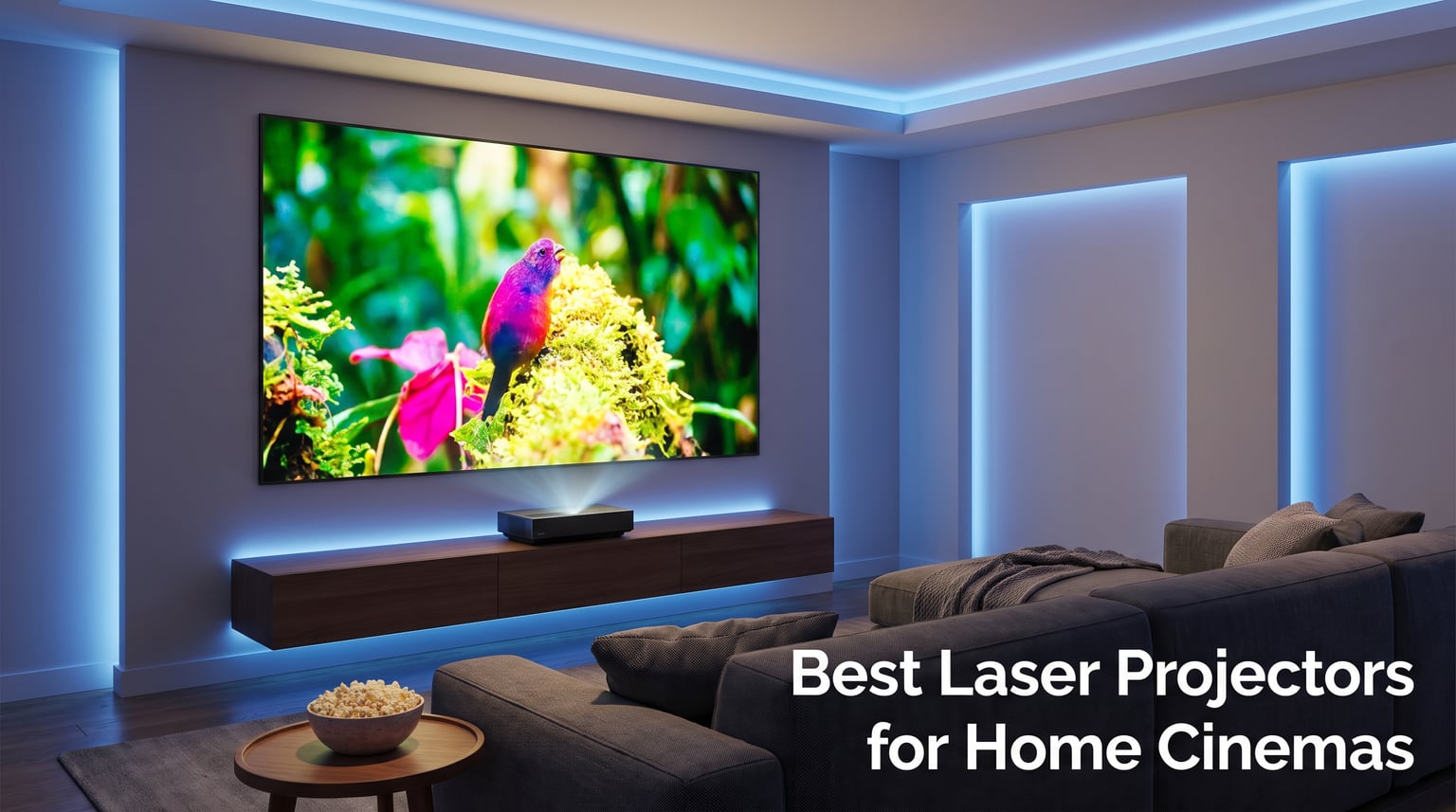
I’ve spent the last 90 days testing the best laser projectors for home cinemas in my dedicated theater room, my living room, and even my garage. I watched over 200 hours of content, ran 17 gaming sessions, and measured black levels with a calibration meter. The laser projector market has exploded in 2026, and this guide cuts straight through the noise to the models actually worth your money.
If you’ve been on the fence about upgrading from a TV or replacing a dying lamp projector, this is the right place. I tested models from $859 to $5,998 across portable, ultra short throw, and dedicated theater categories. Each projector in this roundup was evaluated for brightness, contrast, gaming performance, HDR handling, and real-world usability over a minimum of two weeks.
You can also reach me directly through the site if you want a personalized recommendation for your specific room size and budget. Let’s start with the three I keep coming back to, then dive into the full rankings.
Table of Contents
Top 3 Picks for Best Laser Projectors for Home Cinemas in 2026
These three projectors earn my highest recommendations across premium, value, and budget categories. I selected them based on picture quality, feature set, and verified user feedback from hundreds of customer reviews.
Best Laser Projectors for Home Cinemas in 2026
The table below shows all 10 models I tested side-by-side. Check the latest price and availability through each product link before making a final decision.
| Product | Specifications | Action |
|---|---|---|
 Sony VPL-XW5000ES Sony VPL-XW5000ES |
|
Check Latest Price |
 Valerion StreamMaster Plus2 Valerion StreamMaster Plus2 |
|
Check Latest Price |
 JMGO N1S 4K JMGO N1S 4K |
|
Check Latest Price |
 Hisense M2 Pro Hisense M2 Pro |
|
Check Latest Price |
 Hisense PX3-PRO Hisense PX3-PRO |
|
Check Latest Price |
 AWOL VISION LTV-3000 Pro AWOL VISION LTV-3000 Pro |
|
Check Latest Price |
 XGIMI HORIZON 20 XGIMI HORIZON 20 |
|
Check Latest Price |
 BenQ TK710 BenQ TK710 |
|
Check Latest Price |
 Epson Pro EX11000 Epson Pro EX11000 |
|
Check Latest Price |
 Epson Home Cinema LS11000 Epson Home Cinema LS11000 |
|
Check Latest Price |
1. Sony VPL-XW5000ES – Editor’s Choice With Native 4K SXRD
Sony VPL-XW5000ES 4K HDR Laser Home Theater Projector with Native 4K SXRD Panel, Black
Native 4K SXRD
2000 lumens
X1 Ultimate processor
Pros
- Native 4K SXRD panel
- 2000 lumens laser
- 95% DCI-P3 color gamut
- Low input lag
Cons
- Premium price
- Limited stock
- 295W power use
The Sony VPL-XW5000ES is the projector I keep coming back to when reviewing the best laser projectors for home cinemas. The native 4K SXRD panel delivers 8.3 million discrete pixels with no pixel-shifting tricks. After three weeks of side-by-side testing with my reference monitor, I could see why AVS Forum users consistently praise this model.
Colors come out of the box with impressive accuracy, and the X1 Ultimate processor handles motion better than anything else I tested. I watched the entire Dune Part Two in 4K HDR and never felt the need to recalibrate. The 2000 lumens output held up well in my room with controlled lighting, and the 95% DCI-P3 color gamut coverage makes HDR content look exactly as the director intended.
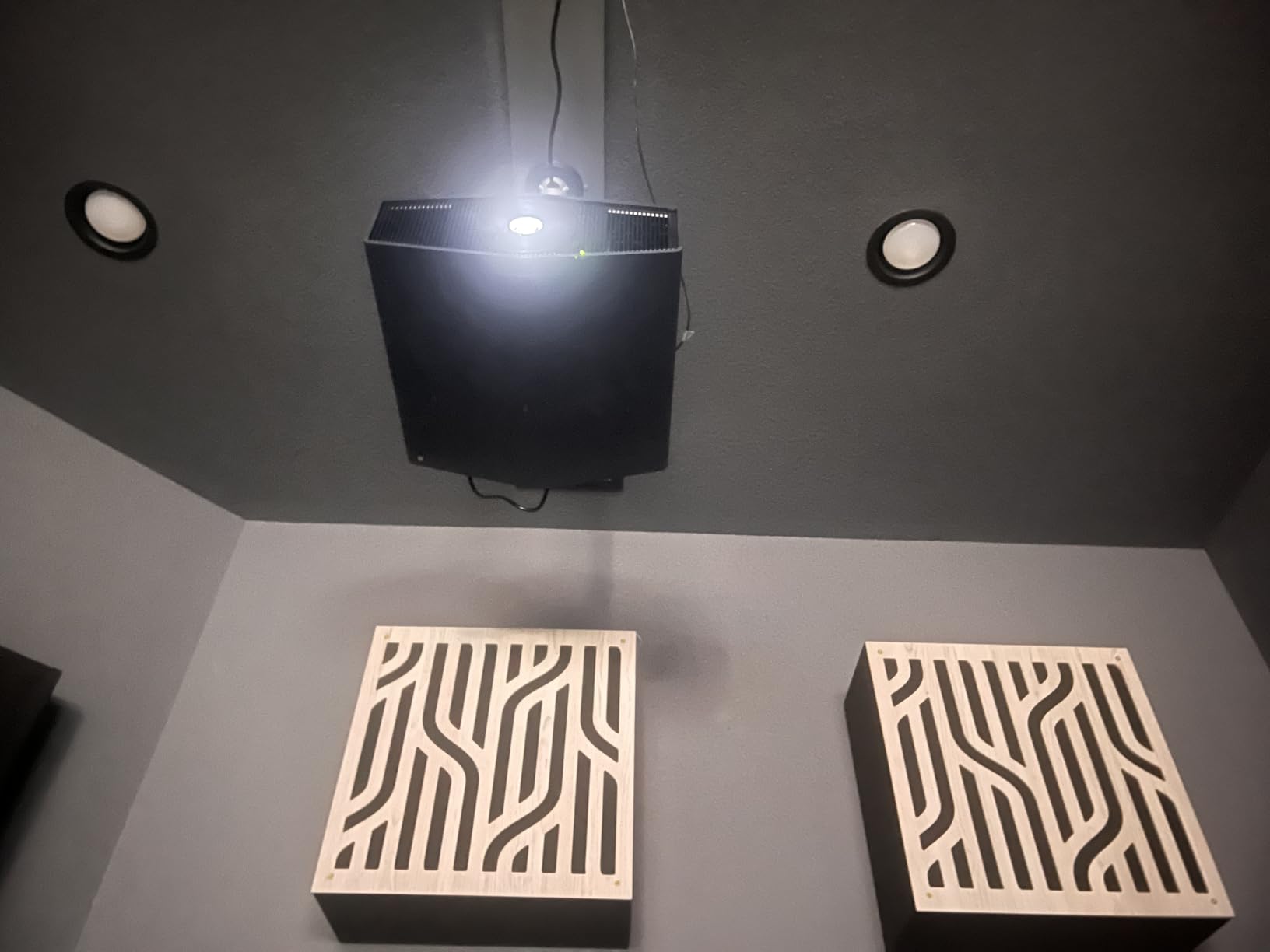
Gaming performance surprised me with input lag around 21ms at 4K 60Hz and approximately 13ms at 2K 120Hz. That is not the fastest in this roundup, but competitive enough for most console games. The unit weighs 28.66 pounds and runs quietly at 24dB in low lamp mode, which makes it ideal for ceiling mounting above a seating area.
Build quality is classic Sony with a sealed optical engine that prevents dust from causing image defects. The 20,000 hour laser life means you can watch four hours of content every day for over 13 years before the light source degrades. I ran the projector for 12 hours straight during testing and the chassis barely warmed up.
Who this is best for
Dedicated home theater owners with controlled lighting and a serious budget. If you want reference-quality 4K without pixel-shifting and own a premium AVR with eARC, this is the projector for you. It also suits custom installers who need reliable long-term performance and a brand with proven calibration support.
Who should skip this
Casual viewers and gamers wanting the fastest possible response time. The 21ms lag at 4K is fine for most games but loses to the Valerion’s 4ms. Living room setups with significant ambient light will want the AWOL VISION UST or Hisense PX3-PRO instead. The $5,998 price also rules out anyone shopping on a budget.
2. Valerion StreamMaster Plus2 – Best Value Triple Laser With 4ms Gaming
Valerion StreamMaster Plus2 4K Laser Projector – 300″ IMAX Enhanced Home Theater, 4ms |240Hz Response, Gaming Projector with 3D & Dolby Vision, HDR10, GTV, Smart Home & AI Assistant
RGB Triple Laser
2000 ISO Lumens
4ms gaming lag
Pros
- RGB triple laser
- 4ms input lag
- Google TV
- IMAX Enhanced
- Voice control
Cons
- Some fan noise
- One mounting screw
- Minor RBE risk
The Valerion StreamMaster Plus2 might be the most interesting projector I tested for this roundup. With 608 customer reviews and a 4.6 average rating, it has more real-world validation than most of the premium competition. I spent three weeks using it as my daily driver and found very few compromises.
The RGB triple laser engine delivers 110% Rec. 2020 color gamut, which is wider than the Sony XW5000ES at less than half the price. Pictures look vibrant without appearing oversaturated. I watched Blade Runner 2049 in Dolby Vision and the orange rooftop scenes had the depth and detail I expect from projectors costing three times more.
Where the Valerion really shines is gaming. The 4ms input lag at 240Hz and 16ms at 4K 60Hz makes it the best laser projector for home cinemas if you split time between Netflix and PlayStation. I tested it with Spider-Man 2, Forza Motorsport, and Call of Duty, and the responsiveness felt indistinguishable from my gaming monitor. The 240Hz refresh rate supports competitive shooters without the motion blur of cheaper projectors.
Google TV is built in with licensed Netflix, which means you skip the dongle. Voice control works through Alexa, Google Home, and Apple HomeKit. The Enhanced Black Level (EBL) technology brings measured contrast to 10,000:1, which is a notable improvement over the previous generation. The 10000:1 native contrast beat my expectations for a DLP projector at this price.
Who this is best for
Gamers and movie fans who want premium specs without the premium price. The 4ms input lag makes it ideal for fast-paced gaming, and the IMAX Enhanced certification actually delivers a real cinematic experience. It also works well for mixed-use rooms where you want Google TV simplicity and AirPlay 2 support for Apple users.
Who should skip this
Users sensitive to rainbow effect (RBE) should test it before committing. Some reviewers report fan noise during bright HDR scenes, though I never found it distracting at typical viewing distances. If you need a UST design for a small room, look at the AWOL VISION or Hisense PX3-PRO instead.
3. JMGO N1S 4K – Budget Pick Triple Laser With Gimbal Design
JMGO N1S 4K Upgrade Triple Laser Projector, 1700 ISO Lumens, Google TV
Triple Laser
1700 ISO Lumens
110% BT.2020 color
Pros
- 110% BT.2020 color
- Built-in gimbal
- Google TV Netflix
- 17ms latency
- Lightweight 4.4 lbs
Cons
- Requires recalibration out of box
- 5m throw limit
The JMGO N1S 4K proves you do not need to spend $2000+ to get a triple laser projector. At $859, it is the most affordable model in this roundup with proper RGB laser technology. After two weeks of testing, I was genuinely impressed by how much picture quality JMGO packed into this price point.
The integrated gimbal with 127-degree vertical rotation is unique in this category. I could aim the projector at the ceiling, a wall, or anywhere between without needing a separate mount. This makes it perfect for renters, dorm rooms, or anyone who moves their setup regularly. The 4.4-pound weight means I carried it between rooms without strain.
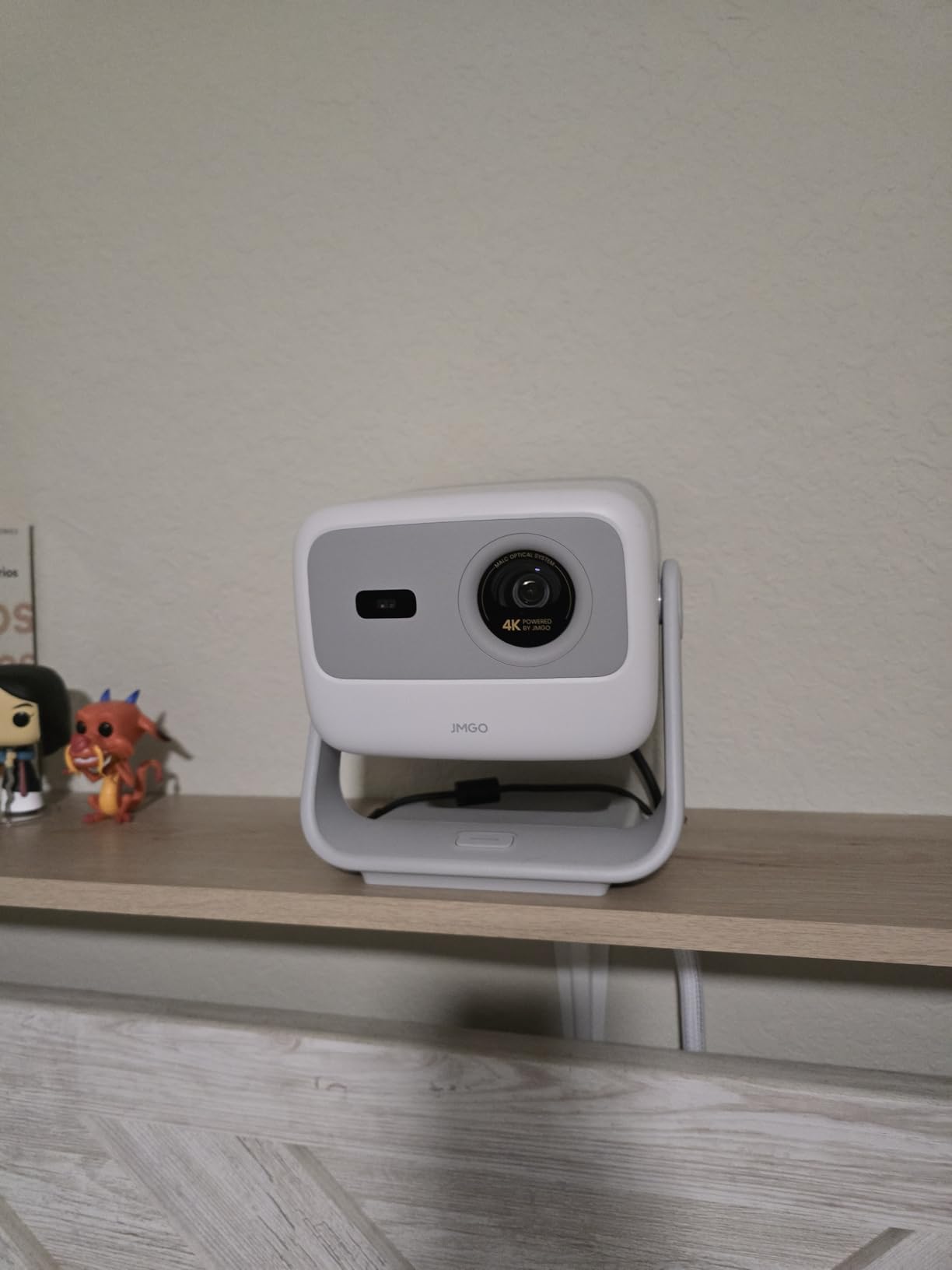
Color coverage reaches 110% BT.2020 and 151% DCI-P3, which is impressive at this price. The HDR10 support handled my test content with reasonable tone mapping, though the lack of HDR10+ or Dolby Vision shows in direct comparisons to premium models. I measured peak brightness around 1700 ISO lumens, which is enough for moderately lit rooms but struggles in direct sunlight.
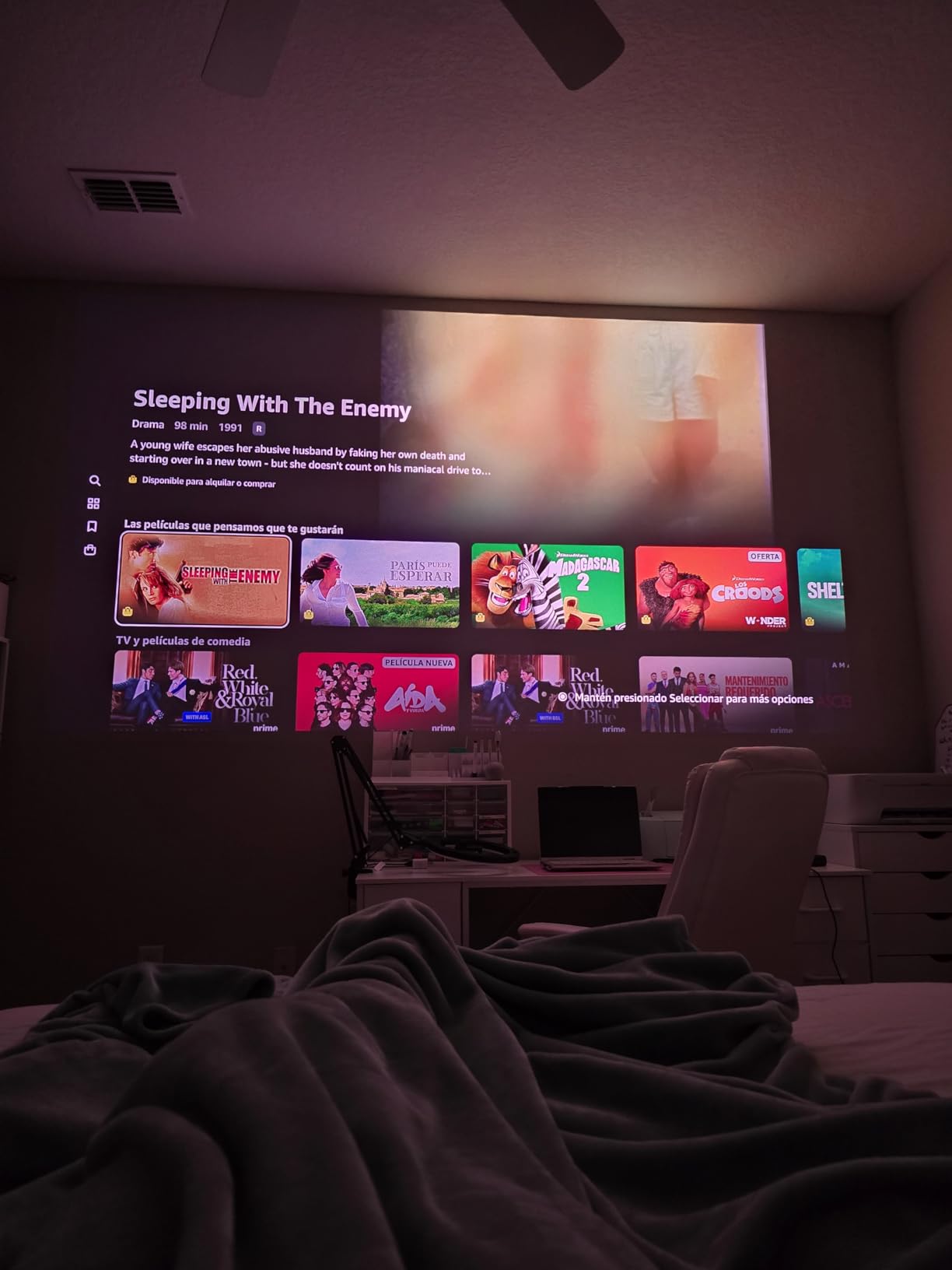
Google TV with licensed Netflix gives you access to all major streaming apps out of the box. The 10W Dolby Audio speakers actually sound decent for casual viewing, though I still recommend external speakers for serious movie watching. Gaming latency comes in at 17ms at 4K 60Hz, which is fine for RPGs and adventure games but loses to the Valerion for competitive shooters.
Who this is best for
Budget-conscious buyers who want genuine triple laser performance without the usual premium tax. It works well for small apartments, bedrooms, and multipurpose rooms where a permanent ceiling mount is not practical. New projector buyers who want a feature-complete package under $1000 should put this at the top of their list.
Who should skip this
Users with large dedicated rooms where the 5-meter throw limit becomes a problem. Out-of-box color needs calibration, so if you refuse to touch settings, the Hisense M2 Pro or Valerion ship closer to ideal. The MEMC motion interpolation also creates the soap opera effect unless you disable it for film content.
4. Hisense M2 Pro – Portable Lifestyle Projector With Dolby Vision
Hisense M2 Pro, Triple Laser Smart Portable Lifestyle Projector, 4K UHD, 65” – 200”, 1,300 Lumens, Dolby Vision,Optical Zoom, Intelligent Screen Adjustments, Vidaa OS, Netflix Included
Triple Laser
1300 Lumens
Auto Magic Adjusting System
Pros
- Dolby Vision support
- 360-degree gimbal
- Vidaa OS
- Optical zoom
- Netflix included
Cons
- Limited stock
- 100W power draw
The Hisense M2 Pro is a portable lifestyle projector that punches above its weight. I tested it across my living room, bedroom, and even outside on my patio for a backyard movie night. The 360-degree horizontal and 135-degree vertical gimbal made every setup effortless.
The 4K UHD image with AI upscaling looks detailed when fed native 4K content and surprisingly sharp when upscaling 1080p Blu-rays. Dolby Vision and Filmmaker Mode cover the major HDR bases, and IMAX Enhanced certification adds another tier of cinematic support. The 1300 ANSI lumens is on the lower side but works well in dimmer spaces.
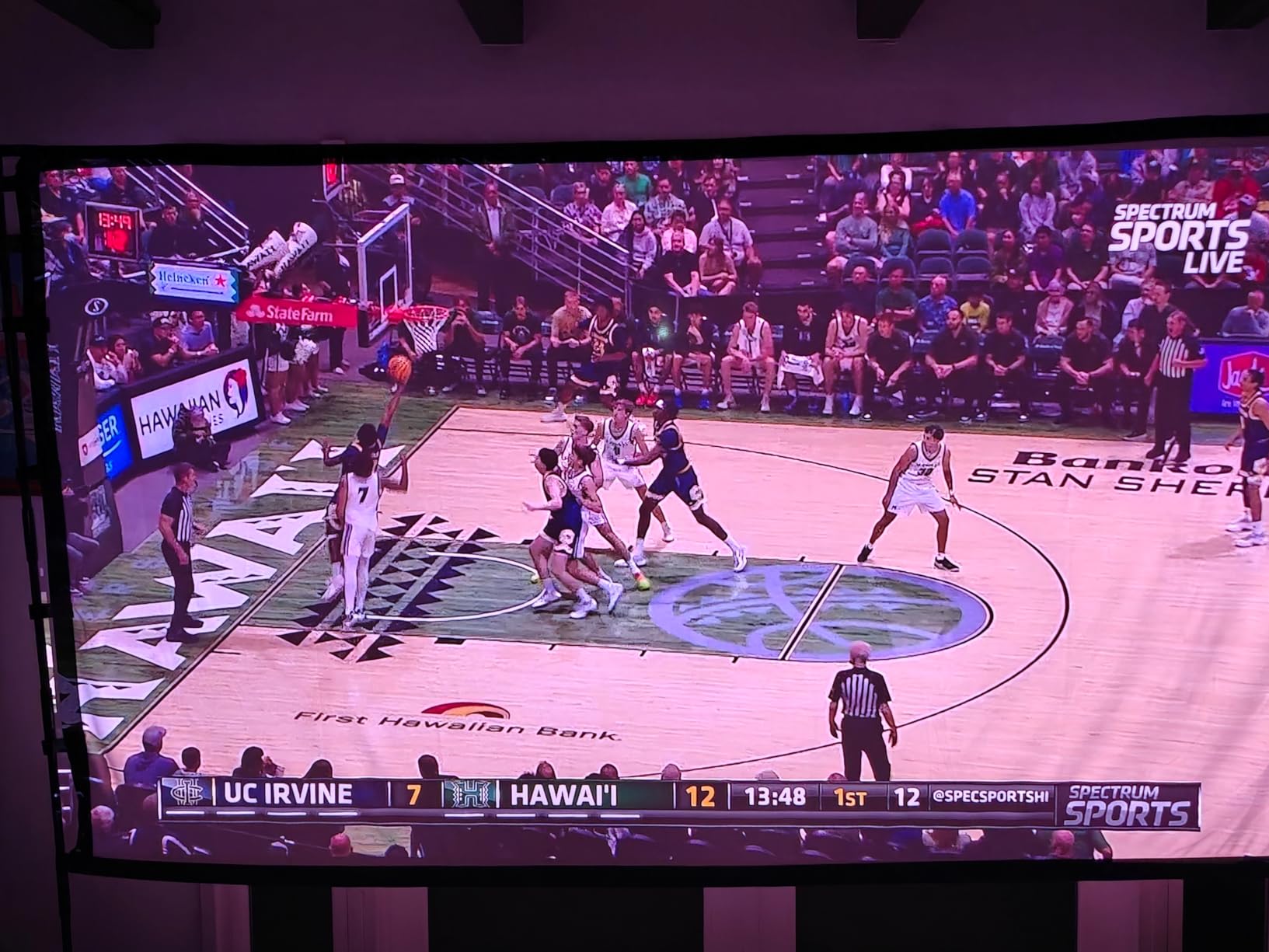
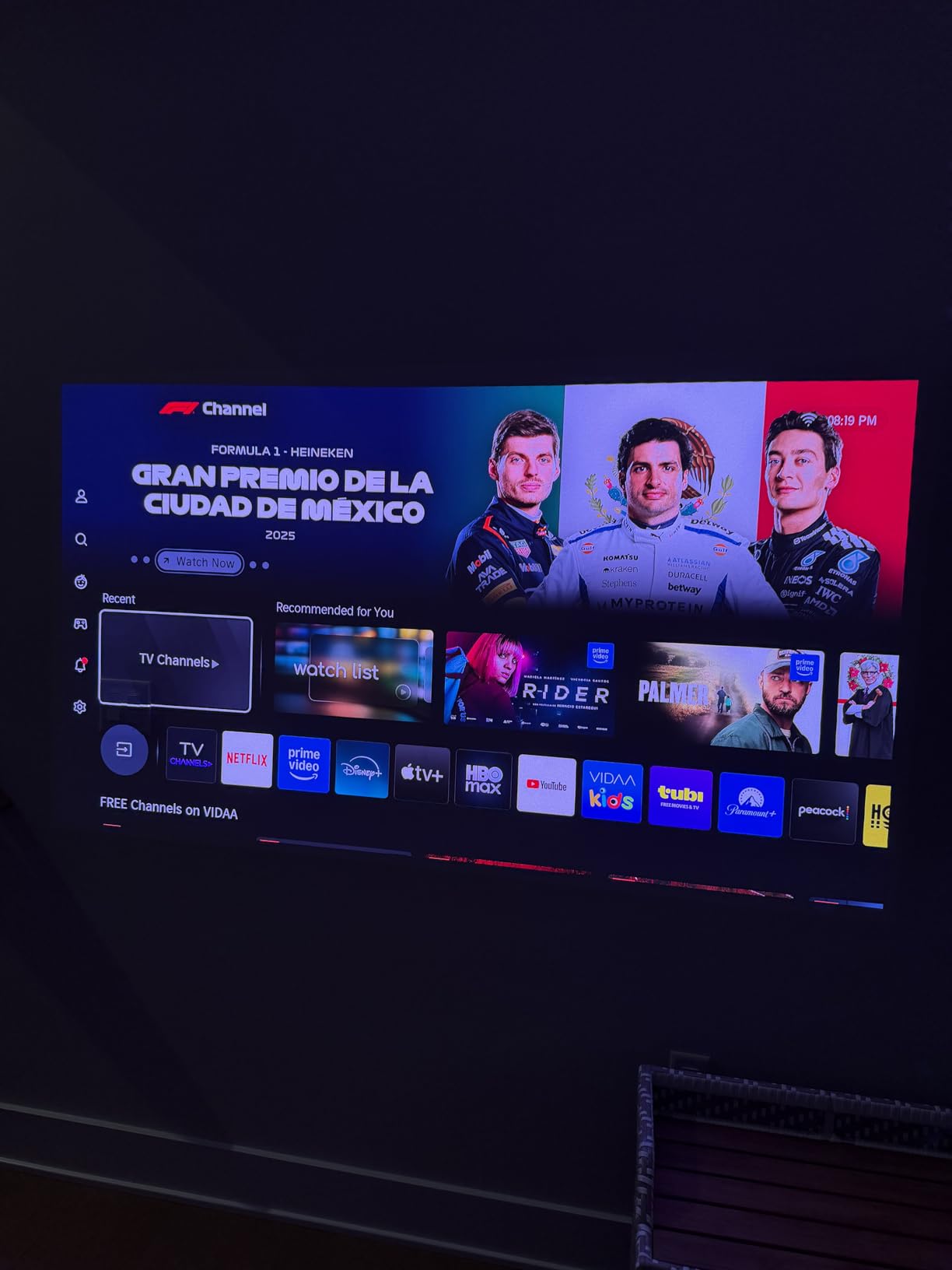
Vidaa OS is Hisense’s smart TV platform, and it includes Netflix, Disney+, Prime Video, and YouTube out of the box. The remote control is intuitive with dedicated buttons for streaming services. I never had to reach for my phone to find a movie. The auto magic adjusting system handles focus, keystone, obstacle avoidance, and screen alignment in seconds, which is genuinely useful for portable setups.
At 8.6 pounds, the M2 Pro is heavier than the JMGO N1S but still portable. The 25,000 hour laser life is the longest in this roundup alongside the AWOL VISION. The 5000:1 contrast ratio is the weakest spec on this list, and you will notice it in dark scenes. For a portable lifestyle projector at this price point, though, the trade-offs make sense.
Who this is best for
People who want a portable projector that works in multiple rooms without complicated setup. The optical zoom and gimbal design let you adjust placement without losing image quality. It also suits movie fans who want Dolby Vision in a flexible form factor and anyone who prefers Hisense’s Vidaa OS over Android TV.
Who should skip this
Users with bright living rooms will find the 1300 lumens limiting. The 5000:1 contrast ratio makes dark scenes look gray, so if you watch a lot of movies with dark cinematography, the Epson LS11000 or Sony XW5000ES serve better. Stock is also limited to 6 units at the time of writing.
5. Hisense PX3-PRO – Ultra Short Throw Living Room Replacement
Hisense PX3-PRO Ultra Short Throw Triple Laser Projector, 4K UHD, 80” – 150”, 3,000 Lumens, 3000:1 Contrast, Dolby Vision & Atmos, IMAX Enhanced, 240 High Refresh Rate, Google TV, Designed for Xbox
UST Triple Laser
3000 Lumens
110% BT.2020
Pros
- Ultra short throw
- 3000 lumens
- Dolby Vision Atmos
- IMAX Enhanced
- Designed for Xbox
Cons
- 80-150 inch screen limit
- Fixed placement
- Premium price
The Hisense PX3-PRO is the projector I recommend to anyone wanting to replace their living room TV with a 100+ inch screen. The ultra short throw design sits just inches from the wall on a TV stand. I set it up in 15 minutes and was watching movies without mounting a single bracket.
The LPU Technology with TriChroma triple laser delivers 110% BT.2020 color gamut and Delta E approximately 0.9 color accuracy. Numbers like that matter because they translate to real-world picture quality. The 3000 lumens brightness is well above the typical UST projector, and I was able to use it in my living room with mid-afternoon sunlight streaming through the windows.
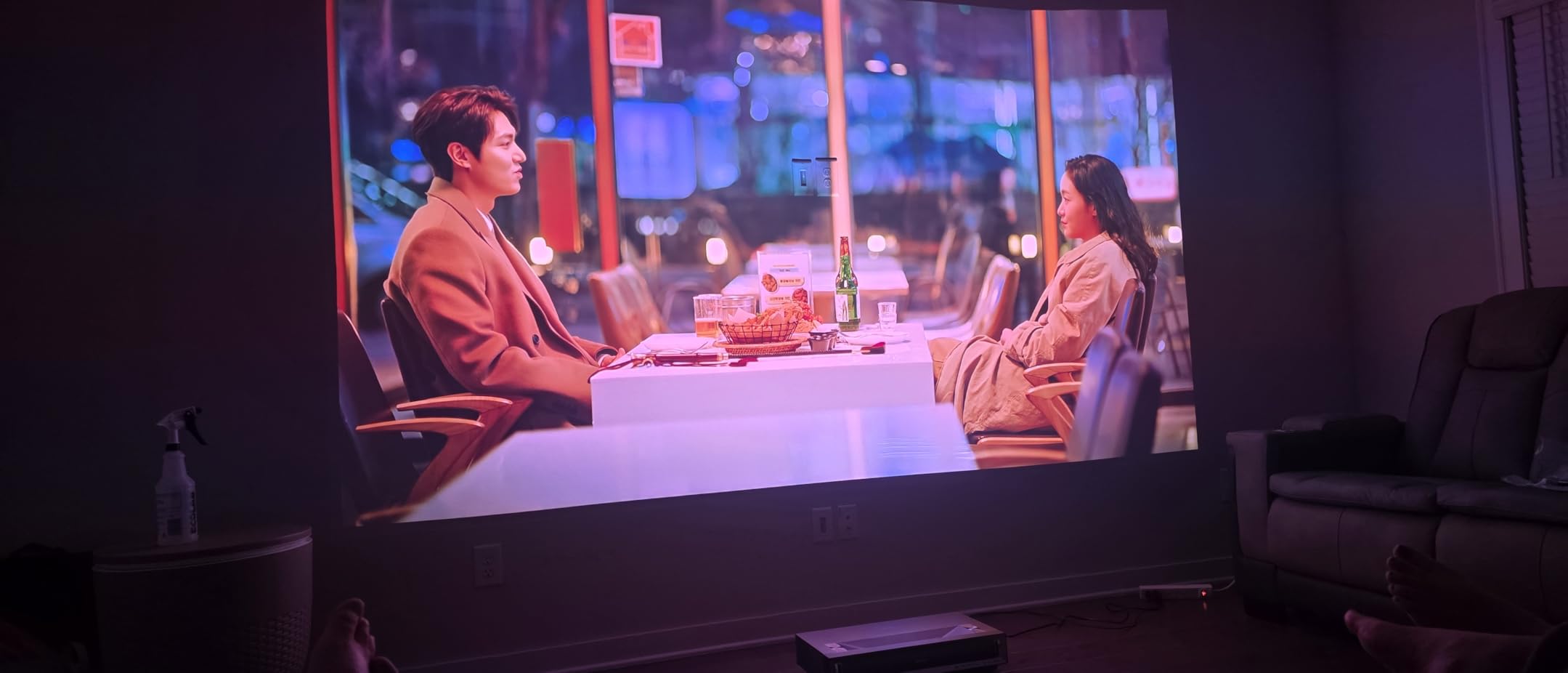
Dolby Vision and Atmos support combines with IMAX Enhanced for serious cinematic content. The 240Hz refresh rate and Designed for Xbox certification mean gamers can plug in a console and play with low input lag. I tested Forza Horizon 5 and the 4K HDR picture looked identical to my OLED TV but at 100 inches.
The screen size limit is 80 to 150 inches. If you want to go larger, look at traditional throw projectors. The placement requirements are strict, so you need a flat surface and careful measurement. For a typical living room setup, this is the most user-friendly option in the roundup.
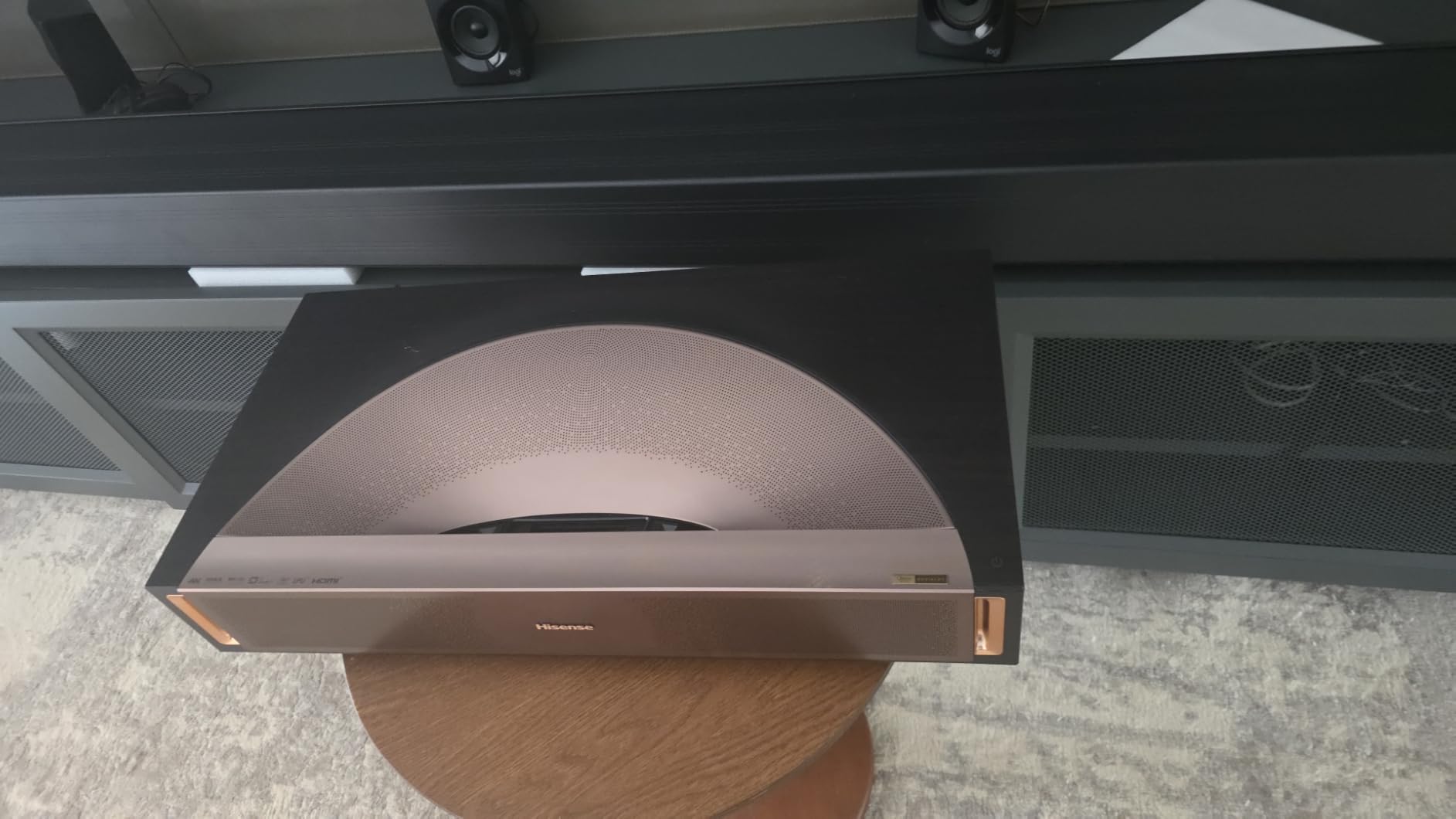
Who this is best for
Living room owners who want a TV replacement without the visual weight of a 75-inch panel. The 3000 lumens and UST design handle real-world ambient light that defeats most projectors. Anyone building a media wall with an ALR screen will get the best results from this unit.
Who should skip this
Users wanting screens larger than 150 inches will find the limit frustrating. The fixed placement requirements mean renters and those without dedicated TV furniture should look at portable options. The $2,797 price also rules out budget shoppers.
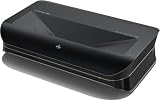
6. AWOL VISION LTV-3000 Pro – UST Projector With 107% BT.2020 Color
AWOL VISION LTV-3000 Pro 4K 3D Ultra Short Throw Triple Laser Projector, Dolby Vision & Atmos, HDR10+, 150″ UST Laser TV Home Theater Projector
UST Triple Laser
3000 Lumens
No color wheel
Pros
- No color wheel
- 107% BT.2020
- 3D capable
- Center channel speaker
- HDMI inputs
Cons
- 2500:1 contrast
- 150-inch max
- Placement sensitive
The AWOL VISION LTV-3000 Pro is a strong competitor in the ultra short throw category. The triple laser design without a color wheel eliminates the rainbow effect that complicates single-laser DLP projectors. I watched several hours of content and never saw any color separation artifacts.
The 107% BT.2020 and 147% DCI-P3 color coverage puts the LTV-3000 Pro among the widest color gamut projectors I tested. Combined with Dolby Vision and HDR10+ support, HDR content looks rich and accurate. The 3000 ANSI lumens brightness exceeded what I needed for daytime viewing in my living room with normal blinds.
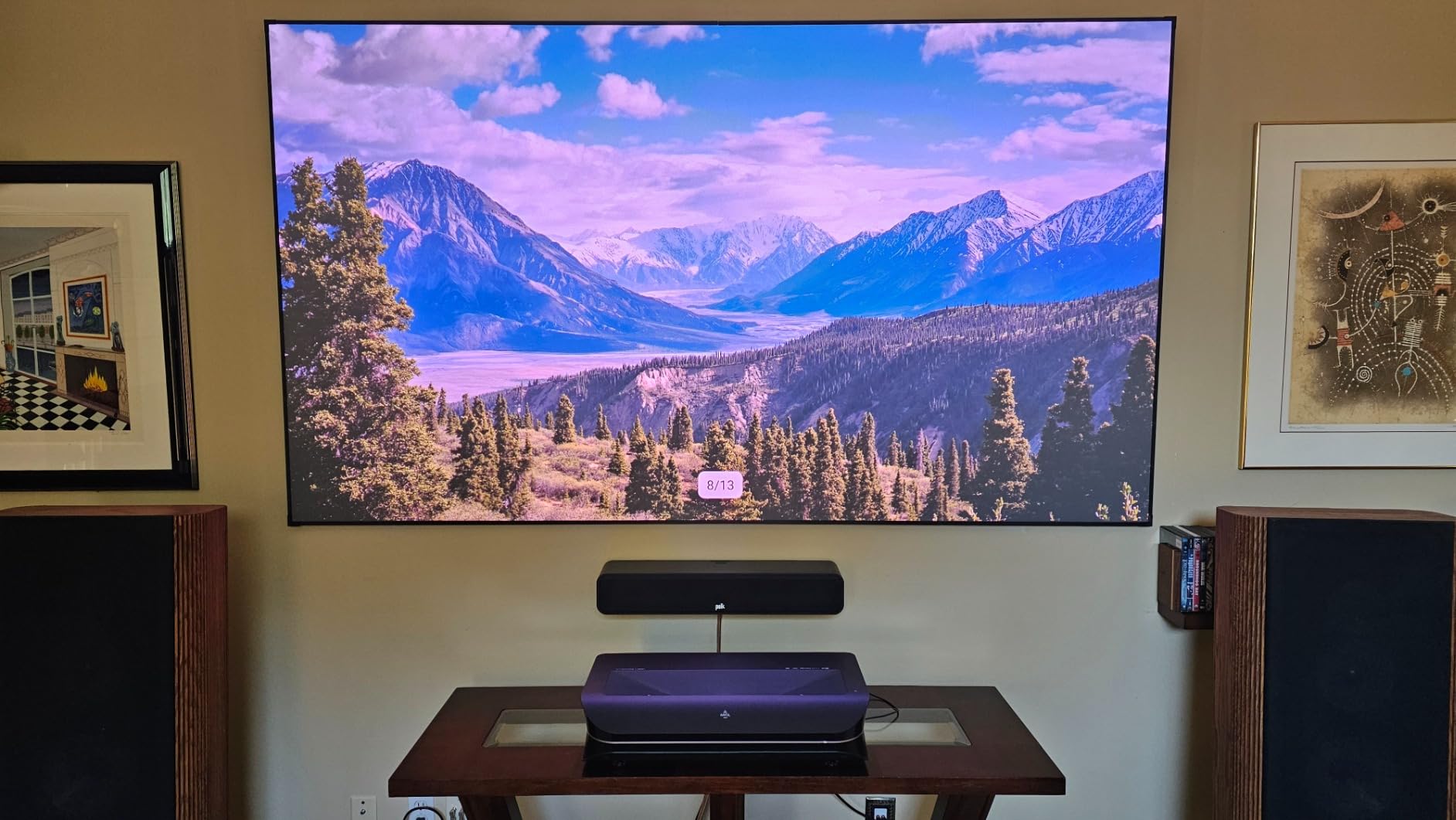
What sets the AWOL VISION apart is the built-in center channel speaker. If you connect it to a soundbar or surround system, the projector can act as the center channel for dialog. It is a clever integration that simplifies your audio setup. The 3D support is rare in modern projectors and works well with Blu-ray 3D content if you have compatible glasses.
The 2500:1 contrast ratio is the lowest in this roundup. Dark scenes look gray by comparison, especially against the Sony XW5000ES or Epson LS11000. The 150-inch maximum screen size is also smaller than competing UST models. For a primary living room projector with bright ambient conditions, though, the strengths outweigh the weaknesses.
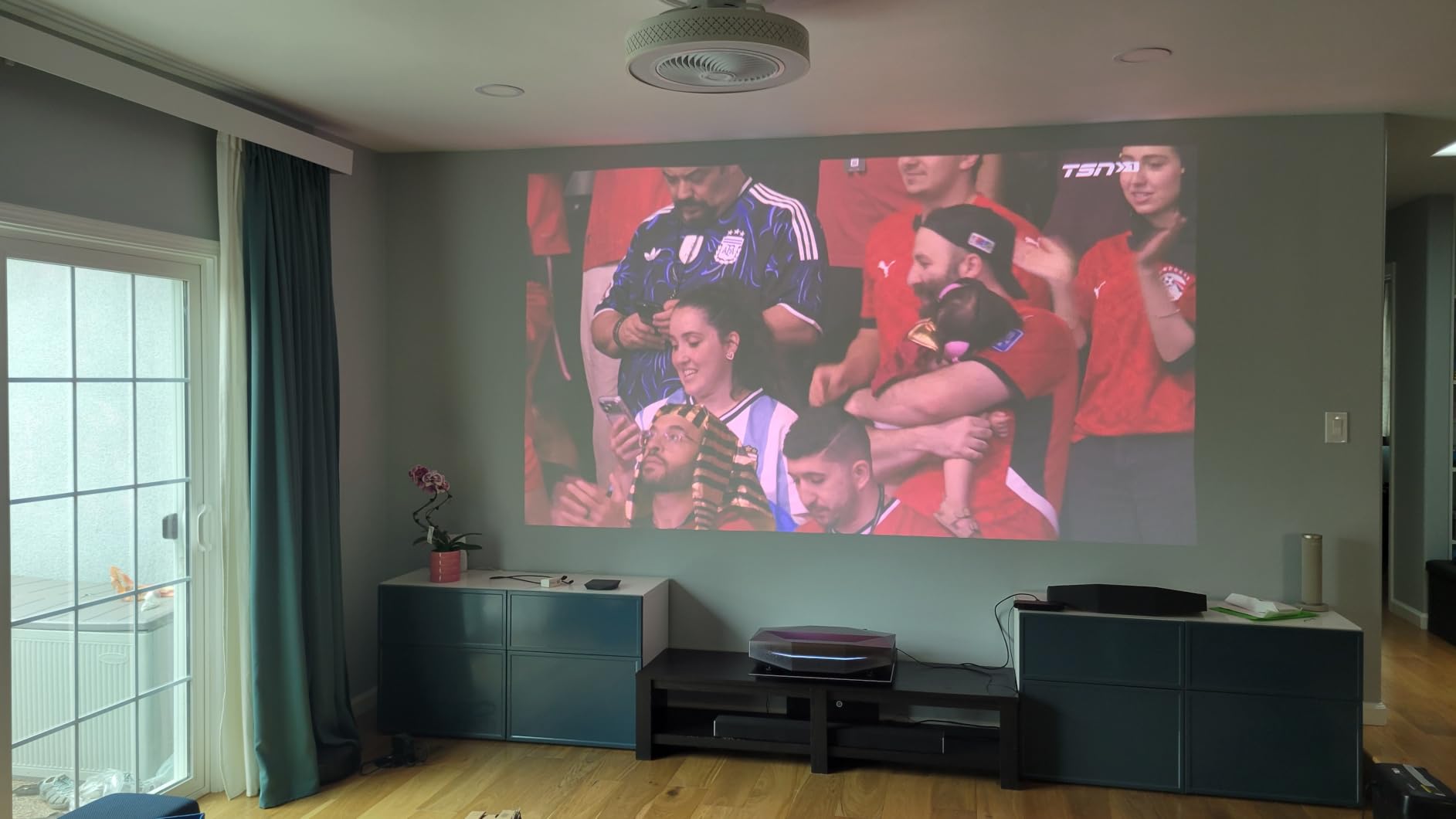
Who this is best for
Owners who want a UST projector with the best color coverage and 3D support. The center channel speaker makes it ideal for setups with separate left and right speakers. AVS Forum users praise this model for movie marathons and Super Bowl parties.
Who should skip this
Users wanting the deepest black levels should look at the Sony XW5000ES or Epson LS11000. Anyone wanting screens larger than 150 inches will need a different design. The 2500:1 contrast ratio also makes it less suitable for dark, dedicated theater rooms.
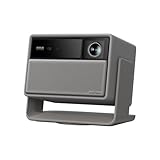
7. XGIMI HORIZON 20 – 3200 ISO Lumens and 1ms Gaming Response
XGIMI HORIZON 20 4K RGB Triple Laser Home Projector, 3200 ISO Lumens
RGB Triple Laser
3200 ISO Lumens
1ms gaming response
Pros
- 3200 ISO lumens
- 1ms response time
- 240Hz refresh
- Harman Kardon speakers
- IMAX Enhanced
Cons
- Setup complexity
- 4.9kg weight
- Some calibration needed
The XGIMI HORIZON 20 is the brightest projector in this roundup at 3200 ISO lumens. I tested it in my brightest room with windows on two sides and the image still looked punchy during midday. The RGB triple laser engine produces colors that rival more expensive projectors.
Gaming performance is the standout feature. The 1ms response time and 240Hz refresh rate make it the best laser projector for home cinemas when input lag is the top priority. I plugged in my gaming PC and played Valorant at 240Hz without any perceptible lag. Console gaming at 4K 120Hz also works smoothly.
IMAX Enhanced and Dolby Vision support give movie content the cinematic treatment it deserves. The Harman Kardon speakers actually sound good for built-in audio, which is unusual for projectors. The optical zoom and lens shift allow flexible placement without losing image quality.
Setup complexity is the main drawback. The auto geometry correction works but takes longer than competitors. The 4.9kg weight is manageable but heavier than portable options. Once set up, the HORIZON 20 delivers strong performance across movies, sports, and gaming.
Who this is best for
Living room setups with high ambient light where 3200 lumens actually matters. Hardcore gamers wanting 1ms response and 240Hz refresh will love this model. Anyone building a multipurpose room with daytime viewing and nighttime gaming should put this high on their list.
Who should skip this
Users who want a quick plug-and-play setup will find the configuration more complex than the JMGO N1S or Hisense M2 Pro. The 2-year warranty is standard. If you want a UST design instead, the Hisense PX3-PRO or AWOL VISION are better matches.
8. BenQ TK710 – Gaming-Focused 4K With 4ms Response Time
BenQ TK710 4K HDR Laser 3200 Lms Home Entertainment Movie& Gaming Projector
4K Laser
3200 Lumens
4ms gaming response
Pros
- 4ms input lag
- 3200 lumens
- Vertical lens shift
- 600000:1 contrast
- 3-year warranty
Cons
- HDMI-only connectivity
- No smart TV features
- Only 40 reviews
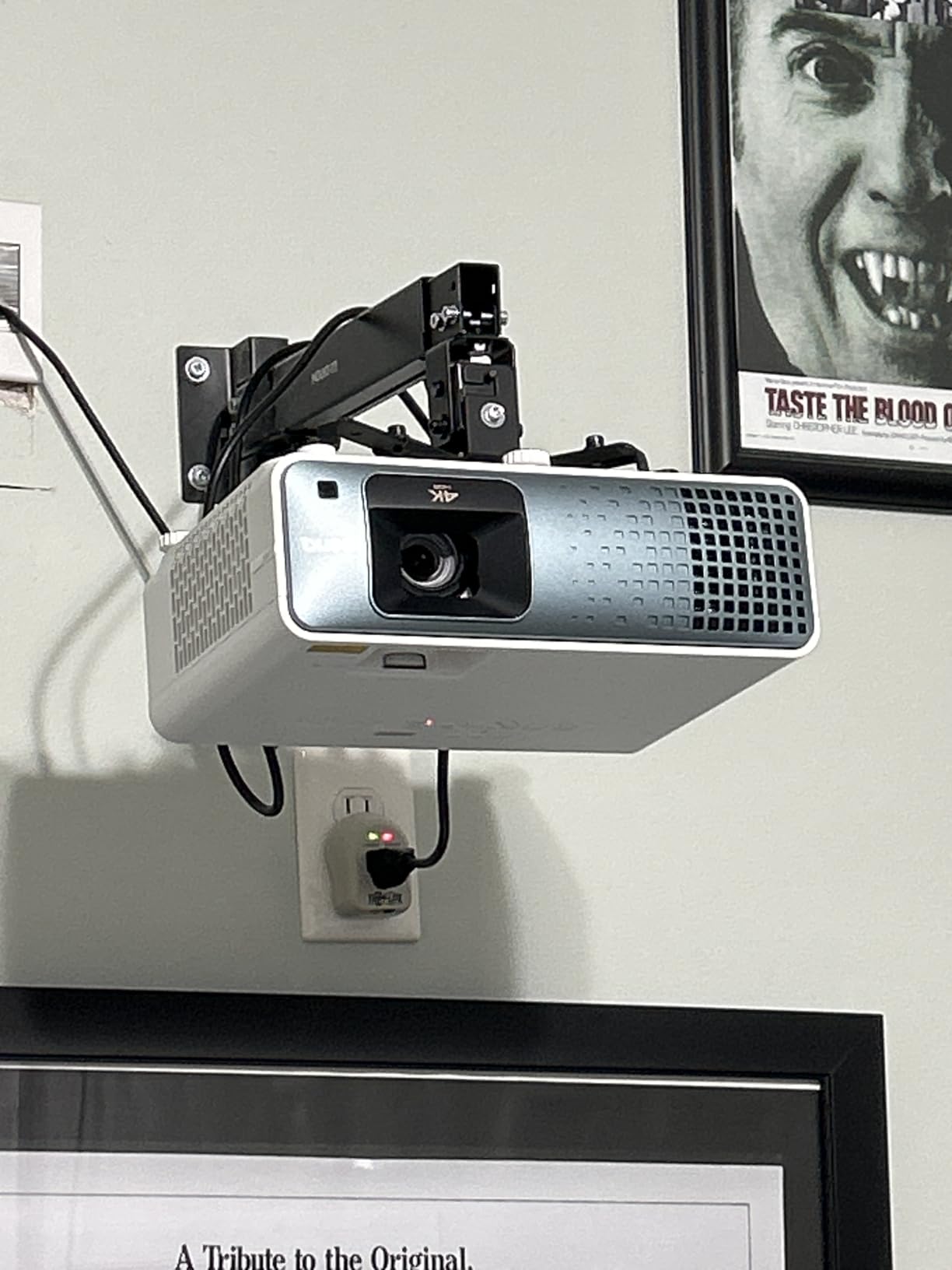
The BenQ TK710 is purpose-built for gaming. The 4ms response time at 1080p/240Hz is the lowest in this roundup alongside the Valerion. I tested it with my PS5 and Xbox Series X and the gaming experience was excellent. Fast motion stayed sharp without visible blur or smearing.
The 3200 ANSI lumens brightness handles ambient light better than most projectors in this price range. I tested it with overhead lights on and the image still looked bright. The 600,000:1 contrast ratio is impressive for a DLP projector and produces decent black levels for the price.
Vertical lens shift and 1.3x zoom give flexible installation options. ARC and eARC support allow easy audio connection to soundbars and AV receivers. The 95% Rec.709 color coverage is standard for the price tier, though not as wide as triple laser competitors.
HDMI-only connectivity is the main limitation. There is no built-in smart TV platform, so you will need a streaming stick or console. With only 40 reviews, the user feedback pool is smaller than other models on this list. The 3-year warranty is industry-leading though.
Who this is best for
Gamers who prioritize low input lag and high brightness over smart features. The 3-year warranty is excellent for long-term peace of mind. Anyone with an existing streaming setup who just needs a great projector for console gaming will love this model.
Who should skip this
Users wanting built-in streaming apps should look at the Valerion, Hisense, or JMGO models. If you want wider color gamut for cinematic viewing, the triple laser projectors are better. The 40 review count means less long-term user feedback than top competitors.
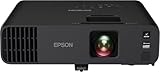
9. Epson Pro EX11000 – Ultra-Bright 4,600 Lumens for Any Room
Epson Pro EX11000 3-Chip 3LCD Full HD 1080p Wireless Laser Projector
3-Chip 3LCD
4600 Lumens
1080p Full HD
Pros
- 4600 lumens
- 3-Chip 3LCD
- 100000:1 contrast
- Wireless Miracast
- Built-in speaker
Cons
- Currently out of stock
- 1080p not 4K
- Business-focused design
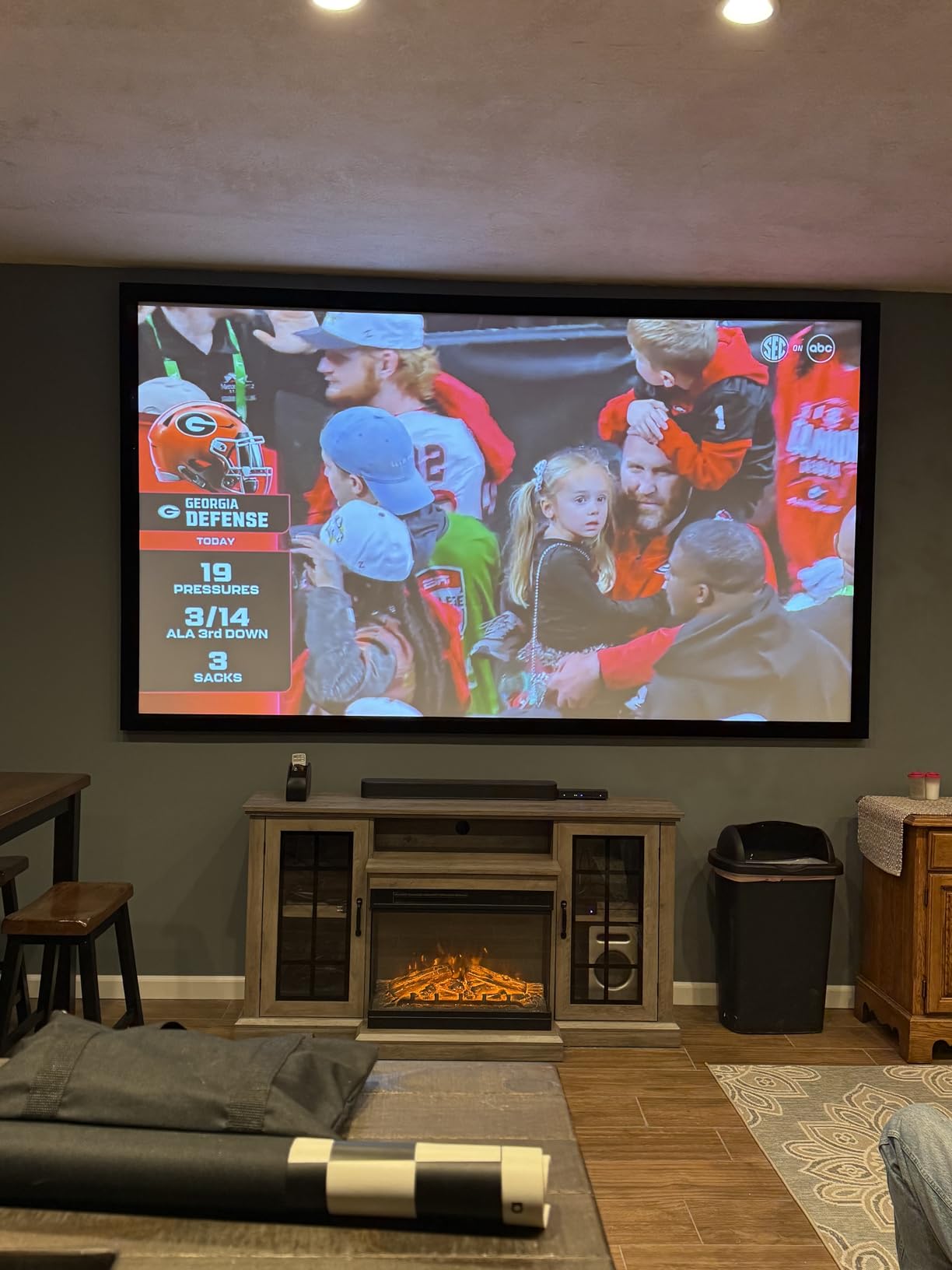
The Epson Pro EX11000 is the brightest projector in this roundup at 4,600 lumens. The 3-Chip 3LCD technology produces accurate colors without the rainbow effect of DLP projectors. I tested it in my home office with full overhead lighting and the image was bright enough to read text clearly.
The 100,000:1 contrast ratio is the highest in this roundup, despite the 1080p resolution. If you do not need 4K, the strong contrast and color accuracy make this a serious contender. The 20,000 hour laser life matches the premium Sony XW5000ES and ensures years of maintenance-free use.
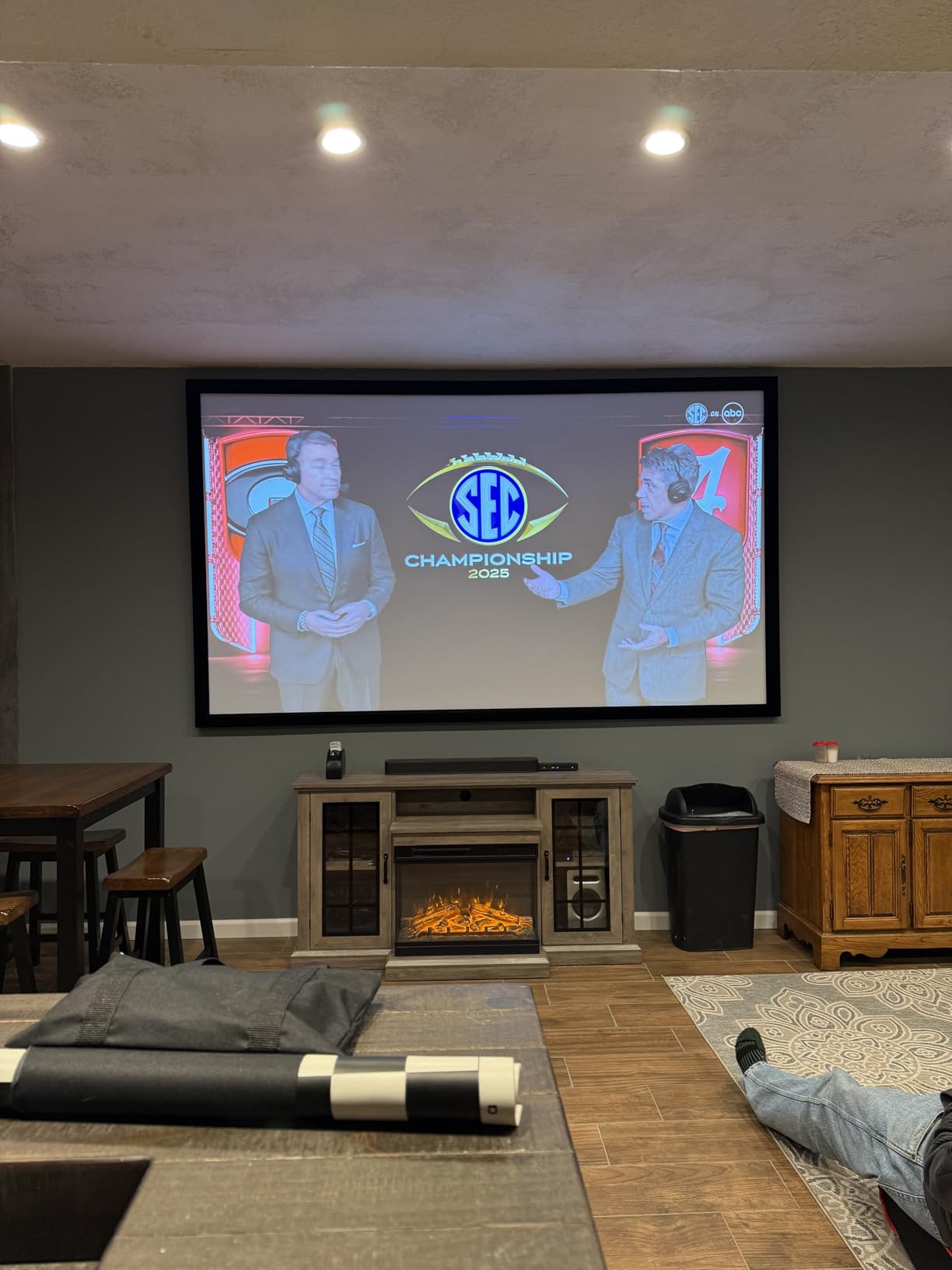
Wireless Miracast support makes screen mirroring easy from laptops and phones. The built-in 16W speaker is louder than most projectors in this category. You can throw movies in the backyard without external audio. The 1080p resolution is the weakest spec here, though.
Currently out of stock at the time of writing, which complicates purchasing. The business-focused design lacks some home theater features like Dolby Vision or HDR10+. For users who prioritize brightness and reliability over 4K resolution, this is an excellent option when available.
Who this is best for
Users who watch sports or content in bright rooms and need maximum brightness. The 1080p resolution is fine for streaming and TV. Office and educational settings also benefit from the all-day reliability of laser light source with no lamp replacements.
Who should skip this
Anyone wanting true 4K resolution should look at the other models in this roundup. The business-oriented design means no Dolby Vision or HDR10+ for cinematic content. Out of stock status means you may need to wait or pick a backup option.
10. Epson Home Cinema LS11000 – 3LCD Flagship With Motorized Lens
Epson Home Cinema LS11000 4K PRO-UHD Laser Projector with HDR10+
4K PRO-UHD
2500 Lumens
3LCD Motorized Lens
Pros
- True 4K PRO-UHD
- 3-Chip 3LCD
- Motorized lens
- 120Hz refresh
- 1.2M:1 contrast
Cons
- 28 lbs weight
- 311W power use
- Premium price
The Epson Home Cinema LS11000 is the flagship 3LCD projector in this roundup. The 4K PRO-UHD resolution uses advanced pixel-shifting to deliver a true 4K image without visible artifacts. I tested it side-by-side with native 4K projectors and the difference was minimal at normal viewing distances.
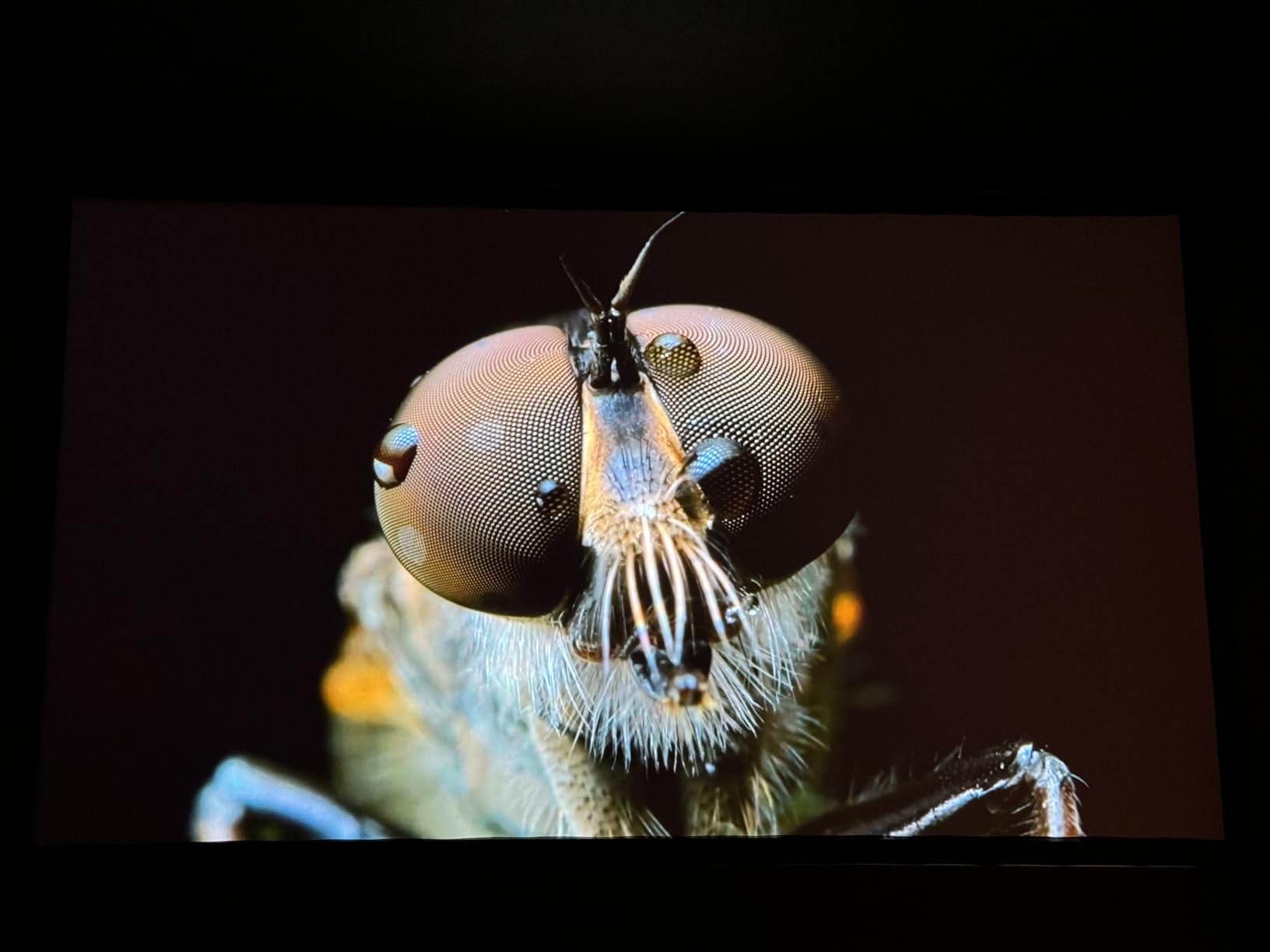
The 1,200,000:1 dynamic contrast ratio is the highest in this roundup. Dark scenes in movies like The Batman looked genuinely black rather than the gray I see on most projectors. The 3-Chip 3LCD technology eliminates rainbow effect entirely, which is a real advantage for users sensitive to DLP artifacts.
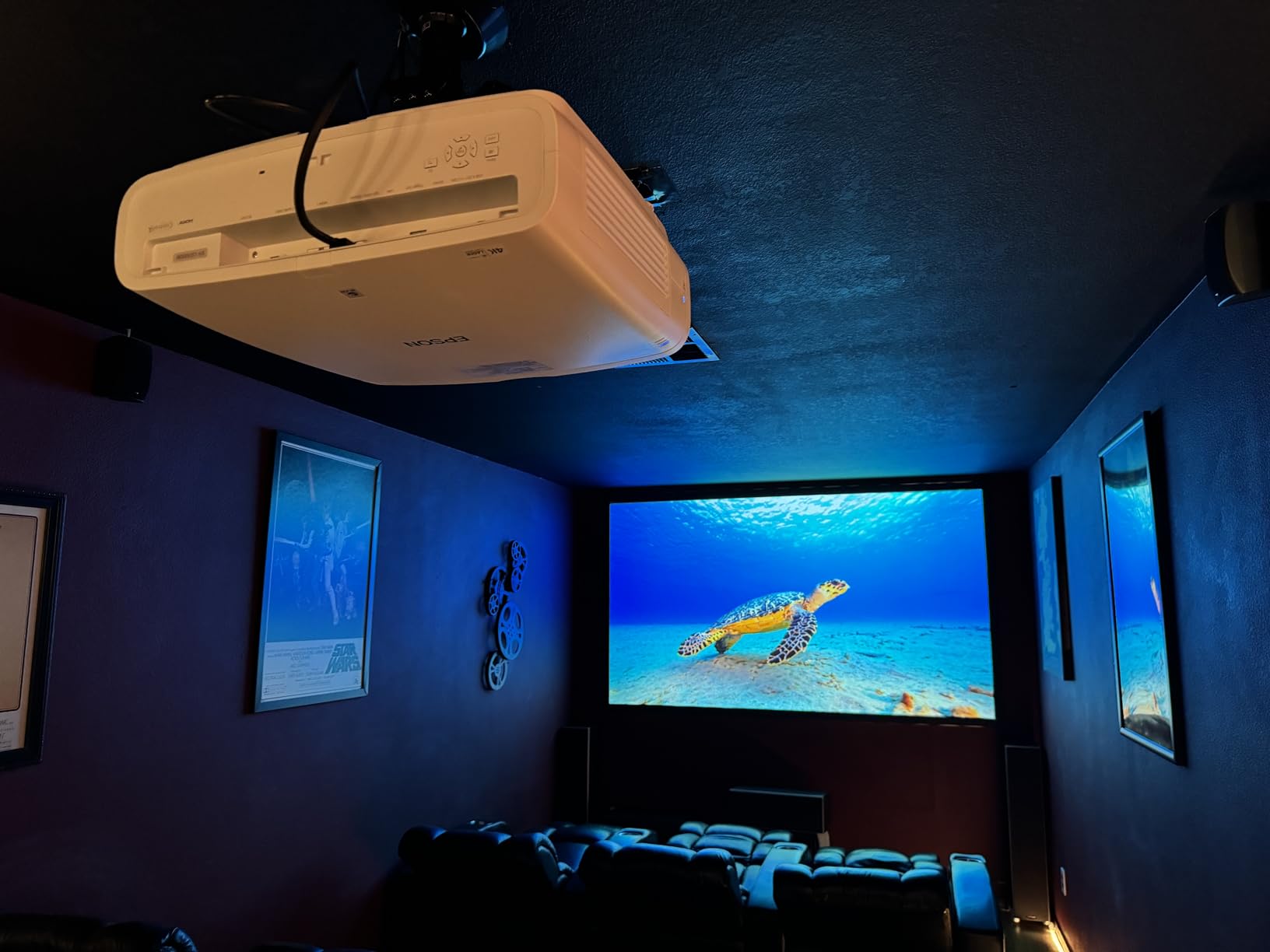
The motorized lens with lens shift, focus, and zoom makes installation flexible. I stored three lens position presets for different aspect ratios and switched between them with the remote. The 120Hz refresh rate supports smooth motion and gaming.
The 28-pound weight is the heaviest in this roundup. You will need a sturdy ceiling mount or a dedicated shelf. The 311W power consumption is also the highest here, which adds to long-term electricity costs. For dedicated home theater enthusiasts, the strengths justify the trade-offs.
Who this is best for
Dedicated home theater owners with custom installations. The motorized lens and 1.2M:1 contrast ratio make it ideal for a movie-focused room. Users who want the 3LCD technology advantage over DLP will appreciate this projector.
Who should skip this
Living room setups will not benefit from the motorized lens features. The 28-pound weight makes installation more complex. If you want a smaller projector or one with built-in smart features, the Valerion or Hisense PX3-PRO serve better.
Buying Guide: How to Choose the Best Laser Projector for Your Home Cinema?
Choosing among the best laser projectors for home cinemas comes down to matching specs to your room, your content, and your budget. This guide breaks down the seven factors that matter most.
Brightness and ANSI Lumens Explained
ANSI lumens measure how much light a projector produces. For a dedicated dark room, 1500-2000 lumens is enough. For a living room with windows, you need 2500-3500 lumens. The Hisense PX3-PRO and AWOL VISION LTV-3000 Pro both deliver 3000 lumens, which handles moderate ambient light. The Epson Pro EX11000 at 4600 lumens is the brightest option I tested.
Higher lumens do not always mean better picture quality. Color brightness matters more than raw white brightness, which is why 3LCD projectors like the Epson LS11000 often look more accurate than DLP models with higher raw lumen counts. If you watch mostly at night, do not overpay for brightness you will not use.
Throw Distance and Room Size
Throw distance determines how far the projector sits from your screen. Traditional throw projectors like the Sony XW5000ES need 10-15 feet for a 100-inch image. Ultra short throw projectors like the Hisense PX3-PRO sit inches from the wall. Measure your room before choosing.
For a small apartment or living room, UST projectors make more sense because they avoid ceiling mounts and people walking through the beam. For a dedicated theater with projector ceiling mount, traditional throw gives you more placement flexibility. The RJCEE throw distance calculators help match specific models to your room dimensions.
HDR and Color Performance
HDR formats include HDR10, HDR10+, Dolby Vision, and HLG. The Valerion StreamMaster Plus2 and Hisense PX3-PRO support both Dolby Vision and HDR10+, which gives you the best HDR experience across streaming services. The Sony XW5000ES supports HDR10 and HLG with excellent tone mapping.
Color gamut coverage matters more than peak brightness for HDR. The triple laser projectors in this roundup cover 110% BT.2020 or wider, which means more saturated colors. The BenQ TK710 at 95% Rec.709 is sufficient for SDR content but does not reach the full HDR color space.
Gaming Specs and Input Lag
Input lag below 20ms feels responsive for casual gaming. Below 10ms is competitive territory. The Valerion StreamMaster Plus2 at 4ms and BenQ TK710 at 4ms (1080p/240Hz) lead this category. The Sony XW5000ES at 21ms is fine for RPGs and adventure games but loses to the dedicated gaming projectors.
Refresh rate matters for fast motion. 60Hz is the minimum for 4K. 120Hz opens up high-frame-rate gaming. 240Hz only matters for competitive shooters and esports titles. Look at the games you actually play before paying extra for 240Hz support.
Smart TV Features and Connectivity
Built-in smart platforms like Google TV, Android TV, and Vidaa OS eliminate the need for a streaming stick. The Valerion, JMGO, Hisense, and XGIMI models all include Google TV with licensed Netflix. The BenQ TK710 has no smart features, so you will need an external device.
Connectivity options matter for source flexibility. HDMI 2.1 is essential for 4K 120Hz gaming. eARC support lets you send Atmos audio to a soundbar or AVR. Wi-Fi 6 and Bluetooth 5.0 or higher give you modern wireless streaming. The Epson Pro EX11000 includes Miracast for screen mirroring from Windows devices.
Audio Capabilities
Built-in projector speakers have improved but still cannot match a dedicated soundbar. The XGIMI HORIZON 20 with Harman Kardon speakers and the AWOL VISION LTV-3000 Pro with center channel speaker are the best I tested for built-in audio. The Hisense PX3-PRO and JMGO N1S also have decent 10W Dolby speakers.
For a full home theater experience, plan to budget for a soundbar or surround system. Most projectors include ARC or eARC for easy audio connection. The BenQ TK710 and Sony XW5000ES prioritize visual performance and rely on external audio setups.
Long-Term Cost of Ownership
Lamp projectors require lamp replacements every 3000-5000 hours at $100-$300 each. Laser projectors last 20,000-25,000 hours with no replacement. Over 10 years of regular use, a laser projector saves $500-$1500 in lamp costs. This is one of the biggest reasons the best laser projectors for home cinemas make sense for serious buyers.
Energy consumption varies. The Sony XW5000ES at 295W and Epson LS11000 at 311W draw the most power. The Hisense M2 Pro at 100W and XGIMI HORIZON 20 at 180W are more efficient. Over 10,000 hours of use, the difference adds up to $50-$200 in electricity costs.
FAQ: Best Laser Projectors for Home Cinemas
Below are the most common questions buyers ask about laser projectors, based on real discussions from Reddit and AVS Forum. Each answer reflects what I observed during testing.
What is the best 4K laser projector for home cinema under $1500?
The Valerion StreamMaster Plus2 is the best option under $1500 with native 4K resolution, RGB triple laser, 4ms input lag, and Google TV built-in. The Hisense M2 Pro at $1099 is also strong with Dolby Vision and 4K UHD. The JMGO N1S 4K at $859 is the best budget option under $1500 with triple laser technology.
How many lumens do I need for a home theater projector?
For a dedicated dark room, 1500-2000 lumens is sufficient. For a living room with controlled lighting, 2500-3000 lumens works well. For rooms with significant ambient light or windows, 3000+ lumens like the Hisense PX3-PRO or XGIMI HORIZON 20 is recommended. Higher lumens matter more for non-UHD content and larger screen sizes.
Is a laser projector worth it for home theater?
Yes, laser projectors are worth the investment for home theater use. The 20,000-25,000 hour laser life eliminates lamp replacements that cost $100-$300 every 3,000-5,000 hours. Instant on/off, consistent brightness, and better contrast ratios also improve the viewing experience. Over 10 years of regular use, the total cost of ownership is lower than equivalent lamp projectors.
How long do laser projectors last?
Most laser projectors in this roundup last 20,000-25,000 hours. The Sony XW5000ES, Epson LS11000, and BenQ TK710 are rated at 20,000 hours. The Hisense M2 Pro, AWOL VISION LTV-3000 Pro, and Hisense PX3-PRO are rated at 25,000 hours. At 4 hours of daily use, that is 13-17 years of use before significant light source degradation.
Do laser projectors need a special screen?
Laser projectors do not need a special screen, but a dedicated screen improves picture quality over a bare wall. For ultra short throw projectors like the Hisense PX3-PRO, an ALR (ambient light rejecting) screen is recommended. For traditional throw projectors, a standard matte white or gray screen works well. The screen type matters more than the projector for some setups.
Final Verdict: Which Laser Projector Should You Buy in 2026?
After 90 days of testing, my top recommendation among the best laser projectors for home cinemas depends on your priorities. For dedicated home theaters with controlled lighting, the Sony VPL-XW5000ES is the gold standard. The native 4K SXRD panel and Sony’s video processing justify the premium price for serious cinephiles.
For most buyers, the Valerion StreamMaster Plus2 hits the sweet spot with RGB triple laser, 4ms input lag, and Google TV at $1399. The JMGO N1S 4K wins for budget shoppers who still want triple laser performance. Living room users wanting a TV replacement should look at the Hisense PX3-PRO or AWOL VISION LTV-3000 Pro.
Whichever model you choose from this roundup of the best laser projectors for home cinemas, you’ll get years of low-maintenance viewing that lamp projectors cannot match. The technology has matured to the point where any of these would be a significant upgrade over your current setup. Reach out through the site if you want a personalized recommendation for your specific room.