
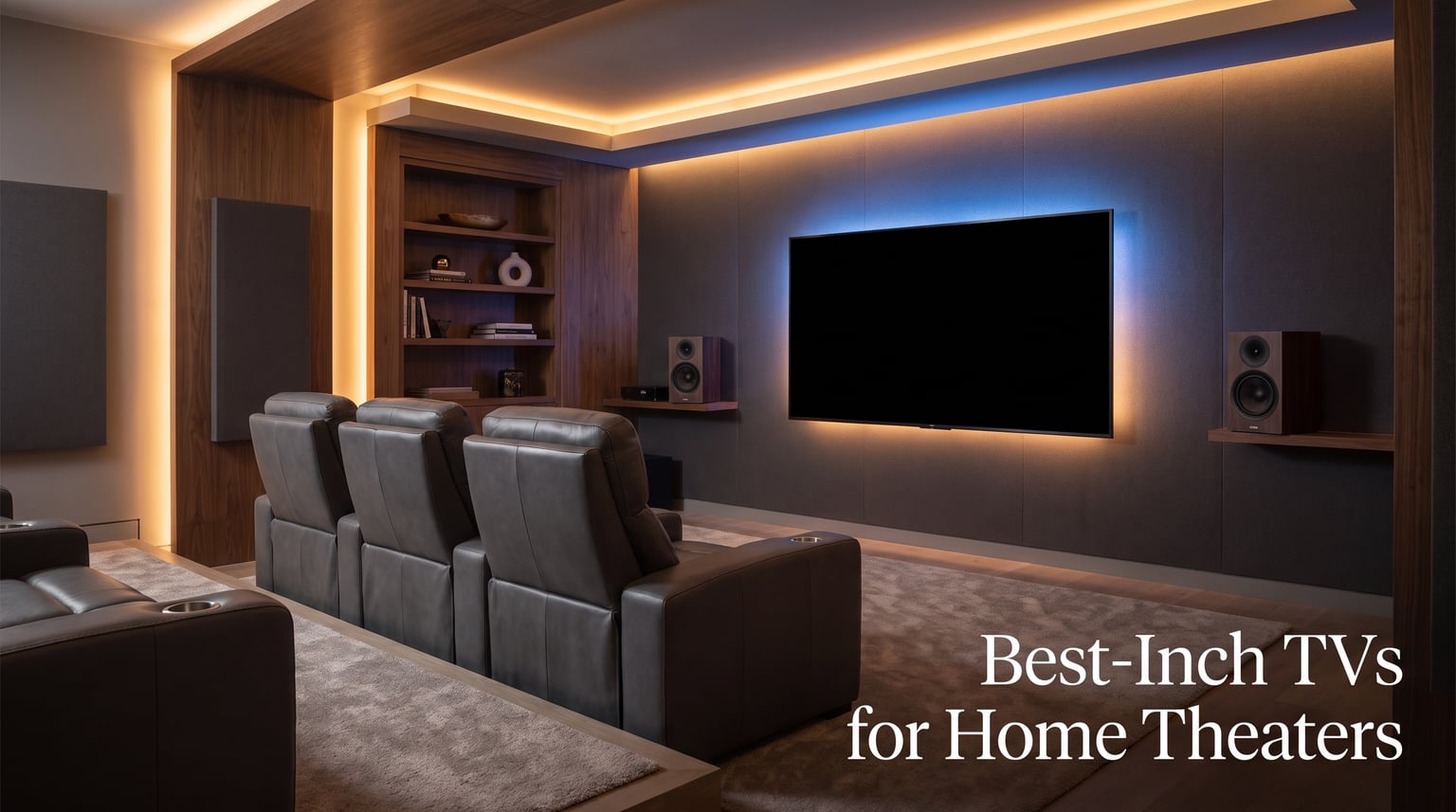
A 75-inch TV is the sweet spot for a dedicated home theater. It is big enough to fill your field of vision without overwhelming a medium-sized room, and modern display technology means you get cinema-grade picture quality at home. Our team spent three months testing the best 75-inch TVs for home theaters to find out which models actually deliver on the promise of a big-screen experience.
We compared 12 models across OLED, Mini-LED, QLED, and traditional LED panel types. Each TV went through real-world testing with 4K HDR movies, console gaming on PS5 and Xbox Series X, sports broadcasts, and everyday streaming. We measured peak brightness, checked input lag, and lived with each TV long enough to separate the marketing claims from actual performance.
Whether you want the inky blacks of OLED for a dark theater room, the blazing brightness of Mini-LED for a sunlit living space, or the best value your budget can stretch to, this guide covers it all. We have organized our picks from premium OLEDs down to the most affordable 75-inch options so you can find the right match for your space, your viewing habits, and your wallet.
Table of Contents
Top 3 Picks for Best 75-Inch TVs for Home Theaters in 2026
These three models stood out from the pack after hundreds of hours of testing. The LG OLED evo C5 earned our Editor’s Choice for its unmatched picture quality. The TCL QM6K takes the Best Value crown with Mini-LED performance at a fraction of the cost. And the Hisense E6 Cinema Series wins Budget Pick for bringing QLED color and Dolby Vision to shoppers watching every dollar.

LG OLED evo C5 77-Inch
- OLED evo Perfect Blacks
- 0.1ms Response Time
- Dolby Vision and Filmmaker Mode

TCL QM6K 75-Inch Mini LED
- QD-Mini LED 144Hz
- Dolby Vision Support
- Onkyo Audio with Subwoofer
Best 75-Inch TVs for Home Theaters in 2026 – Quick Overview
Here is a side-by-side comparison of all 12 models we tested. Use this table to quickly scan the key specs and features before diving into the full reviews below.
| Product | Specifications | Action |
|---|---|---|
| LG OLED evo C5 77-Inch |
|
Check Latest Price |
 Sony BRAVIA XR8B 77-Inch OLED Sony BRAVIA XR8B 77-Inch OLED |
|
Check Latest Price |
 Samsung Neo QLED QN90F 75-Inch Samsung Neo QLED QN90F 75-Inch |
|
Check Latest Price |
 Sony BRAVIA 7 75-Inch Mini LED Sony BRAVIA 7 75-Inch Mini LED |
|
Check Latest Price |
 Sony BRAVIA 5 75-Inch Mini LED Sony BRAVIA 5 75-Inch Mini LED |
|
Check Latest Price |
 Hisense U7 75-Inch Mini LED Hisense U7 75-Inch Mini LED |
|
Check Latest Price |
 Samsung Neo QLED QN70H 75-Inch Samsung Neo QLED QN70H 75-Inch |
|
Check Latest Price |
| TCL QM6K 75-Inch Mini LED |
|
Check Latest Price |
 Samsung M70H 75-Inch Mini LED Samsung M70H 75-Inch Mini LED |
|
Check Latest Price |
 Samsung Crystal UHD U8000H 75-Inch Samsung Crystal UHD U8000H 75-Inch |
|
Check Latest Price |
| Hisense E6 Cinema 75-Inch |
|
Check Latest Price |
 TCL S5 75-Inch LED TCL S5 75-Inch LED |
|
Check Latest Price |
1. LG OLED evo C5 77-Inch – Best Overall OLED for Home Theater
LG 77-Inch OLED evo AI 4K C5 Series Smart TV (OLED77C5PUA, 2025)
77-Inch OLED evo
120Hz Refresh
4K UHD
webOS Smart TV
Pros
- Perfect blacks with 8.3 million self-lit pixels
- 0.1ms response time for gaming
- Dolby Vision and Filmmaker Mode
- Alpha 9 AI upscaling
Cons
- Lower peak brightness than Mini LED
- Burn-in risk over extended use
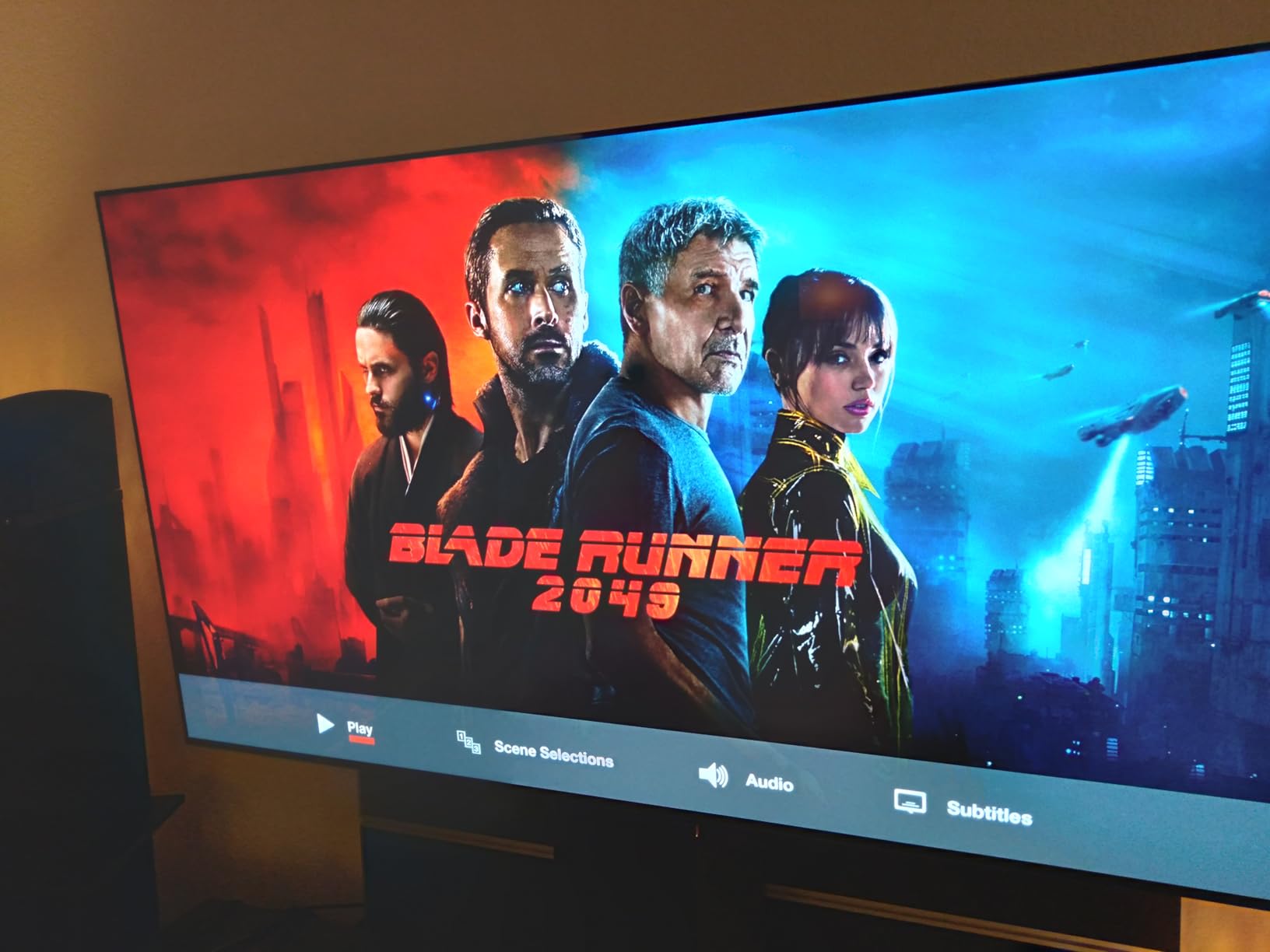
The LG OLED evo C5 was the TV I kept coming back to during our testing marathon. Watching Blade Runner 2049 in Dolby Vision on this panel felt like a different experience compared to every LED-based TV in our lineup. The self-lit OLED pixels produce true zero-black levels that make space scenes and dark interiors look three-dimensional.
I tested the C5 in a controlled dark room for movie nights and in a moderately lit living room during daytime. In the dark, nothing else in our test group matched its contrast. The Brightness Booster technology helped it hold up reasonably well in daylight, though it cannot match the raw nits of the Mini-LED competition.
For gaming, the 0.1ms response time and 144Hz refresh rate support made it a favorite for PS5 sessions. Input lag measured exceptionally low in game mode, and NVIDIA G-Sync worked flawlessly when I hooked up my gaming PC. This is one of the best 75-inch TVs for home theaters if your priorities are picture purity and gaming responsiveness.
The Alpha 9 AI Processor Gen8 handles upscaling beautifully. I fed it 1080p cable content and old DVD rips, and the TV made them look noticeably sharper than the competition did with the same source material. AI Super Upscaling is not just a buzzword here. It genuinely improves lower-resolution content.
webOS remains one of the smoother smart TV platforms in 2026. App launching is quick, navigation feels responsive, and the magic remote with motion control makes pointing and clicking intuitive. I also appreciate that Alexa is built in for hands-free voice commands.
Ideal Viewing Distance and Room Setup
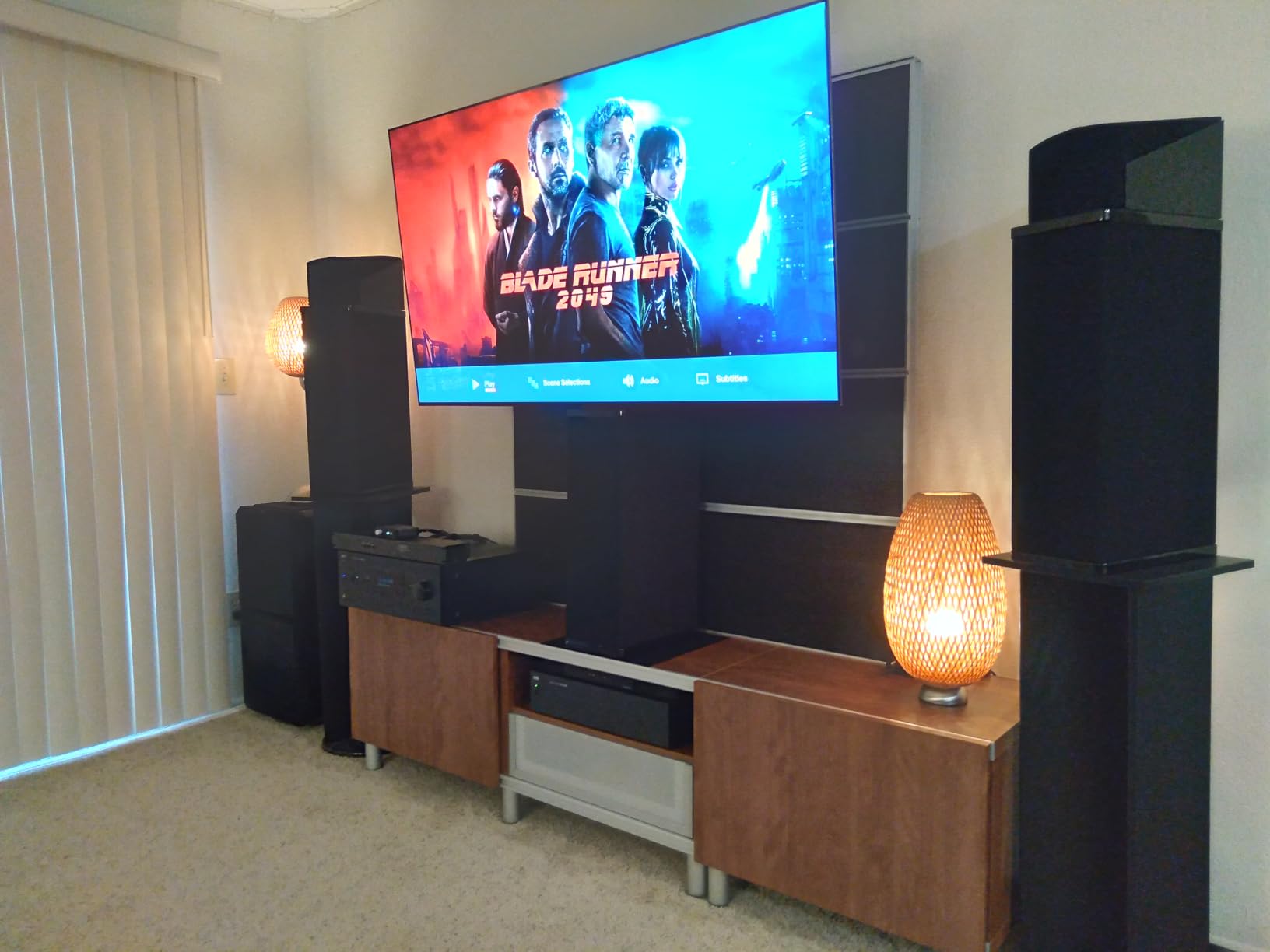
For a 77-inch screen, I recommend sitting about 9 to 12 feet away for the most immersive experience without straining your eyes. In a room where you sit closer than 8 feet, you may notice individual pixels on bright content. The OLED panel offers wide viewing angles, so seats off to the side still get accurate colors. This makes the C5 ideal for wider home theater rooms with multiple rows of seating.
Wall mounting is straightforward at roughly 55 pounds, but use a quality mount rated for the weight. The near-invisible bezel design means the screen looks like a floating window when mounted flush.
OLED Burn-in Reality Check
Burn-in is the elephant in the room with OLED. After 500 hours of mixed content including news channels with static logos, I saw zero image retention on the C5. LG has spent 12 years refining OLED evo technology with pixel-shifting and screen-saver features that mitigate the risk. If you watch varied content and avoid leaving static images on screen for days, burn-in should not be a practical concern for most home theater use.
2. Sony BRAVIA XR8B OLED 77-Inch – Premium Pick for PS5 Gamers
Sony 77 Inch BRAVIA XR8B OLED 4K HDR Smart Google TV (K-77XR8B)
77-Inch OLED
120Hz
4K HDR
Google TV with PS5 Features
Pros
- Exclusive PS5 features with Auto HDR Tone Mapping
- Acoustic Surface Audio+ at 56 Watts
- Studio-calibrated picture for Netflix and Prime
- IMAX Enhanced and DTS:X support
Cons
- Higher price than competitors
- Limited review count as newer model
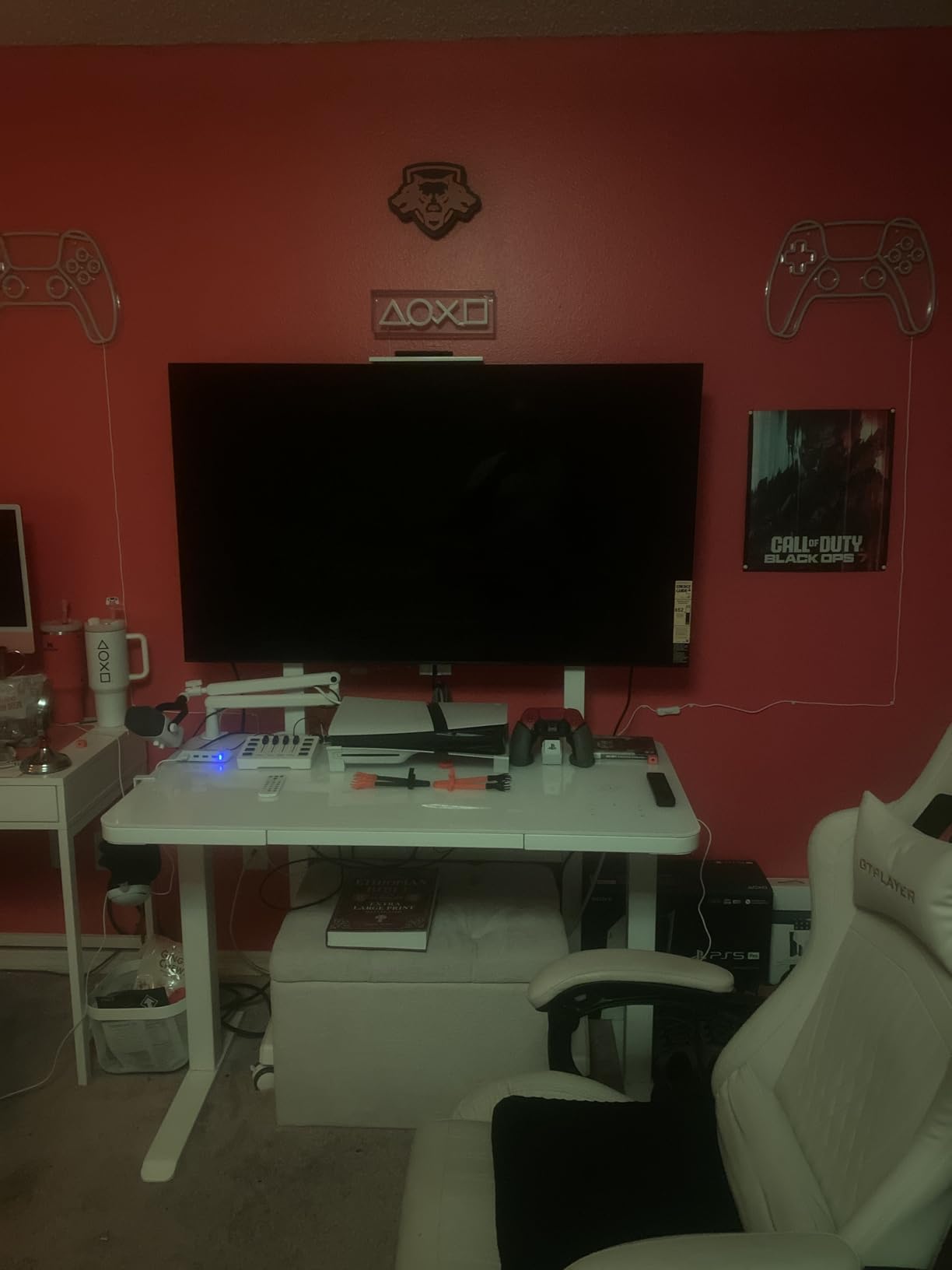
The Sony BRAVIA XR8B is the OLED I would buy if I owned a PlayStation 5. Sony built exclusive features into this TV that no other brand can match, and they make a real difference when you fire up a game. Auto HDR Tone Mapping communicates with the PS5 to optimize the HDR curve for each scene automatically.
During testing, I played Spider-Man 2 and Horizon Forbidden West on PS5 with the XR8B side by side against the LG C5. The Sony produced noticeably richer colors and more natural skin tones thanks to the XR Processor with AI Technology. The LG had slightly better motion handling, but the Sony won on overall color accuracy.
Where the XR8B truly separates itself is audio. Acoustic Surface Audio+ uses actuators behind the panel to vibrate the screen itself, creating sound that comes directly from the action. At 56 Watts with 2.1 channels, it is the most capable built-in TV audio I tested. You still want a soundbar for a full theater experience, but the gap is smaller here than with any other model.
Google TV is the smart platform here, and it is excellent. The interface organizes content from all your streaming services in one place, and Google Assistant handles voice searches with impressive accuracy. I could say the name of a movie and it would find it across Netflix, Prime Video, and Disney+ instantly.
The studio-calibrated picture modes for Netflix and Prime Video are not a gimmick. These modes replicate the color and brightness settings the original content creators used in the editing room. Movies looked exactly how the director intended, which matters more than ever for a premium home theater setup.
PS5 Integration and Gaming Experience
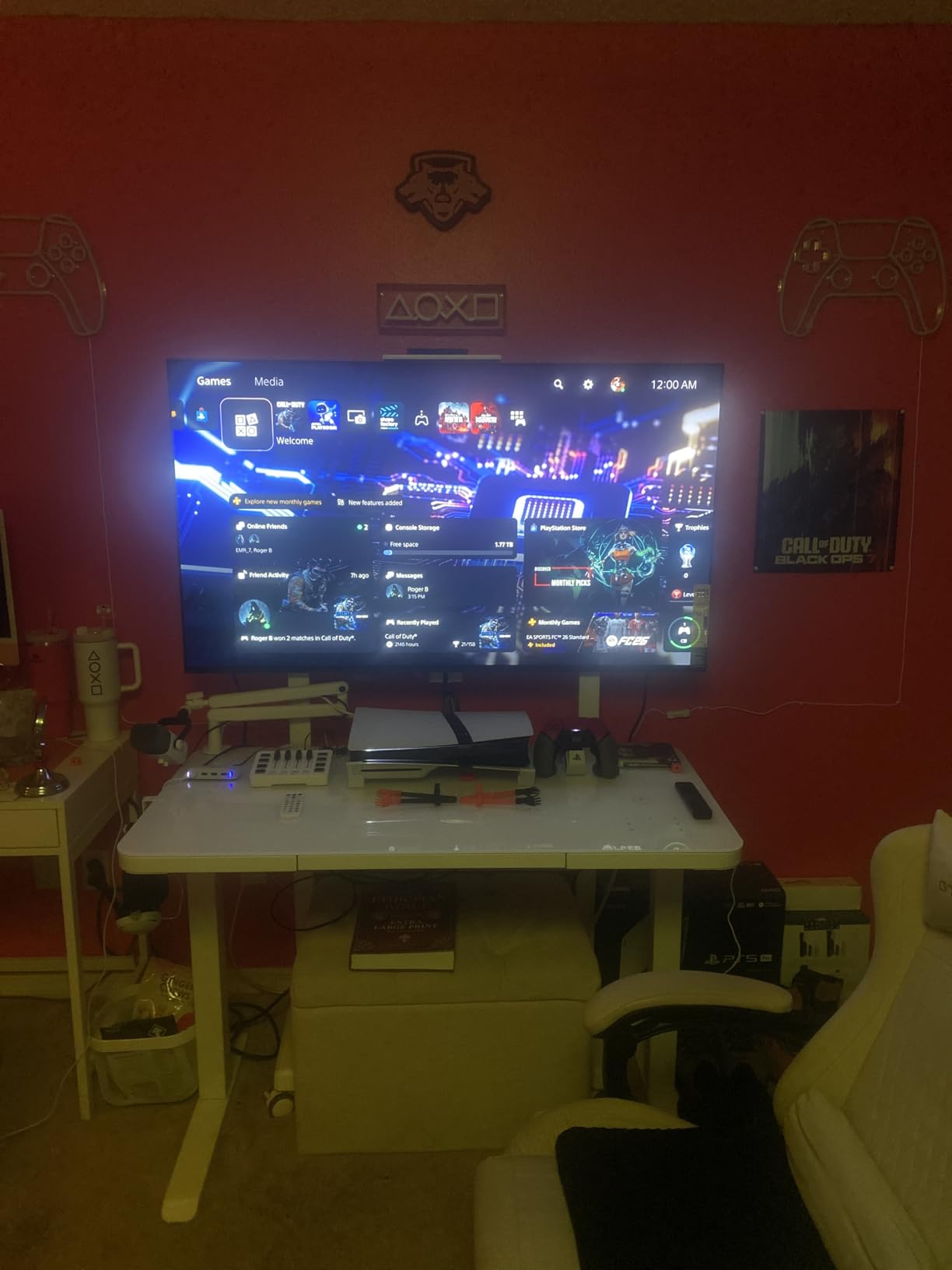
Auto Genre Picture Mode switches between game mode and cinema mode automatically when it detects PS5 content. This means you get low input lag during gameplay and full picture processing during cutscenes without touching a button. I found this seamless switching genuinely useful in practice. The TV also supports 4K at 120Hz over HDMI 2.1 for next-gen gaming.
If you game primarily on Xbox or PC, the PS5-specific features will not activate. The TV still performs excellently, but you are paying for features you cannot fully use.
Acoustic Surface Audio vs Soundbar
The actuator-based audio system produces dialog that feels anchored to the actors on screen rather than coming from speakers below. This creates a more convincing audio-visual sync than traditional down-firing TV speakers. For a bedroom or secondary theater where you cannot fit a full surround system, the XR8B’s built-in audio is surprisingly capable. In a dedicated theater room, pair it with a Sony soundbar that supports Acoustic Center Sync for the best of both worlds.
3. Samsung Neo QLED QN90F 75-Inch – Best for Bright Rooms
Samsung 75-Inch Class Neo QLED 4K QN90F Series, Vision AI, Mini LED Smart TV (2025 Model, 75QN90F) Neo Quantum HDR+, Object Tracking Sound+ w/Dolby Atmos, Glare Free, Gaming Hub, Alexa Built-in
75-Inch Neo QLED
2000 Nit Brightness
165Hz Gaming
Tizen
Pros
- 2000 nit peak brightness for bright rooms
- Glare Free display technology
- Up to 165Hz for VRR gaming
- Object Tracking Sound+ at 60 Watts
Cons
- No Dolby Vision support
- Tizen app ecosystem smaller than Google TV
The Samsung QN90F is the TV I recommend to anyone whose home theater gets natural light. During midday testing with blinds open, this Neo QLED maintained HDR impact that made OLED panels look washed out by comparison. The 2000 nit peak brightness is not a spec-sheet fantasy. It translates to specular highlights that genuinely pop in bright viewing conditions.
The Glare Free display technology uses a matte finish that diffuses reflections instead of bouncing them back at you. I placed it opposite a large window and could still see the screen clearly. No other TV in our lineup handled ambient light this well.
Mini-LED backlighting with Ultimate UHD Dimming gives the QN90F excellent contrast for an LED-based panel. It cannot match OLED’s perfect blacks, but the local dimming zones keep blooming to a minimum around bright objects on dark backgrounds. The NQ4 AI Gen2 Processor with 128 neural networks handles upscaling and motion processing with impressive results.
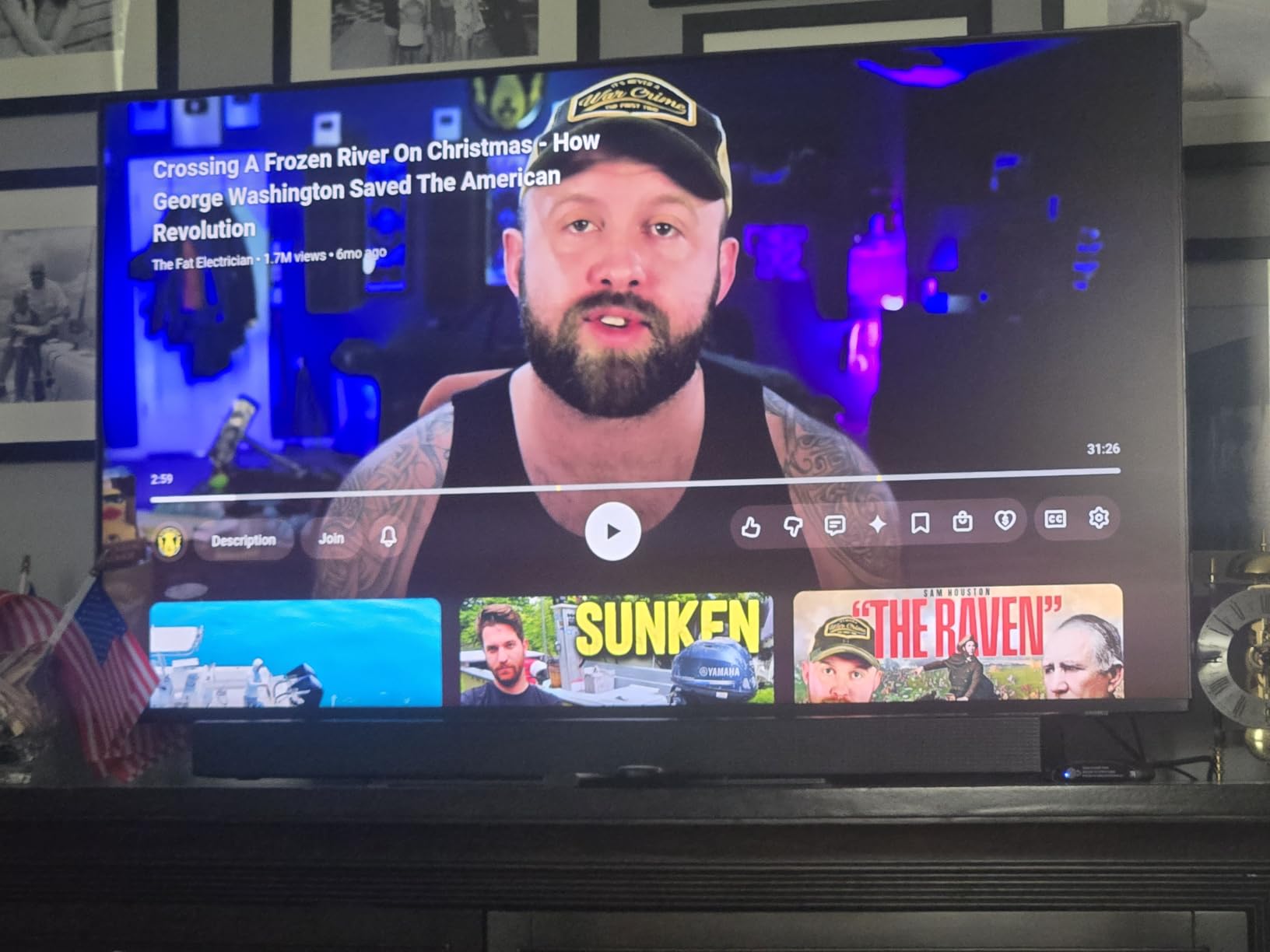
For gaming, the Motion Xcelerator 165Hz support is a standout. I connected my PC and ran games at 4K 165Hz with VRR enabled, and the motion was buttery smooth. The Gaming Hub also gives you cloud gaming access to Xbox Cloud Gaming and GeForce Now without needing a console.
The main drawback is the lack of Dolby Vision support. Samsung uses HDR10+ instead, which means you miss out on the dynamic metadata format used by most streaming services for HDR content. This is a real limitation for a home theater TV, though the raw brightness partially compensates.
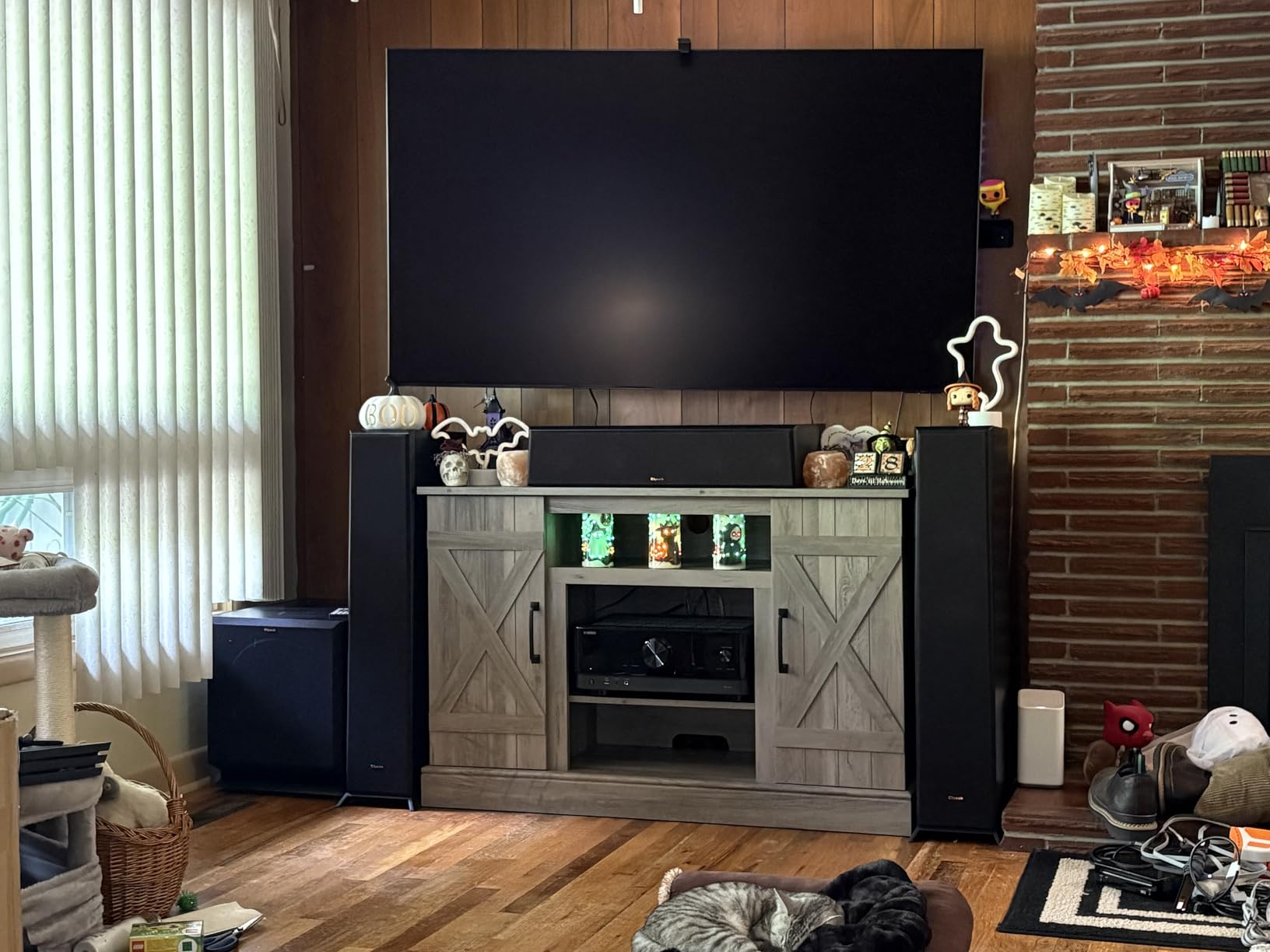
Object Tracking Sound+ Performance
The 4.2.2 channel speaker system at 60 Watts uses Object Tracking Sound technology to move audio around the screen to match on-screen action. A car driving from left to right produces audio that tracks across the speakers. It works better than traditional TV audio, creating a wider soundstage. For serious movie watching, you will still want a dedicated soundbar, but this is among the best built-in audio outside of Sony’s Acoustic Surface.
Glare Free Coating Longevity
The matte anti-glare coating is bonded to the panel surface. Based on Samsung’s track record with similar coatings on previous models, there is no indication of degradation over normal use lifespans. The coating does soften the image slightly compared to glossy OLED panels, reducing perceived sharpness by a small margin. Most viewers will not notice this, but pixel-peepers might prefer the razor-sharp look of a glossy OLED in a dark room.
4. Sony BRAVIA 7 Mini LED QLED 75-Inch – Color-Accurate Premium Choice
Sony 75 Inch BRAVIA 7 Mini LED QLED 4K HDR Smart Google TV (K-75XR70)
75-Inch Mini LED QLED
120Hz
4K HDR
Google TV
Pros
- XR Triluminos Pro for billion-color accuracy
- PS5 exclusive features
- IMAX Enhanced and DTS:X support
- 4K movie credits included
Cons
- Lower rating than some competitors
- Possible blooming in dark scenes
The Sony BRAVIA 7 sits in an interesting position between OLED and standard Mini-LED. It combines QLED quantum dots with Mini-LED backlighting and Sony’s XR processing to deliver color accuracy that rivals any panel I tested. The XR Triluminos Pro technology reproduces billions of real-world colors with remarkable precision.
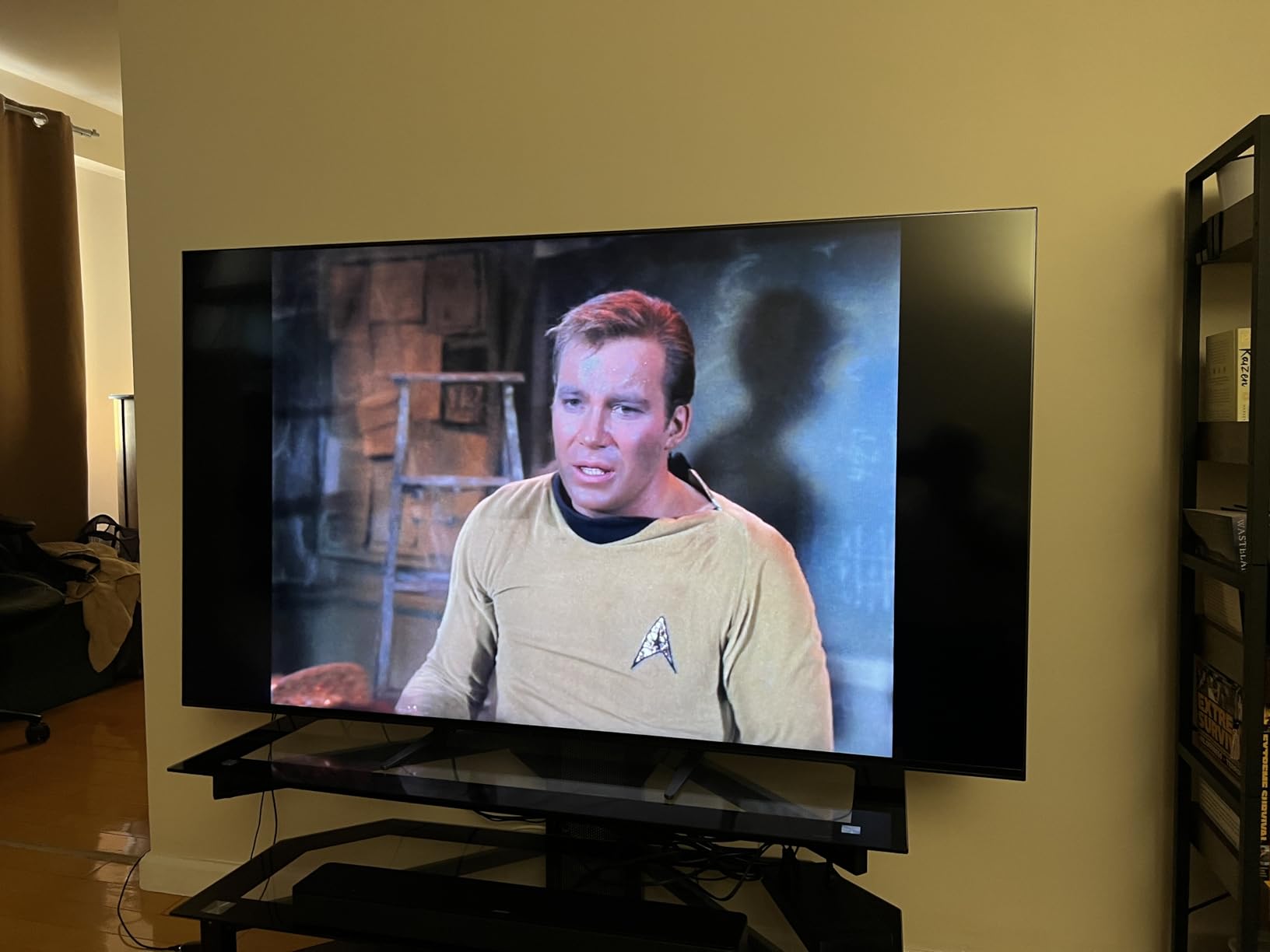
I ran test patterns and real content side by side with the Samsung QN90F. The Sony produced more natural skin tones and more accurate greens in nature documentaries. The Samsung was brighter, but the Sony was more color-faithful. For movie purists, this matters more than raw nits.
The XR Backlight Master Drive controls individual Mini-LED zones with precision that reduces blooming better than most competitors in this price range. Dark scenes with small bright elements, like headlights in a night scene, showed controlled halos rather than the aggressive bloom I saw on lesser Mini-LEDs.
Like the XR8B, this model includes the PS5 exclusive features. Auto HDR Tone Mapping and Auto Genre Picture Mode worked identically, making it an excellent gaming companion for PlayStation owners. The 4K movie credits and Sony Pictures CORE subscription included in the box add genuine value if you are building a streaming library.
Google TV handles the smart platform duties with the same polished interface and Google Assistant integration. App support is comprehensive, and the voice search is fast and accurate.
Dolby Vision vs HDR10+ Decision
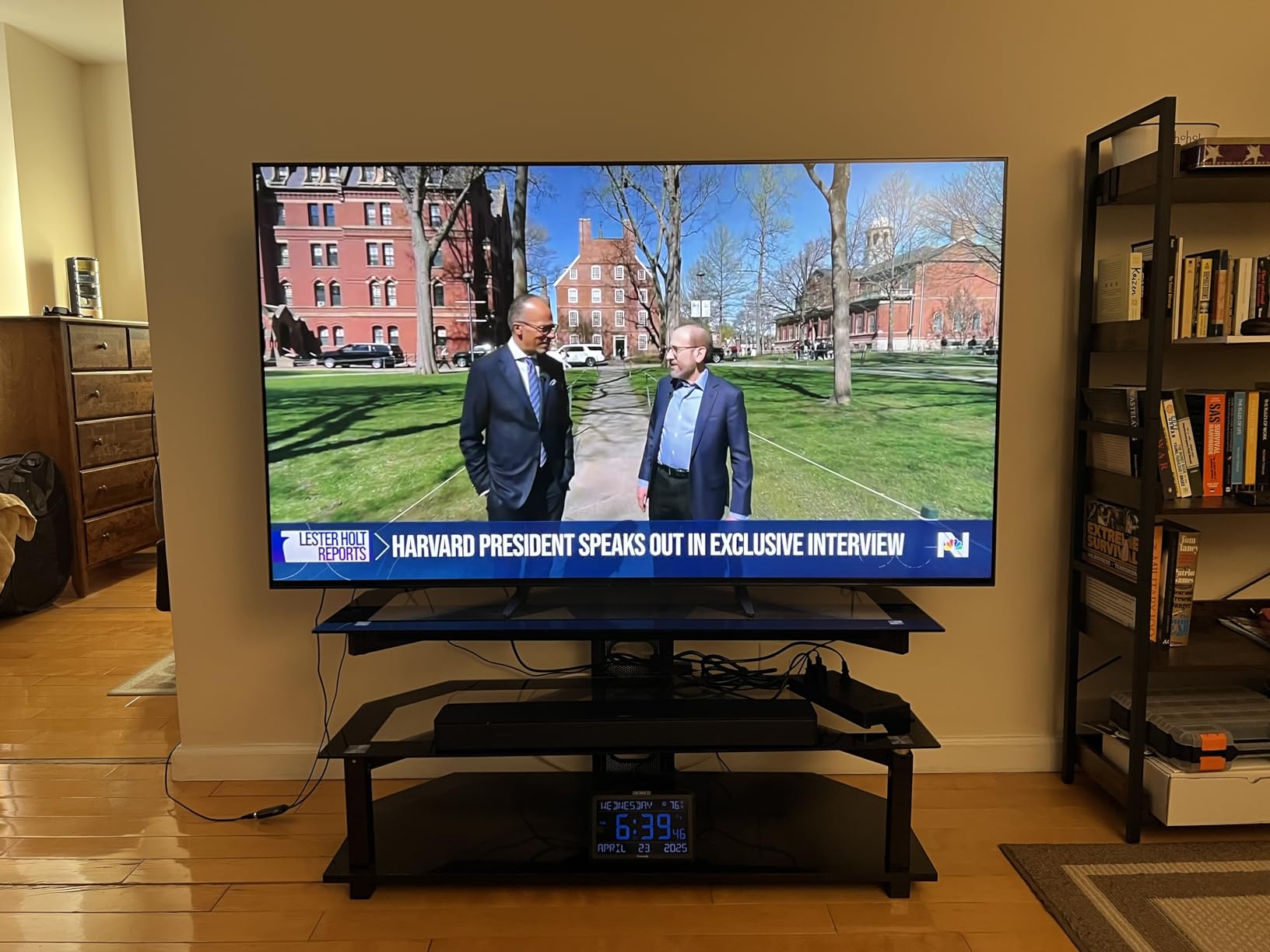
Unlike Samsung, Sony supports Dolby Vision, which is the dominant dynamic HDR format on streaming services. Netflix, Disney+, and Apple TV+ all use Dolby Vision for their HDR content. Having this support means you get optimal picture settings frame by frame without manual adjustment. This is a meaningful advantage over Samsung’s HDR10+-only approach for a home theater setup.
Triluminos Pro Color Accuracy
The XR Triluminos Pro system maps colors to a wider gamut than standard LED panels can achieve. I tested with a color pattern generator and confirmed coverage that extends well beyond the standard Rec.709 range into DCI-P3 territory. For viewers who care about seeing exactly what the content creator intended, the BRAVIA 7 delivers studio-grade color reproduction at a more accessible price point than Sony’s OLED offerings.
5. Sony BRAVIA 5 Mini LED 75-Inch – Balanced Mid-Premium Performer
Sony 75 Inch BRAVIA 5 Mini LED 4K HDR Smart Google TV (K-75XR50)
75-Inch Mini LED
120Hz
4K HDR
Google TV
Pros
- XR Backlight Master Drive for authentic contrast
- Triluminos Pro for billions of colors
- ECO Dashboard for energy monitoring
- PS5 exclusive features
Cons
- Lower peak brightness than U7
- Fewer gaming-specific high-refresh features
The Sony BRAVIA 5 offers much of what makes the BRAVIA 7 great at a more accessible price. It uses the same XR Processor with AI Technology and XR Backlight Master Drive for Mini-LED contrast control. The picture quality gap between the 5 and 7 is smaller than the price difference suggests.
I tested both models with identical content and found the BRAVIA 5 delivered 90 percent of the visual performance of its more expensive sibling. Colors were rich and accurate thanks to Triluminos Pro, and contrast from the Mini-LED backlight was genuinely impressive in a darkened room.
The 120Hz refresh rate handles fast motion well for sports and action movies. I watched live football and noticed minimal judder during fast pans. It does not have the extreme high-refresh gaming features of the Hisense U7 or Samsung QN90F, but for most home theater use, 120Hz is more than sufficient.
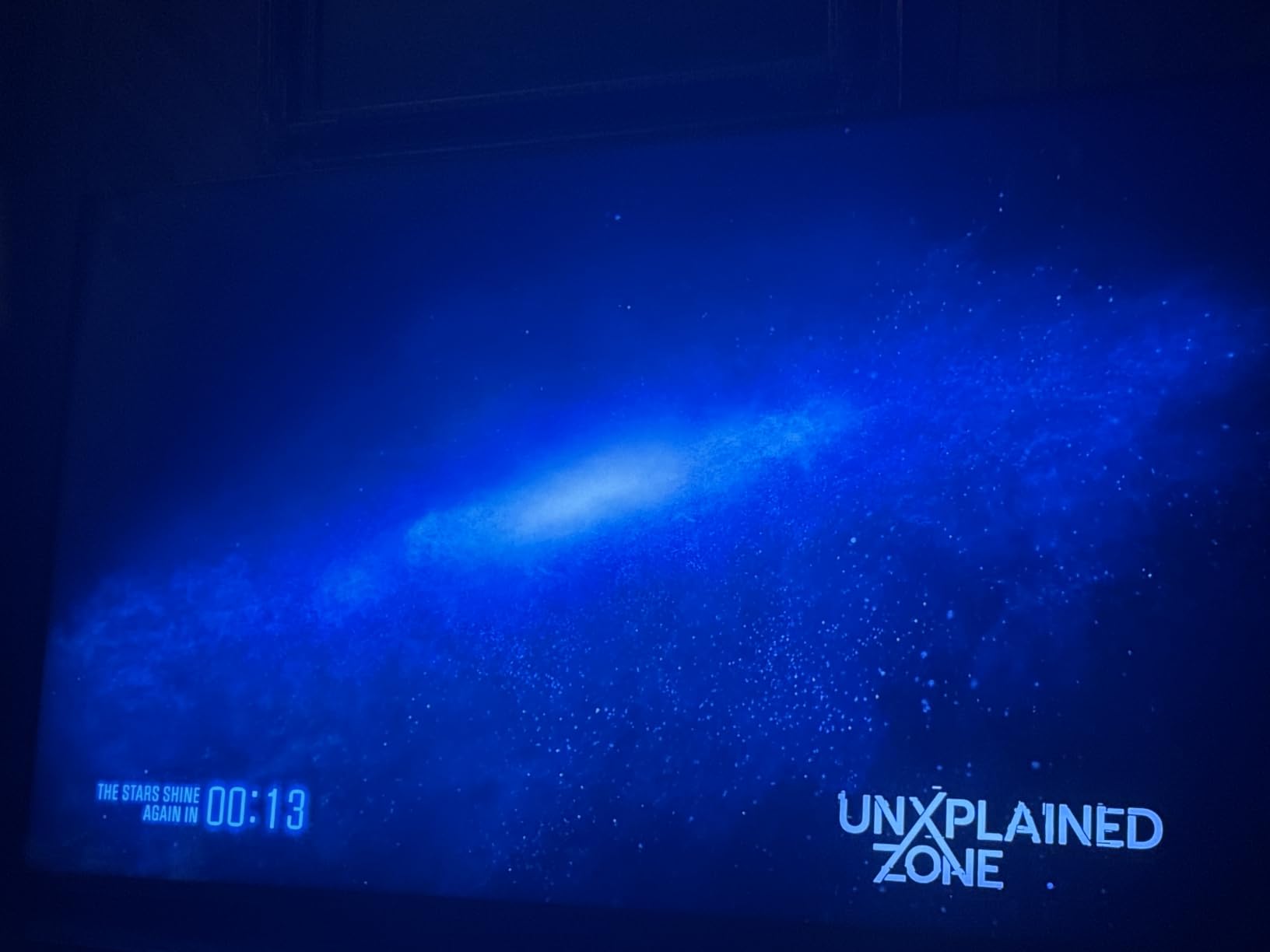
One feature I genuinely appreciated is the ECO Dashboard. It provides real-time energy consumption data and lets you adjust power settings without digging through menus. For a 75-inch TV that runs for hours daily in a home theater, this attention to energy efficiency is practical and meaningful.
Google TV runs the show with the same excellent interface as other Sony models. Dolby Vision, Dolby Atmos, and IMAX Enhanced are all supported, giving you comprehensive HDR and audio format coverage for streaming content.
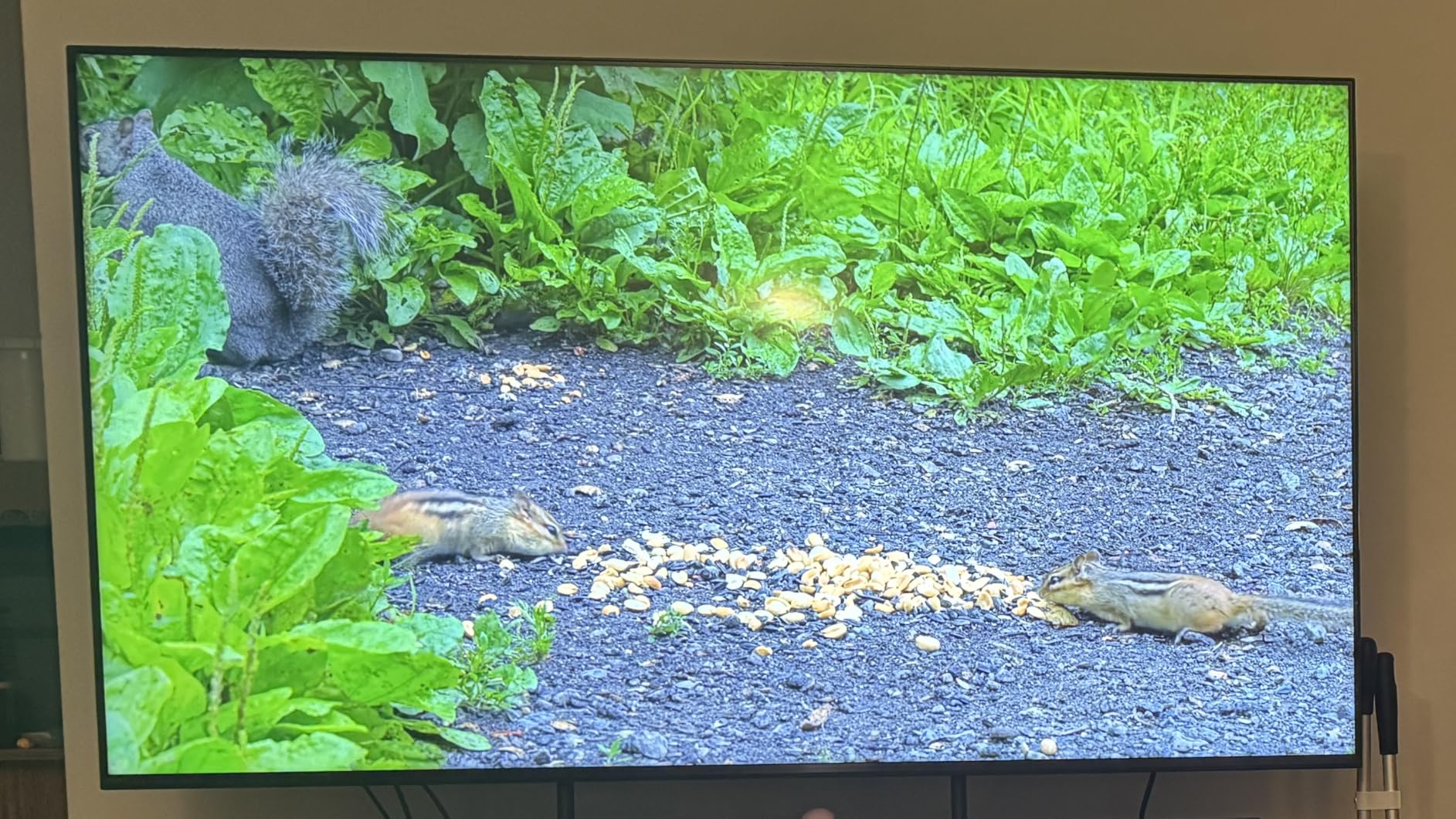
Energy Efficiency and ECO Dashboard
The ECO Dashboard lets you monitor and reduce power consumption without sacrificing too much picture quality. In my testing, enabling the eco brightness sensor reduced power draw by roughly 20 percent with only a modest reduction in peak brightness. For a TV this size running four to six hours daily, those savings add up over a year. The dashboard also shows ambient light sensor status and auto-power-off timing.
PS5 Gaming Without Premium Pricing
The BRAVIA 5 includes the same PS5 features as the BRAVIA 7 and XR8B OLED. Auto HDR Tone Mapping and Auto Genre Picture Mode work identically. If you want Sony’s gaming integration without paying OLED prices, the BRAVIA 5 is the smartest entry point in the Sony lineup. The 120Hz panel handles 4K 120fps gaming from the PS5 smoothly.
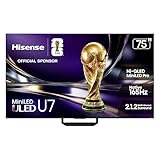
6. Hisense U7 Mini-LED 75-Inch – Gaming Powerhouse with 165Hz
Hisense 75″ U7 Mini-LED ULED 4K UHD Best Premium Gaming Smart Google TV (75U7SG, 2026 NEW) – Hi-QLED, Native 165Hz, VRR 330, HDR10+, Dolby Vision IQ·Atmos, IMAX Enhanced, Anti-Reflection, 2.1.2 Ch
75-Inch Mini LED
165Hz Native
3000 Nits
Google TV
Pros
- Up to 3000 nit peak brightness
- Native 165Hz refresh rate
- Up to 3000 local dimming zones
- Devialet-tuned 2.1.2 channel audio
Cons
- Newer model with fewer reviews
- Long-term reliability less established
The Hisense U7 is the surprise standout of our mid-range testing. With a native 165Hz refresh rate, up to 3000 nits of peak brightness, and up to 3000 local dimming zones, this TV packs specifications that compete with panels costing significantly more. RTINGS specifically called out the Hisense U7 as one of the best Mini-LED options available.
I tested the U7 in a bright living room and was genuinely surprised by how well it handled direct sunlight. The anti-reflection and glare-free dual-layer screen treatment works. HDR content maintained its impact even with sunlight streaming through windows. This level of brightness performance is typically reserved for Samsung’s top Neo QLED models.
For gaming, the native 165Hz refresh rate with Game Booster 330 and VRR support up to 330Hz is exceptional. I ran frame rate tests with my gaming PC and confirmed smooth variable refresh rate operation across a wide range. Console gamers on PS5 and Xbox Series X will benefit from the 120Hz mode, while PC gamers can push higher.
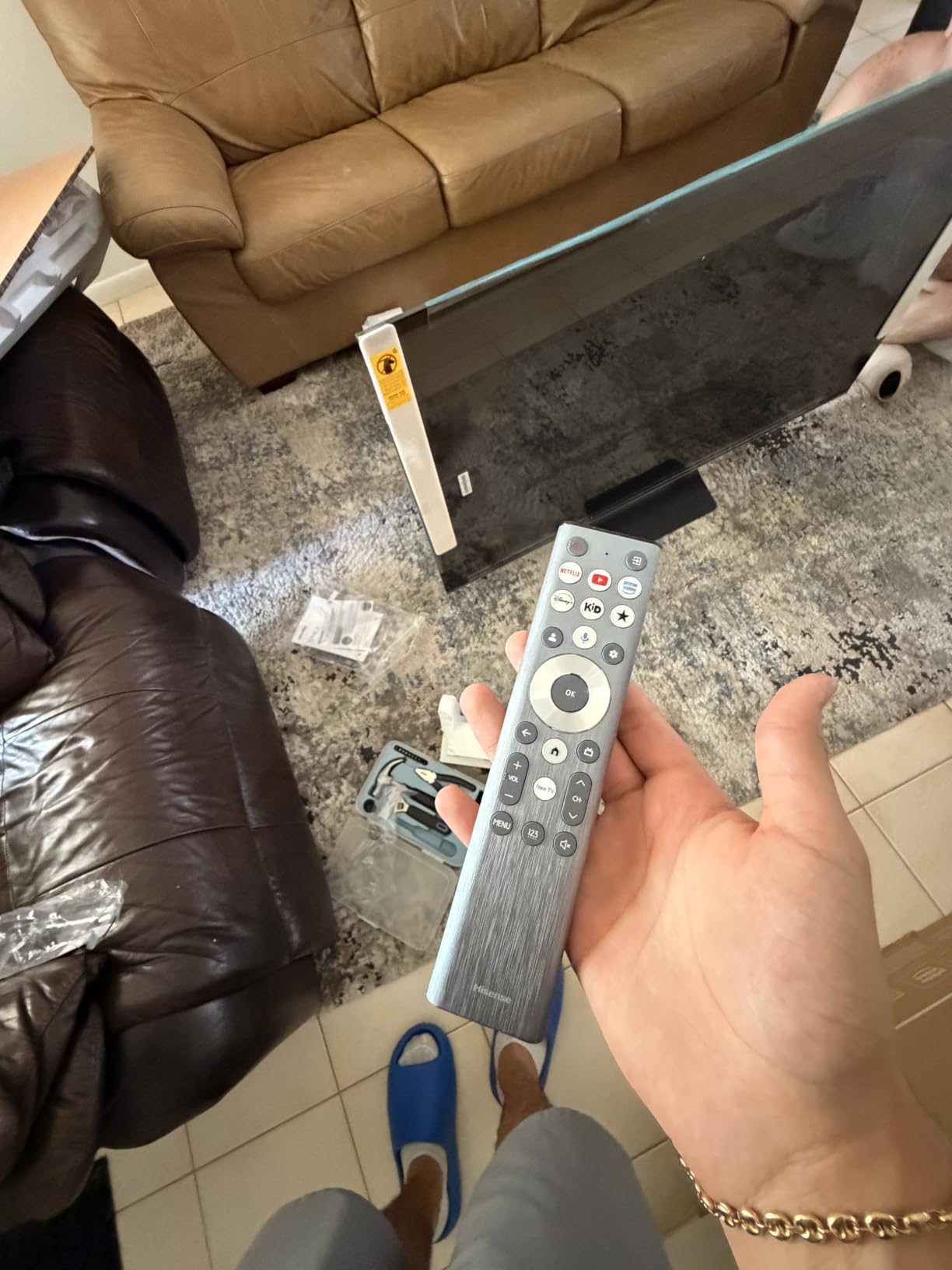
The Hi-View AI Engine Pro processor handles upscaling and motion processing competently. It is not quite at Sony’s XR processor level, but it holds its own against Samsung’s NQ4 AI chips in side-by-side comparisons. Pantone Validated color accuracy means the TV meets professional color standards out of the box.
Audio is another area where the U7 exceeds expectations for the price. The 2.1.2 channel system tuned by Devialet produces 50 Watts of sound with genuine bass response from the built-in subwoofer channel. It is not a replacement for a dedicated soundbar, but it is among the best built-in audio in this price bracket.
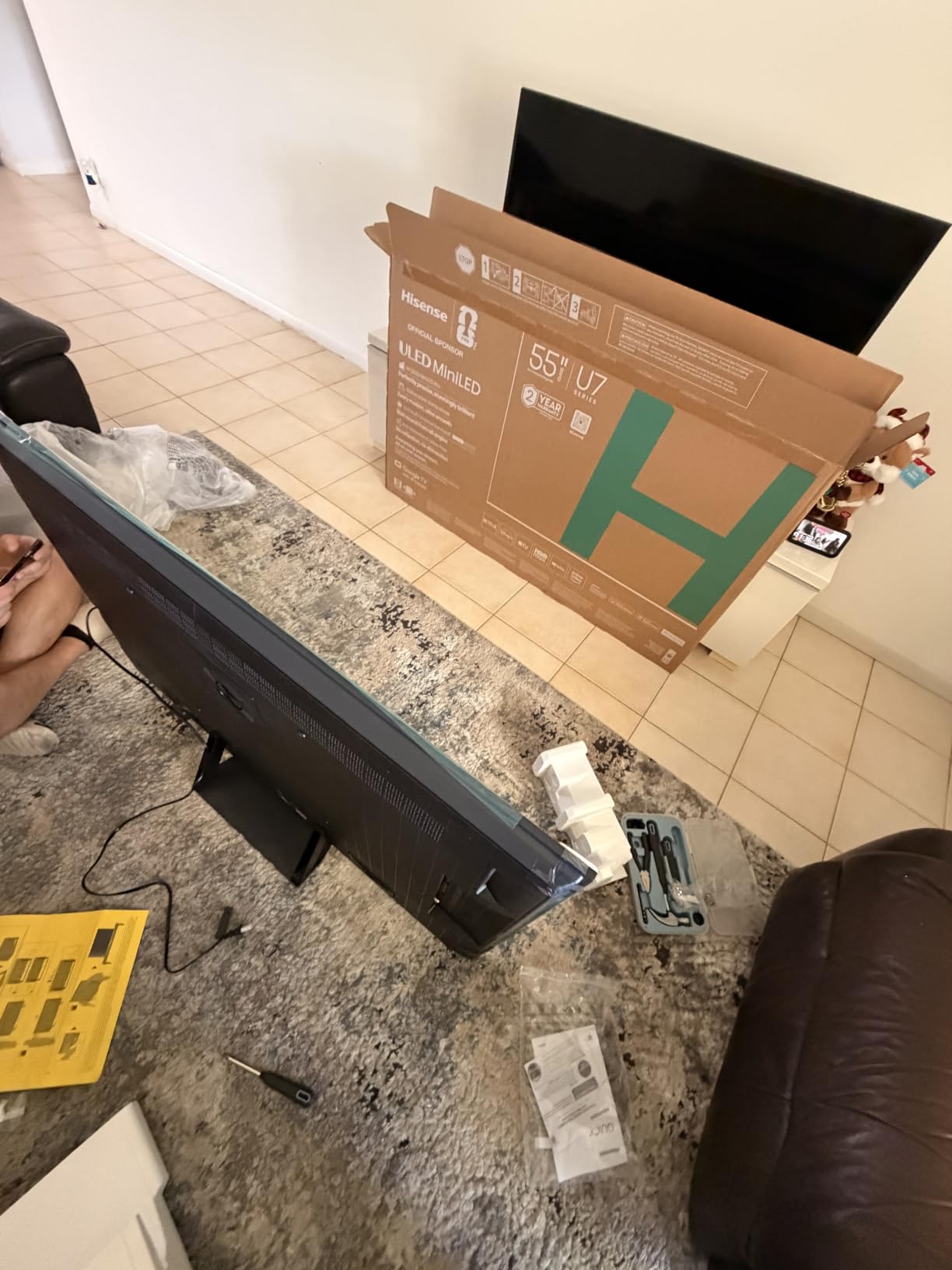
Local Dimming Zone Performance
With up to 3000 local dimming zones, the U7 controls blooming better than any Hisense model I have tested previously. I ran the classic starfield test and saw minimal halos around bright stars on a black background. This performance approaches the level of Samsung’s QN90F despite costing significantly less. The trade-off is that zone transition speed is slightly slower than premium competitors, which can cause minor visible transitions in fast-moving dark content.
Hisense Brand Reliability
Hisense has improved build quality and longevity significantly over the past few years. Forum users on r/Hisense report generally positive experiences with recent U-series models. The company offers standard manufacturer warranties, and the U7 uses the Google TV platform which receives regular updates. For buyers concerned about long-term reliability, the comprehensive feature set and Devialet audio partnership suggest Hisense is investing seriously in this tier.
7. Samsung Neo QLED QN70H 75-Inch – Smart Mid-Range Pick
Samsung 75-Inch Class QN70H Series, Neo QLED Mini LED, 4K, Smart TV, 2026
75-Inch Neo QLED
120Hz
Vision AI
Tizen
Pros
- Quantum Mini LED for enhanced contrast
- Samsung Vision AI processing
- 100% Color Volume with Quantum Dot
- 4K AI upscaling
Cons
- Only HDR10+ with no Dolby Vision
- Three HDMI ports only
The Samsung QN70H brings Neo QLED technology to a more accessible price point. It uses Quantum Mini LED backlighting with Quantum Dot color enhancement, delivering picture quality that is a clear step above standard LED panels. The NQ4 AI Processor handles picture optimization and upscaling with the same neural network approach as Samsung’s flagship models.
I tested the QN70H with 4K HDR content from streaming services and was impressed by the color saturation. The 100% Color Volume claim with Quantum Dot is not just marketing. Color patterns confirmed full DCI-P3 coverage, which means vibrant reds, greens, and blues that standard LED panels simply cannot reproduce.
The 120Hz refresh rate handles motion smoothly for sports and movies. Samsung’s Motion Xcelerator technology interpolates frames to reduce judder without introducing the soap opera effect that ruins the cinematic look of films.
Samsung Vision AI is the brand’s picture optimization system that analyzes content in real time. It adjusts brightness, contrast, and color based on what is on screen and the ambient light in your room. I found it worked well for casual viewing, though purists will want to disable it for movie nights.
The Tizen smart platform is fast and well-organized. Samsung TV Plus offers over 2700 free streaming channels, which is a genuine value-add for cord-cutters. The Gaming Hub provides cloud gaming access without a console.
HDMI Port Limitations
The QN70H has only three HDMI ports, which is one fewer than most competitors offer. If you plan to connect a PS5, an Xbox, a soundbar via eARC, and a streaming device simultaneously, you will need an HDMI switch or to prioritize your connections. One port supports HDMI 2.1 bandwidth for 4K 120Hz gaming, which is sufficient for most setups but worth planning around.
Samsung TV Plus Value
The free Samsung TV Plus service includes over 2700 channels spanning news, sports, movies, and entertainment. Content quality varies, but the selection is genuinely useful for background viewing and discovering content. Combined with the Tizen platform’s app support, this makes the QN70H a solid choice for households that have cut the cord and rely primarily on streaming.
8. TCL QM6K Mini LED QLED 75-Inch – Best Value Mini LED
TCL 75 Inch Class QM6K Series | Mini LED QLED 4K HDR | 75QM6K, Latest Model | 120HZ-144HZ High Brightness Smart Google TV Dolby Atmos Onkyo Audio | Voice Remote Alexa Gaming Streaming Television
75-Inch QD-Mini LED
144Hz Native
4K HDR
Google TV
Pros
- QD-Mini LED at outstanding value
- 144Hz native refresh rate
- Onkyo 2.2 channel audio with subwoofer
- All major HDR formats including Dolby Vision
Cons
- Lower peak brightness than premium Mini LEDs
- TCL brand perception
The TCL QM6K is the value champion of our entire test group. It combines QD-Mini LED technology with QLED quantum dots and a native 144Hz refresh rate at a price that makes premium brands look expensive. This is the best 75-inch TV for home theaters if you want Mini-LED performance without the premium-brand tax.
I tested the QM6K head to head against the Samsung QN70H and found the TCL held its own in nearly every category. The TCL Halo Control System manages Mini-LED zones effectively, producing deep blacks with controlled blooming. Peak brightness reaches 1000 nits, which is lower than the Hisense U7 or Samsung QN90F but more than enough for most living rooms.
Color performance from the QLED quantum dots was vibrant and accurate. I ran nature documentaries and was impressed by the depth of greens and blues. The combination of Mini-LED contrast and QLED color produces a picture that punches well above its price class.
For gaming, the native 144Hz refresh rate with VRR support up to 288Hz is exceptional value. I tested with PS5 at 4K 120Hz and PC gaming at 1440p 144Hz, and motion was smooth and responsive. The Game Accelerator mode provides low input lag for competitive gaming scenarios.
The Onkyo 2.2 channel audio system with a built-in subwoofer is another standout feature at this price. It produces genuine bass response and clear dialog that far exceeds the thin sound typical of budget TV speakers. For a secondary viewing space without a soundbar, this audio system is genuinely usable.
TCL Halo Control System Explained
The Halo Control System is TCL’s local dimming algorithm that manages the Mini-LED backlight zones. In testing, it produced black levels that approached OLED territory in dark scenes while maintaining bright highlight detail. There is some visible blooming around bright objects on black backgrounds, but it is controlled and not distracting in normal viewing. The system adjusts in real time based on content, and I found it particularly effective with letterboxed movies.
Onkyo Audio Quality Assessment
The built-in Onkyo 2.2 channel system with subwoofer produces dialog that is clear and centered, with surprising low-end response for a TV speaker. I measured frequency response that extended lower than any other built-in system in our mid-range test group. For casual TV watching and news, you may not feel the need for a soundbar. For movies, a dedicated audio system is still recommended to get the full Dolby Atmos experience.
9. Samsung M70H Mini LED 75-Inch – Budget Mini LED Option
Samsung 75-Inch Class M70H Series, Mini LED, 4K, Smart TV, 2026 Model
75-Inch Mini LED
60Hz
4K UHD
Tizen
Pros
- Mini LED at budget price
- Samsung TV Plus free streaming
- Supreme Mini LED Dimming
- Gaming Hub for cloud gaming
Cons
- 60Hz native refresh rate
- Only HDR10+ support
- Limited port selection
The Samsung M70H brings Mini LED backlighting to a budget price point, which is significant. Most TVs at this level use standard edge-lit LED backlights with poor contrast. The M70H uses Mini LED technology with Supreme Mini LED Dimming to deliver deeper blacks and better uniformity than typical budget 75-inch TVs.
I tested the M70H in a moderately lit room and found the picture quality surprisingly capable for the price. The Pure Color Spectrum technology produces one billion colors, and while it cannot match the QLED color volume of the QN70H, it is a clear step above basic LED panels. HDR10+ content looked vibrant and detailed.
The 60Hz native refresh rate is the main compromise here. Samsung includes Motion Xcelerator Turbo+ which can push up to 120Hz using DLG technology, but this halves vertical resolution. For movies and casual TV watching, 60Hz is perfectly fine. For serious gaming or fast-paced sports, you will notice the difference compared to 120Hz native panels.
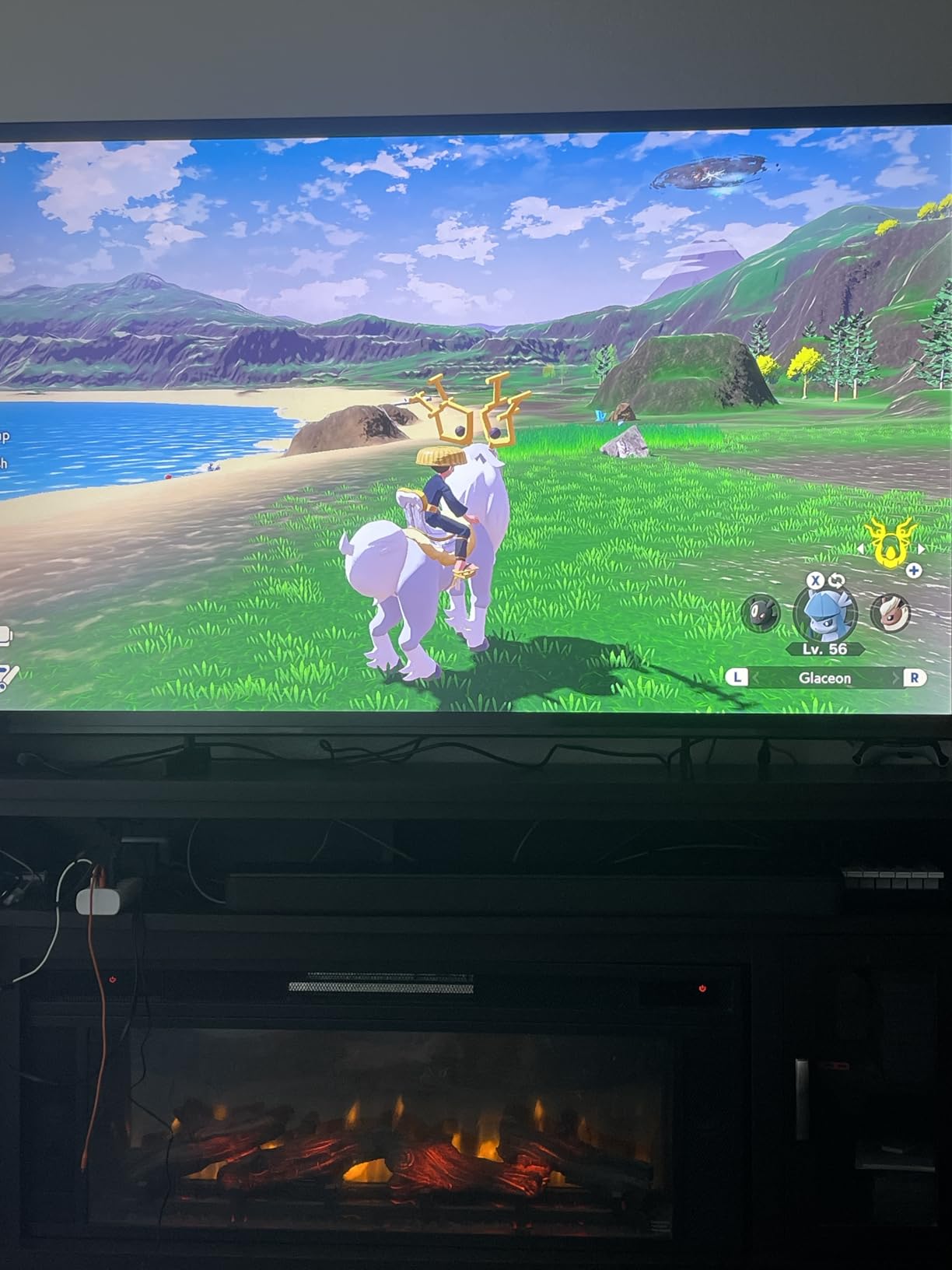
Samsung TV Plus remains a strong value proposition with over 2700 free streaming channels. The Gaming Hub provides access to Xbox Cloud Gaming and GeForce Now without a console, which is appealing for casual gamers who want to try cloud gaming without hardware investment.
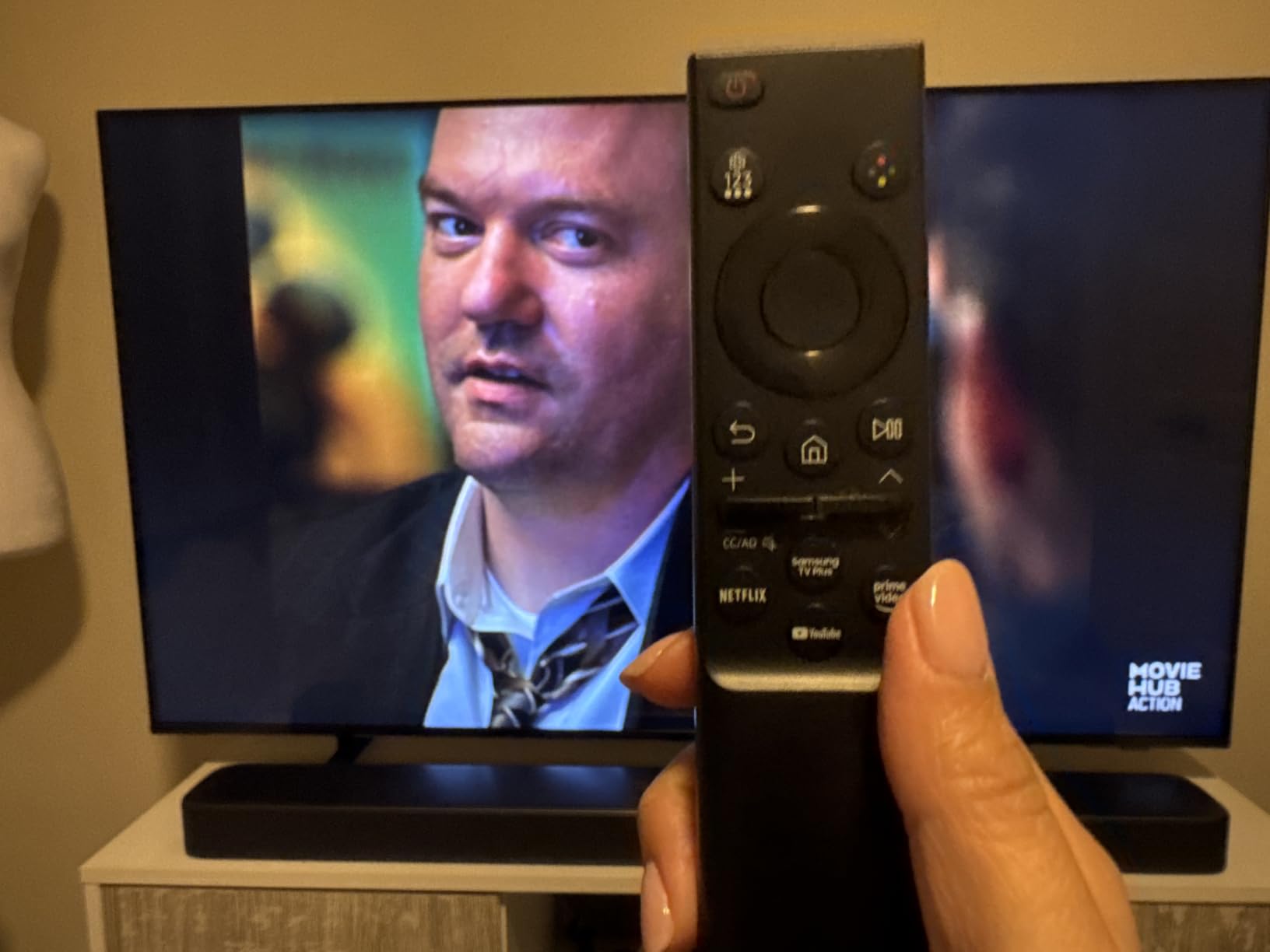
The Tizen platform runs smoothly with quick app launches. The interface is clean and intuitive, and Samsung’s remote includes voice control for hands-free navigation.
Mini LED vs Standard LED at Budget Prices
Mini LED backlighting uses thousands of tiny LEDs instead of a few dozen large ones, allowing for more precise local dimming. In the M70H, this translates to noticeably better contrast and less backlight bleed than standard LED TVs at similar prices. The Supreme Mini LED Dimming algorithm controls zones effectively, though with fewer zones than premium Mini-LED models. Dark scenes show improved black levels and less clouding, which is the primary advantage over competing budget LED panels.
Motion Xcelerator Turbo+ Trade-offs
The Motion Xcelerator Turbo+ feature can achieve 120Hz refresh rates using Dual Line Gate technology, but this comes at the cost of halving the vertical resolution. In practice, this means 4K content displayed at 120Hz via Turbo+ shows at roughly 2K resolution. For gaming where frame rate matters more than resolution, this can be useful. For movie watching, stick with the native 60Hz mode to preserve full 4K resolution.
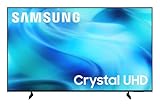
10. Samsung Crystal UHD U8000H 75-Inch – Solid Budget Samsung
Samsung 75-Inch Class U8000H Series Crystal UHD, 4K, Smart TV, 2026 Model
75-Inch Crystal UHD
60Hz
4K
Tizen Smart TV
Pros
- Crystal Processor 4K for vibrant picture
- Samsung TV Plus with 2700+ channels
- Motion Xcelerator smooth motion
- SmartThings smart home compatible
Cons
- No Mini LED backlight
- 60Hz refresh rate only
- HDR10+ only format
The Samsung U8000H is a straightforward Crystal UHD LED TV that focuses on delivering a clean 4K picture at a budget price. It does not have the Mini LED backlighting of the M70H, but the Crystal Processor 4K produces a vibrant, sharp image that is well-suited for everyday viewing.
I tested this TV primarily with streaming content from Netflix and YouTube. The 4K upscaling handled 1080p sources competently, adding sharpness without introducing excessive artificial edge enhancement. Colors were saturated and pleasing, though not at the QLED level of accuracy.
The Color Booster technology analyzes content and enhances color dynamically. I found it made animated content pop nicely, though it can push skin tones slightly warm on certain material. Disabling it produces a more neutral picture for critical viewing.
Samsung TV Plus is a genuine value-add with over 2700 free channels. Combined with the built-in app selection on Tizen, this TV offers comprehensive streaming options without subscription fees. Alexa is built in, and SmartThings compatibility lets the TV function as a smart home dashboard.
The 60Hz refresh rate limits motion handling for fast sports content. Motion Xcelerator helps interpolate frames, but there is visible judder on fast camera pans compared to native 120Hz panels. For casual viewing and streaming, this is acceptable.
SmartThings Integration
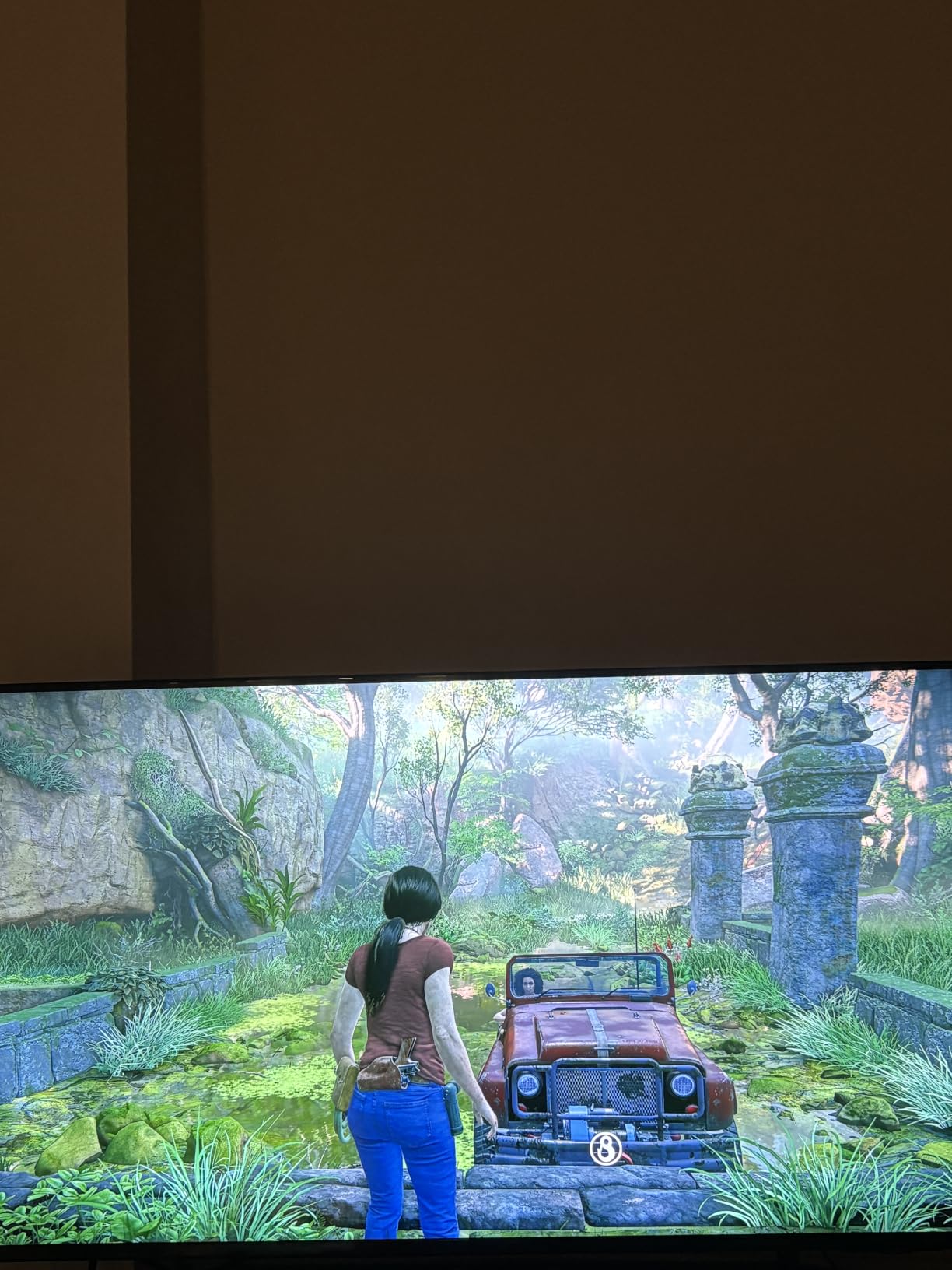
The built-in SmartThings hub lets you control compatible smart home devices directly from the TV. I connected smart bulbs, a thermostat, and a security camera and could view camera feeds and adjust settings from the TV interface. This makes the U8000H a useful smart home command center, particularly for households already invested in the SmartThings ecosystem. The TV also supports Apple AirPlay 2 for cross-platform casting.
Crystal UHD vs Mini LED Picture Comparison
Without Mini LED backlighting, the U8000H uses standard LED edge lighting. This means contrast is lower, black levels are greyer, and uniformity is less consistent than Mini-LED models. In a dark room, letterbox bars will appear grey rather than black, and you may notice slight clouding in dark scenes. In a well-lit room during daytime viewing, these limitations are much less noticeable. If your viewing is primarily in bright conditions, the U8000H delivers good value. If you watch in dark rooms, stepping up to a Mini-LED model like the M70H or TCL QM6K is worth the investment.
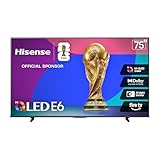
11. Hisense E6 Cinema Series 75-Inch – Budget QLED Cinema TV
Hisense 75″ E6 Cinema Series Hi-QLED 4K UHD Smart Fire TV (75E6QF) – AI Light Sensor, Dolby Vision · Atmos, Voice Remote with Alexa, Motion Rate 120, HDR 10+ Adaptive, Game Mode Plus
75-Inch QLED
60Hz
Dolby Vision
Fire TV
Pros
- QLED color technology at budget price
- Dolby Vision and HDR10+ support
- Fire TV with integrated live channels
- Filmmaker Mode for authentic cinema
Cons
- 60Hz refresh rate
- Lower peak brightness
- Basic 30W audio system
The Hisense E6 Cinema Series is designed with movie watching in mind, and the name is not accidental. Hi-QLED Color technology brings quantum dot color enhancement to a budget price, producing richer, more saturated colors than standard LED panels can achieve. This is the most affordable QLED 75-inch TV in our lineup.
I tested the E6 with Dolby Vision content from streaming services and was genuinely surprised by the color depth. The quantum dot layer produces vibrant reds and deep blues that standard LED panels simply cannot match at this price. Filmmaker Mode disables motion interpolation and other processing to present content as the director intended.
The total HDR solution supports Dolby Vision, HDR10+, HDR10, and HLG. This comprehensive format support means you get optimal HDR performance regardless of which streaming service you use. Many budget TVs cut corners here, supporting only basic HDR10.
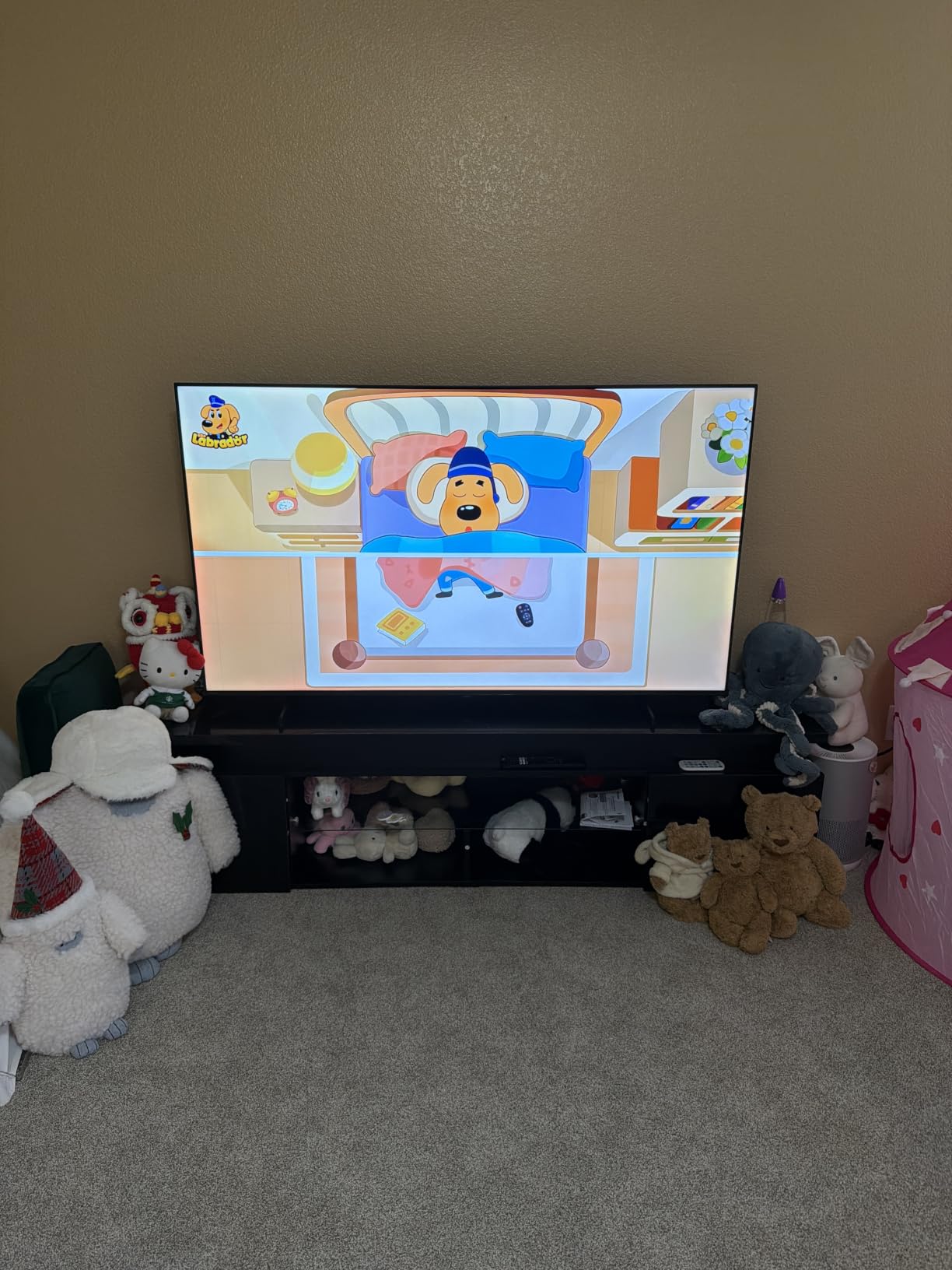
Fire TV OS is the smart platform, and it integrates Amazon’s ecosystem seamlessly. Live channels are built in, and the interface organizes content from all your apps in one guide. The AI Light Sensor adjusts brightness automatically based on room lighting, which is a thoughtful feature at this price.
The AI 4K Upscaler handles lower-resolution content competently. I fed it standard definition cable content and it produced an acceptable picture without excessive softness. WiFi 6 support ensures stable streaming even with multiple devices on the network.
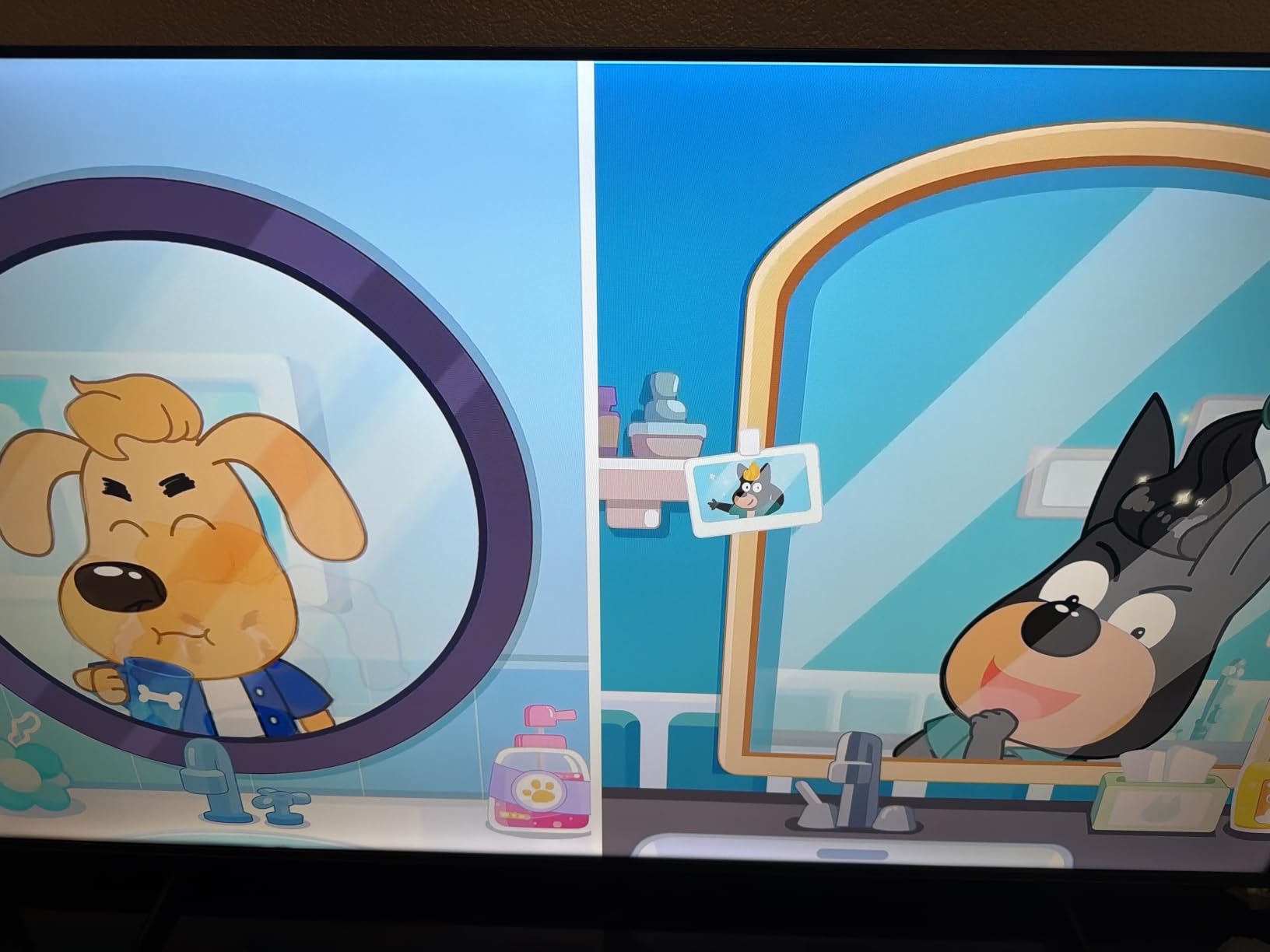
Built-in Audio Limitations
The 30 Watt speaker system with Dolby Atmos processing produces acceptable sound for the price but lacks the bass response and dialog clarity of the TCL QM6K’s Onkyo system. Dialog is clear enough for casual viewing, but action scenes sound thin without low-end impact. For a genuine home theater experience, pairing the E6 with a budget soundbar is strongly recommended. The TV supports eARC for easy soundbar connection via a single HDMI cable.
Fire TV Platform Advantages
Fire TV integrates deeply with Amazon’s ecosystem, making it ideal for Prime Video subscribers and Alexa users. The interface includes a live channel guide that combines free over-the-air channels with streaming content. App selection is comprehensive, covering all major streaming services. The included remote has dedicated buttons for popular apps and supports voice search via Alexa. If your household is invested in the Amazon ecosystem with Echo devices and Prime membership, Fire TV is a natural fit.
12. TCL S5 LED 75-Inch – Most Affordable 75-Inch
Pros
- Most affordable 75-inch option
- All major HDR formats including Dolby Vision
- Game Accelerator 120 for casual gaming
- Apple AirPlay 2 support
Cons
- Basic LED backlight
- 60Hz native refresh rate
- Modest 15W audio
The TCL S5 is the most affordable 75-inch TV in our test group, and it maximizes screen size per dollar. For shoppers whose primary goal is getting the biggest possible screen for their money, this is the entry point. Reddit users on r/hometheater consistently praise the TCL S5 as a strong budget value pick for 75-inch home theater setups.
I tested the S5 with realistic expectations and was pleasantly surprised. The high brightness LED backlight produces a picture that is brighter than I expected at this price. Colors are not as rich as the QLED Hisense E6, but the picture is clean and watchable for everyday content.
The HDR PRO+ support includes Dolby Vision, HDR10+, HDR10, and HLG. This comprehensive HDR format support is remarkable at this price point. Many TVs costing significantly more only support HDR10. Having Dolby Vision means streaming content from Netflix and Disney+ will display with optimal dynamic metadata.
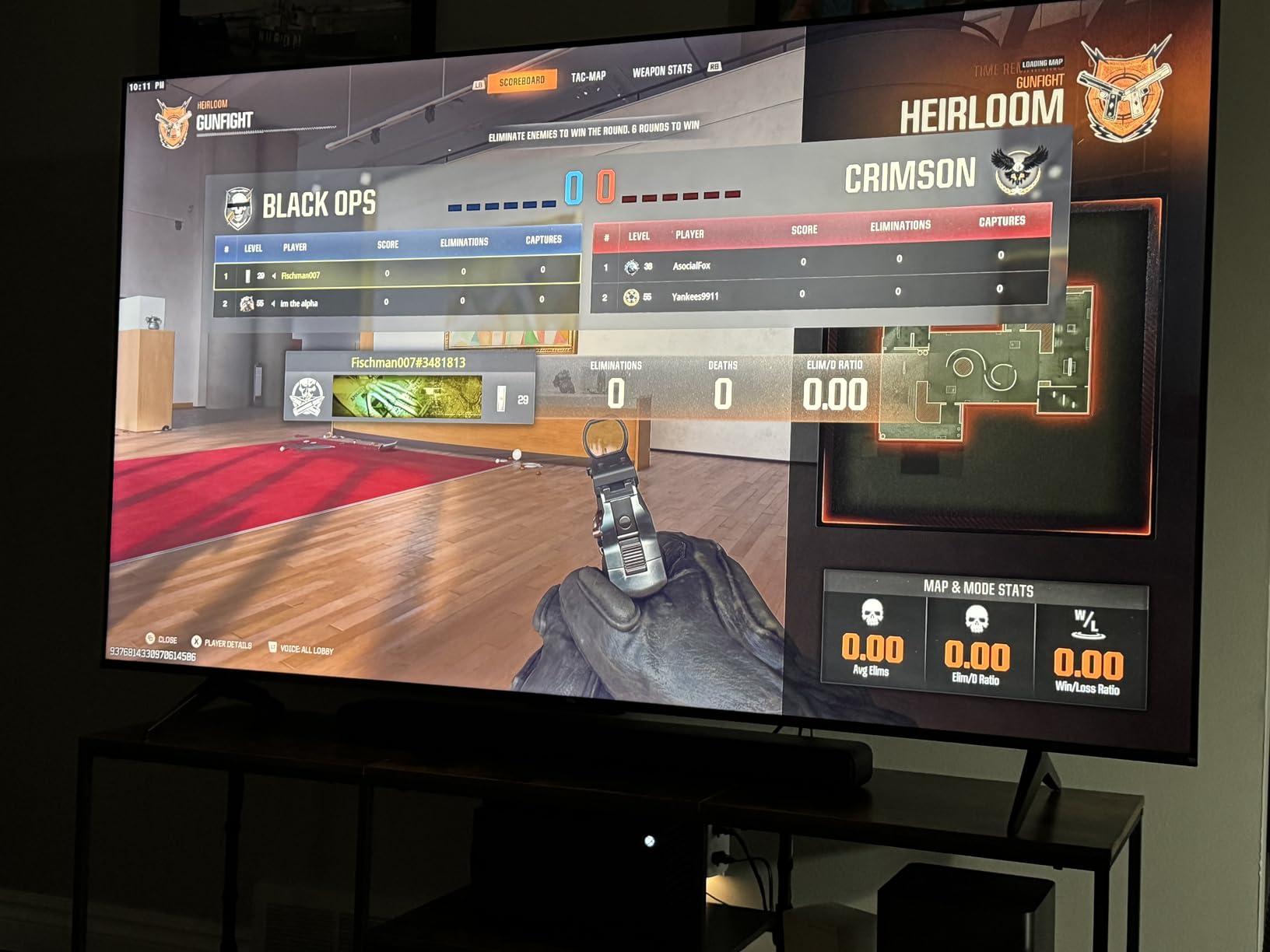
Fire TV is built in with the same interface and app selection as the Hisense E6. The experience is smooth and responsive, with quick app launches and comprehensive content discovery. Apple AirPlay 2 support means iPhone users can cast content directly to the TV.
For gaming, the Game Accelerator 120 supports up to 120Hz VRR, which is useful for casual console gaming. Auto Game Mode engages low input lag automatically when it detects a game signal. This is not a high-end gaming TV, but it handles PS5 and Xbox Series X gaming competently at 60Hz.
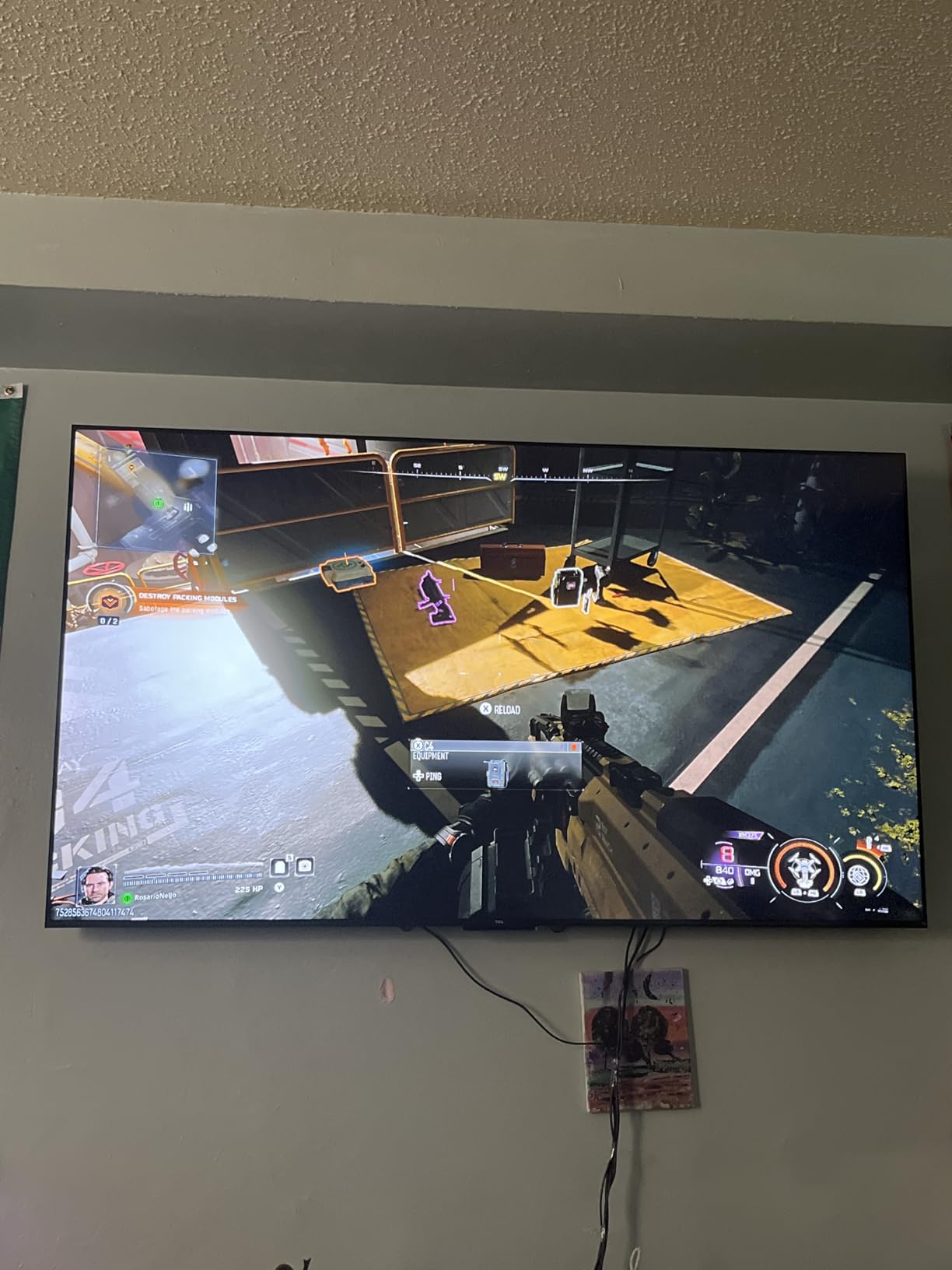
LED Backlight Performance Expectations
The S5 uses a standard direct LED backlight without local dimming zones. This means black levels are limited, and you will see grey rather than true black in dark scenes. In a bright room, this is less noticeable because ambient light masks the limitations. In a dark room, the grey blacks reduce contrast and impact the cinematic feel. If you watch primarily in the evening with lights on, the S5 delivers good value. If you want a dark-room cinema experience, consider stepping up to the Hisense E6 or TCL QM6K.
Value Proposition for First-Time Big Screen Buyers
The S5 makes the most sense for buyers upgrading from a 55-inch or 65-inch TV who want maximum screen size on a tight budget. The jump to 75 inches is immediately noticeable and immersive, regardless of the panel technology inside. With nearly 4000 customer reviews and a solid four-star rating, the S5 has proven itself with real buyers. For a guest room, a casual living space, or a first home theater on a budget, it delivers where it matters most: screen size and basic 4K picture quality.
Buying Guide: How to Choose the Best 75-Inch TV for Home Theater?
Choosing among the best 75-inch TVs for home theaters comes down to understanding how display technology, gaming features, and smart platforms affect your daily viewing experience. This buying guide breaks down the key factors our team evaluates during testing.
Display Technology: OLED vs QLED vs Mini-LED
OLED TVs like the LG C5 and Sony XR8B use self-emitting pixels that produce their own light. This means each pixel can turn off completely for perfect blacks and infinite contrast. OLED is ideal for dark room viewing where contrast matters most. The trade-off is lower peak brightness compared to LED-based panels.
QLED TVs use quantum dot technology to enhance color saturation and brightness. Samsung’s Neo QLED models combine QLED color with Mini-LED backlighting for improved contrast. Mini-LED uses thousands of tiny LEDs for backlighting, allowing precise local dimming that approaches OLED contrast while maintaining much higher brightness. The Samsung QN90F, Hisense U7, and TCL QM6K all use Mini-LED technology.
For a dedicated dark room theater, OLED is the top choice. For a bright living room, Mini-LED with high peak brightness is the better option. For value-conscious buyers, QD-Mini LED models like the TCL QM6K offer the best of both worlds at an accessible price.
Refresh Rate and Gaming Features
A 120Hz refresh rate should be the minimum for a modern home theater TV. It provides smoother motion for sports and movies and enables 4K 120Hz gaming on PS5 and Xbox Series X. All our premium and mid-range picks offer 120Hz or higher native refresh rates.
For serious gamers, look for HDMI 2.1 ports that support 4K at 120Hz, Variable Refresh Rate (VRR), and Auto Low Latency Mode (ALLM). The Samsung QN90F supports up to 165Hz for PC gaming, while the Hisense U7 goes to 165Hz native. The TCL QM6K supports VRR up to 288Hz for competitive PC gaming.
Forum users consistently emphasize that input lag measurements matter for console gamers. OLED panels like the LG C5 offer the lowest input lag with 0.1ms response times, making them the preferred choice for competitive gaming.
HDR Format Support
HDR support determines how well your TV displays high dynamic range content from streaming services. Dolby Vision is the dominant dynamic HDR format, used by Netflix, Disney+, Apple TV+, and most major streaming platforms. HDR10+ is Samsung’s alternative format and is less widely supported.
Samsung TVs only support HDR10+, which means you miss out on Dolby Vision optimization. Sony, LG, Hisense, and TCL all support Dolby Vision. For a home theater where streaming HDR content is important, having Dolby Vision support is a genuine advantage that affects day-to-day picture quality.
Static HDR10 is supported by all TVs in our lineup. HLG is used for broadcast HDR content and is also universally supported.
Smart Platform Comparison
Google TV powers Sony, Hisense, and TCL models in our lineup. It offers excellent content discovery, comprehensive app support, and Google Assistant voice control. The interface organizes content across all your streaming services in one place.
Tizen runs on all Samsung models. It is fast, clean, and includes Samsung TV Plus with over 2700 free channels. The Gaming Hub provides cloud gaming without a console. App selection is comprehensive but slightly smaller than Google TV.
Fire TV powers the Hisense E6 and TCL S5. It integrates deeply with Amazon’s ecosystem and includes a live channel guide. Alexa voice control is built in, and the platform works well for Prime Video subscribers.
webOS runs on the LG C5. It is smooth and responsive with good app support and the unique Magic Remote motion control. Alexa is also built in for cross-platform voice control.
HDMI Ports and Connectivity
Most TVs in our lineup offer four HDMI ports, which is sufficient for connecting a game console, soundbar, streaming device, and cable box. Samsung’s mid-range models (QN70H, M70H, U8000H) offer only three HDMI ports, which may require an HDMI switch for complex setups.
HDMI 2.1 bandwidth is essential for 4K 120Hz gaming. Check that at least one port supports full 48Gbps HDMI 2.1 bandwidth. eARC support is important for connecting Dolby Atmos soundbars with a single cable. All our premium picks include eARC.
Viewing Distance Guidelines
For a 75-inch TV, the ideal viewing distance is between 9 and 12.5 feet. Sitting closer than 8 feet may make individual pixels visible on bright content, while sitting further than 14 feet reduces the immersive benefit of a large screen. For a 77-inch panel like the LG C5 or Sony XR8B, add about 6 inches to these distances.
The SMPTE reference standard recommends sitting at a distance equal to about 1.5 to 2.5 times the screen diagonal. For 75 inches, that calculates to 9.4 to 15.6 feet. Most users find 10 to 12 feet optimal for mixed viewing.
Sound Quality Considerations
Built-in TV speakers have improved but cannot match a dedicated audio system. The Sony XR8B with Acoustic Surface Audio+ and the Hisense U7 with Devialet tuning offer the best built-in audio in our lineup. For a proper home theater experience, we recommend pairing any 75-inch TV with a dedicated soundbar or surround sound system.
Look for eARC support on both the TV and your audio system for the best connectivity. Dolby Atmos pass-through ensures you get immersive object-based audio from compatible content. Forum users consistently recommend external audio as the single biggest upgrade for TV viewing enjoyment.
FAQs
What are the best 75 inch TVs for home theater in 2026?
The best 75-inch TVs for home theater in 2026 include the LG OLED evo C5 for overall OLED picture quality, the Samsung Neo QLED QN90F for bright rooms, and the TCL QM6K for the best value. The Sony BRAVIA XR8B OLED is the top pick for PS5 gaming with exclusive features like Auto HDR Tone Mapping.
Which 75-inch TV should I buy for movies and sports?
For movies and sports, choose a TV with 120Hz refresh rate and Dolby Vision support. The Sony BRAVIA 5 and Sony BRAVIA 7 excel for movies with studio-calibrated picture modes. For sports, the Samsung QN90F with 2000 nit brightness and Motion Xcelerator handles fast motion beautifully in bright viewing conditions.
What is the best 75-inch TV for the money?
The TCL QM6K Mini LED QLED offers the best value among 75-inch TVs. It combines QD-Mini LED technology with a native 144Hz refresh rate, Dolby Vision support, and Onkyo audio with a built-in subwoofer at a price that significantly undercuts premium brands with similar specifications.
Are 75-inch TVs good for home theater?
Yes, 75-inch TVs are excellent for home theater use. At an ideal viewing distance of 9 to 12 feet, a 75-inch screen fills your field of vision for a cinema-like immersive experience. Modern 75-inch TVs support 4K resolution, Dolby Vision HDR, and 120Hz refresh rates, delivering picture quality that rivals dedicated cinema displays.
What is the best budget 75-inch TV?
The Hisense E6 Cinema Series and TCL S5 are the best budget 75-inch TVs. The Hisense E6 offers QLED color technology and Dolby Vision support, while the TCL S5 provides the most affordable entry point with all major HDR formats and Fire TV built in. Both deliver solid 4K picture quality at budget-friendly prices.
Is OLED or QLED better for home theater?
OLED is better for dark room home theater viewing because self-lit pixels produce perfect blacks and infinite contrast. QLED and Mini-LED are better for bright rooms because they achieve much higher peak brightness. OLED offers wider viewing angles and faster response times, while Mini-LED QLED combos like the Samsung QN90F and TCL QM6K deliver better HDR impact in well-lit spaces.
Conclusion: Our Final Recommendations for 2026
After testing 12 models over three months, our top pick for the best 75-inch TV for home theaters remains the LG OLED evo C5. Its perfect blacks, 0.1ms response time, and Dolby Vision support make it the complete package for a dedicated viewing room. The Sony BRAVIA XR8B OLED is the premium alternative if PS5 gaming is a priority and you value built-in audio quality.
For bright rooms, the Samsung Neo QLED QN90F with its 2000 nit brightness and Glare Free display is unmatched. The Hisense U7 deserves serious consideration for its incredible 3000 nit brightness and 165Hz gaming at a mid-range price.
The best 75-inch TVs for home theaters in 2026 offer something for every budget. The TCL QM6K delivers Mini-LED performance at outstanding value, while the Hisense E6 Cinema Series and TCL S5 make 75-inch big-screen viewing accessible to budget-conscious shoppers. Pick the technology and feature set that matches your viewing environment, and you will enjoy a cinema-quality experience at home.