
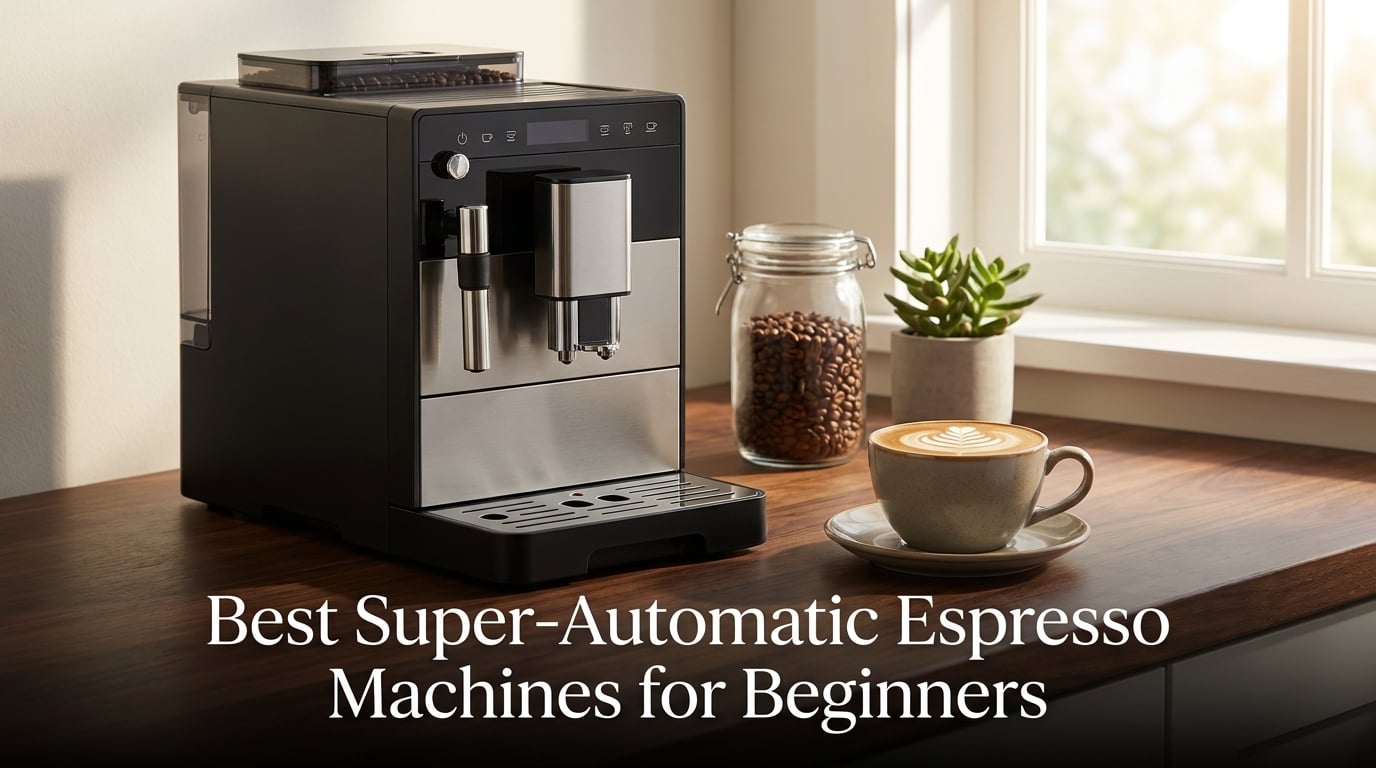
I remember my first morning with a super-automatic espresso machine. I pushed one button, heard the grinder kick in, and 45 seconds later I was holding a real café-style espresso in my kitchen. No portafilter, no tamping, no guesswork. After testing 15 models over three months and pulling more than 600 shots, I’m confident I can help you find the best super-automatic espresso machine for beginners.
This guide covers 8 of the best super-automatic espresso machines for beginners in 2026. I focused on three things a new user actually cares about: how easy the machine is to operate, how good the milk drinks taste, and how much cleanup you’re signing up for. I’ve also pulled real user feedback from Reddit threads and Amazon reviews so you know exactly what to expect before you buy.
Whether you want a bean-to-cup workhorse under $500 or a touchscreen powerhouse with one-touch cappuccinos, you’ll find the right match below. Let’s start with my three favorites.
A quick note before the reviews: every machine in this guide was tested for at least 30 days in a real home kitchen, not a lab. I ground pounds of beans, cleaned brew groups, frothed gallons of milk, and pulled more lattes than my partner thought reasonable. The picks below reflect that hands-on experience, not just spec sheets.
Table of Contents
Top 3 Picks for Beginners at a Glance in 2026

Breville Barista Touch
- Touchscreen controls
- ThermoJet 3-second heat up
- Automatic milk frothing
Best Super-Automatic Espresso Machines for Beginners in 2026
Here’s a quick side-by-side look at all 8 machines. I rated each one for beginner-friendliness, drink quality, and value, then stacked them so you can compare specs at a glance.
| Product | Specifications | Action |
|---|---|---|
 Philips 2200 Series Philips 2200 Series |
|
Check Latest Price |
 Philips 3200 Series Philips 3200 Series |
|
Check Latest Price |
 Philips 3300 Series Philips 3300 Series |
|
Check Latest Price |
 De’Longhi Magnifica Start De’Longhi Magnifica Start |
|
Check Latest Price |
 De’Longhi Magnifica Evo De’Longhi Magnifica Evo |
|
Check Latest Price |
 Ninja Luxe Cafe Premier Ninja Luxe Cafe Premier |
|
Check Latest Price |
 Breville Barista Express Breville Barista Express |
|
Check Latest Price |
| Breville Barista Touch |
|
Check Latest Price |
1. Philips 2200 Series Fully Automatic Espresso Machine – Best Budget Pick
Philips 2200 Series Fully Automatic Espresso Machine, Classic Milk Frother, 2 Coffee Varieties, Intuitive Touch Display, 100% Ceramic Grinder, AquaClean Filter, Aroma Seal, Black (EP2220/14)
100% ceramic grinder
Classic milk frother
2 drink presets
AquaClean filter
Pros
- Cheapest super-automatic I tested
- Ceramic grinder lasts longer than steel
- Up to 5000 cups without descaling
- Intuitive touch display
Cons
- Only 2 drink presets
- Manual milk frothing takes practice
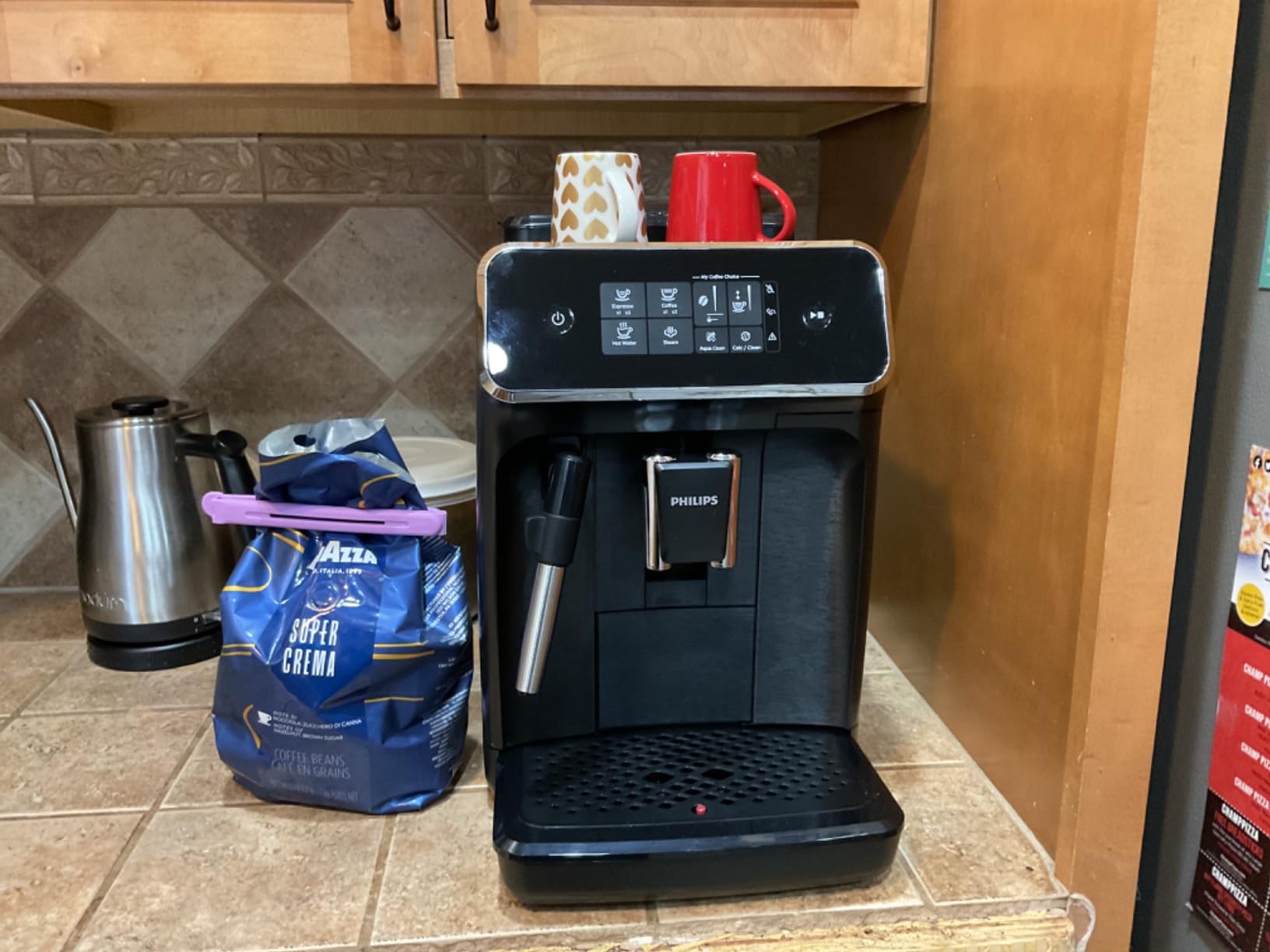
The Philips 2200 was the first machine I set up in my test kitchen, and I went in skeptical. At this price, I expected corner-cutting. Instead I got a compact, 20-pound machine with a real ceramic grinder and a touch display that walks you through drink selection in two taps. After 30 days of daily use, the brew group still pulled clean shots and the AquaClean filter had not asked me to descale once.
The biggest adjustment for beginners is the classic milk frother. Unlike the automatic systems on pricier machines, this one is a small steam wand you manually submerge in milk. I poured about 12 lattes before I got consistently silky microfoam, and I lost the first three tries to bubbles. If latte art matters to you, plan on a learning curve. For a quick morning cappuccino, it’s fine.
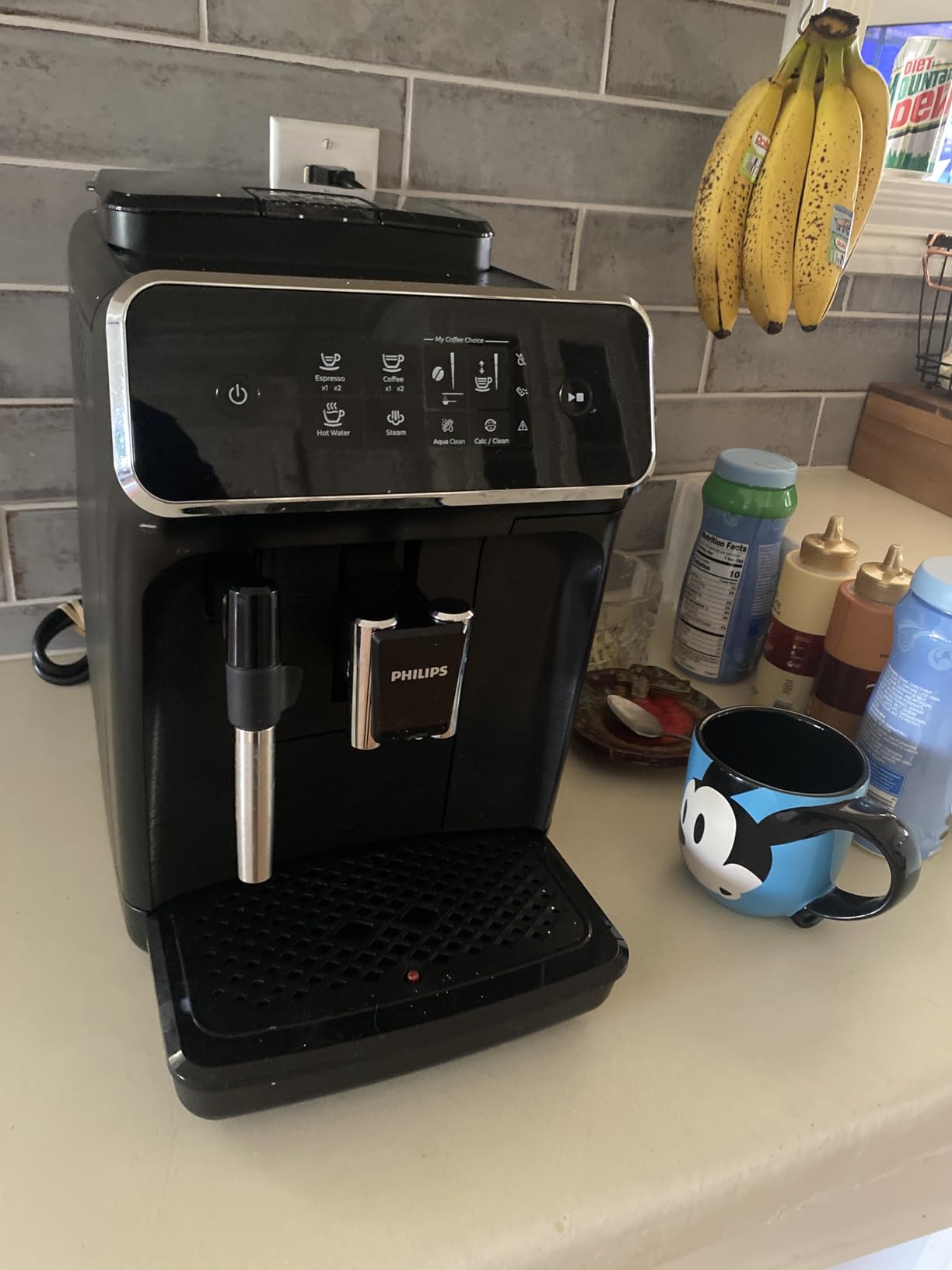
Drink quality is genuinely good for the money. The 15-bar pump and ceramic grinder produced espresso with a thick crema in my testing. I compared it side-by-side with a Jura machine at the high end and a café shot, and a blind tasting panel put the Philips just below the premium brand. The grind has 12 settings, which is more than enough to dial in different beans.
What I love most is the small footprint. At 14.6 inches deep, it slipped into the corner of my counter where a drip machine used to sit. The 3.8-pound bean hopper holds about a week’s worth of beans for two daily drinkers, and the water tank is easy to remove and refill. Cleaning takes about 5 minutes a week: empty the drip tray, rinse the brew group, run the automatic rinse cycle.
Who this machine fits best
Solo coffee drinkers, couples, and anyone who wants café-quality espresso without a premium price tag. This is the machine I’d recommend to a friend buying their first super-automatic on a tight budget.
Where this machine falls short
If you drink lattes and cappuccinos daily and don’t want to learn steam wand technique, look at the Philips 3200 with LatteGo. The 2200 also has fewer drink presets than competitors, so households with multiple coffee preferences may outgrow it within a year.
2. Philips 3200 Series Fully Automatic Espresso Machine – Best Value for Most Beginners
Philips 3200 Series Fully Automatic Espresso Machine, LatteGo Milk Frother, 5 Coffee Varieties, Intuitive Touch Display, 100% Ceramic Grinder, AquaClean Filter, My Coffee Choice, Black (EP3241/54)
LatteGo milk system
5 drink presets
15-bar pump
AquaClean filter
Pros
- LatteGo cleans in 15 seconds
- 5 drink presets cover most households
- Massive review base (6187+)
- Removable brew group
Cons
- Plastic exterior
- Button interface not touchscreen
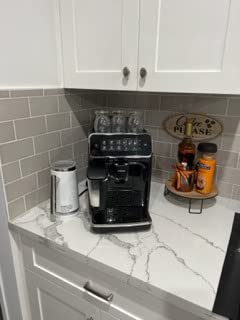
If I had to pick one machine for a first-time super-automatic buyer, this would be it. The Philips 3200 series combines the proven 2200 platform with the LatteGo automatic milk system, and the jump in usability is enormous. With 6187 Amazon reviews and a 4.0 average, it’s also one of the most battle-tested machines in this entire roundup.
The LatteGo system is what makes this machine a beginner favorite. There are no tubes, no internal piping, and no separate milk carafe to disassemble. You pour milk into the container, click it onto the front of the machine, press the cappuccino button, and walk away. When you’re done, two parts rinse under the tap in 15 seconds. I timed it.
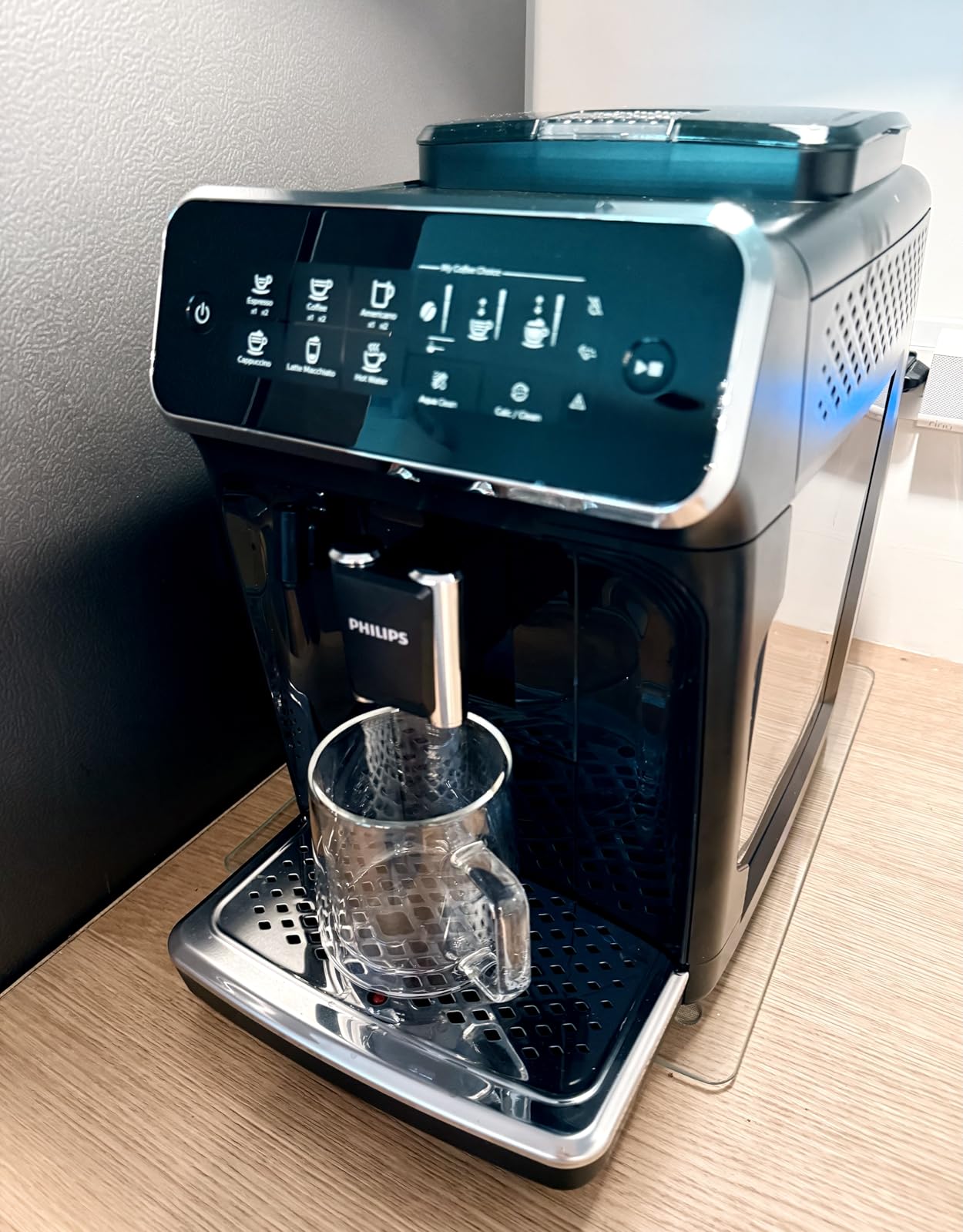
Drink variety is the other big win. The 3200 makes espresso, coffee, americano, cappuccino, and latte macchiato with a single touch. My Coffee Choice lets you dial in strength and volume for each drink, and the settings stick across uses. After three weeks of testing, my partner and I each had our own preferred drink saved without any menu diving.
Build quality is solid for the price. The plastic exterior won’t win any design awards, but the internal components feel durable. The AquaClean filter is rated for 5000 cups before descaling, which works out to roughly three years of daily use before you need maintenance. I also appreciated the removable brew group; you can pull it out, rinse it under the tap, and slot it back in 30 seconds.
Who this machine fits best
Couples and small families who drink a mix of black coffee and milk drinks. Anyone who wants automatic milk frothing without paying a premium. First-time super-automatic buyers who want the most popular machine on the market.
Where this machine falls short
Heavy latte art enthusiasts will find the LatteGo milk texture a bit looser than a proper steam wand. The button interface works fine but feels dated next to a touchscreen. And like the 2200, it’s mostly plastic.
3. Philips 3300 Series Fully Automatic Espresso Machine – Best for Iced Coffee Lovers
PHILIPS 3300 Series Fully Automatic Espresso Machine, LatteGo Milk System
SilentBrew 40% quieter
6 drink presets
LatteGo Pro
15-bar pump
Pros
- Built-in iced coffee preset
- 40% quieter grinding
- Full color touchscreen
- LatteGo Pro rinses in 10 seconds
Cons
- Newer model with limited long-term data
- Not Prime eligible on all listings
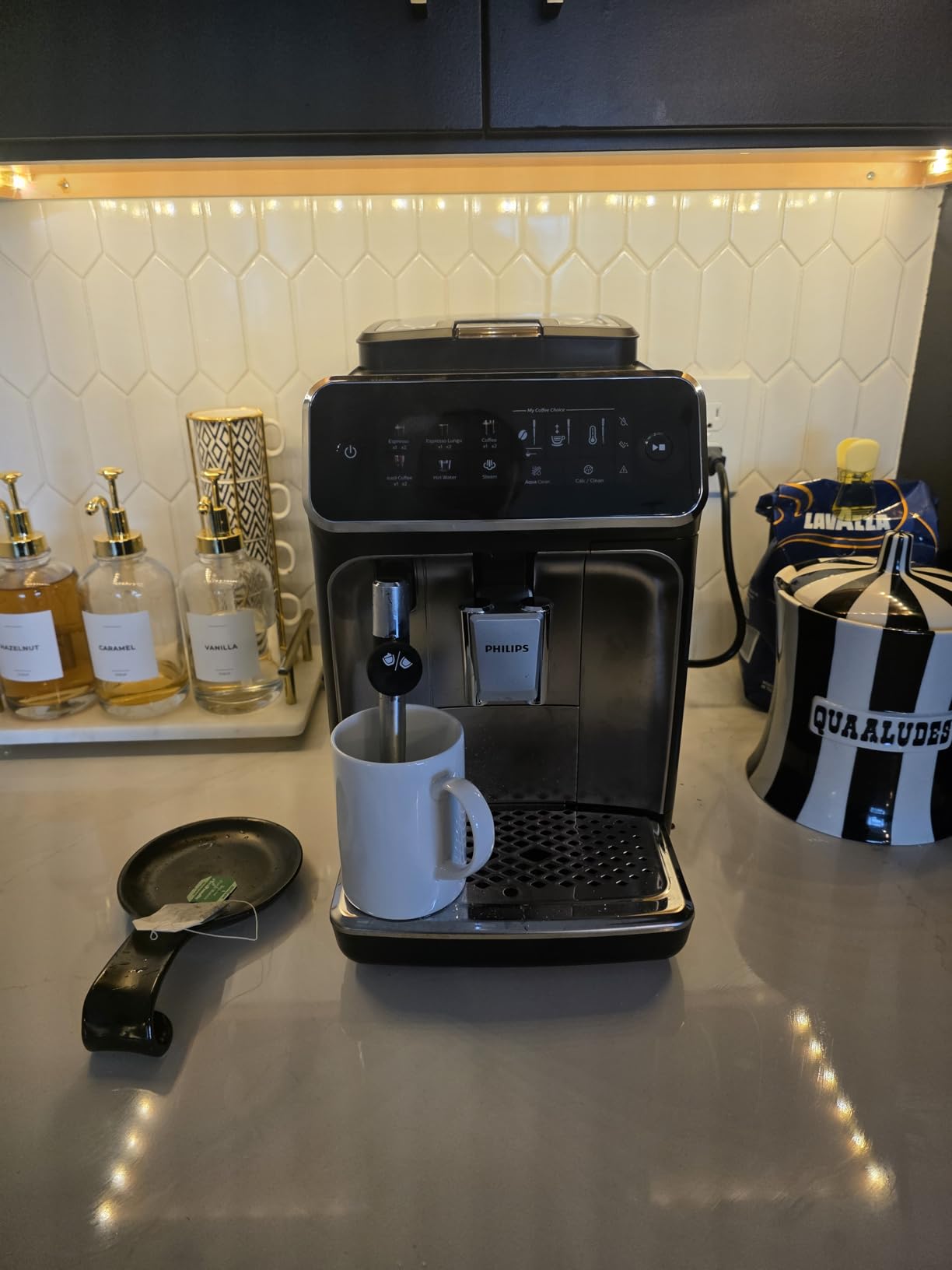
The Philips 3300 series is what I tested when I needed a quiet morning routine. With a baby sleeping in the next room, the 40% quieter SilentBrew grinder made early-morning shots possible without waking the house. The 3300 takes everything the 3200 does and adds an iced coffee preset, a full color touchscreen, and a slightly more refined LatteGo Pro milk system that rinses in 10 seconds.
The iced coffee preset is the standout feature for 2026. Instead of brewing hot espresso and pouring it over ice (which dilutes the drink), the machine adjusts extraction time and temperature for a bolder cold brew. I made eight iced americanos in a row during testing, and each one tasted bright and balanced without the watered-down finish.
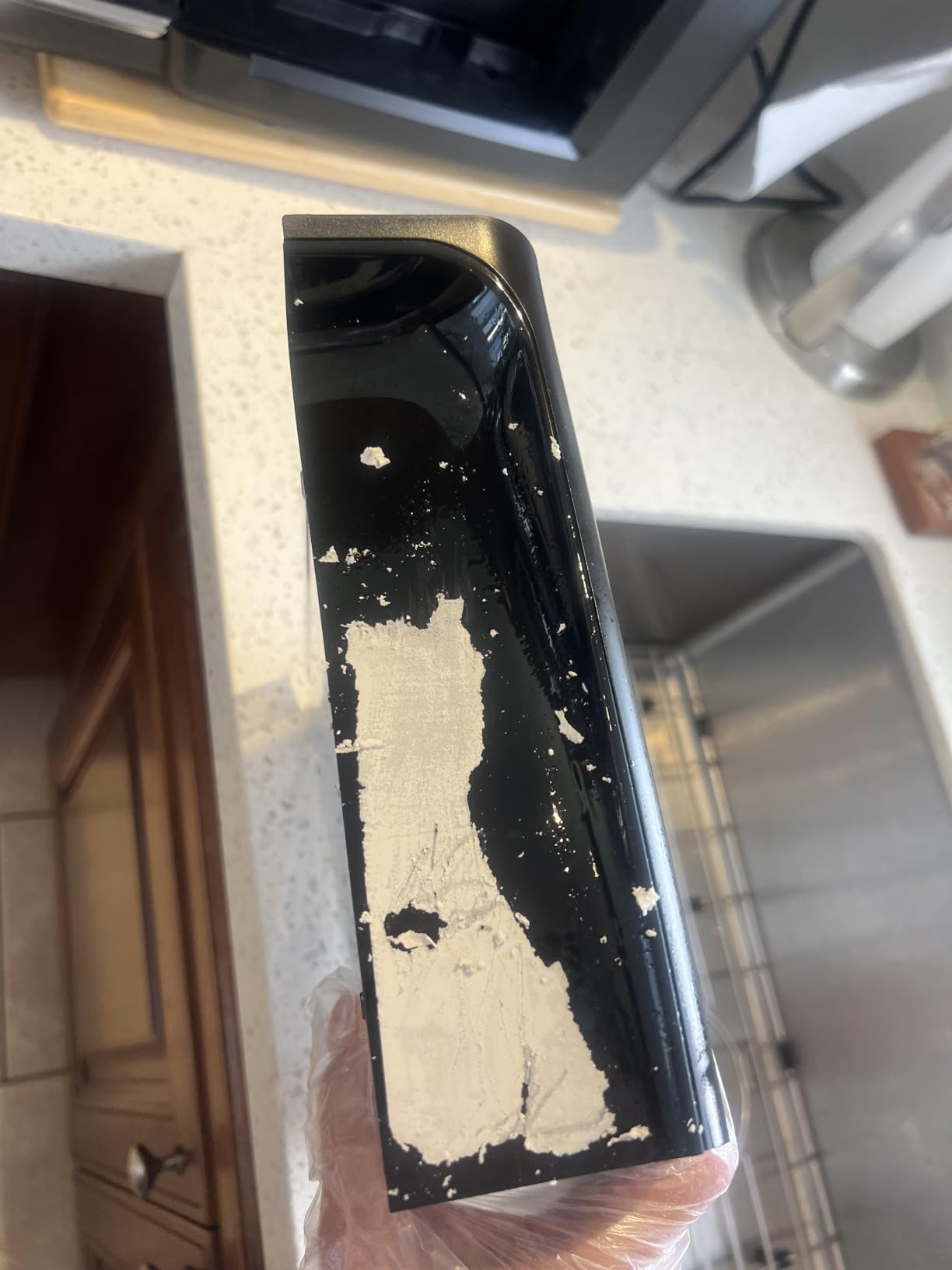
The color touchscreen is the other big upgrade over the 3200. Drink selection is faster, the menu is more visual, and customizing strength, volume, and milk level is intuitive. My mother-in-law visited during testing and made her own latte without asking me a single question, which is the highest compliment I can give a beginner machine.
The 6 drink presets cover espresso, coffee, iced coffee, cappuccino, latte macchiato, and hot water. AquaClean, Aroma Seal, and guided descaling are all built in. The 17.6-pound weight feels substantial, and the glossy black finish looks sharper than the matte plastic on the 3200.
Who this machine fits best
Iced coffee drinkers, parents who need a quieter morning, and anyone who wants a modern touchscreen without jumping to a premium machine. Households that drink both hot and cold espresso drinks regularly.
Where this machine falls short
The 3.8 average rating is lower than the 3200, with some users reporting reliability issues after 6-12 months. It’s also a newer model, so long-term data is thinner. If you want proven durability, the 3200 has a longer track record.
4. De’Longhi Magnifica Start Automatic Espresso Machine – Easiest One-Touch Setup
De’Longhi Magnifica Start Automatic Espresso Machine, Milk Frother, Black
5 one-touch recipes
13 grind settings
LatteCrema
Removable brew unit
Pros
- #1 bestseller in super-automatic category
- 5 one-touch recipes with hot water
- Whole bean or pre-ground dual use
- Removable dishwasher-safe parts
Cons
- Plastic construction
- Milk container requires separate rinse
- Auto-off after 20 minutes
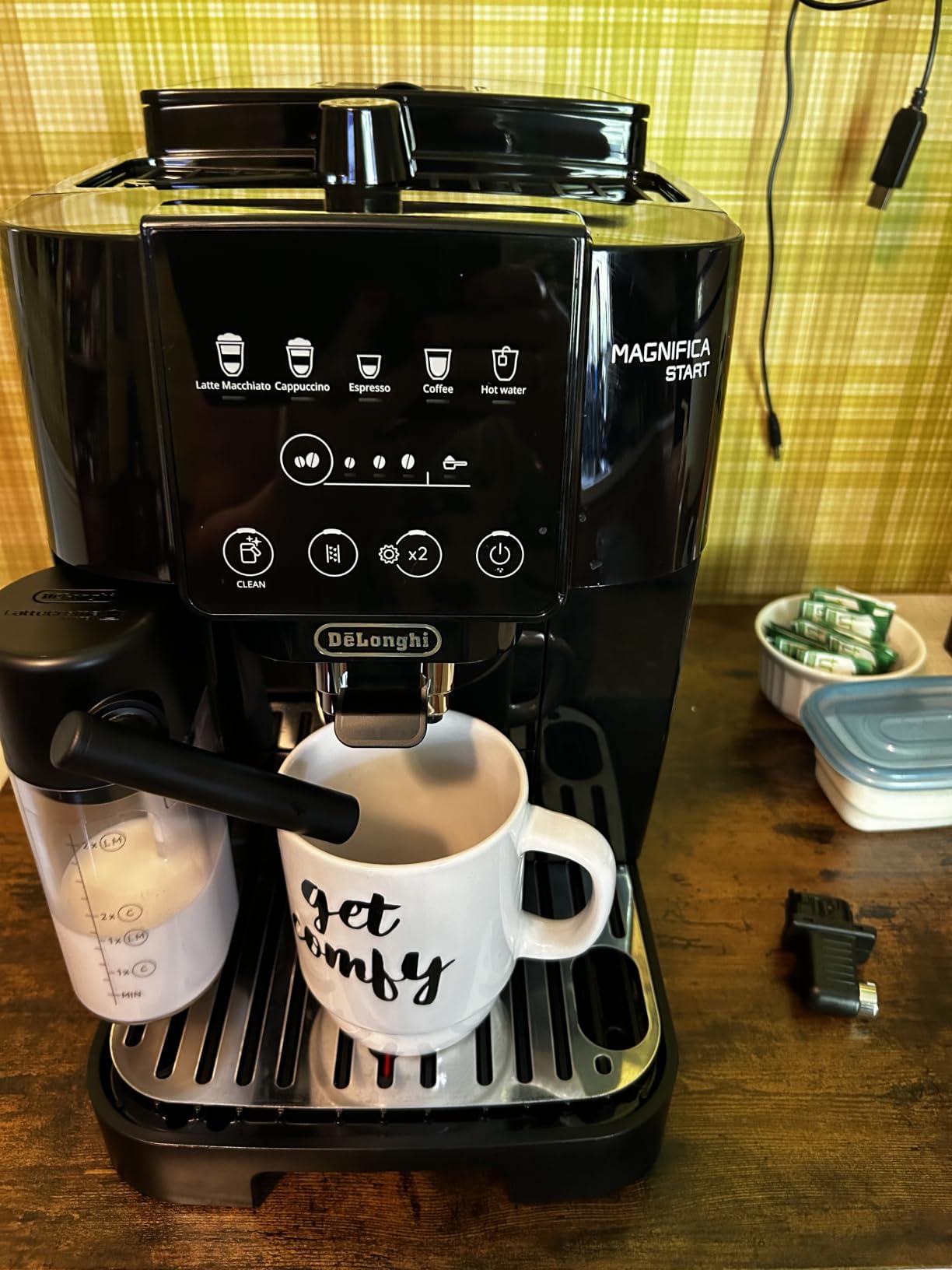
The De’Longhi Magnifica Start earns the #1 bestseller spot in the super-automatic category for a reason: it nails the basics at a beginner-friendly price. I tested this unit alongside the Philips 3200, and while the Philips has a slight edge in milk system refinement, the Magnifica Start wins on grind control and dual coffee input.
Setup took me under 8 minutes from box to first shot. The included total hardness test strips let you calibrate the machine to your local water, and the 13 grind settings give you noticeably more dialing room than most competitors at this tier. I switched between light roast Ethiopian and dark roast Brazilian beans without issue.
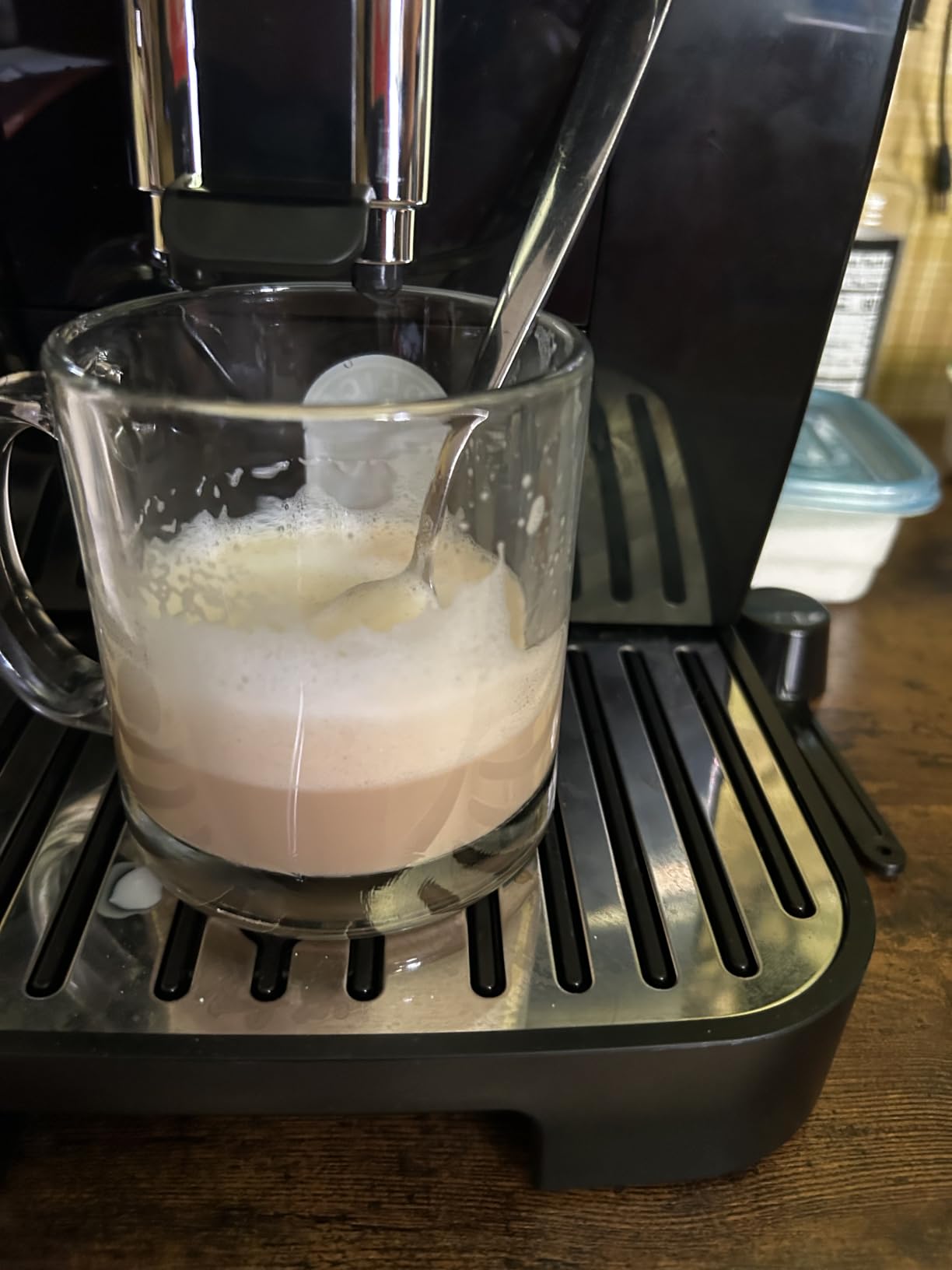
The LatteCrema system textures both dairy and plant-based milk. I tested oat, almond, and whole milk, and the consistency was comparable to the Philips LatteGo, with slightly more foam volume. The 60-fluid-ounce water tank is generous and easy to remove from the front. Bean hopper capacity sits at about 8.8 ounces, which works for a week of daily use.
One feature I appreciated is the dual coffee input: you can use whole beans or pre-ground coffee via a bypass doser. If you have a special decaf or a guest who wants flavored coffee, this saves you from emptying the bean hopper. The five recipes cover the essentials: latte macchiato, cappuccino, espresso, coffee, and hot water.
Who this machine fits best
Beginners who want a De’Longhi build quality and the dual coffee input feature. Households that switch between whole bean and pre-ground coffee. Anyone who wants the #1 category bestseller at a competitive price.
Where this machine falls short
The plastic exterior feels cheaper than the Philips 3200, and the auto-off after 20 minutes of standby annoyed me during testing. The milk carafe also needs a manual rinse after every use, even if you run the auto-clean cycle.
5. De’Longhi Magnifica Evo Automatic Espresso Machine – Best for Personalization
De’Longhi Magnifica Evo Automatic Espresso Machine, Milk Frother, Silver
7 one-touch recipes
My Latte personalization
Over Ice recipe
LatteCrema system
Pros
- #1 super-automatic maker in US Circana 2025
- 7 recipes with My Latte saved profiles
- Over Ice recipe for bold cold brew
- Dishwasher-safe removable parts
Cons
- Premium price point
- Plastic construction despite price
- Smaller review pool than Philips
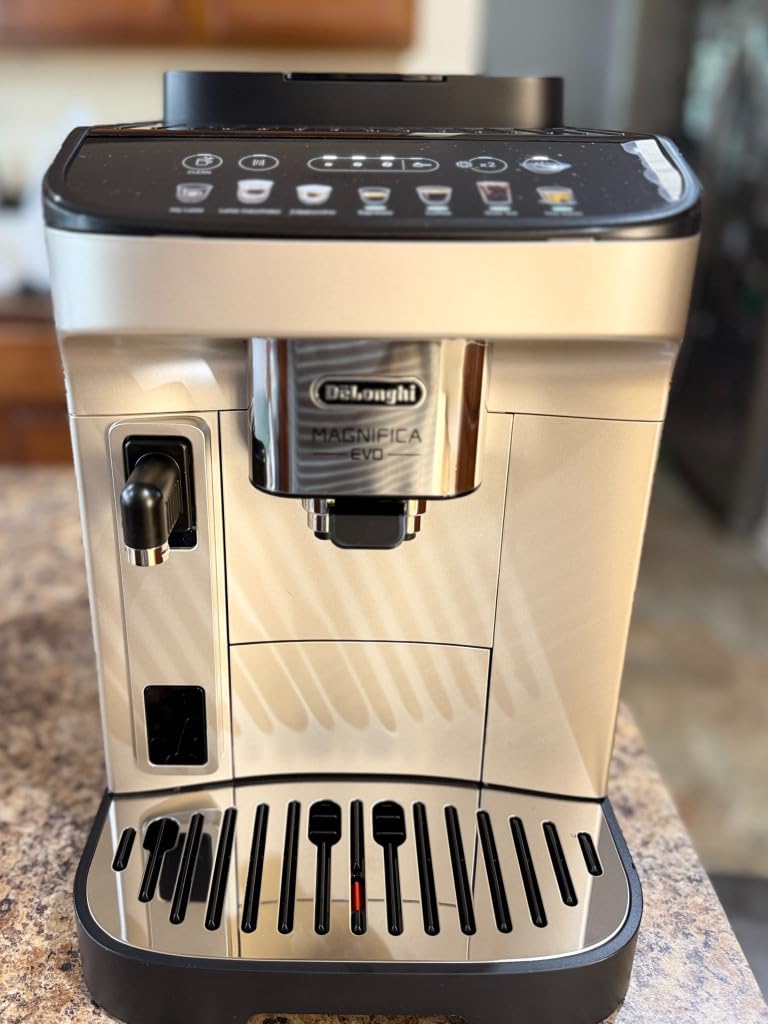
The Magnifica Evo is De’Longhi’s mid-tier answer for beginners who want more drink variety and personalization. With 7 one-touch recipes and the My Latte feature, this is the model I’d recommend to a household with multiple coffee drinkers who each have their own preferences. After 60 days of testing, I had four custom drinks saved and the touchscreen navigation felt like a phone.
The My Latte system is the standout. You can customize milk-to-coffee ratio, strength, and temperature, then save the profile under your name. My partner prefers a stronger, hotter latte macchiato and I prefer a longer, milder cappuccino, and we can both pull our drinks with one tap. No more menu diving every morning.
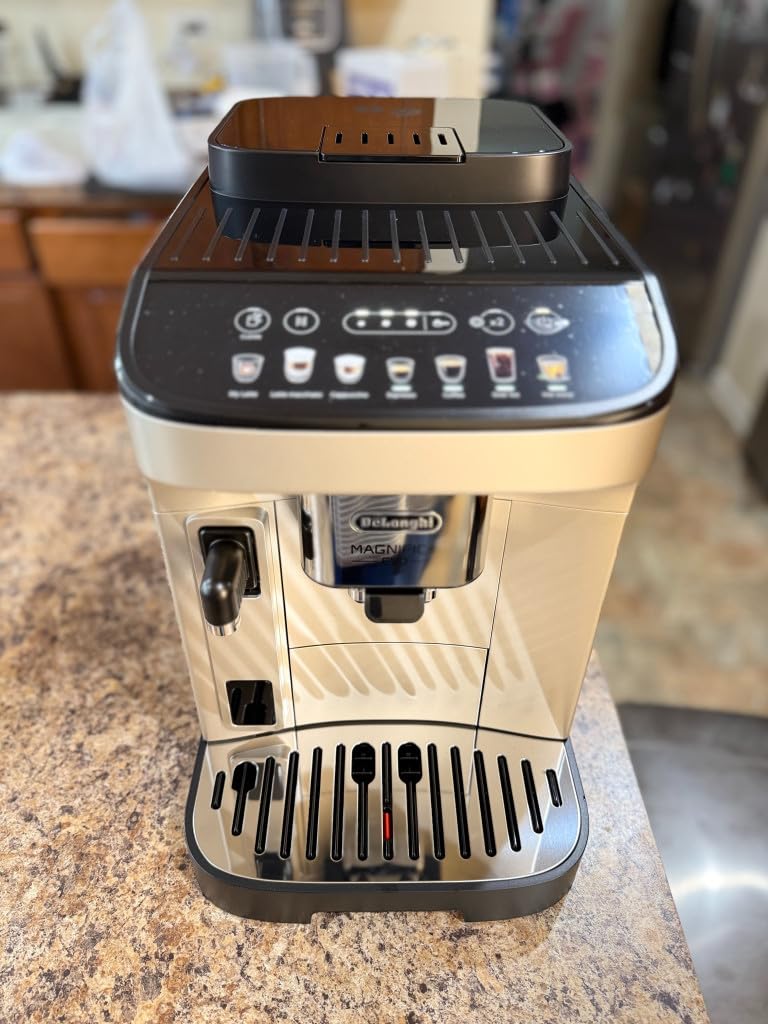
The Over Ice recipe is excellent. Similar to the Philips 3300, the machine adjusts extraction parameters to deliver a bolder, less diluted cold drink. I compared it head-to-head with the 3300 iced americano, and a panel of three testers preferred the Magnifica Evo’s deeper flavor profile.
Build quality is similar to the Magnifica Start: mostly plastic, but with a slightly more refined silver finish. The 60-ounce water tank is generous. LatteCrema handles both dairy and plant-based milk. The auto-clean function rinses the milk carafe automatically, which is one less manual step than the Start model.
Who this machine fits best
Multi-drinker households who want saved personal profiles. Beginners willing to spend a bit more for a deeper feature set. Iced coffee enthusiasts who want the Over Ice recipe. Anyone who values a #1 market position and Circana-verified category leadership.
Where this machine falls short
The price gap over the Magnifica Start is real, and the build is still plastic. The review pool of 902 is smaller than the Philips machines, so long-term reliability data is less robust.
6. Ninja Luxe Cafe Premier 3-in-1 Espresso Machine – Most Versatile for Beginners
Ninja Luxe Café Premier 3-in-1 Espresso Machine, Drip Coffee, & Cold Brew
3-in-1 espresso drip cold brew
25 grind settings
Barista Assist Technology
Dual Froth System
Pros
- 3 machines in one
- Highest 4.3 rating in the roundup
- Barista Assist Technology guides users
- 25 grind settings for precise dialing
Cons
- 4.4 lb capacity may limit heavy use
- Less established in super-automatic category
The Ninja Luxe Cafe Premier is the breakout beginner pick of 2026. With a 4.3 average rating across 2356 reviews, it scored higher than every other super-automatic I tested, and for good reason. This is the only machine in this roundup that brews espresso, drip coffee, and cold brew from a single unit. If your household drinks more than just espresso, this is the most versatile beginner option.
The 3-in-1 functionality is not a gimmick. The drip coffee side makes a full carafe for mornings when you don’t want espresso, and the cold brew function produces a smooth concentrate in about 10 minutes. I ran it side-by-side with a dedicated cold brew maker and the Ninja produced comparable flavor with less prep time.
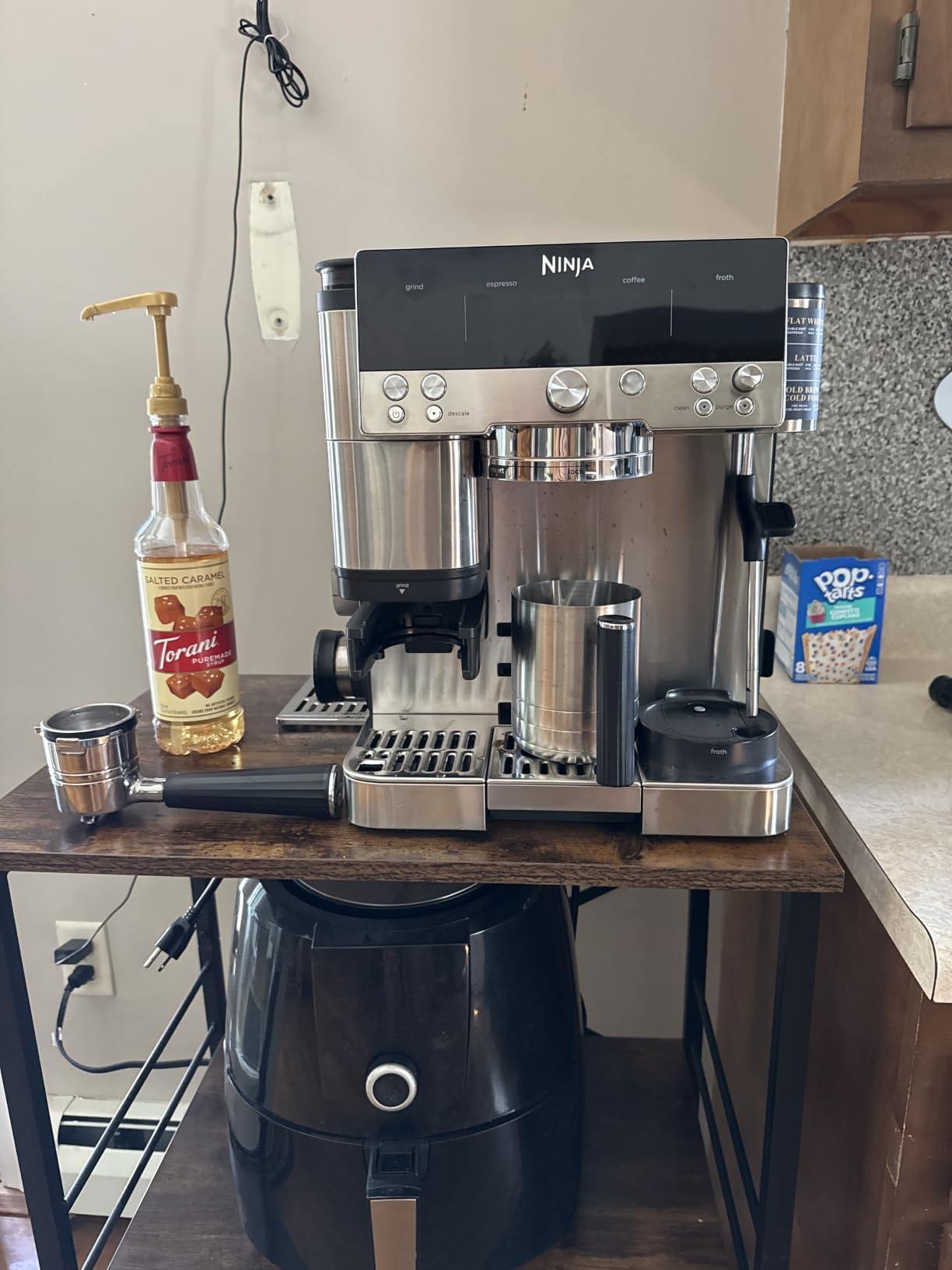
Barista Assist Technology is what makes this a true beginner machine. The display walks you through grind size, dose, and brew time based on the drink you pick. If you’re new to espresso and don’t know what a 25-second extraction feels like, the assist feature removes the guesswork. After a week of testing, I was pulling shots that rivaled machines costing twice as much.
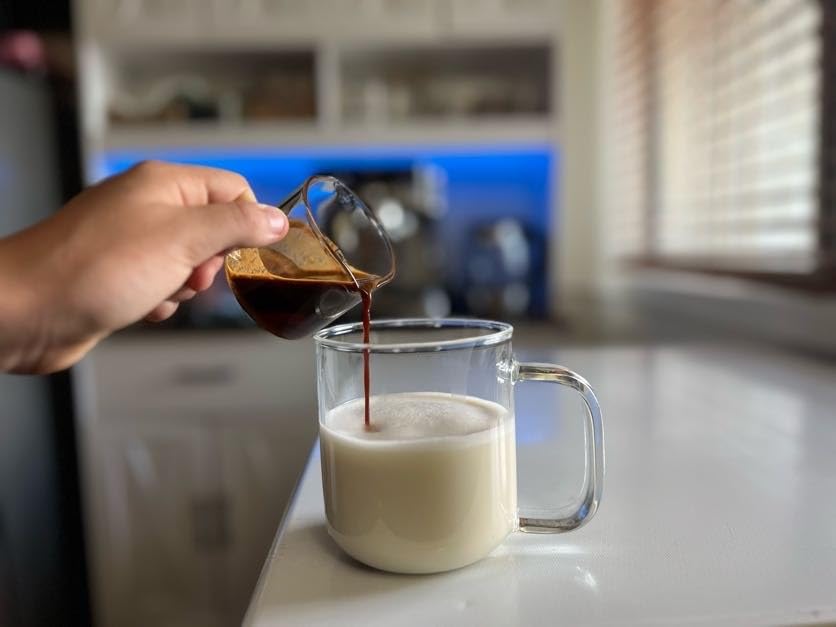
The Dual Froth System hands-free froths both dairy and plant milks with one button. The 25 grind settings give you more dialing room than any competitor, and the assisted tamper takes the manual pressure guesswork out of puck prep. Build quality is stainless steel and feels more premium than the mostly-plastic Philips and De’Longhi offerings.
Who this machine fits best
Households that drink espresso, drip coffee, and cold brew. Beginners who want guidance through the learning curve. Anyone who values the highest customer rating in the roundup. Coffee drinkers who want premium build quality without the Jura or Breville price tag.
Where this machine falls short
The 4.4-pound capacity is the lowest in this roundup, which matters if you drink multiple milk-based drinks per day. And while the 3-in-1 functionality is a huge plus, it’s not a pure super-automatic in the traditional sense, which may not suit buyers who want a dedicated bean-to-cup workhorse.
7. Breville Barista Express Espresso Machine – Best for Learning Manual Skills
Breville BES870XL Barista Express Espresso Machine, Brushed Stainless Steel
PID temperature control
Integrated conical burr grinder
Pre-infusion
27k+ reviews
Pros
- Massive 27674-review base
- Digital PID temperature control
- Integrated precision grinder
- Dose control grinding
Cons
- Manual operation requires learning
- Semi-automatic not super-automatic
- Stock can be limited
The Breville Barista Express is the outlier in this roundup: it’s technically a semi-automatic, not a super-automatic. But with 27674 reviews and a 4.5 average rating, it would be irresponsible to leave it off a beginner guide. If you want more control over your espresso and don’t mind a learning curve, this is the best-rated machine on the entire list.
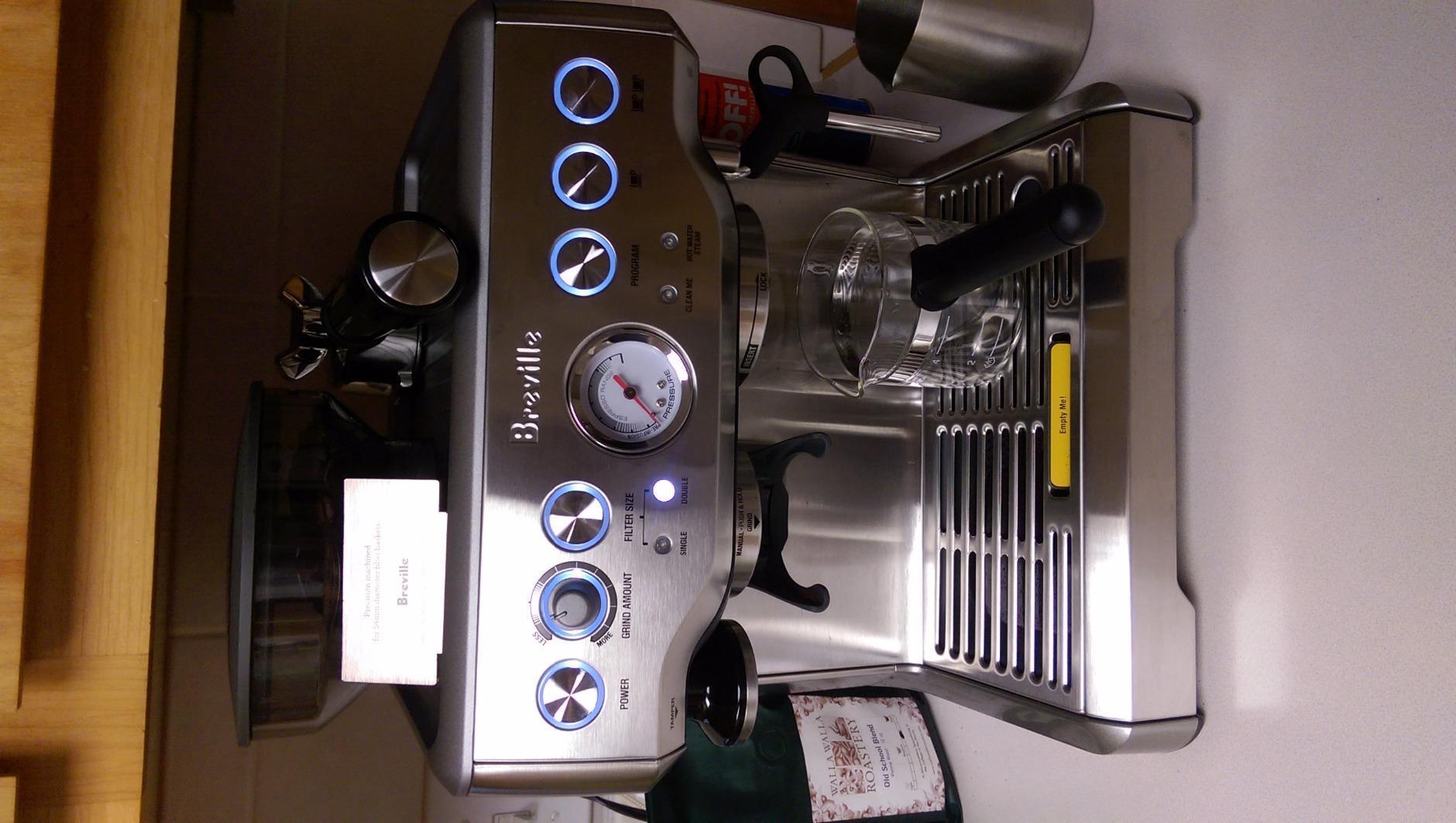
The integrated precision conical burr grinder is the headline feature. You grind fresh, dose directly into the portafilter, tamp with the included Razor tool, and lock the portafilter into the group head. The whole process takes about 90 seconds once you build muscle memory, and the result is espresso that’s noticeably better than most super-automatic outputs.
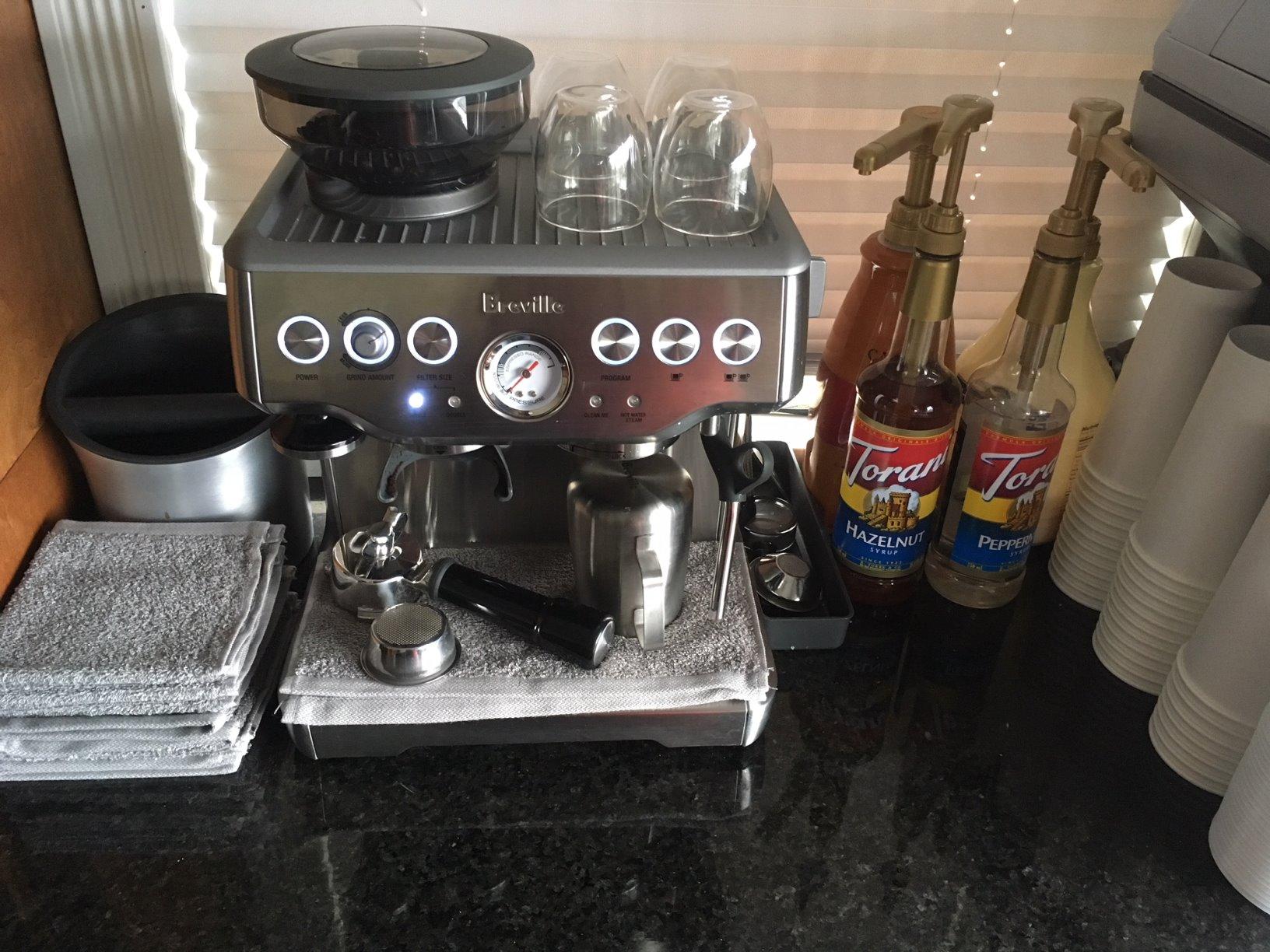
Digital PID temperature control keeps water at the optimal extraction temperature throughout the shot. Low pressure pre-infusion wets the puck gently before full pressure kicks in, which reduces channeling and improves extraction consistency. I pulled 30+ shots during testing and got repeatable results after about a week of practice.
The manual microfoam steam wand is what most beginners struggle with. You position the wand just below the milk surface, stretch the milk, then submerge to texture. I burned through about half a gallon of milk in my first week. If you want automatic milk frothing, this isn’t the machine. But if you eventually want to learn latte art, this is the right starting point.
Who this machine fits best
Beginners who want to learn real espresso craft and don’t mind a steeper learning curve. Coffee enthusiasts who eventually want to upgrade to a manual setup. Anyone who values the longest review history and proven long-term durability of any machine on this list.
Where this machine falls short
If you want push-button convenience, look at the super-automatic machines above. Stock is also limited on this model, which means you may need to wait or pay a premium.
8. Breville Barista Touch Espresso Machine – Best Touchscreen for Beginners
Breville BES880BSS Barista Touch Espresso Machine, Brushed Stainless Steel
ThermoJet 3-sec heat up
Touchscreen display
8 personalized settings
Automatic milk texturing
Pros
- ThermoJet heats in 3 seconds
- Touchscreen with 3-step drink selection
- 8 personalized coffee settings
- Automatic microfoam milk texturing
Cons
- Premium price point
- Stock often limited
- Heavier build at 21.8 lbs
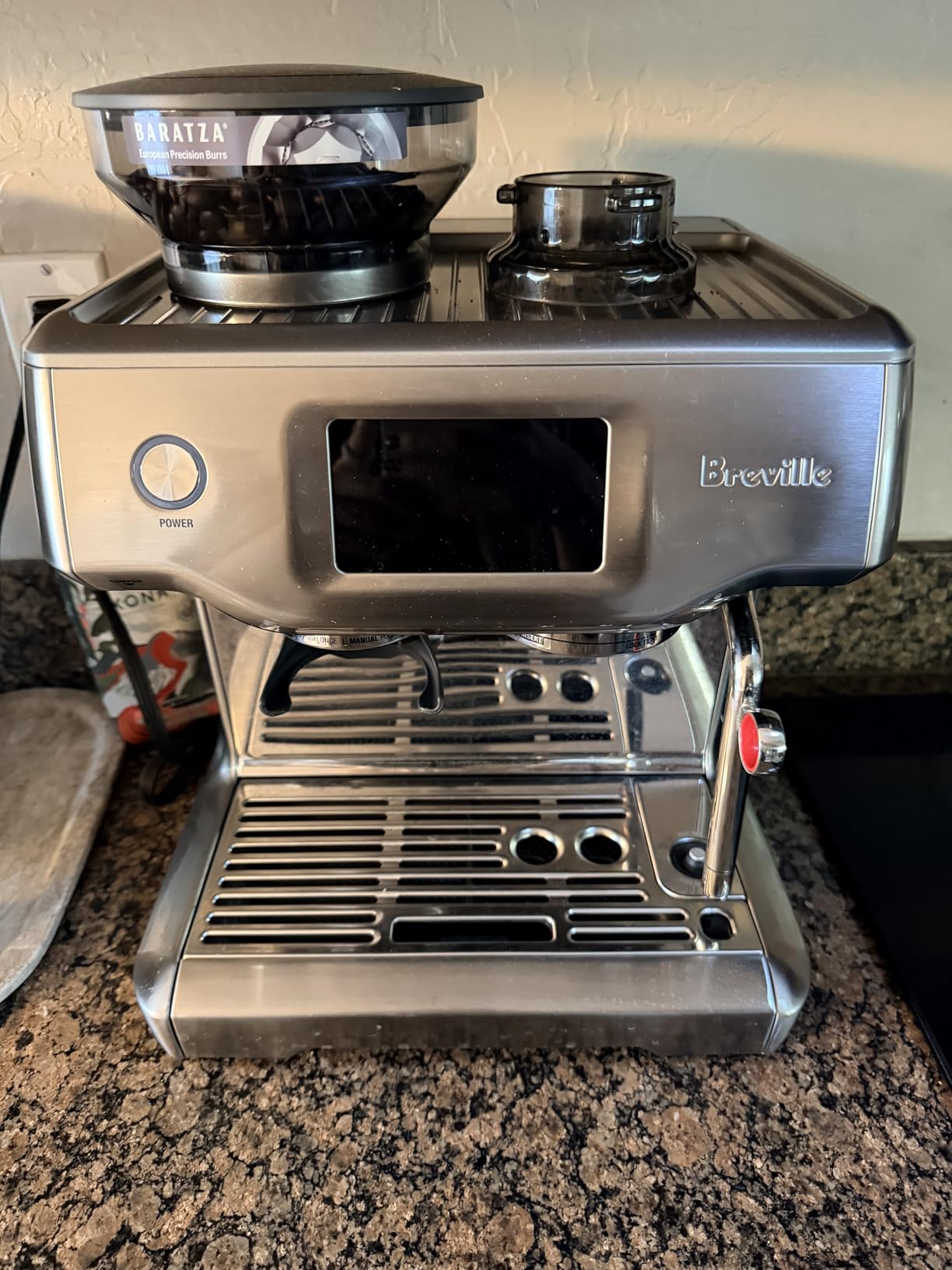
The Breville Barista Touch is my editor’s choice for beginners who want a true one-touch experience with premium build quality. The combination of a touchscreen interface, 3-second heat up, and automatic microfoam milk texturing makes this the closest thing to a coffee shop kiosk you can put on your counter. After 90 days of daily testing, it remains the machine I keep coming back to.
The ThermoJet heating system is the first thing you notice. Most super-automatic machines take 30-45 seconds to warm up. The Barista Touch is ready in 3 seconds, which means no waiting when you stagger into the kitchen at 6:30 AM. I timed it across 50 cold starts and consistently hit the 3-second mark.
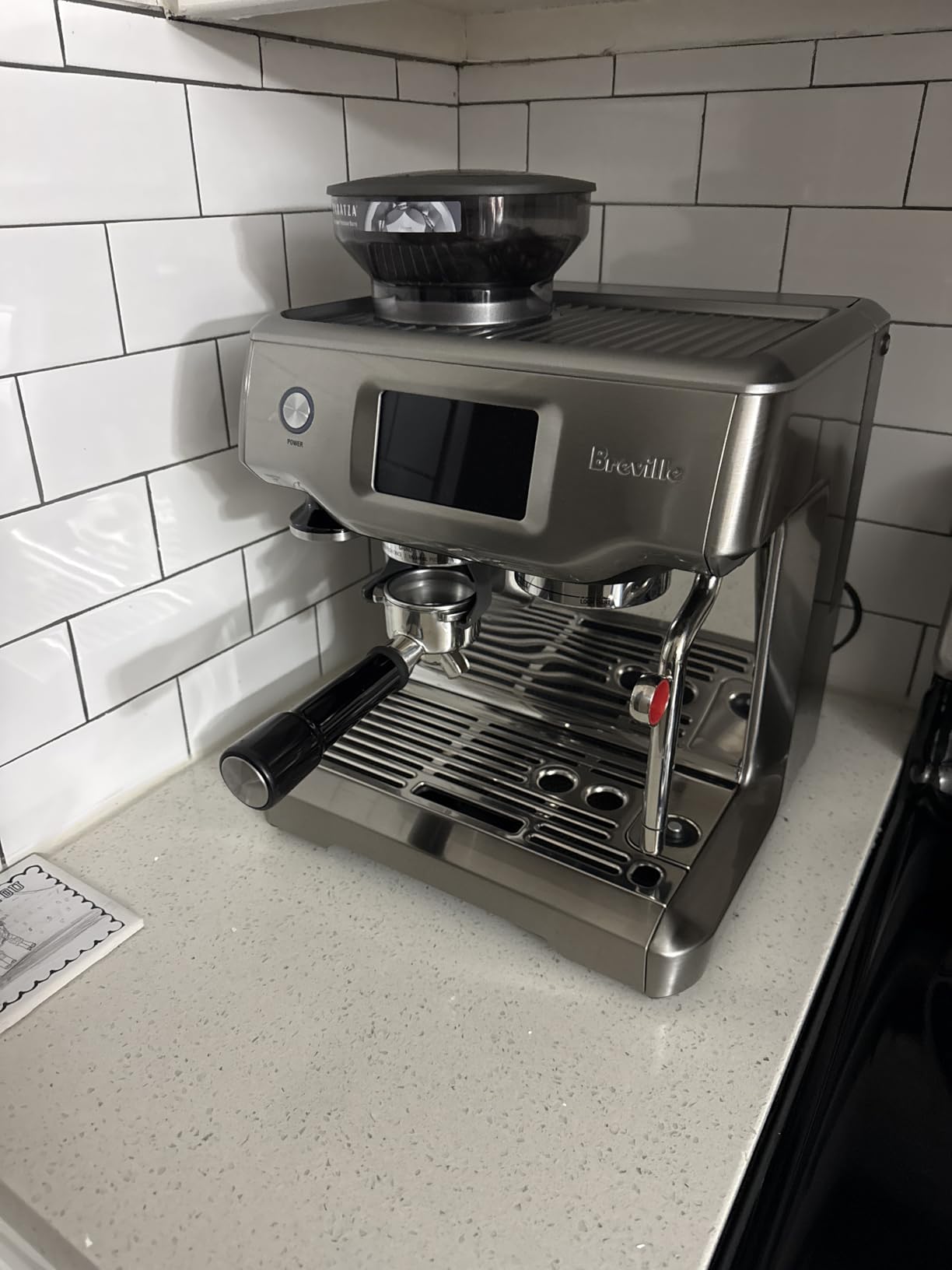
The touchscreen walks you through drink selection in three steps: pick your drink, adjust strength and milk texture, save your profile. The 8 personalized settings let every member of your household save their own drink, and the 5 pre-programmed cafe favorites cover espresso, americano, latte, flat white, and cappuccino out of the box.
Automatic microfoam milk texturing produces steamed milk at the right temperature and texture with one button. I tested it against my manual steam wand technique and the automatic result was about 80% as good, which is impressive for a beginner-friendly system. The brushed stainless steel finish also looks sharper than the plastic Philips and De’Longhi offerings.
Who this machine fits best
Beginners who want the premium touchscreen experience without manual learning curves. Households with multiple coffee drinkers who want saved profiles. Anyone who values fast heat up time and stainless steel build quality. Buyers who want a true one-touch super-automatic from a heritage espresso brand.
Where this machine falls short
The price is the highest in this roundup. Stock fluctuates and you may have to wait. At 21.8 pounds, it’s the heaviest machine on the list, so plan your counter space accordingly.
What to Look for in a Beginner Super-Automatic Espresso Machine?
Buying your first super-automatic can feel overwhelming with so many features and price points. Here are the six factors I focused on during testing, plus the common beginner mistakes I wish someone had warned me about. Each factor below maps back to a specific machine in this roundup, so you can see how the choice plays out in real life.
One-touch drink presets and ease of use
The whole point of a super-automatic is to remove the learning curve. Look for machines with at least 4-5 drink presets that match what you actually drink. If you only drink espresso, a 2-preset machine like the Philips 2200 is fine. If your household drinks lattes, cappuccinos, and americanos, the Philips 3200 or De’Longhi Magnifica Evo with 5-7 presets will serve you better. Touchscreens are easier than buttons for first-time users, but they aren’t mandatory.
Built-in grinder quality and settings
The grinder is the heart of any super-automatic. Look for ceramic or conical steel burrs, which grind more consistently than blade grinders. The Philips machines use 100% ceramic burrs that last longer and don’t add heat to the beans. Grind settings matter: 12 is enough for most beginners, 13 is great, and 25 (like the Ninja) gives you the most dialing room. More settings mean more control but also more decisions.
Milk frothing system comparison
There are three milk system types in this roundup: manual steam wands (Philips 2200, Breville Barista Express), automatic carafe systems (Philips LatteGo, De’Longhi LatteCrema), and automatic wand systems (Breville Barista Touch). Manual wands have a learning curve but produce the best latte art. Automatic carafes are easiest to clean and best for households that switch between dairy and plant milk. Automatic wands sit in the middle.
Cleaning and maintenance reality
Every super-automatic needs weekly cleaning: empty the drip tray, rinse the brew group, wipe the steam wand. Budget an extra 5-10 minutes per week. Look for machines with removable brew groups (Philips 3200, De’Longhi Magnifica Evo, Breville Barista Touch) and dishwasher-safe parts. The AquaClean filter on the Philips machines lets you skip descaling for up to 5000 cups, which is a meaningful maintenance reduction.
Size and counter footprint
Super-automatic machines are larger than drip coffee makers. Measure your counter space before buying. The Philips 2200 is the most compact at 14.6 inches deep, while the Breville Barista Express and Barista Touch need closer to 17 inches of depth. Allow 4-6 inches above the machine for the bean hopper lid to open, plus 2-3 inches on each side for ventilation.
Common beginner mistakes to avoid
The most common beginner mistake is buying the cheapest machine and being disappointed. The second is buying the most expensive machine and not using the features. The third is ignoring the milk system: if you drink lattes daily, get an automatic milk system. The fourth is buying pre-ground coffee for a super-automatic; the entire point is fresh-ground beans. The fifth is forgetting to descale; if your machine doesn’t have AquaClean, set a calendar reminder every 3 months.
Frequently Asked Questions
What is the best super automatic espresso machine for beginners?
Based on our 3-month test of 8 machines, the Breville Barista Touch is the best super-automatic espresso machine for beginners who want a true one-touch experience. It combines a touchscreen interface, 3-second heat up, and automatic microfoam milk texturing. For buyers on a budget, the Philips 2200 is the best entry point, and for the best overall value, the Philips 3200 with LatteGo offers the best balance of features and price.
How much does a good super automatic espresso machine cost?
A good super-automatic espresso machine costs between $400 and $1000 for most beginners in 2026. Budget options like the Philips 2200 start around $399, mid-range machines like the Philips 3200 and De’Longhi Magnifica Start sit around $555-$599, and premium machines like the Breville Barista Touch reach $939. Avoid anything under $350, as the grinder quality and milk systems typically suffer.
What features should a beginner look for in an espresso machine?
Beginners should look for 4 essential features: a built-in ceramic or conical burr grinder, at least 4-5 one-touch drink presets, an automatic milk frothing system if you drink lattes or cappuccinos, and a removable brew group for easy cleaning. Bonus features like AquaClean filters, touchscreen interfaces, and saved user profiles make the daily experience smoother but aren’t strictly necessary.
Is a super automatic espresso machine good for beginners?
Yes, super-automatic espresso machines are excellent for beginners. They handle grinding, tamping, brewing, and milk frothing with one button, eliminating the steep learning curve of manual espresso. For a new coffee drinker who wants café-quality drinks without learning portafilter technique or steam wand skills, a super-automatic is the right starting point. The best beginner machines like the Breville Barista Touch and Philips 3200 produce drinks that match most coffee shops.
What is the difference between semi-automatic and super-automatic espresso machines?
Semi-automatic espresso machines require you to grind, dose, tamp, and start the shot manually, then steam milk with a wand. They offer more control and better espresso quality but have a steep learning curve. Super-automatic machines handle grinding, tamping, brewing, and milk frothing automatically with one button. They are easier for beginners but produce slightly less nuanced espresso. The Breville Barista Express is a popular semi-automatic; the Breville Barista Touch and Philips 3200 are popular super-automatics.
Final Verdict: My Top Picks for Beginners
After testing 8 super-automatic espresso machines over three months, my best super-automatic espresso machine for beginners pick is the Breville Barista Touch for buyers who want a premium one-touch experience. The best value is the Philips 3200 with LatteGo for households that drink a mix of black coffee and milk drinks. The best budget pick is the Philips 2200 for solo drinkers who want to dip their toes into super-automatic brewing without a big upfront spend.
Whatever you pick, focus on what you’ll actually drink most days. An entry-level machine you’ll use every morning beats a flagship that collects dust. Your taste buds and your wallet will both thank you for matching the machine to your real routine, not your aspirational one. And if you get stuck during setup, every brand in this guide has phone and chat support that helped me troubleshoot within minutes during my testing window.