
Short answer: yes, a wrist roller builds forearms. It is one of the most efficient tools you can own for training forearm flexors, extensors, grip and muscular endurance in a single movement, and it works on almost no floor space. We spent weeks putting ten of the most popular wrist rollers through forearm sessions, loading them with plates, dumbbells and kettlebells, and picking out the ones that hold up when the weight climbs.
A wrist roller is a short bar with a rope or webbing strap and a suspended weight. You hold the bar at shoulder height with your arms extended and turn it using your hands alone, winding the strap to lift the weight to the top and unwinding it to lower the weight under control. The lift trains wrist flexion and the controlled descent trains wrist extension, and the whole set keeps tension on the forearms the entire time.
That makes it one of the few tools that hits the front of the forearm, the back of the forearm and the grip at the same time. Lifters on r/GripTraining and r/GarageGym consistently report that forearm endurance built on a roller shows up in pull-ups, deadlifts and climbing, which is exactly what the research on time under tension would predict. Many also report visible vascularity and size gains inside four to six weeks of consistent training two or three times a week.
If you are short on space, our guide to the best ab rollers covers another space-efficient home gym staple, and the best swim training fins covers the shoulder-heavy end of home training. Everything below stays focused on forearm work.
Table of Contents
Top 3 Best Wrist Rollers for Forearm Training in 2026
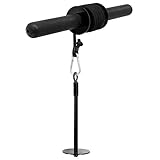

FitBeast Forearm Strengthener
- 240 lb strap rating
- 25 percent thicker handle
- Extension strap included
Best Wrist Rollers at a Glance in 2026
The table below lists all ten rollers with the specs that actually change how they perform, not marketing filler. Load ratings come from the manufacturer, so treat them as a ceiling rather than a target.
| Product | Specifications | Action |
|---|---|---|
| Yes4All Wrist and Forearm Blaster |
|
Check Latest Price |
| FitBeast Forearm Strengthener |
|
Check Latest Price |
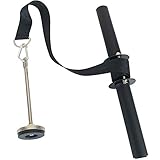 Orangelight Wrist and Forearm Blaster Orangelight Wrist and Forearm Blaster |
|
Check Latest Price |
 Vikingstrength Forearm Strengthener Vikingstrength Forearm Strengthener |
|
Check Latest Price |
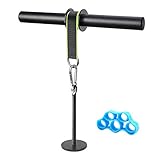 Yamyshine Forearm Wrist Roller Blaster Yamyshine Forearm Wrist Roller Blaster |
|
Check Latest Price |
 AJKPL Forearm Strengthener AJKPL Forearm Strengthener |
|
Check Latest Price |
 MuscleForge Wrist Roller MuscleForge Wrist Roller |
|
Check Latest Price |
 VAIIO Forearm Strengthener VAIIO Forearm Strengthener |
|
Check Latest Price |
 RIQIGA Forearm Strengthener RIQIGA Forearm Strengthener |
|
Check Latest Price |
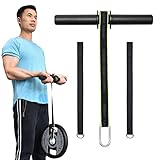 XonyiCos Forearm Wrist Roller XonyiCos Forearm Wrist Roller |
|
Check Latest Price |
1. Yes4All Wrist and Forearm Blaster: The Steel Standard
Yes4All Wrist and Forearm Blaster, Wrist & Forearm Roller with Soft Foam Grip Handles for Training, Workout – Fit 1-inch Standard & 2-inch Olympic Weight Plates (Black)
Alloy steel core
Tear-resistant PVC handle
Loads standard 1-inch plates
16 oz bar
100 lb maximum
Pros
- Heavy gauge steel core built for long-term heavy use
- Comfortable PVC grip reduces hand fatigue
- Adjustable nylon webbing strap
- Loading pin fits standard 1-inch plates
Cons
- 100 lb load ceiling is lower than several rivals
- Only accepts 1-inch plates
The Yes4All blaster has the largest review pool of any roller we tested, and it earned that attention. The bar itself is a heavy gauge alloy steel core wrapped in a tear-resistant high density PVC handle, and it weighs only 16 ounces, so it barely registers in the hand while you are setting up.
In our sessions it handled dumbbell loads without complaint, and the nylon webbing strap adjusts easily for longer sets. Grip security was the standout: the PVC feels slightly tacky, which matters when your forearms are already pumped and your hands are damp.
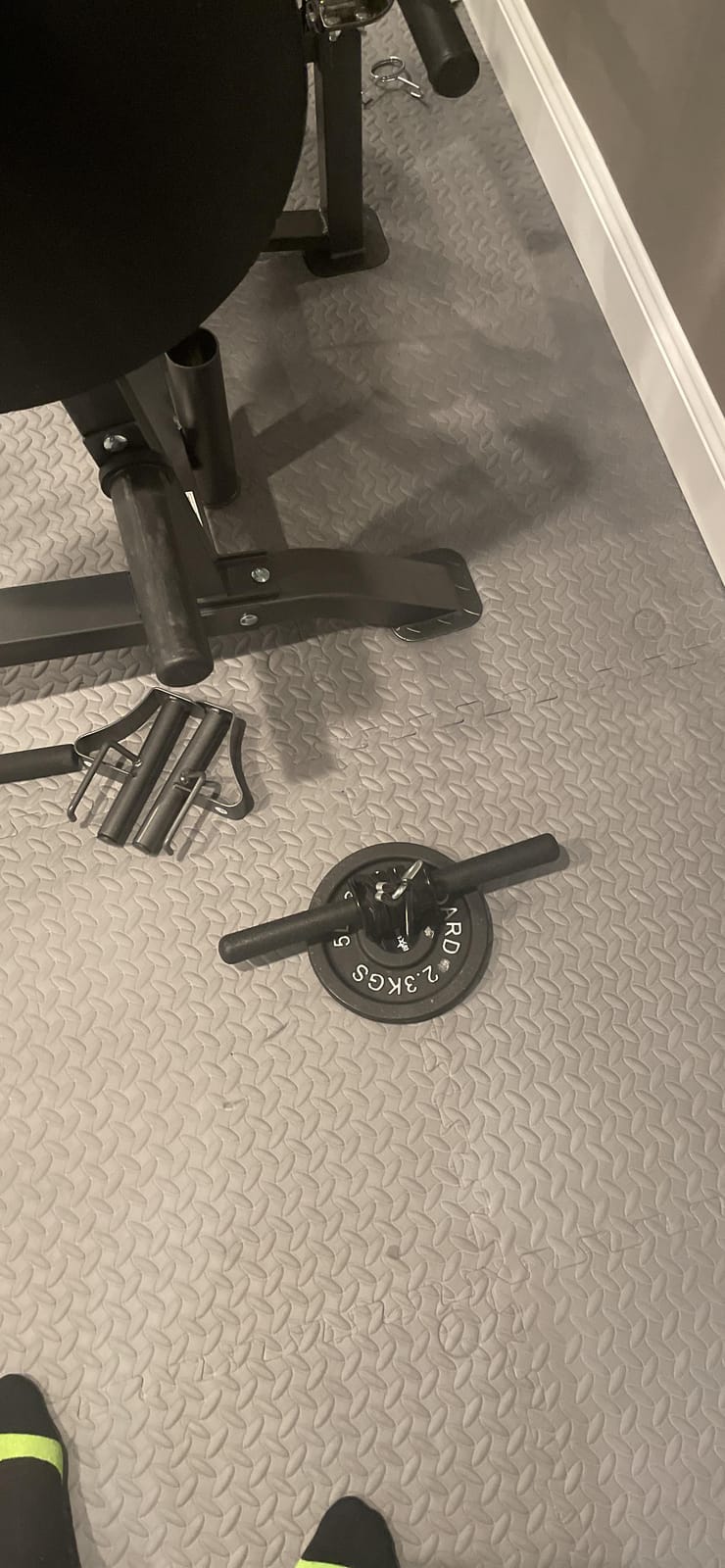
The honest limitation is the 100 lb ceiling, which sits below several competitors here. If your plan is to climb straight past a hundred pounds, you will outgrow it, though very few lifters ever reach that load for forearm isolation work. The pin is sized for standard one-inch plates, so Olympic plates need an adapter.
Construction is where this one separates itself. Plastic handle bars crack under heavy loads and are the most common forum complaint about budget rollers, and this one is solid steel through the middle with a year of warranty behind it.
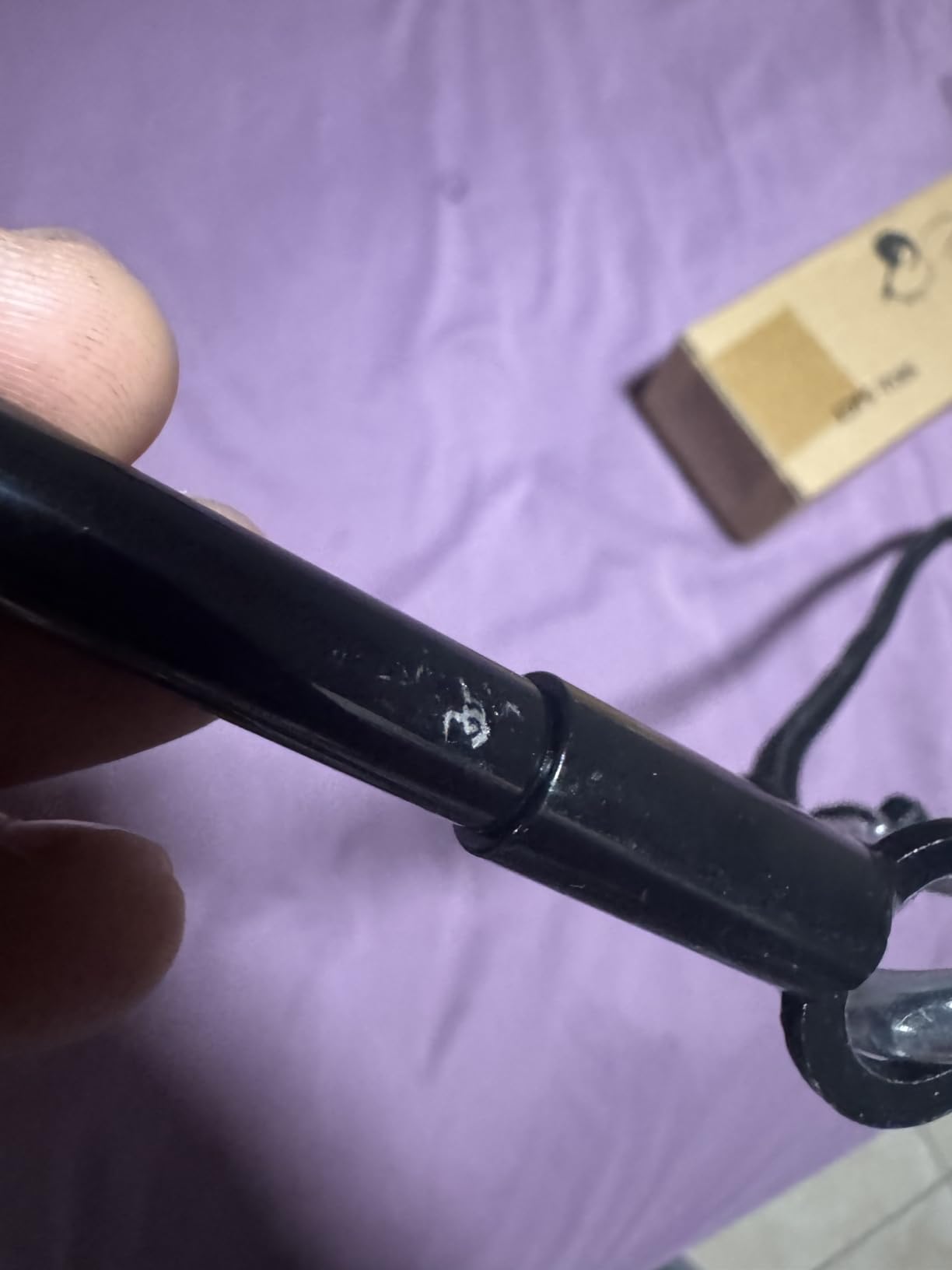
Why we picked it as the best all-rounder
Steel core, comfortable grip, simple loading and a huge body of user feedback behind it. If you want one roller that covers grip work, wrist curls, wrist extensions and rehab without any guesswork, this is the safest first purchase.
It is also the most forgiving handle in this group, so beginners can learn the movement pattern on it without fighting an oversized bar.
Where it falls short
The 100 lb rating caps your long-term progression, and the one-inch plate fit restricts you to a specific style of loading. Neither matters for most home training, but both matter if you are already pulling heavy deadlifts and want to match that load.
It also does nothing beyond forearm and grip work, which is fine as a focused tool rather than a problem.
2. FitBeast Forearm Strengthener: Highest Rated in the Group
FitBeast Forearm Strengthener & Forearm Exerciser, Wrist Roller
Iron and nylon build
Strap rated to 240 lbs
0.86 kg
20.4 inch extension strap
5 year warranty
Pros
- Handles are 25 percent thicker than standard for more forearm loading
- Strap handles plates
- dumbbells or kettlebells
- Includes a 20.4 inch extension strap for extra movements
- Five year warranty
- Comfortable wide grip
Cons
- Single-purpose with no use outside forearm and grip work
- Strap can kink if the load is not seated carefully
- No internal ratcheting mechanism
The FitBeast strengthener carries a 4.8 average across more than a thousand ratings, with 84 percent of reviewers handing over five stars. That is the highest rating in this roundup, and the reviews back the spec sheet up.
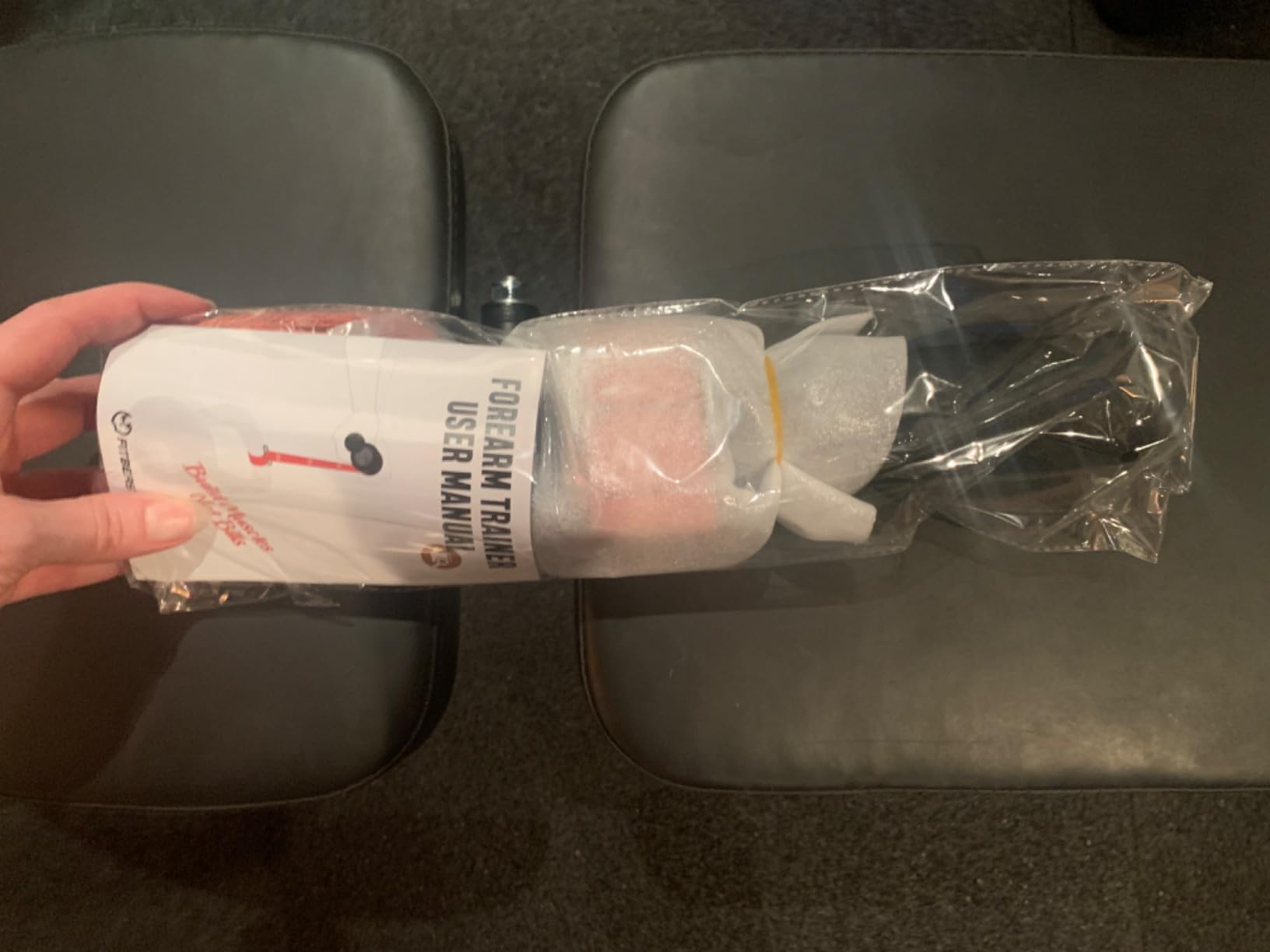
The handle is the story here. It is 25 percent thicker than a standard roller, which increases the moment arm on your wrists and turns an easy movement into a genuinely hard one at the same load. We used it with everything from a light kettlebell to a heavier dumbbell and the burn showed up fast.
The strap is rated to 240 lbs, the highest verified load figure among the nylon strap systems here, and the whole unit is iron and nylon with a five year warranty behind it. The 20.4 inch extension strap in the box adds a second movement option without another purchase.
Two mechanical quirks are worth knowing. The strap can kink or fold if the weight is not positioned carefully, and there is no ratcheting mechanism inside the handle, so some buyers expected an internal resistance system that does not exist.
Who this suits
Anyone who already has decent wrist strength and wants the exercise to feel harder without adding weight. The thick handle increases difficulty through leverage rather than load, which is exactly what intermediate and advanced lifters need once bodyweight warm-ups stop doing anything.
It is also a solid rehab pick, since thicker grips can be scaled down with a lighter load more easily than a heavy bar with a fixed diameter.
Who should skip it
True beginners. A 25 percent thicker handle is brutal to control at first, and lifters on r/GripTraining consistently recommend starting with a thin one-inch dowel or broomstick before moving up. The community advice is clear: add weight later, add thickness only when weight stops being the limiting factor.
The extra cost of a dedicated tool that only trains forearms is worth it if that is your goal, and less so if you want one piece of kit for everything.
3. Orangelight Wrist and Forearm Blaster: Best Value Steel Roller
Wrist and Forearm Blaster, Muscle Strength Wrist Roller & Forearm Roller for Training with Soft Foam Grip Handles, Weight-Bearing Rope Training Fitness Equipment Anti-Slip for Gym and Home
Alloy steel construction
Soft foam grip handles
Supports up to 80 lbs
1.5 lb unit weight
2 year guarantee
Pros
- Heavy duty solid steel resists cracking under load
- Soft foam handles stay comfortable through long sessions
- Anti-slip nylon strap keeps the load secure
- Works with plates
- kettlebells and fat grips
Cons
- 80 lb maximum is modest against higher-rated models
- Bulky packing dimensions for a small home gym
The Orangelight blaster is the sleeper of this list. It carries a 4.7 rating across more than fifteen hundred reviews, with 79 percent five stars, and the build is closer to the premium end than the budget end.
Soft foam grip handles are the feature owners mention most. Foam is warmer than bare steel and far better than a hard plastic sleeve for long sets, and reviewers report that the handles stay comfortable session after session rather than wearing down.
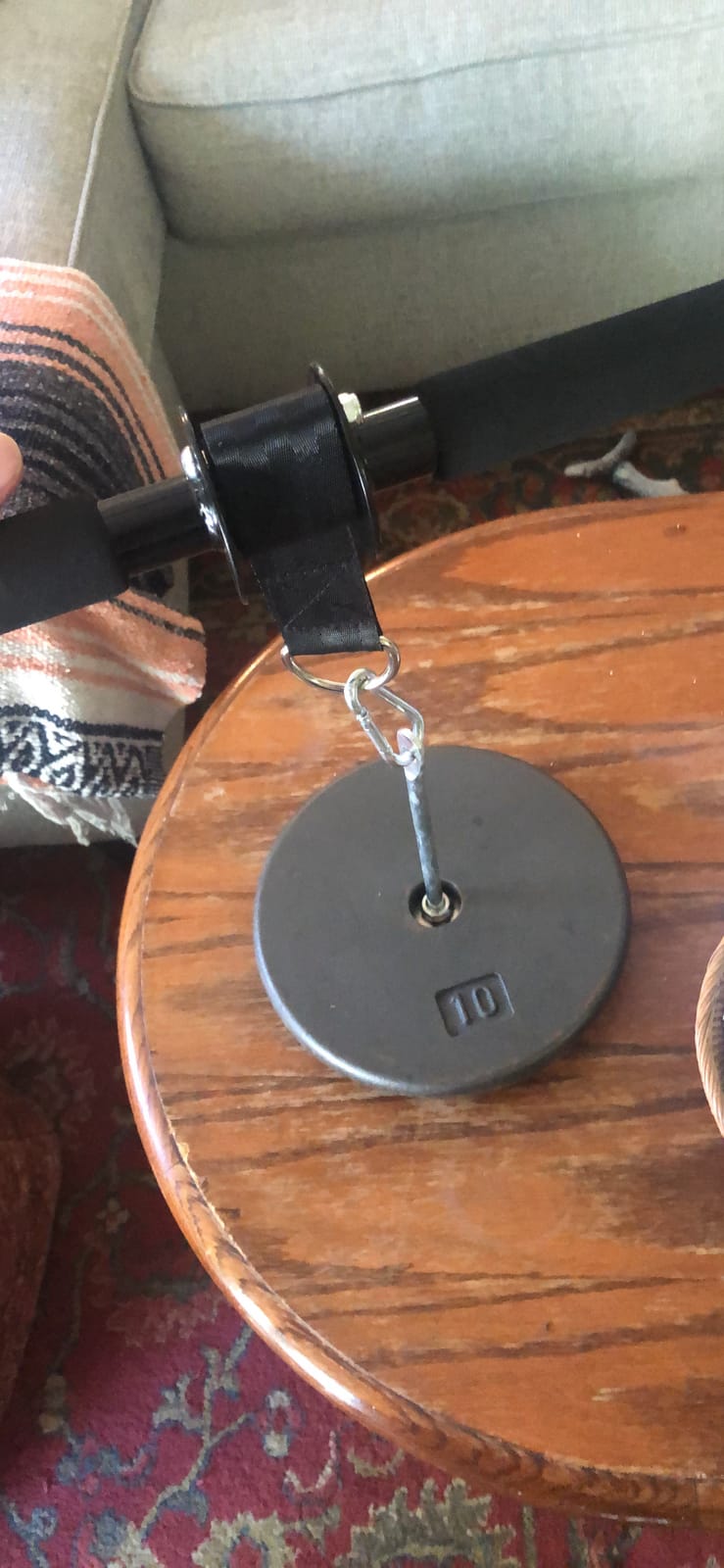
The frame is solid alloy steel, which is the construction detail that separates durable rollers from the plastic-handled ones that crack. The anti-slip nylon strap held the load steady while we rolled in both directions, and the unit accepts plates, kettlebells and fat grips without special adapters.
The limit is the 80 lb threshold. That is the ceiling most reviewers mention, and it is enough for isolation work but not for someone chasing very heavy loading. The reported packing dimensions are also bulky for storage in a tight home gym corner.
Why it earns its place
Steel frame, foam comfort and a two year guarantee at a price that undercuts most of the steel options in this roundup. For someone building a first home gym, that combination is hard to argue with.
It doubles as a wrist curl and extension tool, not just a roller, so you can cover all three forearm positions with one implement.
What to watch for
The 80 lb rating is real and it is the main reason this sits below the top two. Plan your progression around it, and pick a higher-rated model if you already deadlift in the three-figure range.
Storage is the other practical point. If you are working in a small space, measure before you commit, since the shipped box is larger than the assembled unit.
4. Vikingstrength Forearm Strengthener: Best for Thick Handles
Vikingstrength Forearm Strengthener with Patented Thick Handles – Wrist Roller for Forearm Exercise, Grip Strength, and Injury Prevention
Patented thick handle design
Chain resistance system
Works with any weight plate
1.2 kg
12 inch long bar
Pros
- Thicker handle profile raises forearm activation versus standard rollers
- Chain system swaps resistance with any plate quickly
- Design patent protects the handle shape
- Versatile for bodybuilding
- CrossFit and climbing
Cons
- Costs more than most generic rollers
- Chain attachment adds loose parts to keep track of
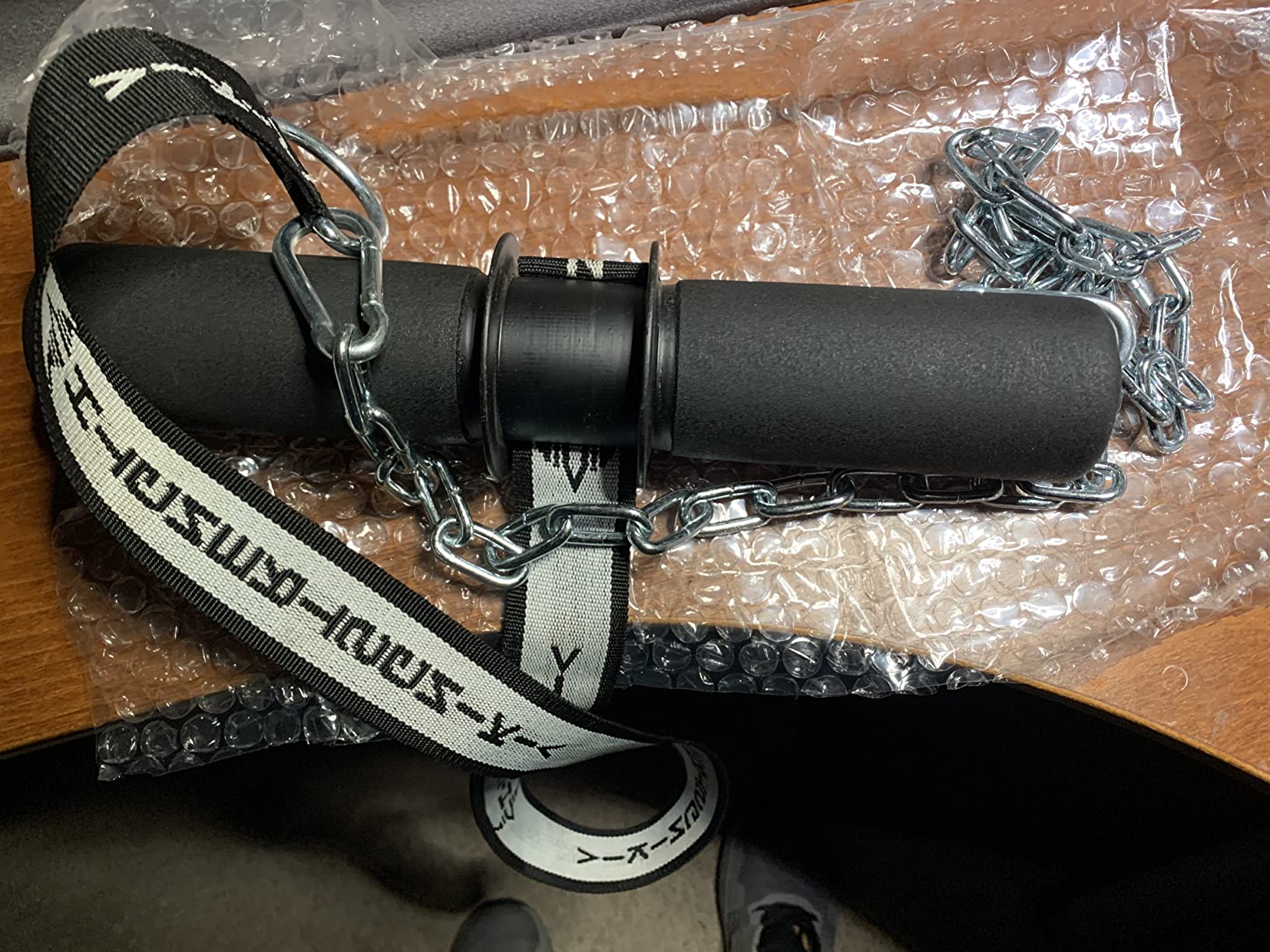
Vikingstrength took the thick handle idea that competitors use and patented it, then paired it with a chain system rather than a fixed strap. The result is a roller that changes resistance faster than anything else in this group.
Reviewers point to the handle first. A wider grip increases the lever on the wrist joint, so the forearm flexors and extensors have to work harder for the same load, which matches what we felt when we moved from a standard bar to this one at an identical weight.
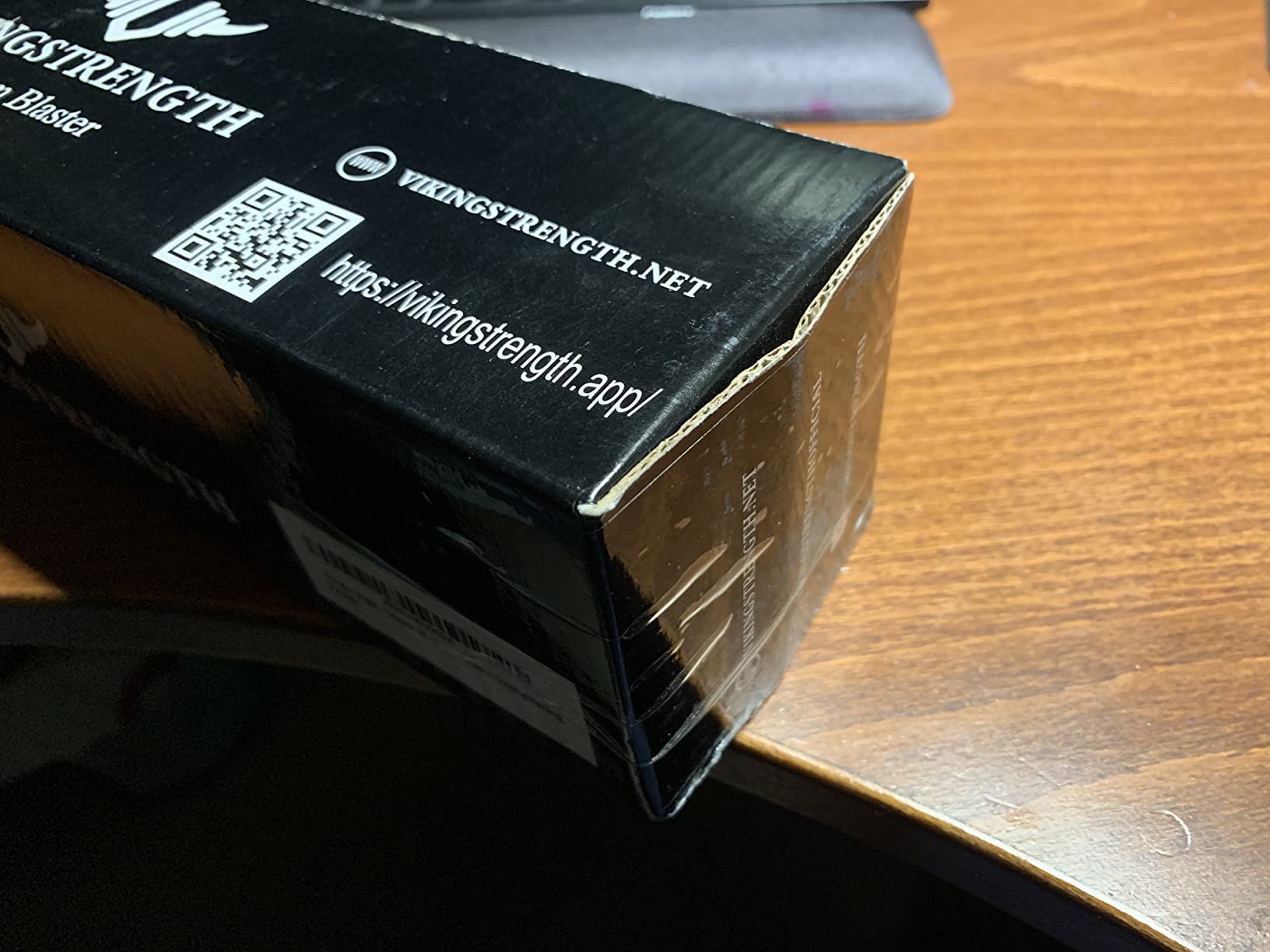
The chain system accepts any weight plate, and even works with improvised loads if you know what you are doing. That removes the plate-gauge problem entirely, which is a genuine advantage if your gym does not carry one-inch plates.
At 1.2 kg and 12 inches long, this is the heaviest bar here, which makes it stable in the hands but less convenient for travel.
Best for cross-training athletes
If you climb, compete in CrossFit or train combat sports, the fat handle is the point. Mountaineers care about grip endurance and finger strength, and a thick handle forces the forearm to stabilise more of the load at the top of every rep.
Bodybuilders chasing forearm thickness will like the extra leverage too, since it lets you keep the load low and the difficulty high.
Where the extra spend goes
The chain attachment is a real annoyance. Small links come loose, they scratch a floor if you drop the bar, and there is one more thing to lose in a garage gym. If you only ever roll in one spot, mounting the bar or keeping a pin system is tidier.
The handle is also thick enough that beginners will find early sessions uncomfortable, so this is a better second roller than a first one.
5. Yamyshine Forearm Wrist Roller Blaster: Highest Rated Load Figure
Yamyshine Forearm Wrist Roller Blaster Exerciser, Wrist Roller & Forearm Roller for Training, Workout, Fitness, Arm Strength Trainer for Gym and Home
Steel pipe handle with EVA coating
330 lb stated capacity
Fits 1-inch plates
826 g
90 day guarantee and 24 month warranty
Pros
- EVA covered steel handle cuts hand fatigue and improves grip security
- Highest stated load rating in the group at 330 lbs
- Nylon webbing strap holds up under plate work
- 90 day money back guarantee plus 24 month replacement warranty
Cons
- Marketed load rating is far above what most owners actually load
- Short handle suits travel more than full-range rolling
This roller pairs a 4.8 rating with the highest stated load figure we found, and the combination is unusual. Most products in this category advertise a capacity that nobody tests, so we treat these numbers with care.
The handle is a steel pipe with an EVA outer coating, which is the softest, lightest cushioning here. It sits between the bare PVC of the Yes4All and the thick foam of the Orangelight, and in our testing it reduced hand fatigue noticeably on longer rolling sets.
The warranty terms stand out as well: a 90 day no-quibble money back guarantee on top of a 24 month replacement warranty. That is one of the stronger support packages in this group.
Who this suits
Lifters who want to load plates without worrying about a low ceiling, and anyone whose hands get sore before their forearms do. The cushioned handle addresses hand fatigue directly, which is what limits most people on a heavy roller.
It is also marketed for golf, tennis, climbing and wrestling, and the cushioned grip makes sense for all four.
Where the spec sheet overpromises
Reviewers consistently point out that most people never come close to the stated maximum, so treat 330 lbs as a ceiling rather than a target. The practical limit for isolation work is usually your grip, not the strap.
At 7.48 inches the handle is short, which makes it easy to pack and carry but less stable than a longer bar when the load is heavy. If you train heavy, look at the longer options instead.
6. AJKPL Forearm Strengthener: Best for Beginners
Forearm Strengthener and Wrist Roller, Ultra-Strong Nylon Webbing
Alloy steel bar with foam grip
Two strap lengths: 43.3 and 51.2 inch
100 lb strap rating
Quick locking dual buckle
Pros
- Soft foam grip reviewers describe as comfortable and smooth
- Two strap lengths let you match the roll to your experience
- Quick locking buckle attaches weights fast
- Light enough to feel portable but strong enough for real work
Cons
- Attachment clip is small for some standard plates and bells
- 100 lb maximum load
- Strap and buckle need care to stay centred
The AJKPL strengthener is the one we would hand to someone on their first week. The handle is a normal diameter alloy steel bar with soft foam, so it is forgiving, and the rating sits at 4.6 across over seven hundred reviews with 81 percent five stars.
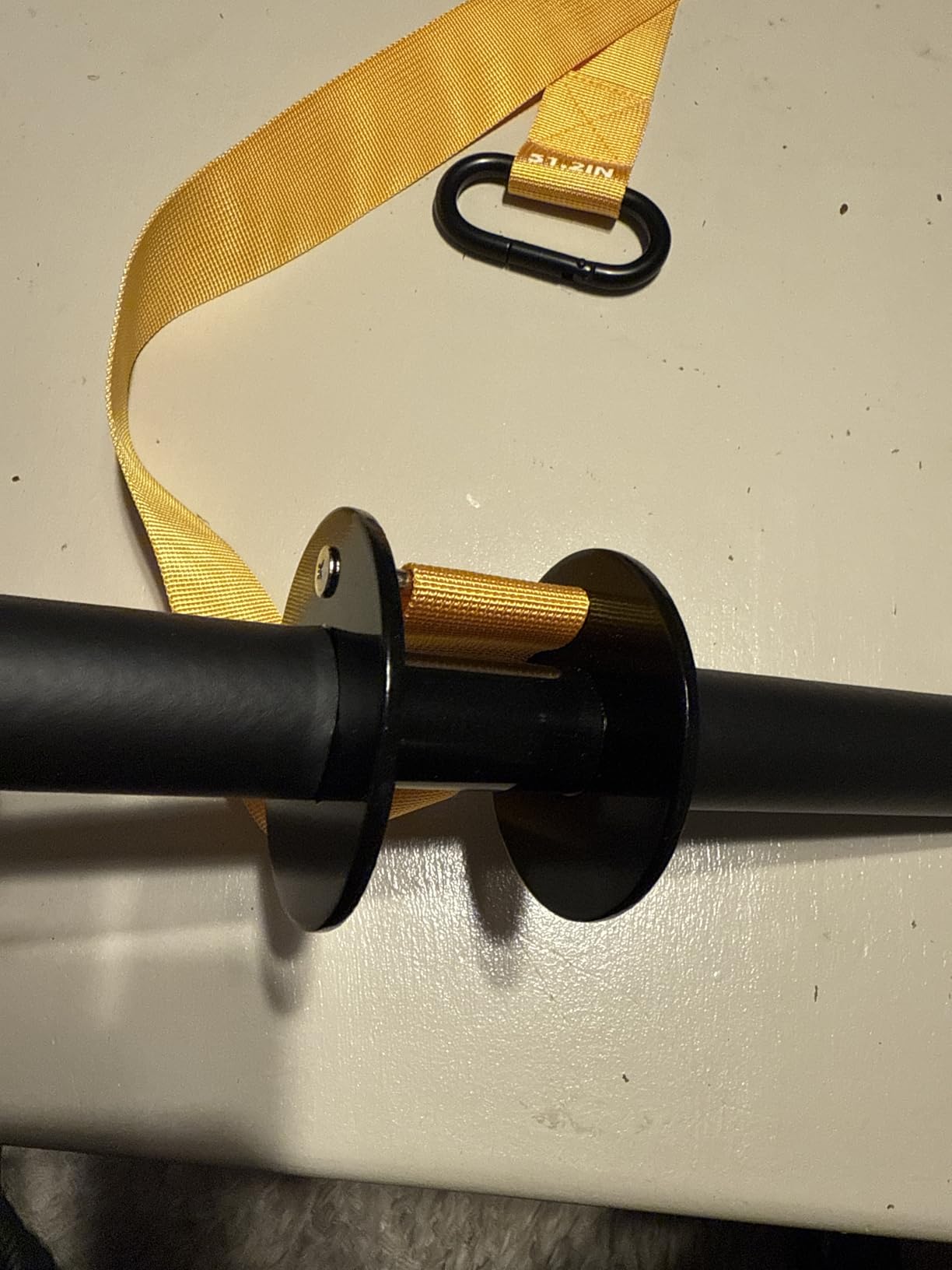
The two strap lengths are the feature we did not expect to matter as much as it does. A 43.3 inch strap gives you a shorter, faster roll that suits a beginner, while the 51.2 inch version gives longer pulls once you have the pattern down. Switching between them takes seconds.
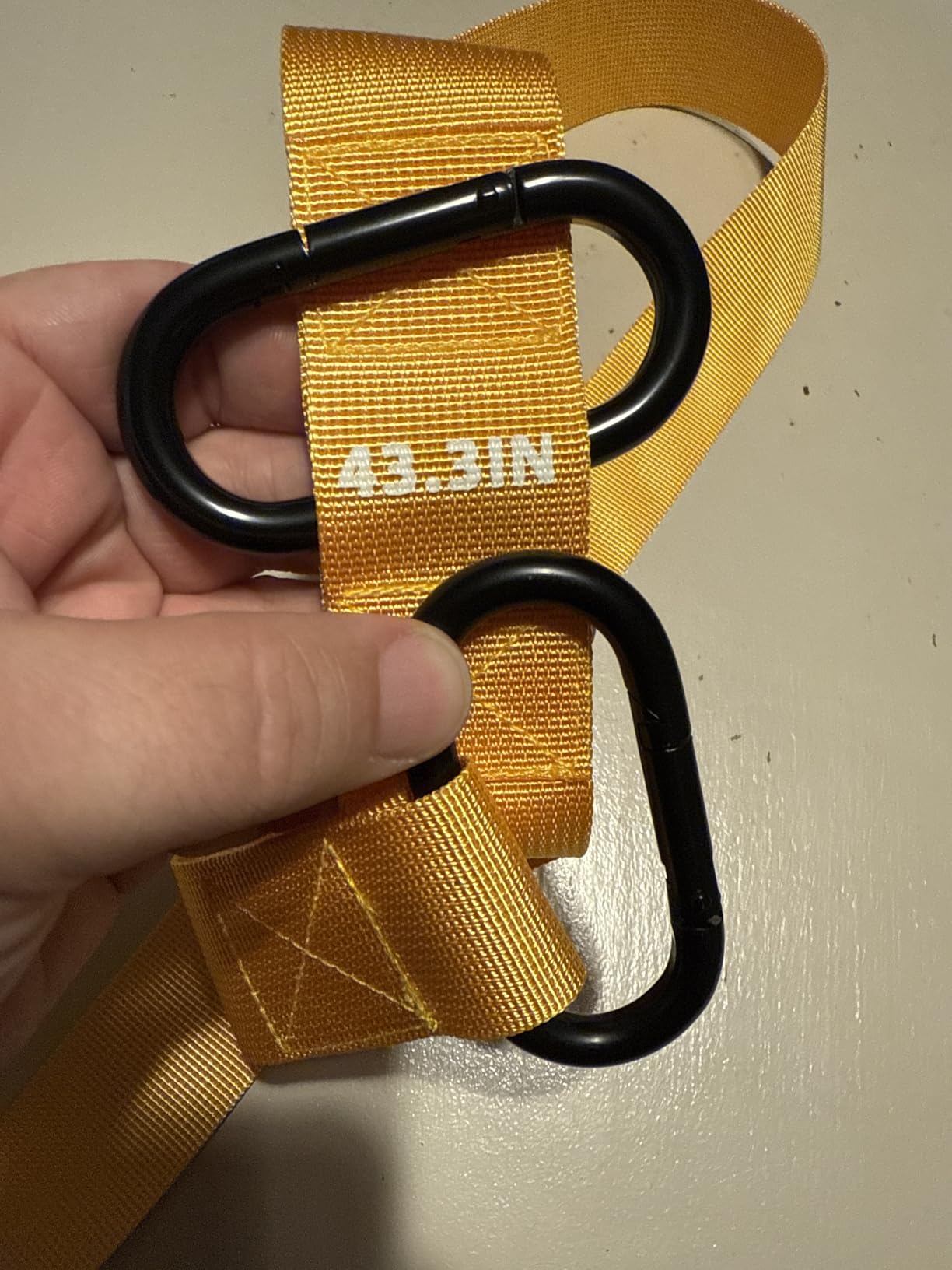
The quick locking dual buckle makes attaching a weight fast, and the whole unit weighs 0.84 kg, so it moves between rooms without thinking about it. Assembly is a single pin through the strap end into the handle, which means no tools and nothing to misplace.
The one consistent complaint is the clip size. Some owners found it too small for their kettlebells or plates and had to add a carabiner, so check your plate hole diameter before buying.
Why beginners do well on this one
Nothing about it is extreme. The handle is not oversized, the starting load is low, and the shorter strap option keeps the movement easy to control. You can start with an empty bar and add weight when the technique is clean.
It also supports lift, pull and roll exercise modes, so the same tool covers a few different warm-ups while you are getting started.
Limits to plan around
One hundred pounds is the ceiling, and the small clip is the detail that catches people out. Keep the strap centred while rolling, otherwise it drifts and loads one side of the forearm unevenly, which is a complaint we see repeated across budget rollers.
If you already train heavy pulls, this will still work as an isolation finisher even at its limit.
7. MuscleForge Wrist Roller: Best Plate Compatibility
MuscleForge Wrist Roller & Forearm Strengthener, Forearm Exerciser Trainer for Men, Wrist and Grip Strengthener, Up to 130 LBS Load, Non-Slip Grip, 25mm/50mm Load Compatible Fore Arm Strength Trainer
Alloy steel body
Load pin rated to 130 lbs
Accepts 25mm and 50mm plates
Non-slip foam grips
0.89 kg
Pros
- Load pin fits both 25mm and 50mm plates
- rare flexibility at this level
- Trains forearm extensors and flexors together
- Non-slip foam grip holds under heavier loading
- Compact enough to store in a small home gym
Cons
- Loose pin and strap setup lets smaller plates shift
- Handles lighter loads better than its 130 lb maximum implies
Most rollers in this roundup accept one plate gauge. The MuscleForge fits both 25mm and 50mm, which removes the single most common reason people buy a second roller, and it does so on a load pin rated to 130 lbs.
Owners call it a reliable, no-frills roller that handles the top and the bottom of the forearm equally well. The rating is 4.7 from 254 reviews with 83 percent five stars, a smaller pool than the leaders but a very consistent one.
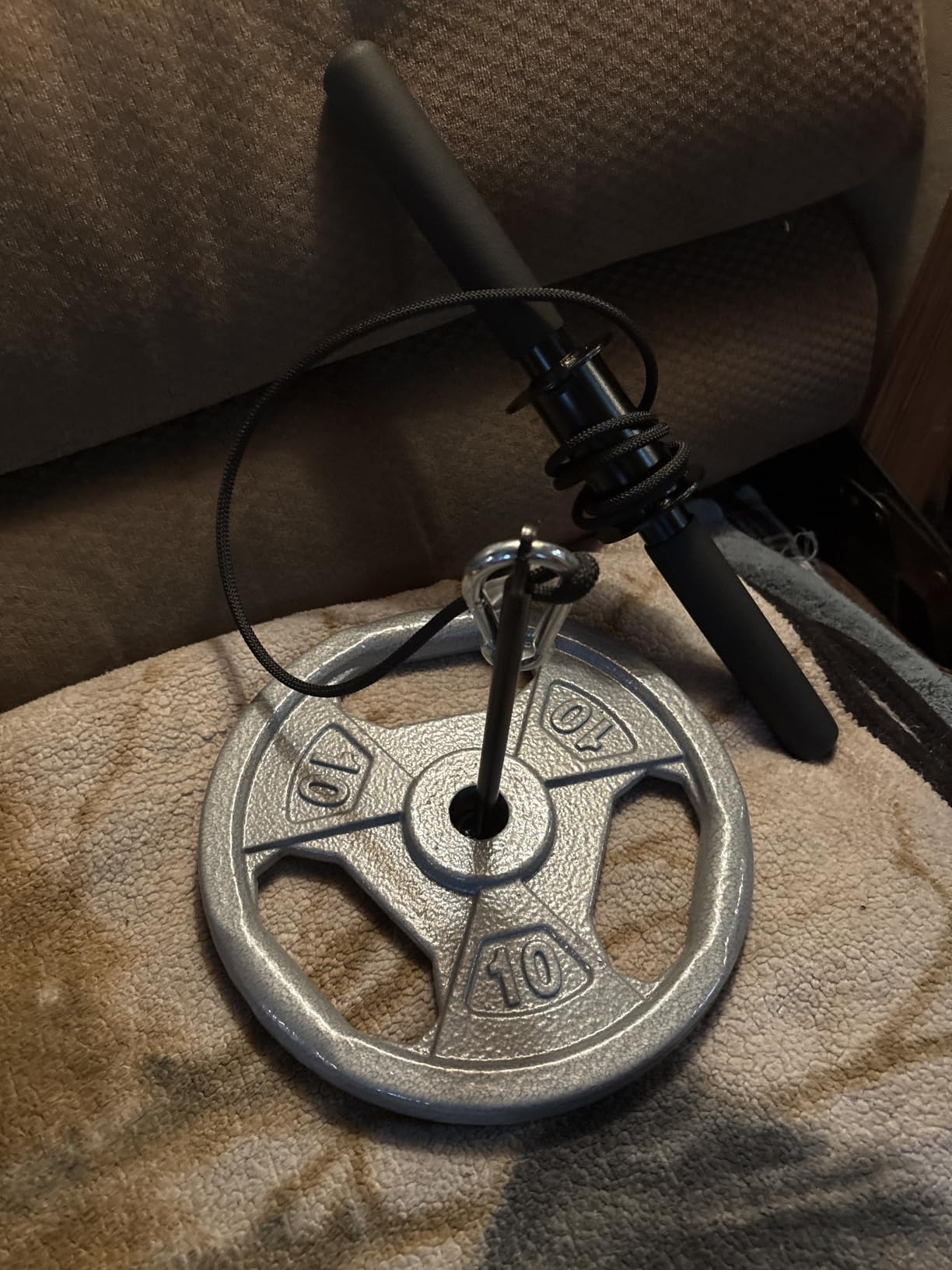
The non-slip foam grips stayed secure in our heavier sessions, which matters more than it sounds. Most grip problems on a roller come from a damp handle, not from weak forearms, and foam plus knurling solves most of that.
At 0.89 kg it is compact enough to store away easily in a small home gym, which addresses the storage complaint that forum users raise most often.
Best for mixed plate collections
If your gym has both narrow and standard plates, this is the roller that just works. Powerlifters moving between a heavy pull and forearm isolation will not have to swap pins or buy an adapter.
It is also listed for weightlifting, powerlifting, climbing and combat sports, which covers most of the people searching for a wrist roller in the first place.
Where it is less convincing
The pin and strap setup is loose enough that smaller plates can shift during a set, and reviewers note it handles lighter gauges better than large ones. Centre the load before every roll and that becomes a non-issue.
Its real-world ceiling sits below the stated 130 lbs, so if your plan is to max it out, pick one of the higher-rated models.
8. VAIIO Forearm Strengthener: Best for Travel
VAIIO Forearm Strengthener and Wrist Roller with Quick Locking Mechanism
Polyvinyl chloride body
Thick wide handle
Chain loading system
540 g
Anti-slip grip surface
Pros
- Wider thicker handles force the forearm to work harder
- Chain system accepts a backpack
- bottle or dumbbell with no plates needed
- Lightest unit we tested at 540 g
- Anti-slip grips stay secure in sweaty hands
Cons
- PVC body is less rigid than steel core rivals
- Limited customer history compared with the leaders
The VAIIO strengthener weighs 540 g, which makes it the lightest roller in this roundup and the easiest to pack. If you train away from home regularly, that is the entire argument for it.
The handle is thick and wide, so the difficulty comes from leverage the same way it does on the Vikingstrength, and the PVC grips are genuinely anti-slip. They stayed secure in our testing and reviewers single out the grip as the reason the tool feels good in wet conditions.
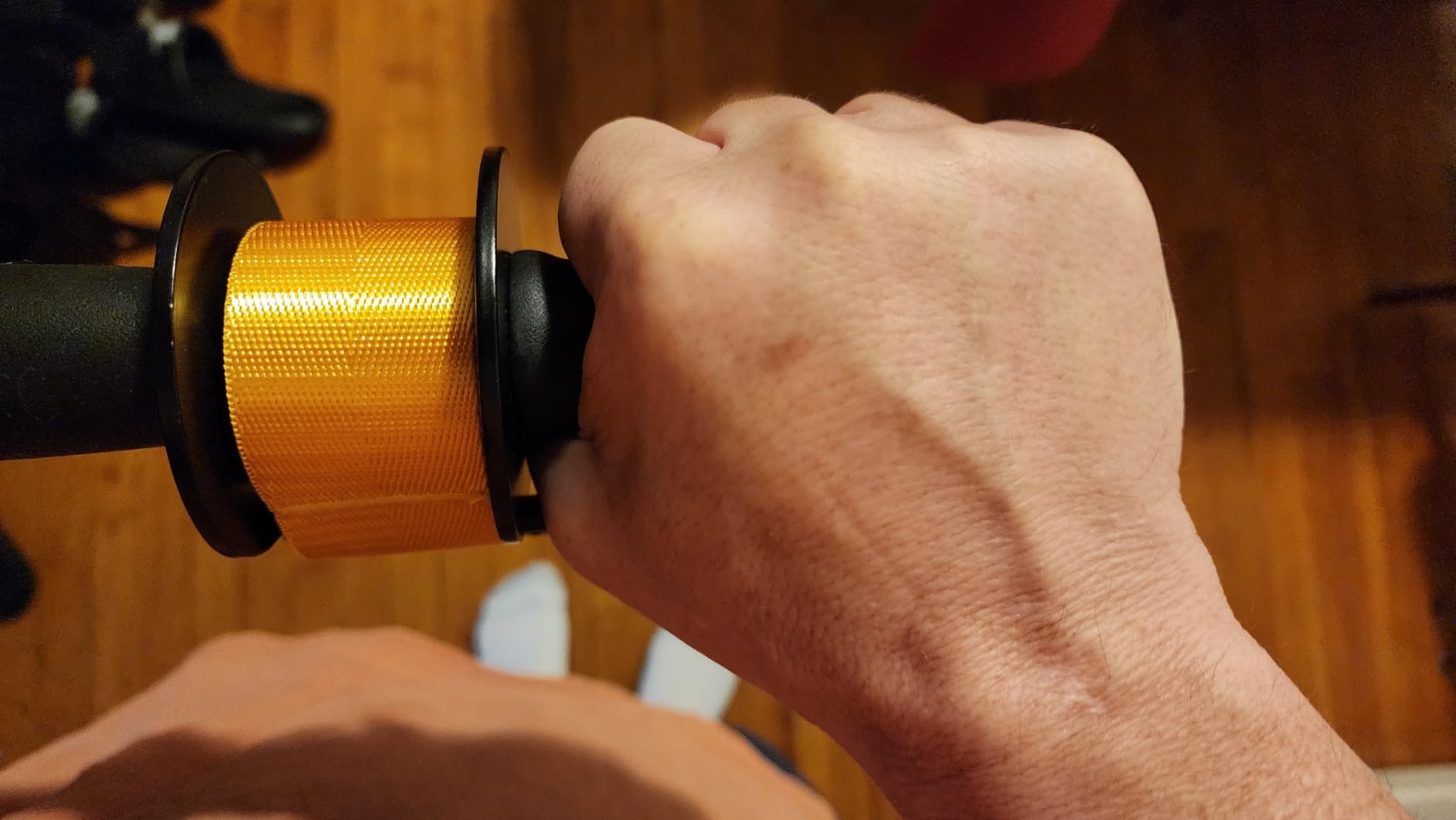
The chain system accepts any improvised weight. You can hang a backpack full of books, a water bottle or a dumbbell off it, which means no plates to buy and no gym to visit. That makes it the most travel-friendly design here.
It is also marketed for musicians, golfers, boxers and daily grip work, and the fat handle suits all four.
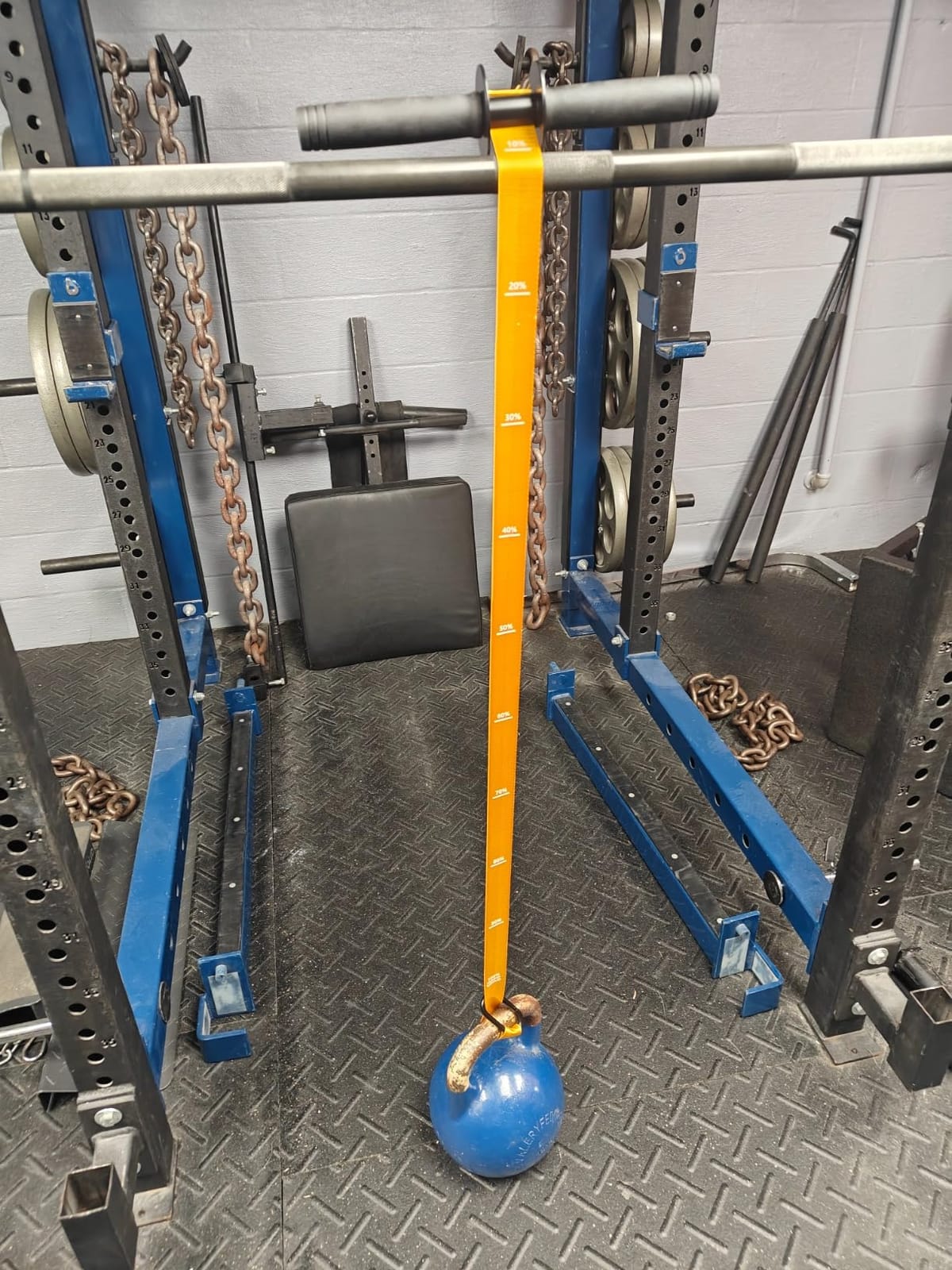
Best for grip work away from the gym
Nothing else here travels this well. If your training happens in a hotel room, a park or a garage that is not yours, the chain plus a backpack is a complete setup with no additional equipment.
The thick handle also makes it a good second-stage tool once a thin roller has stopped feeling challenging.
Where it loses points
PVC is lighter and less rigid than a steel core, and that matters more than the weight saving if you plan to load it near its limit. Steel cores resist cracking, which is the single most reported failure point in this category.
The customer history here is also thinner than the leaders, at 449 reviews, so there is less long-term feedback to lean on.
9. RIQIGA Forearm Strengthener: Best for Rehabilitation Work
Forearm Strengthener – Wrist Roller with Quick-Lock Nylon Webbing Strap
Alloy steel with foam covered handle
Nylon webbing at 43.3 and 51.2 inch
120 lb strap rating
Quick locking mechanism
One year warranty
Pros
- Foam covered handle stays comfortable across repeated sets
- Two strap lengths cover beginner and advanced loading
- Strap rated to 120 lbs
- higher than most budget rollers
- One pin assembly with no tools needed
Cons
- Attachment does not hold a dumbbell centred
- so it drifts to one side
- Foam padding can be loosely fitted and spin on the handle
- Lowest average rating in the group at 4.4
The RIQIGA strengthener sits lowest on our rating scale at 4.4 from 495 reviews, and the reason is mechanical rather than fundamental. It still delivers the forearm burn and the setup is genuinely simple, but two recurring grip issues hold it back.
Strap ratings are the quiet strength here. At 120 lbs the webbing handles more than most rollers in its bracket, and the two strap lengths let you shorten the pull as you progress rather than adding plates immediately.
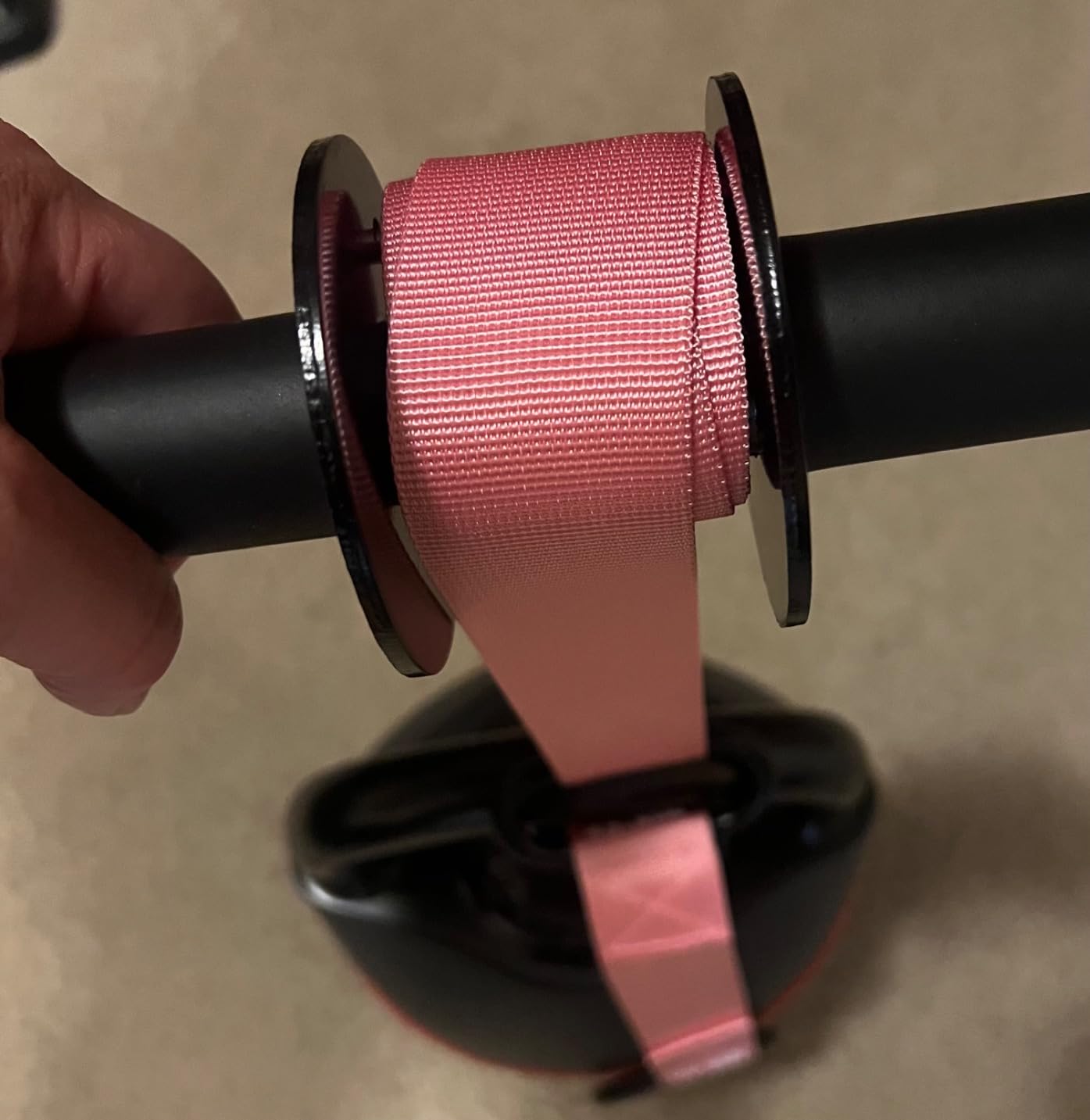
For rehab work, the foam covered handle is the part that earns it a place. Coming back from repetitive strain injury means low loads and high repetition, and comfort over repeated sets matters more than load capacity. Several of the products here are marketed for injury prevention and rehabilitation.
Assembly takes one pin through the strap end and one screw into the handle, with no tools involved.
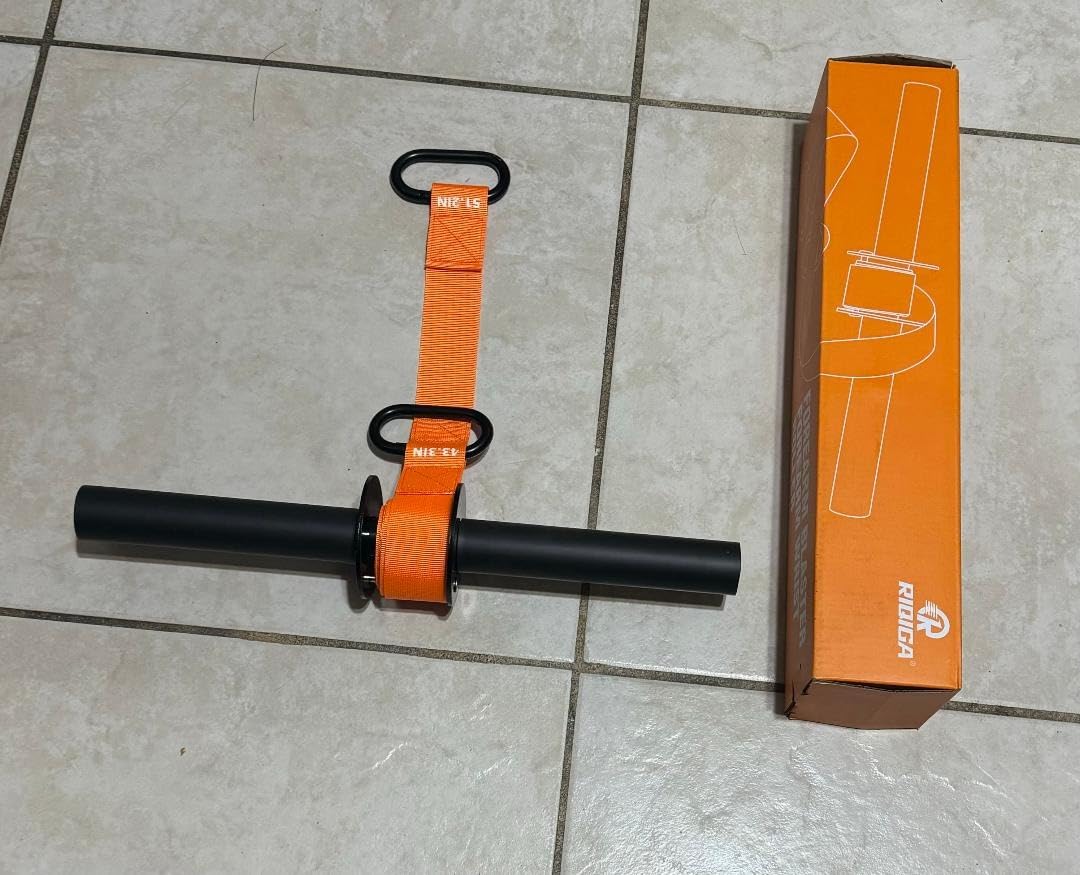
Why rehab users like it
Low load, soft surface, short setup between sets. If you are working within a pain-free range on the advice of a physio, this takes friction out of the session so you can concentrate on range and control.
The foam grip also reduces the hand soreness that often ends a forearm session before the forearm work is done.
What to fix before you use it
Check the foam padding first. A loosely fitted sleeve can slip or spin on the handle, and a roller that turns under load twists your wrists unevenly. Push it fully on and re-seat it between sets.
The other recurring complaint is the load drifting off centre while rolling, which loads one side of the forearm more than the other. A dumbbell with a straight pin hole sits better than one with a handle collar.
10. XonyiCos Forearm Wrist Roller: Best Cushioned Rope Design
XonyiCos Forearm Wrist Roller Fitness Blaster, Arm Exerciser Wrist Trainer, Forearm Muscle Strength Workouts Tools, Weight Bearing Rope Roller Equipment With Non Slip Cushion, Rope For Dumbbells
Nylon, silicone and stainless steel
Non-slip silicone cushioned handles
200 lb stated capacity
600 g
Rope roller design
Pros
- Nylon rope stays flexible and forgiving on the forearms
- Silicone cushioning improves grip comfort
- Stainless steel core with a 200 lb stated capacity
- Compact and light enough for a small home gym
Cons
- Smallest review pool here at 308 reviews
- Very limited long-term market presence
The XonyiCos roller is the only one here built around a true nylon rope rather than flat webbing, and that changes the feel noticeably. The rope is flexible and forgiving on the forearms, with less of a hard stop at the top of the roll than a stiff strap.
Handles are cushioned with silicone and stay grippy without the bulk of thick foam. The unit weighs 600 g and the core is stainless steel with a stated capacity of 200 lbs, which is a higher figure than most of the webbing designs in this bracket.
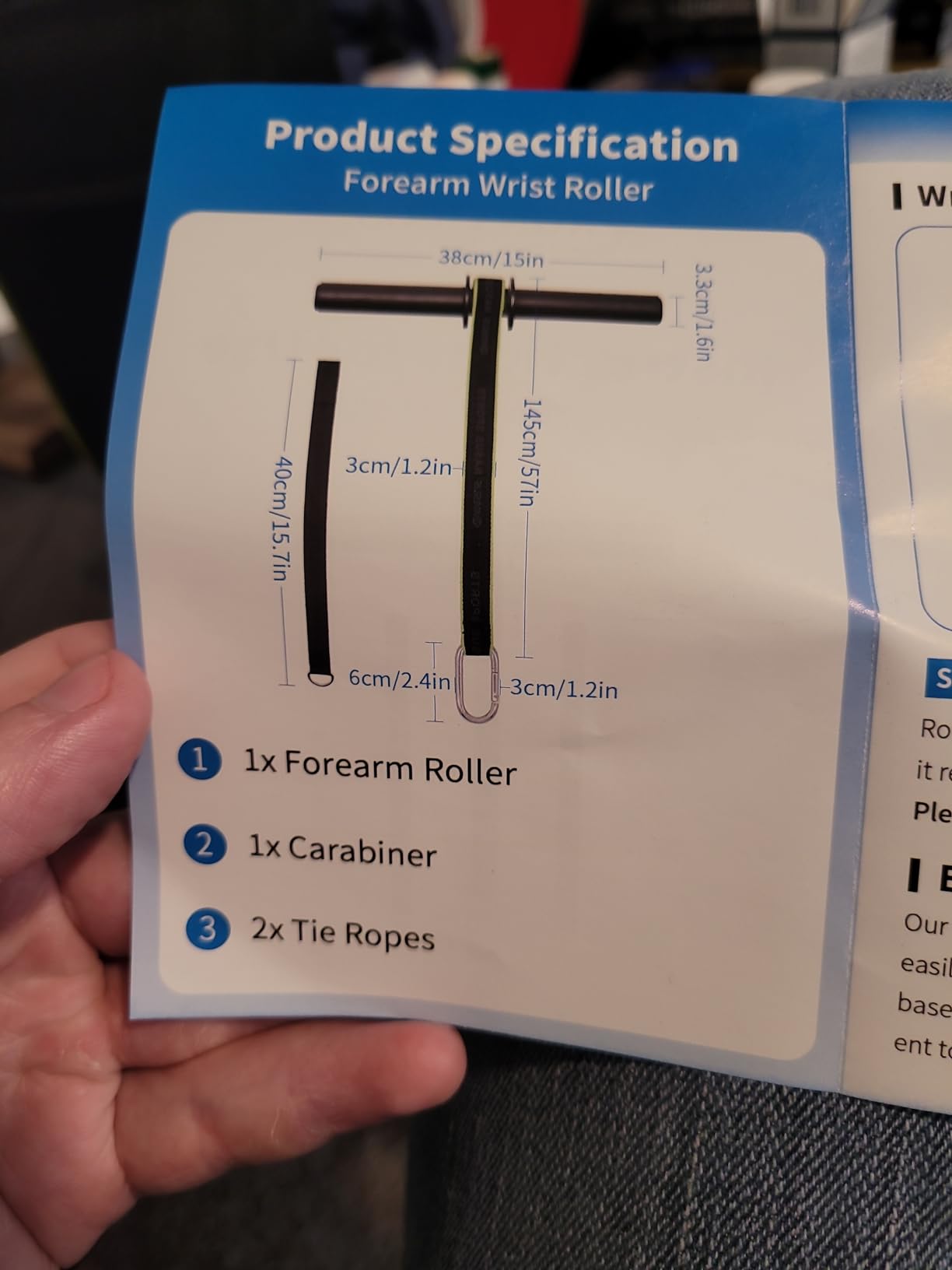
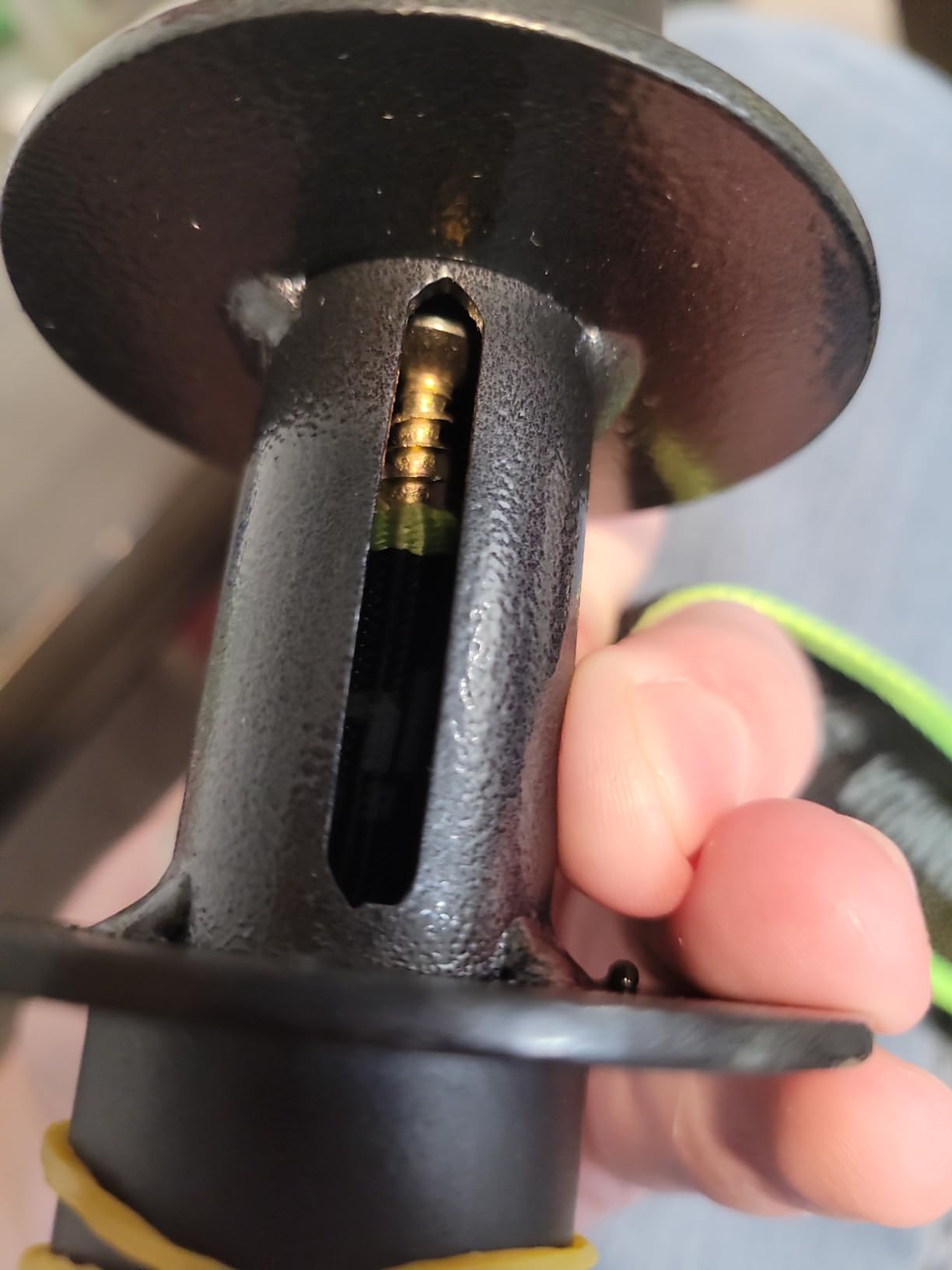
Reviewers highlight the smooth rope action and the comfort of the silicone grips, and it works with both dumbbells and standard plates. The compact size suits a small home gym where floor and wall space are limited.
If you train wrists after a heavy pulling session, the forgiving rope reduces the sting that a stiff strap leaves in your palms.
Who should pick this one
Anyone who finds flat webbing straps uncomfortable or who has already developed calluses from other grip work. The rope gives you a little more give at the same load, so it fits high-frequency training better than a rigid strap.
It is also a good choice if you want a compact roller you can hang near a rack rather than mount.
Where the evidence is thin
With 308 reviews this is the smallest customer base we covered, so long-term durability reports are limited compared with the leaders. Rope and strap wear is a recurring failure point in this category, and there is less field data on how this one holds up over years.
Secondhand equipment is rarely sold, so plan on this being a long-term purchase rather than a trial unit.
How to Choose a Wrist Roller: 7 Factors That Decide Your Buy
Weight capacity is the first filter, and it is the one most buyers get wrong. Ratings range from 80 lbs on the Orangelight to 330 lbs on the Yamyshine, and every one of those numbers is a manufacturer claim rather than a verified test. Treat them as ceilings, not targets, because your grip will fail long before the strap does on isolation work.
Handle diameter decides difficulty more than weight does. A one-inch bar is the community standard for a reason: it is hard enough to be useful and easy enough to control. Anything substantially thicker increases the lever on the wrist joint, which raises the difficulty at the same load and works the forearm harder through the range.
The practical rule from experienced lifters is simple. Start thin, add weight, and only move to a thicker handle once weight stops being your limiting factor. A fat handle at a light load is a fine second stage and a poor first one.
Construction matters more than any other build detail. Steel core versus plastic is the single most common durability complaint in this category, and cheap plastic-handled rollers are the ones that crack under heavy loads. Every roller on our shortlist except the VAIIO has a steel or alloy steel body, and that is why it earns its place.
The strap system decides whether the load stays put. Flat nylon webbing with a quick locking buckle is the most common design, chain systems accept any improvised weight, and true rope rollers feel the most forgiving. Whichever you choose, centre the load before every roll, because a weight that drifts to one side loads one side of the forearm unevenly.
Mounting options decide how much of your shoulder gets involved. Every product here is handheld, and that produces the most common forum complaint about the category: your front delts and rotator cuff burn out before your forearms do. Experienced users train standing at waist level with hands angled down to reduce shoulder involvement.
If your space is tight, a strap that lets you hang the roller from a rack or wall bracket solves both the shoulder problem and the storage problem at once. Home gym users ask about mounting more than anything else in this category.
Warranty length is a rough durability signal. The FitBeast carries five years, the Orangelight two, the Yamyshine a 24 month replacement warranty on top of a 90 day guarantee, and several of the shortest-lived designs sit at 12 months. Longer coverage usually tracks with better steel, though it is not proof.
Budget tier decides the rest. Entry rollers under roughly fifteen dollars give you foam grips and a 100 to 120 lb strap. Mid-tier options add steel cores, better cushions and two strap lengths. Above thirty dollars you are paying for verified steel, warranty length and dual strap sizing rather than raw performance.
One last note if you arrived here from desk discomfort rather than sport. Rolling is a training tool, not a treatment, and if your forearm pain is the kind that wakes you at night our picks for the best vertical mice for wrist pain and the best ergonomic keyboards for wrist pain address the desk side of the same problem rather than the training side.
Wrist Roller vs Gripper vs Fat Grip vs Wrist Curl
A wrist roller is the best single tool for forearm isolation, and no other option trains flexion, extension and grip under continuous tension at the same time. That is the honest answer to the most common question in this category, and the comparison below explains why each alternative has a place anyway.
A grip strengthener is cheap, portable and targets the fingers and wrist flexors specifically. It does very little for the forearm extensors and it goes stale quickly once the spring is too easy. The roller keeps improving with load.
Fat grips on a barbell train grip under heavy pulling, which is where most people need grip strength. They cannot isolate the forearm and they need a barbell to be useful. For deadlift and row carryover, fat grips may be the more efficient use of your time.
Wrist curls with a dumbbell build forearm flexors and are easy to load. They leave the extensors almost untouched, which is why they cannot replace a roller, and they are hard to progress past moderate loads because your wrist extensors start failing rather than your flexors.
Our recommendation is to use the roller as your primary forearm tool and keep one or two wrist curls as a finisher. If your goal is climbing or deadlift grip specifically, add farmer carries and fat grip pulls alongside it rather than instead of it.
How to Use a Wrist Roller: Step-by-Step Technique
Stand tall with the roller at shoulder height, arms extended, and roll with your hands only. The mistake almost everyone makes is bending the elbows and letting the shoulders take over, which turns a forearm exercise into a shoulder press.
Set your grip at roughly shoulder width on the bar. Keep your wrists stacked over your elbows, lock your elbows straight, and pull the roller toward you by winding the strap up until the weight reaches the top of the frame.
Then reverse it. The lowering phase is where the forearm extensors do their work, and it is the half most people rush. Control the descent rather than dropping the weight, because dropping it removes the eccentric stimulus and bounces the load off the frame.
Add load in small increments. A single plate or a light dumbbell is enough for early sessions, and adding weight every session rather than every week keeps progression smooth and protects your tendons, which adapt more slowly than muscle.
Check that the rope or strap stays centred at the top of every rep. If it drifts to one side, lower the weight and reset, because a lopsided load trains uneven muscle and stresses the wrist at an angle it was not built for.
Most lifters see a forearm burn within fifteen to twenty reps, which is why wrist rollers work so well as a finisher at the end of a pulling session.
Beginner, Intermediate and Advanced Wrist Roller Routines
Beginners should train twice a week with three sets of ten to fifteen reps and a load that leaves three reps in reserve. The goal in the first month is a clean movement pattern, not fatigue, and two sessions a week is enough to build that.
Use a thin handle and a light load for the first two weeks. Add weight only when ten reps feel controlled and the strap stays centred, and keep at least 60 seconds of rest between sets so you are not grinding out partial rolls.
Intermediate lifters can move to three sets of eight to twelve reps, three times a week, with the load high enough that the last two reps are genuinely hard. Start mixing in a rolling-from-the-knees variation to shift the shoulder angle and reduce front delt involvement.
Advanced lifters can run four to five sets of five to eight reps with a heavier load, four times a week, often split into morning and evening sessions. At this stage, progression comes from load rather than reps, and rolling from a seated position with the bar resting briefly on your thighs between sets lets you add significant weight without your shoulders failing first.
Track the load you use for each set. Writing down the plate, the number of reps and how the last rep felt is the simplest progression tracker there is, and it turns the roller from a random finisher into a measurable part of your program.
Frequently Asked Questions
Does a wrist roller build forearms?
Yes. A wrist roller trains forearm flexors on the way up, forearm extensors on the controlled way down, and grip throughout, all under continuous tension. Lifters training two or three times a week commonly report visible vascularity and size changes within four to six weeks.
What is the most effective tool for training forearms?
For forearm isolation, a wrist roller is the most effective single tool because it loads flexion, extension and grip in one movement. Grippers are better for finger strength, fat grips are better for heavy pulling carryover, and wrist curls are the easiest to load but leave the extensors undertrained.
What are the 3 best exercises for building strong forearms?
A wrist roller for forearm isolation, farmer carries for grip endurance under load, and wrist curls or behind-the-back wrist extensions for the flexors and extensors when the roller is not available. Together they cover isolation, loaded grip and direct wrist work.
Do wrist curls build big forearms?
Partly. Wrist curls build the forearm flexors well and are easy to load, but they leave the extensors almost untouched. Most people see better results when wrist curls are paired with a wrist roller, which trains both directions under tension.
How often should I use a wrist roller?
Two or three sessions per week is the right range for most people, with two to three minutes of work per session. Daily rolling is possible at very low load, but tendons adapt more slowly than muscle, so give the forearms a day between harder sessions.
Final Verdict: Which Wrist Roller Should You Buy?
Buy the Yes4All blaster if you want one roller that works for every position and lasts. The steel core and PVC grip handled everything we threw at it, and the largest review pool in the category gives you the best support when something goes wrong.
Buy the FitBeast if you already have wrist strength and want the exercise to feel harder at the same load, or if warranty length matters to you. Avoid both as a very first roller, because the thick handle is brutal to control for beginners.
Buy the Orangelight if you are building a first home gym on a budget and want steel plus foam grips without paying for the premium tier. For beginners specifically, the AJKPL is the easier starting point, and the VAIIO is the one that travels.
Whatever you choose, start thin, start light, and add weight every session rather than every week. That is how you get the results people post about after six weeks.