
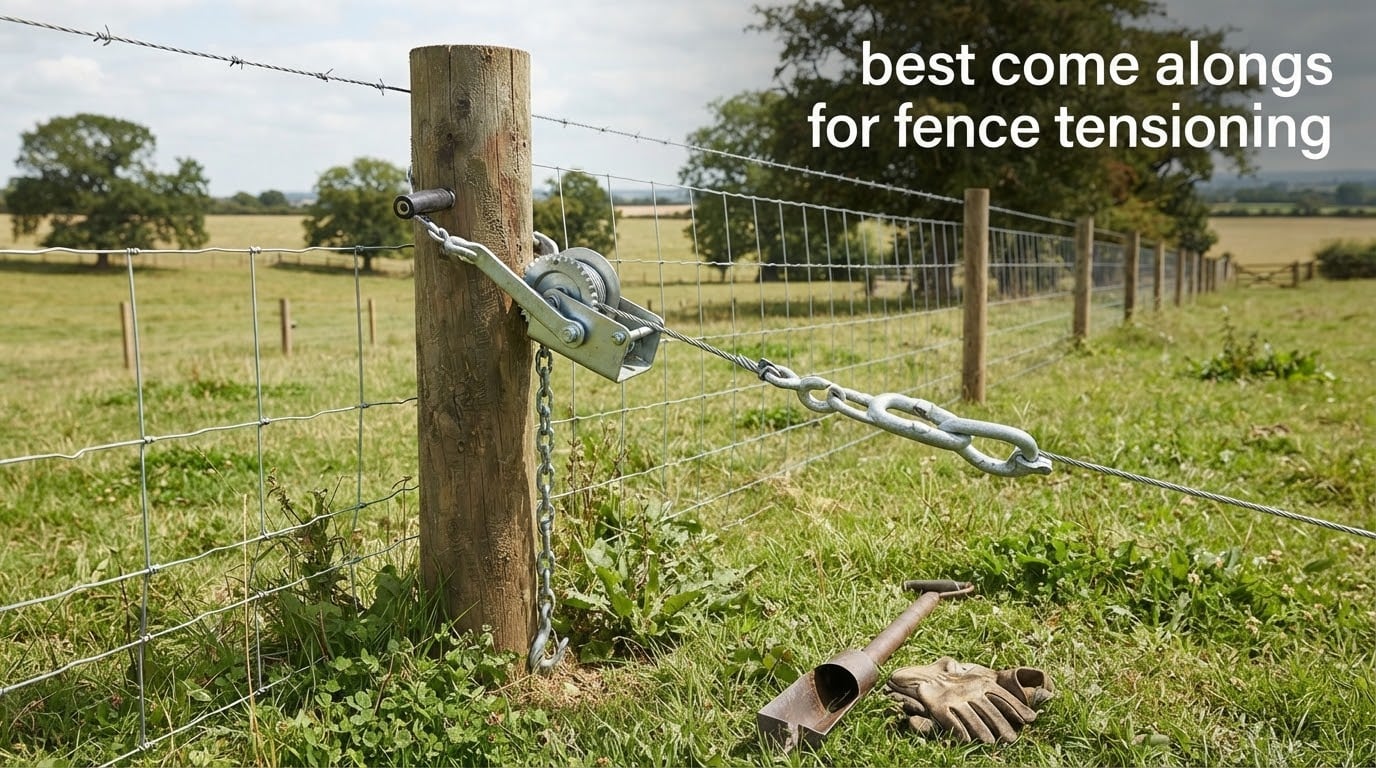
A come along is a hand-operated ratchet winch with a steel cable, hooks and a toothed gear that multiplies your arm force into thousands of pounds of straight-line pull. That makes it the single most useful tool for tightening sagging wire, pulling posts back into alignment, and stretching a new run of fence by yourself. This roundup covers the ten come alongs and fence tensioning tools we consider best for fence tensioning work, ranked from the 5-ton workhorses down to the palm-sized wire grips that do half the job.
Who this is written for: homesteaders running barbed, woven or high tensile lines, ranchers rebuilding paddocks, homeowners untangling a leaning chain link gate, and fencing contractors who need one-person operation. If your fence is wood or vinyl, tensioning is a different problem entirely, and we cover panel and gate options in our guides to wood fence panels for privacy and aluminum fence gates for backyards instead.
We picked every tool below on three things: rated capacity against the job, the gear and pawl mechanism that holds load between strokes, and how much real-world feedback sits behind the rating. Review volume mattered. A 4.4 average across 100 reviews tells you much less than a 4.3 across nearly 1,900, and that is exactly the reasoning behind our number one pick. For fence types where electric is the answer rather than tension, our picks for electric fence chargers for livestock are a separate list.
Table of Contents
Top 3 Picks: Best Come Alongs for Fence Tensioning (October 2026)

NEIKO 02256A 5-Ton 10 Ft
- 5 ton 10000 lb horizontal capacity
- 6mm steel cable 10 ft
- Double-gear ratchet
- 3 latching safety hooks

VEVOR 5-Ton 11.5 Ft
- 5 ton 11023 lb capacity
- 11.5 ft steel cable
- One-piece dual gear housing
- Anti-reverse mechanism

VOPEPZG 2-Ton 12 Ft
- 2 ton capacity
- 12 ft galvanized cable
- Anti-spin anti-twist cable
- Double-locked anti-reversal gear
The NEIKO wins on evidence. Nearly 1,900 reviews at a 4.3 average, a double-gear ratchet that handles one-handed strokes under load, and 10 feet of 6mm cable give it the reach and the staying power most fence jobs need. The VEVOR edges it on rating and cable length, and its one-piece gear housing resists the jamming that plagues older two-piece designs. The VOPEPZG is the reach play: 12 feet of galvanized cable at under 7 pounds, which means fewer anchor resets on a long straight run.
Best Come Alongs for Fence Tensioning in 2026 at a Glance
| Product | Specifications | Action |
|---|---|---|
| NEIKO 02256A 5-Ton 10 Ft Come Along Winch |
|
Check Latest Price |
| VEVOR 5-Ton 11.5 Ft Come Along Winch |
|
Check Latest Price |
| VOPEPZG 2-Ton 12 Ft Come Along Winch |
|
Check Latest Price |
 Favorite-Trade 5-Ton 10 Ft Cable Puller Favorite-Trade 5-Ton 10 Ft Cable Puller |
|
Check Latest Price |
 Gtongoko 5-Hook Chain Link Fence Stretcher Gtongoko 5-Hook Chain Link Fence Stretcher |
|
Check Latest Price |
 Wogoboo 1-Ton Cable Grip Wire Gripper Wogoboo 1-Ton Cable Grip Wire Gripper |
|
Check Latest Price |
 TOMESHA Carbon Steel Fence Stretcher and Splicer TOMESHA Carbon Steel Fence Stretcher and Splicer |
|
Check Latest Price |
 MOEUFFIR Barbed Wire Puller and Splicer MOEUFFIR Barbed Wire Puller and Splicer |
|
Check Latest Price |
 OSROENE 20-Piece Fence Wire Tightener Kit OSROENE 20-Piece Fence Wire Tightener Kit |
|
Check Latest Price |
 MOEUFFIR 2-Pack Fence Tensioner Ratchet Handle MOEUFFIR 2-Pack Fence Tensioner Ratchet Handle |
|
Check Latest Price |
1. NEIKO 02256A 5-Ton Come Along Winch – Best Overall Come Along for Fence Tensioning
NEIKO 02256A Come Along Winch, 5-Ton (10,000 Lbs) Pulling Capacity, 10Ft, 3 Hook, Heavy Duty Power Cable Come Along Tool with Dual Gears, Hand Winch Cable, Automotive Hoist Winch Puller, Recovery Gear
5 ton 10000 lb horizontal pull
10 ft 6mm steel cable
Double-gear ratchet
3 latching hooks
13.38 lb
Pros
- Genuinely heavy 5-ton pulling capacity in a compact hand tool
- Ratcheting system allows one-handed operation under load
- Double-gear design gives even notched pulling action
- Long PVC-coated lever arm provides good leverage
- Comes with three latching safety hooks
Cons
- Cable release under load is not intuitive and takes practice
- Thin U-shaped retainer clips can dislodge under load
- Steel cable rusts quickly unless dried and stored
Out of everything we looked at, the NEIKO 02256A is the one we keep reaching for. It has been in production since 2008, which tells you something about how long the design has survived real pulling work, and with 1,897 reviews behind it there is more field feedback on this tool than any other in this roundup. Rated capacity is 10,000 lb horizontally and 4,000 lb vertically, which covers every wire fence job without you approaching the limit.
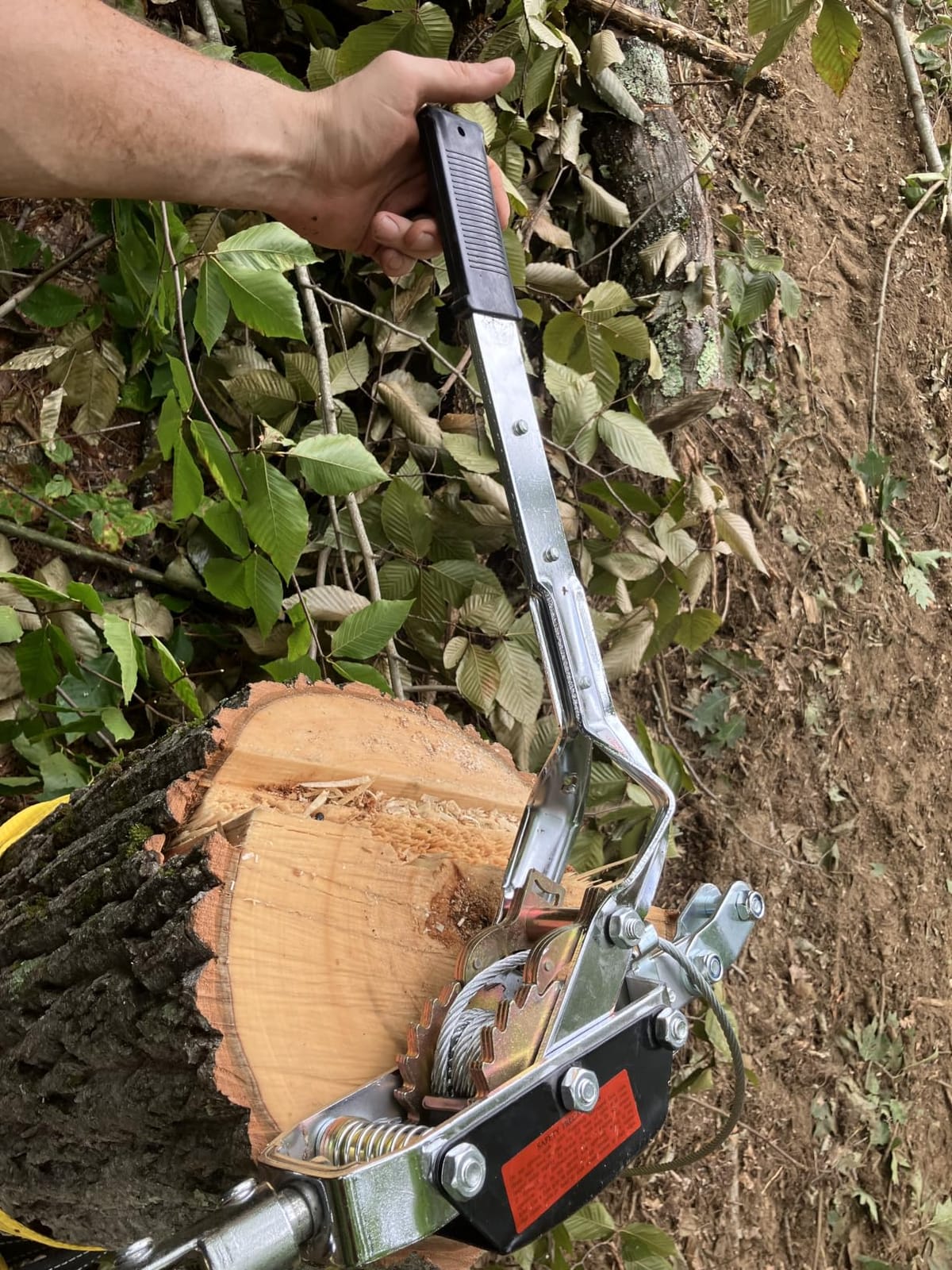
The double-gear ratchet is what makes it pleasant to work with. Each pump advances the cable in even notches, the pawl holds between strokes, and the ratcheting system lets you run the handle one-handed once you find a rhythm. The long PVC-coated lever arm gives you real mechanical advantage on each stroke, so a heavy pull does not mean a workout.
Three latching safety hooks are included, and the zinc-plated hooks and gears hold up outdoors better than bare steel. The 10 foot length of 6mm cable covers a standard fence bay without constantly repositioning, which is the single biggest time saver on a 300 foot run. At 13.38 lb it is not a tool you sling over one shoulder for a quick repair, but it is the right weight for work that lasts an afternoon.
There is a caveat worth knowing before you buy. The free-wheel cable release is genuinely not intuitive; owners describe it as needing practice to learn how to let tension off cleanly. Several reviewers also report that the thin U-shaped retainer clips on the hook and pulley bolts can dislodge under load, and one long-term owner replaced the factory hardware with hardened bolts and lock nuts after a single season and reported the problem disappeared. Inspect the clips before every pull.
Who the NEIKO 02256A Works Best For
If you are running hundreds of feet of woven wire, stretching barbed runs on a paddock, or pulling posts back into plumb after the frost heaves them, this is the tool. One owner reported stretching more than 800 feet of barbed wire with a single unit across multiple seasons. The 10 foot cable means you set your deadman anchor once per bay rather than three or four times, and the one-handed ratchet means you can hold the wire grip with one hand while you work the handle.
It also suits the solo operator who does not want to call for a helper. Combined with a wire grip like the Wogoboo further down this list, you can clamp, pump, walk the line, and repeat without ever waiting on a second person. That is the pattern homesteaders describe on r/homestead: one come along on the top wire, ratchet straps on the middle and bottom.
Where the NEIKO Falls Short
The release mechanism is the honest weakness. It is a deal breaker for anyone who cannot learn the free-wheel, and reviewers across several brands describe tension relief as the moment when come alongs get fiddly. It is also not a lifting tool. The vertical rating is 2 tons against a 5 ton horizontal figure, and the rounded handle is designed to bend as a fuse, not to hold a suspended load.
Finally, the steel cable rusts if you leave it wet. Owners consistently recommend wiping and drying the cable after outdoor work, particularly in fall and winter. A light film of oil on the drum and pawl twice a year costs nothing and keeps the ratchet from binding.
2. VEVOR 5-Ton Come Along Winch – Best Value 5-Ton Come Along
VEVOR Come Along Winch, 5 Ton (11,023 lbs) Pulling Capacity, 11.5 ft Steel Cable, 3 Hooks, Heavy Duty Ratchet Power Puller Tool with Dual Gears, Automotive Hoist Cable Puller Ideal for Vehicle Rescue
5 ton 11023 lb rated
11.5 ft steel cable
One-piece dual gear
Anti-reverse hold
Pros
- Longest cable in the group at 11.5 ft for reach per pull
- One-piece dual gear resists rust and jams
- Rubberized extended handle suits one-hand strokes
- Anti-reverse mechanism holds the load without backtracking
Cons
- Cable can be awkward to thread through the hooks
- Listing reviews do not break out fence-specific use
The VEVOR sits at 4.6 across 883 reviews with 79 percent five-star and only 3 percent one-star. That distribution matters. A tool with a long, thin tail of complaints ages badly; a tool with a tight cluster of top ratings tells you the experience is repeatable, and that is what you want from a winch you will depend on every spring.
The engineering difference is the one-piece integrated dual-gear structure. Older two-piece gear housings let the seam develop play and let moisture in, which shows up as a stiff ratchet that jumps teeth. VEVOR cast the gear housing as a single unit specifically to resist that, and reviewers credit it with noticeably smoother operation.
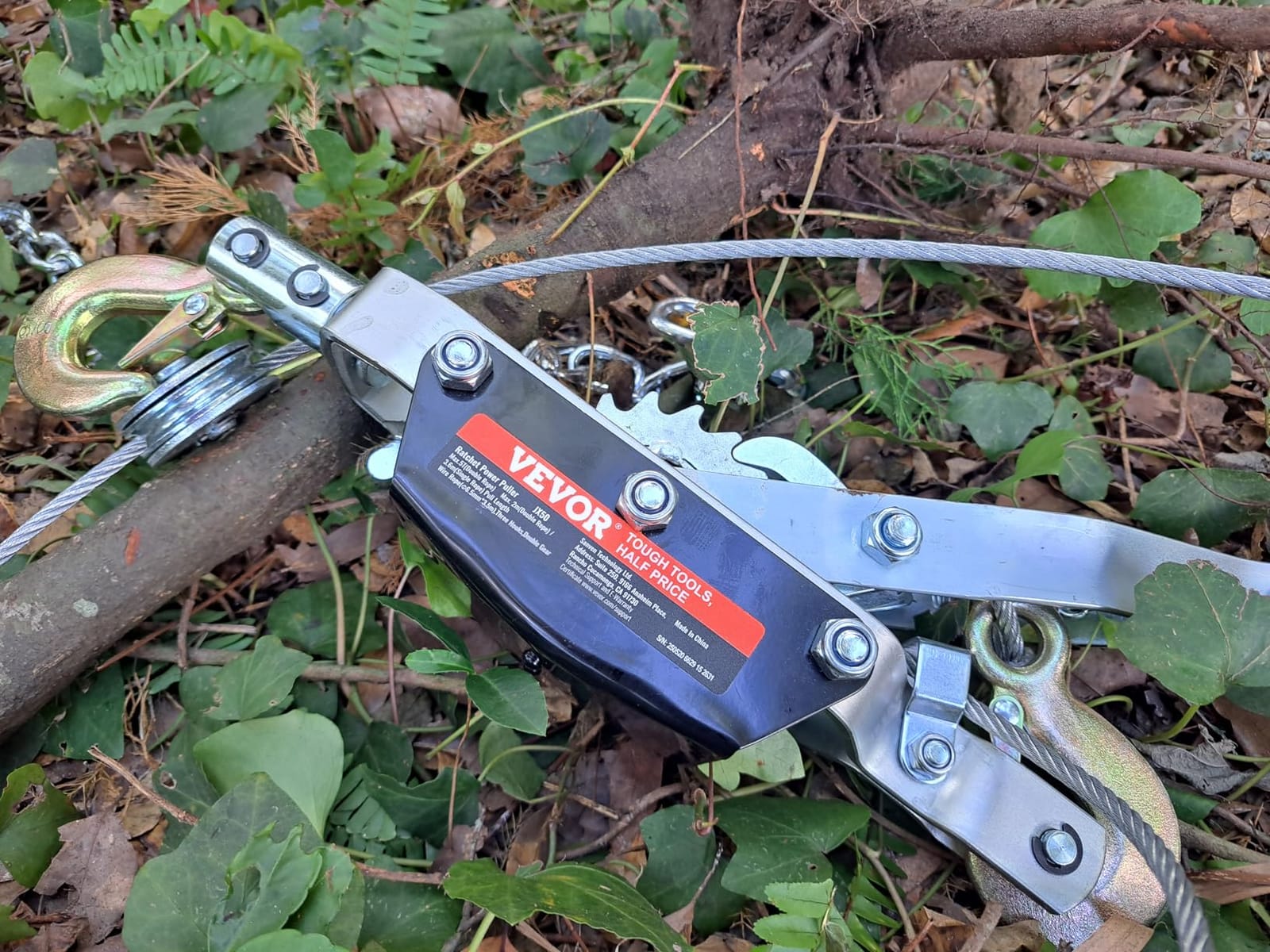
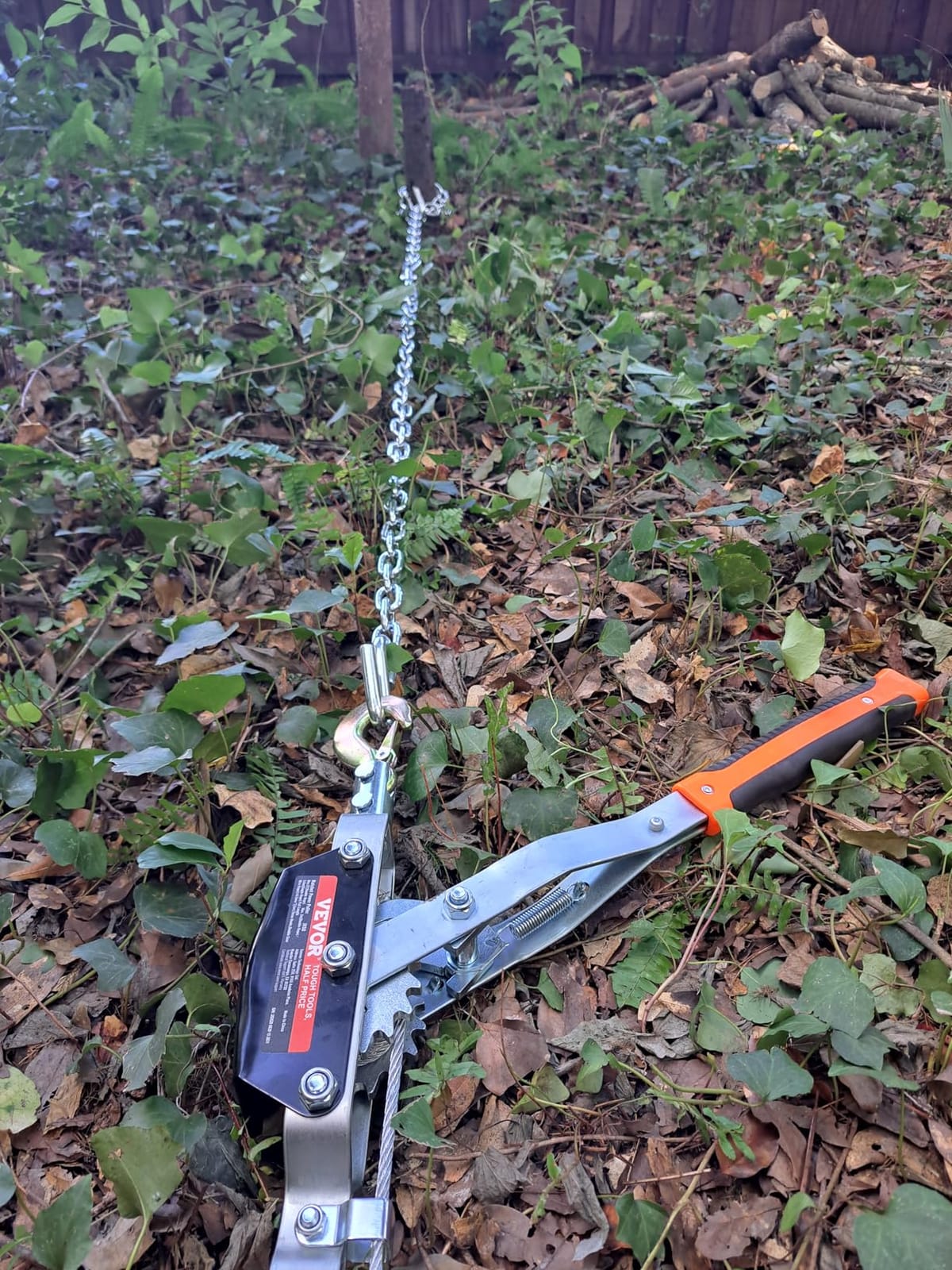
The 11.5 foot steel cable is the longest in this group, and for fence work that is not a vanity spec. Longer travel per ratchet stroke means fewer anchor resets on a straight run, which is where most of your time actually goes. The anti-reverse mechanism stops the cable backtracking or going slack mid-pull, and the extended rubberized handle makes one-handed strokes comfortable over a long session.
The one practical gripe is threading. Reviewers note the cable can occasionally be awkward to align as it feeds through the hooks, so give yourself a minute to find the path before you are standing in a field with gloves on. Everything else about the mechanism is clean.
Who the VEVOR 5-Ton Works Best For
This is the pick for someone who wants the strongest rating in the lineup and does not need the very longest cable. It suits chain link fabric pulling when you also have a multi-hook stretcher bar, high tensile runs where you want steady controlled force rather than shock loading, and general farm and property work where the same tool gets used for logs, stumps and equipment.
It also suits anyone working alone in remote spots. There is no power source requirement, nothing to charge, and at 13 lb it is manageable for one person to carry down a lane to a back forty. The anti-reverse load hold means you can set the handle down mid-pull to reposition the wire grip without losing what you have already gained.
Where the VEVOR Falls Short
At 4.6 stars it is not a flawless product, and the honest gap is documentation. The customer feedback on this listing does not break out fence-specific experience the way the NEIKO pool does, so you are trusting the rating more than the testimony. If you are specifically buying for high tensile wire and want to read how other owners handled it, the NEIKO has a much deeper evidence base.
It is also a horizontal puller, not a hoist. Plan to move and tension with it, not to suspend or lift. And the rubberized handle grip, while comfortable, is not the same as the long PVC-coated lever arm on the NEIKO if you are working very heavy loads with gloves.
3. VOPEPZG 2-Ton 12 Ft Come Along Winch – Best for Long Runs and Long Reach
VOPEPZG Come Along Winch,2 Ton Capacity with 12FT Steel Cable,Heavy Duty Come Along Tool with Dual Gears,2 Hooks,Hand Winch Tool for Road Vehicle Recovery and Pulling Tree,Fence Stretcher,Frame
2 ton rated capacity
12 ft galvanized cable
Anti-spin anti-twist strand
6.96 lb
Pros
- Longest cable here at 12 ft giving more pull reach per stroke
- Lightest-handling big-capacity option at only 6.96 lb
- Integrated double gear keeps force even and releases rope cleanly
- Galvanized high-carbon cable resists corrosion
- Made explicitly for fence stretching and trailer loading
Cons
- 2 ton rating is the lowest capacity here and limits heavy tensioning
- Only two hooks included against three on the 5-ton models
- Small 244 review pool with an 8 percent one-star share
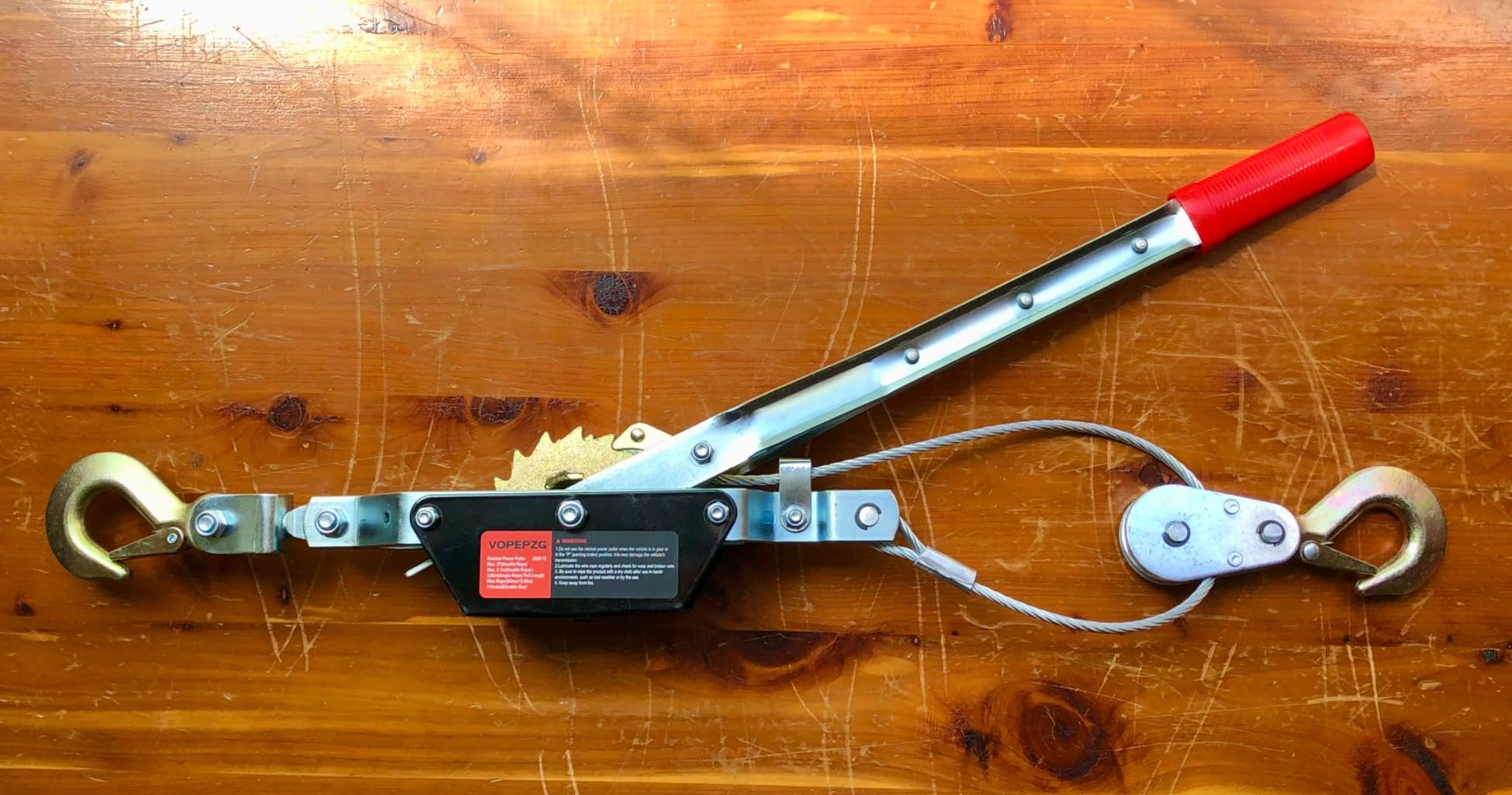
The VOPEPZG solves a specific problem well: getting from one post to the next without stopping to reset your anchor. Twelve feet of cable is the longest in this roundup, and at 6.96 lb you can carry it a long way without your shoulder noticing. For a straight run of woven wire across open ground, that combination changes how the job feels.
The cable is the standout feature. It is a galvanized high-carbon wire with an anti-spin, anti-twist stranded design rated to 1,520 MPa tensile strength. Anti-twist matters more than most listings admit: a cable that wants to unwind under load will resist the ratchet instead of feeding through it, and that is a frustrating failure mode on the second stroke of a pull.
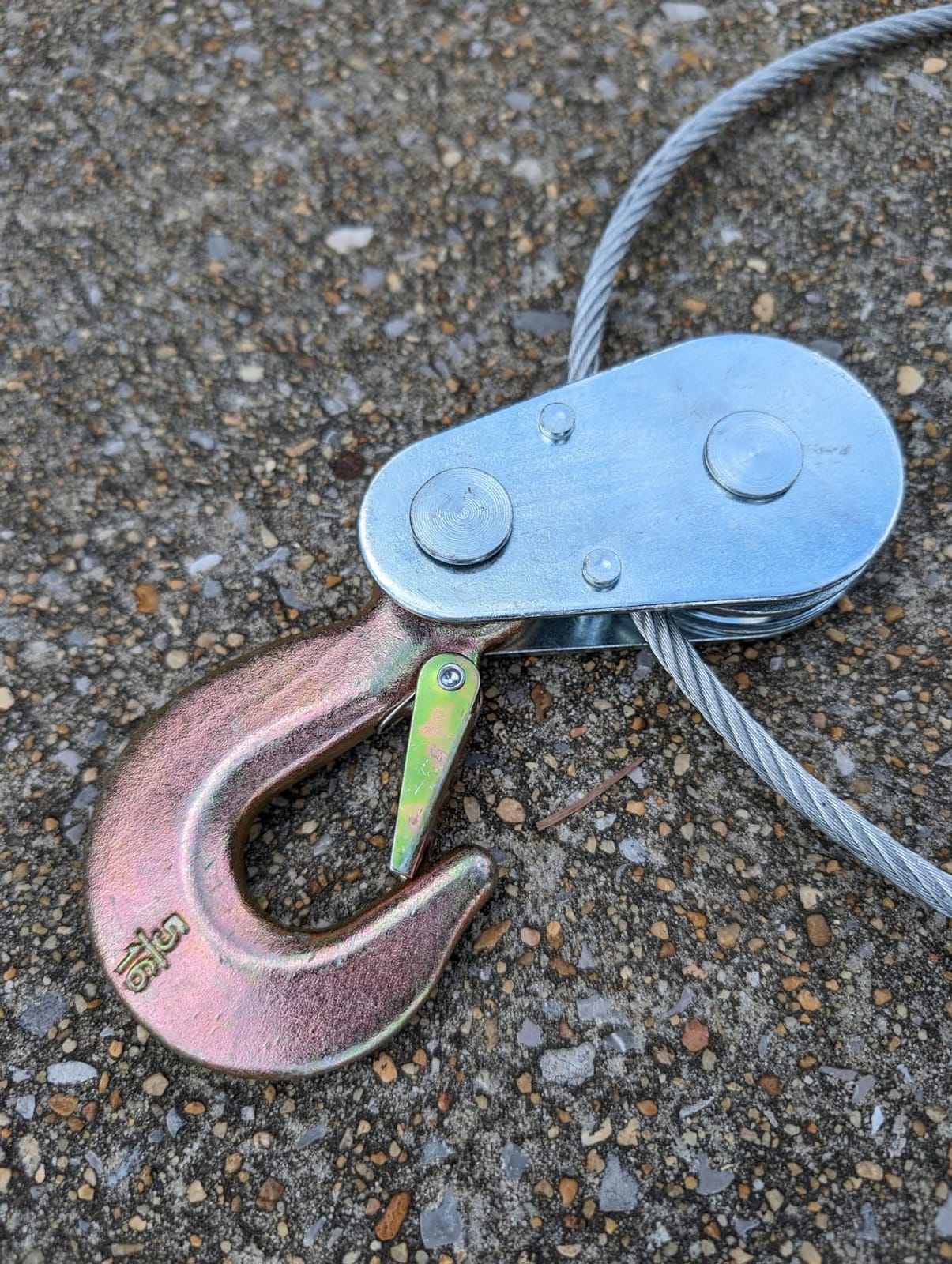
The integrated double gear delivers uniform force and, according to buyers, releases the rope smoothly without snagging on stray material. The double-locked anti-reversal gear keeps the rope in place when you set the tool down, which matters if you are working alone and stepping back to look at your line.
Be realistic about the ceiling, though. At 2 tons this is the smallest capacity here, and an 8 percent one-star share points at a group of buyers who found the light chassis less than rugged for demanding work. It is plenty for barbed wire, woven wire field fence, garden runs and poultry enclosure. It is not the tool for tensioning long runs of high tensile or for chain link fabric.
Who the VOPEPZG 2-Ton Works Best For
Homeowners and small homesteaders working barbed or woven wire on runs under about 200 feet. A 2-ton pull covers standard field fence tension comfortably, and the 12 foot cable means most standard post spacings need only one setup per bay. Buyers also pair it with trailer loading, which is outside our topic but tells you how versatile the light frame is for occasional work.
It is a strong second unit to own. If you already run a 5-ton for the heavy jobs, a 2-ton with a long cable is a genuinely useful companion for the quick repairs that would never justify unhooking the big winch.
Where the VOPEPZG Falls Short
Two hooks instead of three is a small but real loss of versatility. On the 5-ton models the third hook gives you a grab point for re-rigging mid-pull, and its absence here means slightly more creativity when you need to change the pull angle.
The 244-review pool is the thinnest evidence base of the three 5-ton-style winners, and with only 2,000 lb of rated pull there is no headroom for a surprise. If you are unsure what your fence needs, err toward the 5-ton class. More capacity than you need is harmless; too little shows up as a bent gear housing or a slipping hook on the third stroke.
4. Favorite-Trade 5-Ton Manual Cable Puller – Best for Controlled Tension
Come Along Winch 5 Ton (11,023 lbs), Manual Cable Puller, 10 ft Steel Cable
5 ton 11023 lb rated
10 ft 6.3 mm cable
Dual-gear anti-reverse
3 drop-forged hooks
Pros
- True 5-ton straight-line pulling capacity
- Anti-reverse system helps prevent load slippage mid-pull
- Galvanized frame and 3 drop-forged hooks read as well built
- Works solo with no power source or second vehicle
Cons
- Smallest review pool here at 103 so long-term durability data is thin
- Designed for pulling and tensioning only
- explicitly not for lifting
The Favorite-Trade is the tool we would hand someone who is nervous about snapping wire. It is positioned explicitly around controlled force rather than shock loading, and the dual-gear ratchet with anti-reverse control gives you the smooth, step-by-step build of tension that high tensile wire rewards. Steady pulls beat sudden jerks, and this is built for steady pulls.
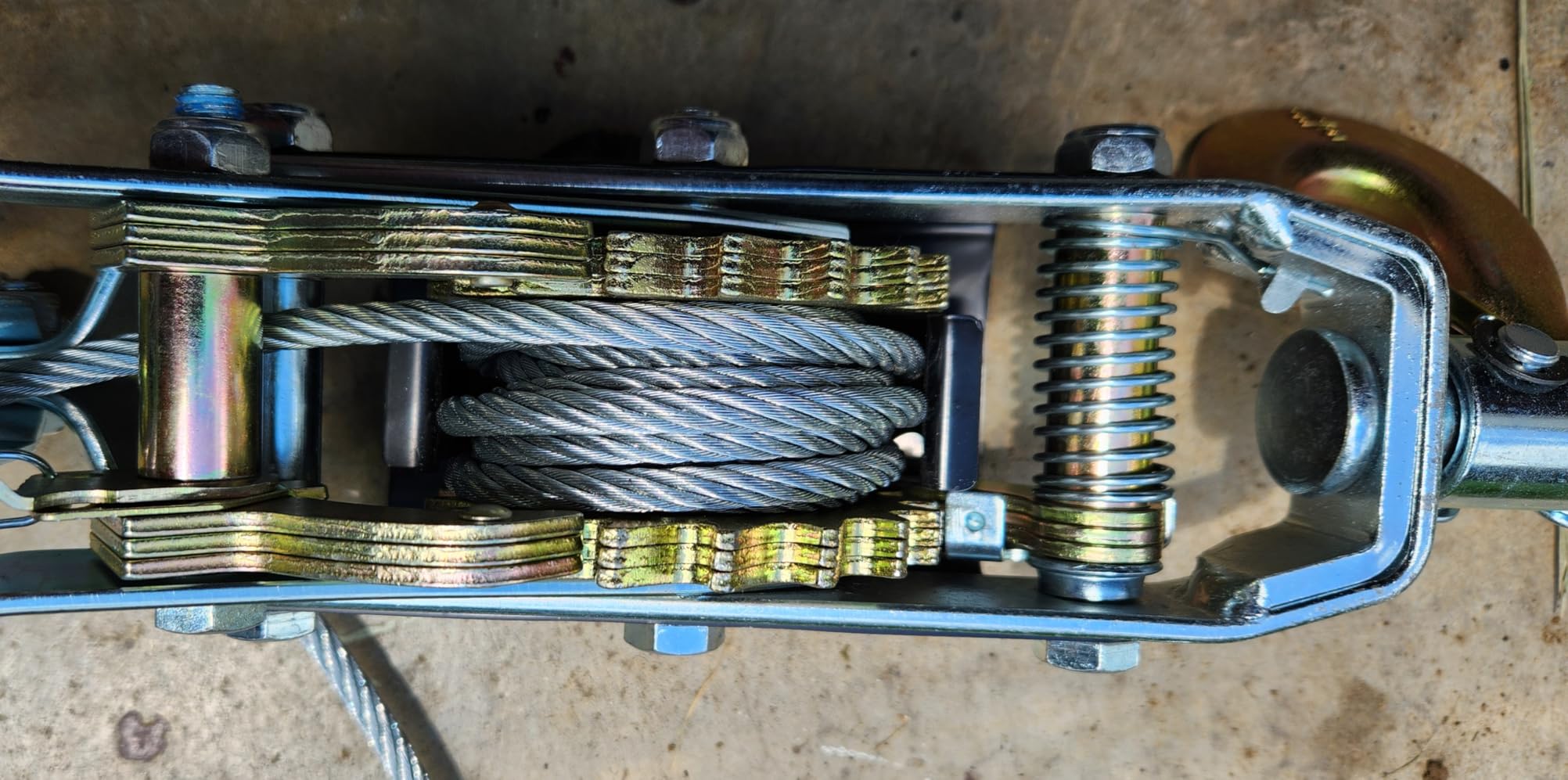
Construction details are good. A galvanized steel frame, a 6.3 mm corrosion-resistant cable and 3 drop-forged hooks. Drop-forged matters: stamped hooks deform under load, and the forum complaint about bent hook welds is one of the most common complaints we saw across brands in this category.
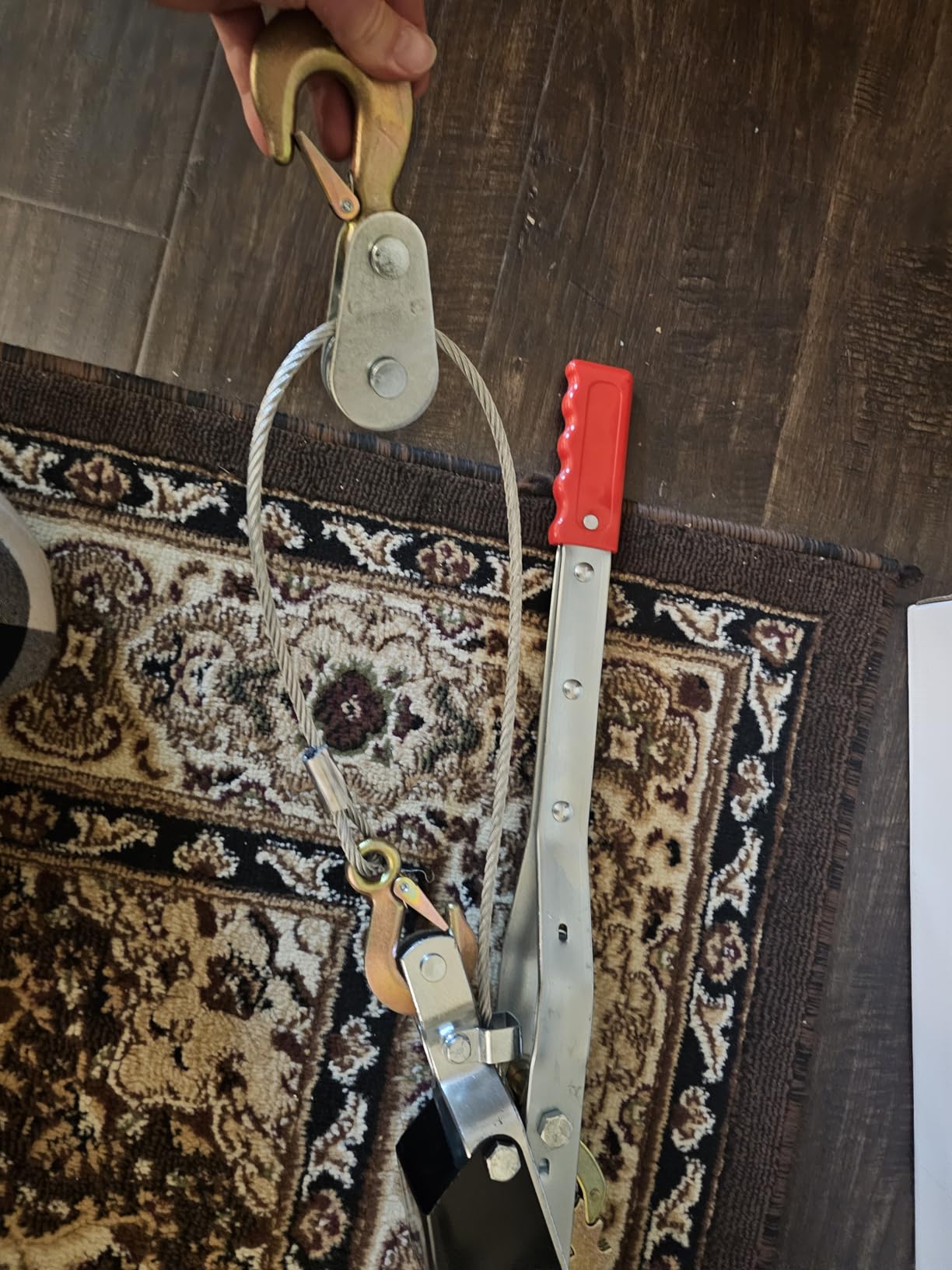
At 12.62 lb it is slightly lighter than the other 5-ton units here, and at 10 feet the cable is standard for a bay-plus-a-bit of reach. The anti-reverse load control is the feature to know about, because it is what lets you release the handle, walk to the wire grip, and check your alignment without losing tension.
The honest limitation is evidence. With 103 reviews this has the smallest pool in the roundup, so you are reading a good signal rather than a proven one. That said, the rating distribution is unusually clean: 73 percent five-star with only 2 percent one-star, which is the tightest negative tail of any product here.
Who the Favorite-Trade Works Best For
Anyone installing high tensile wire where over-tightening or shock loading can break strands or bend end posts. The 5-ton rating covers the 800 to 1,500 lb working range of high tensile fence, and the controlled output means you can back tension off a notch at a time when you are close to target.
It also suits contractors working away from a truck or power source. The listing stresses that it needs no power, which means remote paddocks, back lots and creek crossings are all fair game for one person with a post hole and a deadman anchor.
Where the Favorite-Trade Falls Short
Buying a tool with 103 reviews means accepting that you will not find long-term durability reports easily. That is not a deal breaker for a controlled-tension job, but if you want a decade of proven field history behind the design, the NEIKO has that record and nearly twenty times the review volume.
It is also clearly a puller and tensioner, not a hoist. The manufacturer is explicit that it is not for lifting. Respect that boundary and the tool will serve you for years; ignore it and you get a bent handle instead.
5. Gtongoko 5-Hook Chain Link Fence Stretcher – Best for Chain Link Fabric
Gtongoko Chain Link Fence Stretcher Tool, 5 Hook Steel Fence Puller
5-hook steel design
Galvanized finish
Works with a come along
6.54 lb
Pros
- Five-hook design spreads tension across several points for even mesh pulls
- Galvanized steel body built for repeated outdoor fence work
- Pairs with a come along winch for smoother tension control
Cons
- Not for wood
- vinyl or solid panel fences
- It is an accessory
- not a puller
- so you need a separate come along or ratchet
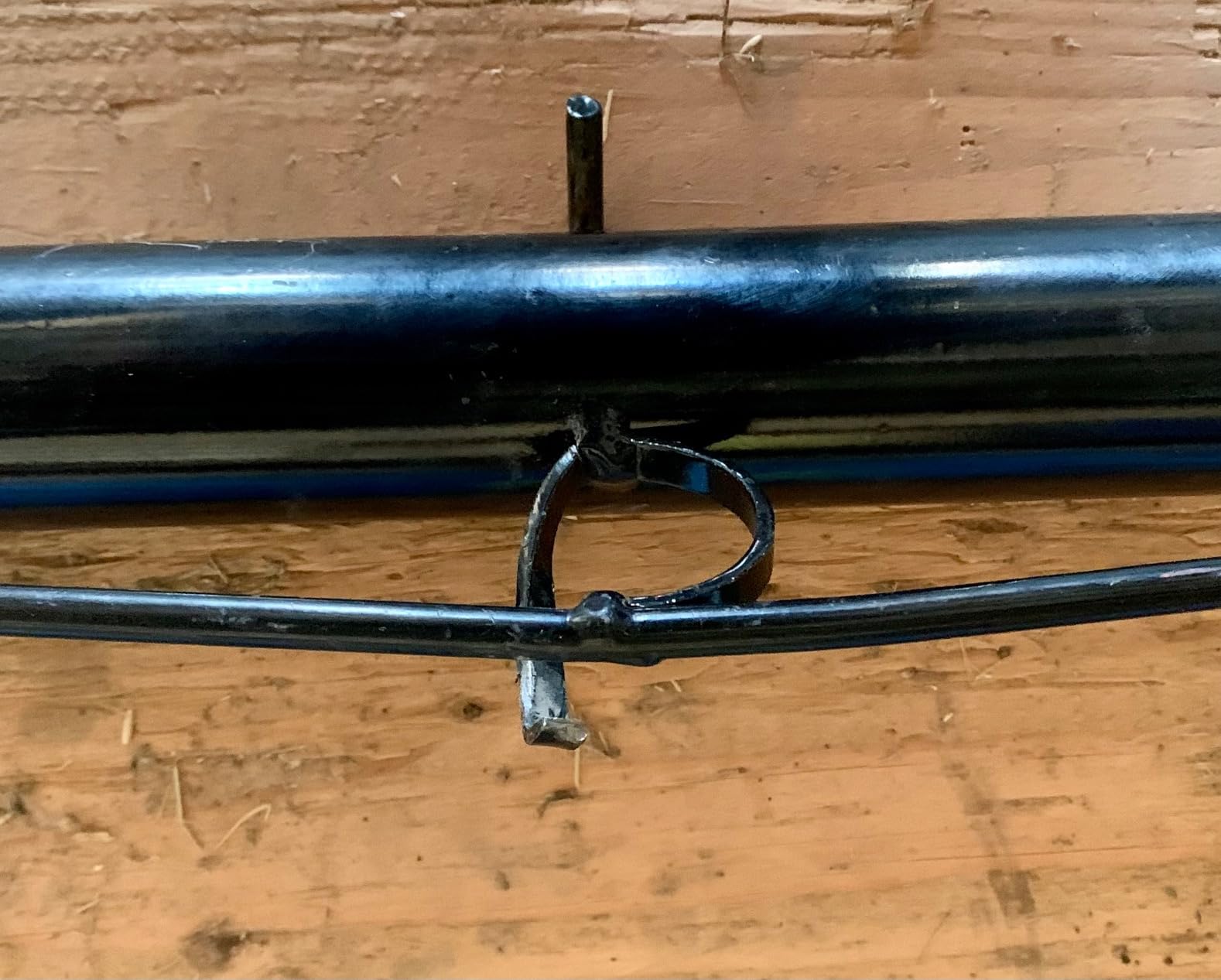
Chain link fabric does not respond well to a single-point pull. Pull from one spot and you get a wrinkle that never comes out. The Gtongoko solves that with a 5-hook steel design that grips multiple points along the top wire and spreads the load, which is the whole reason it holds a 4.7 across 374 reviews with 80 percent five-star.
Be clear about what it is: an accessory, not a puller. You hook a come along or ratchet puller to the stretcher and the stretcher does the gripping. Buy the Gtongoko expecting to pair it with a 5-ton winch, and together they handle chain link, welded wire and woven wire mesh better than either one alone.
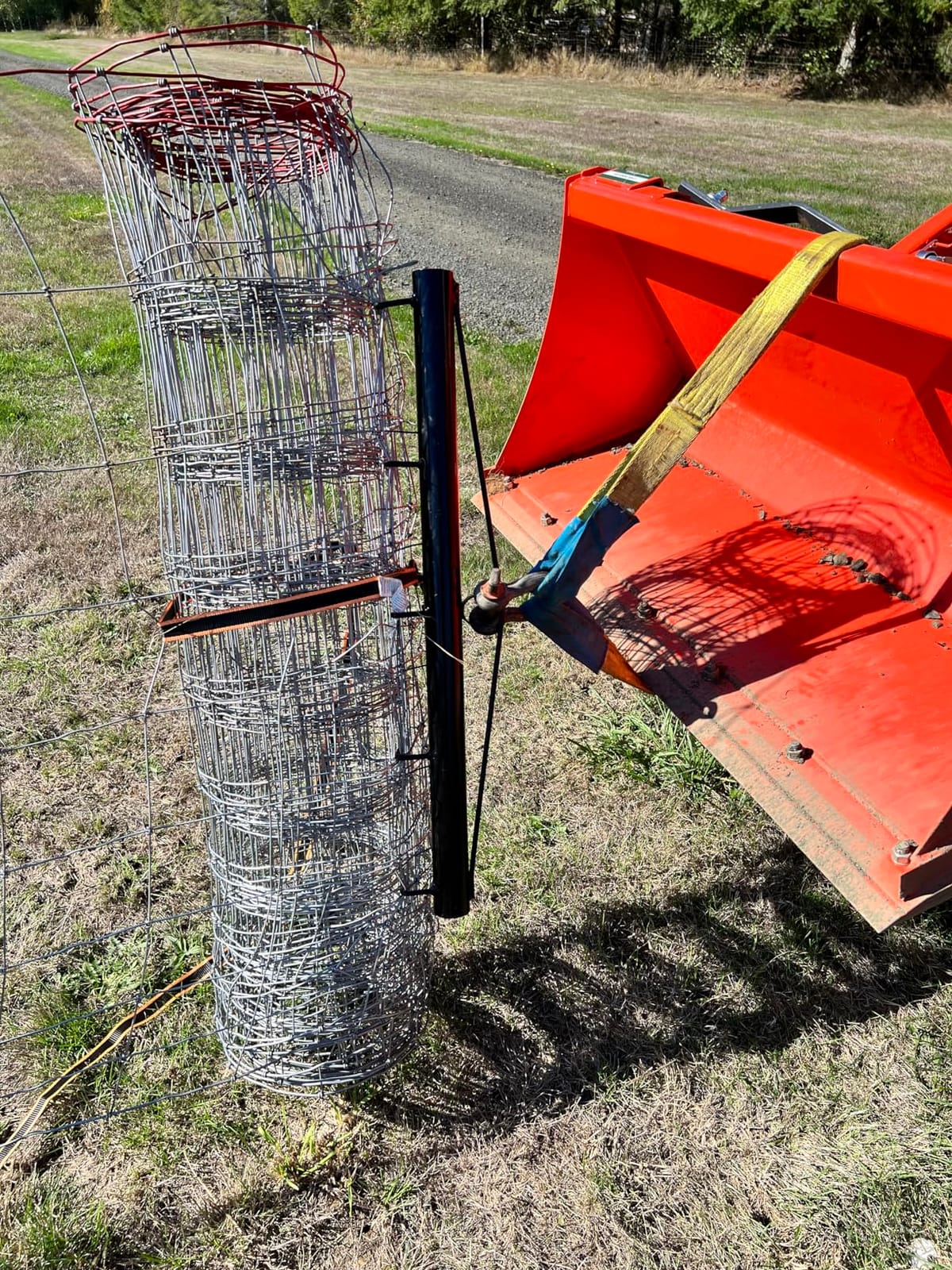
The build is straightforward galvanized steel with a rust-resistant outdoor finish, rated for repeated fence repair work rather than a single job. It also works on welded wire and woven wire, so it is not limited to chain link even though that is where it earns its keep.
At 6.54 lb it is light enough to carry down a lane and position precisely, which matters when you are hooking a sagging gate back into its terminal post. The listing itself recommends gloves and added support on longer runs, which is sensible advice rather than boilerplate.
Who the Gtongoko Works Best For
Homeowners with a chain link run that has gone slack over a decade, and anyone installing chain link fabric between posts without wanting to hire a crew. This is the highest-rated product in the roundup on buyer satisfaction, which tells you the design is doing exactly what it promises without drama.
It is also the right companion for the NEIKO or VEVOR if you ever plan to do chain link work at all. A 5-ton come along alone will pull chain link, but it will pull it unevenly and leave you with a fabric that never sits flat against the rail. The 5 hooks prevent that.
Where the Gtongoko Falls Short
Scope is narrow by design. It is for chain link, welded wire and woven wire only, and it is useless on wood, vinyl or solid panel fencing. If you are working with panels, our guides to privacy fence panels for small yards and wood fencing cover that instead.
And on a very long run, one person still benefits from a second pair of hands or a ratchet strap holding the bottom while they manage the top. That is the hybrid setup homesteaders describe: come along on top, straps on the middle and bottom, stretcher bar hooked into the mesh.
6. Wogoboo 1-Ton Cable Grip and Wire Gripper – Best Wire Grip for Fence Tensioning
Wogoboo Cable Grip Wire Gripper Steel Cable Puller Tool
1 ton 2204 lb safe load
Fits 2.5 to 16 mm cable
Heat-treated carbon steel
1.68 lb
Pros
- Grip bites high and resists slipping under pull
- Safety lock stops the jaw jumping the line
- Smooth jaws minimize cable damage
- Owners routinely adapt it into a barbed wire stretcher
Cons
- Only 1 ton safe load
- well below the 5-ton come alongs
- Wire can slip off the side of the wedge if it is off-center
- Some play in the wedge
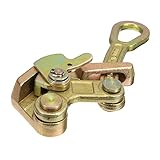
Let us be direct: the come along is only half the system. The half that actually holds the wire is a wire grip, and buying a strong winch without one is the most common mistake people make. The Wogoboo is the piece that turns a come along from a toy into a fence tool. At 4.5 across 882 reviews it is a high-volume seller in its own right.
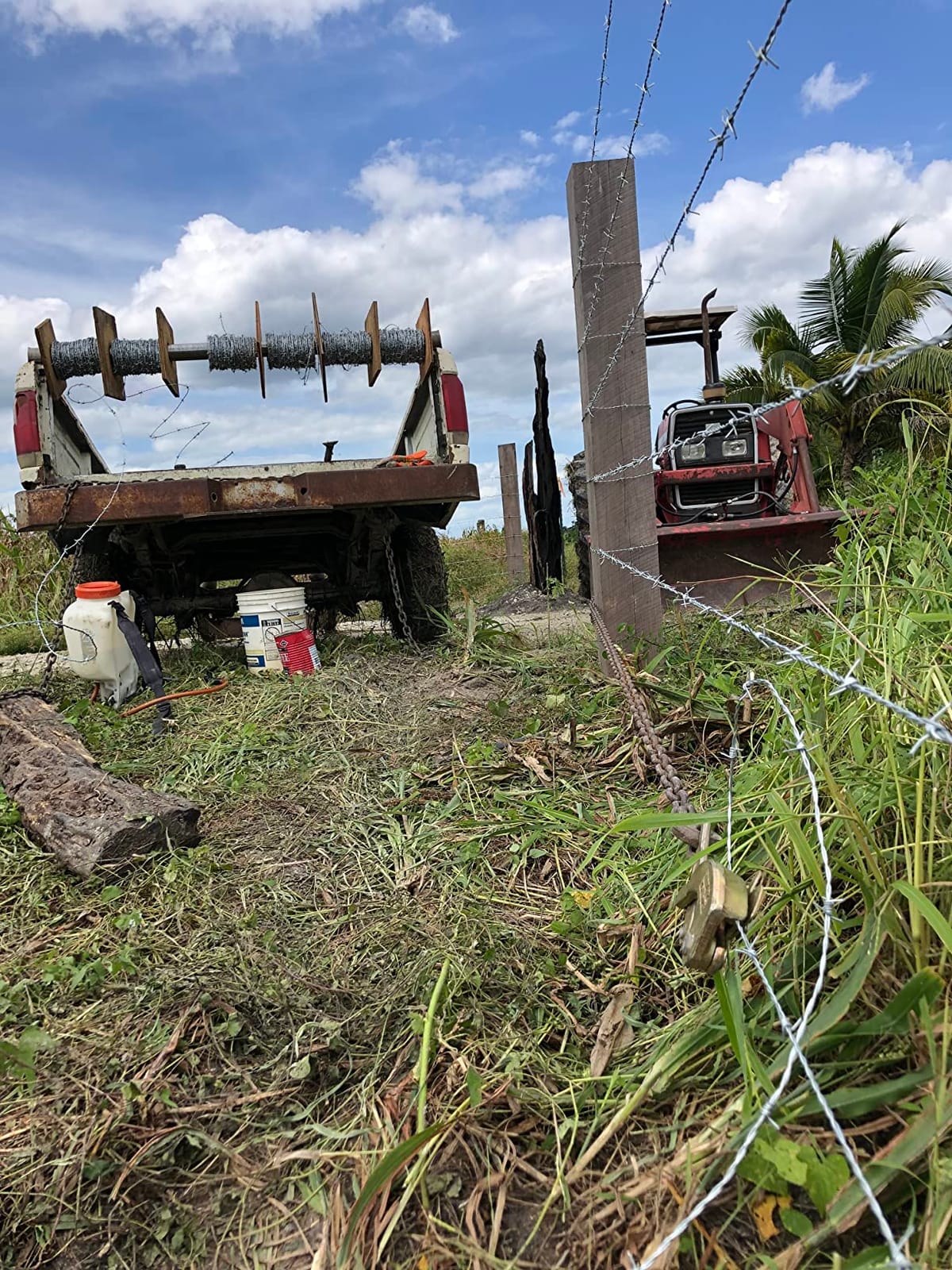
The mechanism is a heat-treated carbon steel wedge with a safety locking device that stops the jaw jumping the line. The jaws are finished smooth specifically to avoid chewing through cable, and they take steel strand and wire rope from 2.5 mm to 16 mm diameter. Multiple reviewers describe building a homemade barbed wire stretcher by clamping this gripper onto the wire and pulling by hand or with a come along.
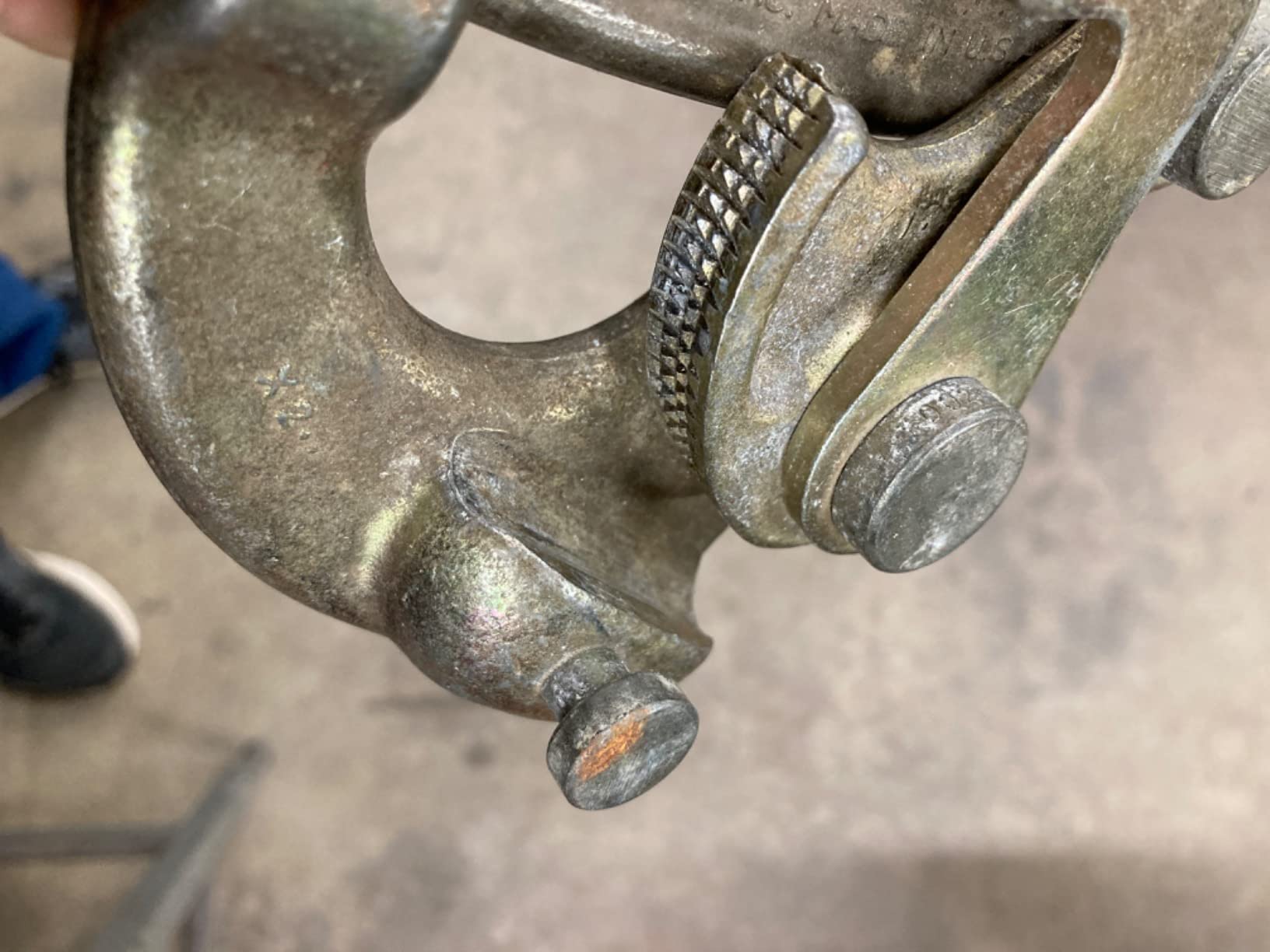
At 1.68 lb it lives in a tool pouch or a jacket pocket. You clip it on at the start of a run and it stays clipped on, which is exactly what you want when you are walking 300 feet of fence pulling wire.
Understand the limits. Safe working load is 1 ton, or 2,204 lb, which is below what a 5-ton come along can deliver, so the grip is often the intended bottleneck. That is fine for most fence work. It is not fine if you are trying to pull a leaning post into plumb with a full-power pull.
Who the Wogoboo Works Best For
Every come along owner. Clamp the grip to the wire you are pulling, hook the winch hook to the grip ring, and pump. Owners who have done this report that the grip bites high and resists slipping under pull, which is what stops you from losing tension halfway through a stroke.
It also stands alone for lighter jobs. With fence pliers and a length of chain, a single gripper is enough to take slack out of a short run of barbed wire without unhooking a full winch. For garden fence and poultry run repairs that is often all the tool you need.
Where the Wogoboo Falls Short
The recurring criticism is geometric, not quality: the wedge has visible play, so a thin or off-center wire can slip out of the jaws instead of gripping evenly. Center the wire in the wedge and pull it snug before you apply load, and this becomes a non-issue.
It is also not ideal for thick fence wire. If you are running heavy high tensile, step up to the 2T version of this same grip. And remember the pairing rule: a grip rated well below your winch means the grip, not the winch, decides how hard you can safely pull.
7. TOMESHA Carbon Steel Fence Stretcher and Splicer – Best All-in-One for Barbed and Smooth Wire
Heavy Duty Carbon Steel Fence Stretcher Tool, All Purpose Wire Tensioner for Barbed & Smooth Wire Fence, Fence Fixer and Splicer for Agricultural, Ranch & Residential Fences
Carbon steel construction
Ratchet with 360 degree swivel
Integrated splicer
8 lb tool weight
Pros
- Handles barbed
- high-tensile and smooth wire in one tool
- 360 degree swivel ratchet works for either hand
- Integrated splicer gives uniform tension and closes gaps
- Suitable for both DIY and professional installer work
Cons
- Lowest average rating among the dedicated fence tensioners here at 4.2
- Heaviest fence stretcher option at 8 lb so less handy for quick repairs
- 7 percent one-star reviews report quality complaints
The TOMESHA is the most complete single tool in this roundup. It combines a ratchet mechanism with an integrated splicer, so it can stretch a run of wire and then close it out at the end post without a second tool. If you hate the idea of buying a stretcher and a separate splicer, this is one handle that does both.
The 360 degree swivel is an underrated detail. It lets you work the ratchet from whichever side of your body is comfortable, and for anyone with shoulder or wrist limitations that is the difference between a tool you use and a tool that sits in the shed. It handles barbed wire, high tensile and smooth wire, which covers most agricultural and residential jobs.
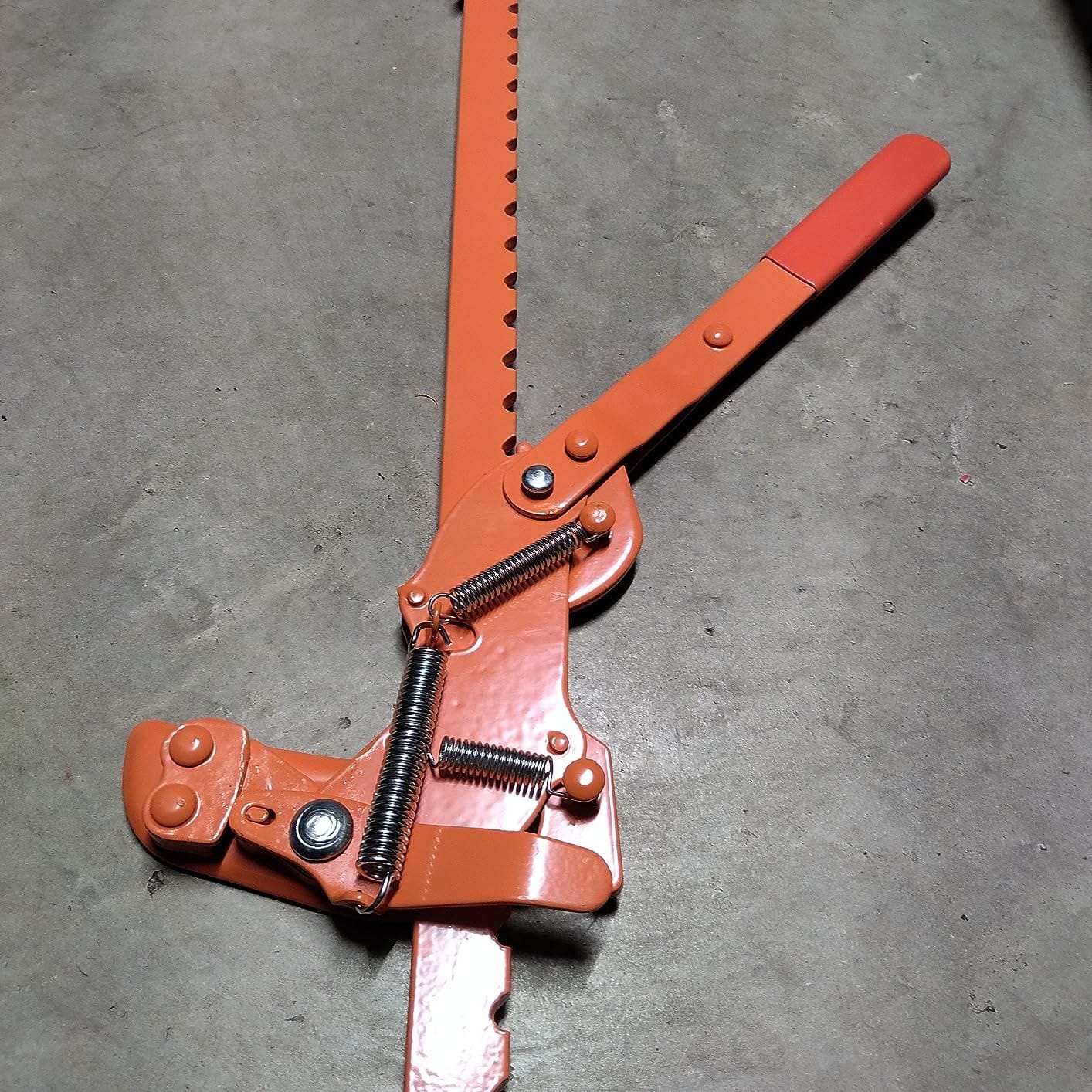
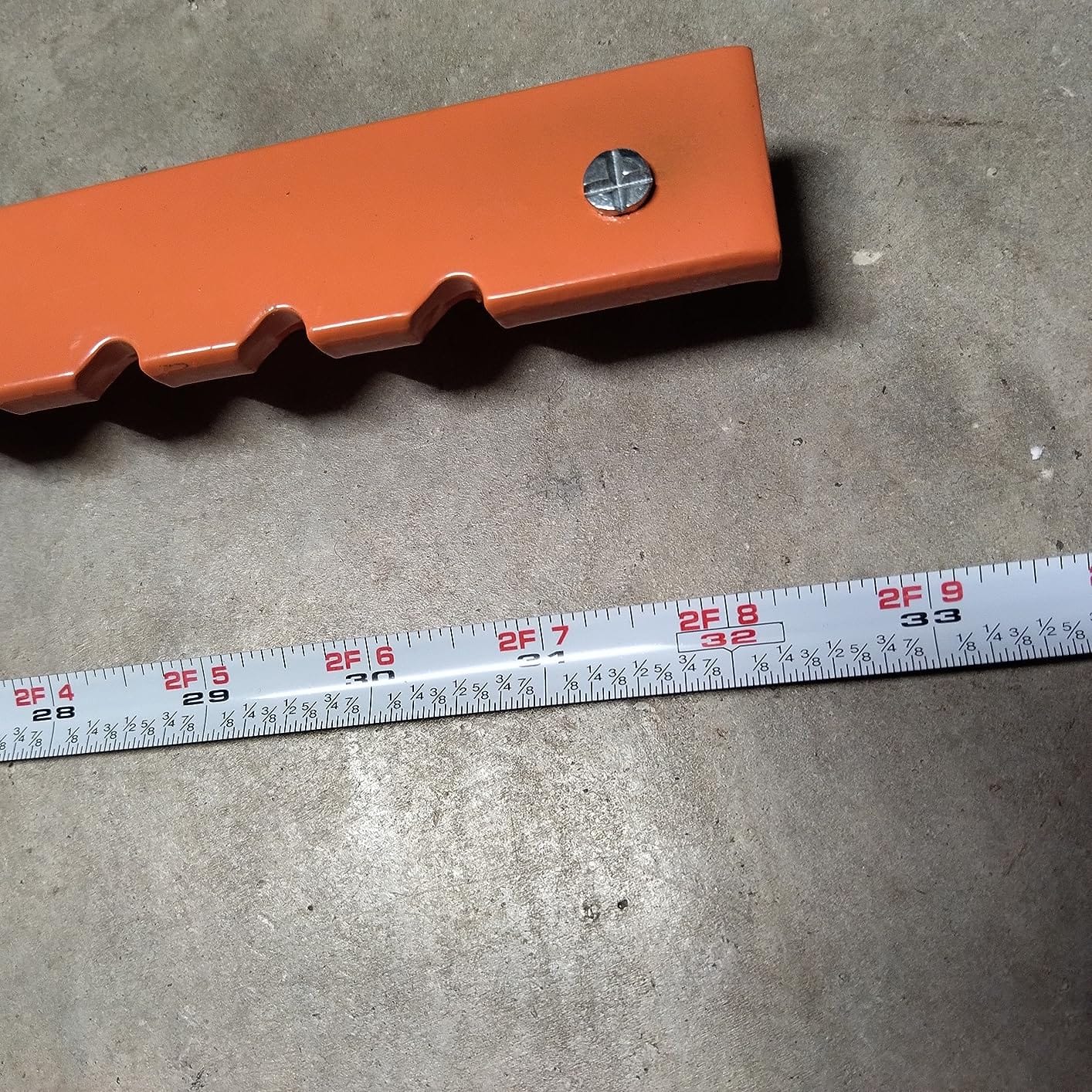
Construction is premium carbon steel at 8 lb, which makes it the heaviest dedicated fence tensioner here. That is a fair trade for durability, but it does mean this is a tool you bring to the job rather than carry for a quick repair.
The rating is the most mixed of the fence-specific tools here: 63 percent five-star, but 19 percent four-star and 7 percent one-star. Buyers are broadly positive on function and more divided on build quality, which is a reasonable trade to understand before you rely on it as your only tensioner.
Who the TOMESHA Works Best For
Ranchers and farm installers who work across mixed wire types. Because it handles barbed, high tensile and smooth wire and splices as well as it stretches, it is the tool to keep in the truck when you do not know what you will find when you get to the fence.
It is also a strong choice for accessible one-handed work. The swivel means you are never forced into an awkward stance, and the integrated splicer removes the fiddly wire-wrap step at the end post that frustrates a lot of beginners on their first run.
Where the TOMESHA Falls Short
Eight pounds is real weight for a quick repair. If your typical job is taking slack out of a 30 foot garden run, this is more tool than you need, and one of the ratchet tensioner kits further down this list is the better fit.
The 7 percent one-star share suggests occasional quality complaints, and at 155 reviews there is not much long-term history to lean on. Treat it as a capable mid-tier tool rather than a lifetime purchase, and pair it with a come along when you are dealing with chain link mesh rather than single-strand wire.
8. MOEUFFIR Barbed Wire Puller and Splicer – Best Budget Add-On for Fence Tensioning
Barbed Wire Pullers for Barb Wire, Fence Stretcher Tool, Fence Barb Wire Tighten and Repair Tools
Cast construction
Ring-top design for a come along
Handles high tensile barbed and smooth wire
1.01 lb tool weight
Pros
- Tied for the highest rating here at 4.7 with 83 percent five-star reviews
- Lightest tool in the lineup at 1.01 lb
- Ring-top design is built to pair with a come along winch
- Simple workflow of slip the wire through the ring and pull
- Backed by a stated lifetime warranty
Cons
- A pull point only
- it delivers no pulling force on its own and needs a come along
- Smallest tool in the lineup with limited leverage of its own
- Not suited to new fence builds
- only stretching and splicing
This is the cheapest tool in the lineup and it ties for the highest rating at 4.7, with 83 percent five-star reviews and only 1 percent one-star, the smallest negative tail anywhere in this roundup. That combination is rare enough to call out. The high score reflects simple, dependable design rather than anything complex, and simplicity is what you want in a tool that lives on a fence line.
The workflow is one sentence: slip the wire into the ring on top, attach your come along to that ring, and stretch. The cast body gives it strength, and it doubles as a splicer for finishing a cut strand, which is why it works for both installation and repair. A stated lifetime warranty backs it.
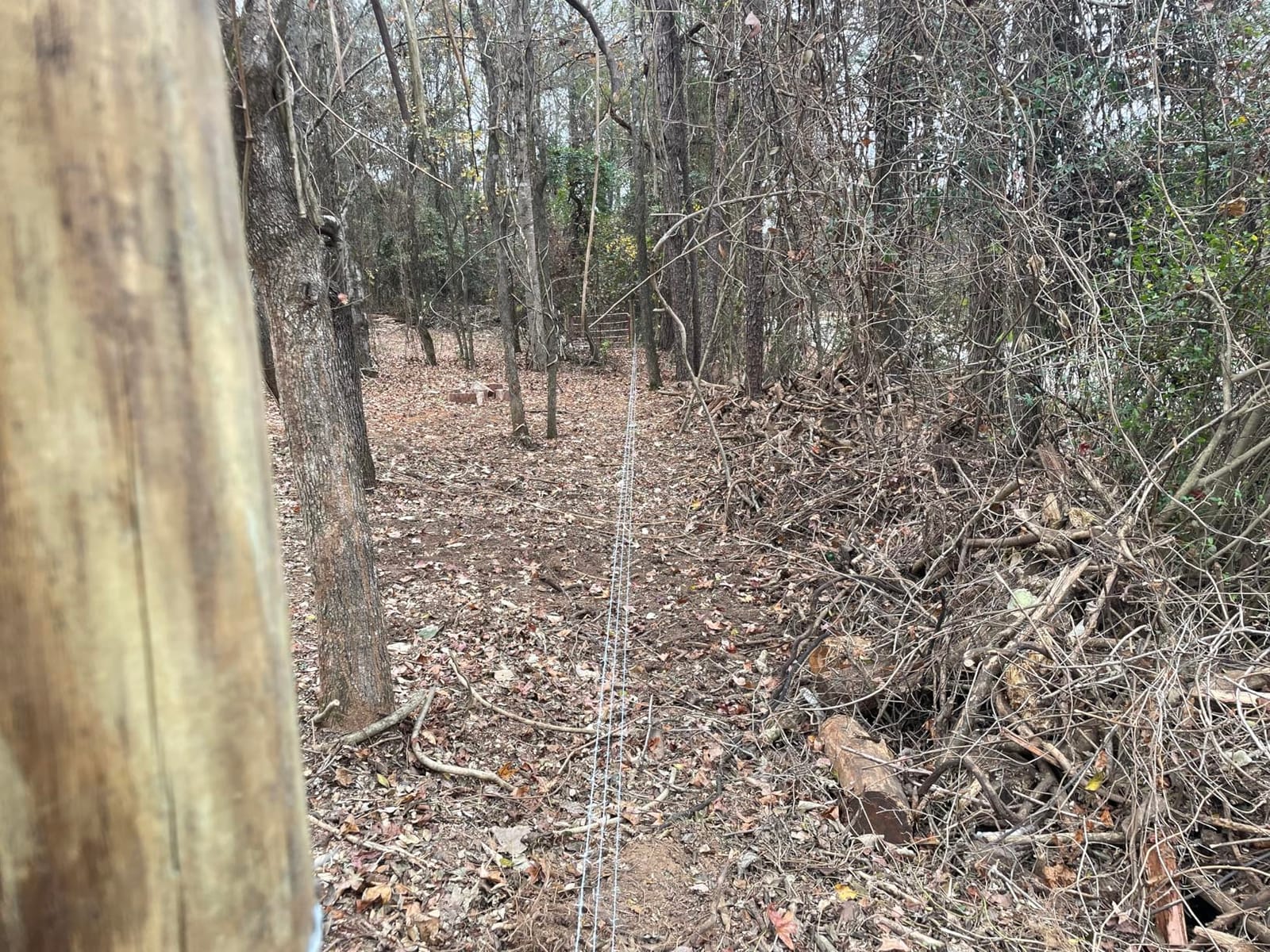
At 1.01 lb it disappears in a pocket. If you already own a come along, this is the cheapest possible upgrade to your setup, and it is the piece most people are missing when their pulls slip off a smooth wire.
Be honest about what it is not. It delivers no pulling force on its own, it has almost no leverage of its own, and it is not a tool for building a new fence. It is a pull point and a splicer, and its value only shows up when you pair it with something that pulls.
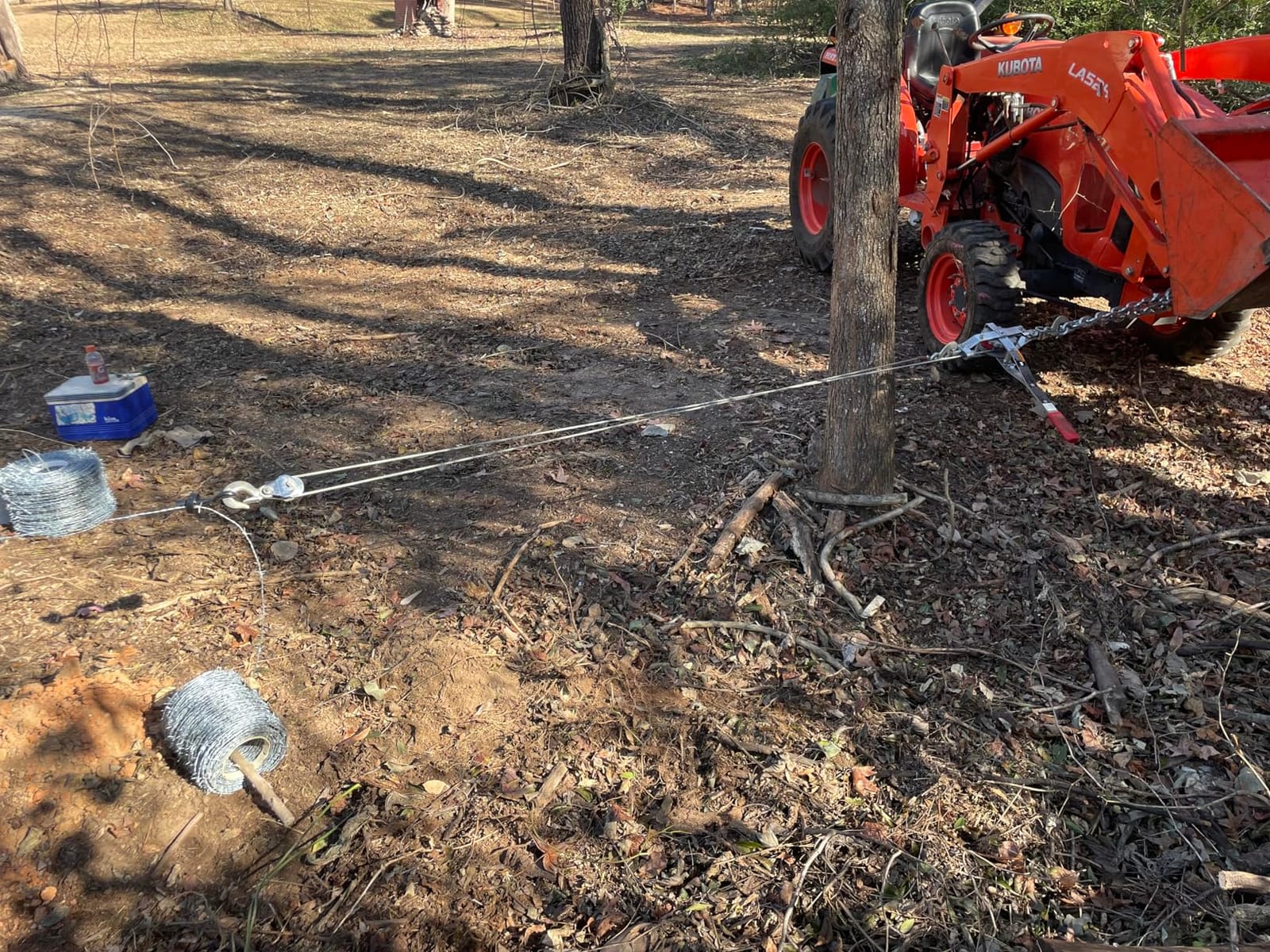
Who the MOEUFFIR Works Best For
Anyone who already owns a come along and keeps snapping wire or losing tension because the pull is landing on the post instead of the wire. The ring top is exactly the right interface: your winch hook drops in, the wire sits in the ring, and the load transfers to the wire.
It is also the sensible first tool for a beginner. At 4.7 stars and a 1 percent one-star rate, this is about as low-risk a purchase as we found, and learning how a pull point, a grip and a winch work together is easier with a tool that cannot hurt you.
Where the MOEUFFIR Falls Short
Do not buy this expecting it to replace a come along. It has no power source, no gear and no cable. Buy it as the second half of a system you already have, not as the start of one.
It is also not a new-build tool. Stretching and splicing is what it does; driving posts, setting corners and building H-brace assemblies are outside its scope. For deadman anchor and H-brace setup on a fresh line, you want a come along with real rated capacity.
9. OSROENE 20-Piece Fence Wire Tightener Kit – Best for Sagging Wire Repair
Fence Wire Tightener, 20PCS 1/4″ 6mm Fence Tightener Clips and 1PCS Handle
20 clips plus 1 handle
Works wire up to 12 1/2 gauge
Corrosion-resistant metal
4.2 lb package weight
Pros
- Complete kit of 20 clips plus a dedicated handle
- Clips praised as sturdy reusable and effective on sagging barbed wire
- Leverage handle makes tensioning a one-handed job
- Metal clips are rust resistant for long-term outdoor use
- Handles wire up to 12 1/2 gauge
Cons
- The included handle draws the most criticism for a shallow socket and a tight hole
- Several buyers substitute fence pliers or a wrench
- Only works on wire that is genuinely loose rather than merely sagging
- 7 percent one-star reviews report quality complaints
Most fence problems are not a full tensioning job. They are one loose strand on an otherwise sound line, usually where an animal pushed through or a mower clipped the bottom wire. The OSROENE kit is built for exactly that, and at 4.4 across 170 reviews it does the small job well.
You get 20 quarter-inch clips and one dedicated handle. The clips are reusable with a rotating design, and the protruding end of the tightener releases deformed fence so you are not fighting bent wire. It handles barbed wire, high tension fences and field fence, and works on any wire no larger than 12 1/2 gauge. Larger kits with more clips exist if you have a lot of line to walk.
The leverage design is what makes it a one-handed job. You thread the loose wire through the clips, seat the clip in the handle, and turn. It is a fast repair that takes under a minute per strand once you have the motion down.
The reviews split cleanly along one line: the clips work, the handle often does not. Buyers describe a socket that is too shallow and a hole drilled slightly too tight for the clip shank, and a number of them simply use fence pliers or a crescent wrench instead. Budget for that possibility.
Who the OSROENE Kit Works Best For
Homeowners with an old barbed wire or field fence line that needs a weekend of small fixes rather than a rebuild. Twenty clips cover a surprising amount of ground on a typical farm, and because the clips are reusable you can rotate them along the line as you go.
It is also a good companion to a come along. When you are pulling a full run tight, loose strands and cut wires show up along the way, and stopping to clip and twist them beats leaving a gap for an animal to find.
Where the OSROENE Kit Falls Short
It only works on wire that is genuinely loose. One blunt review puts it plainly: this will not fix merely sagging wire, and it is a repair tool rather than a stretcher. If you need to take real tension out of a run, you need a come along and a wire grip.
It also will not touch wood, vinyl or chain link. And given that the supplied handle is the most criticized part, treat the handle as a bonus. If you already own a ratchet fence tensioner and a compatible handle, you may only need the clips, which are the part buyers actually praise.
10. MOEUFFIR 2-Pack Fence Tensioner Ratchet Handle – Best for Fine Adjustment
2 PCS Fence Tensioner Ratchet Handle for Agricultural Fence Strainer
Two ratchet handles in one pack
Fork end fits standard tensioners
Square hole doubles as a wrench
2.46 lb package weight
Pros
- Two handles in one pack
- Cheaper than a single handle at a local farm supply counter
- Fork end slips over standard tensioners and tightens in a few ratchets
- Square hole at the end doubles as a wrench for fine tuning
- Build quality reported comparable to big-box equivalents
Cons
- Fit is not universal and some tensioners from farm supply stores will not take it
- One handle arrived slightly out of alignment
- Smallest review pool in the roundup at 55 reviews
- Only works with a matching square-drive tensioner
This is a handle, not a puller, and it is here because the handle is where fine tensioning actually happens. You own a ratchet fence tensioner, you slip this fork end over it, and you bring the wire up to tension a notch at a time. The 2-pack is repeatedly praised as costing less than a single handle from a farm supply counter.
The discovery in the reviews is the square hole at the end of the handle. It doubles as a non-ratcheting wrench for fine adjustment, and a number of users prefer that mode to ratcheting entirely, because you can take a quarter turn of tension off without overshooting.
The 55-review pool is the thinnest evidence base in the roundup, so treat this as a functional accessory rather than a hero tool. What matters most is compatibility, and that is where you need to check before buying.
Who the MOEUFFIR Ratchet Handle Works Best For
Anyone who already owns a square-drive ratchet fence tensioner and has lost or broken the original handle. That is a real and irritating problem, because the tensioner is useless without a handle and the original is usually the flimsiest part of the assembly. A two-pack means you have a spare in the truck and one in the barn, which is the redundancy setup one rancher described for their wire grips.
It also suits anyone working alone on final tensioning. The lever gives you real mechanical advantage on a wire you have already pulled most of the way, and the wrench mode lets you fine-tune without breaking the tension you just built.
Where the MOEUFFIR Ratchet Handle Falls Short
Fit is the caveat. It is not a universal handle, and buyers who bought tensioners at a farm supply counter report that it will not fit or is too large. Measure or check your tensioner model before ordering, because a handle that does not fit is just a stick.
It also does nothing without a matching square-drive tensioner, so count this as a companion purchase rather than a fence tool. If you do not own a strainer yet, a wire grip and a come along will get you further for the same money.
How to Choose the Right Come Along for Fence Tensioning
Choose by required tension first, then by fence type, then by cable length. Almost everyone overbuys on tonnage, and the reason is that the headline number on a 5-ton tool is its horizontal pull rating, which is several times what any normal fence run needs. A 2-ton winch covers barbed and woven wire. You need 4 to 5 tons for high tensile, and 5 tons for chain link fabric.
Barbed wire and woven wire field fence: 250 to 400 lb of working tension, so a 1 to 2 ton come along.
High tensile wire: 800 to 1,500 lb of working tension, so a 4 to 5 ton come along.
Chain link fabric: up to 2,000 lb of working tension, so a 5 ton come along plus a multi-hook stretcher bar.
Cable length is the second decision, and it is a time decision more than a strength decision. A 6.5 foot cable forces you to reposition constantly on standard post spacing. Ten to twelve feet covers most bays with one setup, which is why the two longest-cabled tools in this roundup both earn their place. Longer cable also adds reach for pulling a post back into plumb from a distance.
Third, look at the gear and pawl. A dual-gear design spreads force across two gear faces and gives you a smoother, more even stroke, and an anti-reverse or anti-reversal mechanism is what stops the cable going slack between strokes. Integrated one-piece gear housings resist rust and jamming better than older two-piece designs, which is the single most common mechanical complaint in this category.
Fourth, check the release mechanism before you ever put it under load. Multiple brands in this roundup draw the same complaint: the release is not intuitive, and the free-wheel lets tension off faster than some owners expect. Learn it on a light load first. This is the failure mode that turns a good tool into a dangerous one.
Finally, match the wire grip to the winch, not just to the job. A 1-ton grip on a 5-ton winch means the grip is your real limit, which is usually fine and sometimes exactly what you want. A 5-ton grip on a 2-ton winch adds risk for no benefit. Aim for the grip to sit at or just under the winch rating.
Review volume is worth weighing too. Forum users treat review count as evidence rather than headline specs, and that instinct is right. A long, thin tail of one-star reviews on a tool usually means a specific hardware part that fails, while a tight cluster of top ratings means the experience is repeatable. If you are new to fence tensioning, buy the model with the deepest pool of real-world use, not the newest listing.
Come Along vs Chain Strainer vs Fence Stretcher Bar vs Wire Grip
A come along is the only one of the four that supplies force. A chain strainer holds chain link fabric at a set tension. A fence stretcher bar hooks into mesh and spreads the pull. A wire grip clamps single-strand wire so the pull lands on the wire. Most fence jobs use two of them together, and buying only one is how people end up frustrated.
Come along: generates and holds pulling force. Best for any wire or mesh tensioning job. Solo friendly.
Chain strainer: holds fabric tension through a chain and ratchet. Best for chain link gates and long fabric runs. Solo friendly.
Fence stretcher bar: grips mesh at multiple points. Best for chain link, woven and welded mesh. Solo friendly with gloves.
Wire grip: clamps wire so the pull lands on the wire. Best for barbed, woven and high tensile wire. Solo friendly.
The chain strainer versus come along debate comes up constantly on ranch forums, and the practical answer is that they solve different halves of the job. A chain strainer holds a fixed tension indefinitely and is the right tool for a chain link gate or a fabric run you want to stay put. A come along applies the initial pull, works on single-strand wire that a strainer cannot grip at all, and lets you let tension off gradually when you need to re-position.
If you only buy one thing for general fencing, buy the come along and add a wire grip. If your work is mostly chain link, buy the come along and add a multi-hook stretcher bar. The chain strainer only becomes the primary tool when you are installing gate hardware where a permanent, adjustable hold matters more than a controlled pull.
How to Tighten a Fence with a Come Along Step by Step
Anchor the come along to a solid post or a deadman anchor first, attach a wire grip to the wire you are pulling, and pump the handle until you reach tension. The whole job takes about ten minutes per bay once the anchor and grip are in place.
Set your anchor. Brace a post at least one bay back, or drive a deadman anchor into the ground on the tension side of the fence. Solid corners are a must here. If the anchor can shift, the pull goes into the soil instead of the wire.
Clamp the wire grip. Center the wire in the jaws, pull it snug, and confirm it is not riding off the side of the wedge.
Hook up. Attach the come along hook to the grip ring or your stretcher bar and make sure every safety latch on every hook is closed.
Take the slack out by hand first. Walk the line and lift the wire until it is straight but not yet tight. The come along does fine work, not gross lifting.
Pump to tension in even strokes. Use the ratchet notch-by-notch and watch your wire grip rather than the winch. If the grip starts to slide, stop and reseat it.
Check alignment before you let go. Walk the line and look for the wire sitting straight in the fence span. Correct now rather than after you have anchored it.
Anchor the wire at the end post. Cut, wrap and secure. Do not simply tie off wire under full tension.
Come back in a few days and re-tension. Experienced homesteaders stretch the wire, leave the stretchers on, then tighten further after a couple of days before final anchoring. Wire settles, and a second pass is what keeps it from sagging.
One honest note on step 8: it feels like extra work the first time. It is the difference between a fence that looks good on install day and one that still looks good a year later.
Best Come Along Safety Rules for Fence Tensioning
Never put a cheater bar on a come along handle. The handle is designed to bend under overload as a fuse; a cheater bar multiplies your leverage and defeats that protection, converting a controlled failure into a snapped handle thrown at your hands. There is no fence job worth that trade.
Treat a loaded cable as storing energy. Fence wire under tension is a spring, and the failure mode is the wire whipping back across the line. Stand to the side of the cable path, never in line with it, and wear gloves that cover your wrists because a snapping strand cuts deeper than most people expect.
Verify your anchor can take the full rated force before you load the tool. A come along rated for 10,000 lb horizontally is not going to politely stop at what your corner post can handle. If the anchor moves, you are pulling the soil apart and you will bury the tool.
Gloves matter more than most buyers expect. Long-sleeved gloves protect against the meat hooks that develop on used cable and against splinters from a cut strand. Cable that has been kinked once is weaker everywhere it bends, so retire kinked cable rather than trying to pull with it.
Finally, use the tool for pulling and tensioning only, and keep it clear of overhead lifting. Every product in this roundup has a lower vertical rating than its horizontal rating for a reason.
How to Tension Fence Wire Without a Come Along
You can tension fence wire without a come along for short runs. Hand tensioning gets you about 20 to 30 feet before you need a helper or a tool, because the wire has to be lifted as well as pulled.
Hand-tension short runs under 30 feet by walking the wire straight and lifting it into place. Anchor it and check the sag from a distance.
Use a wire grip with a truck bumper as an anchor. This is widely known as the poor man’s fence stretcher and it works well for one or two bays.
Build a simple stretcher from a 2×4 and a pair of lag bolts if you are comfortable with basic carpentry. It will not match a commercial bar, but it stretches mesh.
Borrow a ratchet fence tensioner and handle for mid-range jobs. That combination covers a surprising amount of agricultural and field fence work.
Use a Gripple-style tensioning tool if you have a T-posts or H-brace assembly already in place. It is designed for exactly this one-handed operation.
Recruit a second person beyond about 50 feet. There is no tool substitute for a helper on a long run, and fighting that costs more time than the help does.
One more solo option that homesteaders use often: a come along on the top wire with ratchet straps on the middle and bottom. It holds the lower wires while you concentrate on the top one, and it is the most common hybrid setup we saw described for working without a second person.
First Use and Maintenance Checklist for Your Come Along
Most come along complaints we read about trace back to a tool that arrived dry. Give it 15 minutes before the first pull and it will behave better than a tool that has been in a barn for a year.
Lubricate before first use. Oil the cable reel, the ratchet wheel and the pawl. A dry pawl is the leading cause of a stiff or jumping ratchet.
Cycle 20 to 30 unloaded strokes. Run the handle through its full range with no load so the gears and pawl wear in before anything is under tension.
Inspect the hooks and retainer clips. This is where failures show up first, and it takes 30 seconds.
Confirm the safety latches all close fully and spring back open.
Learn the release on a light load before you ever need it under full tension. This is the skill you will be glad you practiced.
After each outdoor job, wipe and dry the cable and wipe the hooks. Steel cable left wet will show rust within weeks.
Every few months, re-oil the gear and pawl and check the cable for kinks or broken strands. Retire any cable with visible kinking.
Store it dry and hung, not coiled wet on a concrete floor.
Replace the factory bolts and U-shaped retainer clips with hardened bolts and lock nuts if your model uses them. One long-term owner did exactly that after a single season and reported the tool’s only weak point disappeared.
Frequently Asked Questions
How do I tighten a fence with a come along?
Anchor the come along to a solid post or deadman anchor, clamp a wire grip to the wire you are pulling, then pump the handle until you reach tension. Take the slack out by hand first, pump in even ratcheting strokes, check the line for straightness before you let go of the handle, then anchor the wire at the end post.
What is a good tool for tightening fence wire?
A come along paired with a wire grip is the standard answer. The come along supplies the pulling force and holds it under load, while the wire grip clamps the wire so the pull lands on the wire instead of the post. Chain strainers hold chain link fabric at fixed tension, and fence stretcher bars grip mesh at multiple points for chain link and woven fence.
How do I tension fence wire by hand?
Hand tensioning works for runs under about 30 feet. Lift the wire straight, walk it into place, and anchor it. Beyond roughly 50 feet you need a tool or a helper, because the wire has to be lifted as well as pulled. Common next steps are a wire grip with a truck bumper as an anchor, a 2×4 stretcher, or a ratchet fence tensioner and handle.
What size come along do I need for barbed wire?
A 1 to 2 ton come along is enough for barbed wire and woven wire field fence, which typically sit in the 250 to 400 lb working range. High tensile wire at 800 to 1,500 lb calls for a 4 to 5 ton model. Chain link fabric can reach 2,000 lb, so use a 5 ton come along plus a multi-hook stretcher bar.
Is it safe to use a cheater bar on a come along handle?
No. The handle is designed to bend under overload as a safety fuse. A cheater bar multiplies your leverage and defeats that protection, turning a controlled failure into a snapped handle thrown toward your hands. There is no fence tensioning job where that trade is worth making.
Conclusion: The Best Come Alongs for Fence Tensioning
Our pick for the best come alongs for fence tensioning is the NEIKO 02256A 5-Ton. Nearly 1,900 reviews at 4.3 stars, a double-gear ratchet that works one-handed under load, 10 feet of 6mm cable and three latching safety hooks give it the deepest evidence base and the most useful reach in the group. Buy it, add a wire grip, and you have a fence tensioning setup that covers barbed, woven, high tensile and chain link work for a single person.
If you want the highest rating and the longest cable, take the VEVOR 5-Ton at 4.6 stars with 11.5 feet of cable and a one-piece gear housing that resists jamming. If you want less weight and maximum reach on lighter wire, the VOPEPZG 2-Ton at under 7 pounds with 12 feet of galvanized cable is the one. For chain link fabric specifically, pair whichever winch you choose with the Gtongoko 5-hook stretcher, and use the Wogoboo wire grip to make sure the pull lands on the wire rather than the post.
Whatever you buy, oil it before the first pull, learn the release on a light load, and never put a cheater bar on the handle. Those three habits matter more to how long the tool lasts you than any spec on the listing.
We earn a commission from qualifying purchases made through the links on this page, at no additional cost to you.