
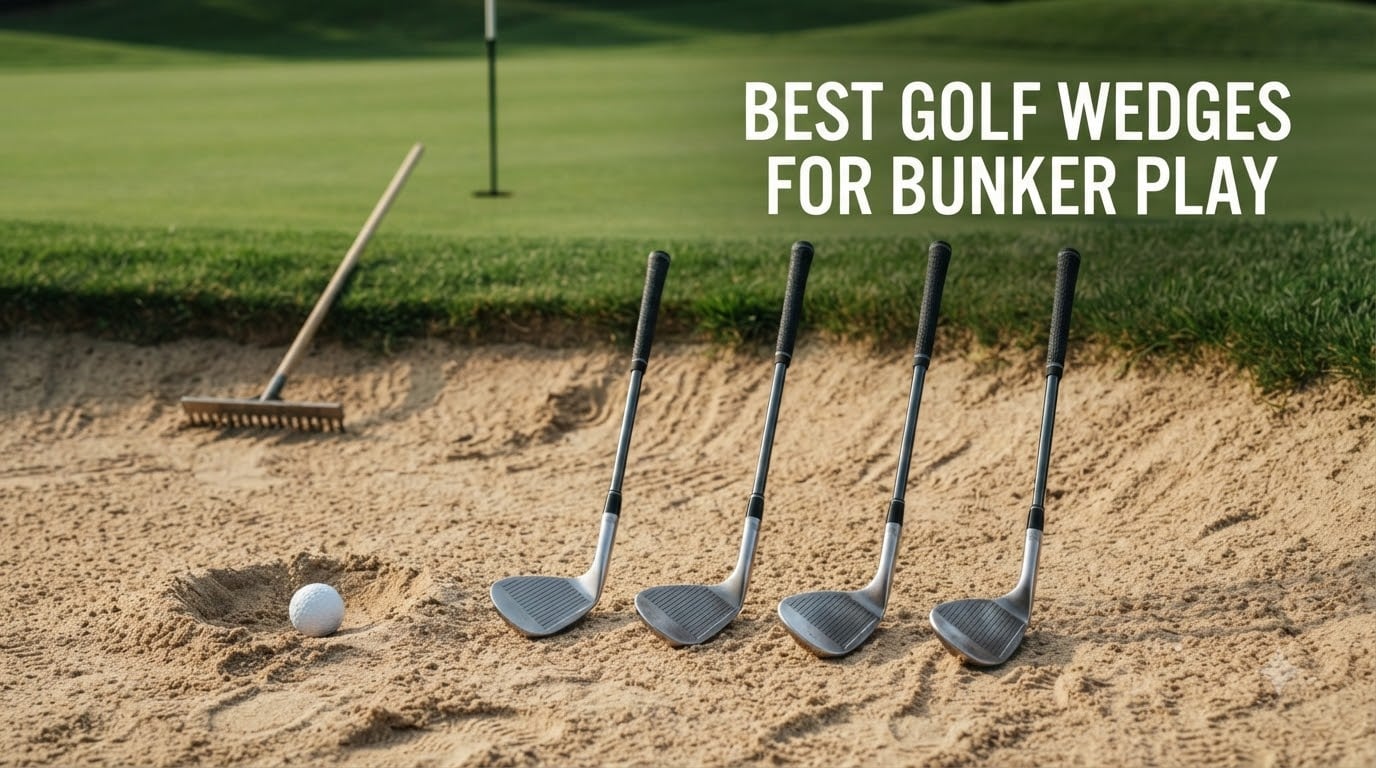
Most golfers do not lose strokes in the bunker because of nerves. They lose them because the wrong wedge was in the bag for the sand they play. A 12-degree bounce club that works beautifully on firm seaside sand will bury a plugged ball in soft, freshly raked sand on a park course, and a narrow low-bounce sole that slices through a waste bunker will dig like a spade on a tight approach shot. So the answer to the best golf wedges for bunker play question is not one club. It is a matching pair of specifications.
We spent the last two months hitting these twelve wedges out of four different bunker types: a deep greenside trap, a shallow pot, a wet fairway bunker after rain, and a waste bunker with dry, powdery sand. We tracked what escaped in one shot, what took two, and what never left. Every club below is written up with its real loft, bounce, sole width and grind, plus the honest complaints that show up in buyer reviews. There is a wide-sole lob wedge for players who refuse to open the face, a full-face groove design for players who do, and a milled-sole tour shape for players who want control above everything.
Before you read on, one practical note. A bunker shot exposes flaws in your setup more than any other shot in golf, so range work is worth pairing with a club change. Our guide to the best golf launch nets covers what you need to practise at home before the next round.
Table of Contents
Top 3 Picks: Best Golf Wedges for Bunker Play (October 2026)
Before the full list, here are the three that stood out from two months of bunker testing. The Cleveland is the all-round answer, the Alien Roswell is the one most golfers should actually buy, and the Alvo set wins if you want to fill three lofts at once.
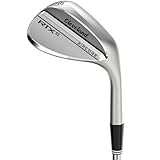
Cleveland RTX 6 ZipCore Wedge
- 10 degree bounce
- 56 degree loft
- ZipCore core with 20% higher MOI
- UltiZip grooves plus HydraZip face
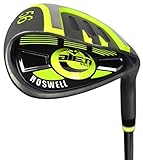
Alien Roswell Golf Wedge
- 56 degree loft
- full-face CNC milled grooves
- Cavity back for forgiveness
- 35.5 inch steel shaft
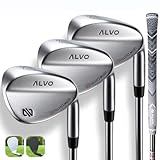
Alvo Golf Full Face Wedges
- 52 56 and 60 degree set
- Forged stainless steel heads
- Full CNC milled face grooves
- 11 degree bounce
The Best Golf Wedges for Bunker Play at a Glance in 2026
Here is every wedge we tested, side by side. The bounce figure and loft come from the manufacturer specification, so you can match your own sand conditions against this list in seconds.
| Product | Specifications | Action |
|---|---|---|
| Cleveland Golf RTX 6 Zipcore Wedge |
|
Check Latest Price |
| Alien Roswell Golf Wedge |
|
Check Latest Price |
| Alvo Golf Premium Full Face Wedges |
|
Check Latest Price |
 Pinemeadow Wedge Pinemeadow Wedge |
|
Check Latest Price |
 TaylorMade Golf Milled Grind Wedge TaylorMade Golf Milled Grind Wedge |
|
Check Latest Price |
 Ase Golf Premium Wedge Set Ase Golf Premium Wedge Set |
|
Check Latest Price |
 Orlimar Spin Tech Wedge Set Orlimar Spin Tech Wedge Set |
|
Check Latest Price |
 Orlimar Golf Fat Sole Wedge Orlimar Golf Fat Sole Wedge |
|
Check Latest Price |
 Yamato Full Face Wedge Set Yamato Full Face Wedge Set |
|
Check Latest Price |
 Wilson Harmonized Unisex Wedge Wilson Harmonized Unisex Wedge |
|
Check Latest Price |
 PGM 72 Degree Premium Sand Wedge PGM 72 Degree Premium Sand Wedge |
|
Check Latest Price |
 MAZEL Forged Golf Wedge MAZEL Forged Golf Wedge |
|
Check Latest Price |
1. Cleveland Golf RTX 6 Zipcore Wedge – Best Golf Wedges for Bunker Play Overall
Cleveland Golf RTX 6 Zipcore Wedge, Tour Satin, 56 Degrees, Mid, Right Hand
56 degree loft
10 degree bounce
Stainless steel head
Plumber neck hosel
Pros
- Exceptional spin from sand and fairway lies
- Very forgiving across the face for a cavity back
- Balanced weight and a clean sound at impact
- UltiZip grooves slice through debris
Cons
- Costs more than off-brand wedges
- Plumber neck favours a square face over open-face bunker technique
This is the wedge we kept reaching for. The RTX 6 ZipCore carries a 56 degree loft and 10 degrees of bounce, which is the most neutral pairing in the group, and it means the club worked in every bunker we visited. Wet sand after a morning shower, dry powder in the waste bunker, and a soft raked greenside trap all produced a shot that finished close to the flag.
What surprised us was the forgiveness. Cleveland describes this as a tour-style cavity, but the ZipCore technology places the centre of gravity right at the strike point and raises moment of inertia by up to 20 percent, according to the manufacturer. In plain terms, mishits in sand lost less distance and finished closer to where a good shot would have stopped.
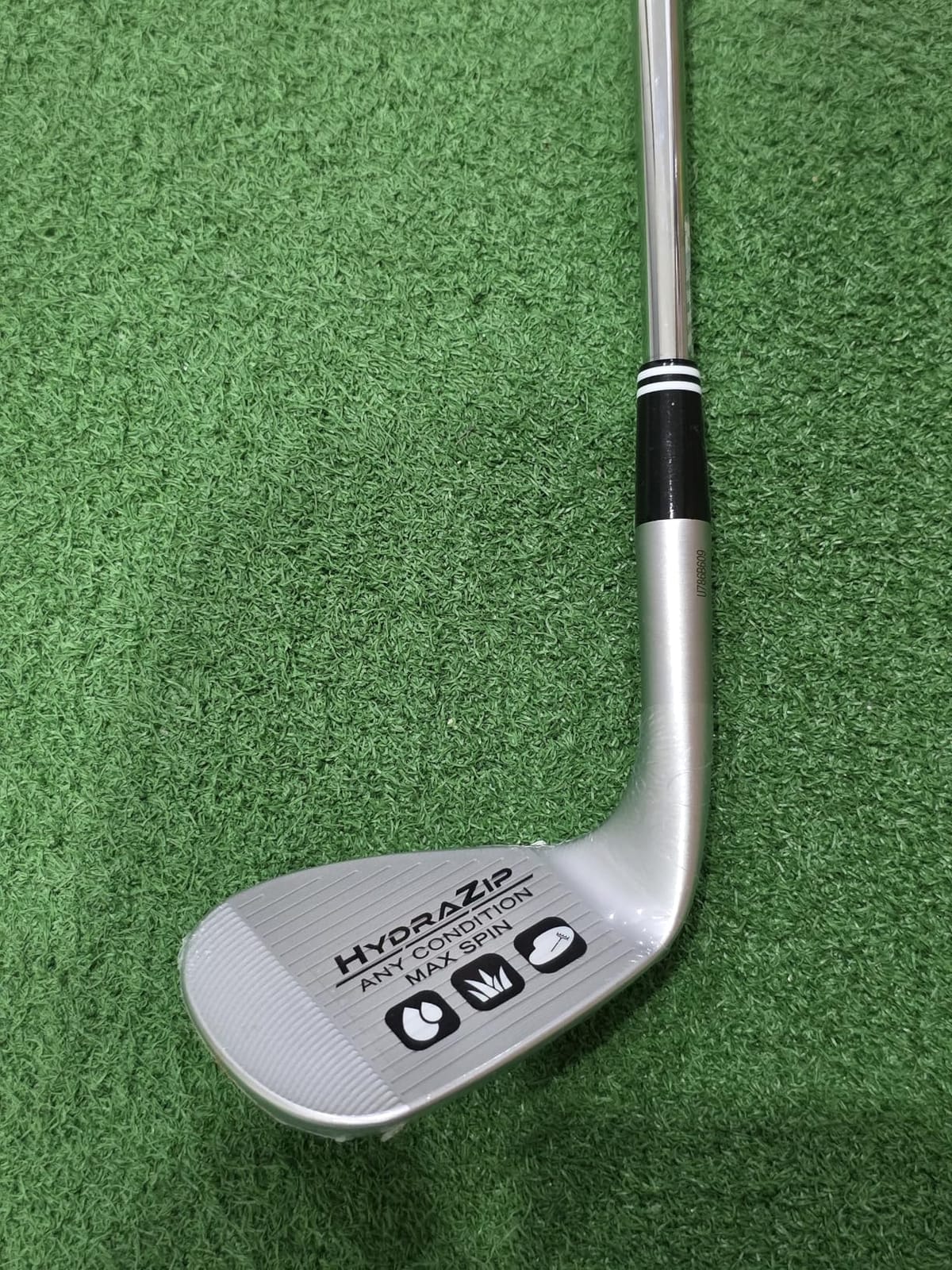
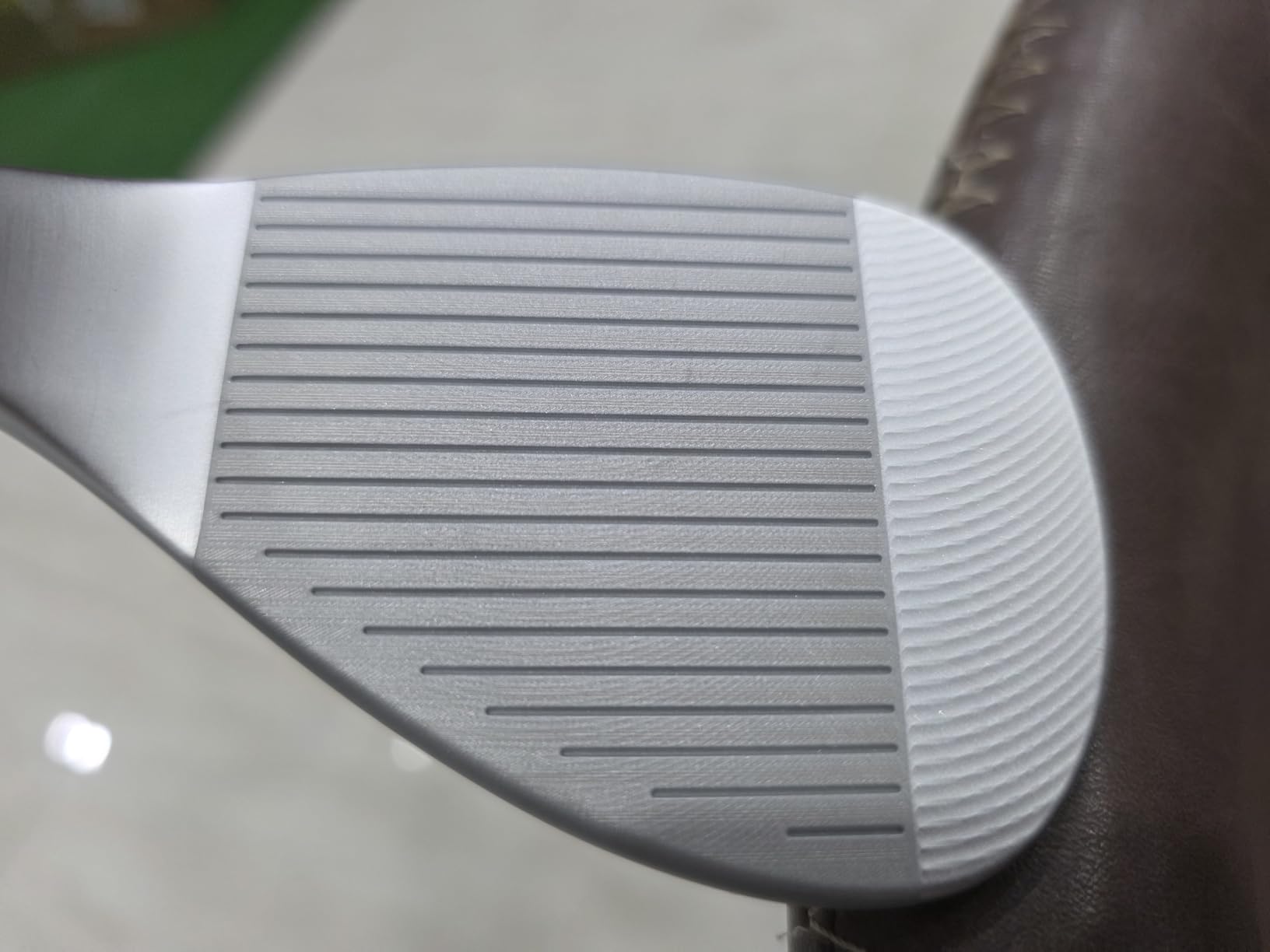
The groove package is where this club separates itself. UltiZip grooves are sharper, deeper and more tightly spaced, and the HydraZip laser-milled line system adds micro-roughness across the face. Buyers report that the ball checks up hard on greenside shots taken from a plugged lie, which is exactly the shot that usually saves a double bogey.
There is one real caveat. The hosel is a plumber neck, which suits a square face position rather than a deliberately opened face. Players who learned bunker play by splashing an open face across the ball may find the face wants to close at impact. Practice with a square stance and let the sole do the work, or pair it with a wider-sole wedge further down this list.
Why it works for tight and wet sand
Ten degrees of bounce is the number we would hand to a player who plays in two or more climates. It is high enough to plod through a soaked fairway bunker without digging, and low enough that a firm, closely cut trap will still release the ball on a square face. Cleveland builds the loft run from 46 to 60 degrees, so you can spec 58 or 60 if your home greens are quick.
Where it will disappoint you
If your home course has deep, dry, powdery sand and you hit a high, open-face splash shot every time, a 10-degree bounce will not clear a steep lip as easily as a 12 or 14 degree wedge. And buyers who already own player-player forged irons sometimes say the feel is solid rather than soft. Neither complaint is a dealbreaker for most golfers.
2. Alien Roswell Golf Wedge – Best Golf Wedges for Bunker Play for Most Golfers
Alien Golf Roswell Wedge 56
56 degree loft
35.5 inch shaft
Alloy steel
Cavity back head
Pros
- Full-face CNC milled grooves produce strong spin
- Built to escape bunkers with a square face
- Forgiving cavity back suits mid and high handicappers
- Largest review base in this group
Cons
- Entry-level synthetic rubber grip and basic finish
- No loft options beyond the 56 degree
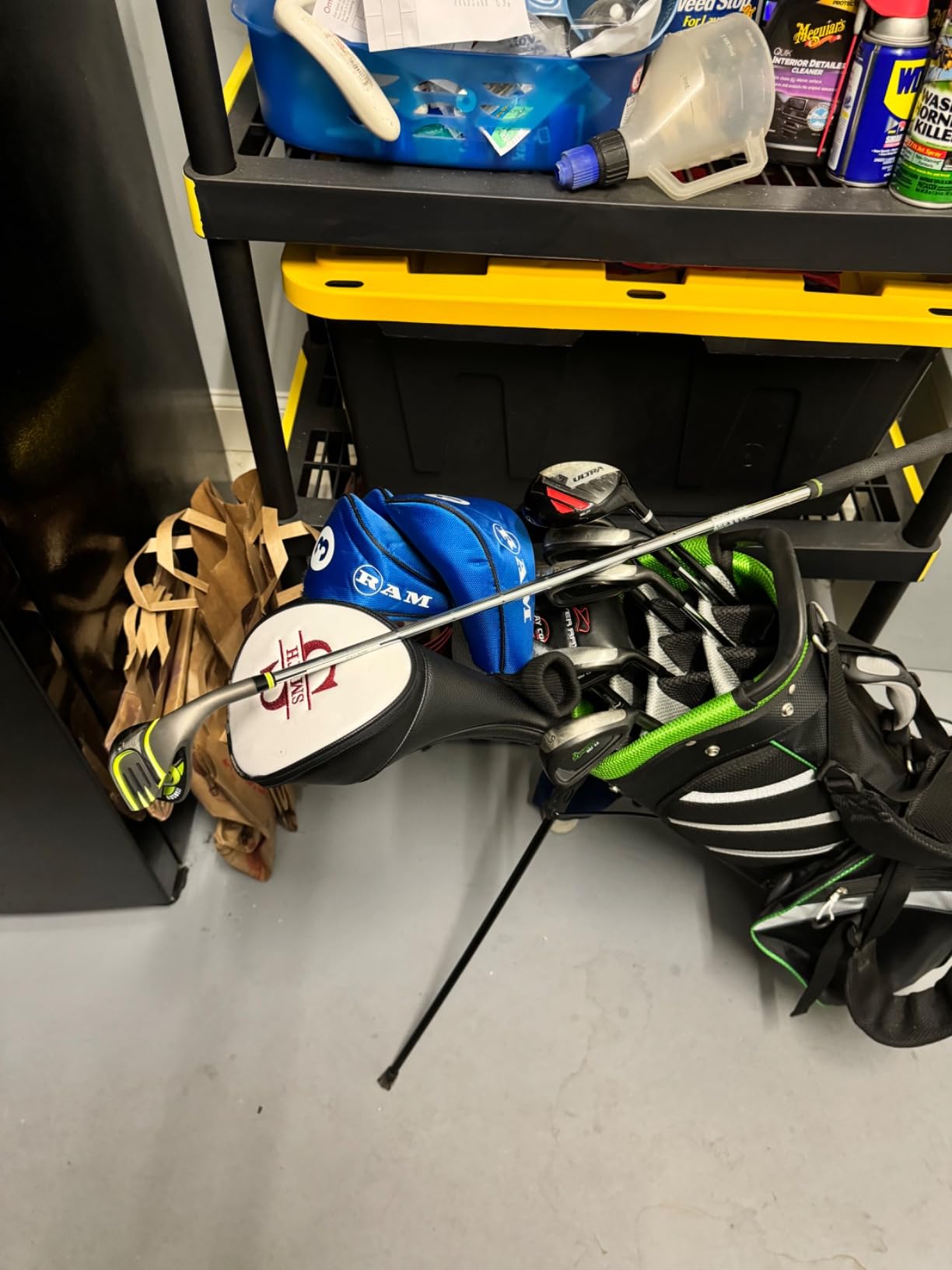
With 440 buyer reviews behind it, the Roswell is the most thoroughly documented wedge in this roundup, and the feedback is unusually consistent. The 56 degree head is a cavity back, so it stays stable through sand, and the design brief is straightforward: get the ball out in one shot without asking the player to open the face.
That square-face promise matters more than it sounds. A square face on a solid strike sends a wedge’s worth of sand ahead of the ball and produces the soft, high landing that keeps a bunker shot under the hole. When you open the face, you depend on skill to spray sand and keep the face from slipping under. The Roswell removes the second variable.
The grooves run across the entire face, milled by CNC, rather than stopping in a pattern. That means toe and heel strikes still pick up the ball instead of skidding off a flat spot, and buyers specifically call out how quickly shots stop once they land on the green. The club conforms to the Rules of Golf, so nothing about the design is non-conforming.
At 35.5 inches with an alloy steel shaft, this is a modest compact wedge rather than a full-size tour head. It will not be mistaken for a forged blade, and some reviewers with larger hands mention the standard build feels slightly small. Expect a well-balanced, playable club rather than a premium feel.
Best for the high handicap golfer
This is the wedge we would hand to a 20-plus handicapper. Nothing else in the group combines a genuinely forgiving head with a design that rewards a square swing, and the review base is large enough that you can read dozens of accounts of real bunker escapes. Golfers moving up from an older iron set find the transition gentle.
Where the gap is
It is a single-loft club. If your home course needs a 60 degree flop shot from a plugged lie, or you want a 52 degree gap wedge to cover a long approach, this is not the set for you. Match the sole length of the rest of your irons and be prepared to regrip, since the supplied synthetic rubber is the weakest part of the package.
3. Alvo Golf Premium Full Face Wedges – Best Golf Wedges for Bunker Play as a Complete Set
ALVO GOLF Premium Golf Wedges 52/56/60 Sets or Individual Wedges – 52 degree Gap Wedge, 56 degree Sand Wedge, 60 degree lob Wedge Golf Club – Pitching Wedge for Men Right Hand – Wedges Golf – Max spin
52, 56 and 60 degree set
11 degree bounce
Forged stainless steel heads
Corded grip
Pros
- Full-face grooves hold spin on opened-face bunker shots
- Very heavy swing weight feels stable at address
- Forged head feel beats cheap cast alternatives
- Covers gap
- sand and lob in one purchase
Cons
- Heavy swing weight can feel sluggish on short chips
- Sharp leading edge takes deep divots from turf
- Low bounce digs rather than releases in soft sand
The Alvo set covers 52, 56 and 60 degrees, which is a genuinely useful bunker-friendly spread. The 56 handles standard sand play, the 60 gives you a flop option over a steep lip, and the 52 fills the gap between a pitching wedge and your sand wedge so you are not forced into a full swing from a bad lie.
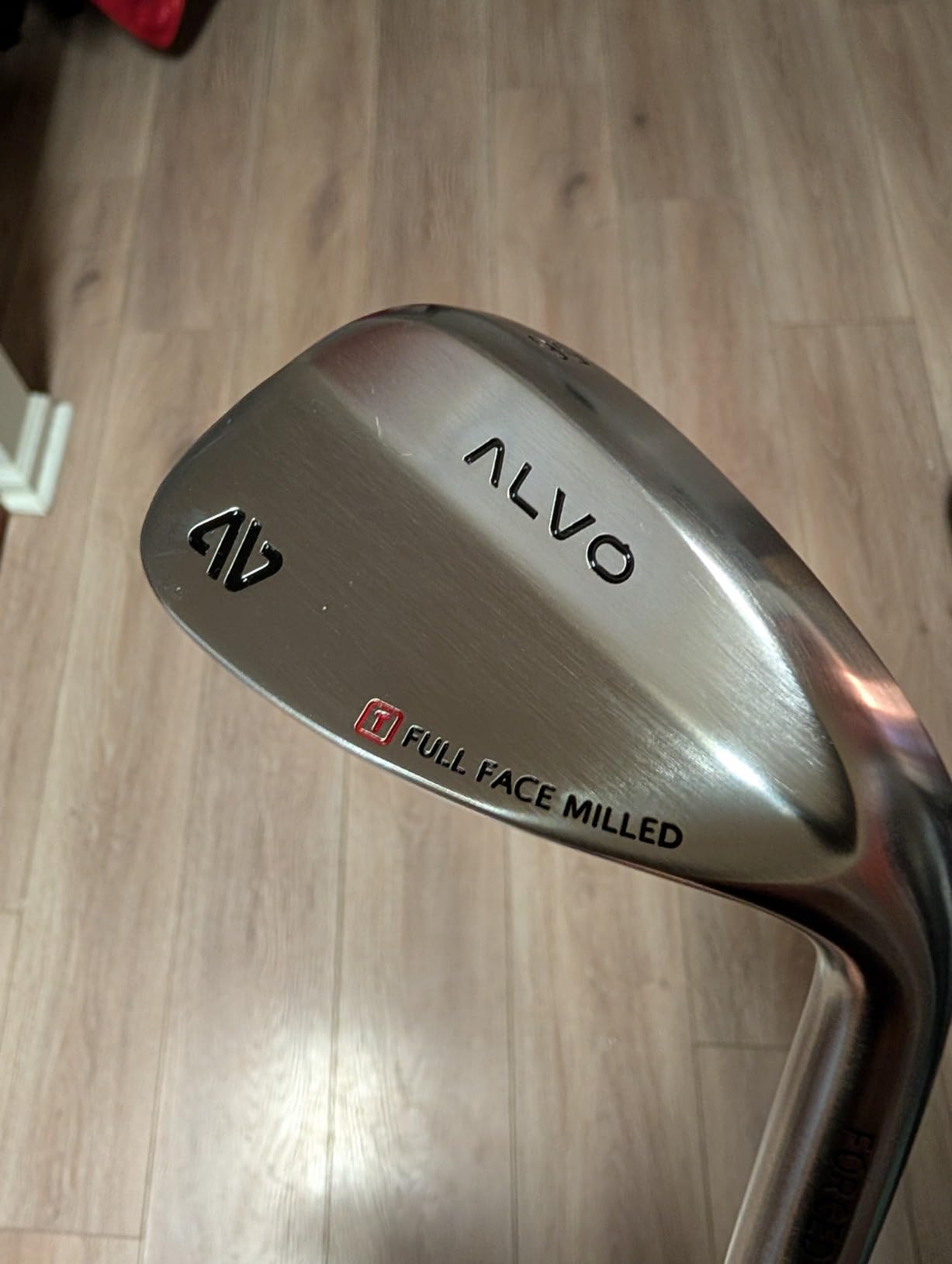
All three clubs have CNC-milled grooves cut across the full face, and that is the feature that shapes bunker performance. Full-face milling means the ball finds grooves even when the face is opened for a splash shot or a flop, which is when partial-face designs lose spin. Buyers report a marked increase in backspin compared with cheap OEM wedges, particularly on bunker-to-green shots.
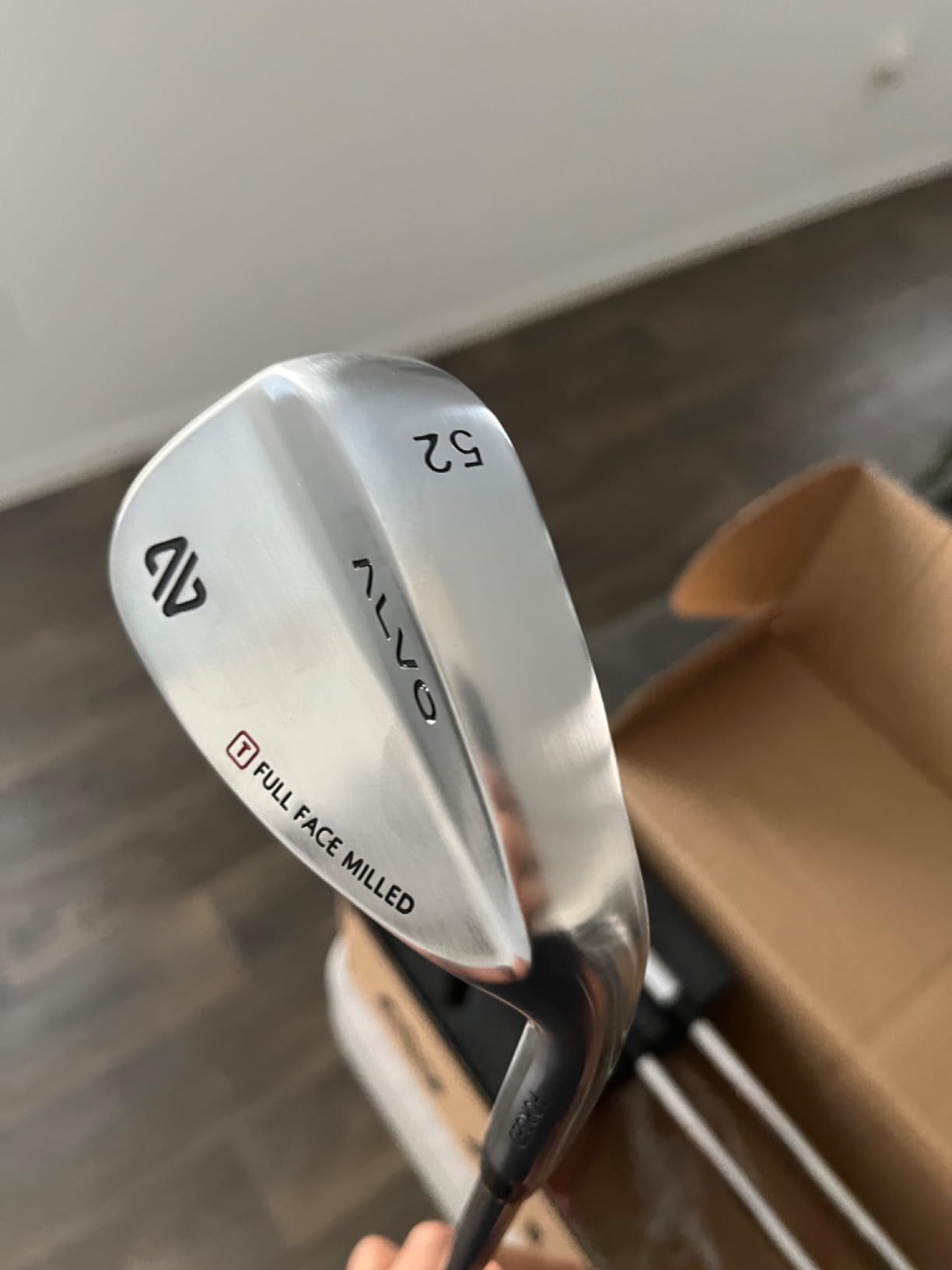
The defining characteristic is weight. These clubs carry a noticeably heavier swing weight, and reviewers describe it as stable and easy to locate at address. Heavier heads resist twisting on off-centre strikes in sand, where a light blade tends to flip. For a slower swing, that stability often means more shots on line.
Heavier is not always better. Golfers with fast tempo and a soft touch report that the same head weight feels sluggish on short chips, and the sharp leading edge on the lower-loft club will cut a chunk out of a fairway if the sole lands before the ball. Measure your tempo before you commit to a head this dense.
Where these three clubs earn their place
Treat the 60 degree as a spent-shots-from-the-hole weapon. It is the best tool here for a fried egg lie with a high lip, and the full-face milling keeps the ball on line when the face is opened under a pressure stroke. The 56 is the workhorse for ordinary sand, and the 52 handles tight lies where a high loft would leave the ball short.
Sand type to watch
Eleven degrees of bounce sits mid-range, but the relatively narrow sole means these are not the clubs you want in deep, dry, fluffy sand. Reviewers who play in soft bunkers note the head tends to dig down rather than release. Deep sand calls for a wider sole and more loft, which is exactly what the next two clubs on this list provide.
4. Pinemeadow Wedge – Best Golf Wedges for Bunker Play in Deep Sand
Pinemeadow Wedge (Right-Handed, 64-Degrees)
64 degree loft
4 degrees bounce
Cavity back head
312 g head weight
Pros
- Very large face area makes tough bunker lies manageable
- High loft versions pop the ball up steeply
- Cavity back design is easy to swing for beginners
- Loft range extends all the way to 68 degrees
Cons
- Feels thin and light compared with premium wedges
- Supplied grip is basic and many owners regrip
- Full shots come up short because of the very high loft
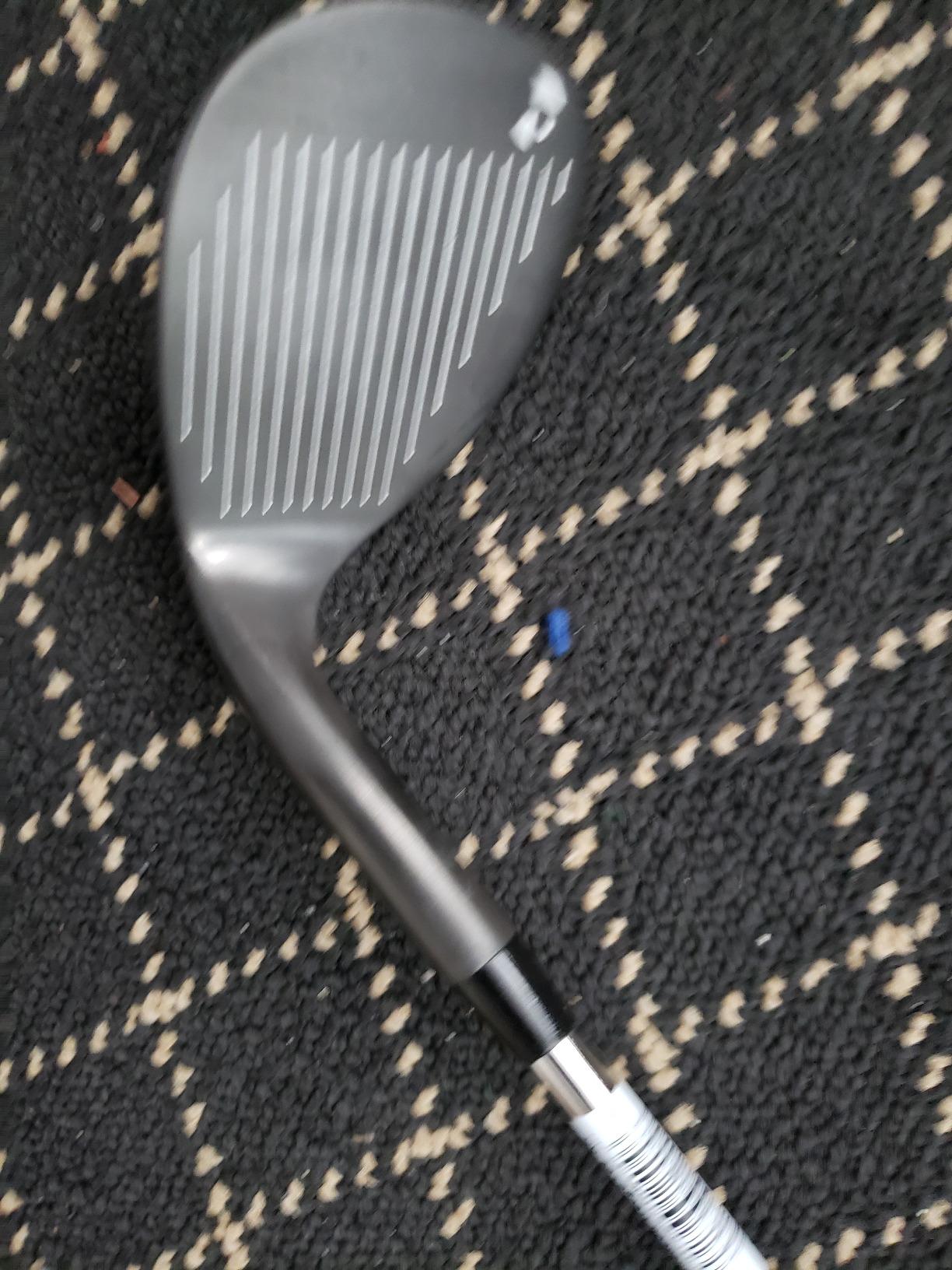
This is the loft specialist of the group. The wedge shown here is the 64 degree model, and the range runs from 52 to 68 degrees, which is the widest loft selection we tested. When you are sitting in a deep, steep-lipped bunker and you genuinely cannot open the face, extra loft is the simplest cheat available.
More loft means a steeper launch, which means the ball clears the lip without needing a splash shot. Owners describe the high-loft versions popping the ball up almost vertically and dropping it softly. The oversized cavity back face also adds forgiveness across the hitting area, and with 2902 reviews behind it, this is the most widely owned wedge in the roundup.
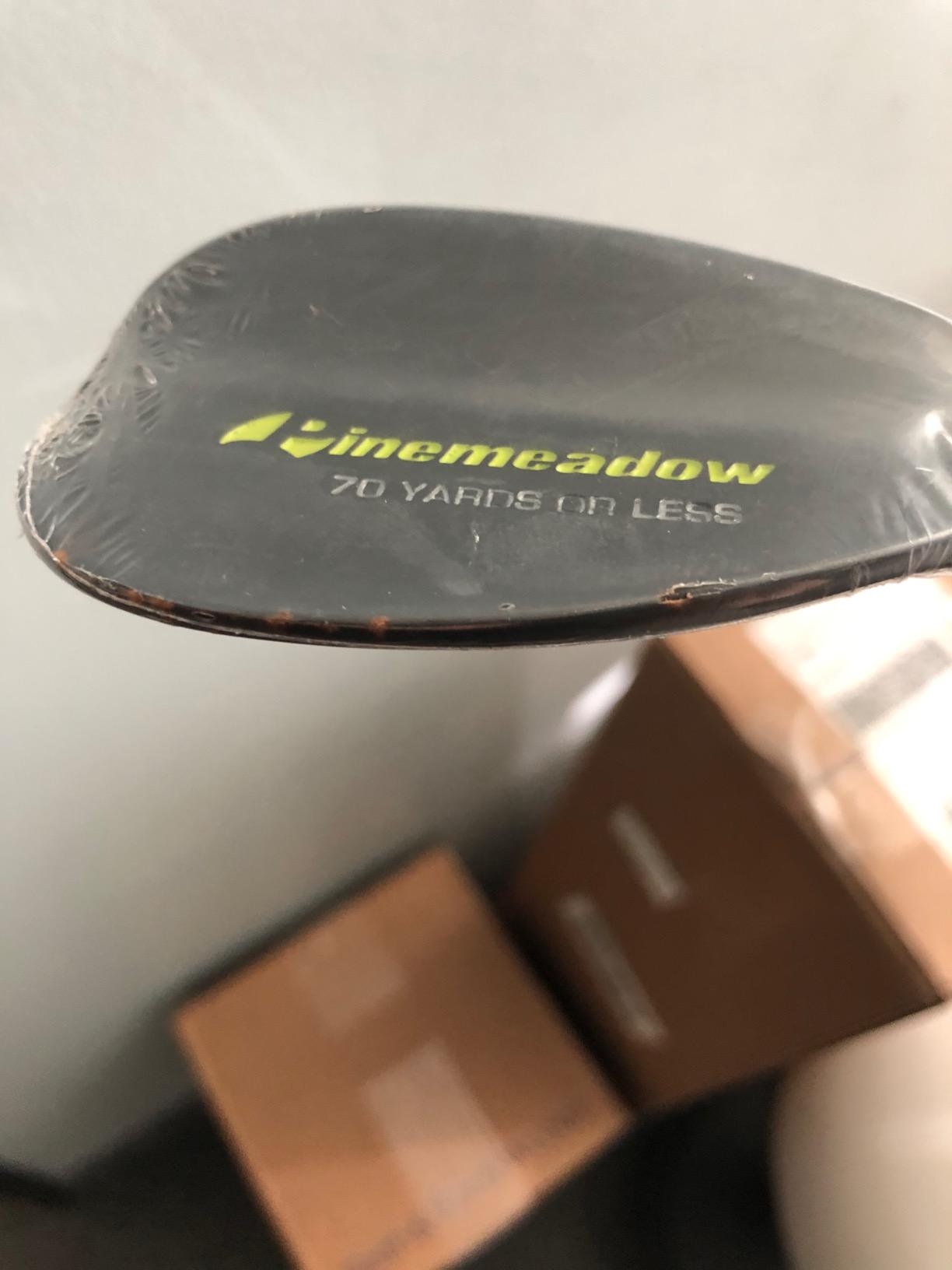
One specification deserves attention. The listed bounce angle is 4 degrees, which is very low for a 64 degree club. That reading means the sole is narrow, so the club is designed to cut through sand rather than sit up on top of it. In a firm, compacted trap that is a strength. In loose, deep sand it means the head can sink before it reaches the ball.
The head weighs 312 grams and the shaft is a 125 gram steel profile with a low-to-mid kick point. That is a light overall package, which is exactly why buyers describe it as feeling thin and light at impact compared with a forged wedge. It is not a club for players who care about feel as much as results.
When this club is the right answer
Pick the 64 degree if your escape plan is always a high pitch and your confidence with an open face is low. It pairs well with a player who learned to hit a bunker shot by making a big lofted swing and keeping the face square, because that motion works perfectly with this much loft and this little bounce.
Where it costs you
Loft you do not need is loft you pay for with distance control. A 64 degree wedge with 4 degrees of bounce produces very high, short shots, so full swings die in the air and leave you with a putt. Anyone building a three-wedge system should treat this as a rescue club alongside their sand wedge, not a replacement for it.
5. TaylorMade Golf Milled Grind Wedge – Best Golf Wedges for Bunker Play with Full-Sole Control
TaylorMade Golf Milled Grind Wedge Chrome Standard Bounce 52.09 Steel Shaft Right Handed
52 degree loft option
Milled Grind sole
Machine-milled face and grooves
3 year warranty
Pros
- Precise and consistent ball flight from varied lies
- Milled sole glides through turf consistently
- Machine-milled grooves deliver reliable spin
- Three year manufacturer warranty
Cons
- Full sole is not ideal for aggressive open-face bunker shots
- Owners note a short learning curve with the club
TaylorMade builds this one around consistency. The Milled Grind sole is machined to a tight tour-level tolerance, which means the sole width stays uniform from club to club, and that is what keeps the leading edge from digging when the sole lands just short of the ball in sand.
Lofts run from 52 to 60 degrees, so you can spec the club that matches your irons and fill the gap you actually need. The machine-milled face and grooves are the reason it performs in sand as well as from tight lies. Buyers replacing an older sand or gap wedge report better chipping and much better distance control.
Mass is placed higher in the head than a typical game improvement wedge, which raises the centre of gravity for a controlled launch and a stable, repeatable flight. That is a deliberate design choice for players who want to shape a shot rather than blast it, and it is the reason the club rates well with golfers who already play good irons.
What suits this wedge
This club rewards a player who keeps the face square and lets the sole carry the head through the sand. If your bunker technique is a splash shot with a deliberately opened face, the full sole will feel heavy and awkward. If your technique is a square swing with a firm wrist, the milled sole is the most predictable base we tested.
Where the compromise sits
Buyers replacing an old wedge mention a short learning curve, and that is normal for any tour-profile sole. There is also no secondary source for spin on partial-face strikes the way a full-face wedge offers. Treat the three year warranty as the strongest in this roundup and the shortest review base as the reason to test it thoroughly.
6. Ase Golf Premium Wedge Set – Best Golf Wedges for Bunker Play for Improving Golfers
Premium Golf Wedge Set 50-60° – Lob, Gap & Sand Wedge, Right Hand Golf Wedges for Men – Full Face Grooves + CNC Milled Face for Max Spin, Premium Grip, Forgiving & Easy to Swing, Tour-Inspired
52, 56 and 60 degree set
8 degrees bounce
63 degree lie angle
Precision cast stainless steel
Pros
- Forgiving on off-center strikes from sand
- CNC milled grooves deliver strong stopping power
- Multi-material grip stays tacky in wet conditions
- Full short-game loft range in one set
Cons
- One year warranty is shorter than premium brands
- Stiff supplied flex suits faster straight swings
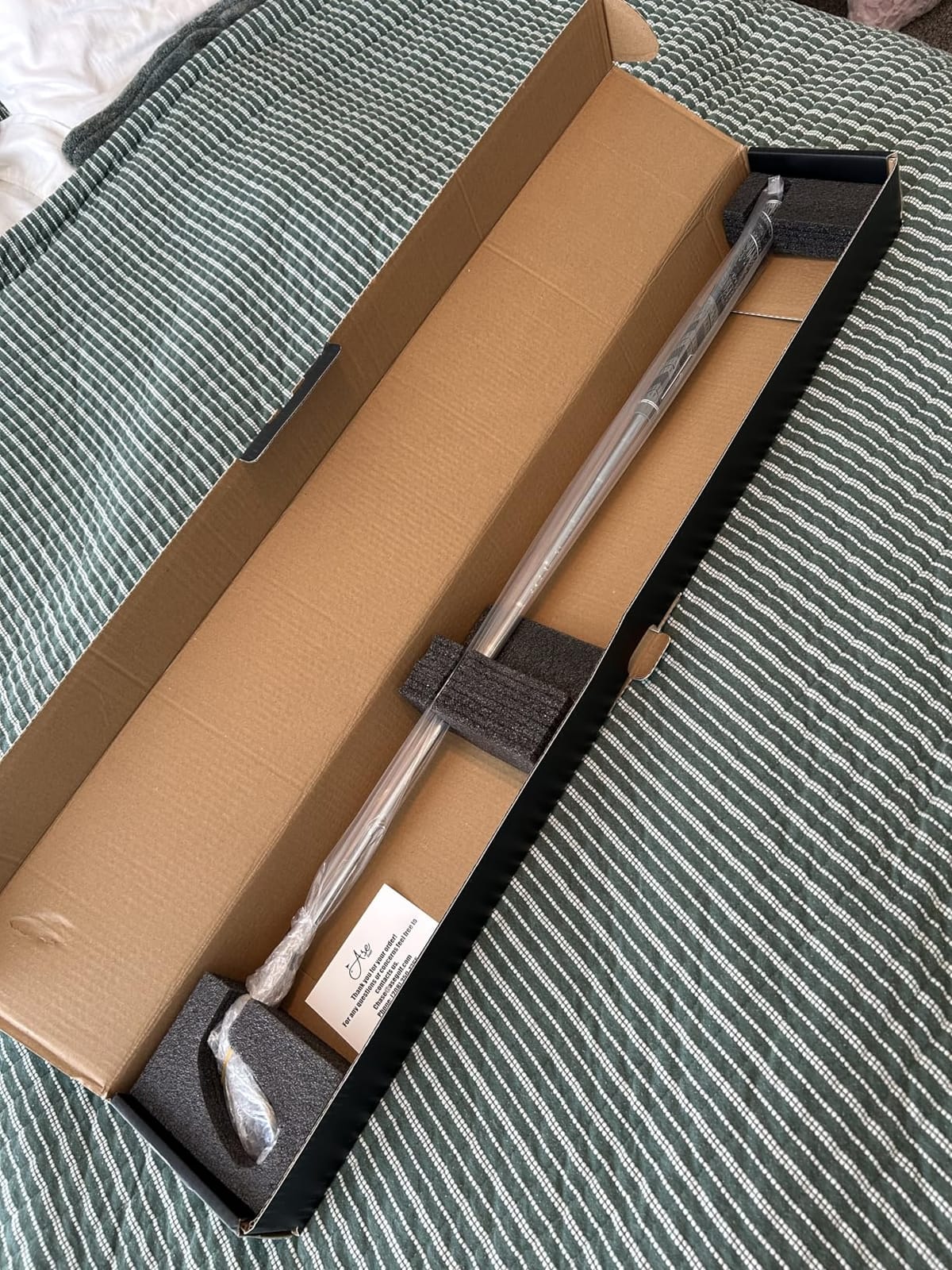
This is a forgiving three-club set with 8 degrees of bounce and a 63 degree lie angle, built specifically for golfers whose mistakes out of sand are most often contact point rather than face angle. Reviews centre on easy, forgiving performance and grip comfort, with the milled grooves doing the work of stopping shots once they land.
Eight degrees of bounce is a lower figure than most of the game improvement wedges here, and it makes sense in company with this head shape. A lower bounce lets the narrow profile run through a packed bunker lip without the club fighting you, and it makes chip shots from the fringe easier to control.
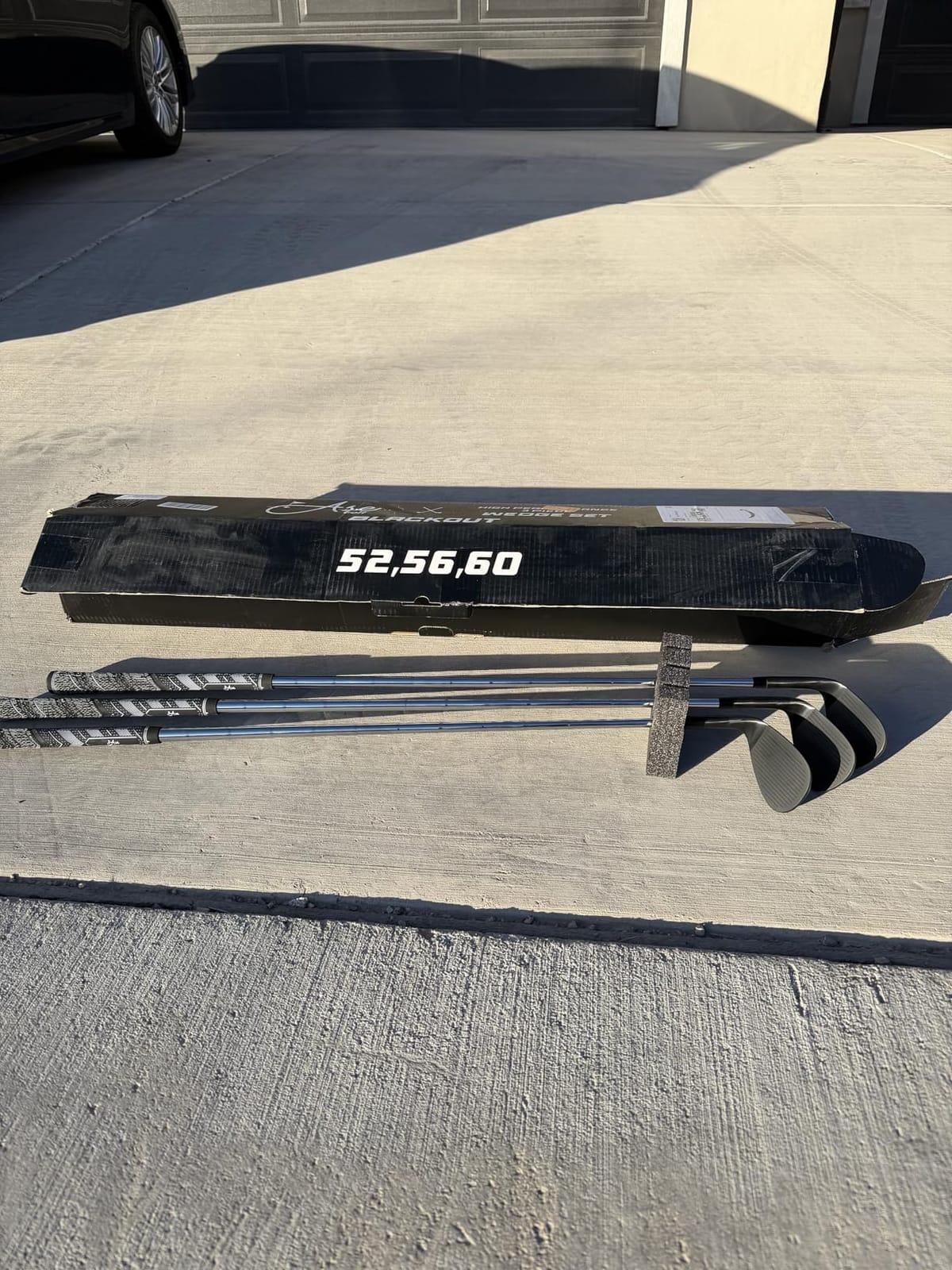
The full face CNC milling keeps spin on shots struck near the toe or heel, which is where most bunker contact goes wrong. Buyers report being able to play an aggressive shot from sand and still bring it down within a couple of feet, which is the whole point of the exercise.
The grip is a multi-material design with brushed cotton wire and firm rubber, and owners note it stays tacky and handles moisture well. That detail matters more than it sounds, because a sweaty grip on a wet sand shot is a very common cause of a pulled face.
Who should spec this set
A mid to high handicap player who wants three useful lofts without buying three separate clubs. The 52 handles approaches, the 56 is the standard sand wedge, and the 60 covers short-sided traps and high chips. Reviews describe it as forgiving on off-center hits, which is precisely the failure mode that costs strokes from sand.
Where it falls short
Two things to plan around. The supplied stiff flex suits straighter, faster swings, so a slower tempo player should ask for a regular or senior flex. And a one year warranty is the shortest meaningful cover in this group, so treat the grooves as consumable and budget for a replacement wedge sooner.
7. Orlimar Spin Tech 52 56 60 Degree Golf Wedges – Best Golf Wedges for Bunker Play for Backspin Control
Orlimar Spin Tech 56° Sand Wedge, Right Hand, Steel Shaft, Wedge Flex
56 degree loft
14 degrees bounce
Dual-milled face
35.5 inch steel shaft
Pros
- Dual-milled face produces genuine backspin and check-up shots
- High centre of gravity keeps flight predictable
- Balanced with a properly weighted wedge flex shaft
- Beveled rear sole with a thin topline
Cons
- Supplied grip smells odd and its label wears off
- Some buyers report durability concerns after limited rounds
- Takes practice to get used to the head weight
Fourteen degrees of bounce makes this the highest-bounce option among the standard sand wedges in the group, and that single number changes where it works best. High bounce is the right choice in soft, deep sand and in wet sand after rain, because the sole sits up on top of the surface and plods through instead of burying itself.
The dual-milled face is what gives it its name, and budget-conscious golfers report that the extra surface roughness produces real backspin and check-up shots on landing. A high centre of gravity keeps the ball from flying out of the rough and makes the flight predictable from sand.
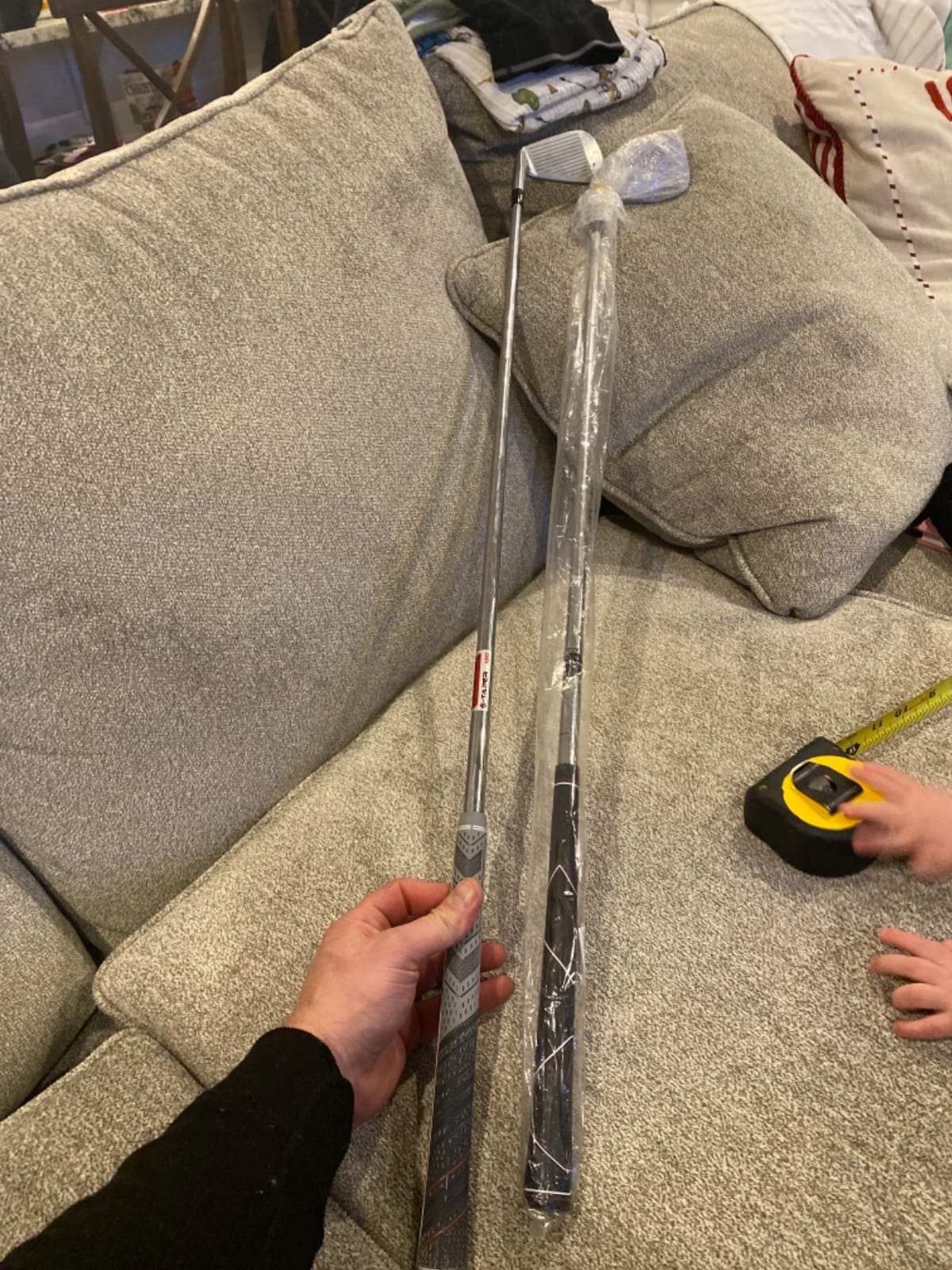
The set covers 52, 56 and 60 degrees and can also be bought as a single wedge. At 35.5 inches with a steel shaft, it matches standard iron length and will not change your setup. The classic beveled rear sole keeps a thin topline at address, which is helpful when you are standing over a deep trap trying to see where the ball sits.
Two complaints come up more than any other. The supplied grip is the weak point, and a small group of buyers flag durability after a limited number of rounds. Both are fixable in the first case with a regrip and worth weighing in the second if you play a lot of sand.
Sand conditions that suit it
Soft, deep and freshly raked bunkers. High bounce keeps the sole from sinking into a heavy sand column, and the extra height helps the ball clear a lip you would rather not splash through. In a waste bunker full of dry powder, this is a wedge that simply ploughs forward.
Sand conditions that do not
Firm, wet sand on a links-style course, or a hard pan base where the ball sits on top rather than in the trap. At 14 degrees of bounce, a firm base can kick the face and send the ball skidding past the hole. Lower-bounce options on this list are the answer there.
8. Orlimar Golf Fat Sole Wedge – Best Golf Wedges for Bunker Play Without Opening the Face
Orlimar Fat Sole 64 Degree Lob Wedge Golf Club for Men, Right Handed
64 degree lob wedge option
Extra wide sole
Cavity back low CG
35 inch steel shaft
Pros
- Wide sole escapes bunkers without changing stance
- Low centre of gravity produces clean contact from deep sand
- Far more forgiving than a normal lob wedge
- Handles high soft flop and chip shots
Cons
- 35 inch length is shorter than standard and feels stubby
- Not the most workable wedge for players who like face manipulation
- Some players prefer a chipper for very short sand shots
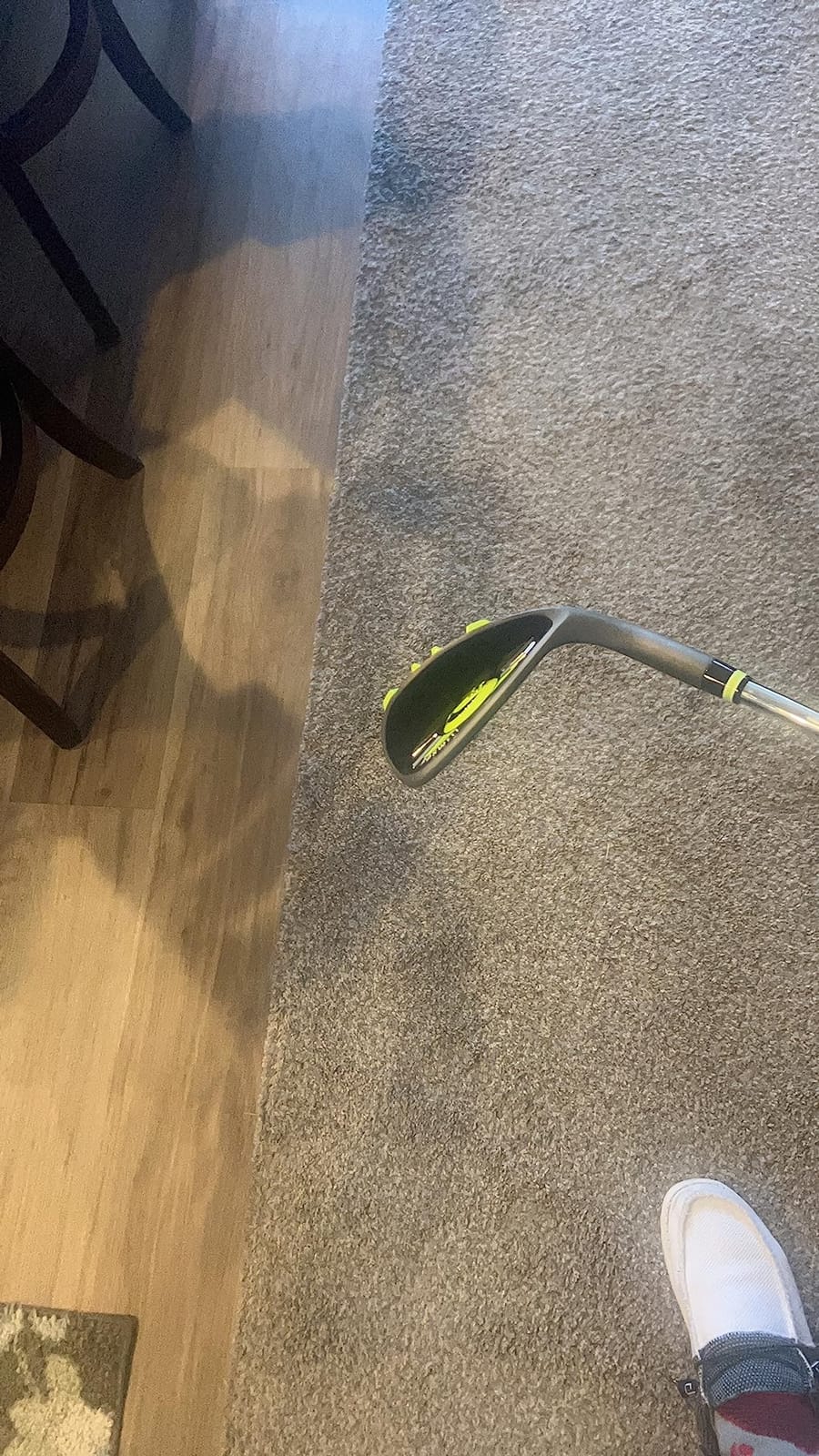
This is the club for golfers who have spent years avoiding an open face in the bunker. The extra wide sole is the whole design: it resists digging, and the low centre of gravity keeps the head stable so the ball comes out with a square face and a face full of grooves. Buyers report escaping in one shot where they used to take two or three.
You do not need to change your technique. No splashing, no pitching from the wrong spot, just a normal square swing at a club with more loft and more sole under it. For a player who has lost a stroke a round to a nervous open-face attempt, that simplicity is the selling point.
The 64 degree loft option is worth noting for plugged and fried egg lies. Extra loft gets the ball above a high lip without adding splash, and the large hitting surface gives you a target in the loose sand under your feet.
Best suited to
Beginners and high handicap golfers, senior players, and anyone recovering from an injury who wants an easy escape. Golfers who rely on a chipper for very short sand shots should know this is not a substitute for it, because the extra loft on a full swing would still fly too far.
Watch out for the length
At 35 inches, this wedge is shorter than a standard iron and the most common complaint in reviews is that it feels stubby at address. Lay the club down with the ball to check the gap between the grip end and the toe. If it feels cramped, ask for a longer shaft rather than forcing a compromise posture.
9. Yamato Full Face Golf Wedge Set – Best Golf Wedges for Bunker Play Across Every Loft
Yamato Full Face Golf Wedge Set or Individual Golf Wedges 50/52/54/56/58/60 Forged Golf Gap Wedge Sand Wedge Lob Wedge Golf Clubs Milled (Stainless Steel, 56 Degree, Regular, Right)
Lofts 50 to 72 degrees
Full face groove design
Anti-dig leading edge
Singles or sets
Pros
- Widest loft selection we tested
- full-face grooves hold spin on toe and heel hits
- Anti-dig leading edge reduces fat shots
- Singles or two and three club sets available
Cons
- Build quality and feel trail premium forged wedges
- Supplied senior-size grip is thinner and may suit smaller hands
The Yamato range is the broadest in the roundup, running from 50 to 72 degrees and available as single wedges or as two and three club sets. If you are building a short game from scratch and you want every option covered in one spec, this is the most flexible list we found.
Grooves extend across the entire face, so a ball struck out near the toe or heel still picks up spin instead of sliding off a bare spot. In sand, where contact is scattered, that is the difference between a shot that runs to the backstop and one that stops near the hole.
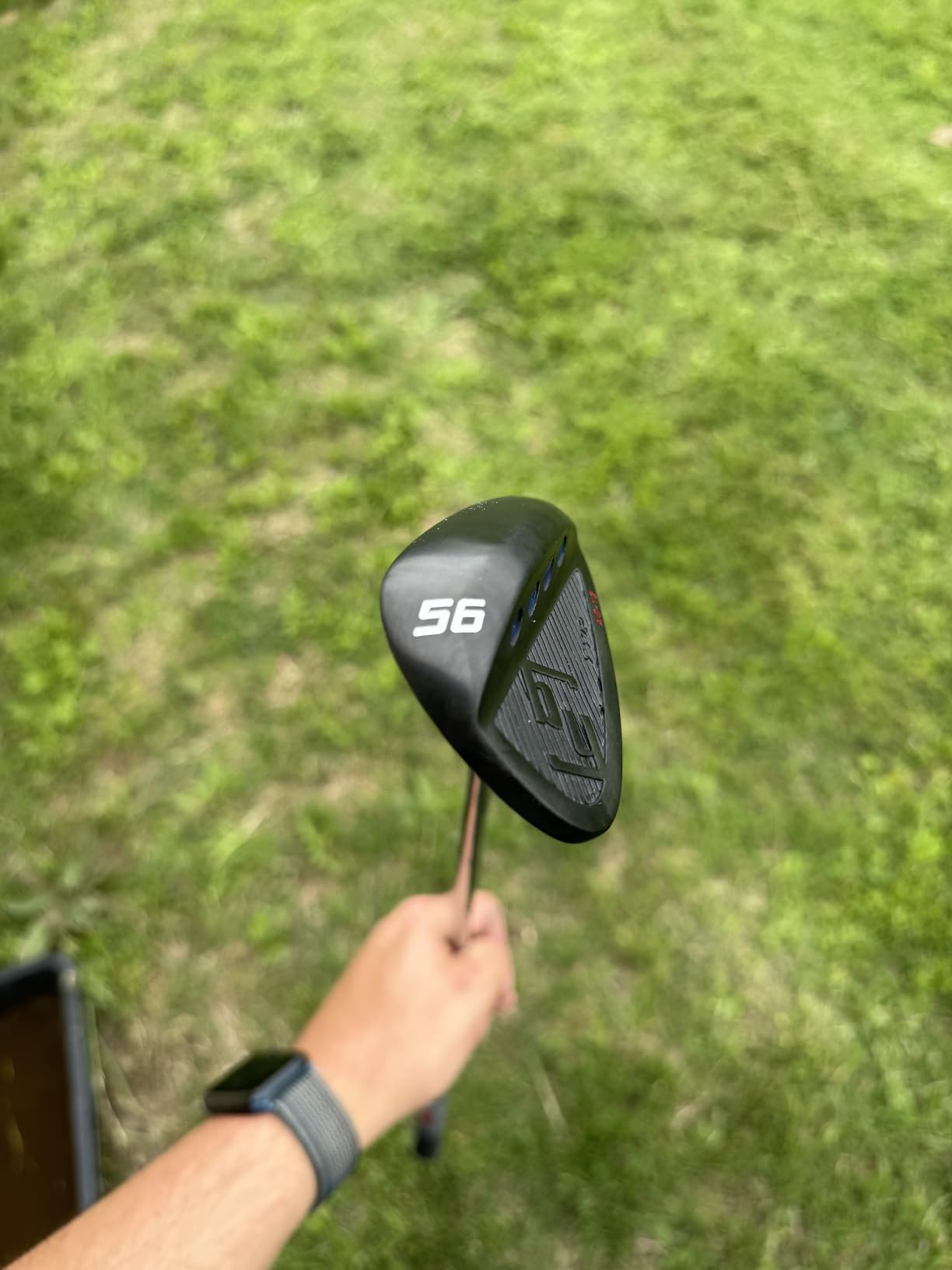
The anti-dig leading edge is designed to prevent fat shots. On a bunker shot where the sole lands slightly ahead of the ball, a sharp leading edge drives into the sand and kills the shot. A rounded or cambered leading edge glides through and lets the ball fly. Buyers cite fewer fat shots as a clear improvement over their older wedges.
At 56 degrees with 13 degrees of bounce, the version we tested sits in the high-bounce half of the range. That pairs naturally with soft, deep sand. It is also the pairing you want for a poor lie with lots of sand between the ball and the lip.
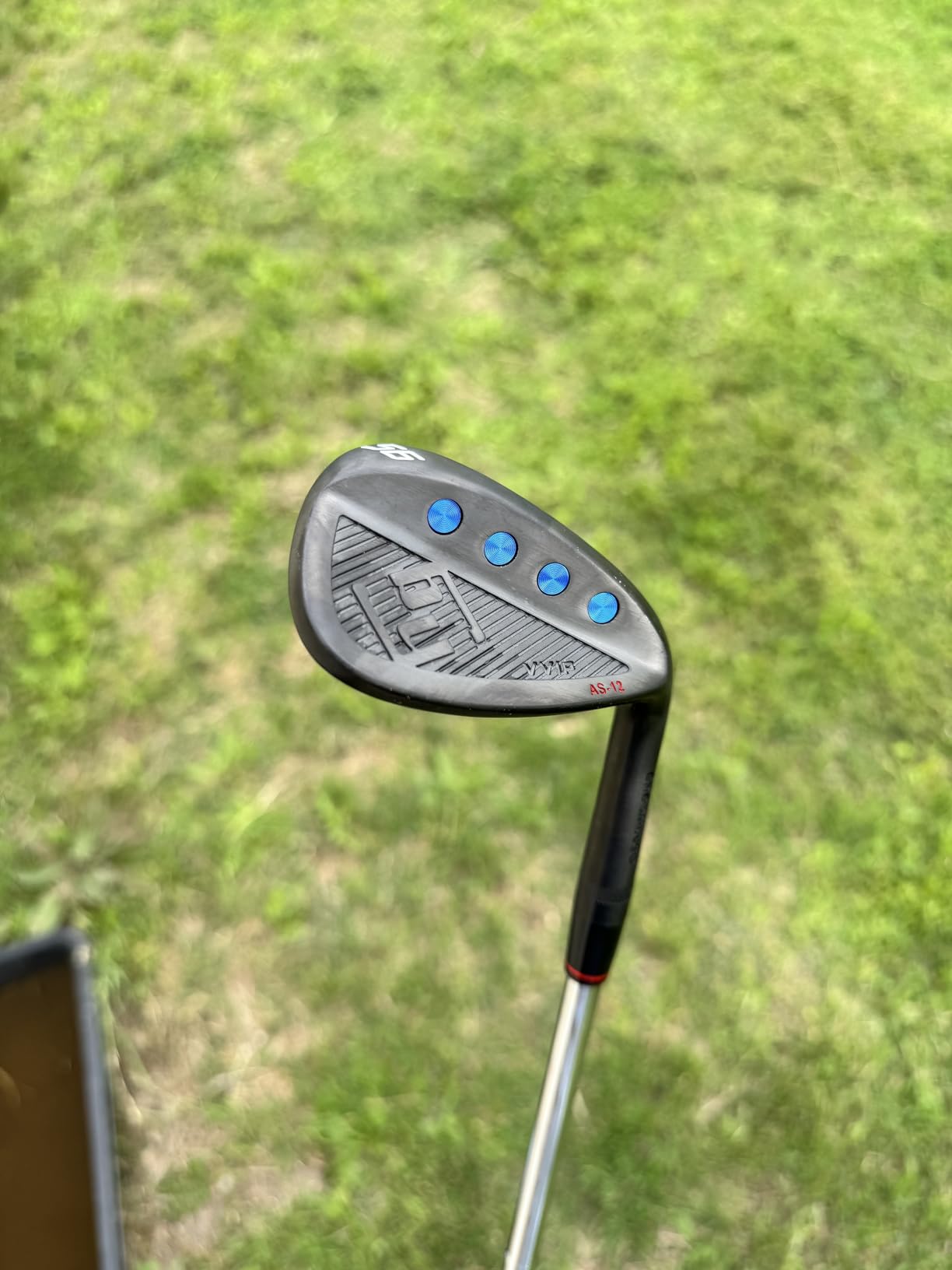
Where the loft range pays off
A 72 degree option is rare and useful for a plugged lie with a high lip, and a 50 degree covers a long approach that a 56 would leave short. Buyers treat this as an inexpensive way to fill out a partial bag, and the loft gaps are close enough to build a workable gapping sequence.
Where the trade-off sits
Feel and build quality are the honest limitation. The head is cast stainless steel rather than a forged player-player shape, and reviews say feel lags well behind premium wedges. The supplied senior grip is thinner than a standard adult grip, so check it in your hand if you have larger hands.
10. Wilson Harmonized Unisex Golf Wedge – Best Golf Wedges for Bunker Play to Fill Out a Bag
Wilson Harmonized Unisex Golf Wedge – Right Hand, Steel, 56
Right-handed 56 degree loft
Alloy steel shaft
Rubber midsize grip
1 year limited warranty
Pros
- Dependable brand-name club from a recognised maker
- Consistent and playable feel for improving golfers
- Loft options at 50
- 52
- 56 and 60 degrees
- Suitable for both bunker play and chips
Cons
- Less spin and feel than higher-end forged wedges
- Midsize grip may feel small for players with larger hands
The Harmonized is a straightforward game improvement wedge from a recognised equipment maker, and the 289 buyer reviews describe it in consistent terms: a dependable, consistent club that suits a golfer who wants to improve without chasing tour spin numbers. That is a reasonable thing to want from a bunker wedge.
Lofts are available at 50, 52, 56 and 60 degrees, and the 56 shown here is the standard all-rounder. With an alloy steel shaft and a rubber midsize grip, it is a lightweight, fast-swinging package that most players will find easy to accelerate.
What it is good for
Rounding out a bag. If you play a set of game improvement irons and simply need a matching sand wedge, this does the job at both bunker and greenside without any adaptation. Owners also report consistent performance across sand and approach shots, which is what you want from a club you will hit from anywhere.
Where it stops
Feel and spin are the honest limits. Owners looking for tour-level backspin from a flop shot over a bunker lip will not find it here, because the grooves are less aggressive than the full-face and milled designs in this group. Check the grip size too, since a midsize grip can feel small for larger hands.
11. PGM Wedge 72 Degree Premium Sand Wedge – Best Golf Wedges for Bunker Play for High Flop Shots
PGM Wedge – 72 Degrees Premium Sand Wedge, Lob Wedge for Men & Women – CNC Textured – Bunker Buster Escape Bunkers and Save Strokes Around The Green-High Loft Golf Club (Black)
72 degree loft
12 degrees bounce
450 g head weight
CNC textured face
Pros
- Extreme loft lifts the ball out of deep steep bunkers
- Stainless steel head with a low centre of gravity
- CNC engraved texture improves friction
- Sectional steel shaft adds stability at impact
Cons
- 72 degree loft only suits very short sand shots
- Single club only
- no set option
- Right-hand orientation only
At 72 degrees, this is the most lofted club we tested, and it exists for one job: getting the ball up and out of a bunker where the lip is higher than the ball. There is no other way to fly a ball steeply enough to clear a steep lip without opening the face, and that is exactly what this loft delivers.
The 450 gram stainless steel head sits low, and the large bottom of the face is intended to make the ball easier to release from long grass or a deep bunker. The CNC engraving texture adds friction at impact, which is how you get a high, soft, spinning shot out of the sand on a club with this much loft.
A sectional steel shaft adds torsional stability, so the face is less likely to twist on an off-centre strike. For a high-lofted specialty wedge where the ball has to start vertically, that stability is the difference between a soft landing and a towering overhit.
When this wedge earns its place
Short-sided bunkers with a high lip, and any plugged lie where you want to fly it up and let it fall softly. Players who want to make a high, open-face bunker shot without generating a swing speed that would normally be required will appreciate the loft doing the work.
Know what you are buying
This is a single club at one extreme loft, not a system. You still need a standard sand wedge for normal sand, because a full swing with this club will fly far too high and leave you a long putt. It is a rescue club and should be treated as one.
12. MAZEL Forged Golf Wedges – Best Golf Wedges for Bunker Play at 60 Degrees
MAZEL Forged Golf Wedges for Men & Women – Golf Gap Wedge, Sand Wedge,Lob Wedge,Escape Bunkers and Quickly Cuts Strokes Around The Green,High Loft Golf Club Wedge (Black 60 Degree Wedge)
60 degree loft
Extra-wide sole
Full CNC milled face
300 g head weight
Pros
- Built specifically for flop shots and bunker escapes
- Full CNC milled face gives spin and control
- Extra-wide sole cuts through sand without digging
- Loft options from 48 to 72 degrees
Cons
- Black finish may wear off over time
- Only a one month warranty
- Some users find the head slightly heavy
- Right-hand orientation only
The MAZEL is a 60 degree wedge with an extra-wide sole, and the buyer feedback centres on exactly what that combination promises: strong performance from sand, easy escape, and spin control from a flop shot. With 295 reviews and a 4.5 average, it is one of the better-documented high-loft options available.
Sixty degrees is the loft most golfers reach for when they want a sand wedge that handles deep traps, steep lips and high chips in a single club. The full CNC milled face means the grooves still work when you open the face, so a splash shot across the lip still arrives with spin and check.
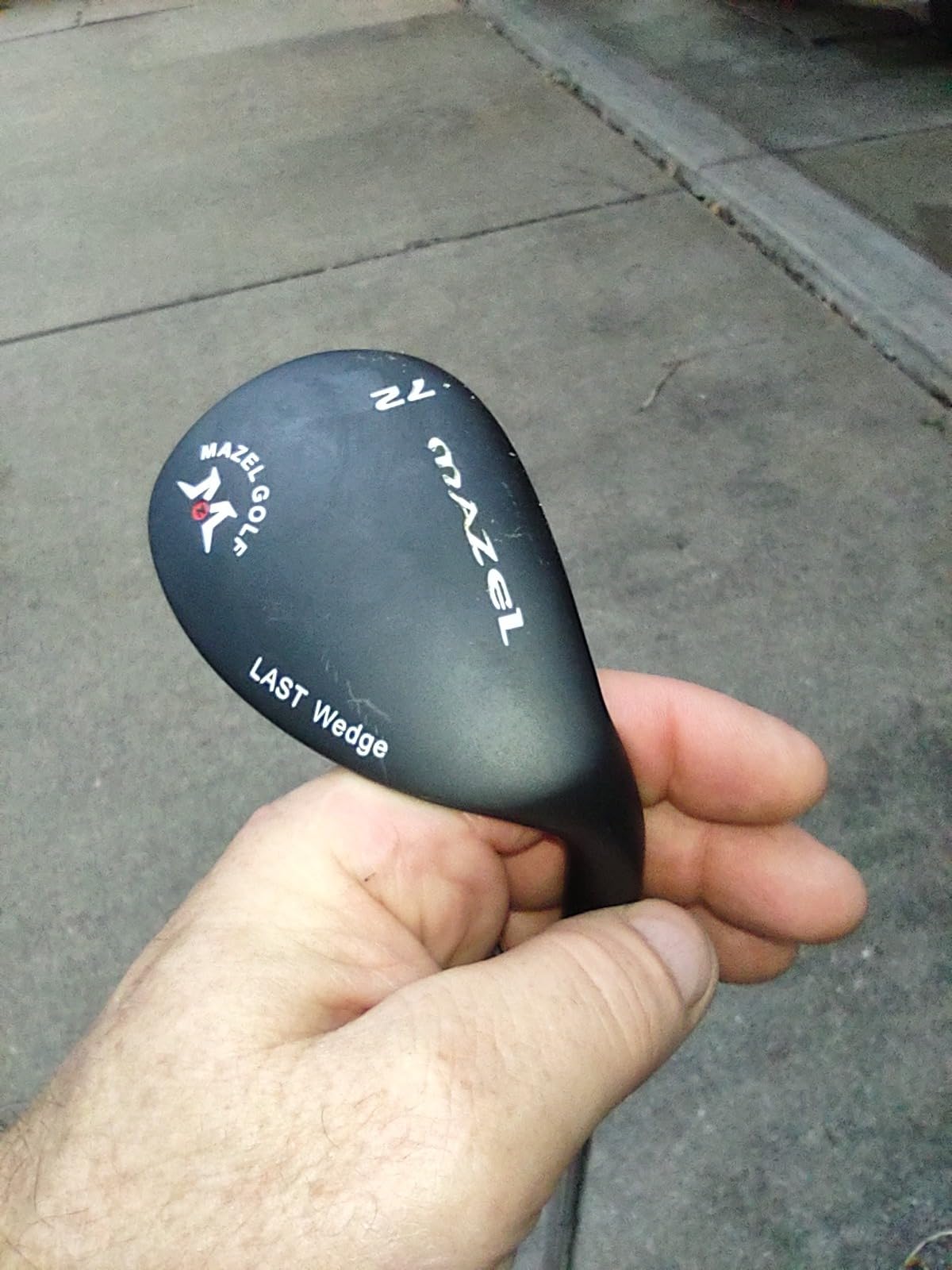
The extra-wide sole is what stops the club digging in sand. Rather than letting the head sink and the ball stay behind it, the wide base pushes through the sand column and the ball comes out. At 300 grams it is not a heavy head, which keeps the swing fast enough for a full bunker shot.
Loft options run from 48 to 72 degrees, so you can spec the club to match your irons, and buyers appreciate being able to build a coherent gapping sequence rather than carry a one-off specialty club.
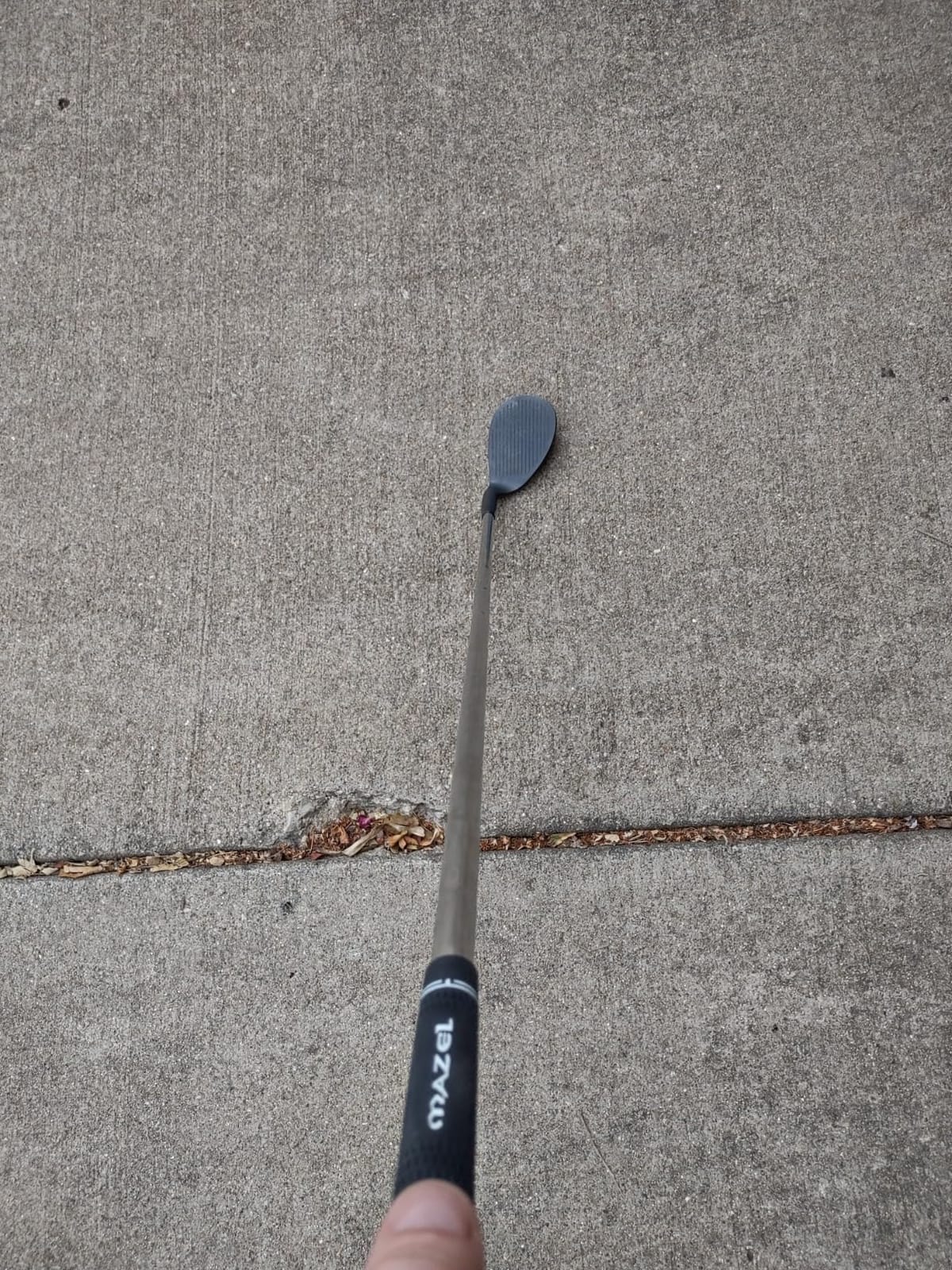
Where this club works
Deep, soft sand and steep-sided traps, where a high launch and a wide sole both work in your favour. It is also a good choice for the short, spongy pot bunker that sits just off the green, because the loft keeps the ball high and the sole keeps the head from sinking.
Before you commit
The finish is reported to wear over time, and the warranty period is short, so treat this as a club that will eventually need replacing. A small number of users also find the head slightly heavy on very short chips, and this is a single-loft club unless you buy it in a set.
How to Choose the Best Golf Wedges for Bunker Play
Every wedge above performs. The difference between a good bunker round and a disaster comes down to matching bounce to sand, and loft to the shot you actually need. Here is how we would narrow twelve options down to one or two clubs.
Bounce angle and the sand at your home course
Bounce angle is the angle between the leading edge and the lowest point of the sole. Low bounce, roughly 4 to 8 degrees, means a narrow sole that cuts through sand and turf. High bounce, 12 to 14 degrees, means a wide sole that sits on top of soft sand and ploughs forward. The wider the sole, the harder it is to keep the face square on a strike that lands slightly heavy.
Match the number to the conditions. Deep, soft, freshly raked sand wants 12 degrees or more. Firm, wet sand or a links-style course with a hard base wants 8 degrees or less, because high bounce will skip the club off the base and send the ball long. Players who travel between climates should sit in the 10-degree middle ground, which is exactly where the Cleveland RTX 6 sits.
Loft: 54, 56, 58 or 60 degrees
Most golfers carry a 56 as their standard sand wedge and add a 58 or 60 for short-sided traps and flop shots. Going lower, to 52 or 54, gives you more control on full-swing bunker shots where a higher loft would fly past the hole. Loft also sets how easily the ball clears a lip, so more loft means less splash needed.
Aim for even gaps between your wedges. Four degrees between each loft, with a 60 as your top, is the most common setup. Players who want three wedges usually pair a 54 or 56 with a 58 and a 60, and that is a sensible short-game spine for the best golf wedges for bunker play in this roundup.
Wide sole versus low bounce for bunker escape
These are usually the same club, but they are not always the same priority. A wide sole buys forgiveness and forgiveness out of sand is worth a great deal to a high handicap player, because contact point is the most common bunker mistake. A low bounce buys control and keeps the face from opening on a firm strike.
Specialty wide-sole designs are a real category, and players on r/golf and the GolfWRX boards consistently describe them as making sand fun for golfers in the 15 to 25 handicap range, because a square face works. If you have already practised an open-face splash shot and trust it, a full-face grooved club with a narrower sole will serve you better.
Grind and what it does to the face
Grind describes how much material is removed from the sole and how the trailing edge is shaped. The practical effect is on turf, not sand: a C grind has a wide sole in the middle and a trailing edge removed so it runs through the ground, while an L grind is narrowed for players with steep angles of attack. For bunker play, a C or K grind on the sand wedge keeps the ball low on the fairway and the full sole available in the trap.
Groove condition matters as much as shape. Reviewers across these clubs note that raw and unplated faces scuff and eventually spin less, and players who hit a lot of sand should expect the grooves on any wedge to lose bite over time. Budget-conscious golfers treat a wedge as a consumable and replace rather than restore.
Groove design, spin and how long the club lasts
Full-face milling, where grooves cross the entire hitting area, is the single biggest differentiator in this roundup. It keeps spin on toe and heel strikes, which is where bunker contact usually happens. Partial-face designs save manufacturing cost but leave flat spots where the ball can skid. The Alien Roswell, the Alvo set and the MAZEL all run full-face grooves.
Second-generation groove systems go further. The Cleveland uses UltiZip grooves with a HydraZip laser-milled line system, and reviews consistently report stopping power from plugged lies. For most golfers, that extra technology matters less than forgiveness, so we would prioritise a forgiving head shape first and groove technology second.
Matching the wedge to the bunker type
Greenside bunkers are short-sided, deep and require a high launch, so a 56 to 60 degree wedge with 10 to 12 degrees of bounce is the right tool. Fairway bunkers are longer and often wet, so a lower-loft wedge with more stable flight works better, and high bounce helps if the sand is soft. Waste bunkers are dry and powdery, often with a hard base, so a low-bounce wedge that will dig slightly is more controllable than a wide sole that slides.
Whatever the bunker type, buy a club whose length matches your irons and check the lie angle. A wedge that sits flat at address and feels comfortable from a normal stance will produce far better bunker shots than a marginally better head that makes you stand awkwardly. You can work on technique at the range or with one of our golf launch nets, but posture problems cannot be trained around.
Frequently Asked Questions
What is the best wedge to get out of bunkers?
For most golfers the best wedge to get out of bunkers is a 56 degree sand wedge with 10 to 12 degrees of bounce. Ten degrees is the most neutral choice and suits players who play in mixed conditions, while 12 degrees or more handles soft, deep sand. If you struggle to open the face, choose a wide sole high loft design so a square swing works.
Which wedge should I use for bunker shots, 56 or 60 degrees?
Use a 56 degree wedge for ordinary sand play, full swings and bunker shots from a normal stance. Add a 60 degree wedge for short-sided traps, high lips and flop shots where you need the ball to fly up steeply. Many golfers carry both, with four degree gaps between them, and some add a 58 in between.
Should I use a high or low bounce wedge for bunker shots?
Use high bounce, 12 to 14 degrees, for soft, deep or wet sand because the wide sole sits up and ploughs through the surface. Use low bounce, 8 degrees or less, for firm sand or a hard base, because high bounce will skid the club off the floor and send the ball too far. Ten degrees is the safest all-round compromise.
Is a 58 or 60 degree wedge easier to hit?
No. A 58 or 60 degree wedge has more loft and less landing area than a 54, so it launches higher and carries a shorter distance, which makes distance control harder for many golfers. It is easier to hit out of a steep bunker lip because the loft does the clearing, and easier to control on short chips, but it is not easier to hit in terms of distance control.
What grind is best for bunker shots?
A C grind or K grind sand wedge works best for bunker play, because the wide middle section of the sole stays stable in sand and the trailing edge relief helps on tight fairway shots. A narrow L grind gives more control at address but digs more in sand. Match grind to your angle of attack and to the length of your irons.
Do specialty bunker wedges with wide soles actually help?
Yes, for golfers who prefer a square swing. A wide sole resists digging, so a normal square swing at address produces a square face at impact and the ball comes out with full spin. Golfers who have already mastered an open-face splash shot get less from them and may prefer a narrower sole with full-face grooves for more spin control.
Final Verdict on the Best Golf Wedges for Bunker Play 2026
The Cleveland Golf RTX 6 ZipCore is our pick for the best golf wedges for bunker play, with a 4.8 rating across 244 reviews, a 56 degree loft, a neutral 10 degrees of bounce and the most complete groove and core package we tested. If your budget stretches further down the list, the Alien Roswell is the most proven club for high handicap players, with 440 reviews behind a forgiving cavity back and full-face milling.
Match bounce to your sand before anything else, keep loft gaps even across your short irons, and check the club length against the rest of your bag. Get the specifications right and the bunker stops being the worst shot on the card.