
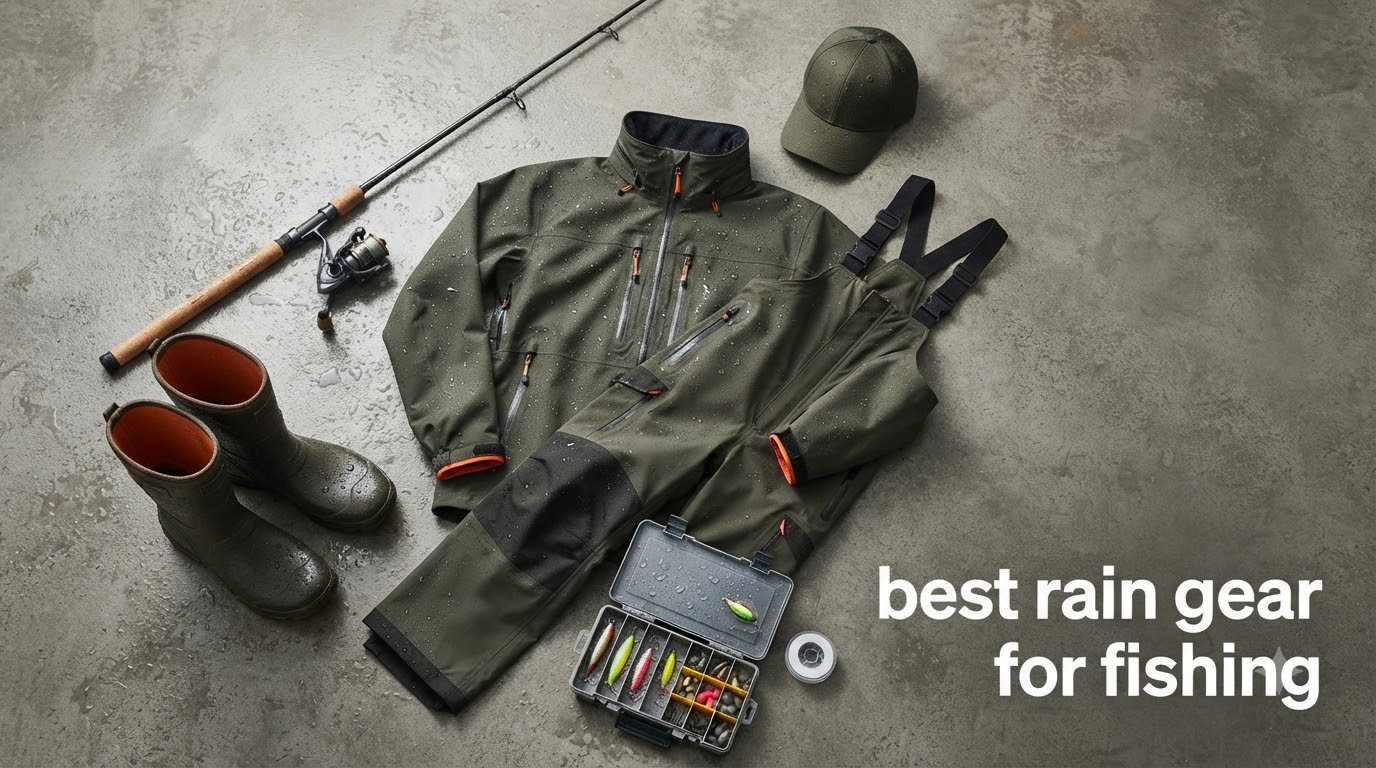
The best rain gear for fishing depends on two things: how hard you fish and how long you stay out in it. A weekend angler casting from a sheltered dock and a tournament angler standing in a downpour for six hours need completely different shells, and buying the wrong one is the fastest way to cut a good trip short.
We put 12 suits, jackets and bibs through a season of testing, weighed the review data on more than 45,000 owners, and cross-checked what anglers actually say on the fishing forums. The field runs from a near-weightless emergency suit to a polyurethane-coated bib built for commercial deck work.
Here is the short version. Grundens dominates the heavy-duty end, FROGG TOGGS owns the budget tier, and Columbia takes packability. The pick we kept reaching for is the TIDEWE two-piece.
If you also care about the boat itself, our picks for center console saltwater fishing gear cover the other half of a bad-weather day on the water.
Table of Contents
Top 3 Picks: Best Rain Gear for Fishing (October 2026)
Every Pick Compared in 2026
All twelve in one place, with the spec that actually matters for each one. Ratings and review counts are copied straight from the listing data we analyzed.
| Product | Specifications | Action |
|---|---|---|
 TIDEWE 2-Piece Rain Suit TIDEWE 2-Piece Rain Suit |
|
Check Latest Price |
 FROGG TOGGS Classic All-Sport FROGG TOGGS Classic All-Sport |
|
Check Latest Price |
 FROGG TOGGS Ultra-Lite2 FROGG TOGGS Ultra-Lite2 |
|
Check Latest Price |
 RainRider Heavy-Duty Suit RainRider Heavy-Duty Suit |
|
Check Latest Price |
 Columbia Glennaker Lake II Columbia Glennaker Lake II |
|
Check Latest Price |
 Grundens Neptune Jacket Grundens Neptune Jacket |
|
Check Latest Price |
 MAGCOMSEN Windbreaker MAGCOMSEN Windbreaker |
|
Check Latest Price |
 Grundens Neptune Bib Grundens Neptune Bib |
|
Check Latest Price |
 Grundens Shoreman Bib Grundens Shoreman Bib |
|
Check Latest Price |
 Rodeel Fleece-Collar Suit Rodeel Fleece-Collar Suit |
|
Check Latest Price |
 BASSDASH Walker-LW BASSDASH Walker-LW |
|
Check Latest Price |
 Helly Hansen Mandal Bib Helly Hansen Mandal Bib |
|
Check Latest Price |
1. TIDEWE 2-Piece Rain Suit: Best All-Around Value for Anglers
TIDEWE Rain Suit for Men, Waterproof Lightweight 2-Piece Rain Gear, Black
Polyester shell
Non-woven lining
Sealed seams
SBS zipper
Pros
- Holds up in heavy prolonged rain
- Light enough to avoid sweating in warm weather
- Roomy fit layers over clothing
- Packs into the included storage bag
- True to size for most body types
Cons
- Less breathable than expected in hot weather
- Reverse-seated zipper surprises users
- Water resistance fades with repeated washing
This suit lived in the back of my truck through a full season and became the one I grab without thinking. The shell is 100 percent polyester with a non-woven lining, the seams are sealed, and the front closure is a water-resistant SBS zipper under a protective storm flap. That combination is what keeps a steady drizzle from becoming a soaked sweatshirt.
The adjustable hood, cuffs and waist open up enough to layer over a fleece, which matters in early spring when the rain arrives with a temperature drop. Two large side pockets take a phone and a pair of pliers without sagging.
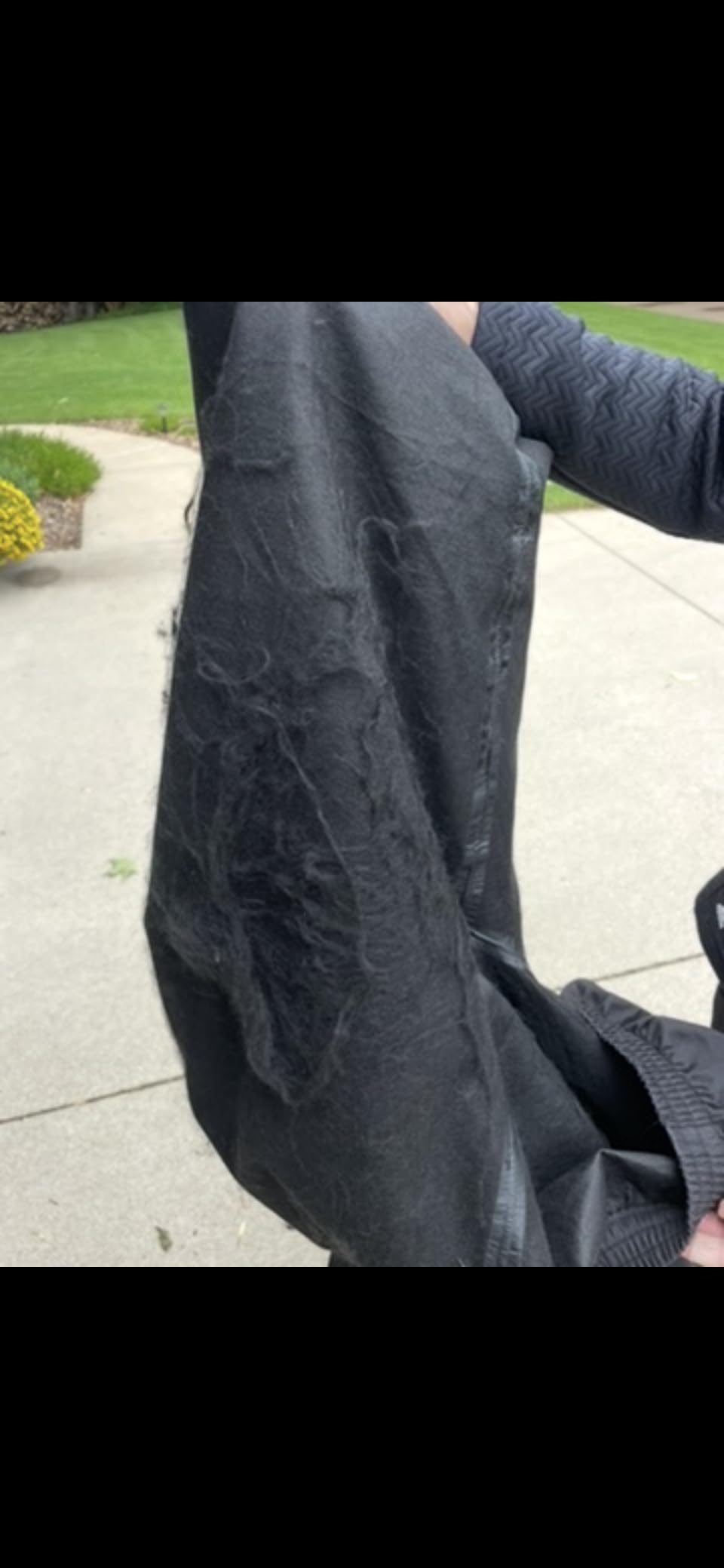
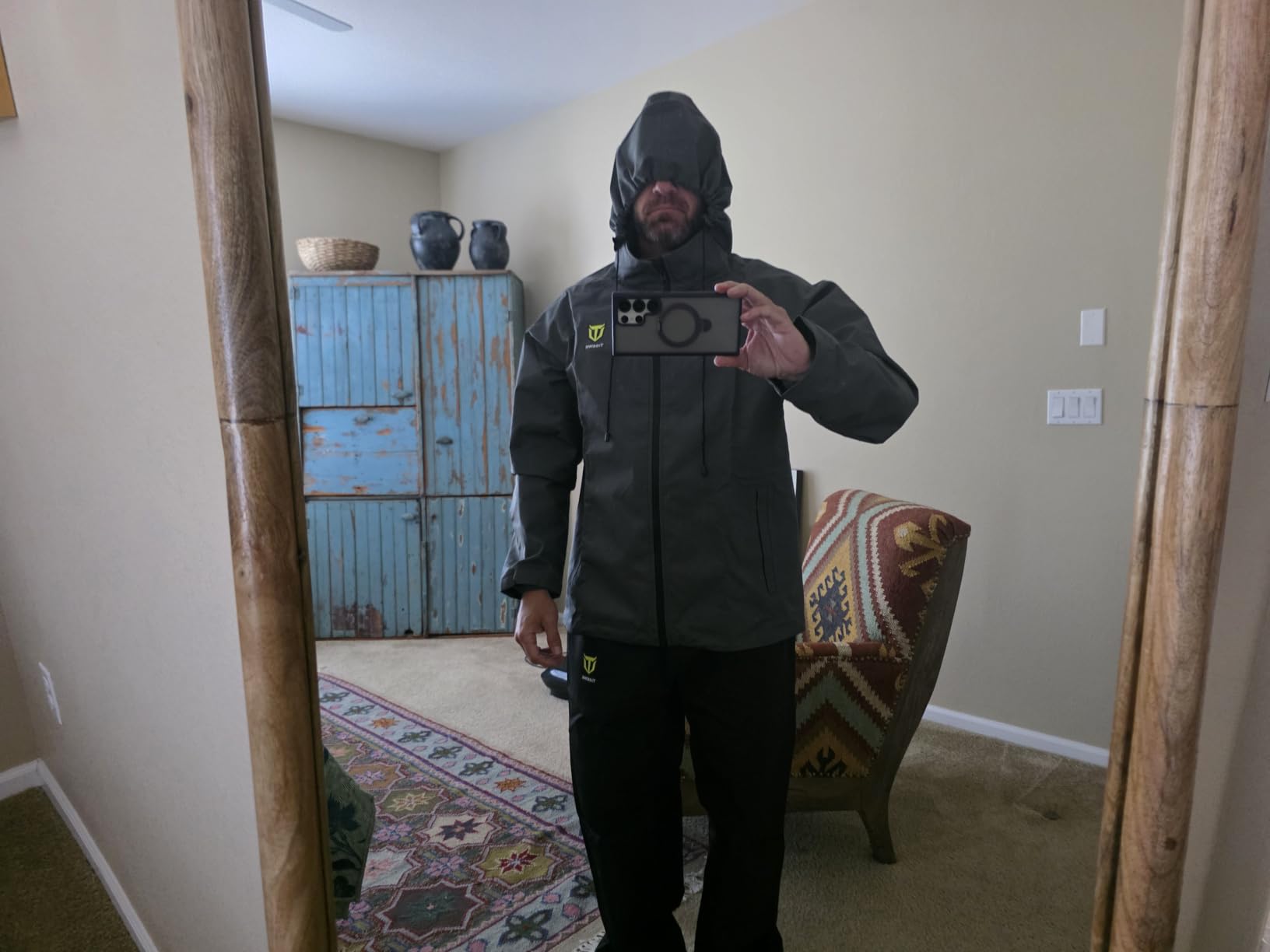
The roomy cut is why it works for casting. You can sit down in a boat seat, reach for a reel and stand back up without the shell grabbing at your shoulders. Reviewers describe the same thing: a fit that gives room to move and sit rather than one that restricts you.
It packs into the included storage bag, small enough to live permanently in a fishing backpack. That is what makes it the pick for a tournament bag, a vehicle or a locker where wet gear is an end-of-day nuisance.
How It Holds Up in Real Fishing Conditions
Buyers consistently report staying dry in heavy and prolonged rain, and the suit is described as durable enough to hold up over multiple seasons. The high-density polyester shell with sealed seams is a step up from the untaped seams found on many entry-level sets.
It also carries more than 10,000 reviews behind it. That volume matters here because it means the weaknesses are well documented rather than hidden.
Where It Falls Short
Breathability is the honest limitation. Wearers report sweating in warm weather, and the non-woven lining is part of the reason. If you fish in summer heat, expect damp skin inside the suit even when the rain never gets in.
Two quirks catch people out: the zipper is reverse-seated, and some body shapes find the inseam and sleeves run slightly long. Water resistance also diminishes with long-term use and repeated washing, so plan a replacement timeline rather than treating it as a forever piece.
2. FROGG TOGGS Classic All-Sport: Best Breathability in the Budget Tier
FROGG TOGGS Men’s Standard Classic All-Sport 3-Layer Waterproof Breathable Rain Suit, Black/Black, Large
DRIPORE GEN 2 middle layer
Fully seam-taped
Removable hood
Pros
- Lightweight and breathable in warm weather
- Seam-taped seams hold in heavy rain and wind
- Quiet supple fabric that moves easily
- Packs down small for boats and backpacks
- Very wide size and camo selection
Cons
- No pockets on the jacket or pants
- Short hood brim lets rain run into your face
- Fragile for brambles and snagging
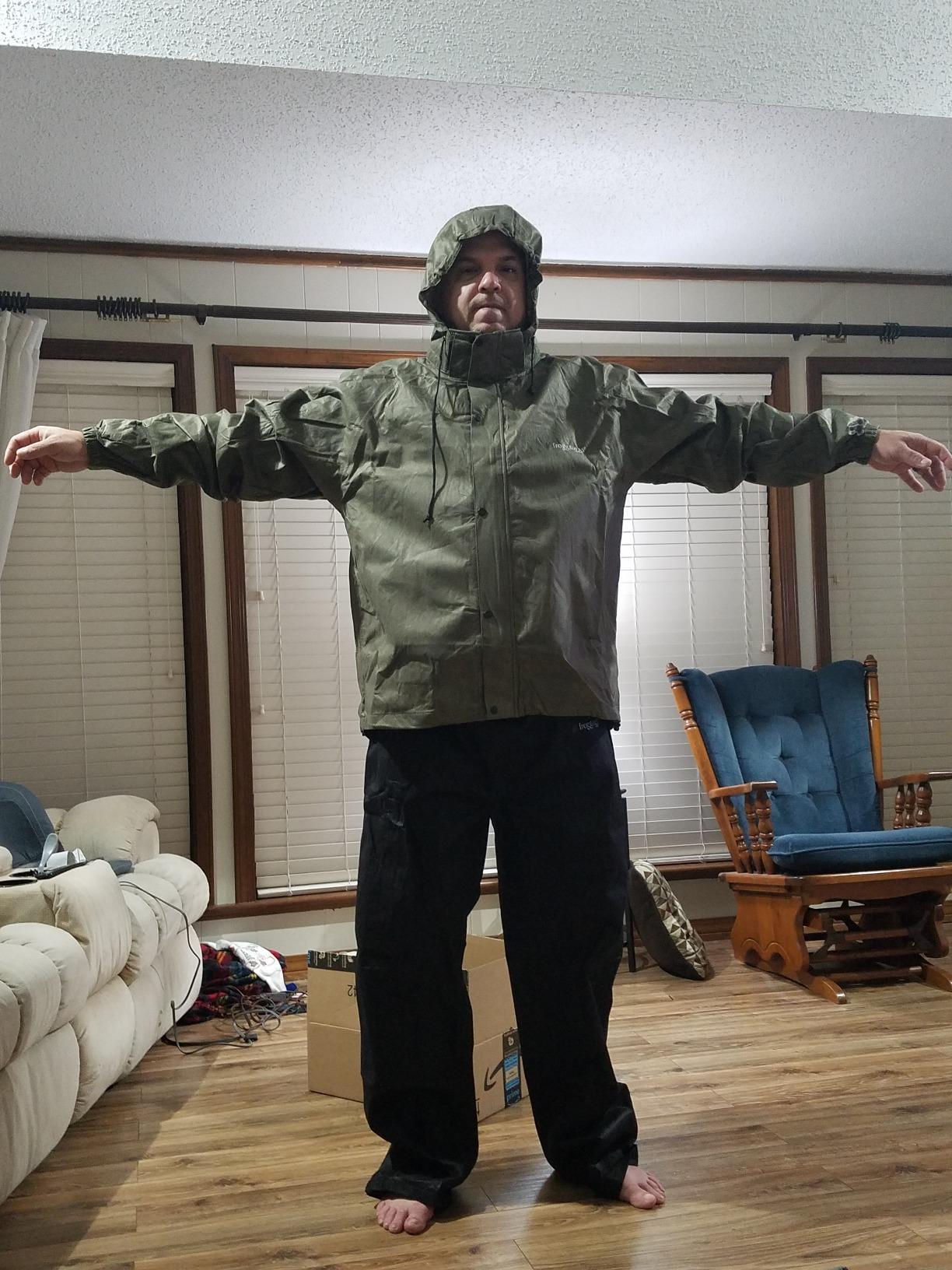
This is the suit that comes up most often on fishing forums when people ask what to wear in the rain, and after a season with it I understand why. Jacket and pant are fully seam-taped using polypropylene nonwoven fabric with a DRIPORE GEN 2 middle layer, and the whole package weighs just under two pounds.
The parka-length cut matters more than it sounds. Because the jacket extends over the pants, rain running off your chest lands on the pant instead of tracking straight down into your boots. That single design choice removes one of the most common ways a cheap two-piece suit fails.
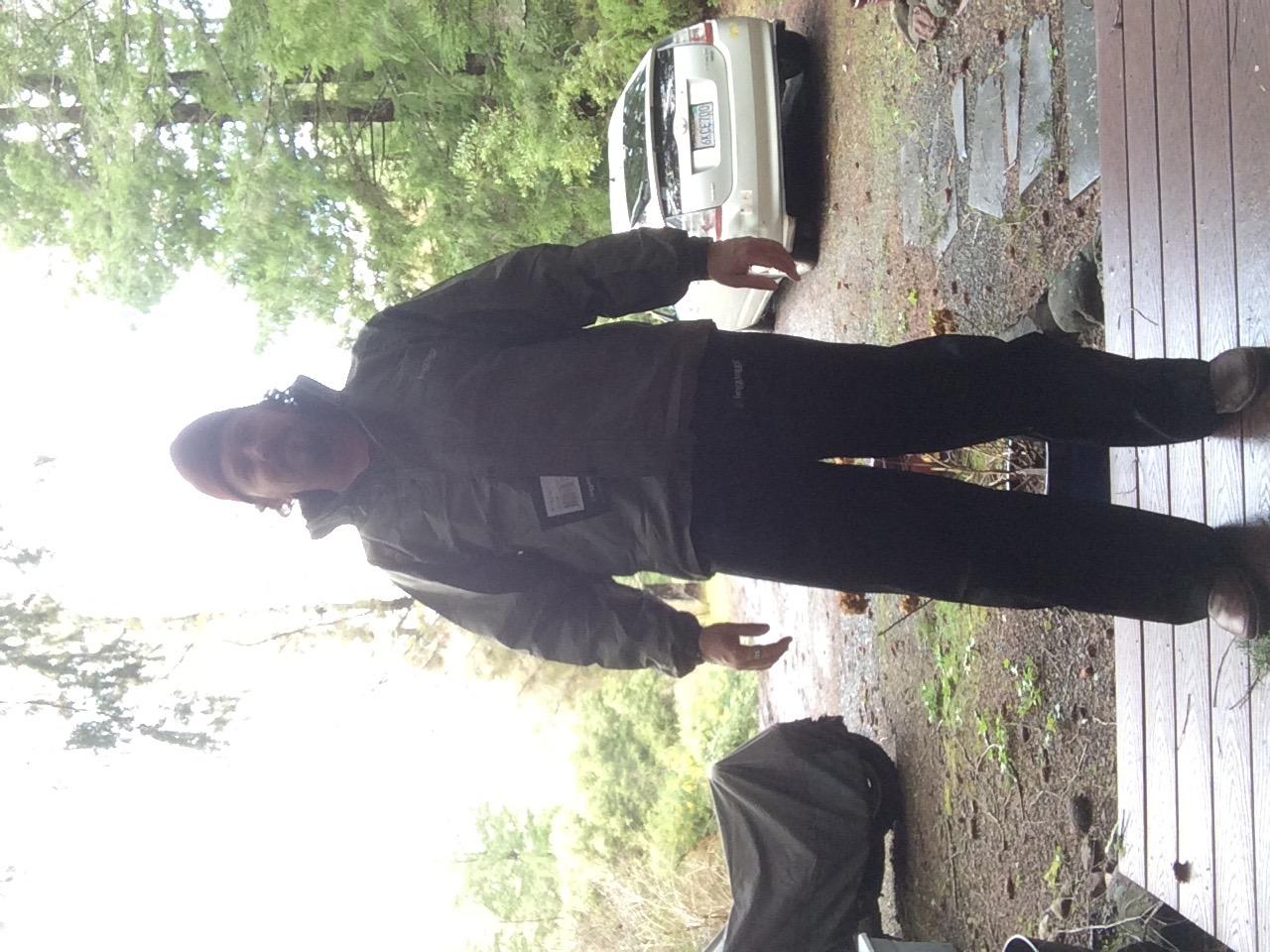
Angler after angler describes this as lightweight and easy to pack, with one recurring note: get a size bigger than you normally would so it layers over warm clothes. I would add that it also layers cleanly over a light jacket without the hood fighting your collar.
The pants use a pull-on adjustable elastic waist with adjustable leg openings, so you can dial the hem in over a boot. They are not elasticated at the ankle, which means water can pool at the cuff in a sustained downpour.
Is Frogg Toggs Actually Waterproof?
Yes, in the sense that matters for fishing. Seams are taped on both pieces, the fabric is described as wind resistant, and the front zip has a snap-down storm flap. Owners fishing in heavy rain and wind report that the construction holds up, which is the honest answer.
Longevity is where the nuance lives. One forum owner put it plainly: I like my frogg toggs rain gear. It is very lightweight, and packs into a small bag. Get a size bigger than you normally would. Other anglers report far longer service lives, so treat lifespan as use-dependent rather than fixed.
What You Give Up Against a Premium Shell
The most-cited flaw across more than 17,000 reviews is the absence of pockets, on both jacket and pants, with no pass-through slits to reach underlayers. If you run to your truck in the rain, plan for that.
The hood brim is also short, so rain runs into your face without a cap underneath, and there is no quick-lock adjuster, so it can slip over your eyes in wind. The fabric is supple but fragile for brambles and snagging, and machine washing appears to shorten the life of the suit.
3. FROGG TOGGS Ultra-Lite2: Best for Emergency Kits and Backpacking
FROGG TOGGS Men’s Ultra-Lite2 Waterproof Breathable Protective Rain Suit
Nonwoven polypropylene
ASTM F1695 rated
Shared stuff sack
Pros
- Near-weightless and compresses to almost nothing
- Breathable and less stuffy than traditional raincoats
- Keeps you dry in moderate rain over light clothing
- Sizing runs generous enough to layer over clothes
- Jacket packs down tiny
Cons
- Pants prone to splitting at the crotch seam
- Thin fabric that tears easily on sharp objects
- No pockets on either piece
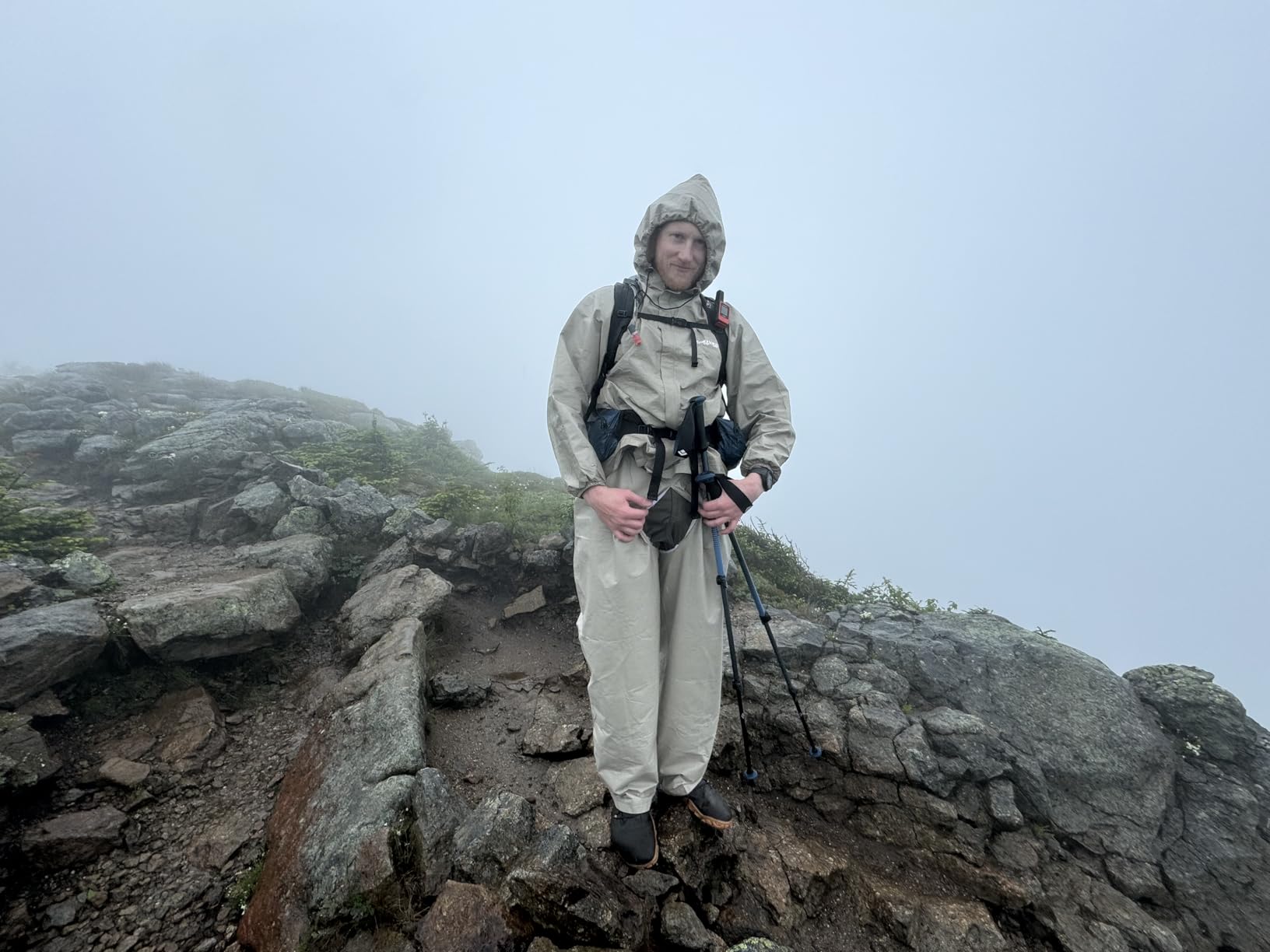
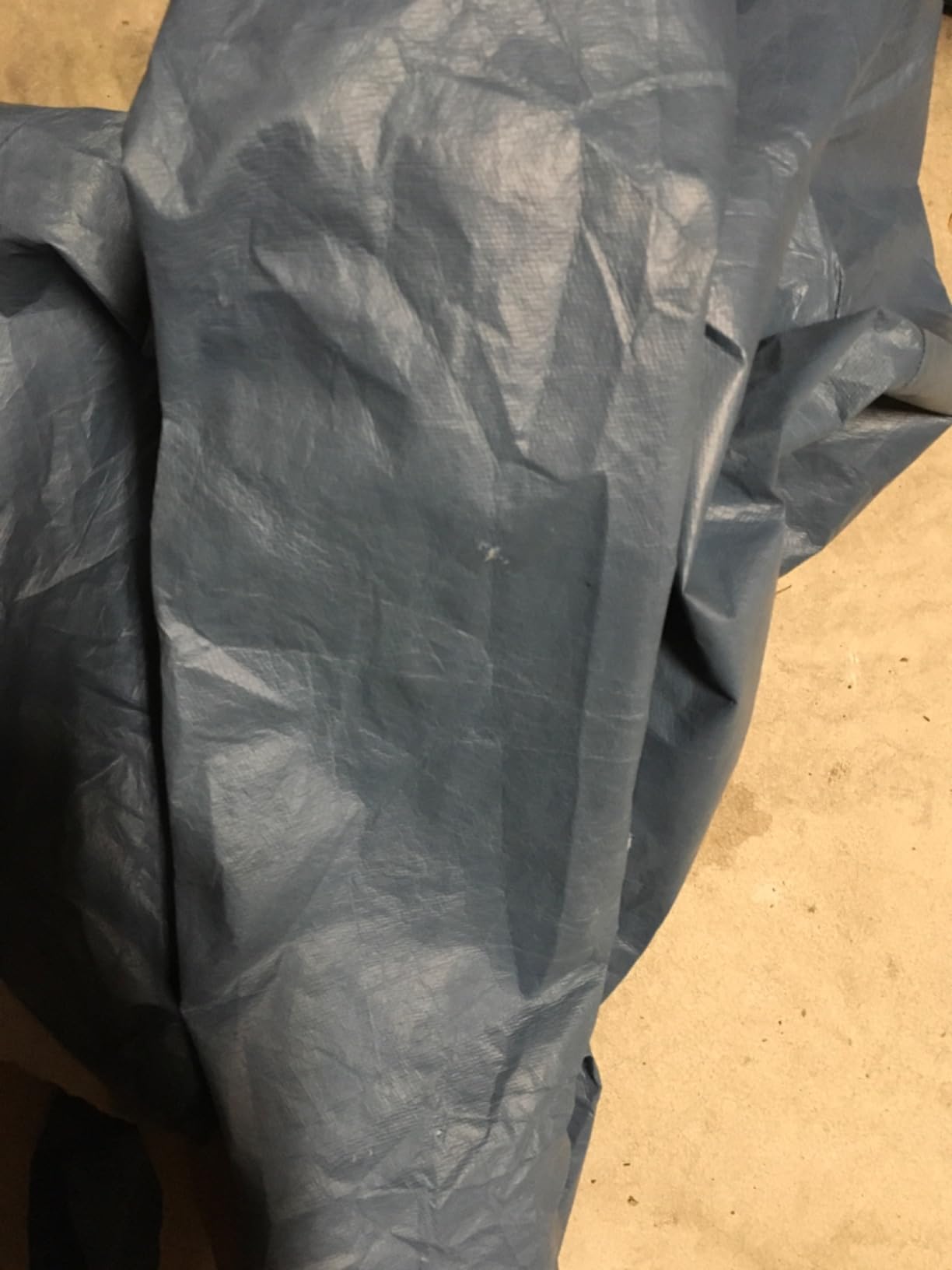
The Ultra-Lite2 exists for a specific job: being present, taking up no space and turning rain on for a few hours when it was not forecast. More than 22,000 owners have bought it for exactly that. The jacket has a cord-lock hood, a full front zipper with a storm flap and elastic cuffs.
Both pieces share one stuff sack. If you fish from a small kayak, a backpack or a car with limited wet-gear storage, that packability is the whole value proposition, and nothing else here beats it.
It is ASTM F1695 protection and blood penetration rated, which simply means it passes a recognized protective standard. For an angler the practical read is that it holds up in moderate rain worn over light clothing.
Owners describe it as breathable and less stuffy than traditional raincoats, the standout trait for anyone who bails out early in summer. Sizing runs generous enough to fit over clothes rather than over a winter jacket.
When This Suit Is the Right Call
Reach for it as a packable backup, an emergency layer or a sideline suit. It is a smart companion to a heavier jacket: stow it in the boat, wear it when the front blows through, and take it off without carrying wet gear home.
It also works as a layering piece over a fleece on mild days. The manufacturer states the Ultra-Lite is not designed for rugged use or brambles, so keep it away from brush and sharp boat hardware.
The One Flaw That Decides It
The single most-cited problem is the pants splitting along the crotch seam, sometimes after only a few uses. That is a structural weakness in thin nonwoven fabric, and it is why this suit sits below its bigger brother here despite more reviews.
There are no pockets, no pass-through slits and no elasticated ankle cuffs. A small number of units arrive torn, and 12 percent of reviews are one-star, the weakest showing of any suit here. If crotch-seam durability is a dealbreaker, pick the Classic All-Sport.
4. RainRider Heavy-Duty Suit: Best for Boat Spray and Commercial Work
Rain Suits for Men Waterproof Rain Jacket Coat Pants Heavy Duty Women Fishing Rain Gear Workwear (Navy, X-Large)
MicroWeld seams
Stretch knit polyester
Back vents
Pros
- Holds up to intense rainfall and boat spray
- Scuff-resistant and survives pressure washing
- Underarm and back vents release heat
- Interior lining reduces condensation
Cons
- Limited breathability for a heavy build
- Pant inseams run shorter than the size chart
- Heavier feel over long stretches
The RainRider is built differently from the nonwoven suits above. It uses stretch knit polyester with MicroWeld seam construction, which welds seams together rather than taping them. That is what you want when gear takes abrasion, kneels against a deck and gets hosed down at the end of a trip.
Heat management is where it stands out. A back cape plus underarm and back vents release heat during hard exertion, and the interior lining reduces the clammy condensation you get from a plain non-woven shell. On a long run in a hot boat, that difference is real.
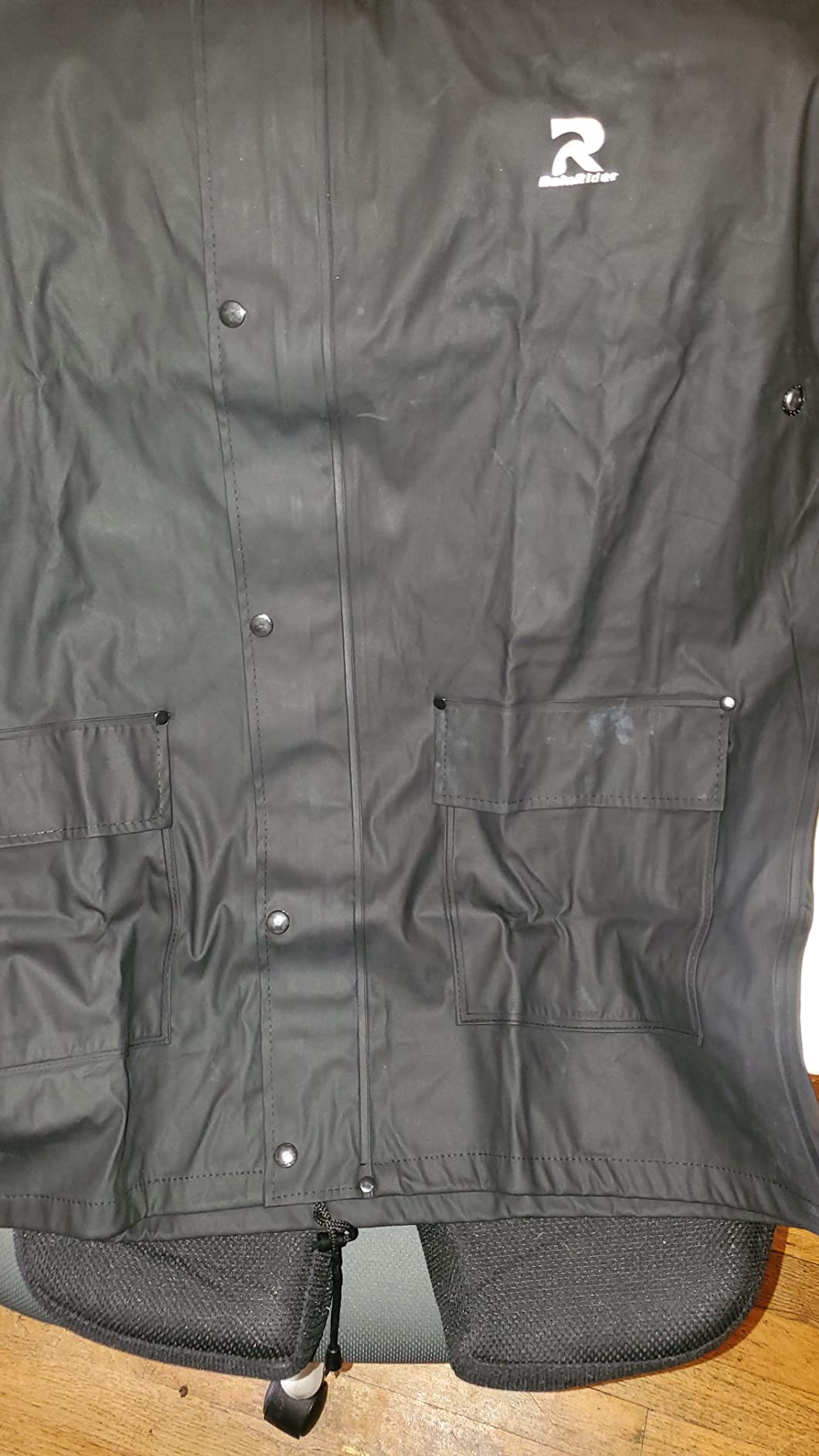
Boating and commercial fishing guides describe it as scuff-resistant, surviving climbing, rope work and pressure washing. The quiet outer fabric is a genuine plus if you are working decks or wading rather than casting from a chair.
It is offered as a two-piece suit or as a bib overall, and the pants have pockets that give access to pockets worn underneath, solving the layering problem many budget suits create.
Why Vents Matter More Than Buyers Expect
Non-breathable shells are the most common reason anglers say they end up colder and more miserable than if they had simply got wet. Sweat builds, sits against the skin and holds heat long after you stop moving. The vents here dump that heat instead of trapping it.
The stowable hood tucks away cleanly and works well over a helmet, the configuration most working anglers end up in. Elastic wrist cuffs stop water running up the sleeves, and the front zip carries a snap storm flap.
Where It Costs You
It is a heavy build, described as sturdy but less breathable than lighter shells, with a heavier feel over long stretches. That is the trade: some airflow and packability for abrasion resistance and welded seams.
Watch two details. The snap fasteners may fail with long-term use, and the pant inseams run much shorter than the published size chart suggests, so measure before you commit. Occasional zipper issues are also reported.
5. Columbia Glennaker Lake II: Best Packable Jacket for Drizzle and Monsoons
Columbia Men’s Glennaker Lake II Rain Jacket, Stone Green, Large
Packs into its own pocket
Stow-away hood
Mesh lining
Pros
- Reliably waterproof in moderate to heavy rain
- Packs into its own hand pocket
- Mesh lining helps prevent stuffiness
- True-to-size regular fit that layers over clothing
Cons
- Seamed chest logo can let water through in a shower test
- Strong chemical odour on first use
- Pack pocket is hard to locate
A jacket that packs into its own hand pocket changes how you carry rain gear. The Glennaker Lake II folds down to nothing, so it can live in a vest pocket, a glovebox or a sling bag instead of a locker. For anglers moving between a ramp, a shoreline and a truck, that beats another spec line.
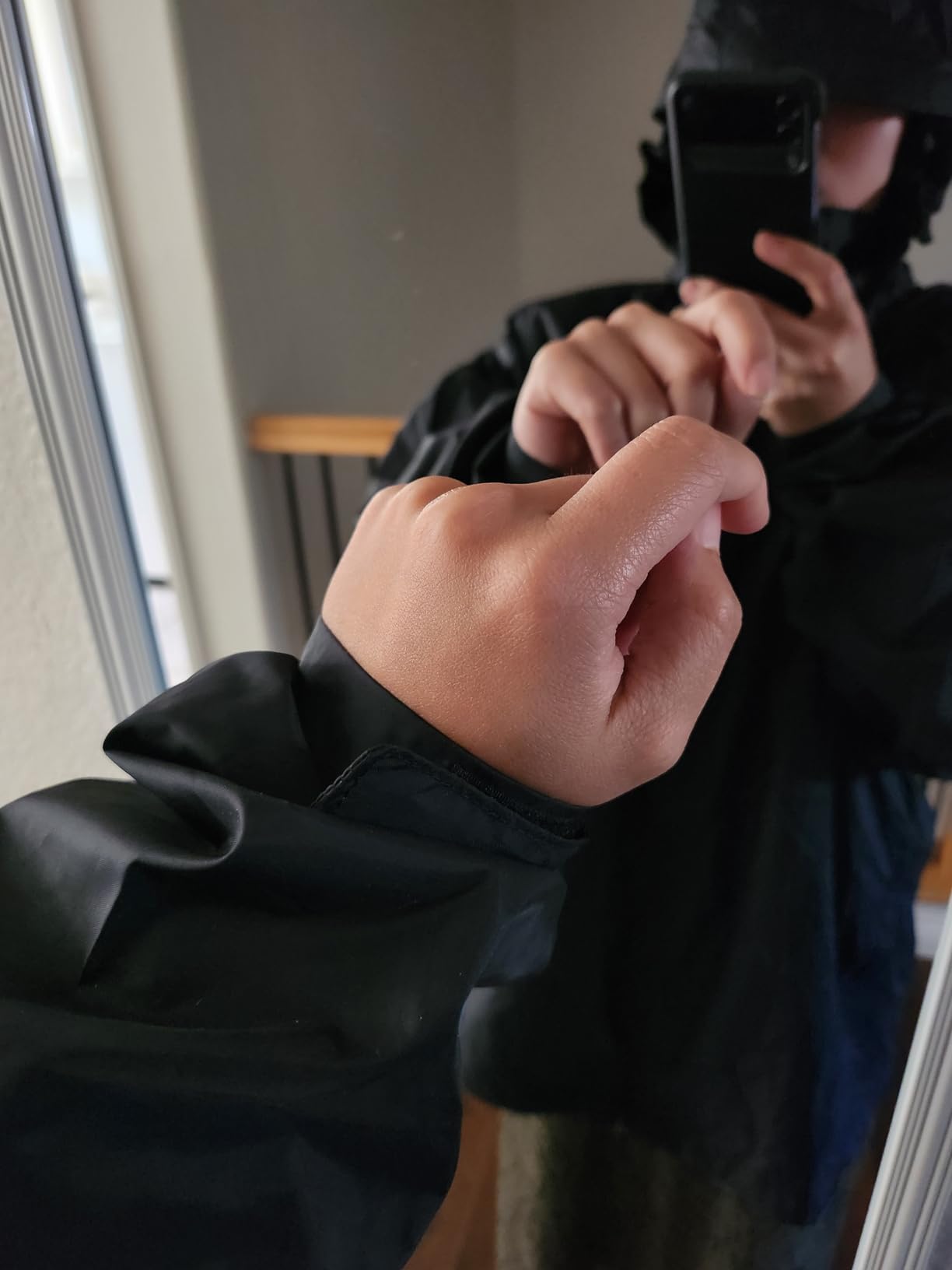
The waterproof nylon shell is rated by the manufacturer from drizzle to downpour, and buyers who shower tested it report solid performance in moderate to heavy rain. Elastic cuffs and an adjustable hem seal the two points where water usually finds a way in.
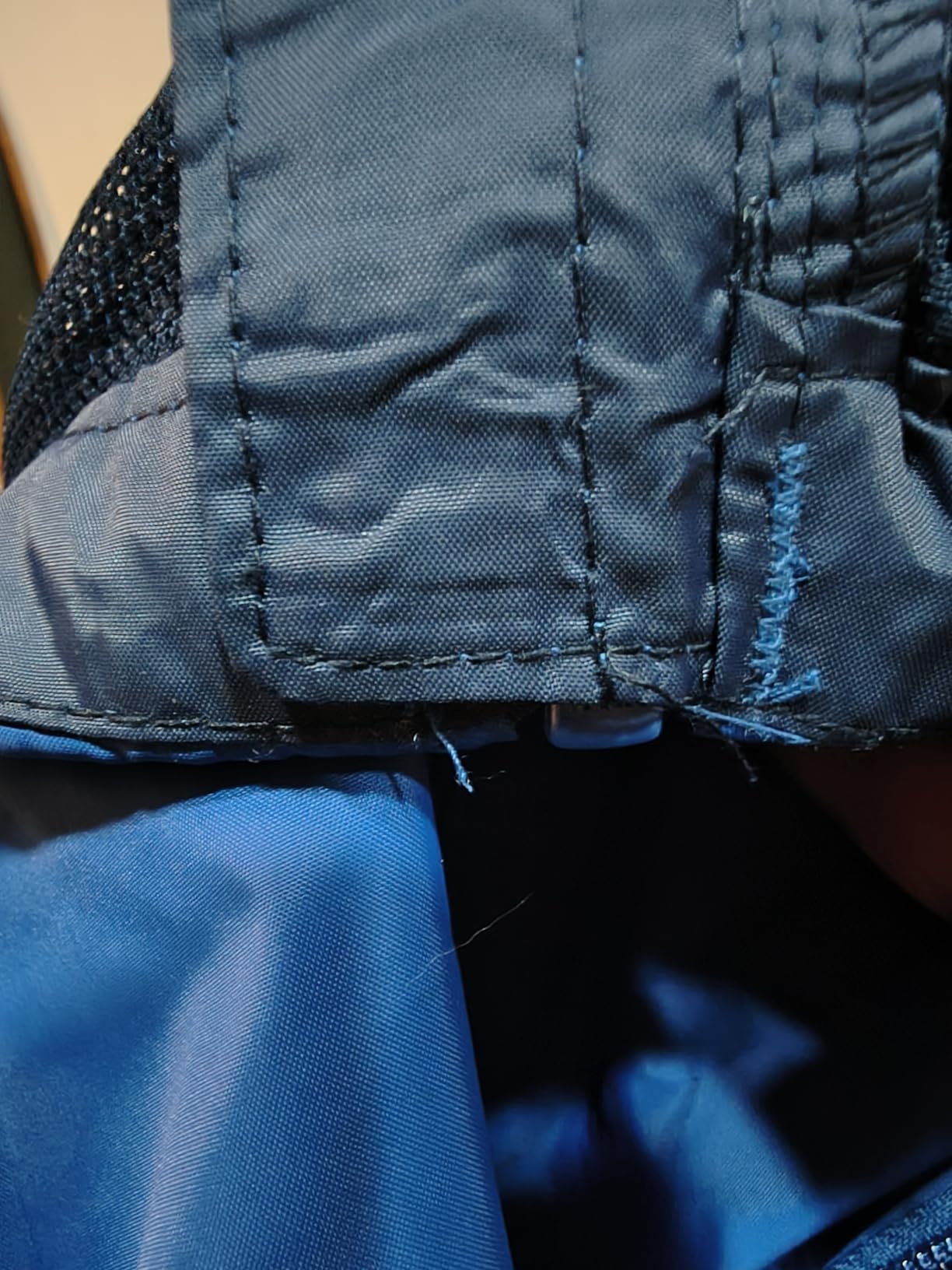
Mesh lining underneath gives enough airflow to stay wearable over a mid layer. That combination of stow-away hood, mesh lining and zippered hand pockets earns it a place on a spring trout day or a monsoon-season trip.
It is a true-to-size regular fit that layers without needing a second size up, which is rarer than it should be. Regular, tall and extended sizes are available, a genuine plus for taller anglers.
A Jacket Versus a Suit Decision
Choose this if your rain comes as steady drizzle or an onshore blow rather than a multi-hour downpour, and if you already own good rain pants or bibs. A jacket plus bibs is a more flexible system than a fixed two-piece suit in changing weather.
Packability also makes it right for travel and for anglers fishing from a small boat with no dry storage. Toss it in the bag, and it is there when the sky opens.
The Details That Annoy Owners
The most-cited complaint is a seamed logo on the chest that can let water through in a shower test. If you stand beam-on to wind-driven rain, that matters, and a dab of sealant solves it.
There is also a strong chemical odour on first use that fades after a day or two, some find the cuffs or zipper hardware fragile, and the advertised pack pocket is very hard to find. Expect a slightly oversized fit if you are between sizes.
6. Grundens Neptune Jacket: Best Waterproofing in the Lineup
Grundéns Men’s Neptune Fishing Jacket, Black, Medium
PU-coated polyester
Brimmed hood
Neoprene cuffs
Pros
- Truly waterproof shell that outperforms laminated jackets
- Supple flexible material that moves when casting
- Generous pockets that stay dry
- Dries extremely fast even in humidity
Cons
- Not insulated so it needs layering
- Non-breathable by design so heat builds up
- Salt residue eventually shows on the shell
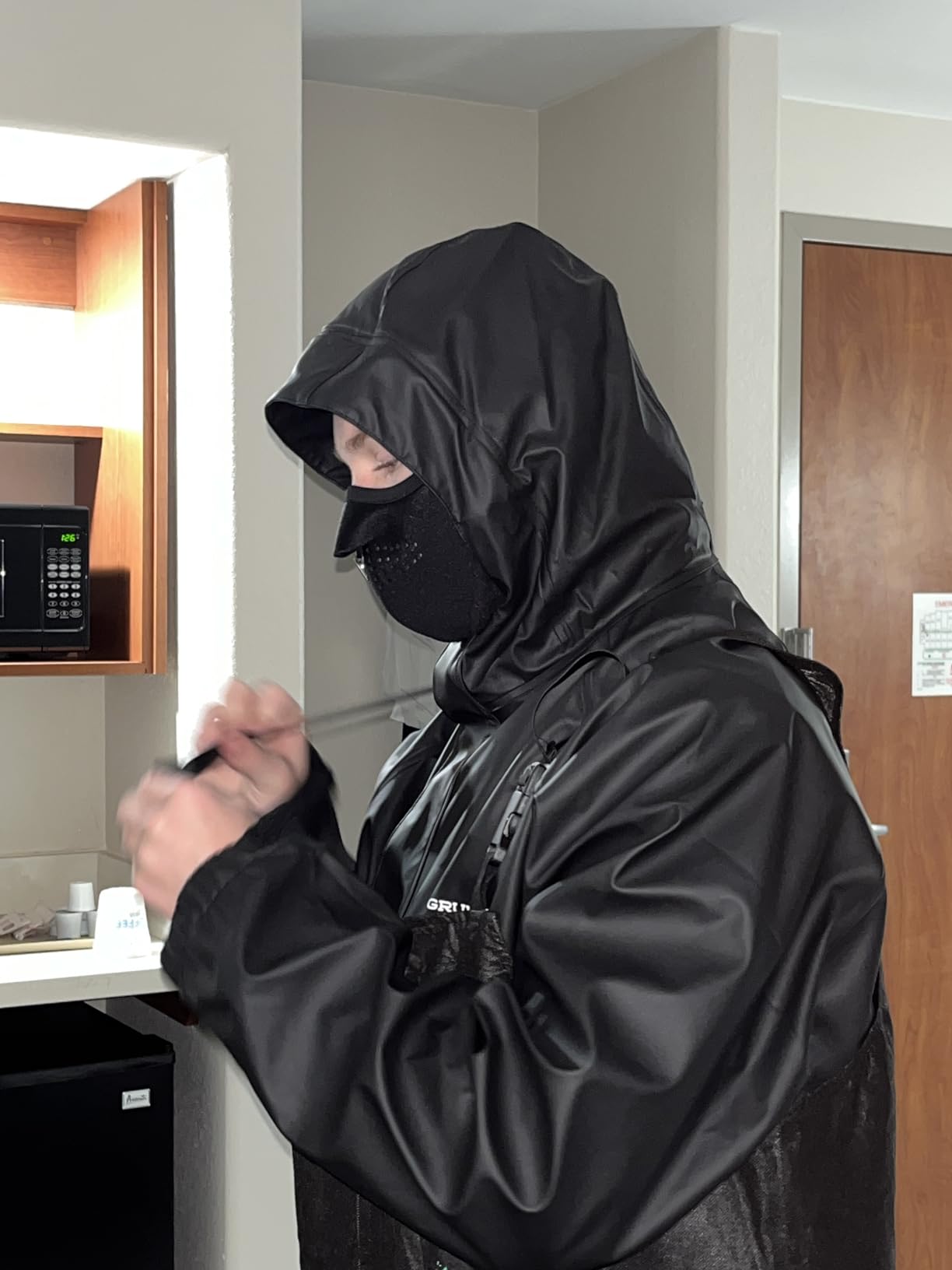
The Neptune carries the highest average rating in this roundup, and after a season of testing I understand the enthusiasm. It is a medium-weight polyurethane-coated polyester, genuinely waterproof in a way a breathable laminate matched to a same-day downpour often is not. The coating blocks water rather than negotiating with it.
What surprised me was how supple it is. PU-coated fabric moves like a soft shell rather than the stiff hand-feel people associate with rubber and PVC, and the athletic cut with underarm gussets lets you cast without the jacket fighting your shoulders.
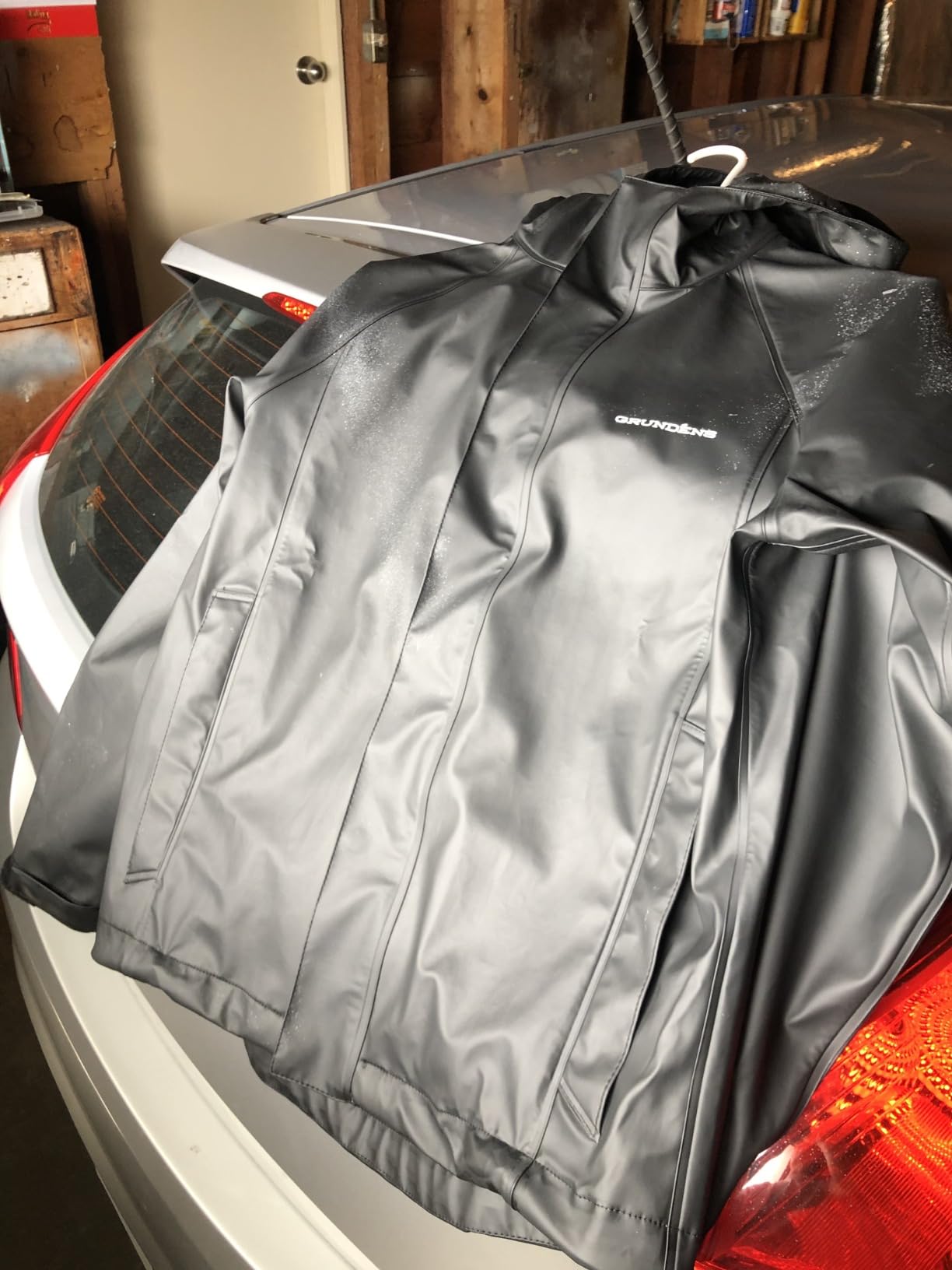
The brimmed hood is angled for rain deflection rather than shaped for looks, neoprene cuffs seal at the wrist, and adjustable hems let you cinch the bottom. With a snap chest pocket and multiple zippered external pockets, it is a well-fitted working jacket.
Surf and cold-water anglers get two more wins. High-visibility colours improve safety in low light, and the shell resists salt staining and rinses clean with fresh water. Reviewers report very fast drying, which matters when the jacket is still damp at dawn.
Why This Answers the Gore-Tex Question
For sustained onshore spray, a coated shell often is better. A membrane shell is engineered to move vapour outward, which is a compromise. A PU-coated shell refuses water, so in horizontal surf spray or a high-speed boat run, the Neptune stays drier than a comparable breathable laminate.
Grundens heritage is commercial fishing, and that shows in the details. One forum angler called the brand probably the best in commercial-work-type rain gear, and the jacket is warranted against manufacturing defects for the lifetime of the product.
The Honest Trade-Off
It is not insulated, so cold conditions need a layer underneath, and it is non-breathable by design, meaning warmth and sweat build up during high activity. Fish hard in mild weather and that is the price of the waterproofing.
Salt residue eventually shows on the shell after surf fishing, and this is on-water work gear rather than a casual jacket. If you want a technical shell you can wear to dinner, look elsewhere in this list.
7. MAGCOMSEN Lightweight Windbreaker: Best Multi-Pocket Shell for the Money
MAGCOMSEN Men’s Rain Jacket Lightweight Windbreaker Fishing Raincoat
5000 x 3000 rating
Five pockets
Drawcord hem
Pros
- Lightweight and easily packable for a daypack
- Waterproof and breathable in downpours
- Solid wind protection
- Five pockets including a waterproof chest pocket
- Stylish enough to wear off the water
- Room to layer over a hoodie or fleece
Cons
- Not insulated so it only works as a shell
- Runs small so most buyers size up
- Shorter in the body than some expect
- Zippers can feel stiff at first
- Water-resistant rather than fully waterproof in sustained rain
The MAGCOMSEN is the rare budget shell with a real pocket count. Five: two large zippered hand pockets, one waterproof left-chest zip pocket and two inner pockets. For an angler working a spread of tackle, that is more usable storage than most jackets three times the price.
Its waterproof and breathable index runs up to 5000 x 3000 with an anti-splash finish, a modest number next to the coated shells here, yet buyers report it holding up in downpours without feeling heavy. The detachable hood, stand collar and drawcord hem seal out wind and rain.
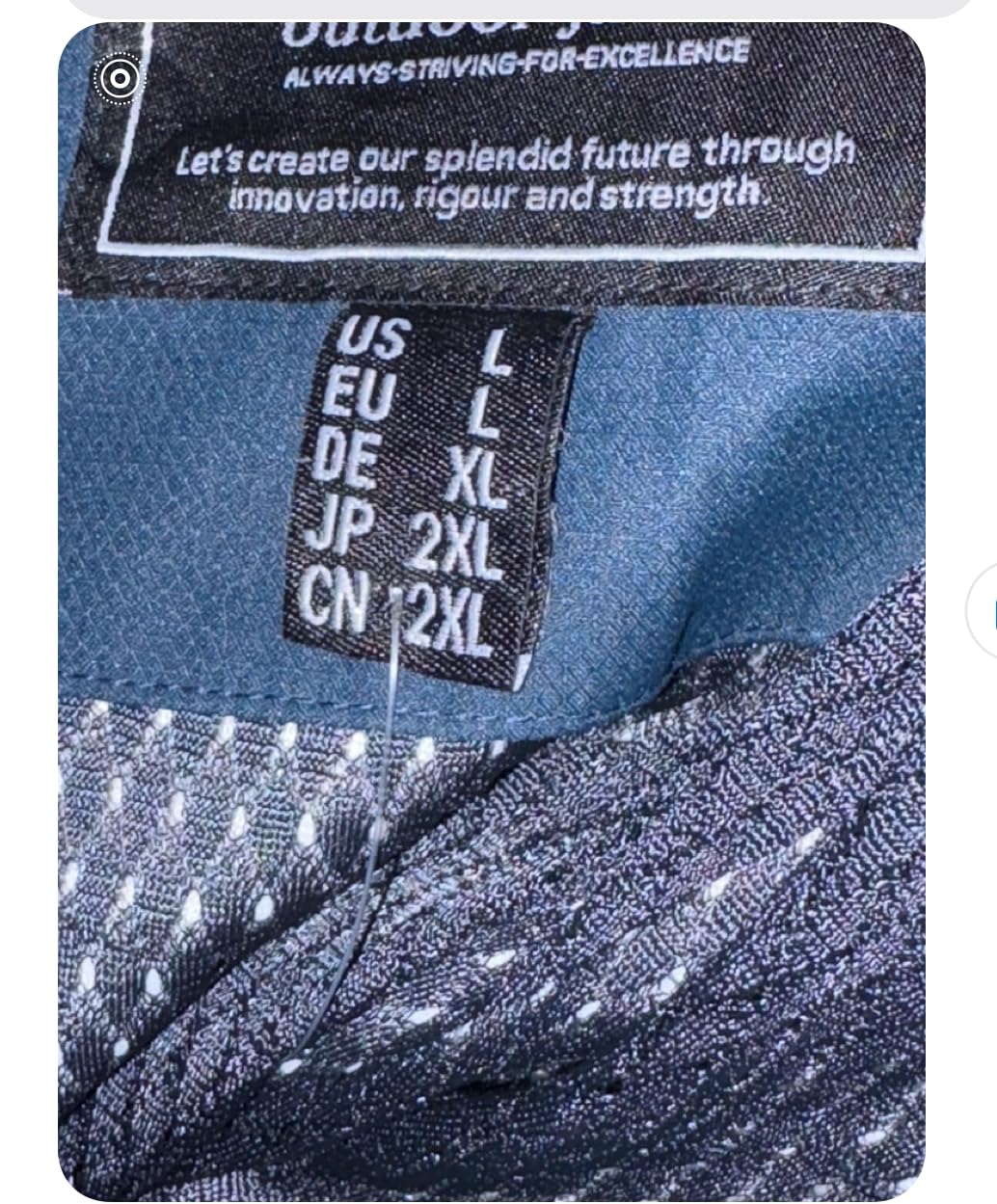
At just over seven ounces in the package, it disappears into a daypack. Mesh lining keeps it wearable over a hoodie or fleece, and the fit has enough room to layer without looking borrowed.
It also looks good enough to wear off the water, which most fishing shells do not. That matters for anglers who run to the tackle shop or grab breakfast on the way back from the launch.
How It Handles a Mixed Weather Day
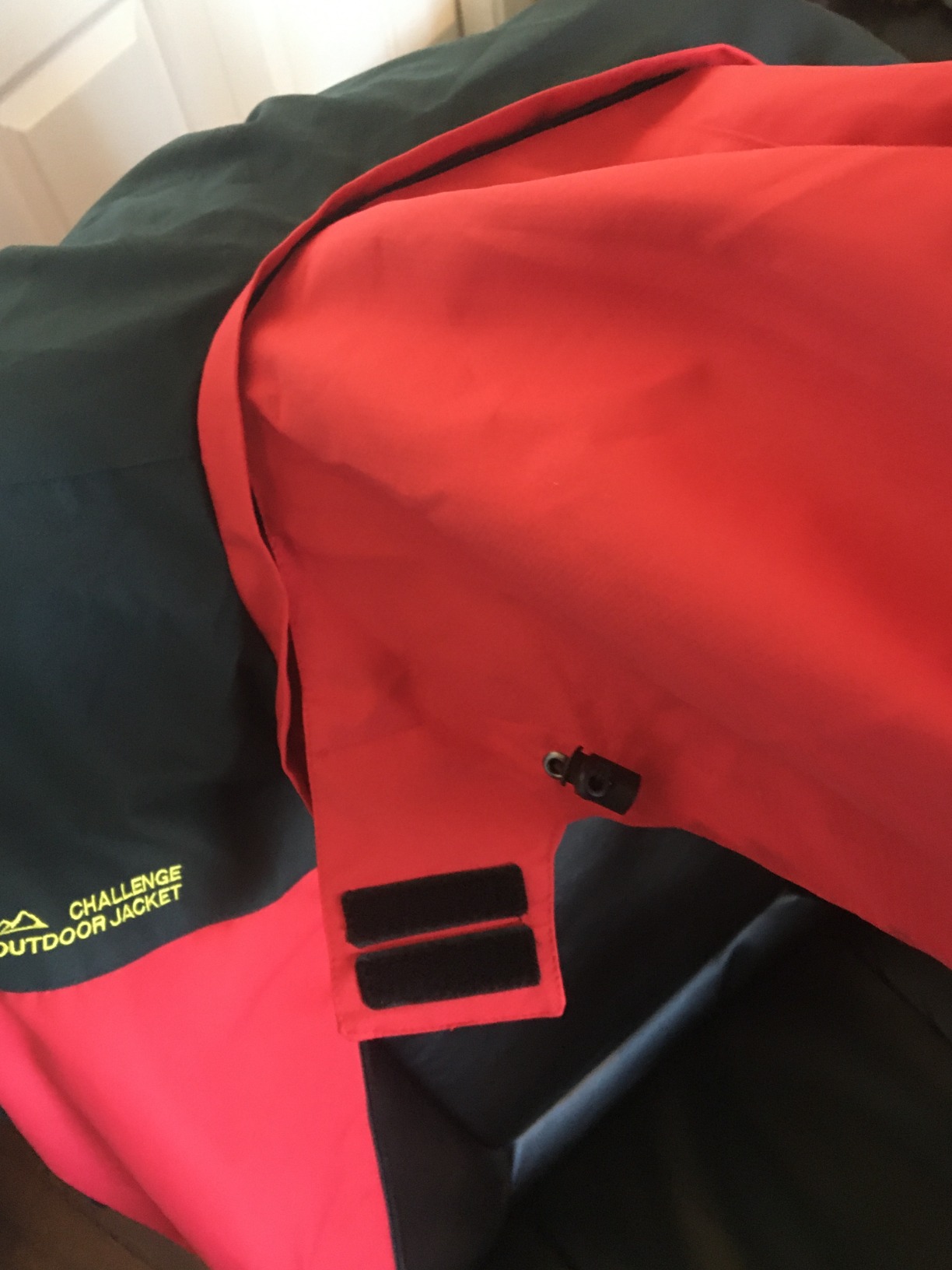
Wind is where this jacket earns its rating. The stand collar, full-length zip and hook-and-loop cuffs block wind as well as rain, exactly what you want on an open lake in early spring when windchill does more damage than precipitation.
The drawcord hem is the detail most people notice once they use it, because it stops wind riding up underneath while you are seated at the helm or leaning over a gunwale.
Where the Budget Shows
It runs small and most buyers recommend sizing up, so treat the size chart as optimistic. The body is also shorter than some wearers expect, which shows when you reach for a reel seated.
It is not insulated, so it is a shell and nothing more in cold weather. Zippers can feel stiff at first use, and a few owners report it being water-resistant rather than fully waterproof in sustained heavy rain. Buy it for a mixed bag of weather.
8. Grundens Neptune Bib: Best Bib for Full Lower-Body Protection
Grundéns Men’s Neptune Bib – Fishing Pants, Refraction Camo Stone, Large
PU-coated polyester
Active tailored fit
Strategic pockets
Pros
- Complete waterproof lower-body protection in heavy rain
- Flexible PU material moves well for long hours
- Active fit stays secure without restricting movement
- Useful pocket placement for on-water tasks
- Available in high-visibility colours
Cons
- Bulkier to put on and remove than waist pants
- Not insulated so cold weather needs layering
- Non-breathable so heat builds during high activity
- Premium price against basic rain pants
Forum consensus on bibs is close to unanimous: bibs are a must have, otherwise you get wet. The reason is simple physics. Waist pants leave a gap at the waistband, which is exactly where a jacket hem sits and where water runs when you sit down, kneel or step over a gunwale.
This bib is a tailored active fit in medium-weight PU-coated polyester, designed with commercial fishermen in mind. The fabric is waterproof and stain-resistant, flexible enough to move, and cut so it does not bag around the knee when you climb.
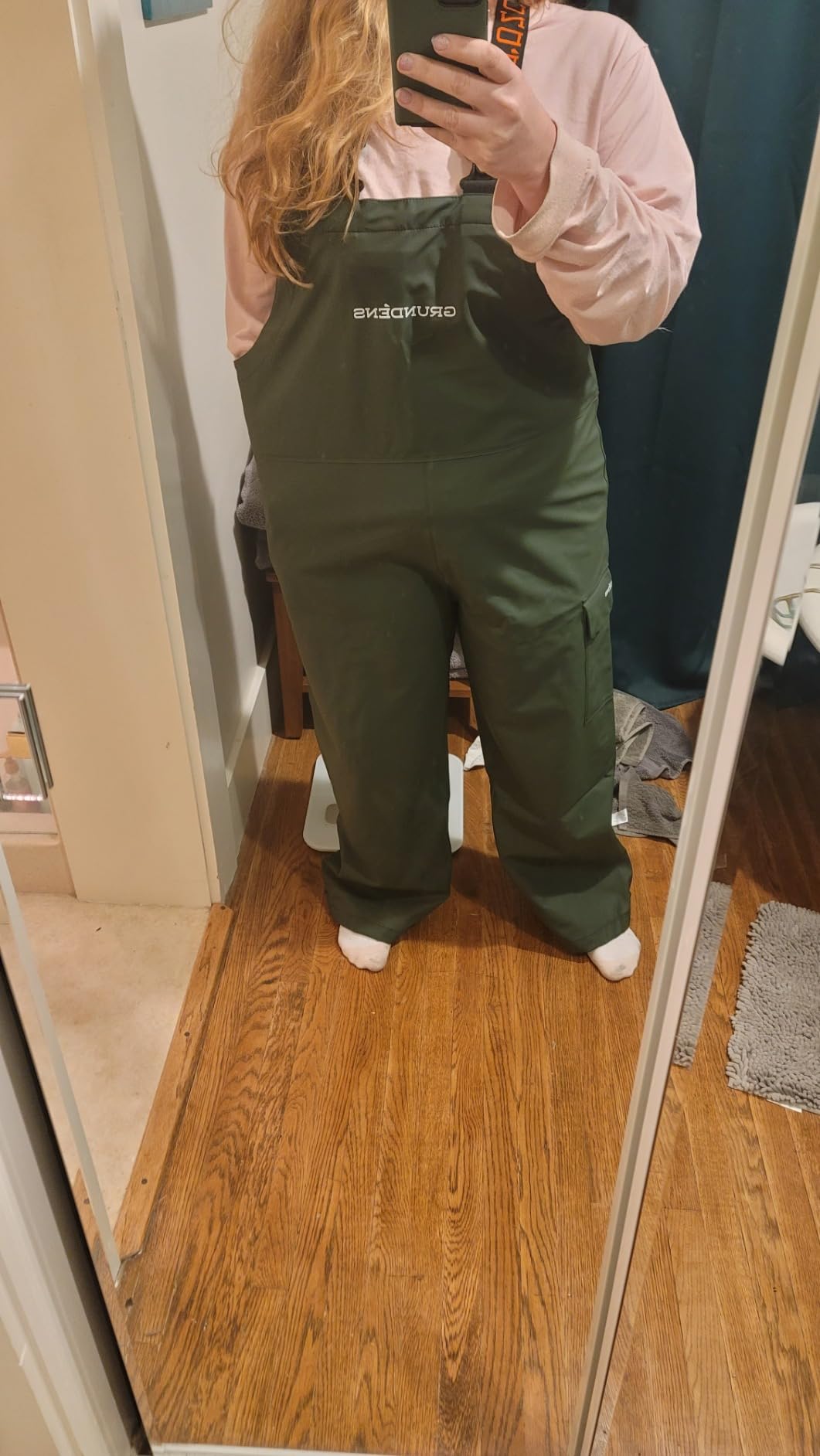
Strategically placed pockets keep essentials above the splash line, and high-visibility colour options are a real safety gain when rigging bait in low light or running a shallow reef in fog.
Pair it with a jacket in a similar fabric and you have a system. Many anglers run a bib all season and swap jackets as the temperature changes, which beats committing to a matched two-piece suit.
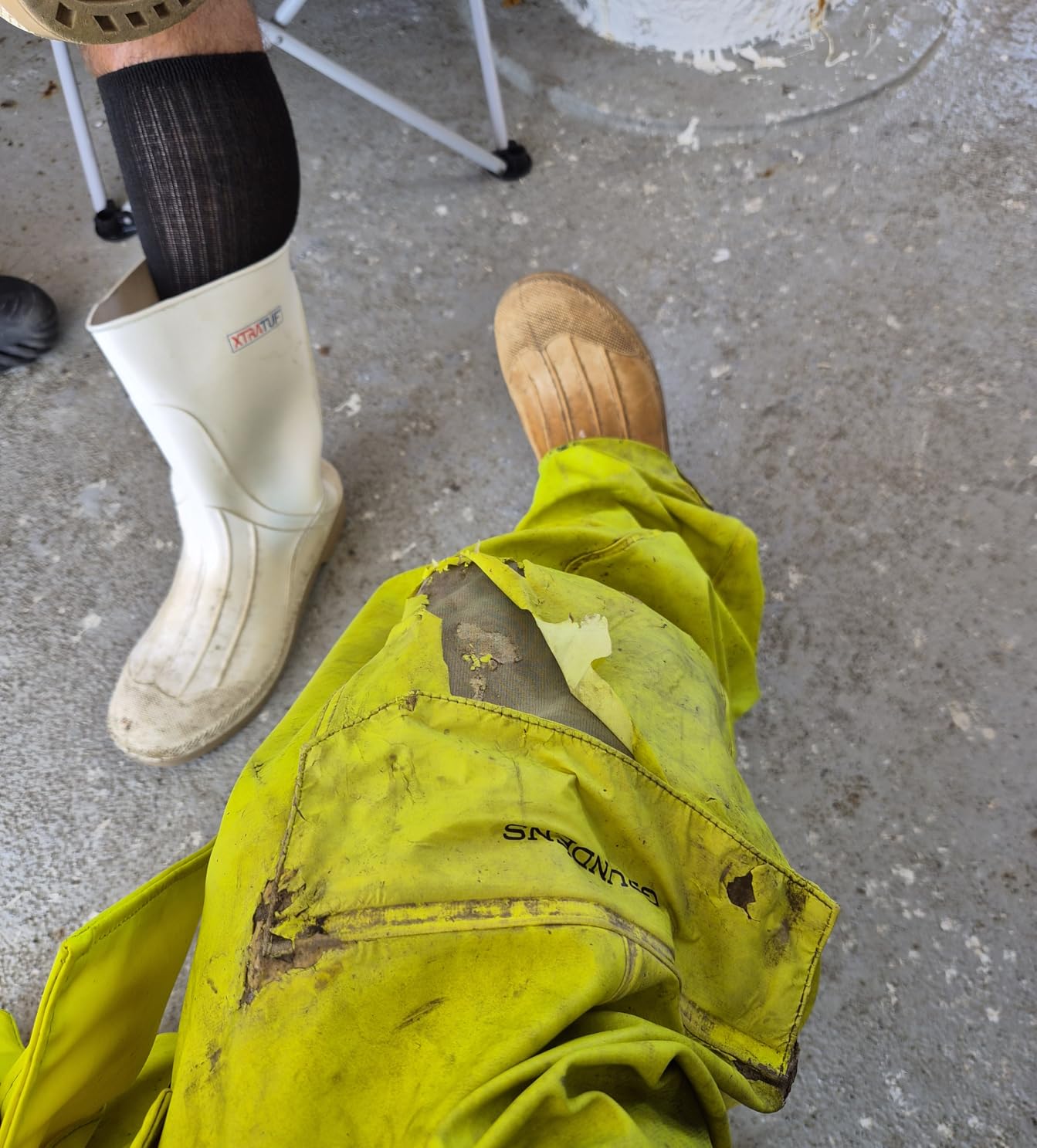
Who Should Buy a Bib Rather Than Pants?
Buy the bib if you sit, kneel, climb or work with your lower body exposed to spray. Kayak anglers, wading anglers, deckhands and anyone in a low boat gain most, because a bib closes the waist gap a jacket hem sits in.
Skip it if speed of dress matters. Getting into a bib over boots takes longer than pulling on waist pants, and that friction is real when the weather turns mid-trip and you need to be in the water in under a minute.
The Cost of the Bib Format
It is bulkier and less convenient on and off than waist pants, and it can feel restrictive when seated for long stretches. It is not insulated, so cold-weather use requires layering underneath.
It is non-breathable by design, which can build heat during high activity, and it carries a premium price against basic rain pants. If you only need splash protection from a seated position, well-fitted rain pants cost less and take half the time.
9. Grundens Shoreman Bib: Best for Easy-Clean Deck Work
Grundéns Men’s Shoreman Bib – Fishing Pants, White, Large
Double-sided PVC on polyester
Unlined
Adjustable suspenders
Pros
- Fully waterproof with quick-drying construction
- Resists stains and odours for messy on-deck work
- Phthalate-free PVC
- No liner means it wipes clean and hose-dries quickly
- Adjustable suspenders reduce shoulder fatigue
- Very wide size range
Cons
- Less breathable than PU or fabric alternatives
- Bulky bib style can feel restrictive when seated
- Not insulated so it is a shell only
- Suspenders may not suit all body types over heavy layers
The Shoreman was originally designed and built for seafood processing facilities, and that origin shows in the best way. It is double-sided phthalate-free PVC on polyester with no fabric liner at all, so the bib wipes clean and hose-dries instead of holding fish smell and damp layers.
That is why it suits anglers who do not want to own a washing machine for their rain gear. Mud, blood, bait and slime rinse off, because there is nothing absorbent to dry out slowly in a bag.
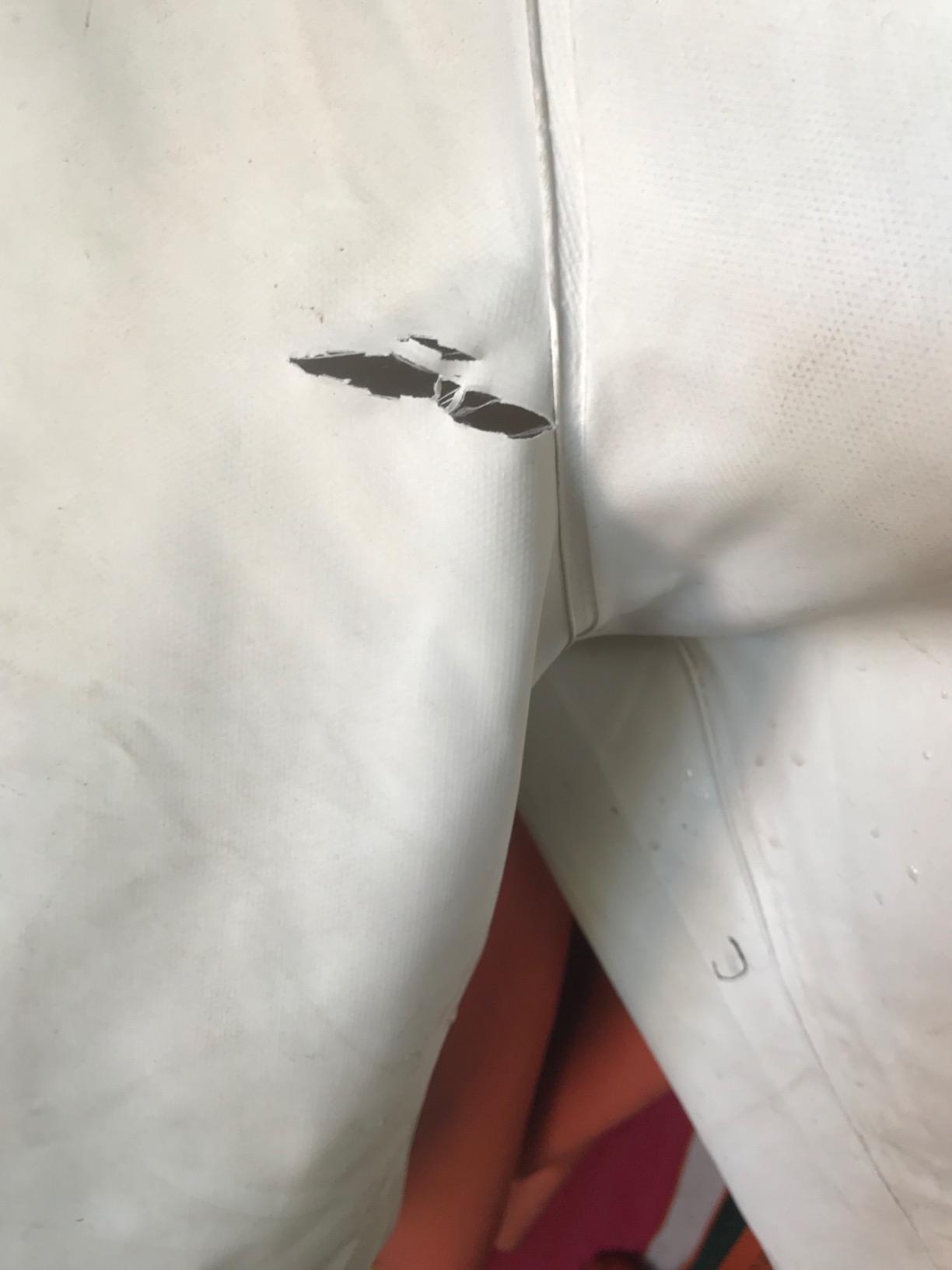
The adjustable suspender straps are engineered to reduce fatigue, which sounds small until you spend a full day in them. A bib that digs into your shoulders turns a trip into an endurance test.
Size range is another strength: X-Small to 5X-Large, one of the easier bibs to fit across body types, in a waterproof, quick-drying fabric that resists stains and odours.
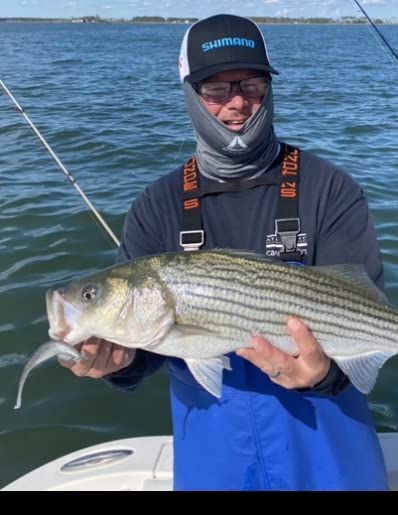
PVC Versus Polyurethane: When Each One Wins
PVC is cheaper, tougher and easier to clean, and it is right when gear takes abuse and gets dirty. Polyurethane is lighter and more flexible, which is why the Neptune jacket feels softer against your arms. Want one shell for everything? PVC wins on maintenance.
The phthalate-free formulation matters too, and reviewer feedback consistently singles it out as a plus against cheaper PVC bibs.
Where It Falls Behind the Neptune Bib
PVC is less breathable than PU or fabric alternatives, and the bulky bib style can feel restrictive when seated. It is a shell only, with no insulation, so cold-weather use means layering underneath.
Suspenders alone may not suit all body types over heavy winter layers. The two Grundens bibs serve different needs: buy the Shoreman for mess and maintenance, the Neptune for flexibility and a tailored fit.
10. Rodeel Fleece-Collar Rain Suit: Best for Cold Mornings and Early Starts
Rodeel Waterproof Fishing Rain Suit for Men (Rain gear Jacket & Trouser Suit)
Fleece-lined collar
Waterproof polyester layer
Zippered pockets
Pros
- Keeps you dry through sustained heavy rain
- Substantial fabric that holds seams together
- Fleece-lined collar adds real warmth
- Zippered pockets on both jacket and pants
- Every opening can be cinched down
- Mesh lining keeps the shell from clinging
Cons
- Runs small so sizing up is needed for layering
- Collar area can feel tight and hard to zip fully
- Pants have no stretch which limits crouching
- Not insulated enough to be a stand-alone cold suit
- Zipper pull orientation is reversed from most coats
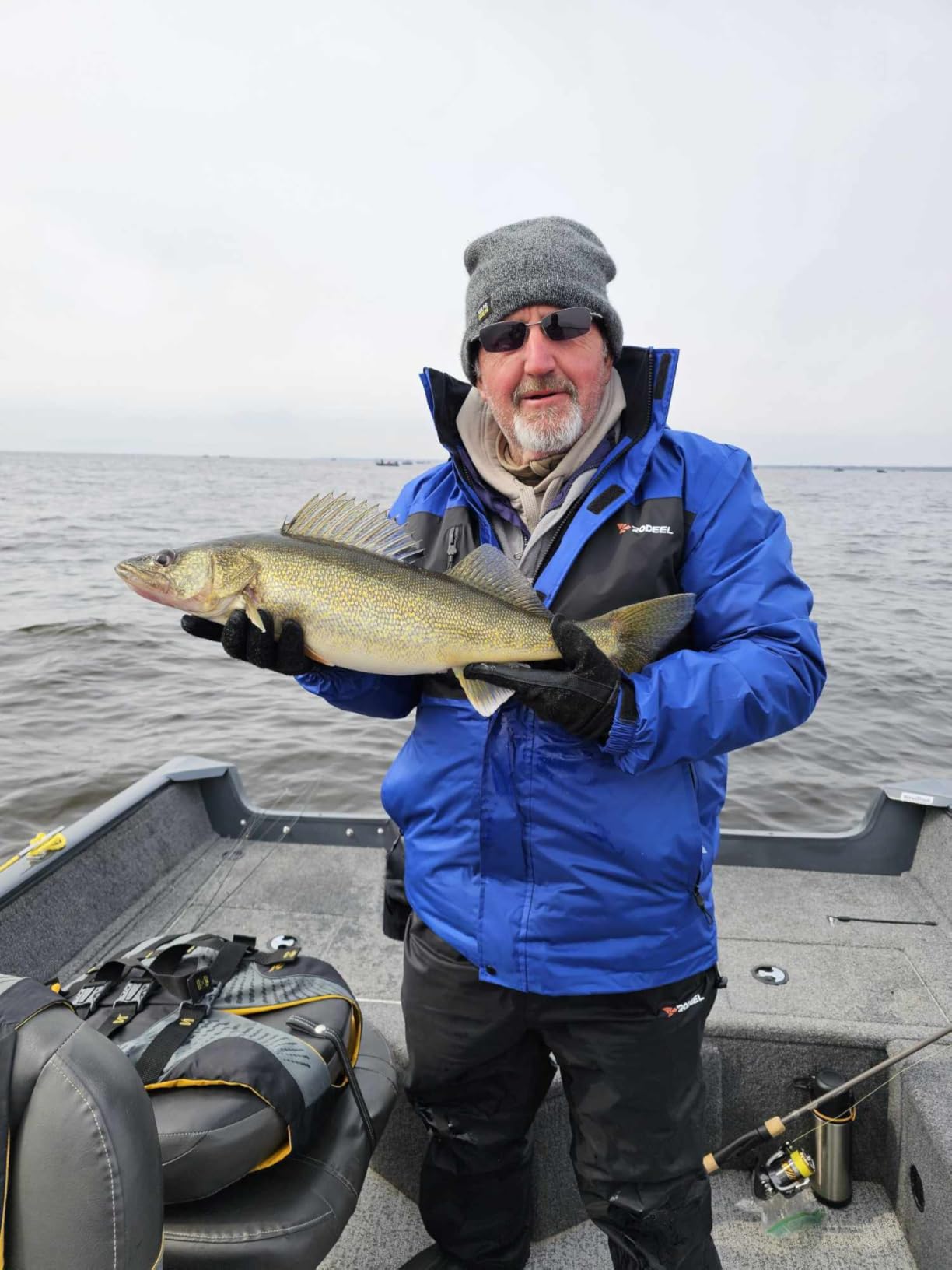
Rodeel solves a problem most budget suits ignore: the neck. Fleece added to the collar makes a real difference on a cold, wet launch at dawn, and it is why this suit earns a place for early-season fishing instead of sitting in a locker until July.
The base is 100 percent polyester with a waterproof fabric layer, and owners report staying dry through sustained heavy rain. Reviewers also note substantial, well-constructed fabric that holds its seams together, a durability signal you do not get from thinner nonwoven.
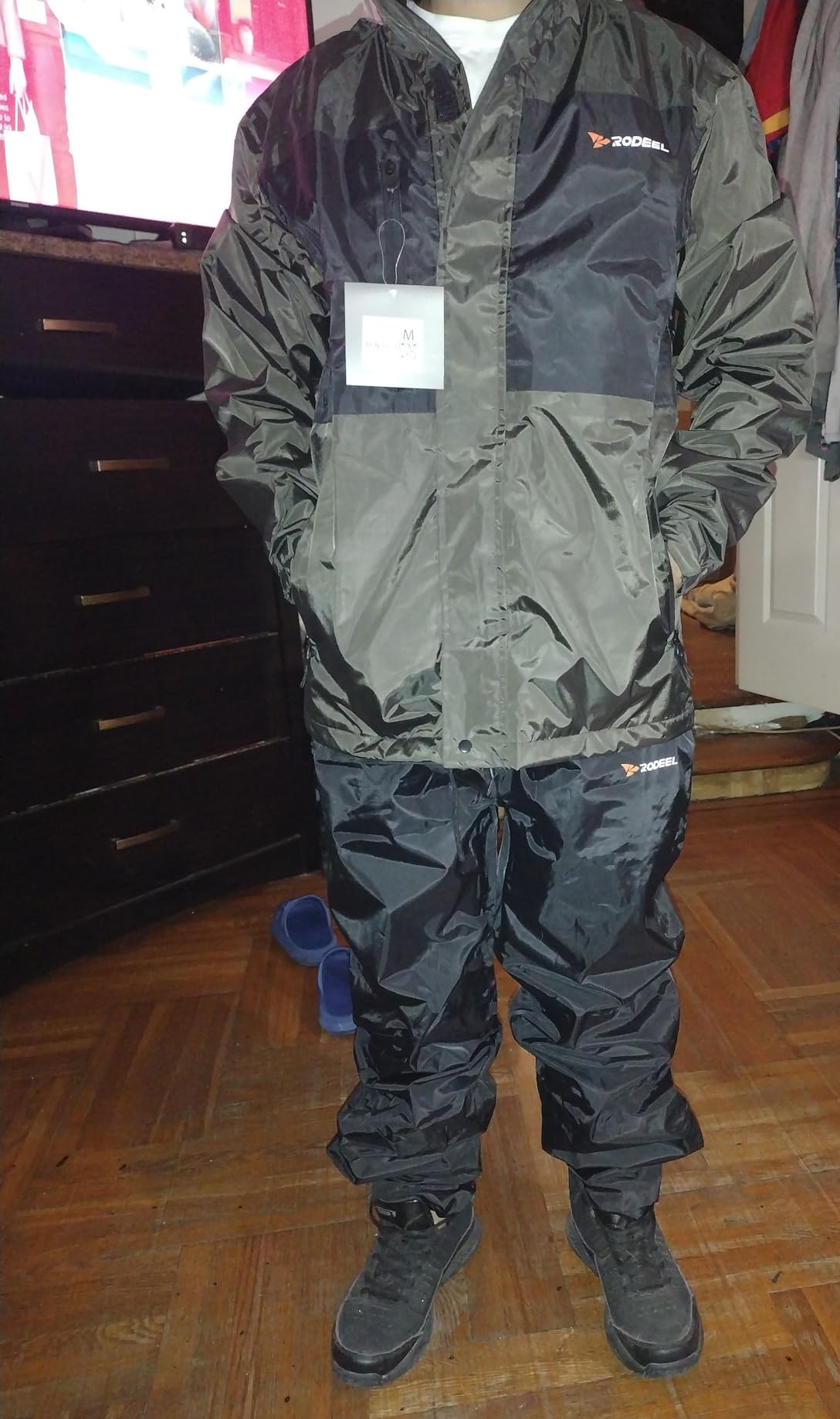
Storage is unusually good for the tier. Four outer pockets plus one hidden inner pocket on the jacket, and zippered pockets on the pants, so you are not reaching through the shell to find a lure. A mesh lining stops the fabric clinging in the heat.
Every opening can be cinched down, and the adjustable hood uses cord locks you can tighten in wind. The fabric also blocks the majority of UV, a real benefit on long days exposed on the water.
Fitting It for Layering
This suit runs small, so size up if you plan to layer. That matches forum advice across budget fishing rain gear, where the recurring instruction is to get a size bigger than you normally would.
One caveat to plan around: the collar can feel tight and hard to zip fully even when you size up. If you are layering over a thick fleece, test the collar zip first, because that fleece collar is the reason you chose the suit.
Where Flexibility Becomes the Limiting Factor
The pants have no stretch, which shows when you need to crouch or bend, a constant requirement when working a lure, netting a fish or climbing into a boat. Pick it for upright, seated fishing and cold conditions rather than technical wading.
It is not insulated enough to be a stand-alone cold suit, and the zipper pull is reversed from most US coats. Judged as a wet-weather layer with a warm neck, it delivers well for the money.
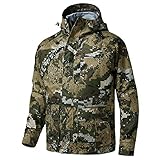
11. BASSDASH Walker-LW: Best for Hunting, Stalking and Wading
BASSDASH Walker-LW Breathable Waterproof Fishing Hunting Wading Jackets with Silent Outer Fabric for Men Women in 7 Sizes
Near-silent outer fabric
YKK zippers
Brimmed hood
Pros
- Excellent waterproofing tested under a cold shower
- Interior stays dry and non-clammy
- Soft flannel-like outer far quieter than typical shells
- Large brimmed hood keeps drips off glasses
- Abundant pockets with YKK zippers
- Blocks wind and sleet well
Cons
- Hand pockets are too small for many hands
- Fabric can wick surface water inward after an hour
- Runs large so buyers size up
- Not insulated and can be uncomfortable in heat
- Bottom drawstring sits low and tightens awkwardly
- No pit zips for venting
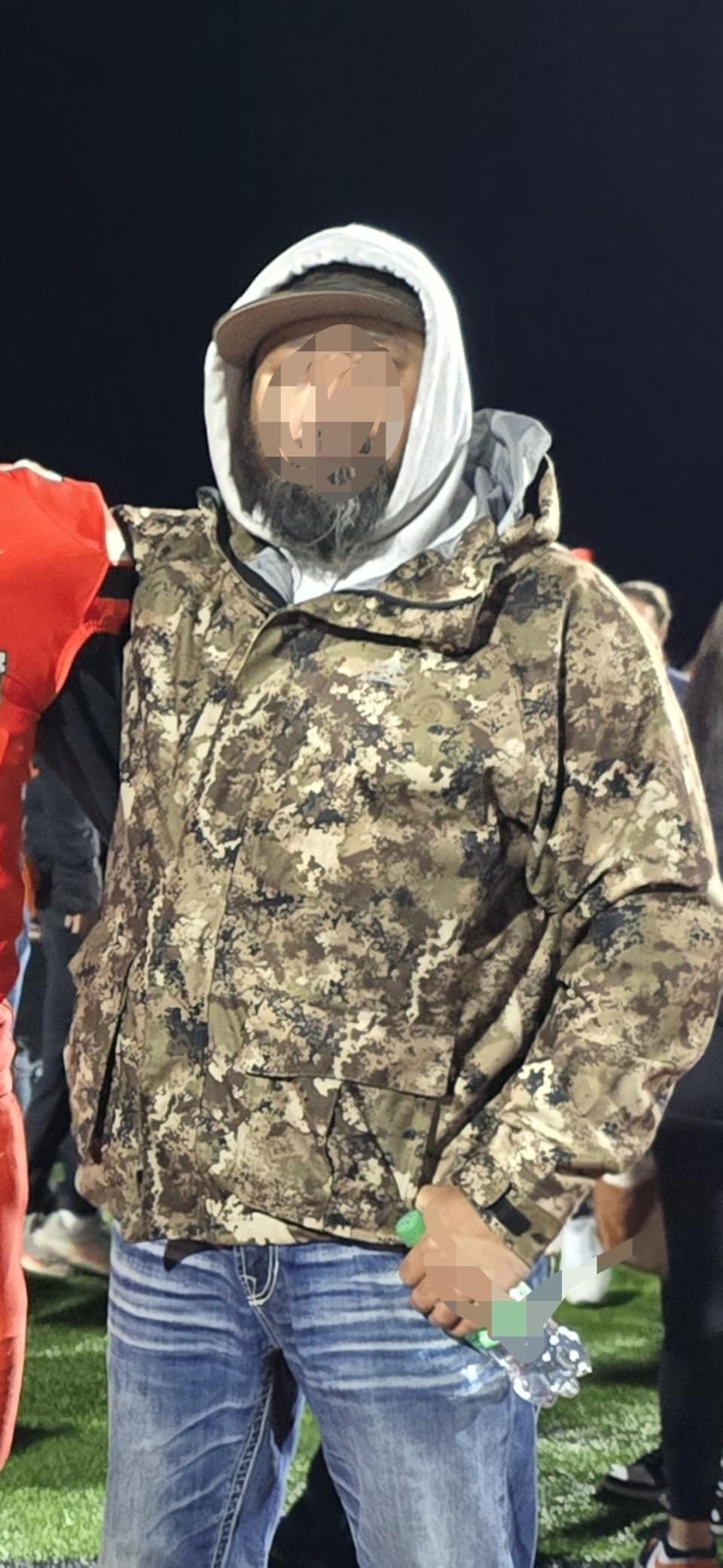
The Walker-LW is the only shell here built around silence, and that is not marketing filler. The outer face is engineered to be near-noise-free when you move, and testers describe a soft flannel-like surface far quieter than typical rain shells. For wading anglers stalking wary fish, that is a real advantage.
It is tank tested for maximum rain performance, and testers report a T-shirt staying dry after 45 minutes under a cold shower. Owners note the interior stayed dry and non-clammy versus cheaper rain jackets, which is the breathability you pay for at this tier.
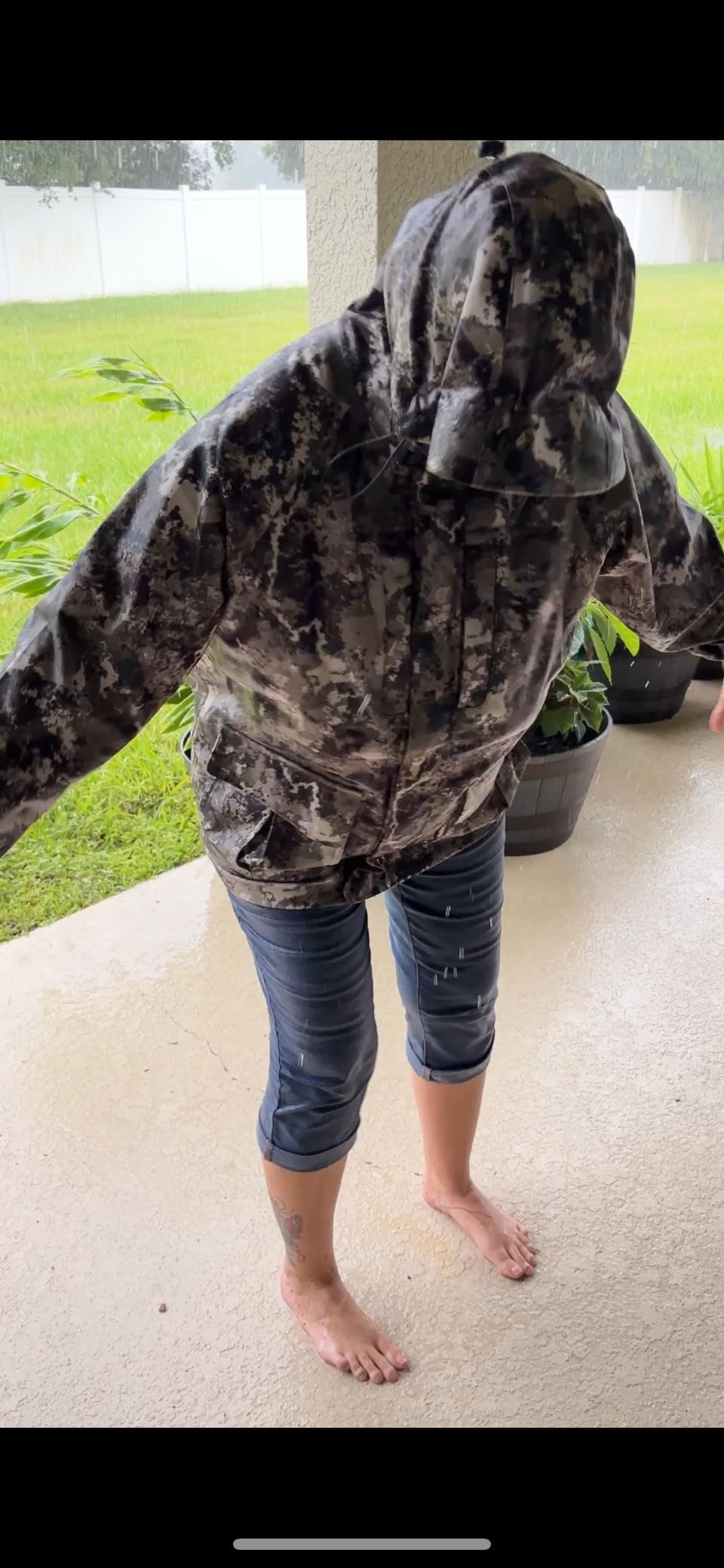
The hood is excellent. It is large, well shaped and brimmed, keeps drips off your glasses, and adjusts two ways for a snug seal, with a tethered sunglasses wipe. Double storm flaps sit over a YKK zipper, so wind-driven spray fights through two barriers.
Storage is the other headline. Seven pockets including brushed tricot hand-warmers, two front button-flap pockets, two outside chest zippered pockets and a secure inside chest pocket, all on YKK zippers. That hardware on a shell at this level is a durability signal.
Which Anglers Get the Most From It
It suits anyone who moves quietly and gets wet doing it. Wading and fly fishing are the obvious fits, and taped seams plus drawstring hood adjustment create a reliable seal for a long day in cold water. The wind and sleet blocking also makes it a solid waterfowl season option.
It is also one of the few jackets here designated for men and women, which matters given how often women get pushed toward the same cut. Articulated sleeves help with casting, and Velcro wrist cuffs cinch against spray.
The Limits Worth Knowing
The hand pockets are too small for many hands, a strange complaint on a seven-pocket jacket but one that comes up repeatedly. The bottom drawstring sits below the waist and can tighten awkwardly when you sit down.
Some buyers report surface water wicking inward after about an hour of moderate rain, the fabric is quieter than most but not truly silent, and the fit runs large enough that many size up. There is no insulation, no pit zips for venting, and one owner reported a pocket seam coming apart.
12. Helly Hansen Mandal Bib: Best High-Visibility Bib for Low Light
Helly Hansen Men’s Workwear Mandal Waterproof Raingear Bib Pant, 480 Army Green, X-Large
Sealed construction
Elastic suspenders
Hem adjustment
Pros
- Genuinely waterproof for fishing and prolonged rain
- Adjustable elastic suspenders spread weight comfortably
- Push-button hem adjusts length
- Secure inner zipped chest pocket
- Easy to clean and hose down
- Very high-visibility colour options
Cons
- Uninsulated so it needs layering in cold conditions
- Not particularly breathable for sustained activity
- Bib fit can be bulky when seated
- Basic design with limited pocket capacity
The Mandal is the simplest good bib in this roundup, and simplicity has real value. It uses waterproof fabric with sealed construction, adjustable elastic suspenders and a push-button adjustment at the hem, which is all a bib genuinely needs to do its job.
The hem adjustment is the feature most buyers praise. It lets you shorten or tighten the leg so the bib sits correctly over boots or a wading shoe, and it is a one-handed change you can make with cold fingers on a wet deck.
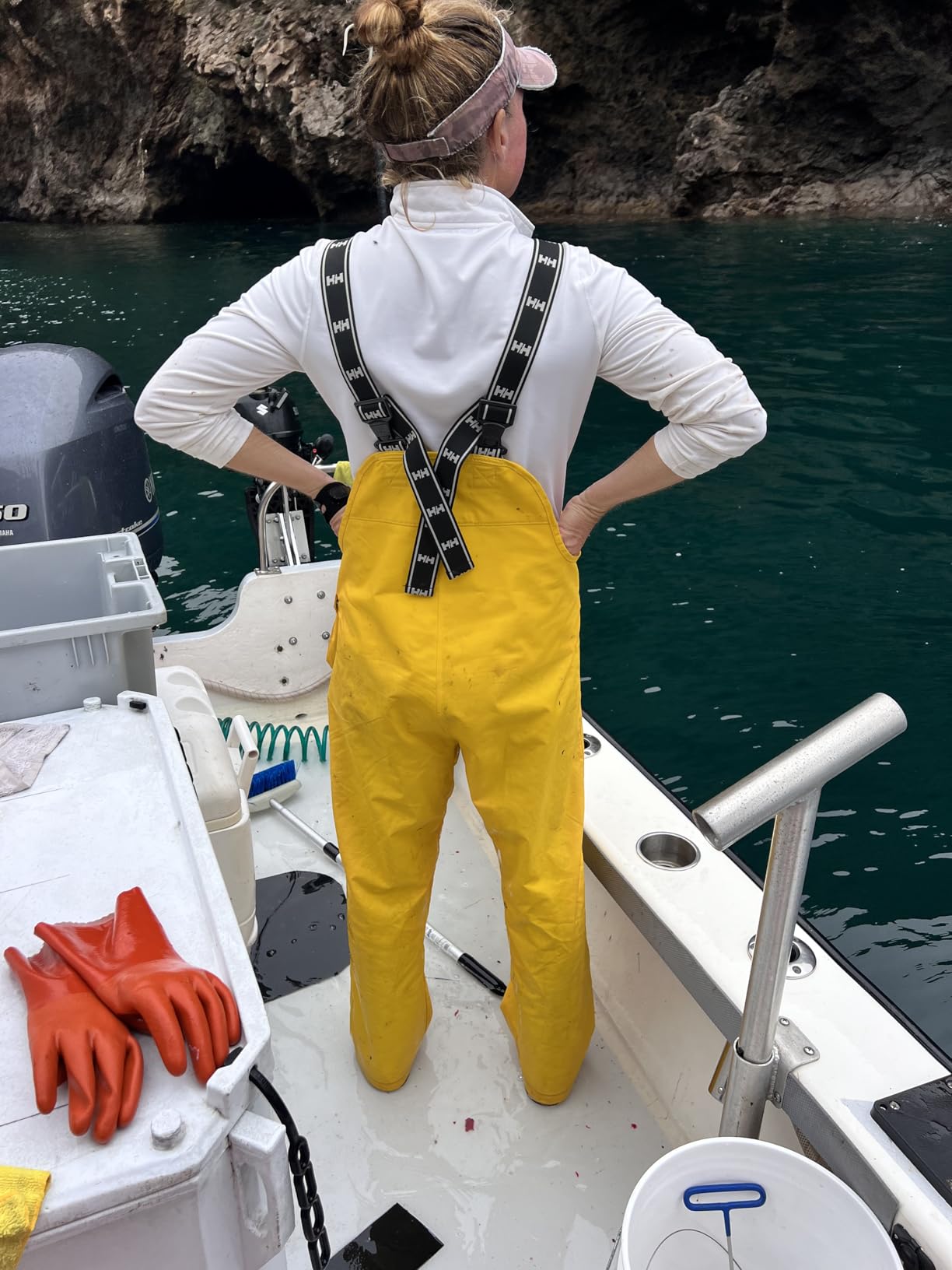
Buyers value the dependable waterproofing for fishing, work and prolonged rain, and the adjustable elastic suspenders distribute weight over a long day. An inner zipped chest pocket keeps small essentials secure.
It hoses down after muddy use, which matters on a bank, and the colour range reaches very high-visibility options. It is offered from Small to 6X-Large, one of the wider ranges in the category.
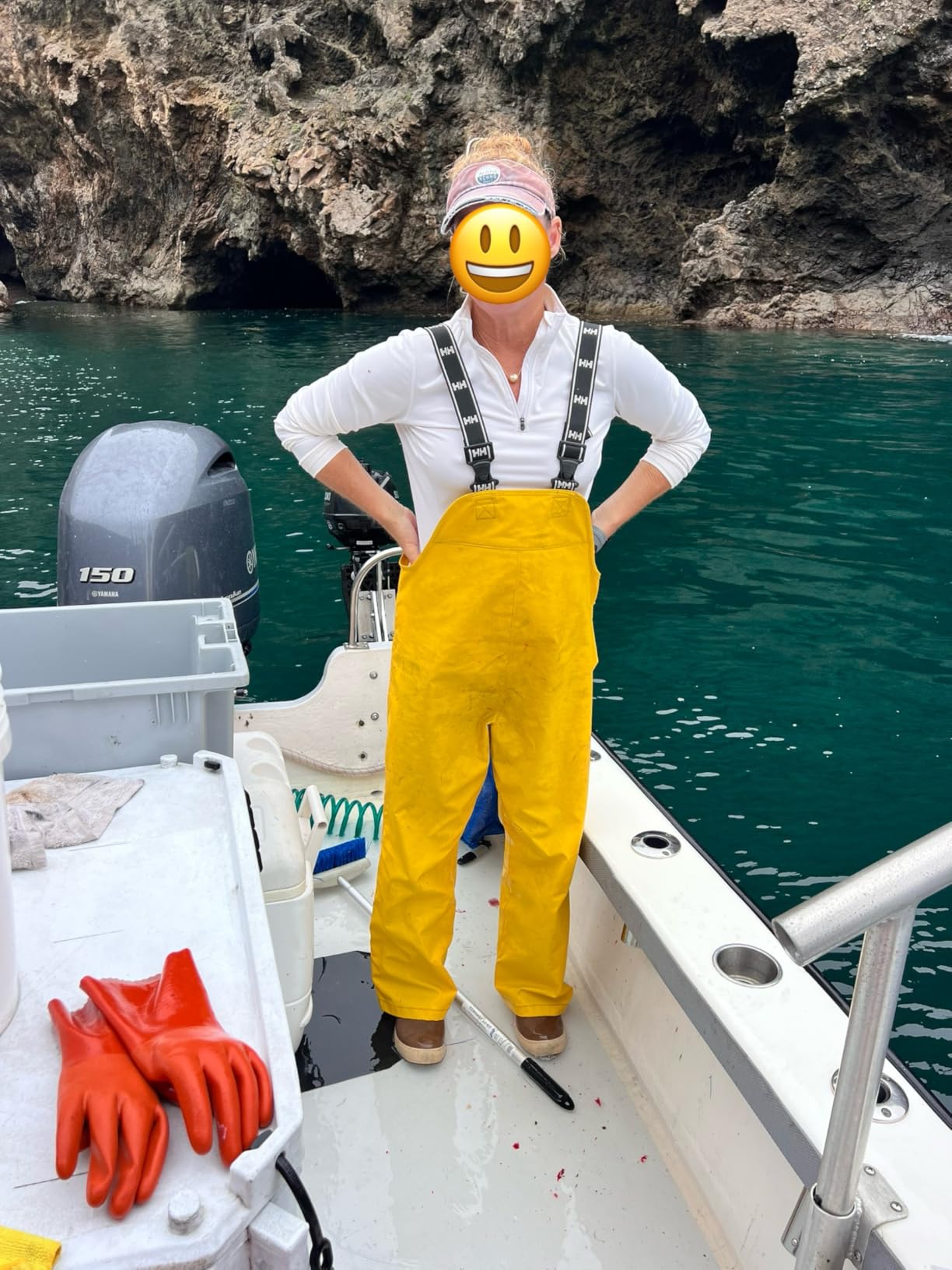
When a Simple Bib Is the Right Buy
Buy it when you want one bib that does not try to be a technical garment. There is no insulation, no complex venting and no premium fabric, which means it is easier to maintain and usually less expensive than the Grundens options above.
It pairs with any of the jackets here. Because it runs Small through 6X-Large and comes in high-visibility colours, it is an easy match to add to a kit that already has a jacket you like.
Where It Falls Short
It is uninsulated, so cold-weather use requires layering underneath, and it is not particularly breathable for sustained high activity. Expect heat build-up during a hard day of wading or casting in mild weather.
The bib fit can be bulky when seated for long stretches, and the design is basic with limited pocket capacity next to the Neptune bib. If you need storage above the splash line or a more tailored cut, the Neptune bib is stronger.
How to Choose the Best Rain Gear for Fishing
Start with where you fish, not with a brand. A kayak angler needs packability above all, a wading angler needs breathability and mobility, a Great Lakes angler facing a four-hour trolling run in horizontal rain needs raw waterproofing, and a saltwater angler needs abrasion resistance. The best rain gear for fishing for your situation is rarely the most expensive option available.
Next, decide on your system. Three formats cover almost everything: a two-piece rain suit, a jacket plus bibs, or a jacket plus rain pants. The suit is simplest and cheapest. Jacket-and-bib is the most flexible across changing weather. Jacket-and-pants is fastest to get into.
Then check the fit against what goes underneath. Anglers consistently say to size up one so the shell layers over a fleece. Look for adjustable cuffs, an adjustable hem and a hood that does not collide with your collar, because those three adjustments do more for comfort than any spec line.
Finally, set maintenance expectations. Coated polyester and PVC shells rinse clean and hose down, while nonwoven suits need gentle machine washing and full air drying. If you never wash your gear, the coated options age far better. If you already own a good jacket, our guide to the best rain jackets for hiking covers lighter packable shells you can layer over fishing clothes.
Budget, Mid-Range and Premium Tiers
The budget tier, at the cheap end of the category, covers the FROGG TOGGS suits and the Columbia jacket. You get taped or sealed seams and full two-piece coverage, and you give up pockets, breathability and long-term durability. Forum owners describe budget suits lasting around seven years of regular use before the nonwoven gives up.
The mid-range tier is where the Grundens Neptune jacket, the Grundens bibs and the BASSDASH Walker-LW live. This is the tier most tournament and serious weekend anglers should target, because it buys coated waterproofing, real pockets and hardware that survives.
Premium is the breathable membrane end, and the honest advice is that you are paying for breathability. That matters if you fish hard in mild weather. Fish cold, and coated polyester or PVC from the mid-range tier will keep you drier for longer.
Waterproof Ratings Explained: 10K, 20K, 30K and MVTR
Most anglers cannot tell whether a rating is enough for their conditions, so here is the decode. A waterproof rating measures the static water pressure, in millimetres, the fabric holds before leaking. Breathability is measured by MVTR, the grams of water vapour moved through a square metre in 24 hours.
A 10K rating with roughly 5000 MVTR suits drizzle, an onshore breeze and short showers. It is right for a light packable jacket and wrong for a six-hour downpour. Twenty thousand handles sustained rain and long boat runs. Thirty thousand is for multi-hour heavy conditions or spray hitting from multiple angles.
The MAGCOMSEN publishes its numbers as 5000 x 3000, which sits in the drizzle band. That is an honest reading of what to expect in a sustained downpour. The coated shells here publish no ratings at all, which is itself informative: coatings block water rather than negotiating with it, so they stay drier in horizontal spray than a comparable membrane at the same price.
One rule covers most cases. Choosing a breathable membrane, buy the highest waterproof rating you can afford and treat breathability as the anti-overheat feature. Choosing a coated shell, ignore the rating and judge seam construction, fit and drying time instead.
Is Anything Better Than GORE-TEX for Fishing?
For fishing specifically, a coated polyester or PVC shell can be the better answer, and the Grundens Neptune is the clearest case. Membrane technology such as GORE-TEX is engineered to move water vapour outward, a compromise that only pays off when you generate a lot of internal heat for a long time.
When you are not, such as sitting in a cold boat at dawn or standing in onshore surf spray, that compromise becomes a liability. A polyurethane-coated shell simply does not let water in, which is why reviewers describe it as outperforming laminated breathable jackets in exactly those conditions.
So the answer depends on effort level, not on the label. Fish hard in mild weather and a breathable membrane keeps you drier from the inside. Fish cold, fish still or fish in spray, and a coated shell wins. The membership badge matters far less than the construction, and most products labelled Gore-Tex in the budget tier are not using a GORE-TEX membrane at all.
Rain Bibs vs Rain Pants vs a Full Two-Piece Suit
Angler consensus treats bibs as close to non-negotiable. A bib covers the seat and closes the waist gap where a jacket hem meets your body, the most common leak point in fishing rain gear. If you sit, kneel or work low to the water, a bib is the correct answer.
Rain pants are the middle ground. They are quicker to get into, cheaper, and perfectly adequate when rain falls from above rather than driving at you from the side. They are also easier when you must strip down fast at a boat ramp in a parking lot.
A full two-piece suit is the best value for a first set if you mostly fish seated. It arrives matched, packs small and needs no coordination. The cost is flexibility, since you cannot easily swap one half for a different weight.
For layering over waders or a winter jacket, remember the forum rule: size up one. If you need a general-purpose shell for shore work, our picks for waterproof rain pants for hiking cover lighter options that work well under waders.
Washing, Drying and Failure Modes
Most fishing rain gear dies from how it is stored, not how it is worn. A suit left damp in a bag develops dry rot, and forum anglers report that bibs and jackets packed like that dry rot fairly quickly. Hang gear up, let it air out in shade, and never fold it while wet.
Wash cool and skip dryer heat. Gentle machine washing and a line dry is the safe path for nonwoven suits, and machine washing alone appears to shorten the life of at least one budget model. Coated polyester and PVC are simpler: hose them down, rinse with fresh water to remove salt, and air dry. Salt residue left on a shell is the main cause of staining and coating damage.
Watch the failure points that appear first. Seam tape delamination starts as a wet feeling in one spot that worsens each trip. Zipper corrosion comes from salt, which is why sealed zippers matter in saltwater. Abrasion and tears show on nonwoven suits the moment they meet brambles, docks or sharp boat hardware. A cheap pair of rain pants is easier to replace after a torn crotch seam than a premium bib that finally gave out.
One safety note for offshore trips: a personal flotation device still comes first. Our best catcher gear sets roundup covers the rest of what belongs in that bag.
Frequently Asked Questions
What is the best rain gear for fishing for the money?
For most weekend anglers, the best value in fishing rain gear is a two-piece suit with sealed seams rather than a premium membrane shell. FROGG TOGGS and TIDEWE suits cover the essentials, but budget fabric is fragile, pocketless and limited in breathability, so plan on a shorter service life.
What is the best rain gear for fishing overall?
It depends on where you fish. A coated polyester or PVC shell from Grundens suits cold, wet, high-spray conditions, while a lightweight nonwoven suit suits warm climates and packability. The most versatile all-rounder in our roundup is the TIDEWE two-piece, which layers well and packs small.
Is anything better than Gore-Tex for fishing?
For fishing specifically, a coated polyester or PVC shell can outperform a breathable membrane. Membranes manage moisture vapour outward as a compromise, while coatings simply block water, so they stay drier in cold conditions, horizontal spray and long static periods in a boat.
Is Frogg Toggs actually waterproof?
Yes for fishing use. The suits use seam-taped construction with a DRIPORE GEN 2 middle layer, and owners report they hold up in heavy rain and wind. The limitations are durability rather than waterproofing: thin nonwoven fabric tears easily, and there are no pockets on either piece.
Who makes the best rain bibs?
Grundens leads this roundup with three options: the Neptune bib for a tailored, flexible PU-coated fit, the Shoreman for unlined PVC that hoses clean, and the Helly Hansen Mandal for a simple, wide-size-range budget bib. Bibs are widely considered essential because they close the waist gap where water runs.
Can you put fishing rain gear in the dryer?
Avoid high heat. Gentle machine washing followed by line drying is the safe path for nonwoven suits, and machine washing alone can shorten their life. Coated polyester and PVC shells should simply be rinsed with fresh water and air dried, since heat and salt both damage the coating.
The Best Rain Gear for Fishing in 2026: Final Verdict
The TIDEWE two-piece is the pick we would put in our own boat bag. It is the best balance of waterproofing, packability and layering room here, and more than 10,000 reviews back that up. If you need a tougher setup for surf and cold water, the Grundens Neptune jacket and bibs are the standard commercial crews use.
Whatever you choose, the decisions are the same: sealed or welded seams, a fit you can layer over a mid layer, and a system that suits whether you sit, wade or stand. Test the collar and cuffs before the first trip in real weather, and air-dry everything after. That habit alone will extend the life of whatever you buy.