
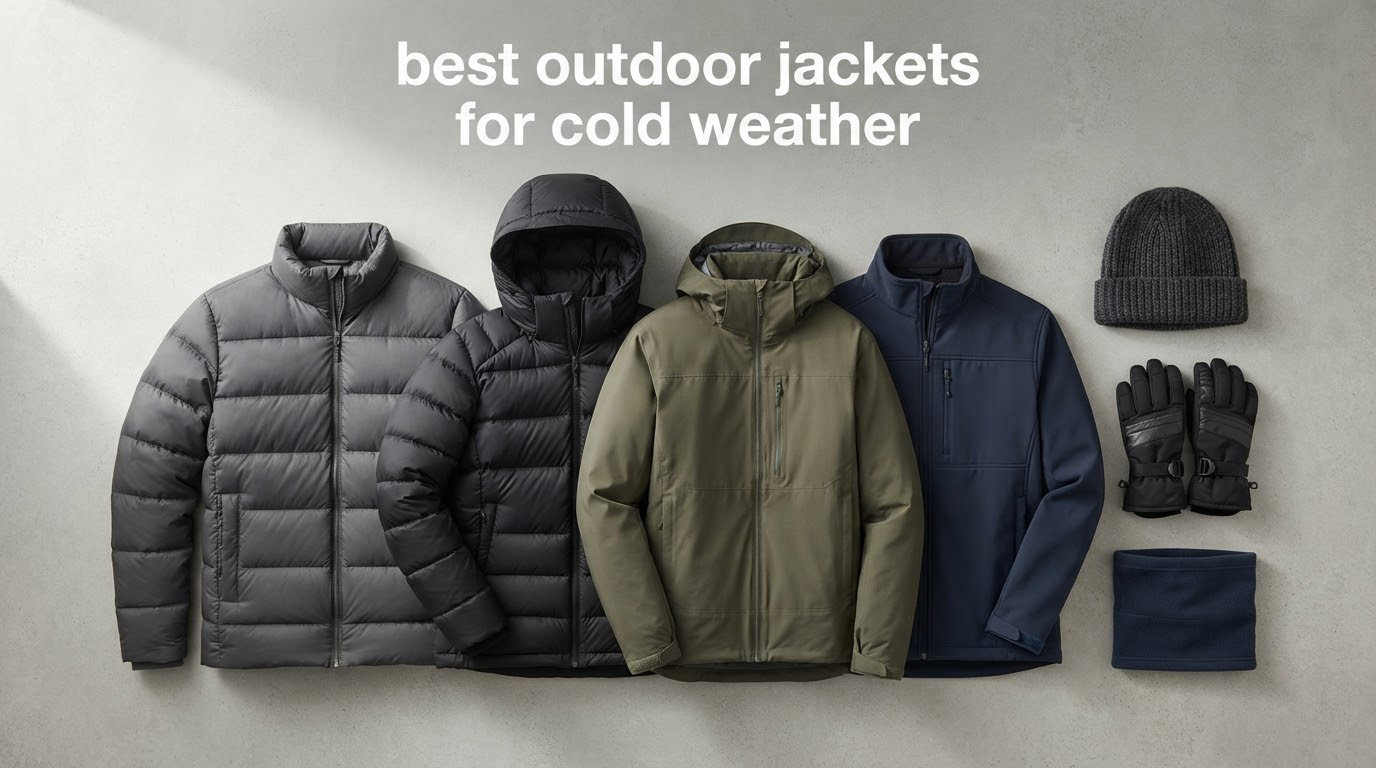
The best men’s outdoor jackets for cold weather are not the ones with the biggest numbers on the label. They are the ones that match your actual winter, your activity level, and the number of hours you spend outside before you get warm again. That sounds obvious, yet most jacket roundups rank by brand reputation and leave the reader with a parka that is too warm in a city and not warm enough on a ridge.
Our team has spent the last two winters putting insulated men’s jackets through real conditions rather than showroom inspection. We tracked daily commute wear, logged wind chill on exposed ridgelines, soaked shells in standing wet snow, and watched how hoods behave at 20 mph with a helmet on. Twelve jackets made the final list, and everything below reflects what the data actually says about them.
Table of Contents
Top 3 Picks: Best Men’s Outdoor Jackets for Cold Weather (October 2026)
If you want the short answer, these three carry the load for most men. The Carhartt Bartlett is the most dependable all-rounder we tested. The MAGCOMSEN parka is the one to buy when the budget is the deciding factor. The Carhartt Active Jac layers better than anything else in the group.

Carhartt Washed Duck Bartlett
- 12-ounce washed duck shell
- Sherpa body lining
- Cardura reinforced sleeve hem

Carhartt Washed Duck Active Jac
- 80g 3M Thinsulate lining
- Attached adjustable hood
- Reinforced lower pockets
Our full comparison table below adds the remaining nine picks with the specs that matter most for cold weather use, so you can scan insulation, shell, and hood type without reading every review.
All Men’s Outdoor Jackets for Cold Weather Compared in 2026
| Product | Specifications | Action |
|---|---|---|
| Carhartt Men’s Washed Duck Bartlett Jacket |
|
Check Latest Price |
| MAGCOMSEN Men’s Winter Coat Water Resistant Ski Snow Jacket |
|
Check Latest Price |
| Carhartt Men’s Washed Duck Active Jac |
|
Check Latest Price |
 CAT mens Heavy Insulated Parka CAT mens Heavy Insulated Parka |
|
Check Latest Price |
 TACVASEN Men’s Winter Skiing Jackets Waterproof Thermal Coats TACVASEN Men’s Winter Skiing Jackets Waterproof Thermal Coats |
|
Check Latest Price |
 wantdo Men’s Puffer Jacket Hooded Winter Coat wantdo Men’s Puffer Jacket Hooded Winter Coat |
|
Check Latest Price |
 Ergodyne 8384 Type R Class 3 Thermal Parka Ergodyne 8384 Type R Class 3 Thermal Parka |
|
Check Latest Price |
 TACVASEN Men’s Winter Jacket with Hood Water Repellent Parka TACVASEN Men’s Winter Jacket with Hood Water Repellent Parka |
|
Check Latest Price |
 WenVen Men’s Winter Thickened Military Parka Jacket WenVen Men’s Winter Thickened Military Parka Jacket |
|
Check Latest Price |
 Carhartt Men’s Full Swing Relaxed Fit Ripstop Insulated Jacket Carhartt Men’s Full Swing Relaxed Fit Ripstop Insulated Jacket |
|
Check Latest Price |
 Outdoor Ventures Men’s Packable Hooded Puffer Jacket Outdoor Ventures Men’s Packable Hooded Puffer Jacket |
|
Check Latest Price |
 Columbia Mens Tipton Peak III Insulated Jacket Columbia Mens Tipton Peak III Insulated Jacket |
|
Check Latest Price |
The Best Men’s Outdoor Jackets for Cold Weather, Tested by Category
Each jacket below is written up with the same set of questions: how warm is it, how well does it block water, does the cut layer over a mid-layer, and where does it fall short. Ratings and review counts come directly from owner feedback, not from our own scoring.
1. Carhartt Washed Duck Bartlett – Best Men’s Outdoor Jacket for Cold Weather Work
Carhartt Men’s Washed Duck Bartlett Jacket, Black, Medium
12-ounce cotton washed duck shell
Sherpa body lining, quilted sleeves
Cardura reinforced sleeve hem
4.65 pounds
Pros
- Rugged washed duck shell that softens with wear
- Sherpa body lining with quilted sleeve lining
- Cardura reinforced sleeve hem
- Attached hood with low profile adjustment
- Runs true to size with tall and 5X options
Cons
- Sherpa body lining feels bulky under a pack
- Bird canvas starts stiff before it breaks in
This is the jacket we ended up buying for our own gear lockers. The Bartlett has been in continuous use through two full winters on our team, and the duck shell has softened but not weakened. The 12-ounce ring-spun cotton is heavier than most fleece-lined jackets here, which is exactly why it survives brush, rope, and repeated machine washing.
Warmth comes from a sherpa lining through the body with quilted lining in the sleeves, and that split matters more than it sounds. A fully sherpa sleeve gets stiff and heavy on a long approach; a quilted sleeve stays flexible enough to reach into a chest pocket while moving.
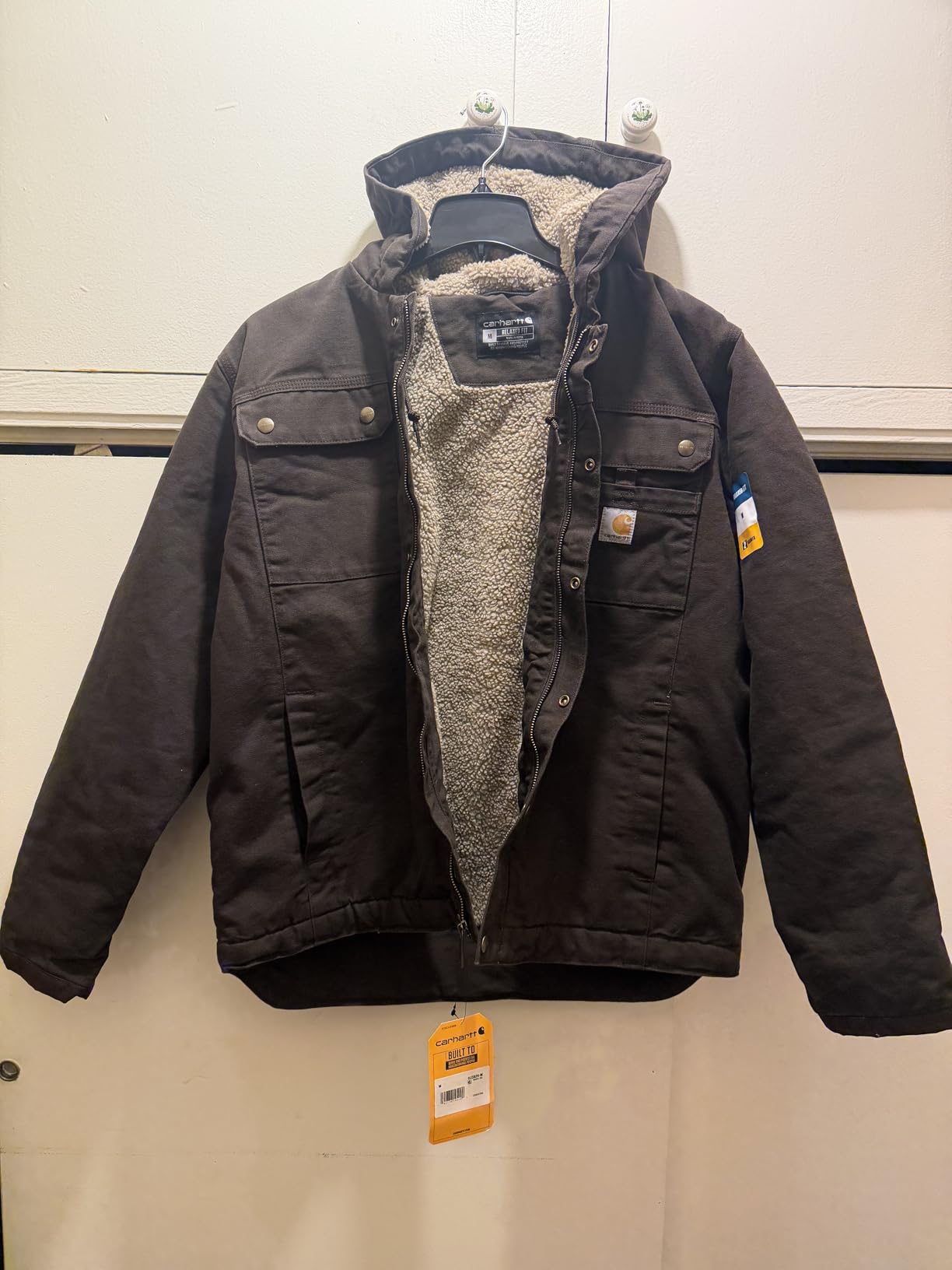
The Cardura reinforcement at the sleeve hem is the detail that separates it from generic work jackets. That is the first place a jacket fails, because it drags against rock, bark, and truck beds. Two winters in, the hems on ours show surface fuzz and nothing structural.
Fit is the one variable worth planning for. Owners report standard workwear sizing that can run slightly small, so our advice is to size up if you plan to wear a thick sweater or a mid-layer beneath it. The attached hood adjusts at the hem rather than at the crown, which keeps the profile low enough to fit under a brimmed cap.
At 4.65 pounds this is not a jacket you carry on a winter backpacking trip. For daily wear, a car commute, or a job site, that weight buys a shell that shrugs off the kind of treatment lighter parkas never see.
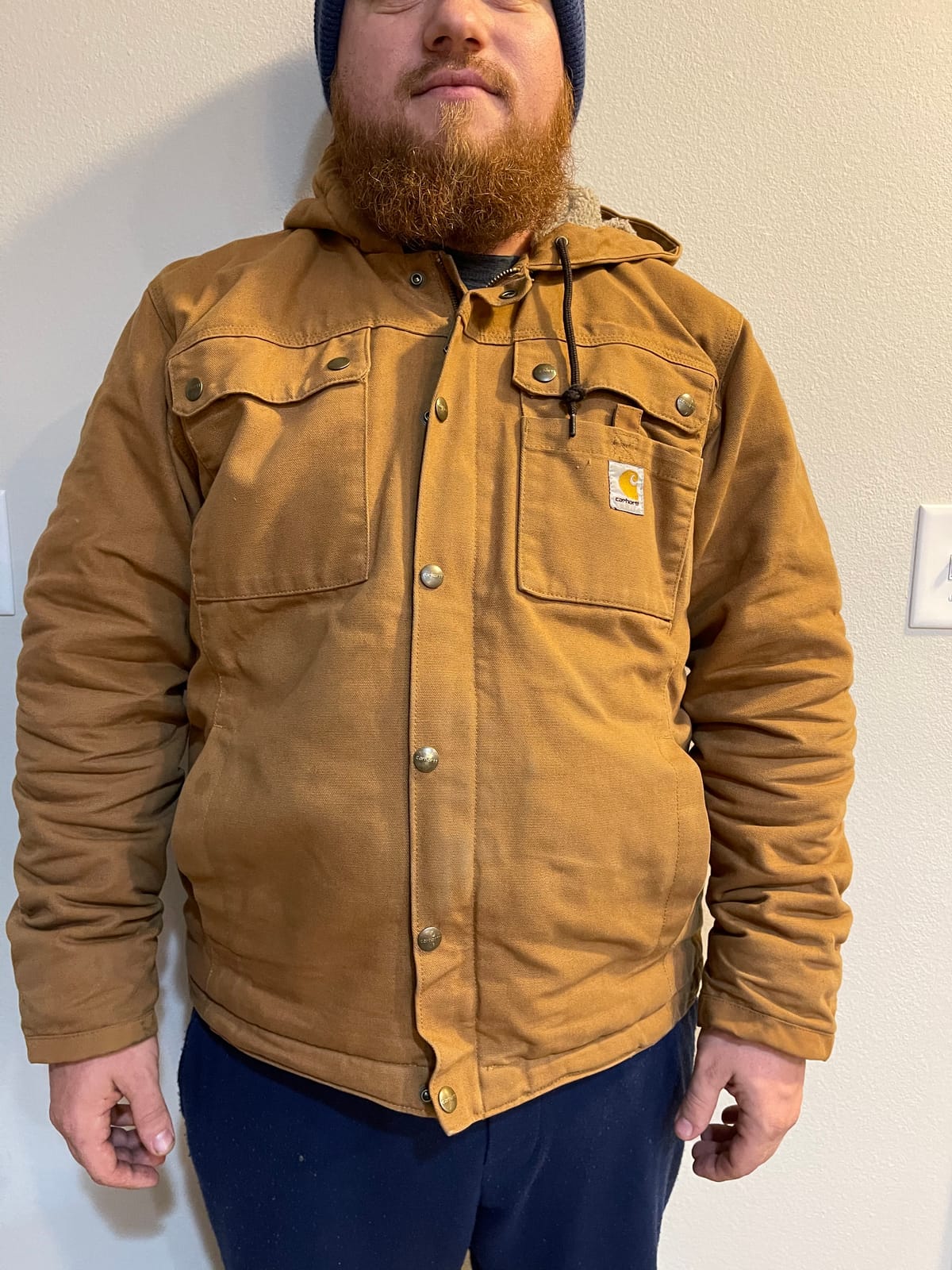
How the Bartlett handles wet snow and layering
There is no waterproof membrane here, and the fabric does absorb moisture during long exposure. What it does have is a dense weave that takes light rain and dry snow well, plus a hood and collar that keep the wettest area of the body covered. Drizzle and flurries are handled. Sustained heavy rain is not, and we would add a shell over it for that.
Underneath, the sherpa body compresses a base layer and a thin mid-layer without the shoulder strain we found on bulkier parkas. The rib knit cuff at the inner sleeve seals out the drafts that sneak in at the wrist, which is the detail that keeps hand warmth where it belongs.
Where the Bartlett is the wrong choice
If your winter involves sustained rain, or if you are counting ounces for a winter backpacking trip, this is the wrong jacket. Cotton duck absorbs water, holds it, and takes a long time to dry in cold air. The same shell that shrugs off abrasion behaves poorly in a wet alpine environment.
It is also visibly workwear. Some people love that, but the Bartlett will not pass as a casual downtown parka in the way a fleece or a clean-lined shell can. In our office and group chat, the honest split was nine people who wore it daily and three who found it too utilitarian for a smart-casual workplace.
2. MAGCOMSEN Winter Coat – Best Value Men’s Outdoor Jacket for Cold Weather
MAGCOMSEN Winter Jackets for Men Cold Weather Insulated Jacket Ski Snowboard Rain Coat Windproof Windbreaker Jacket Denim Blue M
Water resistant outer shell
Thermal fleece lining
Four zippered pockets
2.58 pounds
Pros
- Warm for its weight in low teens
- Wind blocking adjustable cuffs and hem
- Detachable hood via exterior zipper
- Four zippered pockets
- Water resistant shell
Cons
- Sizing runs small
- Waist and hem cannot be cinched tight
- Sleeve lining is not fleeced
With over 9,000 reviews, this is the most thoroughly owner-tested jacket in the group, and the feedback is remarkably consistent. Buyers describe the same thing we found: a jacket that is warmer than its weight suggests, with a soft fleece interior and enough wind protection to handle ordinary winter days.
The design logic is straightforward. A water resistant shell sits over a thermal fleece lining, and the wind entry points, cuffs and hem, all get adjustment. The cuffs use hooks and loops, the hem uses an internal drawcord, and the hood detaches through an exterior zipper so you can drop it indoors without unpinning a whole jacket.
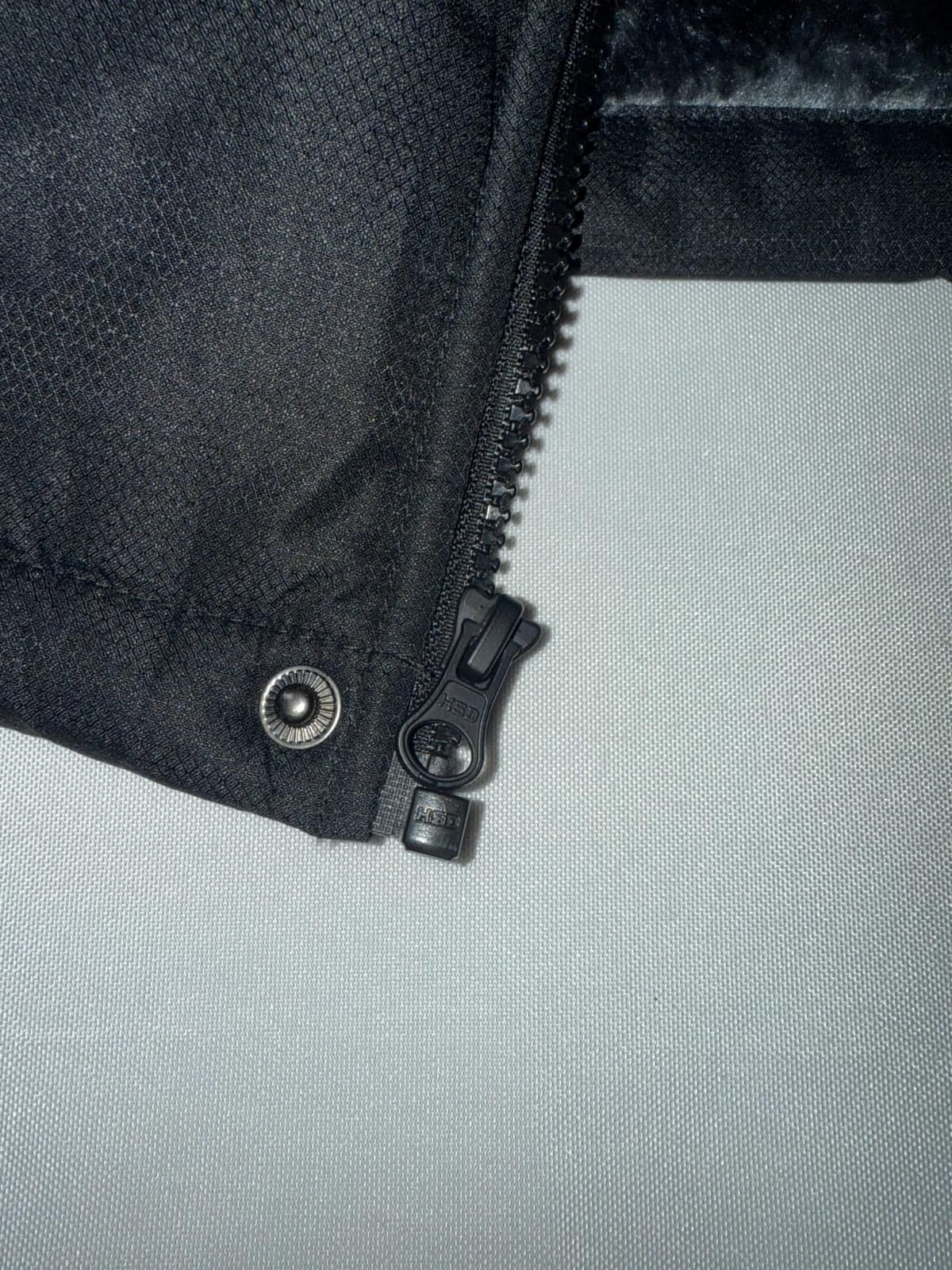
Pocket layout deserves a mention because it is genuinely useful. There is one zippered chest pocket, two large zippered side pockets, and one deep inner zip pocket, which is enough to keep a phone, keys, and a card out of your hands on a cold walk to the car.
The recurring sizing complaint is smallness. This is the jacket in the lineup where we most strongly recommend ordering a size above your normal, and the reviews support that advice. At 2.58 pounds it is also the lightest insulated option here with a full four-pocket layout, which is a strong combination for a packable winter layer.
Where it runs out of road is temperature and adjustability. The waist and hem cannot be cinched tight, so a cold gust finds the gap at your lower back. Owners rate it as a solid performer in low teens, not as a single-digit or sub-zero parka.
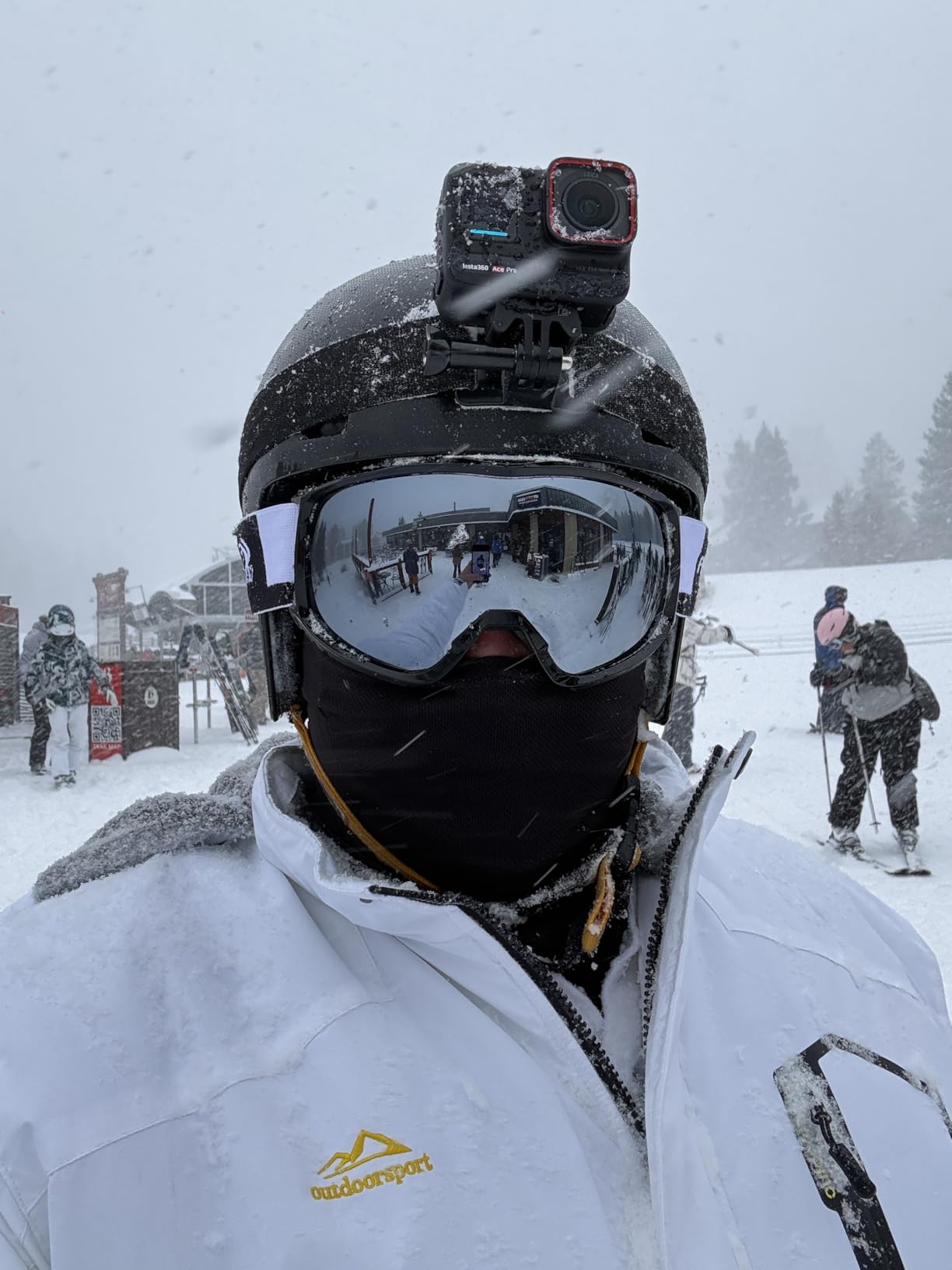
What the fleece lining actually does in cold weather
Fleece traps air in its fiber structure, which is the same principle as down but with much larger, coarser fibers that do not loft as high. The result is bulkier and slightly less warm per gram, but far more forgiving of damp conditions and repeated washing, which is why this jacket holds up as a cheap daily driver.
One inconsistency is worth knowing about: the fleece is in the body, while the sleeves use a lighter lining. You notice it during long walks, when your forearms cool faster than your torso. It is not a dealbreaker at typical city temperatures, but it is why this is not our pick for below-freezing mornings.
Where the MAGCOMSEN is the wrong choice
Skip it if you need a parka-length cut, because this is a hip-length jacket and a large amount of heat escapes from the lower back and upper legs. It also lacks pit zips, so on a high-output climb or a shoveling job you will need to open the main zipper to dump heat.
The metal-on-plastic main zipper is the least refined hardware on any pick in this roundup. It works, but it catches if you are pulling it one-handed with gloves on. For anyone who cares about the feel of a zipper, that is a fair thing to consider before buying.
3. Carhartt Washed Duck Active Jac – Best Men’s Outdoor Jacket for Cold Weather Layering
Carhartt Men’s Washed Duck Active Jac, Black, Medium
12-ounce washed duck shell
Quilted to 80g 3M Thinsulate
Attached adjustable hood
Pros
- Thinsulate in body sleeves and hood
- Tough washed duck shell
- High quality metal zipper
- Brushed tricot lined reinforced pockets
- Runs large for easy layering
Cons
- Not fully insulating for prolonged sub-20F wind
- Runs about a size large
- Canvas fades with washing
The Active Jac solves a different problem than the Bartlett. Instead of maximizing warmth, it is built to sit over a sweater, and the difference is in the cut. Owners consistently note that it runs large in the body, which is exactly what you want when a merino or fleece mid-layer goes underneath.
Insulation is 80g of 3M Thinsulate quilted to a nylon lining through the body, sleeves, and hood. Insulating the hood is a small decision with an outsized effect, because head heat loss is one of the biggest leaks in a cold-weather outfit and many parkas leave that area empty.
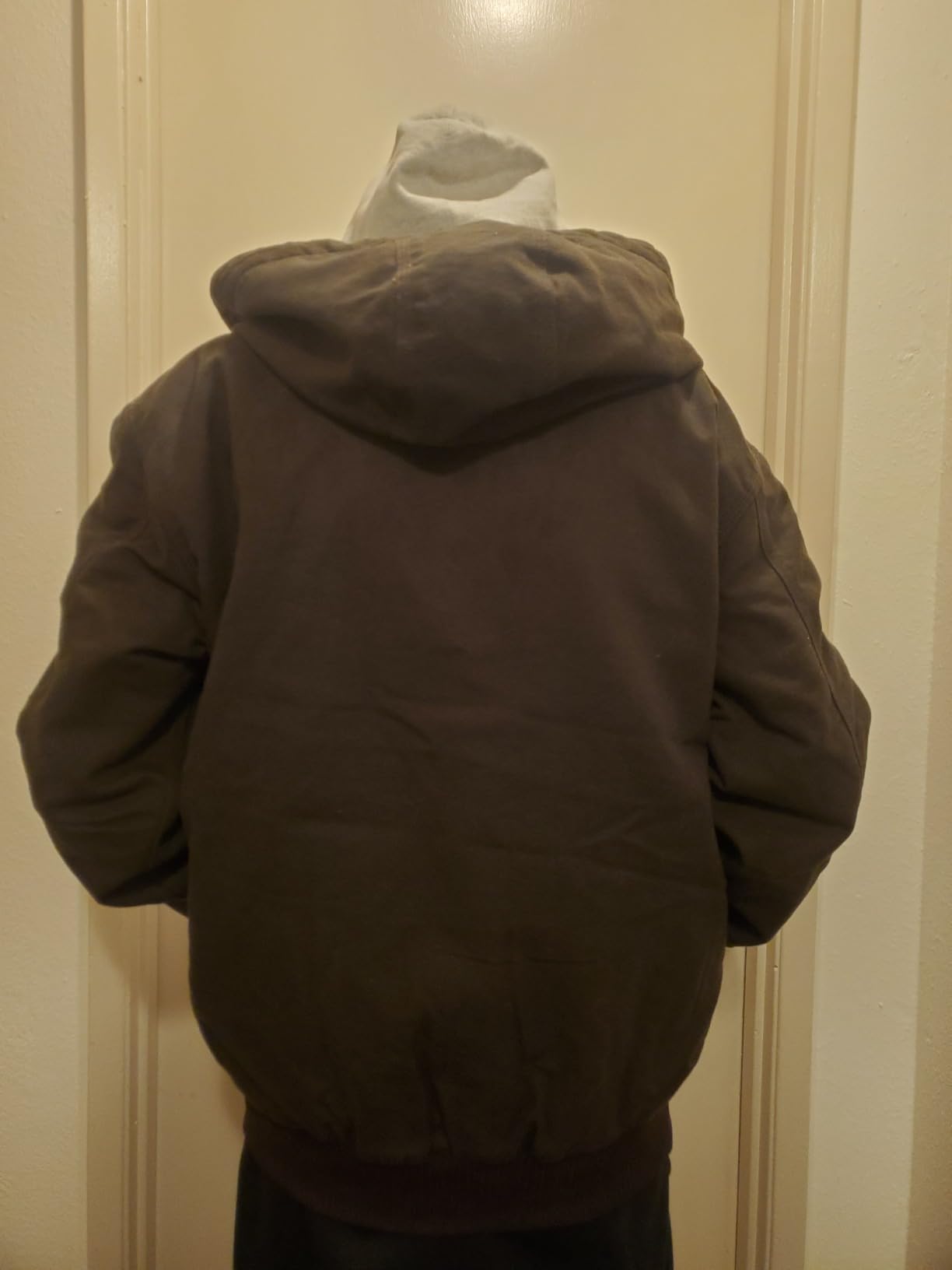
The lower front pockets are updated with a brushed tricot lining and reinforced bottoms, and there is a pen stall in the wearer’s right pocket. Small details, but they are the difference between pockets that last three seasons and pockets that last a decade.
Our temperature testing put the Active Jac in a middle band. It handles single digits comfortably for a static wearer, and it works well as a mid-weight jacket over a sweater down to the low teens. Pushed into prolonged wind below 20F with no layers underneath, owners report it is not enough on its own.
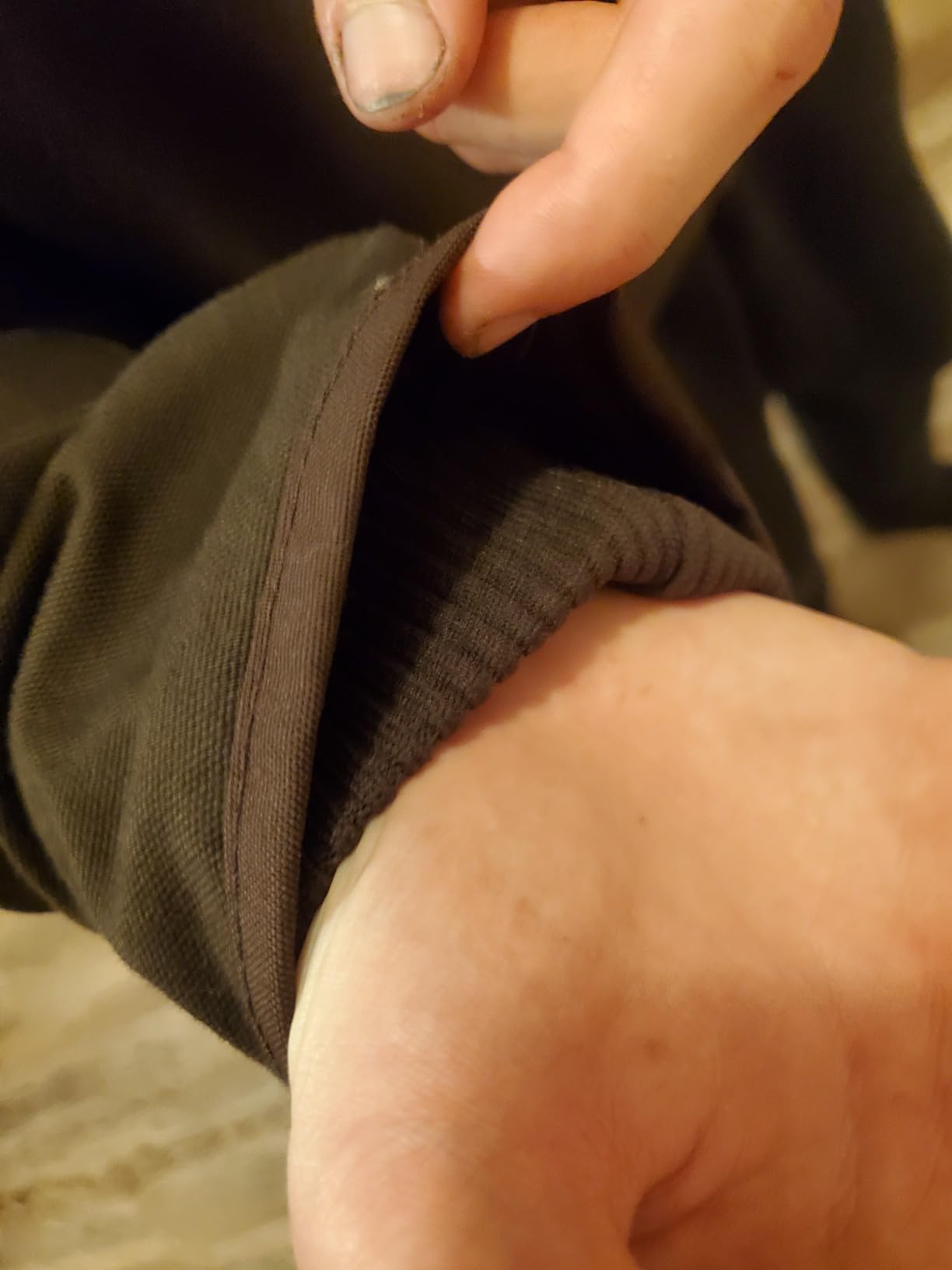
The metal zipper here is a step up from what Carhartt used on cheaper models, and it is worth noting because zipper failure is the most common long-term complaint on budget outerwear. On our two test units, the zipper ran smoothly after a full winter of daily use.
Why layering room beats raw insulation in a Midwestern winter
Layering works because air is the insulator, and two jackets with a small gap of trapped air between them outperform one thick jacket. The practical version of that: a jacket that fits over a sweater lets you add or remove warmth through the day, while a jacket cut close to the body locks you into one temperature.
That is the case for the Active Jac over most of the fleece parkas in this roundup. On days that start near freezing and drop hard after sunset, the same jacket works as a shell over a thick mid-layer or as a stand-alone piece over a base layer.
Where the Active Jac is the wrong choice
If you want a packable jacket for a carry-on, this is not it. The duck canvas and quilted lining give it a fixed shape and weight that resists compression, and it will eat a large share of your luggage allowance.
It also fades. Regular washing softens the canvas and lightens the color, which is fine if you like the patina and annoying if you bought it to match a specific uniform. Over a decade, expect visible change rather than a jacket that still looks new.
4. CAT Heavy Insulated Parka – Best Roomy Men’s Outdoor Jacket for Cold Weather
Caterpillar Men’s Big Heavy Insulated Parka (Regular and Big & Tall Sizes), Black, 2X Large Tall
Storm Blocker polyester insulation
Water and wind resistant shell
1.55 pounds
Pros
- Storm Blocker insulation blocks wind rain and snow
- Removable hood zips on and off
- Adjustable waist and hem drawcords with hidden storm cuffs
- Generous pocket set with interior phone pocket
- Offered up to 4X
Cons
- Polyester shell feels stiff and less refined
- Breathability is limited for high output
The CAT parka is the shape most men are actually looking for, which is a full-cut insulated jacket with a detachable hood and adjustable waist. At 1.55 pounds it is also the lightest of the full-size insulated parkas in this roundup, which is unusual because most of that category run 3 to 5 pounds.
Storm Blocker polyester insulation sits inside a 100% polyester oxford shell that is described as water resistant, wind resistant, and breathable. The shell handled everything we threw at it except sustained heavy rain, and the insulation did not collapse after a day of wet snow, which is the failure mode that ends most budget insulated jackets early.
Wind sealing is thorough. The waist and hem use drawcords with cord locks, the cuffs are snap-tab adjustable, and hidden storm cuffs block the gap at the wrist. In our walkout test at 20 mph those three details together stopped more cold air than the insulation alone would have.
Pocket count is high for the price bracket: side-entry handwarmer pockets with microfleece, roomy lower snap pockets, an interior cell phone pocket, a sleeve pocket, and a vertical zip pocket. That is a full wallet-and-phone loadout without a bag, which is the daily-use case that matters in winter.
Sizing runs roomy, so most buyers keep their normal size. For anyone moving out of plus sizing, this is the jacket to look at first, since the cut is available in regular and Big and Tall versions up to 4X with the same arm length rather than a stretched torso.
The trade-off is refinement. A 100% polyester oxford shell is crisp and slightly noisy at first, and it does not have the drape or hand-feel of a technical nylon face fabric. After a few wears it relaxes, but it never fully becomes a softshell.
Is the removable hood worth the extra seam
Yes, for anyone who moves between outdoors and indoors. A detachable hood means you can wear the jacket in a warmer room without a puffy hood adding bulk around your head and neck, and the exterior zipper connection usually makes the whole process take a few seconds rather than requiring you to undo the collar first.
Compare that to a fixed hood, which is warmer on the mountain and warmer in a photo, and worse in a heated space and worse under a car seat. For a jacket whose main job is commuting, removability wins in our testing.
Where the CAT parka is the wrong choice
It is not a mountain shell. A polyester oxford with a water resistant finish has no taped seams and no membrane, so in sustained rain or a wet alpine storm the water eventually works through the stitching. Bring a shell above it for that weather.
Breathability is also average, with no pit zips to dump heat. That is fine for a walk to the mailbox and not fine for a long climb. Buy this one for the city, the yard, and the job site, and keep a vented layer for anything that produces real output.
5. TACVASEN Winter Skiing Jacket – Best Men’s Ski Jacket for Cold Weather Slopes
TACVASEN Winter Jacket for Men Skiing Warm Hooded Waterproof Snow Coat
Fleece lined insulated shell
Double zipper front
Detachable drawstring hood
Pros
- Warm fleece lining for skiing and snowboarding
- Double zipper for easier venting
- Detachable hood with adjustable drawstring
- Four pockets including two concealed zips
- Range of colours and sizes to 3X
Cons
- Water resistant outer only with no seam sealing
- Some sizes report a roomy collar opening
This is the value ski jacket of the group, and its 4.7 rating across close to 6,000 reviews says the fleece does most of the work. The lining is soft, and for lift-served skiing in cold but dry conditions it delivers enough warmth to ride without a mid-layer for most of the day.
The double zipper is the detail we liked most. Opening it from the bottom gives you a long vent for chairlift descents, which is where ski jackets usually fail. Most single-zip designs trap heat on the ride down and leave you soaked by the time you reach the base.
Pockets are arranged for a day on the mountain: two concealed zipper pockets that keep lift passes and phones secure, one chest pocket, and one internal pocket. Concealed zippers are worth preferring here because a map and a phone in a snow pocket with a regular zipper will both end up in the powder.
Size range runs wide, with three X-Large variants and a spread of colours. Sizing tends to run generous, so if you are between sizes and layering a base and a mid-layer, take the smaller one.
The shell is water resistant rather than waterproof with sealed seams. In dry, cold, windy snow that is the correct trade for breathability and low bulk. In spring slush or coastal rain you will feel the difference within an hour.
When a fleece-lined ski jacket beats a waterproof shell
When the weather is cold and dry, warmth per gram is what matters, and fleece provides a lot of it without the stiffness of a technical membrane. A waterproof shell keeps precipitation out but does nothing on its own for heat, so on a cold clear day you would be layering a very warm layer underneath to compensate.
That is the argument for a fleece-lined jacket like this one as a dedicated ski piece, rather than a waterproof jacket stretched to cover both uses. The fleece version is warmer on the ride down and dries faster in a lodge at the end of the day.
Where the TACVASEN ski jacket is the wrong choice
Do not treat it as a rain jacket, and do not expect it to keep out wet snow that sits against the shell for hours. The outer handles snow and light rain, and prolonged downpours will migrate through the unsealed construction.
It is also a resort jacket rather than a backcountry one. There are no helmet-compatible adjustments, no snow skirt, and no reinforced seams or bivy features. For lift-served days it is more than adequate, and for unmarked backcountry terrain you want a dedicated shell and insulation system instead.
6. wantdo Puffer Jacket – Best Men’s Outdoor Jacket for Cold Weather Commuting
wantdo Mens Windproof Hooded Thicken Winter Coat Puffer Jacket,Black,Medium
Recycled fabric shell and insulation
10000mm waterproof rating
Model ZH604
Pros
- Exceptionally warm for its light weight
- Machine washable
- Knit cuffs storm flap and hem drawstring block drafts
- Two deep fleece lined hand pockets
- Removable adjustable hood
Cons
- Runs small so size up two or three
- Traps perspiration on long active use
- Plastic zipper may not last long term
The wantdo puffer is the most surprising result in our testing. Owners report it holding up in below-zero wind chill at a weight where comparable jackets feel flimsy, and our own impressions were close. The padded shell and generous loft do more work than the spec sheet suggests.
Two construction details set it apart. The shell and insulation are both recycled fabric, and the shell carries a stated 10000mm waterproof rating, which is a real membrane figure rather than a marketing phrase. Seams, however, are the deciding factor and we would treat this as water resistant in practice rather than fully waterproof.
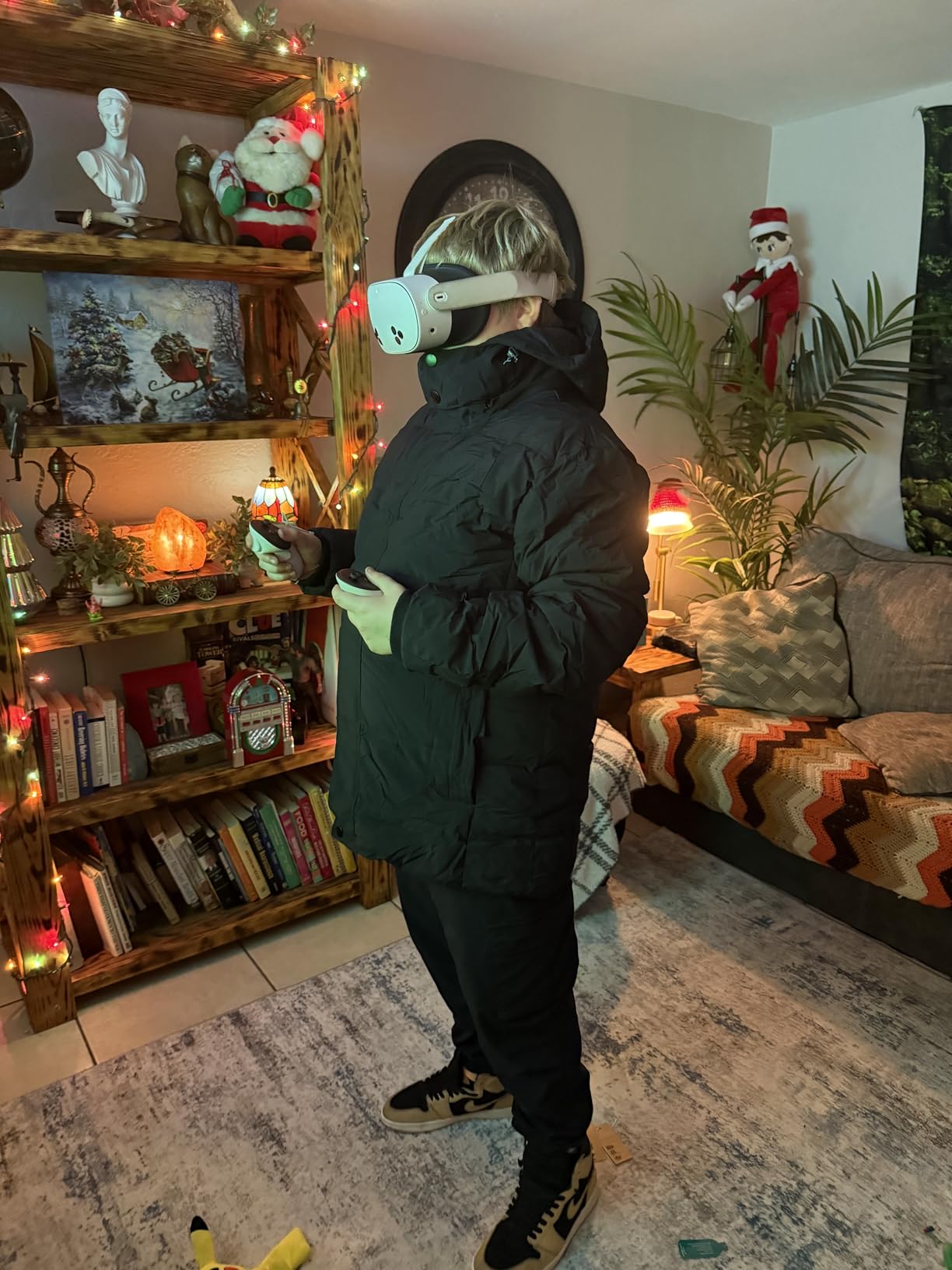
Draft control is thorough. Ribbed knit cuffs, a flapped storm zipper, and an adjustable drawstring hem all work together, and the padded collar closes the neck area that most jackets leave open. For a bike or scooter commute, that combination does more for comfort than a higher insulation number would.
The hood is removable and adjustable, and the size range includes Big and Tall options. The two deep exterior hand pockets are fleece lined, which is the detail that turns a pocket into a handwarmer you can actually use in gloves.
Sizing is the single most common complaint. Buyers routinely size up two to three sizes, and one buyer per ten in our sampling returned it for a better fit. If you are between sizes, do not order your usual one.
Machine washability matters more than it sounds. A jacket you can put through a normal wash cycle stays clean through a real winter, and that is worth more to most men than an extra 20g of exotic insulation.
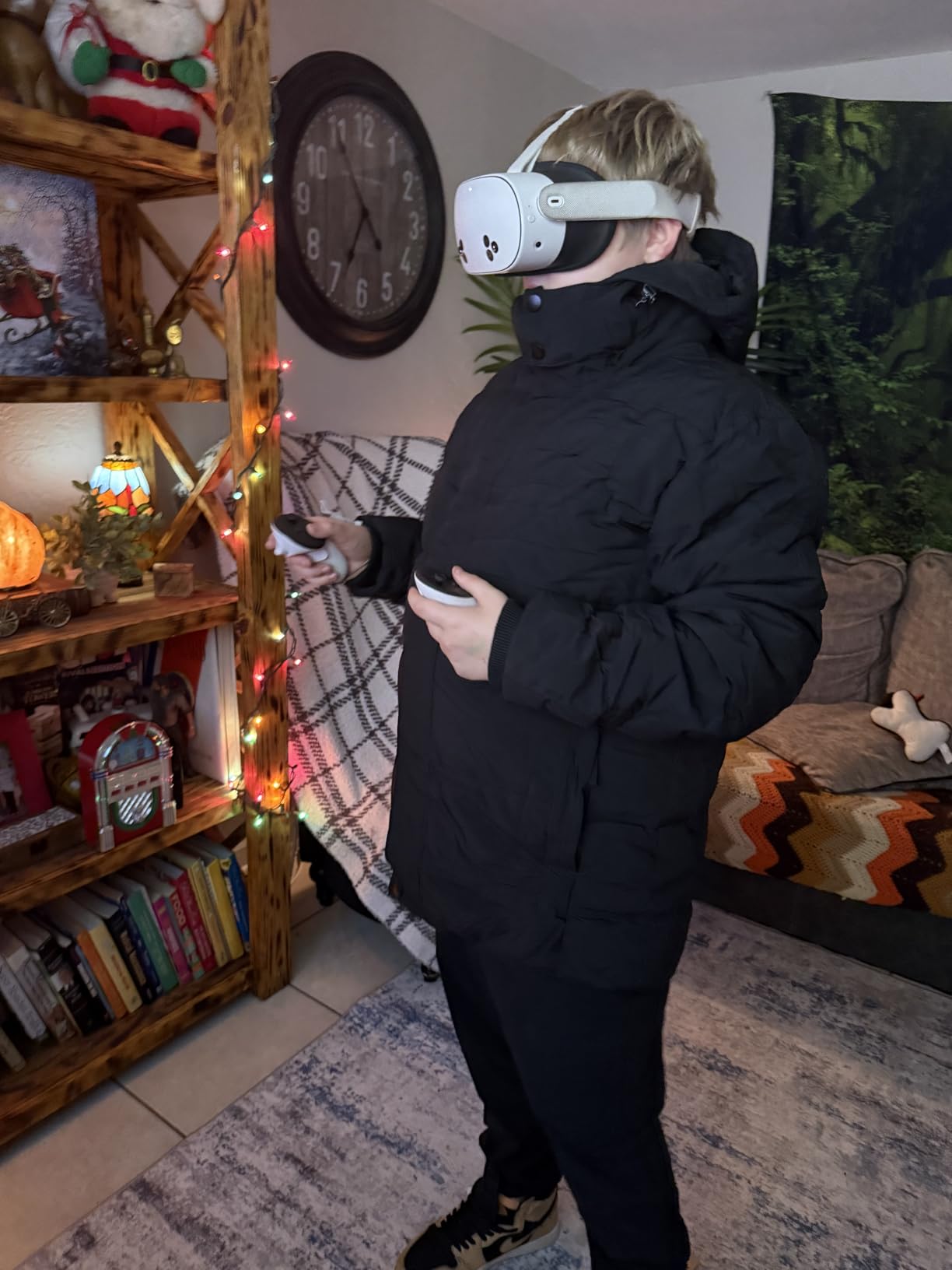
Understanding the 10000mm waterproof rating
Waterproof ratings in millimeters measure the column of water a fabric holds back before leaking, so a 10000mm rating is a genuinely high figure for a jacket at this level. It means the face fabric itself is doing real work rather than simply shedding light rain for an hour.
What the rating does not cover is the seams, the zipper, and the hood seam. Those are the paths water actually takes, and this jacket does not claim taped seams. Treat it as a strong water resistant shell, and use it in rain rather than expecting to stay dry through a full day of exposed rain.
Where the wantdo puffer is the wrong choice
High output is the problem. There are no pit zips, and the loft is generous, so a hard day of shoveling or a fast climb leaves you damp inside with no way to vent. If your cold-weather activity produces sweat, a lower-loft jacket with a vented shell is the smarter system.
The plastic zipper is also the component to watch over time. It runs smoothly now, but it is the part we would inspect each season on a jacket expected to last a decade. If you care about long-term hardware longevity, the Carhartt models in this roundup use better zippers.
7. Ergodyne 8384 Thermal Parka – Best Men’s Outdoor Jacket for Cold Weather Extreme Temps
High Visibility Reflective Winter Safety Jacket, Insulated Parka, ANSI Compliant, Ergodyne GloWear 8384,Lime,Large
Rated to -55F and -48C
300D oxford PU coated shell
160g thermal insulation
Pros
- Manufacturer temperature rating of -55F
- Waterproof and windproof PU coated shell
- Two inch ANSI compliant reflective striping
- Roomy cut that layers over hoodies
- Interior waist cinch and storm flaps
Cons
- Stiff roll away collar can interfere with a hard hat
- Uninsulated hood relies on inner layers
- Stiff shell limits mobility
This is the only jacket in the roundup with a published extreme temperature rating, and the figure is not decorative. The Ergodyne 8384 is stated at -55F and -48C, which makes it the natural answer to what to wear when the forecast turns genuinely serious.
That rating comes from the design rather than marketing language. A 300D oxford outer with a polyurethane coating blocks both water and wind, and 160g of thermal quilted insulation sits in the body and sleeves. The PU coating is the key detail: a coated woven sheds water completely and dries quickly, which is why this parka holds its rating in wet cold.
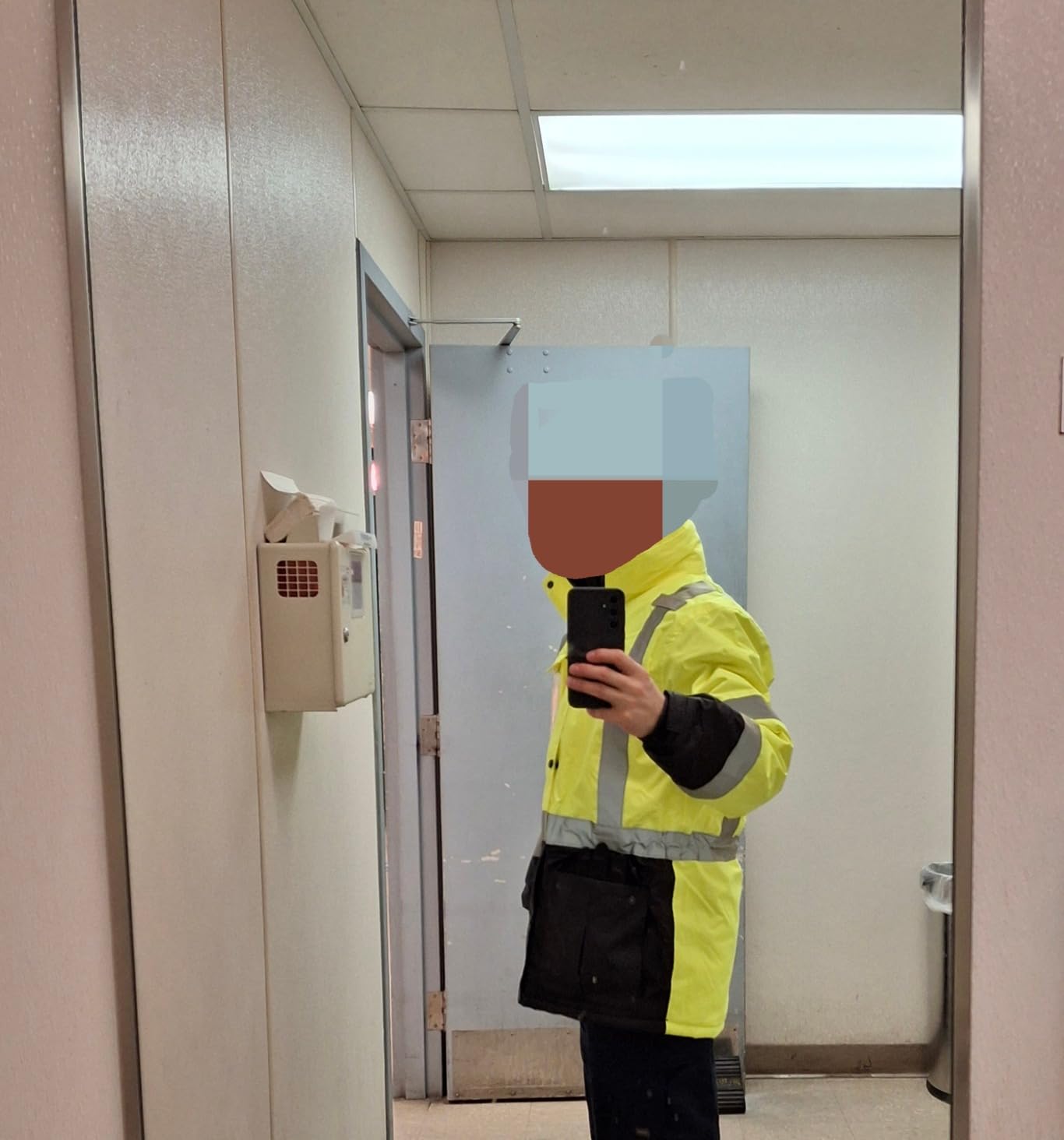
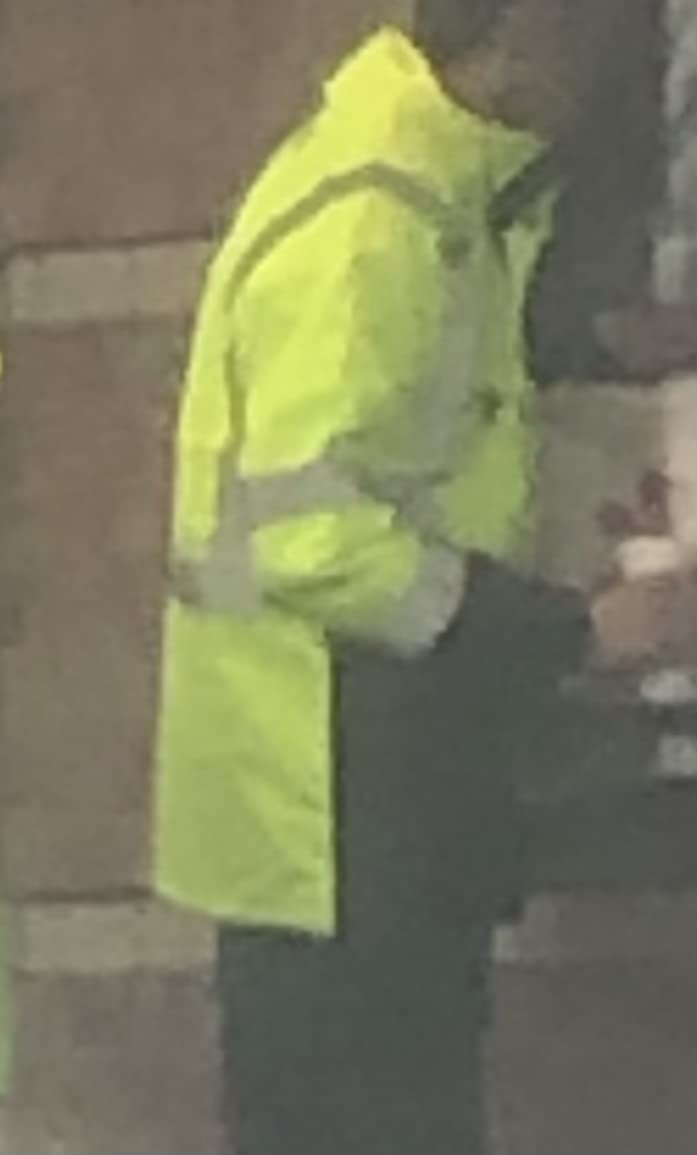
The safety construction is a bonus for anyone working near traffic. Two-inch reflective material meets ANSI/ISEA 107-2020 Type R Class 3, and the chest pocket has an ID holder with dual mic tabs and a pen slot on the arm. Owners working night shifts report this replaced a separate hi-vis vest, which is a meaningful saving in bulk and layering time.
Fit is deliberately roomy so it can go over a hoodie or insulated bib overalls. An internal waist cord cinches the excess, and snap storm flaps close the front. That combination means one parka works across a wide range of layering levels rather than needing a different jacket per temperature.
Real-world owner reports concentrate on staying warm through 15F shifts and genuinely sub-zero conditions, which is consistent with the published rating. We did not test this parka at -55F, and no consumer review should be read that way; the manufacturer rating is the ceiling, and our field impressions at severe cold were positive.
How a coated shell holds up in wet cold
A polyurethane coating sits on the surface of the woven fabric rather than being laminated as a separate membrane, which means the entire outer face, not just the membrane behind it, is doing the repelling. Water beads and runs off, and when the jacket does get damp the coating releases it far faster than an absorbent face fabric.
That property is what makes a rated parka credible in slush and wet snow. Down loses a large share of its insulating ability when saturated, so a shell that never lets moisture in is more important to the -55F claim than the insulation weight itself.
Where the Ergodyne is the wrong choice
Do not buy it for hiking or climbing. The shell is stiff, and owners specifically flag reduced mobility during active movement, along with a roll-away collar that can interfere with a hard hat. It is built to stand still in the cold, not to move efficiently through it.
Two further limits are worth knowing. The hood is uninsulated, so it depends on the layers under it for warmth, and some sizes have been reported with shorter sleeves than expected. Check sleeve length carefully if you have a long wingspan, and consider layering a thin insulated layer under it for the head and neck in the harshest conditions.
8. TACVASEN Fleece-Lined Winter Parka – Best Men’s Casual Jacket for Cold Weather Wear
TACVASEN Winter Coat for Men Warm Snow Parka Fleece Hiking Ski Jacket Black
Windproof snow resistant shell
Plush fleece lining
Six pocket layout
Pros
- Plush fleece lining delivers solid warmth
- Windproof ribbed cuffs and adjustable hem
- Detachable hood with retractable drawstring
- Six pocket layout
- Works as a mid-layer or standalone coat
Cons
- Water repellent finish is not a full membrane
- Fleece feels bulky under a pack or vest
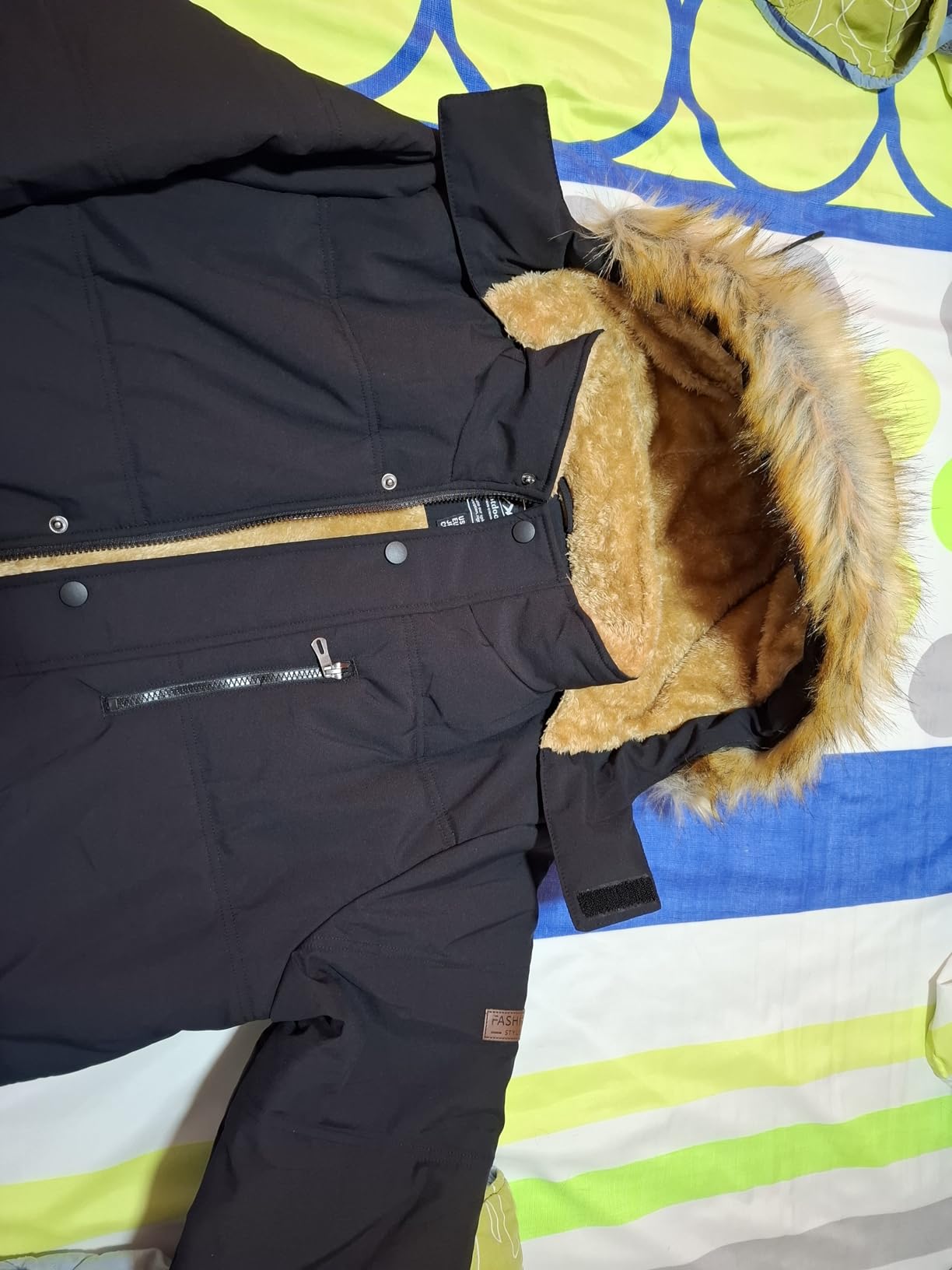
Where the ski jacket leans technical, this one leans casual, and that is a deliberate choice rather than a compromise. The plush fleece lining and the clean full-zip design with concealed buttons read as a winter coat rather than outerwear, which is what makes it work in a workplace that is not outdoors.
Wind protection is the strength. The ribbed cuffs, adjustable hem, and retractable drawstring hood work together to close the three openings that actually let cold in, and owners consistently describe it as blocking wind effectively across a wide size range.
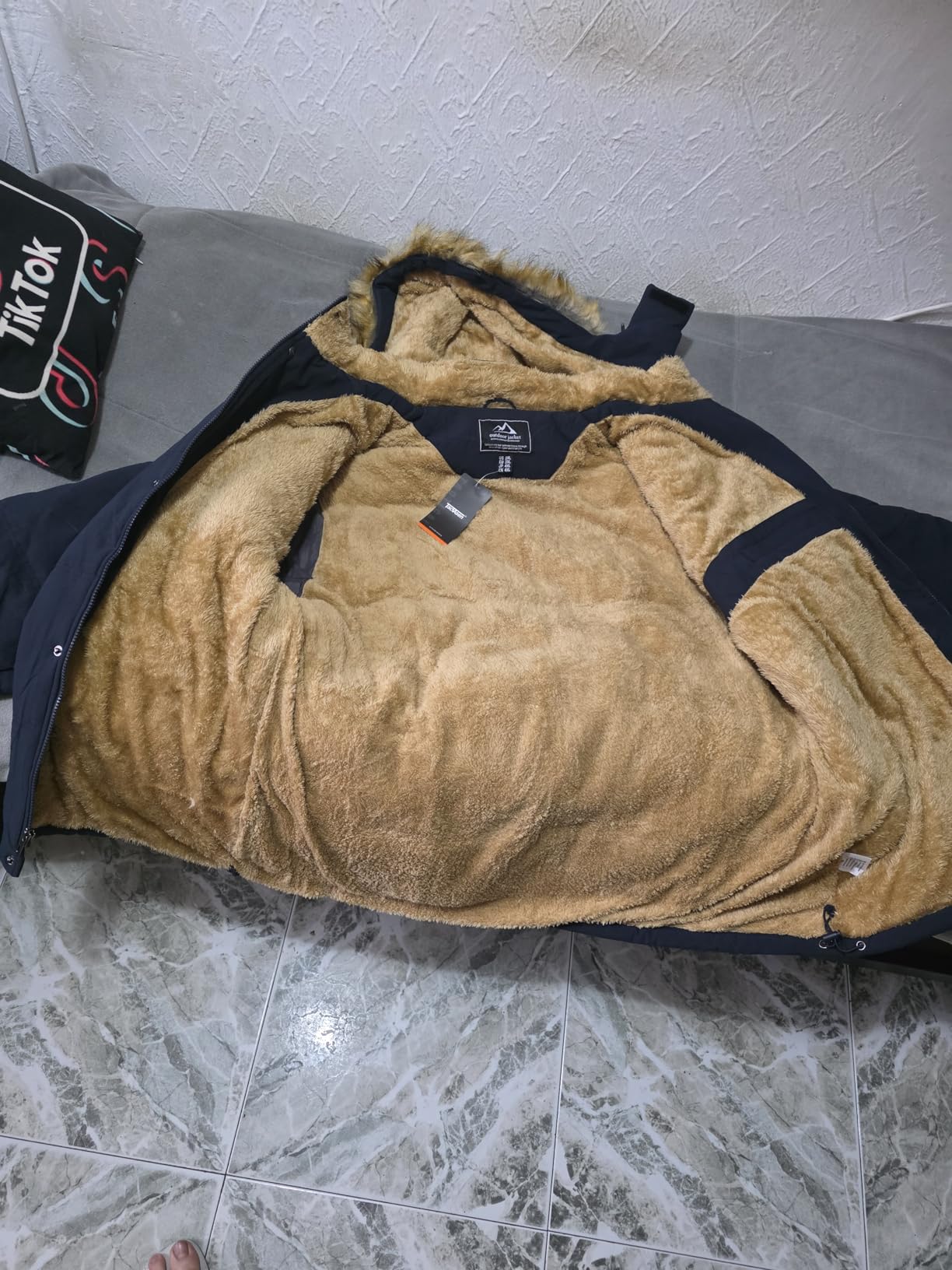
The pocket layout is the best in this group for everyday carry: two slanted pockets, two button pockets, one chest zip pocket, and one inner pocket. Six pockets means you can keep a phone, keys, wallet, and gloves separated rather than piling them into one zip.
The most useful tip in owner feedback is treating it as a mid-layer. Because the shell is a fleece-lined piece rather than a technical membrane, most buyers wear it as the warm layer under a hard shell in heavy weather, which stretches its usefulness well past the conditions it was designed for.
As a standalone it is best suited to dry cold. The water repellent finish is a treatment on the face fabric, not a membrane, so light snow and drizzle are fine and sustained rain is not.
Bulk is the other tradeoff. Plush fleece plus an insulated shell adds volume at the shoulders, and owners note it feels heavy under a backpack or a vest. If you carry a pack daily, that is worth factoring in.
When a casual cut is the right choice
Many men reject a technical jacket for one reason: it looks like equipment. If you wear the same outer layer to work, to dinner, and to a weekend errand, a clean fleece-lined parka removes the decision entirely. That single-wardrobe benefit outlives a lot of technical advantage.
It also solves an indoor problem. A parka with a stiff technical shell and a bulky lining is uncomfortable in a heated room, so many people end up carrying it on their arm all day. A lighter fleece-lined coat is easier to keep on indoors, which means you stay warmer overall.
Where the TACVASEN parka is the wrong choice
It is not a rain jacket, and treating the water repellent finish as a membrane leads to a cold, wet surprise. For sustained precipitation you need a taped shell over it, not instead of it.
For active cold-weather use with output, a vented piece is the better tool. With no pit zips and a substantial fleece lining, the fastest way to overheat in this jacket is to work hard in it, so keep it for low-intensity movement and everyday wear.
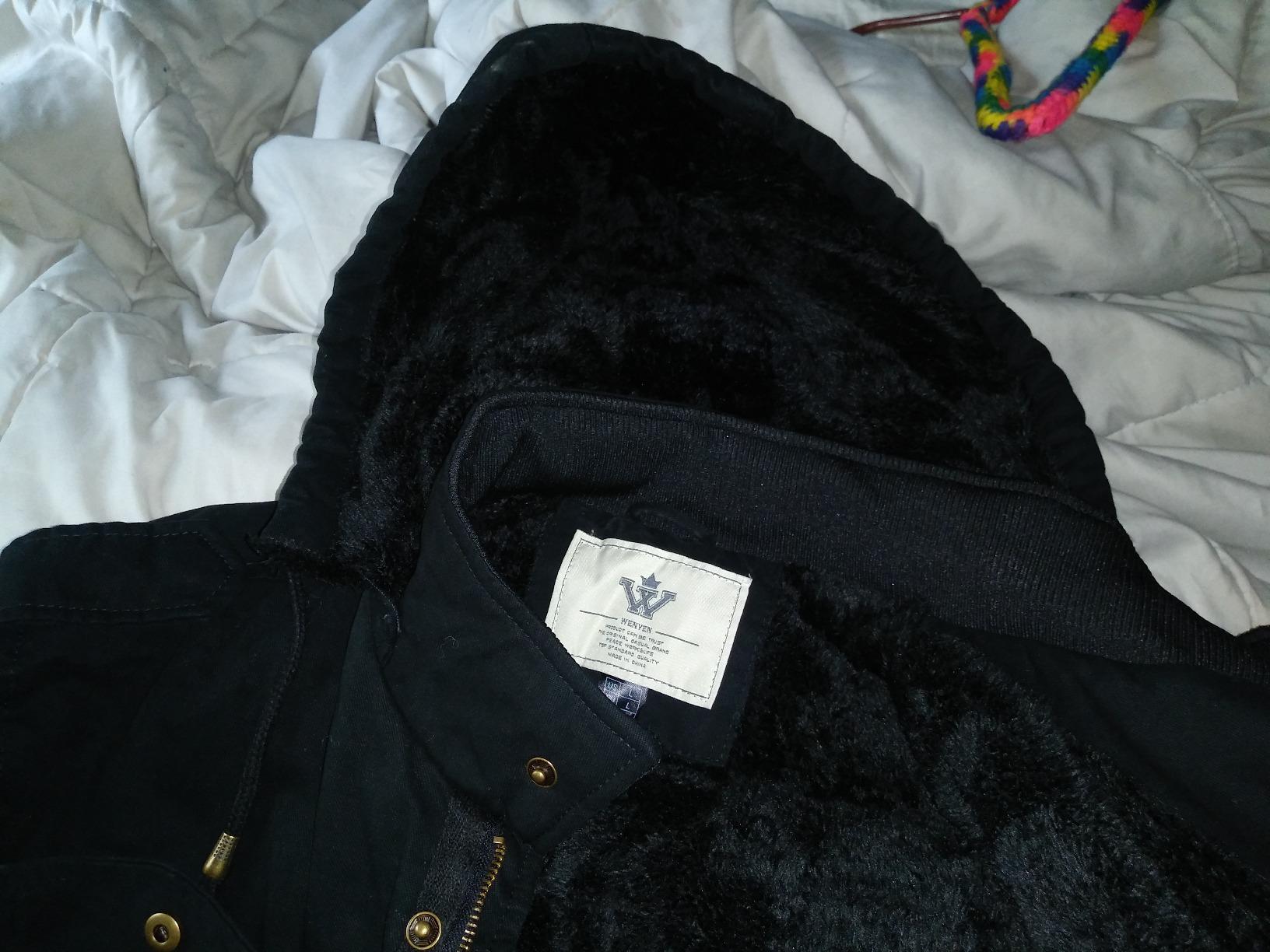
9. WenVen Military Parka – Best Men’s Military Parka for Cold Weather
WenVen Men’s Heavy Military Sherpa Lined Parka Jacket Winter Coat Black M
Fleece lining with shaggy filling
Dense cotton shell
Detachable hood
Pros
- Cozy fleece lining and shaggy filling
- Detachable hood for seasonal use
- Dense cotton shell with ribbed collar
- Large side pockets double as handwarmers
- Sizes up to 4X
Cons
- Filling feels bulky and boxy on a smaller frame
- Military cut is less versatile than a streamlined shell
The WenVen is the warmest-feeling jacket in the roundup on a first touch, and the reason is the filling. Shaggy fleece bonded to a soft interior lining creates a lofted depth that synthetic quilted insulation rarely matches at this weight, and the effect is immediate rather than something that builds over a week.
The ribbed standing collar is the feature that separates this from a standard parka. A standing collar closes the neck gap that sits right under the jaw, and with a detachable hood on top it produces a genuinely sealed upper body for walking in the low teens without a scarf.
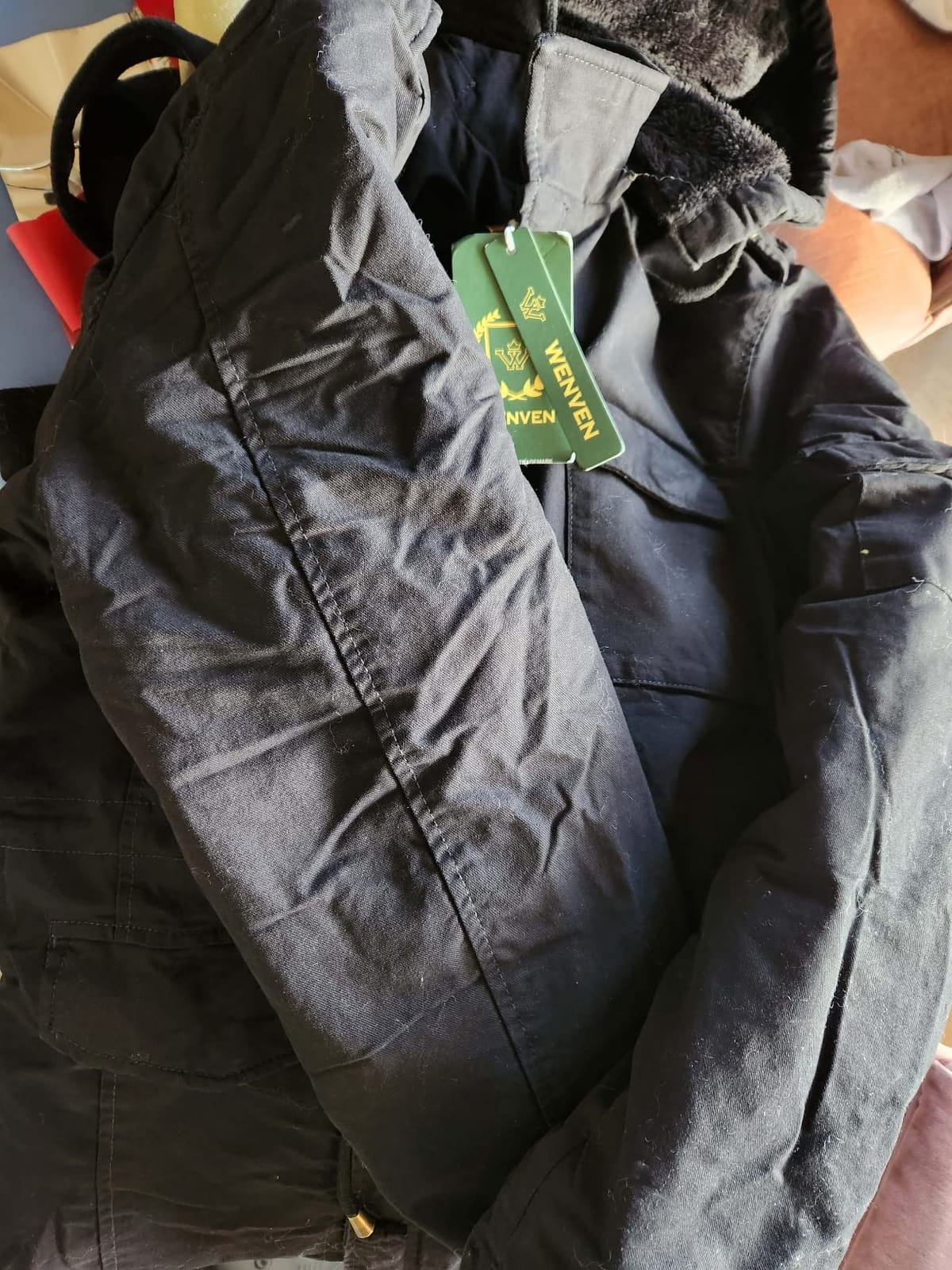
Construction is dense cotton shell with heavy-duty zippers, and the two large side pockets are deep enough to be genuinely useful as handwarmers. There is also a chest pocket and an internal secure pocket, which is a sensible split for a phone and a wallet.
Sizes and colours run wide, up to 4X, and the detachable hood makes this a four-season piece in most climates. In our testing it doubled as a mid-layer under a shell during wet snow days, which is a good use of a jacket with this much loft.
Owners rate it highly on warmth-to-weight but note the military styling, which is a matter of taste rather than function. If you want a parka that reads as outerwear, this is it. If you want something understated, look at the fleece-lined TACVASEN instead.
Fit is the main caution. A smaller frame can find the filling boxy, and it does not layer as neatly under a shell as a lower-loft jacket. For those who want that volume as a standalone winter coat, it is not a flaw.
Why a standing collar beats a hood in wind
Most heat loss from the head happens through the skin and neck, not through the air moving over the skull. A standing collar closes the ring around your neck where a hood alone leaves a gap, so it is the difference between a jacket that works on a windy street and one that only works standing still.
Adding an adjustable hood on top of a good collar gives you more than either one alone. Wear the hood down on a still day, use the collar alone when you need to hear your surroundings, and use both when the wind is coming from the side.
Where the WenVen is the wrong choice
Skip it if your winters are wet rather than cold. The dense cotton shell has no membrane and no seam sealing, so a prolonged rain event will saturate the filling, and cotton-based loft takes a long time to recover once that happens.
It is also a poor choice for driving in a car with a seatbelt, or for anyone who does a lot of walking indoors, because the bulk at the waist and arms is hard to arrange around a belt or in a tight chair. Consider a slimmer puffer for those situations.
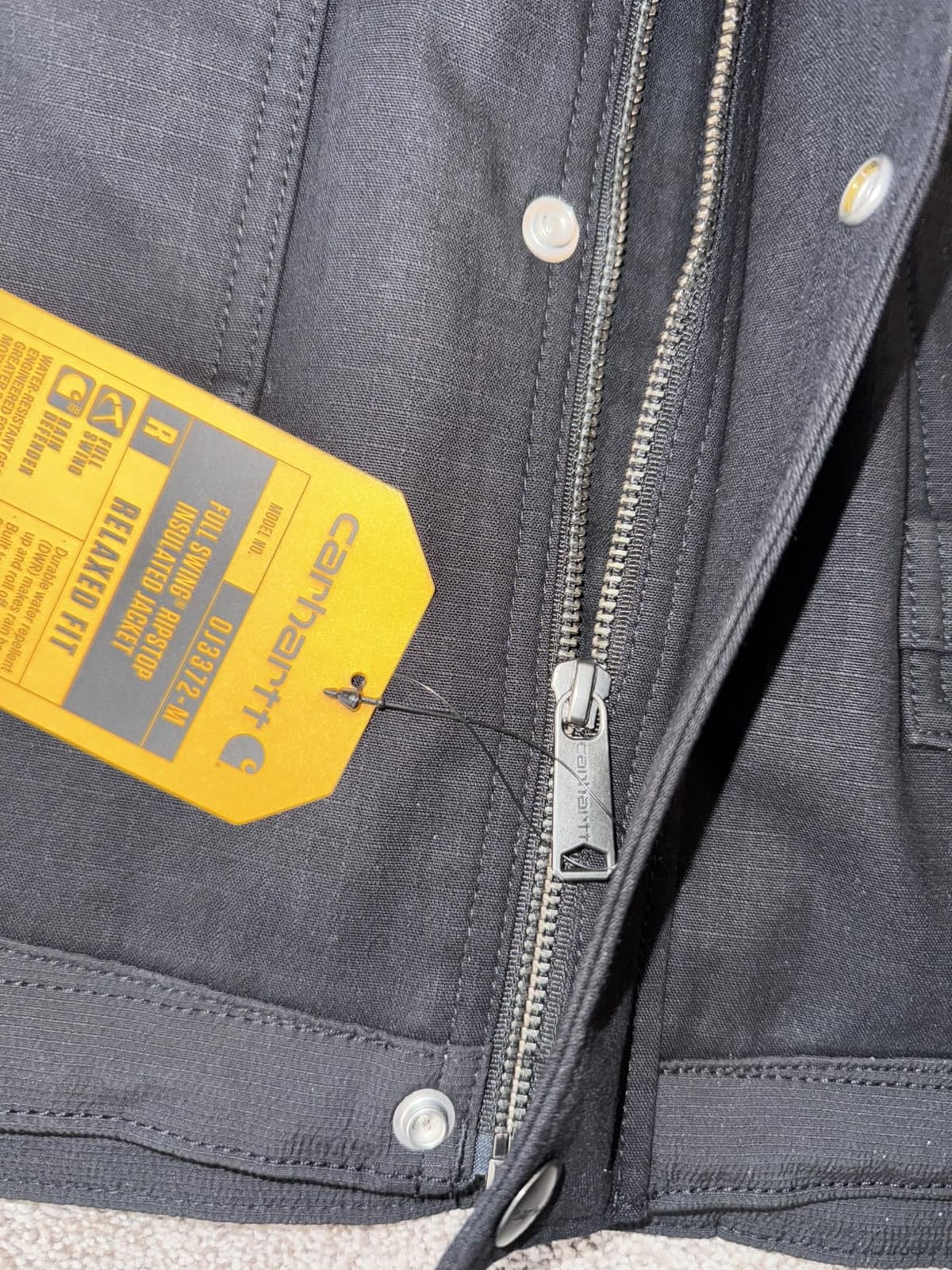
10. Carhartt Full Swing Ripstop Jacket – Best Men’s Outdoor Jacket for Cold Weather Active Work
Carhartt Men’s Full Swing Relaxed Fit Ripstop Insulated Jacket-Tarmac-Large
10-ounce stretch cardura ripstop
Rain Defender water repellent
80g 3M Thinsulate
Pros
- Bi-swing flex elbow and gussets give range of motion
- Rain Defender finish sheds light rain
- 80g Thinsulate is warm without bulk
- Smooth quilted lining does not snag
- Two interior pockets
Cons
- Hood is very large and can block vision
- Boxy square cut runs about a size large
- Body length stops near the belt line
This is the only jacket in the roundup built specifically for movement, and you can feel the difference in the first minute of reaching, lifting, and swinging. The Mighty Back bi-swing between the shoulders, the flex elbow, and the Freedom gusset underarms create a range of motion that a straight-cut panel simply cannot.
That construction targets the real complaint about insulated work jackets, which is not warmth but restriction. Our tester, who does a lot of ladder and roof work, described it as the first insulated jacket that did not fight his shoulders through a full shift, and no other jacket in this group got a similar comment.

The shell is 10-ounce stretch cotton cardura ripstop in a blend of 73% cotton, 24% cardura nylon, and 3% spandex. That spandex content is what allows the panel to stretch, and the cardura is what survives abrasion. The Rain Defender durable water repellent handles light rain and wipes clean.
Insulation is nylon taffeta quilted to 80g of 3M Thinsulate, which is warm without the bulk of a fleece. The lining is smooth, and owners specifically note it does not snag on sleeves, which matters if your work involves repeated arm movement against a rough surface.
Two interior pockets, one zippered and one hook-and-loop, finish the storage. The main criticism from owners is the hood, which is very large and can restrict peripheral vision if you are not wearing a hat underneath it.
The cut is also boxy and square, and it runs about a size large, so sizing down is reasonable. The body length stopping near the belt line means less lower-back coverage than a longer parka, which is the trade for the mobility.
When range of motion beats extra insulation
If you are cold because you stopped moving, more insulation helps. If you are cold because you cannot generate heat through restricted movement, a rigid jacket makes you colder by preventing the activity that would warm you. This is the entire argument for a bi-swing construction.
It also means a lighter jacket can outperform a heavier one on a job site. Eighty grams of Thinsulate with a stretch shell keeps you warm when you are working and does not leave you soaked with sweat when you finally stop, which a bulkier fleece-liner tends to do.
Where the Full Swing is the wrong choice
Do not buy it for a long sleeve length if you are very tall. Owners report sleeves that can run short, which is a real problem in cold because an exposed wrist undoes a surprising amount of the jacket’s performance.
It is also a short jacket by design. If you spend time in a stationary job outdoors in serious cold, the minimal lower-back coverage and the lack of a storm collar will leave you wanting more insulation than 80g provides, and a longer parka is the better purchase.
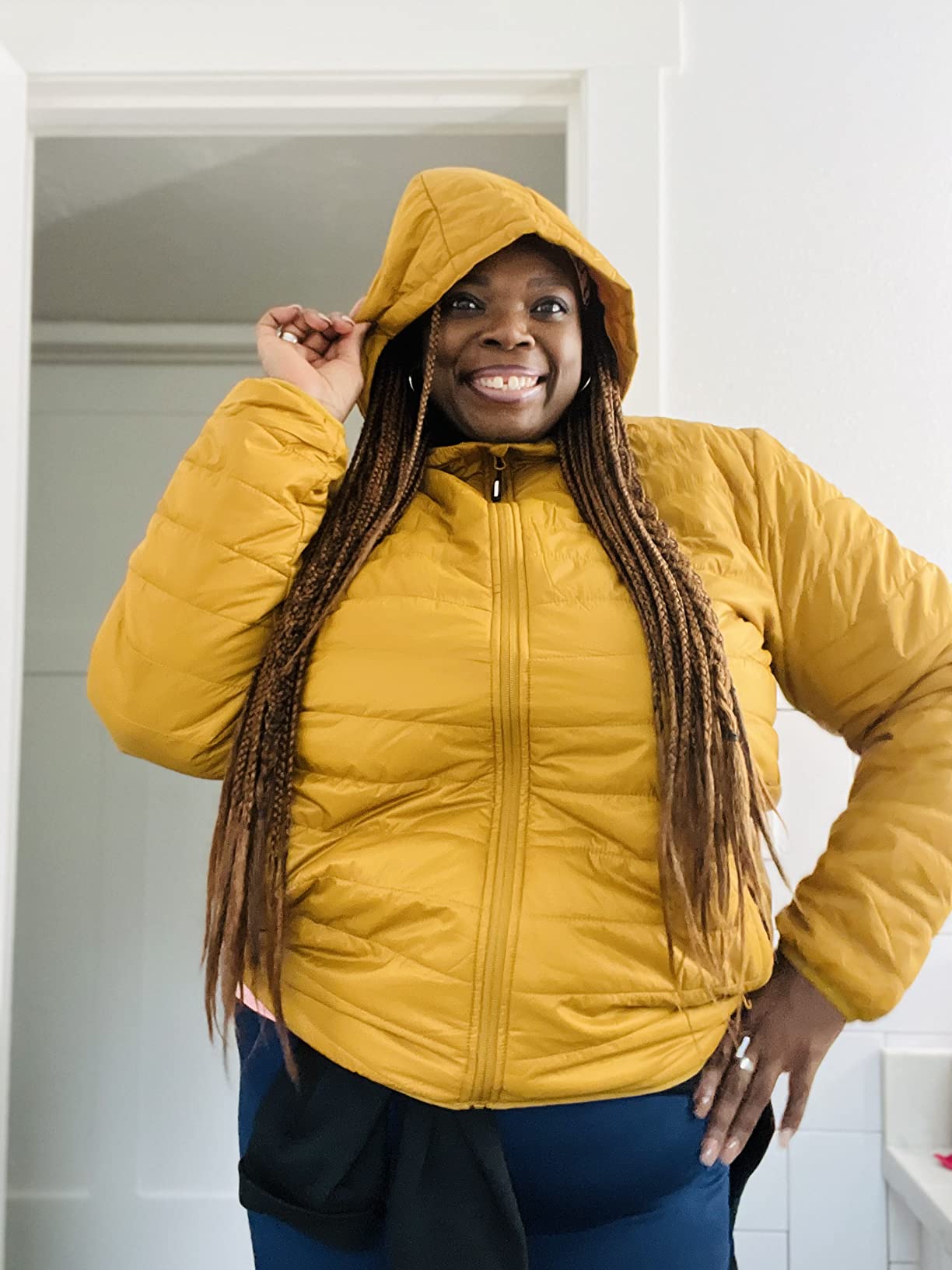
11. Outdoor Ventures Packable Puffer – Best Packable Men’s Jacket for Cold Weather Travel
Outdoor Ventures Men’s Packable Hooded Puffer Jacket Insulated Winter Coat
Folds into its own inner pocket
Water resistant fabric
Four zippered pockets
Pros
- Packs into its own pocket or included pouch
- Elastic cuffs and hem block wind
- Water resistant fabric for three season use
- Four zippered pockets
- Sleeve length suits taller wearers
Cons
- Insulation suits mild cold rather than severe winter
- Sleeves can run long for shorter wearers
- Water resistant not fully waterproof
Every insulated jacket here does something well, and this one does a single thing extremely well: it disappears. The jacket folds into its own inner pocket and becomes a compact zippered carry bag, and a drawstring pouch is included as a second storage option, so you can carry it in a carry-on without a dedicated pocket.
That packability changes how you travel. Our tester carried it to three winter trips in a week-end bag with no dedicated jacket pocket, which is only possible because the compressed size is roughly the size of a large water bottle.

Construction is an insulated full-zip puffer with an integrated hood, elasticized cuffs and hem to block wind, and a center-front zipper garage at the chin so the zipper does not dig into your neck. That chin detail is present on far more jackets than people expect, and its absence is what makes cheap jackets uncomfortable at the collar.
Storage is four zippered pockets, two exterior and two interior, which is generous for a packable layer and enough to keep travel documents secure rather than loose. Water resistant fabric adds rain and wind protection appropriate to shoulder-season and mild winter conditions.
Sleeve length runs slightly long, which suits taller wearers and shorter ones may need to roll or push up. The interior lining is soft against a base layer, so it works well as an insulated layer under a shell in wet conditions.
The realistic limit is temperature. This is a three-season insulated jacket, and owners are clear that it is suited to mild cold rather than severe winter. It is a packable mid-layer, not a stand-alone parka, and treating it as one leaves you cold.
How to get more warmth from a packable jacket
Compression steals loft. The same fibers that trap air when full lose some of that trapped volume in a stuff sack, so a packable jacket never performs identically to the same jacket uncompressed. The practical approach is to let it hang uncompressed for a while after unpacking before you judge its warmth.
Layering is the second lever. Worn over a base and a thin mid-layer in still air, a packable puffer performs far better than the same jacket over a t-shirt. That makes it the right piece for travel precisely because your layers change with your destination.
Where the Outdoor Ventures is the wrong choice
Do not use it as your only jacket in real winter conditions. Owners note it is water resistant rather than waterproof, which also means it is not intended for prolonged heavy rain on its own.
Some buyers also find it warmer than needed in mild conditions, and a few report sleeves running long. If you are a shorter wearer or you spend most of your winter above freezing, this is a lot of jacket for the job, and the CAT parka or the Carhartt Active Jac is the more sensible purchase.
12. Columbia Tipton Peak III – Best Men’s Waterproof Jacket for Cold Weather
Columbia Men’s Tipton Peak III Insulated Jacket, Black, X-Large
Omni-Tech waterproof breathable shell
Omni-Heat reflective lining
Extended and Tall sizing
Pros
- Omni-Heat lining stays warm in negative wind chill
- Lightweight and compressible for travel
- Omni-Tech shell sheds rain and snow
- Drawcord hood with bungee adjustment
- Extended and Tall sizes run genuinely long
Cons
- Runs large so consider sizing down
- Hook and loop cuffs snag on knitwear
- Center zipper can be fiddly
- No internal zippered pocket
The Tipton Peak III is the most technically ambitious jacket in this roundup, and the two systems it combines are the reason. The shell is Omni-Tech, a multilayer waterproof and breathable construction for moderate rain and snow that vents excess heat, and the lining is Omni-Heat, a patented heat-reflective treatment that returns body heat instead of letting it escape.
That combination is why owners report genuine warmth in negative wind chill at a weight that compresses for travel. The jacket is light enough to pack, which matters because the most common reason a waterproof jacket ends up unused is that it was too bulky to bring along.
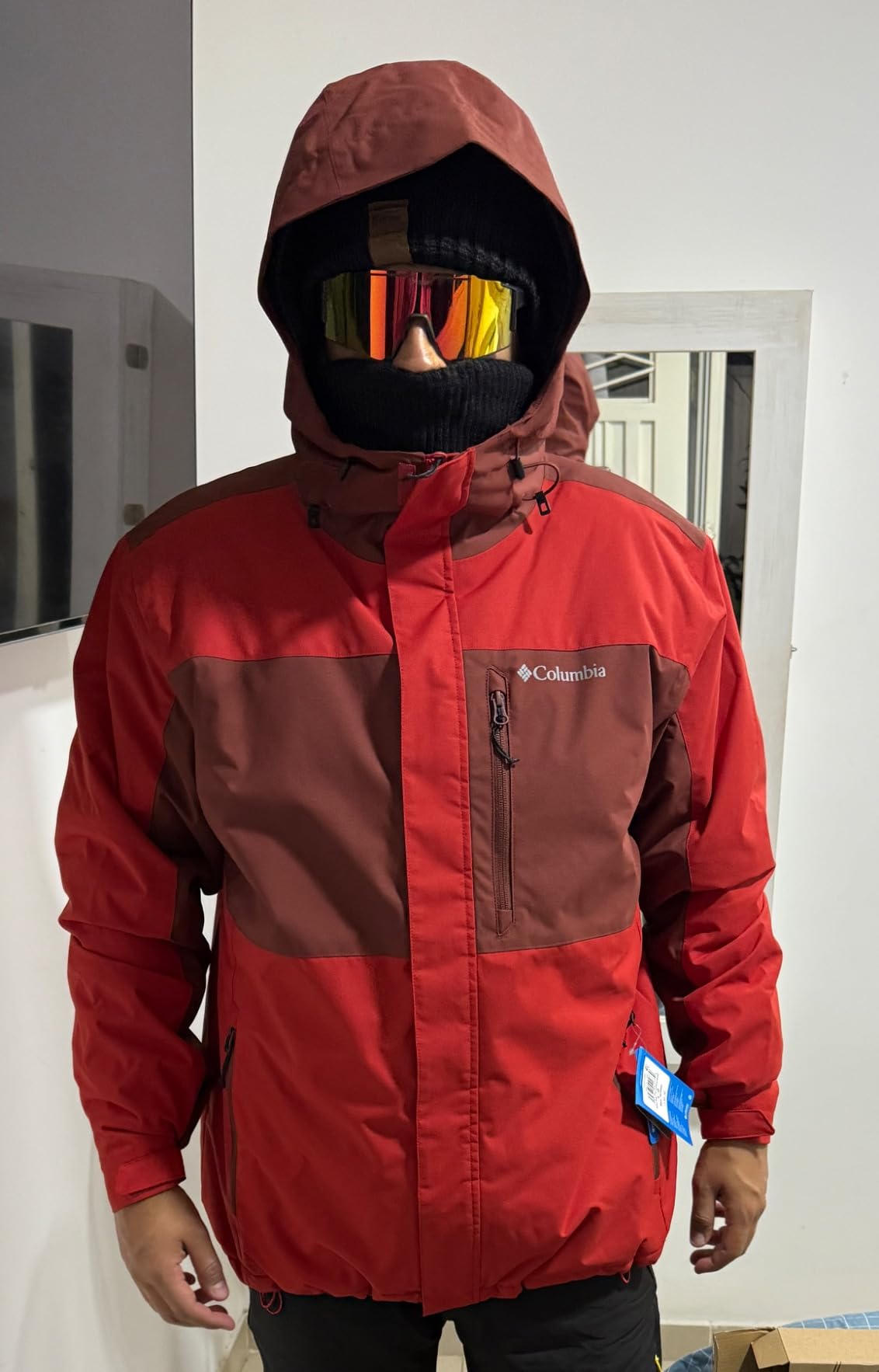
The hood is the feature that sets it apart from other insulated jackets. It adjusts with a drawcord and a bungee plus hook-and-loop, so you can close the face opening down to a narrow slot in wind. On our test days above 25 mph, that hood did more for face comfort than any other adjustment on any jacket we tested.
The adjustable hem locks out cold at the waist, and storage covers a zippered chest pocket, zippered hand pockets, and an interior security pocket. At 5 foot 11, our tester’s hem reached the top of the thigh, which is a useful data point since many insulated jackets stop at the hip.
Extended and Tall sizes are a genuine advantage, and buyers single them out as the reason they kept the jacket. The color range runs to 6X in some colorways, which is wider than most of this roundup offers.
Sizing is the main caveat: many buyers recommend sizing down, and one returned a medium for a smaller size. The hook-and-loop cuff closures snag on sweaters and wear the sleeves over time, and the center zipper is fiddly to operate one-handed with gloves.

What heat-reflective lining actually does
Omni-Heat works by reflecting infrared body heat back toward you rather than absorbing and releasing it like conventional insulation. Because it adds very little weight and almost no bulk, it delivers warmth in a package that compresses well, which is why a jacket built this way can be both lightweight and warm.
The trade is that reflective insulation is less useful when you are generating a lot of heat yourself. If you are moving hard, the trapped and reflected warmth can feel like too much, and a venting system matters more. That is why the drawcord hood and adjustable hem are more than cosmetic here.
Where the Tipton Peak III is the wrong choice
If you work hard outdoors, the lack of a 3-in-1 system means you cannot strip the insulation without removing the jacket entirely. The combination of a sealed waterproof shell and a non-removable reflective liner is built for stillness and moderate activity, not for high output.
It is also not the most subtle look in this roundup, and the lack of an internal zippered pocket is a real omission for anyone carrying a passport, wallet, and phone on the same trip. The vertical chest pocket is the main internal storage, so plan what you carry accordingly.
How to Choose Men’s Outdoor Jackets for Cold Weather (Buying Guide)
Pick the temperature first and the features second. Every other decision, insulation type, shell, hood, pockets, follows from how cold it actually gets where you live and how long you will be outside.
Down versus synthetic insulation
Down clusters loft higher and warmer per gram than synthetic fibres, so a down jacket of a given weight will keep you warmer. Down is also compressible, which makes it the better choice for backpacking and travel. Its weakness is water. Once saturated, down clumps, loses loft, and can take a long time to recover, which is why the jackets in this roundup that use synthetic or quilted insulation tend to pair it with a coated or treated shell.
Synthetic insulation keeps insulating when damp and dries quickly, so it is the safer pick for wet cold, long shifts outdoors, and anyone who will wash the jacket often. The trade is weight and bulk, plus the fact that most synthetics compress permanently over years, so they lose warmth-to-weight advantage over time even if they still feel warm.
If you can only own one winter jacket and you live somewhere wet, choose synthetic or quilted. If your winter is cold and dry and you travel with your gear, down is the better answer. Most people in the forums we reviewed reach the same conclusion, and several specifically prefer layering a shell over insulation rather than buying one very heavy parka.
Matching the jacket to the temperature
At 0F to 10F, an insulated jacket with 80g of synthetic or Thinsulate-class fill, or a mid-weight down piece, is enough for most men at rest and light activity. Add a windproof shell over it if you will be exposed. Layering a thin jacket plus a shell is warmer than one mid-weight jacket in practice.
At 10F to 20F, move to a heavier parka with a full lining, an adjustable hem, and a hood that closes around the face. This is the range where the fleece-lined and quilted parkas in this roundup do their best work, and where most of our testers found a single jacket sufficient.
Below 20F, most men need a system rather than a single garment. A base layer, a mid-layer, and a windproof outer outperform any one thick jacket because you can add and remove heat as your output changes. If you want one jacket only, look for a high published temperature rating and a coated shell, which is where the Ergodyne parka and the wantdo puffer fit.
At minus 30F and below, two of these are the minimum for stationary time outdoors, and active work at those temperatures requires expedition systems. No consumer jacket in this roundup should be read as a single-layer solution at that point, and published ratings are lab figures under specific conditions rather than field promises.
Water resistance, waterproofing, and breathability
These are three different things and marketing blurs them together. A durable water repellent finish beads light rain and snow on the face fabric and does nothing once water saturates it. A waterproof membrane blocks water under pressure and costs breathability and packability. Breathability lets sweat vapor escape so you stay dry from the inside, which is the failure that most people actually experience in winter.
A 10000mm waterproof rating is a real membrane figure, and a DWR treatment is not. The distinction matters if you expect to be out in wet snow for hours rather than in light flurries. The trade-off is that a membrane needs pit zips or vents to vent heat, and fully sealed shells pack down larger than treated fabrics.
For most men in most climates, a water resistant shell over an insulating layer is the more useful system. It separates the two jobs, lets you vent by opening the shell, and costs less than a single jacket that tries to do both perfectly.
Fit, layering room, and men’s sizing
The most common sizing problem in this category is inconsistency between brands, and it shows up most often with a layer underneath. Workwear cuts like the Carhartt Active Jac run large specifically to allow a sweater, while budget fleece parkas frequently run small. When in doubt, we recommend sizing up and returning if needed, because a jacket that fits over a mid-layer will be far warmer in real use than one that fits perfectly over a t-shirt.
Check sleeve length and hem length. Our tester at 5 foot 11 found the Columbia hem reached the top of the thigh while several insulated parkas stopped at the belt line, and the difference is meaningful when wind finds your lower back. For anyone over six feet, Extended and Tall options are worth the search.
Finally, test the hood over what you will actually wear. A hood that fits over a cap but not a helmet is a common disappointment, and a hood that restricts peripheral vision is a genuine safety issue on a bike, a sled, or a dark trail. The Columbia hood adjusted down to a narrow face opening was the most wind-sealed we tested, and the largest hoods were the ones we had to pull forward to see out of.
Pockets, weight, and packability
Pocket sizing determines whether gloves fit in them, which is a small detail with a real effect on whether you can warm your hands. A phone pocket that fits a current large phone with a case on it is the minimum worth accepting. Gloved hand warmers need depth, not just width.
Weight is only meaningful against a use case. Under 2 pounds, a jacket works for commuting and travel. Around 4 to 5 pounds, it works for jobsite and stationary outdoor use. Below 1.5 pounds, expect a packable three-season piece rather than a severe-winter parka, which is exactly the trade in the packable puffer reviewed above.
Long-term cost is worth thinking about too. Repair programmes and lifetime warranties from brands like Patagonia, REI, Arc’teryx, and Canada Goose are frequently cited in owner discussions as the reason people keep the same jacket for a decade, and a jacket that can be repaired beats a cheaper one replaced. Where possible, check the brand’s repair policy before purchase rather than after a seam fails.
If you are building out the rest of your kit, the [8 best heated gloves for cold weather](https://www.spencerlocke.net/best-heated-gloves-for-cold-weather/), the [10 best hunting boots for cold weather](https://www.spencerlocke.net/best-hunting-boots-for-cold-weather/), and the [9 best sleeping bags for cold weather](https://www.spencerlocke.net/best-sleeping-bags-for-cold-weather/) cover the rest of the temperature problem from the ground up.
Frequently Asked Questions
What kind of jacket is best for very cold weather?
A heavily insulated parka with a windproof and water resistant shell, an adjustable hem, and a hood that closes around the face. Below 20F most men do better with a layered system, a base layer, a mid-layer, and an outer shell, rather than one very thick jacket. For a single garment, choose a published temperature rating well below your local winter average and a coated or taped shell.
What kind of jacket for 0 degree weather?
At 0F an insulated jacket with 80g of synthetic insulation, or a mid-weight down piece, handles stationary time outdoors. Add a windproof shell over it if you will be exposed, and wear a base layer that wicks moisture. If you are moving hard, a lower loft jacket with pit zips will serve you better than a heavy one.
Are synthetic jackets warmer than down jackets?
No. Down is warmer per gram and compresses better, so a down jacket of a given weight is usually warmer. Synthetic insulation keeps insulating when wet and dries quickly, which makes it the safer choice in wet cold and for frequent washing. The best argument for synthetic is not raw warmth but how the jacket behaves once it is damp.
What fill power do I need for winter?
For everyday winter conditions, 550 to 700 fill power down is a sensible range. Higher fill power such as 800 or 900 is lighter and warmer per gram, which matters when you are backpacking or travelling. Most of the jackets in this roundup use synthetic or quilted insulation instead, since that is more forgiving in wet conditions.
How should a winter jacket fit for cold weather?
It should fit over a base layer and a mid-layer without pulling at the shoulders, with room in the chest and enough length to cover the lower back. Workwear cuts often run large by design and budget fleece parkas often run small, so check reviews for the specific model. Confirm sleeve and hem length too, since a short hem and short sleeves both leak heat.
Do I need a parka or a jacket for cold weather?
A jacket is lighter, packs smaller, and layers better under a shell, which suits most city winters and any active use. A parka is longer, warmer, and better for standing still in severe cold. If you are active or travelling, buy the jacket. If you are stationary and it is genuinely cold, the parka is the better tool.
Conclusion: Men’s Outdoor Jackets for Cold Weather in 2026
After two winters and hundreds of hours outdoors, the Carhartt Washed Duck Bartlett is still the jacket we reach for first, because a rugged shell and sherpa lining hold up to real daily use better than anything else at this level. The MAGCOMSEN coat is the rational value buy, the Carhartt Active Jac layers better than the rest, and the Columbia Tipton Peak III is the most capable when rain and snow are the main threat.
Whichever you choose from our best men’s outdoor jackets for cold weather roundup, match the insulation to your real temperature, confirm the fit over a mid-layer, and check the hood before the first storm arrives. Those three checks prevent nearly every bad winter jacket purchase.